


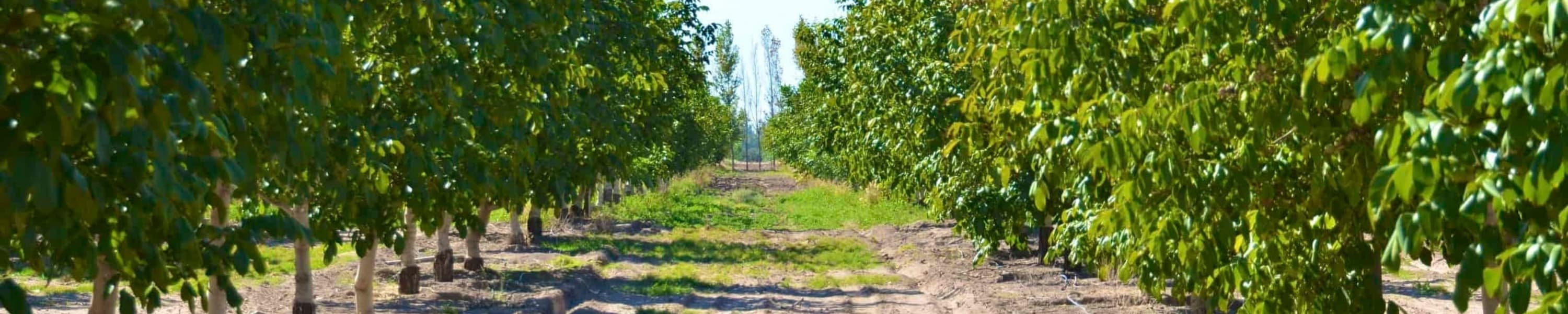




Walnut Orchard Establishment in Algeria
Water decides where a walnut orchard can work in Algeria. Rain can reach 1,600 mm a year on the northern mountains but varies from year to year, the High Plateaus receive only 100 to 400 mm, and summers are hot and almost rainless (FAO AQUASTAT, 2015). A 2014 master's thesis, citing a 1996 study, puts walnut's water needs at 700 to 800 mm a year at least, with enough water in July and August, so plan irrigation for every new orchard.
The same thesis, citing the forest research institute INRF (2011), lists walnut in the Aurès massif, the regions of Sétif, Khenchela, Batna, Annaba, Tlemcen, Ain Sefra and Skikda, and Greater Kabylie, with a clear decline around Annaba and Batna. A 2003 study it cites reported that many local trees were lost each year to the extraction of their root bark (souak), traditionally used to rub the gums, or replaced by fruit crops that need more water.
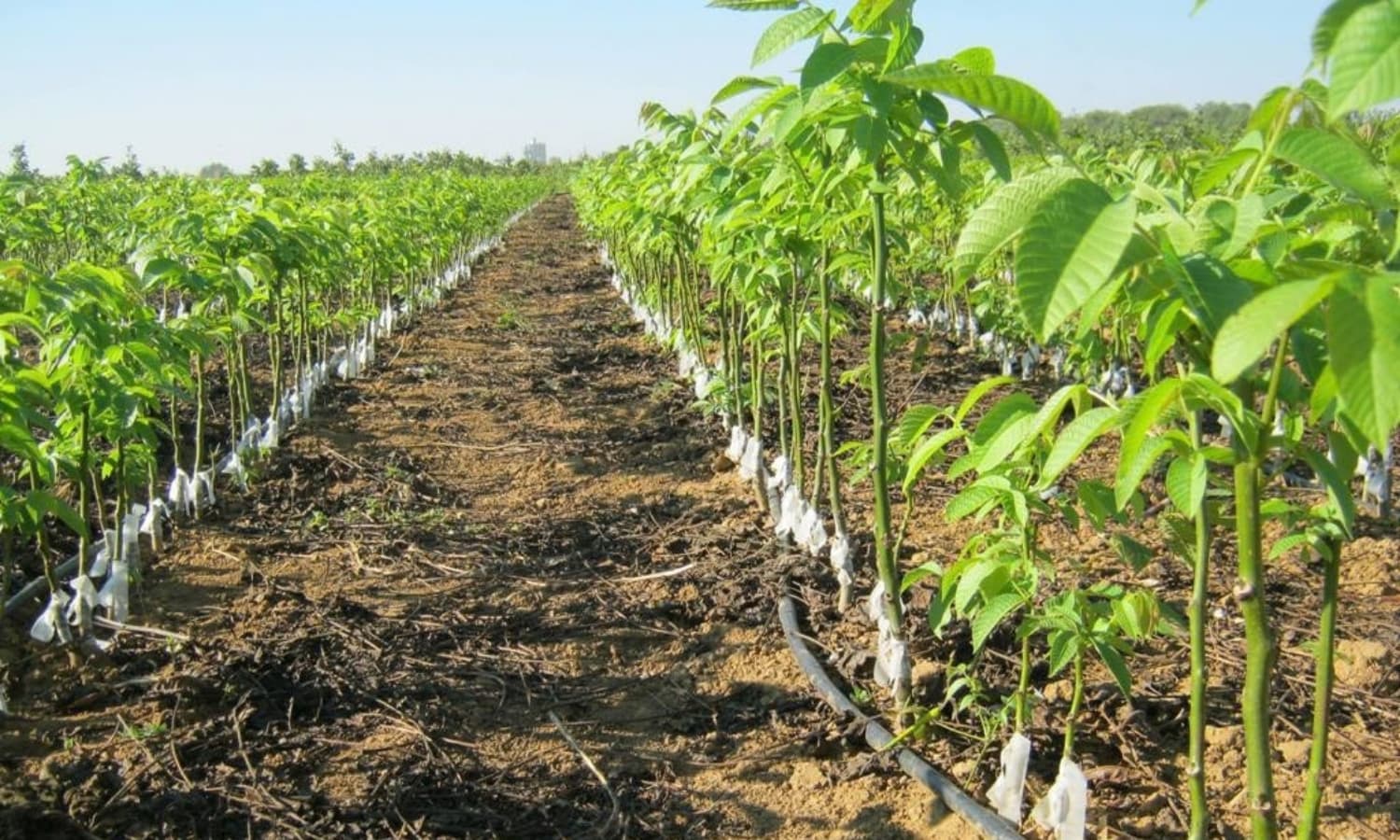
Plant grafted trees of named cultivars, and check their flowering. A 2006 national report listed five walnut varieties authorized for sale, among them Franquette, Payne and Eureka. At the INRF station at Baraki, in Algiers province, only 4 of the 14 nine-year-old seedling trees studied produced male flowers, and female flowers opened a week after pollen shed began, a mismatch the thesis names as a constraint for walnut orchards in Algeria.

Practical Tips for Walnut Orchard Establishment
Secure water before planting: walnut needs at least 700 to 800 mm of water a year, including in July and August, when it rarely rains.
Plant grafted trees of named cultivars; ungrafted seedlings vary widely and start bearing only seven to nine years after planting.
Plant pollinizers whose catkins shed pollen while the main cultivar's female flowers are open, since mismatched flowering cuts fruit set.
On high sites with a risk of spring frost, prefer late-leafing cultivars such as Franquette; Payne breaks bud early (UPOV).
Avoid compact, poorly drained soils, which walnut tolerates badly, and check soil depth before you buy trees.
Ask the nursery whether the cultivar is entered in Algeria's official catalogue of varieties authorized for production and sale.
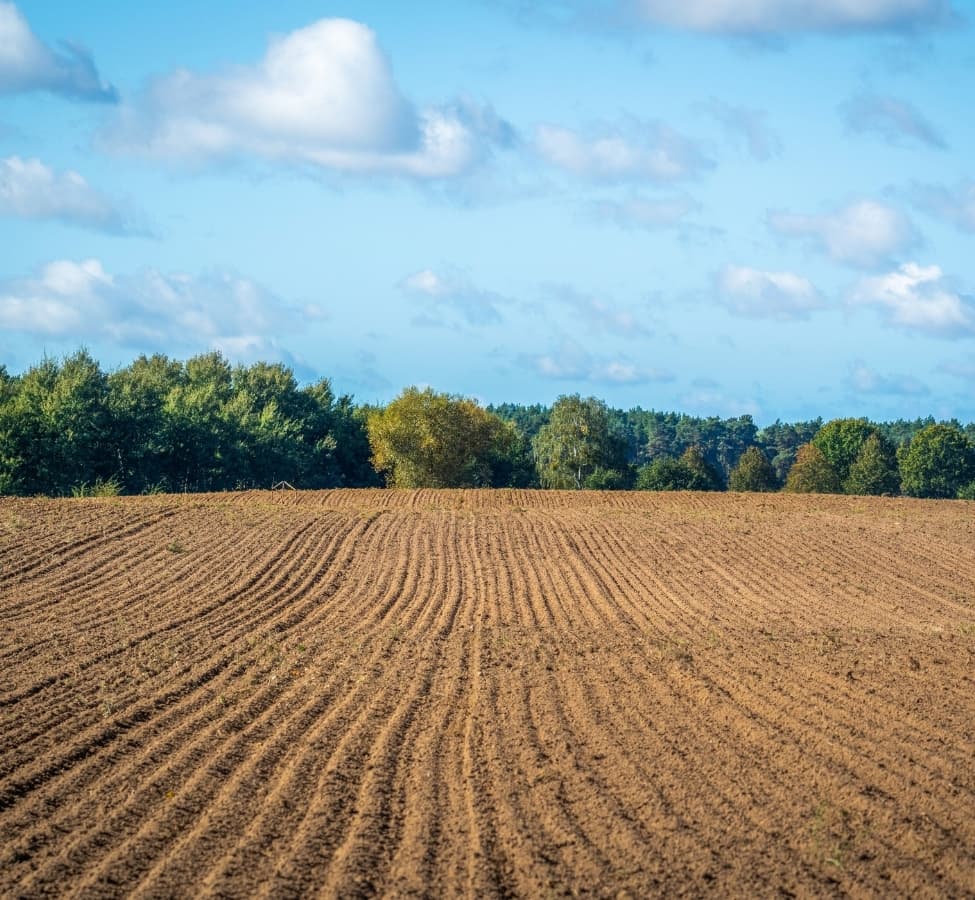
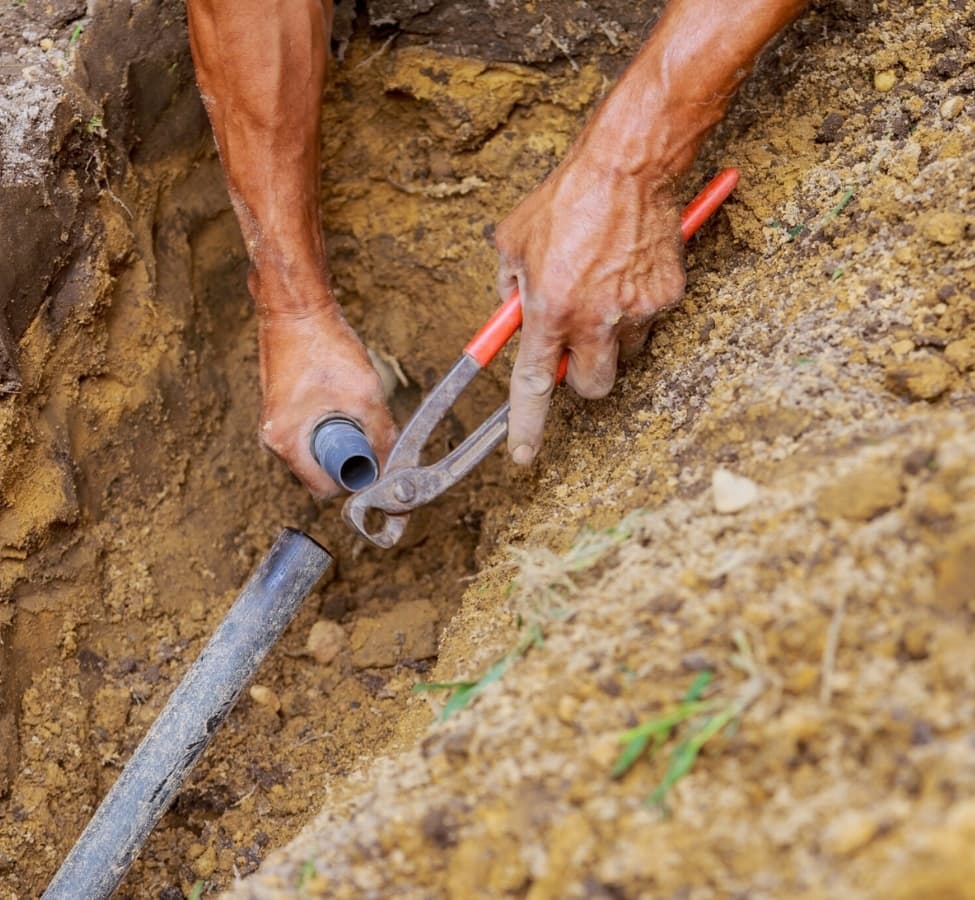
Recommended Establishment Stages




Walnut Orchard Care & Maintenance in Algeria
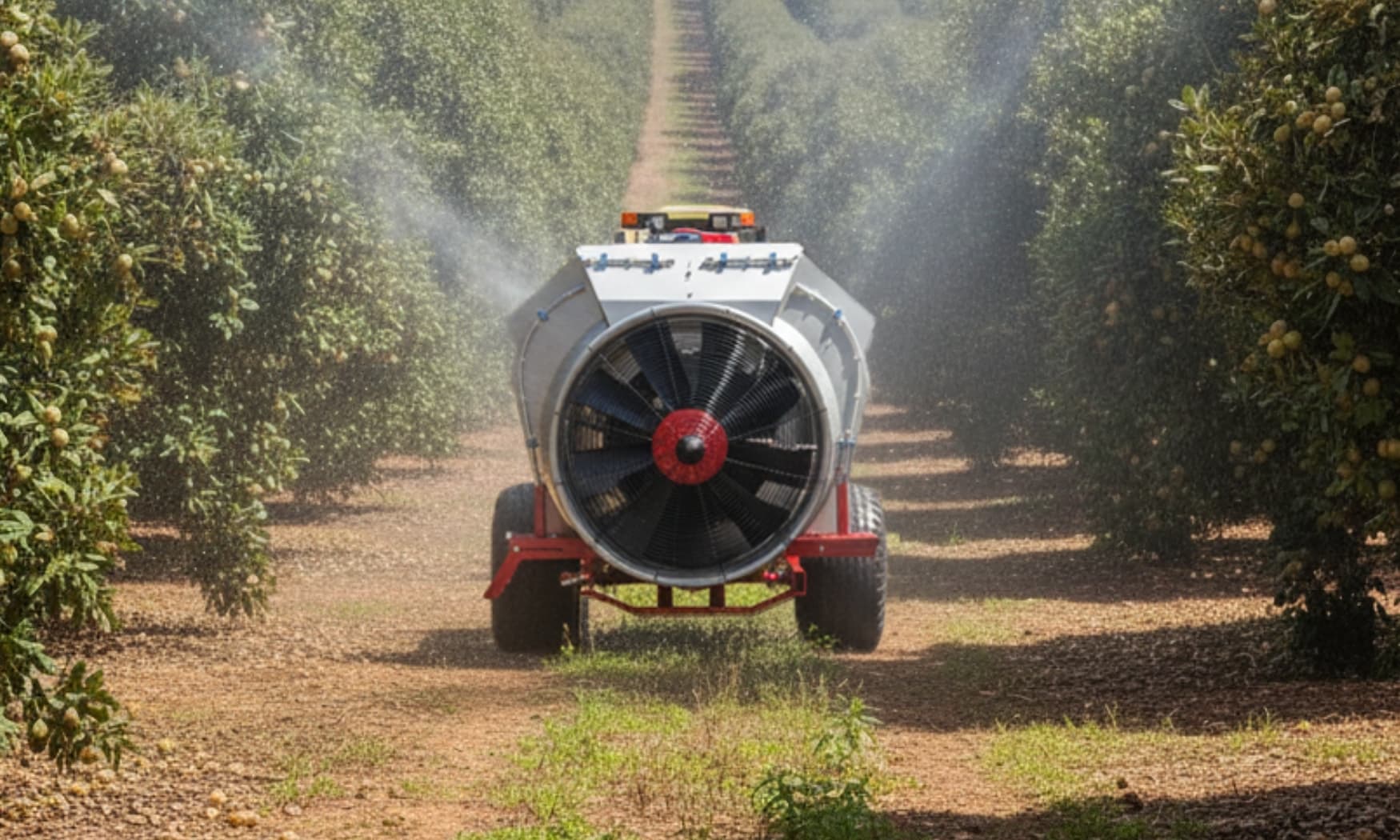
Water is the main care task. Between 2011 and 2022, drought hit northern Algeria hardest in 2016, 2021 and 2022 (Benhizia et al., 2024). In the Aurès, one grower's borehole ran dry even at 100 m and 1,000 of his apple trees were uprooted, while another orchard there uses drip irrigation (TSA, 2022). For walnut, University of California harvest guidance warns against letting trees become water stressed in summer or before harvest.
EPPO lists no record of walnut husk fly or walnut blight for Algeria, but a missing record is not proof of absence. Codling moth has been recorded in Algeria since 1930 and is the main pest of apple and pear around Batna; its pressure on walnut in Algeria is not documented, so follow its flights with pheromone traps.
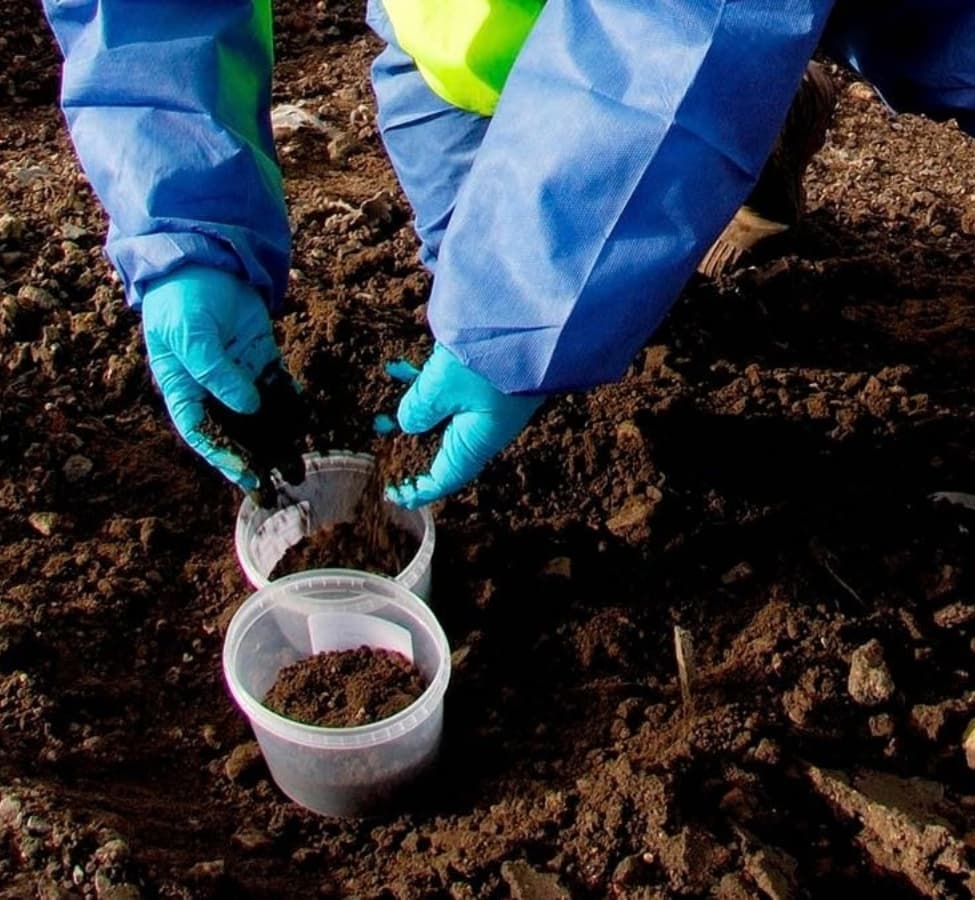
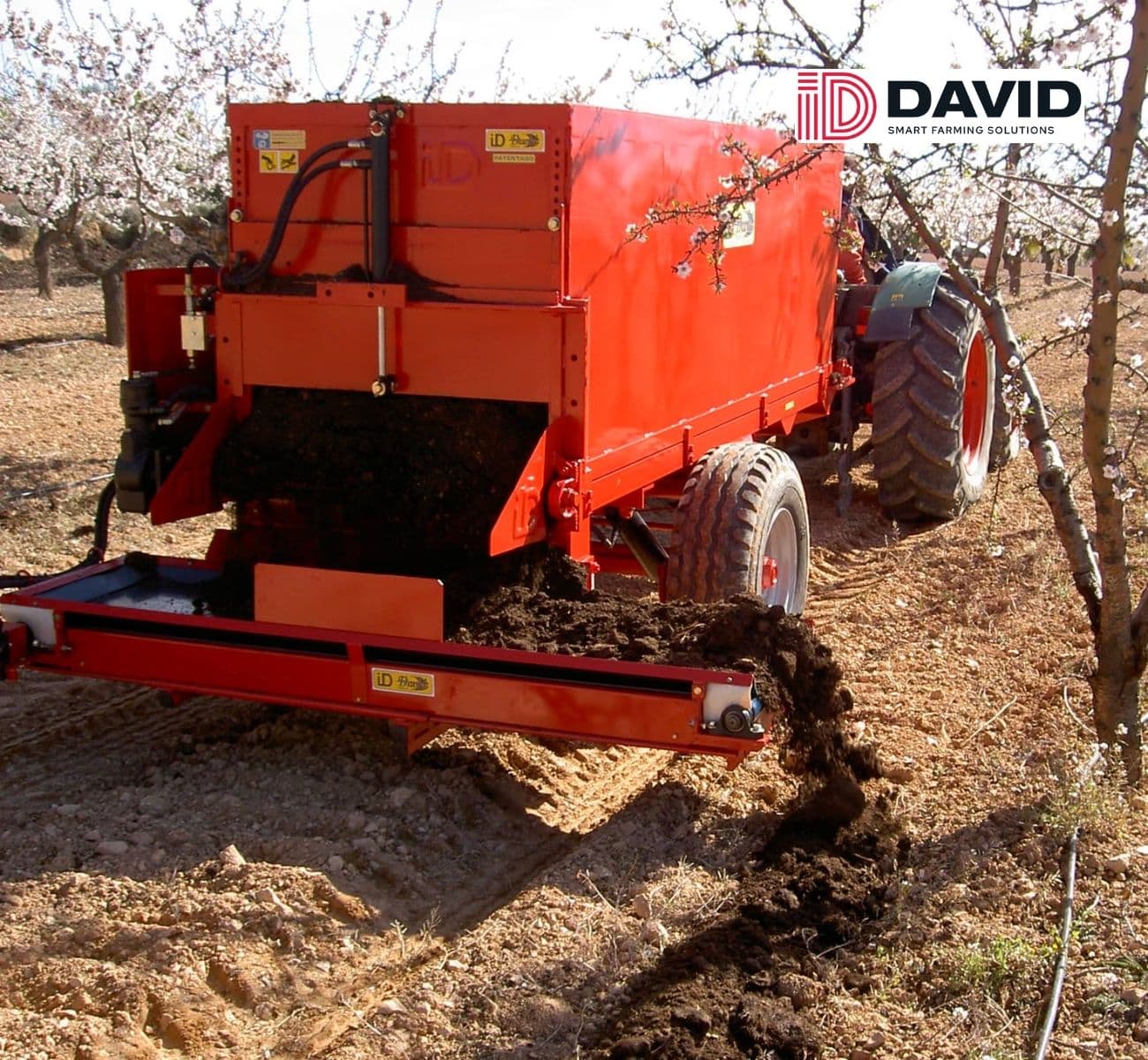
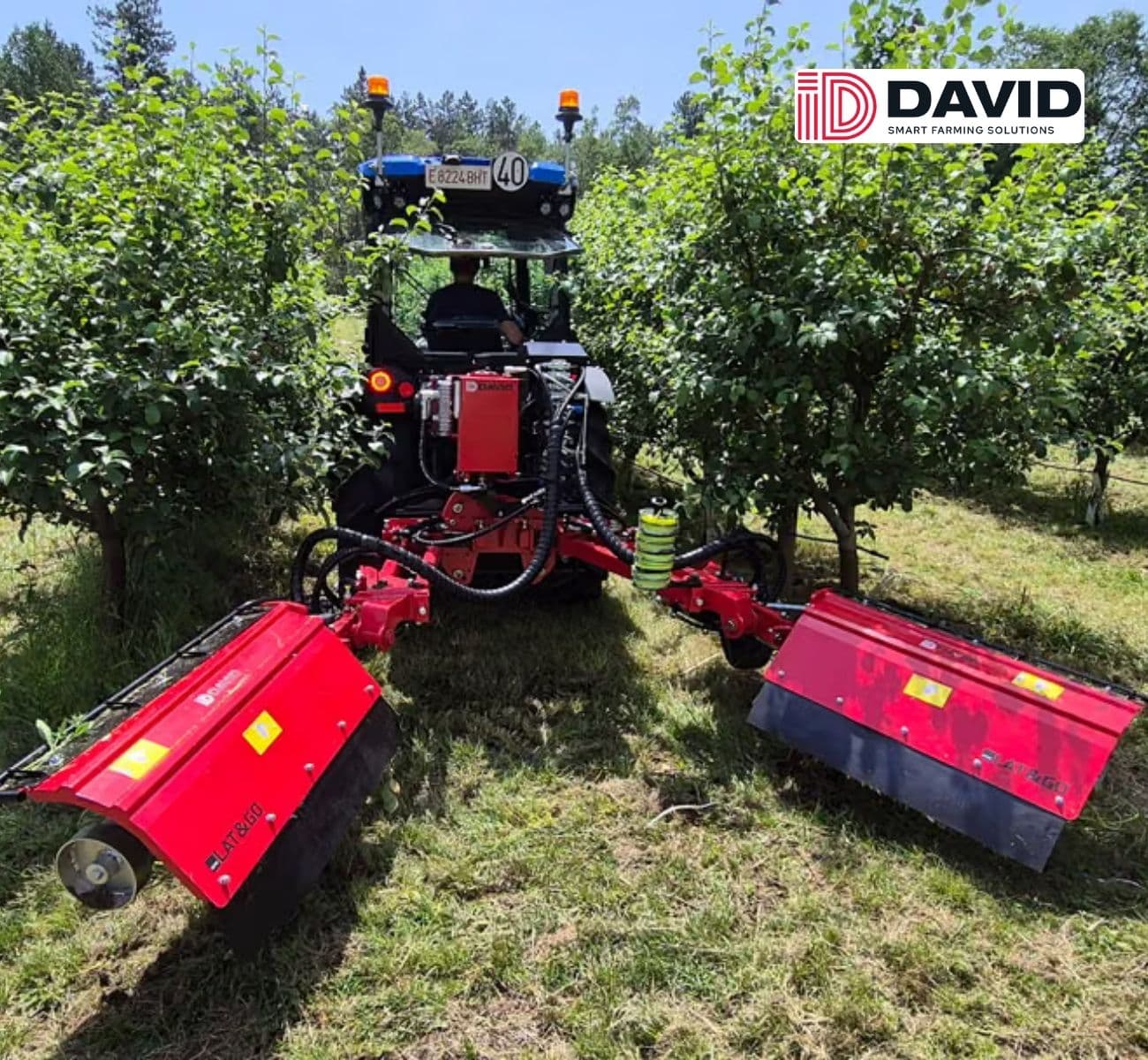
The rest of the care work prepares the orchard for machines: base fertilizer on soil analysis, train each tree to one straight trunk with room for a shaker clamp, keep crowns open to light and air, and mow and level the orchard floor before harvest so the nuts can be swept cleanly.
Recommended Orchard Care & Maintenance Stages



Practical Tips for Walnut Orchard Care & Maintenance
Schedule drip irrigation through the summer and up to harvest, so trees do not go into water stress before the nuts are gathered.
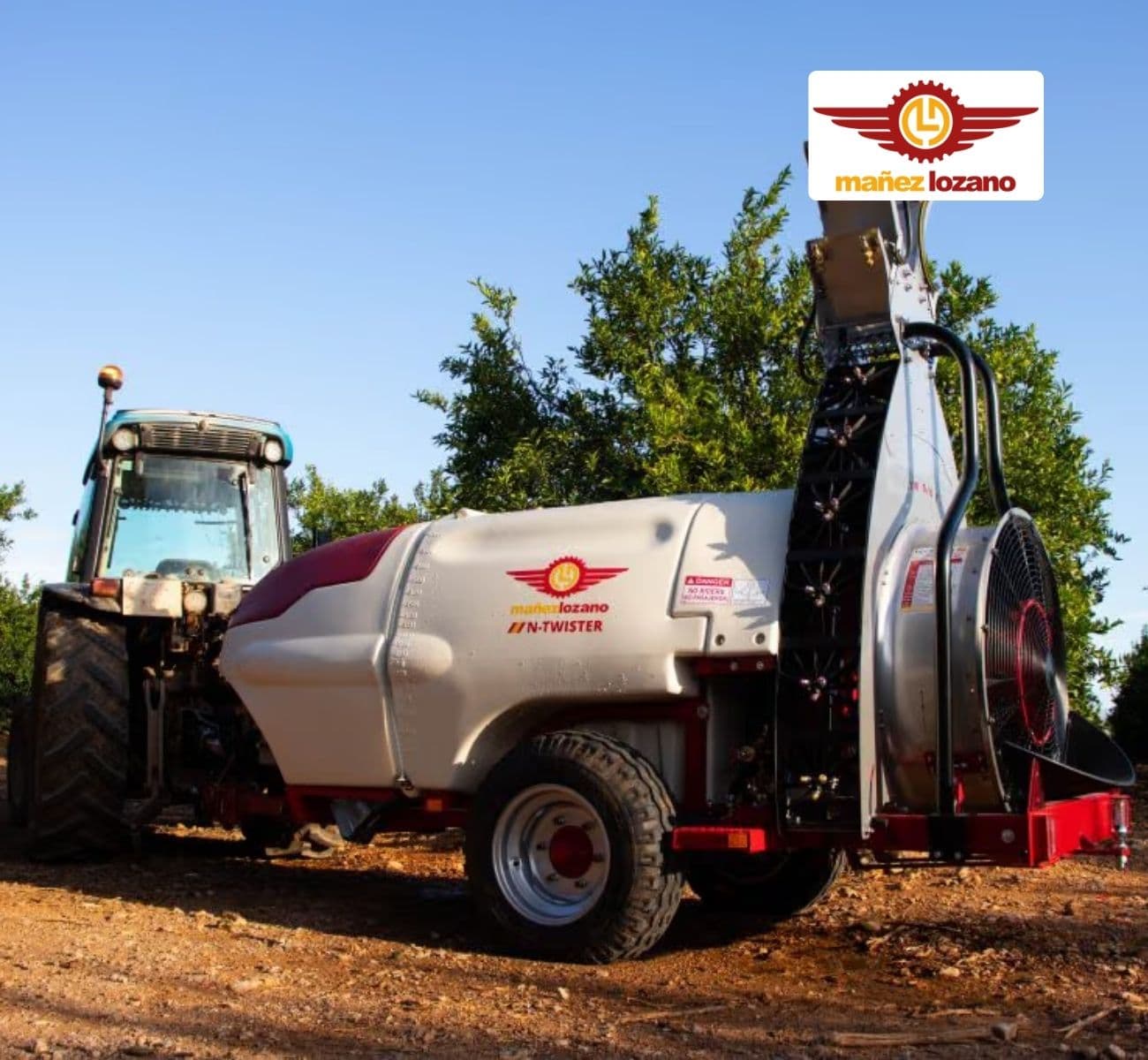
Hang codling moth pheromone traps from spring and treat only when the catches justify it, not by the calendar.
In summer, look for blackened, soft husks; walnut husk fly has no EPPO record in Algeria, so have such damage checked by the plant protection service.
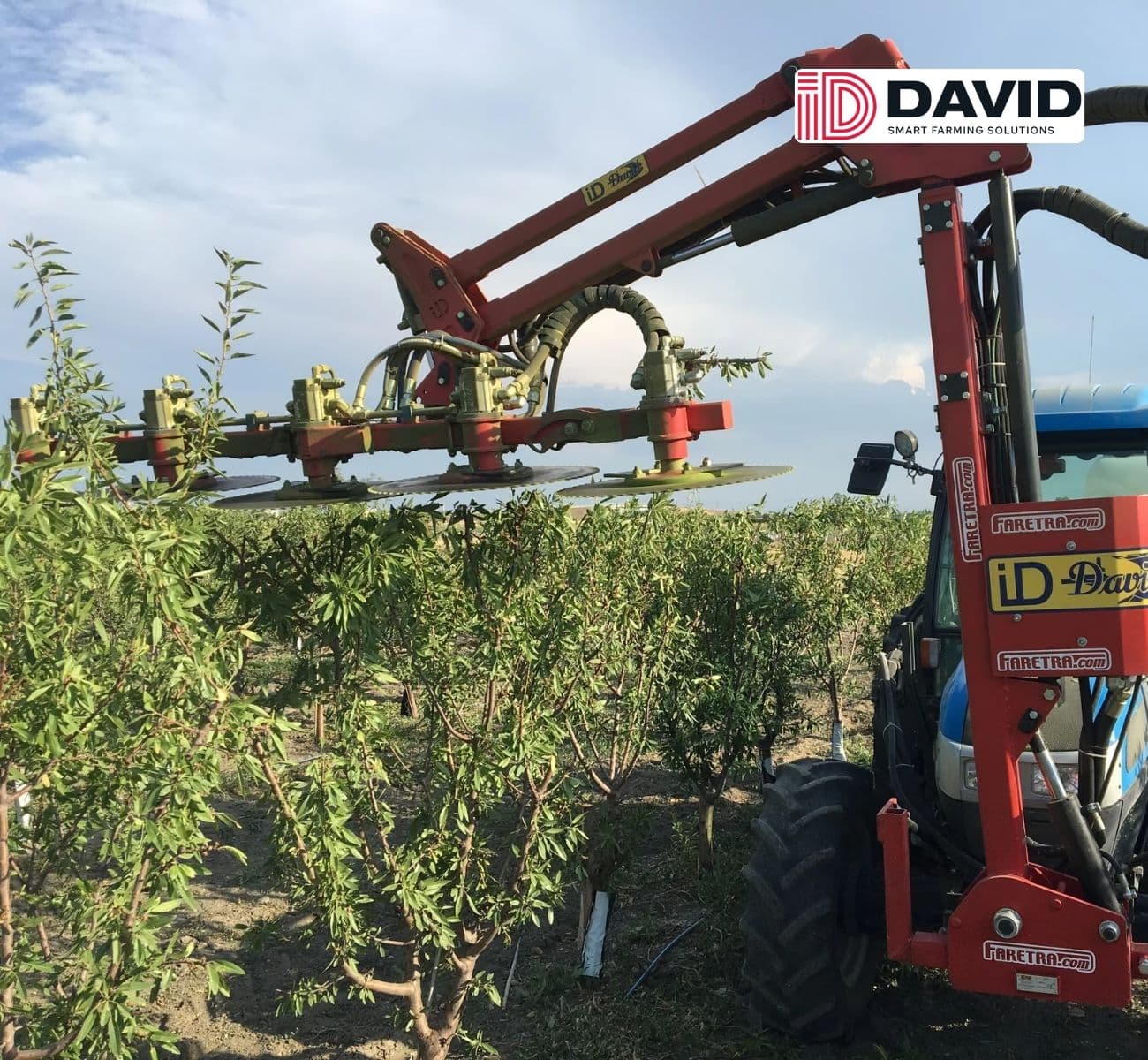
Keep crowns open and remove dead or diseased shoots, so the canopy dries quickly after rain and spray reaches the whole tree.
Train young trees to a single straight trunk, leaving a clear section for the shaker clamp.
Before harvest, mow, remove fallen branches and level the orchard floor, so nuts can be swept and picked up cleanly.

Walnut Harvesting in Algeria

How walnuts are gathered in Algeria today is not documented in published sources. A December 2025 Echorouk report says that, besides weather changes, rising harvesting and transport costs have led many farmers to give up growing figs, as they have walnuts. A 2025 New Medit study on farm labor shortages in Algeria notes that agriculture's share of employment fell from 14.1% to 9.6% over 20 years (ONS data).
Shake when most hulls have split and the packing tissue between the kernel halves has just turned brown, when kernels are lightest and most valuable (University of California). Pick up, hull and dry the nuts quickly: most quality loss happens in the first 9 hours after harvest, and kernels darken faster in hot weather.
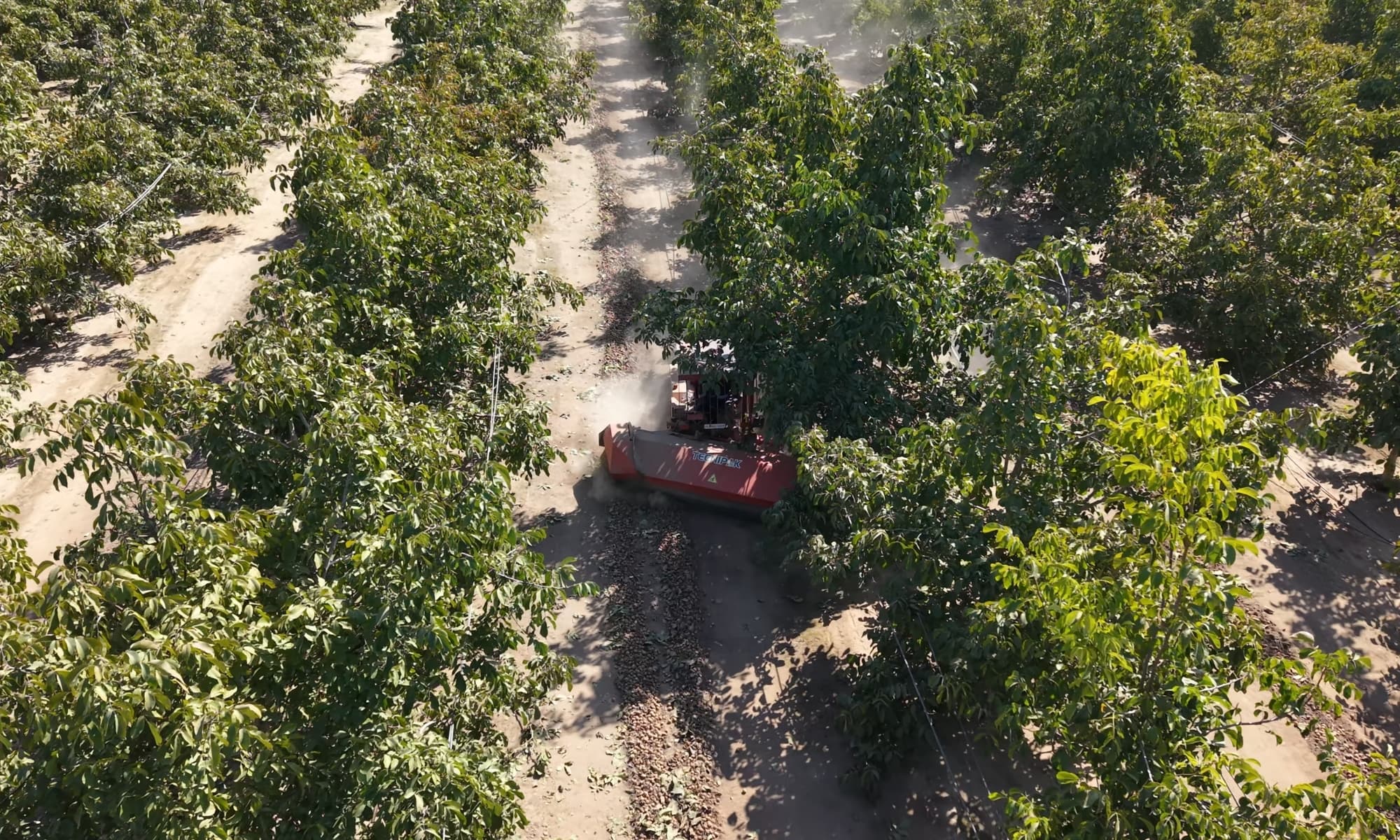
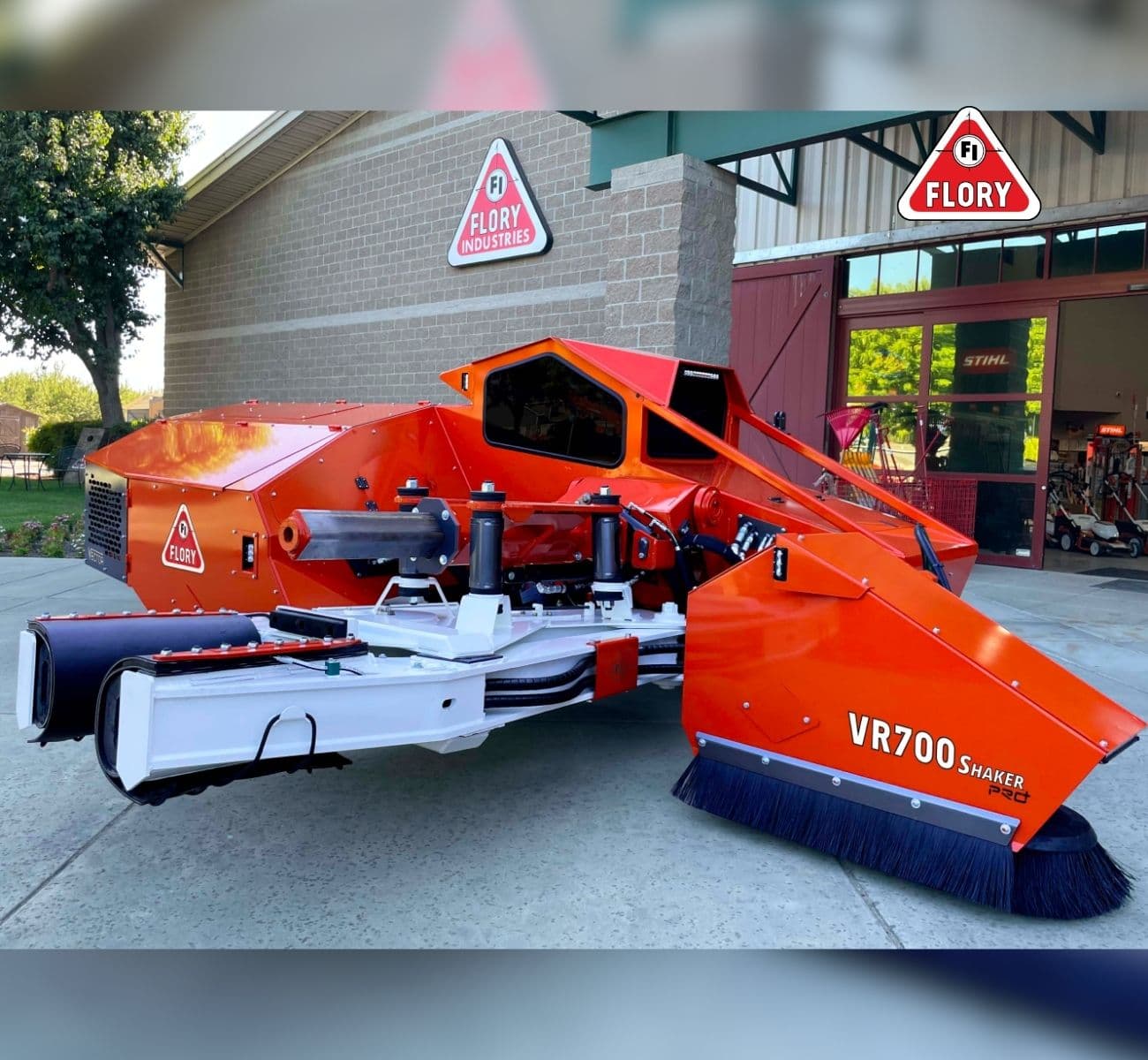
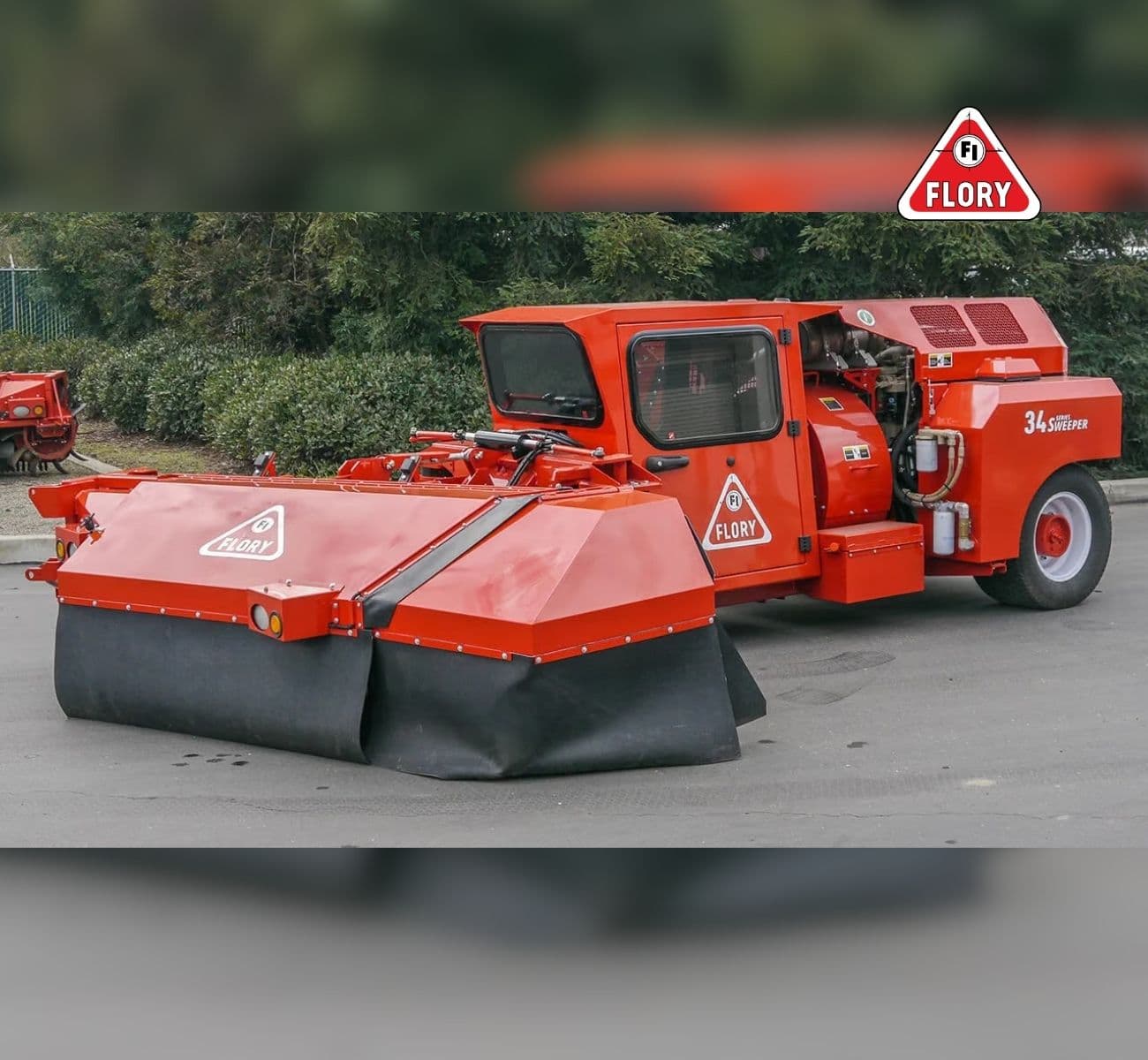
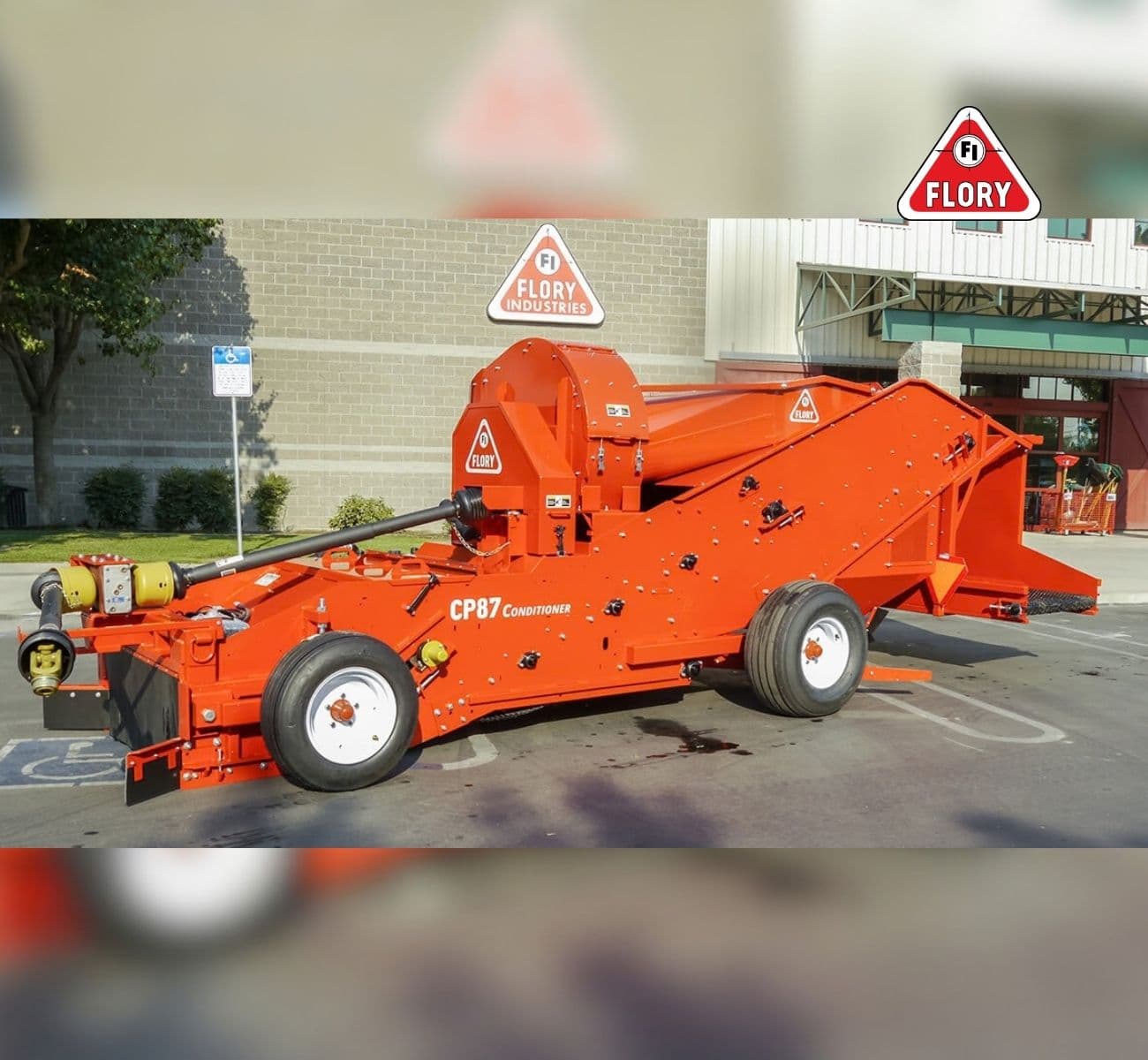
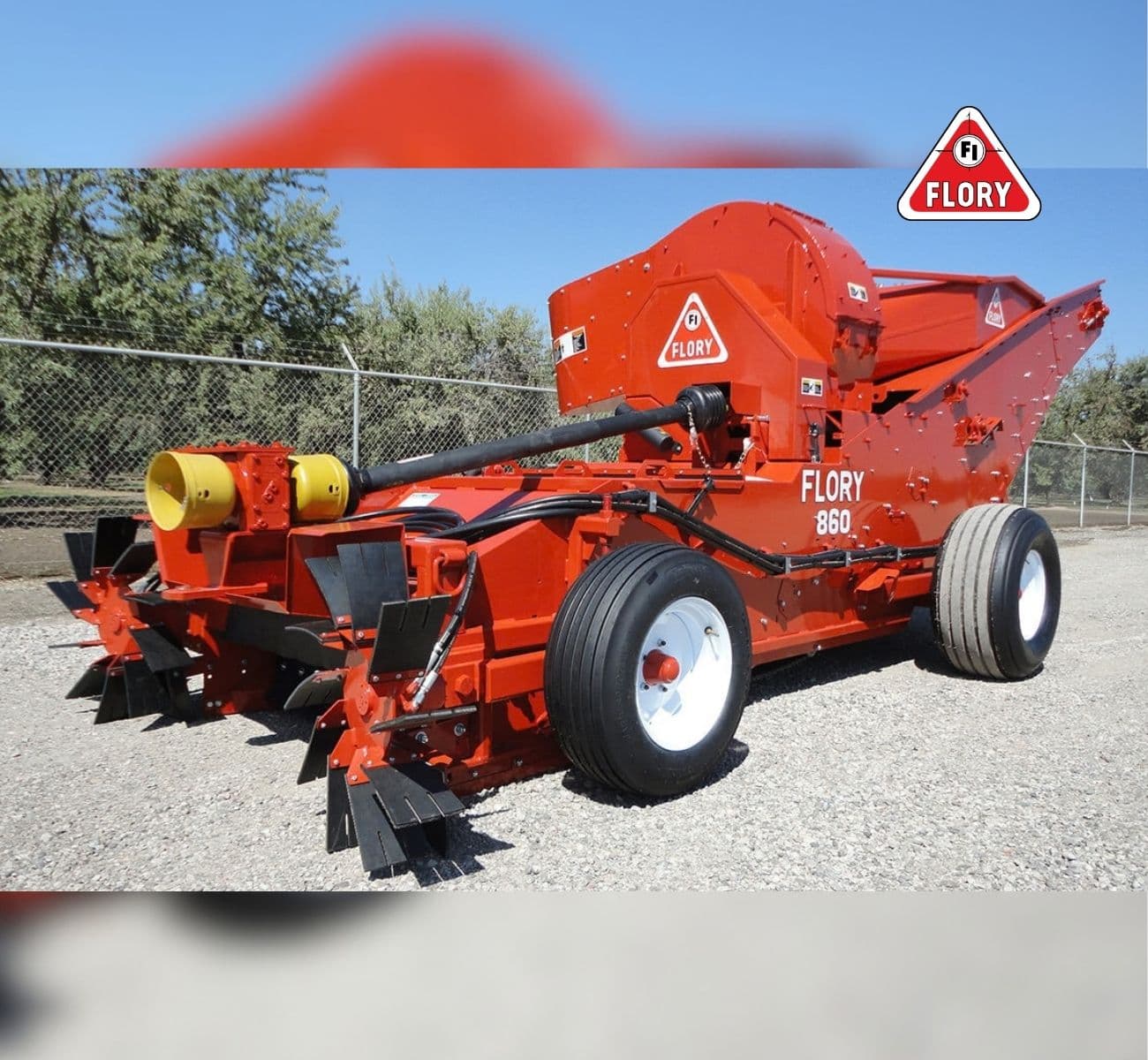
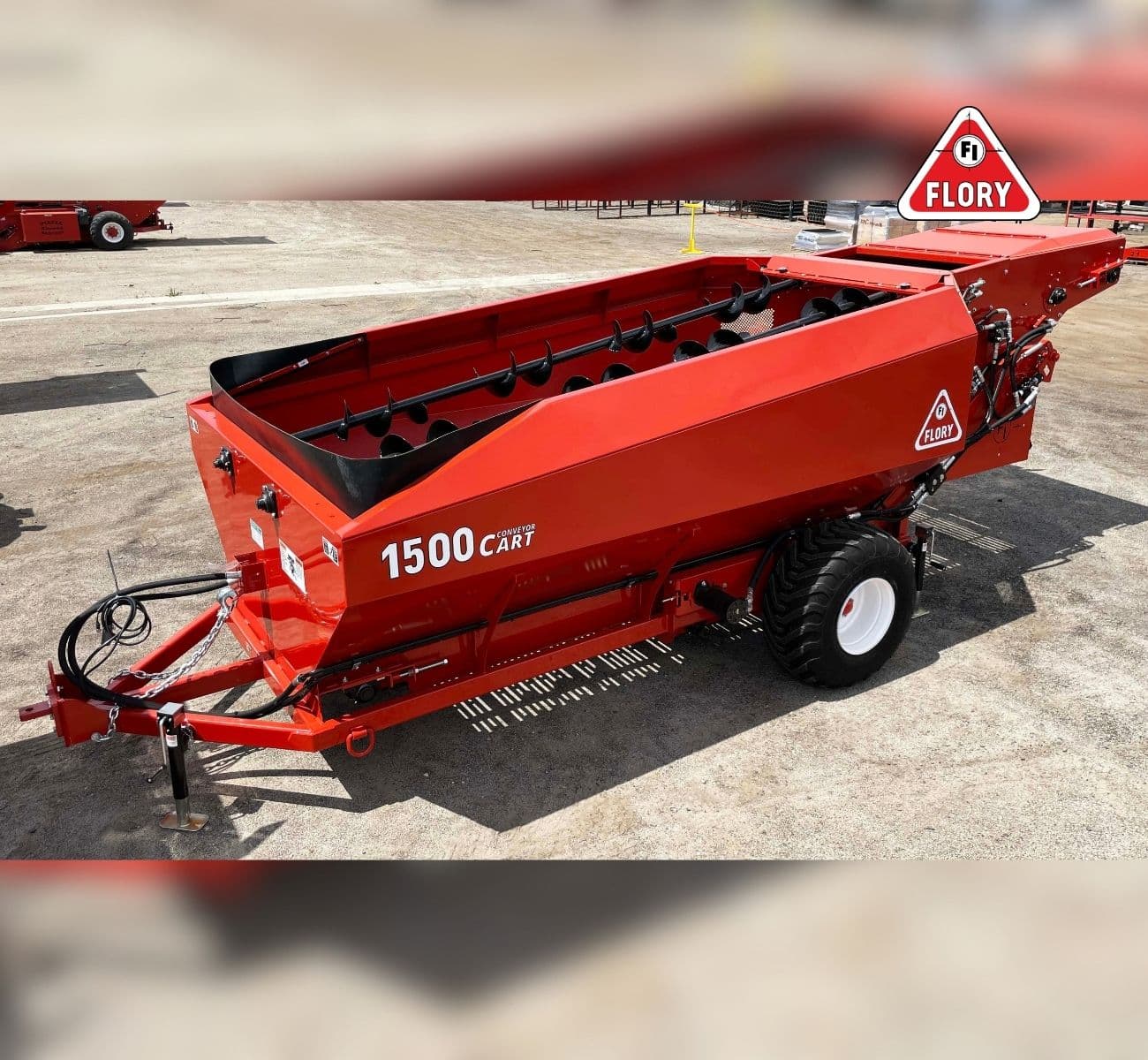
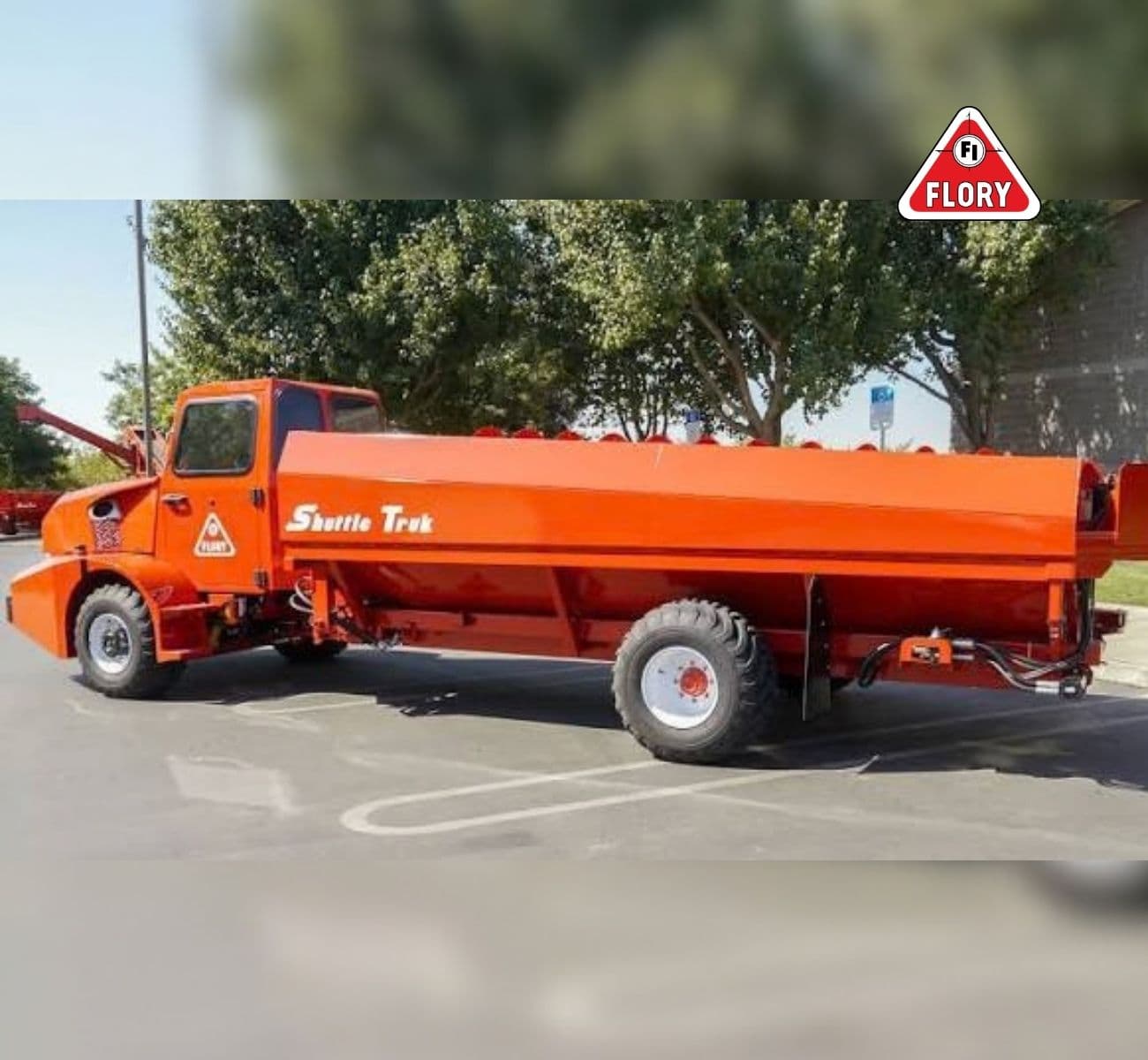
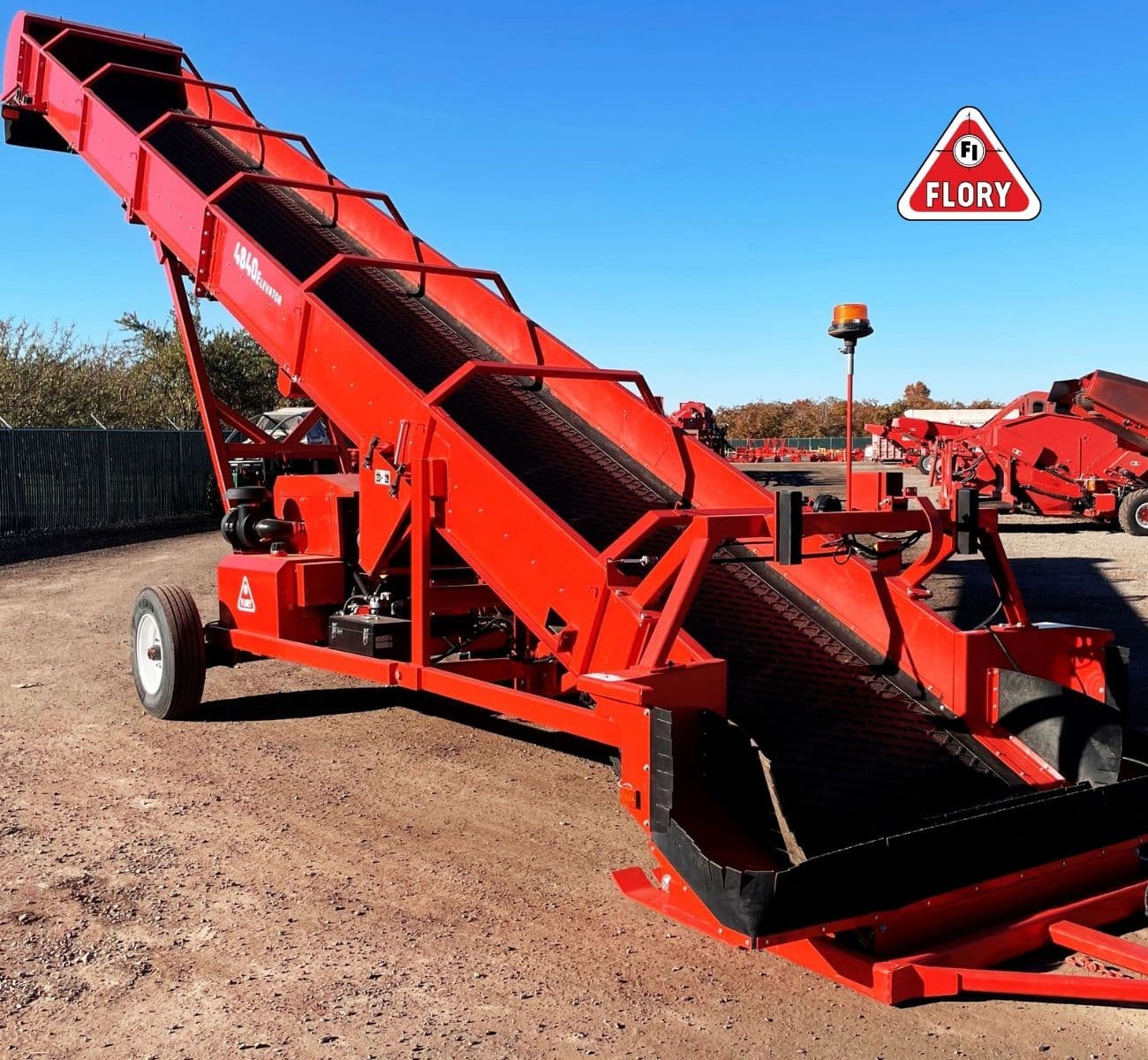
Mechanized walnut harvesting is not documented in Algeria. In new orchards planted with machine access in mind, a mechanized line shakes, sweeps and picks up each block on time, so nuts wait less on the ground and fewer hands are needed. The line runs from a trunk shaker and sweeper to a harvester, conveyor cart, shuttles and a field elevator, and Flory harvesting machinery is available in Algeria through OVE Europe.
Walnut Harvest Workflow (Recommended Equipment)
Practical Tips for Walnut Harvesting
Shake block by block when most hulls have split and the packing tissue has browned, rather than waiting for nuts to drop.
Plan each block so that it can be shaken, swept and picked up on the same day, as quality falls within hours.
Keep picked-up nuts out of the sun and deliver them to the huller quickly, because heat darkens the kernels.
Before harvest, mow and level the floor and clear fallen branches, so the sweeper and harvester take in less debris.
Check clamp pads and shaking time on young trees before the season to avoid bark damage.
Arrange hulling and drying capacity before harvest, so full shuttles can unload on the same day.
Get your recommended harvest setup
Enter orchard size, spacing, terrain, and target throughput—we’ll suggest a practical harvest workflow and equipment lineup.

Walnut Post-Harvest Handling & Processing in Algeria
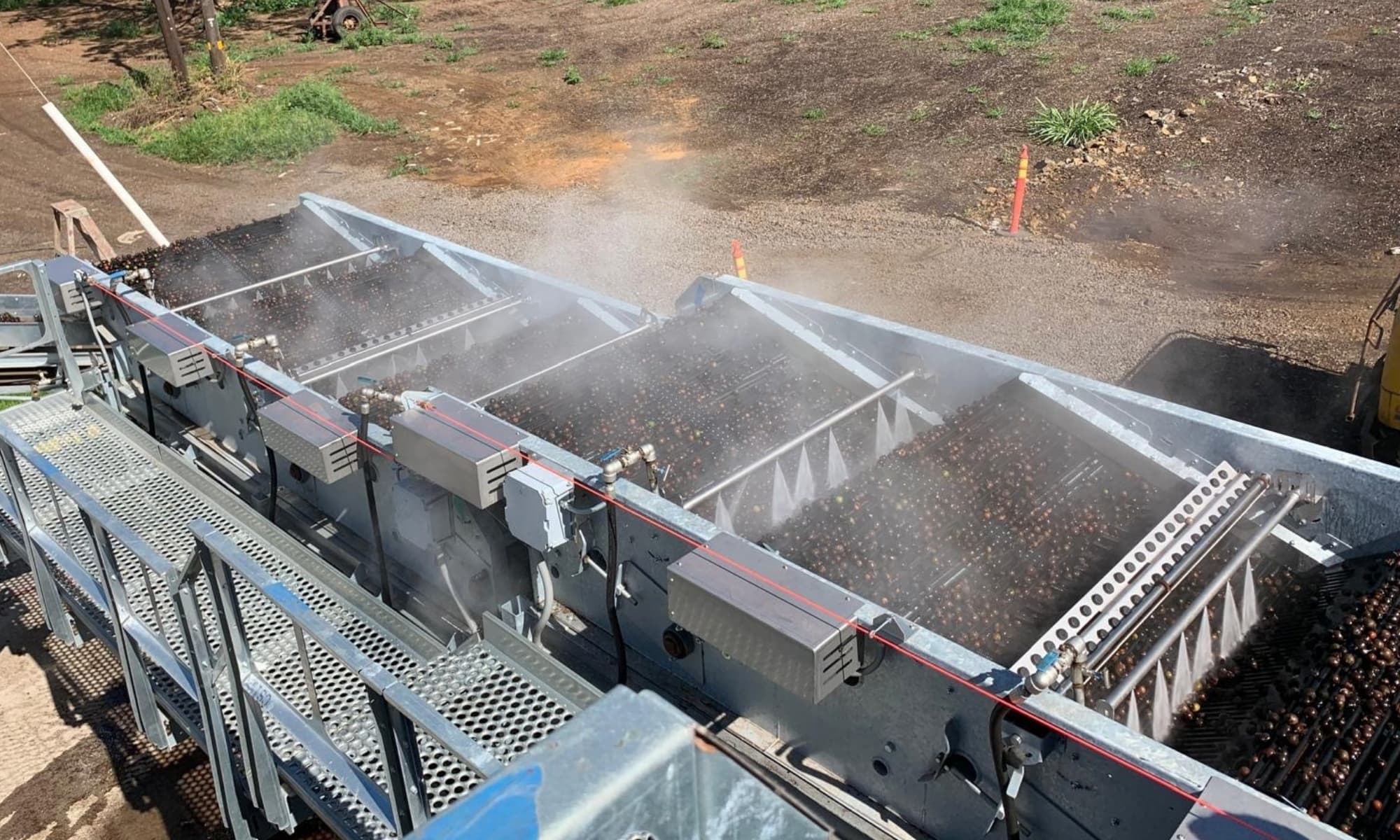
Walnut hulling, drying and storage in Algeria are not documented in published sources, so general guidance applies. Hull and wash the nuts as soon as possible after harvest, then dry them to 8% moisture, measured on the whole nut, with air no hotter than 43 °C: hotter air darkens kernels and shortens storage life, and early-season nuts at 30 to 40% moisture need 24 to 36 hours in a dryer (University of California).
Algeria exports almost no walnuts, while kernel imports keep growing: partners reported 1,242 t of kernels exported to Algeria in 2022 and at least 3,888 t in 2025 (provisional), most of it from China (UN Comtrade via WITS). Jessee, whose processing lines OVE Europe supplies, builds hulling, drying, in-shell cleaning and sizing, and cracking equipment for walnuts, and rates its standard hulling lines at 10 to 30 tons of output per hour.
For general information only. Information may become outdated and does not replace site-specific professional advice. Consult a qualified agronomist and confirm equipment suitability with OVE before acting.
Practical Tips for Walnut Post-Harvest Handling & Processing
Hull the nuts on harvest day; hulls left on stain the shells and lower kernel quality.
Wash the nuts right after hulling and start drying the same day, in thin layers or a dryer with good air flow.
Measure moisture on whole nuts and stop at about 8%, since overdrying makes the nuts brittle and loses saleable weight.
Keep drying air at 43 °C or below, and keep dried nuts out of direct sun, because heat darkens the kernels.
Store dried nuts in a cool, dry and ventilated room, lot by lot, until sale or cracking.
Sort out dark, moldy and empty nuts before sale, so light domestic kernels can compete with imported ones.
Recommended Post-Harvest Handling & Processing Stages









Plan your post-harvest line
Estimate tons/day, cleaning & drying capacity, storage needs, and cost/kg—then build your equipment plan in phases.