


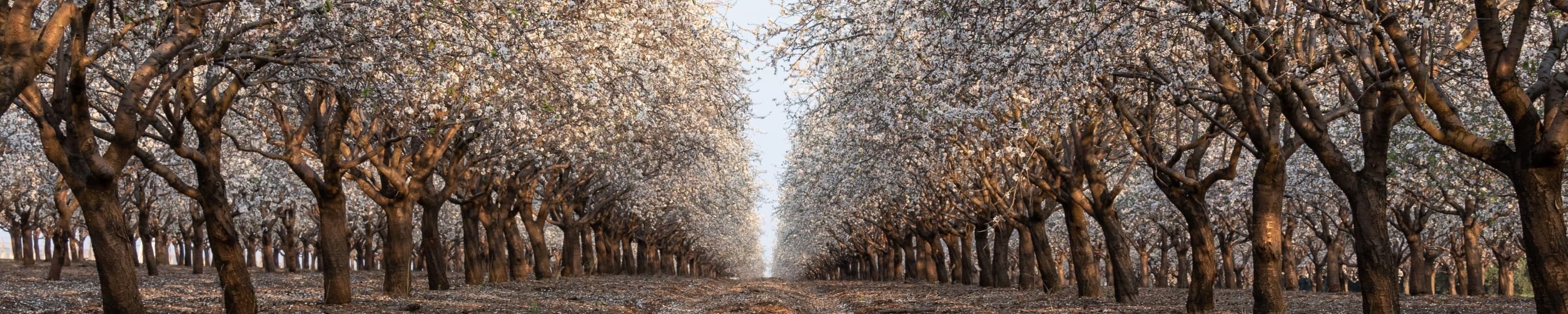




Almond Orchard Establishment in Armenia
No official almond figures by province were found. The Ministry of Economy names Ararat, Armavir, Aragatsotn and Kotayk among the provinces where intensive orchards, almond among them, are being established, and Armenpress reported in April 2023 that a company in Armavir province had established 360 ha of intensive almond orchard since 2019, with a 100,000 m³ reservoir. A study orchard in Armavir province lies at about 1,025 m in a semi-desert, dry-climate zone.
A 2024 study notes that Armenian almond production rests on local varieties long propagated by seed without grafting, so their traits vary widely; some resist drought and winter frost down to -30 °C or lower, and the study aims to select them for grafting on clonal rootstocks. Armenia's 2019 list of permitted plant varieties names three almond cultivars, Desertni, Krimski and Nikitski 62, while the Armavir study orchard grew Guara, Penta and Lauranne in 2021 and 2022.
Almond blooms early in the Ararat plain: a 1966 study of plants in Yerevan recorded bloom at the end of February in the unusually mild winter of 1962 to 1963, and a 2024 study reports late spring frosts on average from April into May and calls the plain Armenia's most frost-vulnerable area. A 2022 study reports saline-alkali soils on 34,200 ha of the Ararat valley and notes that groundwater 0.5 to 3.0 m deep usually affects irrigated soils; the Armavir study orchard had alkaline soil (pH 8.6) with chlorosis on Penta.
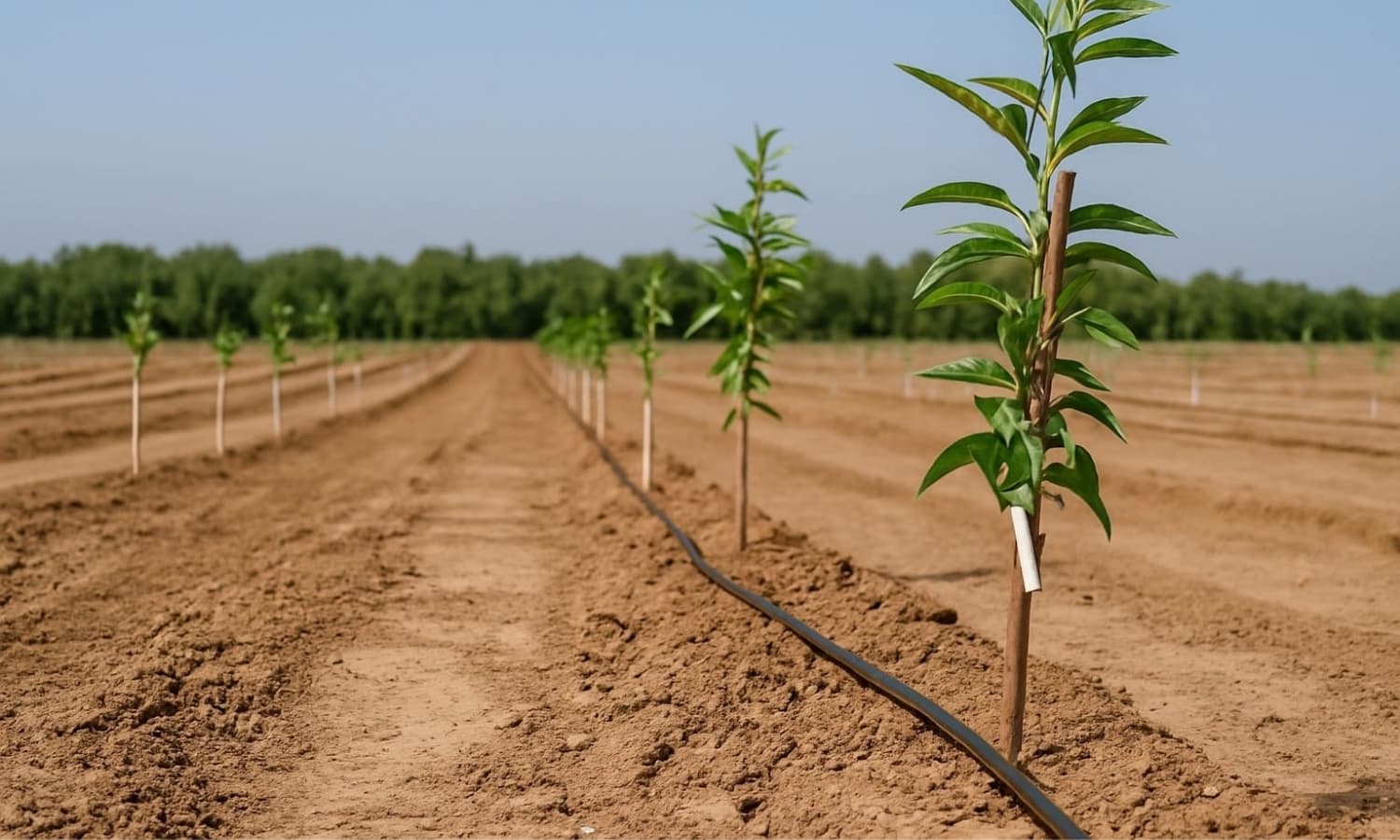

Practical Tips for Almond Orchard Establishment
Avoid frost pockets: a 2024 study names the Ararat plain as Armenia's most frost-vulnerable area, with late frosts into May.
Test soil pH, salinity and groundwater depth before planting in the Ararat valley, where saline-alkali soils and shallow groundwater occur.
Check each cultivar against Armenia's current list of permitted varieties; the 2019 list names Desertni, Krimski and Nikitski 62.
Prefer grafted trees of known cultivars: local seedling almonds vary widely, which is why a 2024 study aims to graft selected ones on clonal rootstocks.
Plan irrigation from the start: the Ararat valley gets only 200 to 250 mm of rain a year, according to FAO's 2008 irrigation survey.
Plan rows, headlands and tree form for the shaker, sweeper and harvester before planting, and check trunk clearance with OVE Europe.
Recommended Establishment Stages




Almond Orchard Care & Maintenance in Armenia
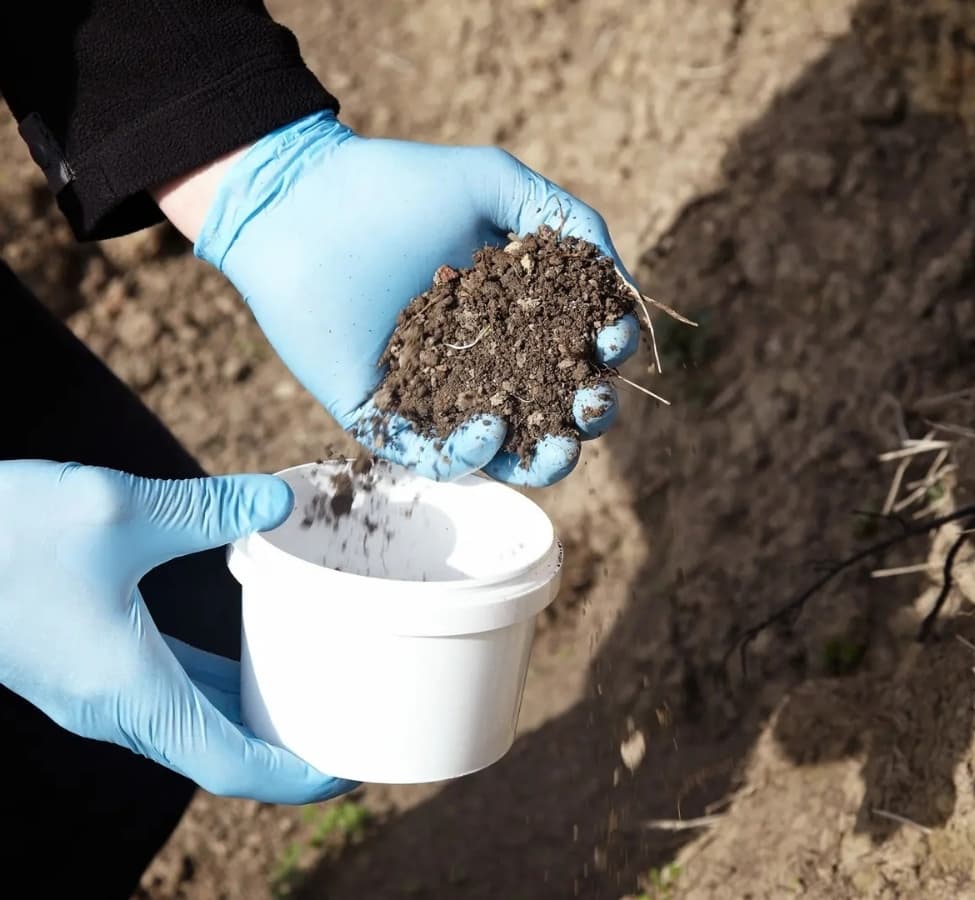
No Armenian irrigation guidance for almond was found. FAO (2023) reports modern, efficient irrigation on only 5% of Armenia's fruit and vegetable area, and Yerevan averages under 10 mm of rain a month from July to September. The authors of the Armavir study write that almond can be grown effectively only with complex fertilization; in their orchard, chlorosis on Penta in alkaline soil was treated with iron foliar feeding.
In the Armavir study orchard in 2021 and 2022, Guara had shot hole and gummosis, Penta had gummosis and chlorosis among other problems, and no disease was found on Lauranne; the authors also recorded peach twig borer and green peach aphid. EPPO lists the almond seed wasp as present in Armenia, first recorded in 1990, and a 2024 list of invasive species records it in Ararat and Kotayk provinces.
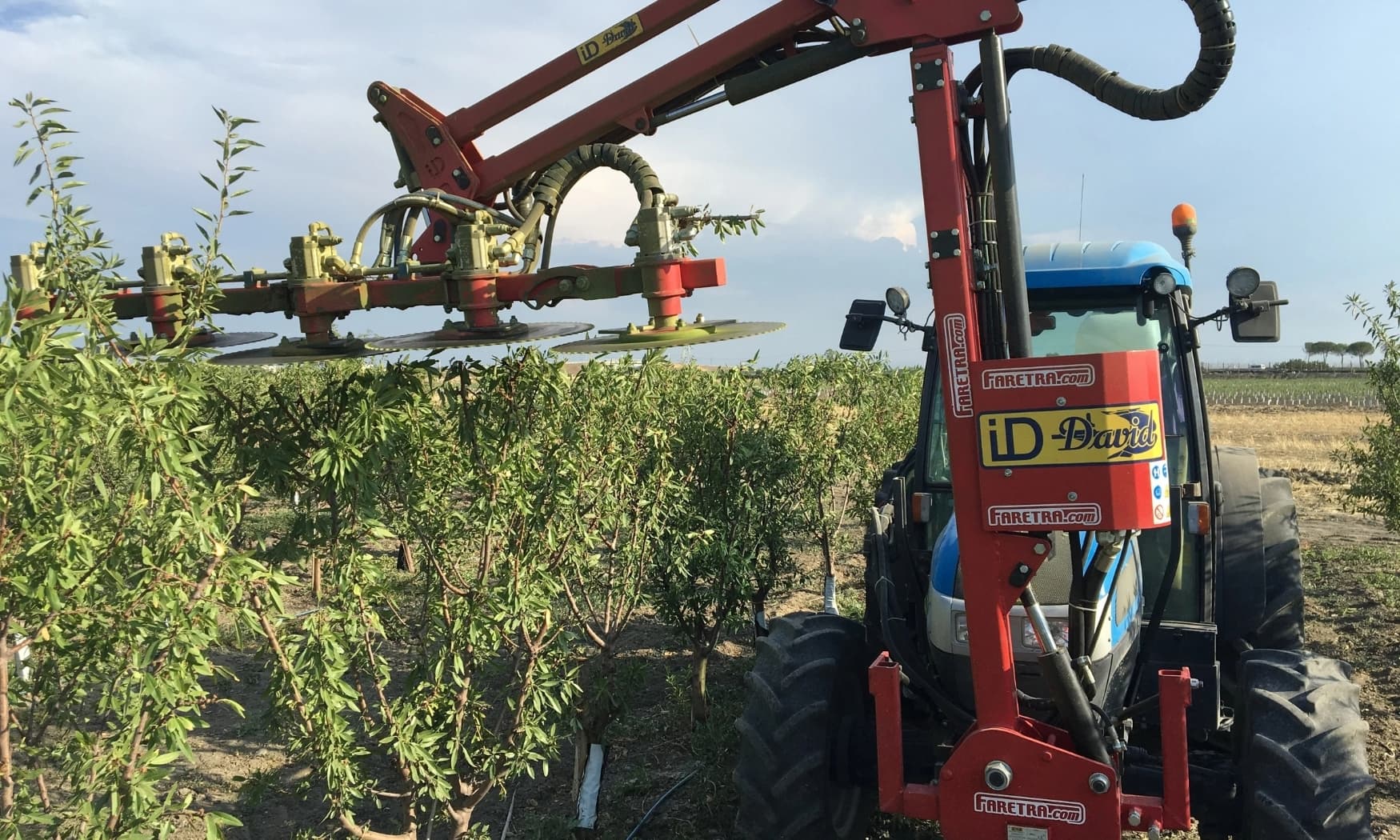
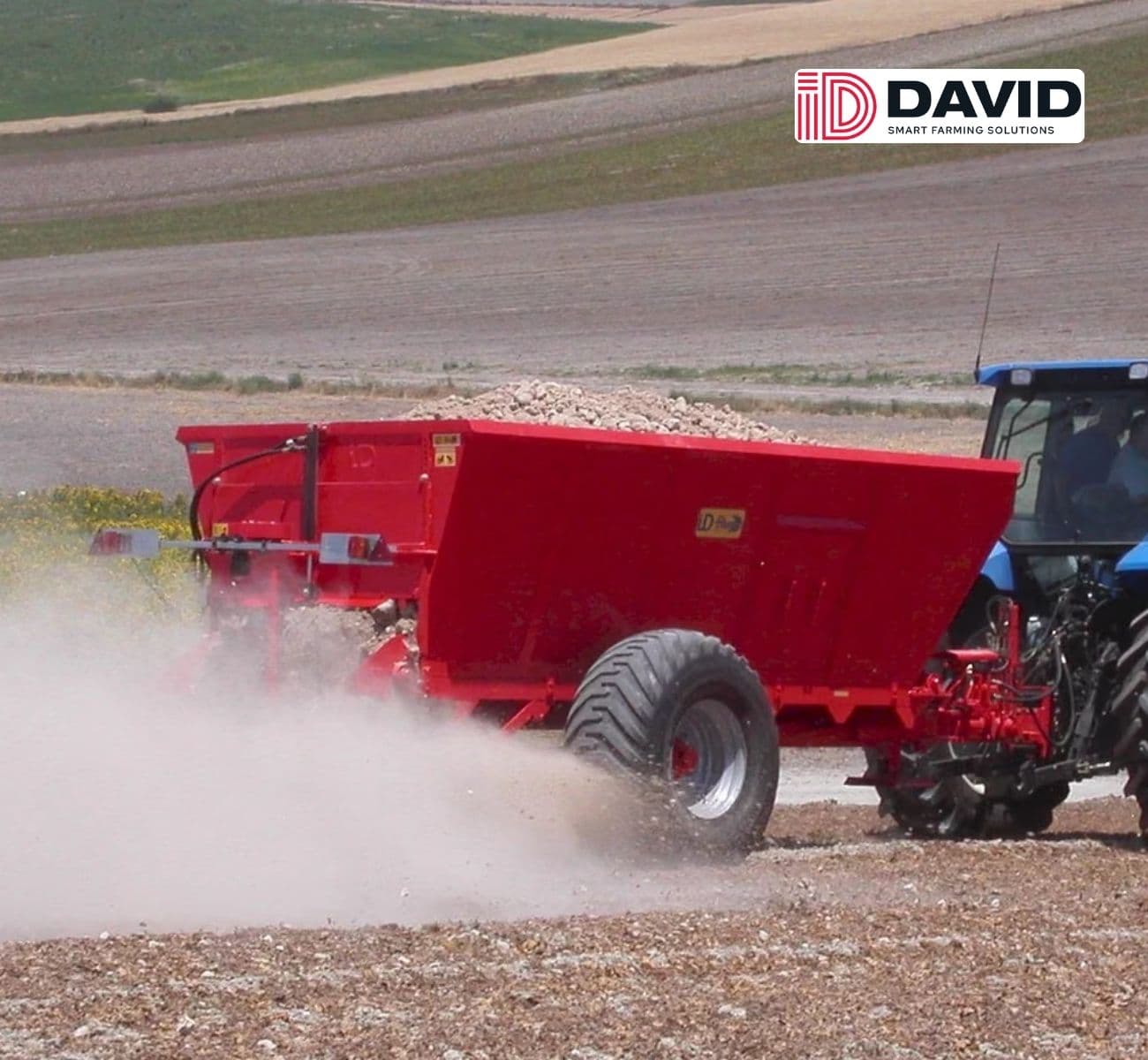
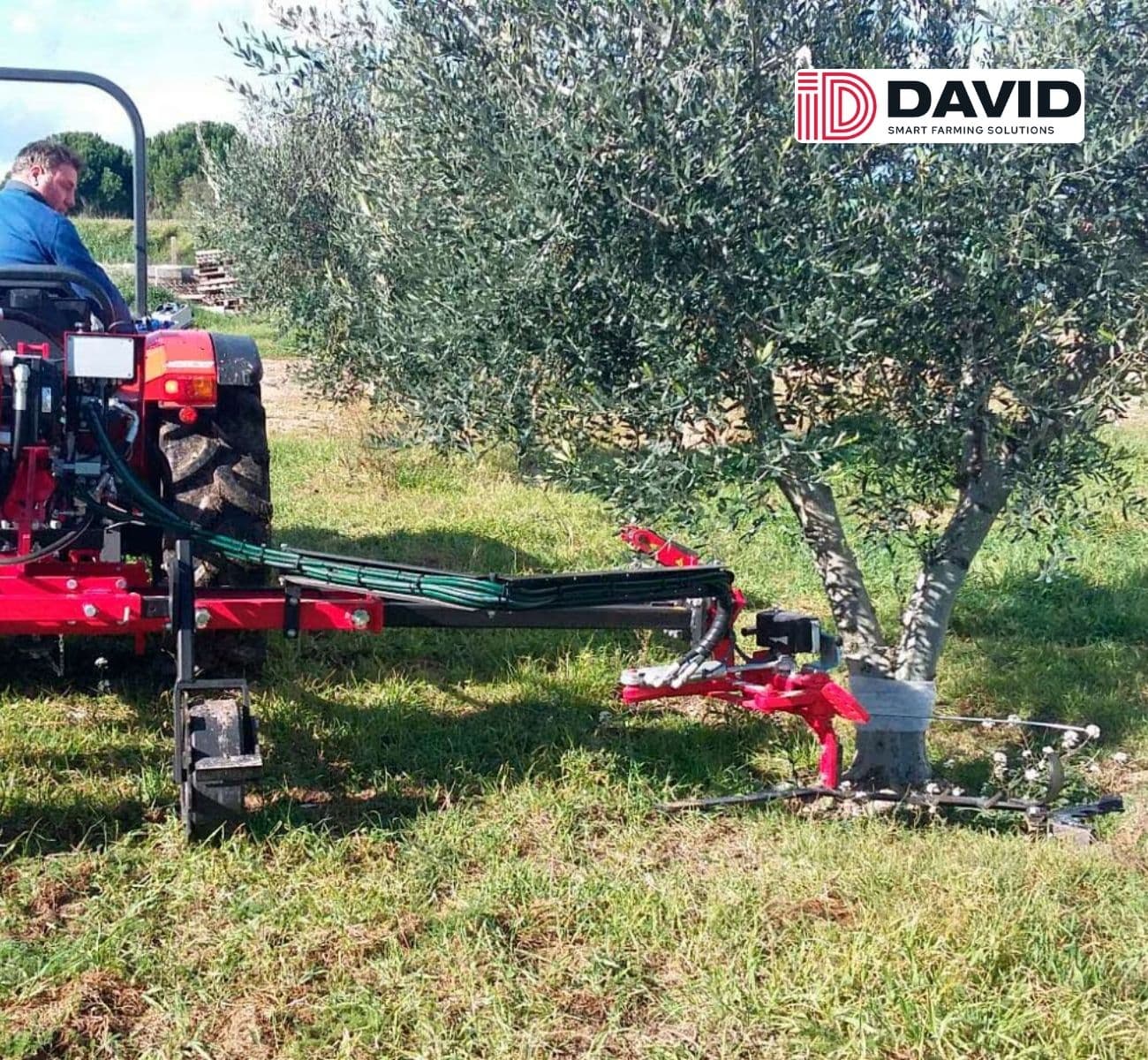
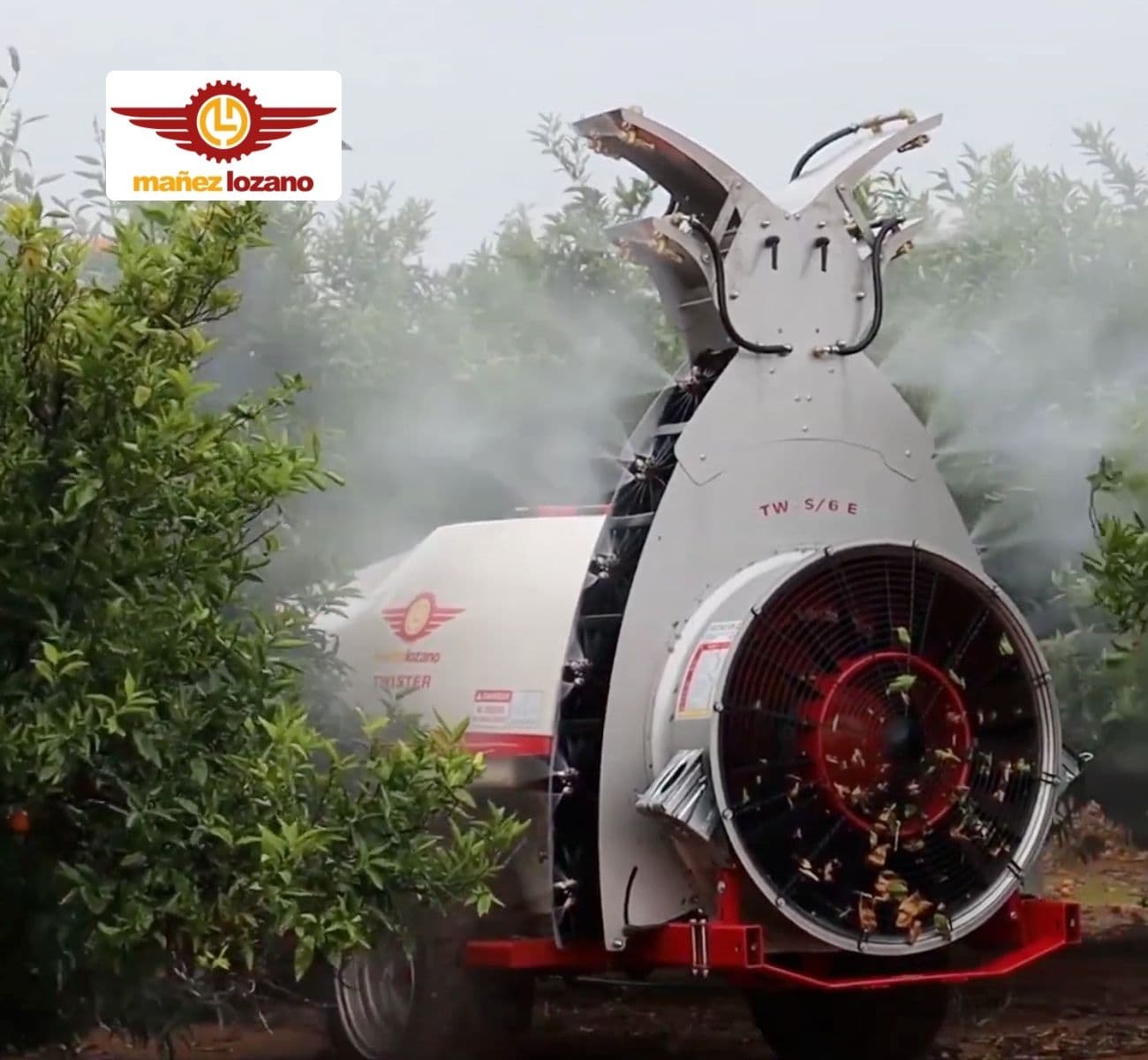
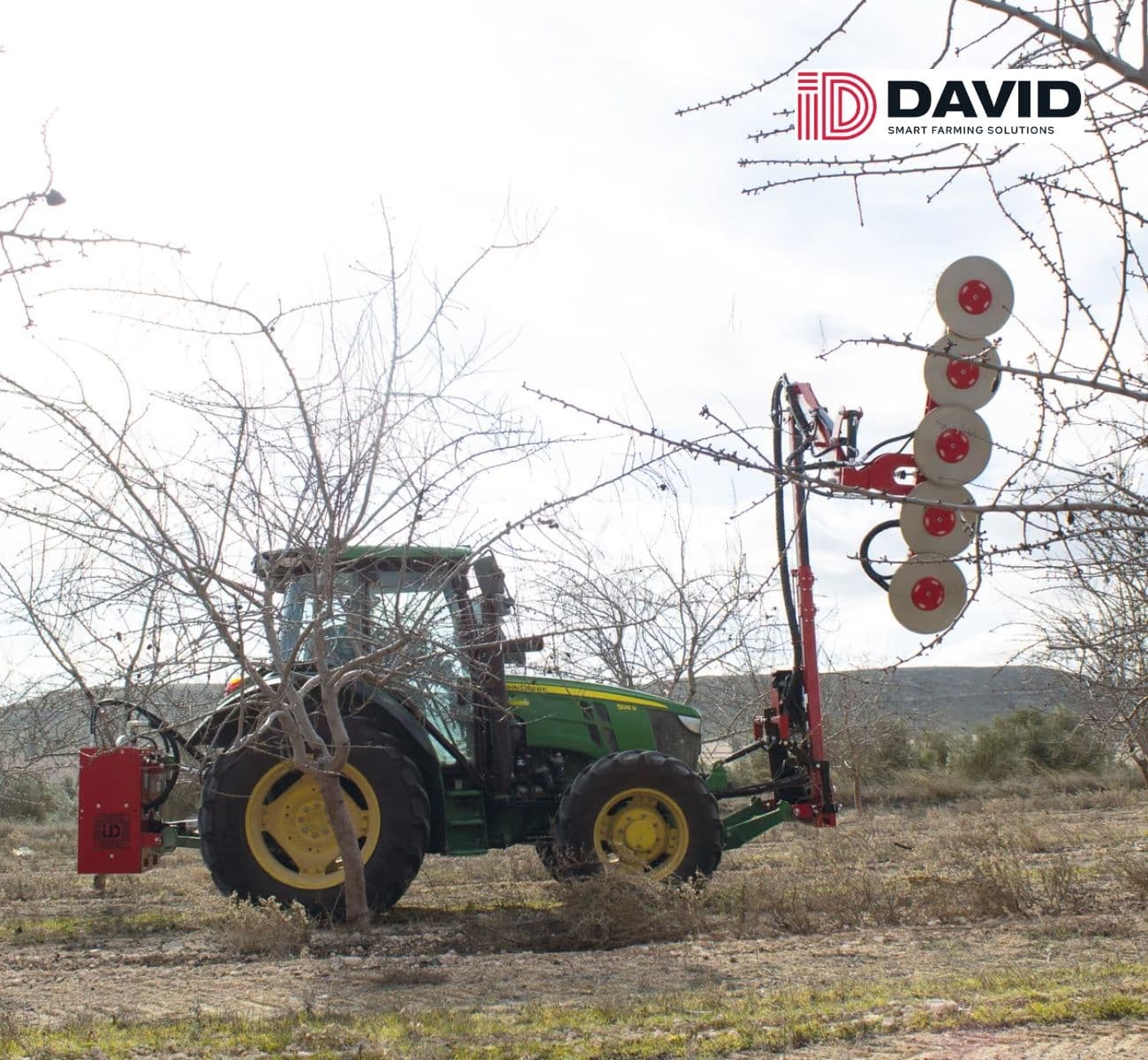
No Armenian pruning or orchard-floor guidance for almond was found. OVE Europe sells ID DAVID and Mañez Lozano machines in Armenia for orchard care: the ID DAVID SURFEED spreads solid manure, the ID-XL weeds the tree row with an adjustable sensor, the Mañez Lozano Mega Twister S6 sprays tall, dense canopies, and the ID DAVID ID-REX disc pruner makes lateral and topping cuts.
Recommended Orchard Care & Maintenance Stages



Practical Tips for Almond Orchard Care & Maintenance
Check soil moisture before each irrigation from July to September, when Yerevan averages under 10 mm of rain a month.
Watch for chlorosis on alkaline soils: in the Armavir study orchard (pH 8.6), Penta trees were treated with iron foliar feeding.
Remove mummified almonds left on the trees after harvest: a Spanish study found 96% edible almonds where they were removed, against 18% where they were not.
Check leaves for shot hole lesions in fall and spring, as University of California guidance advises; in the Armavir study orchard, Guara had shot hole.
Keep the tree row weed-free with an in-row weeder such as the ID DAVID ID-XL, and keep the orchard floor level for harvest.
Spray tall, dense canopies evenly with a trailed airblast sprayer such as the Mañez Lozano Mega Twister S6.

Almond Harvesting in Armenia
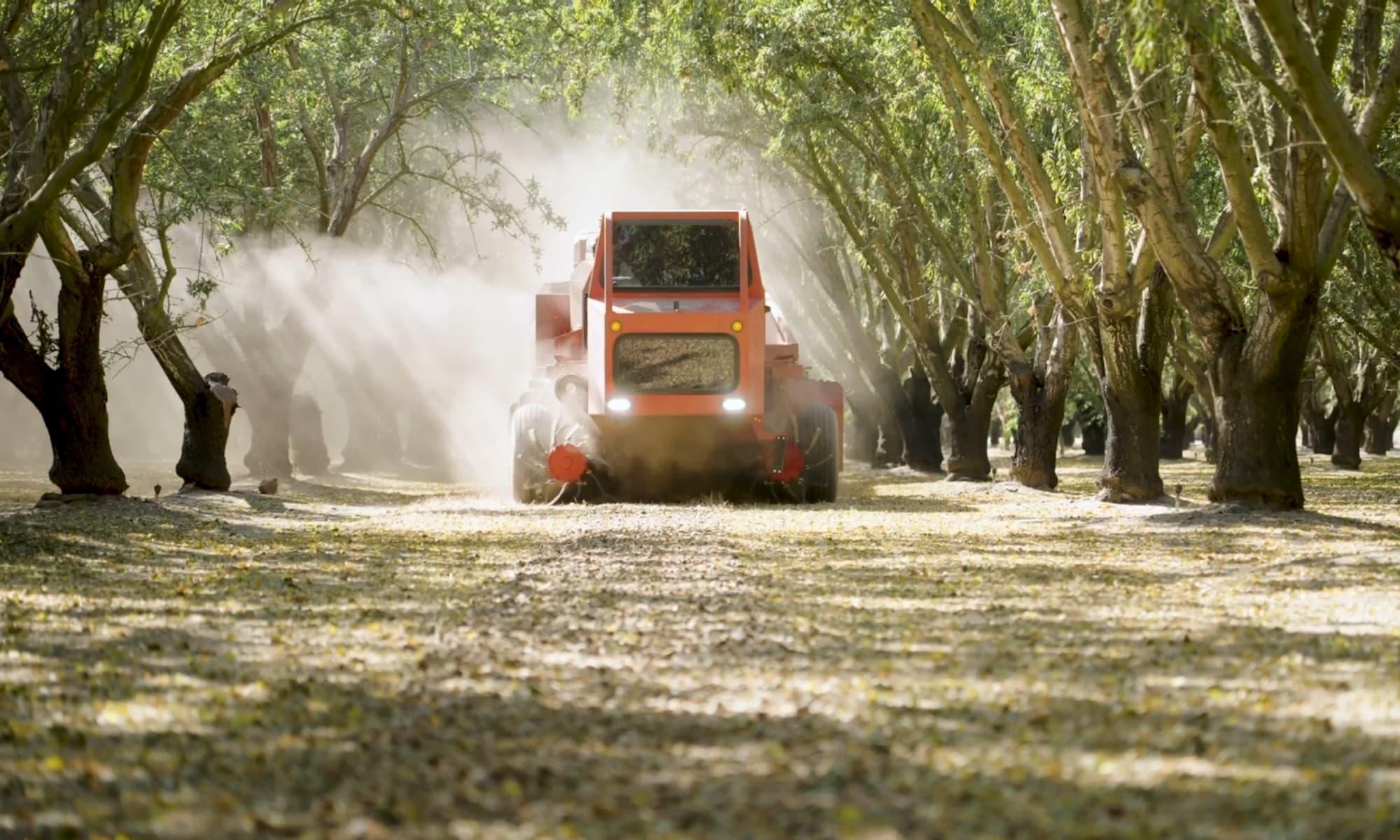
No Armenian source found describes how almonds are harvested, dried or hulled today, or the labor involved, and no harvest dates were found. FAO (2023) reports a low level of mechanization in Armenian orchards in general, and traditional almond trees are seed-grown and vary widely in their traits. In orchards planted for machines, mechanized harvesting can bring the crop in on time, with less risk of nuts deteriorating while they wait.
In the Ararat valley, August and September are normally hot and very dry: long-term averages for Yerevan, published by Armenia's Hydrometeorology and Monitoring Center through the WMO, give 8 mm of rain on 3 days in August and 8 mm on 4 days in September, against 27 mm on 7 days in October. Where hull split comes in those months, shaken almonds can dry on the orchard floor before pickup, with forecast checks; in October, in other areas and in wet spells, prompt pickup or catching frames are safer.
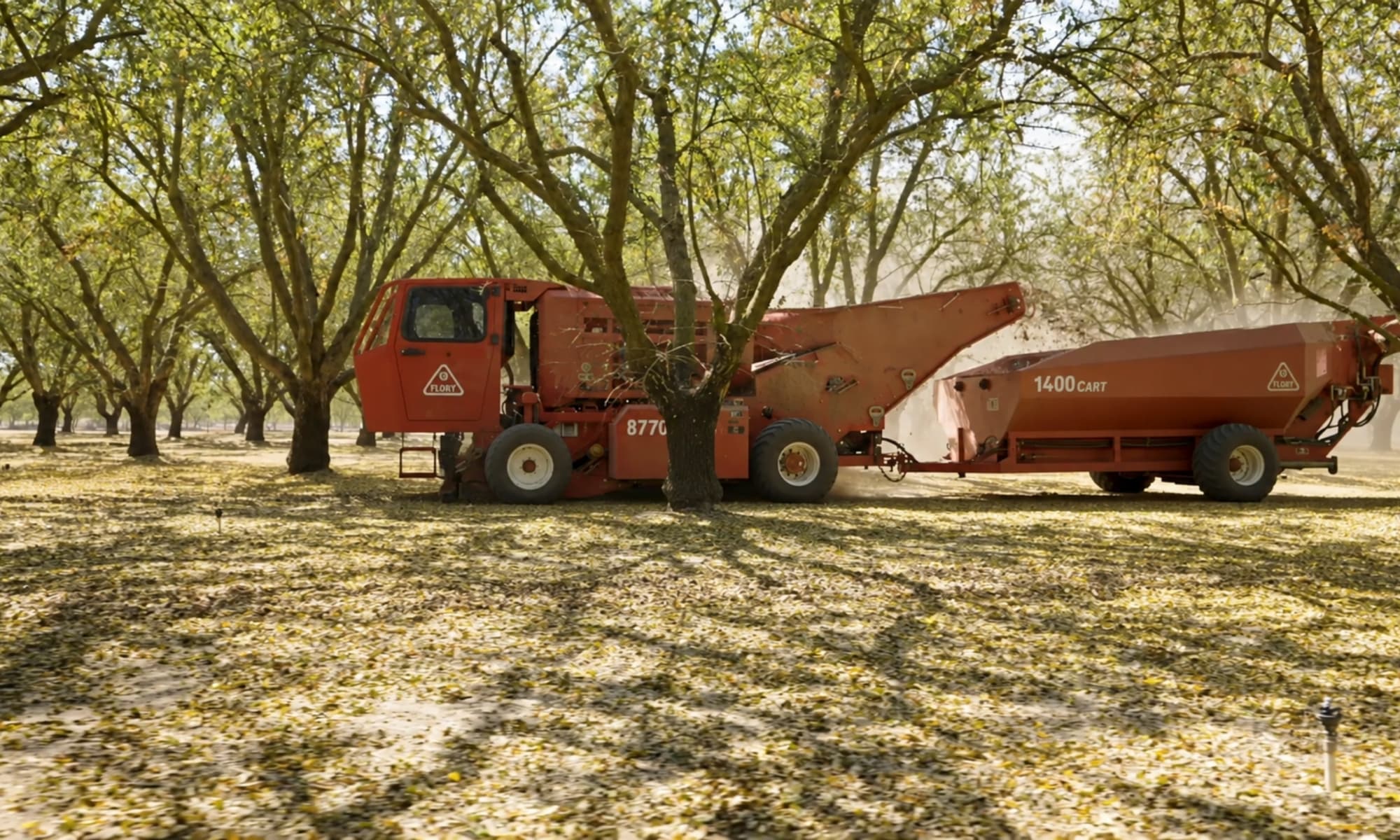
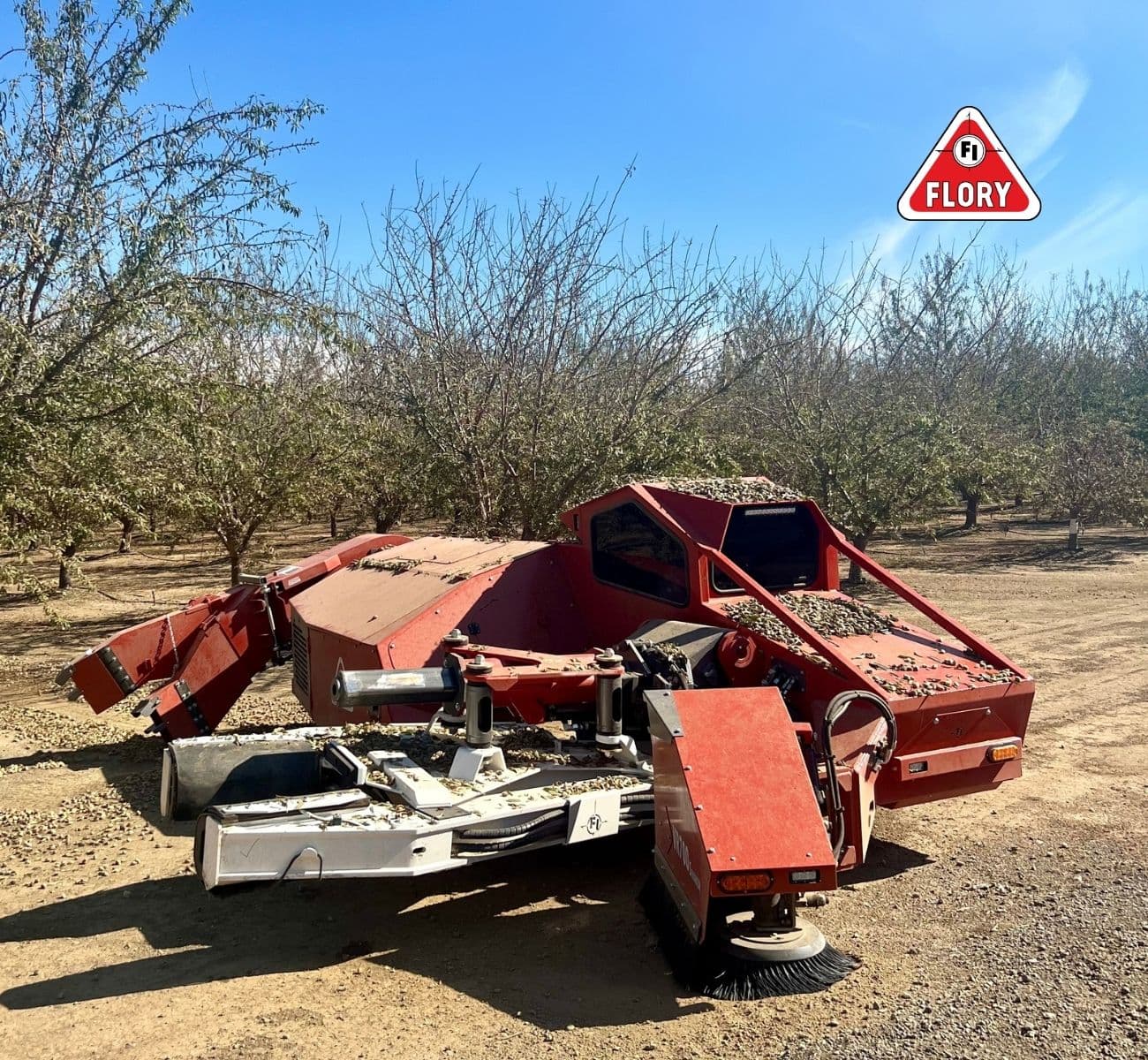
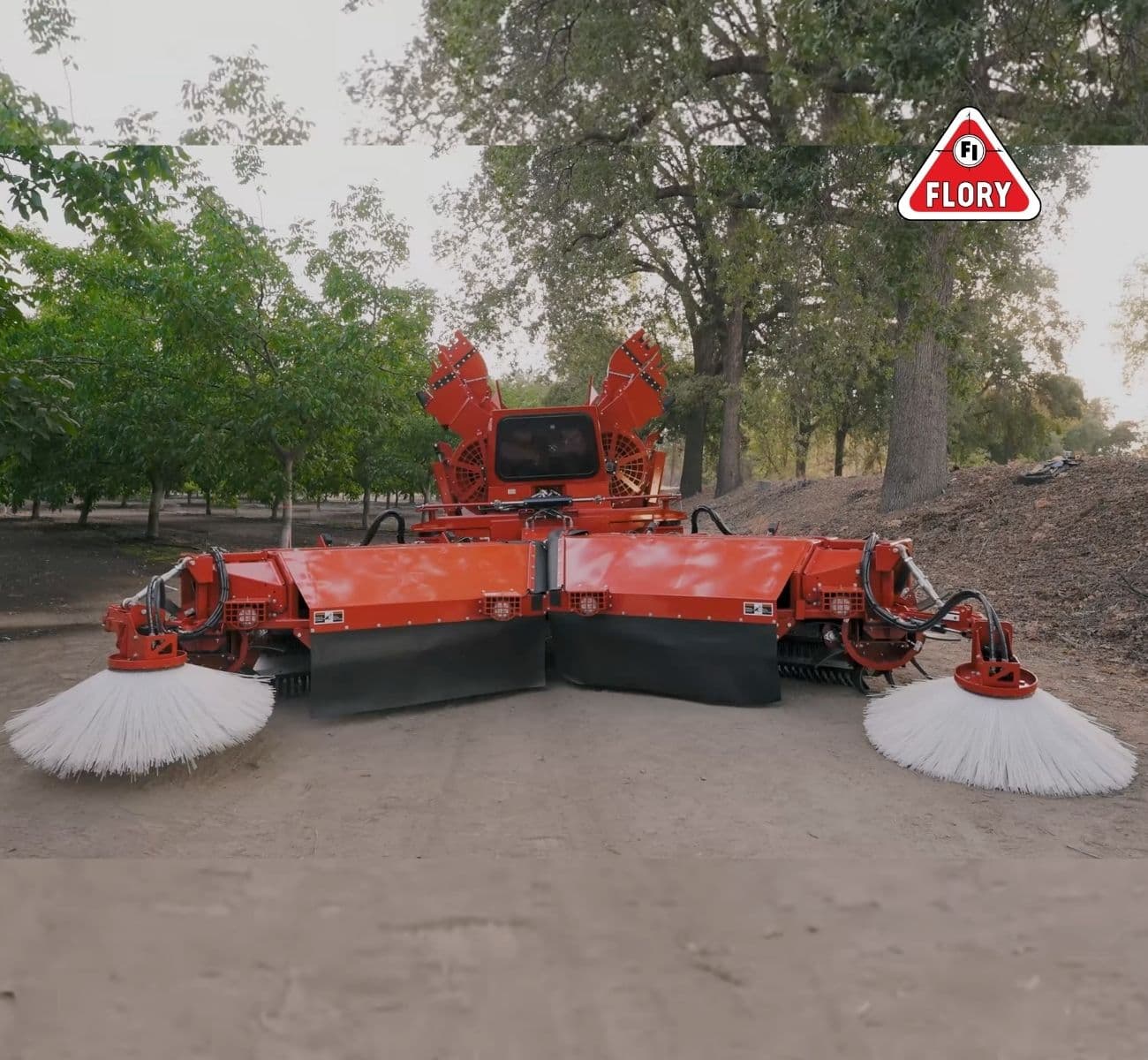
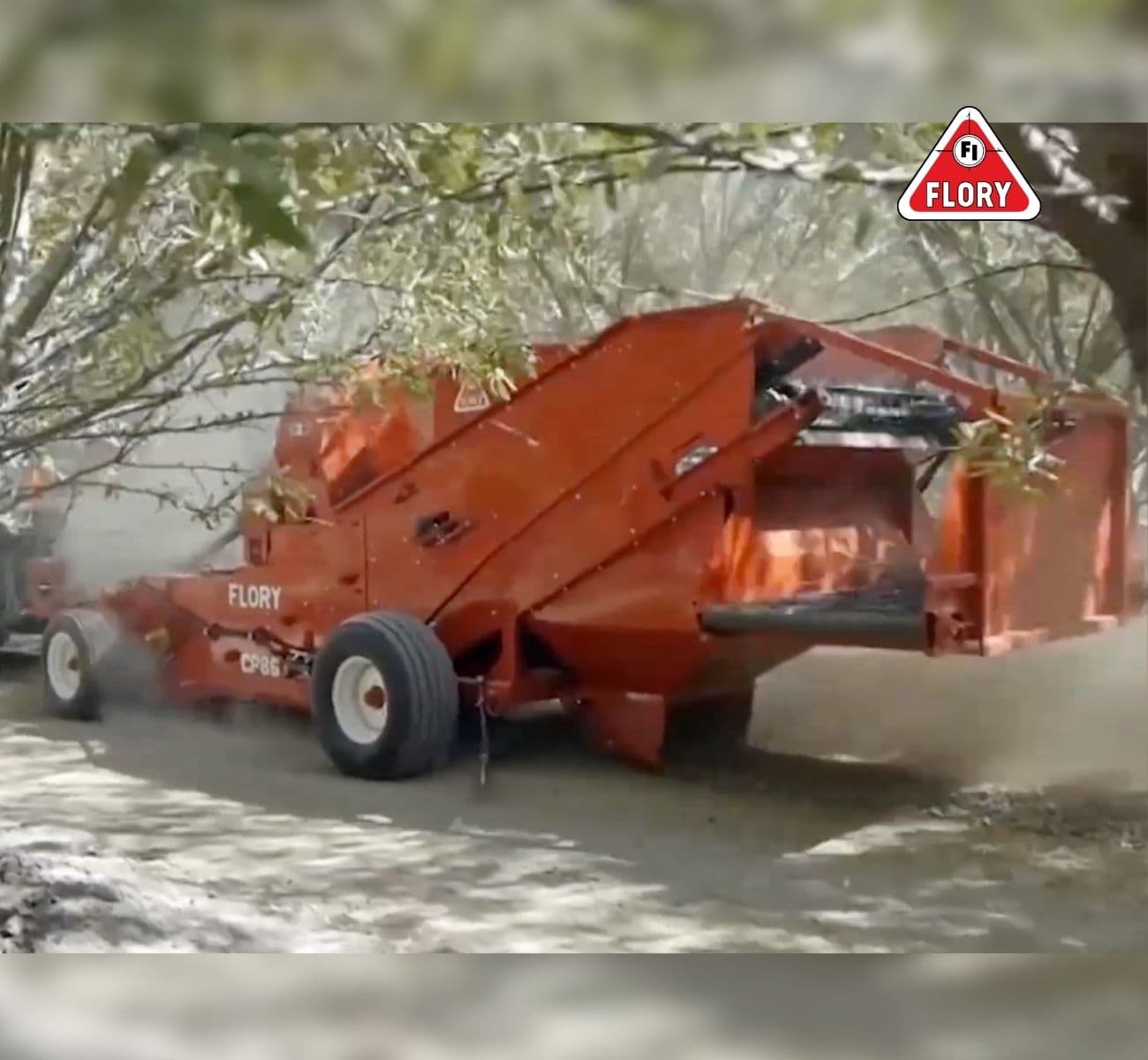
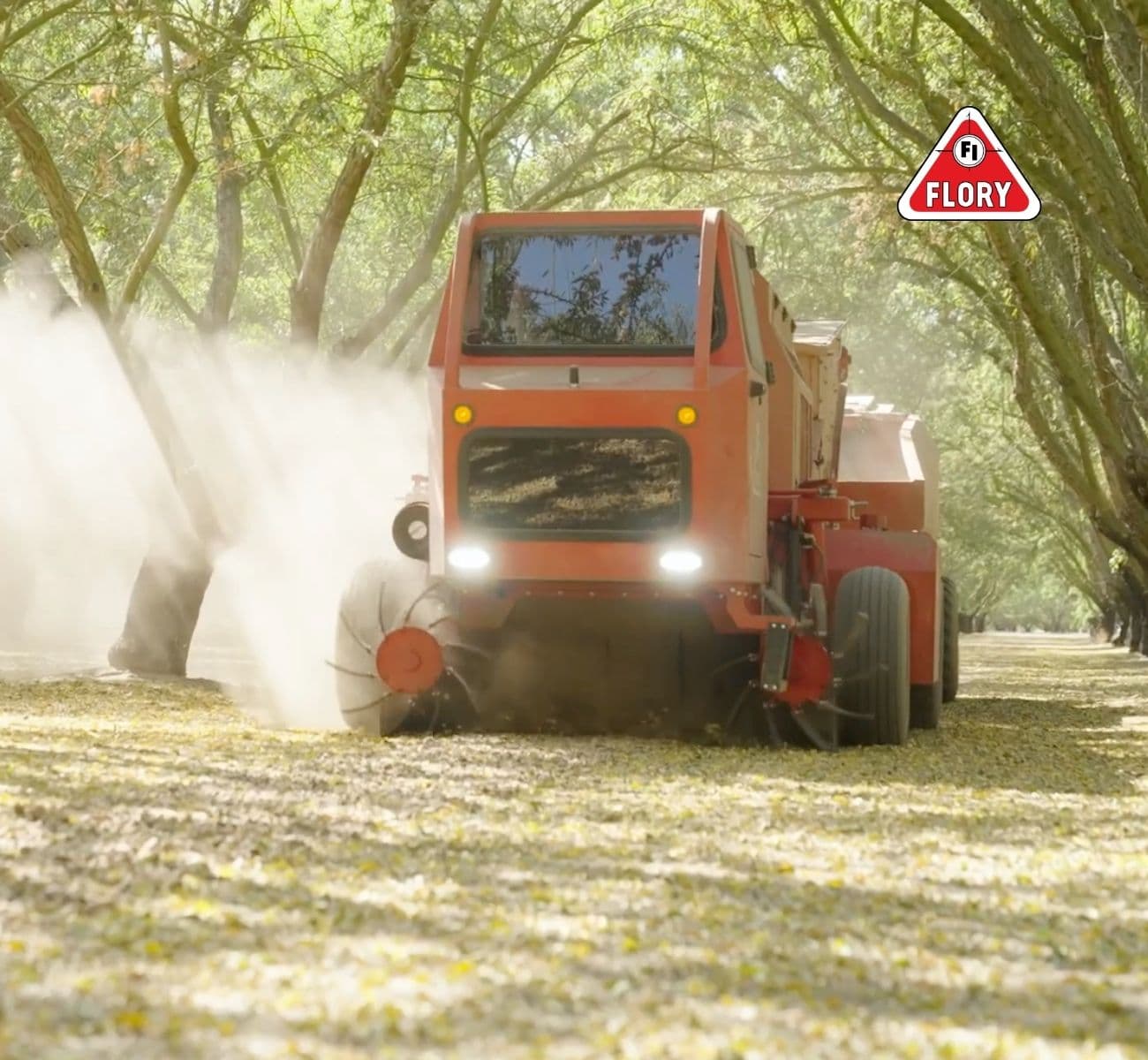
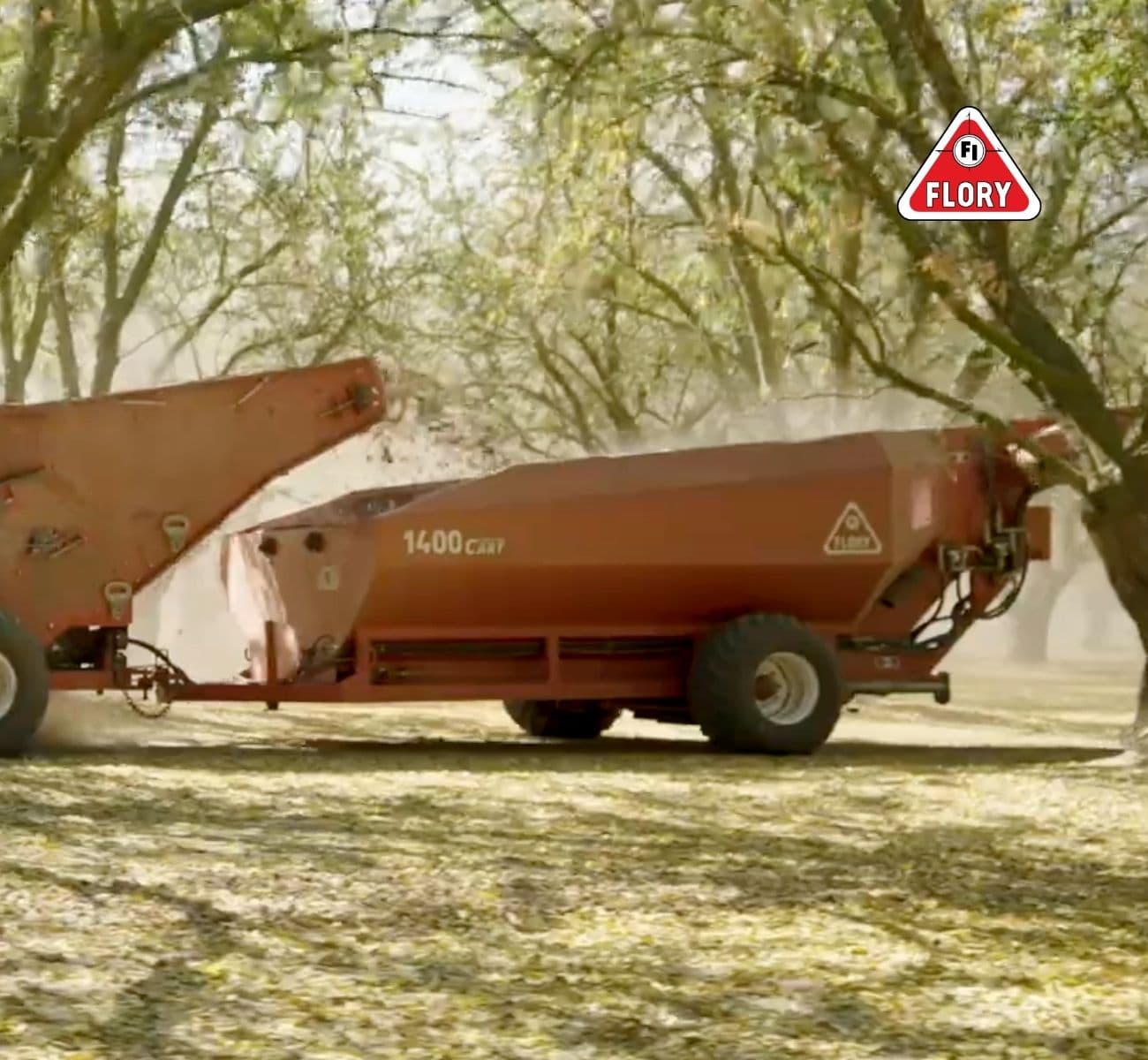
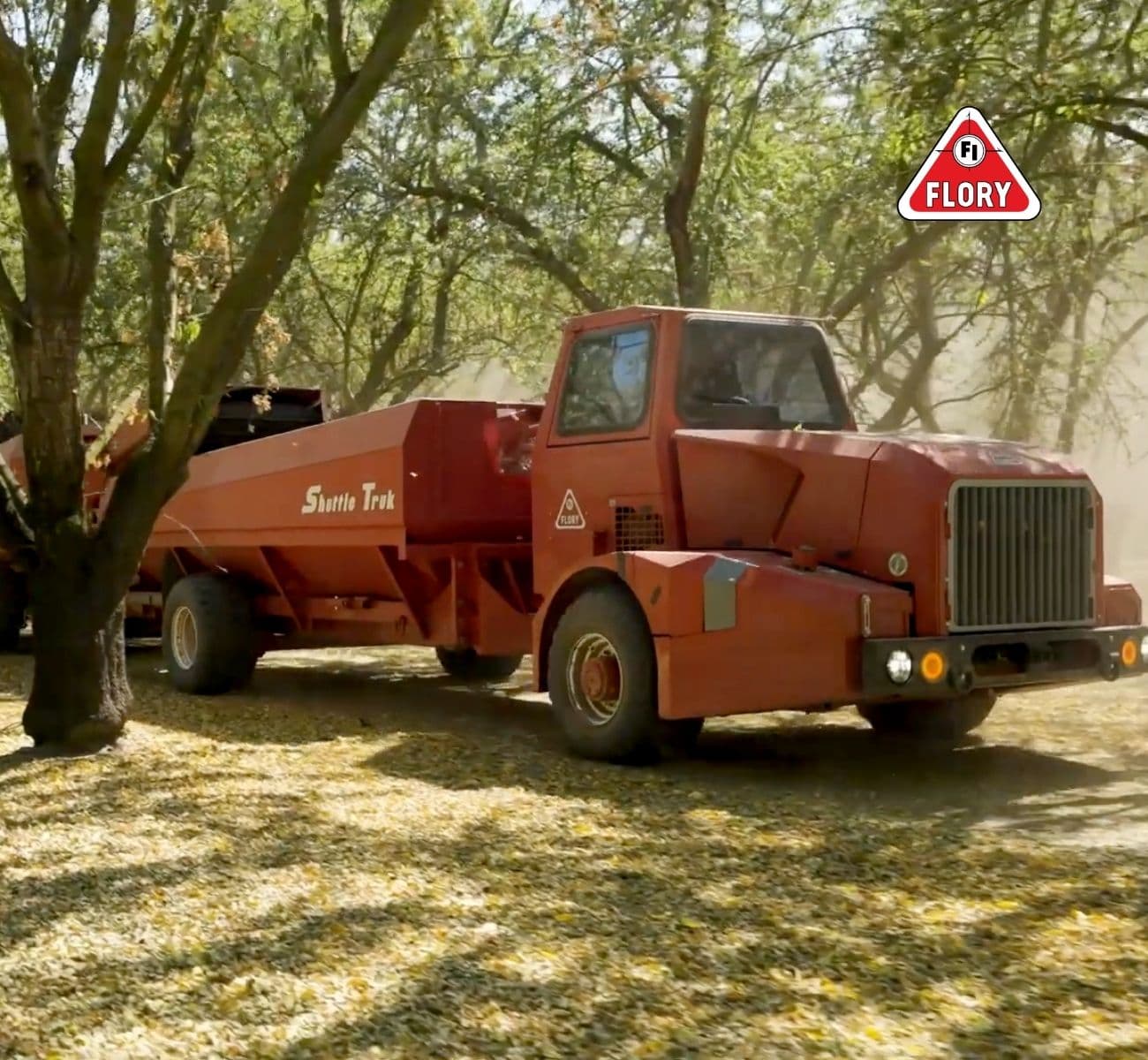
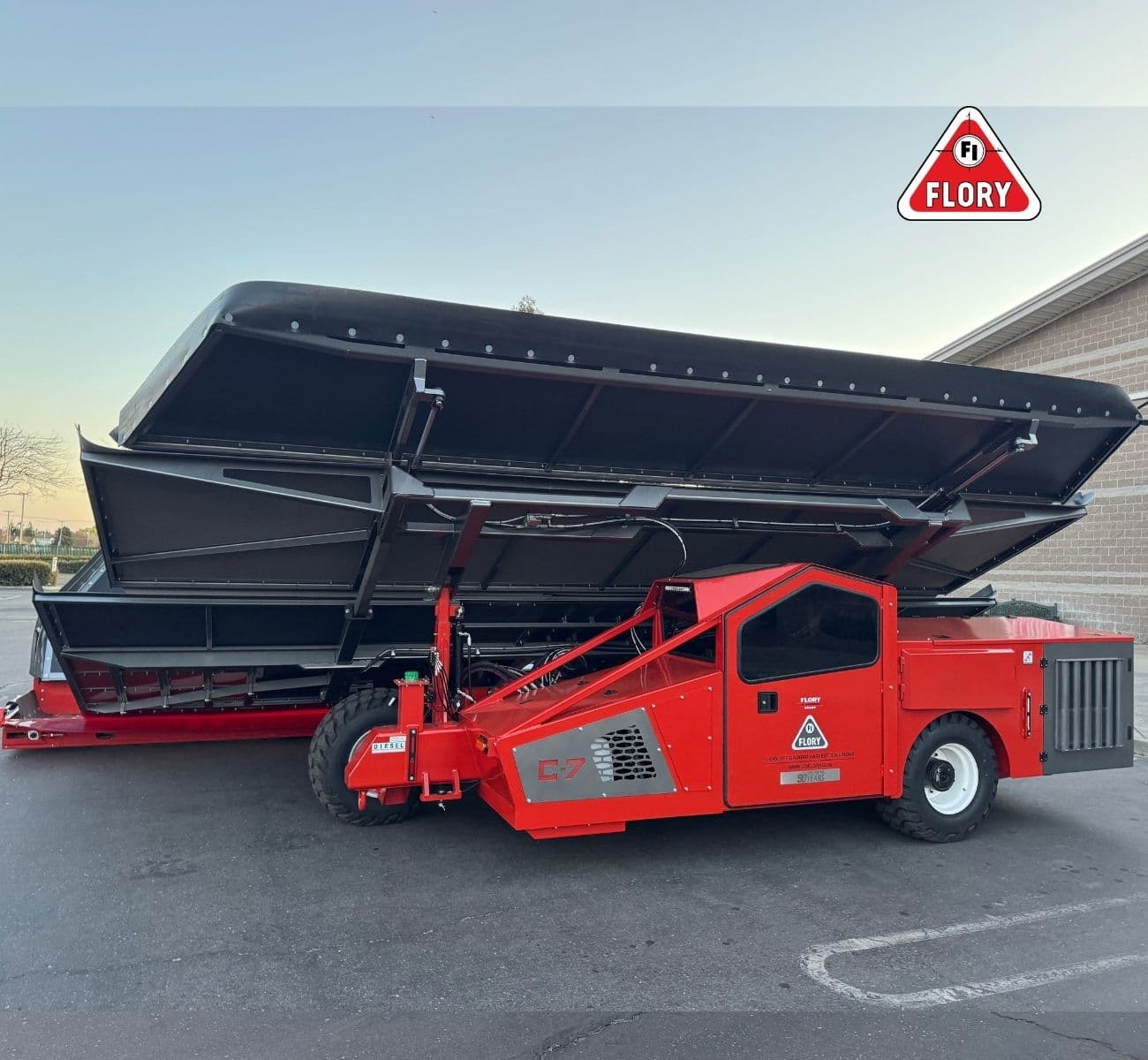
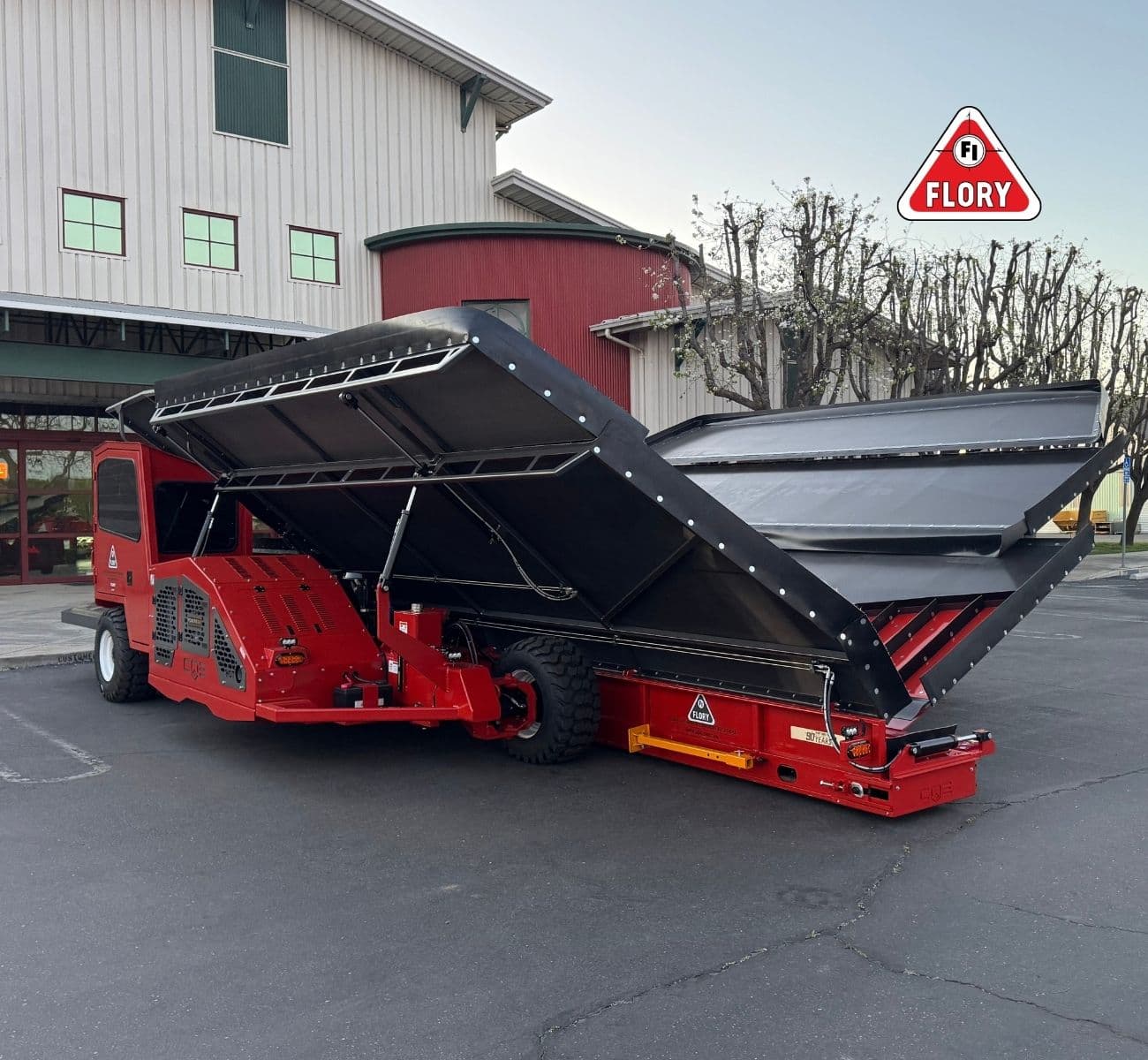
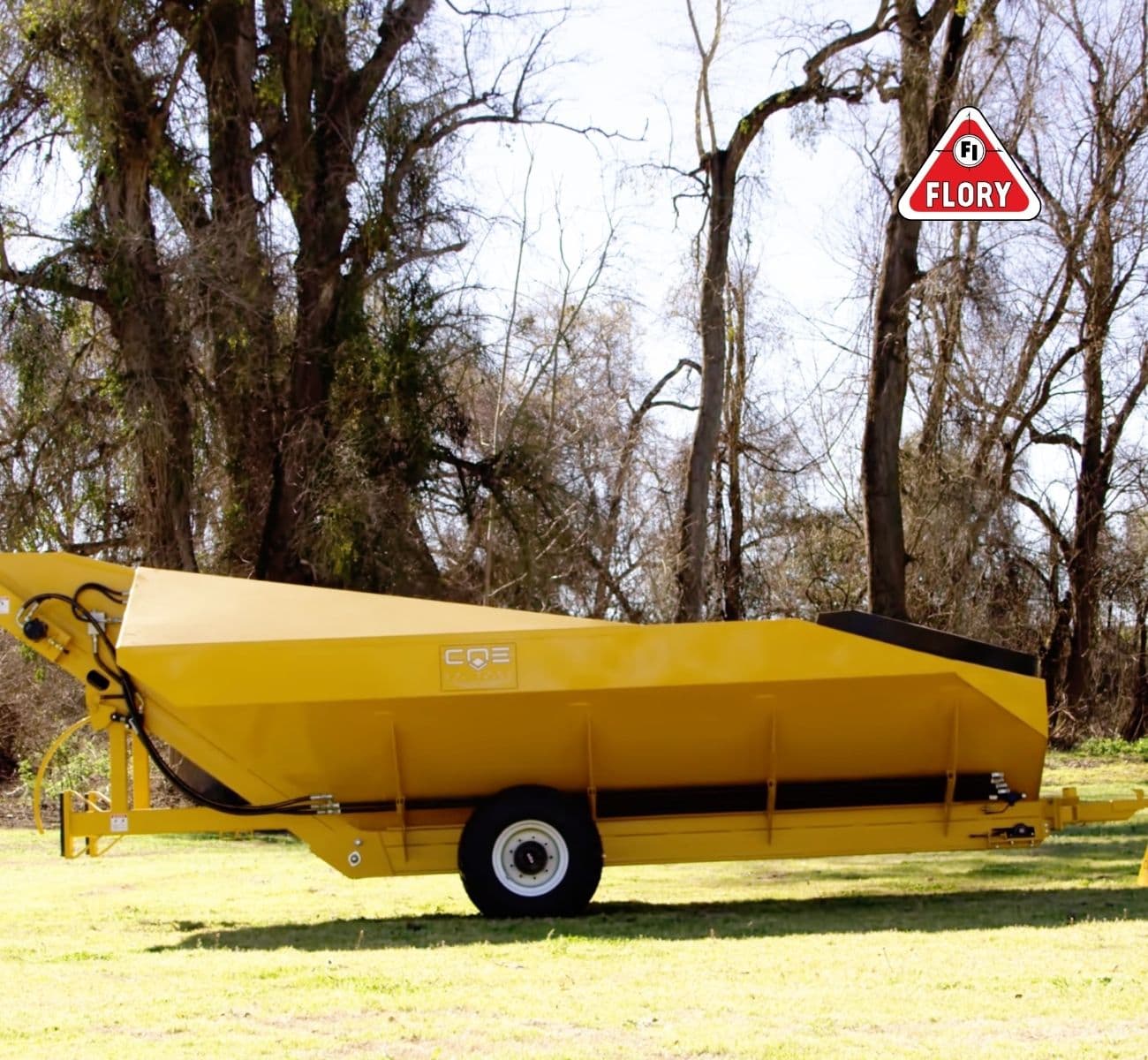
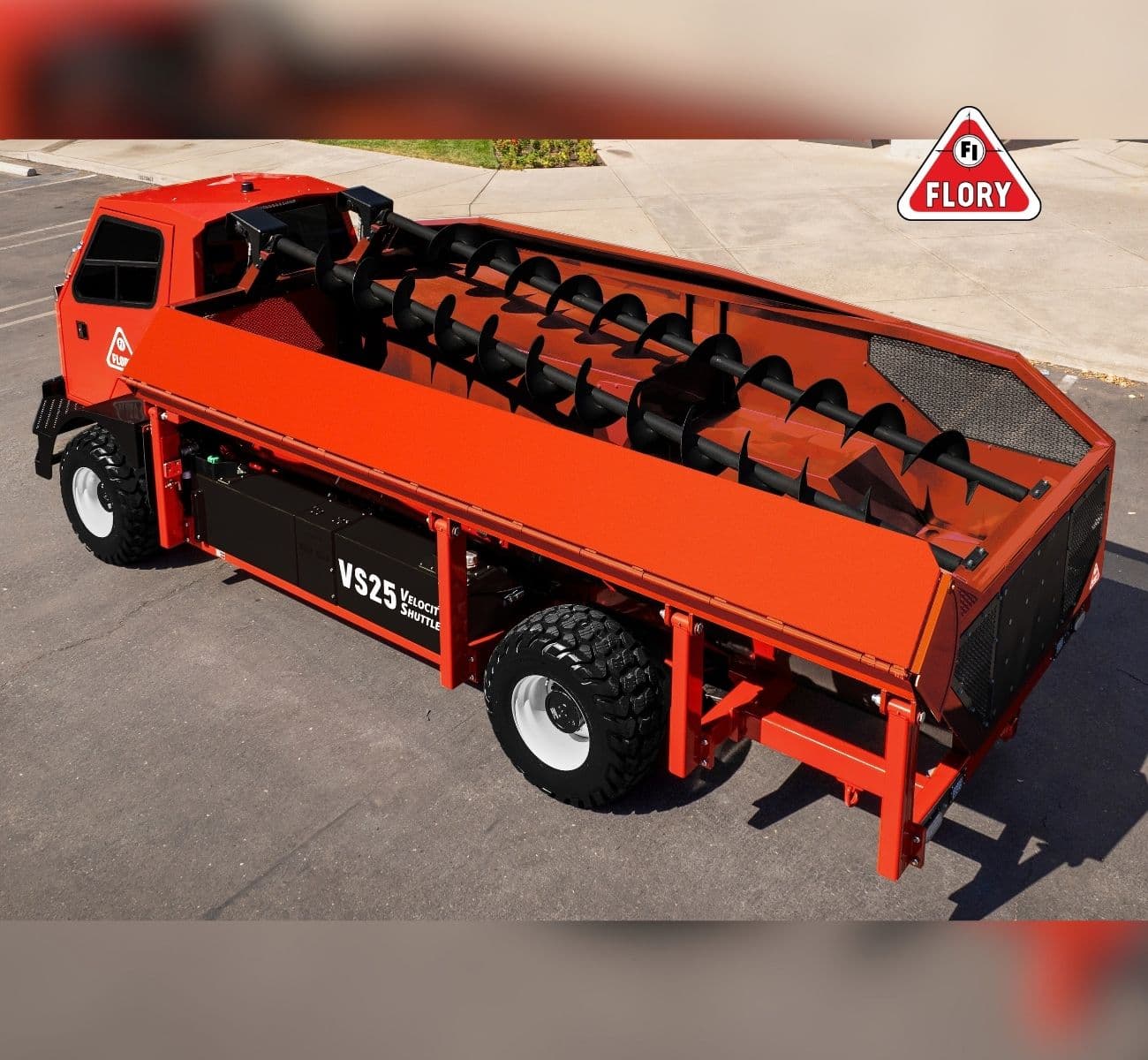
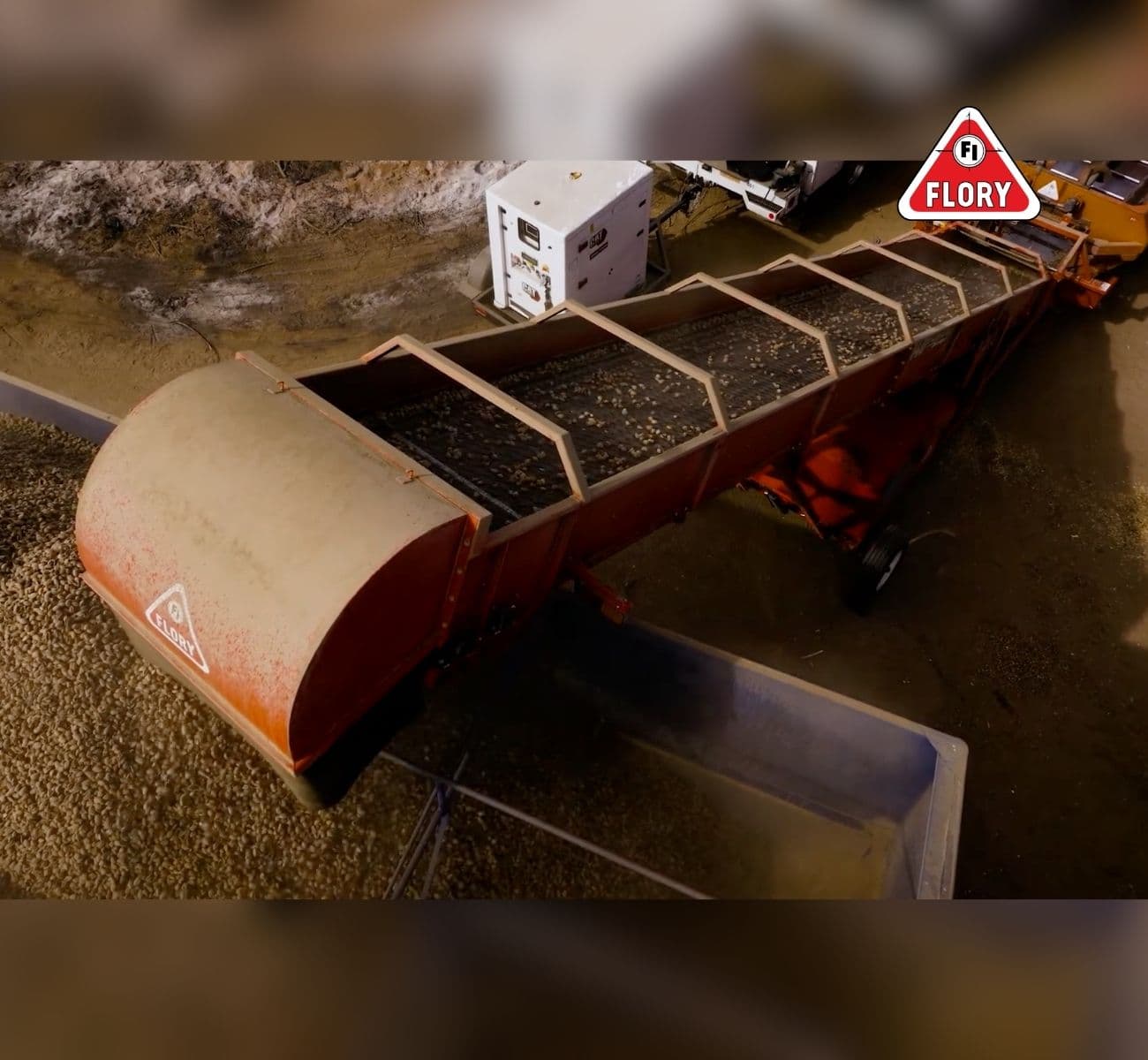
Flory harvesting machinery is available in Armenia through OVE Europe for both systems. On the ground, the VR700 Shaker, V62 Sweeper, CP87 Conditioner and 8772 Harvester work with the 1500 Conveyor Cart and ST14 Shuttle. Off the ground, the Flory COE C7 Shaker and L2 Receiver catch the almonds in a frame around the trunk, the Flory COE B8 Cart and VS25 Shuttle carry them, and the 4840 Field Elevator loads trailers in both systems.
Almond Harvest Workflow (Recommended Equipment)
Practical Tips for Almond Harvesting
Start harvest when 95 to 100% of hulls have split, as University of California guidance advises, and test-shake a few trees first.
In the Ararat valley, leave shaken almonds on the ground only while the forecast stays dry, and pick them up as soon as they are dry.
Keep ground time short: University of California guidance links ant damage to the time almonds spend on the orchard floor.
Pick up promptly or use catching frames for harvests that run into October, when Yerevan's rainfall rises to about 27 mm a month.
Keep shakers and frames for orchards planted for machines, never seedling trees of variable form, scattered trees, slopes or terraces.
Check trunks for bark injury after shaking, as University of California guidance advises, and adjust the shaker before moving on.
Get your recommended harvest setup
Enter orchard size, spacing, terrain, and target throughput—we’ll suggest a practical harvest workflow and equipment lineup.

Almond Post-Harvest Handling & Processing in Armenia
No Armenian source found describes how almonds are hulled, dried, stored or cracked. In this workflow, almonds dried on the orchard floor arrive with dry hulls and are hulled, then dried further only if their moisture is still above target; frame-caught almonds are hulled first and then dried in the shell. Almond Board of California guidance gives about 6% moisture for kernels and 9% for in-hull almonds in storage.
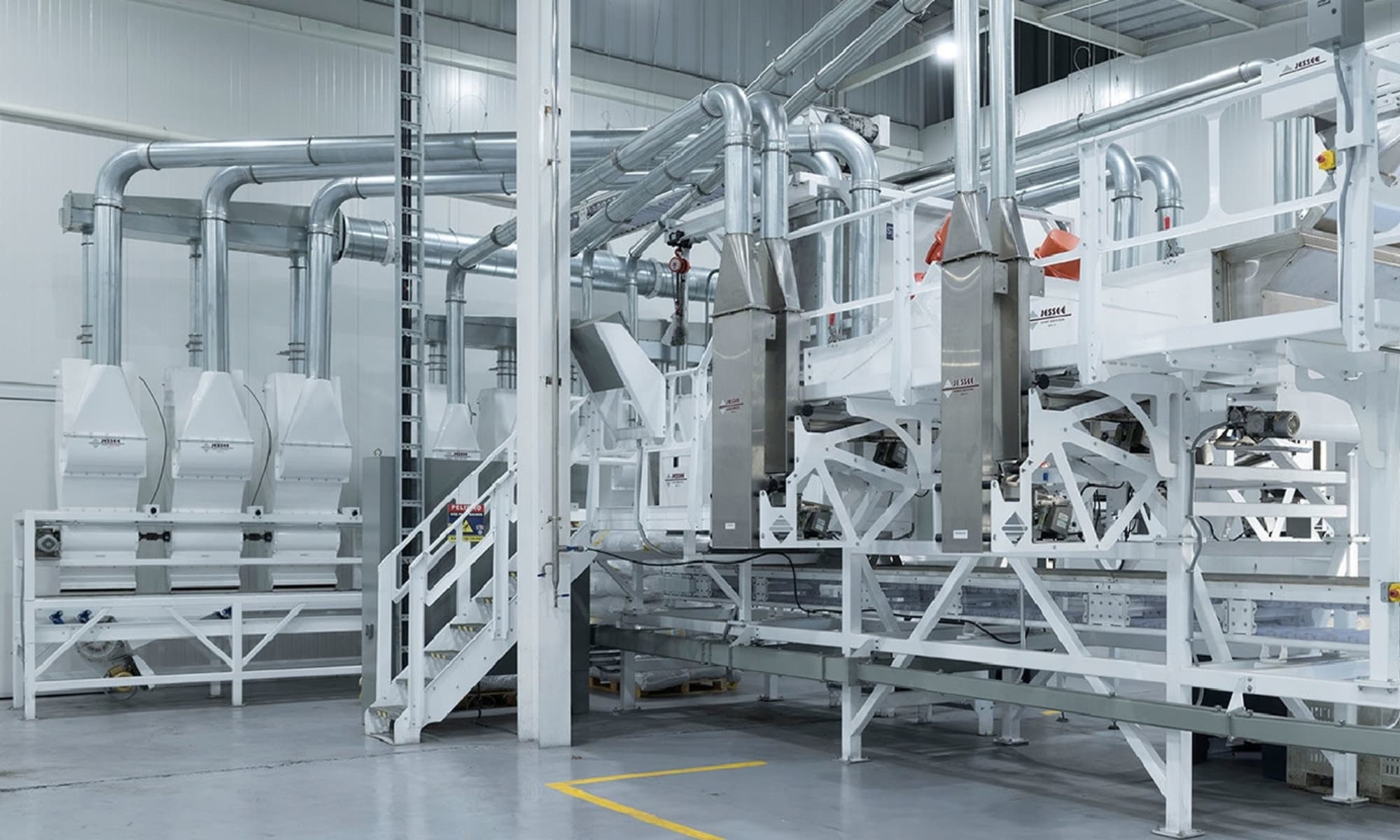
Armenia's almond trade is almost all kernels: shelled almonds made up 98.4 to 100% of import tonnage each year from 2015 to 2025, and the 60 t exported in 2025 were shelled. No source describes who cracks or grades almonds in Armenia. Jessee, whose processing lines OVE Europe supplies, builds hulling, drying, in-shell cleaning and sizing, and shelling systems; its Airlegs nut cleaner was developed for the almond industry.
Almonds sold in the EU must meet Regulation (EU) 2023/915: 8.0 µg/kg of aflatoxin B1 and 10.0 µg/kg in total for the final consumer or as an ingredient, and 12.0 and 15.0 µg/kg for almonds to be sorted first. Shelled almonds are exempt from the EU marketing standard except for the country of origin (Delegated Regulation (EU) 2023/2429). In the Eurasian Economic Union, food safety rules are set by technical regulation TR CU 021/2011, in force since 1 July 2013 and amended since.
For general information only. Information may become outdated and does not replace site-specific professional advice. Consult a qualified agronomist and confirm equipment suitability with OVE before acting.
Practical Tips for Almond Post-Harvest Handling & Processing
Pick up ground-dried almonds as soon as they are dry, then hull them and check moisture before storage.
Dry to a safe level before storage: Almond Board of California guidance gives about 6% moisture for kernels and 9% for in-hull nuts.
Keep lots separate by cultivar and block, and store them in a dry, clean store protected from pests and rodents.
Test lots for the EU against Regulation (EU) 2023/915: 8.0 µg/kg of aflatoxin B1 and 10.0 µg/kg in total for almonds sold to consumers.
Label shelled almonds for EU buyers with their country of origin, as Delegated Regulation (EU) 2023/2429 requires.
For buyers in the Eurasian Economic Union, check the current TR CU 021/2011 requirements for nuts with the buyer or a laboratory.
Recommended Post-Harvest Handling & Processing Stages







Plan your post-harvest line
Estimate tons/day, cleaning & drying capacity, storage needs, and cost/kg—then build your equipment plan in phases.