






Walnut Orchard Establishment in Armenia
Armenia has a highland continental climate with hot summers and cold winters, and the Ararat Valley and the Meghri area get only 200 to 250 mm of rain a year (FAO AQUASTAT). Altitude shifts the balance: in a 1970s study in Ijevan, flowering came about one day later per 100 m of height, but at 1,100 to 1,400 m trees yielded about 30% less per square meter of crown than at 700 to 1,000 m. The 1954 survey favored sheltered valleys and foothills over open, wide valleys with sharp temperature swings.
Armenia's 2019 list of permitted varieties names five walnuts: Ashtaraki, Garnii, Yeghegnadzori, Moldovakan and Urartu. In trials by Armenian National Agrarian University researchers in Kotayk, the imported Ideal, Chandler and Lara gave 3.1 to 4.3 t/ha in years 10 to 12 at 6 × 5 m (333 trees/ha). Chandler broke bud last, about a week after Lara, which can lower its exposure to late frost, while Lara is considered susceptible to bacterial blight.
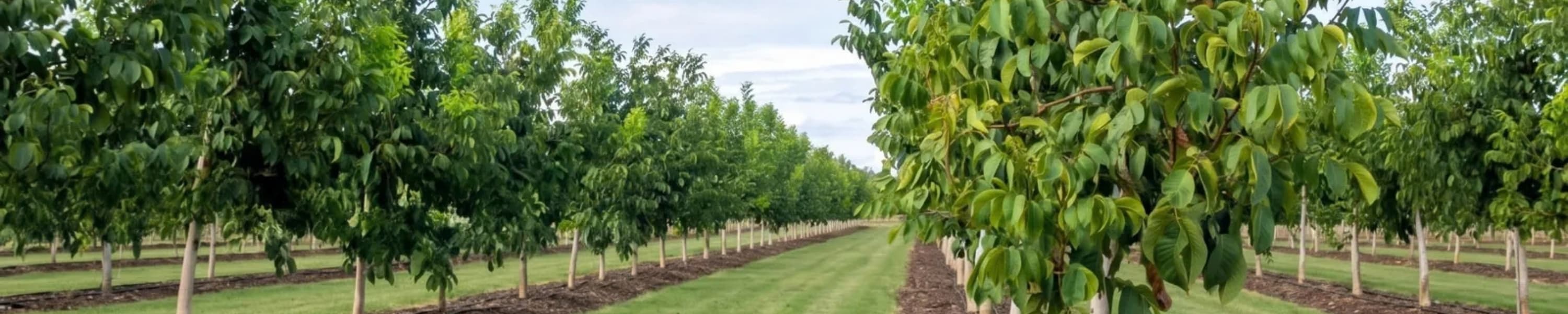
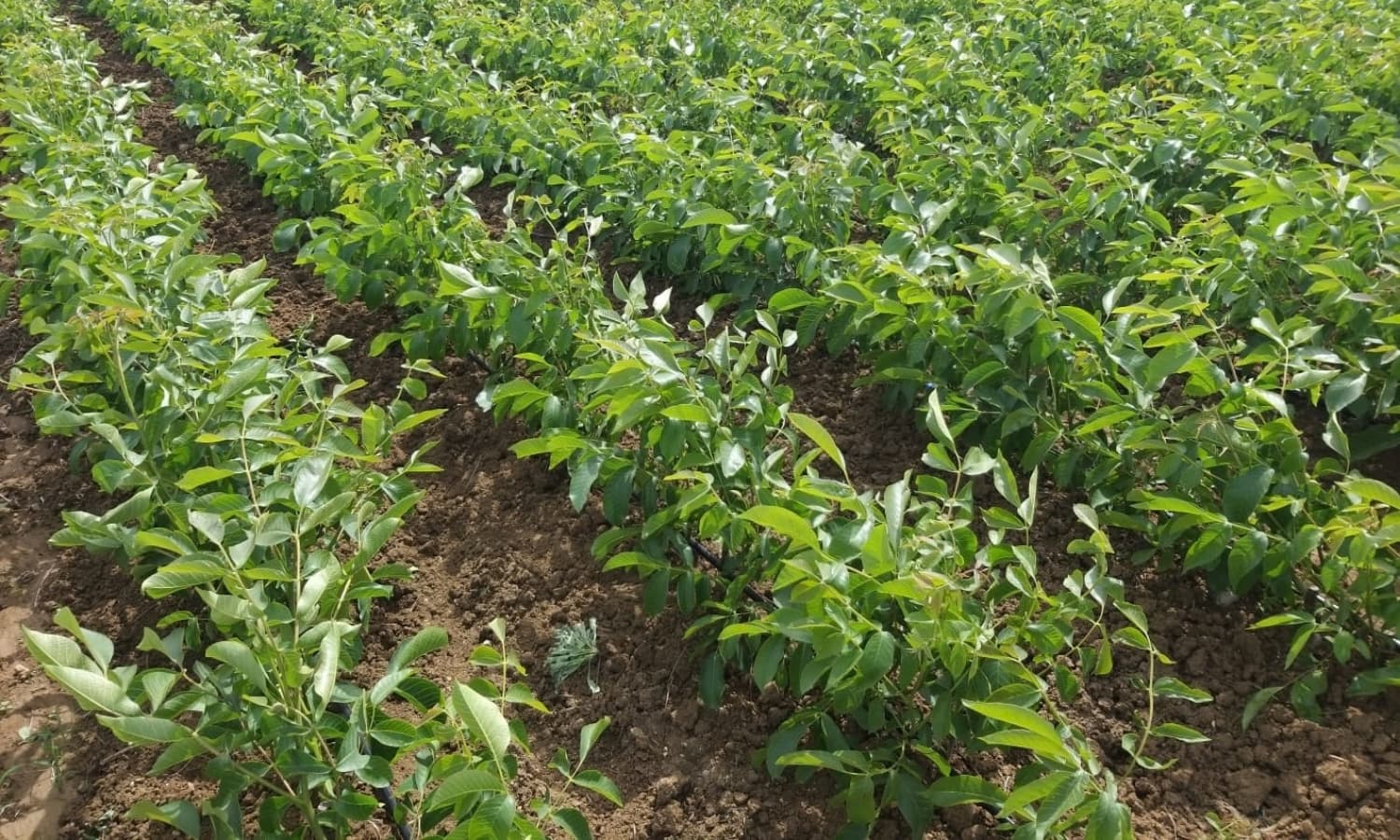
Armenia's intensive orchard program (Government Decision 927-L), now extended to 2026, requires at least 300 walnut trees per hectare, about 33 m² per tree; the 6 × 5 m Kotayk spacing meets this. Modern irrigation is mandatory, and eligible costs per hectare of nut orchard, first-year care included, are capped at AMD 8.62 million, or 20.69 million with hail protection. Before planting, check that rows and headlands leave room for shakers, sweepers and shuttles.

Practical Tips for Walnut Orchard Establishment
Avoid frost hollows where cold air settles; late frosts on 30 March and 1 April 2014 severely damaged Armenian crops, including 80% of apricot trees.
On frost-prone sites, choose later-leafing varieties: in the Kotayk trials Chandler broke bud about a week after Lara.
Choose deep, permeable soil; the 1954 survey found dense, poorly drained clay unsuitable for walnut.
Secure water first, as the driest valleys get 200 to 250 mm of rain a year; the state program compensates 50% of on-farm reservoir costs, within set limits.
Before applying for state support, check the current rules on tree density, planting material and irrigation with the Ministry of Economy.
Plan row width, headlands and turning space for a trunk shaker, sweeper and harvester before the first tree goes in.
Recommended Establishment Stages





Walnut Orchard Care & Maintenance in Armenia
Water is a key yield factor, above all in Armenia's dry valleys. Even in Ijevan, outside the driest zone, a 1970s study found that irrigation raised walnut yields by about a third, and the 1954 survey linked dry air and heat to leaf scorch and drying of crown tops. Schedule drip irrigation by soil moisture until shortly before harvest, and base fertilizer on soil and leaf analysis rather than habit.
Walnut blight, a bacterial disease spread by rain, hits early-leafing varieties hardest, and Lara is considered susceptible to it. UC IPM starts protective sprays when 30 to 40% of buds reach the 'prayer' stage, repeats them 7 to 10 days later and keeps that interval in wet springs. Codling moth caused heavy losses in the 1954 survey; pheromone traps and degree-days help time sprays to egg hatch.
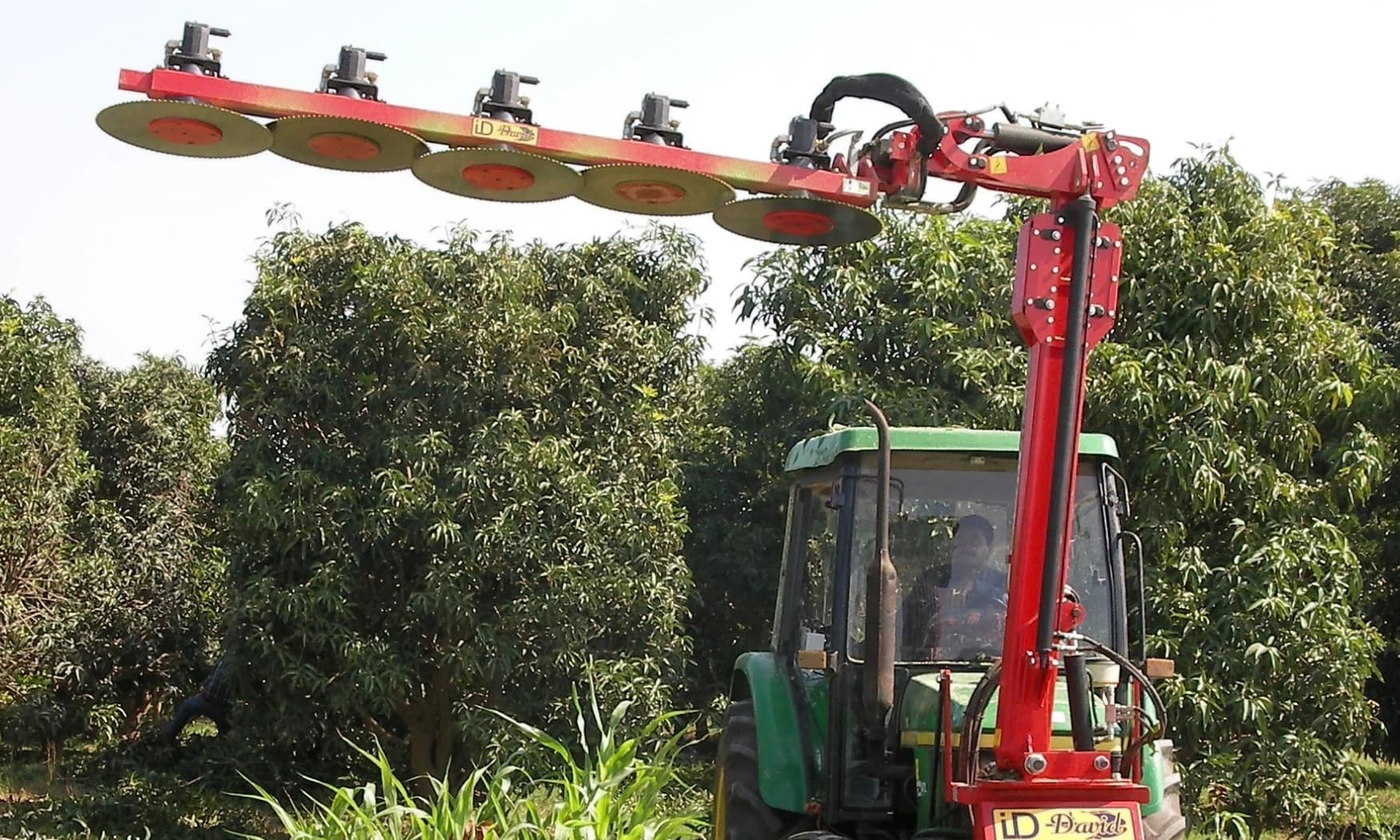
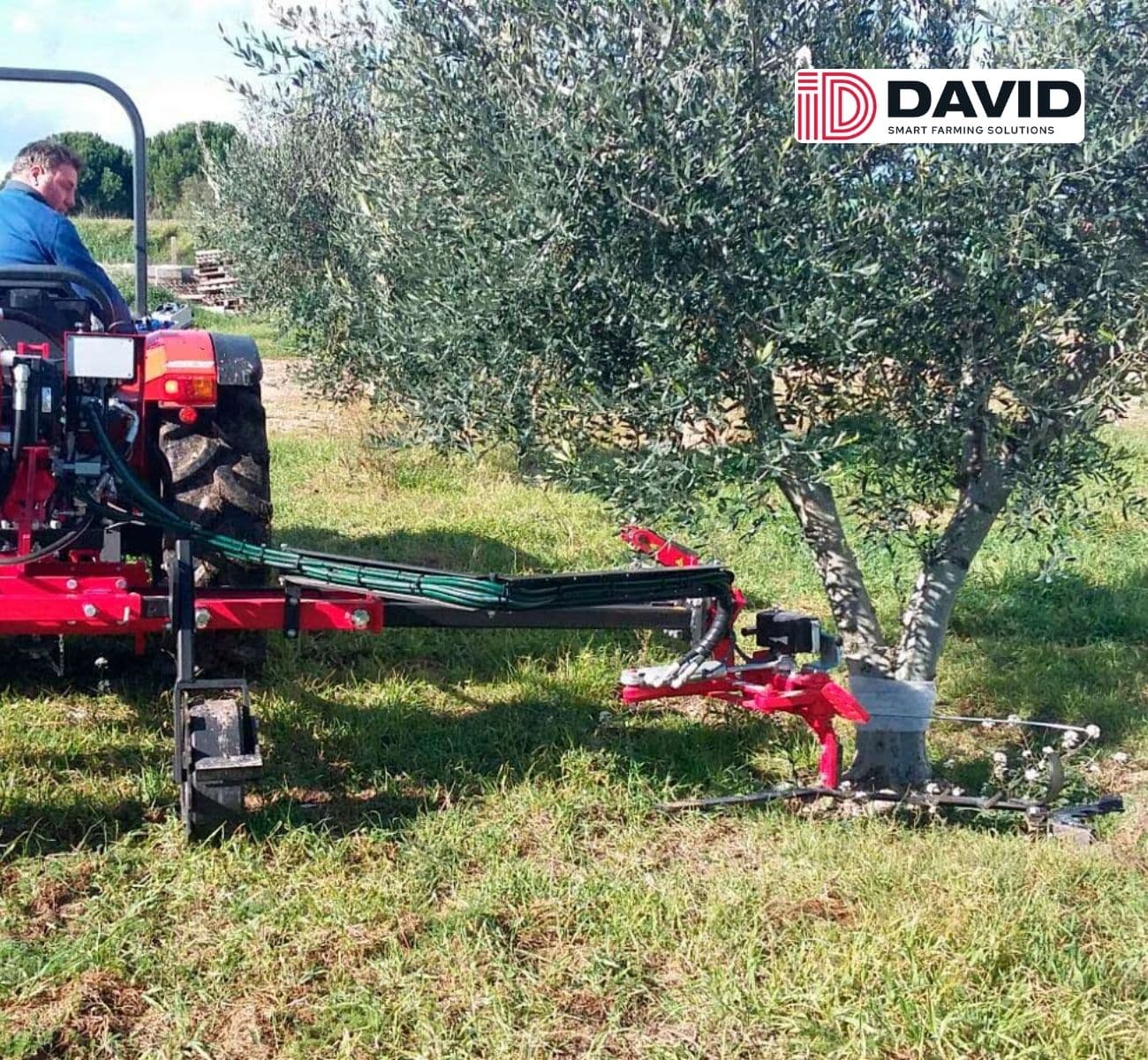
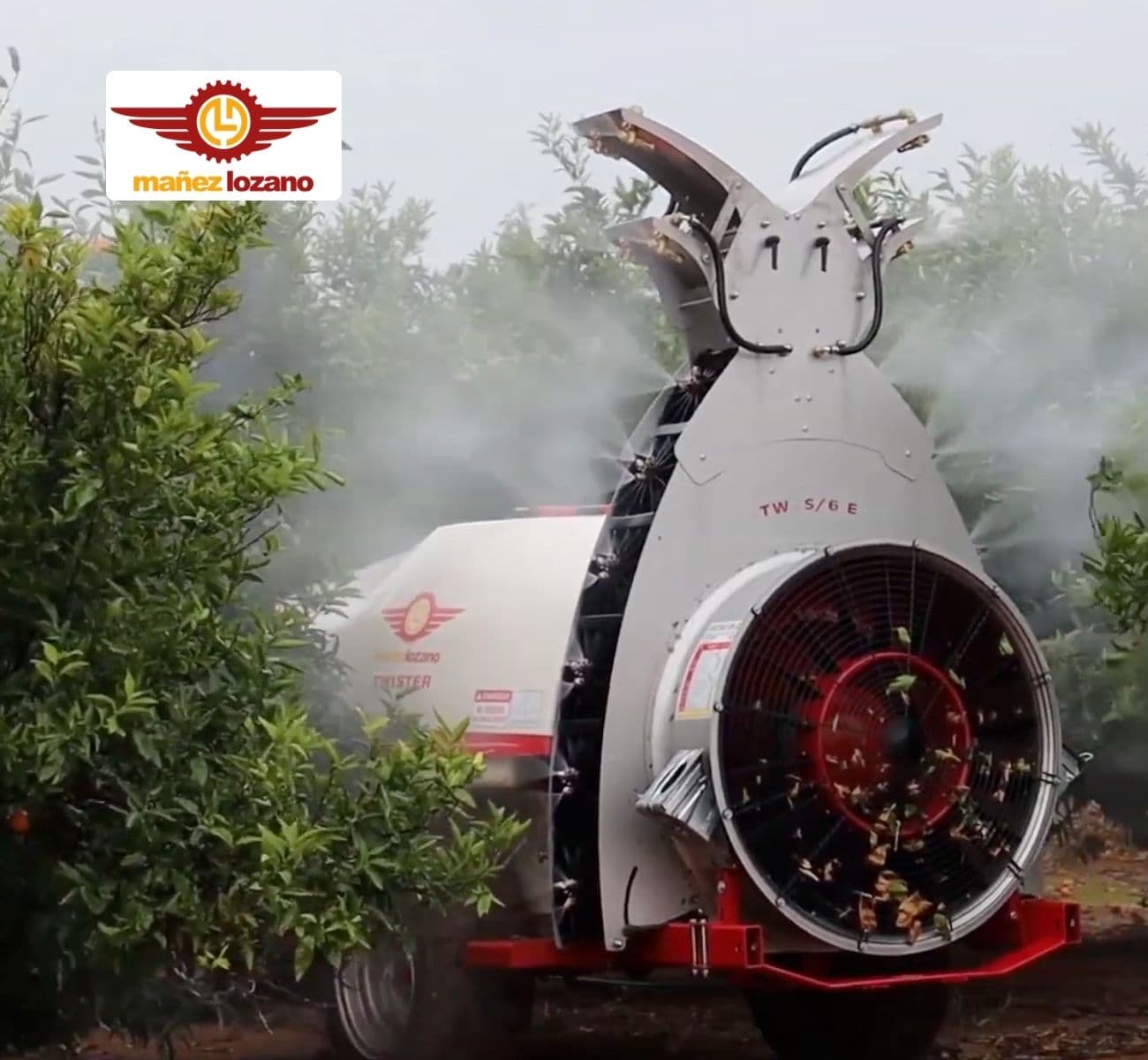
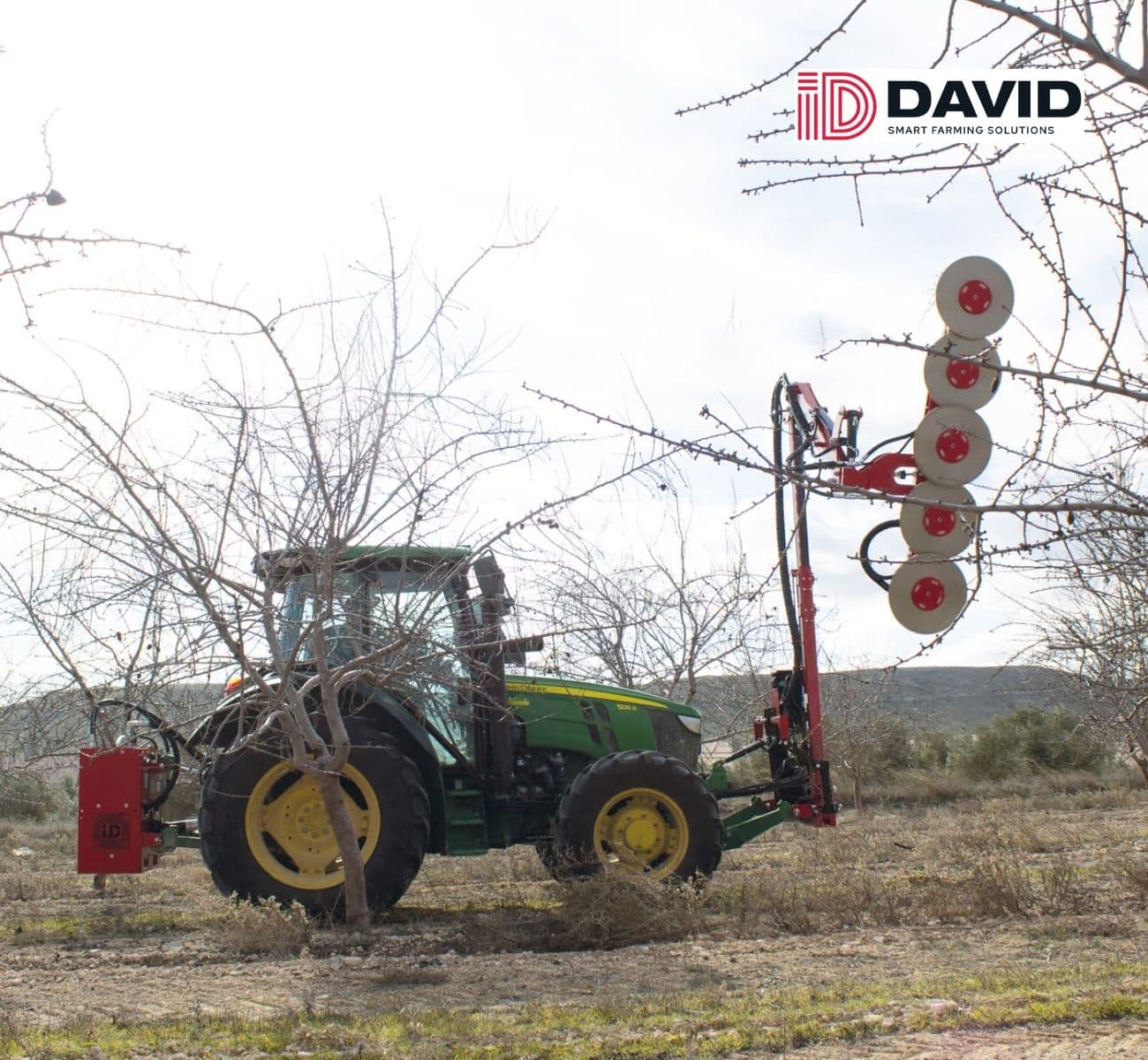
Dense plantings need yearly canopy work to keep light in the trees and alleys open. OVE Europe sells ID DAVID and Mañez Lozano machines in Armenia: the Mega Twister S6, which Mañez y Lozano lists for walnut groves, sprays tall canopies, and the ID-REX disc pruner makes side and top cuts up to 4.9 m.
Recommended Orchard Care & Maintenance Stages



Practical Tips for Walnut Orchard Care & Maintenance
Irrigate by soil moisture until shortly before harvest; heat and dry air raise the risk of leaf scorch, and late water shortage can cause stuck hulls.
On blight-prone blocks, spray when 30 to 40% of buds reach the 'prayer' stage, again 7 to 10 days later, and keep that interval if the spring stays wet.
Hang codling moth pheromone traps in spring and time treatments to egg hatch with degree-days, as UC IPM advises.
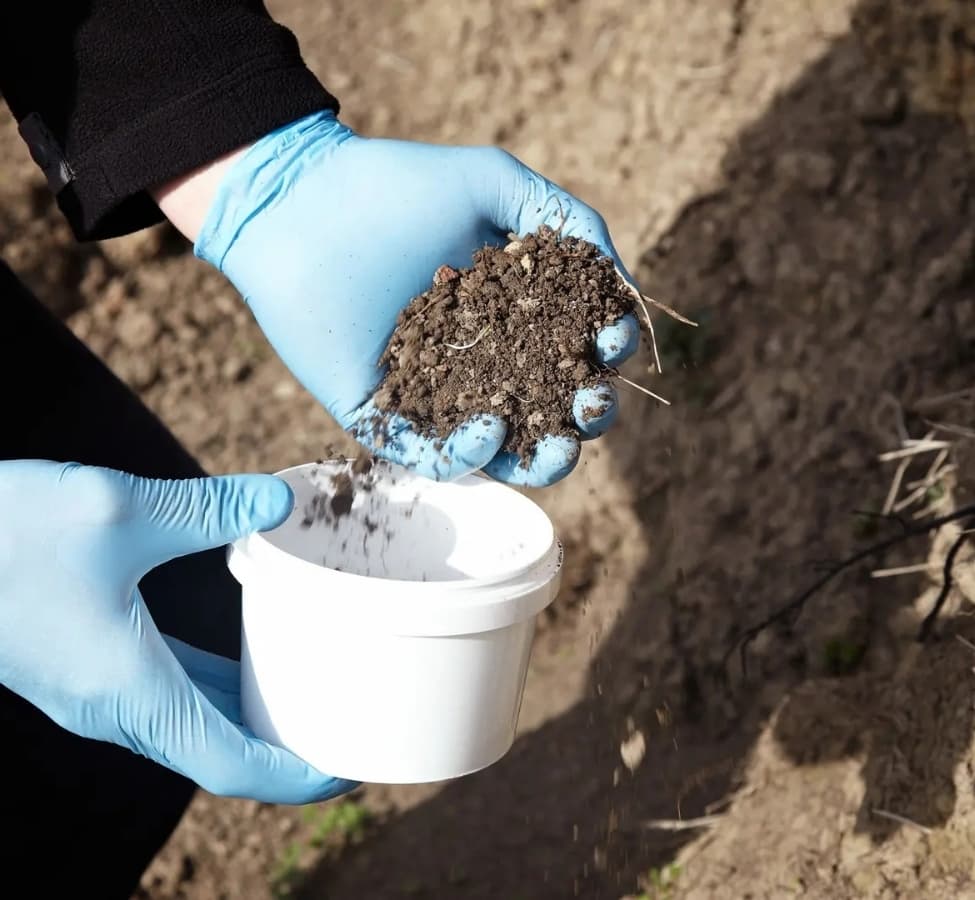
Base fertilizer on soil and leaf analysis, and spread organic matter evenly along the alleys rather than in heaps.
Prune every year in dense plantings, so light reaches the lower canopy and alleys stay open for sprayers and harvest machines.
Mow and level the orchard floor from late summer, so sweepers and harvesters can pick up nuts cleanly in September.

Walnut Harvesting in Armenia
In the Kotayk trials, Lara reached full maturity on 5 to 10 September, Ideal on 14 to 16 September and Chandler on 18 to 22 September (2015 and 2016). An orchard planted with several varieties can therefore be harvested in waves, block by block, so one machine set covers more hectares.
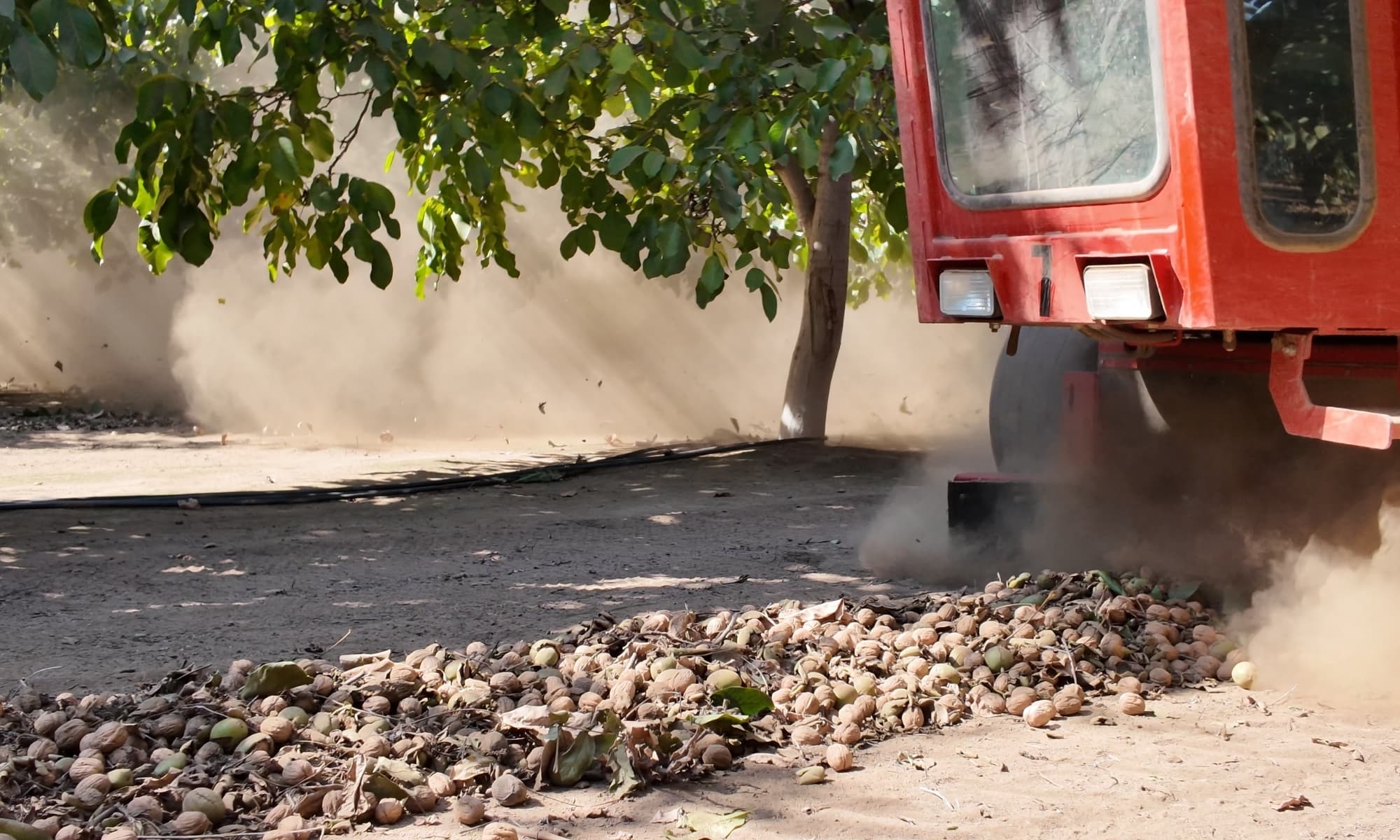
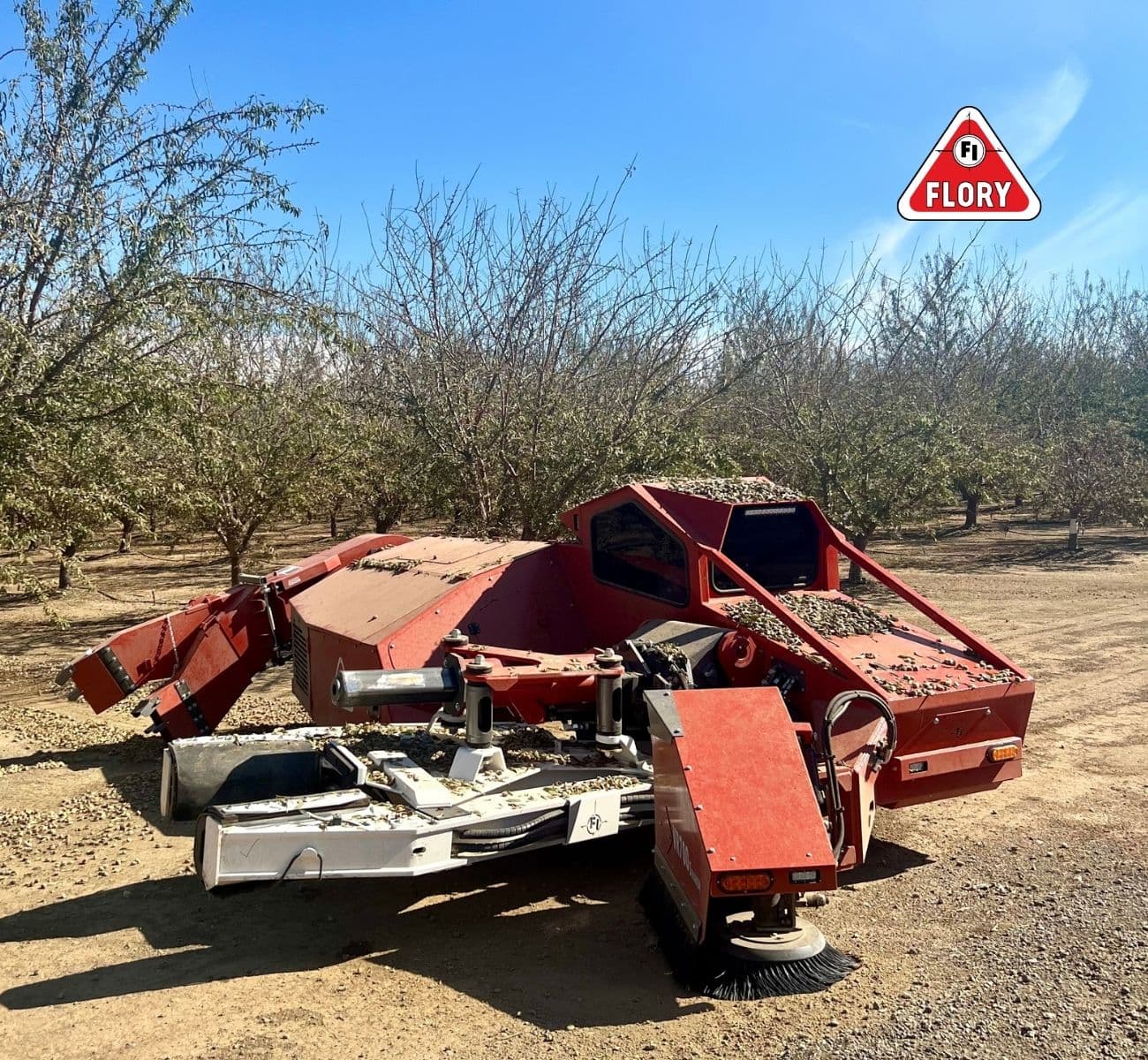
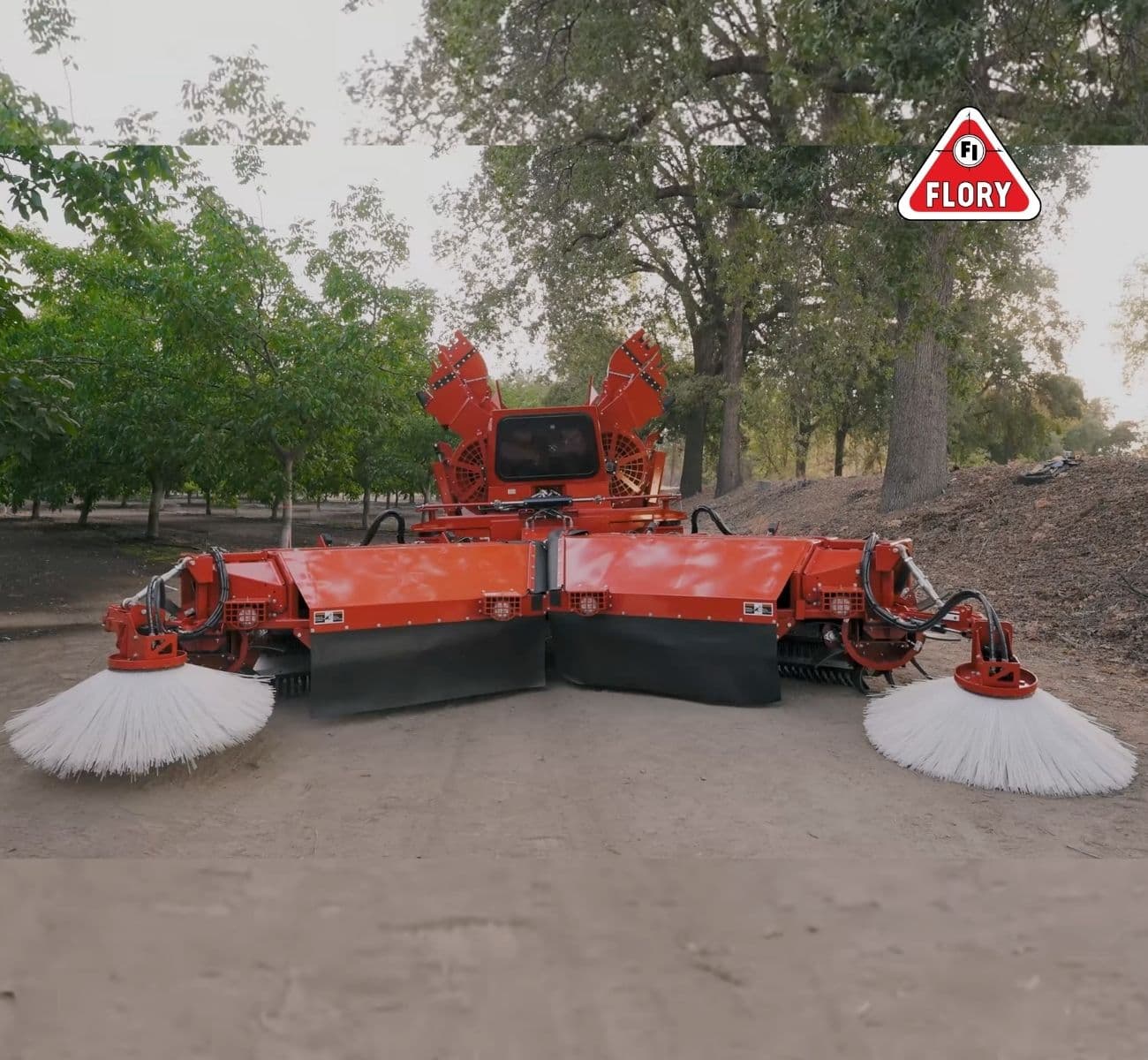
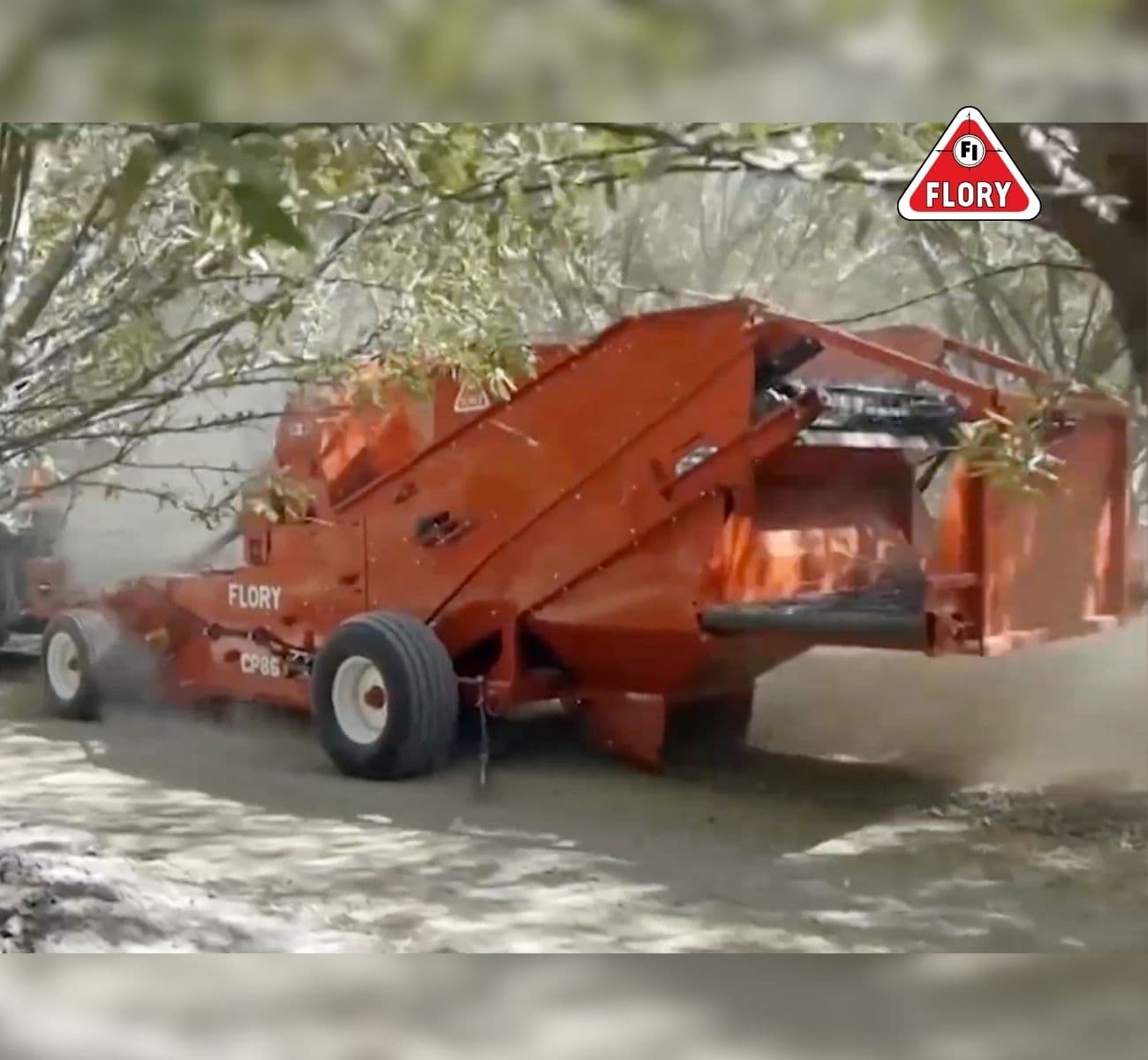
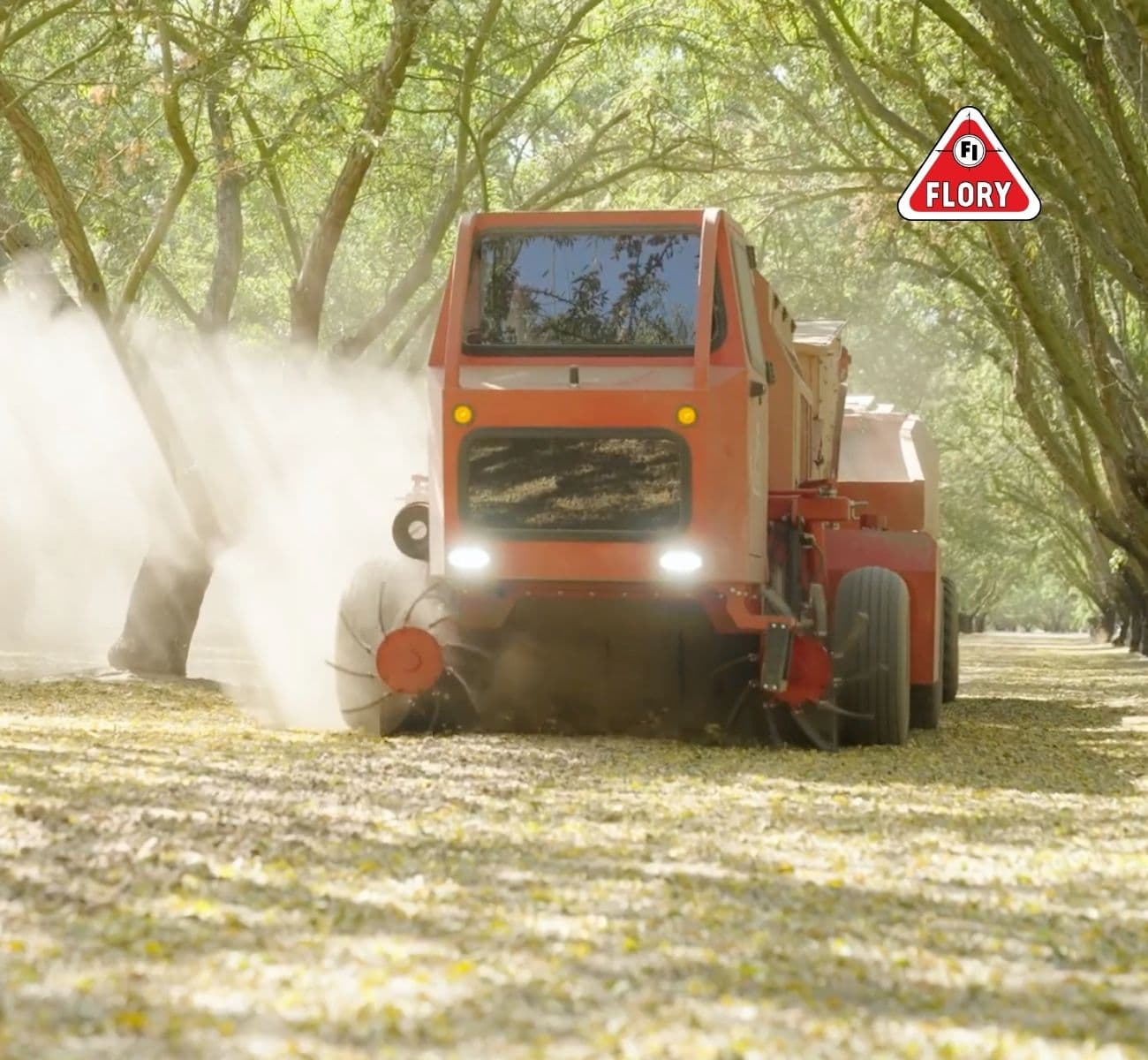
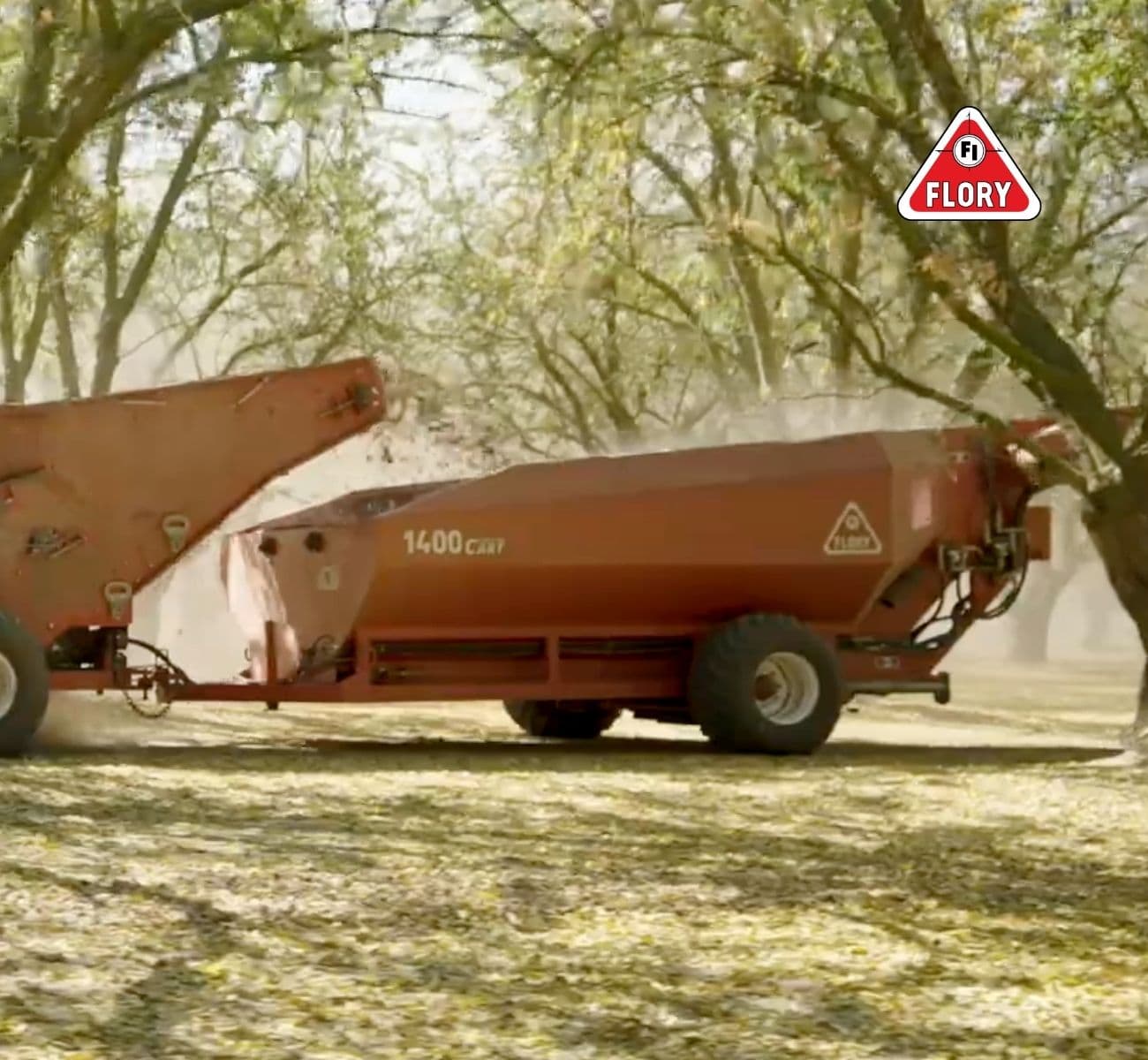
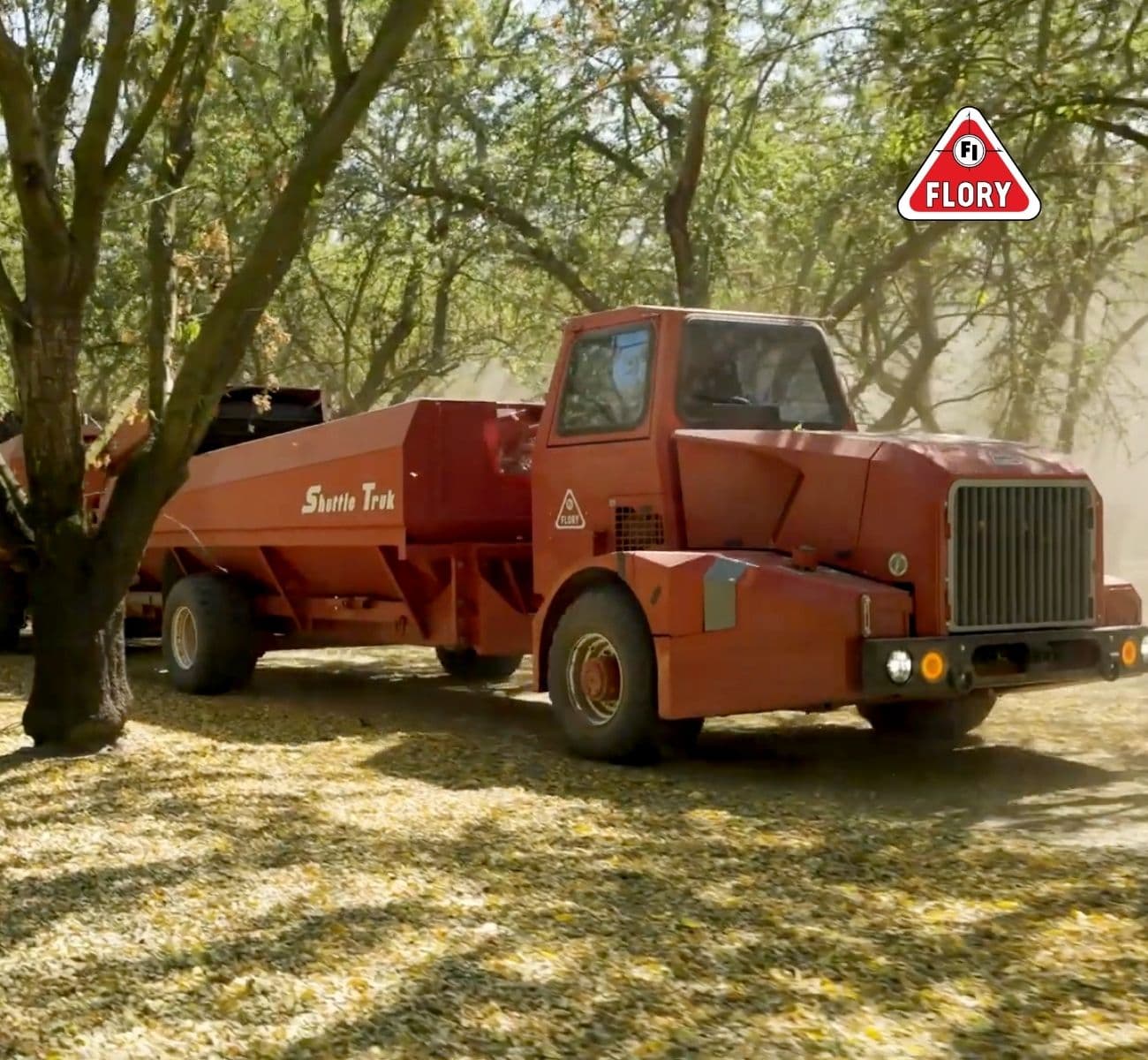
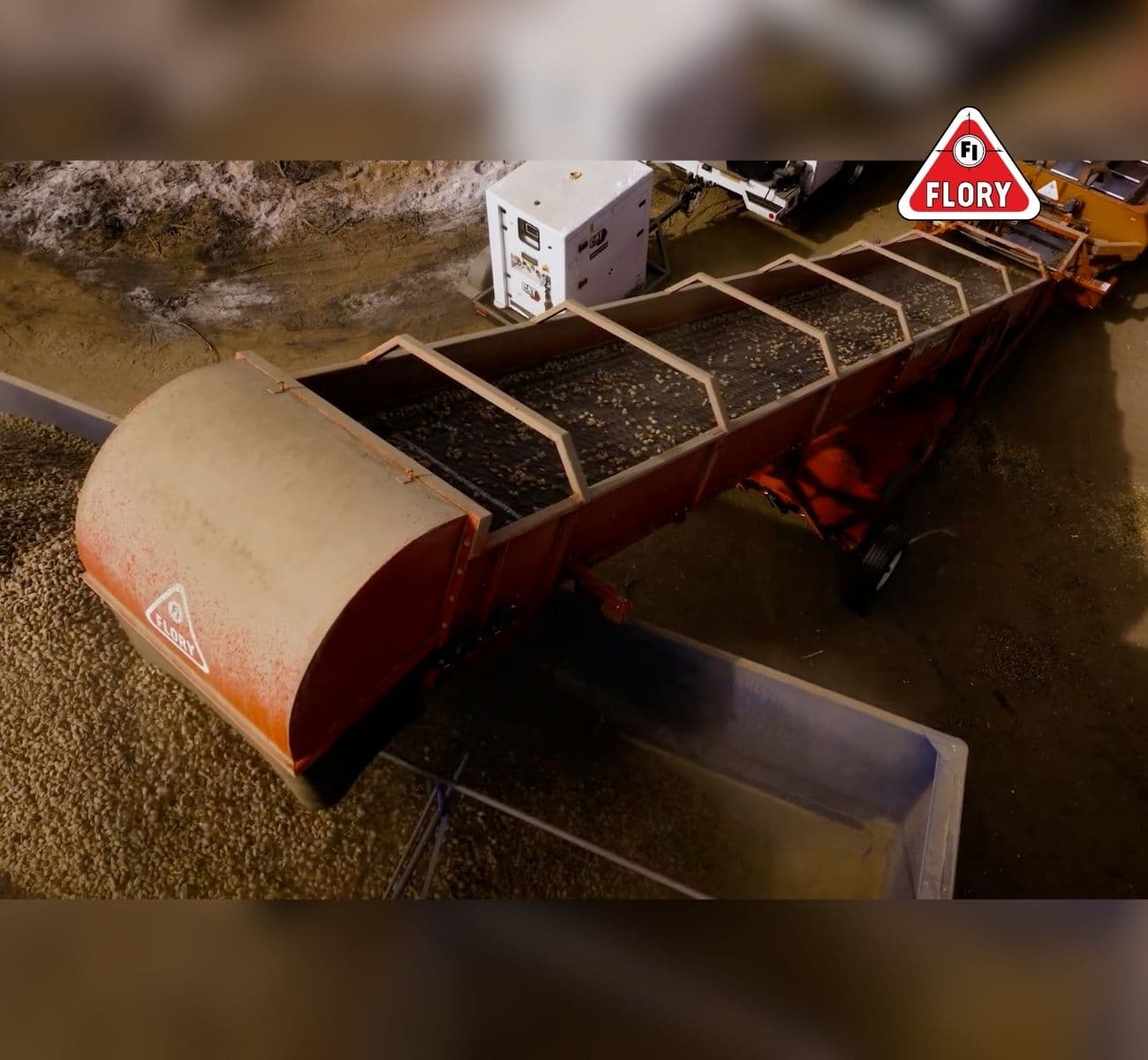
Flory on-ground harvesting machinery is available in Armenia through OVE Europe. A VR700 Shaker shakes each tree with programmable E-SHAKE settings, a V62 Sweeper forms windrows and the self-propelled 8772 Harvester picks them up with low dust; a 1500 Conveyor Cart, ST14 Shuttle and 4840 Field Elevator carry the crop to the trucks.
Speed protects kernel color. University of California work shows that most quality loss happens in the first nine hours after shaking and that kernels darken faster in hot weather, so size the machine set to pick up each block on the day it is shaken and deliver it straight to hulling.
Walnut Harvest Workflow (Recommended Equipment)
Practical Tips for Walnut Harvesting
Harvest in waves: Lara first in early September, then Ideal and Chandler from mid-September, as in the Kotayk trials.
Shake a block once most hulls have split, checking each block, since varieties and sites ripen at different times.
Shake only what the harvester can pick up and deliver for hulling on the same day.
In close rows, remove low branches beforehand so the shaker can reach every trunk and the sweeper can pass cleanly.
Plan unloading points and truck access at the headlands, so shuttles and the field elevator never wait for transport.
Train operators before the season; OVE Europe supplies Flory spare parts and trains operators on the Flory machines it sells.
Get your recommended harvest setup
Enter orchard size, spacing, terrain, and target throughput—we’ll suggest a practical harvest workflow and equipment lineup.

Walnut Post-Harvest Handling & Processing in Armenia
The home market leans on imports. In 2024 Armenia imported about 1,050 t of shelled walnuts and about 150 t in shell, while exports were about 27 t of kernels (UN Comtrade via WITS). Light, clean kernels from new local orchards can compete for part of this demand if quality and price are right.
Hull and wash on harvest day, then dry gently: University of California guidance is about 8% moisture with air no hotter than about 43 °C. Drying in the sun darkens kernels (UC ANR), and nuts that are not fully dry are prone to mold and go rancid in storage.
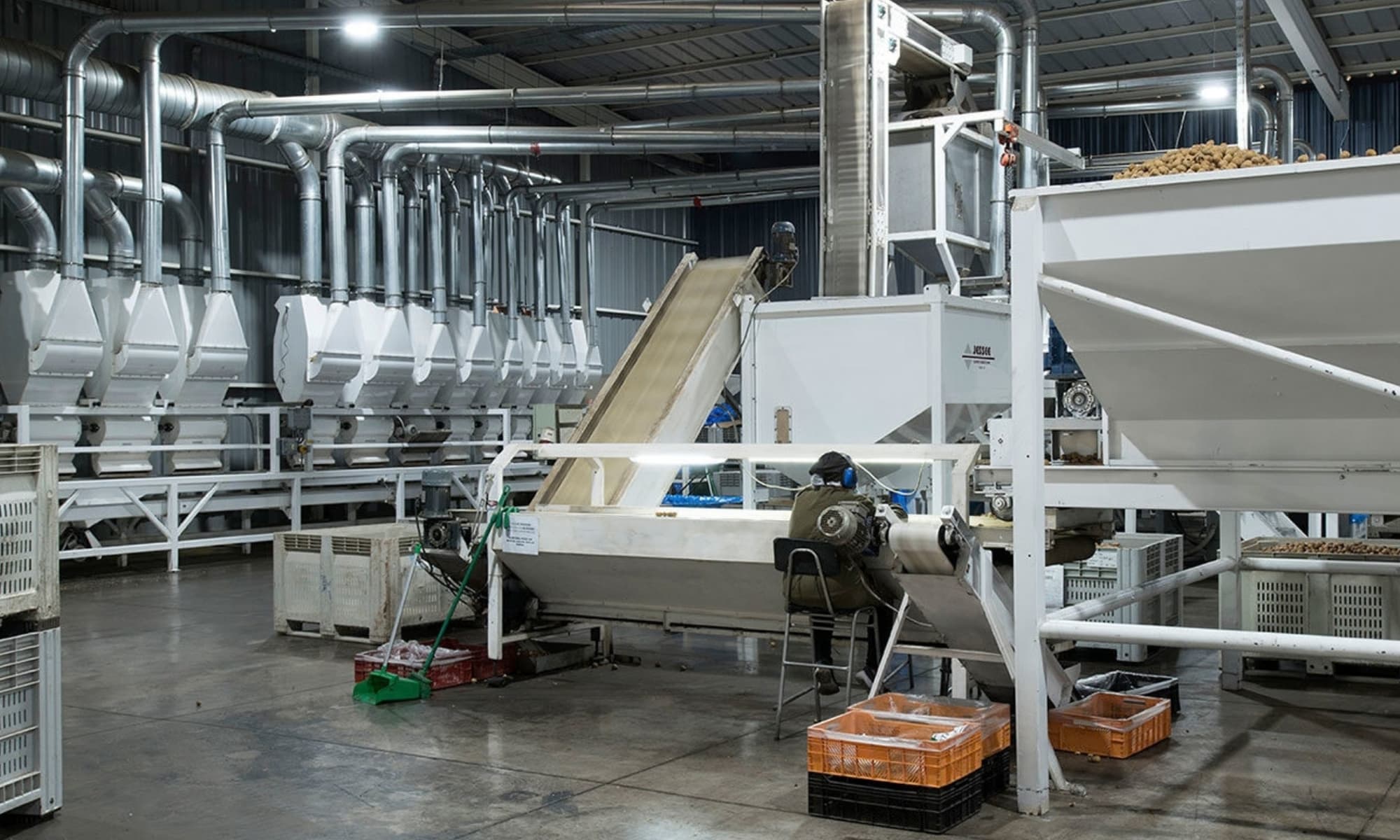
Jessee, whose processing lines OVE Europe supplies, builds hulling, drying, in-shell cleaning and sizing, and cracking equipment for walnuts, and rates its standard hulling lines at 10 to 30 tons of output per hour. New orchards can plan a hulling and drying point from the start, sized to the expected crop, or share one with neighboring growers.
Practical Tips for Walnut Post-Harvest Handling & Processing
Hull on harvest day; hulls left on stain the shells, and washing straight after hulling keeps them clean.
Dry with air at about 43 °C or below and stop near 8% moisture to keep kernels light in color.
Check moisture with a meter on a random sample of 20 to 30 nuts before anything goes into storage.
Keep lots apart by variety: in the Kotayk trials Ideal gave the largest nuts and the highest kernel share, about 50 to 55%.
Store fully dried nuts in cool, dry, ventilated rooms; warm storage makes kernels turn rancid faster.
Grade kernels by color and size before sale, so retail and confectionery buyers get uniform lots that can compete with imports.
Recommended Post-Harvest Handling & Processing Stages









Plan your post-harvest line
Estimate tons/day, cleaning & drying capacity, storage needs, and cost/kg—then build your equipment plan in phases.