






Walnut Orchard Establishment in Azerbaijan
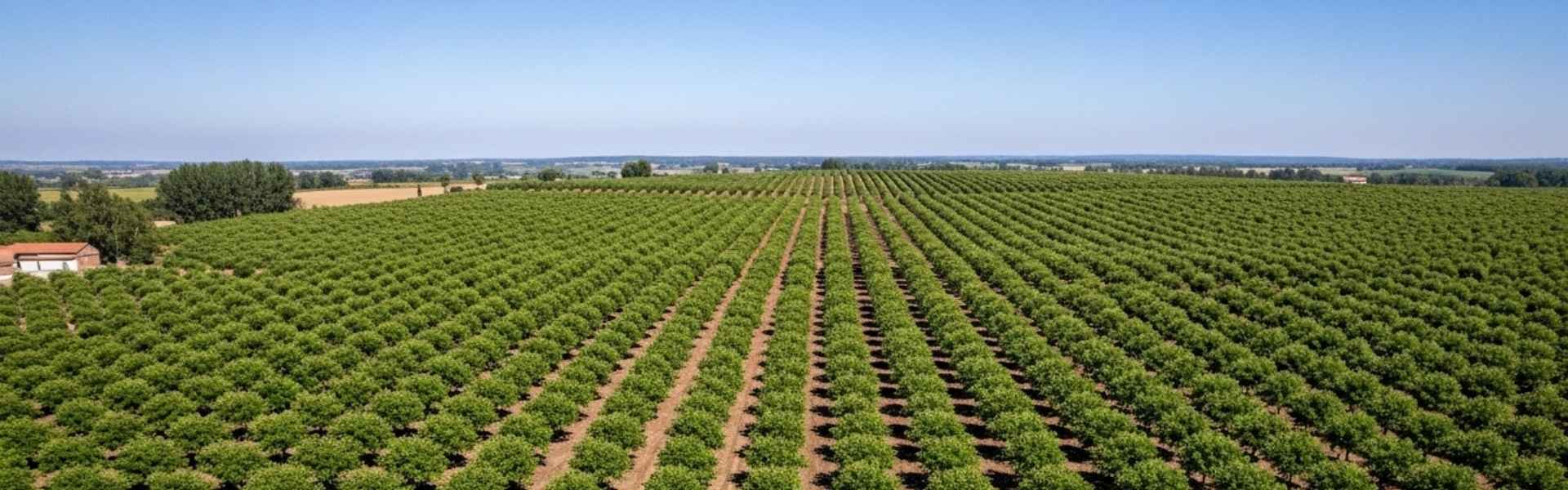
In Azerbaijan, successful walnut orchard establishment starts with a realistic site plan—soil suitability, slope/terrain, access roads, water availability, and the logistics you’ll need at harvest. Because many walnut areas are in foothill and valley landscapes, orchard design is not only agronomy: it’s operations. If you don’t plan row spacing, headlands, turning radius, staging points, and a clear product exit route from day one, every seasonal operation (spraying, mowing, harvest traffic, loading) becomes slower and more expensive.
Before planting, define the commercial pathway for your walnuts—in-shell sales, kernel production, or a phased move into value-added processing. That choice should guide variety selection, planting density, irrigation design, and the post-harvest setup (receiving capacity, cleaning, drying/conditioning, sorting, and storage). When establishment decisions match the intended market and workflow, you protect quality, reduce bottlenecks, and build a system that scales as the orchard matures.


Tips For Walnut Orchard Establishment
Test the soil deeply before planting (profile, drainage, key nutrients) to confirm the site fits the crop.
Plan irrigation correctly based on real field cases—under-watering is a common yield limiter.
Plant for the market: choose varieties with proven demand so you don’t produce something hard to sell.
Match variety + site to climate risk (especially flowering vs frost and harvest window).
Use certified seedlings from a reputable nursery to ensure true-to-type varieties and healthy plants.
Design layout for machinery and logistics: spacing, headlands, turning space, access lanes, and crop exit routes.
Recommended Establishment Stages

Walnut Orchard Care & Maintenance in Azerbaijan
Walnut production in Azerbaijan is well suited to the country’s climate and soil conditions, but long-term orchard performance depends on correct care and maintenance from the very beginning. Orchard management is directly linked to continuous costs such as mechanization, plant protection products, irrigation, and labor. For this reason, growers are strongly advised to plan orchard operations and investments before planting, ideally with the support of agronomists and technical specialists.
Choosing machinery and inputs only based on low initial price often leads to higher costs later. Equipment that is unsuitable for future orchard size or mechanized harvesting typically needs to be replaced after only one or two seasons. Likewise, plant protection products can only be effective if applied with the correct spraying equipment, ensuring uniform coverage and proper dosage.
Equally important is early decision-making regarding harvesting methods. Trees must be trained and rows designed in a way that allows harvesting machinery to operate efficiently. Poor tree structure or narrow row spacing can severely limit mechanization options and increase labor costs. Successful walnut orchards in Azerbaijan are those where agronomy, machinery, and long-term business planning are aligned from the start.
Recommended Orchard Care & Maintenance Stages
Practical Tips for Walnut Orchard Care & Maintenance
Plan orchard care costs before planting, including machinery, agrochemicals, and labor.
Invest in machinery that will remain useful as the orchard matures; avoid short-term solutions.
Use properly sized and calibrated sprayers to ensure effective plant protection.
Clearly define your goal—mowing, mulching, or soil improvement—and choose equipment accordingly.
Train and prune trees, and design row spacing and orchard layout with future harvesting and mechanized operations in mind.
Regular maintenance and preventive care are more effective than corrective actions.

Walnut Harvesting in Azerbaijan
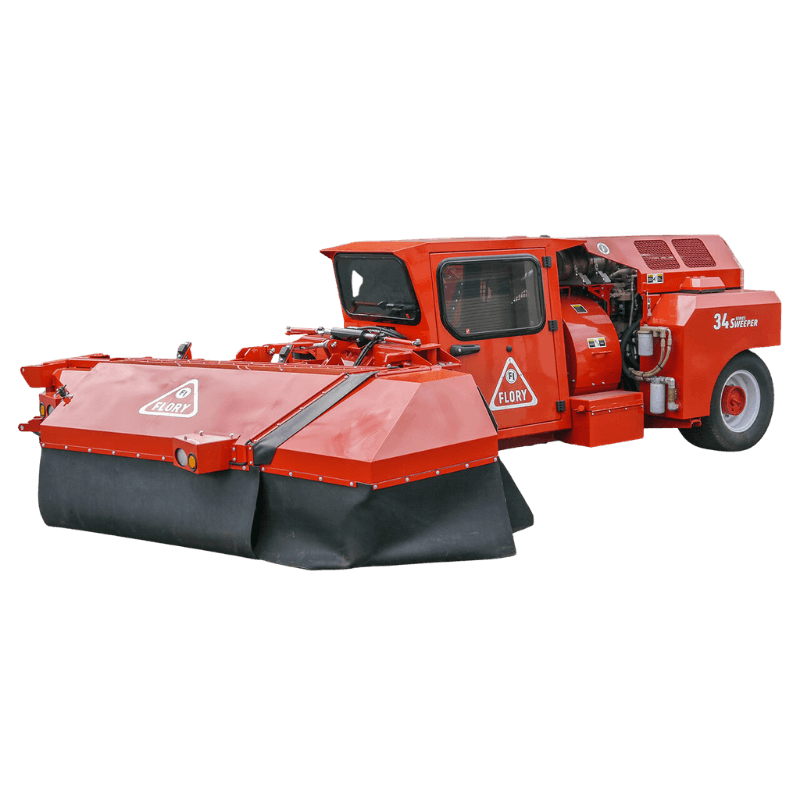
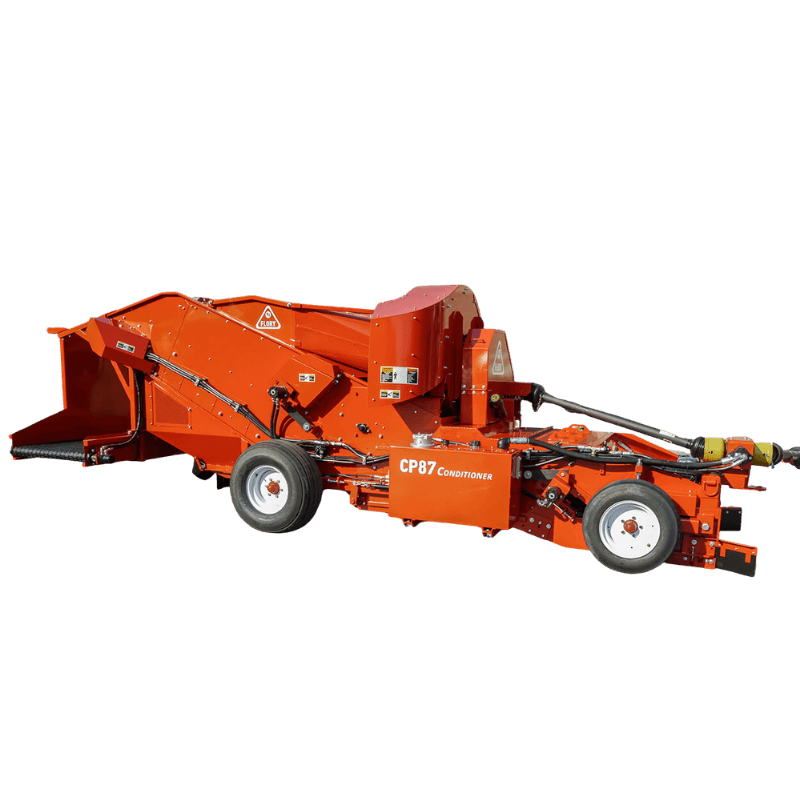
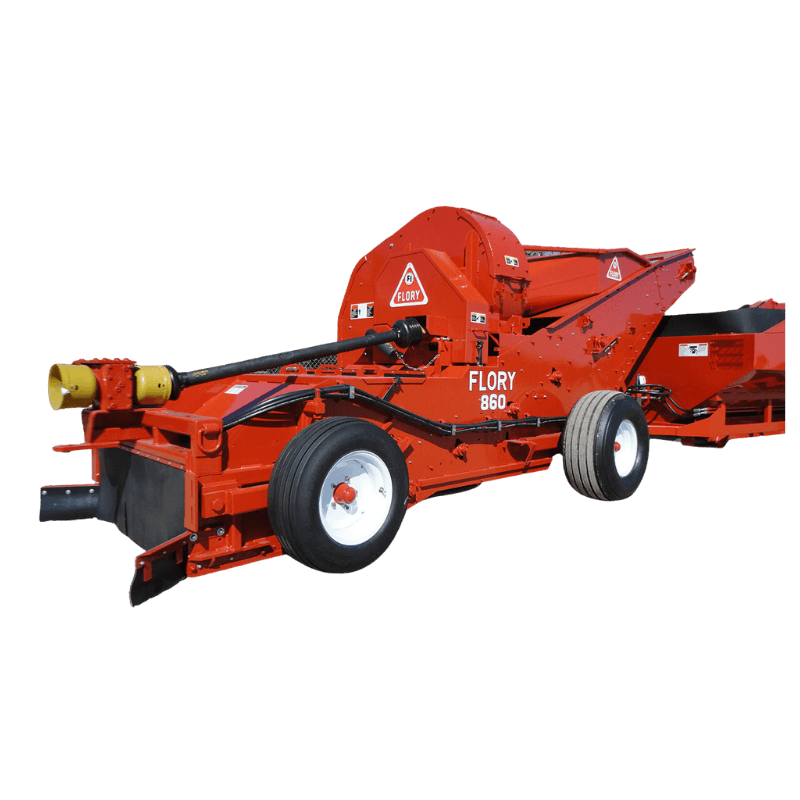
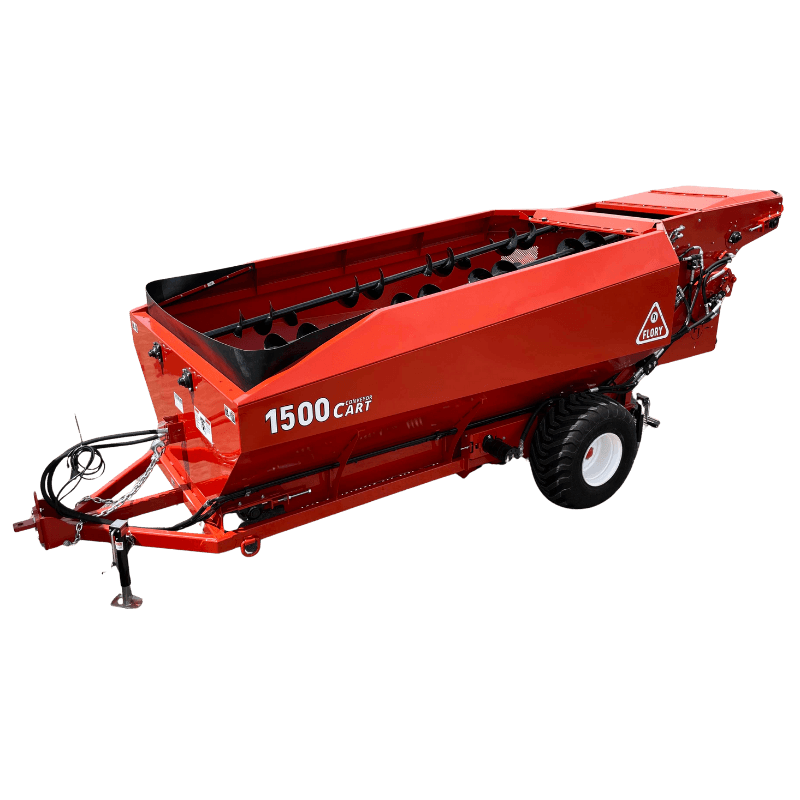
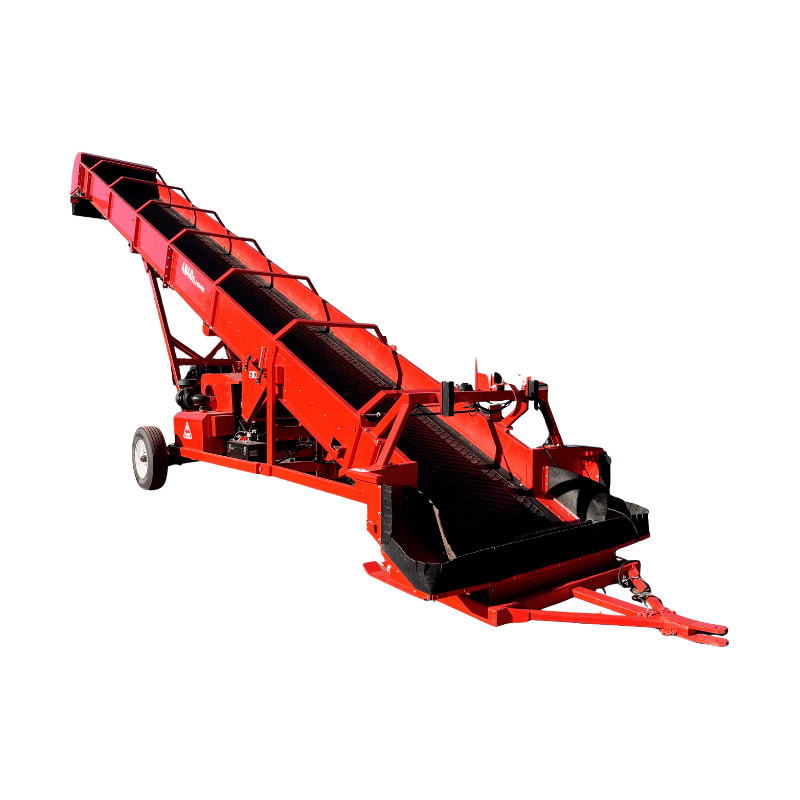
Walnut harvesting in Azerbaijan is usually concentrated into a short seasonal window, so the most important factor is not only the machine—it’s the workflow. Many orchards are in foothill and valley landscapes, where access lanes, turning space, staging points, and transport routes can limit performance more than horsepower. A successful harvest plan connects shaking, floor pickup, continuous hauling, and fast transfer out of the orchard so product doesn’t sit in the field.
The goal is a clean, repeatable chain that reduces losses, protects quality, and matches your real operational capacity (labor, timing, transport, and receiving). When equipment selection, operator training, and daily maintenance are planned in advance, harvest becomes predictable—even under time pressure.
Walnut Harvest Workflow (Recommended Equipment)


Practical Tips for Walnut Harvesting
Choose a harvesting method that fits your scale, terrain, and budget. Select a workflow you can run consistently with your orchard layout, access, and available labor.
Select equipment for uptime and support—not just purchase price. Prioritize proven models, local service capability, spare-parts availability, and operator training.
Prepare logistics before the season starts. Plan headlands, staging points, traffic routes, fuel, bins or carts, transport, and receiving capacity so the line does not stop.
Use trained operators and active supervision. Correct settings and disciplined operation reduce crop loss, tree damage, and downtime.
Make daily maintenance non-negotiable. Harvest performance depends on routine inspections, cleaning, lubrication, and wear-part checks during the harvest window.
Move product off the orchard floor quickly and safely. Fast hauling and organized receiving are as important as shaking and pickup—delays create bottlenecks and increase quality risk.
Get your recommended harvest setup
Enter orchard size, spacing, terrain, and target throughput—we’ll suggest a practical harvest workflow and equipment lineup.

Walnut Post-Harvest Handling & Processing in Azerbaijan
In Azerbaijan, walnut value is often created after the crop leaves the orchard. At the receiving point, the goal is to protect quality and prepare the lot for the right pathway—in-shell, kernel, or phased value-added processing—because buyers pay for specifications: clean loads, stable storage condition, and consistent lots.
Post-harvest is essentially quality protection + market preparation. Strong receiving, cleaning, drying/conditioning, grading, and safe storage help preserve kernel quality and deliver uniform categories. In most markets, three outcomes drive value: kernel appearance (color/cleanliness), kernel integrity (halves vs pieces), and size uniformity.
Tips for Post-Harvest & Processing
Start with receiving capacity. Match daily harvest output to your ability to receive, stage, and store safely—no bottlenecks.
Stabilize quality fast. Prioritize cleaning and drying/conditioning early to protect quality before storage or transport.
Define the target product early. Plan for in-shell, kernel, or phased value-added processing—don’t try to build everything in year one.
Size equipment by tons and cost/kg. Calculate throughput, labor, energy, and real processing cost per kilogram—not “cheap vs expensive.”
Automate where it makes sense. Reduce manual handling to improve consistency, hygiene, and throughput.
Work with experienced partners. Proven nut-project experience helps avoid wrong sizing, layout mistakes, and costly rework.
Recommended Post-Harvest Handling & Processing Stages
Plan your post-harvest line
Estimate tons/day, cleaning & drying capacity, storage needs, and cost/kg—then build your equipment plan in phases.