







Hazelnut Orchard Establishment in Belarus
Cold decides which cultivars last. Researchers at the Institute for Fruit Growing near Minsk note that earlier introductions of Western European cultivars did not succeed because of low winter hardiness, though warming in recent decades now allows some European cultivars to be grown. The Institute bred Lal and Yashma (registered in 2021) and Arkadiy (2025), which it describes as winter-hardy and regular-bearing, with nuts that fall freely from the husk. The 2026 State Register lists 13 hazelnut cultivars, each admitted in all six oblasts.
In central Belarus male catkin bloom, as a rule, begins in the last ten days of March and lasts 10 to 17 days, but at Institute plots near Minsk bloom began on 20 to 25 February in 2020 and in late February in 2024, and frosts of -3.0 to -6.3 °C struck during mass pollen shed in 2023. In winter 2020/21, with lows near -25.5 °C, all male catkins of the European cultivars studied in the largest orchard were frost-damaged, and a crop needed artificial pollination. Oregon State University (OSU) advises pollinizers on about 11% of the trees.
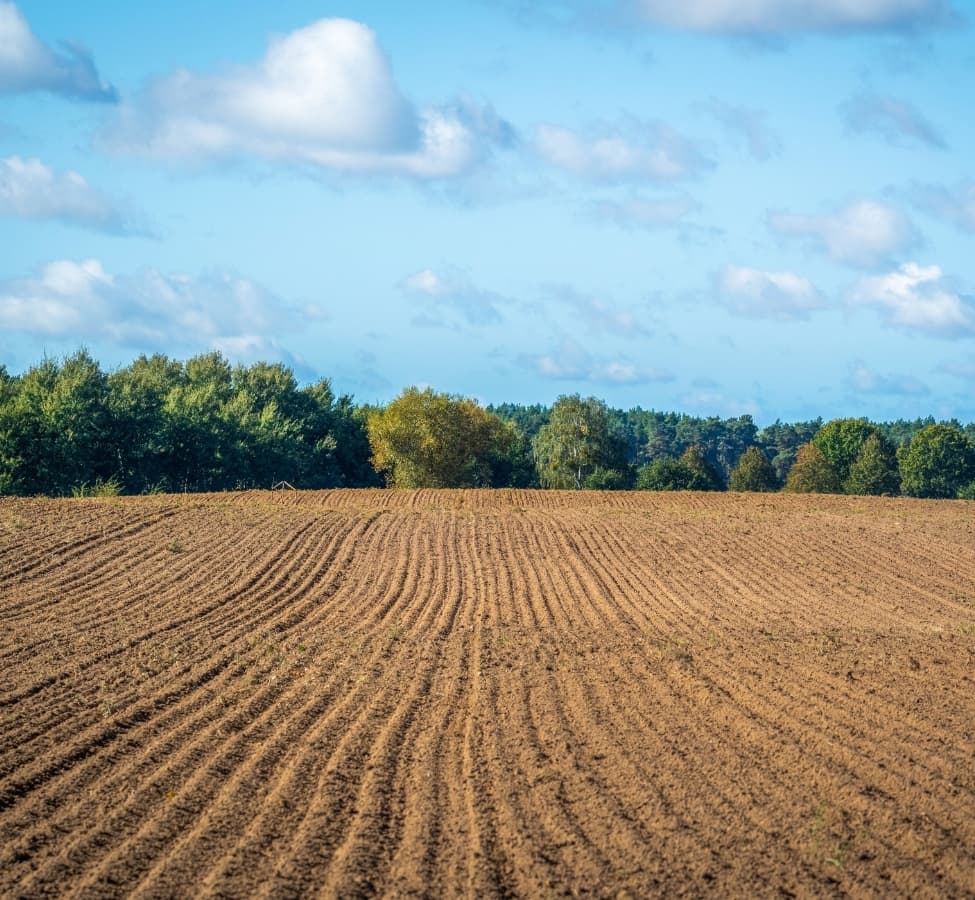
In trial blocks of the largest orchard, two-year-old plants set out in 2018 (5.0 x 3.5 m, 570 trees per ha, and 5.0 x 3.0 m, 666 per ha) and 2019 (5.0 x 3.0 m) were trained as single-trunk trees, a form a Belarusian study, citing earlier work, links to mechanizing labor-intensive tasks, including nut harvest. OSU advises making the floor as smooth as possible at least a year before the first commercial harvest, with no soil mounds around the trunks and room to turn at row ends.
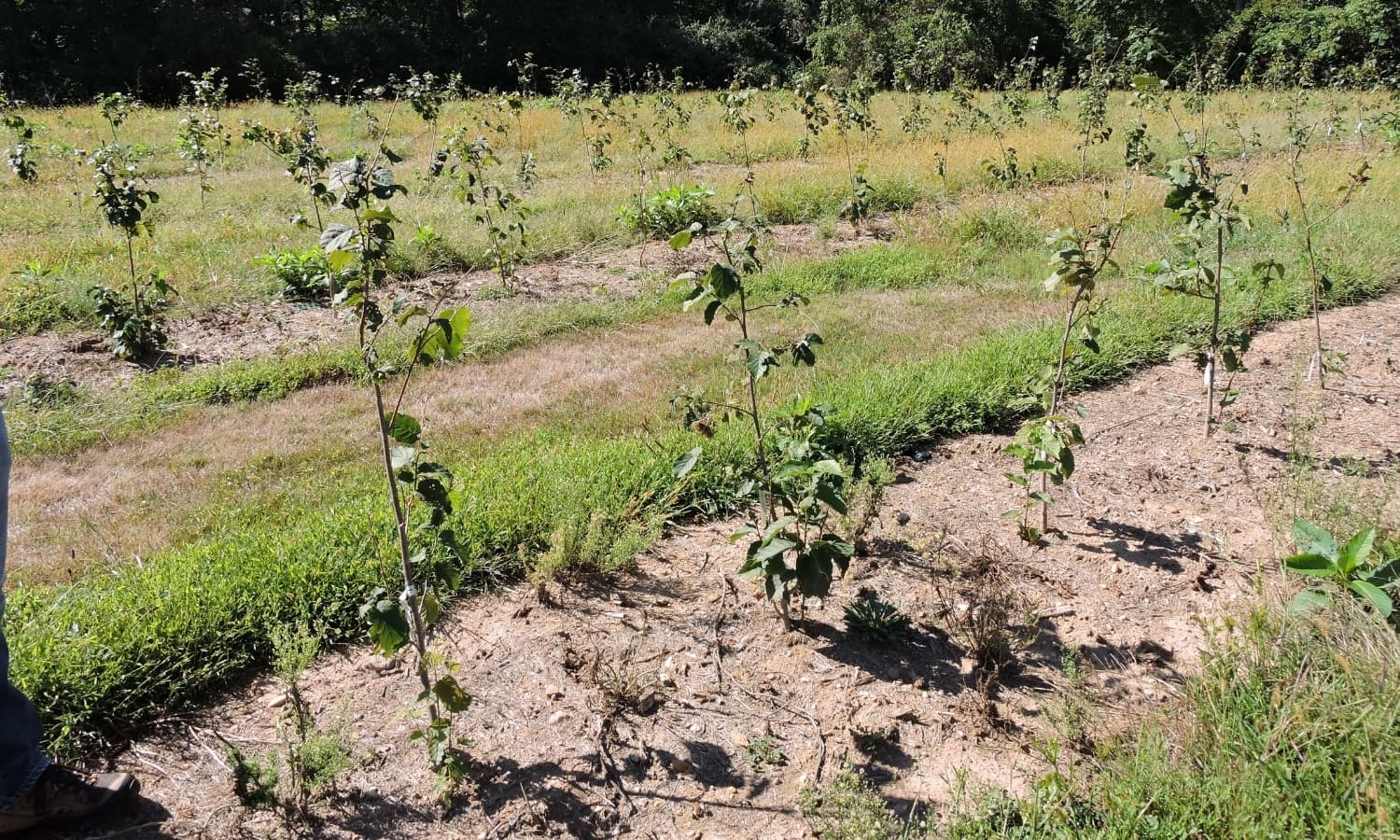

Practical Tips for Hazelnut Orchard Establishment
Choose winter-hardy cultivars: the Institute for Fruit Growing reports that earlier Western European introductions did not succeed because of low winter hardiness.
Plant pollinizers that bloom with the main cultivar: the Institute for Fruit Growing describes Yashma and Arkadiy as good pollinizers for other cultivars.
Keep every tree within 15 m of a pollinizer: Oregon State University notes that nut set decreases at greater distances.
Plant each main cultivar in its own block, with pollinizers set within it: Belarusian researchers note that ripening dates vary with cultivar, site and weather.
Avoid frost pockets: Oregon State University reports that late-April frosts in low-lying areas often damage cluster buds and young shoots.
Smooth and firm the orchard floor at least a year before the first commercial harvest, as Oregon State University advises, so sweepers can work up to the trunks.
Recommended Establishment Stages
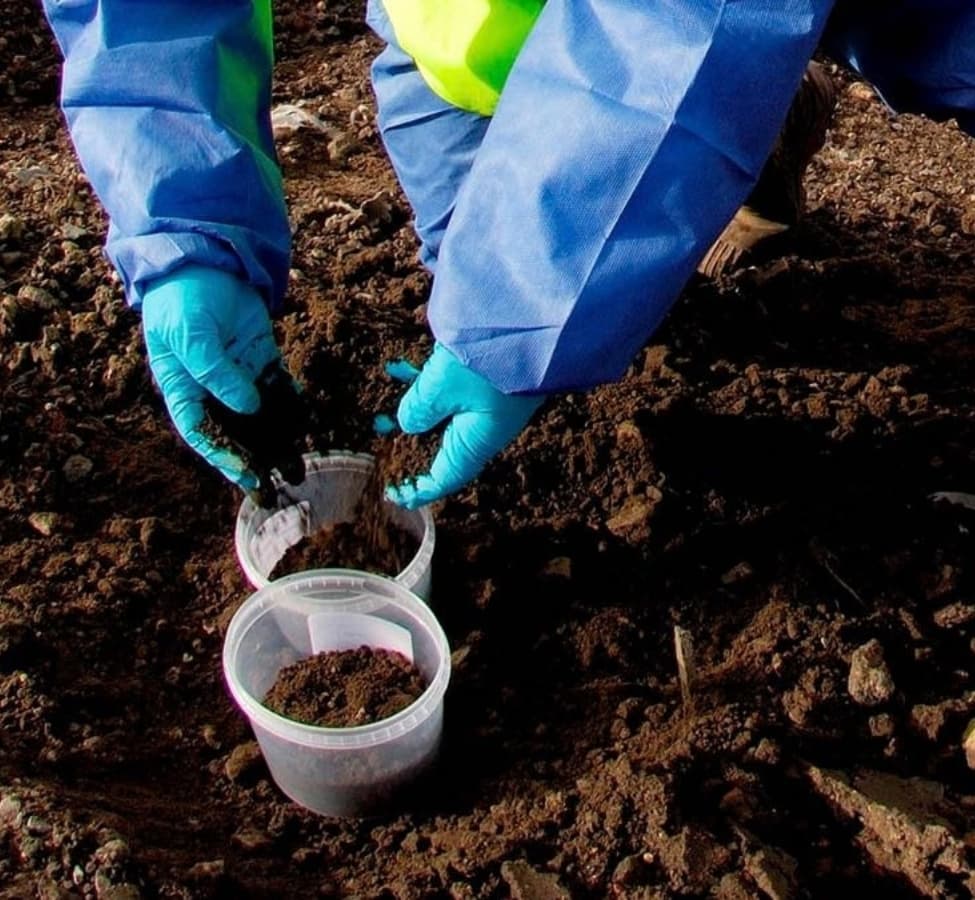

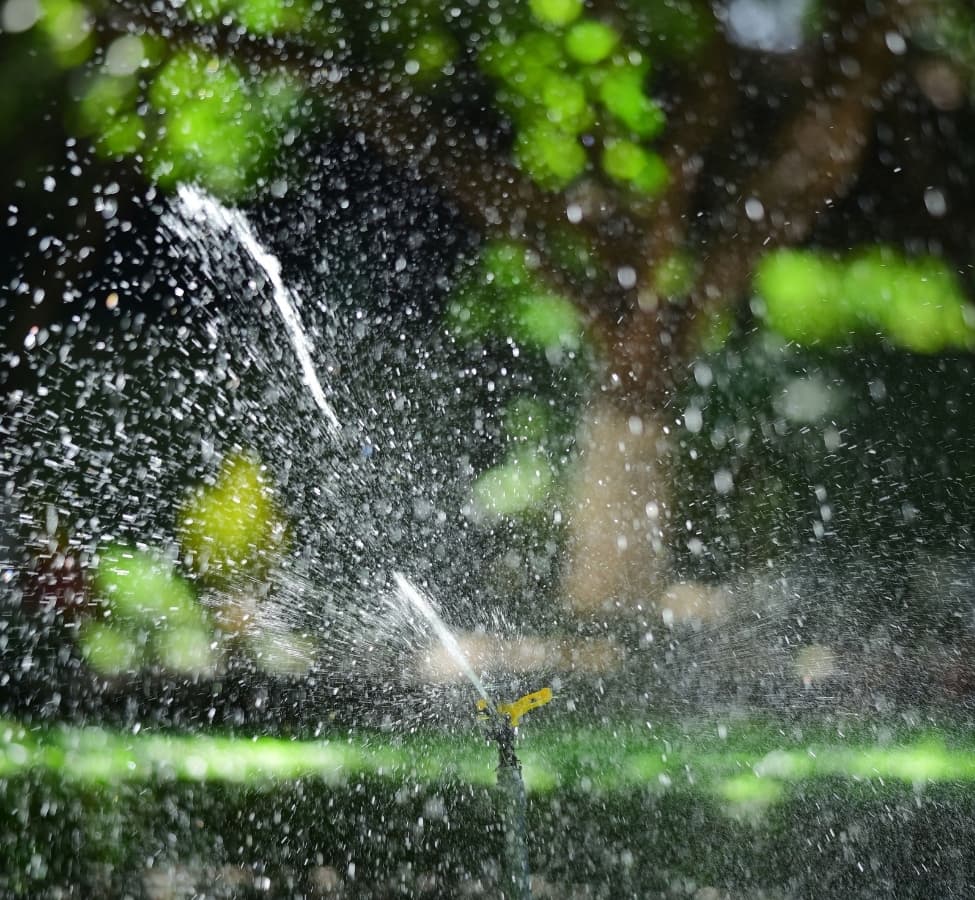

Hazelnut Orchard Care & Maintenance in Belarus
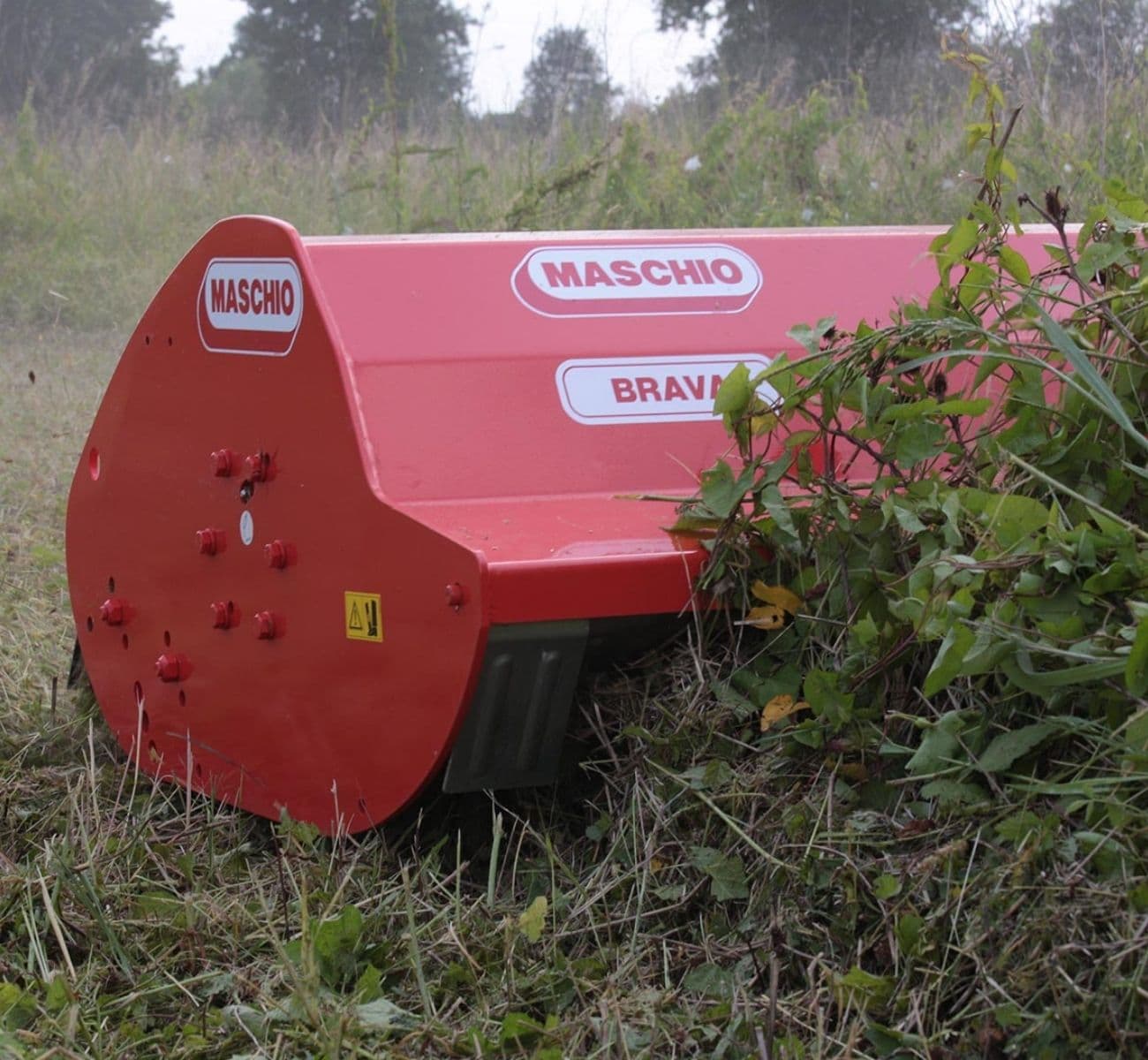
In the largest orchard, Institute trials describe tree strips kept as bare fallow for the first three years and then as herbicide strips, and alleys kept bare for three years and then sown with white clover; the Institute's own orchard keeps a natural sward between rows. In an Institute pruning trial (2023 to 2024), winter pruning before bud break that shortened last year's shoots over 60 cm long by a third restrained tree growth.
The Belarusian studies cited here name no hazelnut pest or disease recorded in the country, a gap in the record rather than proof of absence. EPPO lists neither the brown marmorated stink bug (Halyomorpha halys) nor hazelnut bacterial blight (Xanthomonas arboricola pv. corylina) for Belarus, though both are present in Poland. Institute reviews (2020) call for surveys of Belarusian hazelnut plantings for phytoplasmas and viruses and advise planting healthy, certified stock.
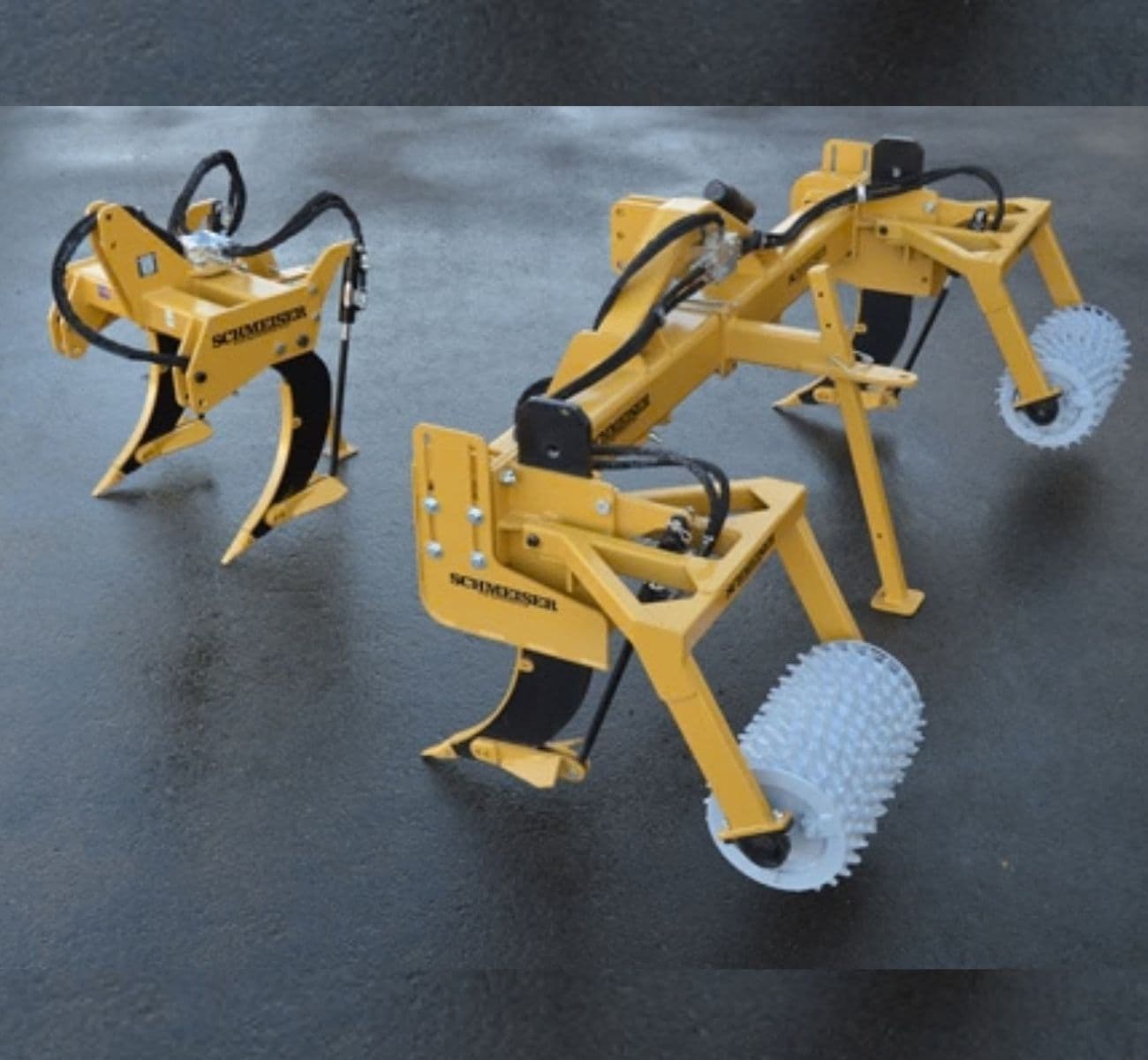
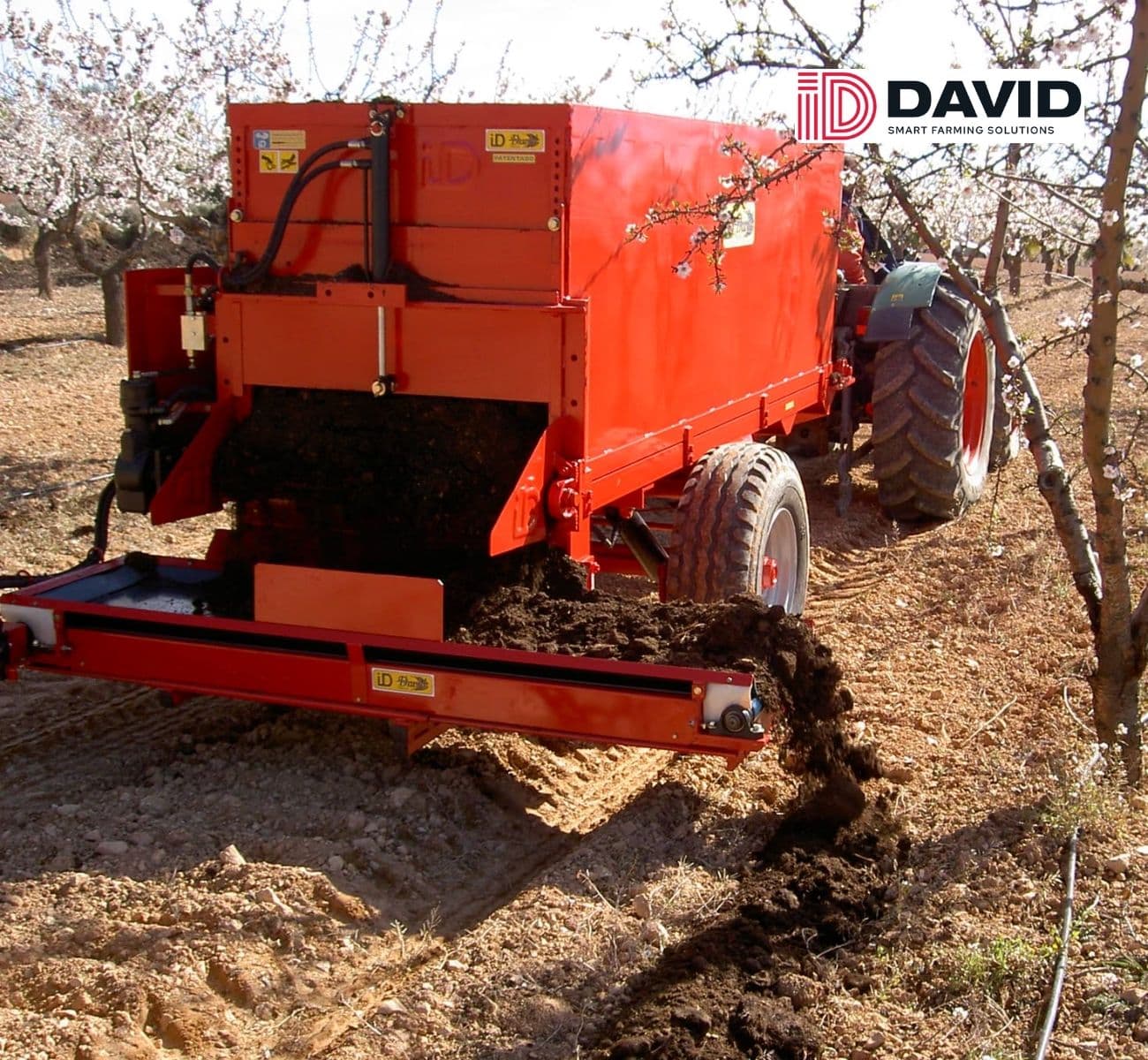
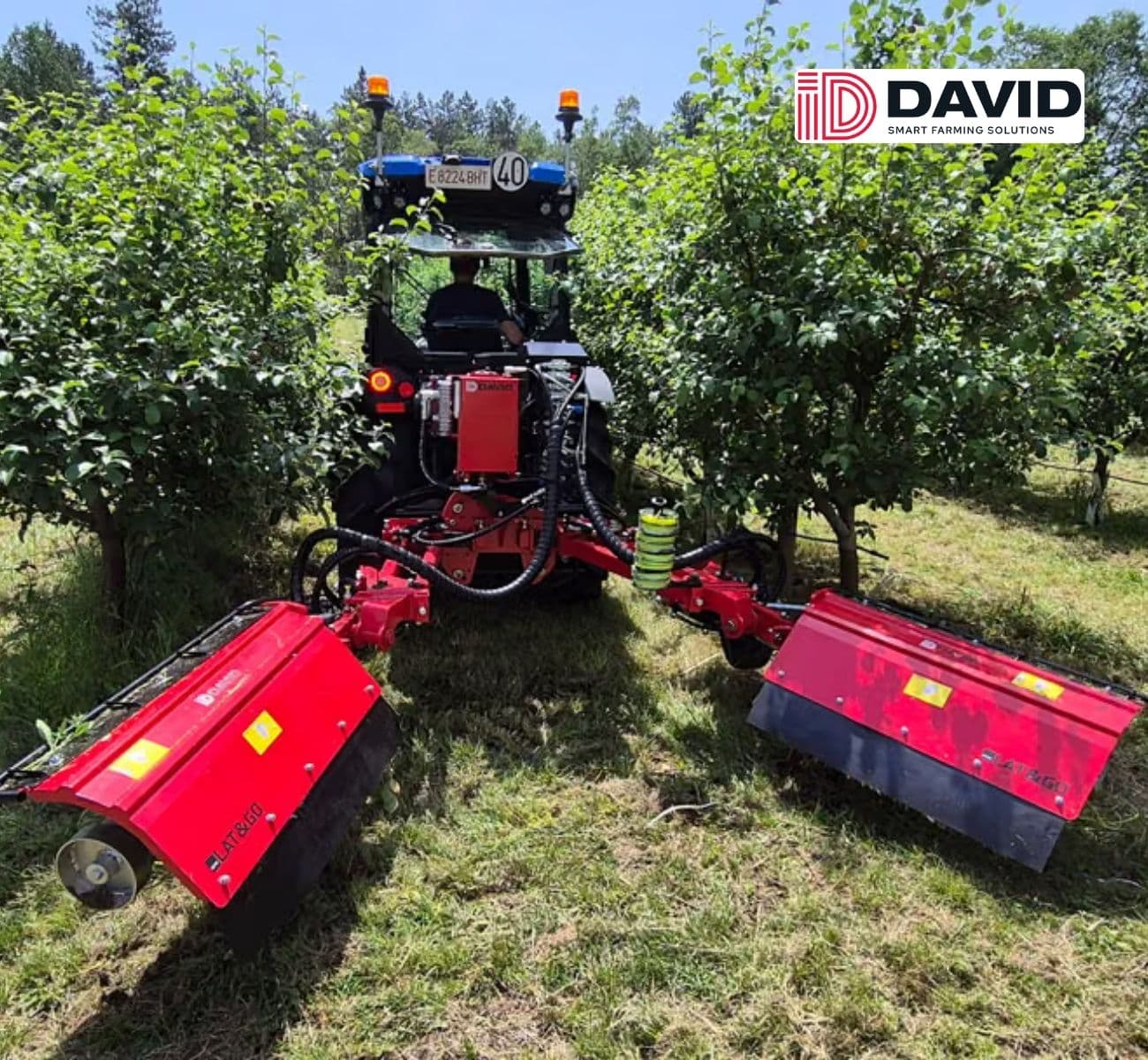
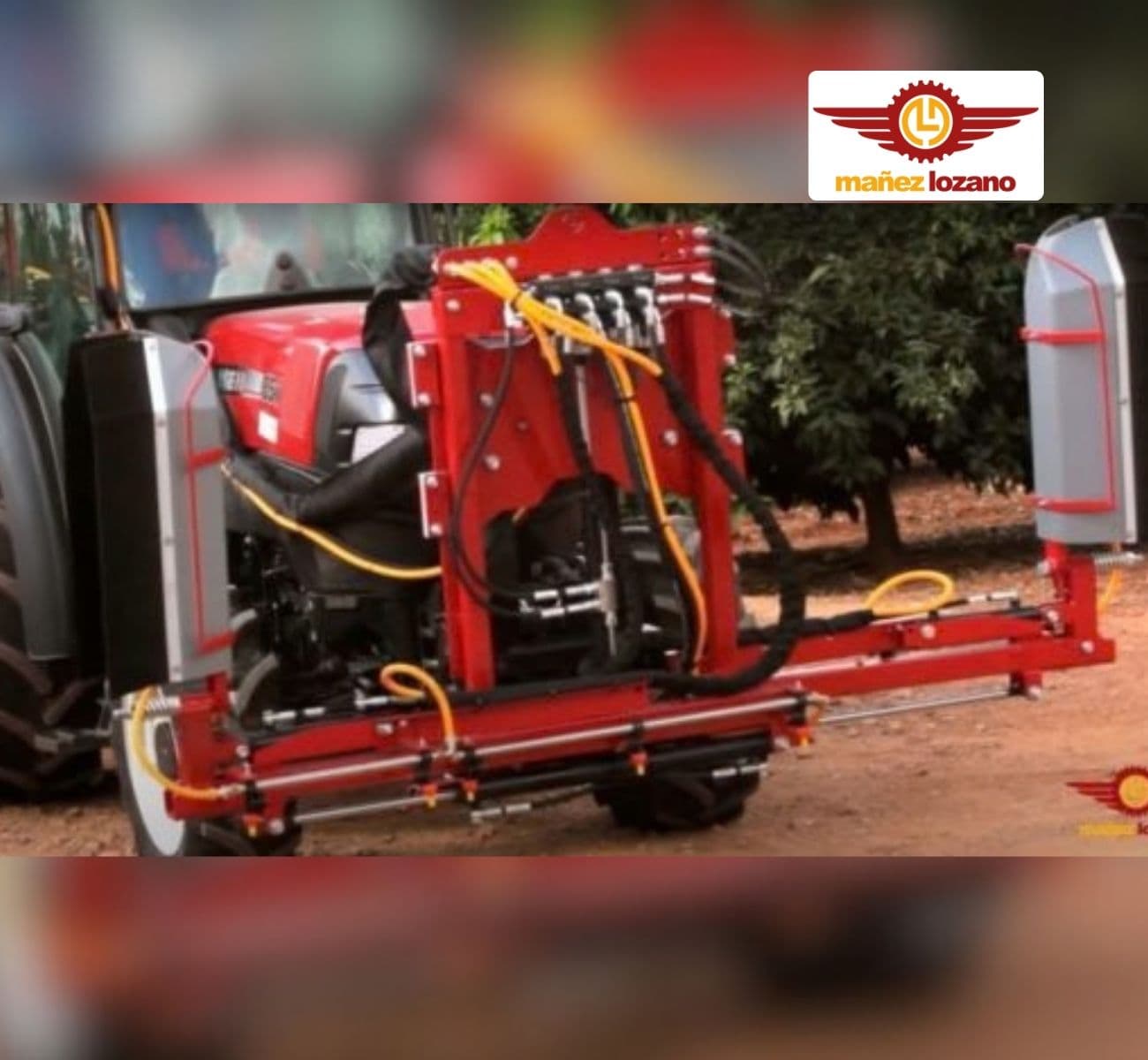
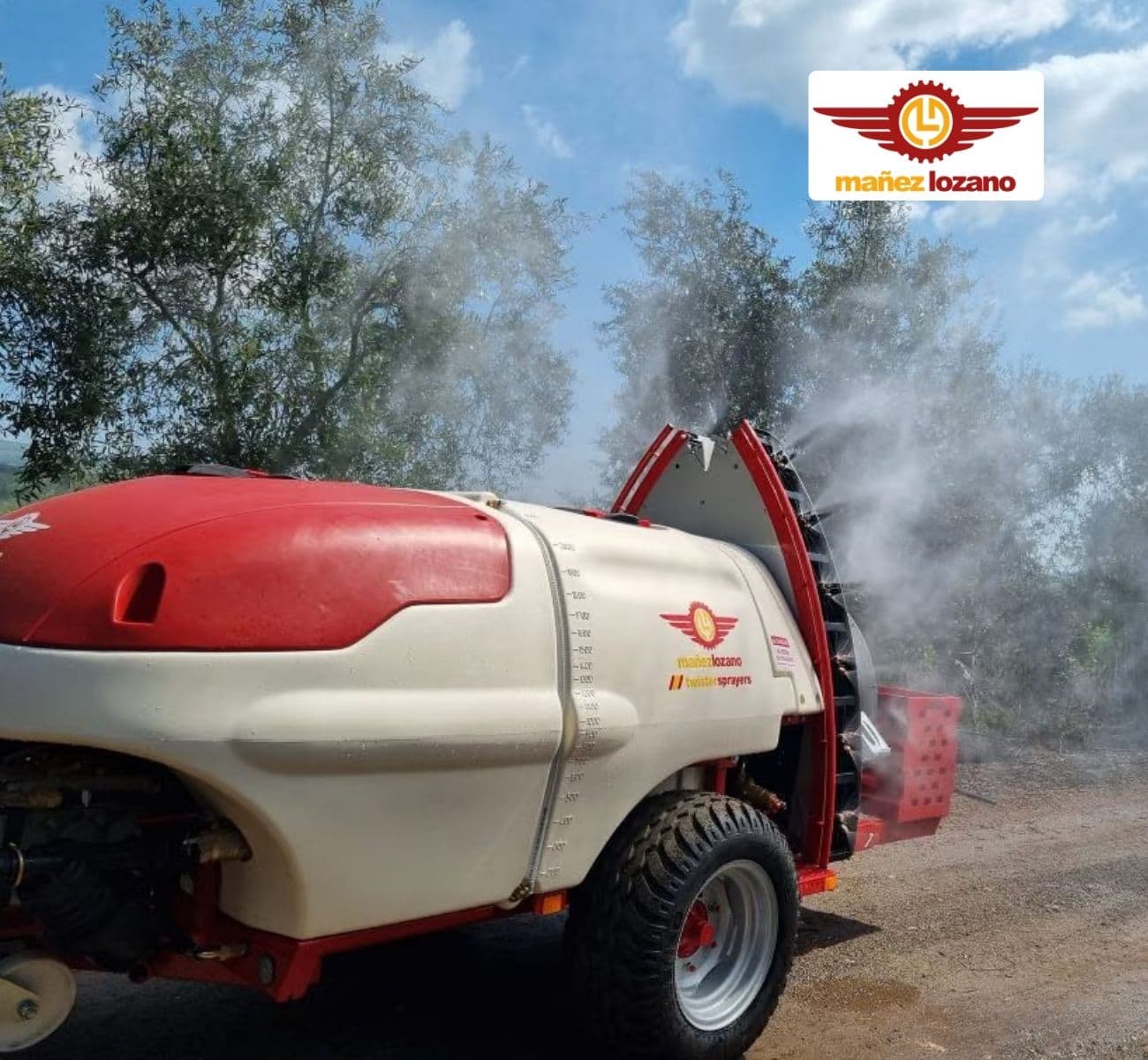
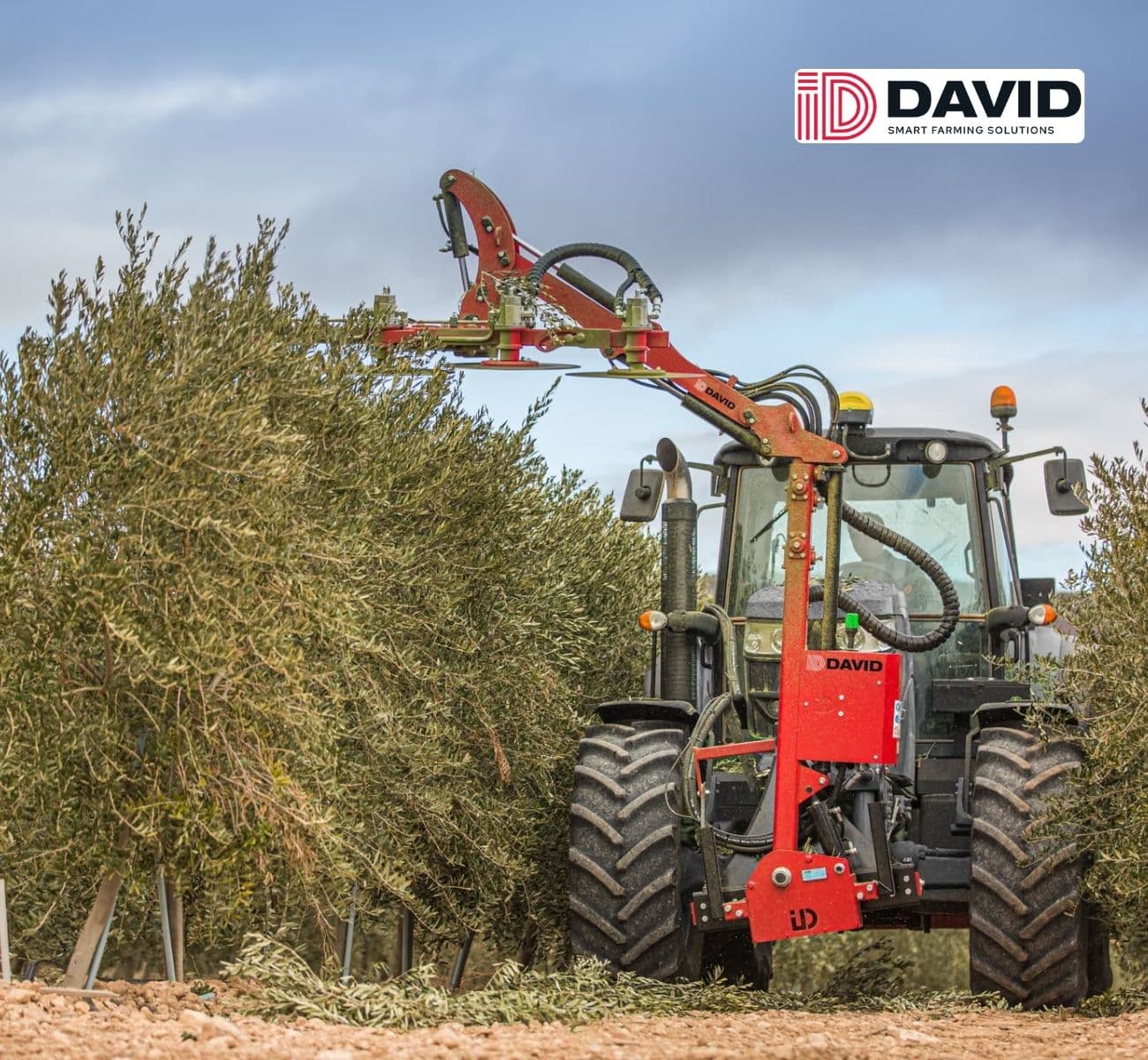
OSU notes that all hazelnut varieties produce suckers, and Türkiye's Hazelnut Research Institute advises clearing them at least twice a year, which matters wherever trees are trained to a single trunk. For care work, the ID DAVID ECOFEED spreads solid manure, the ID DAVID LAT&GO string mower controls weeds without herbicides, the Mañez Lozano Narrow Twister S6 sprays tall, dense canopies and the ID DAVID V1 disc pruner makes vertical and horizontal cuts.
Recommended Orchard Care & Maintenance Stages
Practical Tips for Hazelnut Orchard Care & Maintenance
Prune in winter before bud break: in an Institute for Fruit Growing trial, shortening last year's shoots over 60 cm long by a third restrained tree growth.
Remove suckers at least twice a year, in autumn and in late May or early June, as Türkiye's Hazelnut Research Institute advises.
After hard winter frosts, check the male catkins: in 2021 all those of the cultivars studied in the largest orchard froze, and a crop needed artificial pollination.
Watch for the brown marmorated stink bug, present in Poland: Oregon State University links its feeding to empty nuts and shriveled kernels.
Grass the alleys after the first three years, as Belarusian trials did with white clover, and keep the sward short and level for harvest.
Control weeds in the tree rows without herbicides, using a string mower such as the ID DAVID LAT&GO.

Hazelnut Harvesting in Belarus
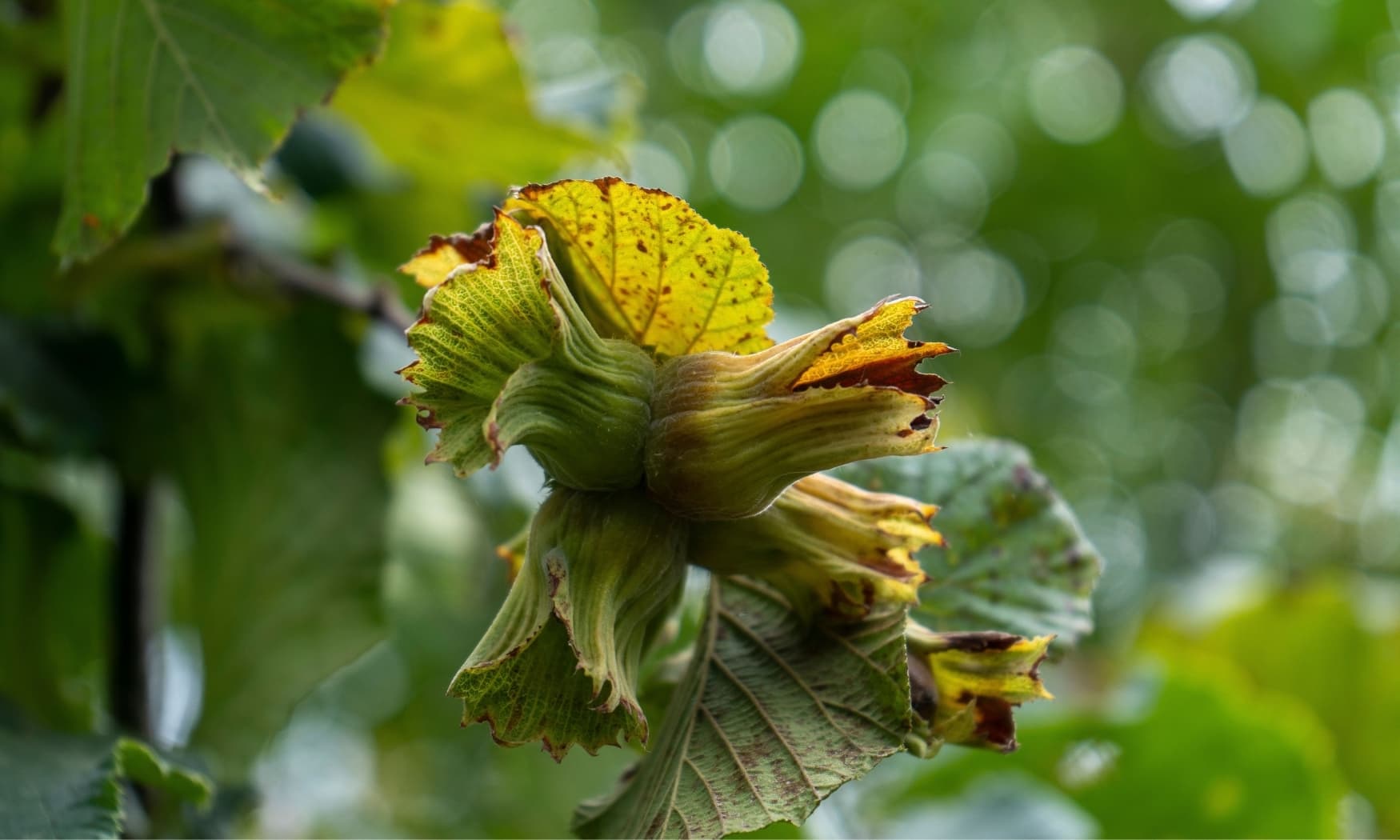
Published Belarusian sources describe the harvest of only one commercial orchard. A 2025 news report on the largest, in Molodechno district, says people used to collect the nuts from the ground by hand and pack them into sacks, and that a harvester would start work there that October. Belarusian researchers name the signs of ripeness: the husk yellows, browns and cracks at its base, and the nuts fall; near Minsk, Lal, Yashma and Arkadiy ripen from mid to late September.
In the mechanized system this guide follows, as in Oregon, the trees are not shaken: OSU explains that the thin-barked, shallow-rooted trees would be damaged. The nuts drop onto a leveled, flail-mowed floor, then are swept and picked up in several passes. In Minsk, September and October each average 9 rain days, bringing 60 and 49 mm, with mean highs of 16.5 and 9.9 °C (WMO normals, 1971 to 2000), and Türkiye's Hazelnut Research Institute warns that nuts left on the ground turn moldy.
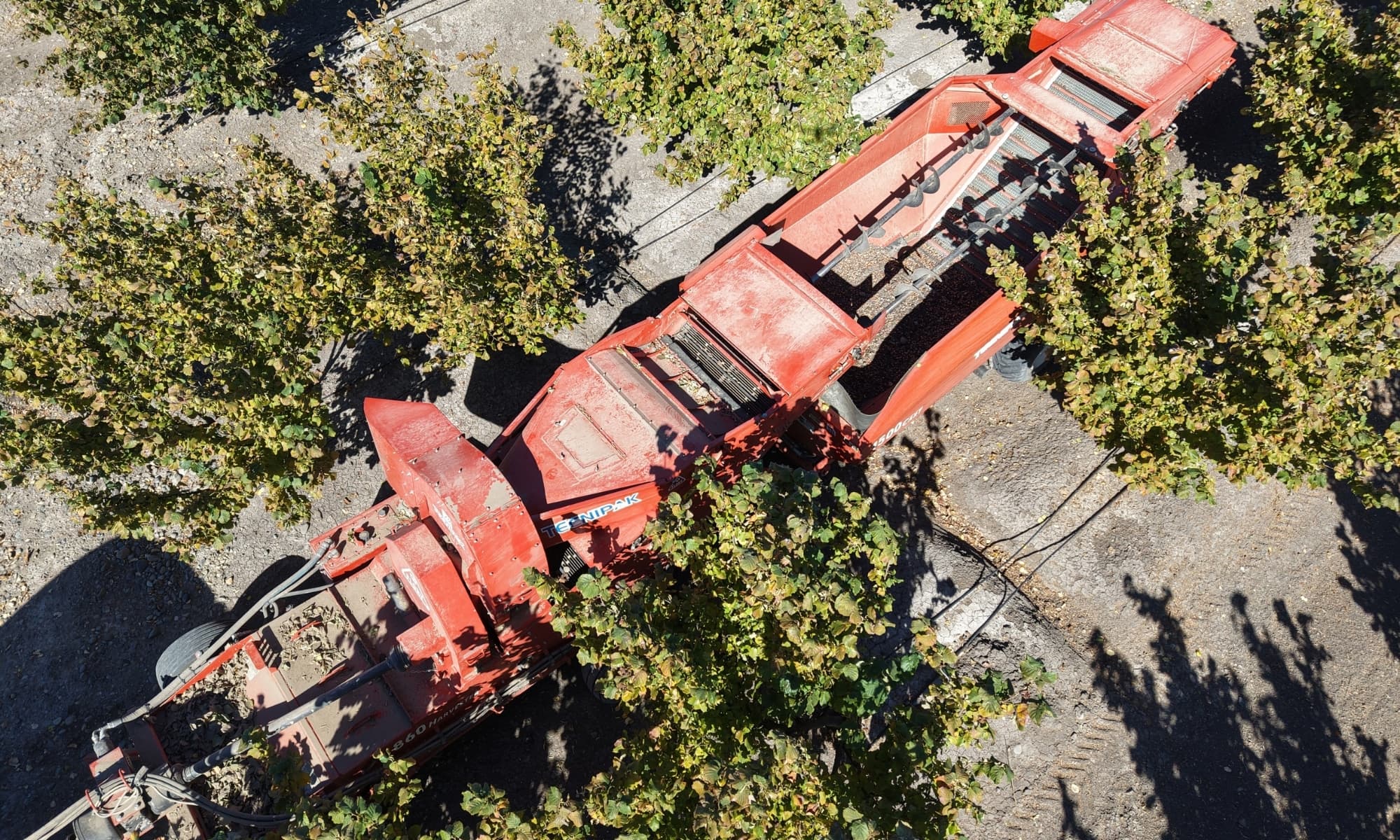
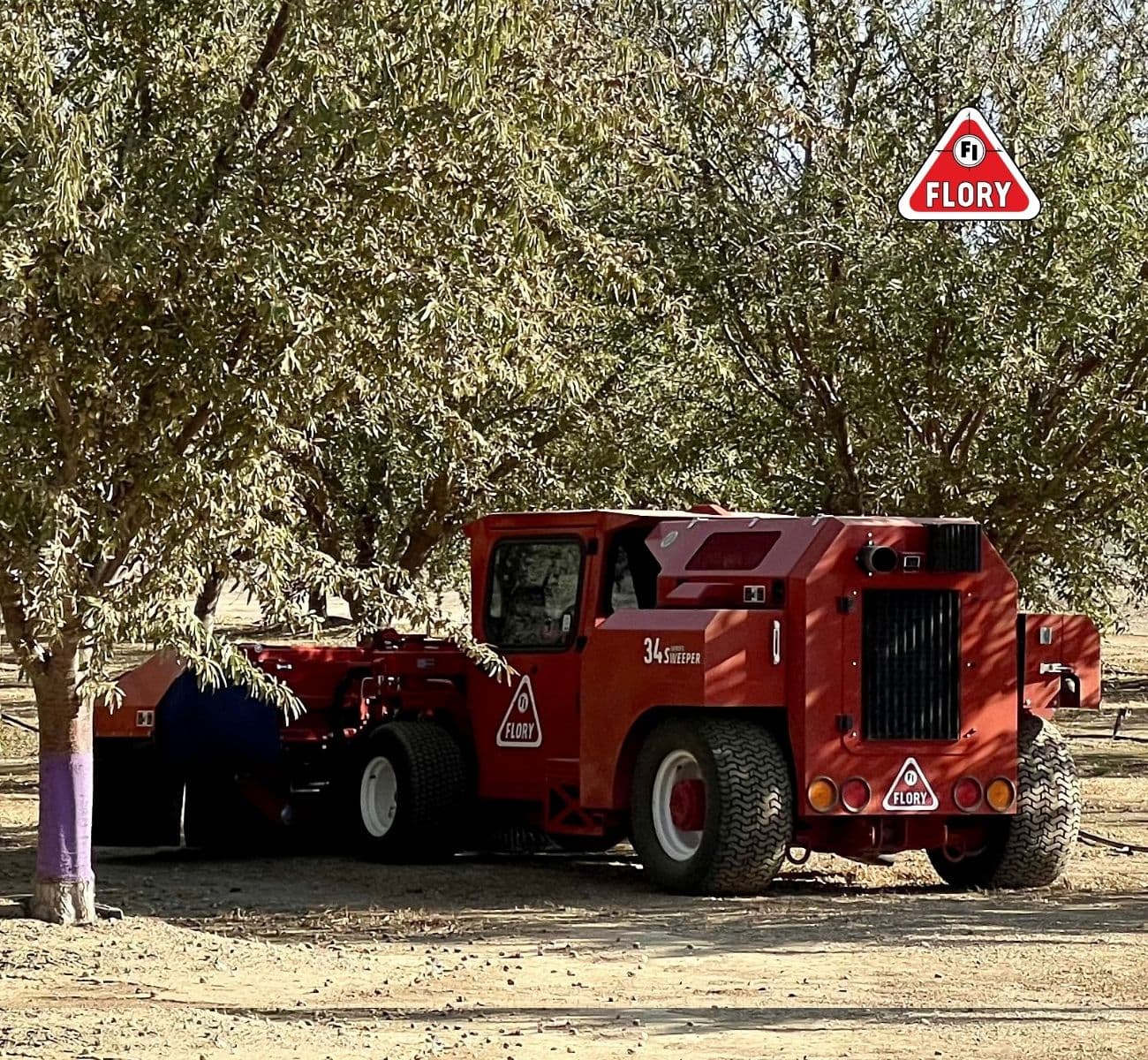
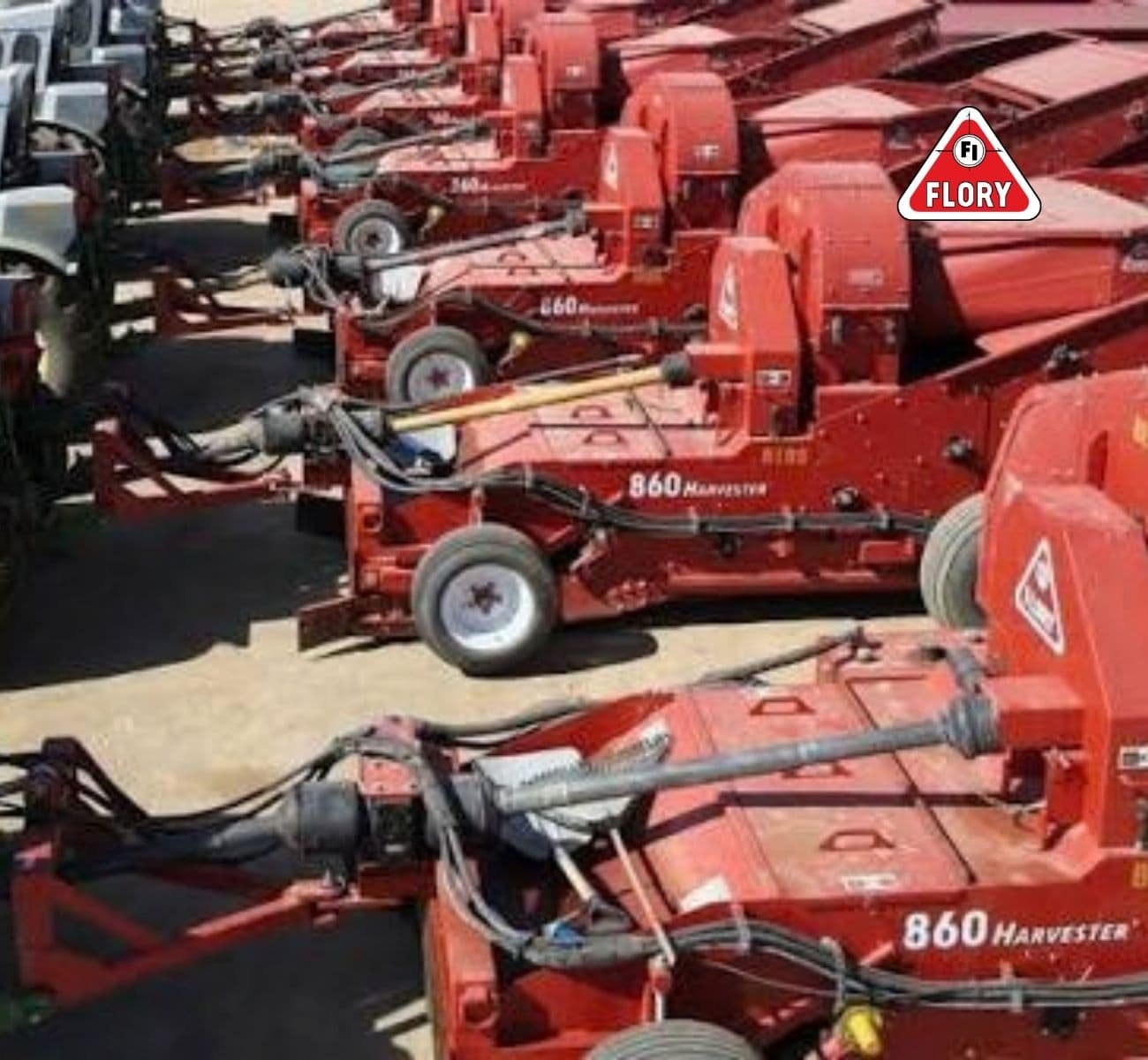
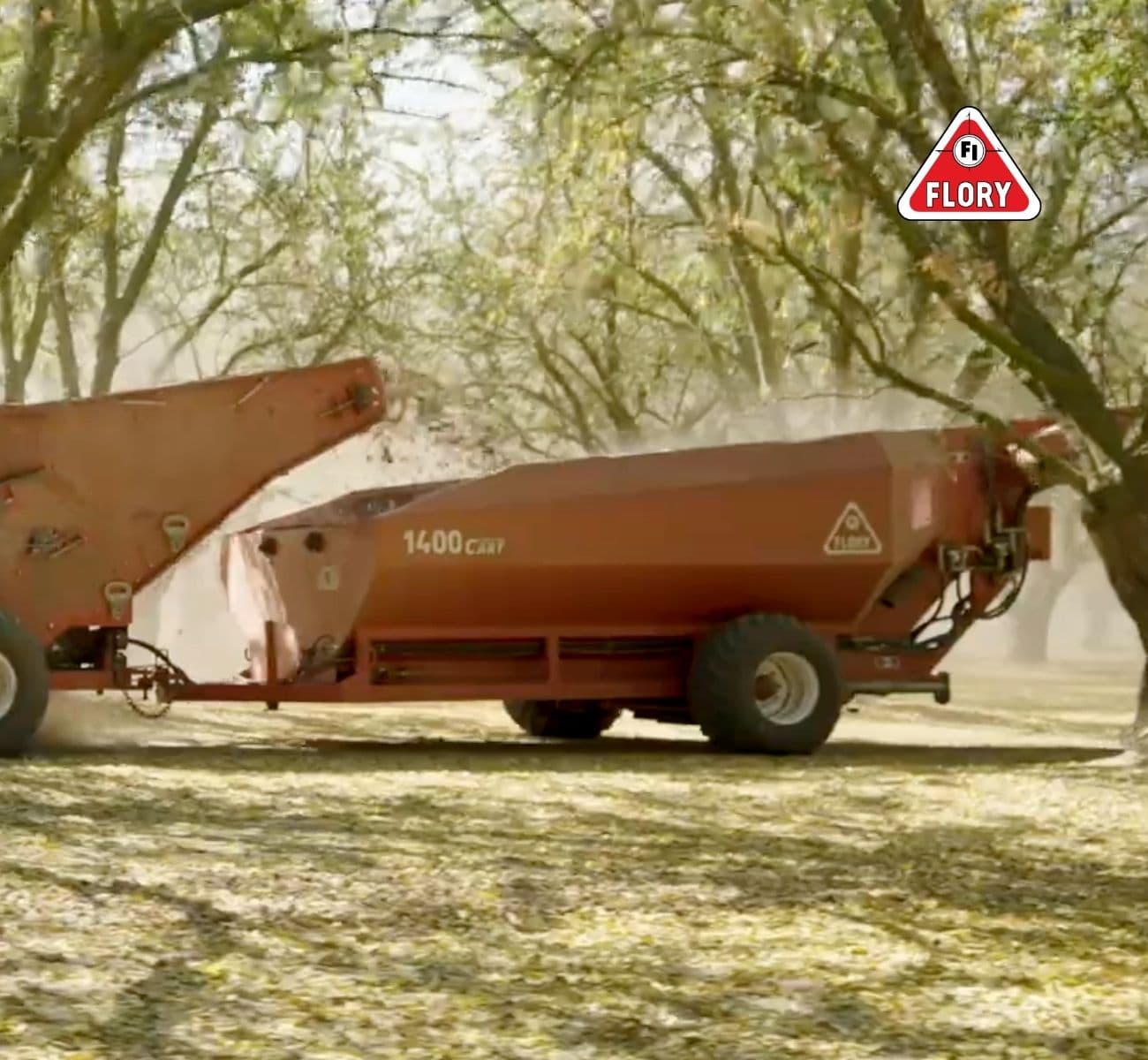
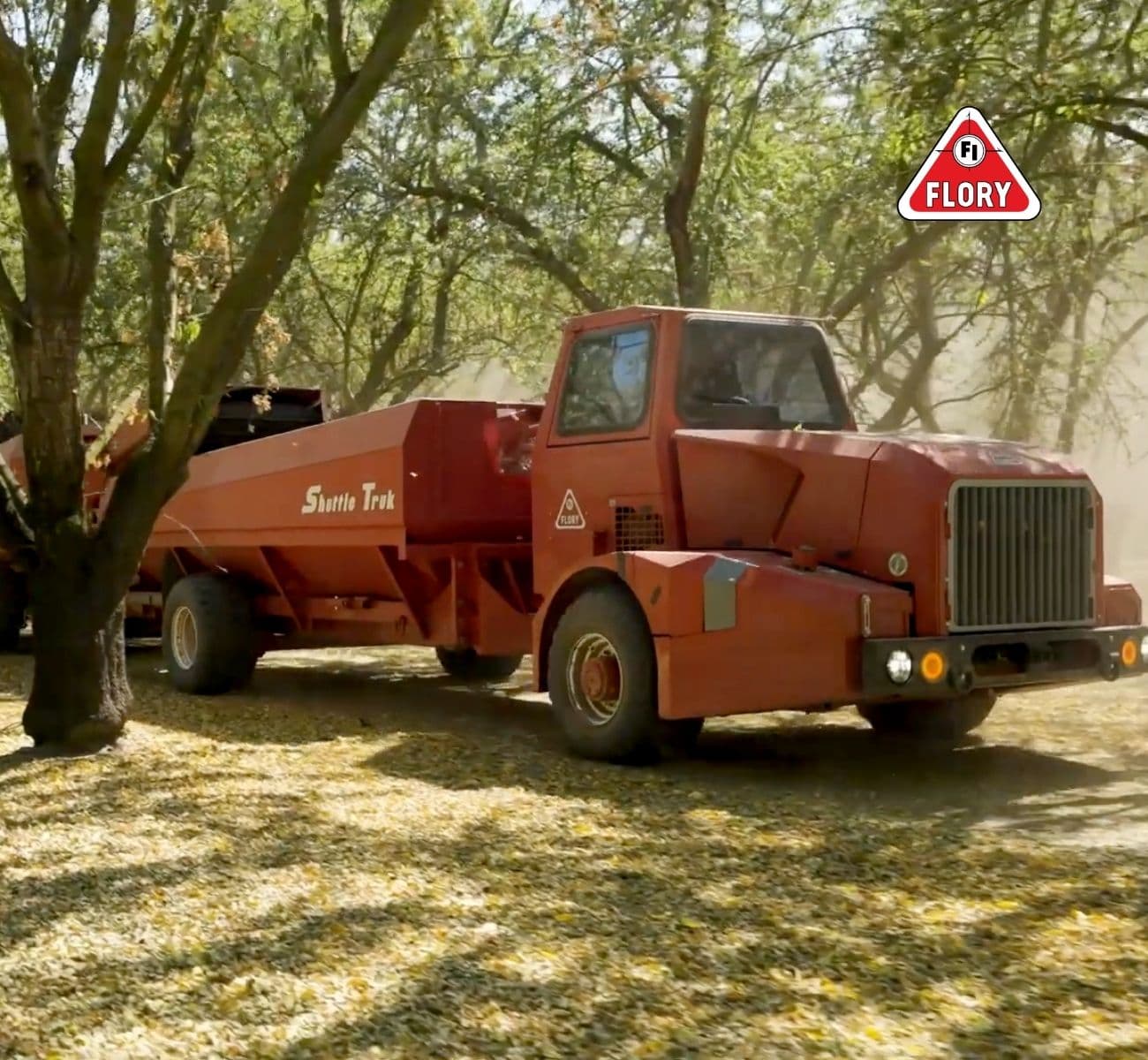
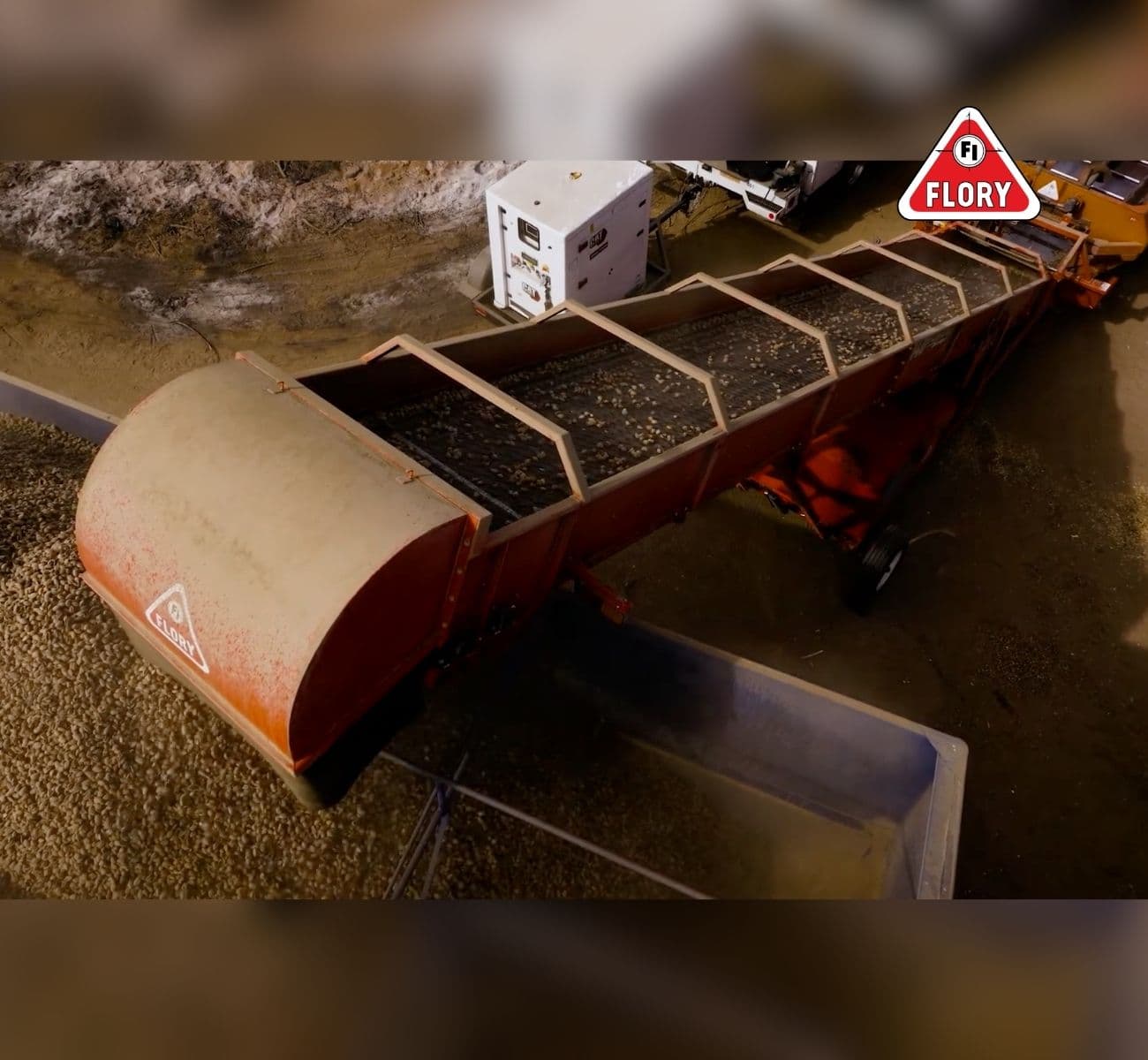
The 2025 report on the largest orchard is the only mention of mechanized hazelnut harvesting found in Belarusian sources. In orchards of single-trunk trees planted for machines, an on-ground line sweeps the fallen nuts into windrows, picks them up and carries them to trailers block by block, which helps the crop come in on time. OVE Europe's guides use Flory's line as the reference: the Flory 34 Series Sweeper, 860 Harvester (or the smaller 490), 1500 Conveyor Cart, ST14 Shuttle and 4840 Field Elevator.
Hazelnut Harvest Workflow (Recommended Equipment)
Practical Tips for Hazelnut Harvesting
Level, smooth and flail-mow the orchard floor before nut drop, as Oregon State University describes, so the sweeper can work right up to the trunks.
Pick up fallen nuts in several rounds: for hand collection, Türkiye's Hazelnut Research Institute advises rounds every 3 to 5 days, as nuts left lying turn moldy.
Watch the husks: Belarusian researchers name yellowing and browning, cracking at the base and falling nuts as the signs of ripeness.
Gather fallen nuts before autumn rain where possible: British Columbia's hazelnut guide warns that a crop harvested wet causes storage problems.
Check tractor power before choosing a harvester: Flory gives 85 HP as the minimum for the 860, and for the 490 in hazelnuts.
Keep bins of harvested nuts out of the rain until drying: Oregon State University notes that bins left in the rain before drying can turn moldy.
Get your recommended harvest setup
Enter orchard size, spacing, terrain, and target throughput—we’ll suggest a practical harvest workflow and equipment lineup.

Hazelnut Post-Harvest Handling & Processing in Belarus
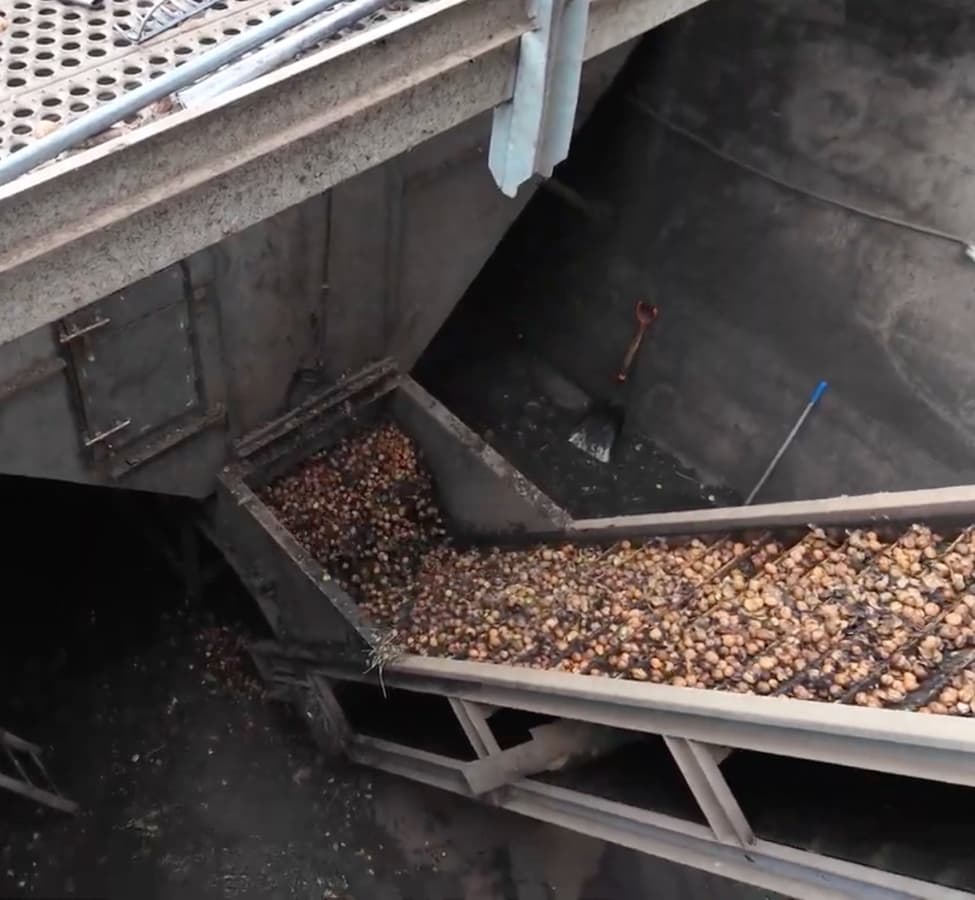
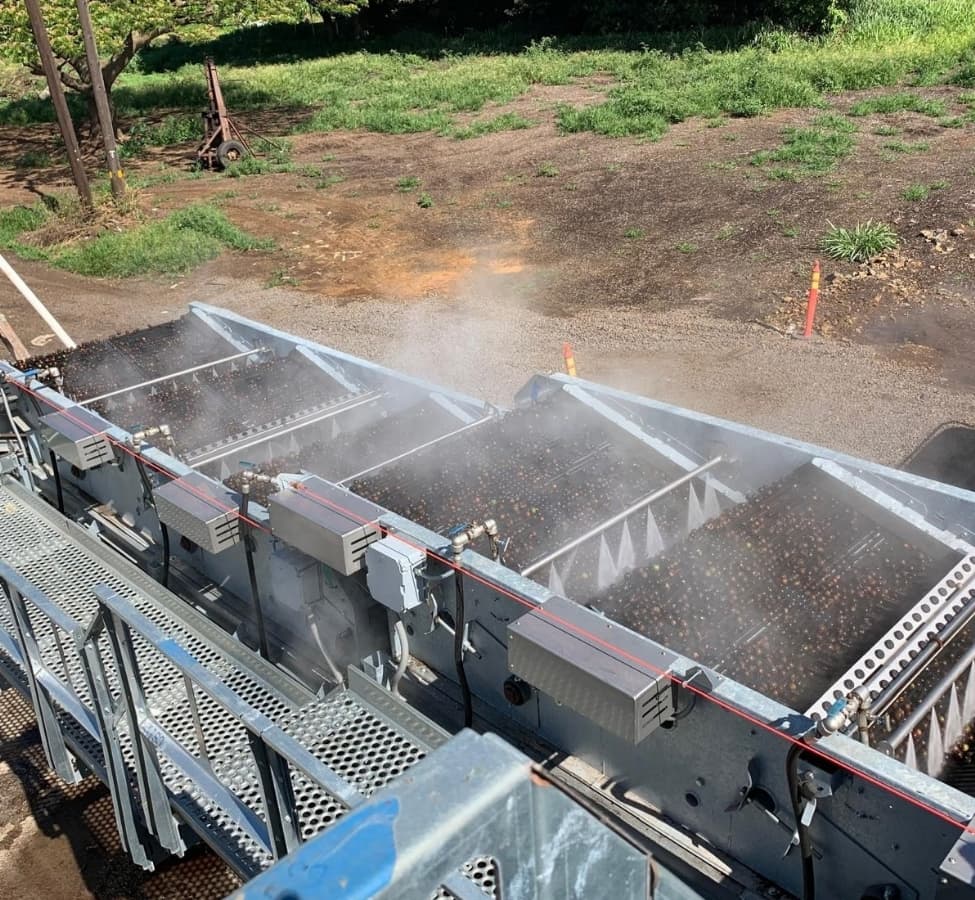
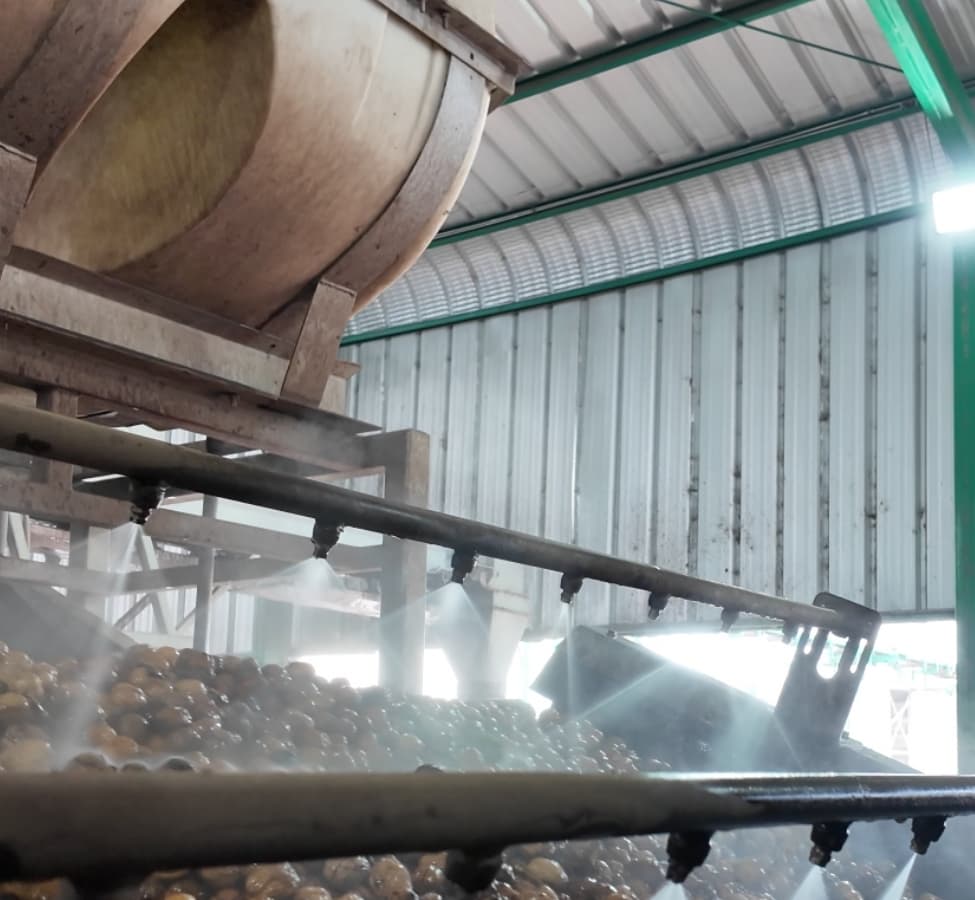
Belarusian descriptions of post-harvest handling are brief. A 2022 Institute paper, citing earlier literature, says collected nuts are first dried for several days in a light, dry, ventilated room, where the husk wilts and then separates easily, and a 2025 news report saw dried nuts piled under a wooden shelter in the largest orchard. In British Columbia's guide, nuts are husked, cleaned, washed, sanitized and dried to 5 to 8% moisture within 24 hours of harvest.
Moisture at harvest varies by cultivar. In the Institute's 2020 to 2021 tests, three European cultivars held 12.8 to 22.8% moisture in shell, above the 12% limit the researchers applied, while Lal and Yashma held 8.2 and 8.4% and needed no further drying. The Codex code advises drying to a water activity below 0.70 at 25 °C, and storage below 70% relative humidity and at 0 to 10 °C, both where possible.
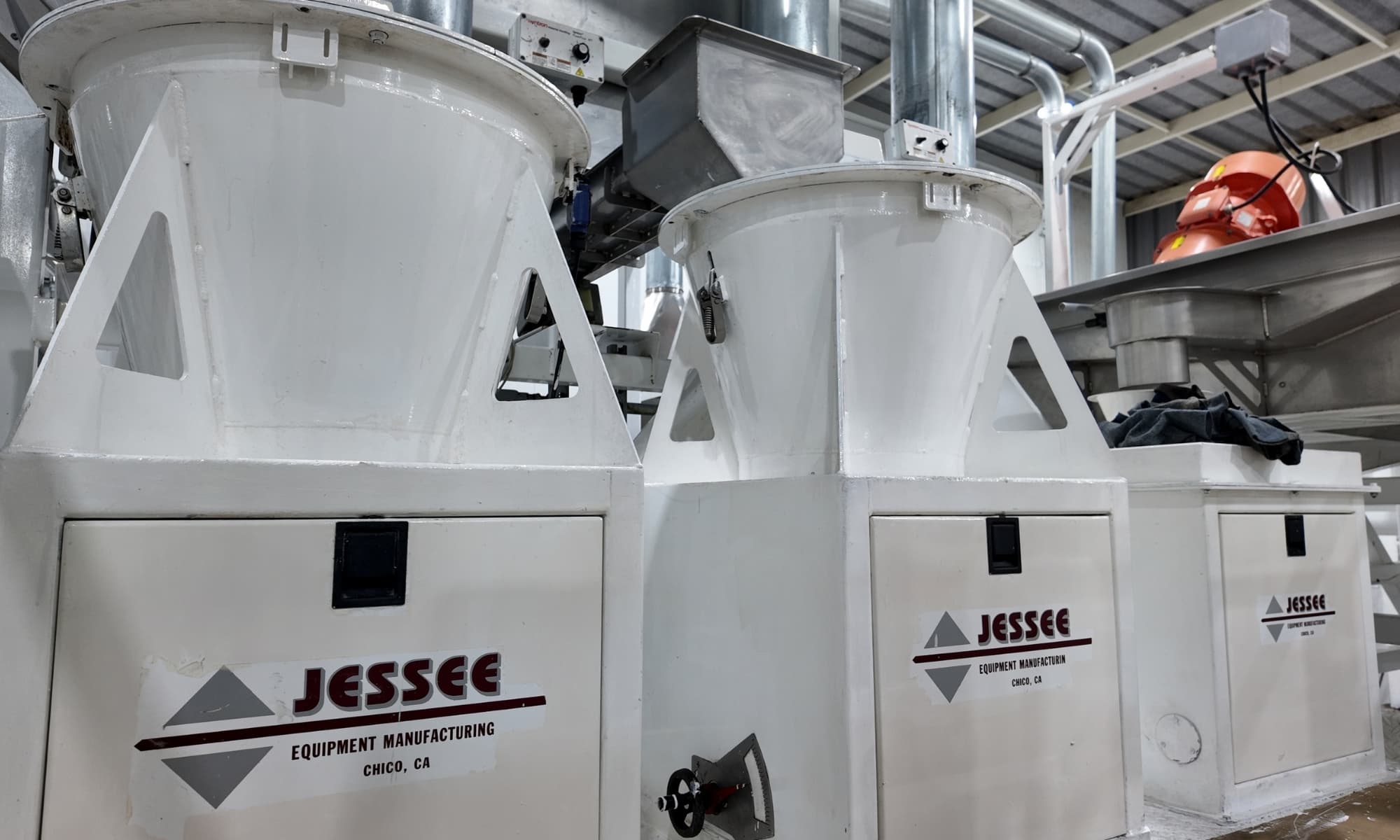
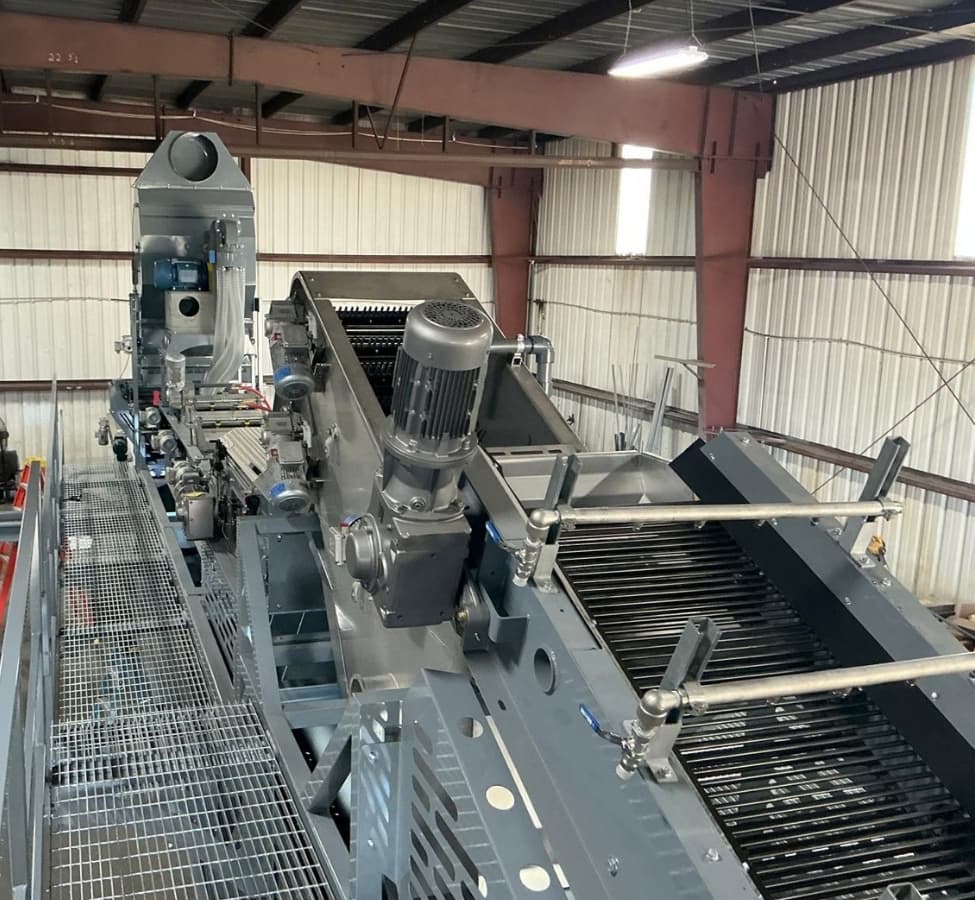
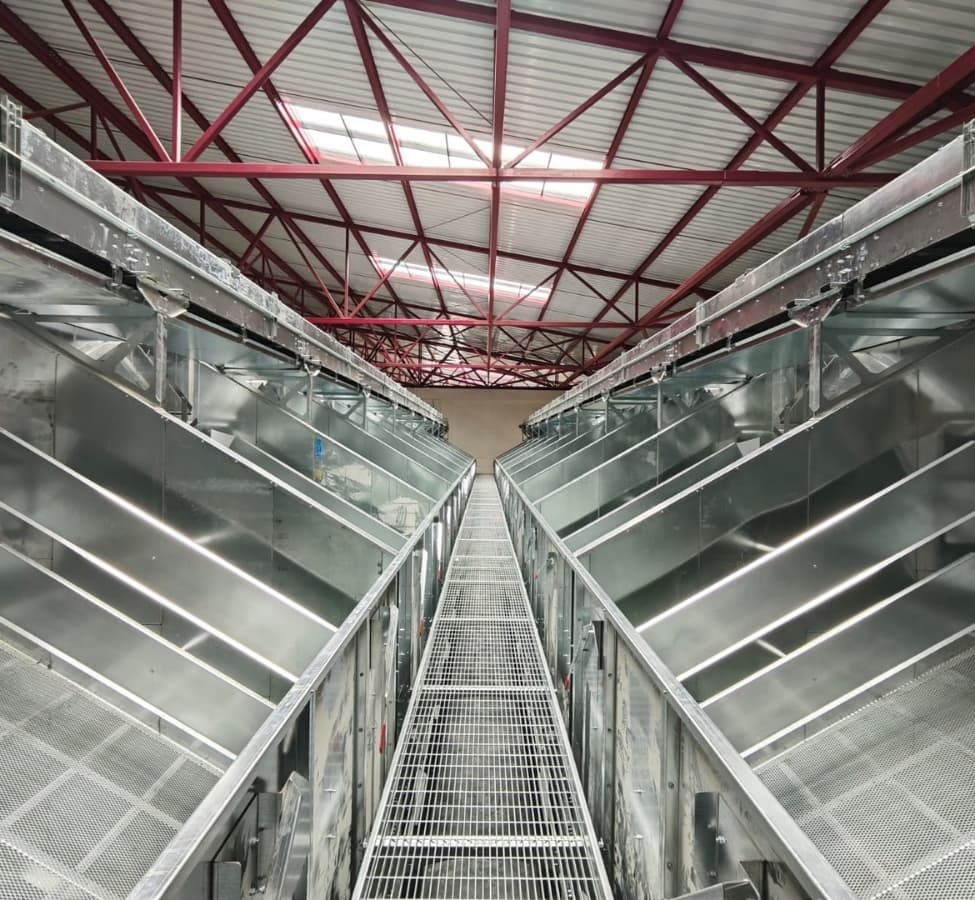
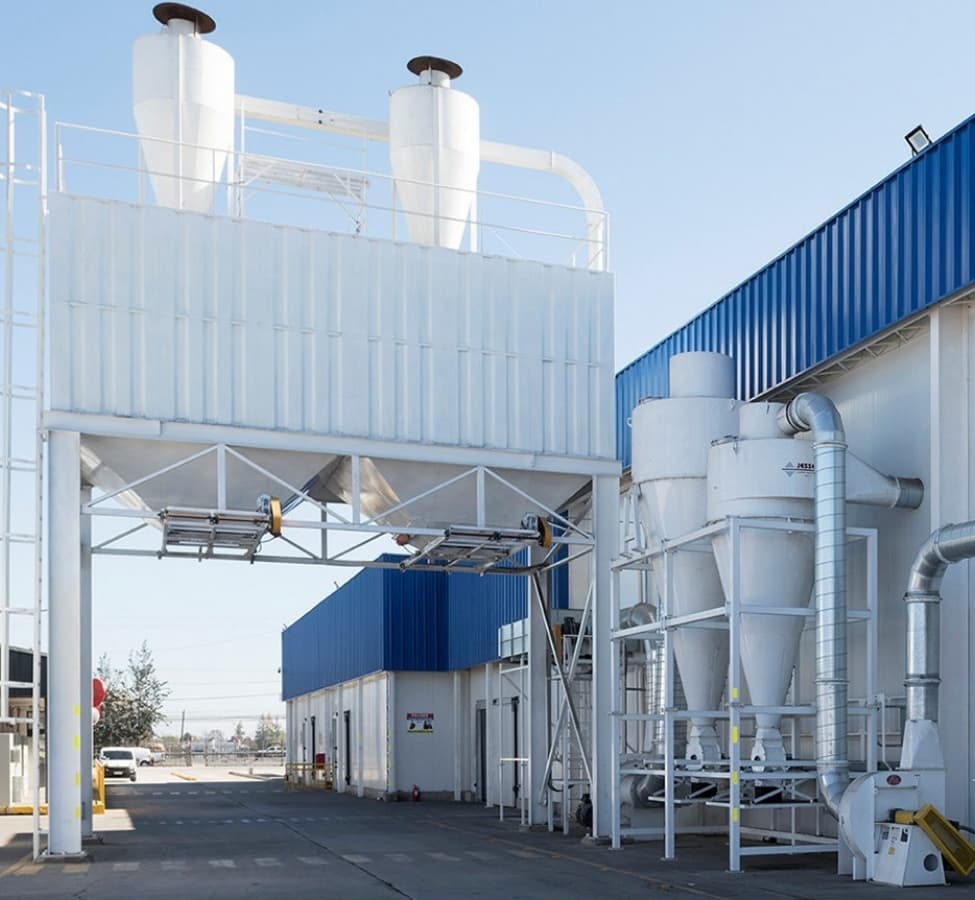
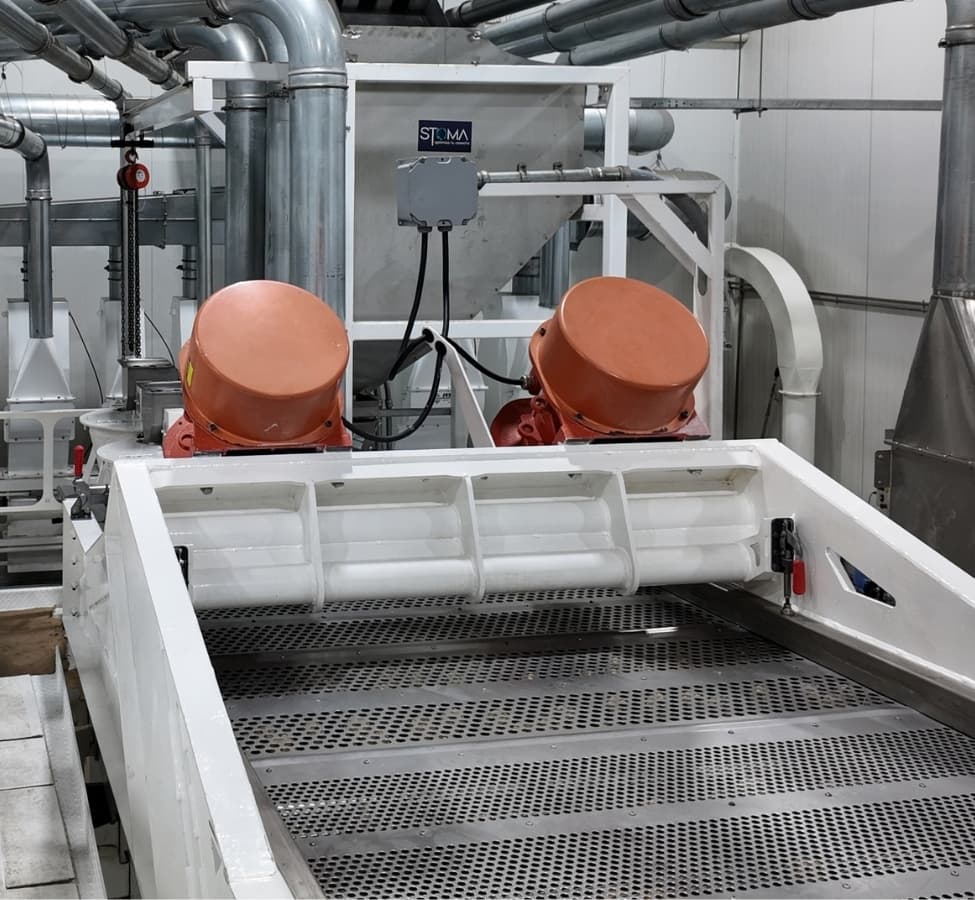
Belarusian researchers note that the nuts sold in the country's shops and used by its confectionery industry are bought abroad (2022). Türkiye's Hazelnut Research Institute advises storing dried hazelnuts at 5 to 10 °C and 50 to 60% relative humidity, at which they keep for a year without noticeable change in quality. Jessee, a US maker of nut processing lines, builds drying, in-shell cleaning and sizing, and shelling systems, and it established product lines for hazelnuts in the 1980s.
For general information only. Information may become outdated and does not replace site-specific professional advice. Consult a qualified agronomist and confirm equipment suitability with OVE before acting.
Practical Tips for Hazelnut Post-Harvest Handling & Processing
Dry hazelnuts promptly after harvest: in British Columbia's guide they are dried to 5 to 8% moisture within 24 hours.
Check moisture by cultivar at harvest: in Belarusian tests, three European cultivars held 12.8 to 22.8% moisture in shell.
Never leave husk-on nuts in thick layers or heaps: Türkiye's Hazelnut Research Institute warns that they heat up and rot.
Use a dryer in cool autumn weather: Oregon State University research found drying at 43 to 49 °C and 40% relative humidity efficient while keeping quality.
Store dried hazelnuts at 5 to 10 °C and 50 to 60% relative humidity, as Türkiye's Institute advises, to keep their quality for about a year.
Size nuts into narrow grades before cracking: Türkiye's Institute advises 10 to 20 sizes at 0.5 mm steps to reduce kernel damage.
Recommended Post-Harvest Handling & Processing Stages

Plan your post-harvest line
Estimate tons/day, cleaning & drying capacity, storage needs, and cost/kg—then build your equipment plan in phases.