


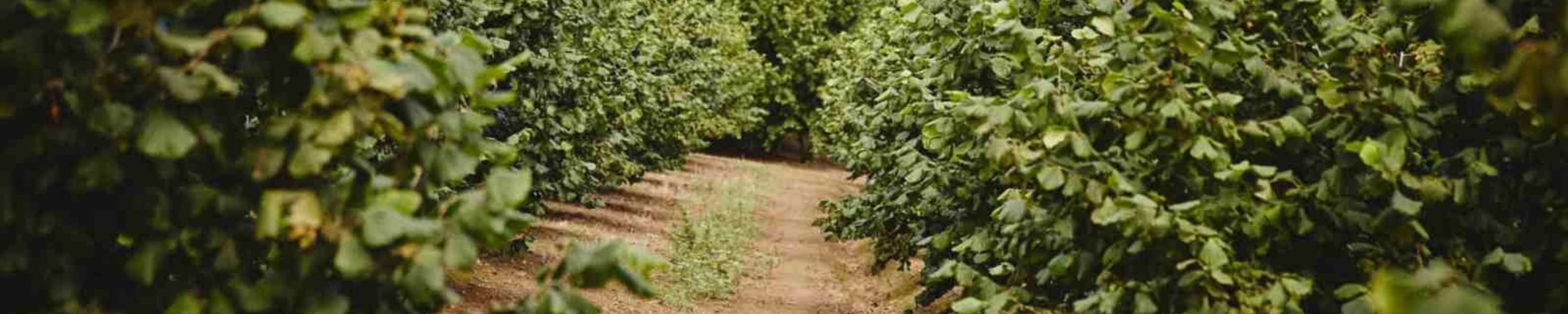




Hazelnut Orchard Establishment in Bosnia and Herzegovina
A 2017 study of samples taken in 2015 from two plantations near Banja Luka examined 13 cultivars, several of them labeled with another cultivar's name, and linked this to the uncontrolled spread of planting material from offshoots of existing plantations and to imported, badly or wrongly labeled trees. It said 'Fertile de Coutard', 'Nocchione', 'Tonda Gentile Romana' and 'Lambert White' can be recommended for new plantings. A 2013 rulebook requires hazel planting material to belong to a cultivar entered in the national variety list.
Bloom spans late autumn and winter: in a Laktaši orchard, male flowering ran from November to January or February in 2017/18 to 2019/20; in 2017/18, temperature swings from -8 to +20 °C froze pollen in the catkins, and in 2018/19 frosts reached -8.9 °C. In two Banja Luka-region orchards, pollen germination limited pollination in 2011 and 2012, and a 2025 study recommends two or three compatible pollinizers for each main cultivar. Oregon State University (OSU) explains that hazelnut cannot set nuts with its own pollen and is wind pollinated.
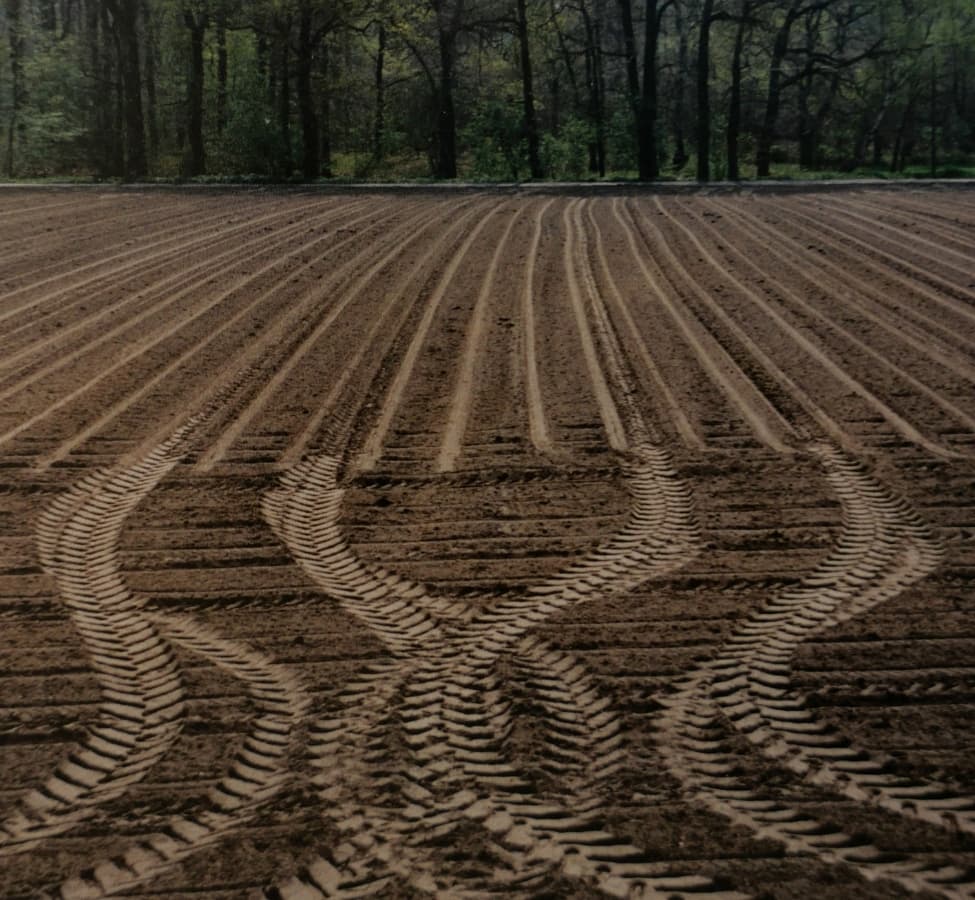
Orchards described in local research are trained as bushes at 5 × 3 m (Laktaši) or as free vases with three to five scaffold branches at 3 × 3 m (Velika Kladuša), while in the United States hazelnuts are usually grown as single-trunk trees (OSU). In the mechanized system this guide follows, the trees are not shaken: the nuts fall to the ground and are swept and picked up, so OSU advises making the floor as smooth as possible at least a year before the first commercial harvest and leaving room to turn at row ends.
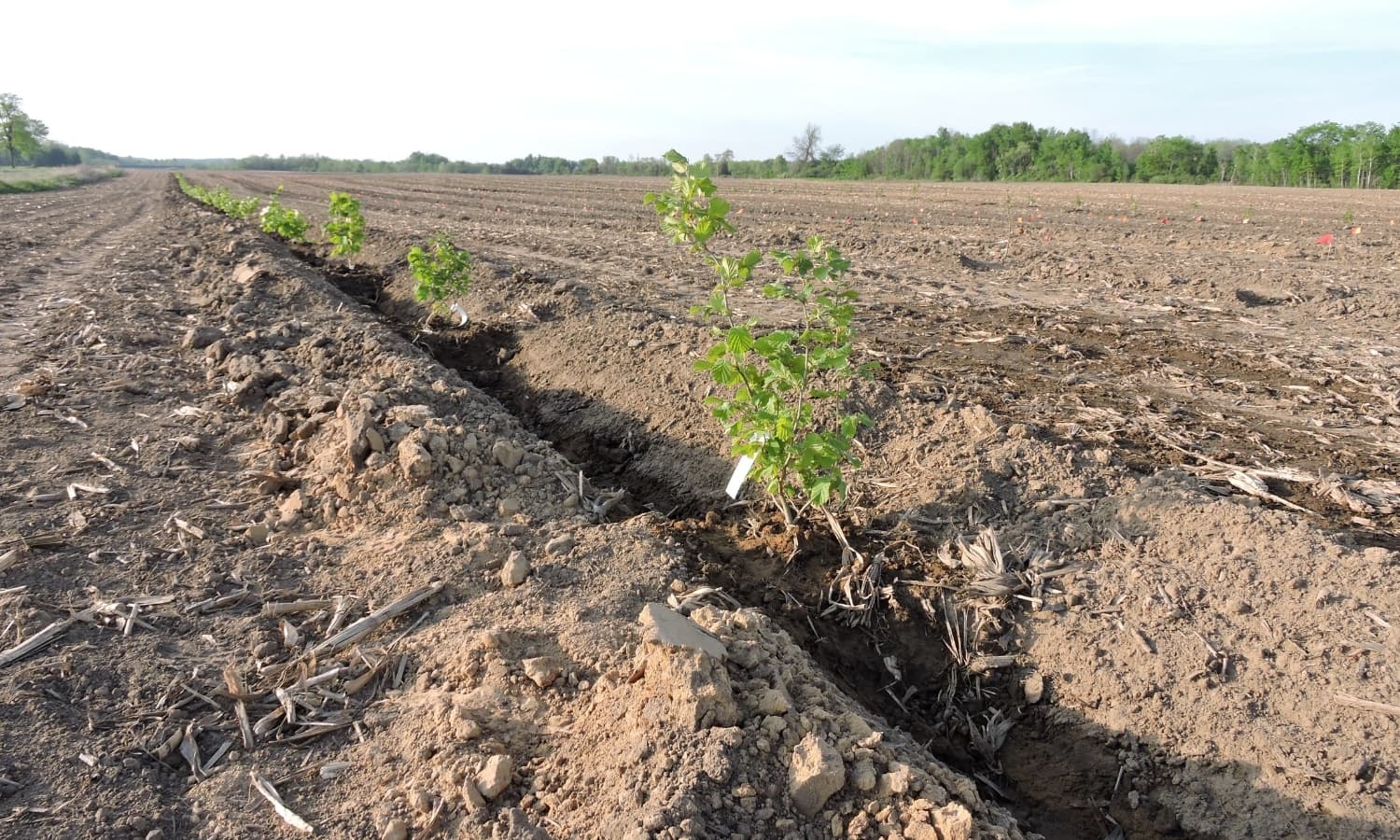

Practical Tips for Hazelnut Orchard Establishment
Buy true-to-name trees from a known source: a 2017 study found cultivars in plantations near Banja Luka labeled with another cultivar's name.
Check that the cultivar is entered in the national variety list, which a 2013 rulebook requires for hazel planting material.
Plant two or three compatible pollinizers for each main cultivar, as a 2025 study of a Laktaši orchard recommends.
Avoid heavy, shallow or poorly drained soils: Oregon State University warns that hazelnut does not tolerate wet soils in the growing season.
Smooth and firm the orchard floor at least a year before the first commercial harvest, as Oregon State University advises, so sweepers can work up to the trunks.
Leave room to turn at row ends and a loading area near a road, as Oregon State University advises, and check machine needs with OVE Europe.
Recommended Establishment Stages
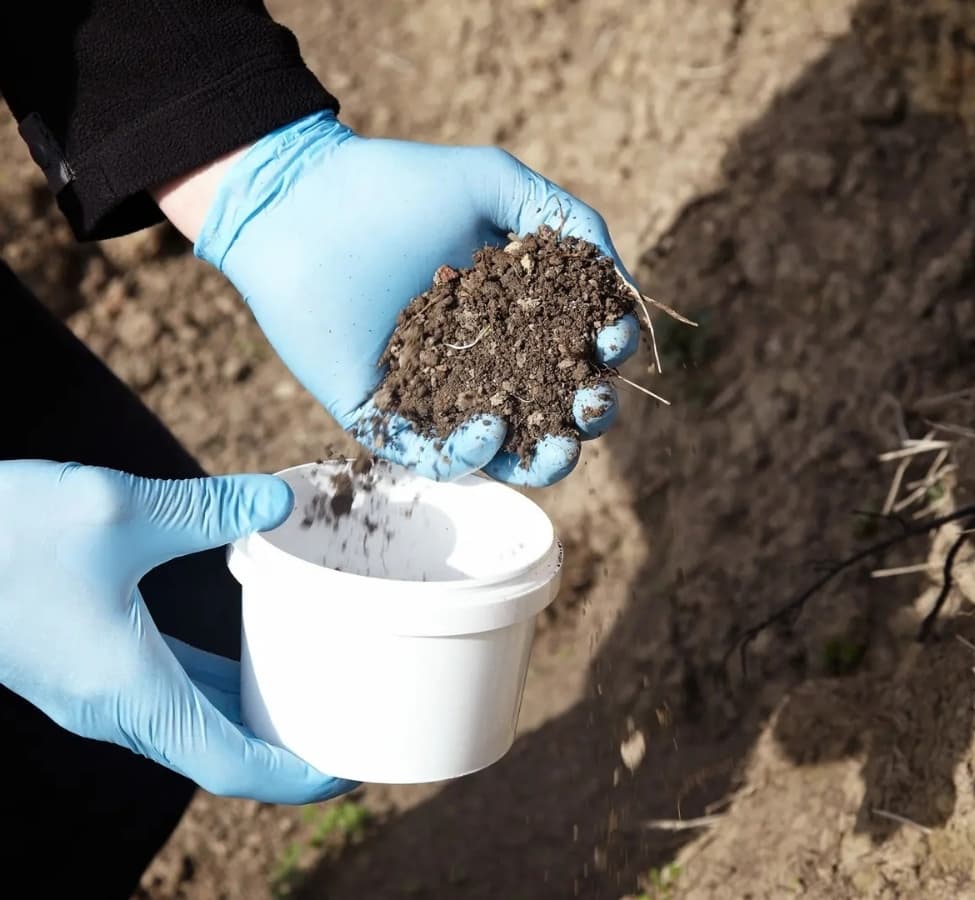
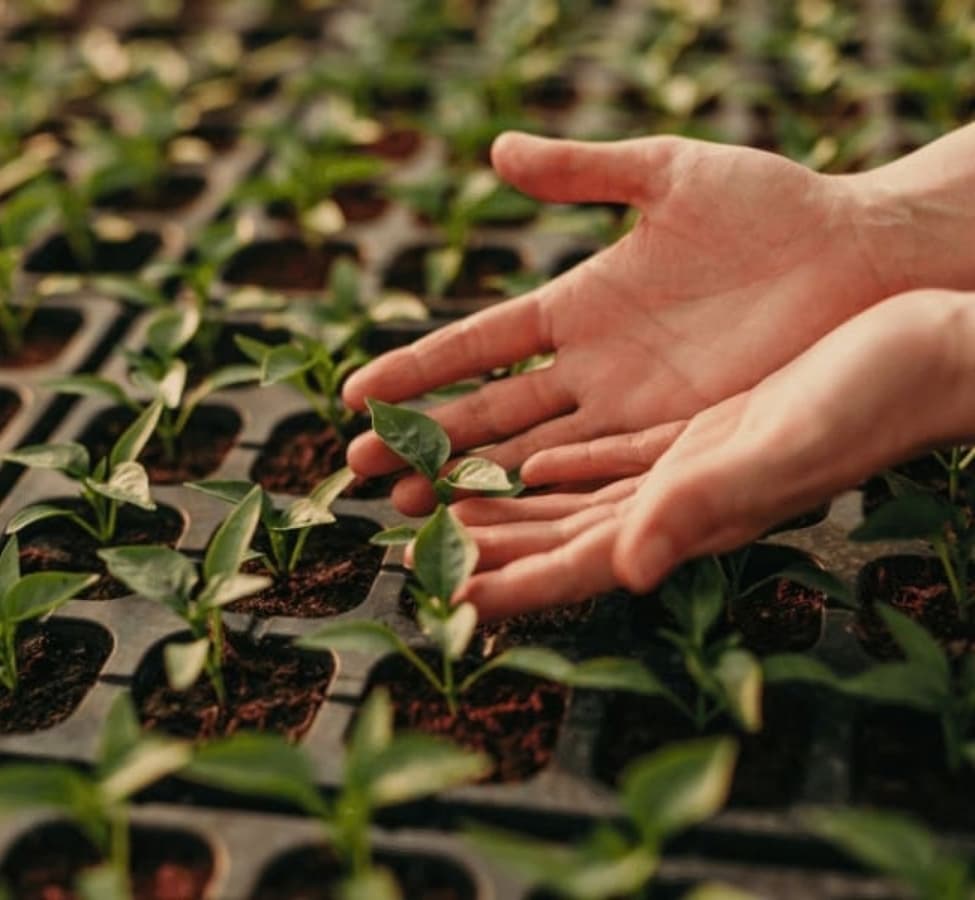

Hazelnut Orchard Care & Maintenance in Bosnia and Herzegovina
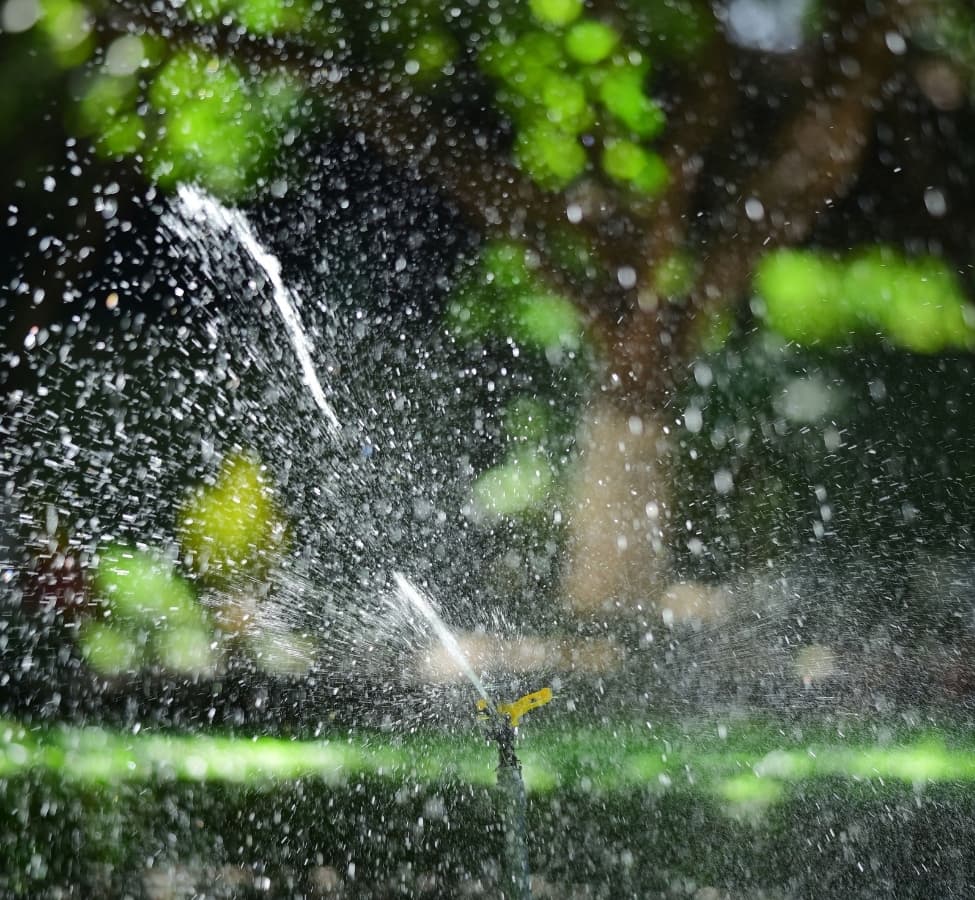
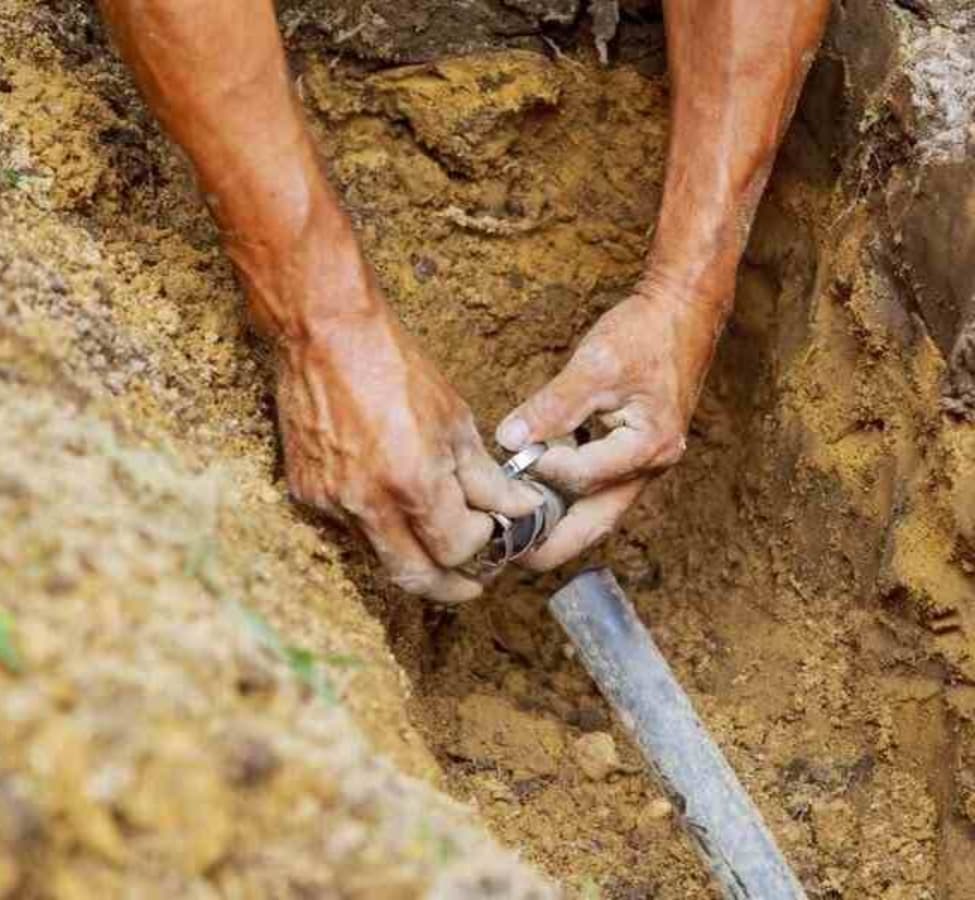
Irrigation varies: the plantations studied near Banja Luka had none (2017 study), while an orchard at Velika Kladuša got four irrigations from April to August, 240 L per tree in all (2016/17). August 2026 was record hot and extremely dry, with 12.3 mm of rain at Banja Luka, 17% of normal, and 2.3 mm at Bihać (hydrometeorological services). Some growers expected half a crop, others said drought had nearly destroyed their orchards; an agronomist called irrigation essential for serious production, but a grower said it helped little in the heat.
News reports called 2025 one of the weakest seasons: poor weather during flowering meant failed pollination, extreme heat later made young nuts drop, and many growers did not harvest. EPPO lists the brown marmorated stink bug (Halyomorpha halys) as present, first found in 2018 near Mostar, and monitoring in Banja Luka found it active from April to October in 2020 and 2021. OSU reports that its feeding can cause empty kernels early in the season and shriveled or corked kernels later.
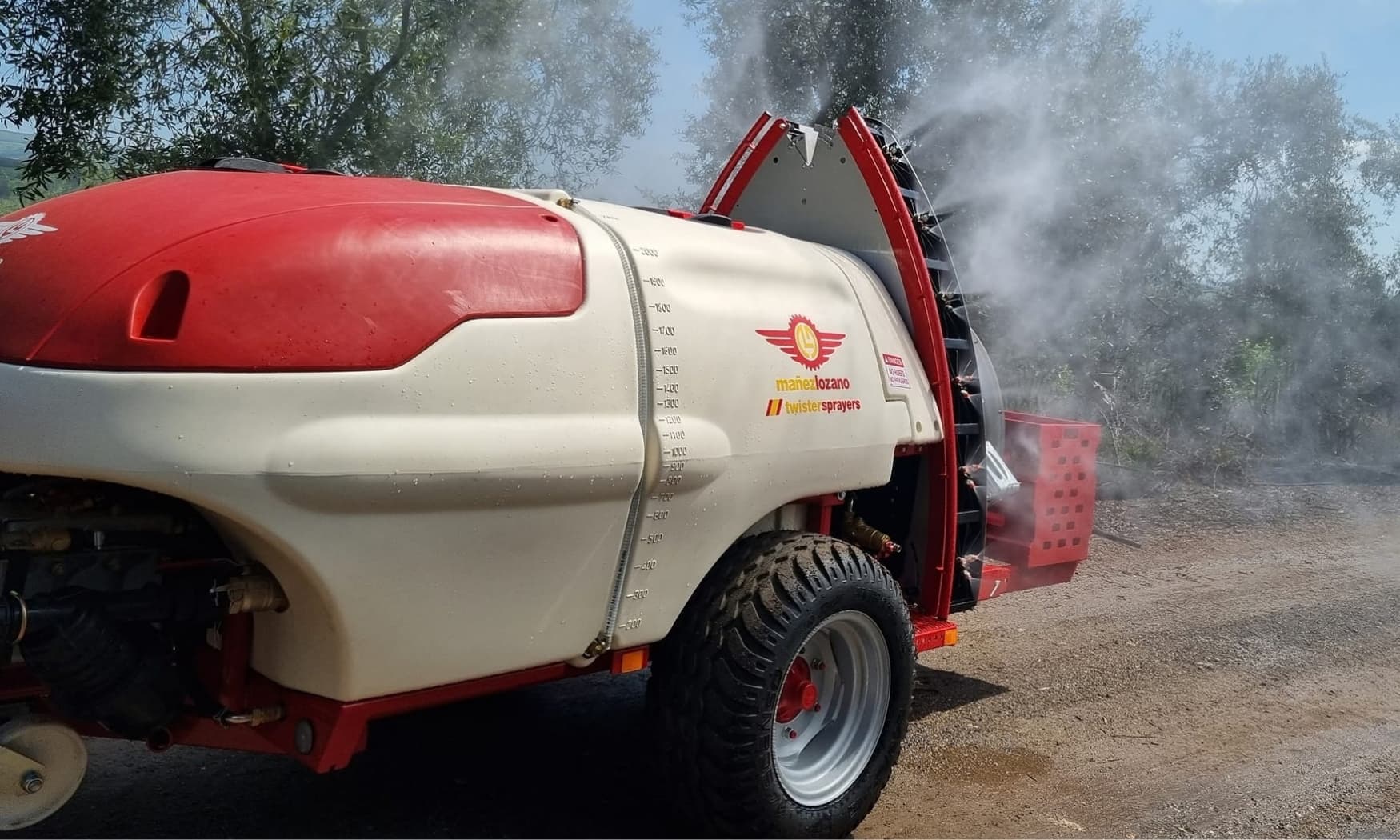
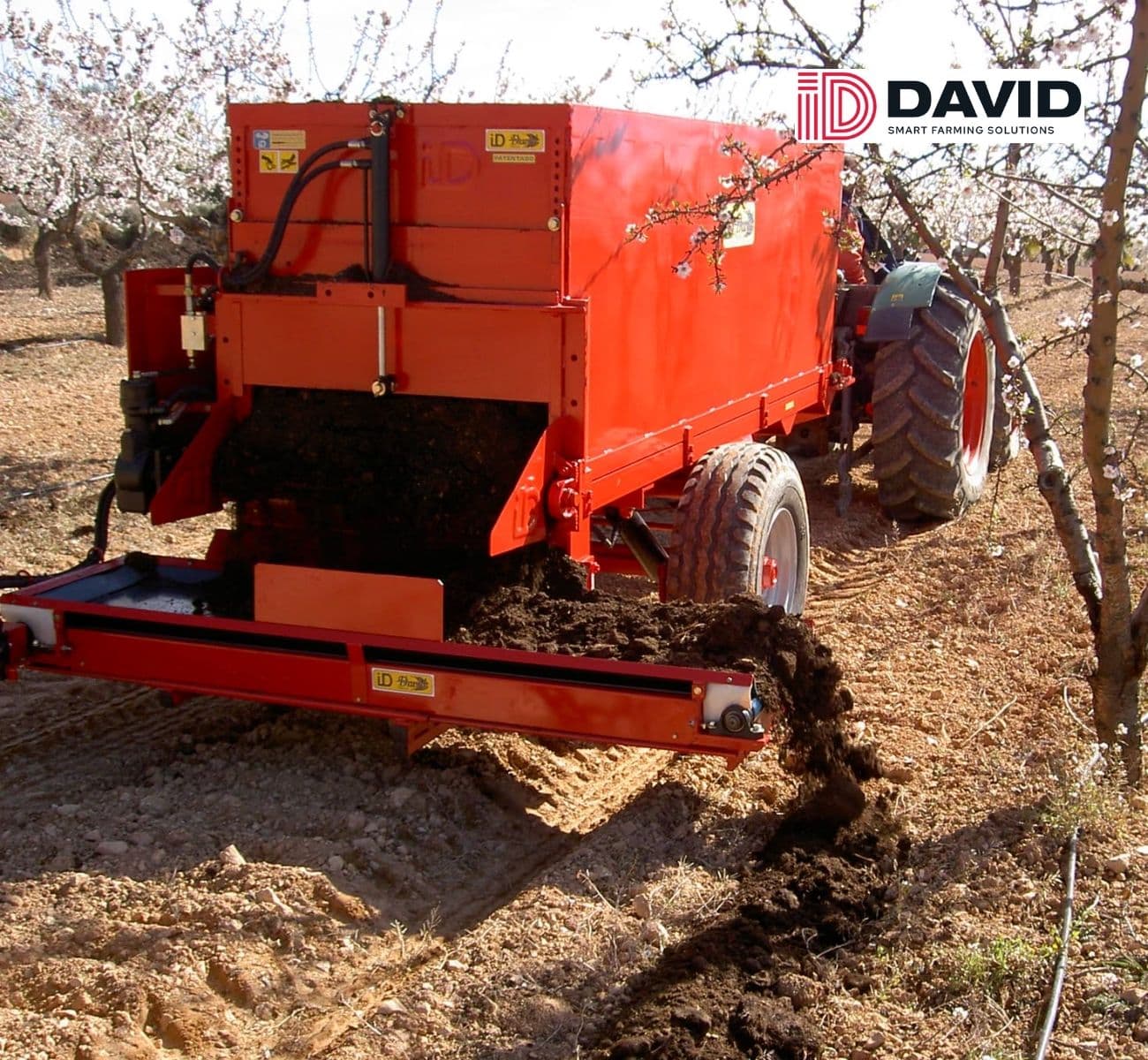
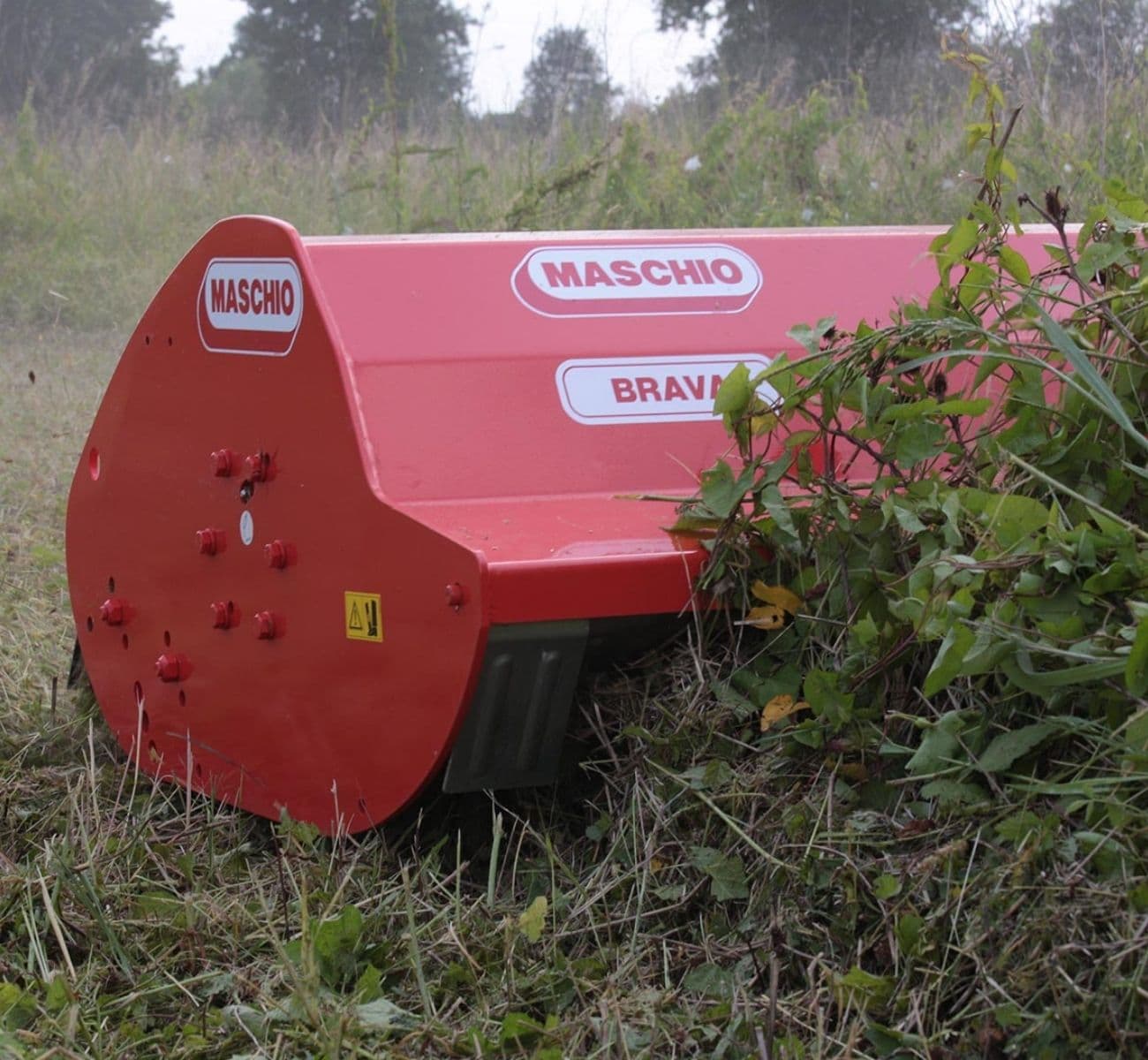
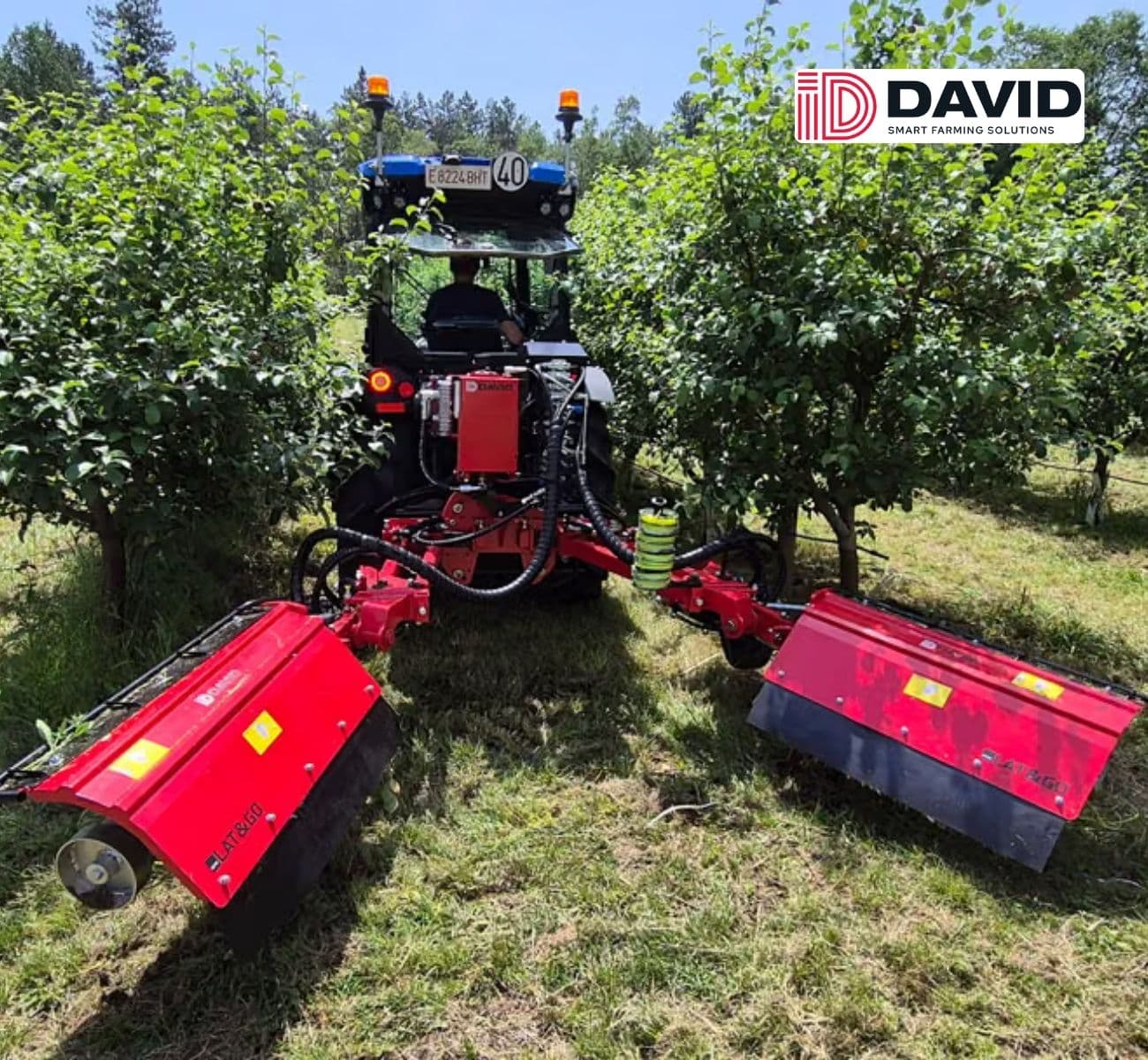
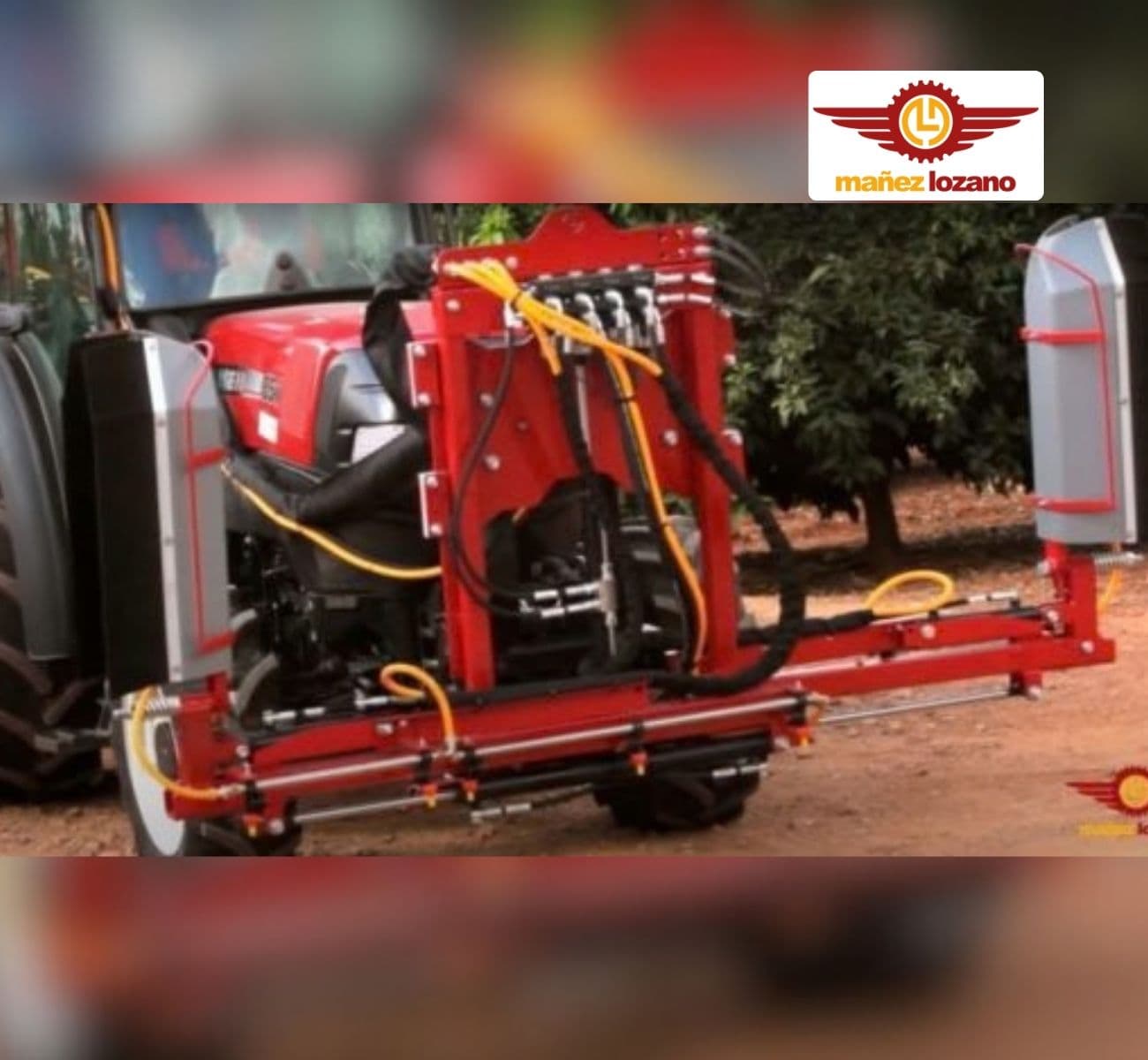
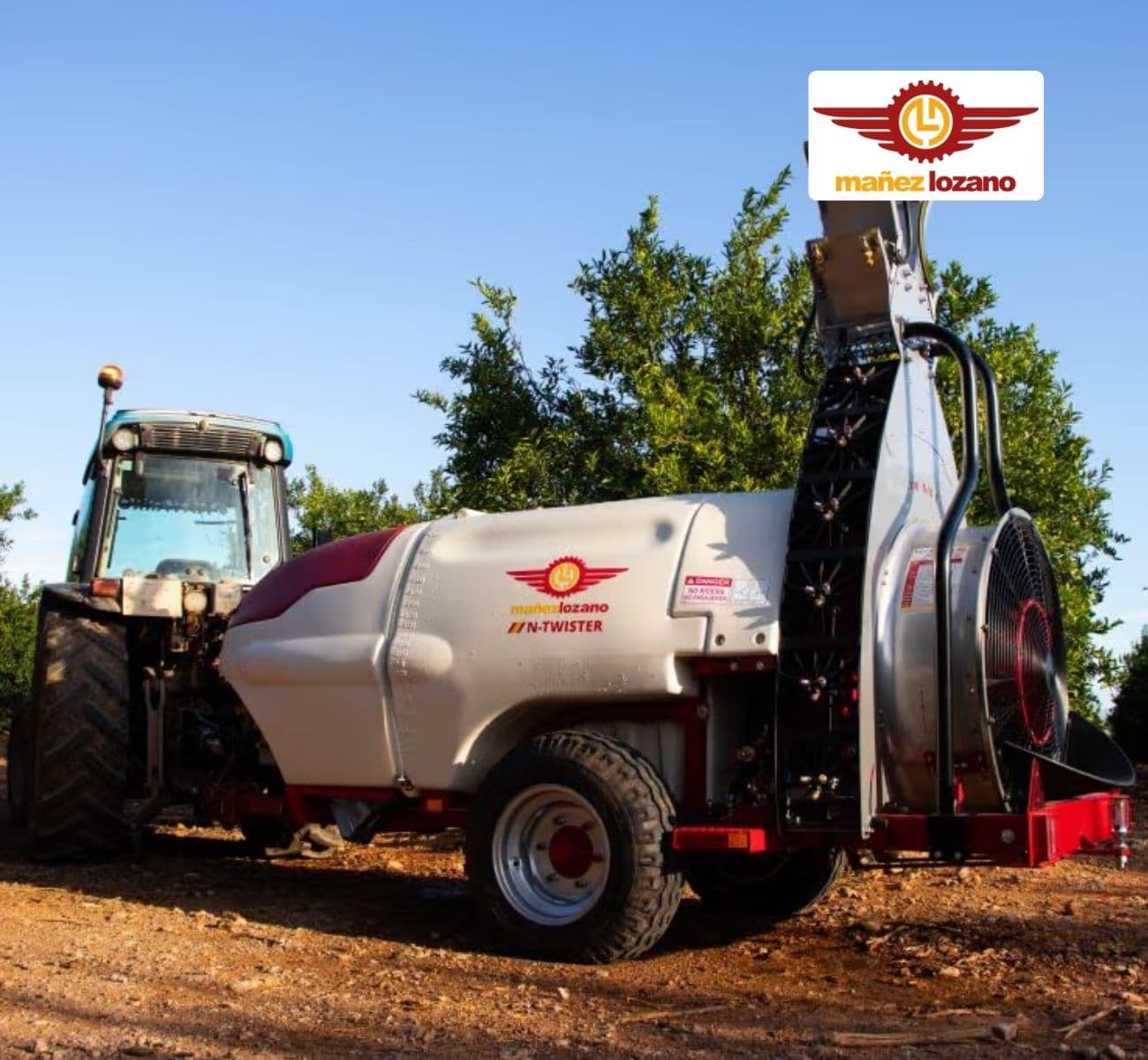
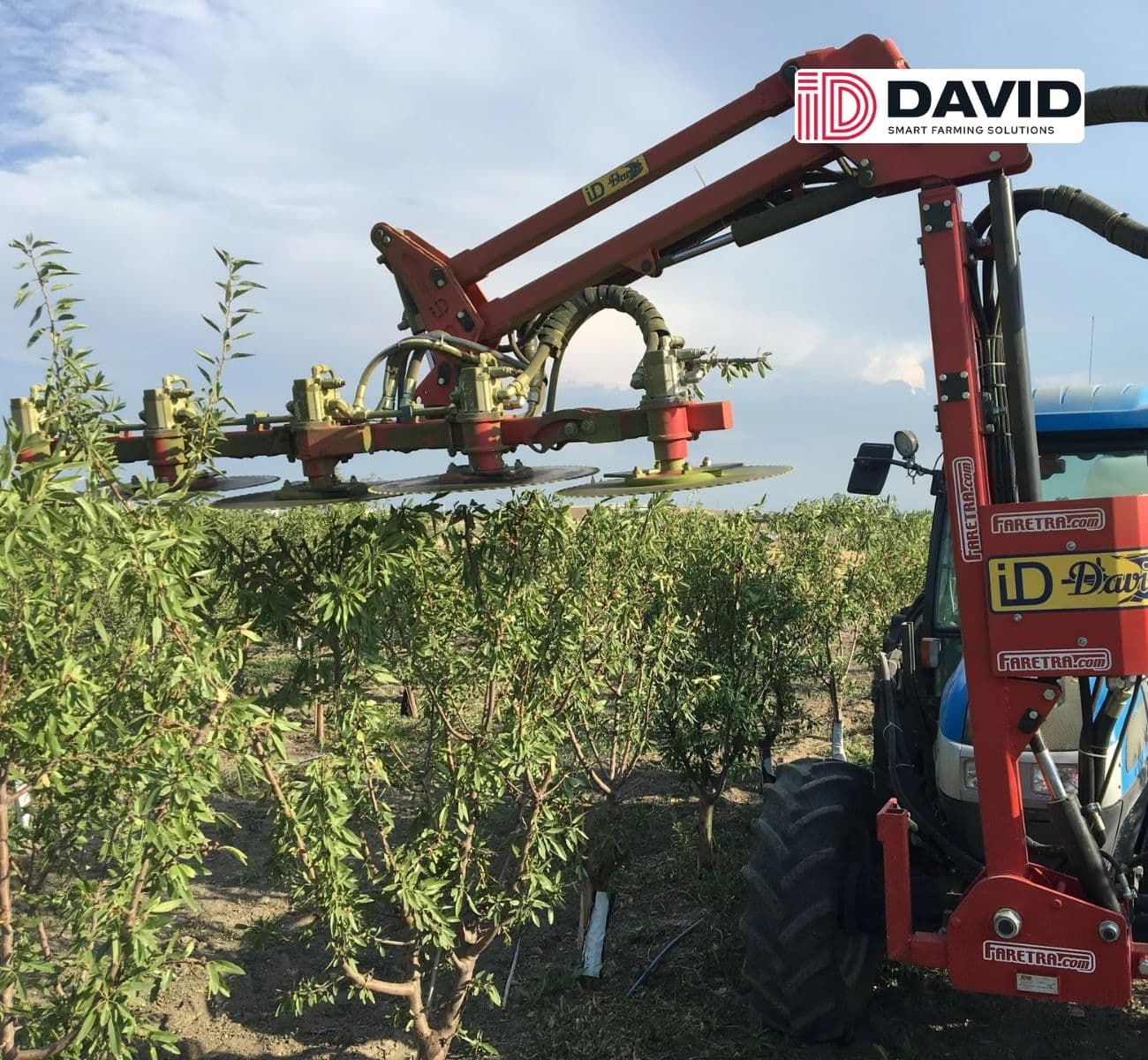
Türkiye's Hazelnut Research Institute advises clearing suckers at least twice a year and checking for hazelnut weevils by shaking 10 to 30 bushes over a cloth when more than half of the main cultivars' nuts reach lentil size. For care work, the ID DAVID ECOFEED spreads solid manure, the ID DAVID LAT&GO string mower controls weeds without herbicides, the Mañez Lozano Narrow Twister S6 sprays tall, dense canopies and the ID DAVID V1 disc pruner makes vertical and horizontal cuts.
Recommended Orchard Care & Maintenance Stages

Practical Tips for Hazelnut Orchard Care & Maintenance
Plan irrigation before planting: after the record-hot, extremely dry August of 2026, an agronomist said there is no serious production without it.
Water through dry summers: an orchard at Velika Kladuša received four irrigations from April to August, 240 L per tree in all (2016/17).
Remove suckers at least twice a year, in autumn and in late May or early June, as Türkiye's Hazelnut Research Institute advises.
Monitor for the brown marmorated stink bug: in Banja Luka it was active from April to October in 2020 and 2021, with most insects in late July.
Check for hazelnut weevils when more than half of the main cultivars' nuts reach lentil size: shake 10 to 30 bushes over a cloth, as Türkiye's Institute advises.
Control weeds without herbicides with a string mower such as the ID DAVID LAT&GO, and keep the orchard floor level for harvest.

Hazelnut Harvesting in Bosnia and Herzegovina
Local sources describe the harvest only farm by farm; in two reports it was under way by mid-September. Near Bijeljina, a 4.5 ha farm had begun harvesting by 13 September 2021 and expected to pick up the nuts over the next month with a machine, as by hand it would be almost impossible (Semberija INFO), and a 2024 report said pickers were slowly moving into orchards on 12 September. In orchards planted for machines, mechanized harvesting can bring the crop in on time, with less risk of nuts deteriorating while they wait.
In the mechanized system this guide follows, as in Oregon, the trees are not shaken: OSU explains that the thin-barked, shallow-rooted trees would be damaged. The nuts drop onto a leveled, flail-mowed floor, then are swept and picked up in several passes. Harvest weather varies: September rain at Banja Luka was 150% of normal in 2024 but 49% in 2025, and Doboj had 232% in 2024 (hydrometeorological services), while Türkiye's Hazelnut Research Institute warns that nuts left on the ground turn moldy.
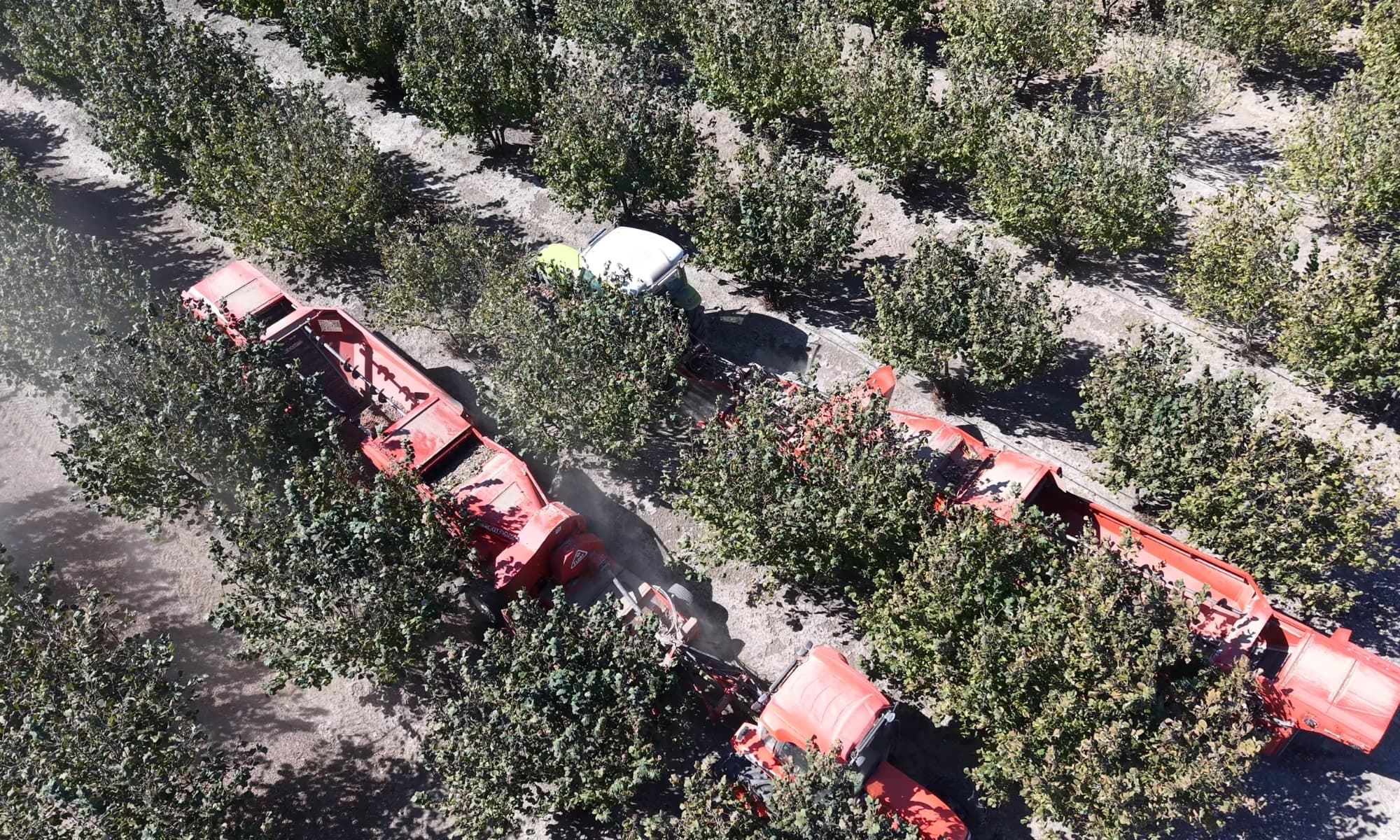
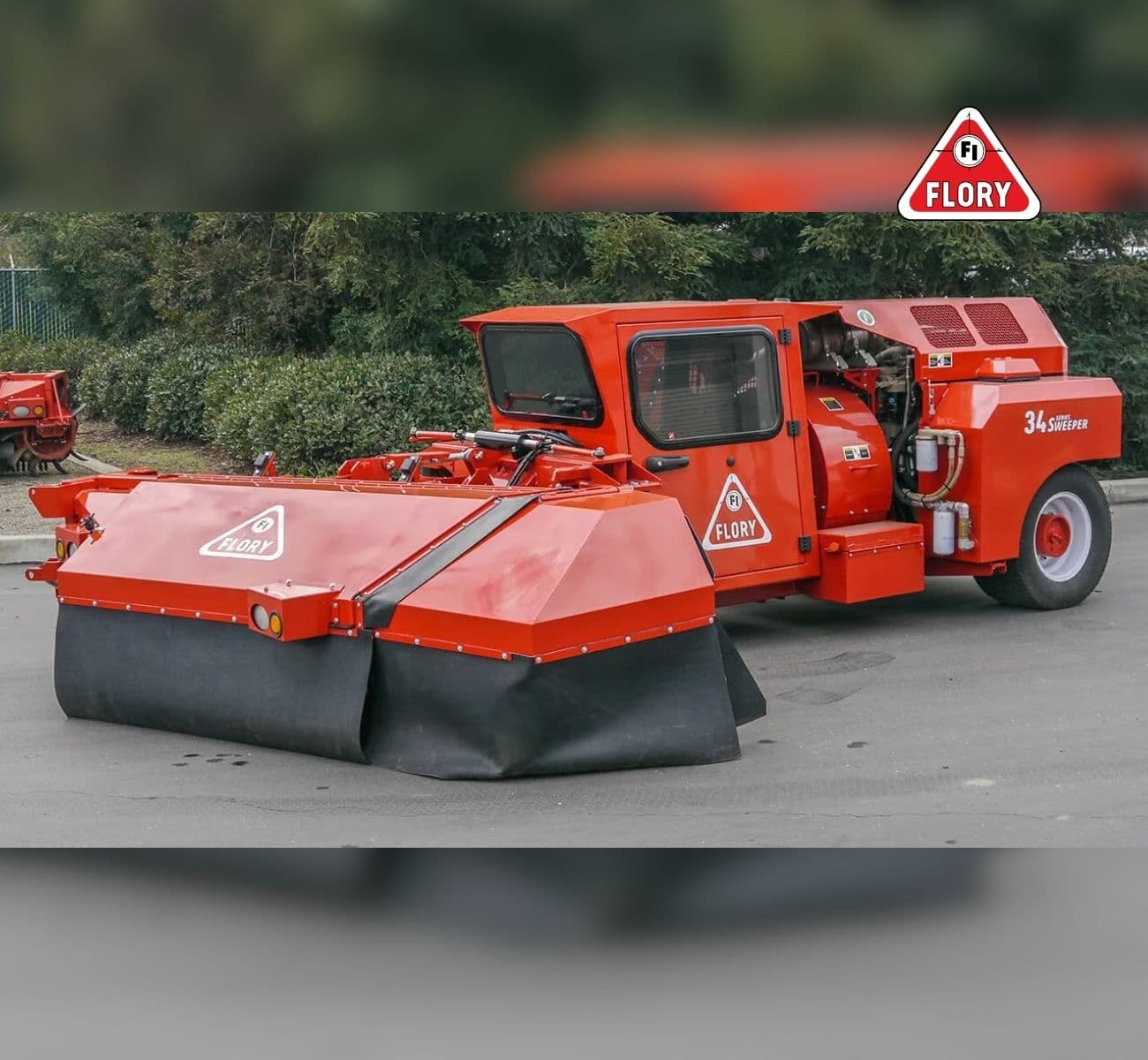
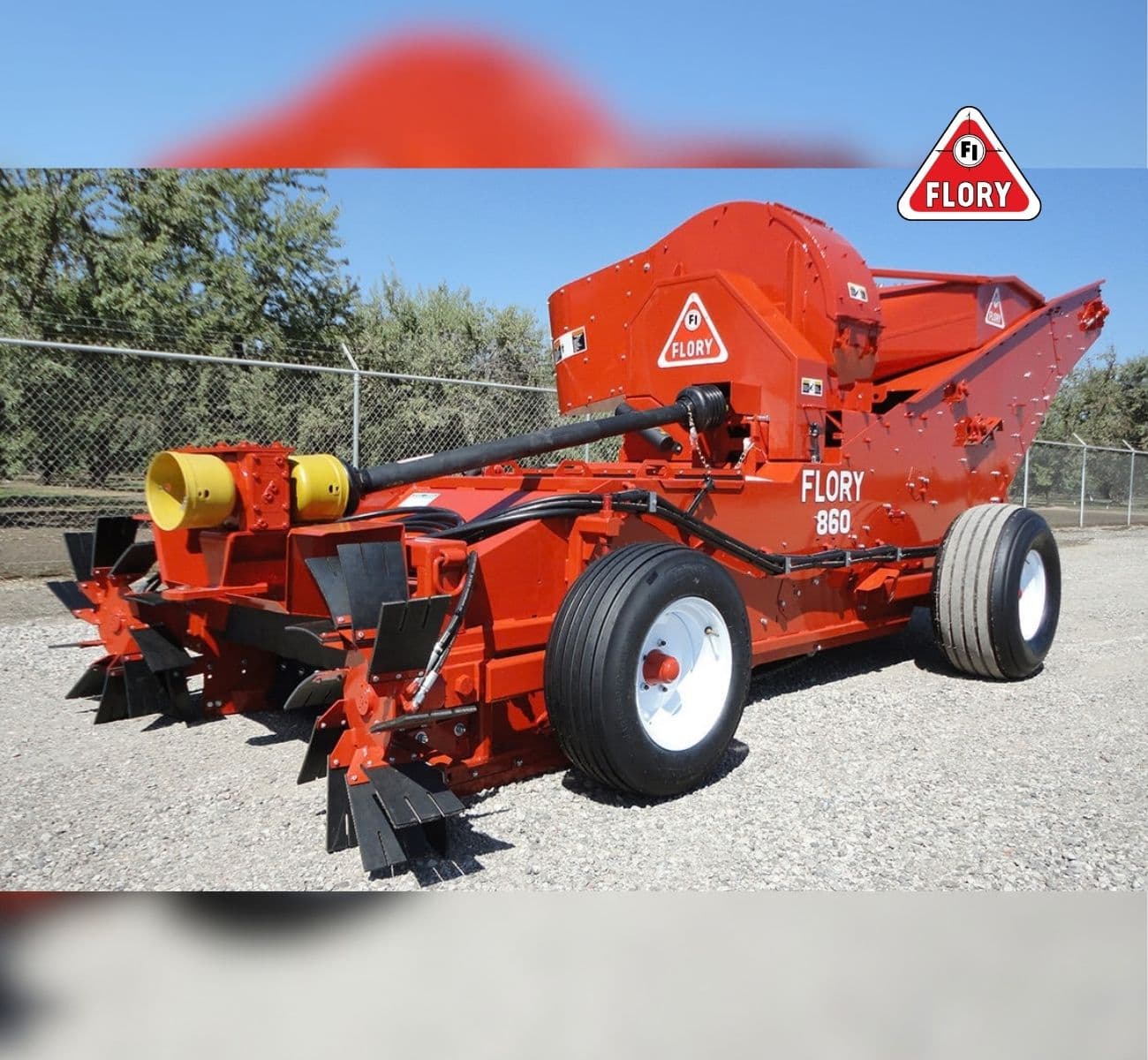
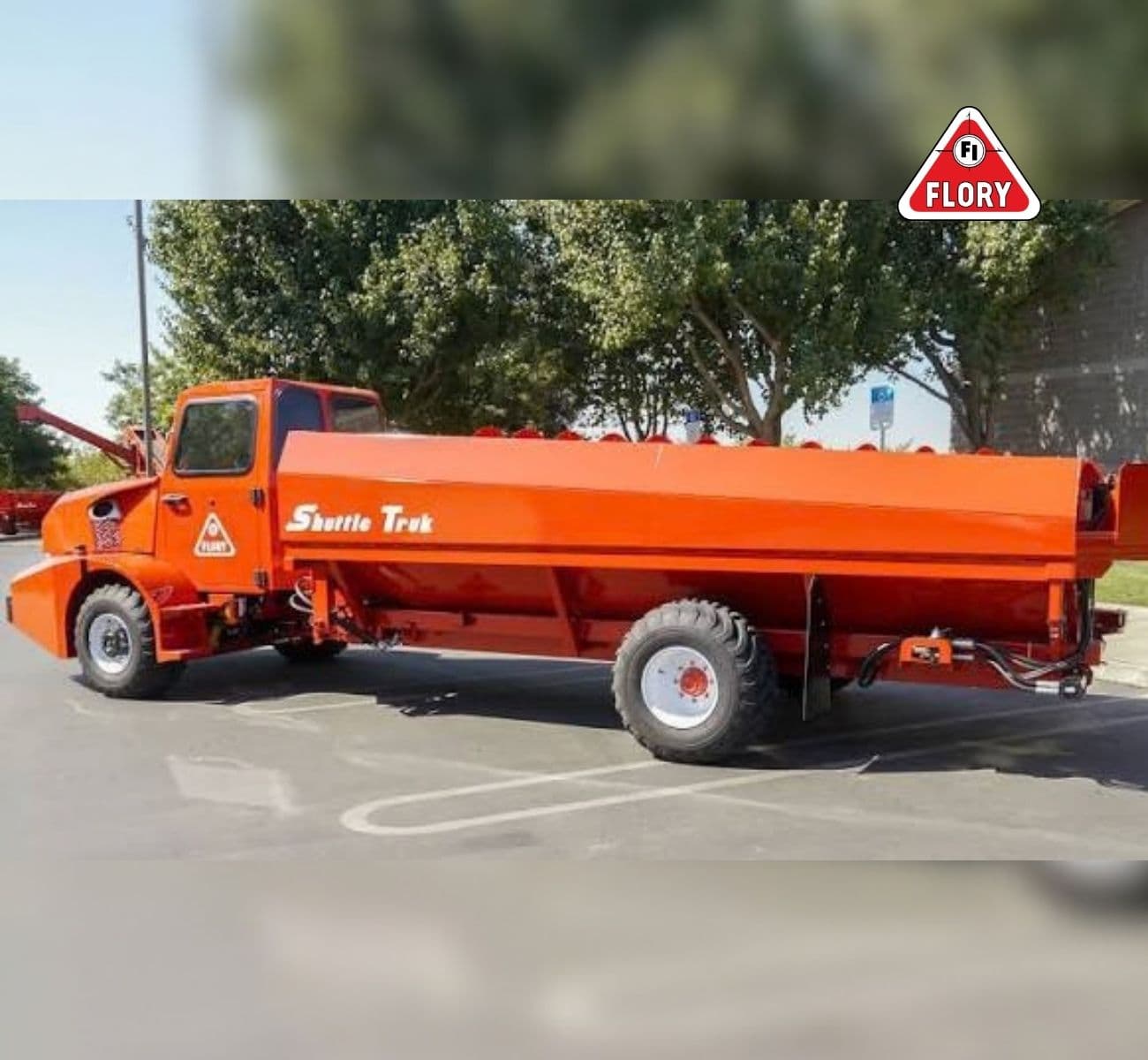
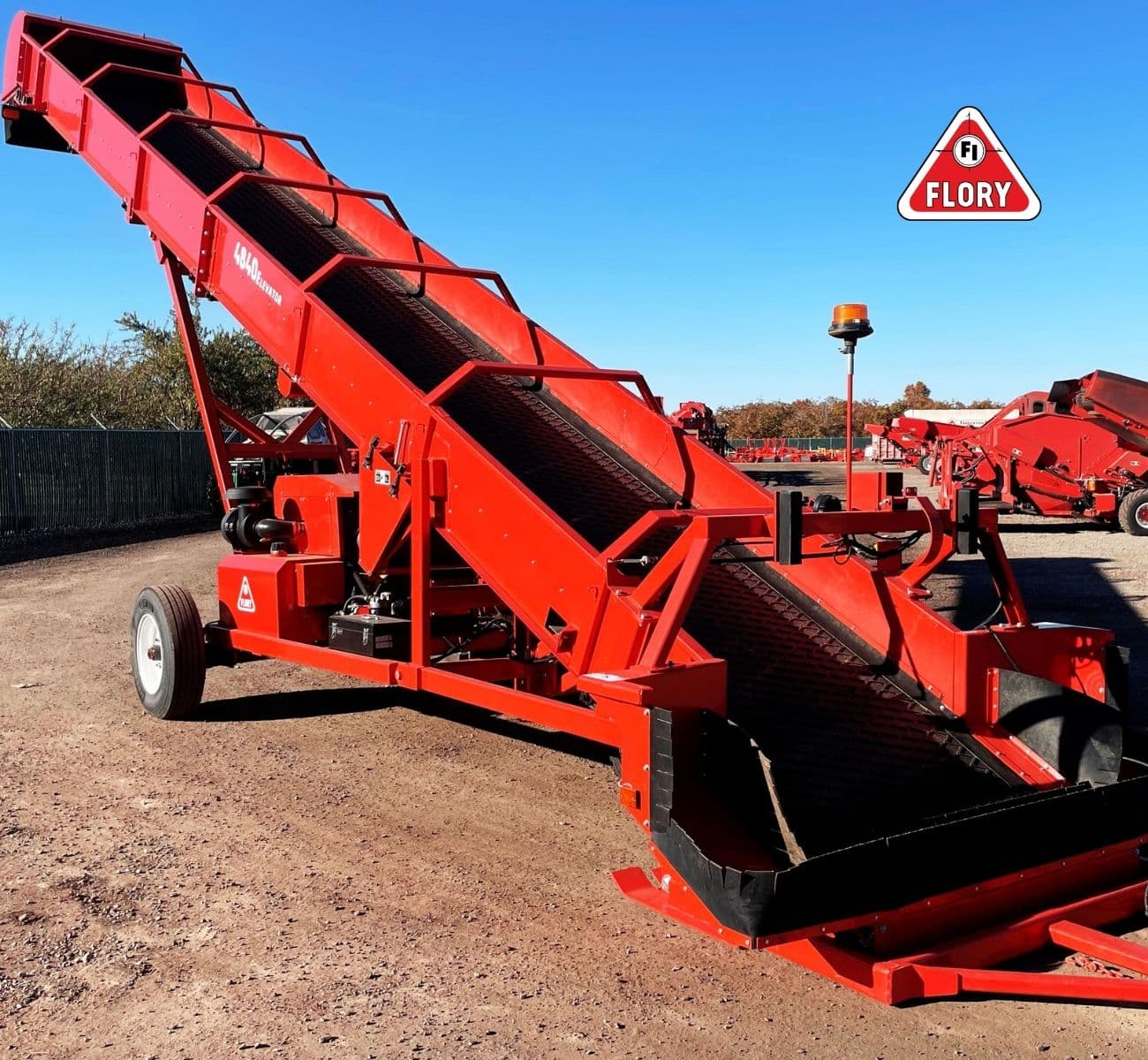
Flory harvesting machinery is available in Bosnia and Herzegovina through OVE Europe for orchards planted for machines. The Flory 34 Series Sweeper sweeps the nuts into windrows and the 860 Harvester picks them up; the smaller 490 suits hazelnuts in OVE's experience, and Flory lists a mud brush as standard for hazelnuts on the 860. The 1500 Conveyor Cart receives the nuts, the ST14 Shuttle carries them and the 4840 Field Elevator loads trailers for the processing site.
Hazelnut Harvest Workflow (Recommended Equipment)

Practical Tips for Hazelnut Harvesting
Level, smooth and flail-mow the orchard floor before nut drop, as Oregon State University describes, so the sweeper can work right up to the trunks.
Pick up fallen nuts in several rounds: for hand collection, Türkiye's Hazelnut Research Institute advises rounds every 3 to 5 days, as nuts left lying turn moldy.
Watch September forecasts: rain at Banja Luka was 150% of normal in September 2024 but 49% of normal in September 2025.
Gather fallen nuts before autumn rain where possible: British Columbia's hazelnut guide warns that a crop harvested wet causes storage problems.
Check tractor power before choosing a harvester: Flory gives 85 HP as the minimum for the 860, and for the 490 in hazelnuts.
Keep bins of harvested nuts out of the rain until drying: Oregon State University notes that nuts in bins left in the rain before drying can turn moldy.
Get your recommended harvest setup
Enter orchard size, spacing, terrain, and target throughput—we’ll suggest a practical harvest workflow and equipment lineup.

Hazelnut Post-Harvest Handling & Processing in Bosnia and Herzegovina
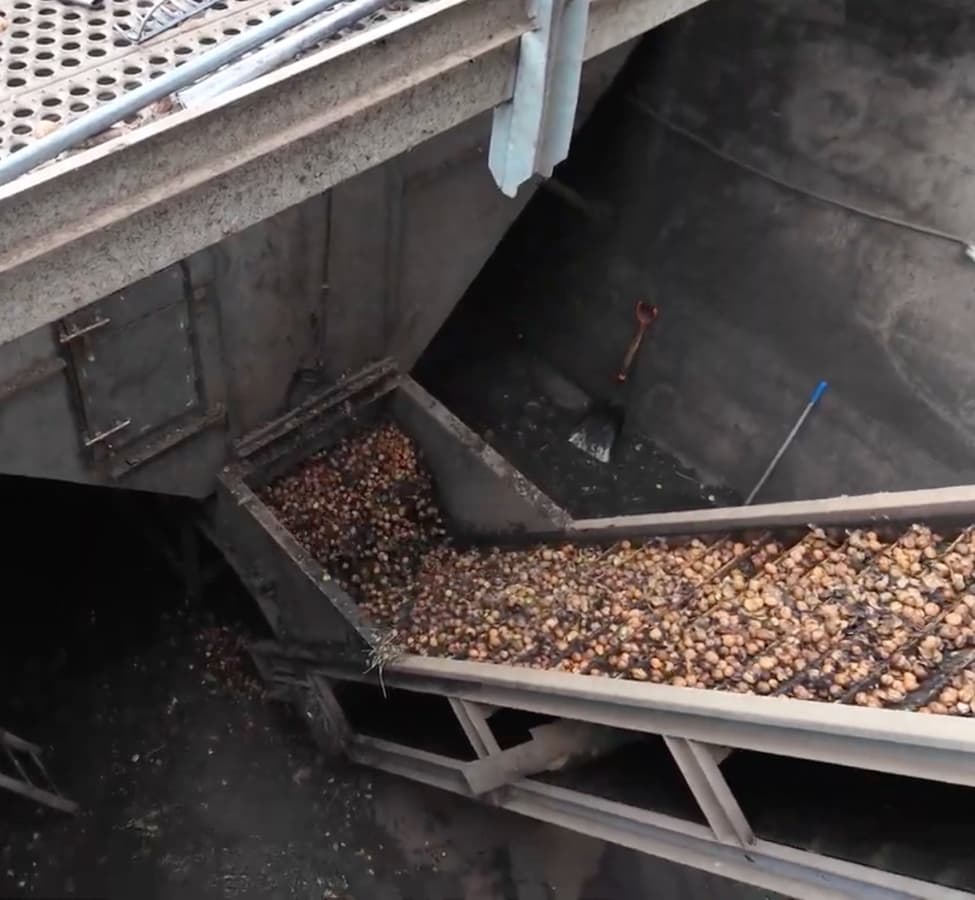
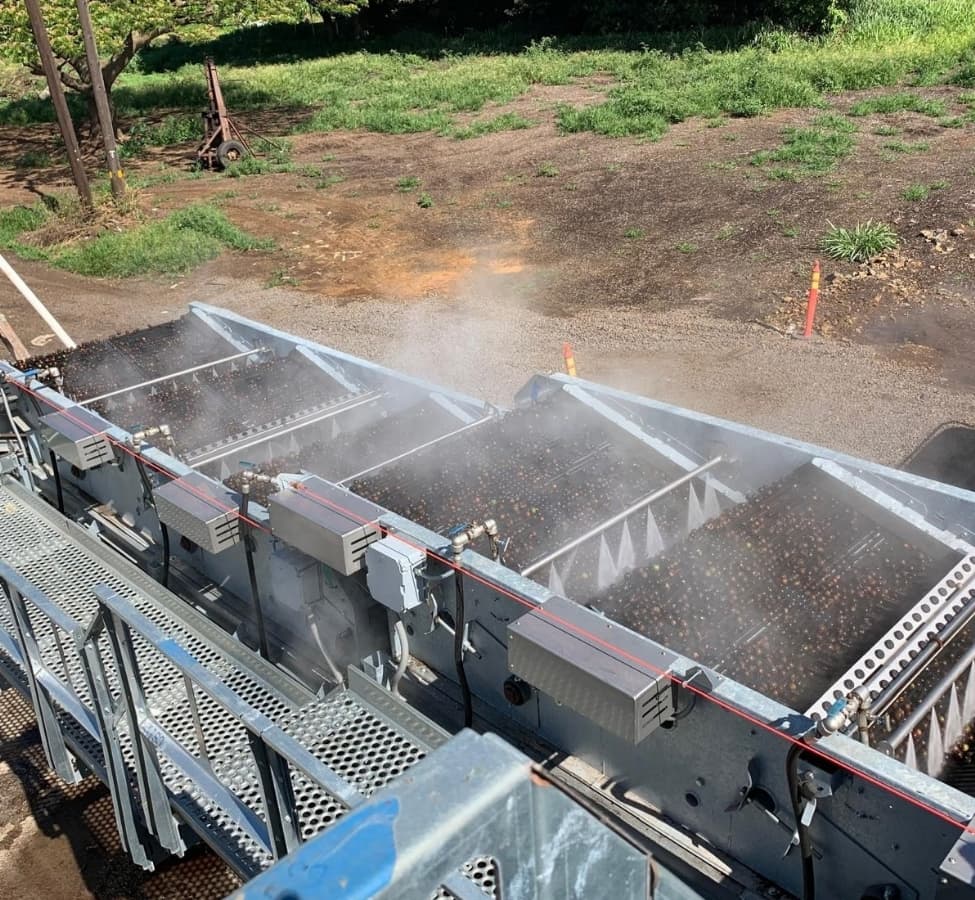
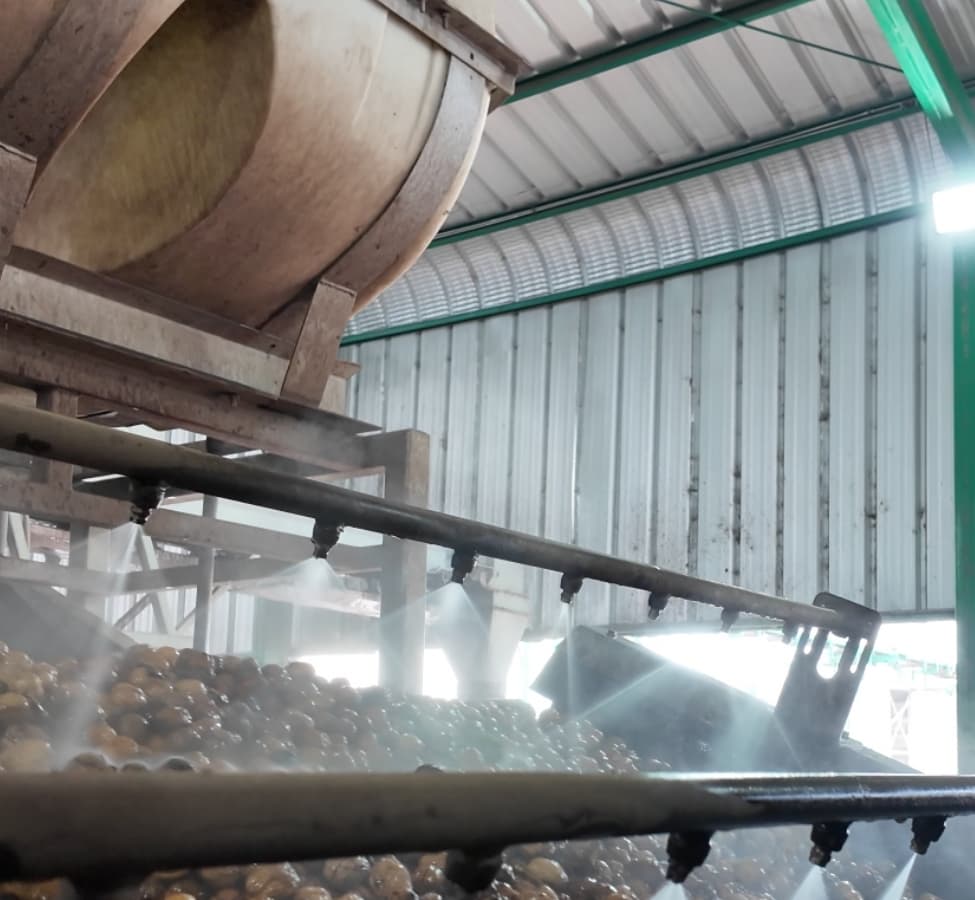
On the farm near Bijeljina, machines clean, blow, vacuum and wash the nuts before they go to drying, and the nuts stay in the shell until the first order (Semberija INFO, 2021). A grower near Banja Luka sells nuts under a farm brand, in shell and as kernels, and says most growers sell in bulk (2020). A farm near Prijedor (2018) and one near Višegrad (2023) crack nuts with their own machines, the second home-built; in the Prijedor report, 3 kg of nuts in shell gave 1 kg of kernels.
No local source gives drying targets or storage conditions. In British Columbia's guide, nuts are husked, cleaned, washed, sanitized and dried to 5 to 8% moisture within 24 hours of harvest, and Türkiye's Hazelnut Research Institute advises that dried nuts hold no more than 12% moisture in shell and 6% as kernels. The Codex code of practice for tree nuts advises drying as soon as possible and storage below 70% relative humidity and at 0 to 10 °C, both where possible.
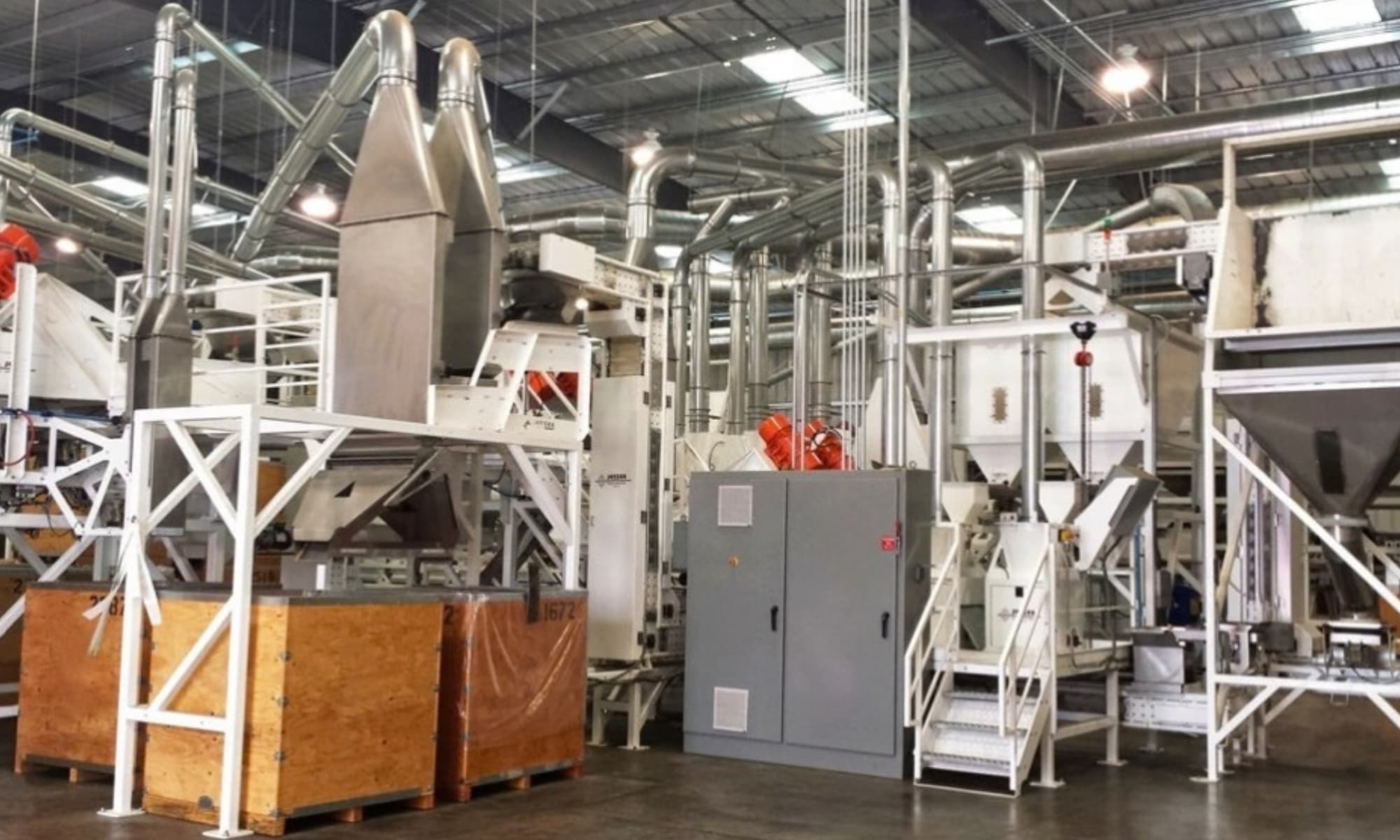
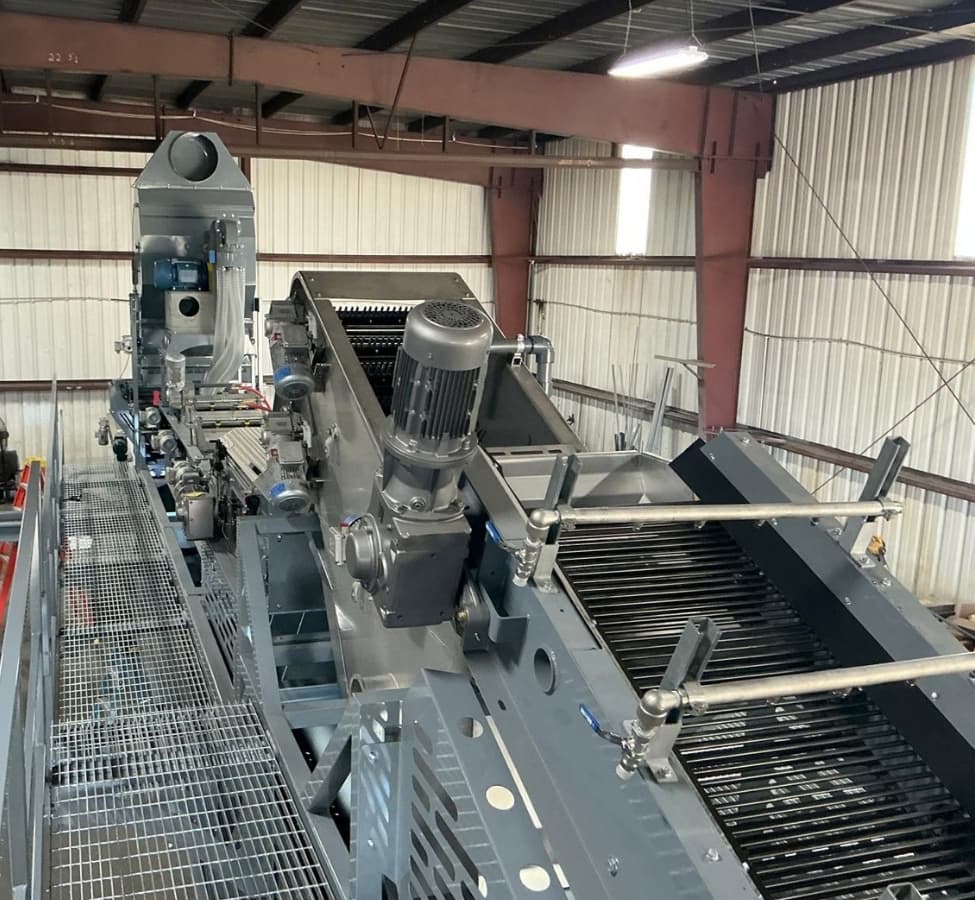
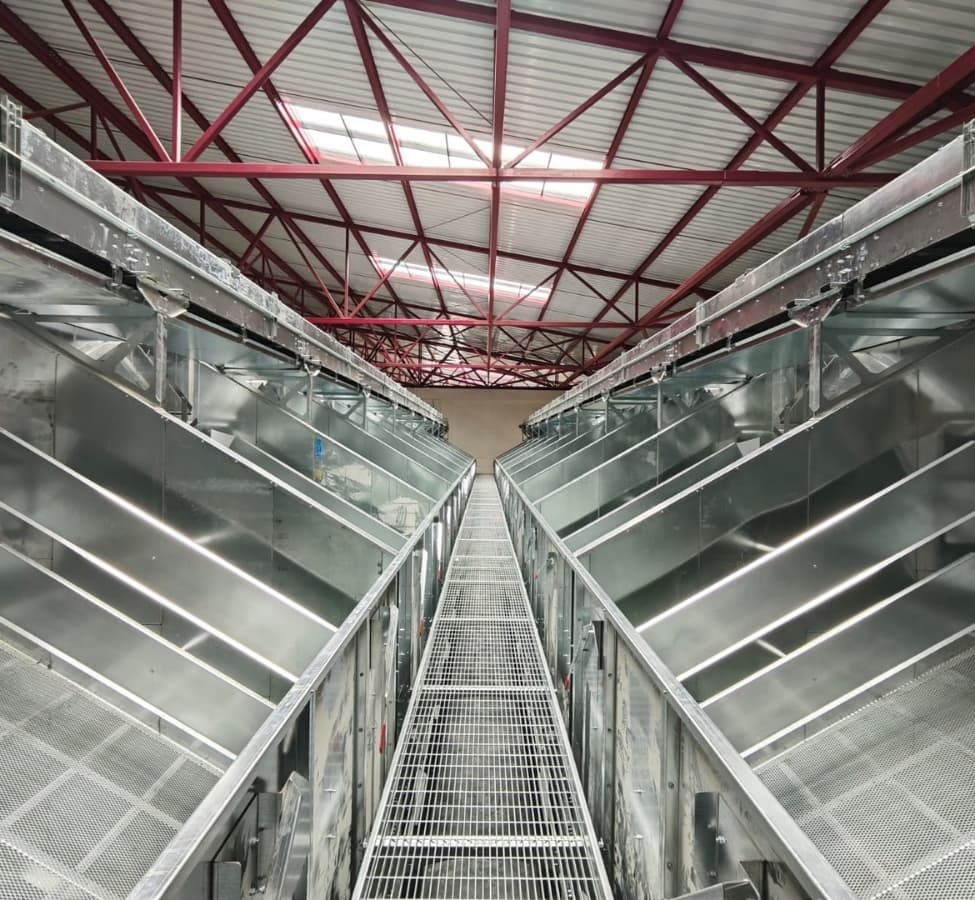
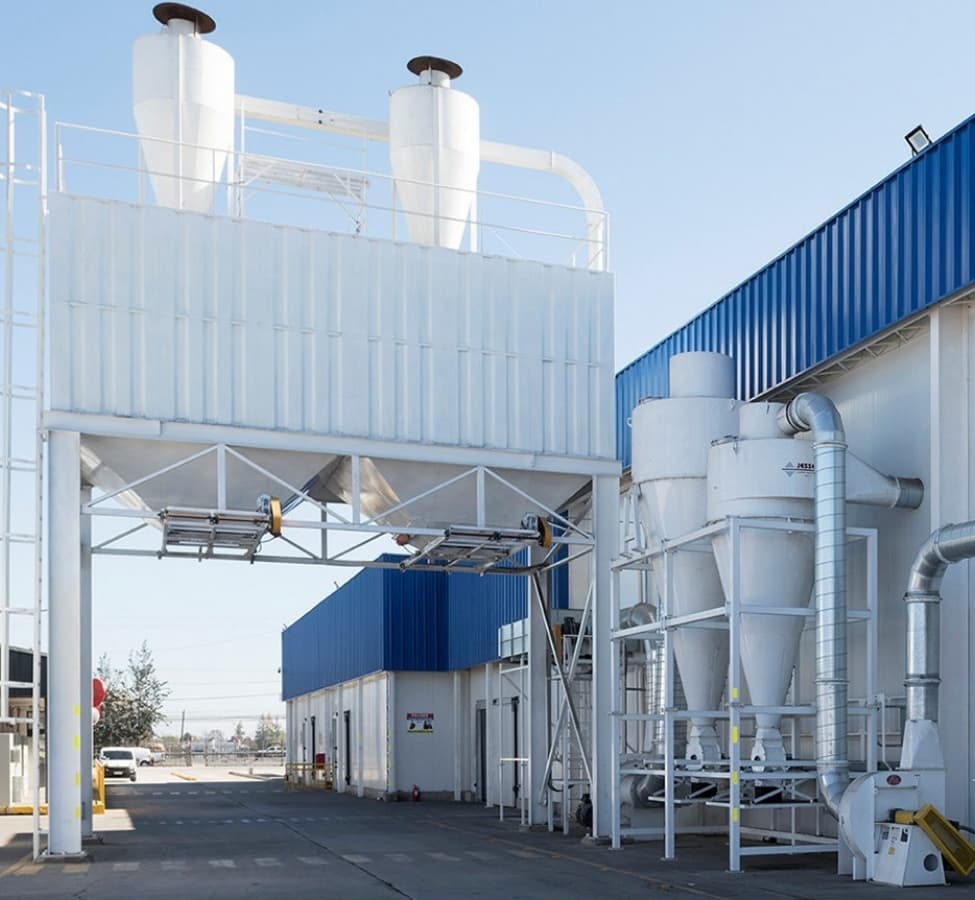
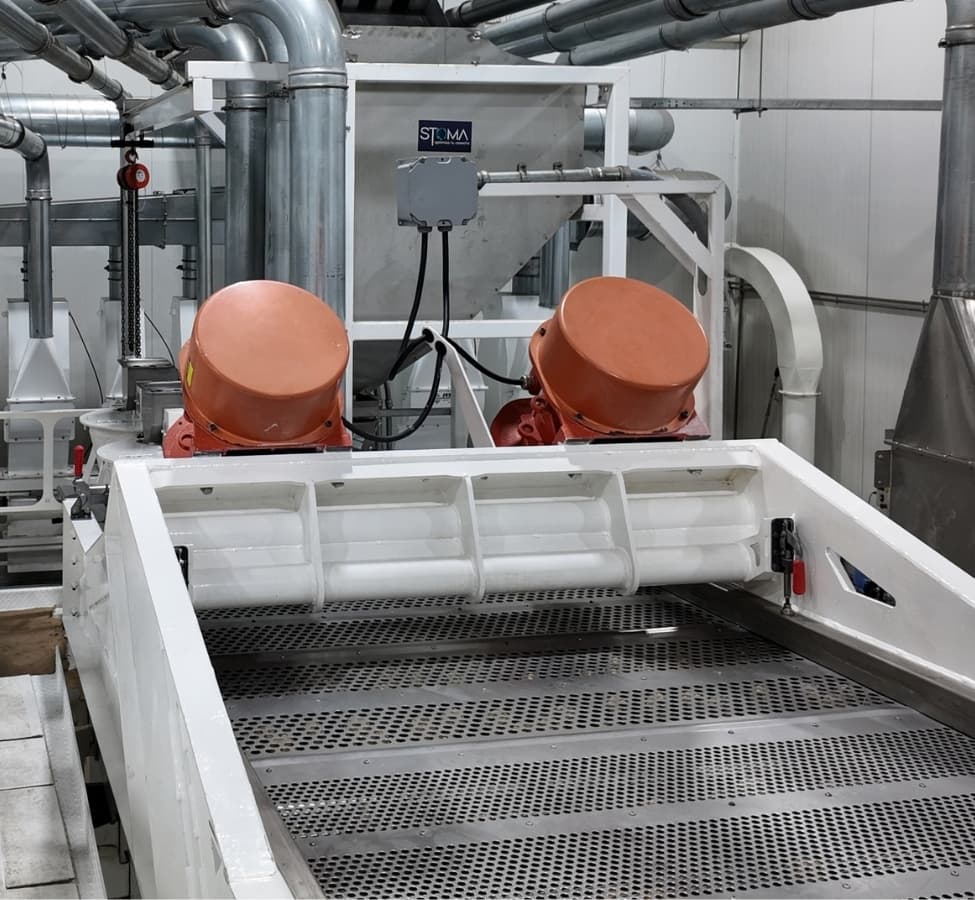
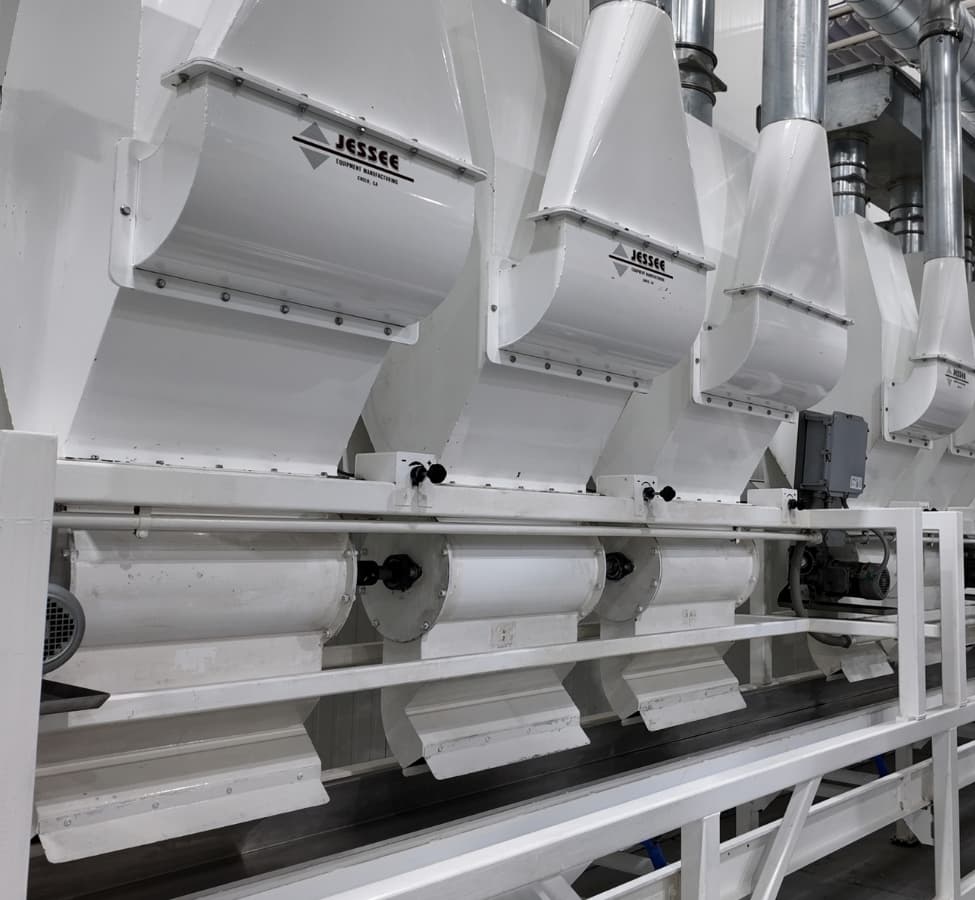
Bosnia and Herzegovina's 2014 rulebook on contaminants in food sets the same aflatoxin limits for hazelnuts as Regulation (EU) 2023/915: 5.0 µg/kg of B1 and 10.0 µg/kg in total for direct consumption or use as an ingredient, and 8.0 and 15.0 µg/kg for nuts to be sorted first. Jessee, whose processing lines OVE Europe supplies, builds drying, in-shell cleaning and sizing, and shelling systems, and it established product lines for hazelnuts in the 1980s.
For general information only. Information may become outdated and does not replace site-specific professional advice. Consult a qualified agronomist and confirm equipment suitability with OVE before acting.
Practical Tips for Hazelnut Post-Harvest Handling & Processing
Dry hazelnuts promptly after harvest: in British Columbia's guide they are dried to 5 to 8% moisture within 24 hours.
Never leave husk-on nuts in thick layers or heaps: Türkiye's Hazelnut Research Institute warns that they heat up and rot.
Carry fresh nuts to the drying yard the same day in jute sacks, never plastic ones, and never bag nuts that are not fully dried, as Türkiye's Institute advises.
Where possible, store dried hazelnuts below 70% relative humidity and at 0 to 10 °C, as the Codex code advises, to limit fungal growth.
Size nuts into narrow grades before cracking: Türkiye's Institute advises 10 to 20 sizes at 0.5 mm steps to reduce kernel damage.
Test lots for aflatoxins: in Bosnia and Herzegovina, as in the EU, hazelnuts for direct consumption may hold at most 5.0 µg/kg of B1 and 10.0 µg/kg in total.
Recommended Post-Harvest Handling & Processing Stages
Plan your post-harvest line
Estimate tons/day, cleaning & drying capacity, storage needs, and cost/kg—then build your equipment plan in phases.