


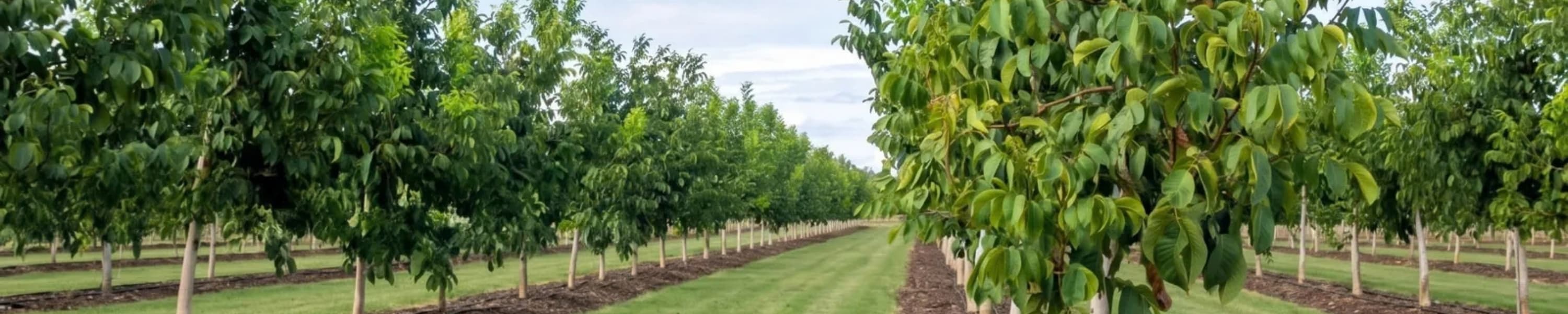




Walnut Orchard Establishment in Bulgaria
Bulgaria has a continental climate in the north and a Mediterranean influence in the south. Mean annual rainfall is about 614 mm, but northeastern Dobrudzha, the Black Sea coast and parts of the Thracian Lowland get under 500 mm, and the Thracian Lowland often has summer droughts (World Bank, 2021). Plan the water supply before choosing the site.
Silistrenski and Izvor 10 are Bulgaria's standard walnut varieties and the reference varieties in the Plovdiv trials, while orchards over 40 years old are still dominated by local varieties such as Sheinovo, Silistrenski and Dryanovski (Dimitrov, 2023). Izvor 10 bears about 90% of its fruit on lateral buds and gives thin-shelled nuts with about 55% kernel, but it flowers fairly early, which exposes it to spring frosts, and it is strongly susceptible to anthracnose (Fruit Growing Institute).
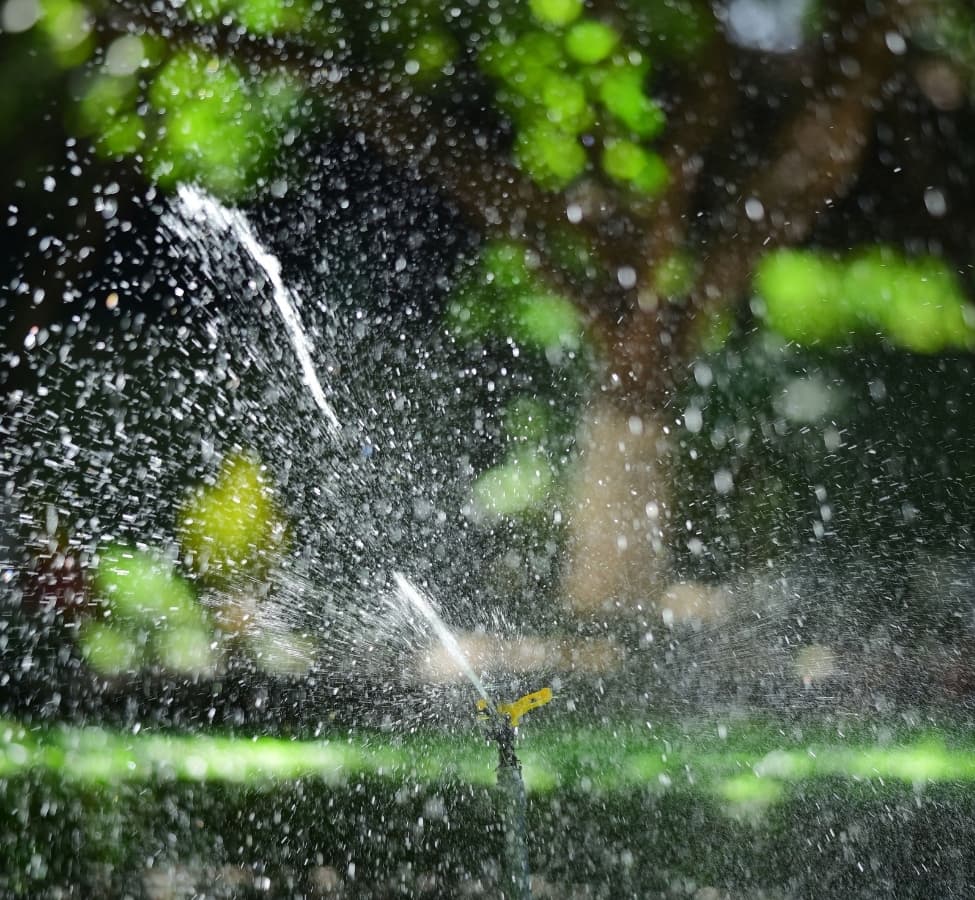
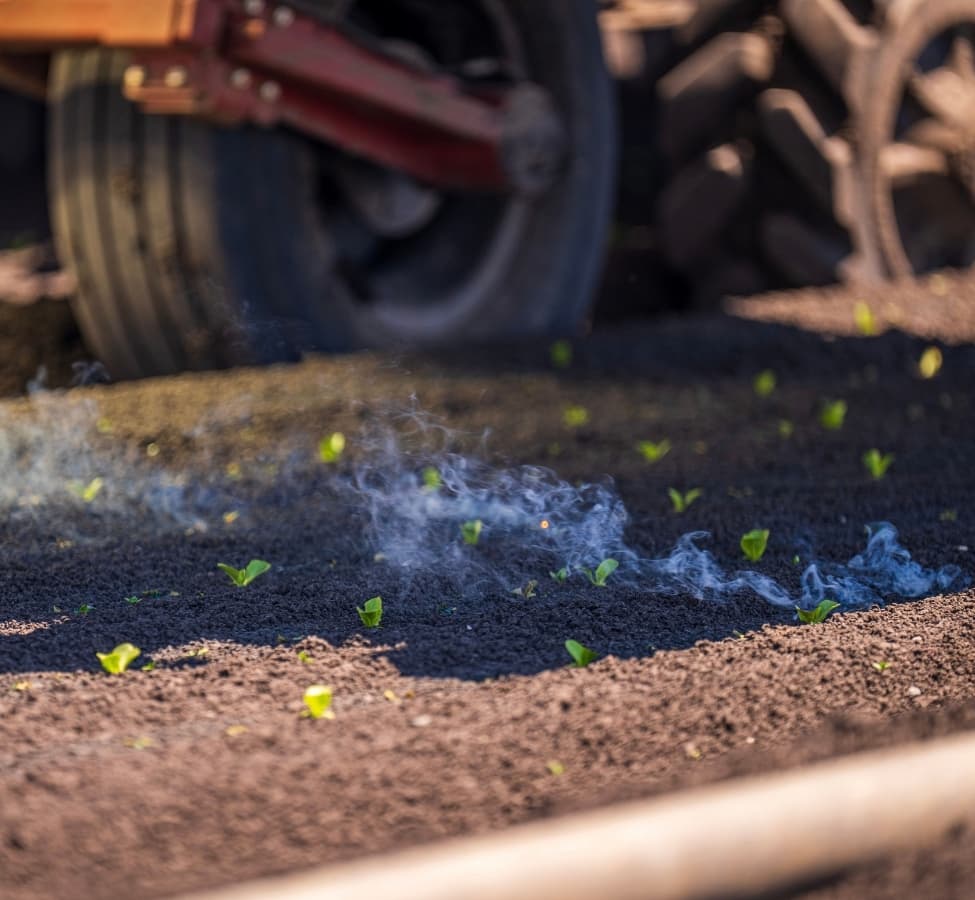
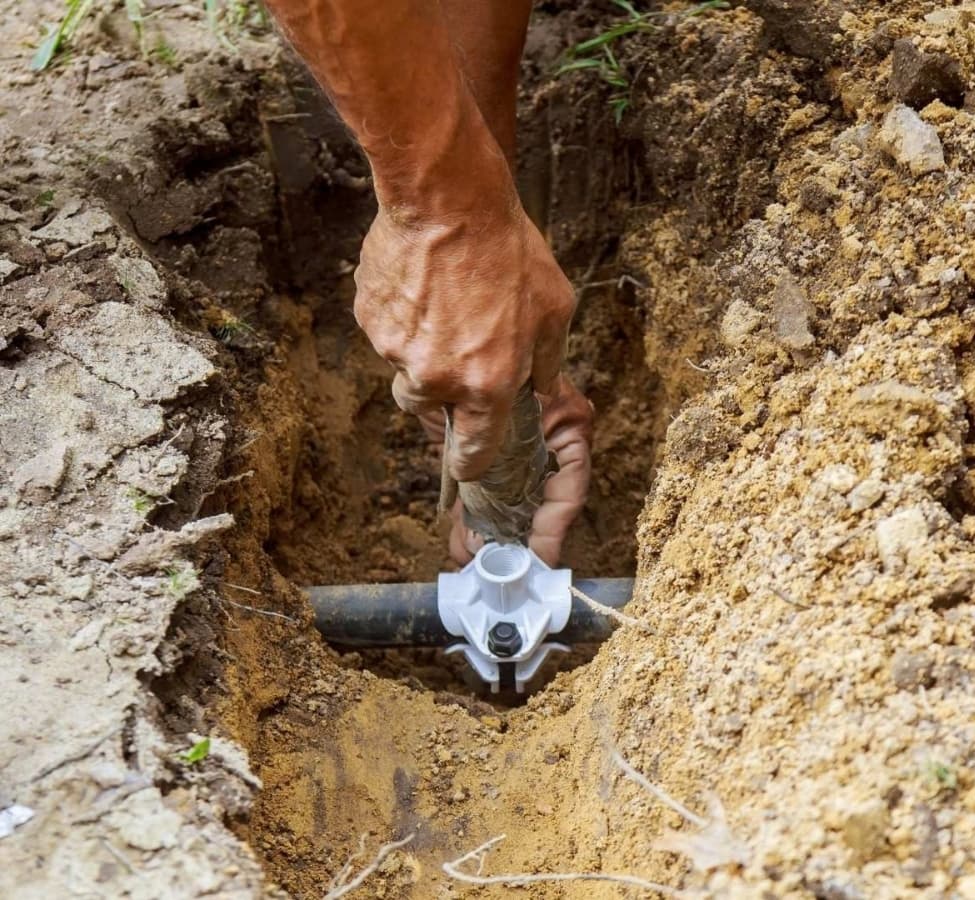
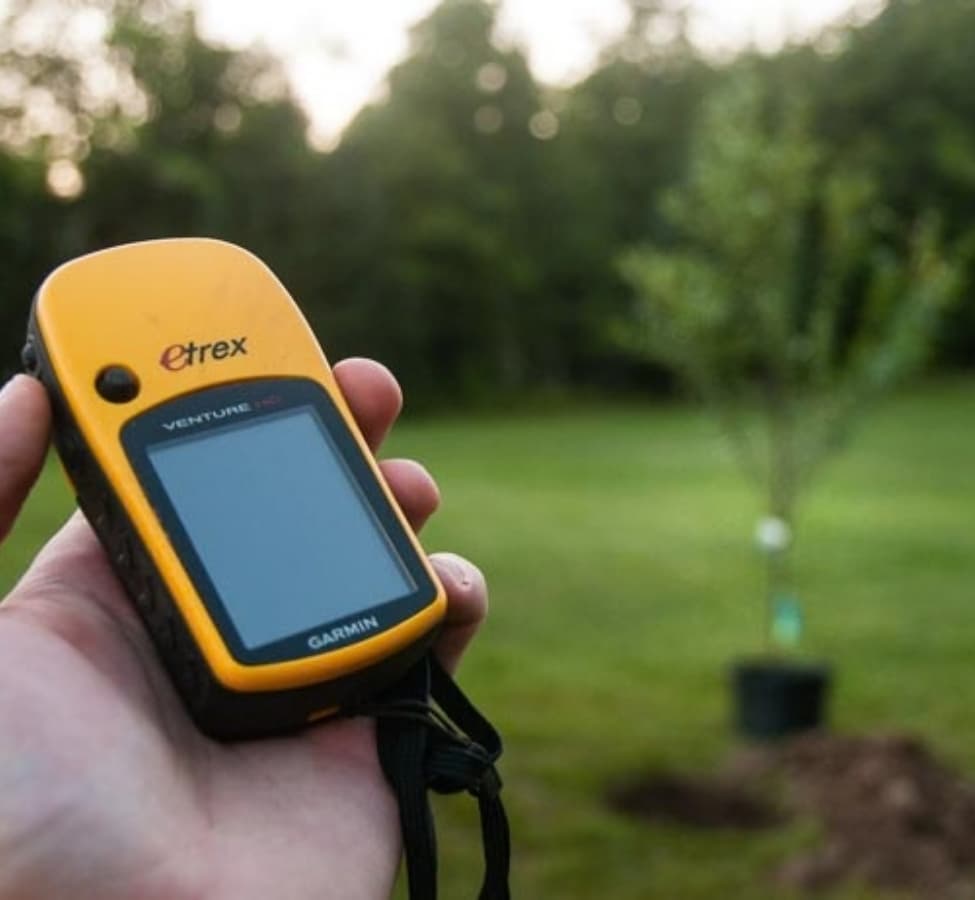
Agri.bg recommends 10 to 12 m between rows and 8 to 10 m in the row, with a 1.5 to 2 m trunk that allows mechanical harvesting; the Institute's trial orchard is planted at 10 × 9 m and irrigated by micro-sprinklers. Plan headlands and access lanes for shakers, sweepers and trucks from the start.
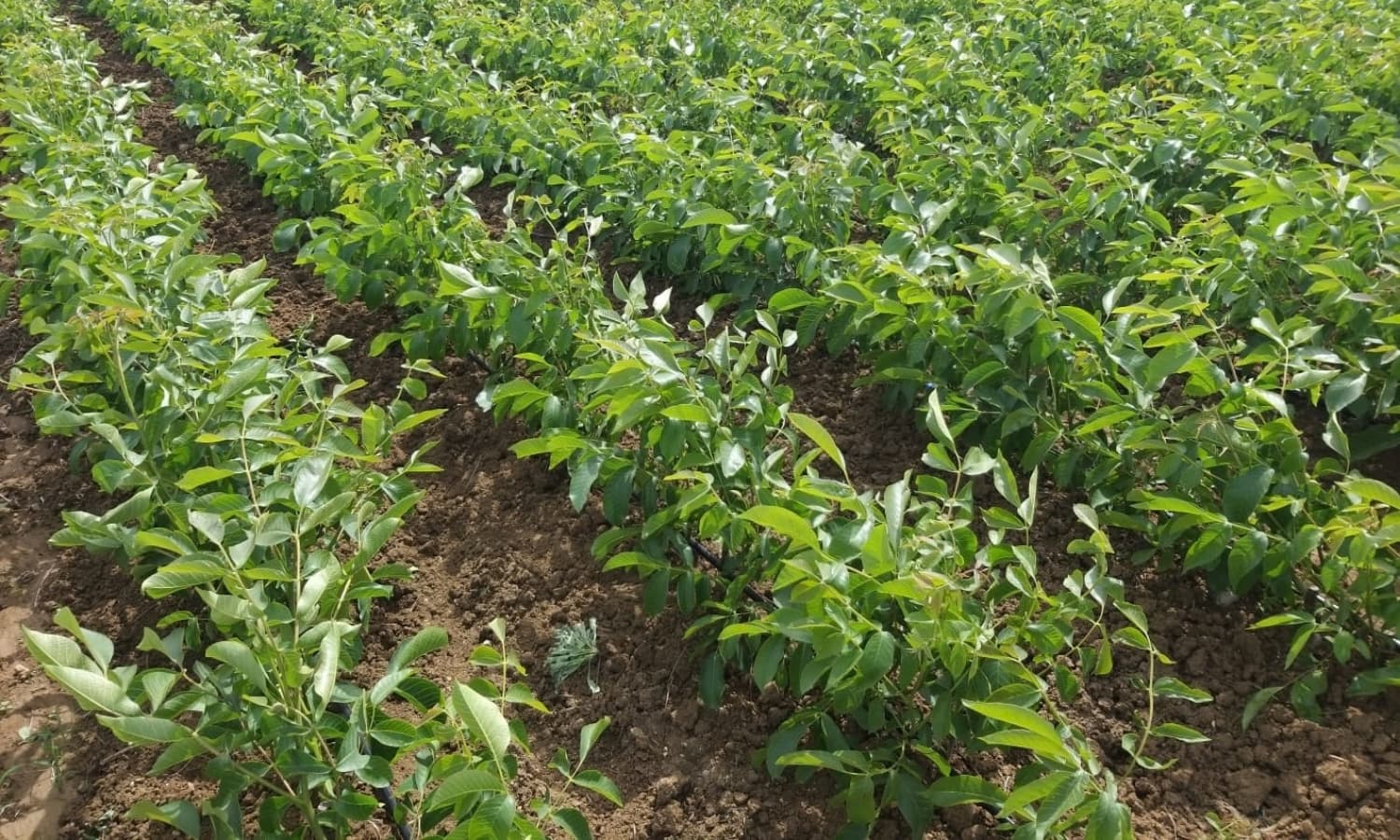

Practical Tips for Walnut Orchard Establishment
Choose deep, well-drained soil on gentle slopes; Bulgarian advice favours sites up to about 700 to 800 m above sea level.
Secure water first: parts of Dobrudzha and the Thracian Lowland receive under 500 mm of rain a year.
Keep a pollinizer within about 30 to 40 m of the main variety, for example one or two rows after every four main rows.
On frost-prone sites, favour later-flowering varieties; Izvor 10 flowers fairly early and is exposed to spring frost.
After an old orchard or oak forest, grow annual crops for at least five to six years first, as walnut is prone to root diseases.
Train a clear trunk of 1.5 to 2 m so a trunk shaker can clamp it without damaging scaffold branches.
Recommended Establishment Stages

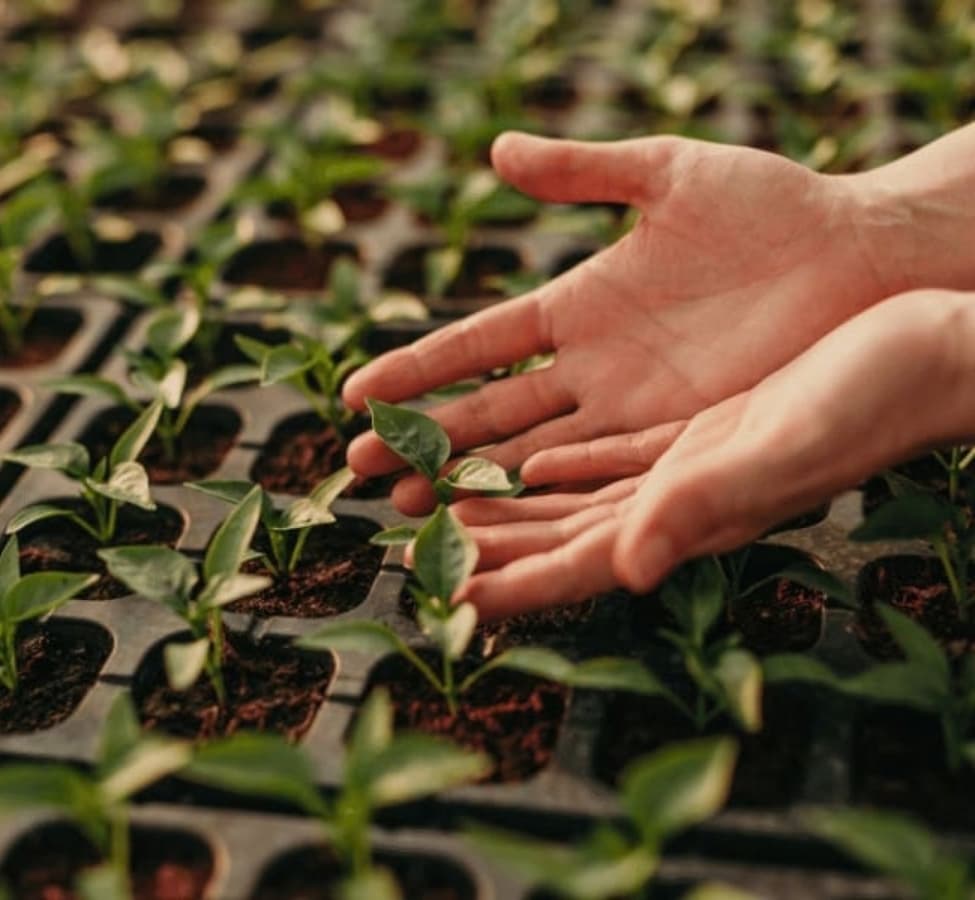

Walnut Orchard Care & Maintenance in Bulgaria
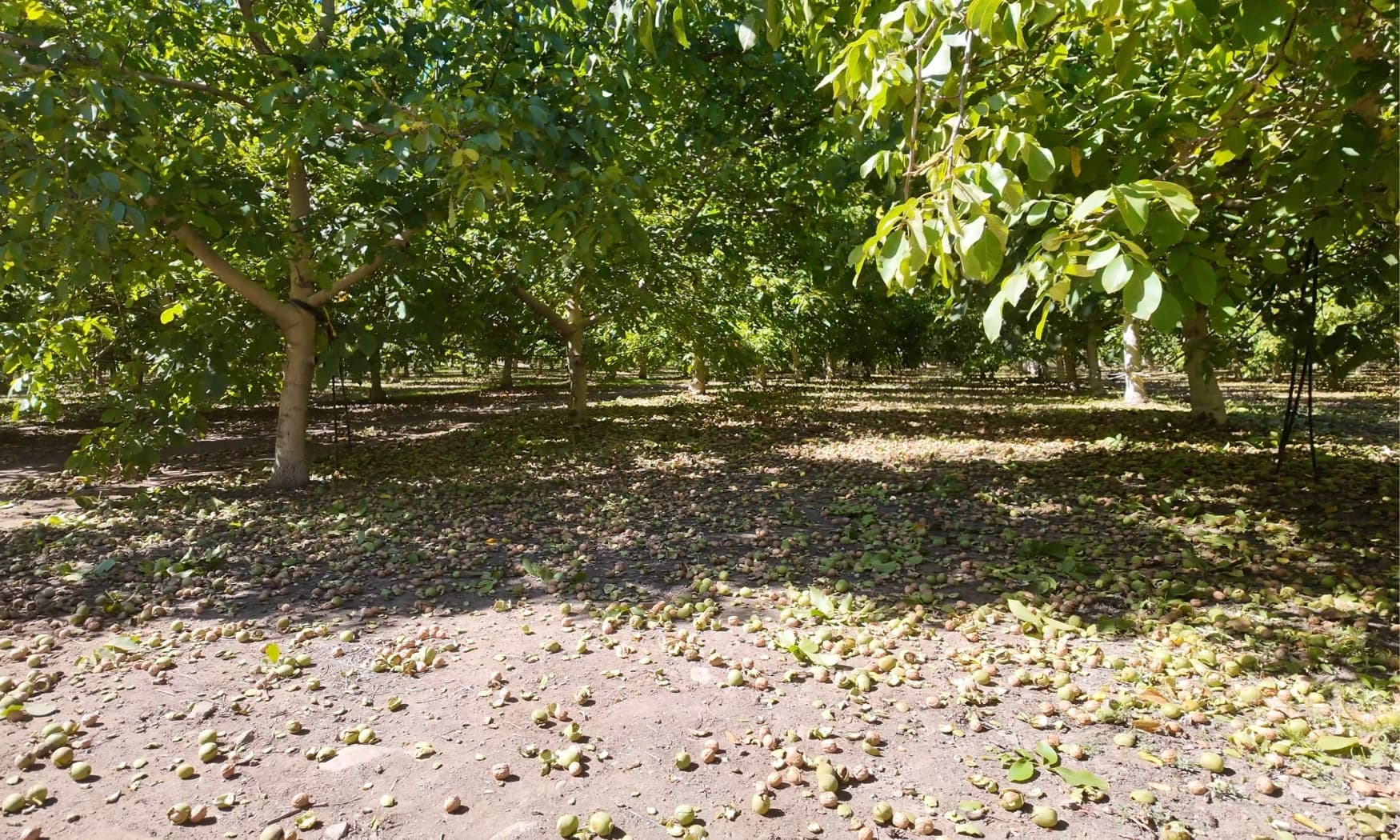
Low yields are the core problem: 587 to 1,382 kg/ha in 2012 to 2021 and 560 kg/ha in 2024 (Dimitrov, 2023; Ministry of Agriculture and Food). Dimitrov names the still-dominant outdated variety structure, with many trees of seedling origin, as the main reason, so renewing orchards with grafted varieties is part of the answer. Water is a key lever too: FAS Sofia names the severe 2025 summer drought as the main cause of that year's crop fall.
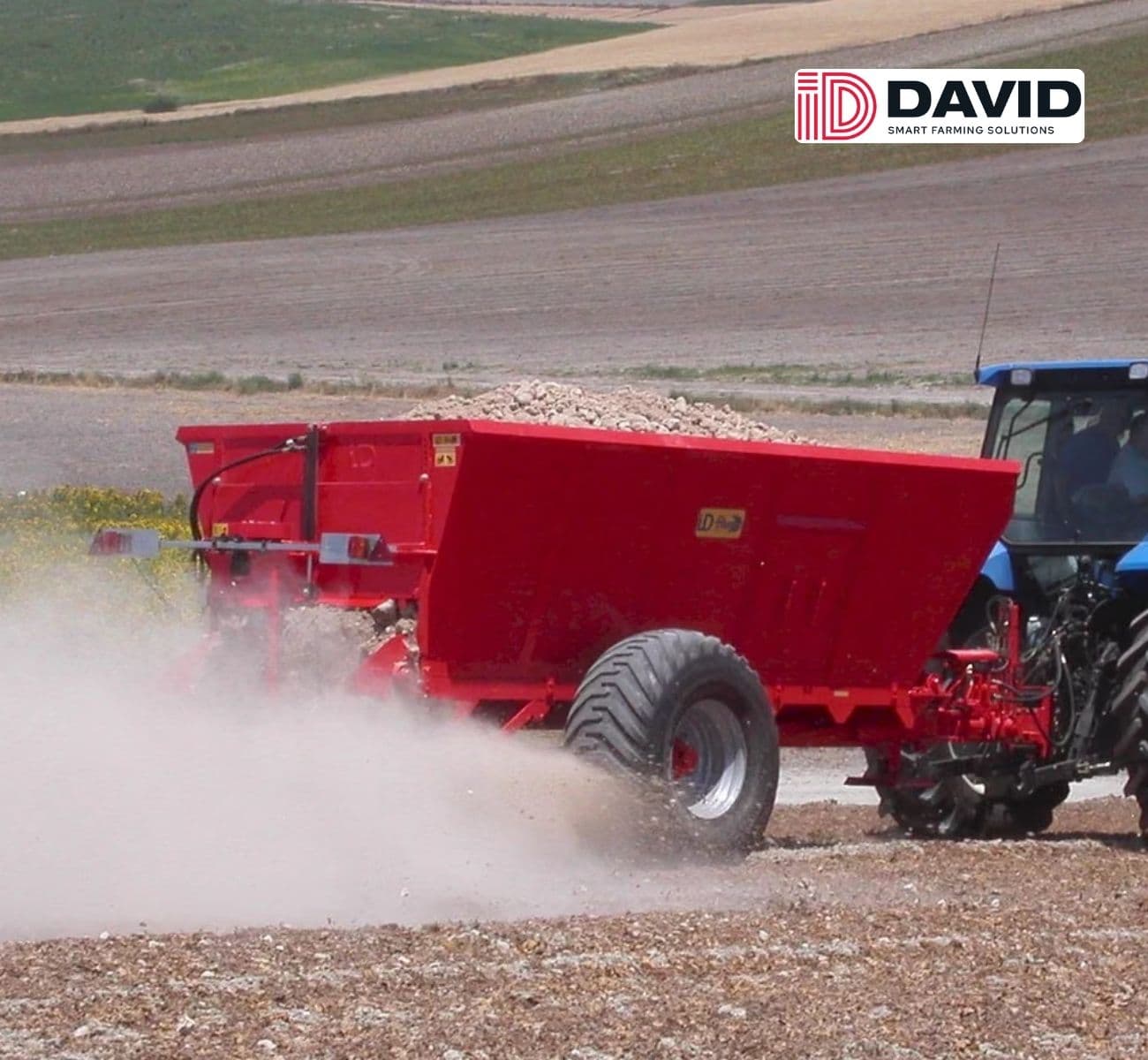
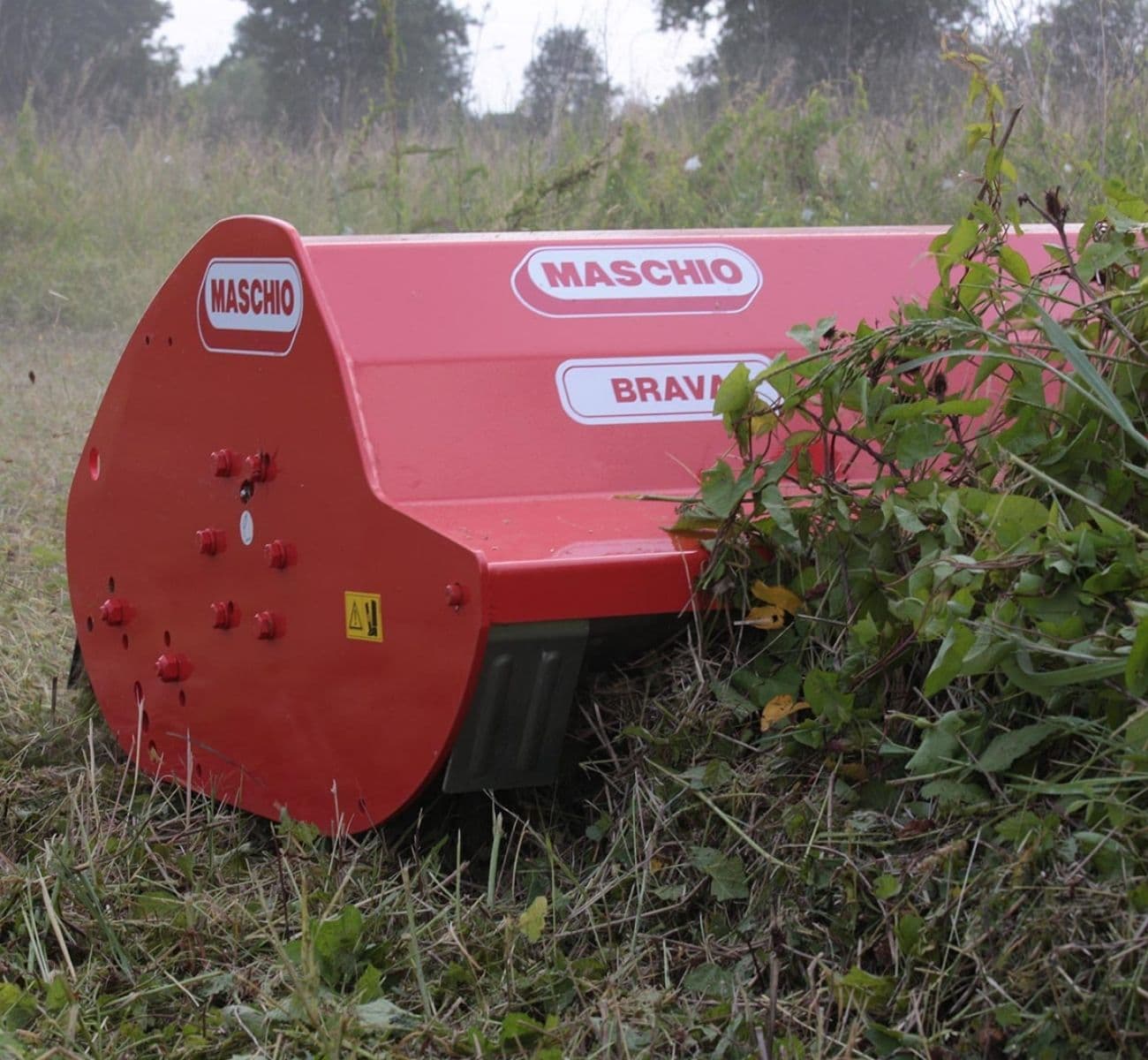
Plan drip or micro-sprinkler irrigation scheduled by soil moisture until nut fill ends, and feed by soil and leaf analysis rather than habit. Agri.bg advises black fallow in young and non-irrigated orchards and grass with mulch in bearing orchards with enough moisture; before harvest, mow short and keep the floor level and firm for sweepers.
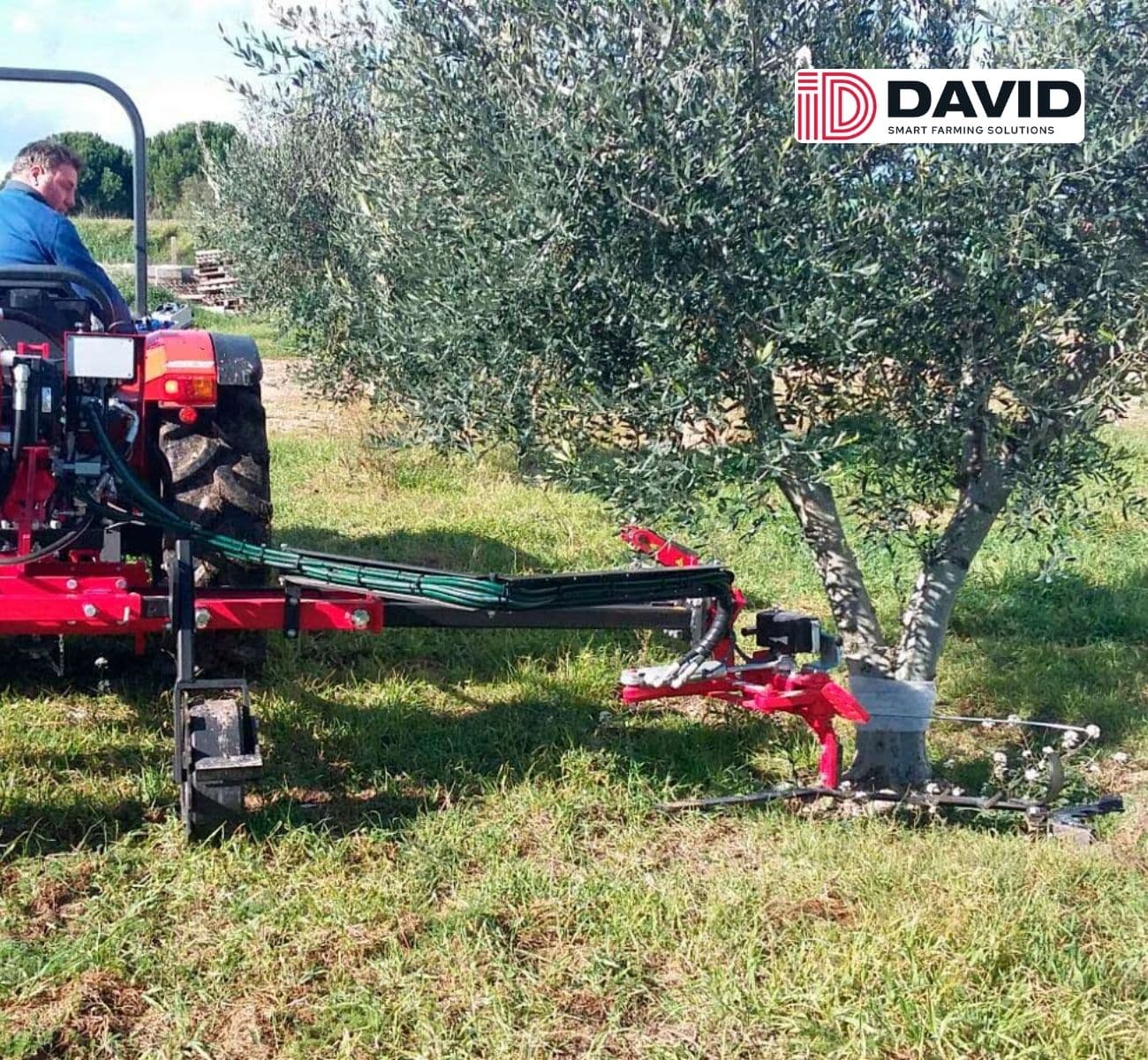
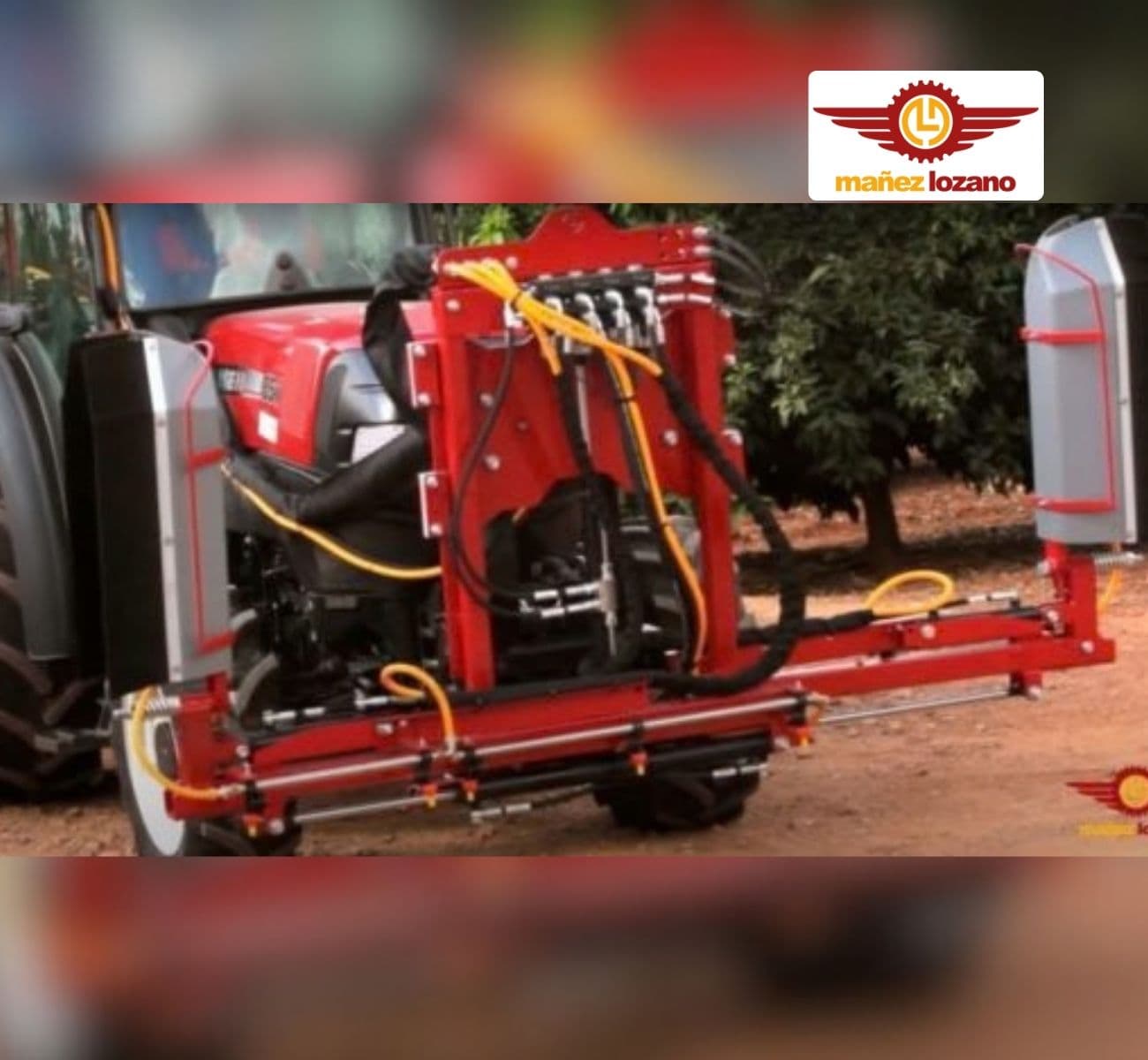
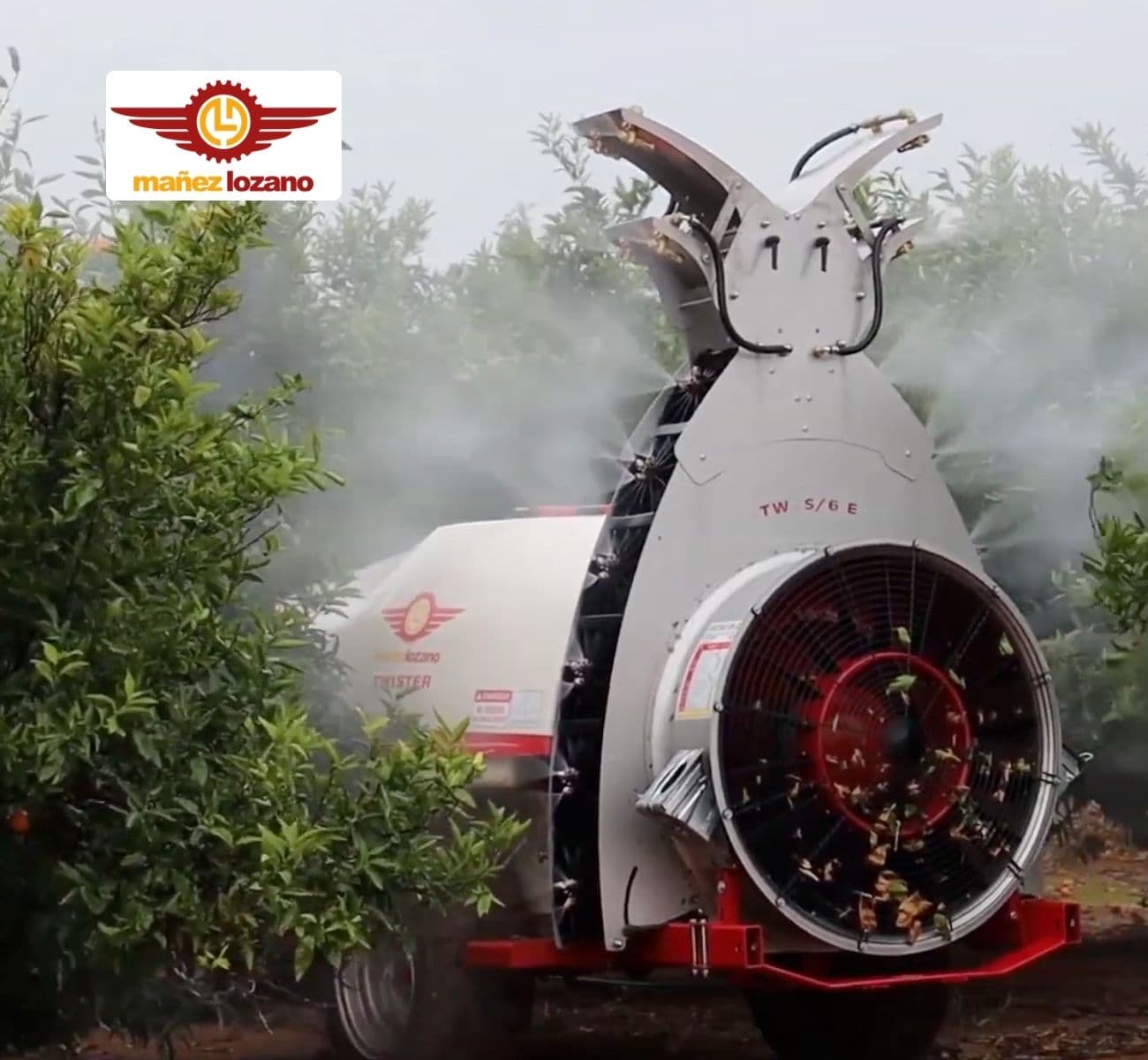
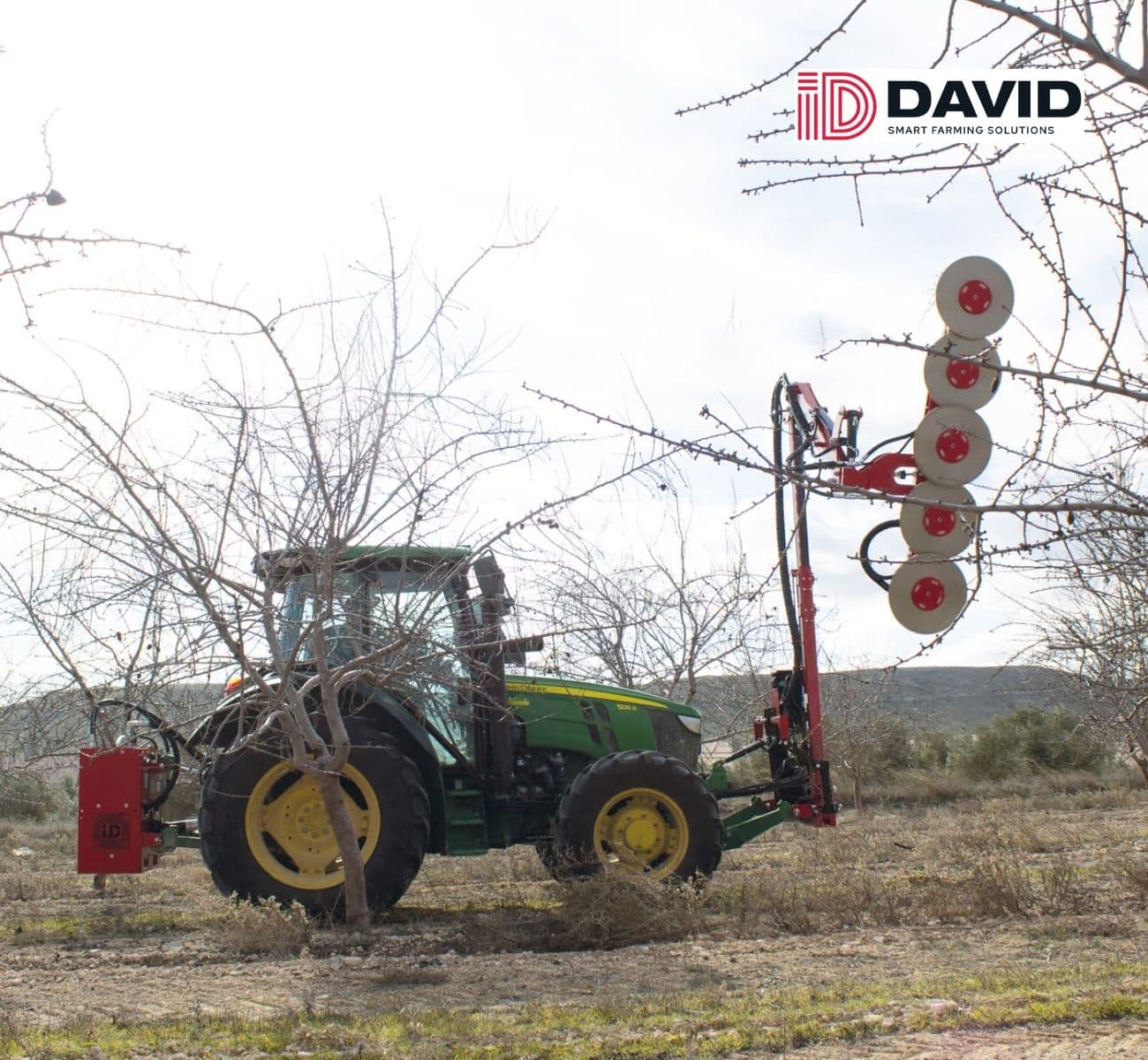
Anthracnose needs close attention: Izvor 10 and Silistrenski were rated susceptible in the Plovdiv trials (Dimitrov, 2023). The fungus overwinters on fallen leaves and nuts, so removing them reduces spring infection, and protective sprays start as leaves unfold or reach about half size (UC IPM; PNW Handbook). Mañez Lozano lists the Mega Twister S6 among its sprayers for walnut groves, and the ID DAVID ID-REX disc pruner makes side and top cuts up to 4.9 m.
Recommended Orchard Care & Maintenance Stages

Practical Tips for Walnut Orchard Care & Maintenance
Irrigate by soil moisture from early summer through nut fill; water stress in July and August cuts nut size and kernel fill.
Rake up and remove or destroy fallen leaves and nuts in autumn, as the anthracnose fungus overwinters on them.
Where anthracnose occurs, start protective sprays as leaves unfold and repeat at the label interval; wet springs raise the risk.
Replace weak seedling trees with grafted trees of standard varieties; Bulgarian research links low yields to seedling-origin trees.
Thin and clean the crown during fruiting so light and spray reach inside and alleys stay open for machines.
Record yield by block each season; blocks below the farm average show where to fix water, nutrition or disease first.

Walnut Harvesting in Bulgaria
In the Plovdiv trials, Izvor 10 and Silistrenski ripened in the first half of September, Yalova 1 and Şebin in the second half and Valmit after 26 September (Dimitrov, 2023). USDA's Foreign Agricultural Service notes that harvested area is usually below planted area because low yields often make harvesting uneconomic; young and abandoned plantings explain part of the gap too (Ministry of Agriculture and Food).
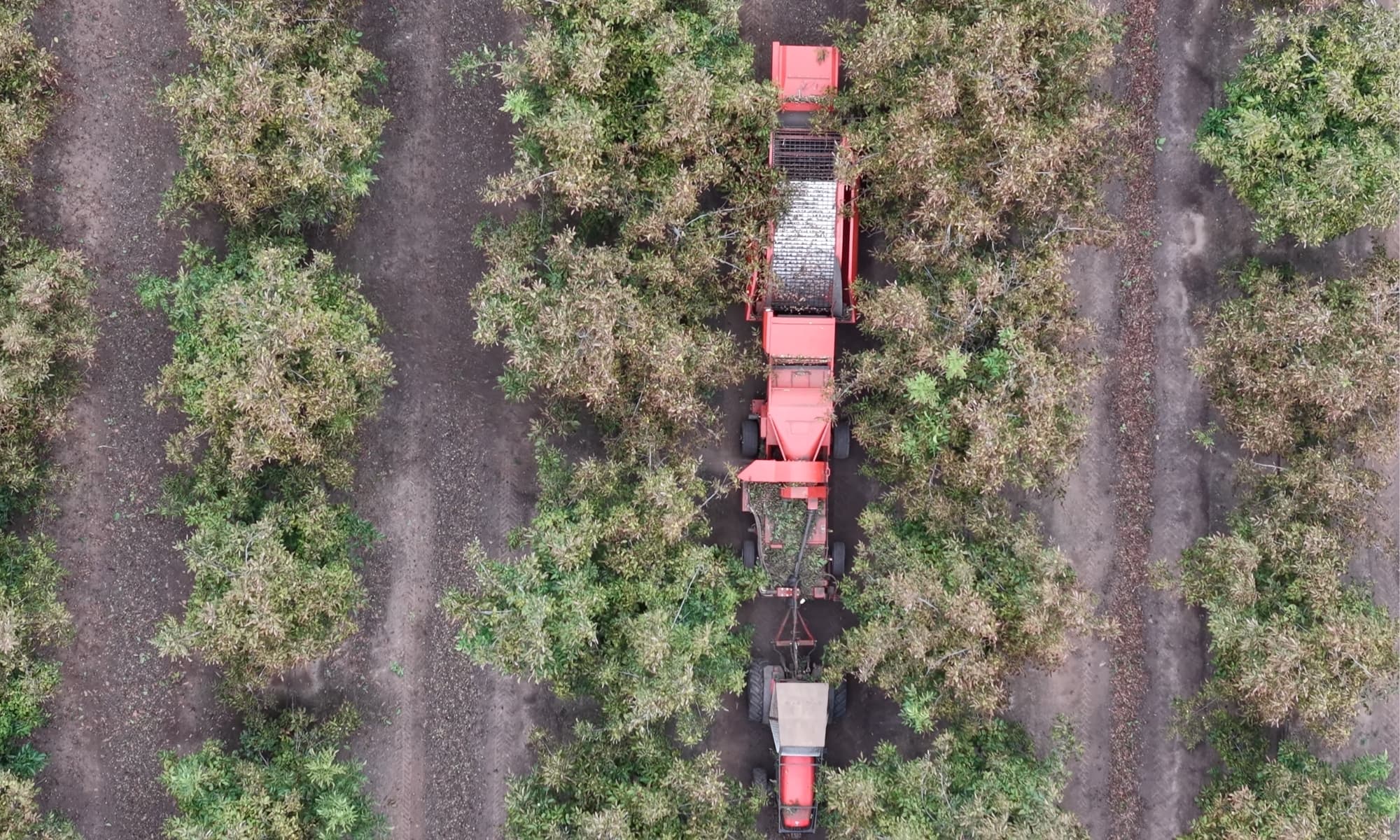
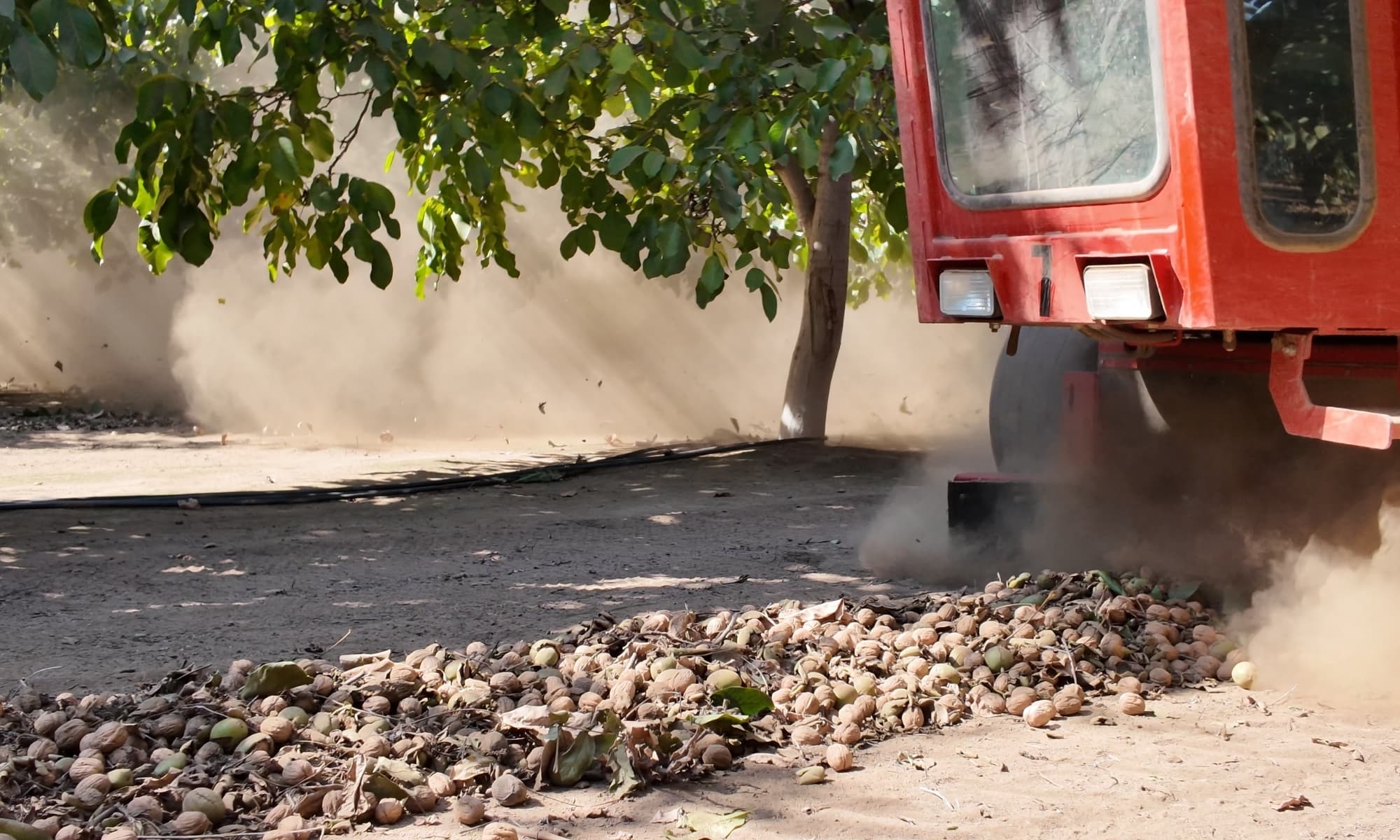
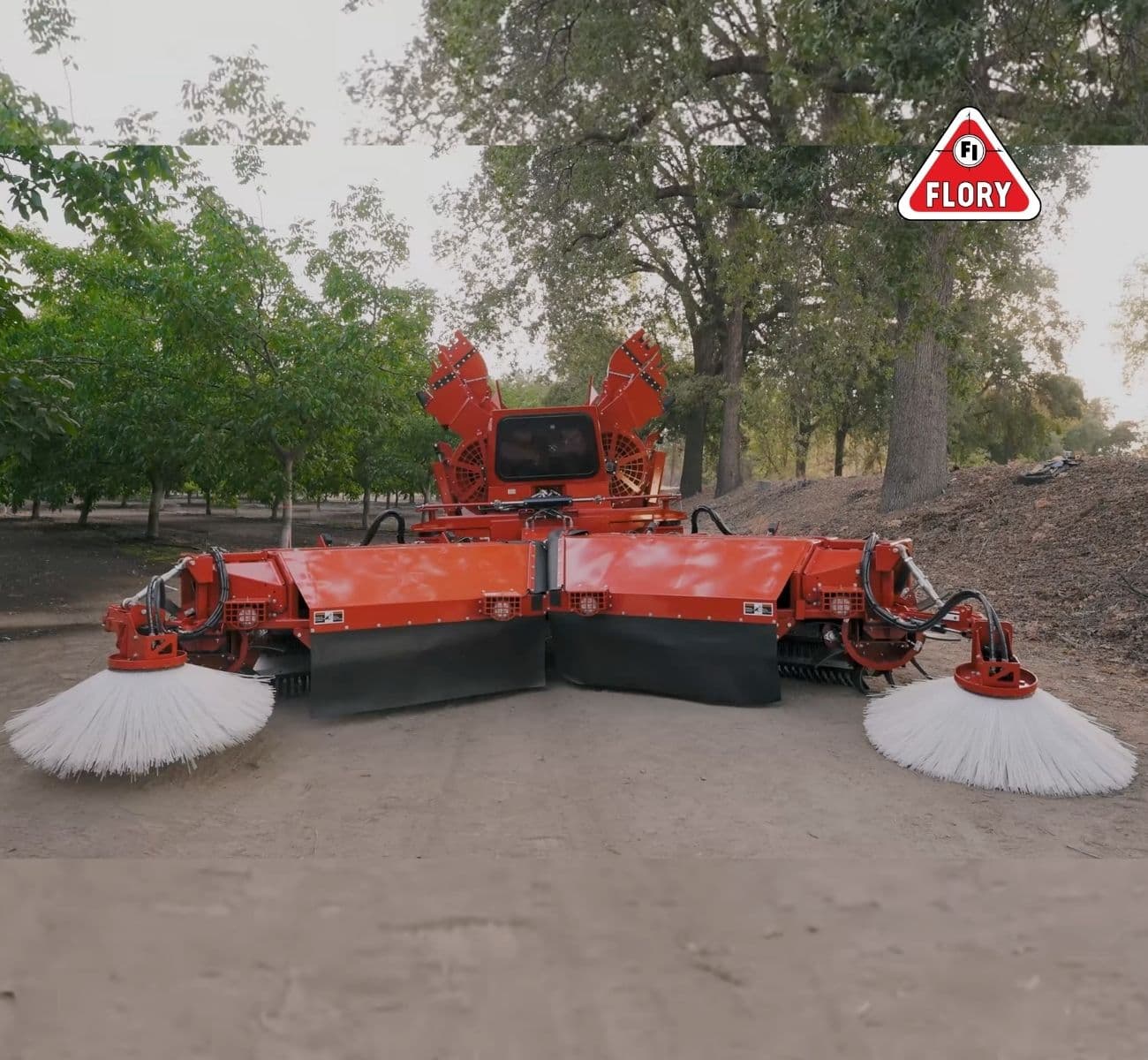
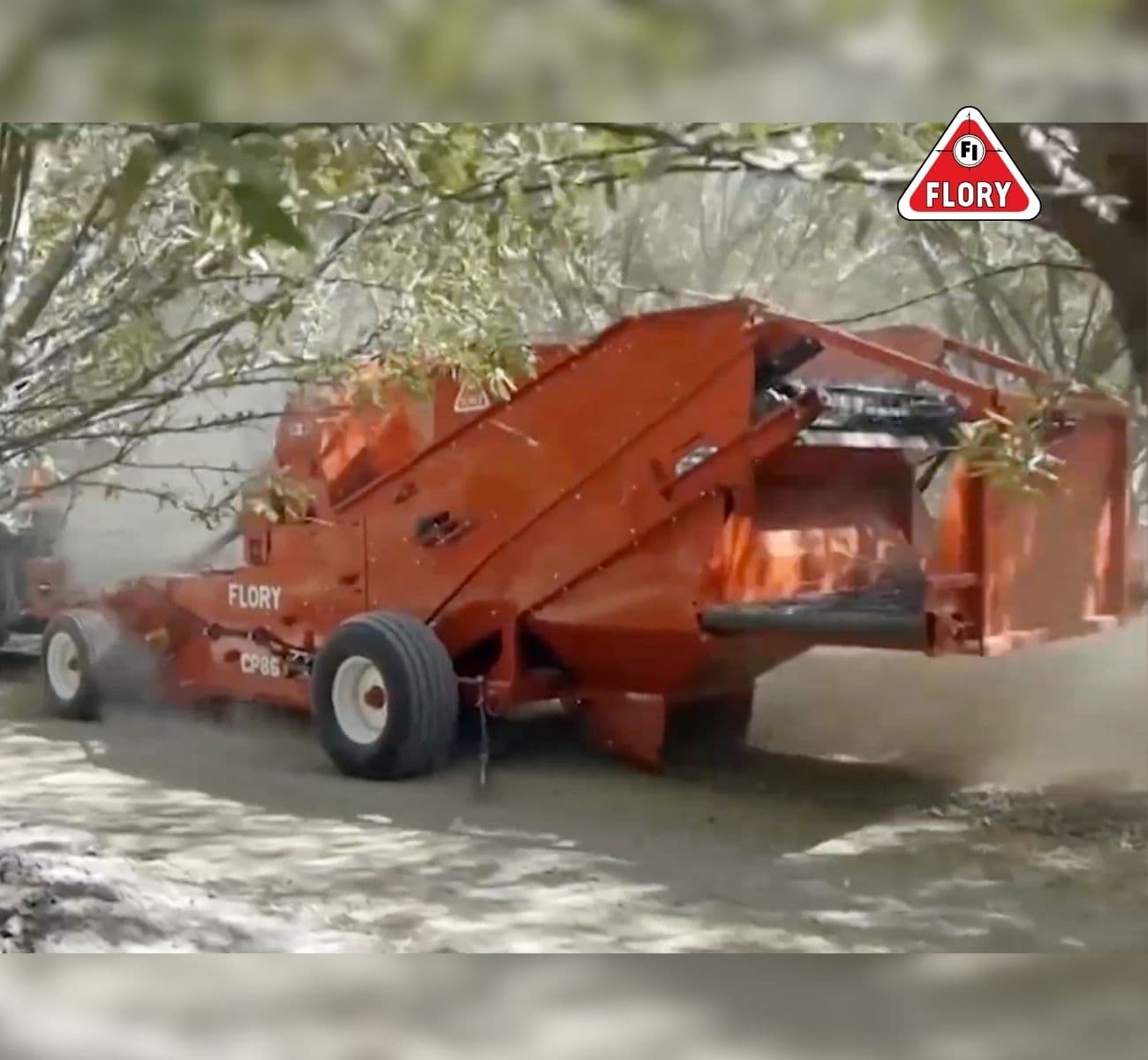
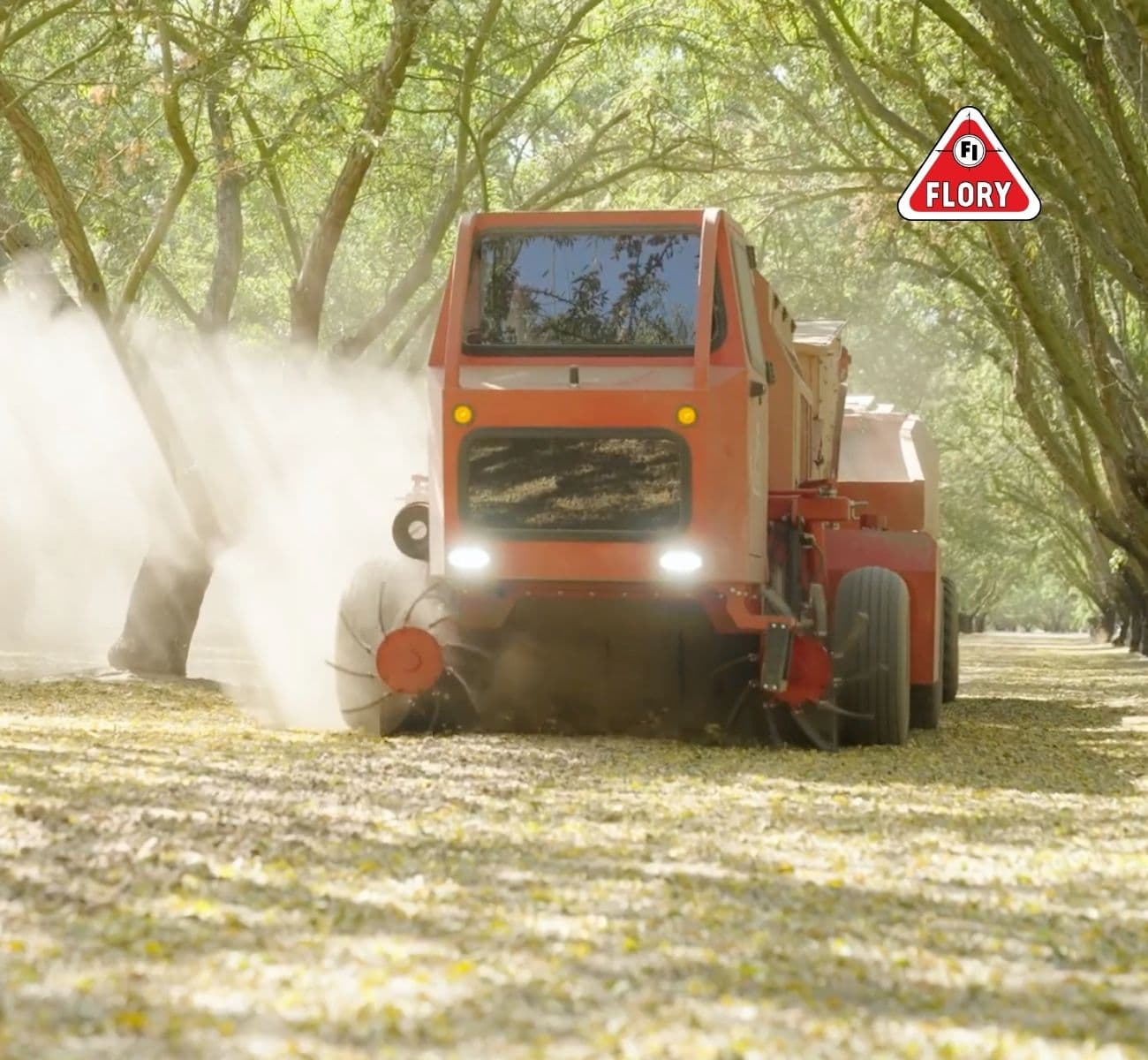
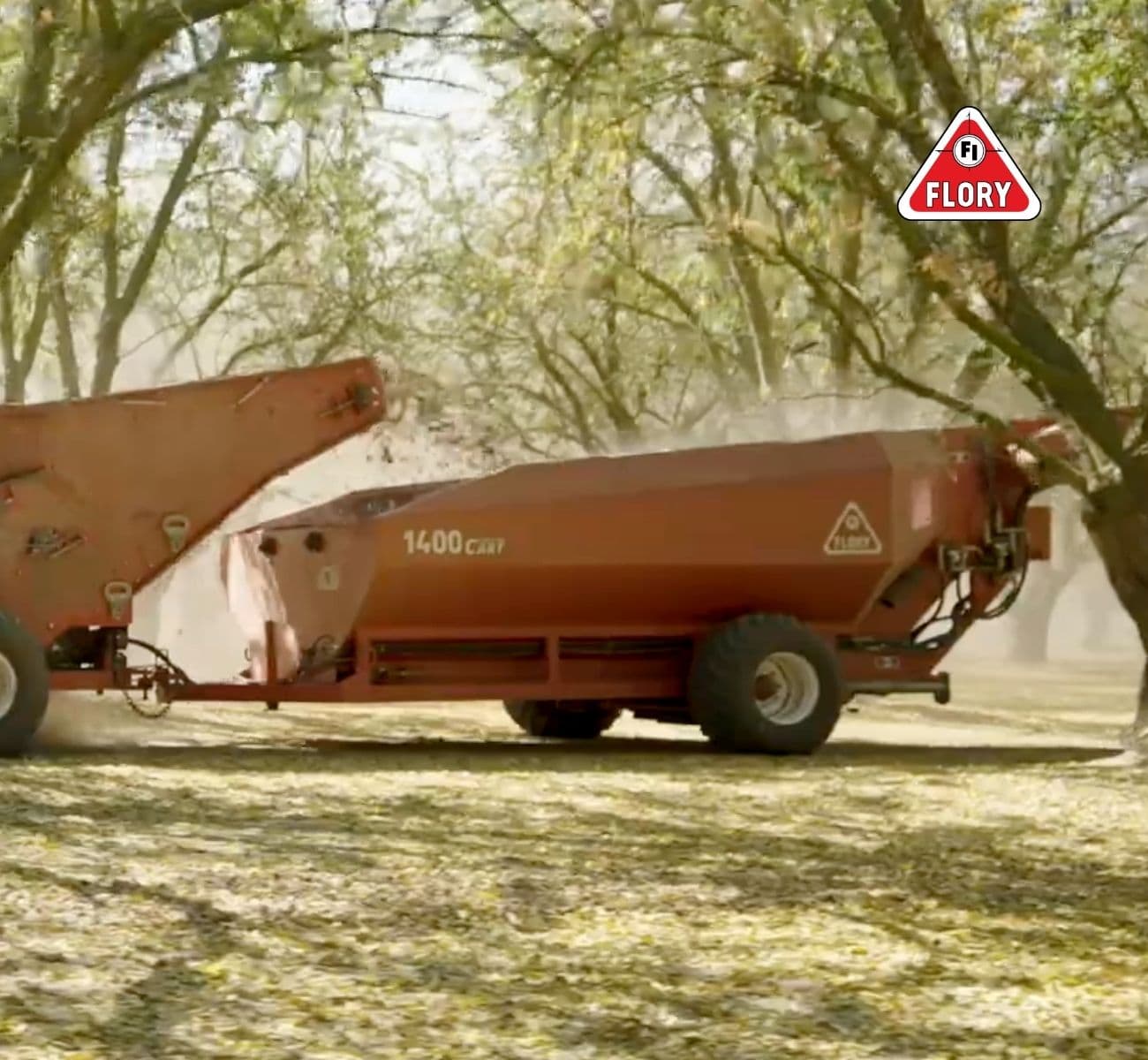
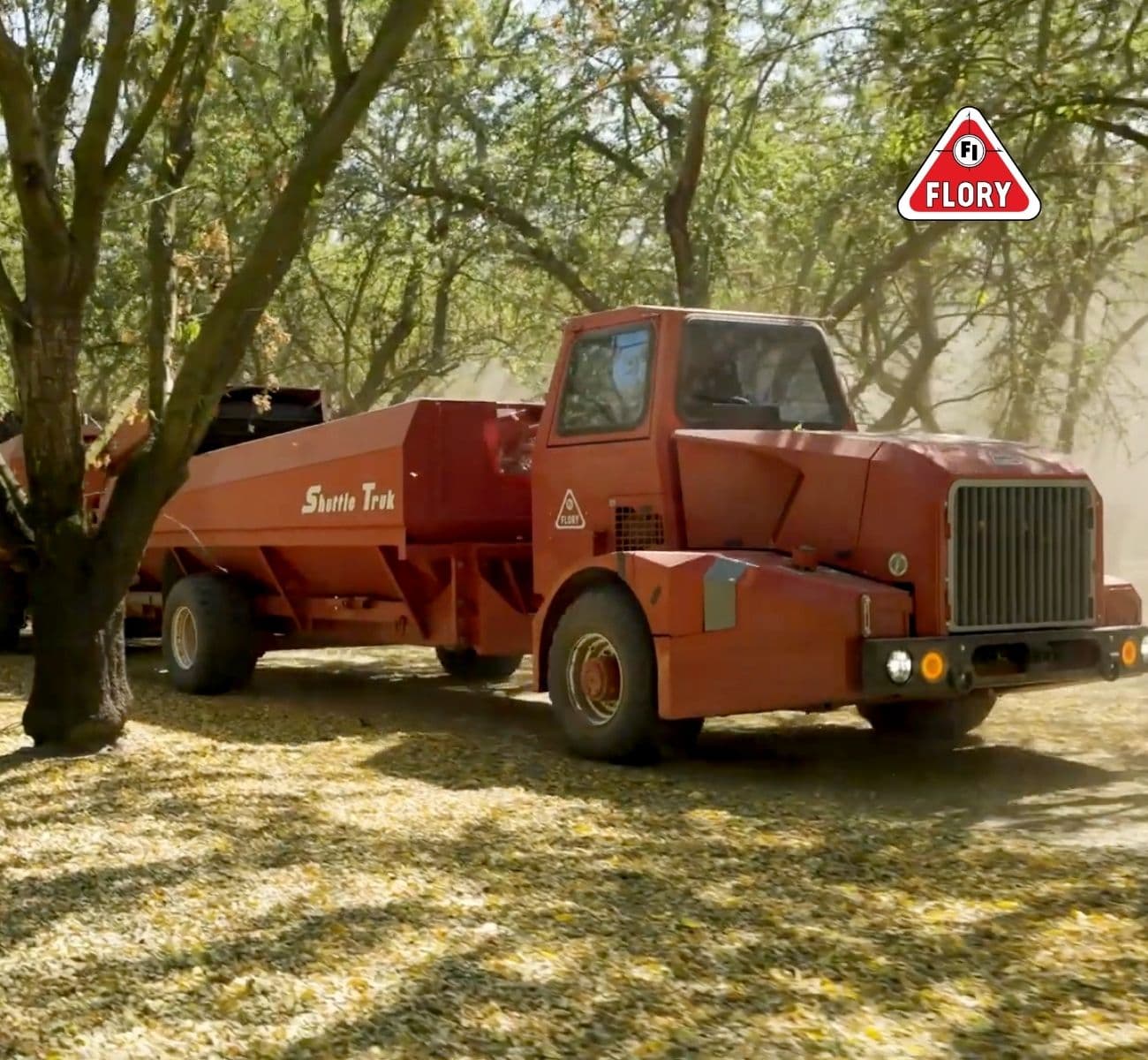
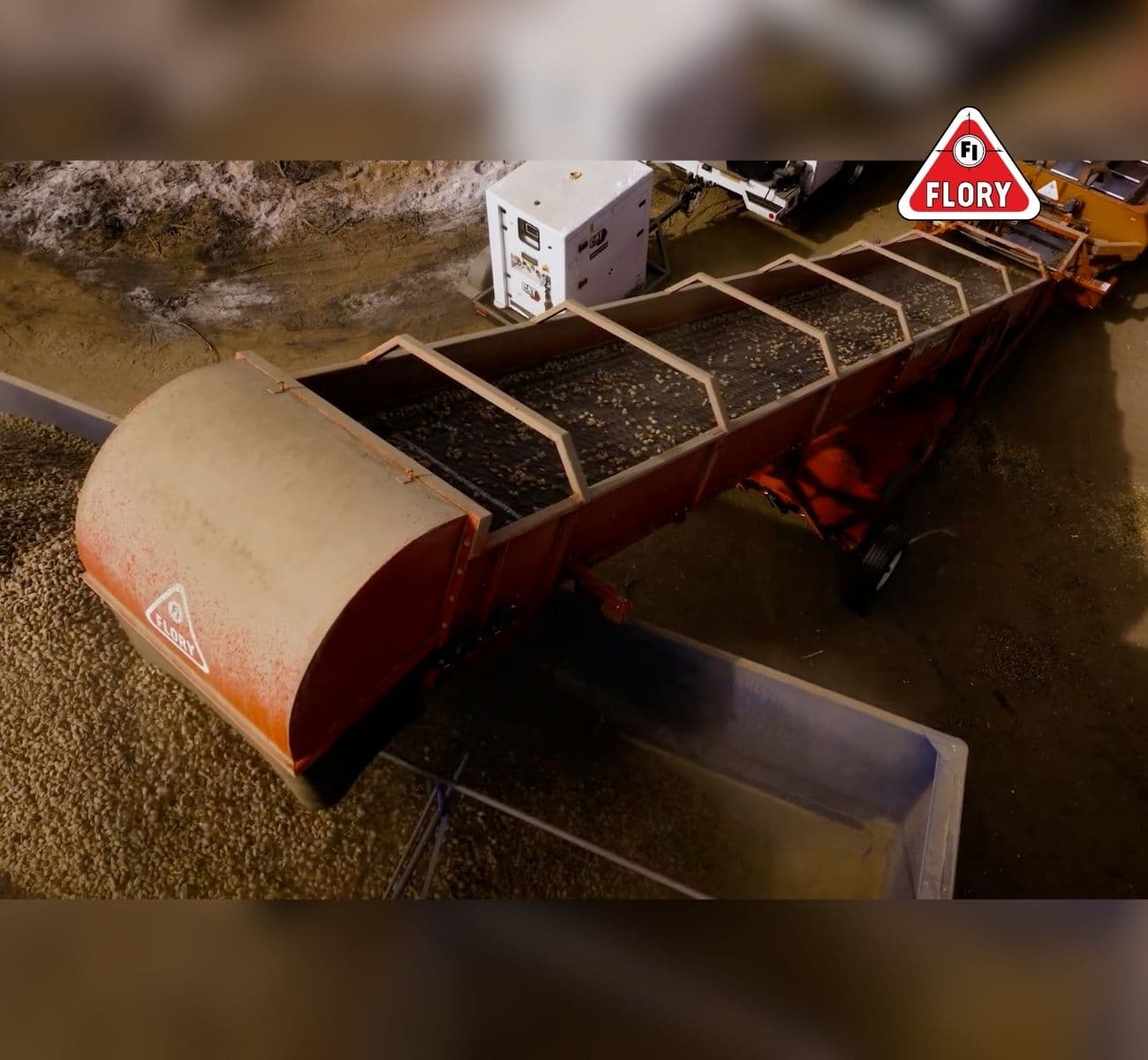
Flory on-ground harvesting machinery is available in Bulgaria through OVE Europe. A VR700 Shaker shakes each tree with programmable E-SHAKE settings, a V62 Sweeper forms windrows, and the self-propelled 8772 Harvester picks them up with low dust, while a 1500 Conveyor Cart, ST14 Shuttle and 4840 Field Elevator move the crop to the trucks.
Speed protects quality. University of California work shows that most quality loss happens in the first nine hours after shaking and that kernels darken faster in hot weather, so plan the machine set to pick up each block the same day and deliver it straight to hulling.
Walnut Harvest Workflow (Recommended Equipment)

Practical Tips for Walnut Harvesting
Harvest in waves: Izvor 10 and Silistrenski first, in the first half of September, later varieties in the second half.
Shake a block once most hulls have split, checking block by block, as varieties ripen at different times.
Before harvest, compare the expected yield of each block with harvest cost, and start with the best blocks.
Shake only what the harvester can pick up and deliver for hulling on the same day.
Several growers can share one machine set or hire a contractor, spreading machine cost over more hectares.
Train operators before the season; OVE Europe supplies Flory spare parts and trains operators on the machines it sells.
Get your recommended harvest setup
Enter orchard size, spacing, terrain, and target throughput—we’ll suggest a practical harvest workflow and equipment lineup.

Walnut Post-Harvest Handling & Processing in Bulgaria
The home market is growing faster than local supply: Bulgaria imported about 8,300 t of walnuts in 2024/25, 90% of them shelled, while exports of about 1,700 t went mainly to Greece, Albania and Kosovo (USDA FAS, 2026). Clean, light kernels from local orchards could compete for part of this demand if quality and price are right.
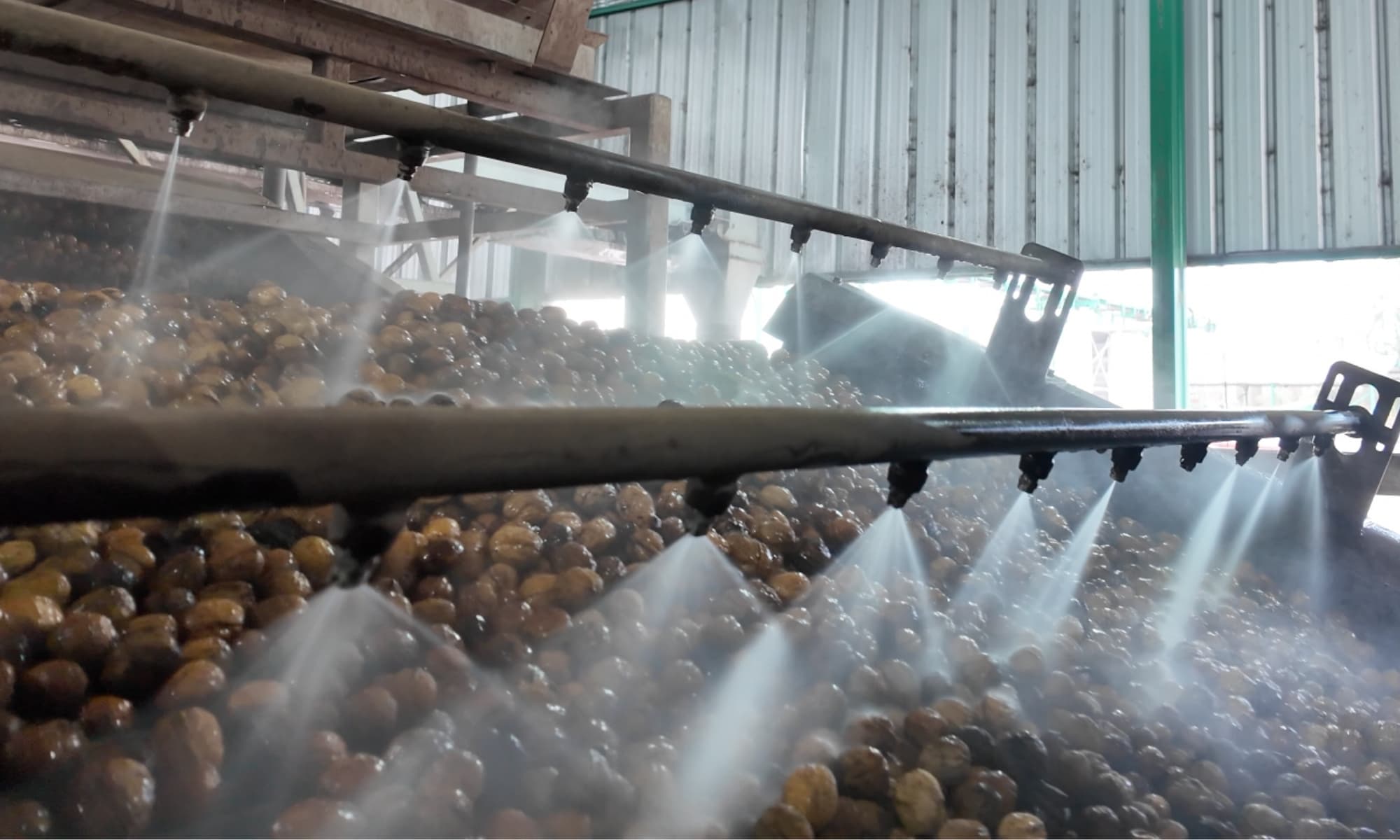
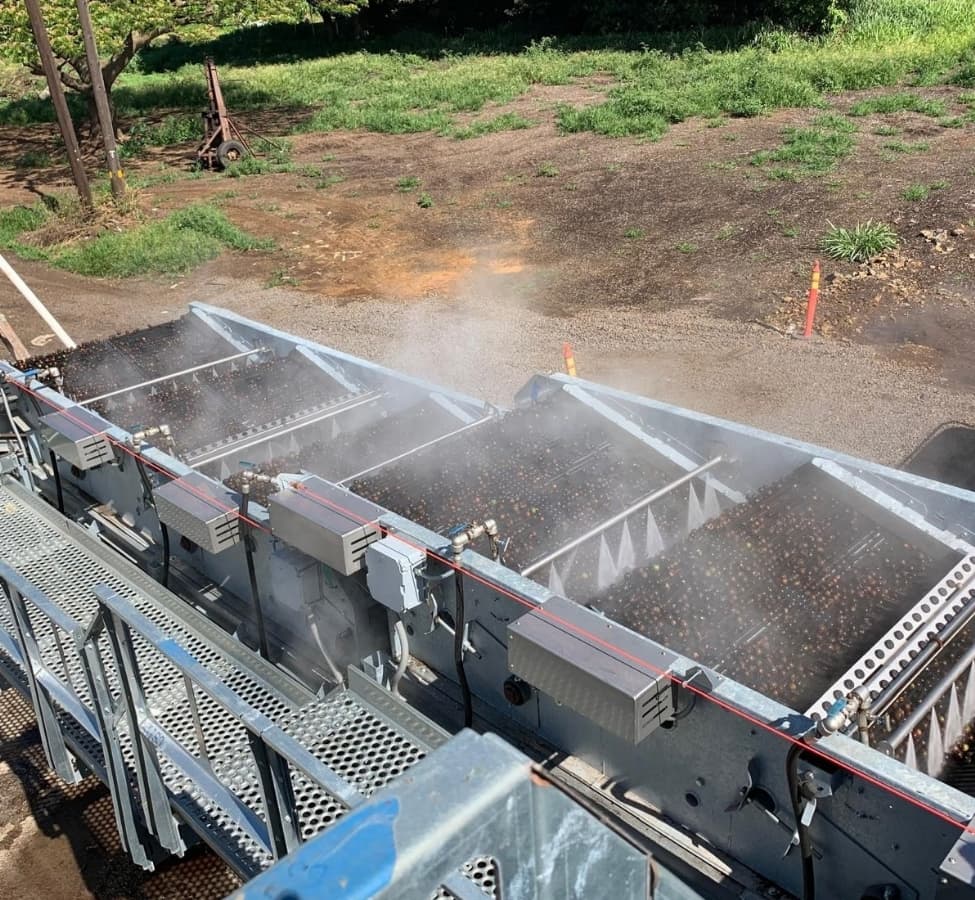
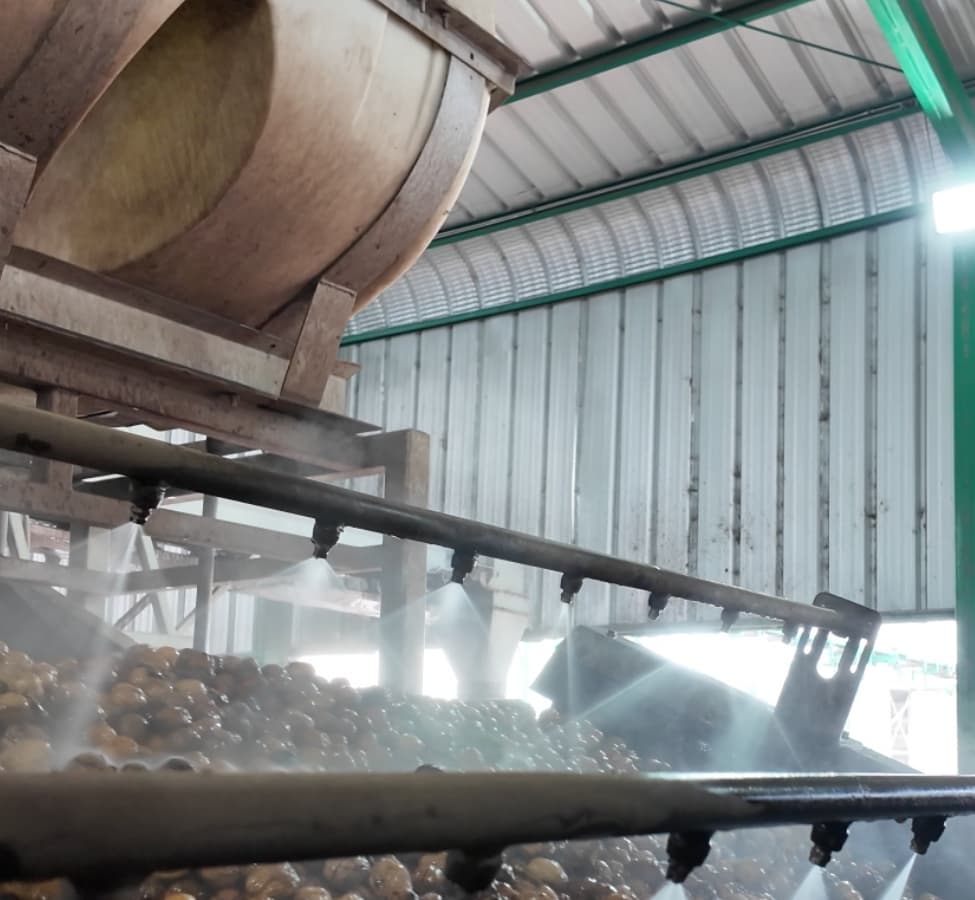
Hull and wash on the day of harvest, then dry gently: University of California guidance is about 8% moisture with air no hotter than about 43 °C. Drying in the sun darkens kernels (UC ANR), and nuts that are not fully dry are prone to mould and quickly turn rancid in storage.
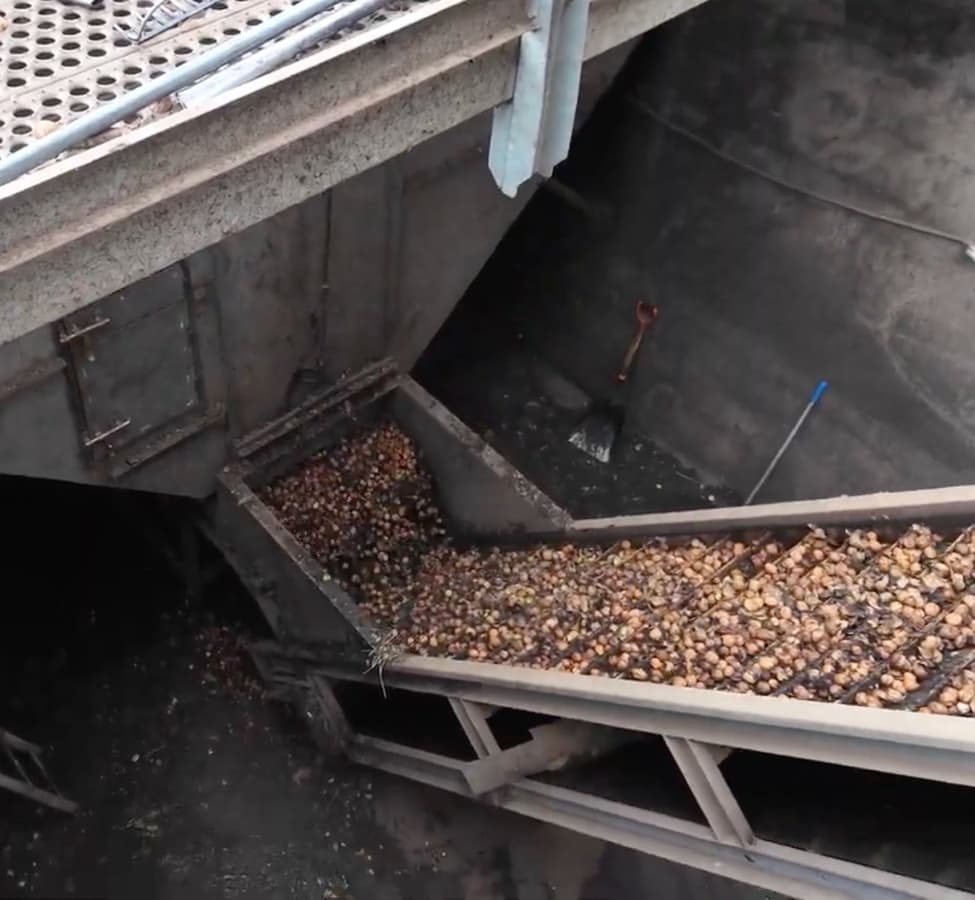
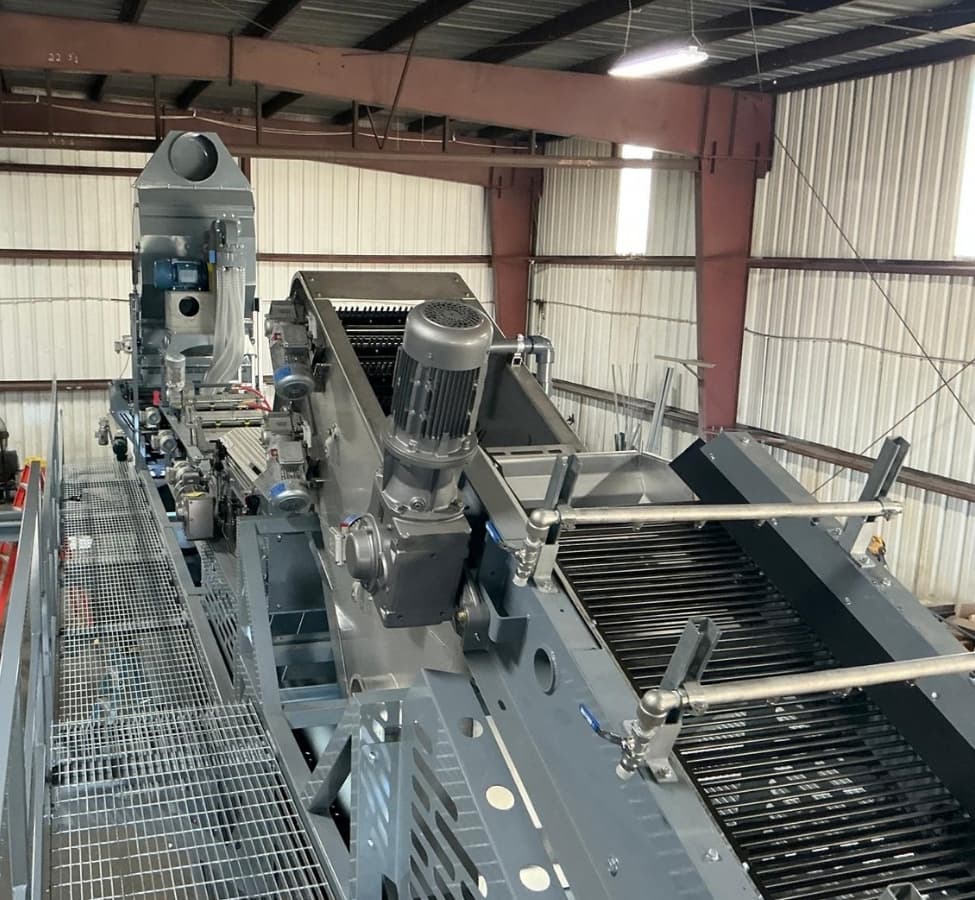
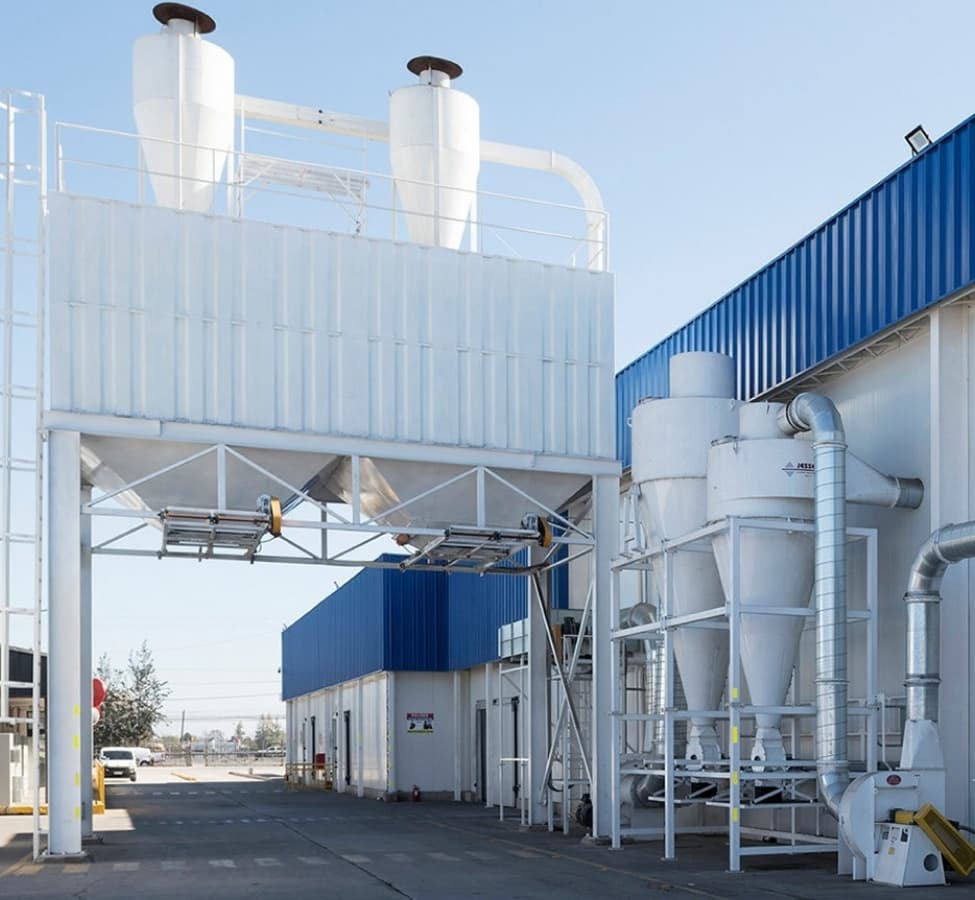
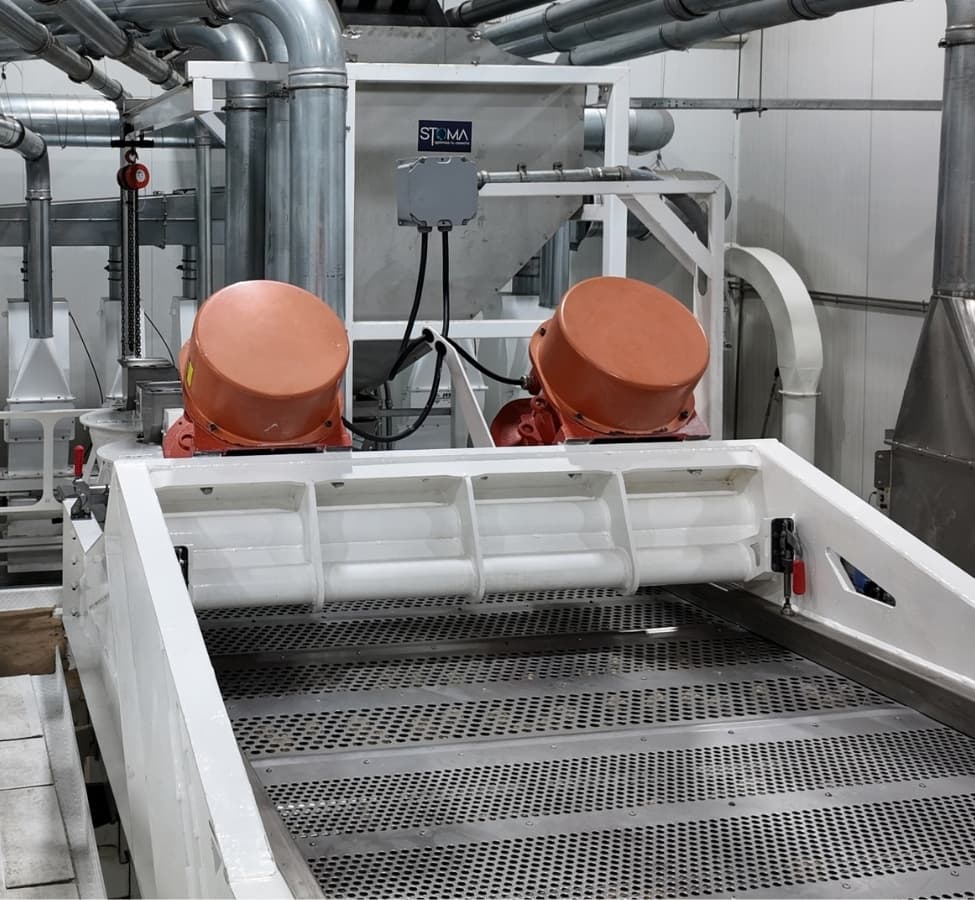
Jessee, whose processing lines OVE Europe supplies, builds hulling, drying, in-shell cleaning and sizing, and cracking equipment for walnuts; Jessee rates its standard hulling lines at 10 to 30 tons of output per hour. Smaller growers can share a hulling and drying point to reach the same standard.
Practical Tips for Walnut Post-Harvest Handling & Processing
Hull on the day of harvest: the longer hulls stay on, the more quality suffers, and washing after hulling helps prevent shell staining.
Dry with air at about 43 °C or below and stop near 8% moisture to protect kernel color.
Check moisture with a meter on a random sample of 20 to 30 nuts before storage; brittle kernels are only a rough guide.
Keep lots apart by variety and block, so each can be graded and sold on its own quality.
Store fully dried nuts in cool, dry rooms; warm storage makes kernels turn rancid faster.
Grade kernels by color and size before sale, so retail and confectionery buyers get uniform lots.
Recommended Post-Harvest Handling & Processing Stages


Plan your post-harvest line
Estimate tons/day, cleaning & drying capacity, storage needs, and cost/kg—then build your equipment plan in phases.