






Walnut Orchard Establishment in Croatia
Croatia's continental lowlands have no markedly dry months (Croatian Meteorological and Hydrological Service), yet annual rainfall ranges from about 650 mm at Osijek in the east to 800 to 1,200 mm in central Croatia (1961 to 1990), and the east has a rain deficit from April to September. Late spring frost is a key risk: after heavy frost damage in 1979 to 1982, a Croatian walnut breeding program switched to later-leafing types.
Croatia's official variety list (September 2025) includes 25 walnut cultivars, among them Franquette, Geisenheim 139, Šejnovo and Drjanovski, with Chandler added in 2018 and Lara, Fernor and Fernette in 2021. An Osijek-Baranja orchard planted Geisenheim 139, Franquette and Šampion in 2015 and Chandler with Franquette in 2018. Croatian sources advise cultivars that start growth later, since newly emerged shoots freeze at −1 to 0 °C.
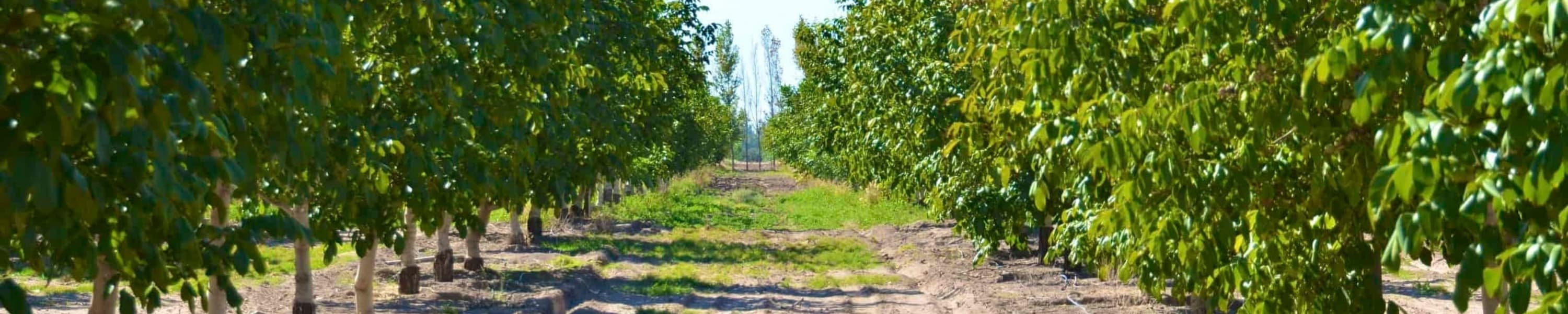
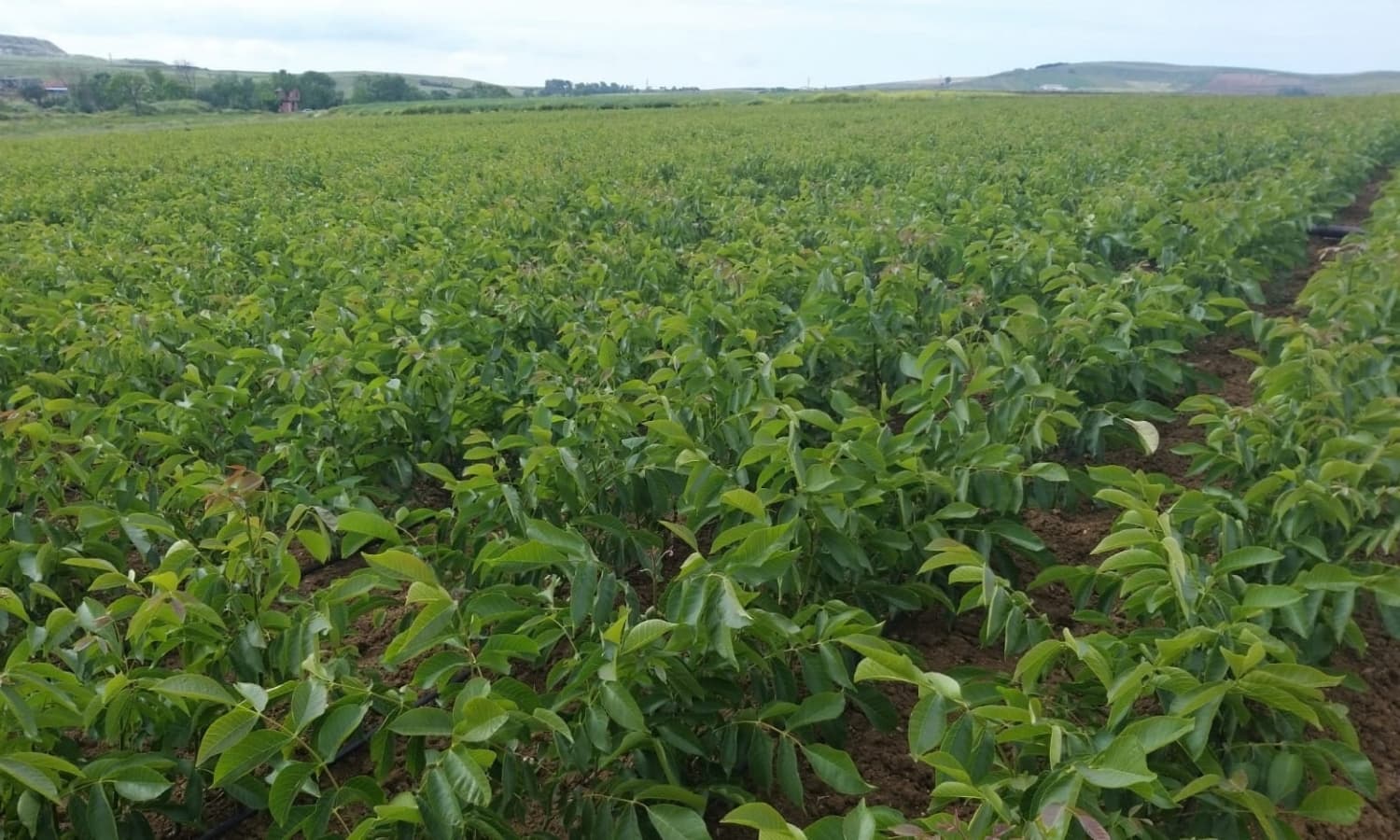
Walnut in Croatia is usually planted from 10 × 10 m (100 trees per hectare) to 5 × 5 m (400 trees per hectare) for intensive orchards of smaller, lateral-bearing cultivars; documented orchards use 8 × 7 m, 10 × 10 m and 8 × 5 m. Grafted trees may bear first nuts in year 3 or 4 but give significant yields only from about year 8. Plan irrigation and machine lanes before the first tree goes in.

Practical Tips for Walnut Orchard Establishment
Choose sunny, open and airy sites with less frost risk, and avoid frost pockets and wet soils, as Croatia's 2014 integrated production guidelines advised.
Favor cultivars that start growth later; shoots that have just emerged can freeze at −1 to 0 °C in a late frost.
Buy healthy, grafted trees of registered cultivars; Croatian rules allow 0% regulated non-quarantine pests on walnut planting material.
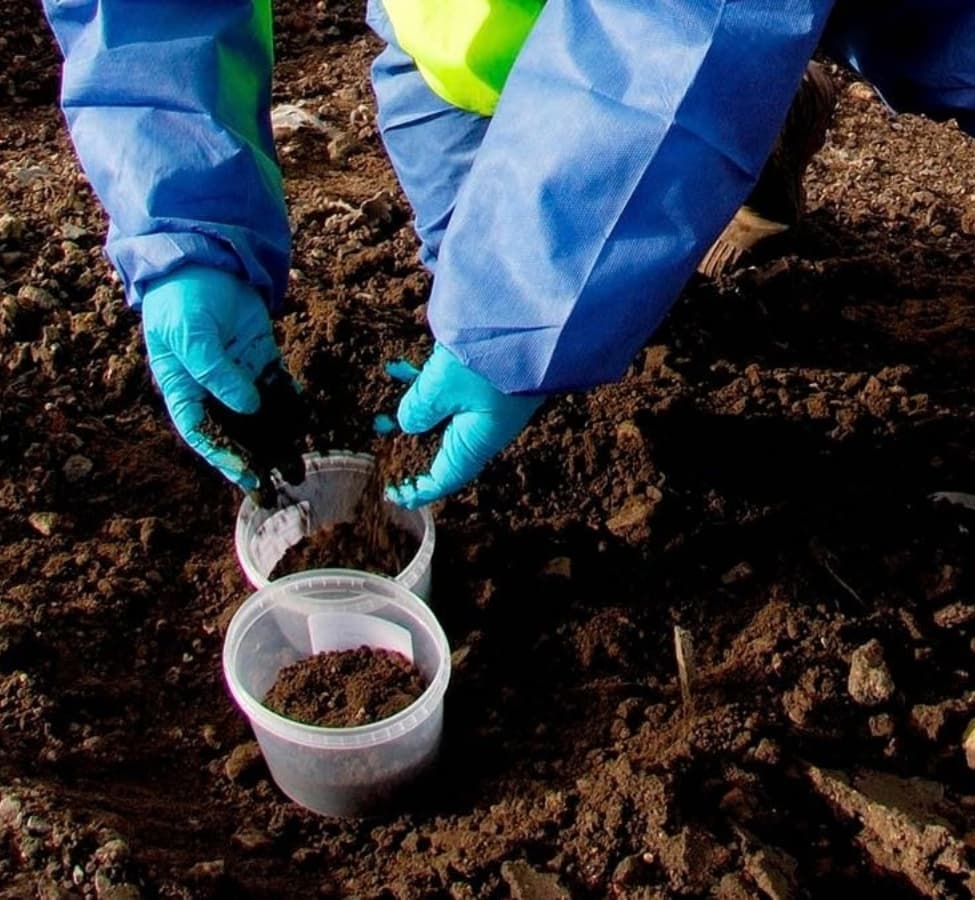
Analyze the soil before planting and again every five years, as Croatia's 2014 guidelines required.
In the east, plan irrigation for the April to September rain deficit; an Osijek thesis recommends micro-sprinklers to wet more of the root zone.
Run rows north to south for even light, as one Osijek-Baranja orchard does, and leave headlands wide enough for harvesting machines.
Recommended Establishment Stages




Walnut Orchard Care & Maintenance in Croatia
Walnut husk fly (Rhagoletis completa) has spread quickly: a 2013 survey found it in six of seven counties sampled. At Šenkovec in Međimurje, first flies were caught between 11 July and 1 August in 2011 to 2013, with peaks from 7 August to 5 September. In the same study, kernels of infested nuts from an orchard at Prelog were 5.81% lighter and lower in protein (Barić et al., 2015). Croatia's 2014 integrated production guidelines advised yellow sticky traps in the canopy from the end of June and collecting infested fruit.
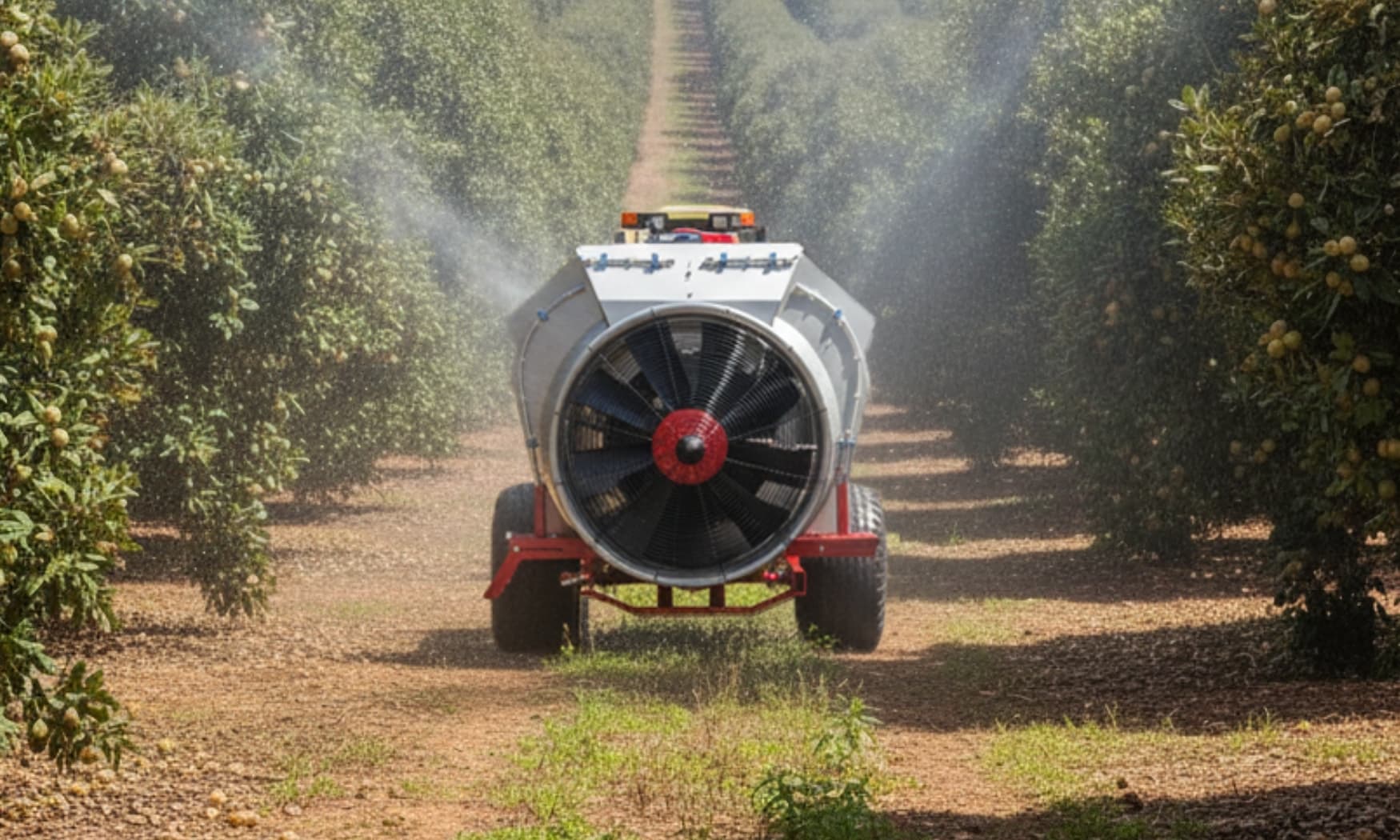
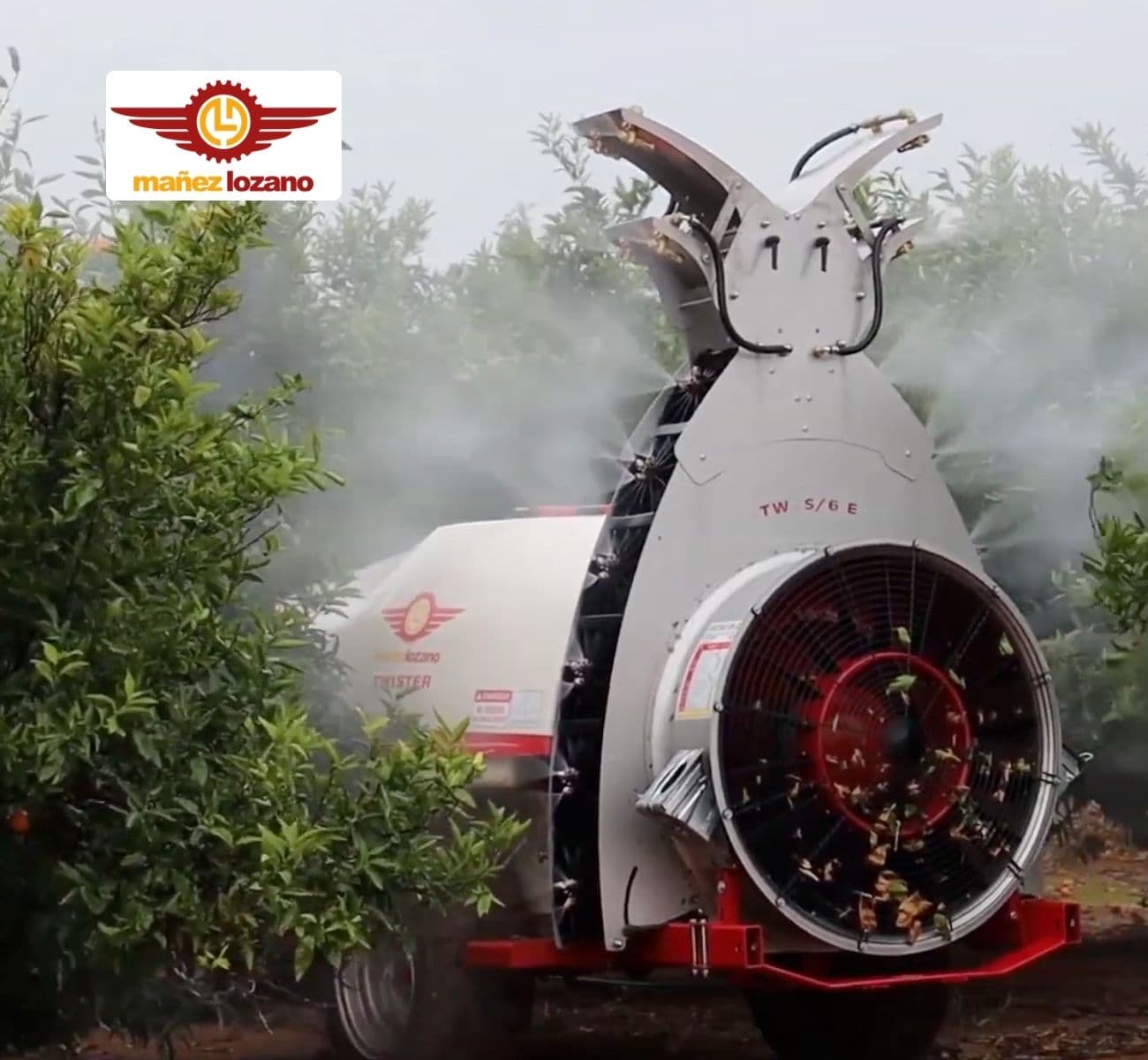
Walnut blight (Xanthomonas arboricola pv. juglandis) is present in Croatia but occurs less often than walnut anthracnose (Ophiognomonia leptostyla), according to a plant health document on the website of HAPIH, the national agriculture and food agency. Codling moth caterpillars also bore into walnuts. Croatia's 2014 integrated production guidelines relied on healthy planting material, airy sites and open crowns, removing fallen leaves, and spraying only when monitoring showed a need.
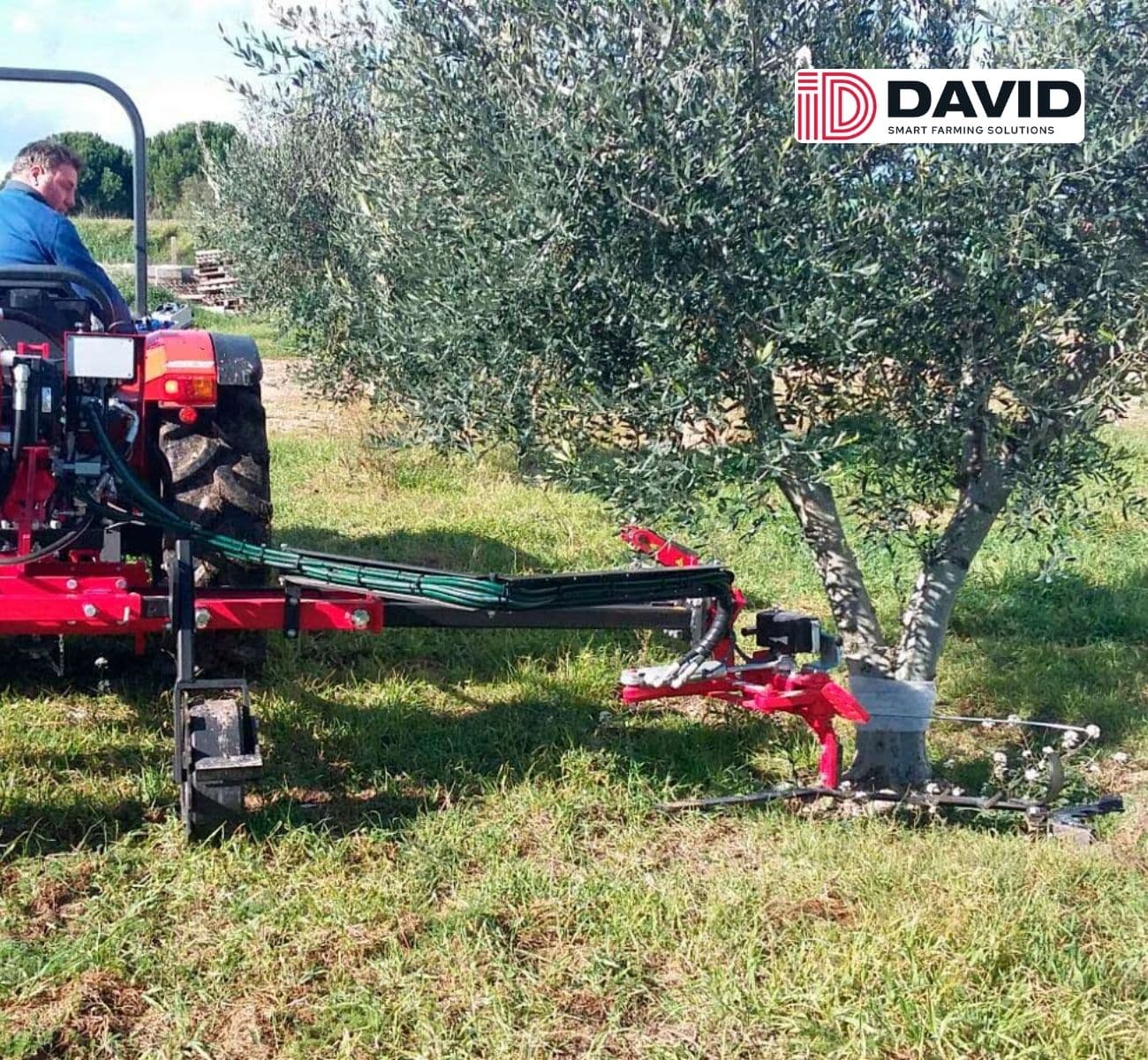
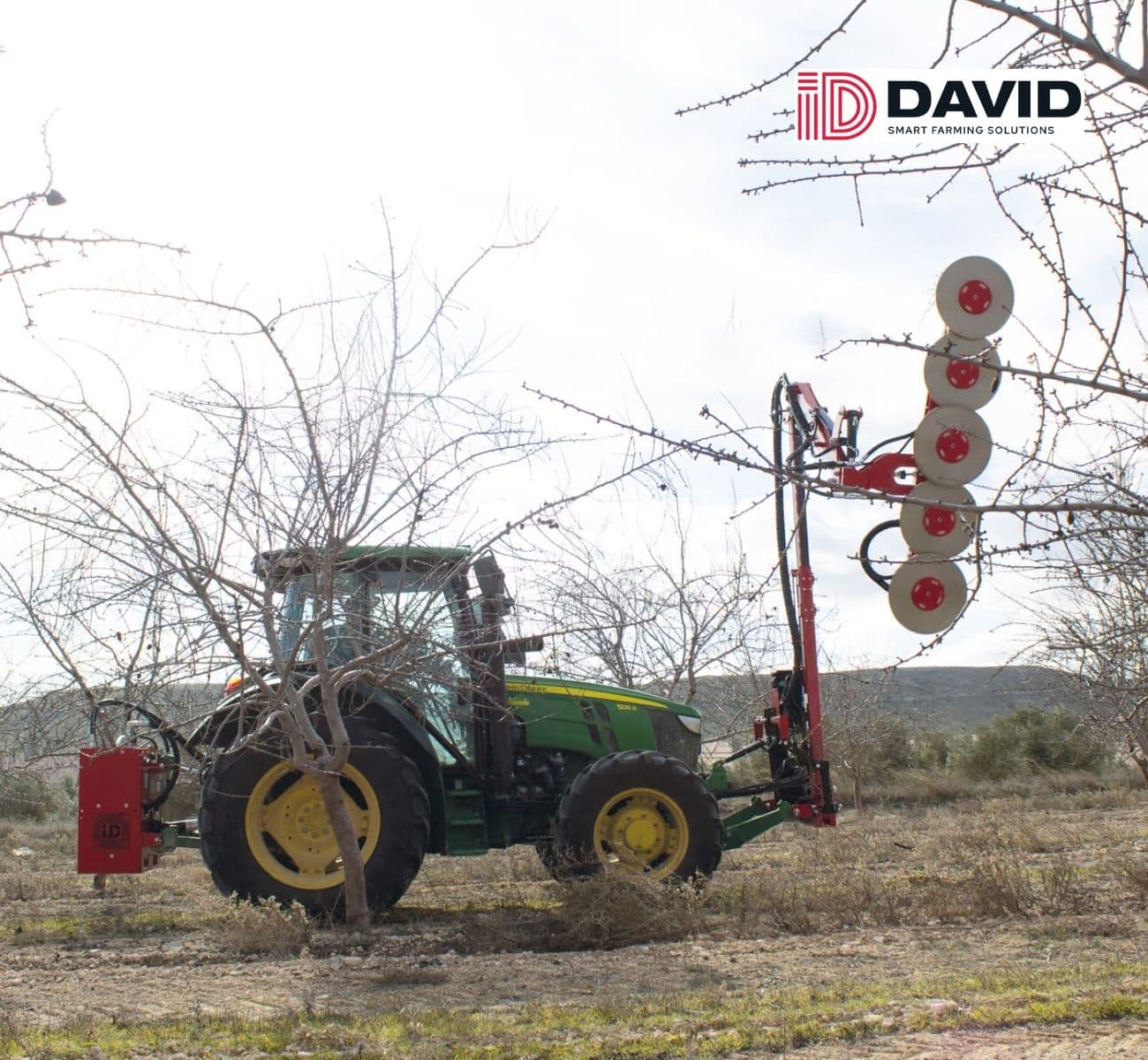
The same guidelines capped nitrogen for walnut at 120 kg per hectare a year, recommended grass between the rows and called for the inter-row to stay covered from 15 November to 15 February. Train young trees to one straight trunk with room for a shaker clamp, keep crowns open, and before harvest mow and level the orchard floor so nuts can be swept and picked up cleanly.
Recommended Orchard Care & Maintenance Stages



Practical Tips for Walnut Orchard Care & Maintenance
Hang yellow sticky traps for husk fly in the canopy at the end of June, check them until late September, and ask advisers about current control options.
Collect infested fruit with larvae; Croatia's 2014 guidelines said this greatly reduces husk fly numbers and next year's damage.
Rake up or plow in fallen leaves and fruit in autumn to reduce walnut anthracnose in the following season.
Disinfect pruning tools and cut out infected branches; Croatia's 2014 guidelines listed both measures against walnut blight.
Follow codling moth flights with pheromone traps, since its caterpillars also bore into walnuts, and spray only when catches justify it.
Protect young trees from game with mesh guards; Croatia's largest grower reports wildlife damage that forces constant replanting.

Walnut Harvesting in Croatia

Croatian sources say little about how walnuts are harvested today. October is the month of ripening and gathering, and Drjanovski and Šejnovo ripen around 10 October. A 2016 study of a small farm near Orahovica found walnuts gathered by hand, while a land-improvement plan for one Osijek-Baranja orchard levels the ground so nuts can be picked up by machine.
Shake when hulls split and the packing tissue between the kernel halves has just turned brown, when kernels are lightest and most valuable (University of California). Pick up, hull and dry the nuts quickly: most quality loss happens in the first 9 hours after harvest. Where husk fly is present, damaged hulls blacken and stick to the shell, so such nuts are harder to hull cleanly.
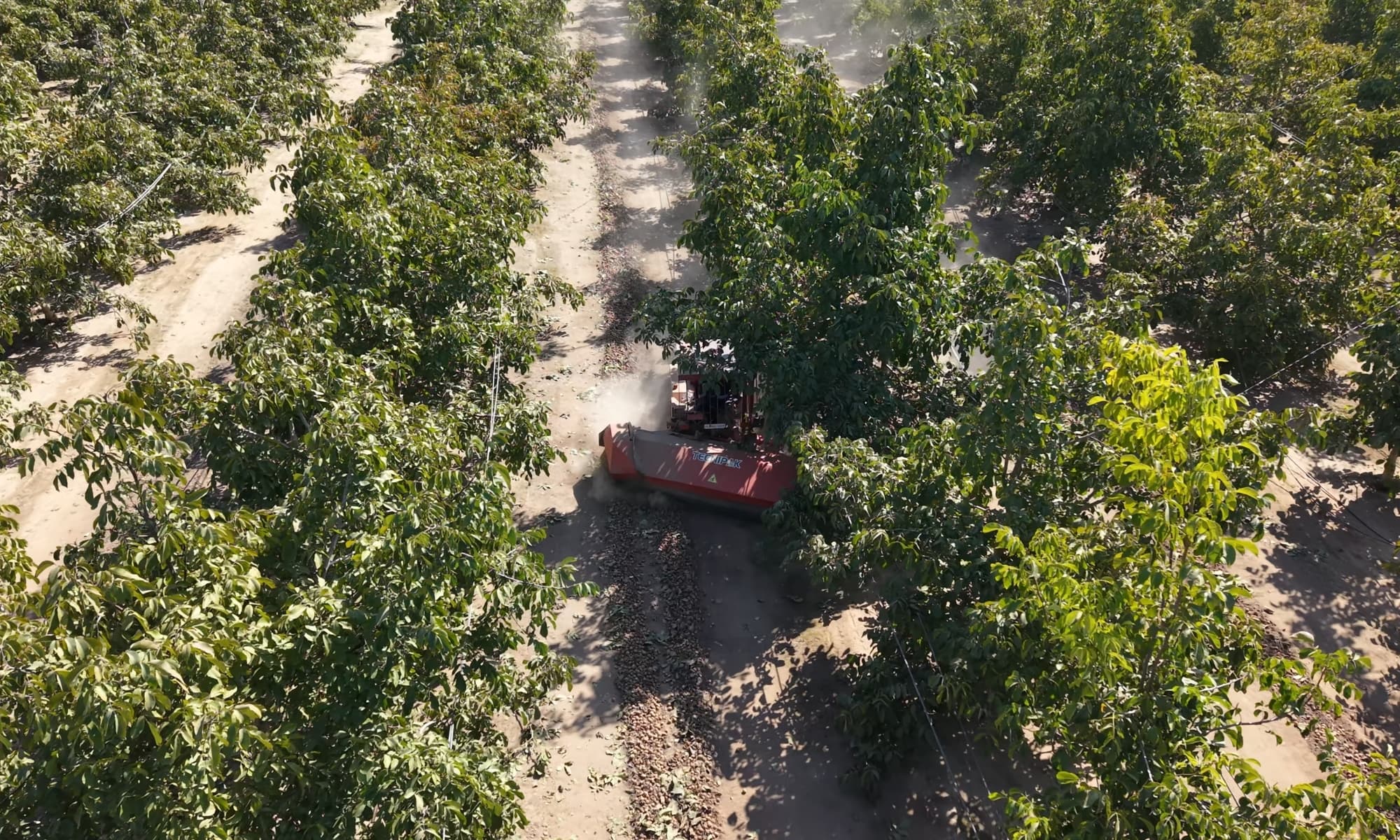
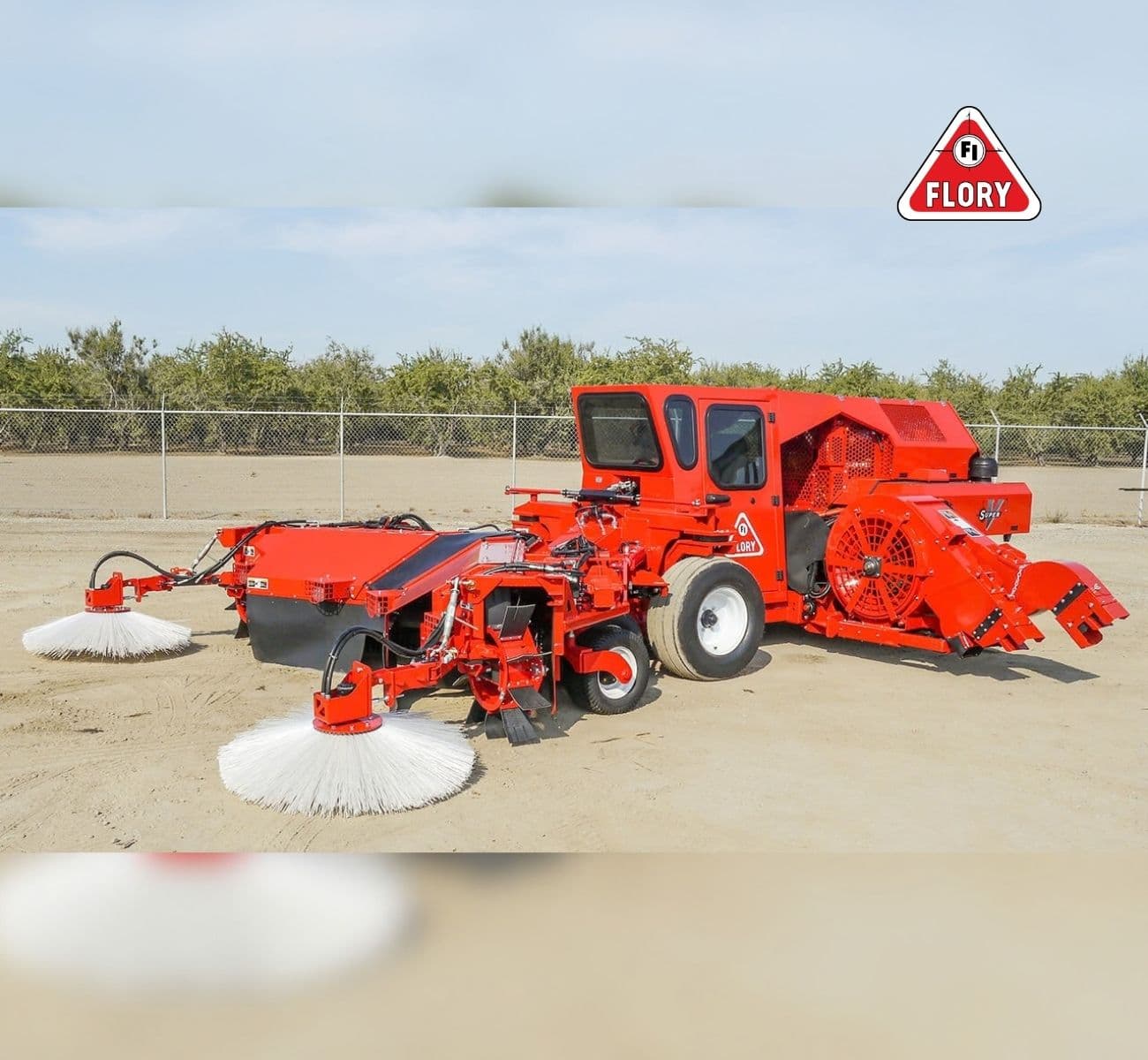
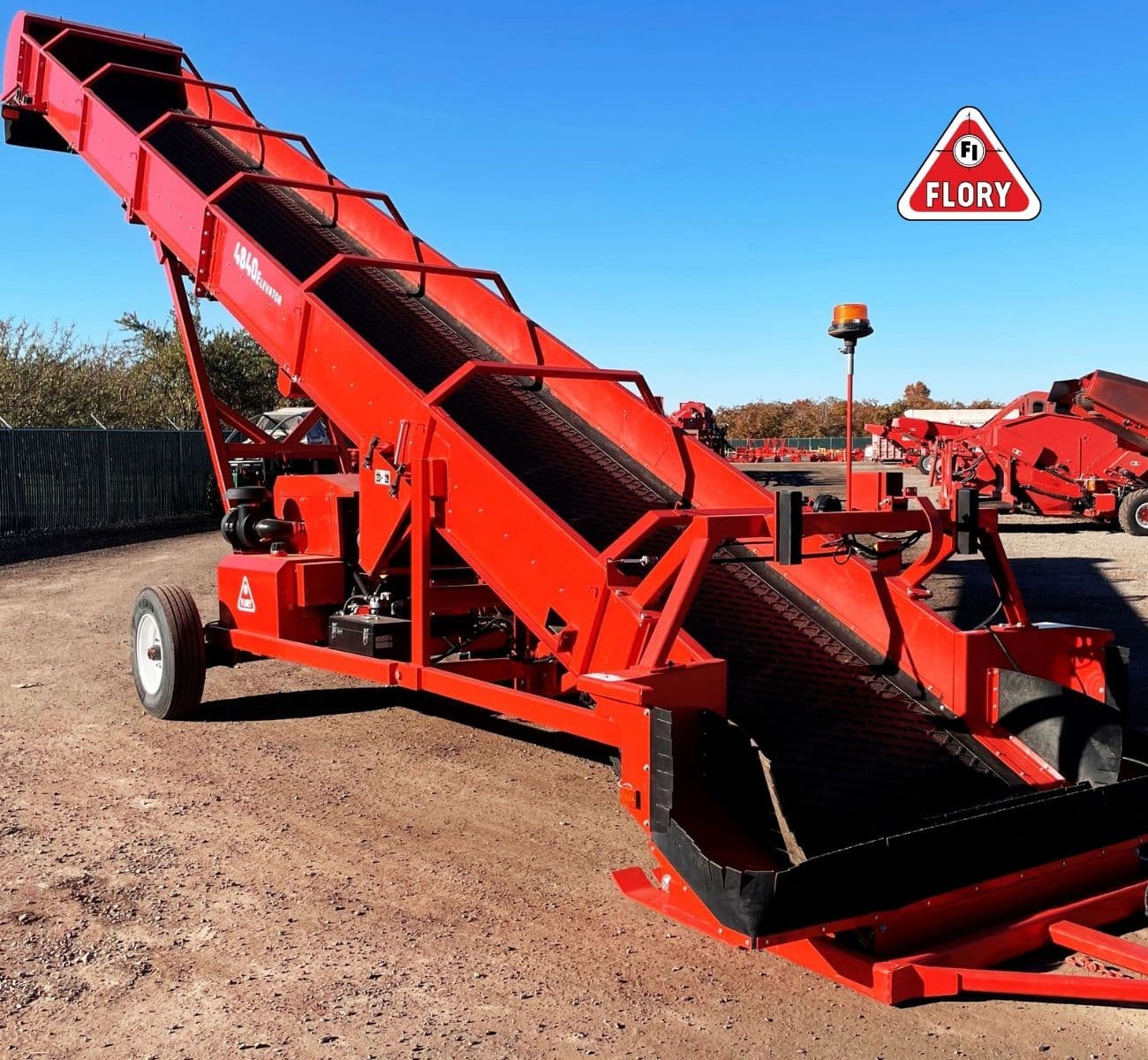
A mechanized line shakes, sweeps and picks up each block on time, so nuts wait less on the ground and fewer hands are needed. In 2023, 35% of Croatia's farm managers were 65 or older (Eurostat), and the largest walnut producer, with 131 ha, has four registered employees (Lider, 2025). The line runs from a trunk shaker and sweeper to a harvester, conveyor cart, shuttles and a field elevator, and Flory harvesting machinery is available in Croatia through OVE Europe.
Walnut Harvest Workflow (Recommended Equipment)





Practical Tips for Walnut Harvesting
Start shaking once hulls split and the packing tissue has browned; kernels are then at their lightest and most valuable.
Harvest blocks in the order their cultivars ripen, so one set of machines can cover the whole orchard in October.
Pick up shaken nuts the same day: kernels darken faster in warm weather, and most quality loss happens within 9 hours of harvest.
Aim to harvest on dry ground where possible; a Croatian orchard study notes that dry soil makes gathering easier.
Check clamp pads and shaking time on young trees before the season, since many Croatian orchards are still young.
Keep nuts with blackened, sticky hulls from husk fly as a separate lot, since their kernels may be darker, moldy or lighter in weight.
Get your recommended harvest setup
Enter orchard size, spacing, terrain, and target throughput—we’ll suggest a practical harvest workflow and equipment lineup.

Walnut Post-Harvest Handling & Processing in Croatia
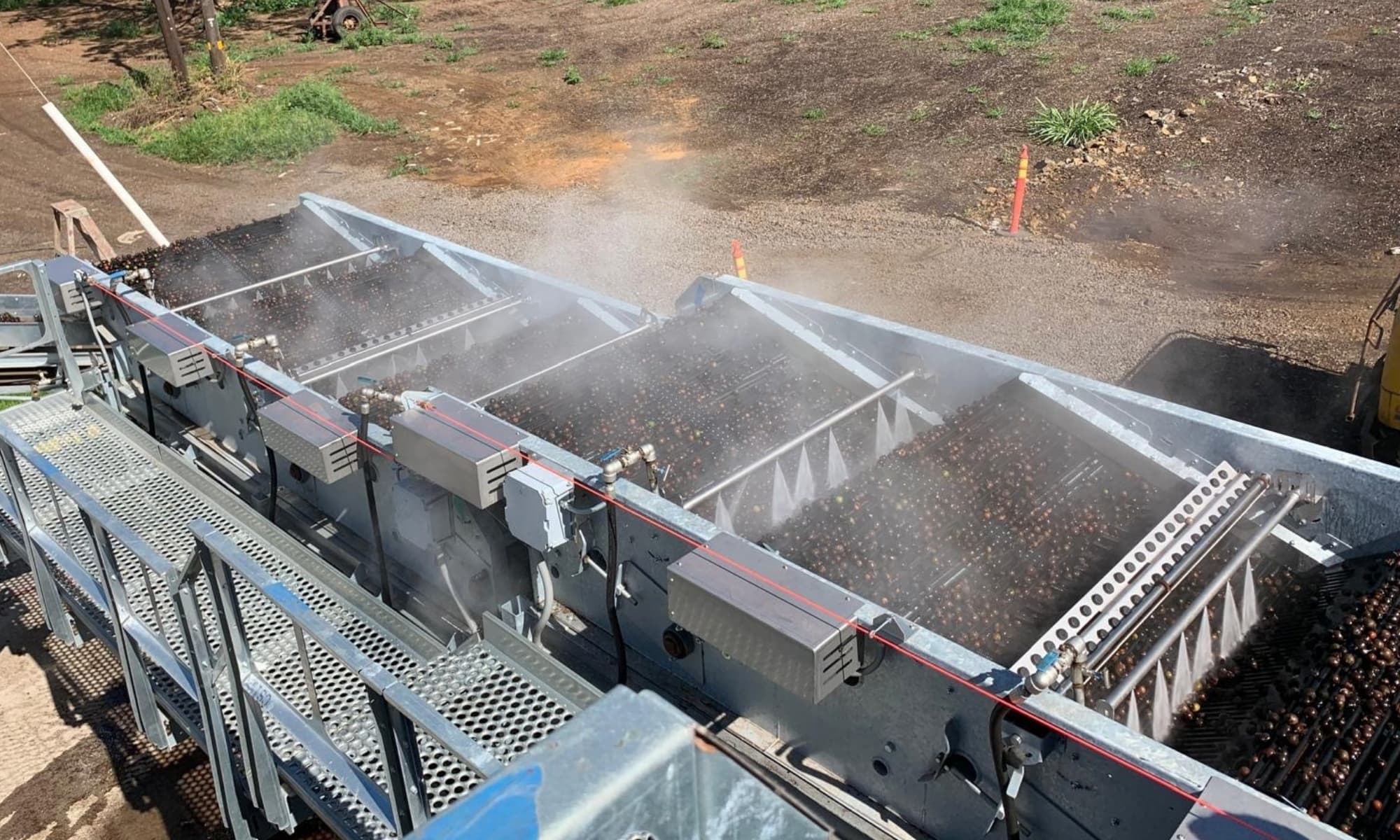
Croatian sources say little about hulling and drying, so general guidance applies: dry the nuts to 8% moisture, measured on the whole nut, with air no hotter than 43 °C, since hotter air darkens kernels and shortens storage life (University of California). Early-season nuts may hold 30 to 40% moisture and need 24 to 36 hours to dry, so plan dryer capacity for the first days of harvest.
For storage, a 2015 food-technology thesis from Osijek, citing a 1987 walnut textbook, gives 1 to 4 °C and about 60% relative humidity, which keeps quality for up to two years. Imports of shelled walnuts far exceed Croatia's own crop, so light, evenly dried kernels have a market. Jessee, whose processing lines OVE Europe supplies, builds hulling, drying, in-shell cleaning and sizing, and cracking equipment for walnuts, and rates its standard hulling lines at 10 to 30 tons of output per hour.
For general information only. Information may become outdated and does not replace site-specific professional advice. Consult a qualified agronomist and confirm equipment suitability with OVE before acting.
Practical Tips for Walnut Post-Harvest Handling & Processing
Hull the nuts as soon as possible, ideally on harvest day; the longer hulls stay on, the more nut quality deteriorates.
Wash off hull residue right after hulling and start drying promptly, before warm, damp nuts begin to mold.
Measure moisture on whole nuts and stop drying at about 8%; drying further only loses saleable weight.
Keep drying air at 43 °C or below, because hotter air darkens kernels and shortens their storage life.
Store in-shell nuts cold, at 1 to 4 °C and about 60% humidity, and away from heat, which can turn the oil rancid.
Keep each cultivar and block as a separate lot, and sort out dark, moldy and empty nuts before sale.
Recommended Post-Harvest Handling & Processing Stages









Plan your post-harvest line
Estimate tons/day, cleaning & drying capacity, storage needs, and cost/kg—then build your equipment plan in phases.