

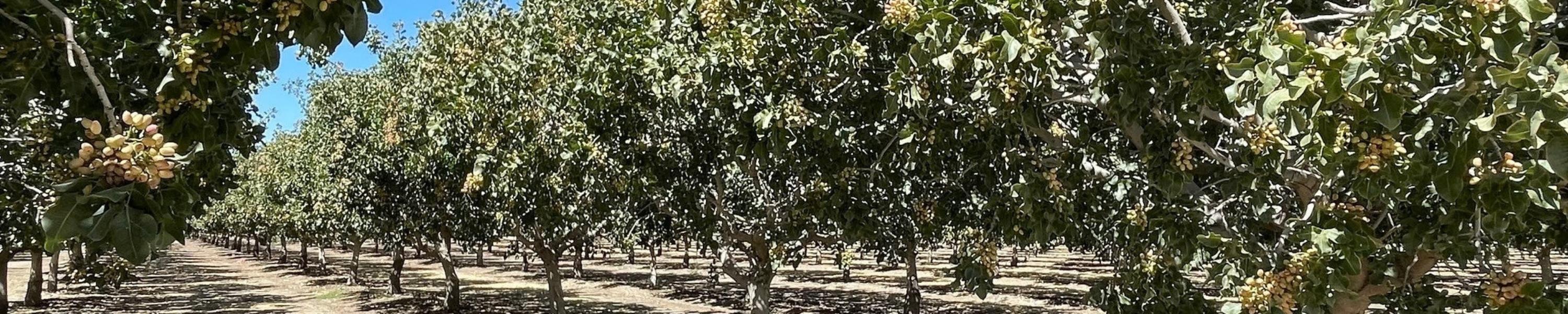




Pistachio Orchard Establishment in Cyprus
The most detailed Cypriot source found on pistachio practice is a chapter by a horticulturist of the Agricultural Research Institute (ARI), written for a 1998 workshop and published in 2001. It calls pistachio a relatively new crop in Cyprus, grown under irrigation, and describes a collection of female and male trees set up at an ARI experimental farm near Nicosia in 1967 and a test of varieties at a government nursery.
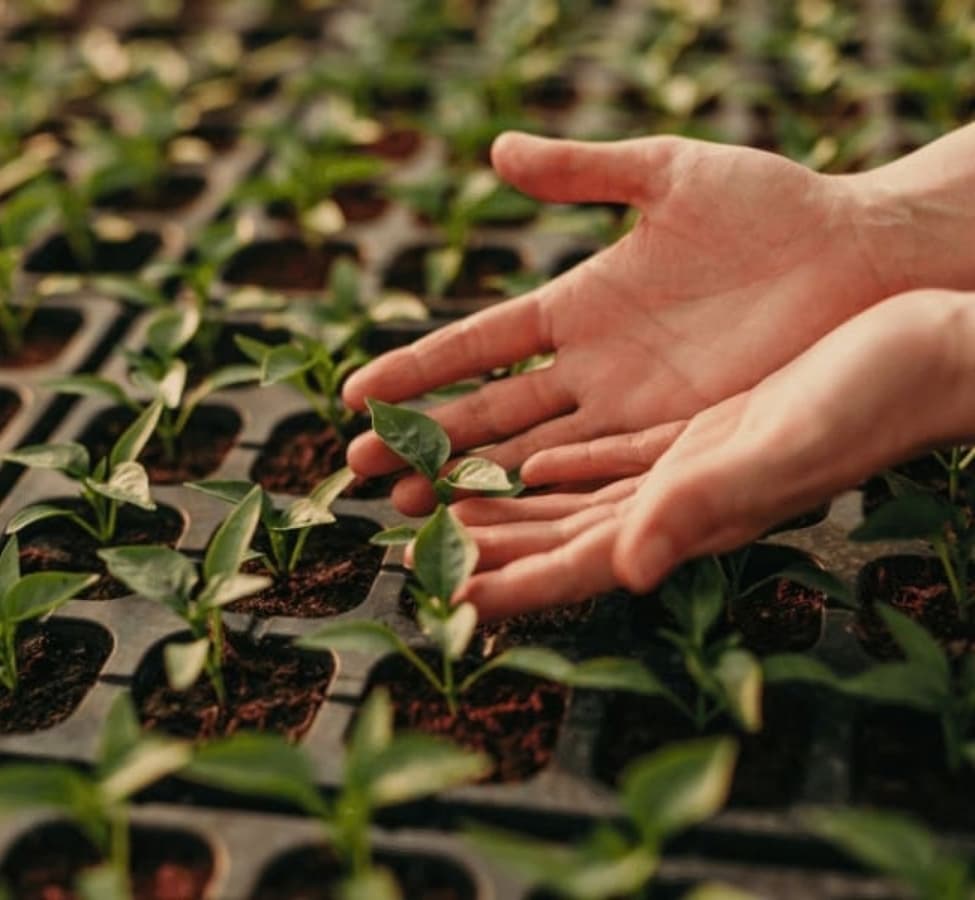
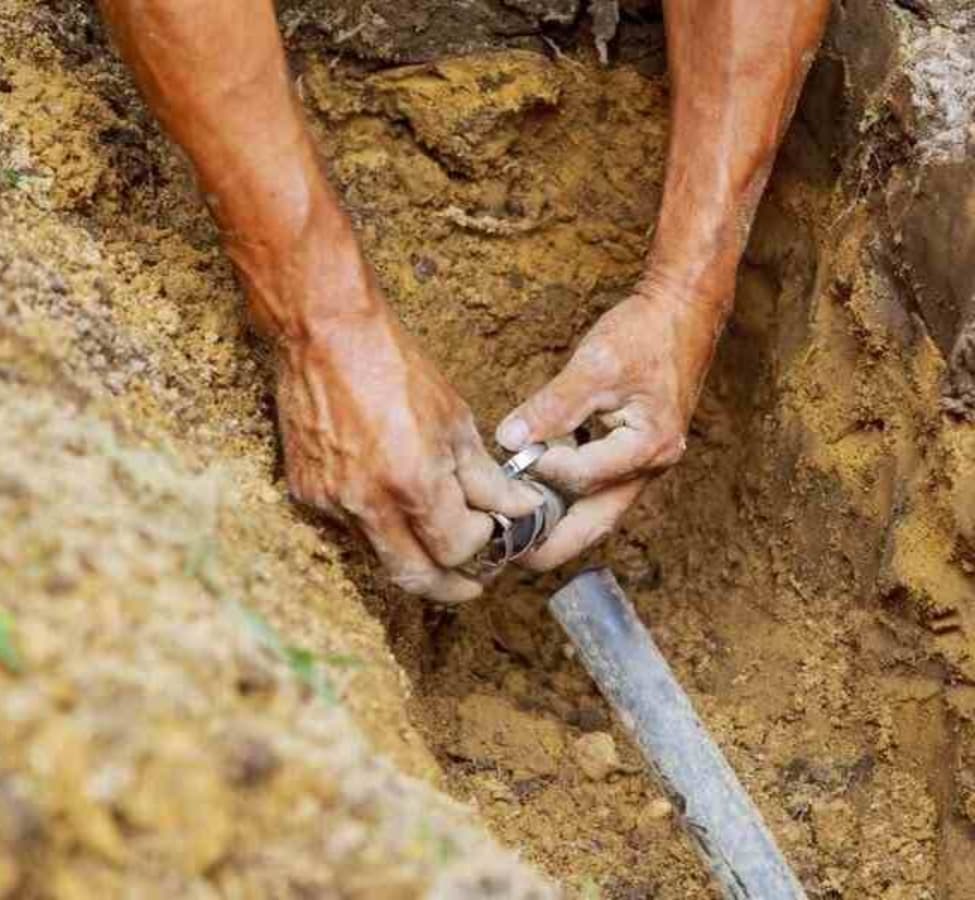
In the practice the chapter describes, terebinth seedlings were the main rootstock, budded in June or September, or in spring with buds from refrigerated budsticks, and new orchards were planted at 8 x 8 m with one male tree per eight females. Citing 1994 work, the chapter says terebinth was considered resistant to soil-borne diseases, Verticillium among them, but UC rates it very susceptible to Verticillium wilt, and EPPO lists Verticillium dahliae as widespread in Cyprus.
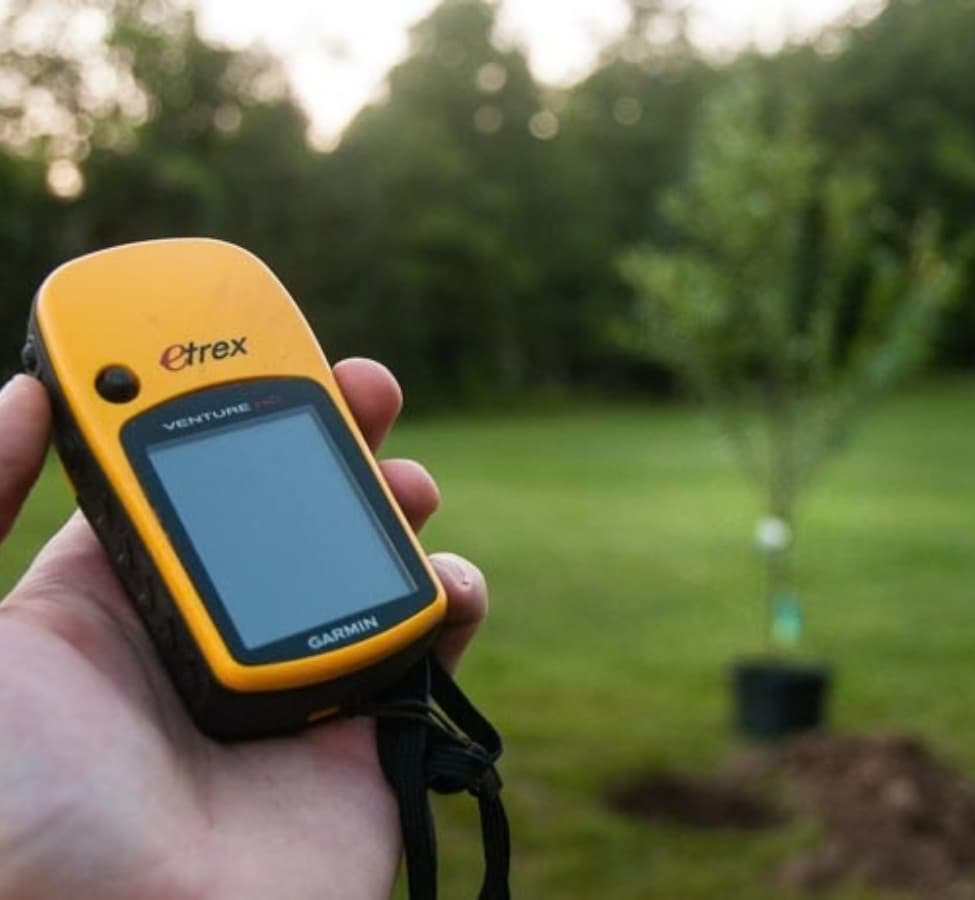
Winters are mild: WMO's 2002 to 2011 normals give a mean January minimum of 5.8 °C at Nicosia, 8.0 °C at Larnaka and 9.4 °C at Paphos, and no chill data for pistachio sites were found. UC course slides give one widely grown female cultivar more than 750 hours at 0 to 7.2 °C and its usual male pollinizer more than 900, so check winter chill at the site before choosing cultivars.
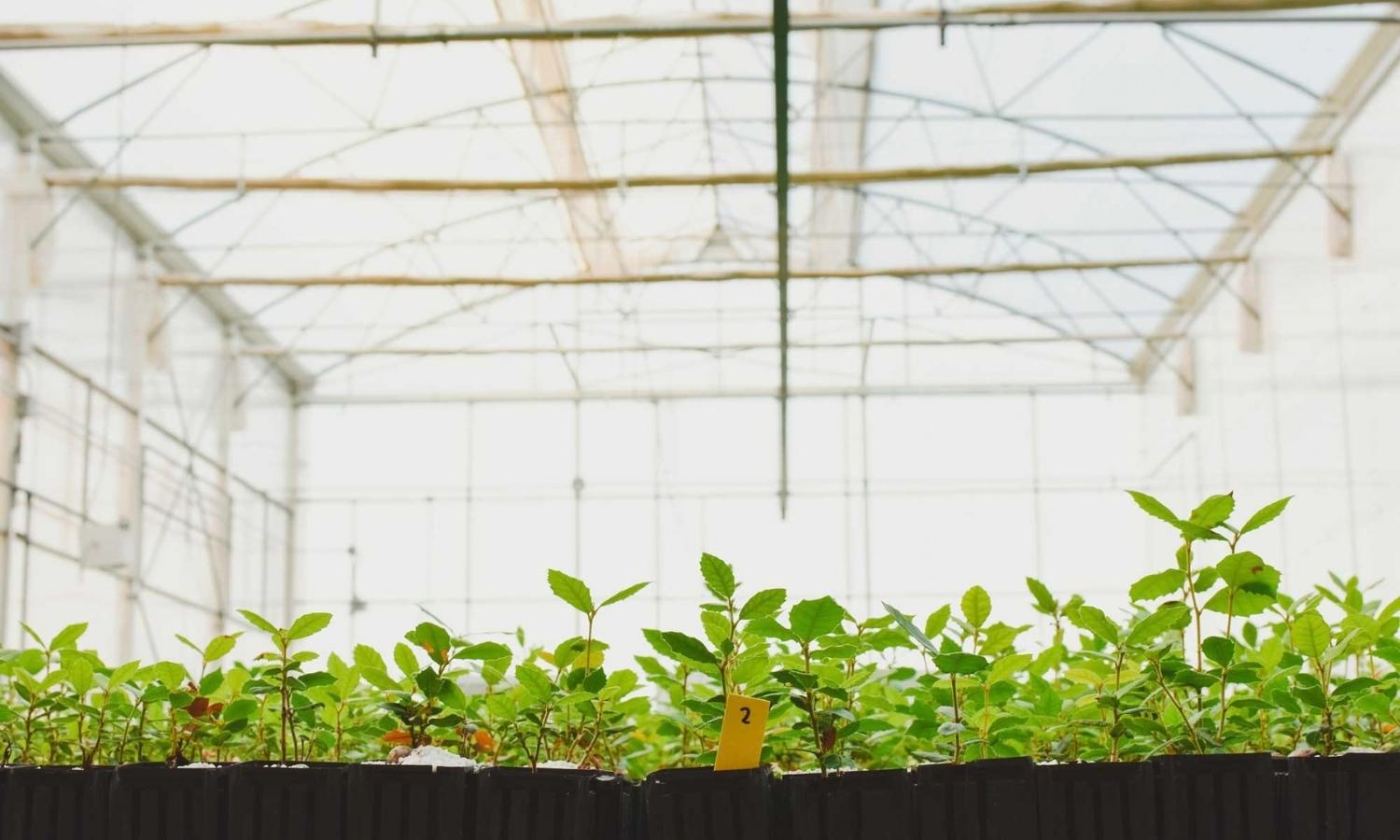

Practical Tips for Pistachio Orchard Establishment
Check winter chill at your site before choosing cultivars: UC's figures depend on the chill model used, so compare like with like.
Avoid terebinth rootstocks where Verticillium wilt is known: EPPO lists Verticillium dahliae as widespread in Cyprus, and UC rates terebinth very susceptible.
Match the rootstock to the site: UC rates P. integerrima and named hybrids resistant to Verticillium wilt, but P. integerrima is sensitive to cold.
Spread males through the block: new Cypriot orchards of the late 1990s had one male per eight females, and in California males are about 4 to 11% of trees.
Plan budding windows: the ARI chapter describes budding terebinth seedlings in June or September, or in spring with refrigerated budwood.
Set in-row spacing for the catching frame: UC's design keeps trees at least 3.7 m apart so a typical 6.7 m frame reaches each trunk.
Recommended Establishment Stages
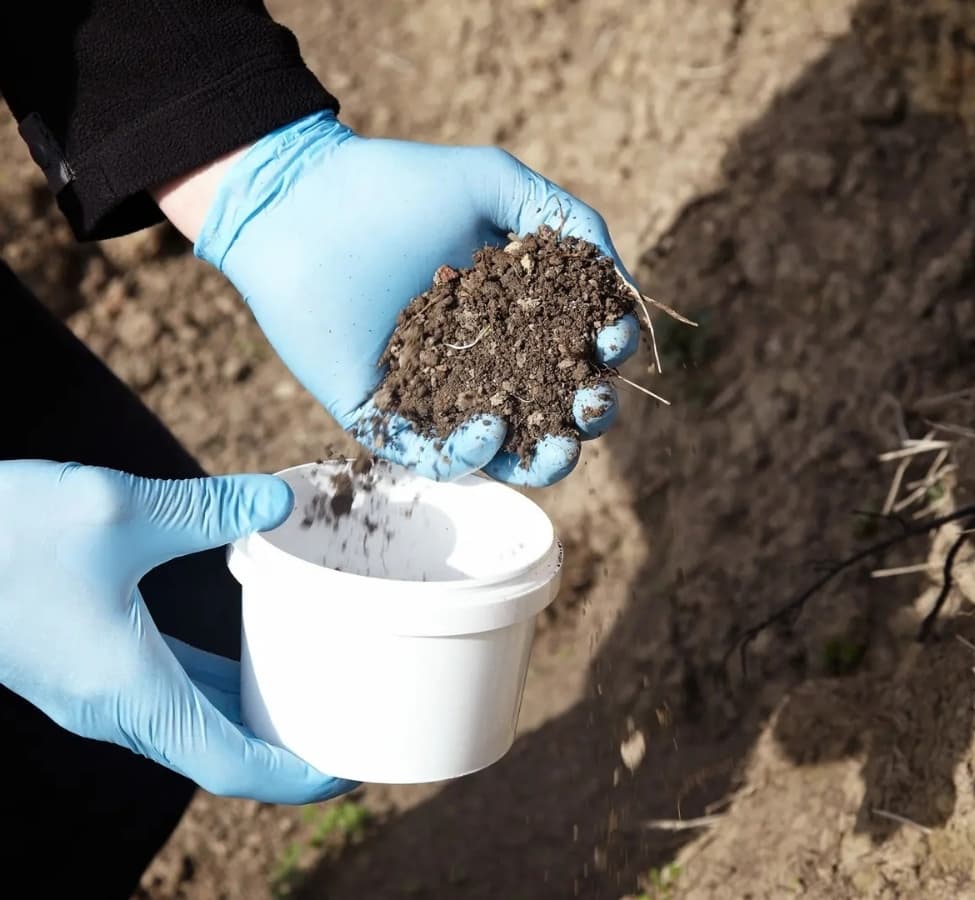

Pistachio Orchard Care & Maintenance in Cyprus
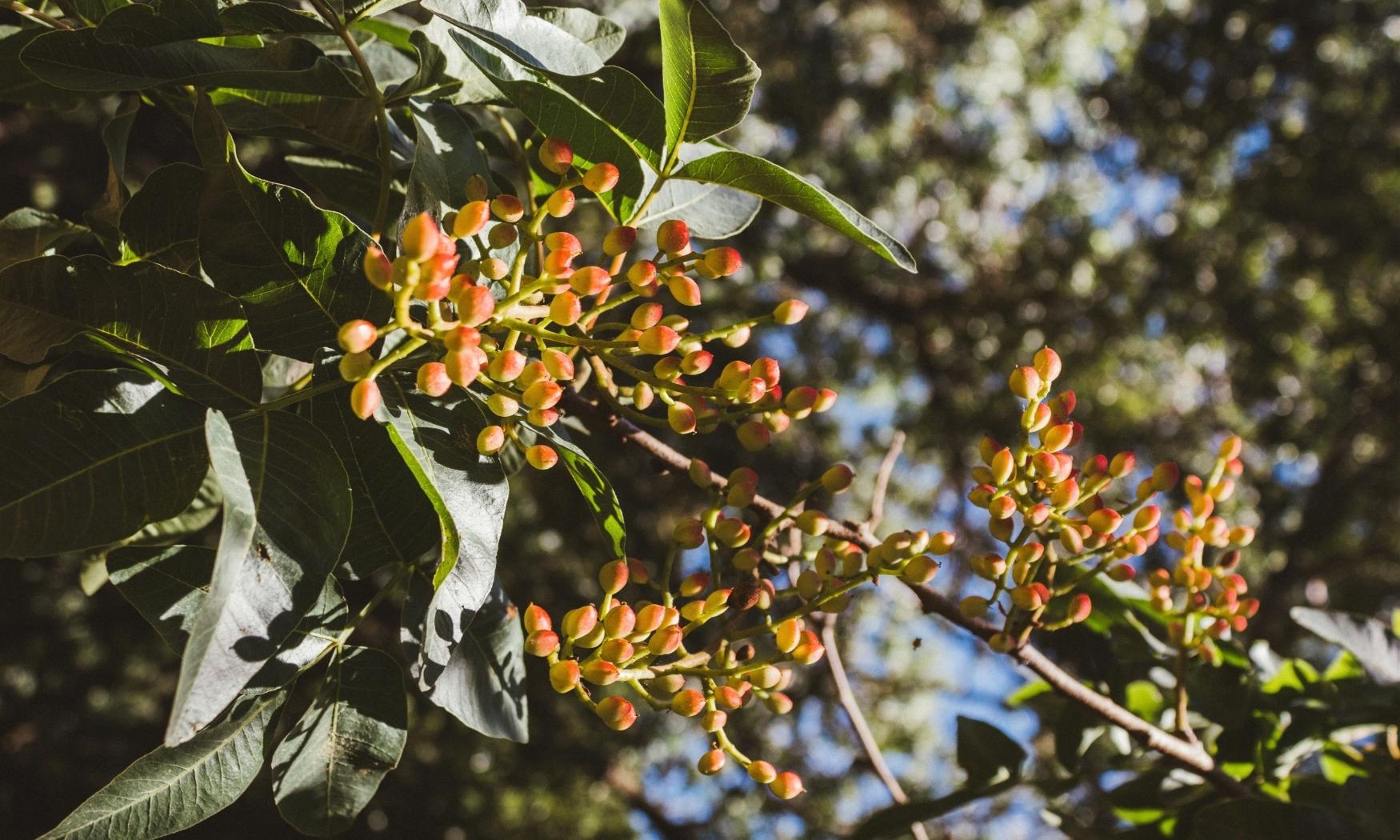
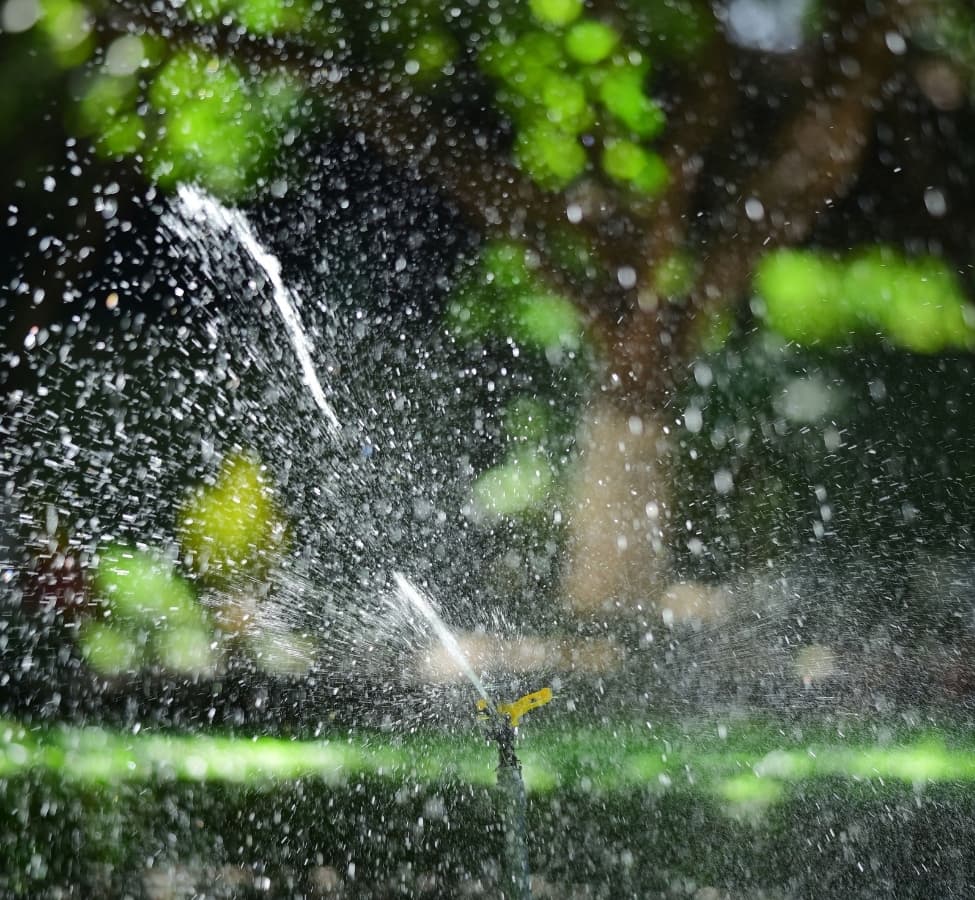
In the ARI chapter's account, orchards were watered mainly by mini-sprinklers, with 7,500 m³ of water per hectare from April to September, and trees were cup-shaped with very light pruning. It cites an ARI trial reported in 1991 that aimed to raise nut splitting: splitting was severely reduced, to 37% against 74%, when irrigation was interrupted in late June or July. Early splitting of the hull is a separate risk: the Codex code advises careful, timely irrigation to limit it.
Citing 1994 work, the ARI chapter lists several scale insects among the main pests and diseases of pistachio in Cyprus, along with psyllids, seed wasps, a thrips, Septoria leaf spot and a rust. EFSA notes that the pistachio oyster scale (Lepidosaphes pistaciae) was found in Cyprus in 1967 and is not considered a major pest now. EPPO's distribution lists do not include Cyprus for the brown marmorated stink bug or the pistachio seed wasp (Eurytoma plotnikovi), which does not prove they are absent.
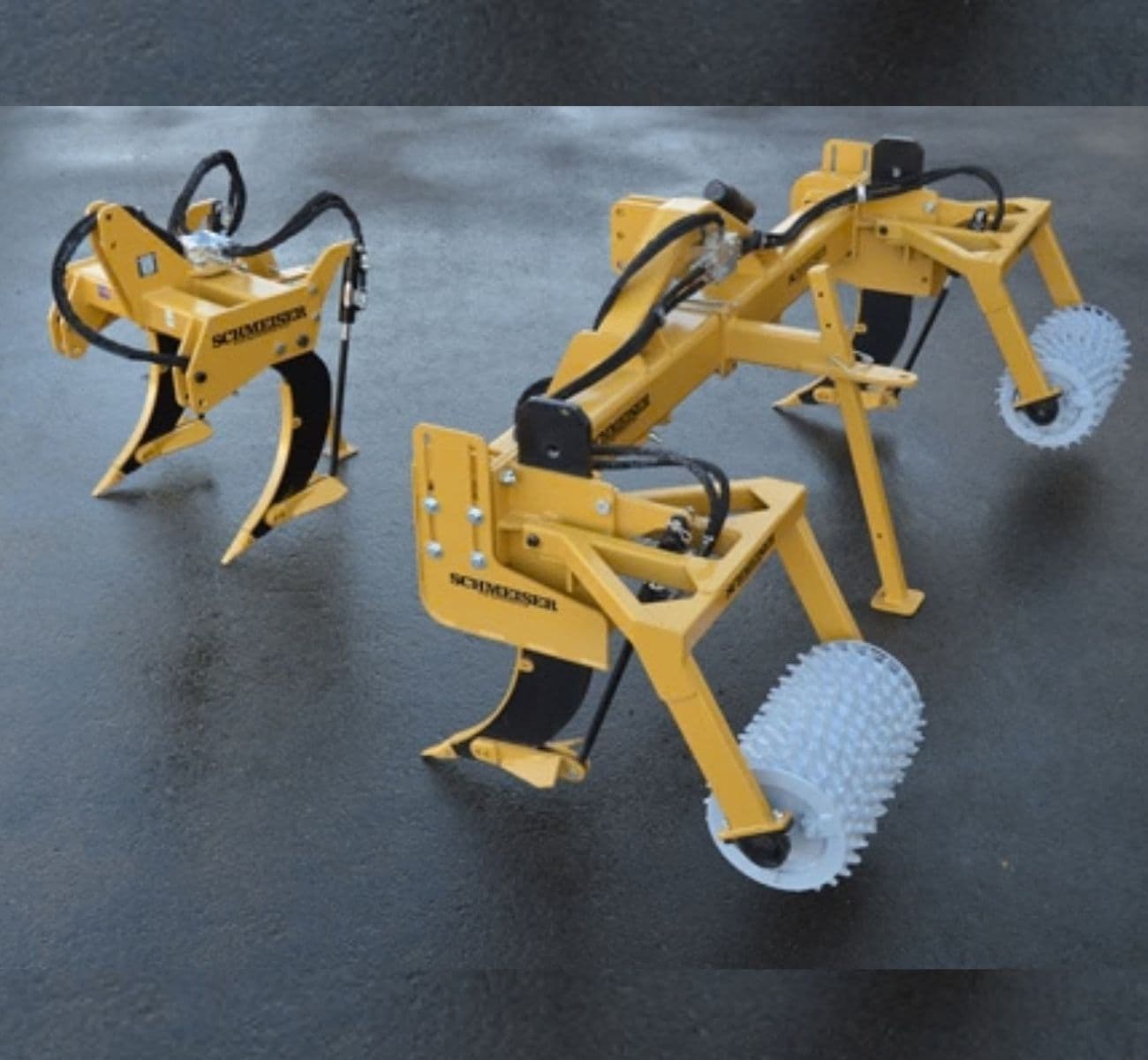
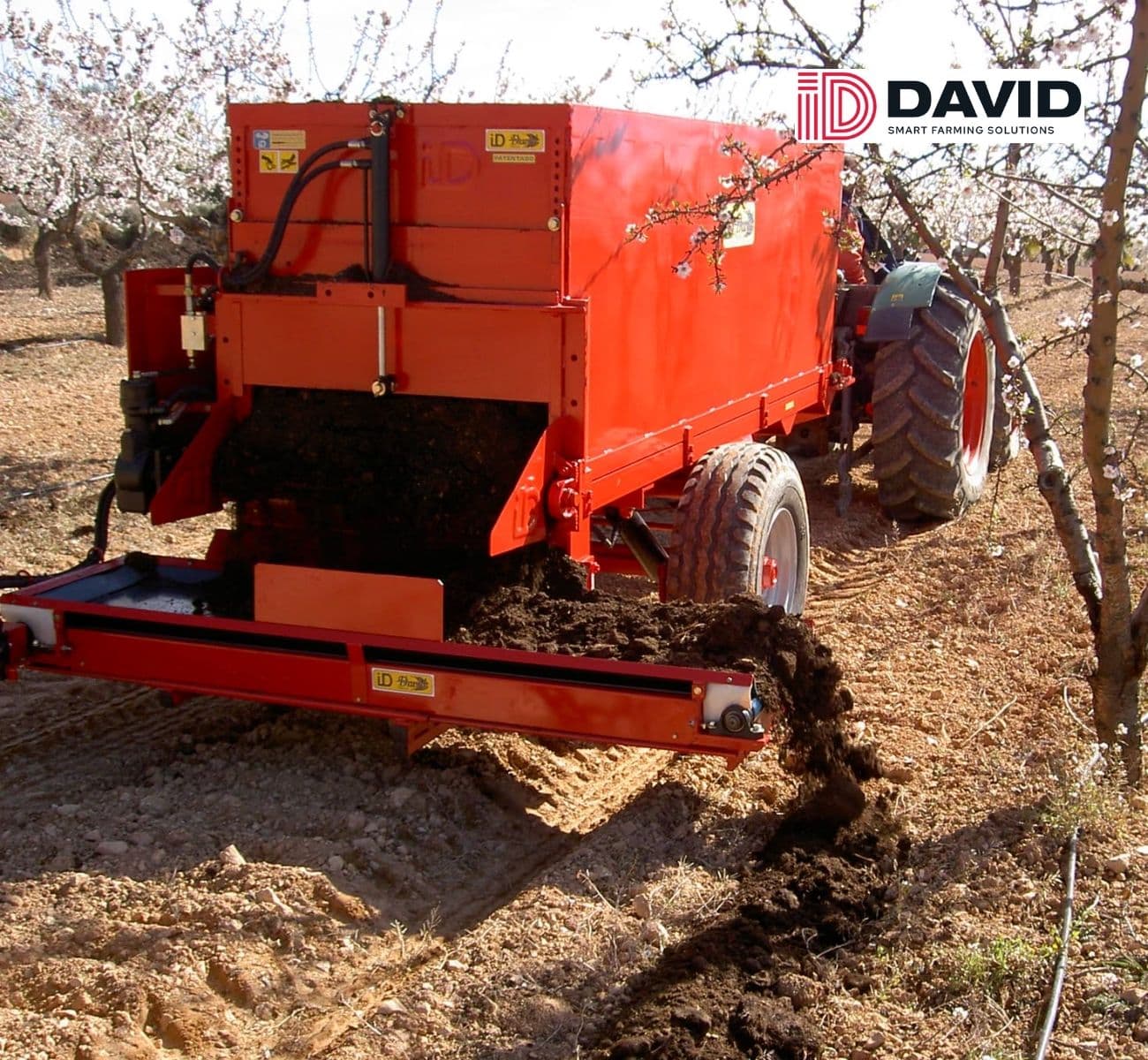
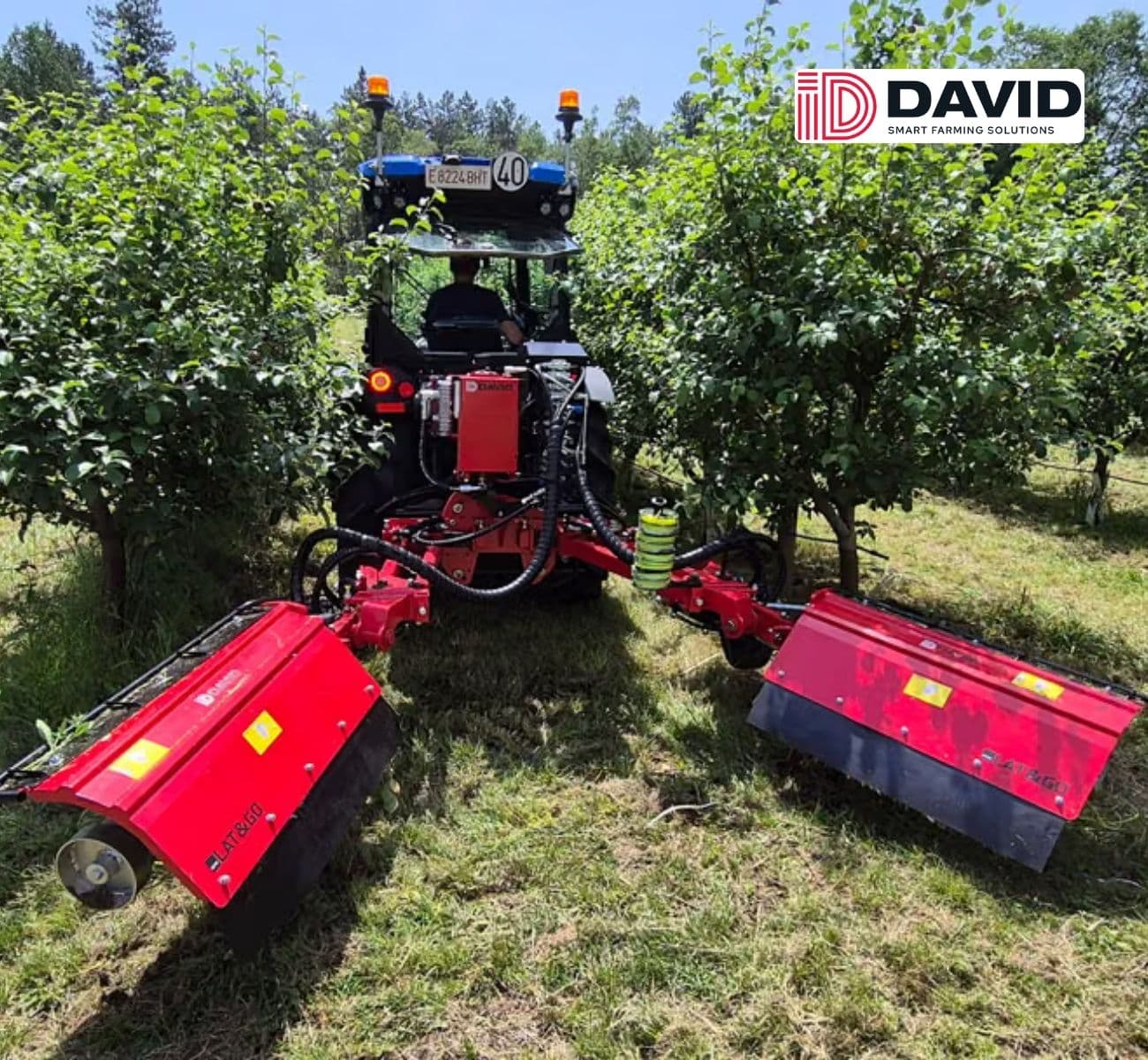
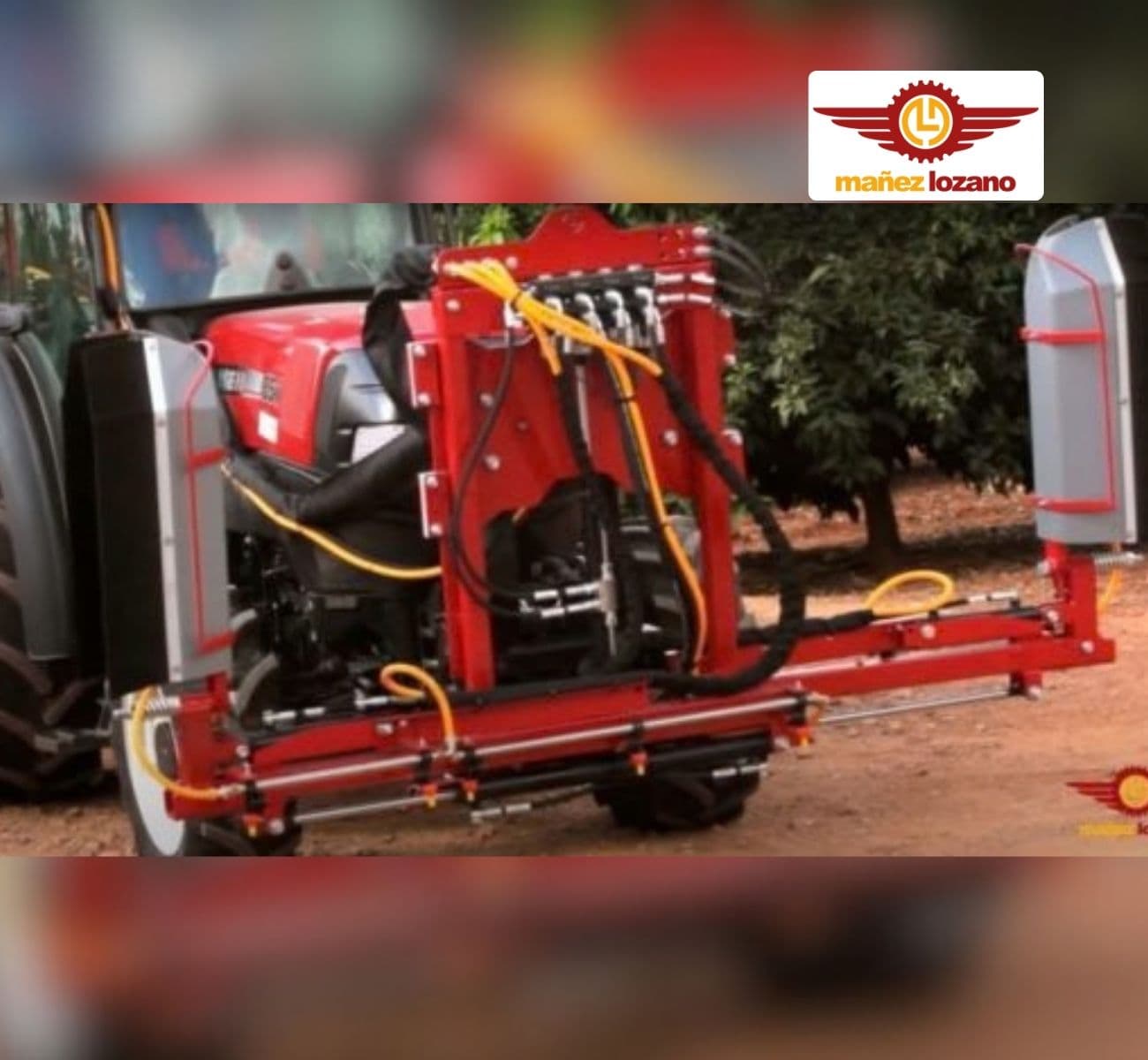
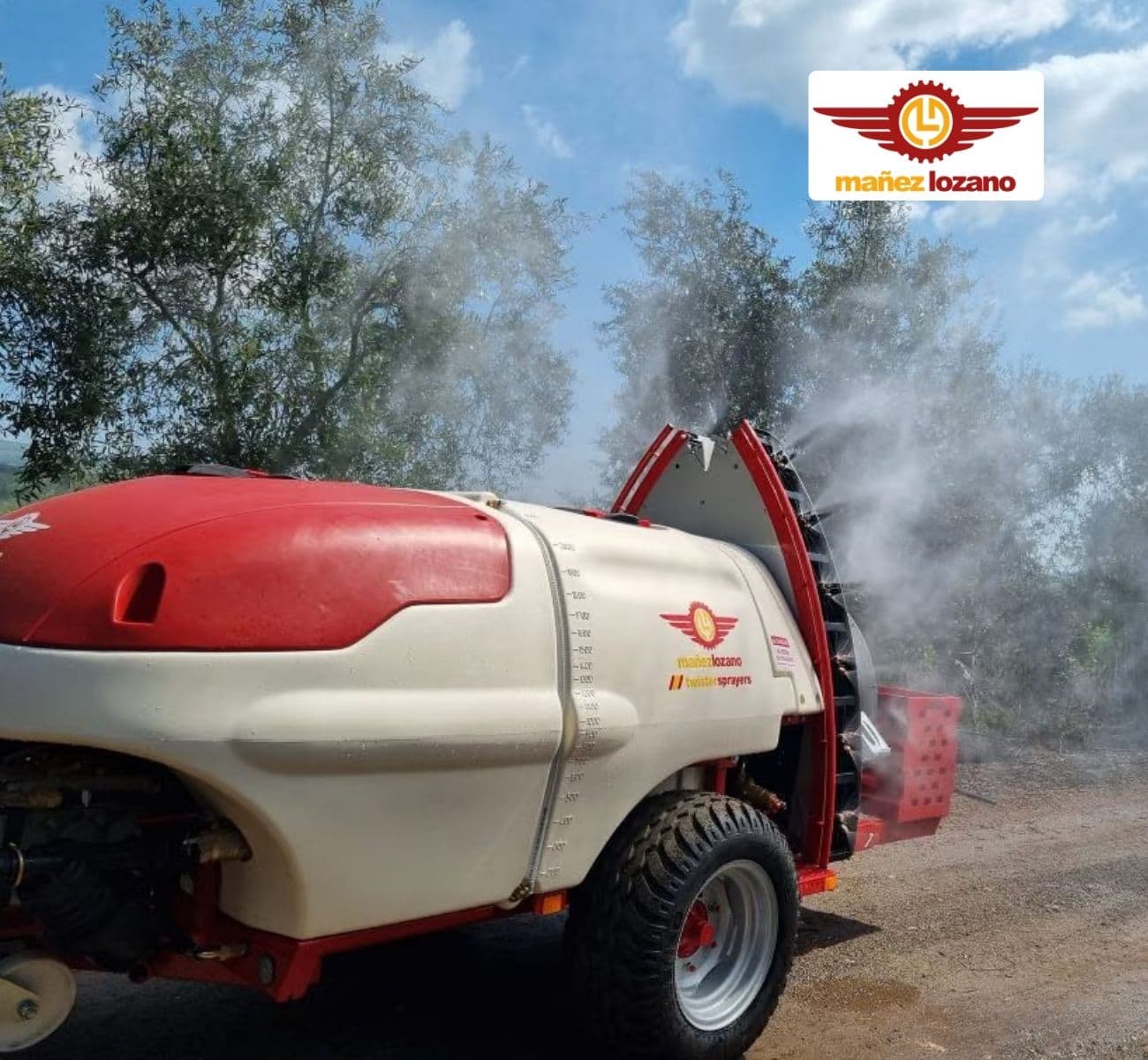
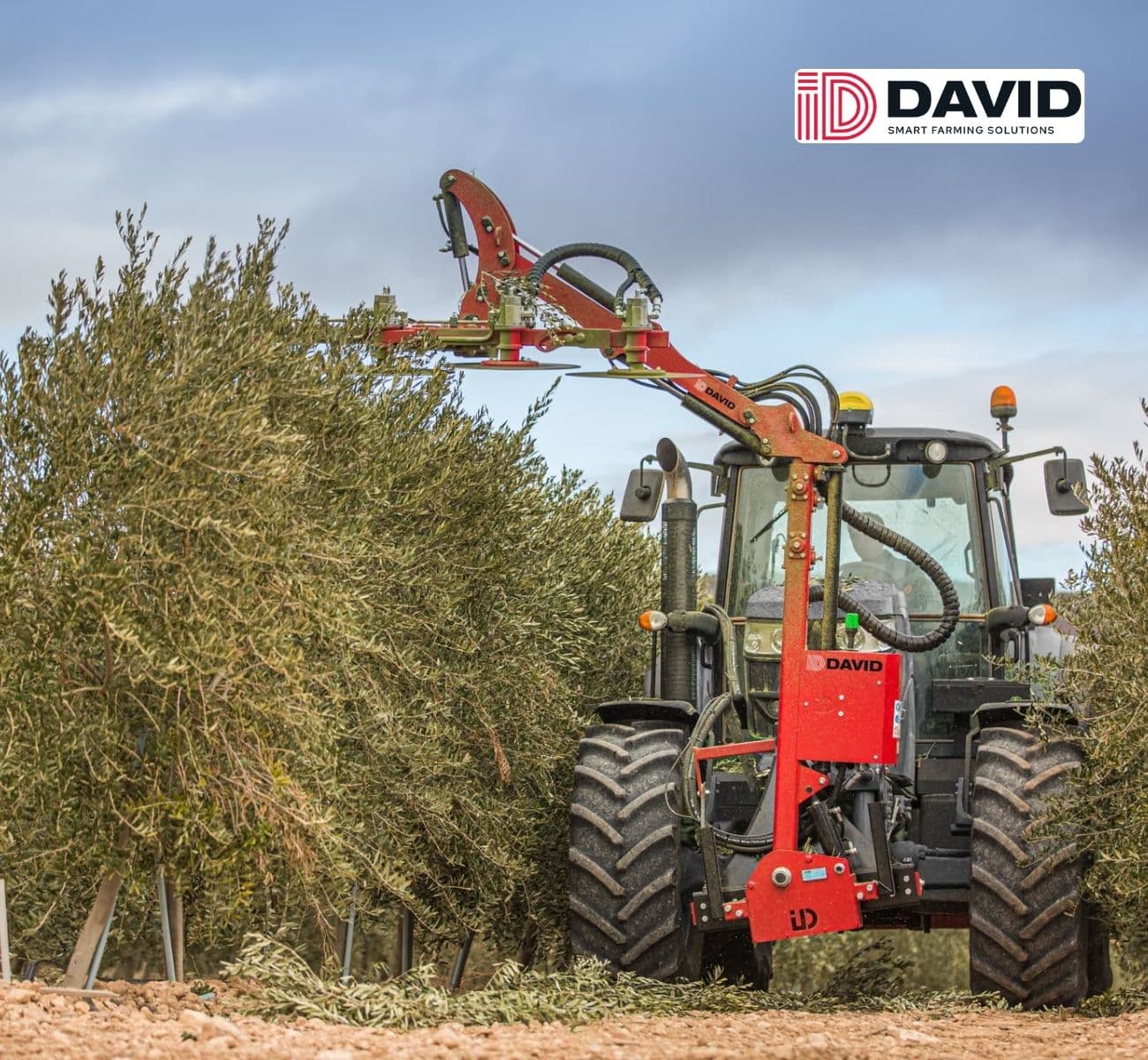
Türkiye's Pistachio Research Institute advises forming the first branches at 80 to 100 cm in humid areas and 50 to 60 cm in dry areas. For care work, the ID DAVID ECOFEED spreads solid manure, the ID DAVID LAT&GO string mower controls weeds without herbicides, the Mañez Lozano Narrow Twister S6 sprays tall, dense canopies and the ID DAVID V1 disc pruner makes vertical and horizontal cuts.
Recommended Orchard Care & Maintenance Stages
Practical Tips for Pistachio Orchard Care & Maintenance
Weigh any midsummer break in irrigation: in an ARI trial reported in 1991, nut splitting fell to 37%, against 74%, when irrigation was interrupted in late June or July.
Irrigate carefully and in good time: the Codex code says this limits early splitting of the hull and the aflatoxin risk that follows.
Monitor scale insects: the ARI chapter, citing 1994 work, lists several scales among the main pistachio pests in Cyprus.
Remove nuts left on the trees and on the ground after harvest: UC IPM advises this in California to cut overwintering sites of a major nut pest.
Train young trees to a single clean trunk: Turkish guidance forms the first branches at 50 to 60 cm in dry areas; confirm with OVE the trunk height your shaker needs.
Keep the floor between rows level and the grass short, so catching frames and shuttles can move freely at harvest.

Pistachio Harvesting in Cyprus
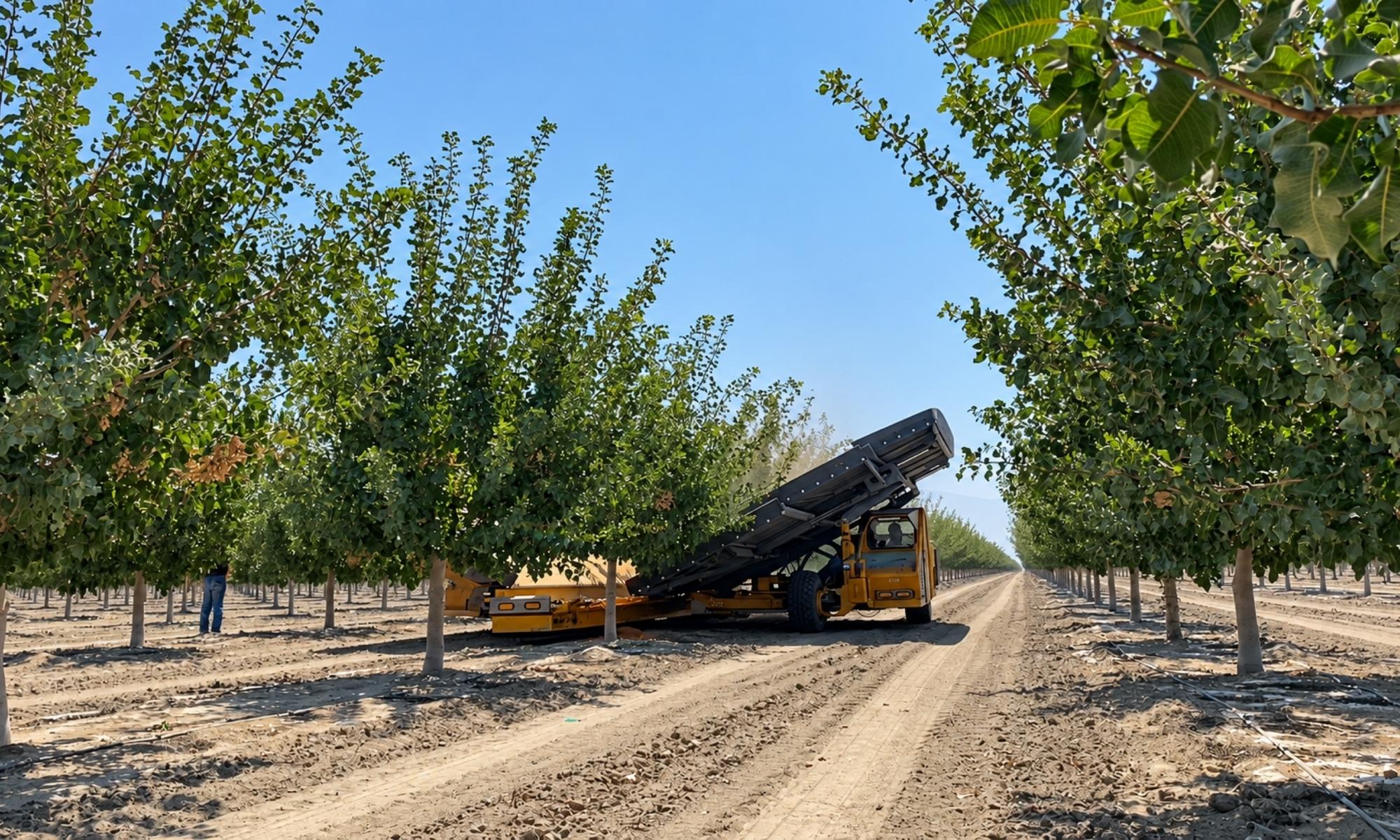
No Cypriot source found describes how pistachios are harvested, hulled or dried in Cyprus. At the government nursery described in the ARI chapter, nuts of five varieties matured between 25 August and 10 October, years not stated. In orchards planted for machines, mechanized harvesting can bring the crop in on time, with less risk of nuts deteriorating while they wait.
Late August and September are usually dry in the lowlands: WMO's 2002 to 2011 normals give Nicosia 0.8 mm of rain in August and 15.9 mm in September, and Paphos 0.0 and 5.8 mm, though August 2026, with inland thunderstorms, was the wettest August on record since 1901. UC Davis advises harvesting when 70 to 80% of the nuts meet maturity signs; American Pistachio Growers explains that catch systems keep shaken nuts off the ground, and the Codex code asks for delivery to hulling and drying within 24 hours of harvest.
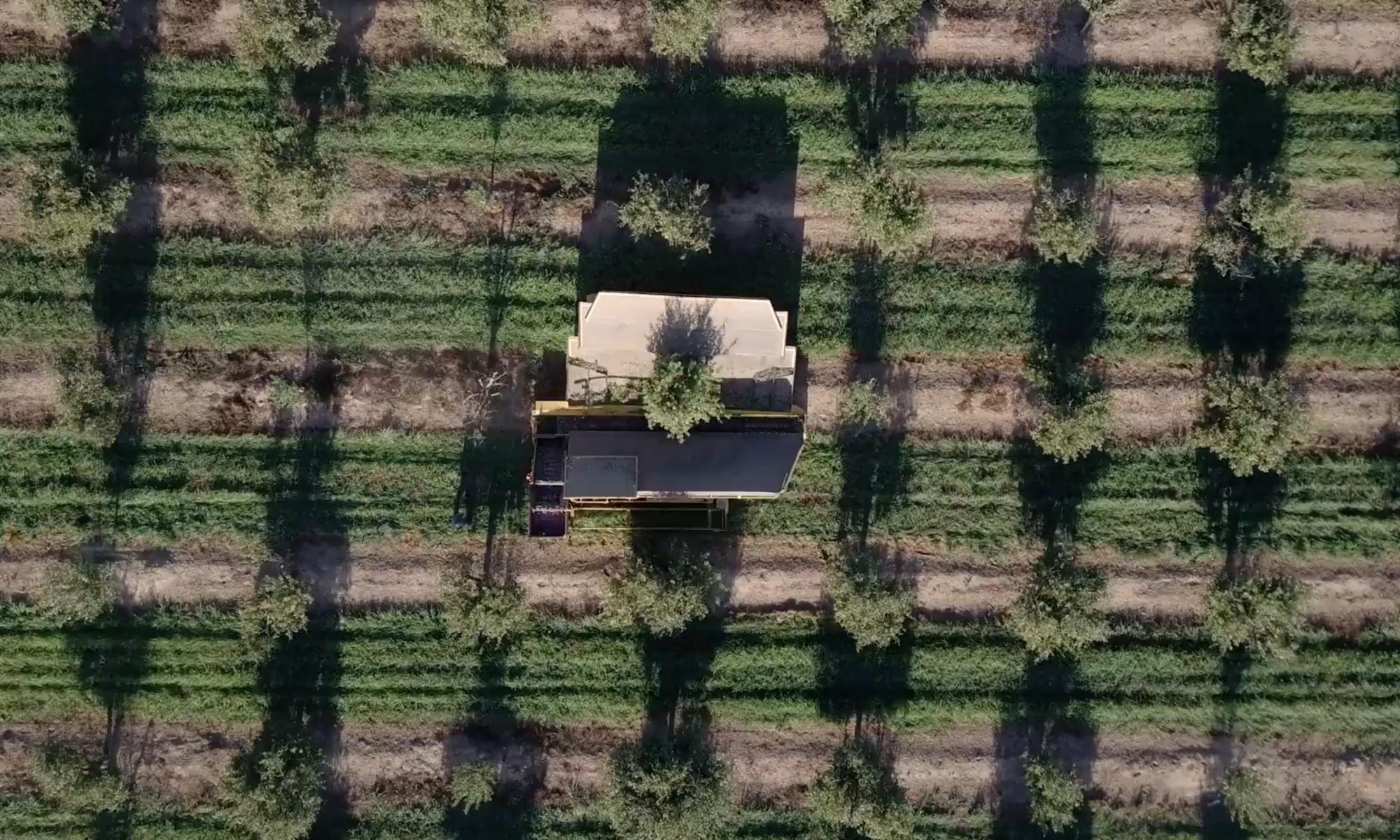
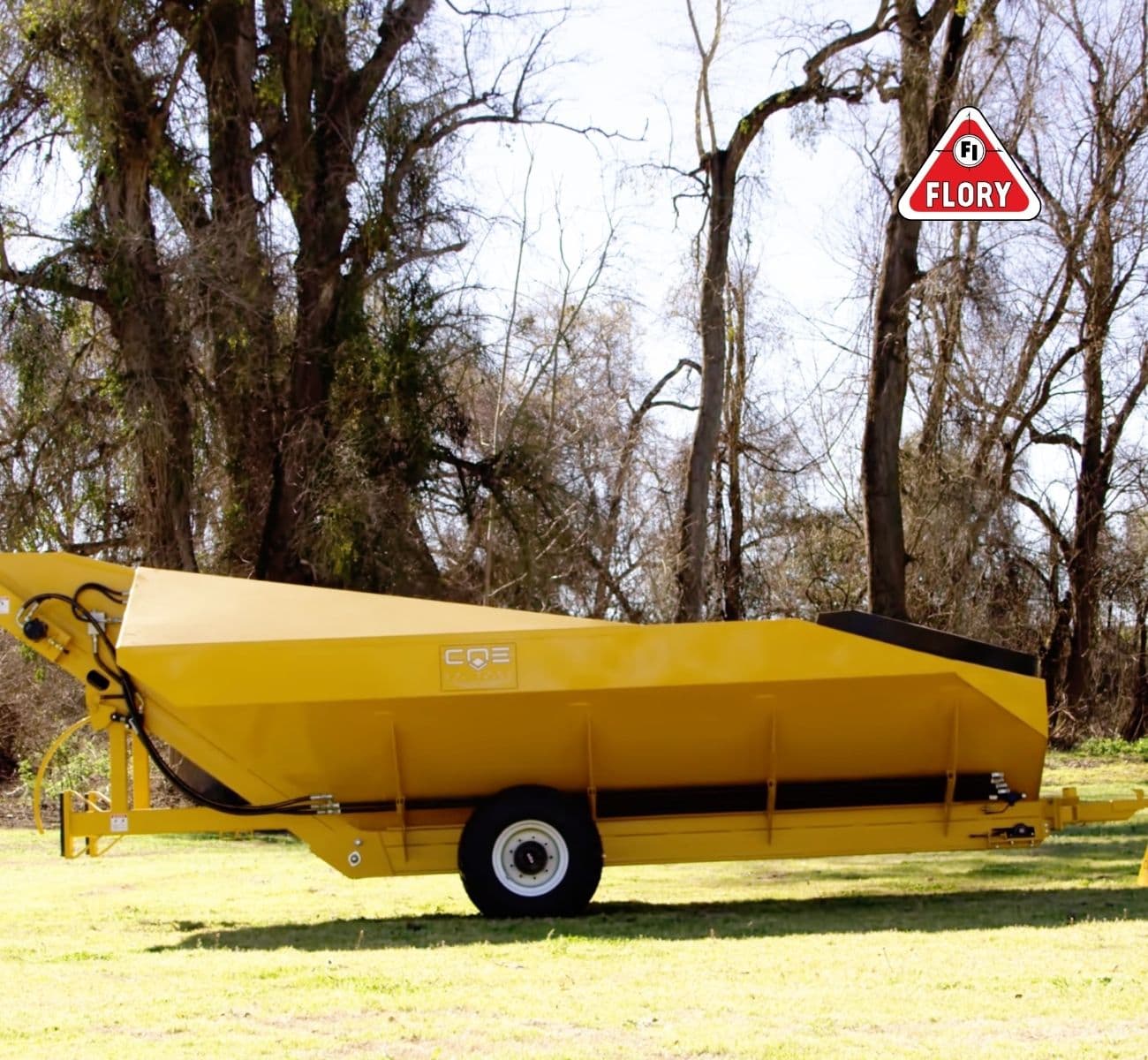
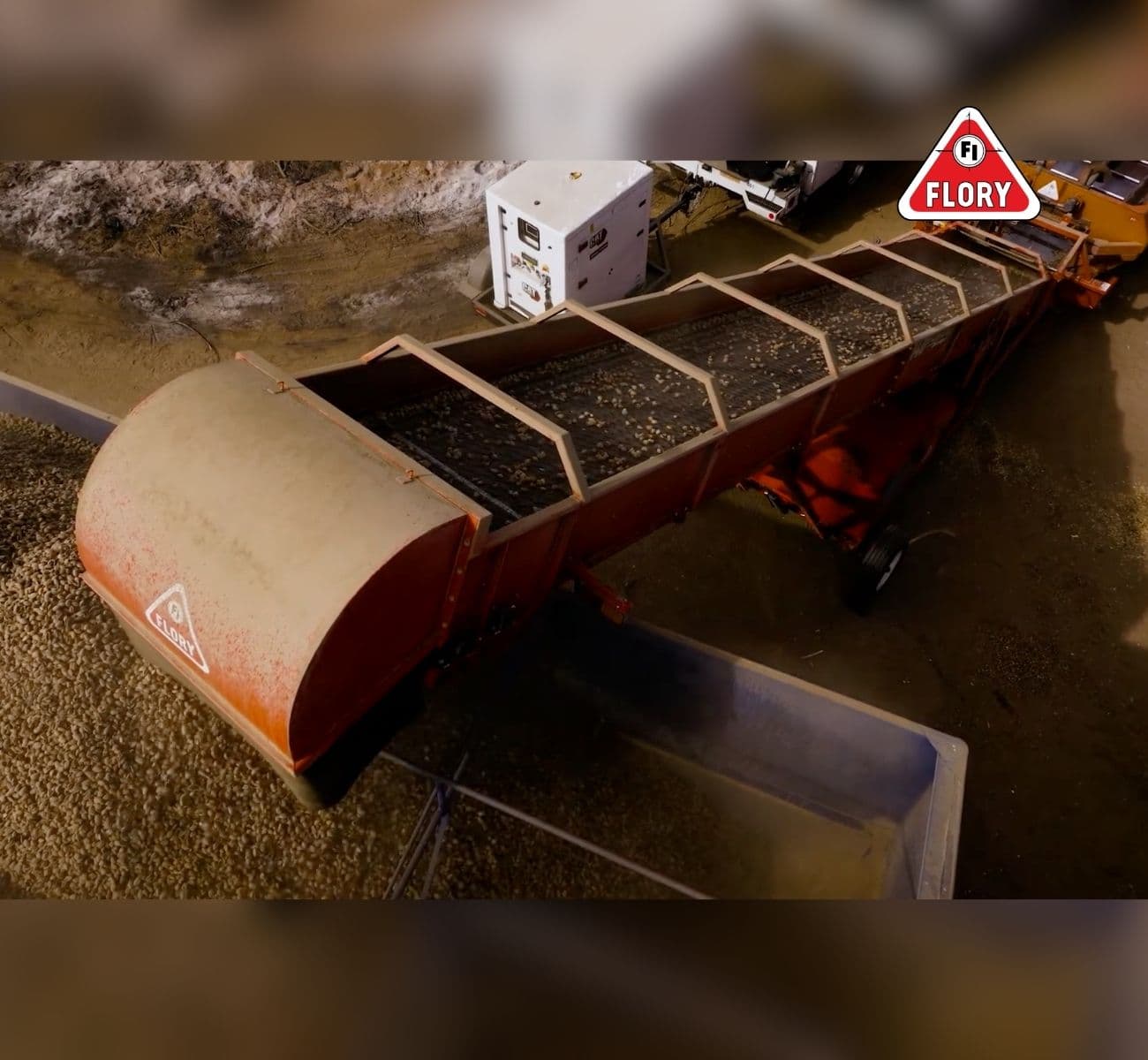
Flory harvesting machinery is available in Cyprus through OVE Europe for orchards planted for machines. The Flory COE C7 Shaker shakes each tree over the catching frame it forms with the L2 Receiver, which lifts the nuts into the B8 Cart or into bins. The VS25 Shuttle carries them to the 4840 Field Elevator, which loads trailers for the hulling plant.
Pistachio Harvest Workflow (Recommended Equipment)



Practical Tips for Pistachio Harvesting
Time harvest by maturity signs: UC Davis advises harvesting when 70 to 80% of the nuts meet them, such as easy hull separation.
Keep nuts off the ground: American Pistachio Growers explains that catch systems do this when trees are shaken.
Plan transport so nuts reach the hulling and drying plant within 24 hours of harvest, as the Codex code advises, to prevent shell staining.
Watch for late-summer storms: the Department of Meteorology reported thunderstorms inland on 17 to 19 August 2026 and hail on 27 and 29 August.
Harvest promptly once nuts are ripe: Spanish guidance warns that hulls breaking open on the tree raise the aflatoxin risk.
Size the fleet to the shaker: enough bins or B8 carts and shuttles keep the catching frame working without waits.
Get your recommended harvest setup
Enter orchard size, spacing, terrain, and target throughput—we’ll suggest a practical harvest workflow and equipment lineup.

Pistachio Post-Harvest Handling & Processing in Cyprus
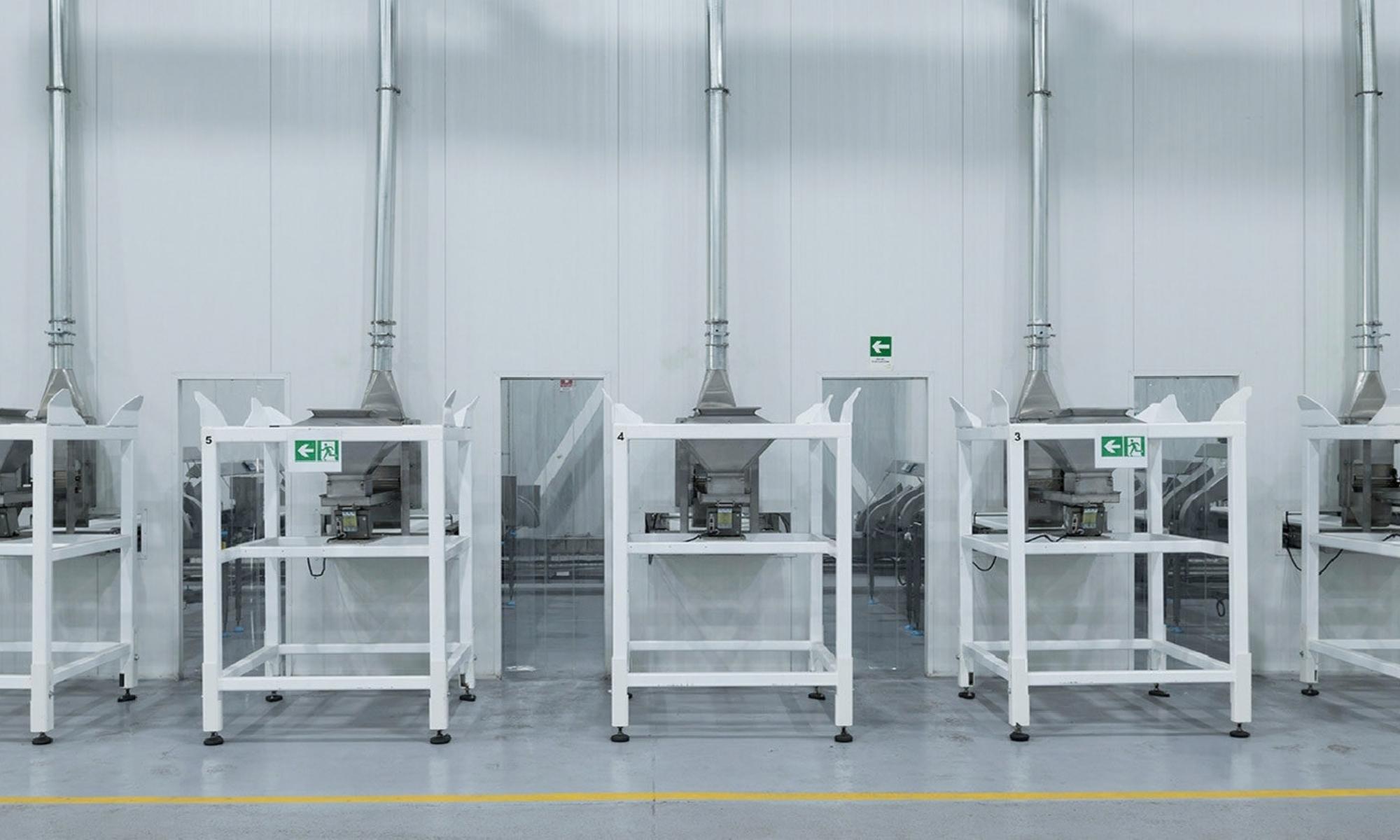
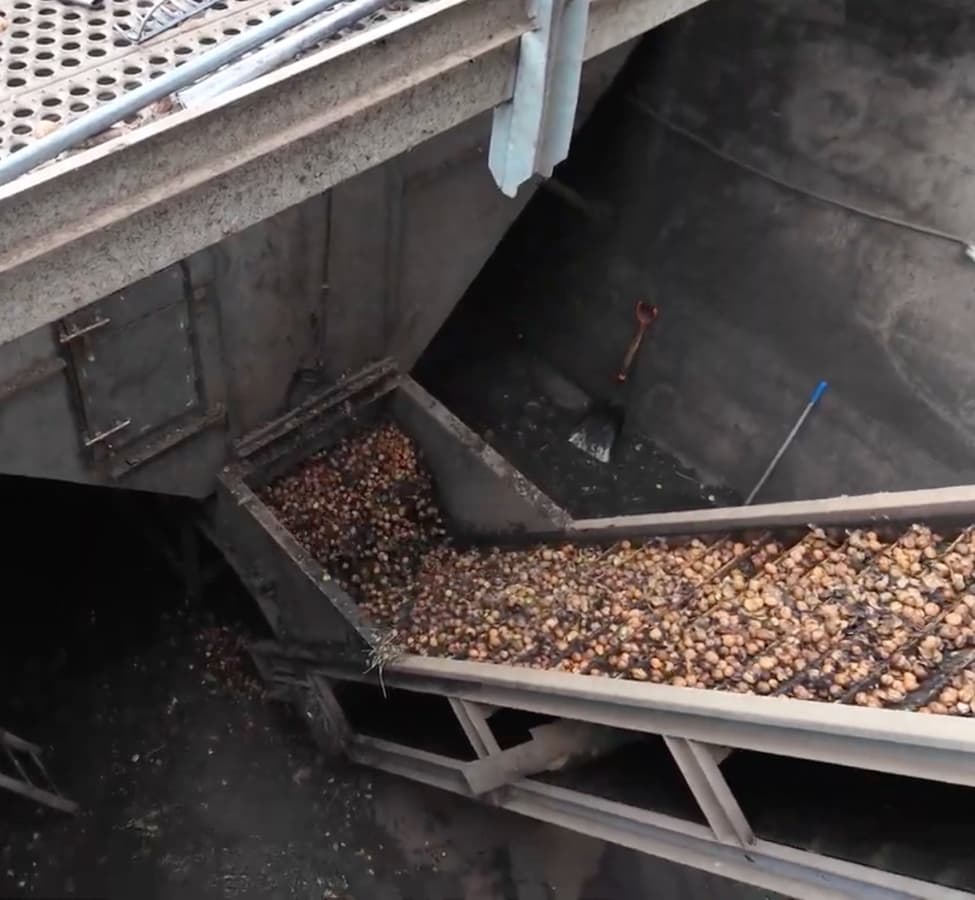
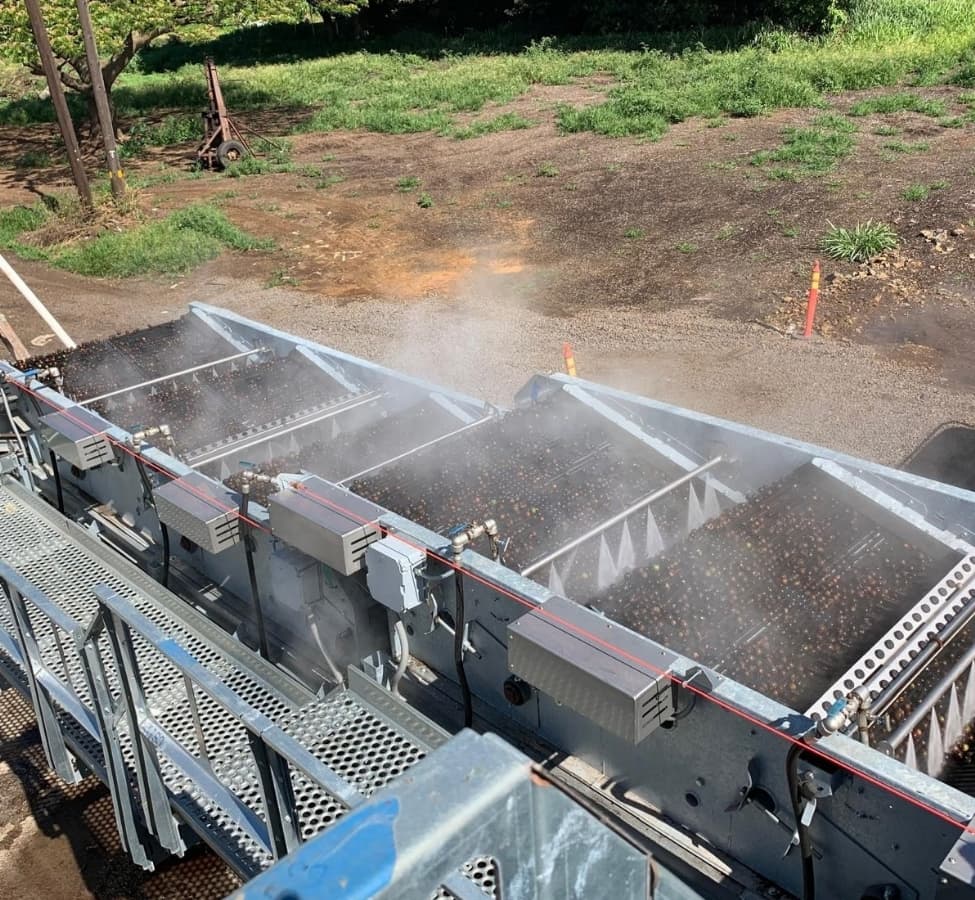
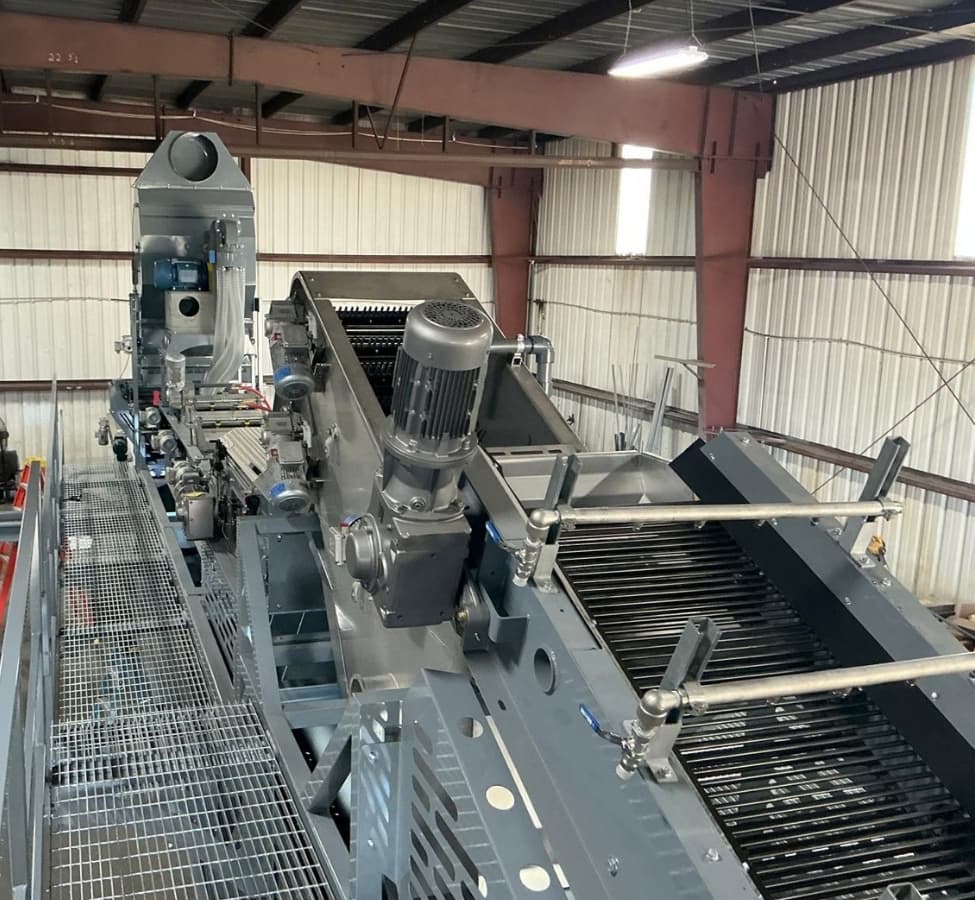
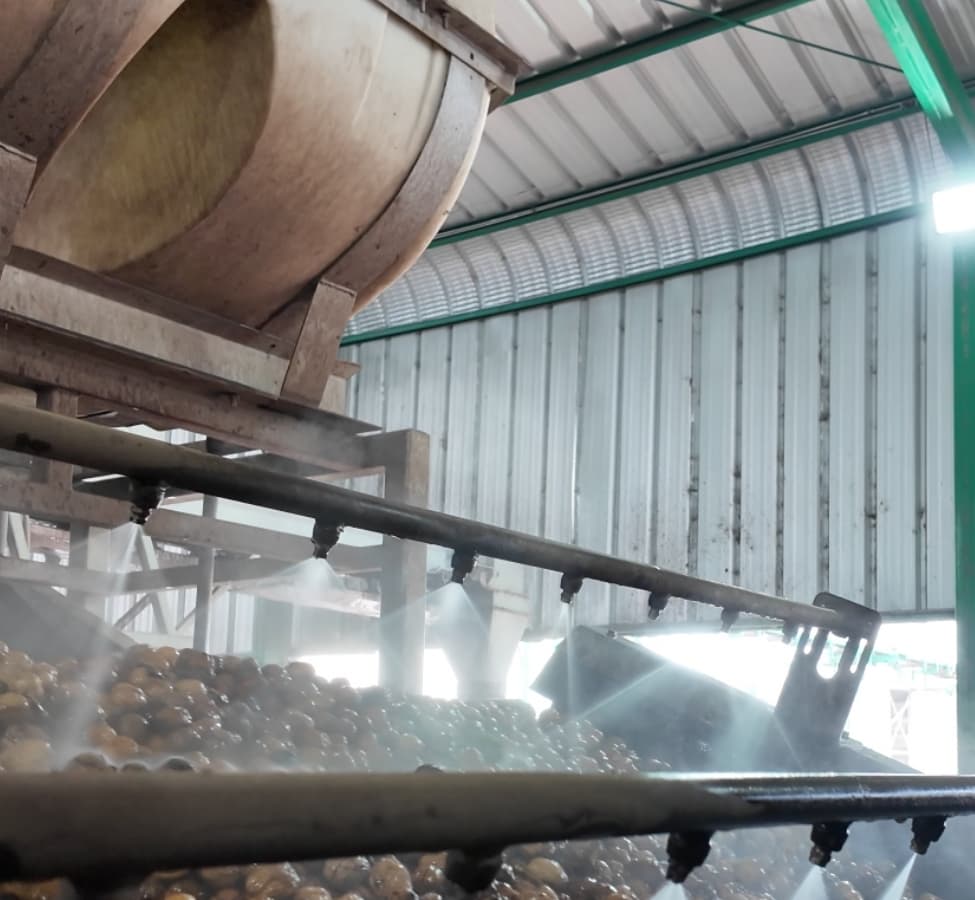
No Cypriot source found describes how pistachios are hulled, dried or stored, so this section rests on general guidance. UC describes hulling with abrasive peelers, washing to reduce shell staining, float tanks that separate blank nuts, and drying in two stages: to 12 to 13% moisture in a dryer, then to 4 to 6% in bins. UC Davis advises storage at 0 to 10 °C, not above 20 °C, with 65 to 70% relative humidity below 10 °C.
A 2001 Cypriot order on quality rules for in-shell pistachios for direct consumption required shells free of hull remnants, split naturally or mechanically, with moisture of at most 6.5%; UNECE's 2025 standards also set 6.5% for in-shell nuts and kernels. The Codex code advises storage, if possible, below 70% relative humidity and at 0 to 10 °C.
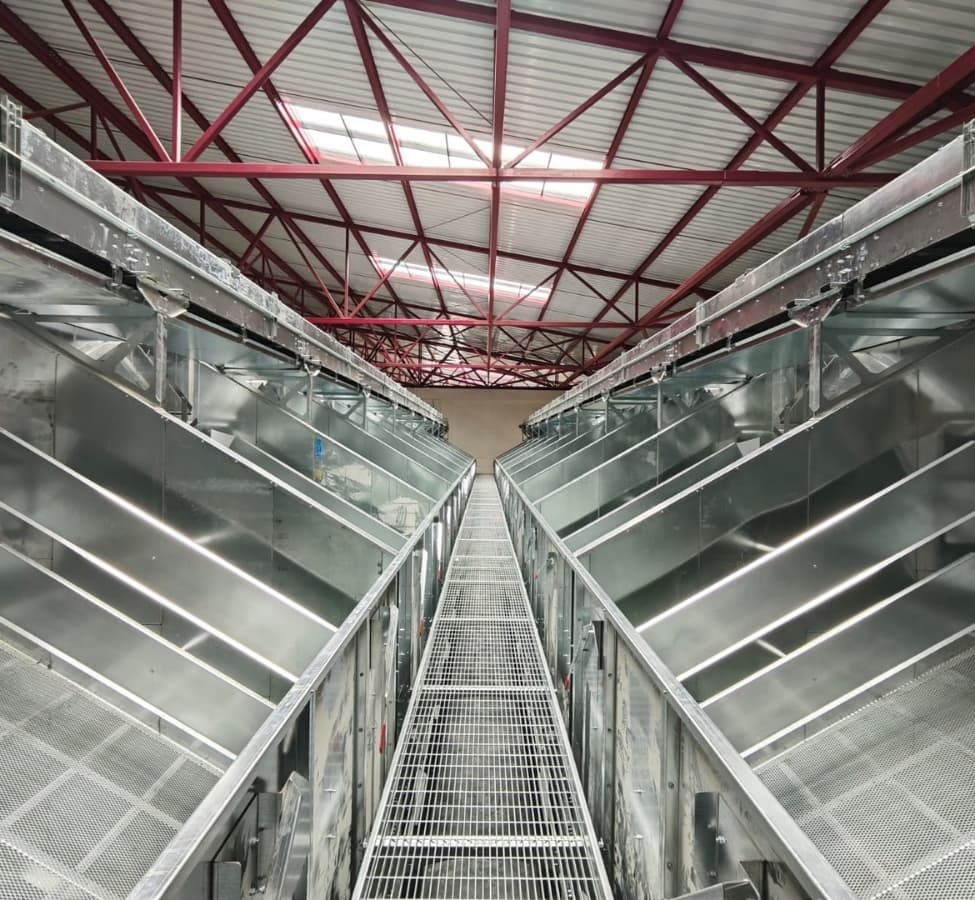
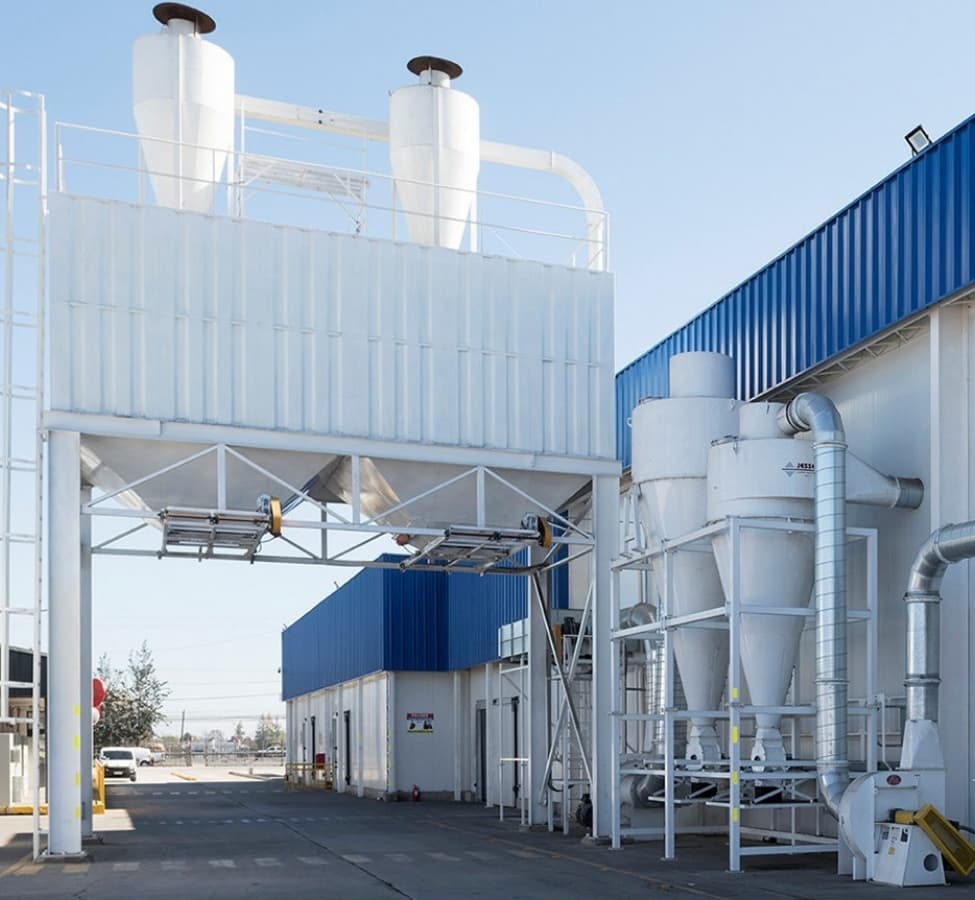
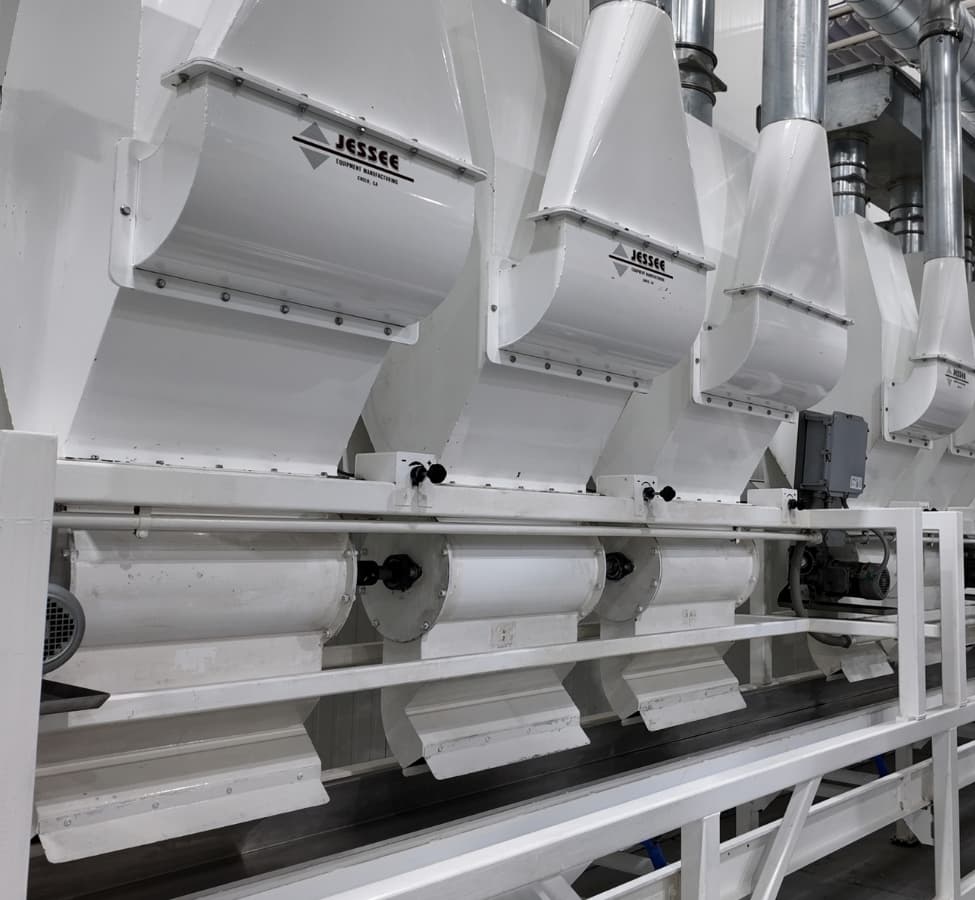
In Cyprus, as in the rest of the EU, Regulation (EU) 2023/915 sets 8.0 µg/kg of aflatoxin B1 and 10.0 µg/kg in total for pistachios for the final consumer or use as an ingredient, and 12.0 and 15.0 µg/kg for pistachios to be sorted or otherwise physically treated first. Jessee, whose processing lines OVE Europe supplies, builds hulling, drying, in-shell cleaning and sizing, and shelling systems, and it established product lines for pistachios in the 1980s.
For general information only. Information may become outdated and does not replace site-specific professional advice. Consult a qualified agronomist and confirm equipment suitability with OVE before acting.
Practical Tips for Pistachio Post-Harvest Handling & Processing
Hull and dry nuts within 24 hours of harvest, as UC IPM advises against postharvest disease; the Codex code asks for delivery to hulling and drying within 24 hours.
Separate blank nuts in the float tank during washing and handle them apart from the filled nuts, as UC describes.
Dry in two stages as UC describes: first to 12 to 13% moisture in a dryer, then to 4 to 6% in bins.
Keep lots within UNECE's 2025 moisture limit of 6.5% for in-shell pistachios and kernels.
Test lots for aflatoxins: Regulation (EU) 2023/915 allows 8.0 µg/kg of B1 and 10.0 µg/kg in total in pistachios for the final consumer.
Store dried nuts cool and dry: UC Davis advises 0 to 10 °C, not above 20 °C, and 65 to 70% humidity below 10 °C.
Recommended Post-Harvest Handling & Processing Stages
Plan your post-harvest line
Estimate tons/day, cleaning & drying capacity, storage needs, and cost/kg—then build your equipment plan in phases.