


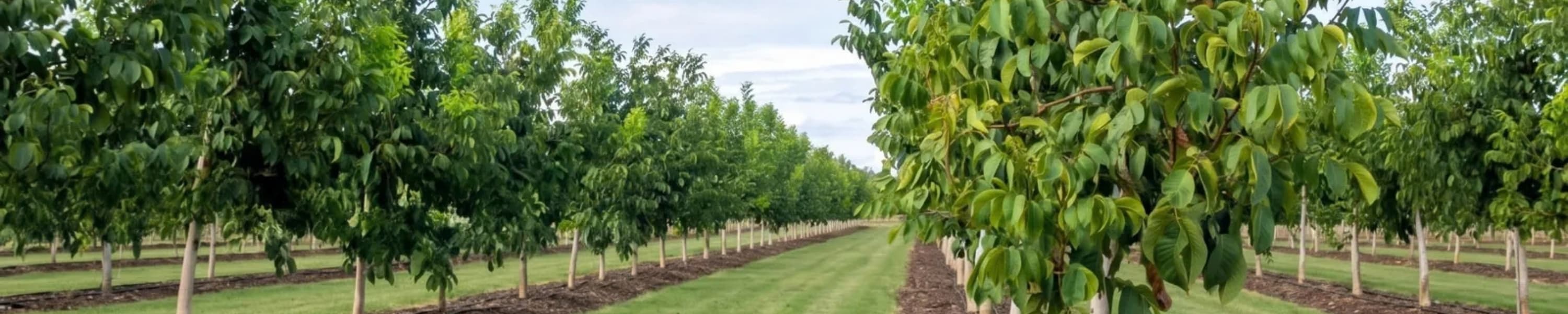




Walnut Orchard Establishment in Cyprus
Water has long decided where walnut grows in Cyprus. A 2023 pollen study (Pound et al.) cites historical sources: in the mid-20th century walnuts grew along watercourses or where irrigation was available, an 1833 Ottoman property register recorded walnut in settlements at 300 to 700 m, and walnuts from the Pitsilia area, at around 1,000 m, were praised in 1944. Rain ranges from under 300 mm a year on the central plain to up to 1,100 mm at higher elevations (Touchan et al., 2014).
Secure water before planting. Cyprus's 2023 report to the UNFCCC names droughts, through cuts in irrigation water, and frosts as the greatest climate threats to farming, and calls water for homes and irrigation in mountain areas the water sector's main vulnerability. In summer 2025 springs and boreholes in some Troodos villages ran dry for the first time in decades (Politis, August 2025), and in February 2026 dam storage fell to 13.8% of capacity (Sigmalive).
Plan sites and spacing around spring frost and tree size. Snow falls every winter on ground above 1,000 m, usually between early December and mid-April (2023 UNFCCC report). A 2026 review of nut orchard establishment from the University of Sarajevo advises slopes of 3 to 5% that let cold air drain away, late-budding cultivars against spring frost, and wide spacings such as 10 by 10 m or 9 by 7 m for terminal-bearing cultivars; lateral-bearing ones can be planted at 7 by 5 m or even 6 by 4 m.
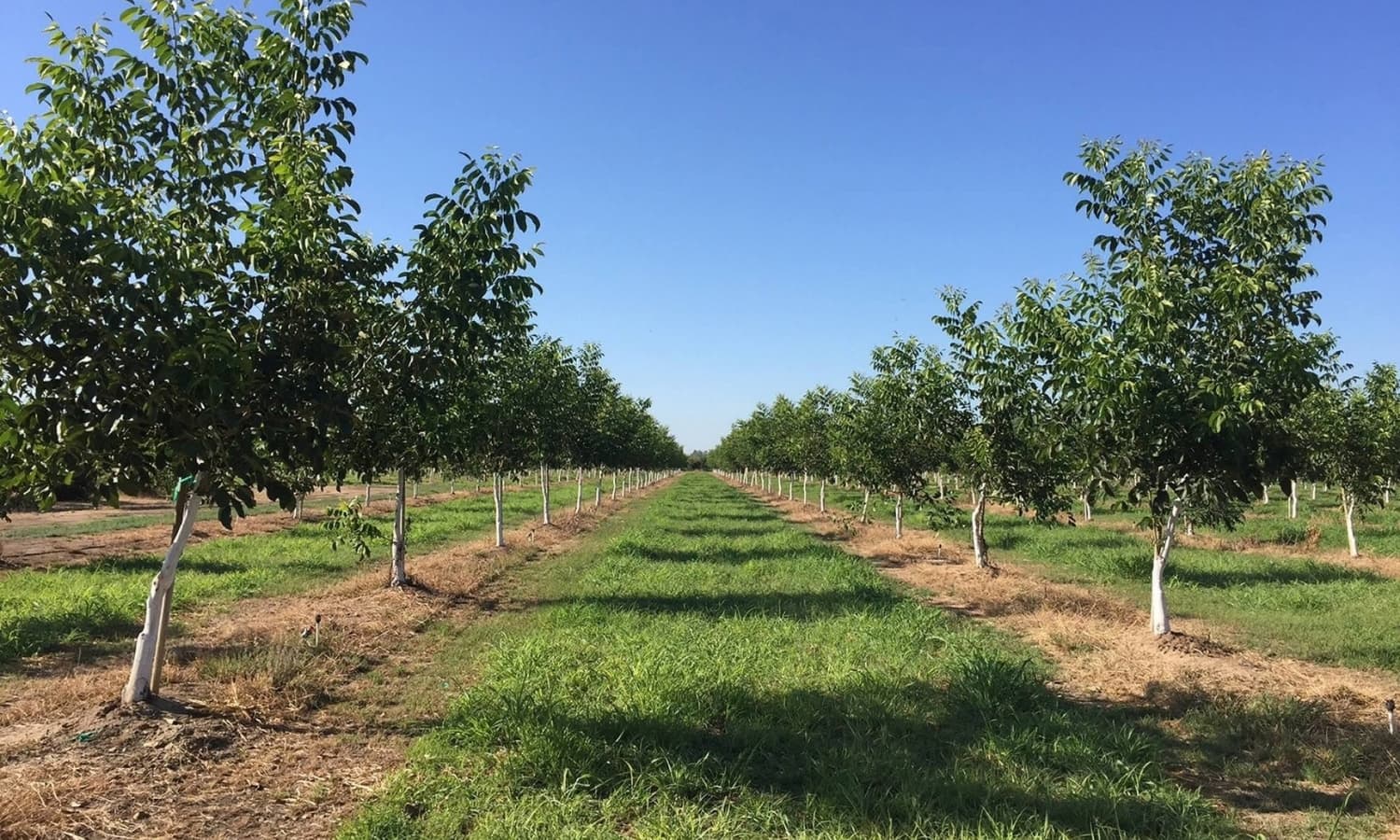

Practical Tips for Walnut Orchard Establishment
Plant only where irrigation water is secure in dry years; in Cyprus walnuts have long grown along streams or under irrigation.
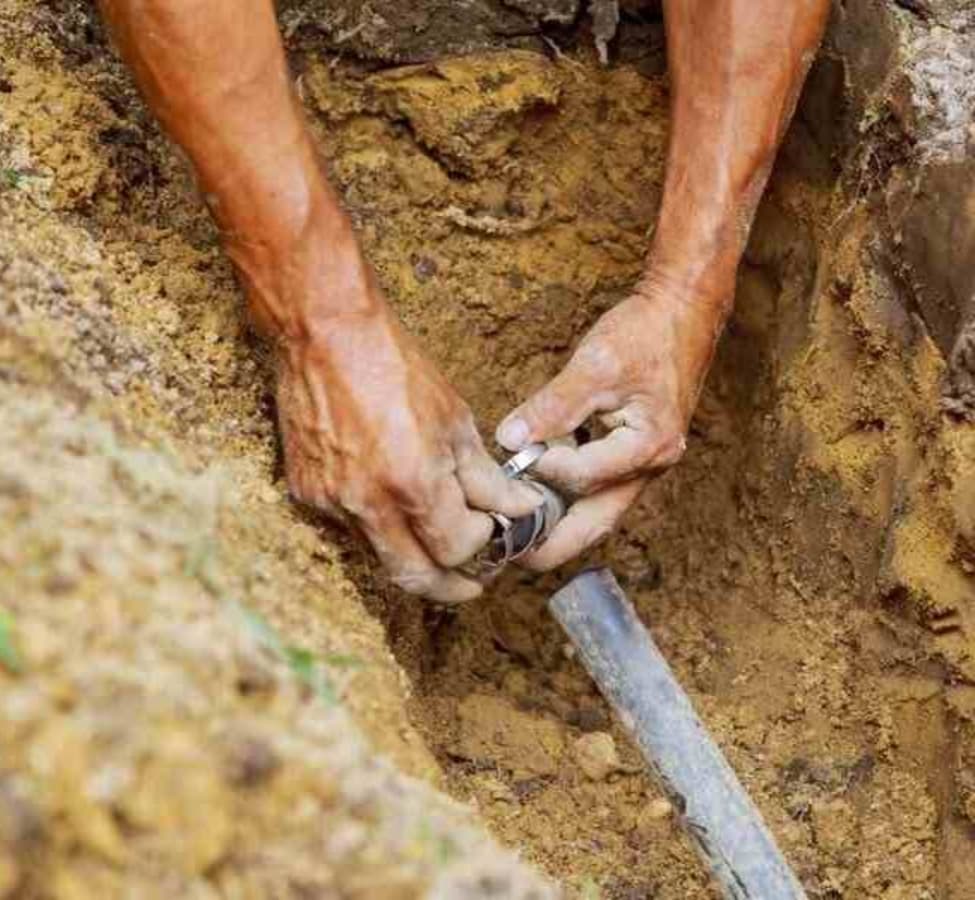
Build water storage and install drip lines before planting, since irrigation supplies in mountain areas are the most vulnerable to drought.
Avoid hollows where cold air collects; a gentle slope of 3 to 5% lets it drain away from the trees.
On high, frost-prone sites prefer later-leafing cultivars: UPOV classes Franquette as late, Chandler as medium and Hartley as early to medium.
Match spacing to bearing habit: about 10 by 10 m for terminal-bearing cultivars and closer, from 7 by 5 m, for lateral-bearing ones.
Subsoil to 60 to 80 cm before planting to break up plow pans, and check the soil profile down to about 90 cm.
Recommended Establishment Stages
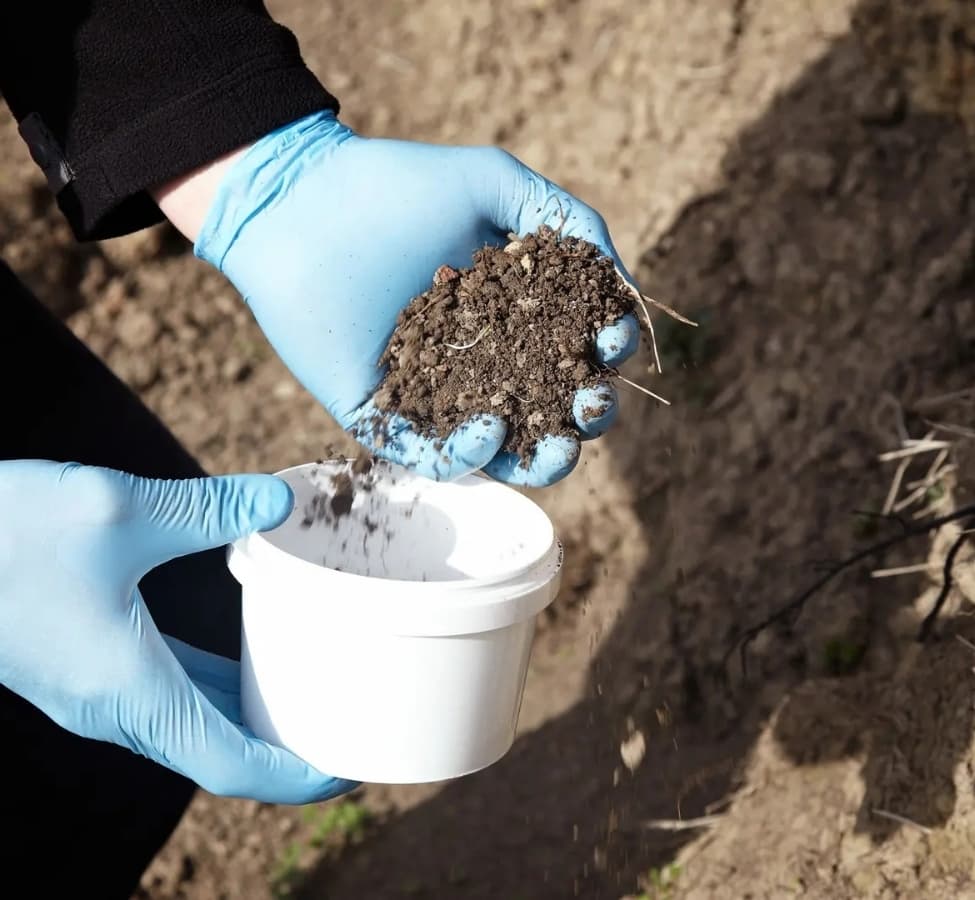



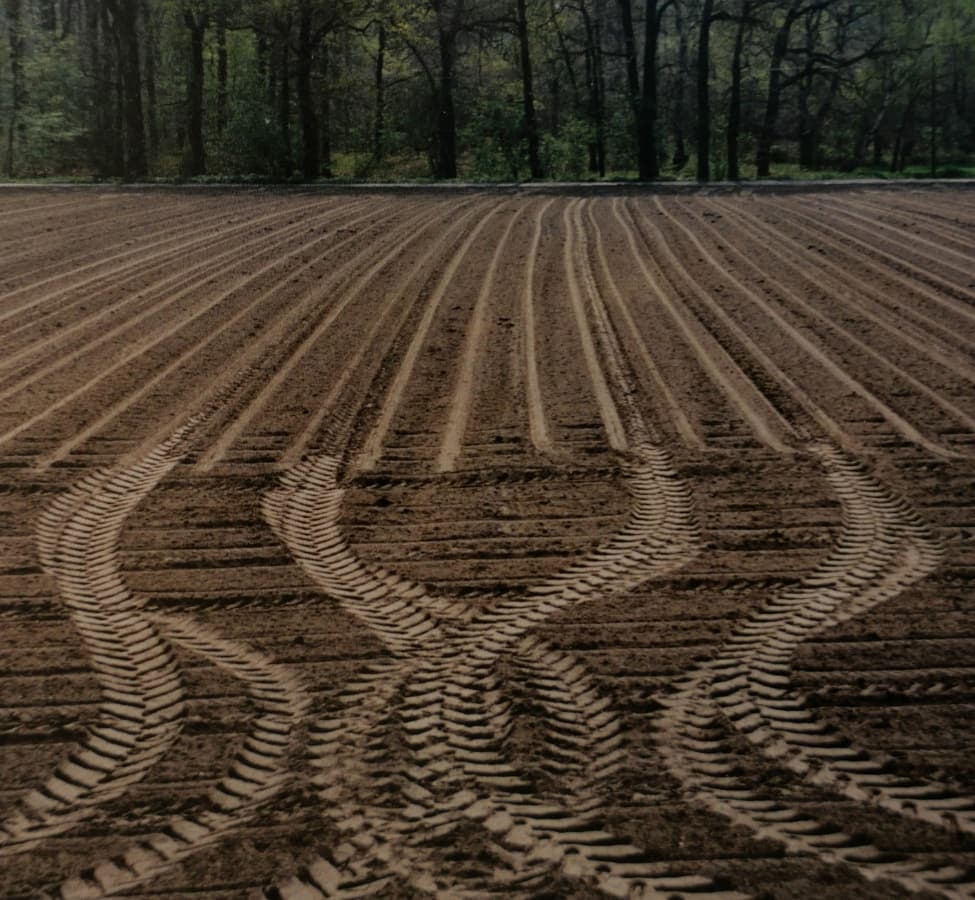


Walnut Orchard Care & Maintenance in Cyprus
Summer water is the main care task. The Department of Meteorology describes a hot, dry summer from mid-May to mid-September with no more than about 5% of the year's rain, and evapotranspiration rose by 60 to 80 mm between 1976 and 2006 (2023 UNFCCC report). University of California harvest guidance warns against letting walnut trees become water stressed in summer or before harvest.
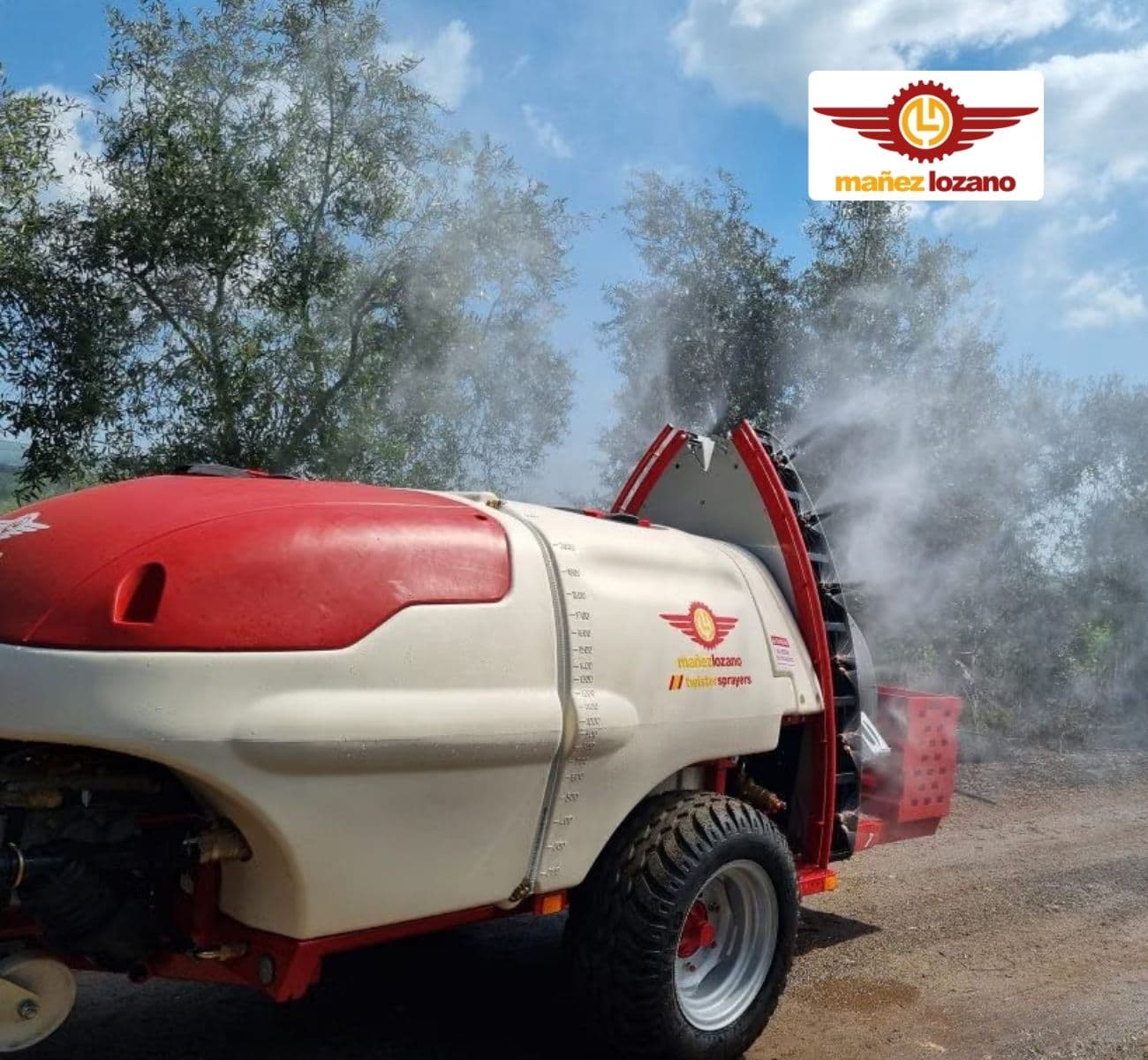
EPPO lists no record of walnut husk fly or walnut blight in Cyprus, but a missing record is not proof of absence. Codling moth is recorded in Cyprus (EPPO, on information dated 1989); University of California guidance monitors it in walnut with pheromone traps, as the Department of Meteorology advises for pome and stone fruit. In 1984 and 1985 the villages of Kambi tou Farmaka, Farmakas and Palaichori were declared districts for founding walnut protection associations.
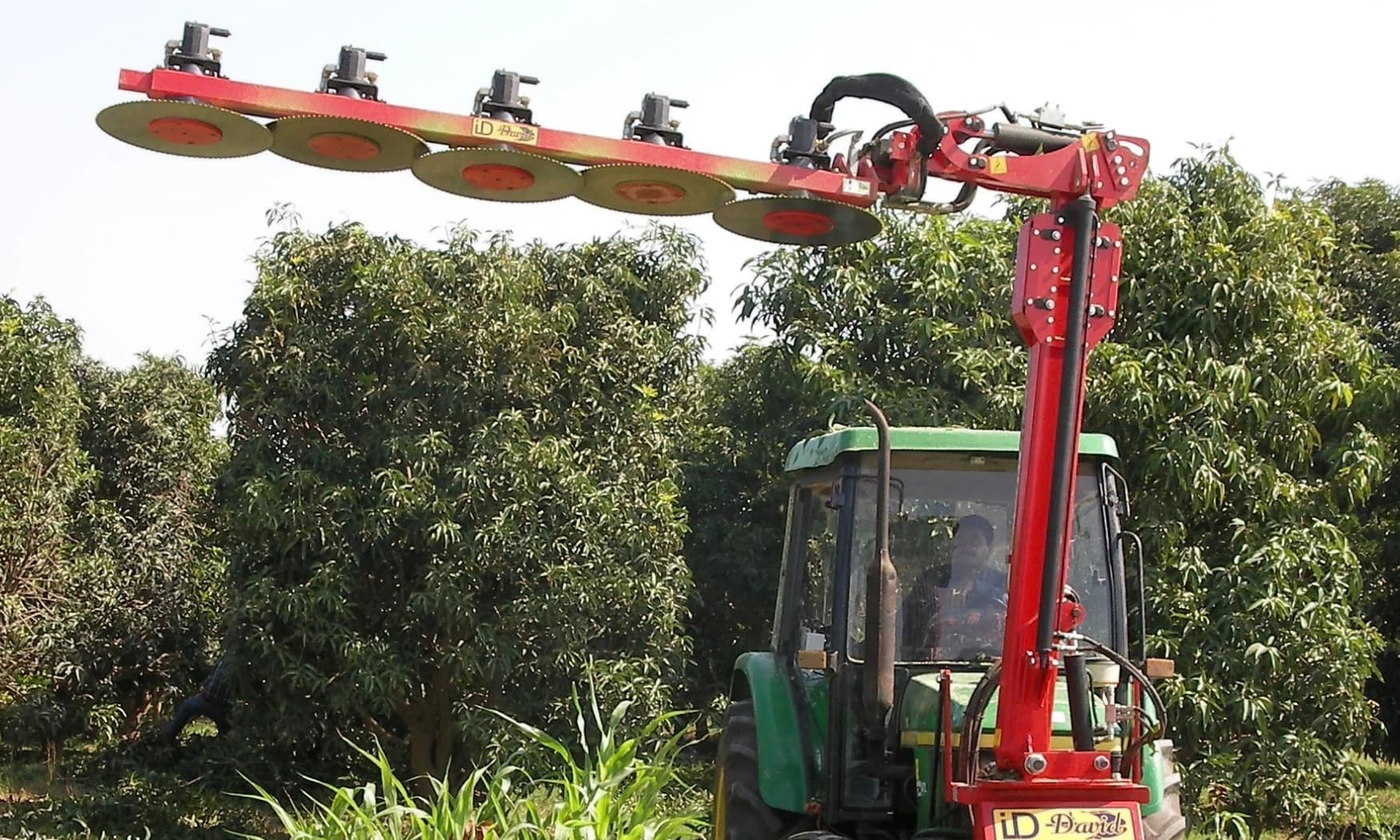
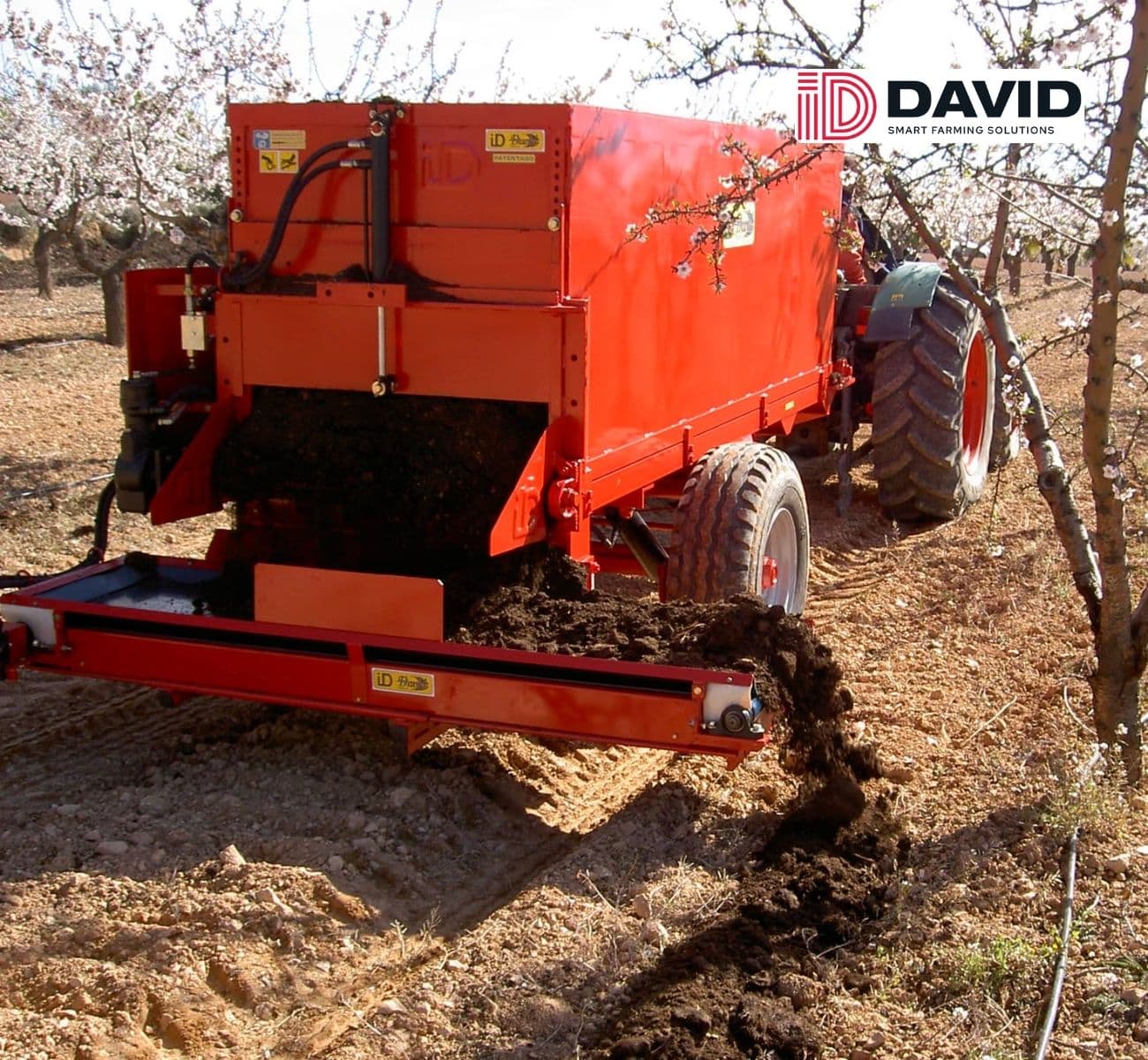
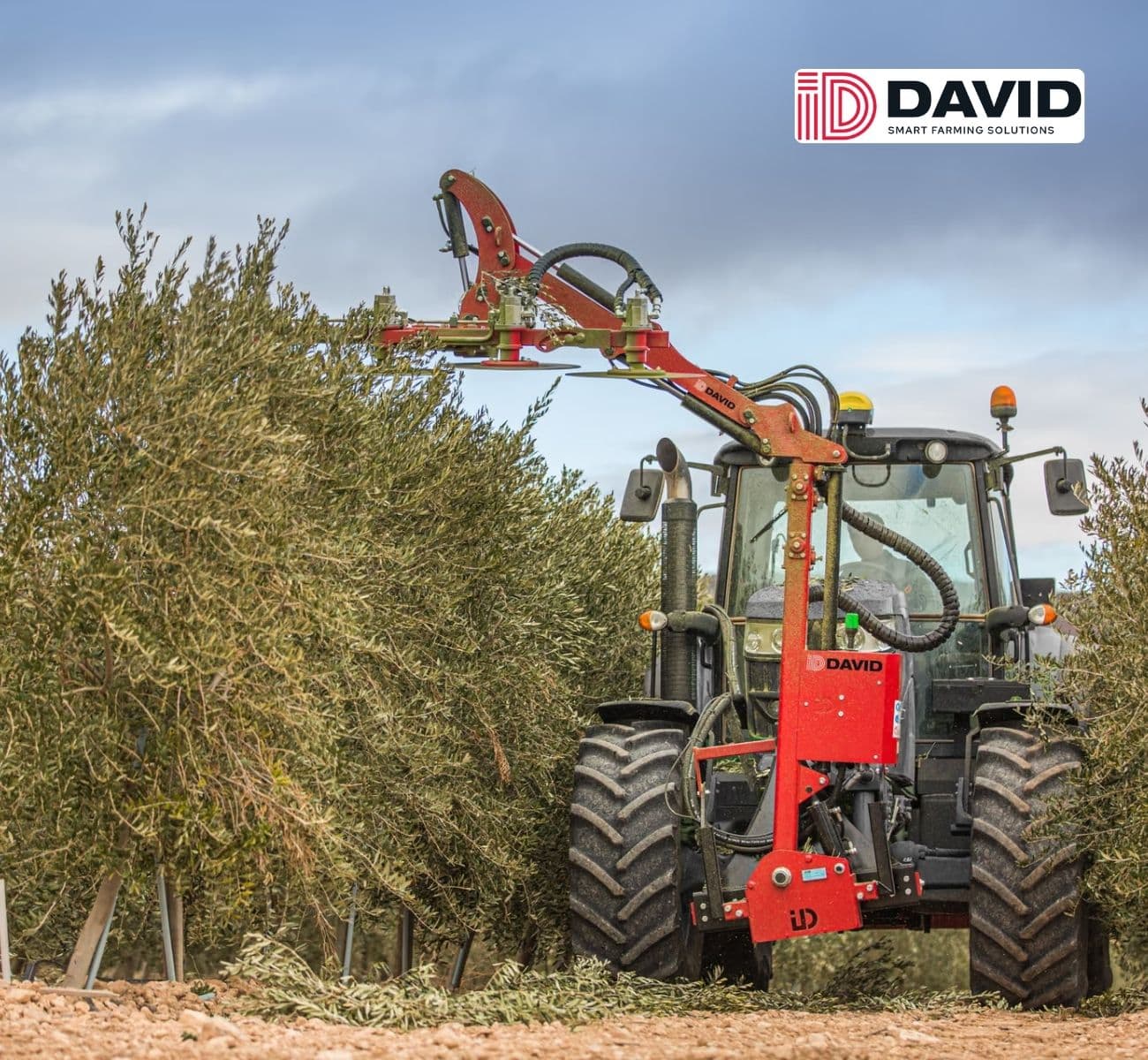
The community website of Spilia and Kourdali says its two rivers are full of old and new walnut trees, very tall trees that need careful tending to bear a rich, good-quality crop. In new plantings, train each tree to one straight trunk with room for a shaker clamp, keep crowns open to light and air, base fertilizer on soil analysis, and mow and level the orchard floor before harvest.
Recommended Orchard Care & Maintenance Stages



Practical Tips for Walnut Orchard Care & Maintenance
Water through the summer and until shortly before harvest; University of California guidance warns that cutting water off too early can make hulls shrivel.
Hang pheromone traps for codling moth by bud break and time any treatment from the catches with degree-days or Department of Agriculture notices, not the calendar.
If hulls turn black and soft in summer, have the damage checked: EPPO has no record of walnut husk fly in Cyprus.
Prune for open crowns that dry quickly after rain, removing dead and diseased wood so spray reaches the whole tree.
Form a single straight trunk on young trees, keeping a clean section where the shaker clamp will grip.
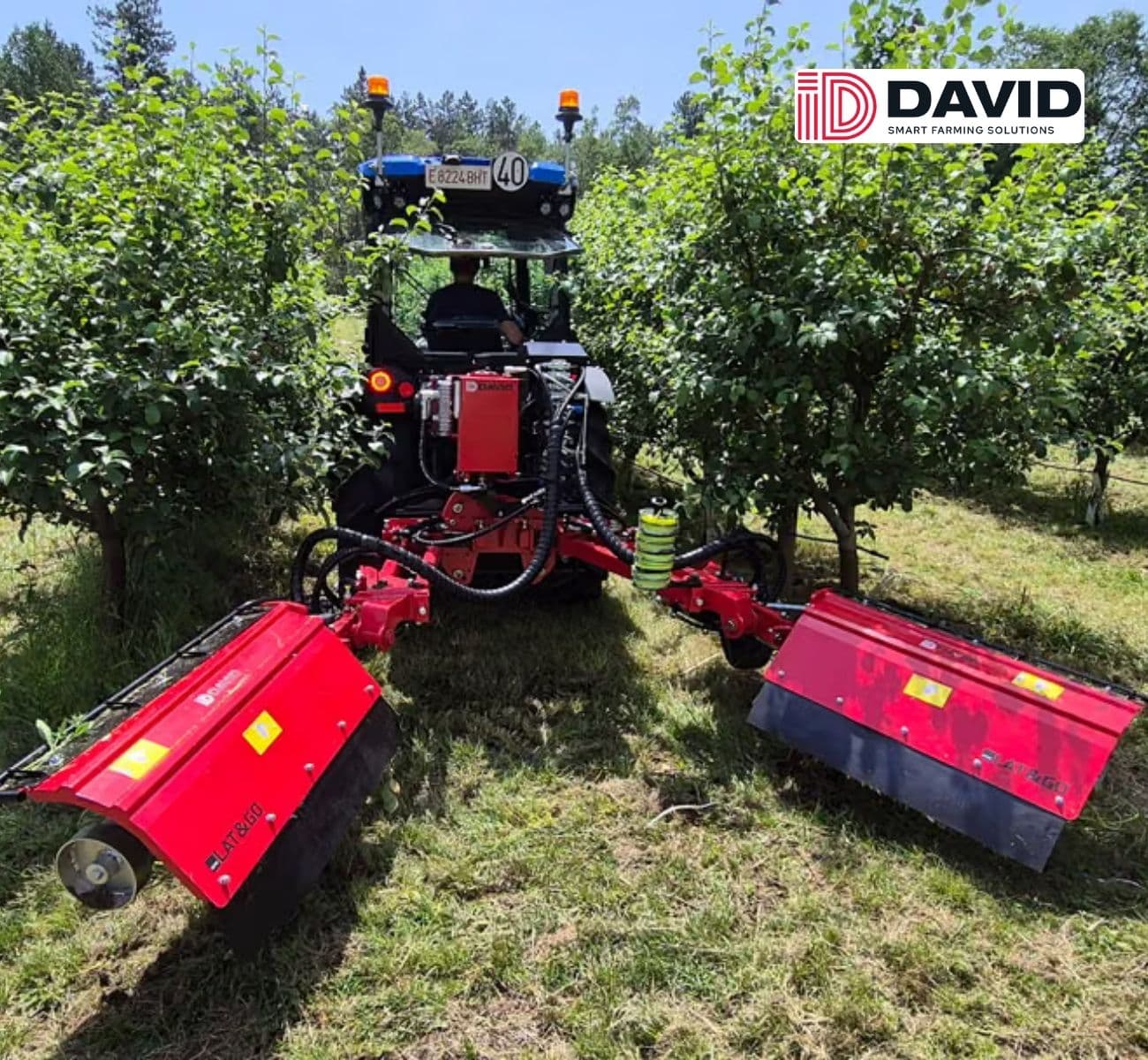
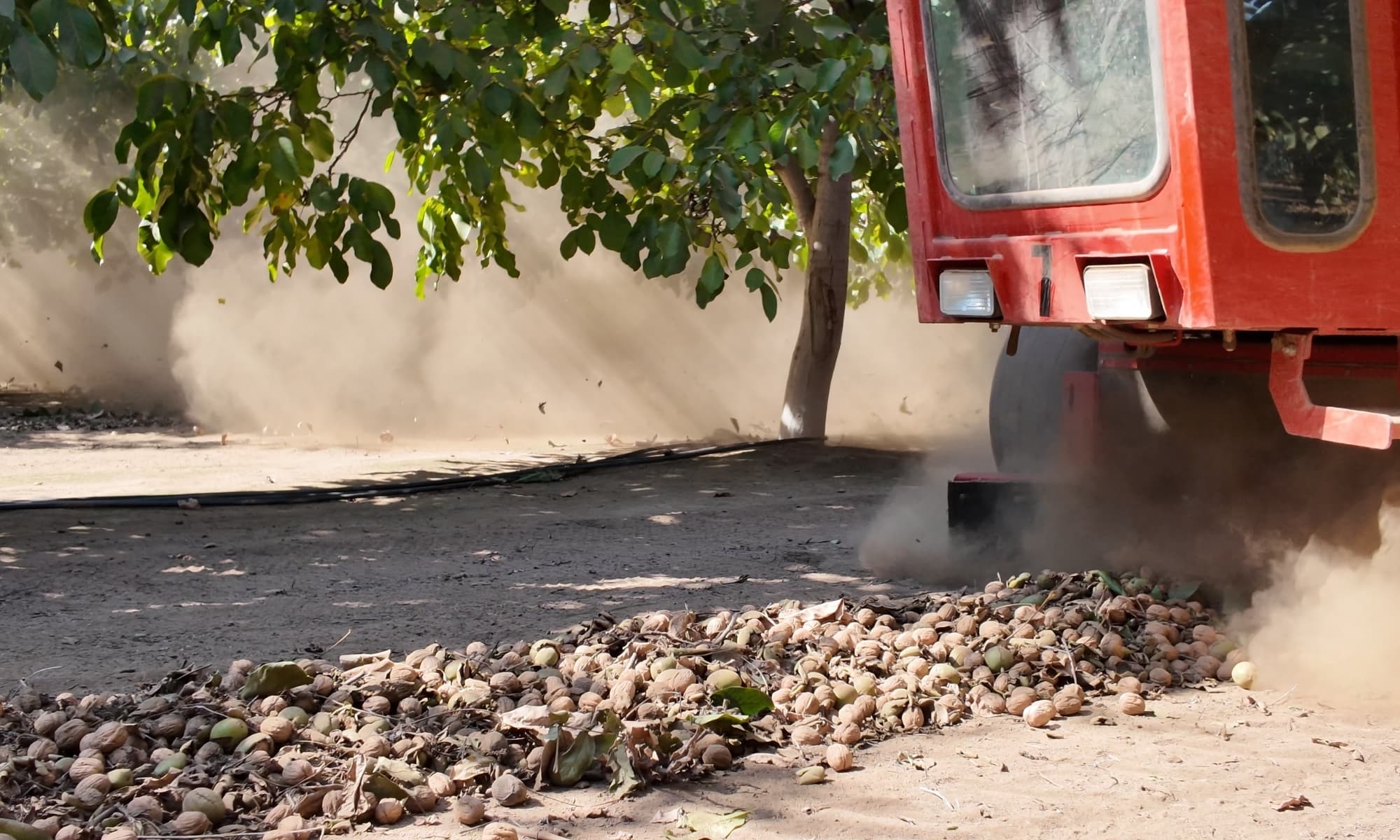
Before harvest, mow, clear fallen branches and level the orchard floor so nuts can be swept and picked up cleanly.

Walnut Harvesting in Cyprus
A 2004 text on the community website of Spilia and Kourdali describes the village harvest: many green walnuts are cut in June for the karydaki spoon sweet, and in September the trees are struck with long poles so that the ripe nuts fall and can be gathered. No published account of mechanized walnut harvesting in Cyprus was found. Farm holders or managers averaged 63 years of age in 2020 and 2023, up from 59 in 2010 (CYSTAT).
Harvest when the packing tissue between the kernel halves has just turned brown and most hulls have split: kernels are then at their lightest and most valuable, according to University of California guidance. Speed matters after that, because most quality loss happens in the first 9 hours after harvest and kernels darken faster in hot weather.
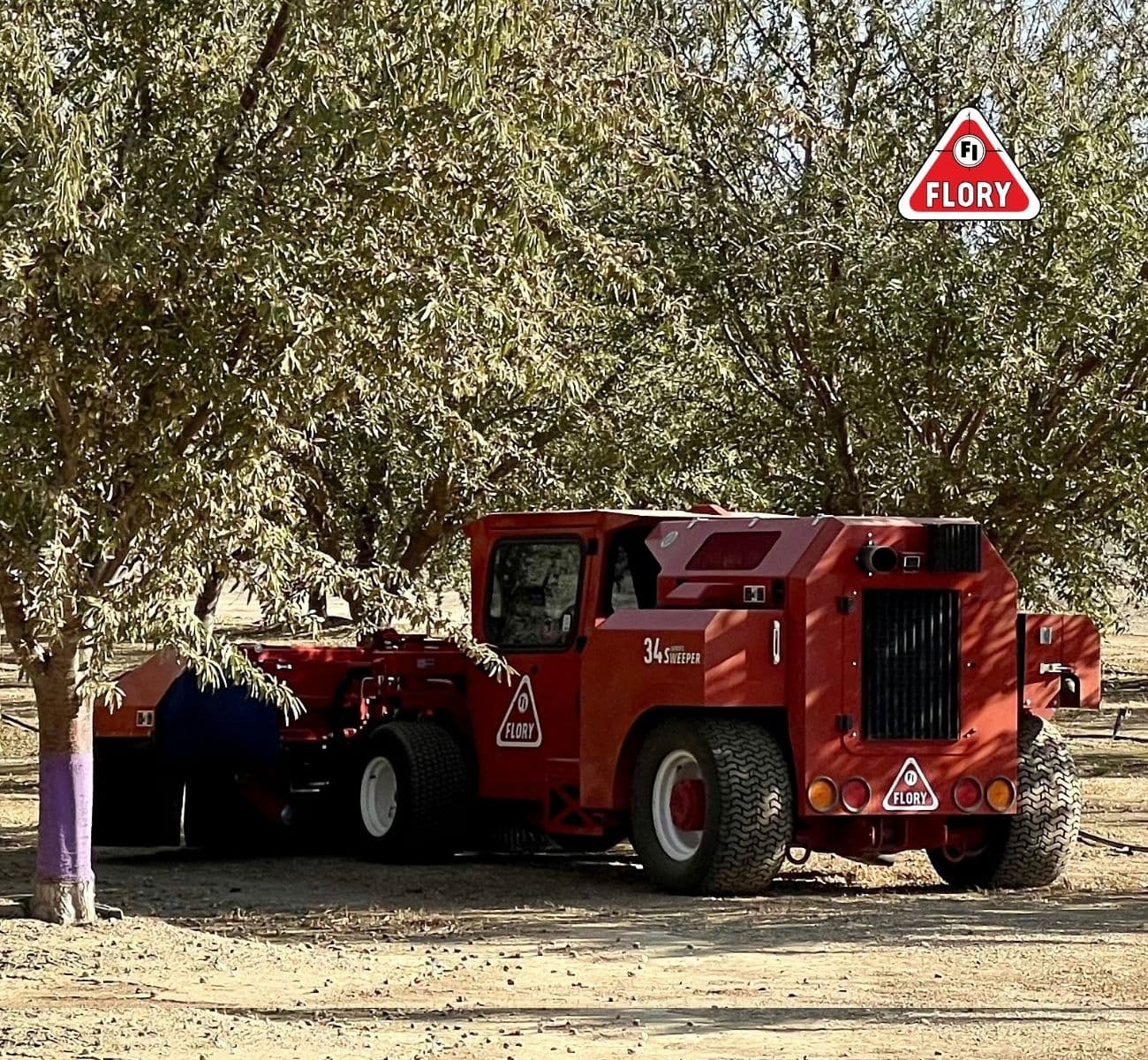
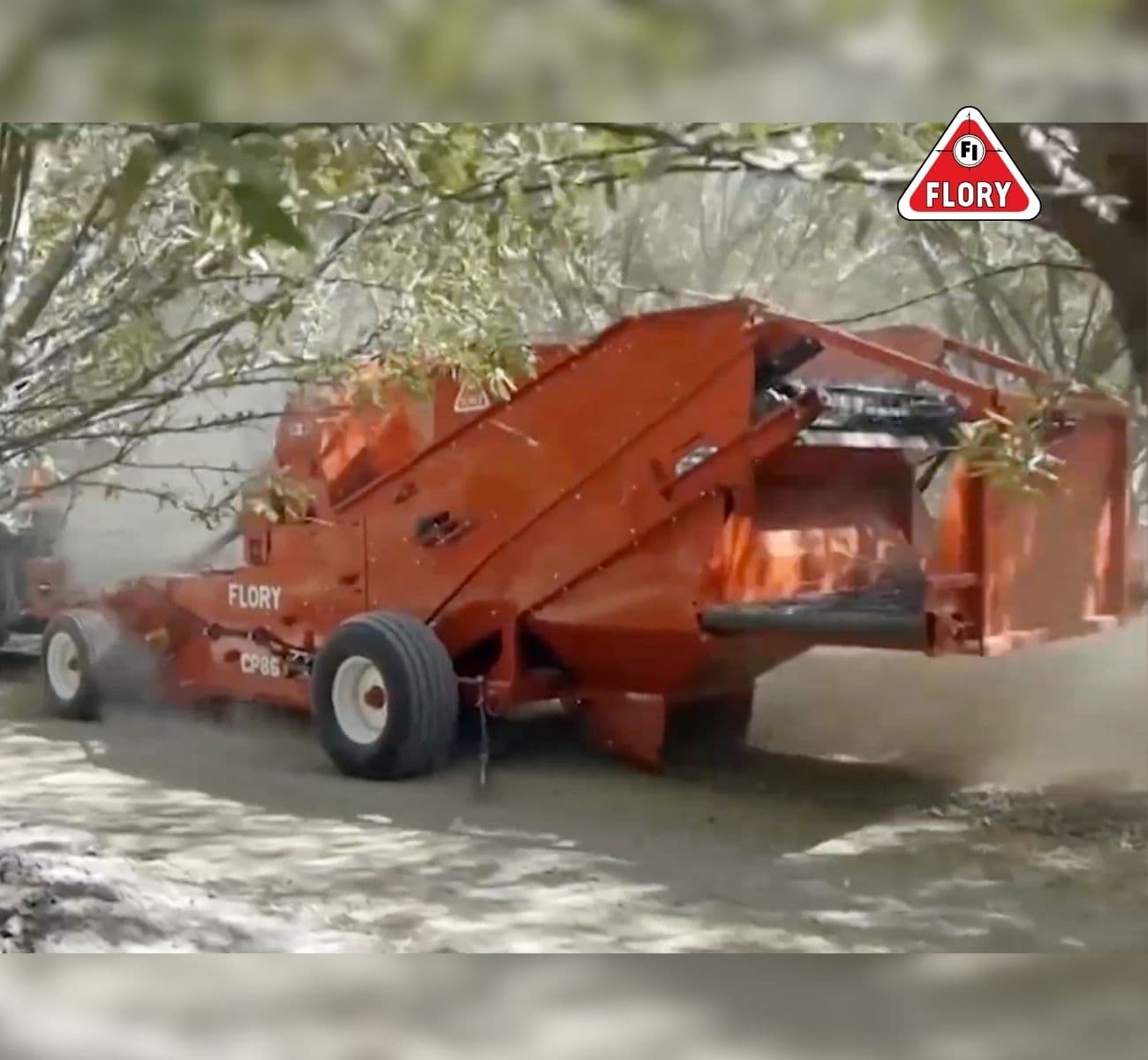
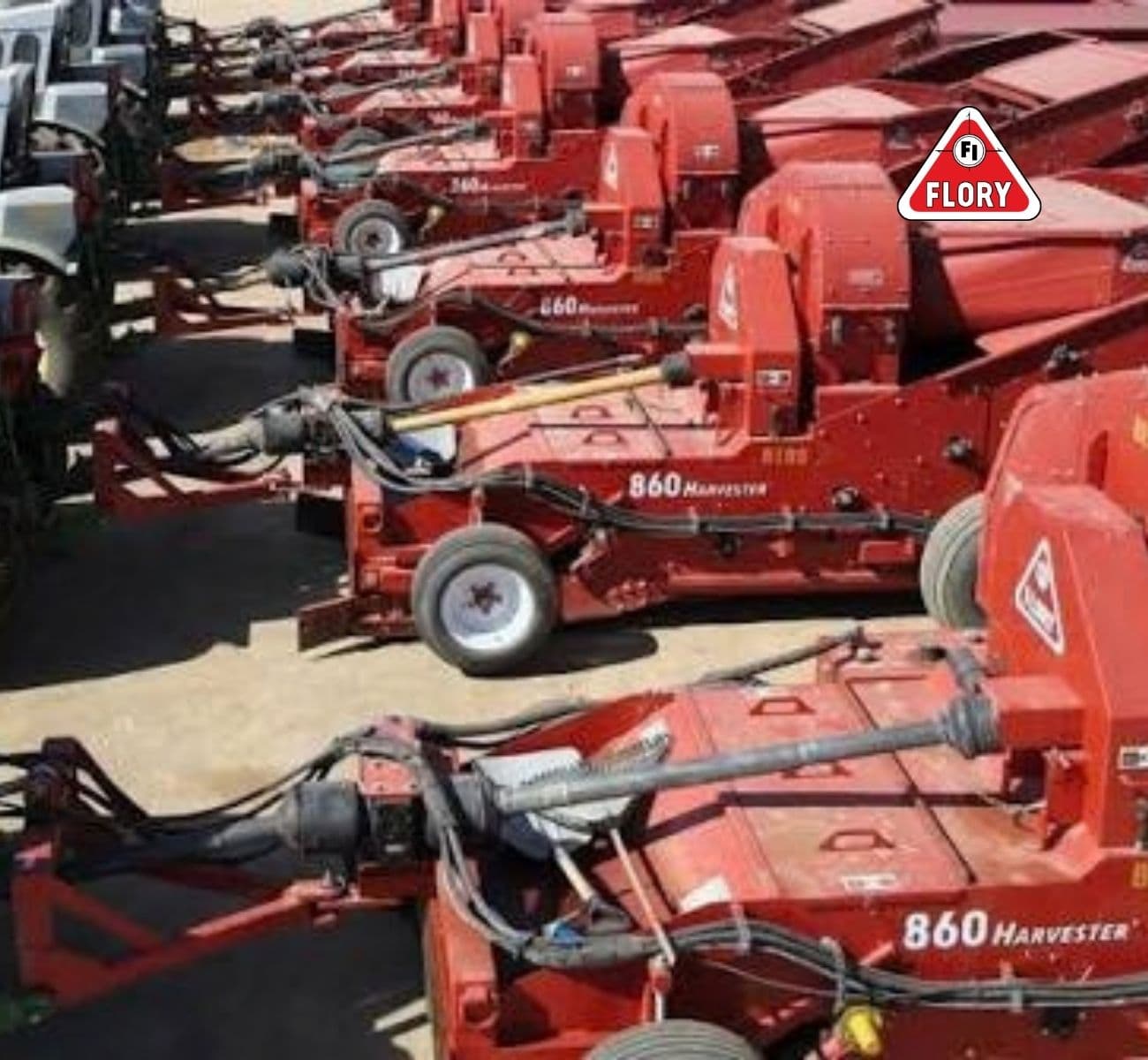
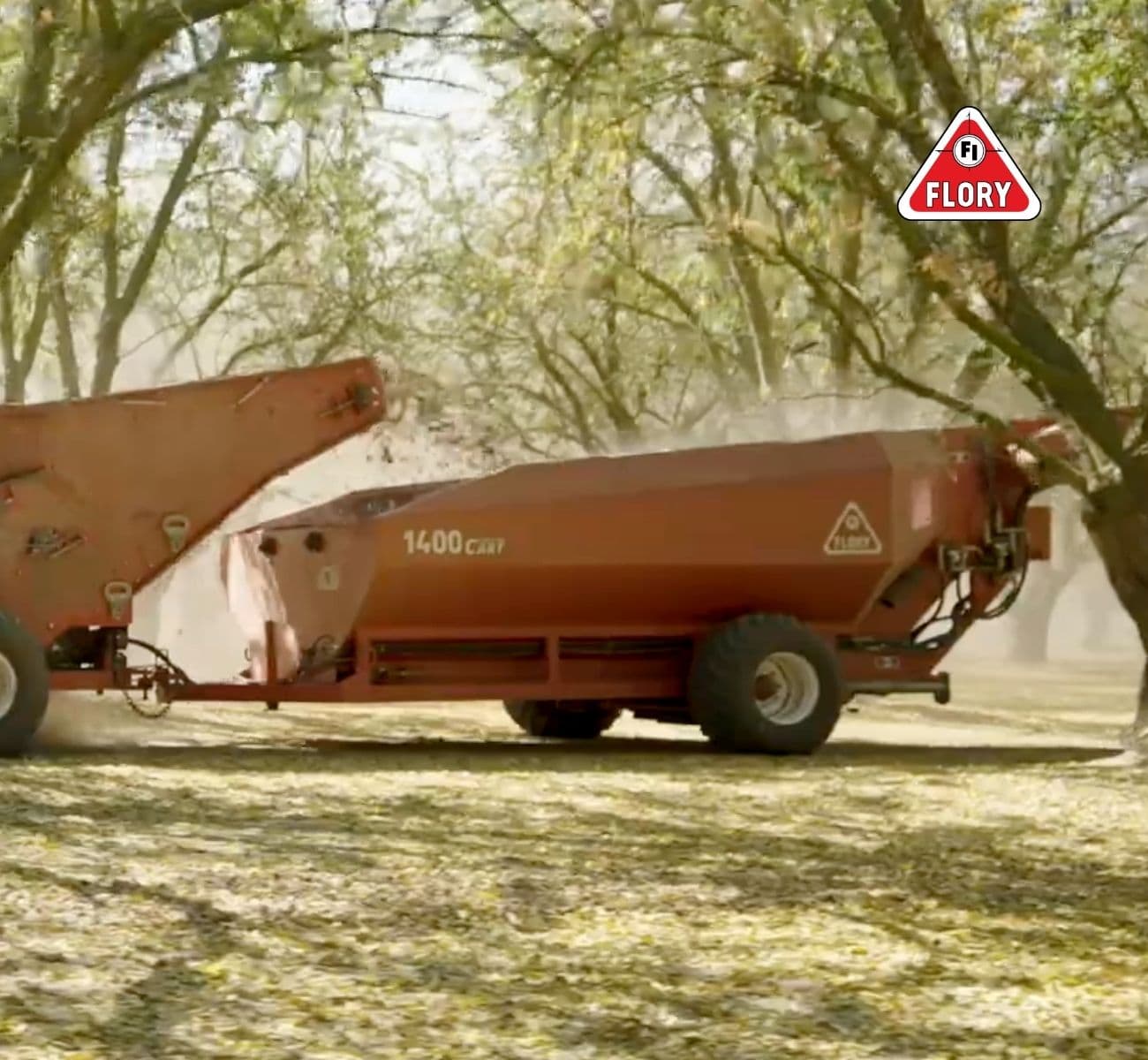
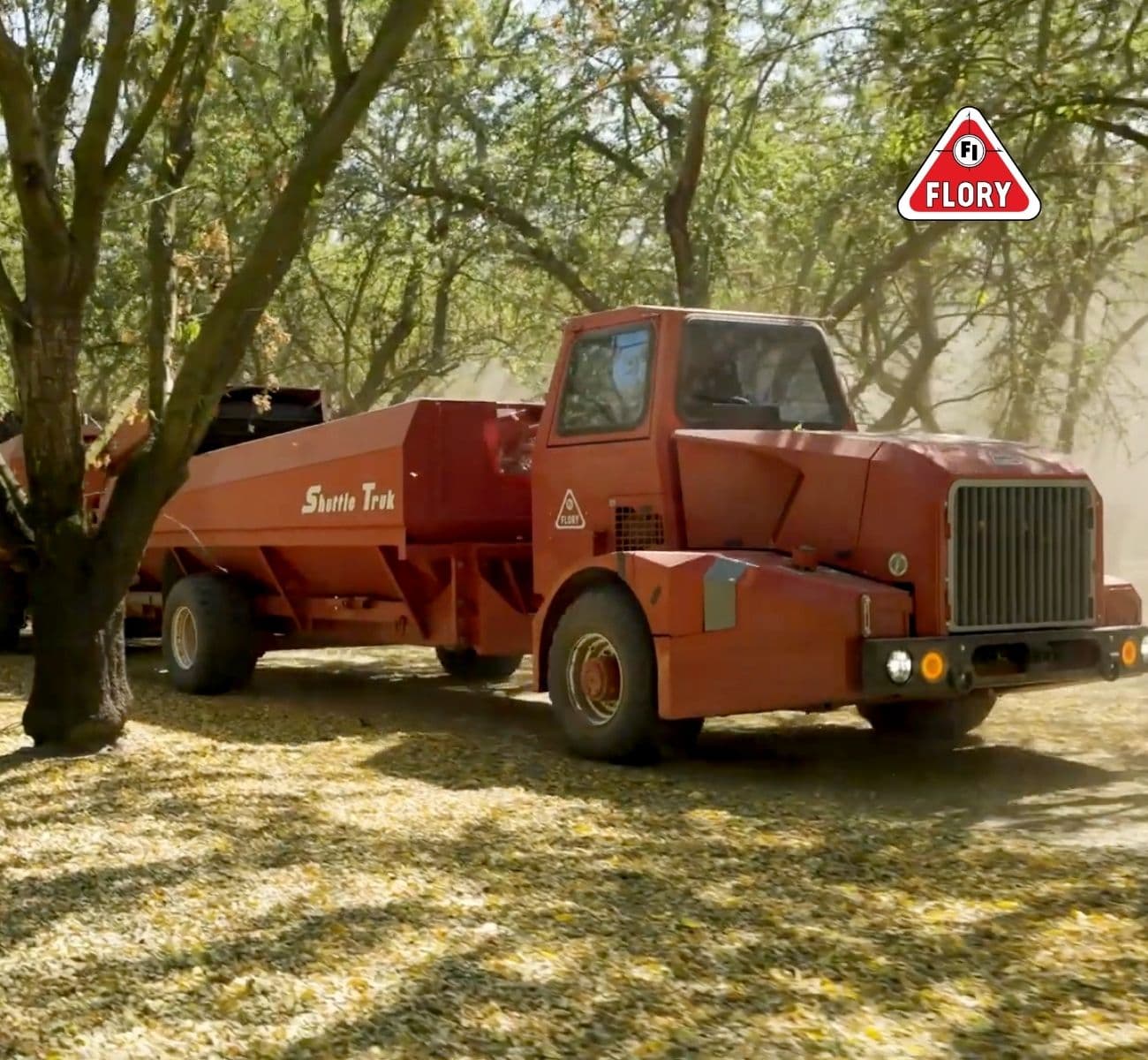
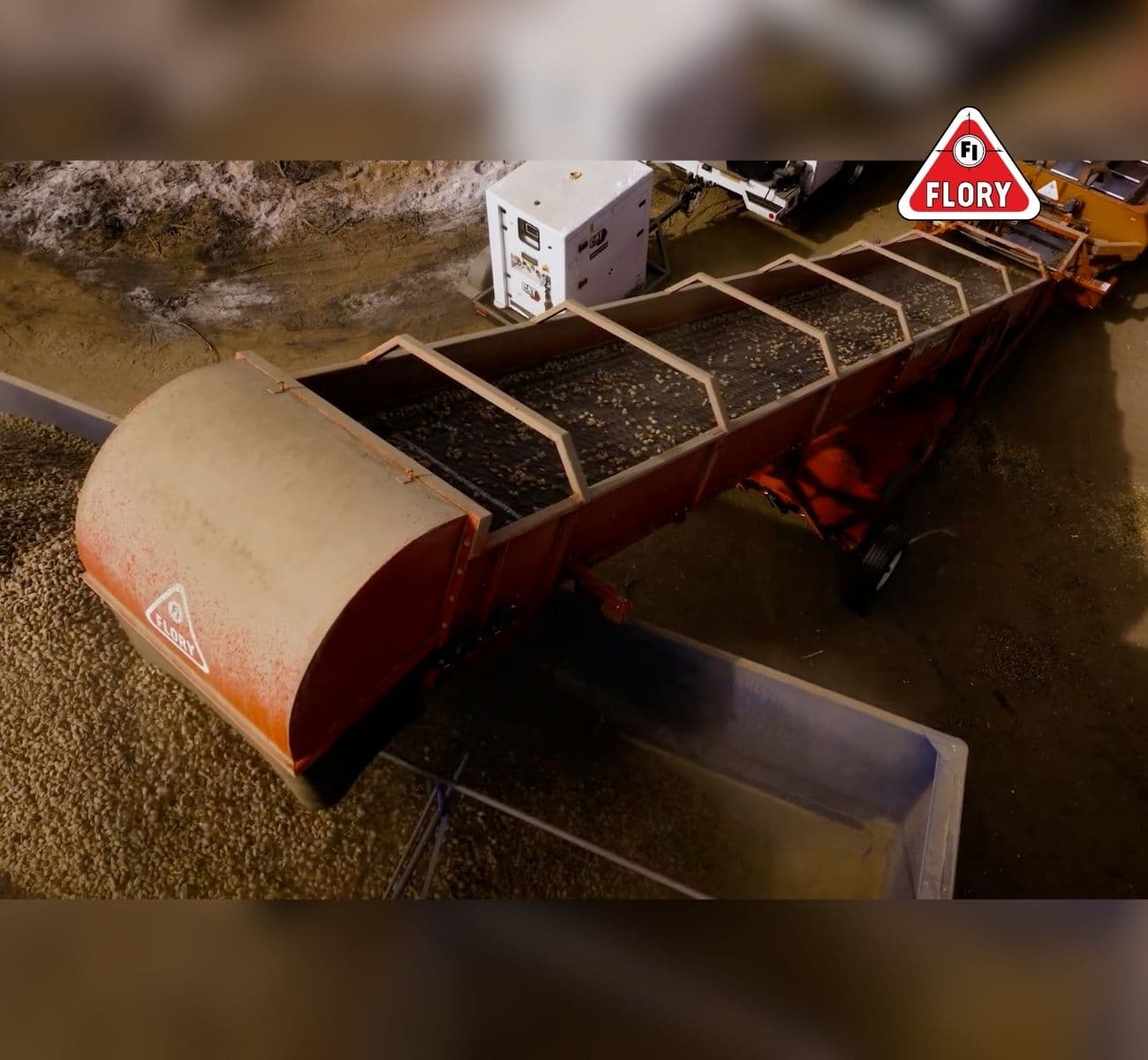
Mechanized harvesting needs orchards planned for it, with straight rows, access lanes and a firm, level floor. In such orchards a line of trunk shaker, sweeper, harvester, conveyor cart, shuttles and field elevator gathers each block on time, so nuts wait less on the ground and fewer hands are needed. Flory harvesting machinery is available in Cyprus through OVE Europe.
Walnut Harvest Workflow (Recommended Equipment)

Practical Tips for Walnut Harvesting
Open a few nuts in each block and start shaking when the packing tissue has just browned and most hulls have split.
Shake, sweep and pick up each block on the same day, because kernel quality starts to fall within hours.
Keep harvested nuts in the shade and get them to the huller quickly, as heat darkens the kernels.
Mow and level the floor and clear fallen branches before harvest, so the sweeper and harvester pick up less debris.
Before the season, check clamp pads and shaking time, especially on young trees, to protect the bark.
Line up hulling and drying capacity before harvest, so every load is processed on the day it is picked up.
Get your recommended harvest setup
Enter orchard size, spacing, terrain, and target throughput—we’ll suggest a practical harvest workflow and equipment lineup.

Walnut Post-Harvest Handling & Processing in Cyprus
A 2004 account from Spilia and Kourdali describes cutting the green hull away with a knife and leaving the nuts in the sun for a few days to dry. University of California guidance differs: hull and wash the nuts as soon as possible after harvest, avoid sun drying, which darkens the kernel, and dry to 8% moisture, measured on the whole nut, with air no hotter than 43 °C.
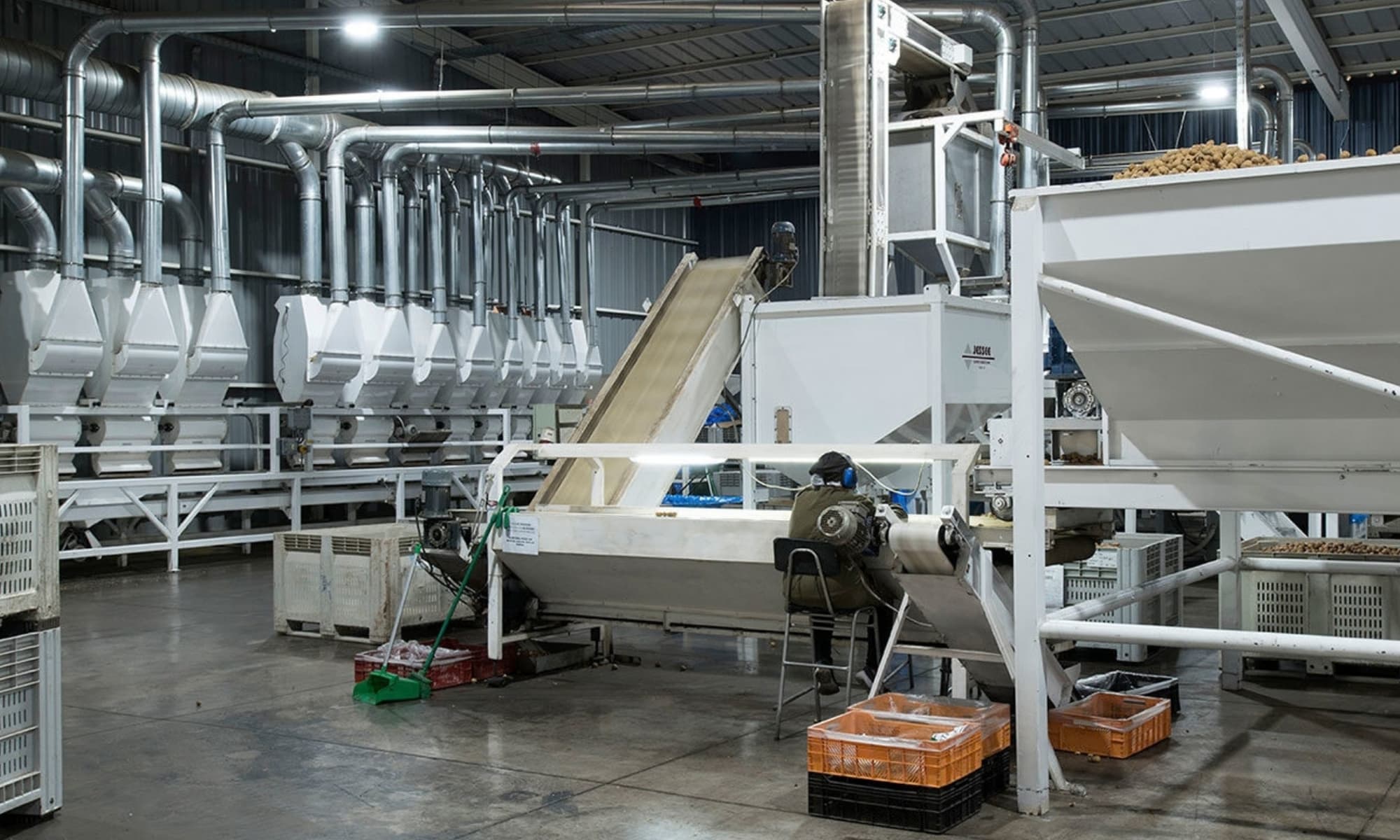
Kernel imports rose from 247 t in 2022 to 378 t in 2025, mostly from Chile, Greece and Germany (UN Comtrade via WITS), against a local crop of about 170 t in 2025 (Eurostat, provisional). Jessee, whose processing lines OVE Europe supplies, builds hulling, drying, in-shell cleaning and sizing, and cracking equipment for walnuts, and rates its standard hulling lines at 10 to 30 tons of output per hour.
For general information only. Information may become outdated and does not replace site-specific professional advice. Consult a qualified agronomist and confirm equipment suitability with OVE before acting.
Practical Tips for Walnut Post-Harvest Handling & Processing
Hull the nuts on the day they are harvested; the longer hulls stay on, the more nut quality deteriorates.
Wash the nuts after hulling to prevent shell staining and remove soil, and start drying the same day.
Dry in a dryer or in shade with good air flow rather than in direct sun, which darkens walnut kernels.
Keep drying air at 43 °C or below and stop at about 8% moisture on the whole nut; overdried nuts lose saleable weight.
Store dried in-shell nuts cool and dry; they keep their quality for about a year at 4 °C.
Plan the June picking of green walnuts for the spoon sweet separately from the September harvest of ripe nuts.
Recommended Post-Harvest Handling & Processing Stages









Plan your post-harvest line
Estimate tons/day, cleaning & drying capacity, storage needs, and cost/kg—then build your equipment plan in phases.