






Walnut Orchard Establishment in France
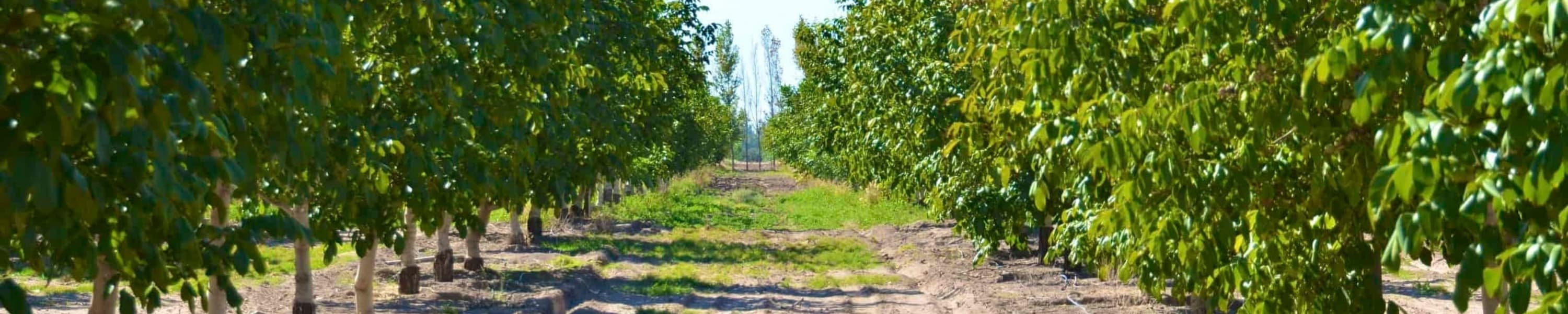
Walnut is grown in two main basins. Noix de Grenoble orchards in the Isère valley lie at 150 to 800 m, on three terroirs from hills and slopes to an alluvial plain with deep, free-draining soil (CING), and the Noix du Périgord specification describes well-structured, naturally well-drained soils. Spring frost is the main site risk: Franquette breaks bud late, in the last ten days of April, while Lara and Fernor flower earlier (Senura). Frosts from late March to mid-April 2021 cost up to 60% of the potential crop in some Southwest plots.
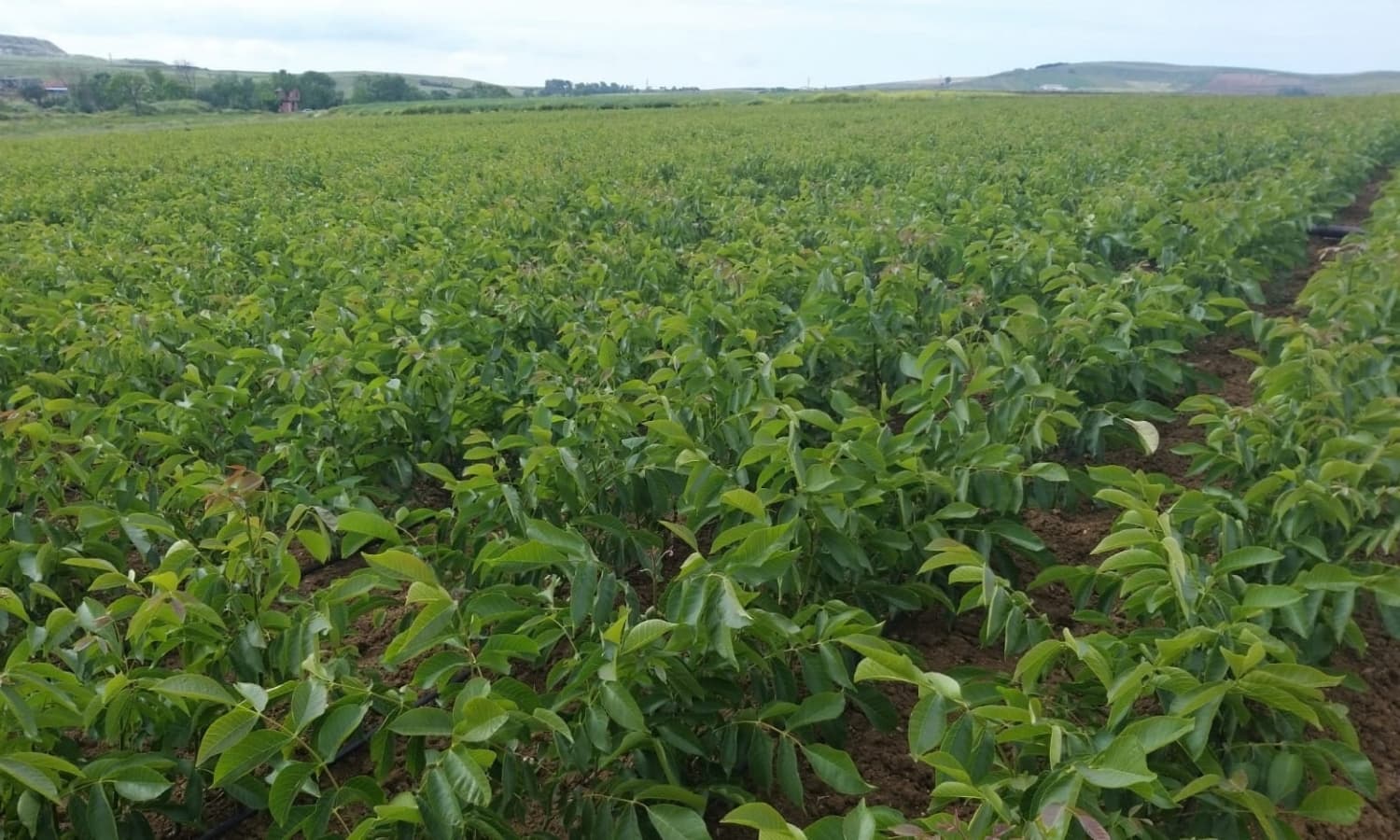
Space trees by bearing habit. Senura, the walnut research station in Isère, advises about 10 m between trees of traditional varieties and about 6 m for more productive, less vigorous ones such as Lara, and warns that dense orchards close up quickly, with a risk of decline. Since 2026 both PDOs admit Fernor, a lateral-bearing variety, at 48 m² per tree, against 80 m² (Périgord) or 100 m² (Grenoble) for traditional varieties; Fernor plantings in Périgord must be spaced at least 8 × 6 m.
Most trees are grafted on seedling Juglans regia rootstocks, which give vigor and tolerance to cherry leafroll virus (CLRV); interspecific hybrid rootstocks suit the more productive lateral-bearing varieties but are sensitive to the virus (Senura). In a Senura trial, Fernor on a hybrid rootstock gave the best mix of yield, nut size and quality in 2025. Traditional varieties begin bearing from about the tenth year, hybrid varieties from about the fifth.

Practical Tips for Walnut Orchard Establishment
Choose sites with low spring frost risk: Franquette leafs out late, in the last ten days of April, while Lara and Fernor flower earlier (Senura).
Plan spacing by bearing habit: about 10 m between traditional trees and about 6 m for less vigorous, more productive varieties such as Lara.
For PDO nuts, follow the 2026 rules: at least 48 m² per Fernor tree and 80 m² (Périgord) or 100 m² (Grenoble) for traditional varieties.
Plan how to open up a dense orchard later, by removing every second tree or by heavy pruning, before the canopy closes and trees start to decline.
Choose rootstocks with the virus risk in mind: seedling Juglans regia tolerates cherry leafroll virus, while hybrid rootstocks are sensitive to it.
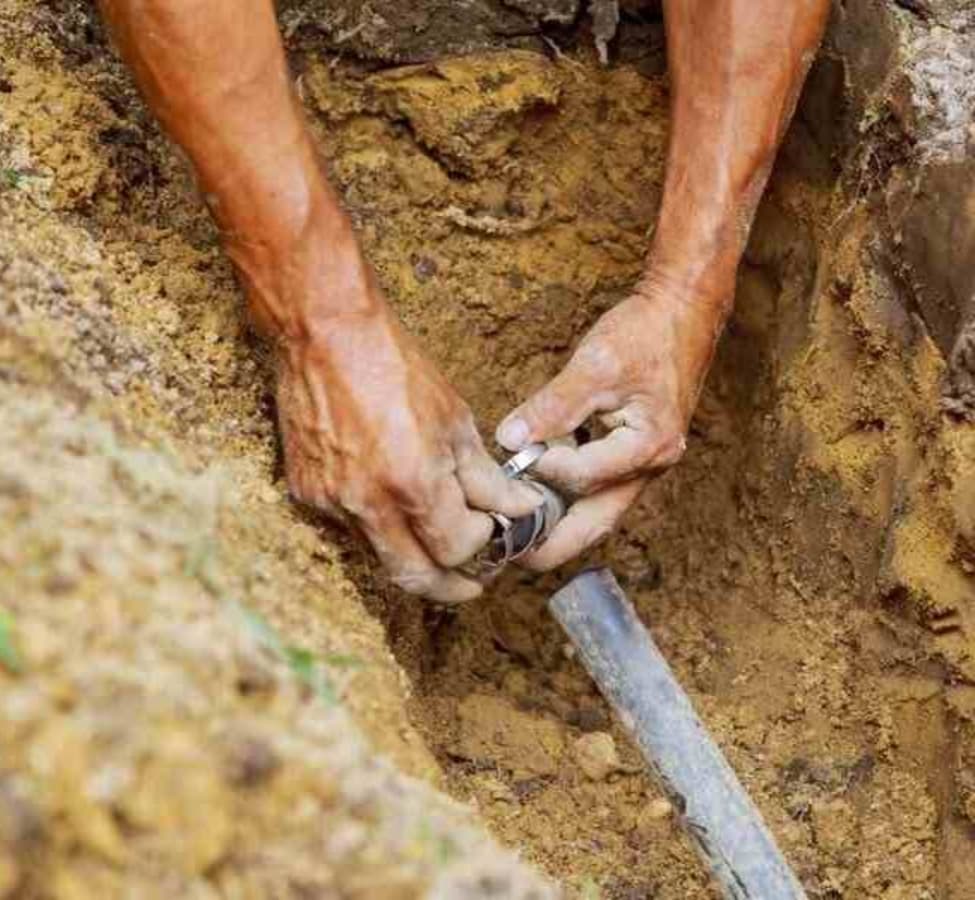
Install irrigation before planting; sprinkler, drip and micro-jet systems are used, but PDO orchards may not sprinkle over the canopy.
Recommended Establishment Stages




Walnut Orchard Care & Maintenance in France
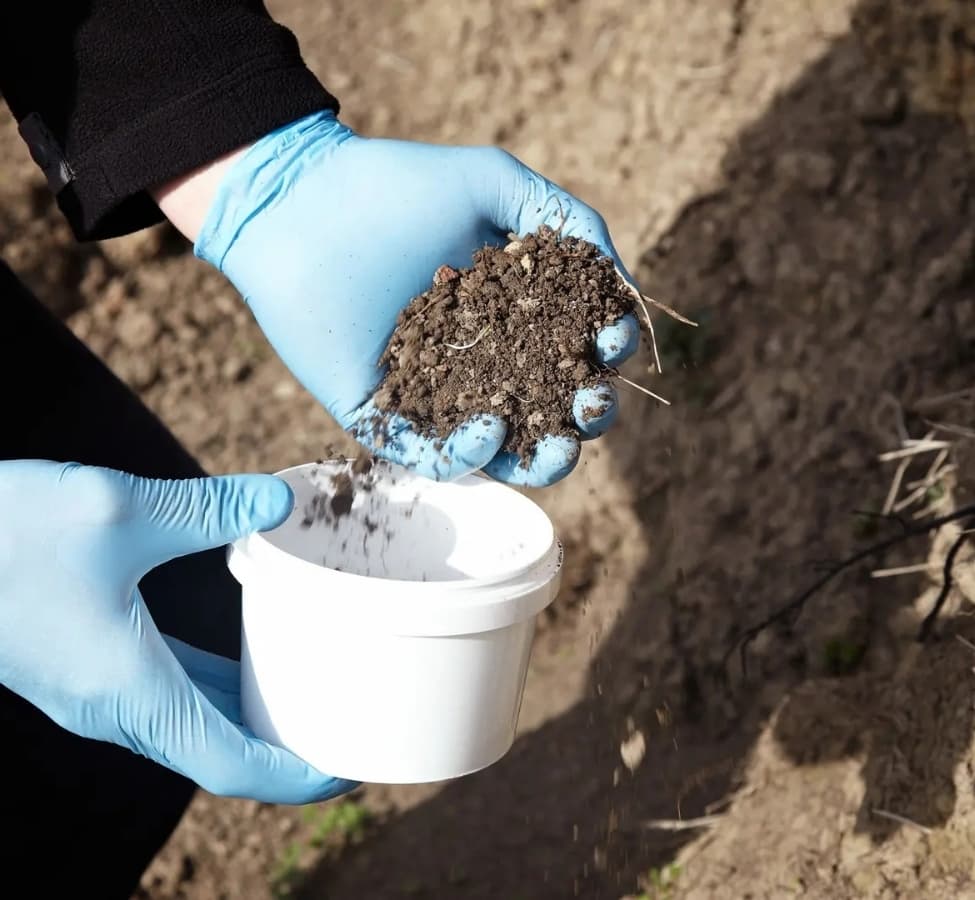
Bacterial blight is the main cause of walnut losses in France, according to Senura: nut drop from June to harvest can reach 80% of a tree's potential. Risk is highest from budbreak, in wet weather at 15 to 30 °C, and wounds from wind or hail raise it. The Southwest plant-health bulletin of April 2026 stresses prevention: split nitrogen, a soil pH of at least 7, good calcium nutrition and regular pruning.
Fungi and insects add to the losses. In 2025, blight and a fungal complex including Colletotrichum cost more than half the crop in some Southwest orchards. The walnut husk fly (Rhagoletis completa), first found in France in 2007, has one generation a year, with adults mainly from early July to late August; damage in unprotected orchards has reached 80%. Codling moth has two or three generations a year, with adults from mid-May, and mating disruption has proved effective at low to moderate pest pressure (Senura).
Water and heat are growing concerns. In the hot, dry summer of 2026, irrigated orchards in Isère held up rather well, heatwaves hit dry non-irrigated areas hardest, and applying clay limits sunburn on the nuts (CING). Senura advises irrigating from March to the end of August and scheduling it with a water balance or tensiometers. The PDO rules cap nitrogen at 140 kg (Grenoble) or 130 kg (Périgord) per hectare a year.
Recommended Orchard Care & Maintenance Stages


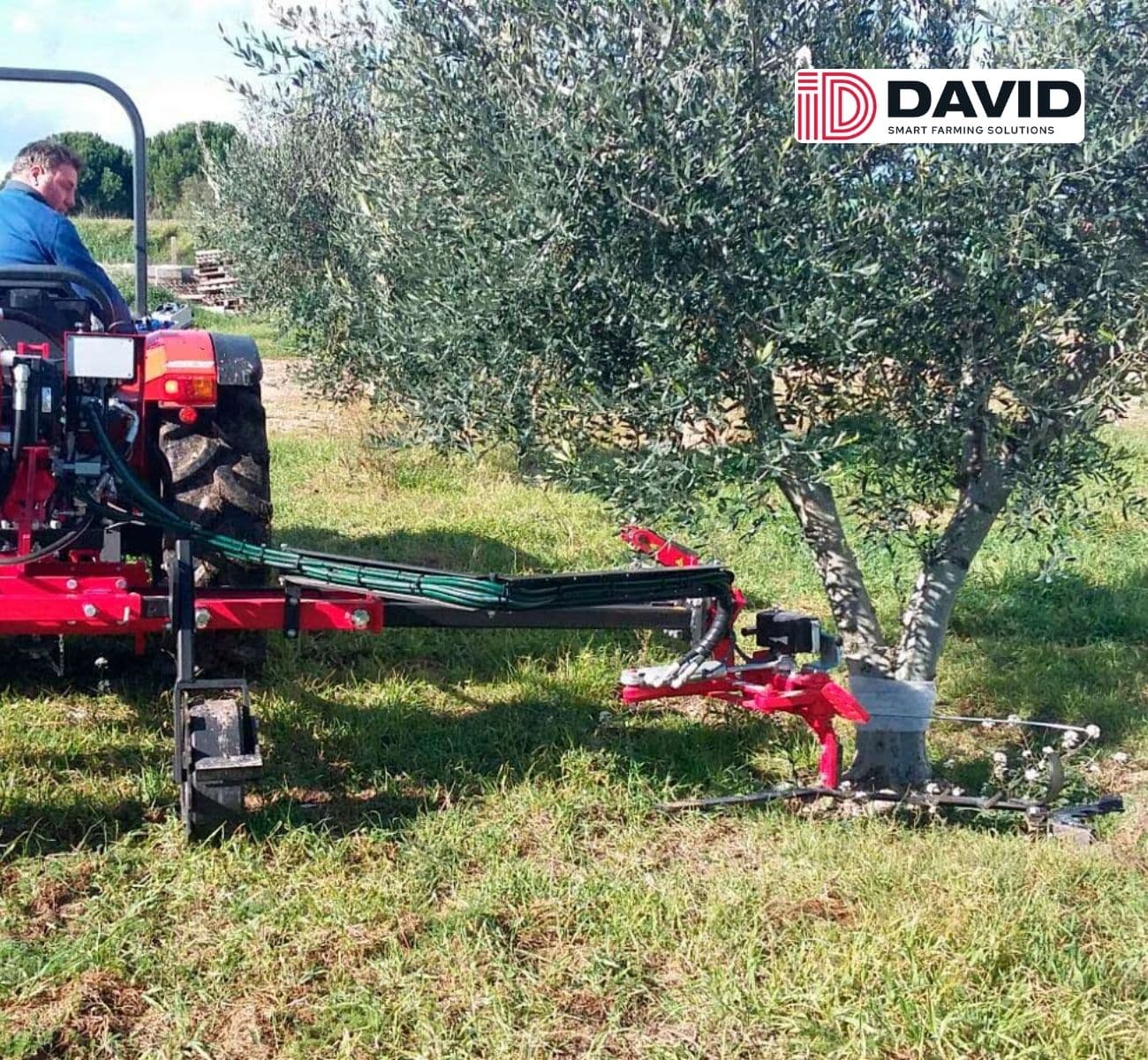

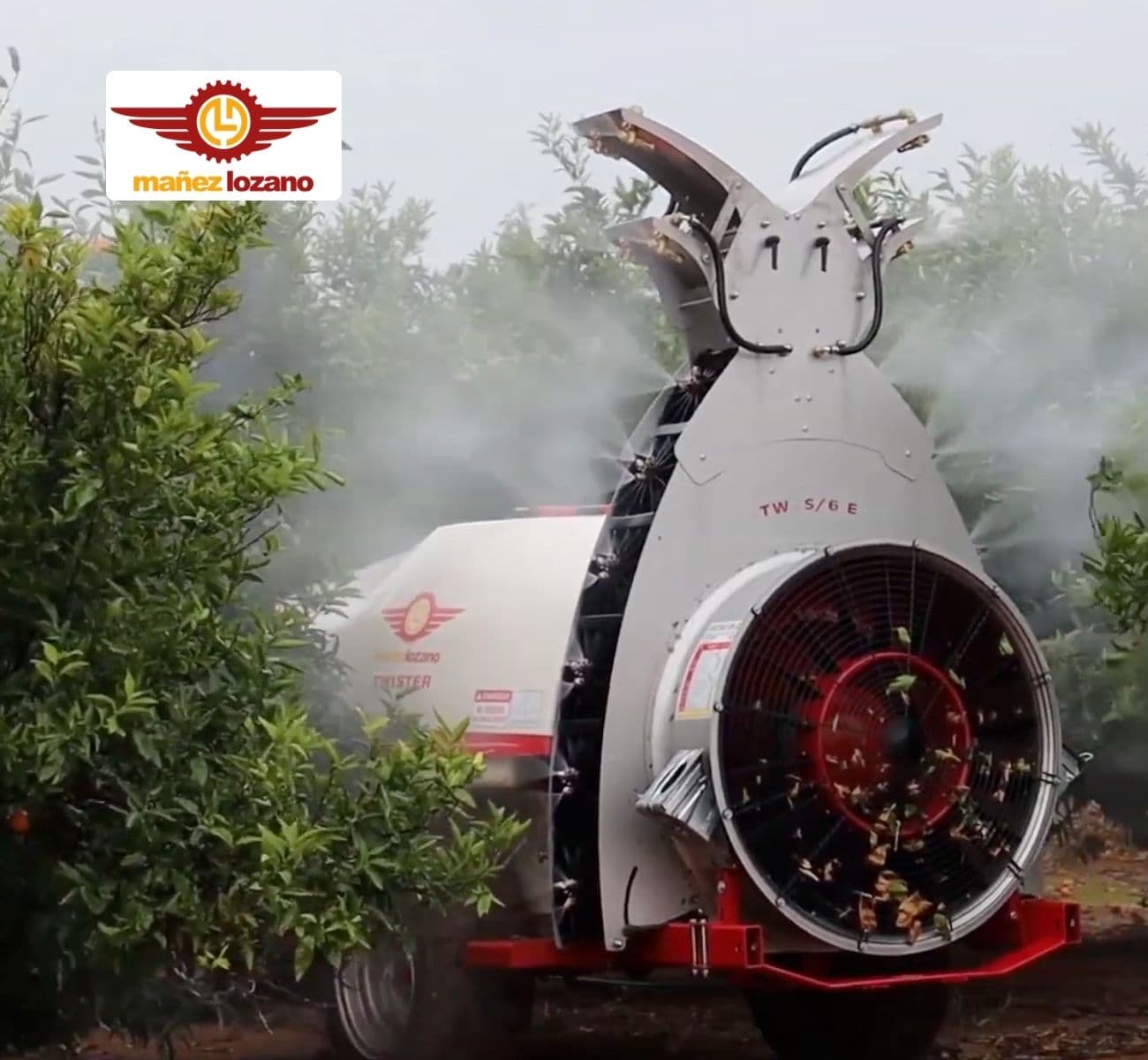
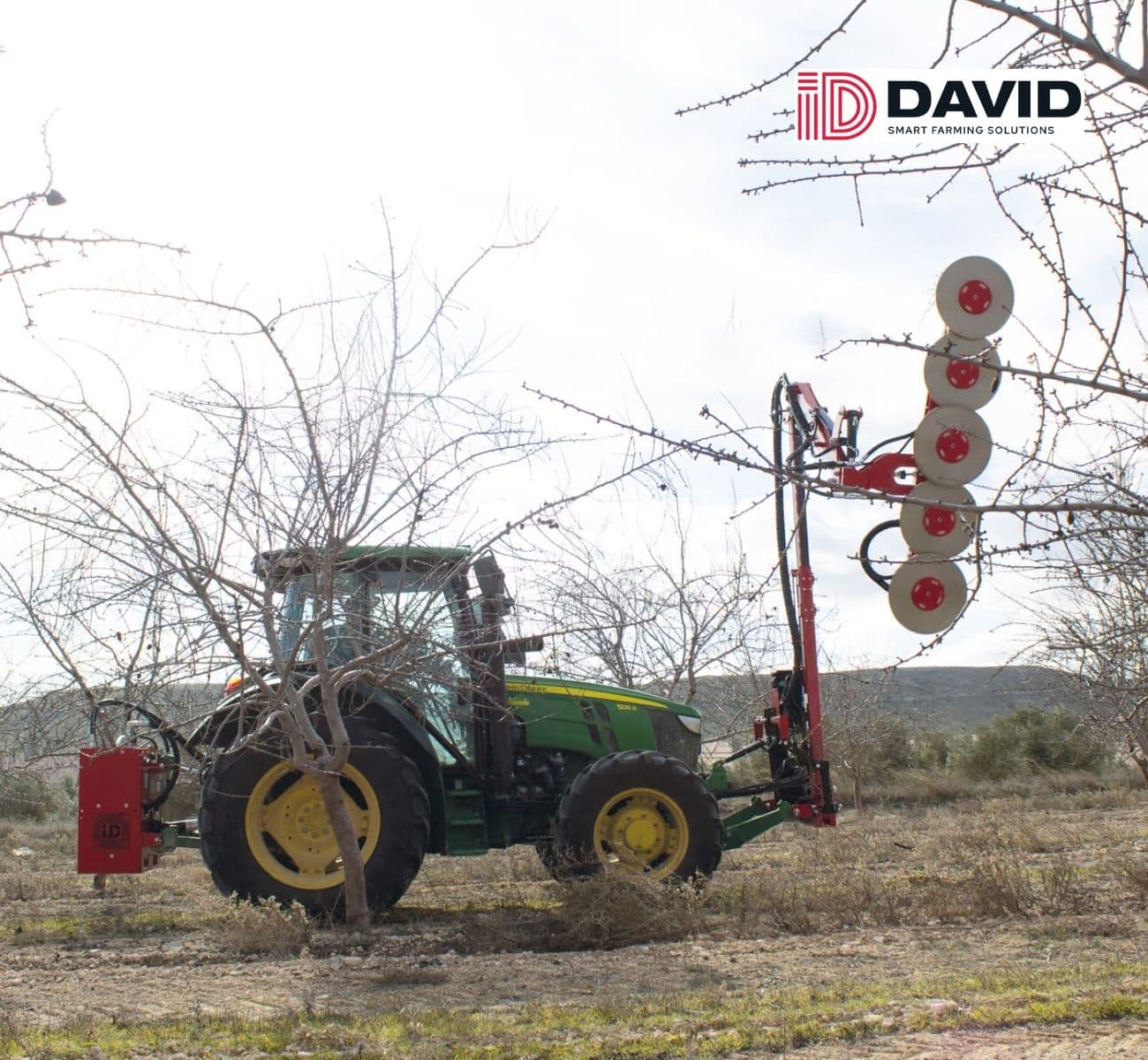
Practical Tips for Walnut Orchard Care & Maintenance
Limit bacterial blight as the Southwest bulletin advises: split nitrogen into several doses, keep soil pH at 7 or above and prune regularly.
Hang yellow sticky traps for walnut husk fly in June, before the first flights; in 2025 the first catch came early, on 24 June. Check them one to three times a week.
Put out codling moth pheromone traps from 15 April and time any action by the catches; mating disruption works at low to moderate pressure on more than 5 ha.
Collect or finely shred fallen nuts from July to September and destroy sorting waste away from the orchard to curb husk fly.
Remove mummified nuts and shred fallen leaves after harvest to cut the anthracnose spores that infect trees the next spring.
Schedule irrigation with tensiometers or a water balance; in the 2026 heatwaves, non-irrigated orchards in Isère suffered most.

Walnut Harvesting in France

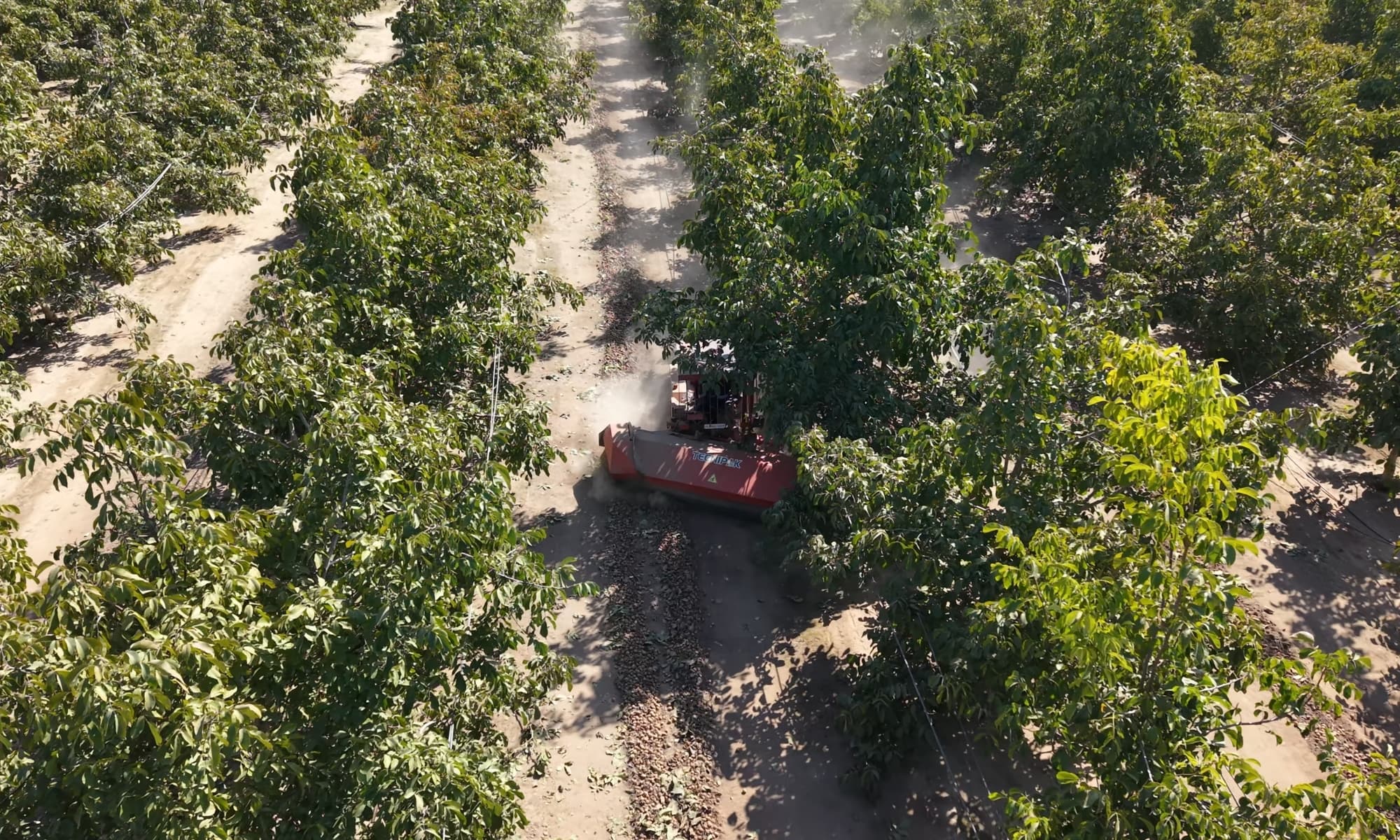
French sources describe a mechanized harvest: the Noix de Grenoble specification notes that harvesting is mechanized and that nuts are gathered from the ground, and Senura lists a shaker and a pickup harvester for the season from late September to late October. No national figure was found on how many orchards are harvested by machine; a 2023 report for the agriculture ministry (CGAAER) notes that a specialized grower can run 35 ha alone with two seasonal workers for a month.
Maturity sets the start. For Noix de Grenoble, nuts are harvested when the kernel is firm and peels easily and the median partition is fully brown in 80% of the orchard's nuts; France's origin and quality institute (INAO) sets the opening date on the proposal of the PDO's managing body. Fresh walnuts are picked from the first half of September; in 2025 the Southwest plant-health bulletin gave basin averages of about 20 September for Lara and 25 September for Fernor, both earlier than usual, and 1 October for Franquette.
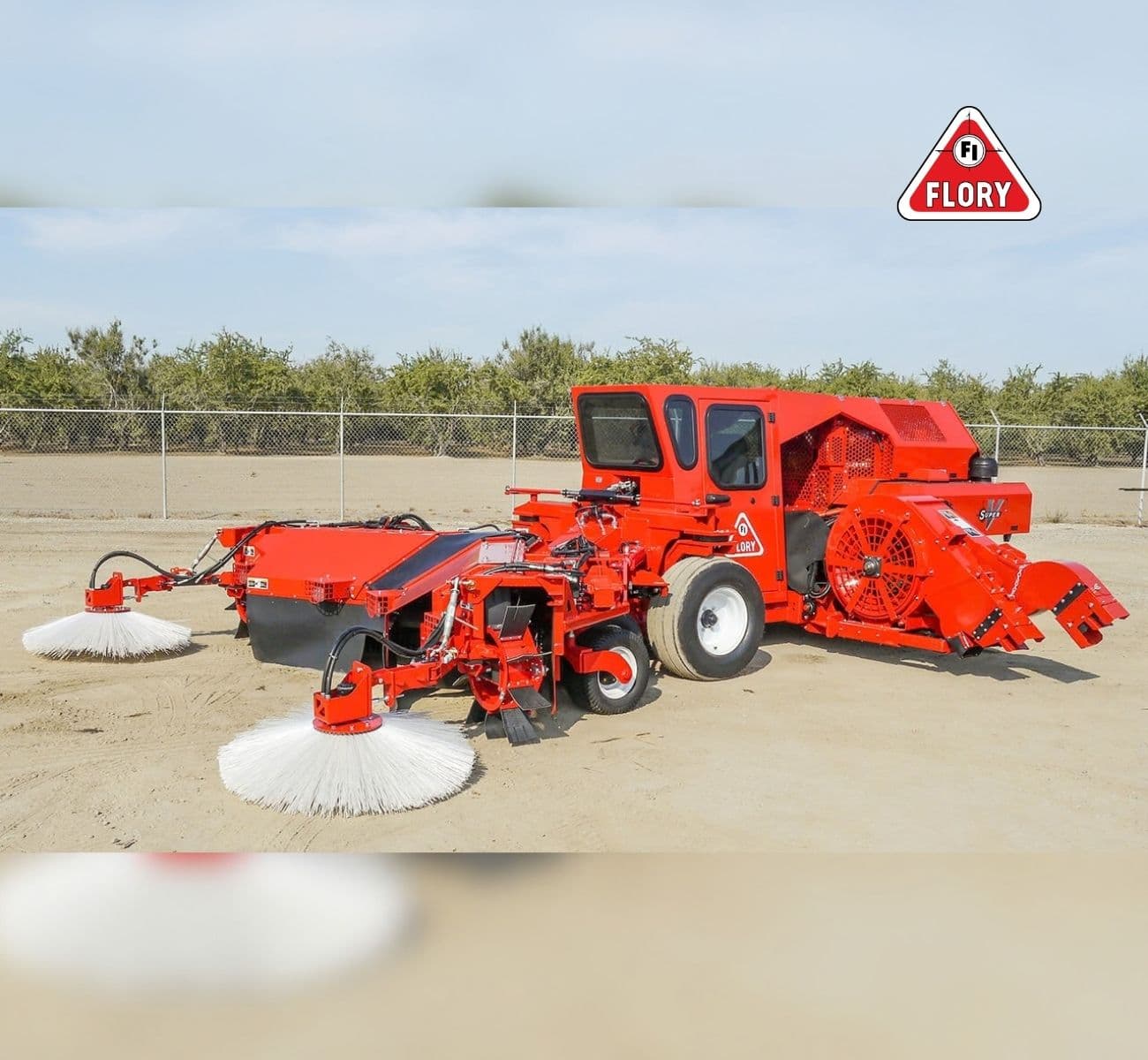
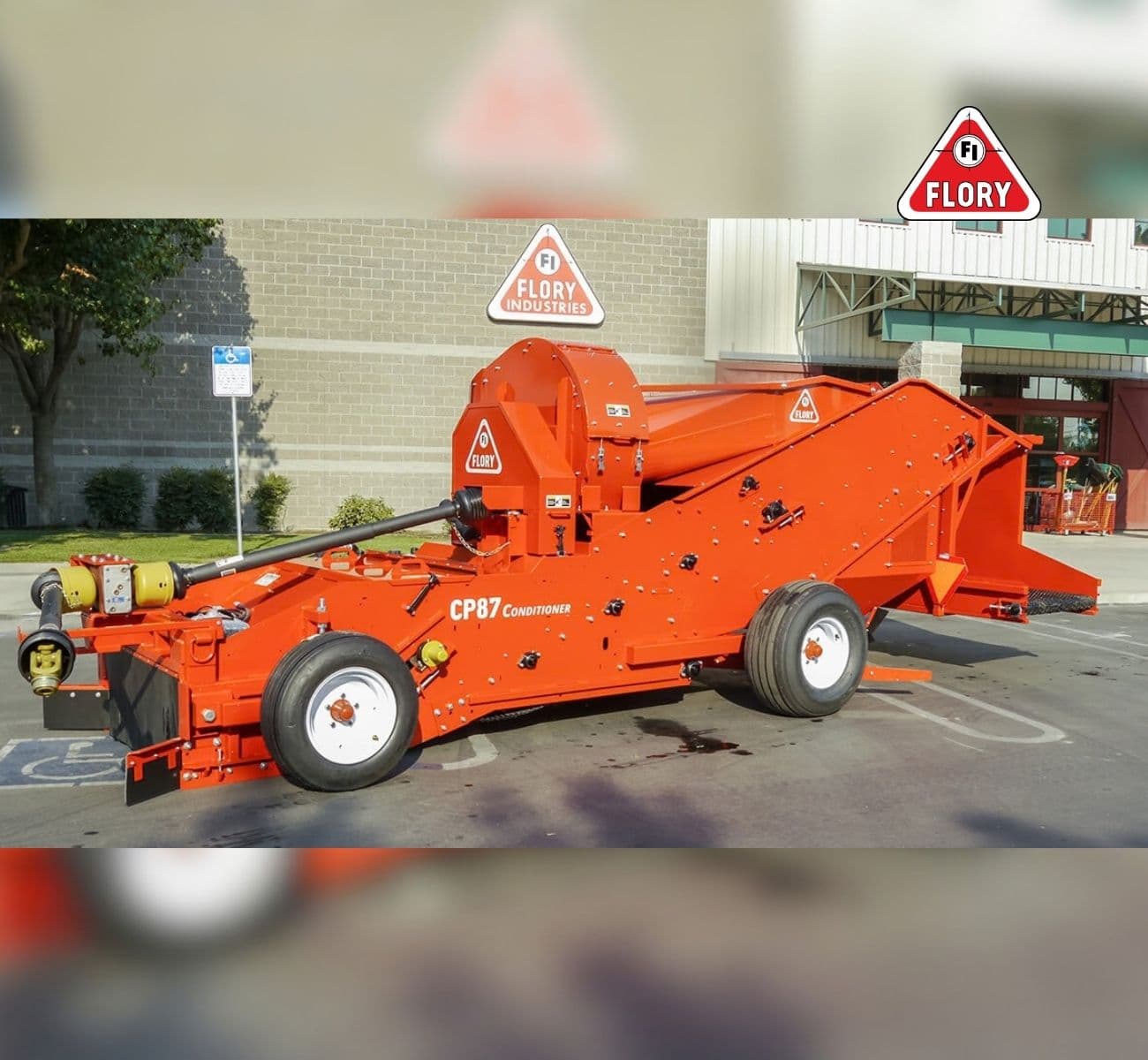
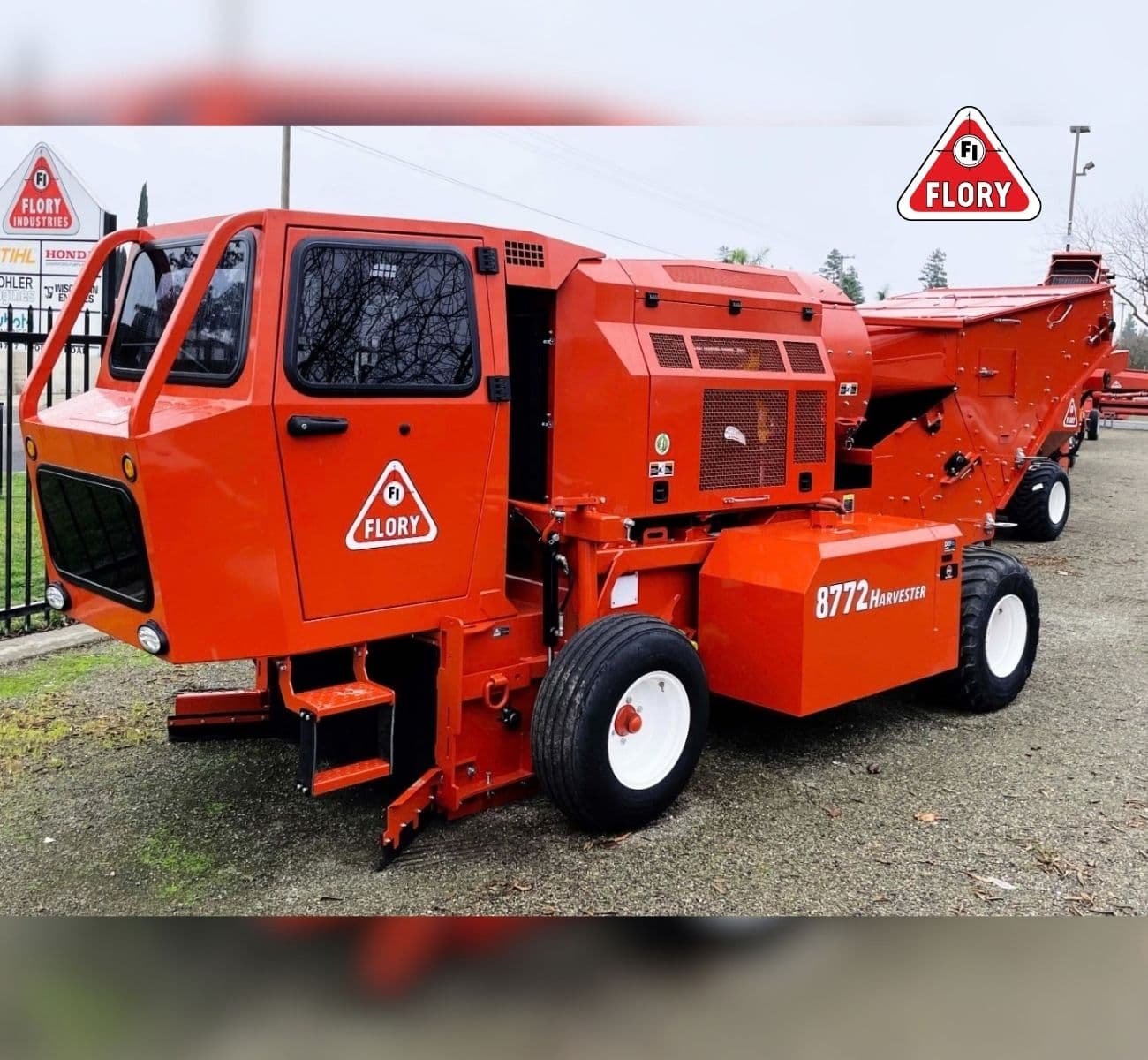
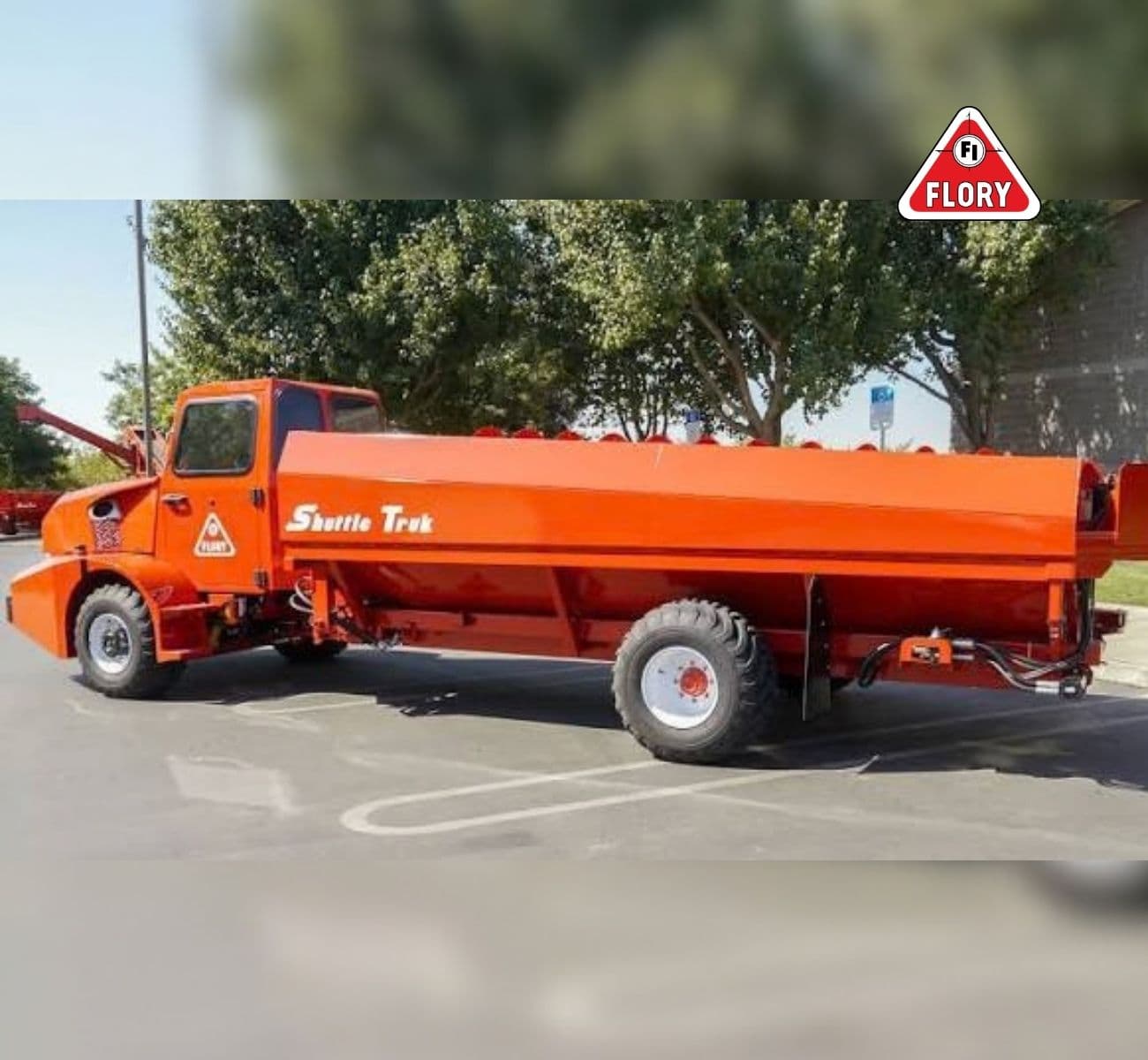
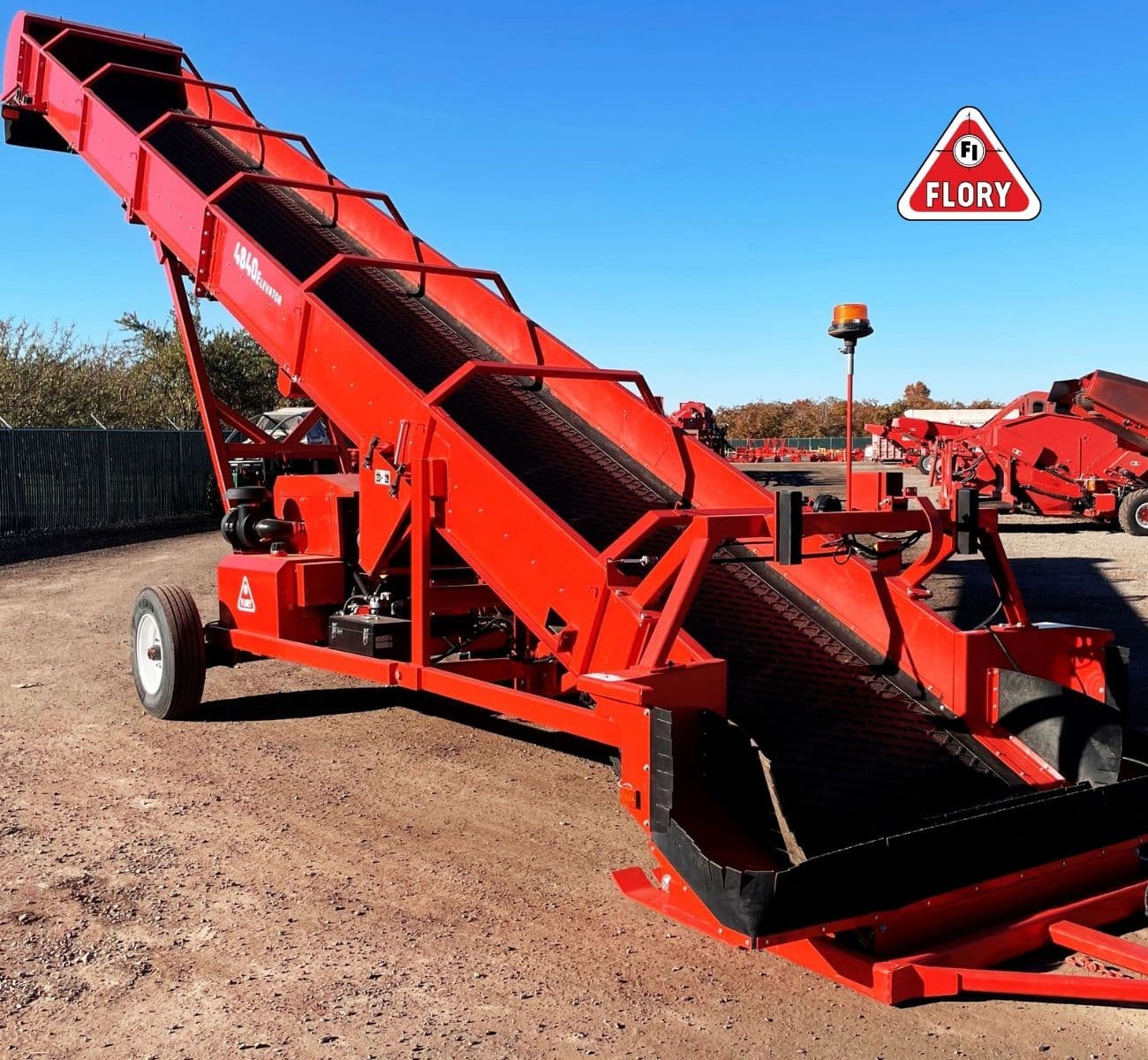
Speed after harvest protects quality. Senura advises keeping the time between harvest and drying as short as possible, and Noix de Grenoble drying must start within 36 hours of harvest. One Isère grower shook in the morning, picked up in the afternoon and started sorting at 5 pm, planning harvest around drying capacity (Réussir, 2017). A Flory on-ground line runs from a trunk shaker and sweeper to a harvester, conveyor cart, shuttles and field elevator, and is available in France through OVE Europe.
Walnut Harvest Workflow (Recommended Equipment)


Practical Tips for Walnut Harvesting
Check maturity before the first shaking: for Noix de Grenoble, 80% of the nuts must have a fully brown median partition.
Plan each day's harvest by drying capacity, so that nuts picked up in the field go into the dryer the same day.
Shred nuts that fall early, before harvest begins, since they harbor codling moth, blight and anthracnose (plant-health bulletin).
Avoid in-row weeding that leaves a rough surface before harvest: Senura found that it can hamper nut pickup.
At harvest, check 100 nuts on each of 10 trees to estimate the share damaged by each pest or disease and plan next season's protection.
Do not leave harvest bins in the orchard between seasons or store infested wood nearby, to keep codling moth from carrying over.
Get your recommended harvest setup
Enter orchard size, spacing, terrain, and target throughput—we’ll suggest a practical harvest workflow and equipment lineup.

Walnut Post-Harvest Handling & Processing in France
After harvest, French growers separate nuts from sticks and stones, then wash, sort and dry them (Senura). Both PDOs allow drying on slatted racks or with warm, dry air no hotter than 30 °C, Noix de Grenoble drying must start within 36 hours of harvest, and dry nuts may hold at most 12% moisture. In a dryer, Senura advises an airflow of 1,300 to 1,500 m³/h per m² and air humidity of no more than 40%, and warns that drying below 9% makes nuts brittle.
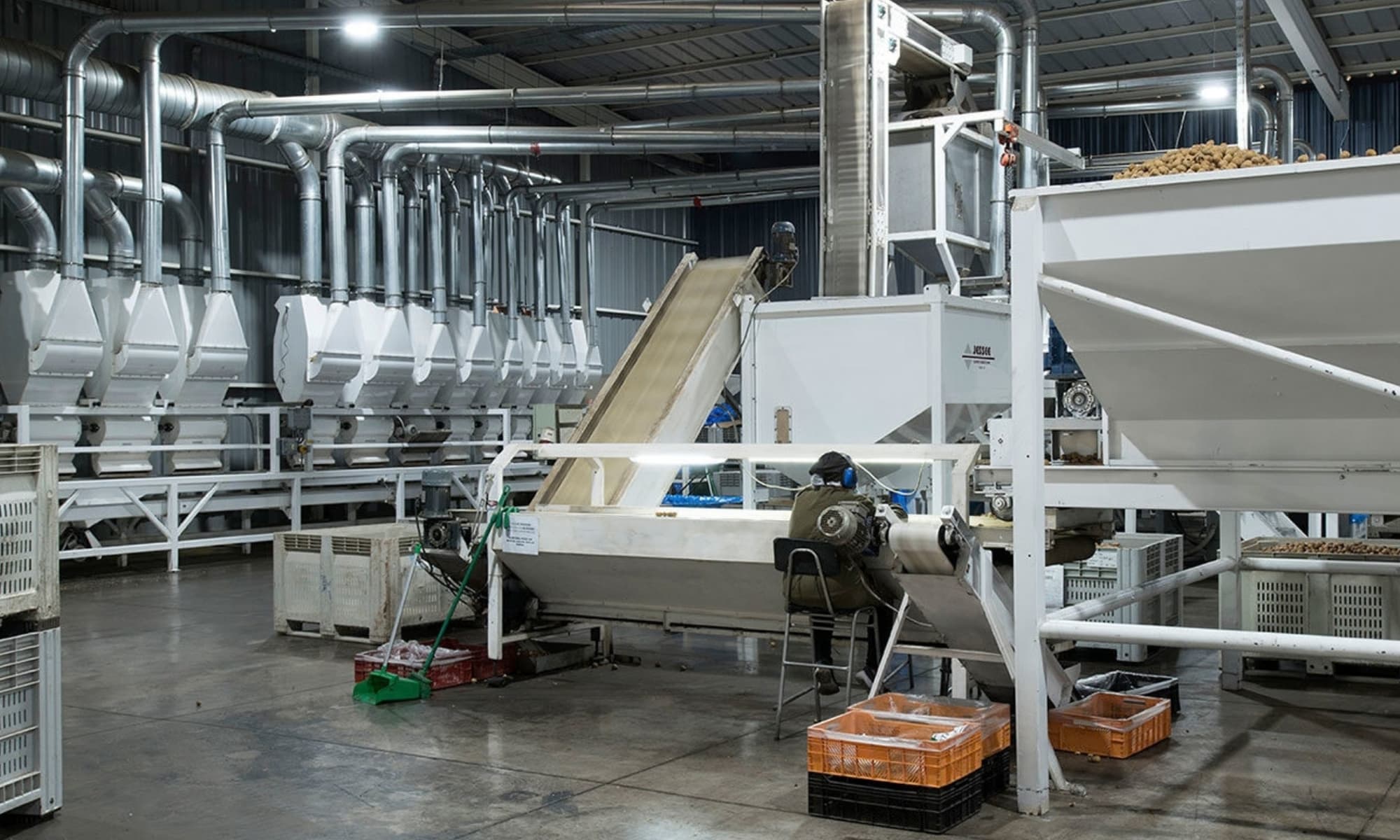
Size sets the price. Both PDOs require at least 28 mm, and in 2025 heatwaves left nuts small, with the 32 and 34 mm sizes most wanted abroad in short supply; dry Noix de Grenoble of 30 mm and over averaged EUR 3.50 per kg at the shipping stage in 2025/26 (FranceAgriMer). Jessee, whose processing lines OVE Europe supplies, builds hulling, drying, in-shell cleaning and sizing, and cracking equipment for walnuts, and rates its standard hulling lines at 10 to 30 tons of output per hour.
For general information only. Information may become outdated and does not replace site-specific professional advice. Consult a qualified agronomist and confirm equipment suitability with OVE before acting.
Practical Tips for Walnut Post-Harvest Handling & Processing
Start drying as soon as possible; Noix de Grenoble rules allow no more than 36 hours from harvest to the start of drying.
Keep drying air at 30 °C or below for PDO walnuts, and check moisture often with a meter calibrated before each harvest.
Stop at 12% moisture for the whole nut; drying below 9% makes nuts brittle and wastes energy (Senura).
Keep fresh walnuts at 1 to 4 °C and sell them within weeks; a nut that is moldy outside is moldy inside (Interfel).
Treat washing and hulling water before release: it contains phenols that can deplete oxygen in rivers and ponds (Senura).
Grade by size before sale: both PDOs require at least 28 mm, and 32 and 34 mm nuts are the sizes most wanted for export.
Recommended Post-Harvest Handling & Processing Stages









Plan your post-harvest line
Estimate tons/day, cleaning & drying capacity, storage needs, and cost/kg—then build your equipment plan in phases.