


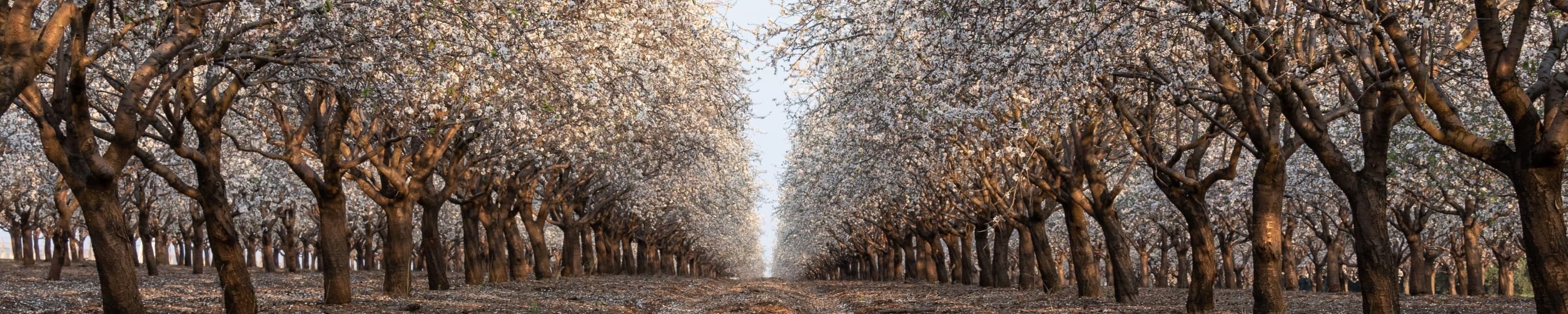




Almond Orchard Establishment in Georgia
Georgia's Scientific-Research Center of Agriculture (SRCA) names Kakheti, Kvemo Kartli and Shida Kartli as the main almond regions. SRCA researchers note that almond blooms early, from the second half of February into March, so late spring frosts often damage the crop. Georgian guidance favors calcareous, gravelly, well-drained soils and warns against waterlogged, acidic or heavy clay ground.
In a trial of late-blooming cultivars in Kakheti, planted in 2011 at 5 by 4 m on a peach-almond hybrid rootstock with drip irrigation, SRCA compared cultivars from 2014 to 2017. Its researchers said self-fertile Supernova can be considered a leading cultivar for commercial orchards in eastern Georgia, with Ferragnès and Soleta to diversify and Guara for denser plantings; Ferragnès needs a pollinizer. Mardia blooms very late but has low yields, and SRCA's 2020 monograph recommends it only for amateur gardens.
SRCA's 2015 farmer guide recalls almond as a household tree once planted in almost every yard and recommends seedling rootstocks and spacings of 8 by 8 to 7 by 5 m, while a 2017 market study called for grafted nursery trees and 6 by 5 or 6 by 4 m in intensive orchards. By 2024, more than half of the roughly 7,500 ha planted lay in orchards of up to 15 ha, according to a market review.
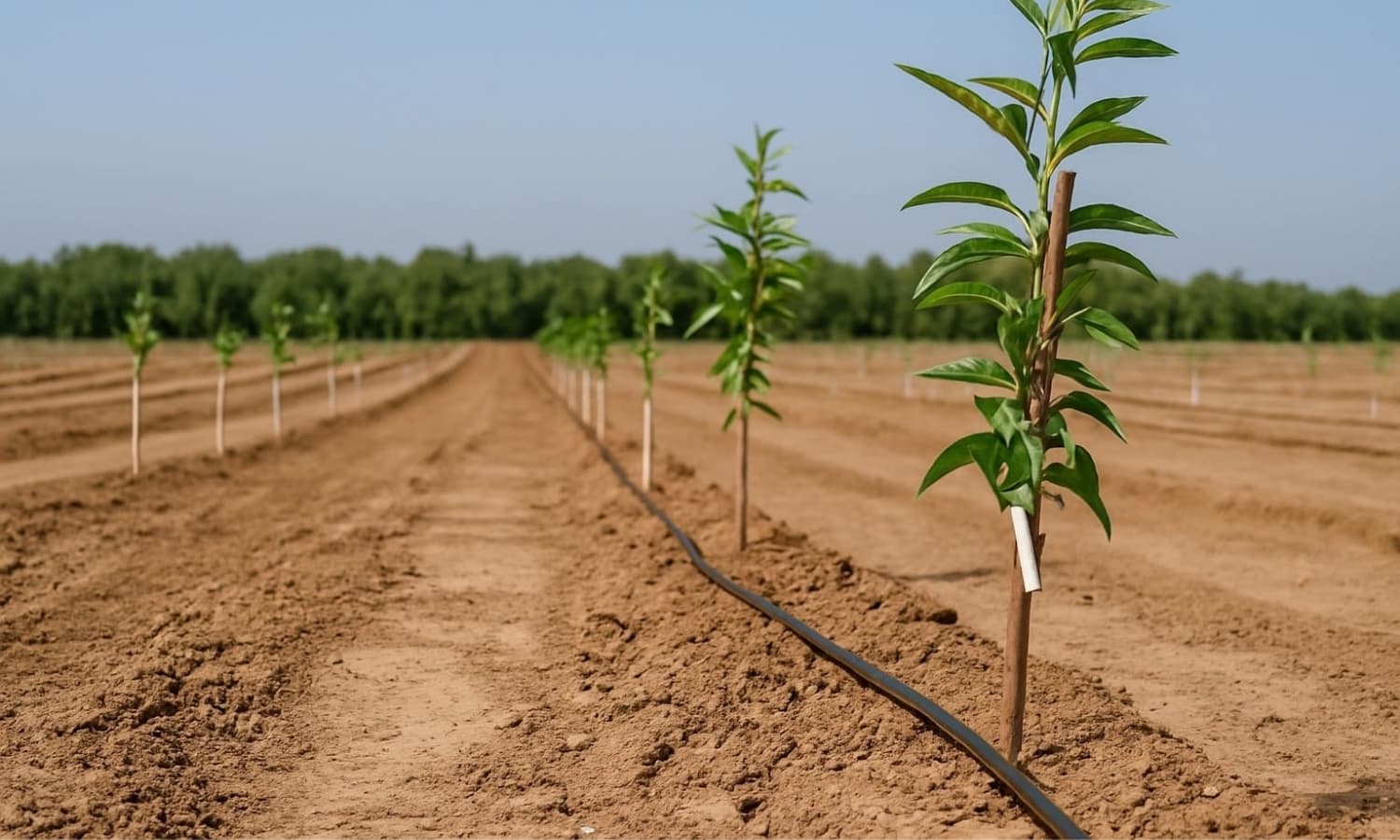

Practical Tips for Almond Orchard Establishment
Plant where late spring frost is least likely: SRCA researchers say almond blooms from the second half of February and late frosts often hit the crop.
Choose well-drained, calcareous soils and avoid waterlogged, acidic or heavy clay ground, as Georgian guidance advises.
Start from SRCA's Kakheti trial: Supernova can be a leading cultivar, with Ferragnès and Soleta to diversify and Guara for denser plantings.
Plant grafted trees: the 2017 market study insists on grafted nursery trees and suggests 6 by 5 or 6 by 4 m for intensive orchards.
Plan pollination: Ferragnès needs a pollinizer, while SRCA lists Supernova, Soleta, Guara and Mardia as self-fertile; hives also help.
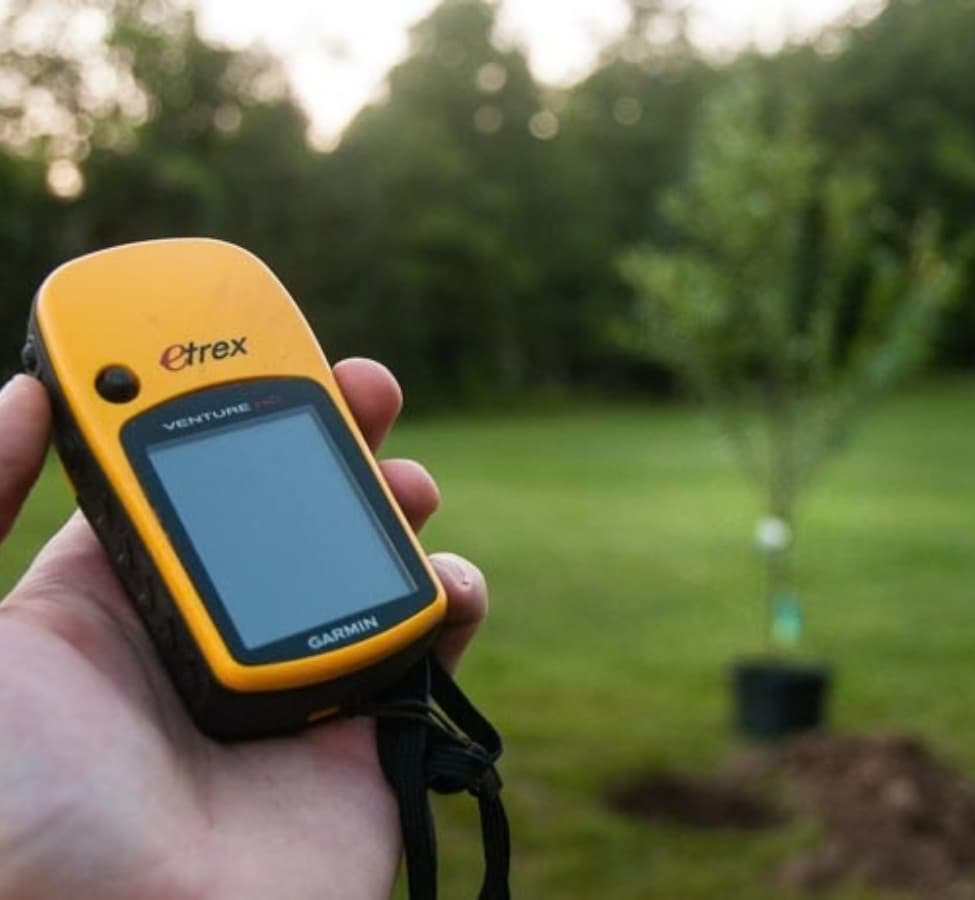
Plan rows, headlands and tree form for the shaker, sweeper and harvester before planting, and check trunk clearance with OVE Europe.
Recommended Establishment Stages
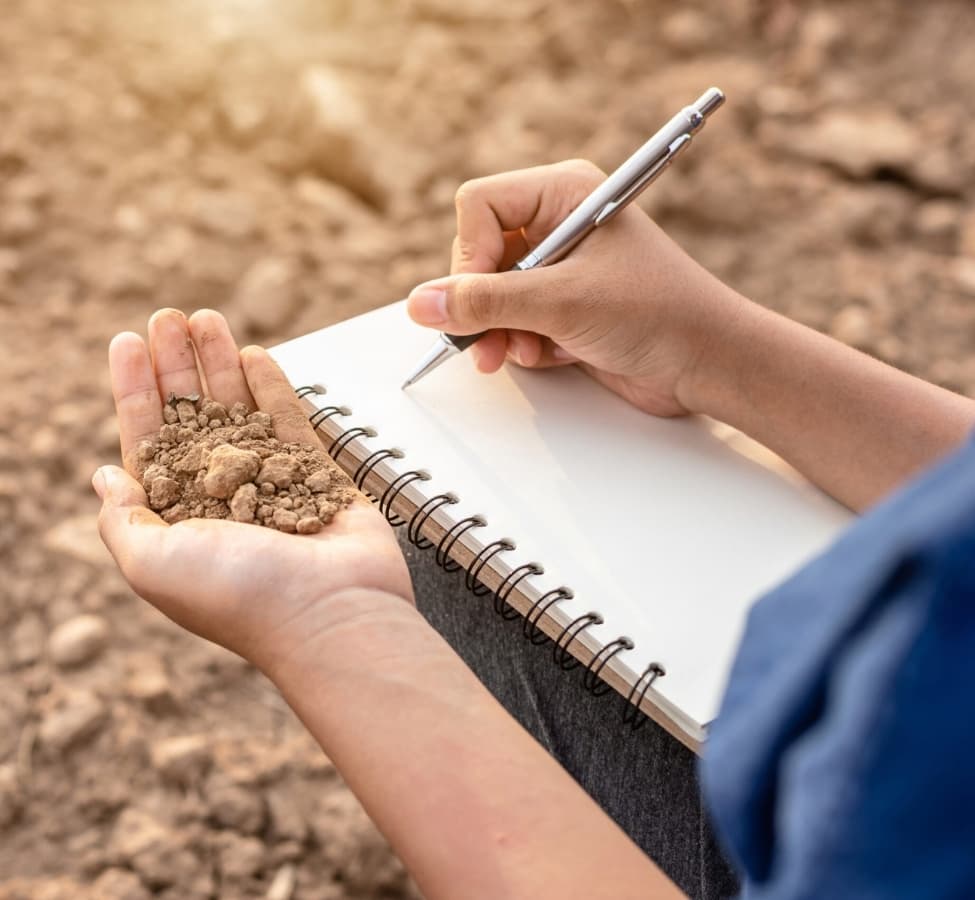
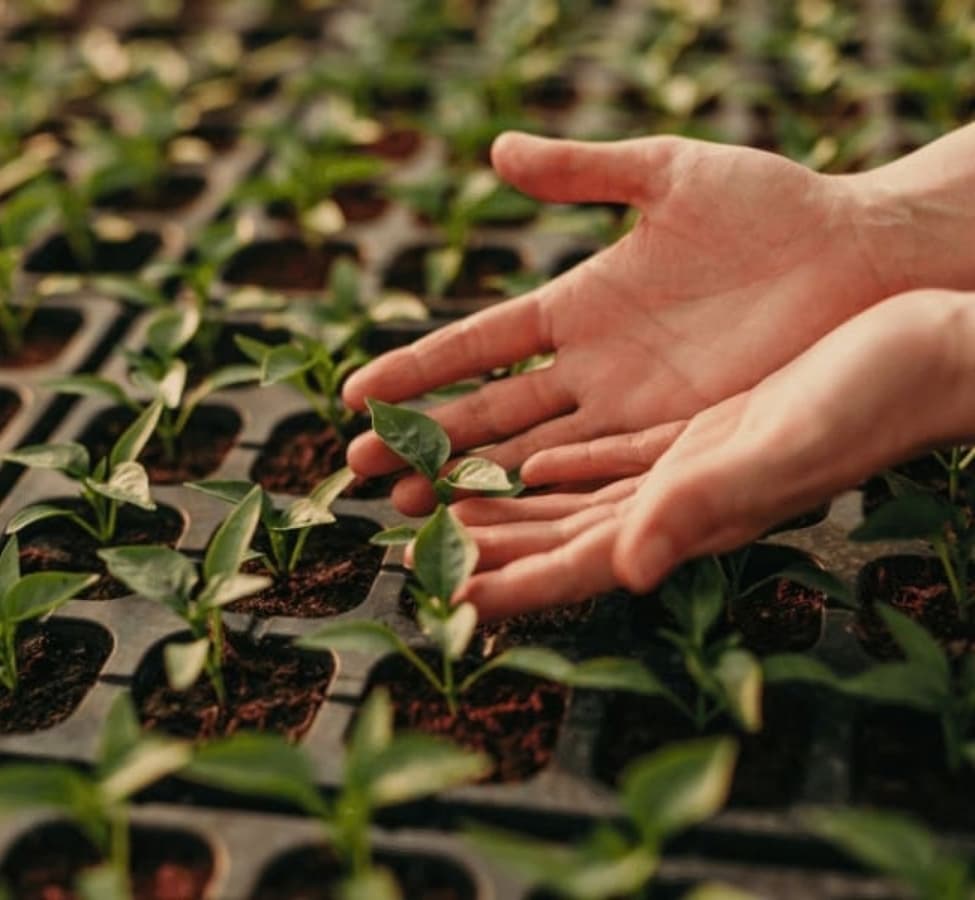

Almond Orchard Care & Maintenance in Georgia
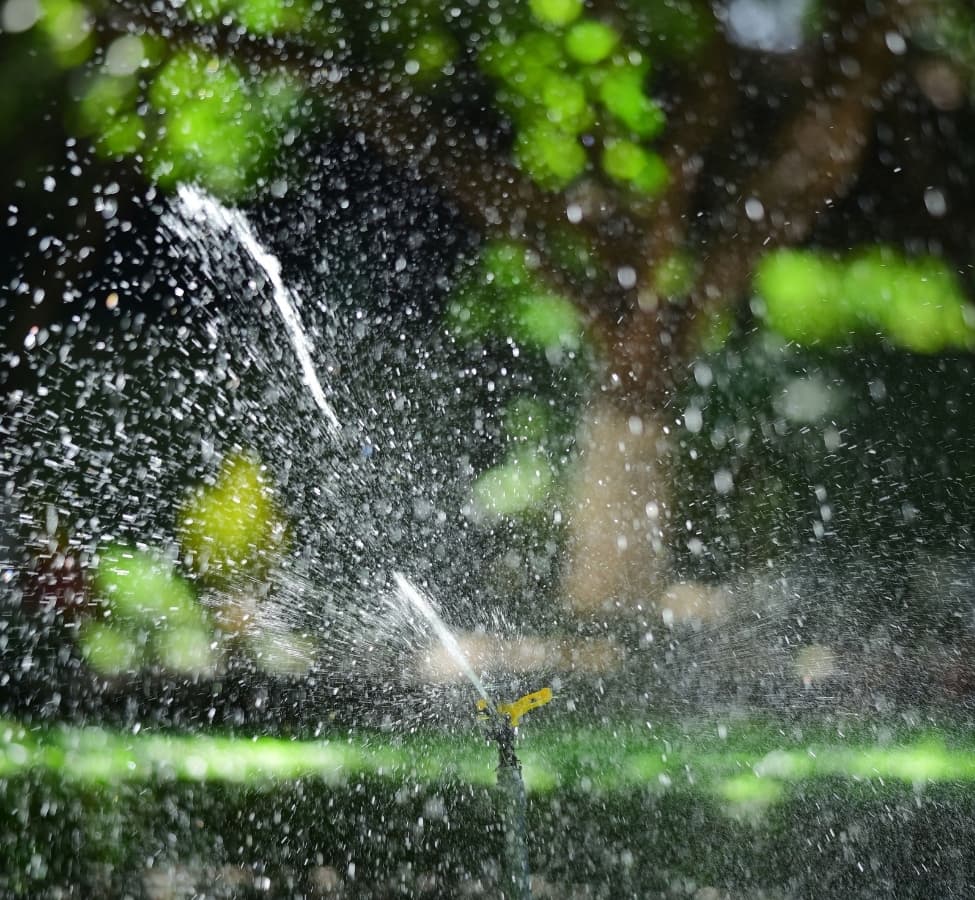
Eastern Georgia receives 340 to 1,400 mm of rain a year, and only 340 to 400 mm on the Kvemo Kartli plain (National Environmental Agency); the 2017 market study says commercial orchards need irrigation where rainfall is below 400 mm. SRCA researchers call almond fairly drought-tolerant but say high yields need regular irrigation, and SRCA's 2015 farmer guide also recommends watering after harvest.
The 2017 study describes shot hole on leaves, fruit and branches and calls the large peach aphid a fairly widespread pest, appearing in the second half of April and peaking in early June; it advises timely pruning and clearing crowded or damaged branches in autumn. EPPO lists the almond seed wasp (on information from 1991) and the peach twig borer as present in Georgia, without details.
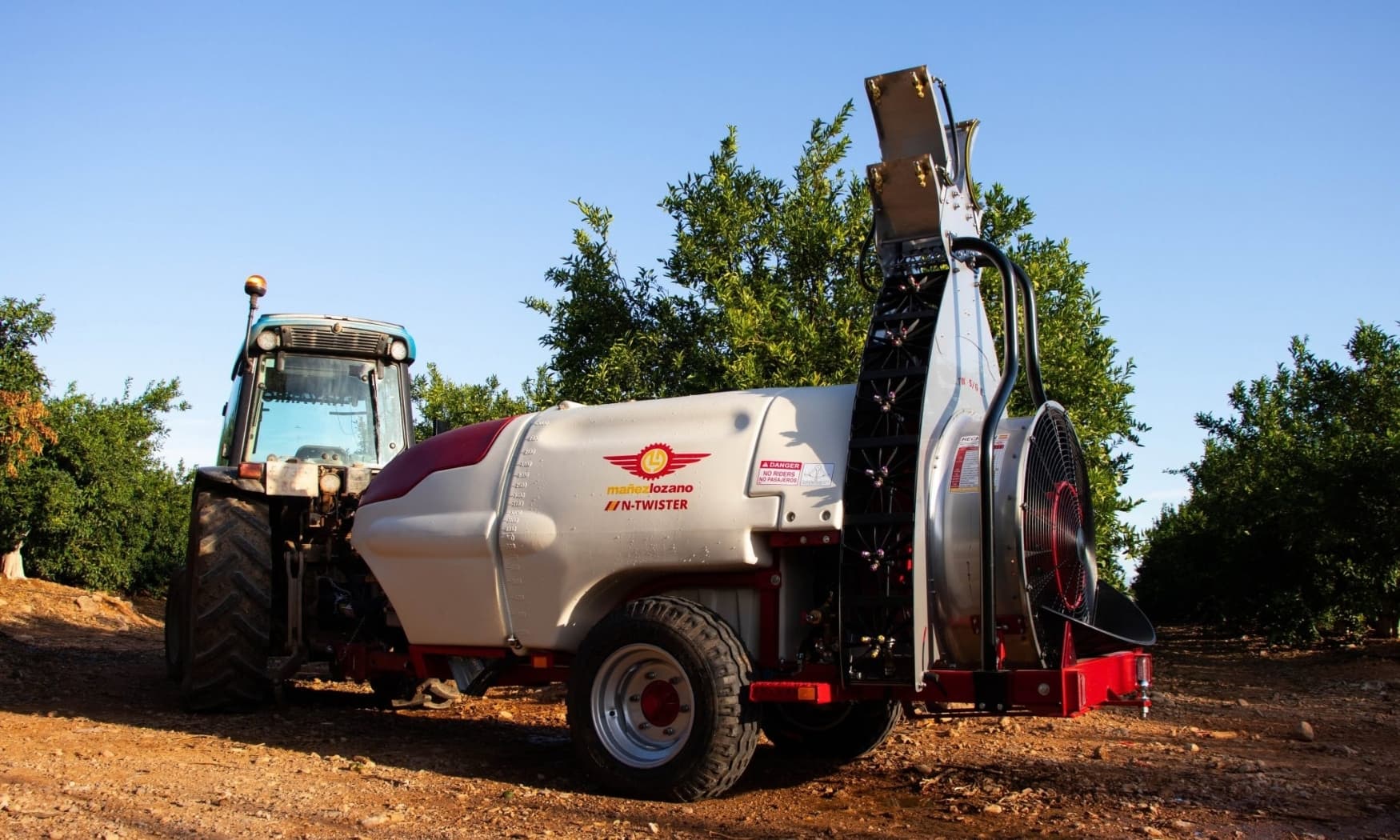
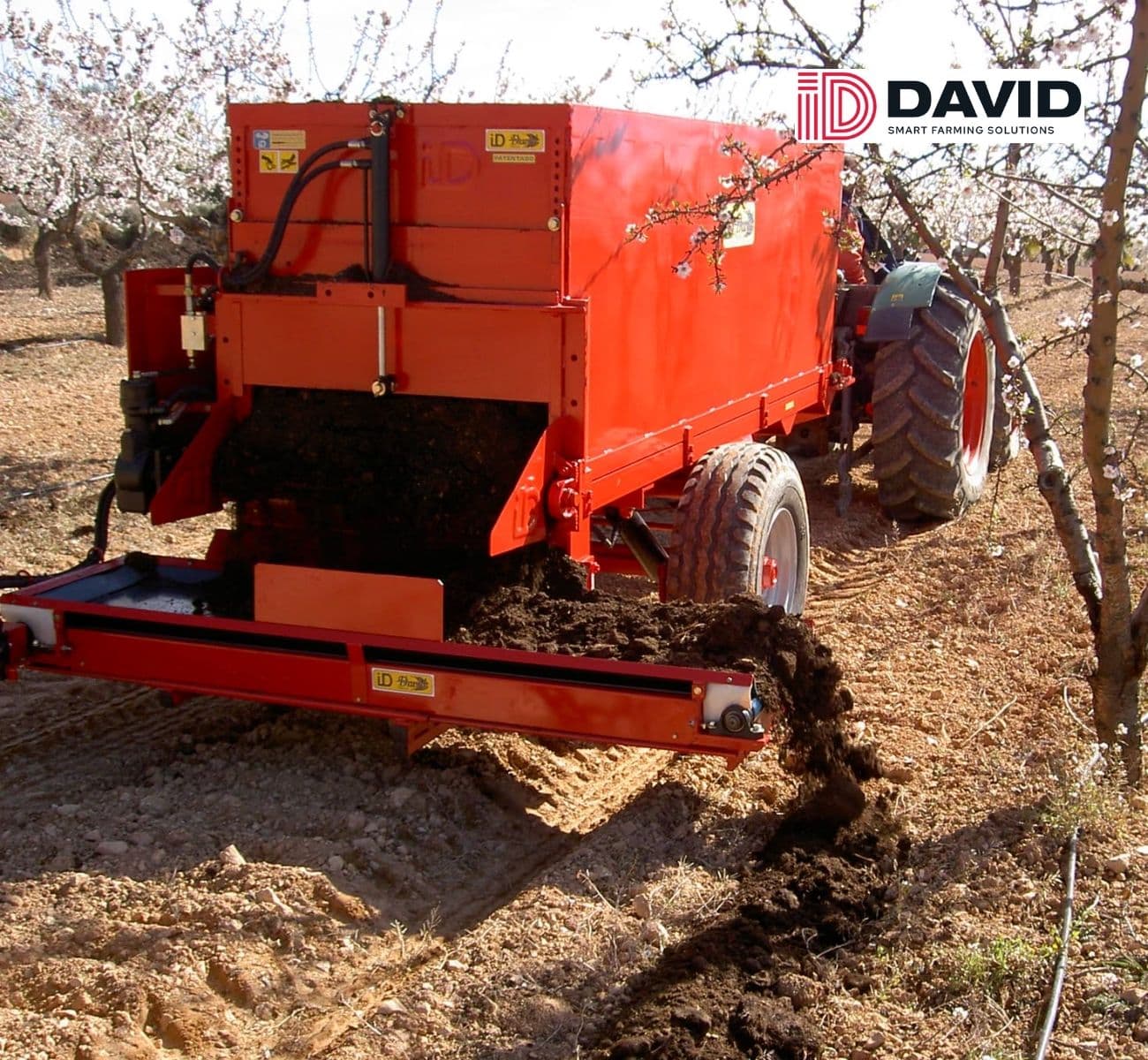
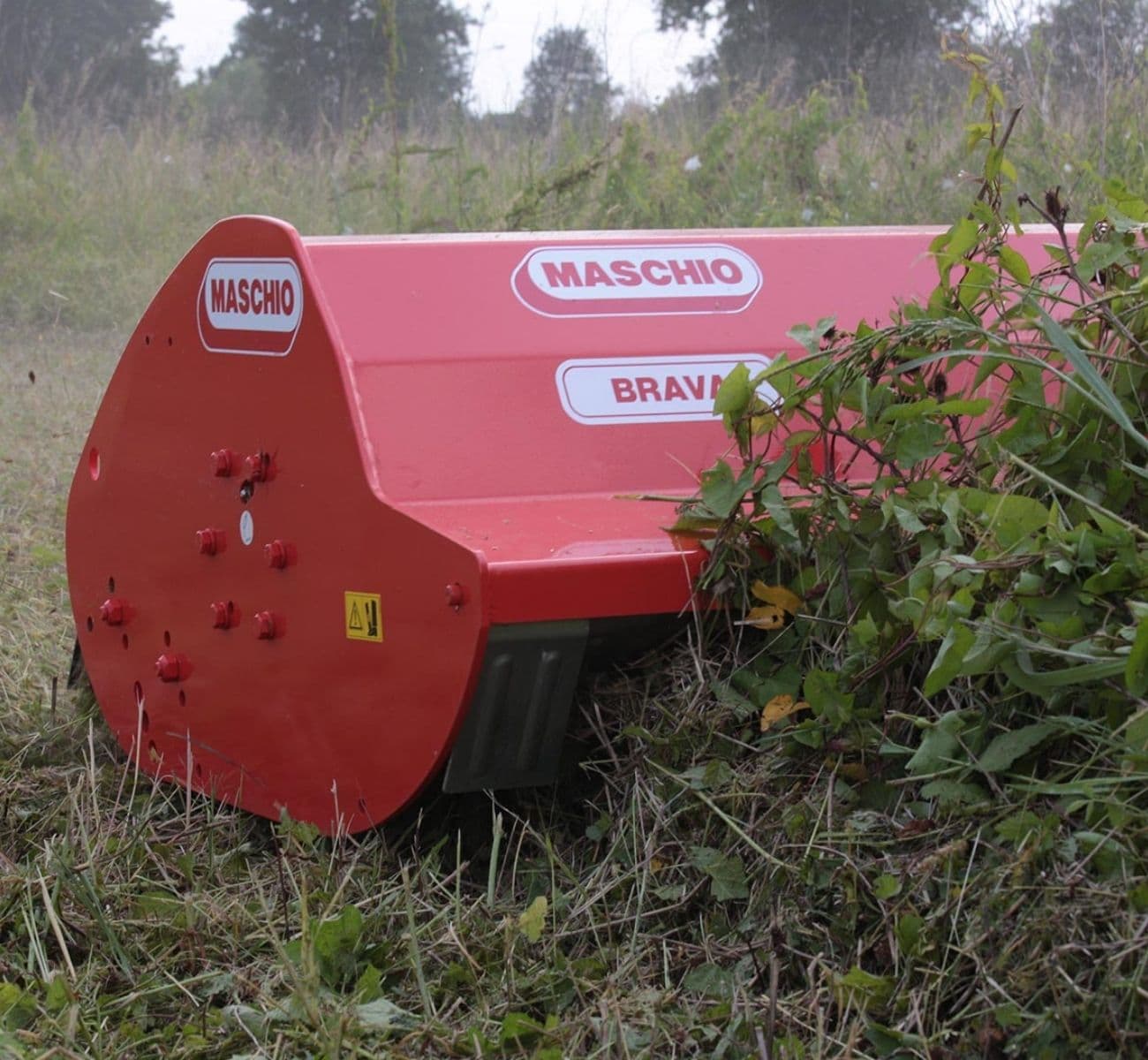
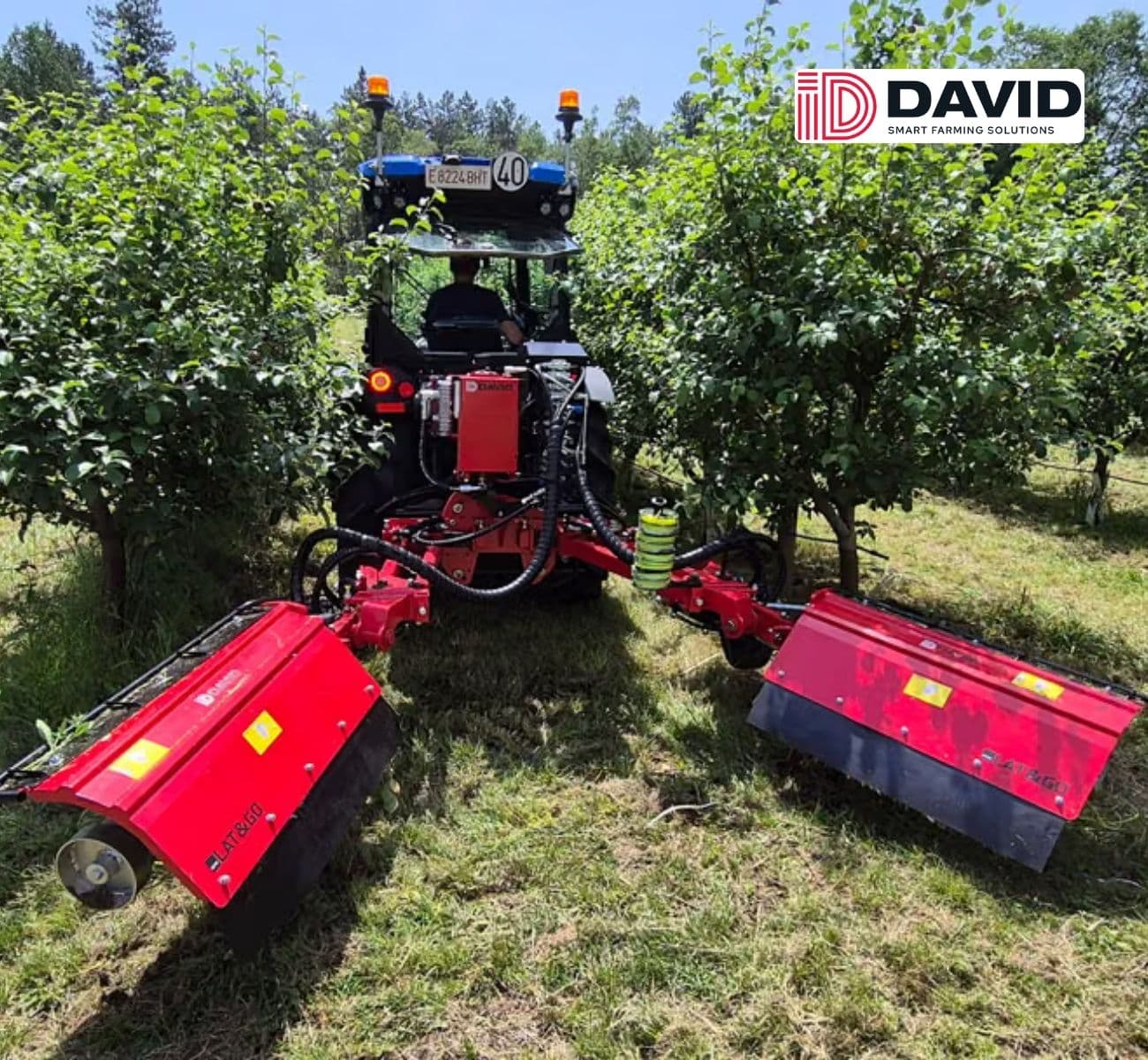
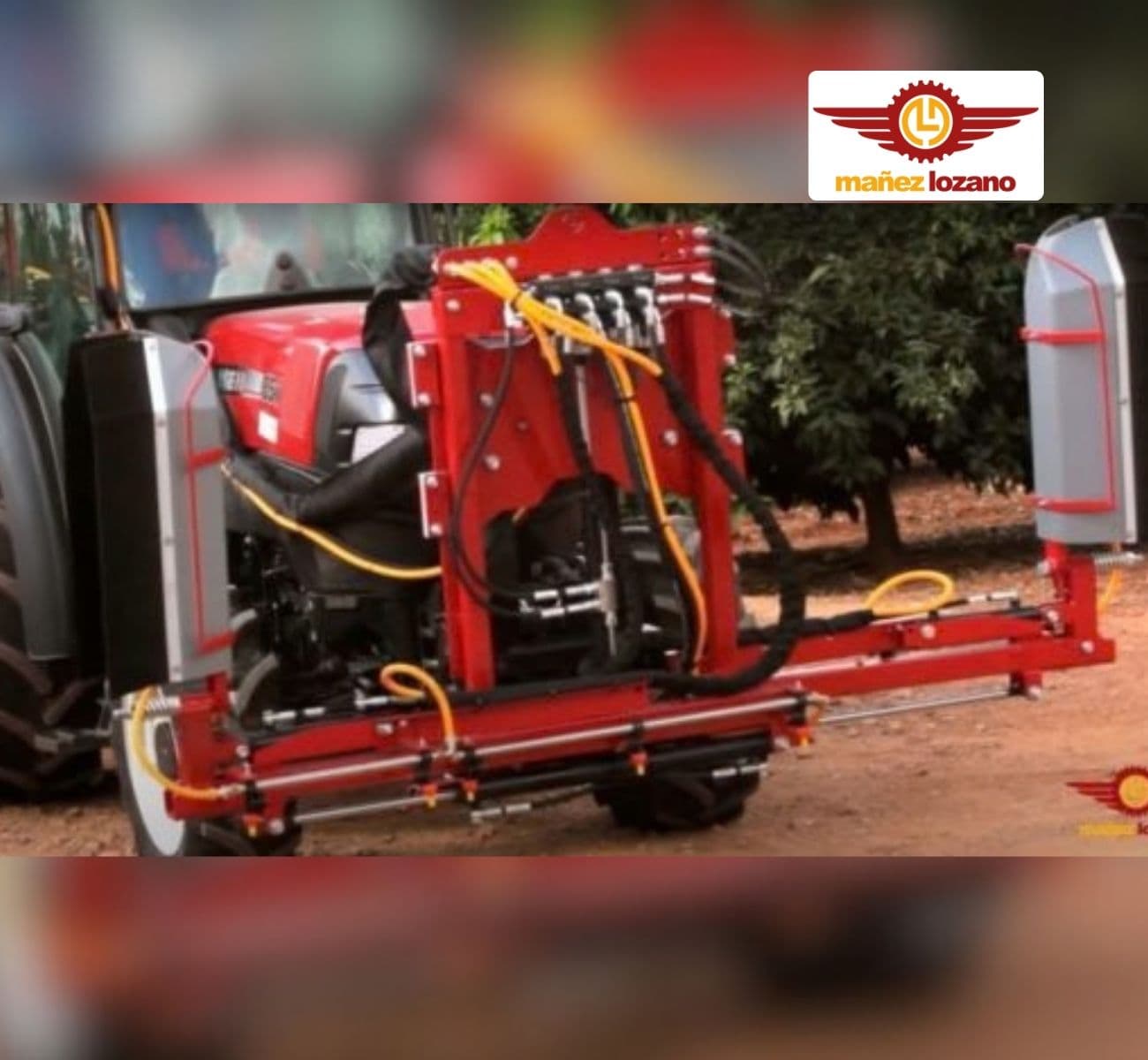
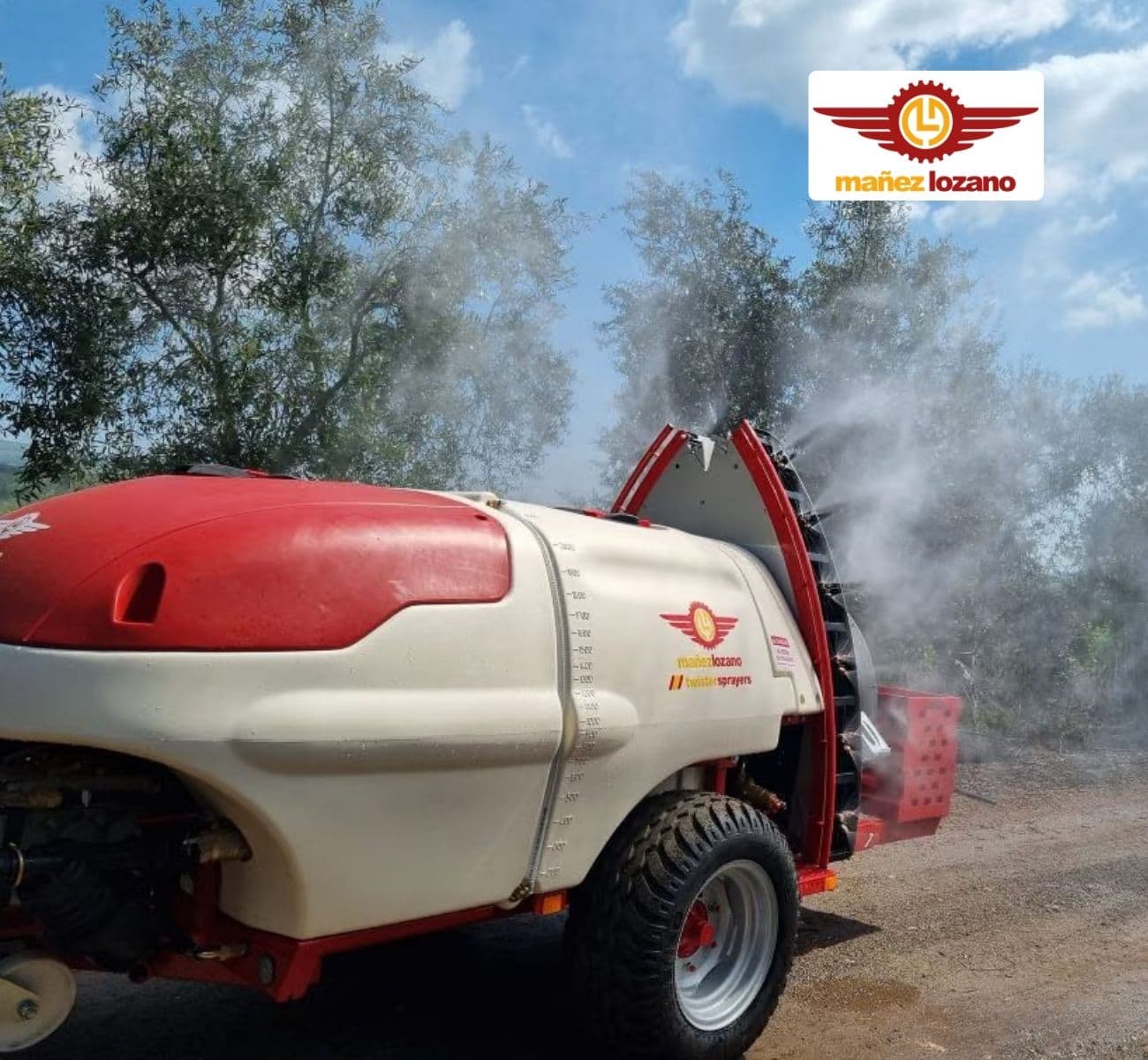
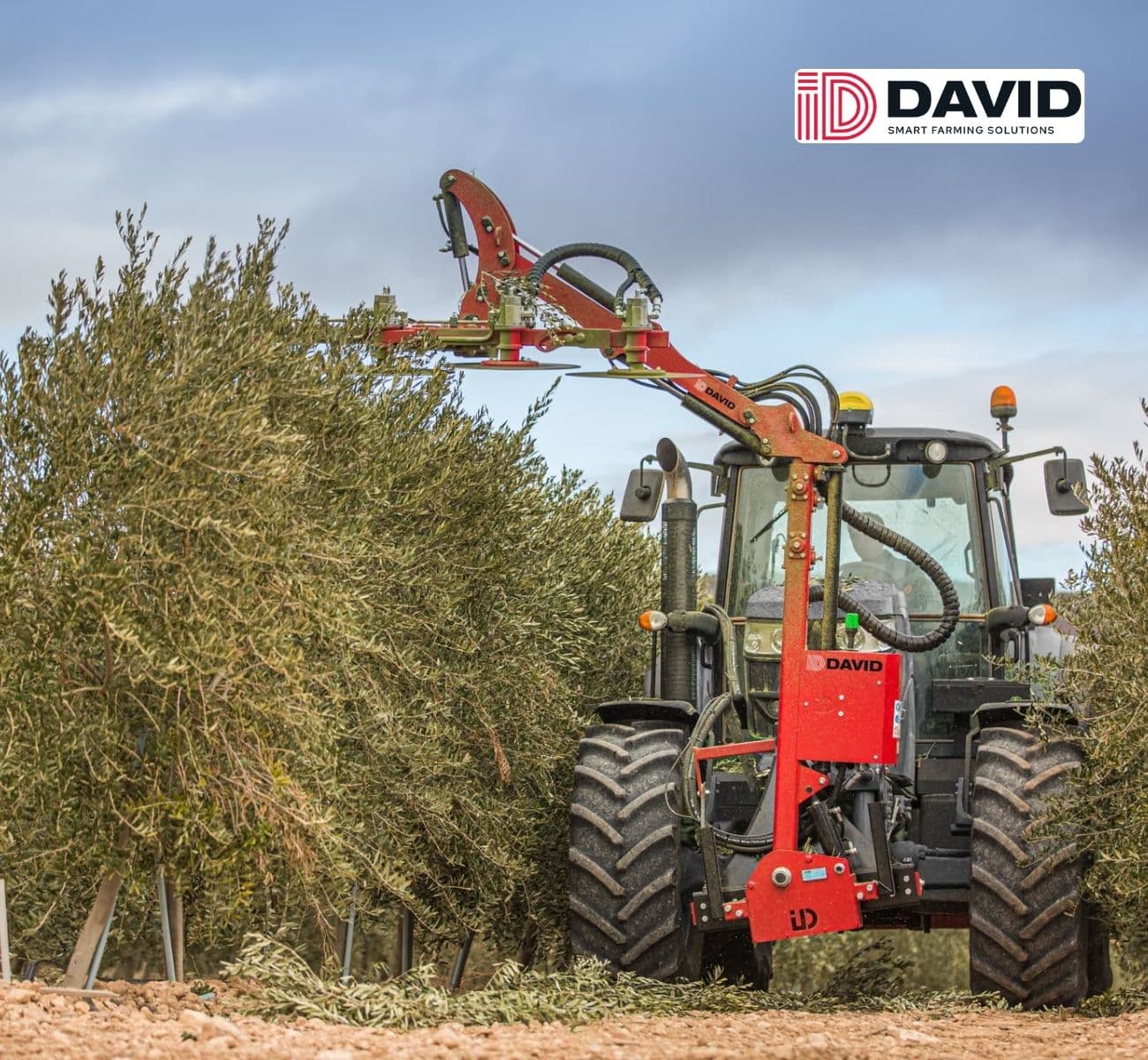
Frost and hail recur: frost severely damaged almond orchards in Shida Kartli in 2025, the growers' association reported, and hail struck Kakheti on 23 and 24 August 2024 (National Environmental Agency). OVE Europe sells ID DAVID and Mañez Lozano machines in Georgia: the ID DAVID ECOFEED spreads solid manure, the LAT&GO string mower controls weeds without herbicides, the Mañez Lozano Narrow Twister S6 sprays tall, dense canopies and the ID DAVID V1 disc pruner makes vertical and horizontal cuts.
Recommended Orchard Care & Maintenance Stages
Practical Tips for Almond Orchard Care & Maintenance
Irrigate where water allows: SRCA researchers call almond fairly drought-tolerant but say high yields need regular irrigation.
Water after harvest as well: SRCA's 2015 farmer guide calls post-harvest irrigation a practice specific to almond.
Watch for the large peach aphid from the second half of April to its early June peak, and for shot hole, both described in the 2017 market study.
Prune in time and clear crowded or damaged branches in autumn, as the 2017 market study advises.
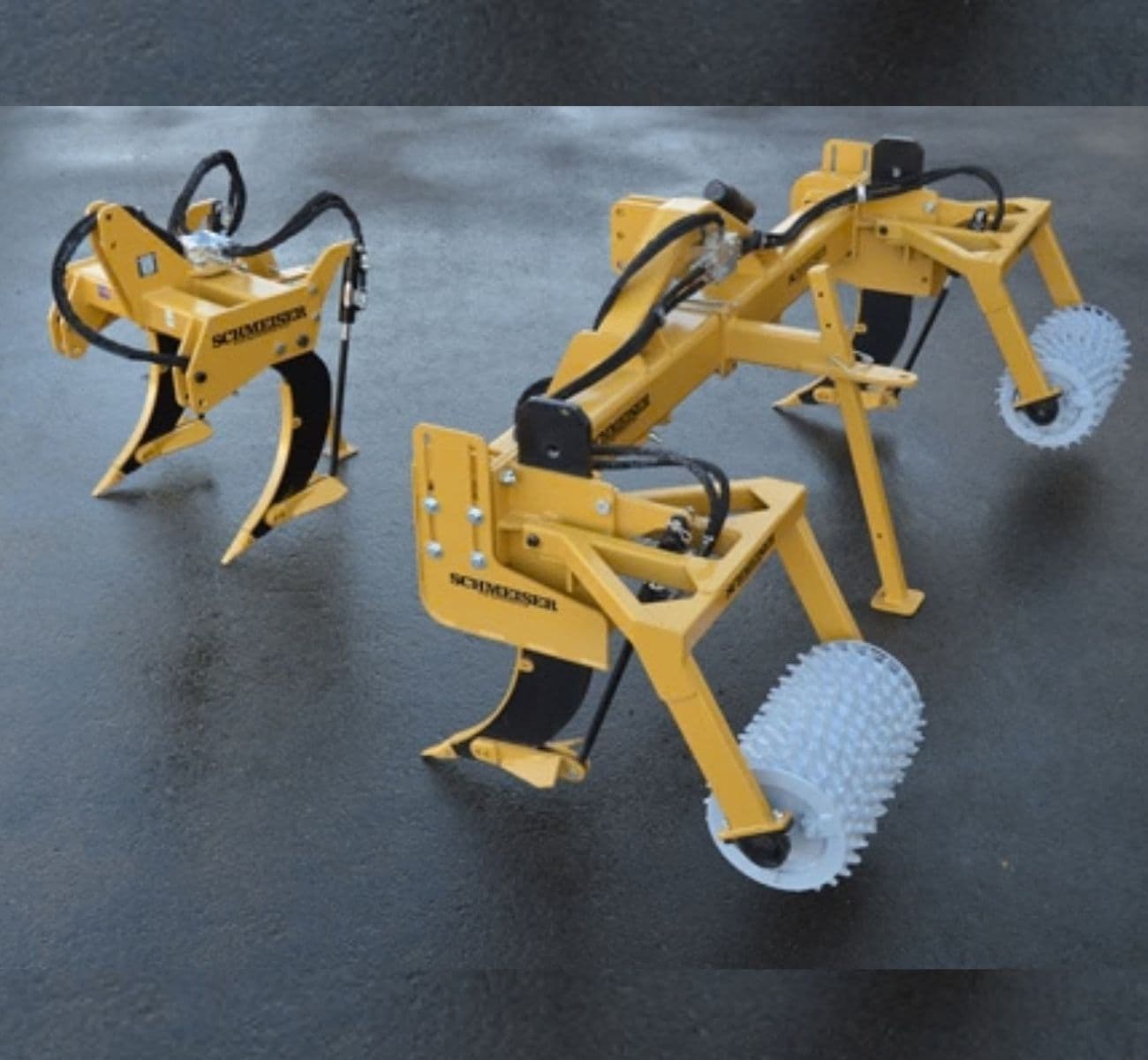
Train young trees on 3 or 4 main shoots at about 45 degrees, then prune lightly so machines can work, as a 2026 training article in Georgian farm media advises.
Spray tall, dense canopies evenly with a narrow trailed airblast sprayer such as the Mañez Lozano Narrow Twister S6.

Almond Harvesting in Georgia
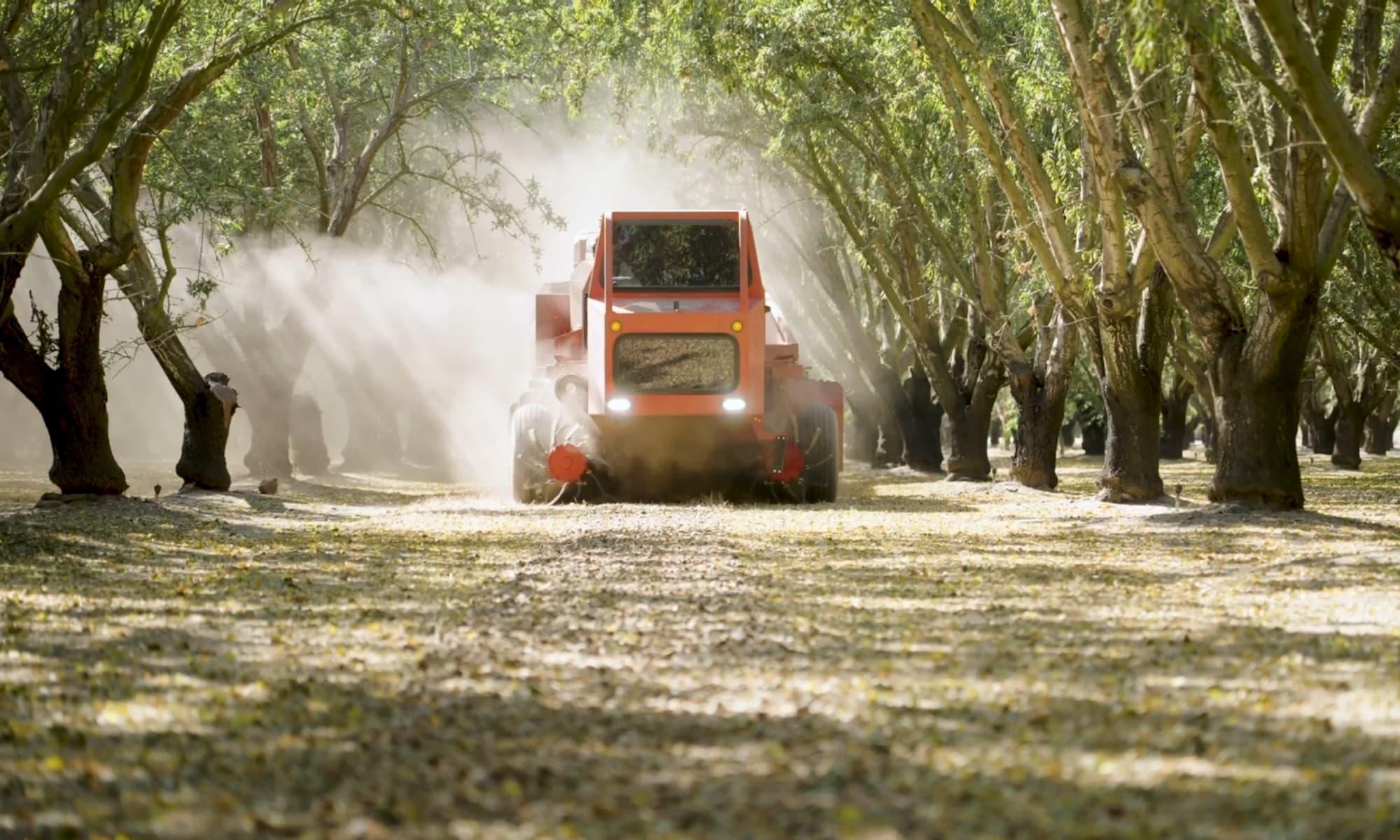
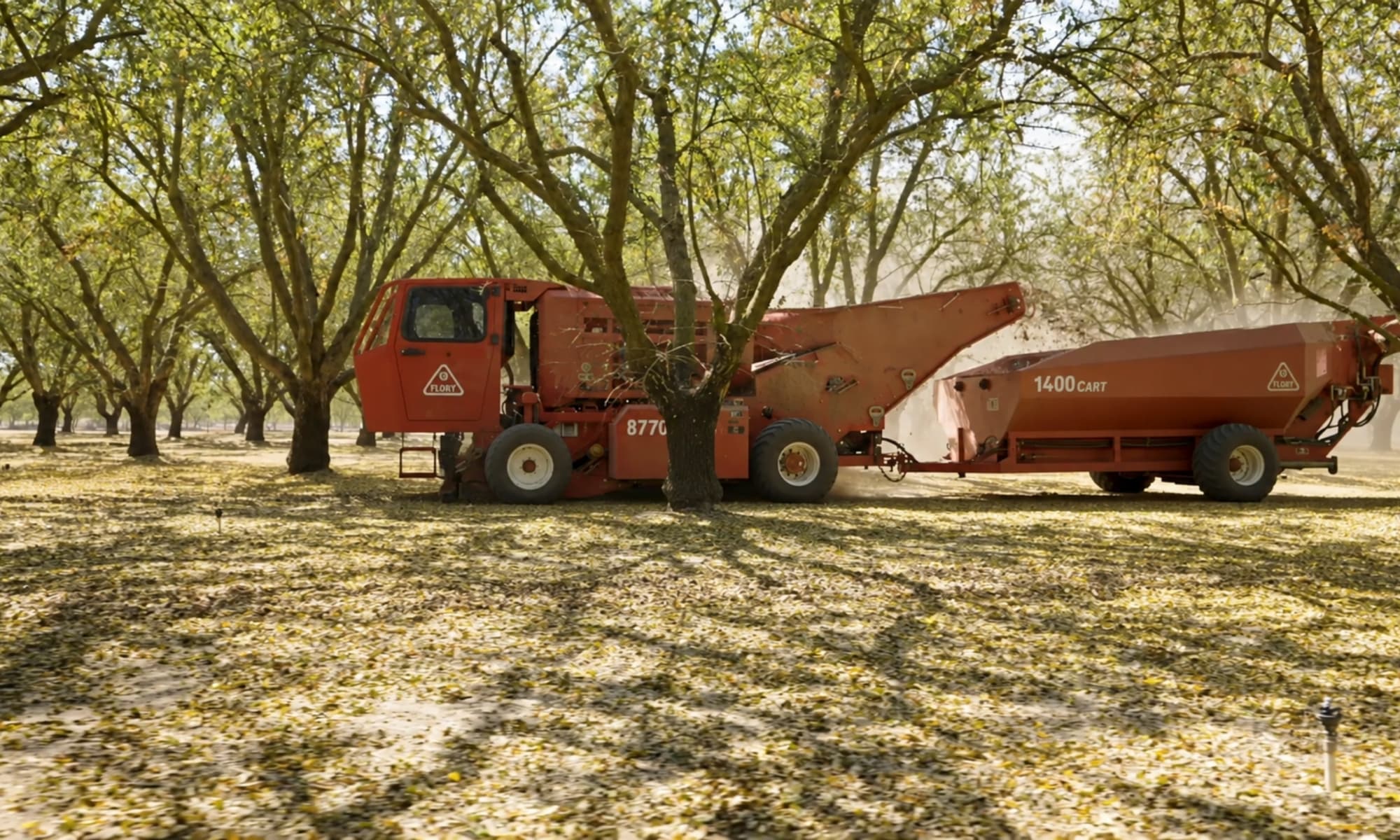
Before commercial orchards, the almonds sold in Georgia were knocked down from garden and windbreak trees (2017 market study). In 2022, industry reports contrasted three large companies using new technologies with small growers following older, less intensive methods, and one super-intensive orchard in Kvemo Kartli was reported fully mechanized in 2023. In orchards planted for machines on suitable ground, mechanized harvesting can bring the crop in on time, with less risk of nuts deteriorating while they wait.
The 2017 study says almond ripens at the end of August and in the first half of September, and a 2022 industry report put harvesting, done in parallel with drying, at about 15 days. Those months are not reliably dry: at six Kakheti stations, 1956 to 2015 means range from 42.0 to 111.7 mm a month in August and September, and the National Environmental Agency recorded 65.1 mm in one night at Sagarejo in September 2025. This guide therefore shows prompt pickup, with hulling and drying at once, alongside catching frames.
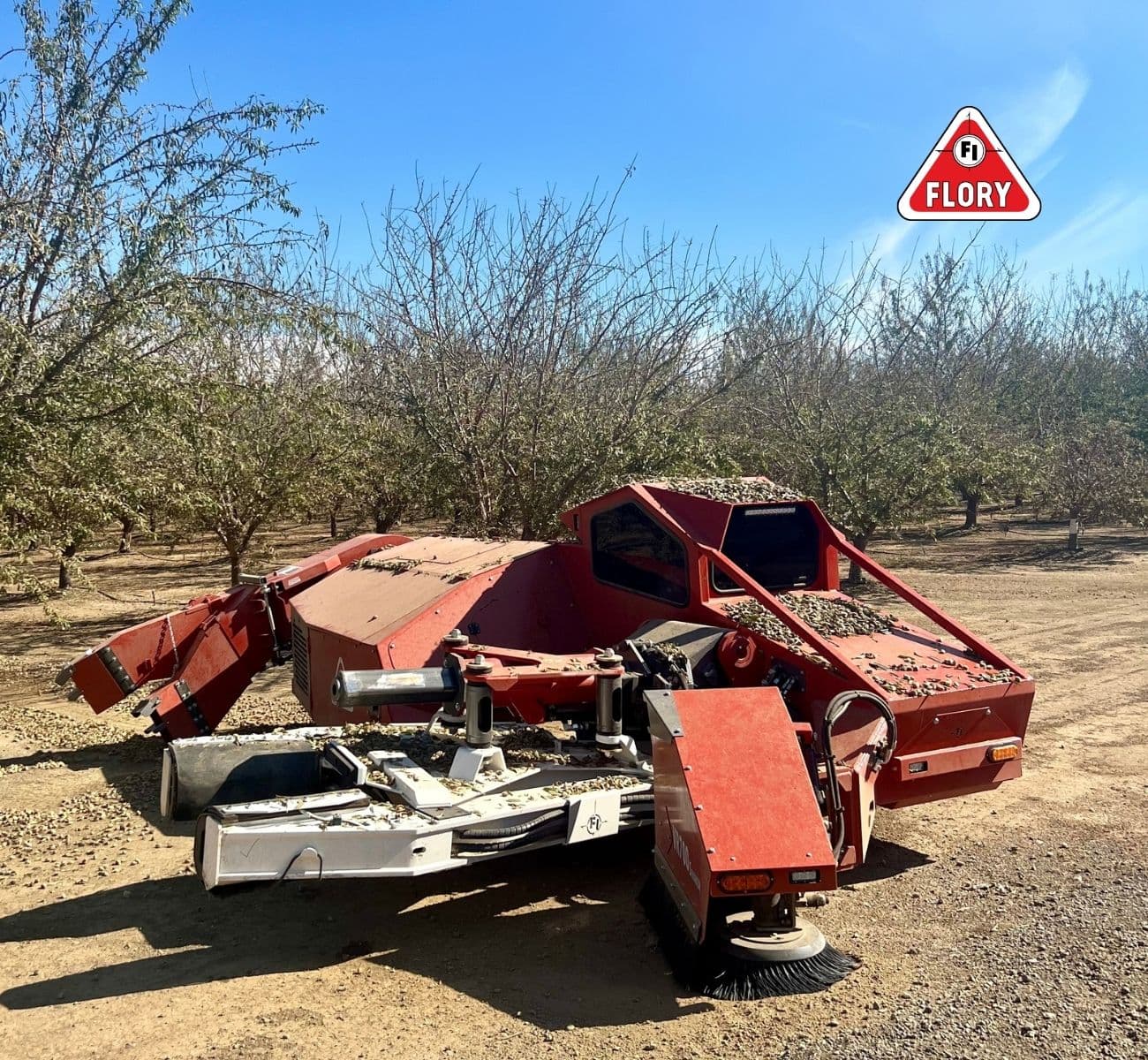
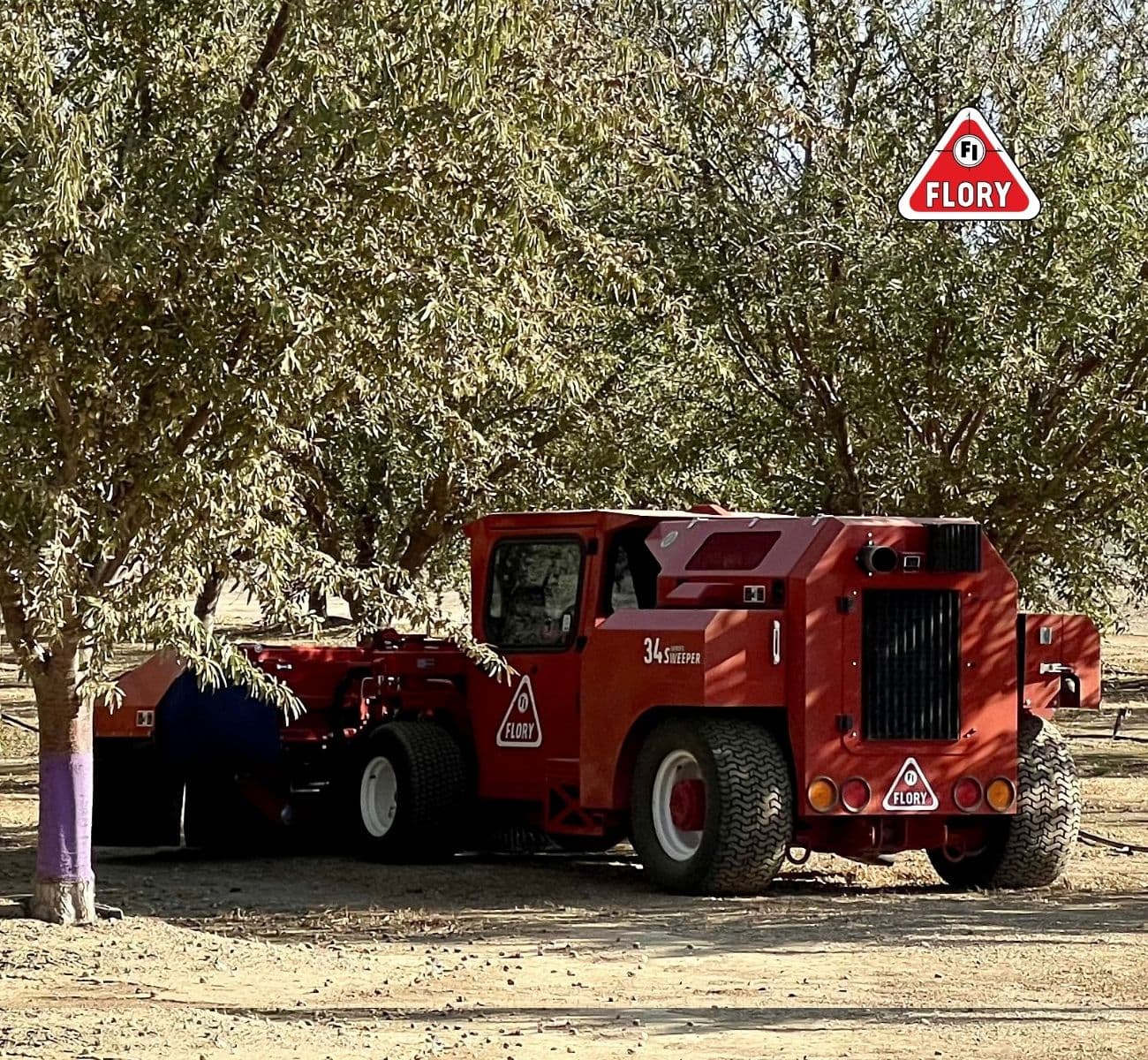
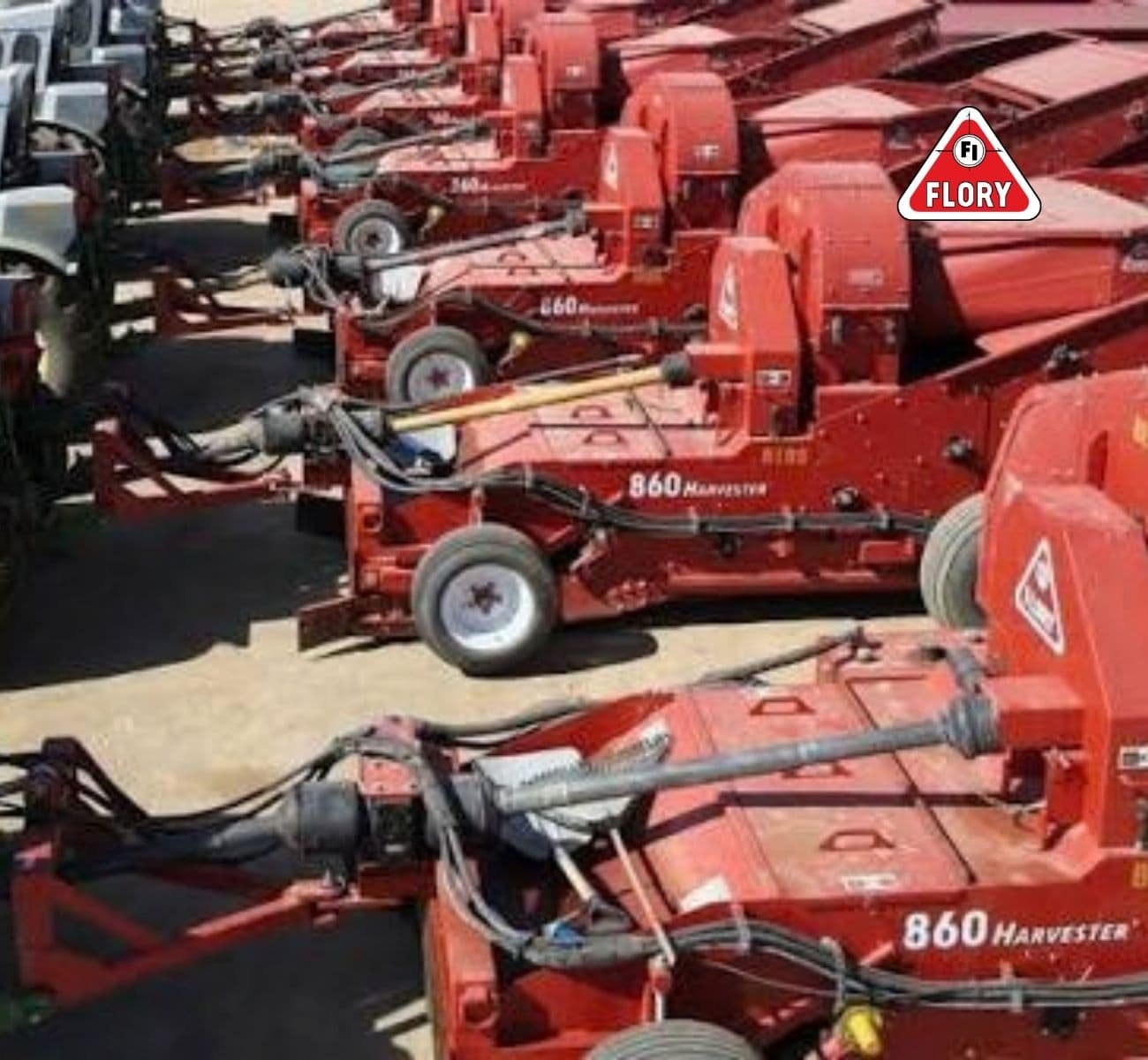
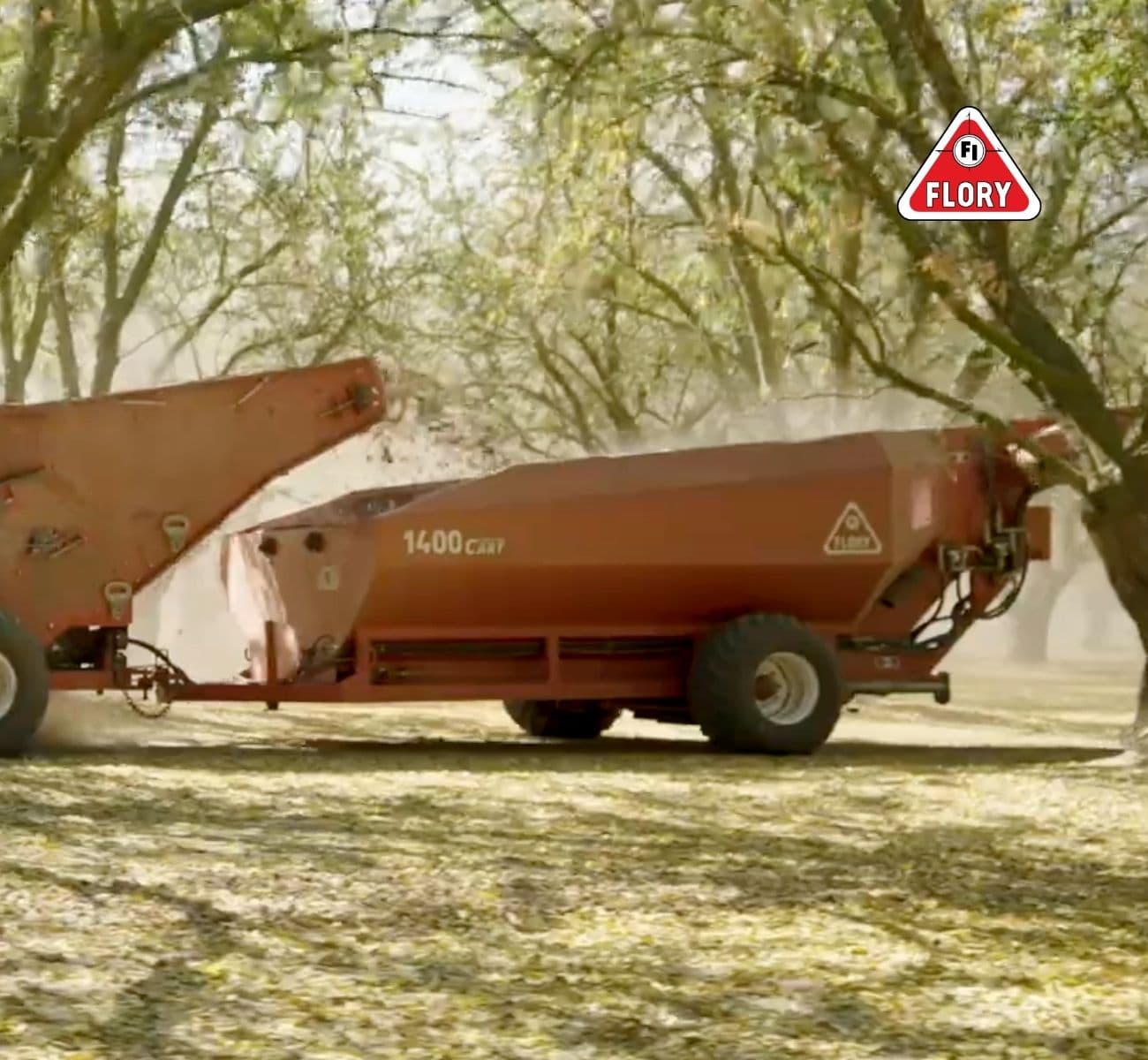
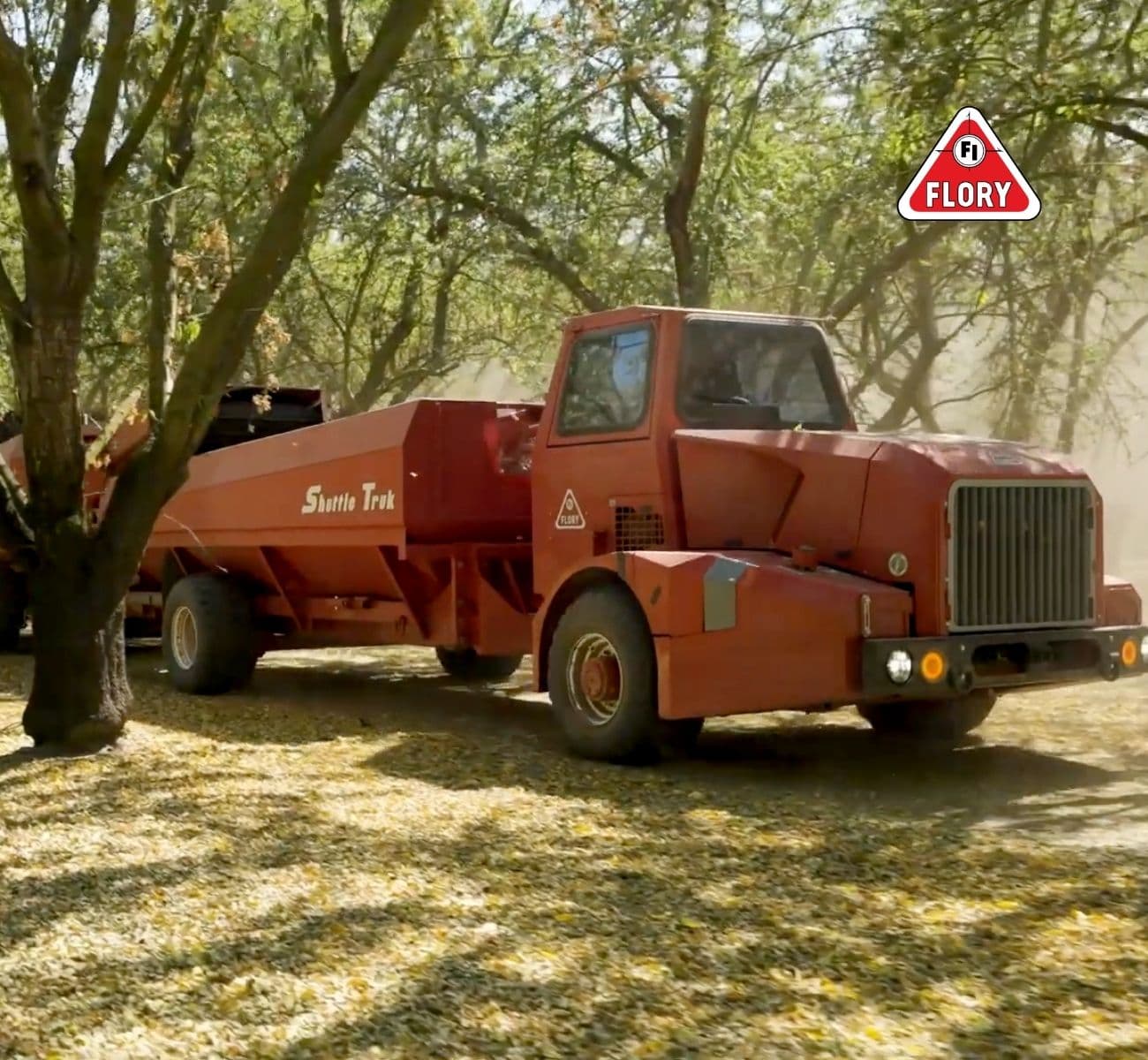
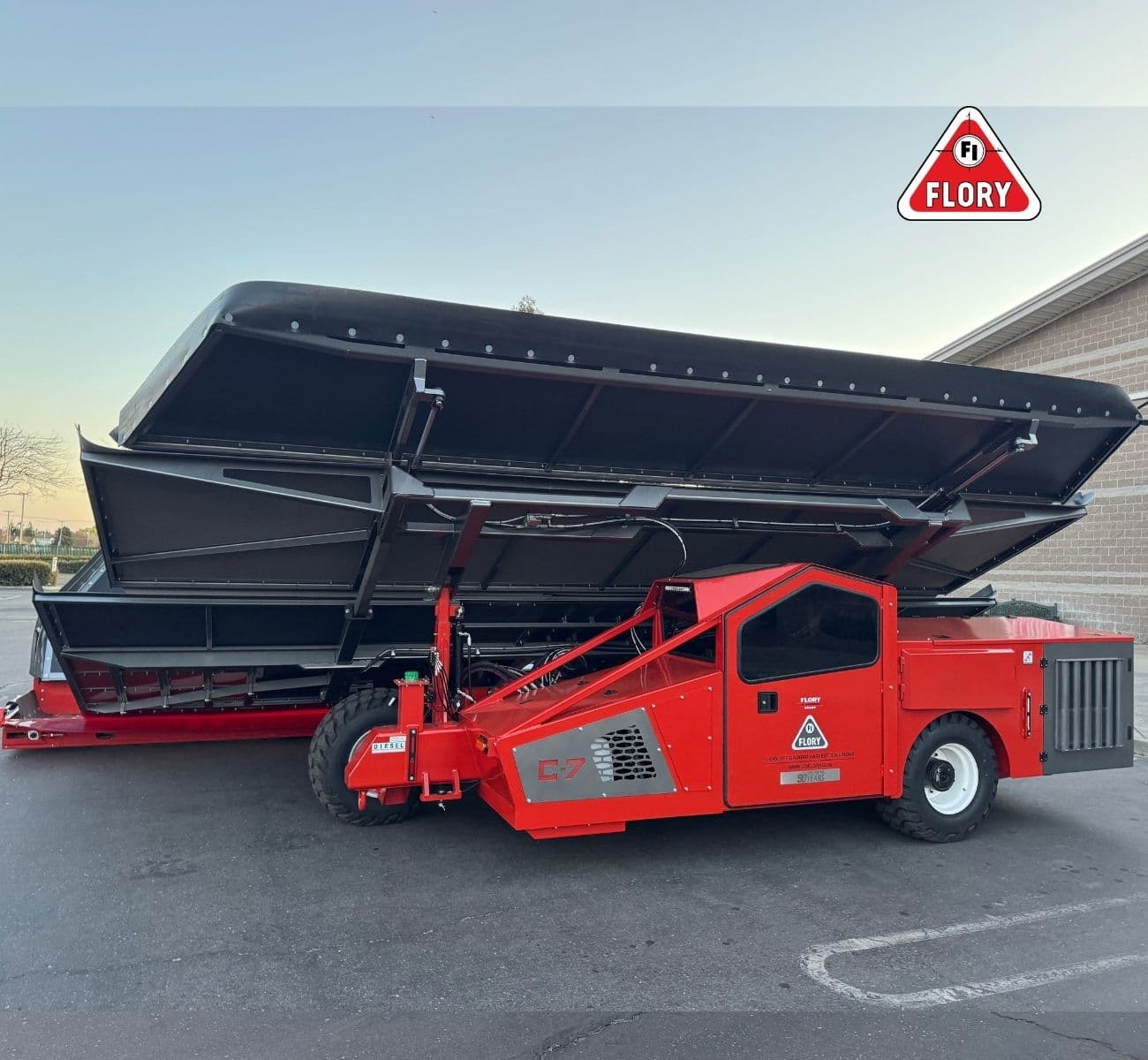
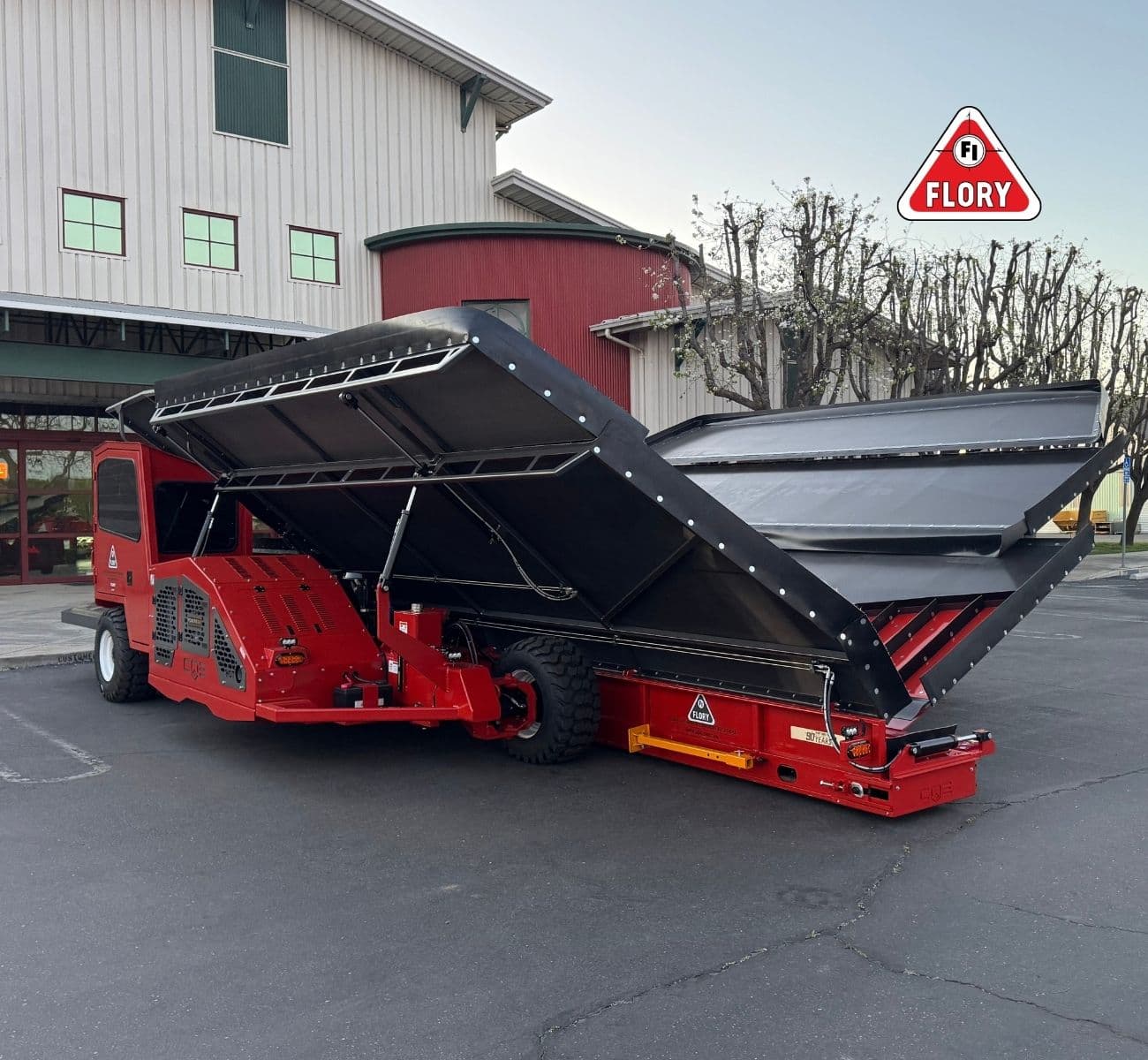
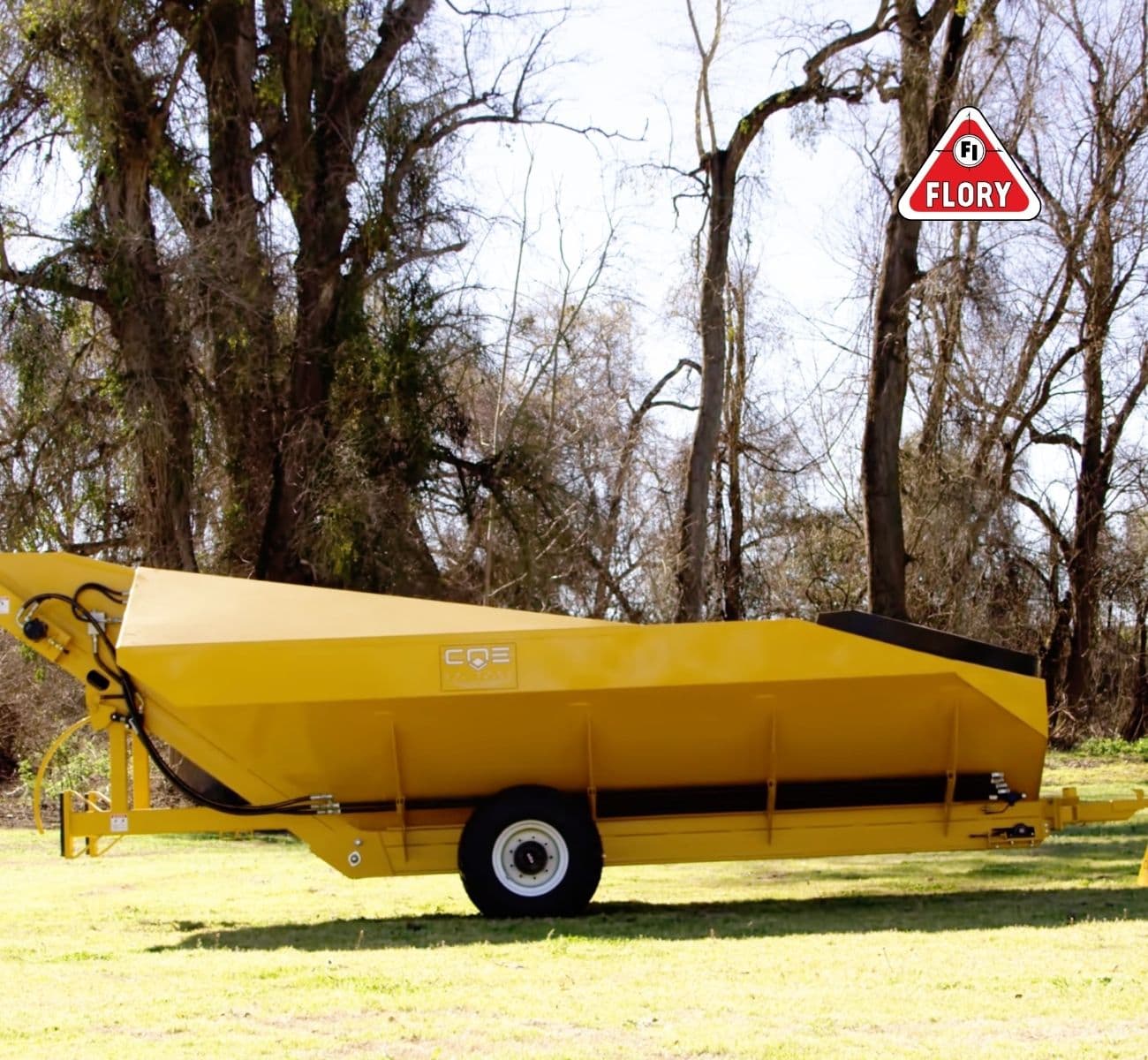
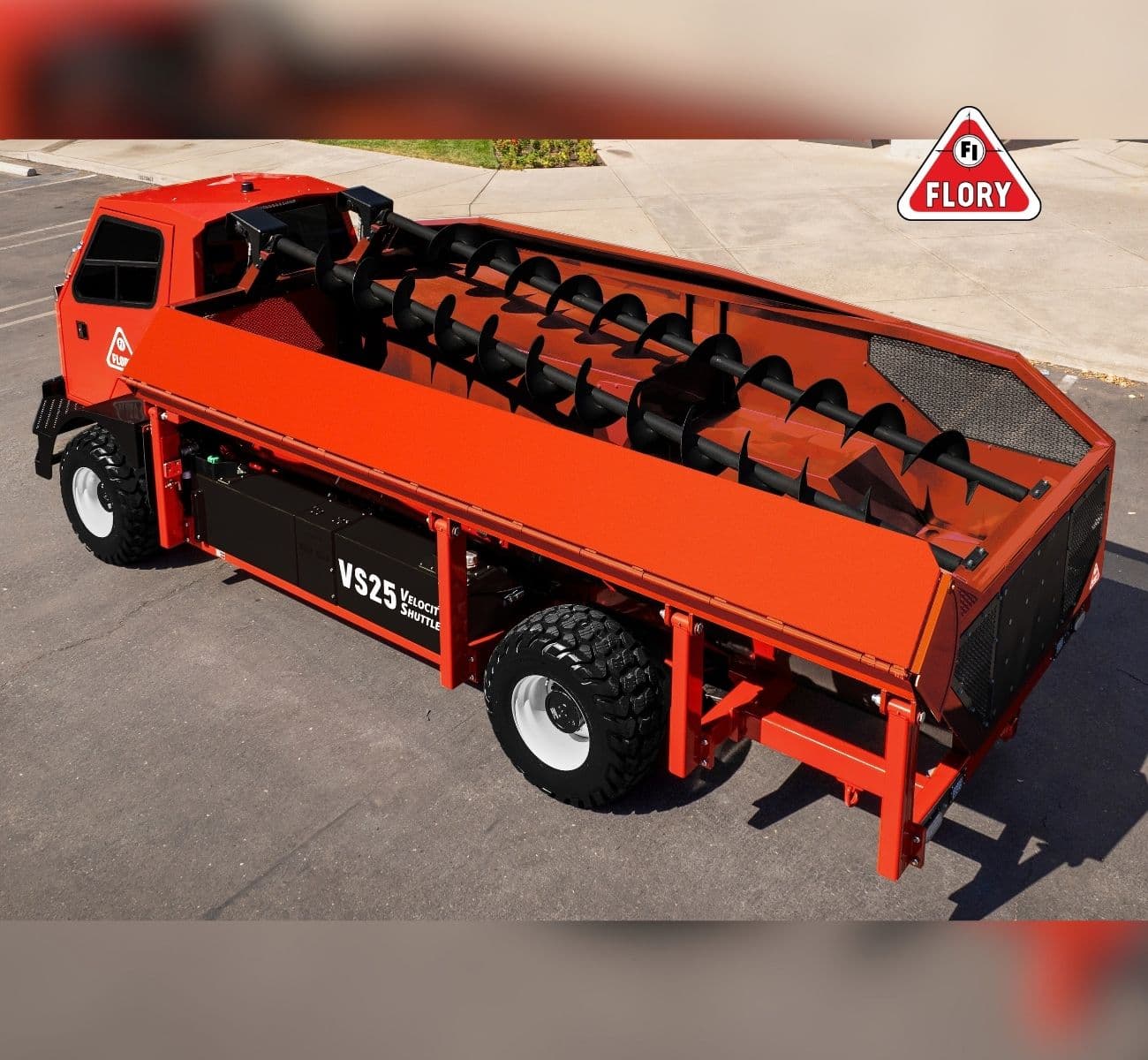
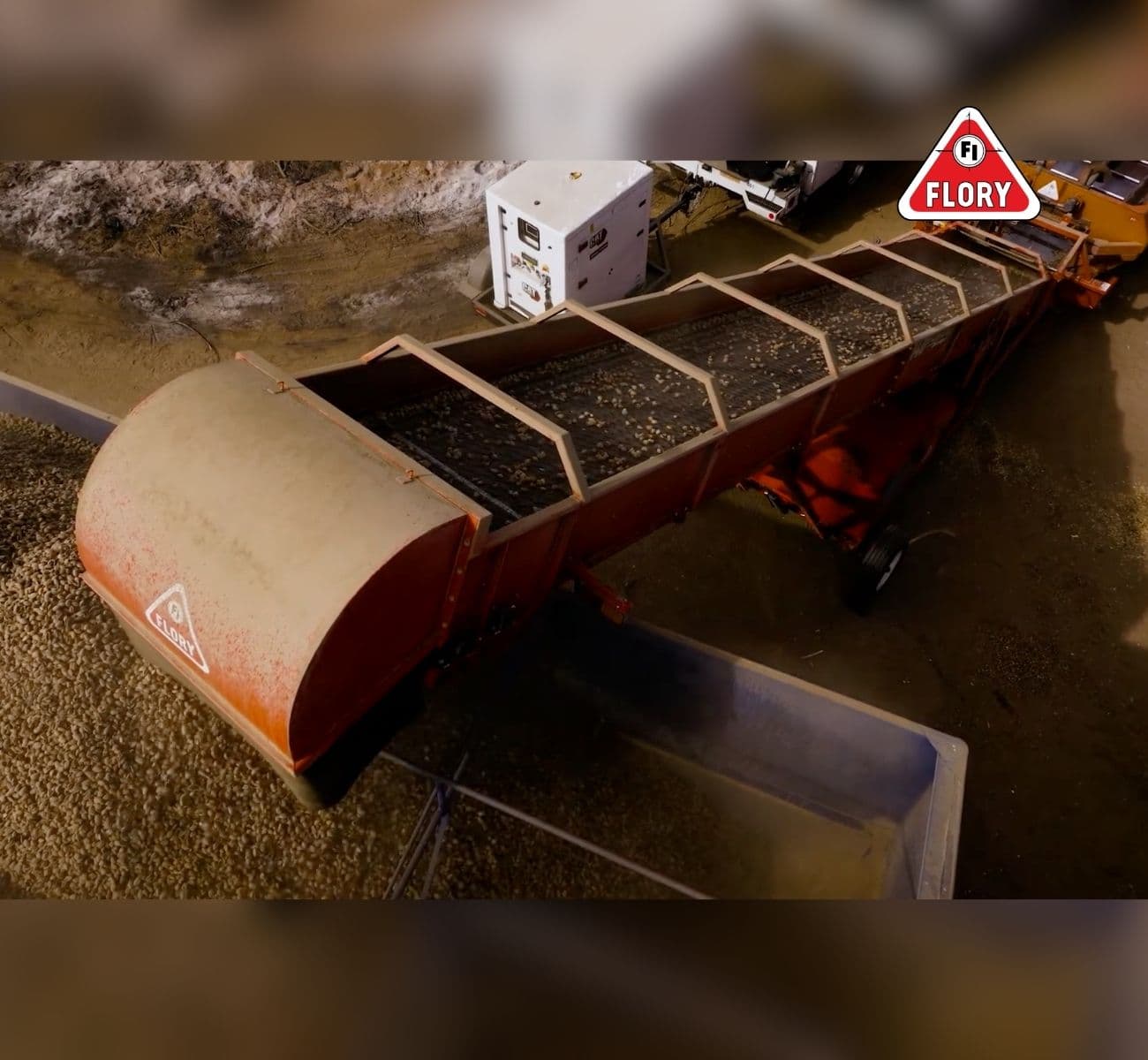
Flory harvesting machinery is already operating in Georgia and is available through OVE Europe for both systems. On the ground, the VR700 Shaker, 34 Series Sweeper and 860 Harvester (or the smaller 490) work with the 1500 Conveyor Cart and ST14 Shuttle. Off the ground, the Flory COE C7 Shaker and L2 Receiver catch the almonds in a frame around the trunk, the Flory COE B8 Cart and VS25 Shuttle carry them, and the 4840 Field Elevator loads trailers in both systems.
Almond Harvest Workflow (Recommended Equipment)
Practical Tips for Almond Harvesting
Start when the hull splits and comes away easily from the shell, as the 2017 market study advises; ripe hulls turn yellow and open.
Plan the order by cultivar: in one large Georgian orchard in 2021, Lauranne was due about a week after Guara and Supernova.
Check the forecast before shaking and shake only what you can pick up promptly: September 2025 brought three to four times normal rain to parts of Kakheti.
Sweep and pick up soon after shaking, then hull and dry the almonds off the ground; University of California guidance adds that quick removal limits ant damage.
Where you can, catch the nuts: Georgia's almond regulation advises frames or sheets so they do not touch the ground; the Flory COE C7 Shaker works with the L2 Receiver.
Keep shakers and frames for orchards planted for machines, never household, windbreak or scattered trees, young trees, terraces or steep slopes.
Get your recommended harvest setup
Enter orchard size, spacing, terrain, and target throughput—we’ll suggest a practical harvest workflow and equipment lineup.

Almond Post-Harvest Handling & Processing in Georgia
The 2017 market study asks for almonds to be sorted and hulled straight after harvest, then dried at temperatures rising from 23 to 30 °C to no more than 43 °C: at most 2 days in a dryer, or about 10 to 12 days in the sun, spread in a dry place and turned regularly. Its moisture targets are at most 11.0% for in-shell almonds and about 6.5% for kernels.
For storage, the study advises breathable sacks in a cool, ventilated cellar, vacuum packs for kernels and 50 to 65% air humidity, and warns that mold brings aflatoxins. Georgia's contaminant regulation of 2025, in force since 1 June 2026, sets 8.0 µg/kg of aflatoxin B1 and 10.0 µg/kg in total for almonds sold to the final consumer or used as an ingredient and 12.0 and 15.0 µg/kg for almonds to be sorted first, as Regulation (EU) 2023/915 does.
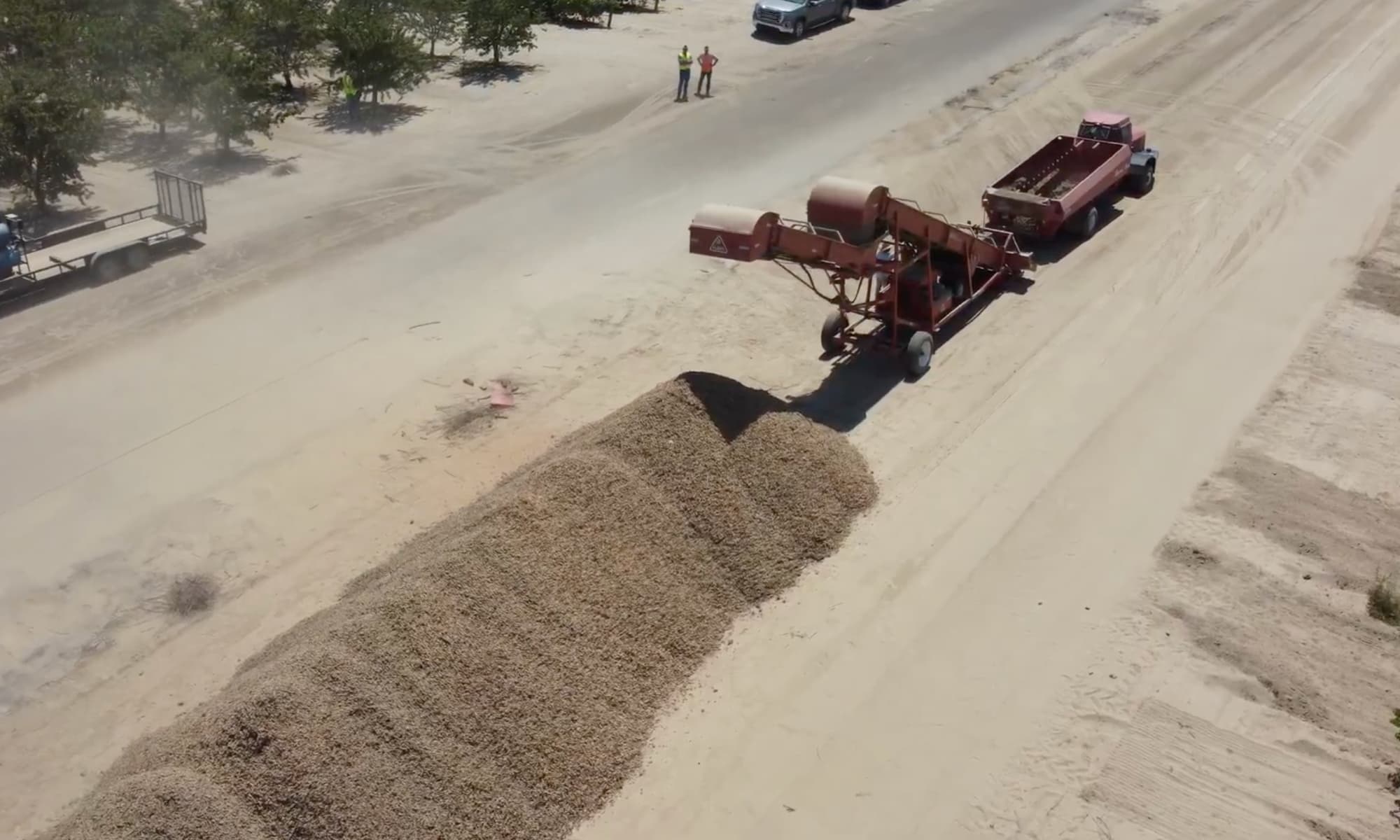
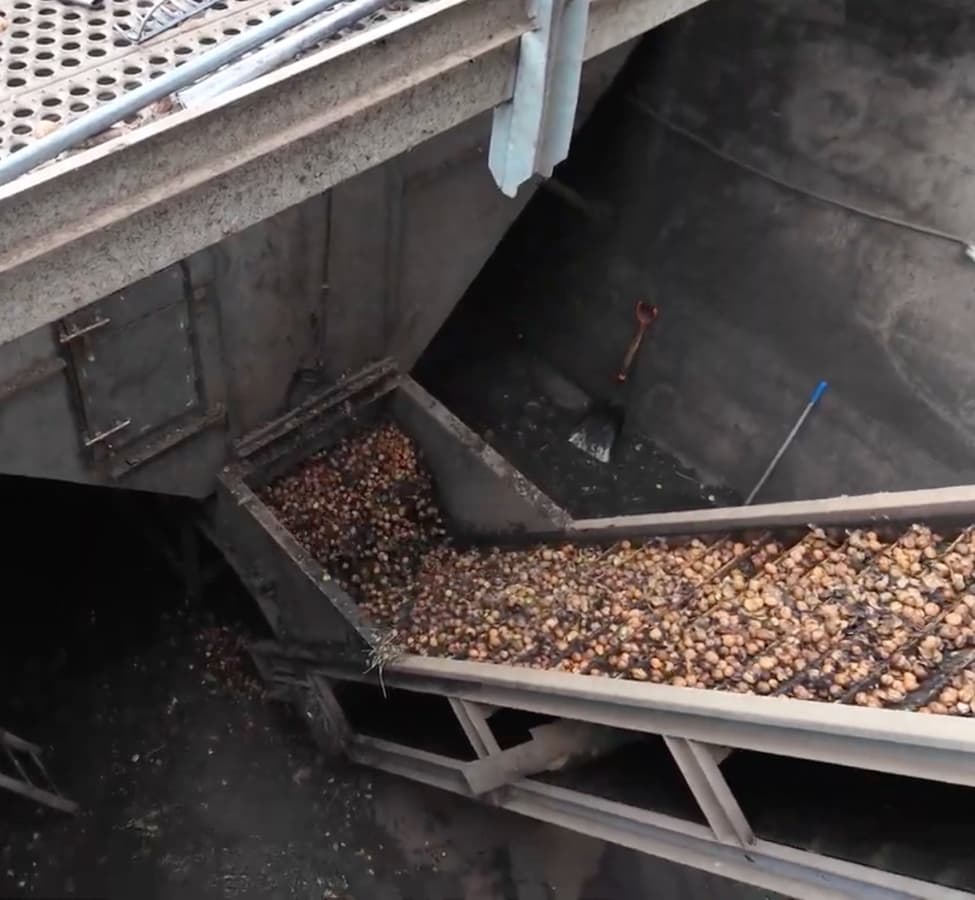
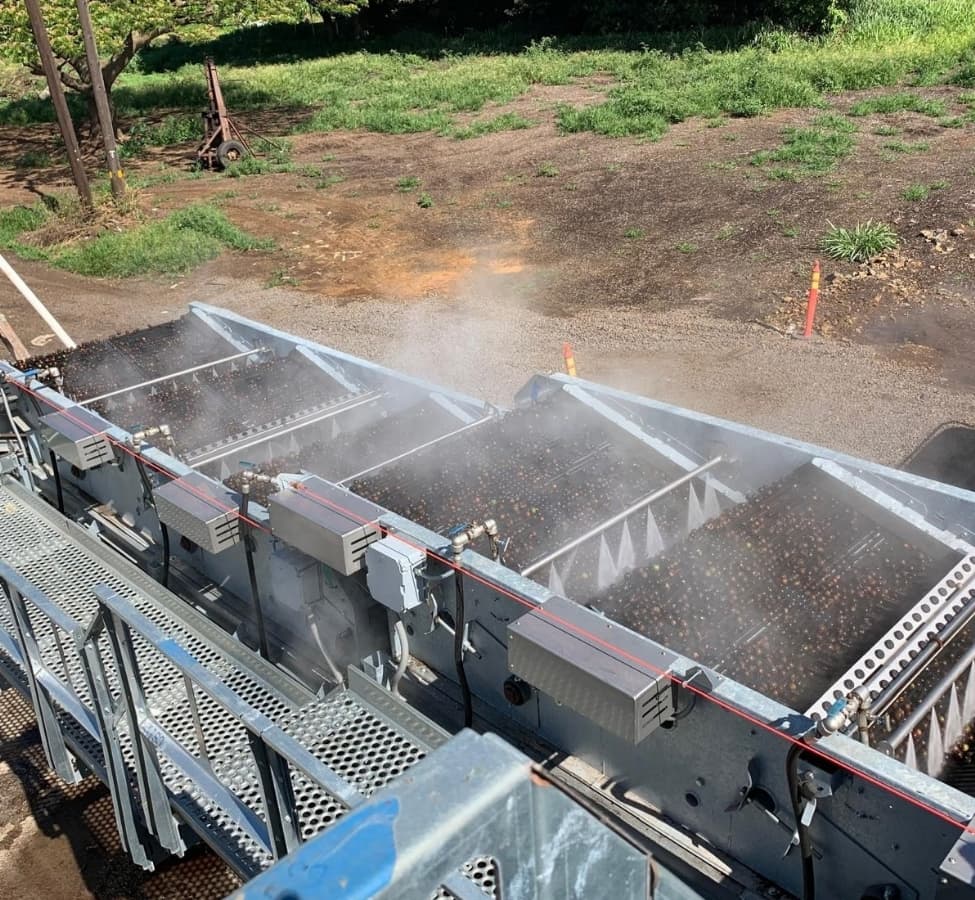
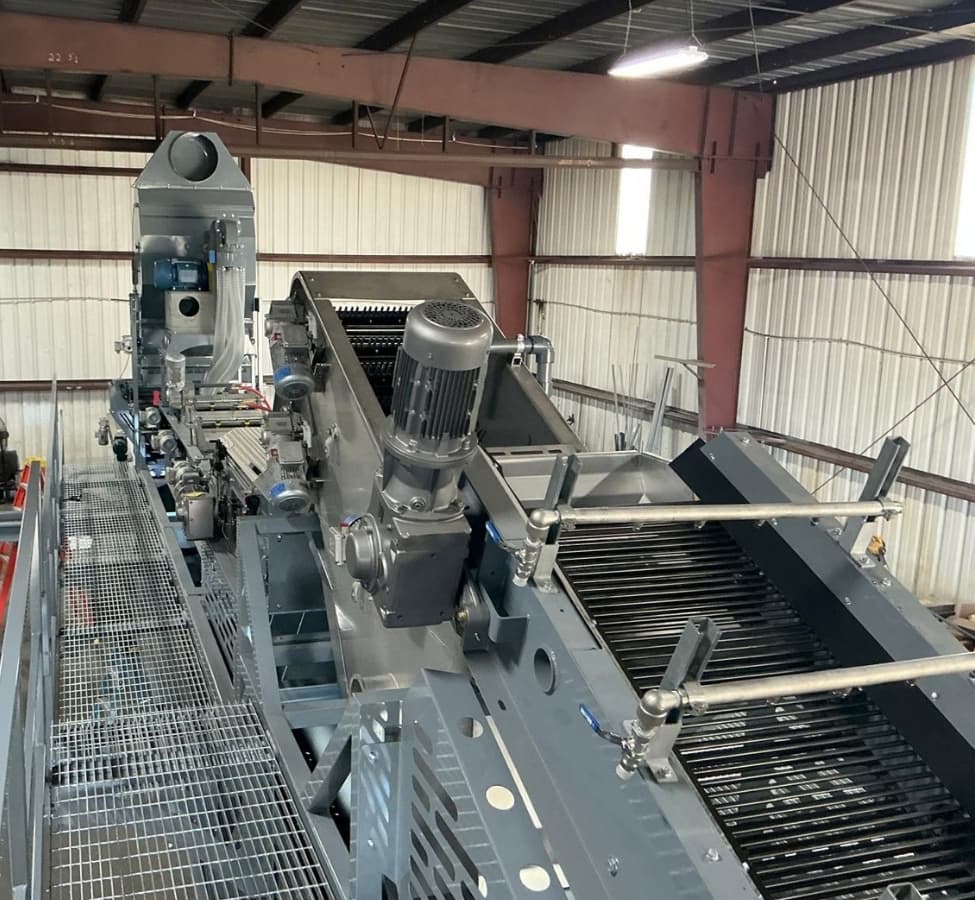
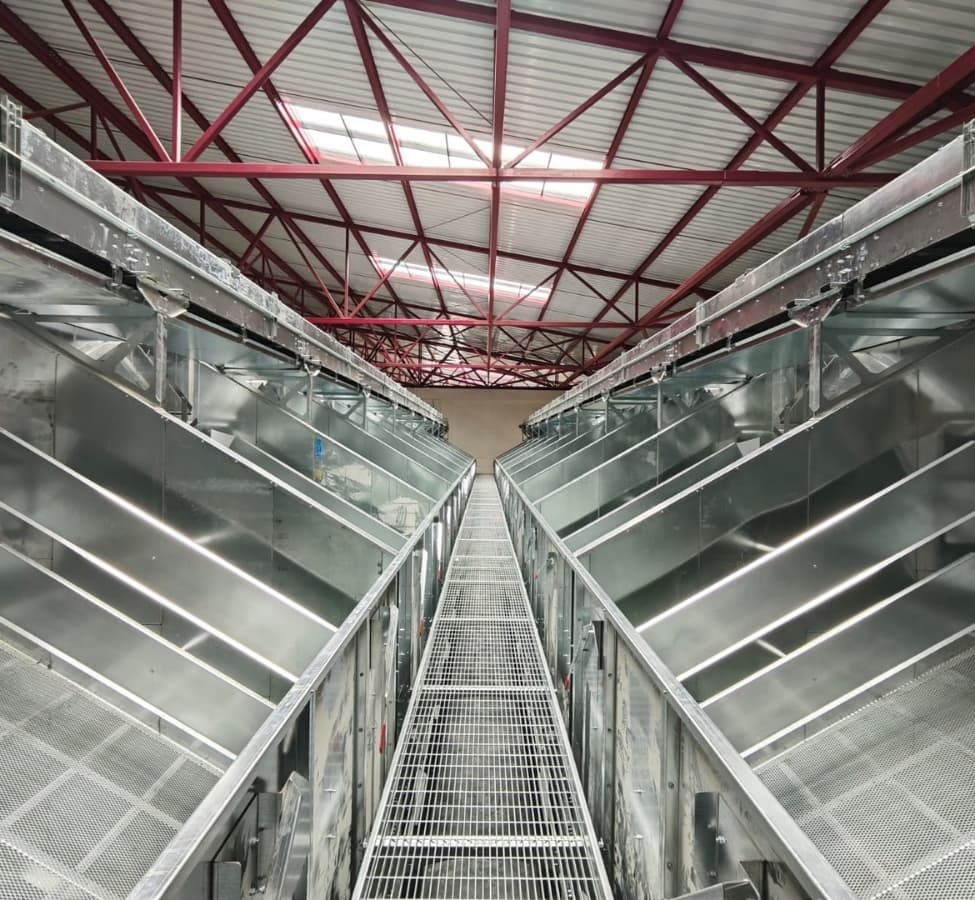
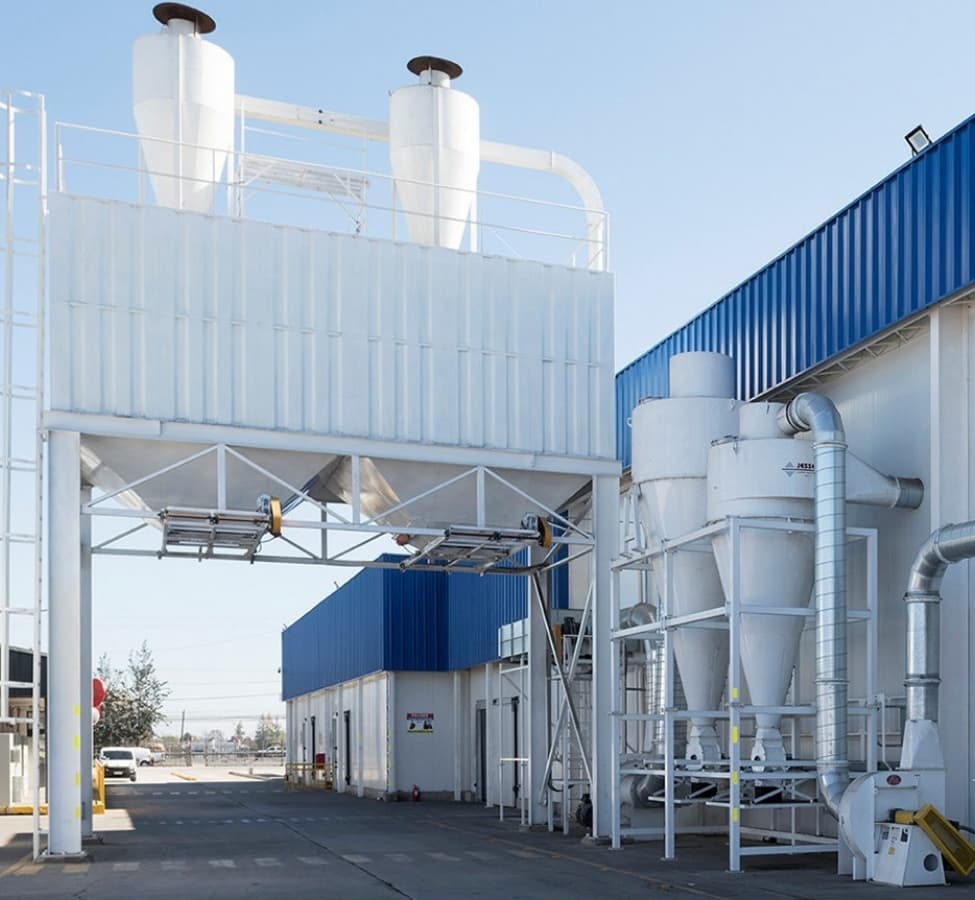
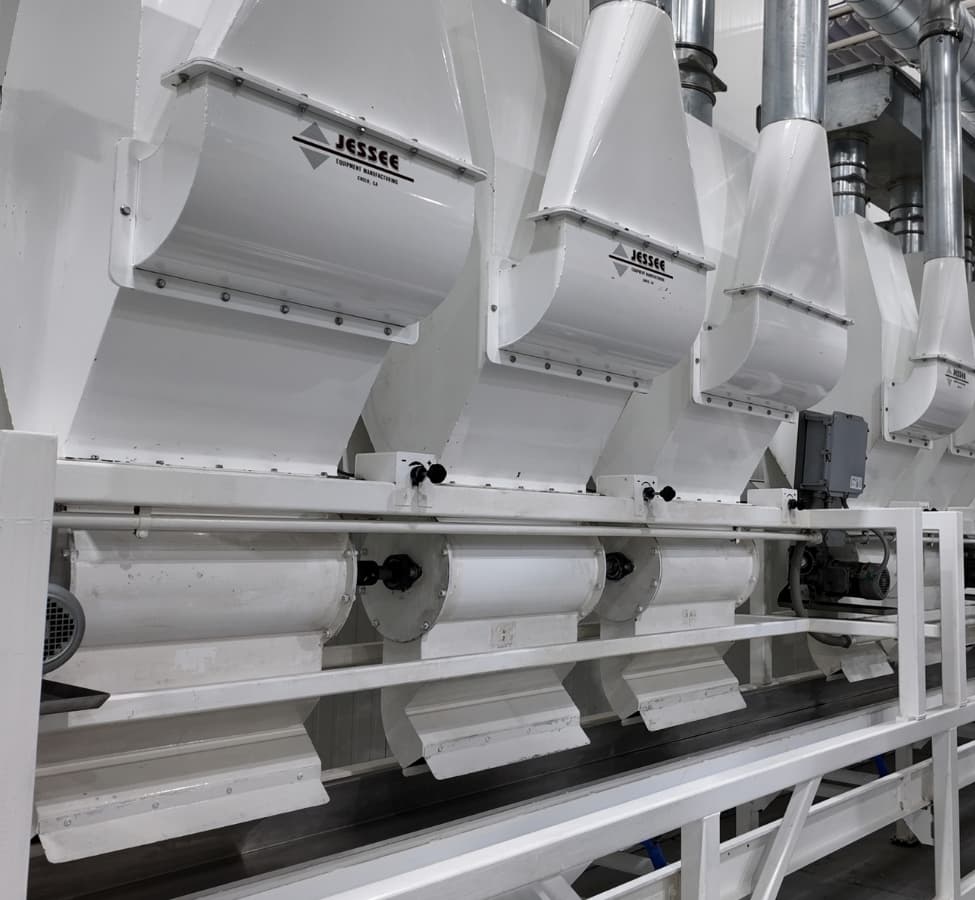
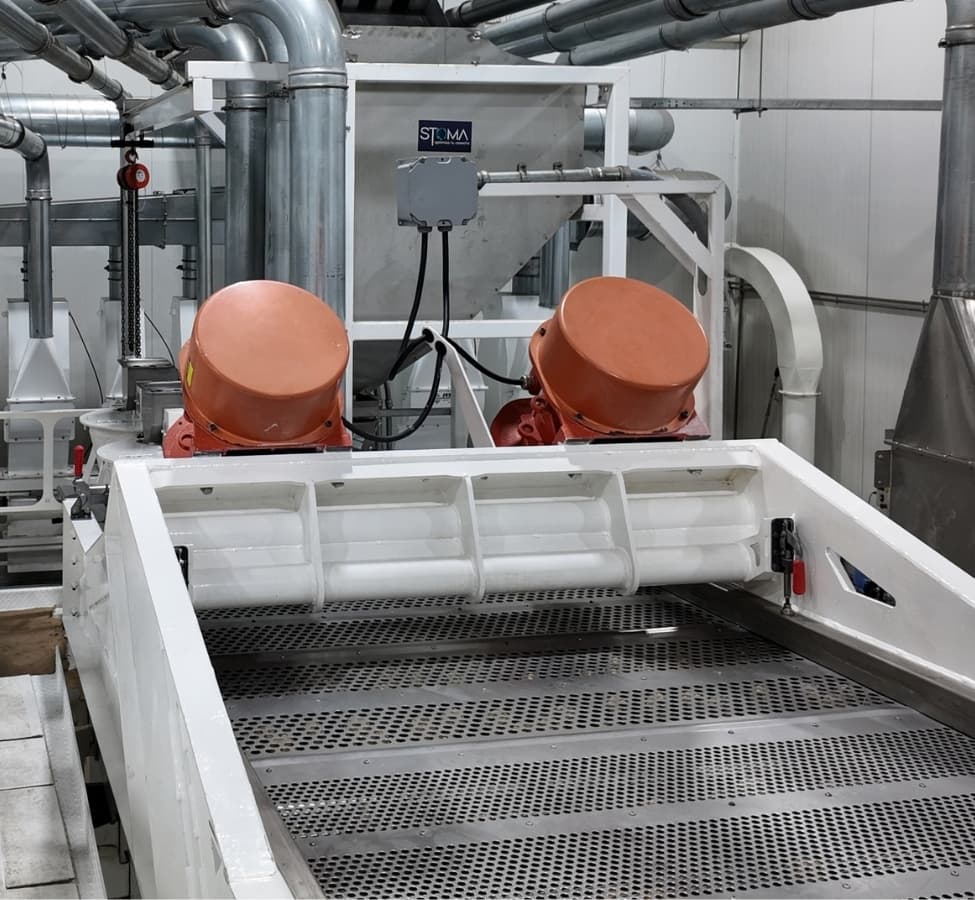
Processing has grown fast: the 2017 study found no almond processing plant in Georgia, while in 2023 the largest grower announced a line for 10 t of almonds an hour. Georgia imported 616.1 t of shelled almonds and 309.2 t in shell in 2025 (UN Comtrade via WITS). Jessee, whose processing lines OVE Europe supplies, builds hulling, drying, in-shell cleaning and sizing, and shelling systems; its Airlegs nut cleaner was developed for the almond industry.
For general information only. Information may become outdated and does not replace site-specific professional advice. Consult a qualified agronomist and confirm equipment suitability with OVE before acting.
Practical Tips for Almond Post-Harvest Handling & Processing
Hull promptly picked or frame-caught almonds while the hulls are fresh, then dry the nuts in the shell before storage.
Dry within 2 days in a dryer and never above 43 °C, as the 2017 study advises; sun drying takes about 10 to 12 days, and Georgian rules note its higher risk.
Never stockpile undried almonds: University of California guidance for nuts dried on the ground warns against stockpiling above 12% hull, 6% kernel or 9% fruit moisture.
Store almonds in breathable sacks in a cool, ventilated place at 50 to 65% air humidity and vacuum-pack kernels, as the 2017 study advises.
Test lots against Georgia's 2025 contaminant rules and Regulation (EU) 2023/915: 8.0 µg/kg of aflatoxin B1 and 10.0 µg/kg in total for consumer sale.
Before export, check the Technical Regulation on Almonds: an annex added in 2025 sets aflatoxin rules from harvest to storage, with 0 to 10 °C storage from June 2028.
Recommended Post-Harvest Handling & Processing Stages
Plan your post-harvest line
Estimate tons/day, cleaning & drying capacity, storage needs, and cost/kg—then build your equipment plan in phases.