







Hazelnut Orchard Establishment in Georgia
Georgian orchards grow local cultivars such as 'Anakliuri', 'Gulshishvela', 'Dedoplis Titi', 'Shveliskura', 'Khachapura', 'Nemsa' and 'Chkhikvistava'; in a 2026 study of seven local cultivars, 'Gulshishvela' had the highest kernel-to-shell ratio, 52.8%. A 2023 study of 16 cultivars imported from Oregon State University in 2000 and grown in Imereti recommended 'Willamette', 'Tonda di Giffoni' and 'Tonda Romana' for orchards at 250 to 450 m in the subtropical west.
A 2016 Georgian hazelnut manual advises planting three cultivars, with pollinizers making up 10 to 15% of the trees, as hazelnut is cross-pollinated, and gives bloom from December to February for most local cultivars. A 2021 bulletin of the Ministry of Environmental Protection and Agriculture notes that spring frosts sometimes damage young buds and flowers in the western subtropics, and the manual advises against south-facing slopes in mountain areas for that reason.
The manual recommends single-trunk trees with a 50 to 60 cm trunk on flat land and bushes of four or five stems on slopes steeper than 7 to 10 degrees, with spacings such as 5 × 3 m, and places intensive orchards on slopes of 5 to 7%. In the mechanized system this guide follows, the nuts are swept and picked up from the ground, so Oregon State University (OSU) advises making the floor as smooth as possible at least a year before the first commercial harvest.
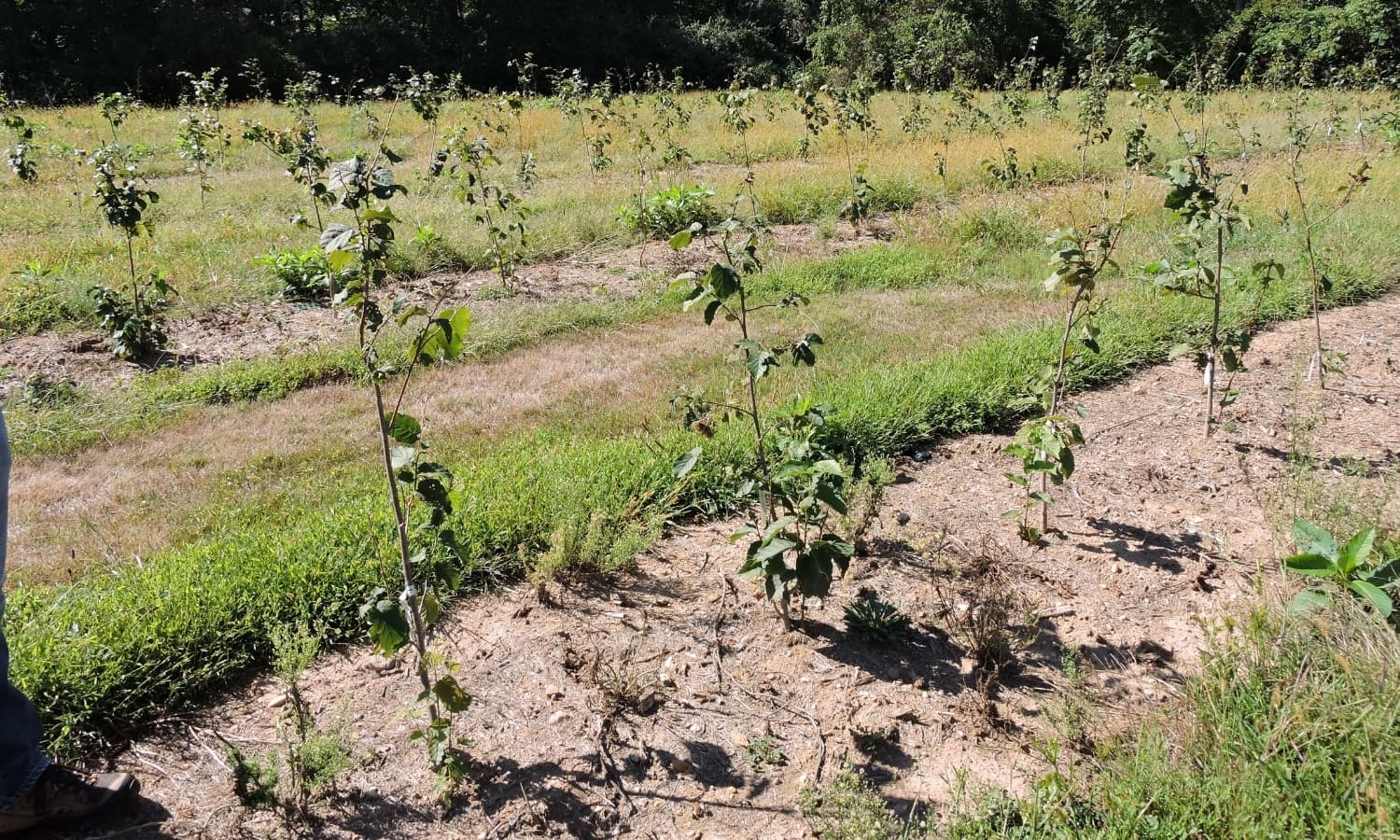

Practical Tips for Hazelnut Orchard Establishment
Plant three cultivars, with pollinizers making up 10 to 15% of the trees, as the 2016 Georgian hazelnut manual advises.
For orchards at 250 to 450 m in the west, consider 'Willamette', 'Tonda di Giffoni' or 'Tonda Romana', as a 2023 study in Imereti recommends.
Avoid south-facing slopes in mountain areas: the 2016 manual warns that spring frosts can damage the flowers there.
Choose sites where groundwater is no closer than 1 m and soil pH is 6 to 7, as the 2016 manual advises.
Train single-trunk trees on flat land, where machines can work; the manual keeps bushes of four or five stems for slopes over 7 to 10 degrees.
Smooth and firm the orchard floor at least a year before the first commercial harvest, as Oregon State University advises, so sweepers can work up to the trunks.
Recommended Establishment Stages

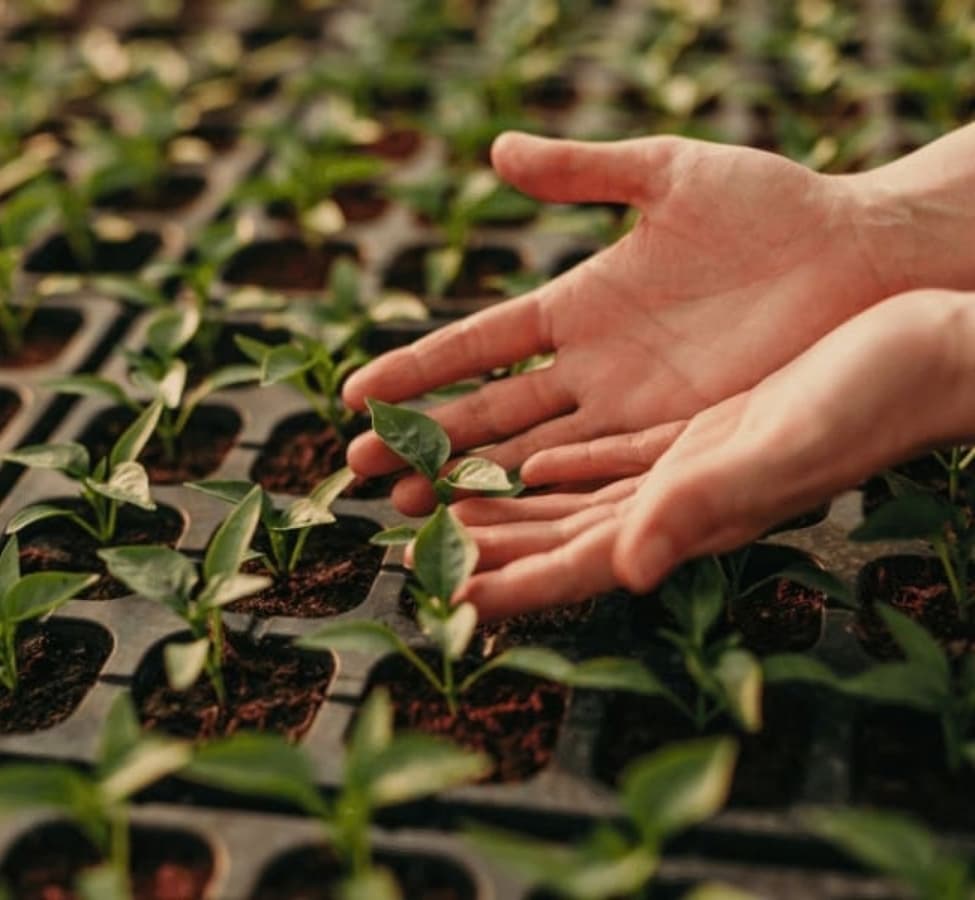
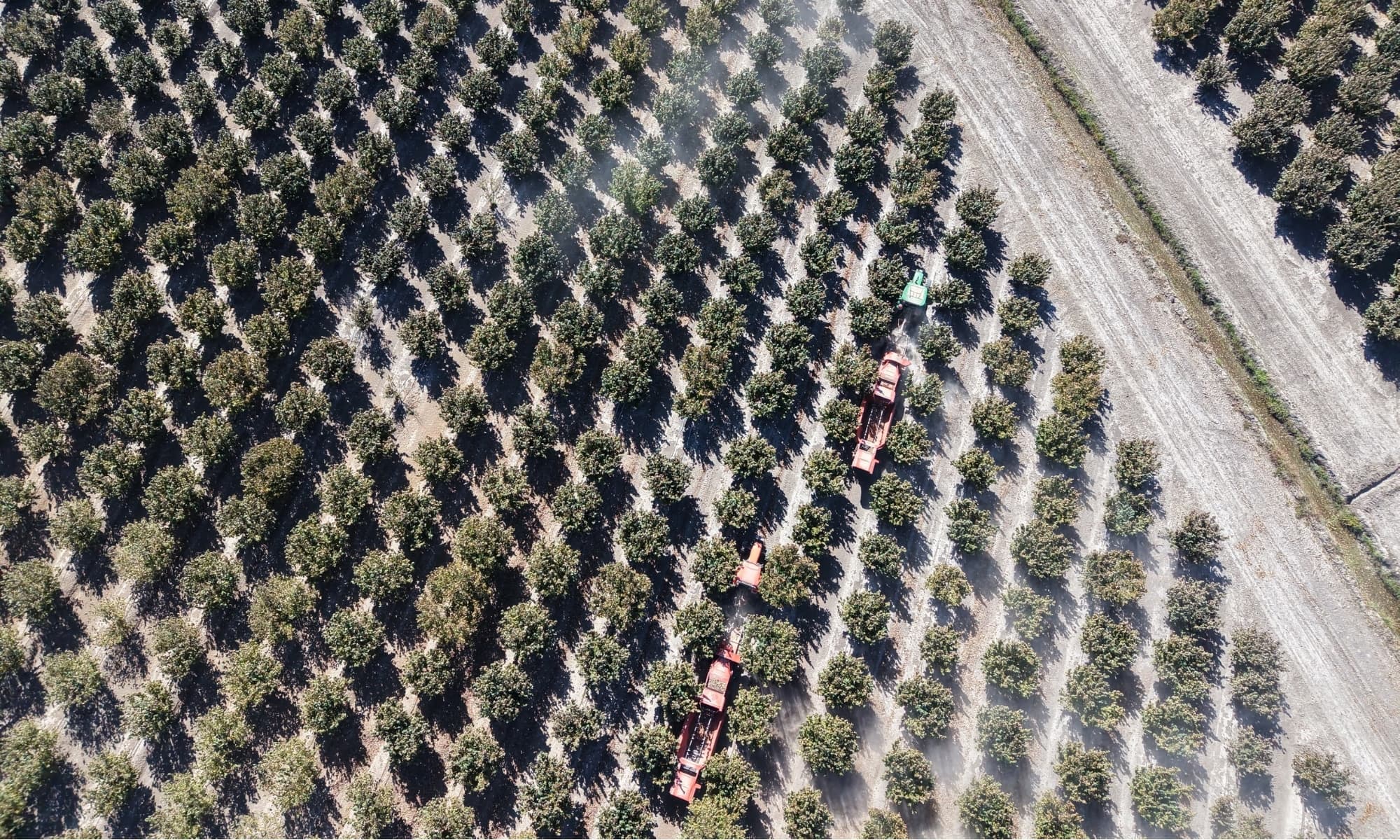

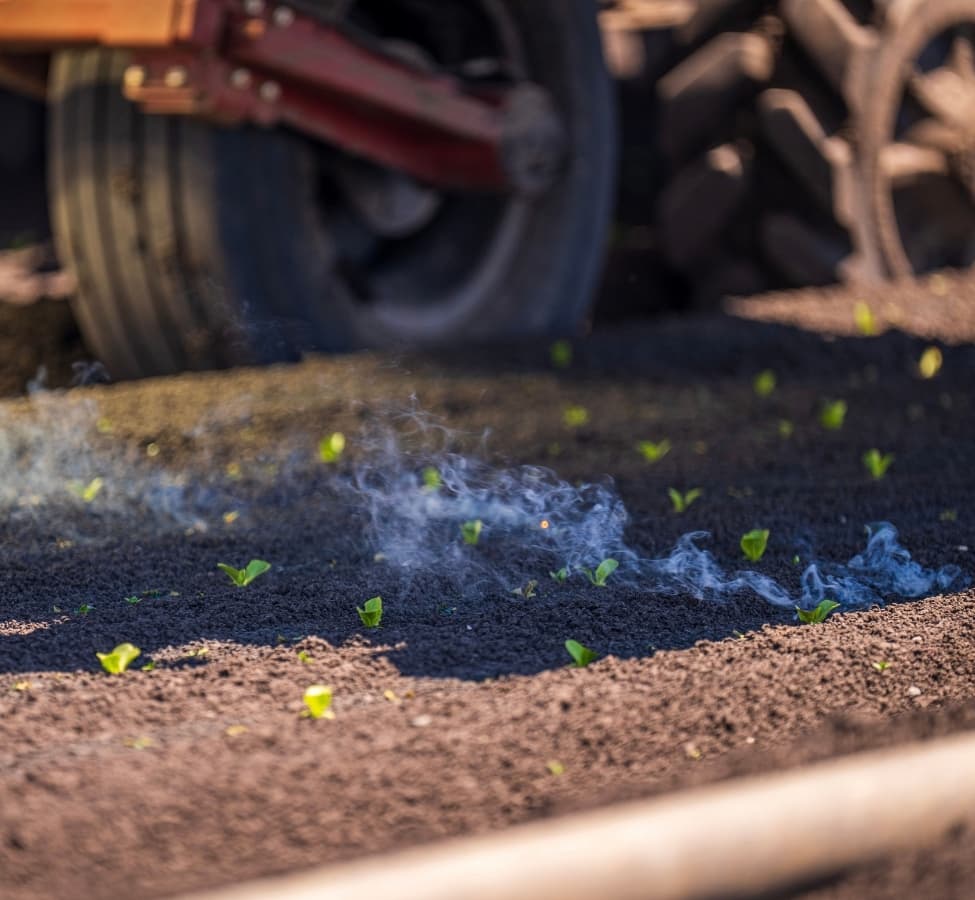


Hazelnut Orchard Care & Maintenance in Georgia
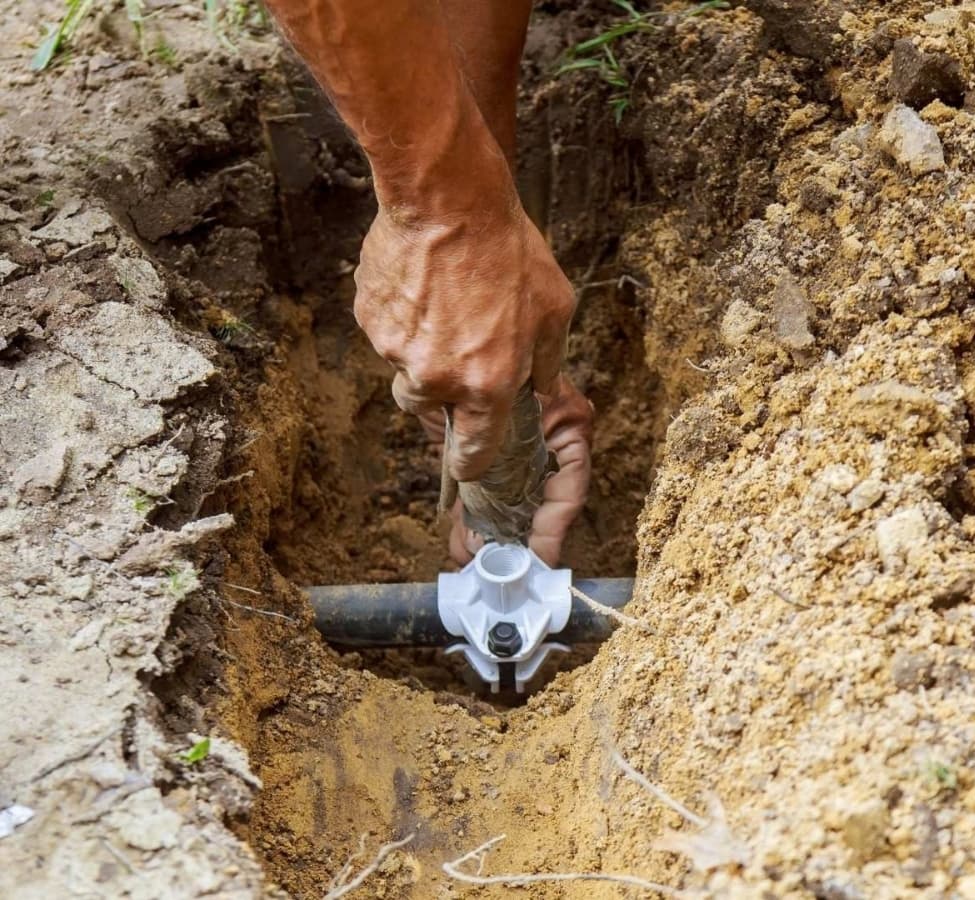
The 2016 manual calls irrigation necessary in both western and eastern Georgia and drip especially important in Kakheti. Heat can be severe: in August 2025 it reached 39 to 40 °C in the Colchis lowland, with up to 30 to 35 hot days in a row in Upper Imereti (National Environmental Agency). The care guide of the Scientific-Research Center of Agriculture (SRCA) notes that hazelnut bears mainly on one-year lateral shoots of 15 to 40 cm, which must not be cut, and advises keeping plants 3.0 to 3.5 m tall.
EPPO lists the brown marmorated stink bug (Halyomorpha halys) as present in Georgia, first found in 2016 in Khobi municipality, and a 2018 study reports a significant increase in damage at harvest in western Georgia in 2016. A 2018 Ministry bulletin named kernel rot from fungal and bacterial diseases, with the stink bug, as the main cause of lower yields in western Georgia over the three previous years. On an undated pest page, the National Food Agency calls for weekly orchard checks from May.
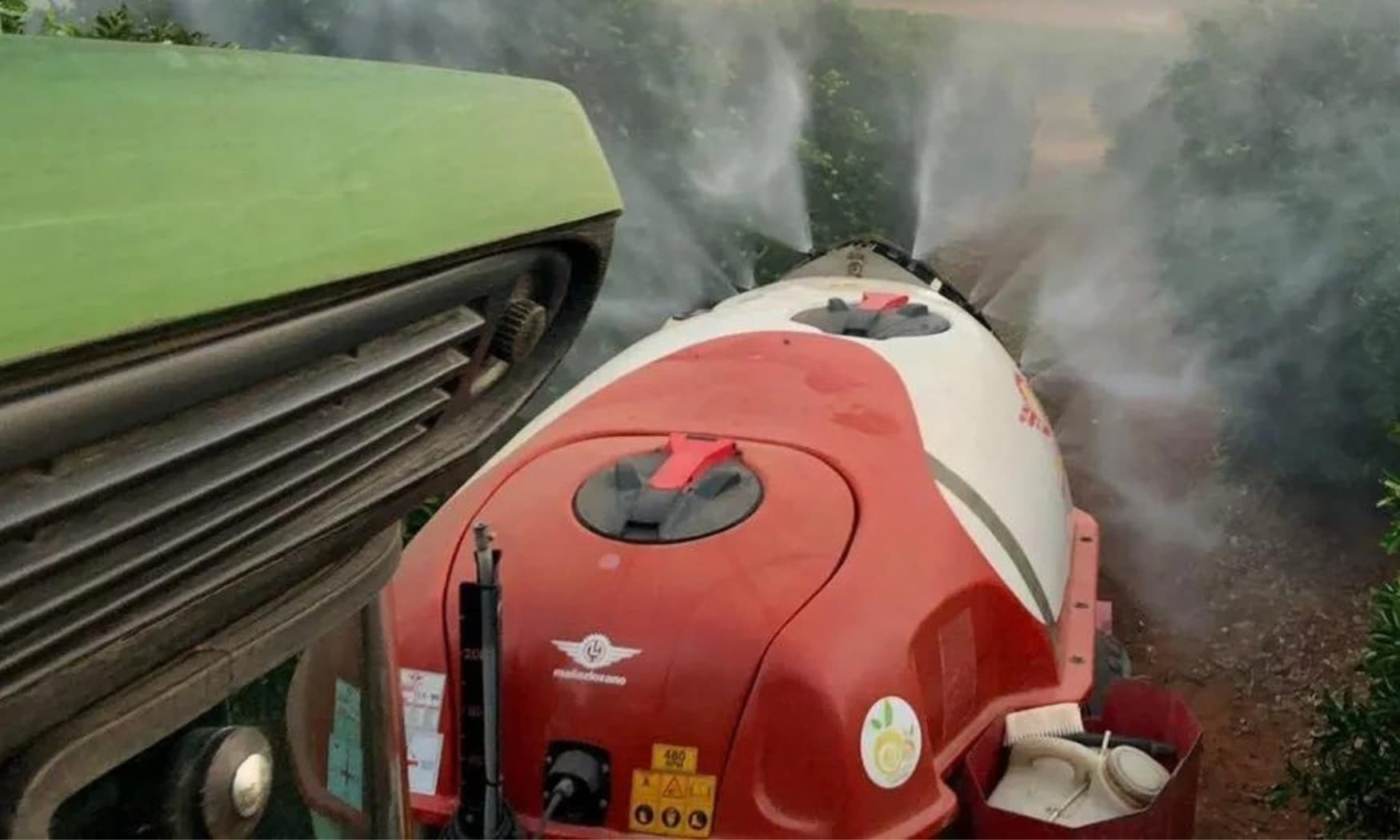
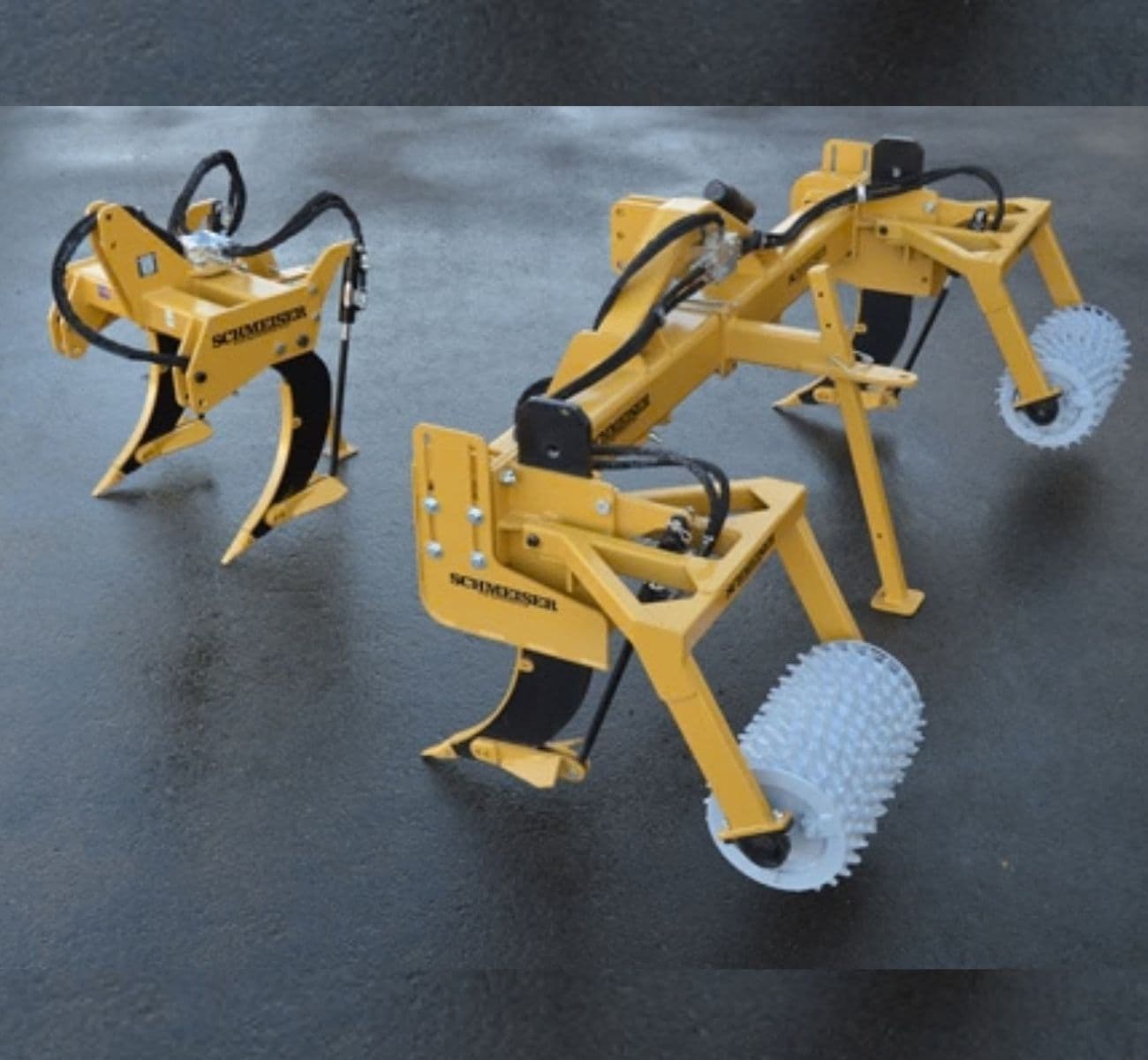
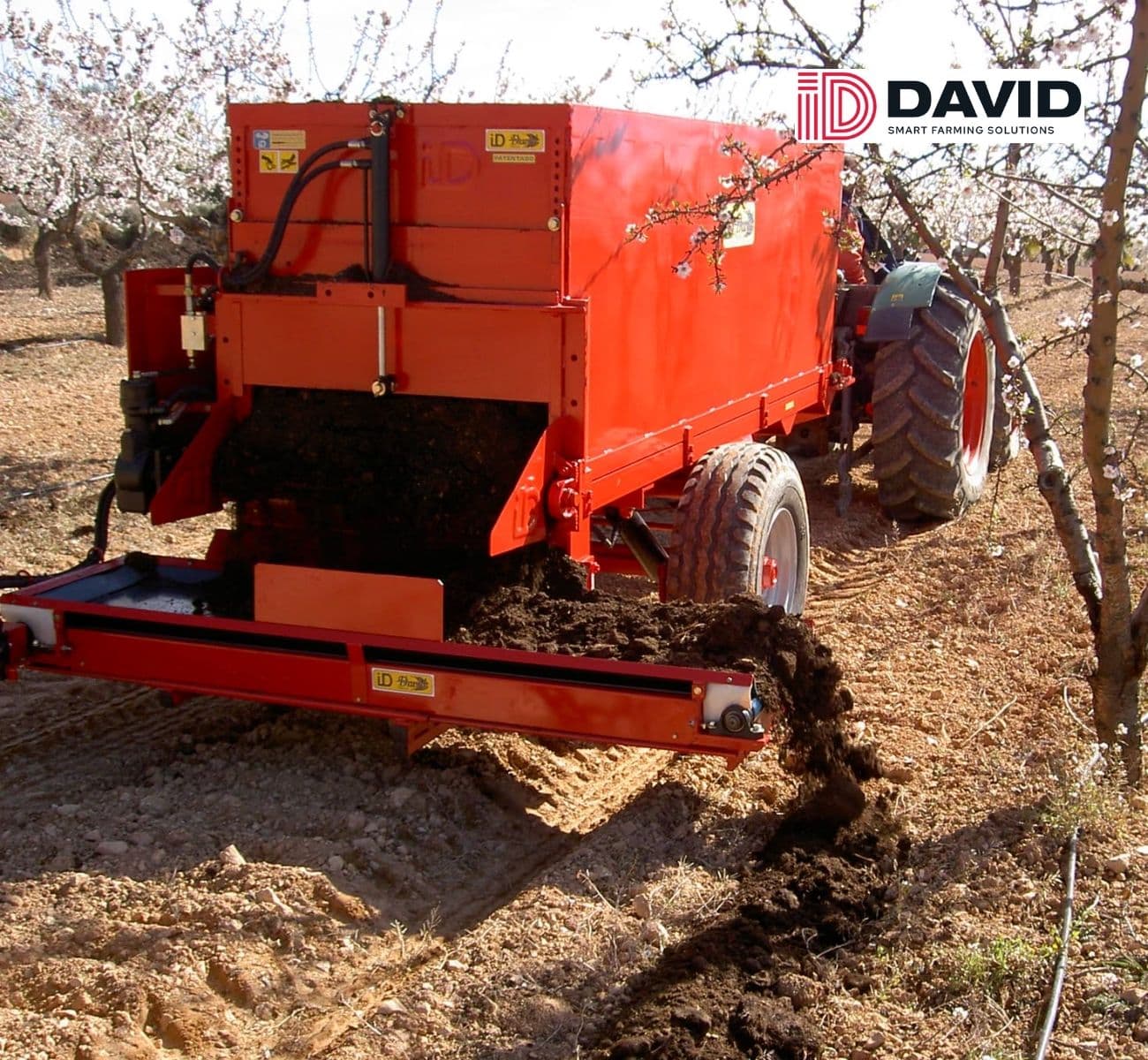
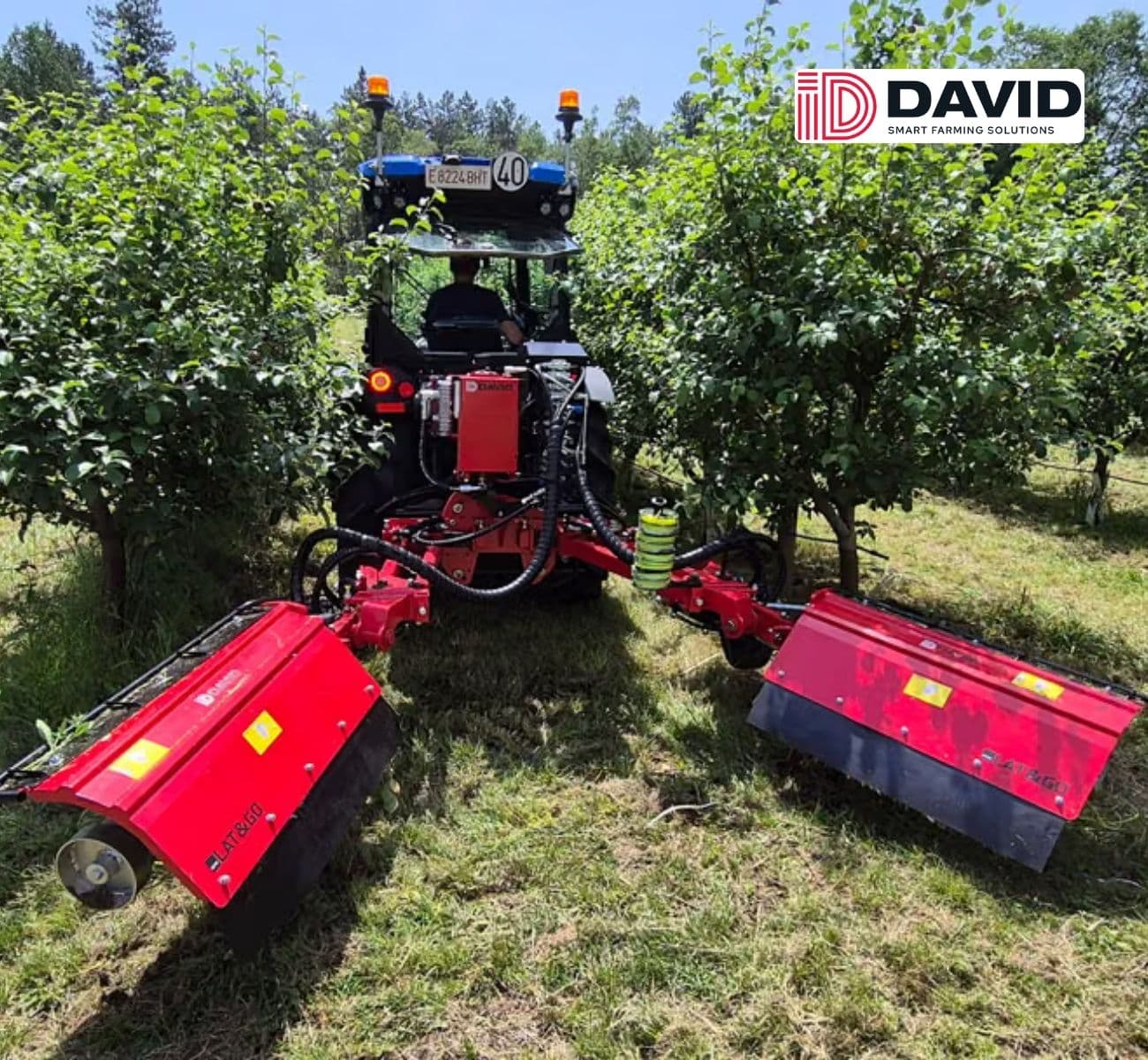
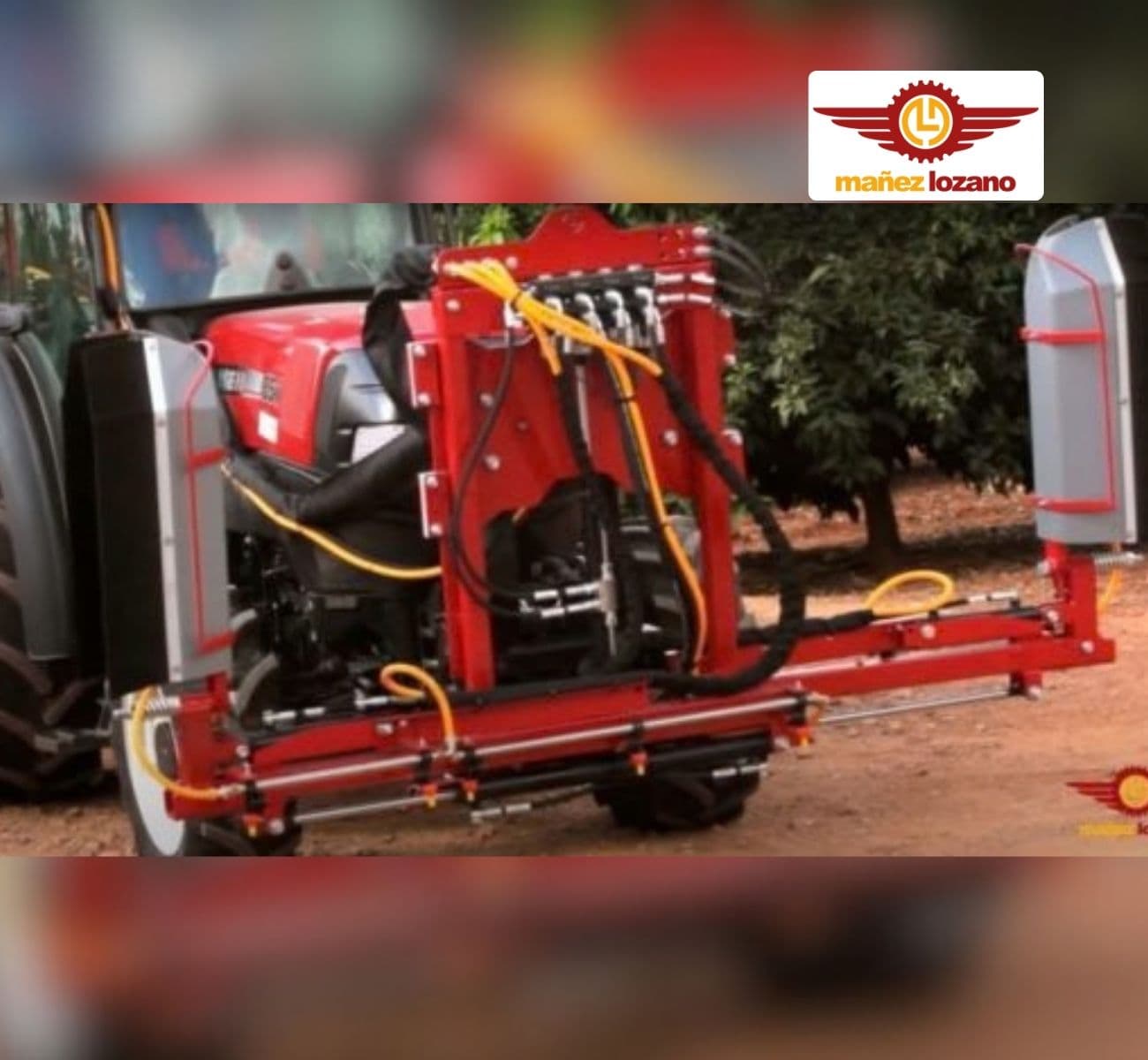
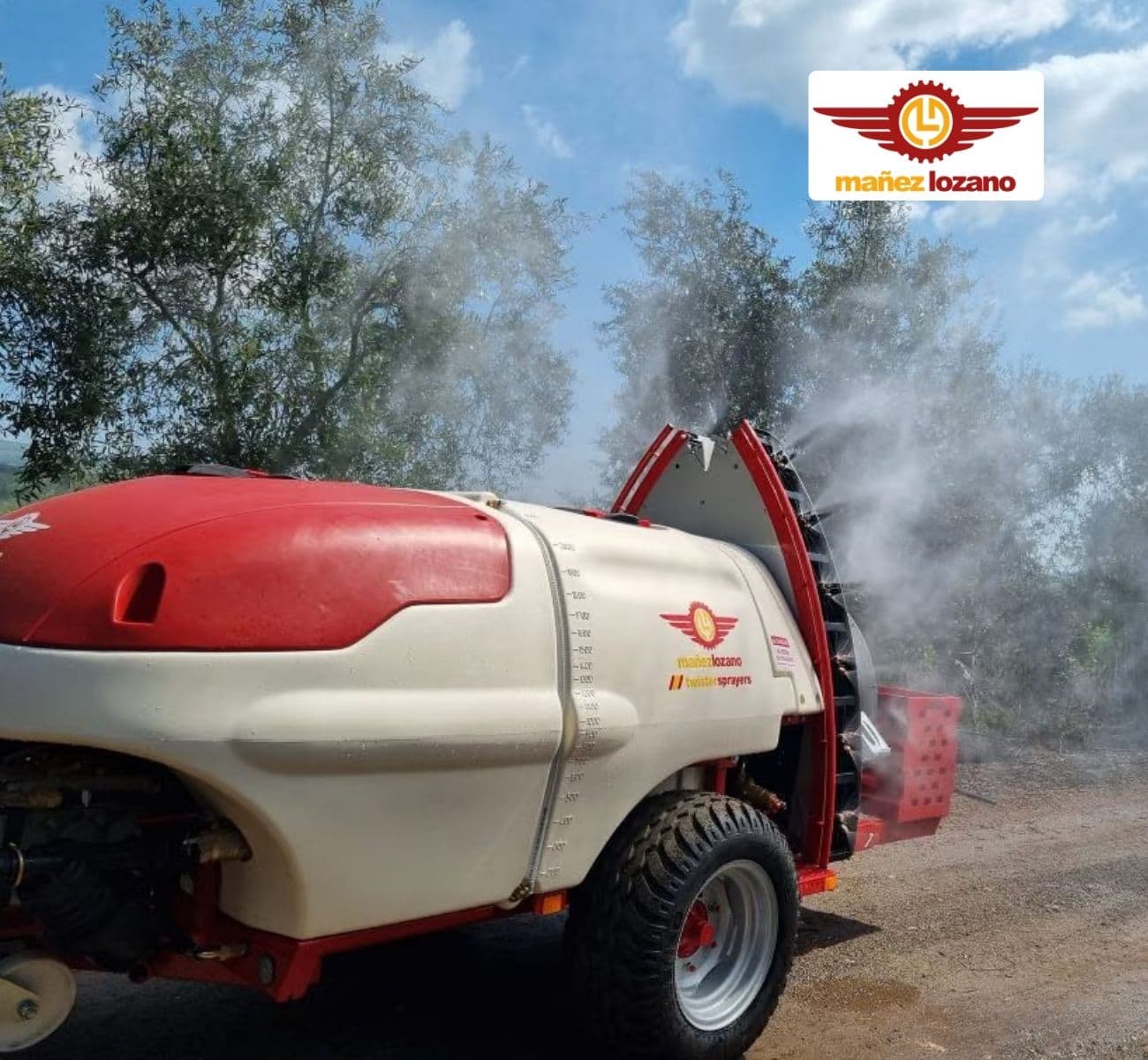
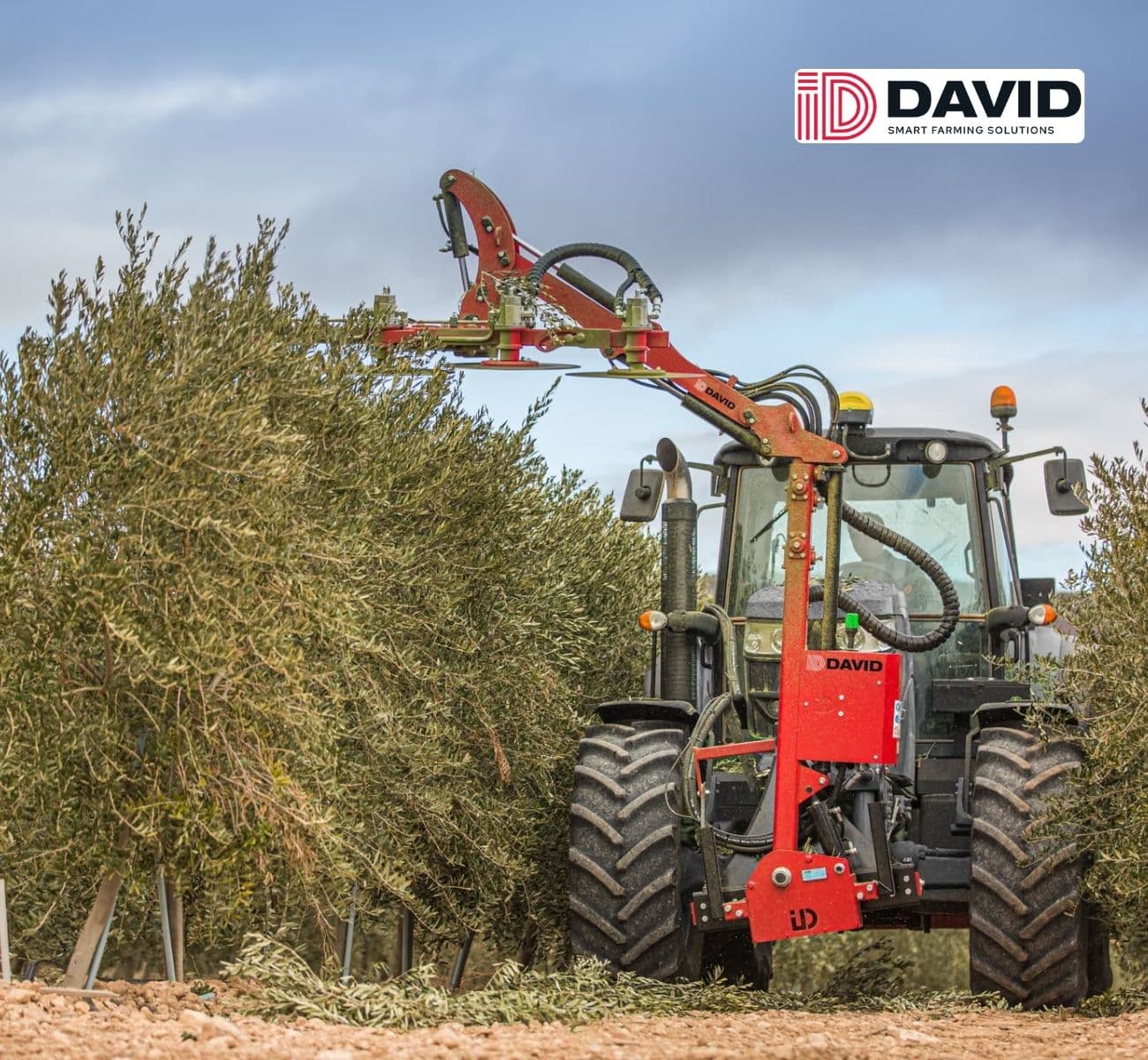
Hazelnut powdery mildew (Erysiphe corylacearum) was the most widespread disease in a 2018 to 2020 survey of 24 plots, and SRCA has a research project on the causes of a rapid dieback in western Georgia (2026). OVE Europe sells ID DAVID and Mañez Lozano machines in Georgia: in single-stem orchards planted for machines, the ID DAVID ECOFEED spreads solid manure, the LAT&GO string mower controls weeds without herbicides, the Mañez Lozano Narrow Twister S6 sprays tall, dense canopies and the V1 disc pruner makes vertical and horizontal cuts.
Recommended Orchard Care & Maintenance Stages
Practical Tips for Hazelnut Orchard Care & Maintenance
Check host plants in orchards weekly from May for the brown marmorated stink bug, as Georgia's National Food Agency advises.
Watch outer rows closely: in a Zugdidi orchard, stink bug damage was higher on outer-row trees; the study adds that dense wild vegetation nearby raises pressure.
Inspect buds for big bud mite at the end of winter; a 2018 Ministry bulletin uses more than 3 to 4 damaged buds per stem as the threshold.
Do not cut one-year lateral shoots of 15 to 40 cm: SRCA's care guide notes that hazelnut bears mainly on them.
Start removing suckers in April, when they are 8 to 10 cm long, as SRCA's care guide advises, and repeat as needed.
Control weeds without herbicides with a string mower such as the ID DAVID LAT&GO, and keep the orchard floor level for harvest.

Hazelnut Harvesting in Georgia
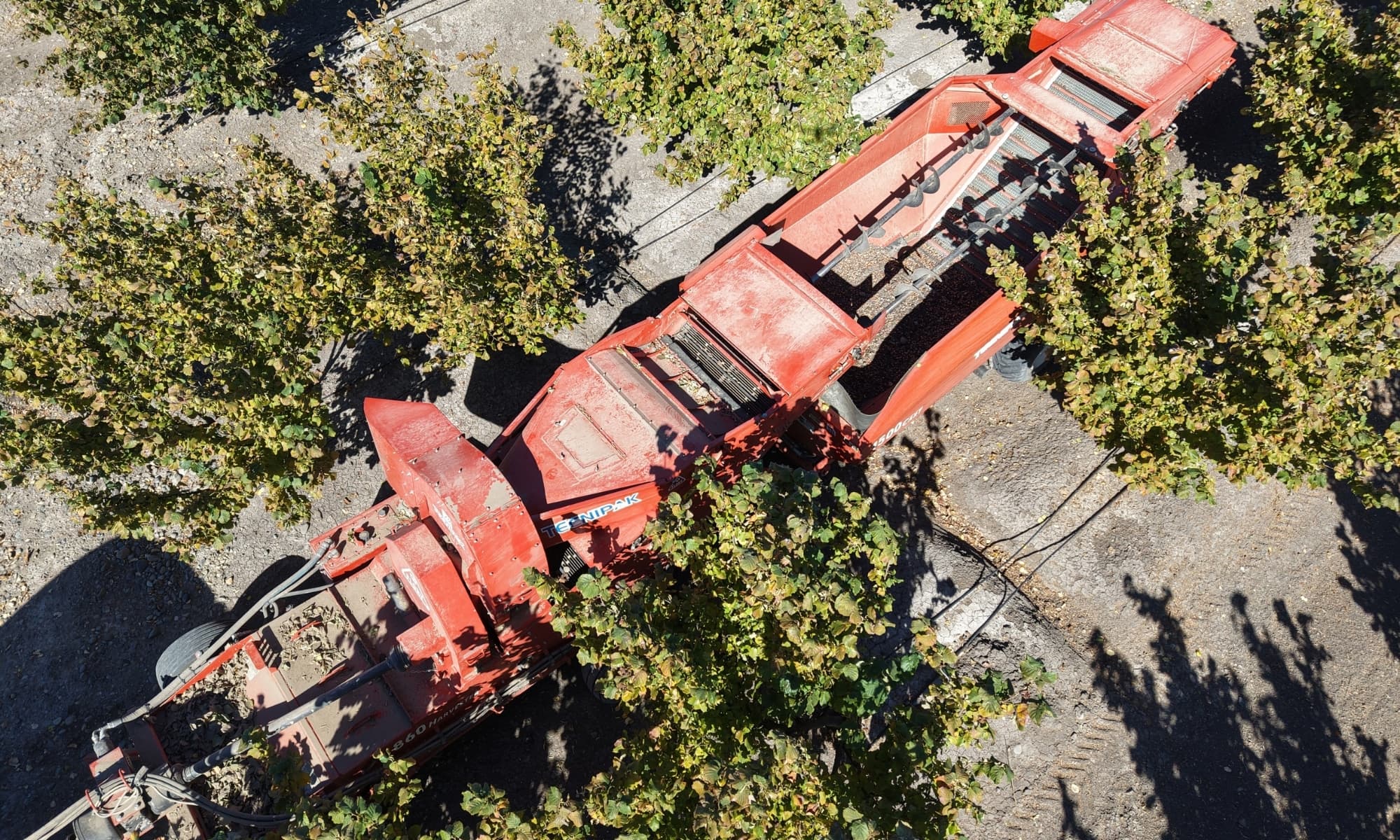
The 2016 manual says the crop is mainly collected from the ground after the trees are lightly shaken, and a study of Imereti and Racha found collection usually done by hand (2013 to 2014). A grower-processor based in Zugdidi says it collects about 80% of the naturally fallen nuts in a first round and uses tree shakers in a second (2025). In single-stem orchards planted for machines, mechanized harvesting can bring the crop in on time, with less risk of nuts deteriorating while they wait.
In the mechanized system this guide follows, as in Oregon, the trees are not shaken: OSU explains that the thin-barked, shallow-rooted trees would be damaged. The nuts drop onto a leveled, flail-mowed floor, then are swept and picked up in several passes; the 2016 manual asks for collection to start as soon as nuts fall and go on without a break. Harvest months can be wet in the west: Zugdidi had 201 mm of rain in the last ten days of August 2026, 341% of the norm (National Environmental Agency).
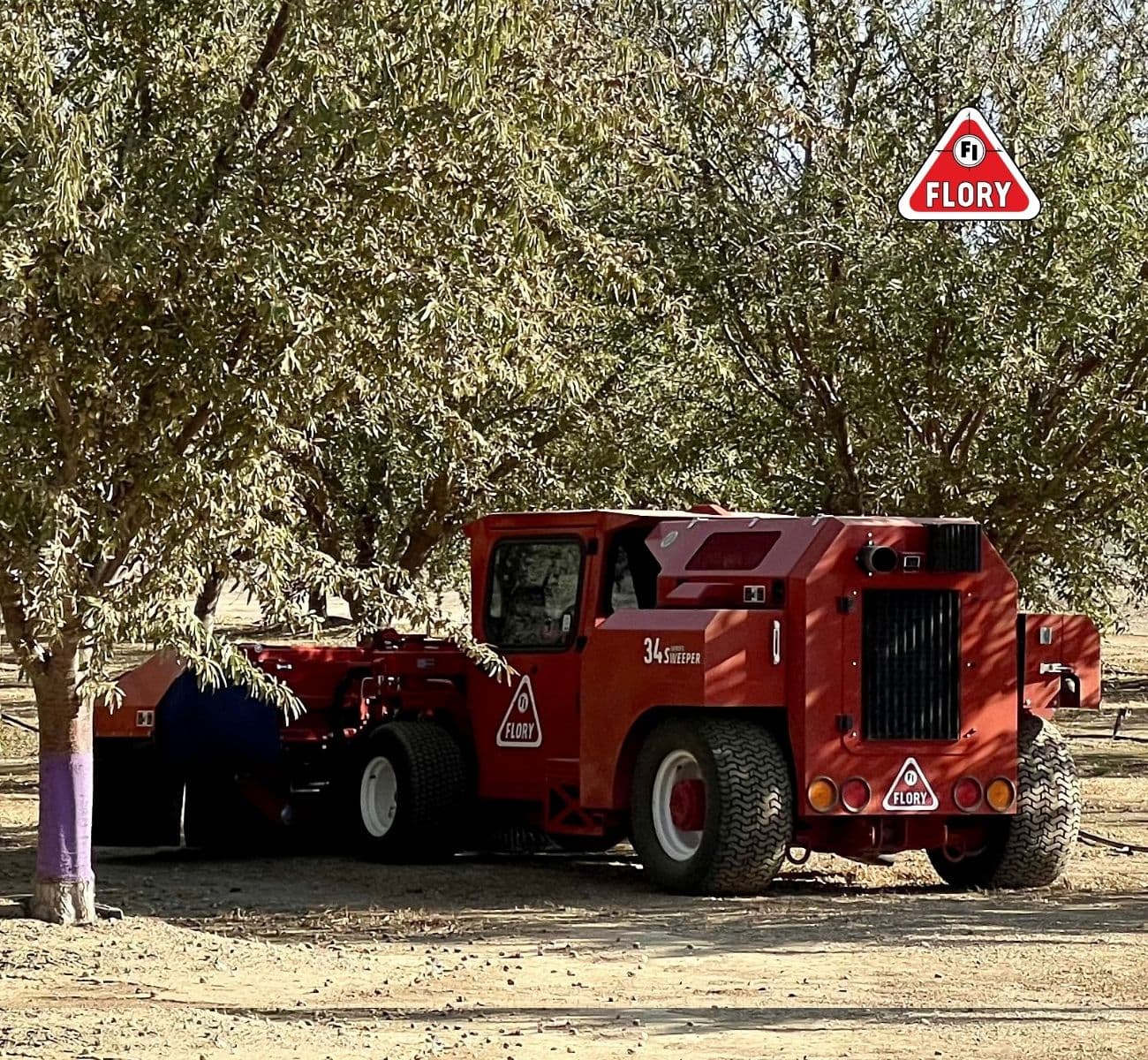
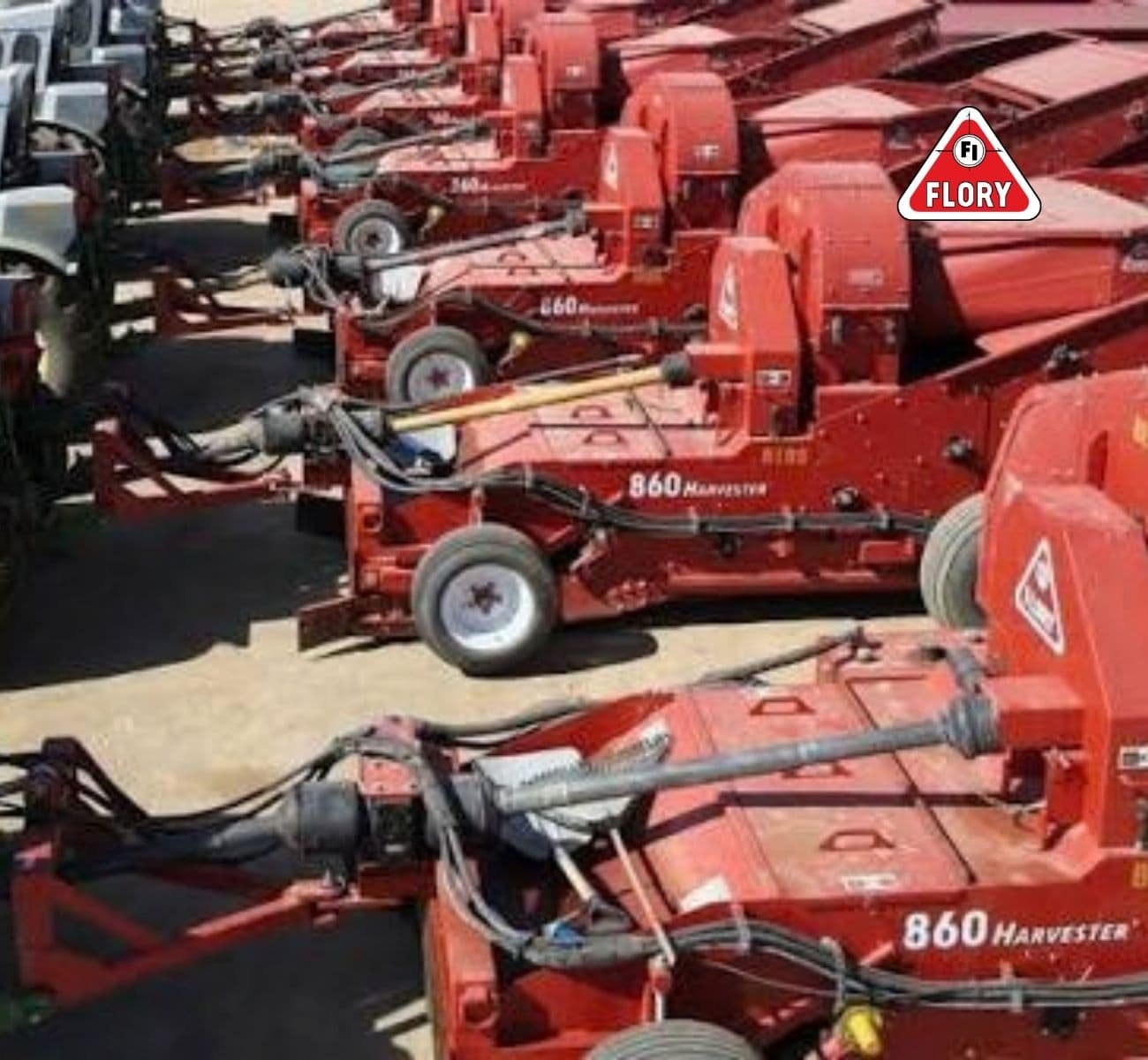
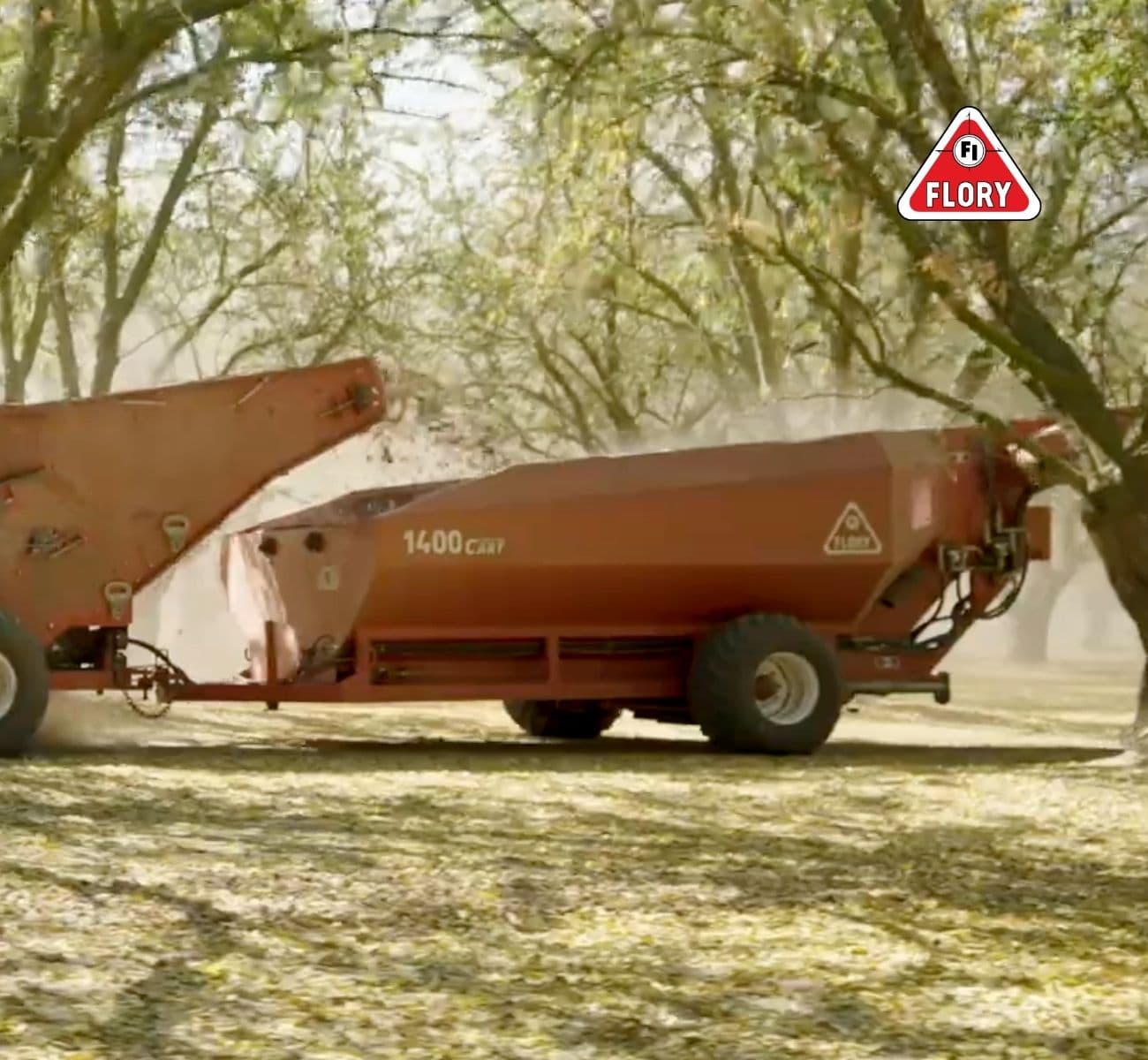
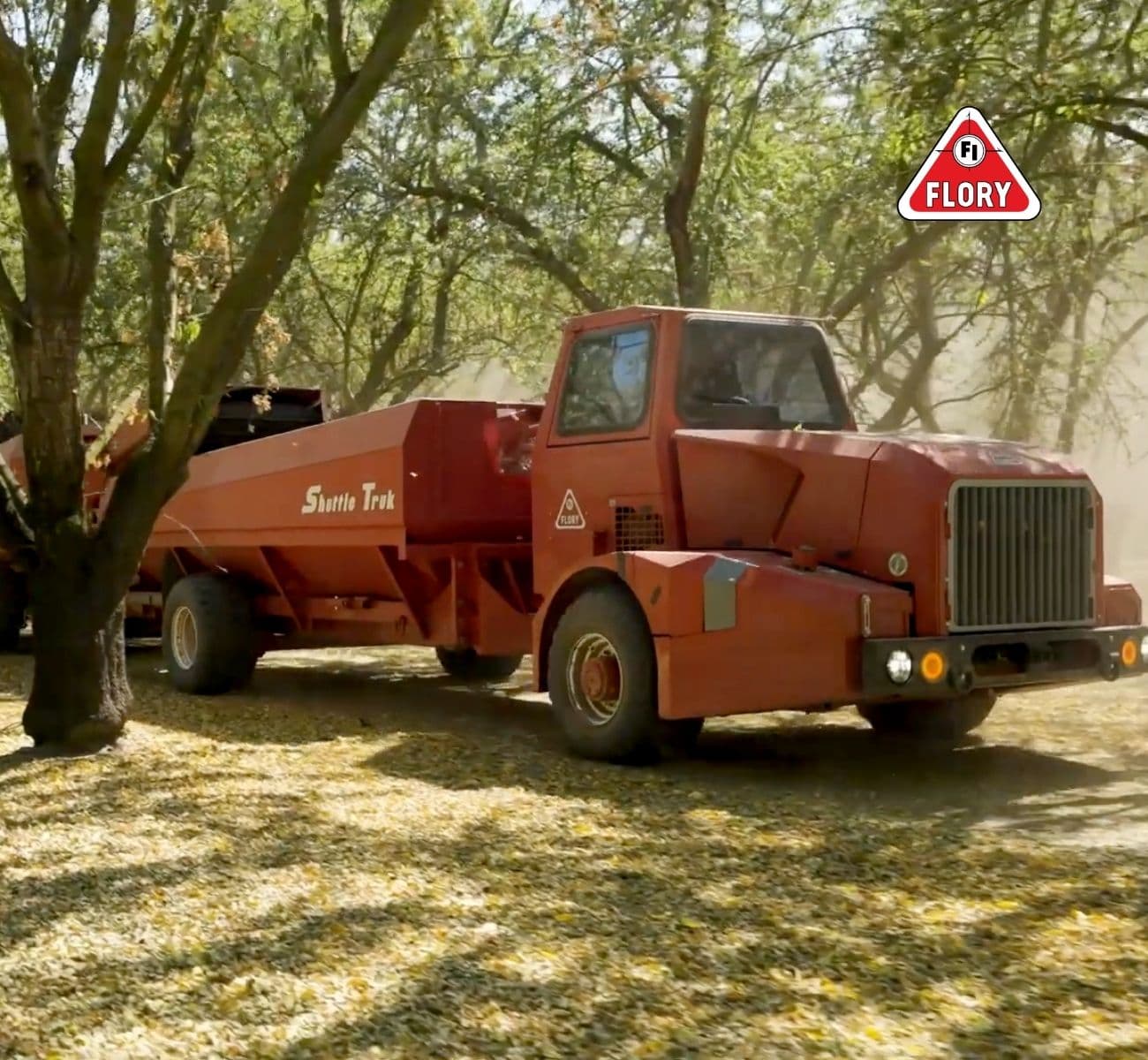
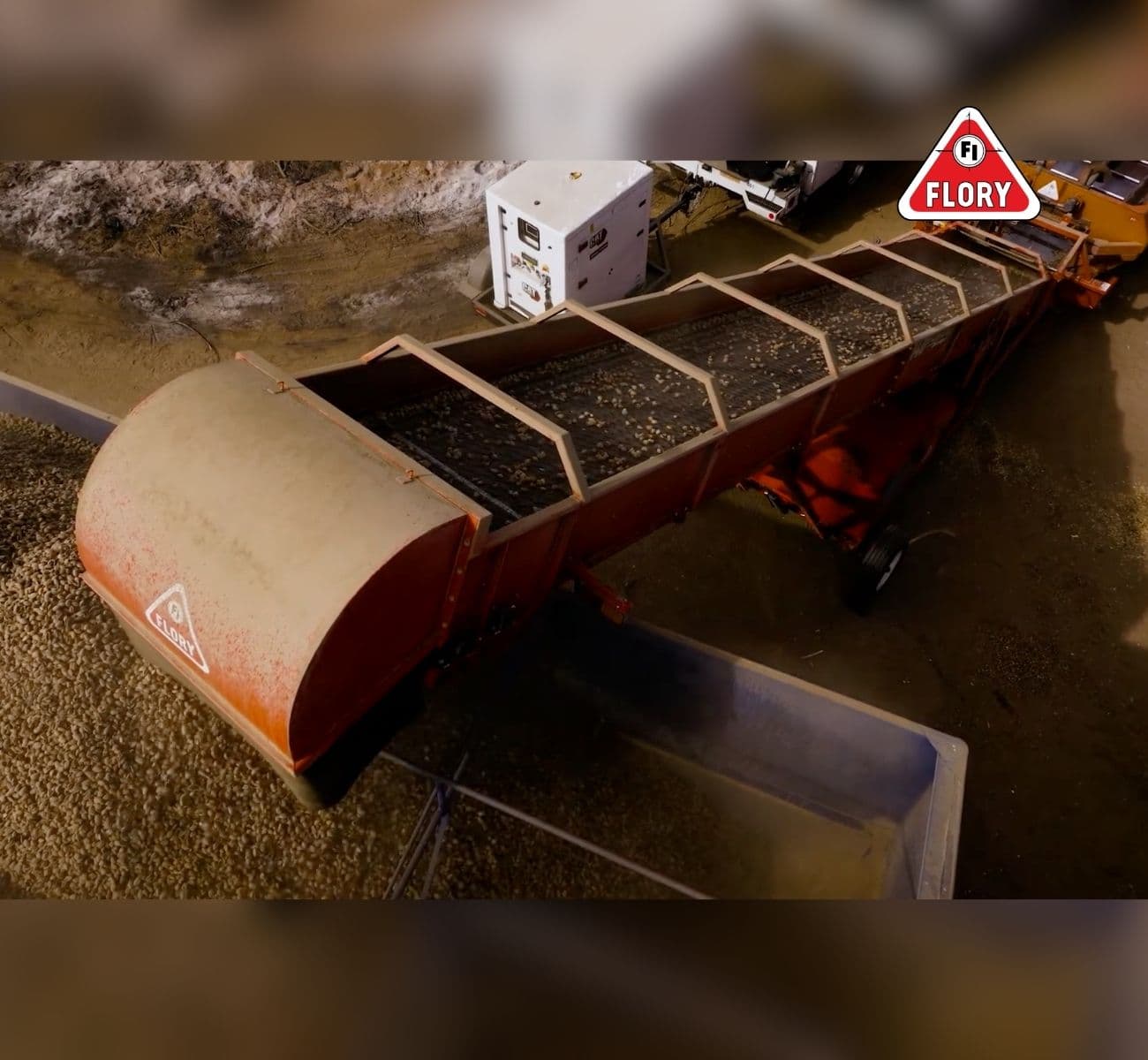
Flory machinery is already operating in Georgia; for single-stem hazelnut orchards planted for machines, the following Flory line is available through OVE Europe. The Flory 34 Series Sweeper sweeps the nuts into windrows and the 860 Harvester picks them up; the smaller 490 suits hazelnuts in OVE's experience, and Flory lists a mud brush as standard for hazelnuts on the 860. The 1500 Conveyor Cart receives the nuts, the ST14 Shuttle carries them and the 4840 Field Elevator loads trailers.
Hazelnut Harvest Workflow (Recommended Equipment)
Practical Tips for Hazelnut Harvesting
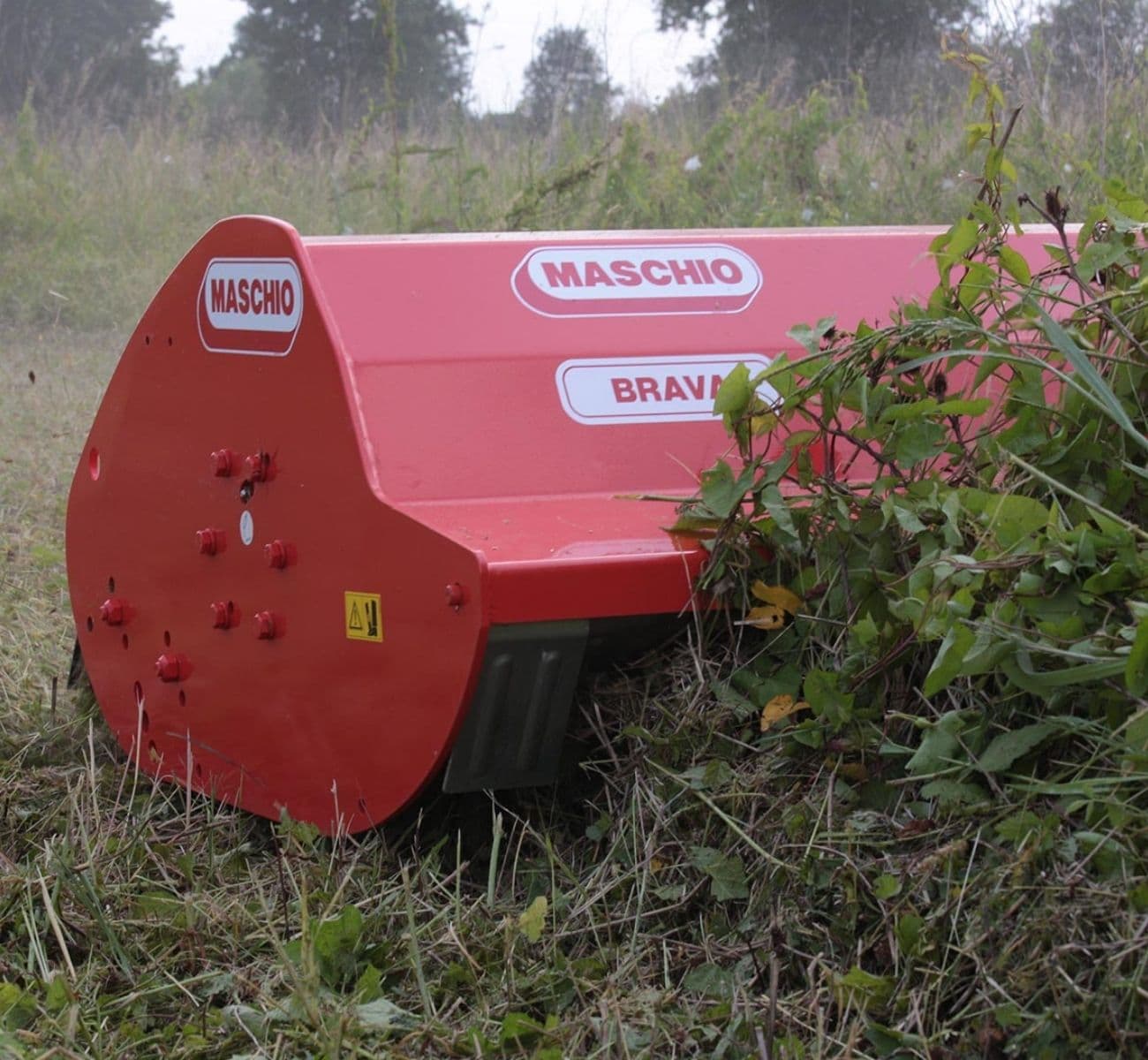
Level, smooth and flail-mow the orchard floor before nut drop, as Oregon State University describes, so the sweeper can work right up to the trunks.
Plan harvest by cultivar and zone: a 2021 Ministry bulletin dates picking in the west from mid-July or the end of July, and 10 to 15 days earlier in the dry east.
Start collecting as soon as nuts begin to fall and keep going without a break, as the 2016 Georgian manual advises.
Do not graze livestock in orchards harvested from the ground, as the 2016 manual advises, so fallen nuts stay cleaner.
Plan level ground for machine pickup: the head of a union of commercial hazelnut growers said in 2021 that a harvester needs a level surface to work properly.
Check tractor power before choosing a harvester: Flory gives 85 HP as the minimum for the 860, and for the 490 in hazelnuts.
Get your recommended harvest setup
Enter orchard size, spacing, terrain, and target throughput—we’ll suggest a practical harvest workflow and equipment lineup.

Hazelnut Post-Harvest Handling & Processing in Georgia
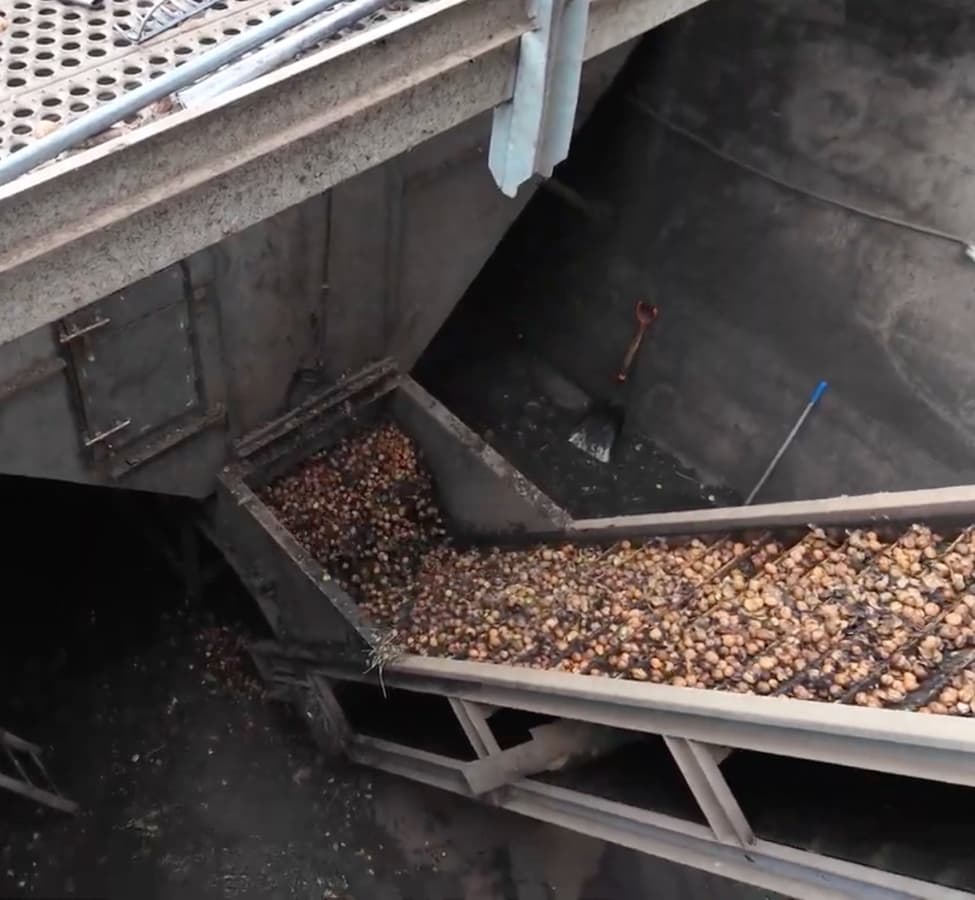
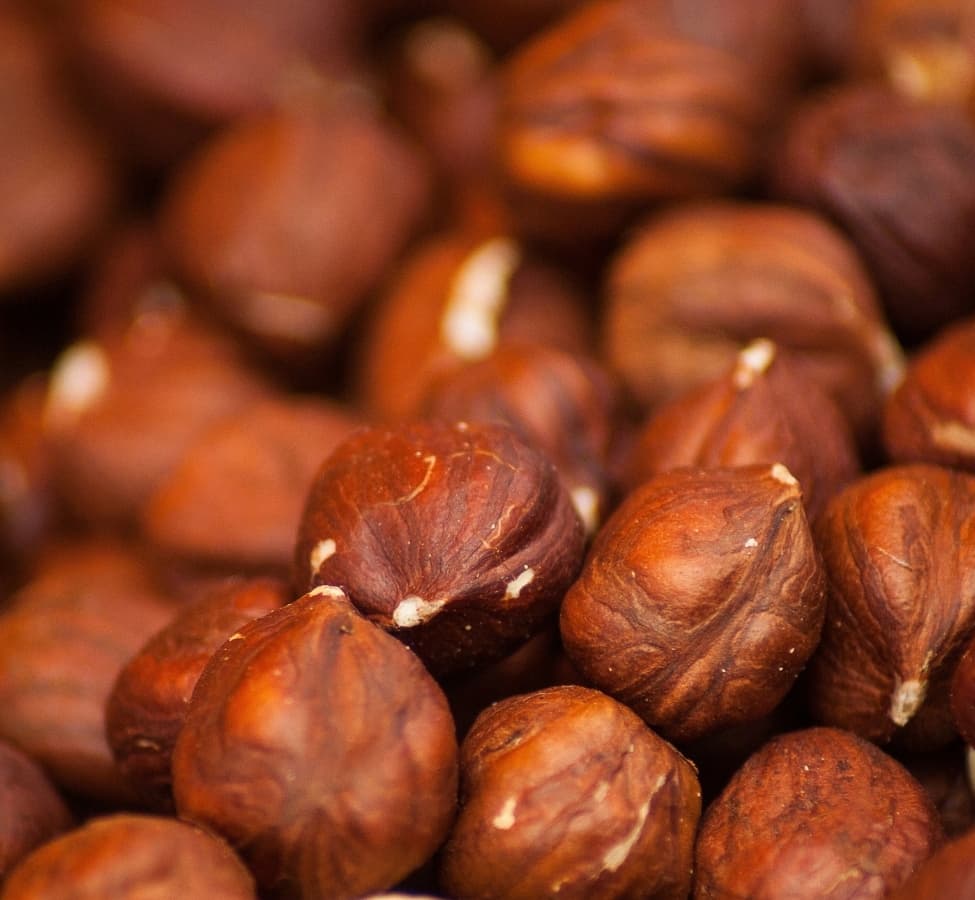
In Imereti and Racha in 2013 to 2014, growers pre-dried the nuts in the sun in 10 to 15 cm layers until the husks turned brown, removed the husks by hand or with hired huskers, then dried the nuts in thin layers. A 2021 Ministry bulletin advises sorting nuts within one or two days of picking and drying them in a thin layer in semi-shade, as direct sun can scorch the kernel. In 2017, receiving points in Samegrelo judged lots by the kernel, cracking 100 nuts from each lot.
The 2016 manual calls for drying right after harvest, with drying air kept below the nuts' critical heating temperature of 50 to 65 °C, and for storing kernels at no more than 20 °C and 70% relative humidity, or vacuum-packed at 0 to 5 °C beyond three months. A processor said in 2021 that kernels become dry and fit to store at about 6% moisture, and Türkiye's Hazelnut Research Institute advises that dried nuts hold no more than 12% moisture in shell and 6% as kernels.
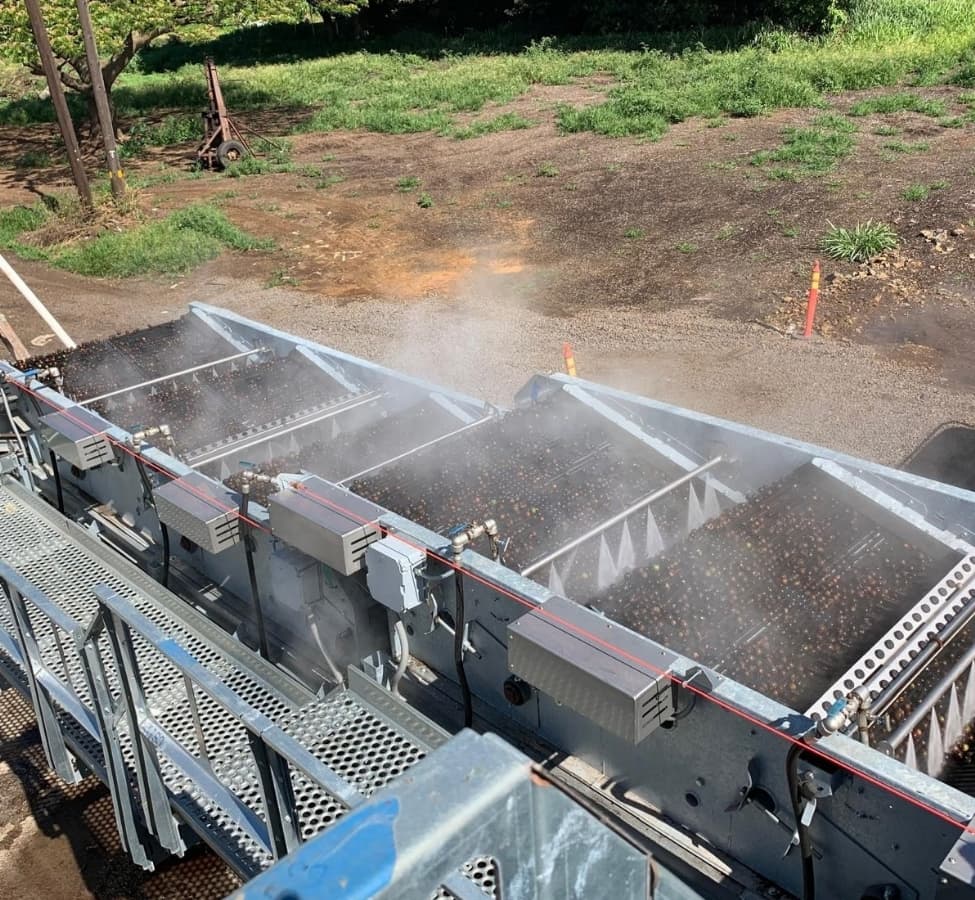
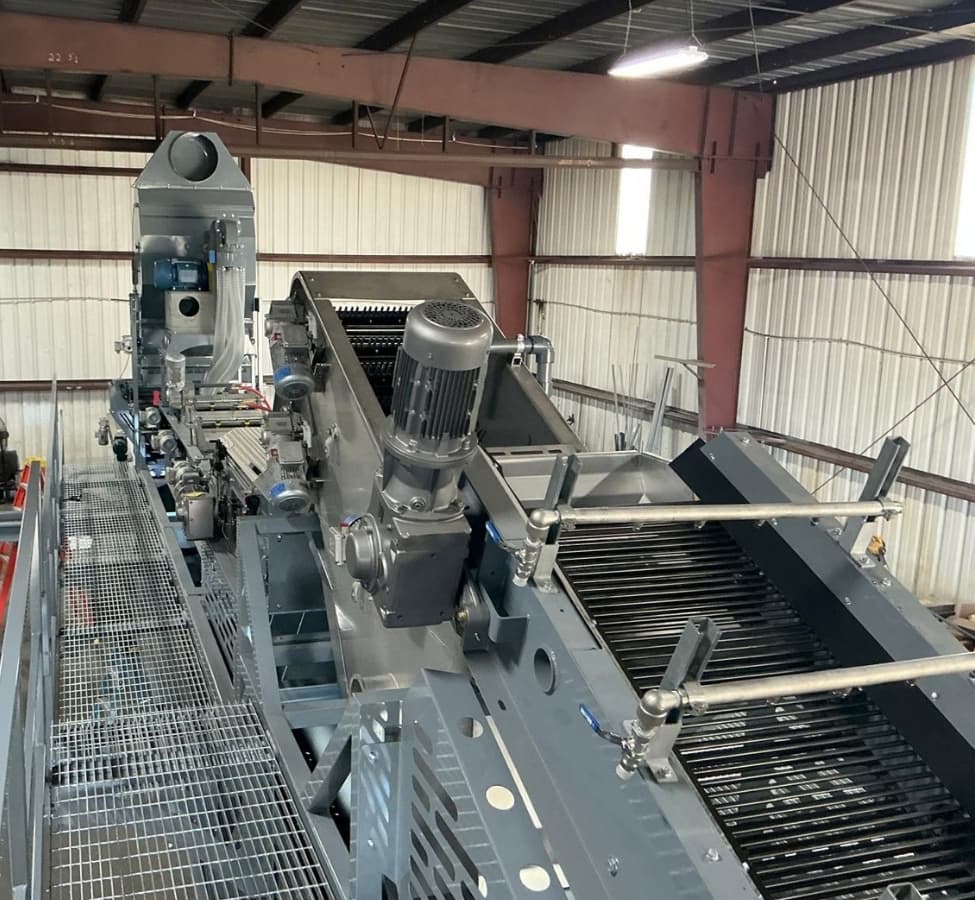
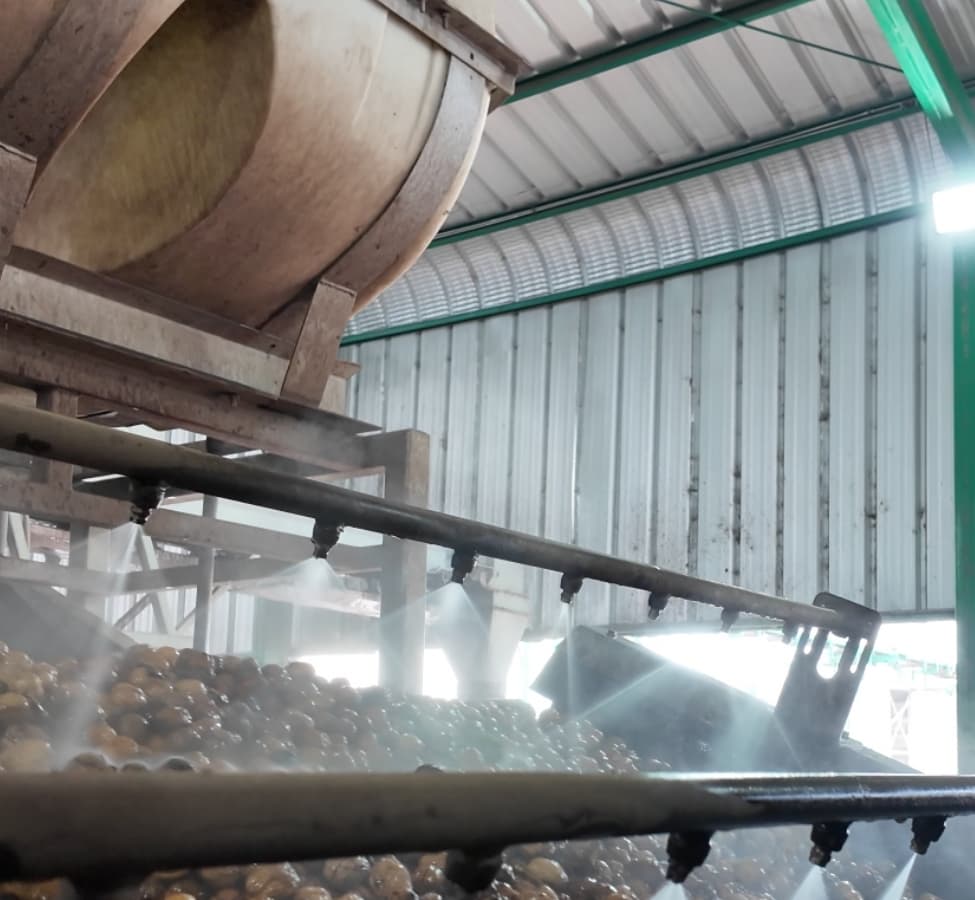
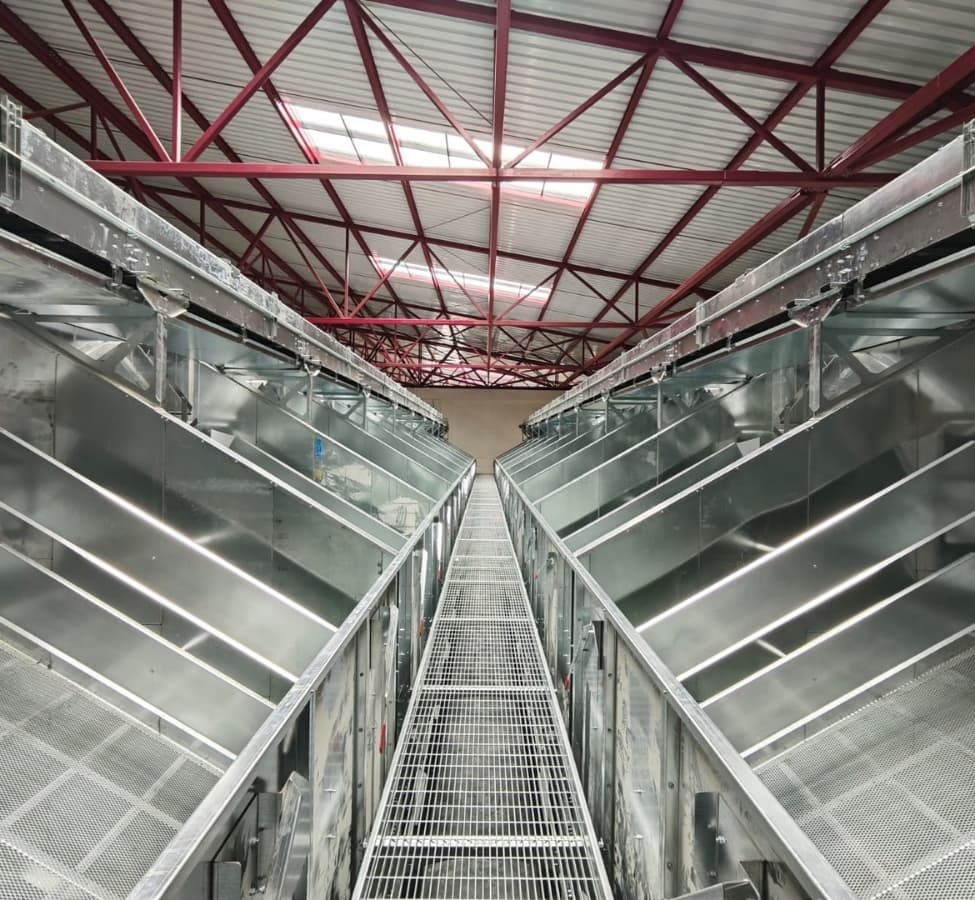
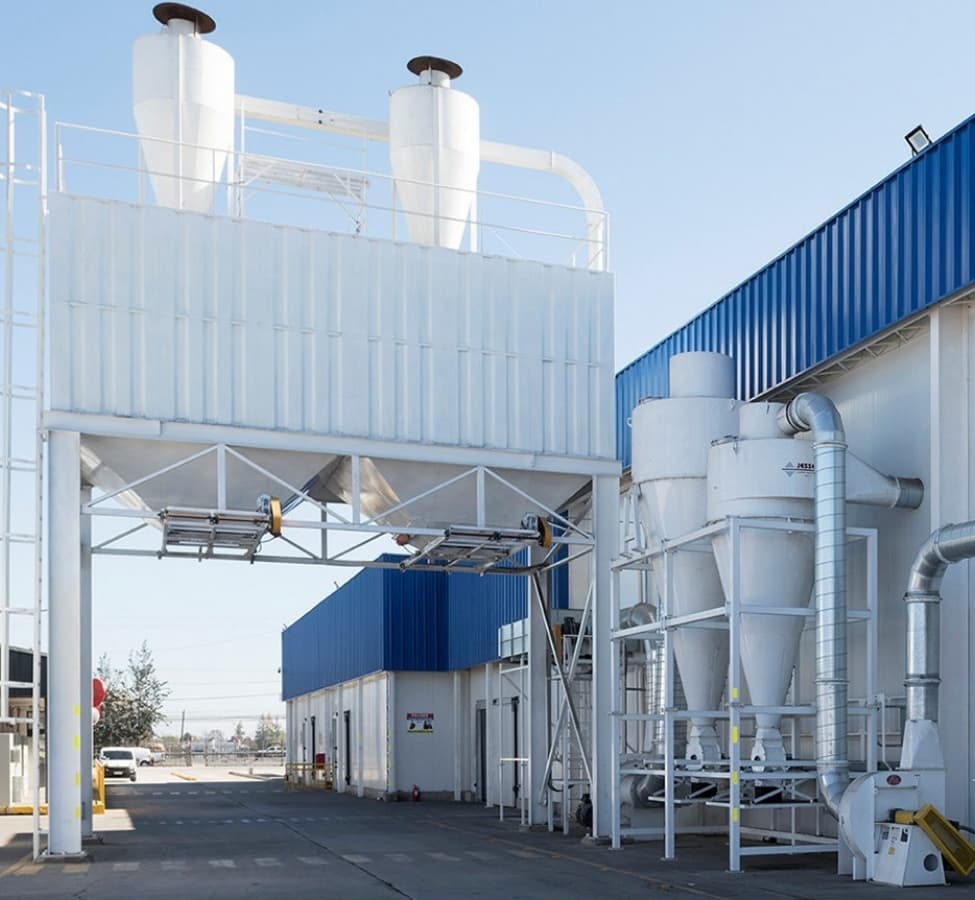
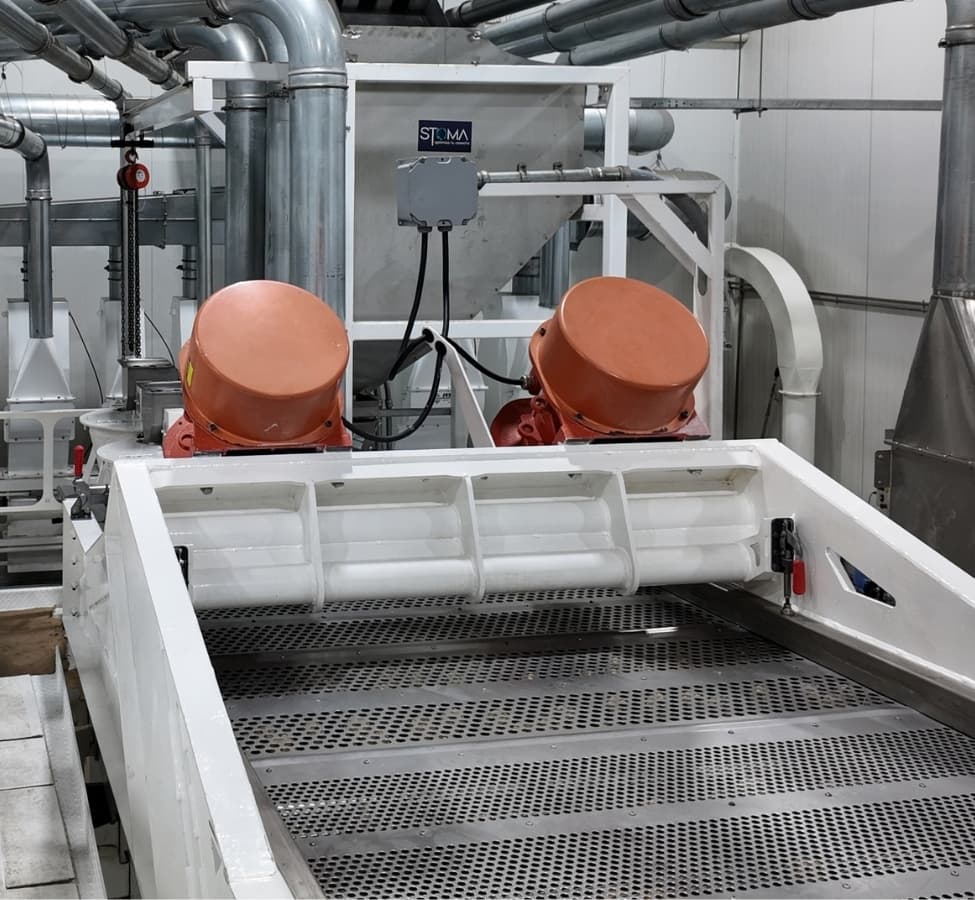
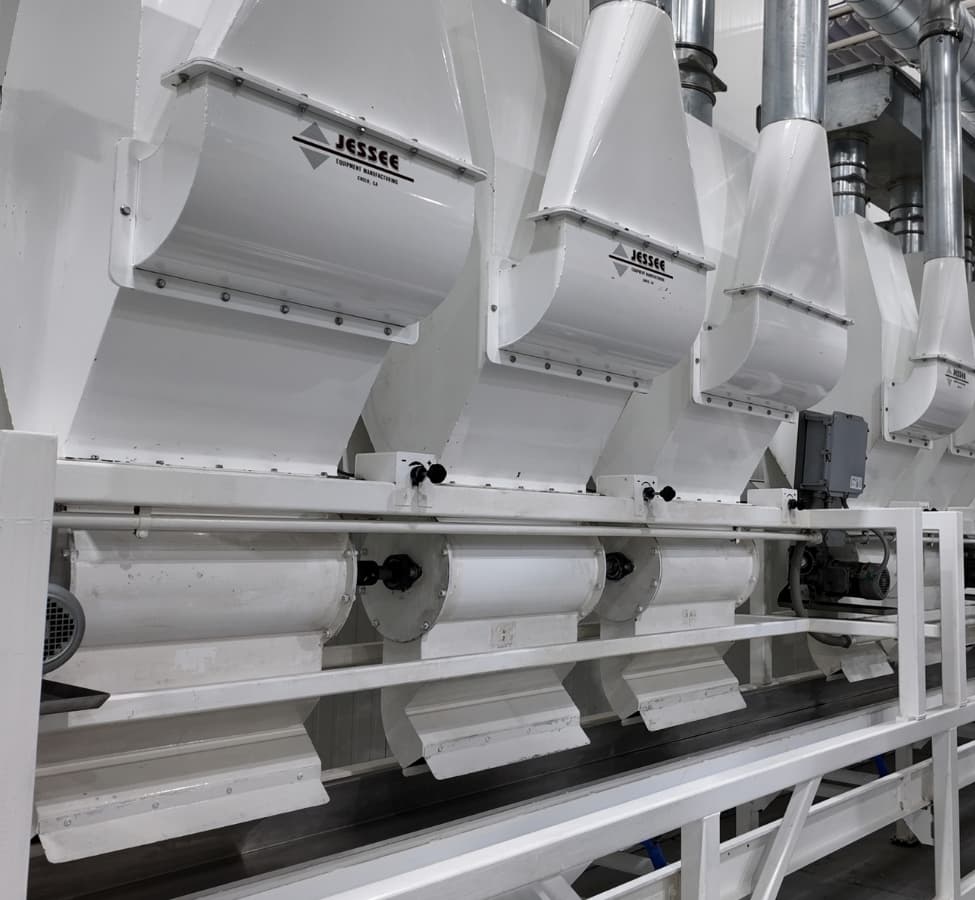
Georgia's 2025 regulation on contaminants in food, in force from 1 June 2026, sets the same aflatoxin limits for hazelnuts as Regulation (EU) 2023/915: 5.0 µg/kg of B1 and 10.0 µg/kg in total for direct consumption or use as an ingredient, and 8.0 and 15.0 µg/kg for nuts to be sorted first. Jessee, whose processing lines OVE Europe supplies, builds drying, in-shell cleaning and sizing, and shelling systems, and it established product lines for hazelnuts in the 1980s.
For general information only. Information may become outdated and does not replace site-specific professional advice. Consult a qualified agronomist and confirm equipment suitability with OVE before acting.

Practical Tips for Hazelnut Post-Harvest Handling & Processing
Sort picked nuts within one or two days and dry them in a thin layer in semi-shade, as a 2021 Ministry bulletin advises.
Never leave husk-on nuts in thick layers or heaps: Türkiye's Hazelnut Research Institute warns that they heat up and rot.
Keep drying air below the nuts' critical heating temperature, which the 2016 Georgian manual puts at 50 to 65 °C.
Store kernels on pallets 20 cm from floors and walls at up to 20 °C and 70% humidity, and vacuum-packed at 0 to 5 °C beyond three months, as the 2016 manual advises.
Size nuts into narrow grades before cracking: Türkiye's Institute advises 10 to 20 sizes at 0.5 mm steps to reduce kernel damage.
Test lots for aflatoxins: Georgian and EU rules allow at most 5.0 µg/kg of B1 and 10.0 µg/kg in total in hazelnuts for direct consumption.
Recommended Post-Harvest Handling & Processing Stages
Plan your post-harvest line
Estimate tons/day, cleaning & drying capacity, storage needs, and cost/kg—then build your equipment plan in phases.