


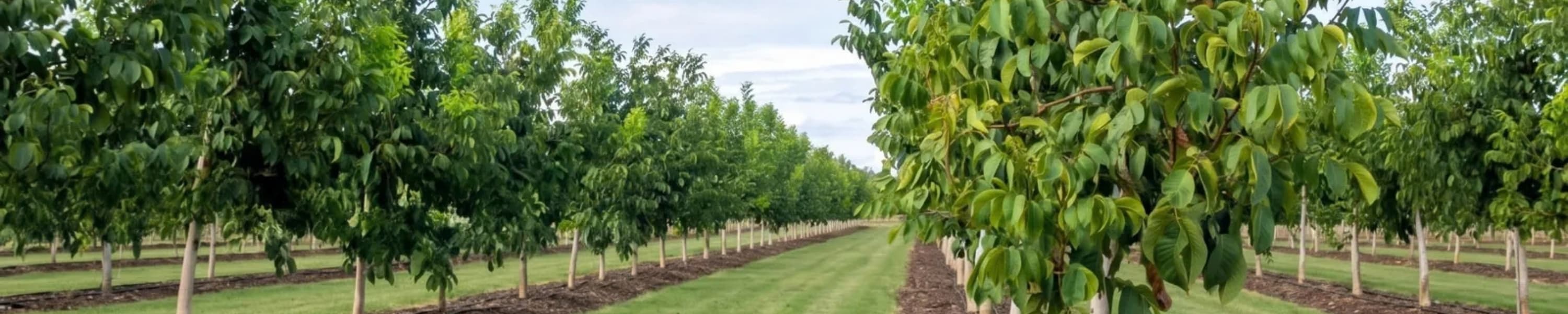




Walnut Orchard Establishment in Georgia
According to Georgia's Scientific-Research Center of Agriculture (SRCA), walnut grows across the country as single trees in gardens and plots and as avenues along main roads. Georgian researchers report high productivity in mountain areas of East and West Georgia at 500 to 900 m, while SRCA finds sites above 1,200 to 1,500 m less desirable because cold damages the wood. Young shoots are very sensitive to late spring frost, and commercial orchards avoid very humid climates, where walnut falls ill easily.
Chandler is the main variety of Georgia's commercial orchards, but SRCA recommends it for relatively warm regions: it has low winter hardiness, can be hurt by early autumn frost and is susceptible to bacteriosis and anthracnose, though it flowers late and suffers less from spring frost. Even so, spring frosts hit intensive Chandler orchards in 2020 (EastFruit). A 2014 to 2016 trial at Jighaura rated Fernette, Howard and Lara the best of six introduced varieties; SRCA recommends Howard, but Lara and Fernette only for limited planting.
Commercial orchards are mainly planted with grafted trees; SRCA names seedlings of common or black walnut and selected rootstocks such as Paradox, Vlach and VX211 as the main rootstocks. Spacing varies: one Kakheti estate planted in 2015 uses 7 × 6 m, while extension articles give 10 × 10 to 8 × 8 m, or 6 × 6 and 6 × 5 m for Chandler. At Jighaura, lateral-bearing varieties on walnut seedling rootstock began cropping in year 3 or 4, against SRCA's general 6 to 8 years for walnut.
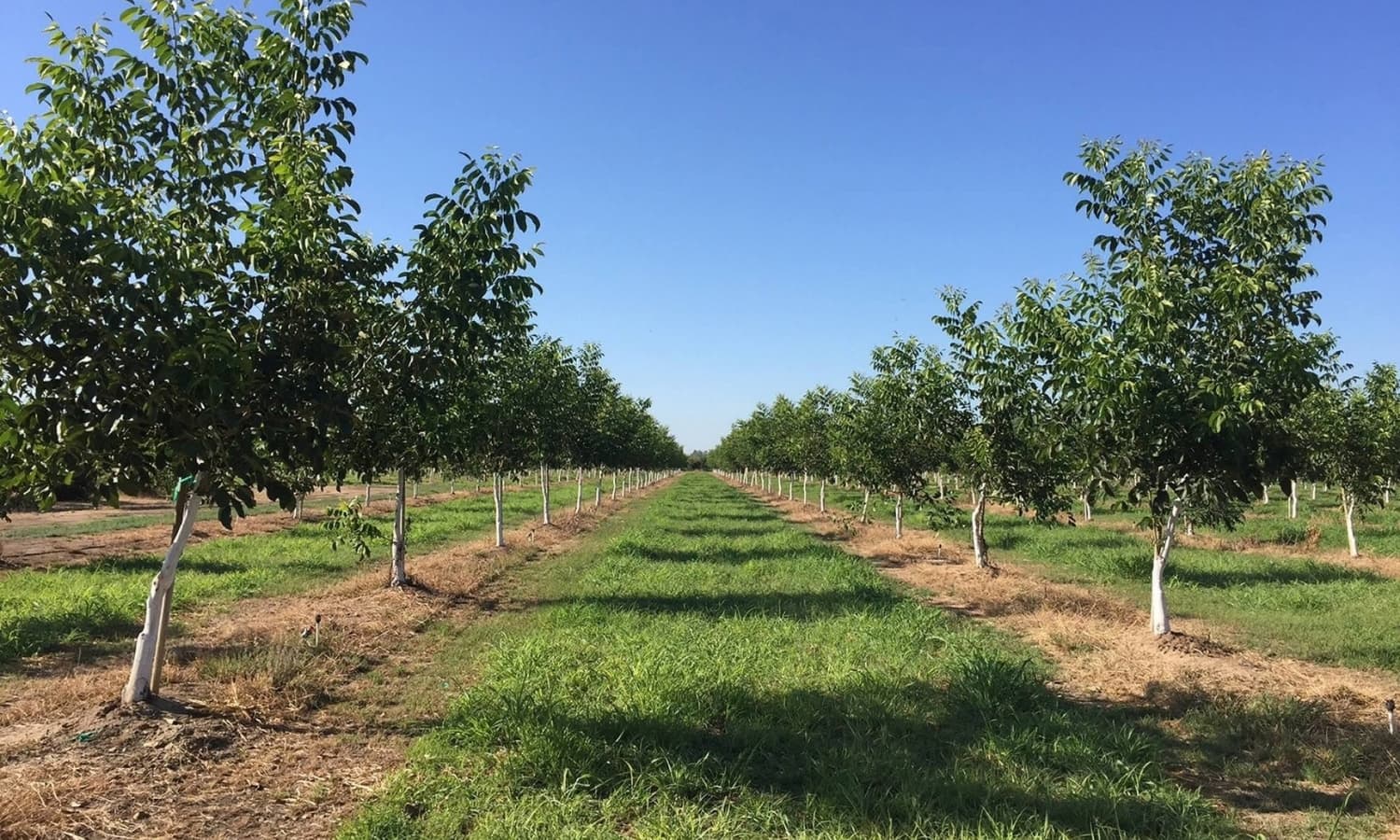

Practical Tips for Walnut Orchard Establishment
Choose relatively warm regions and sites for Chandler, as SRCA advises: it has low winter hardiness and can be hurt by early autumn frost.
Avoid sites above 1,200 to 1,500 m and very humid ones: SRCA links them to cold damage to the wood and to disease.
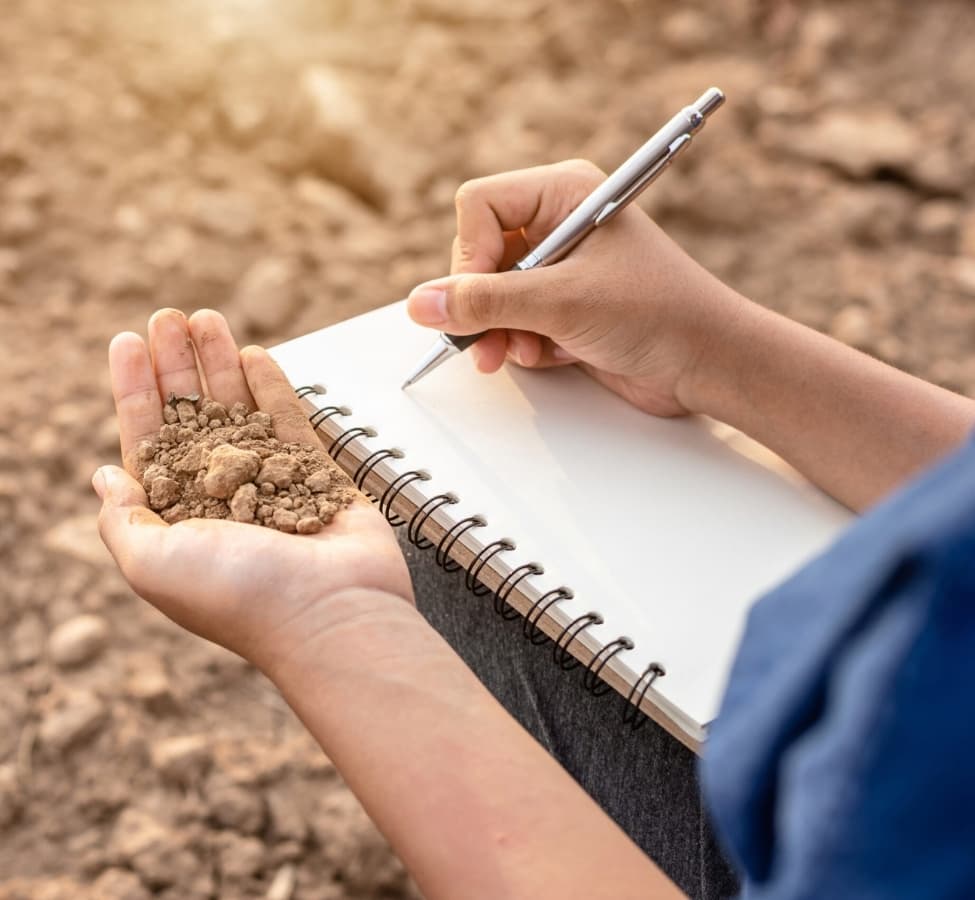
Test soil salinity and drainage before planting: SRCA reports that walnut yields start to fall significantly above an EC of 1.5 dS/m.
Plant grafted trees in November or March and keep the graft union 7 to 10 cm above the soil, as Georgian extension articles advise.
Agree row width, headlands and access lanes with your machinery supplier before planting, so shakers, sweepers and shuttles can work and turn freely.
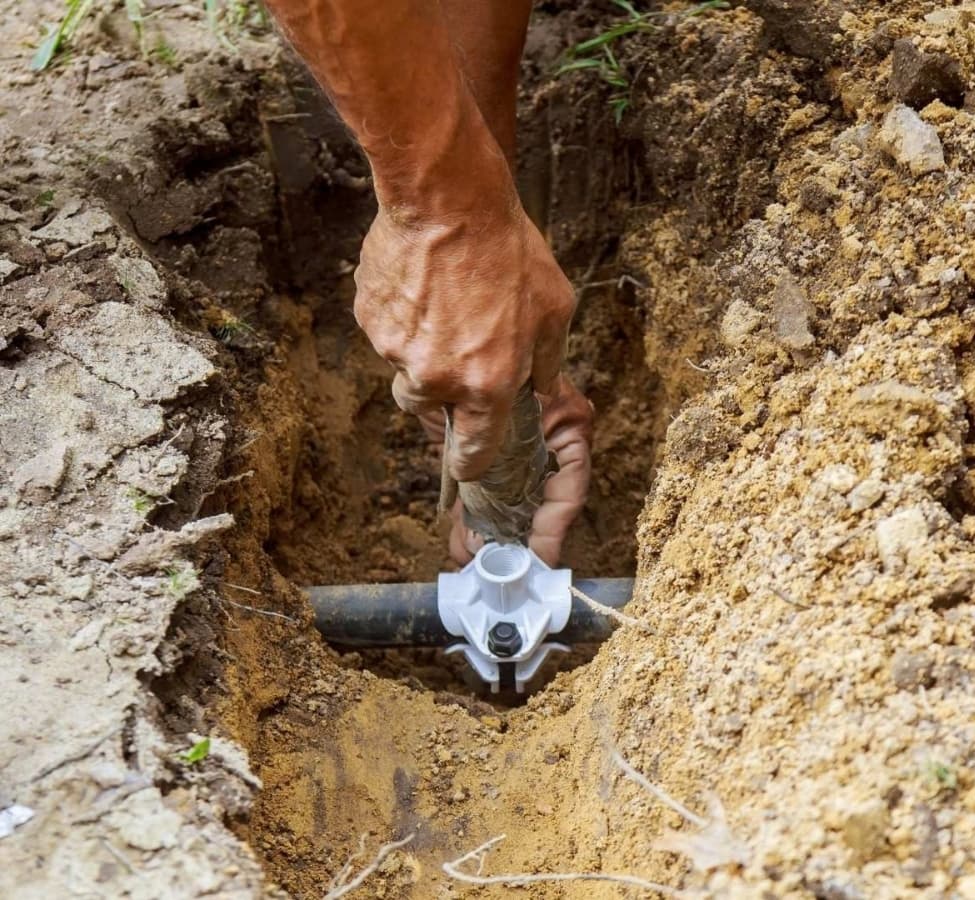
Secure water and lay drip lines before planting: SRCA calls walnut very demanding of water, and a large Kakheti estate irrigates by drip.
Recommended Establishment Stages





Walnut Orchard Care & Maintenance in Georgia
SRCA names bacteriosis (Xanthomonas arboricola pv. juglandis), which appears in rainy, humid springs, as a dangerous walnut disease, and says Botryosphaeria must also be controlled to save the crop. Chandler, the main commercial variety, is susceptible to bacteriosis and anthracnose, and a Kakheti grower reports powdery mildew and anthracnose as problems after rain (FreshPlaza, 2025). Frequent spring rain, frost, poor drainage and a shallow water table all increase disease damage.
SRCA also lists codling moth, erineum and spider mites and aphids as walnut pests, and extension articles add fall webworm in some years. EPPO's database shows no record of the walnut husk fly (Rhagoletis completa) for Georgia as of October 2026, which does not prove its absence. The brown marmorated stink bug, recorded since 2016, was first noted in eastern Georgia on Chandler walnut seedlings, but a 2020 to 2021 survey in Kakheti found only single specimens; the sources reviewed report no damage to Georgian walnut crops.
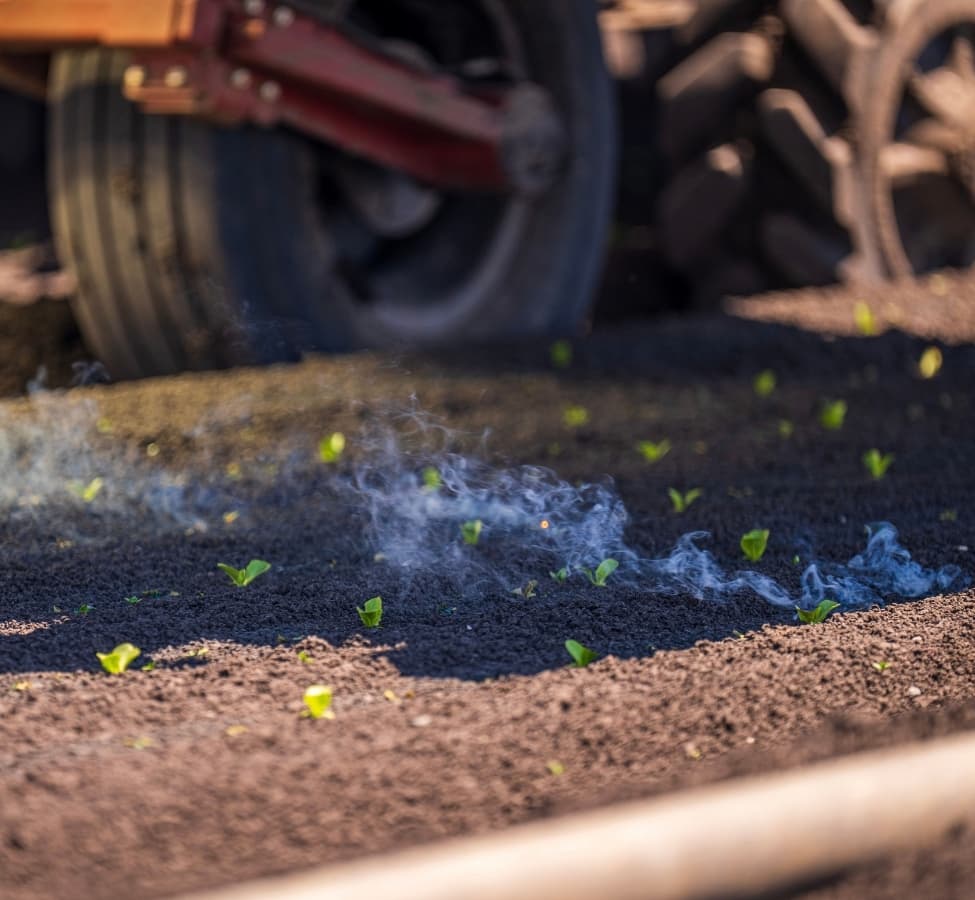
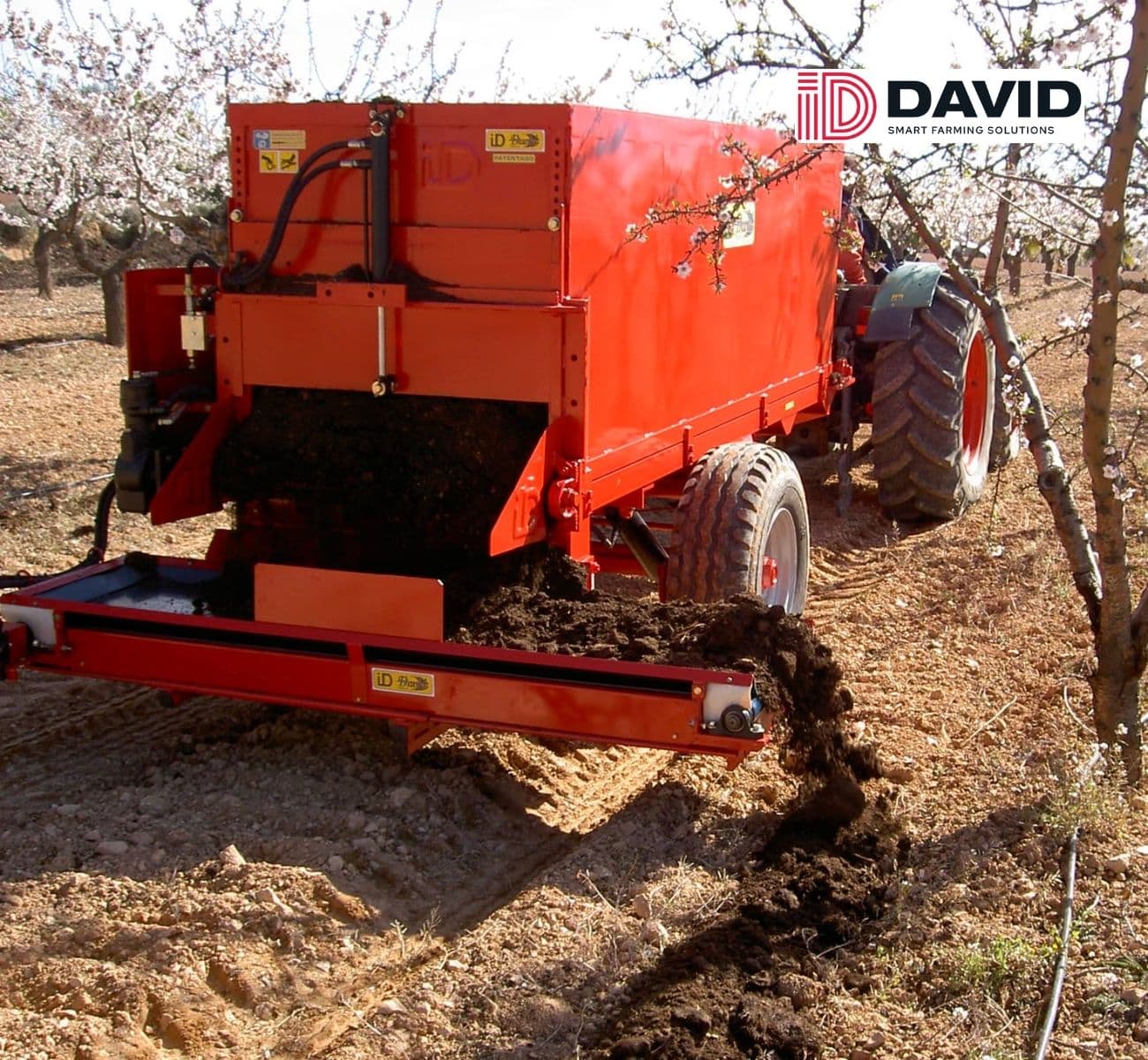
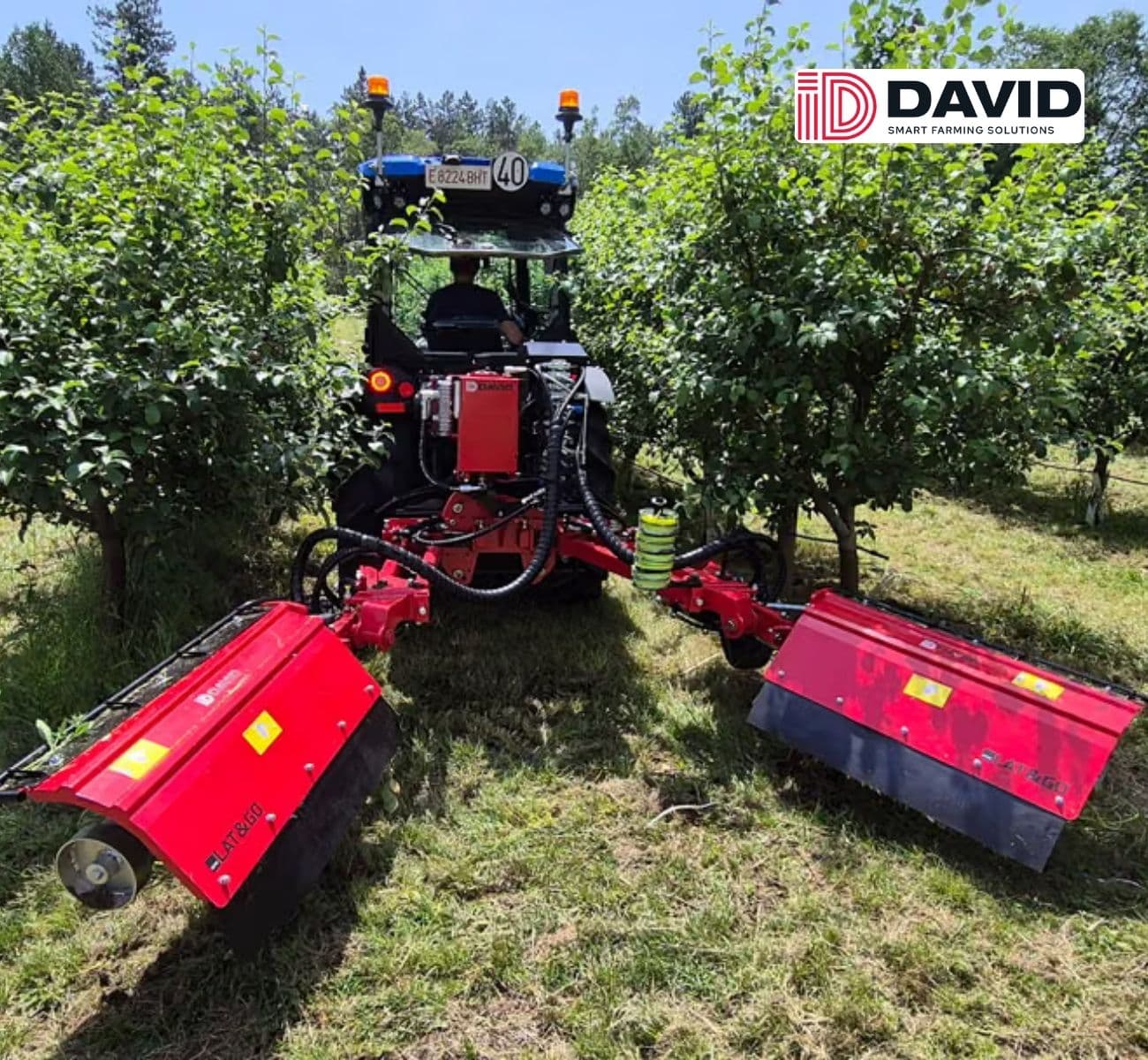
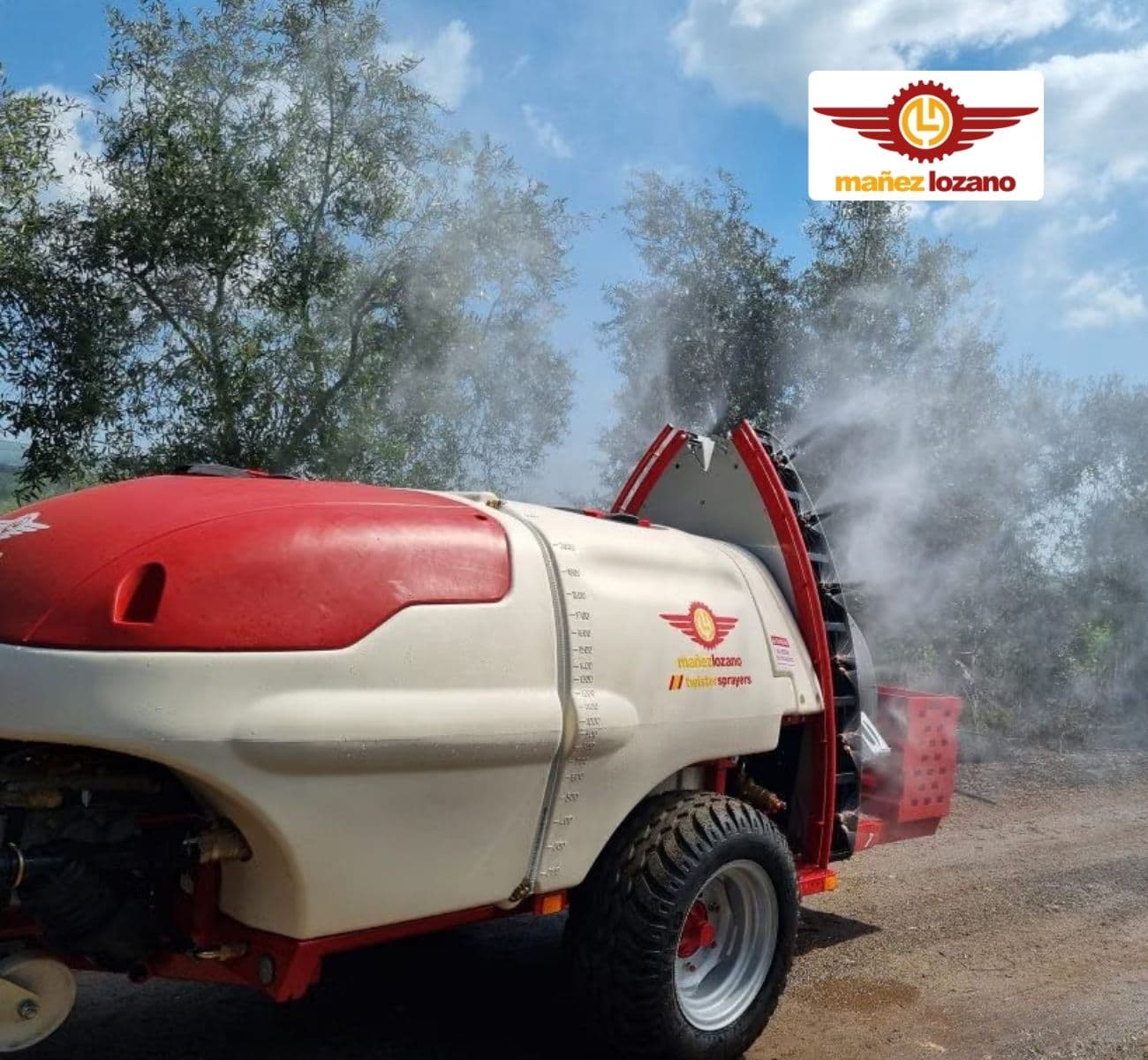
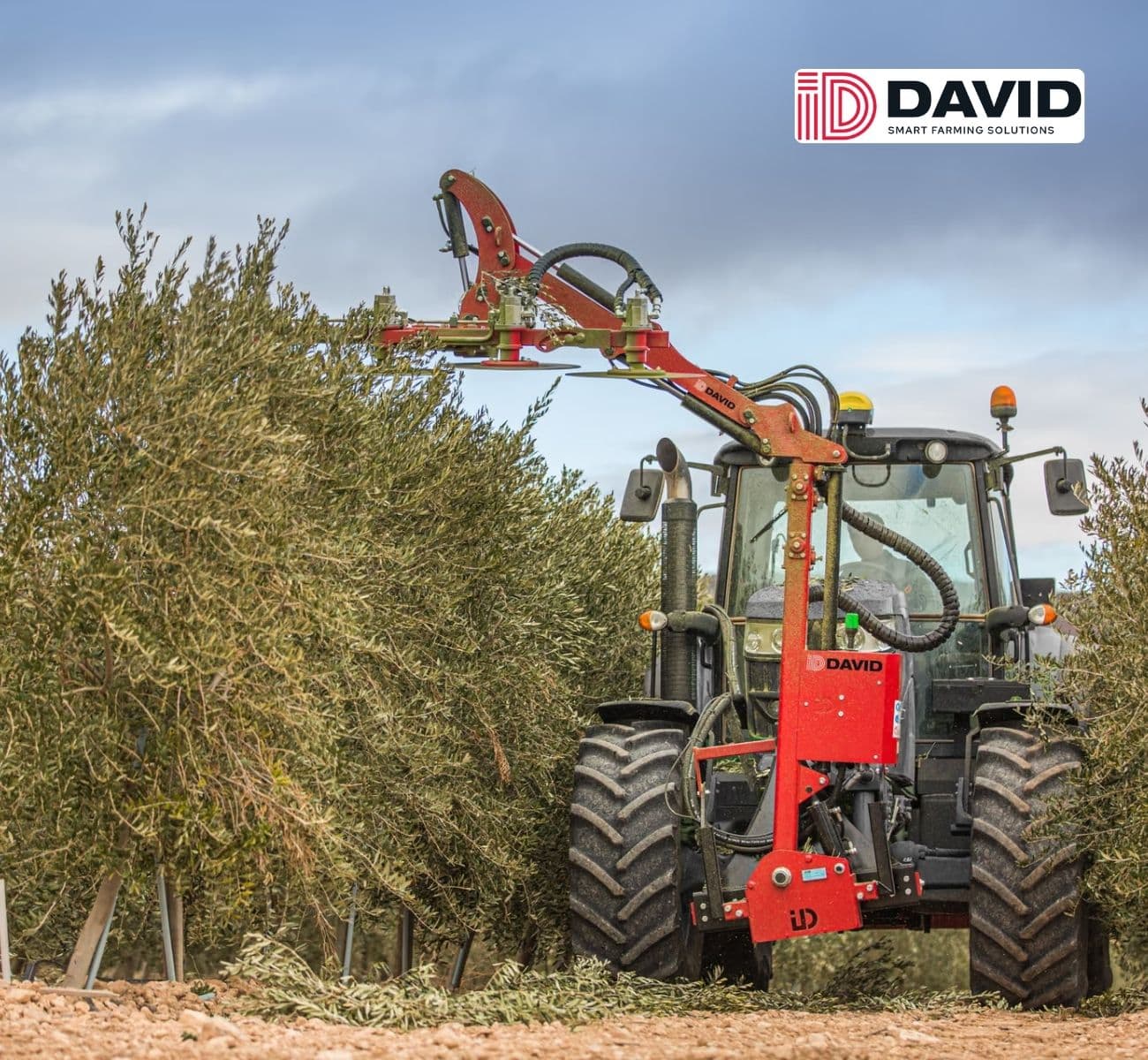
SRCA calls walnut very demanding of water: its large canopy transpires a lot, and rain or irrigation must make up for it. One large Kakheti estate irrigates by drip from its own reservoirs, with filtration and pH monitoring. A 2026 Georgian extension article advises a central leader with 6 to 10 branches in sparse tiers. ID DAVID and Mañez Lozano machines for manure spreading, weed control, spraying and pruning are sold in Georgia by OVE Europe.
Recommended Orchard Care & Maintenance Stages



Practical Tips for Walnut Orchard Care & Maintenance
After a rainy, humid spring, check shoots, leaves and young nuts for bacteriosis, especially on Chandler, which SRCA rates susceptible.
Prune and thin the canopy to let in light; one Kakheti estate calls this crucial for keeping its walnut orchard healthy.
Inspect trees through the season for codling moth, mites and aphids; Georgian extension articles note outbreaks in some years.
Look out for the brown marmorated stink bug when scouting: it has spread in Georgia since 2016 and was found on Chandler seedlings.
Keep livestock out of the orchard: Georgia's 2025 rules for export walnuts ban grazing, and a grazed floor must be worked before harvest.
Irrigate in drought and heat, as Georgian extension articles advise; SRCA notes that Lara and Fernette need a well-kept irrigation regime.

Walnut Harvesting in Georgia
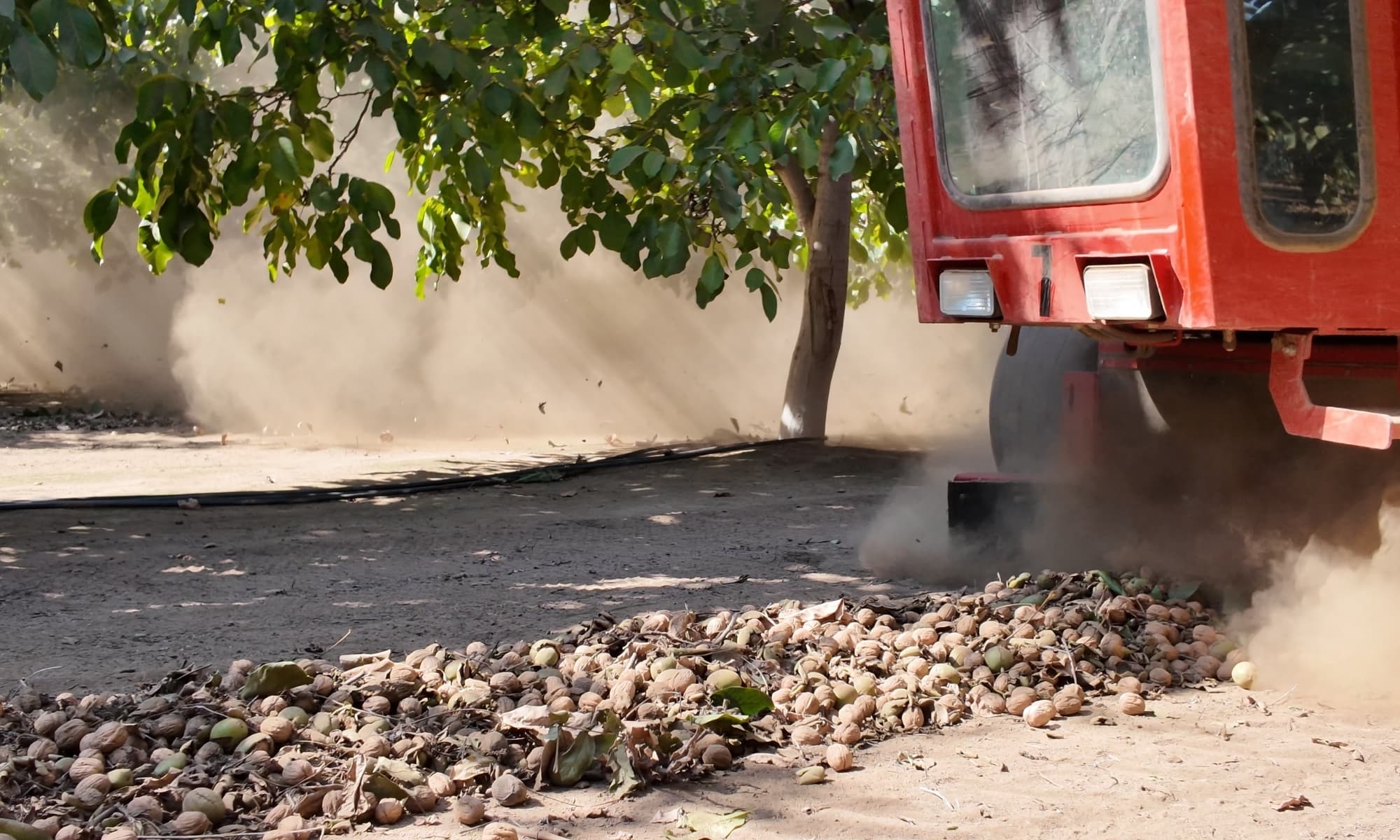
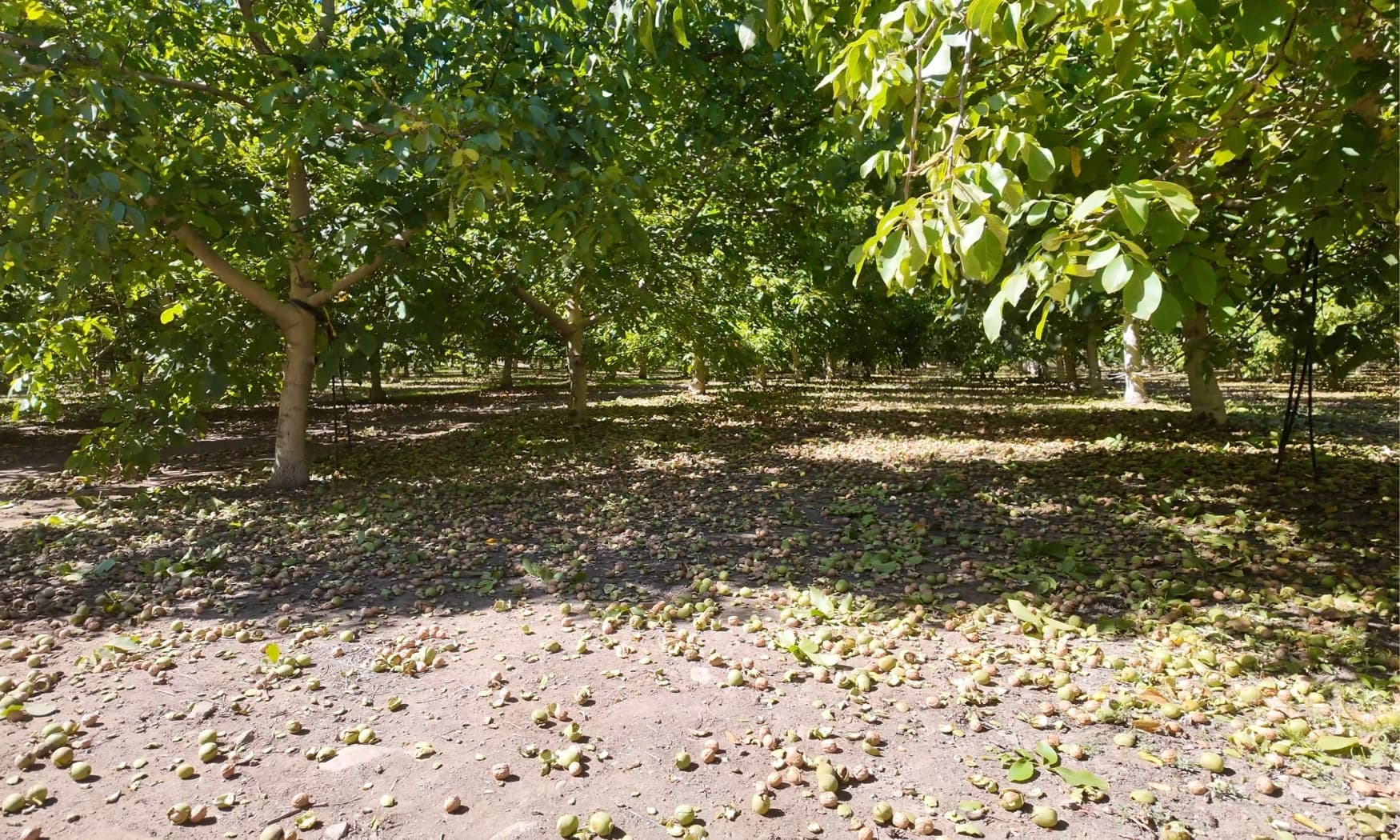
Georgian walnut harvesting runs on two tracks. On family farms, most walnuts are harvested by hand or with simple tools, according to a 2021 Georgian study, and extension articles describe knocking the nuts down from the branches. One of Georgia's largest Chandler estates, in Kakheti, harvests by machine: it shakes the trees, lines up the fallen nuts and collects them with machines, and says nets are not an option because its trees are too tall and its fields too large (FreshPlaza, 2025).
At SRCA's sites, Howard and Lara ripen from the last ten days of September to early October and Franquette in early October at Jighaura, while the late variety Chandler ripens in the second ten days of October at Alvani, in Akhmeta. Georgia's 2025 aflatoxin rules for export walnuts say harvest should start as soon as the nuts mature and the crop must leave the orchard without delay; they also advise catching shaken nuts on frames or tarpaulins. Where nuts fall to the ground, prompt mechanized pickup shortens their time there.
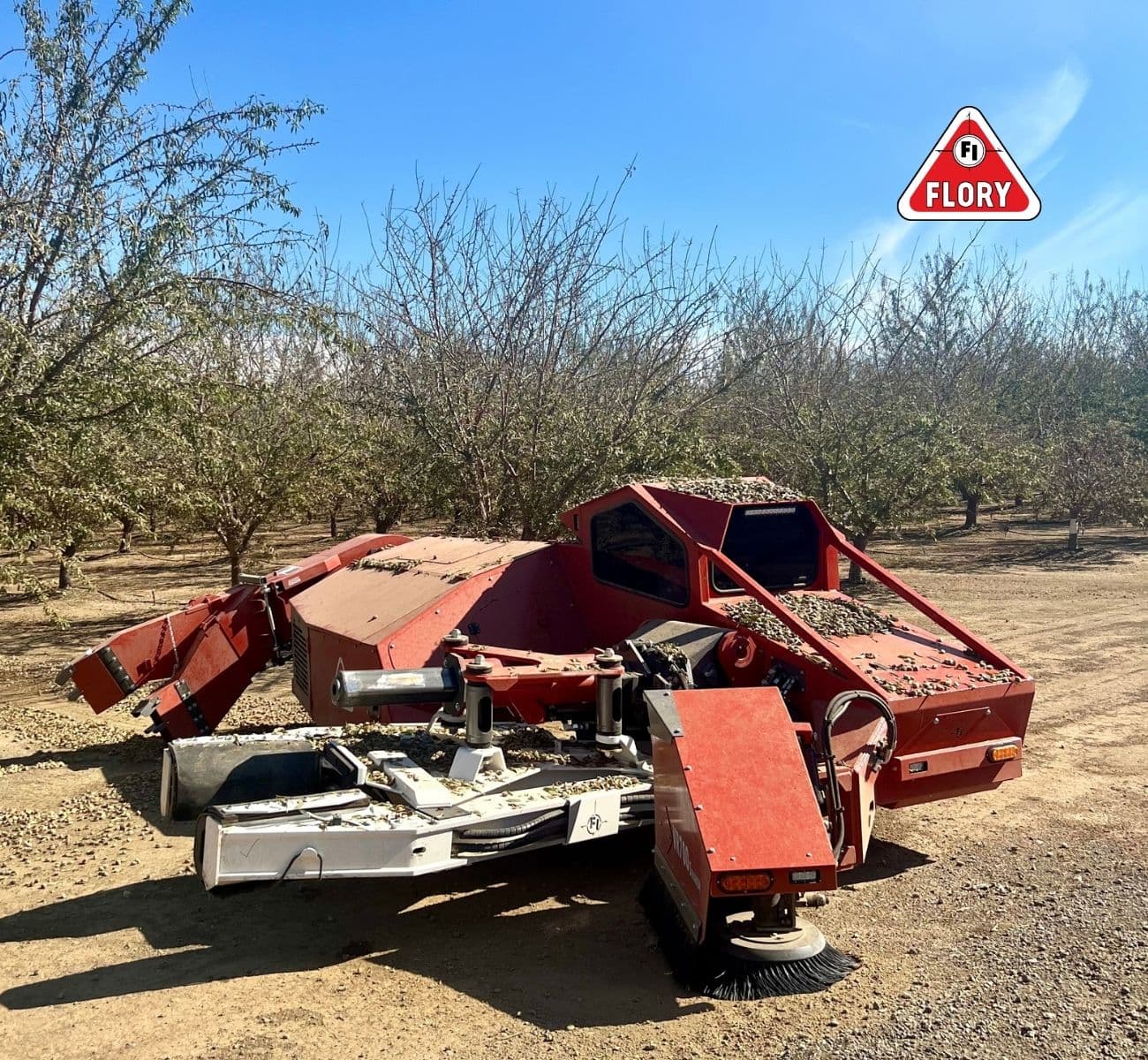
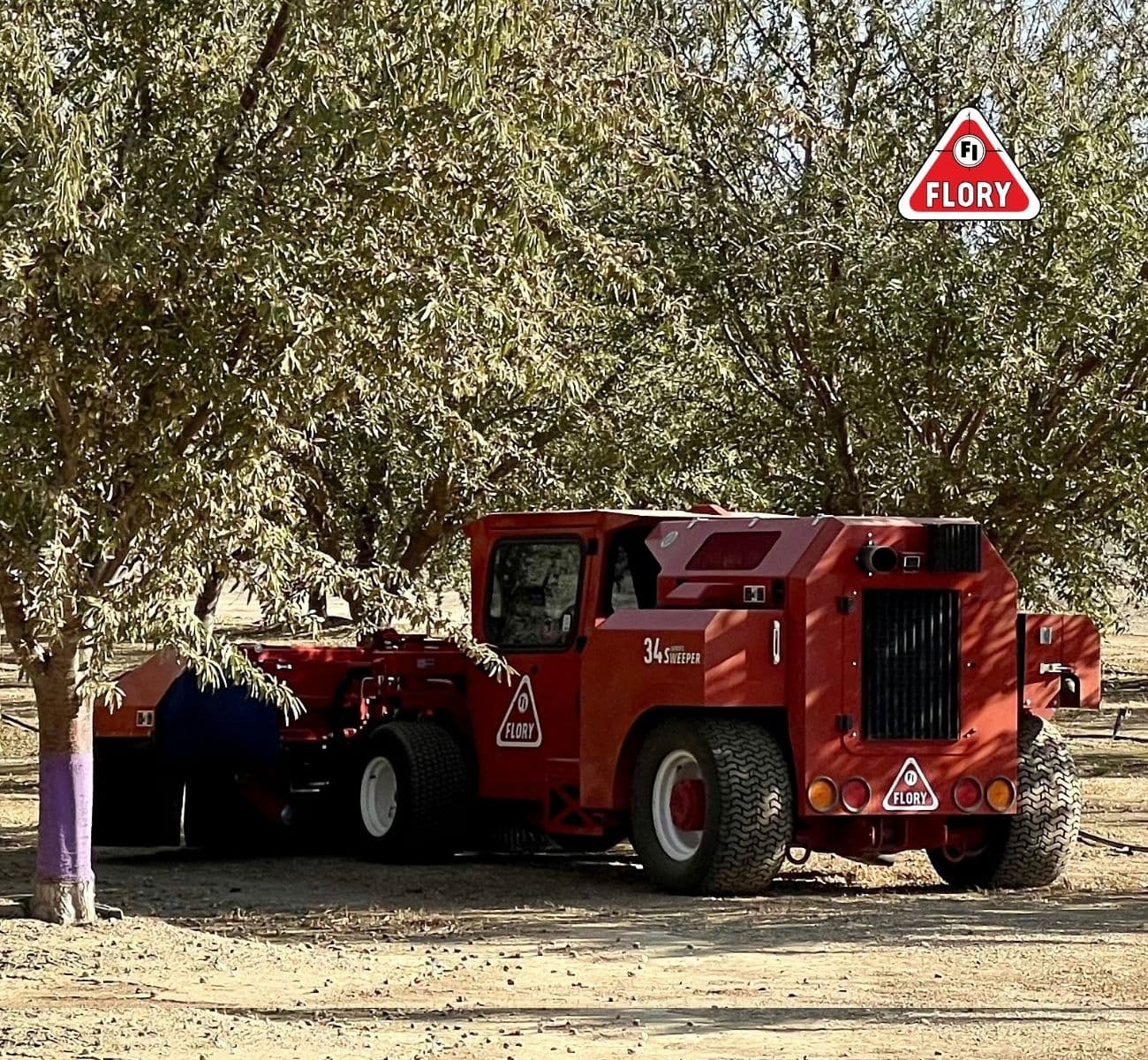
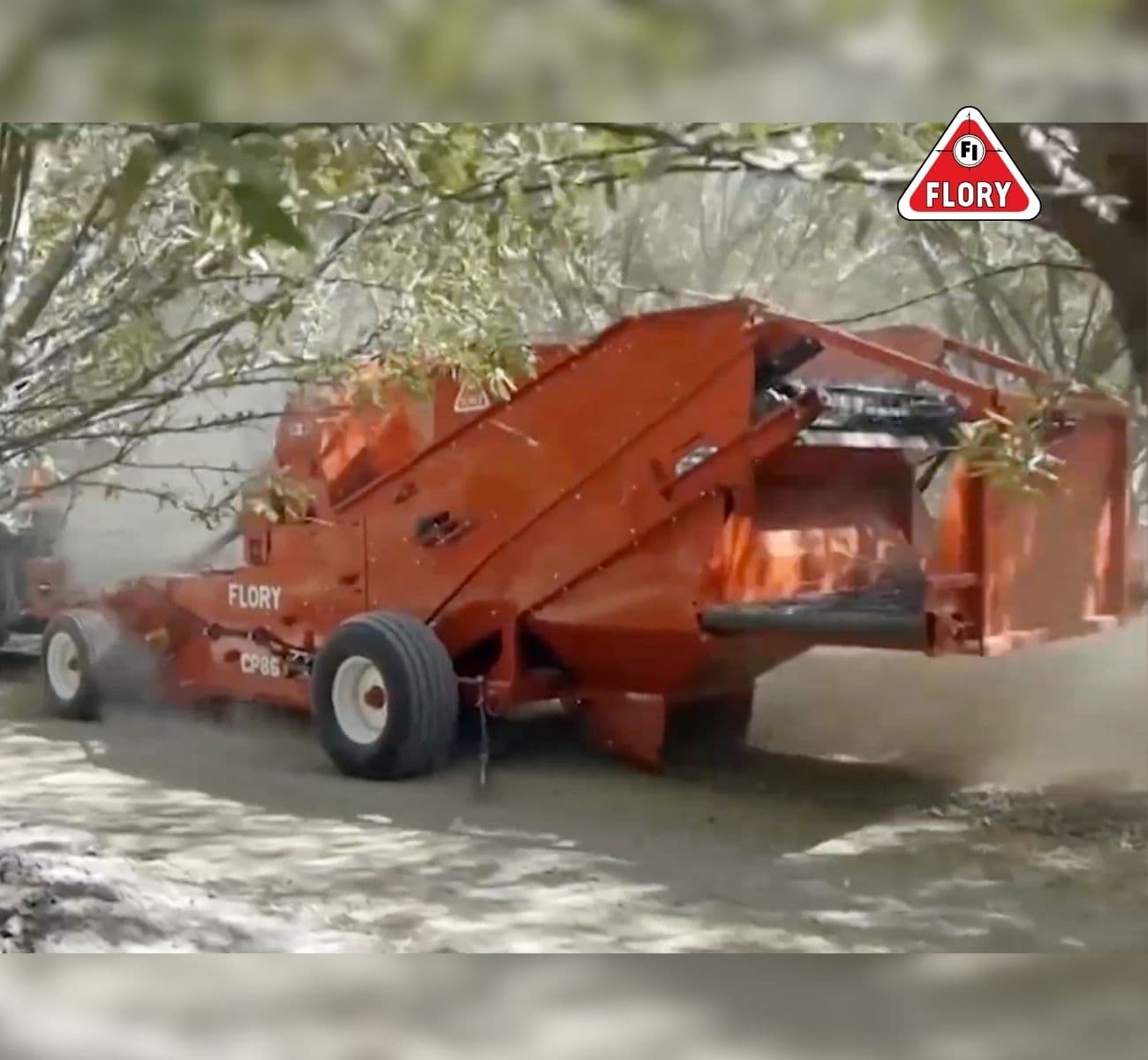
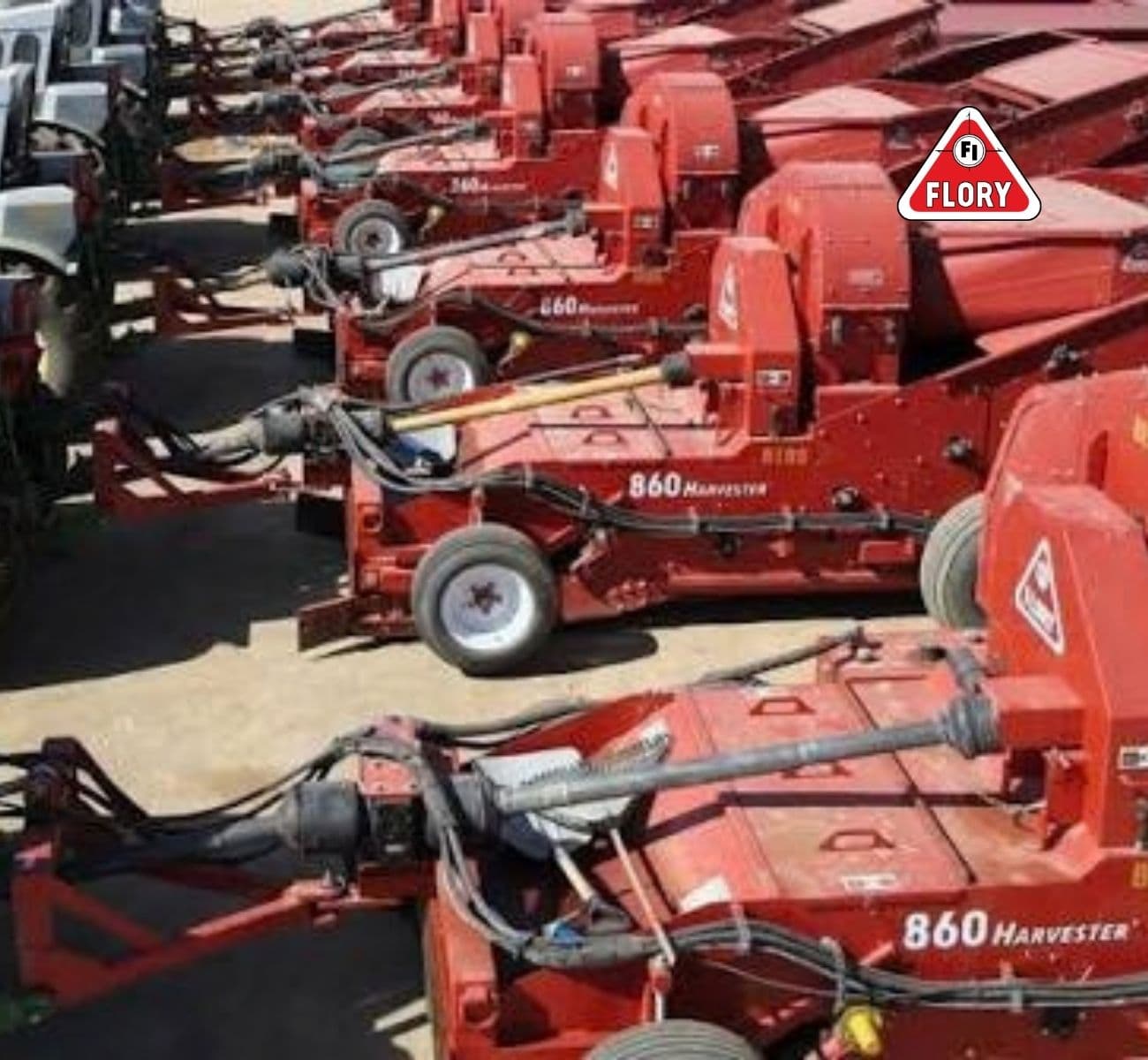
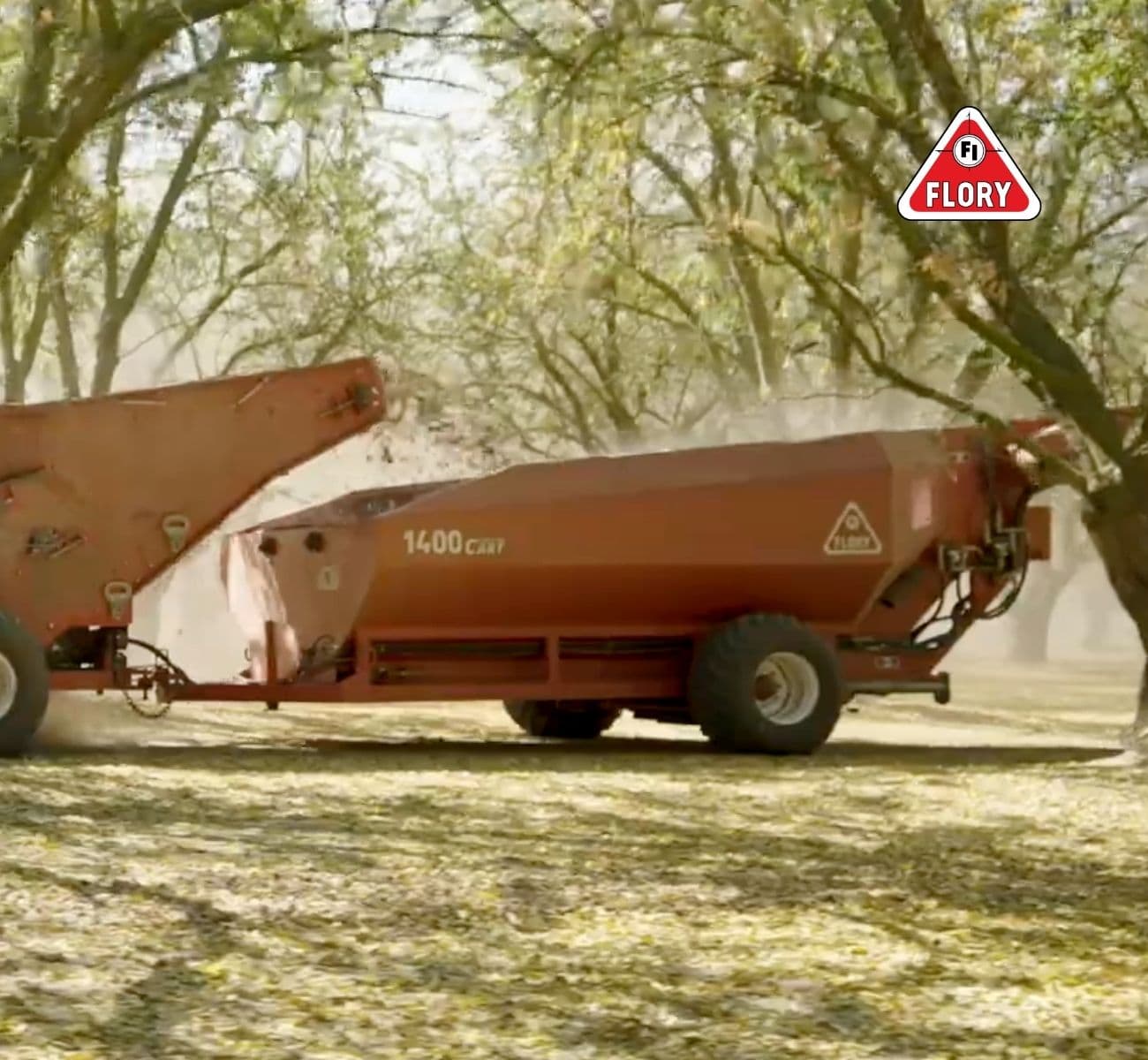
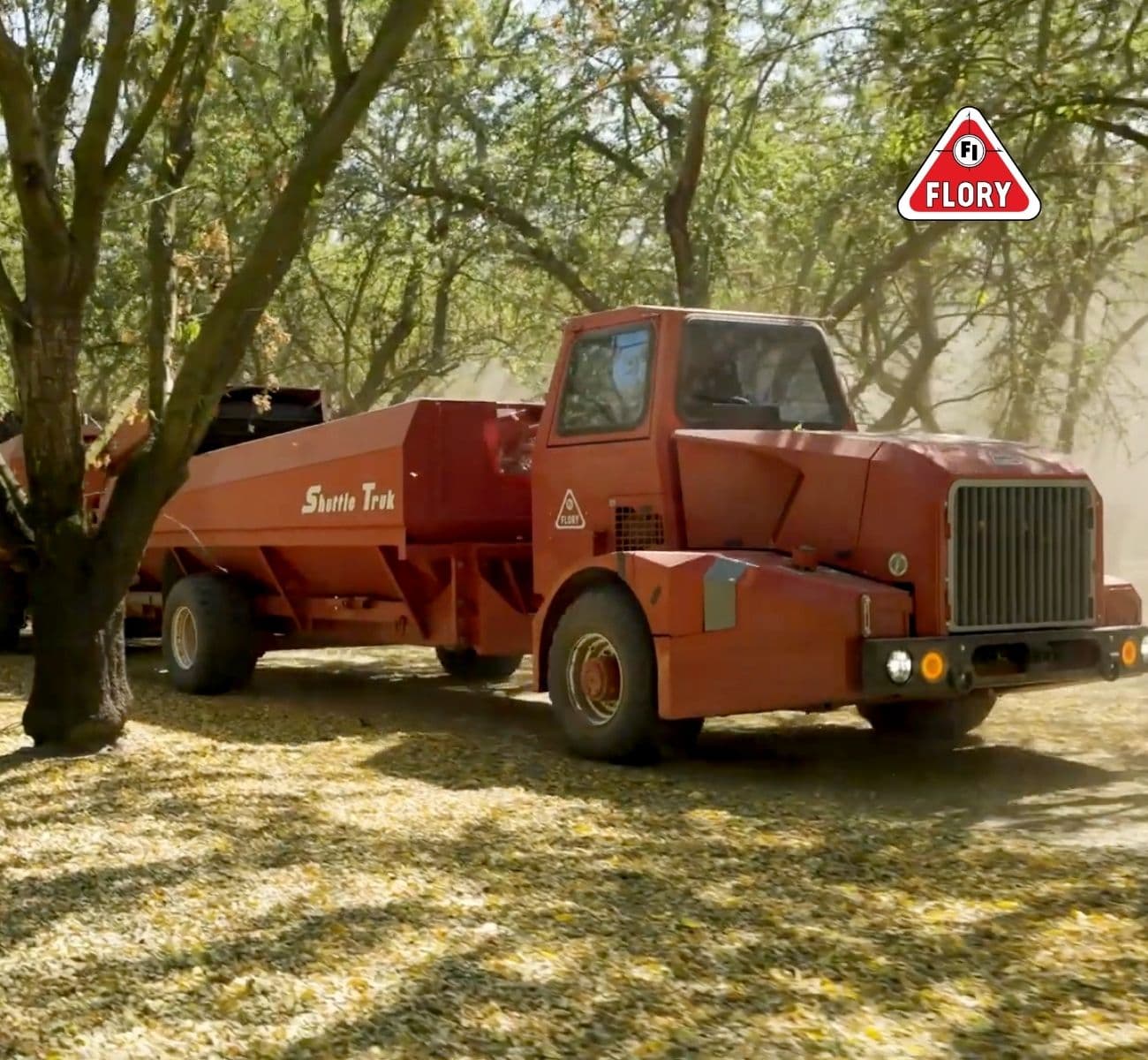
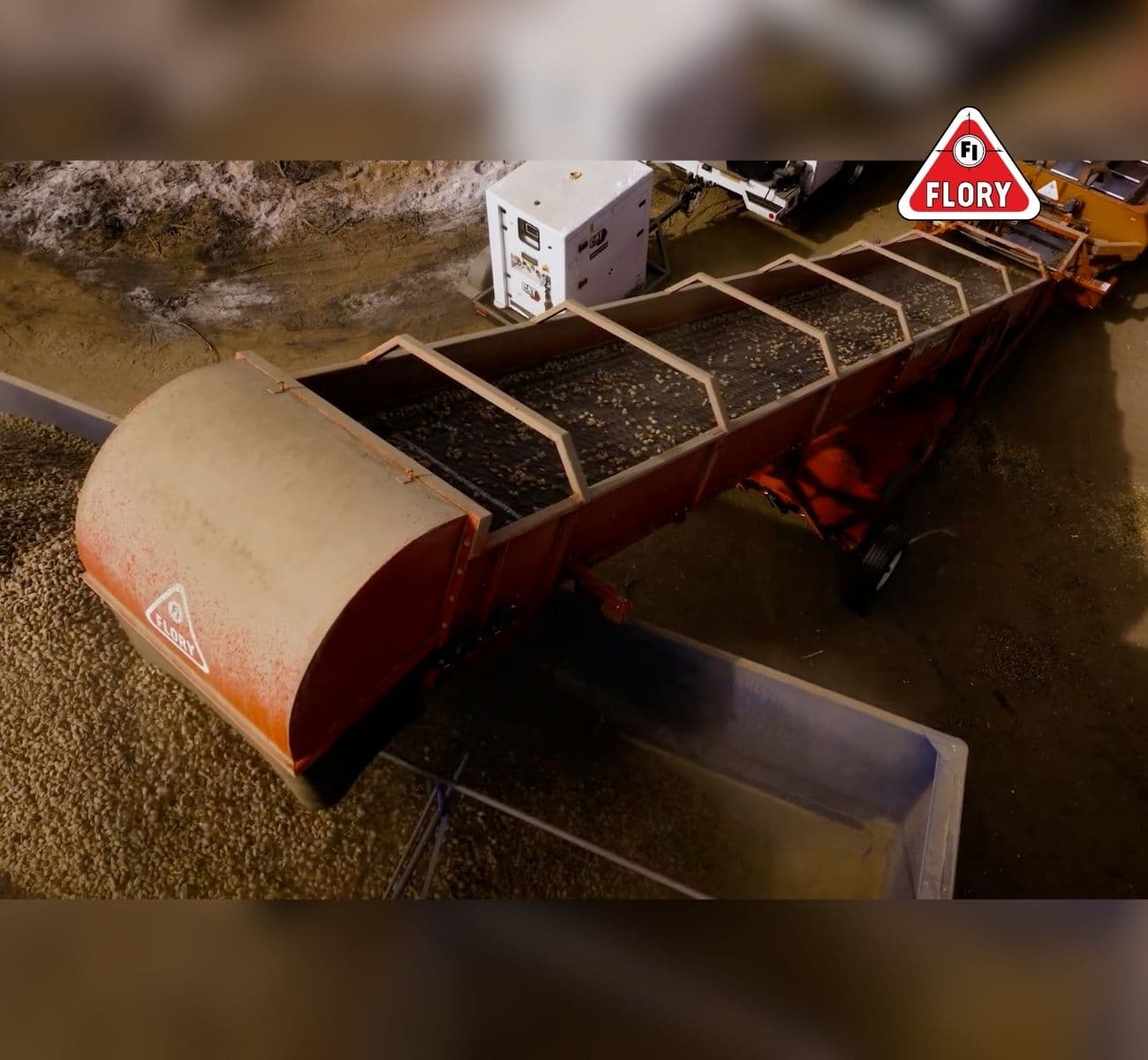
Timely collection is a known bottleneck: in September 2026 the chairman of a Georgian nut producers' association named harvesting and storing the crop before processing as the main problem, with September to October the hardest period. Flory harvesting machinery is already operating in Georgia and is available through OVE Europe. A Flory walnut line runs from the VR700 Shaker, 34 Series Sweeper and 860 Harvester to the 1500 Conveyor Cart, ST14 Shuttle and 4840 Field Elevator, which move the nuts on to the trucks.
Walnut Harvest Workflow (Recommended Equipment)
Practical Tips for Walnut Harvesting
Start harvesting as soon as hulls split and nuts begin to drop: Georgia's 2025 rules for export walnuts say harvest should begin at maturity.
Plan the season by variety: at SRCA's sites Howard and Lara ripen from late September, Chandler in the second ten days of October.
Size pickup capacity to keep pace with the shaker: in 2020 one Kakheti estate's self-propelled shaker cleared about 7 trees a minute.
Level and firm the orchard floor and clear branches and stones before harvest so the sweeper and harvester can pick up cleanly.
Take collected nuts out of the orchard without delay, ideally the same day, to cut the risk of mold contamination near the ground.
Sort out damaged, rotten, rancid and empty nuts and foreign matter right after collection, as Georgia's 2025 rules for export walnuts require.
Get your recommended harvest setup
Enter orchard size, spacing, terrain, and target throughput—we’ll suggest a practical harvest workflow and equipment lineup.

Walnut Post-Harvest Handling & Processing in Georgia
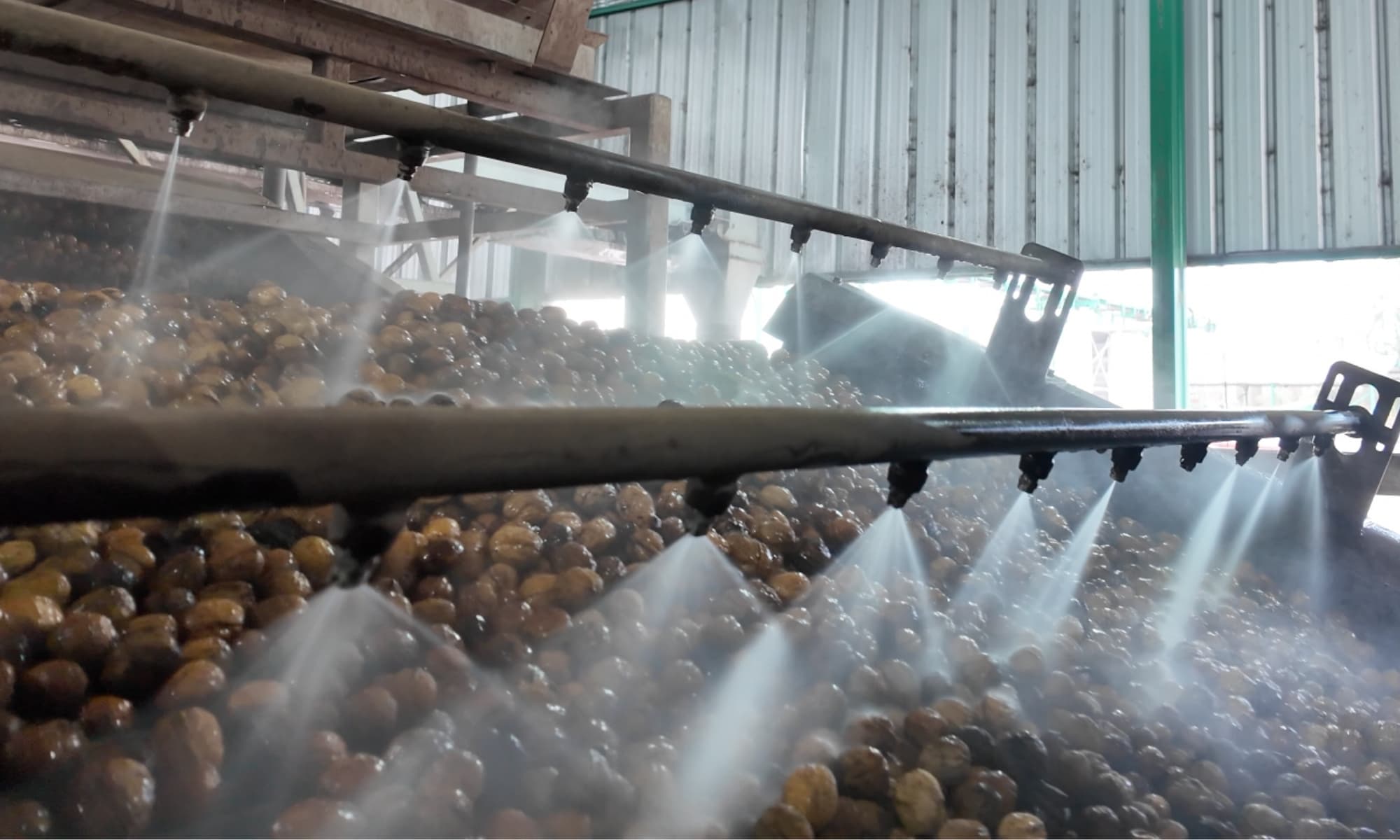
Georgian extension advice is to hull any nuts still in their husks, wash them in clean water and dry them in the sun for 10 to 12 days on average or in a dryer for no more than 2 days, with air at 43 °C or below, to at most 12% moisture in shell. The export regulation caps moisture at 12.0% for dried in-shell walnuts and 5.0% for kernels; its 2025 annex calls for quick hulling and drying, storage at no more than 70% relative humidity and, from 2028, a water activity of 0.70 or less.
Large estates dry and grade by machine. In 2020, a Kakheti plant dried nuts to a target of 9 to 10% moisture at the dryer outlet, sized them into six grades from 30 to 38+ mm, mostly 36 to 38 mm, and processed 8 t of in-shell nuts an hour on a line run by five people. A 2021 Georgian study found sorting still mostly manual and thick-shelled local walnuts processed only by hand. Jessee, whose processing lines OVE Europe supplies, builds hulling, drying, sizing and cracking equipment for walnuts.
For general information only. Information may become outdated and does not replace site-specific professional advice. Consult a qualified agronomist and confirm equipment suitability with OVE before acting.
Practical Tips for Walnut Post-Harvest Handling & Processing
Remove hulls quickly and wash nuts in clean water without reusing it, as Georgia's 2025 rules for export walnuts require.
Keep drying air at 43 °C or below and dry in-shell nuts to 12% moisture or less, as Georgian extension advice recommends.
Spread nuts on racks in layers 20 to 30 cm deep, and dry and store damaged or diseased nuts separately.
After drying, check moisture on a sample from every lot, including sun-dried nuts, with a calibrated meter, as the 2025 export rules require.
Store dried nuts clean, dry and cool: the 2025 export rules cap relative humidity at 70% and require 0 to 10 °C from June 2028.
Size nuts before sale: export classes Extra and I need at least 26 mm, and at one Kakheti estate the 38+ mm grade earns the top price.
Recommended Post-Harvest Handling & Processing Stages









Plan your post-harvest line
Estimate tons/day, cleaning & drying capacity, storage needs, and cost/kg—then build your equipment plan in phases.