






Walnut Orchard Establishment in Greece
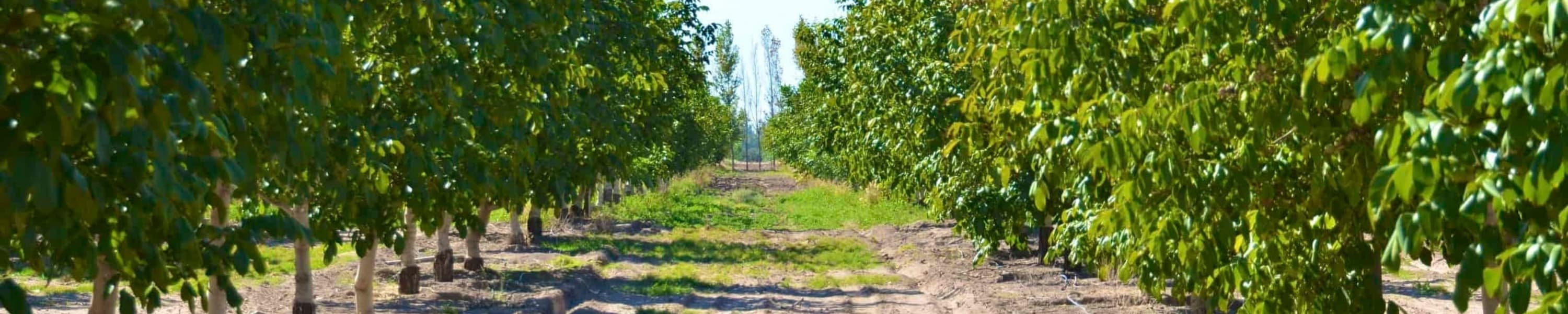
Walnut is grown across Greece, and Thessaly has about a quarter of national production, according to a 2022 study by the small-business institute IME GSEVEE. ELGO-DIMITRA researchers identify four walnut zones by climate and the last spring frost, which falls from the first half of March to the end of April (2023, citing 1997 work). Spring frost recurs: in early April 2021 an MP reported that frost had destroyed male flowers in Elassona, and a Tegea grower in Arcadia said frost in late March cut the 2025 crop by 30%.
A Greek nursery reported in 2020 that the overwhelming majority of walnut trees planted in the previous five years were Chandler, and a 2026 farm-press report calls it Arcadia's dominant variety. ELGO-DIMITRA researchers name Serr, Gustine, Amigo, Vina, Hartley, Chandler, Lara and Franquette in irrigated orchards; the Greek selections FM3 and FM6 grow only at its nut tree department in Lamia. A Pella grower reported that in 2025 early varieties such as Serr lost crop to spring frost, while the late Franquette and Chandler cropped normally.
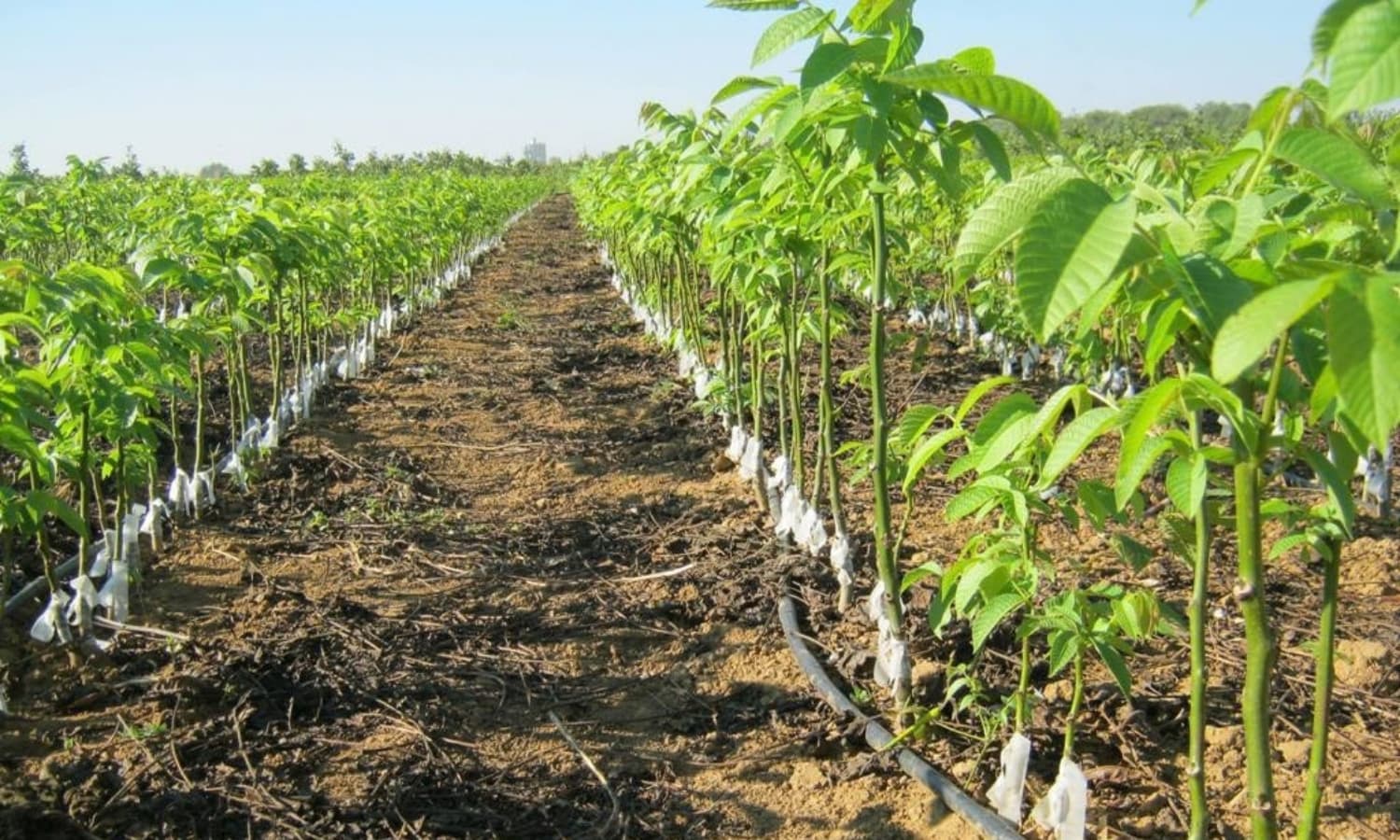
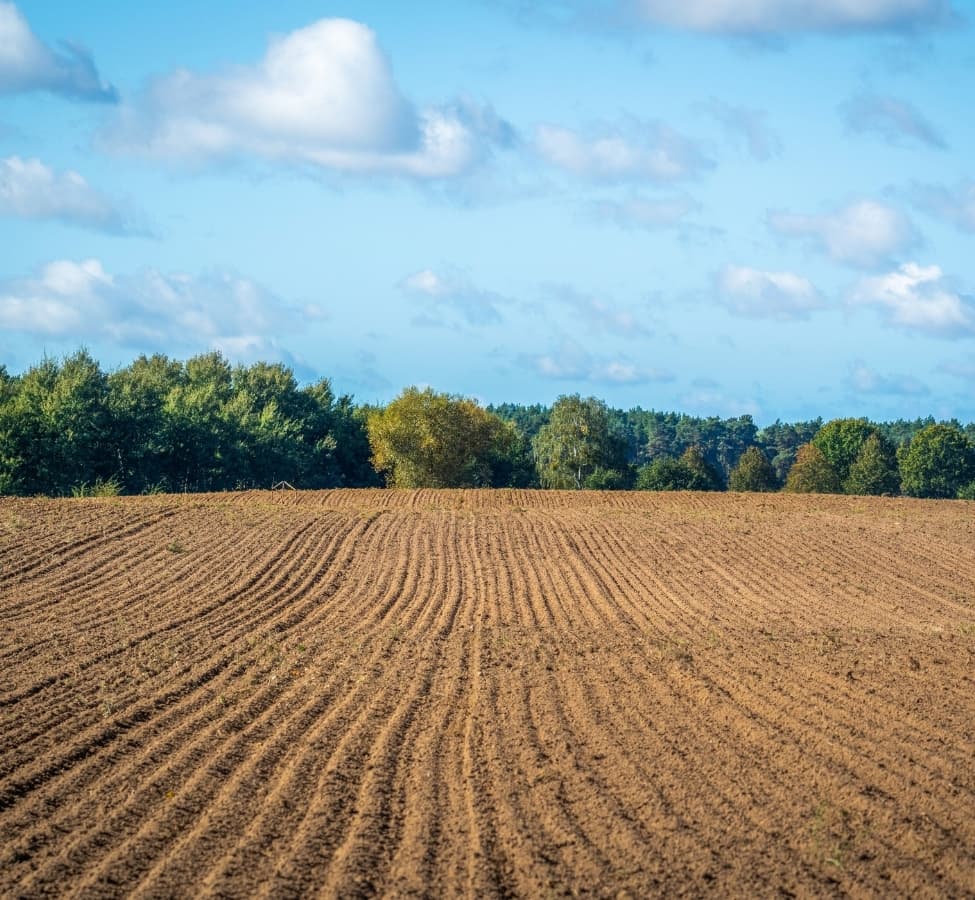
Greek nurseries raise rootstocks from the nuts of selected vigorous walnut trees and graft mainly by patch budding, one nursery explains. No Greek spacing standard was found: ELGO-DIMITRA's evaluation orchard of 1989 was planted at 10 × 10 m. Against root and collar rots, the Ministry's plant-protection center in Volos advises drip irrigation that keeps the trunk dry, no soil heaped at the trunk base and good drainage; against deep bark canker, it advises avoiding dense planting (2026).

Practical Tips for Walnut Orchard Establishment
Find out when the last spring frost usually falls at the site: ELGO-DIMITRA's four walnut zones run from early March to late April.
On frost-prone sites, favor late varieties: in Pella in 2025, Franquette and Chandler cropped normally while early Serr lost crop.
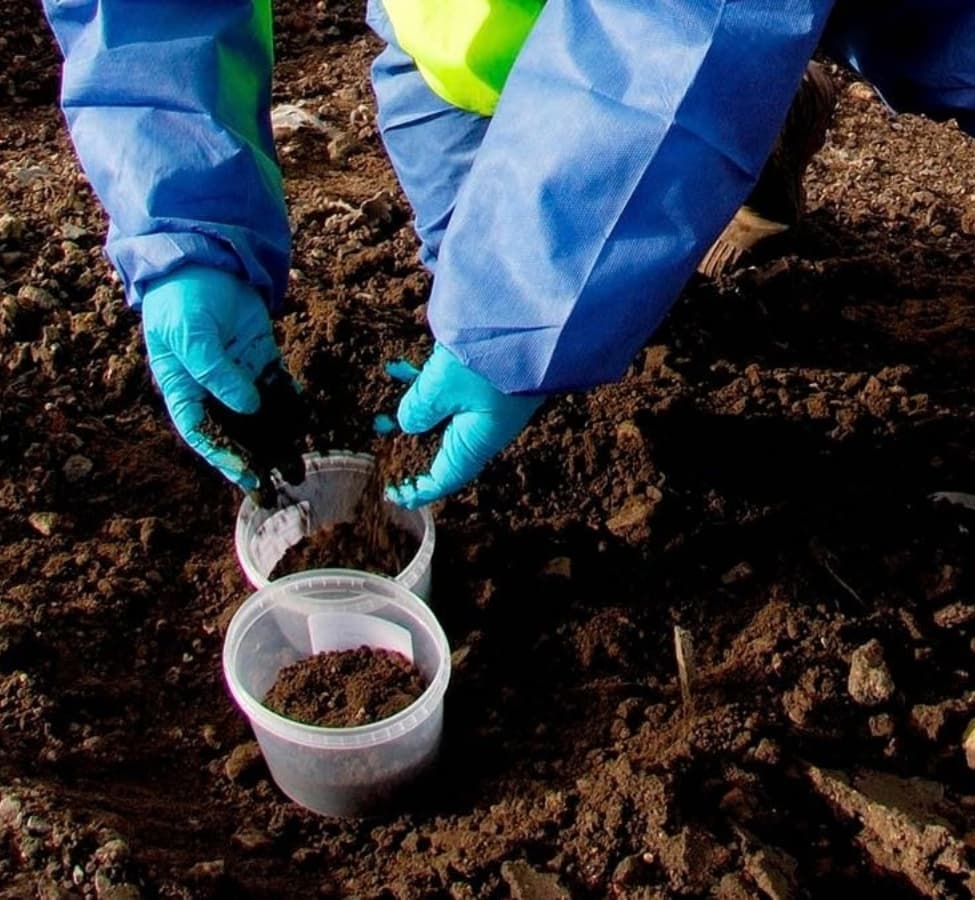
Have the soil analyzed before planting and correct phosphorus, potassium and organic matter, as the Volos plant-protection center advises.
Match pollinizers to the main variety's female bloom: an official laboratory listed early pollen shed among possible causes of poor fruit set in Karditsa (2026).
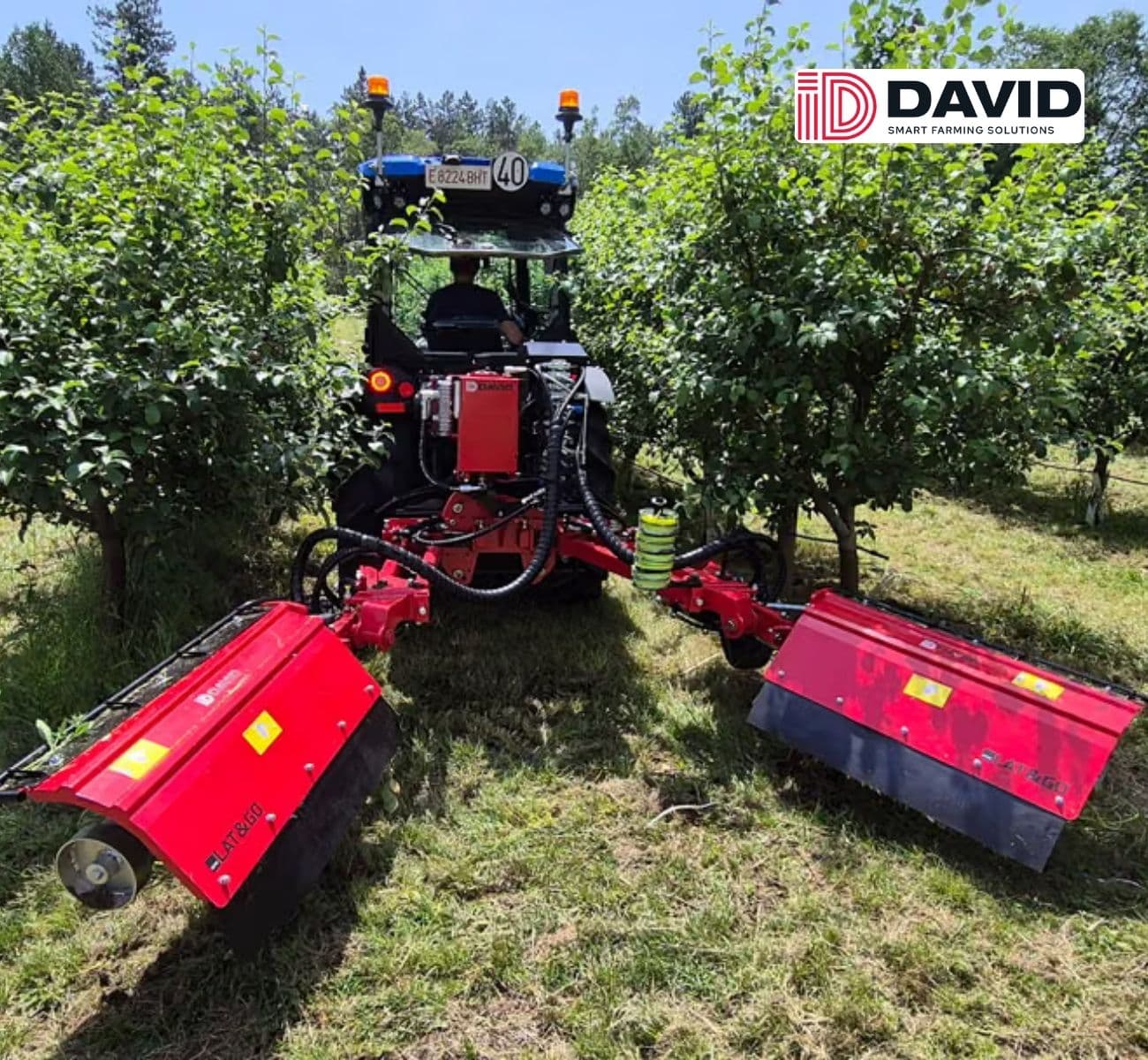
Agree row width, headlands and access lanes with your machinery supplier before planting, so shakers, sweepers and shuttles can work and turn freely.
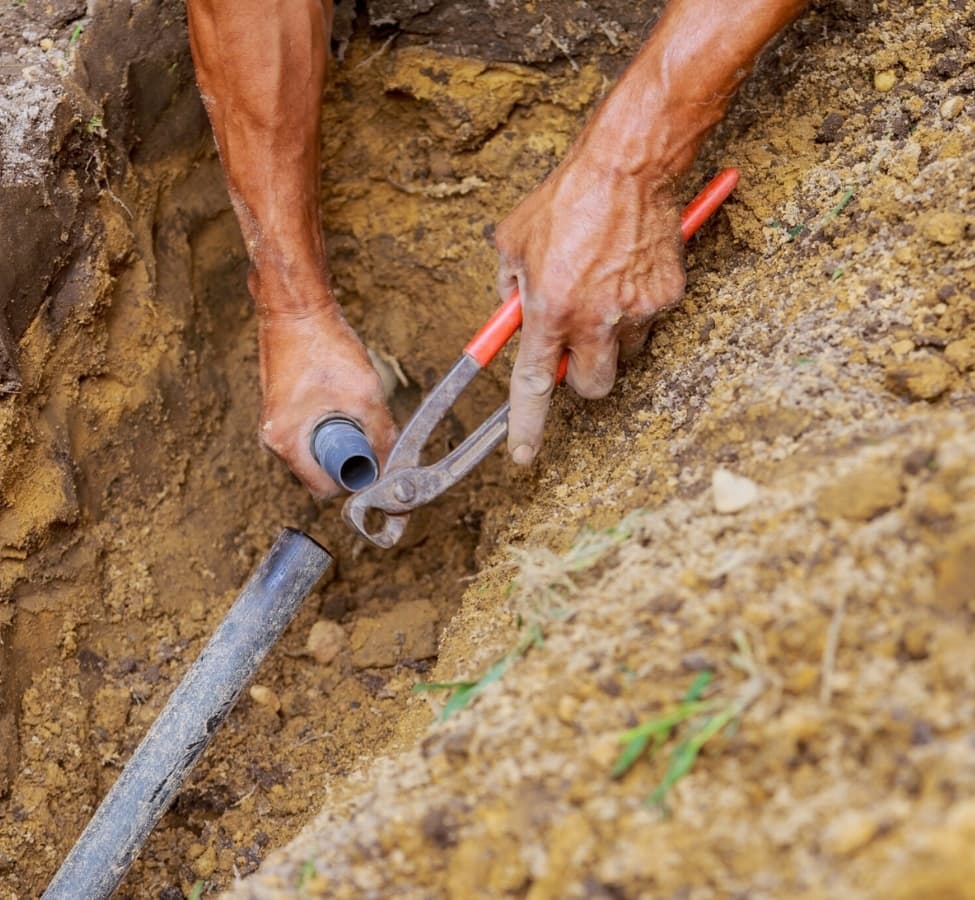
Lay drip lines that keep water off the trunk against collar rot, and avoid dense planting against deep bark canker, as the Volos center advises.
Recommended Establishment Stages




Walnut Orchard Care & Maintenance in Greece
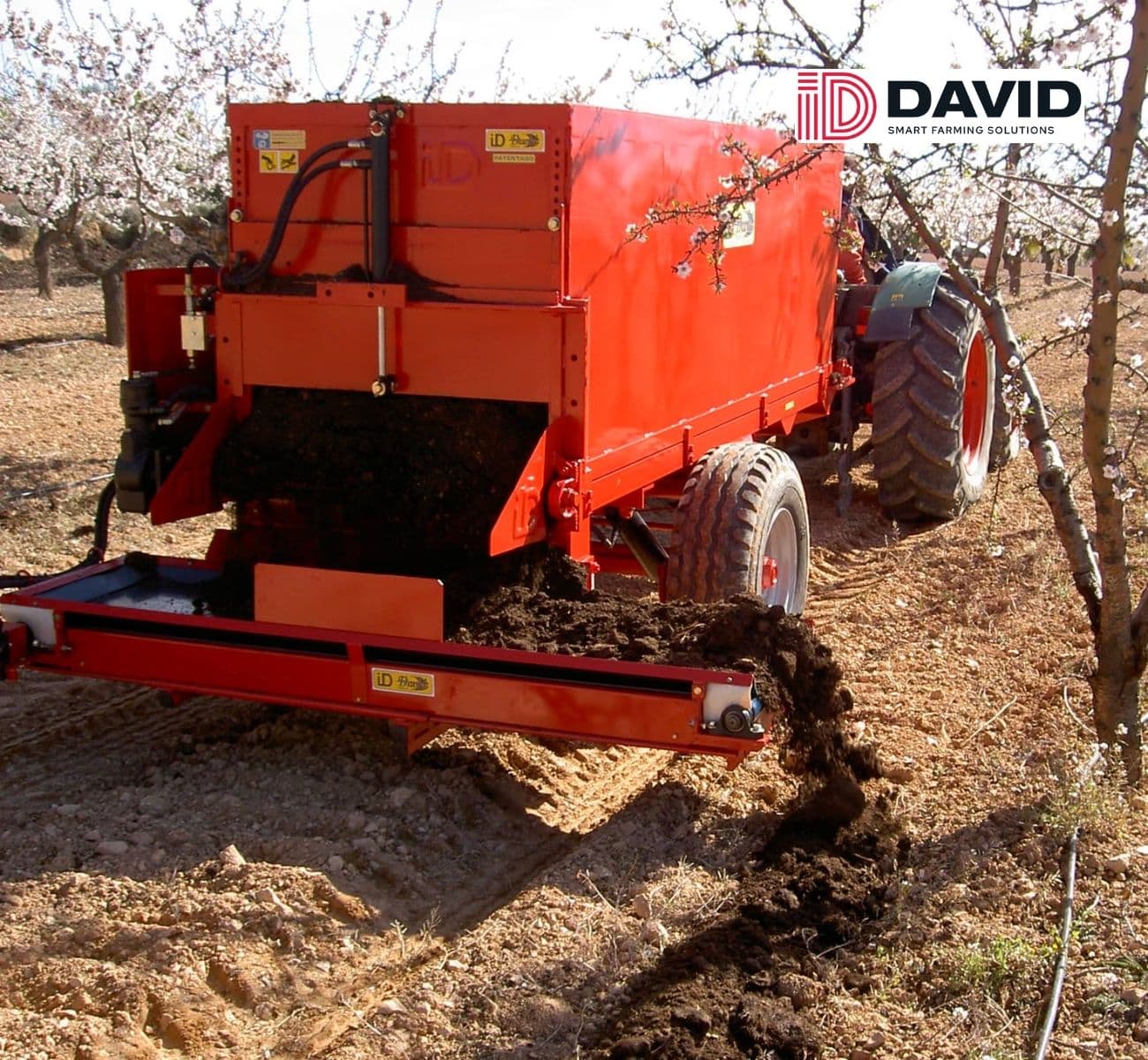
For nutrition, the Volos center's walnut bulletins for central Greece (2024 to 2026) advise soil analysis every five years and leaf analysis every second year at the end of July. Mature trees need 80% of their nitrogen in spring, so it is split into 60% in early March and 20% in early May, with the last 20% in mid-July; zinc and boron are applied every year or at least every two years. The center says irrigation should be by drip, and a Serres grower calls walnut particularly demanding of water.
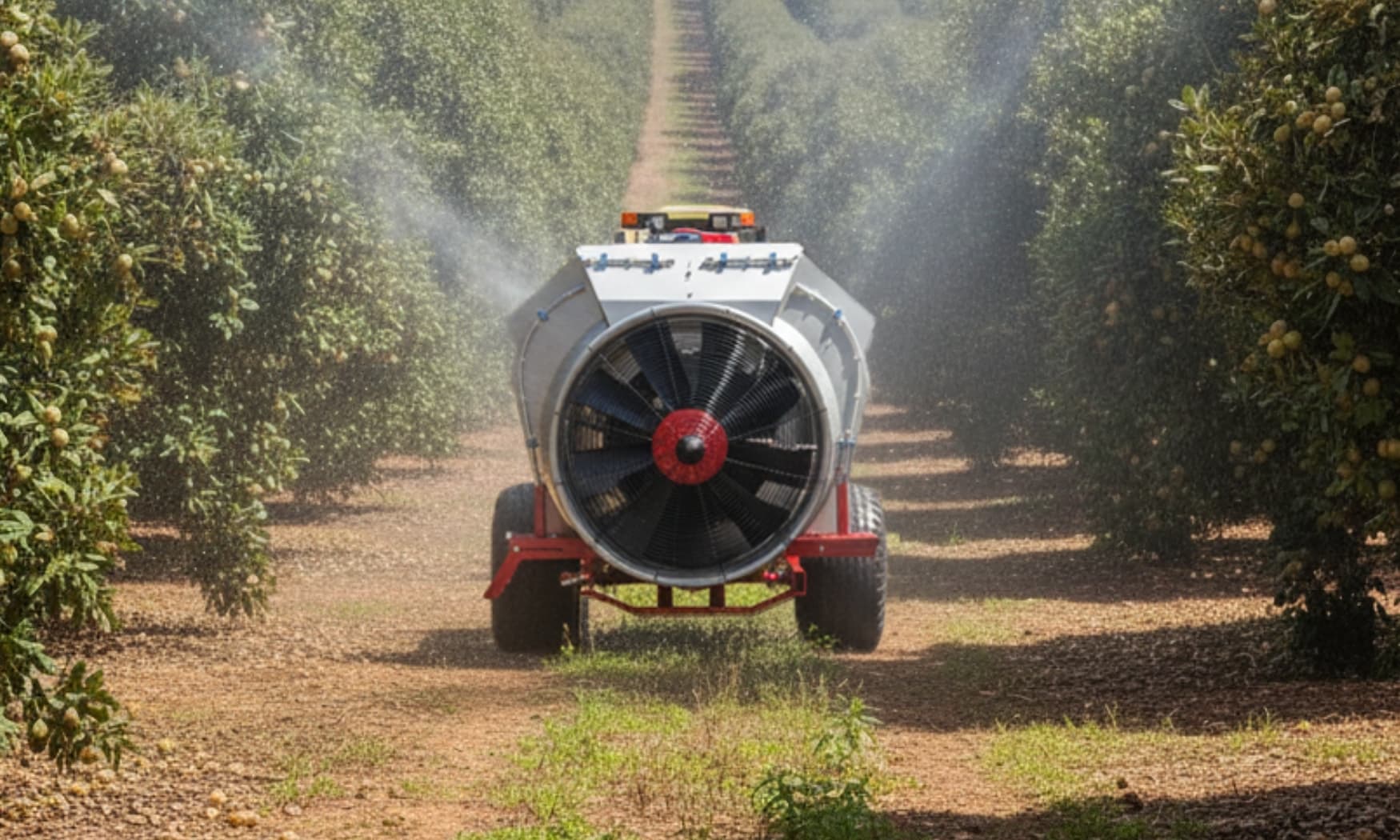
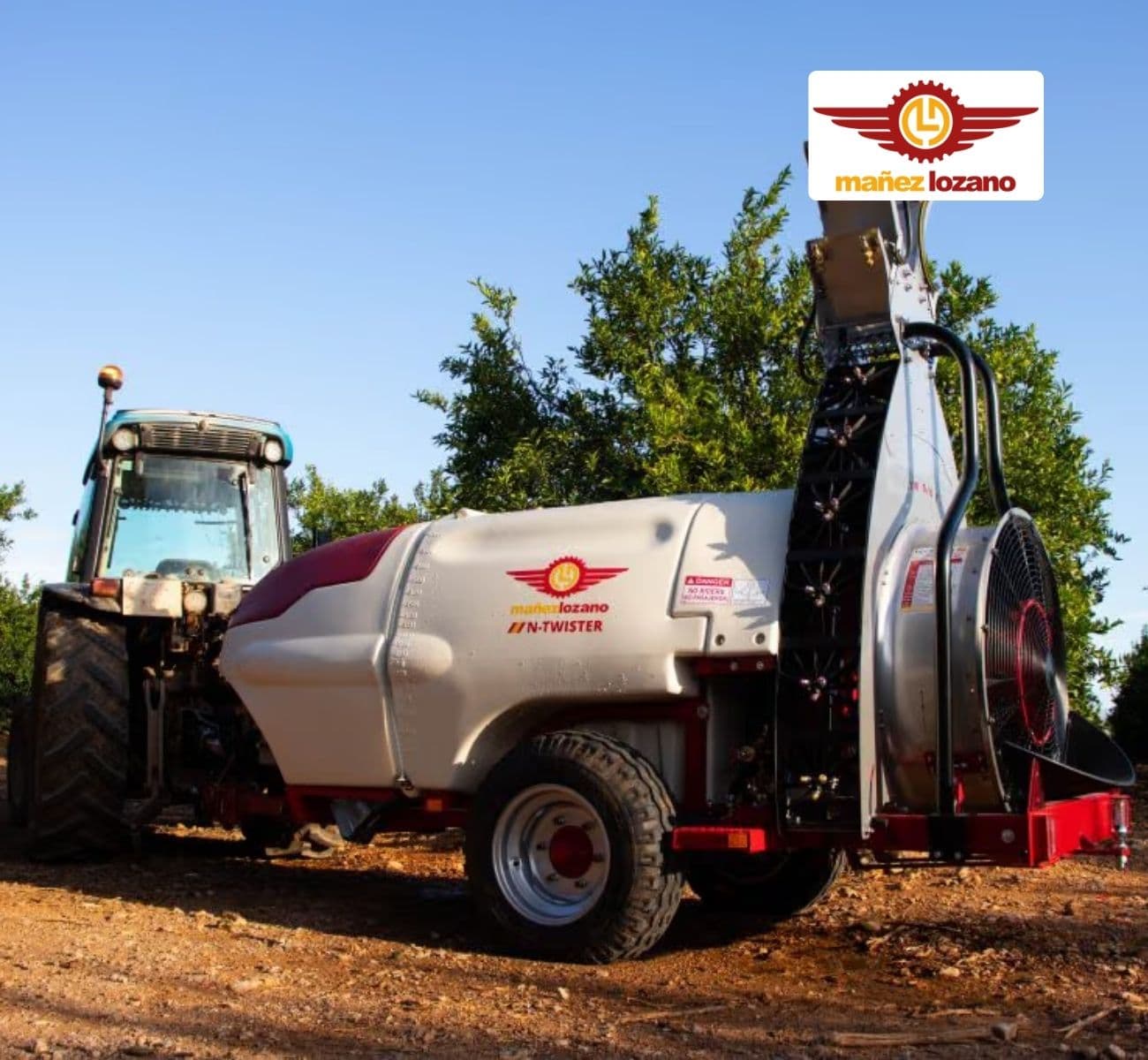
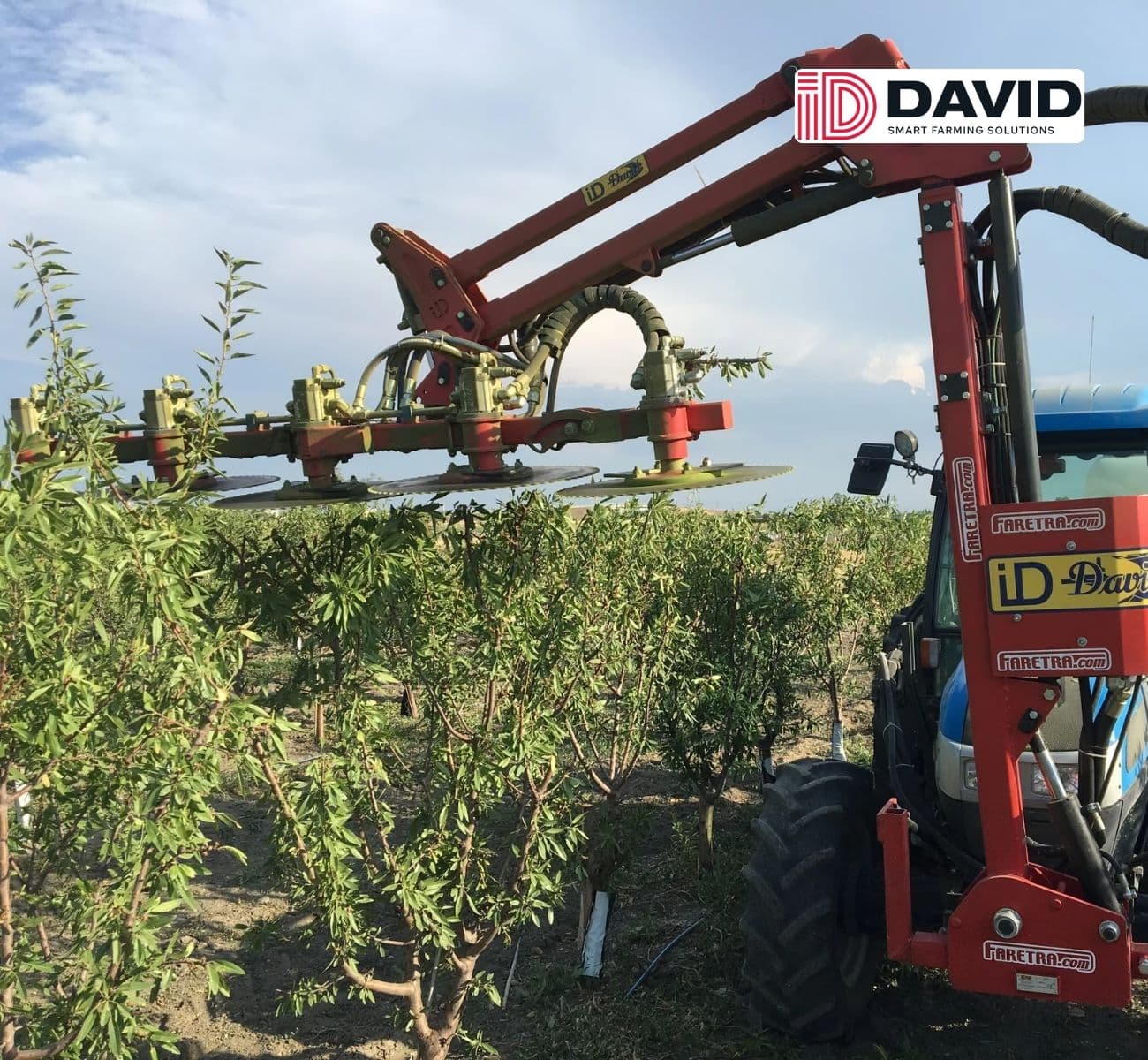
Anthracnose (Gnomonia leptostyla) and walnut blight (Xanthomonas arboricola pv. juglandis) appear in the Volos walnut bulletins every year from 2024 to 2026. High spring humidity favors their first infections; female flowers are the organ most sensitive to blight, and the bacterium can travel with pollen, so protection is needed from budbreak. Unsettled, hot weather raises the risk again in summer. The center advises pruning in dry weather, with clean cuts, sealed large wounds, disinfected tools and an open canopy.
Codling moth (Cydia pomonella) is the only insect pest in the walnut bulletins of the Ministry's Volos and Kavala centers. It has two to three generations a year, with first flights from mid-April in the warmest areas and from early June in the mountains (Volos, 2023), and from early May around Serres (2026); damage starts once nuts reach 1 cm. EPPO lists no record of walnut husk fly (Rhagoletis completa) in Greece as of October 2026, which does not prove its absence.
Recommended Orchard Care & Maintenance Stages



Practical Tips for Walnut Orchard Care & Maintenance
Split nitrogen for mature trees into 60% in early March, 20% in early May and 20% in mid-July, as the Volos center advises.
Have leaves analyzed every second year at the end of July and the soil every five years, and feed by the results.
In humid springs, protect trees from budbreak: female flowers are the organ most sensitive to blight, the Volos center warns.
Hang pheromone traps for codling moth and time control 8 to 10 days after catches of 2 to 3 males, as the Volos center advises (2026).
Prune only in dry weather, with clean cuts, sealed large wounds and disinfected tools, as the Ministry's bulletins advise.
Keep the canopy open to light and air, which lowers the humidity inside it that favors anthracnose and blight.

Walnut Harvesting in Greece

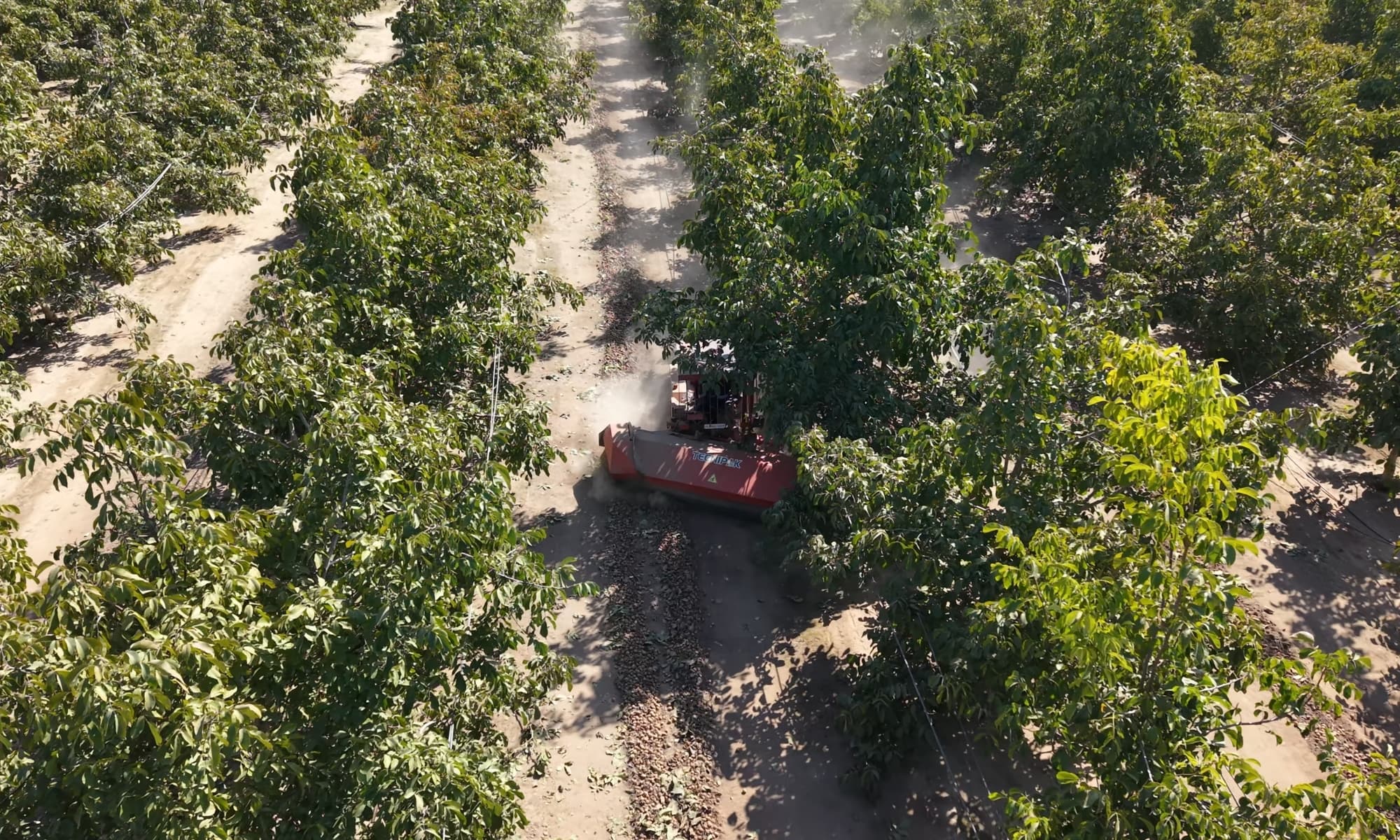
In villages, walnuts are traditionally shaken down with a long pole, the louros, by someone who climbs the tree, and gathered from the ground by hand, as a West Fthiotida columnist describes (2021, 2022). Farms in Elassona and Corinthia describe mechanized harvesting, and an Elassona grower, citing a shortage of farm workers, called modern mechanical harvesting the next step (2024). Mechanized shaking and pickup bring the crop in on time with fewer hands, so hulling and drying start before quality slips.
Harvest dates vary by site: at ELGO-DIMITRA's orchard near Lamia, Chandler is harvested in the last ten days of September, a Serres farm starts at the end of September and a Corinthia farm at 620 m in mid-October. A Greek nursery advises starting when about 80% of the nuts have split hulls; in the 2022 drought, hulls did not loosen in West Fthiotida. Fresh walnuts fetch a good price but must be sold within 2 to 3 days, a grower told the farm press in 2025.
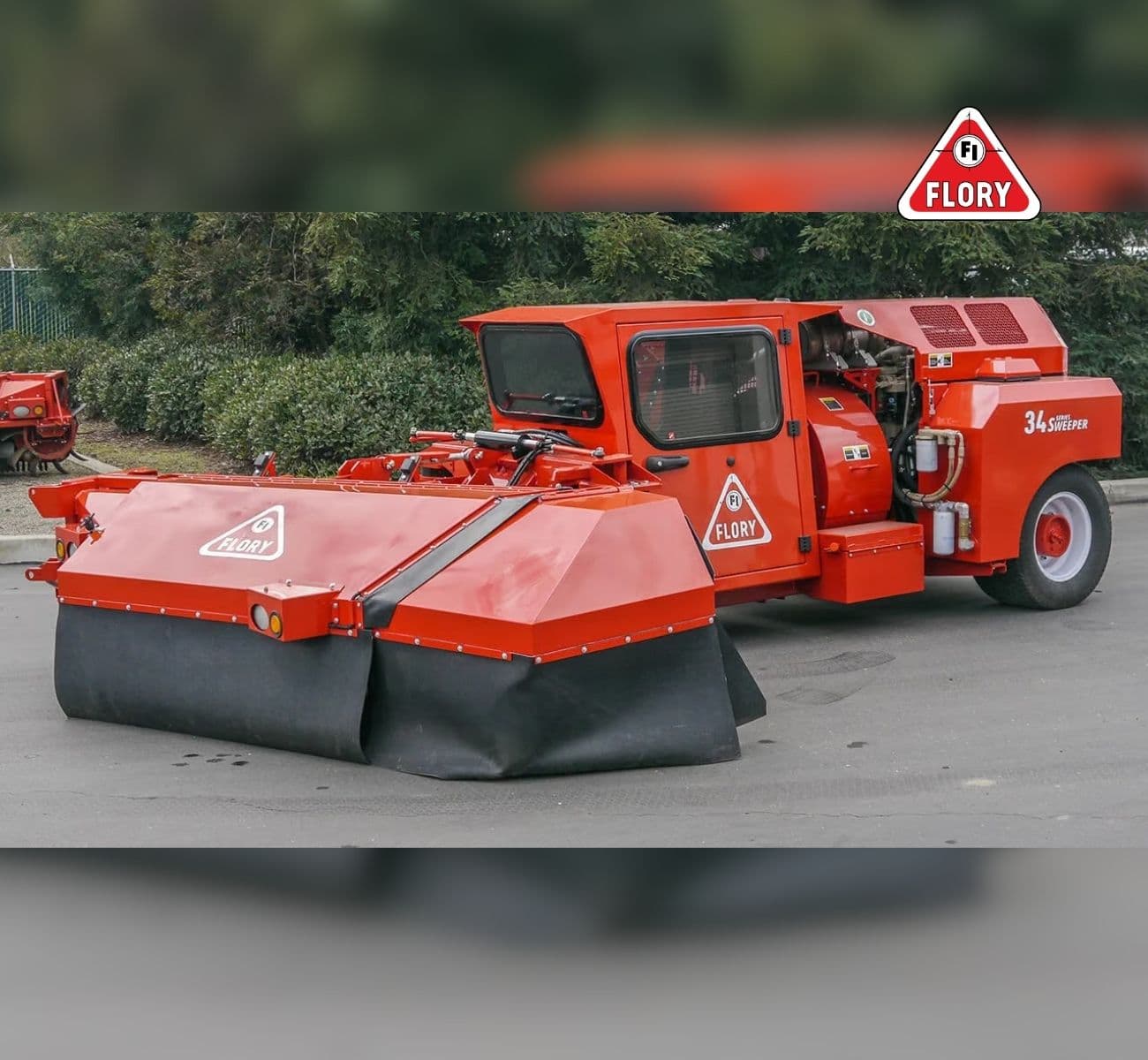
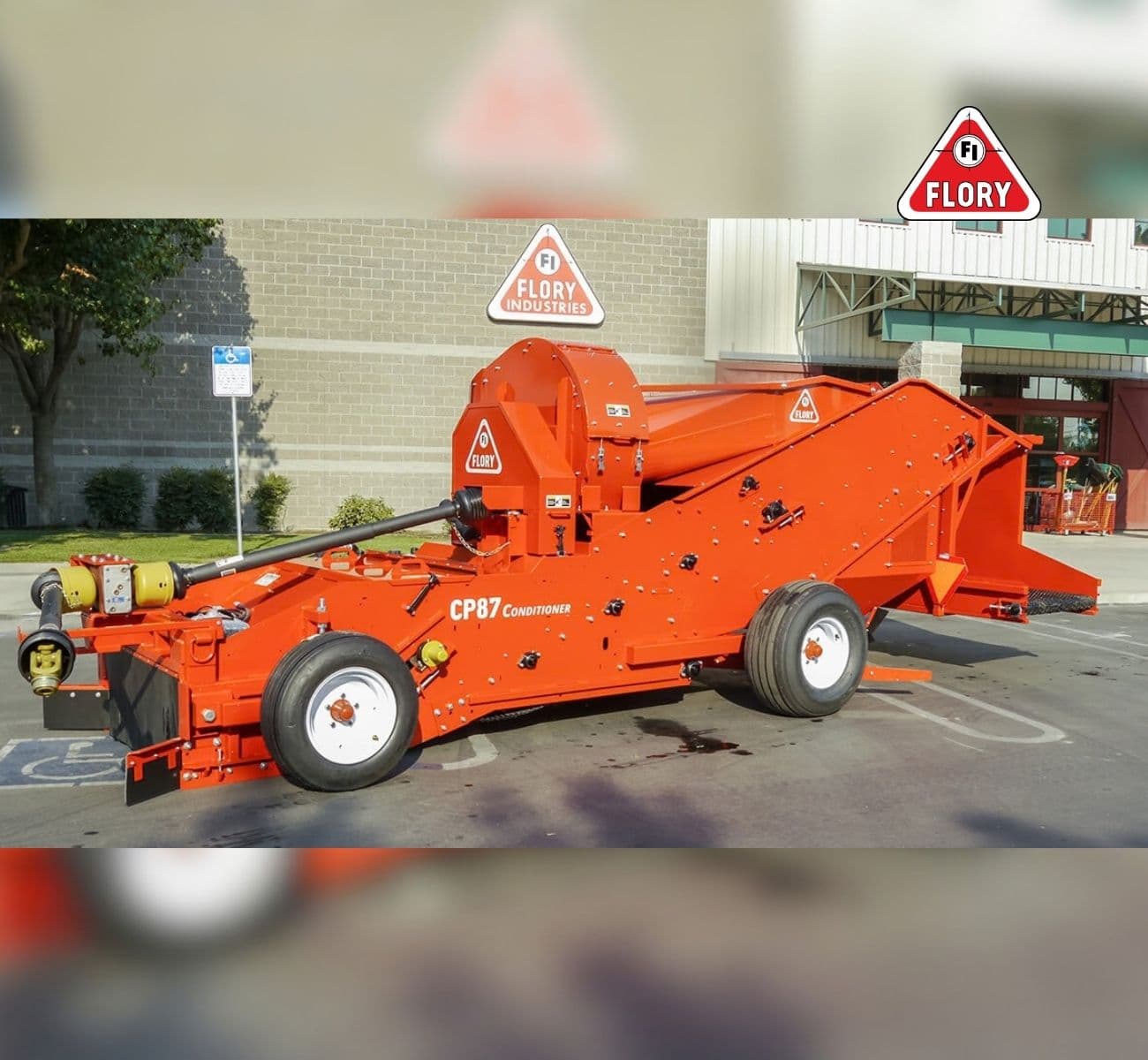
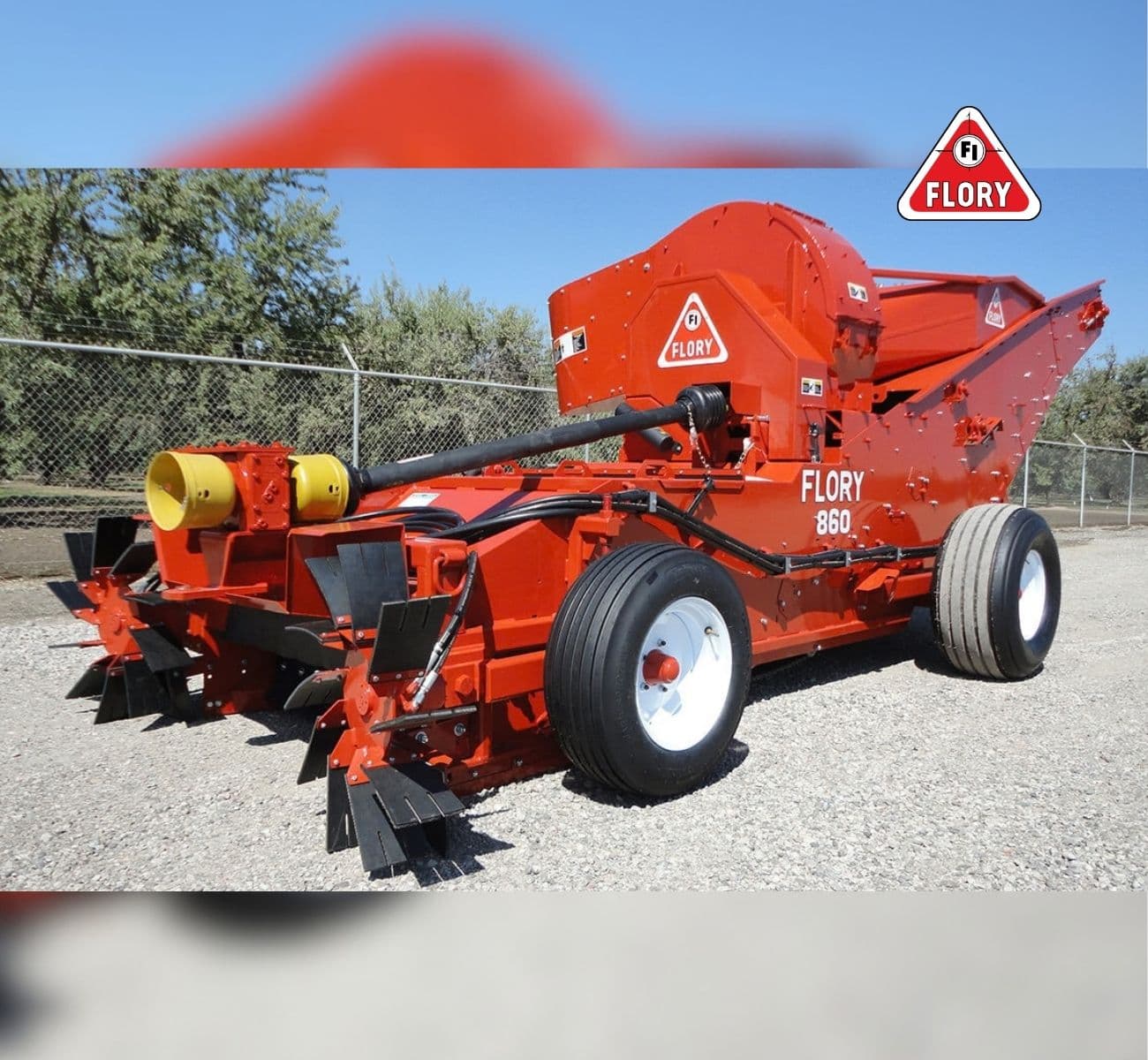
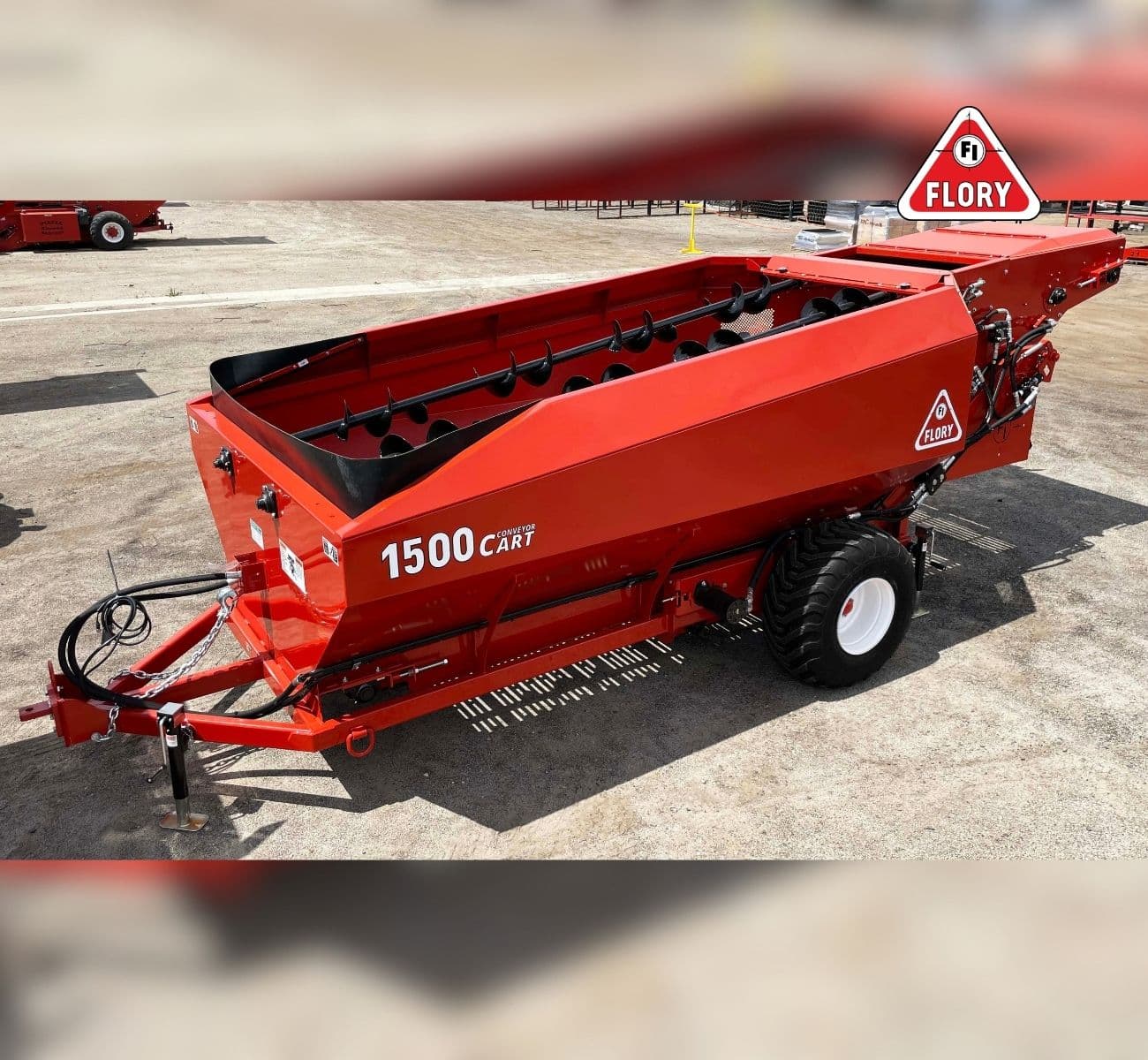
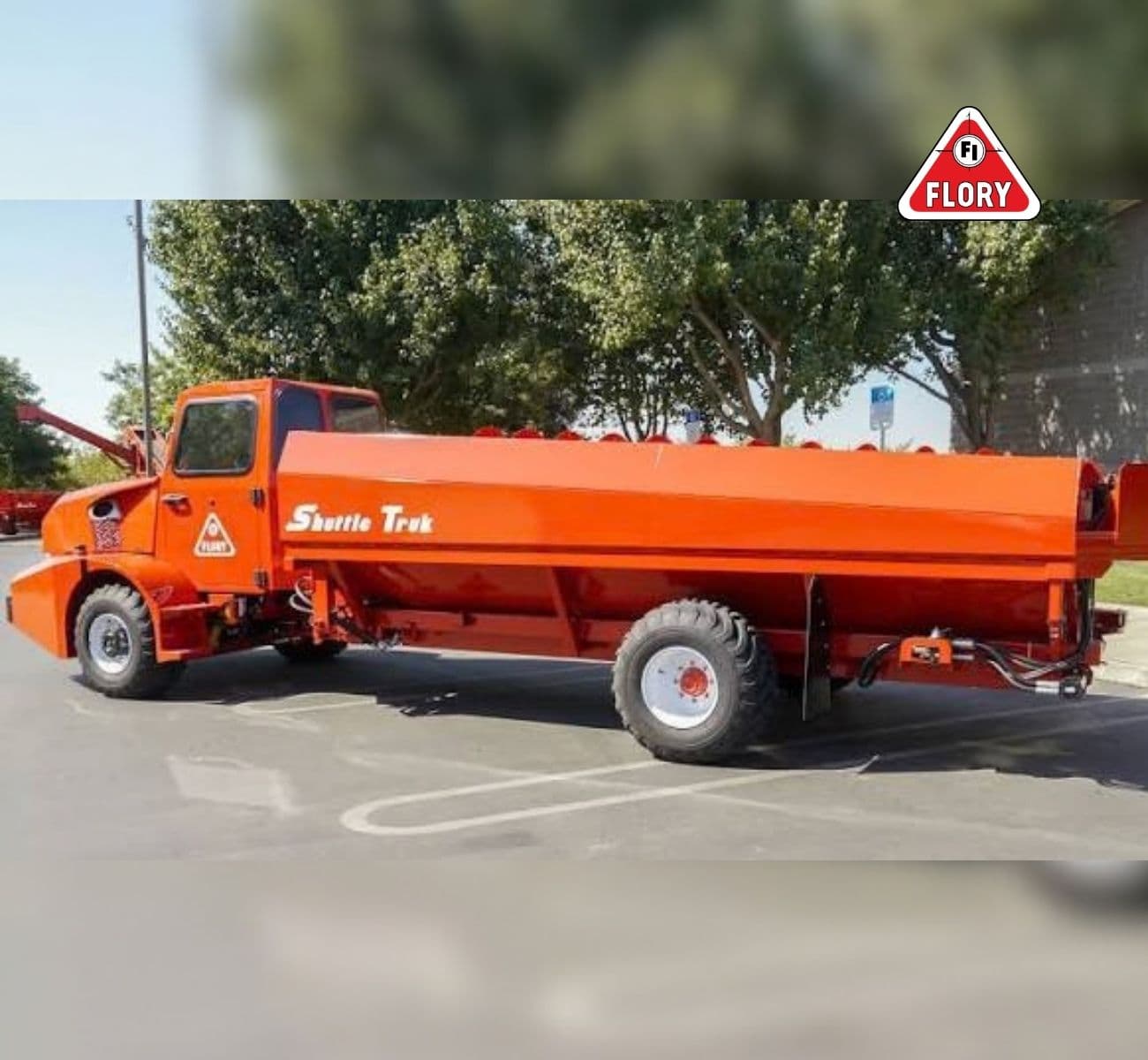
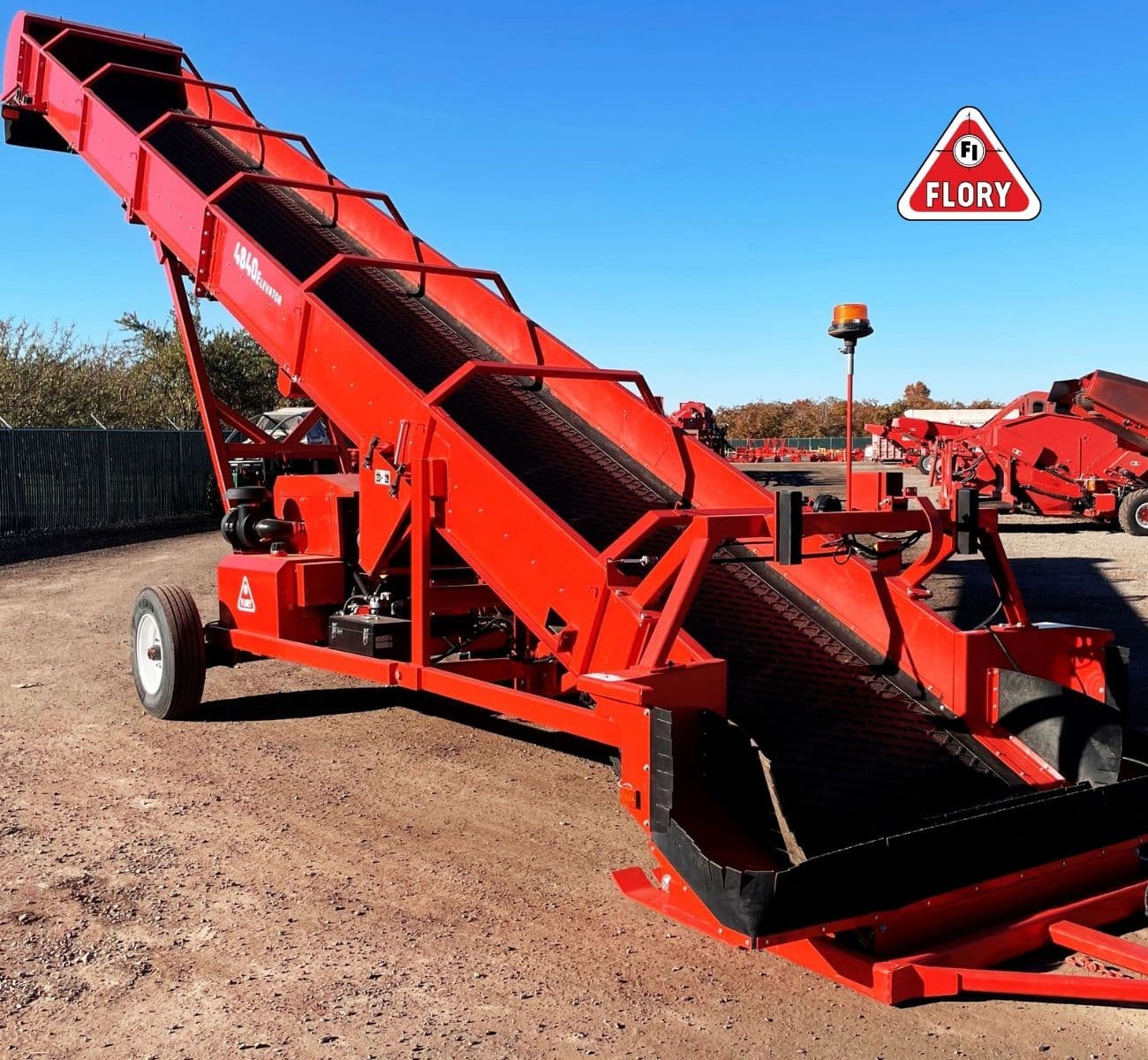
Where nuts fall to the ground, prompt mechanized pickup shortens their time there. Against deep bark canker, the Volos center advises not harvesting in wet weather and, after harvest with trunk shakers, coating the trunk with Bordeaux paste or spraying a copper product (2026). Flory harvesting machinery is available in Greece through OVE Europe. A Flory walnut line runs from the VR700 Shaker, 34 Series Sweeper and 860 Harvester to the 1500 Conveyor Cart, ST14 Shuttle and 4840 Field Elevator, which move the nuts on to the trucks.
Walnut Harvest Workflow (Recommended Equipment)

Practical Tips for Walnut Harvesting
Start harvesting when about 80% of the nuts have split hulls, as a Greek nursery advises, checking each variety and block.
Plan the season by site: near Lamia, Chandler is harvested in the last ten days of September; at 620 m in Corinthia, from mid-October.
Size pickup capacity to keep pace with the shaker: a Greek nursery puts trunk shaker output at 30 to 60 trees an hour.
Level and firm the orchard floor and clear branches and stones before harvest so the sweeper and harvester can pick up cleanly.
Sell fresh walnuts quickly: a Greek grower reports that they fetch a good price but must be sold within 2 to 3 days.
Take collected nuts to hulling without delay: a Greek nursery stresses that harvest, hulling and drying must follow ripening as soon as possible.
Get your recommended harvest setup
Enter orchard size, spacing, terrain, and target throughput—we’ll suggest a practical harvest workflow and equipment lineup.

Walnut Post-Harvest Handling & Processing in Greece
A Greek nursery's walnut manual recommends hulling soon after harvest and drying at once. Sun drying takes 4 to 6 days in good weather and brings in-shell nuts to 7 to 11% moisture. In dryers, the nut layer should be no deeper than 80 cm, with about 1,500 m³ of warm air an hour per m² of floor at 30 °C, never above 32 °C, to a final 8 to 10%. In cold rooms at 1 to 4 °C and 50 to 70% relative humidity, in-shell walnuts keep for more than 12 months.
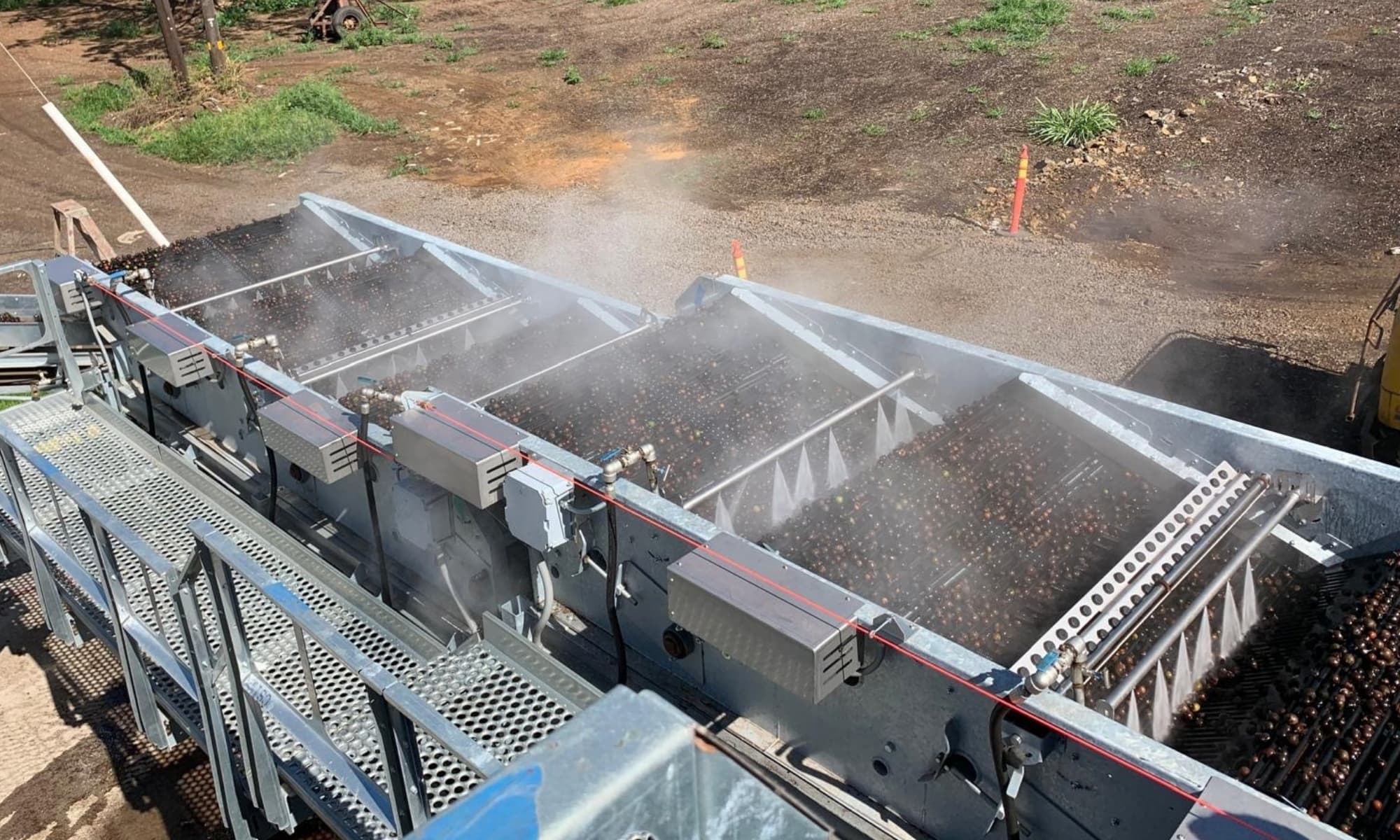
A Serres farm cracks walnuts mainly by machine and sorts the kernels by hand, and a Central Greece cooperative cracks and packs in its own facility and keeps its crop in cooling chambers. Grower prices for in-shell walnuts were about €3.00 to €3.50 per kg in the 2024 season (FreshPlaza; Agrotypos). EU limits for total aflatoxins in walnuts are 10.0 µg/kg before sorting and 4.0 µg/kg for the final consumer. Jessee, whose processing lines OVE Europe supplies, builds hulling, drying, sizing and cracking equipment for walnuts.
For general information only. Information may become outdated and does not replace site-specific professional advice. Consult a qualified agronomist and confirm equipment suitability with OVE before acting.
Practical Tips for Walnut Post-Harvest Handling & Processing
Hull walnuts soon after harvest and start drying at once, as a Greek nursery advises, so the nuts do not lose quality.
Keep drying air at about 30 °C and never above 32 °C, and dry in-shell nuts to 8 to 10% moisture.
Keep the nut layer in a dryer no deeper than 80 cm and check moisture on several samples, since nuts from one tree dry unevenly.
For storage over 12 months, keep in-shell walnuts in cold rooms at 1 to 4 °C and 50 to 70% relative humidity.
For storage until mid-March, a well-ventilated store below 15 °C and 65% relative humidity is enough, the nursery advises.
Sort carefully before sale: EU limits for total aflatoxins in walnuts fall from 10.0 µg/kg before sorting to 4.0 µg/kg for consumers.
Recommended Post-Harvest Handling & Processing Stages









Plan your post-harvest line
Estimate tons/day, cleaning & drying capacity, storage needs, and cost/kg—then build your equipment plan in phases.