





Almond Orchard Establishment in Iran
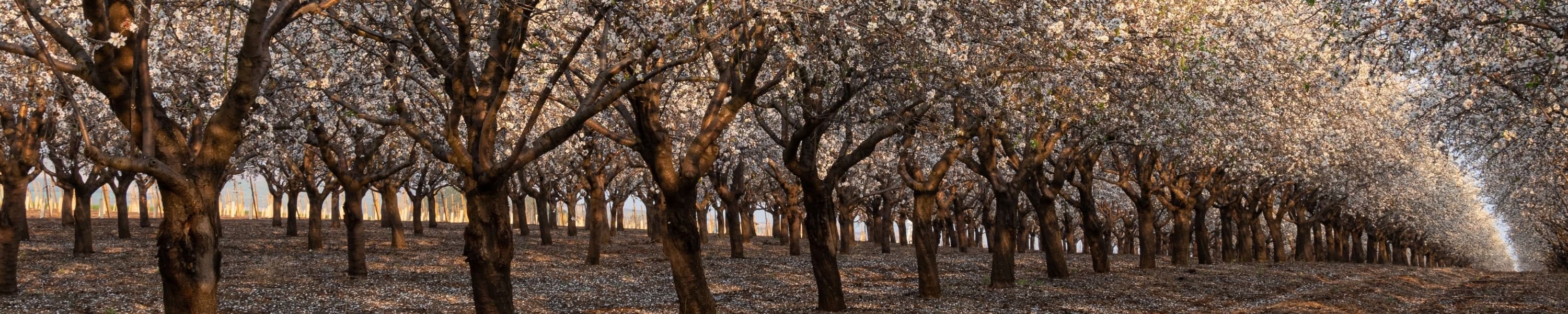
Almond is one of the oldest fruit trees grown in Iran, which lies in an arid and semi-arid region. AREEO, Iran's agricultural research and extension organization, describes almond as early-flowering and sensitive to late spring frost, the main limiting factor at bloom. A sudden late spring frost in the 1383-84 crop year (2004-05) damaged about 25% of the country's fruit orchards, and the Shahrekord research station recorded sub-zero temperatures on most days in the run-up to 8 April 2023.
Almond breeding in Iran has focused on late spring frost: breeders introduced the native late-flowering Sahand and late-flowering hybrids such as Azar and Shokoofeh, then Eskandar, Araz, Aydin and Saba, and AREEO recommended the self-fertile Tuono and Supernova as adapted cultivars. Local selections include Mamaei, Rabie and Sefid from Shahrekord. Most commercial cultivars are self-incompatible, Mamaei and Shahrood 12 among them, so AREEO advises pollinizer rows that bloom with the main cultivar and honeybee hives from the start of bloom.
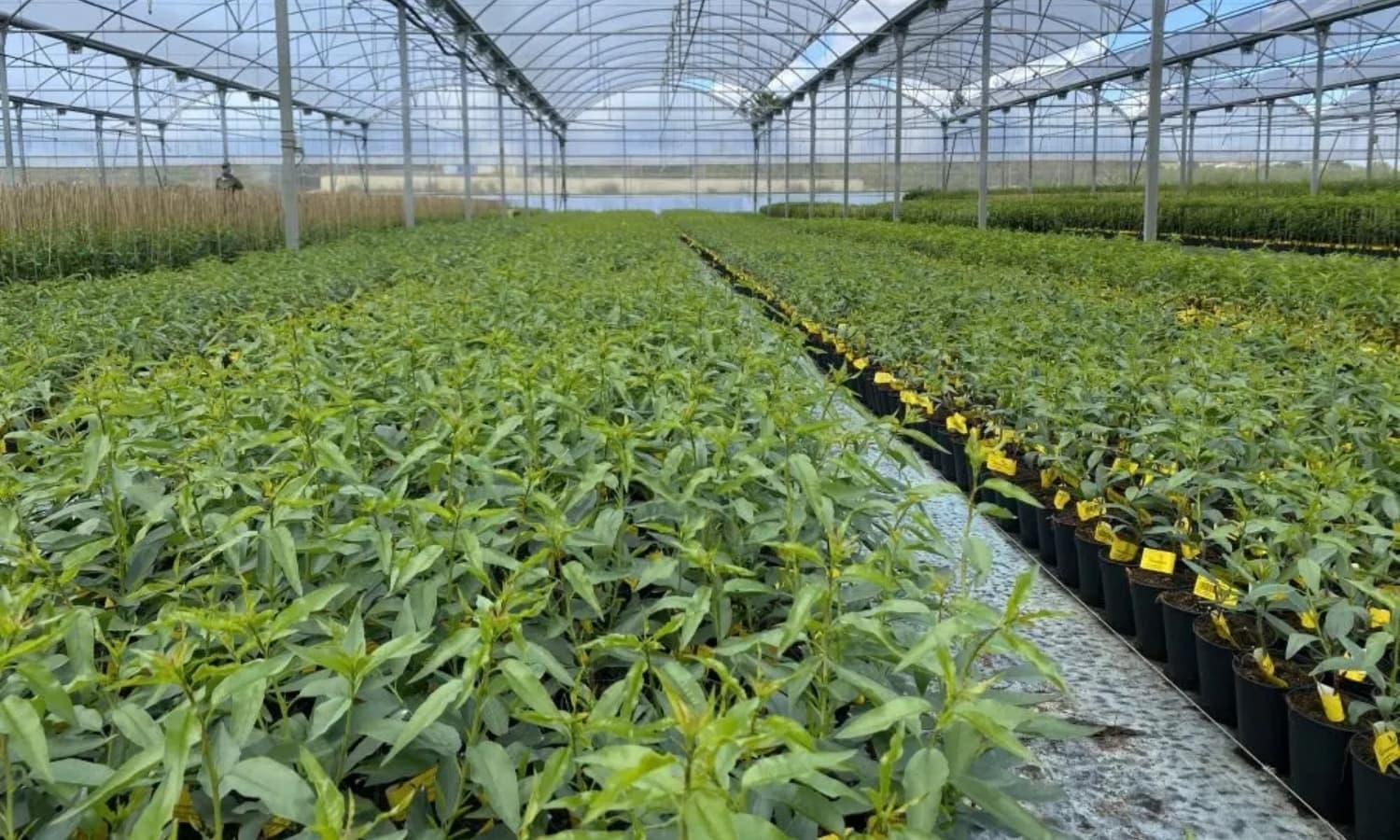
AREEO's 2020 rootstock booklet says almond seedlings, usually of a hard-shelled 'stone almond' and sometimes of bitter almond, tolerate calcareous and dry soils but are very sensitive to excess soil moisture, and that peach and almond hybrids are now used more in commercial orchards; a 2025 paper reports a Shahrekord research orchard on GN15. The booklet says apricot rootstock is not allowed in Iran's nurseries and advises moving grafted nursery trees to the orchard in early winter.

Practical Tips for Almond Orchard Establishment
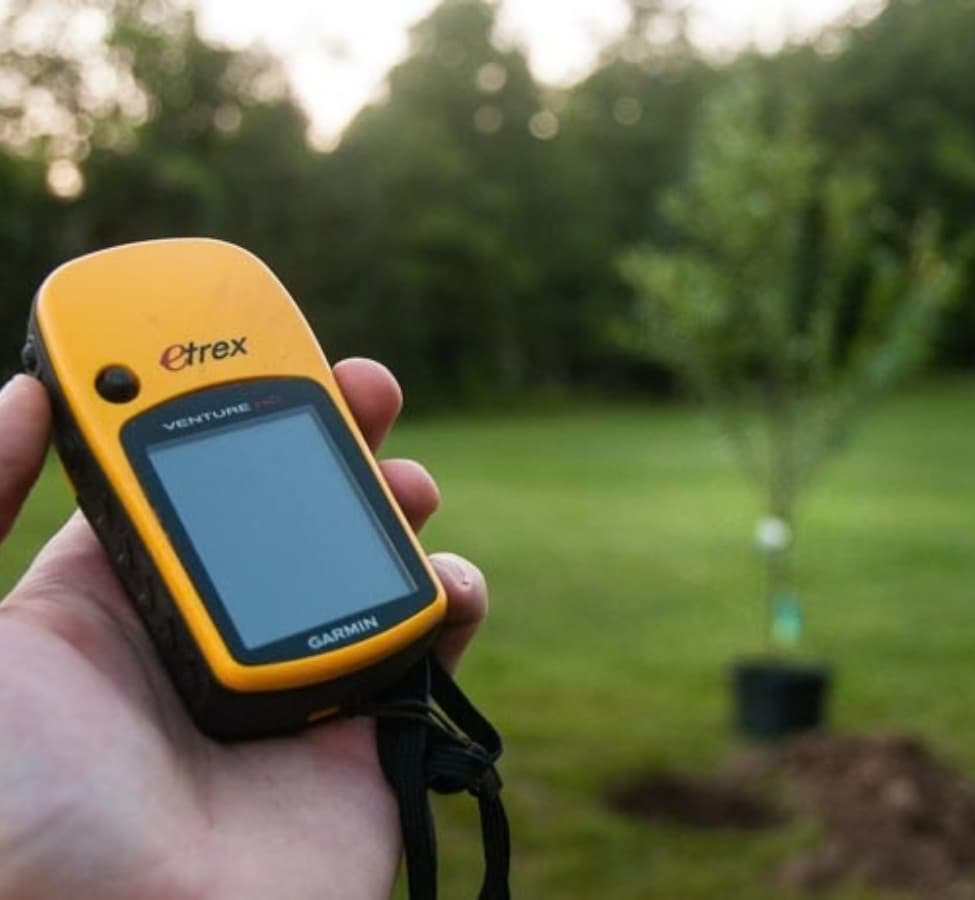
Choose sites with less risk of late spring frost: AREEO names spring cold at bloom as almond's main limiting factor in Iran.
Favor late-flowering cultivars, the main aim of Iranian almond breeding, such as the native Sahand or the commercial A200.
Plant pollinizers that bloom with the main cultivar: Mamaei and Shahrood 12, like most commercial almonds, are self-incompatible.
Place honeybee hives in the orchard at the start of bloom, and do not irrigate or spray from bloom until petal fall, as AREEO advises.
Match the rootstock to the soil: almond seedlings tolerate calcareous, dry soils but not excess moisture, and peach seedlings are prone to chlorosis.
Plan rows, headlands and tree form for the shaker, sweeper and harvester before planting, and keep a clear trunk for the shaker clamp.
Recommended Establishment Stages

Almond Orchard Care & Maintenance in Iran
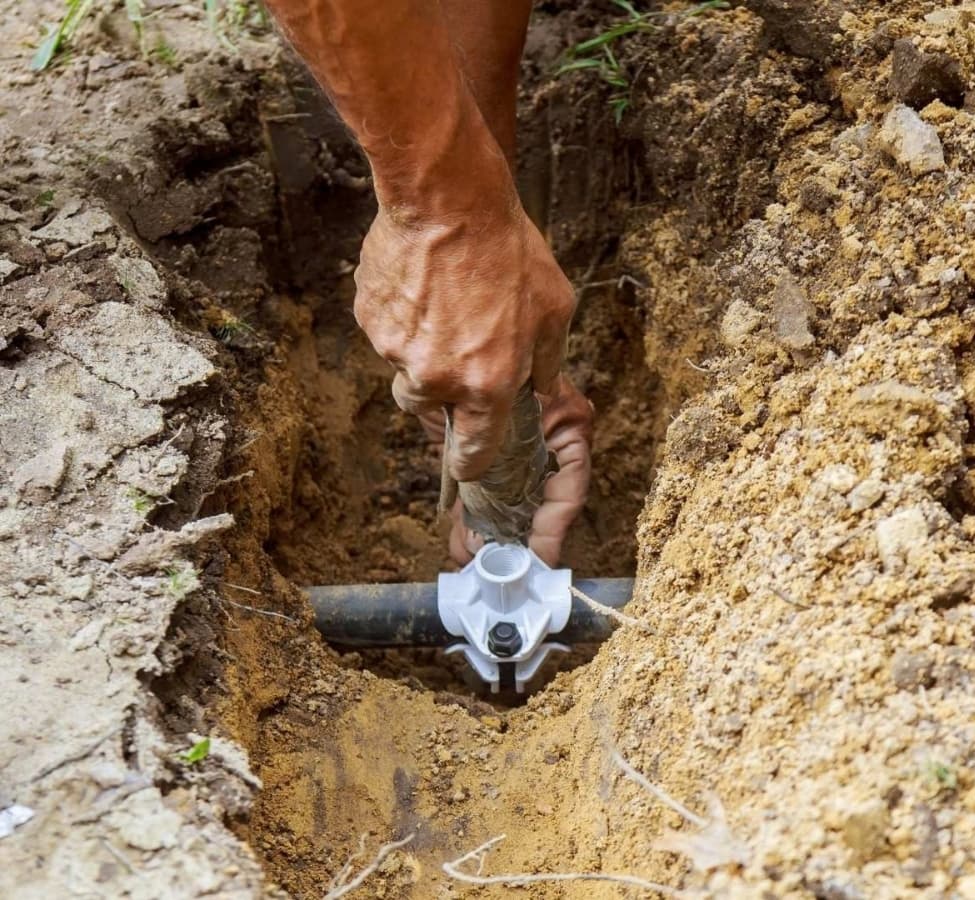
A 2006 paper on a study of 2002 to 2004 says about half of Iran's almond orchards were rain-fed and discusses water harvesting and supplemental irrigation for them. In Chaharmahal and Bakhtiari, a 2002-03 survey of farmers found that irrigation raised production considerably and that drip was the best method. Isfahan's provincial leaflet of 2022 advises keeping flood water off the trunk collar and, where water allows, irrigating in autumn and winter.
The almond seed wasp has one generation a year, and its larvae overwinter in mummified almonds on the tree or the ground; at Zarinshahr, Isfahan, adult emergence peaked on 25 April 2015, and the pest can destroy up to 90% of seeds in some cases. In a Shahrekord research orchard the mealy almond aphid appeared on 13 April 2022 and 8 April 2023 and peaked in May and June, and EPPO lists Xylella fastidiosa, which causes almond leaf scorch, as present in Iran with restricted distribution.
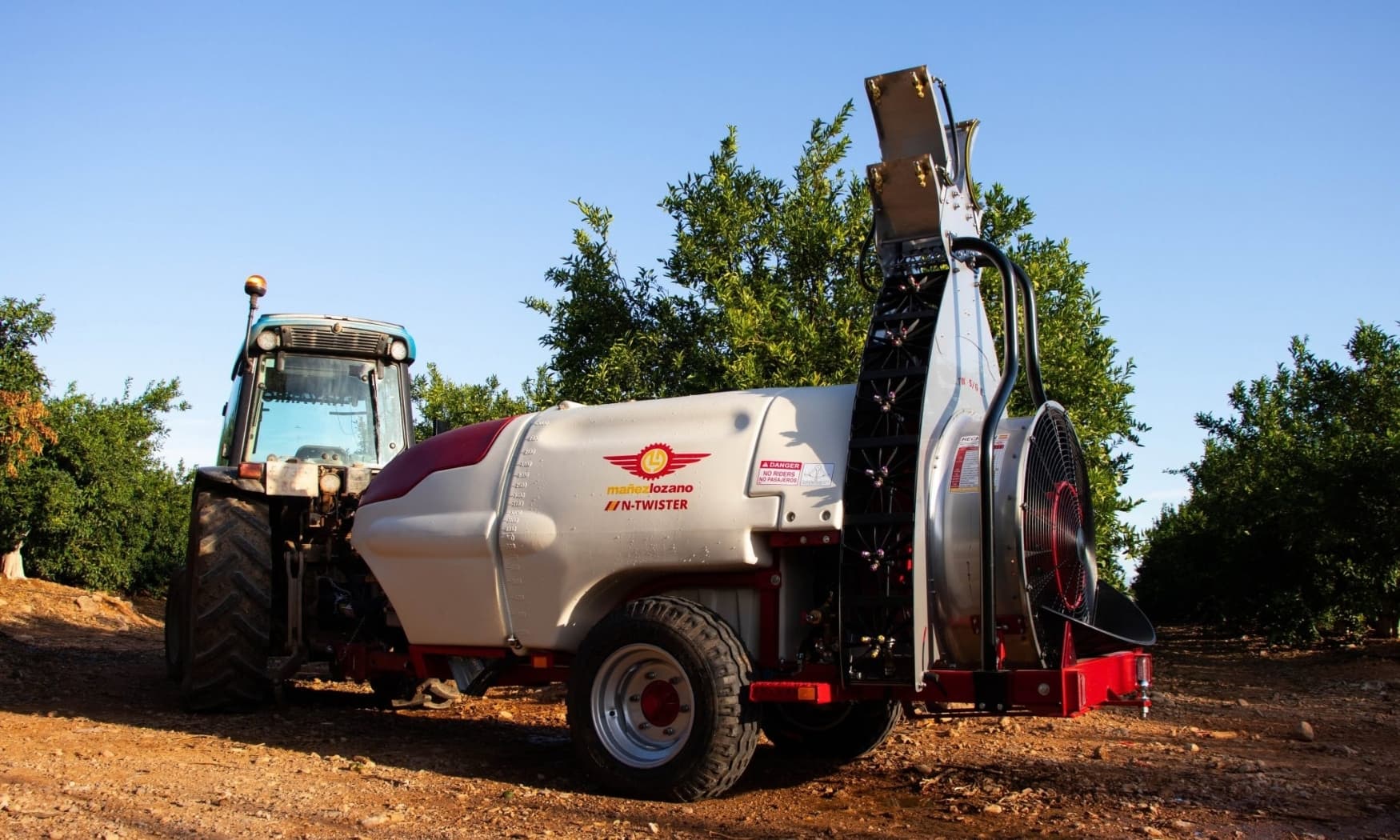
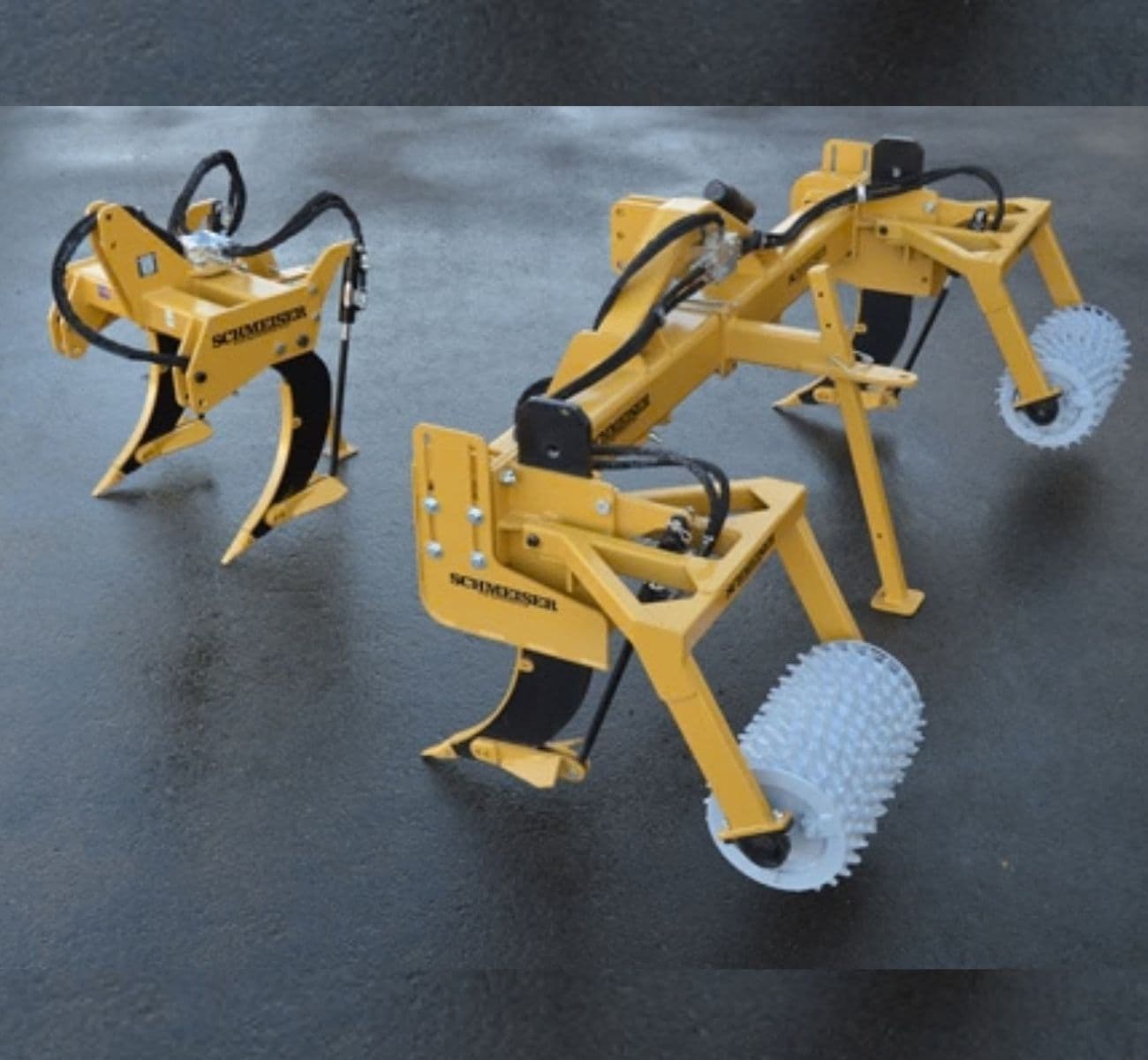
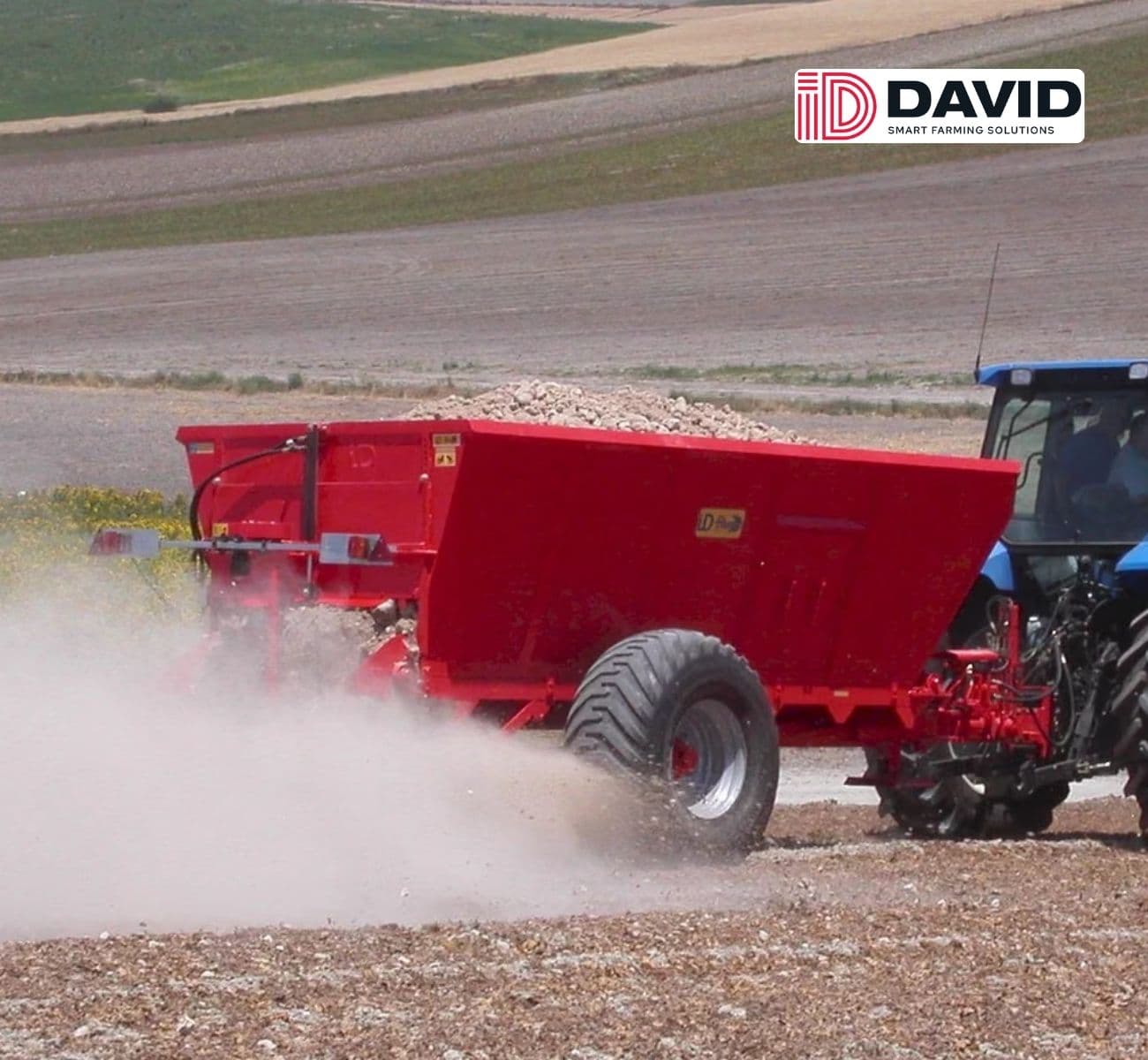
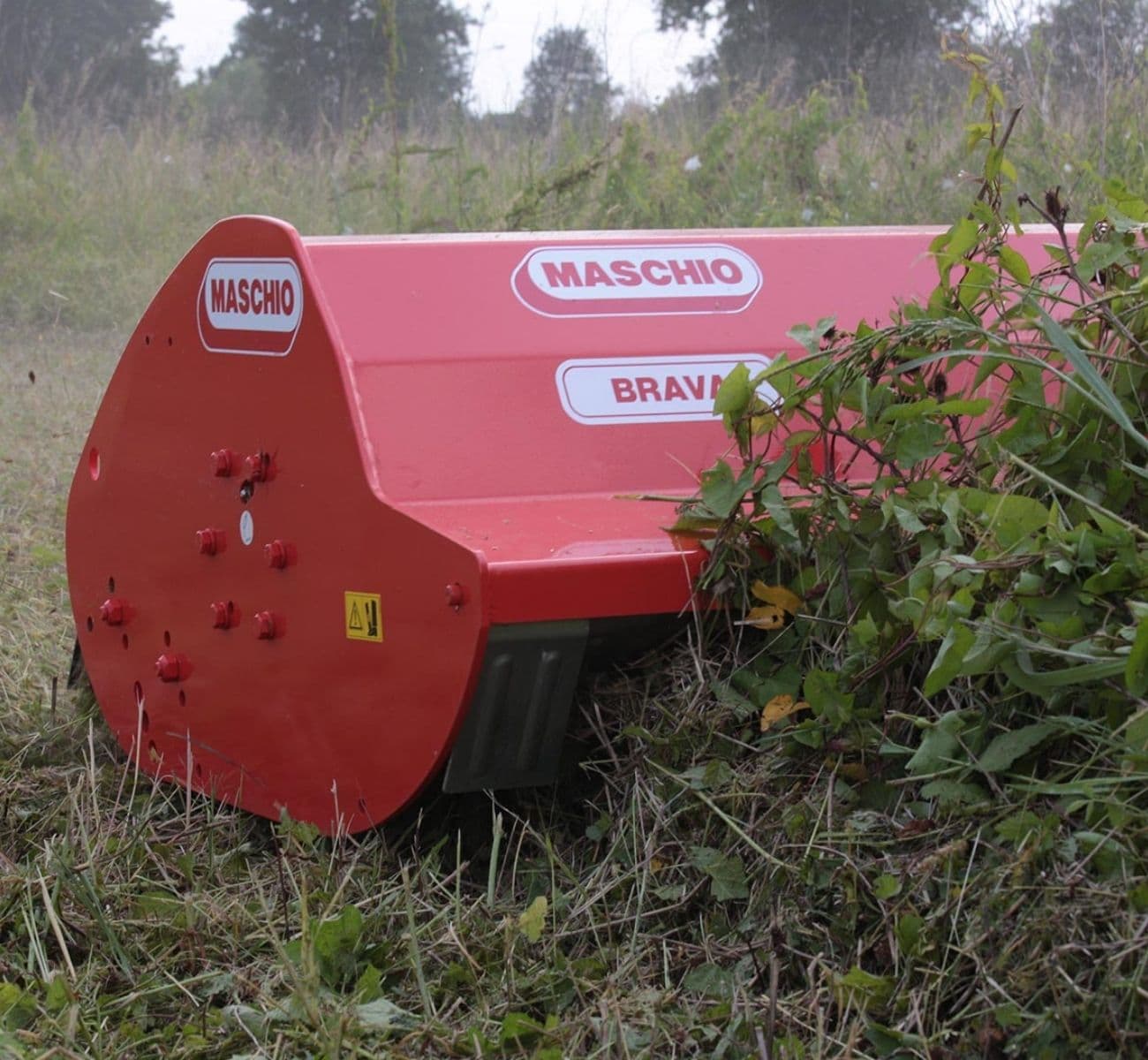
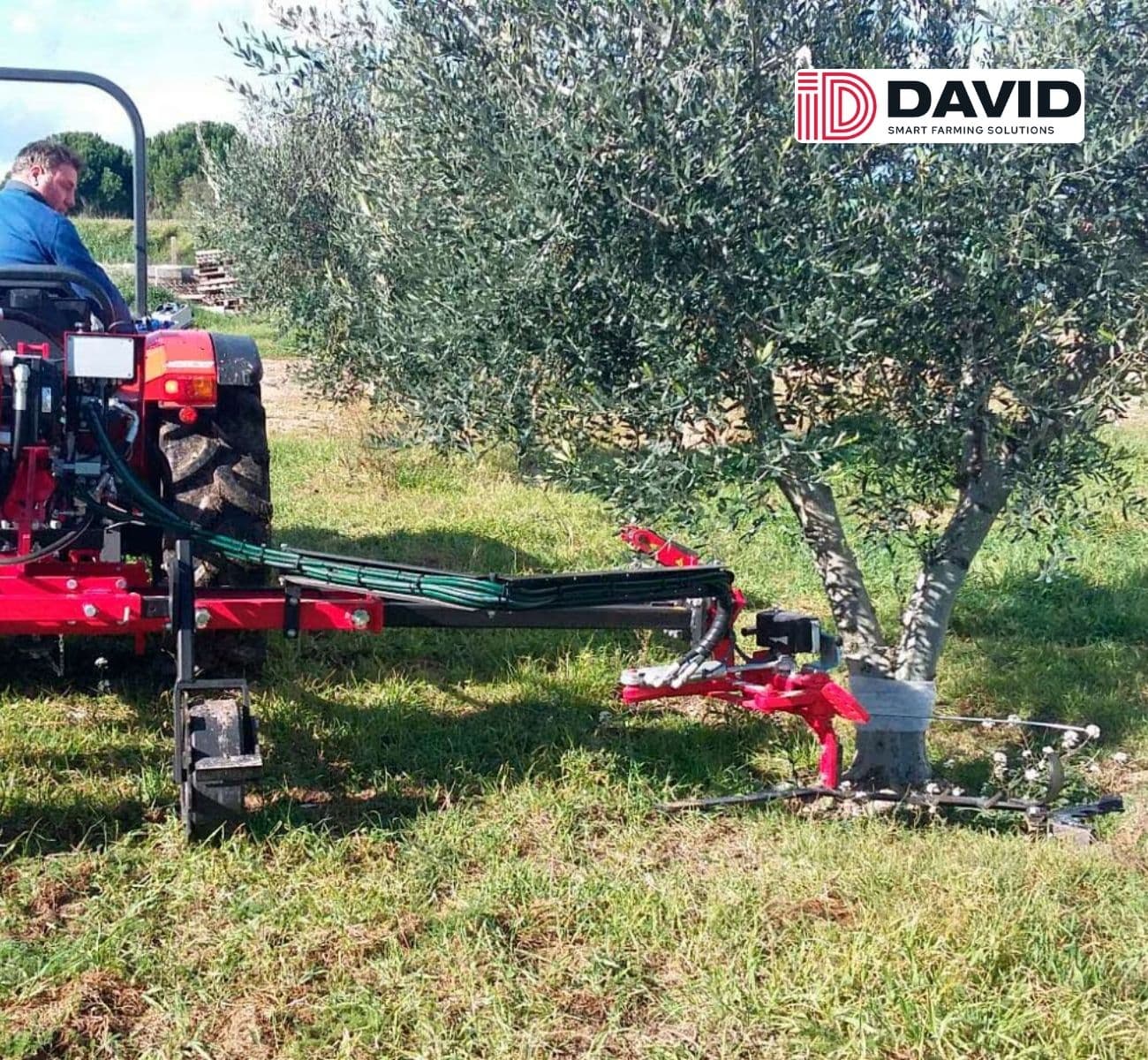
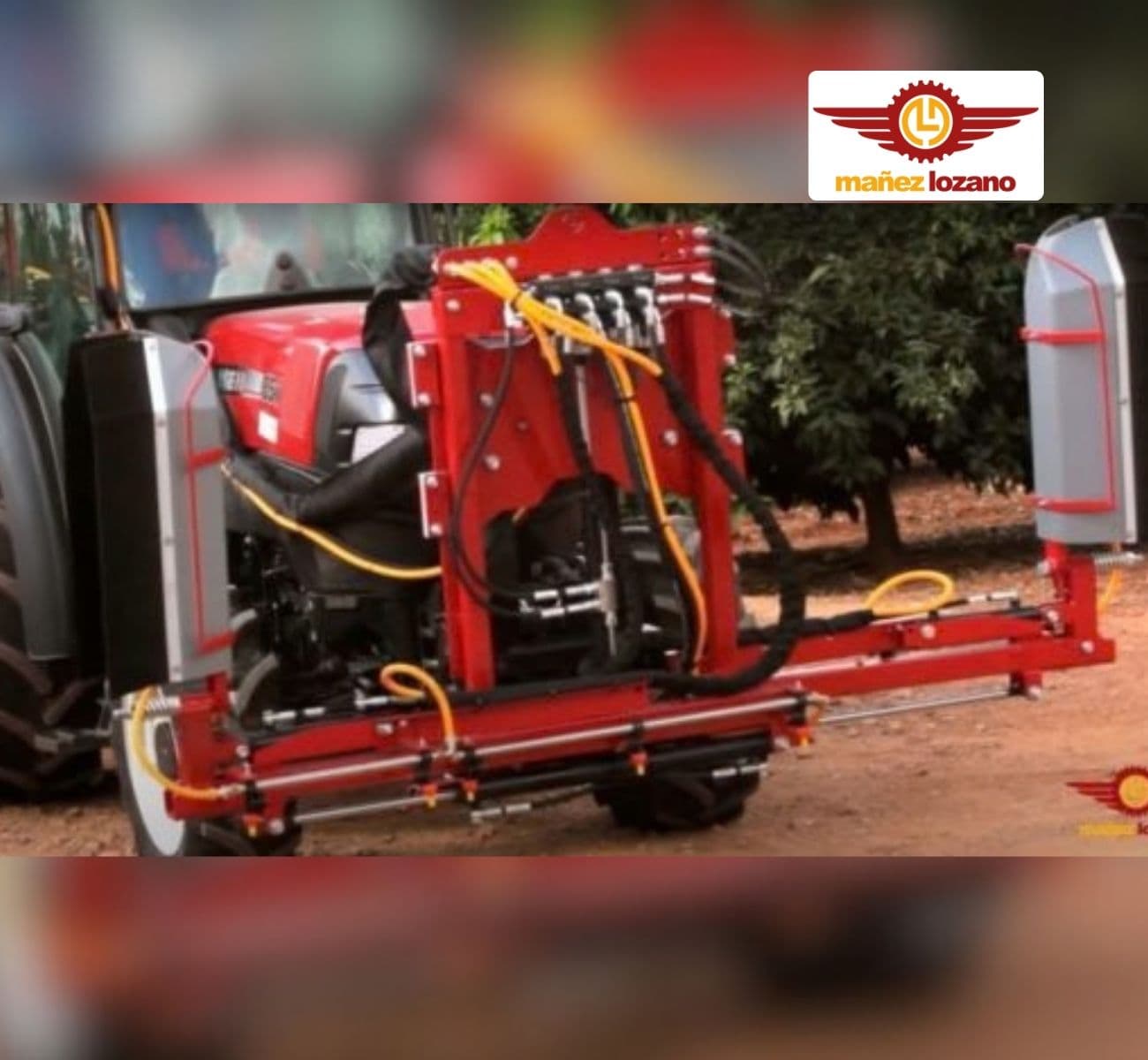
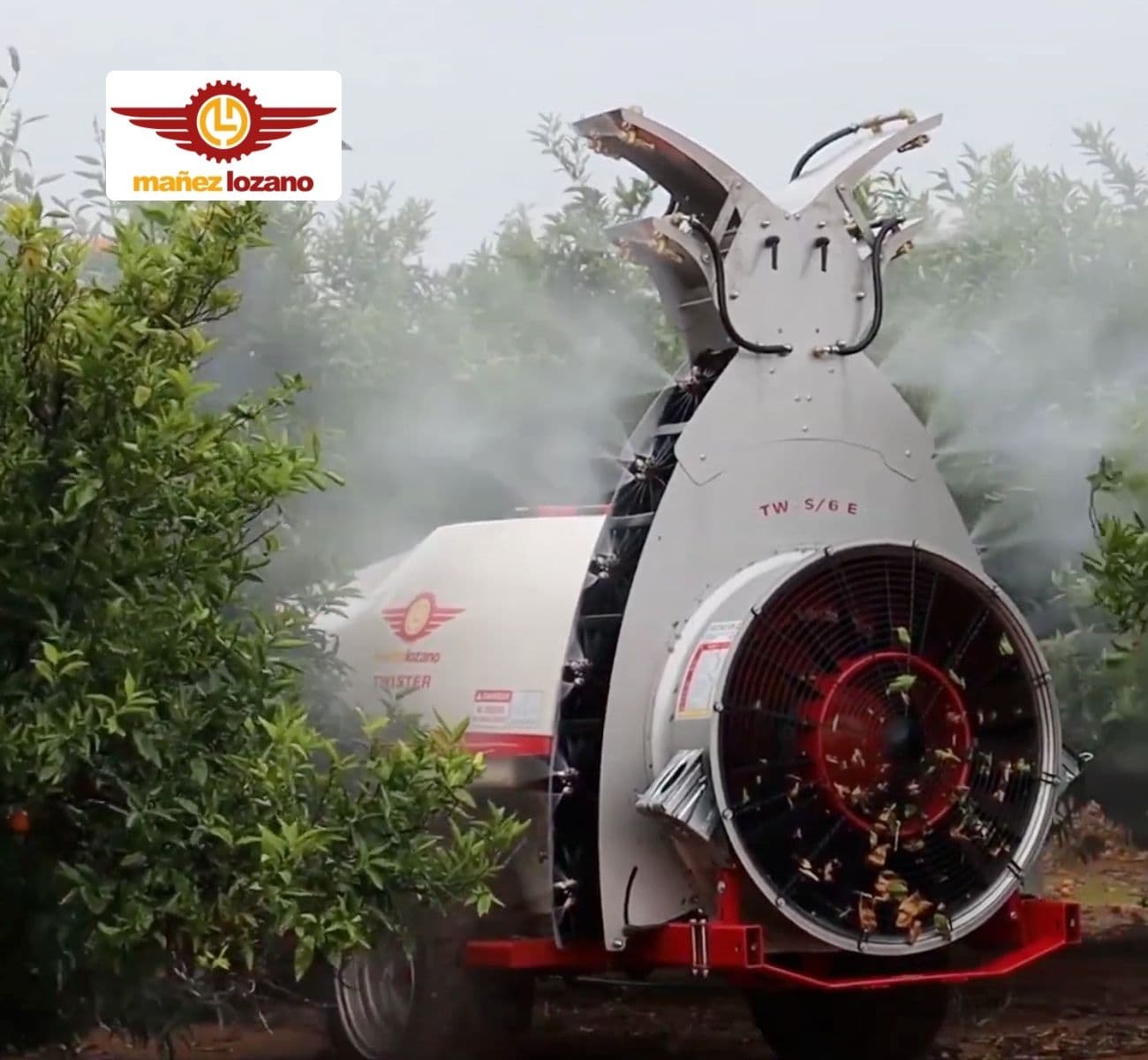
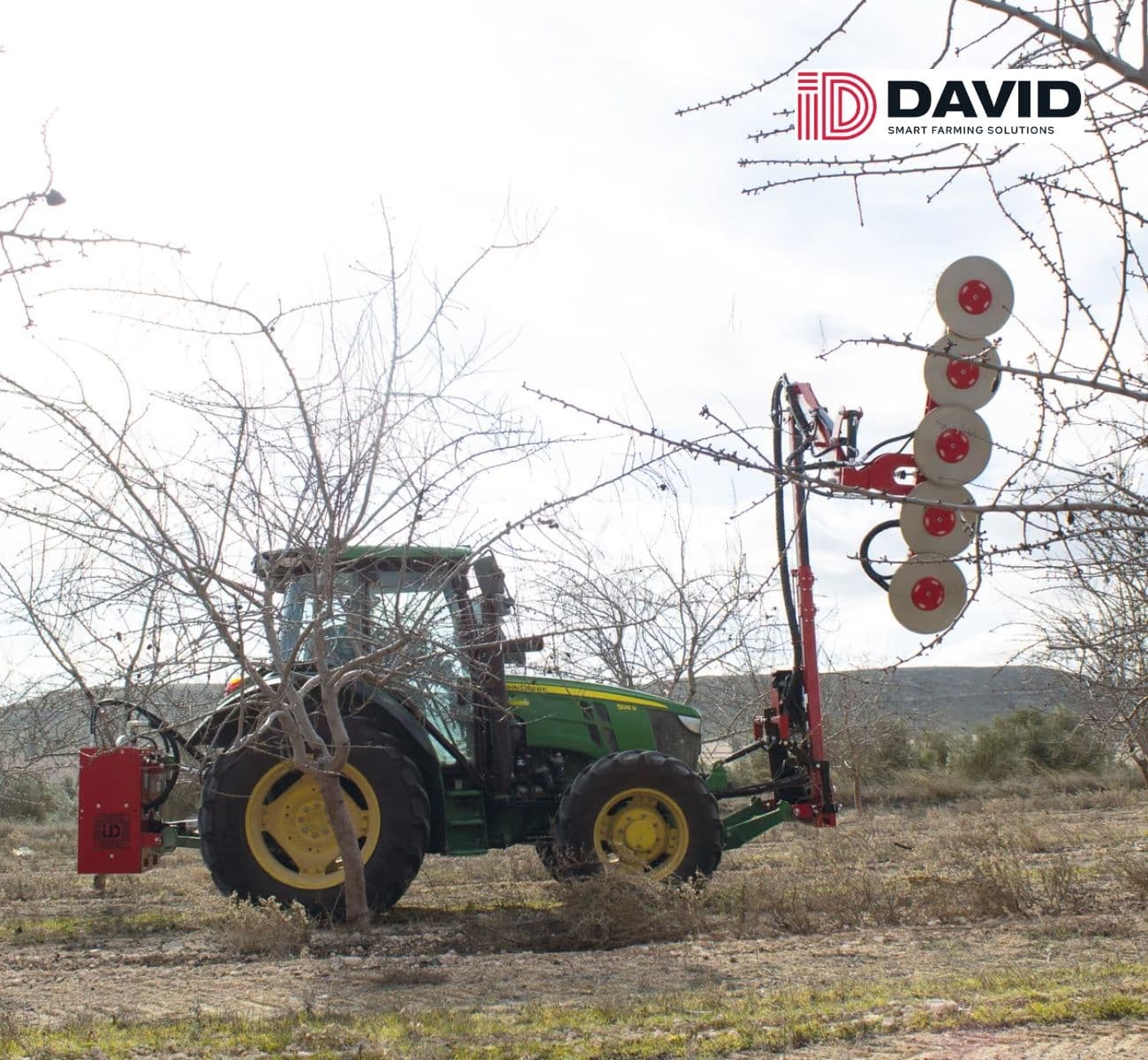
Isfahan's leaflet times pruning after the cold period and before the trees wake, and in Kerman province, the droughts of the 2000s were followed by outbreaks of a longhorn beetle, controlled by water management, pruning of infested wood and proper nutrition. For care work, the ID DAVID SURFEED spreads solid manure, the ID-XL weeds the tree row, the Mañez Lozano Mega Twister S6 sprays tall, dense canopies and the ID DAVID ID-REX disc pruner makes lateral and topping cuts.
Recommended Orchard Care & Maintenance Stages
Practical Tips for Almond Orchard Care & Maintenance
Irrigate where water allows: a 2002-03 survey in Chaharmahal and Bakhtiari found that irrigation raised production considerably, with drip the best method.
Keep flood water off the trunk collar, as Isfahan's provincial leaflet advises, and prune after the cold period, before the trees wake.
Collect and destroy almonds infested by the seed wasp at harvest, and again in autumn and winter, so its larvae cannot overwinter.
Time seed wasp control by monitoring adults in spring: at Zarinshahr, Isfahan, emergence peaked on 25 April 2015.
Watch for the mealy almond aphid from early April: in a Shahrekord research orchard, its numbers peaked in May and June in 2022 and 2023.
Keep the tree row weed-free with an in-row weeder such as the ID DAVID ID-XL, and keep the orchard floor level for ground drying.

Almond Harvesting in Iran
No survey of almond harvesting in Iran was found. A 2024 preprint by Iranian authors says harvesting and handling rely heavily on manual labor, and a value-chain review recommends timely harvest and shakers instead of hand harvesting to cut losses. In orchards planted for machines on suitable ground, mechanized harvesting can bring the crop in on time, with less risk of nuts deteriorating while they wait.
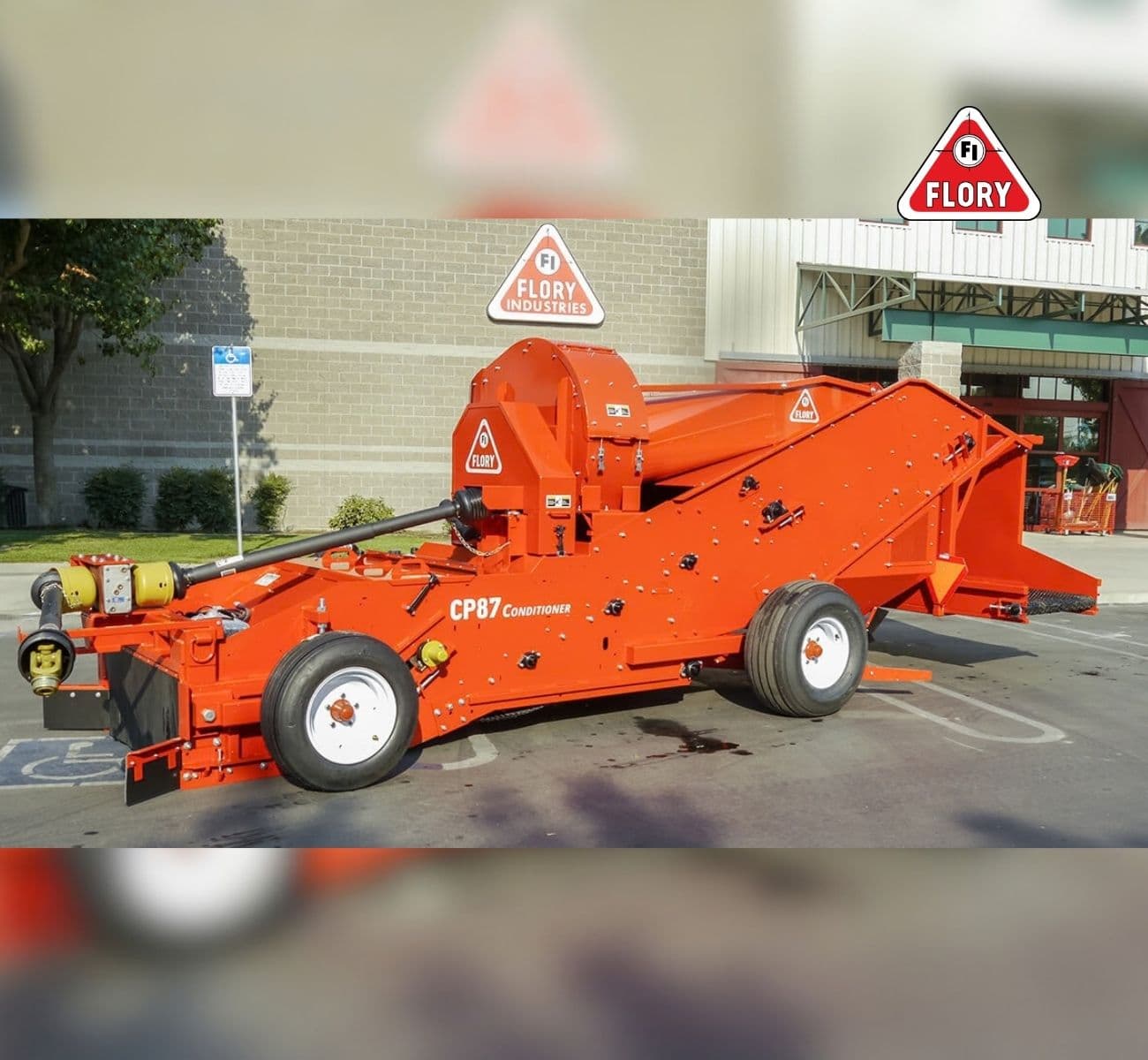
In the central and southern provinces the harvest season is dry: IRIMO normals for 1961 to 1990 (via WMO) give Esfahan, Shiraz and Kerman under 1 mm of rain in August and in September, and Shahrekord (period not stated) 0.5 mm and none; an undated news report says Saman county's harvest runs until late August. Tabriz, in the north-west, gets 9.4 mm in September and 28.4 mm in October. This guide therefore shows ground drying, with the Flory CP87 Conditioner, as an option the climate allows there; no Iranian source describes it.
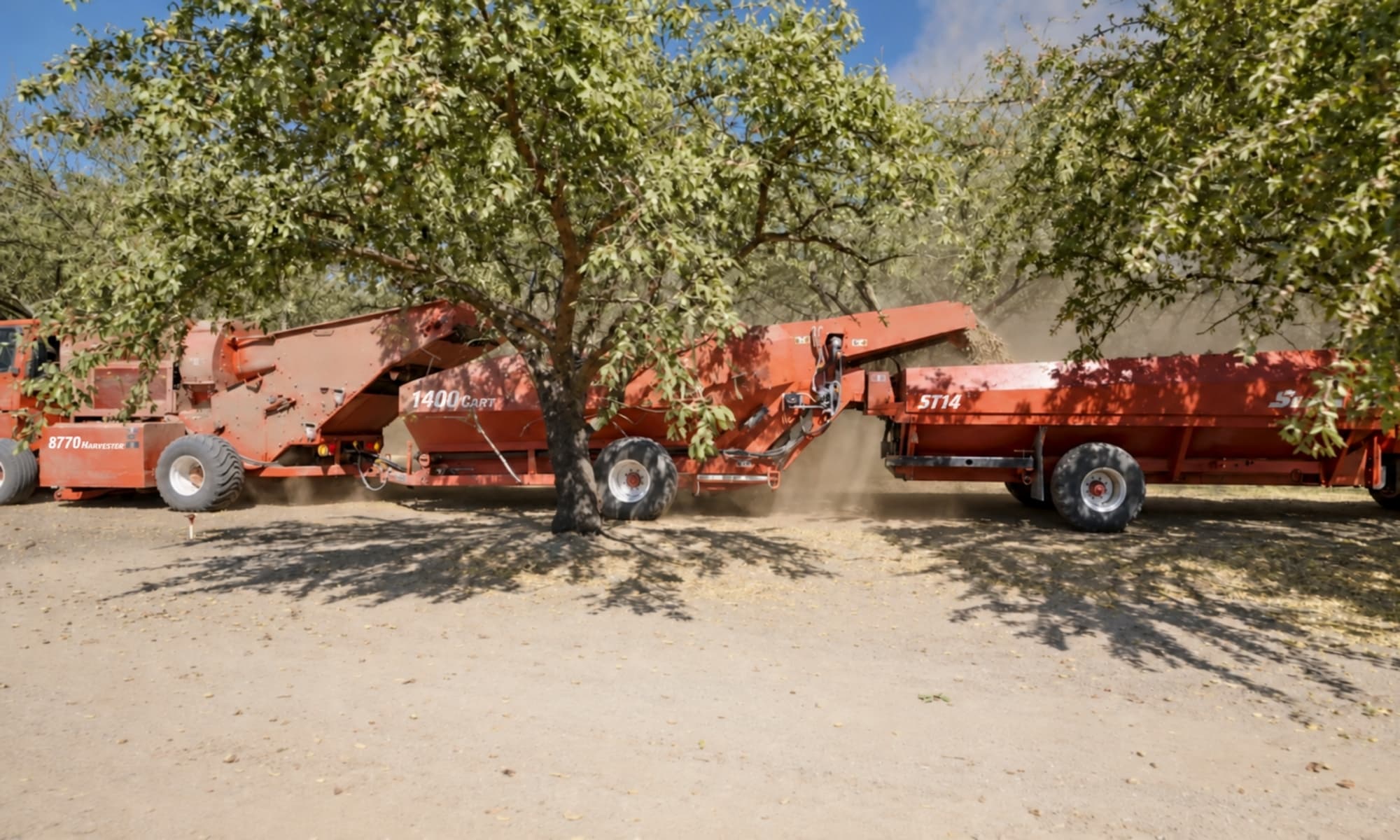
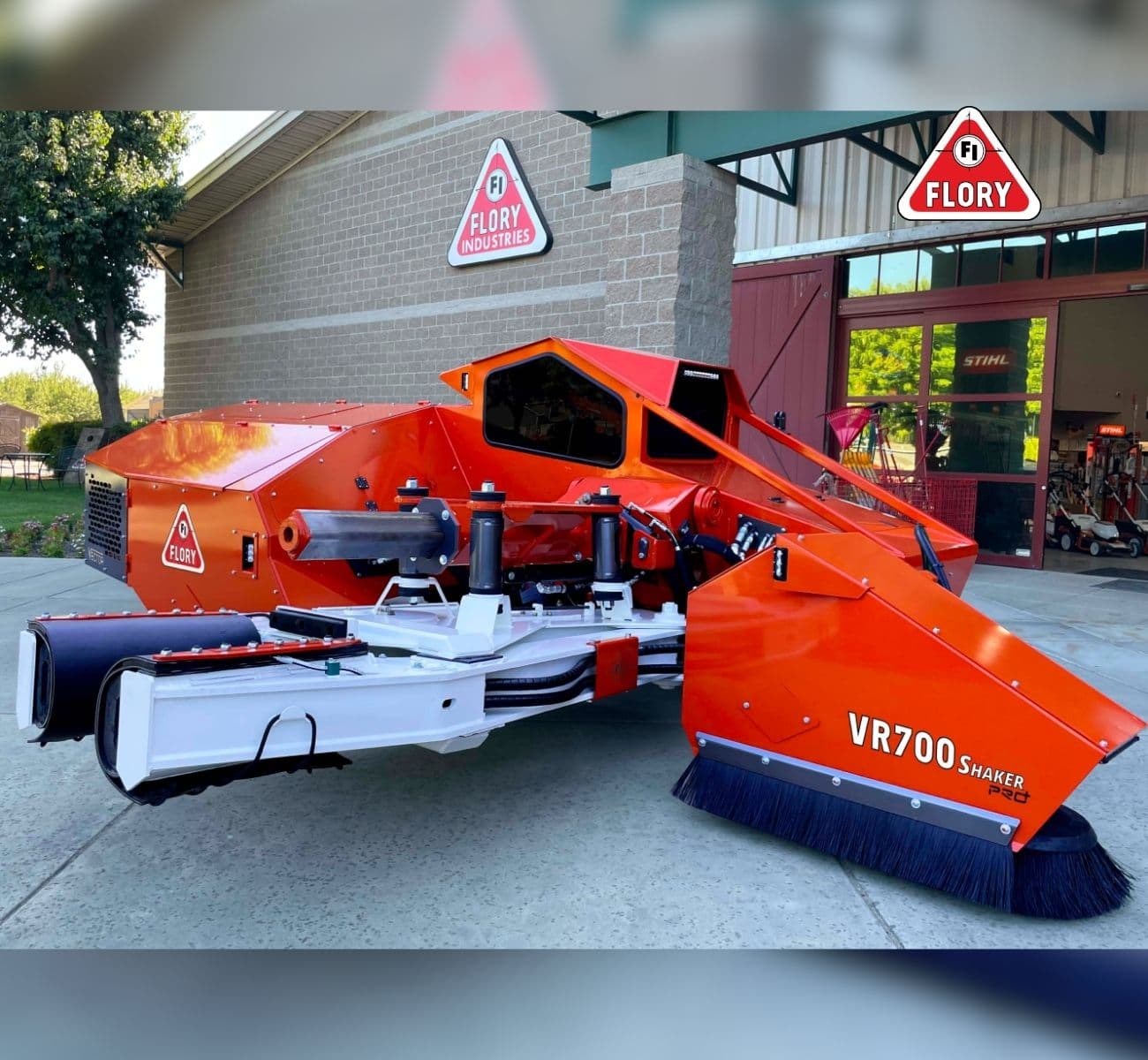
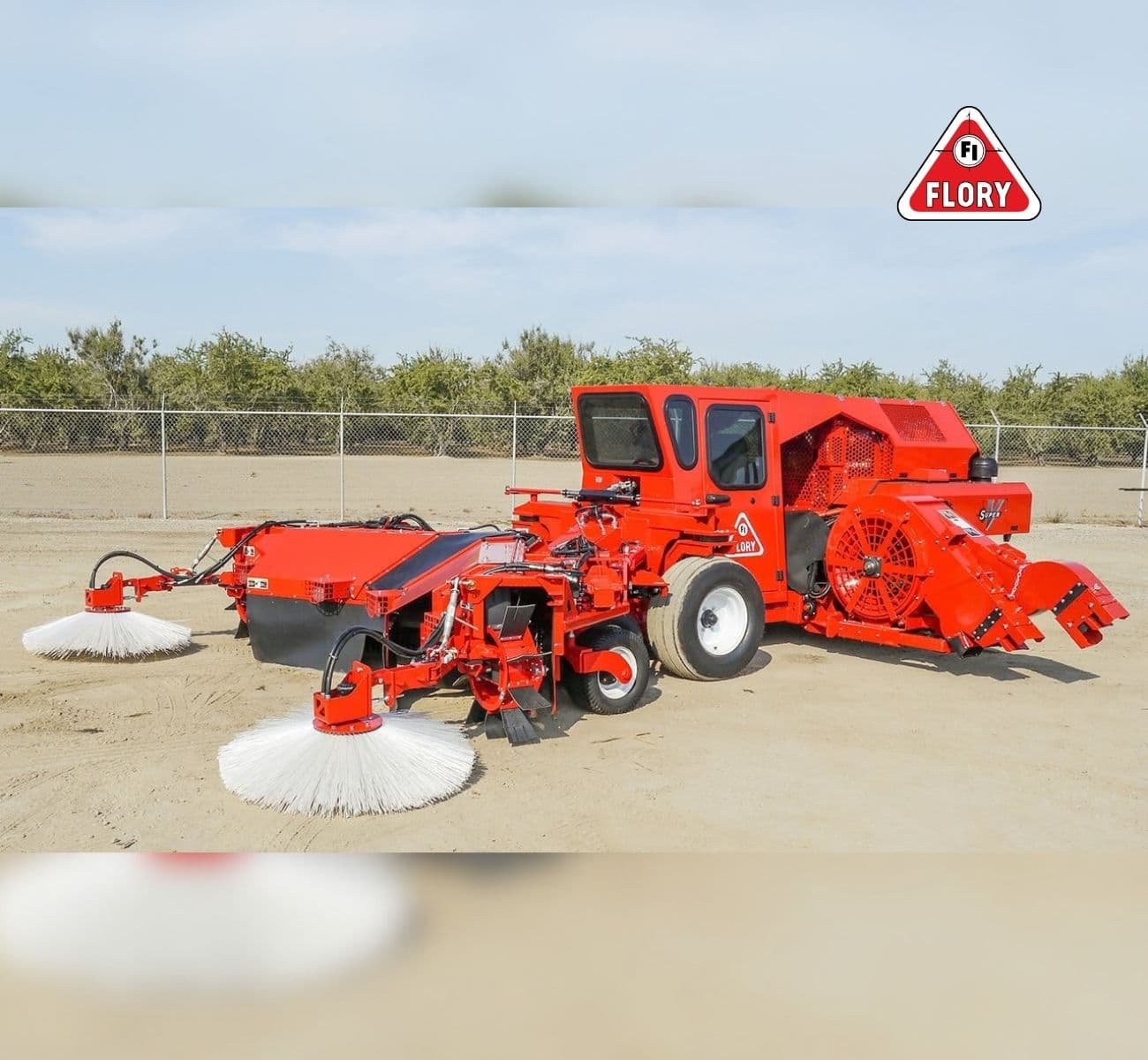
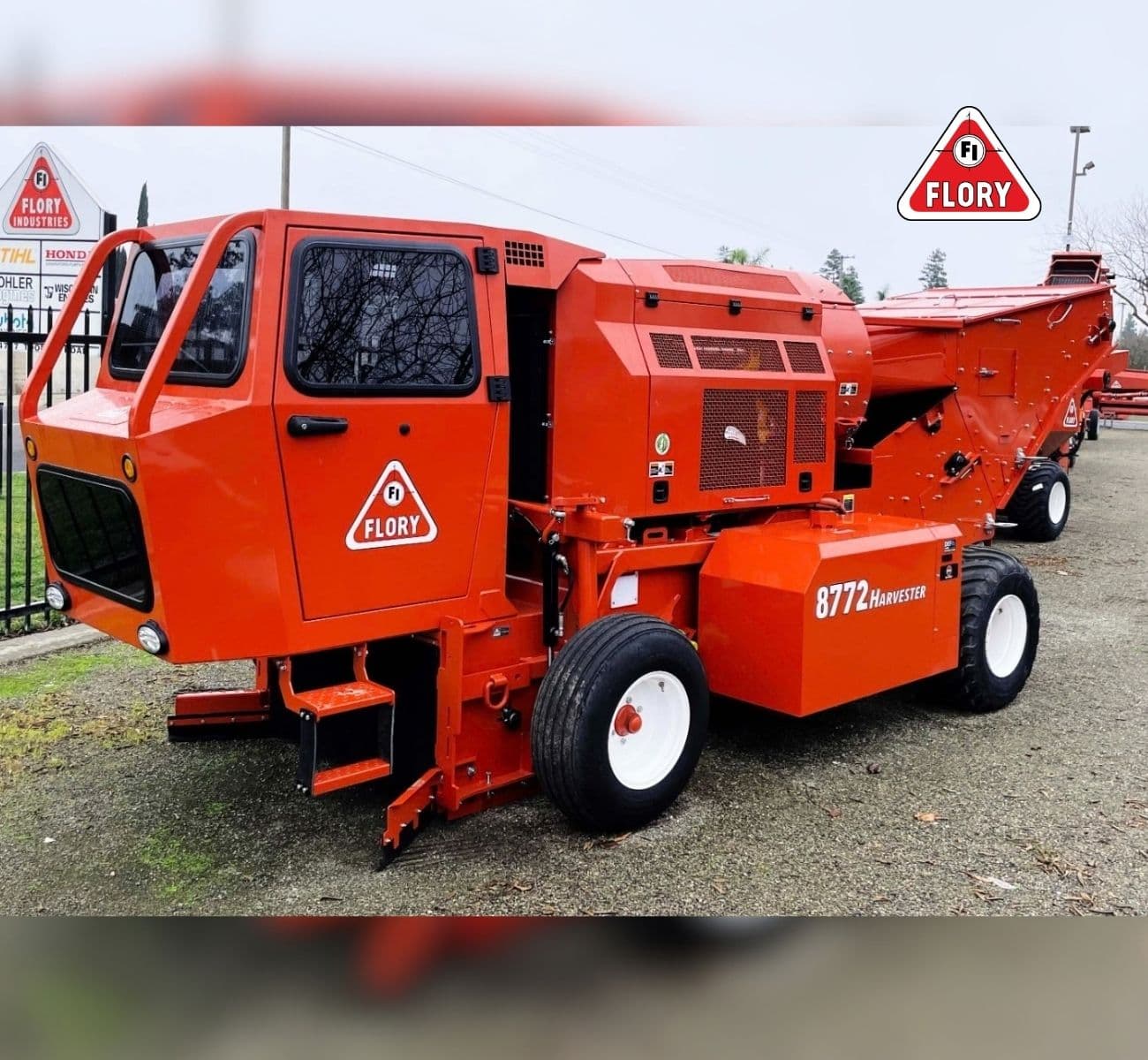
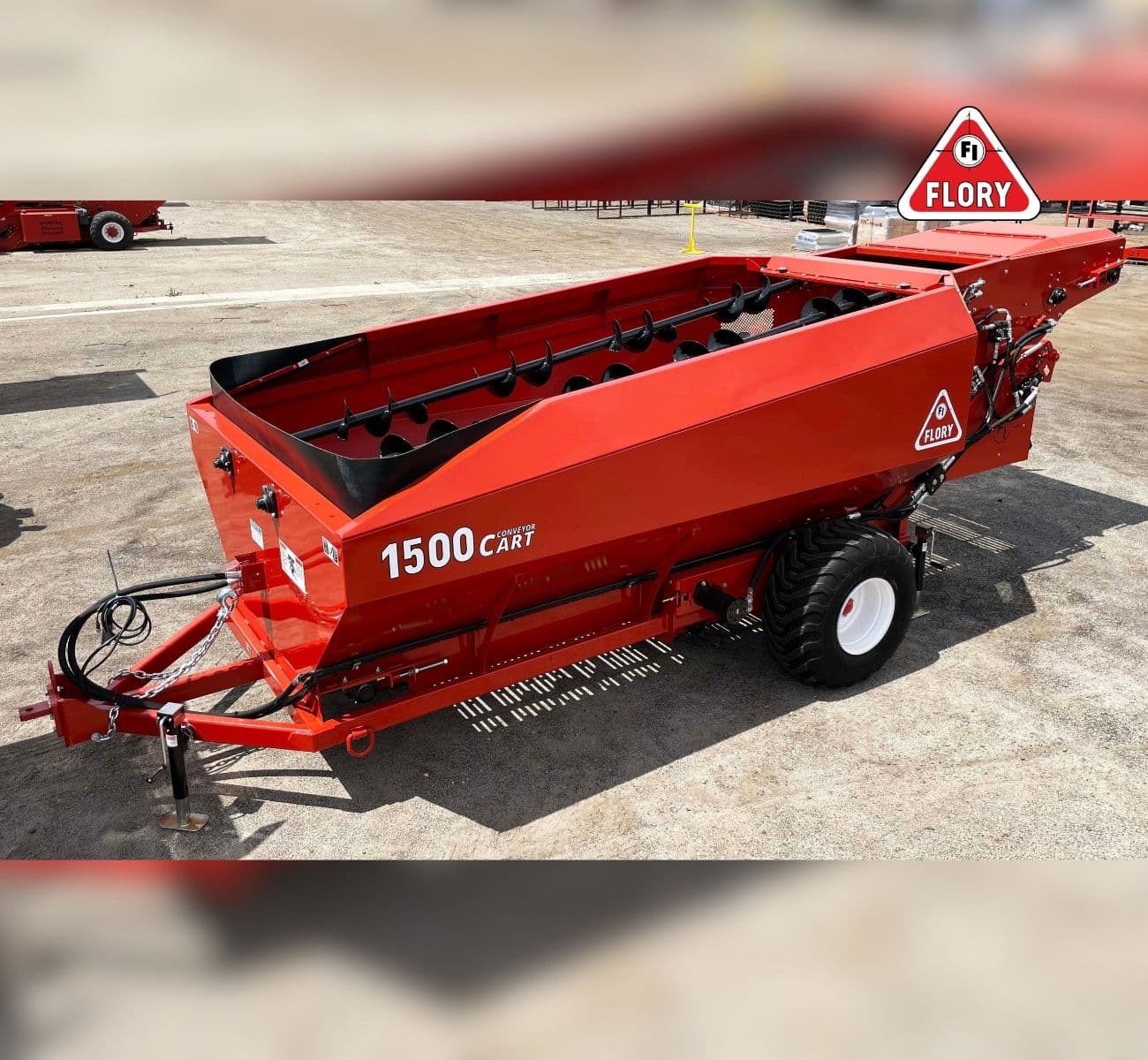
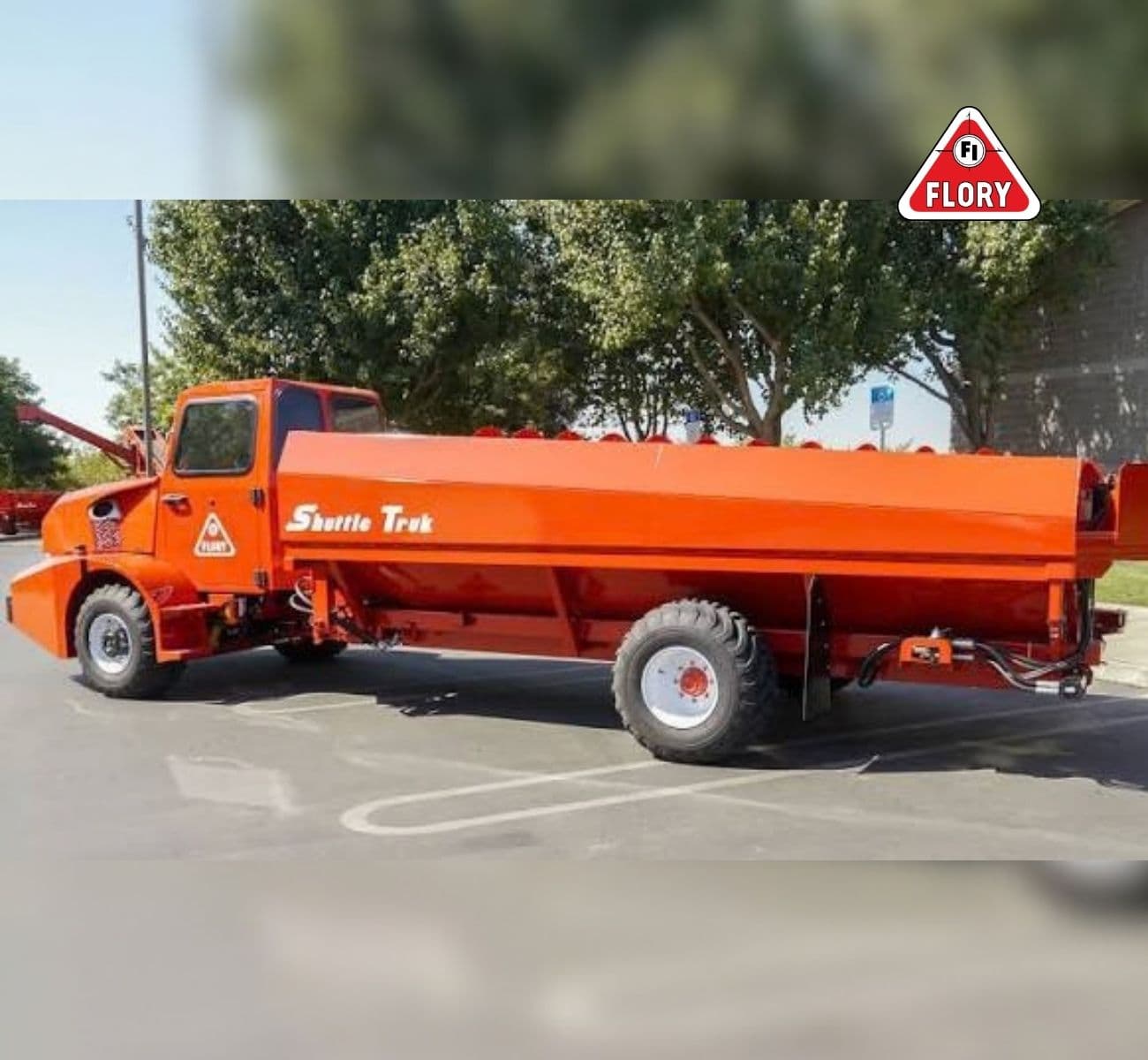
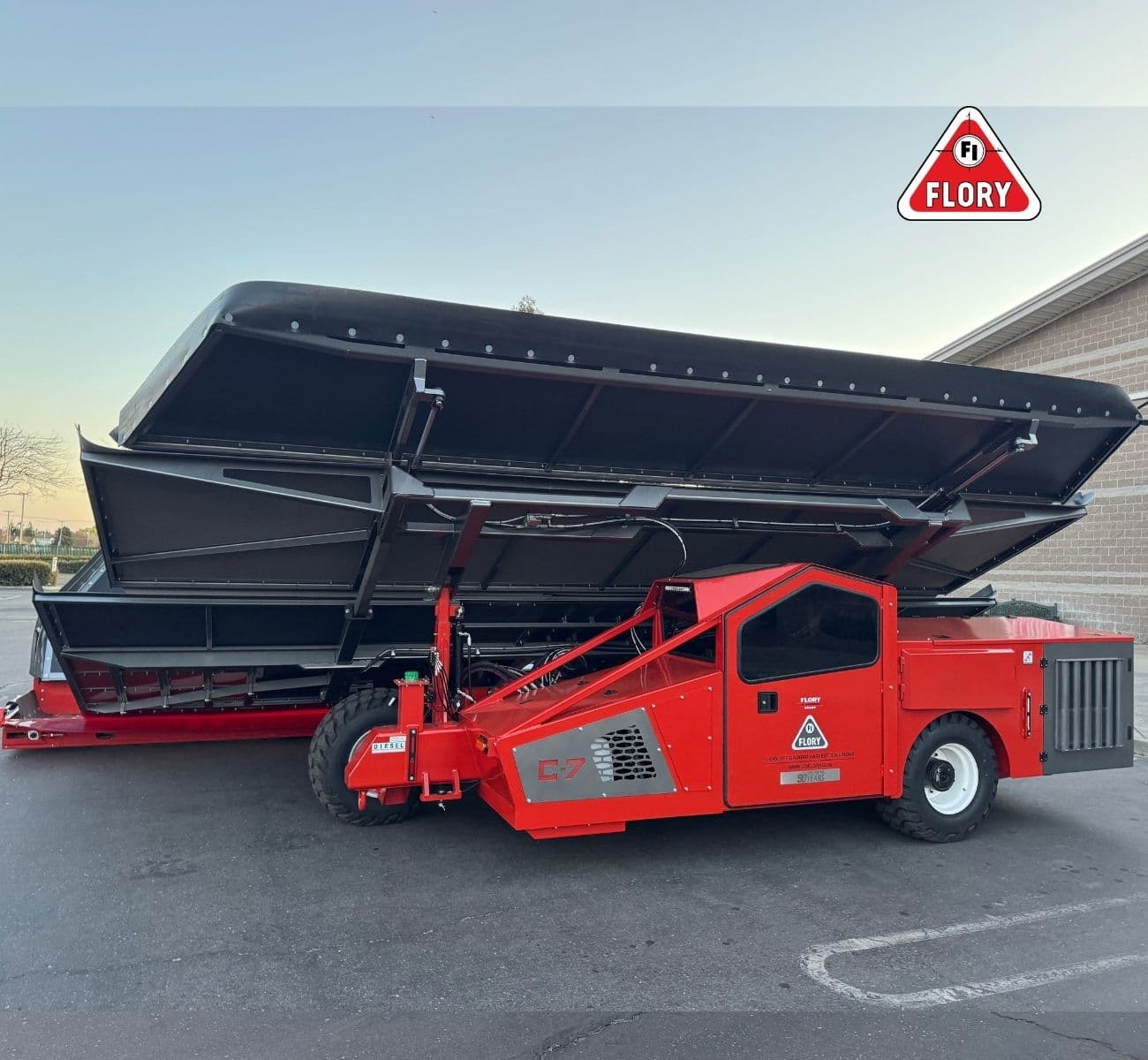
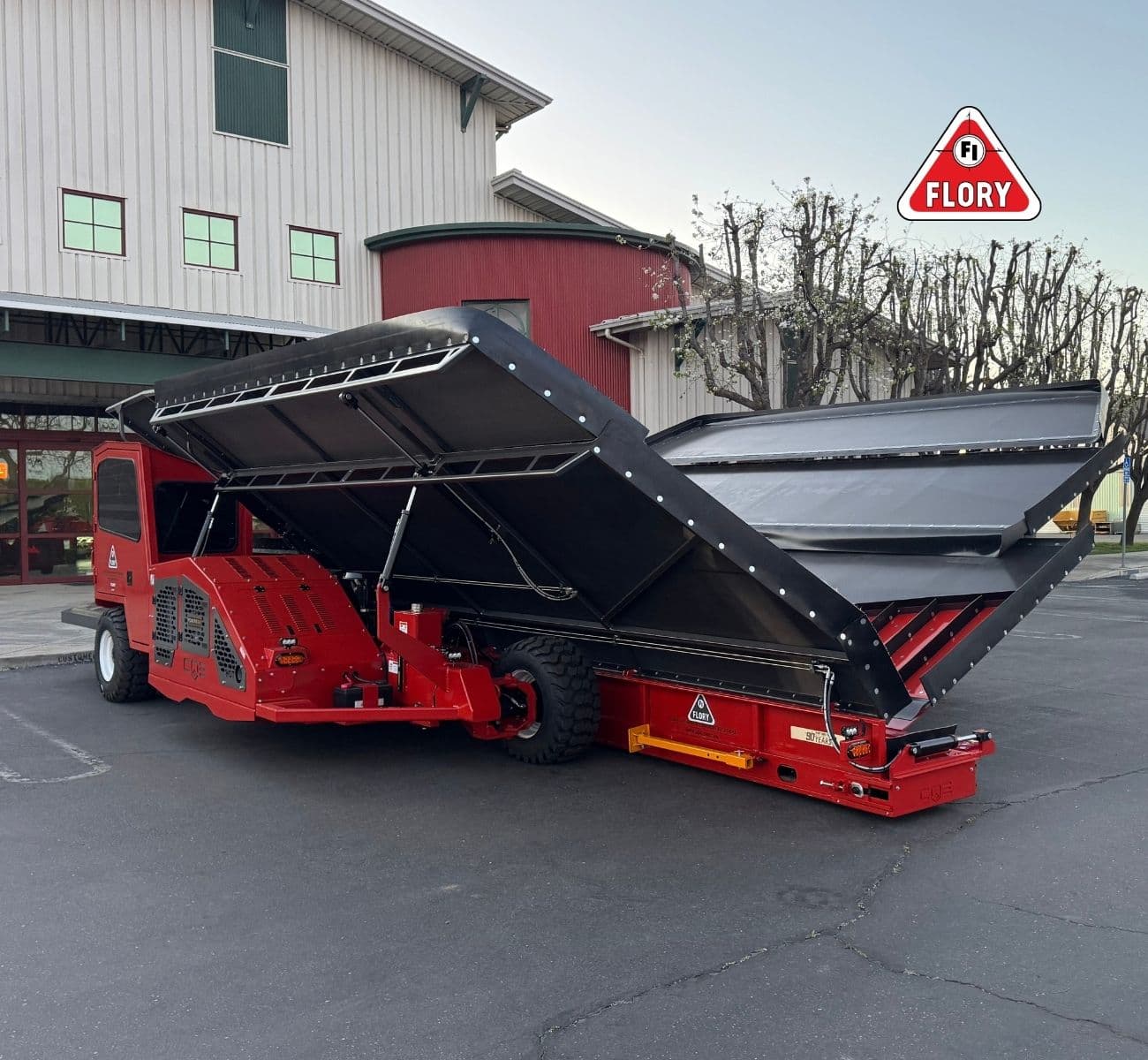
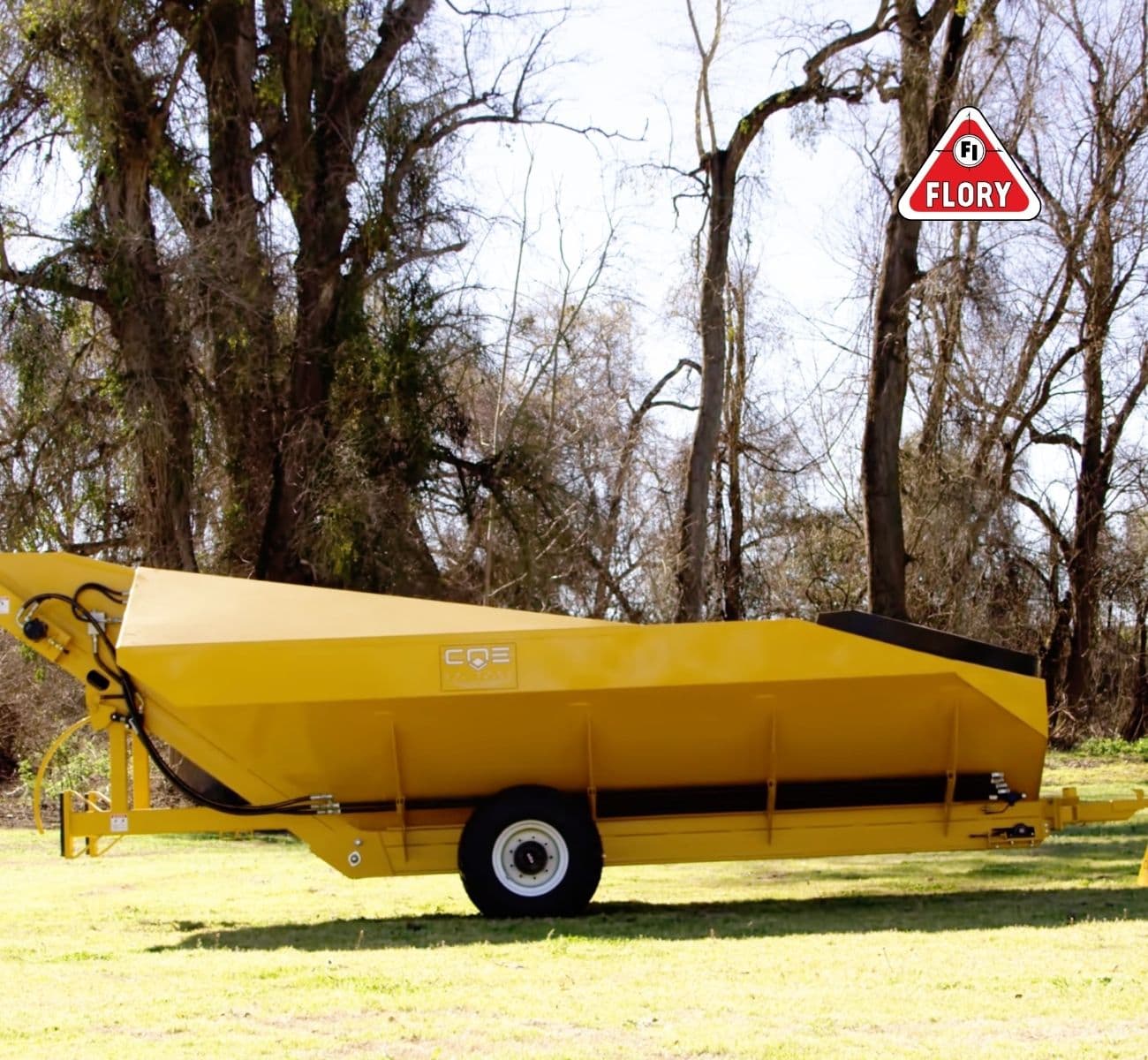
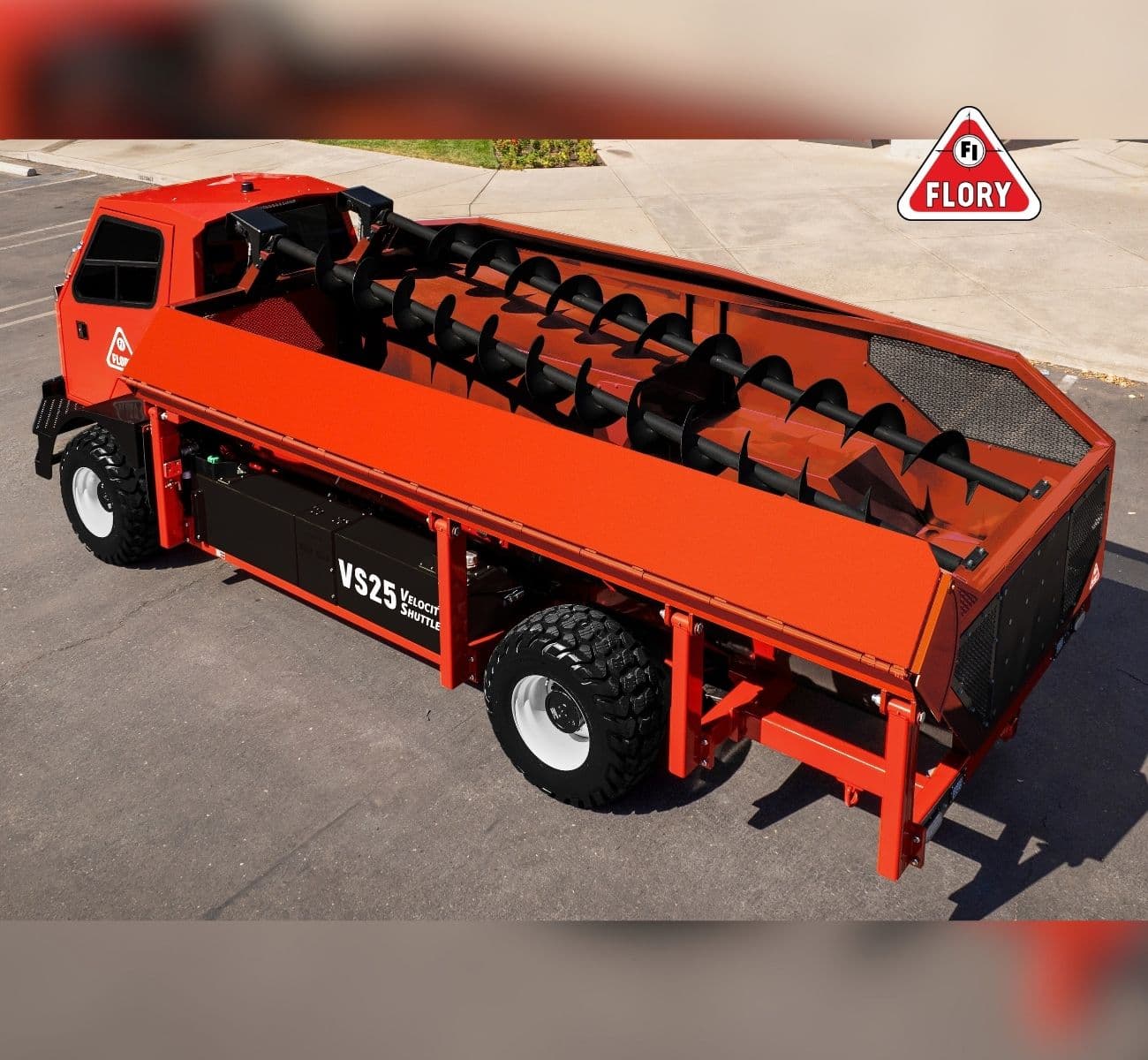
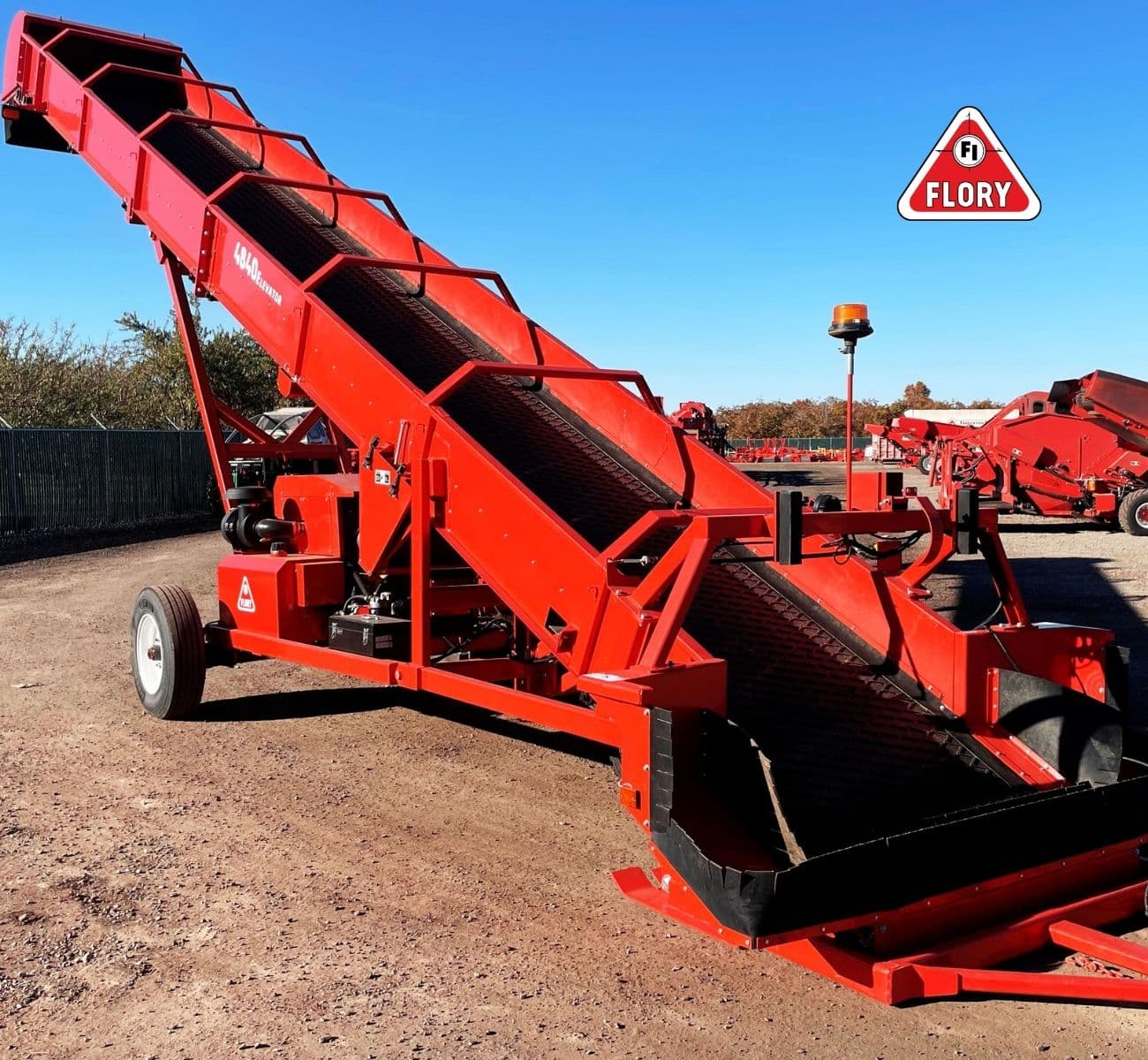
Iranian researchers have tested a trunk shaker on almond cultivars, while harvesting still relies heavily on manual labor. OVE Europe's guides use Flory's line as the reference: on the ground, the VR700 Shaker, V62 Sweeper, CP87 Conditioner and 8772 Harvester work with the 1500 Conveyor Cart and ST14 Shuttle; off the ground, the Flory COE C7 Shaker and L2 Receiver catch the almonds in a frame around the trunk, the Flory COE B8 Cart and VS25 Shuttle carry them, and the 4840 Field Elevator loads trailers in both systems.
Almond Harvest Workflow (Recommended Equipment)
Practical Tips for Almond Harvesting
Time the harvest by hull split: AREEO's pollination handbook names the split of the green hull as the first sign of ripeness.
Leave shaken almonds on the ground only while the forecast stays dry; in the central and southern provinces, August and September normals show almost no rain.
Keep ground time short: University of California guidance links ant damage to the time almonds spend on the orchard floor.
After drying on the floor, sweep almonds into windrows; a conditioner such as the Flory CP87 cleans and re-lays them so they dry faster before pickup.
In the north-west, or if harvest runs into October, pick up promptly or use catching frames: Tabriz averages 28.4 mm of rain in October.
Keep shakers and frames for orchards planted for machines, never scattered trees, mixed plantings, steep rain-fed slopes or wild almond stands.
Get your recommended harvest setup
Enter orchard size, spacing, terrain, and target throughput—we’ll suggest a practical harvest workflow and equipment lineup.

Almond Post-Harvest Handling & Processing in Iran
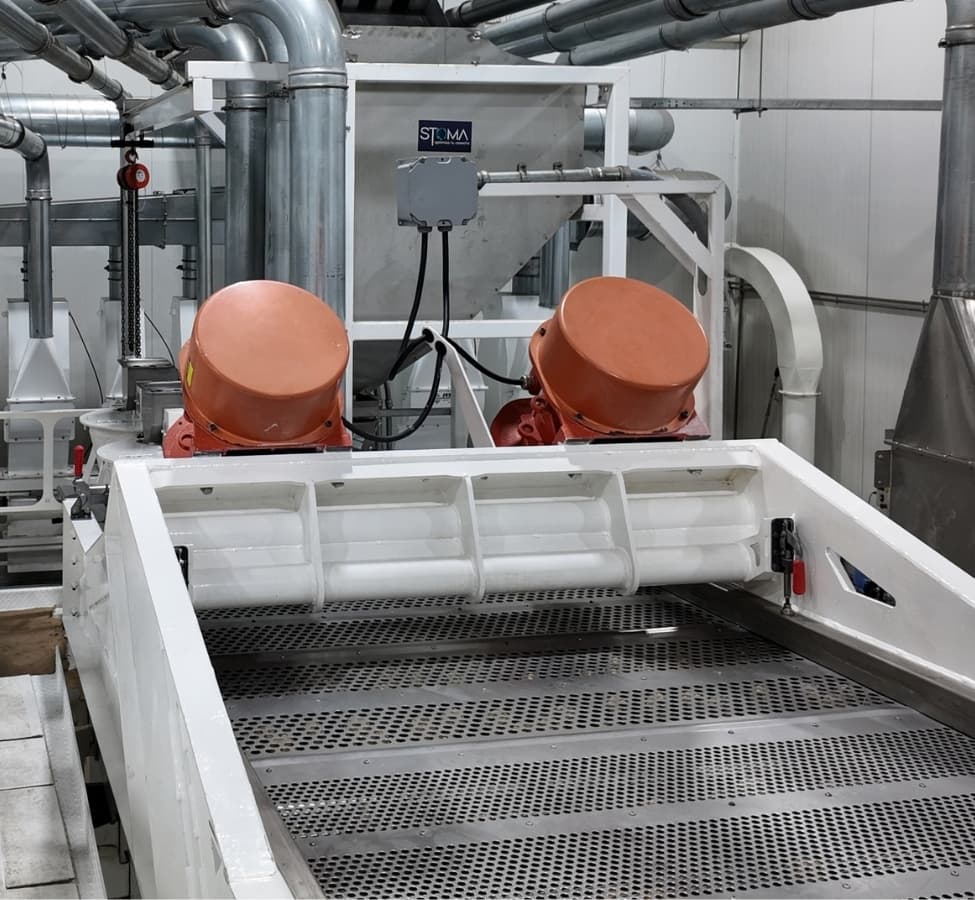
No Iranian source found describes how growers dry or store almonds. A 2024 preprint by Iranian authors says tasks such as threshing are often done by hand or with simple, homemade equipment. A 2018 paper by Shahrekord University authors says most kernels for the home market are not sized, while export kernels are sized on vibrating machines with mesh screens.
No Iranian almond kernel standard was found. Iran's mycotoxin standard, ISIRI 5925 (2002 English text), says that for exports the buying country's requirements must be observed. In the EU, Regulation (EU) 2023/915 sets 12.0 µg/kg of aflatoxin B1 and 15.0 µg/kg in total for almonds to be sorted before use, and 8.0 and 10.0 µg/kg for almonds placed on the market for consumers.
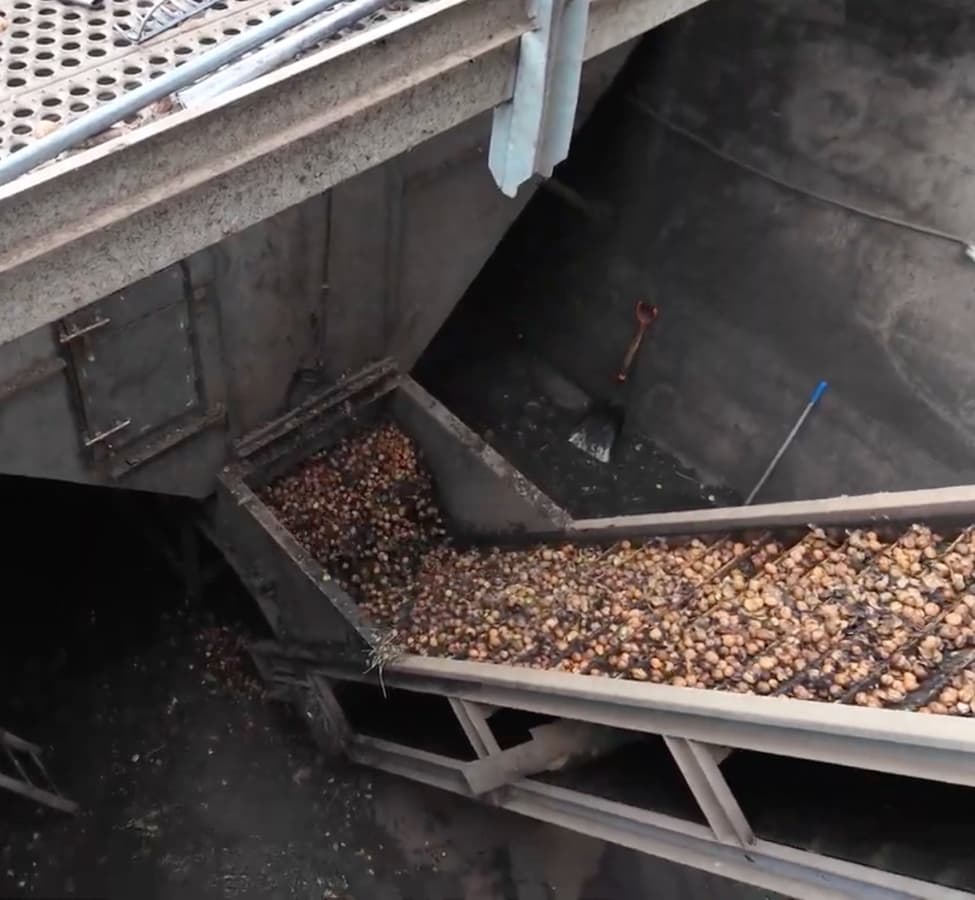
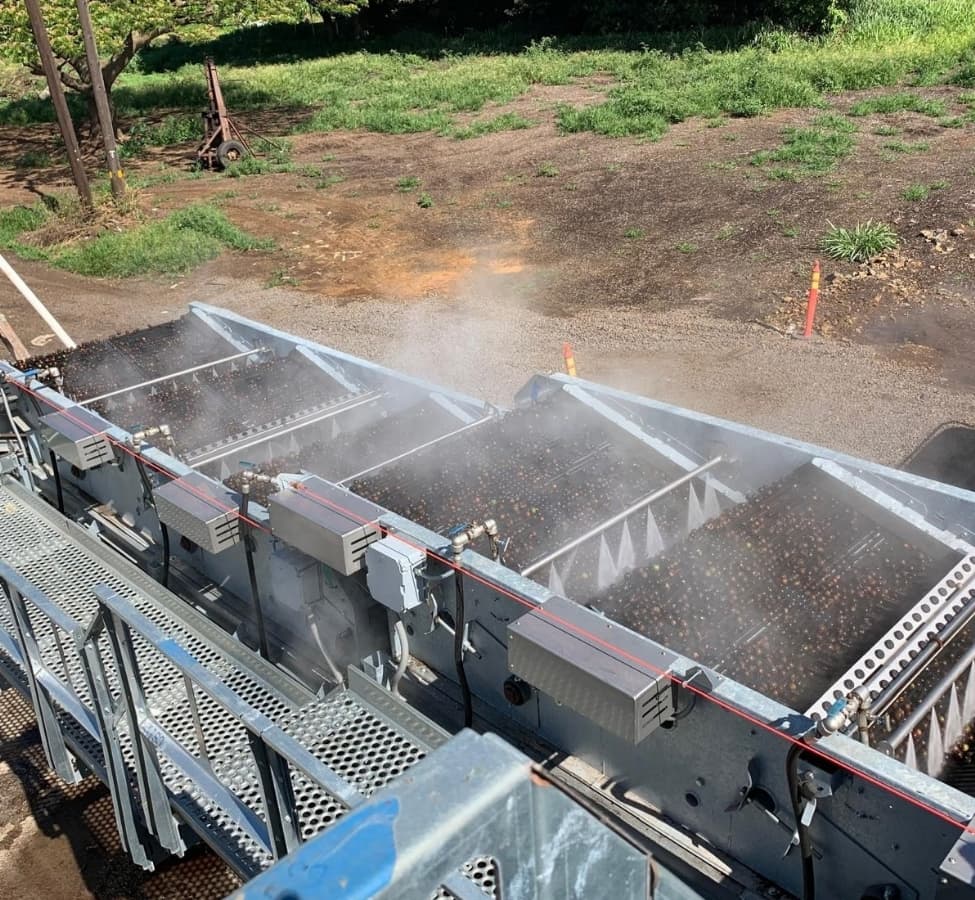
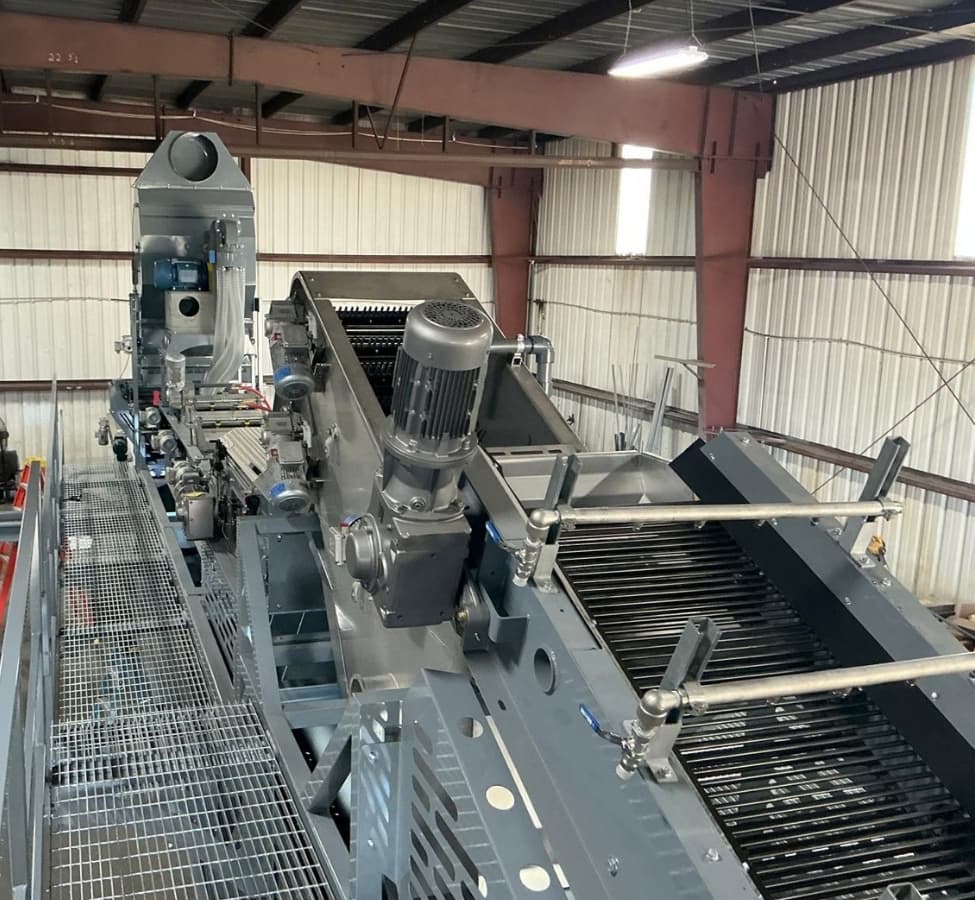
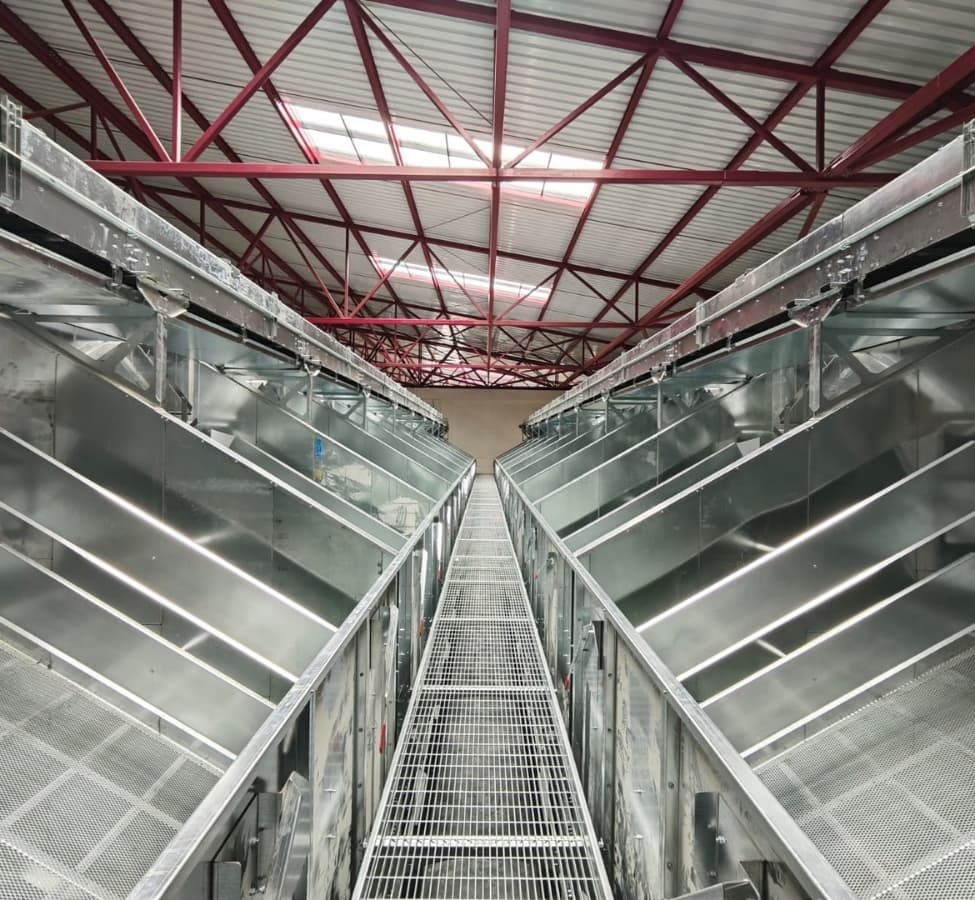
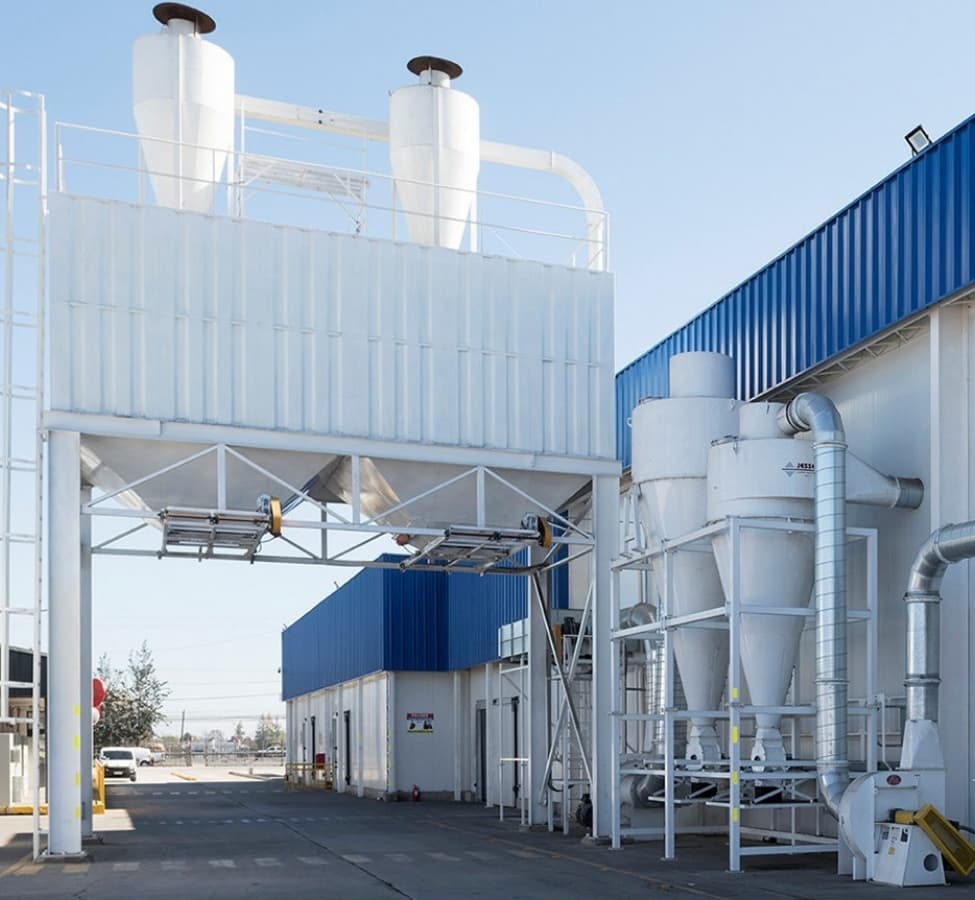
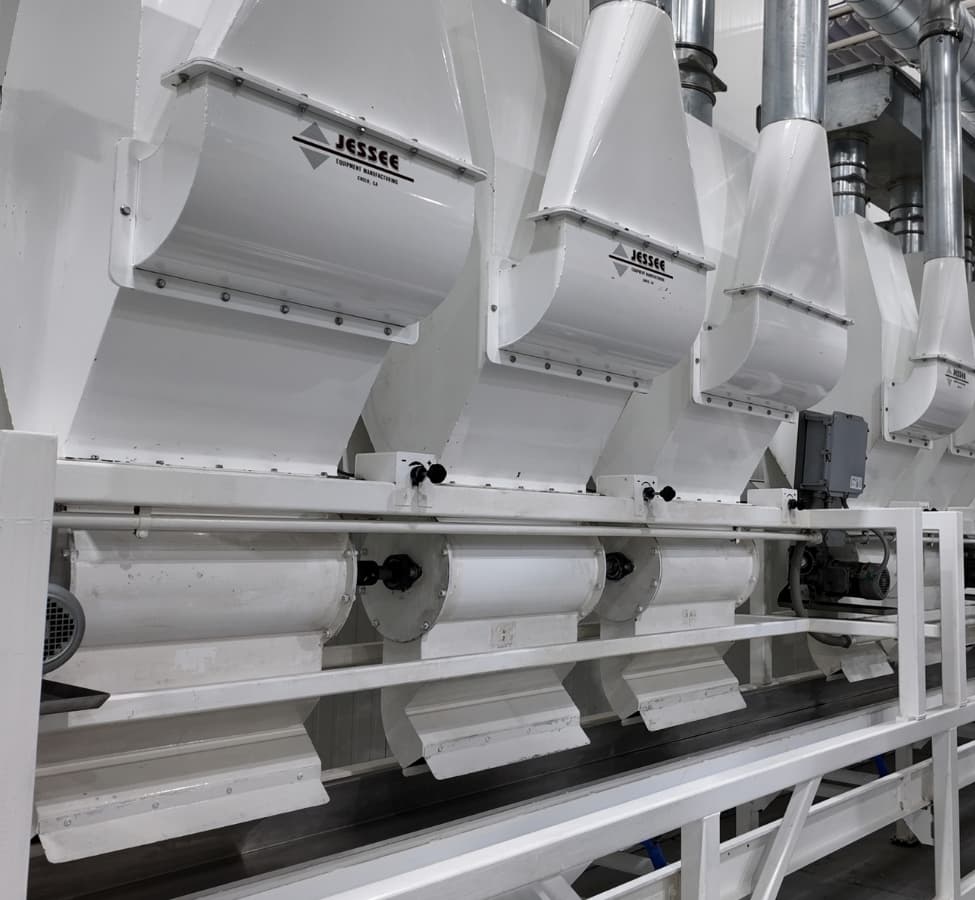
Iranian universities have built prototype kernel sizers and experimental shell separators; a Shahrekord University sizer handled 830 kg of kernels in an 8-hour shift. Jessee, a US maker of nut processing lines, builds hulling, drying, in-shell cleaning and sizing, and shelling systems; its Airlegs nut cleaner was developed for the almond industry.
For general information only. Information may become outdated and does not replace site-specific professional advice. Consult a qualified agronomist and confirm equipment suitability with OVE before acting.
Practical Tips for Almond Post-Harvest Handling & Processing
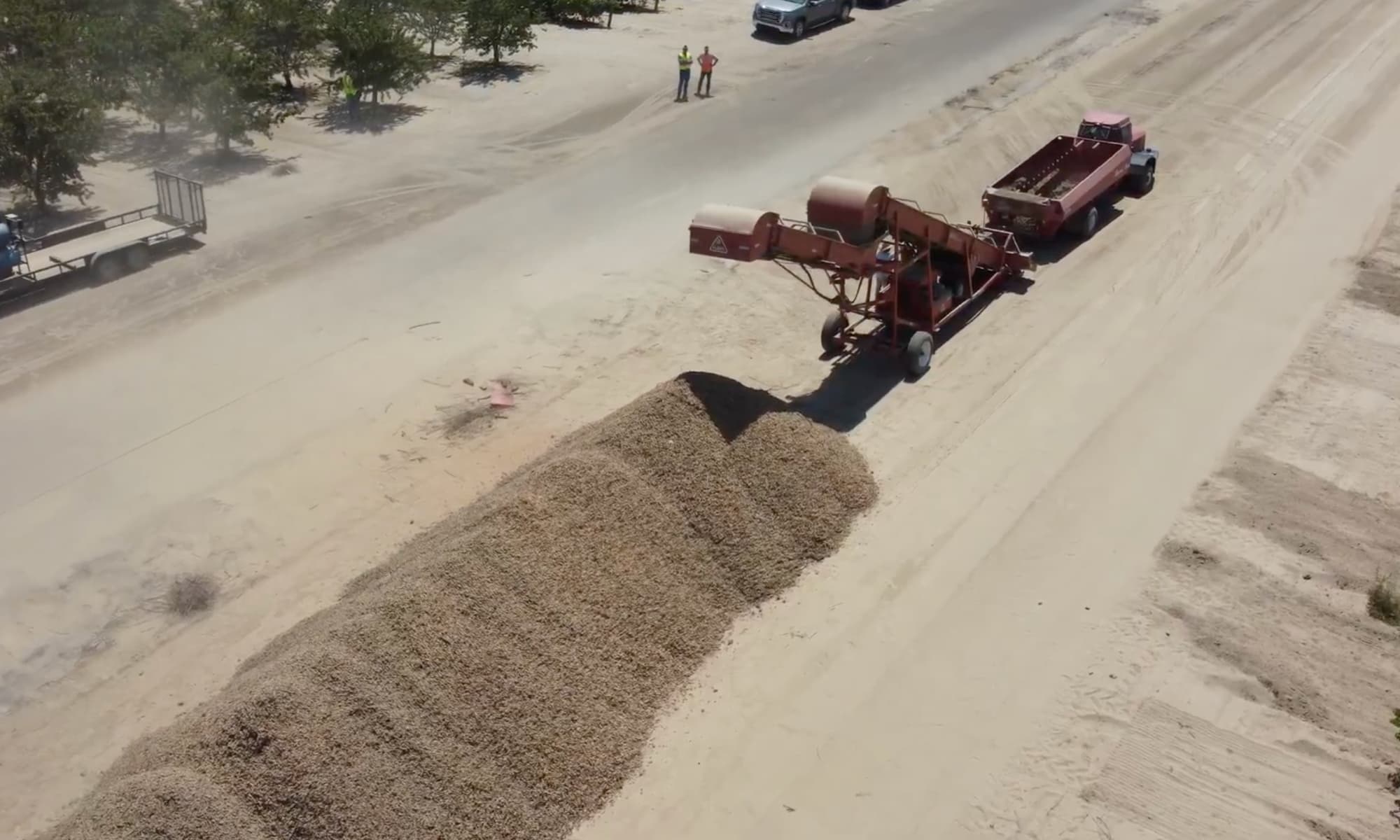
Pick up ground-dried almonds as soon as they are dry, then hull them and check moisture before storage.
Hull frame-caught almonds while the hulls are fresh, then dry the nuts in the shell before storage.
Do not send rain-wet almonds straight to the huller: University of California guidance warns that wet nuts will not hull cleanly and quality will suffer.
Never stockpile undried almonds: University of California guidance for nuts dried on the ground warns against stockpiling above 12% hull, 6% kernel or 9% fruit moisture.
Size kernels before export: a 2018 Iranian paper notes that export kernels are sized on vibrating screens, while most home-market kernels are not.
Test lots against the buyer's limits: for almonds reaching EU consumers, Regulation (EU) 2023/915 allows 8.0 µg/kg of aflatoxin B1 and 10.0 µg/kg in total.
Recommended Post-Harvest Handling & Processing Stages
Plan your post-harvest line
Estimate tons/day, cleaning & drying capacity, storage needs, and cost/kg—then build your equipment plan in phases.