


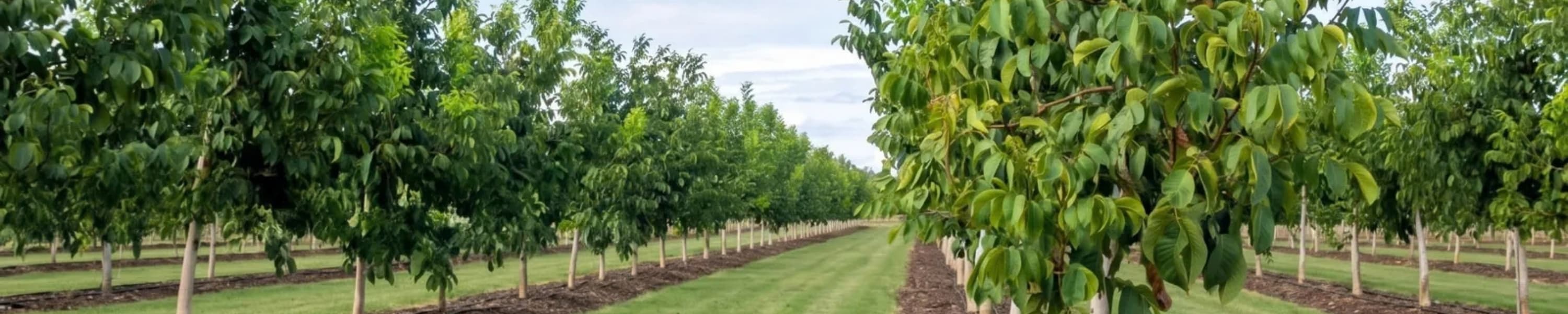




Walnut Orchard Establishment in Italy
Walnut grows in every Italian region, from sea level to about 1,300 m (CNR, 2010). The 2020 agricultural census counted 10,163 farms with walnut, 28.9% fewer than in 2010. More than half of national production comes from Campania and Veneto, and between the two censuses walnut area more than doubled in Veneto while it fell by 43.6% in Campania (CREA, 2023). A 2017 University of Bologna thesis names Veneto, Piedmont and Emilia-Romagna as the regions where intensive walnut growing has revived.
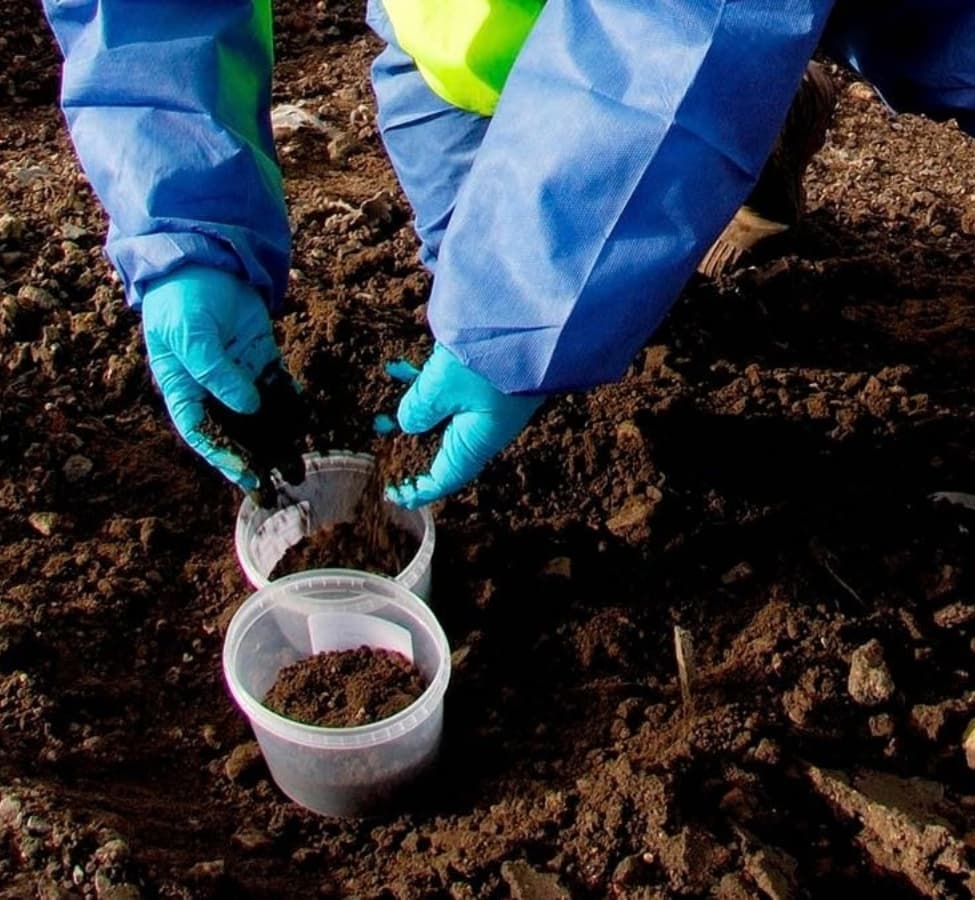
Guidelines for establishing and managing walnut orchards in Emilia-Romagna (2024) preferred soils at least 1 m deep, well drained and of medium texture, with electrical conductivity below 1.5 dS/m, and advised against walnut where active lime exceeds 12.5%. Drainage is critical on silt and clay: a Veneto producer organization reported in 2025 that more than 20% of the walnut orchards planted in Veneto since the 1990s had been uprooted because of Phytophthora.
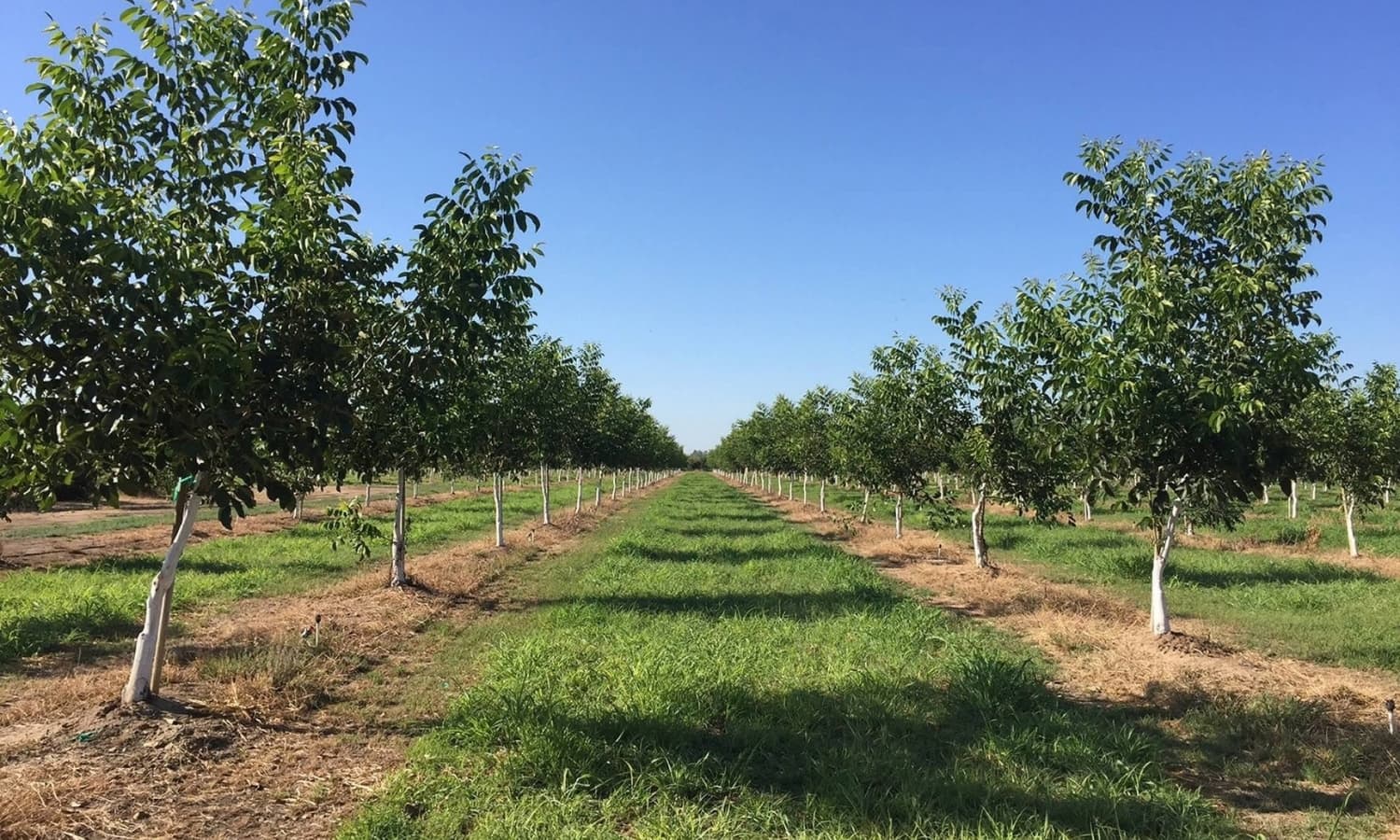
Emilia-Romagna's integrated production norms (2026 edition) list the lateral-bearing Chandler, Lara and Howard and the terminal-bearing Franquette, and recommend European walnut (Juglans regia) as rootstock. The regional guidelines put pollinizers at 2.5 to 7.5% of the trees, every tree within 50 m of one. The norms set no spacing rule: regional examples are 5 x 7 m (286 trees per ha) and 4.5 x 7 m, and a 2017 University of Bologna thesis gives 250 to 350 trees per ha.

Practical Tips for Walnut Orchard Establishment
Dig soil pits before planting to check depth, texture, water holding, salinity and waterlogging, as Emilia-Romagna's guidelines advised.
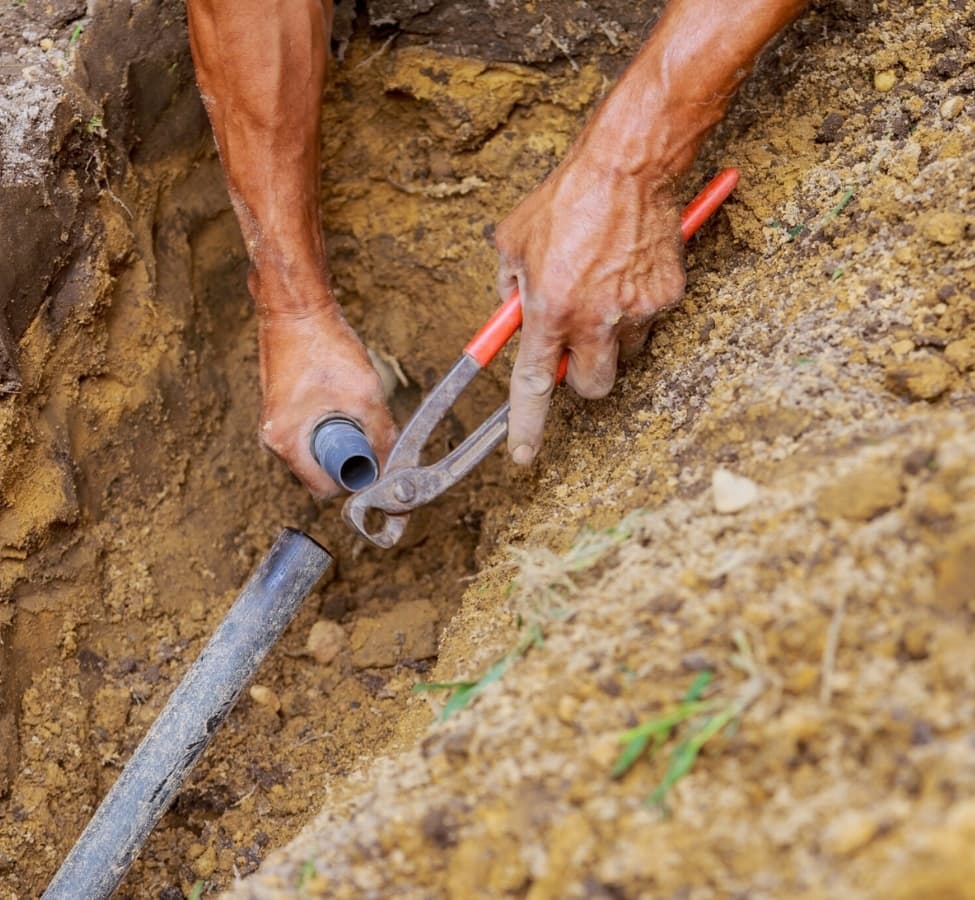
On silt and clay soils, level the field, install drains and keep drains and outlets clean: waterlogging favors Phytophthora in Veneto orchards.
Plant pollinizers at 2.5 to 7.5% of the trees, in rows across the prevailing wind at flowering, so every tree is within 50 m of one.
Avoid blight-susceptible pollinizers where blight is widespread: a 2019 review in Rivista di Frutticoltura says pollen spreads the bacterium very effectively.
Agree row width, headlands and turning space with your machinery supplier before planting, so the shaker, sweeper and shuttles can work freely.
Run rows north to south where the site allows: Emilia-Romagna's guidelines named this orientation as best for light and yield.
Recommended Establishment Stages





Walnut Orchard Care & Maintenance in Italy
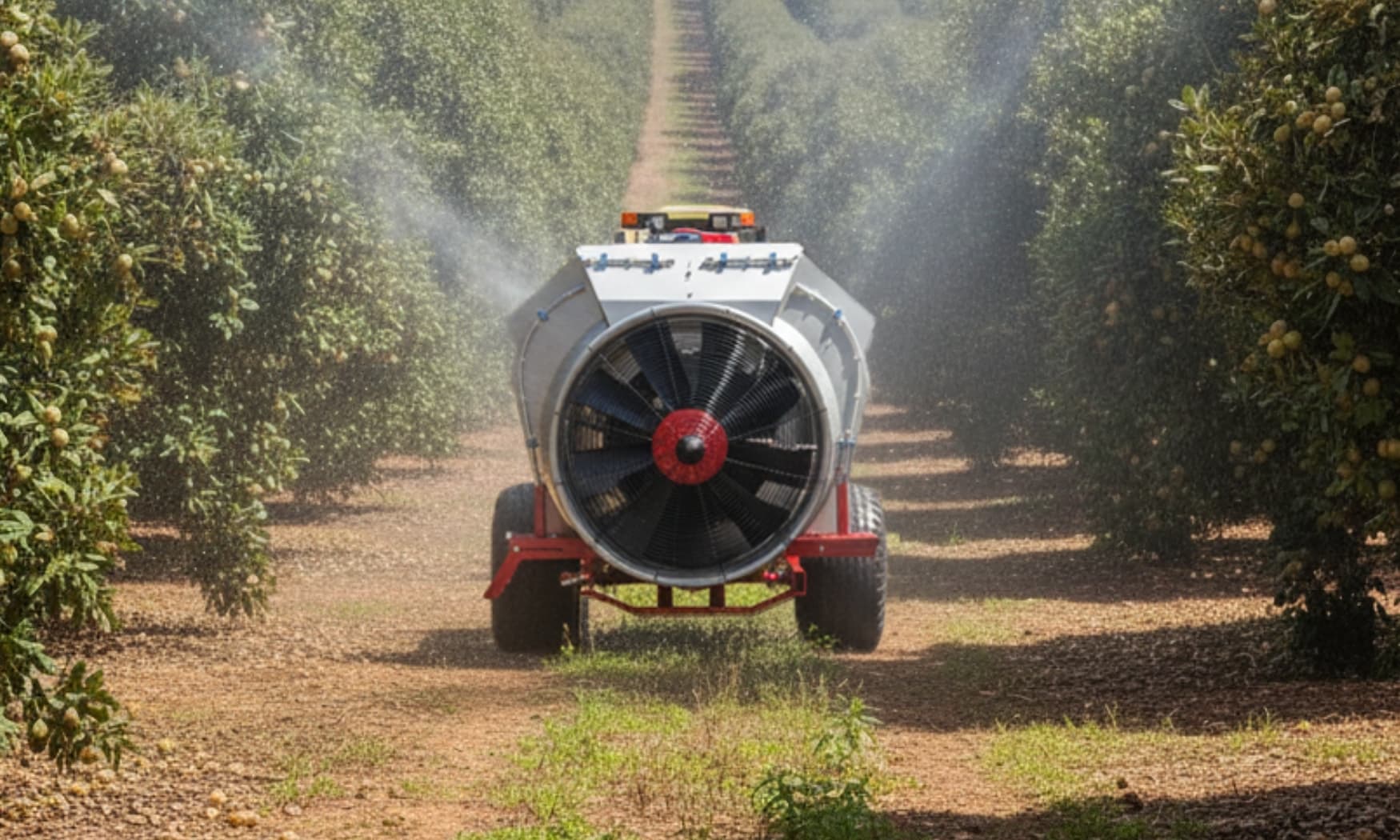
Modern intensive walnut growing cannot do without irrigation, a 2018 to 2019 Emilia-Romagna report noted. The region's 2026 norms do not allow flood irrigation and give indicative drip restitution from 2.0 mm a day in May to 6.0 mm in July, 25% less up to the second year. In a 2018 to 2021 trial in one Chandler orchard, 70% of full irrigation caused no significant loss of yield or kernel quality, and the reclamation consortium CER said in 2025 that irrigation could be cut by at least 30%.
A 2019 review in Rivista di Frutticoltura called walnut blight (Xanthomonas arboricola pv. juglandis) the disease that most worries growers, with losses that can easily exceed 40% of a season's crop, and EPPO lists it as widespread in Italy. Brown apical necrosis, first found in Veneto in 1998 with about 60% fruit drop in orchards mainly of Lara, has resurged there since 2018 (CREA, 2025). Anthracnose and Phytophthora decline also occur.
Walnut husk fly (Rhagoletis completa) has been in Italy since 1991, first in Friuli Venezia Giulia and Veneto, and was found in Campania in 2010 (EPPO). In Romagna it has one generation, with flights from early July to late September, while codling moth has three generations a year. Thousand cankers disease, found at Bressanvido in Veneto in 2013, mainly attacks black walnut; European walnut is a minor host (Emilia-Romagna plant protection service, 2021).
Recommended Orchard Care & Maintenance Stages



Practical Tips for Walnut Orchard Care & Maintenance
Hang yellow traps with a food bait in early July and check them twice a week to follow husk fly flights, as the regional guidelines advised.
Set pheromone traps for codling moth early: warmer springs have moved its first flights in Emilia-Romagna to the first ten days of April.
Schedule irrigation with a pressure chamber and soil moisture sensors: in a 2018 to 2021 trial in Emilia-Romagna, 70% of full irrigation caused no significant yield loss.
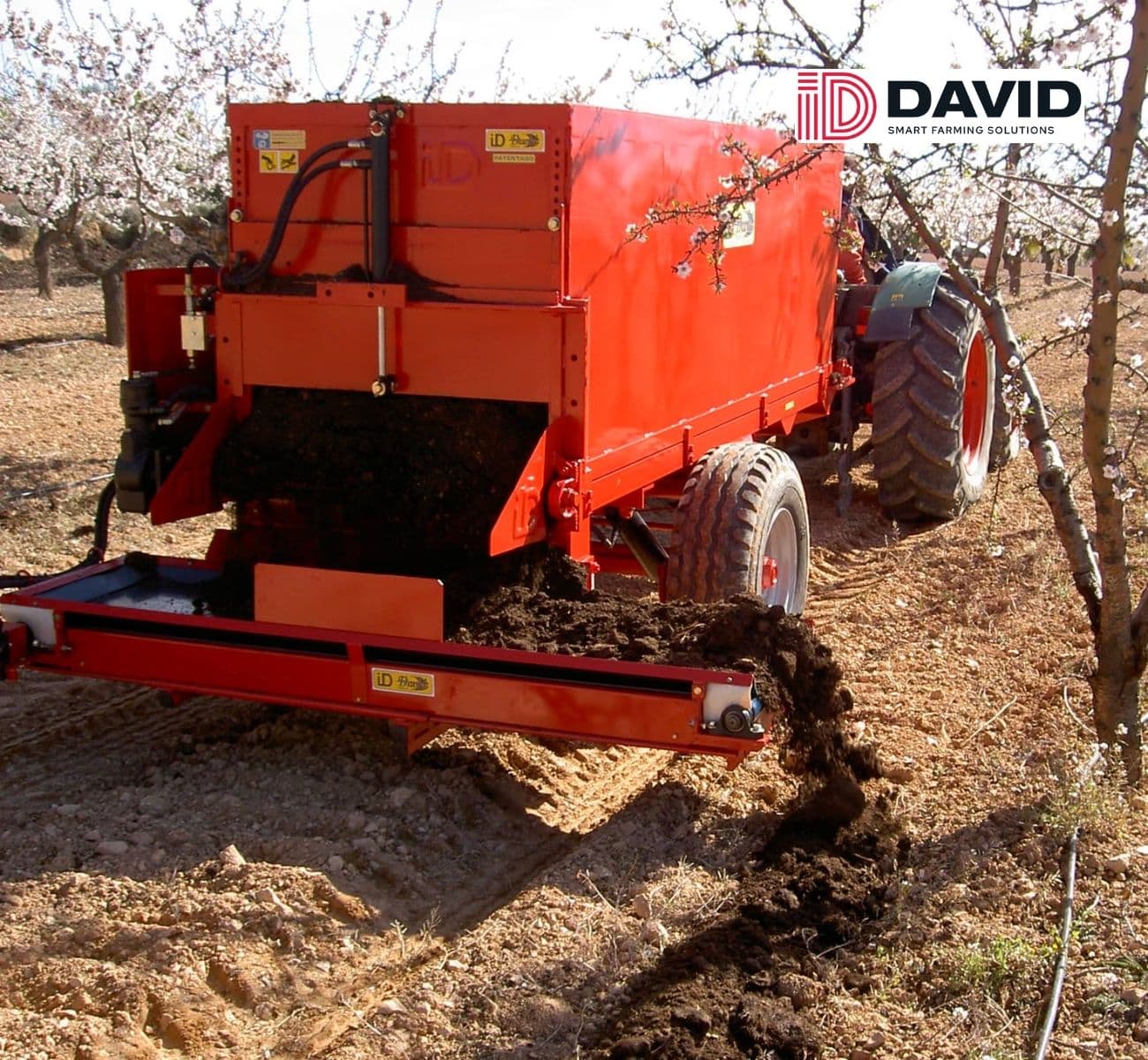
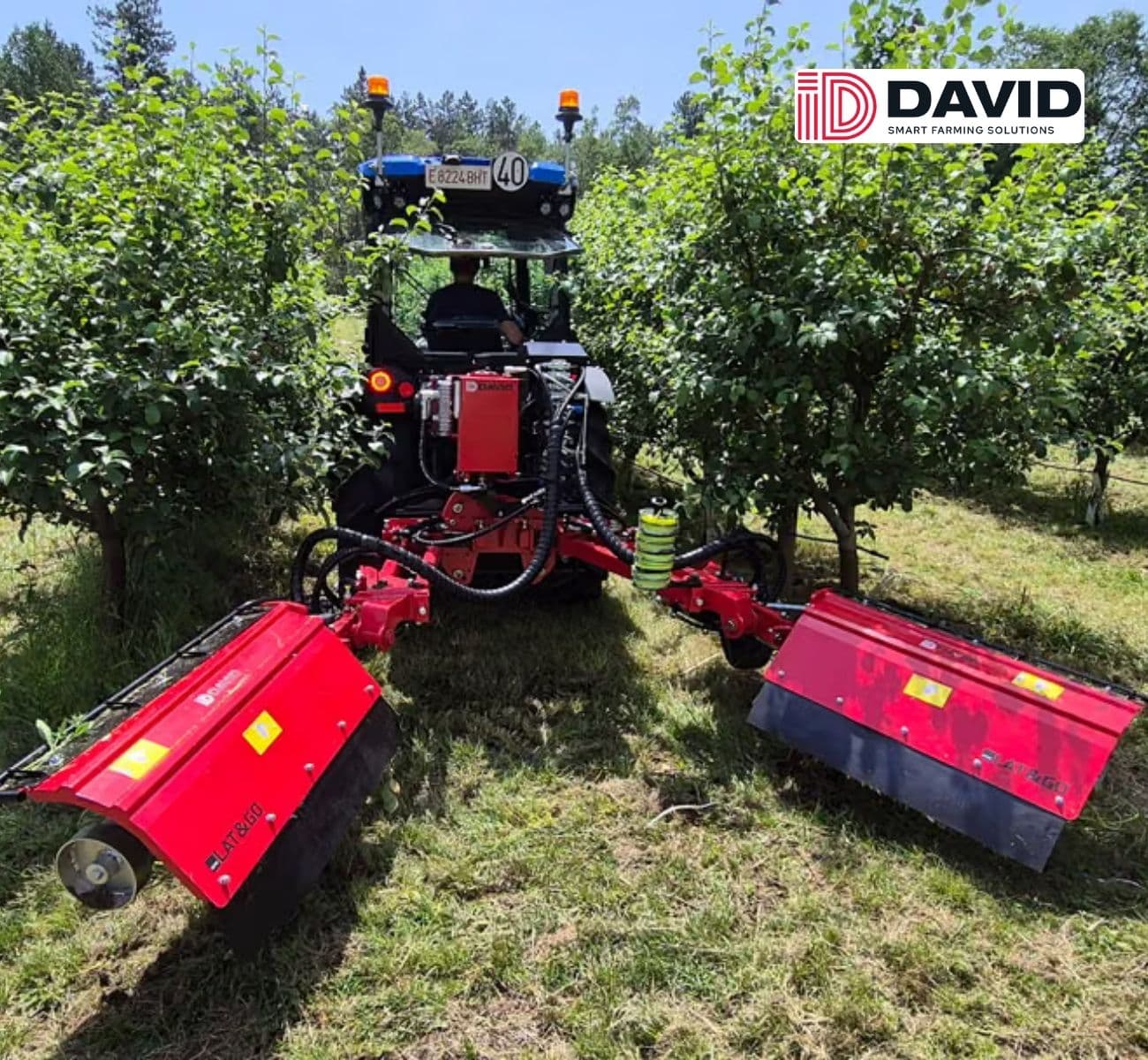
Keep a mown grass cover from the second year, preferably of local plants, and mow it short before harvest for clean pickup.
Avoid mechanical pruning on rainy or very cold days and disinfect promptly afterward, as Emilia-Romagna's guidelines advised.
After hail, scout shoots and young nuts for blight: Veneto's plant protection service warned in May 2026 that hail wounds favor the disease.

Walnut Harvesting in Italy
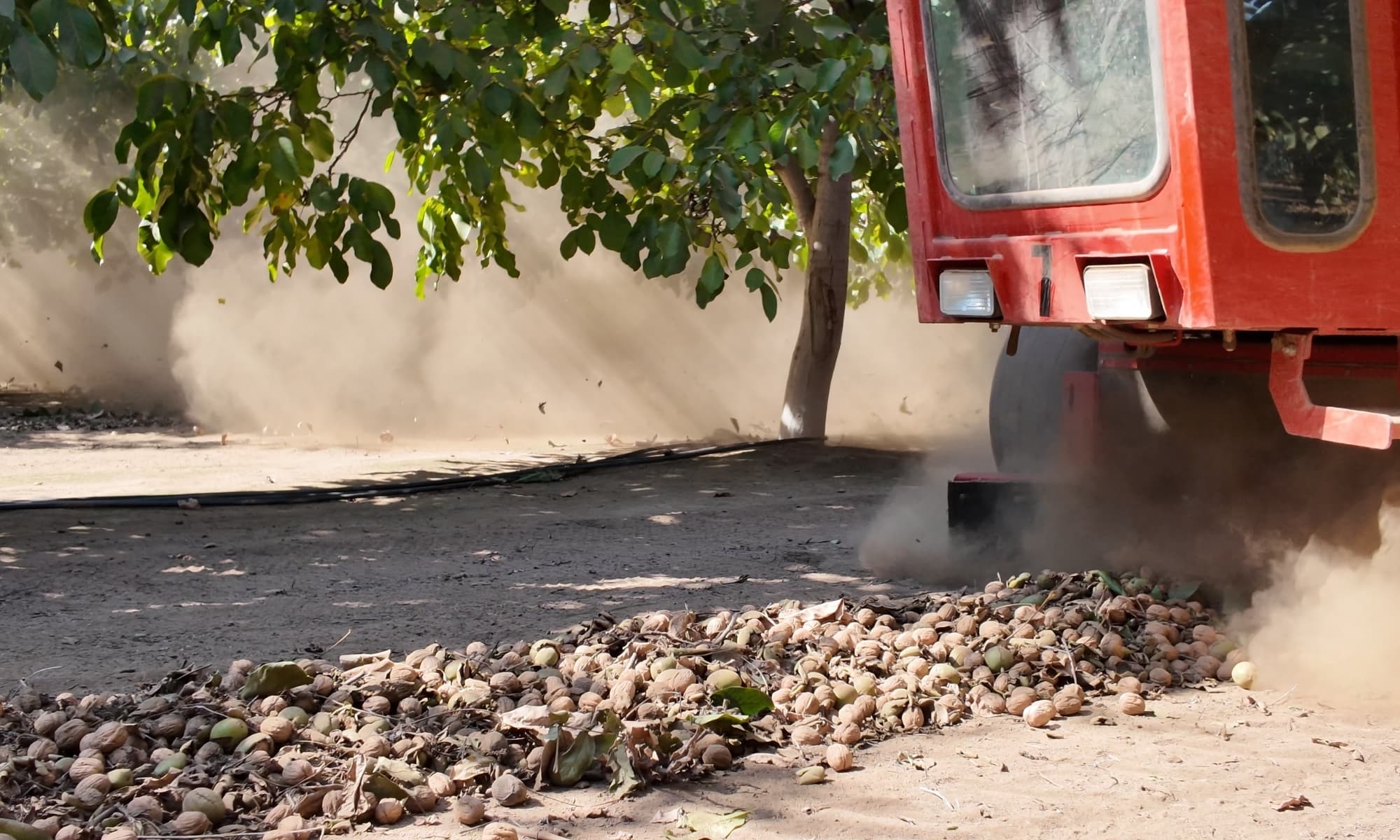
No national figure was found on the share of Italian walnuts harvested by machine. A 2010 CNR presentation called harvest and first-processing costs for mountain walnut very high. In specialized orchards, regional trial reports describe trunk shaking in a Romagna Chandler orchard, a trade magazine described a Romagna supply chain as intensive, irrigated and mechanized (2024), and a newspaper reported a mechanized harvest near Forlì in October 2024. A 2017 University of Bologna thesis notes that machines leave nuts less time on the ground.
Emilia-Romagna's guidelines advised harvesting when shaking a tree makes at least 80% of the nuts hull easily and completely by hand, and picking fallen nuts up as soon as possible, because days on the ground can spoil kernel color and rain brings mold. In regional trials, Chandler was harvested from late September to 9 October (2018 to 2020), and a Forlì farm marked the start of its 2024 harvest with an event on 10 and 11 October. Mechanized harvesting can spread blight (2019 review), so harvest blight-free blocks first where possible.
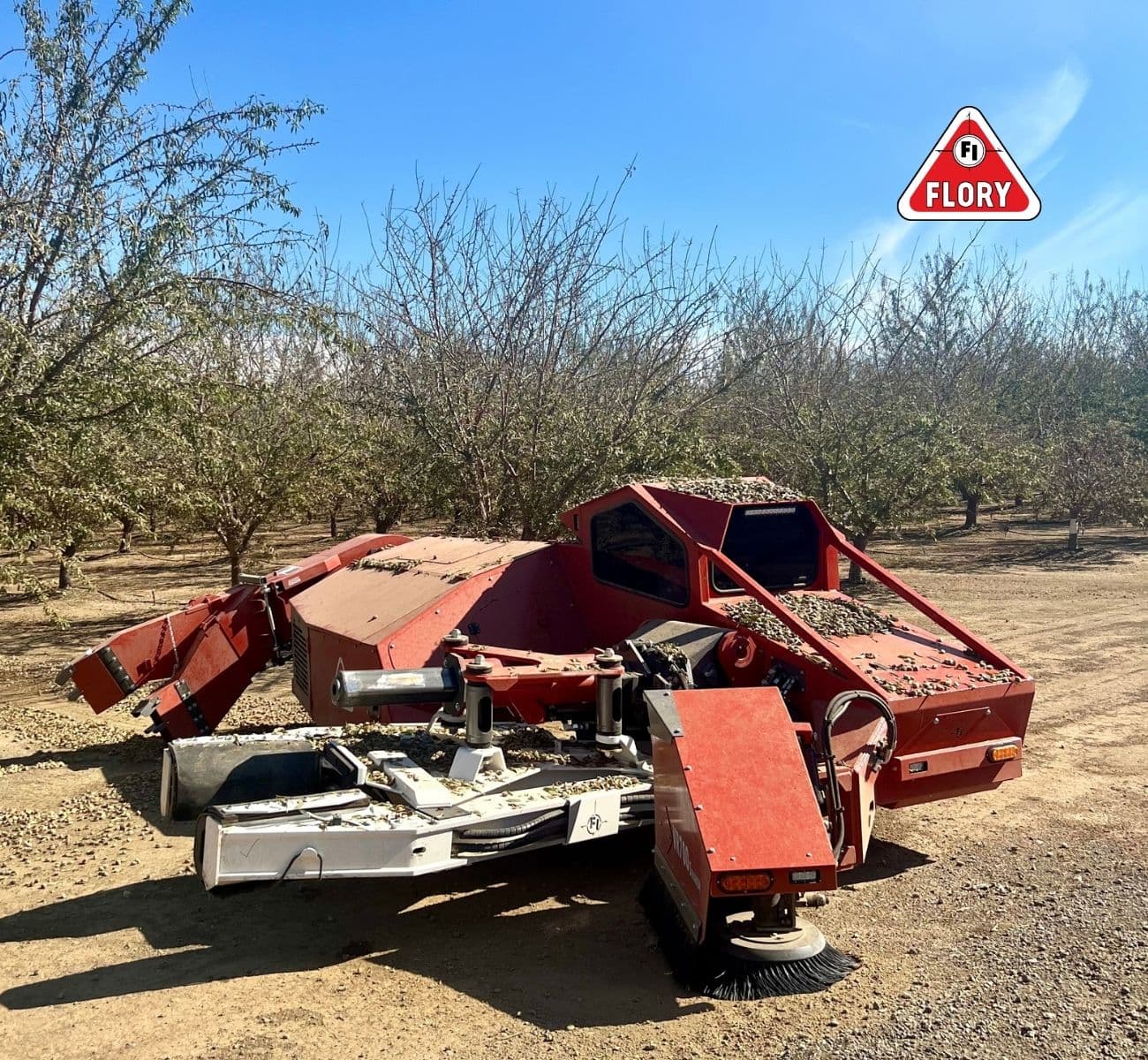
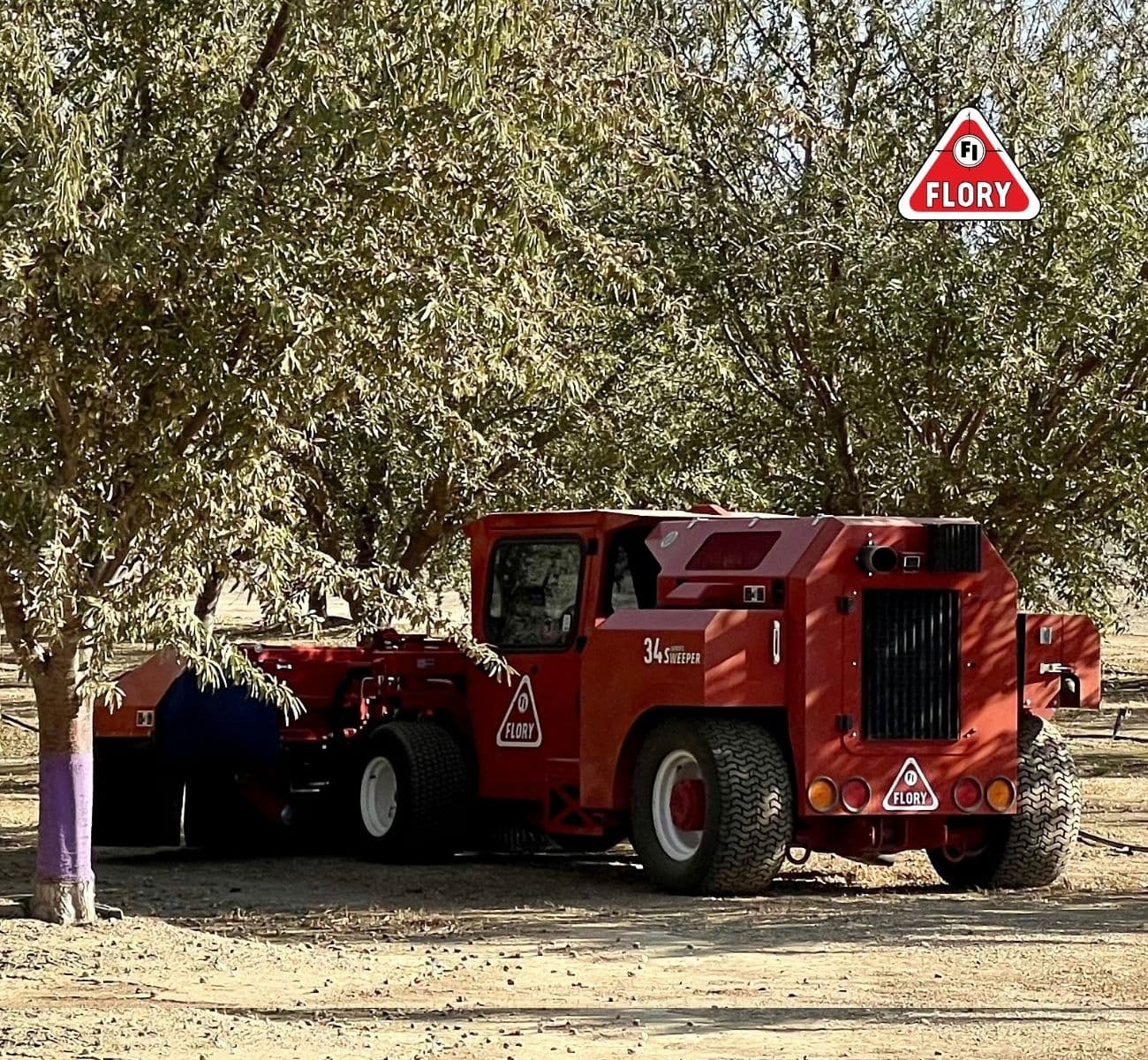
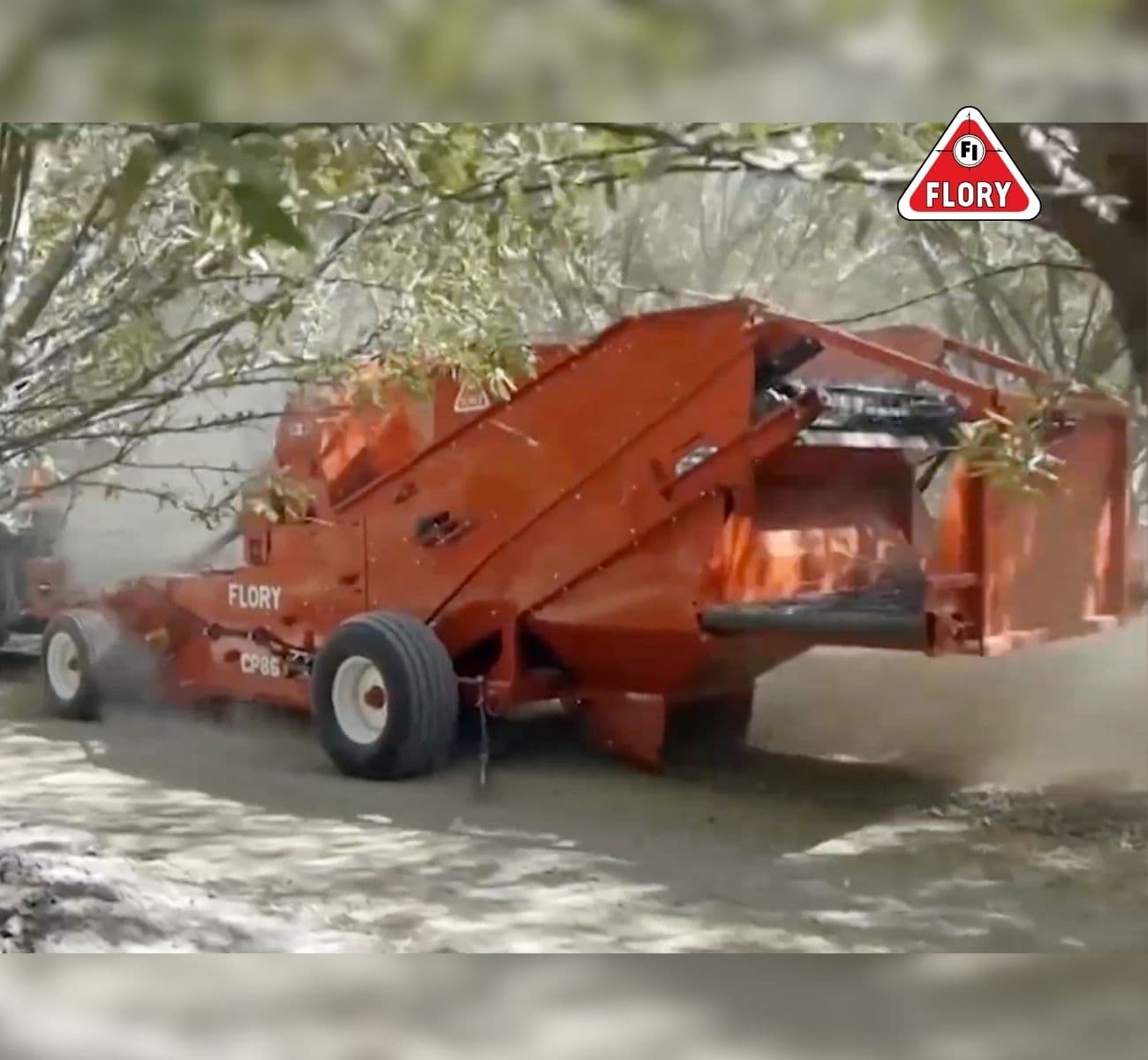
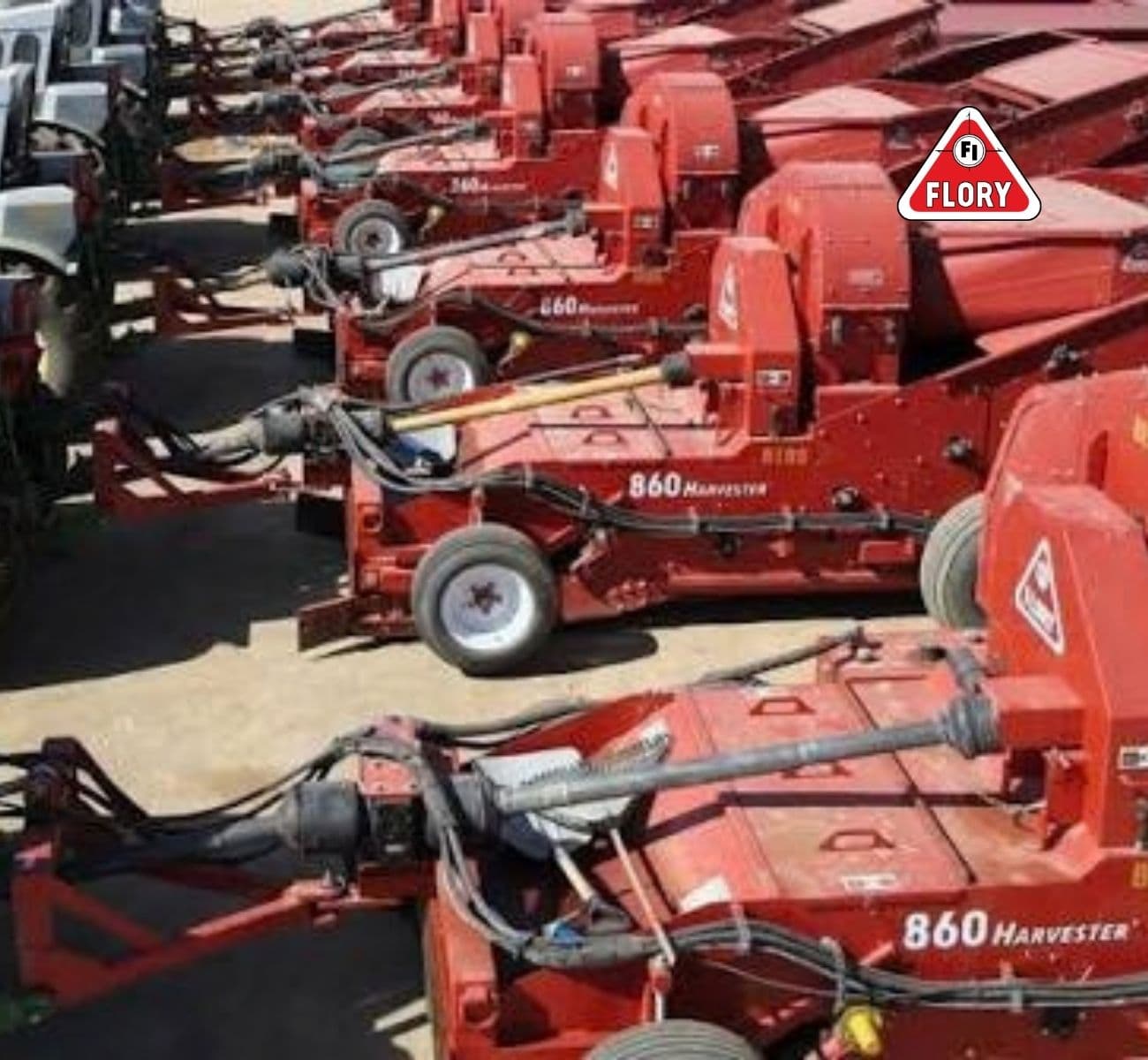
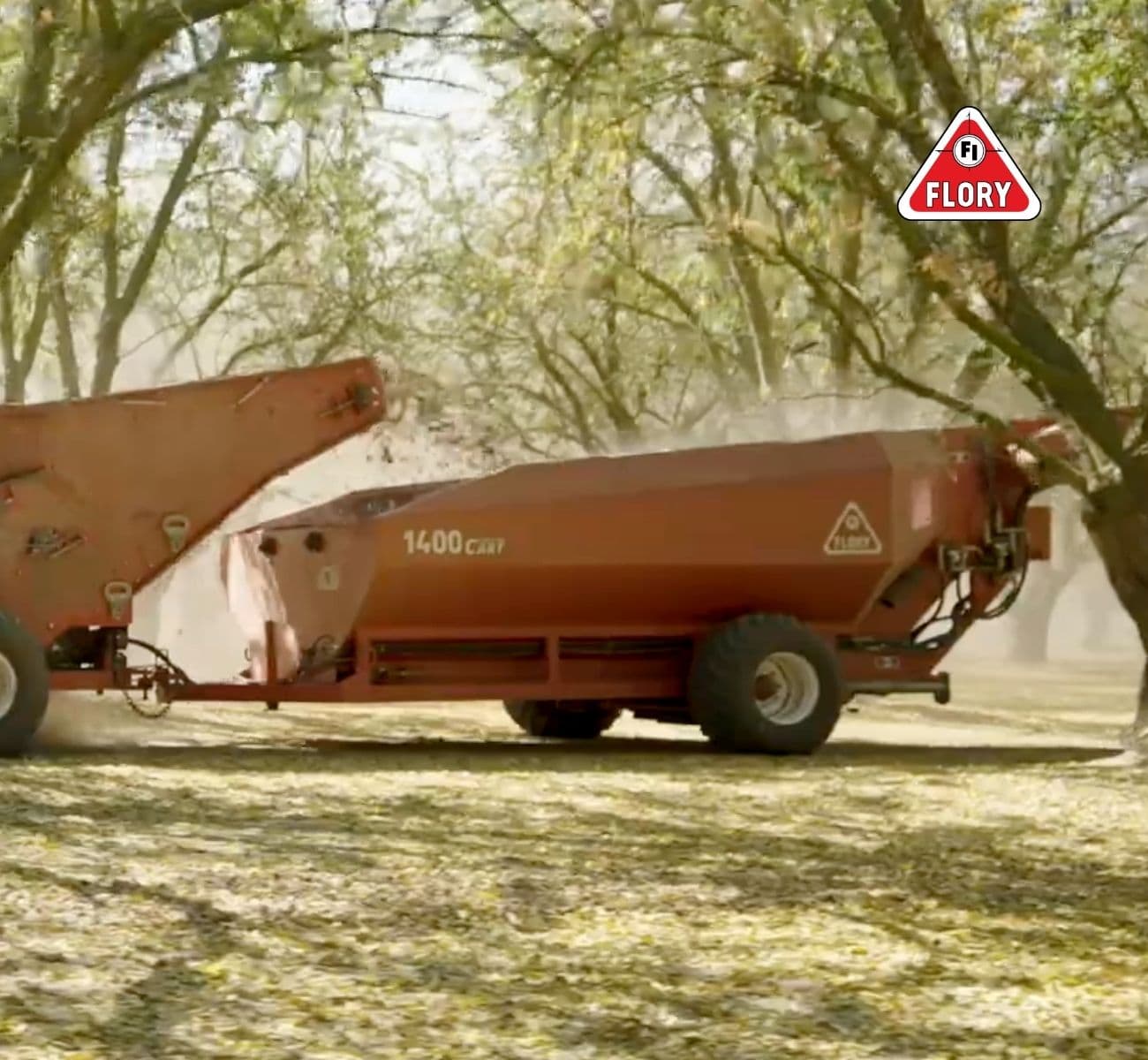
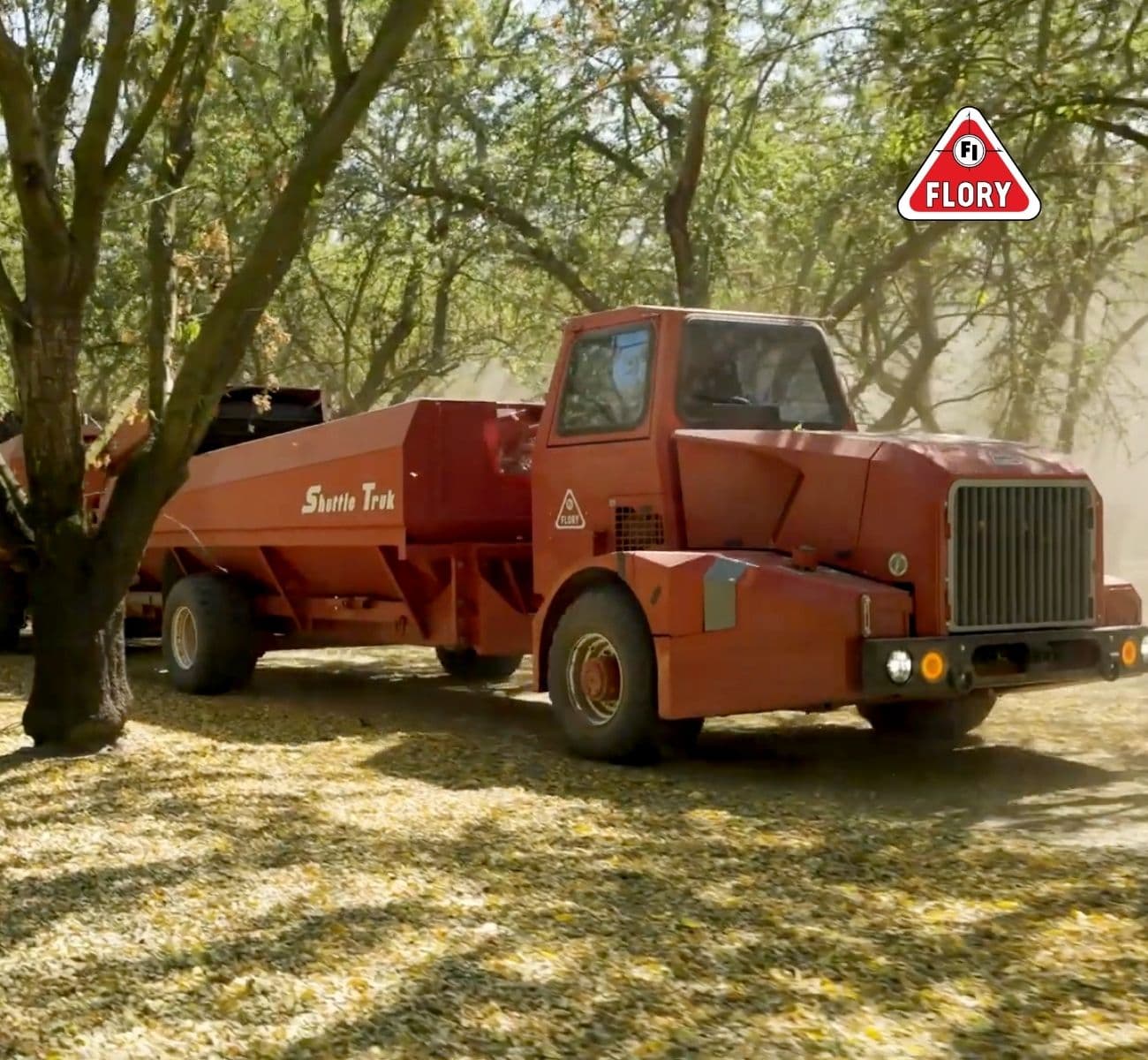
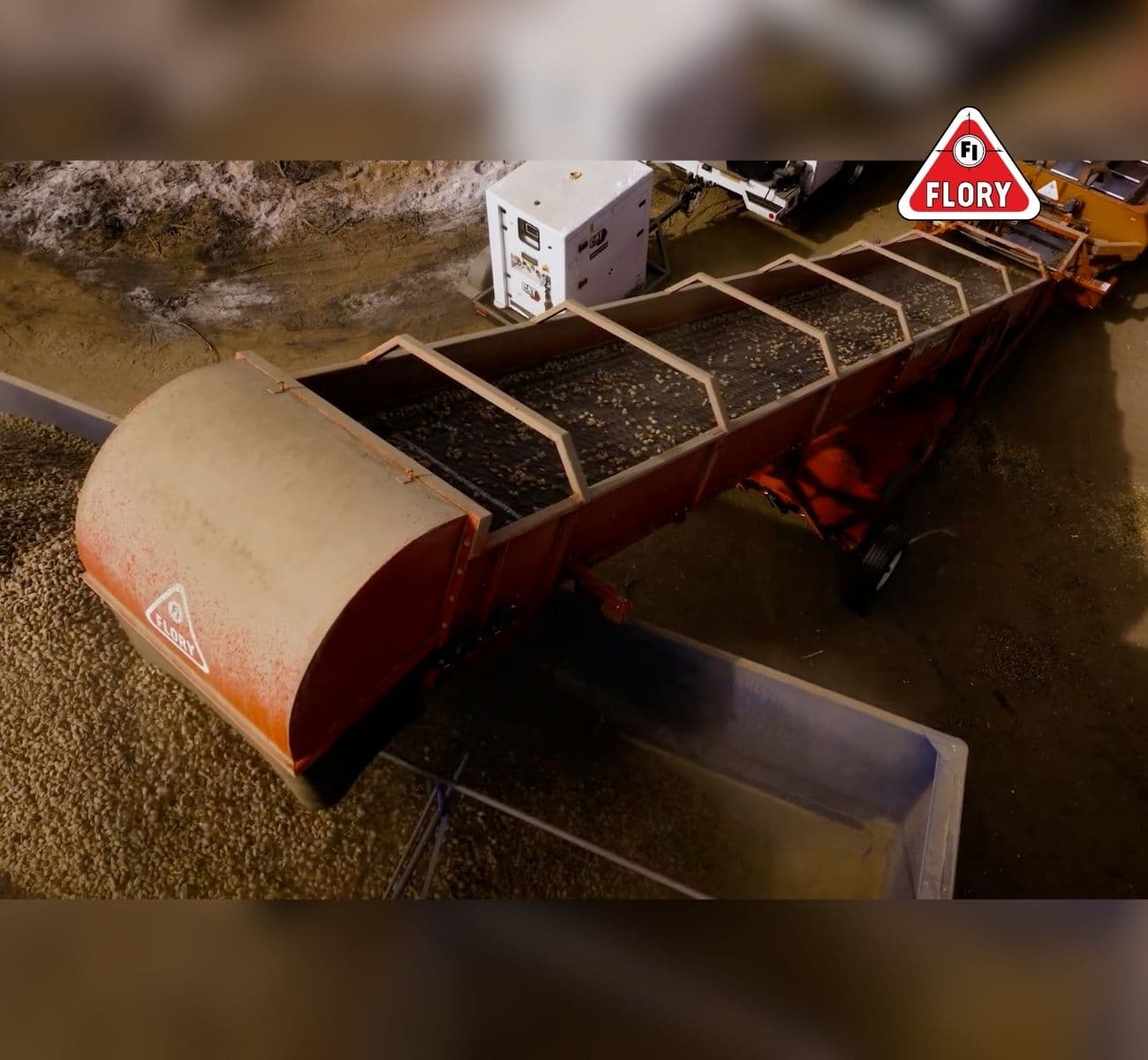
Flory harvesting machinery is available in Italy through OVE Europe. A Flory walnut line runs from the VR700 Shaker, 34 Series Sweeper and 860 Harvester to the 1500 Conveyor Cart, ST14 Shuttle and 4840 Field Elevator, which move the nuts on to the trucks; the CP87 Conditioner is optional. Sized to the shaker, the line supports the prompt pickup that the regional guidelines advised.
Walnut Harvest Workflow (Recommended Equipment)
Practical Tips for Walnut Harvesting
Test maturity by shaking a sample tree: harvest when at least 80% of the nuts hull easily and completely by hand, as Emilia-Romagna's guidelines advised.
Pick up shaken nuts as soon as possible: the same guidelines warned that days on the ground can spoil kernel color and that rain brings mold.
Plan harvest by variety: Emilia-Romagna's 2026 norms rate Lara early, Howard mid-season, Chandler medium-late and Franquette late.
Harvest blight-free blocks first where possible: a 2019 review names mechanized harvesting among the ways the blight bacterium spreads.
Keep heavy machines off waterlogged soil: tracks compacted at harvest hold water and favor Phytophthora, a Veneto producer group warned in 2025.
Match sweeper and harvester capacity to the shaker, so nuts shaken in the morning are picked up the same day.
Get your recommended harvest setup
Enter orchard size, spacing, terrain, and target throughput—we’ll suggest a practical harvest workflow and equipment lineup.

Walnut Post-Harvest Handling & Processing in Italy
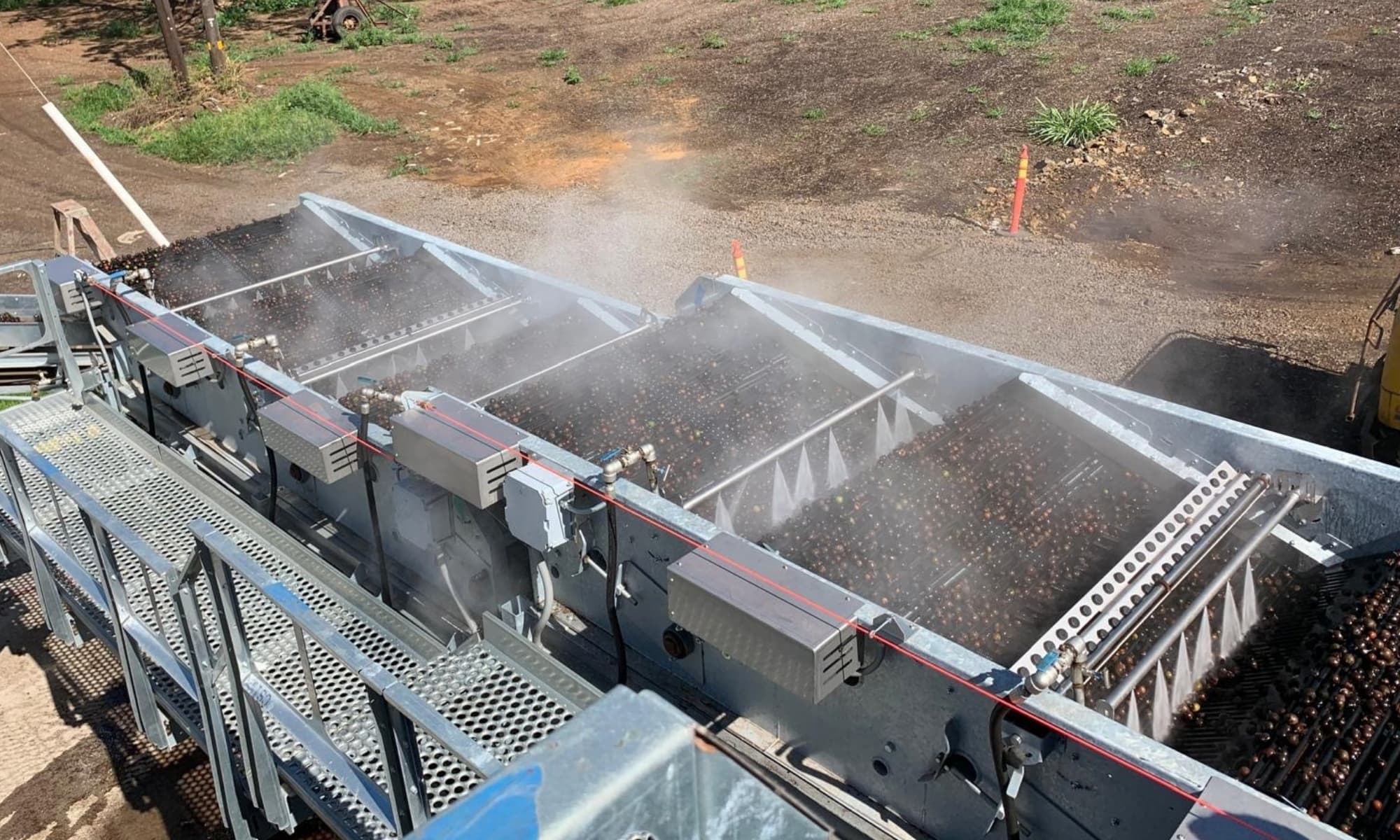
Specialized chains process the crop in central plants. One Romagna processor described four phases (hulling, optical sorting, drying and sizing), with hulling at about 4,000 kg an hour and dryer air at 38 to 40 °C for 36 to 48 hours, to below 8% moisture (2018 to 2019). A Veneto producer organization reported a drying capacity of 100 t a day in 2025 and says it washes its walnuts with water only and dries them slowly at low temperature.
Emilia-Romagna's 2008 post-harvest norms advised hulling with drinking-quality water, a kernel moisture of 5 to 7% after drying, and storage below 8 °C at 60 to 70% relative humidity for 7 to 12 months. Under EU Regulation 2023/915, aflatoxins in tree nuts for consumers may not exceed 2.0 µg/kg for B1 and 4.0 µg/kg in total.
In June 2024, Lara from Italy sold for about EUR 7 to 8 per kg in Italian markets (EUR 5 in some) against EUR 3.50 to 4 for Californian Chandler (MyFruit), and the consultancy Areté noted in 2025 that Italian prices keep a premium over international ones. Jessee, whose processing lines OVE Europe supplies, builds hulling, drying, sizing and cracking equipment for walnuts.
For general information only. Information may become outdated and does not replace site-specific professional advice. Consult a qualified agronomist and confirm equipment suitability with OVE before acting.
Practical Tips for Walnut Post-Harvest Handling & Processing
Hull and wash the nuts promptly, using drinking-quality water, as Emilia-Romagna's 2008 post-harvest norms advised.
Leave incompletely hulled nuts a few days in the sun and run them through the huller again, as the regional guidelines advised.
Dry gently: one Romagna processor dried with air at 38 to 40 °C for 36 to 48 hours to below 8% moisture.
For storage of 7 to 12 months, keep dried nuts below 8 °C at 60 to 70% relative humidity, as the 2008 norms advised.
Test kernels against the EU aflatoxin limits for tree nuts in Regulation 2023/915: 2.0 µg/kg for B1 and 4.0 µg/kg in total.
Grade in-shell nuts by size: the 2008 norms preferred sizes above 34 mm for Lara, 32 mm for Howard and 30 mm for Chandler.
Recommended Post-Harvest Handling & Processing Stages









Plan your post-harvest line
Estimate tons/day, cleaning & drying capacity, storage needs, and cost/kg—then build your equipment plan in phases.