


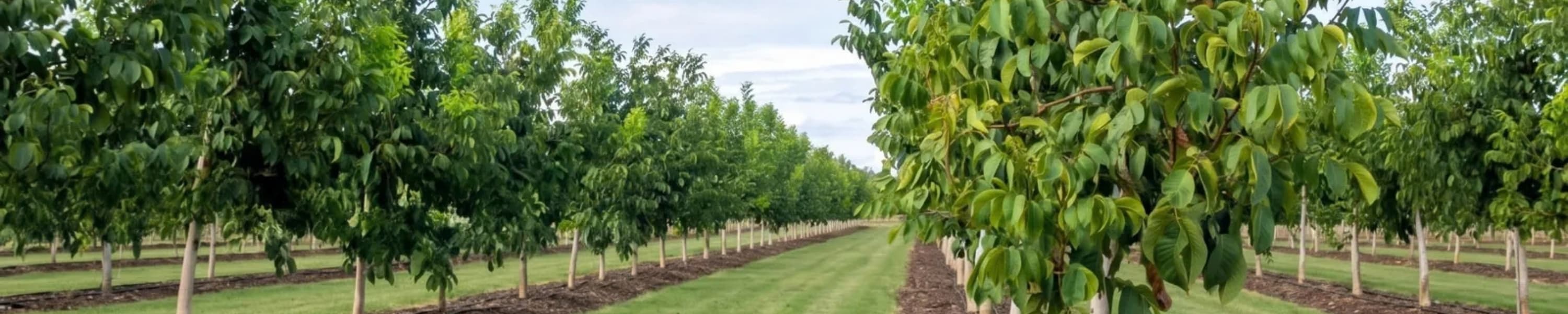




Walnut Orchard Establishment in Kazakhstan
Walnut in Kazakhstan grows in the south and southeast. In Turkestan region it grows mainly on foothill and homestead land in the Tulkubas, Tolebi, Sairam and Kazygurt districts (regional press service, 2020), and trees sampled at Sarkyrama and Mashat grew at 575 to 580 m and 660 to 669 m (KazNARU journal, 2024). Kazakh researchers describe the surveyed walnut areas in Turkestan and Almaty regions as suitable with irrigation and report frequent spring frosts in April and early May, down to -5 °C in early April 2023 in Almaty region.
Commercial growing is young. An intensive orchard at Turgen in Almaty region was planted in 2017 as an experiment, designed for very dense planting, drip irrigation and fertilization. There, winter lows reached -37 °C and summer highs +42 °C in 2017 to 2018; some cultivars did not withstand such swings, and only six or seven of 30 adapted well. Most imported plants died in transit, so the farm now brings them in very small, adapts them for two years and has raised its own nursery stock since 2018 (Informburo; Kazakhstanskaya Pravda, 2022).
Cultivars in new plantings are mostly imported. Two farms at Turgen and Saryagash and the state dendrological park at Esik held 23 cultivars and forms in 2022 and 2023, including cultivars from Moldova, Romania, Ukraine, France, China and India (KazNARU journal, 2024). The variety register on the State Commission's website lists one walnut cultivar, Tonkoskorlupy (1973). Press reports put first bearing at about five years and full crops at seven to ten years (2017 to 2022).
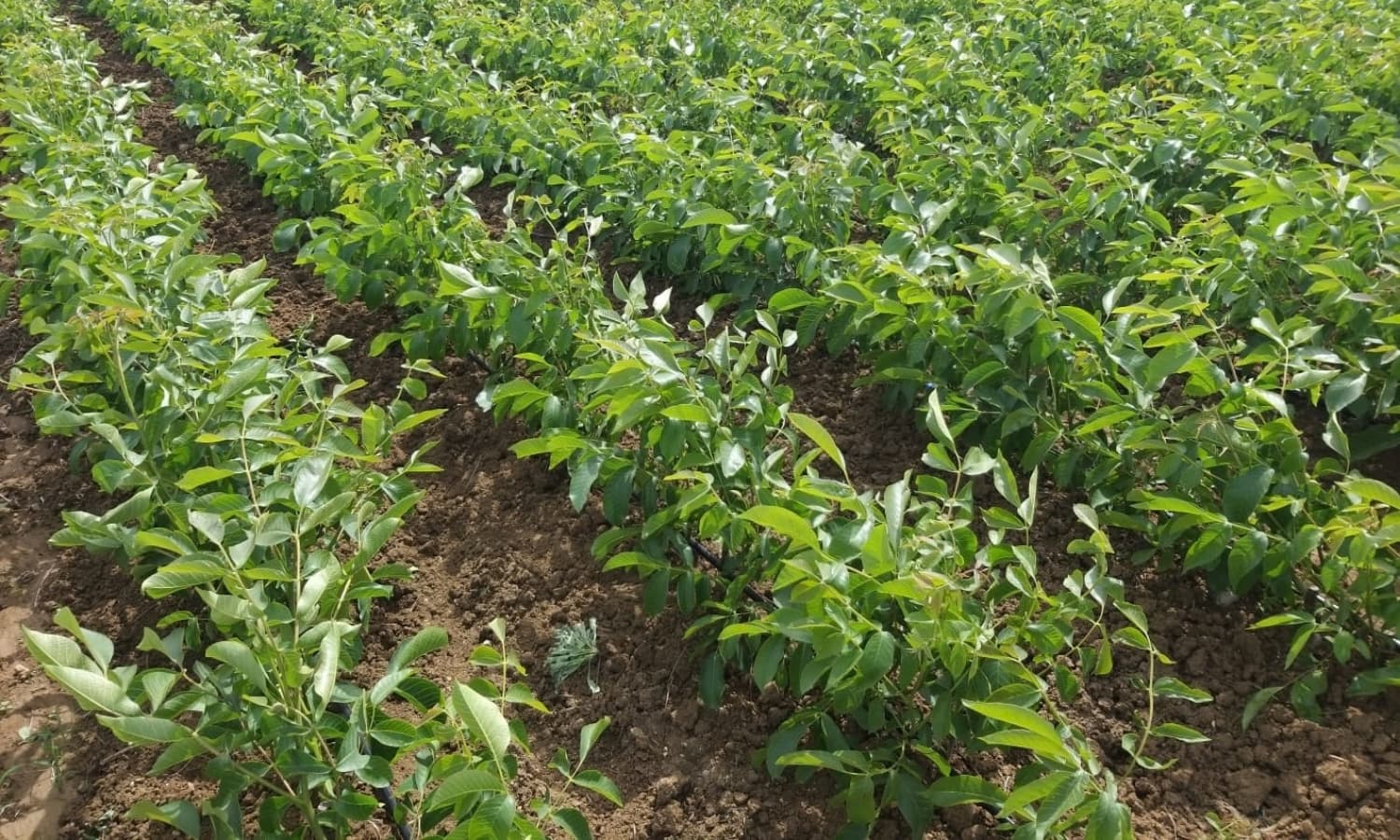

Practical Tips for Walnut Orchard Establishment
Choose southern sites with a reliable water supply: Kazakh researchers describe the surveyed walnut areas in Turkestan and Almaty regions as suitable with irrigation.
On frost-prone sites, choose cultivars with late or two-phase flowering, as a 2018 press report advised for Turgen.
Trial several cultivars in small blocks before scaling up: at Turgen, only six or seven of 30 adapted well to winters down to -37 °C and summers up to +42 °C.
Order young trees early and allow for losses in transit: the Turgen farm imports very small plants and adapts them for two years.
Plant windbreaks on exposed sites: the Turgen orchard planted silver poplars to shelter its walnut trees from wind and frost (2022).
Before planting, plan rows, headlands and access lanes with your machinery supplier, so shakers, sweepers and shuttles can work and turn freely.
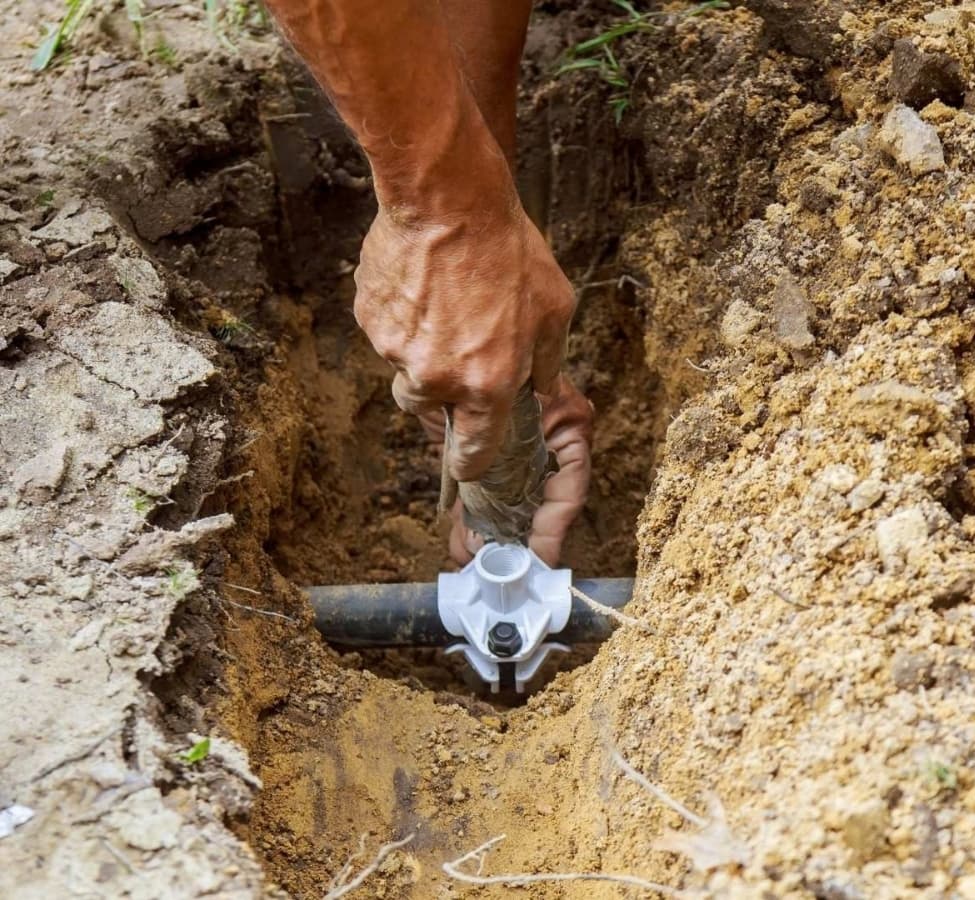
Recommended Establishment Stages
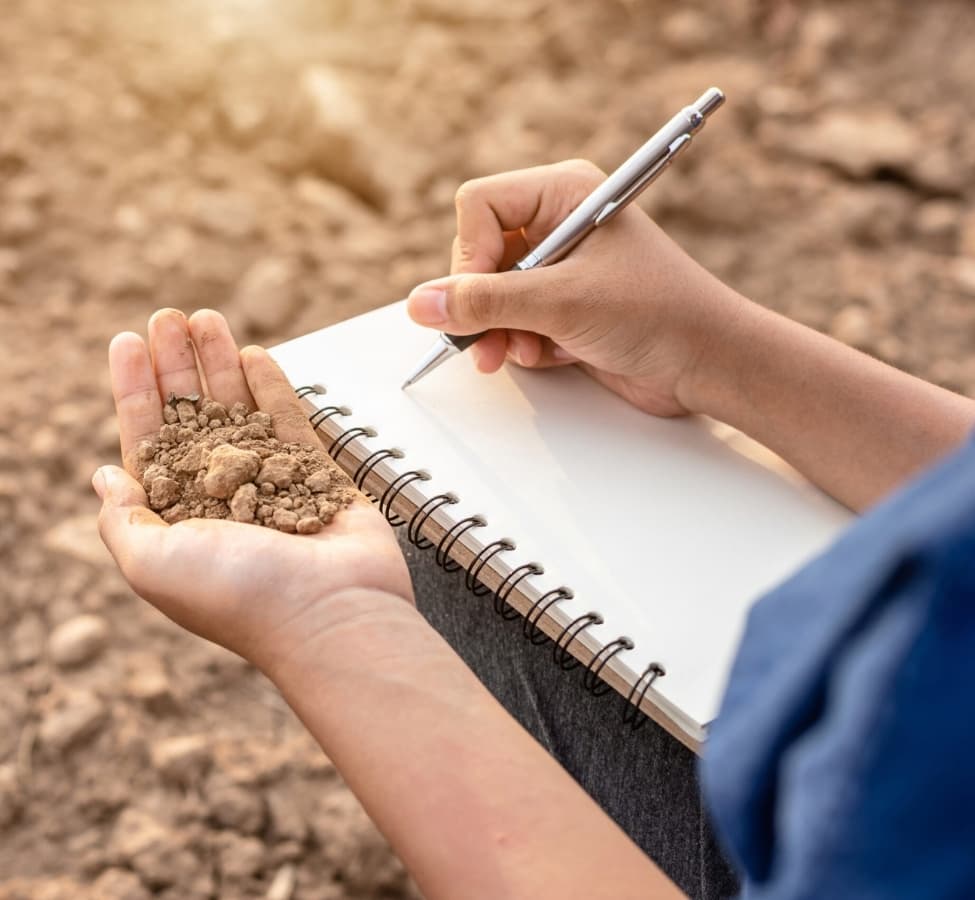



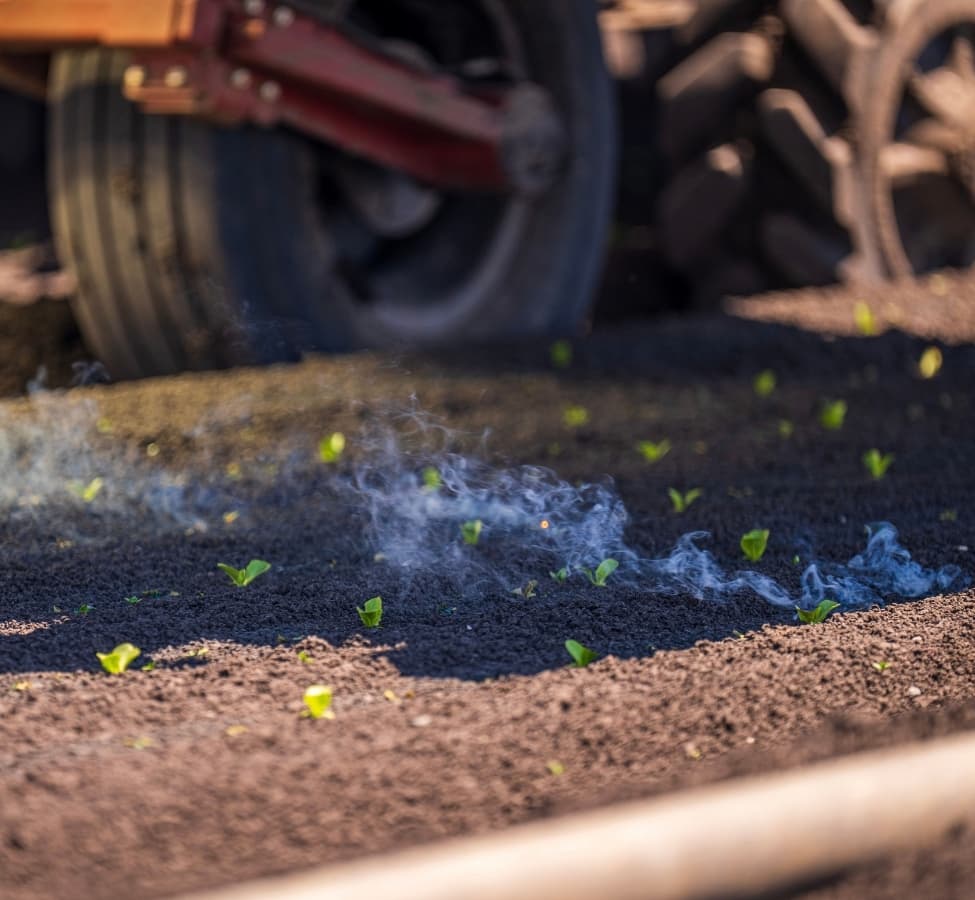


Walnut Orchard Care & Maintenance in Kazakhstan
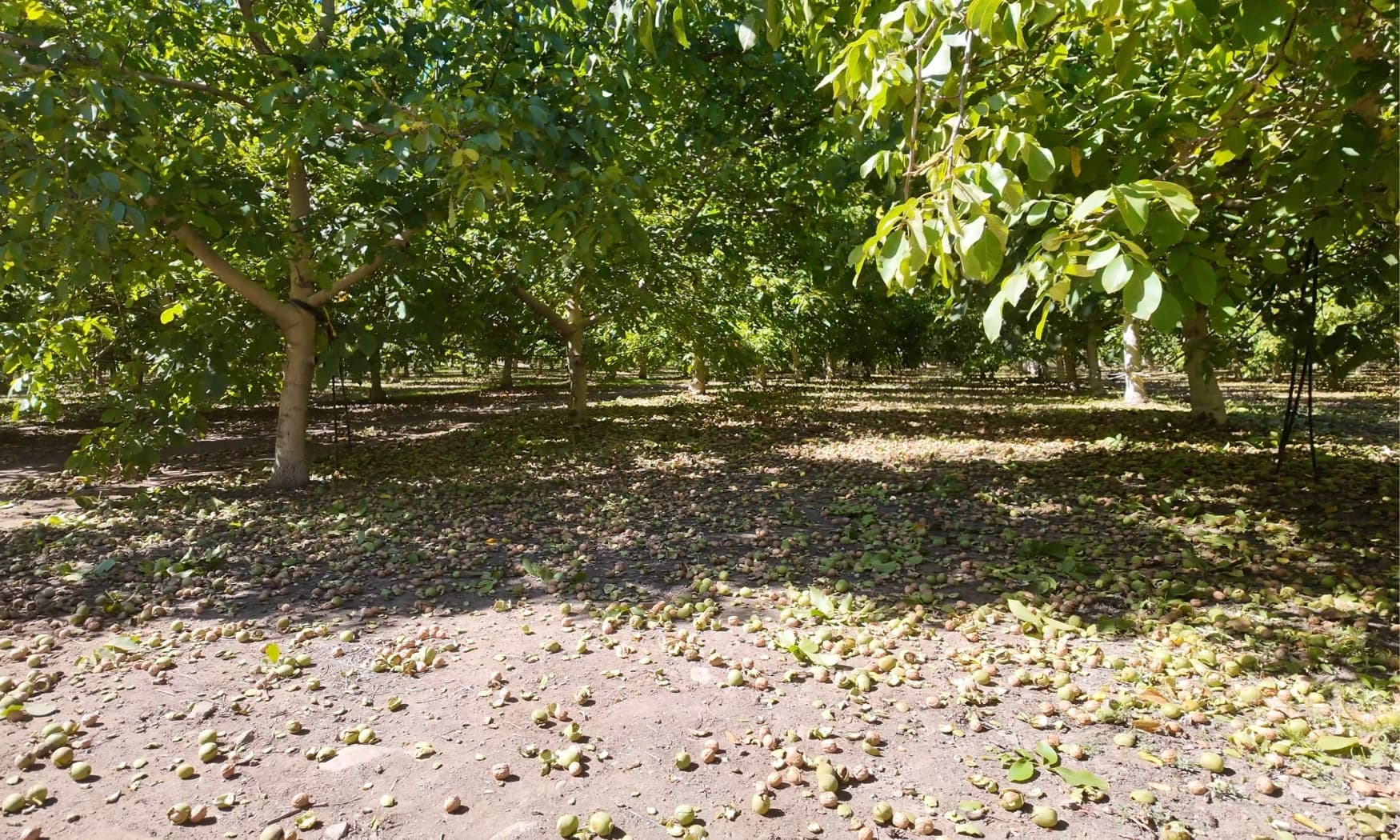
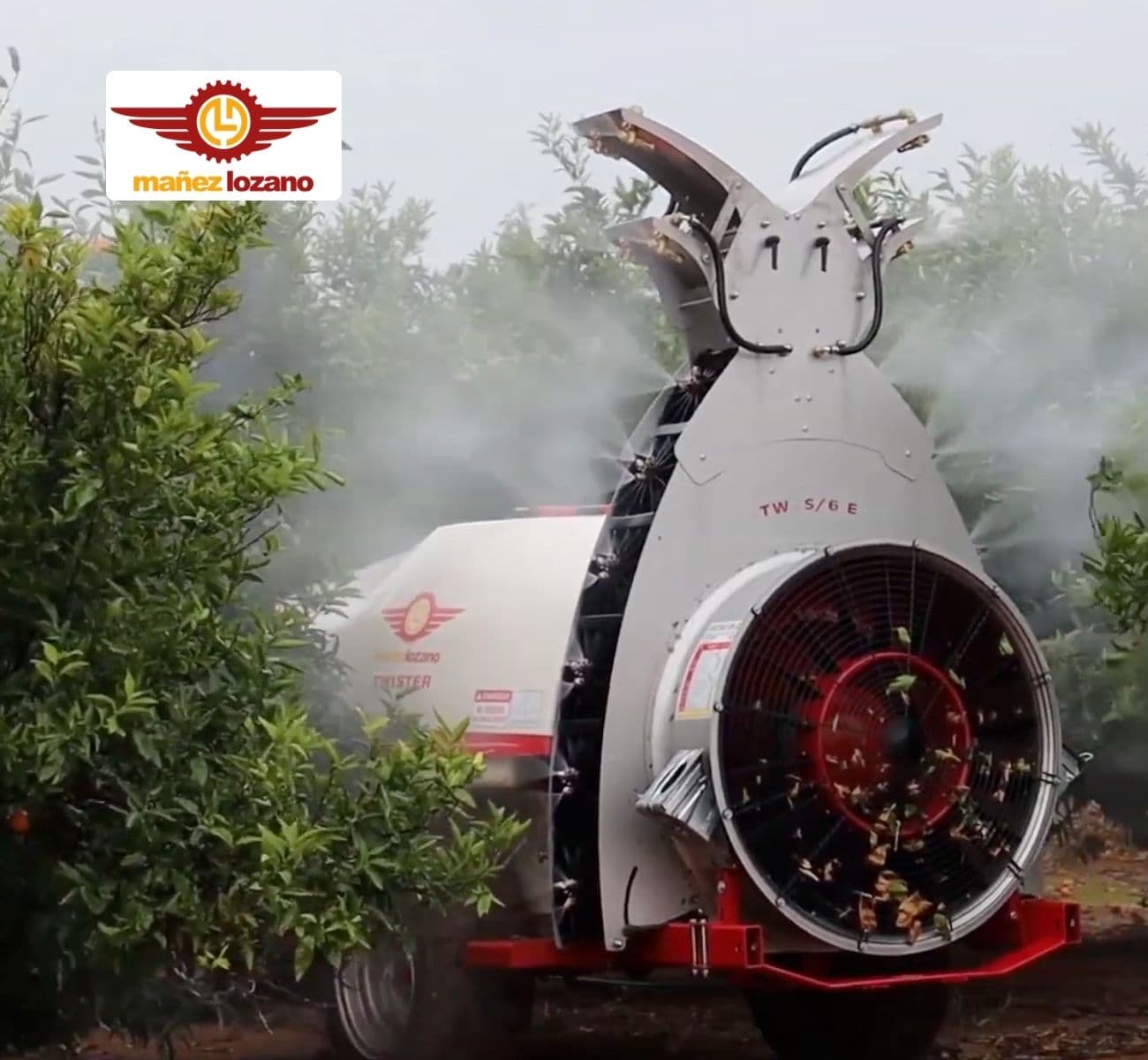
Summers can be hot and dry: at a surveyed farm in Saryagash district, the weather after June stayed dry and hot, without rain, until October (KazNARU journal, 2024). No Kazakh source gives irrigation volumes or schedules for walnut. The Turgen orchard names nutrition and protection from diseases and pests as its first needs, and it gets advice on pest control from an Italian company (Informburo, 2022).
Walnut blight is the best-documented disease. In a 2022 to 2023 survey at Turgen, Esik and Saryagash, Kazakh researchers attributed it to Pantoea agglomerans: it began on the inflorescences, then spread to the shoots, and was stronger after the warm, humid spring of 2022. The Moldovan cultivar Kazaku was highly resistant, while local Saryagash forms were severely affected (KazNARU journal, 2024). In 2023 to 2024 they also confirmed blight caused by Xanthomonas arboricola pv. juglandis at a Saryagash farm (Horticulturae, 2025).
Alternaria alternata was the most frequent fungal pathogen in a 2022 to 2023 survey of the same sites, and its brown spot is described as a serious threat to yield in the southern fruit-growing zone (KazNARU journal, 2024, 2025). Anthracnose (Gnomonia leptostyla) reached 20 to 60% damage on fruit and leaves in one population at Sarkyrama (2024). EPPO lists codling moth as present in Kazakhstan, but no Kazakh study of insects on walnut was found, and EPPO has no Kazakh record of walnut husk fly (Rhagoletis completa).
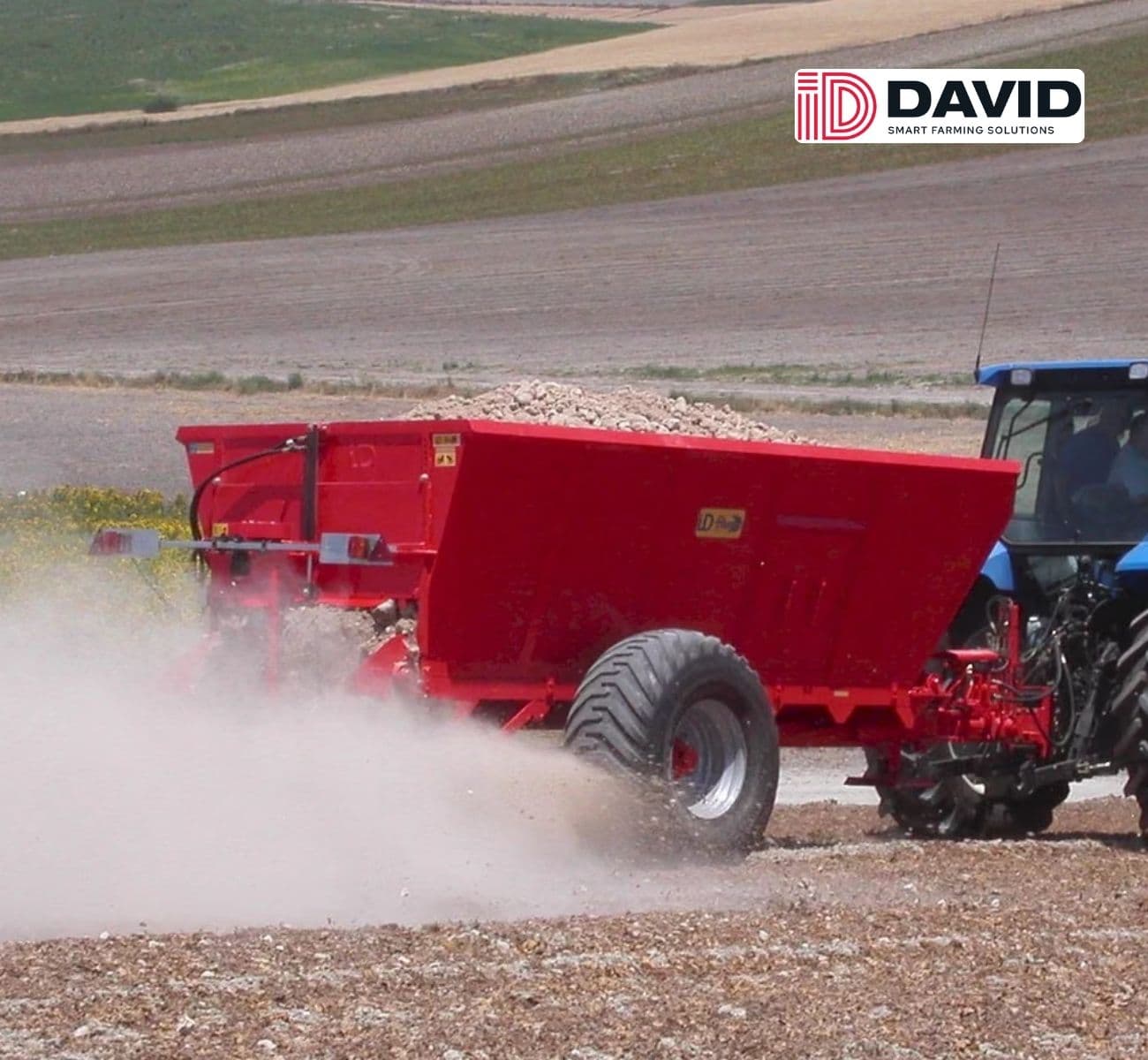
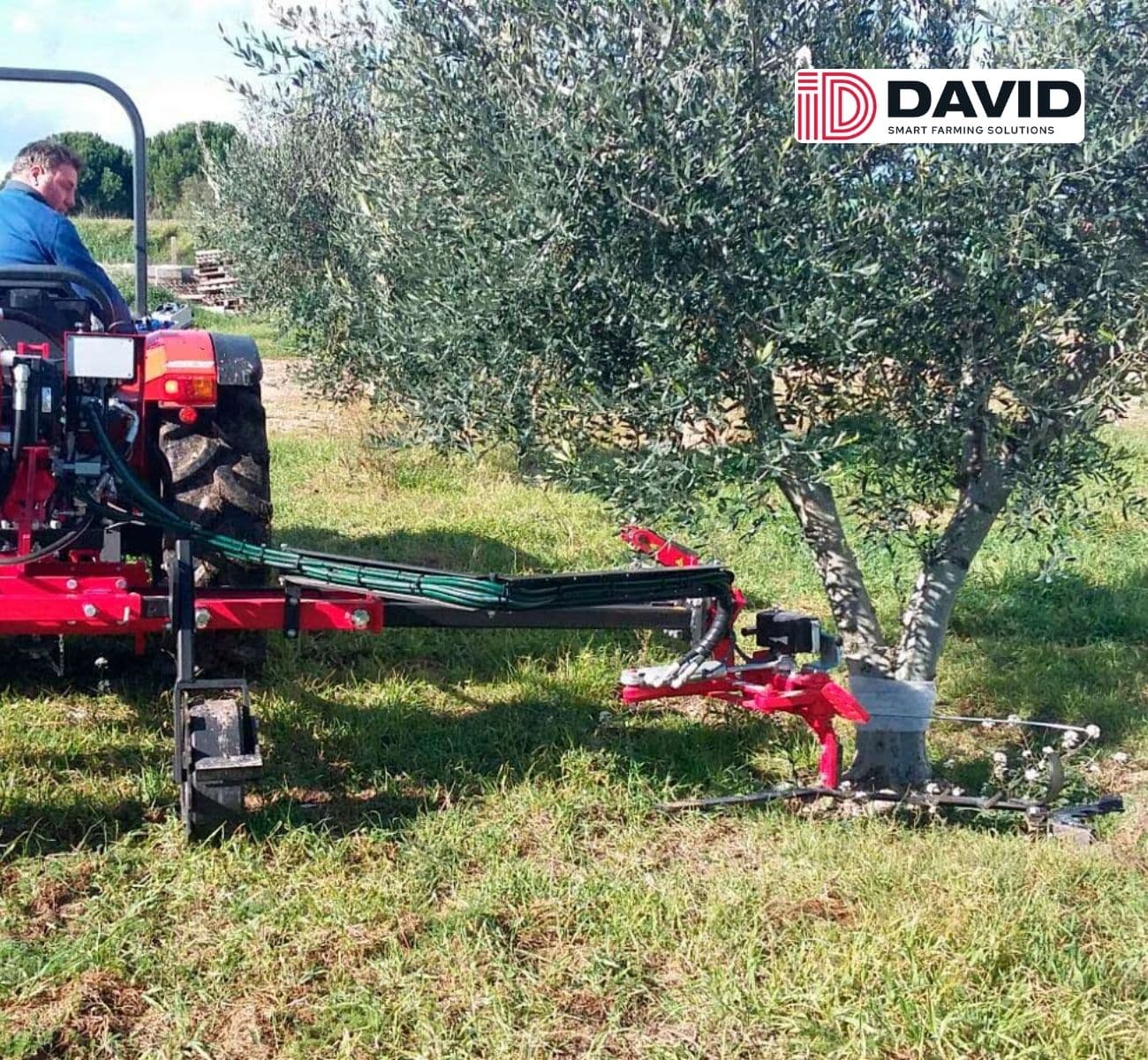
Recommended Orchard Care & Maintenance Stages



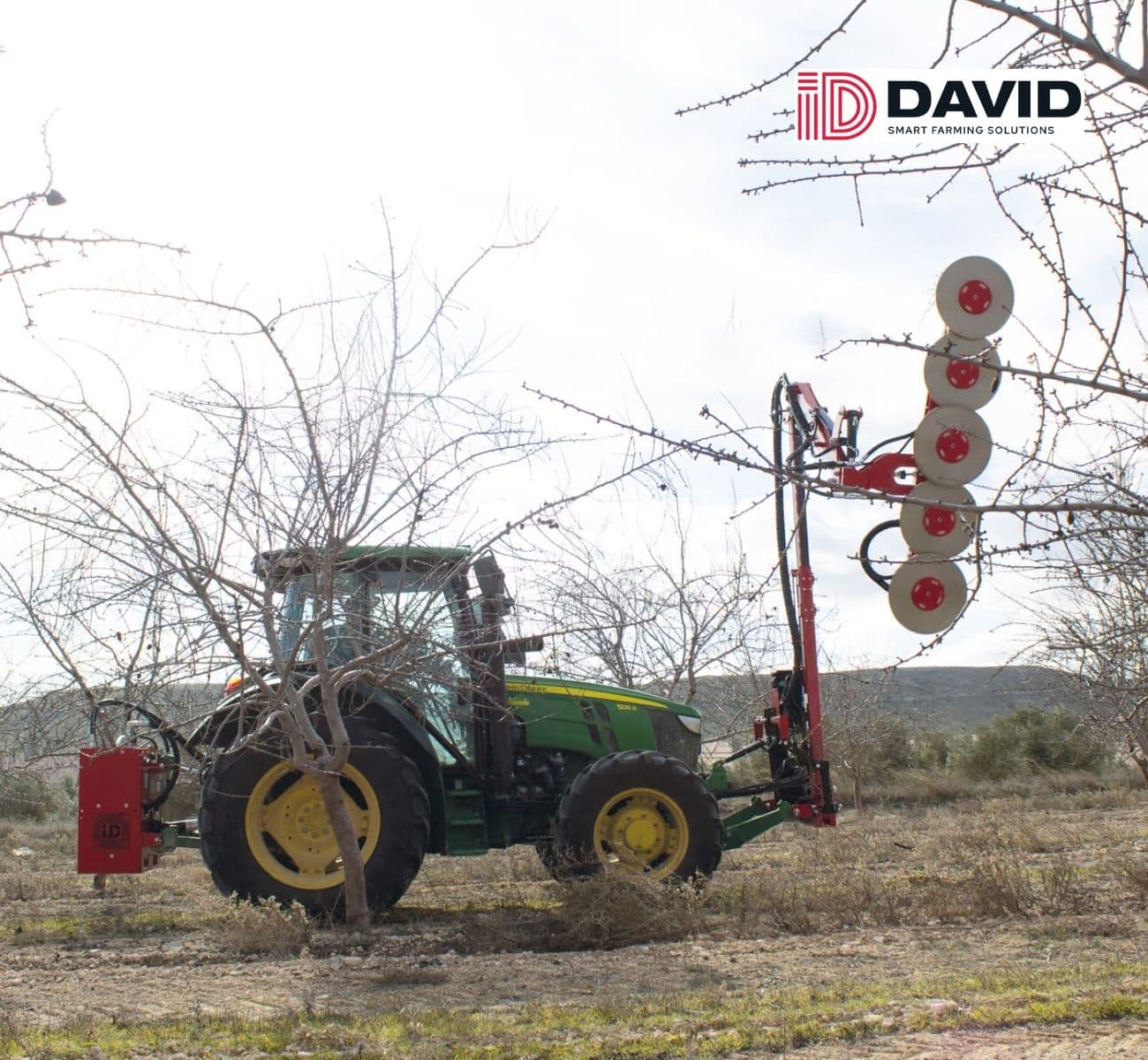
Practical Tips for Walnut Orchard Care & Maintenance
Scout inflorescences and young shoots for blight every spring, above all after warm, wet weather, when Kazakh researchers found it spread more.
Where blight is a problem, favor resistant cultivars: Kazaku was highly resistant in a Kazakh survey, while local Saryagash forms were severely affected.
Check leaves and fruit for brown spot and anthracnose from spring on; both were recorded on walnut in southern Kazakhstan (2024, 2025).
Plan irrigation for the dry season: at a surveyed farm in Saryagash district, the weather after June stayed dry and hot until October.
Monitor codling moth with traps from spring: EPPO lists it as present in Kazakhstan, although no Kazakh study of it on walnut was found.
Keep canopies open so leaves dry quickly: researchers in Turkestan region noted that low humidity limited blight and anthracnose (2020).

Walnut Harvesting in Kazakhstan
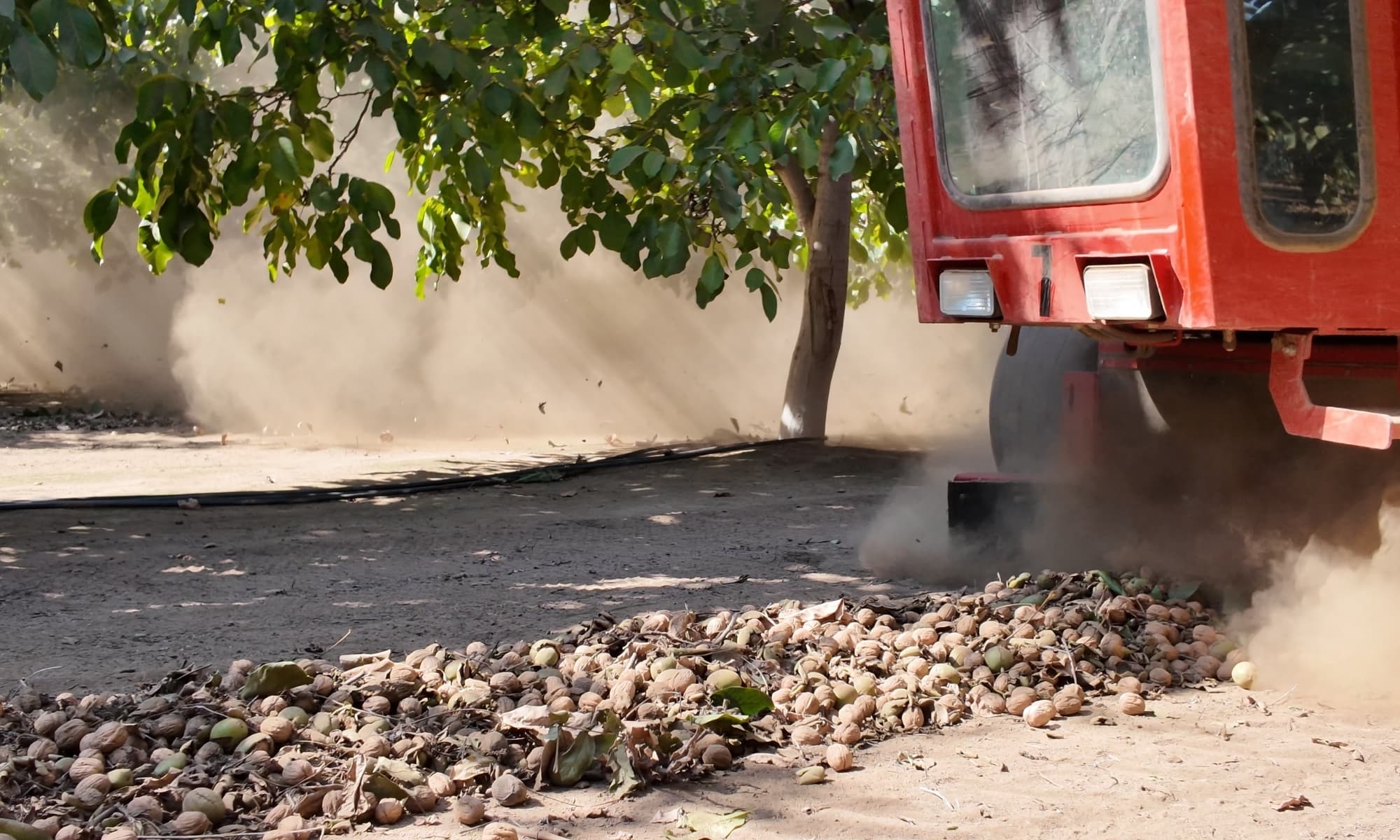
How walnuts are harvested in Kazakhstan is not described in published sources. Many walnuts come from household and foothill trees, and home growers in Turkestan region harvest one or two trees in their yards (Kazakhstanskaya Pravda, 2022). In Tulkubas district in 2020, traders bought the crop by quality at collection points at the district market, then processed and cleaned the nuts and sold them to shopping centers and confectioners (regional press service).
University of California guidance gives the reference practice. Walnuts there are harvested from mid-September to early November: a trunk shaker drops the nuts, which are swept into windrows and picked up by machine. Pickup, hulling and drying should follow as quickly as possible, since most quality loss occurs in the first 9 hours after harvest.
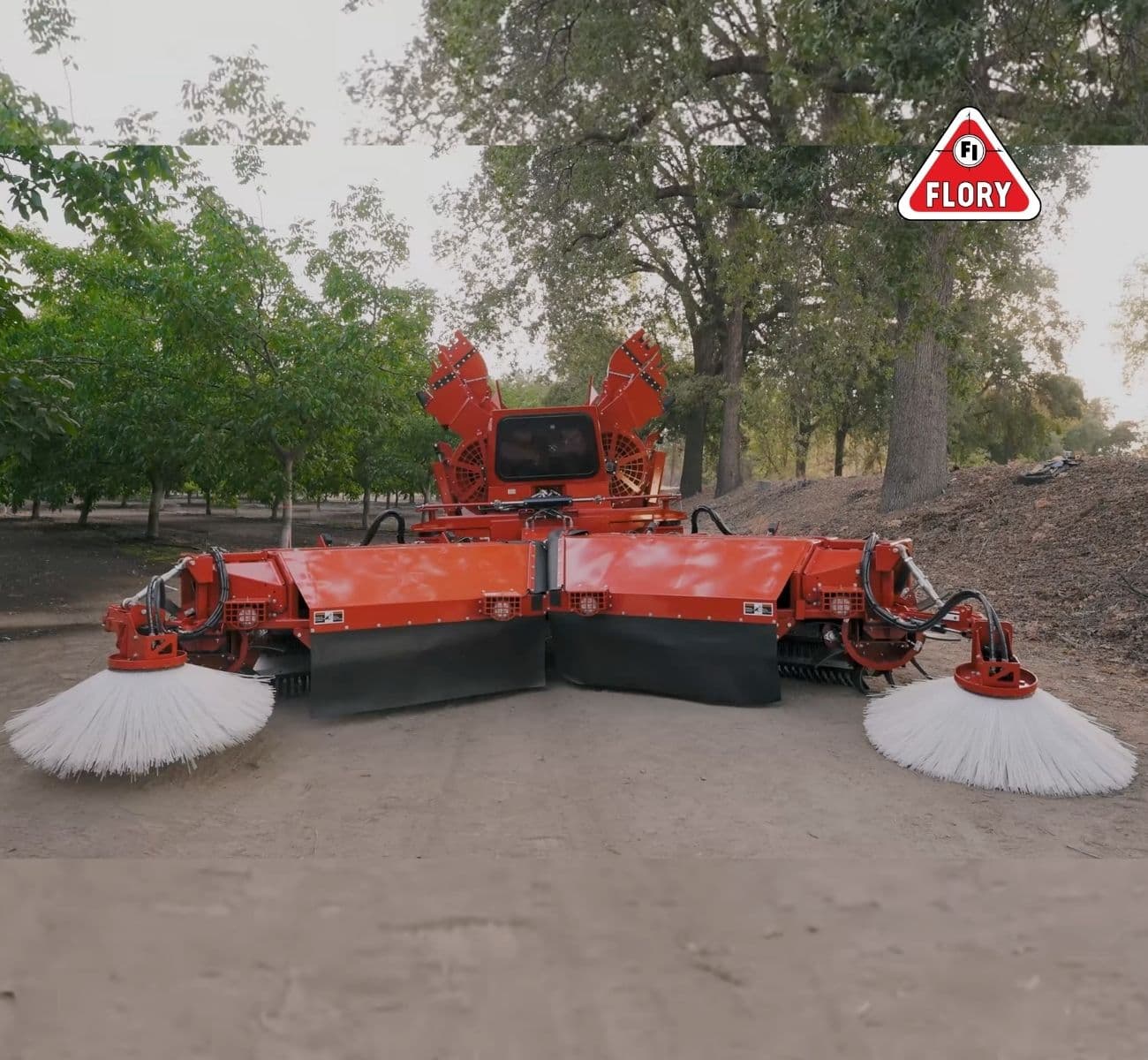
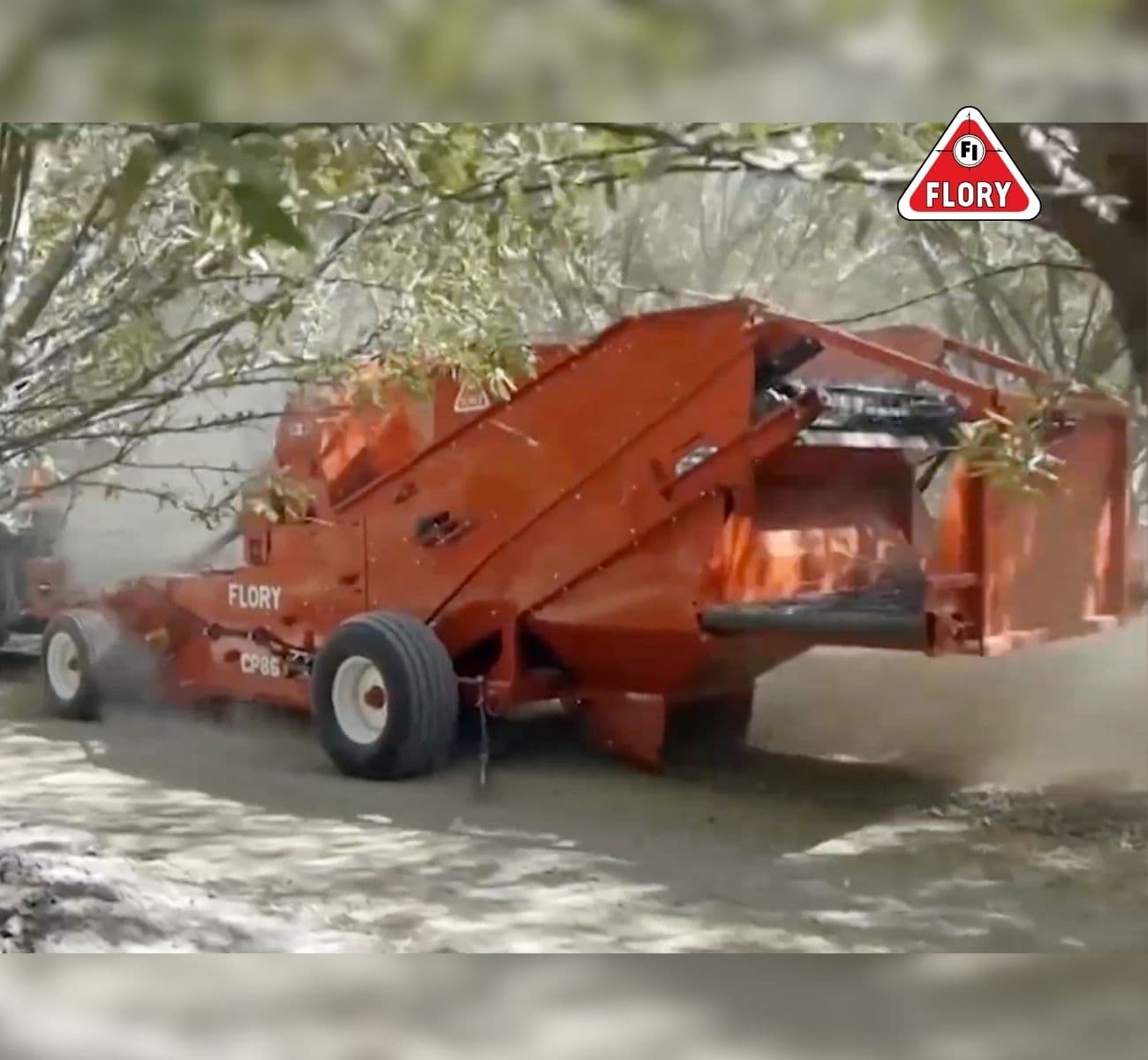
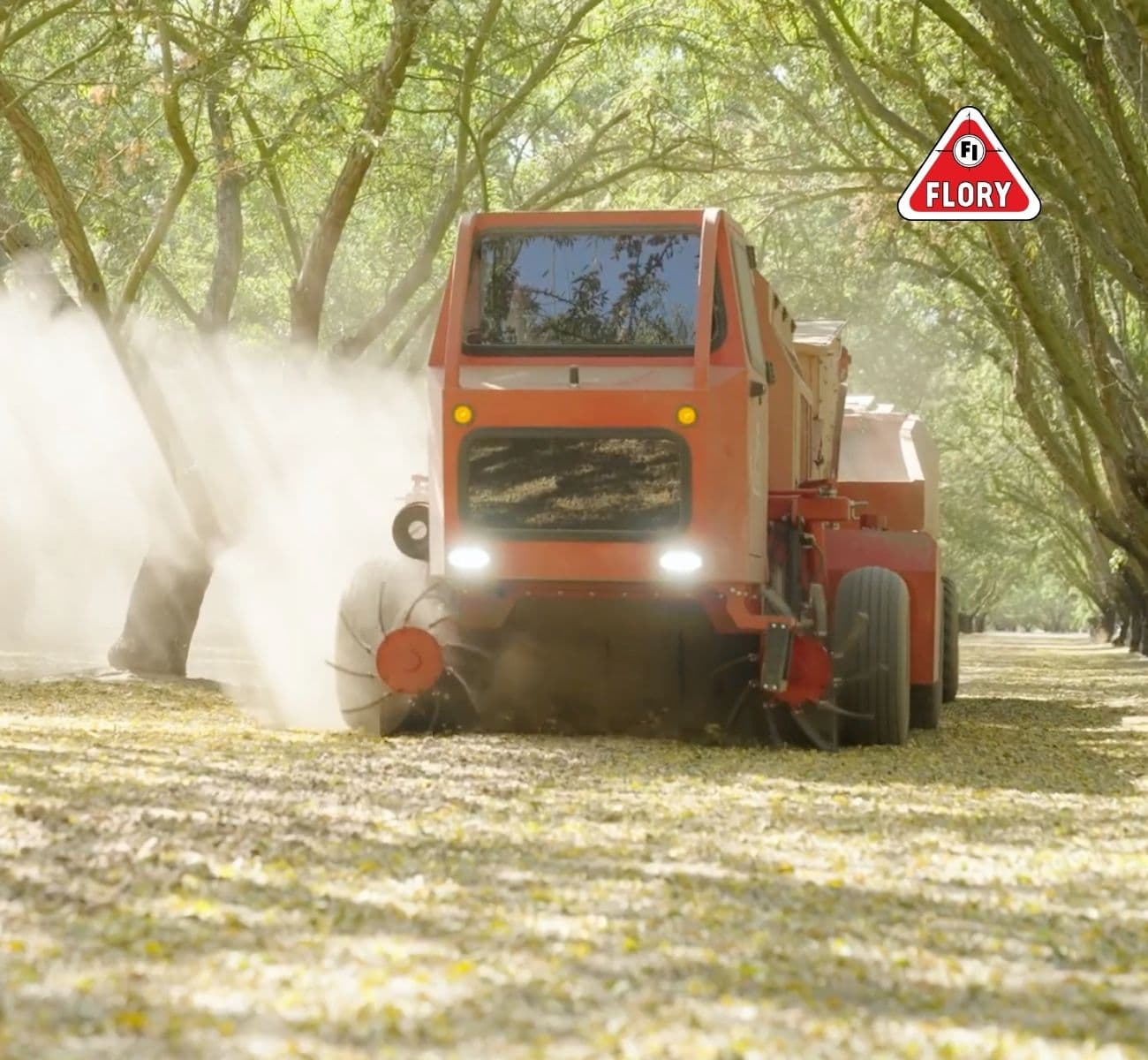
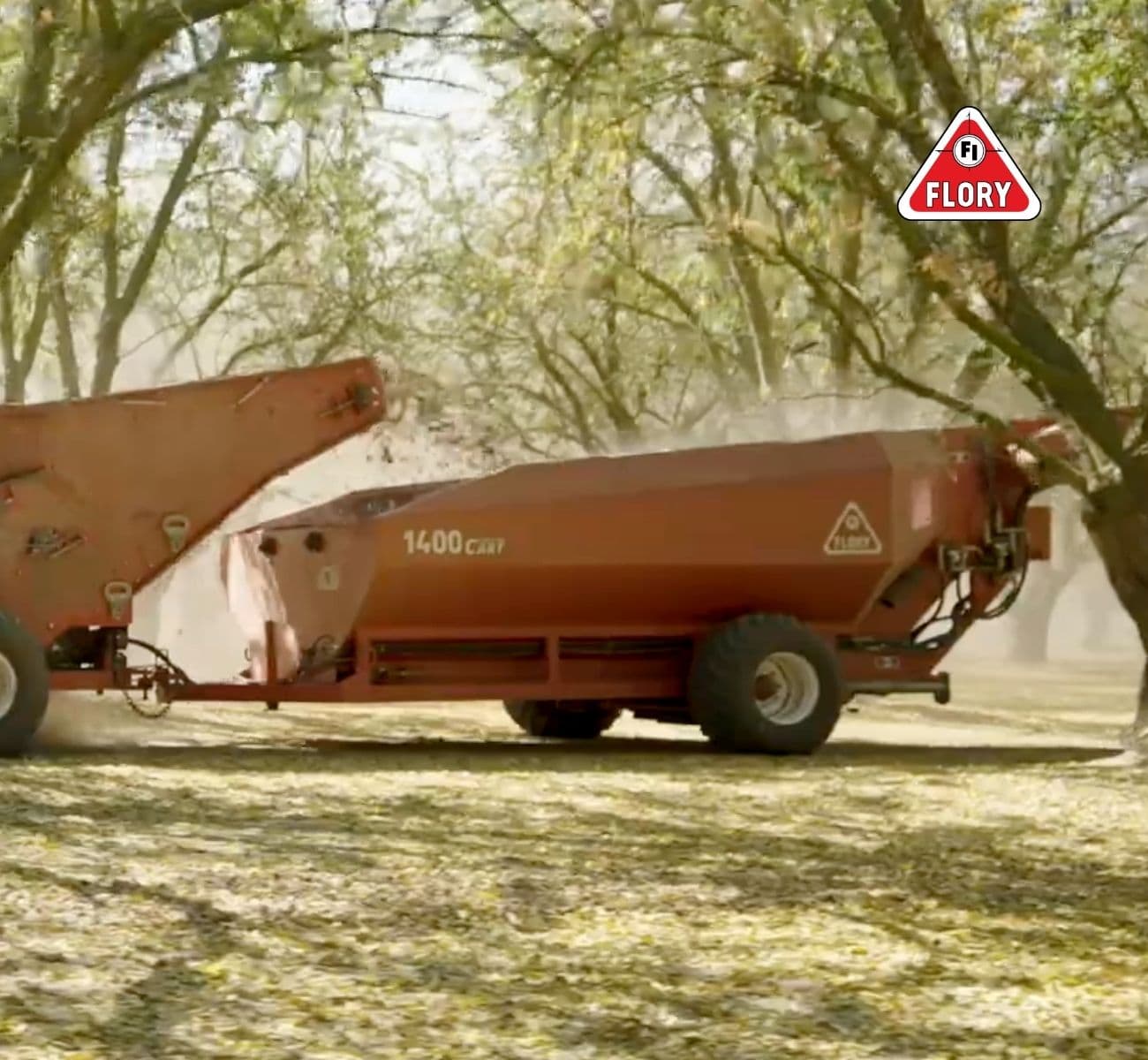
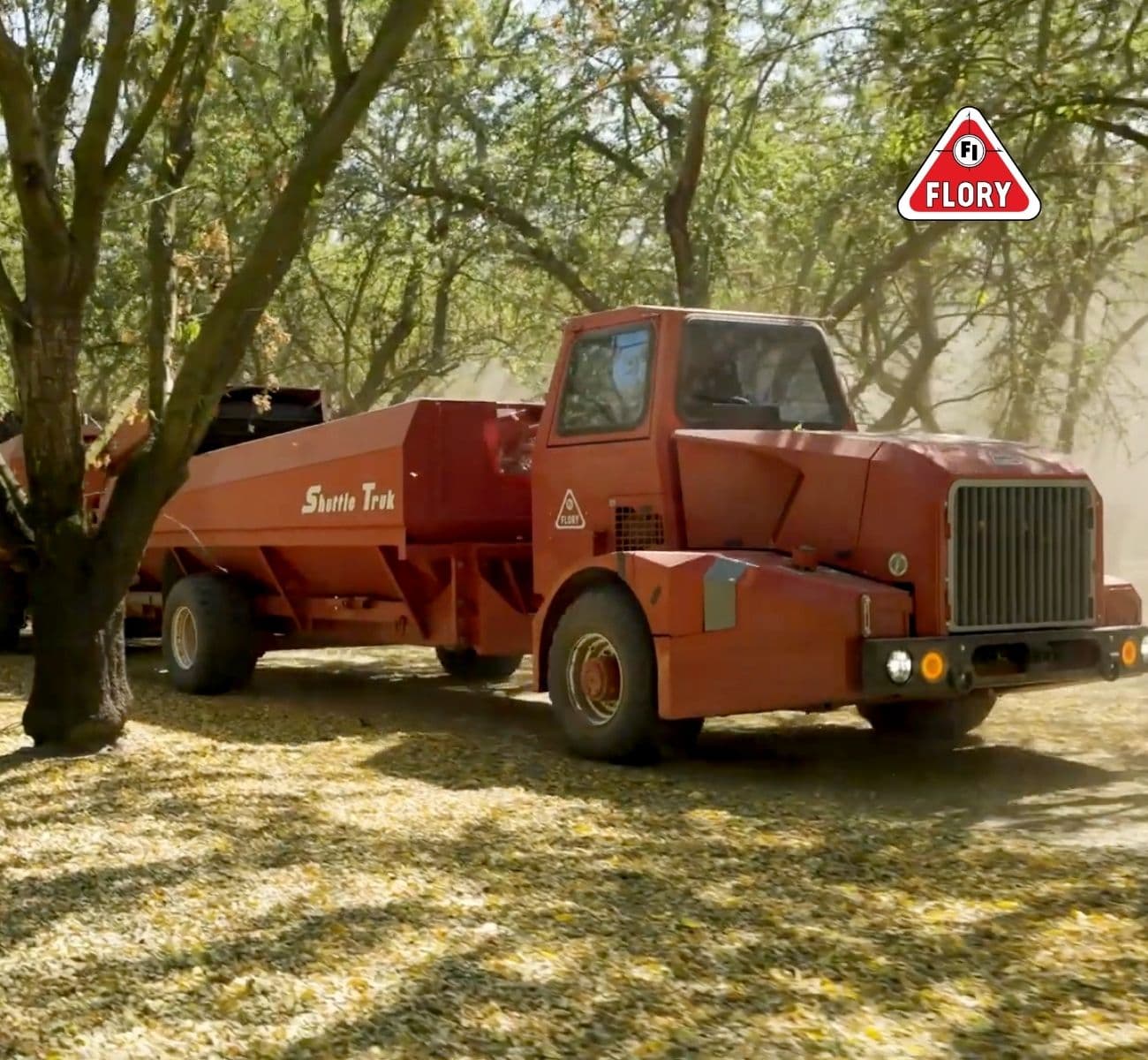
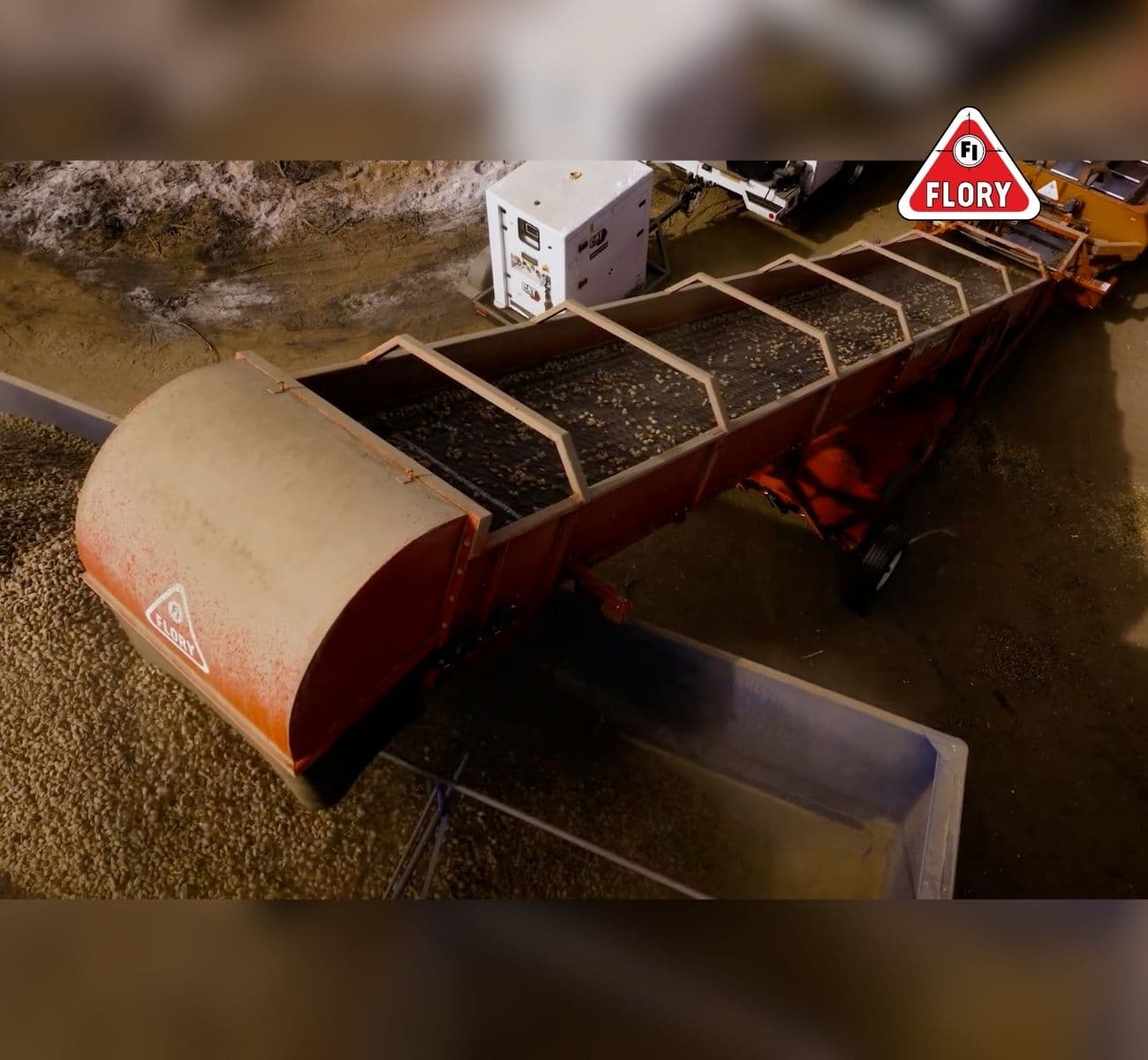
Mechanized walnut harvesting is not documented in Kazakhstan, but young orchards planted with machine access in mind can be harvested this way. Flory harvesting machinery is available in Kazakhstan through OVE Europe. A Flory walnut line runs from the VR700 Shaker, V62 Sweeper and 8772 Harvester to the 1500 Conveyor Cart, ST14 Shuttle and 4840 Field Elevator, which move the nuts on to the trucks.
Walnut Harvest Workflow (Recommended Equipment)

Practical Tips for Walnut Harvesting
Shake when most hulls have split and pick up quickly: UC advisers say most quality loss occurs in the first 9 hours after harvest.
Plan new orchards with clear trunks and machine-wide rows, so a trunk shaker can take over from hand gathering.
Before harvest, mow and level the orchard floor and clear branches and stones, so the sweeper and harvester pick up cleanly.
Match sweeping and pickup capacity to the shaker, so shaken nuts do not wait on the ground.
Keep livestock out of orchards where nuts are picked up from the ground, as the Codex hygiene code for tree nuts advises.
Record hull split by cultivar each autumn to build a local harvest calendar, which no published Kazakh source yet provides.
Get your recommended harvest setup
Enter orchard size, spacing, terrain, and target throughput—we’ll suggest a practical harvest workflow and equipment lineup.

Walnut Post-Harvest Handling & Processing in Kazakhstan
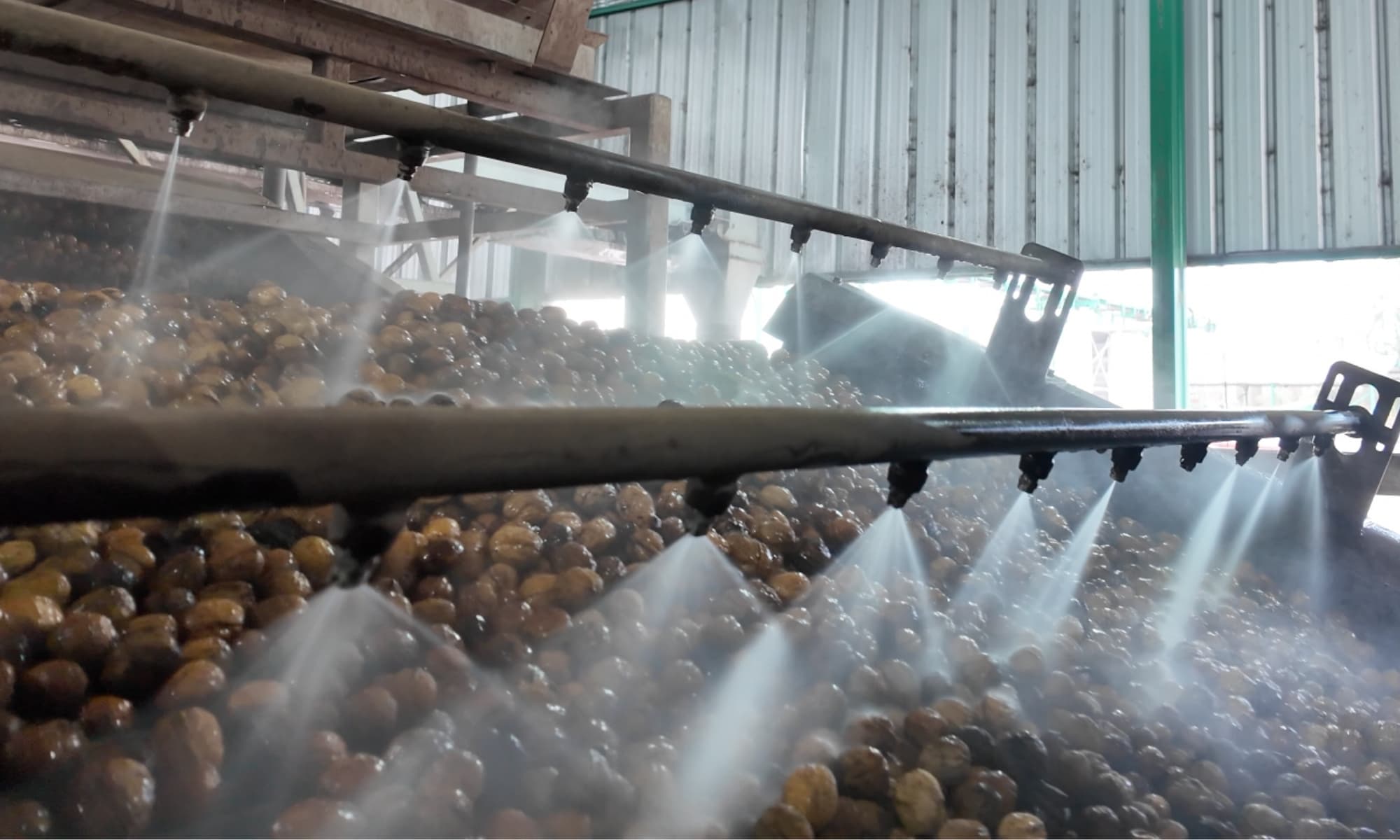
Hulling, drying and storage practice in Kazakhstan is not described in published sources. Kazakh walnuts were offered only in shell in 2018 (Kursiv), traders in Tulkubas district cleaned the nuts before selling them on (2020), and the Turgen farm was still only planning a small processing unit in 2022. General guidance applies: hull promptly, wash only with potable water and dry the nuts to 8% moisture with air no hotter than 43 °C (University of California; Codex).
The Customs Union regulation TR TS 021/2011, in force across the EAEU, limits aflatoxin B1 in nuts to 0.005 mg/kg (text consolidated to 2021). Interstate standard GOST 32874-2014 allows at most 12% moisture in in-shell walnuts, but Kazakhstan is not among the countries that voted for it. A Kazakh nut association official said in 2018 that nuts keep for two years at 0 °C. Jessee, whose processing lines OVE Europe supplies, builds walnut hulling lines and drying, in-shell cleaning and sizing, and shelling systems.
For general information only. Information may become outdated and does not replace site-specific professional advice. Consult a qualified agronomist and confirm equipment suitability with OVE before acting.
Practical Tips for Walnut Post-Harvest Handling & Processing
Hull nuts promptly after gathering, as UC advisers recommend, and wash them only with potable water, as the Codex hygiene code for tree nuts specifies.
Dry hulled nuts to 8% moisture, measured on the whole nut, with air no hotter than 43 °C, as UC guidance advises.
Store dried nuts in clean, dry rooms free of foreign odors, as GOST 32874-2014 specifies, keeping each lot separate and cool.
Test kernels for aflatoxin before sale: TR TS 021/2011 limits aflatoxin B1 in nuts to 0.005 mg/kg; check the current text.
Ask buyers which grading standard they apply: GOST 32874-2014 sets a 26 mm minimum diameter for its higher and first grades.
Keep each cultivar and block as a separate lot, and sort out moldy, dark and empty nuts before sale.
Recommended Post-Harvest Handling & Processing Stages









Plan your post-harvest line
Estimate tons/day, cleaning & drying capacity, storage needs, and cost/kg—then build your equipment plan in phases.