


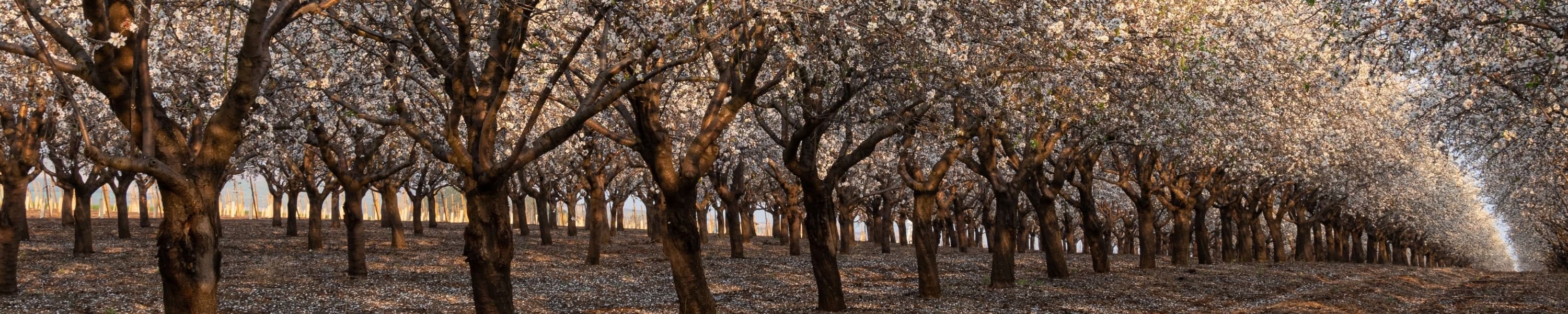




Almond Orchard Establishment in Kenya
No Kenyan source names almond cultivars, rootstocks or nurseries, and no rule specific to almond planting material was found. Kenyan research has covered other deciduous fruit trees, such as apples and plums, in the cooler highlands: a 1971 paper named areas with fertile deep soils at high altitudes with cold periods as suitable for them.
Chilling is the open question near the equator. A 2001 review of other deciduous fruit in Kenya reported insufficient chilling in most locations, causing poor bud break, and a 1985 study of other fruit trees at a highland site at 1,900 m recorded no chilling and broke bud rest by artificial means. A 2023 review gives almond 100 to 400 hours below 7.2 °C and names short, cool winters and long, hot, dry summers as most favorable; no test of almond in Kenya was found.
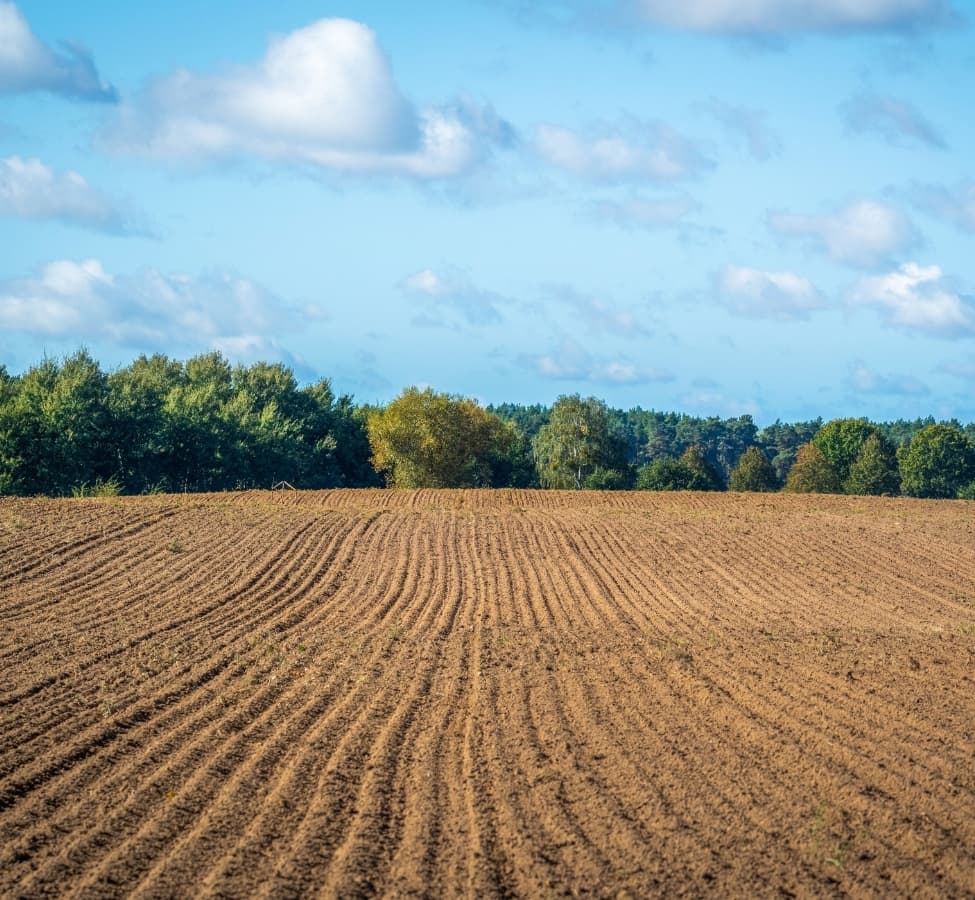
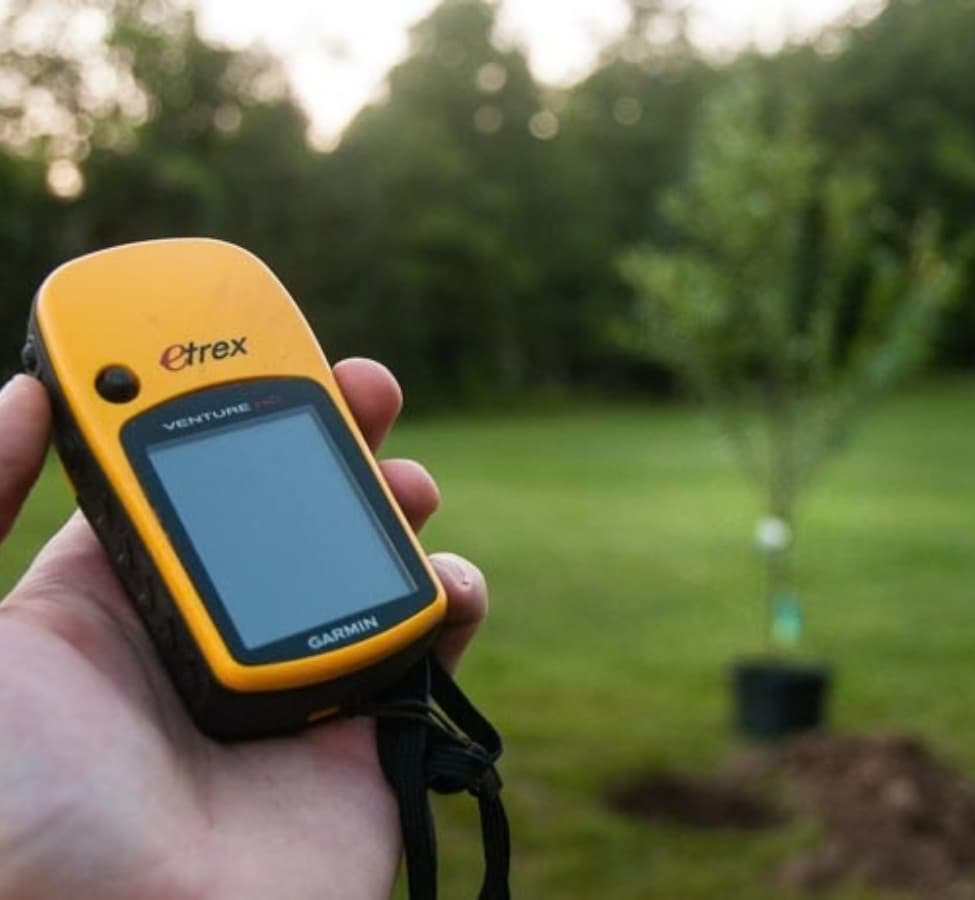
At ten Kenya Meteorological Department (KMD) stations in the highlands and south-eastern lowlands, the lowest monthly mean minimum ranges from 8.7 °C at Nakuru to 13.8 °C at Makindu (WMO; periods vary or are not stated), all above 7.2 °C, though monthly means cannot show chill hours. Test cultivars on a small plot first, record chill and bloom, and plan rows, headlands and trunk height for shakers and catching frames before planting.
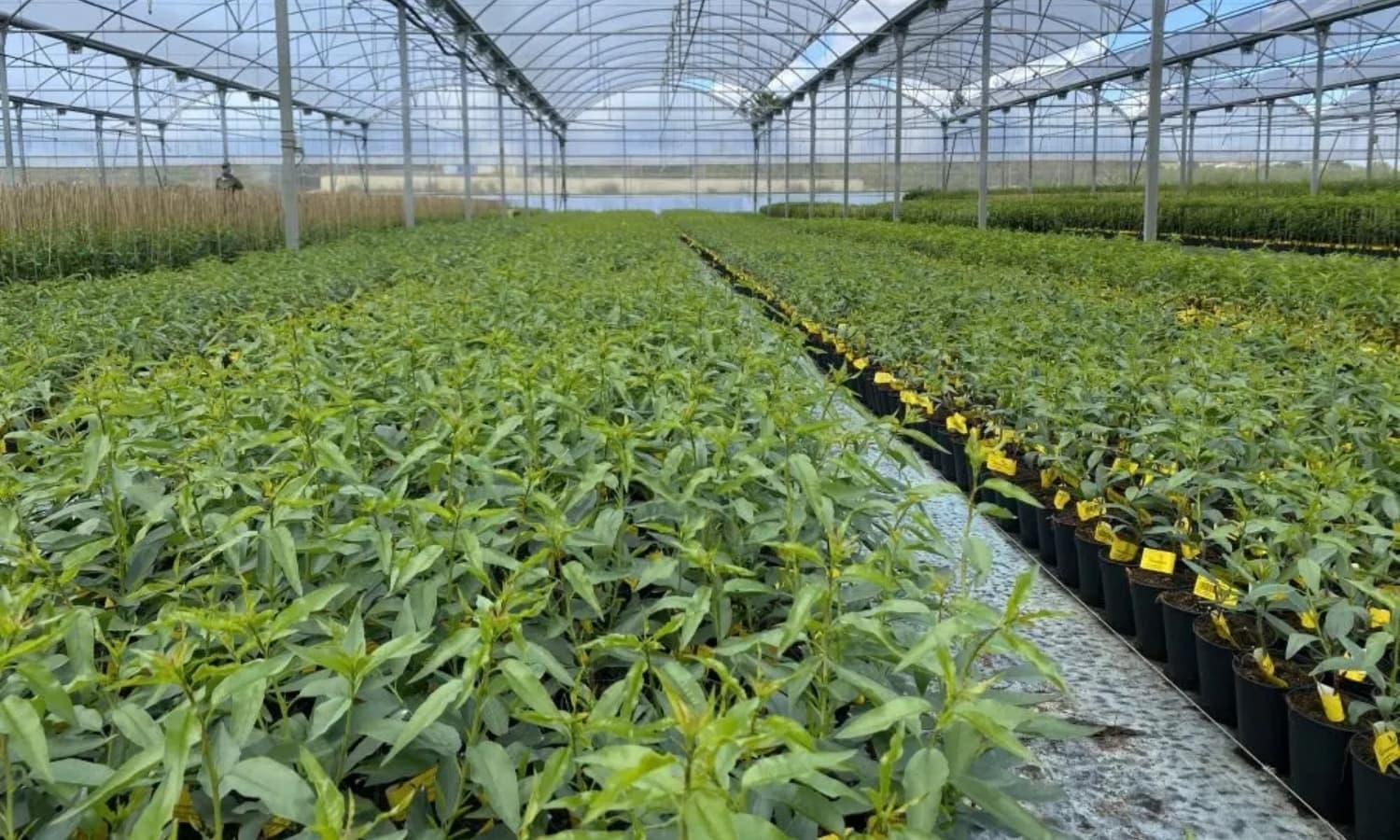

Practical Tips for Almond Orchard Establishment
Test almond cultivars on a small plot first: no Kenyan source names cultivars, rootstocks or nurseries for the crop.
Record chill and bloom on the trial plot: Kenyan research on other deciduous fruit found insufficient chilling in most locations (2001).
Log hourly temperatures on site: the lowest monthly mean minimum at ten KMD stations, 8.7 °C (Nakuru) to 13.8 °C (Makindu), is above 7.2 °C.
Prefer fertile, deep soils: a 1971 Kenyan paper named such soils at high altitudes with cold periods as suitable for other deciduous fruit.
Buy healthy grafted trees from reliable nurseries and keep plant-health documents for any imported planting material.
Plan rows, headlands and tree form for the shaker, sweeper and harvester before planting, and check trunk clearance with OVE Europe.
Recommended Establishment Stages
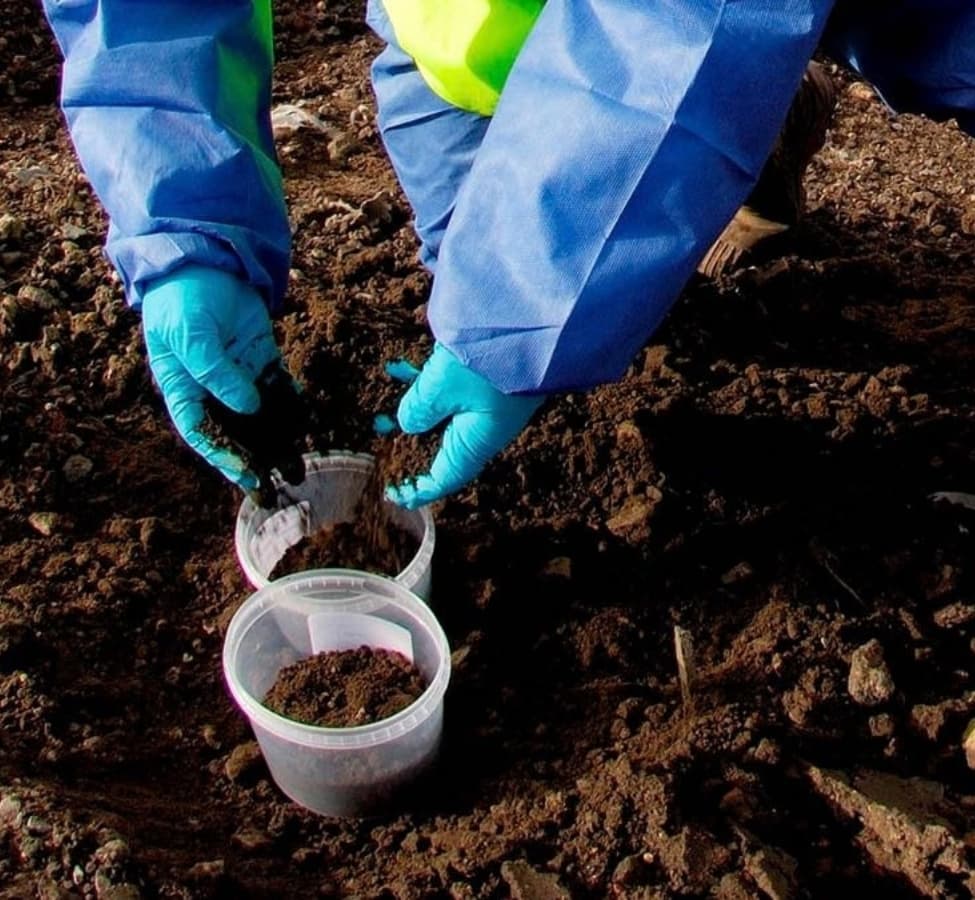
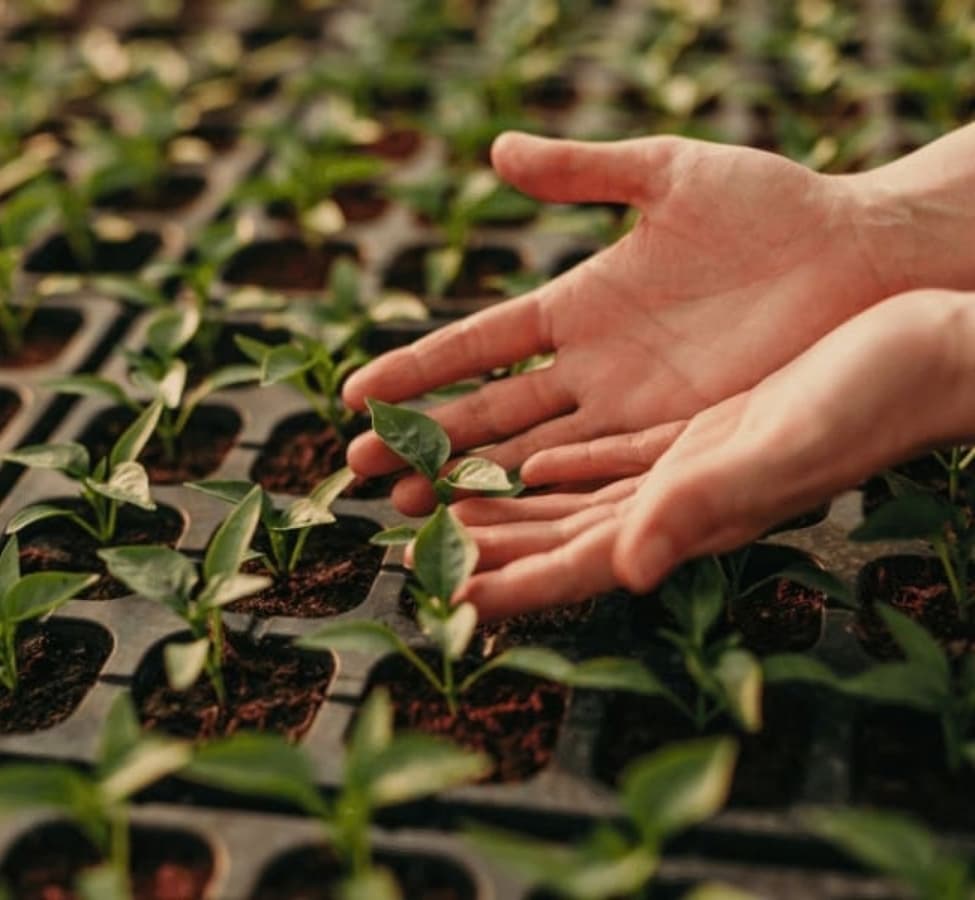

Almond Orchard Care & Maintenance in Kenya
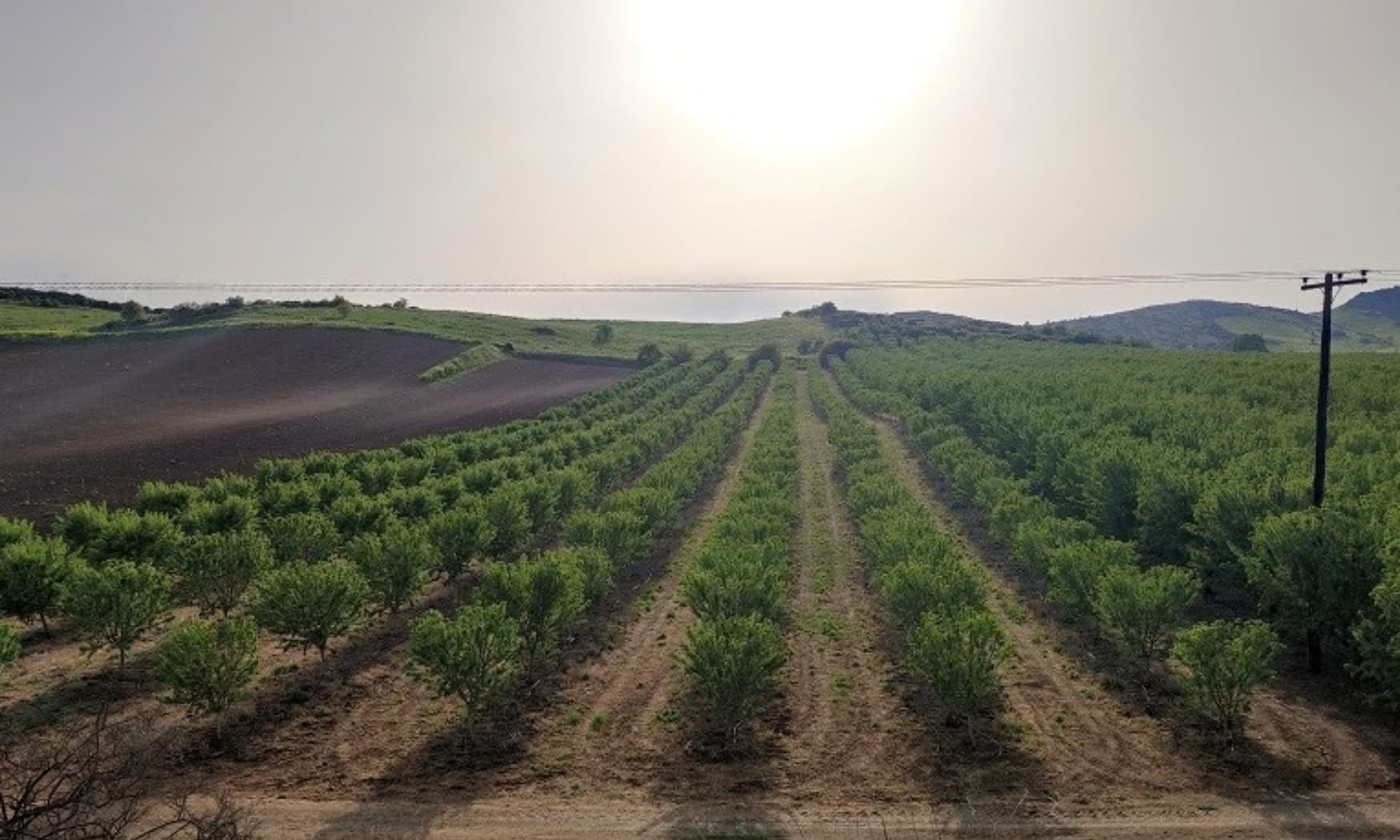
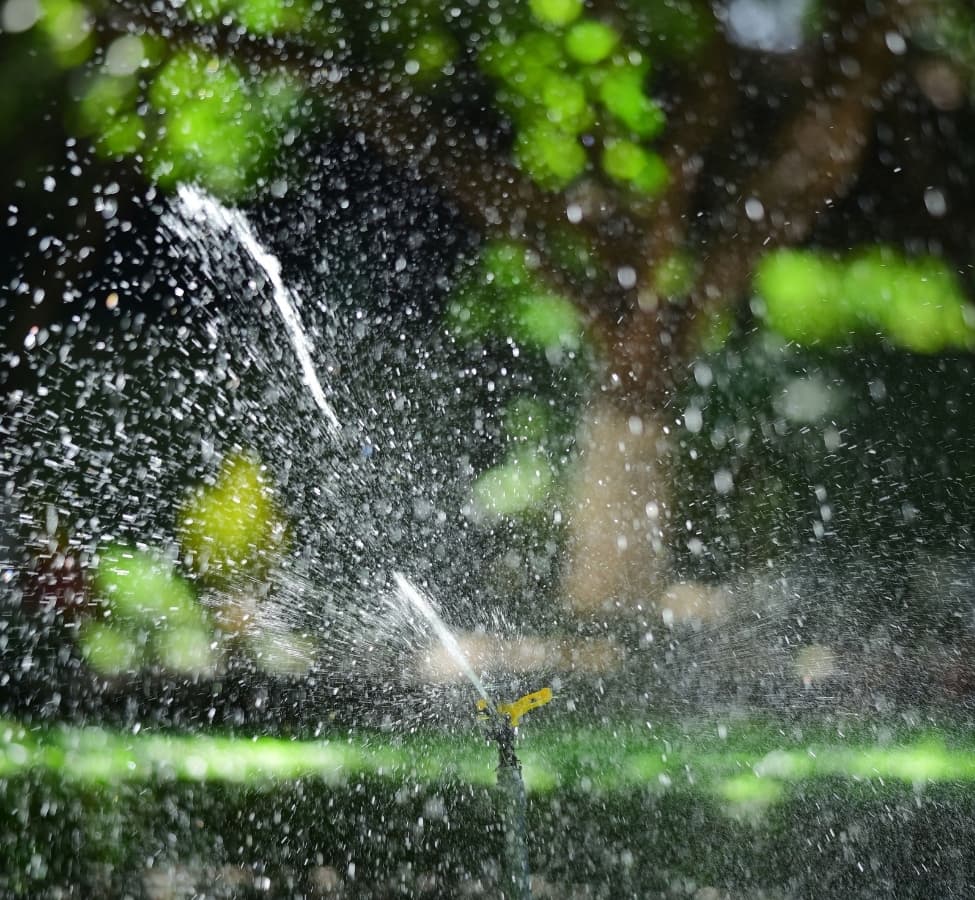
No Kenyan guidance on almond irrigation or nutrition was found. KMD normals show long dry spells: at the stations east of the Rift Valley, June to September brings little rain, with Machakos averaging 3.2 to 8.1 mm a month (1988 to 2018), and January and February are fairly dry at most of the ten stations. Plan drip irrigation for those months.
No Kenyan source on almond pests or diseases was found. A 2001 review noted that high humidity with tropical temperatures favors fungal and bacterial diseases of deciduous fruit in Kenya. EPPO does not list Kenya for bacterial spot (Xanthomonas arboricola pv. pruni), Xylella fastidiosa or American brown rot (Monilinia fructicola), which does not prove they are absent.
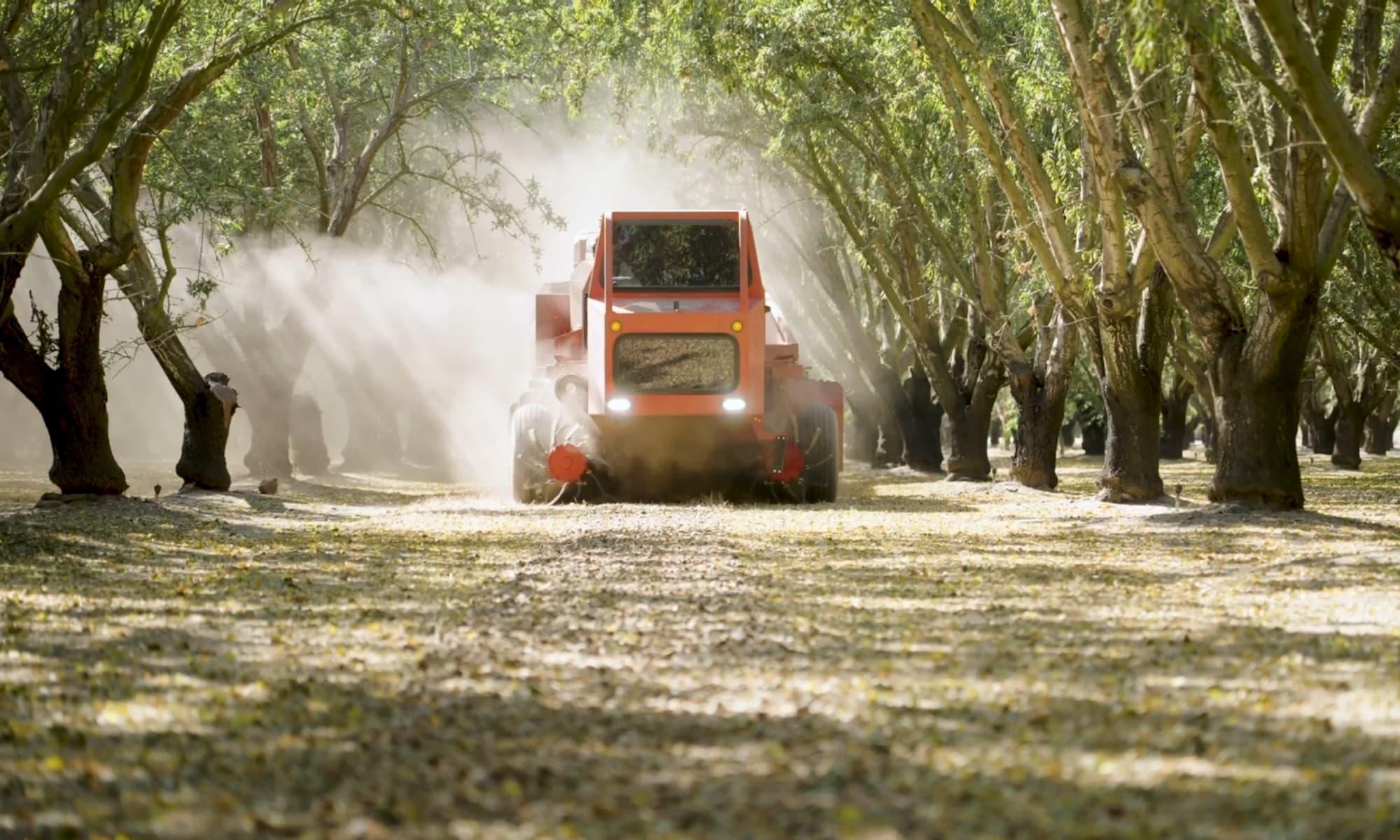
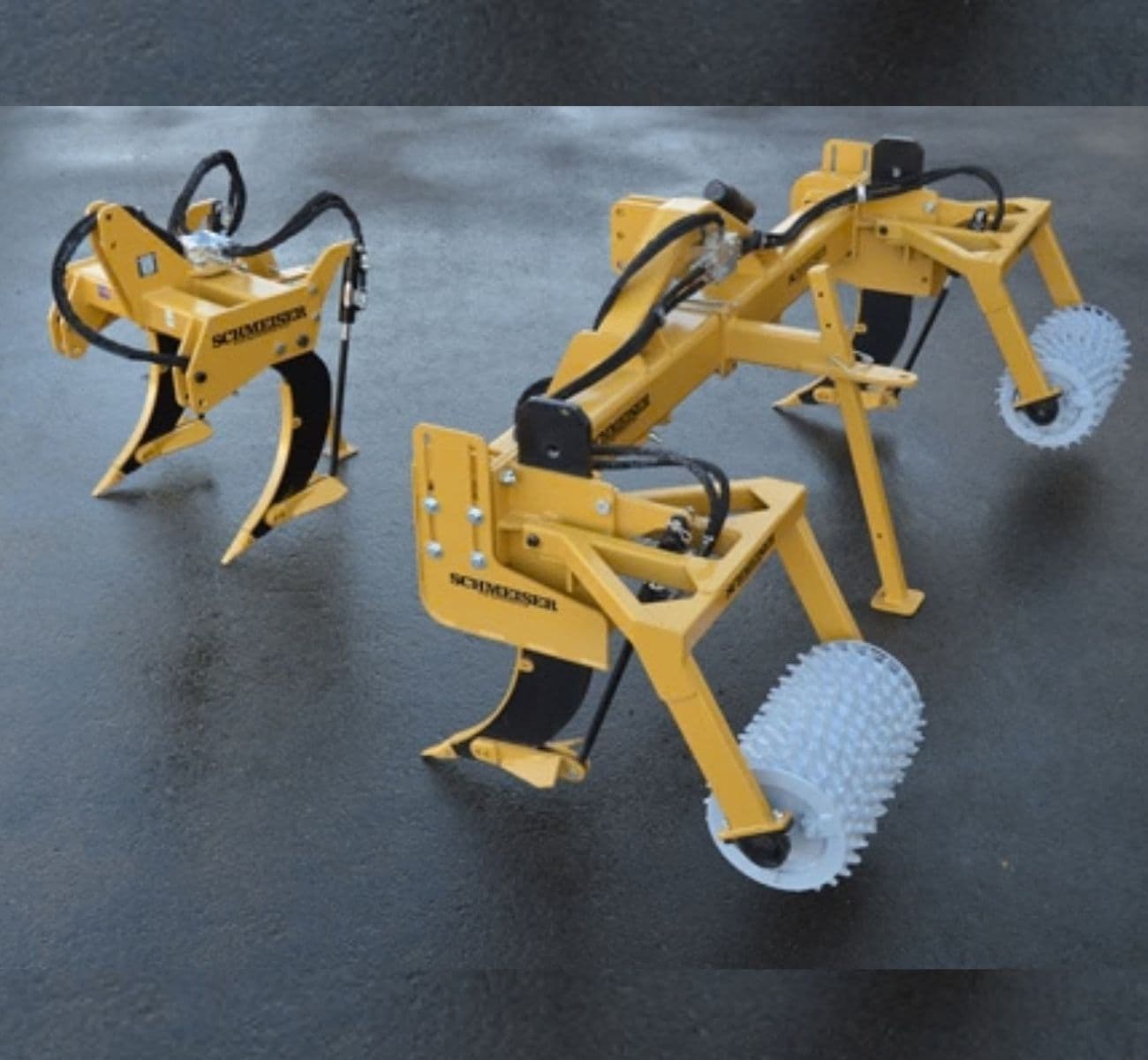
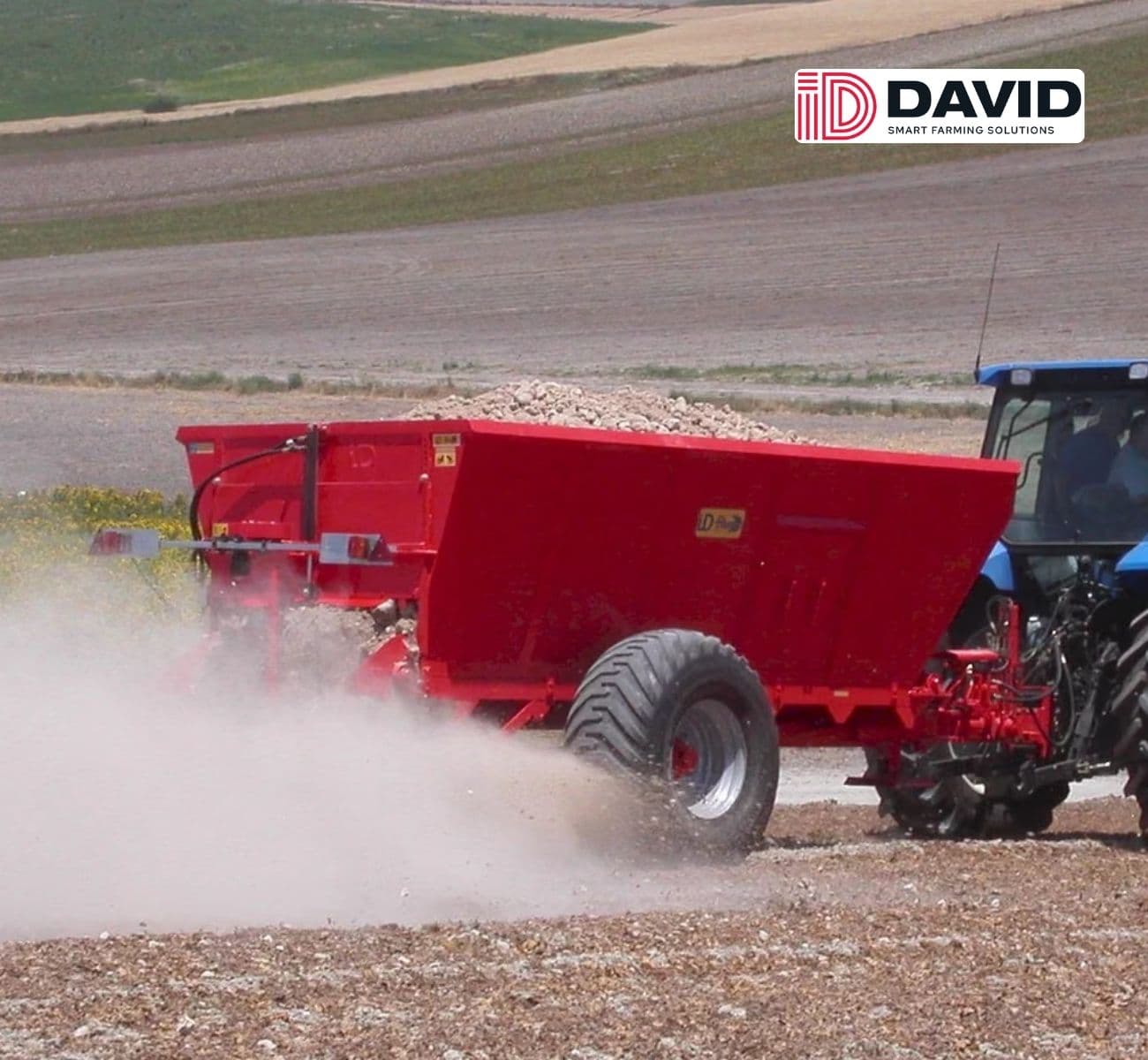
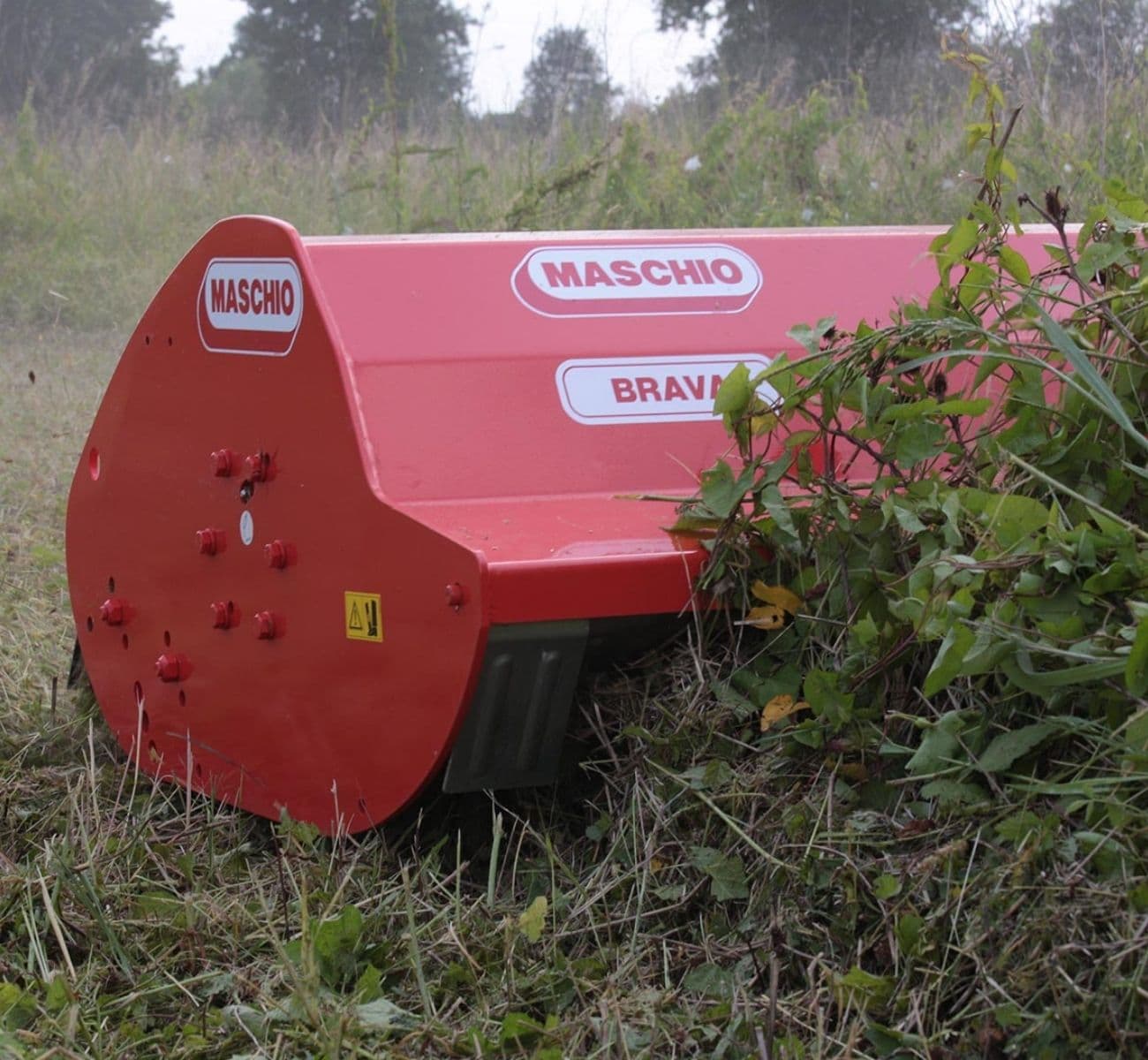
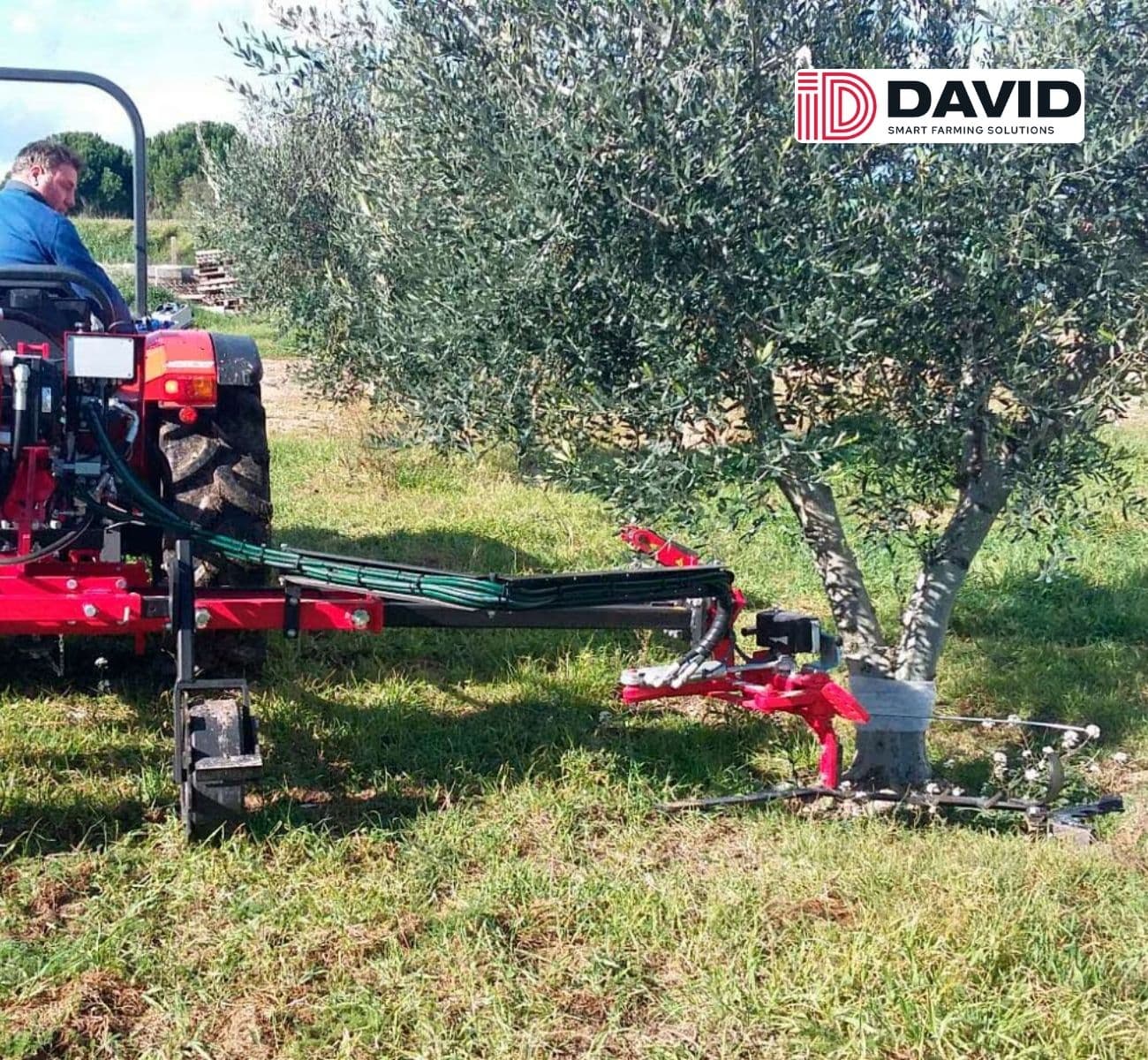
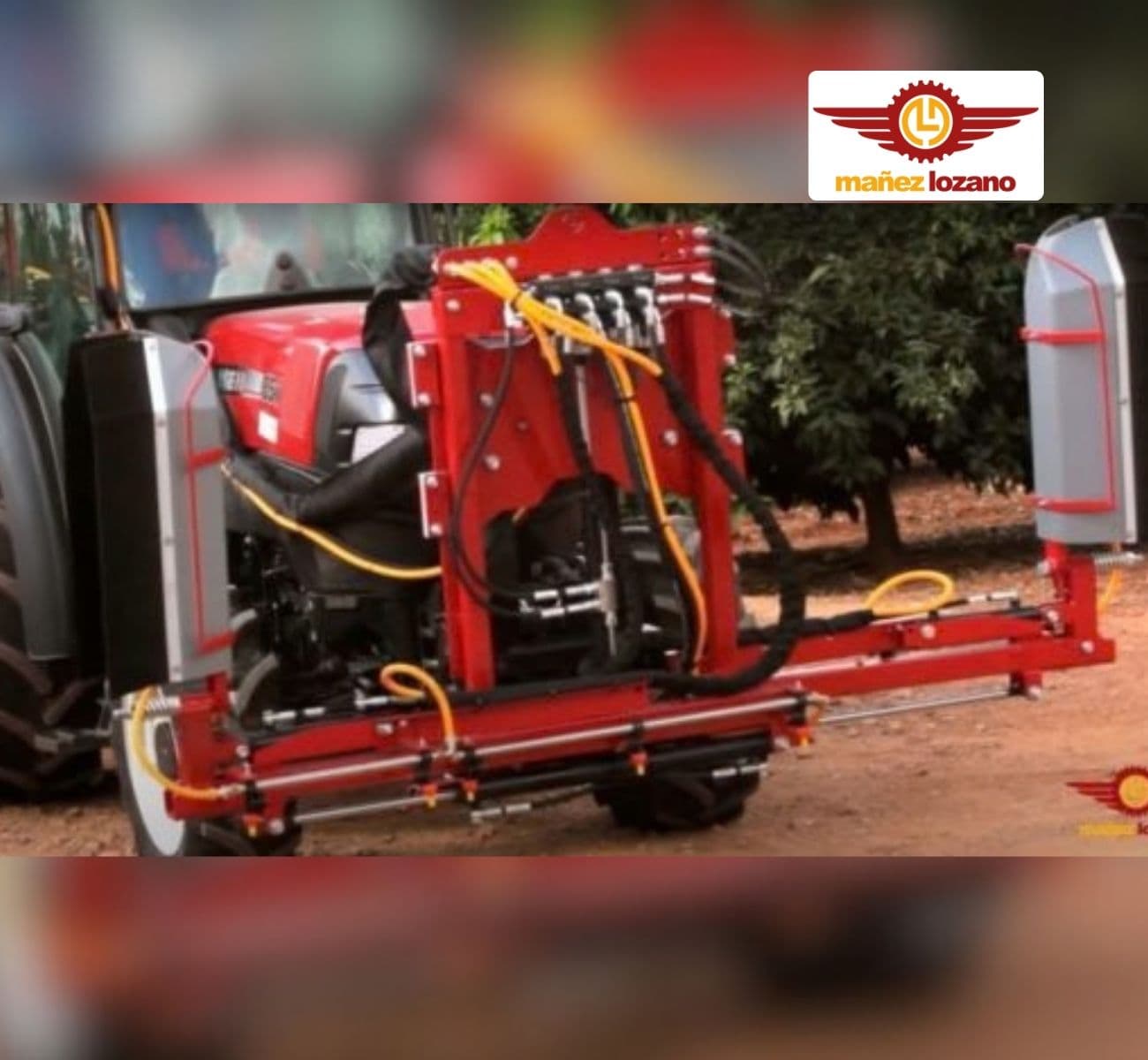
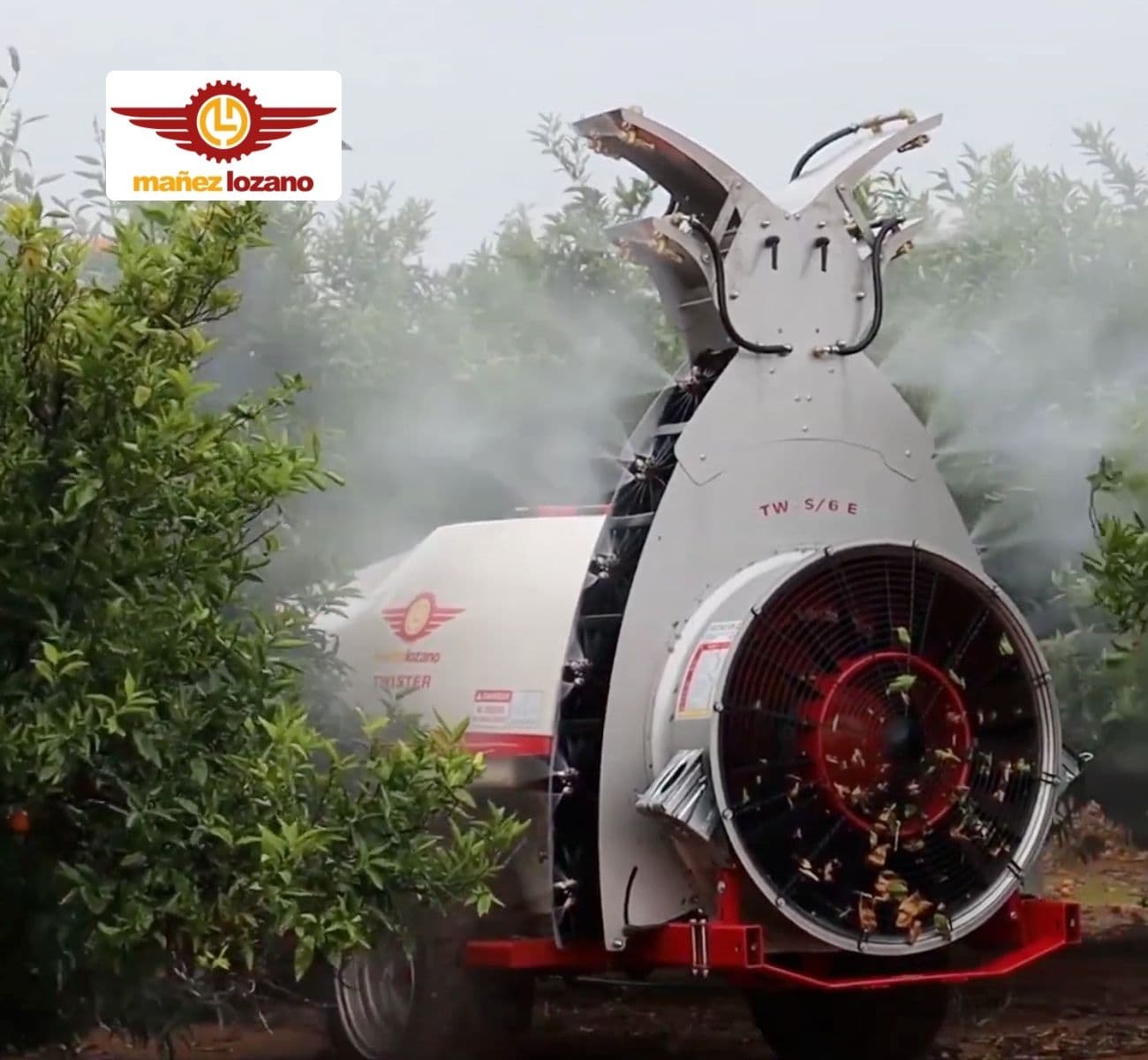
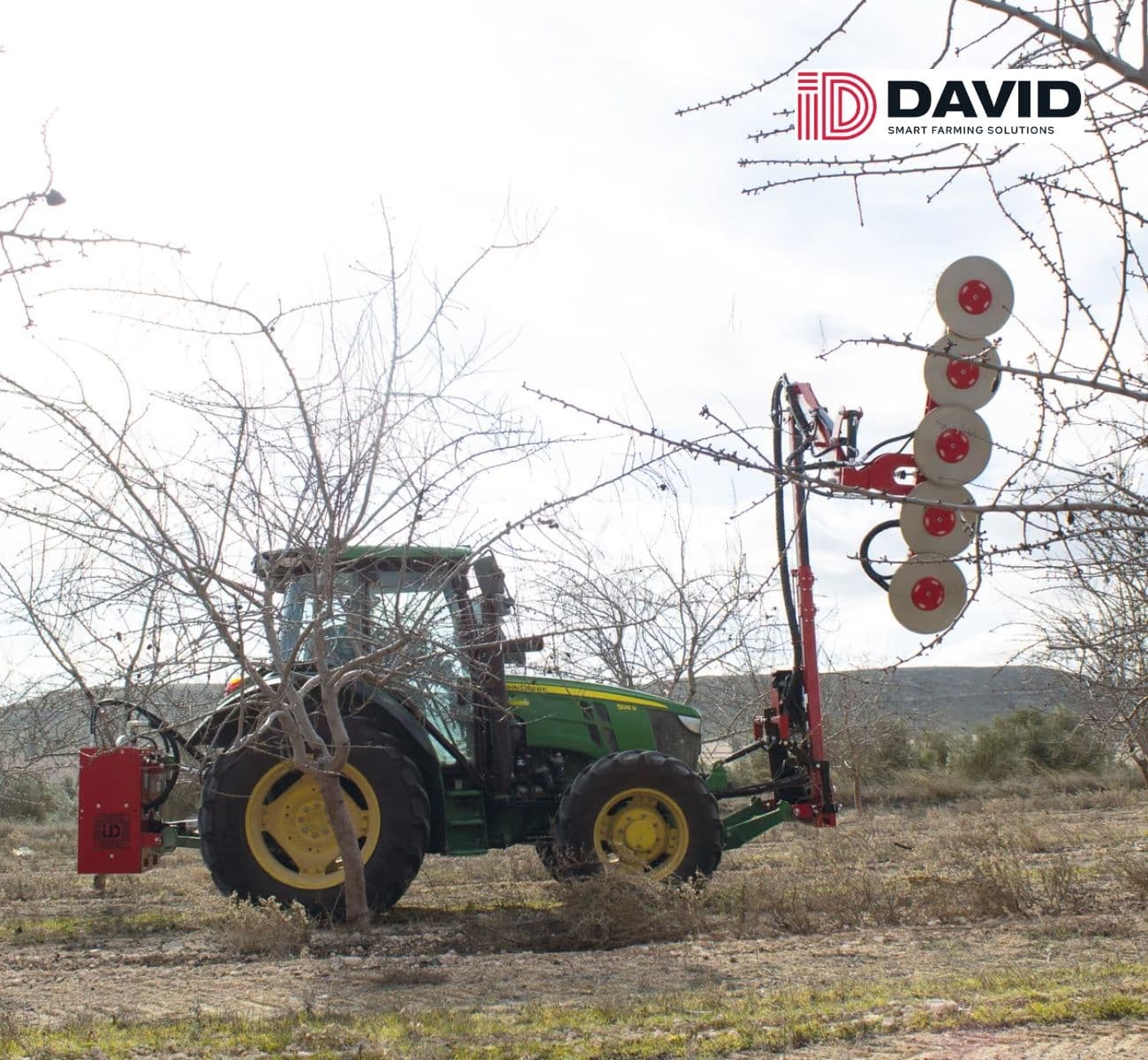
In California almonds are most often trained to an open-center vase on three primary scaffolds, and trees for mechanical harvest need higher heads than hand-harvested ones, University of California guidance notes (a 1980 leaflet and a 2012 article). For care work, the ID DAVID SURFEED spreads solid manure, the ID-XL weeds the tree row, the Mañez Lozano Mega Twister S6 sprays tall, dense canopies and the ID DAVID ID-REX disc pruner makes lateral and topping cuts.
Recommended Orchard Care & Maintenance Stages
Practical Tips for Almond Orchard Care & Maintenance
Plan drip irrigation for the dry months: at KMD stations east of the Rift Valley, June to September brings little rain.
Watch for fungal and bacterial diseases in warm, wet spells: a 2001 review found that humidity with tropical temperatures favors them in Kenya.
Remove mummy nuts from the trees before bud swell by shaking or hand poling, as University of California guidance advises.
Train young trees to an open vase on three main scaffolds, heading them high enough for a trunk shaker, as University of California guidance advises.
Keep the tree row weed-free with an in-row weeder such as the ID DAVID ID-XL, and keep the orchard floor level for harvest.
Spray tall, dense canopies evenly with a trailed airblast sprayer such as the Mañez Lozano Mega Twister S6.

Almond Harvesting in Kenya
No Kenyan source describes an almond harvest or gives bloom or harvest months. Near the equator the trees' cycle may not follow the seasons: in a 1985 study at a highland site with no chilling, bud rest of other deciduous fruit trees was broken artificially. University of California guidance says almonds can be harvested as soon as all the nuts on the tree have reached hull split. In orchards planted for machines on suitable ground, mechanized harvesting can bring the crop in on time, with less risk of nuts deteriorating while they wait.
Kenya has two rainy seasons, March to May at all ten stations and October to December east of the Rift Valley, and both can be very wet: the October to December rains of 2023 were above average at most stations, and March to May 2024 was the wettest season on record at several, Machakos among them (KMD). At Eldoret, Kitale and Nakuru, rain continues from June to September. With no harvest months known, no reliably dry harvest can be shown, so this guide shows prompt pickup, with hulling and drying at once, beside catching frames.
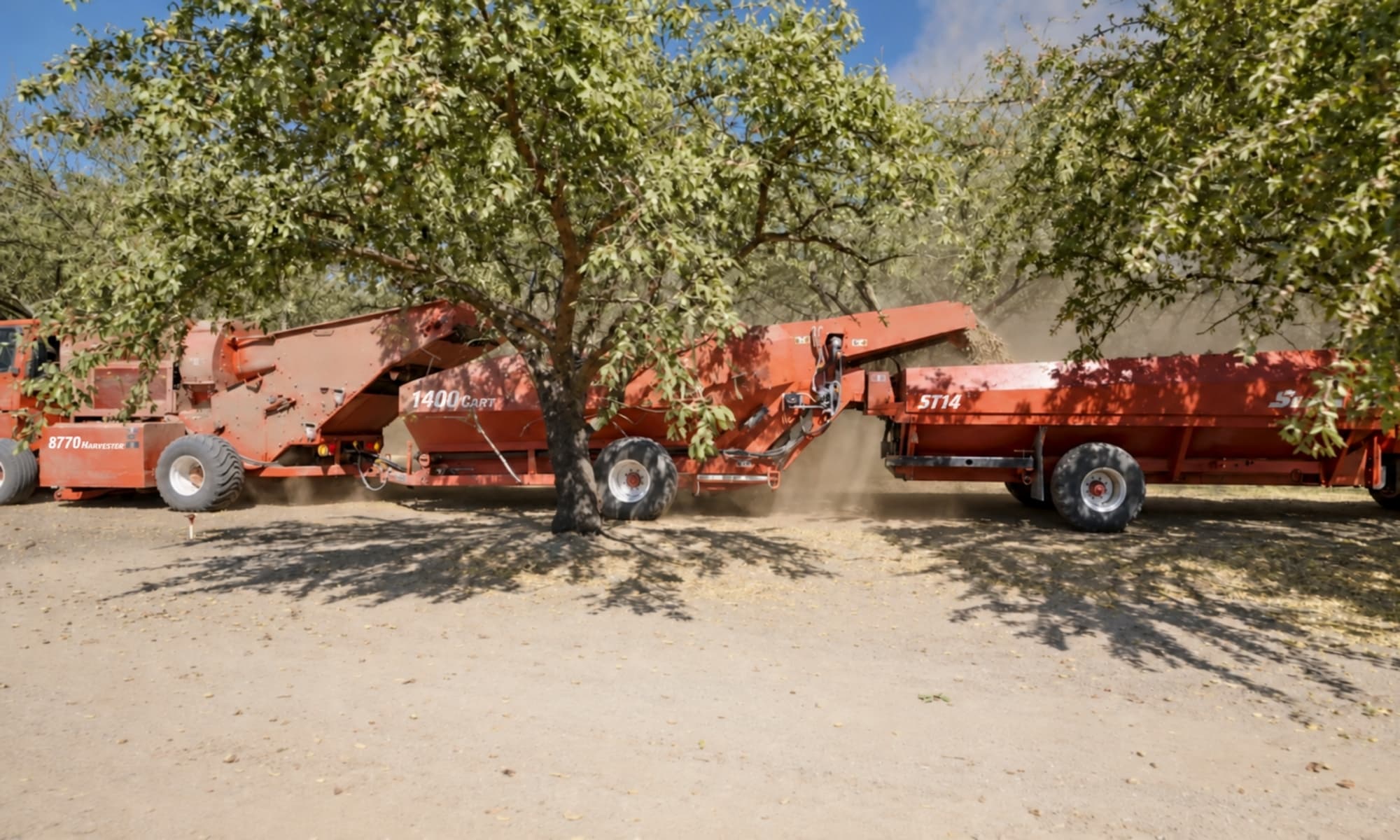
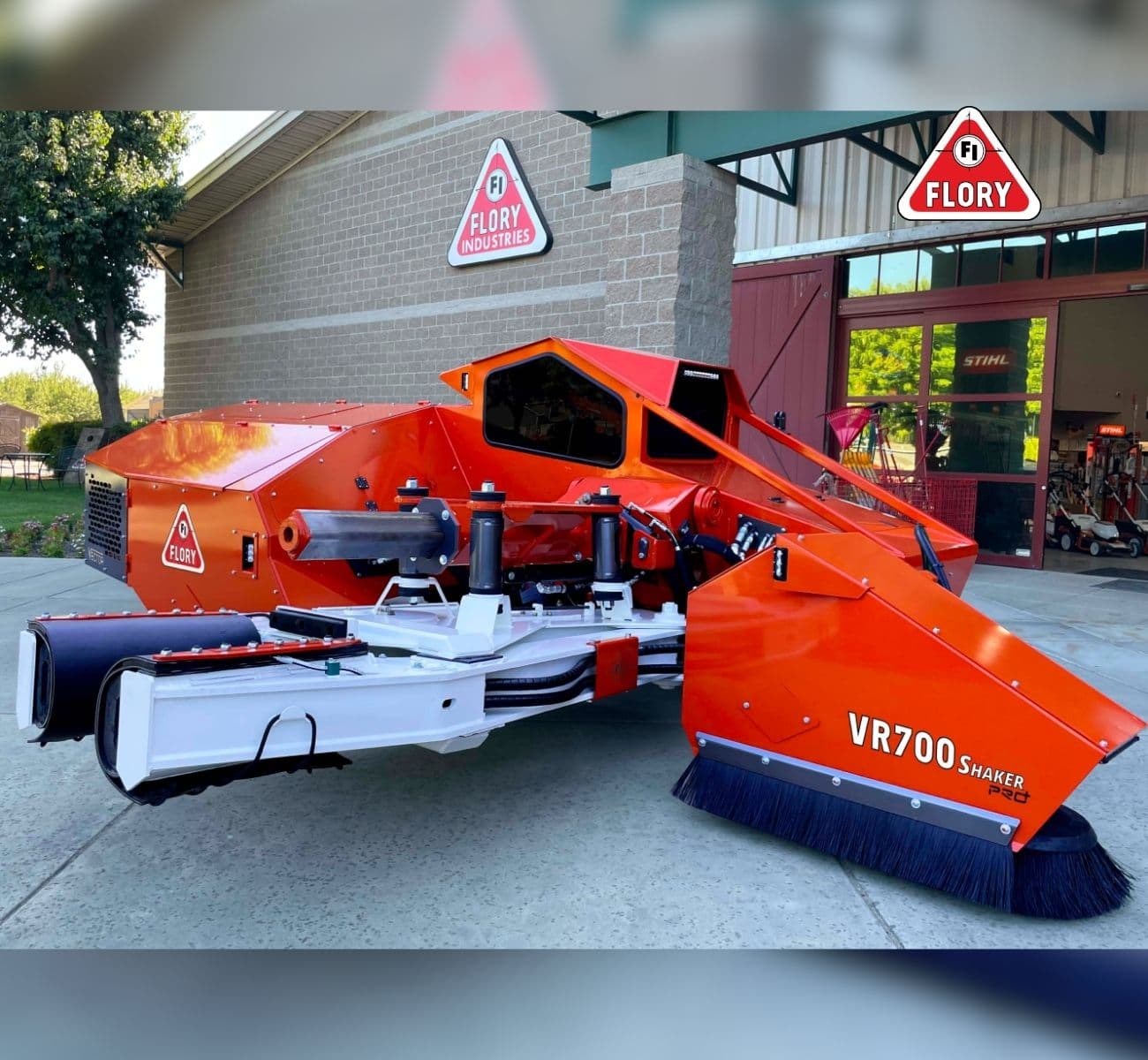
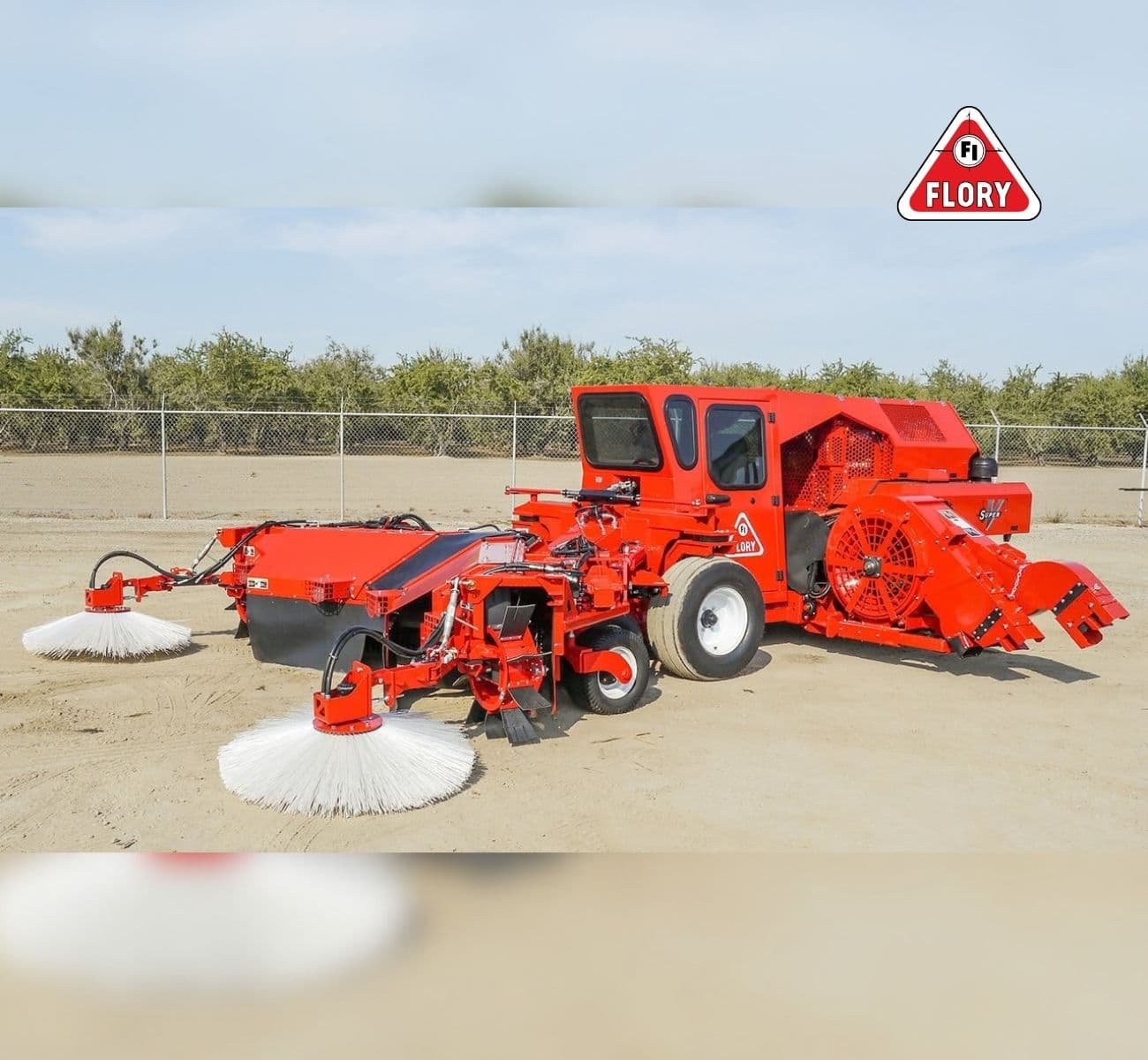
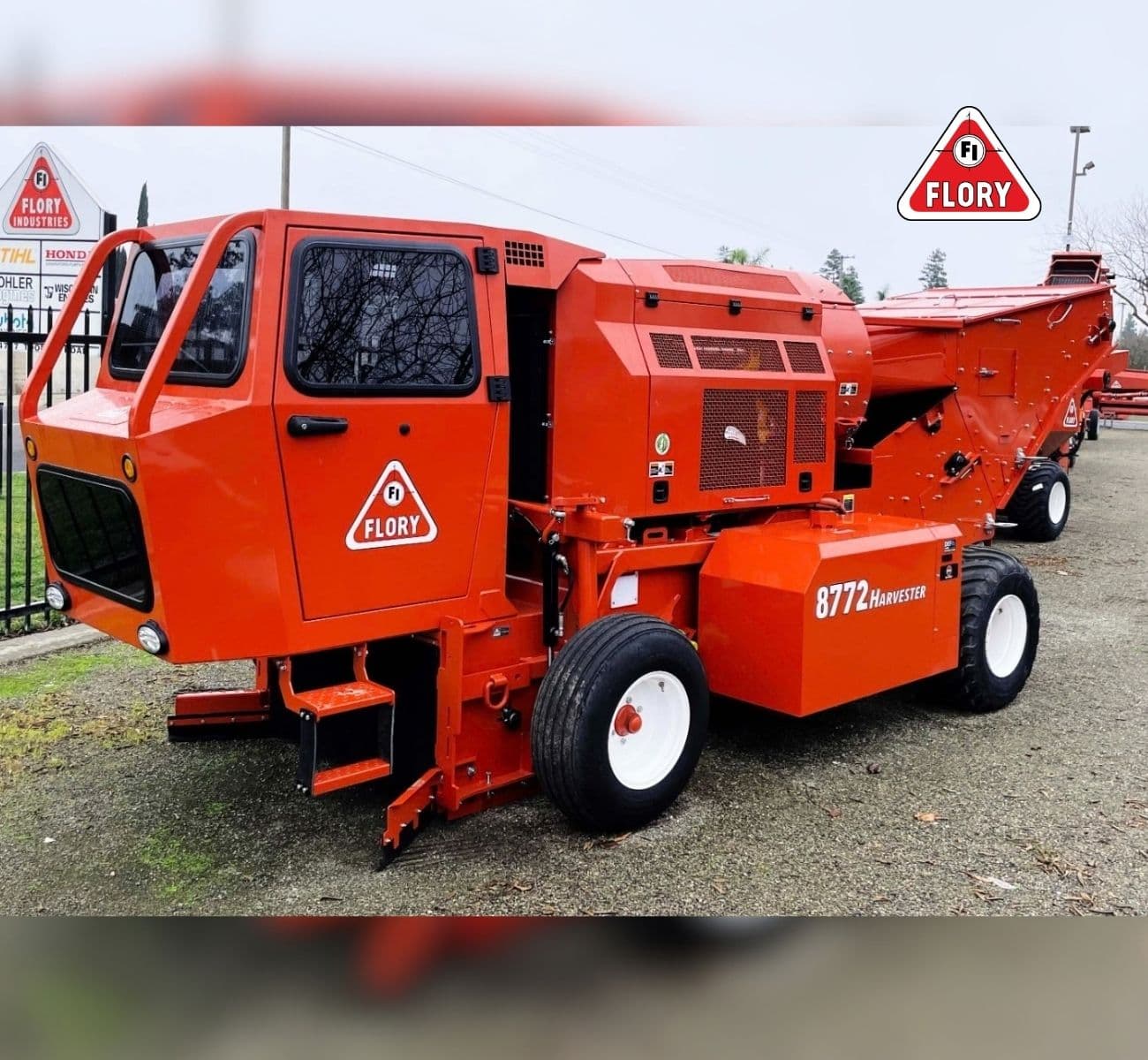
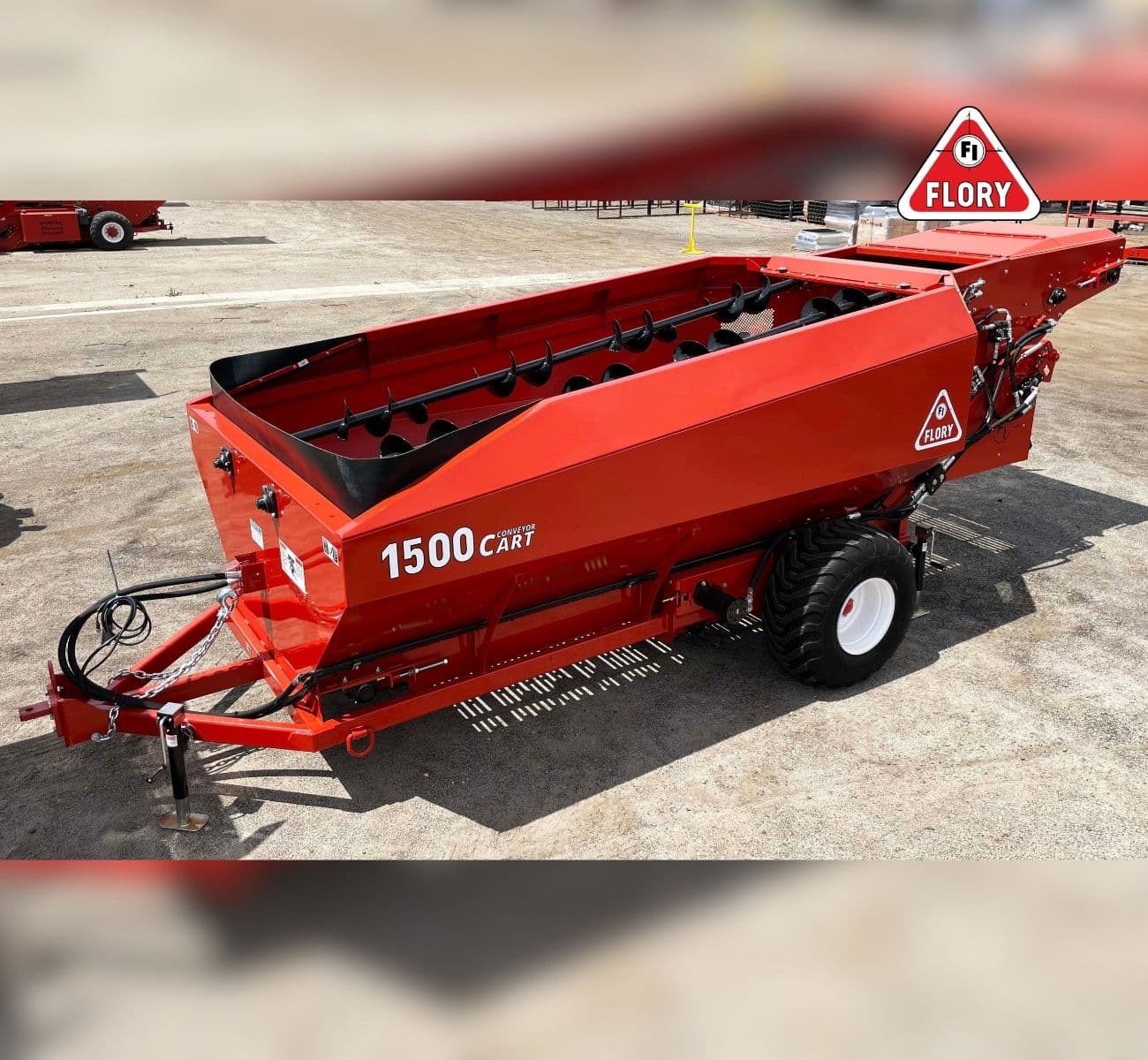
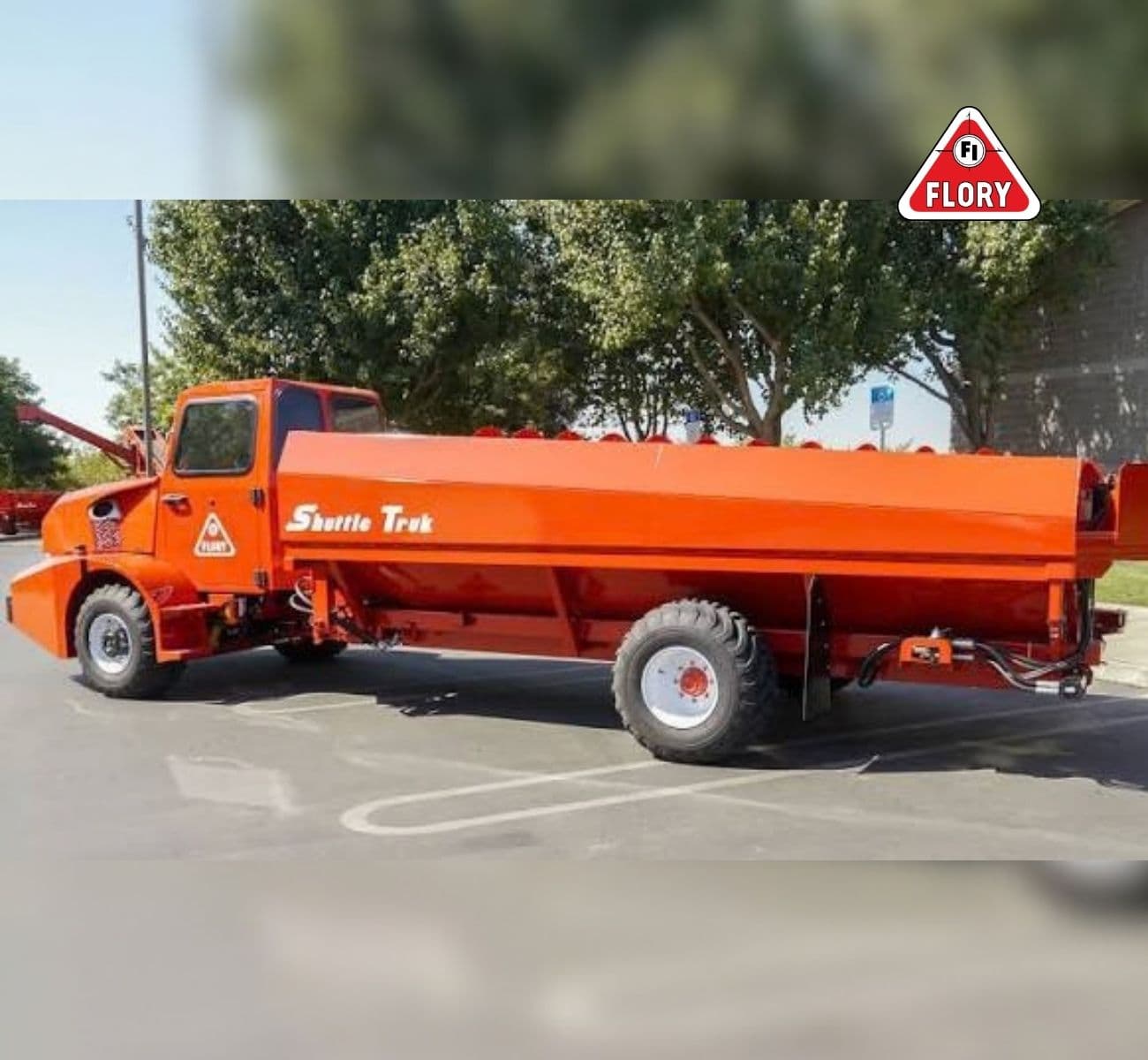
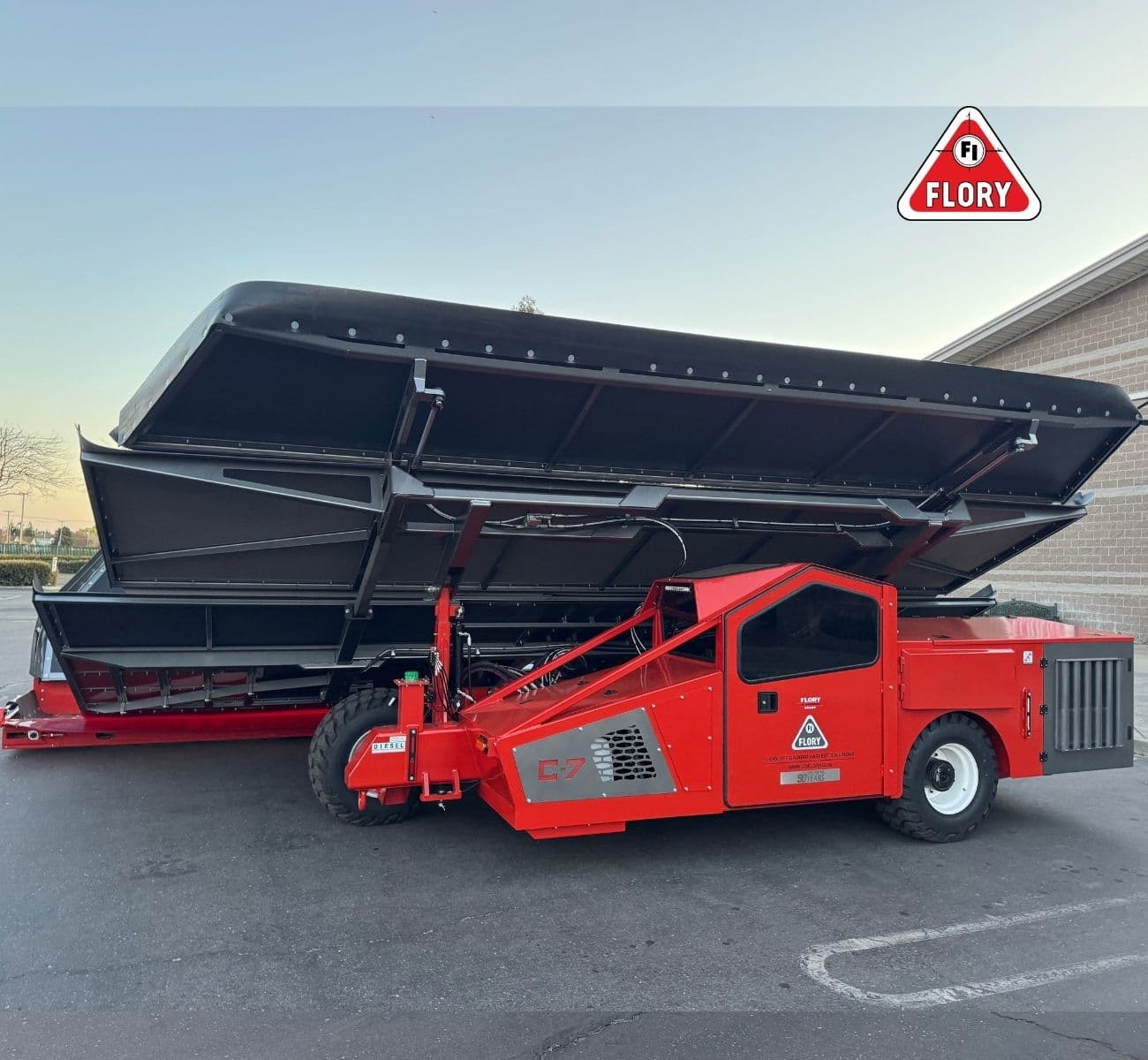
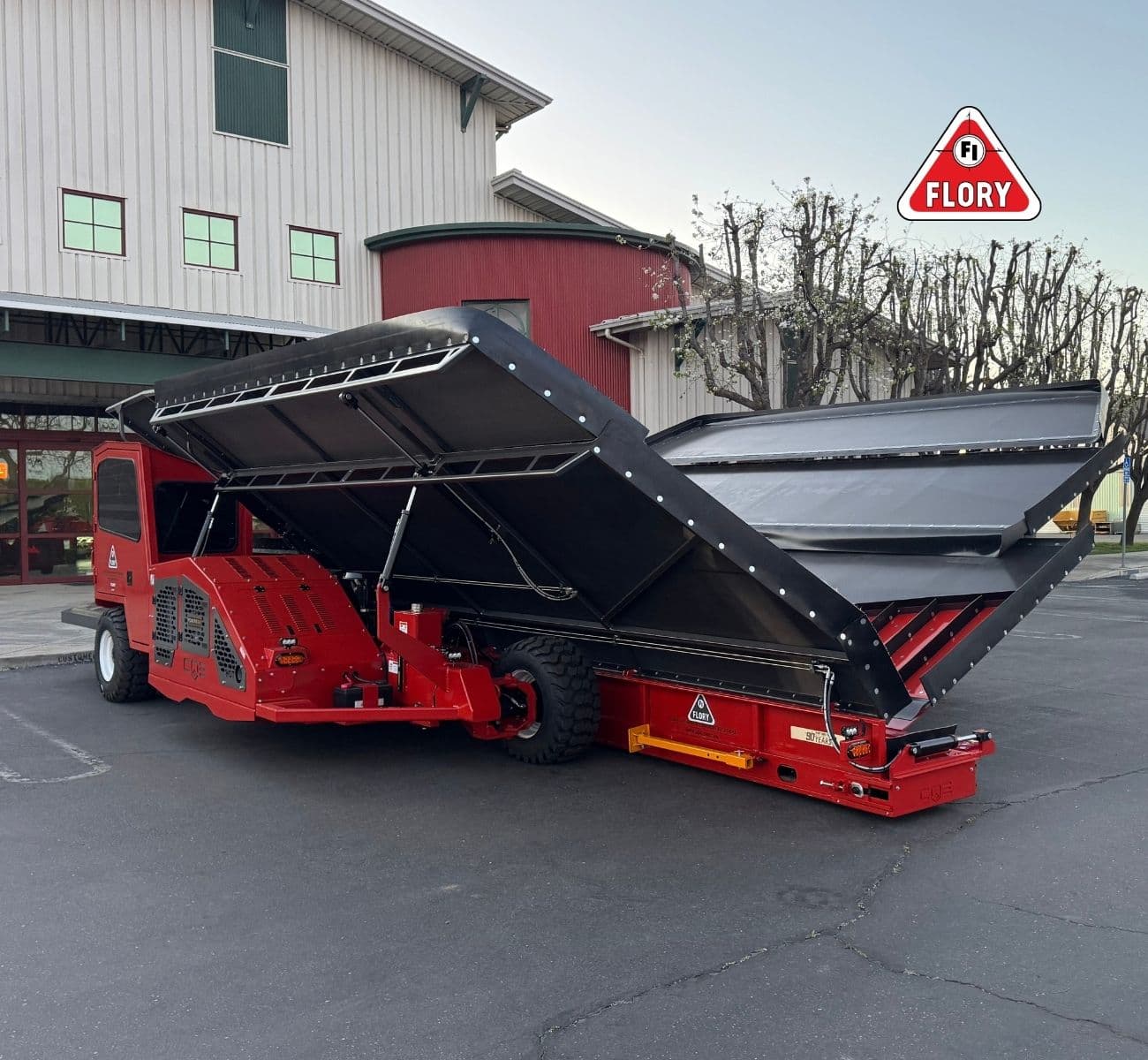
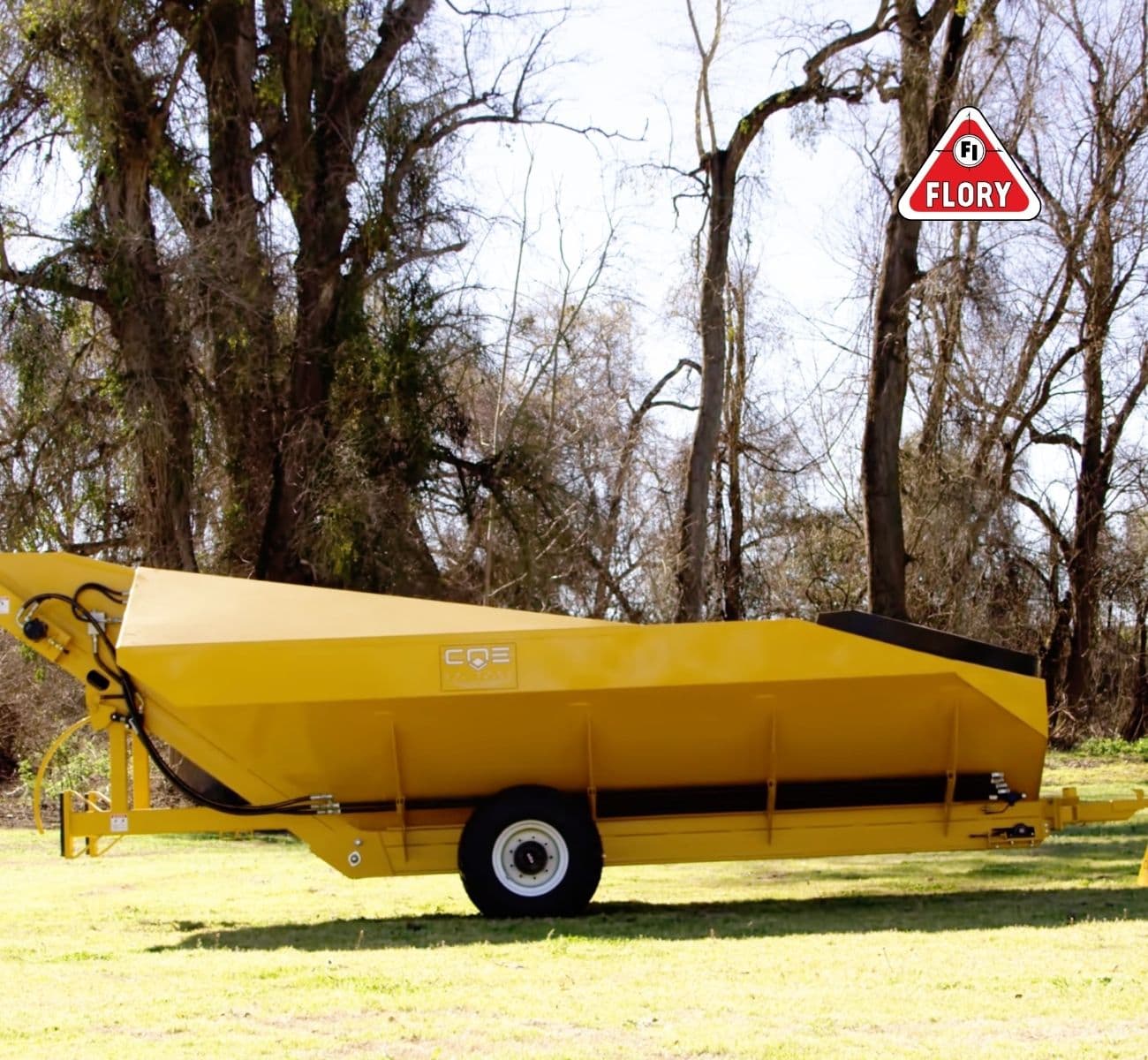
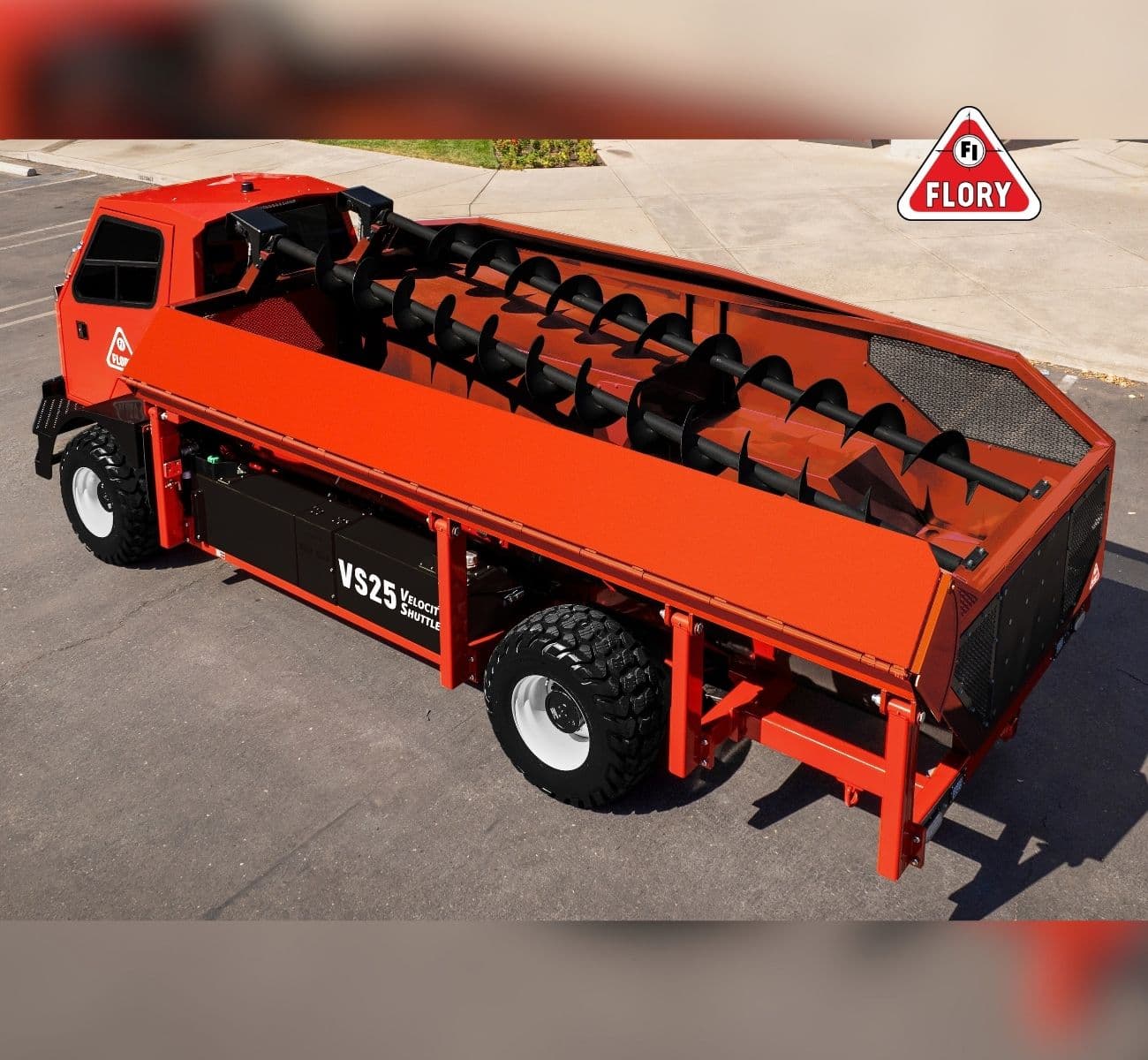
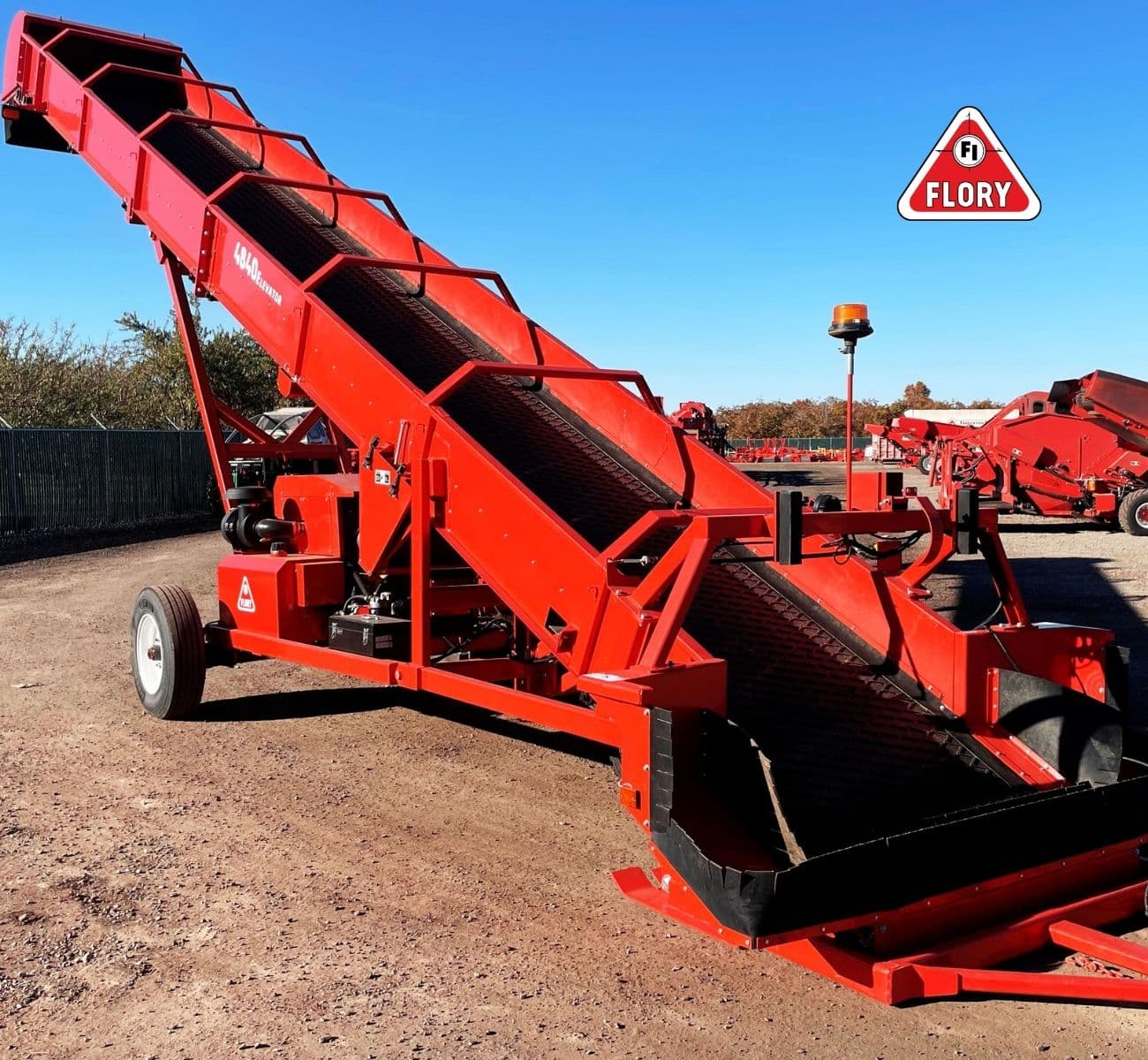
Flory harvesting machinery is available in Kenya through OVE Europe for both systems. On the ground, the VR700 Shaker, V62 Sweeper and 8772 Harvester feed the 1500 Conveyor Cart and ST14 Shuttle. Off the ground, the Flory COE C7 Shaker and L2 Receiver catch the almonds in a frame around the trunk, the Flory COE B8 Cart and VS25 Shuttle carry them, and the 4840 Field Elevator loads trailers in both systems.
Almond Harvest Workflow (Recommended Equipment)
Practical Tips for Almond Harvesting
Track hull split on every cultivar and shake once all the nuts on the tree have split, as University of California guidance advises.
Plan for rain at harvest: the short rains of 2023 were above average at most KMD stations, and the long rains of 2024 set records at several.
Pick up promptly after shaking: University of California guidance notes that ant damage to nuts increases the longer they lie on the ground.
If rain wets almonds on the ground, do not stockpile them wet: University of California guidance warns of mold and concealed damage.
Where almonds must stay off wet ground, use catching frames: the Flory COE C7 Shaker works with the L2 Receiver.
Use shakers, frames and sweepers only in orchards planted for machines, never on scattered or garden trees or stony slopes.
Get your recommended harvest setup
Enter orchard size, spacing, terrain, and target throughput—we’ll suggest a practical harvest workflow and equipment lineup.

Almond Post-Harvest Handling & Processing in Kenya
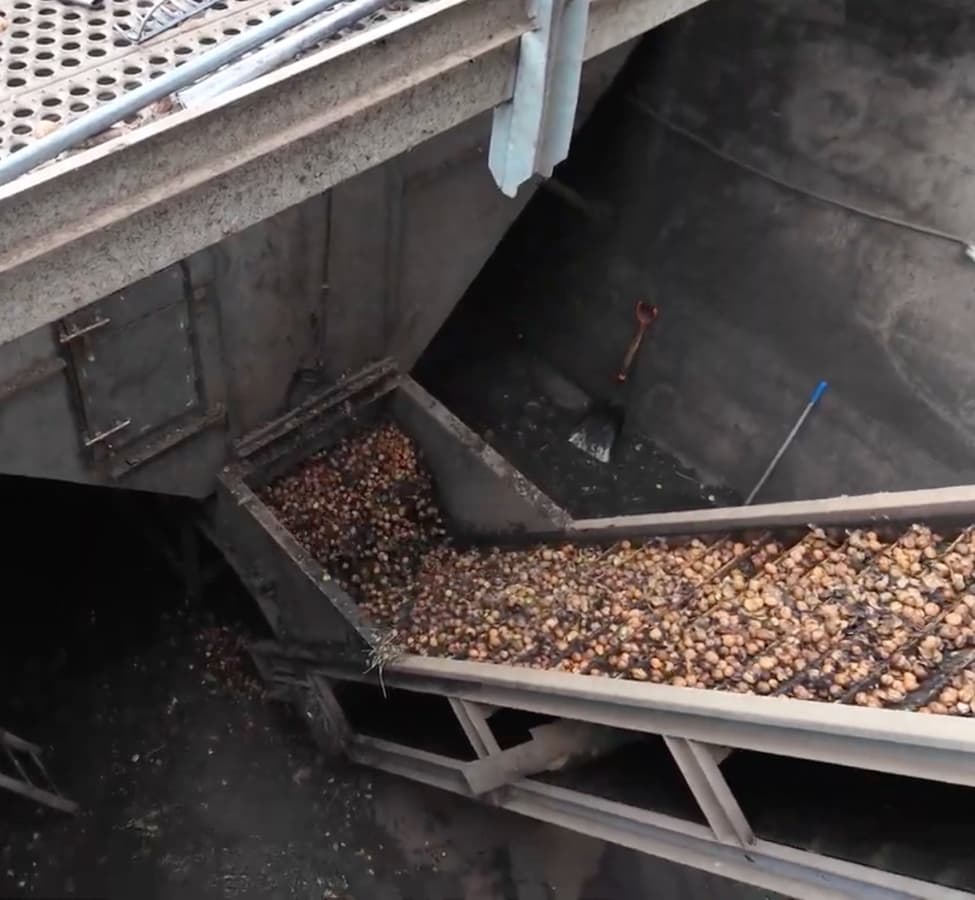
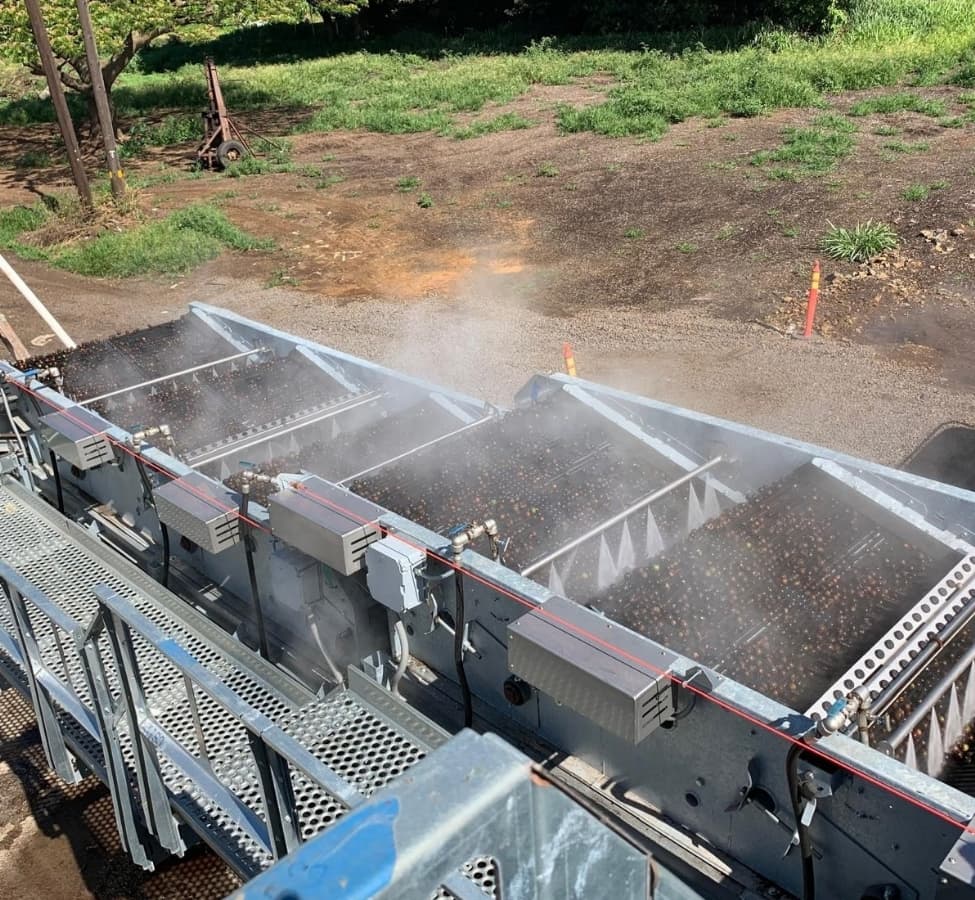
No Kenyan source describes almond hulling, drying or storage. The Codex code of practice on aflatoxins in tree nuts, which covers almonds, advises hulling as soon as possible after harvest, so promptly picked or frame-caught almonds are hulled and then dried off the ground before storage. University of California guidance, written for rain on ground-drying nuts, warns that wet nuts sent straight to the huller will not hull cleanly and that stockpiling wet nuts risks mold and concealed damage.
Kenya's draft standard for almond kernels, DKS 2991:2023, sets at most 6.0% moisture for raw kernels and limits of 5 µg/kg for aflatoxin B1 and 10 µg/kg for total aflatoxins; its adoption after the 2024 public review was not confirmed. Regulation (EU) 2023/915 allows 8.0 and 10.0 µg/kg in almonds sold to consumers or used in food, and 12.0 and 15.0 µg/kg in almonds to be sorted first.
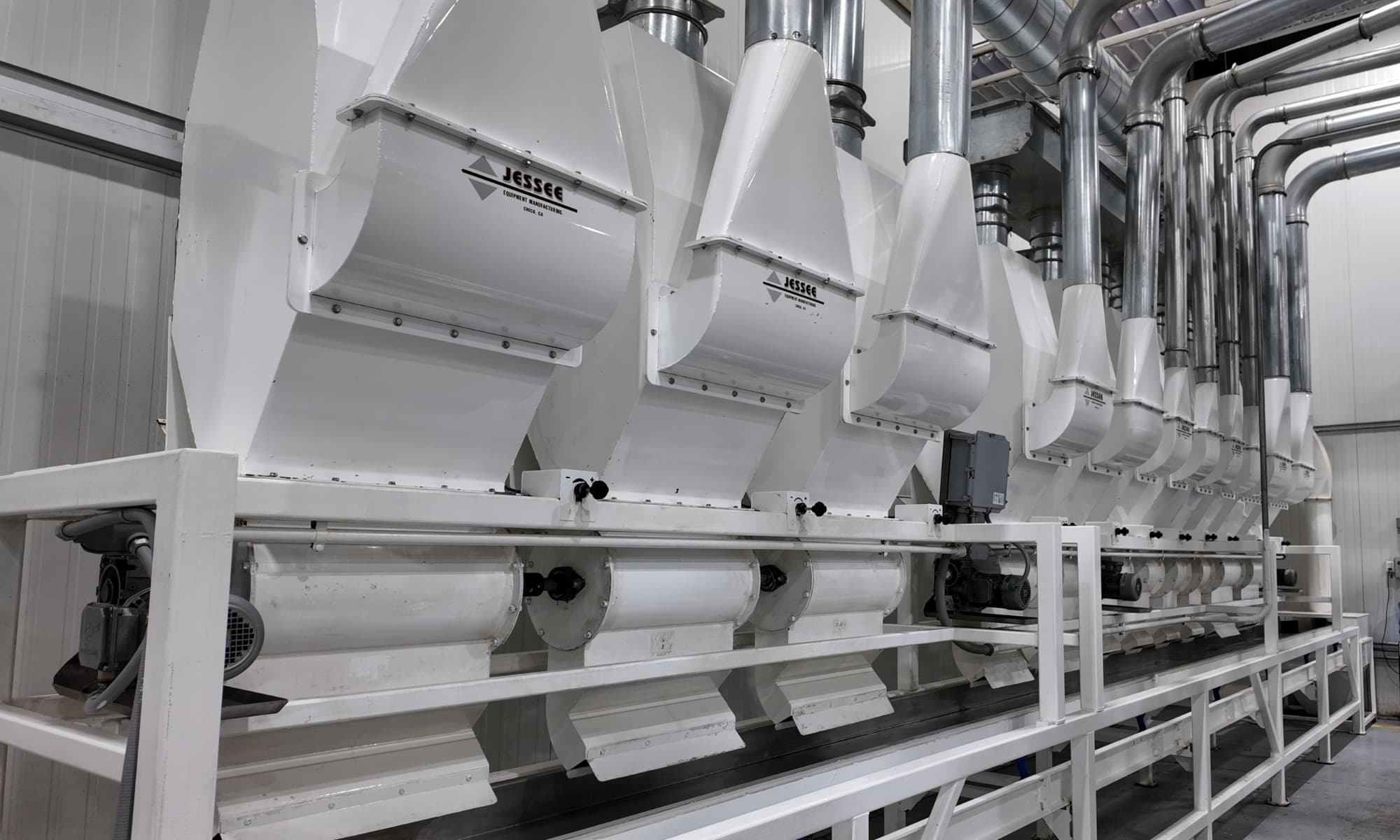
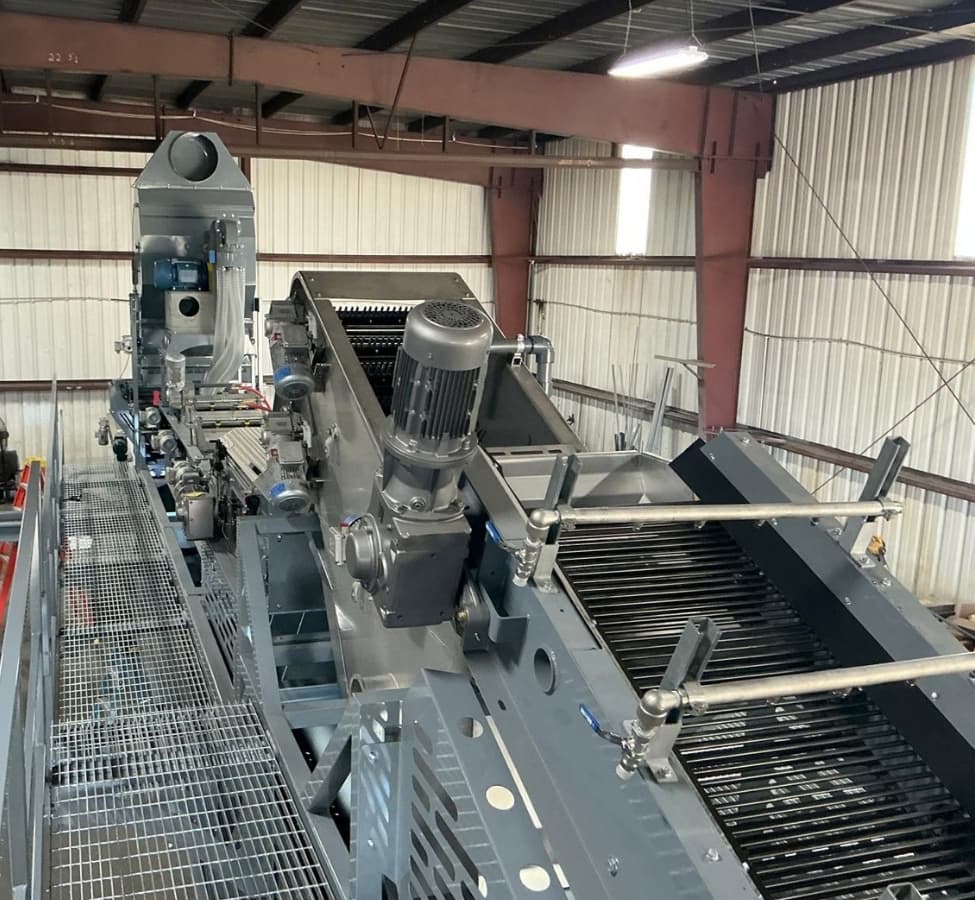
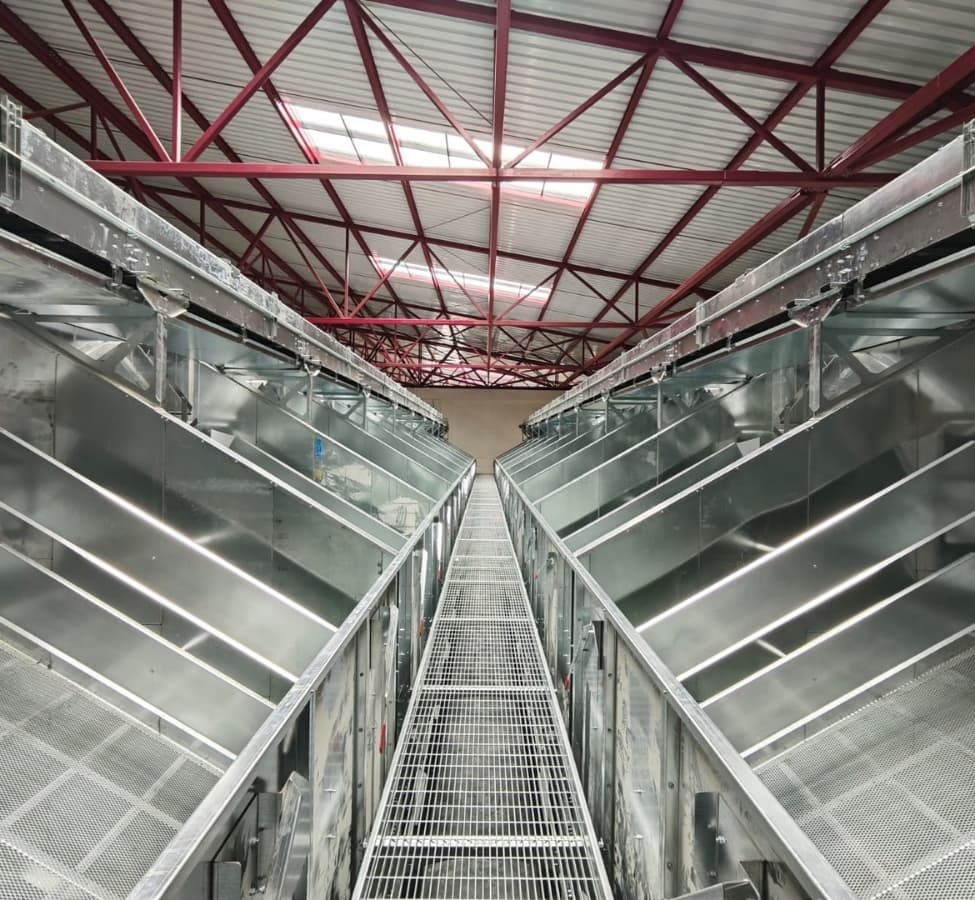
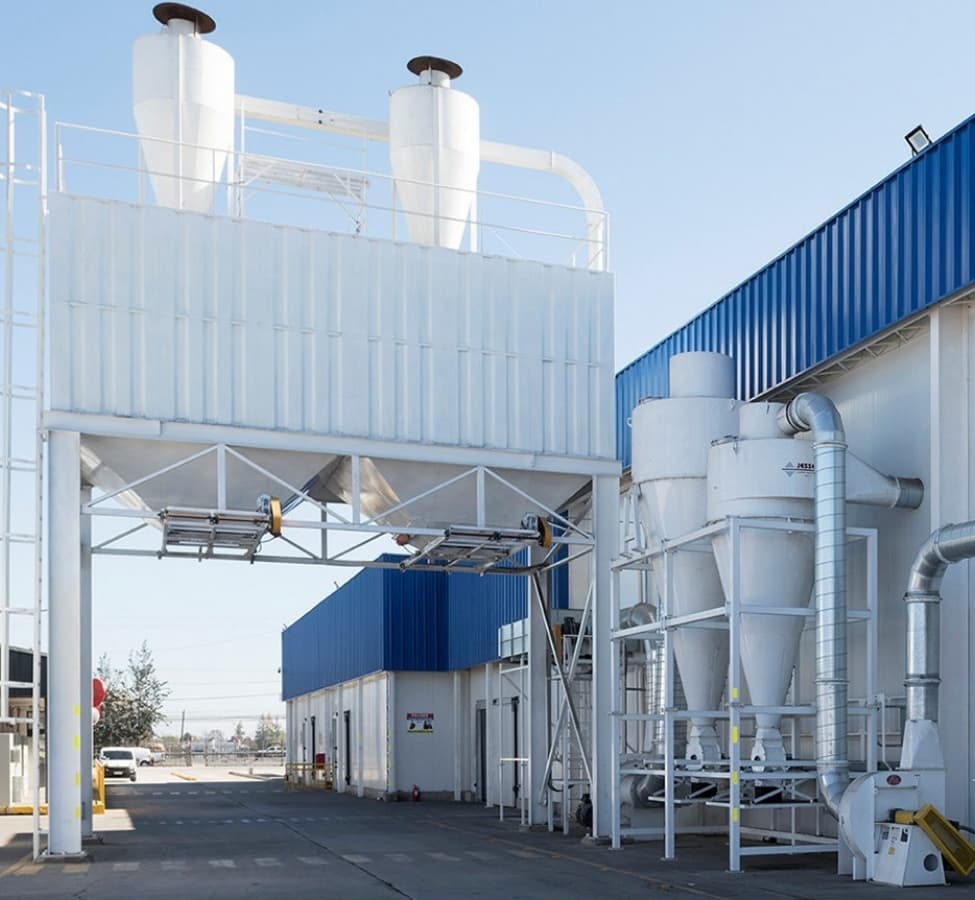
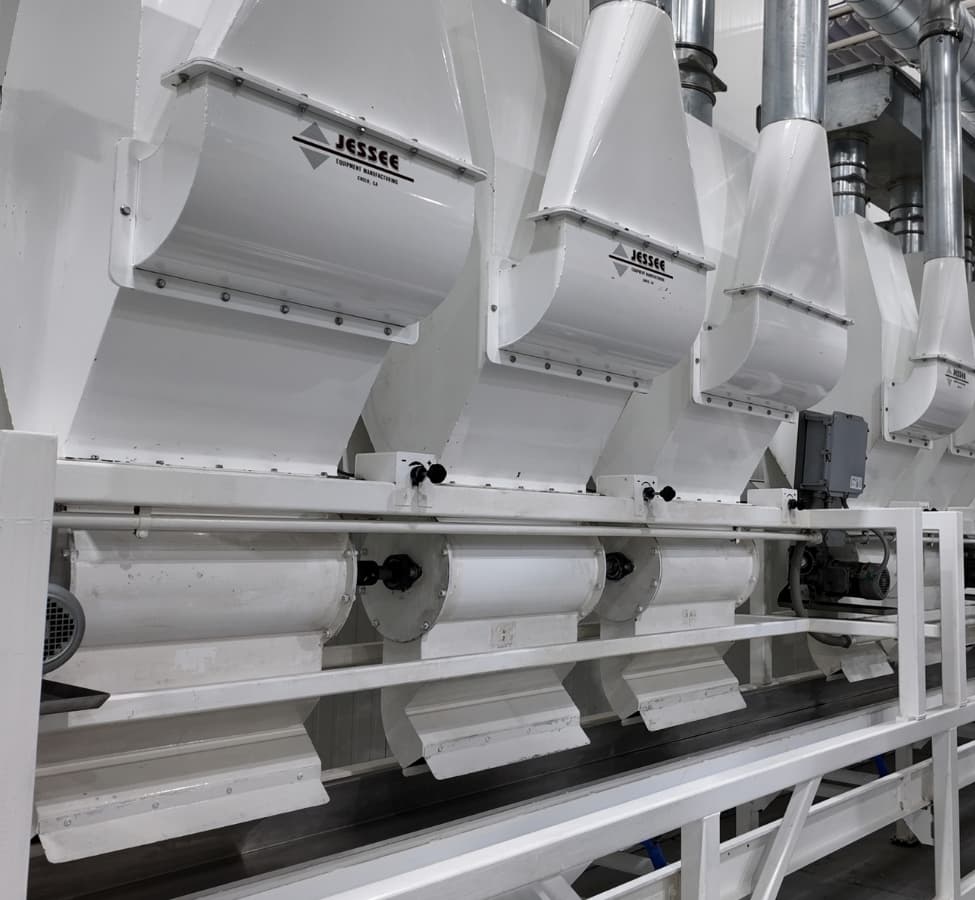
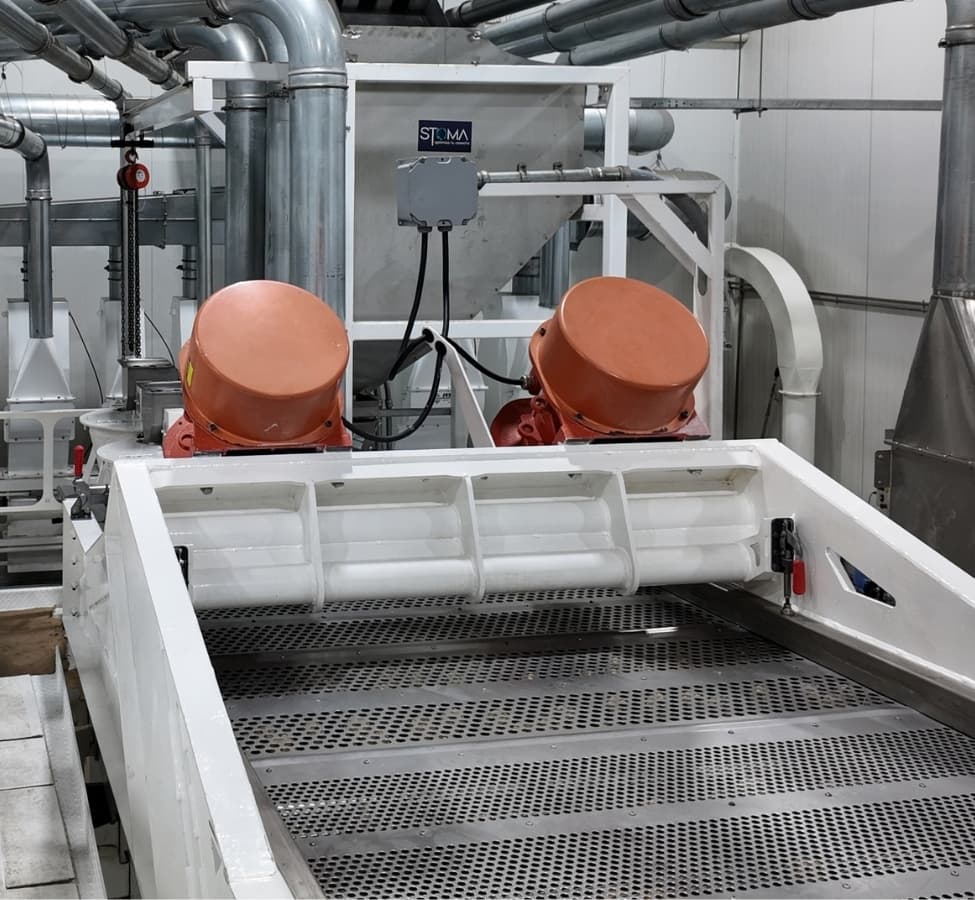
Kenya imported more almonds than it exported in every year from 2015 to 2025. In 2025 it imported 68,103 kg of shelled almonds and 4,797 kg in shell and exported 90 kg and 3 kg (UN Comtrade via WITS). Jessee, whose processing lines OVE Europe supplies, builds hulling, drying, in-shell cleaning and sizing, and shelling systems; its Airlegs nut cleaner was developed for the almond industry.
For general information only. Information may become outdated and does not replace site-specific professional advice. Consult a qualified agronomist and confirm equipment suitability with OVE before acting.
Practical Tips for Almond Post-Harvest Handling & Processing
Hull promptly picked or frame-caught almonds while the hulls are fresh, then dry the nuts in the shell before storage.
Dry the nuts until raw kernels hold at most 6.0% moisture, the limit in Kenya's draft standard DKS 2991:2023.
Do not send rain-wet almonds straight to the huller: University of California guidance notes that wet nuts will not hull cleanly.
Test lots for aflatoxins before sale: Kenya's draft kernel standard sets 5 µg/kg for aflatoxin B1 and 10 µg/kg in total.
Keep each lot separate by cultivar and orchard block, and store dried almonds in a dry, clean place.
Plan sales with imports in mind: Kenya imported 68,103 kg of shelled almonds in 2025 and exported almost none.
Recommended Post-Harvest Handling & Processing Stages
Plan your post-harvest line
Estimate tons/day, cleaning & drying capacity, storage needs, and cost/kg—then build your equipment plan in phases.