


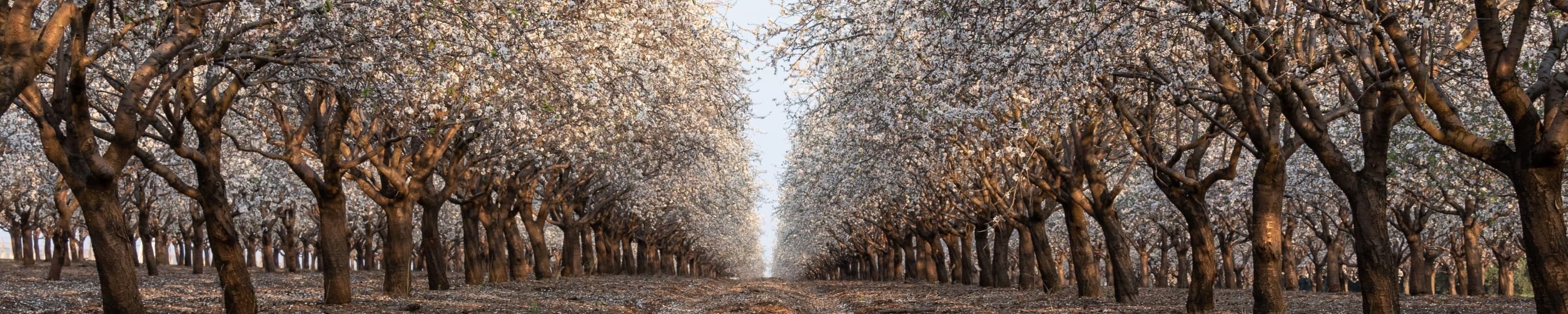




Almond Orchard Establishment in Libya
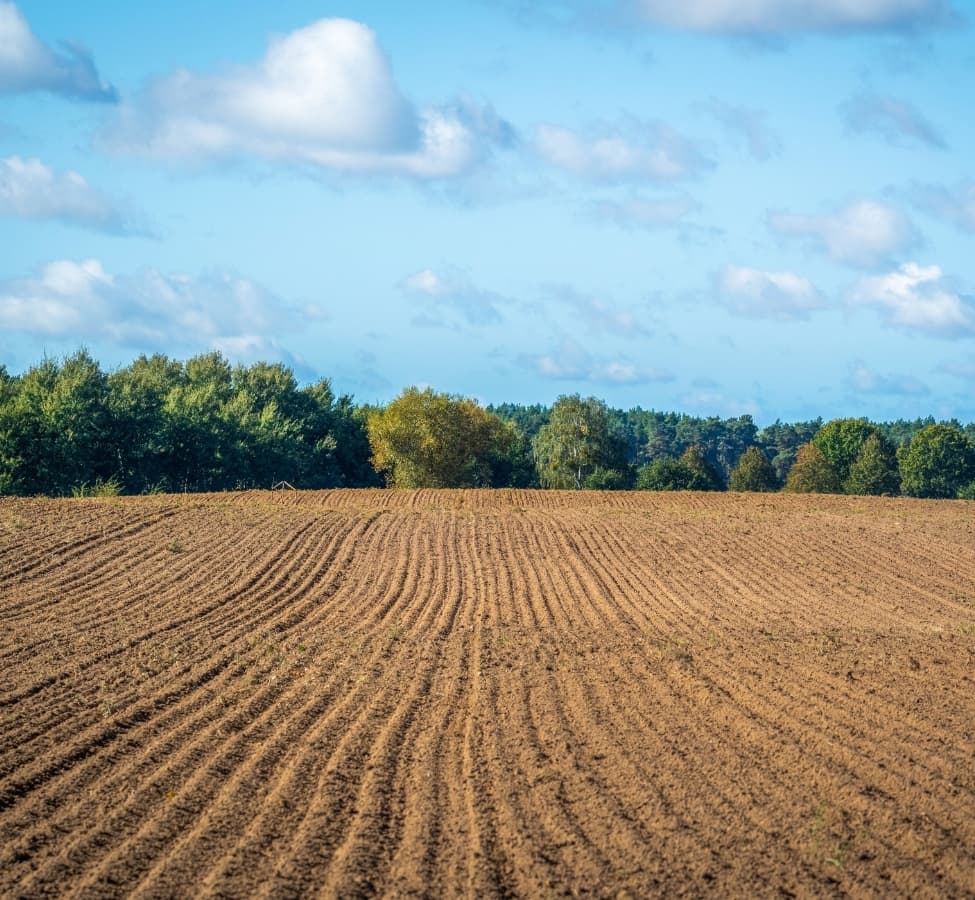
No Libyan recommendations on almond cultivars, rootstocks or spacing were found. An FAO inventory published in 1997 listed 27 almond entries in the Agricultural Research Center's collection, among them Avola, Rachele, Nonpareil and Texas, and the 1996 national report listed 7 almond landraces or old varieties then still used by farmers and 25 introduced varieties in field genebanks; a 2017 study described 18 genotypes grown at one research station.
Most Libyan research found on almond pests and diseases comes from the Jabal al Akhdar, the northeastern uplands with Libya's highest rainfall, 250 to 600 mm a year, where a 2020 study places intensive cultivation on flat plains and valley floors of a largely rocky, stony plateau. A 2024 news report also names almonds among the crops a village in the Nafusa Mountains was once known for. On 15 and 16 February 2021 the Jabal al Akhdar had snow and nights near 0 °C (WMO).
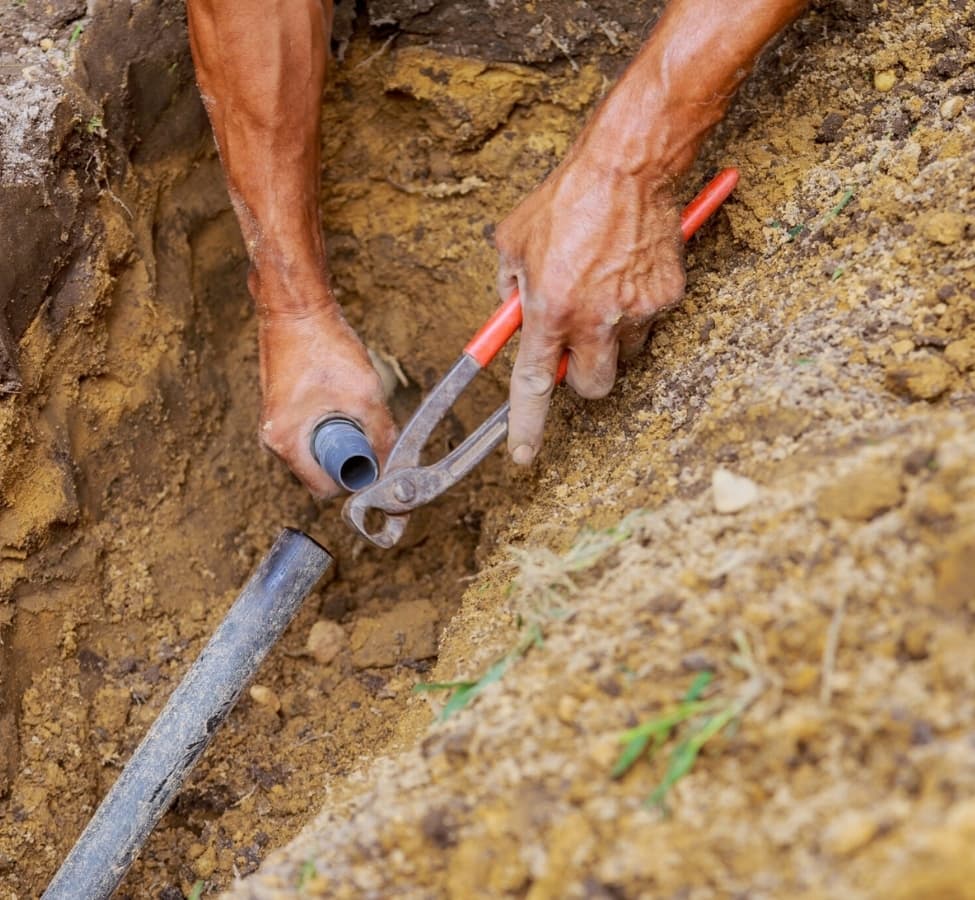
Guidance from Spain notes that late-blooming cultivars aim to avoid late-winter and early-spring frost and that efficient pollination is essential to obtain a crop. Buy trees from nurseries free of root-knot nematodes, which cost many Libyan nurseries 16 to 100% of their peach, almond and grape seedlings in 1979 and 1980, and plan rows, headlands and trunk height for shakers and catching frames before planting.
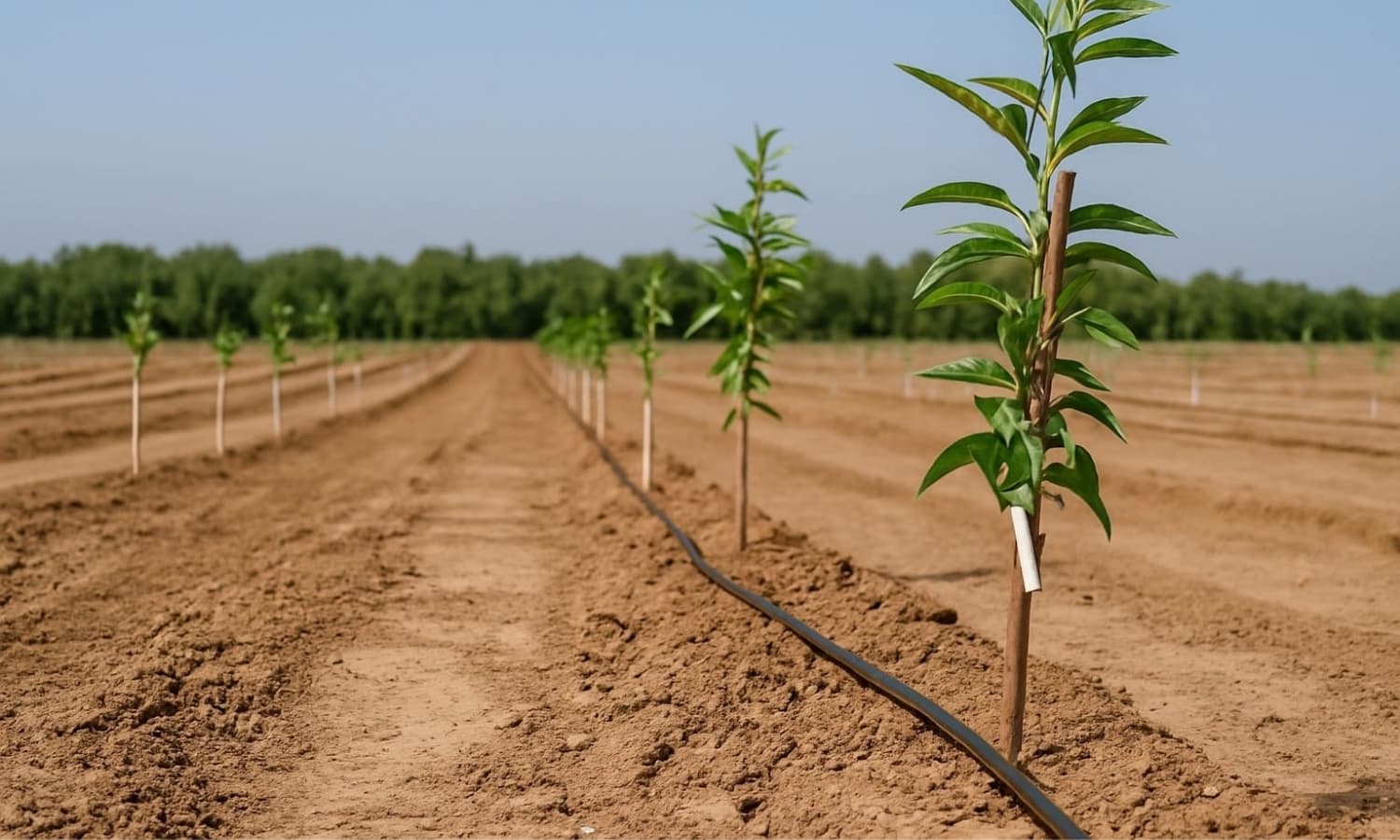

Practical Tips for Almond Orchard Establishment
Test cultivars on a small plot first: no Libyan recommendations on almond cultivars, rootstocks or spacing were found.
Prefer late-blooming cultivars on cold upland sites: the Jabal al Akhdar had snow and nights near 0 °C in February 2021 (WMO).
Buy trees free of root-knot nematodes: in 1979 and 1980 they cost many Libyan nurseries 16 to 100% of their peach, almond and grape seedlings.
Plant not on stony slopes but on flat plains and valley floors, where a 2020 study places the Jabal al Akhdar's intensive cultivation.
Plan for pollination: guidance from Spain stresses that efficient pollination is essential to obtain an almond crop.
Plan rows, headlands and tree form for the shaker, sweeper and harvester before planting, and check trunk clearance with OVE Europe.
Recommended Establishment Stages
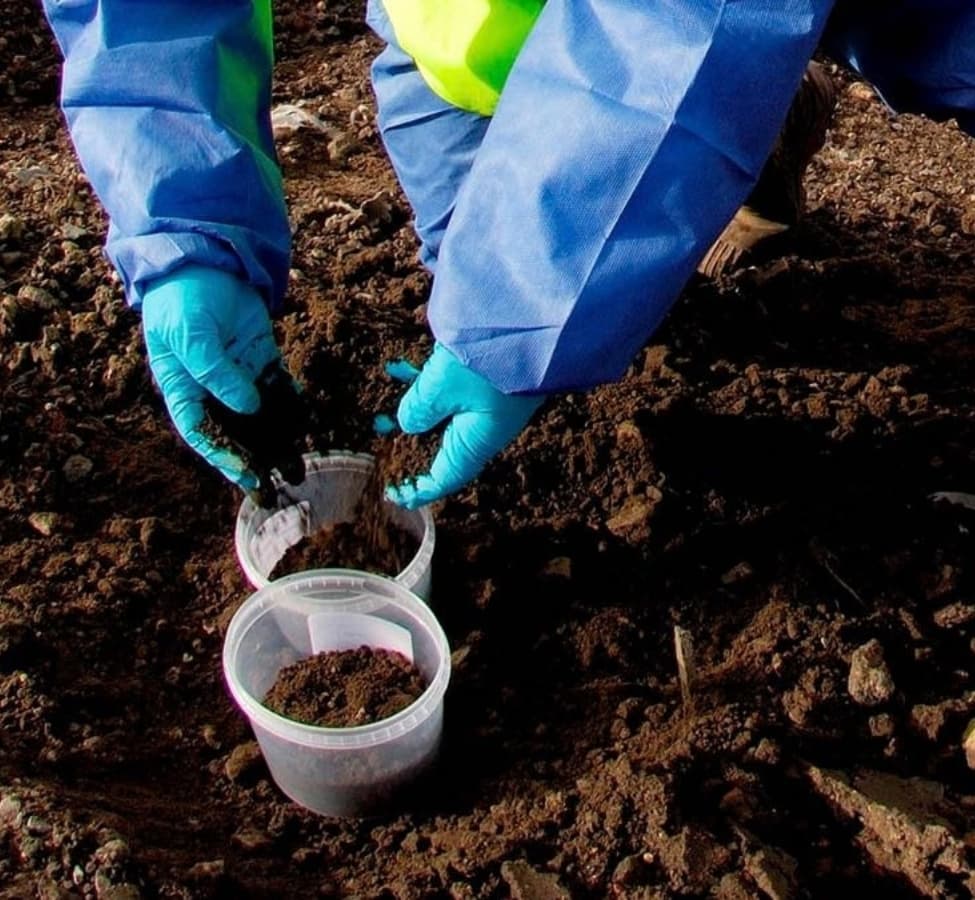




Almond Orchard Care & Maintenance in Libya
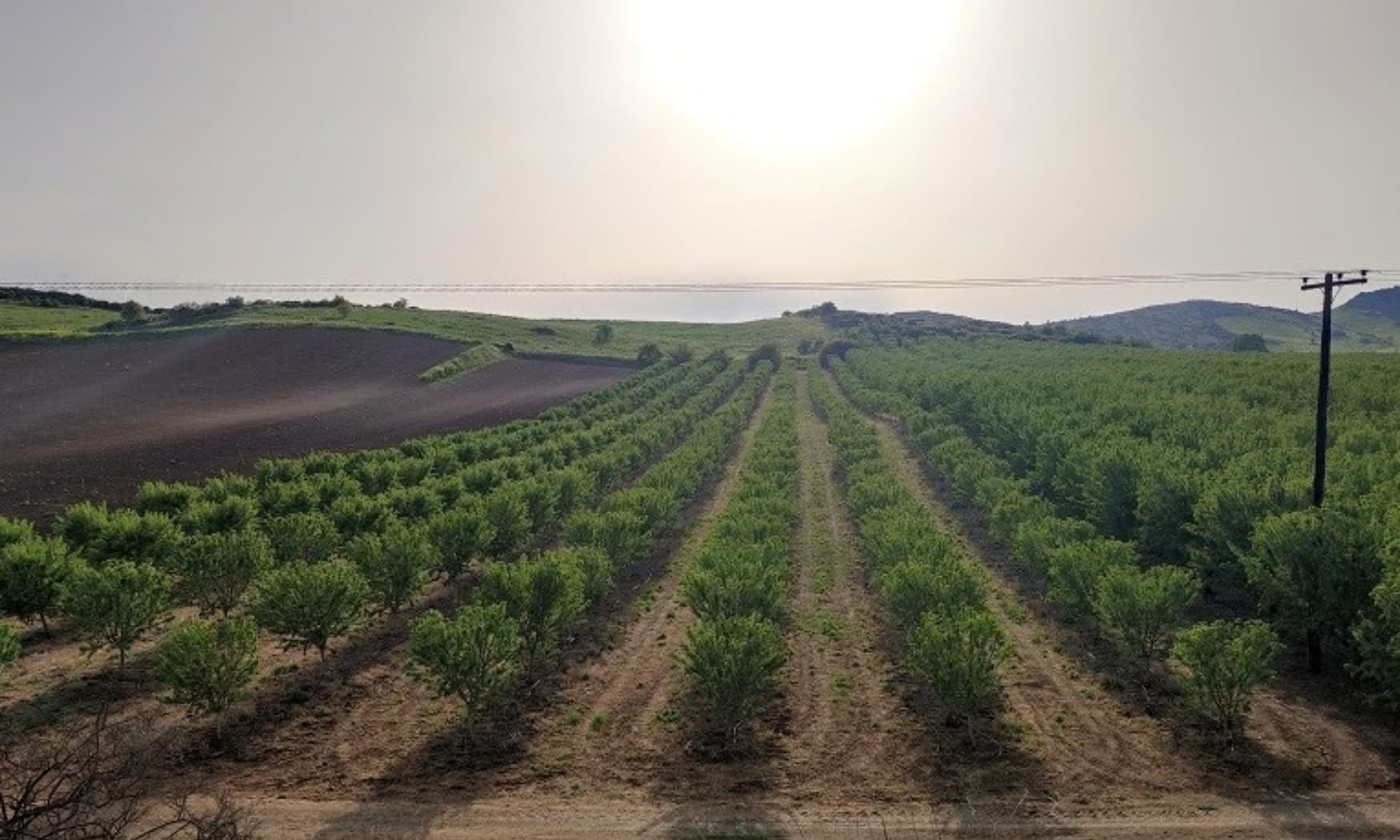
Capnodis tenebrionis has been studied in the Jabal al Akhdar: a 2021 to 2023 study near Mansura surveyed almond, apricot, peach and nectarine, found apricot the preferred host and recorded adults from the end of spring, with the highest numbers in June. In September 2025 the Agricultural Research Center's director of research said a stone-fruit stem borer had caused large numbers of almond trees to dry out and die in Jabal al Akhdar orchards, including around Shahat.
Bacterial spot, caused by Xanthomonas campestris pv. pruni (now named X. arboricola pv. pruni), was widespread on almond and other stone fruit in the Jabal al Akhdar in a 1997 survey, published in 2003, which also found the bacterium overwintering in flower buds and staying infective in diseased leaves for eight months. A 2008 study recorded it on sweet almond in several areas of the region.
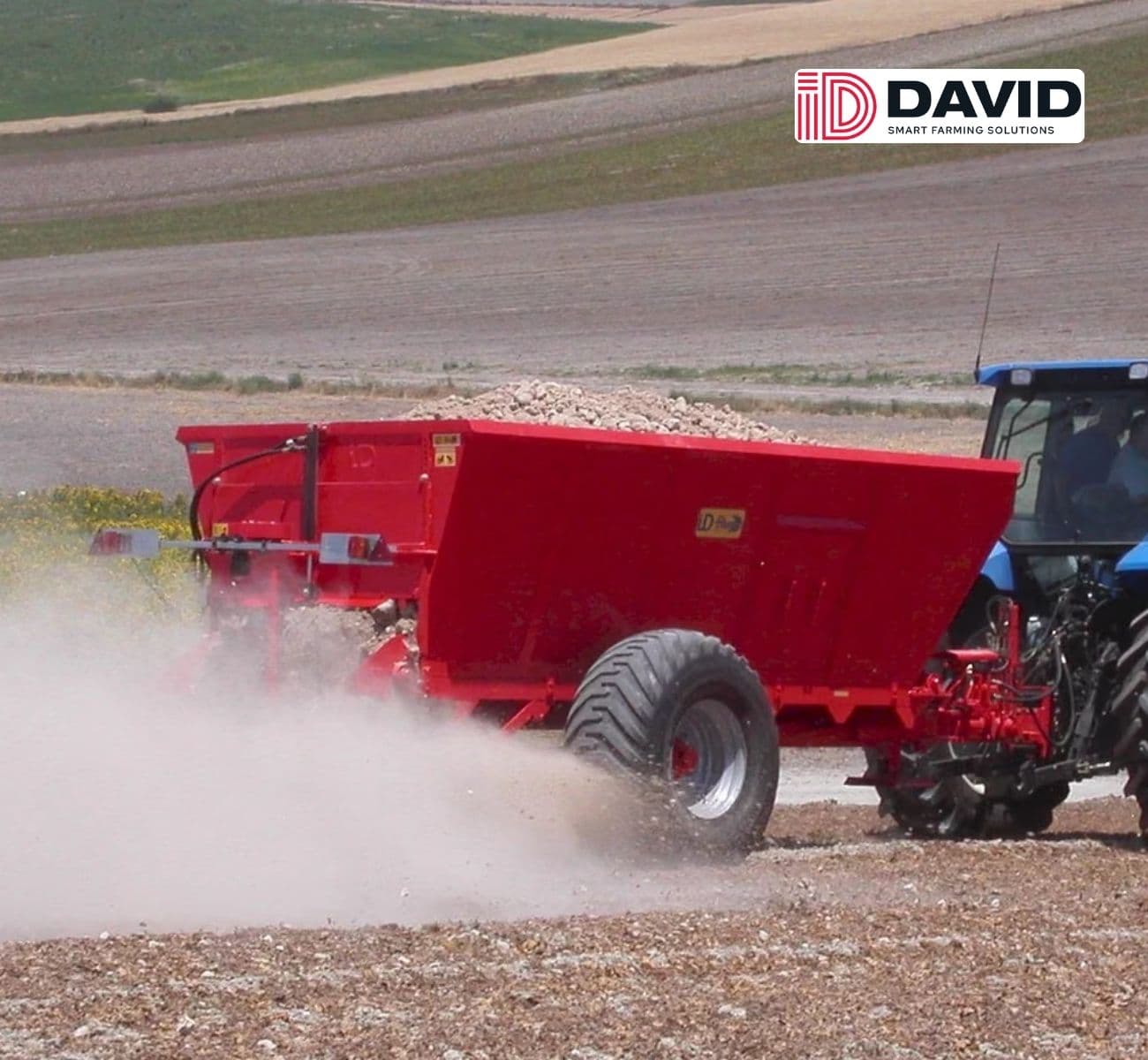
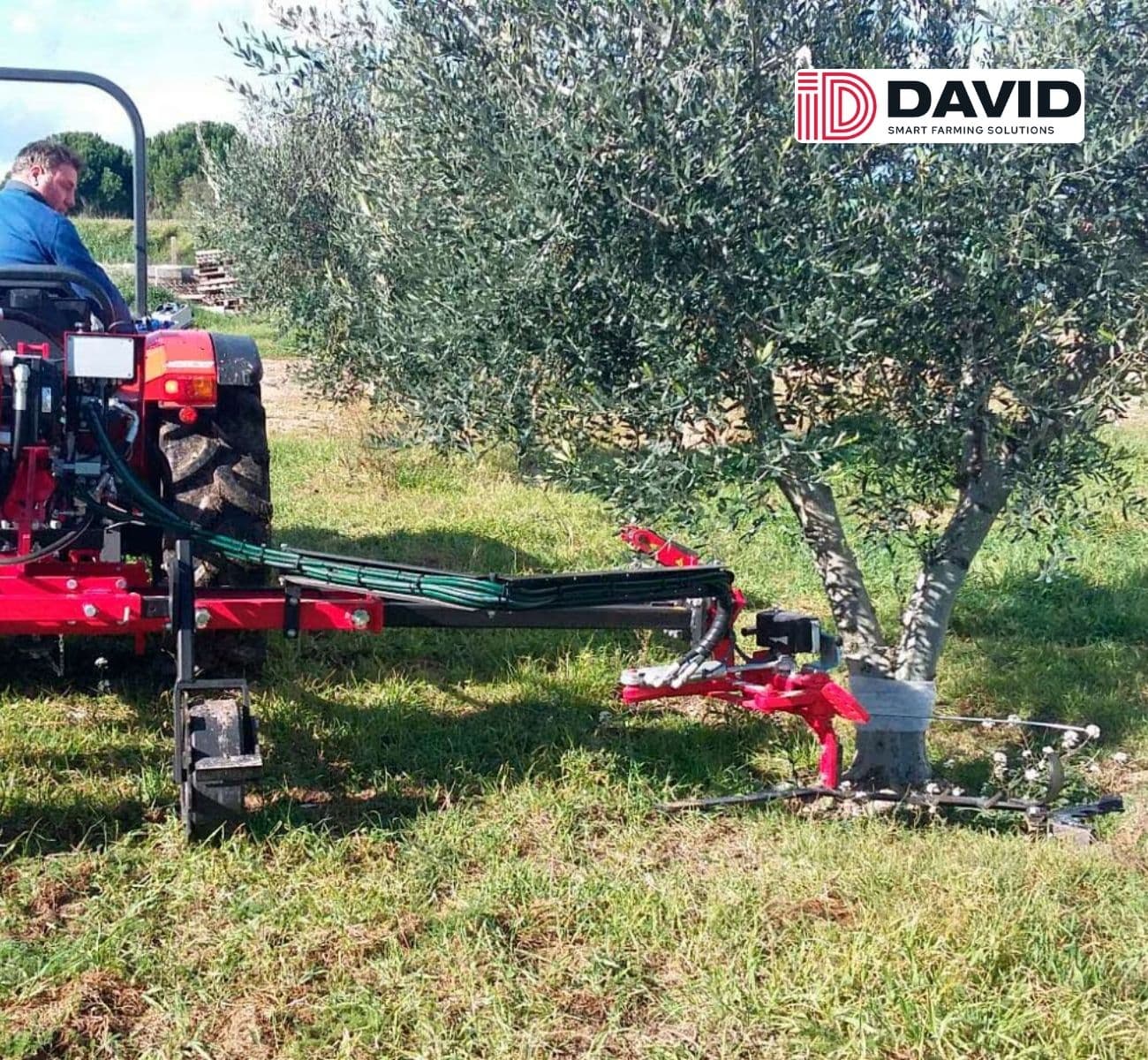
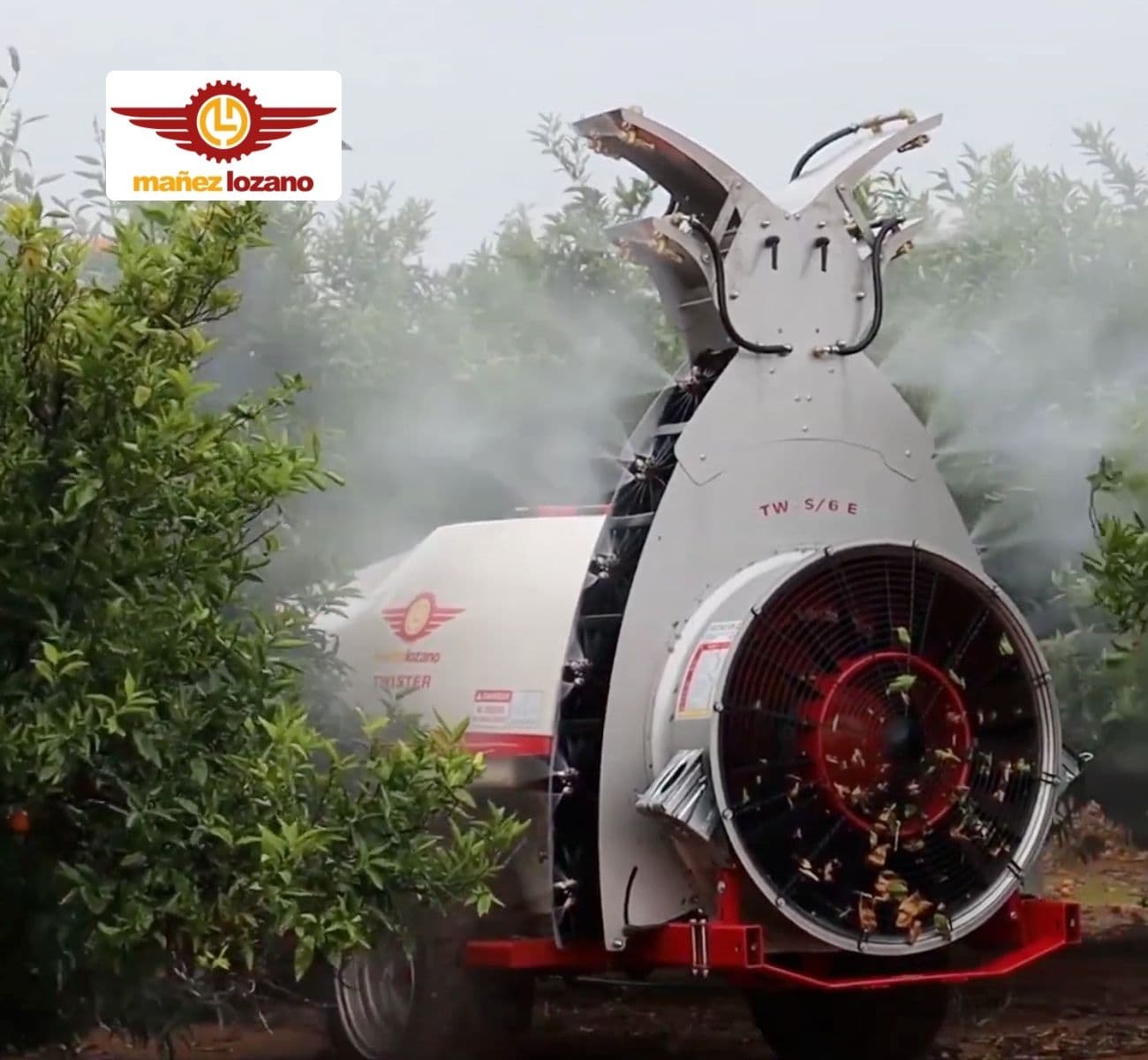
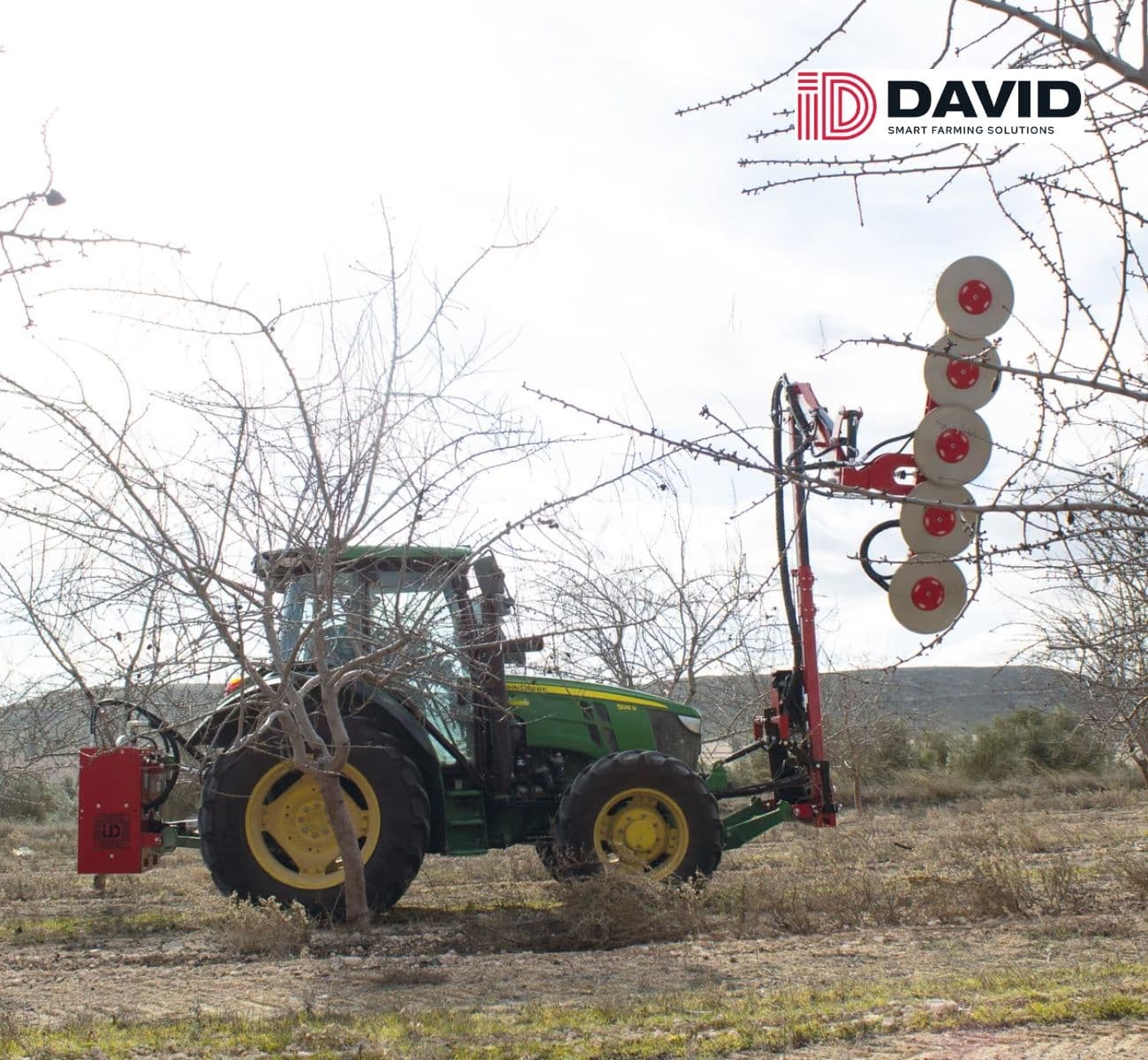
No Libyan almond irrigation guidance was found. A 2020 study groups the Jabal al Akhdar's orchards with rain-fed farming in one land-cover class and notes irrigation growing with new wells up to 2017, and guidance from Spain notes that most Mediterranean almond orchards are not irrigated and rely on winter and spring rain. For care work, the ID DAVID SURFEED spreads solid manure, the ID-XL weeds the tree row, the Mañez Lozano Mega Twister S6 sprays tall, dense canopies and the ID DAVID ID-REX disc pruner makes lateral and topping cuts.
Recommended Orchard Care & Maintenance Stages



Practical Tips for Almond Orchard Care & Maintenance
Check stone-fruit trees for Capnodis from late spring: the study near Mansura found adults from the end of spring, peaking in June.
Inspect trunks for borer damage: a 2025 report blamed a stone-fruit stem borer for killing large numbers of almond trees in the Jabal al Akhdar.
Treat diseased leaves as a source of bacterial spot: a 2003 Libyan study found the bacterium stayed infective in them for eight months.
Plan water for the dry summer: on the coast, WMO normals give at most 1.3 mm of rain a month from June to August (1961 to 1990).
Keep the tree row weed-free with an in-row weeder such as the ID DAVID ID-XL, and keep the orchard floor level for harvest.
Spray tall, dense canopies evenly with a trailed airblast sprayer such as the Mañez Lozano Mega Twister S6.

Almond Harvesting in Libya
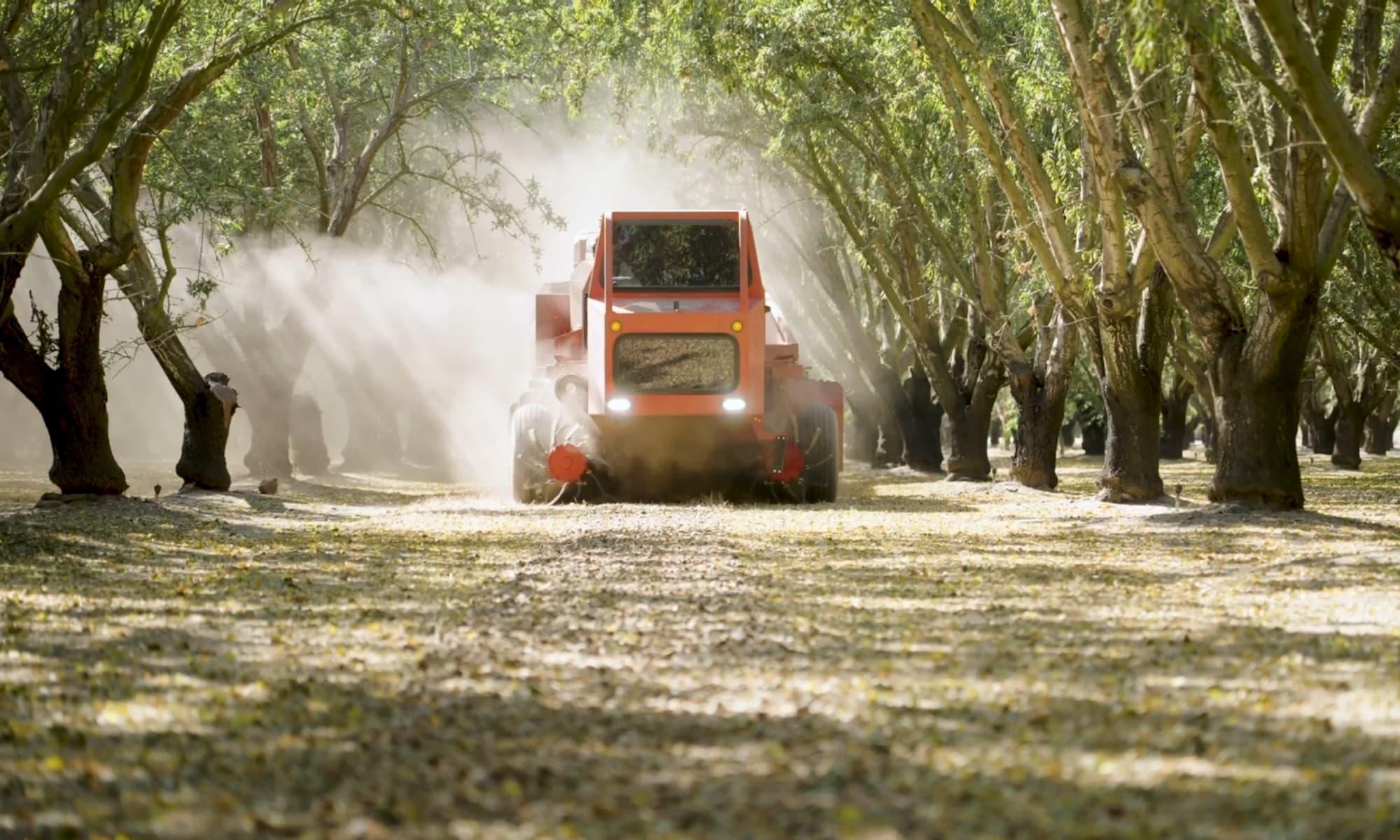
No source found describes how almonds are harvested or dried in Libya, or gives Libyan harvest months. University of California guidance advises harvesting as soon as the nuts can be shaken off well, when all nuts at 1.8 to 2.4 m in the canopy have reached hull split. In orchards planted for machines on suitable ground, mechanized harvesting can bring the crop in on time, with less risk of nuts deteriorating while they wait.
June to August is dry at all three stations with monthly data: on average 0.0 to 1.3 mm of rain a month on the coast (WMO, 1961 to 1990) and 0.5 to 1.8 mm at Shahat in the Jabal al Akhdar (1963 to 1999). September brings the first rains and, at times, storms: Storm Daniel set a 24-hour record of 414.1 mm at one Jabal al Akhdar station on 10 and 11 September 2023 (WMO). This guide therefore shows ground drying with the Flory CP87 only for harvests finished by the end of August, with prompt pickup or catching frames after that.
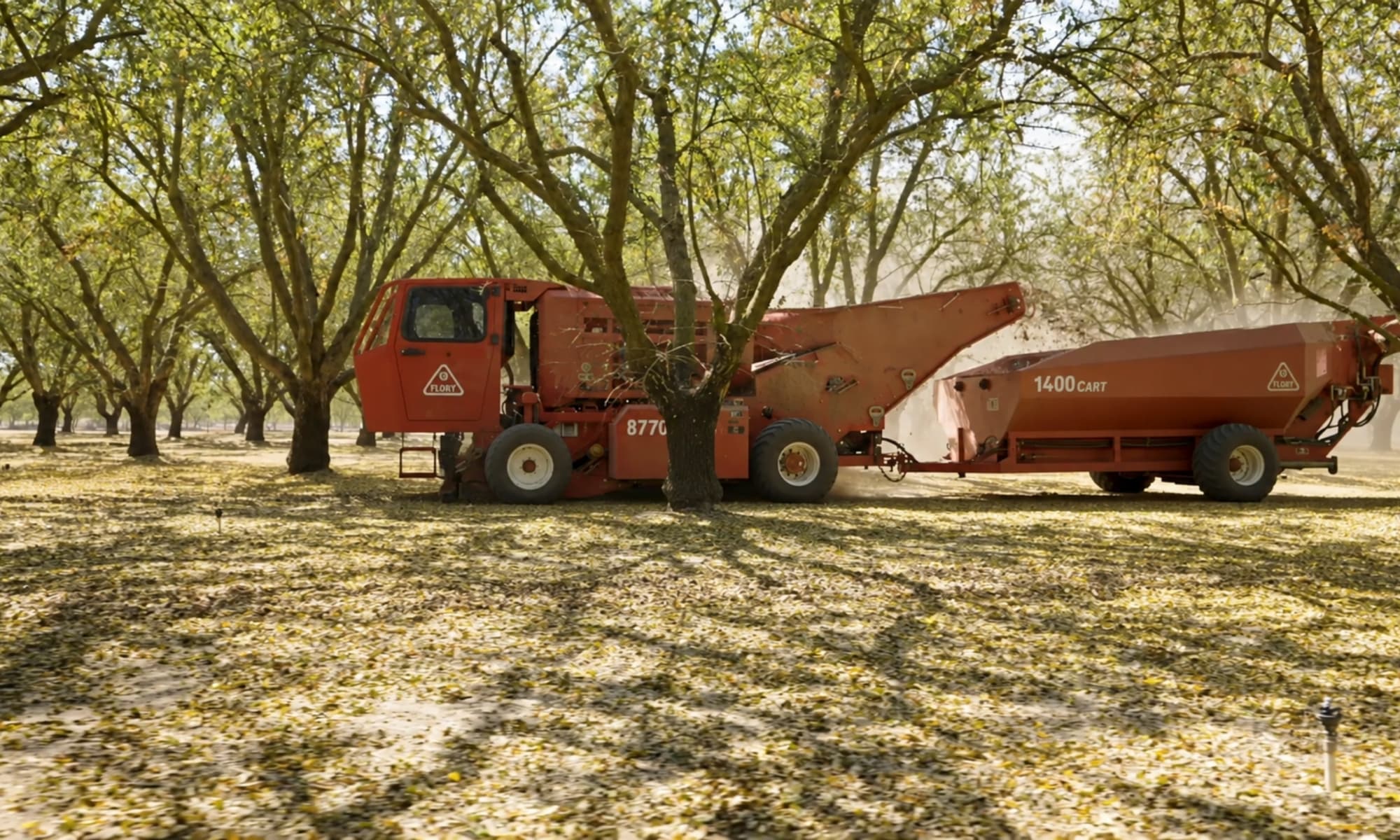
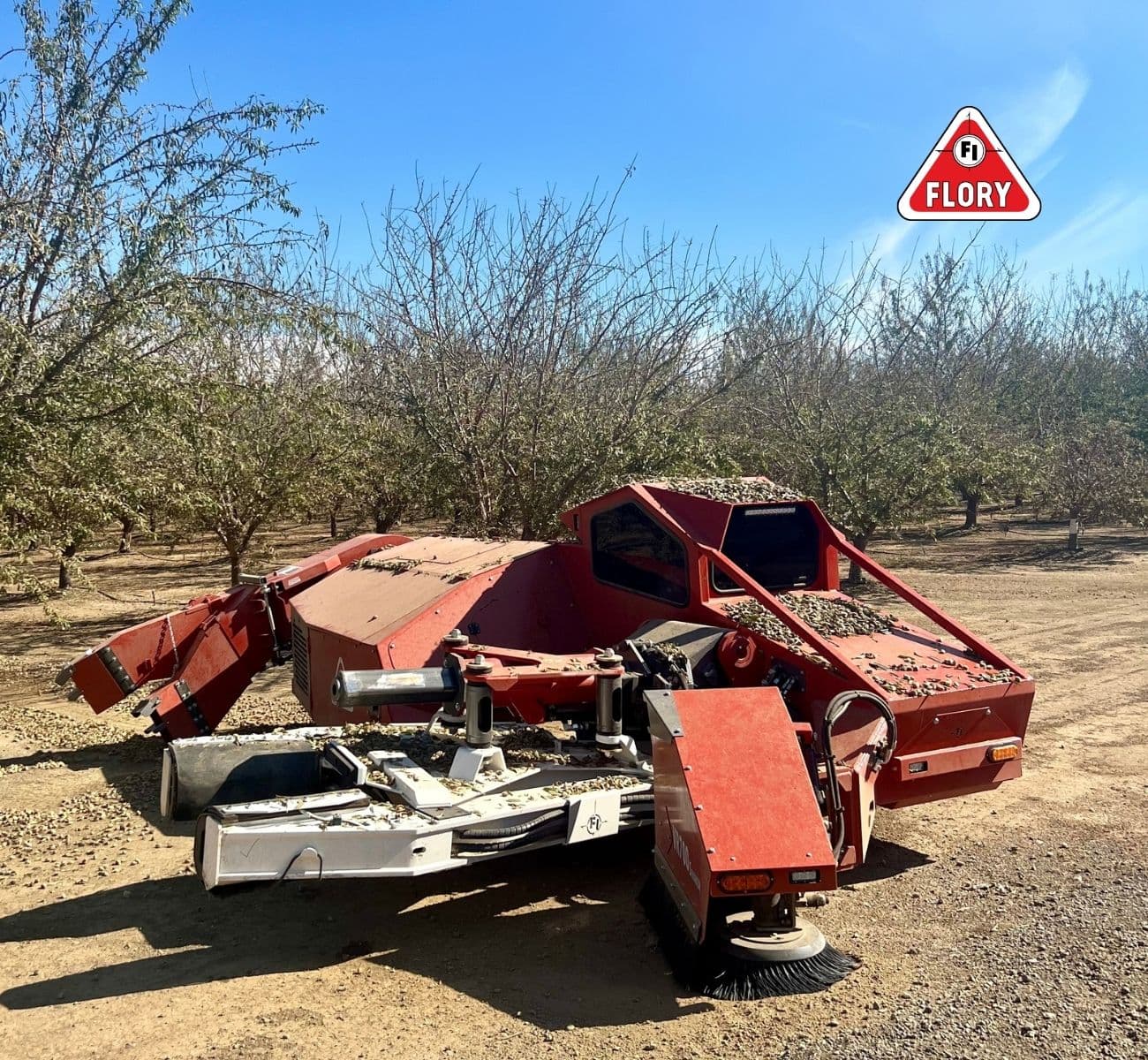
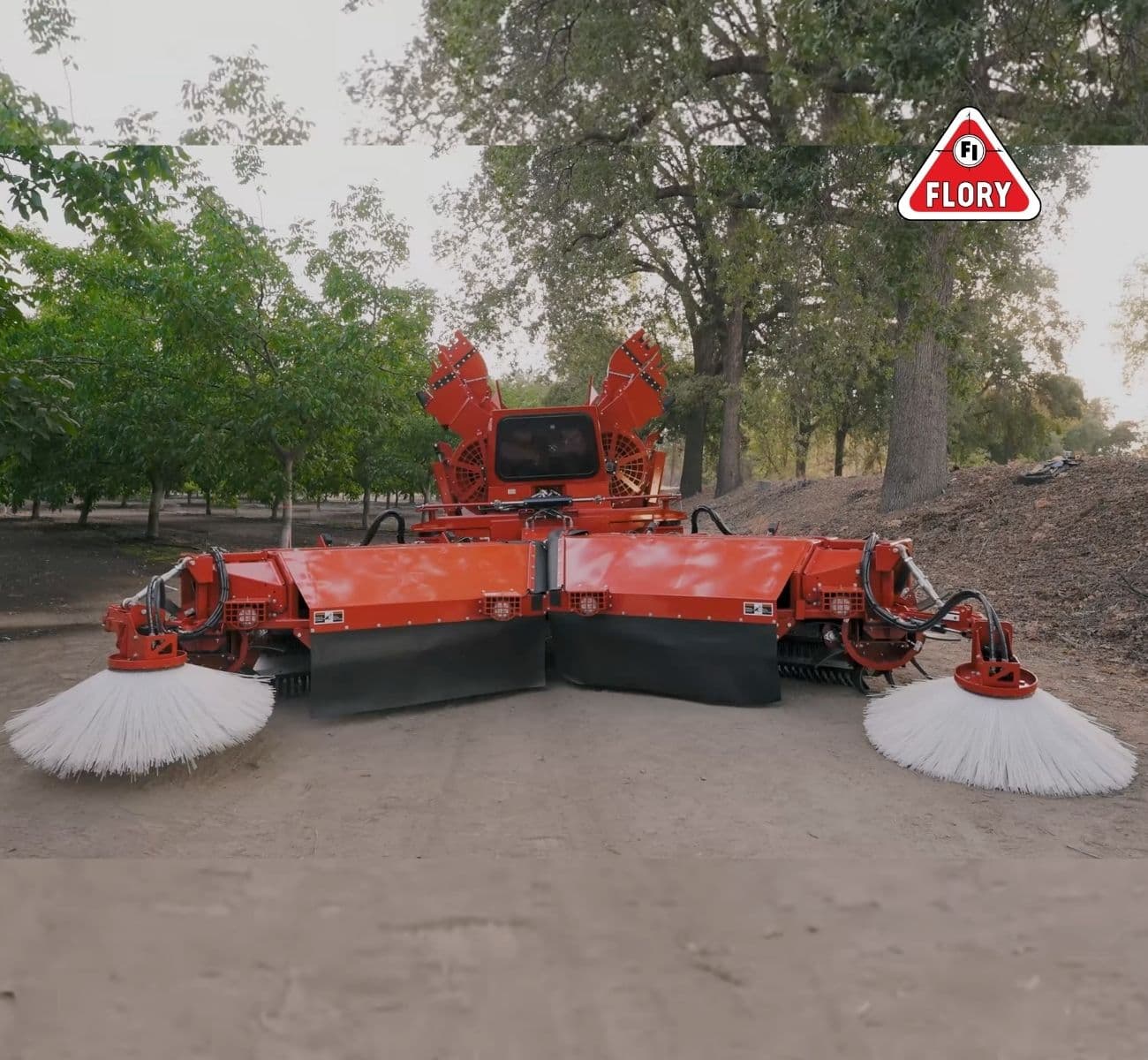
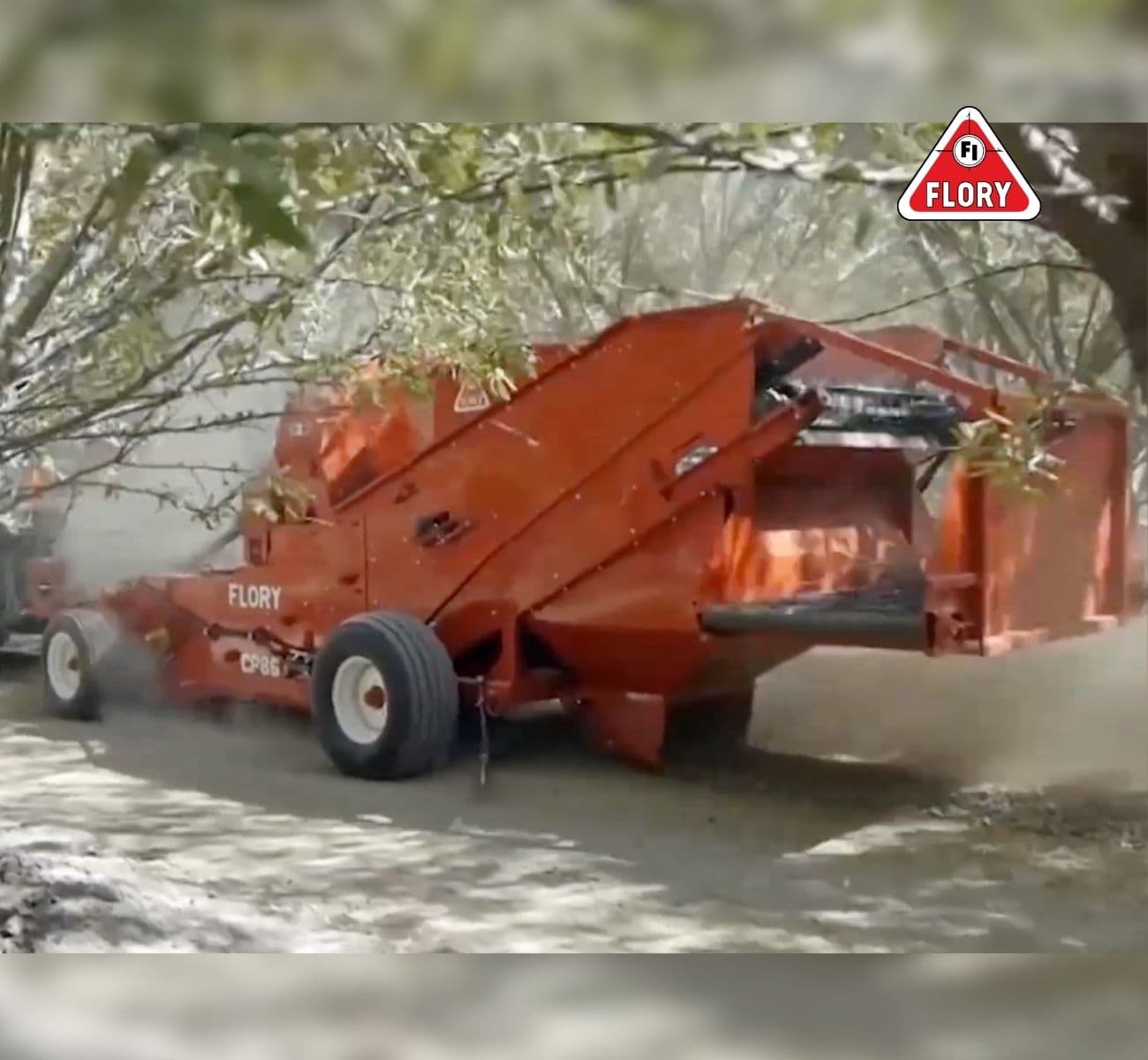
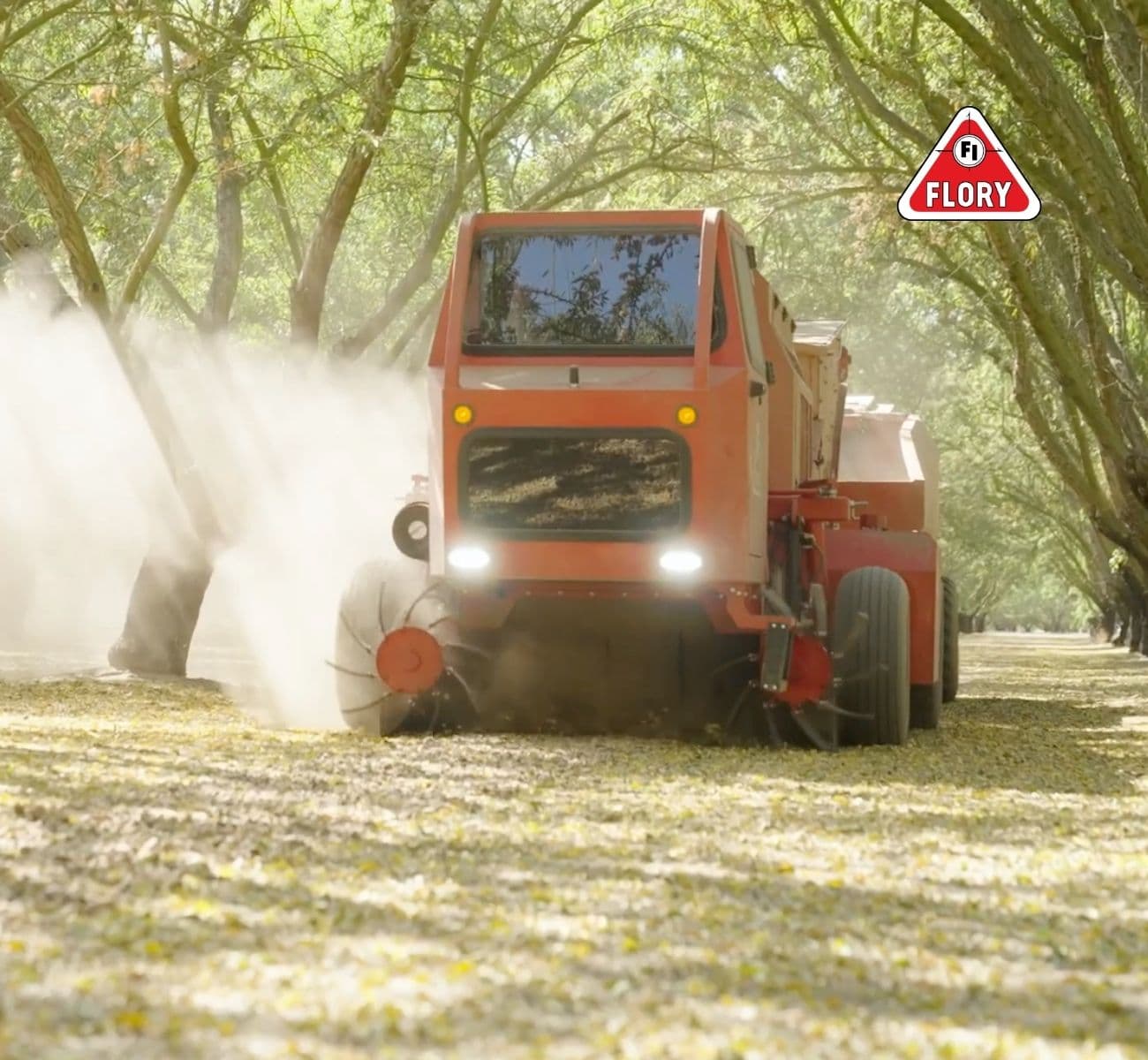
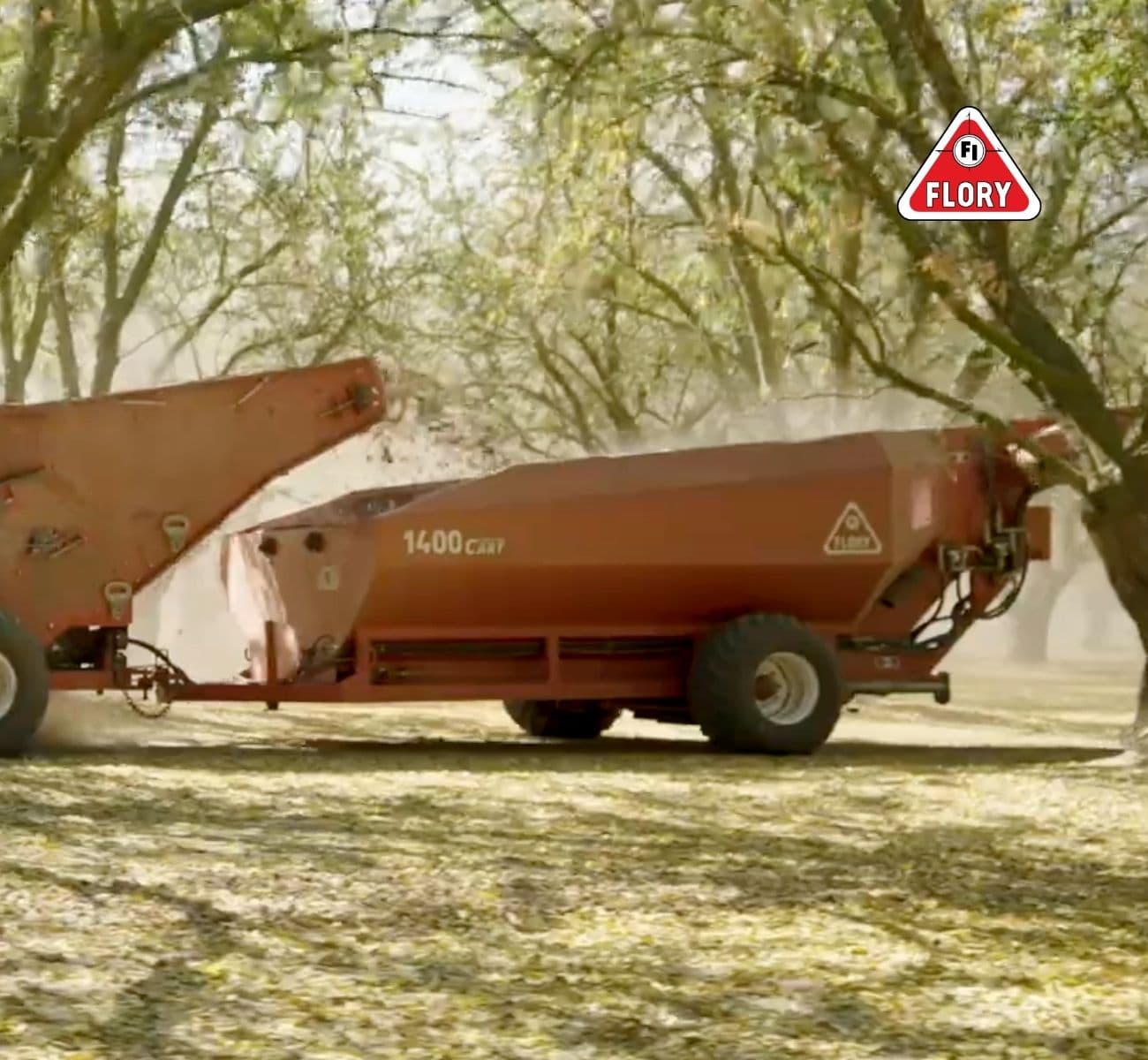
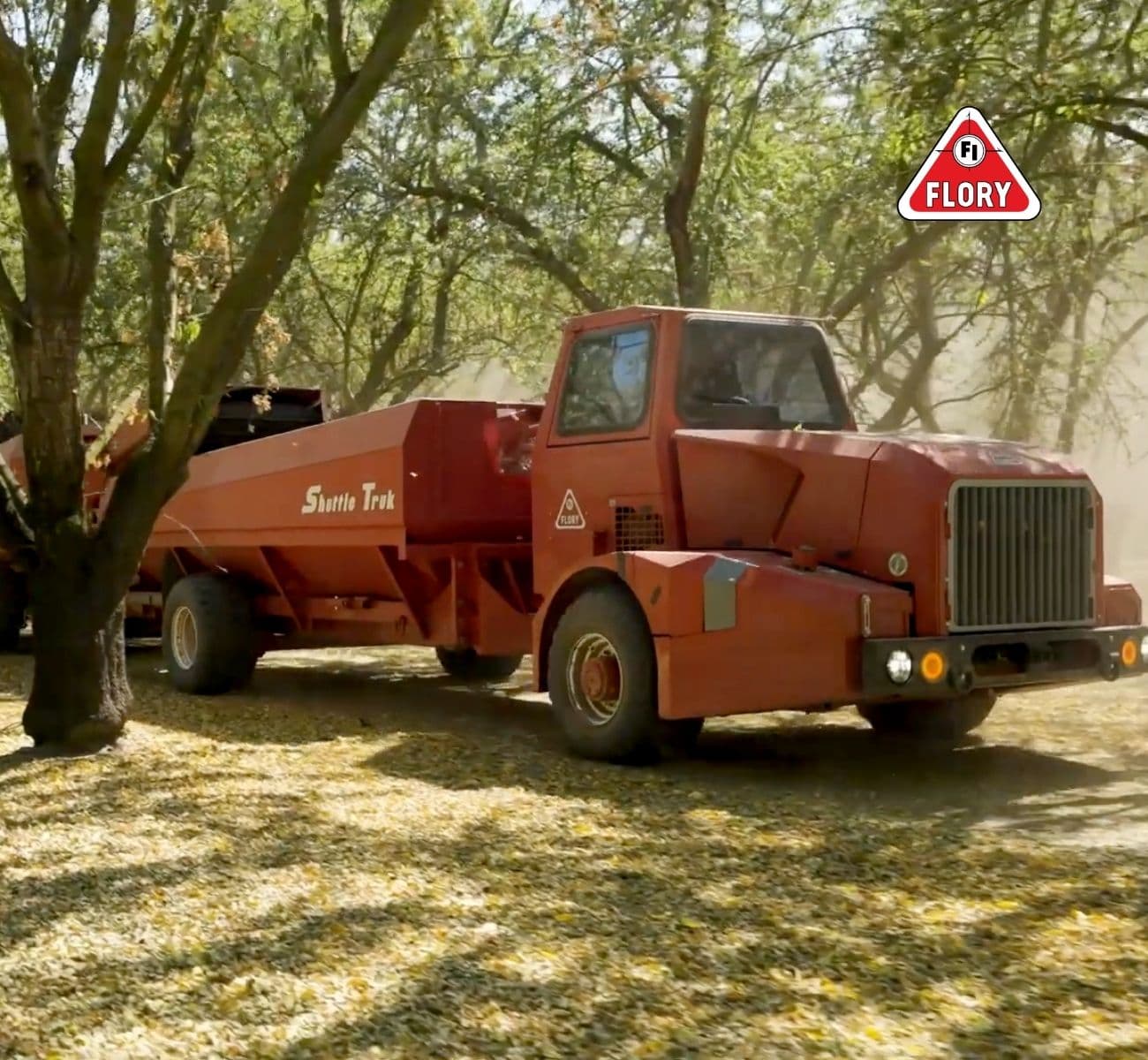
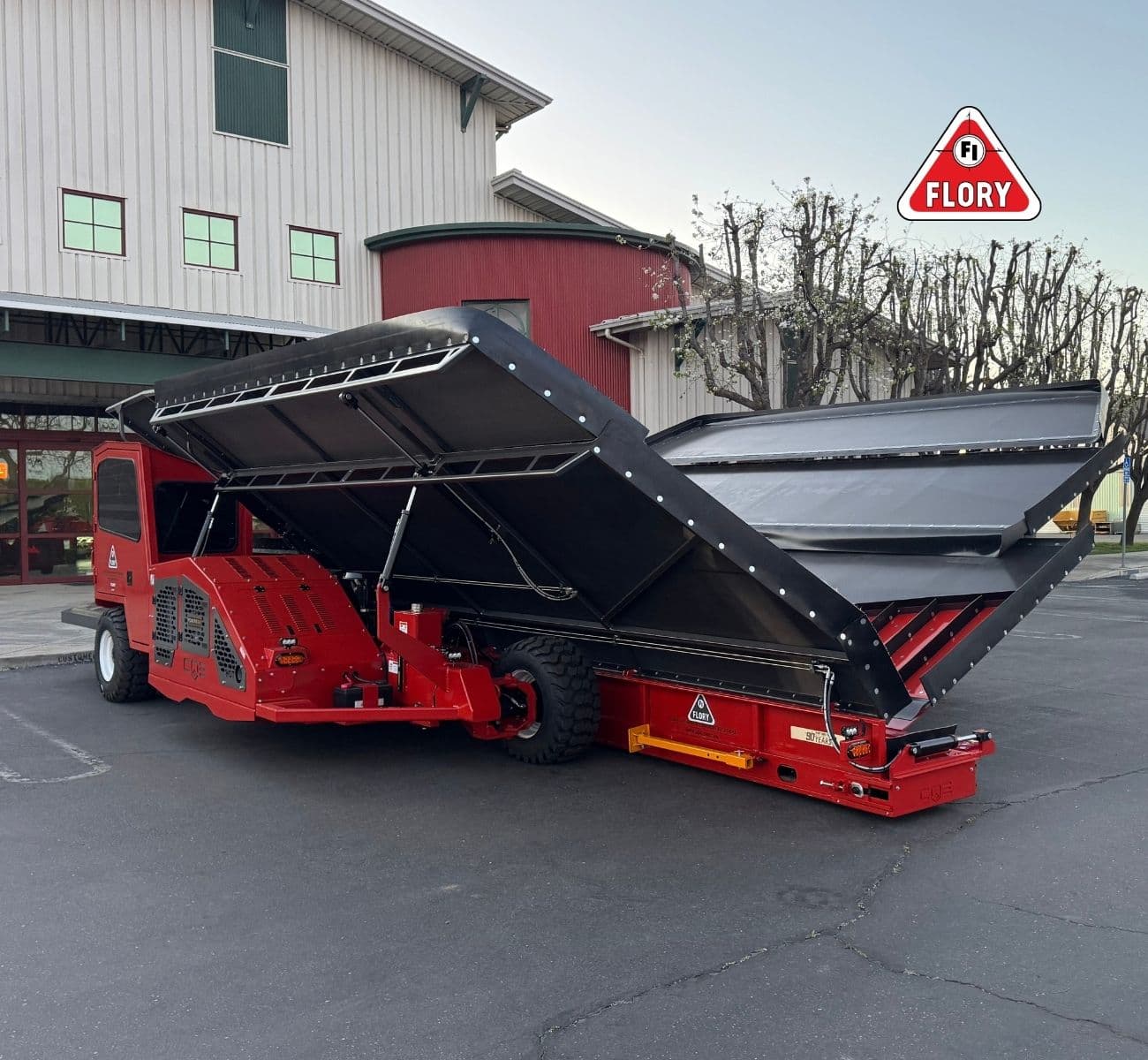
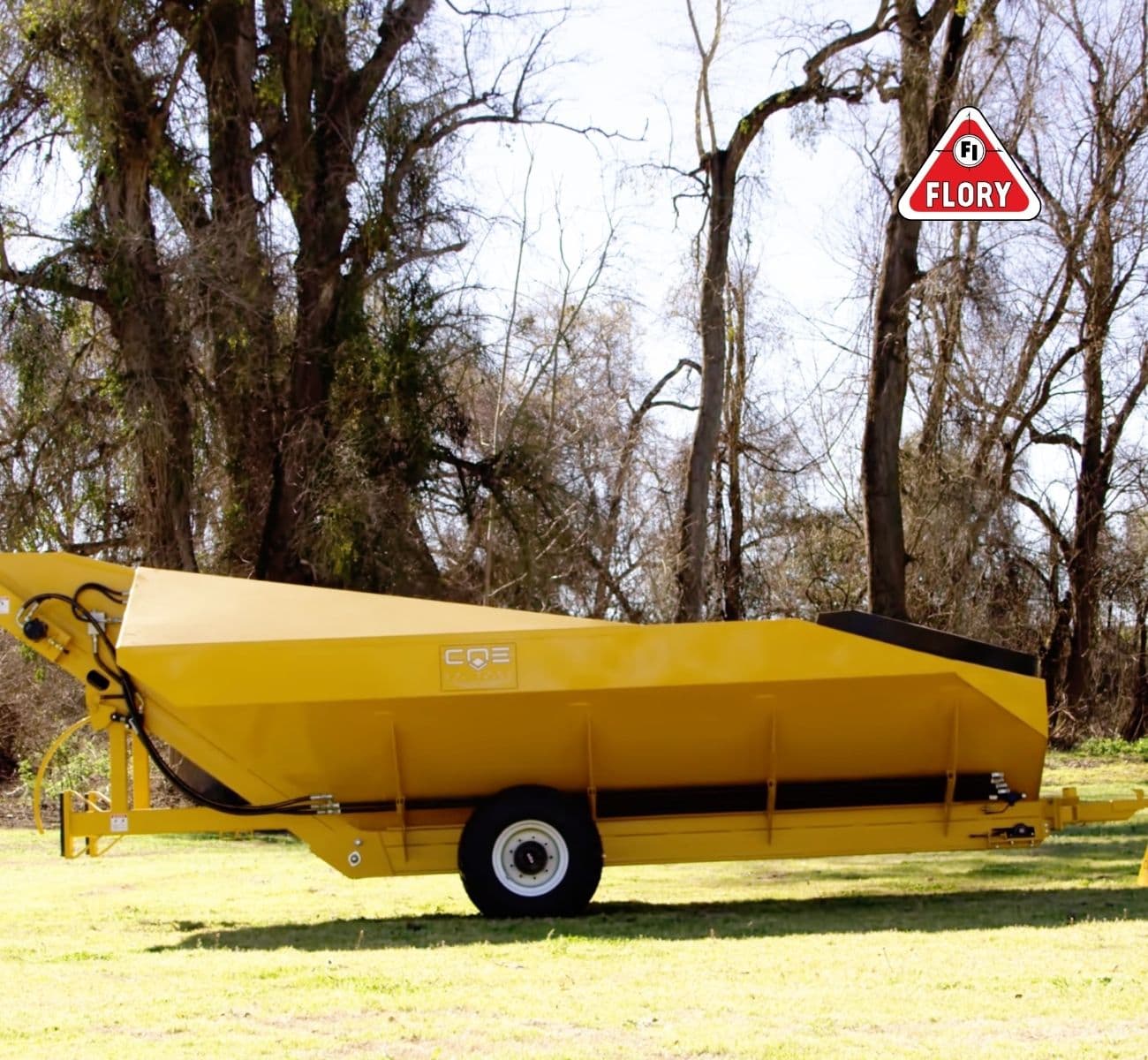
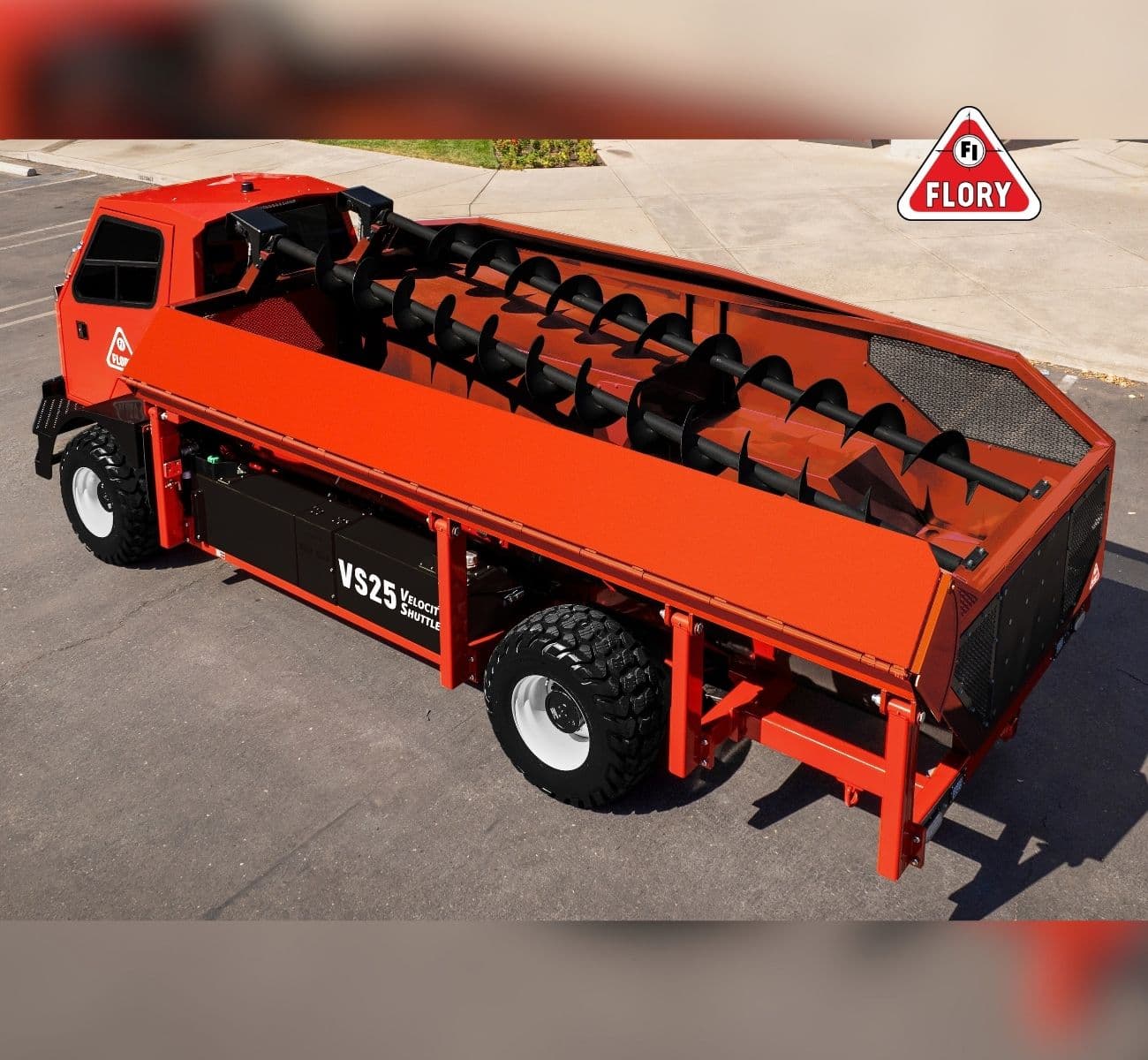
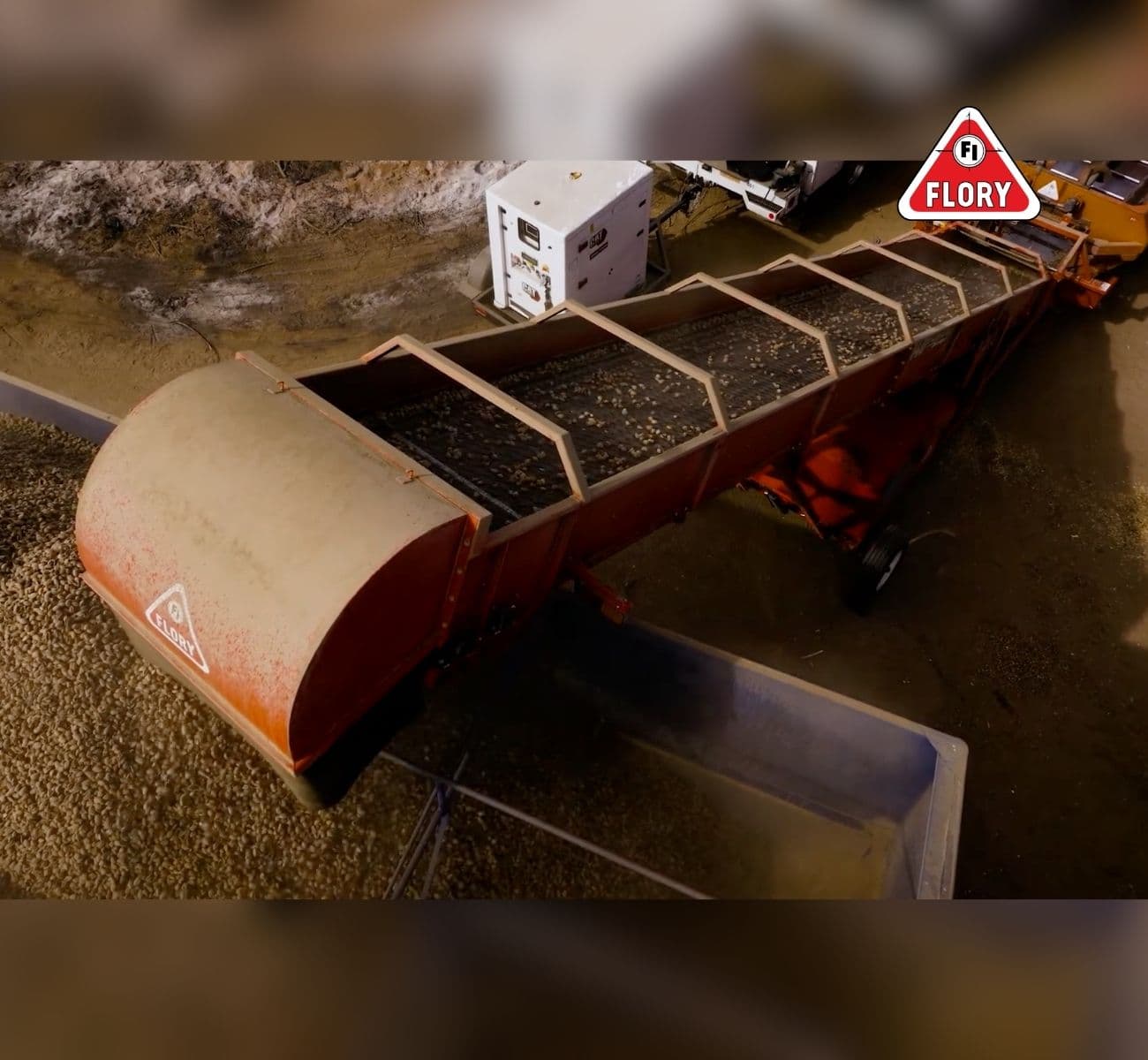
Flory harvesting machinery is available in Libya through OVE Europe for both systems. On the ground, the VR700 Shaker, V62 Sweeper, CP87 Conditioner and 8772 Harvester work with the 1500 Conveyor Cart and ST14 Shuttle. Off the ground, the Flory COE C7 Shaker and L2 Receiver catch the almonds in a frame around the trunk, the Flory COE B8 Cart and VS25 Shuttle carry them, and the 4840 Field Elevator loads trailers in both systems.
Almond Harvest Workflow (Recommended Equipment)

Practical Tips for Almond Harvesting
Track hull split from the first split hulls in the top southwestern part of the tree, and shake once nuts come off well, as University of California guidance advises.
Leave shaken almonds on the ground only until the end of August and in dry weather; in the uplands, check drying: Shahat's July and August humidity averages 66 to 69%.
Keep ground time short: University of California guidance links ant damage to the time almonds spend on the orchard floor.
After drying on the floor, sweep almonds into windrows; a conditioner such as the Flory CP87 cleans and re-lays them so they dry faster before pickup.
From September, or when storms are forecast, pick up promptly or catch the nuts with the Flory COE C7 Shaker and L2 Receiver.
Use shakers and frames only in orchards on plains or valley floors that were planted for machines, never on scattered trees or stony slopes.
Get your recommended harvest setup
Enter orchard size, spacing, terrain, and target throughput—we’ll suggest a practical harvest workflow and equipment lineup.

Almond Post-Harvest Handling & Processing in Libya
No source found describes almond hulling, drying, cracking or storage in Libya. In this workflow, almonds dried on the orchard floor arrive with dry hulls and are dried further only if needed, while promptly picked or frame-caught almonds are hulled first and then dried in the shell, as the Codex code of practice for tree nuts advises hulling as soon as possible after harvest.
Libyan Standard No. 1107 for whole sweet almond kernels was adopted in February 2026, and a 2023 Libyan study cites Libyan Standard No. 597 of 2015 on maximum aflatoxin limits in food and feed; neither text was found, so their almond requirements are not known. Regulation (EU) 2023/915 allows 8.0 µg/kg of aflatoxin B1 and 10.0 µg/kg in total in almonds sold to consumers or used in food, and 12.0 and 15.0 µg/kg in almonds to be sorted first.
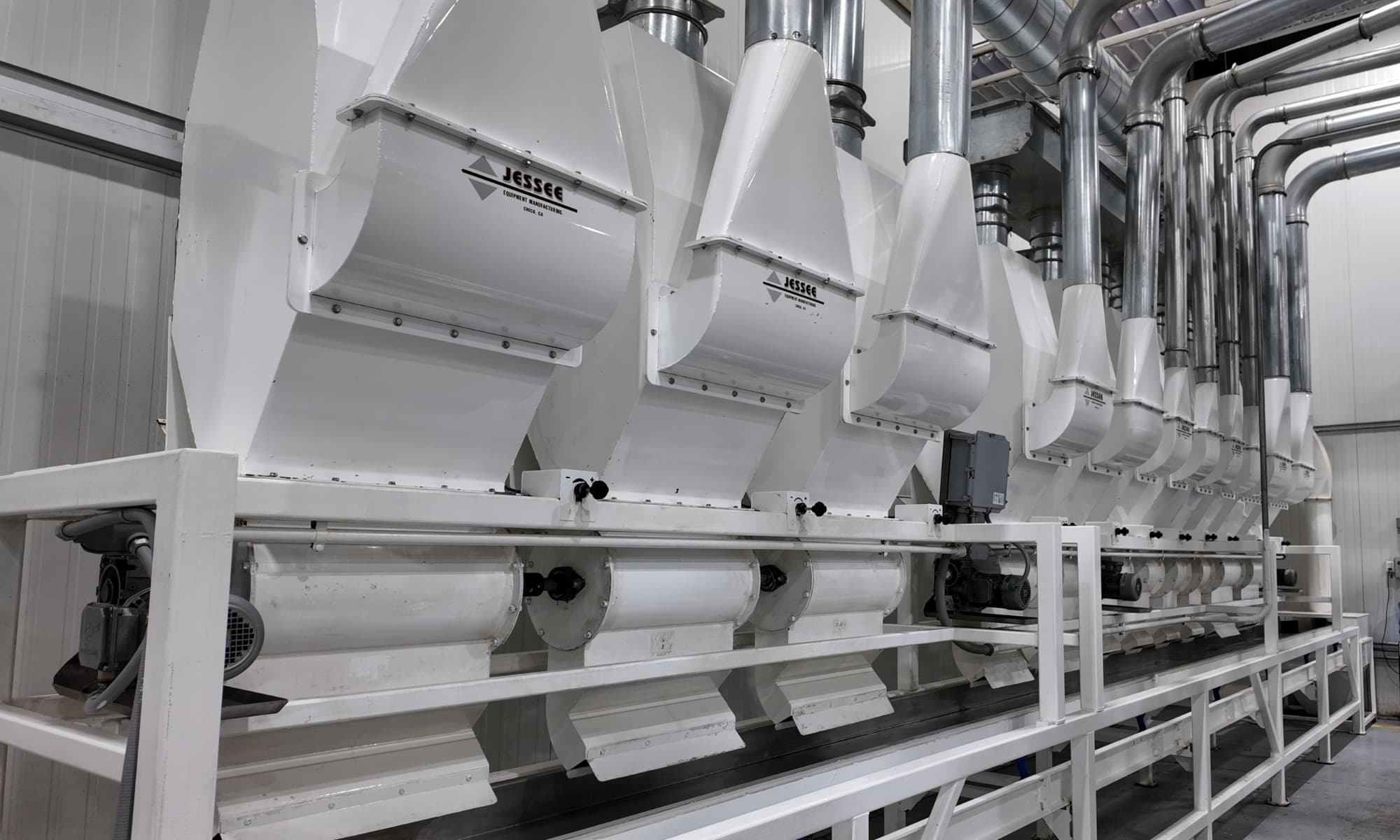
Libya buys far more almonds than it sells: in 2025, the partners that report trade data recorded 8,694.6 t of shelled almonds shipped to Libya, 4,709.5 t from Türkiye and 3,148.5 t from the United States, while in 2021 to 2025 they bought only 20.4 t from Libya (UN Comtrade via WITS; Eurostat). Jessee, whose processing lines OVE Europe supplies, builds hulling, drying, in-shell cleaning and sizing, and shelling systems; its Airlegs nut cleaner was developed for the almond industry.
For general information only. Information may become outdated and does not replace site-specific professional advice. Consult a qualified agronomist and confirm equipment suitability with OVE before acting.
Practical Tips for Almond Post-Harvest Handling & Processing
Pick up ground-dried almonds as soon as they are dry, then hull them and check moisture before storage.
Hull promptly picked or frame-caught almonds while the hulls are fresh, then dry the nuts in the shell before storage.
Never pick up or stockpile rain-wet almonds: University of California guidance warns that stockpiling wet nuts risks mold and concealed damage.
Test lots for aflatoxins before sale: a 2023 Libyan study cites Libyan Standard No. 597 of 2015 on aflatoxin limits in food and feed.
Keep each lot separate by cultivar and orchard block, and store dried almonds in a dry, clean place.
Plan sales with imports in mind: Libya recorded about 10,091 t of shelled almond imports in 2025.
Recommended Post-Harvest Handling & Processing Stages







Plan your post-harvest line
Estimate tons/day, cleaning & drying capacity, storage needs, and cost/kg—then build your equipment plan in phases.