







Hazelnut Orchard Establishment in Moldova
Moldova's 2026 catalog of plant varieties lists 11 hazelnut cultivars, registered from 2017 to 2025 for the whole country, among them 'Ata-Baba', 'Nocchione', 'Tonda di Giffoni', 'Tonda Francescana' and 'Tonda di Teano', and gives September as the harvest time of all 11. In 2020, EastFruit reported, citing experts, that at least half of the orchards were old plantings, far behind modern cultivars in yield and quality, and that new orchards used mainly Romanian and Italian planting material.
A 2022 literature review by Moldovan researchers advises planting 3 to 4 cultivars, as some are self-sterile, with no more than 10 m between them, on flat land or gentle slopes of good or medium fertility, usually in autumn, at 5 x 5 or 6 x 6 m. It gives February to March as the bloom period and says hazel withstands down to -10 °C at bud swell and -5 °C in flower.
In existing orchards the bush form with 6 to 8 main stems is used most often, says a 2021 pruning article drawing on a Moldovan pruning book; the machines in this guide need single-stem trees. The review advises irrigation where rainfall is below 600 to 650 mm a year, and in 2025, 405 to 650 mm fell on 80% of the country, 80 to 110% of the norm, the State Hydrometeorological Service reported.
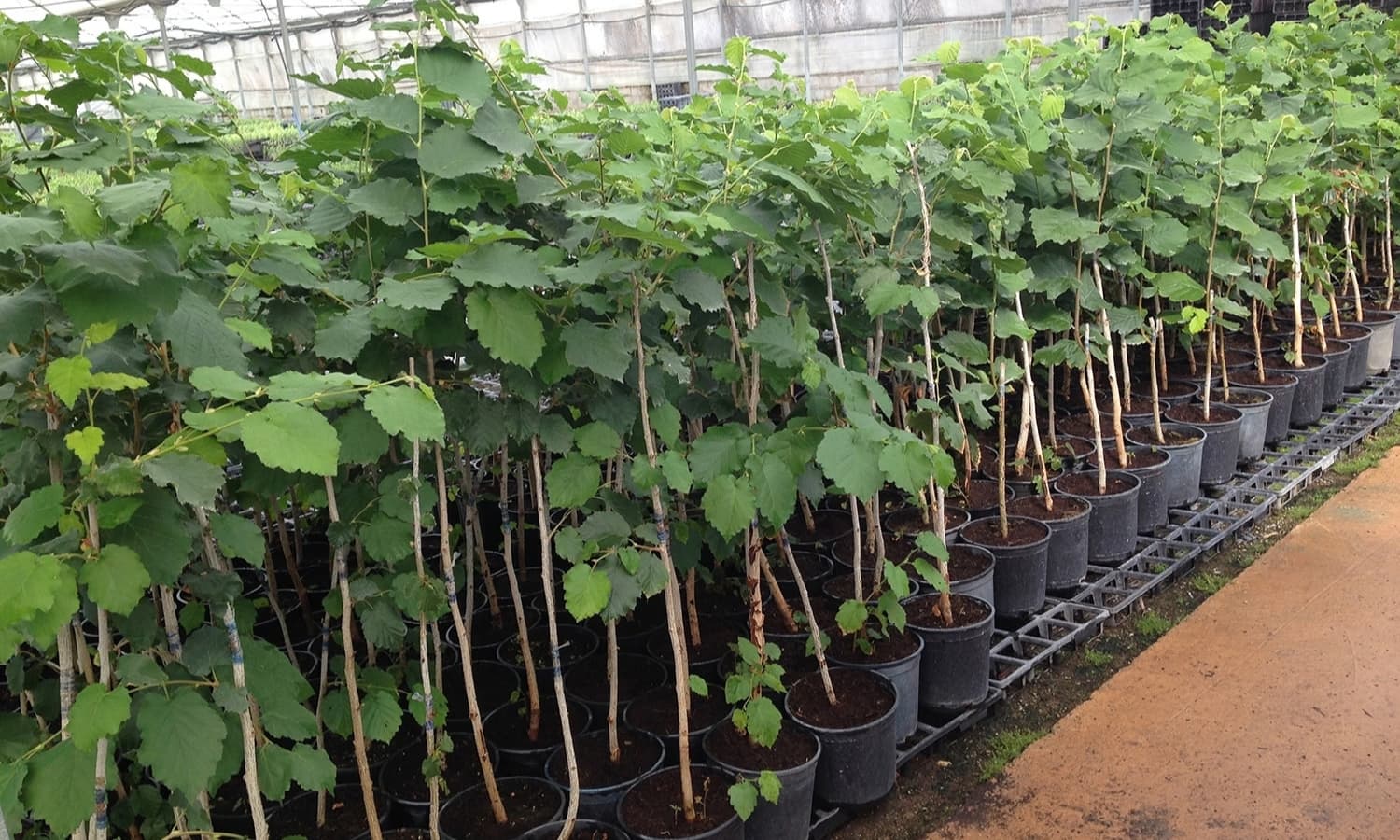

Practical Tips for Hazelnut Orchard Establishment
Plant 3 to 4 cultivars, no more than 10 m apart, as the 2022 Moldovan review advises: some hazelnut cultivars are self-sterile.
Choose cultivars from the 2026 national catalog: it lists 11 hazelnut cultivars, all admitted for the whole country.
Site the orchard on flat land of good or medium fertility: the review also allows gentle slopes, but the machines in this guide need level ground.
Plant in autumn at 5 x 5 or 6 x 6 m, as the review advises, and leave room at the orchard edges to turn without backing up, as Oregon State University advises.
Where you plan machine harvest, train single-stem trees rather than the 6- to 8-stem bush used most often in existing Moldovan orchards.
Smooth and firm the orchard floor at least a year before the first commercial harvest, as Oregon State University advises, so sweepers can work up to the trunks.
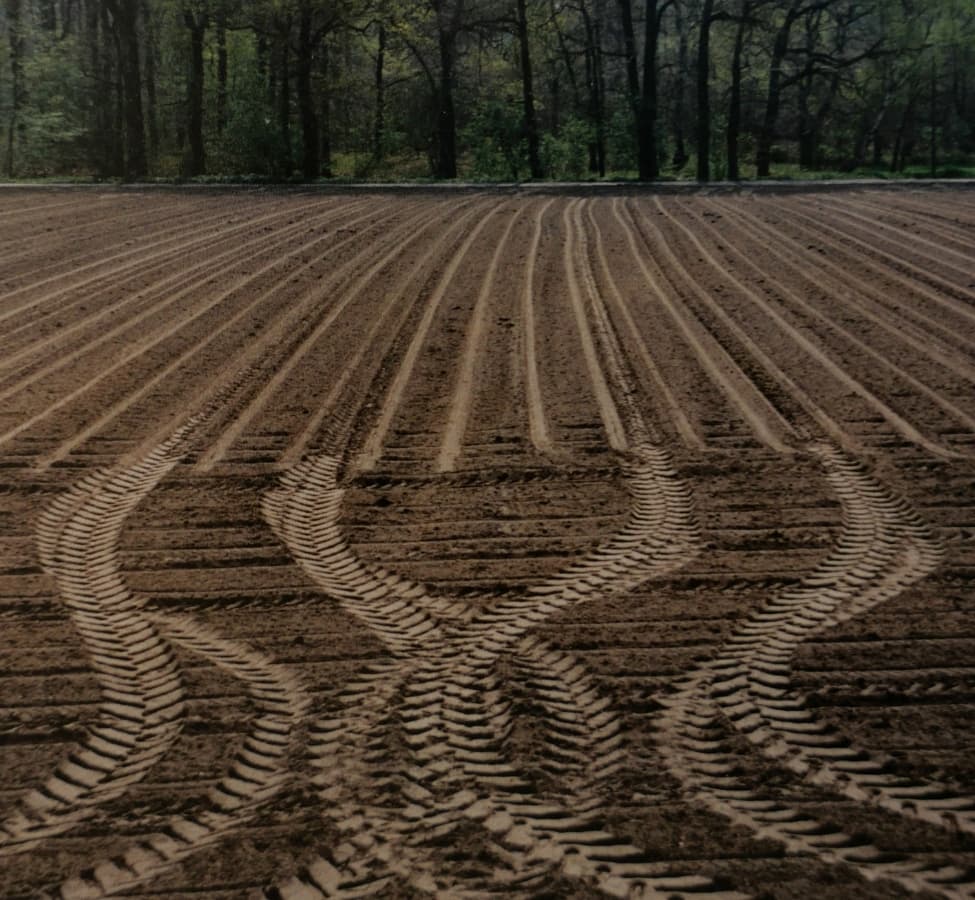
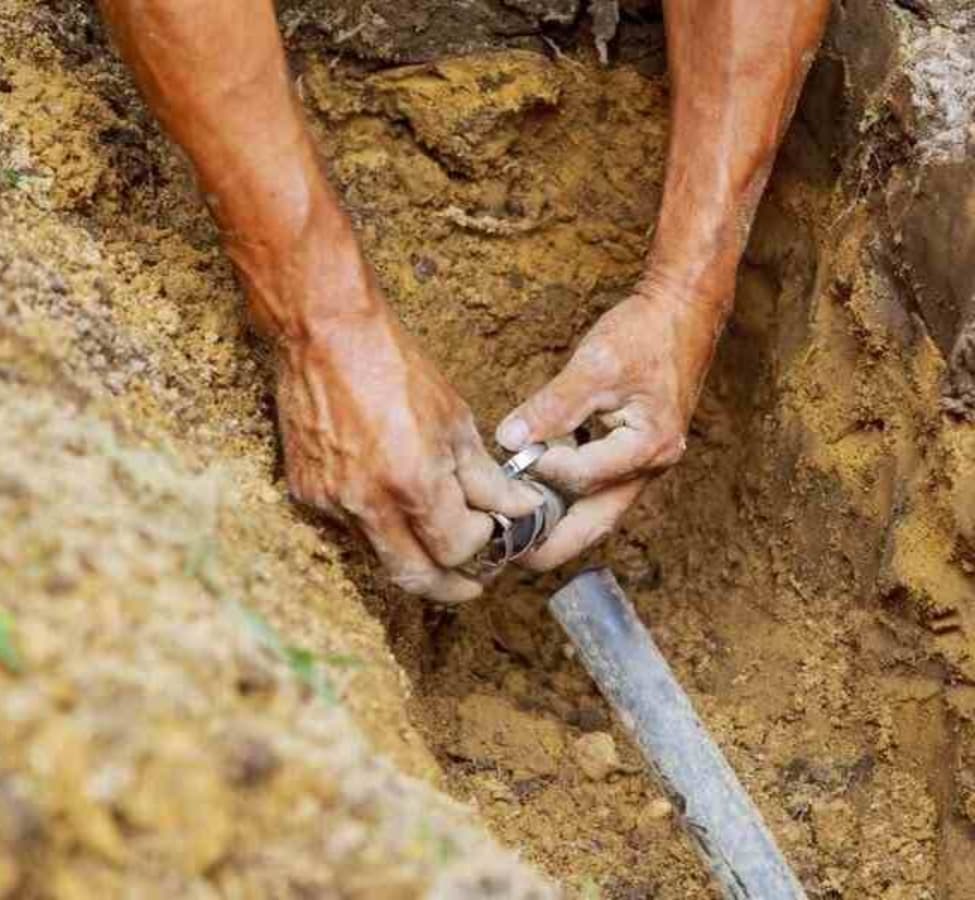
Recommended Establishment Stages



Hazelnut Orchard Care & Maintenance in Moldova
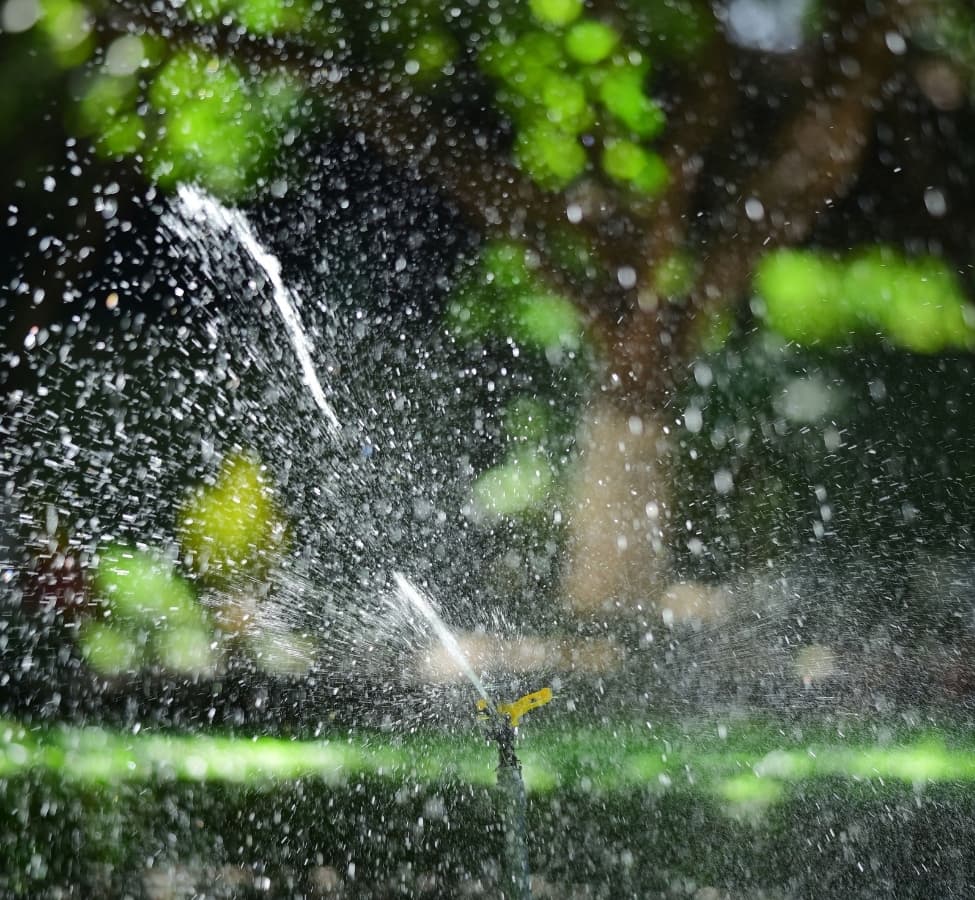
Recent summers were often dry: the State Hydrometeorological Service reported a significant rain deficit in August 2023, in July and August 2024, when mean temperatures ran 4.0 to 4.5 °C above the norm, and in summer 2025, which it called scorching, with drought in the south. The 2022 review calls hazel sensitive to summer heat and advises 2 to 3 waterings of 500 to 600 m³ per ha where irrigation is needed.
EPPO lists the brown marmorated stink bug (Halyomorpha halys) as present in Moldova, where a 2021 study reports it was first found in 2019; the hosts it records there do not include hazel. EPPO does not list eastern filbert blight, bacterial blight or Erysiphe corylacearum for Moldova, a gap in the record, not proof of absence. The 2022 review names powdery mildew, fruit monilia, a hazel weevil and a green hazel aphid.
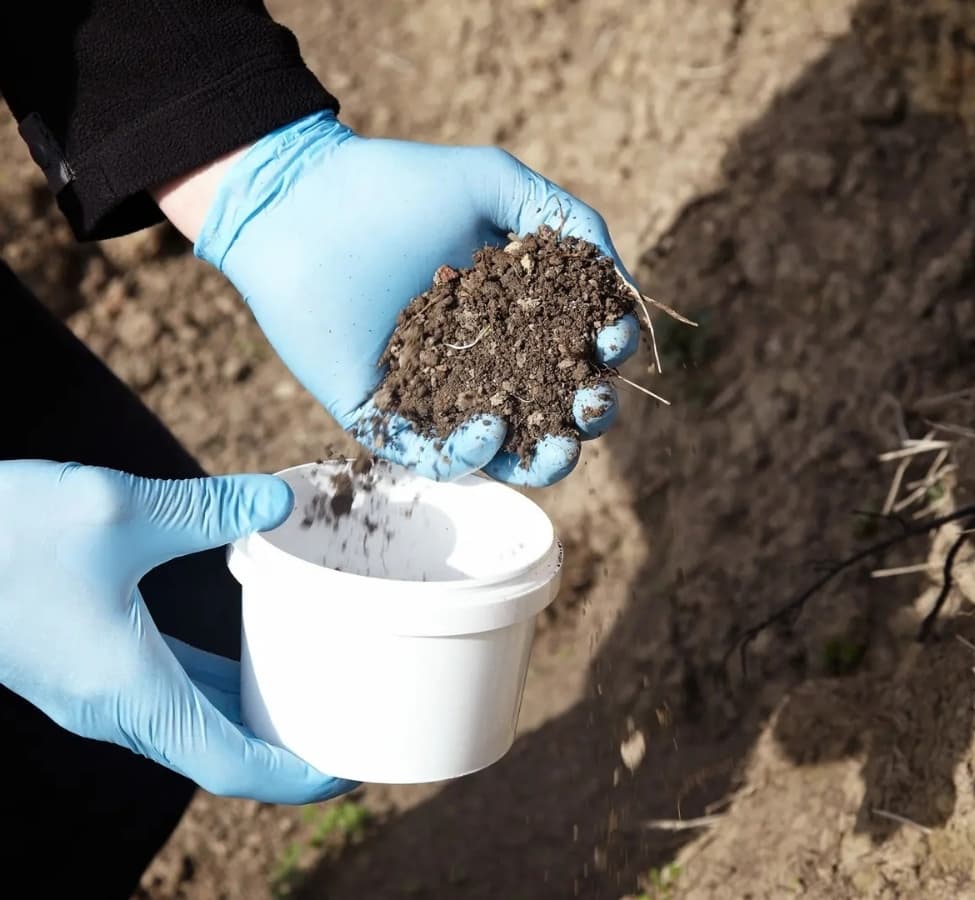
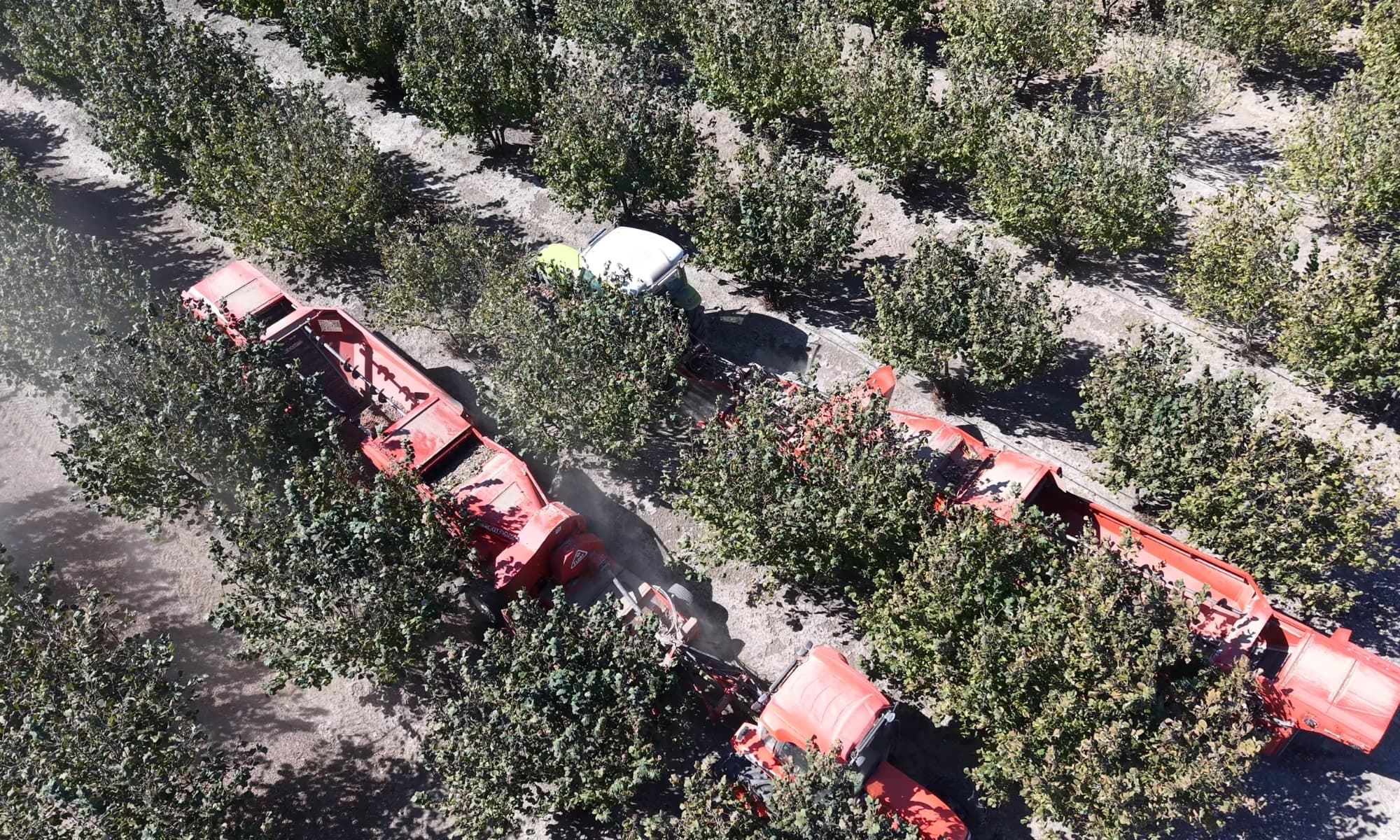
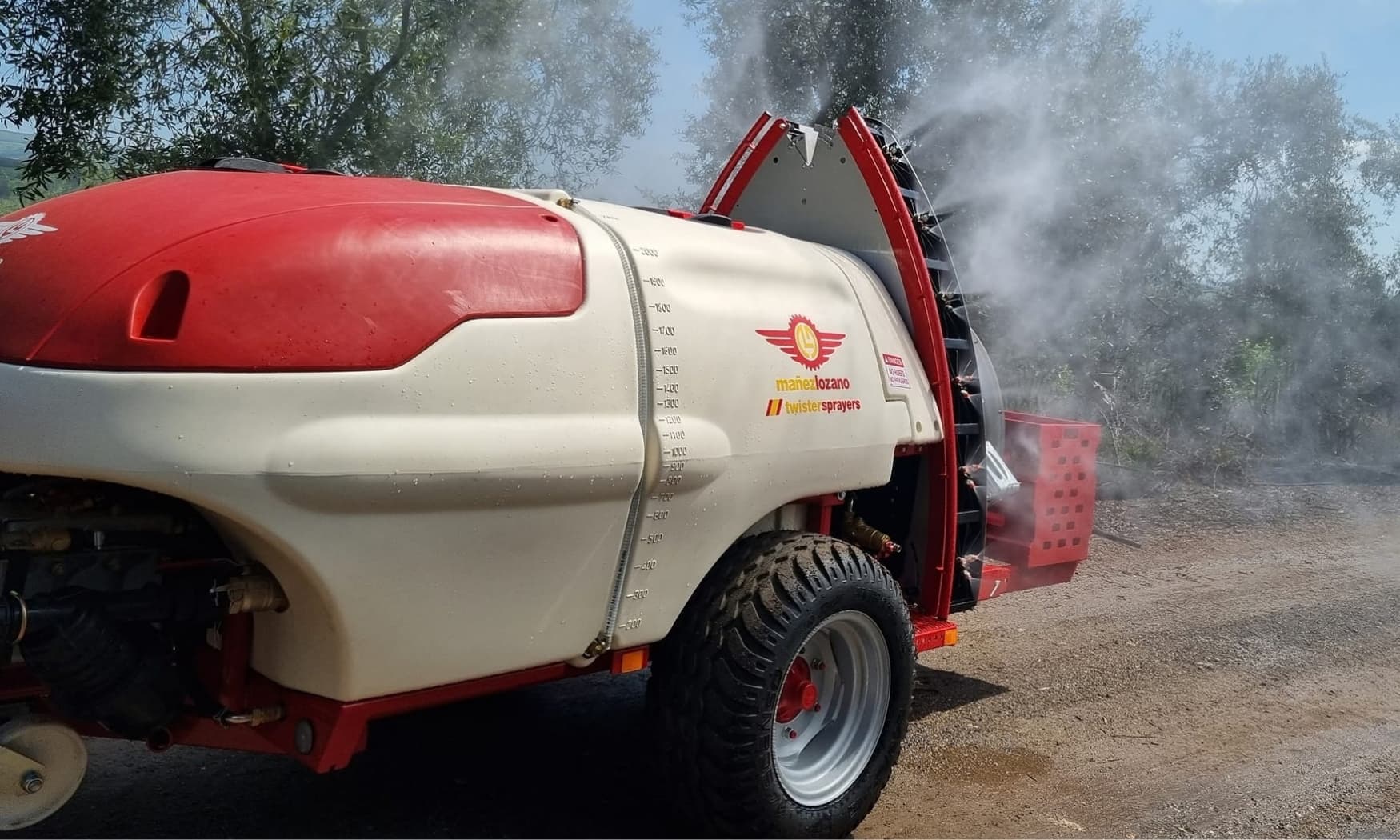
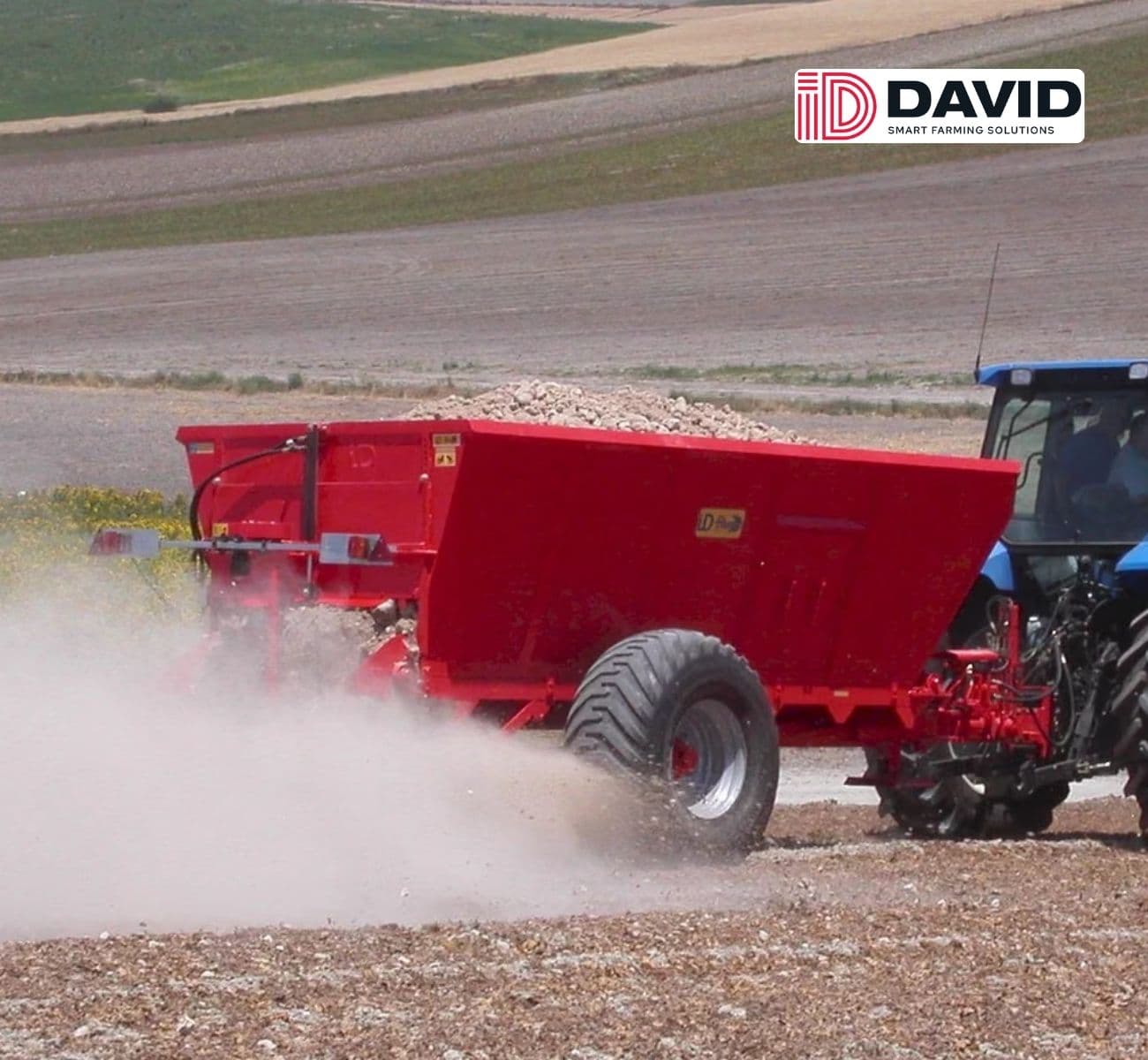
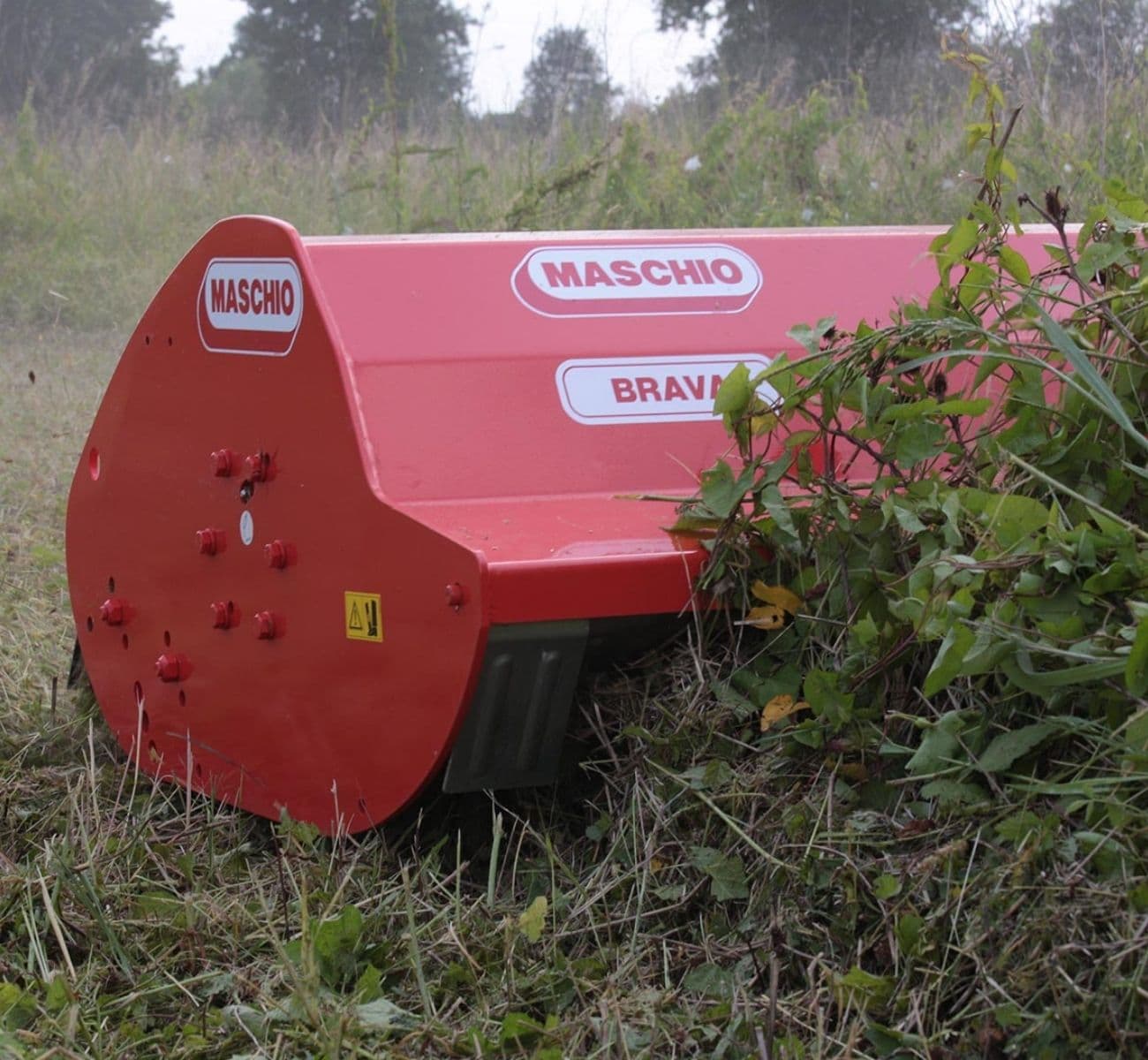
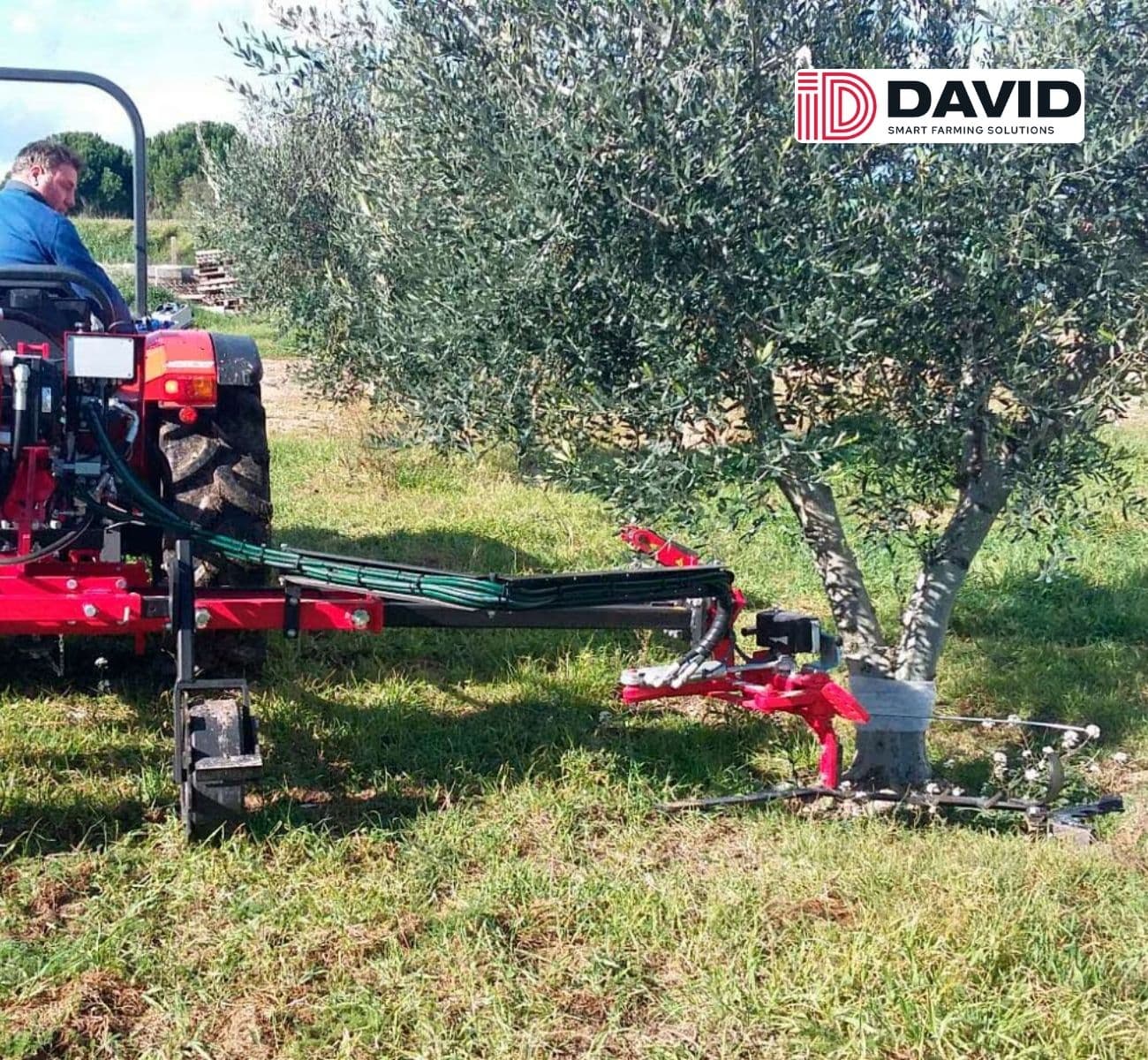
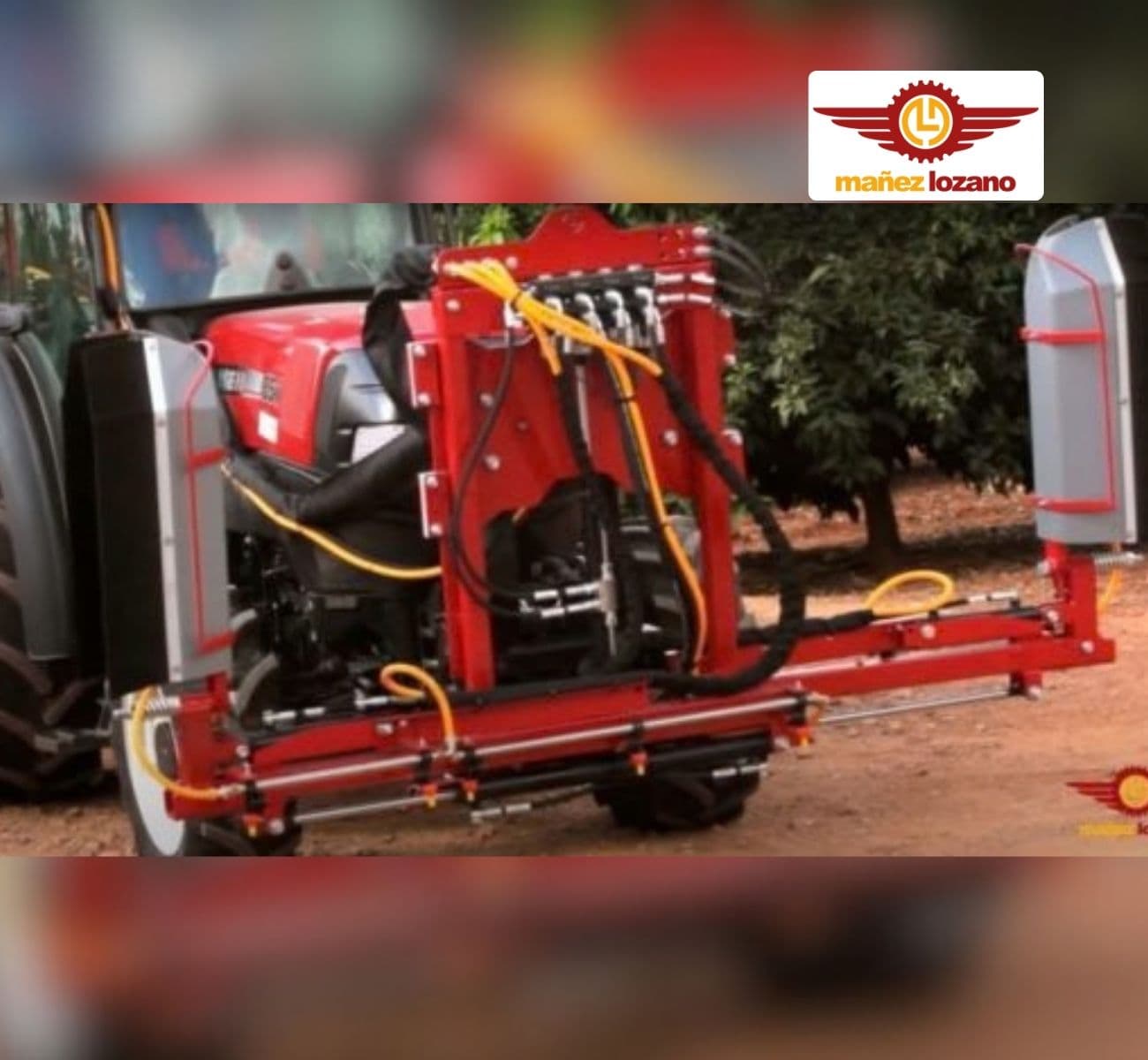
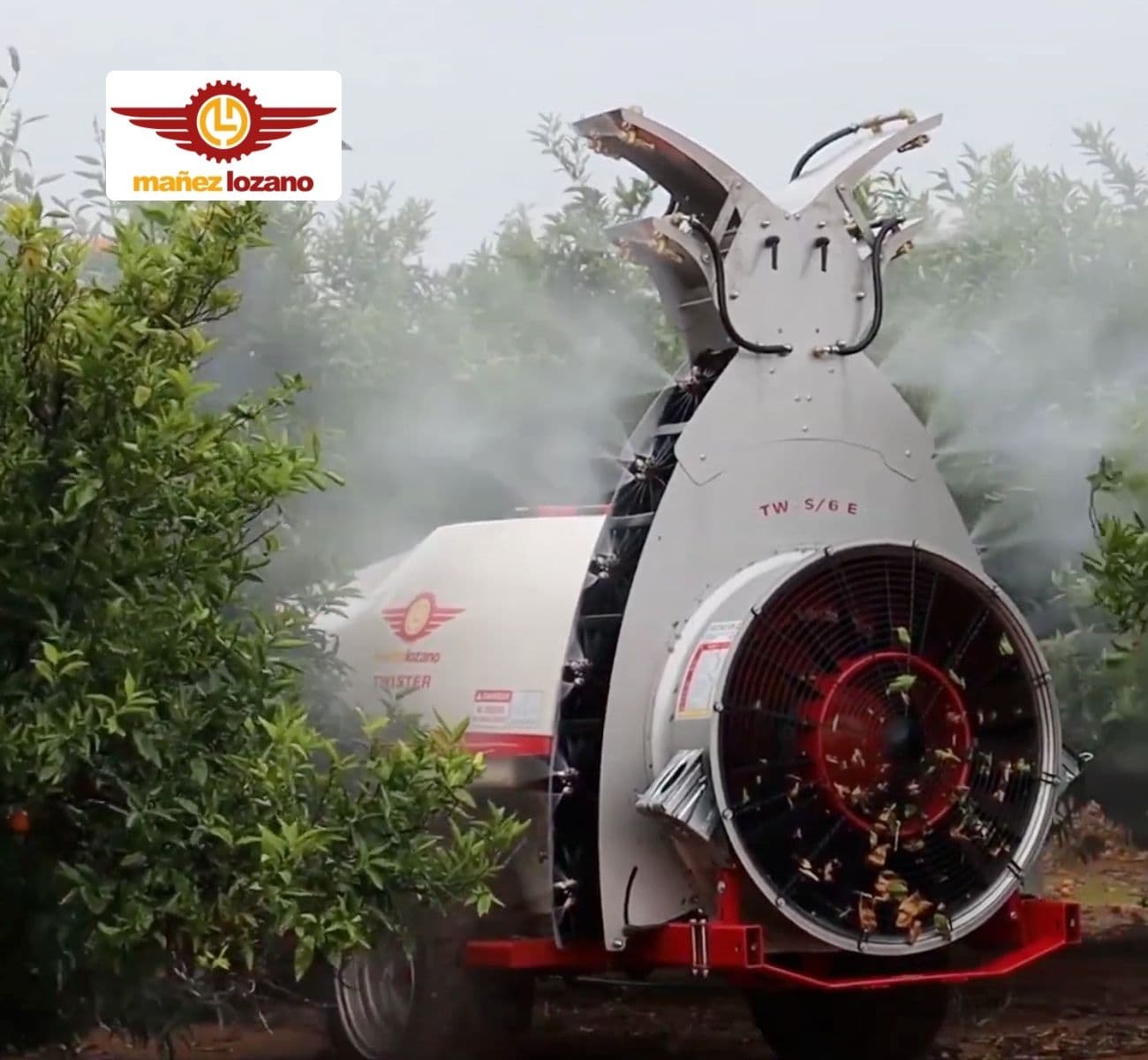
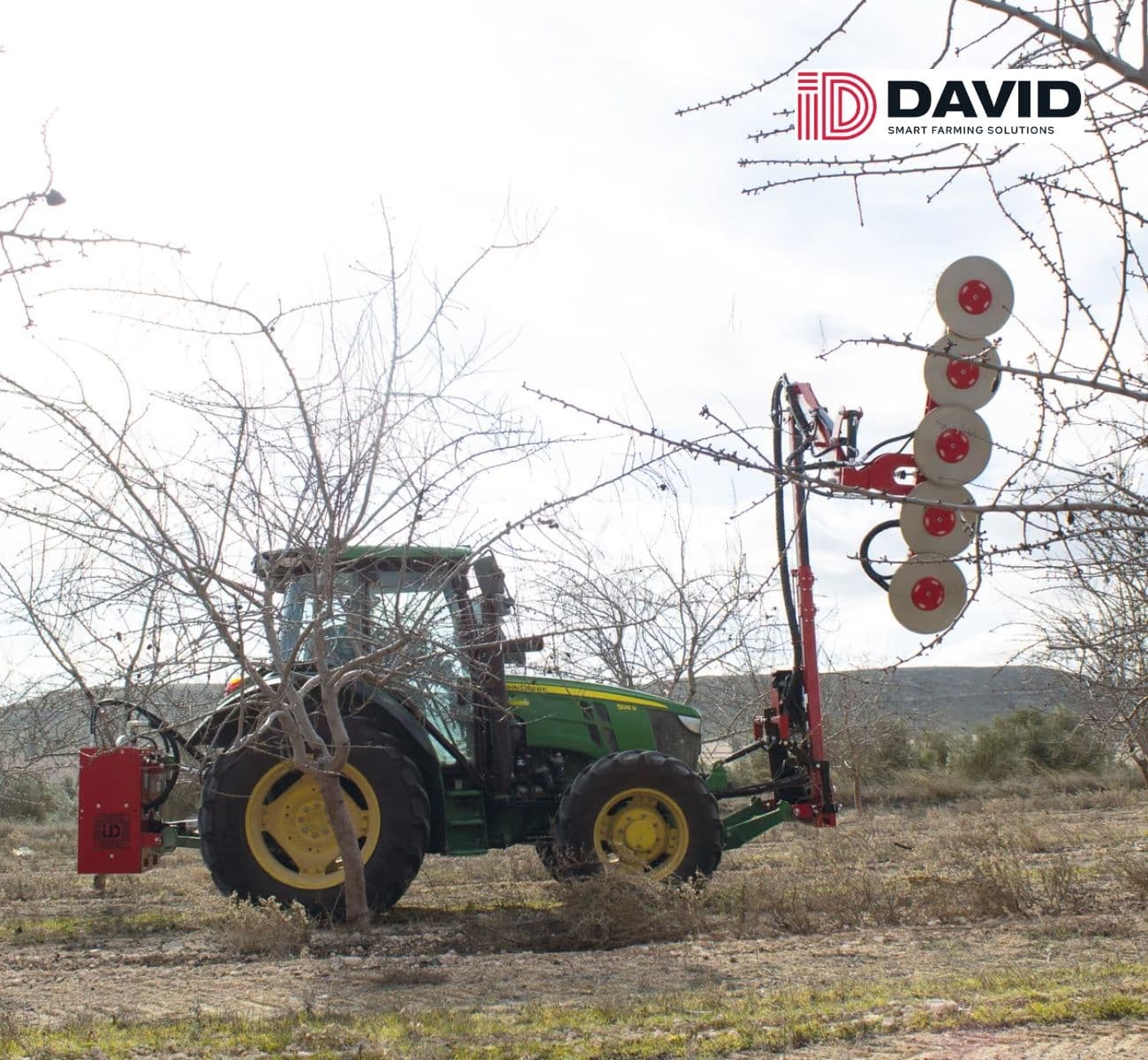
The 2021 pruning article advises removing the year's shoots from the collar zone every autumn, as they reduce growth and fruiting, and renewing main stems after 6 to 7 years of fruiting. In single-stem orchards planted for machines, the ID DAVID SURFEED spreads solid manure, the ID-XL weeds the tree row, the Mañez Lozano Mega Twister S6 sprays tall, dense canopies and the ID-REX disc pruner makes lateral and topping cuts.
Recommended Orchard Care & Maintenance Stages

Practical Tips for Hazelnut Orchard Care & Maintenance
Plan irrigation: the 2022 review advises it where rainfall is below 600 to 650 mm a year, with 2 to 3 waterings of 500 to 600 m³ per ha.
Plan for dry Augusts: in 2025 much of the country received 5 to 20 mm in August, 10 to 40% of the monthly norm (State Hydrometeorological Service).
Remove the year's collar shoots every autumn, as the 2021 pruning article advises: they reduce growth and fruiting.
Watch for the brown marmorated stink bug, found in Moldova in 2019: Oregon State University notes that its feeding can leave kernels empty, shriveled or corked.
Inspect new orchards for eastern filbert blight for 2 years after planting, as Oregon State University advises; EPPO lists it as present only in Canada and the USA.
Renew main stems by cutting them back after 6 to 7 years of fruiting, as the 2021 pruning article advises for bush-form trees.

Hazelnut Harvesting in Moldova
The 2022 review puts the optimum harvest from August to mid-September, in 2 to 3 passes as the nuts ripen in stages, by hand shaking or with vibrating machines; harvest without the husk starts when 90% of the nuts have fallen, and harvest in the husk is advised for young trees and trees on slopes. In single-stem orchards planted for machines, mechanized harvesting can bring the crop in on time, with less risk of nuts deteriorating while they wait.
The system in this guide does not shake the trees: Oregon State University explains that thin-barked, shallow-rooted trees would be damaged, so nuts are picked up from a level, mown floor in several passes after they drop. WMO's 1961 to 1990 normals gave Chișinău 45 mm of rain in August and 46 mm in September, on 8 and 6 days of 0.1 mm or more, but seasons vary: in mid-September 2024, 130 to 225 mm fell on 40% of the country, a total seen about once in 30 to 40 years, and early October rain hampered farm harvest work in 2025.
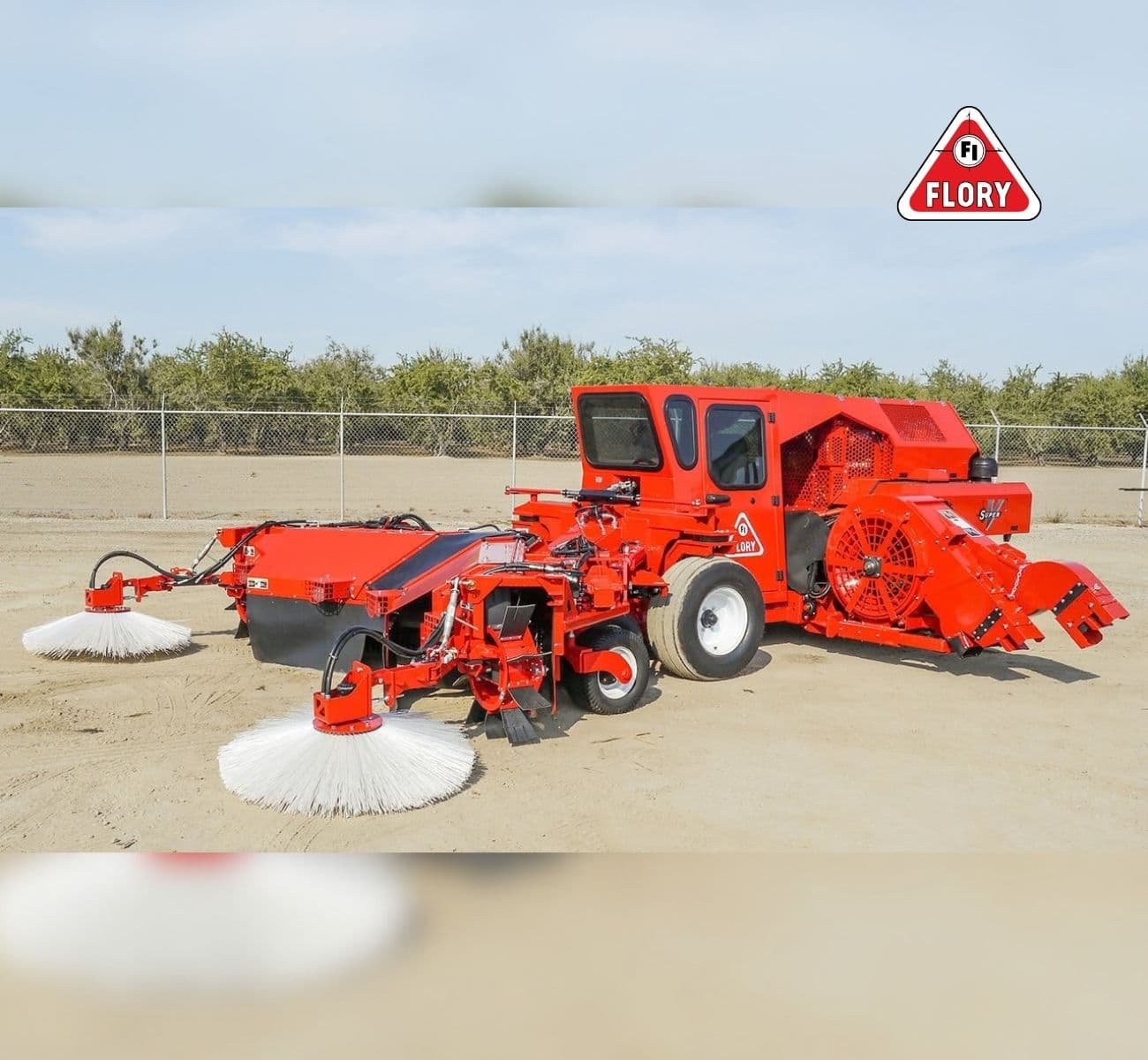
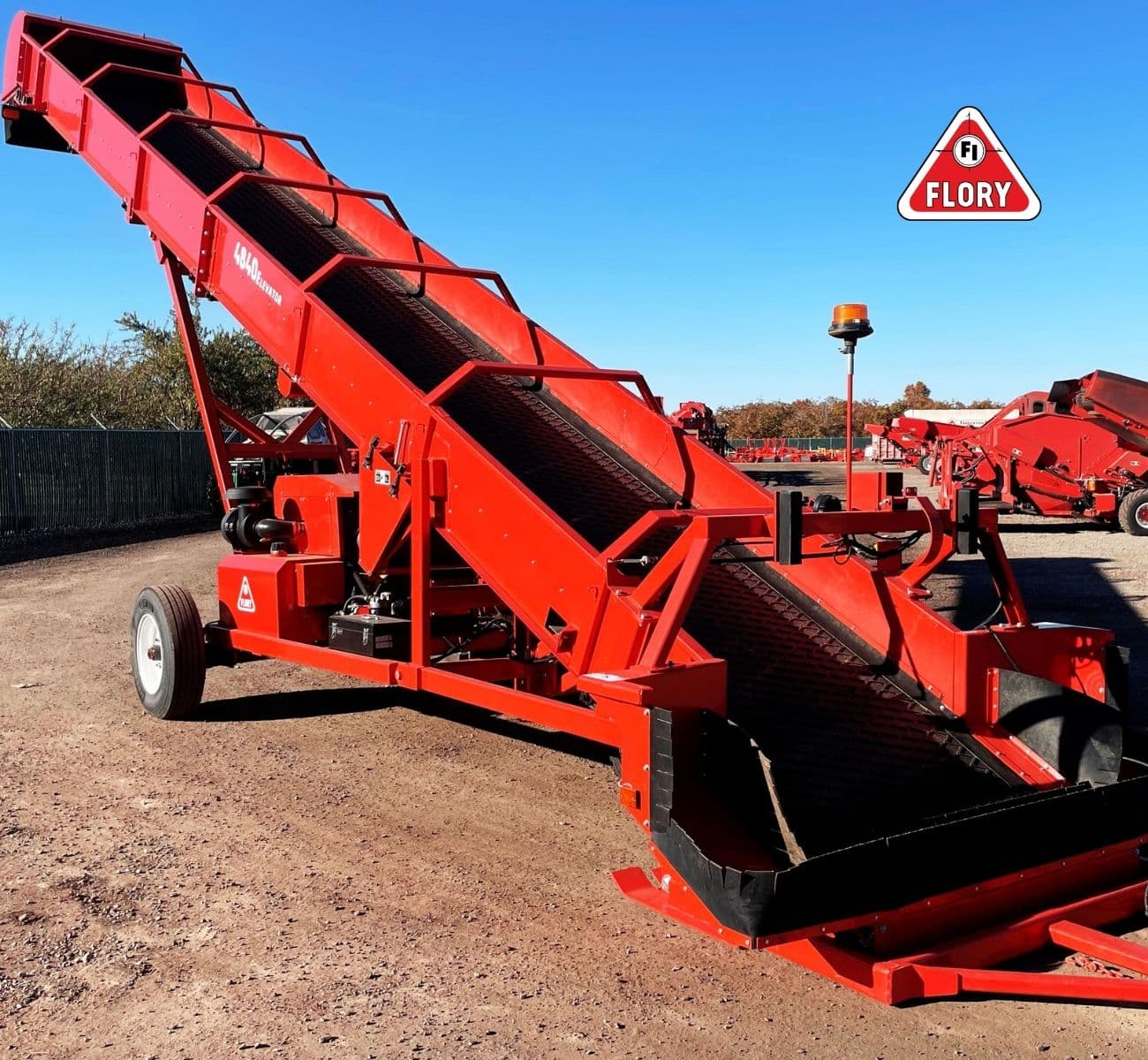
Flory harvesting machinery is available in Moldova through OVE Europe for single-stem orchards planted for machines. The self-propelled Flory V62 Sweeper sweeps the nuts into windrows, and the self-propelled 8772 Harvester picks them up; Flory lists a mud brush as standard for hazelnuts on the 8772. The 1500 Conveyor Cart receives the nuts, the ST14 Shuttle carries them and the 4840 Field Elevator loads trailers for the processing site.
Hazelnut Harvest Workflow (Recommended Equipment)



Practical Tips for Hazelnut Harvesting
Plan 2 to 3 pickup passes, as the nuts ripen in stages: the 2022 review starts husk-free harvest when 90% of the nuts have fallen.
Level, smooth and flail-mow the orchard floor before nut drop, as Oregon State University describes, so the sweeper can work right up to the trunks.
Plan for wet spells: in mid-September 2024, 130 to 225 mm fell on 40% of Moldova, a total seen about once in 30 to 40 years, the State Hydrometeorological Service says.
Gather fallen nuts before autumn rain where possible: British Columbia's hazelnut guide warns that a crop harvested wet causes storage problems.
Sweep only fast enough to keep ahead of the pickup machine, as British Columbia's guide advises, and clean harvesters between orchards.
Keep bins of harvested nuts out of the rain until drying: Oregon State University notes that nuts in bins left in the rain before drying can turn moldy.
Get your recommended harvest setup
Enter orchard size, spacing, terrain, and target throughput—we’ll suggest a practical harvest workflow and equipment lineup.

Hazelnut Post-Harvest Handling & Processing in Moldova
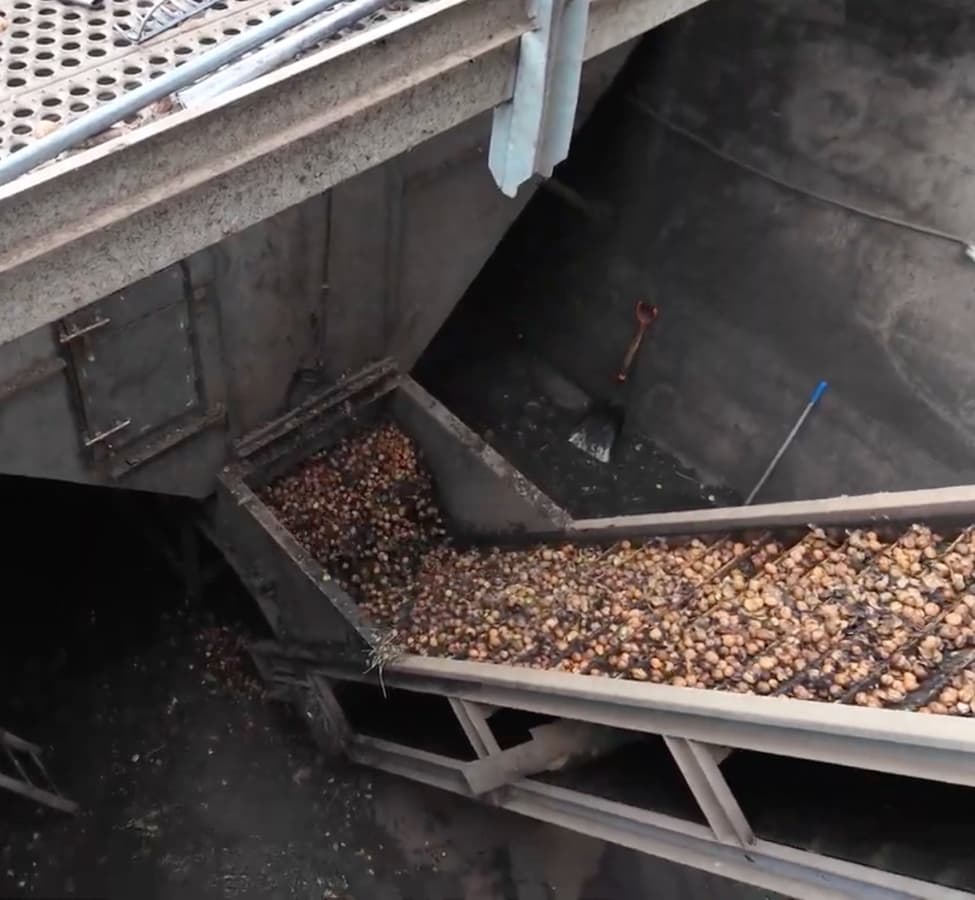
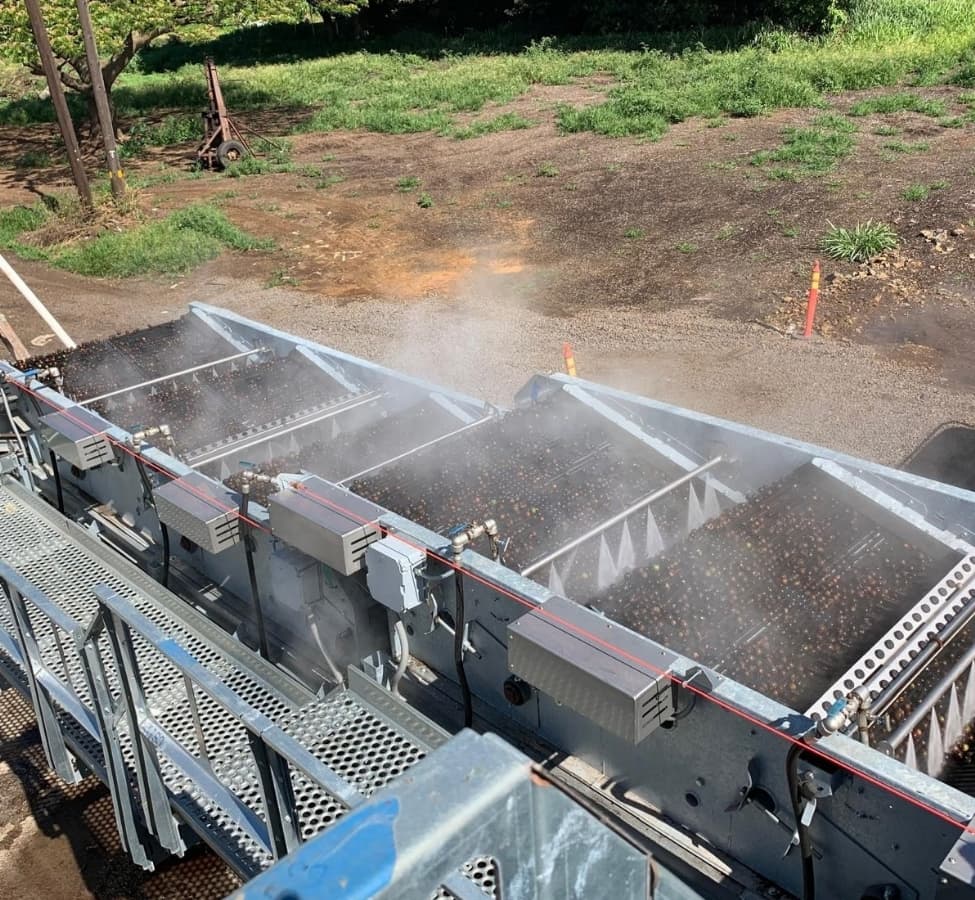
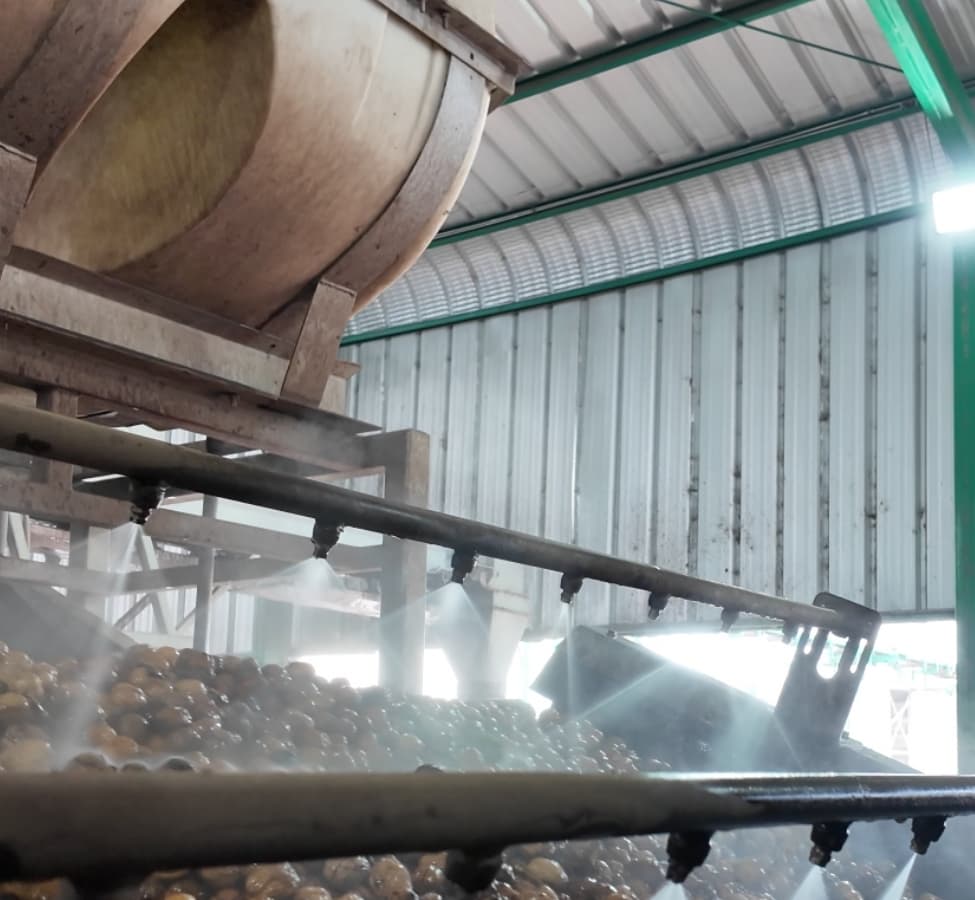
The 2022 review advises removing the husk at once from nuts harvested in the husk, then drying nuts in the sun in thin layers, turned several times a day, for 2 to 6 days until kernel moisture falls below 8%. The Codex code warns that nuts dried in the sun face a greater risk of contamination from fungal growth or pests; British Columbia's guide describes nuts husked, cleaned, washed, sanitized and dried to 5 to 8% moisture within 24 hours of harvest.
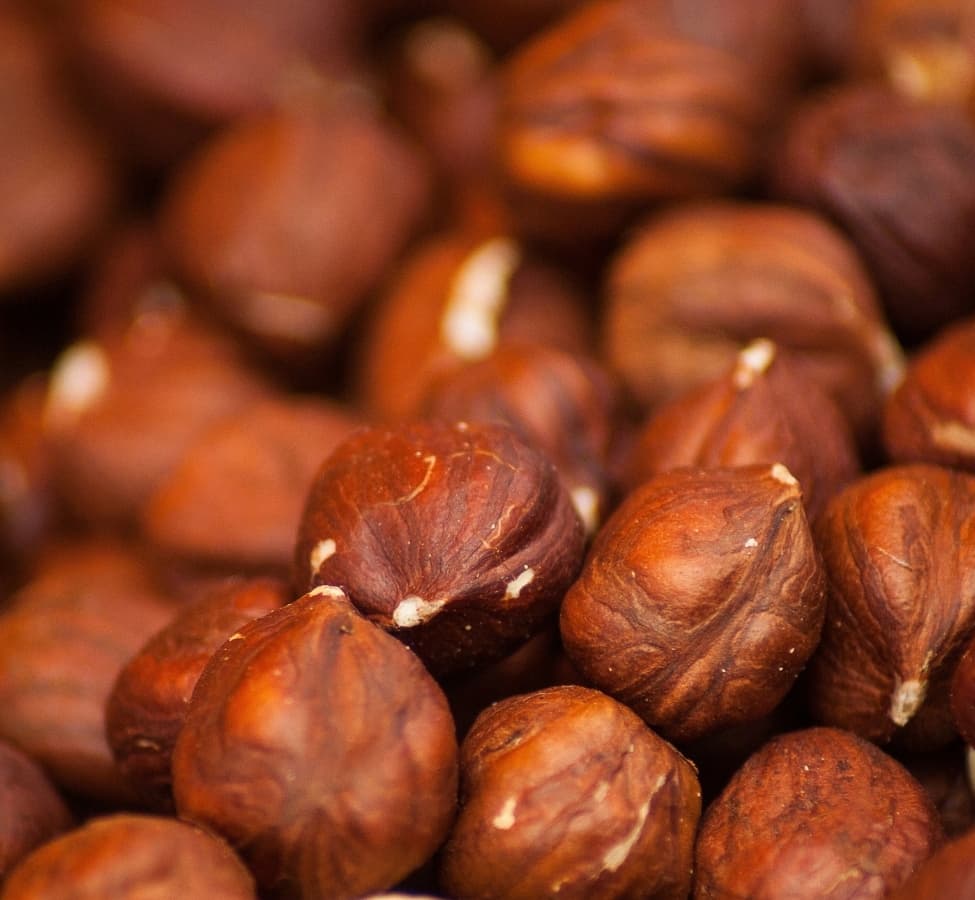
For storage, the review gives dry rooms at up to 21 °C and 60 to 65% relative humidity, in which quality keeps for about 1 to 1.5 years. Under UNECE's 2025 standards, in-shell hazelnuts may contain at most 12.0% moisture for the whole nut or 7.0% for the kernel, and kernels at most 6.0%.
Moldova's 2024 sanitary regulation on contaminants in food (Decision No. 724) transposes Regulation (EU) 2023/915, which sets 5.0 µg/kg of aflatoxin B1 and 10.0 µg/kg in total for hazelnuts for the final consumer or used as an ingredient. Jessee, whose processing lines OVE Europe supplies, builds drying, in-shell cleaning and sizing, and shelling systems, and it established product lines for hazelnuts in the 1980s.
For general information only. Information may become outdated and does not replace site-specific professional advice. Consult a qualified agronomist and confirm equipment suitability with OVE before acting.

Practical Tips for Hazelnut Post-Harvest Handling & Processing
Remove husks at once from nuts harvested in the husk, as the 2022 Moldovan review advises, before the nuts go to drying.
Where possible, dry nuts in a dryer rather than in the sun: the Codex code warns that sun-dried nuts face a greater risk of contamination from fungal growth or pests.
Check kernel moisture before storage: the review dries nuts until it falls below 8%, while UNECE allows at most 7.0% in the kernel of in-shell nuts and 6.0% for kernels.
Store dried nuts in dry rooms at up to 21 °C and 60 to 65% relative humidity, as the 2022 review advises.
Test EU-bound lots against Regulation (EU) 2023/915: aflatoxin B1 5.0 and total 10.0 µg/kg for food use, or 8.0 and 15.0 µg/kg for nuts still to be sorted.
Sort out damaged, rotten, empty and rancid nuts after collection and move them to processing as soon as possible, as the Codex code advises.
Recommended Post-Harvest Handling & Processing Stages





Plan your post-harvest line
Estimate tons/day, cleaning & drying capacity, storage needs, and cost/kg—then build your equipment plan in phases.