






Walnut Orchard Establishment in Moldova
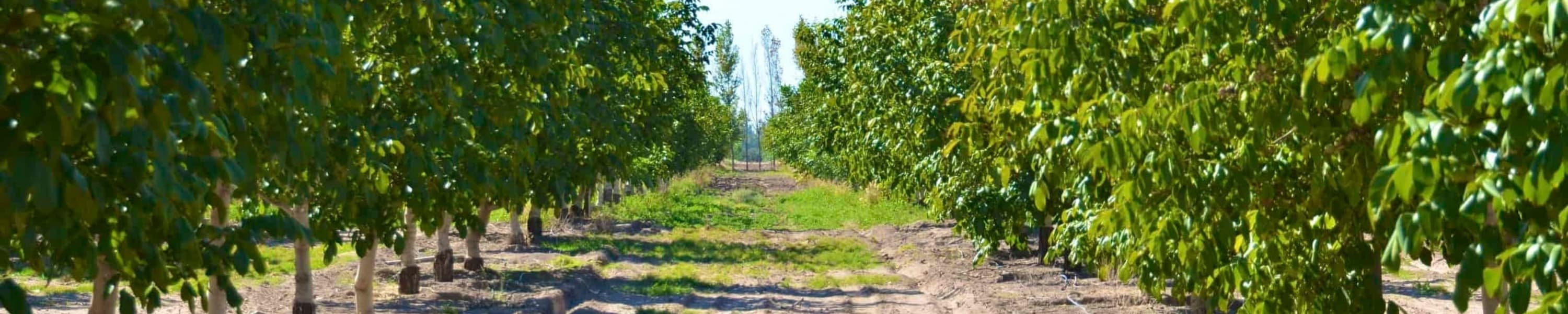
Most of Moldova is a hilly plain cut by river valleys, and about three-quarters of the land has chernozem soils (Library of Congress country study). Invest Moldova describes the whole country as suitable for walnuts, but late spring frosts and droughts are real risks (World Bank). Choose well-drained sites where cold air can flow away, avoid frost pockets in valley bottoms, and check soil depth before planting.
Variety choice shapes harvest timing and market value. Introduced varieties such as Chandler, Fernor, Franquette and Lara have adapted well in the central zone and parts of the north (Pintea, 2025), while early Moldovan selections such as Pescănesc ripen first. Plant compatible pollinizers and combine varieties with different ripening dates so that one machine set can harvest the whole orchard.
Design the orchard around the machines from the start: single straight trunks with room for the shaker head, rows and headlands wide enough for sweepers, harvesters and shuttles, and drip irrigation where water is available, since annual rainfall drops from about 600 mm in the north to about 400 mm in the south (Library of Congress).

Practical Tips for Walnut Orchard Establishment
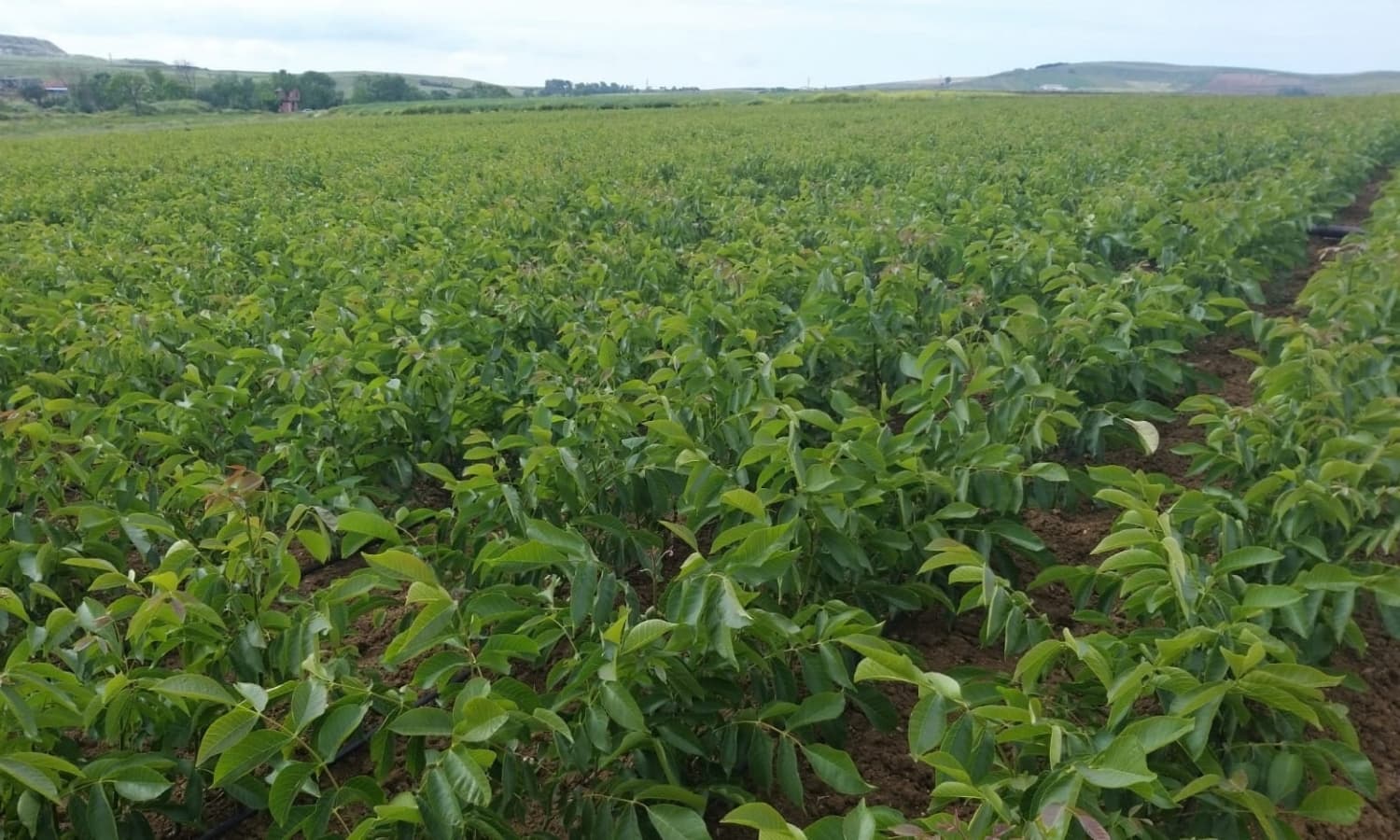
Avoid low, frost-prone sites: late spring frosts and weak pollination were expected to cut Moldova's 2025 walnut crop by 15 to 20%.
Choose varieties for your zone and target market; Chandler, Fernor and Lara make up a growing share of Moldovan output. Check pollinizer compatibility.
Buy certified, true-to-type grafted trees from reputable nurseries: a walnut orchard lasts decades, so planting-material mistakes are costly.
Plan tree spacing, headlands and access lanes for shakers, sweepers, harvesters and shuttles, not only for today's tractors.
Train single straight trunks with enough clear height for a trunk shaker; low or multi-stem trees make mechanized harvest difficult.
Plan water early: drip irrigation helps protect nut size and kernel color in dry years; in the 2020 drought, many naturally grown walnuts were small with dark kernels.
Recommended Establishment Stages


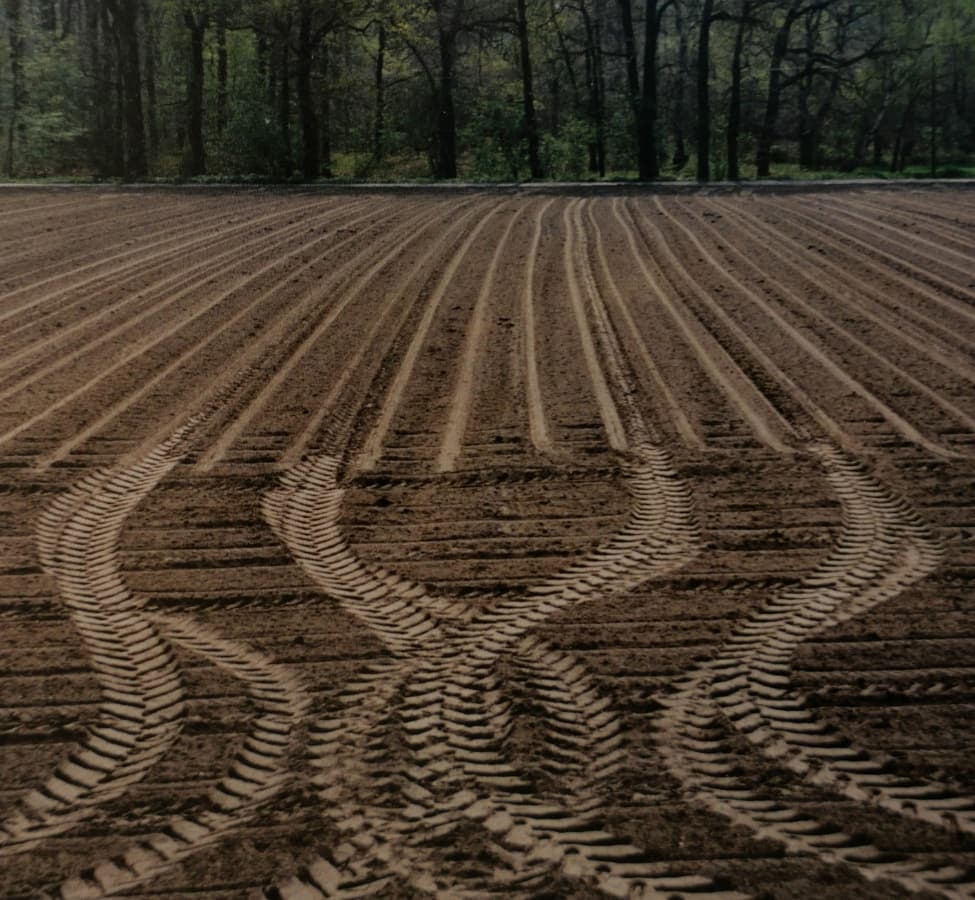
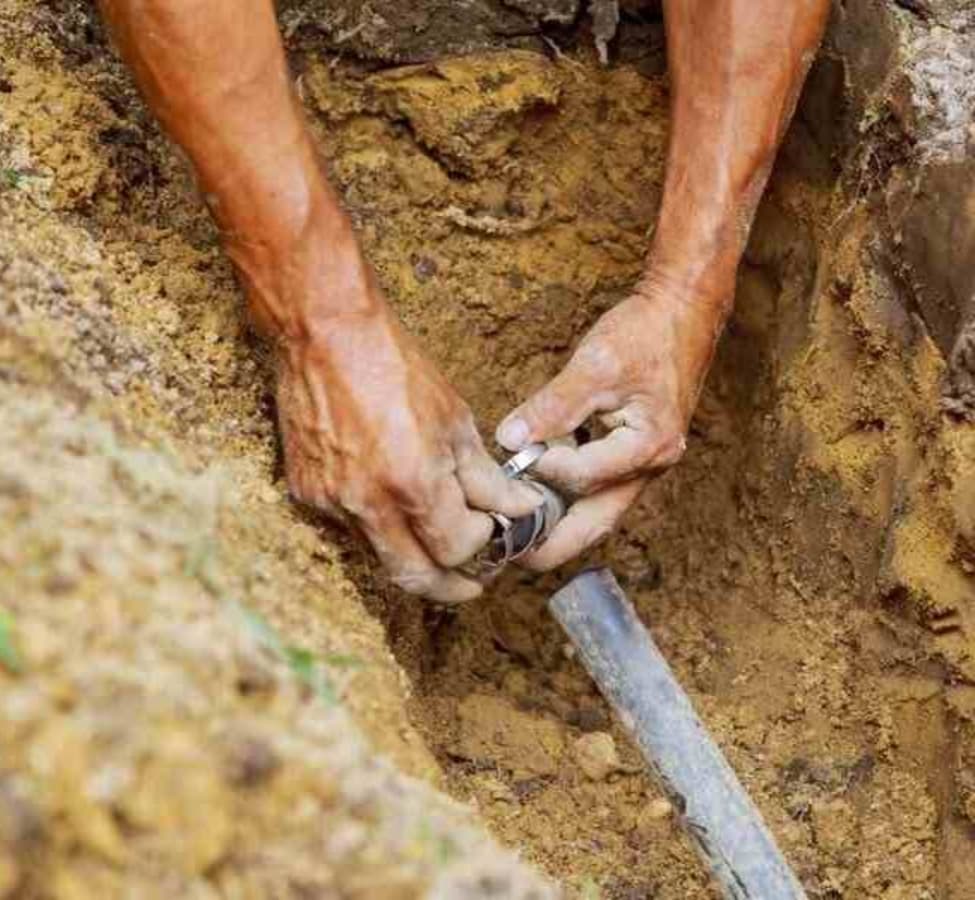
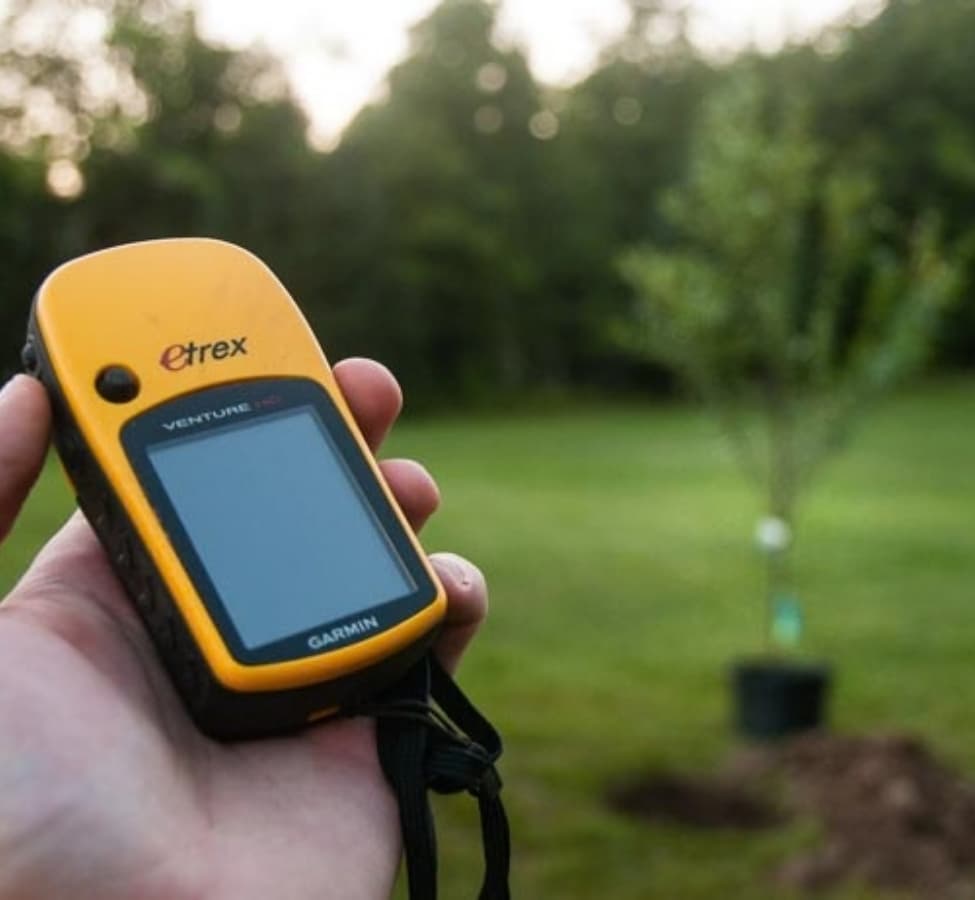

Walnut Orchard Care & Maintenance in Moldova
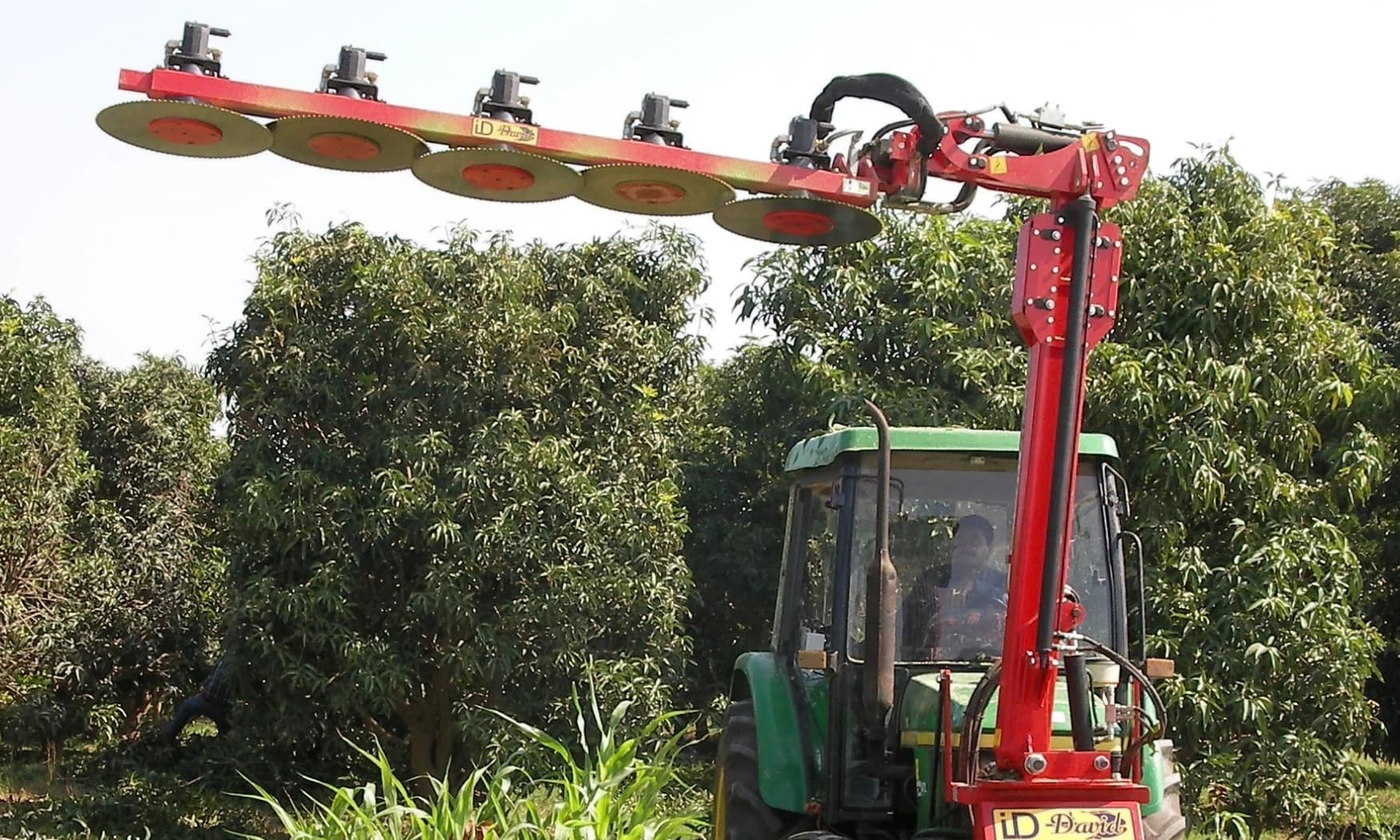
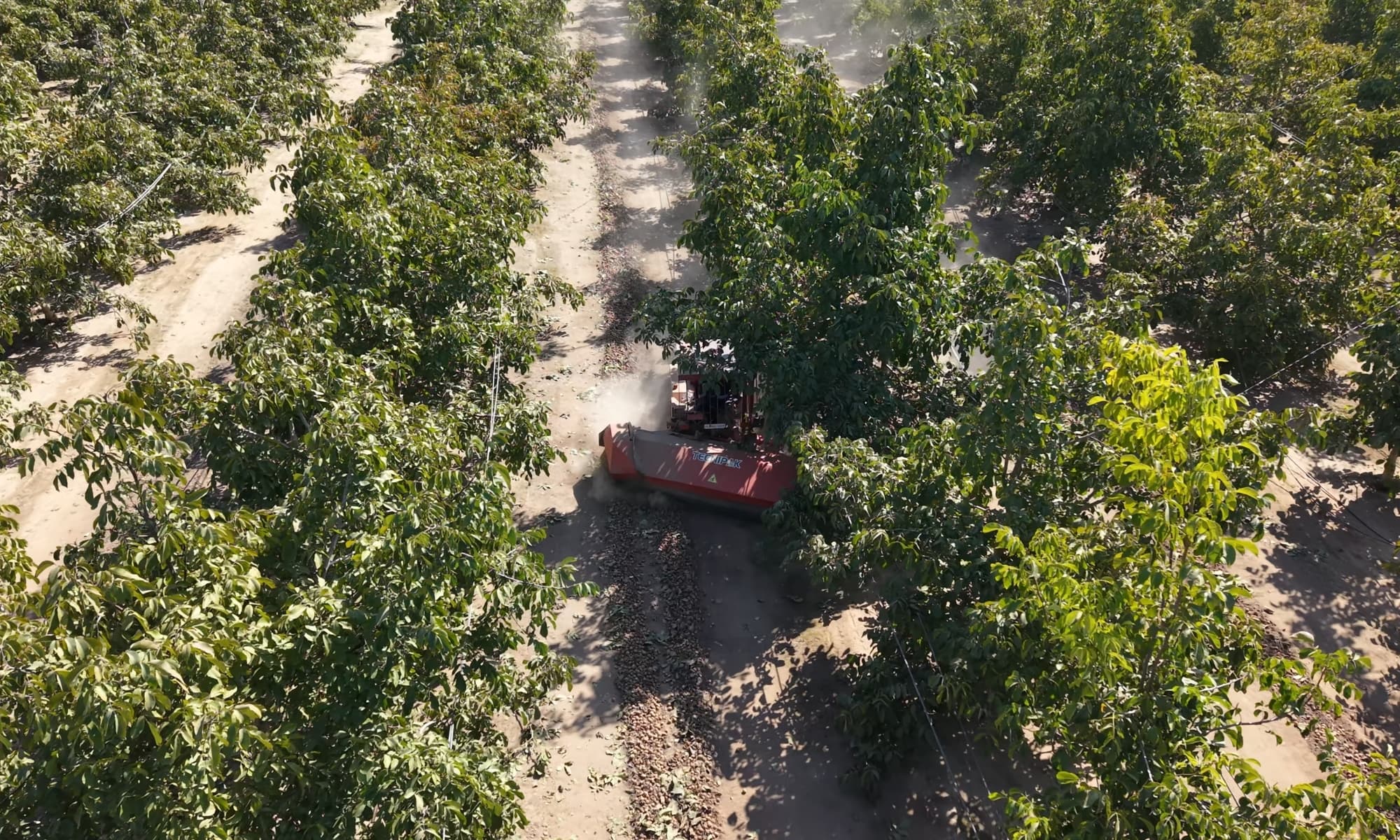
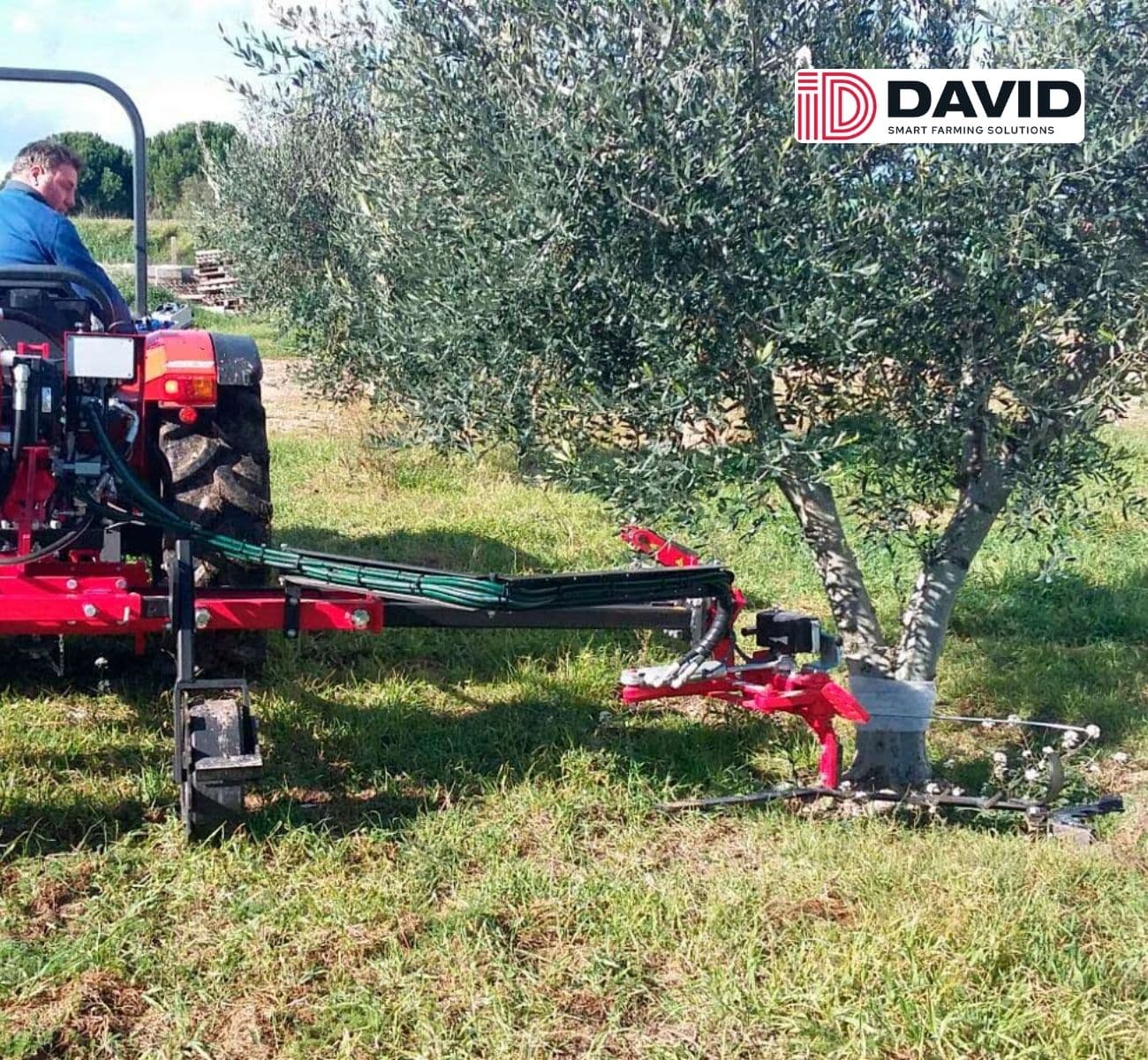
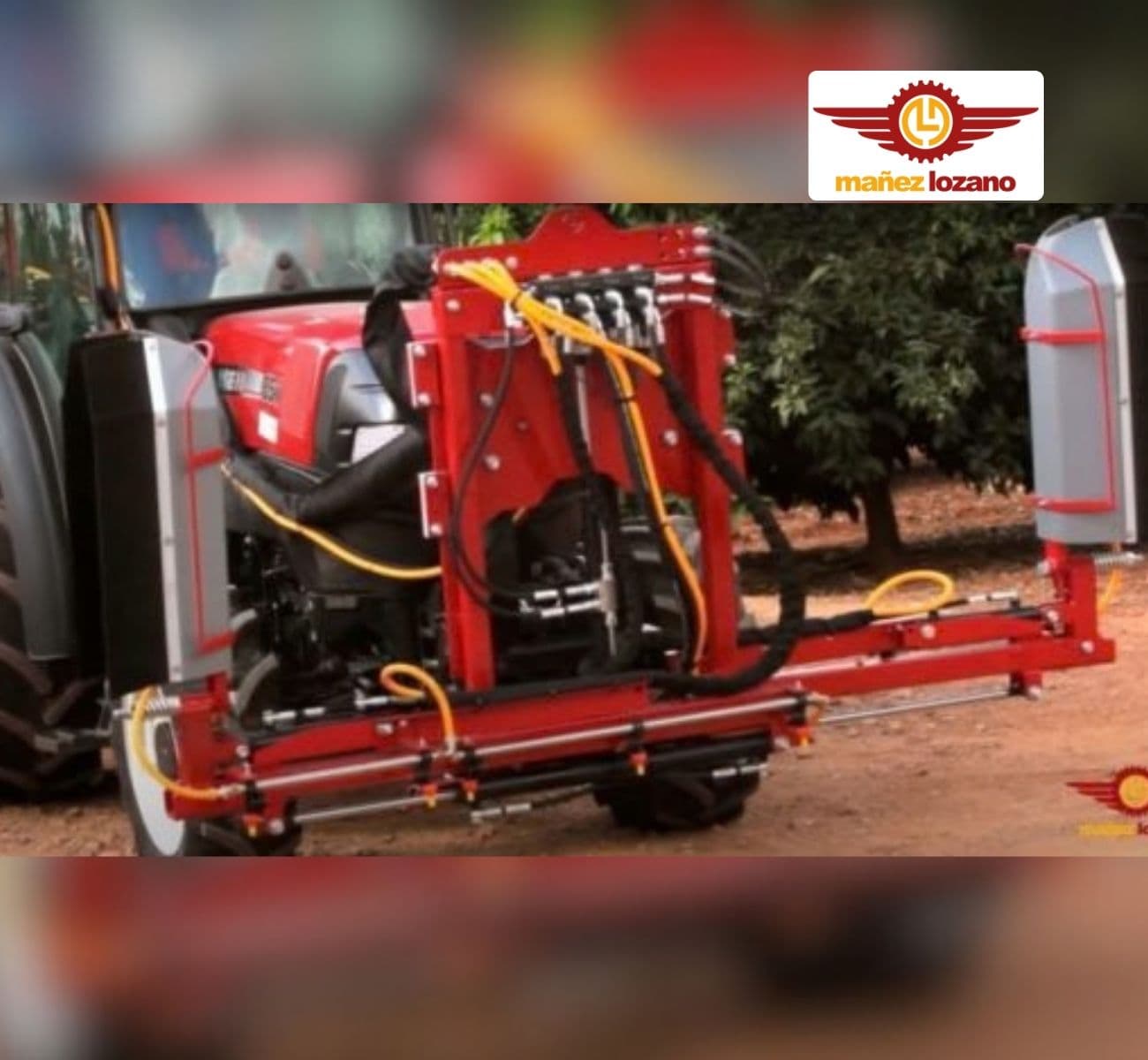
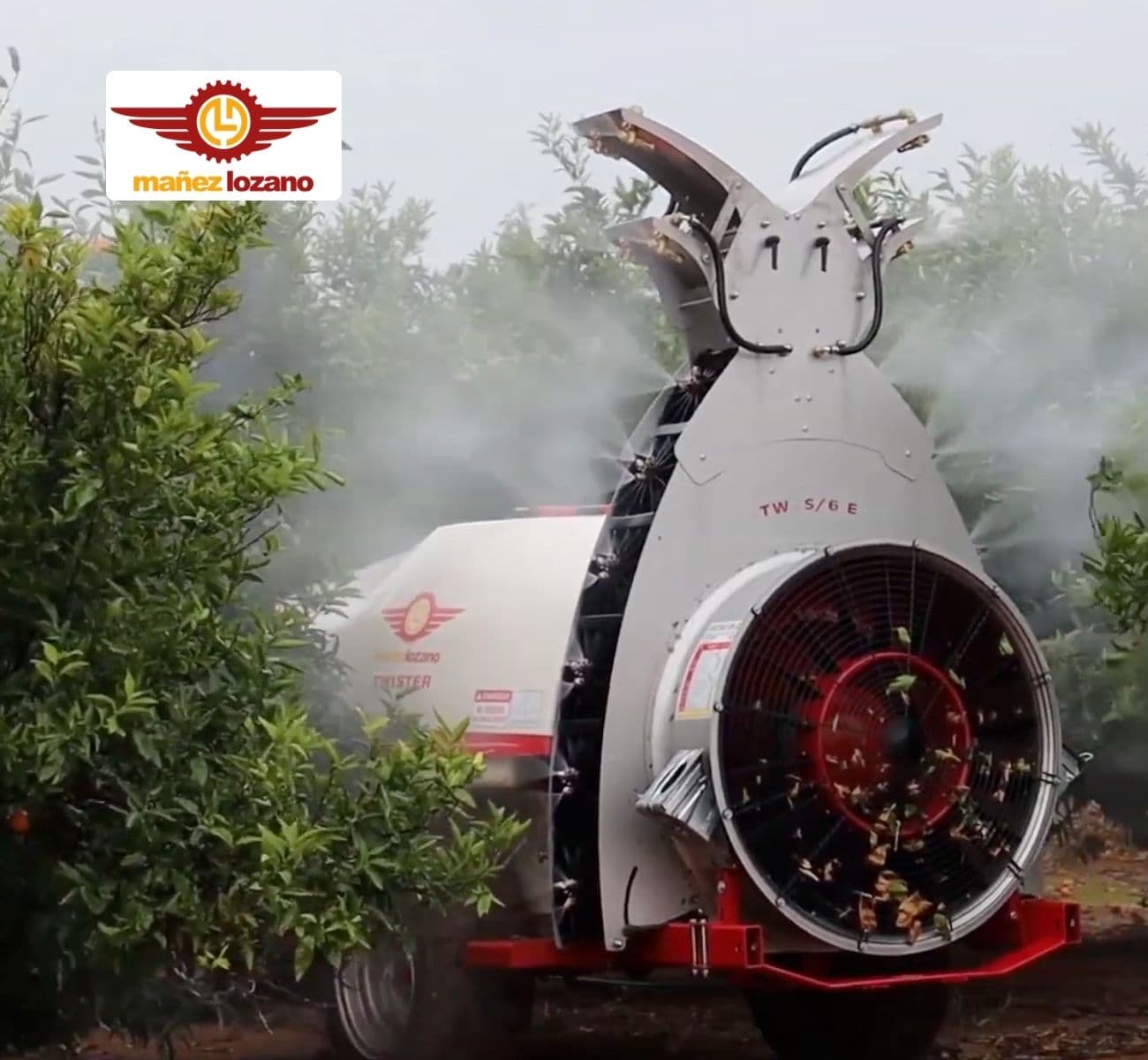
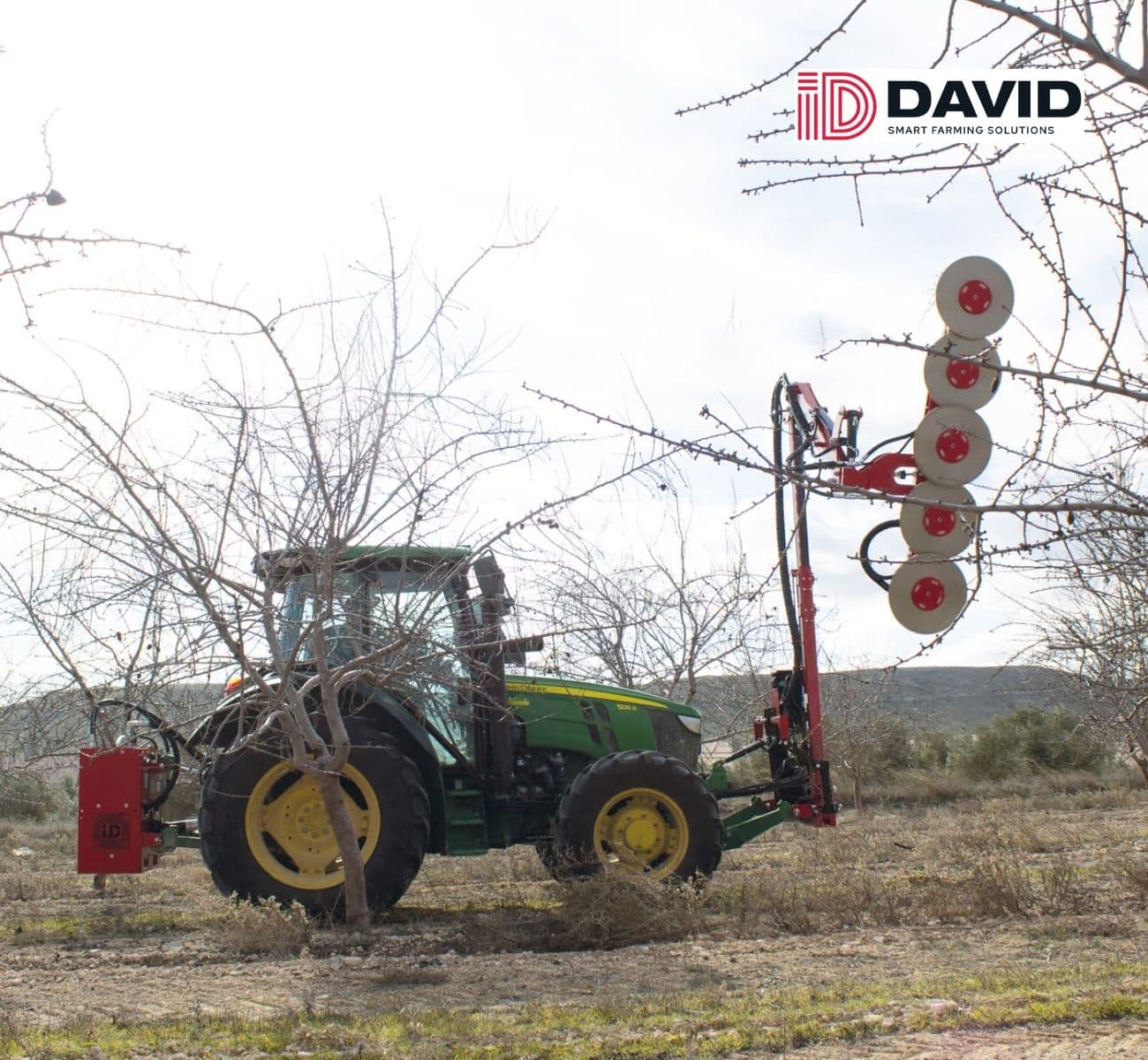
In Moldova, care decisions show up at harvest. Walnut trees grow tall, so spray coverage and canopy work need machines built for height: the Mañez Lozano Mega Twister S6 is designed for taller trees and dense canopies, and the ID DAVID ID-REX trims sides and tops up to 4.9 m, keeping alleys open for machines and young trees in shape.
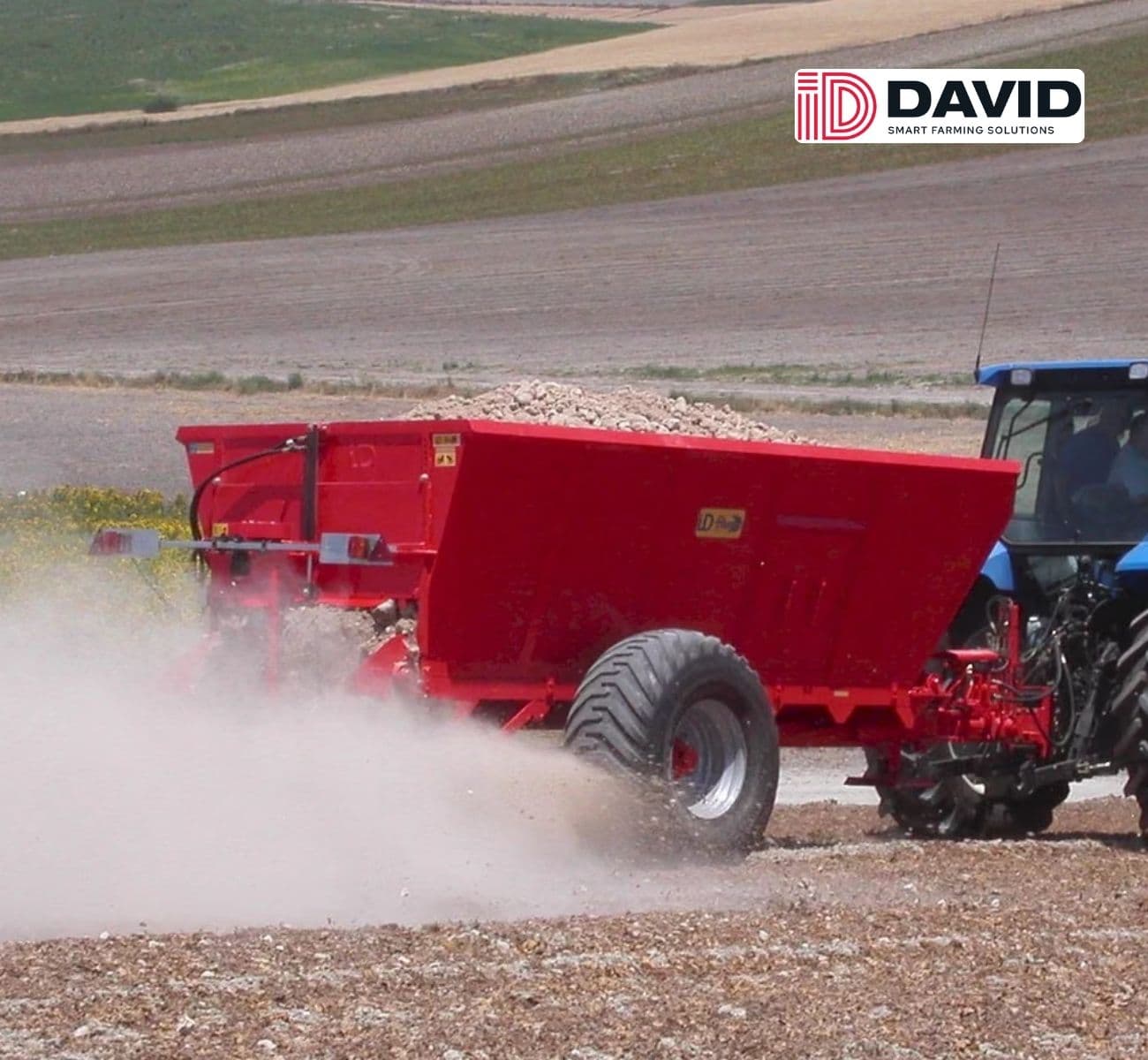
The growers' union advises against skipping April treatments with copper-based fungicides and insecticides, especially on early export varieties such as Pescănesc (2023). Base nutrition on soil and leaf analysis; the ID DAVID SURFEED spreads manure evenly between rows.
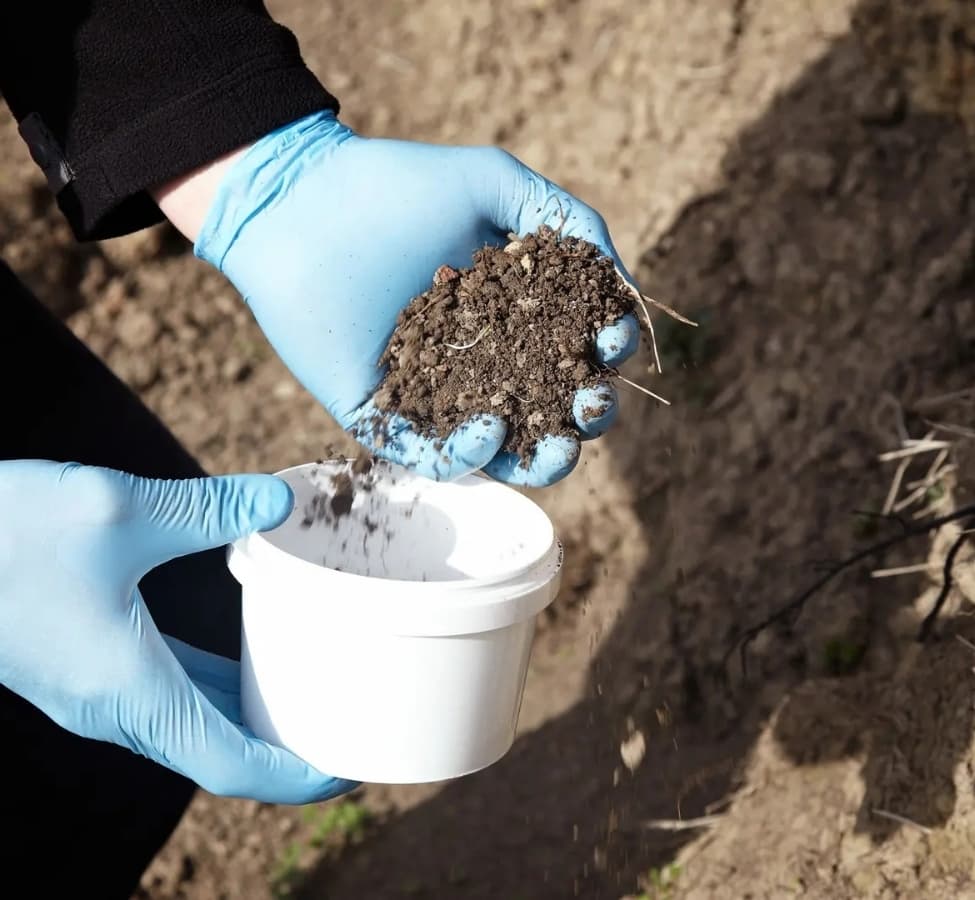
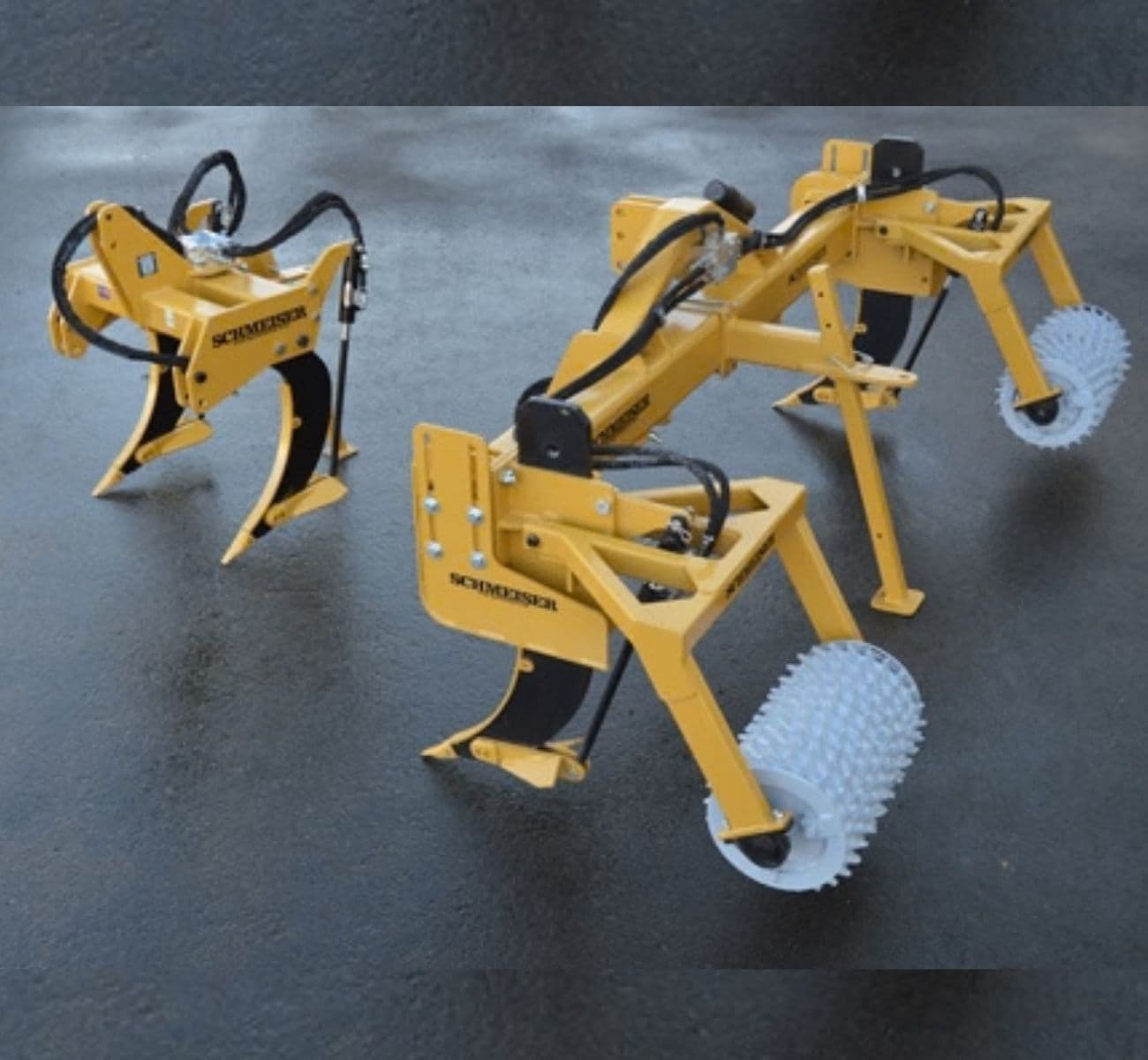
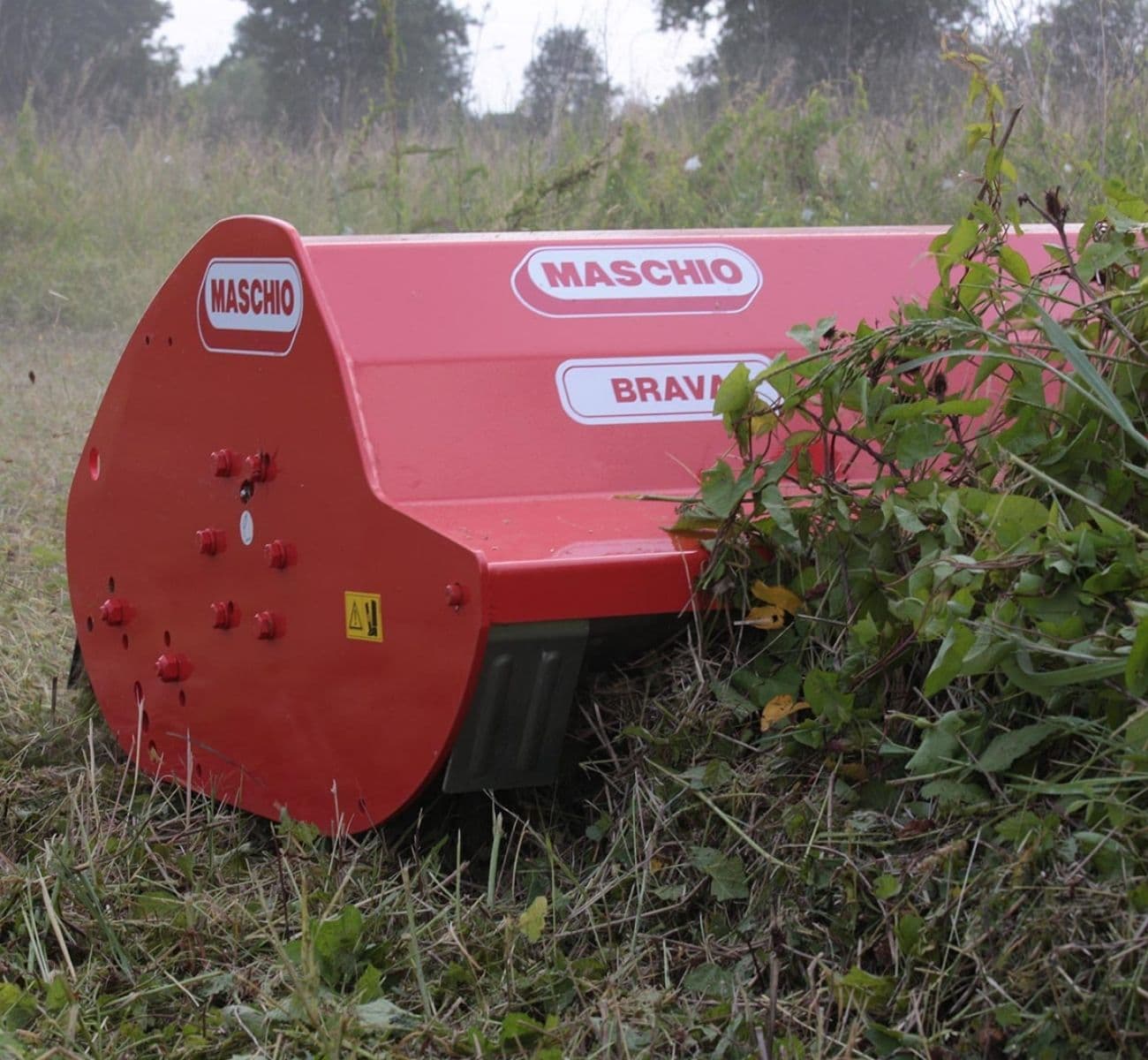
Above all, prepare the orchard floor for machines. Researchers at the Technical University of Moldova recommend leveling and rolling the soil and mowing any grass cover short 10 to 14 days before harvest (2024): a firm, smooth floor lets sweepers and harvesters collect clean nuts with fewer losses.
Recommended Orchard Care & Maintenance Stages
Practical Tips for Walnut Orchard Care & Maintenance
Prune for the harvester: keep trunks clear of low branches so the shaker head clamps safely and the canopy releases nuts evenly.
Calibrate the sprayer to tree height and canopy density; uneven coverage in tall walnut canopies leaves the upper crop unprotected.
Do not skip April copper and insecticide treatments on early varieties; the growers' union calls them a low-cost safeguard for the crop.
Keep the floor level and firm all season: fill ruts and holes, and remove stones and prunings before the harvest window.
Mow cover crops short 10 to 14 days before harvest so sweepers move nuts cleanly and pickup stays fast.
Service care machines between seasons and keep wear parts in stock; a breakdown in April or September costs more than the repair.

Walnut Harvesting in Moldova
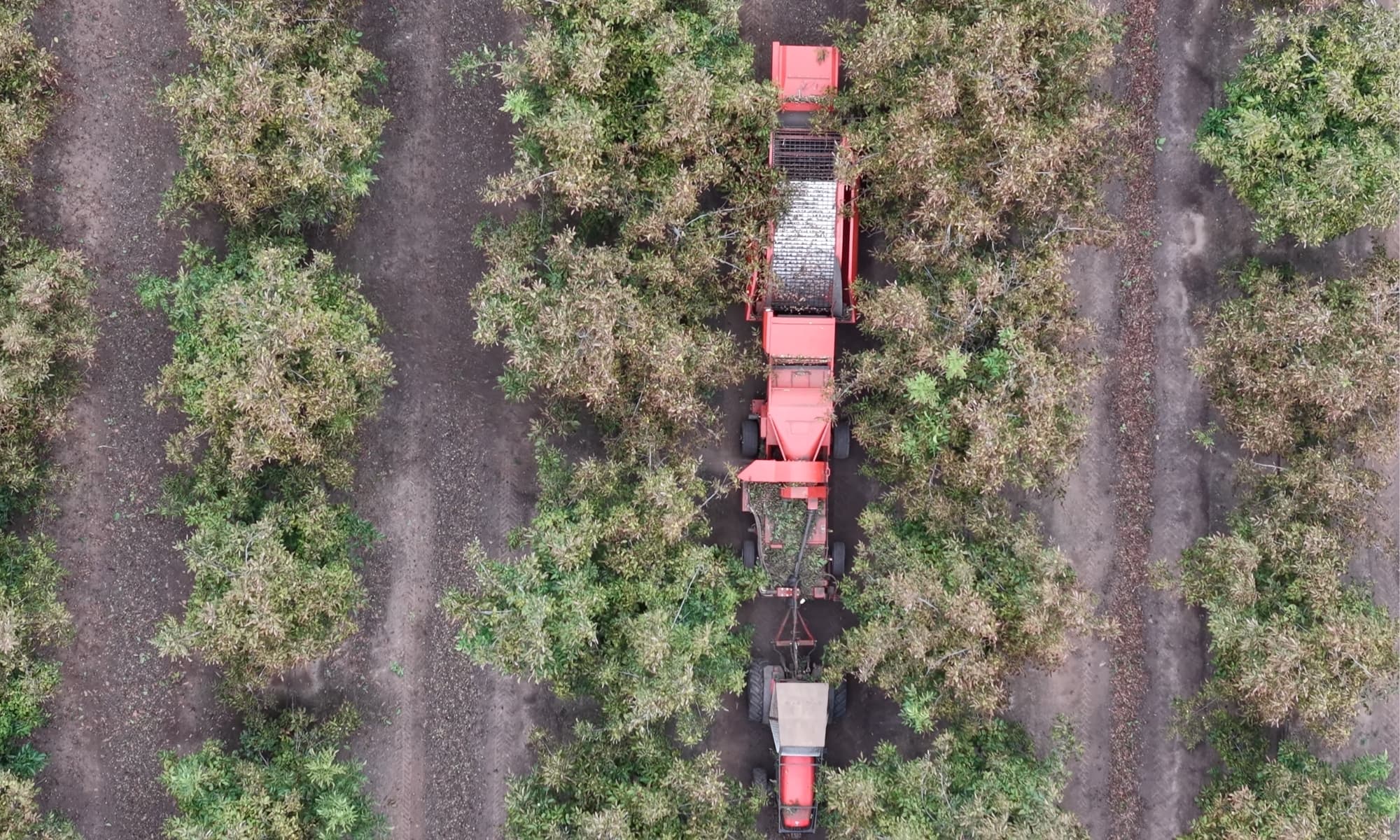
Moldovan walnuts ripen in September, and the harvest runs into October as later varieties such as Chandler mature. Much of the crop is still harvested by hand: nuts are knocked down with poles or by shaking branches and collected from the ground, a method researchers at the Technical University of Moldova call slow, costly and unsafe (2024).
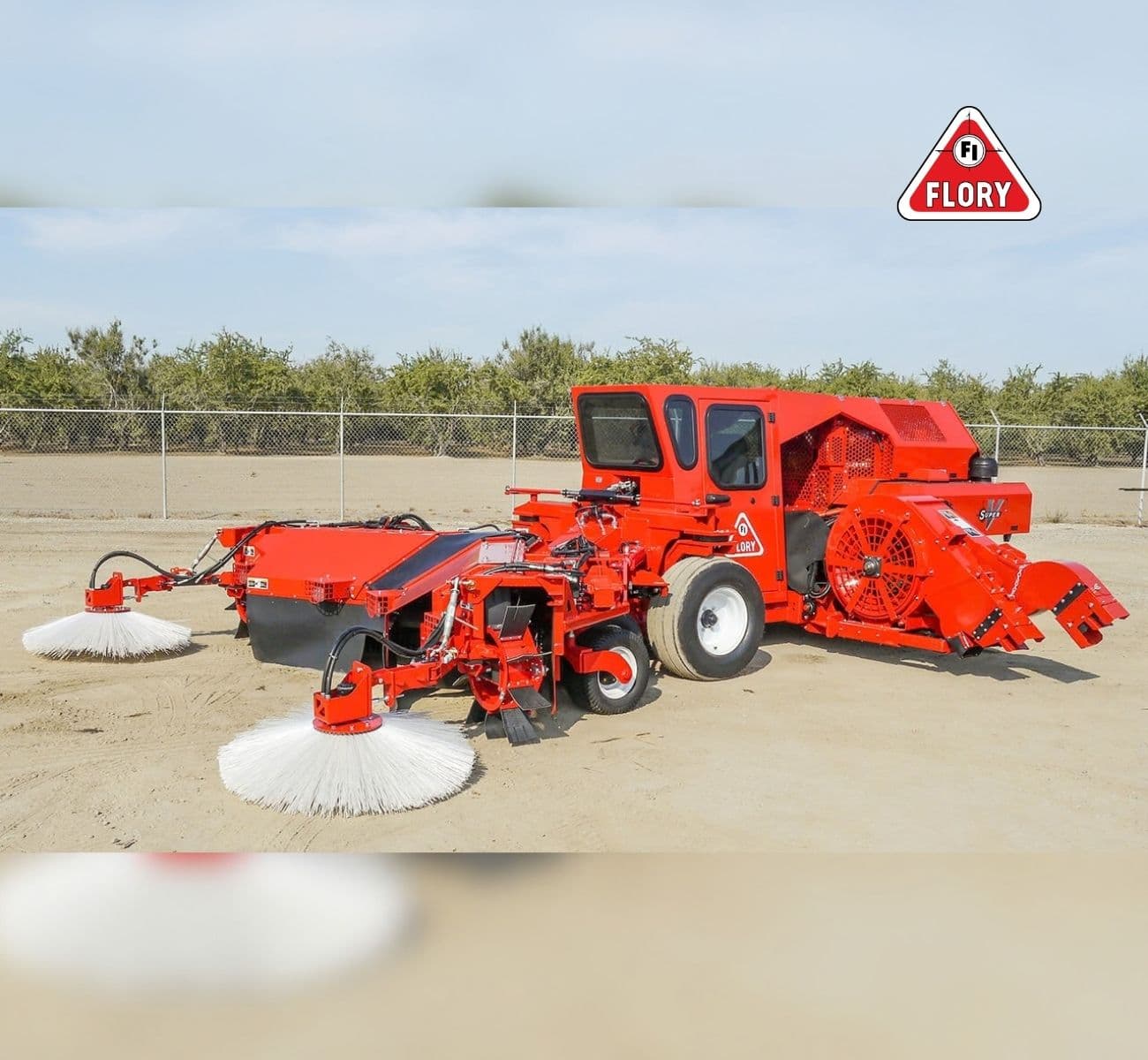
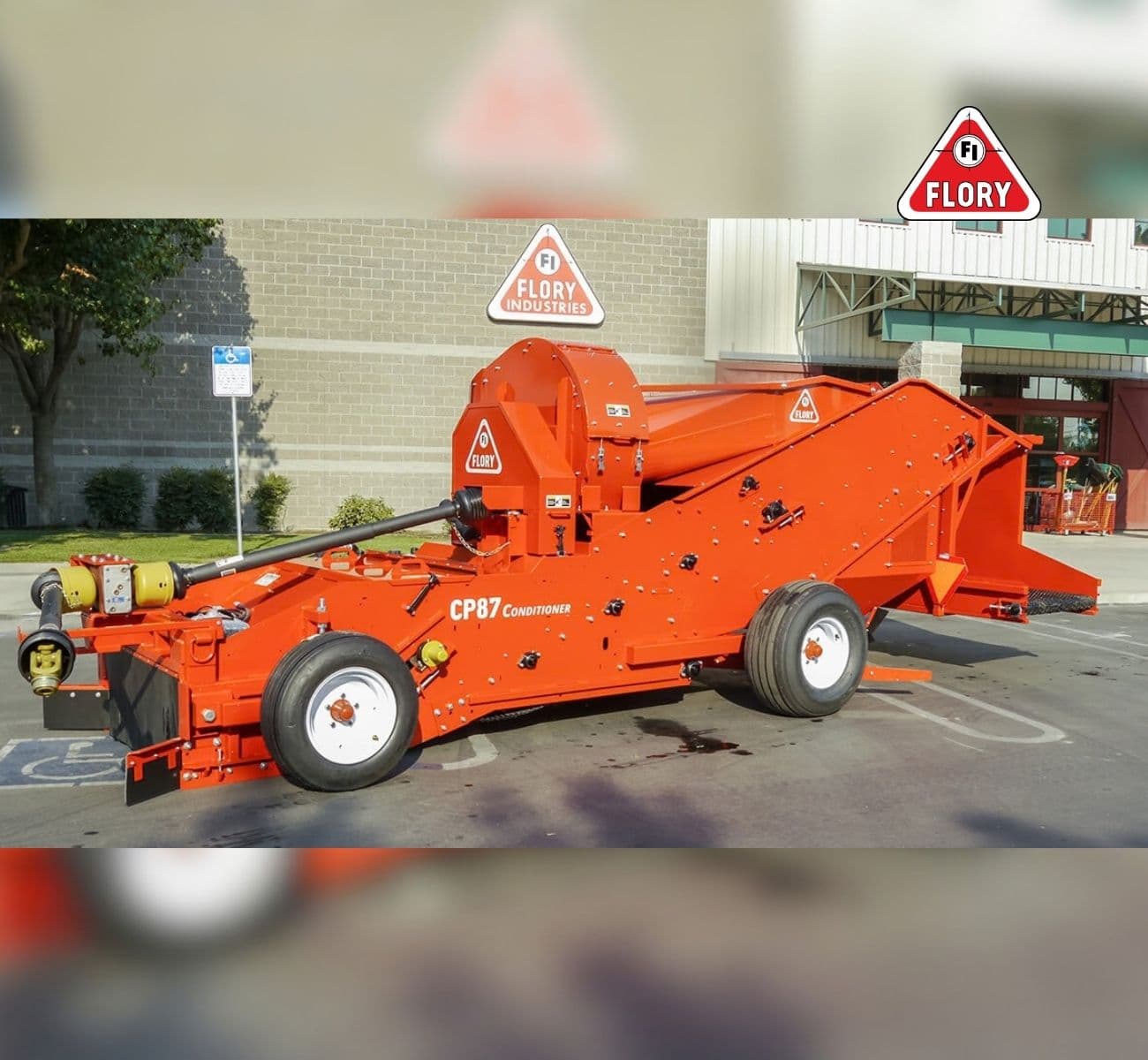
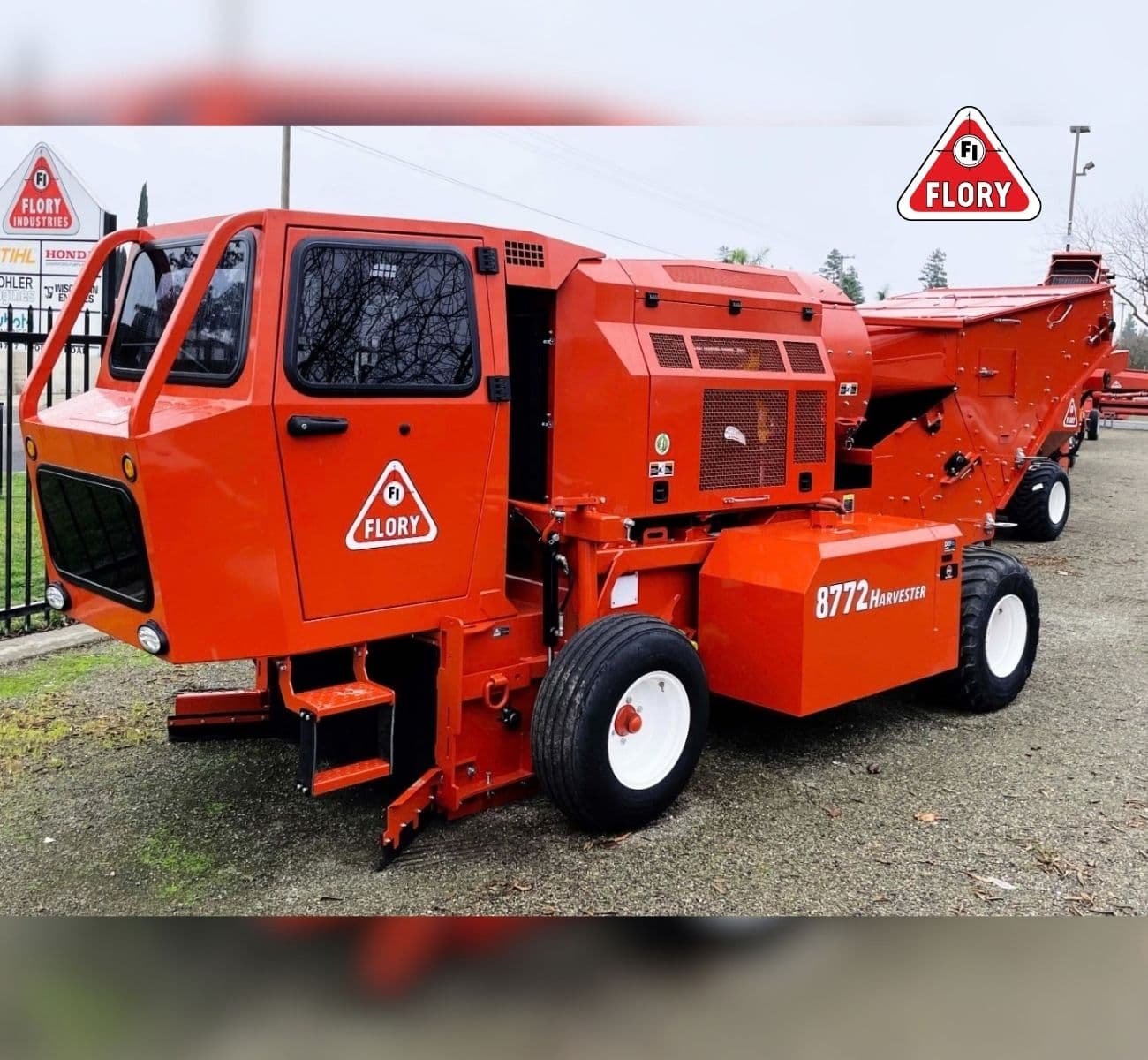
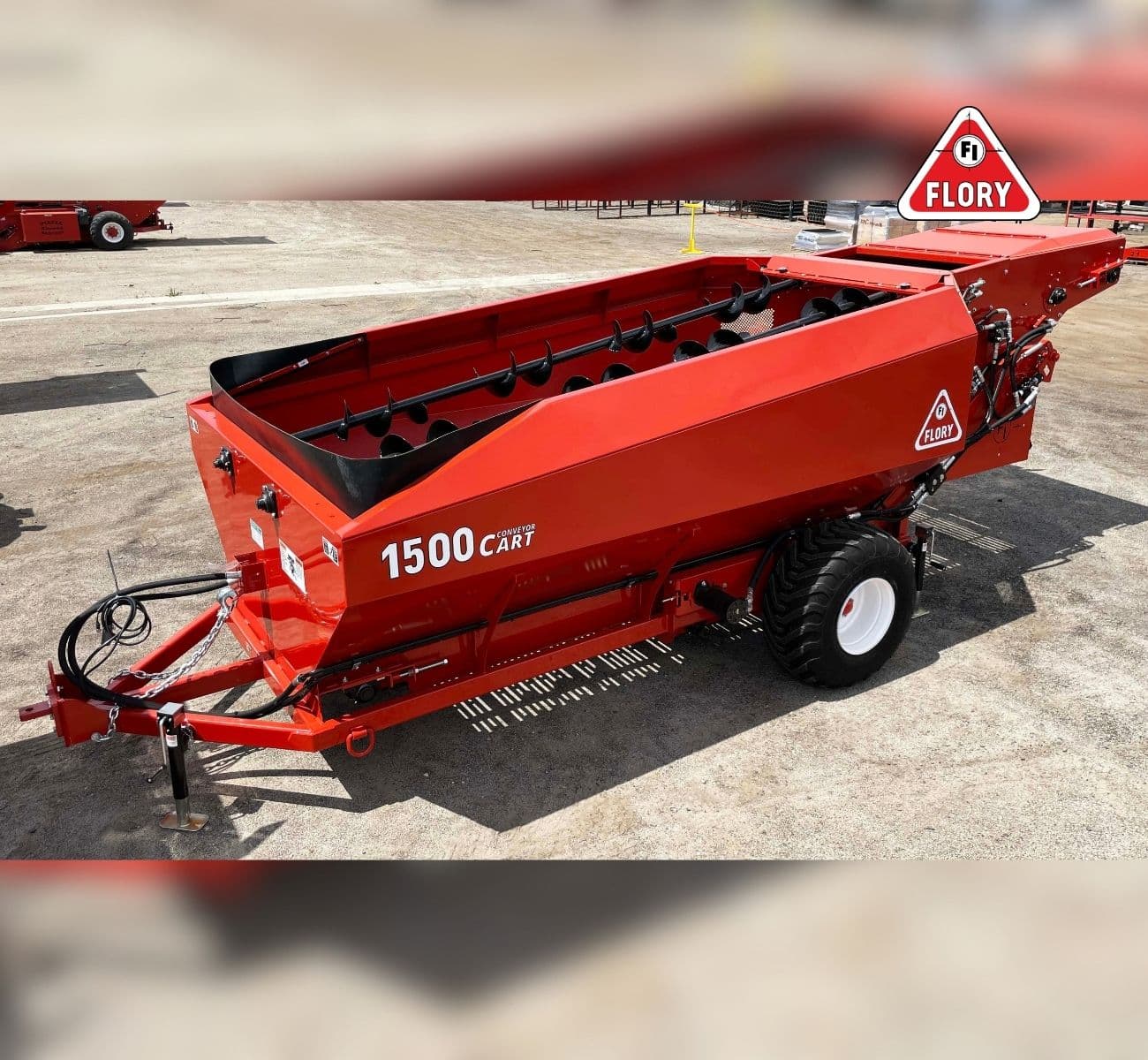
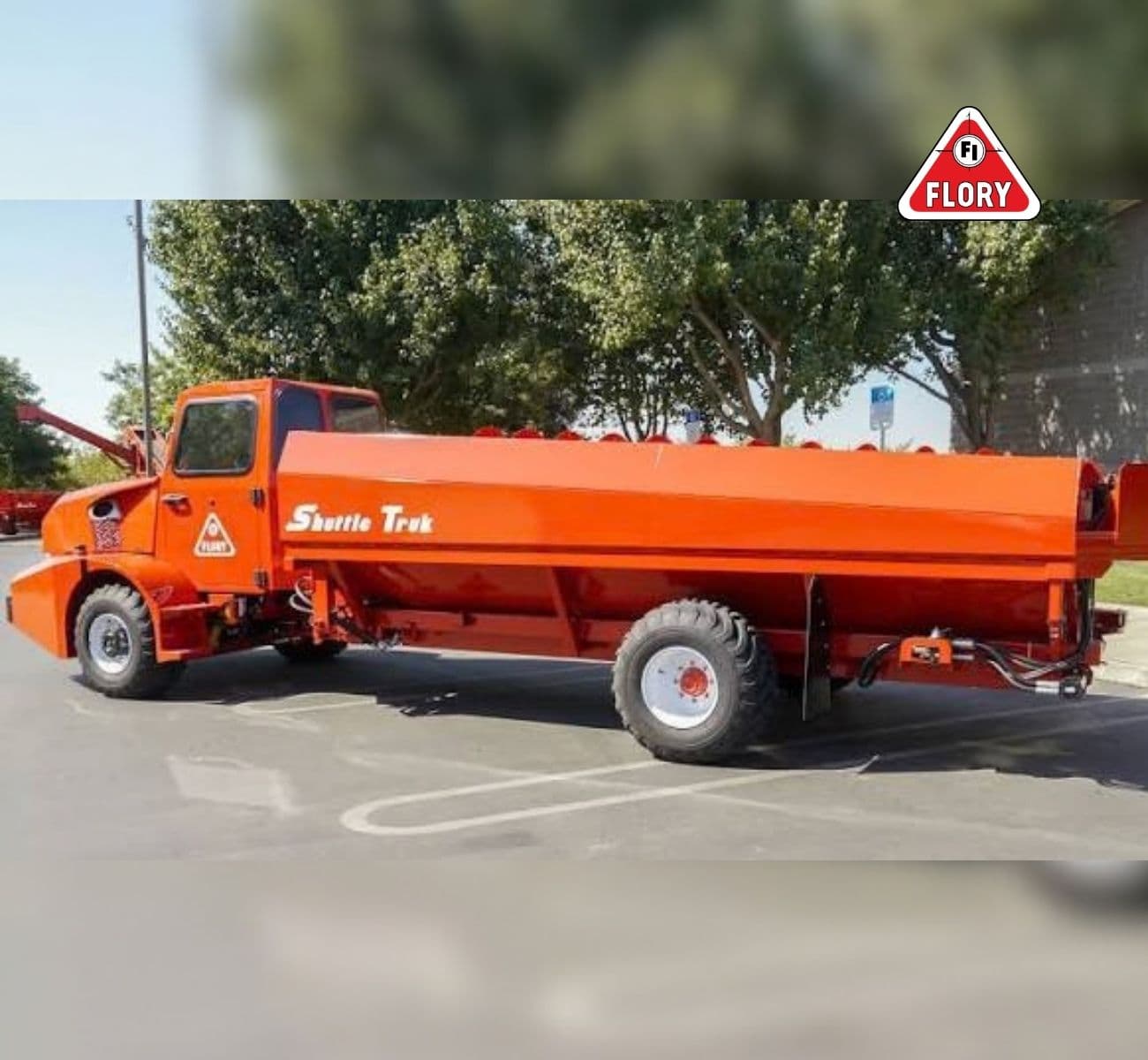
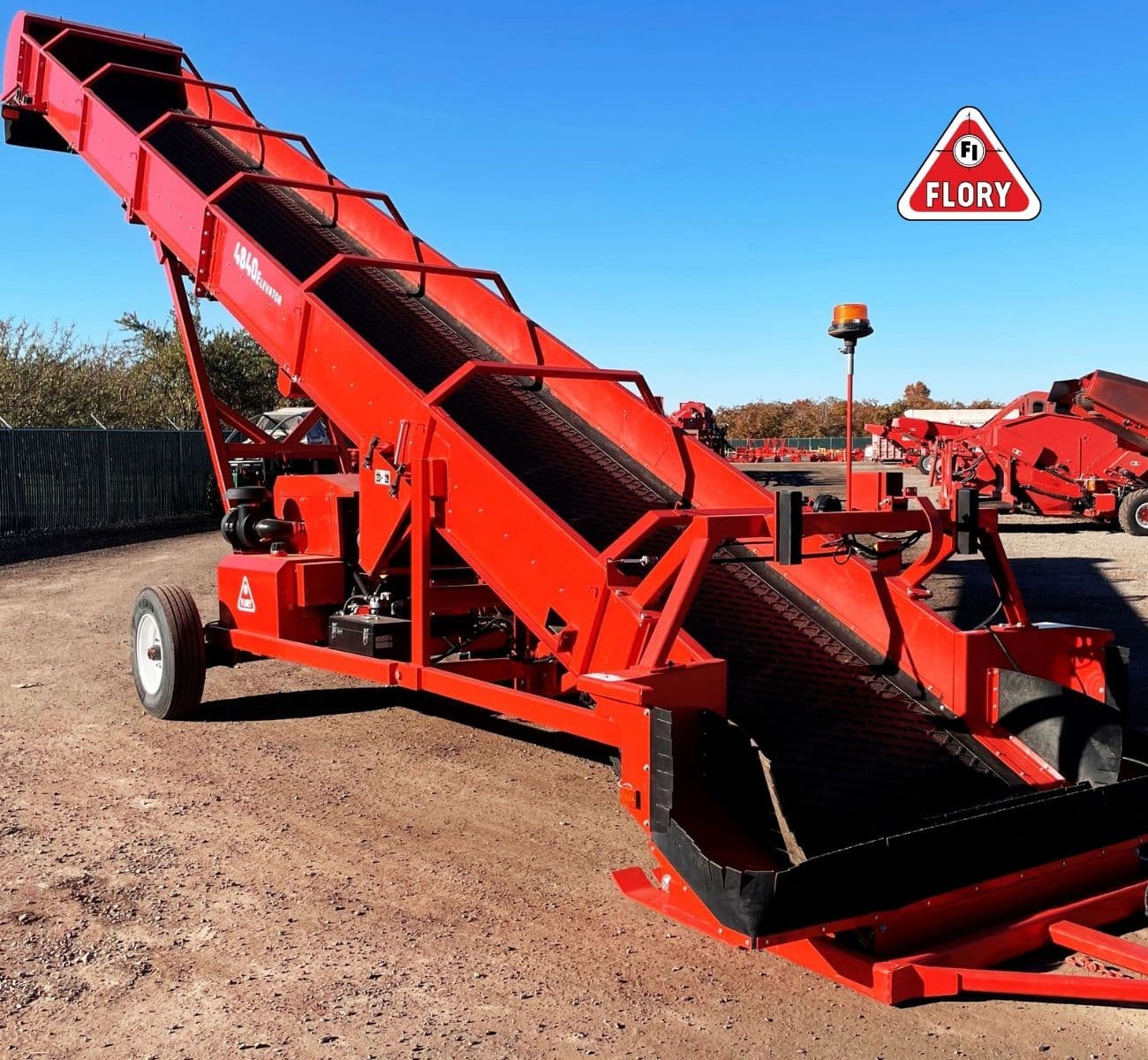
On large commercial orchards, a Flory on-ground system is built to remove that bottleneck. The VR700 Shaker gives precise, repeatable shaking that protects the trees, the V62 Sweeper forms windrows in fewer passes, and the self-propelled 8772 Harvester, designed for the largest walnut orchards, picks them up with low dust. A 1500 Conveyor Cart, ST14 Shuttle and 4840 Field Elevator keep nuts moving to the trucks.
Speed protects value. University of California research shows walnut quality starts to fall within hours of shaking, so nuts should be picked up the same day. In Moldova, October showers add risk (Library of Congress) and buyers pay more for light kernels: size the machine set so every block is shaken, picked up and delivered for hulling within the day.
Walnut Harvest Workflow (Recommended Equipment)

Practical Tips for Walnut Harvesting
Start when the green hulls split and nuts drop freely; shaking immature nuts lowers quality and stresses the trees.
Match the machine set to your hectares and harvest window: shaker, sweeper and harvester capacity must stay balanced so no machine waits.
Shake no more than the harvester can pick up the same day; walnuts left overnight on warm or wet ground darken quickly.
Watch the forecast in October: move crews to blocks at risk of rain first and keep nuts off wet soil.
Plan staging points, shuttle routes and the field elevator site before harvest so trucks never wait at the headland.
Train operators before the season and run daily checks on shakers, sweepers and harvesters; OVE Europe supplies Flory spare parts and training.
Get your recommended harvest setup
Enter orchard size, spacing, terrain, and target throughput—we’ll suggest a practical harvest workflow and equipment lineup.

Walnut Post-Harvest Handling & Processing in Moldova
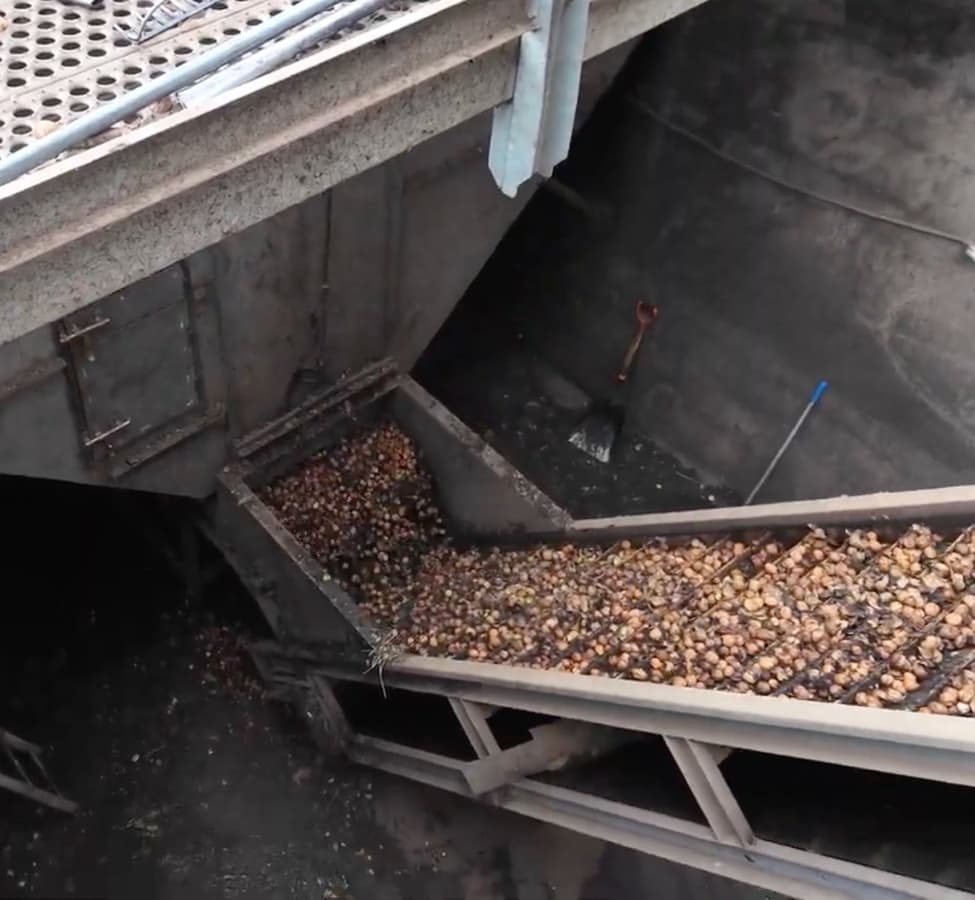
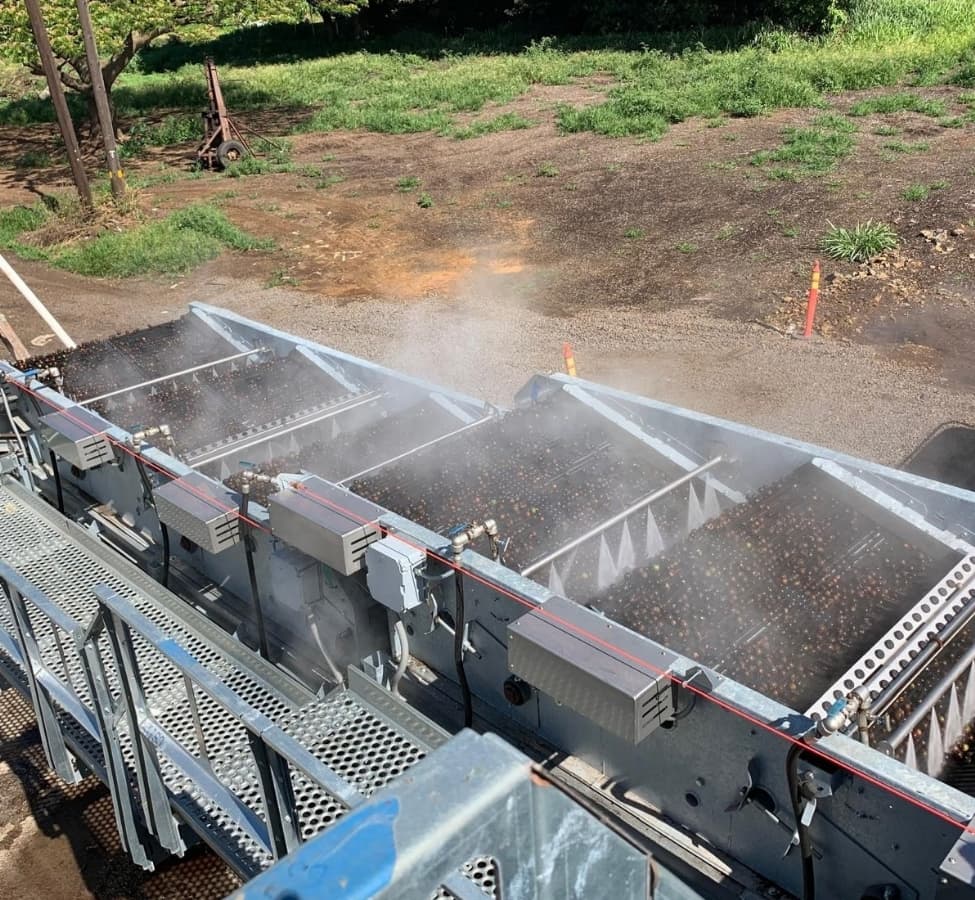
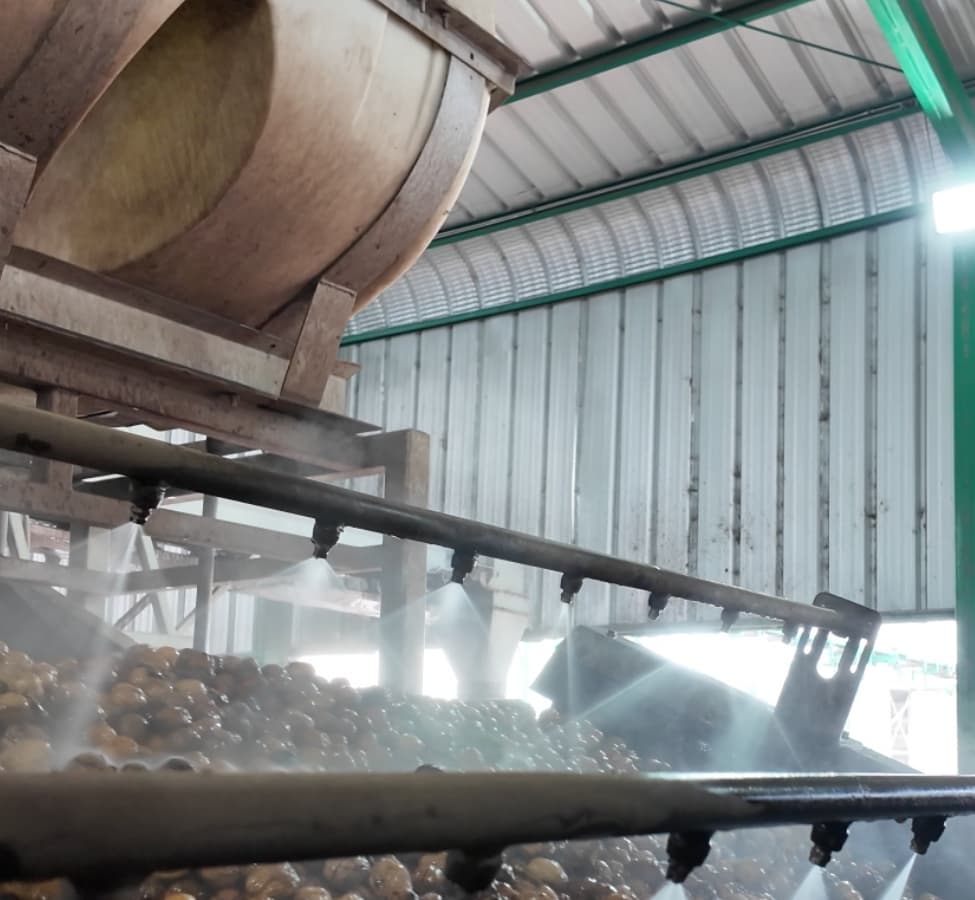
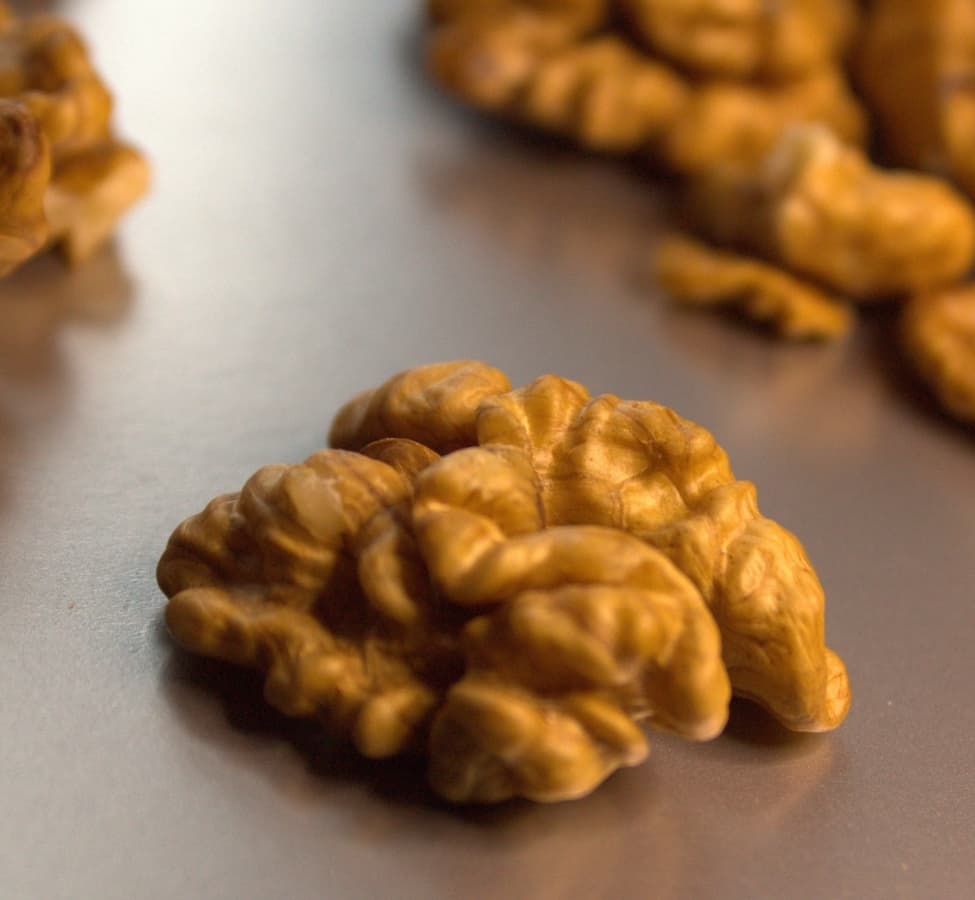
Moldova sells mostly kernels, and light kernels earn the best prices (EastFruit). The first 24 hours matter most: receive and pre-clean nuts on the day of harvest, remove the green hulls with water, wash and float-sort, then start drying. University of California guidance is to dry to about 8% moisture with air no hotter than about 43 °C.
The growers' association reports a growing share of in-shell and fresh walnuts (2025). Farms with their own hulling, washing, drying and sorting equipment sold in-shell nuts of French varieties to EU buyers even in a slow market, while village-collected nuts are often of lower quality (EastFruit, 2021).
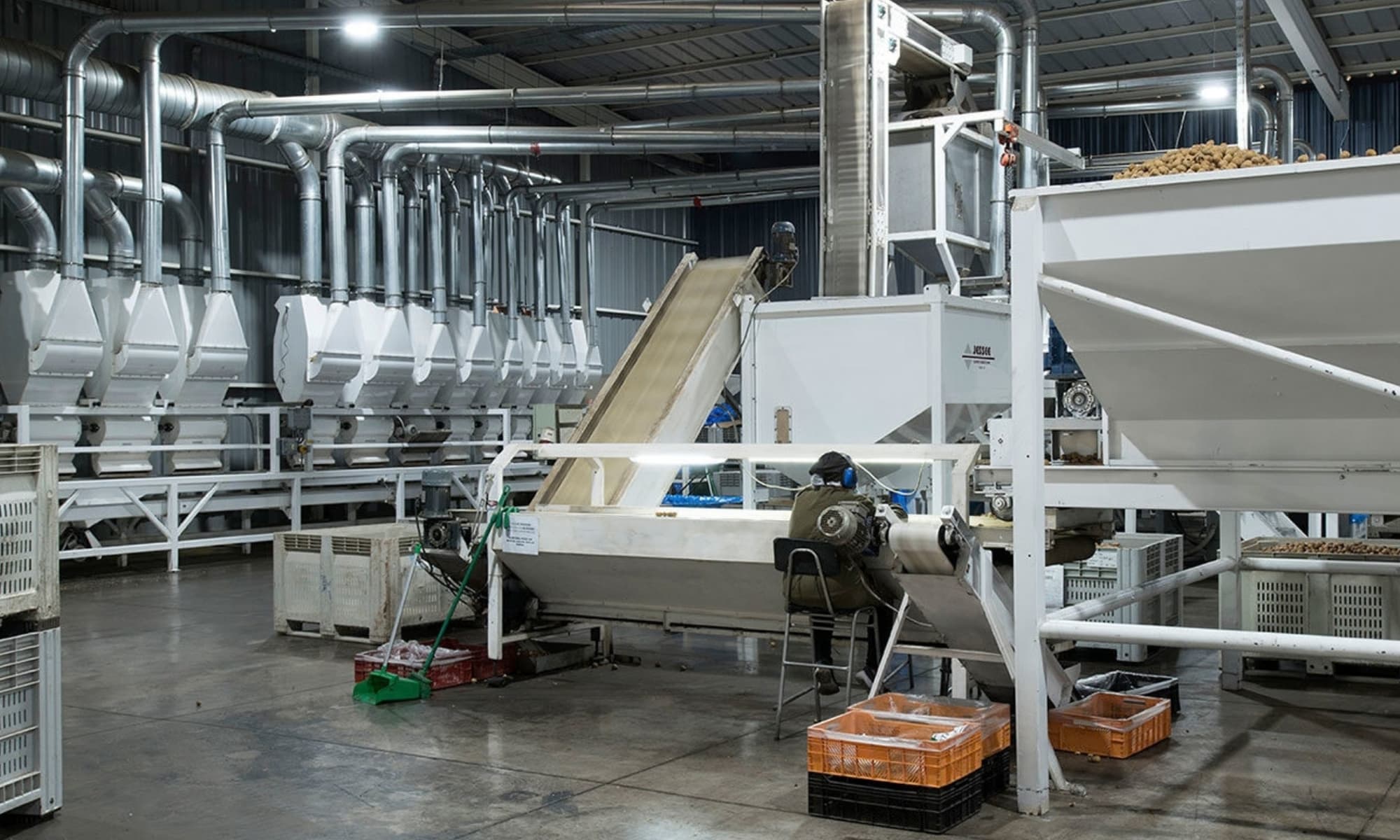
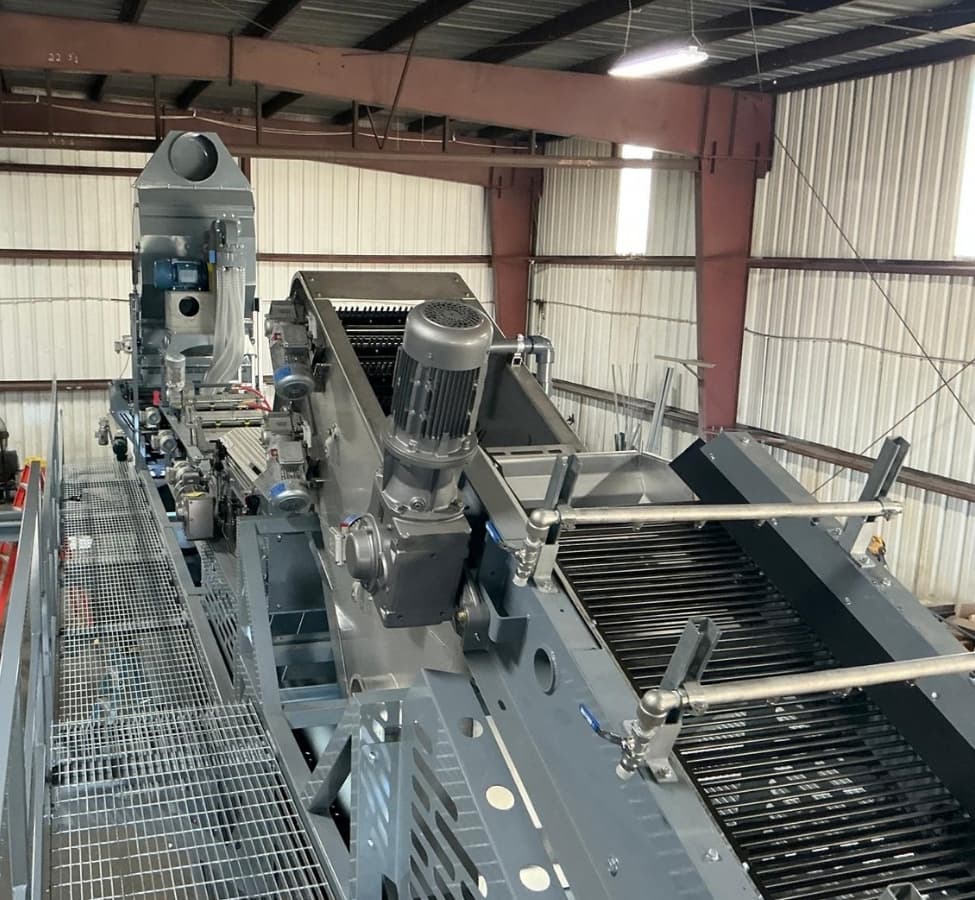
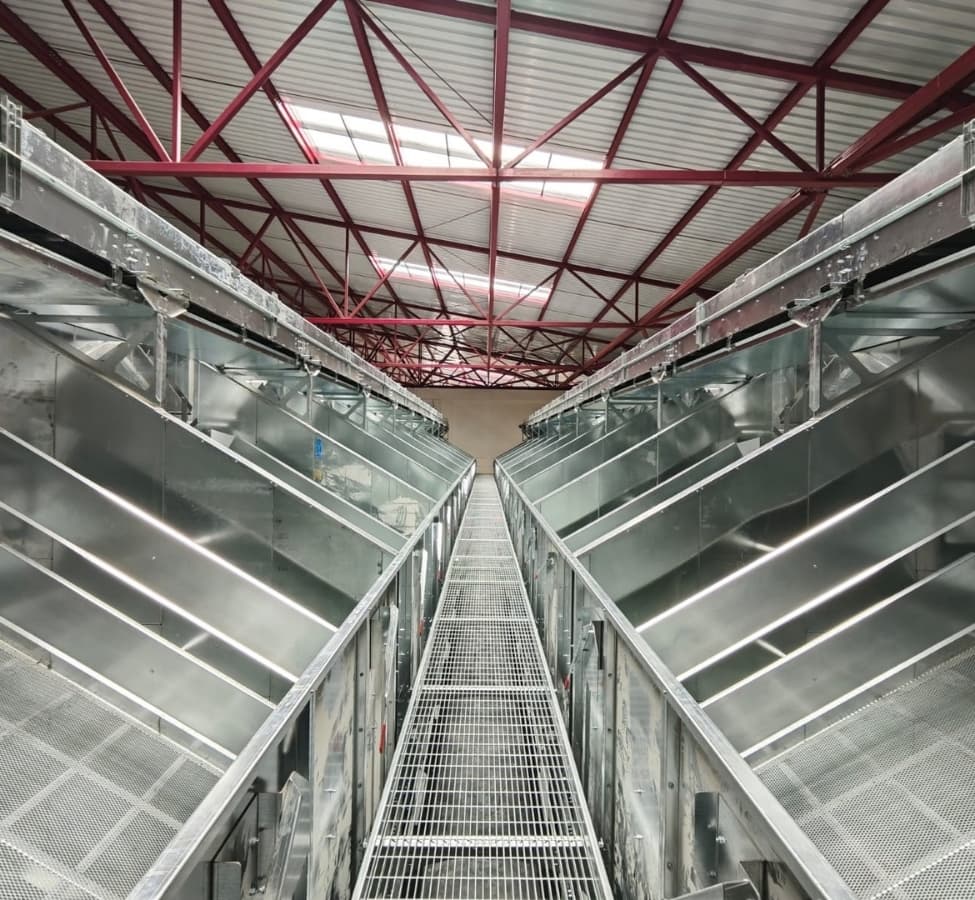
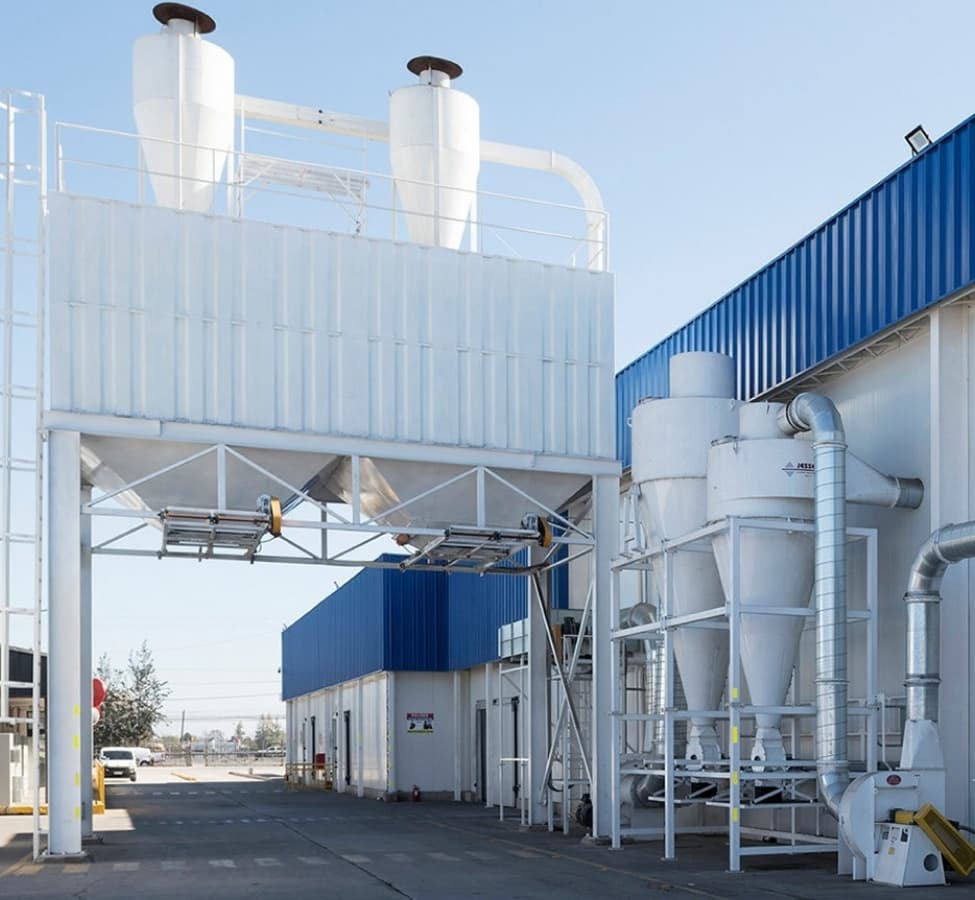
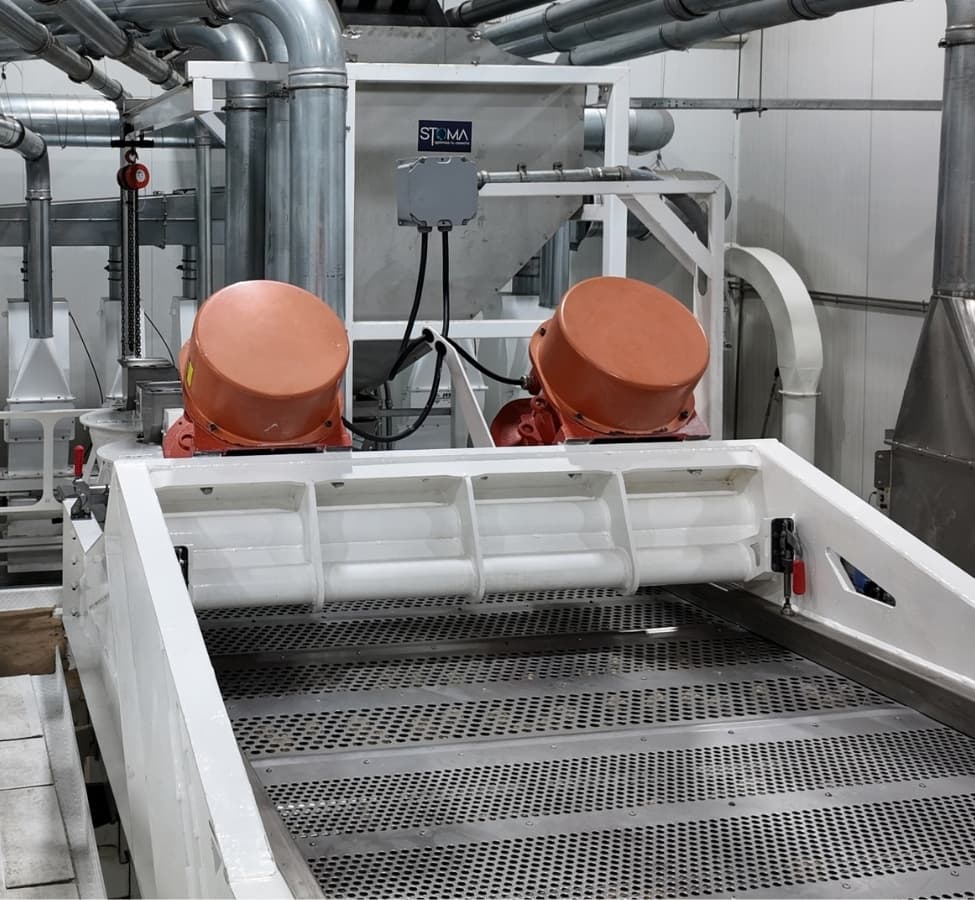
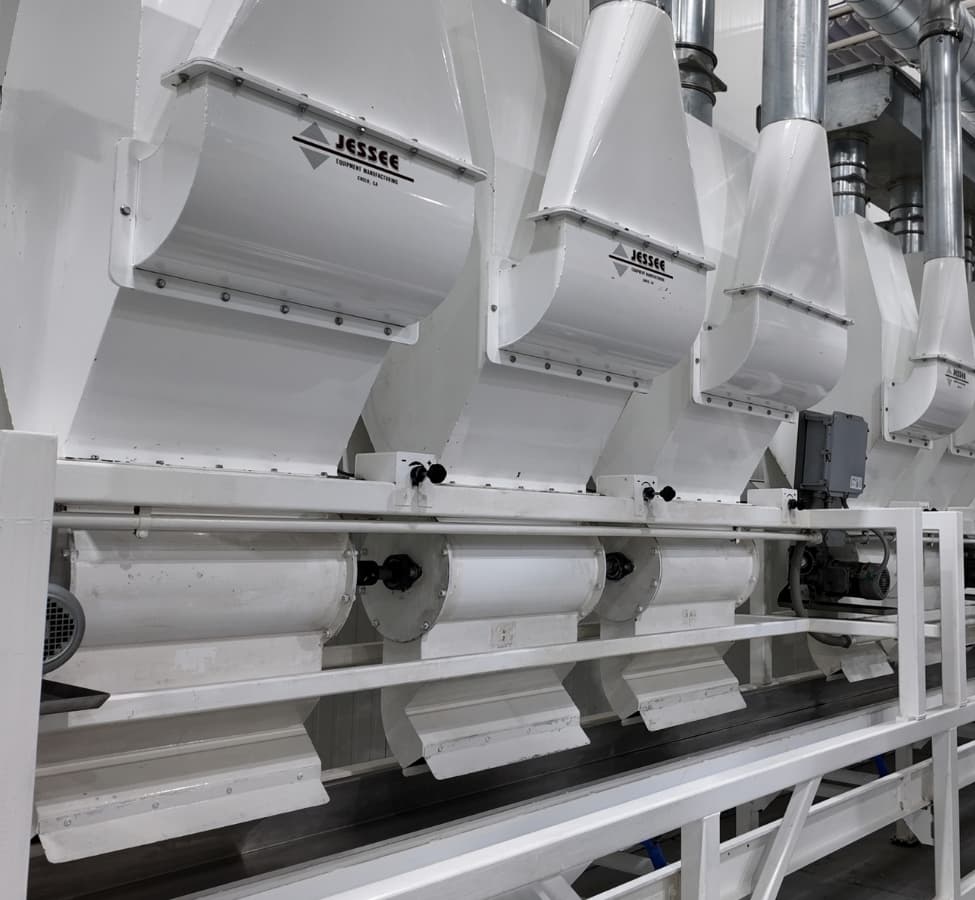
Jessee, whose lines OVE Europe supplies, builds hulling and washing, drying, cleaning and sizing, and cracking equipment for walnuts, with standard hulling systems from about 10 to 30 tons per hour and larger systems on request. Size the line to the daily output of your harvest machines so no nuts wait overnight.
Practical Tips for Walnut Post-Harvest Handling & Processing
Size receiving, hulling and drying capacity to the daily output of the harvest machines; a fast field crew is wasted if nuts wait at intake.
Hull and wash on the day of harvest: green hulls left on the nuts stain shells and darken kernels.
Remove blanks and damaged nuts by float or optical sorting before drying, so dryer capacity is spent only on saleable nuts.
Dry gently: keep air at about 43 °C or below and stop near 8% moisture to protect kernel color and shelf life.
Store dry nuts cool and dry, and keep lots separate by variety and quality so buyers receive uniform batches.
Decide each season between in-shell and kernel sales; sizing and cracking lines let you follow the better market.
Recommended Post-Harvest Handling & Processing Stages
Plan your post-harvest line
Estimate tons/day, cleaning & drying capacity, storage needs, and cost/kg—then build your equipment plan in phases.