







Hazelnut Orchard Establishment in Montenegro
No Montenegrin source found names where hazelnut orchards grow, apart from one plantation, or recommends cultivars. EPPO reported in 2023 that bacterial blight affected more than 80% of the 6-year-old 'Hall's Giant' trees in a 0.3 ha plantation near Cetinje, central Montenegro, in June 2021, and called hazelnut 'a minor but rapidly increasing commercially grown species' in Montenegro. The researchers who studied the outbreak add that planting material is intensively imported, which raises the risk of bringing in latently infected plants.
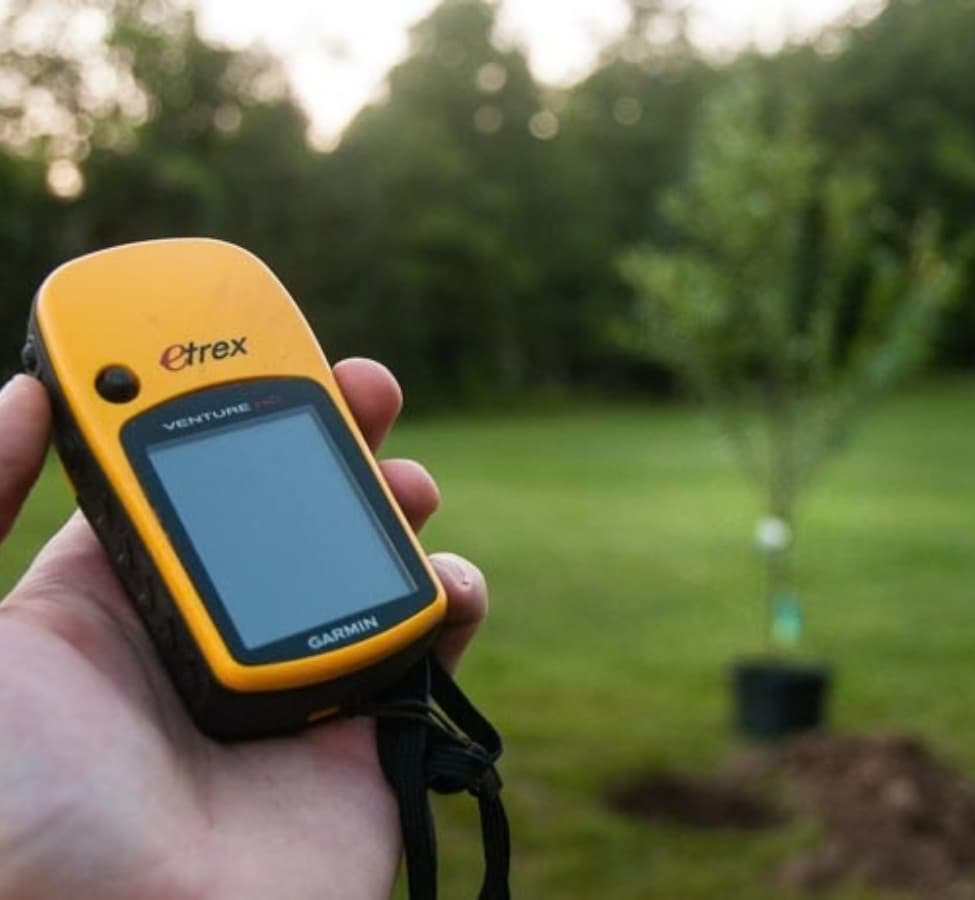
Cetinje, at 640 m, received 3,237 mm of precipitation a year in 1961 to 1990, with a main maximum in November, a 2014 climate study reports, and on 9 February 2023 its minimum fell to -10.9 °C. No Montenegrin source found gives hazelnut bloom dates or frost damage. Oregon State University (OSU) reports that fully elongated catkins can freeze at -9.4 °C, and the female flowers of the most cold-sensitive varieties at -12.2 °C.
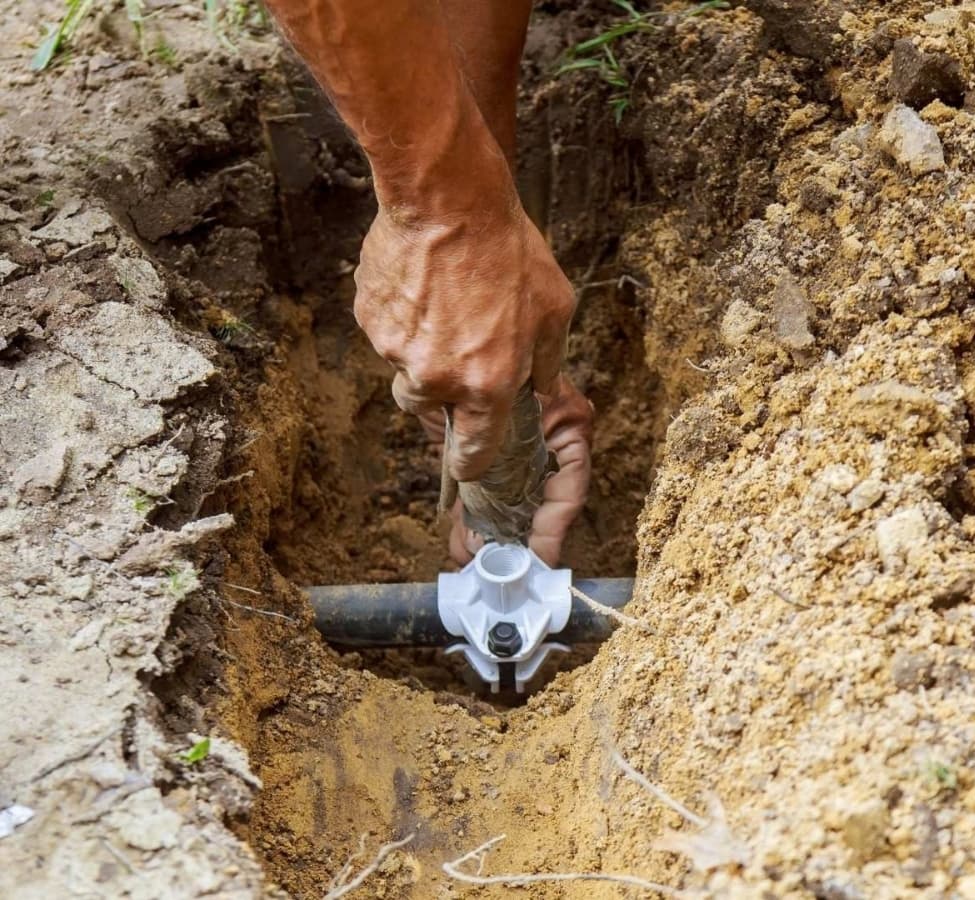
For machine harvest, this guide assumes single-trunk trees, which OSU describes as the usual form in the United States, at OSU's standard spacing of 6 x 6 m, with enough room at the orchard edges to turn a tractor and sprayer or harvester into the next row without stopping or backing up. Hazelnut is self-incompatible and wind-pollinated, so OSU advises three pollinizer varieties, early, mid and late, on every third tree in every third row, about 11% of the trees, as nut set may fall when pollinizers are more than 15 m away.
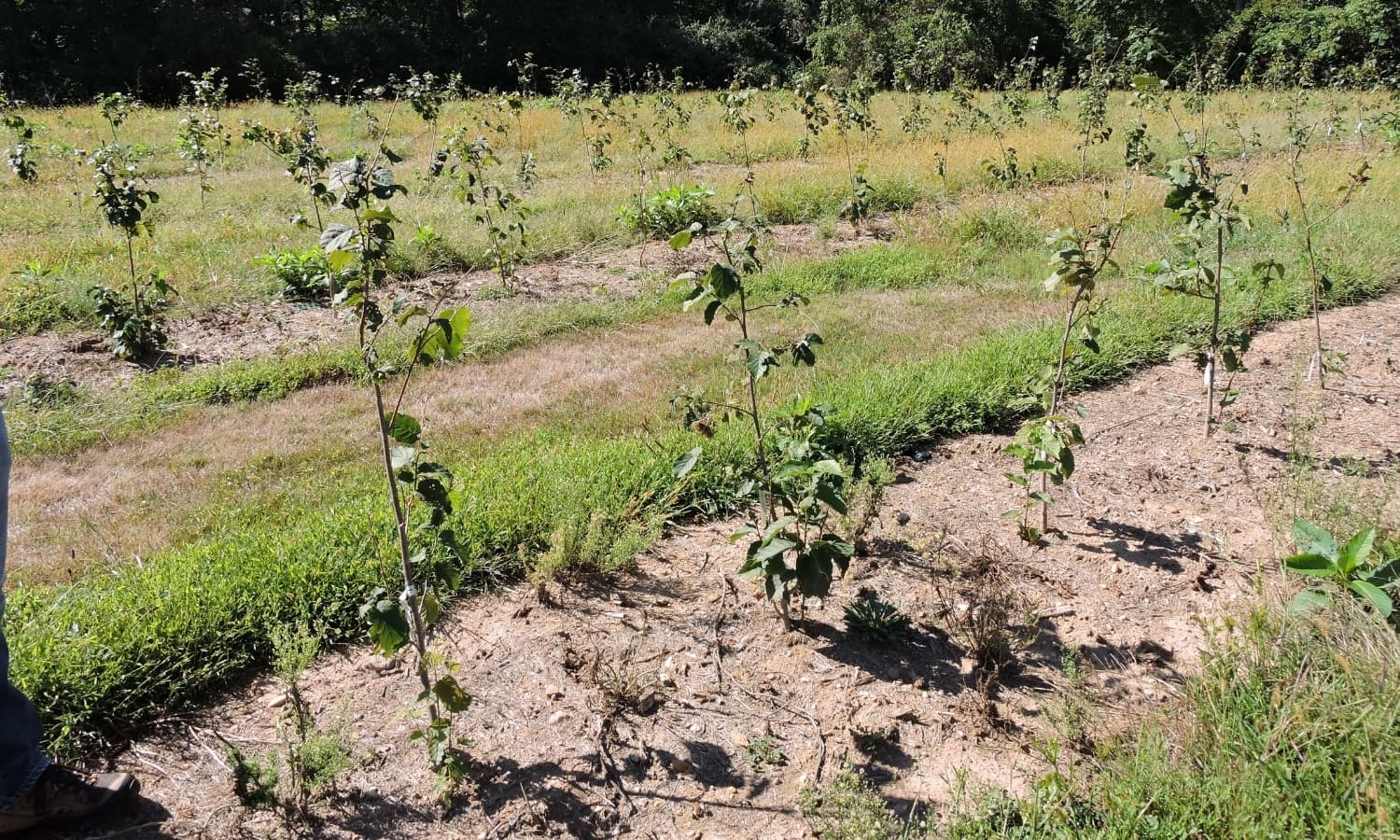

Practical Tips for Hazelnut Orchard Establishment
Source young trees with care: the researchers who studied the blight near Cetinje warn that imported planting material raises the risk of latent infection.
Choose deep, well-drained soil: OSU says hazelnut does not tolerate wet soils in the growing season.
Plant three pollinizer varieties, early, mid and late, on every third tree in every third row, as OSU advises: hazelnut cannot set nuts with its own pollen.
Compare site lows at catkin elongation and bloom with OSU's freezing points: -9.4 °C for elongated catkins, -12.2 °C for female flowers of the most sensitive varieties.
Where you plan machine harvest, train single-trunk trees, the form OSU describes as usual in the United States.
Smooth the orchard floor at least a year before the first commercial harvest, as OSU advises, and remove soil mounds so sweepers can reach the trunks.
Recommended Establishment Stages



Hazelnut Orchard Care & Maintenance in Montenegro
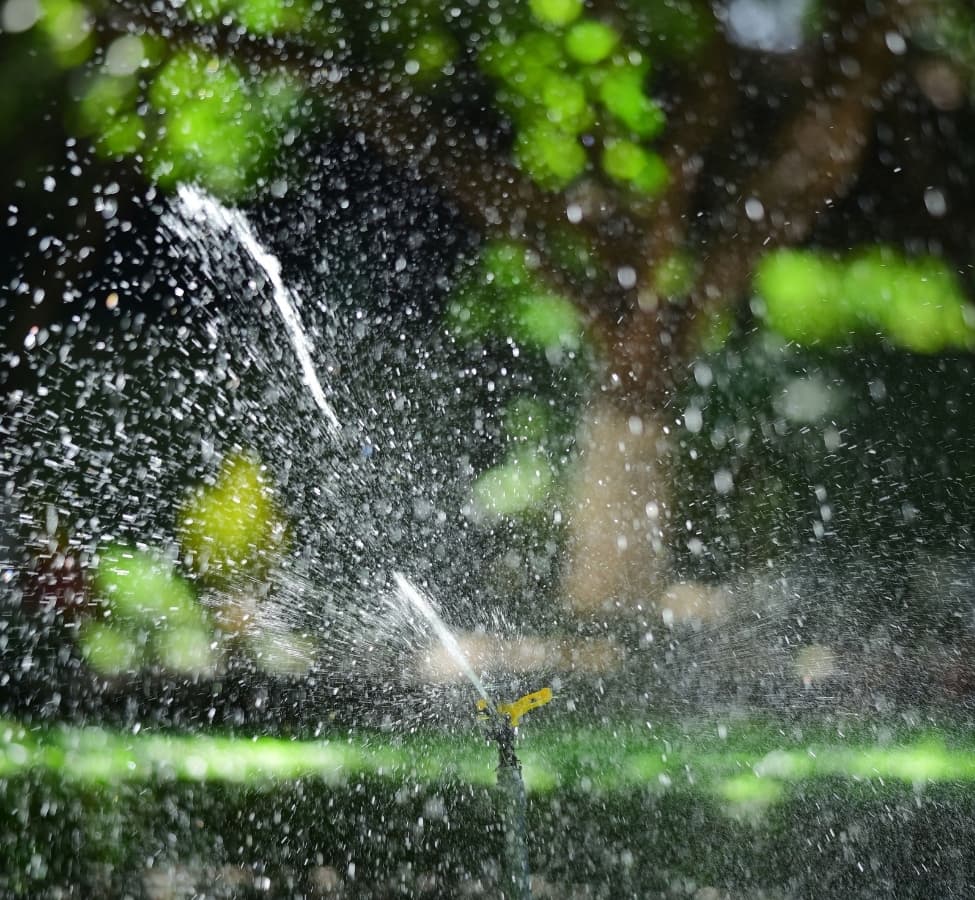
No Montenegrin source found covers hazelnut irrigation. WMO's 1961 to 1990 normals gave Podgorica 38 mm of rain in July, and FAO's drought portal reports that droughts have become more frequent in Montenegro since the 1990s. OSU links midsummer water stress with greater susceptibility to bacterial blight and says irrigation in the first year lowers tree losses to it, and the Codex code warns that under drought stress aflatoxin contamination is likely to be high.
EPPO lists bacterial blight (Xanthomonas arboricola pv. corylina) as present in Montenegro with a restricted distribution, first found in 2021 in one orchard near Cetinje, and its 2023 report says phytosanitary measures will have to prevent further spread. EPPO does not list the brown marmorated stink bug for Montenegro, though it records the pest in neighboring Serbia, Croatia, Bosnia and Herzegovina and Albania, nor eastern filbert blight or powdery mildew (Erysiphe corylacearum): gaps in the record, not proof of absence.
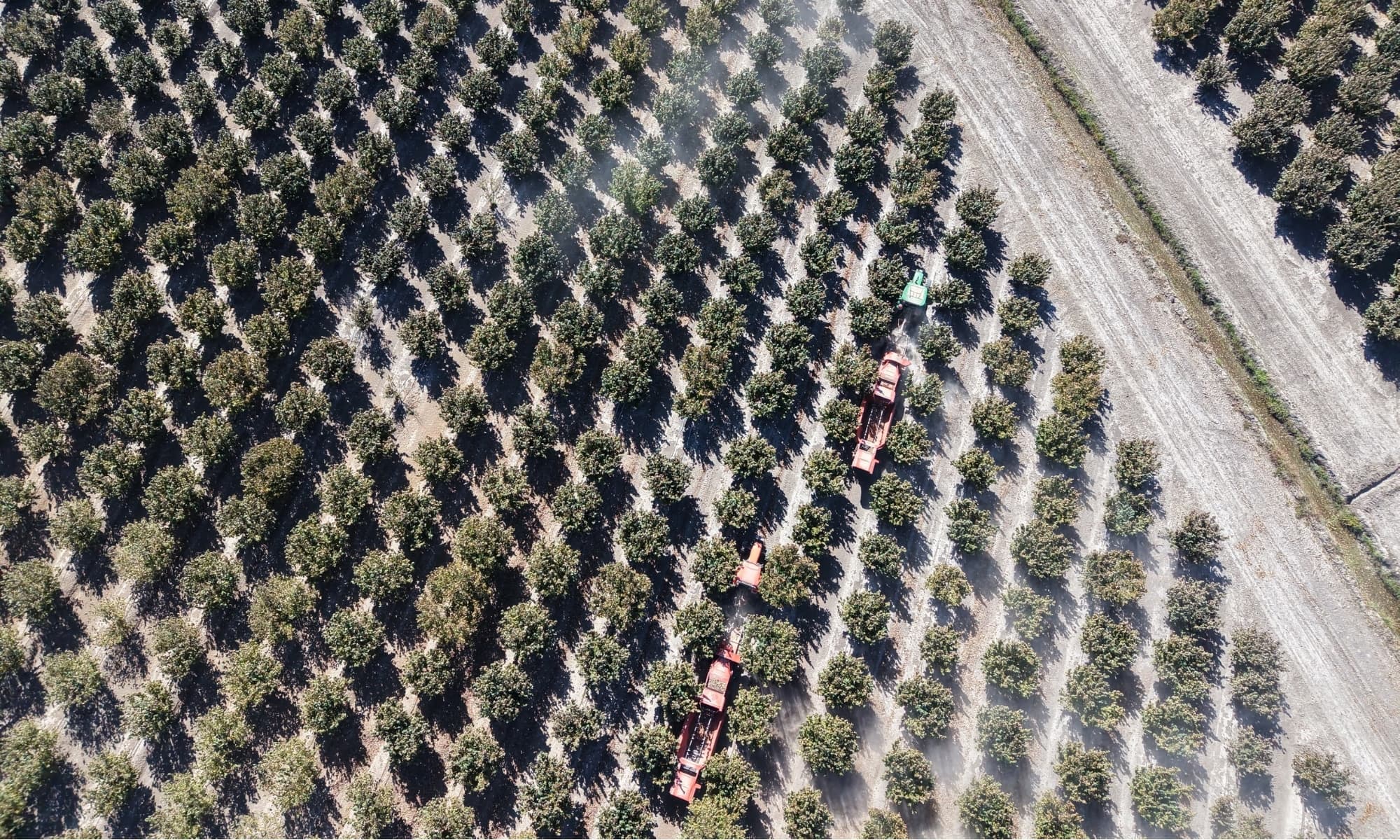
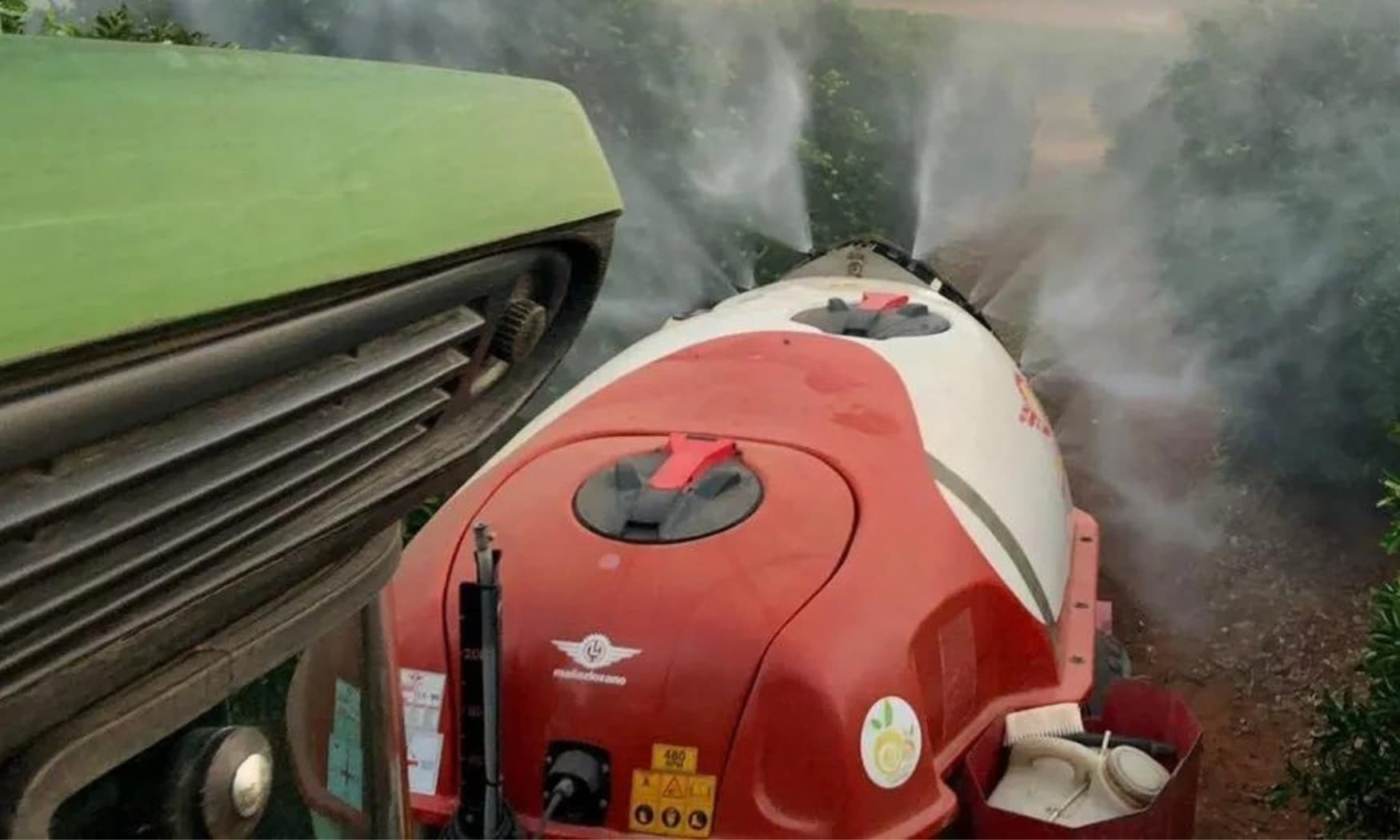
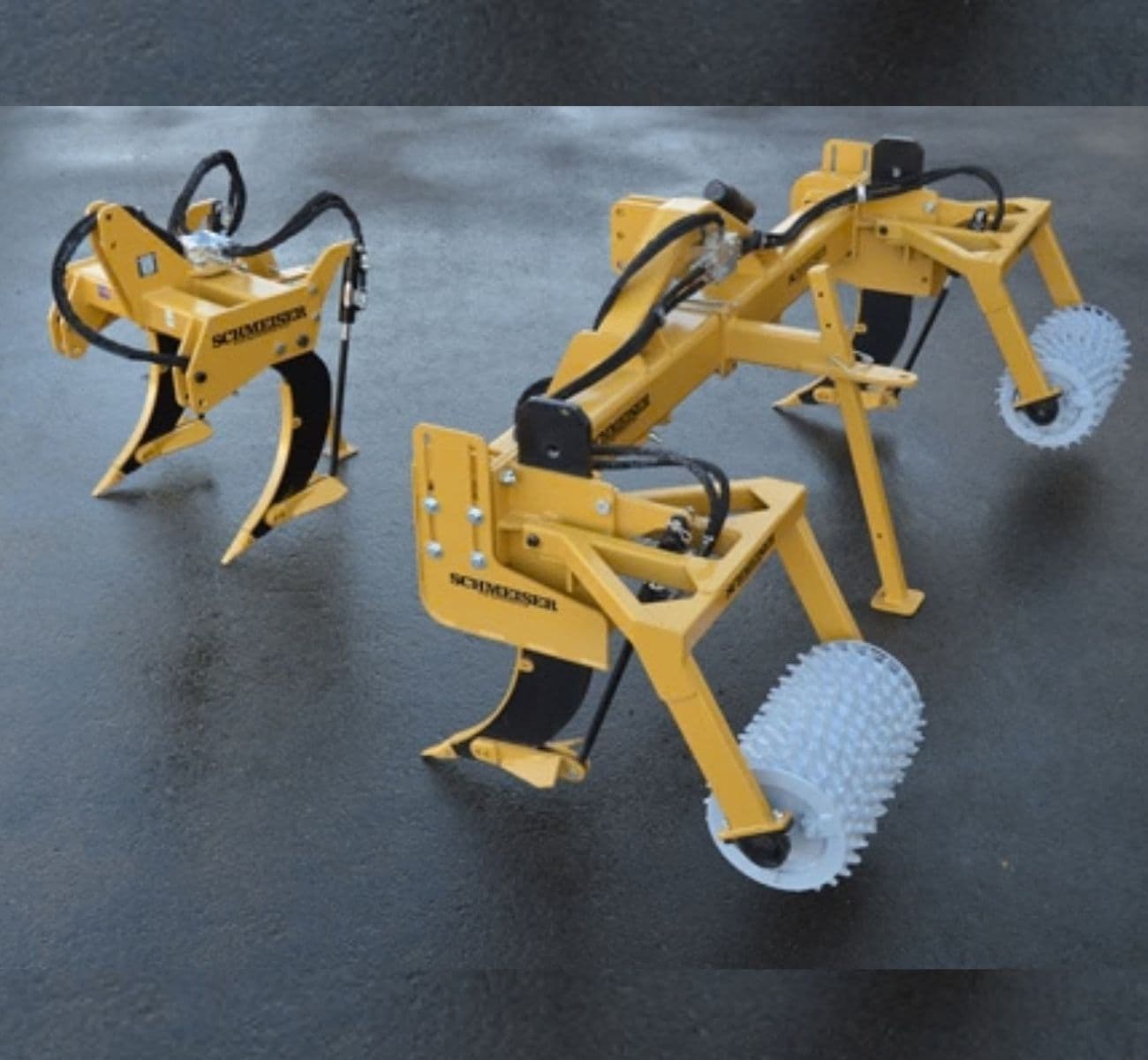
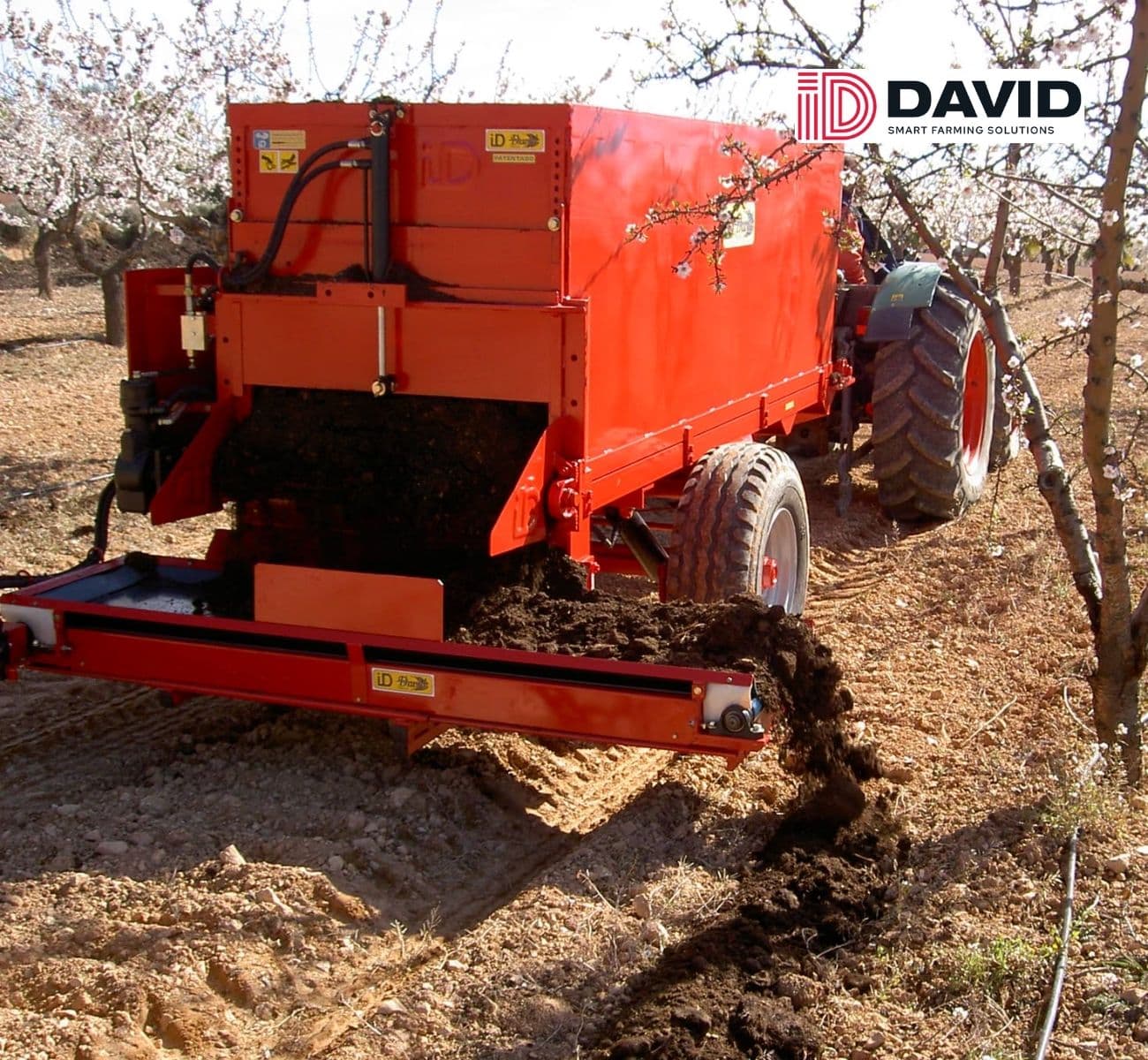
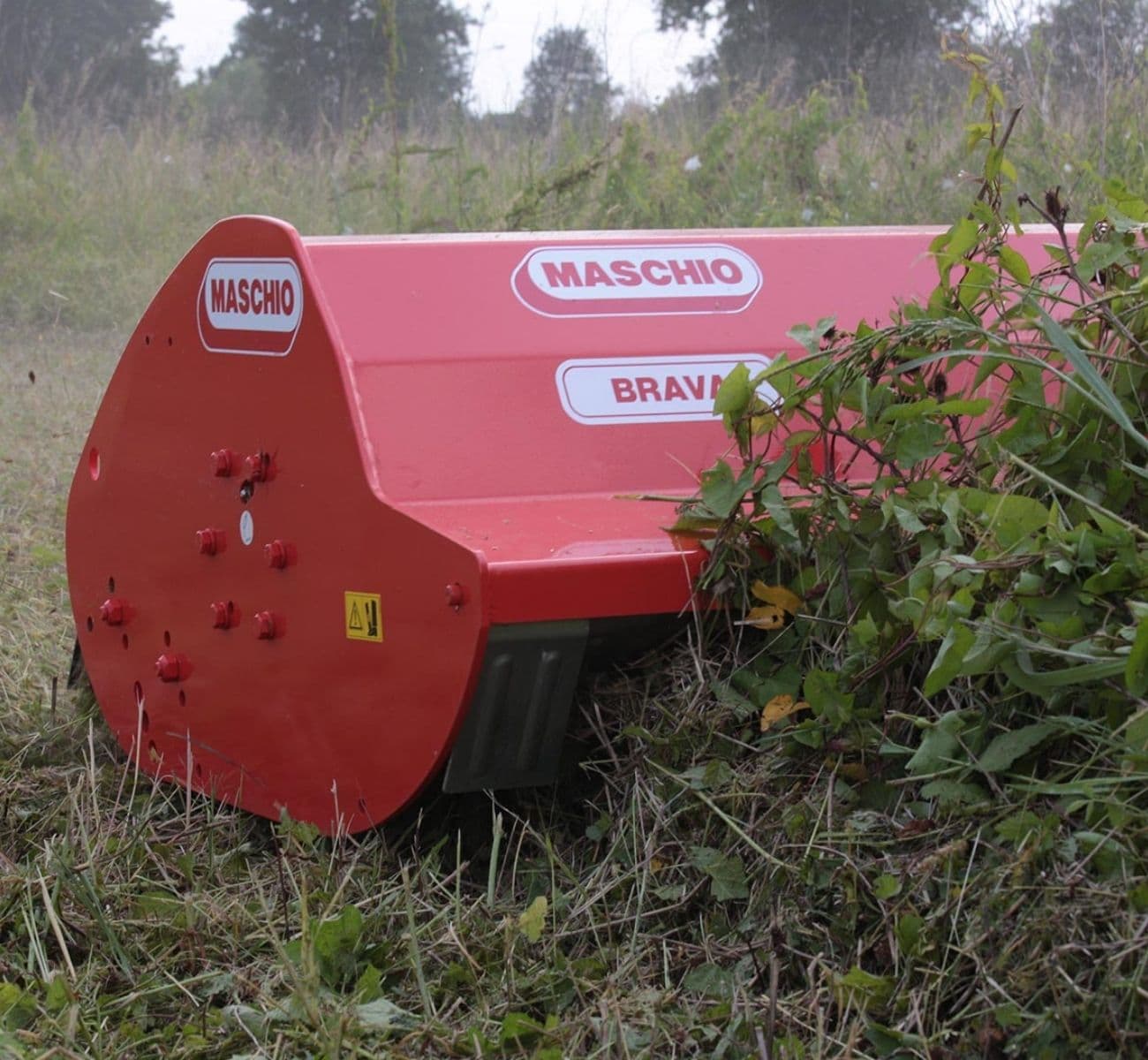
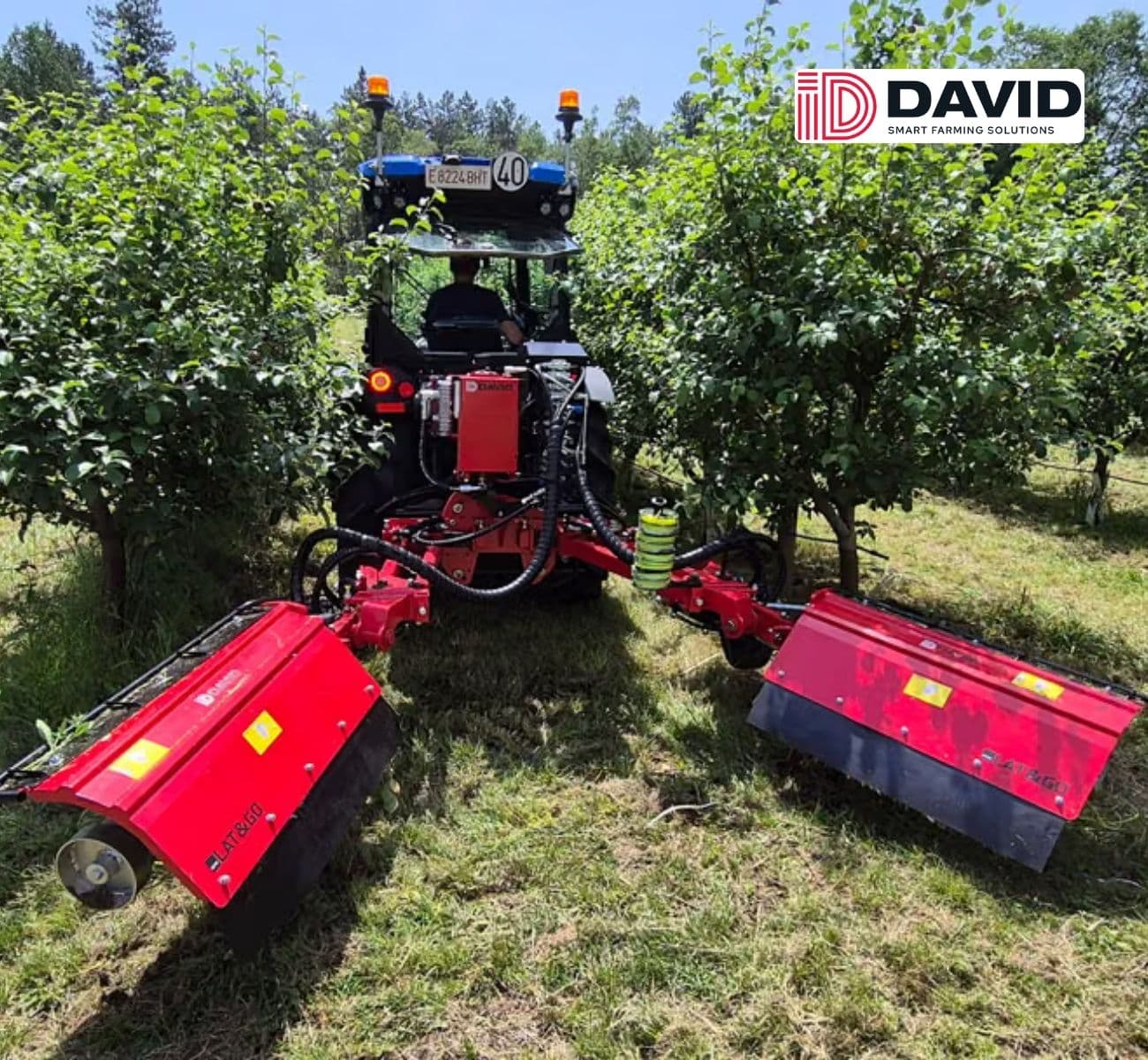
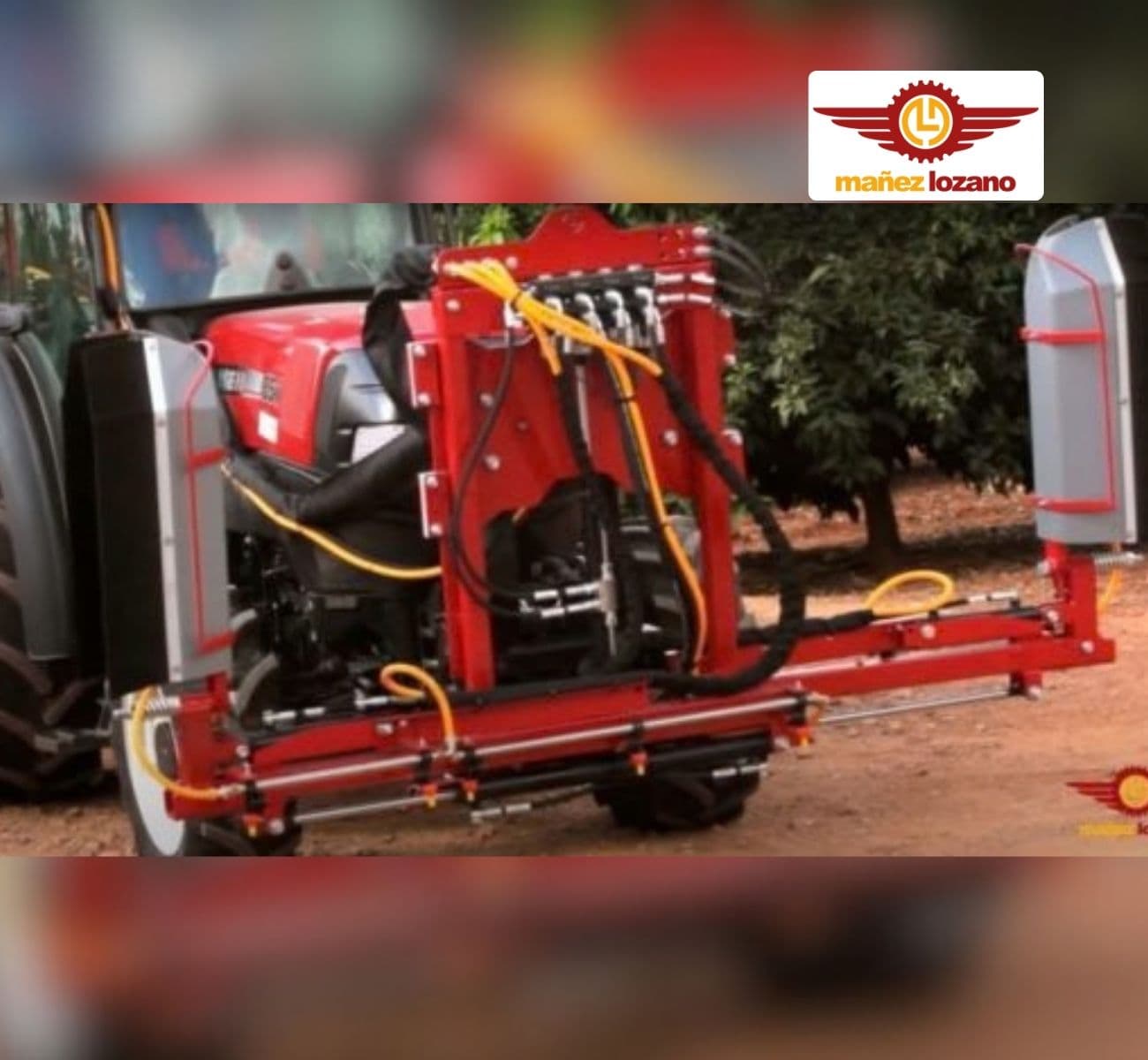
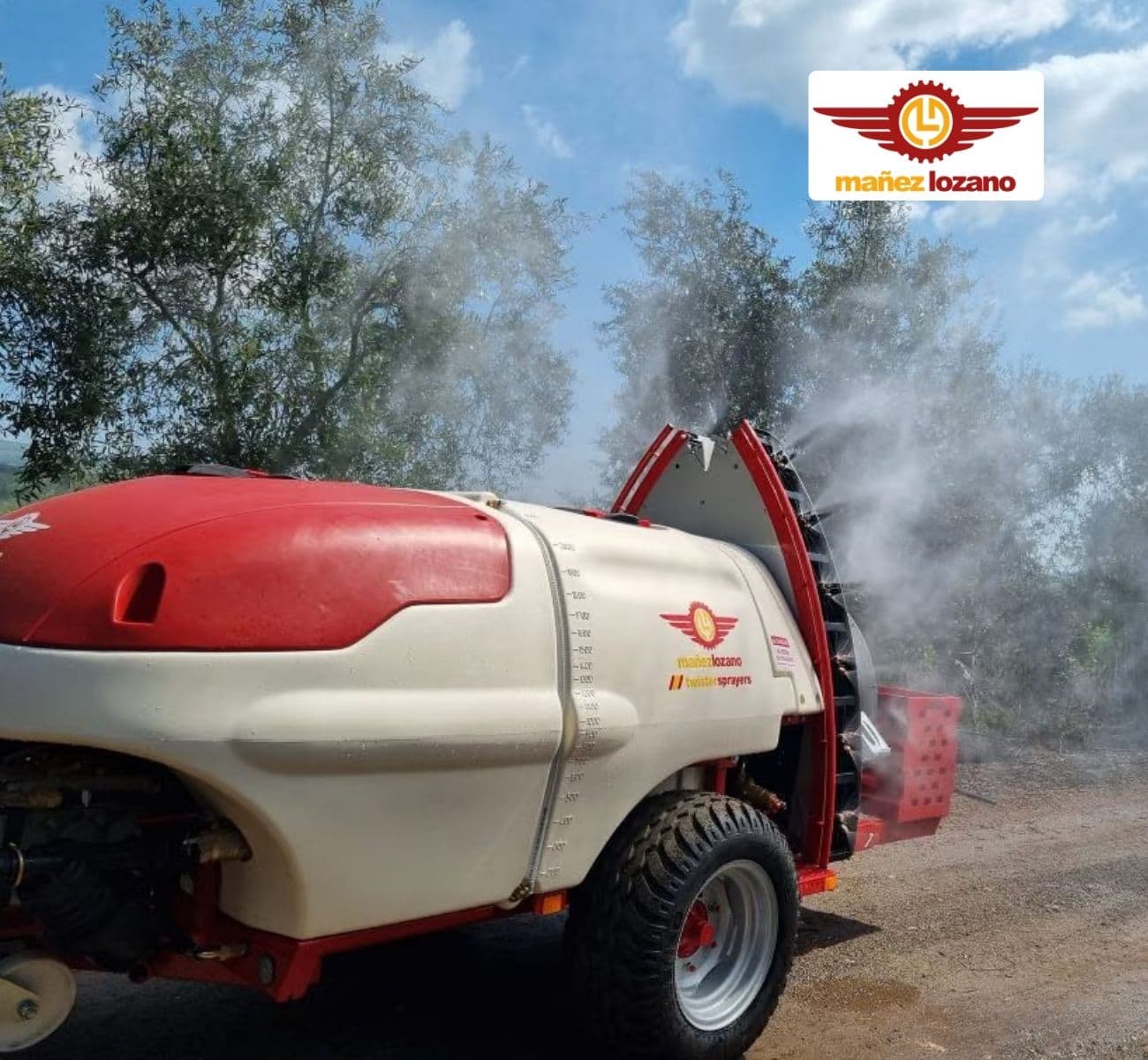
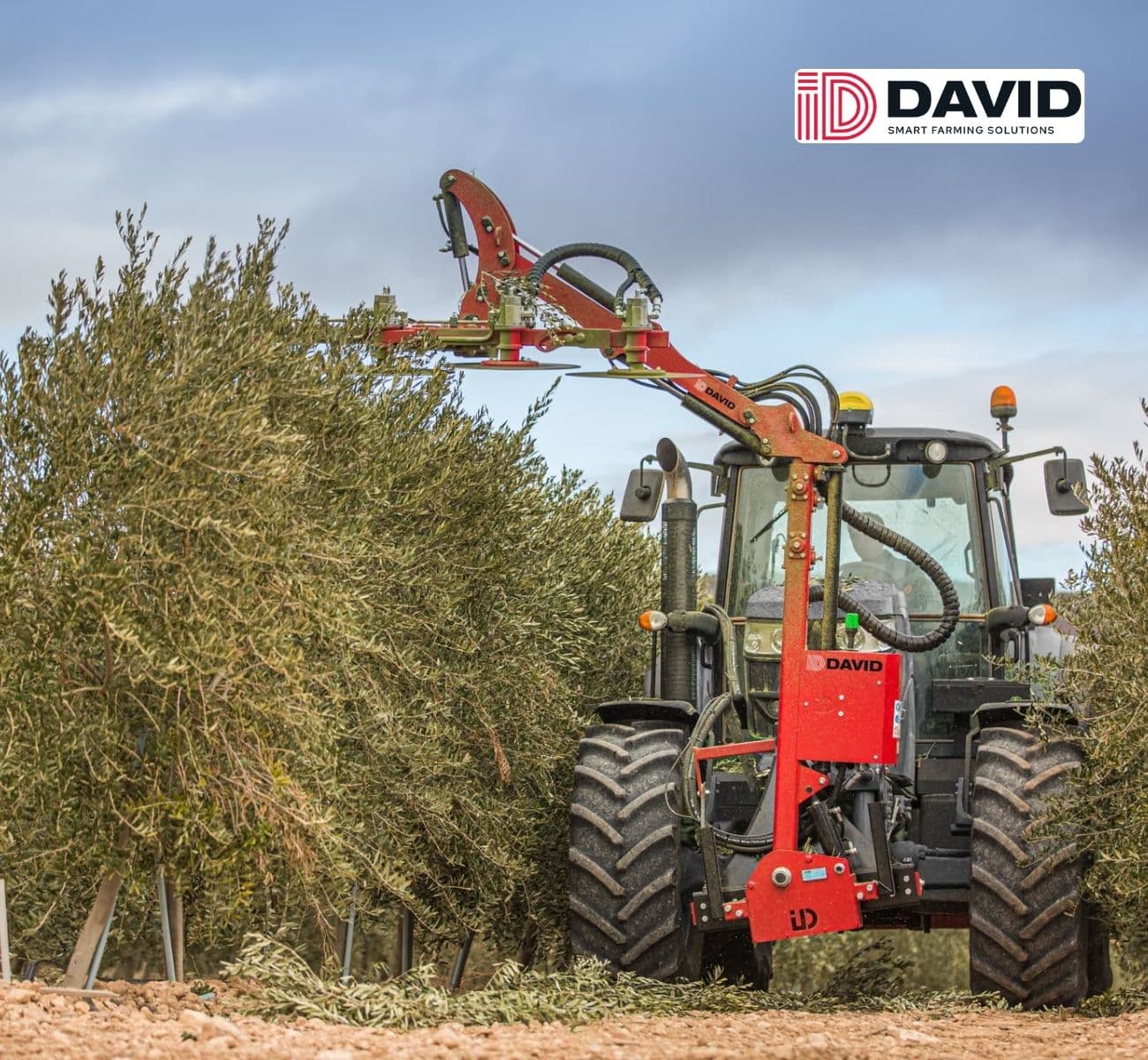
OSU advises pruning mature trees on a five-year rotation, one-fifth of the orchard each year, notes that all hazelnut varieties produce suckers, and says that flail mowing four to six times a season usually controls weeds. In single-stem orchards planted for machines, the ID DAVID ECOFEED spreads solid manure, the ID DAVID LAT&GO string mower controls weeds without herbicides, the Mañez Lozano Narrow Twister S6 sprays tall, dense canopies and the ID DAVID V1 disc pruner makes vertical and horizontal cuts.
Recommended Orchard Care & Maintenance Stages
Practical Tips for Hazelnut Orchard Care & Maintenance
Plan drip irrigation for dry spells: FAO's drought portal reports that droughts have become more frequent in Montenegro since the 1990s.
Water young trees from their first season: OSU says irrigation in the first year lowers tree losses to bacterial blight.
Check trees for leaf spot and bud and twig necrosis, the bacterial blight symptoms researchers found near Cetinje in 2021.
Watch for the brown marmorated stink bug: EPPO records it in neighboring Serbia, Croatia and Albania and does not list Montenegro.
Inspect new orchards for eastern filbert blight for 2 years after planting, as OSU advises; EPPO lists it as present only in Canada and the USA.
Prune mature trees on a five-year rotation, one-fifth of the orchard each year, as OSU advises in its training and pruning guide.

Hazelnut Harvesting in Montenegro
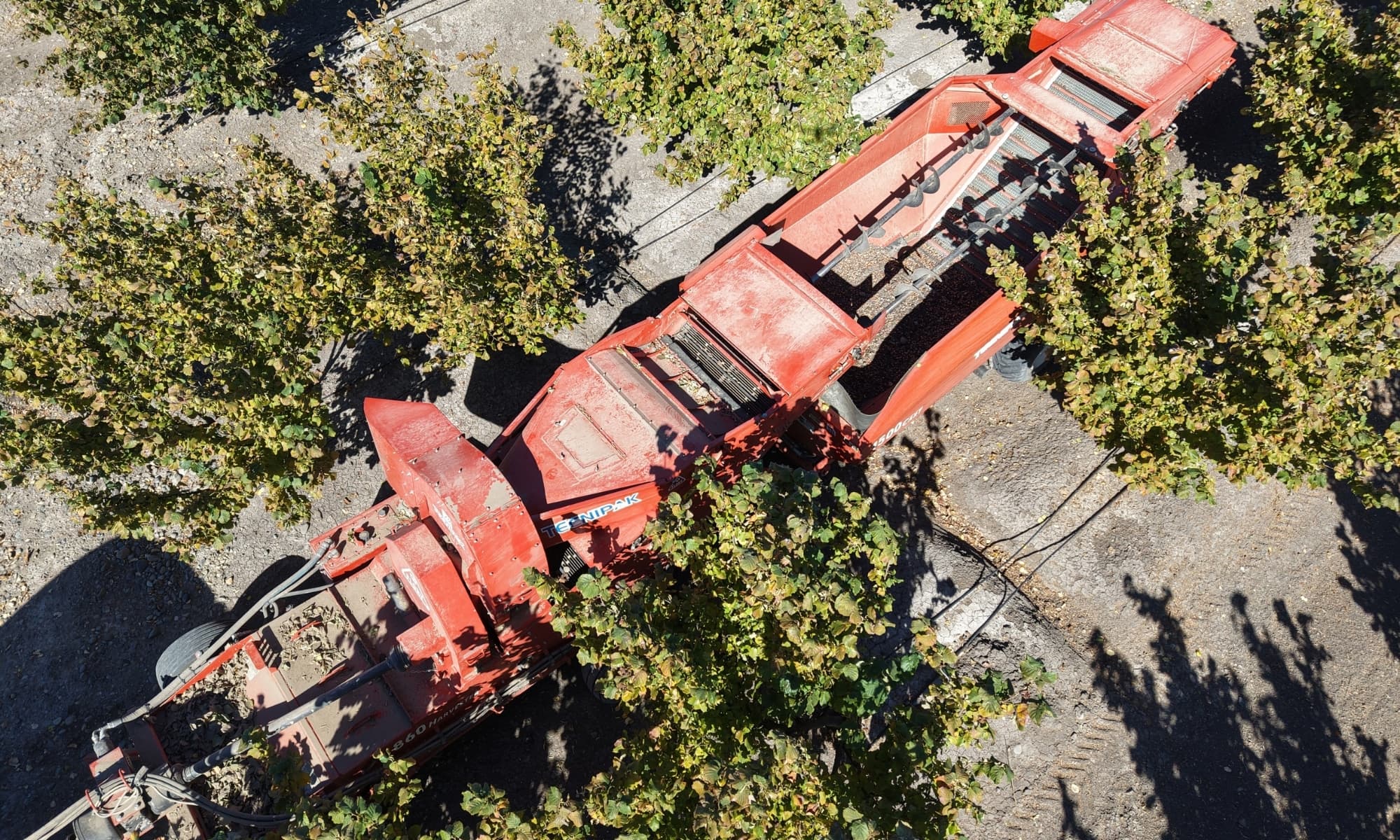
No Montenegrin source found gives hazelnut harvest dates or describes how hazelnuts are harvested, husked or dried. Croatia's agricultural advisory service puts the harvest there from the end of August to the beginning of October, depending on cultivar and area (2017). In single-stem orchards planted for machines, mechanized harvesting can bring the crop in on time, with less risk of nuts deteriorating while they wait.
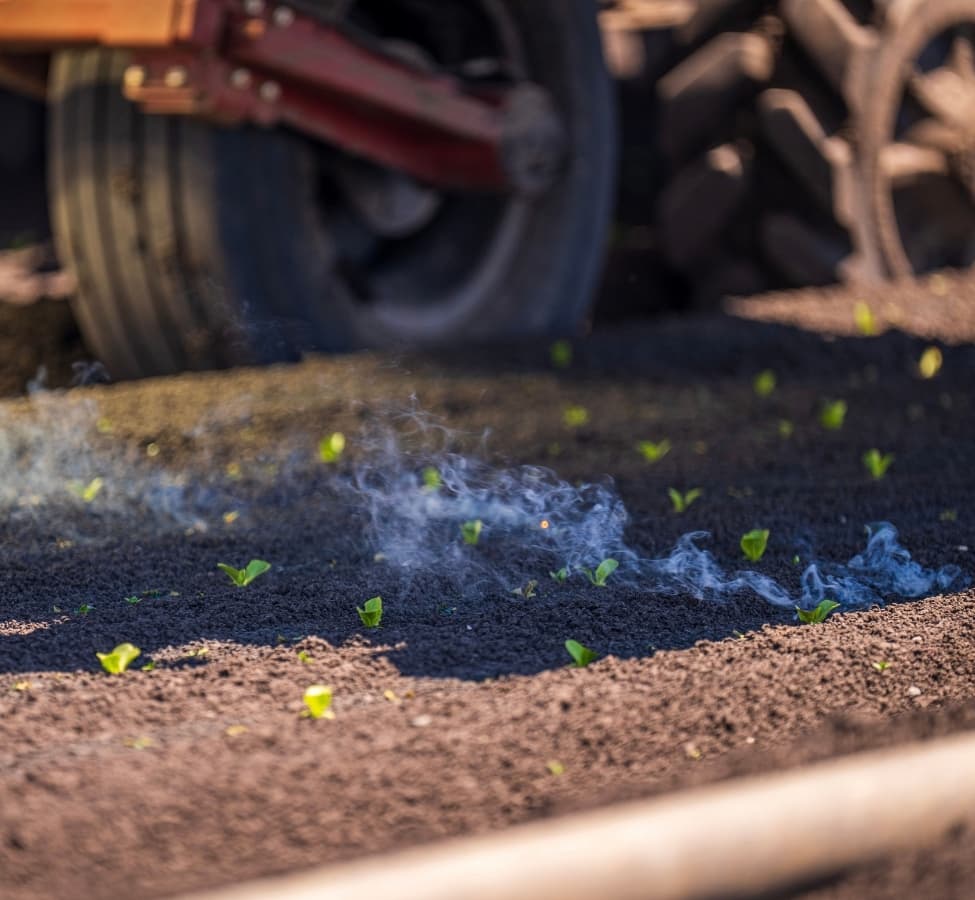
The system in this guide does not shake the trees: OSU explains that the thin-barked, shallow-rooted trees would be damaged. The nuts drop onto a level, mown floor and are picked up in several passes; in Oregon they begin to drop in September, and in most years it is October before all have fallen. WMO's 1961 to 1990 normals gave Podgorica 121 mm of rain in September and 166 mm in October, and British Columbia's guide advises gathering fallen nuts before rainy autumn weather, if possible.
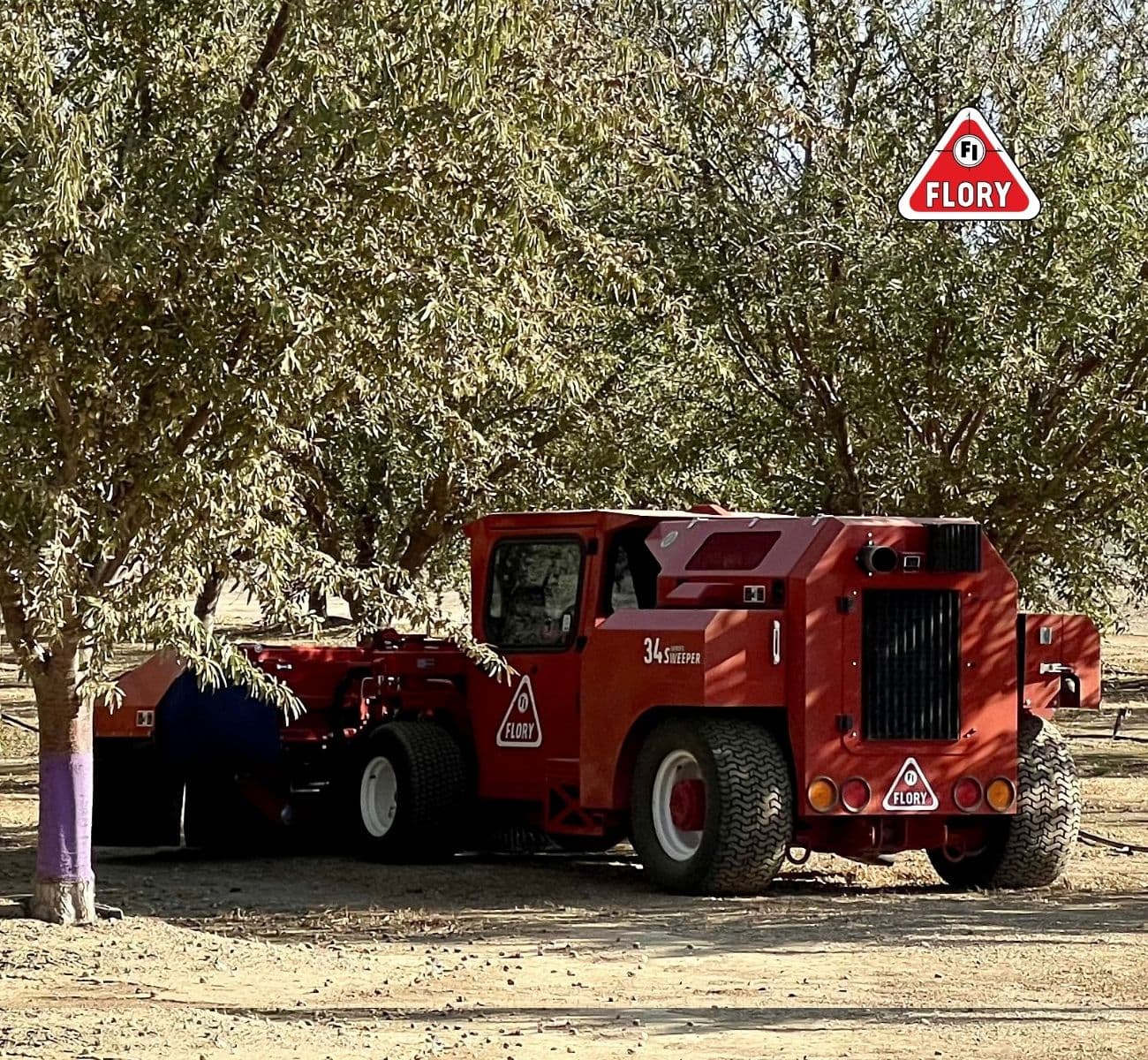
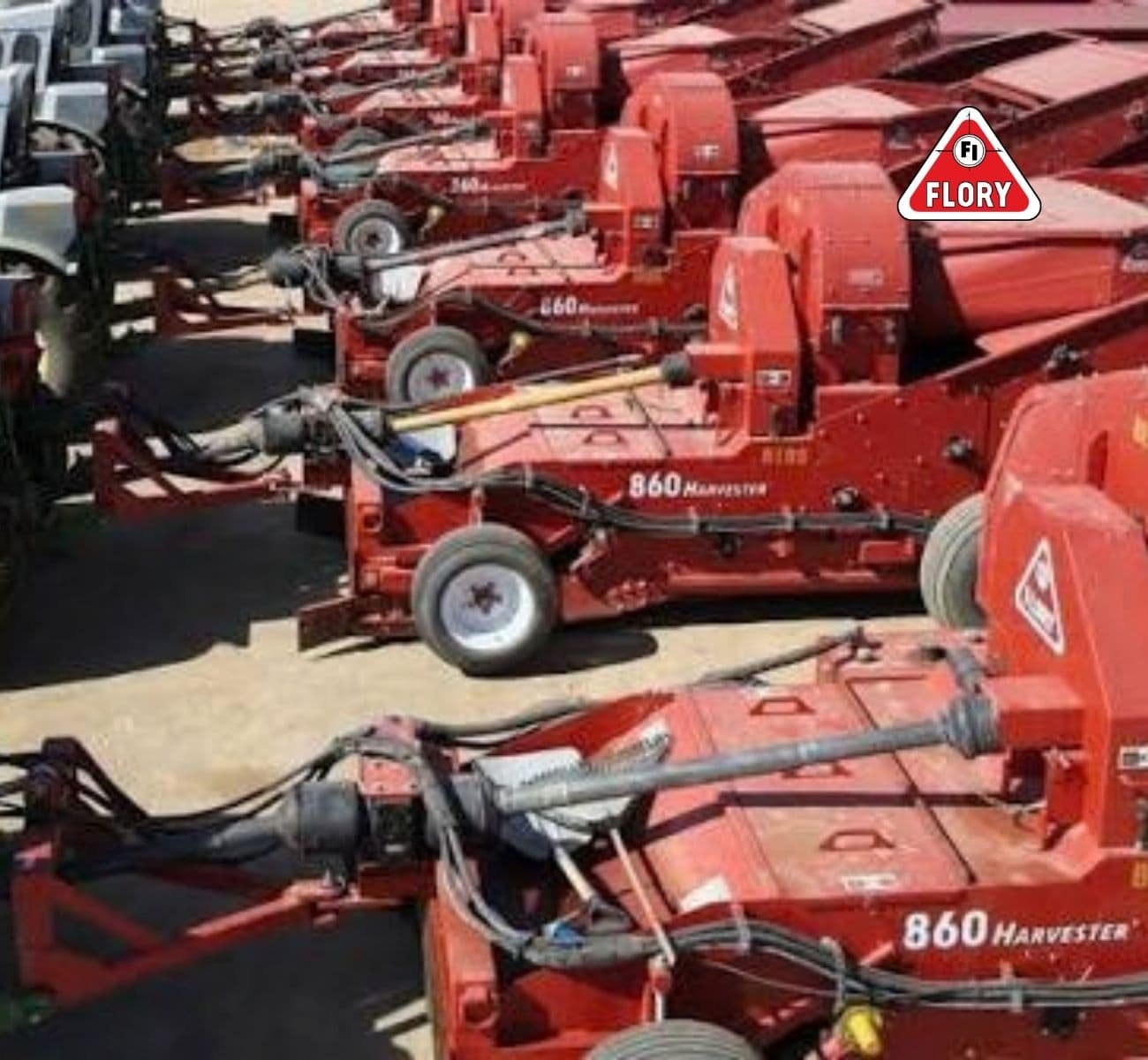
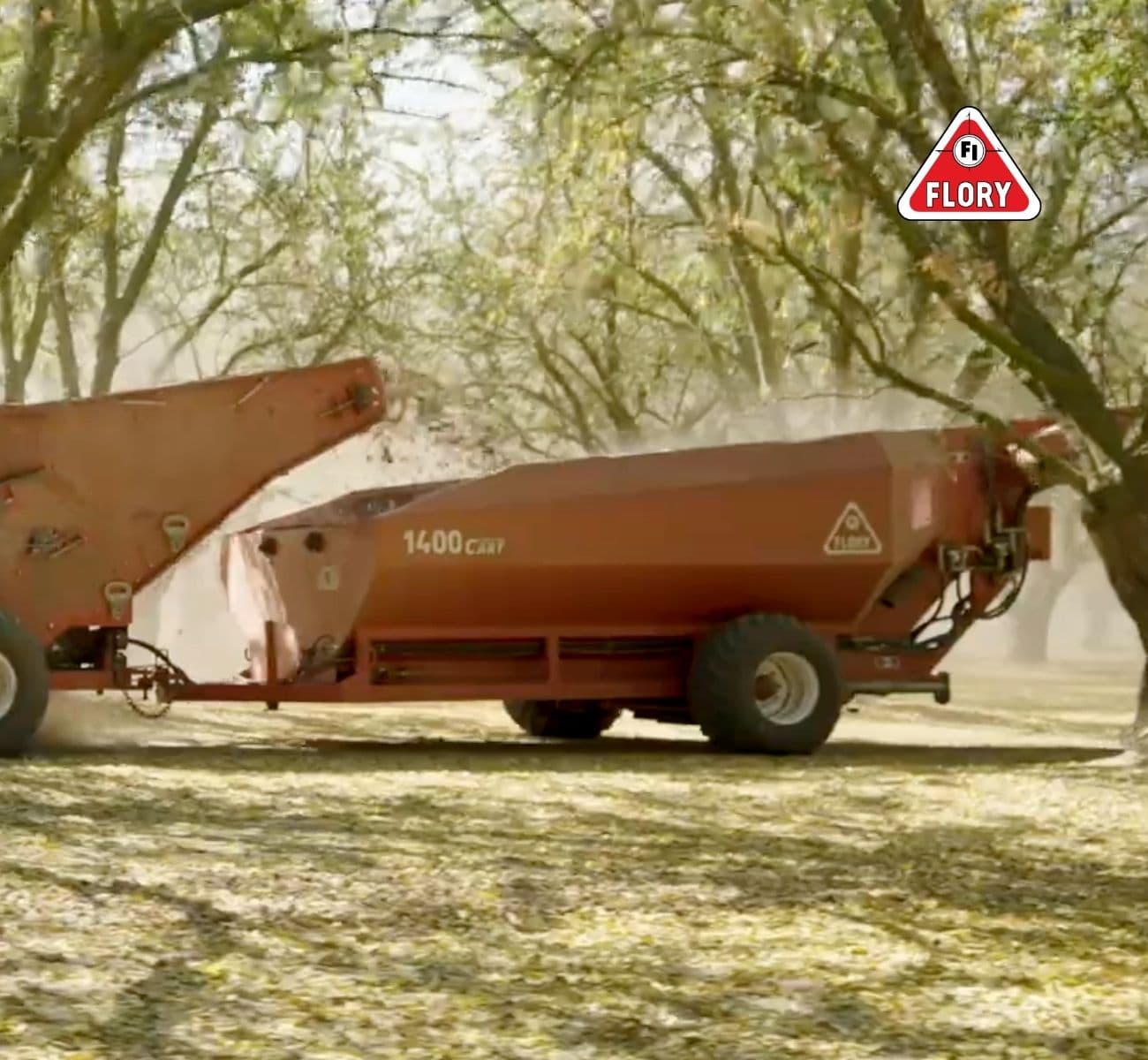
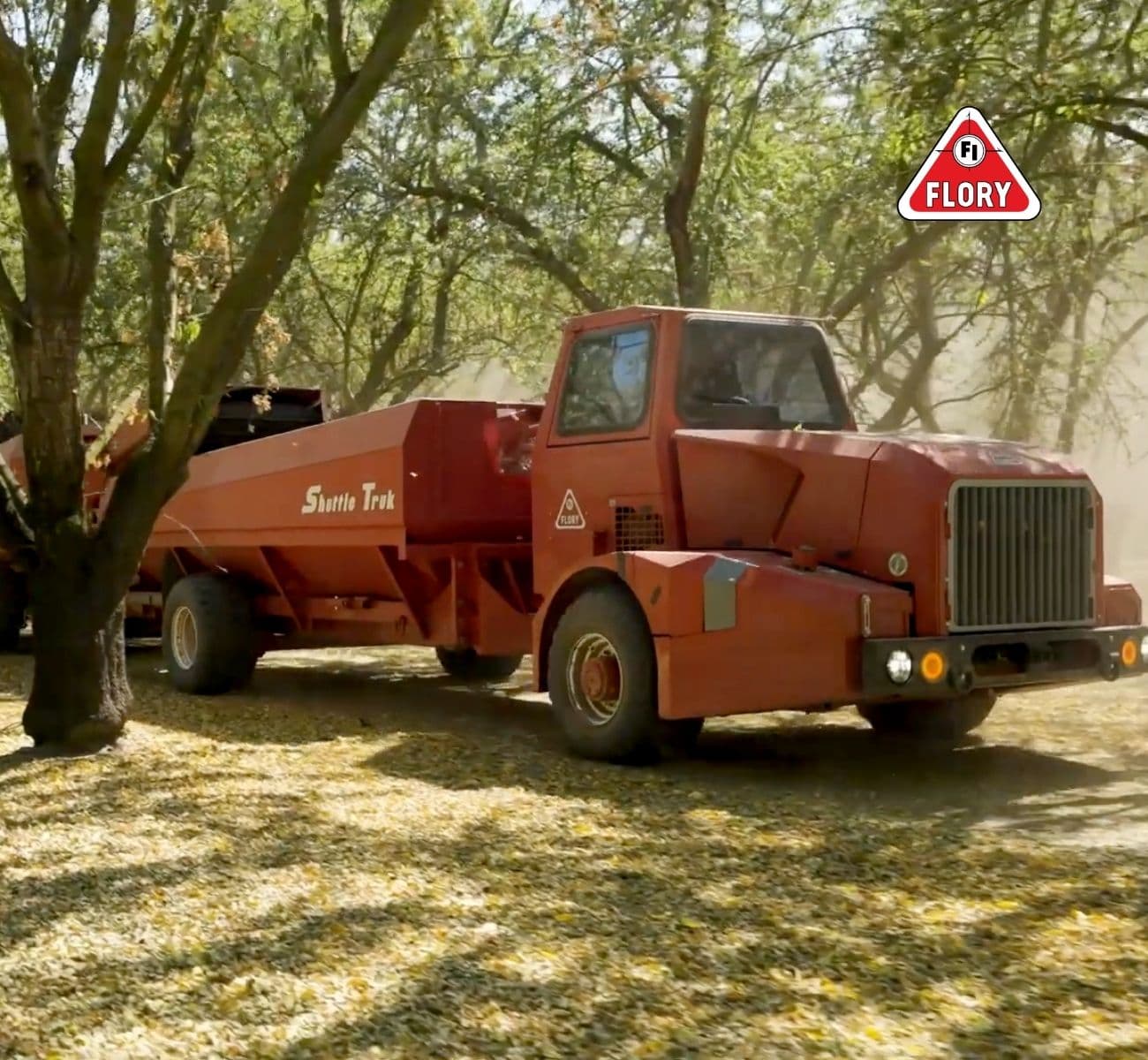
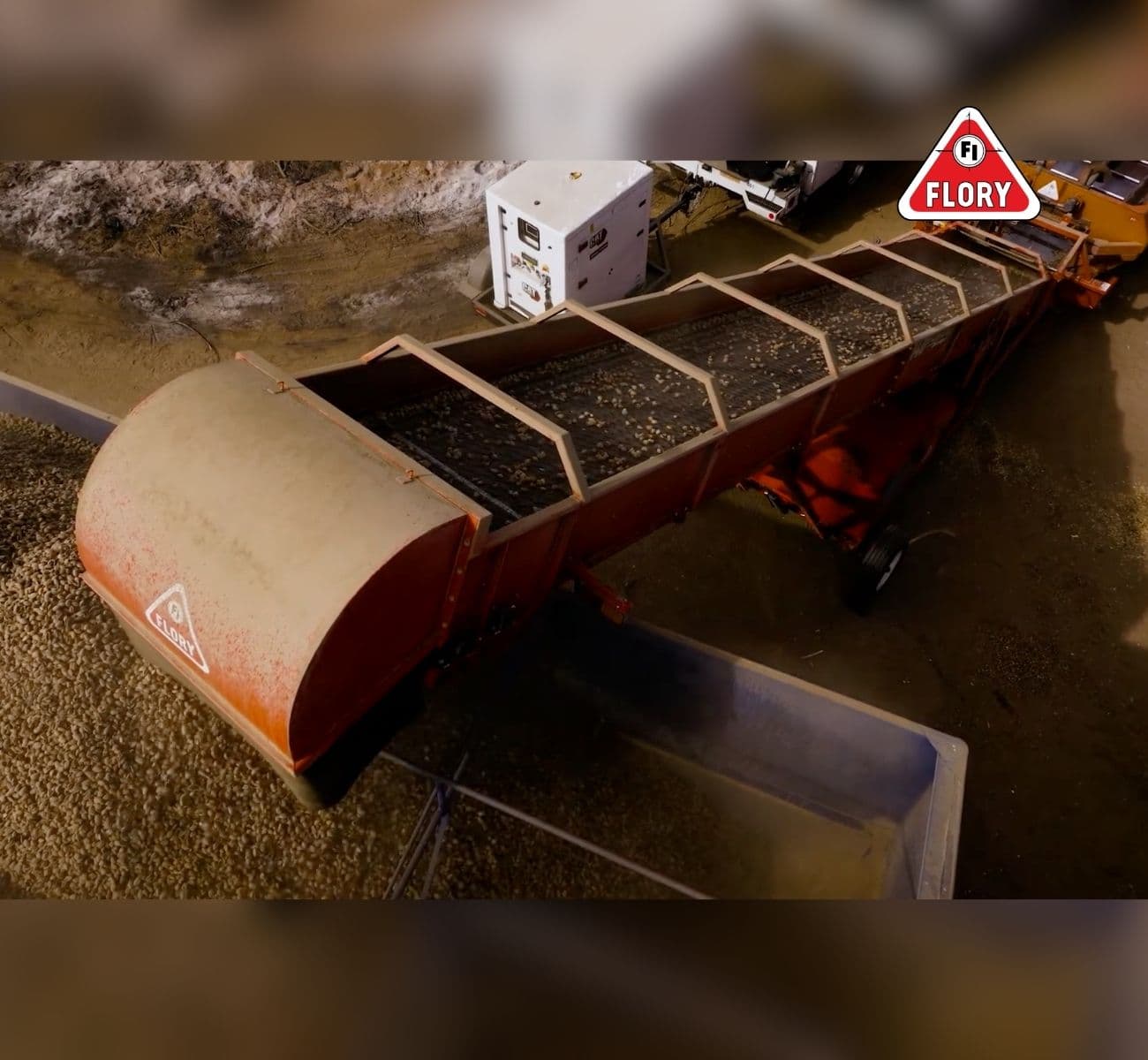
Flory harvesting machinery is available in Montenegro through OVE Europe for single-stem orchards planted for machines. The Flory 34 Series Sweeper sweeps the nuts into windrows and the 860 Harvester picks them up; the smaller 490 suits hazelnuts in OVE's experience, and Flory lists a mud brush as standard for hazelnuts on the 860. The 1500 Conveyor Cart receives the nuts, the ST14 Shuttle carries them and the 4840 Field Elevator loads trailers for the processing site.
Hazelnut Harvest Workflow (Recommended Equipment)
Practical Tips for Hazelnut Harvesting
Plan several pickup passes: OSU notes that most growers harvest multiple times, as nuts fall over a period and the weather can turn too wet.
Keep pickup passes ahead of autumn rain where nut drop allows: in October 2023, Cetinje received 257.1 mm of rain, 133.1 mm of it on 22 October.
Before nut drop, make the floor level and smooth and flail-mow the weeds, as OSU describes, to make the harvest easier.
Keep totes of harvested nuts out of the rain while they wait for processing, as the Pacific Northwest plant disease handbook advises.
Clean and repair harvesters before use, and clean them between orchards, as British Columbia's guide advises, to limit contamination and the spread of disease.
Check tractor power before choosing a harvester: Flory gives 85 HP as the minimum for the 860, and for the 490 in hazelnuts.
Get your recommended harvest setup
Enter orchard size, spacing, terrain, and target throughput—we’ll suggest a practical harvest workflow and equipment lineup.

Hazelnut Post-Harvest Handling & Processing in Montenegro
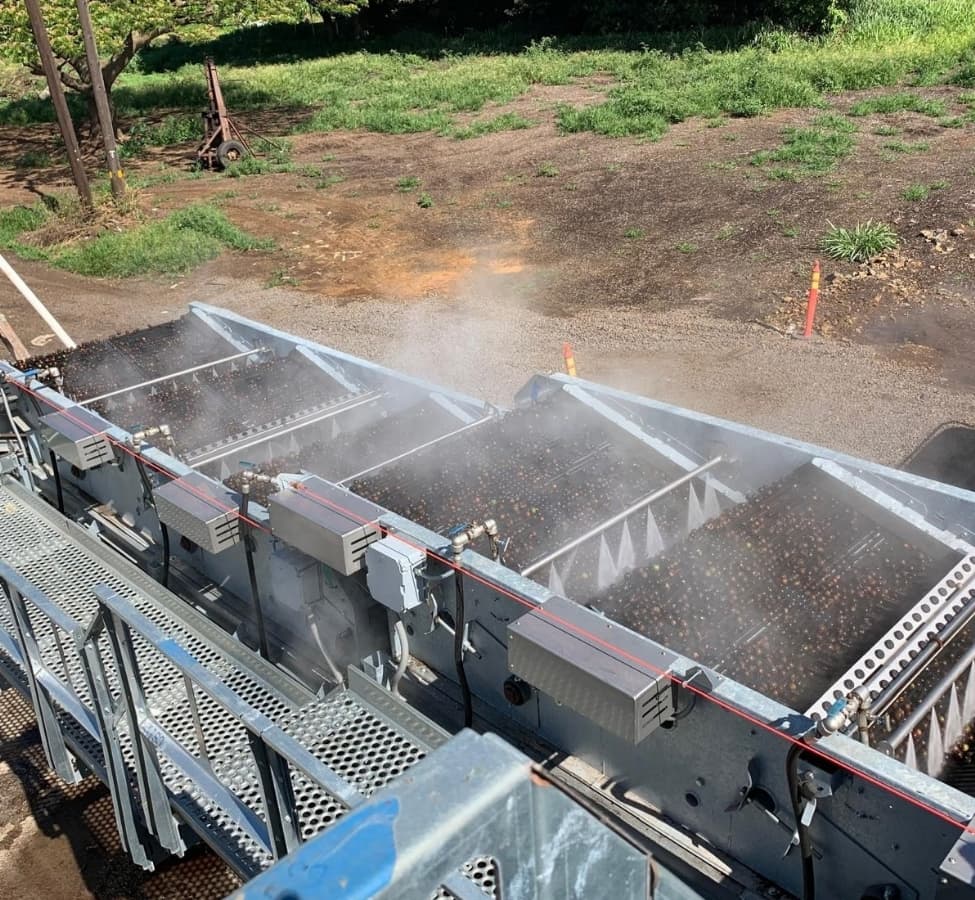
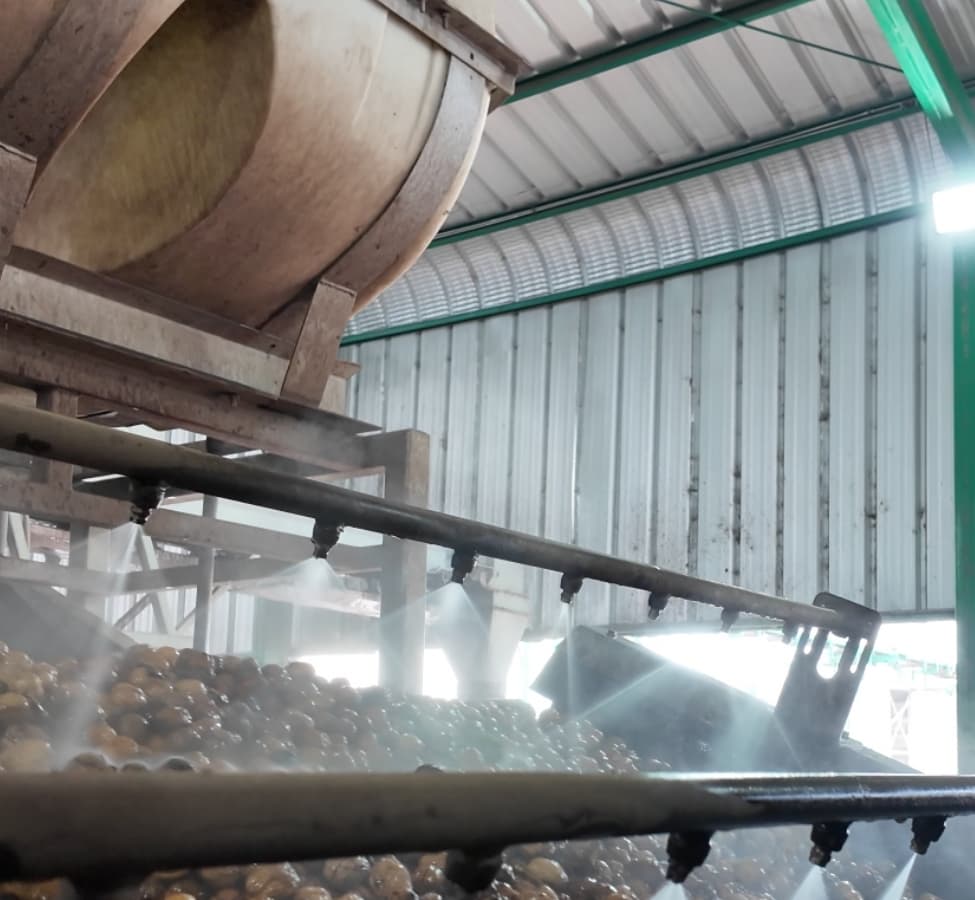
No Montenegrin source found covers husking, drying, storing or cracking hazelnuts, so this section rests on general guidance. British Columbia's guide describes nuts husked, cleaned, washed, sanitized and dried to 5 to 8% moisture within 24 hours of harvest. In OSU research, drying at 43 to 49 °C and 40% relative humidity improved drying efficiency and retained quality, and the Codex code warns that nuts dried in the sun face a greater risk of contamination from fungal growth or pests.
Under UNECE's 2025 standards, in-shell hazelnuts may contain at most 12.0% moisture for the whole nut or 7.0% for the kernel, and kernels at most 6.0%. Montenegro's 2018 rulebook on marketing standards for fruit and vegetables set the same in-shell limits, with three classes and a 12 mm minimum diameter, but its 2026 amendment no longer lists hazelnuts among the products with specific standards. The Codex code advises storage, if possible, below 70% relative humidity and at 0 to 10 °C.
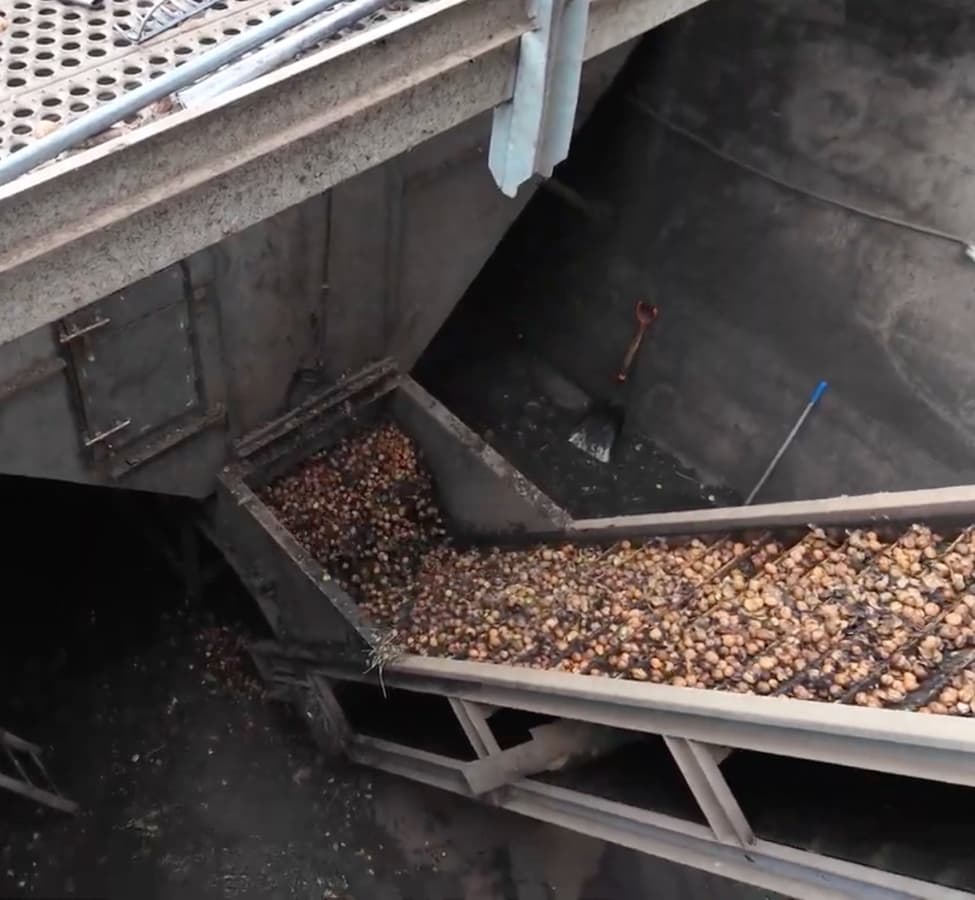
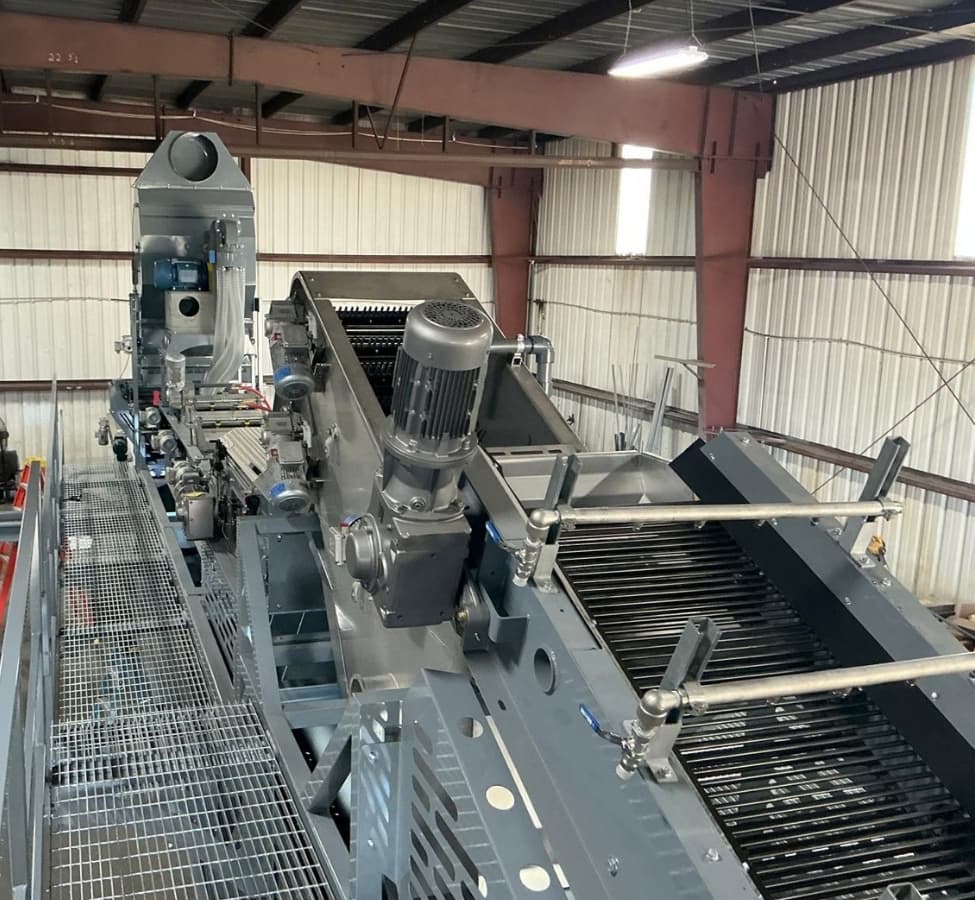
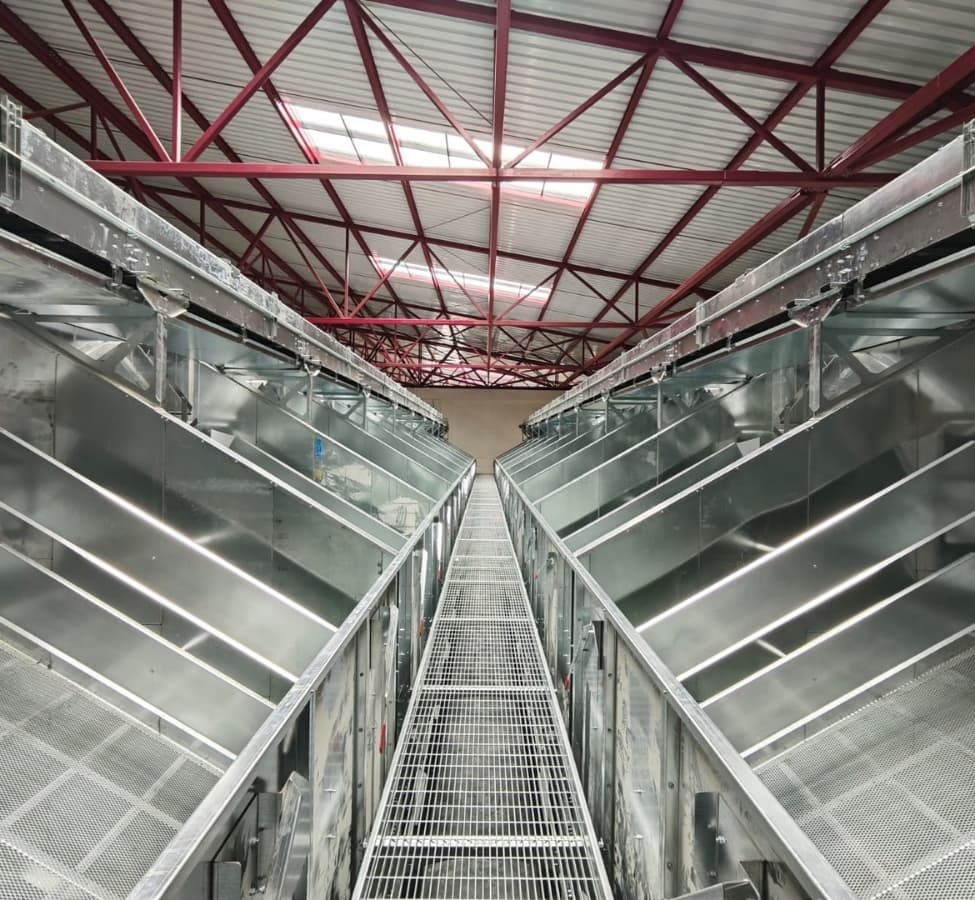
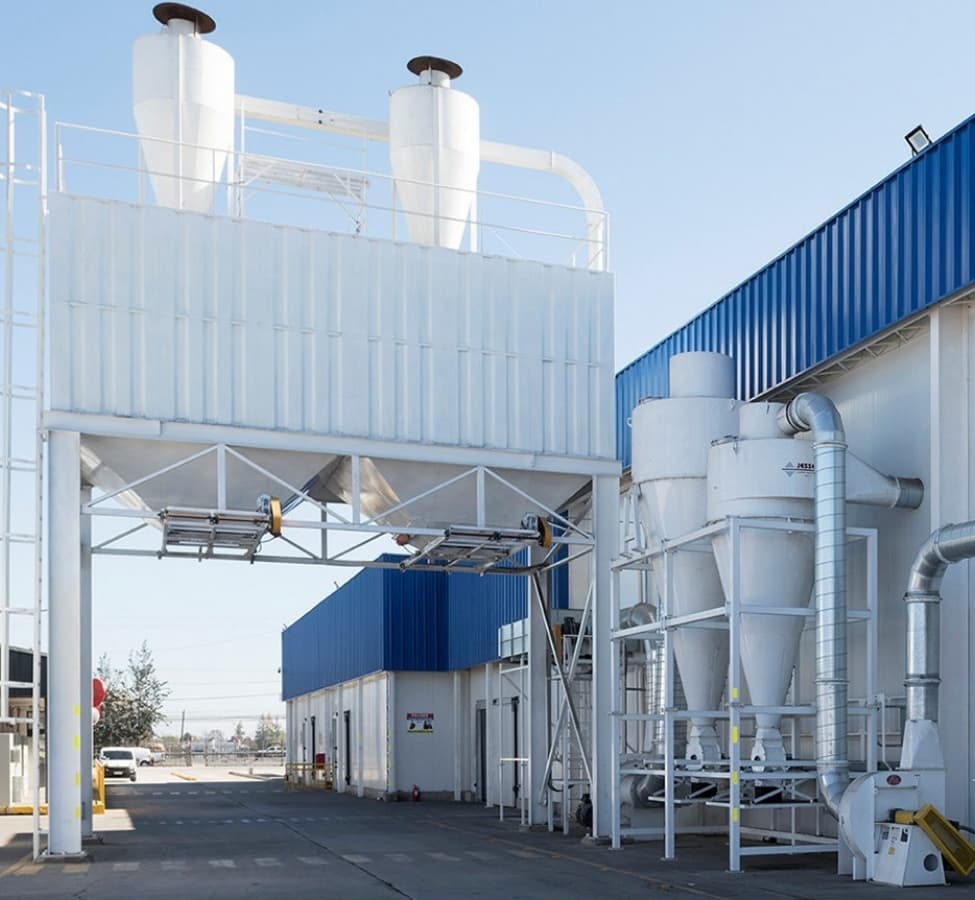
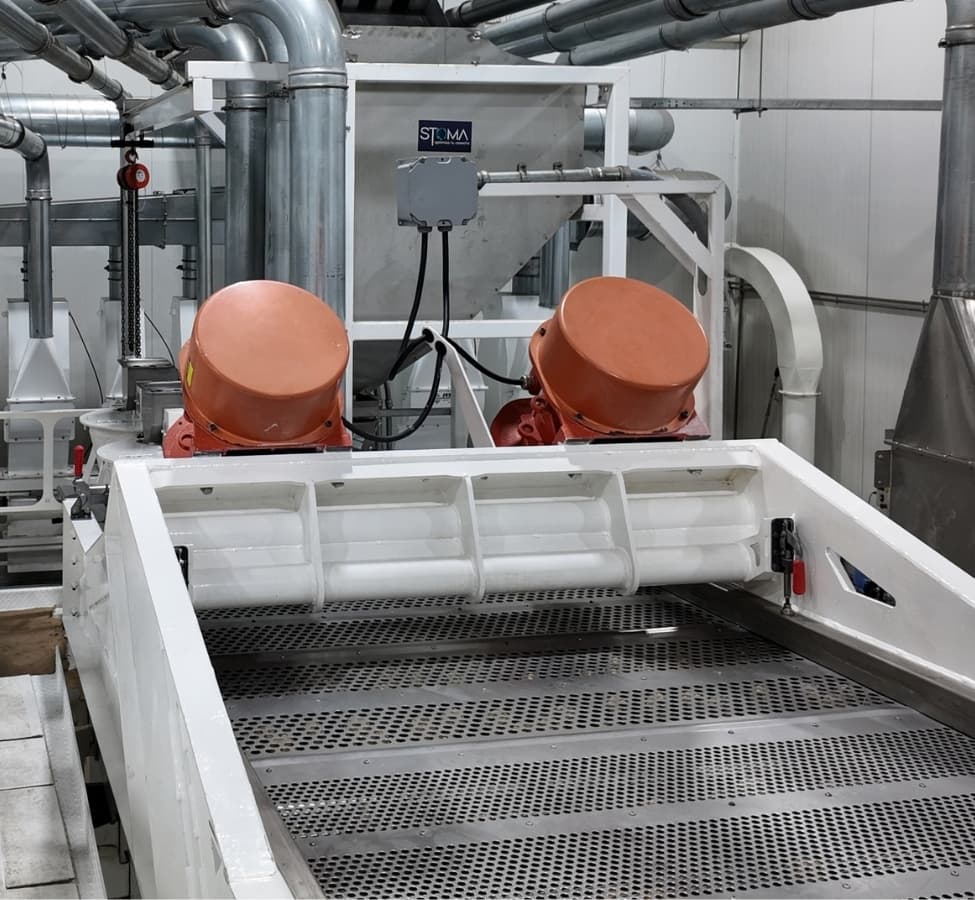
Montenegro's 2025 decree on maximum levels of contaminants in food, which transposes Regulation (EU) 2023/915, sets 5.0 µg/kg of aflatoxin B1 and 10.0 µg/kg in total for hazelnuts for the final consumer or used as an ingredient, and 8.0 and 15.0 µg/kg for hazelnuts still to be sorted. Jessee, whose processing lines OVE Europe supplies, builds drying, in-shell cleaning and sizing, and shelling systems, and it established product lines for hazelnuts in the 1980s.
For general information only. Information may become outdated and does not replace site-specific professional advice. Consult a qualified agronomist and confirm equipment suitability with OVE before acting.

Practical Tips for Hazelnut Post-Harvest Handling & Processing
Dry nuts promptly after harvest: British Columbia's guide gives 5 to 8% moisture within 24 hours, after husking, cleaning and washing.
Where possible, dry nuts in a dryer rather than in the sun: the Codex code warns that sun-dried nuts face a greater risk of contamination from fungal growth or pests.
Consider drying air at 43 to 49 °C and 40% relative humidity: in OSU research, these conditions improved drying efficiency and kept quality.
Keep in-shell nuts within 12% moisture for the whole nut and 7% for the kernel, the limits in UNECE's 2025 standard for in-shell hazelnuts.
Test lots against Montenegro's 2025 contaminants decree: aflatoxin B1 5.0 and total 10.0 µg/kg for food use, 8.0 and 15.0 µg/kg before sorting.
Sort out damaged, rotten, empty and rancid nuts after collection and move them to processing as soon as possible, as the Codex code advises.
Recommended Post-Harvest Handling & Processing Stages


Plan your post-harvest line
Estimate tons/day, cleaning & drying capacity, storage needs, and cost/kg—then build your equipment plan in phases.