


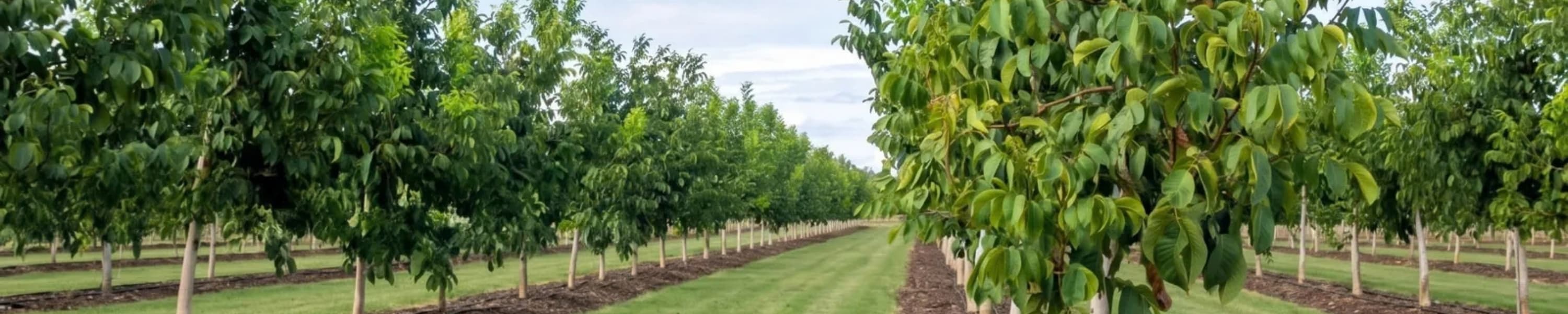




Walnut Orchard Establishment in Montenegro
Walnut is a widespread fruit species in Montenegro with many genotypes; its populations, spread by seed for generations, grow without orchard care and vary widely (2020 study). That study sampled trees around Bijelo Polje, Andrijevica, Plav and Mojkovac in the north and Cetinje in the centre, an area it describes as moderate continental, with cold winters and hot, dry summers; above about 1,300 m winters are long and harsh.
Late spring frost does walnut the most damage, the study notes: temperatures fell below zero every April from 2015 to 2017, damaging trees that had leafed early, and April minimums can reach −8 °C. The 20 selected trees leafed from 20 April to 6 May. Šeinovo and Rasna were widely planted in new orchards in the study region, but the study's selections BP09 and AN29 surpassed both in nut quality, and BP44 and BP42, leafing on 5 and 6 May, avoid late frosts. The study presents its selections as candidate cultivars.
The 2024 agricultural census counted 18,457 walnut trees on 77 ha of plantation orchards, which MONSTAT defines by set distances between and within rows that allow machine cultivation. Soils vary: acid brown soils dominate the north, more fertile soils lie in valley bottoms and karst fields, and the shallow, porous limestone soils of the centre can leave trees short of water (2020 study).

Practical Tips for Walnut Orchard Establishment
Choose late-leafing cultivars and avoid frost pockets: from 2015 to 2017, April frosts every year damaged walnut trees that leafed early (2020 study).
Buy certified, healthy grafted trees: the 2025 study on walnut blight in Podgorica notes that the bacteria can travel on infected nursery stock.
Secure irrigation before planting on the shallow, porous limestone soils of the centre, where trees can suffer drought (2020 study).
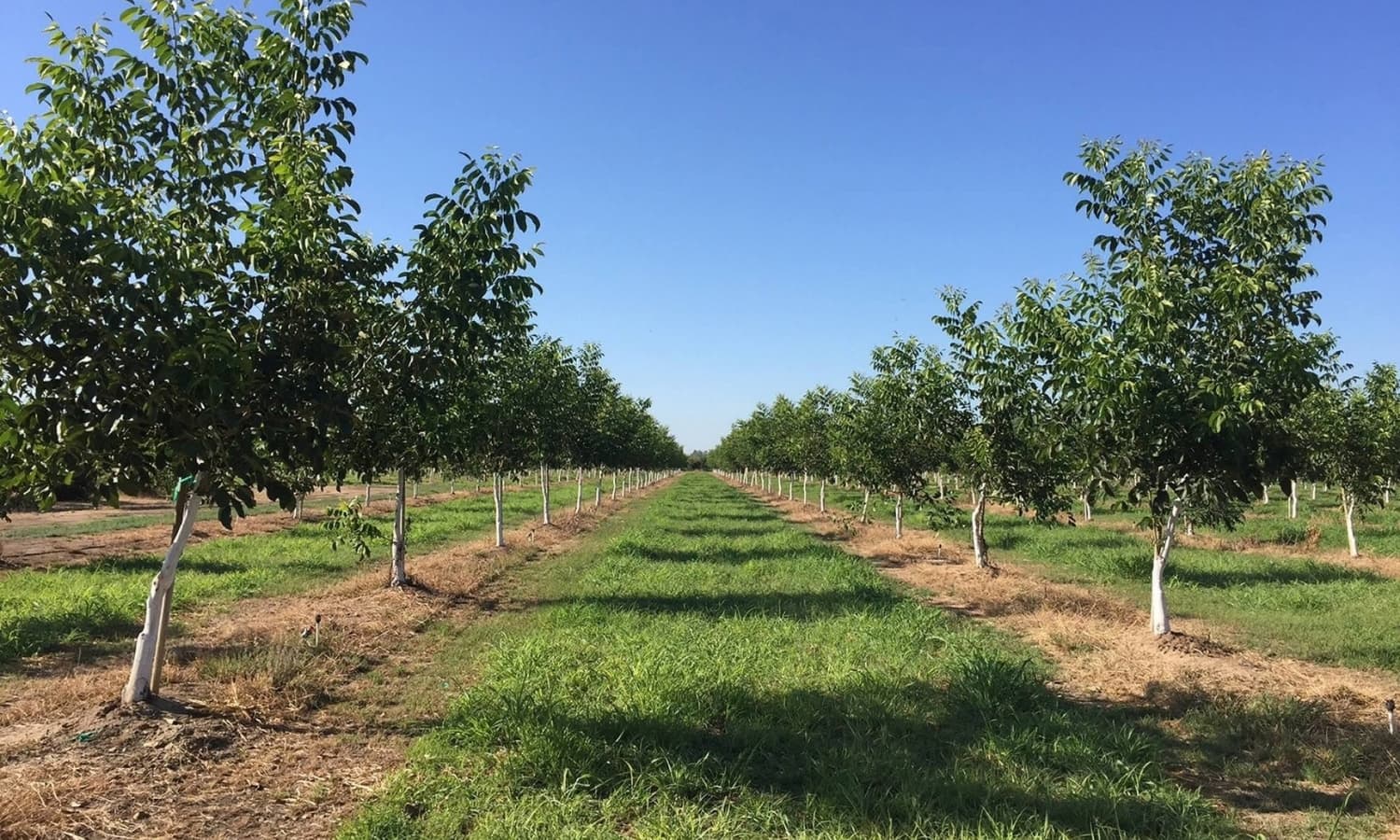
Space trees widely: no Montenegrin spacing guidance was found, and University of California guidance uses square or offset-square spacing of about 7.6 to 8.5 m.
For orchards meant for machines, choose flat or gently sloping valley land; trees in yards, on field edges and on stony slopes are better picked by hand.
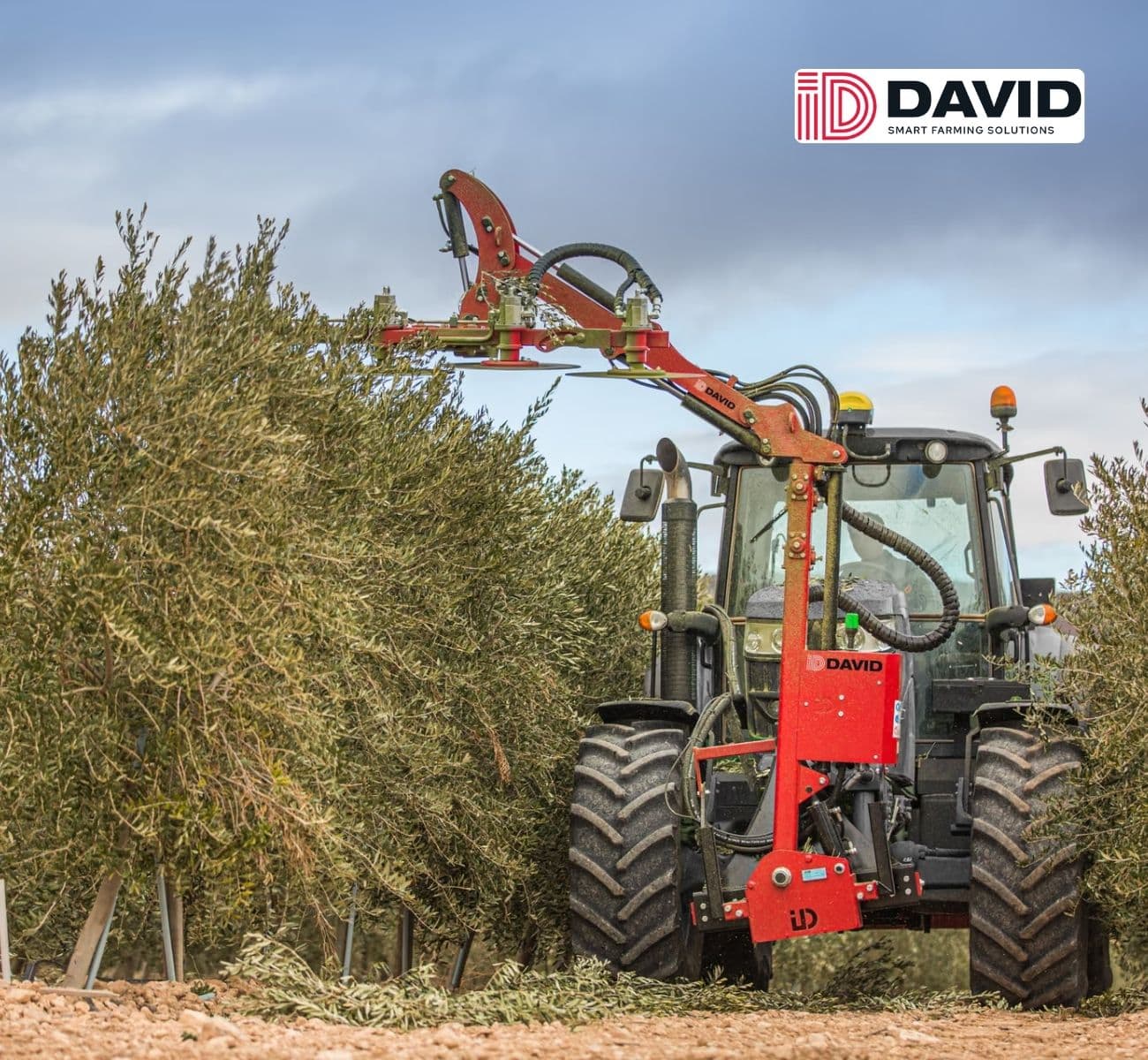
Before planting, plan rows, headlands and access lanes with your machinery supplier, so shakers, sweepers and shuttles can work and turn freely.
Recommended Establishment Stages






Walnut Orchard Care & Maintenance in Montenegro
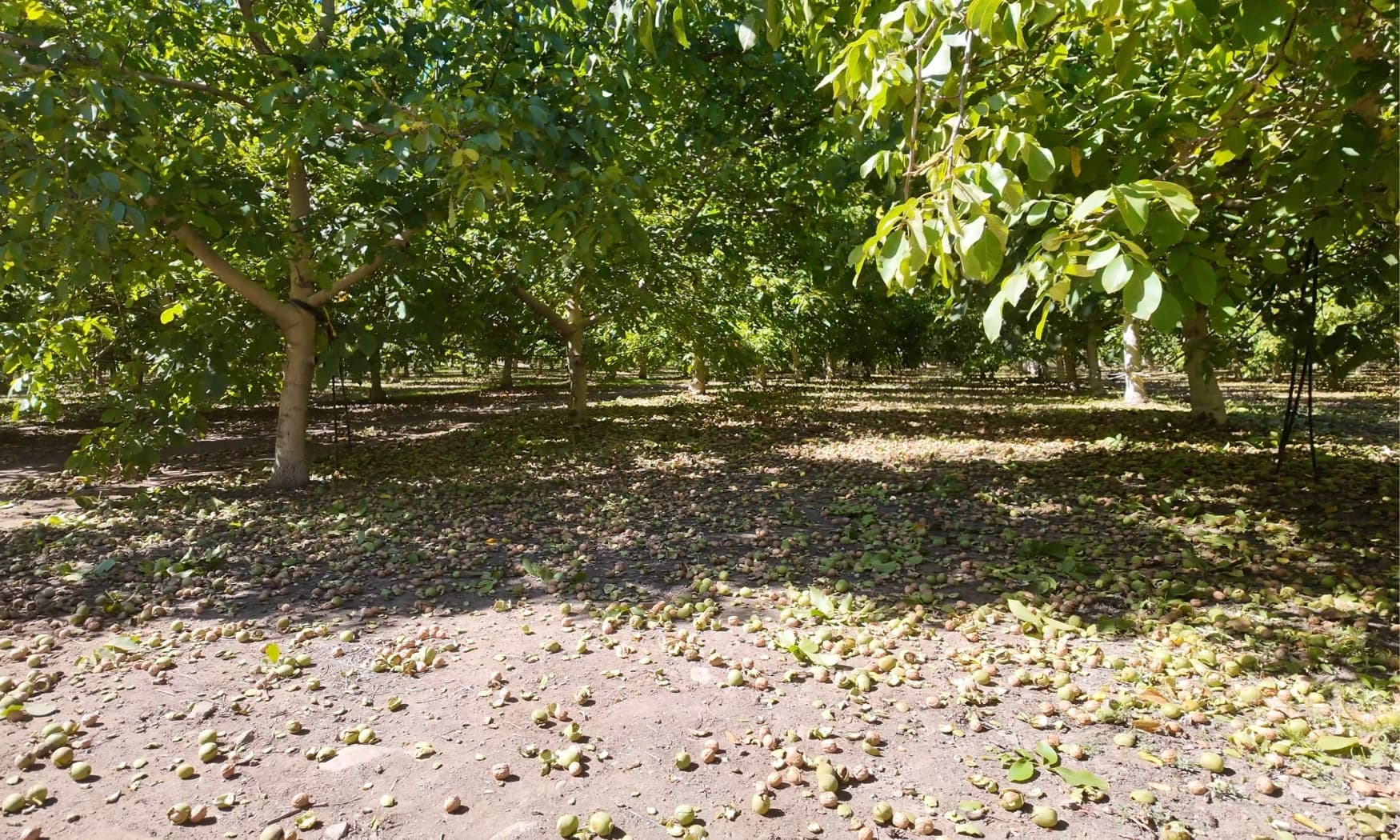
Walnut blight was first confirmed in Montenegro on leaves sampled in July 2024 in a 20-tree University of Montenegro orchard in Podgorica, where disease incidence was about 30%; the authors see a potential threat to walnut plantations (2025 study). No Montenegrin record of walnut husk fly was found, and EPPO lists none; in 2021 the Ministry listed it as a quarantine pest for Montenegro, under special surveillance for early detection.
No Montenegrin data on codling moth or anthracnose in walnut were found, so University of California guidance is a useful reference: trap codling moth from spring and, at harvest, crack out 1,000 nuts to judge damage and plan the next season. UC also notes that rain spreads blight bacteria and that early-leafing cultivars suffer most, one more reason to plant late-leafing ones.
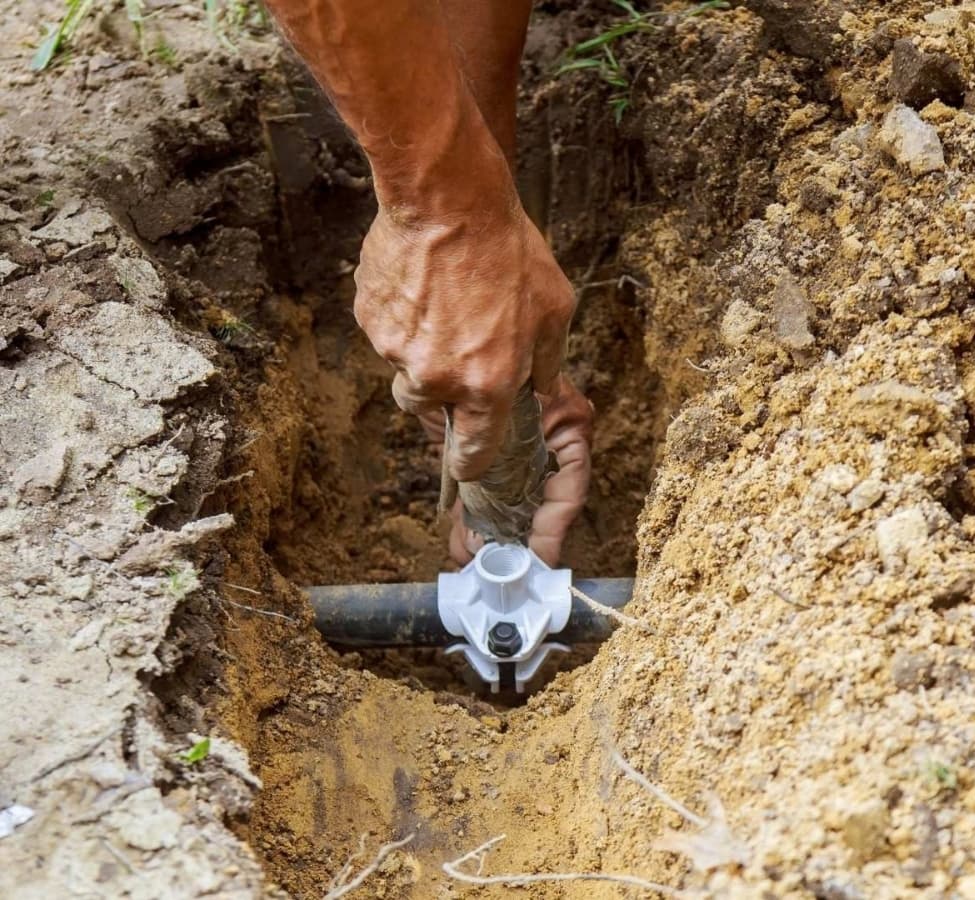
In the study area, June to September is dry and October to January very wet, and trees on the shallow, porous soils of the centre can suffer drought (2020 study). FAO-56 gives walnut orchards a crop coefficient of 0.50 at the start of the season, 1.10 at midseason and 0.65 before leaf drop. Northern brown soils are acid, with little available phosphorus and too little potassium, so soil tests should guide fertilization.
Recommended Orchard Care & Maintenance Stages



Practical Tips for Walnut Orchard Care & Maintenance
Watch for walnut blight after rain: it was first confirmed in Montenegro in 2024, and UC guidance says early-leafing cultivars suffer most.
Tell the plant health authority if you suspect walnut husk fly: in 2021 the Ministry listed it as a quarantine pest for Montenegro, under special surveillance.
Hang codling moth traps from spring and crack out a sample of nuts at harvest to judge damage, as University of California guidance advises.
Irrigate young trees through the dry months: in the study area, June to September is the dry period (2020 study).
Base fertilization on soil tests: northern brown soils are acid and hold little available phosphorus and too little potassium (2020 study).
Record each cultivar's leafing date and any frost damage, block by block, every spring to guide cultivar and site choice for later plantings.

Walnut Harvesting in Montenegro
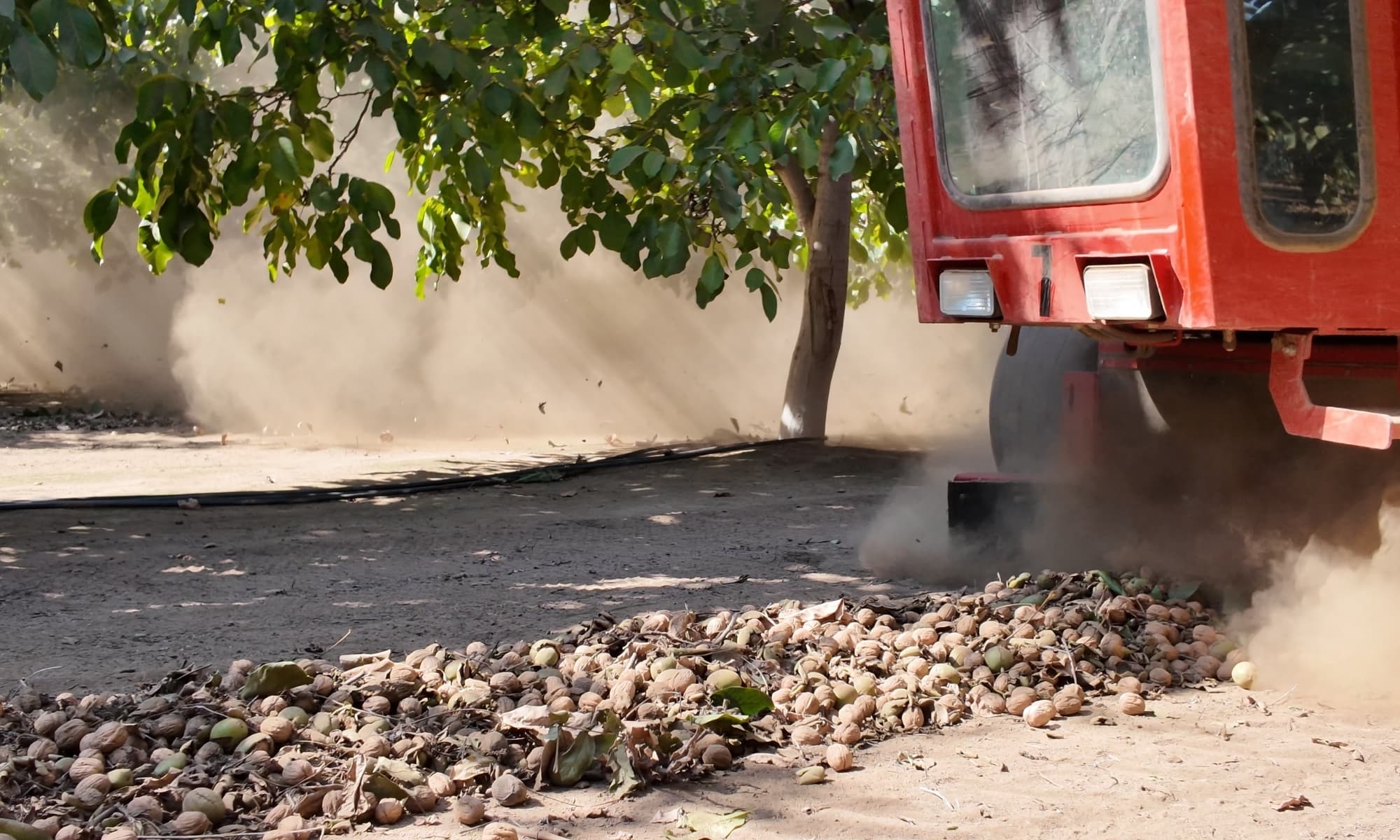
No Montenegrin source found describes how walnuts are harvested today, who picks them or how quickly fallen nuts are collected. In 2010 the census counted 1,195 bearing walnut trees in plantation orchards, while MONSTAT's separate yearbook estimate put all trees of bearing age at 53,121; trees in yards, gardens, field edges and along roads count as extensive orchards. In the 2015 to 2017 study, selected trees ripened between 25 September and 3 October.
University of California guidance starts harvest once a high share of hulls have split and finishes pickup quickly, since most quality loss occurs in the first 9 hours after harvest. In larger orchards, mechanized harvesting shakes, sweeps and picks up the crop on time, so nuts spend less time on the ground.
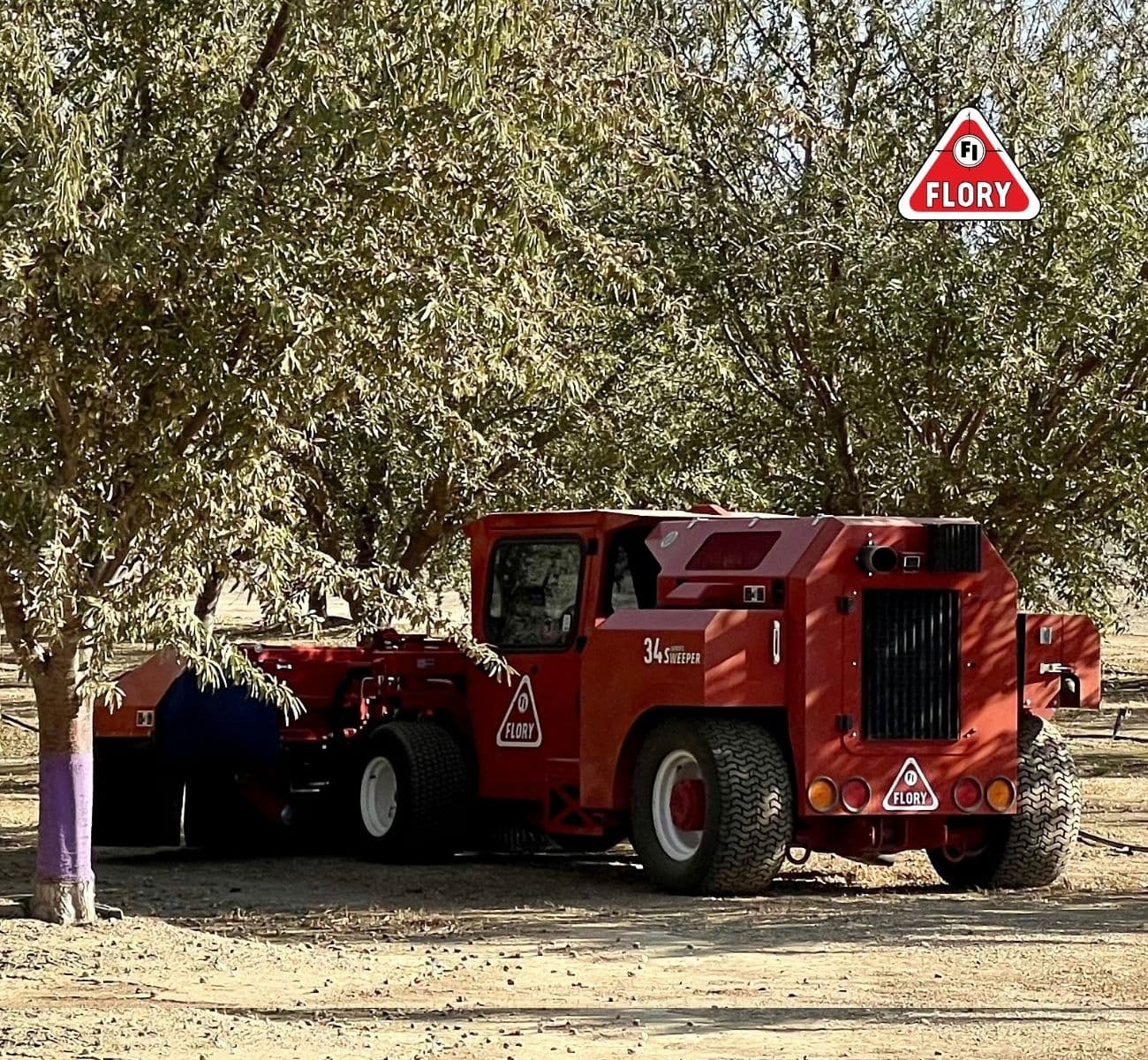
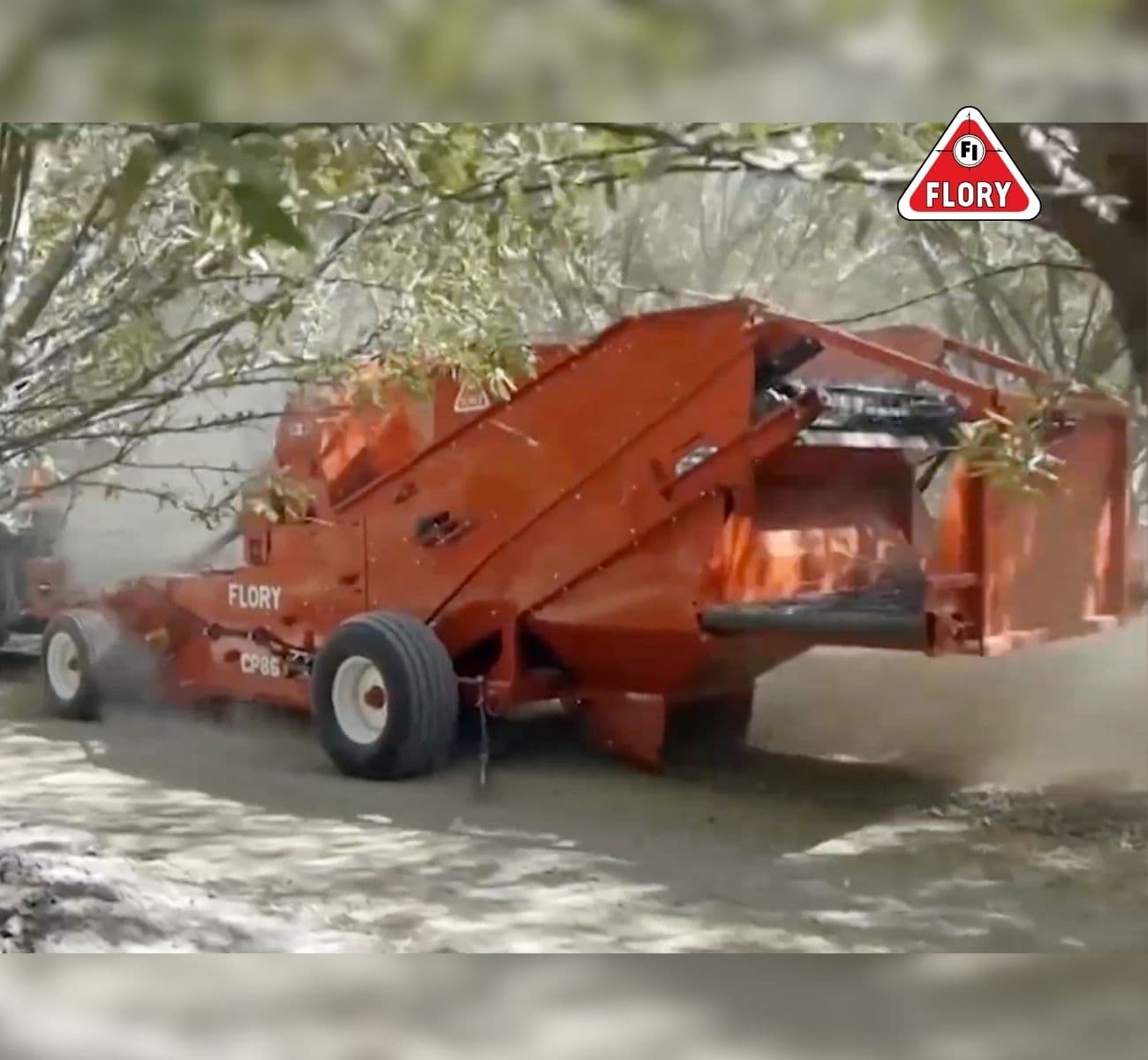
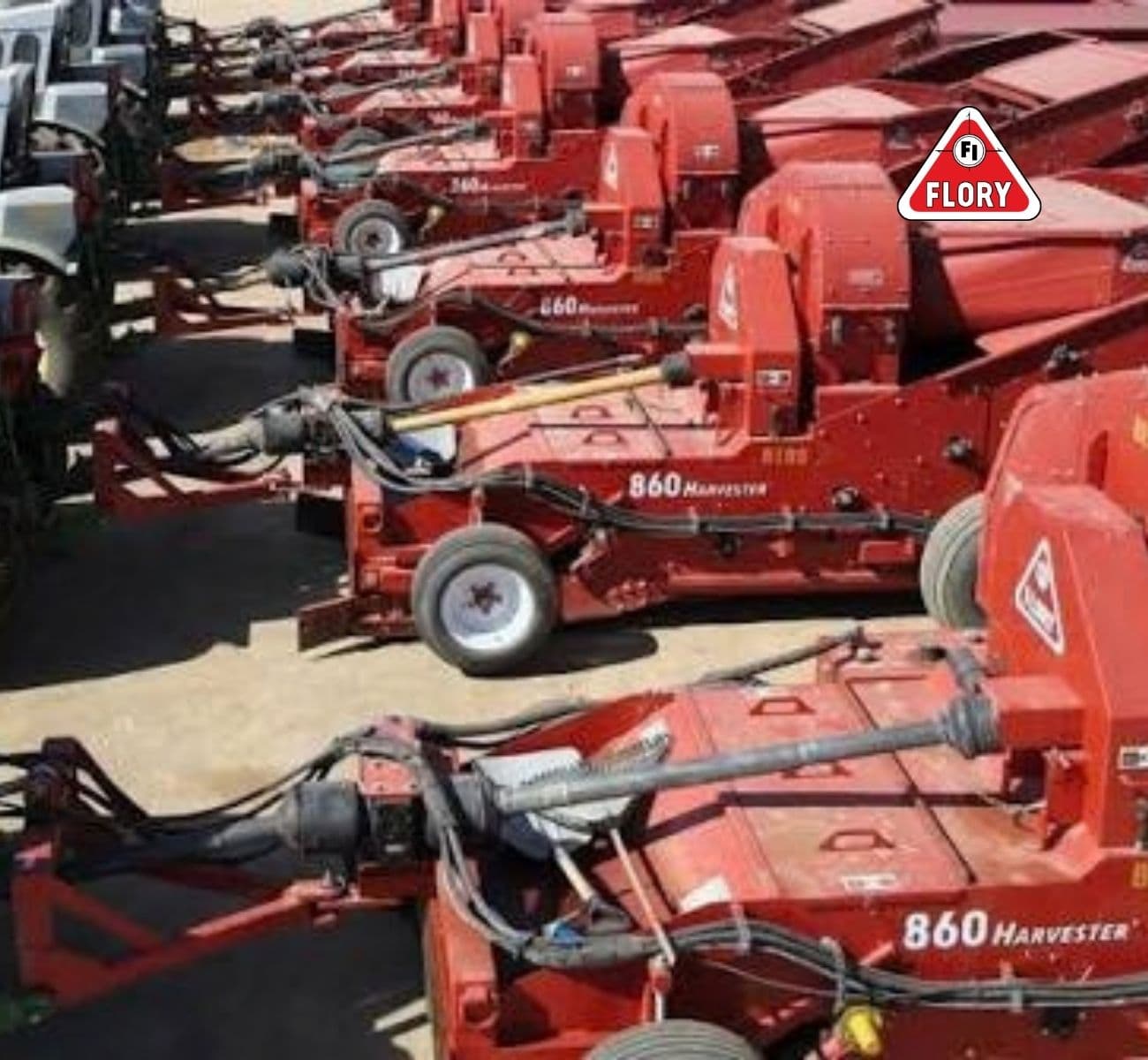
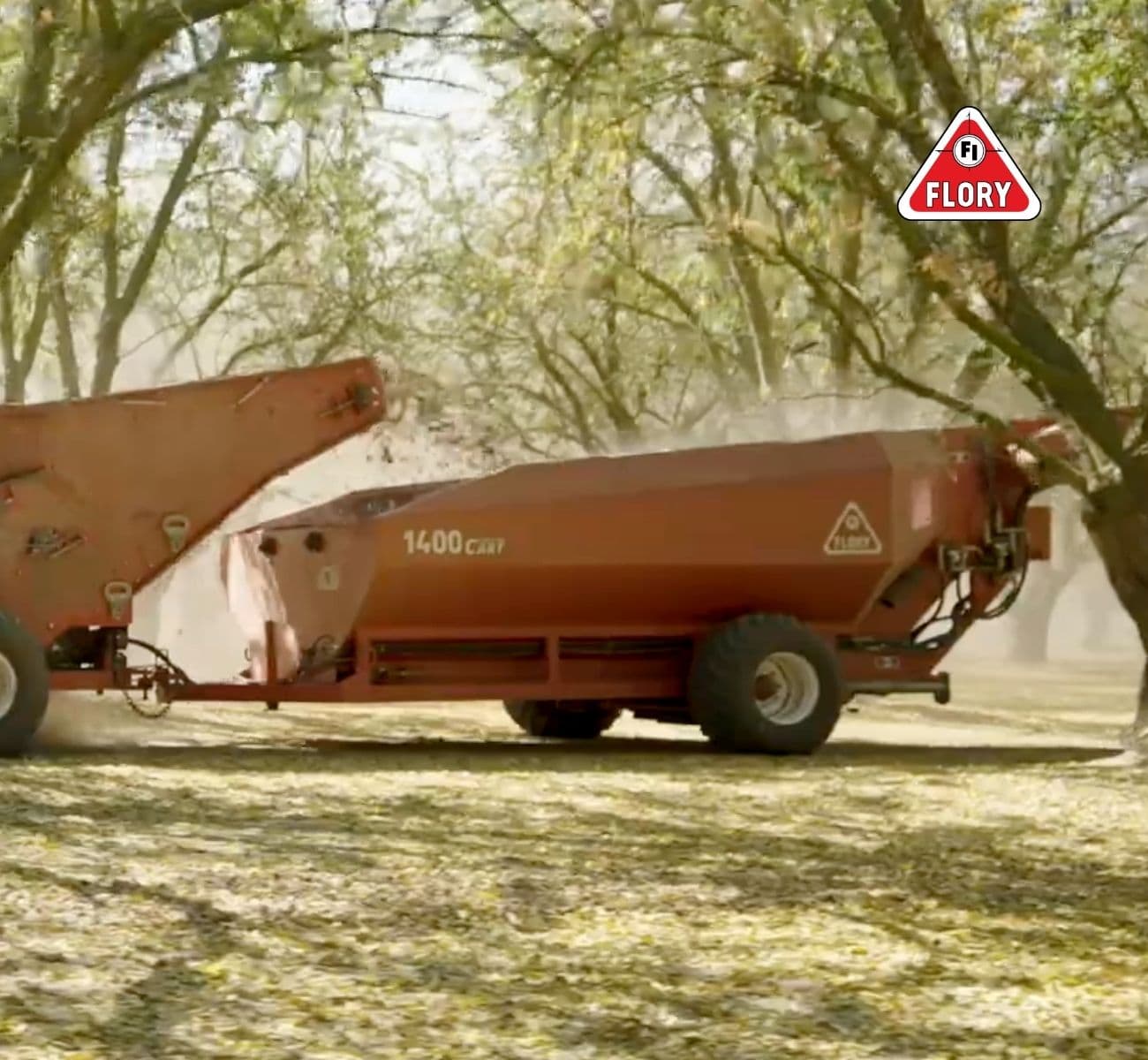
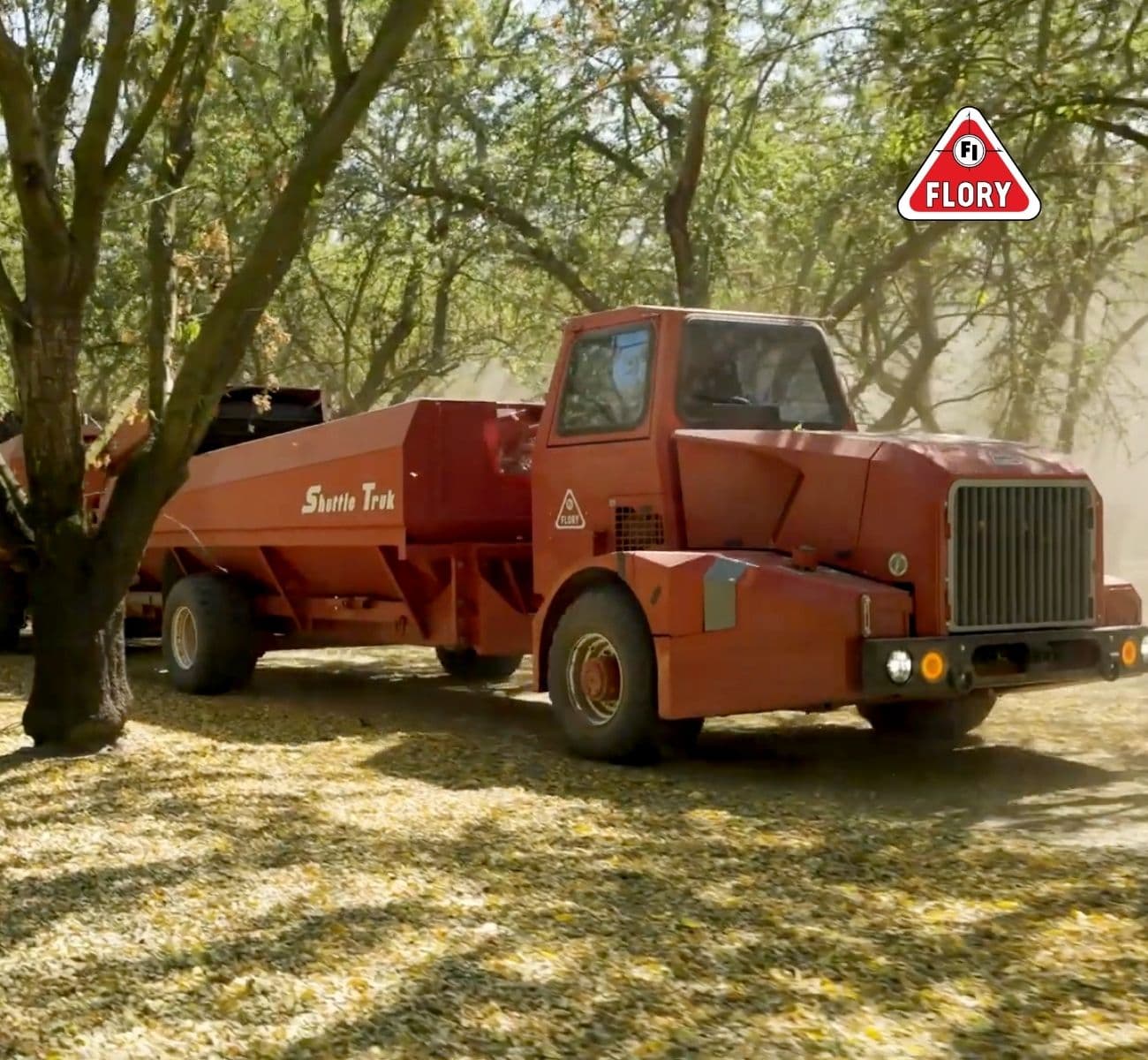
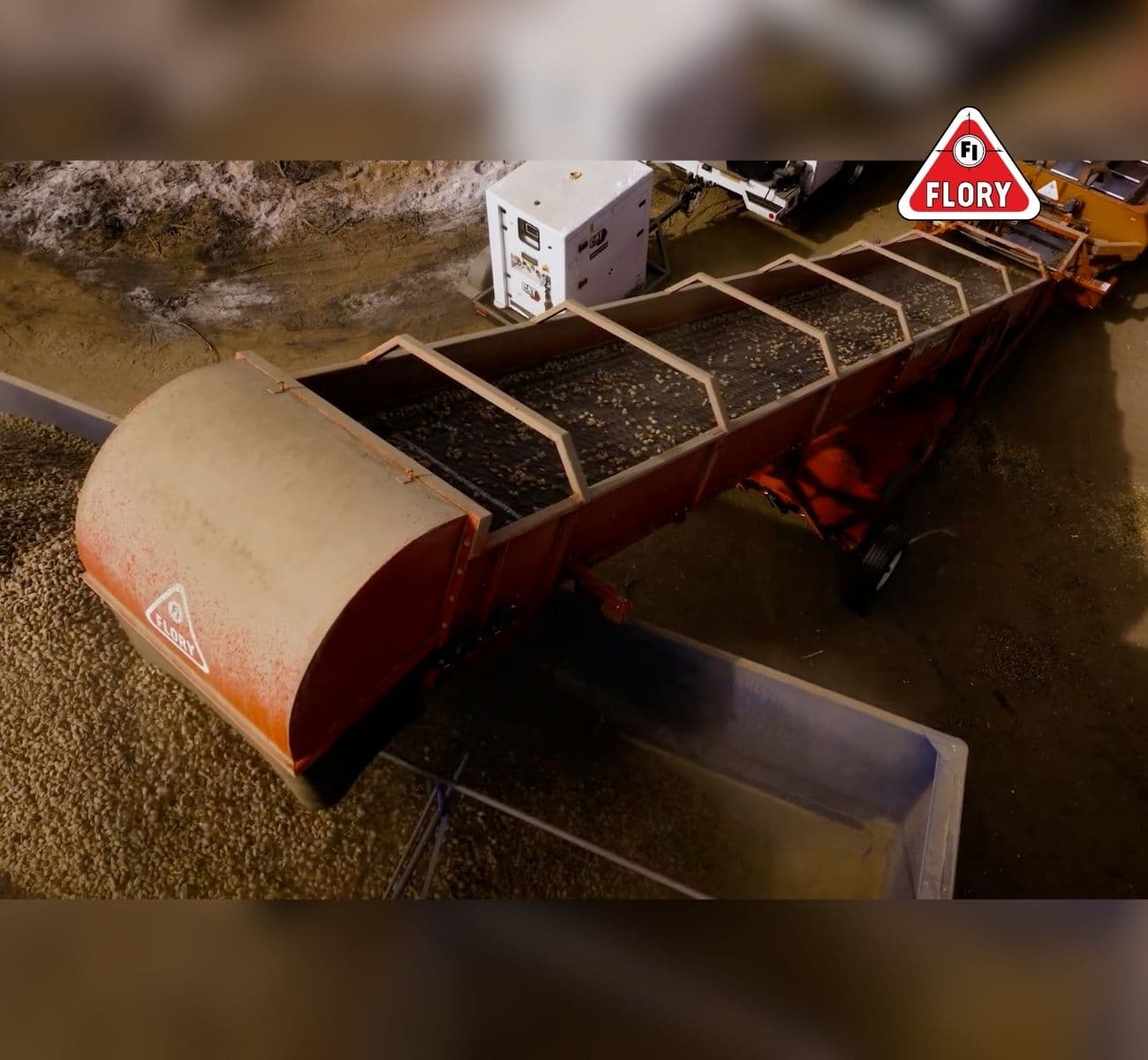
Machines suit plantation orchards on flat or gently sloping valley land, not scattered trees in yards or on stony slopes. Flory harvesting machinery is available in Montenegro through OVE Europe: a line runs from the VR700 Shaker, 34 Series Sweeper and 860 Harvester, or the smaller 490, to the 1500 Conveyor Cart, ST14 Shuttle and 4840 Field Elevator.
Walnut Harvest Workflow (Recommended Equipment)

Practical Tips for Walnut Harvesting
Start harvest once most hulls have split: in the 2015 to 2017 study, selected trees in the north and Cetinje ripened from 25 September to 3 October.
Pick up fallen nuts every day: UC advisers say most quality loss occurs in the first 9 hours after harvest.
Check tractor power first: Flory's 860 and 490 harvesters need 85 hp or more in walnuts, while 6,618 of Montenegro's 8,805 tractors had up to 40 kW (2024 census).
Harvest scattered trees in yards and on field edges by hand, and keep machines for plantation orchards with rows they can work.
Before harvest, mow and level the orchard floor and clear branches and stones, so the sweeper and harvester pick up cleanly.
Size the sweeper and harvester to the area shaken each day, so shaken nuts never wait overnight on the ground.
Get your recommended harvest setup
Enter orchard size, spacing, terrain, and target throughput—we’ll suggest a practical harvest workflow and equipment lineup.

Walnut Post-Harvest Handling & Processing in Montenegro
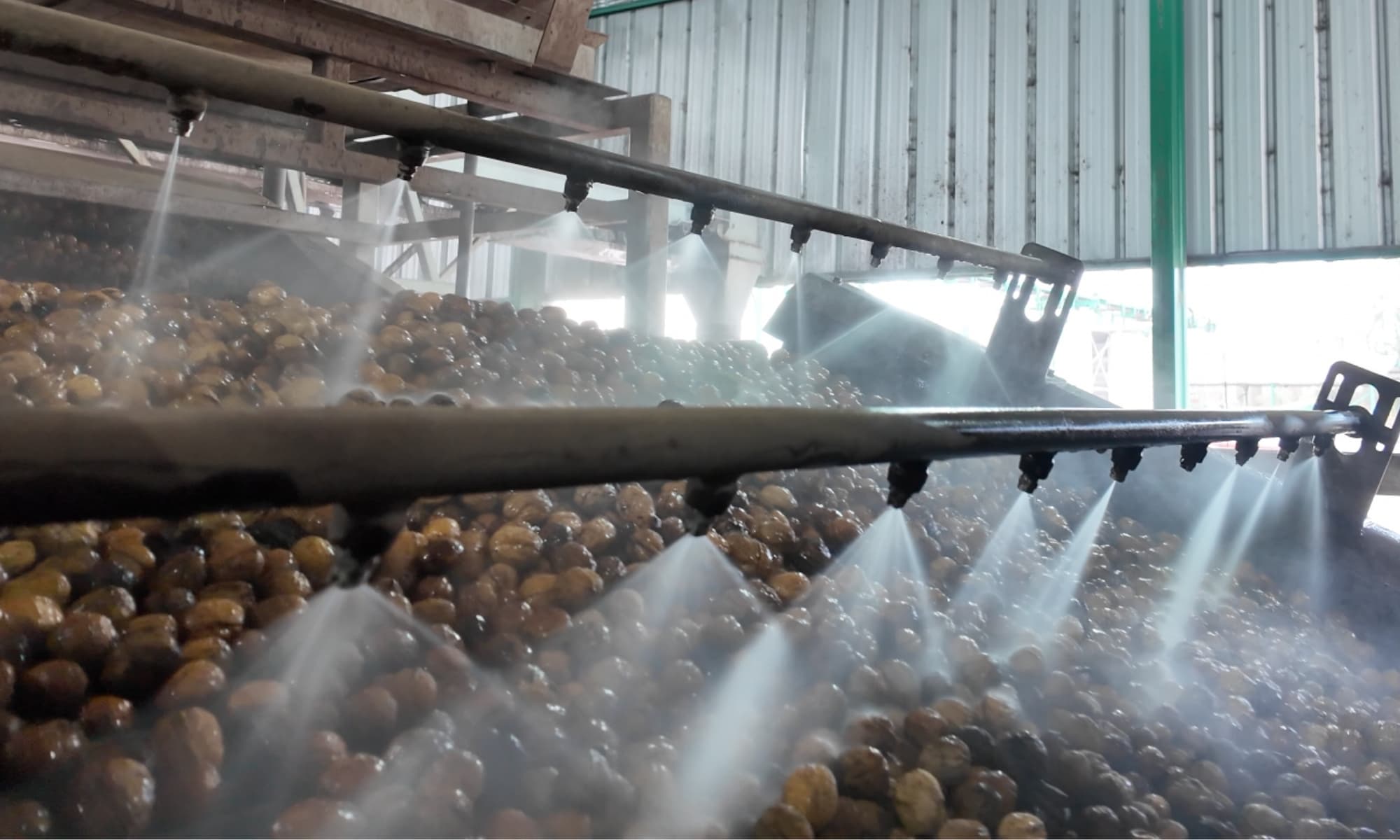
No Montenegrin source found describes how walnuts are hulled, dried, stored or cracked, so general guidance applies: hull promptly and dry the nuts to 8% moisture with air no hotter than 43 °C (University of California). Montenegro trades walnuts as kernels: it recorded 477.6 t of kernel imports in 2024 and 482.5 t in 2025, mostly from Ukraine from 2022 to 2024 and from China in 2025, and almost no in-shell trade (UN Comtrade via WITS).
A 2025 decree caps aflatoxin B1 at 2.0 µg/kg (4.0 µg/kg in total) in nuts sold as such or in nut products, and at 5.0 and 10.0 µg/kg in nuts still to be sorted. Since 24 June 2026 walnuts in shell have had no specific marketing standard and must meet the general one; shelled walnuts, and local sales by farms with under 0.5 ha of walnut, fall outside the rulebook. Jessee, whose processing lines OVE Europe supplies, builds walnut hulling lines and drying, in-shell cleaning and sizing, and shelling systems.
For general information only. Information may become outdated and does not replace site-specific professional advice. Consult a qualified agronomist and confirm equipment suitability with OVE before acting.
Practical Tips for Walnut Post-Harvest Handling & Processing
Hull nuts as soon as possible after collection, as UC guidance advises: the longer the hulls stay on, the more nut quality deteriorates.
Dry to 8% moisture, measured on the whole nut, with air no hotter than 43 °C, and avoid sun drying, which UC guidance says darkens kernels.
Test each lot for aflatoxins before sale: the current decree of 2025 allows at most 2.0 µg/kg of aflatoxin B1 in nuts sold as such.
Keep kernels light and dry: UNECE standard DDP-02 requires Class I kernels no darker than light brown and moisture of at most 5.0%.
Sell in-shell walnuts sound, clean and practically free of pests: since June 2026 the general marketing standard applies, except to local sales by farms under 0.5 ha.
Store dried nuts and kernels in clean, dry, cool rooms free of foreign odors, and keep each lot separate.
Recommended Post-Harvest Handling & Processing Stages









Plan your post-harvest line
Estimate tons/day, cleaning & drying capacity, storage needs, and cost/kg—then build your equipment plan in phases.