


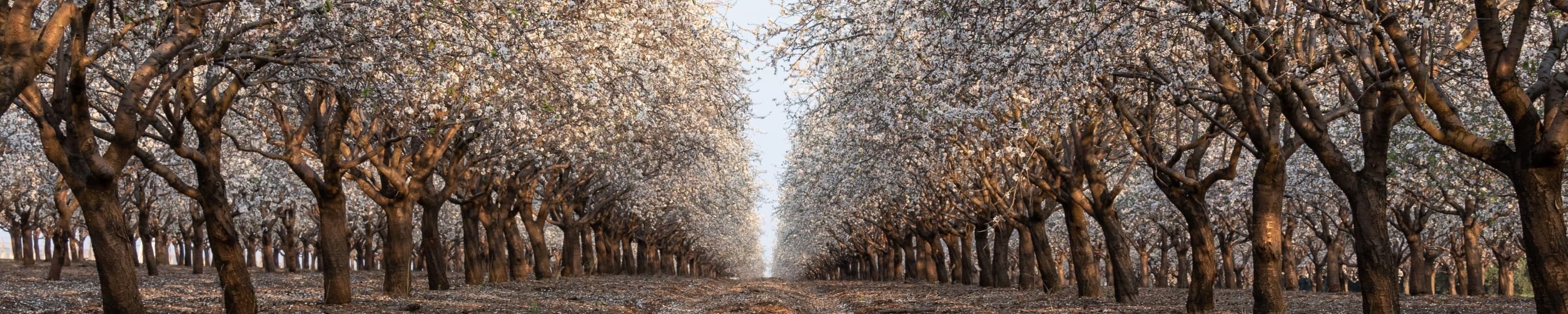




Almond Orchard Establishment in Pakistan
No Pakistani source found gives almond cultivar trials, bloom dates, pollinizers, rootstocks or spacing. The Trade Development Authority of Pakistan lists local trade names such as Gurbani, Kagazi, Abdul Wahidi and Kalmi badam beside American and Australian types, without traits, and a 2016 study found plant-parasitic nematodes on almond seedlings in four nurseries in Balochistan, advising that seedlings supplied to farmers be nematode-free.
Water decides where almonds can grow. In Balochistan, orchards are watered from karez channels, springs, dug wells and tube wells (2006 study). A 2002 report says tube wells expanded the orchard area, but many karez channels dried as groundwater was overused, and water tables fell in the Quetta and Pishin valleys, among others. The 2006 study puts the Quetta valley's mean annual rainfall at 247 mm against a potential evapotranspiration of 2,400 mm.
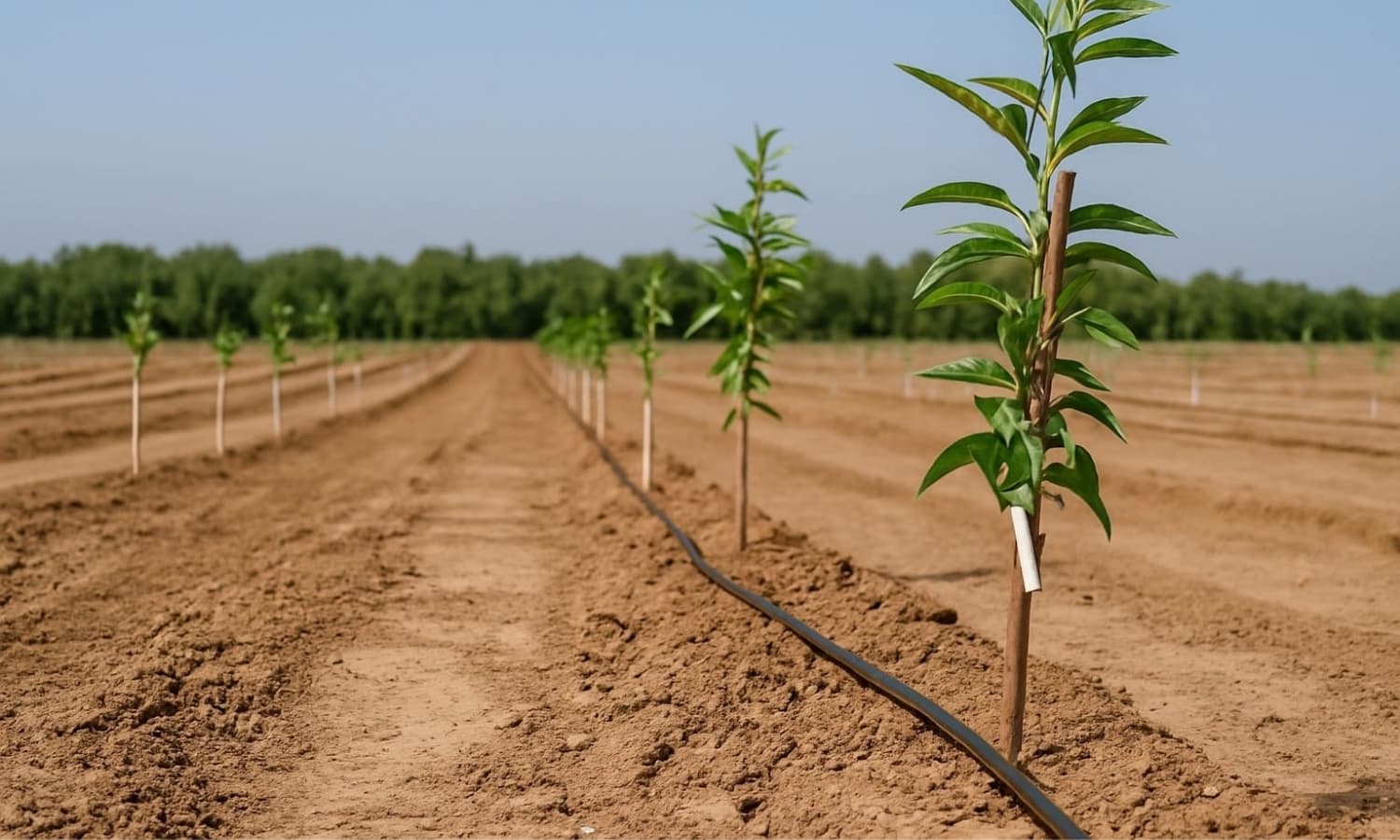
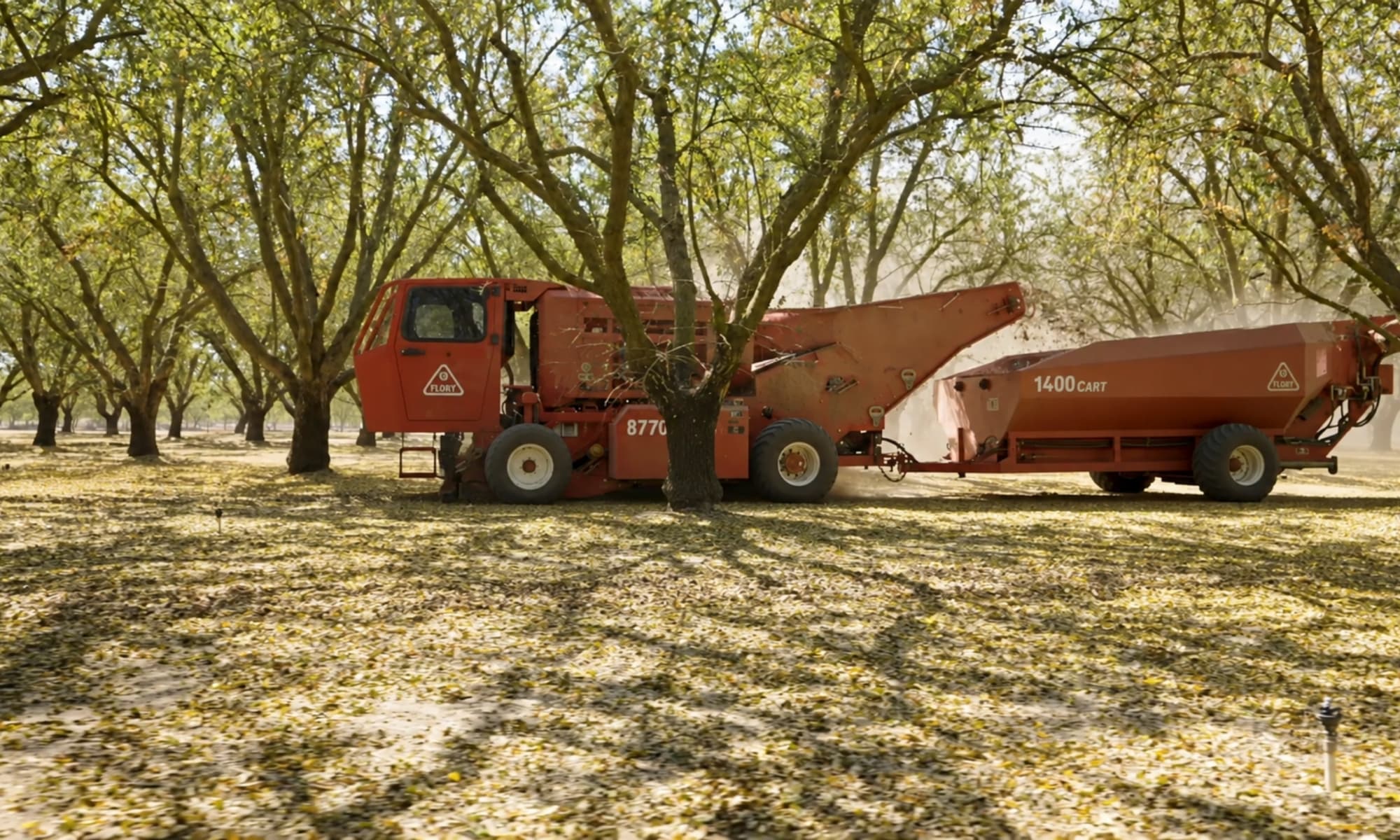
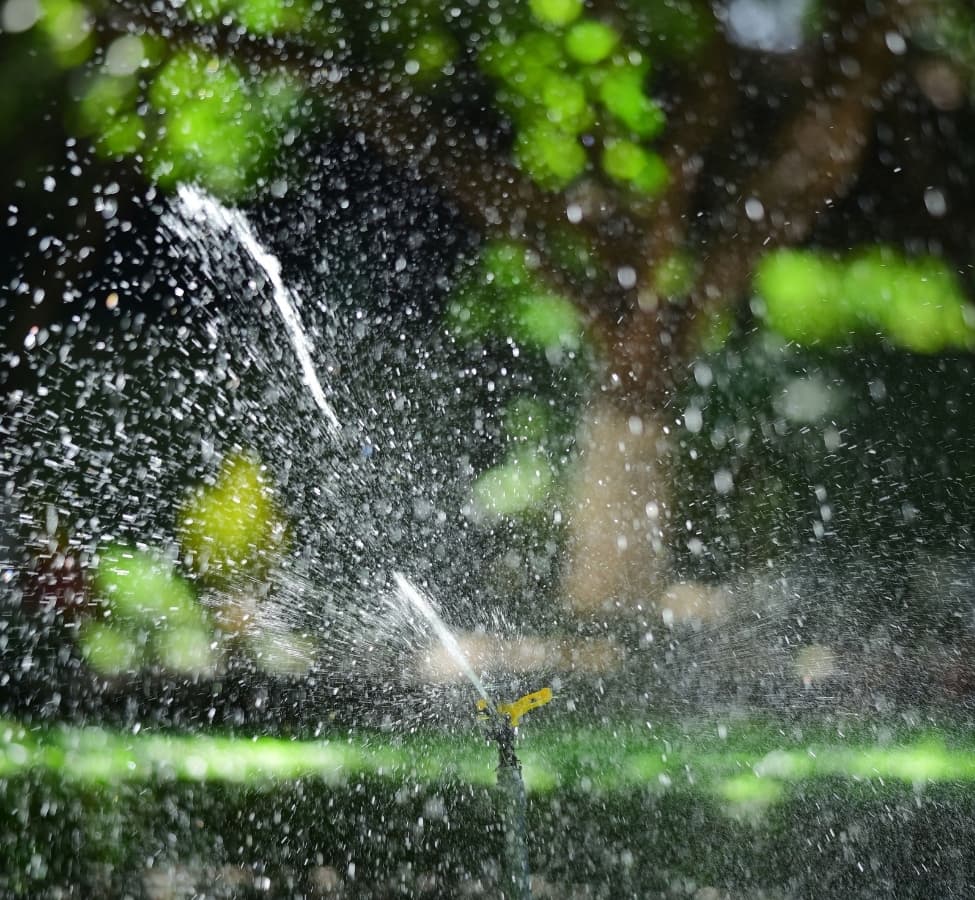
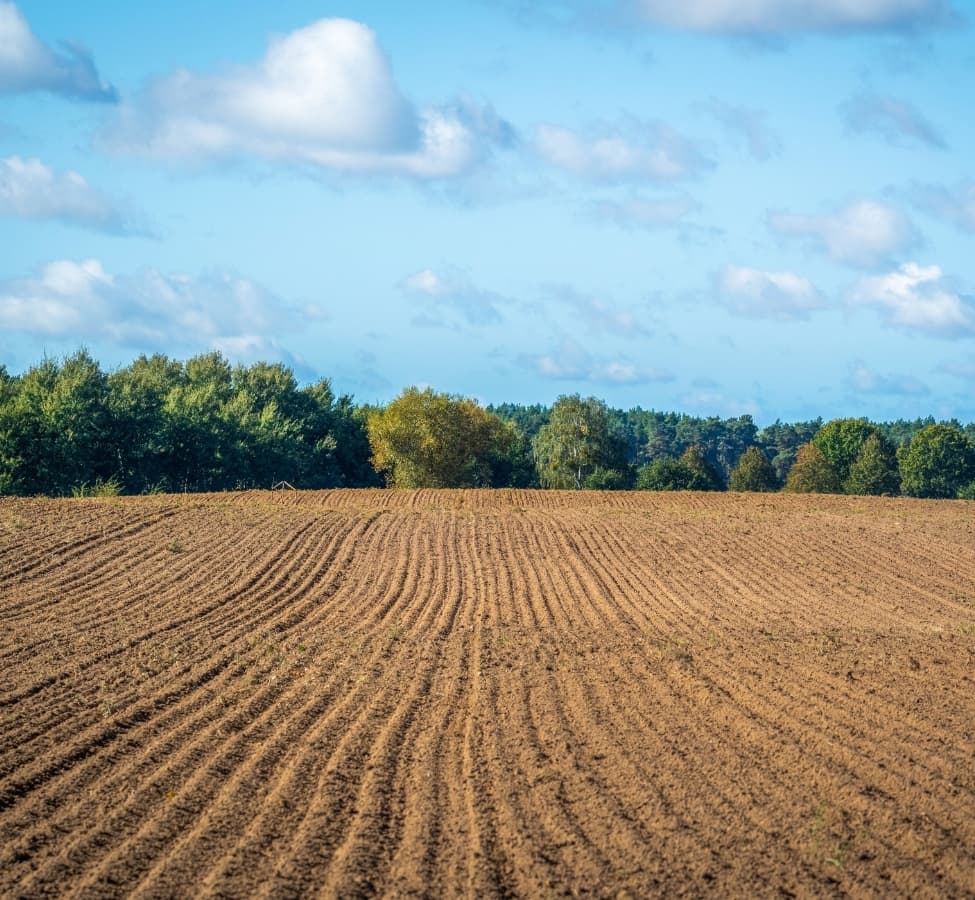
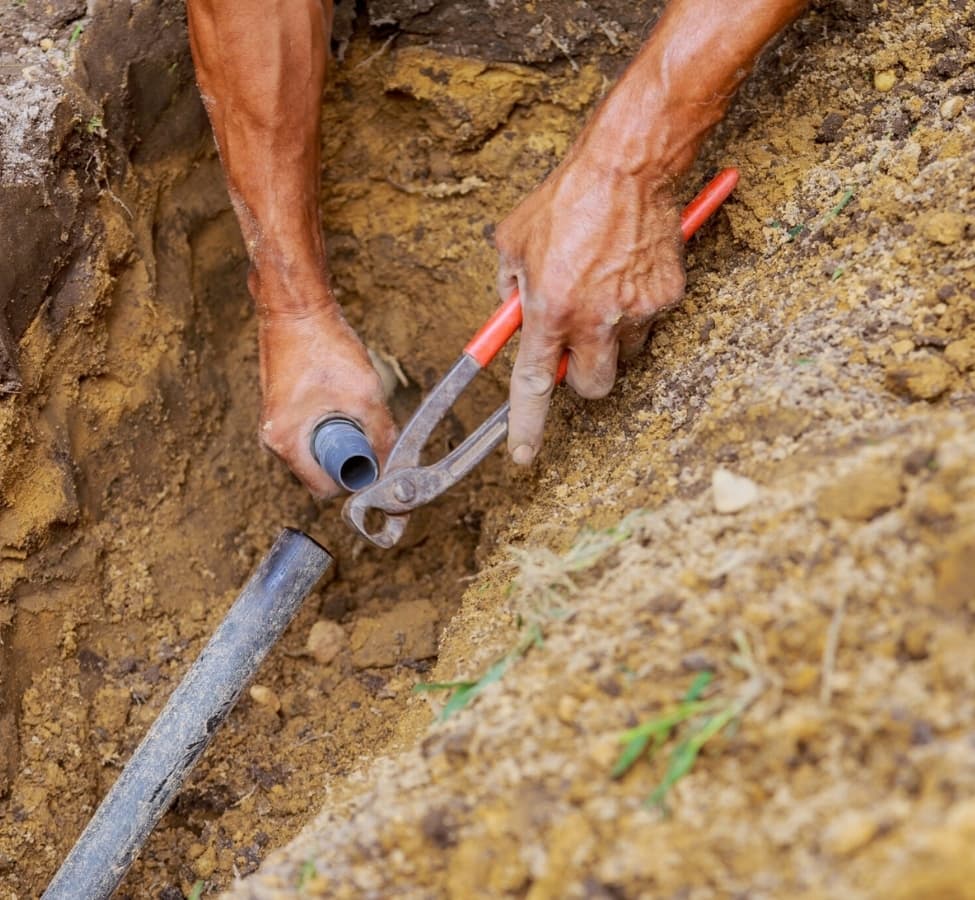
Plan around a dependable water source: a 2016 conference paper on Balochistan horticulture recommends drip where tube wells supply the water and groundwater depletion is a concern. Winters are cold at Quetta, the provincial capital, with a January mean minimum of -1.9 °C (1981 to 2010). Before planting, lay out rows, headlands and trunk height for the shaker, sweeper and harvester, and check them with OVE Europe.

Practical Tips for Almond Orchard Establishment
Secure water before planting: groundwater is the only dependable source in Balochistan, the province's 2000 drought report states.
Plan drip irrigation where tube wells supply the water and groundwater is falling, as a 2016 conference paper recommends.
Buy nematode-free trees: a 2016 study found plant-parasitic nematodes on almond seedlings in four nurseries in Balochistan.
Ask nurseries for named cultivars with known traits: the trade names TDAP lists come with no bloom or shell data.
Check winter cold for each site: Quetta averages a January minimum of -1.9 °C (1981 to 2010, via WMO).
Plan rows, headlands and tree form for the shaker, sweeper and harvester before planting, and check trunk clearance with OVE Europe.
Recommended Establishment Stages

Almond Orchard Care & Maintenance in Pakistan
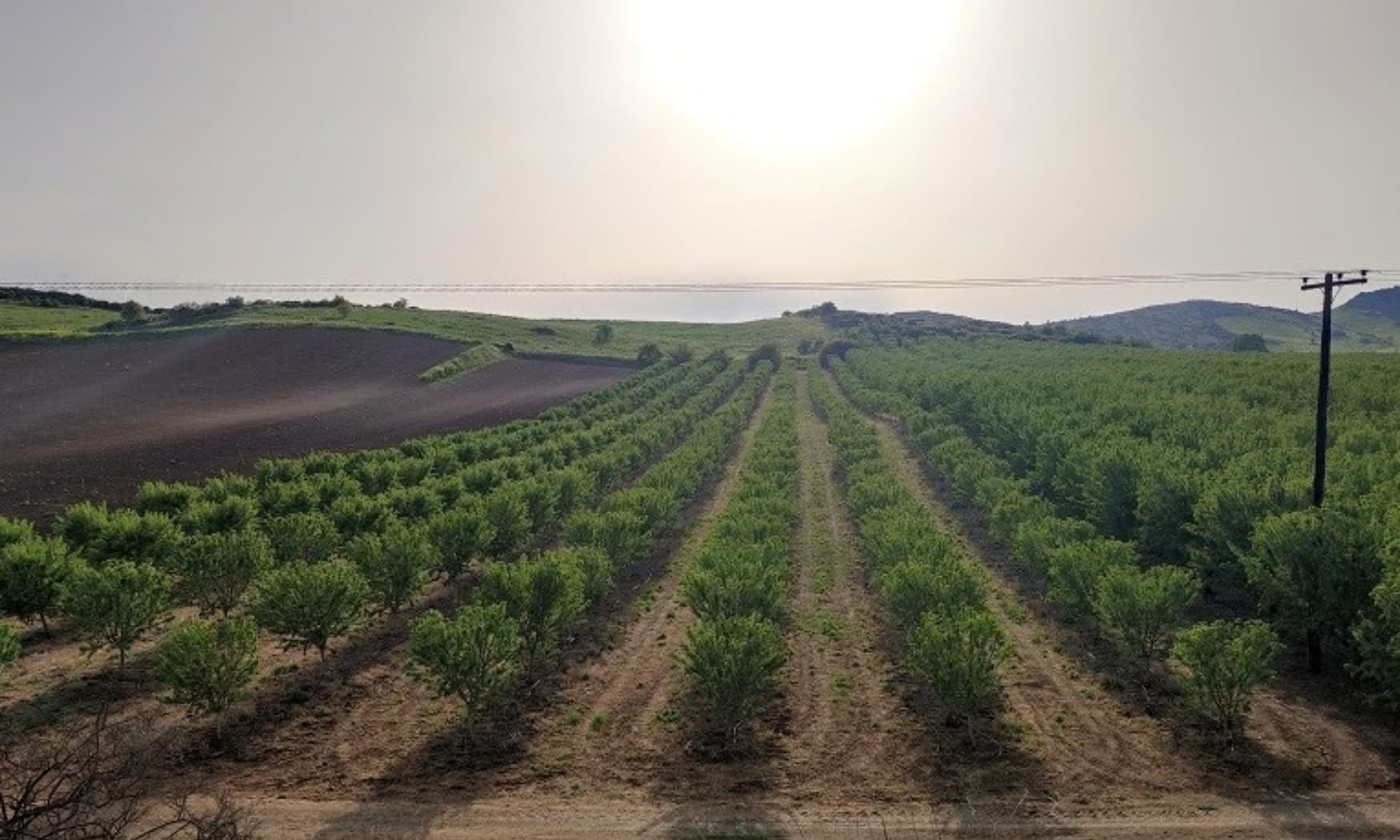
Drought and shrinking water supplies are recurring problems. A 2016 conference paper calls the 1997 to 2002 drought a serious setback for horticulture in Balochistan that dried up 3,000 tube wells, and in 2025 a growers' forum official described erratic rainfall, prolonged dry spells and less irrigation water. Almost all farmers apply water by basin irrigation, which loses much of it, a 2006 study notes.
A 2025 news report on a trade seminar listed fungal diseases among the key challenges of Balochistan's almond sector. EPPO lists the peach twig borer as present in Pakistan and does not list the almond seed wasp or Xylella fastidiosa there, which is not proof of absence.
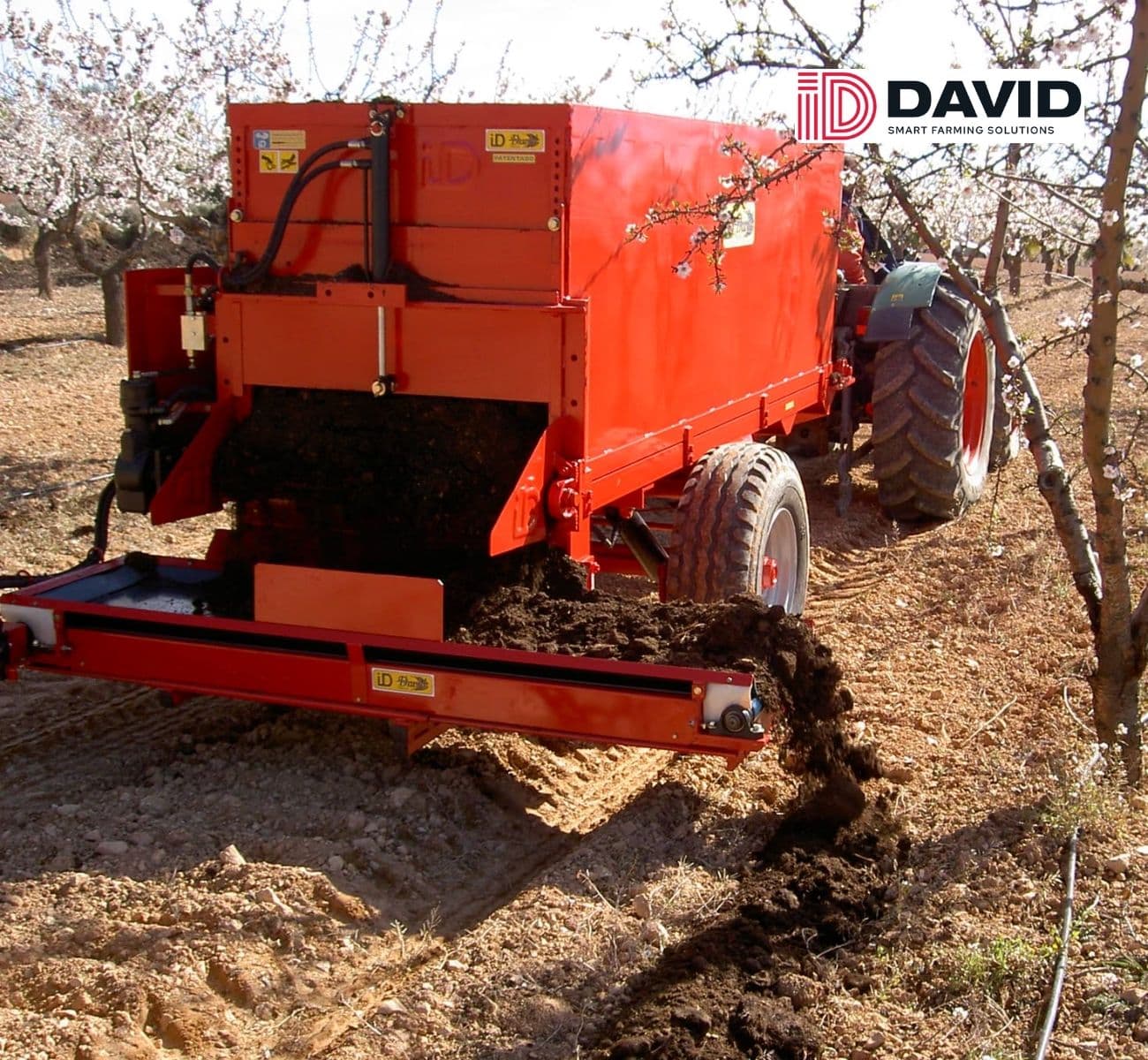
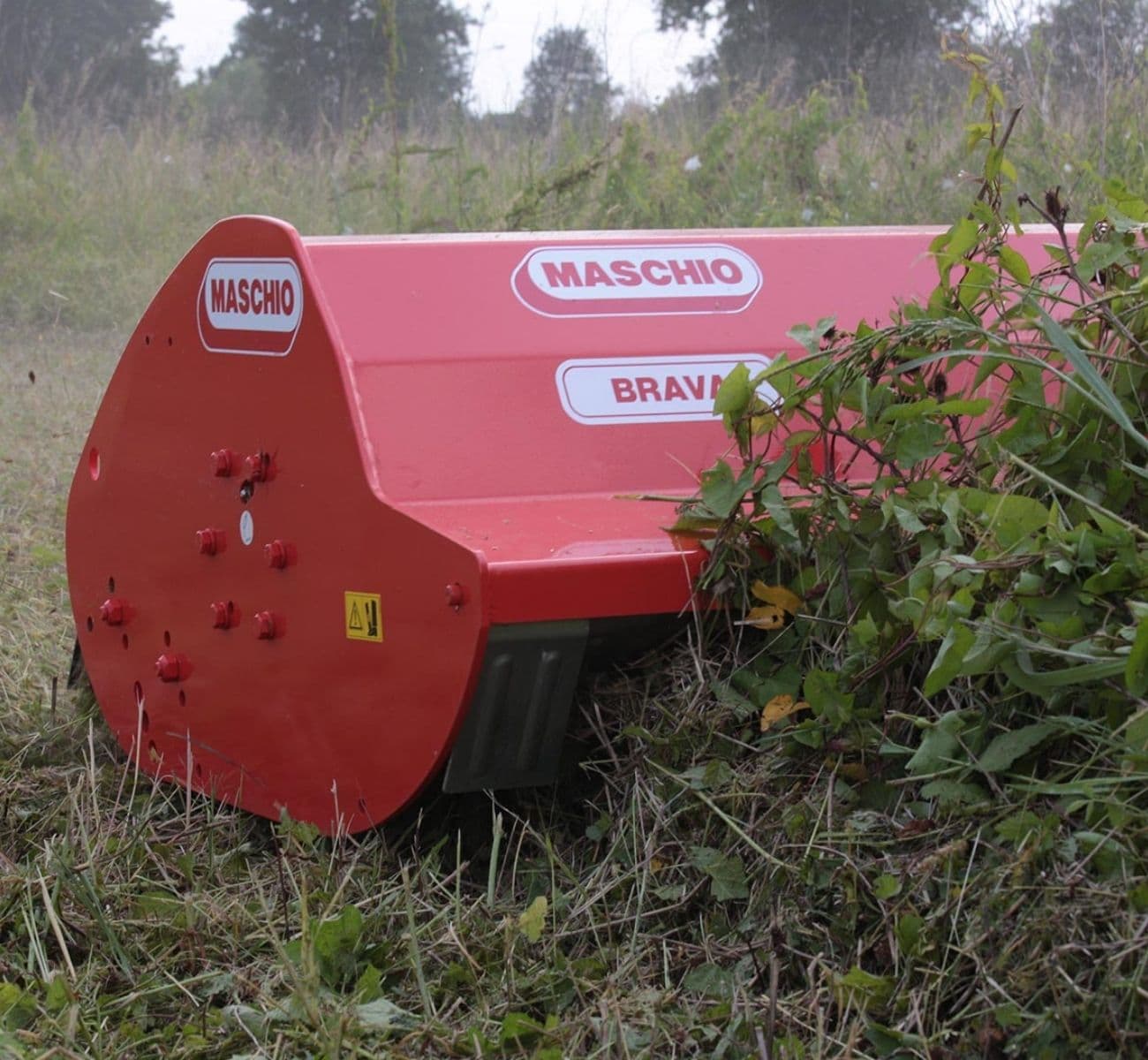
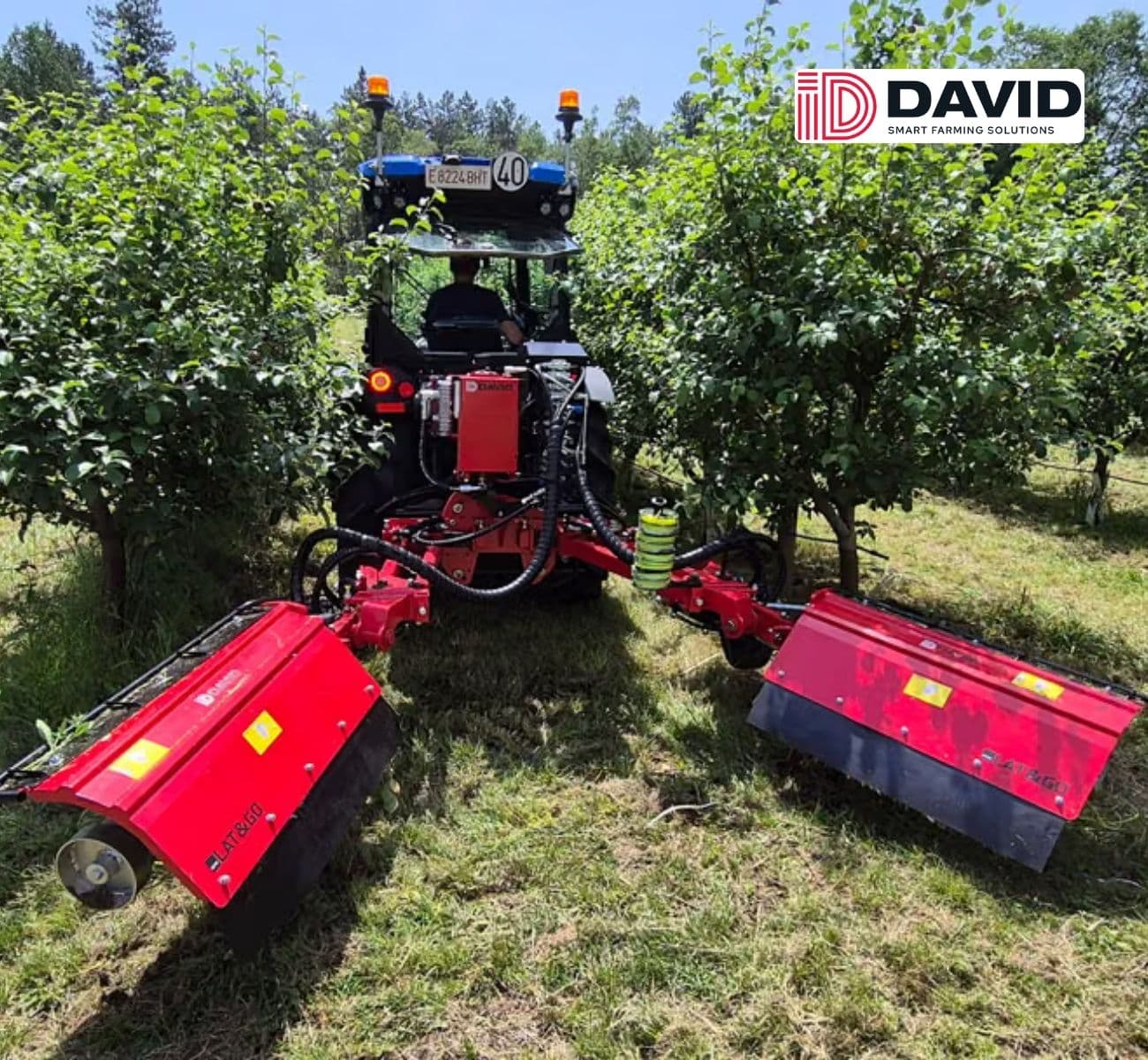
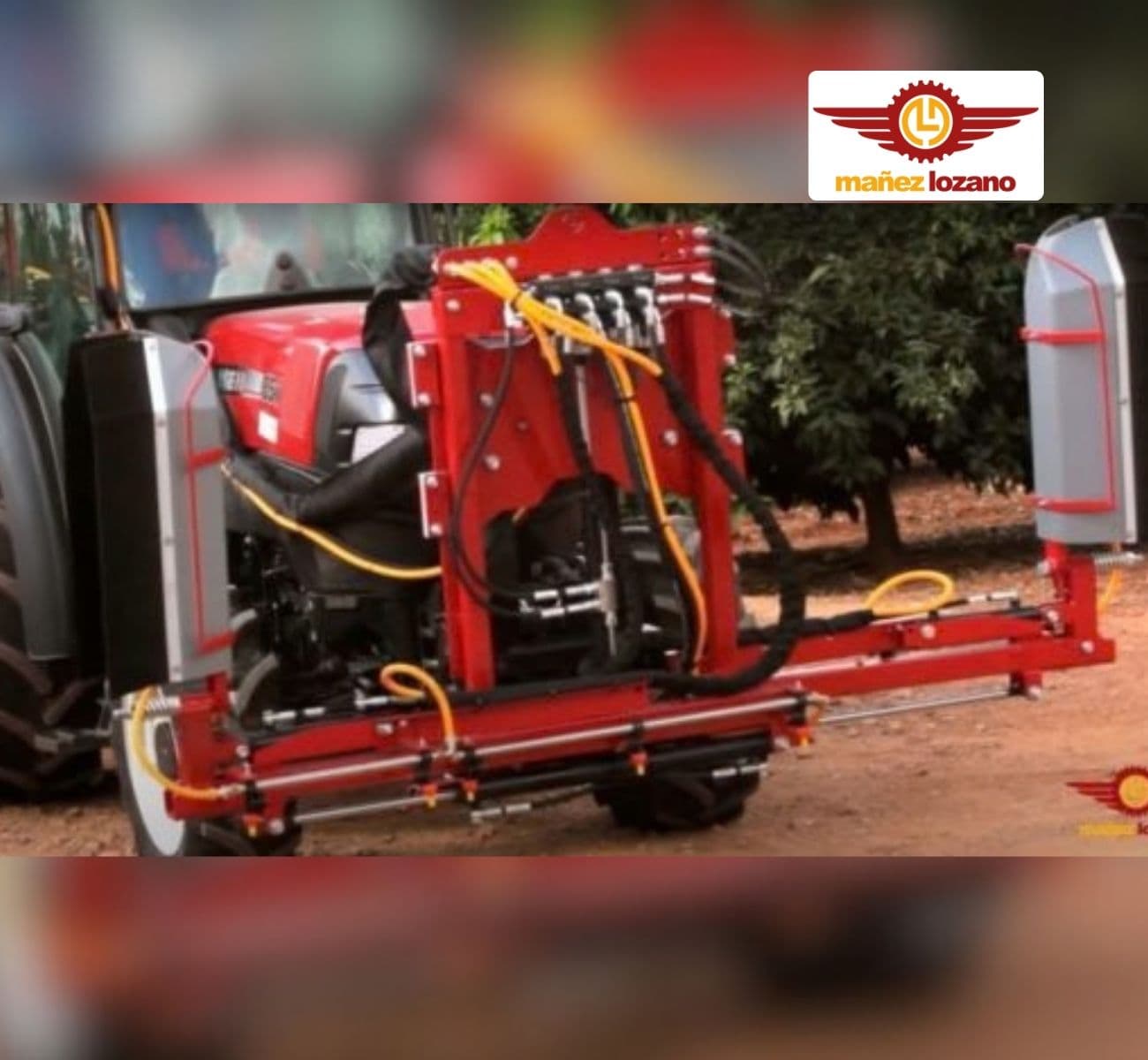
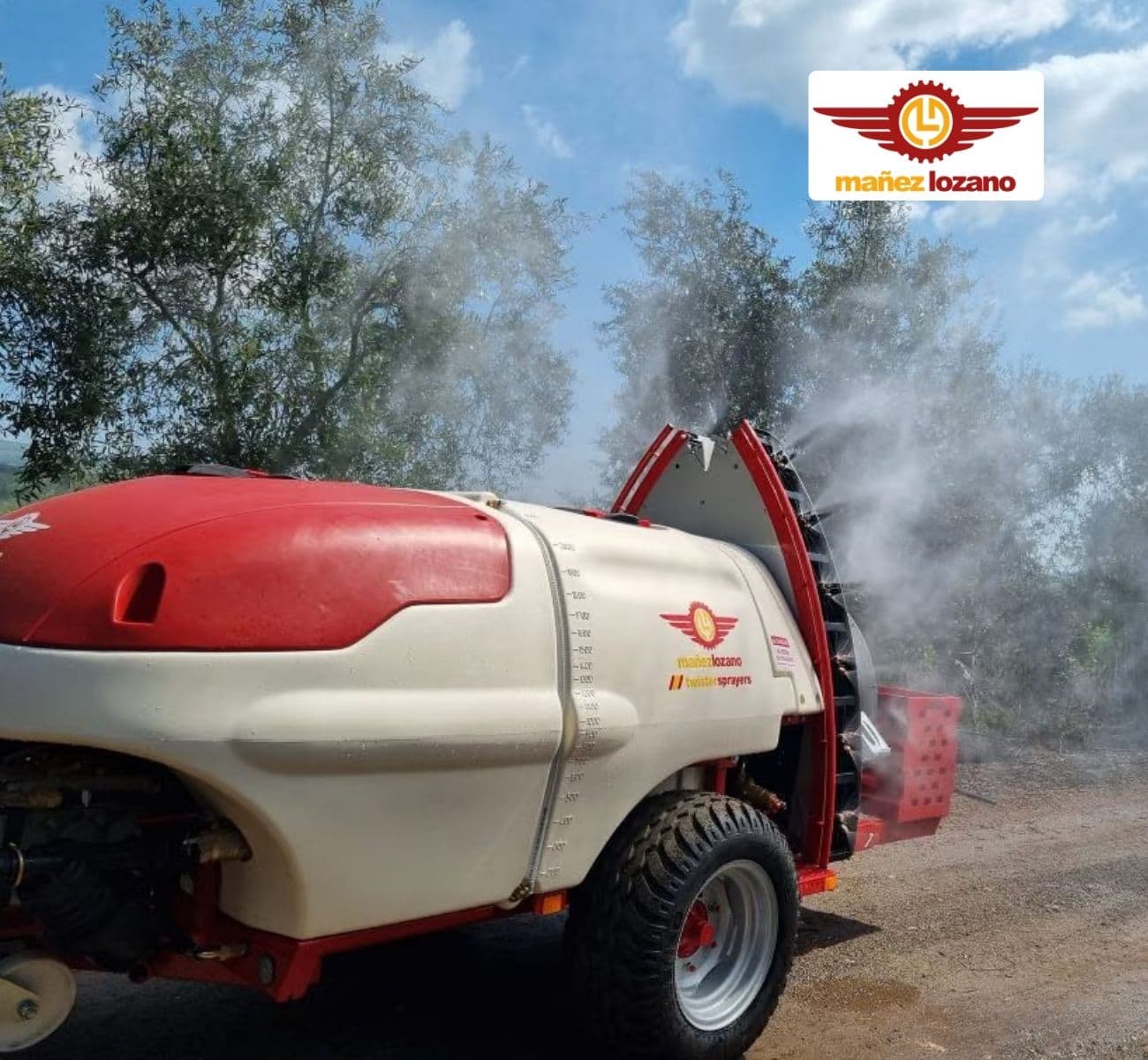
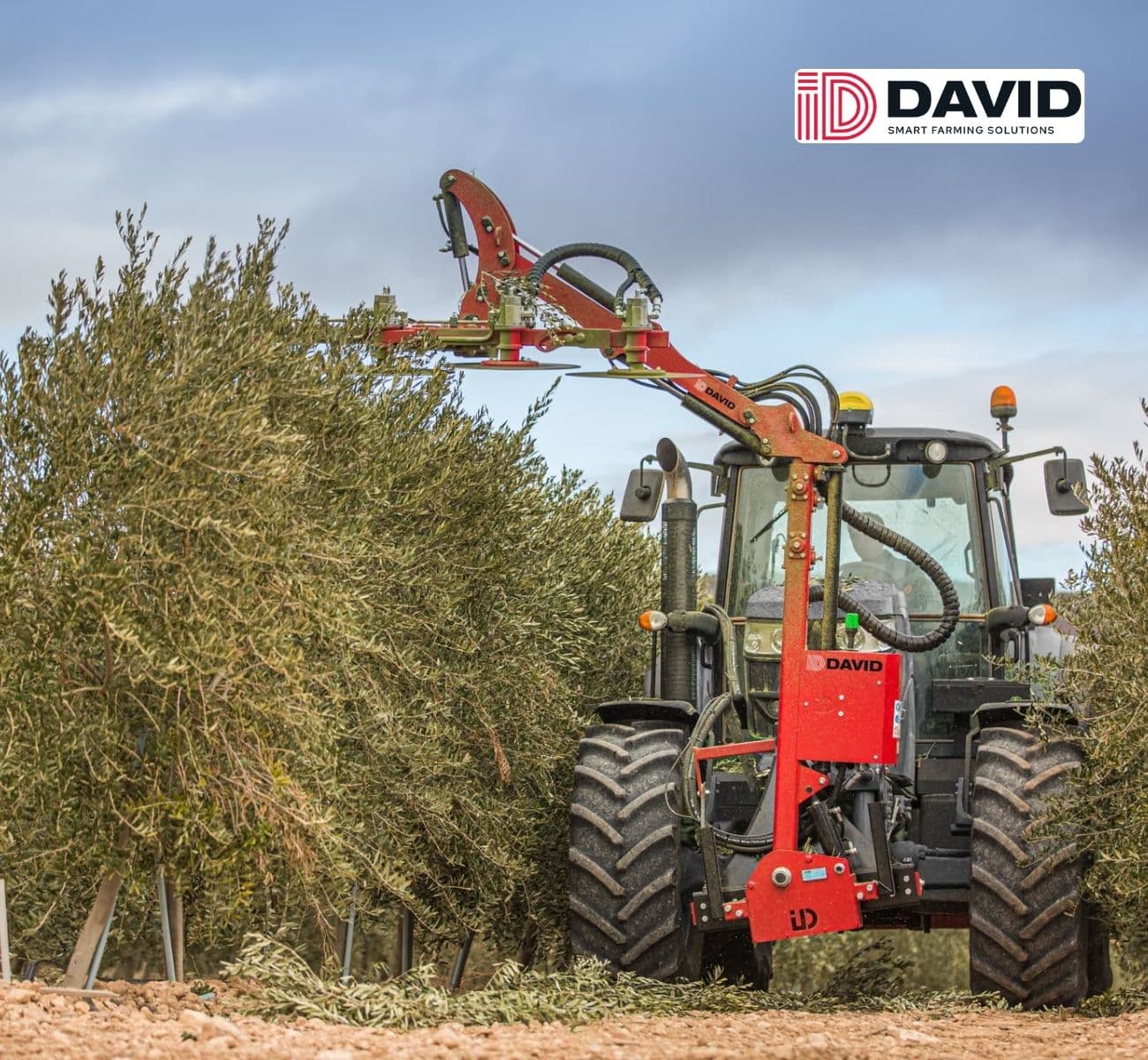
Summers are hot at Quetta, where July averages a 36.5 °C maximum (1981 to 2010, via WMO). For care work, the ID DAVID ECOFEED spreads solid manure, the ID DAVID LAT&GO string mower controls weeds without herbicides, the Mañez Lozano Narrow Twister S6 sprays tall, dense canopies and the ID DAVID V1 disc pruner makes vertical and horizontal cuts.
Recommended Orchard Care & Maintenance Stages
Practical Tips for Almond Orchard Care & Maintenance
Move from basin to drip irrigation where you can: a 2006 study notes that basin irrigation loses much water.
Plan for dry spells: the 1997 to 2002 drought dried up 3,000 tube wells in Balochistan, a 2016 conference paper reports.
Watch for the peach twig borer in your orchard: EPPO lists the pest as present in Pakistan.
In wet springs, watch for brown rot blossom blight: University of California guidance says flowers are most susceptible when fully open.
Control weeds without herbicides with a string mower such as the ID DAVID LAT&GO, and keep the orchard floor level for harvest.
Spray tall, dense canopies evenly with a narrow trailed airblast sprayer such as the Mañez Lozano Narrow Twister S6.

Almond Harvesting in Pakistan
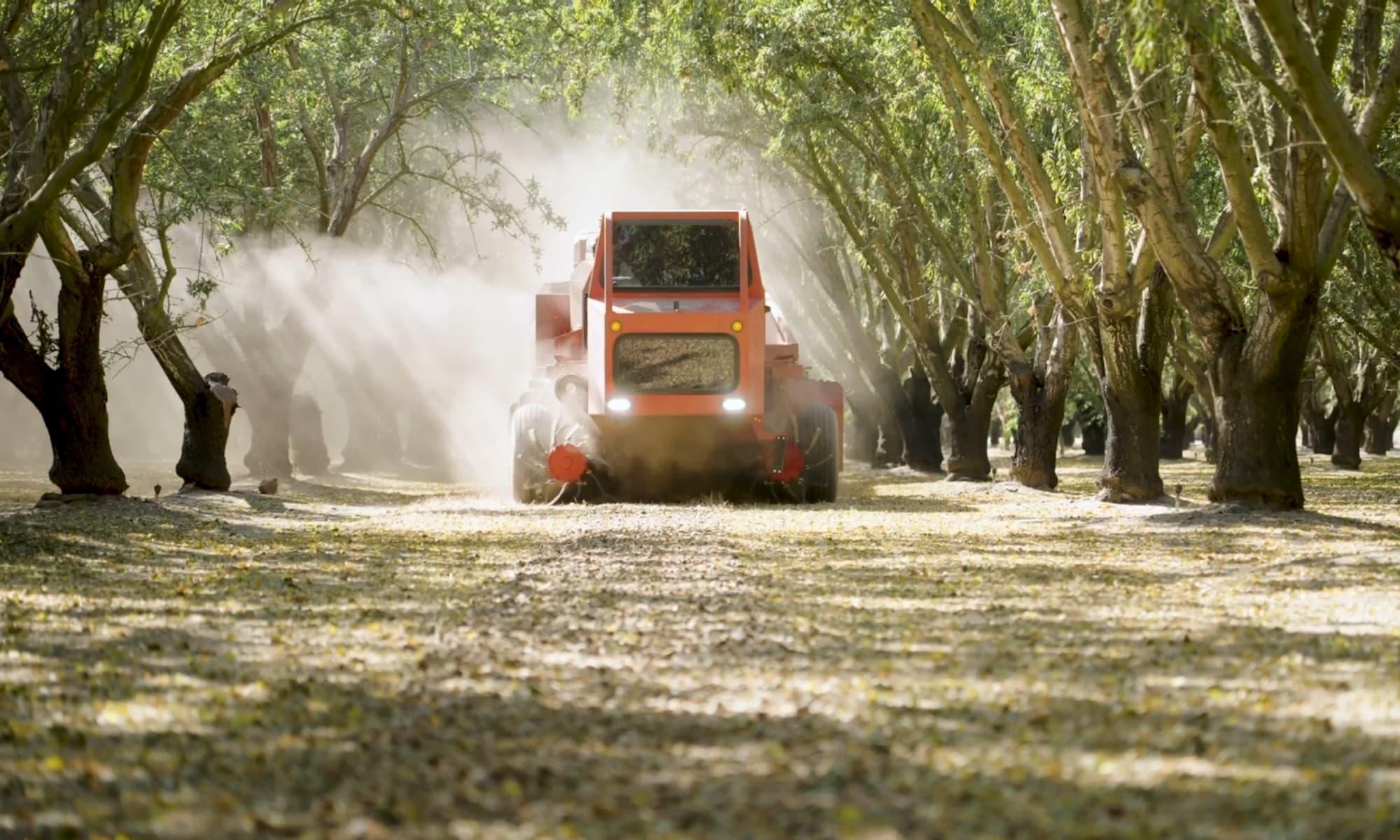
No Pakistani source describes how almonds are harvested in Balochistan. A 2006 crop-water study gives September and October as the province's almond harvesting time, news from Gilgit-Baltistan in 2017 said almonds there ripen in August and are dried in the sun, and in 2025 a growers' forum official said many of Balochistan's almond orchards lack modern machinery. In orchards planted for machines on suitable ground, mechanized harvesting can bring the crop in on time, with less risk of nuts deteriorating while they wait.
Harvest weather differs within Balochistan. The Quetta valley lies outside the monsoon belt: Quetta averages 13.2 mm in August, 2.5 mm in September and 5.8 mm in October (1981 to 2010, via WMO), though 46.4 mm fell there from 26 August to 1 September 2024. The northeast, where most almonds grow, lies largely in the monsoon belt, with much of its rain from June to August (2006 study). With harvest dates uncertain and no Pakistani source on ground drying, this guide shows prompt pickup, with hulling and drying at once, beside catching frames.
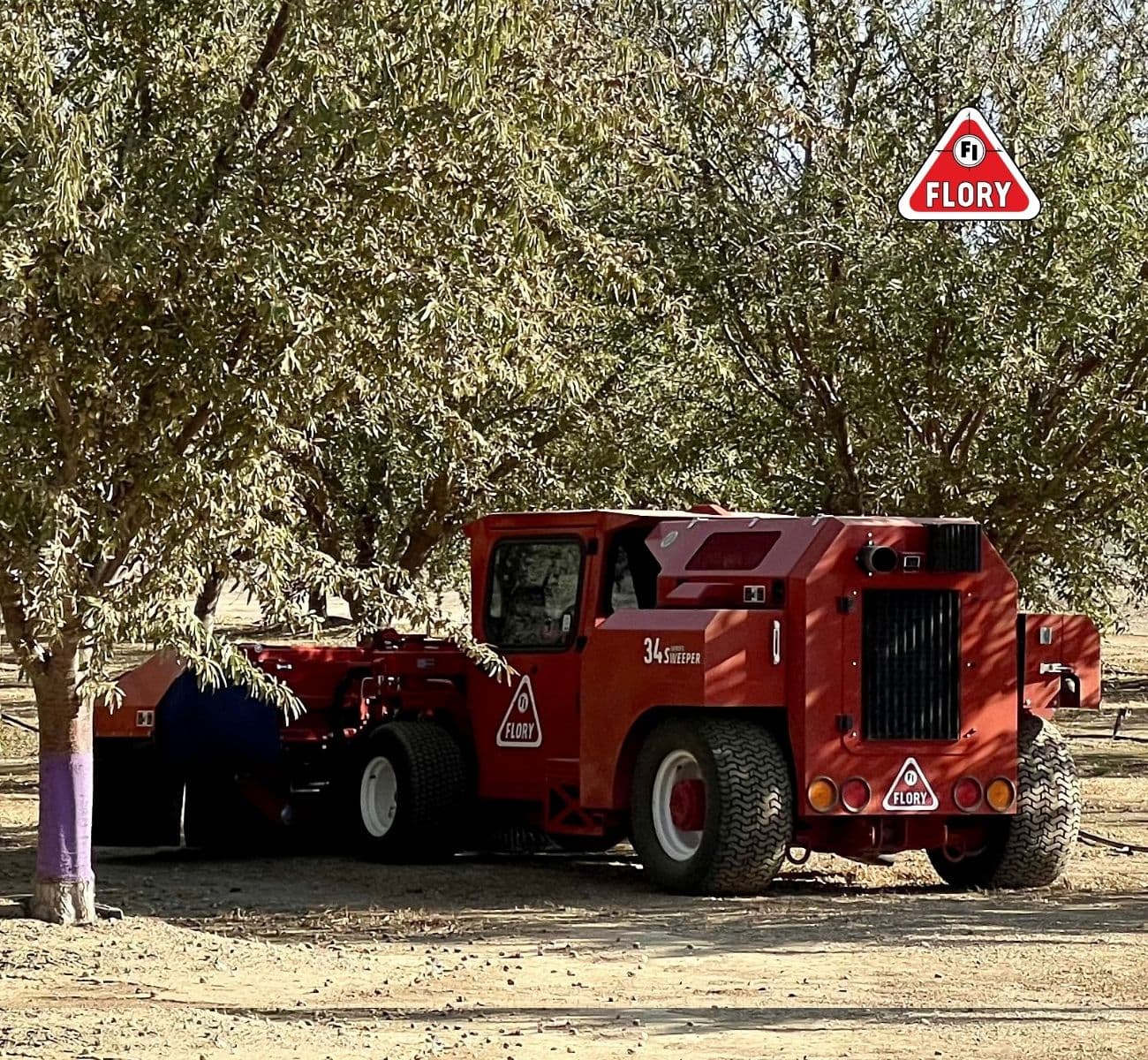
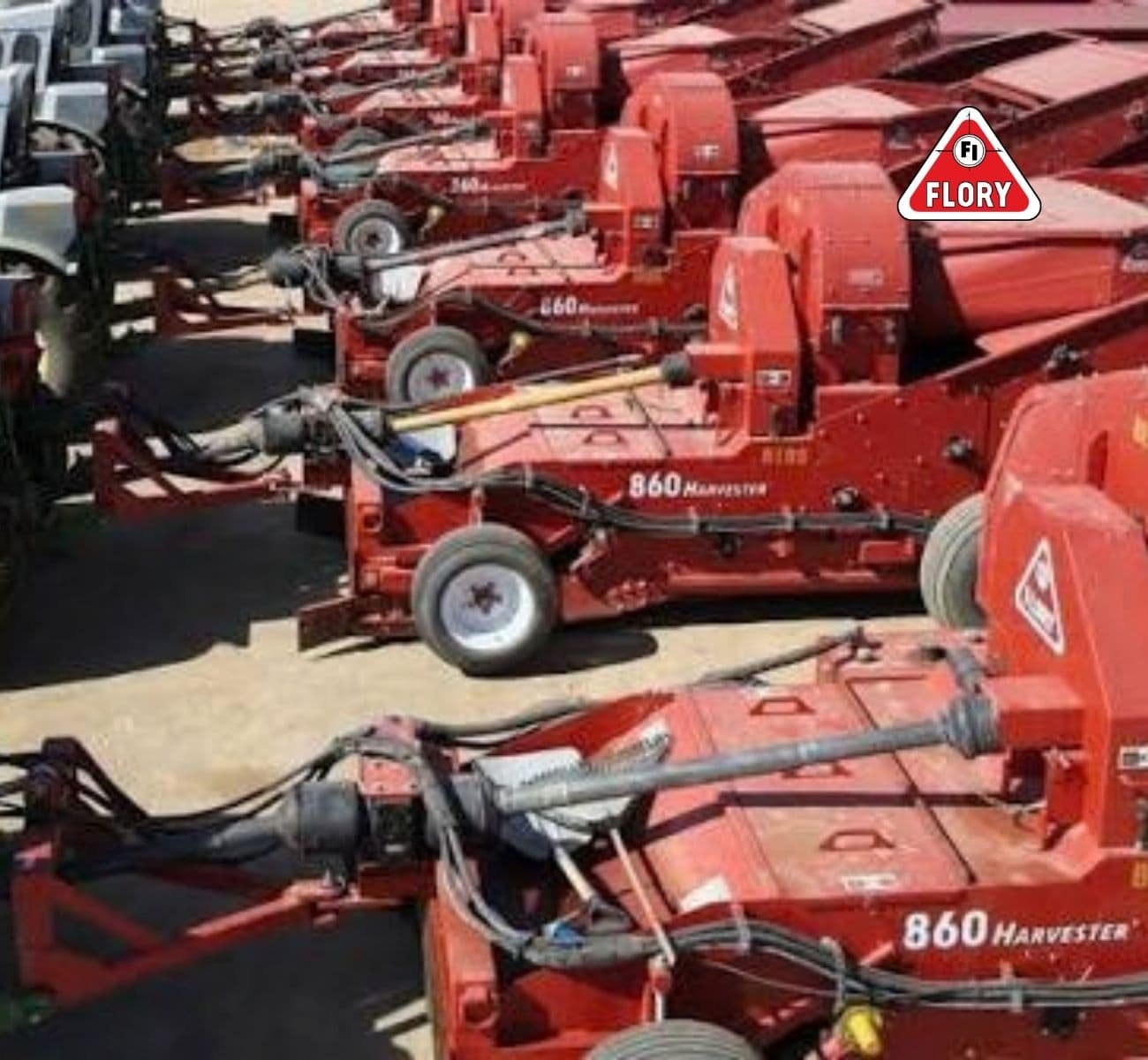
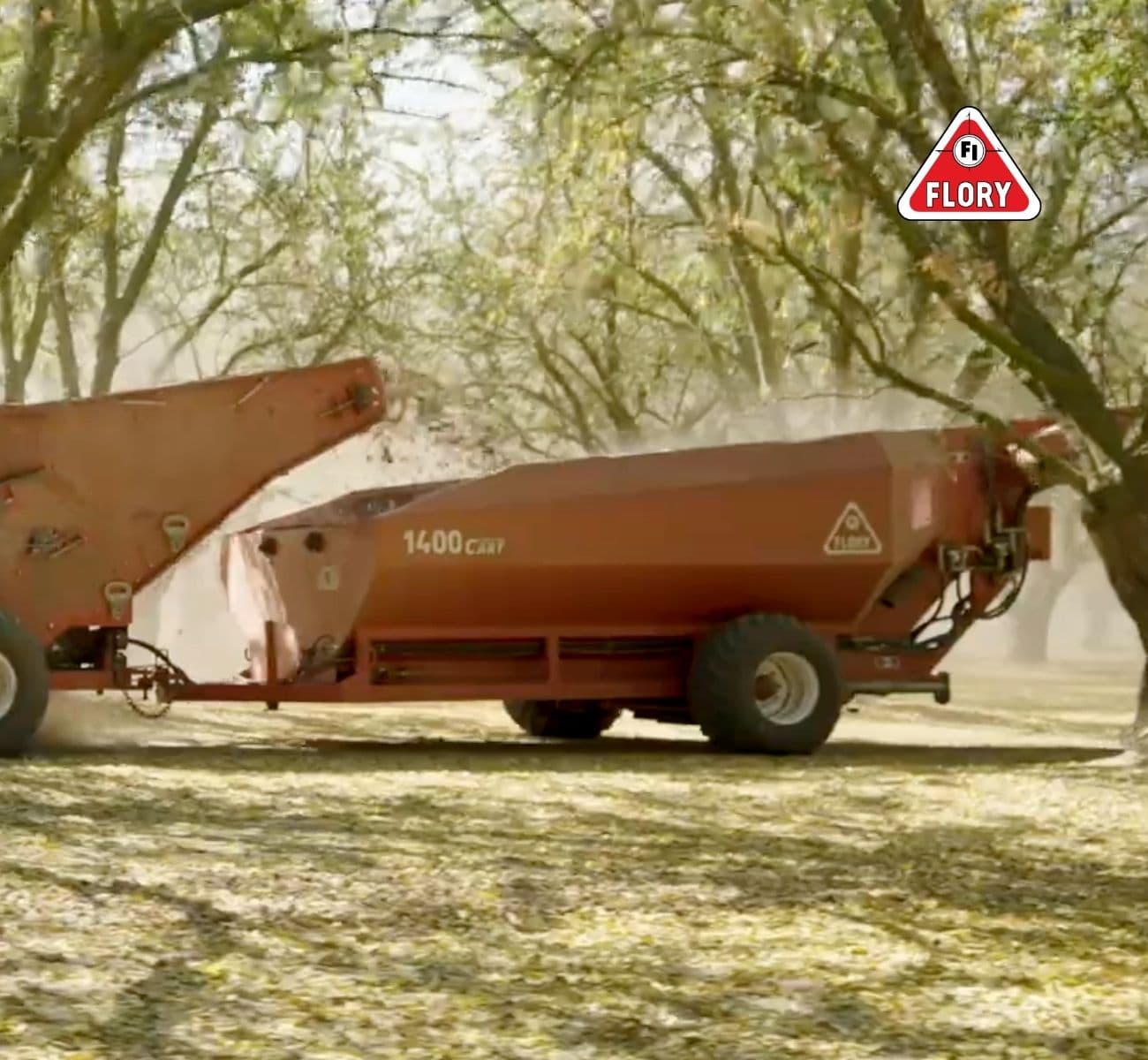
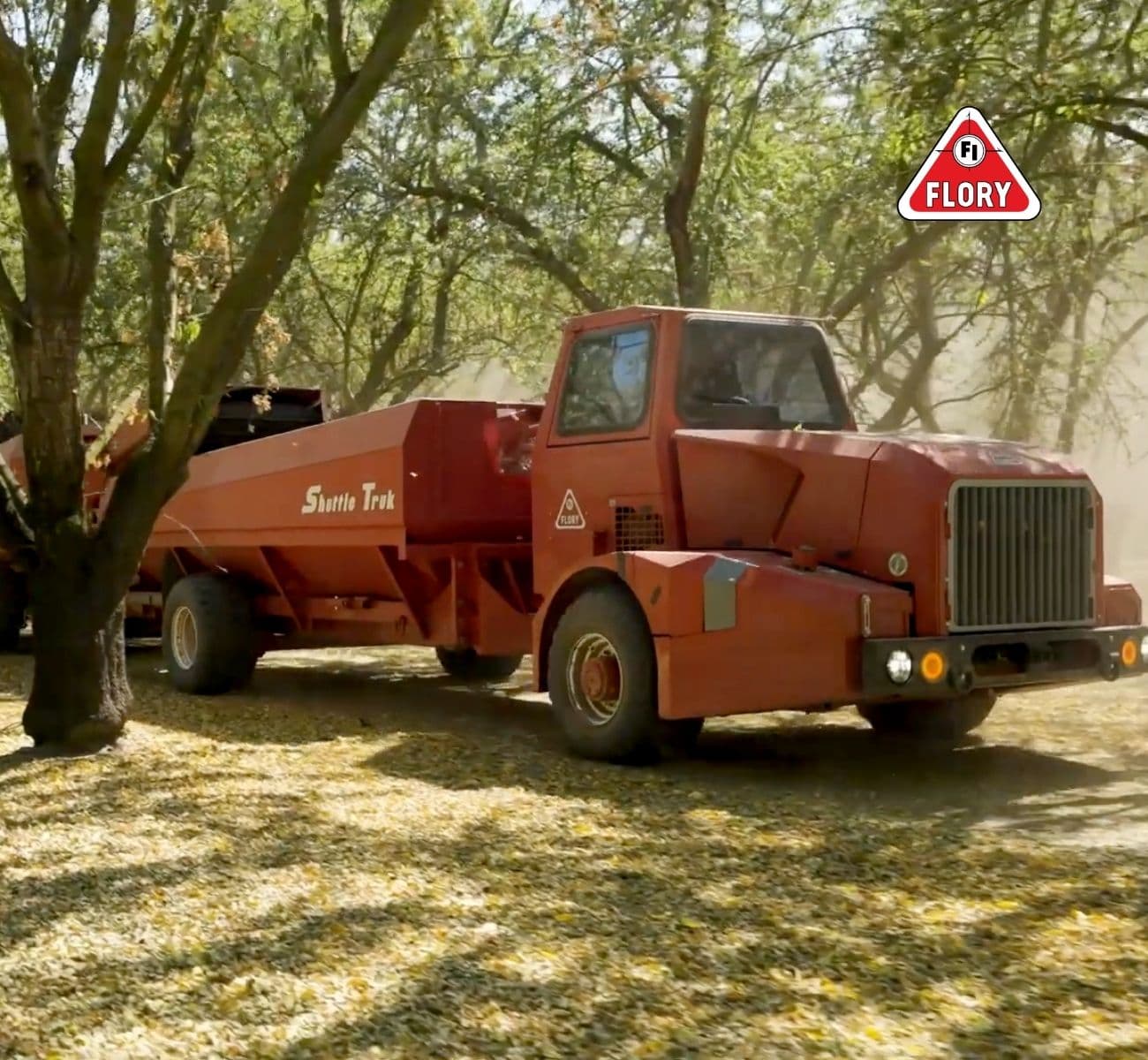
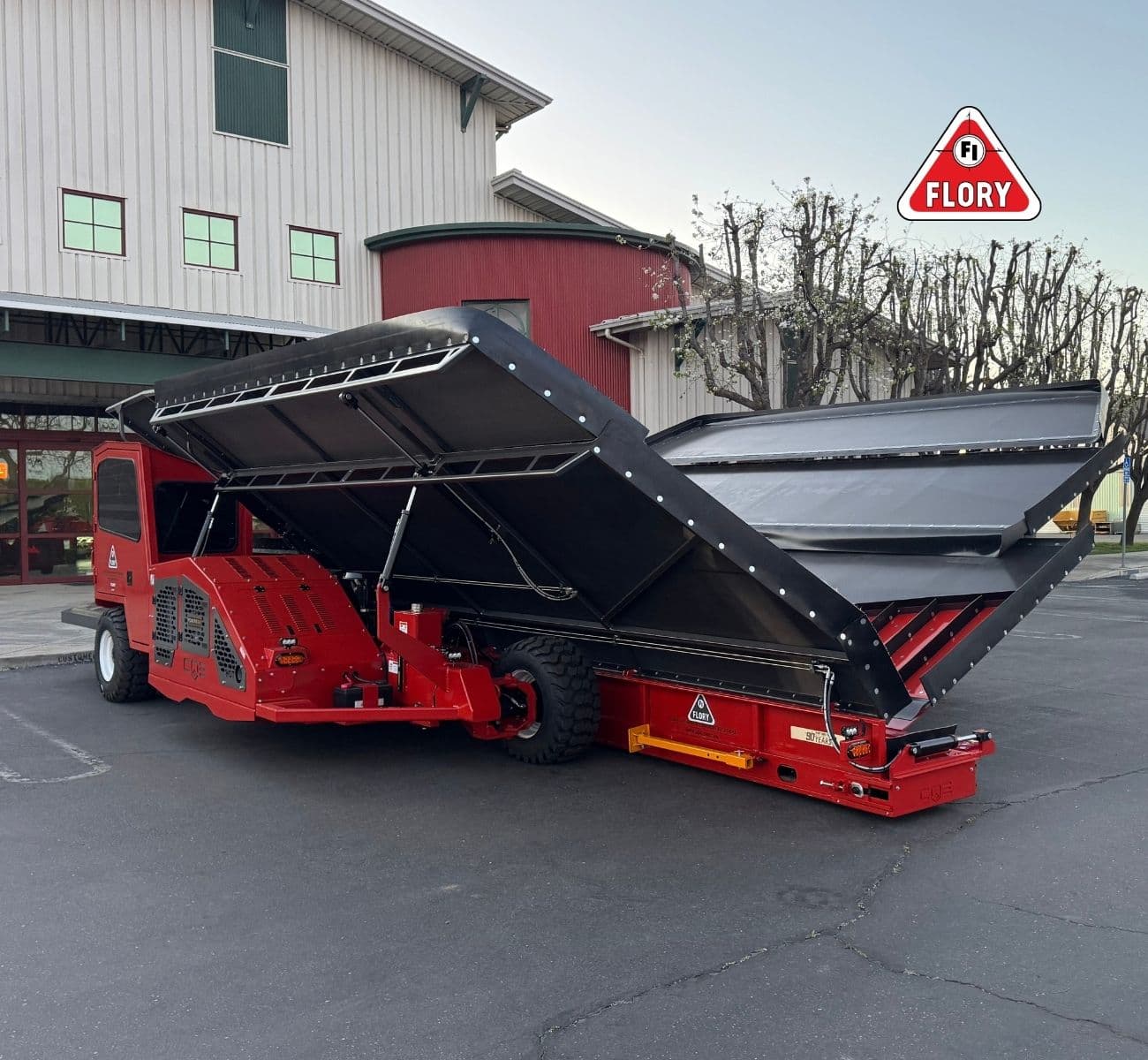
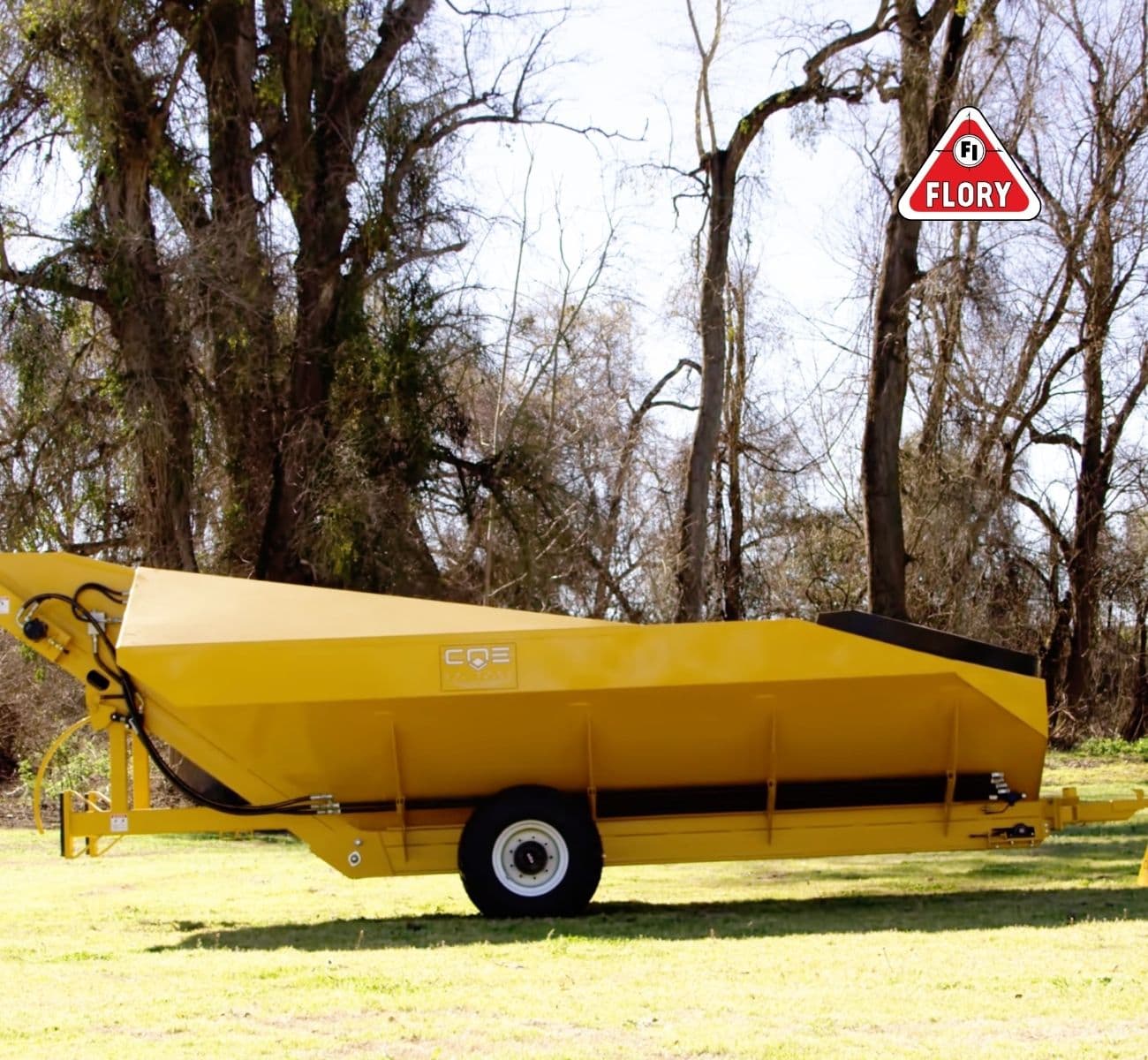
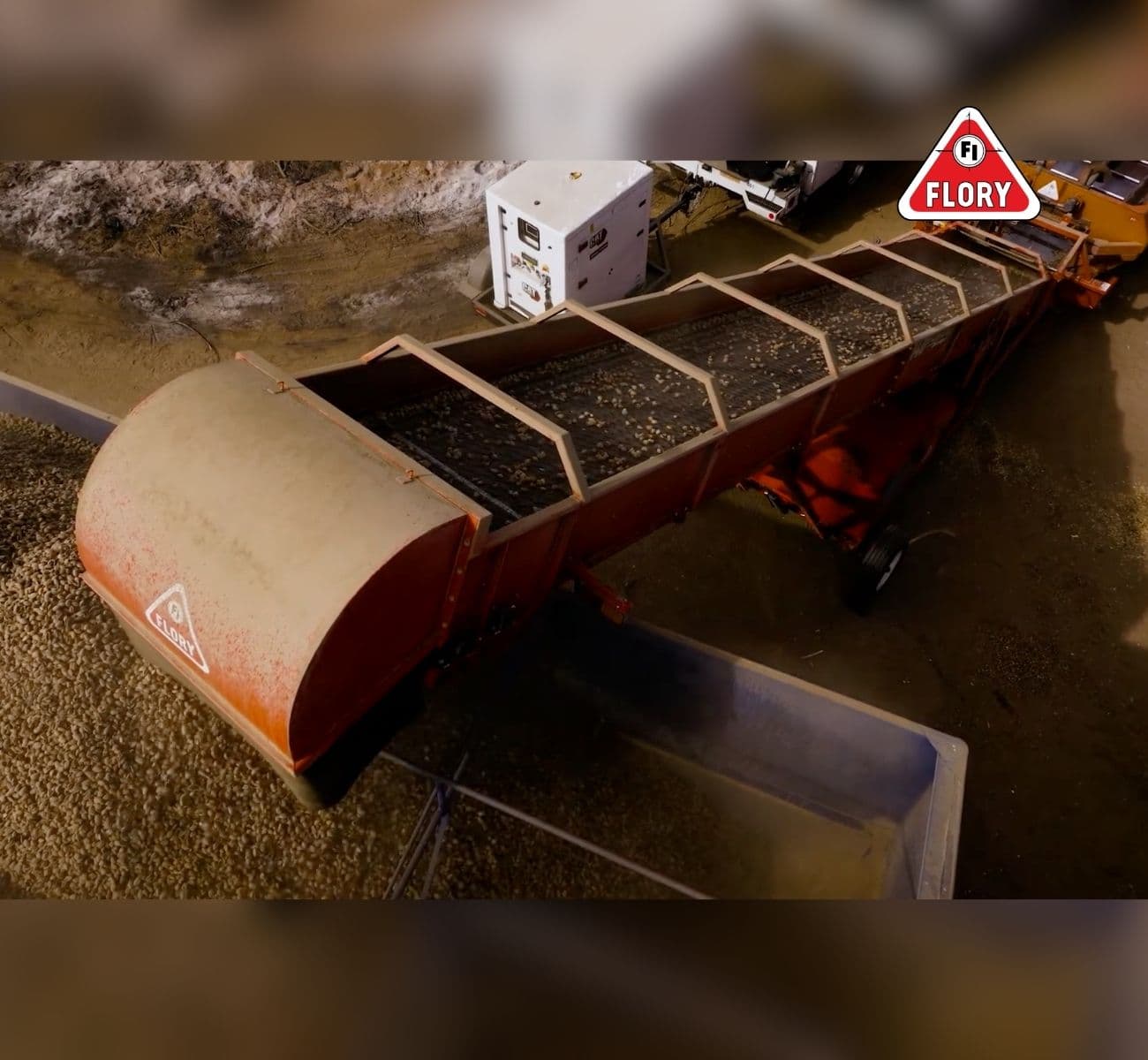
Flory harvesting machinery is available in Pakistan through OVE Europe for both systems. On the ground, the VR700 Shaker, 34 Series Sweeper and 860 Harvester (or the smaller 490) work with the 1500 Conveyor Cart and ST14 Shuttle. Off the ground, the Flory COE C7 Shaker and L2 Receiver catch the almonds in a frame around the trunk, the Flory COE B8 Cart and VS25 Shuttle carry them, and the 4840 Field Elevator loads trailers in both systems.
Almond Harvest Workflow (Recommended Equipment)



Practical Tips for Almond Harvesting
Track hull split from the first split hulls in the top southwestern part of the tree, and shake once nuts come off well, as University of California guidance advises.
Watch for heavy rain near harvest: 46.4 mm fell at Quetta in the week of 26 August to 1 September 2024, against a 13.2 mm August normal.
Sweep and pick up soon after shaking, then hull and dry the almonds off the ground; University of California guidance adds that quick removal limits ant damage.
Never leave wet nuts in piles: University of California guidance warns that wet nuts left in a pile, bag or container mold very quickly.
Where almonds must stay off wet ground, use catching frames: the Flory COE C7 Shaker works with the L2 Receiver.
Keep shakers and frames for orchards planted for machines, never scattered or household trees, terraced valley plots or steep slopes.
Get your recommended harvest setup
Enter orchard size, spacing, terrain, and target throughput—we’ll suggest a practical harvest workflow and equipment lineup.

Almond Post-Harvest Handling & Processing in Pakistan
No Pakistani source describes how almonds are hulled, dried or stored in Balochistan; in Gilgit-Baltistan they are dried in the sun (2017 news), and in 2025 a growers' forum official linked missing modern techniques and machinery to inefficiencies in harvesting, processing and storage. University of California guidance warns that rain-wet nuts do not hull cleanly, and that nuts should not be picked up and stockpiled above 12% moisture in the hull, 6% in the kernel or 9% for the whole fruit.
No Pakistan Standard for almonds appears in the standards authority's list, and sources disagree on whether an aflatoxin limit applies to nuts. In a 2024 study of Lahore markets, 16 of 20 almond samples contained aflatoxins and 4 exceeded European limits. For exports to the EU, Regulation (EU) 2023/915 allows 8.0 µg/kg of aflatoxin B1 and 10.0 µg/kg in total in almonds for consumers, and 12.0 and 15.0 µg/kg in almonds to be sorted first.
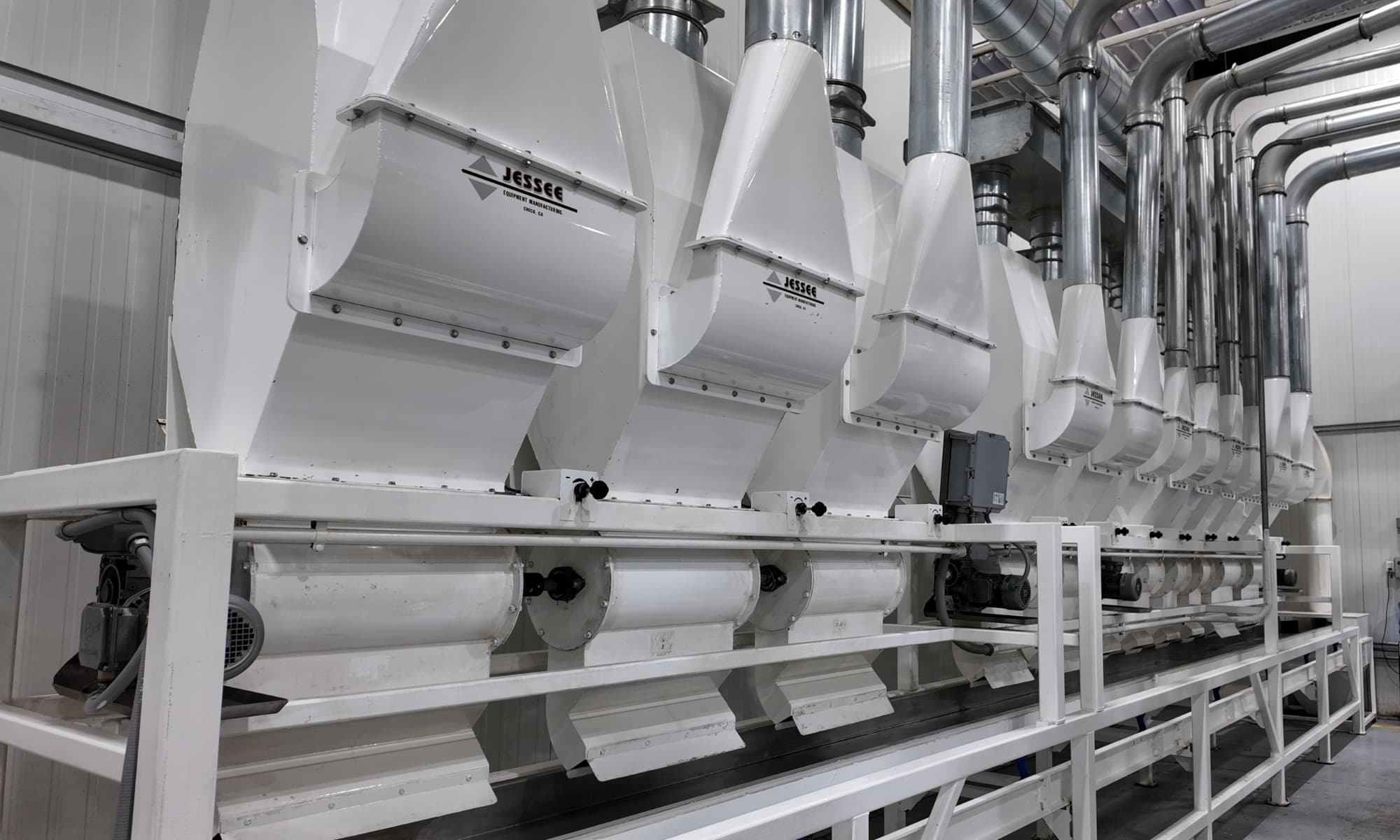
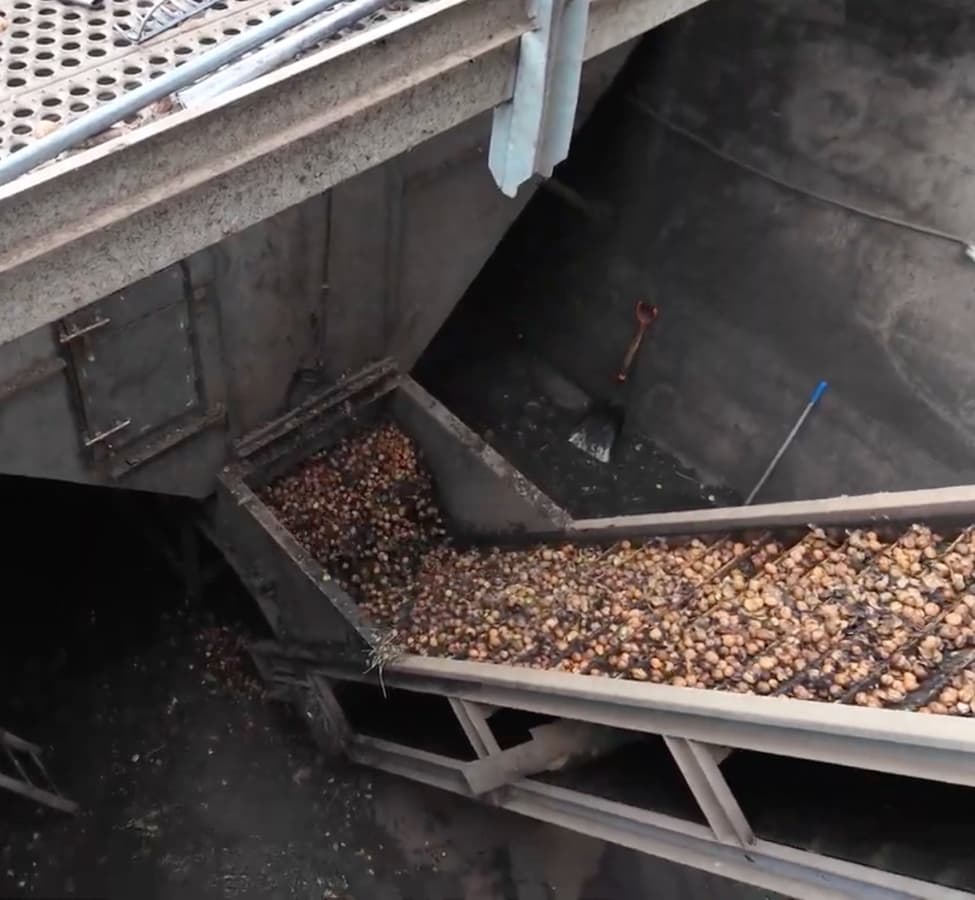
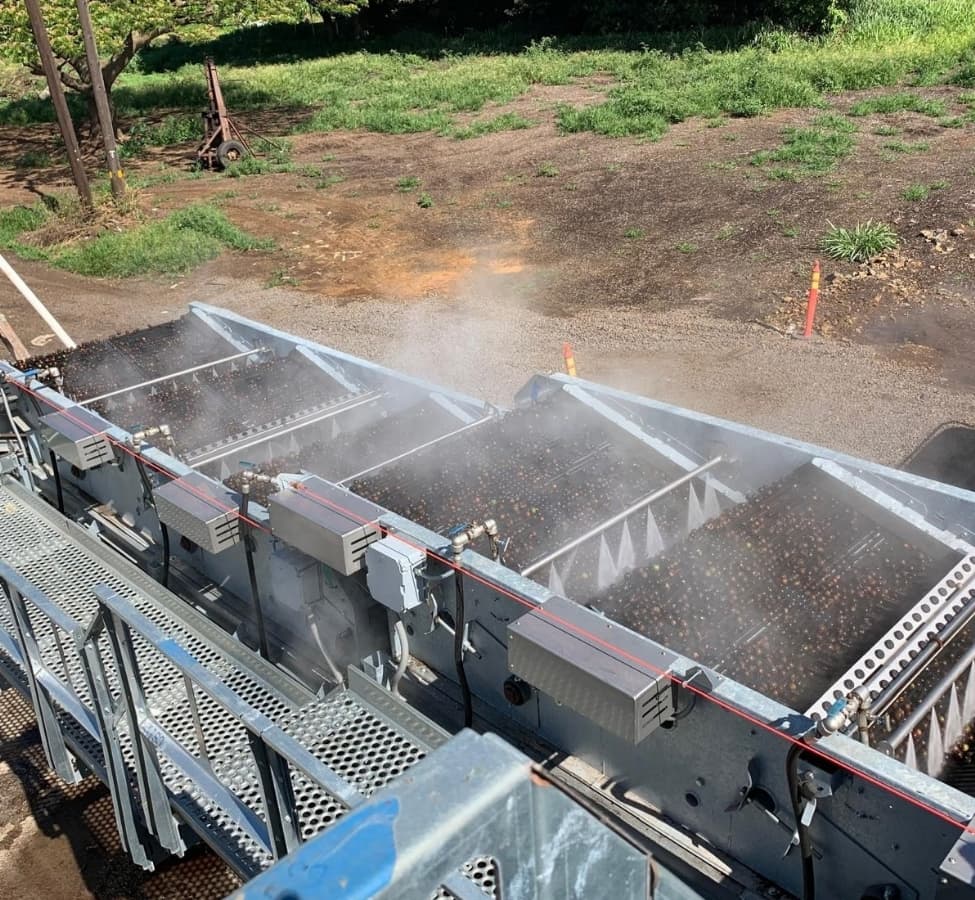
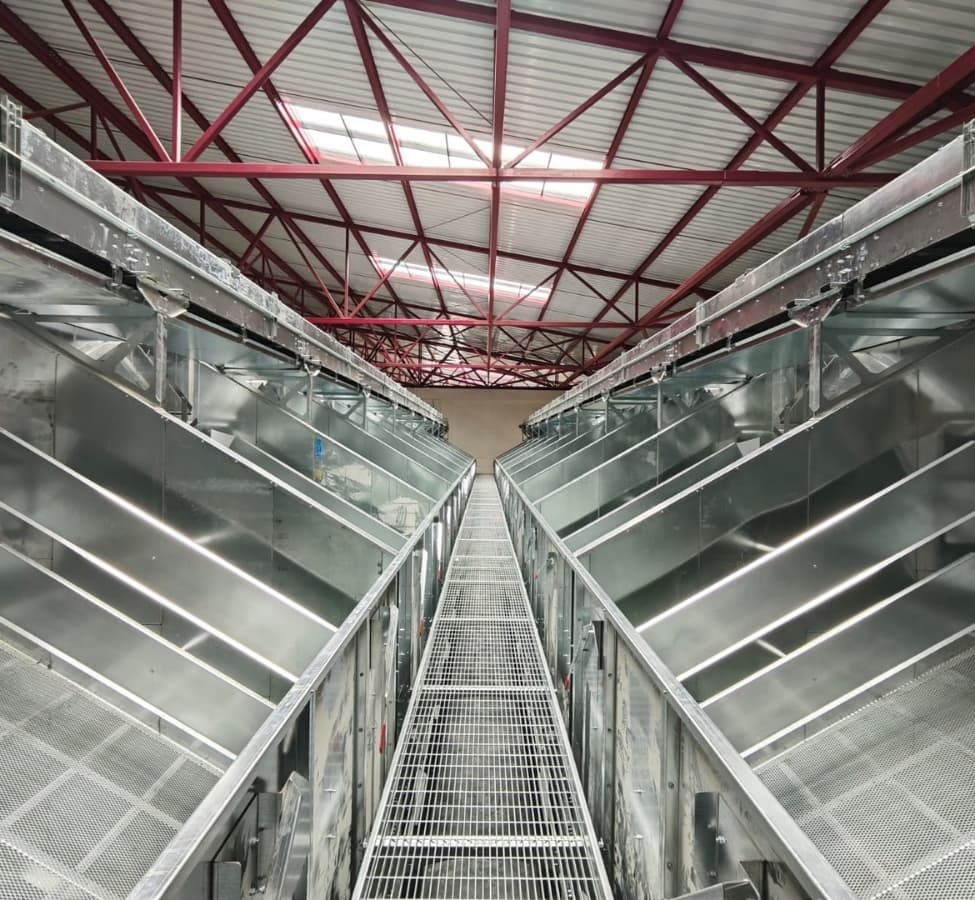
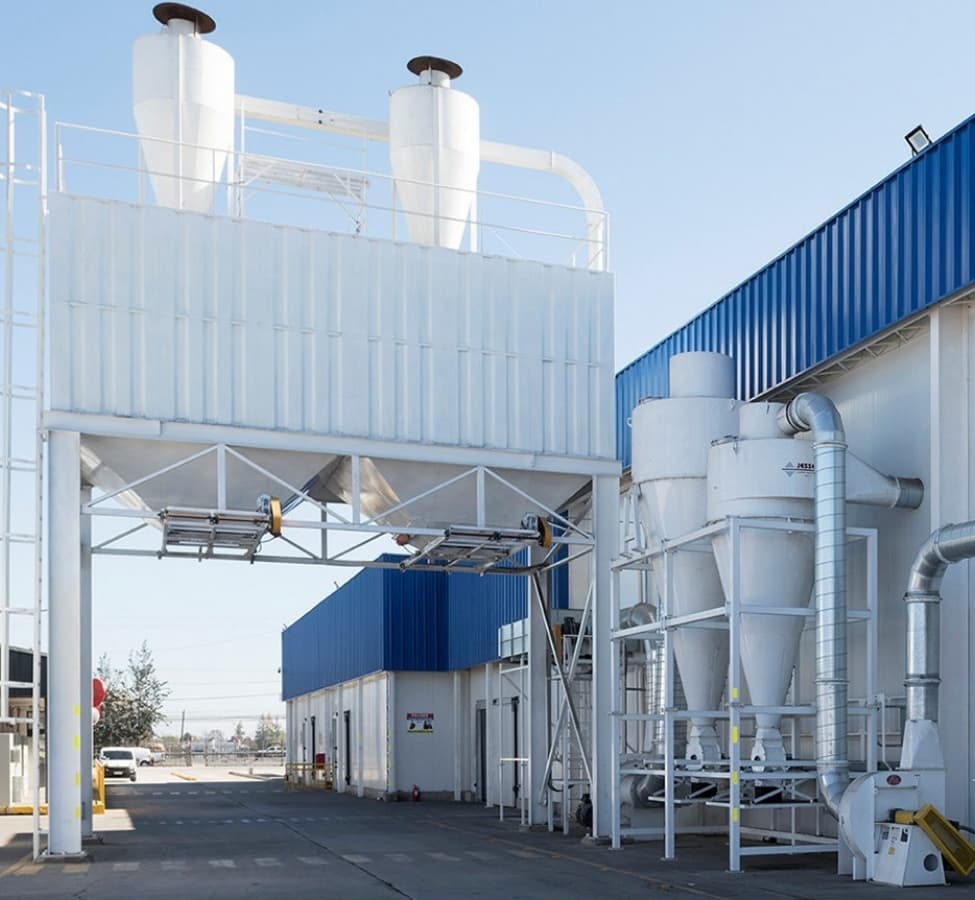
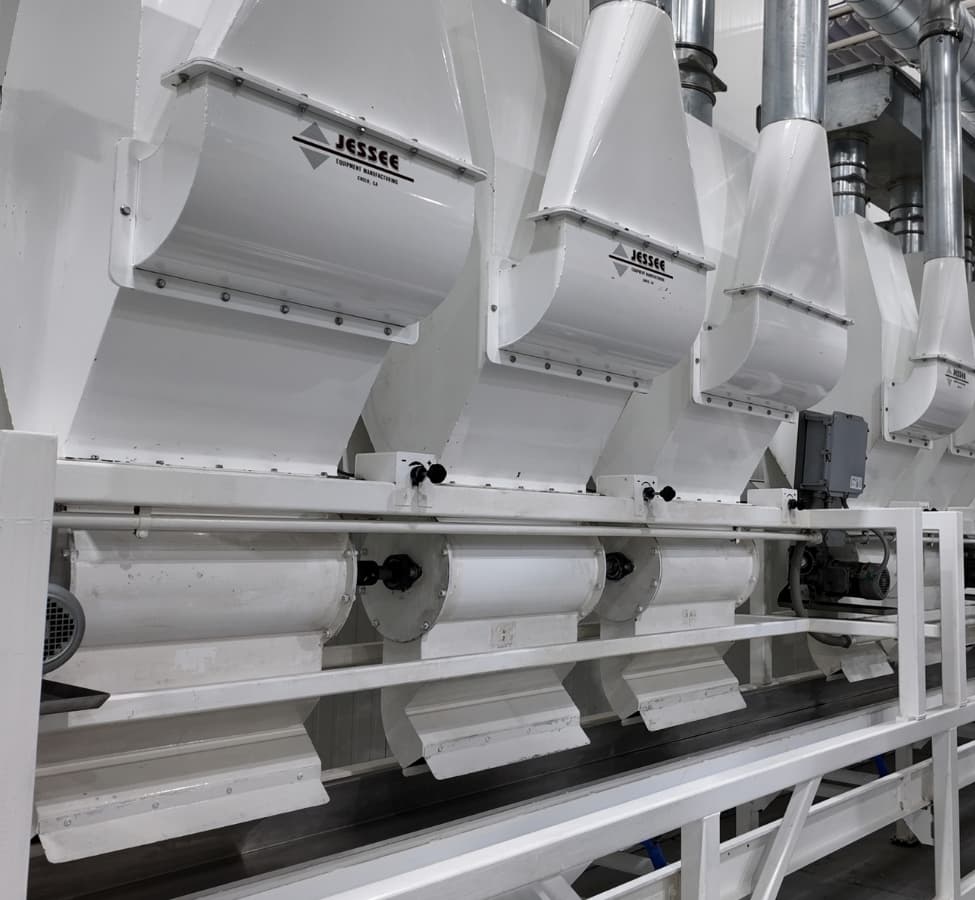
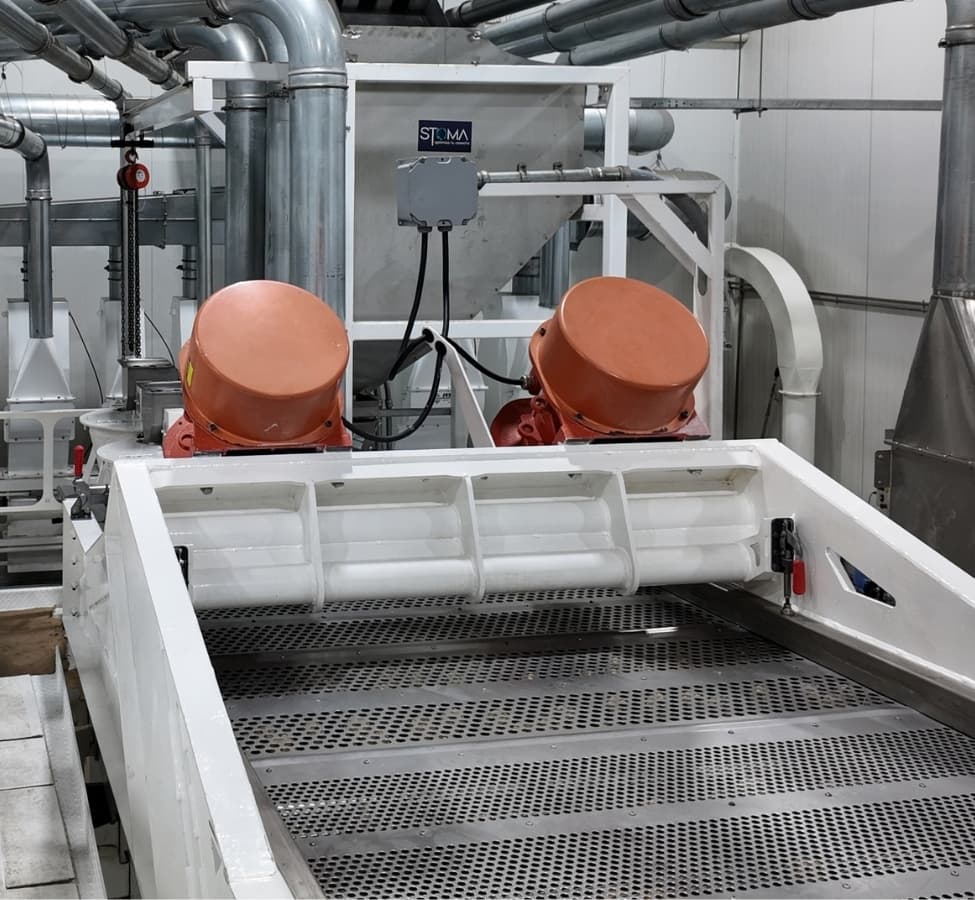
Pakistan's own records show more almonds imported than exported, by weight, in every year from 2015 to 2025. In 2025 its imports were worth USD 42.2 million, about 87% of the value from the United States and most of the rest from Afghanistan, and its exports USD 1.45 million, mostly shelled almonds to Germany (UN Comtrade via WITS). Jessee, whose processing lines OVE Europe supplies, builds hulling, drying, in-shell cleaning and sizing, and shelling systems; its Airlegs nut cleaner was developed for the almond industry.
For general information only. Information may become outdated and does not replace site-specific professional advice. Consult a qualified agronomist and confirm equipment suitability with OVE before acting.
Practical Tips for Almond Post-Harvest Handling & Processing
Hull promptly picked or frame-caught almonds while the hulls are fresh, then dry the nuts in the shell before storage.
Dry hulled almonds until the kernels reach 6% moisture or less, the University of California limit for stockpiling.
Test lots for aflatoxins: in a 2024 study, 4 of 20 almond samples from Lahore markets exceeded European limits.
Store almonds cool and dry, protected from worms and ants, as University of California guidance advises.
Keep each lot separate by cultivar and orchard block, and store dried almonds in a dry, clean place.
Plan sales with imports in mind: Pakistan's almond imports were worth USD 42.2 million in 2025, mostly from the United States.
Recommended Post-Harvest Handling & Processing Stages


Plan your post-harvest line
Estimate tons/day, cleaning & drying capacity, storage needs, and cost/kg—then build your equipment plan in phases.