


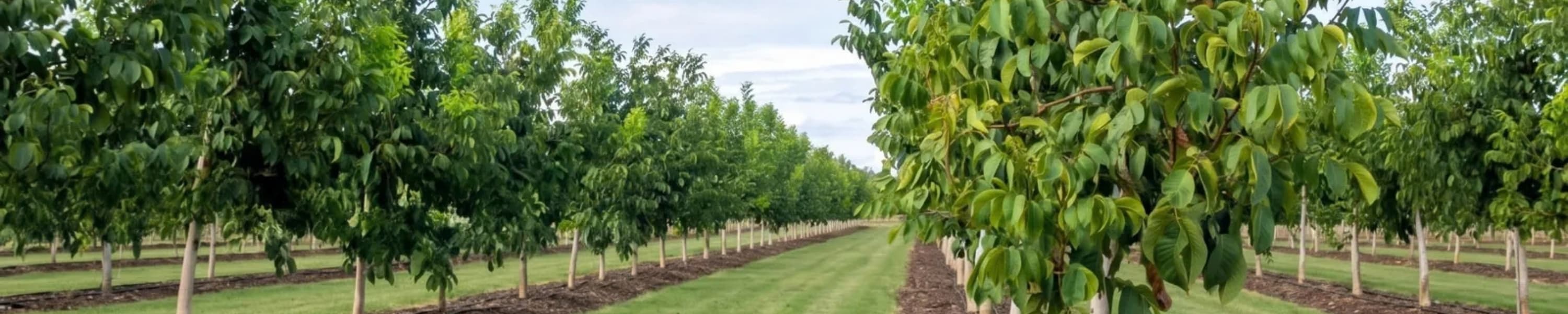




Walnut Orchard Establishment in Pakistan
The 2024 census found 60% of walnut trees scattered and 40% in compact plantations. Swat led with 302,079 trees, of which 278,465 were too young to bear and 144,448 stood in plantations, ahead of Kolai Palas Kohistan (211,450) and Mansehra (170,613). In 2017, researchers described the walnut trees of Malakand division as mostly seedlings along field boundaries, channels and backyards, with no regular orchards.
Studies describe seedling trees as the rule: grafting and budding were called very rare in Azad Jammu and Kashmir (2021) and very scarce in Gilgit-Baltistan (2016). A 2017 overview lists introduced cultivars such as Chandler and Hartley and local selections from Swat, Dir, Chitral and other districts, and the research institute in Swat compared 13 local genotypes with Serr and Payne in 2015; no source shows these planted in orchards.
Sites differ widely: natural stands grow at 778 to 2,804 m in Swat and 1,062 to 2,591 m in Dir, with about 1,330 to 1,870 mm of rain a year, while Gilgit and Hunza-Nagar get about 140 mm. Local trees in Azad Jammu and Kashmir leafed from late March to May and ripened from late August to mid-October (2016 to 2017 study), with nuts weighing 6.44 to 17.7 g.
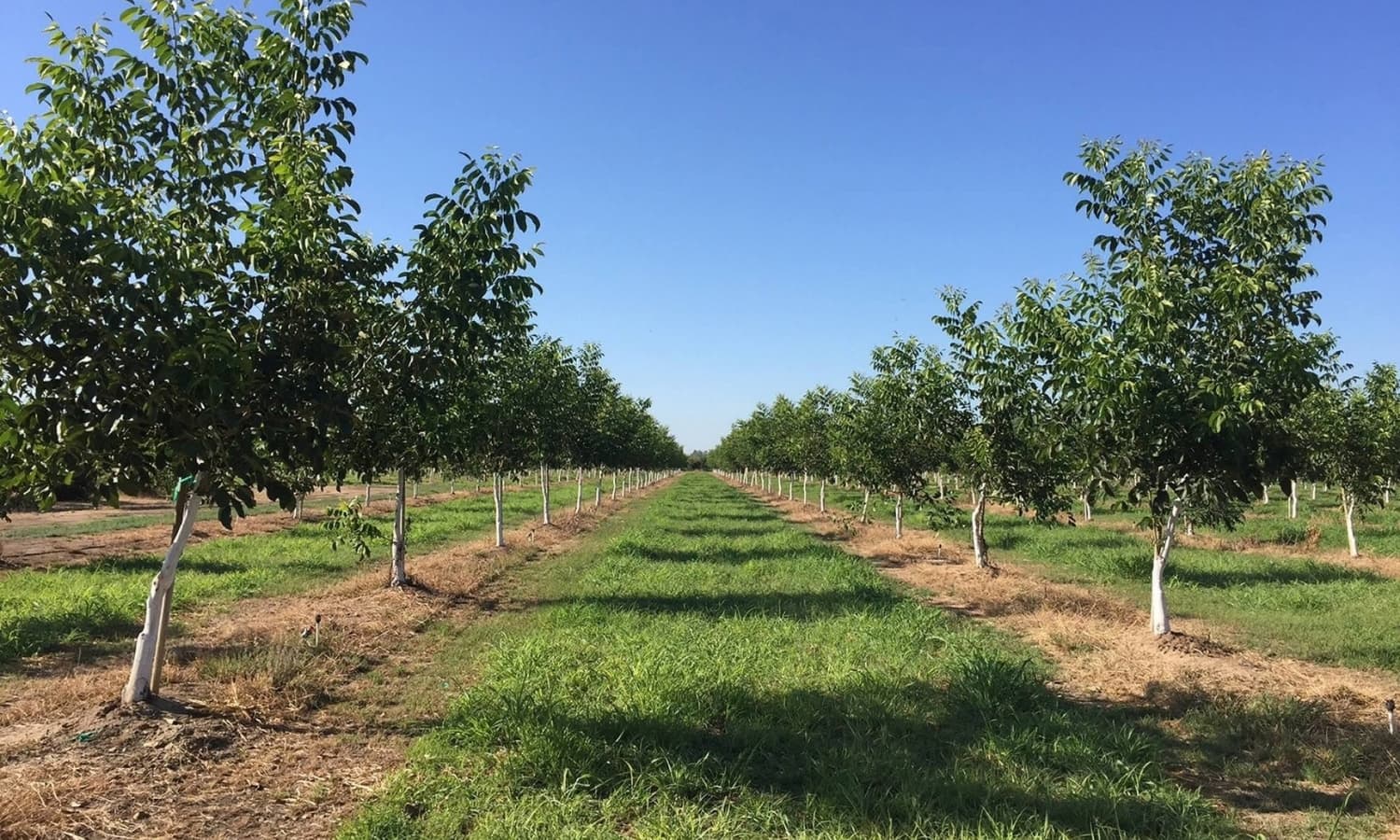

Practical Tips for Walnut Orchard Establishment
Choose grafted trees over seedlings: FAO's walnut guidance for Bhutan expects grafted trees to bear 4 to 5 years after planting, seedlings only after 10 to 12.
Buy trees labeled with cultivar and rootstock: seedling walnuts in the north vary widely in leafing date, ripening date and nut size.
Check frost risk first: the same FAO guidance calls for sites with good frost drainage and advises against commercial walnut above 2,500 m.
Prefer later-leafing cultivars where springs are wet: University of California guidance finds early-leafing cultivars most hurt by walnut blight.
Secure water before planting: Gilgit and Hunza-Nagar get only about 140 mm of rain a year, far less than Dir and Swat.
For orchards meant for machines, choose a consolidated plot on flat or gently sloping valley land and plan rows, headlands and access lanes before planting.
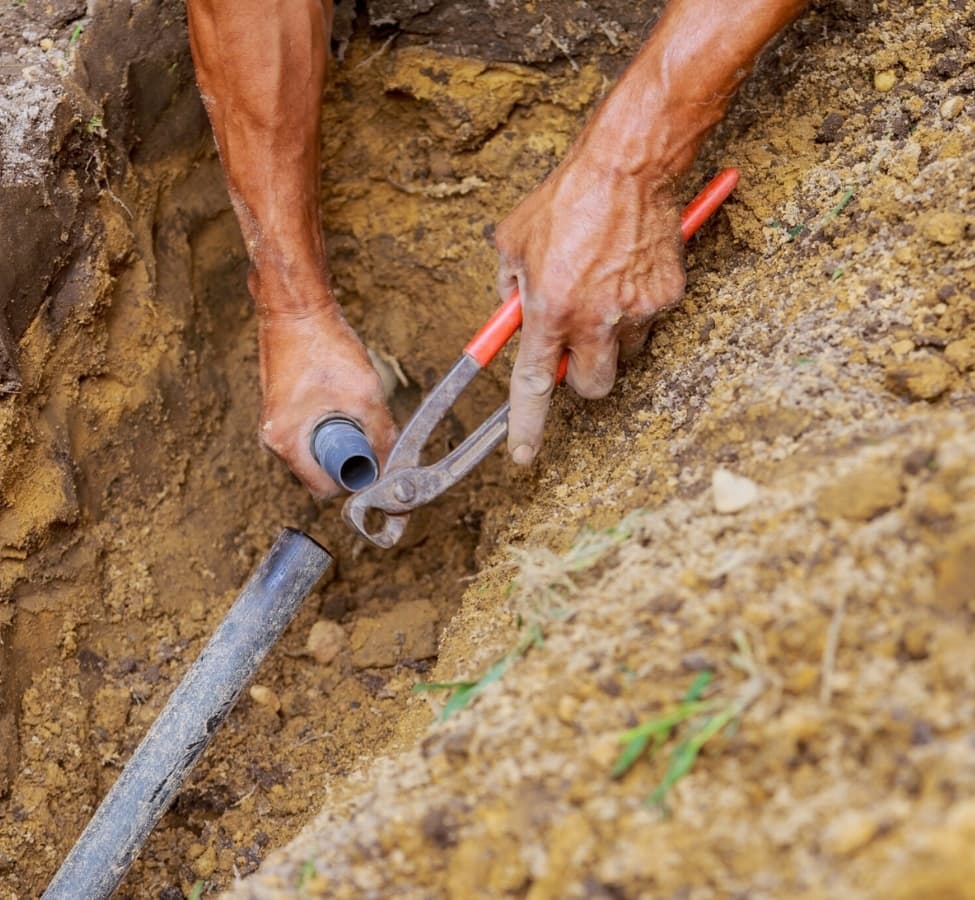
Recommended Establishment Stages





Walnut Orchard Care & Maintenance in Pakistan
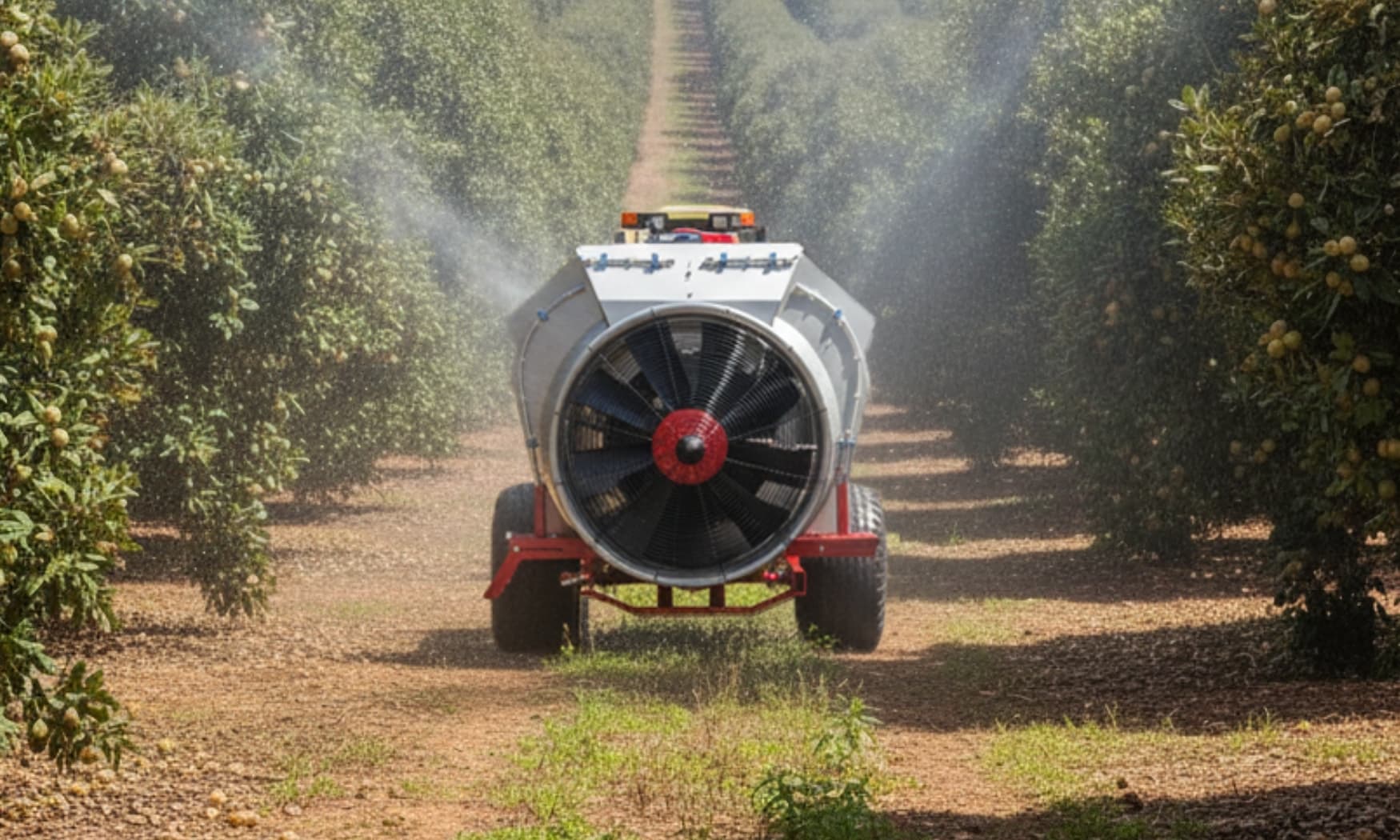
Walnut blight is the best-documented walnut disease in Pakistan: a survey from March to May 2023 in eight districts of Azad Jammu and Kashmir found it at 60 to 100% of the sites in each district, with a mean disease index of 69 to 77%, worst where rain, humidity and leaf wetness persisted. Molecular tests confirmed the pathogen in 2026; EPPO has no Pakistan record.
EPPO records codling moth in Pakistan, but no Pakistani study of it on walnut was found; a 1988 paper by pest-warning staff reported monitoring it with pheromone traps on apple in the Murree hills. EPPO has no record of walnut husk fly in Pakistan. University of California guidance is a useful reference: trap codling moth from spring and crack out 1,000 nuts at harvest to judge damage.
No Pakistani walnut guidance on irrigation, nutrition or pruning was found. Rainfall ranges from well over 1,000 mm a year in Dir and Swat to about 140 mm in Gilgit and Hunza-Nagar, so irrigation needs differ by valley. FAO-56 gives walnut orchards crop coefficients of 0.50 at the start of the season, 1.10 at midseason and 0.65 before leaf drop, a basis for planning water.
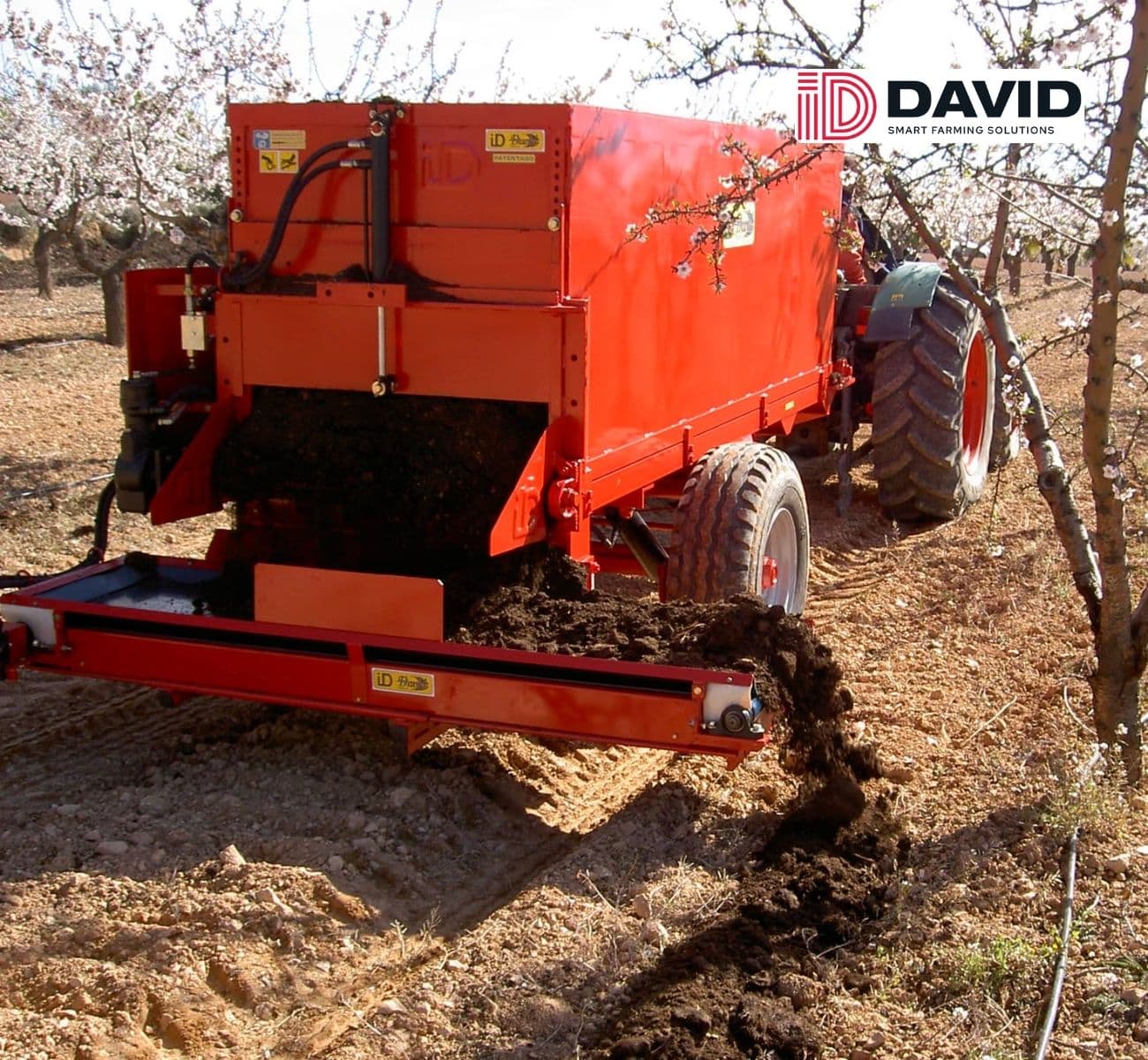
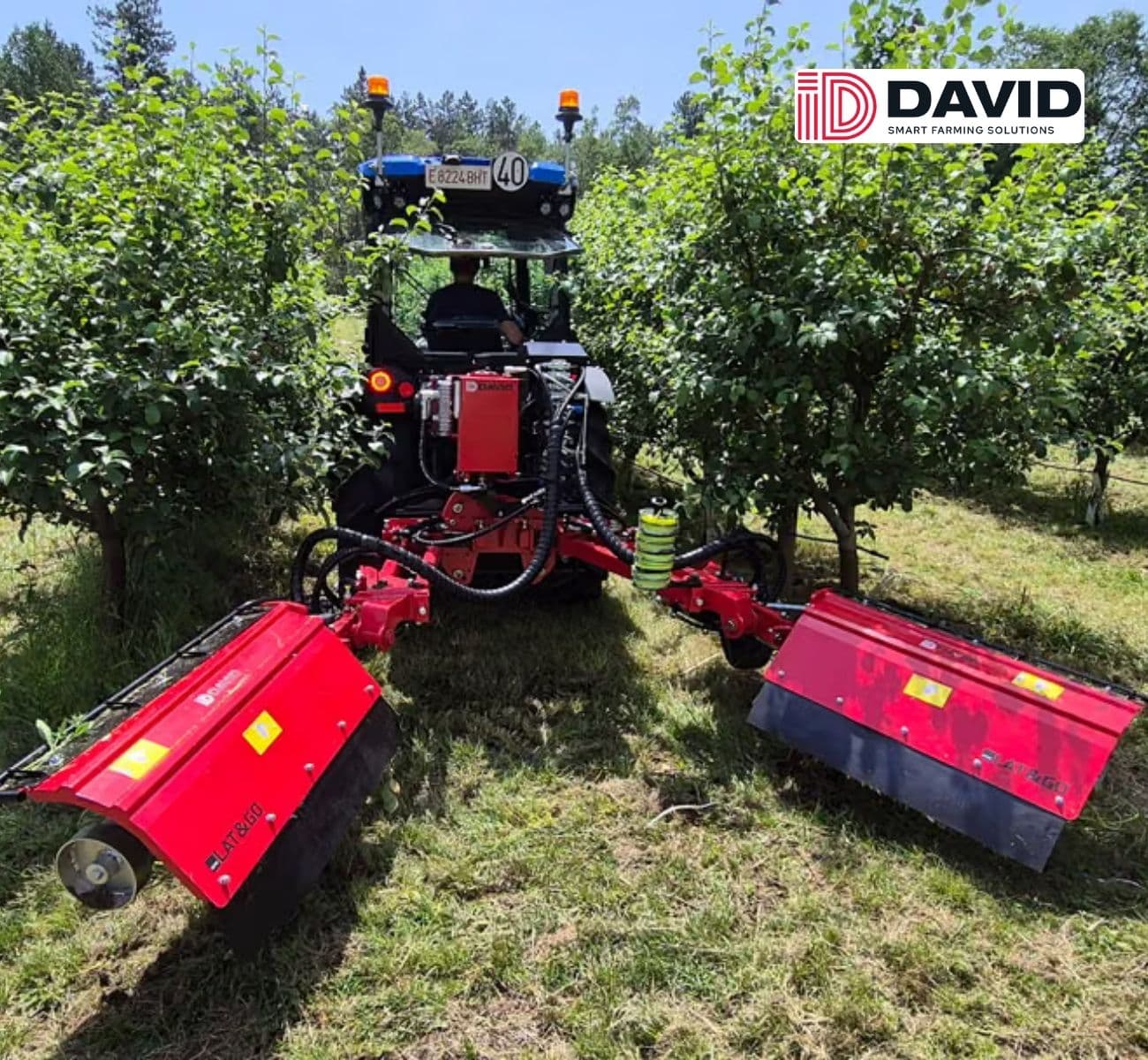
Recommended Orchard Care & Maintenance Stages



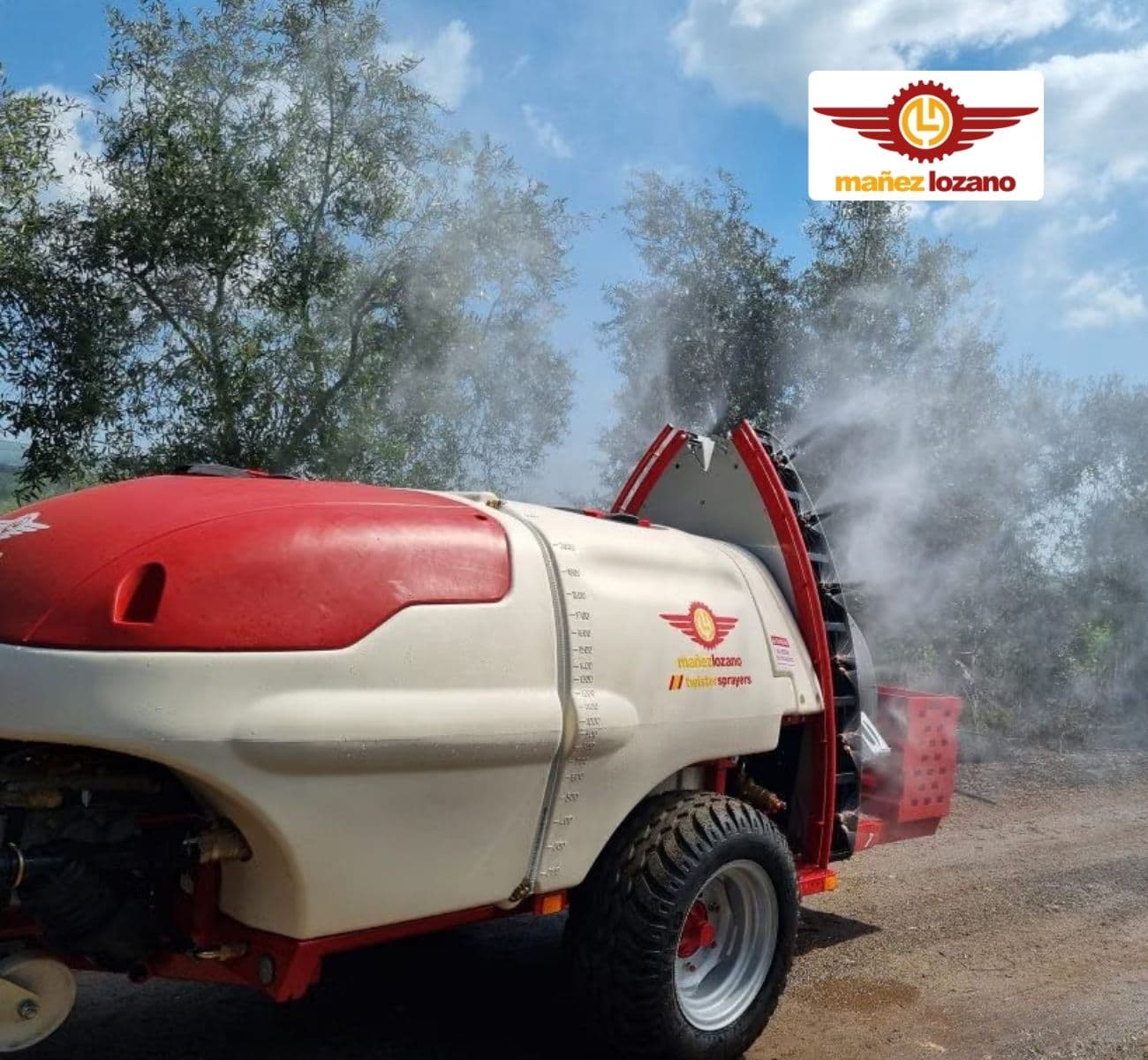
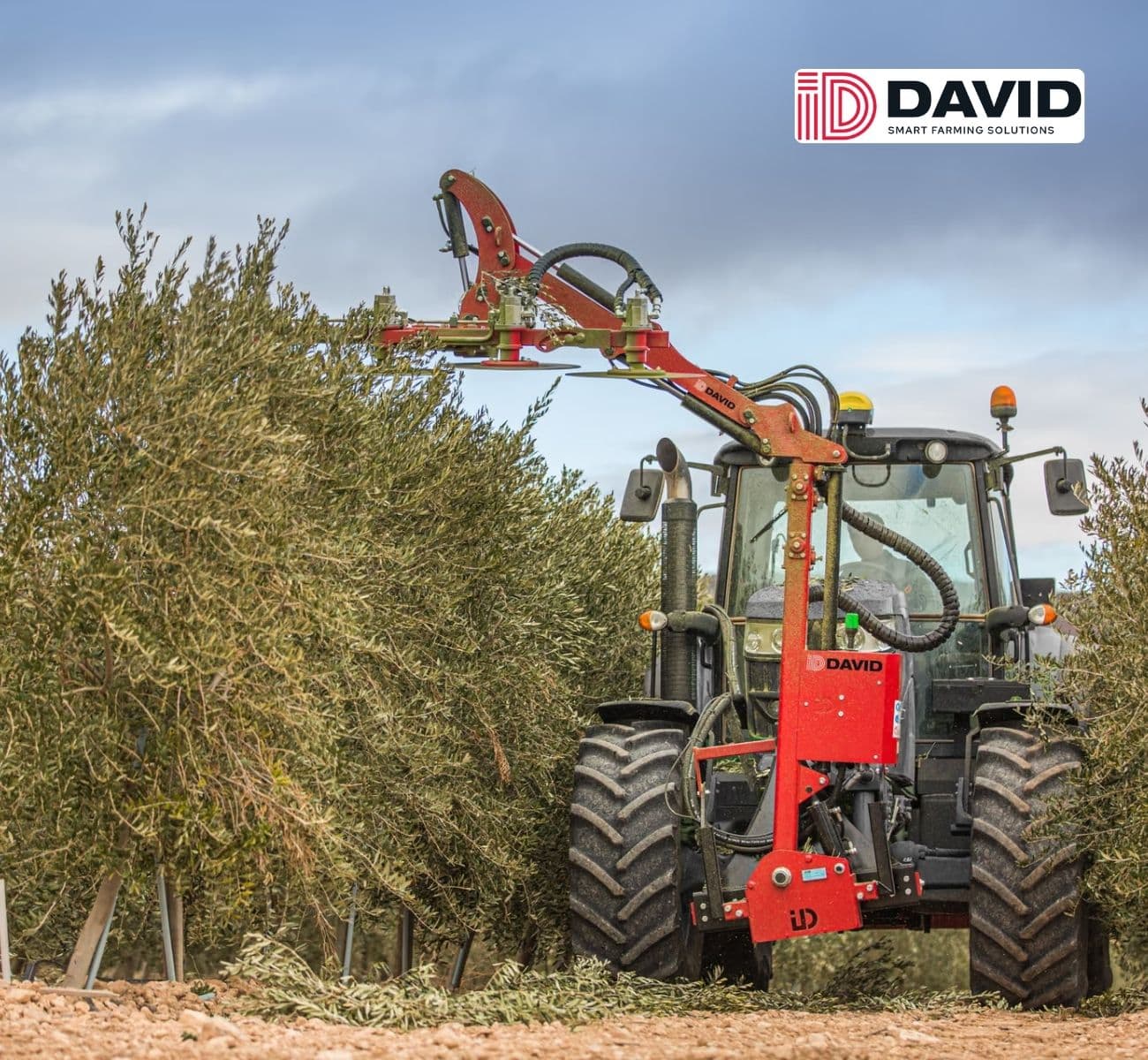
Practical Tips for Walnut Orchard Care & Maintenance
Check leaves and young nuts for blight after spring rain: the 2023 survey in Azad Jammu and Kashmir found most disease where wet weather persisted.
Hang codling moth traps from spring and crack out 1,000 nuts at harvest to judge damage, as University of California guidance advises.
Report any suspected walnut husk fly to the plant protection department: EPPO has no record of the pest in Pakistan.
Keep bark intact: in one Khyber Pakhtunkhwa district, the tribes that own walnut orchards ban stripping bark, since it destroys the trees (Dawn, 2022).
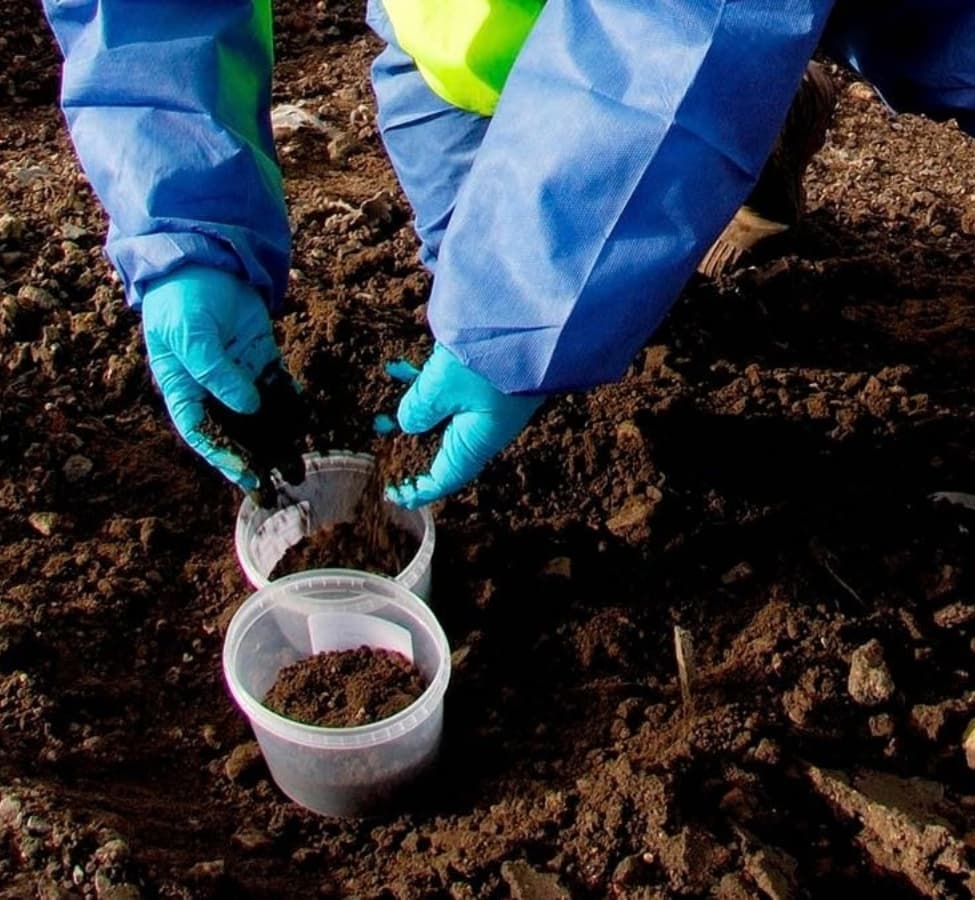
Base fertilization on soil and leaf analysis, since no Pakistani walnut nutrition guidance was found.
Rate blight each year by blighted nuts per tree: University of California guidance treats fewer than 50 as low risk and 150 or more as high.

Walnut Harvesting in Pakistan
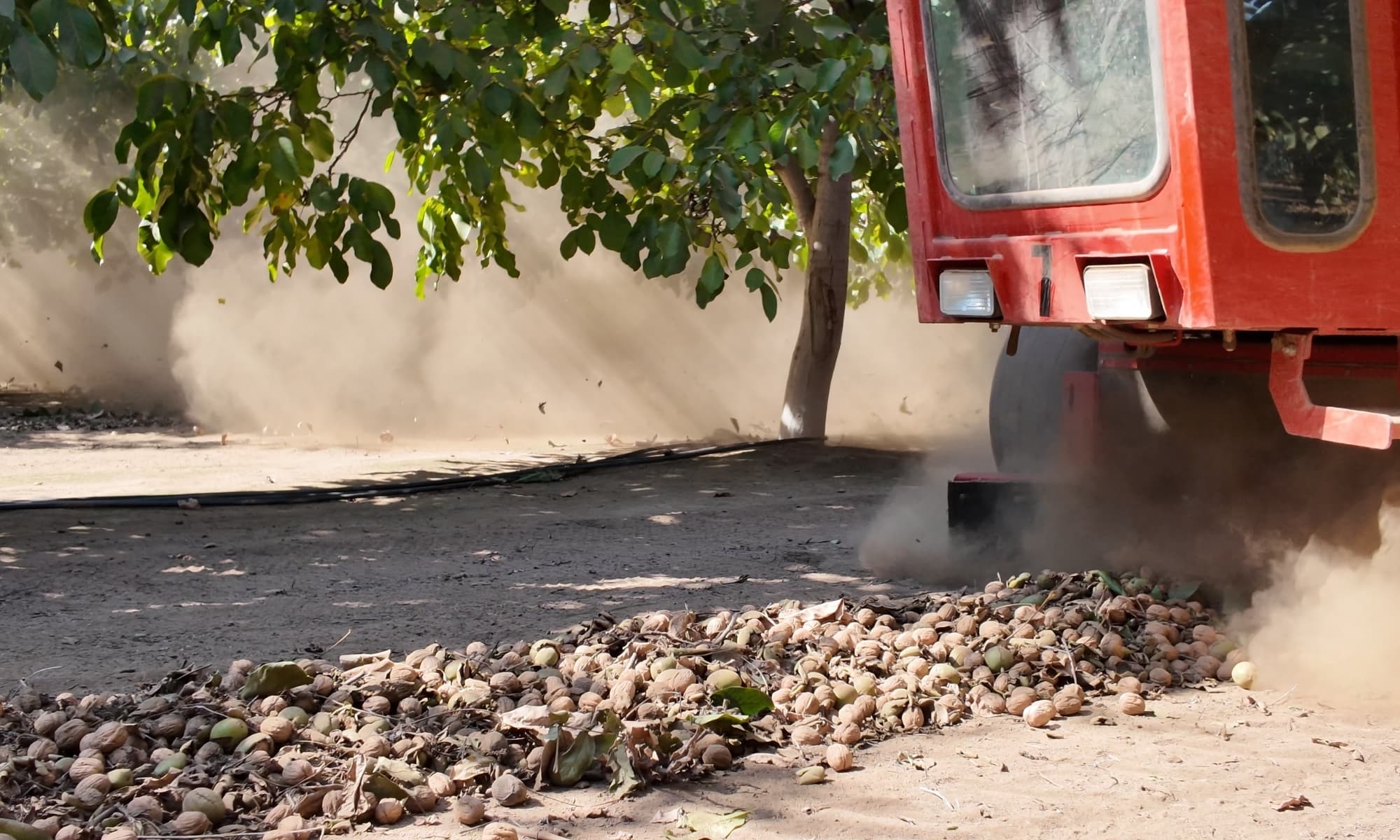
No Pakistani source found describes how walnuts are harvested or who picks them. Timing varies: local trees in Azad Jammu and Kashmir ripened from late August to mid-October (2016 to 2017), the research institute in Swat picked early to late genotypes from 1 to 27 September 2015, and Dawn reported a harvest under way in a Khyber Pakhtunkhwa district in late September 2022, with walnuts at Rs 400 to 600 a kilo depending on size.
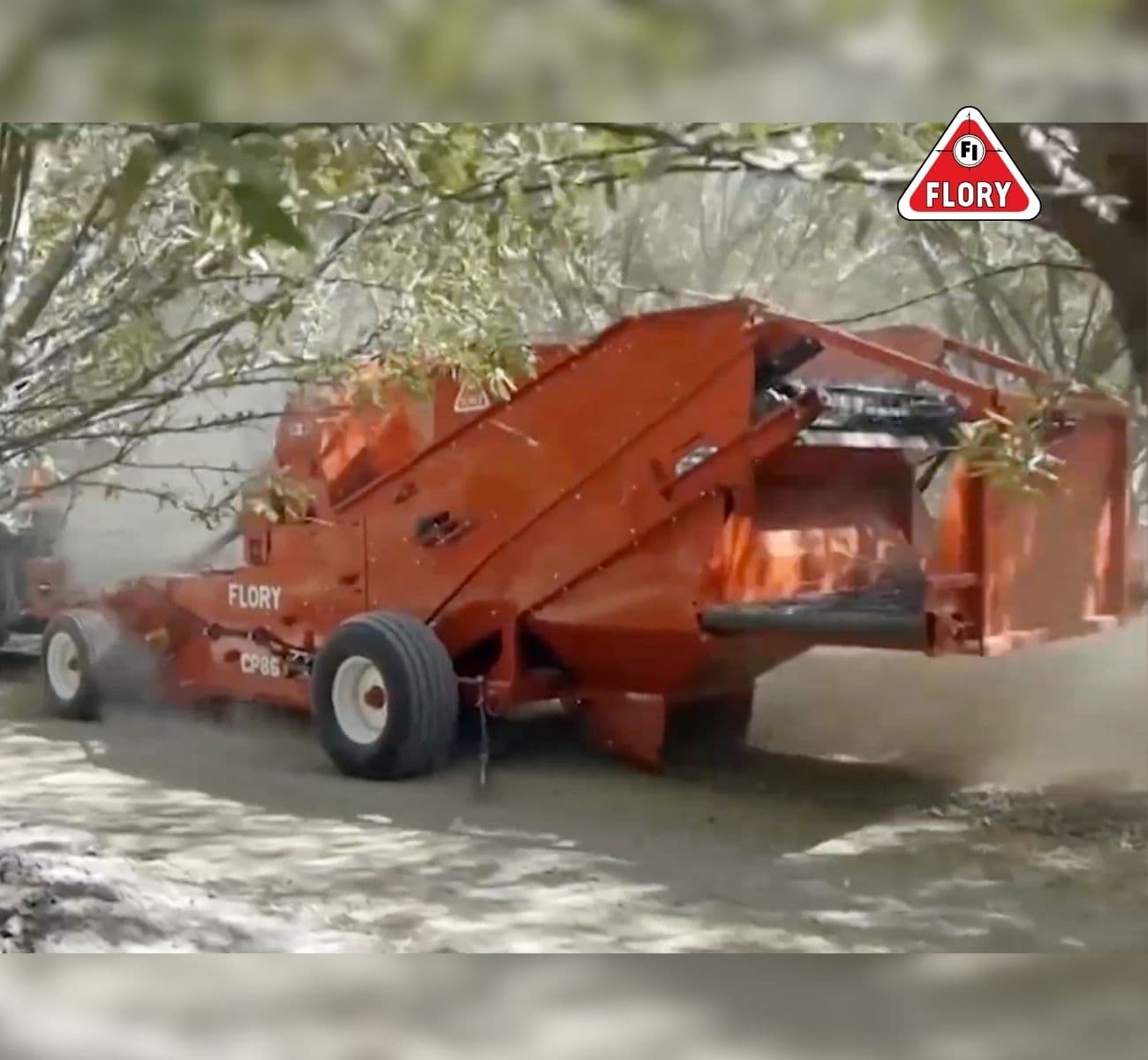
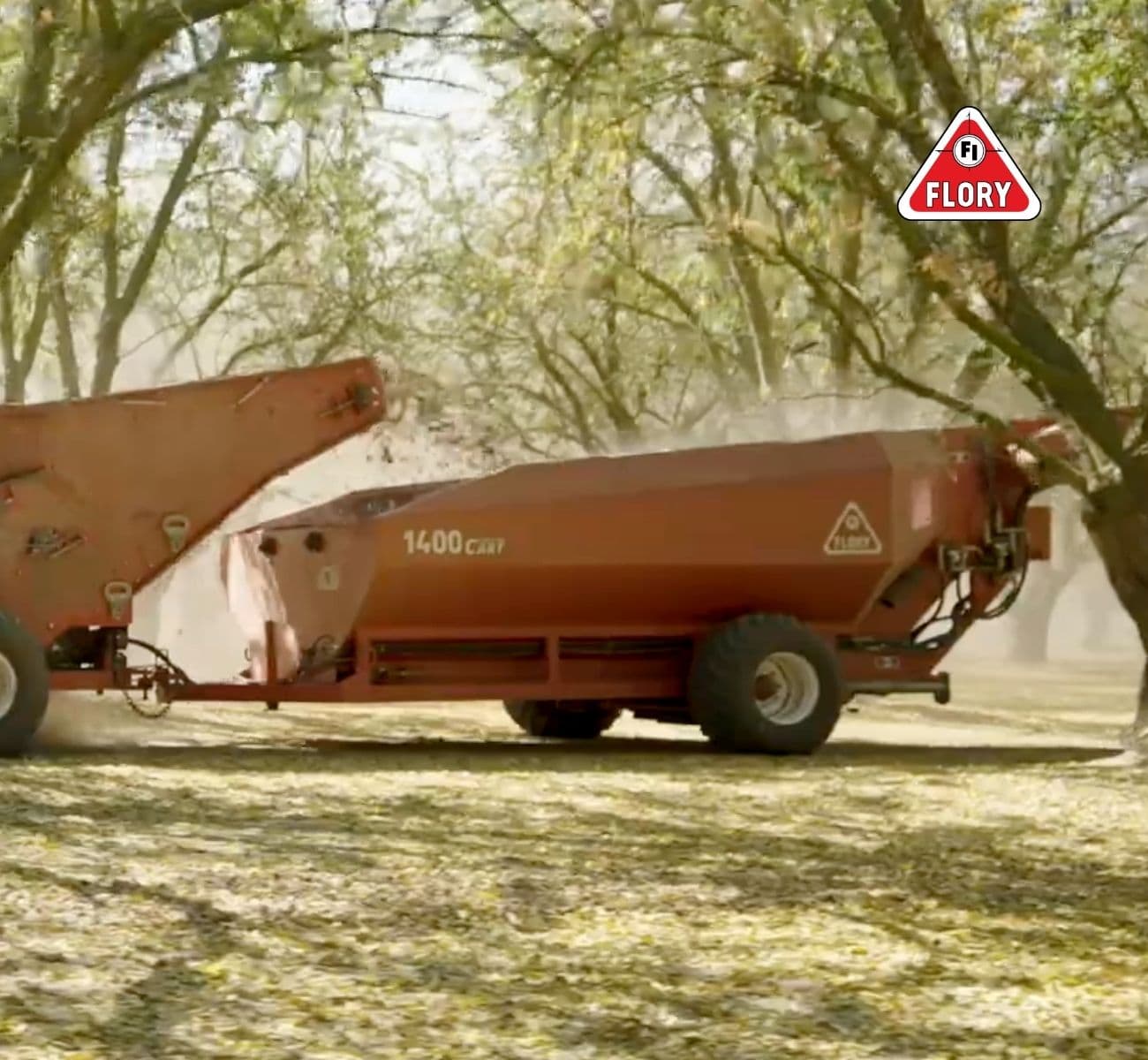
University of California guidance starts harvest once a high share of hulls have split and finishes pickup quickly, since most quality loss occurs in the first 9 hours after harvest. In larger orchards, mechanized harvesting shakes, sweeps and picks up the crop on time, so nuts spend less time on the ground.
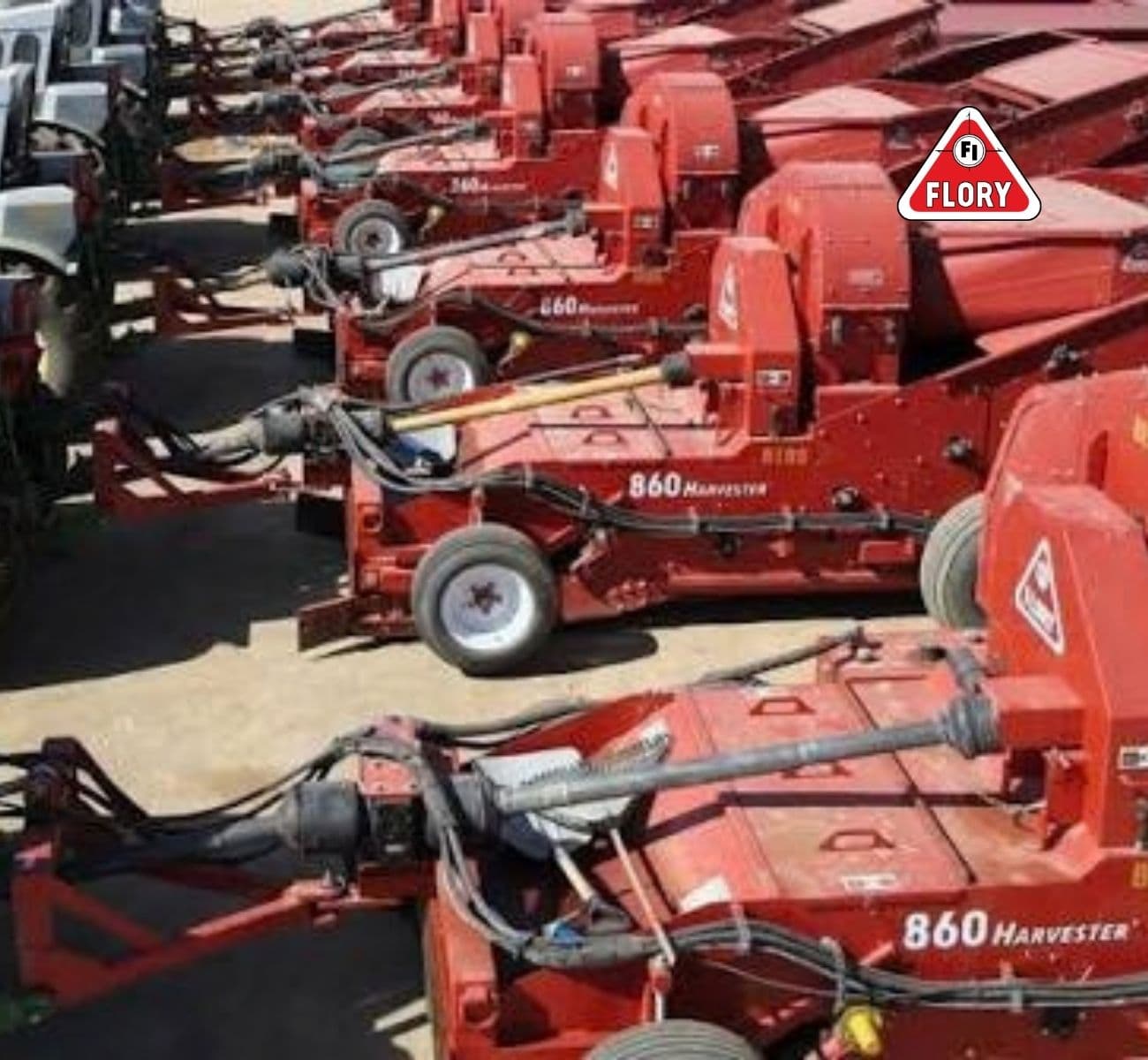
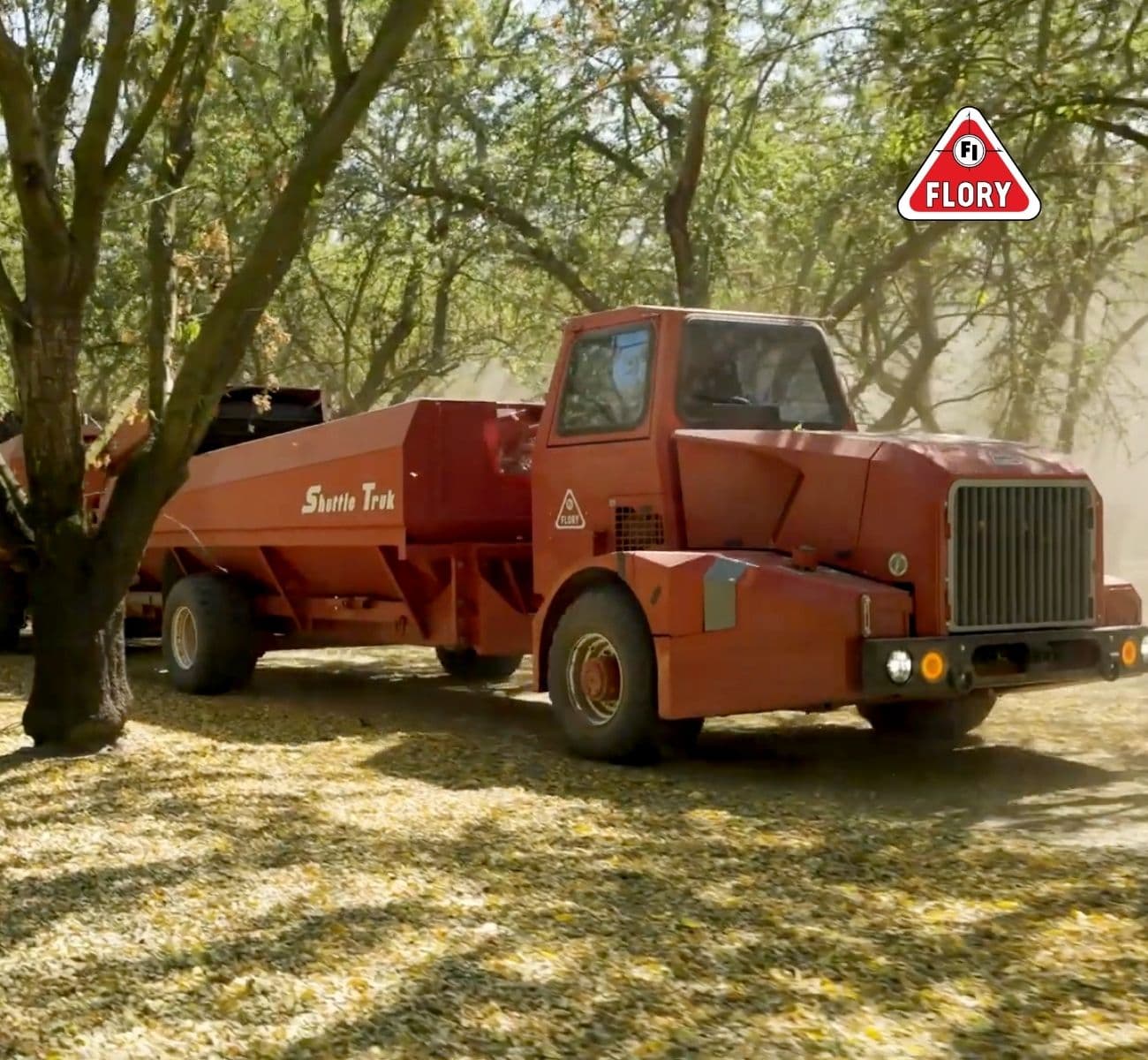
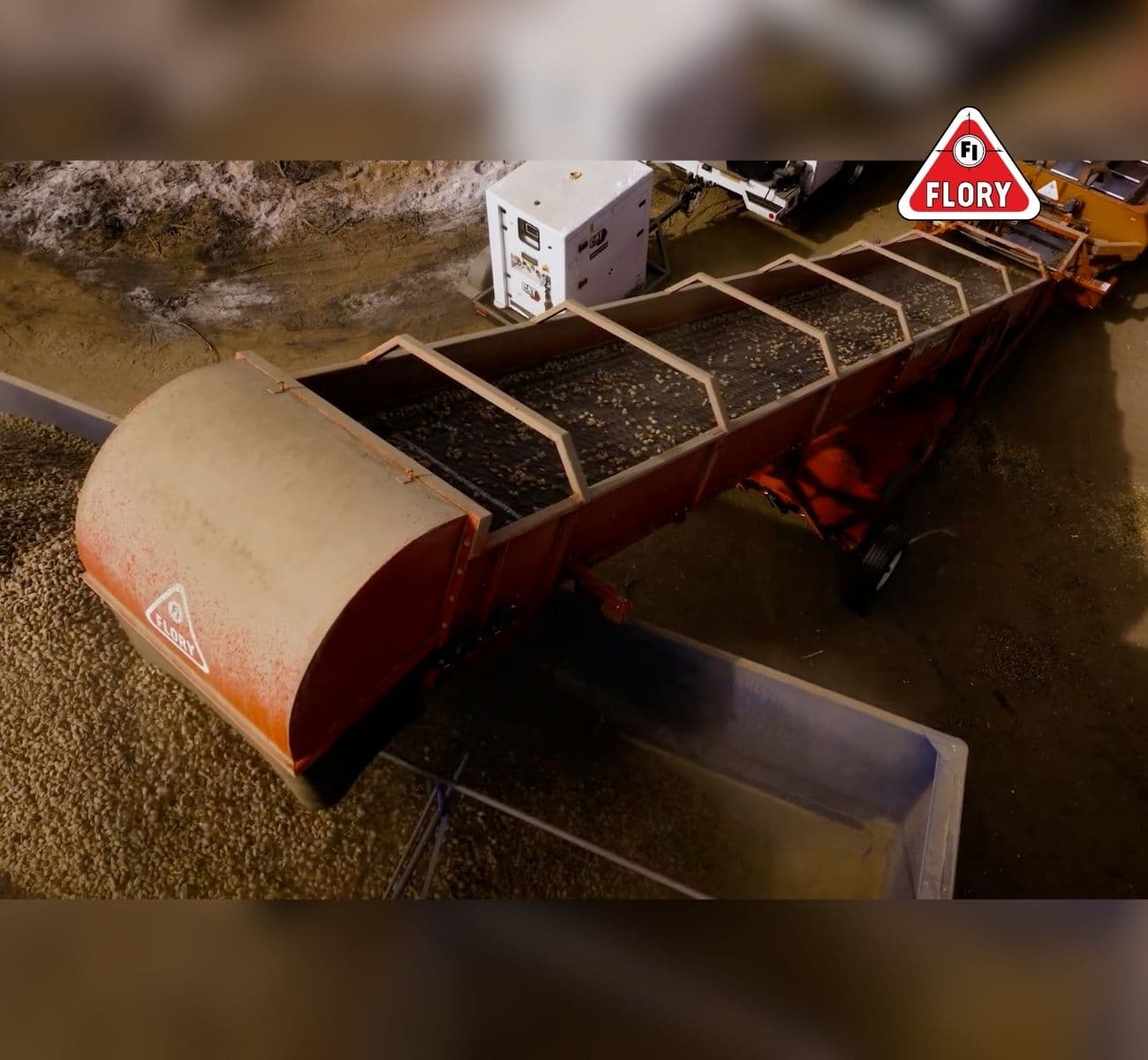
Machines cannot work old seedling trees on slopes, field edges and channel banks, but new plantations on flat or gently sloping valley land can be laid out for them. Flory harvesting machinery is available in Pakistan through OVE Europe: a line runs from the VR700 Shaker, 34 Series Sweeper and 860 Harvester, or the smaller 490, to the 1500 Conveyor Cart, ST14 Shuttle and 4840 Field Elevator.
Walnut Harvest Workflow (Recommended Equipment)

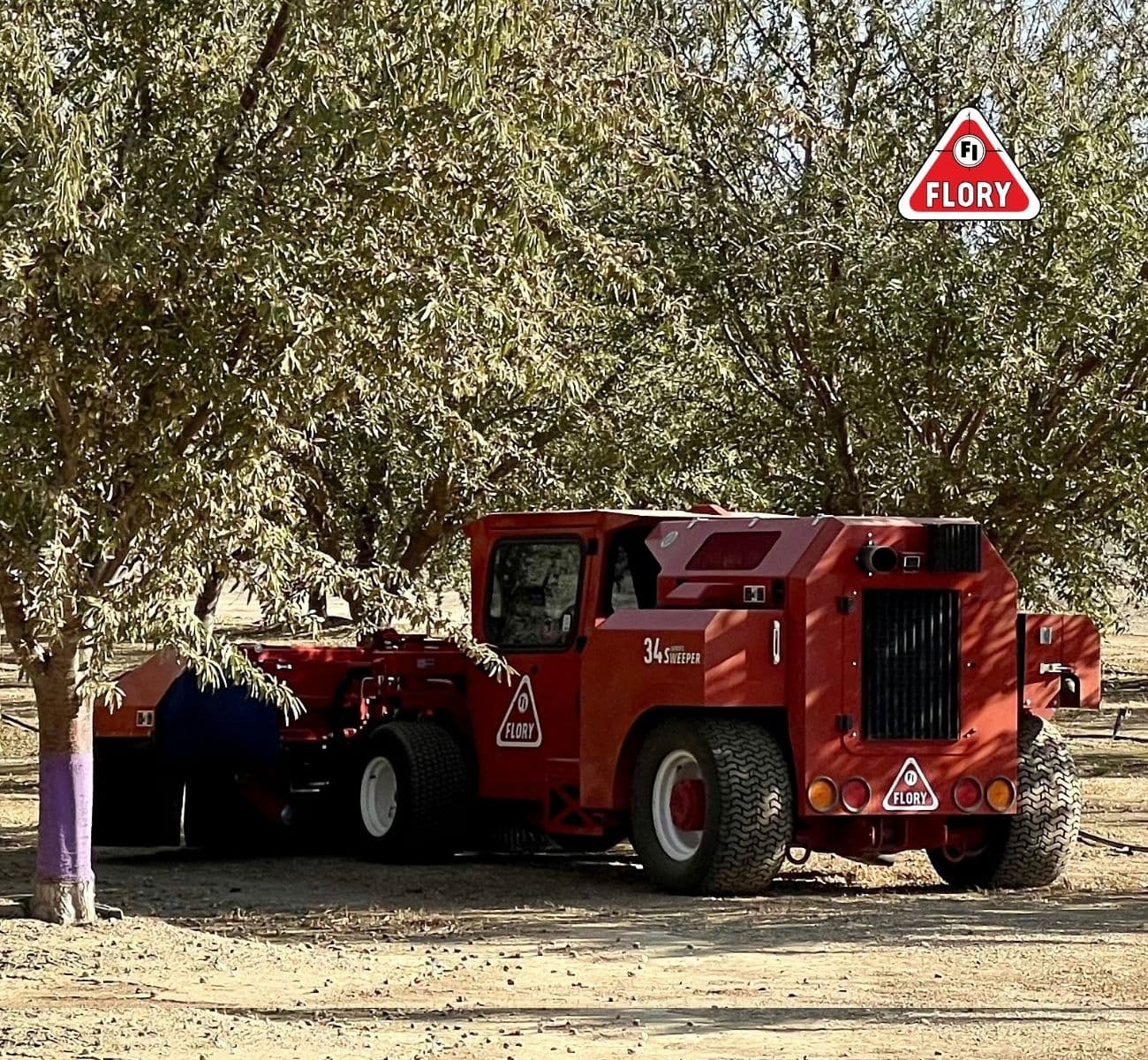
Practical Tips for Walnut Harvesting
Start harvest once most hulls have split: University of California guidance begins when a high share of nuts on the tree have split hulls.
Pick up fallen nuts every day: a University of California farm advisor notes that most quality loss occurs in the first 9 hours after harvest.
Harvest scattered seedling trees by hand, and keep machines for plantations with rows and level ground they can work.
Check tractor power first: Flory's 860 and 490 harvesters need 85 hp or more in walnuts, so choose the tractor and harvester together.
Before harvest, mow and level the orchard floor and clear branches and stones, so the sweeper and harvester pick up cleanly.
Know your buyer before harvest: in Chitral, traders visited growers well ahead of harvest and paid in advance for quality dry fruit (Dawn, 2018).
Get your recommended harvest setup
Enter orchard size, spacing, terrain, and target throughput—we’ll suggest a practical harvest workflow and equipment lineup.

Walnut Post-Harvest Handling & Processing in Pakistan
No Pakistani source found describes how walnuts are hulled, dried or cracked on farms, so general guidance applies: hull promptly and dry the nuts to 8% moisture with air no hotter than 43 °C (University of California). Dry-fruit demand rises in winter, and paper-shell kagzi walnuts sell at a premium: Rs 1,200 a kilo against Rs 800 for regular walnuts in Rawalpindi in October 2024.
Market studies found aflatoxins in walnuts: in 40% of in-shell and 70% of shelled samples from markets in today's Khyber Pakhtunkhwa and Gilgit-Baltistan (published 2011), at a mean of 12.76 µg/kg in South Punjab samples of 2020 to 2021, and above EU guidance for aflatoxin B1 in open-market walnuts in Lahore (2024). Punjab's 2018 food regulations allow 20 µg/kg of aflatoxins in any food; no national walnut standard was found.
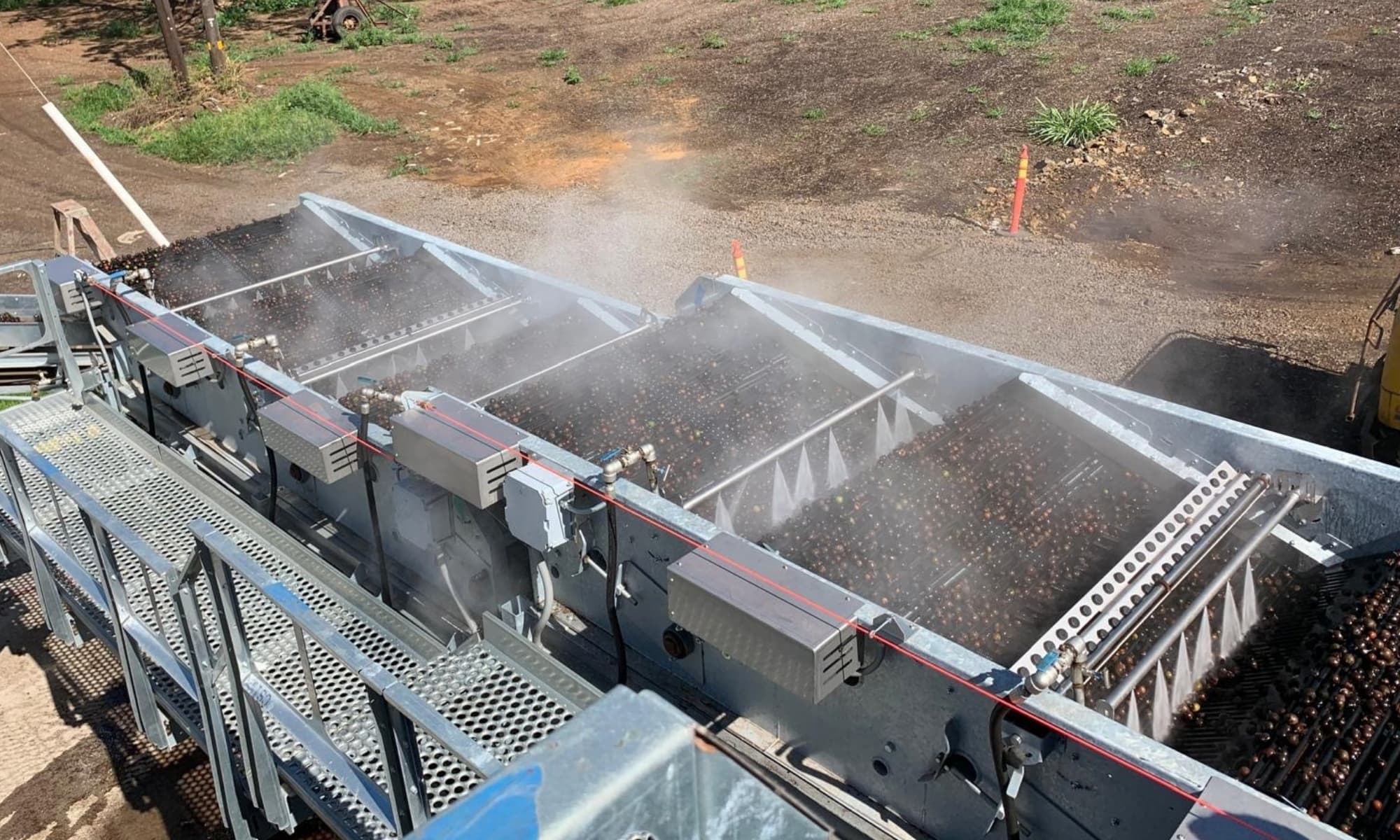
Trade is mostly imports in shell: 15,958 t in 2025, 98% from China, plus 1,629 t of kernels, while exports stayed below 1 t a year in 2023 to 2025 (UN Comtrade via WITS). Jessee, whose processing lines OVE Europe supplies, builds walnut hulling lines and drying, in-shell cleaning and sizing, and shelling systems.
For general information only. Information may become outdated and does not replace site-specific professional advice. Consult a qualified agronomist and confirm equipment suitability with OVE before acting.
Practical Tips for Walnut Post-Harvest Handling & Processing
Hull walnuts soon after harvest and dry them without delay, as the Codex code of practice on aflatoxins in tree nuts advises.
Dry to 8% moisture, measured on the whole nut, with air no hotter than 43 °C, as University of California guidance advises.
Avoid drying in full sun: University of California guidance warns that drying walnuts in the sun darkens the kernel.
Store dried nuts cool: in a 2022 Pakistani study, storage at 4 °C held back aflatoxins better than the open-air storage used in markets.
Test lots for aflatoxins before sale: Punjab's 2018 food regulations cap aflatoxins at 20 µg/kg in any food.
Grade by shell type and size: paper-shell kagzi walnuts sell at a premium, and in one Khyber Pakhtunkhwa district the 2022 price depended on nut size.
Recommended Post-Harvest Handling & Processing Stages









Plan your post-harvest line
Estimate tons/day, cleaning & drying capacity, storage needs, and cost/kg—then build your equipment plan in phases.