


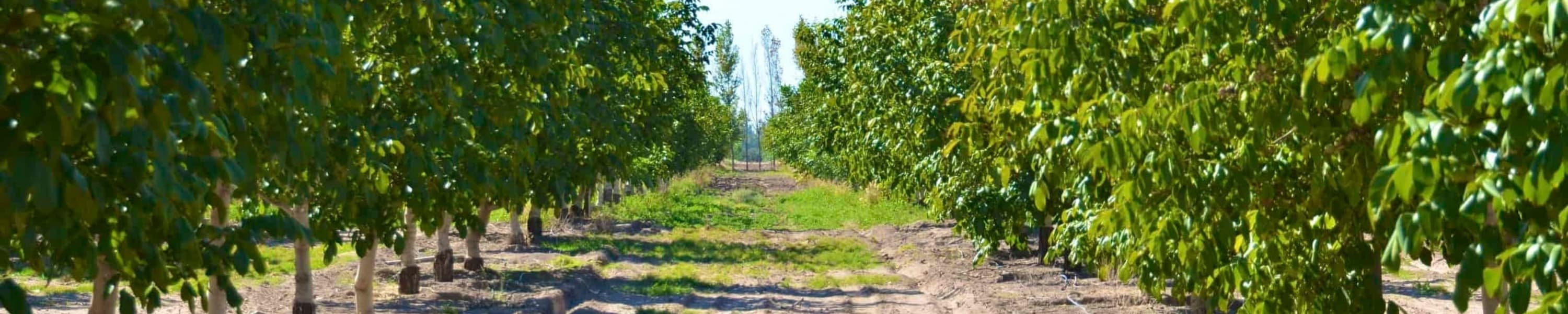




Walnut Orchard Establishment in Poland
Walnut has been grown in Poland for several hundred years, mainly by amateurs. A 2003 study described it as concentrated in the south and south-east, by buildings, roads and home gardens, with relatively the best soil and climate around Kielce and Sandomierz, and a 2013 paper noted few compact orchards above 2 ha. In 2019, most walnuts on the market still came from amateur growing, mainly in Podkarpacie, the Lublin region and Małopolska.
Walnut area has swung widely: using data from Statistics Poland, a 2016 study traced a peak of 29,000 ha in 2010 and a fall to 3,000 ha by 2013, and FAOSTAT shows 3,000 to 3,400 ha for 2022 to 2024. Professional walnut orchards are recent: a grower said in 2022 that they had begun less than 10 years earlier, and larger-scale planting only 4 years earlier. A 2025 study sampled seven cultivars, Franquette and Resovia among them, on a plantation in Urzejowice, Podkarpackie.
The national list holds five walnut cultivars: Dodo, Resovia and Targo, registered in 1991 and maintained by the National Institute of Horticultural Research (InHort) in Skierniewice, and Zygmunt (2022) and W20131 (2023), whose maintainers are in Podkarpackie. In 2003, walnut trees were usually grown from seed because of the cool climate; a farm weekly advised grafted trees for new orchards in 2019, when the Hungarian cultivar Milotai 10 was promoted for planting.

Practical Tips for Walnut Orchard Establishment
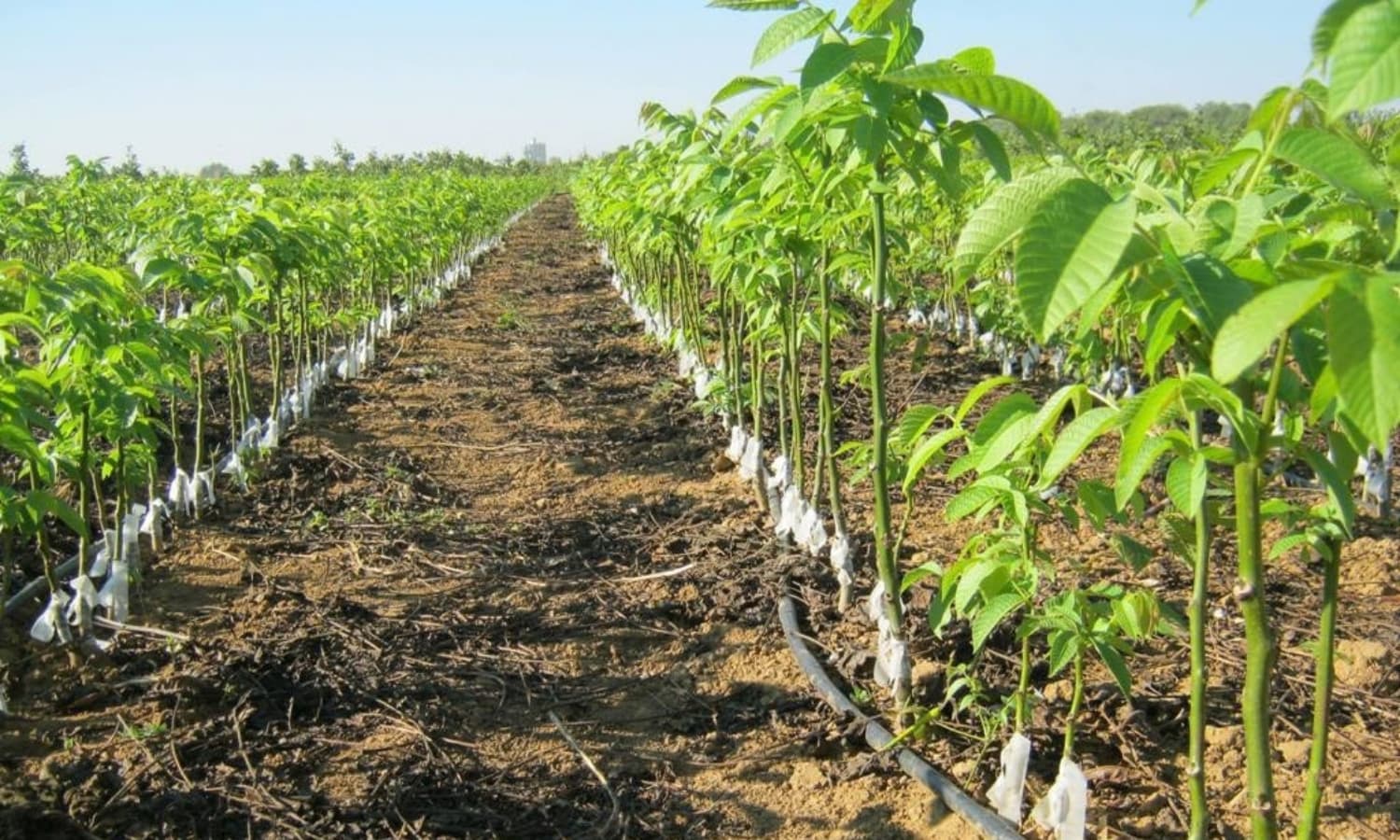
Plant grafted trees of named cultivars: a Polish farm weekly expects them to bear after 3 to 4 years, seedlings sometimes only after 10 (2019).
Avoid valleys: a Polish farm weekly rated them poor walnut sites (2019), and garden guides warn that young shoots and flowers are very sensitive to spring frost.
Plan pollination: a Polish farm weekly noted that Dodo flowers late, its female flowers opening after the male ones, so it needs a late-flowering pollinator.
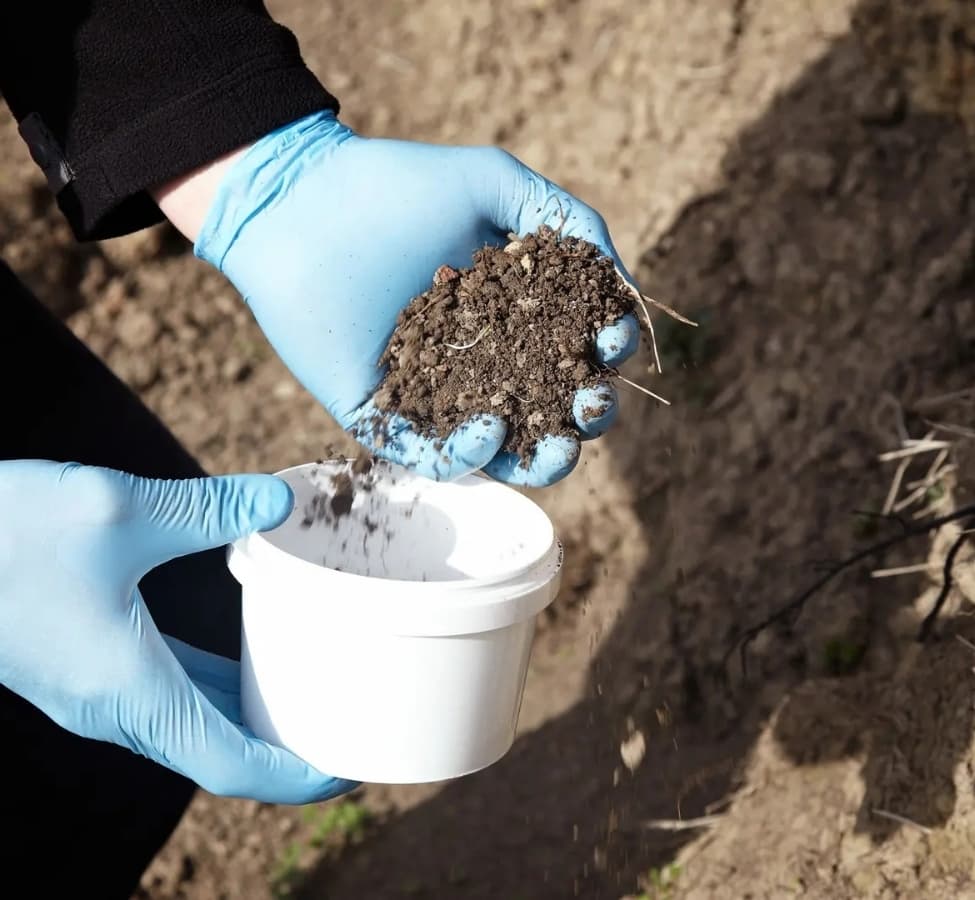
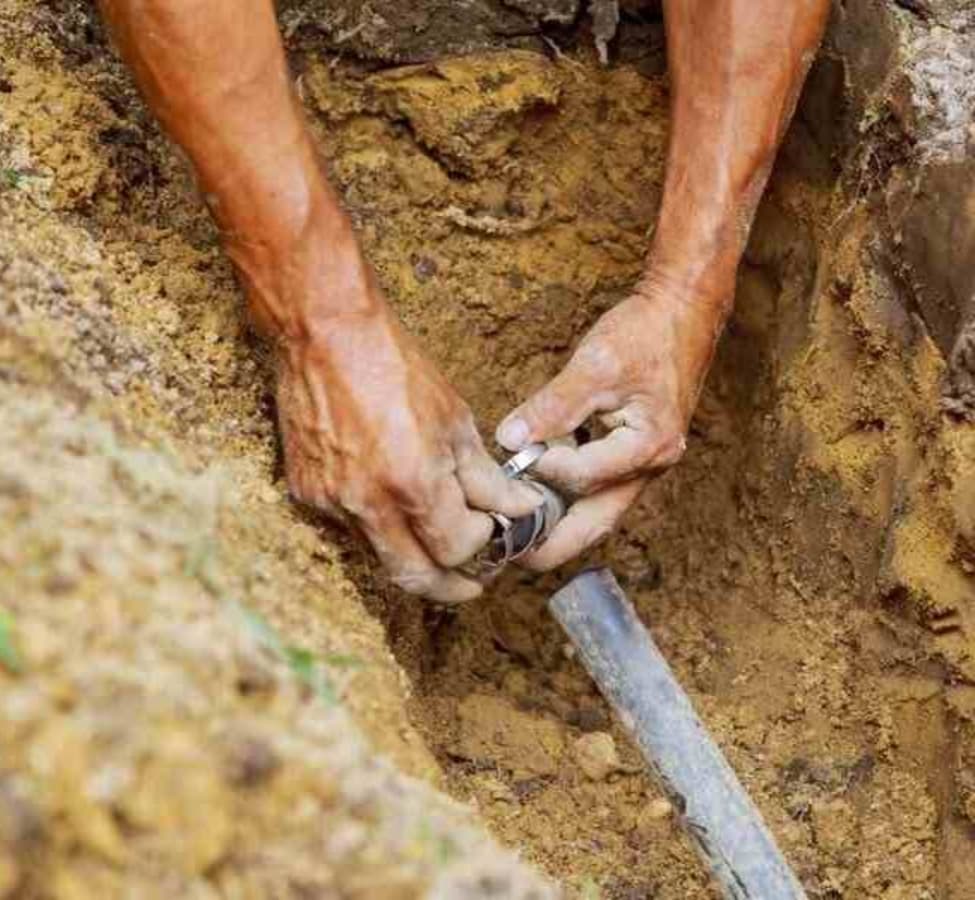
Check the soil for white grubs and weevil larvae before planting, as InHort's walnut protection programme (2025) advises.
Plan spacing for mature trees: a Polish farm weekly gives 8 × 6 m for weaker-growing cultivars and 10 × 10 m for vigorous ones (2019).
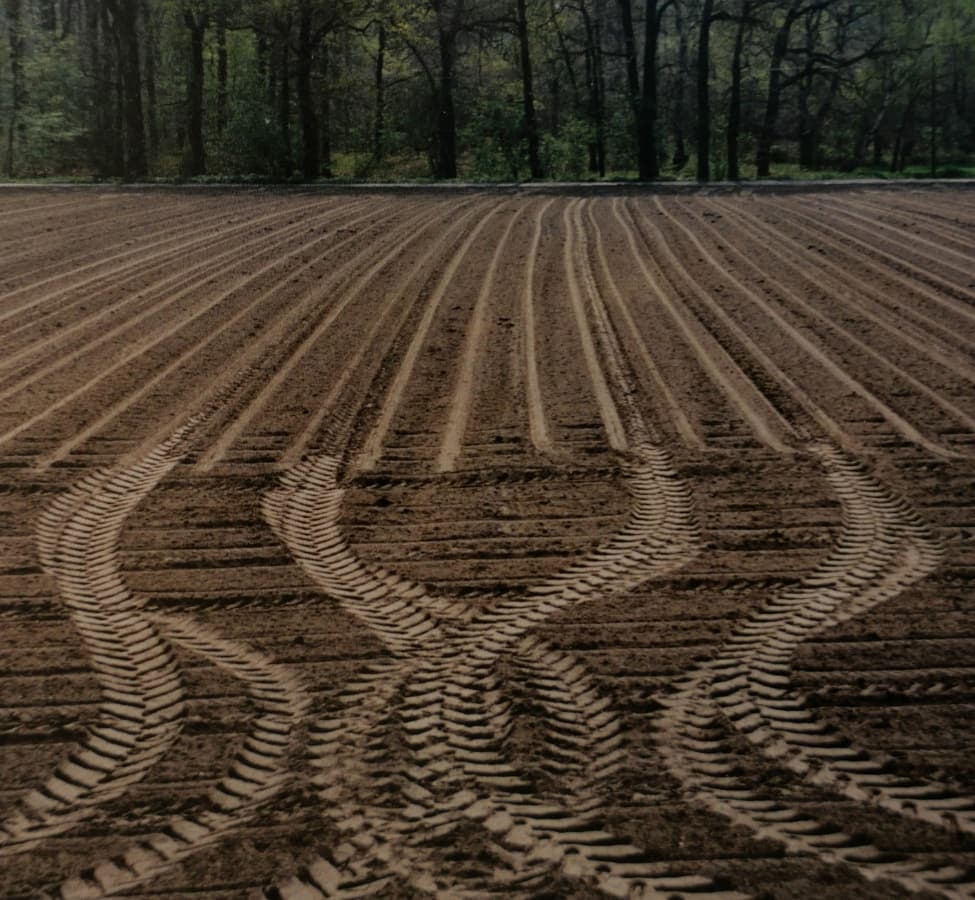
For orchards meant for machines, choose a consolidated plot on level or gently sloping ground and plan rows, headlands and access lanes before planting.
Recommended Establishment Stages




Walnut Orchard Care & Maintenance in Poland
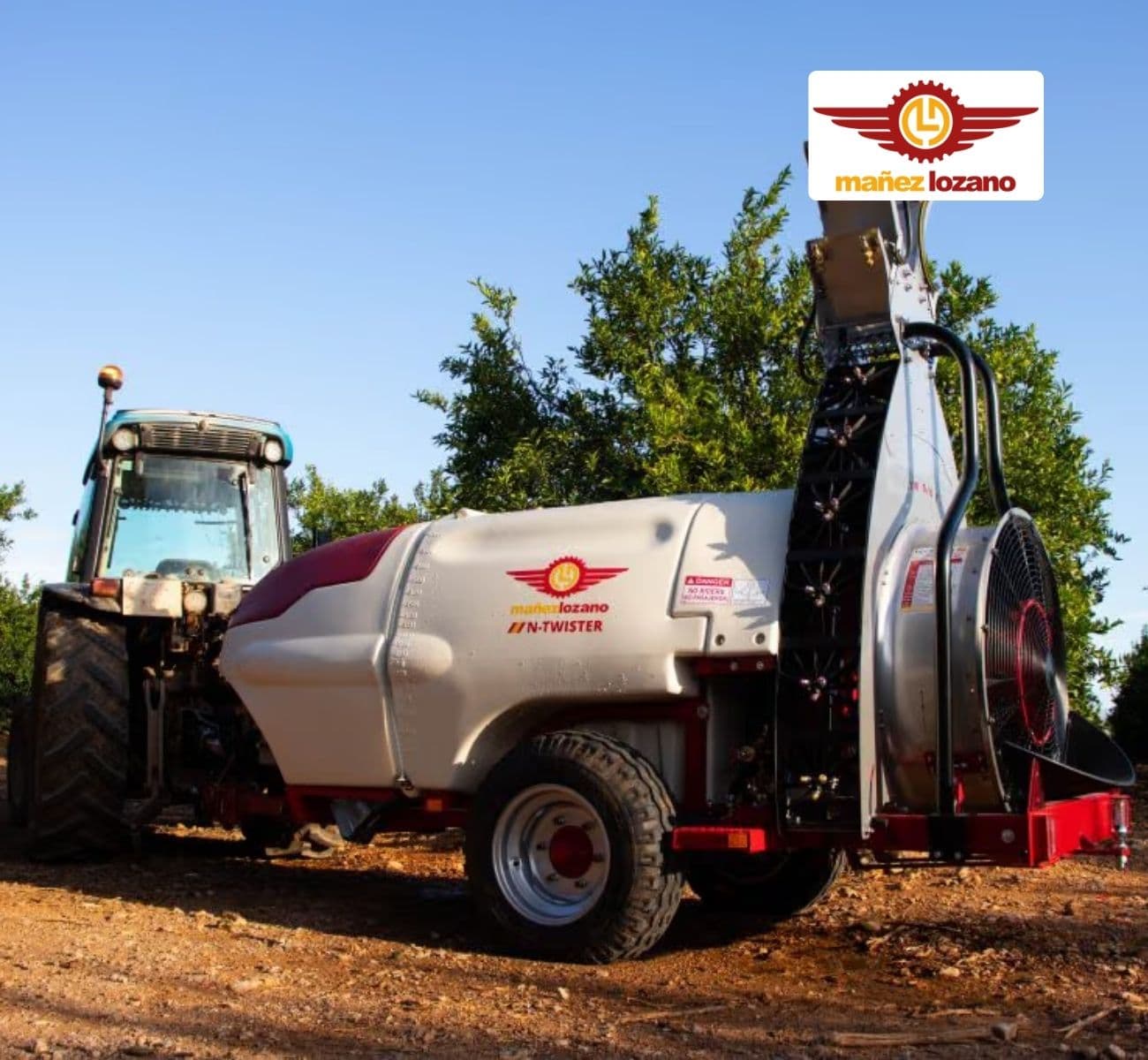
InHort's walnut protection programme (2025) covers anthracnose, bacterial blight, aphids, leaf-eating caterpillars and codling moth, and gives no damage threshold for the three pests. Its cultural measures are simple: rake and destroy fallen leaves in autumn or early spring, since the anthracnose fungus overwinters on them, and against blight remove and destroy infected shoots and disinfect tools.
Walnut blight is present in Poland: a 2014 study collected diseased leaves and fruits at six locations, and in tests all isolates caused black lesions covering almost the whole husk. Walnut husk fly was first caught in August 2019, in a trap on a garden tree in Torzym, Lubusz province, and EPPO lists it as present, with no details on its spread. Codling moth is also present, but no Polish data on its damage to walnuts were found.
Studies of urban walnut trees in Lublin (2003 to 2008) found the first aphids hatching in the last ten days of May and the two walnut aphids peaking in mid-June and around the turn of June and July, with heat above 30 °C and storms cutting their numbers. A Polish trade guide (2026) favors central-leader trees on commercial plantations and irrigation mainly in the first year after planting.
Recommended Orchard Care & Maintenance Stages



Practical Tips for Walnut Orchard Care & Maintenance
Rake and destroy fallen leaves in autumn or early spring: the anthracnose fungus overwinters on them, as InHort's walnut programme notes.
Cut out and destroy blighted shoots and disinfect pruning tools, as InHort's walnut protection programme advises against bacterial blight.
Hang yellow sticky traps for walnut husk fly by early June, as University of California guidance advises: the fly was first caught in Poland in 2019.
Check shoots for aphid colonies from late May: in the Lublin studies, the first aphids hatched in the last ten days of May.
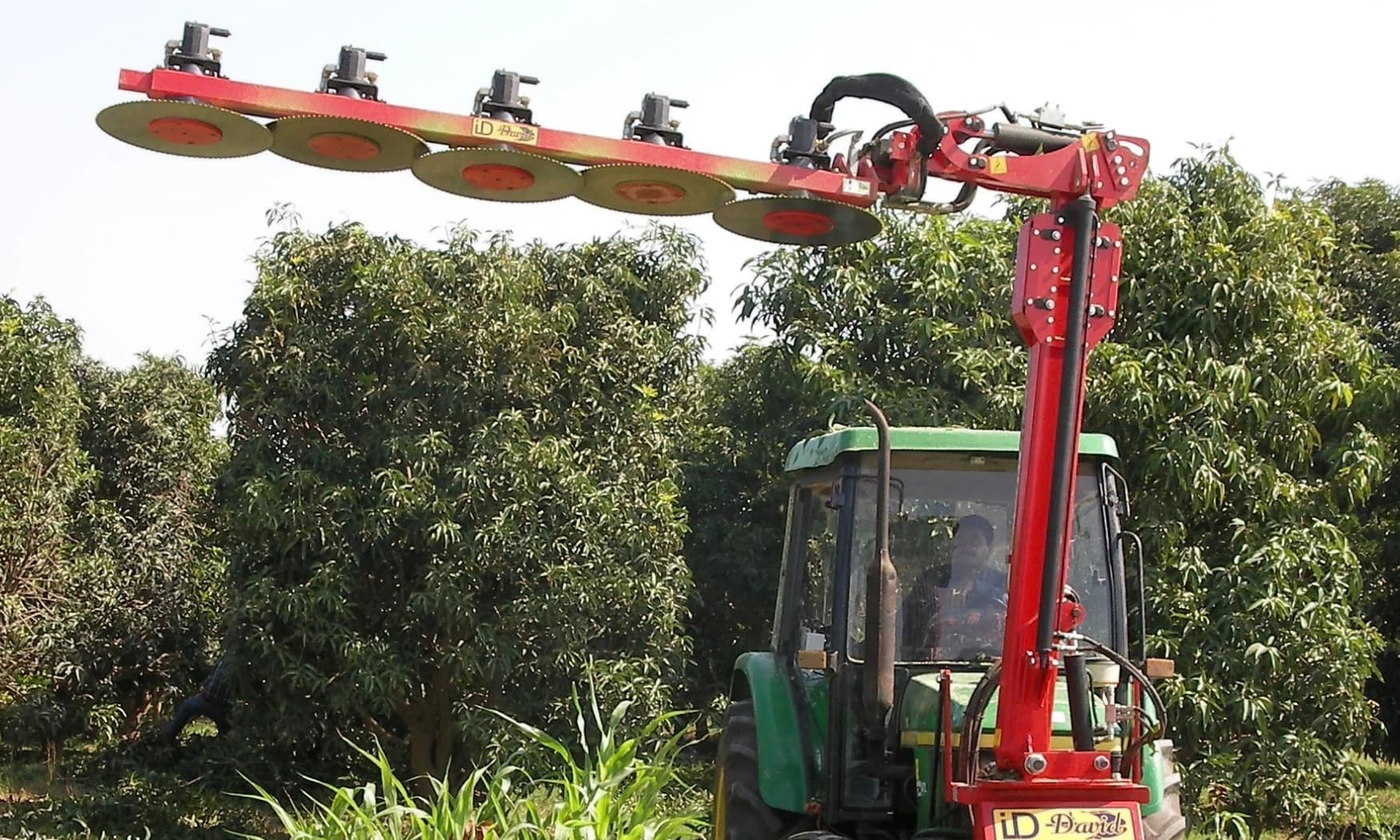
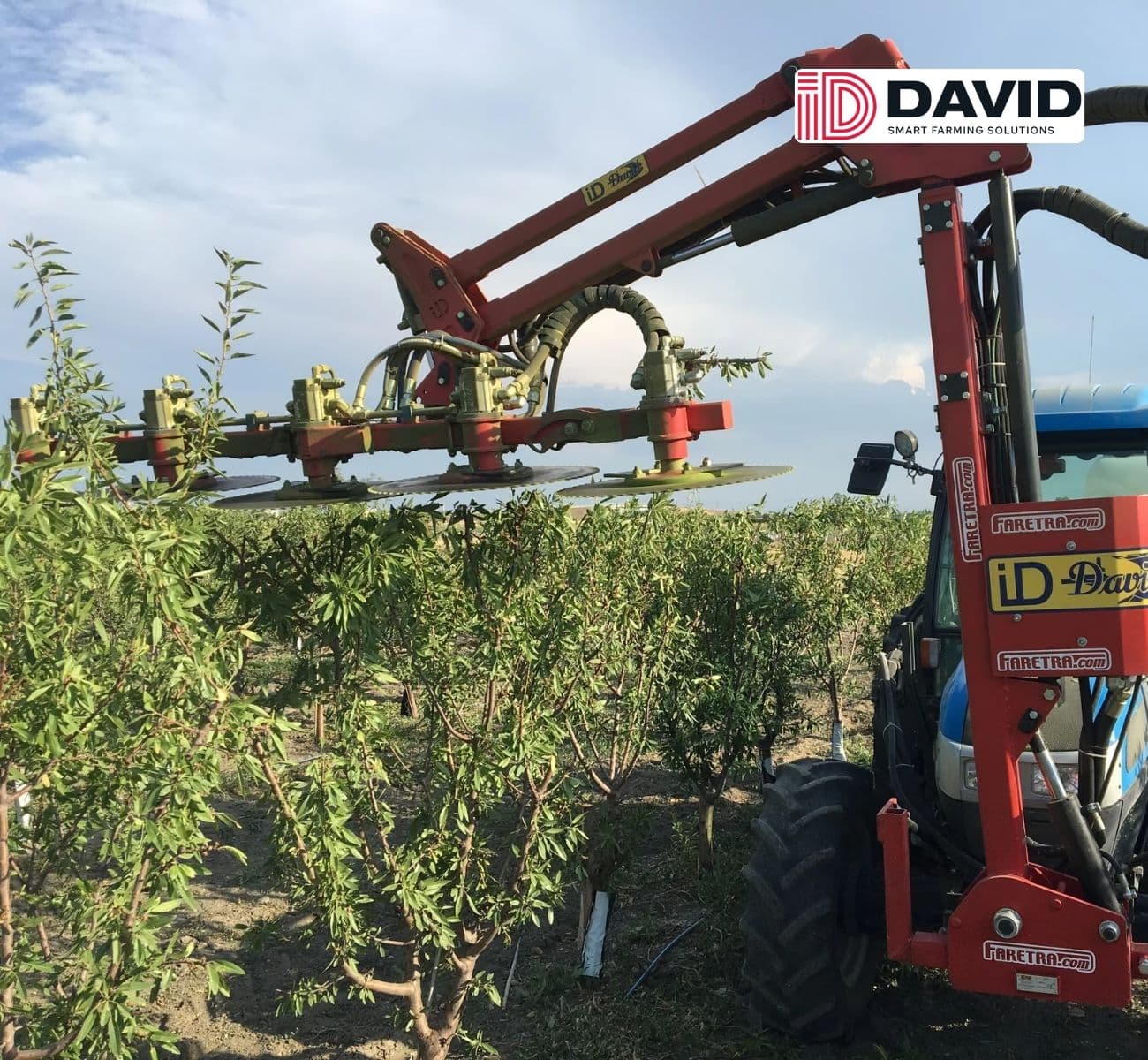
Prune outside spring sap flow: Polish trade and garden guides give the turn of May and June or August, since cuts made in spring bleed heavily.
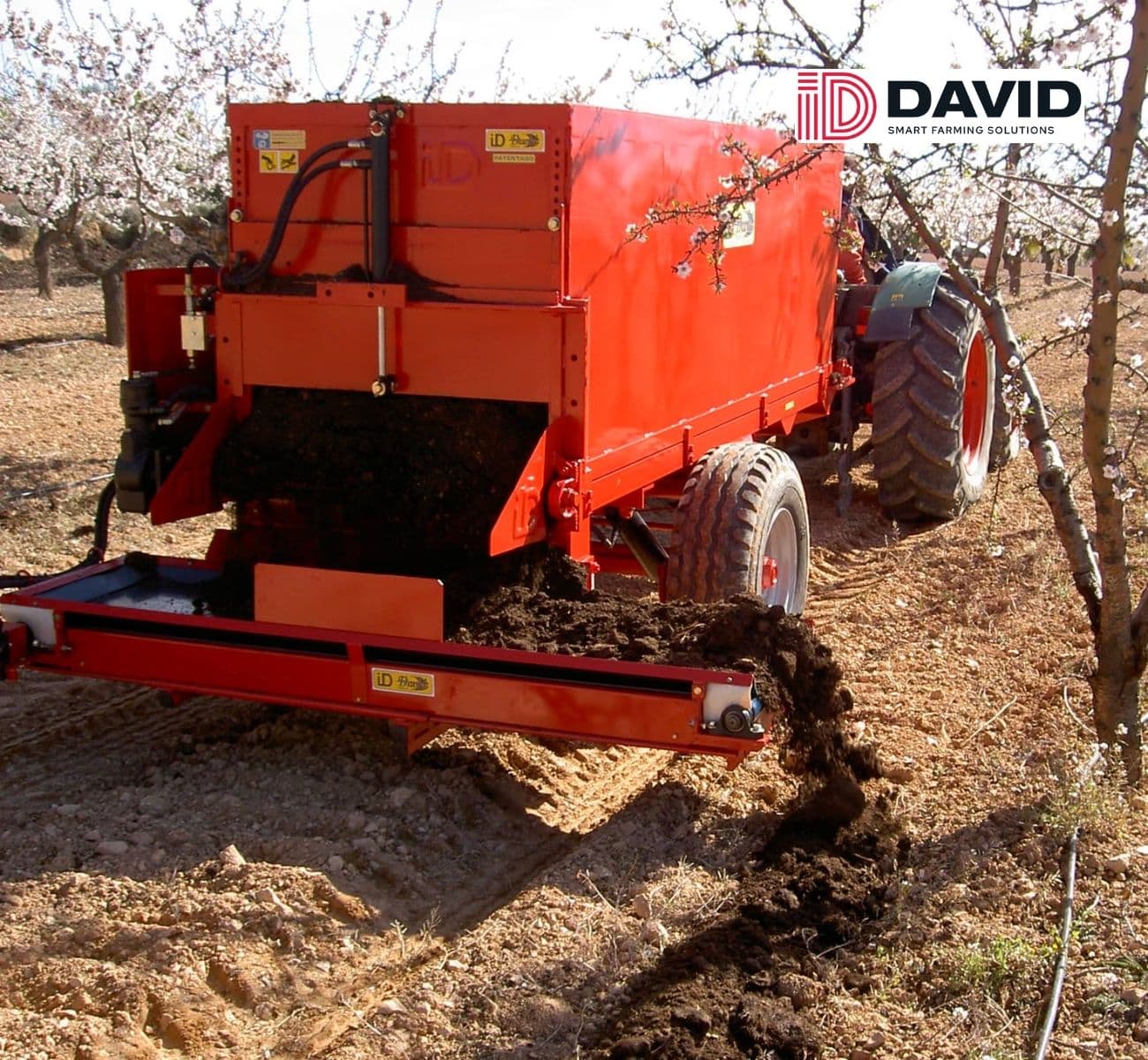
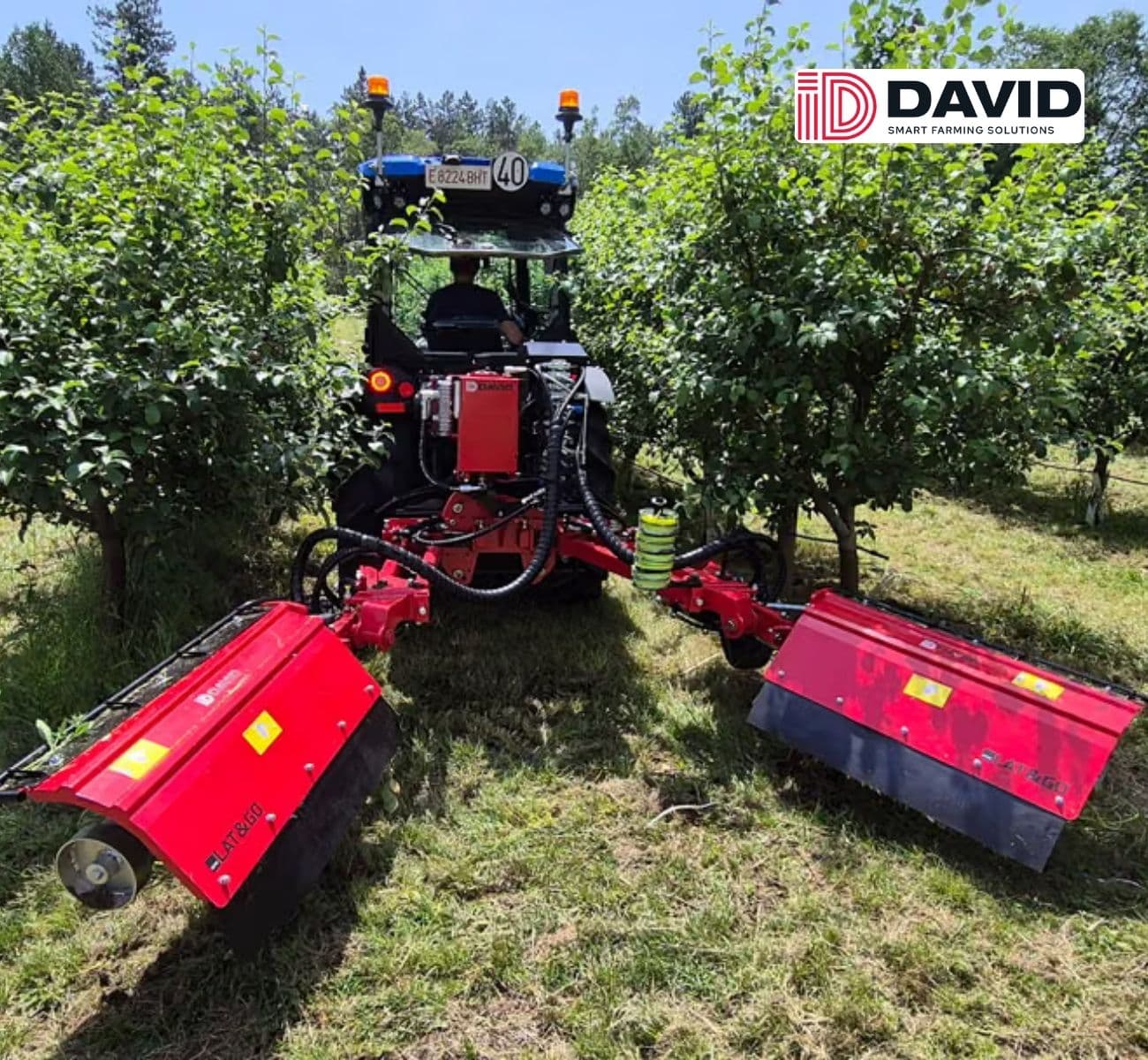
Control weeds mechanically or with mulch and cover crops, and keep plant diversity in and around the orchard to support natural enemies, as InHort advises.

Walnut Harvesting in Poland

No Polish research or advisory guide on walnut harvest was found, but farm press describes small-scale practice: ripe walnuts are gathered from September to the end of October, by hand or by shaking them onto mats spread under the trees, then hulled and dried (Wieści Rolnicze, 2026). Farm and garden sources put Dodo at mid-September, Targo in the second half of September and Mars at the turn of September and October, and Zygmunt ripens late.
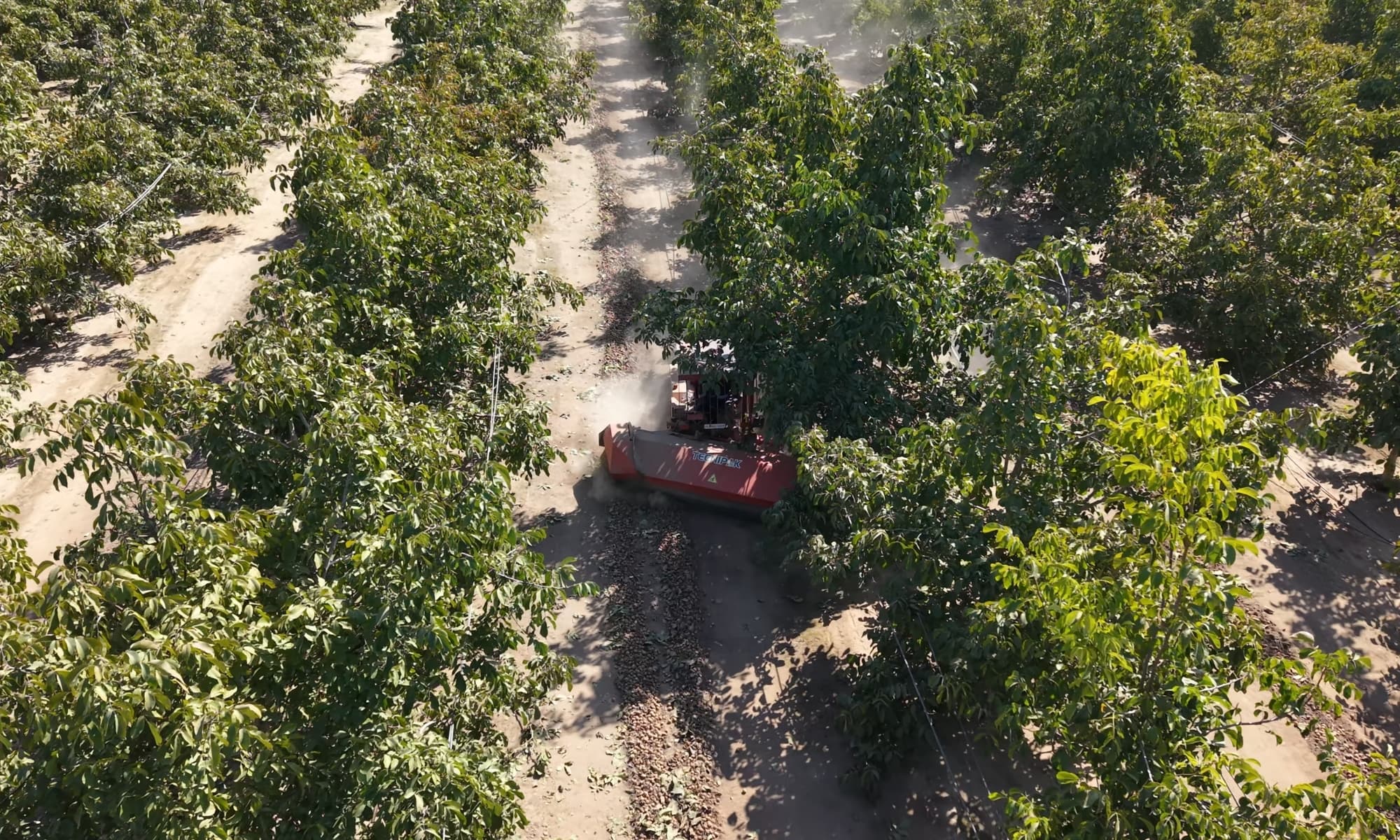
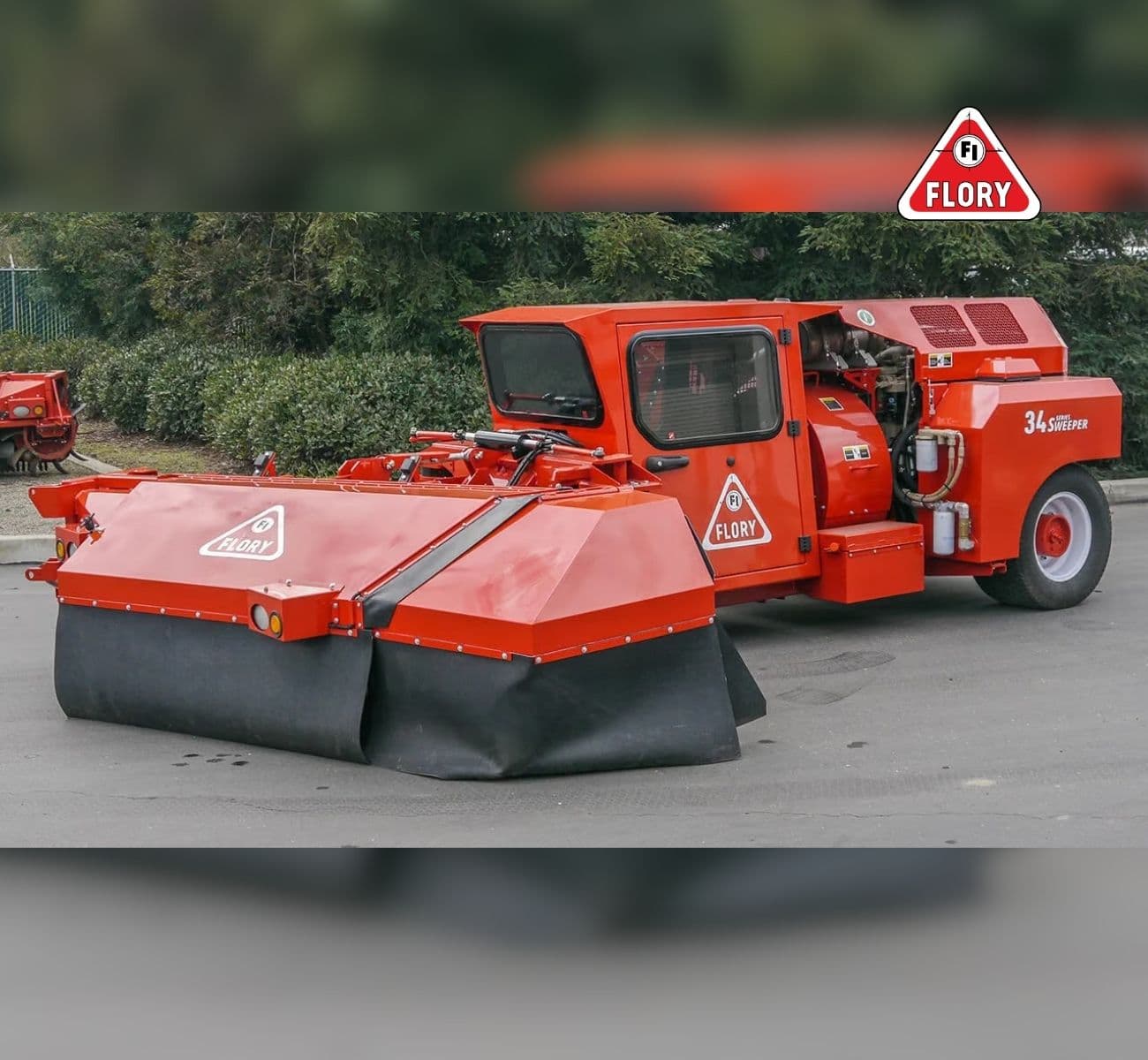
University of California guidance starts harvest once a high share of nuts on the tree have split hulls; the nuts that drop are swept into windrows and picked up by machine, and this is done quickly to cut their time on the ground. In larger orchards, shakers, sweepers and harvesters are built for that quick pickup.
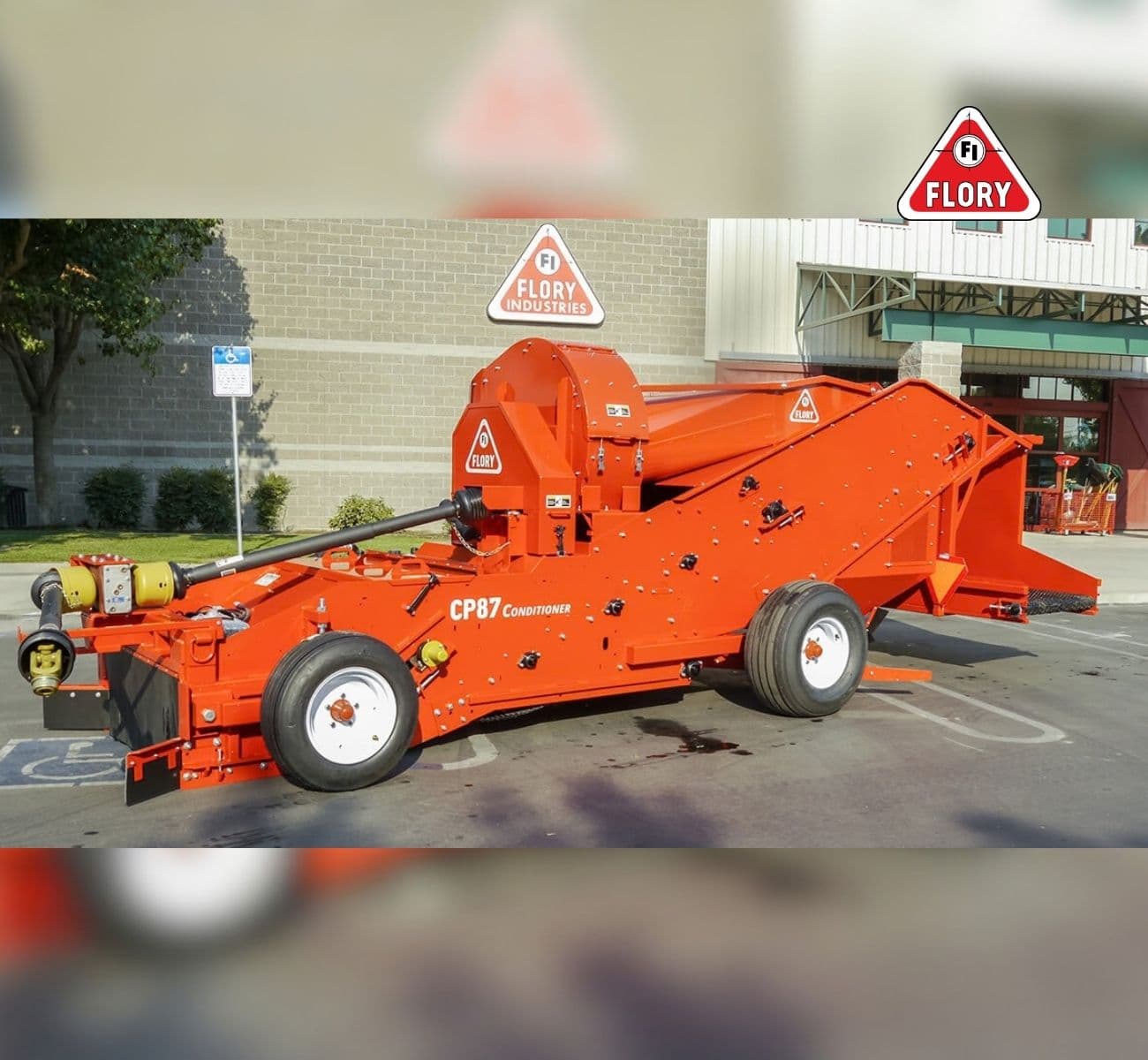
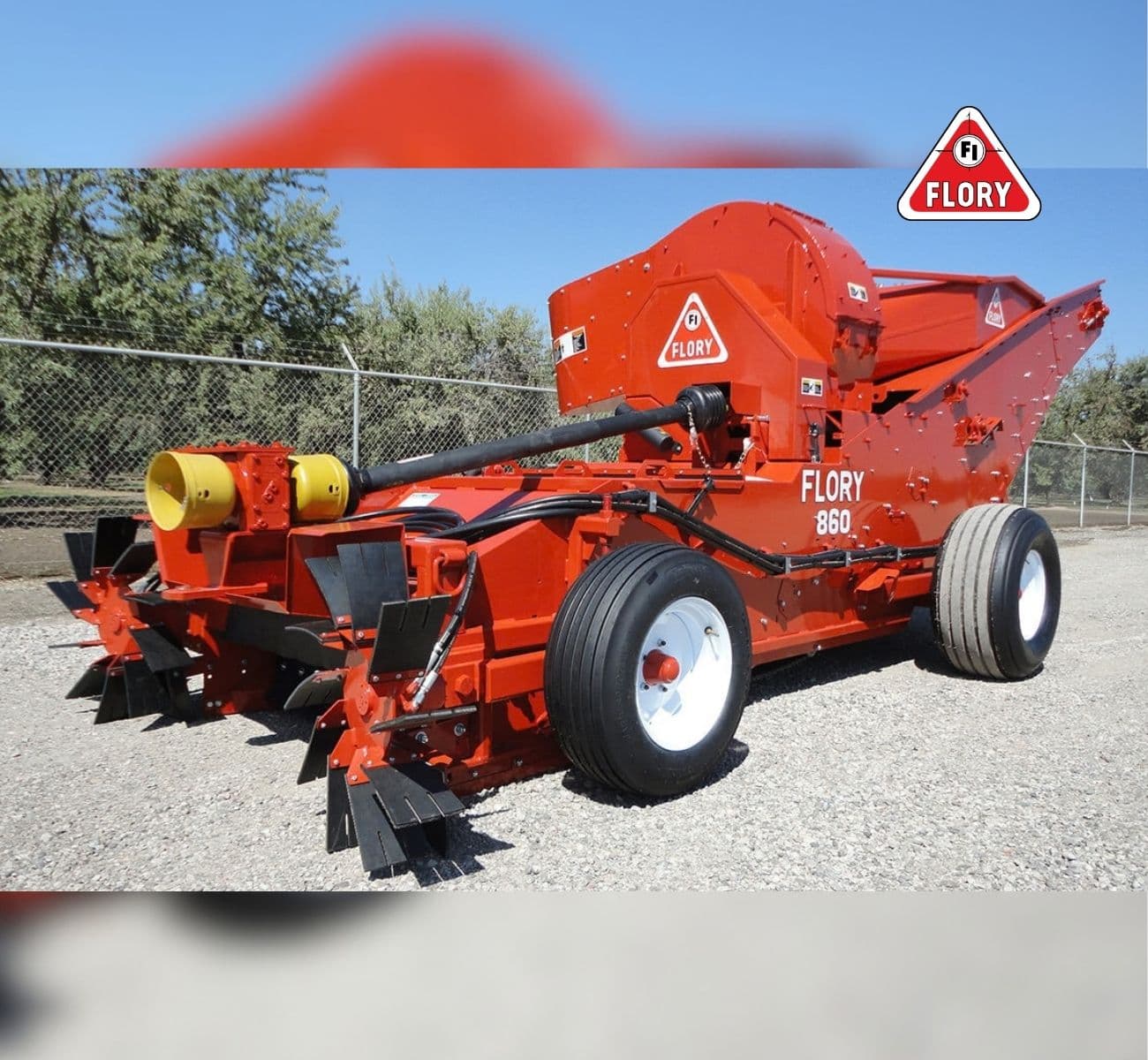
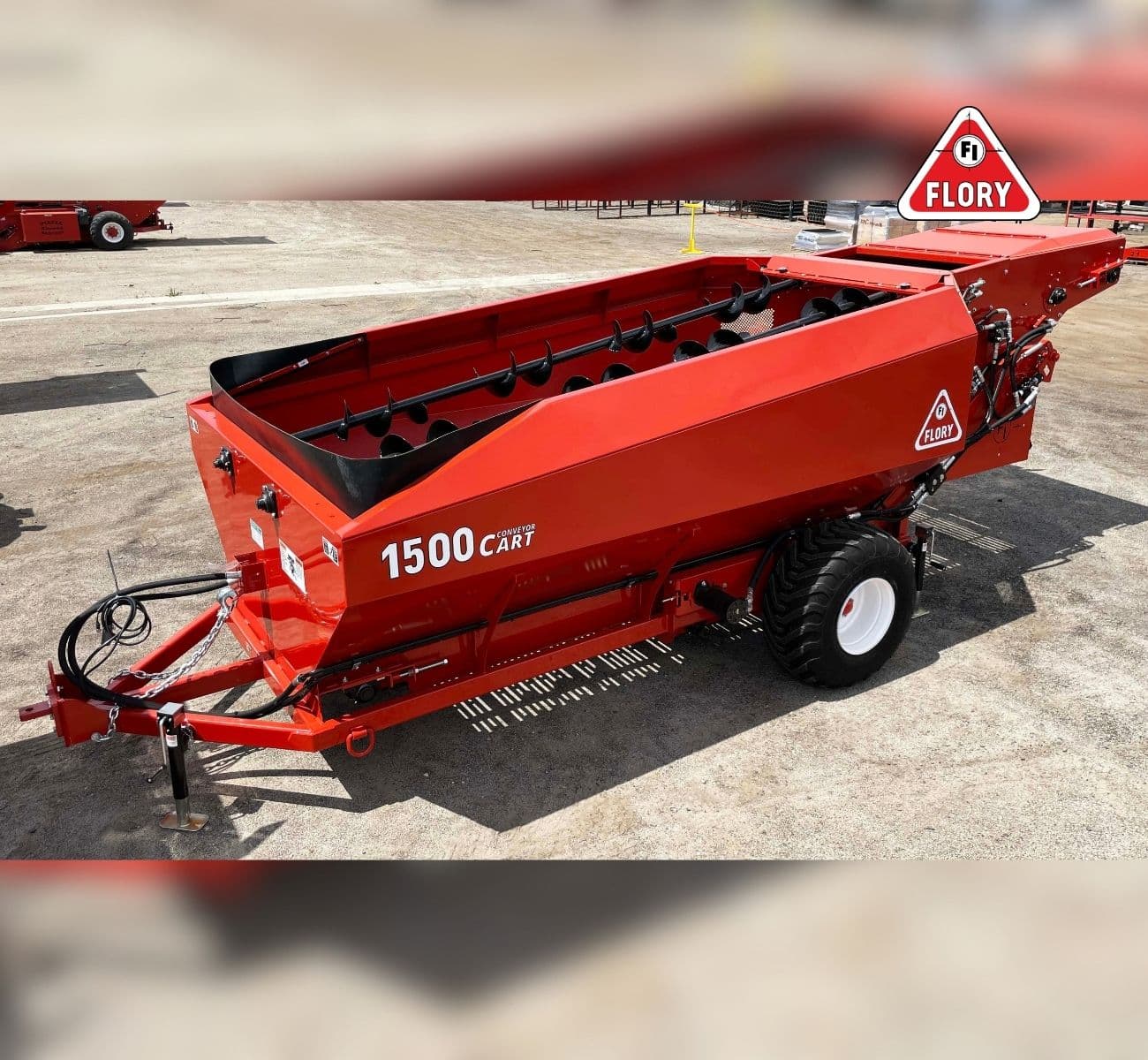
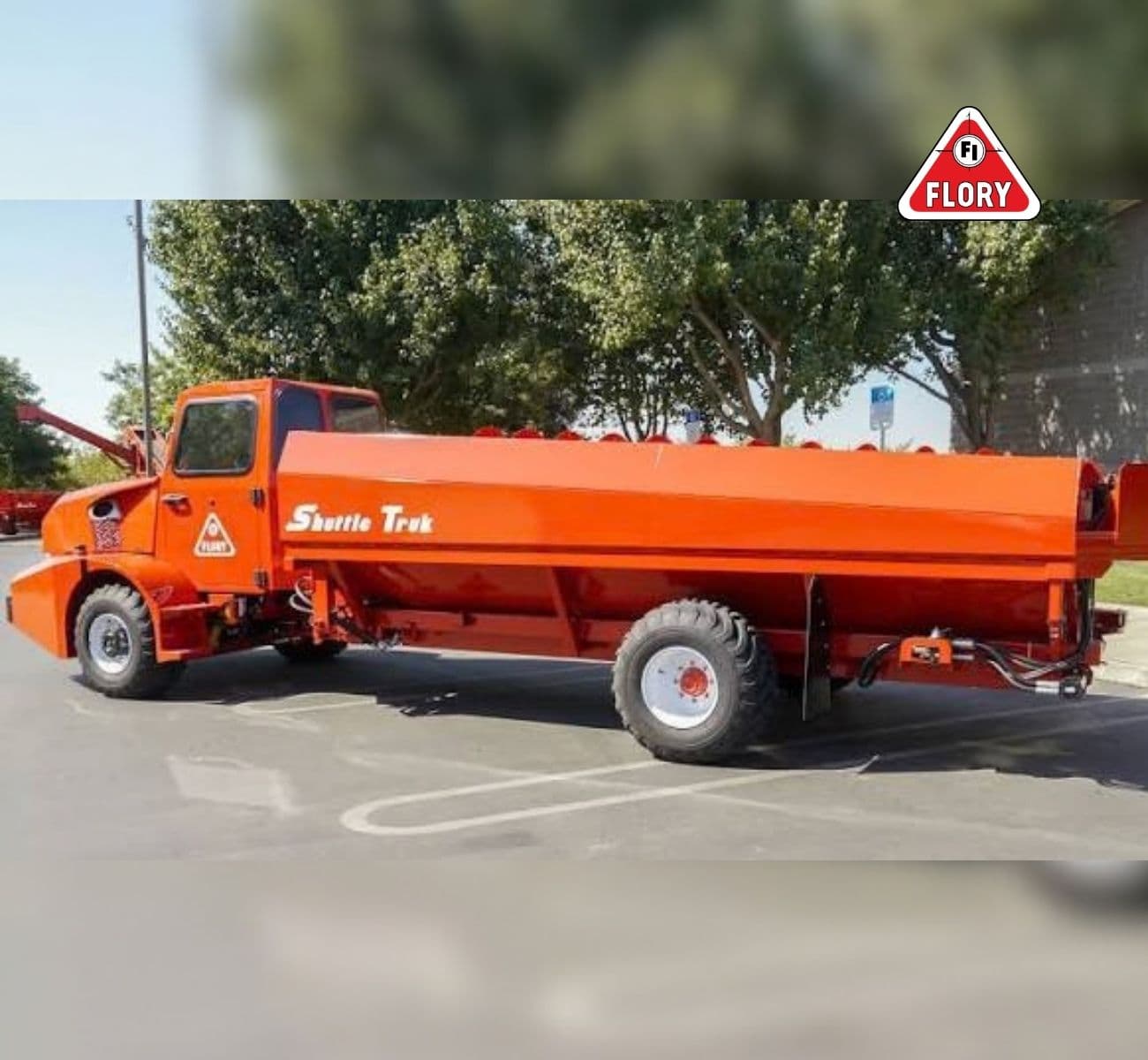
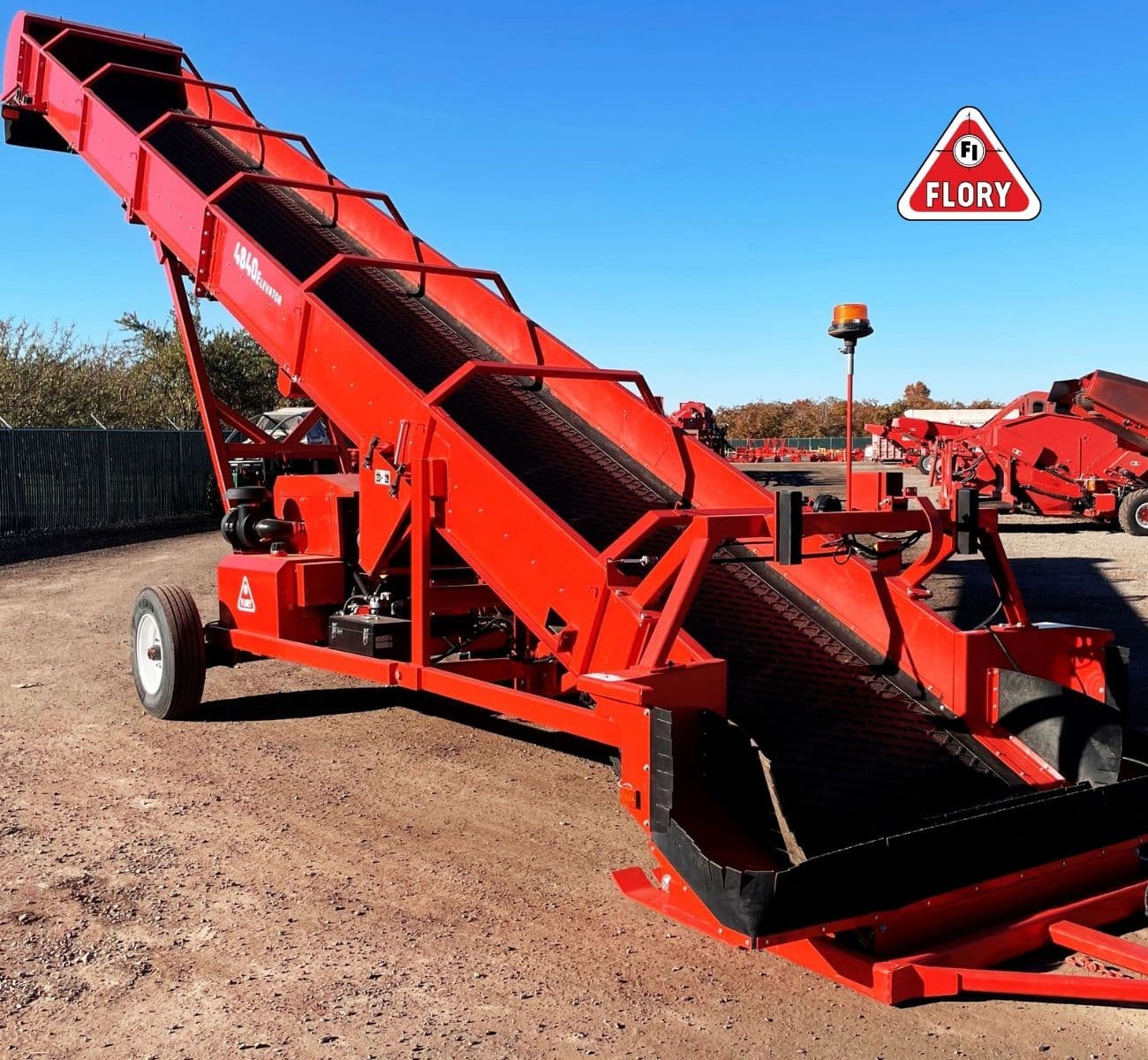
No Polish source found describes machine harvesting of walnuts, and machines cannot work scattered trees by houses, roads and gardens, but new, wide-spaced plantations on level or gently sloping ground can be laid out for them. Flory harvesting machinery is available in Poland through OVE Europe: a line runs from the VR700 Shaker, 34 Series Sweeper and 860 Harvester, or the smaller 490, to the 1500 Conveyor Cart, ST14 Shuttle and 4840 Field Elevator.
Walnut Harvest Workflow (Recommended Equipment)

Practical Tips for Walnut Harvesting
Start harvest once most hulls have split: University of California guidance begins when a high share of nuts on the tree have split hulls.
On small plantings, shake the nuts onto mats spread under the canopy or pick them by hand, as Polish farm press describes (2026).
Keep machines for plantations with rows on level ground they can work; scattered home and roadside trees stay a hand harvest.
Check tractor power first: Flory's 860 and 490 harvesters need 85 hp or more in walnuts, so choose the tractor and harvester together.
Before harvest, mow and level the orchard floor and clear branches and stones, so the sweeper and harvester pick up cleanly.
Grow named cultivars for the market: in 2022, grafted orchard walnuts fetched about PLN 9 per kg, while traders paid about PLN 1.50 for wild ones.
Get your recommended harvest setup
Enter orchard size, spacing, terrain, and target throughput—we’ll suggest a practical harvest workflow and equipment lineup.

Walnut Post-Harvest Handling & Processing in Poland
Polish sources describe simple drying: researchers removed the hulls so the nuts would not darken or go moldy and dried them in thin layers in slatted crates in a dry room (2013), and farm press advises a warm, dry, well-ventilated room, never an oven or radiator (2026). For dryers, University of California guidance dries walnuts to 8% moisture with air no hotter than 43 °C.
A national daily reported in 2015 that Polish walnuts usually had to be cracked by hand. Nuts from amateur trees vary widely: in a 2003 study of 30 lots harvested in 2002, most of them Polish, kernels made up 19 to 63% of nut weight and shells were 1.4 to 3.1 mm thick. A 1989 Polish branch standard set kernel moisture at no more than 5%. Today, EU Regulation 2023/915 caps tree nuts for the final consumer at 2.0 µg/kg of aflatoxin B1 and 4.0 µg/kg in total.
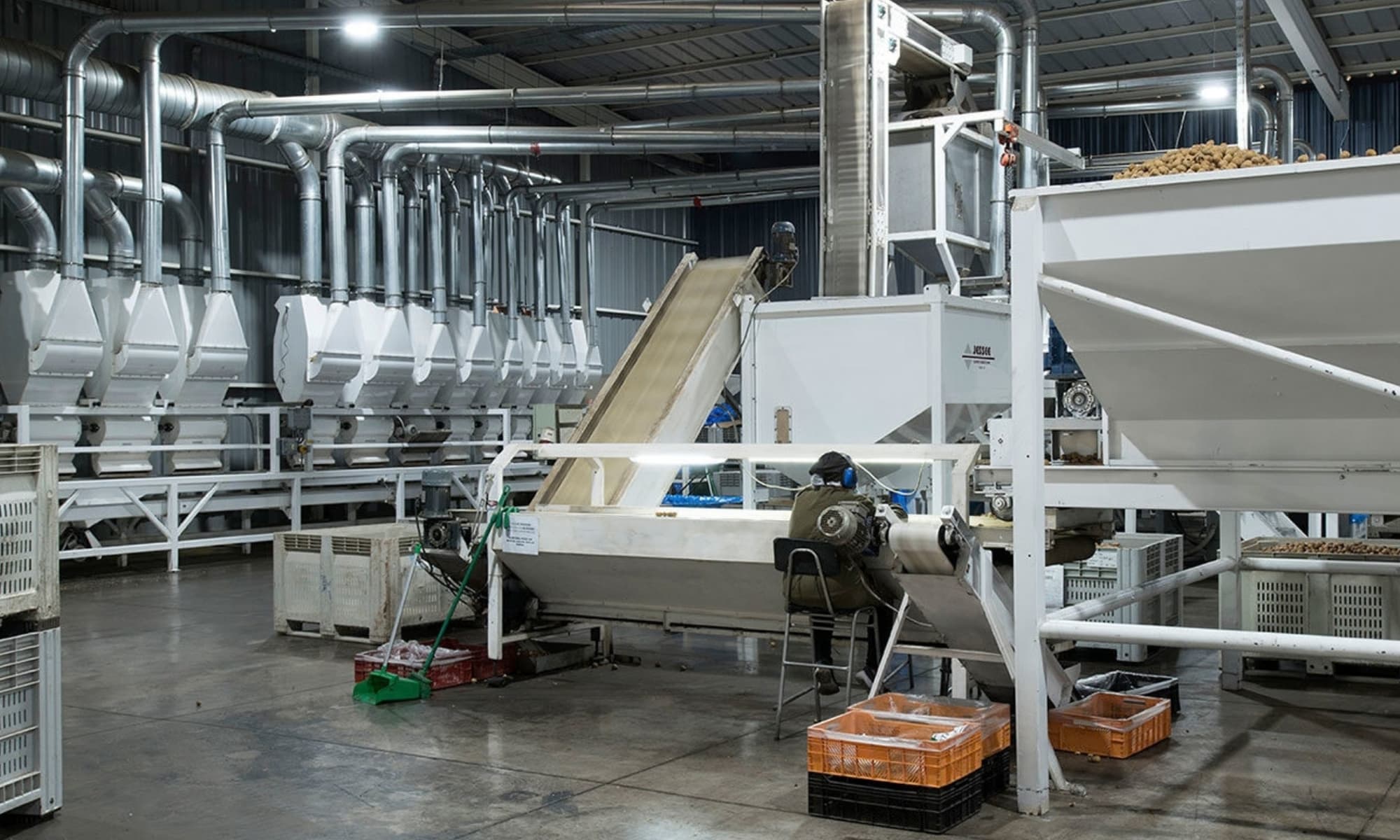
At Easter, home-baking products such as walnuts draw the most interest, a retail chain manager said in 2025, and a farm weekly called Resovia highly valued by the confectionery industry (2019). At Warsaw's Bronisze wholesale market, walnuts were quoted at PLN 12 to 24 per kg in September 2024; after spring frosts, large Jacek nuts fetched up to PLN 50 per kg in September 2026. Jessee, whose processing lines OVE Europe supplies, builds walnut hulling lines and drying, in-shell cleaning and sizing, and shelling systems.
For general information only. Information may become outdated and does not replace site-specific professional advice. Consult a qualified agronomist and confirm equipment suitability with OVE before acting.
Practical Tips for Walnut Post-Harvest Handling & Processing
Remove the green hulls before drying: Polish researchers did so to keep the nuts from darkening and going moldy (2013).
Dry hulled nuts in a warm, dry, well-ventilated room, never in an oven or on a radiator, as Polish farm press advises (2026).
In a dryer, follow University of California guidance: dry to 8% moisture with air no hotter than 43 °C, to protect kernel color.
Test lots for aflatoxins before sale: EU Regulation 2023/915 allows tree nuts for the final consumer 2.0 µg/kg of B1 and 4.0 µg/kg in total.
Grade by size: at Bronisze in September 2026, prices depended on cultivar and size, about PLN 20 per kg for small walnuts and up to PLN 50 for Jacek.
Label shelled walnuts with their country of origin: EU Delegated Regulation 2023/2429 exempts them from the marketing standard except for this.
Recommended Post-Harvest Handling & Processing Stages









Plan your post-harvest line
Estimate tons/day, cleaning & drying capacity, storage needs, and cost/kg—then build your equipment plan in phases.