


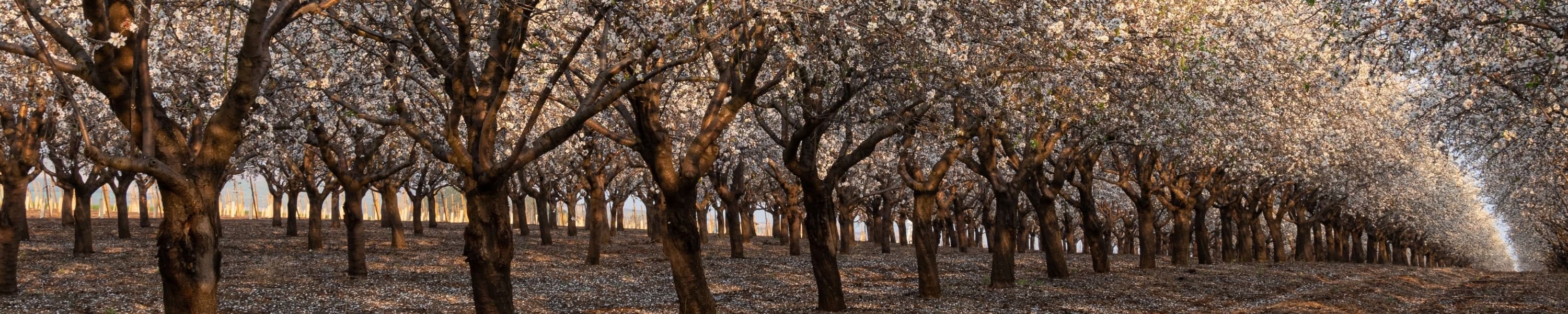




Almond Orchard Establishment in Romania
Spring frost is the main limit: the early flowering time is the key factor that limits almond in Romania, a 2022 study of a trial in Tulcea county notes, and temperatures below -1 °C can cause crop loss. There, first flowers opened from 18 March (Nico) to 9 April (Lauranne, Marinada) in 2021, and a 2024 doctoral thesis on the same trial found Marinada, Lauranne and Vairo best at avoiding spring frost.
Romania's 2026 official catalogue lists Mirela and Veronica from the Constanța fruit research station (2019) and Adeluţa, Cristi and Nicoleta from the University of Oradea (2008). The thesis recommends Marinada, Lauranne, Vairo and Mirela for new super-high-density plantings in Tulcea county and the vigorous Supernova, Ana, Lauranne or Vairo for intensive ones; the station's sheets name Tomis 1, a peach seedling rootstock bred in Constanța, almond and peach seedlings and almond × peach hybrids as rootstocks.
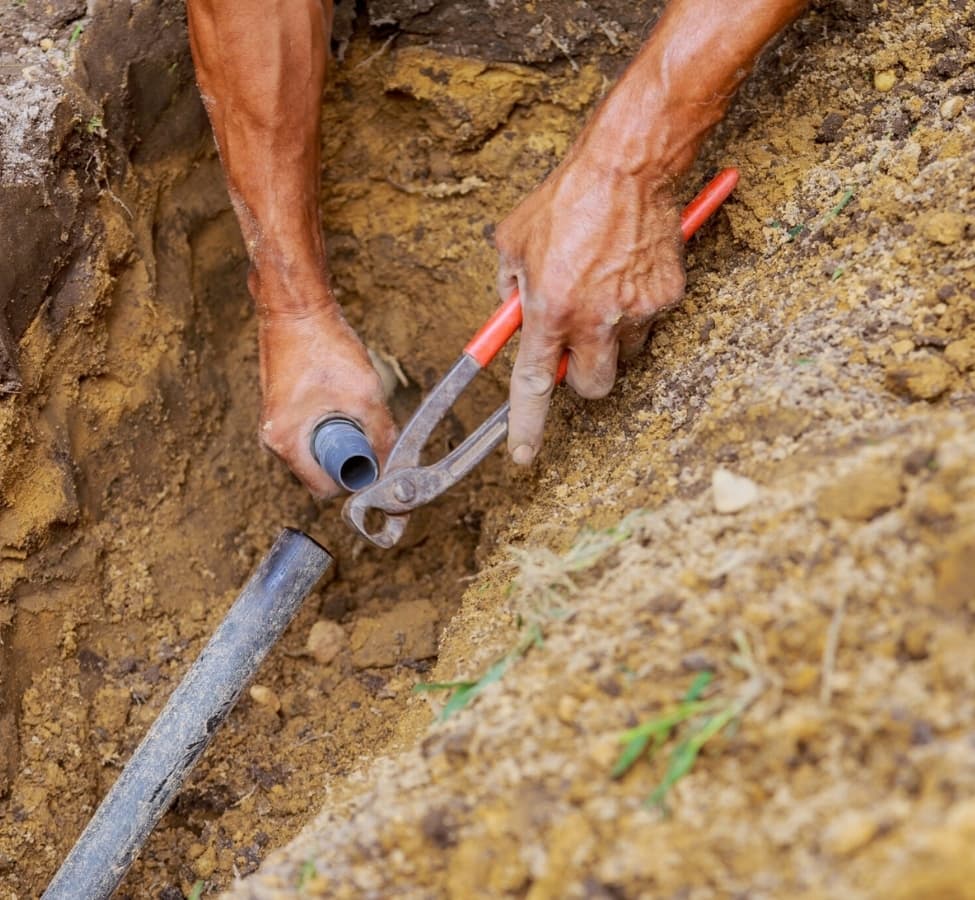
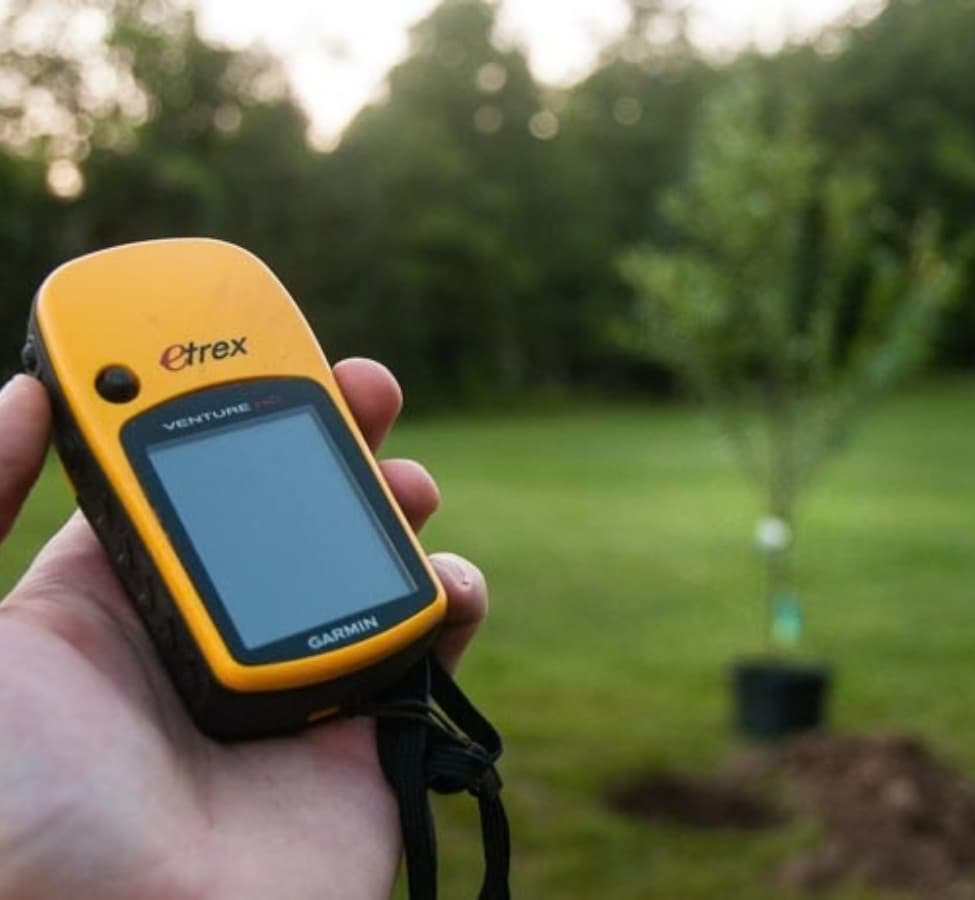
The sheets give spacings of 4 × 4 m (625 trees per hectare) or 5 × 4 m (500 trees per hectare), and a 2025 paper from the station says almond on irrigated land in Dobrogea is apparently a very reasonable alternative. Plan drip lines, rows, headlands and trunk height for shakers and catching frames before planting; super-high-density hedgerows, tested in Tulcea county at 4 × 1.5 m, are outside this guide.
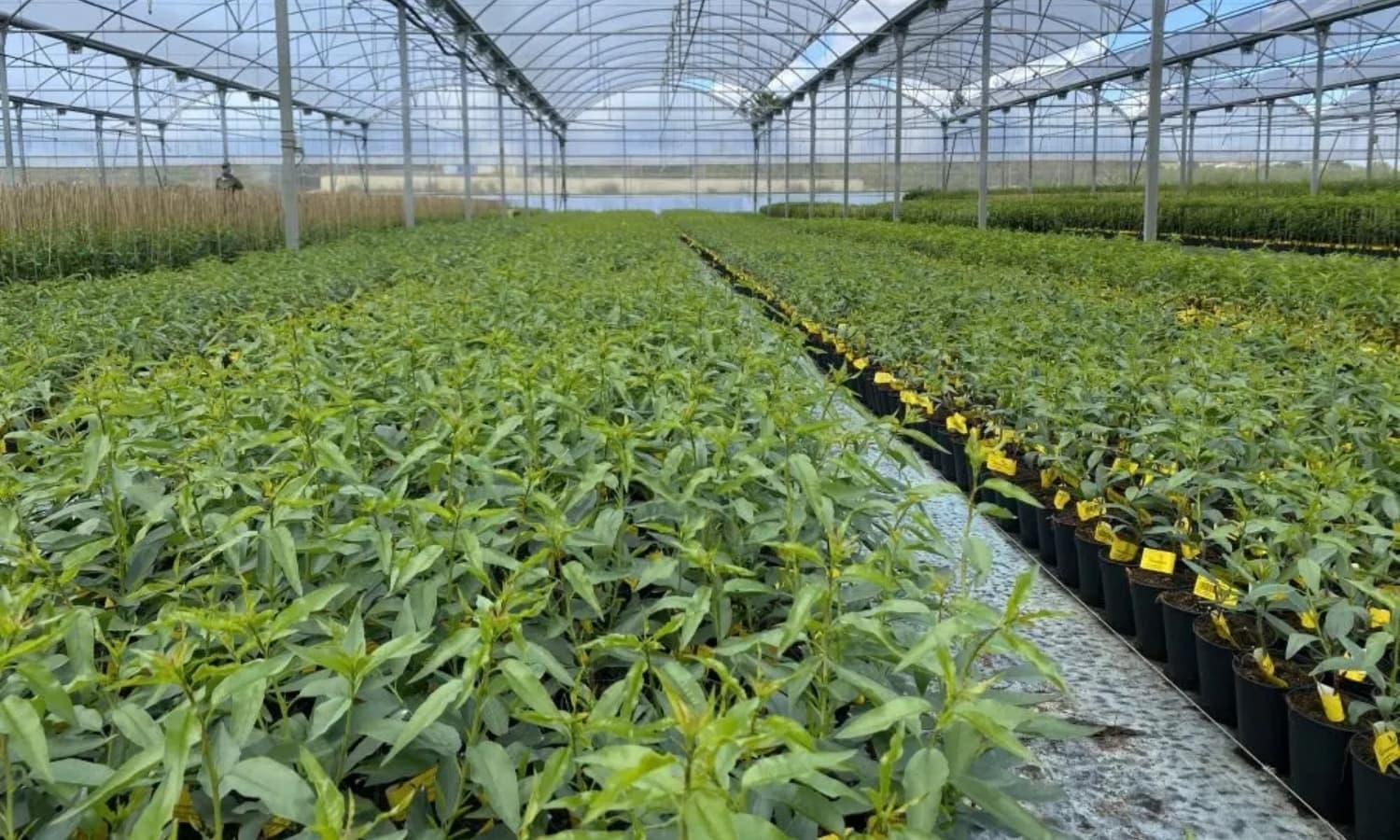

Practical Tips for Almond Orchard Establishment
Favor late-blooming cultivars on frost-prone sites: a 2024 thesis found Marinada, Lauranne and Vairo best at avoiding spring frost in Tulcea county.
Avoid frost pockets: Romanian researchers note that temperatures below -1 °C at bloom can cause crop loss.
Plant pollinizers: a 1984 to 1994 trial at Valu lui Traian found all cultivars studied self-incompatible, and the station's sheets name a pollinizer for Veronica.
Prefer land you can irrigate: a 2025 Constanța station paper says almond on irrigated land in Dobrogea is apparently a very reasonable alternative.
Avoid heavy clay: a 2025 paper on a clay-rich trial site in Ilfov county notes that on clay soils almond roots are prone to asphyxiation and fungal infections.
Plan rows, headlands and tree form for the shaker, sweeper and harvester before planting, and check trunk clearance with OVE Europe.
Recommended Establishment Stages
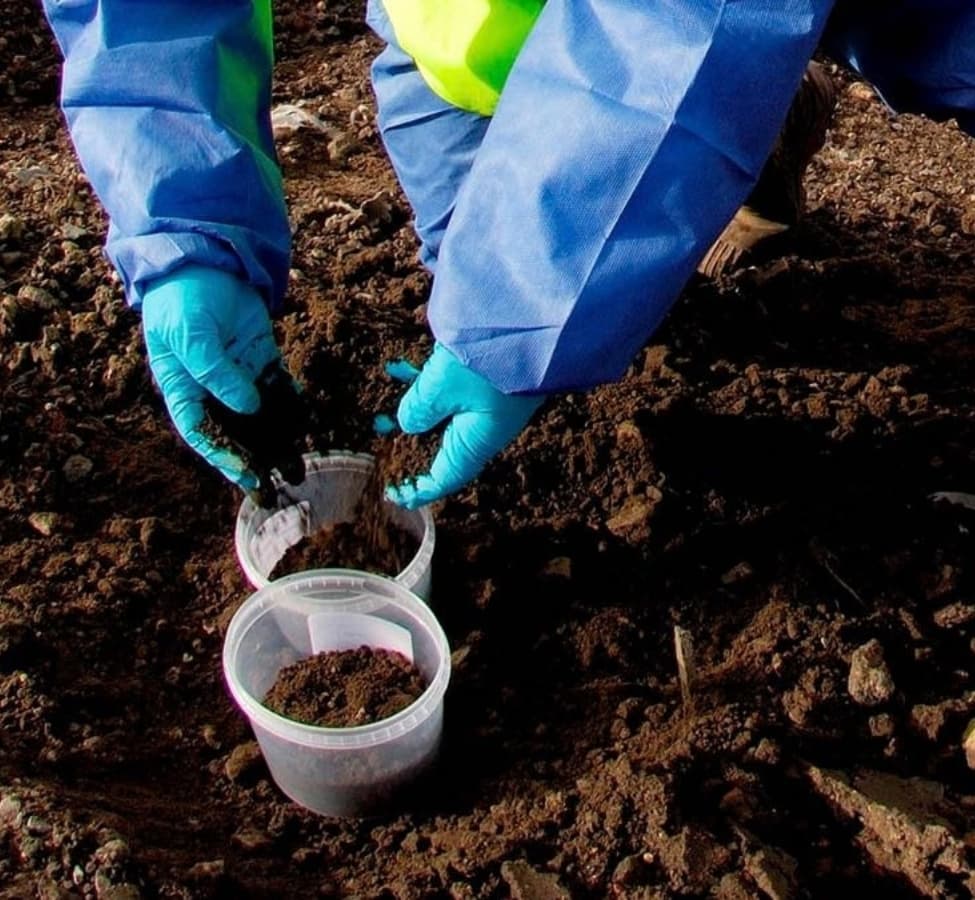
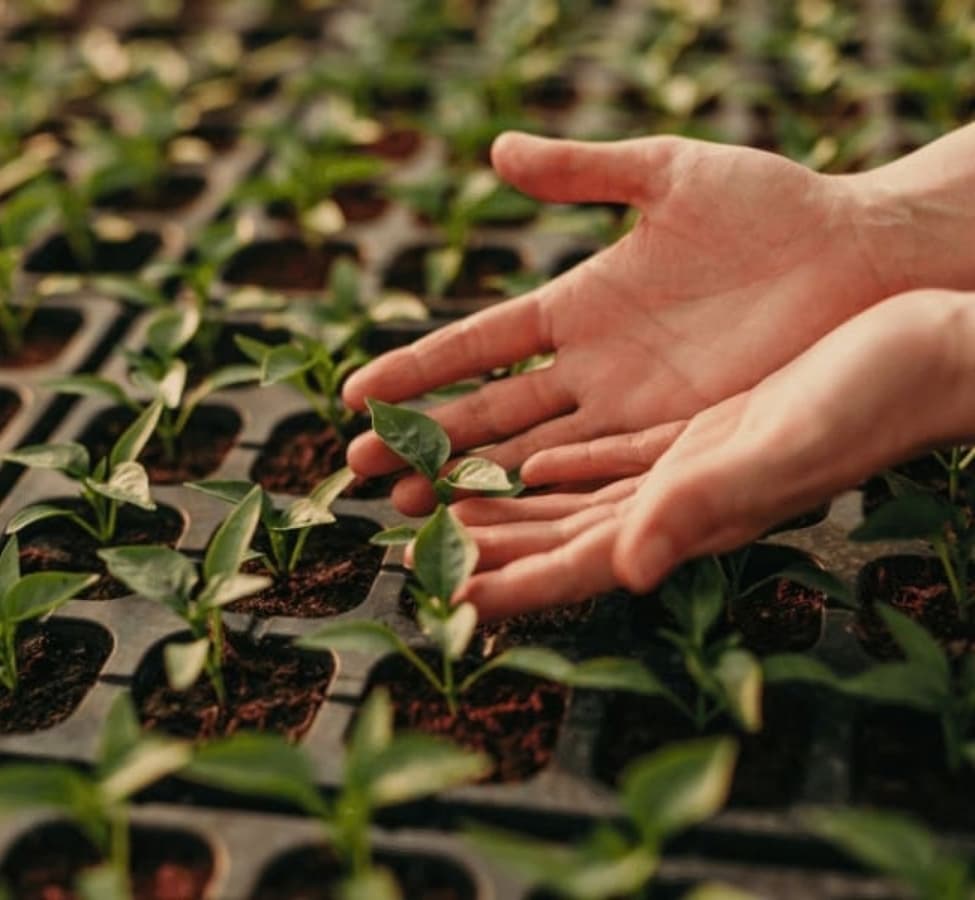

Almond Orchard Care & Maintenance in Romania
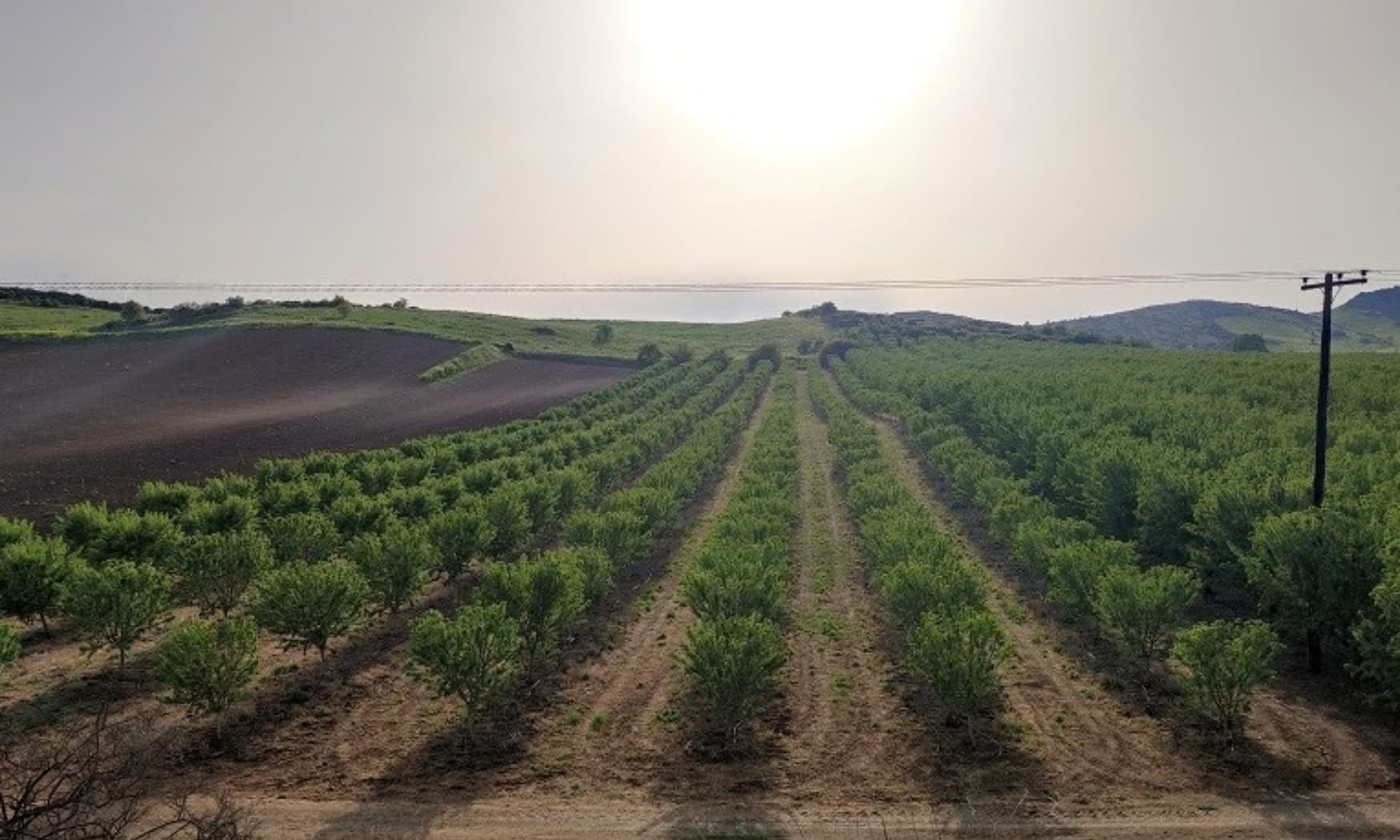
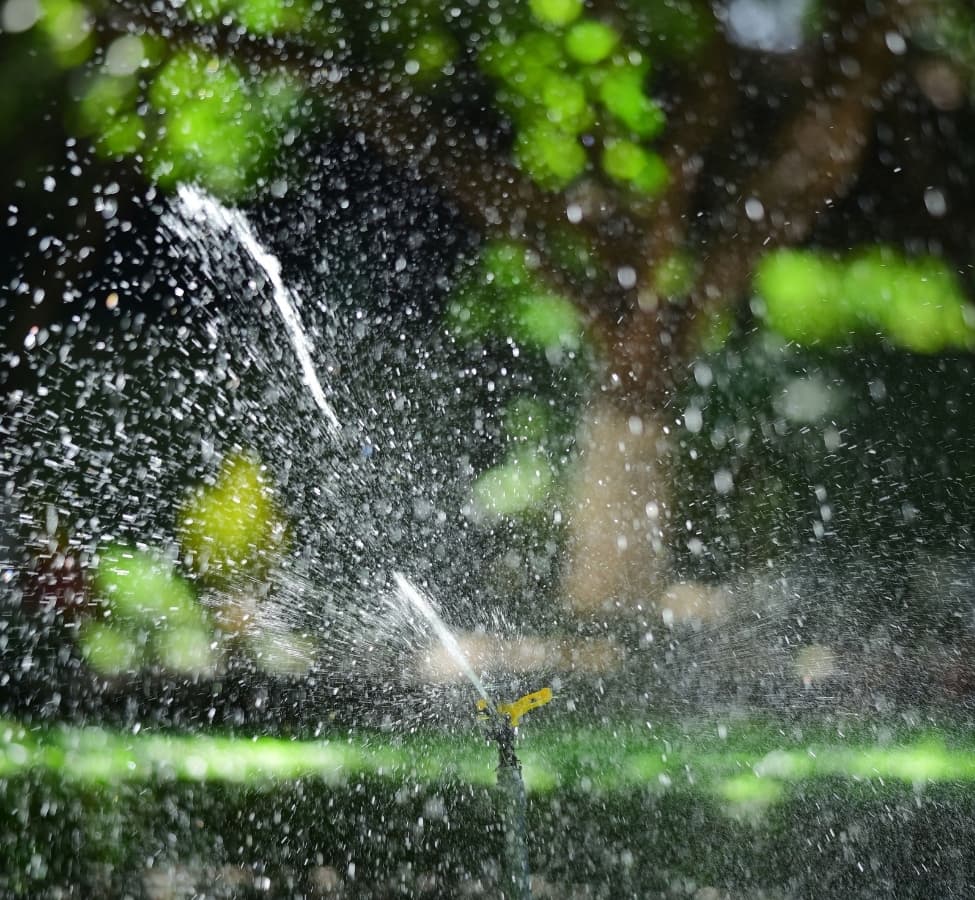
Rain is scarce where almonds grow best: around Constanța it averages around 400 mm a year, unevenly spread, a 2013 paper by the station's researchers notes, and the kernel filling phase has the highest needs for water and nutrients, with yields reduced in very dry seasons. A trial planted in Ilfov county in 2022 stresses drip irrigation in the critical rooting months; no Romanian water-use figures were found.
The almond seed wasp, Eurytoma amygdali, was first reported for Romania in 2022, on free-growing trees in Tulcea county; adults emerge at the end of April, and infested fruits stay on the tree well past harvest. The researchers advise collecting the mummified fruits left on the trees. EPPO lists Xanthomonas arboricola pv. pruni, the cause of bacterial spot, as present in Romania with a restricted distribution.
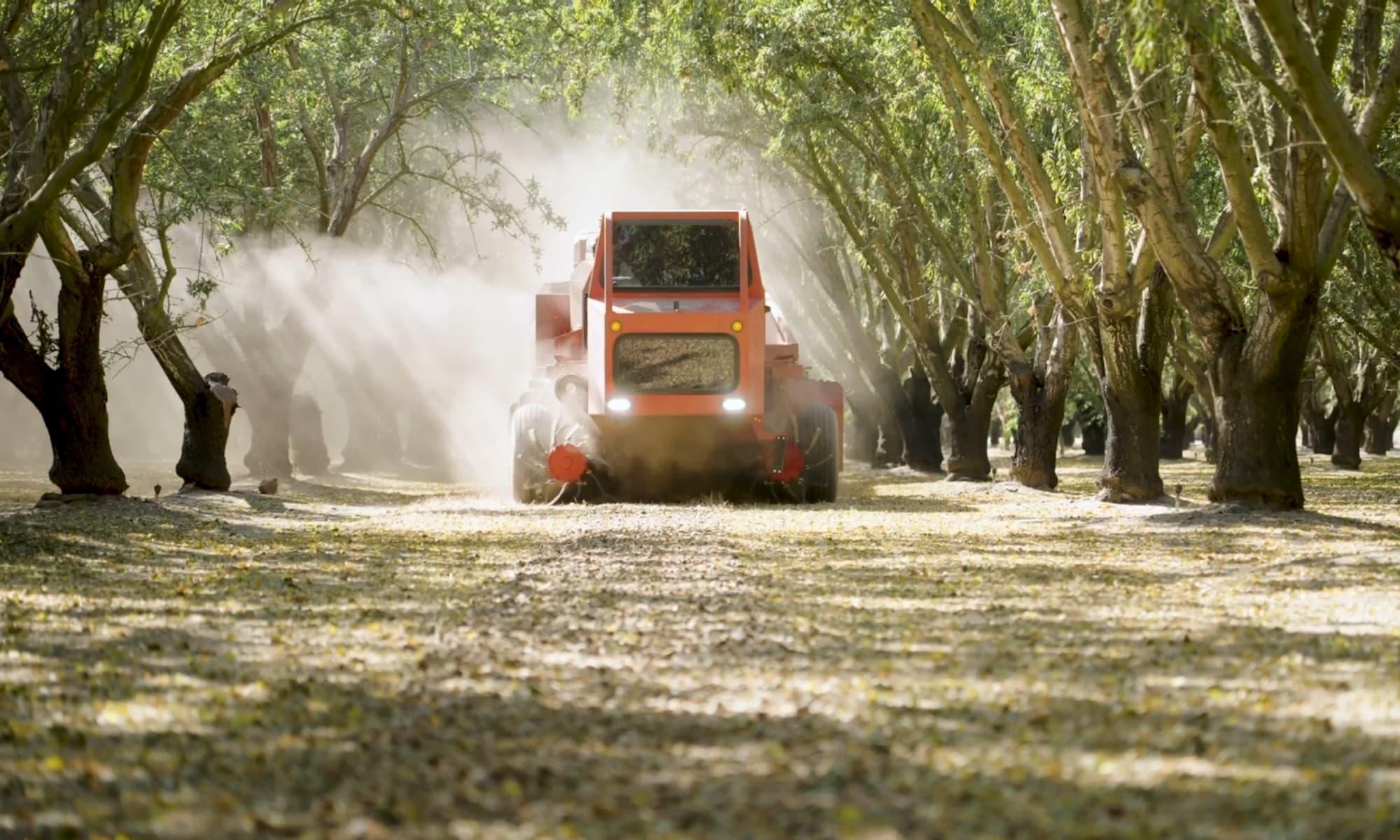
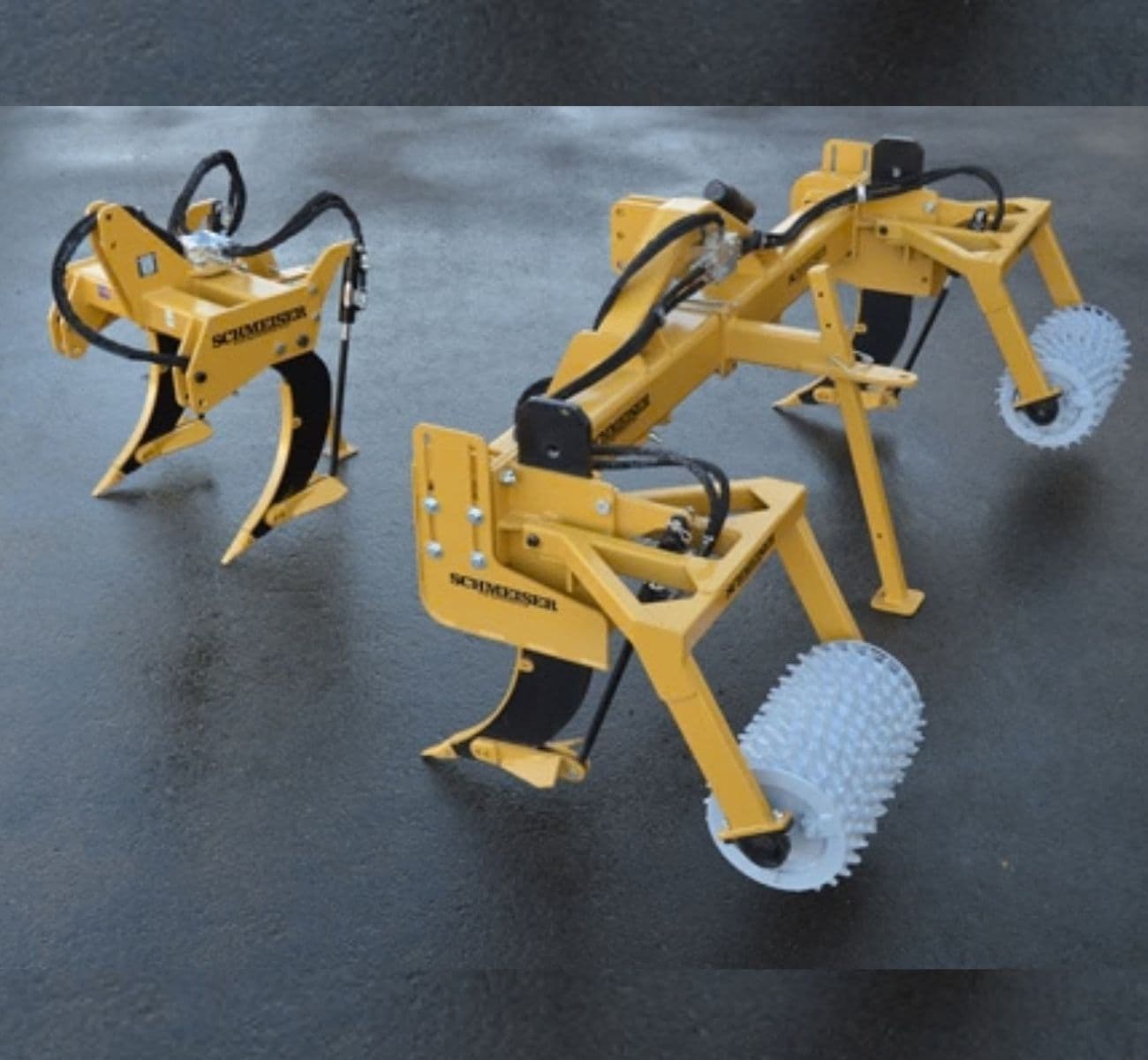
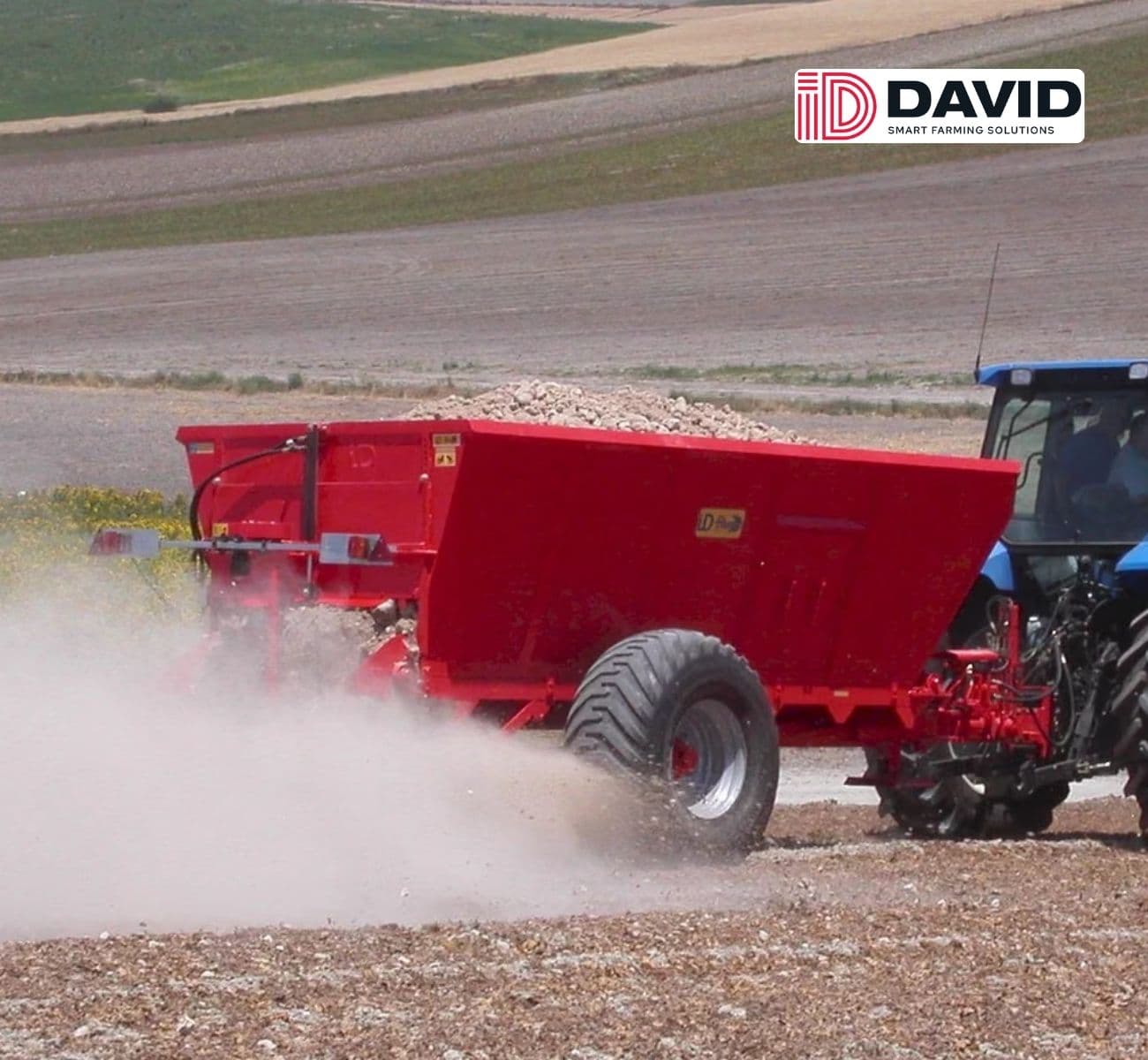
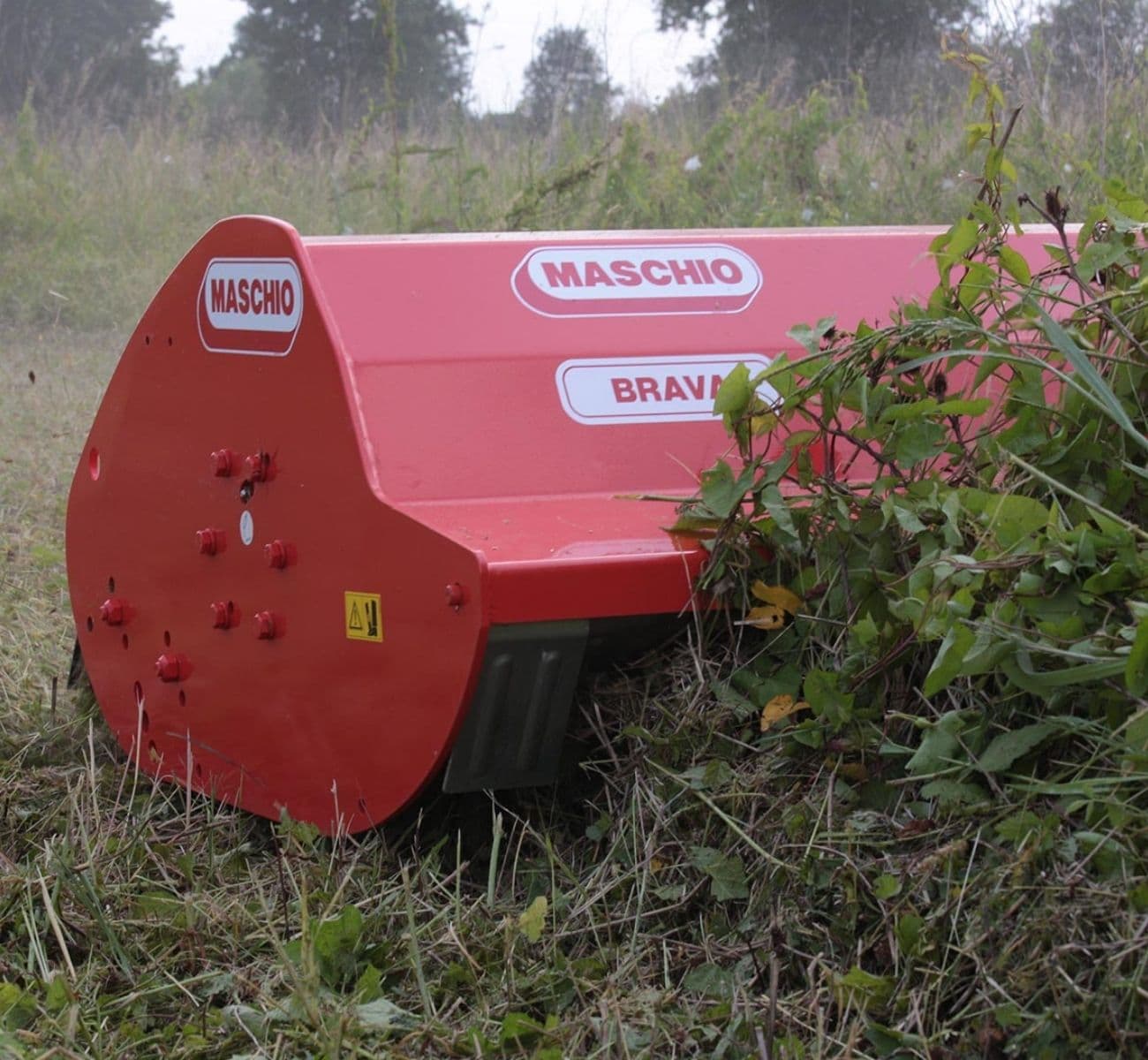
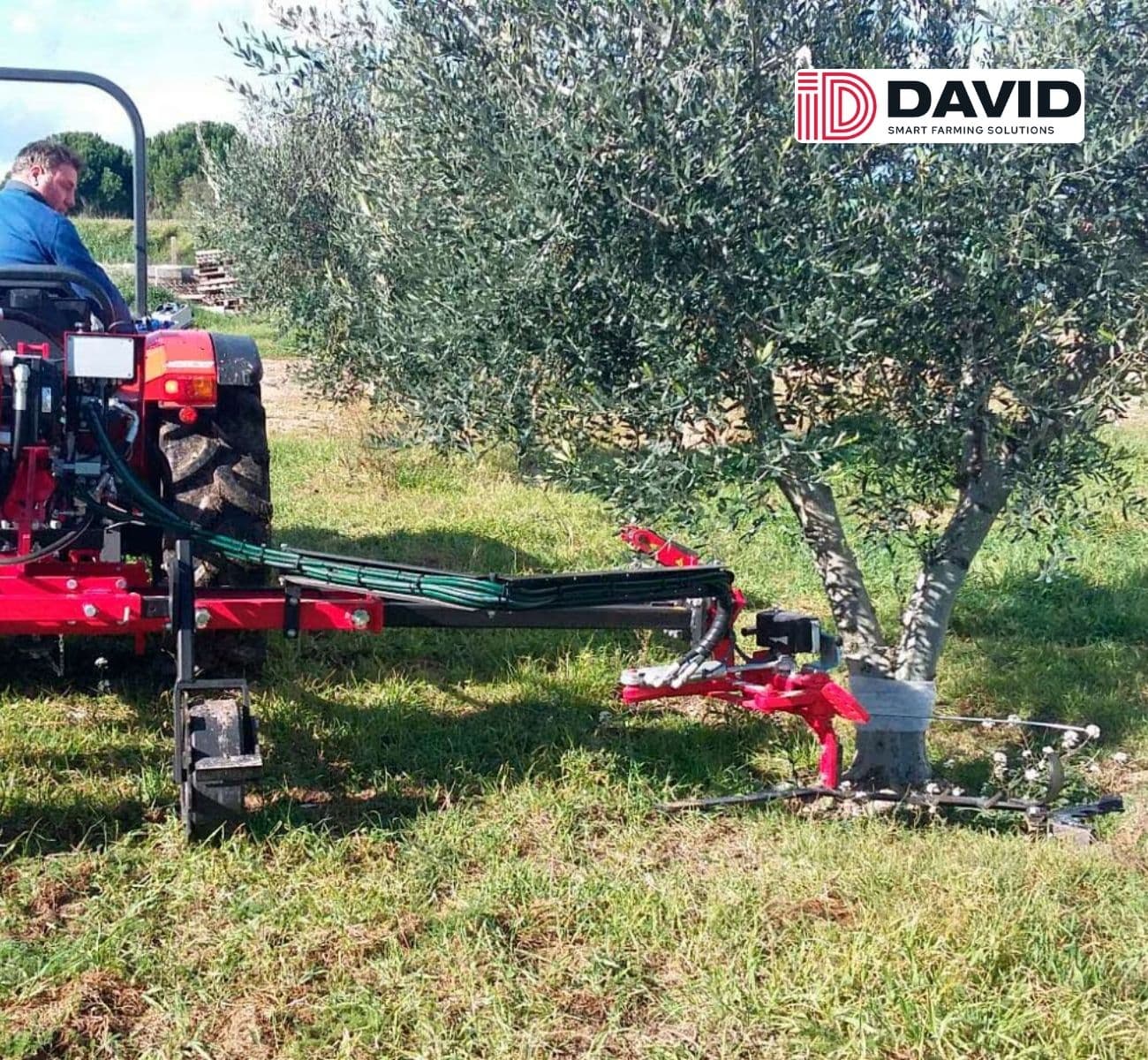
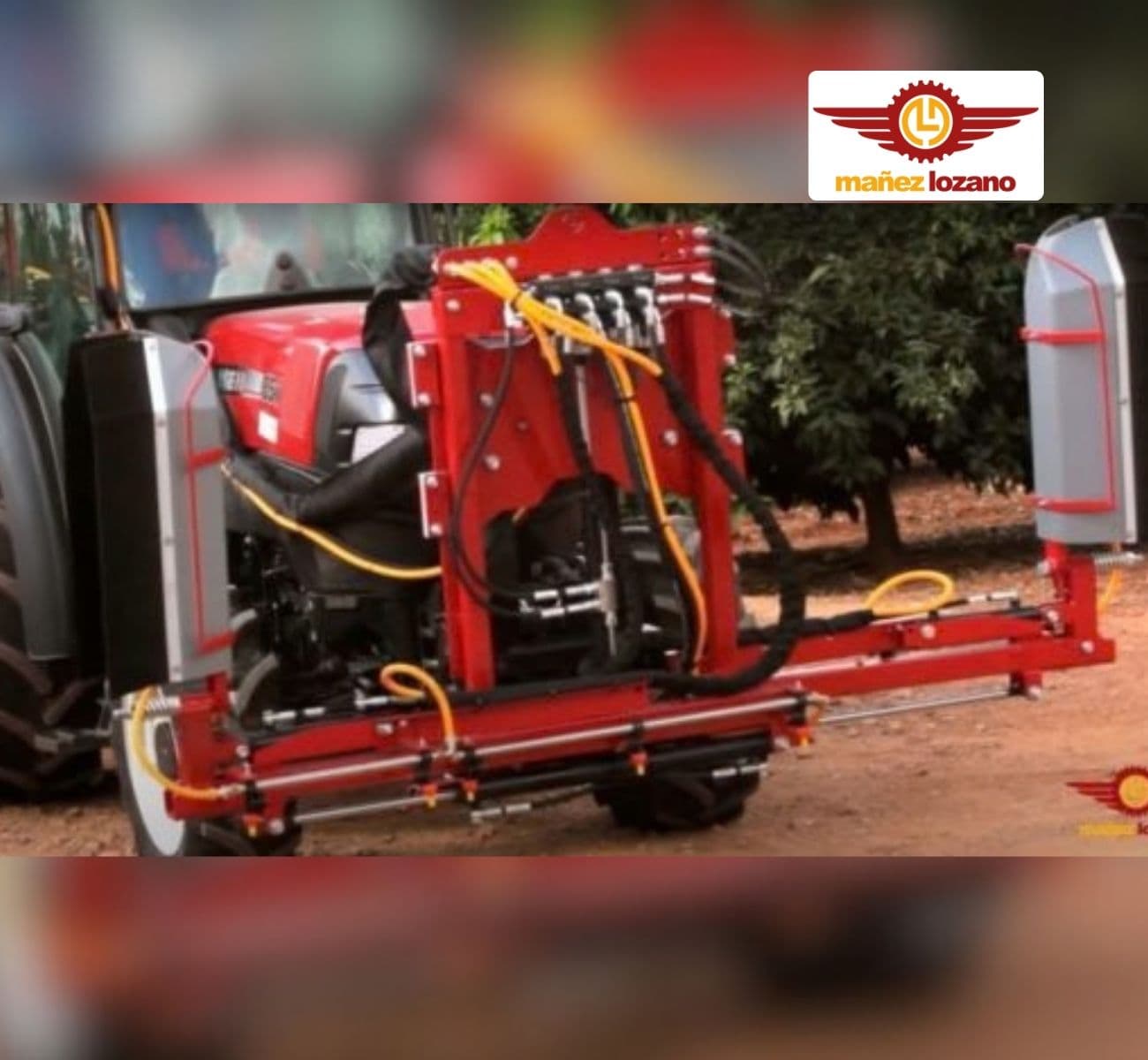
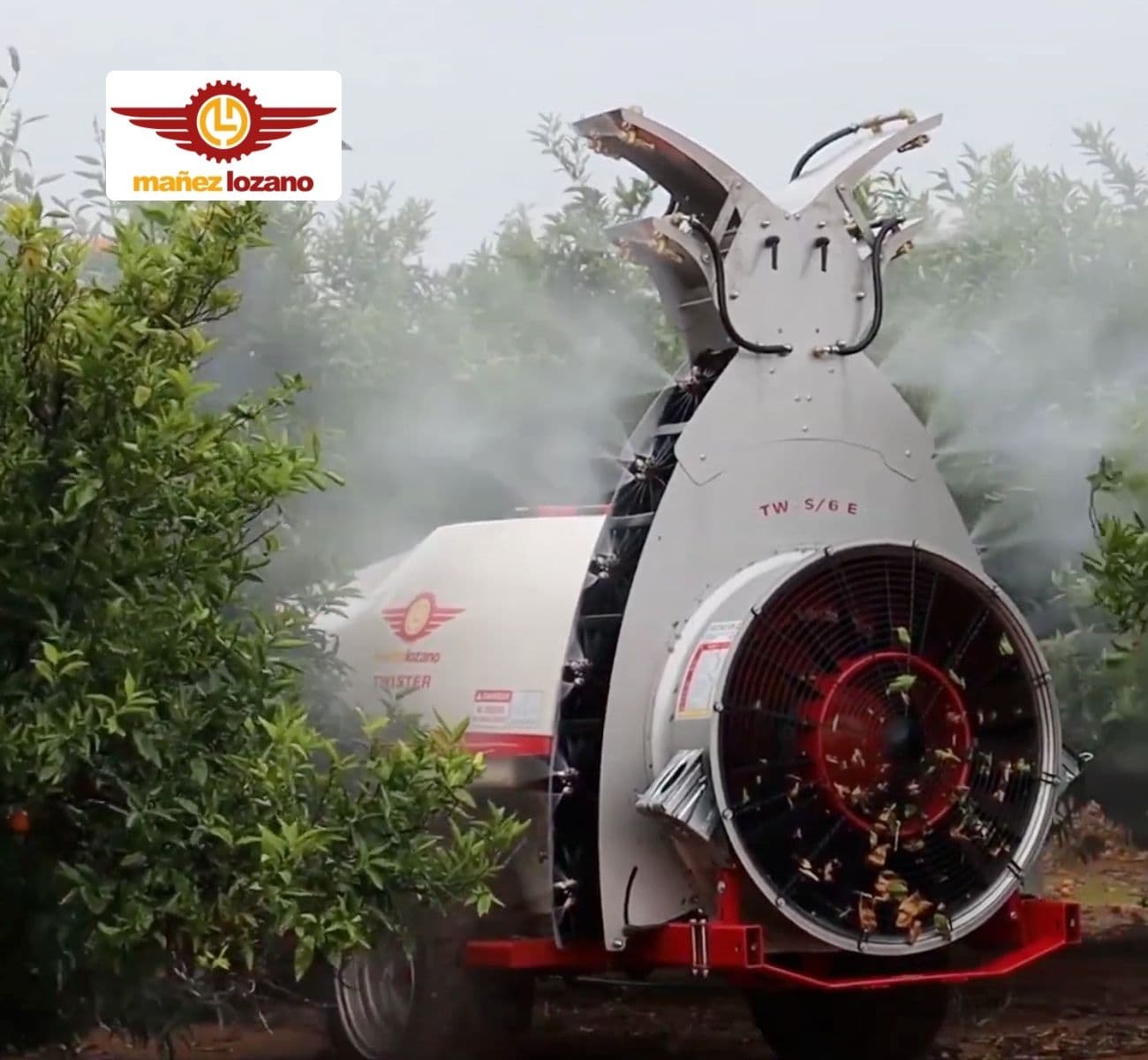
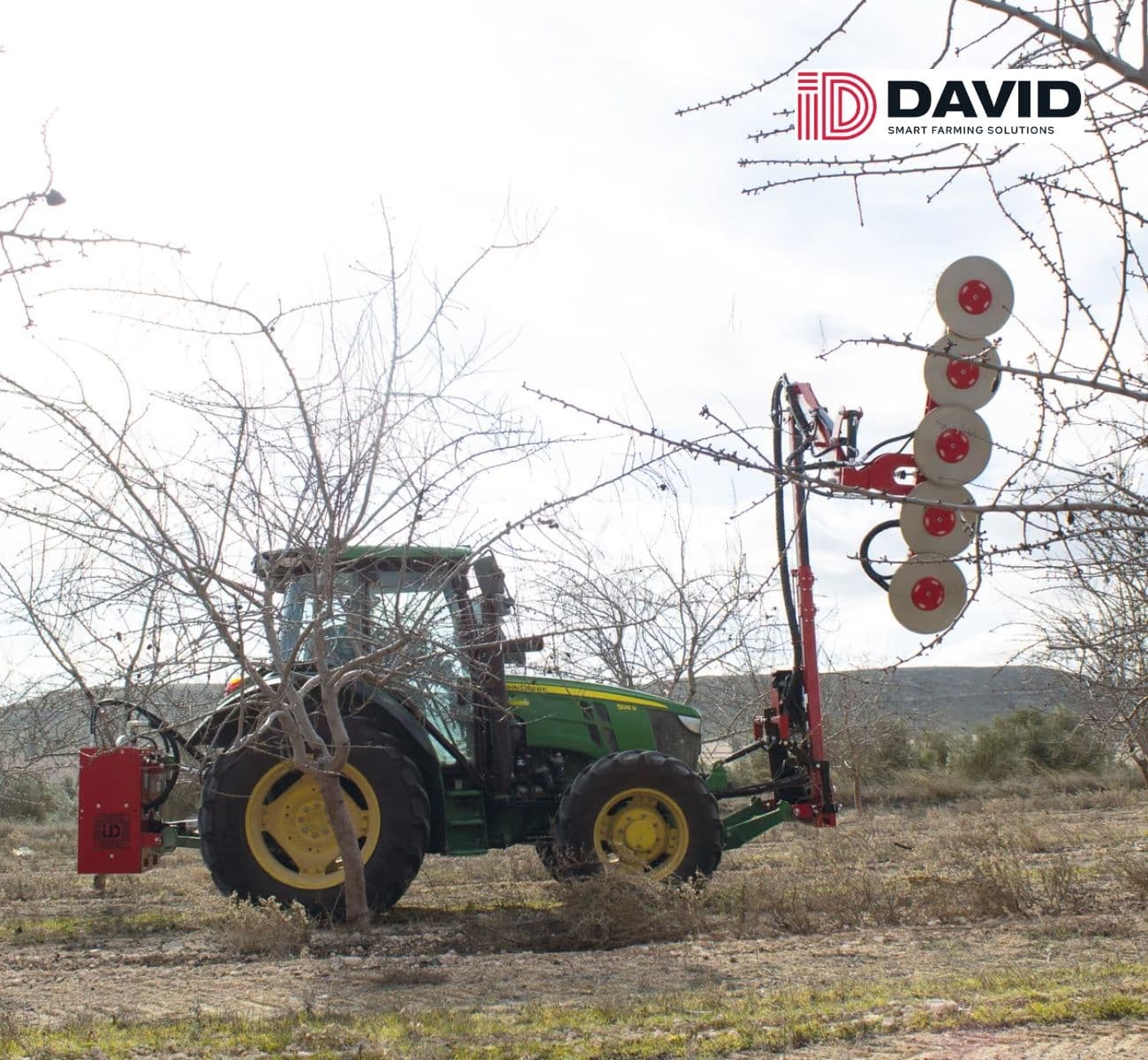
Bloom needs watching for more than frost: in the Tulcea county trial the flower beetle Epicometis hirta was drawn to the flowers of the very late-blooming Lauranne, Marinada and Vairo. For care work, the ID DAVID SURFEED spreads solid manure, the ID-XL weeds the tree row, the Mañez Lozano Mega Twister S6 sprays tall, dense canopies and the ID DAVID ID-REX disc pruner makes lateral and topping cuts.
Recommended Orchard Care & Maintenance Stages
Practical Tips for Almond Orchard Care & Maintenance
Keep water up through kernel filling: a 2013 paper by the Constanța station's researchers found that this phase has the highest needs for water and nutrients.
Collect the mummified fruits left on the trees after harvest, as Romanian researchers advise against the almond seed wasp.
Check late-blooming cultivars at bloom for the flower beetle Epicometis hirta, which was drawn to their flowers in a Tulcea county trial.
Plant healthy, certified trees: EPPO lists bacterial spot, a disease of almond and stone fruit, as present in Romania.
Keep the tree row weed-free with an in-row weeder such as the ID DAVID ID-XL, and keep the orchard floor level for harvest.
Spray tall, dense canopies evenly with a trailed airblast sprayer such as the Mañez Lozano Mega Twister S6.

Almond Harvesting in Romania
No Romanian study or official source found describes how growers harvest almonds today. Ripening differs by cultivar: the Constanța station's sheets give late August to early September for Veronica and mid-September for Mirela, and cultivar descriptions in a 2022 Romanian paper give ripening starts from mid-August (Nico) to early October (Marinada). In orchards planted for machines on suitable ground, mechanized harvesting can bring the crop in on time, with less risk of nuts deteriorating while they wait.
Harvest weather is mixed. Normals for 1981 to 2010 give Constanța 35.2 mm on 4.6 days of 0.1 mm or more in August, 42.1 mm on 6.1 in September and 36.8 mm on 7.1 in October (data from the ANM weather service via WMO). Mangalia had 234.7 mm in 24 hours on 31 August 2024 and Constanța a record September total of 153.4 mm in 2024, but under 1 mm in September 2023 (ANM). As rain is irregular and no Romanian source describes ground drying, this guide shows prompt pickup, hulling and drying at once, beside catching frames.
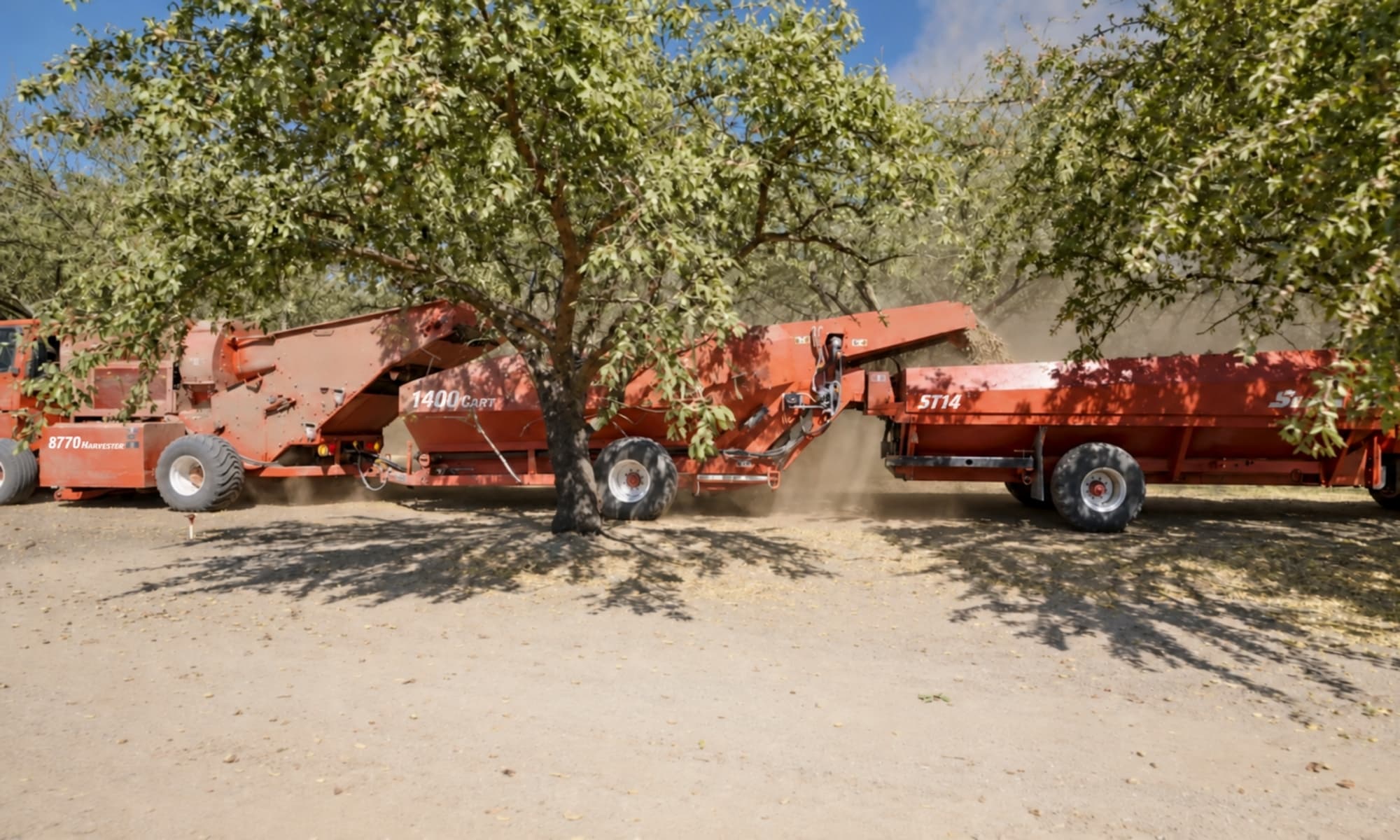
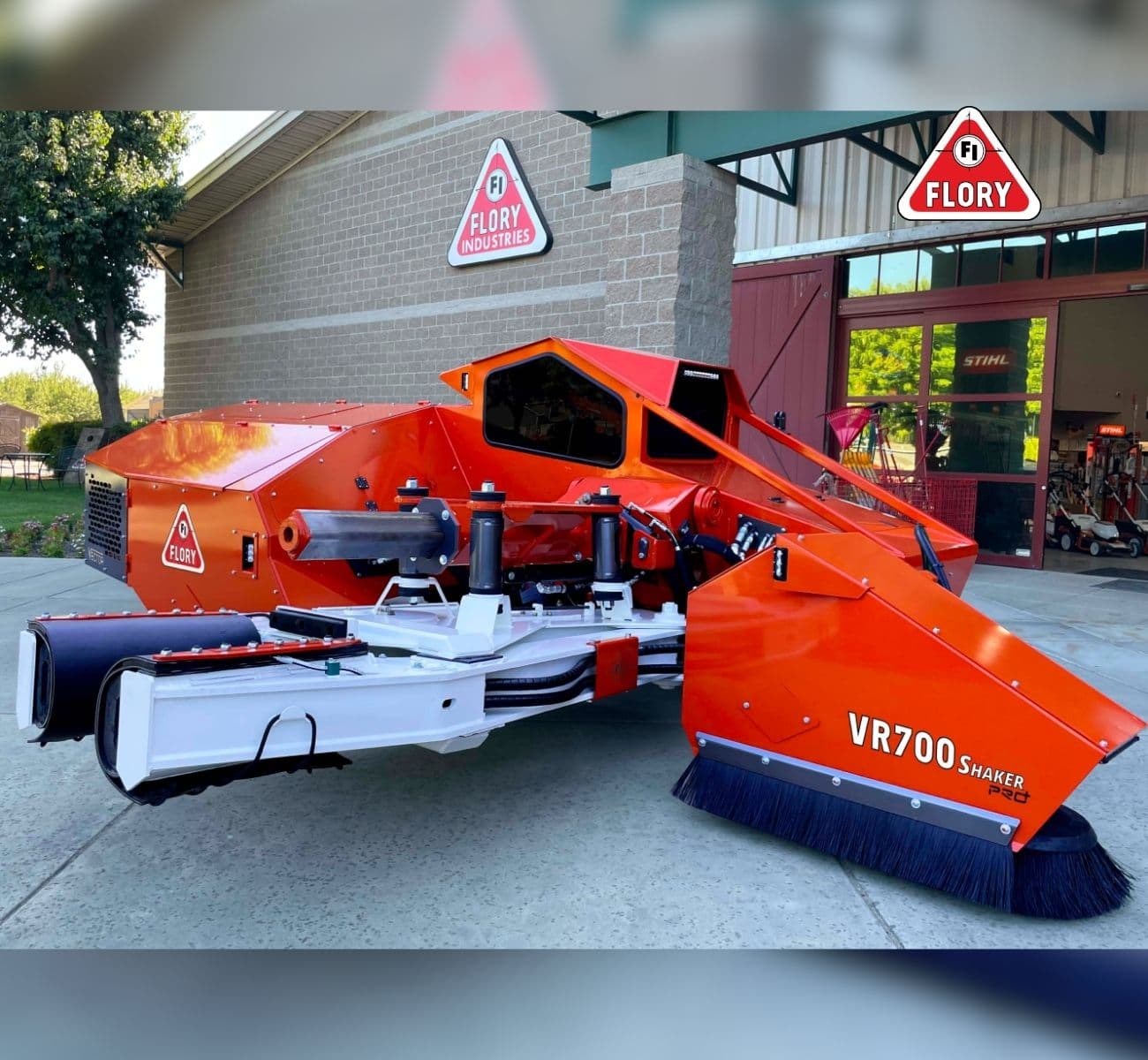
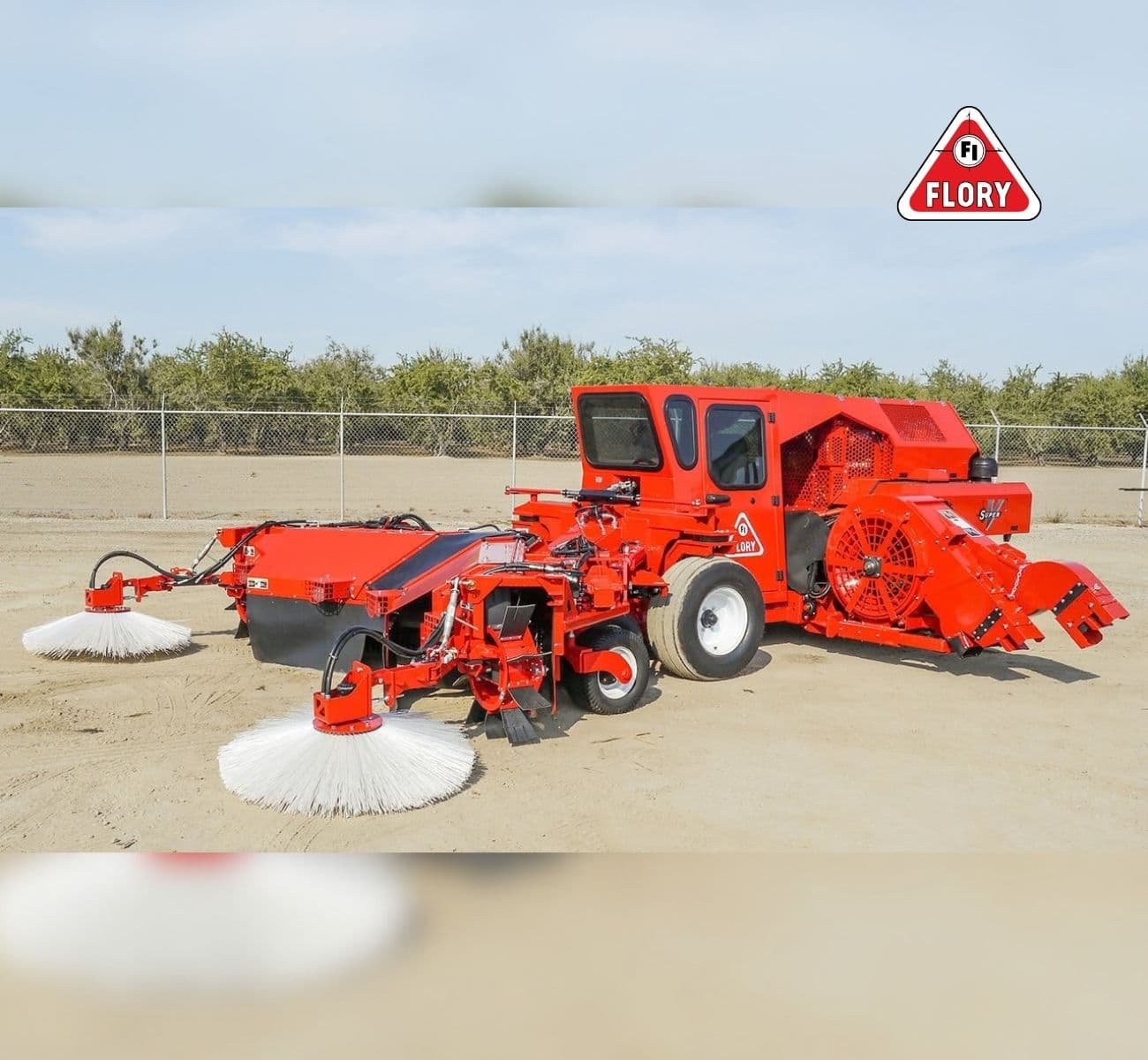
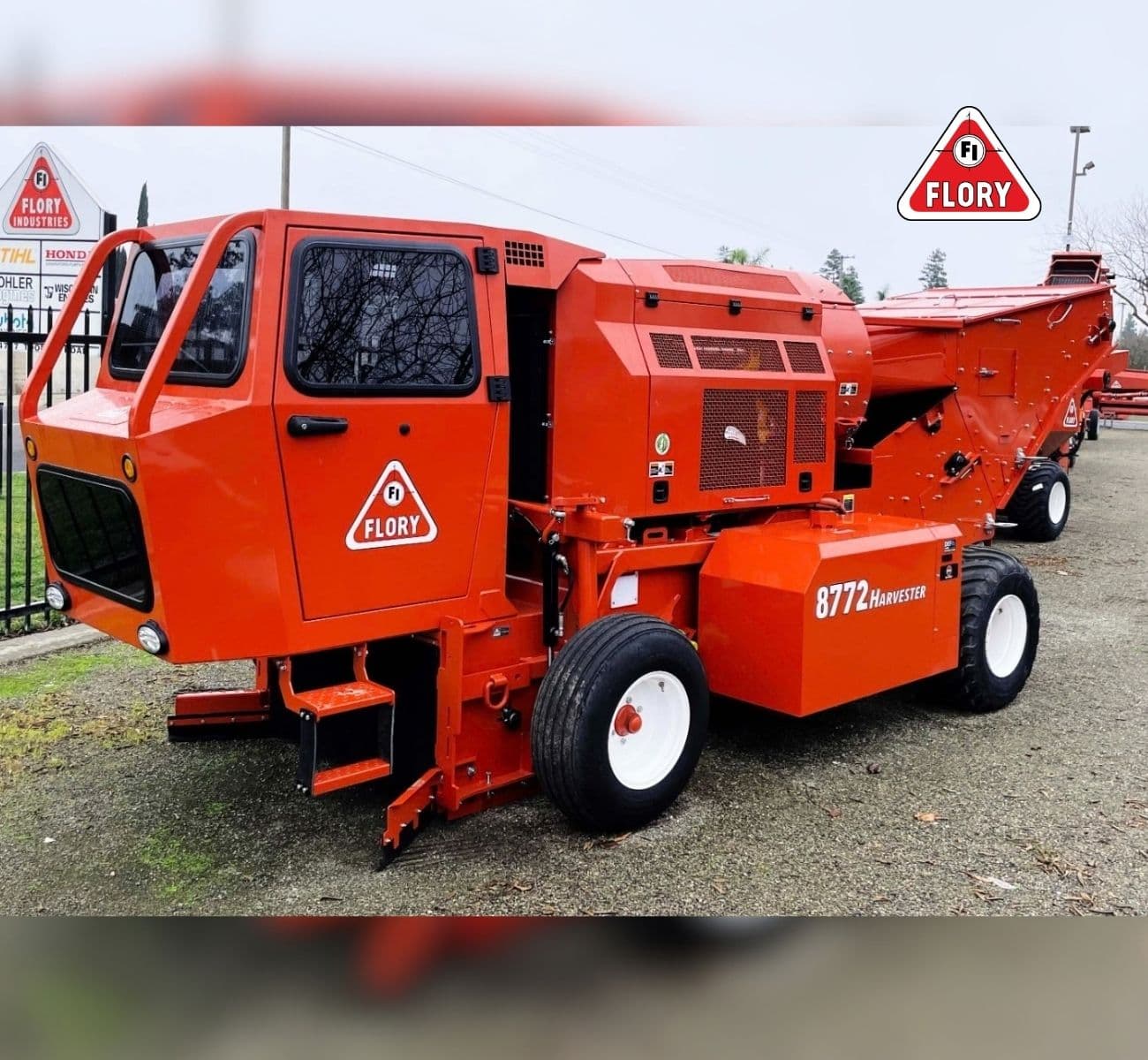
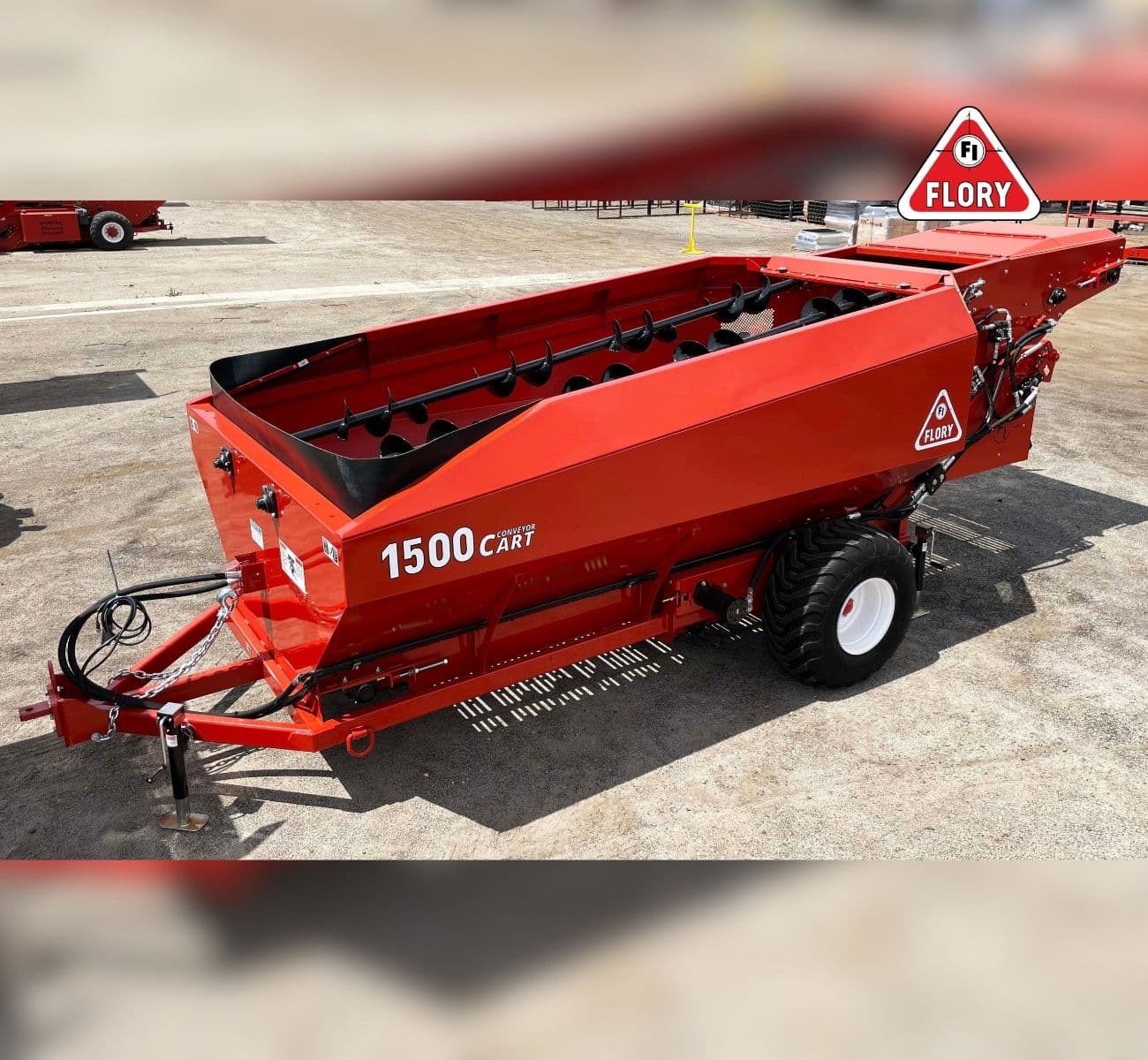
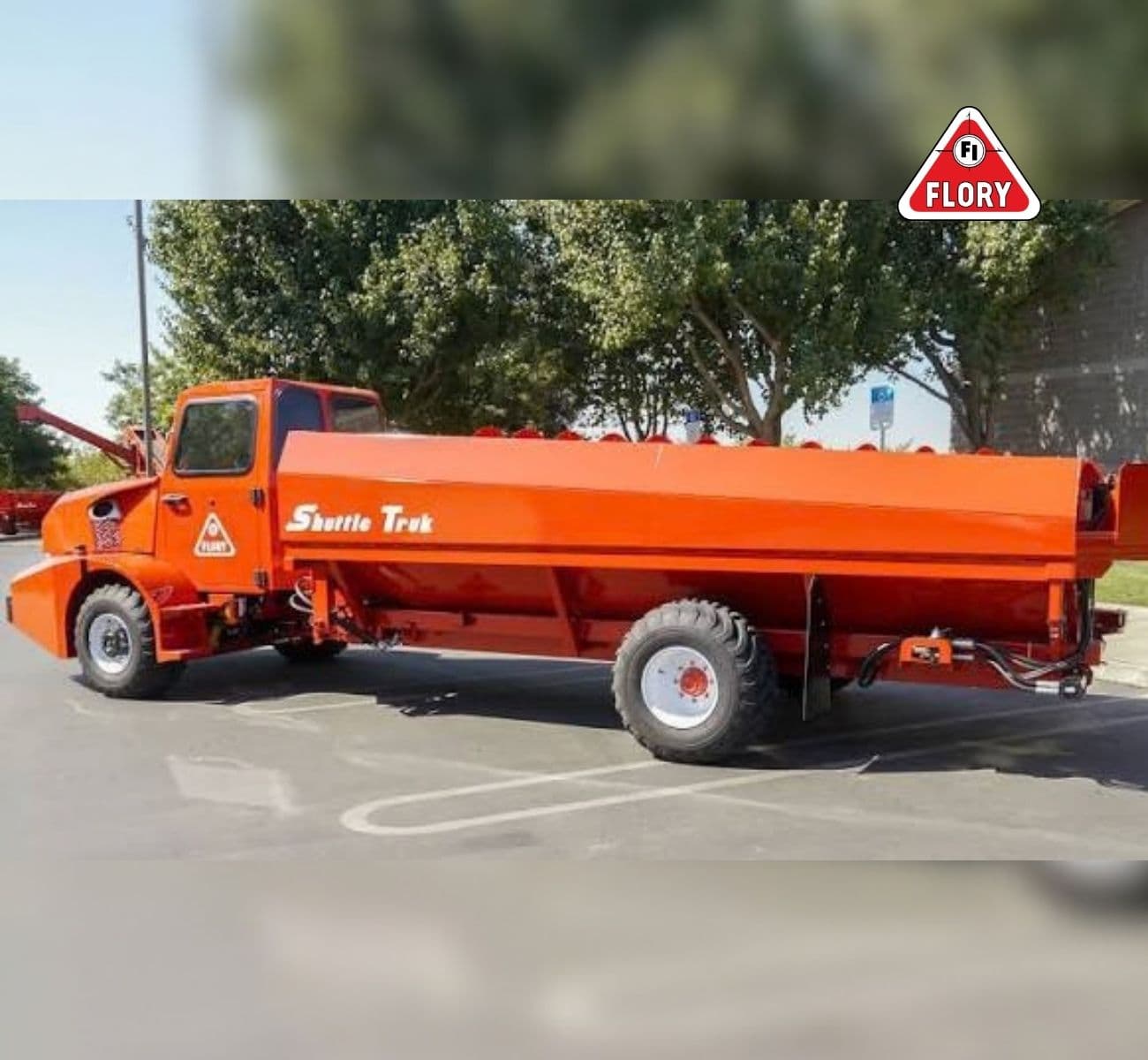
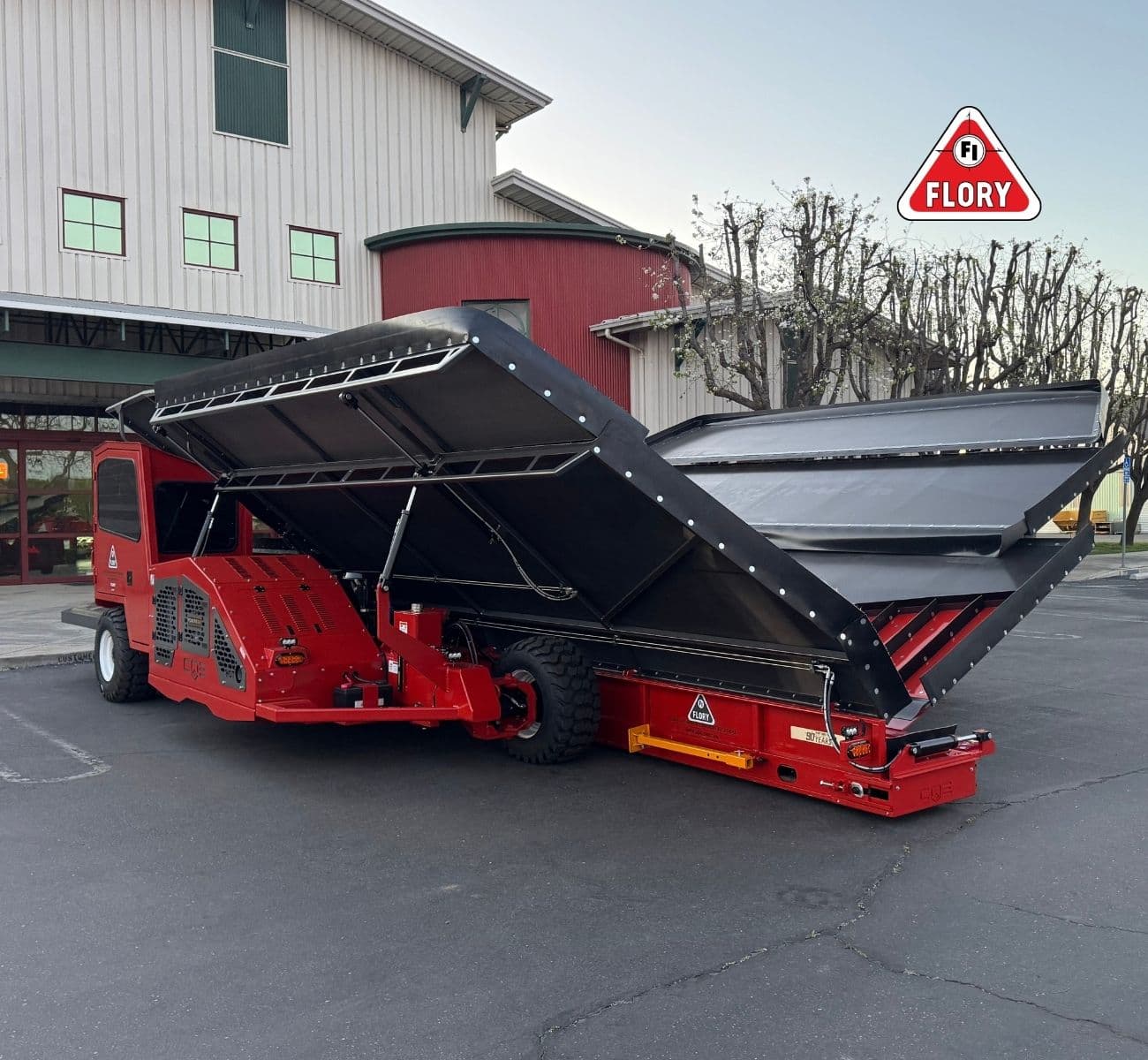
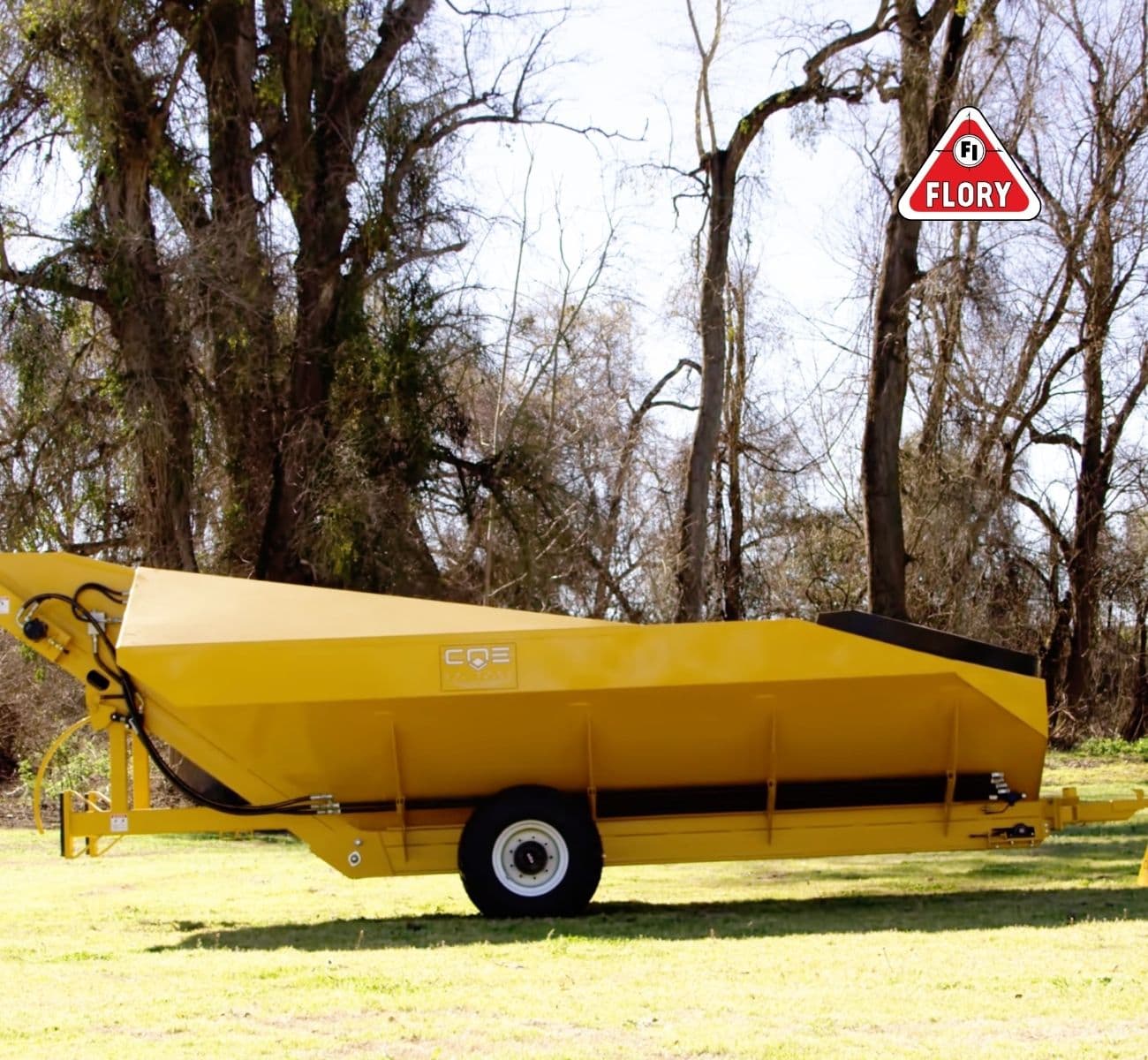
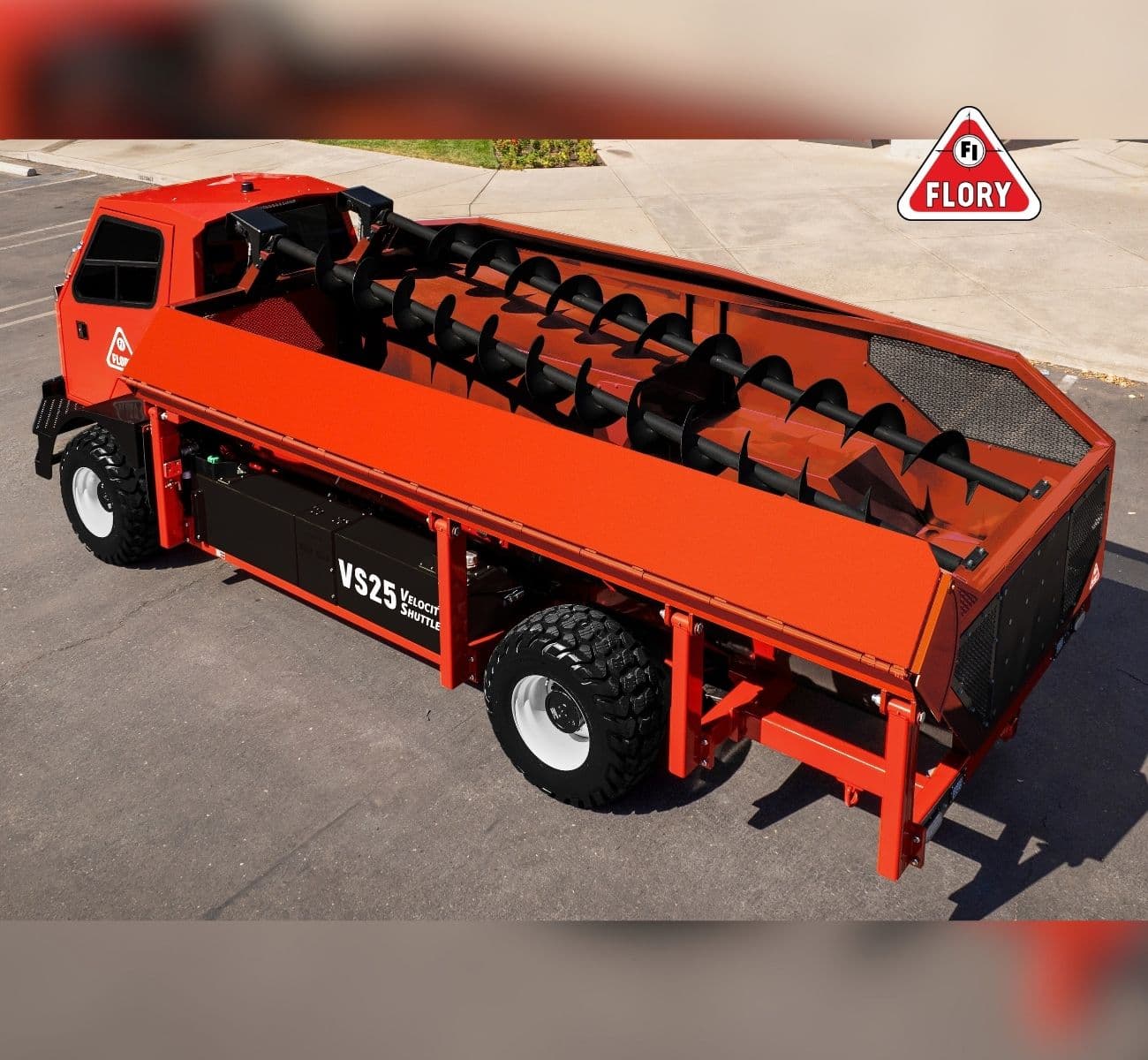
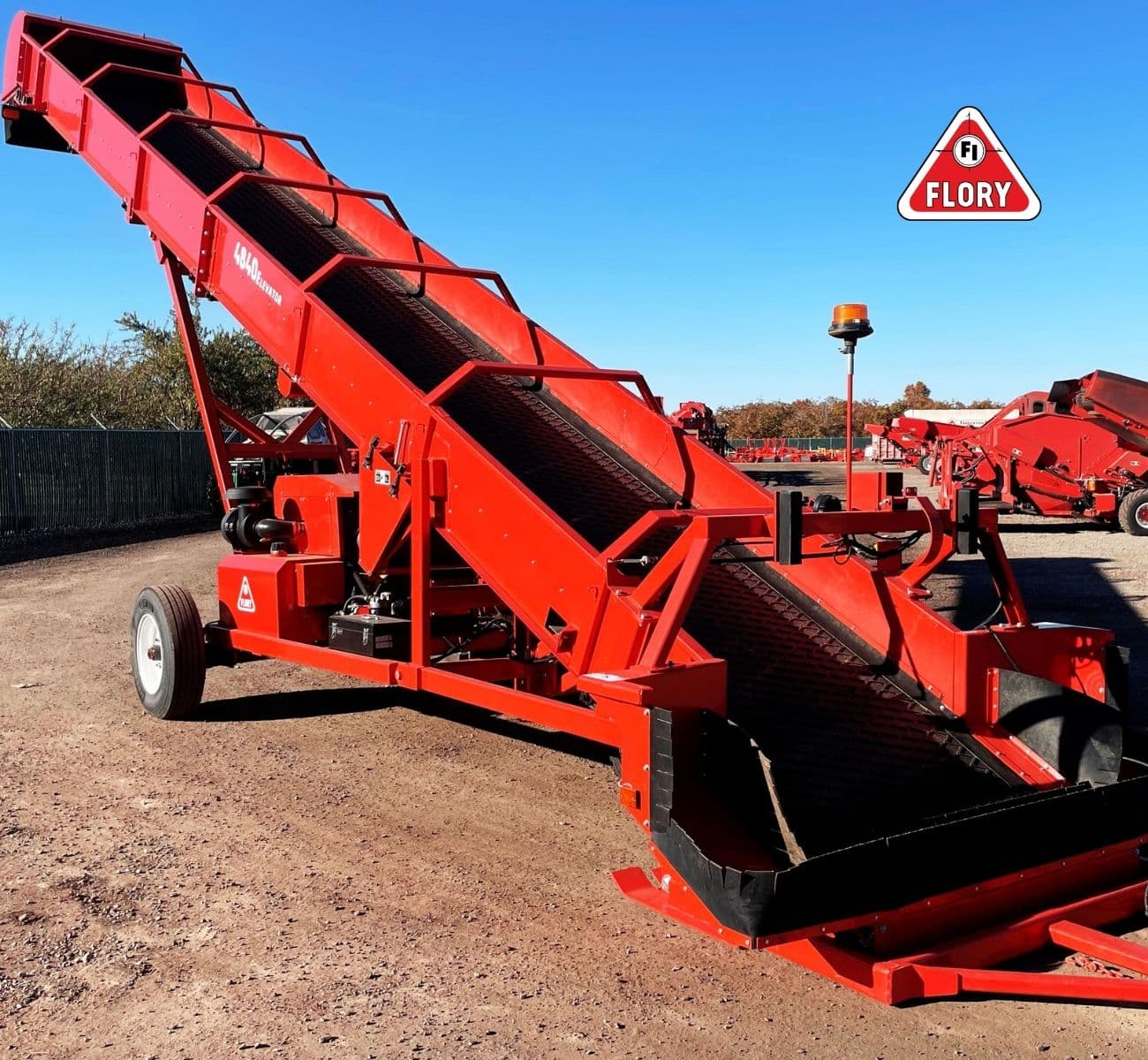
Flory harvesting machinery is available in Romania through OVE Europe for both systems. On the ground, the VR700 Shaker, V62 Sweeper and 8772 Harvester feed the 1500 Conveyor Cart and ST14 Shuttle. Off the ground, the Flory COE C7 Shaker and L2 Receiver catch the almonds in a frame around the trunk, the Flory COE B8 Cart and VS25 Shuttle carry them, and the 4840 Field Elevator loads trailers in both systems.
Almond Harvest Workflow (Recommended Equipment)

Practical Tips for Almond Harvesting
Harvest each cultivar as it ripens: Veronica from late August to early September and Mirela in mid-September, the Constanța station's sheets note.
Plan for harvest-time rain: Mangalia had 234.7 mm in one day on 31 August 2024 and Constanța a record 153.4 mm in September 2024 (ANM).
Pick up promptly after shaking: University of California guidance notes that ant damage to nuts increases the longer they lie on the ground.
If rain wets almonds on the ground, do not stockpile them wet: University of California guidance warns of mold and concealed damage.
Where almonds must stay off wet ground, use catching frames: the Flory COE C7 Shaker works with the L2 Receiver.
Use shakers, frames and sweepers only in orchards planted for machines, never on household, roadside or free-growing trees.
Get your recommended harvest setup
Enter orchard size, spacing, terrain, and target throughput—we’ll suggest a practical harvest workflow and equipment lineup.

Almond Post-Harvest Handling & Processing in Romania
No Romanian source found describes almond hulling, drying or storage. A 2024 doctoral thesis on the Tulcea county trial notes that with machines that keep the fruit off the soil, the chances of salmonella or aflatoxin contamination fall. University of California guidance warns that rain-wet nuts do not hull cleanly and advises against stockpiling above 12% moisture in the hull, 6% in the kernel or 9% for the whole fruit.
Regulation (EU) 2023/915 sets the aflatoxin limits that apply in Romania: 8.0 µg/kg of B1 and 10.0 µg/kg in total for almonds placed on the market for the final consumer or used as an ingredient, and 12.0 and 15.0 µg/kg for almonds to be sorted first. Under Delegated Regulation (EU) 2023/2429, shelled and bitter almonds are exempt from the EU marketing standards except for the country of origin; no Romanian standard for almonds was found.
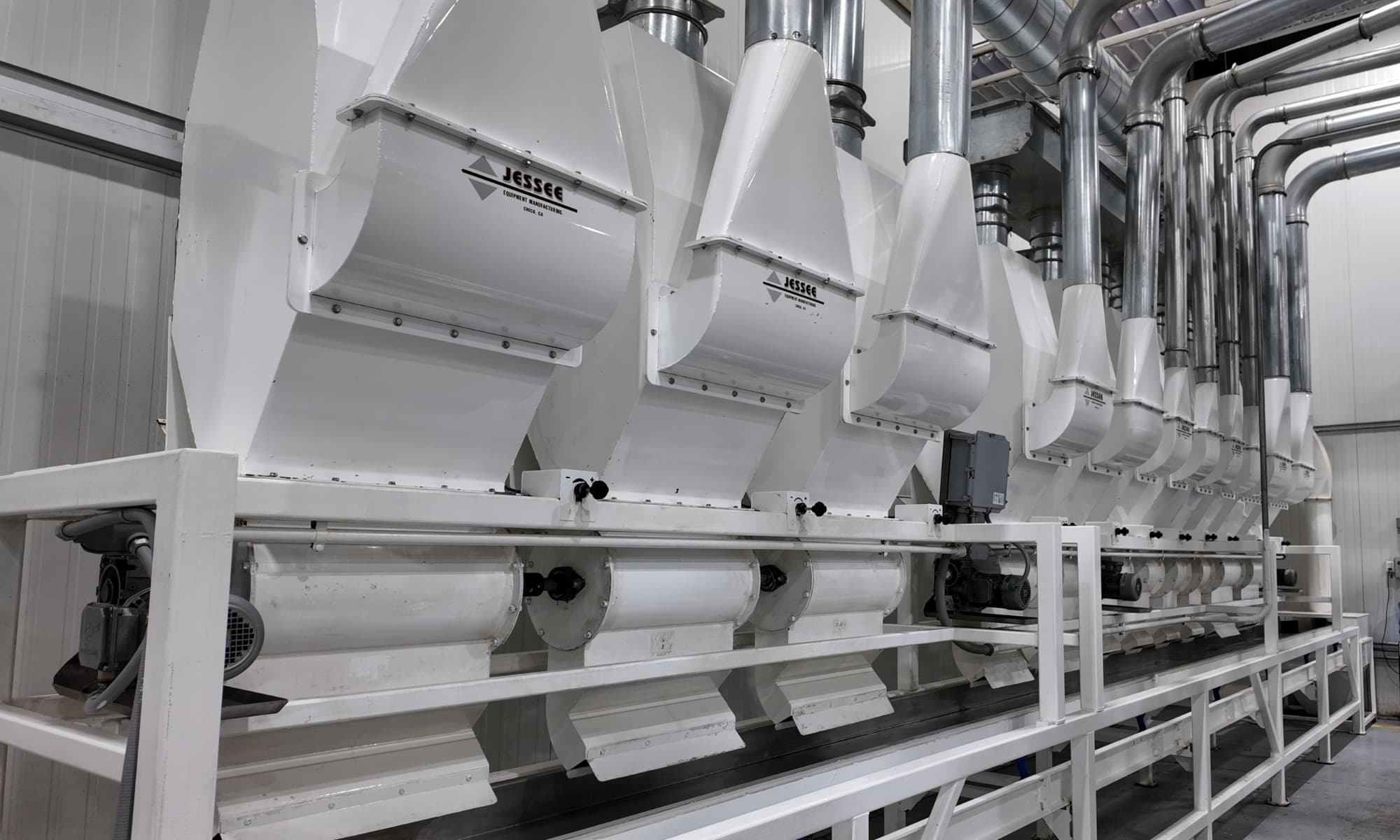
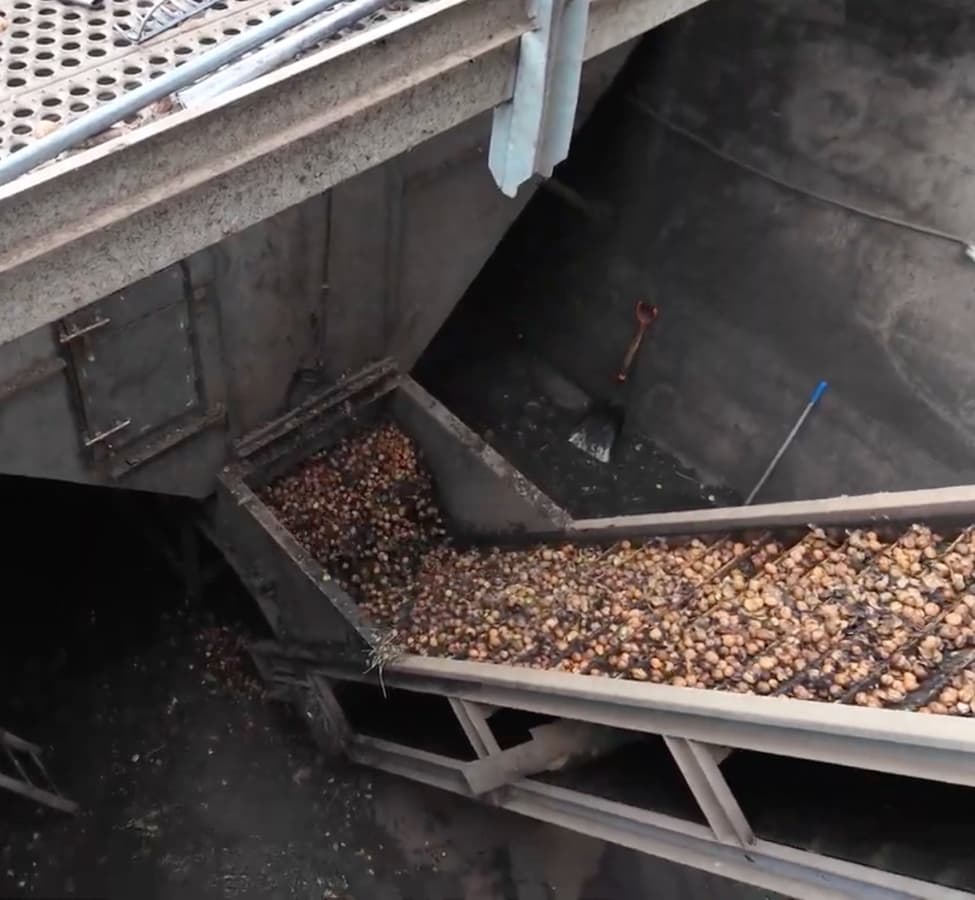
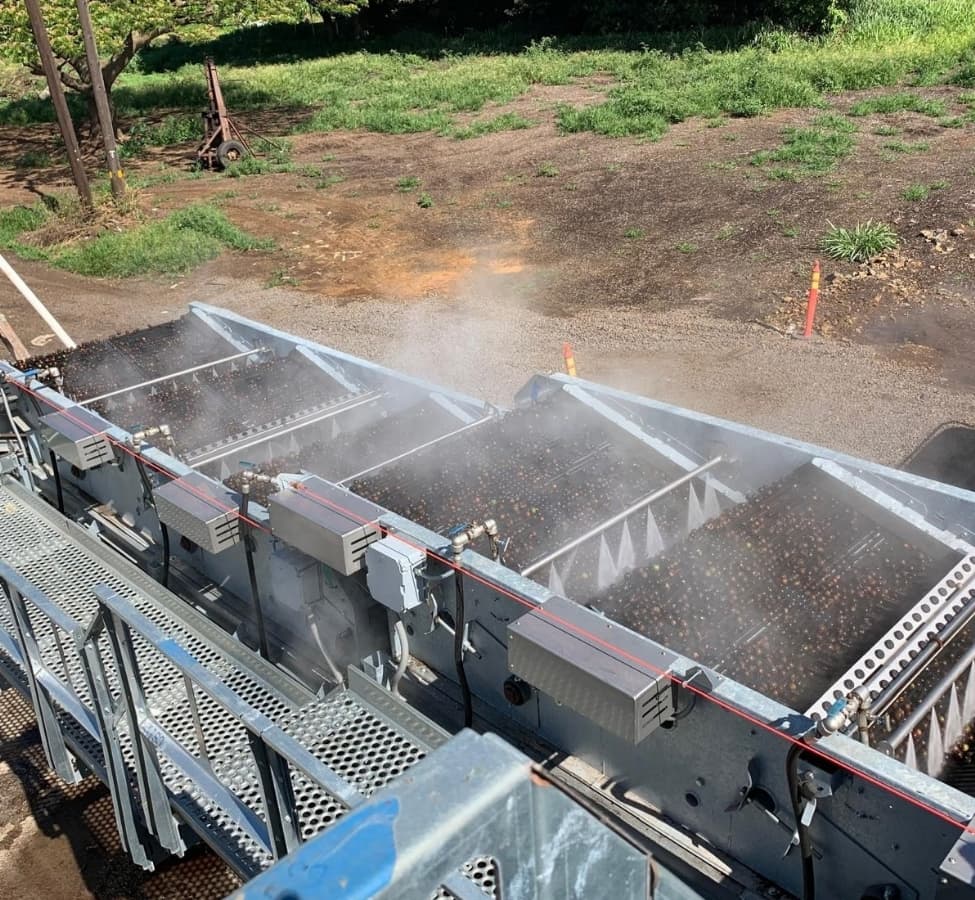
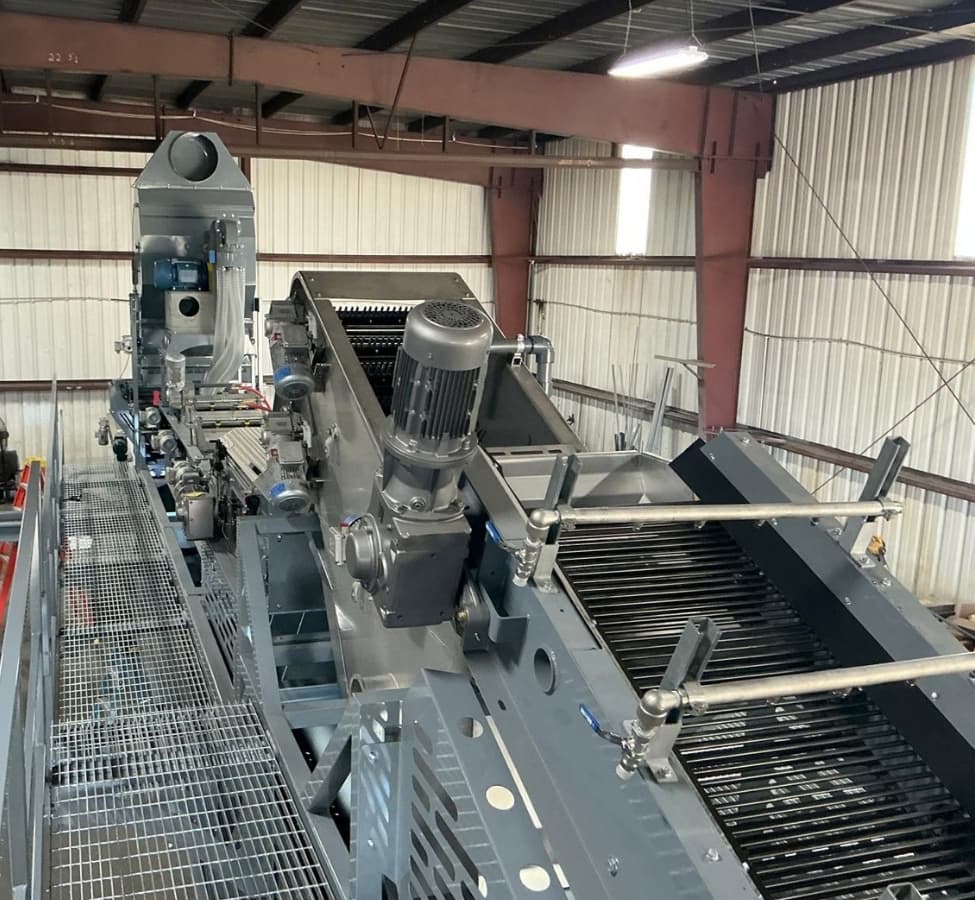
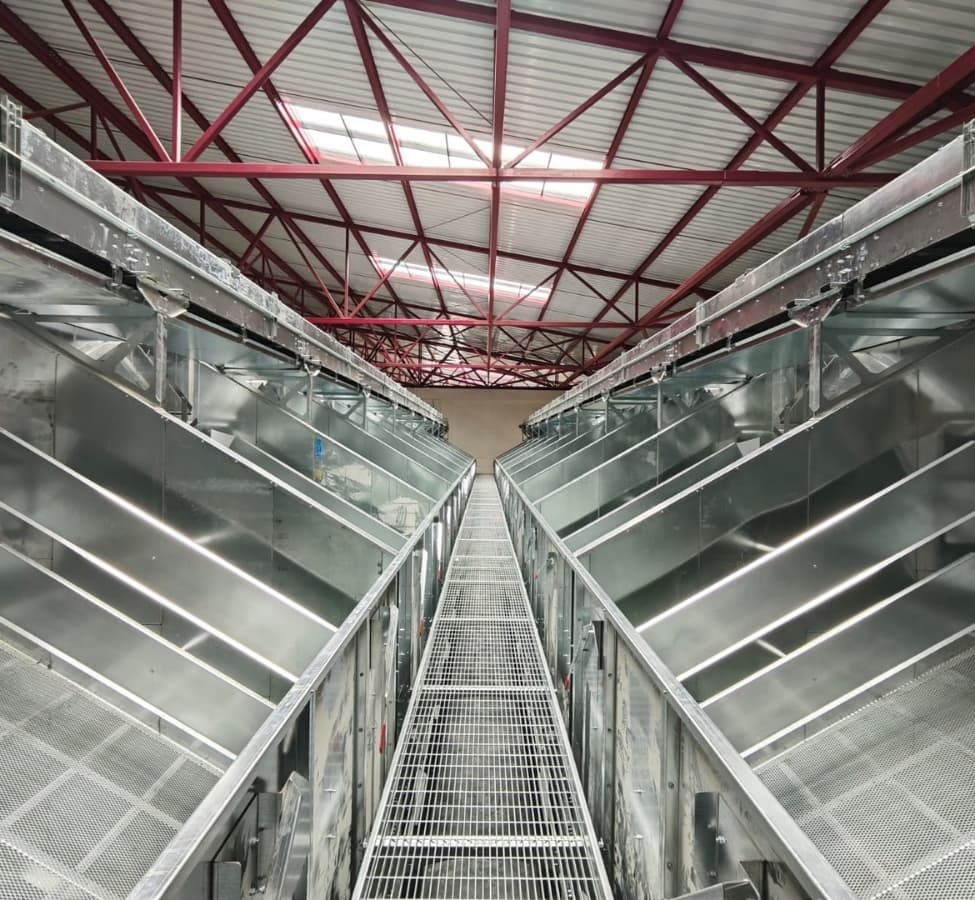
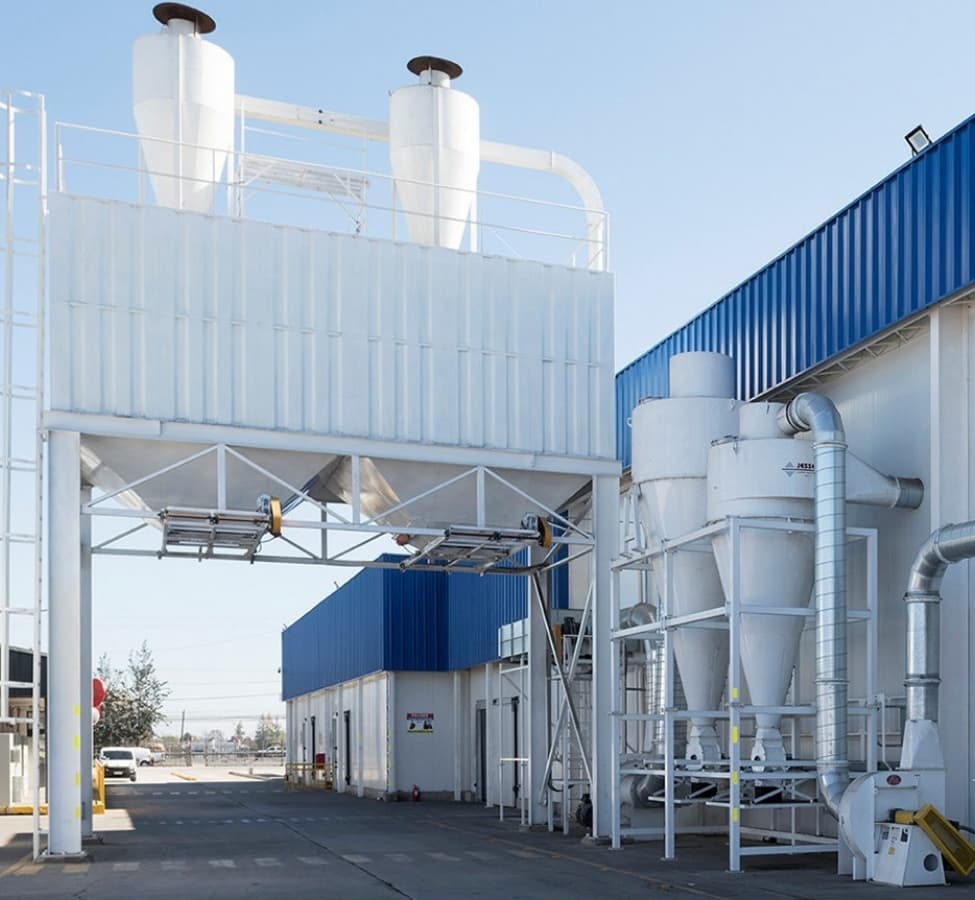
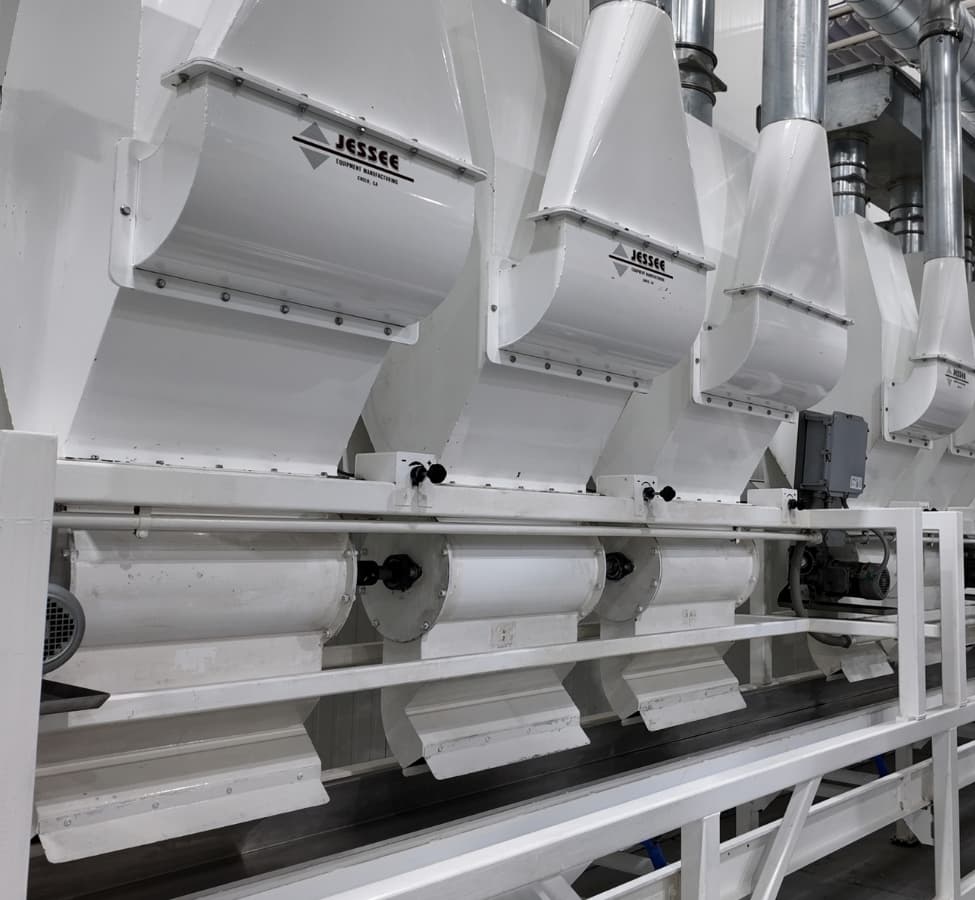
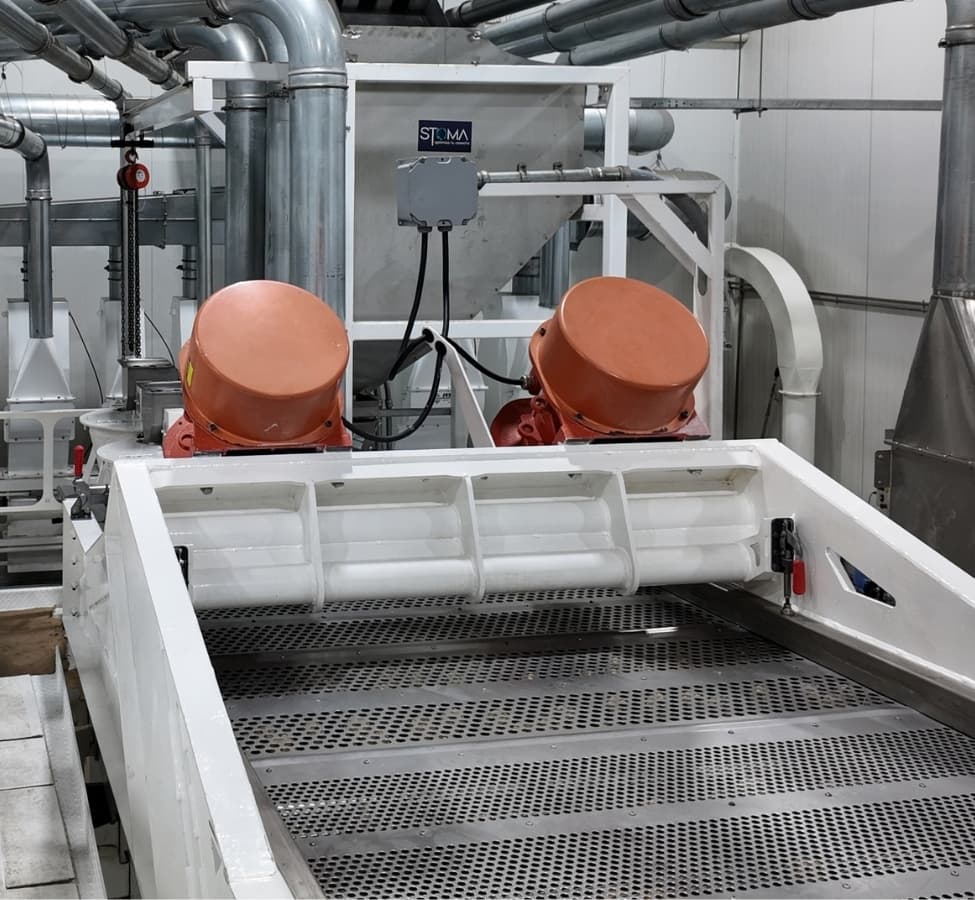
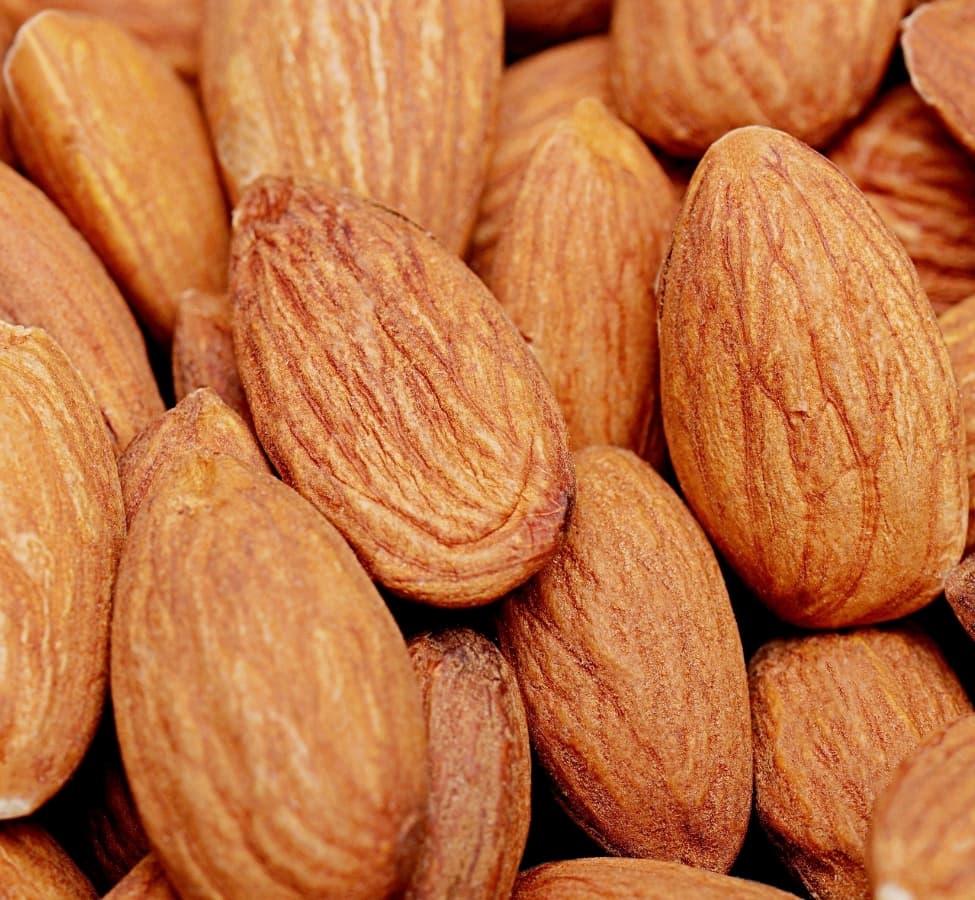
Romania imported more almonds than it exported in every year from 2015 to 2025. In 2025 it imported 1,264.7 t of shelled almonds, led by Germany and the United States, and 137.0 t in shell, and exported 166.6 t, mostly in shell (UN Comtrade via WITS). Jessee, whose processing lines OVE Europe supplies, builds hulling, drying, in-shell cleaning and sizing, and shelling systems; its Airlegs nut cleaner was developed for the almond industry.
For general information only. Information may become outdated and does not replace site-specific professional advice. Consult a qualified agronomist and confirm equipment suitability with OVE before acting.
Practical Tips for Almond Post-Harvest Handling & Processing
Hull promptly picked or frame-caught almonds while the hulls are fresh, then dry the nuts in the shell before storage.
Keep almonds off the soil from shaking to drying: a 2024 Romanian thesis links fruit kept off the soil with a lower aflatoxin risk.
Dry hulled almonds until the kernels reach 6% moisture or less, the University of California limit for stockpiling.
Test lots for aflatoxins: EU limits for almonds sold to consumers are 8.0 µg/kg of B1 and 10.0 µg/kg in total.
Keep each lot separate by cultivar and orchard block, and store dried almonds in a dry, clean place.
Plan sales with imports in mind: Romania imported 1,264.7 t of shelled almonds in 2025, led by Germany and the United States.
Recommended Post-Harvest Handling & Processing Stages
Plan your post-harvest line
Estimate tons/day, cleaning & drying capacity, storage needs, and cost/kg—then build your equipment plan in phases.