


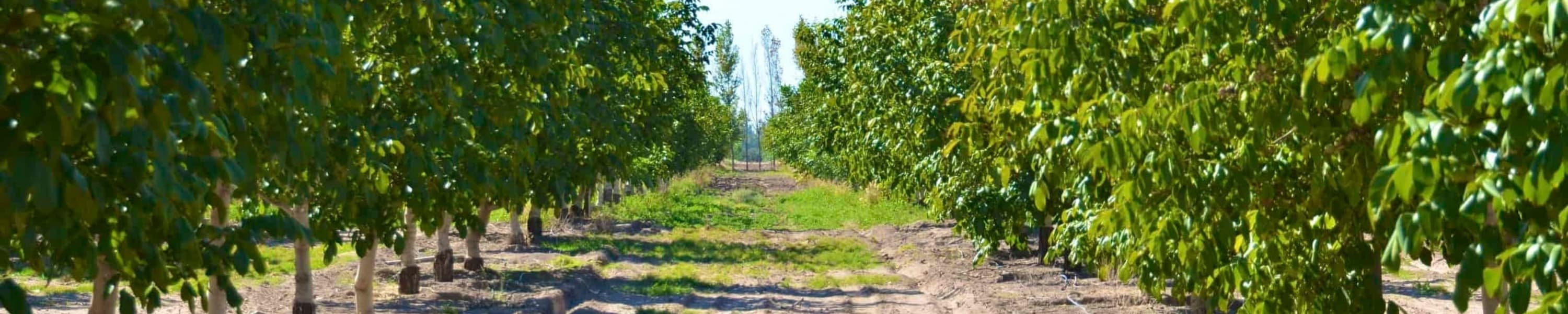




Walnut Orchard Establishment in Romania
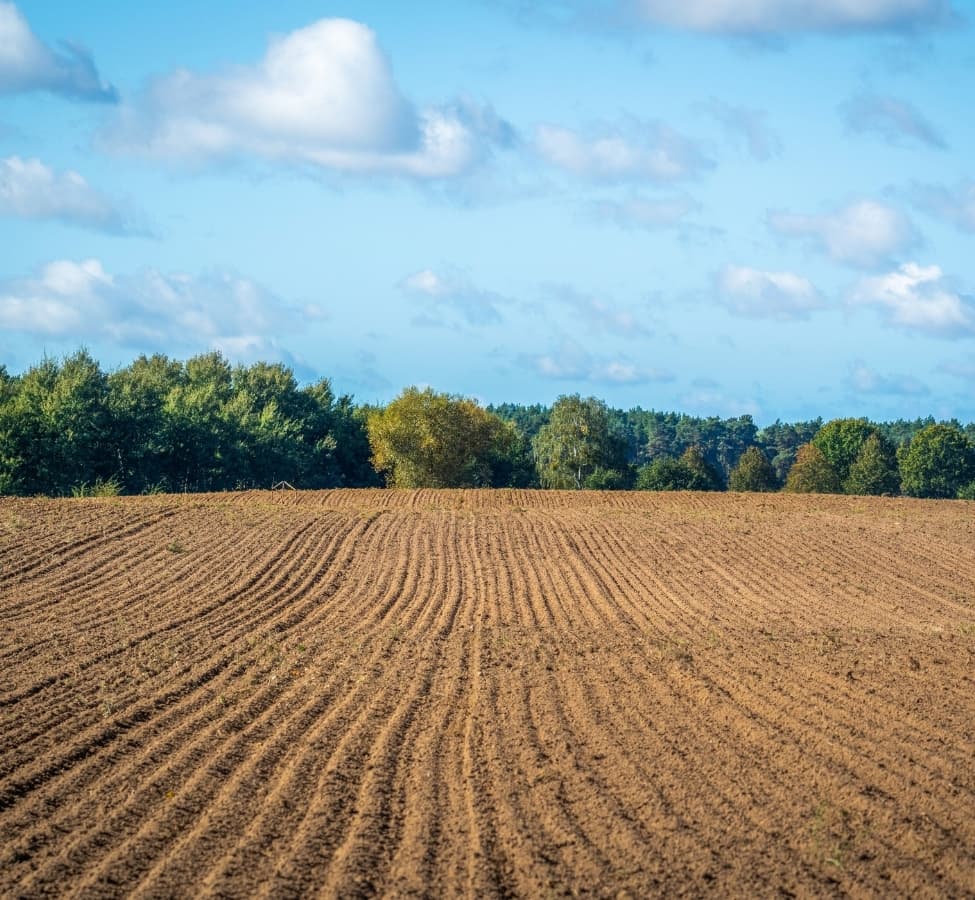
Romania's climate is temperate-continental: farming lowlands receive about 400 to 800 mm of rain a year, the east under 400 mm, and severe droughts recur every 15 to 25 years (ICPDR). Late spring frosts add risk: in 2026, at least nine frost episodes hit Romanian orchards between April and early May (FRULEG-RO). Choose fertile, flat or gently sloping land where cold air drains away.
The Vâlcea station's guide to organic walnut growing (University of Craiova) recommends Valcor, Valstar and Germisara for all walnut-growing zones of Romania and Valrex for fertile soils under irrigation, with expected yields of about 2.5 to 3.5 t/ha. Franquette flowers late, which helps it avoid spring frosts, and is now used mainly as a pollinizer. Match pollinizers to flowering type: walnut varieties are either protandrous (pollen first) or protogynous (female flowers first).
For intensive orchards, the guide lists 9 × 9 to 8 × 8 m for vigorous terminal-bearing varieties and 8 × 8 to 7 × 6 m for medium-vigour lateral-bearing ones. It treats irrigation as mandatory in intensive orchards and calls mechanized harvesting absolutely necessary for high yields, so plan straight rows, headlands and access lanes from the start.
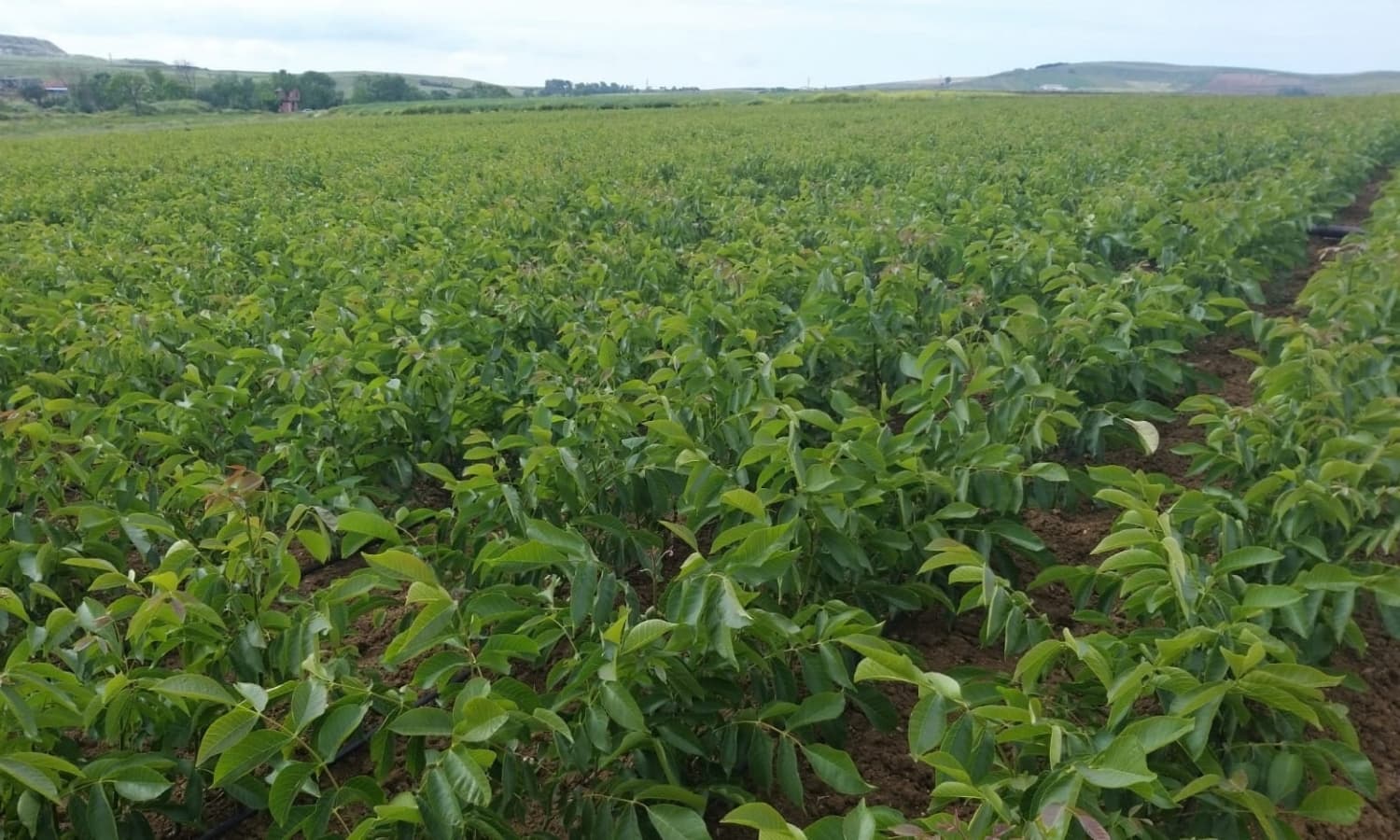

Practical Tips for Walnut Orchard Establishment
Check existing trees before clearing land: cutting walnut trees in Romania needs a DAJ permit, granted only on specific grounds.
Avoid frost pockets: plant where cold air drains away, and favour late-flowering varieties on riskier sites.
Pair each main variety with a pollinizer that sheds pollen while its female flowers are receptive.
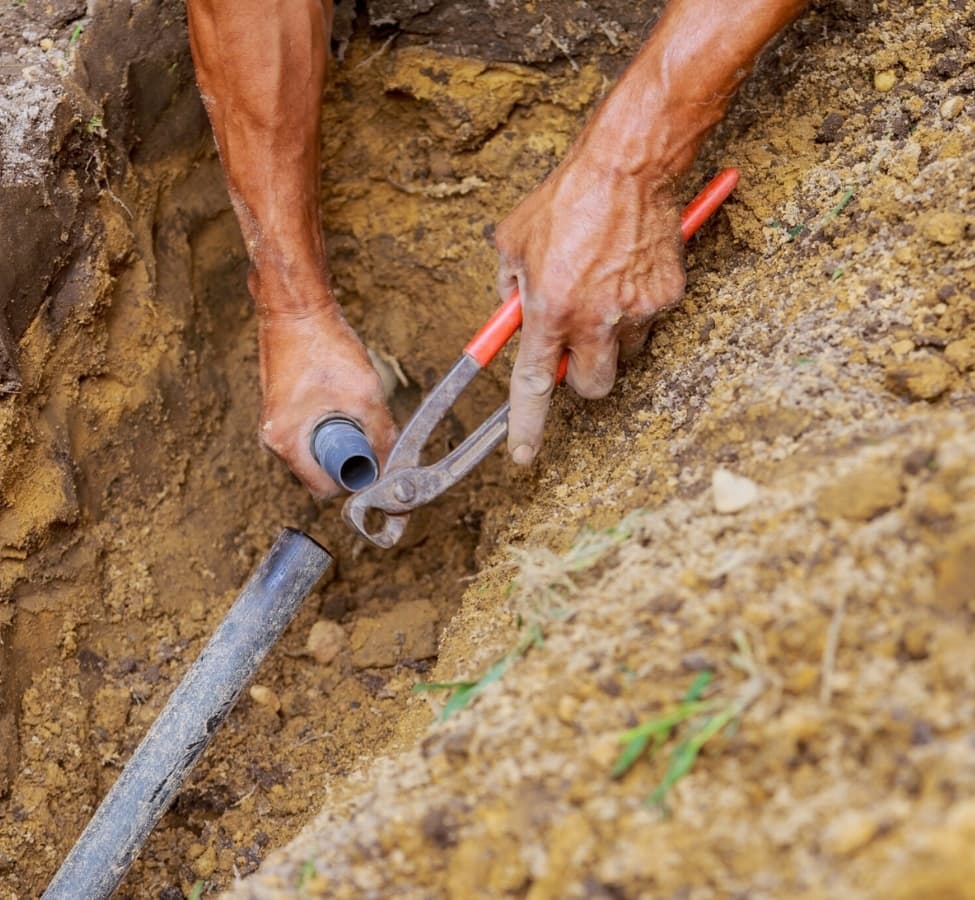
Design drip irrigation before planting: the Vâlcea guide treats irrigation as mandatory in intensive walnut orchards.
Keep rows wide enough for a shaker, sweeper and harvester to pass and turn without damaging branches.
Train young trees to a single straight trunk, clear below the first scaffold branches, ready for a trunk shaker.
Recommended Establishment Stages



Walnut Orchard Care & Maintenance in Romania
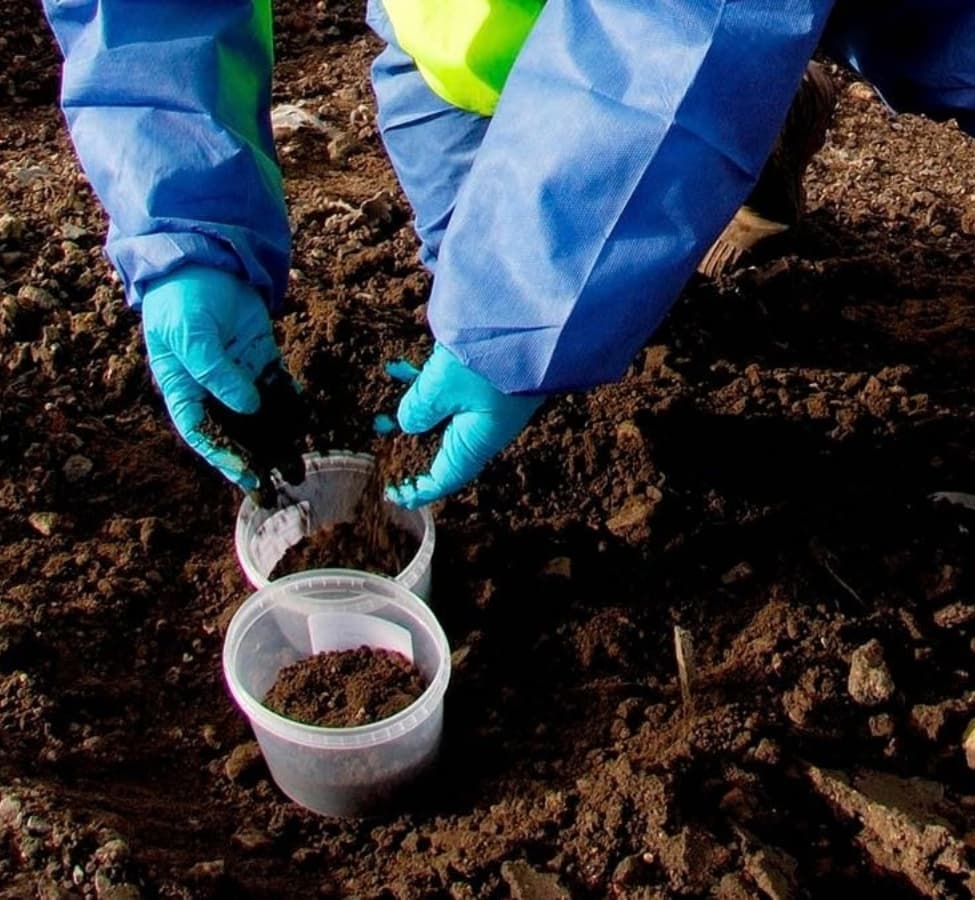
Water and nutrition come first in intensive orchards. The Vâlcea guide describes drip lines with 4 L/h emitters and about 100 m³/ha per irrigation, with emitters added around each trunk as trees grow, and bases fertilization on soil and leaf analysis. In 2026, heat and dryness in key western counties lowered the crop forecast (USDA FAS).
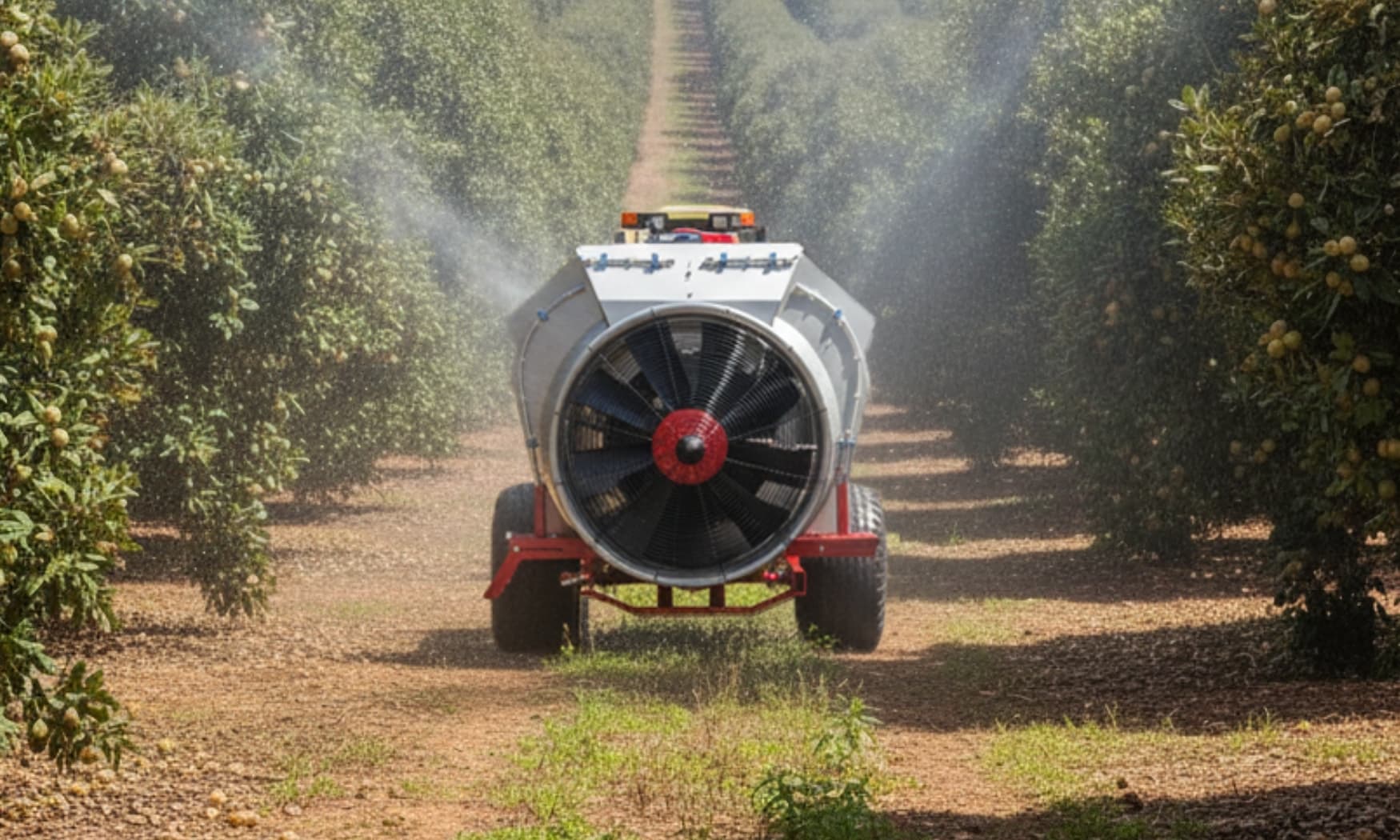
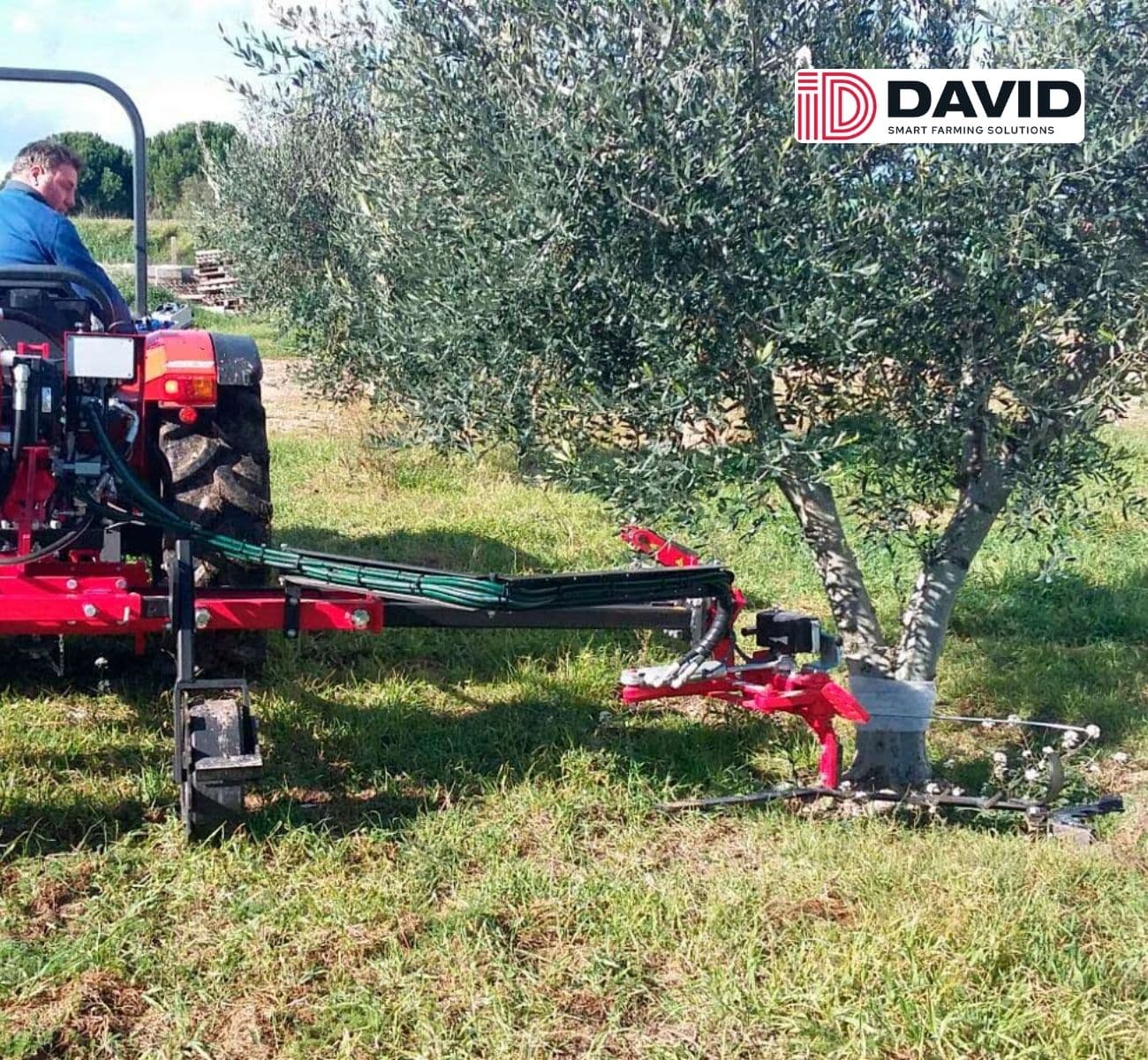
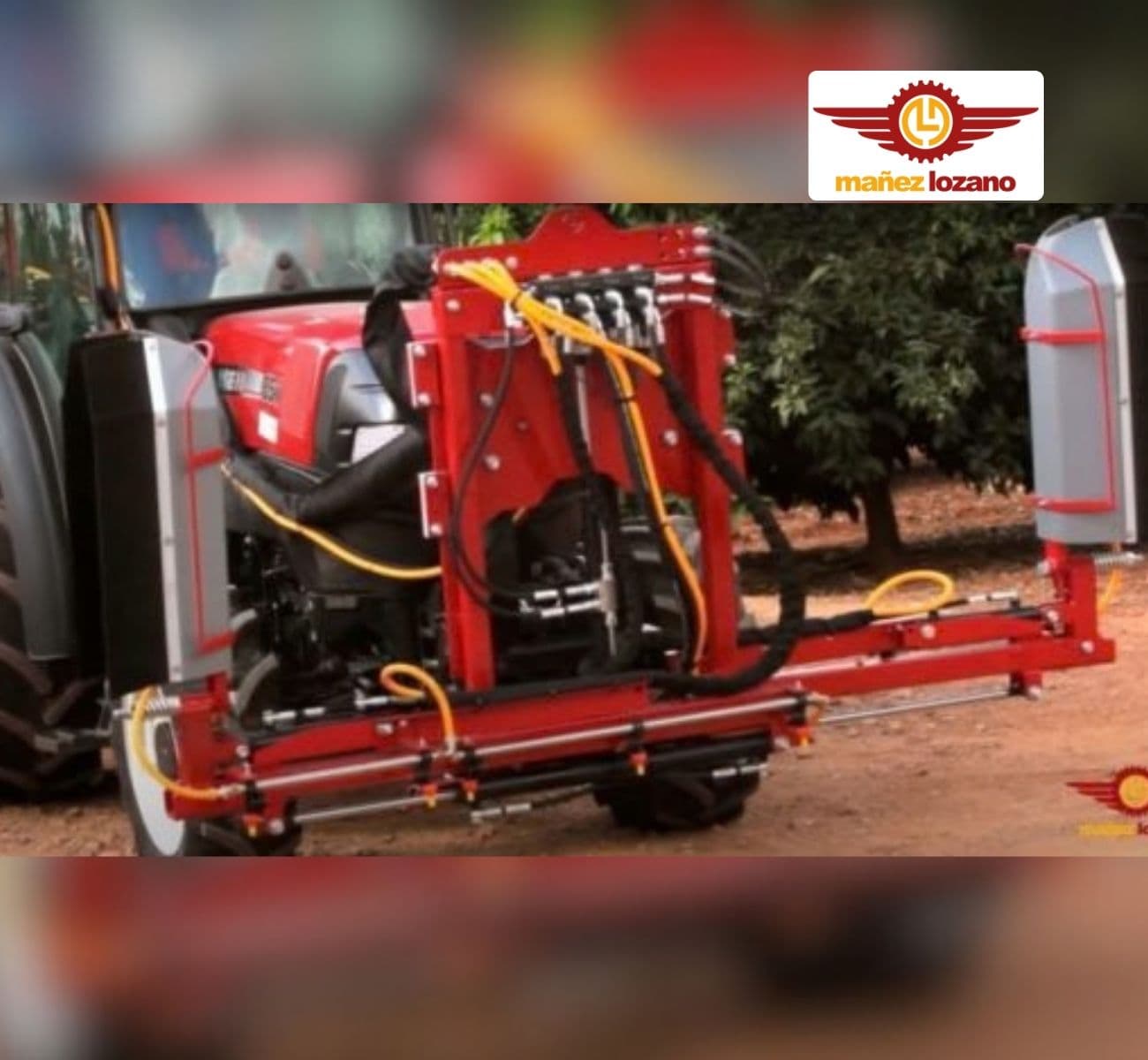
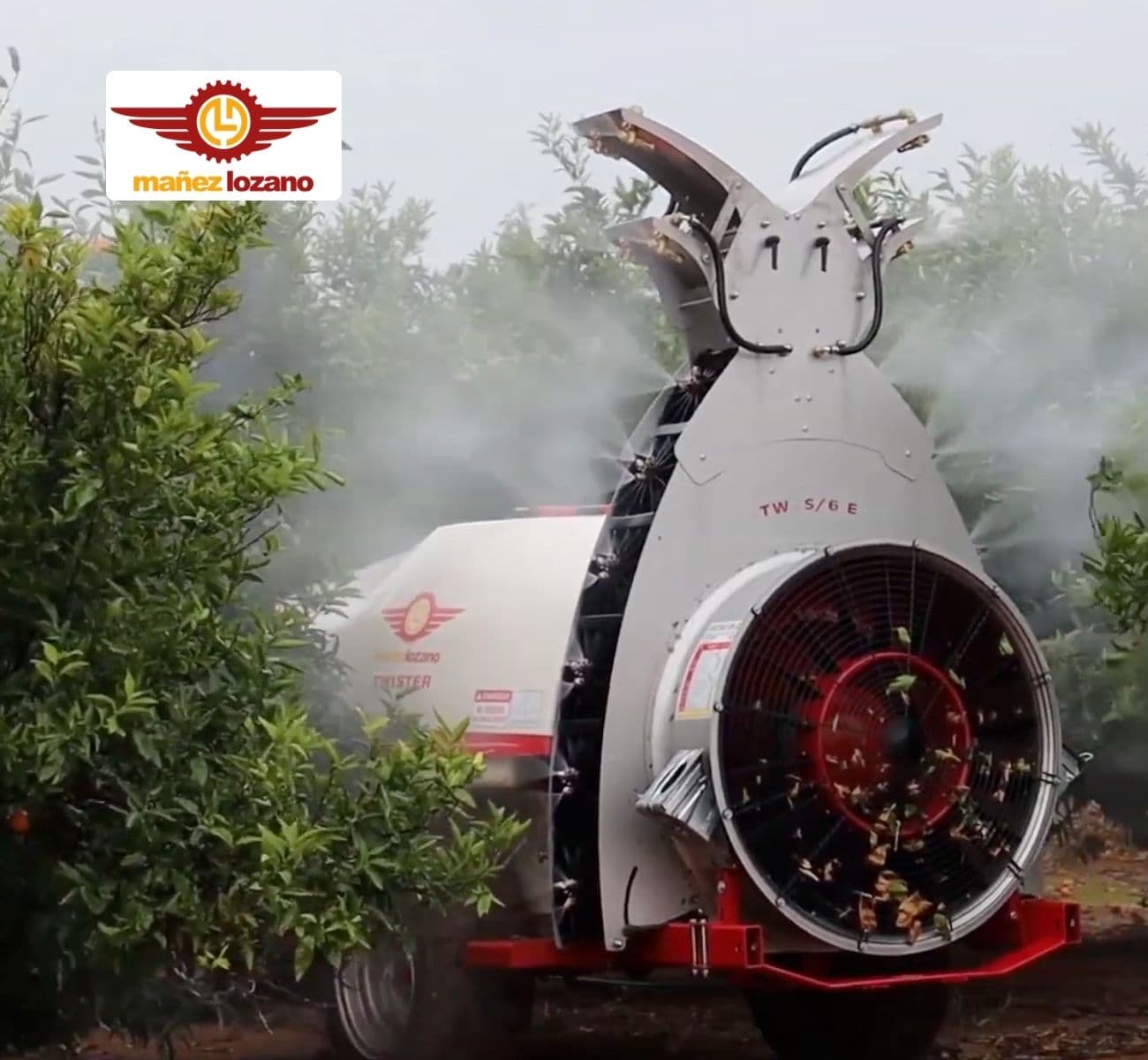
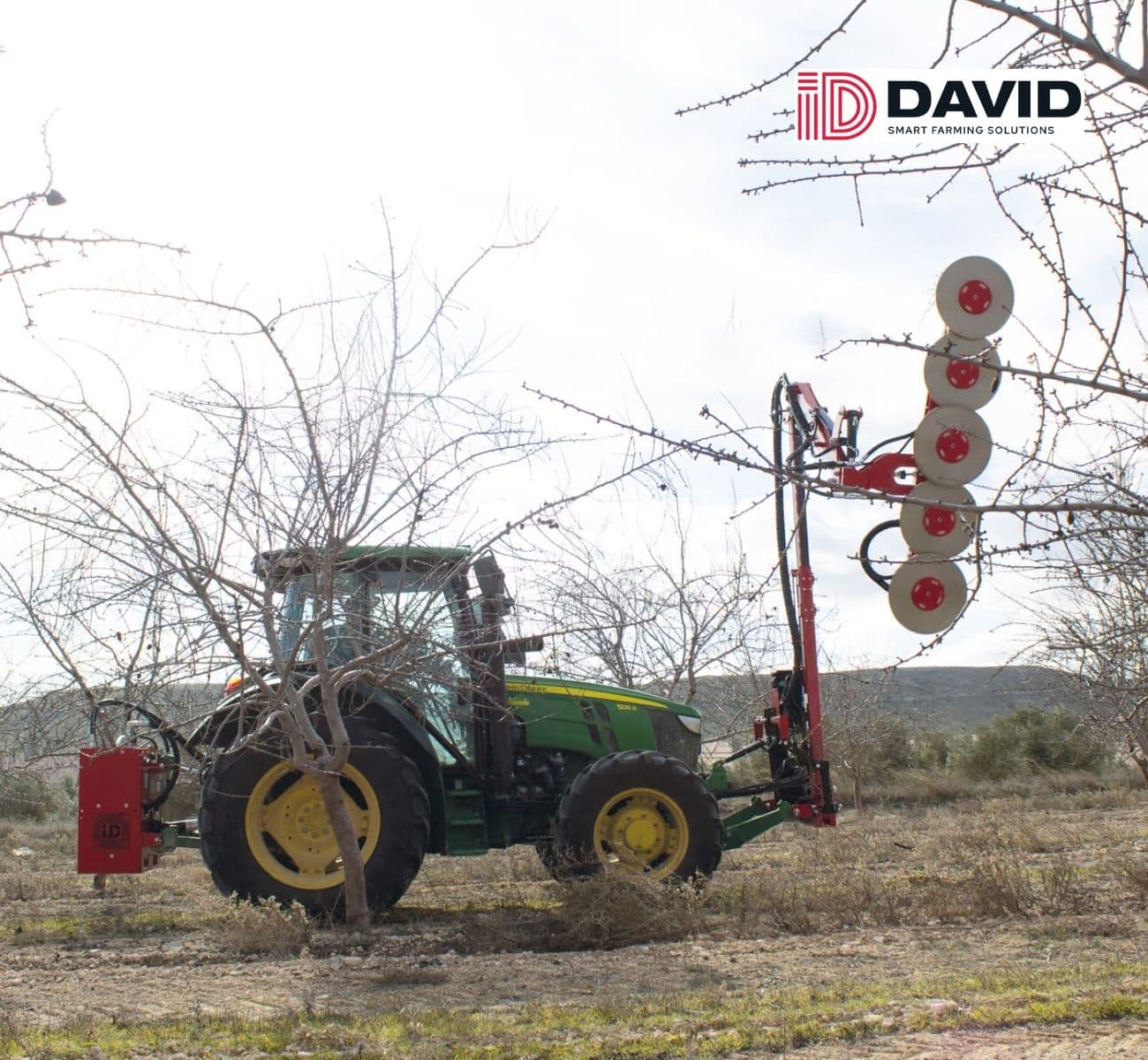
The guide names bacterial blight as the most dangerous walnut disease; it also lists anthracnose and bacterial canker, and pests such as codling moth, so spraying must reach the tops of tall trees. Mañez Lozano lists the Mega Twister S6 among its sprayers for walnut groves, and the ID DAVID ID-REX prunes sides and tops up to 4.9 m to keep alleys open.
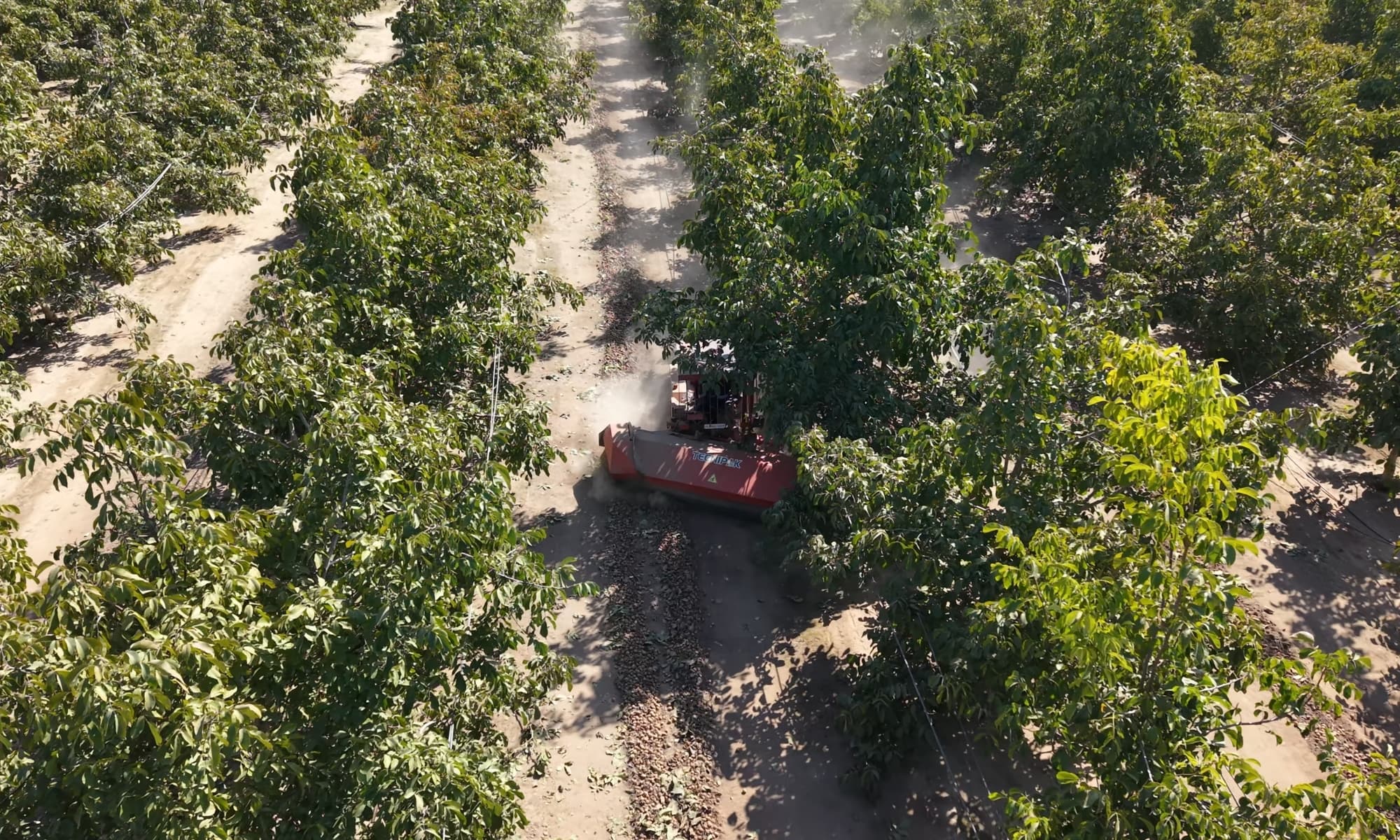
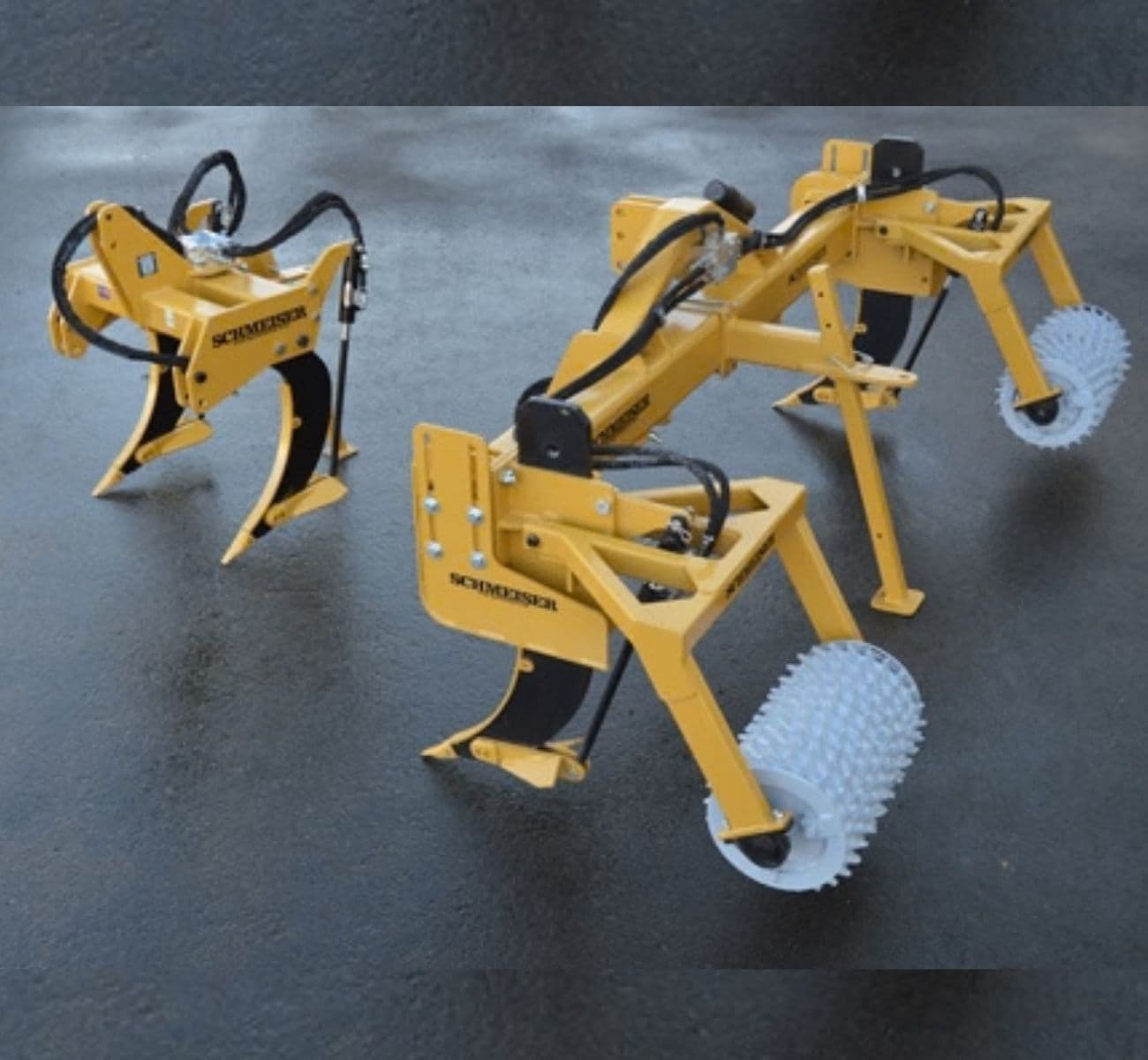
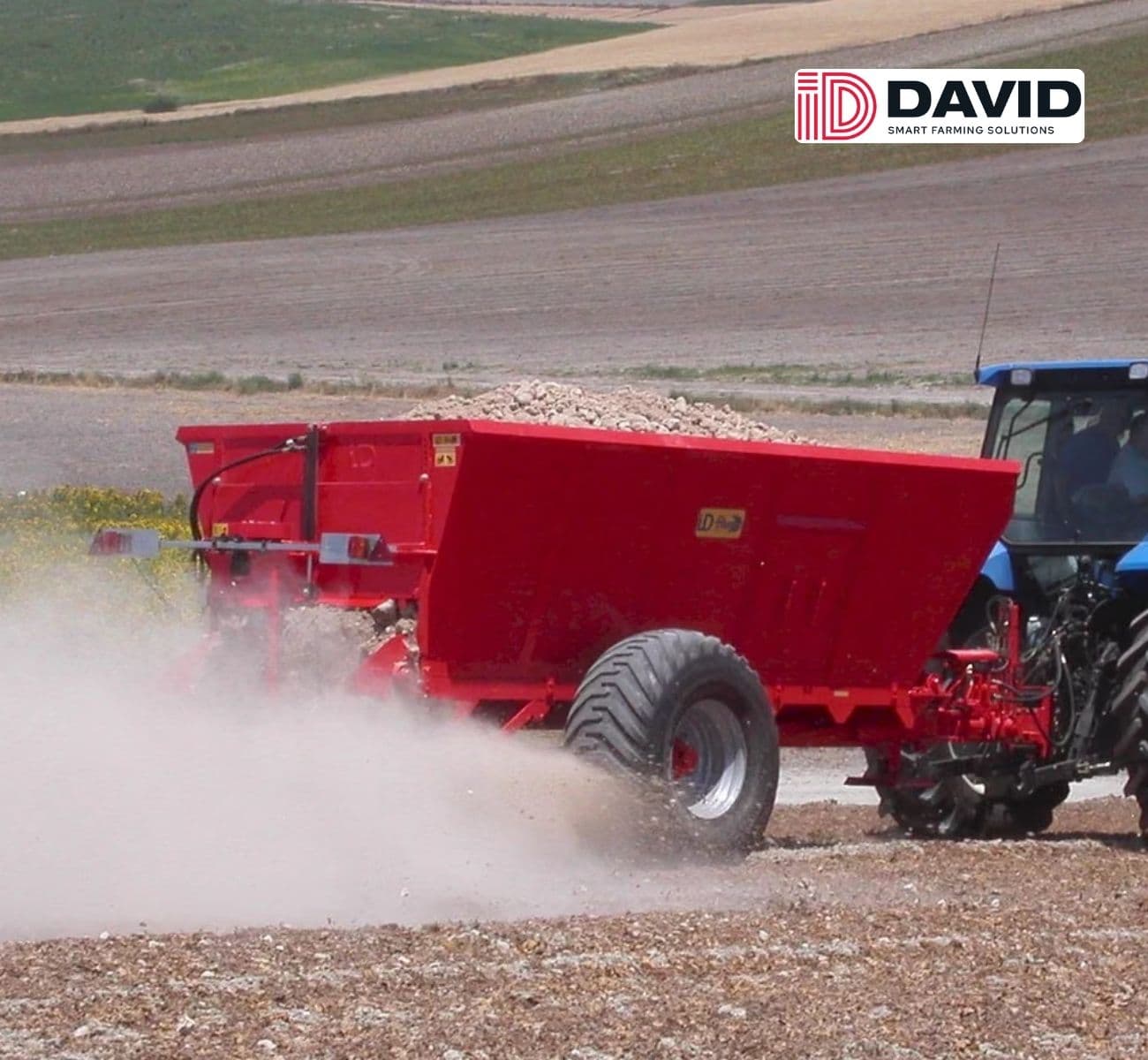
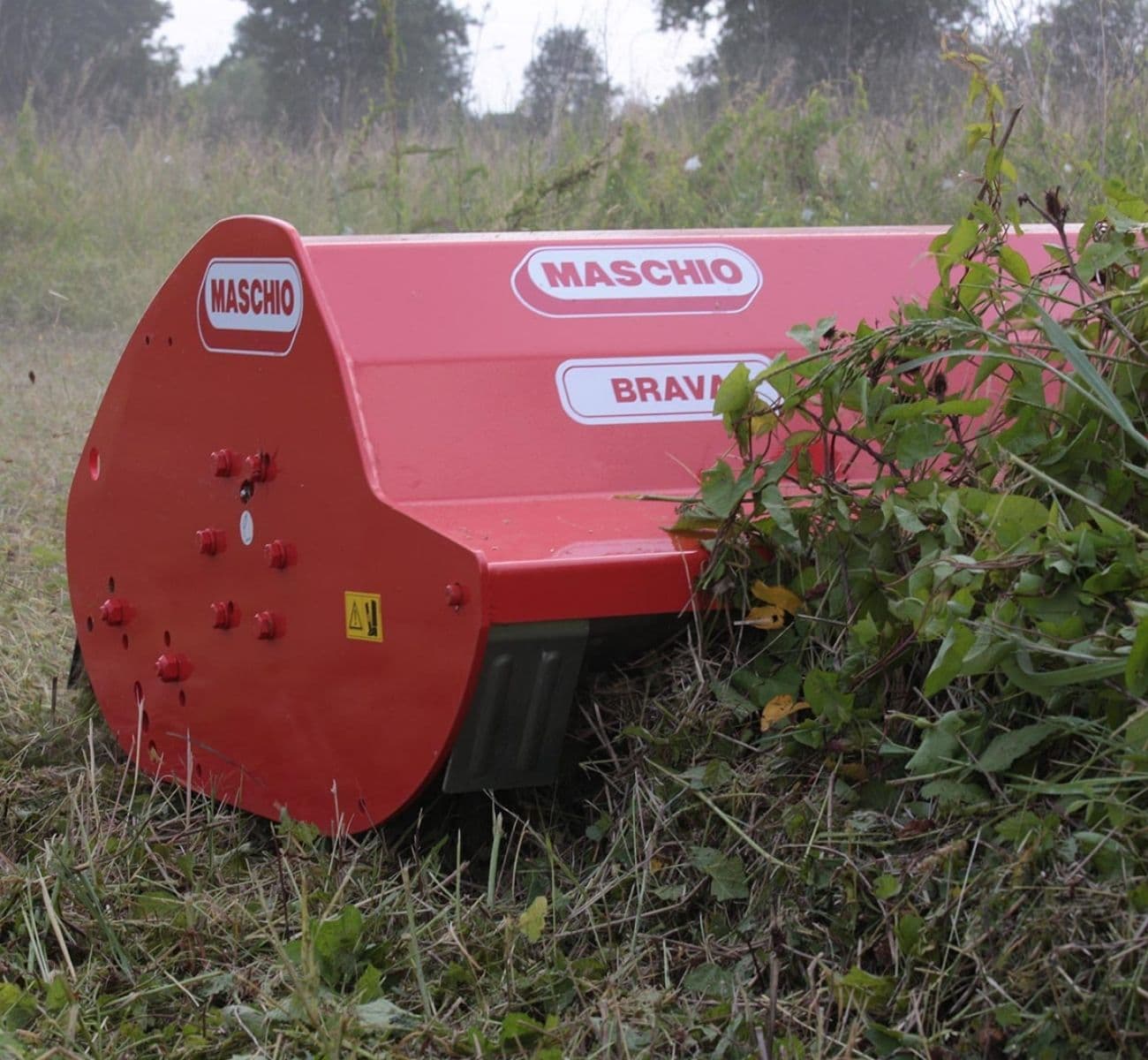
Prepare the orchard floor for harvest machines. On slopes, the guide advises keeping part of the grass cover and mowing it for mulch; before harvest, level ruts, mow short and remove prunings and stones, so sweepers and harvesters collect clean nuts with fewer losses.
Recommended Orchard Care & Maintenance Stages
Practical Tips for Walnut Orchard Care & Maintenance
Protect against bacterial blight from bud break, especially in wet springs; the guide's organic spray program relies on copper products.
Monitor codling moth with pheromone traps and time treatments to its flights instead of fixed dates.
Calibrate the sprayer to tree height before each season; an untreated upper canopy keeps disease in the orchard.
Irrigate by soil moisture, not the calendar, and keep water steady in July and August while kernels fill.
Prune to keep trunks clear of low branches, so the shaker head clamps cleanly and alleys stay open.
Before harvest, level ruts, mow short and clear prunings and stones, so sweepers move nuts cleanly.

Walnut Harvesting in Romania
In Romania, walnuts ripen from early September (Germisara, Valrex) to early October (Franquette), according to the Vâlcea guide. In classic orchards nuts are still harvested by hand: fallen nuts are gathered and hulled over two to four days. The guide puts hand harvesting at over 40 to 50% of cultivation costs, against 25 to 30% when mechanized.
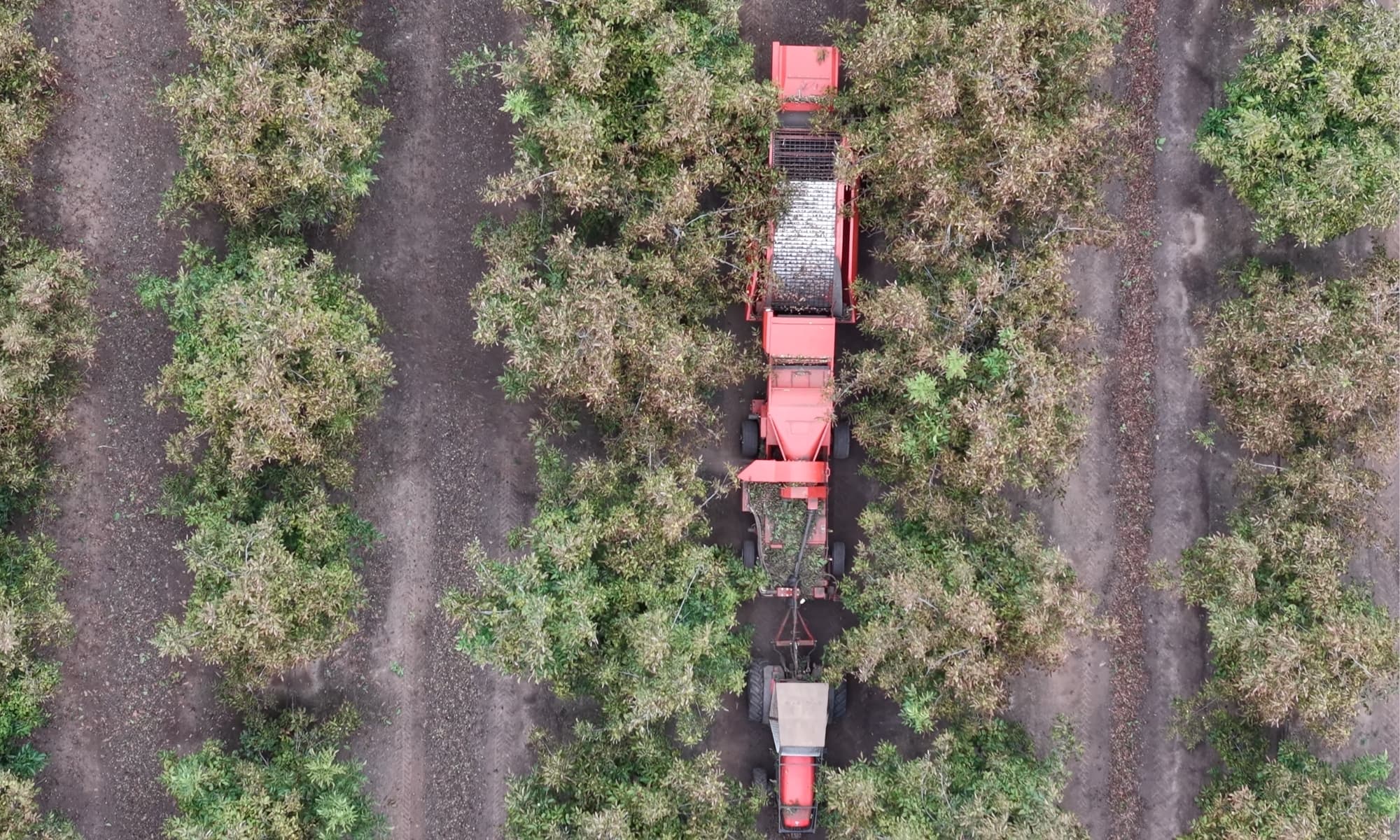
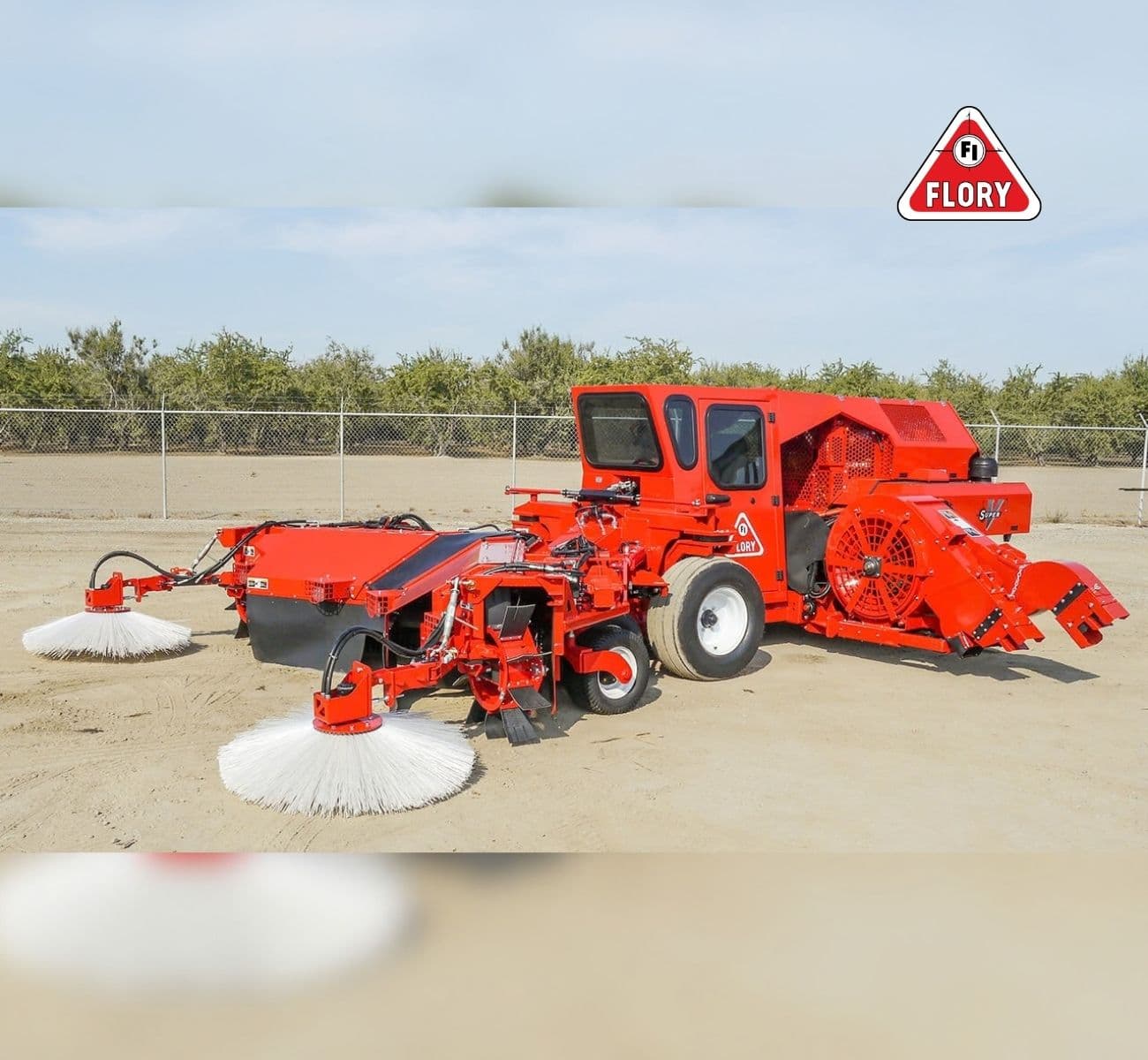
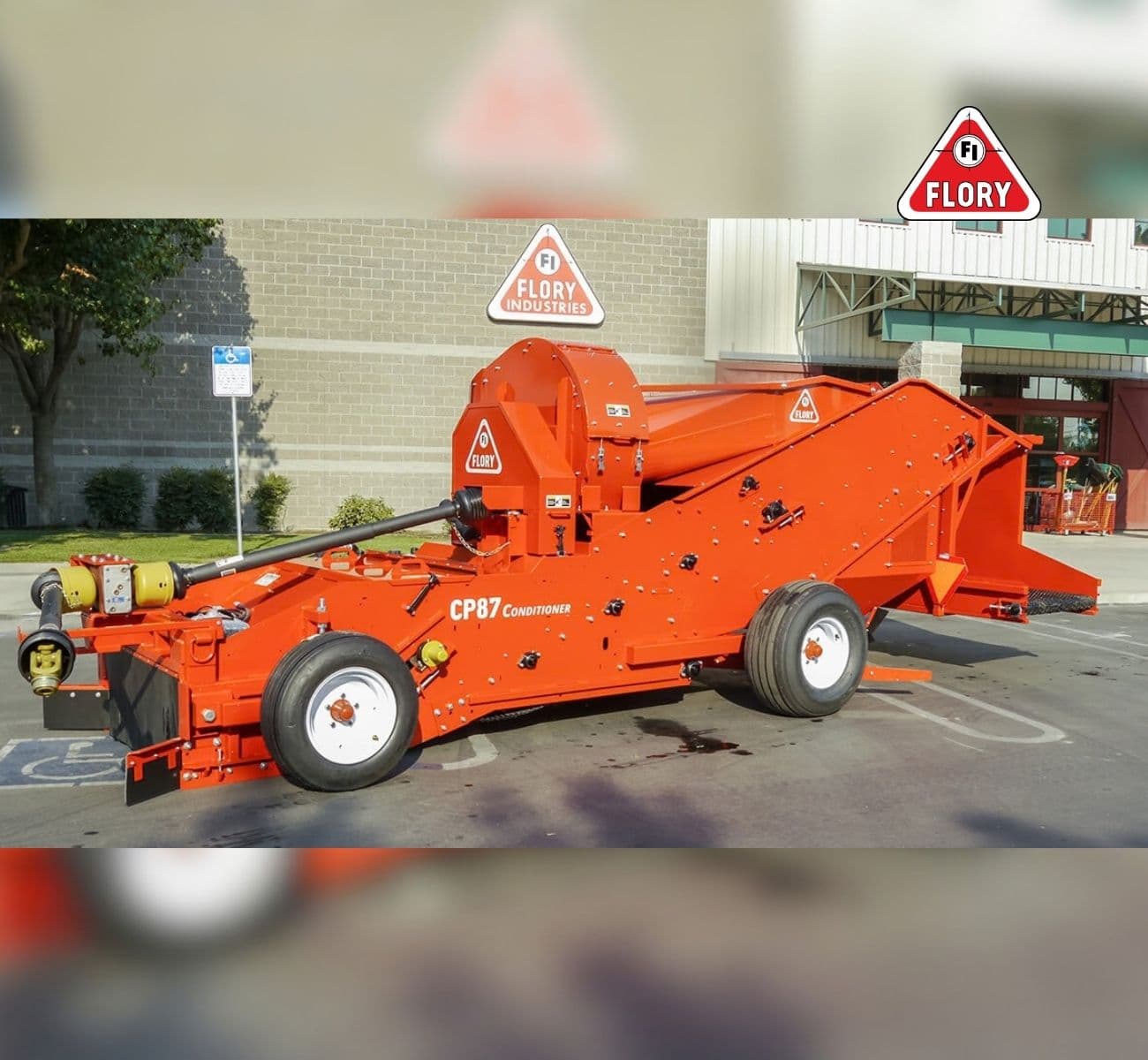
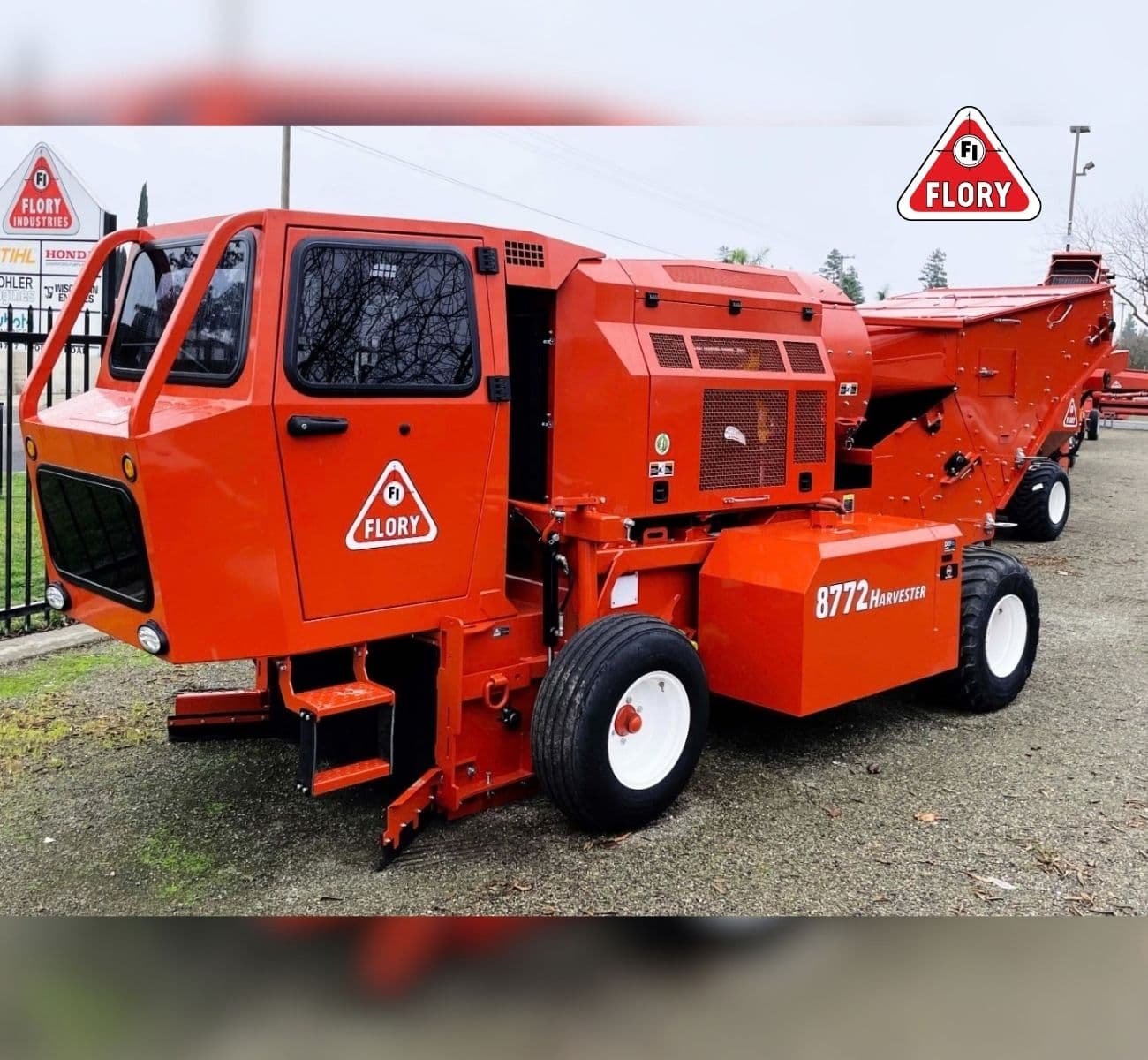
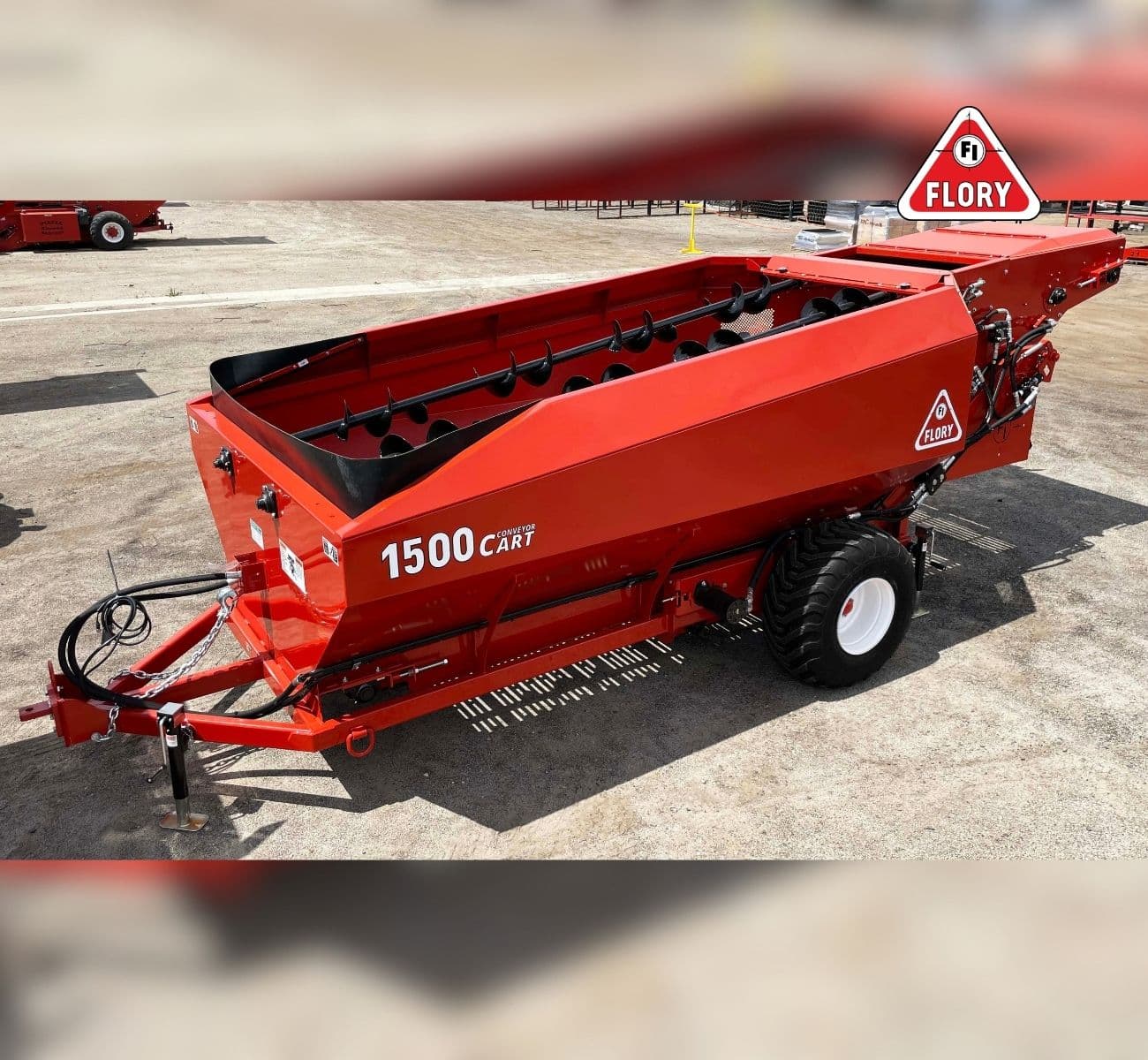
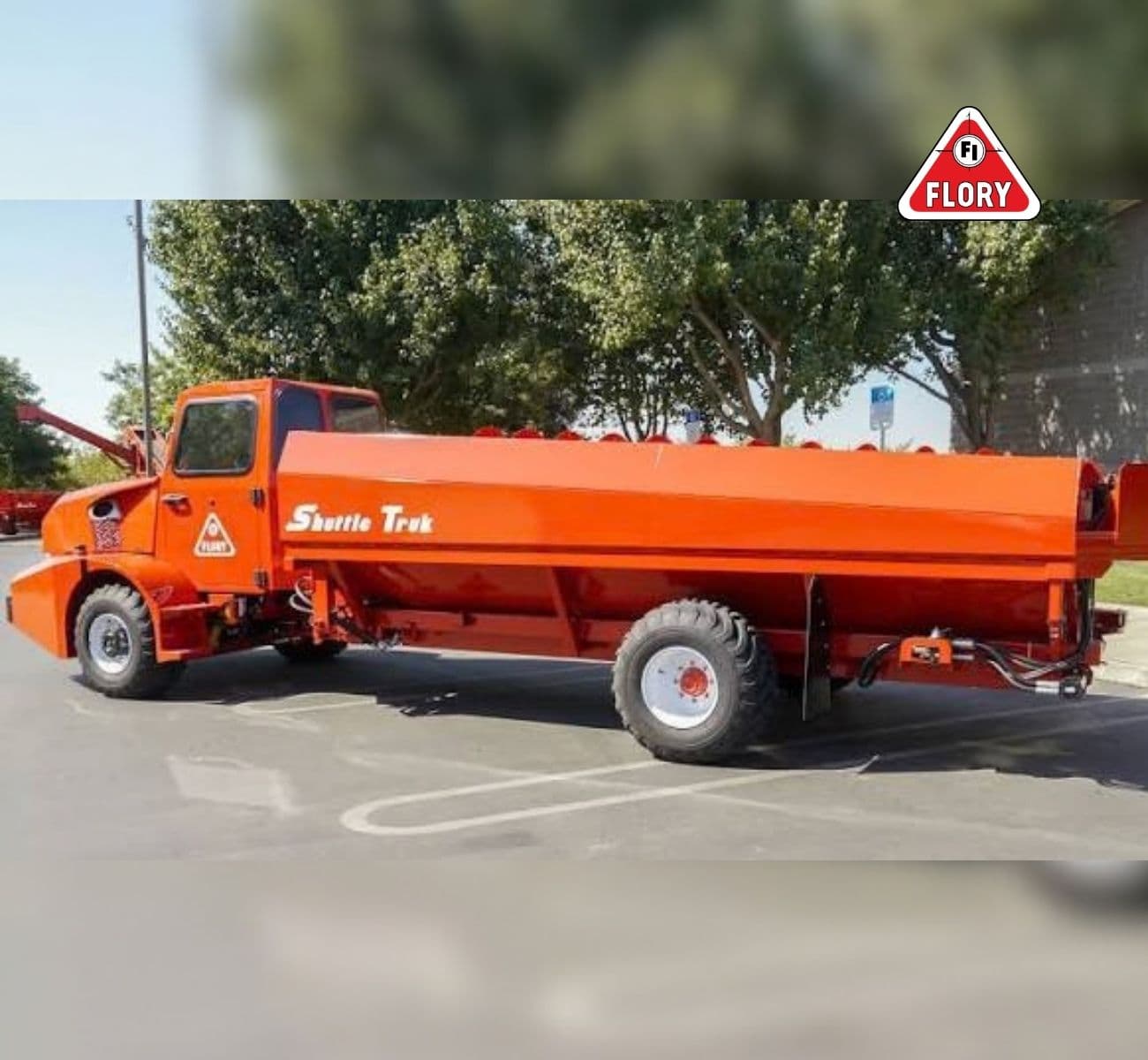
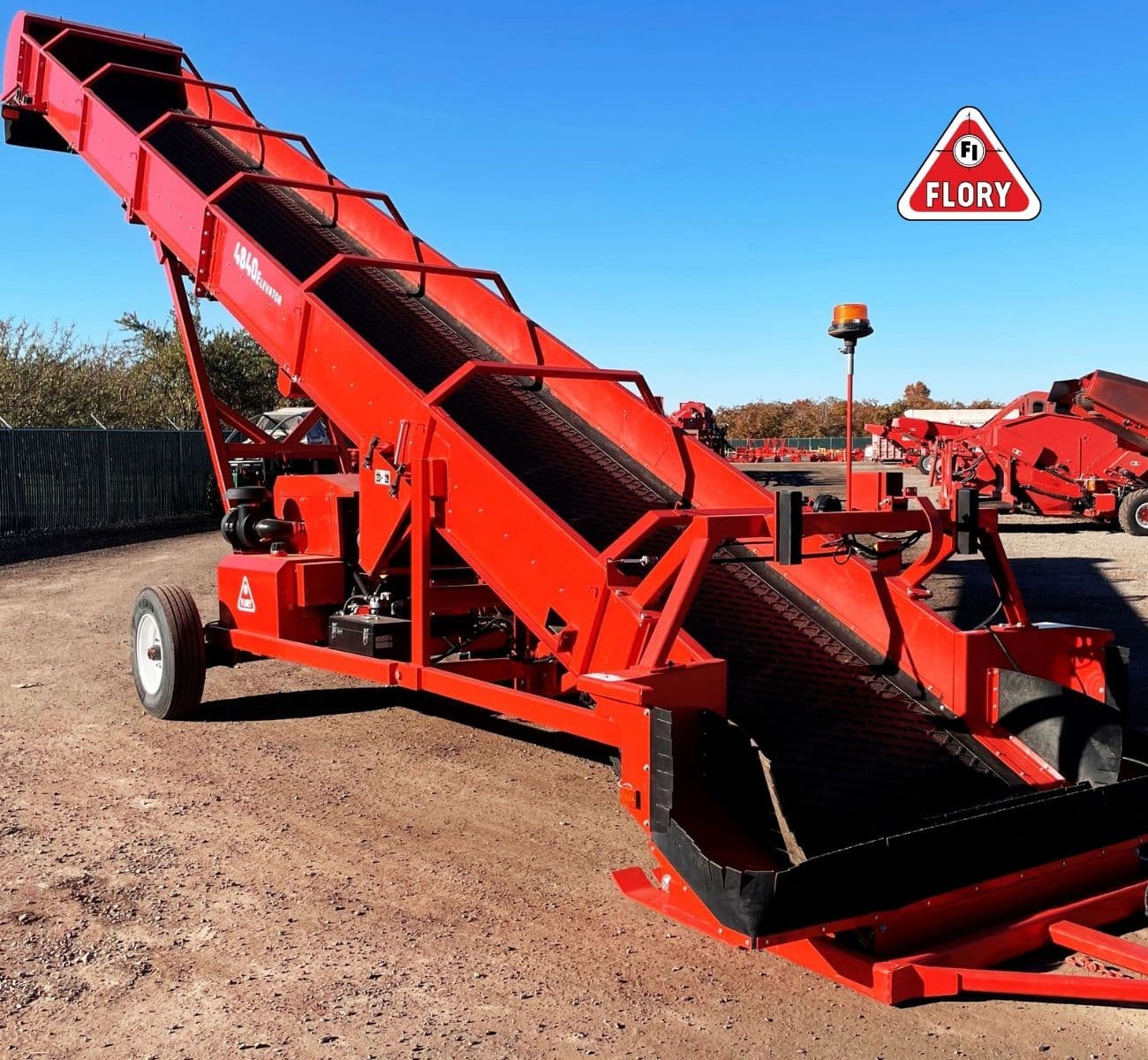
Flory on-ground harvesting machinery is available in Romania through OVE Europe. The VR700 Shaker releases the crop with programmable shaking, the V62 Sweeper moves nuts into windrows, and the self-propelled 8772 Harvester picks them up with low dust; a 1500 Conveyor Cart, ST14 Shuttle and 4840 Field Elevator keep loads moving to the trucks.
Speed protects kernel color, which drives the price of kernels sold to export buyers. University of California research shows walnut quality starts to fall within hours of shaking, so size the machine set to pick up every block the same day and deliver it straight to hulling.
Walnut Harvest Workflow (Recommended Equipment)

Practical Tips for Walnut Harvesting
Harvest variety by variety: Germisara and Valrex ripen first and Franquette last, so plan shaking in waves.
Shake when most hulls have split; earlier shaking needs more force, which raises the risk of bark damage.
Plan daily shaking around pickup capacity, so no nuts wait on the ground overnight.
Agree hulling slots with your processor or huller before harvest, so trailers unload without waiting.
Neighbouring growers can share a harvest set or hire a contractor, so smaller orchards also get same-day pickup.
Train operators before the season; OVE Europe supplies spare parts and operator training for the Flory machines it sells.
Get your recommended harvest setup
Enter orchard size, spacing, terrain, and target throughput—we’ll suggest a practical harvest workflow and equipment lineup.

Walnut Post-Harvest Handling & Processing in Romania
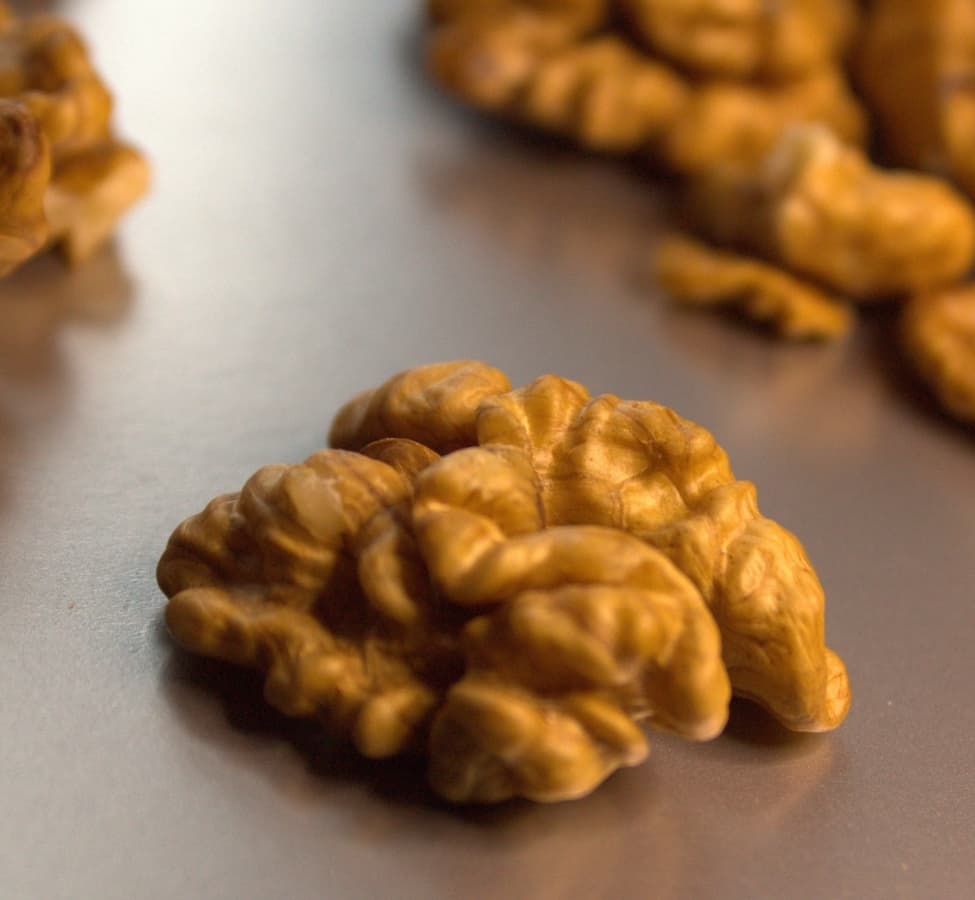
Romania sells walnuts in shell and as kernels, and kernels lead its trade: in 2022 it exported 6,687 t of shelled walnuts and only 78 t in shell (Arghiroiu et al., 2024). Processing is expanding: Transilvania Nuts in Alba County processes about 10,000 t of walnuts a year and in November 2025 announced a €10 million investment in a new unit, planned for early 2026 (Profit.ro).
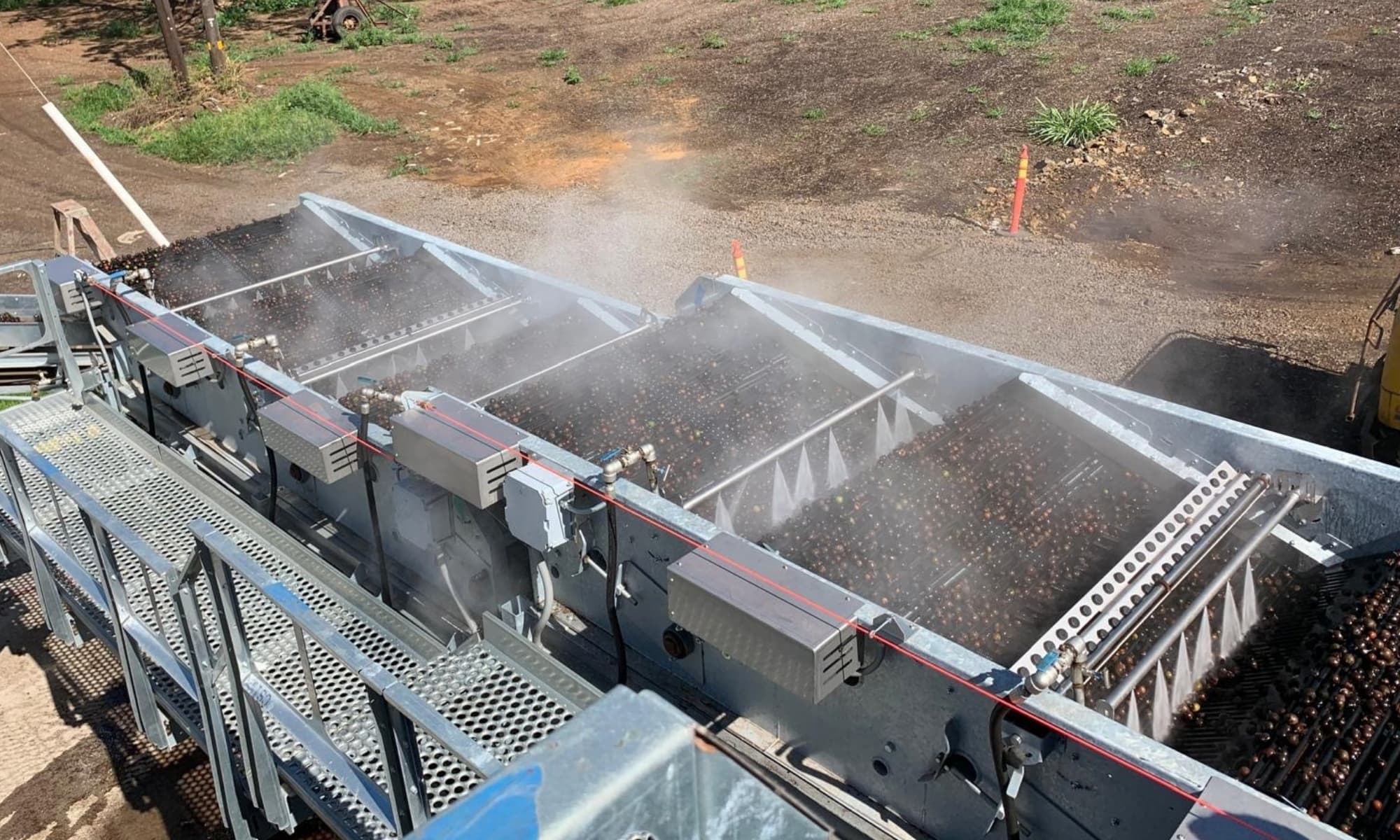
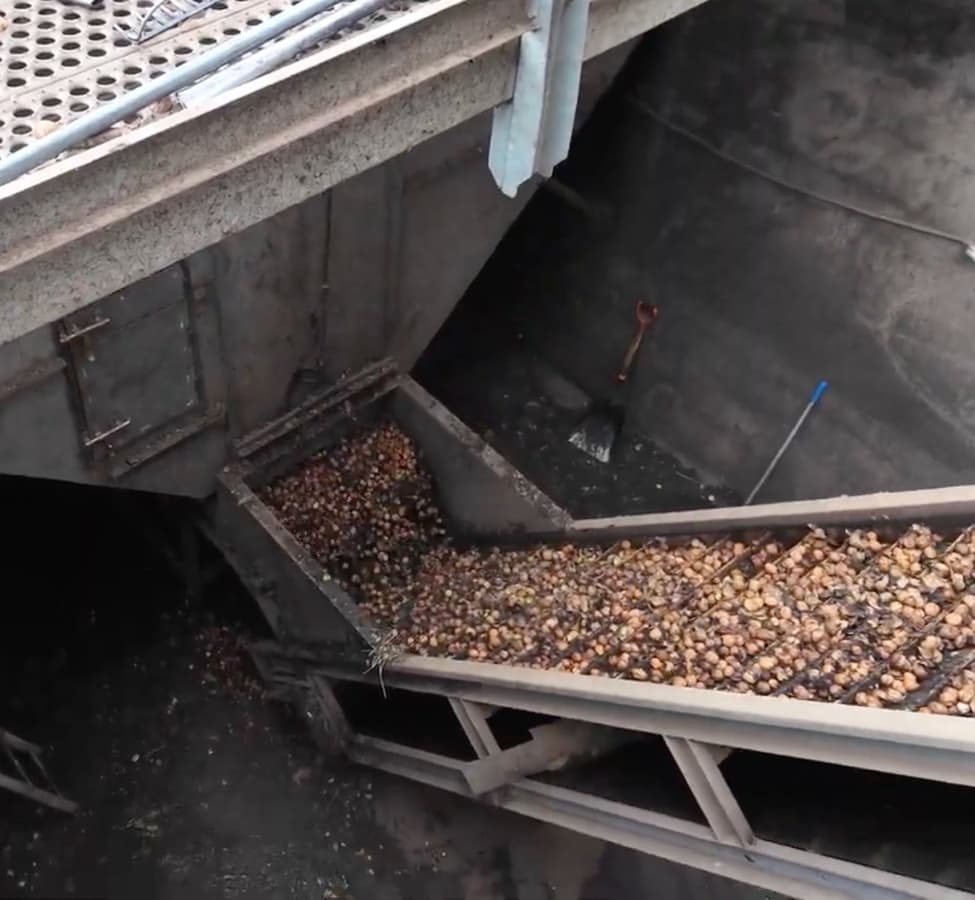
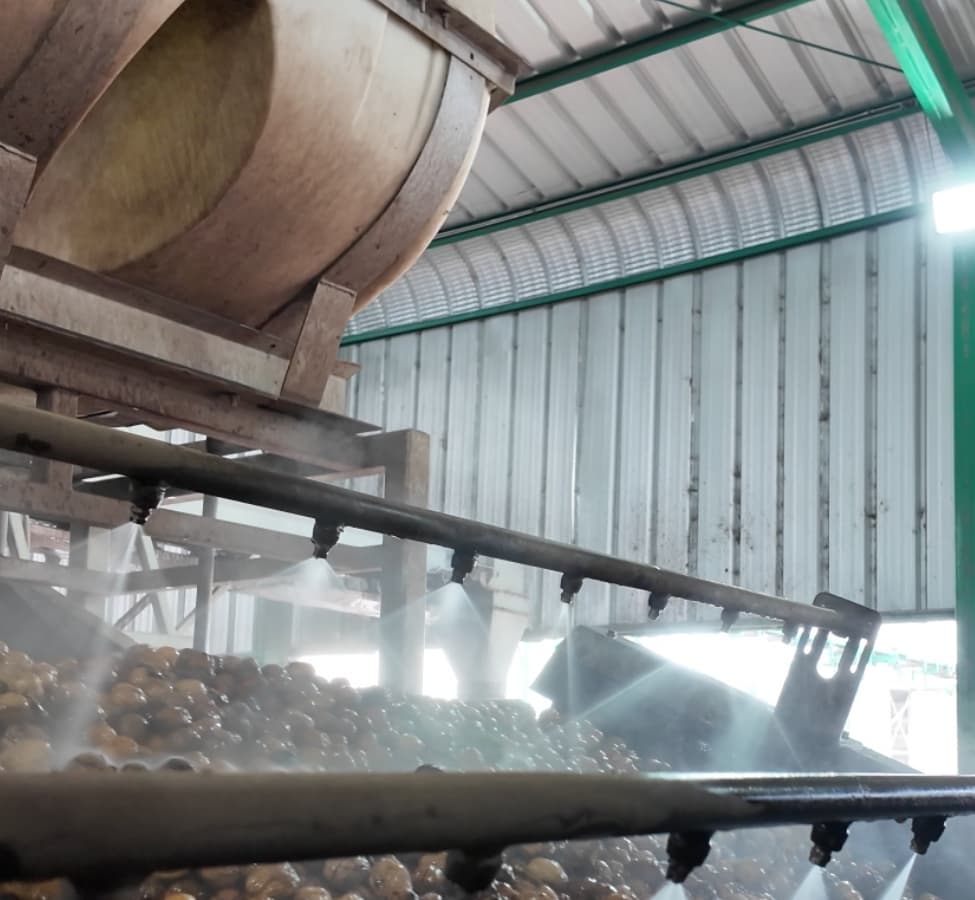
Traditional handling, with hulling over two to four days and storage in ventilated barns for six to twelve months (Vâlcea guide), suits small lots. Commercial volumes need same-day hulling and washing and controlled drying: University of California guidance is about 8% moisture with air no hotter than about 43 °C.
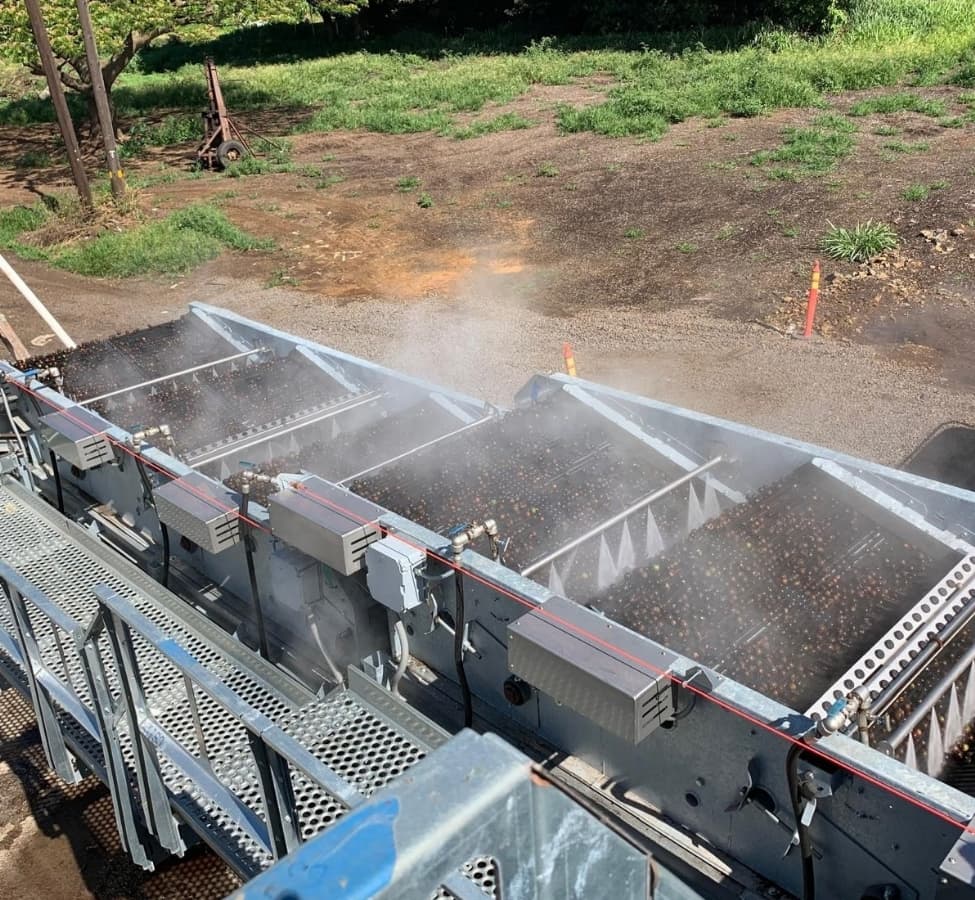
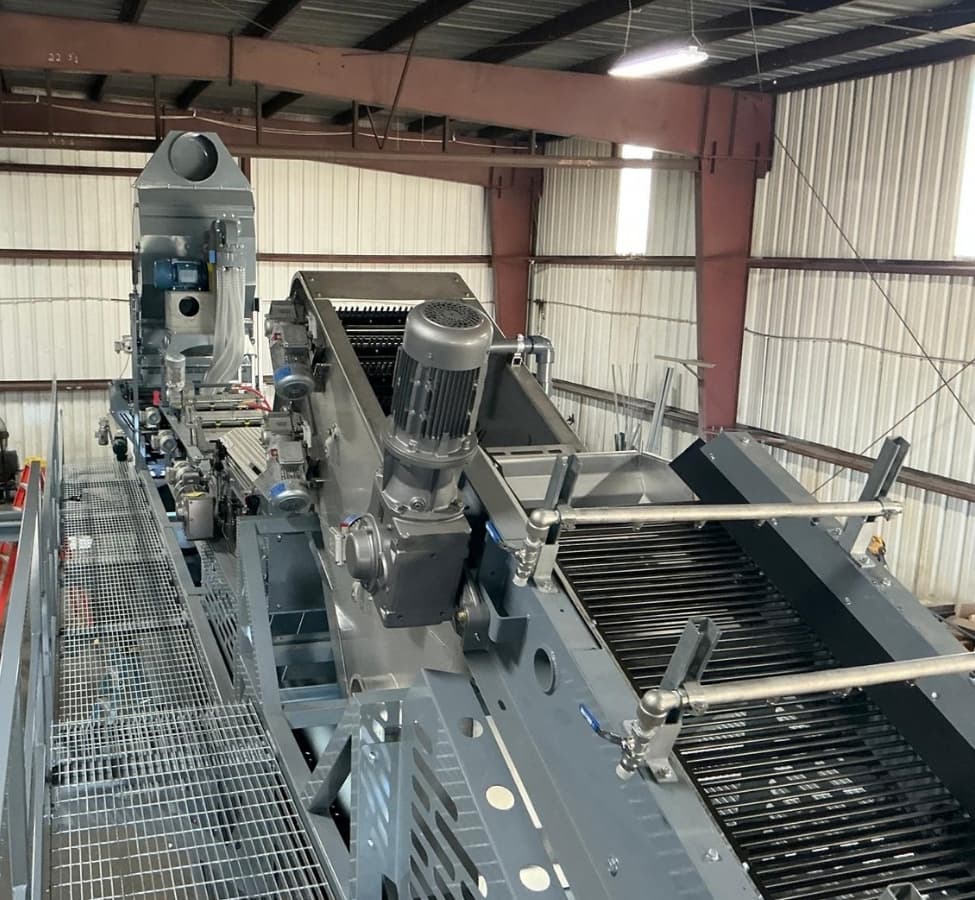
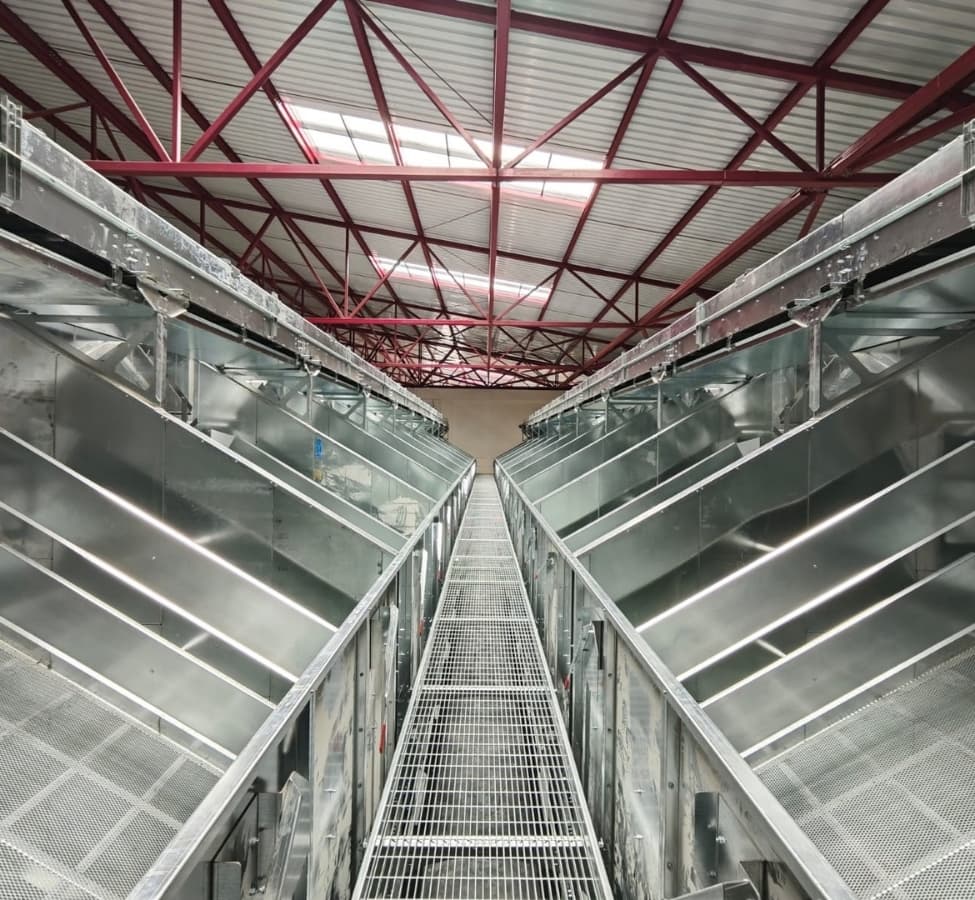
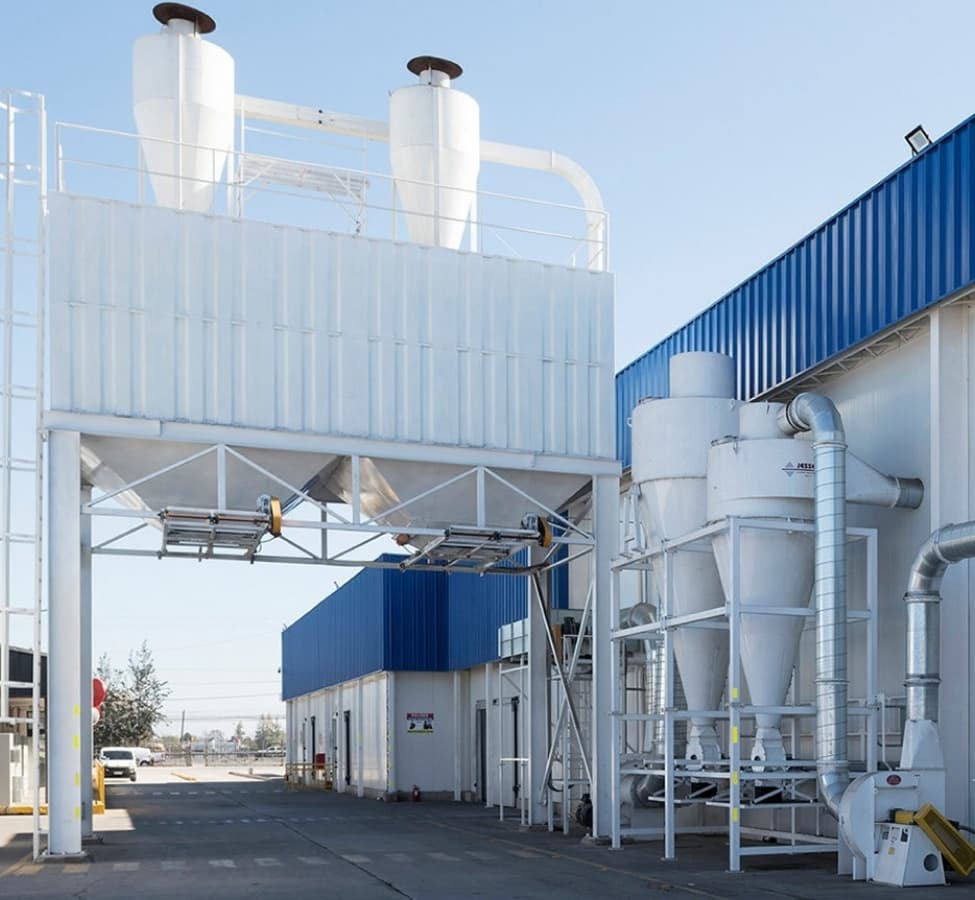
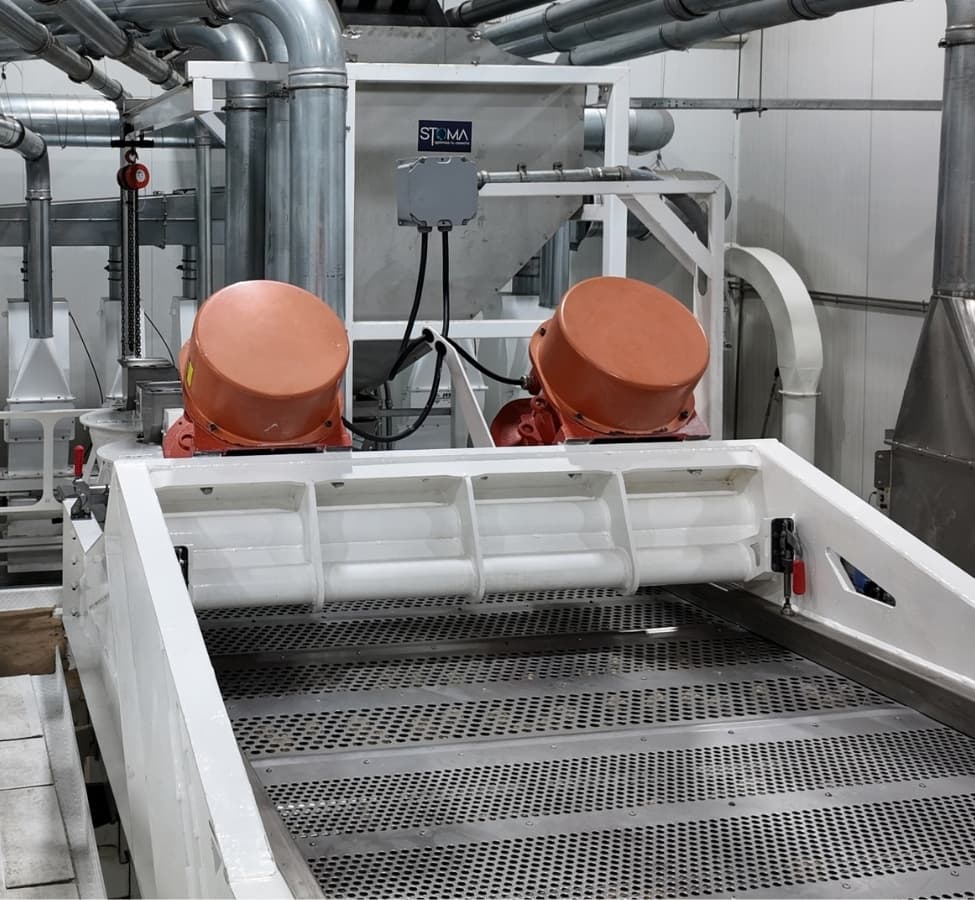
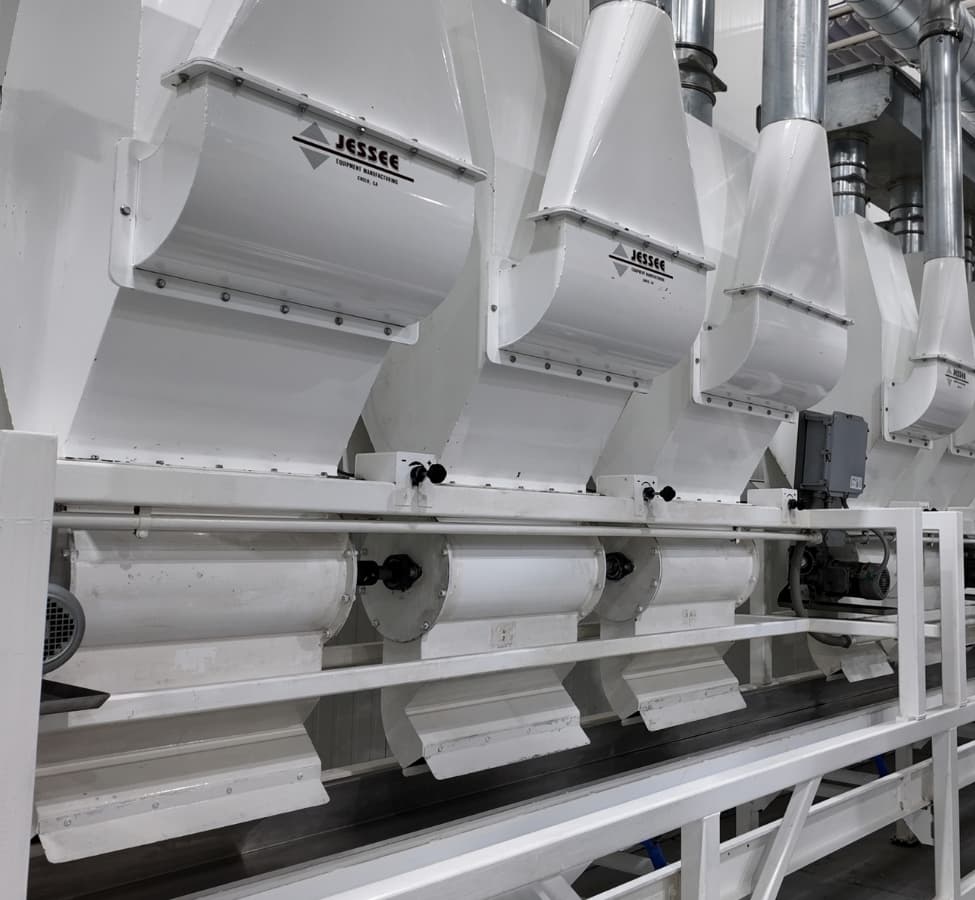
Jessee, whose processing lines OVE Europe supplies, builds hulling, drying, in-shell cleaning and sizing, and cracking equipment for walnuts; its standard hulling lines are rated at 10 to 30 US tons (about 9 to 27 t) per hour. Grading kernels by color and size gives export buyers the uniform lots they ask for.
Practical Tips for Walnut Post-Harvest Handling & Processing
Hull and wash on the day of harvest; hulls left on the nuts stain the shells and darken kernels.
Dry with air at about 43 °C or below and stop near 8% moisture, to protect kernel color and shelf life.
Do not dry walnuts in the sun: University of California guidance warns that sun drying darkens kernels.
Keep lots separate by variety and block, so each batch can be graded and priced on its own quality.
Store fully dried nuts in cool, dry, ventilated stores; warm storage makes kernels turn rancid faster.
Size hulling and drying lines to your peak harvest days, not the season average, so no nuts wait overnight.
Recommended Post-Harvest Handling & Processing Stages
Plan your post-harvest line
Estimate tons/day, cleaning & drying capacity, storage needs, and cost/kg—then build your equipment plan in phases.