







Hazelnut Orchard Establishment in Russia
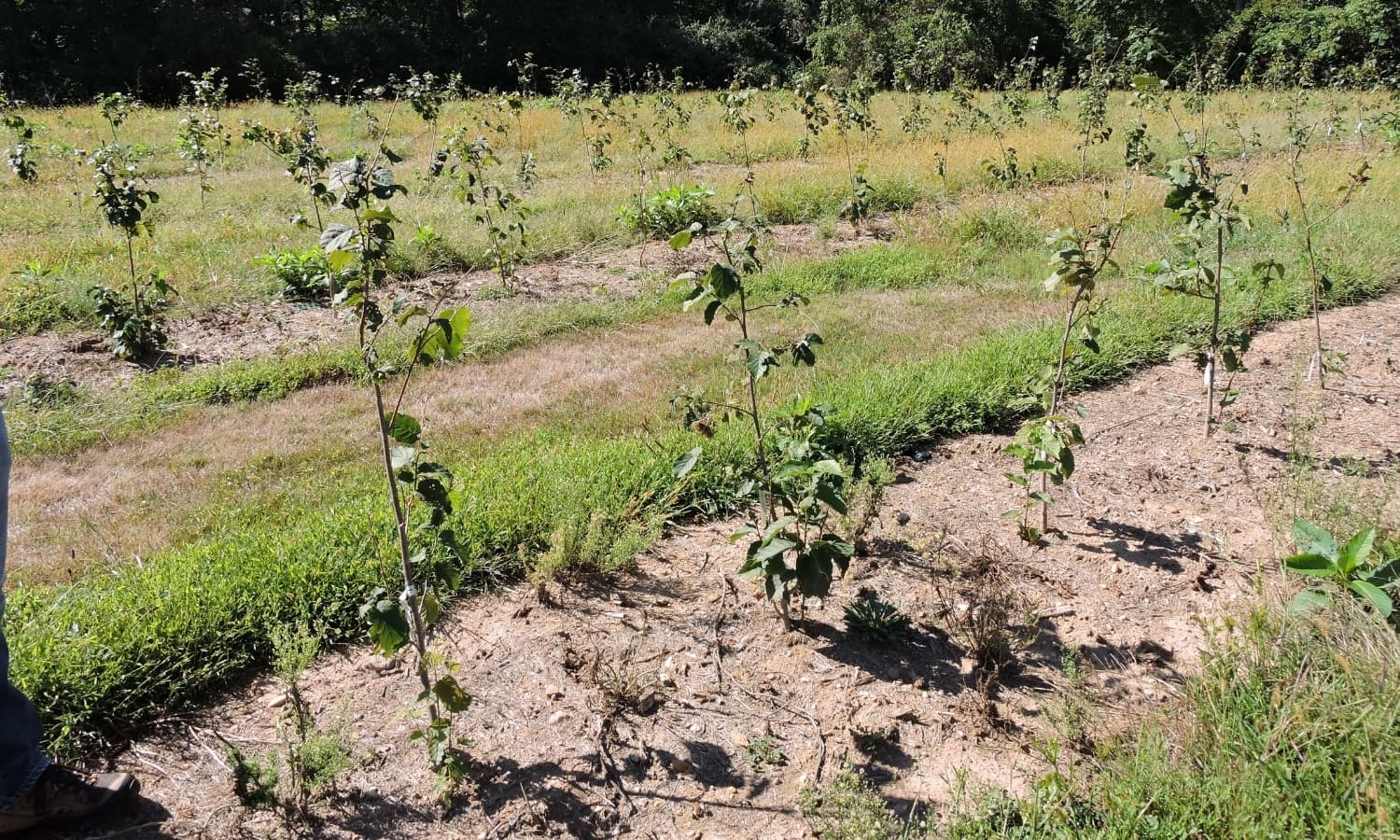
Site and tree form come first. Two 2017 papers name Krasnodar Krai's Black Sea coast as the main zone of industrial hazelnut growing, with plantings mainly on slopes and in river floodplains; one notes that only 7% of the land there is weakly eroded, the other that land in the Black Sea zone is limited. The main system there is the bush, with 8 to 12 main stems; in Dagestan's private plantings and small farms, bushes usually have 3 to 8 stems, single-stem trees are very rare, and yields are rather unstable and fairly low (2018 study).
The State Register of varieties admitted for use counts 34 hazelnut cultivars as of 31 May 2024, among them Ata-baba (1974), Kristina (2016) and Anastasiya, Viktoriya and Galina (2019). In 2021 researchers of the Subtropical Scientific Center in Sochi recommended Cherkessky-2, Anastasiya, Kristina and Viktoriya for the subtropics of Krasnodar Krai. Researchers at a federal research center in Michurinsk, whose collection holds 60 hazelnut cultivars and forms, call winter hardiness the main limiting factor in central Russia.
Bloom comes early. In Sochi it runs from January to March, a stage researchers there consider critical, and in Dagestan in 2018 Ata-baba bloomed from 3 February to 5 March; researchers at Michurinsk, citing earlier work, call spring frosts down to -6 °C at bloom critical for male flowers. A 2017 Krasnodar paper calls row plantings of single-trunk trees the most promising, partly because they allow machines for care and nut harvest, and Oregon State University (OSU) advises pollinizers on about 11% of the trees.

Practical Tips for Hazelnut Orchard Establishment
Match cultivars to the zone: researchers at Michurinsk call winter hardiness the main limiting factor for hazelnut in central Russia.
In the subtropics of Krasnodar Krai, consider Cherkessky-2, Anastasiya, Kristina and Viktoriya, the cultivars Sochi researchers recommended in 2021.
Match pollinizers to bloom: a 2018 Dagestan paper notes that where bloom has not been studied, wild hazel is usually added as an extra pollinizer, about one bush in ten.
Keep every tree within 15 m of a pollinizer: Oregon State University notes that nut set decreases at greater distances.
Avoid frost pockets: Oregon State University reports that late-April frosts in low-lying areas often damage cluster buds and young shoots.
Smooth and firm the orchard floor at least a year before the first commercial harvest, as Oregon State University advises, so sweepers can work up to the trunks.
Recommended Establishment Stages



Hazelnut Orchard Care & Maintenance in Russia
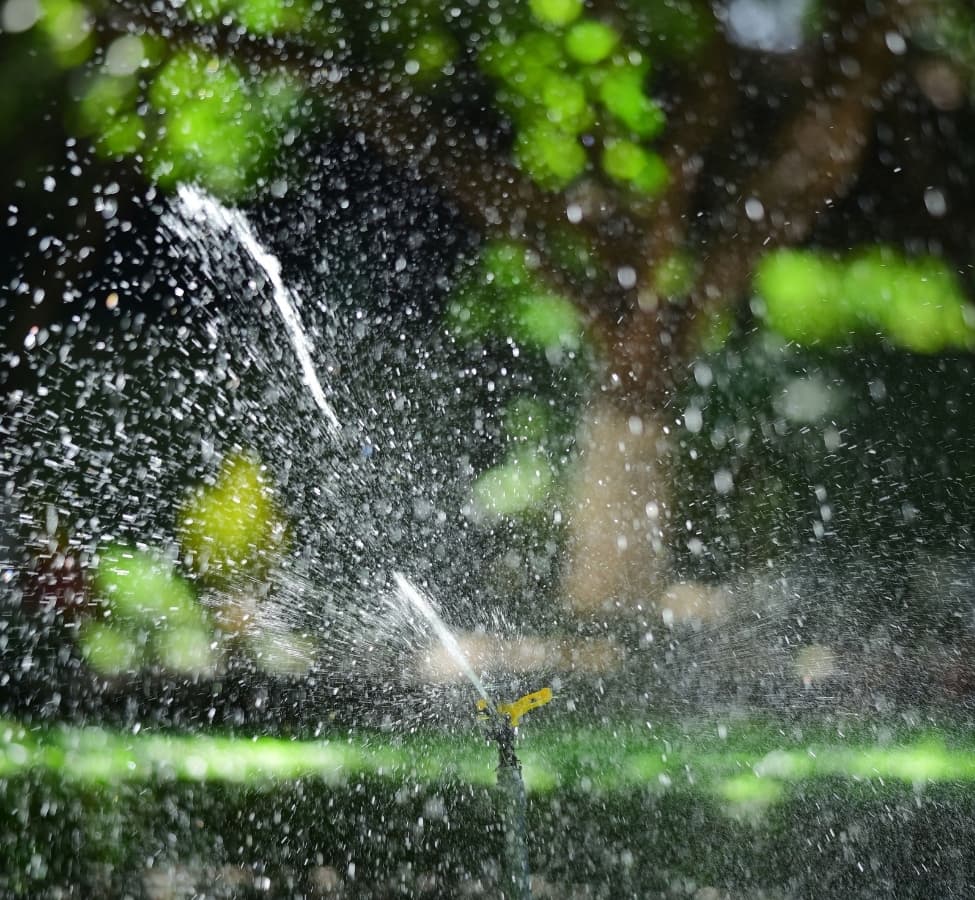
Water needs planning. At the Sochi agroclimatic station, August rain averaged 54.7 mm in 2010 to 2018, against 90.7 to 151.3 mm in the five decades before, with wide swings between years, and researchers there call for cultivar-specific techniques, including an irrigation regime, for intensive cultivars. At Michurinsk, researchers write that irrigation must be planned when hazelnut plantings are established, and name good canopy light and irrigation as important conditions for high productivity.
EPPO records the brown marmorated stink bug (Halyomorpha halys) in southern Russia, first found in Sochi in 2014, and a 2018 Krasnodar paper states that on hazelnut it damages nuts at the milk-wax stage, so that the kernel stops developing. The new hazelnut powdery mildew (Erysiphe corylacearum) is also present; a 2025 study of hazels in Rostov region found its harm there minimal. EPPO lists bacterial blight (Xanthomonas arboricola pv. corylina) from 1996 information, and no eastern filbert blight (Anisogramma anomala) for Russia.
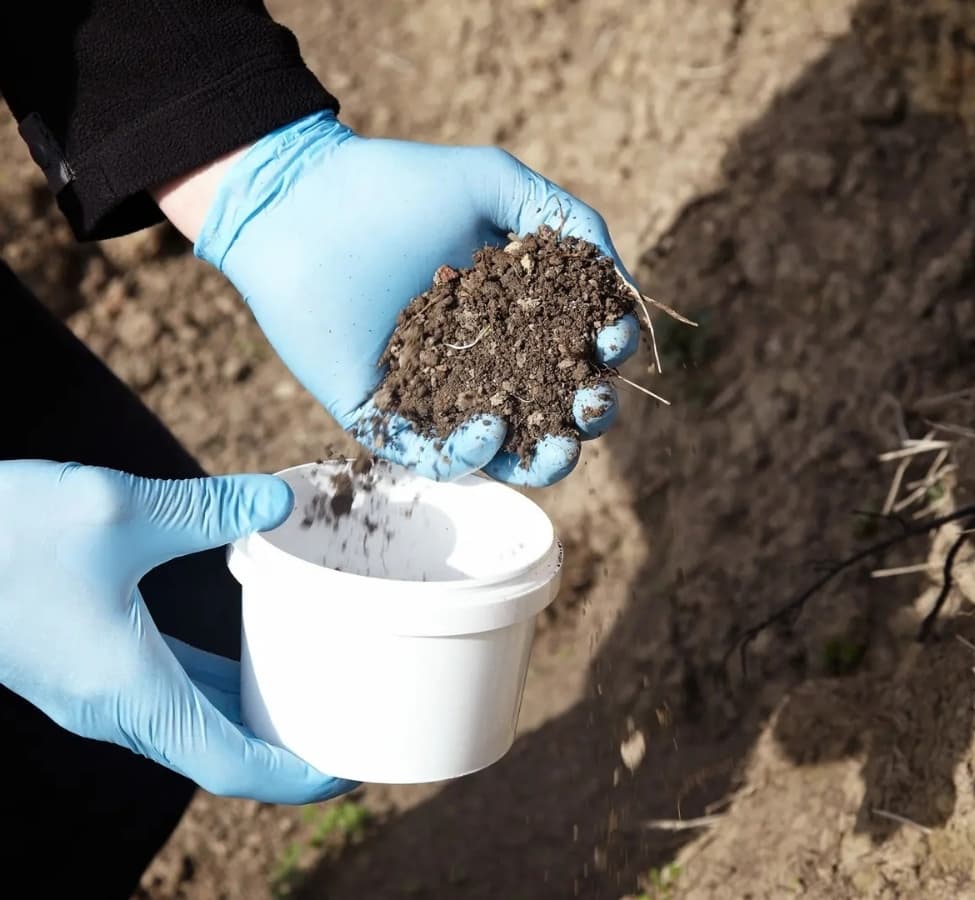
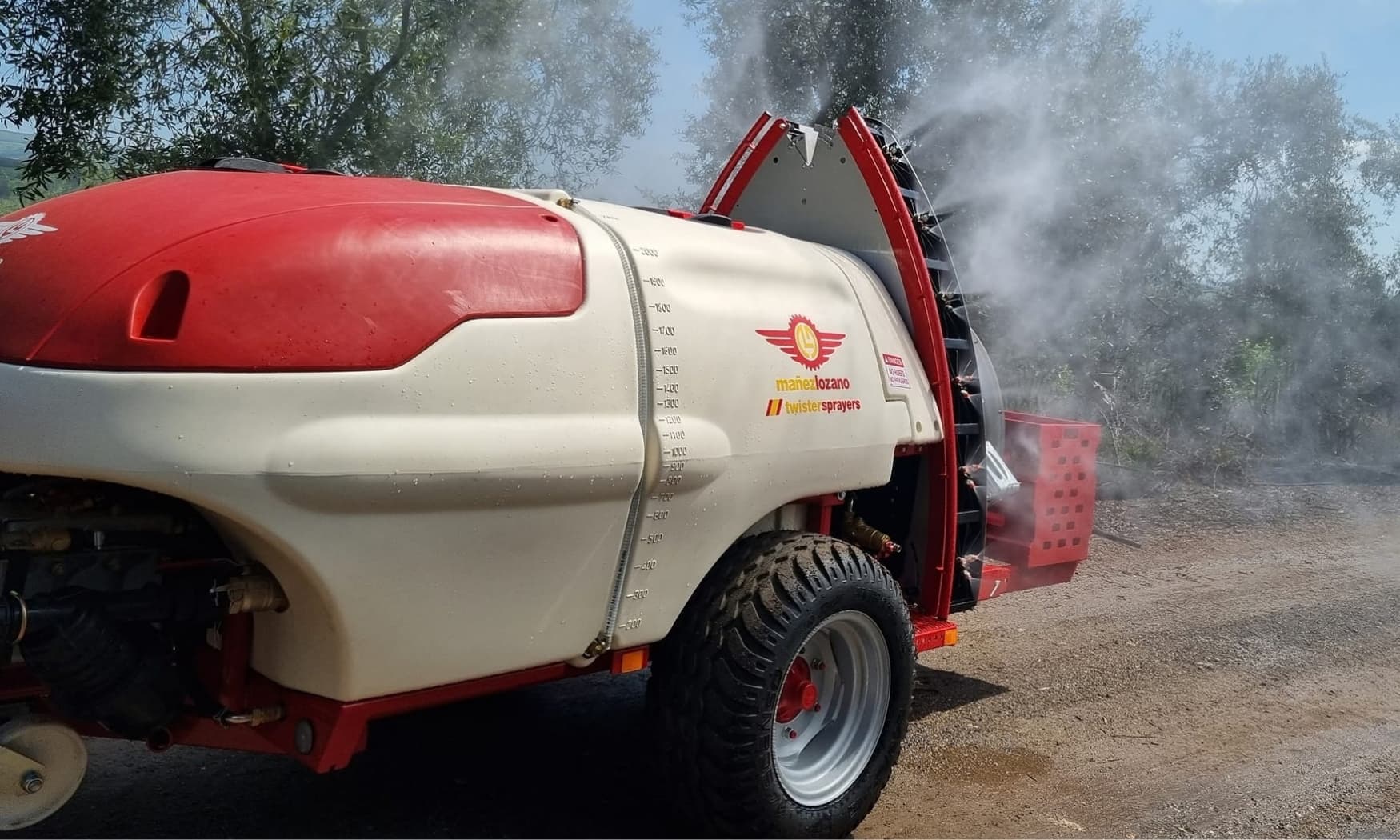
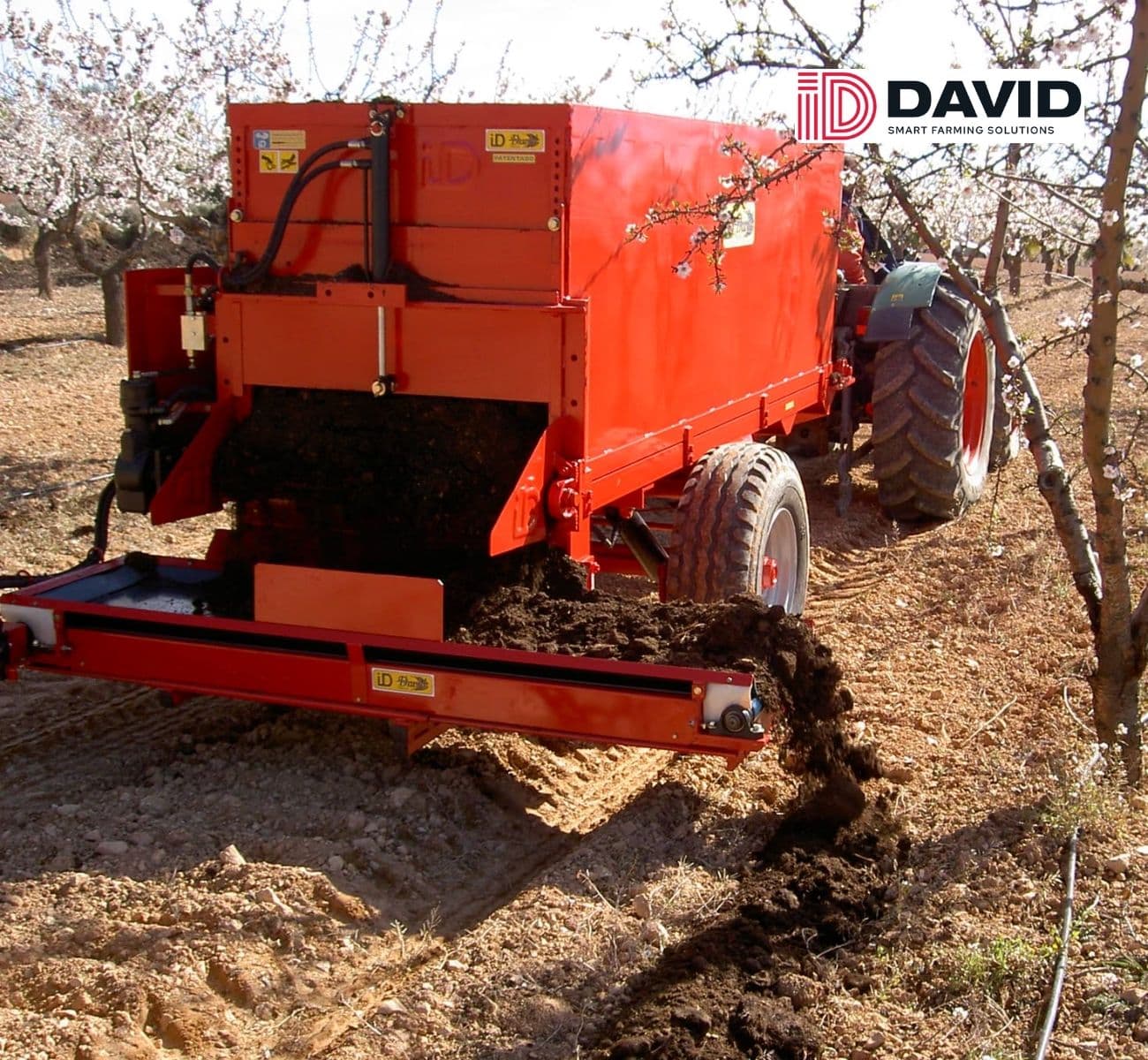
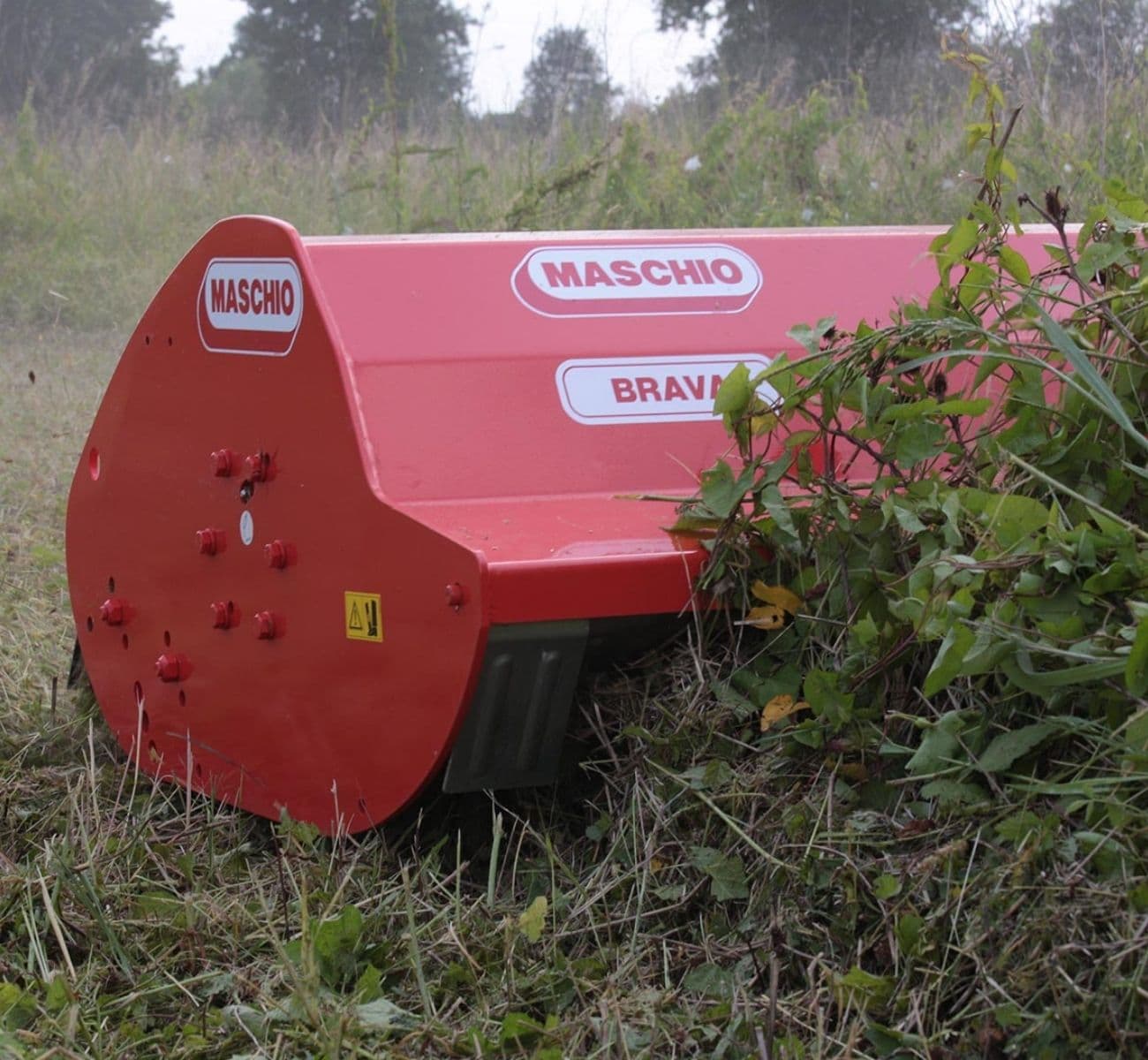
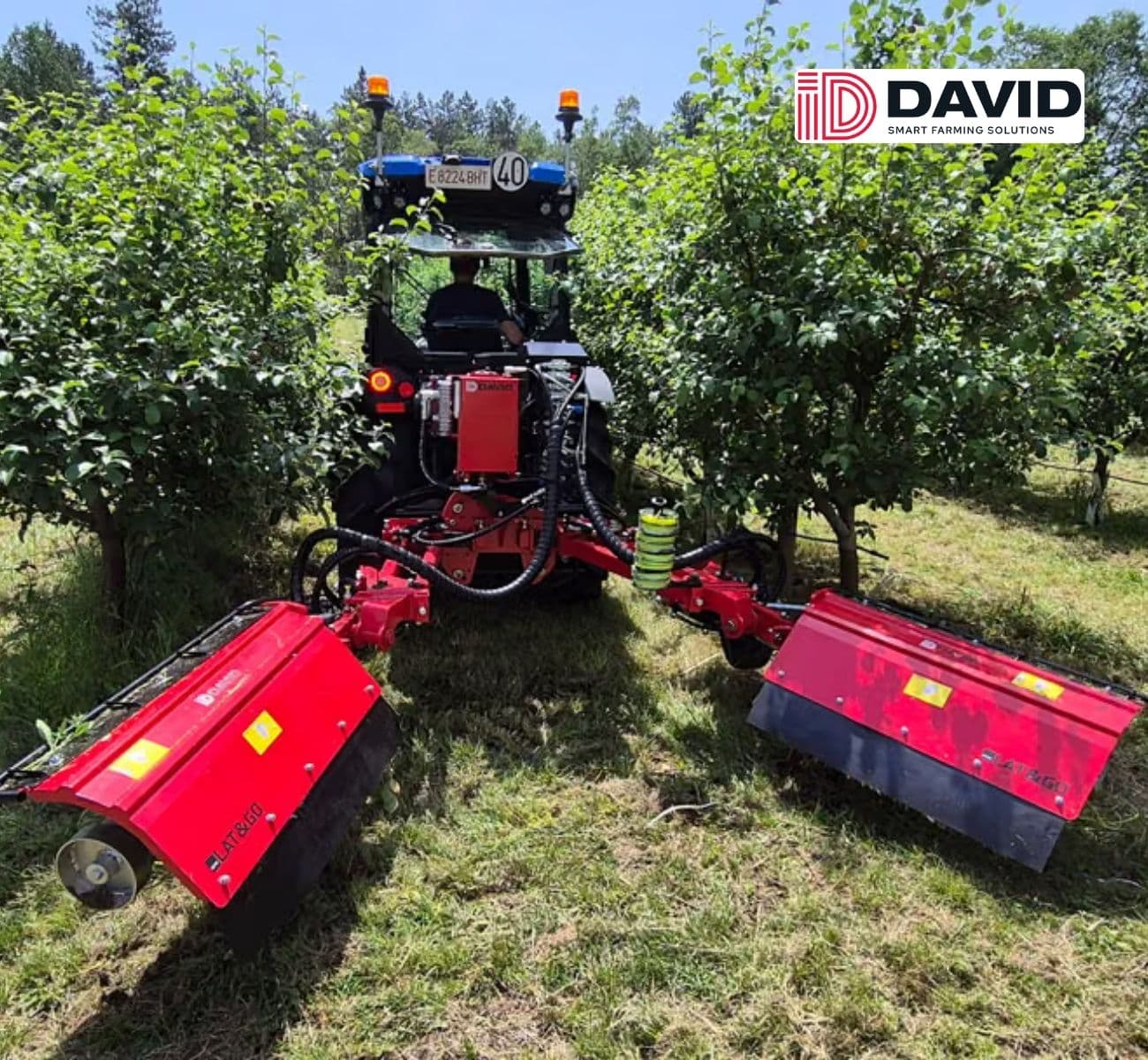
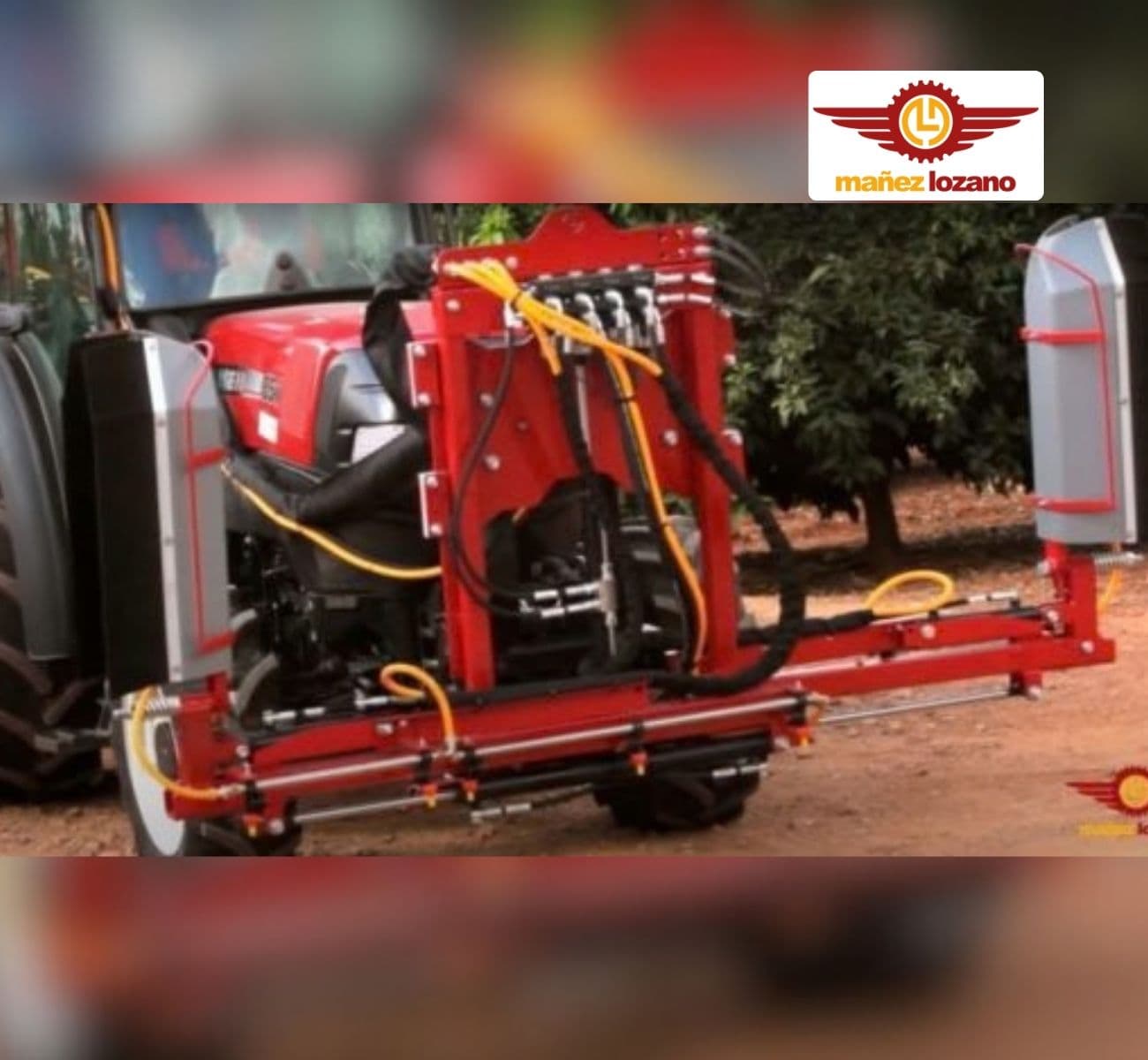
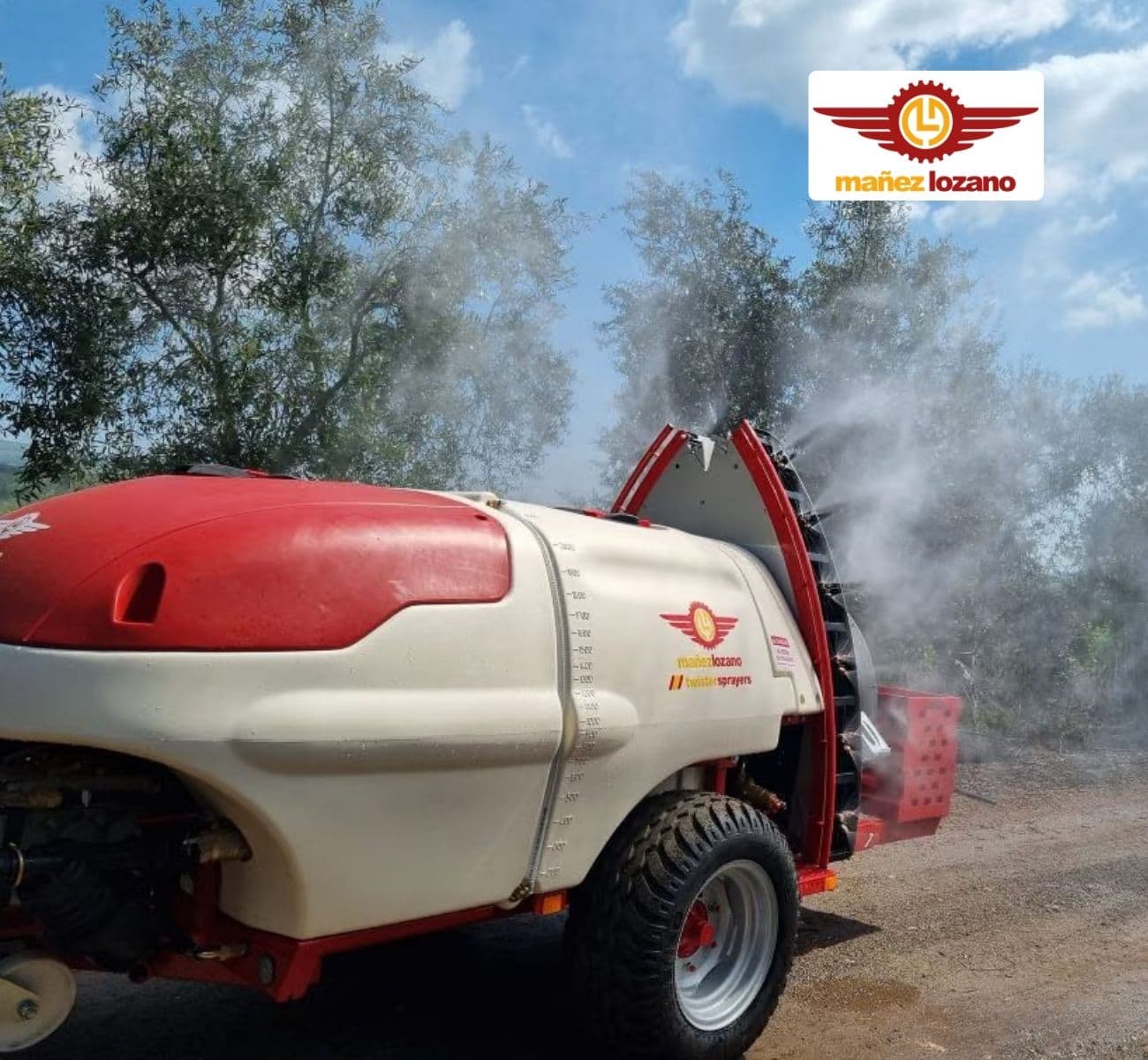
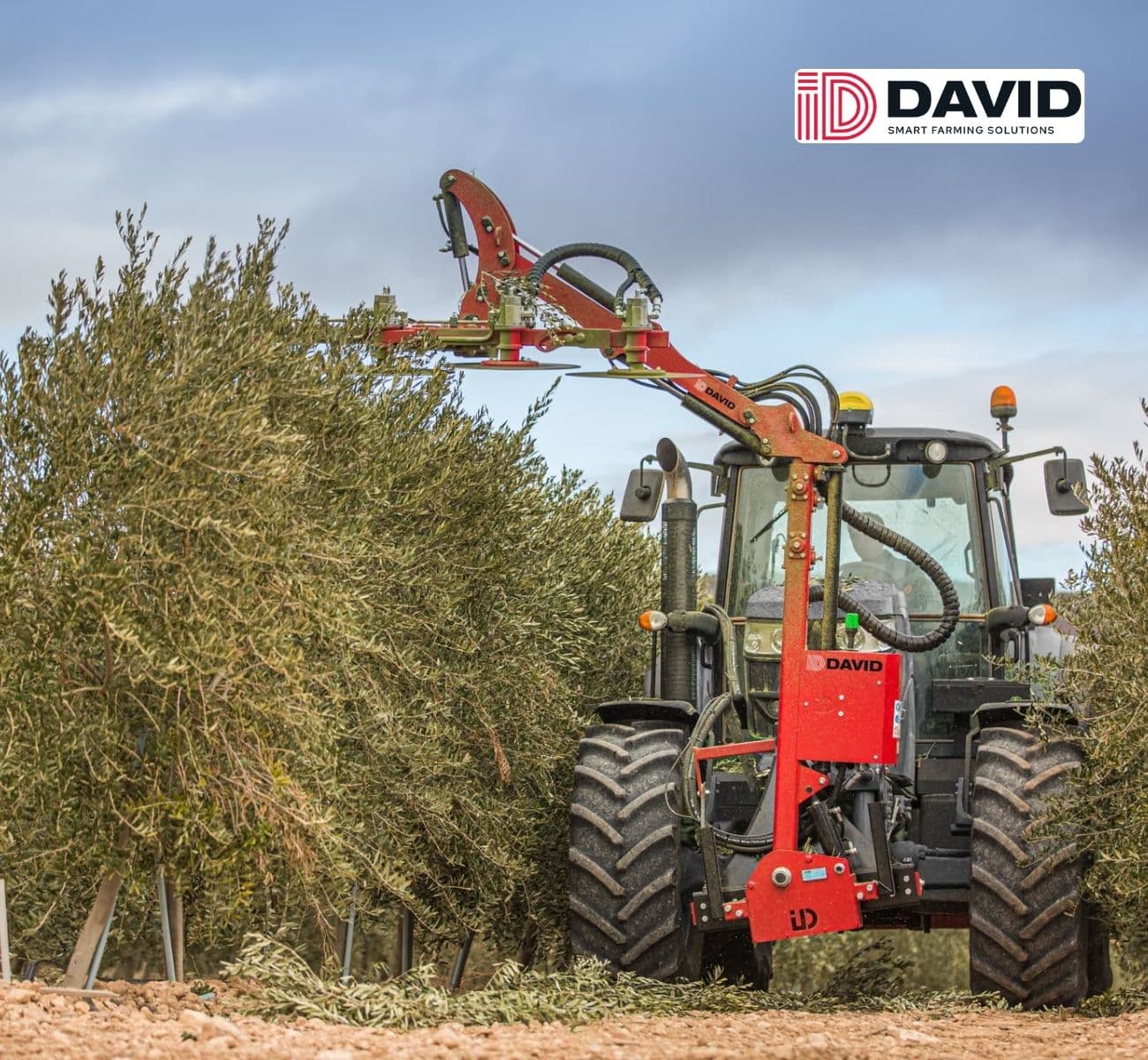
A 2017 Krasnodar Krai study says suckers must be removed every year in both bush and single-trunk systems, and Türkiye's Hazelnut Research Institute advises clearing them at least twice a year. In single-trunk orchards planted for machines, the ID DAVID ECOFEED spreads solid manure, the ID DAVID LAT&GO string mower controls weeds without herbicides, the Mañez Lozano Narrow Twister S6 sprays tall, dense canopies and the ID DAVID V1 disc pruner makes vertical and horizontal cuts.
Recommended Orchard Care & Maintenance Stages
Practical Tips for Hazelnut Orchard Care & Maintenance
Plan irrigation at establishment: researchers at Michurinsk write that hazelnut plantings in their zone need watering provided for from the start.
Remove suckers every year: a 2017 Krasnodar Krai study says this is needed in bush and single-trunk systems alike.
Watch for the brown marmorated stink bug, first found in Sochi in 2014: Oregon State University notes that its feeding can leave kernels empty, shriveled or corked.
Inspect young shoots and leaves for powdery mildew early in the season: a 2025 Rostov region study notes that the invasive species starts growing early.
Plan for heat at ripening: in Sochi, a 2021 study found that the productivity of Kristina fell 1.4-fold when air temperature rose at the start of ripening.
Control weeds in the tree rows without herbicides, using a string mower such as the ID DAVID LAT&GO.

Hazelnut Harvesting in Russia
The Russian sources found say little about how the main crop is gathered. Moscow city news reported in 2026 that fresh 'young' hazelnuts, picked before natural drying is complete, start coming off the bushes in southern Russia in late July. A 2017 Krasnodar paper rates cultivars for hand harvest by cluster size, and a 2024 news report from North Ossetia describes a tractor blowing the nuts from under the trees and a harvester then collecting them between the rows.
In the mechanized system this guide follows, as in Oregon, the trees are not shaken: OSU explains that the thin-barked, shallow-rooted trees would be damaged. The nuts drop onto a leveled, flail-mowed floor and are swept and picked up in several passes. WMO climate data (period not stated) give Krasnodar 53 mm of rain in August and 41 mm in September, and Makhachkala 23 and 36 mm, while summer rain in Sochi varies widely from year to year.
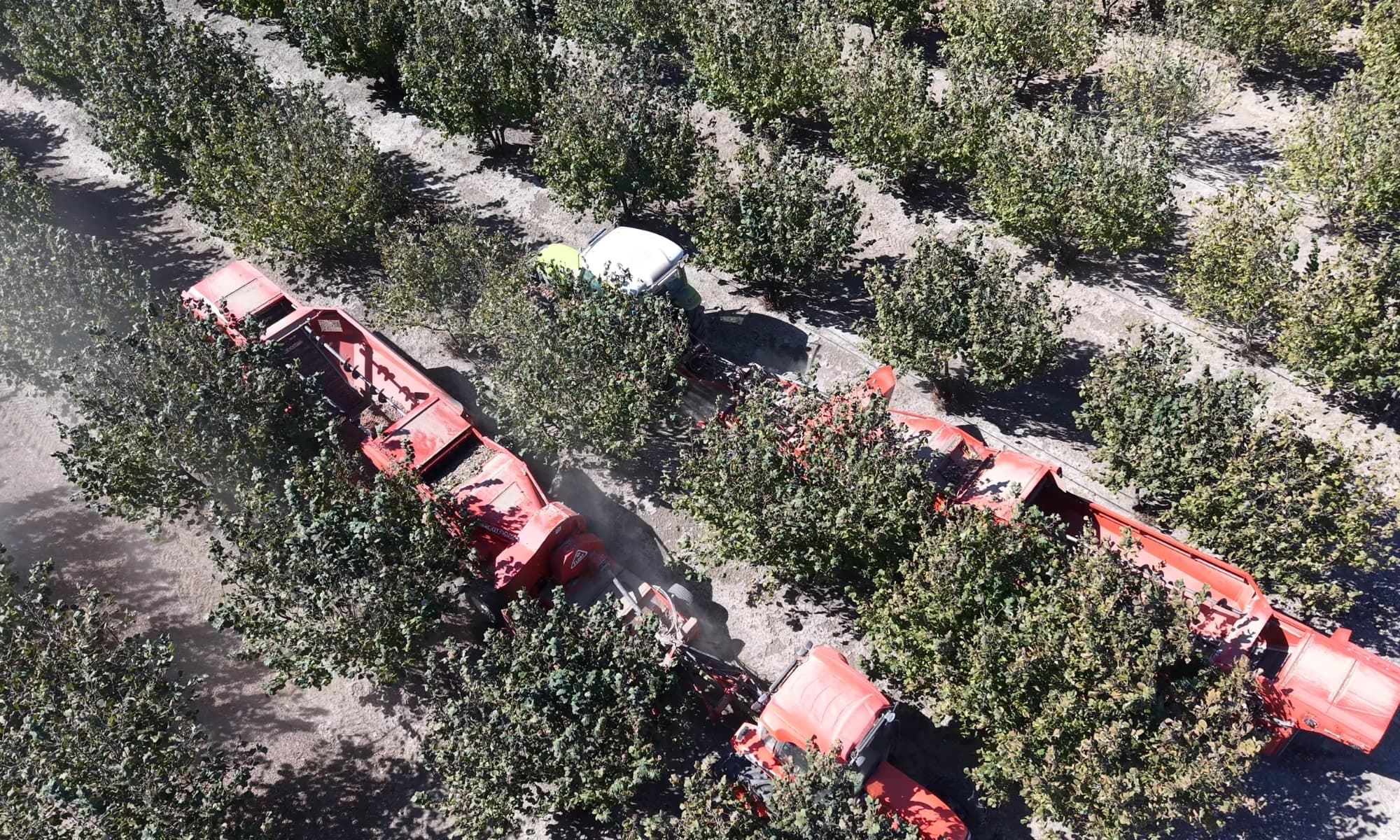
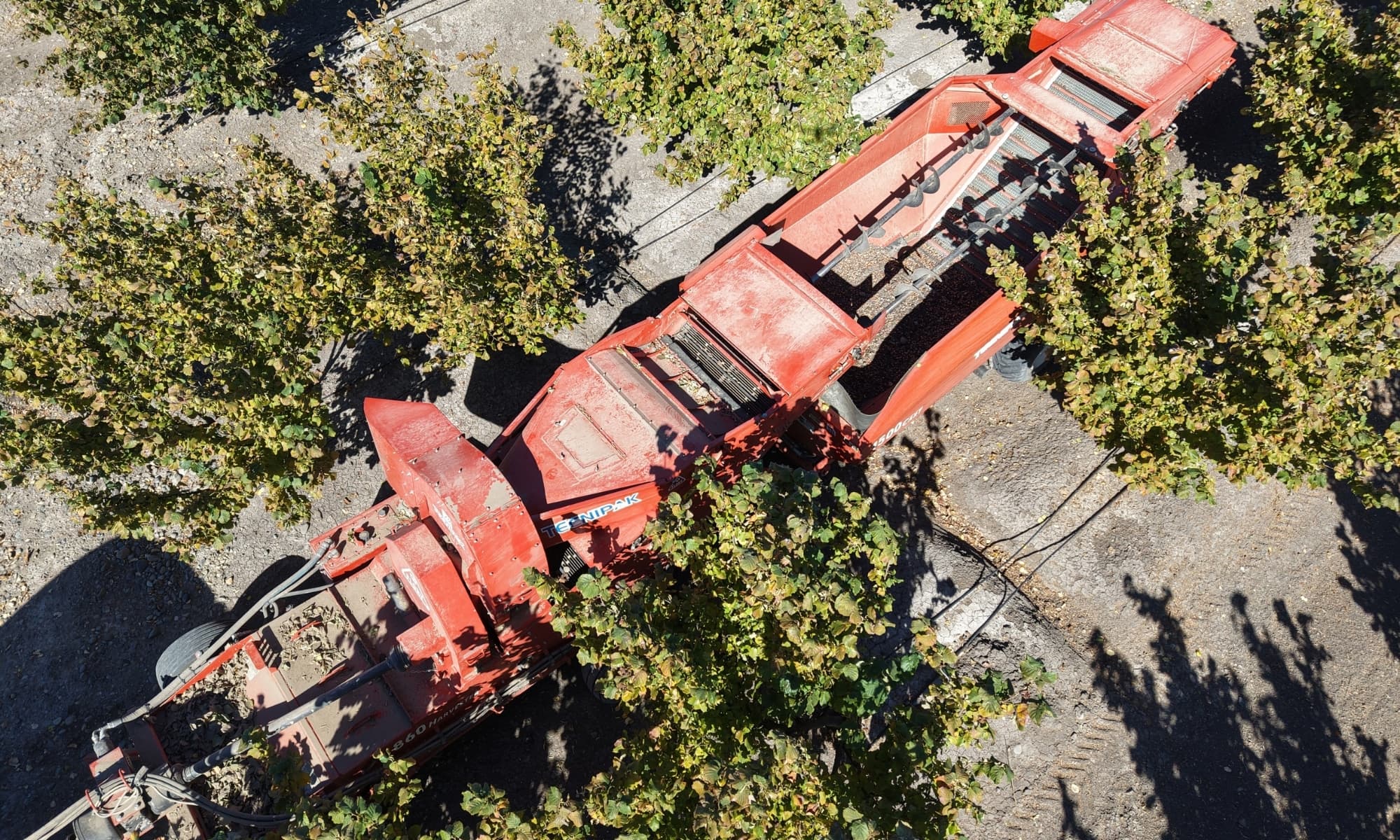
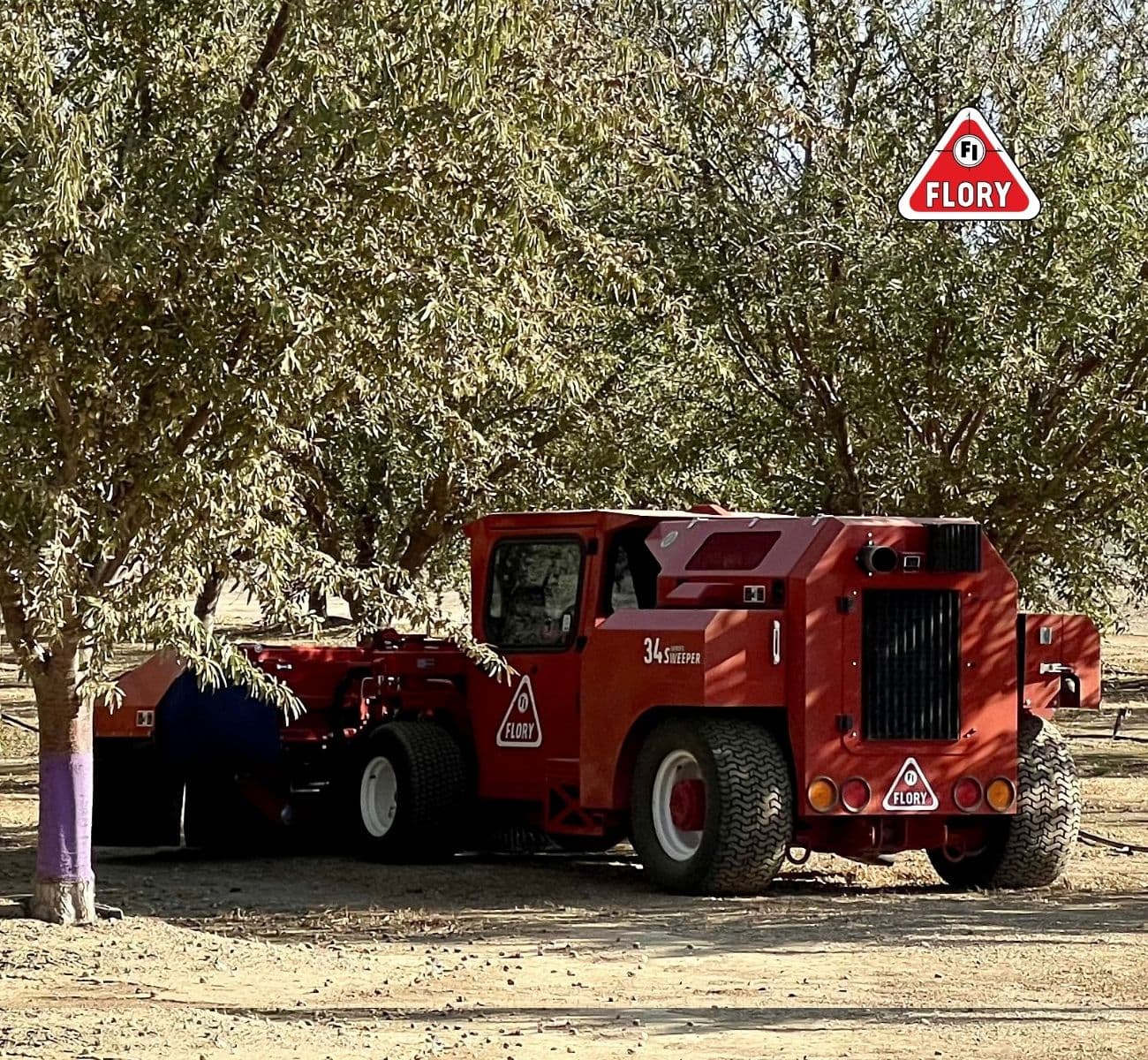
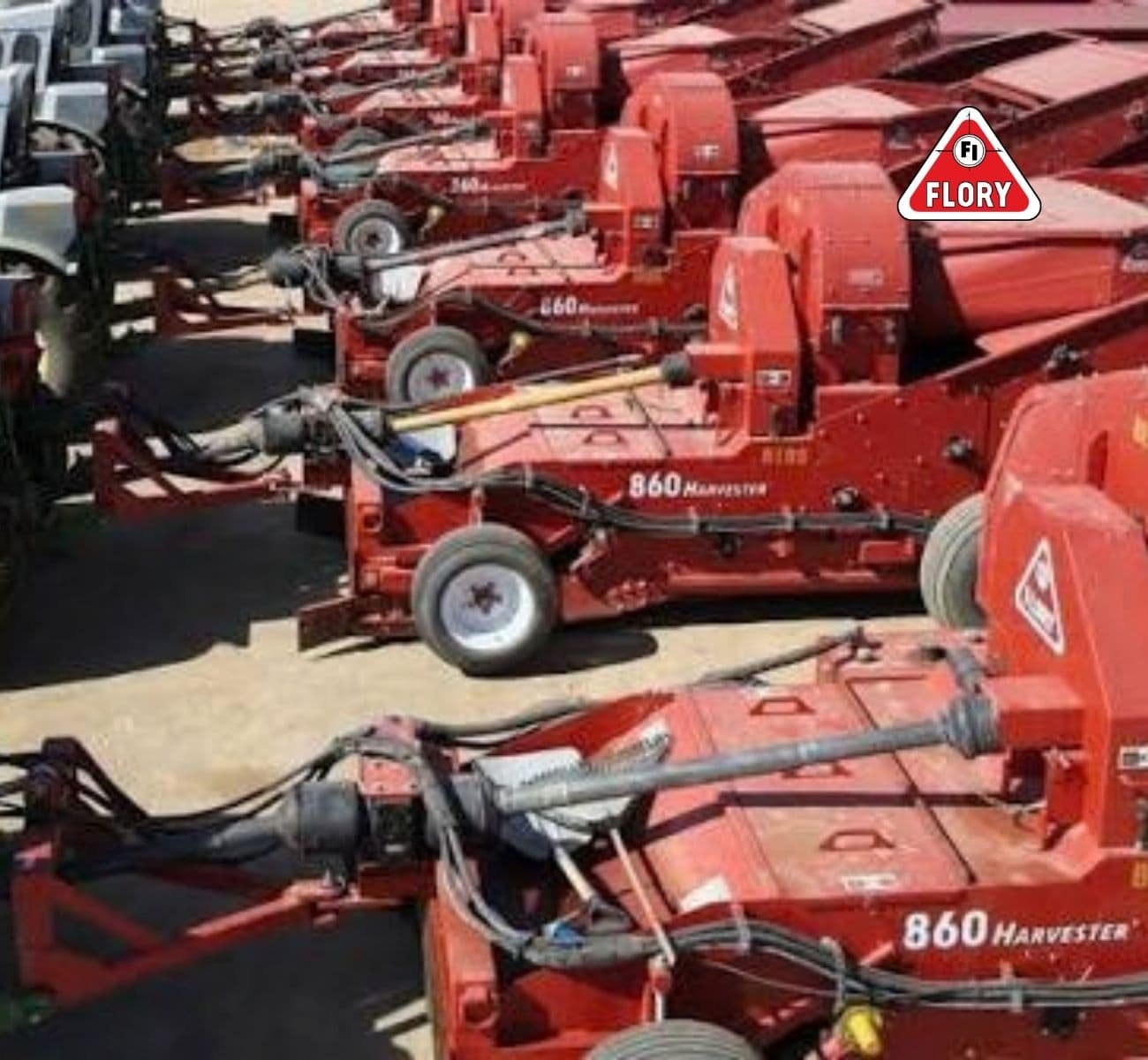
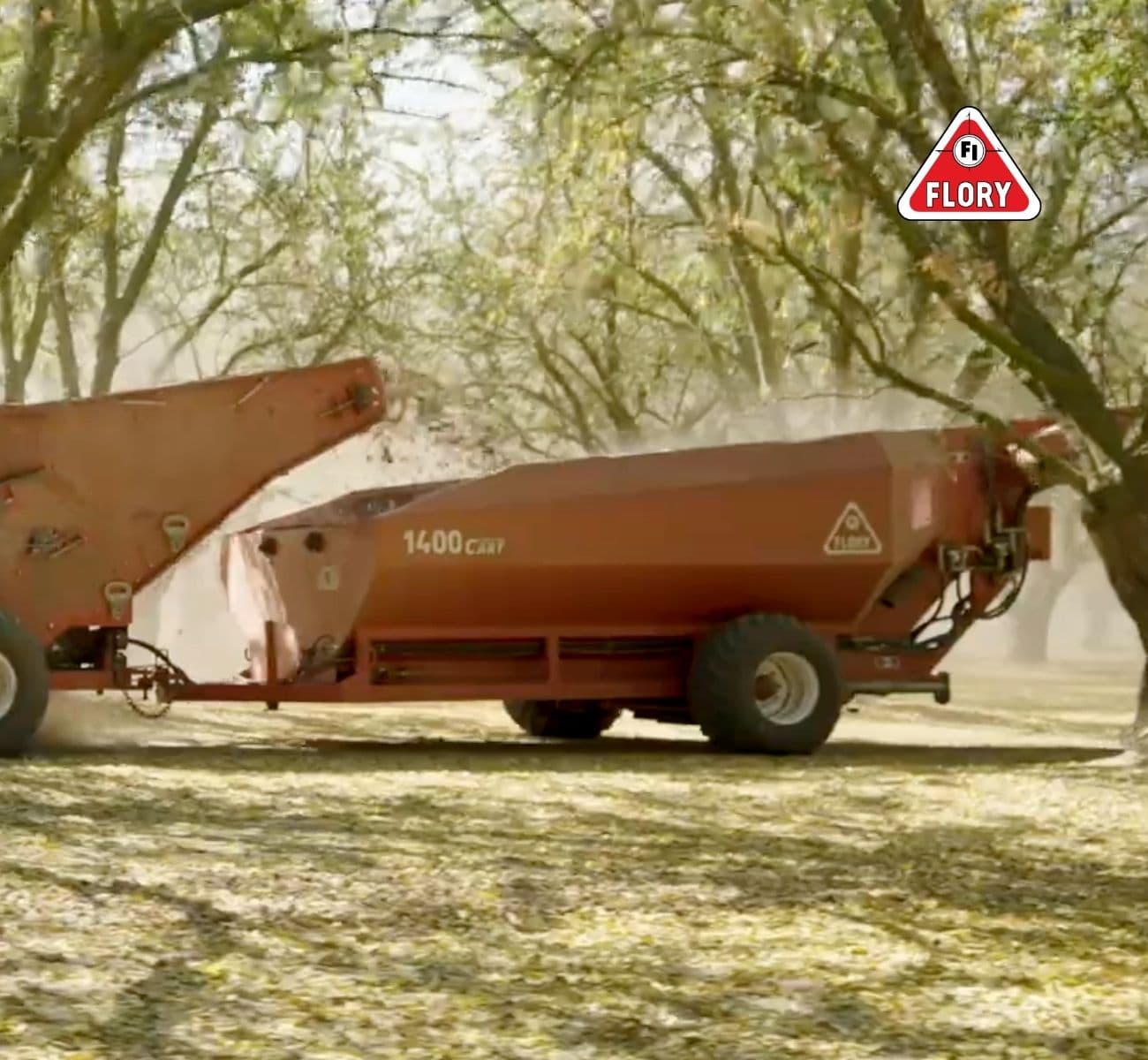
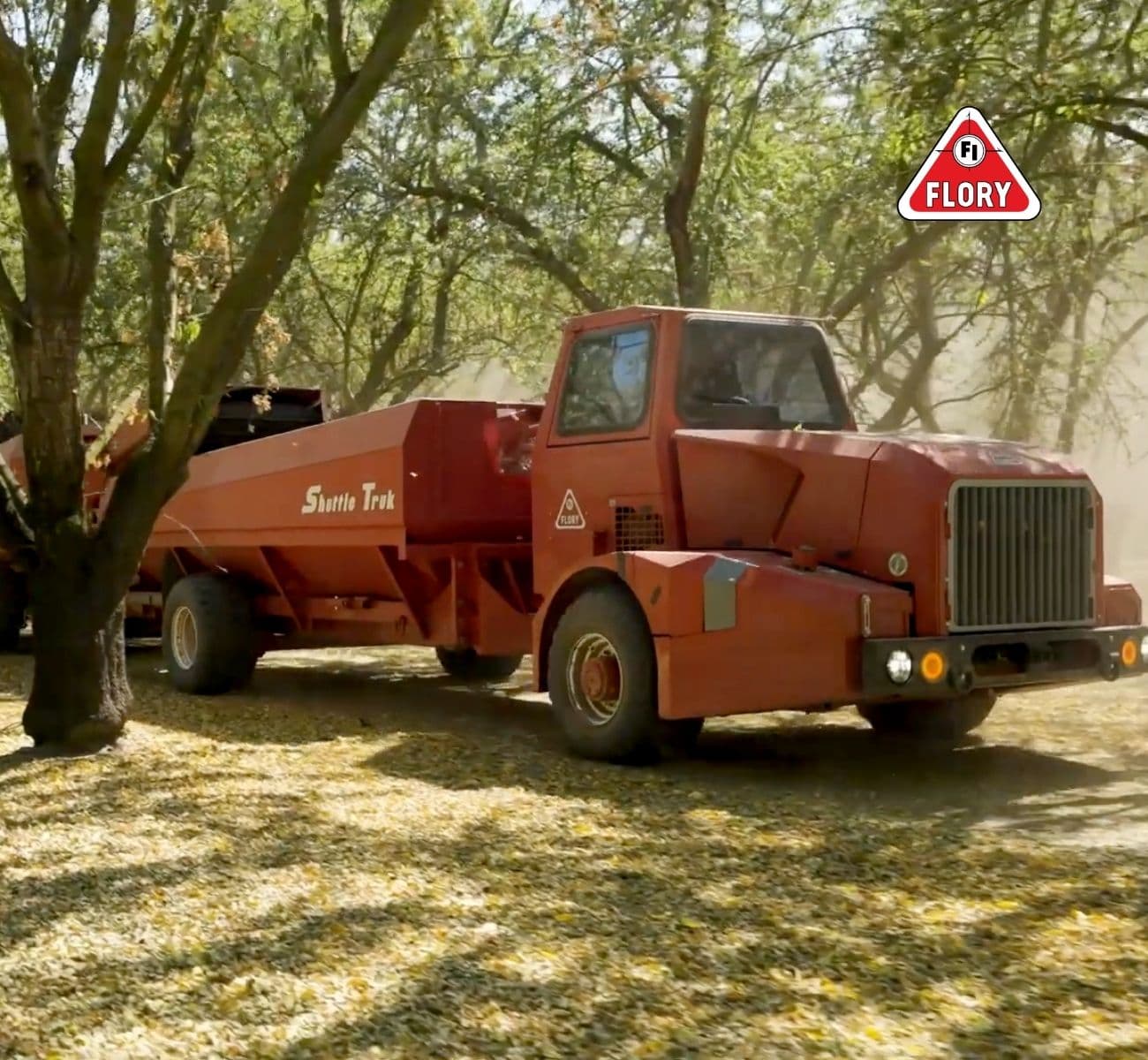
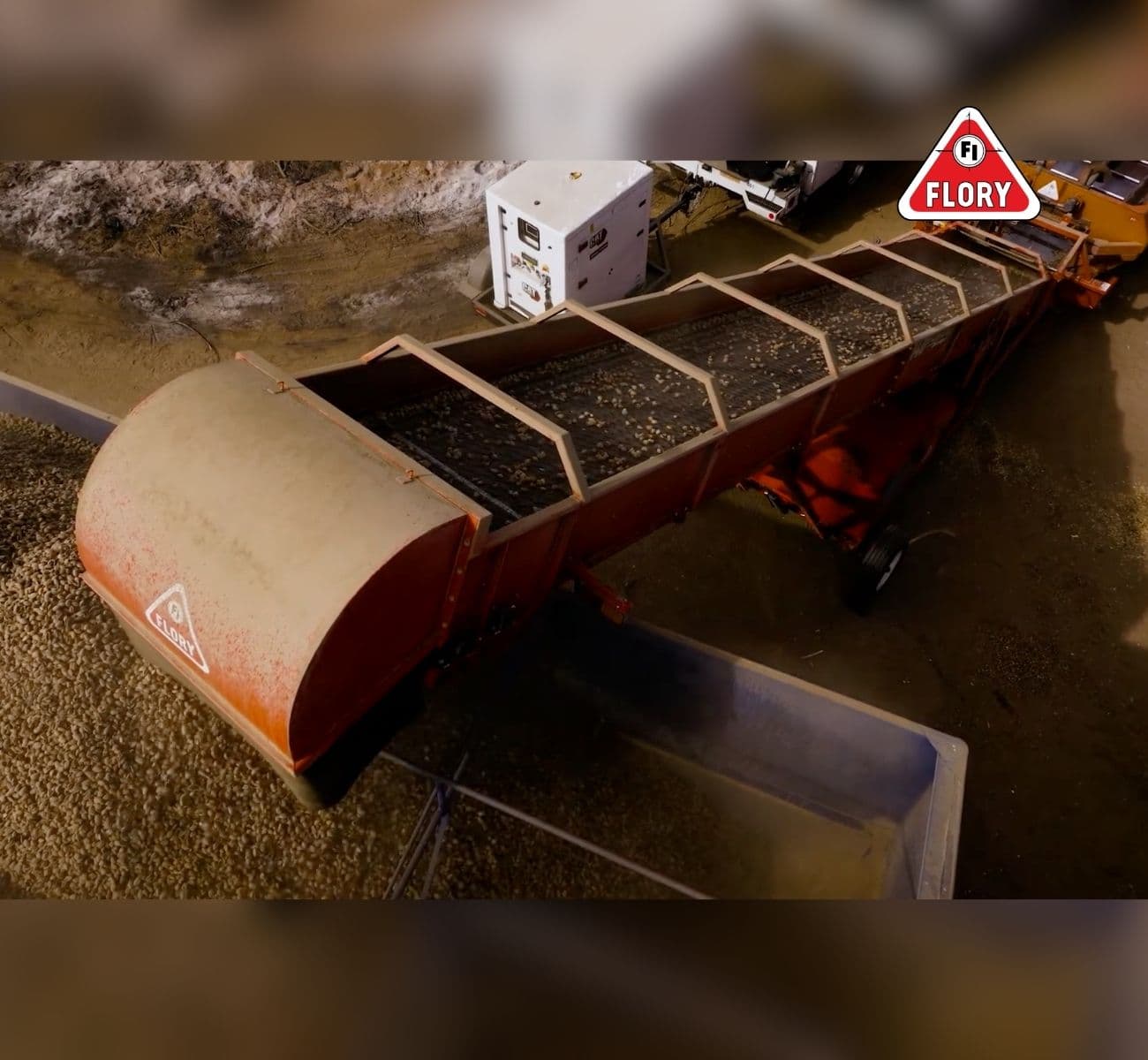
Apart from that report, the Russian sources found give no machine types or adoption figures for hazelnut harvesting. In orchards of single-trunk trees planted for machines, an on-ground line sweeps the fallen nuts into windrows, picks them up and carries them to trailers block by block, which helps the crop come in on time. OVE Europe's guides use Flory's line as the reference: the Flory 34 Series Sweeper, 860 Harvester (or the smaller 490), 1500 Conveyor Cart, ST14 Shuttle and 4840 Field Elevator.
Hazelnut Harvest Workflow (Recommended Equipment)
Practical Tips for Hazelnut Harvesting
Level, smooth and flail-mow the orchard floor before nut drop, as Oregon State University describes, so the sweeper can work right up to the trunks.
Pick up fallen nuts in several rounds: for hand collection, Türkiye's Hazelnut Research Institute advises rounds every 3 to 5 days, as nuts left lying turn moldy.
For machine harvest, prefer cultivars whose nuts drop free: the North Ossetia orchard described in 2024 grows self-dropping cultivars.
Gather fallen nuts before autumn rain where possible: British Columbia's hazelnut guide warns that a crop harvested wet causes storage problems.
Check tractor power before choosing a harvester: Flory gives 85 HP as the minimum for the 860, and for the 490 in hazelnuts.
Keep bins of harvested nuts out of the rain until drying: Oregon State University notes that bins left in the rain before drying can turn moldy.
Get your recommended harvest setup
Enter orchard size, spacing, terrain, and target throughput—we’ll suggest a practical harvest workflow and equipment lineup.

Hazelnut Post-Harvest Handling & Processing in Russia
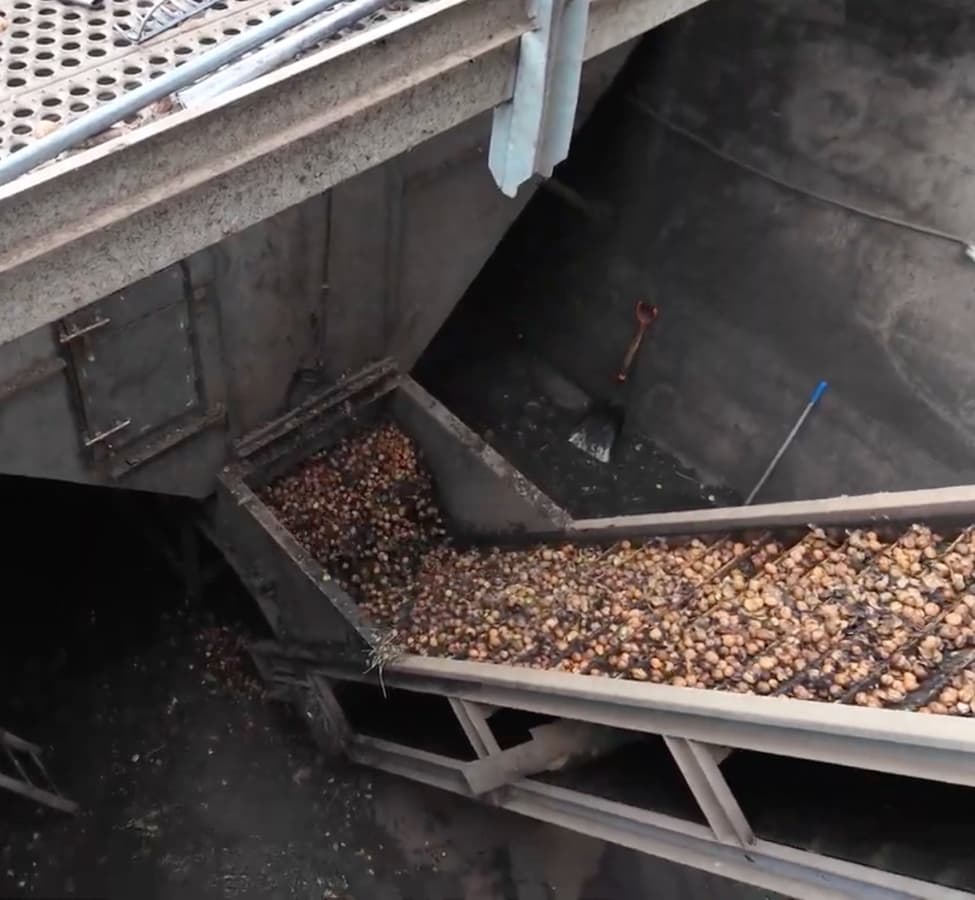
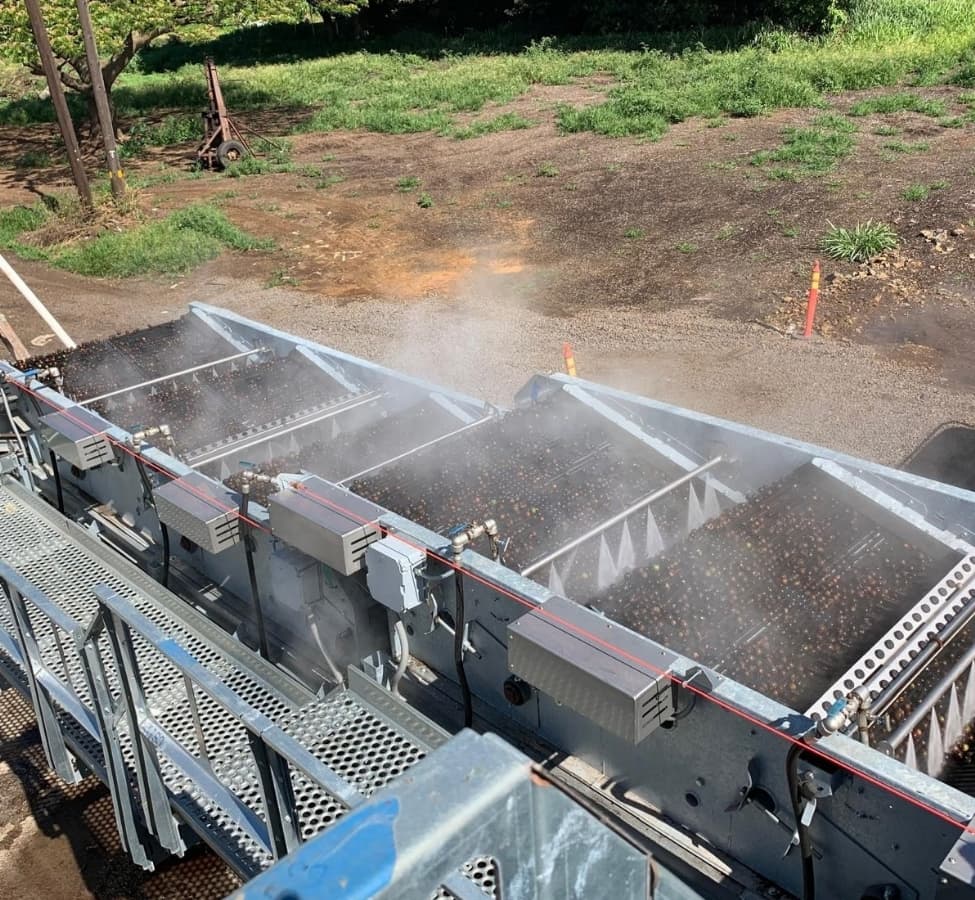
No Russian source found describes how growers husk or dry hazelnuts. The interstate standards in effect in Russia since 1 January 2015 set the limits: GOST 32288-2013 allows in-shell hazelnuts at most 12.0% moisture for the whole nut and 7.0% for its kernel, and GOST 32287-2013 at most 6.0% for kernels. In British Columbia's guide, nuts are husked, cleaned, washed, sanitized and dried to 5 to 8% moisture within 24 hours of harvest.
Under GOST 32288-2013, hazelnuts are stored in clean, dry rooms free of foreign odors, with shelf life and storage conditions set by the producer, and GOST 32287-2013 recommends storing kernels for 12 months at 20 ± 5 °C and no more than 70% relative humidity. In a 2013 Russian study of a cracking device, tests on hazelnuts at 14 and 22% moisture found that more kernels were damaged as moisture rose.
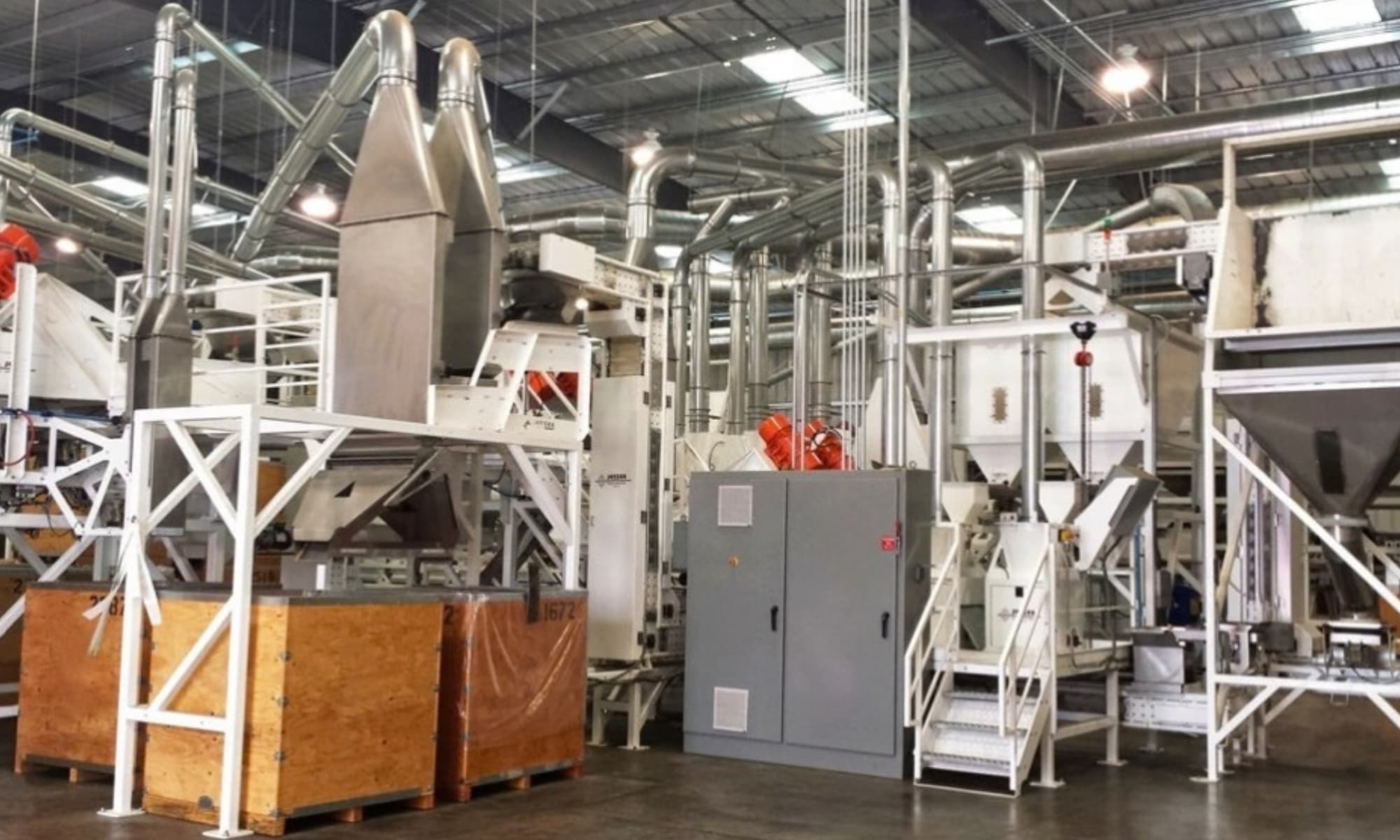
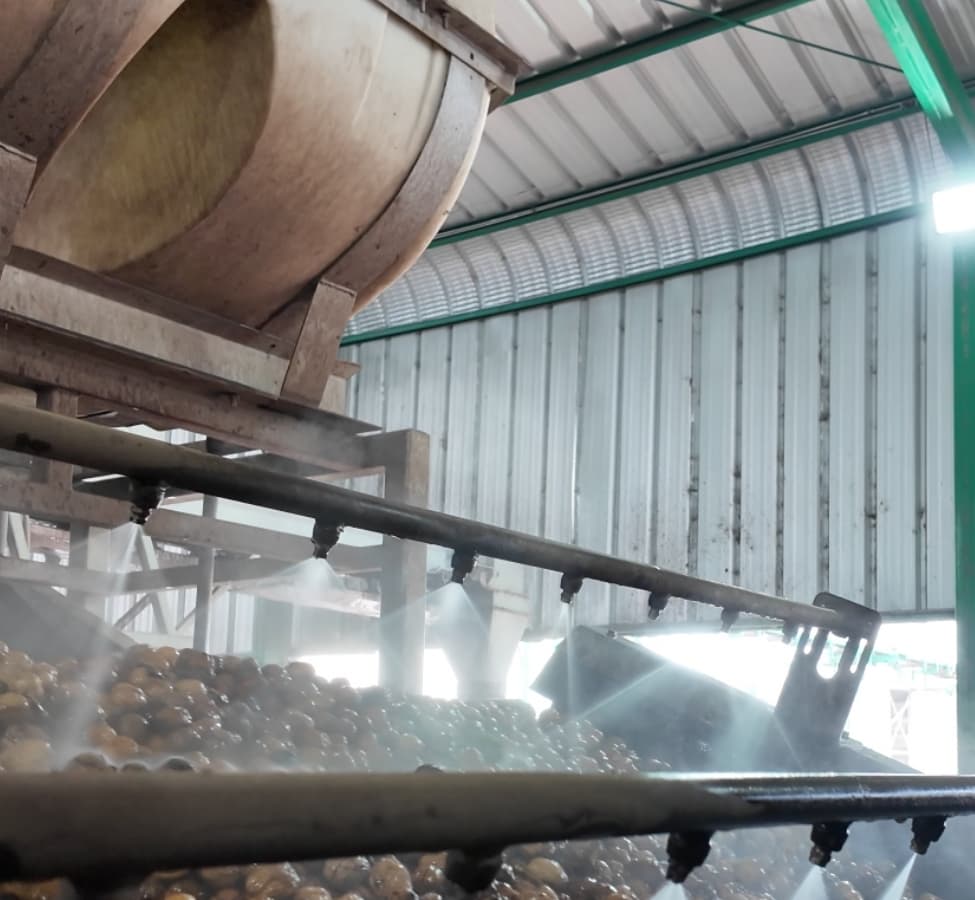
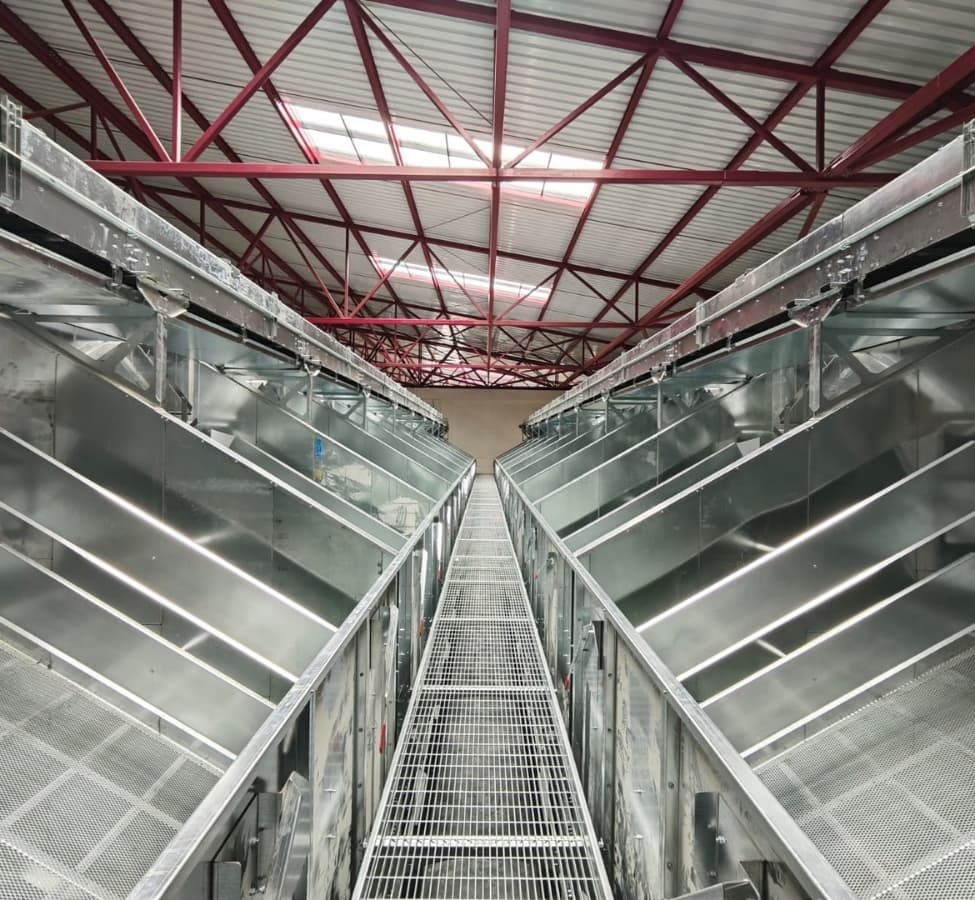
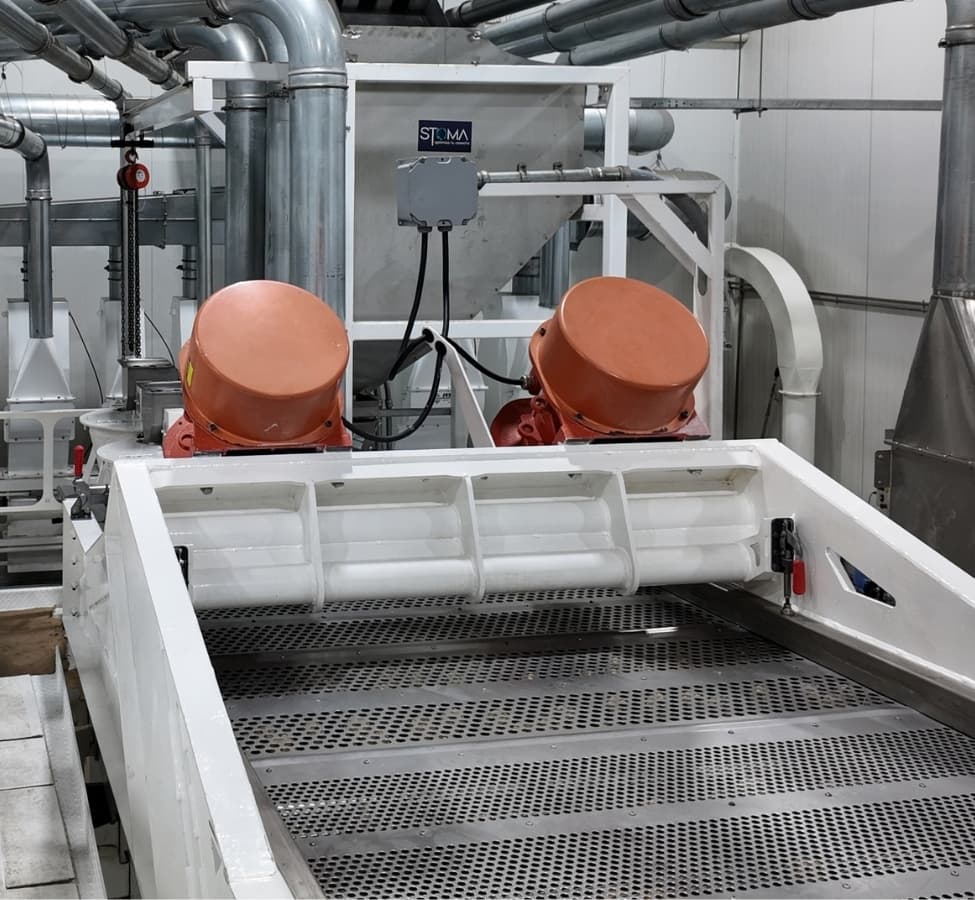
By its own records, Russia imported hazelnuts mostly as kernels: 86.6 to 99.7% of import weight in 2015 to 2021. Both standards refer to the technical regulation TR CU 021/2011 'On food safety', whose 2011 text limits aflatoxin B1 in nuts to 0.005 mg/kg without naming hazelnuts separately; it has been amended several times since 2019. Jessee, a US maker of nut processing lines, builds drying, in-shell cleaning and sizing, and shelling systems, and it established product lines for hazelnuts in the 1980s.
For general information only. Information may become outdated and does not replace site-specific professional advice. Consult a qualified agronomist and confirm equipment suitability with OVE before acting.
Practical Tips for Hazelnut Post-Harvest Handling & Processing
Dry hazelnuts promptly after harvest: in British Columbia's guide they are dried to 5 to 8% moisture within 24 hours.
Check moisture before storage: GOST 32288-2013 allows in-shell hazelnuts at most 12.0% for the whole nut and 7.0% for its kernel.
Never leave husk-on nuts in thick layers or heaps: Türkiye's Hazelnut Research Institute warns that they heat up and rot.
Dry nuts before cracking: in a 2013 Russian study of a cracking device, more kernels were damaged at higher nut moisture.
Store kernels as GOST 32287-2013 recommends: up to 12 months at 20 ± 5 °C and no more than 70% relative humidity.
Test every lot for aflatoxin B1: the 2011 text of TR CU 021/2011 limits it to 0.005 mg/kg in nuts; check the current, amended text.
Recommended Post-Harvest Handling & Processing Stages



Plan your post-harvest line
Estimate tons/day, cleaning & drying capacity, storage needs, and cost/kg—then build your equipment plan in phases.