





Almond Orchard Establishment in Saudi Arabia
No Saudi source found describes almond cultivar trials, rootstocks, pollinizers or spacing. Growers name only local types: the Bajli almond of the Bani Malik mountains, smaller than imported almonds and valued for its quality (2020 report), and sweet, bitter and mountain types in Al-Baha. A 2026 report from Bani Malik mentions a nursery specialized in Bajli almond plants.
Water is the main question. A 2023 Saudi Press Agency report from Al-Baha describes the almond tree as drought-tolerant and watered by rain, while growers south of Taif water their trees and stop gradually in winter (2020 report), and a 2023 Slow Food Ark of Taste nomination says trees in drier areas need irrigation from early spring to the end of summer to increase production.
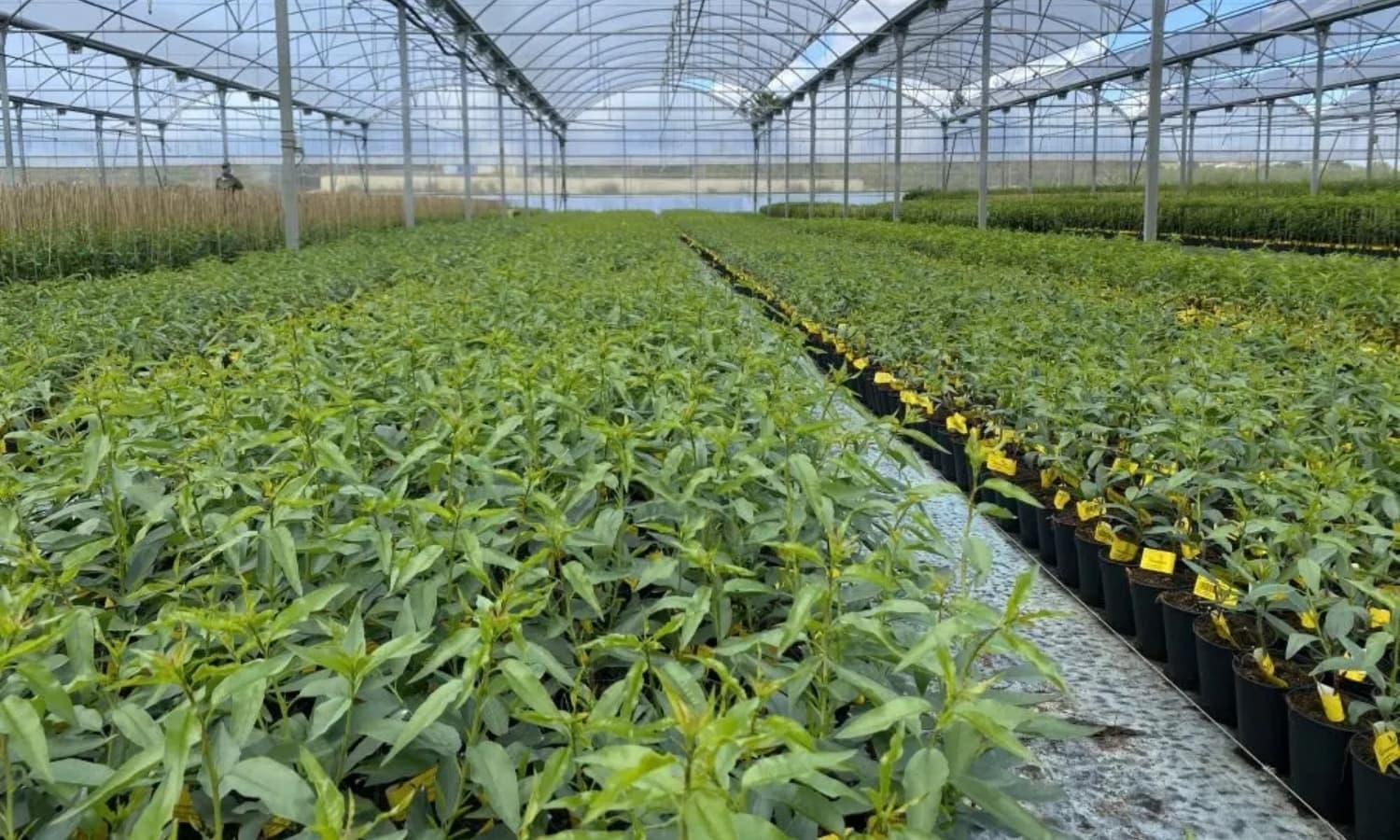
Almonds grow on terraces and mountain slopes, often as old trees; one grower quoted in a 2024 report had more than 400 trees, 300 of them almond. Machines need orchards planted for them: before planting on level or gently sloping land, lay out rows, headlands and trunk height for the shaker, sweeper and harvester, and check them with OVE Europe.

Practical Tips for Almond Orchard Establishment
Secure water before planting: growers south of Taif water their almond trees and stop gradually in winter, a 2020 report says.
Ask nurseries for the local Bajli almond or for cultivars with known traits: no Saudi cultivar trials were found.
Plant healthy, certified trees: EPPO lists bacterial spot, a disease of almond and stone fruit, as present in Saudi Arabia, on information from 1986.
Choose level or gently sloping land for machine harvest: terraces and steep slopes suit hand work, not shakers and sweepers.
Protect young trees from grazing: a 2020 report names herders lopping almond trees for livestock among causes of decline in Al-Baha.
Plan rows, headlands and tree form for the shaker, sweeper and harvester before planting, and check trunk clearance with OVE Europe.
Recommended Establishment Stages

Almond Orchard Care & Maintenance in Saudi Arabia
Summers are hot: the Al-Baha and Taif stations average maximums of about 35 °C in July and August, and the wettest months at Al-Baha are April and May, averaging 35.0 mm on 9.2 days and 24.1 mm on 8.6 days (1982 to 2011, data of the National Center for Meteorology, NCM, via WMO). A 2020 report from Al-Baha named trees standing too close together to get enough water among causes of decline.
Growers name an 'almond fly' that can kill the fruit, and monkeys that eat the crop; no source identifies the insect. EPPO lists Xanthomonas arboricola pv. pruni, the cause of bacterial spot, as present in Saudi Arabia on information from 1986, and does not list the almond seed wasp there, which is not proof of absence.
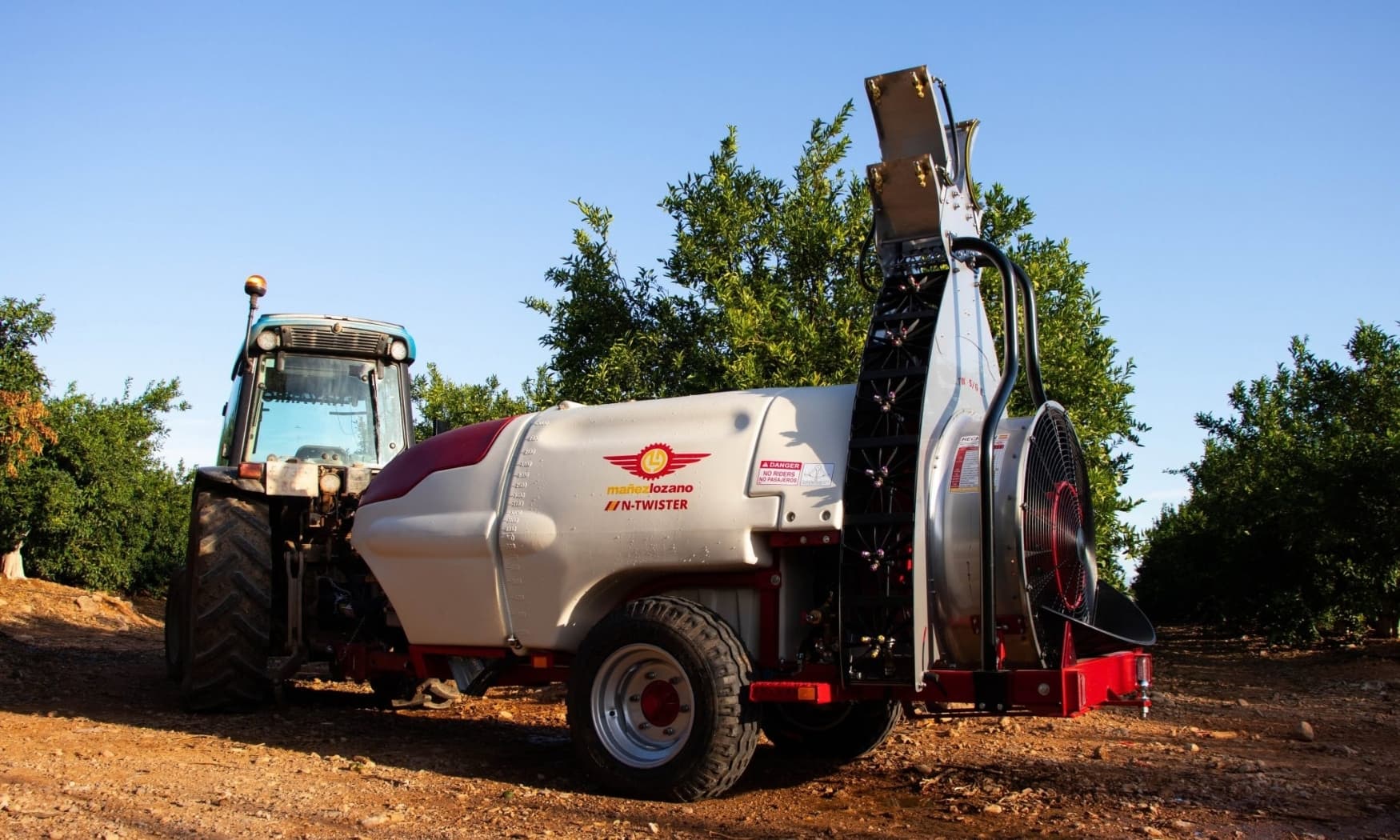
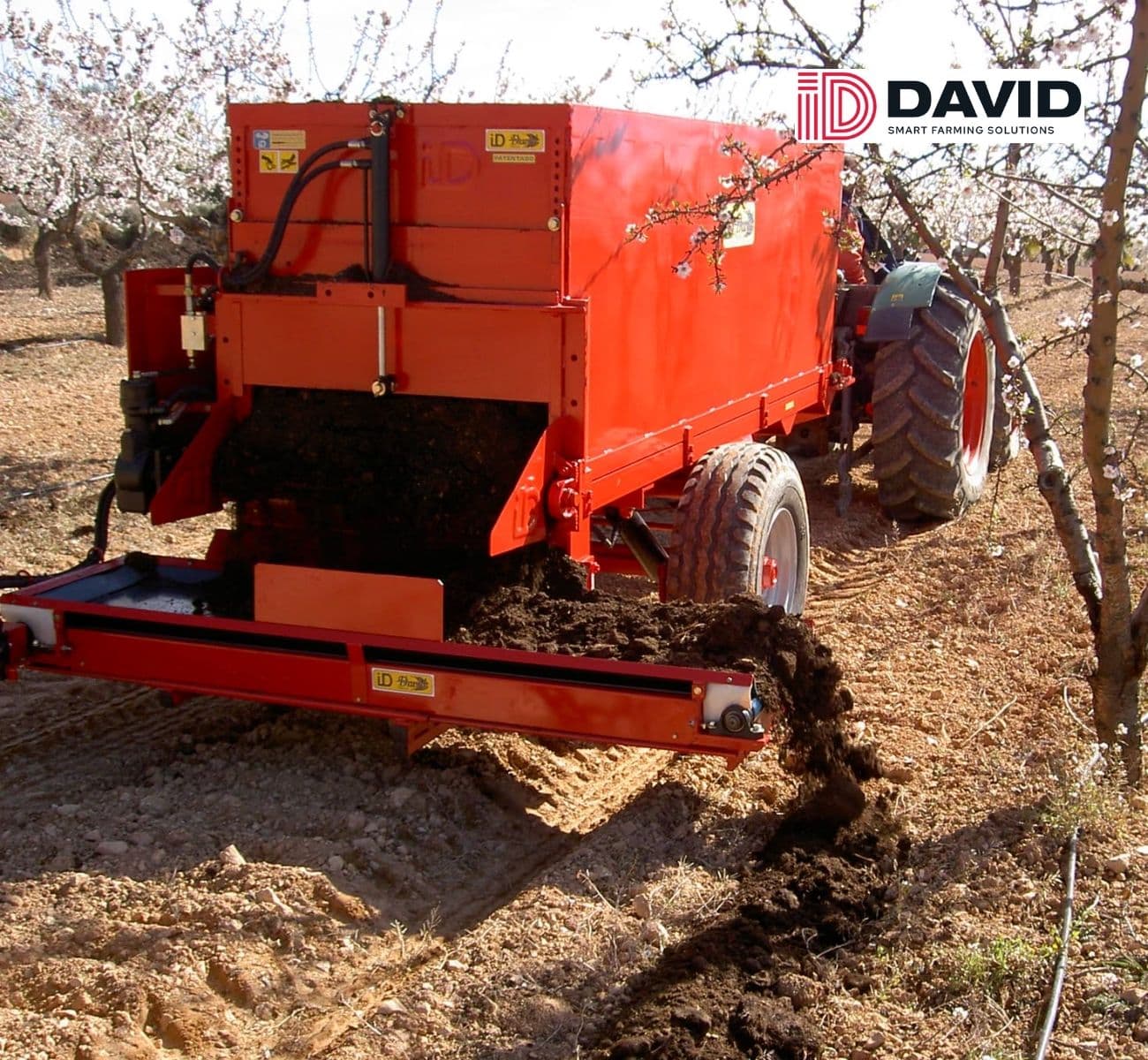
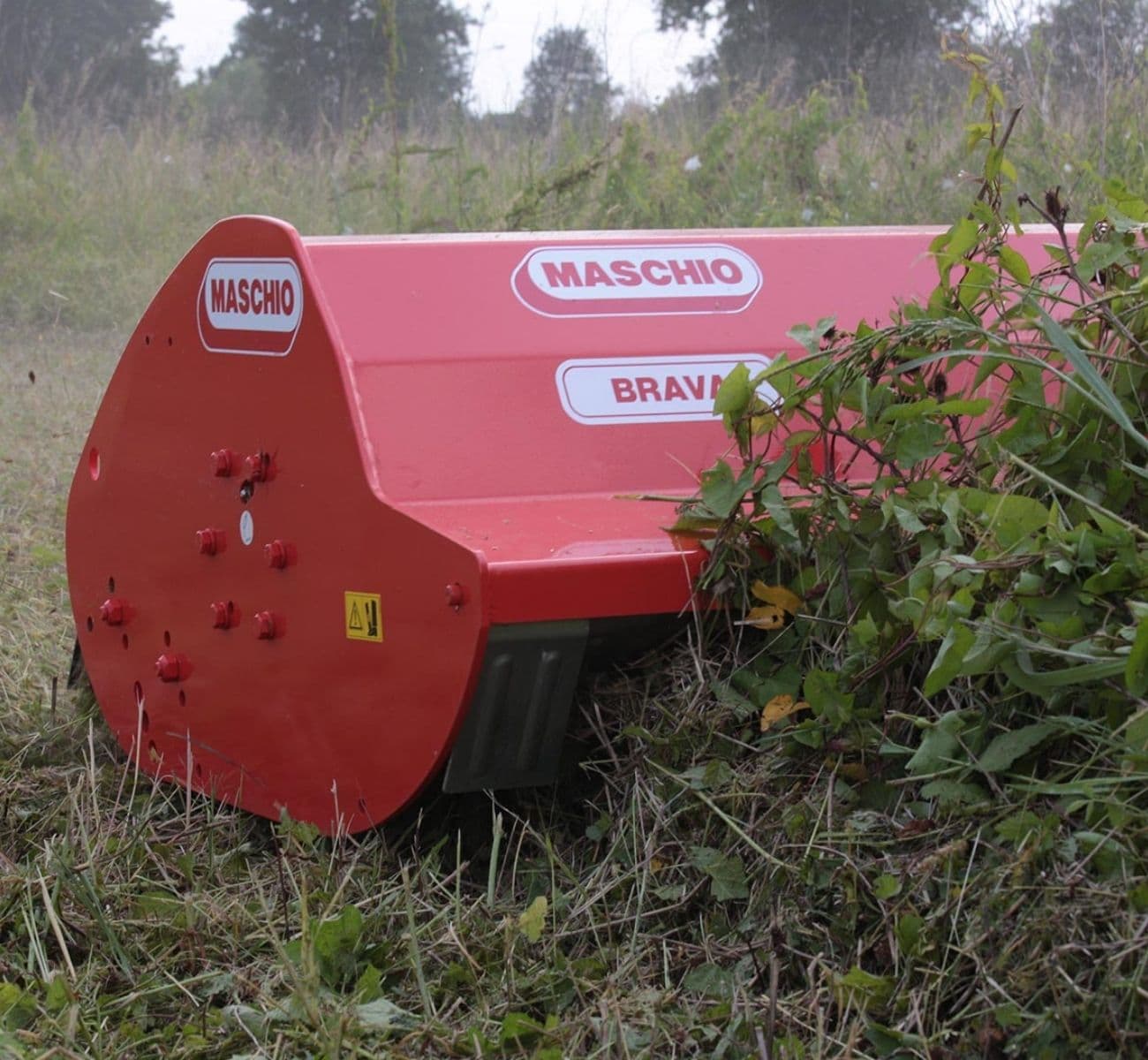
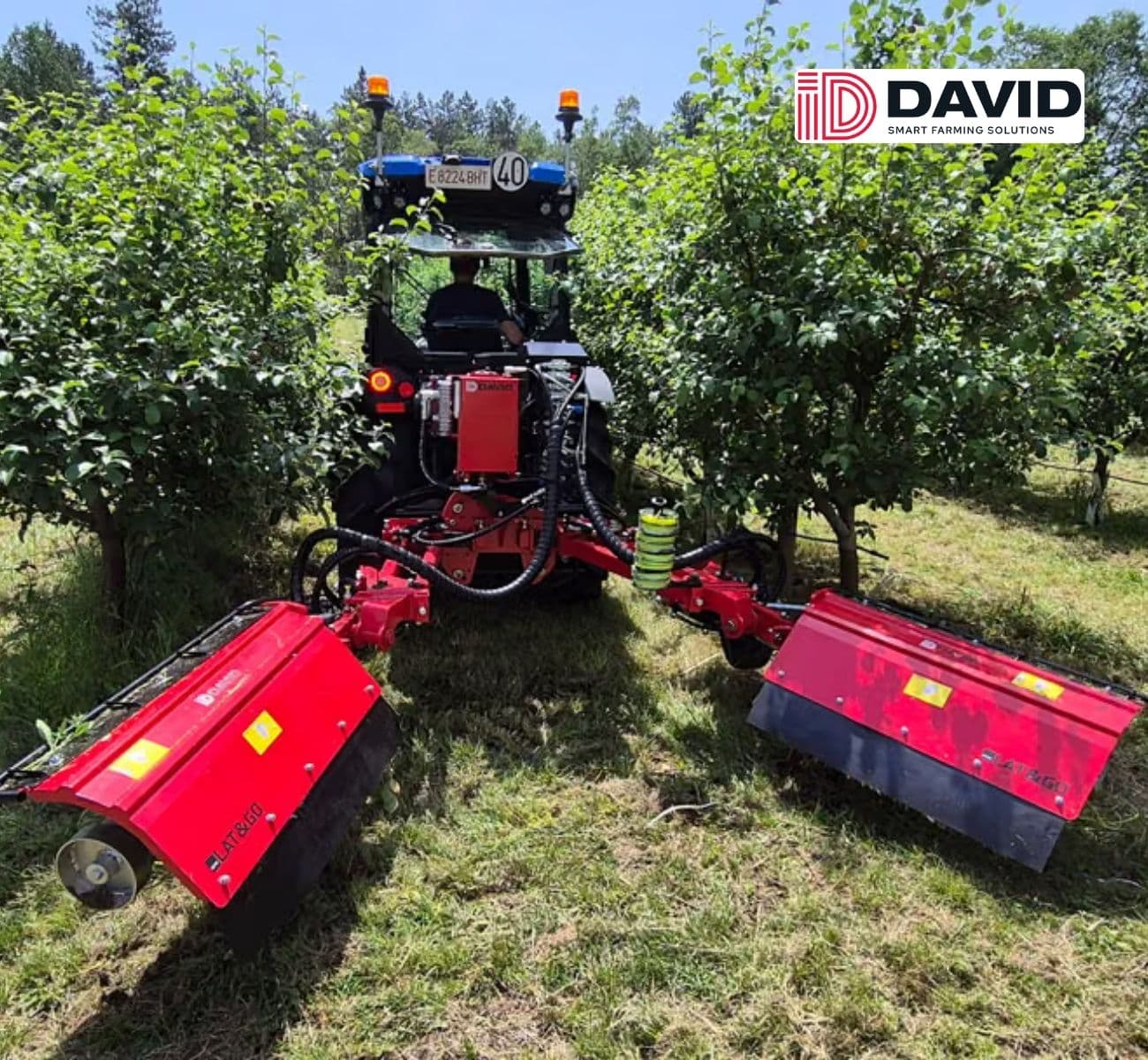
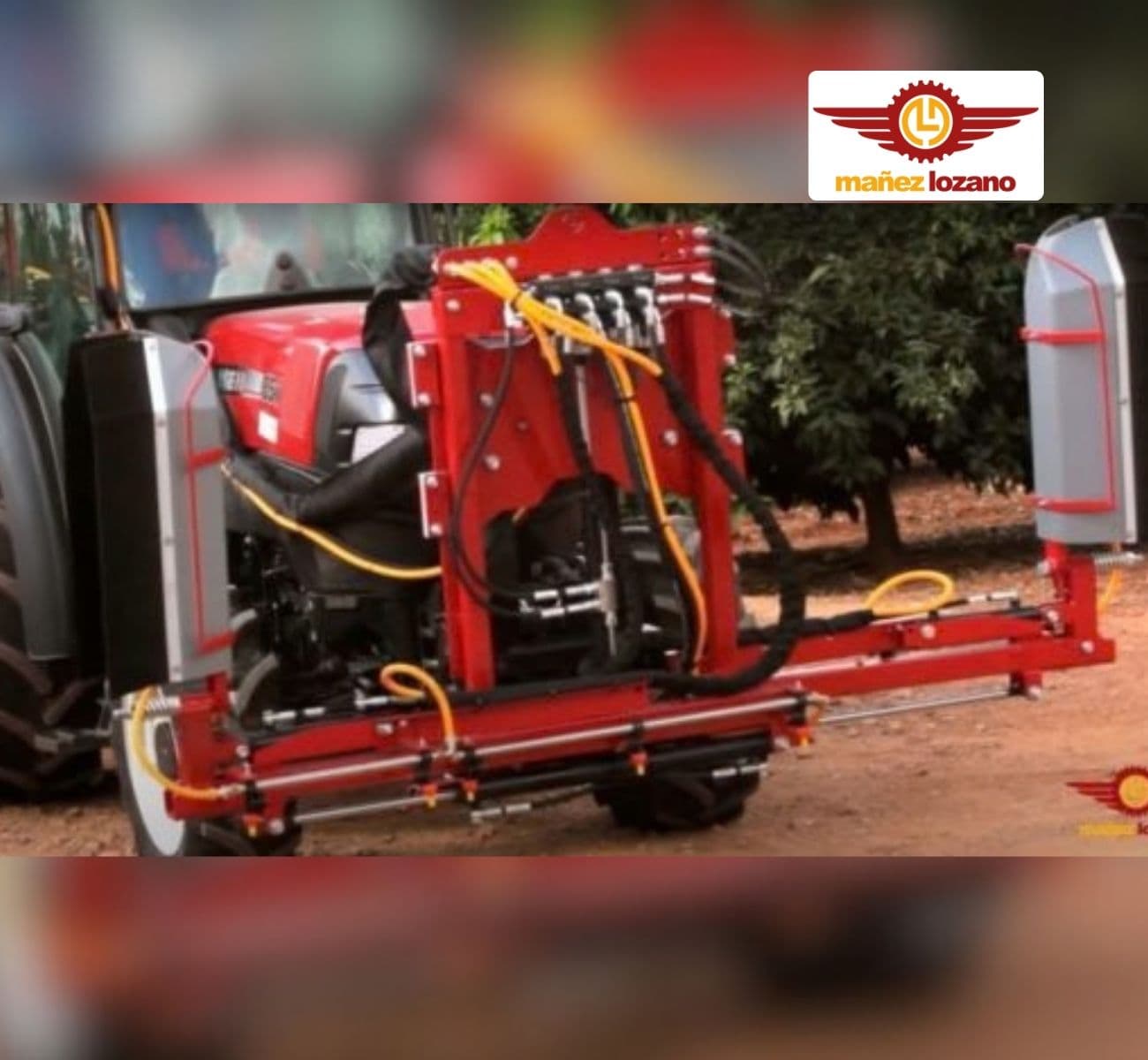
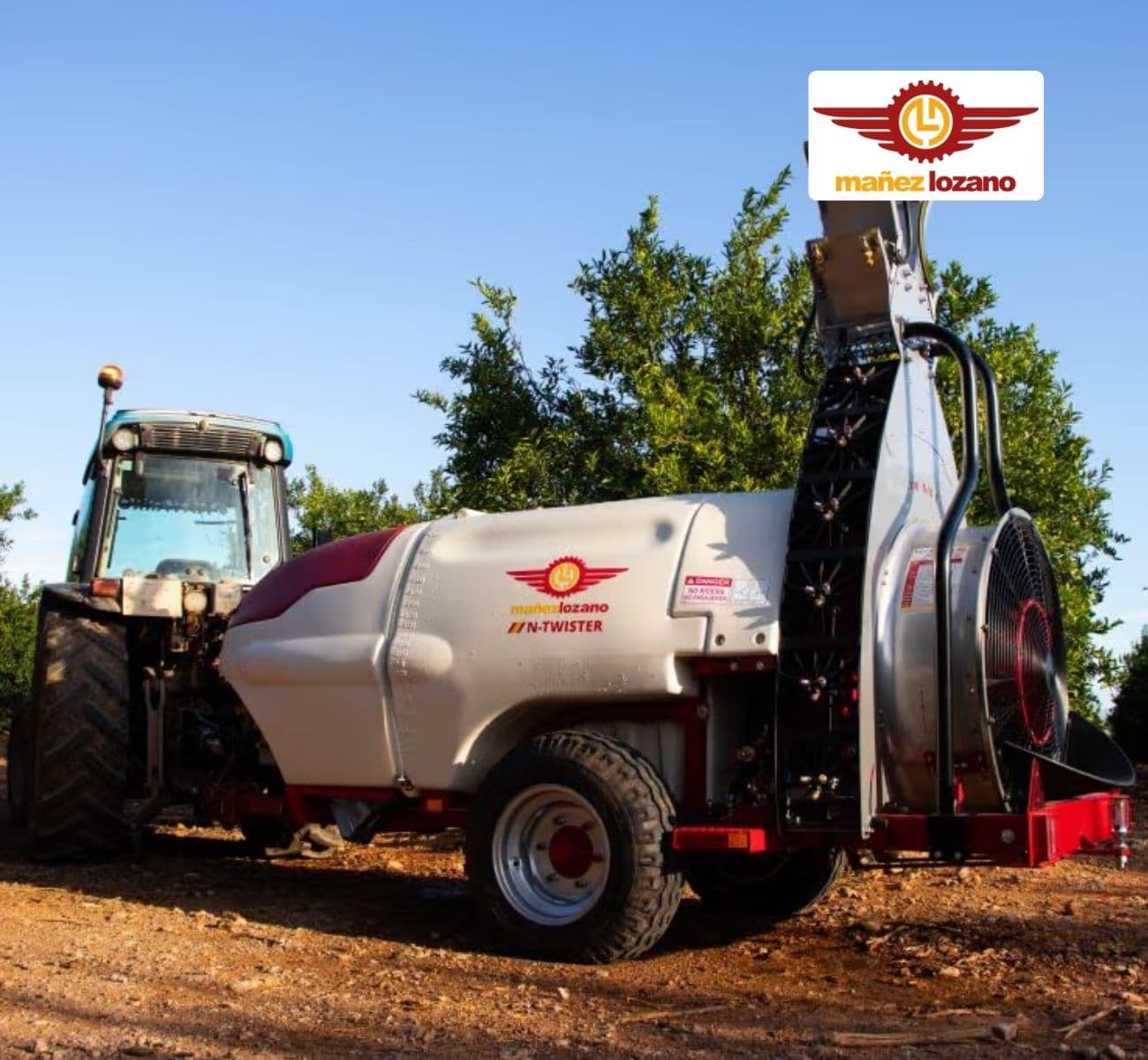
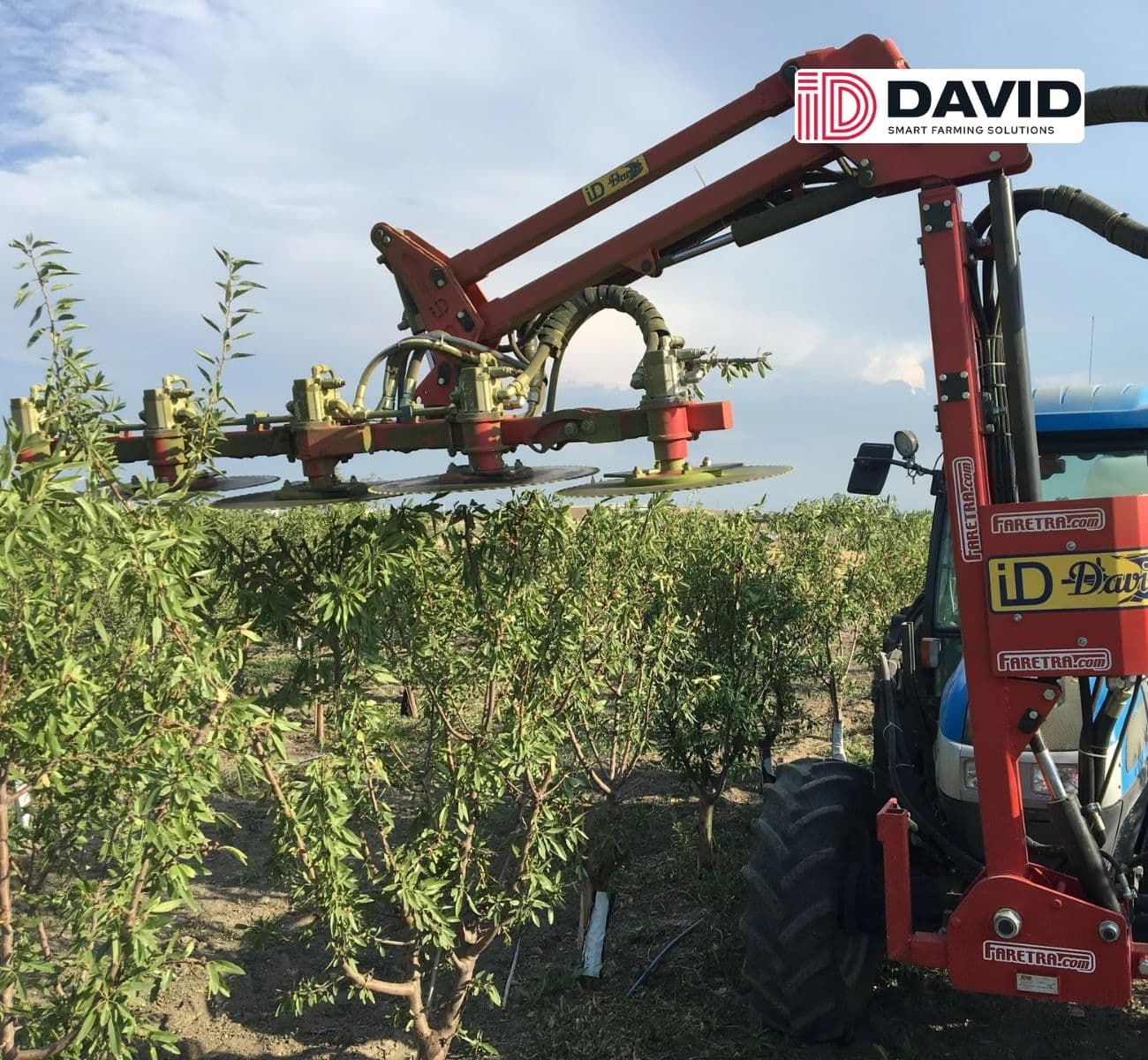
Hail can come in spring: NCM warned of heavy rain with hail and flash floods for Al-Baha on 22 March 2026, and the next day the Saudi Press Agency reported hail covering streets and highlands there. For care work, the ID DAVID ECOFEED spreads solid manure, the ID DAVID LAT&GO string mower controls weeds without herbicides, the Mañez Lozano Narrow Twister S6 sprays tall, dense canopies and the ID DAVID V1 disc pruner makes vertical and horizontal cuts.
Recommended Orchard Care & Maintenance Stages
Practical Tips for Almond Orchard Care & Maintenance
Irrigate in dry areas: a 2023 Slow Food nomination says trees there need water from early spring to the end of summer.
Give trees room: a 2020 report from Al-Baha says trees standing close together do not get enough water.
Have any 'almond fly' identified before treating: growers say it can kill the fruit, but no source names the insect.
Protect the crop from monkeys, which growers in Al-Baha and near Taif name among the main threats to almond fruit.
Control weeds without herbicides with a string mower such as the ID DAVID LAT&GO, and keep the orchard floor level for harvest.
Spray tall, dense canopies evenly with a narrow trailed airblast sprayer such as the Mañez Lozano Narrow Twister S6.

Almond Harvesting in Saudi Arabia
Local reports describe hand harvest: growers pick the nuts or strike the branches with sticks or poles and gather what falls, and no source mentions machines. Timing varies: a 2024 report puts mature nuts in July, a 2026 report gives mid-July to the end of August for the Bajli almond around Bani Malik, and a 2023 Slow Food nomination gives August to October. In orchards planted for machines on suitable ground, mechanized harvesting can bring the crop in on time, with less risk of nuts deteriorating while they wait.
Harvest weather is hot but not reliably dry. NCM normals for 1982 to 2011 give the Al-Baha station 11.5 mm on 4.0 days of 0.1 mm or more in July and 10.6 mm on 5.4 in August, and Taif 1.9 mm on 0.7 and 15.5 mm on 3.6. In 2025, NCM warned of hail and flash floods in Al-Baha governorates on 30 July and of heavy rain in Taif and Maysan in August. As storms can come at harvest and no Saudi source describes ground drying, this guide shows prompt pickup, hulling and drying at once, beside catching frames.
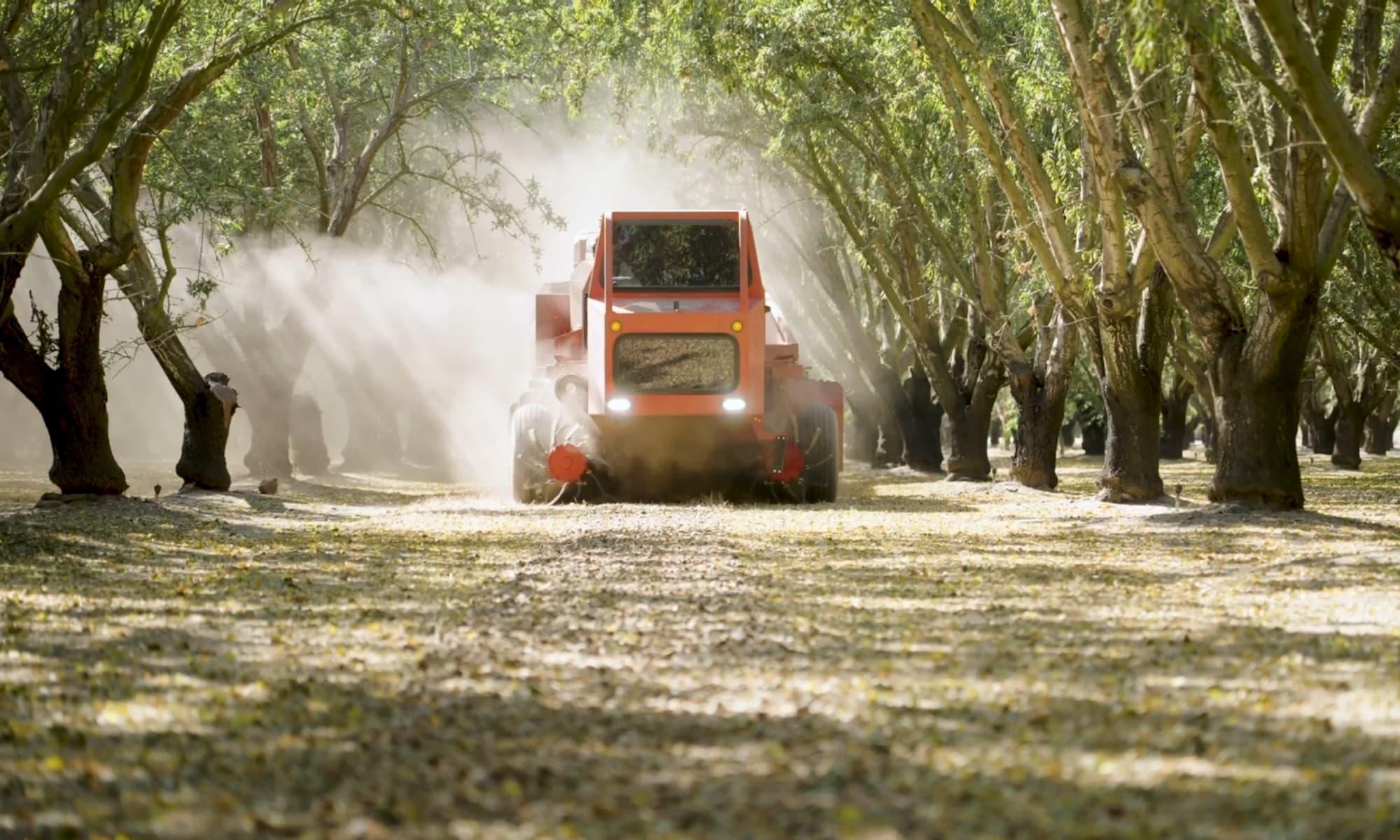
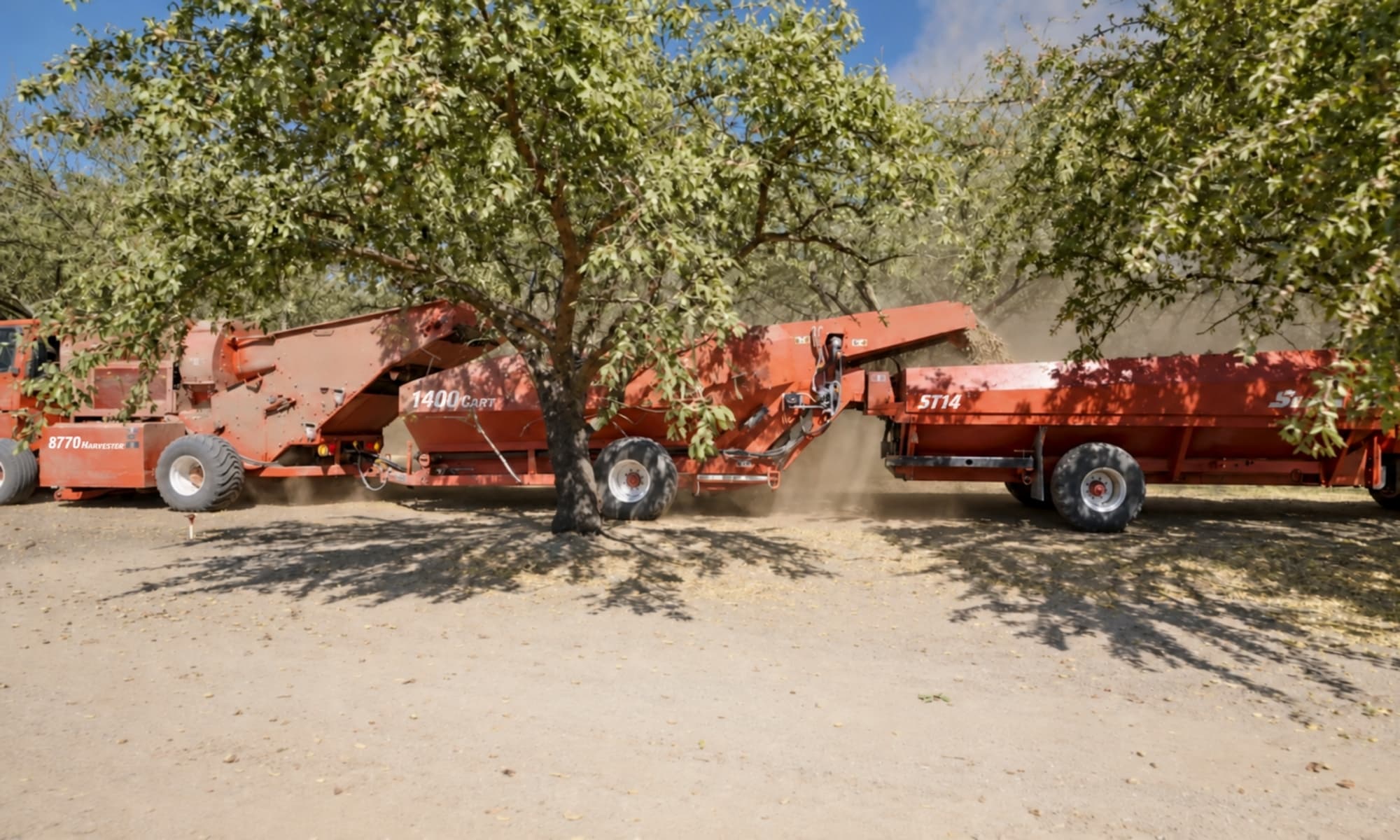
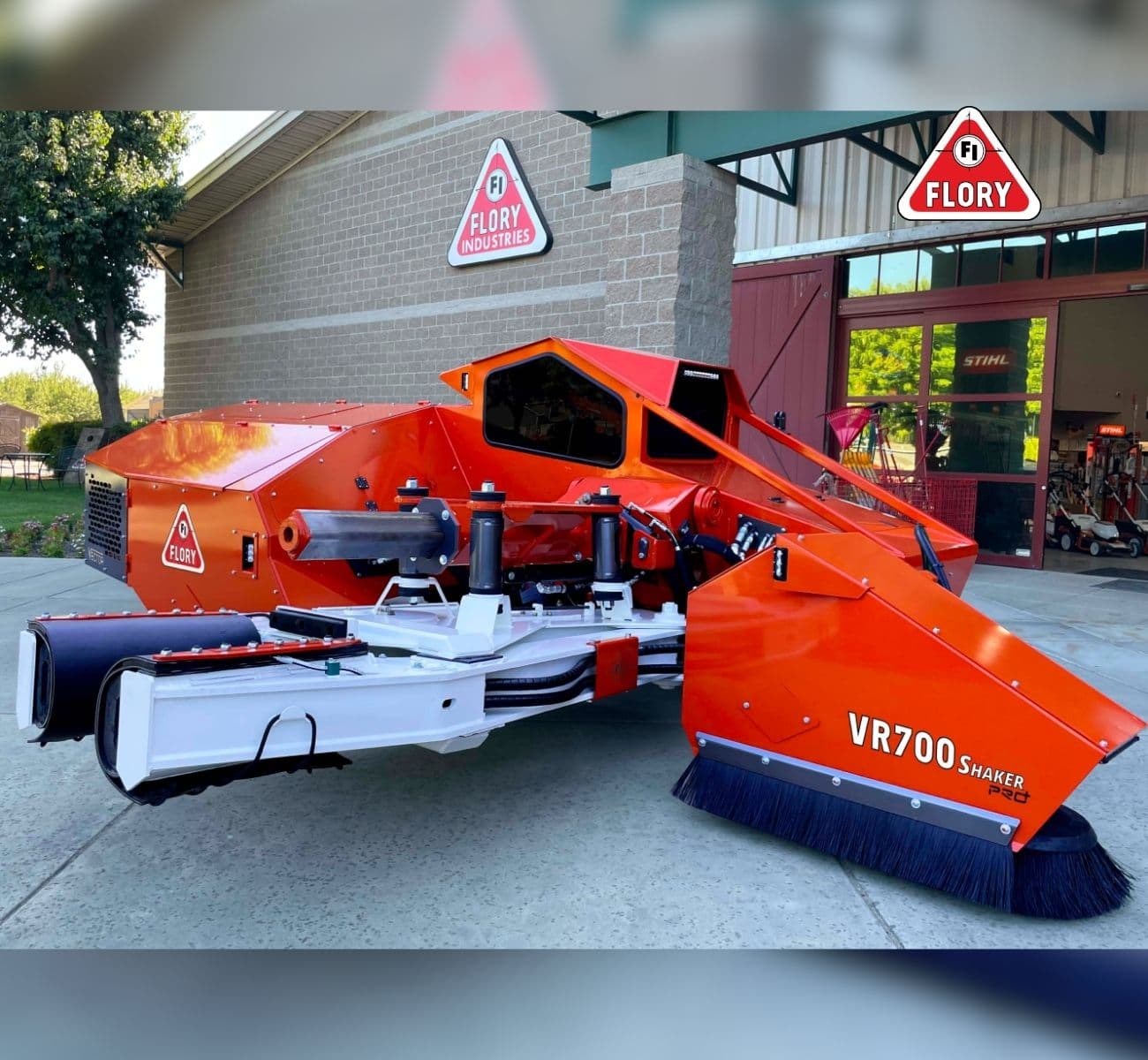
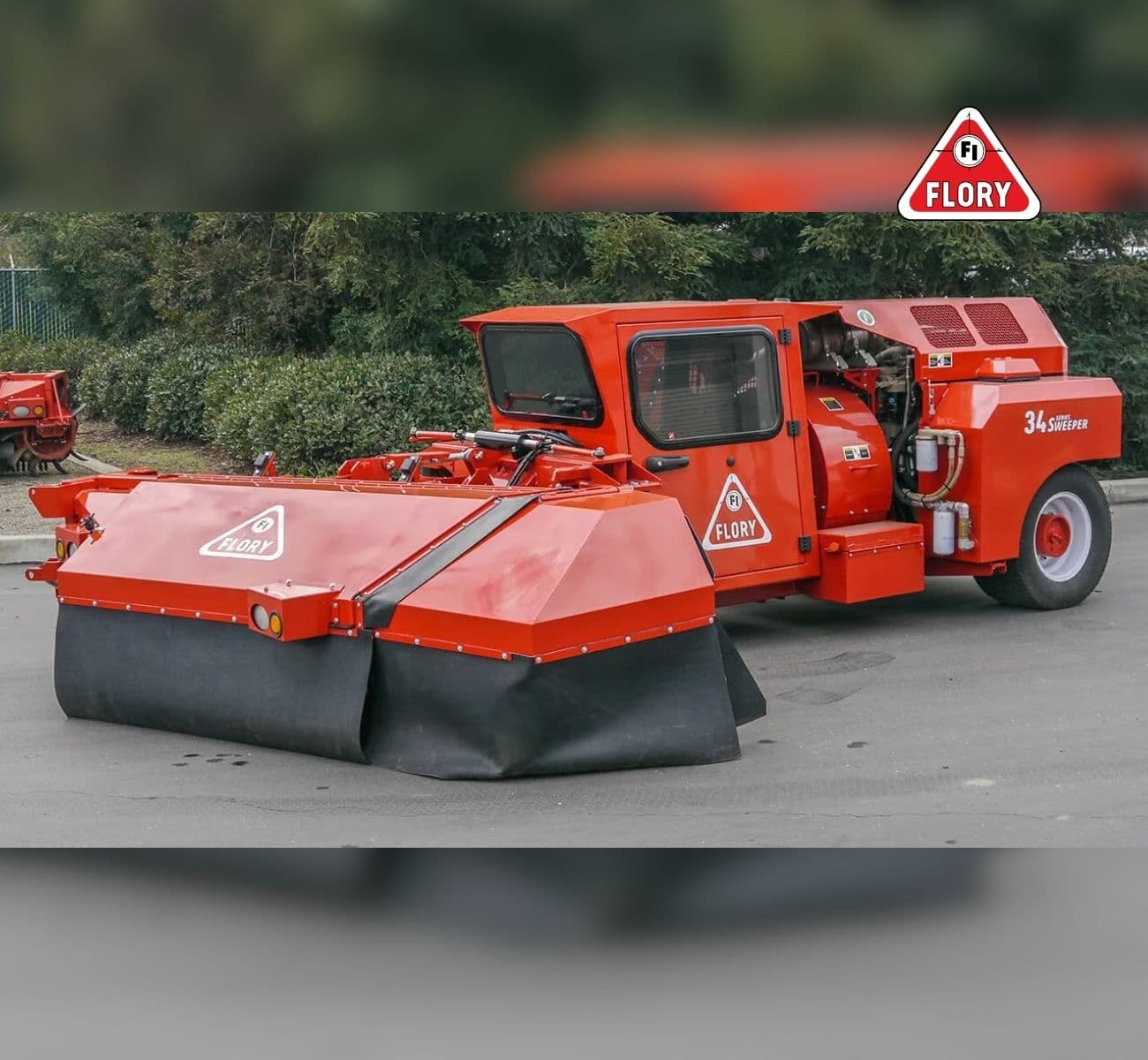
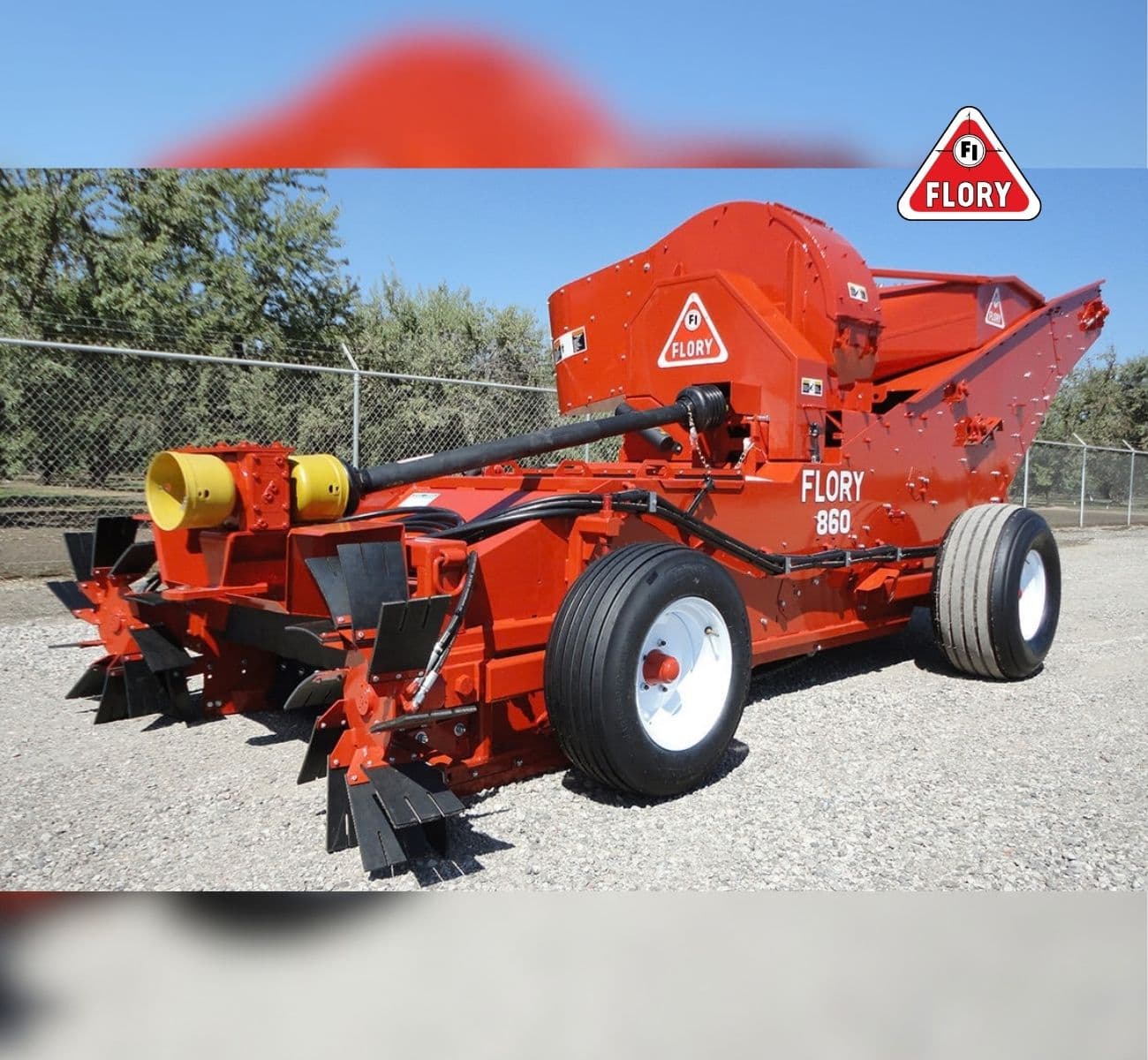
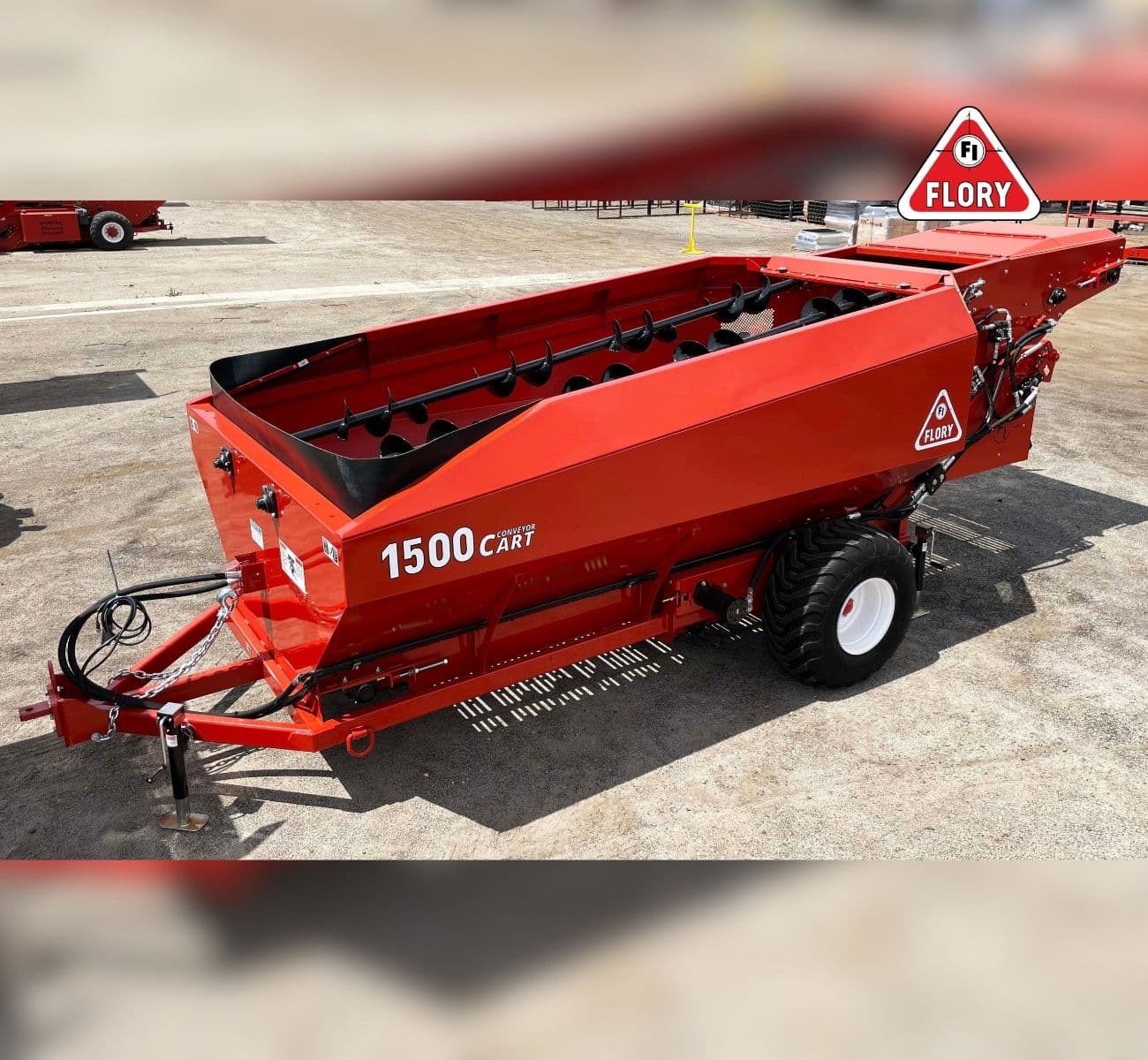
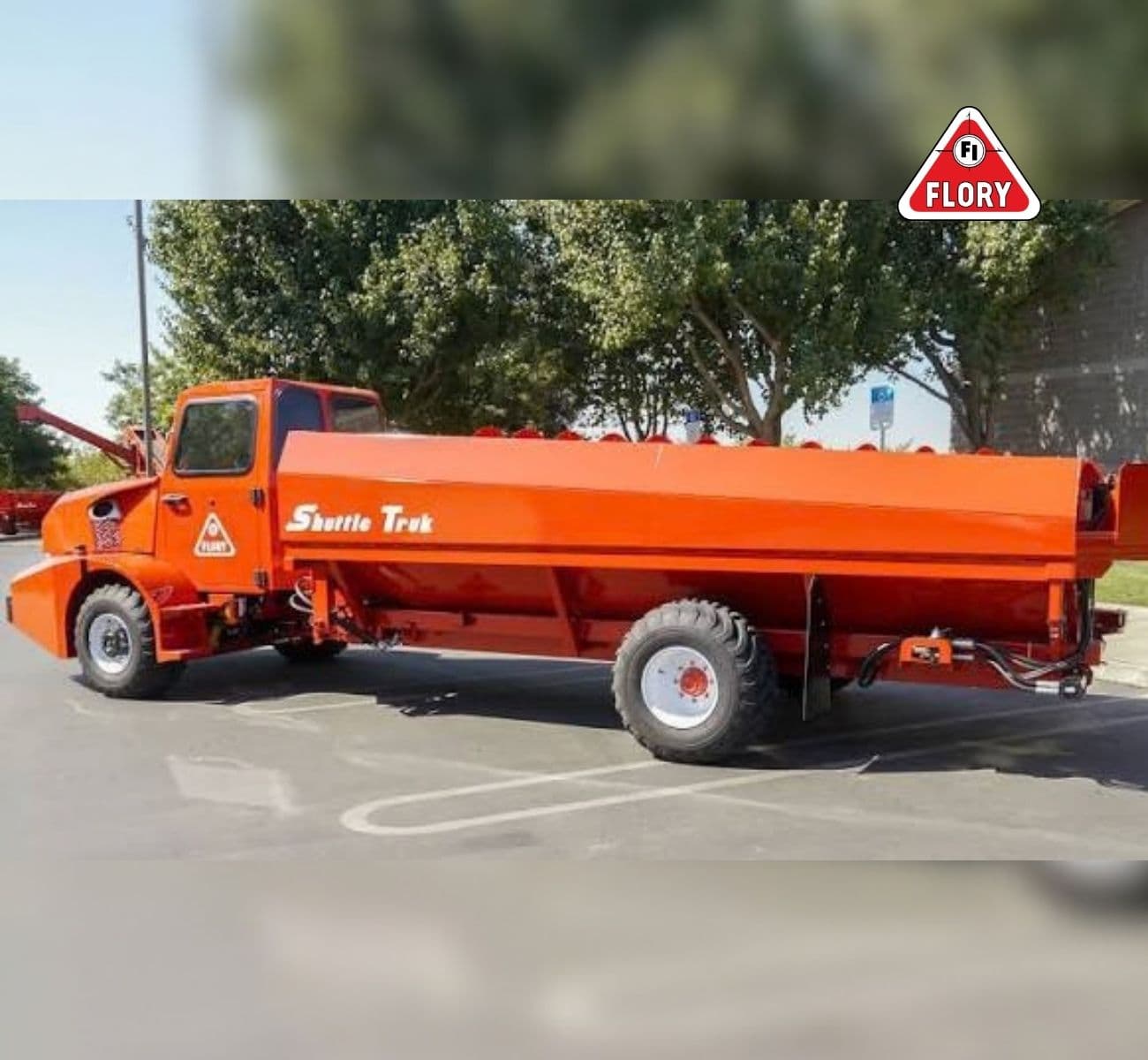
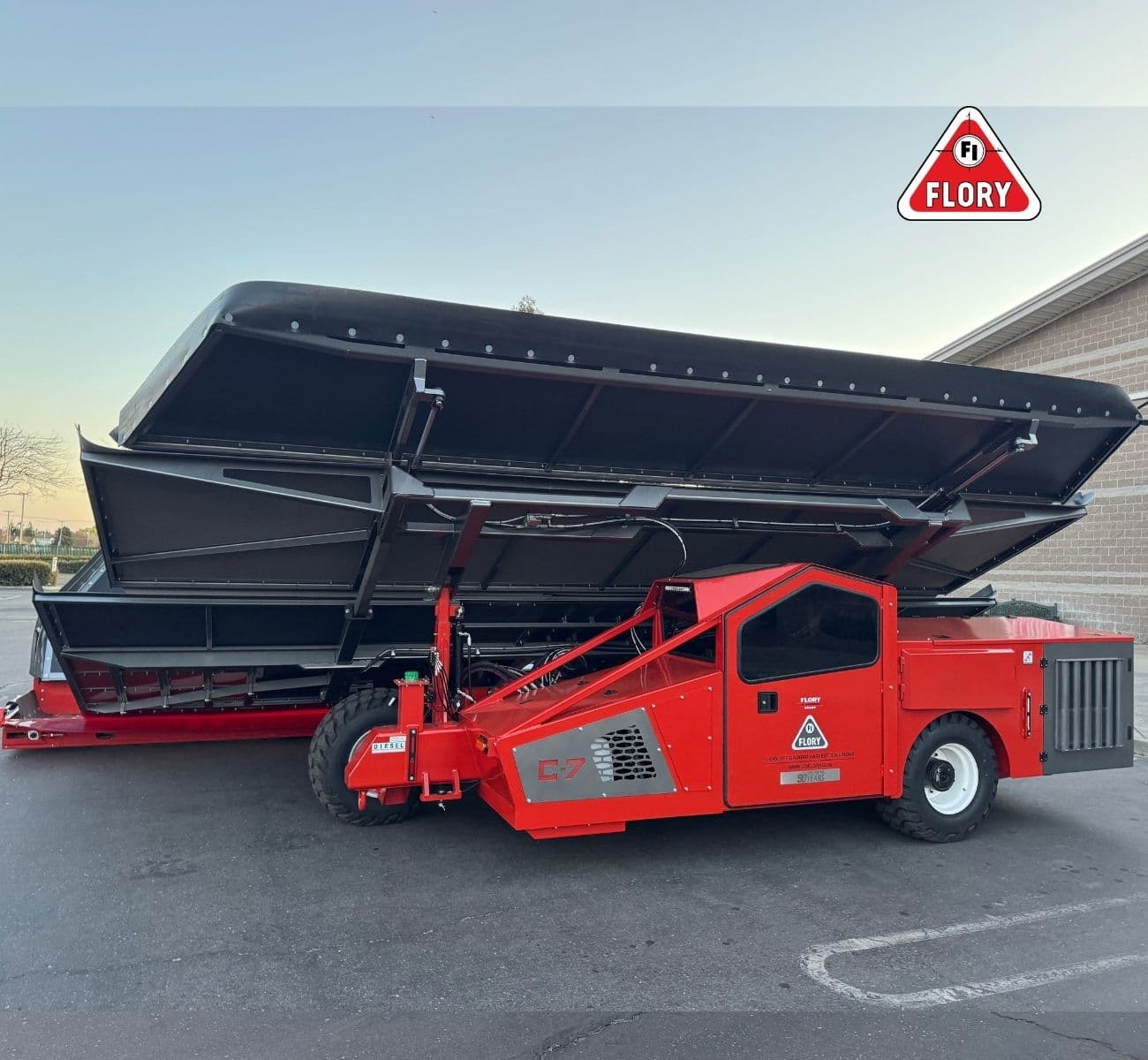
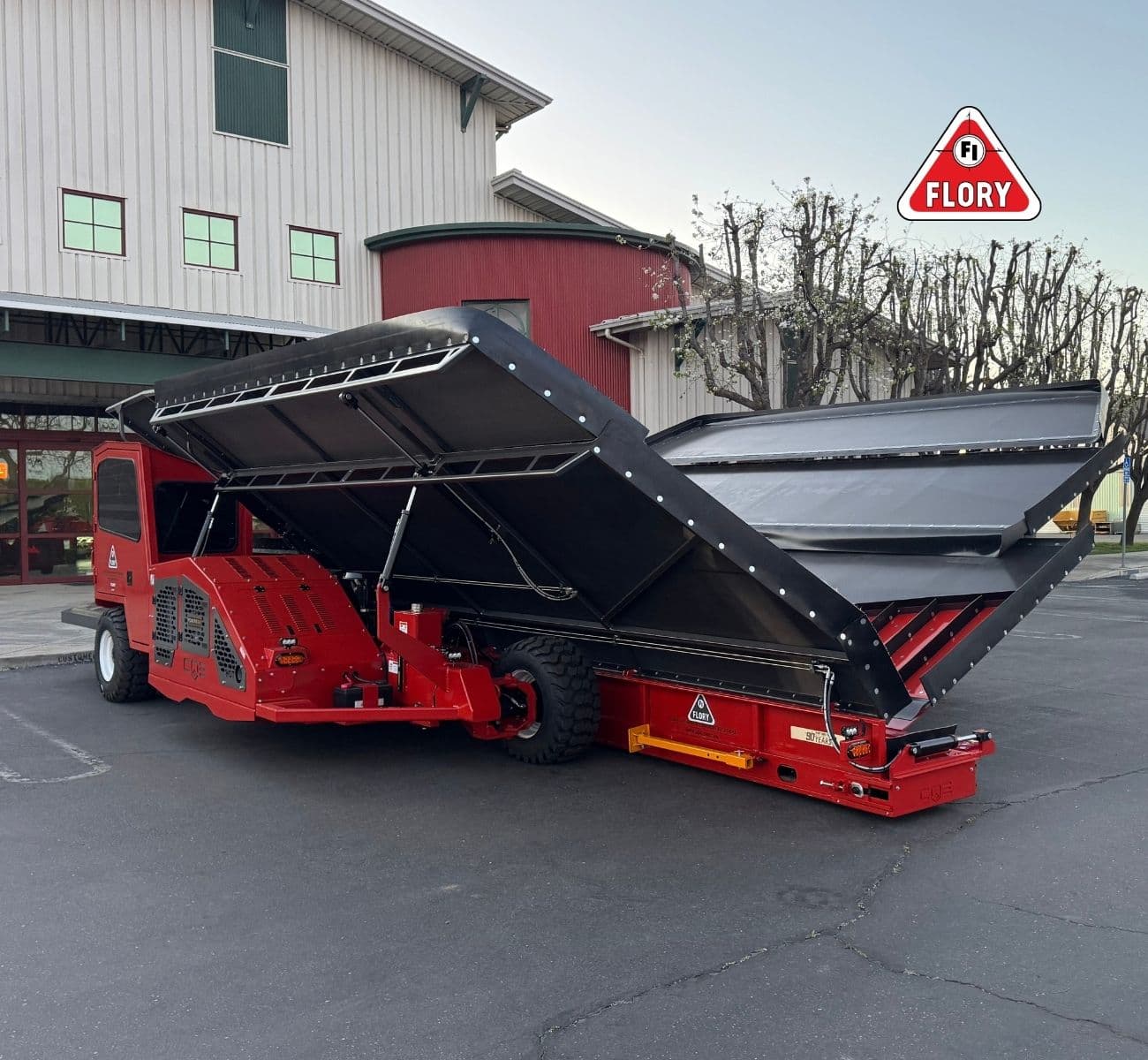
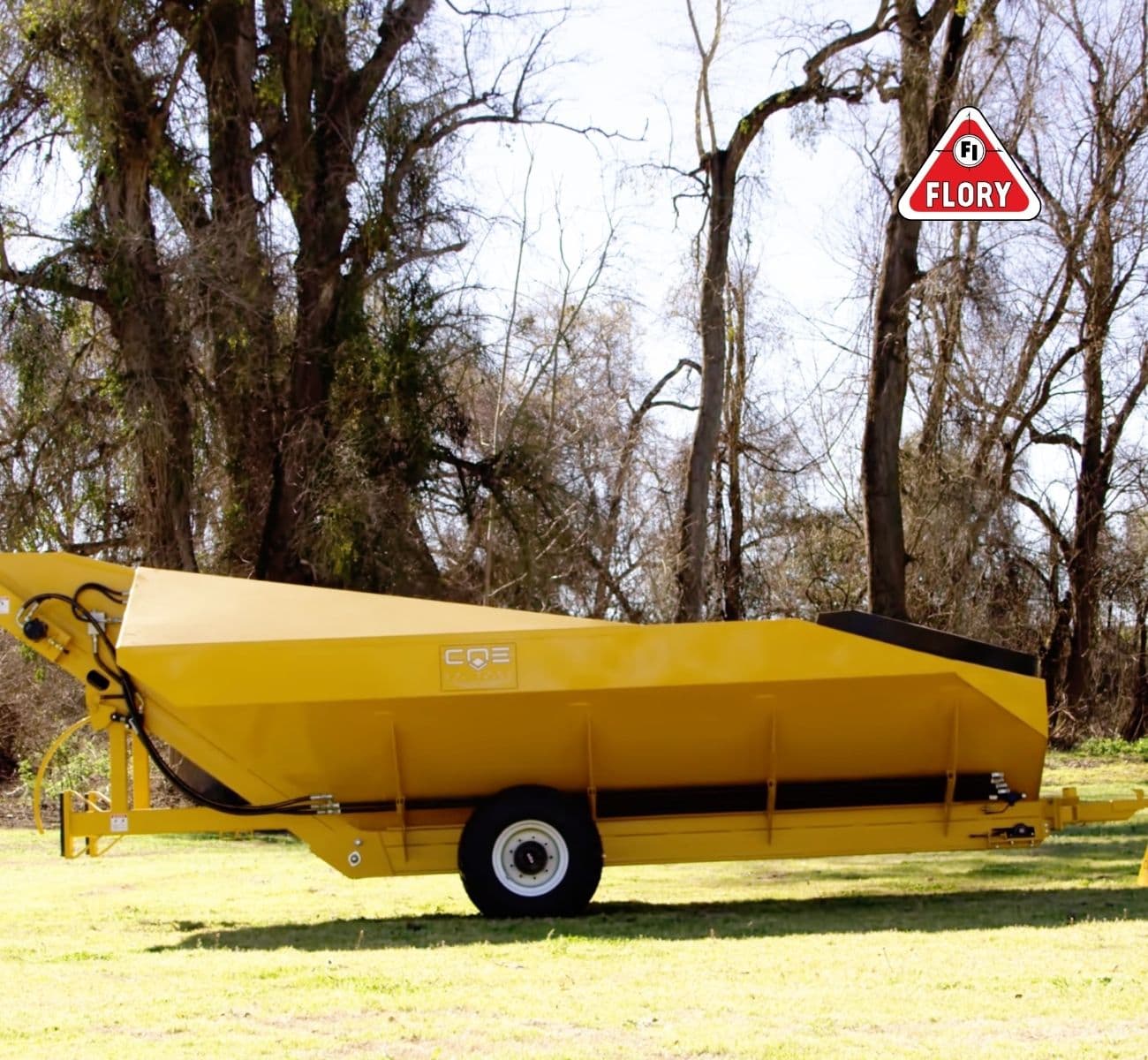
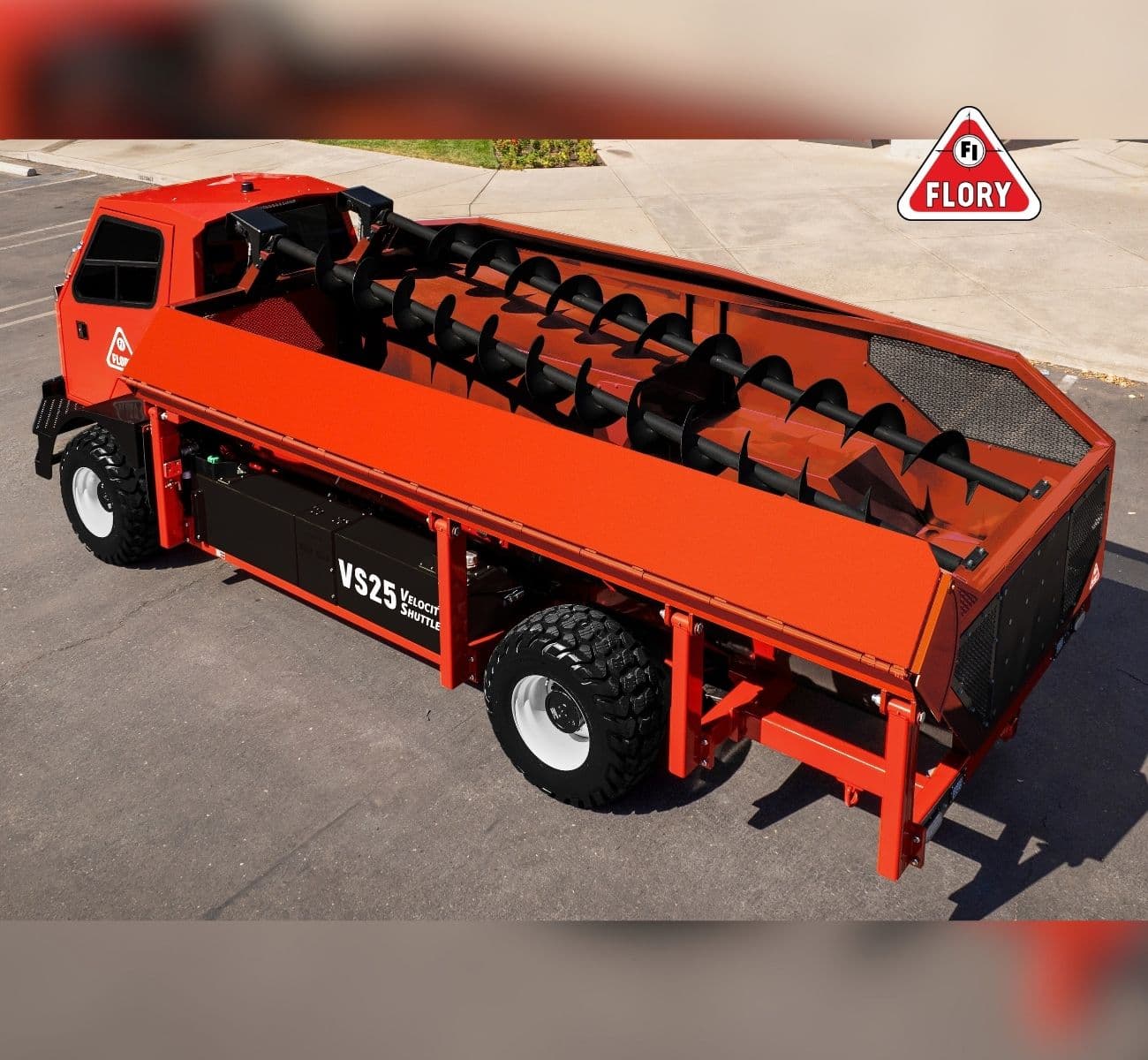
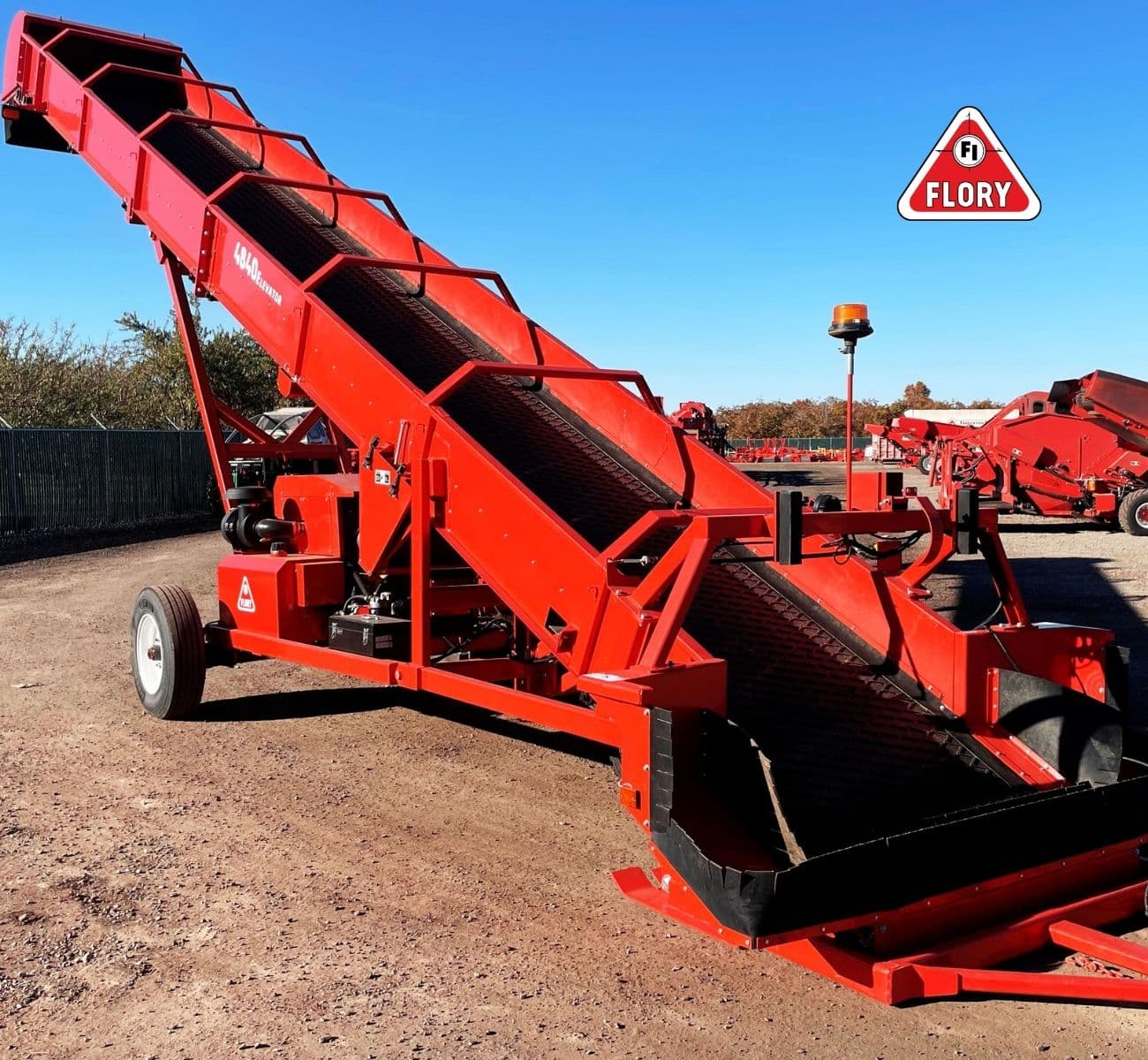
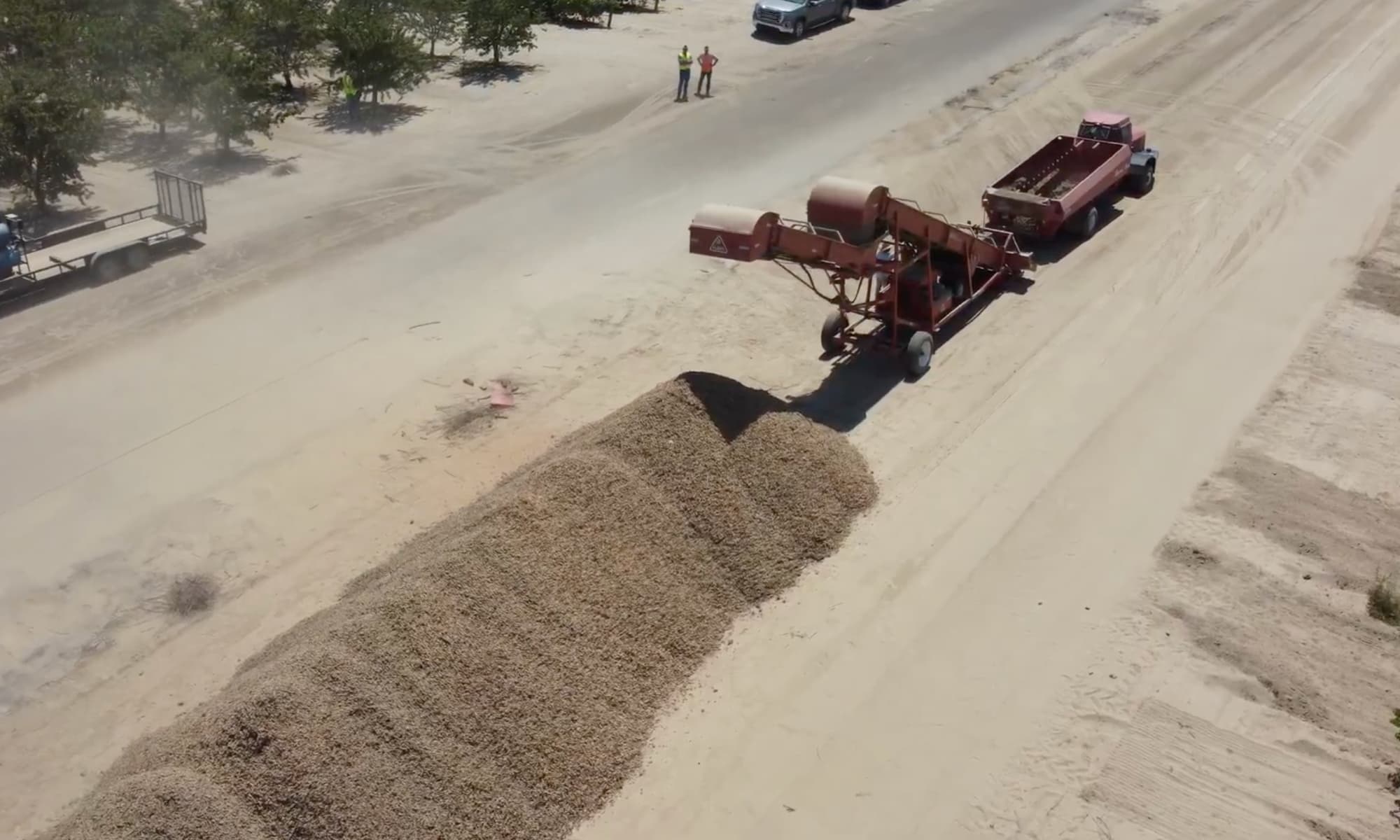
Flory harvesting machinery is available in Saudi Arabia through OVE Europe for both systems. On the ground, the VR700 Shaker, 34 Series Sweeper and 860 Harvester (or the smaller 490) work with the 1500 Conveyor Cart and ST14 Shuttle. Off the ground, the Flory COE C7 Shaker and L2 Receiver catch the almonds in a frame around the trunk, the Flory COE B8 Cart and VS25 Shuttle carry them, and the 4840 Field Elevator loads trailers in both systems.
Almond Harvest Workflow (Recommended Equipment)
Practical Tips for Almond Harvesting
Track hull split from the first split hulls in the top southwestern part of the tree, and shake once nuts come off well, as University of California guidance advises.
Plan around storm warnings: the national weather service warned of hail and flash floods for Al-Baha governorates on 30 July 2025 and 26 August 2026.
Sweep and pick up soon after shaking, then hull and dry the almonds off the ground; University of California guidance adds that quick removal limits ant damage.
If rain wets almonds on the ground, do not stockpile them wet: University of California guidance warns of mold and concealed damage.
Where almonds must stay off wet ground, use catching frames: the Flory COE C7 Shaker works with the L2 Receiver.
Keep shakers and frames for orchards planted for machines, never old terrace trees, steep slopes or scattered household trees.
Get your recommended harvest setup
Enter orchard size, spacing, terrain, and target throughput—we’ll suggest a practical harvest workflow and equipment lineup.

Almond Post-Harvest Handling & Processing in Saudi Arabia
Local reports describe hand work after harvest: growers crack open the hulls by hand, a long task, then dry the nuts and store them in sacks; dried almonds are sold in the shell, and on one Al-Baha family farm the nuts dried in the sun for five days and were shelled with a stone (2025). University of California guidance warns that rain-wet nuts do not hull cleanly and advises against stockpiling above 12% moisture in the hull, 6% in the kernel or 9% for the whole fruit.
Gulf standard GSO 2099:2010 covers sweet unshelled almonds for direct consumption, and GSO 193:2021 is the current Gulf regulation on contaminants in food. A 2019 draft standard of the Saudi Food and Drug Authority proposed 10 µg/kg of total aflatoxins for ready-to-eat almonds and 15 µg/kg for almonds intended for further processing. For exports to the EU, Regulation (EU) 2023/915 allows 8.0 µg/kg of aflatoxin B1 and 10.0 µg/kg in total in almonds for consumers.
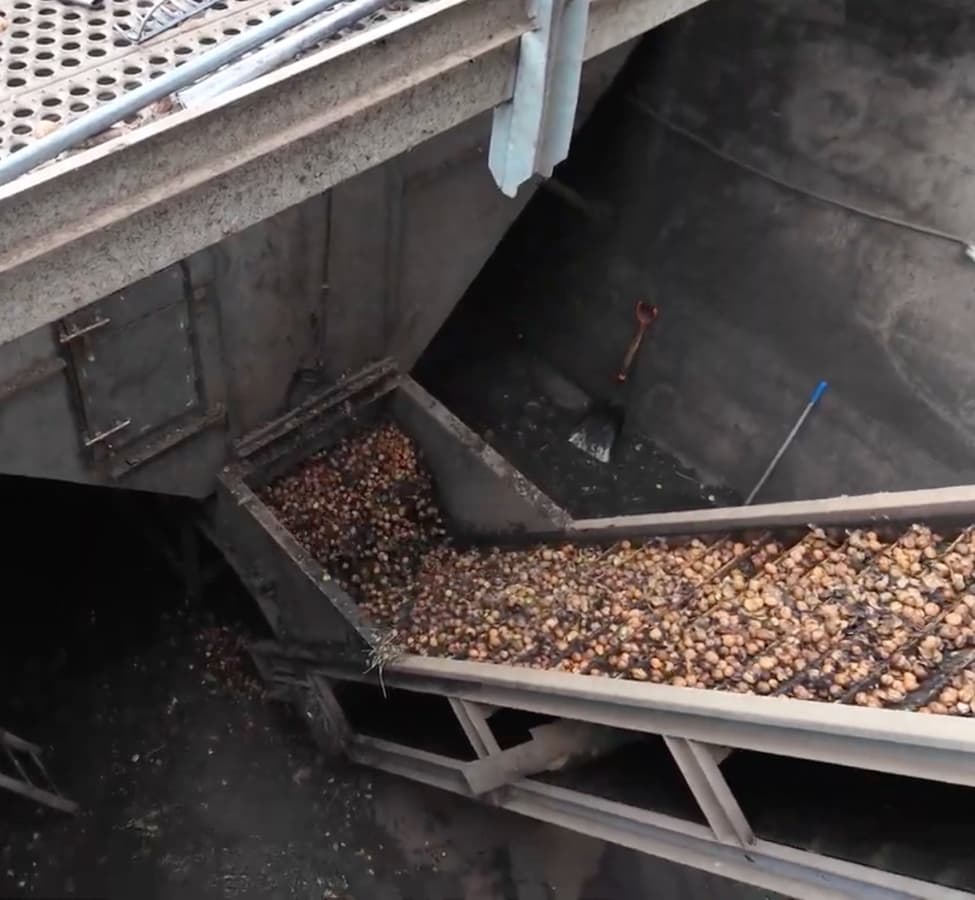
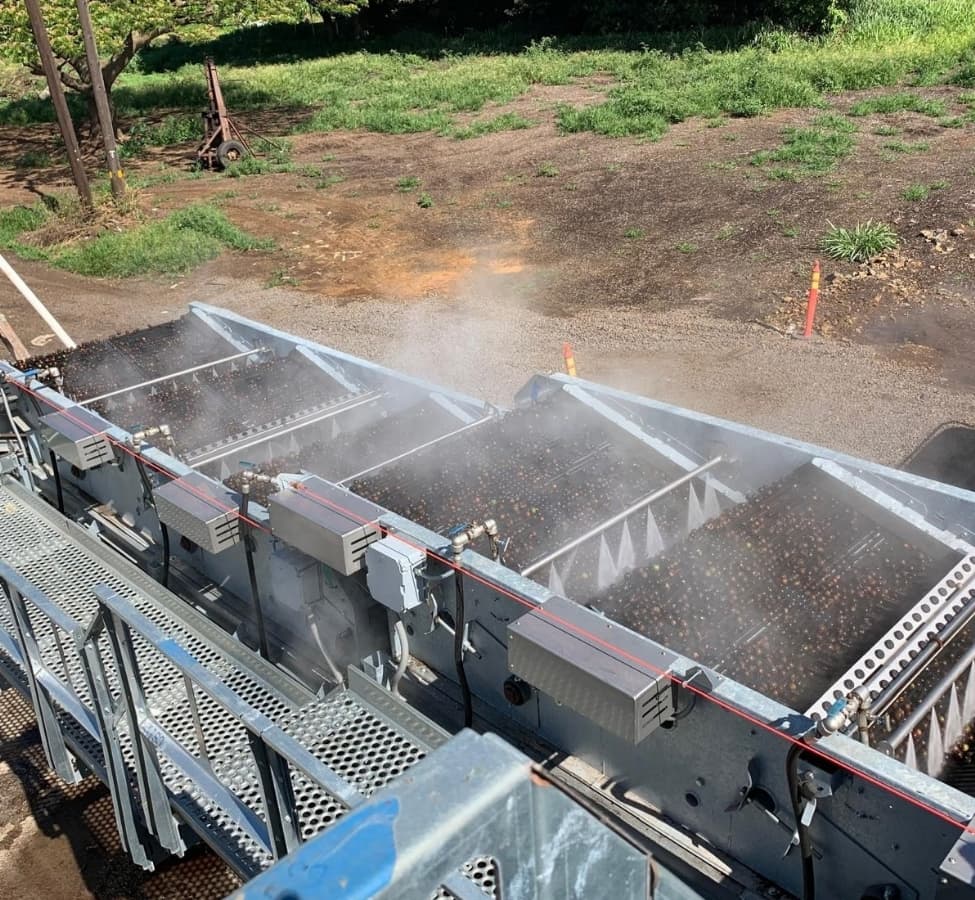
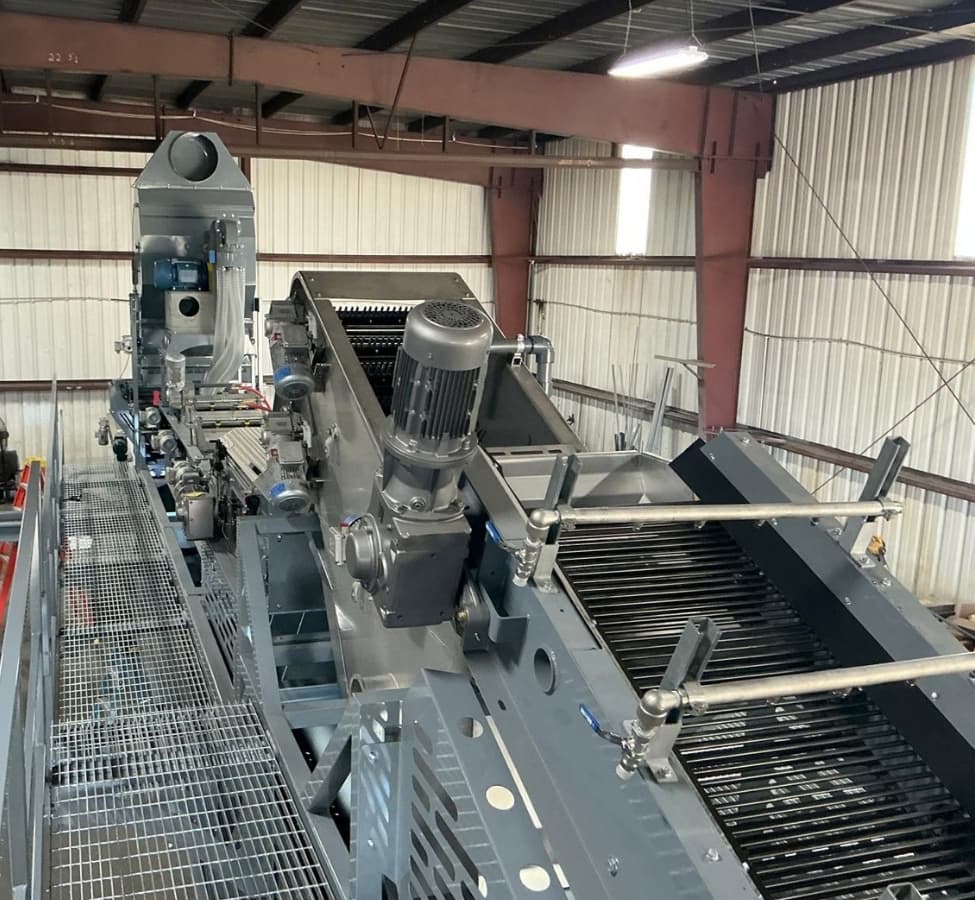
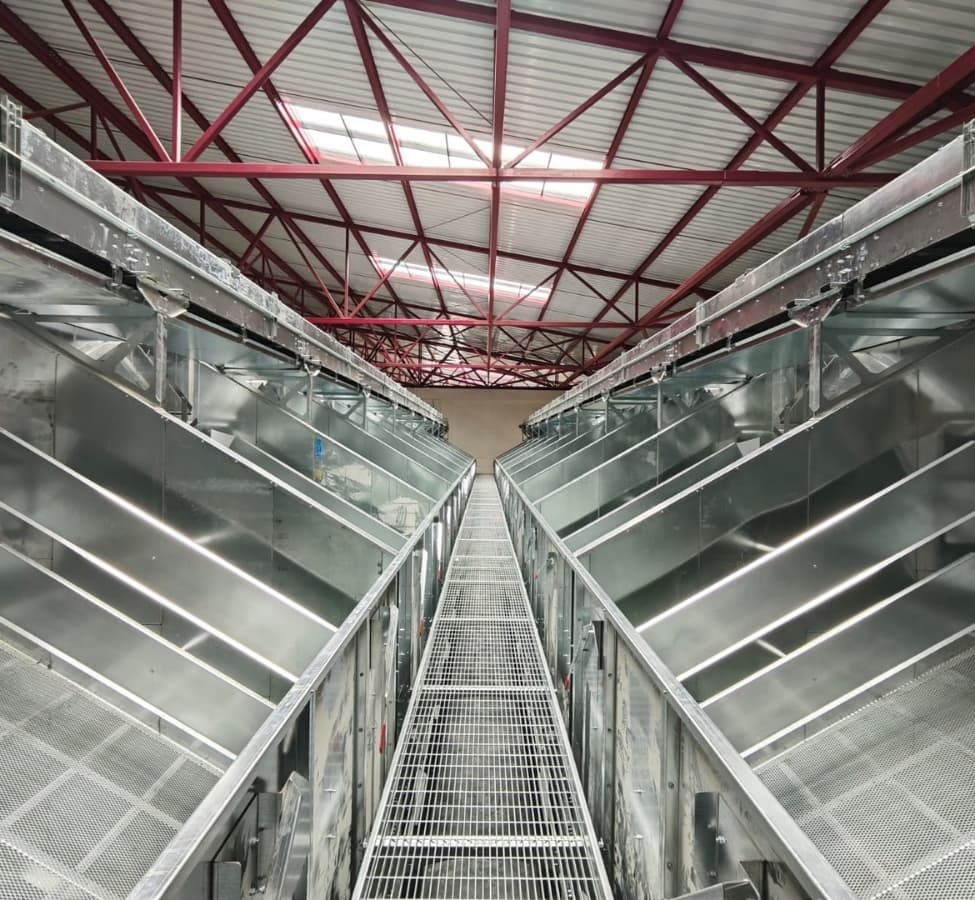
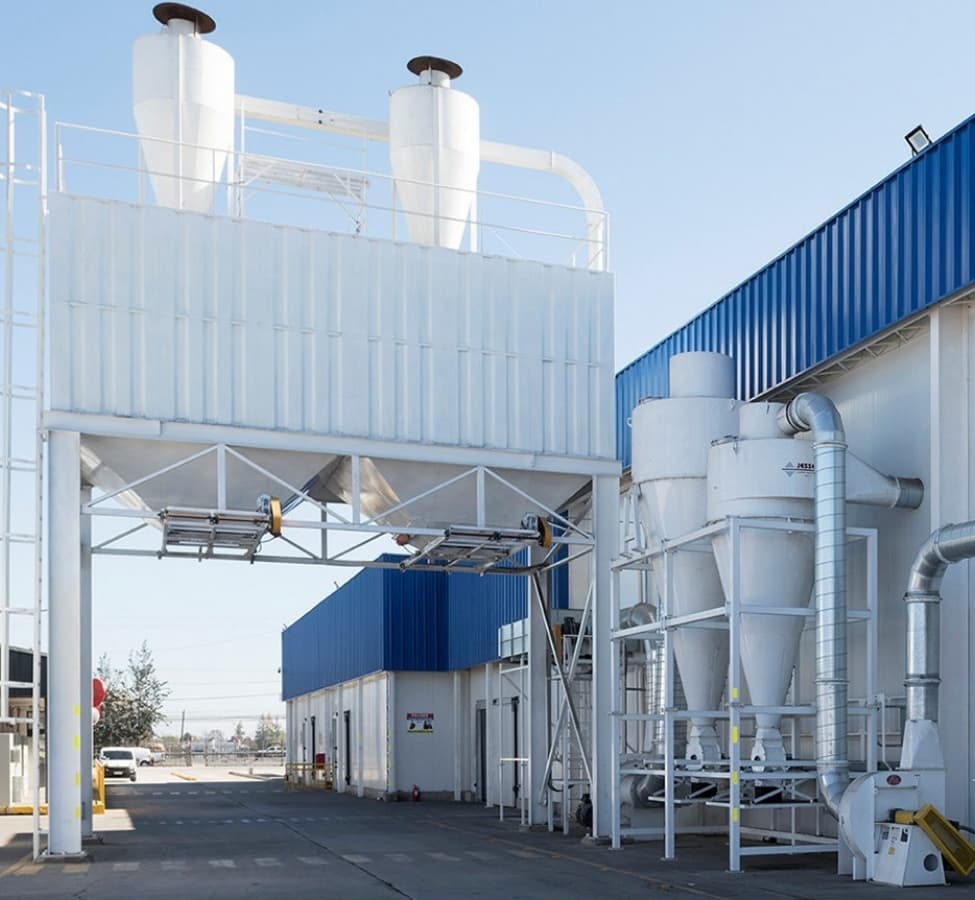
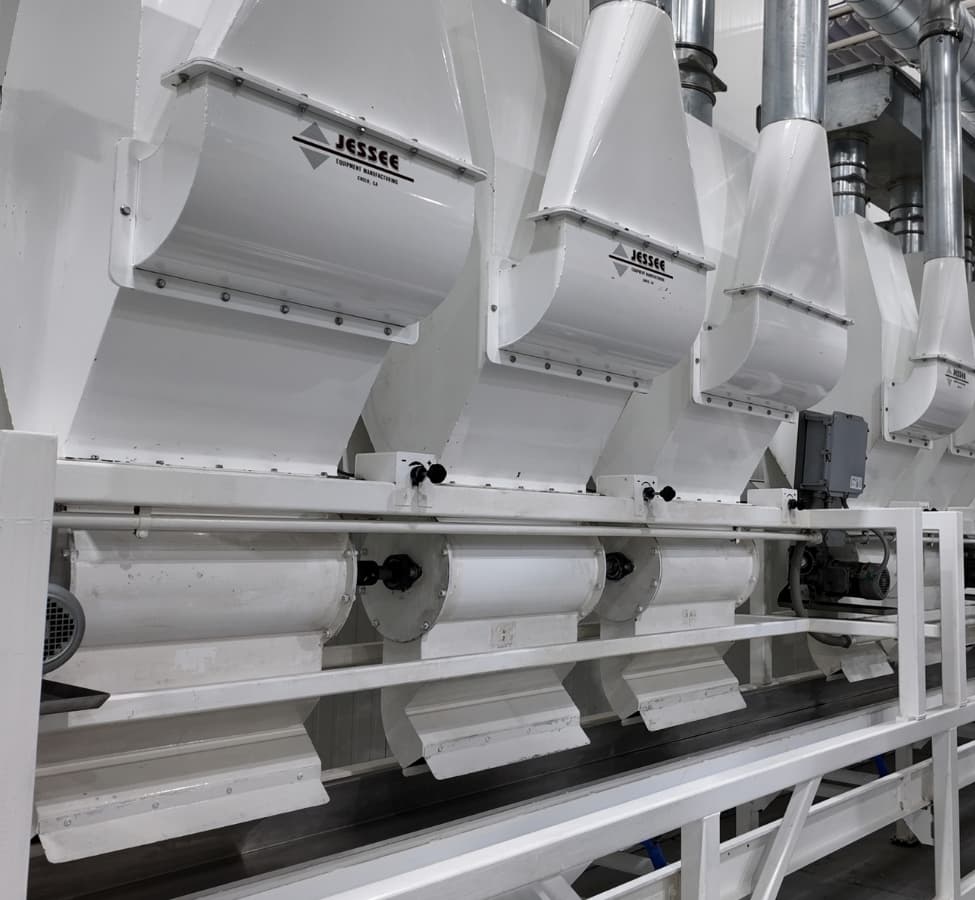
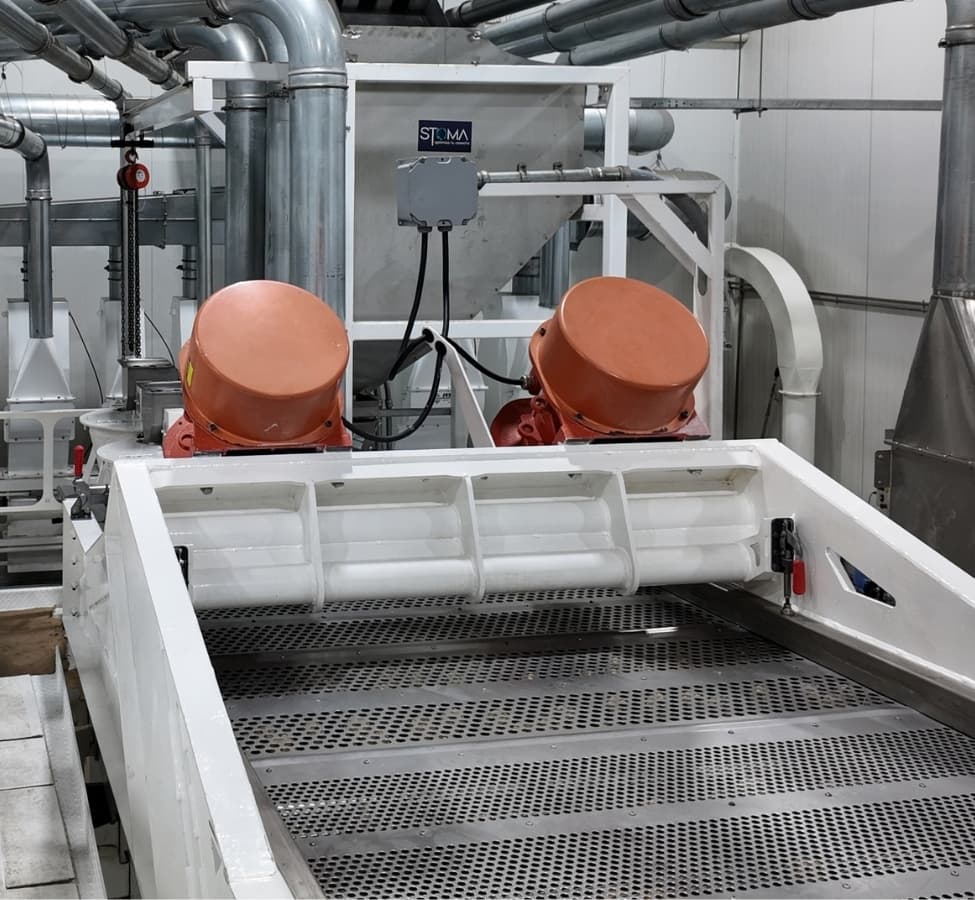
Saudi Arabia's own records show far more almonds imported than exported in every year from 2015 to 2025. In 2025 it imported 17,855.1 t of shelled almonds and 305.4 t in shell, and exported 275.0 t shelled and 162.6 t in shell (UN Comtrade via WITS). Jessee, whose processing lines OVE Europe supplies, builds hulling, drying, in-shell cleaning and sizing, and shelling systems; its Airlegs nut cleaner was developed for the almond industry.
For general information only. Information may become outdated and does not replace site-specific professional advice. Consult a qualified agronomist and confirm equipment suitability with OVE before acting.
Practical Tips for Almond Post-Harvest Handling & Processing
Hull promptly picked or frame-caught almonds while the hulls are fresh, then dry the nuts in the shell before storage.
Dry almonds where a storm cannot wet them, and cover nuts drying outdoors: one Al-Baha family farm sun-dried its nuts for five days (2025).
Dry hulled almonds until the kernels reach 6% moisture or less, the University of California limit for stockpiling.
Test lots for aflatoxins and confirm the limits in force under GSO 193:2021; a 2019 Saudi draft proposed 10 µg/kg in total for ready-to-eat almonds.
Keep each lot separate by cultivar and orchard block, and store dried almonds in a dry, clean place.
Plan sales with imports in mind: Saudi Arabia imported 17,855.1 t of shelled almonds in 2025, 92.4% of them from the United States.
Recommended Post-Harvest Handling & Processing Stages
Plan your post-harvest line
Estimate tons/day, cleaning & drying capacity, storage needs, and cost/kg—then build your equipment plan in phases.