


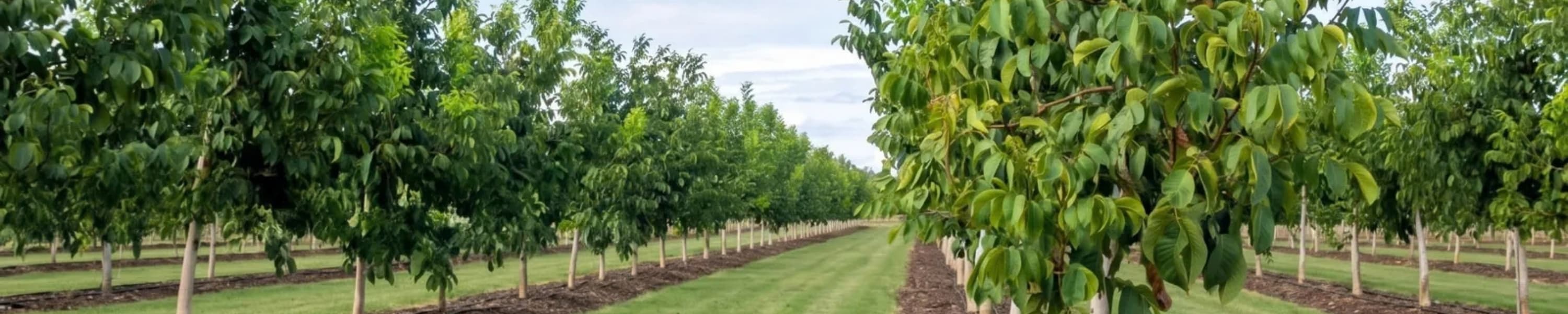




Walnut Orchard Establishment in Serbia
Serbia's climate is moderate-continental, and mean annual rainfall ranges from 557 mm in Kikinda to 1,018 mm on Zlatibor (Republic Hydrometeorological Service, 1981 to 2010). Walnut breeders in Novi Sad note that many regions have frequent late spring frosts, and in spring 2025 a scientist at the Fruit Research Institute Čačak reported frost damage even on walnut. Plant on gentle slopes where cold air drains away, not in hollows.
Choose cultivars for both frost and market. The Faculty of Agriculture in Novi Sad released Šampion, Srem, Tisa, Bačka and Mire, and its selection Kasni rodni starts growth about 15 days after Šampion and regularly avoids late spring frosts. For new commercial orchards, Novi Sad specialists recommend cultivars such as Chandler, Lara, Franquette, Pedro and Tulare, most of them lateral-bearing.
Plan density, water and machine access together. A Serbian grower with 50 ha of Chandler, Lara and Franquette puts the need at 260 to 270 trees per hectare plus an irrigation system, yet only about 31% of Serbia's orchard area is irrigated (2023 Census of Agriculture). Secure water before planting, and leave headlands and lanes for a shaker, sweeper and harvester.
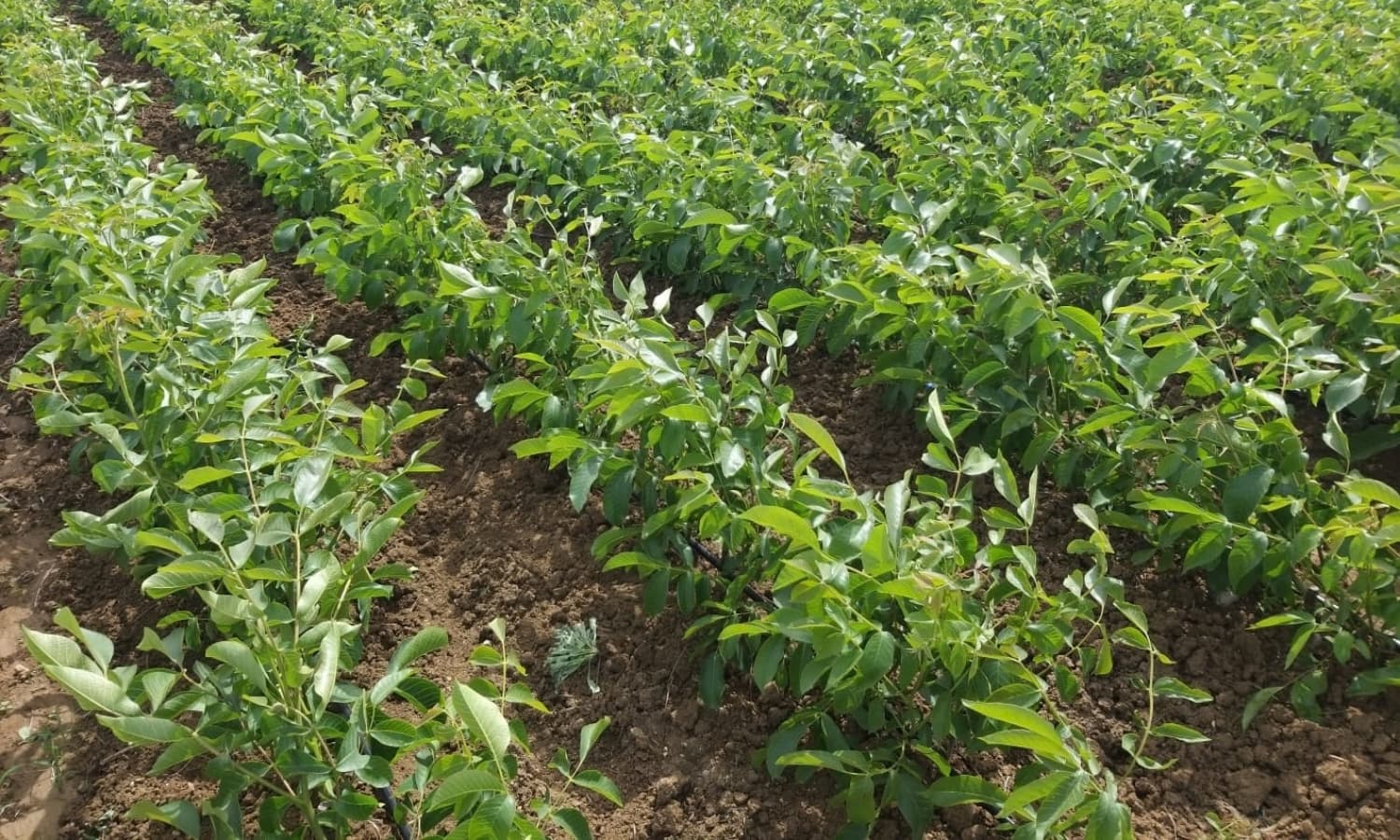

Practical Tips for Walnut Orchard Establishment
Choose slopes and higher ground where cold air drains away, and avoid frost pockets on valley floors.
Where late spring frosts are common, favor late-leafing cultivars; the Novi Sad selection Kasni rodni starts growth about 15 days after Šampion.
Plan pollinizers for each main cultivar, since walnut male and female flowers often open at different times.
Secure water before planting: 2024 was Serbia's warmest year since 1951, with five summer heat waves.
Buy grafted trees of named cultivars; in Serbia walnut stock is now mass-produced by grafting instead of from seed.
Before planting, mark rows, headlands and a loading point, so harvesting machines can reach every block.
Recommended Establishment Stages



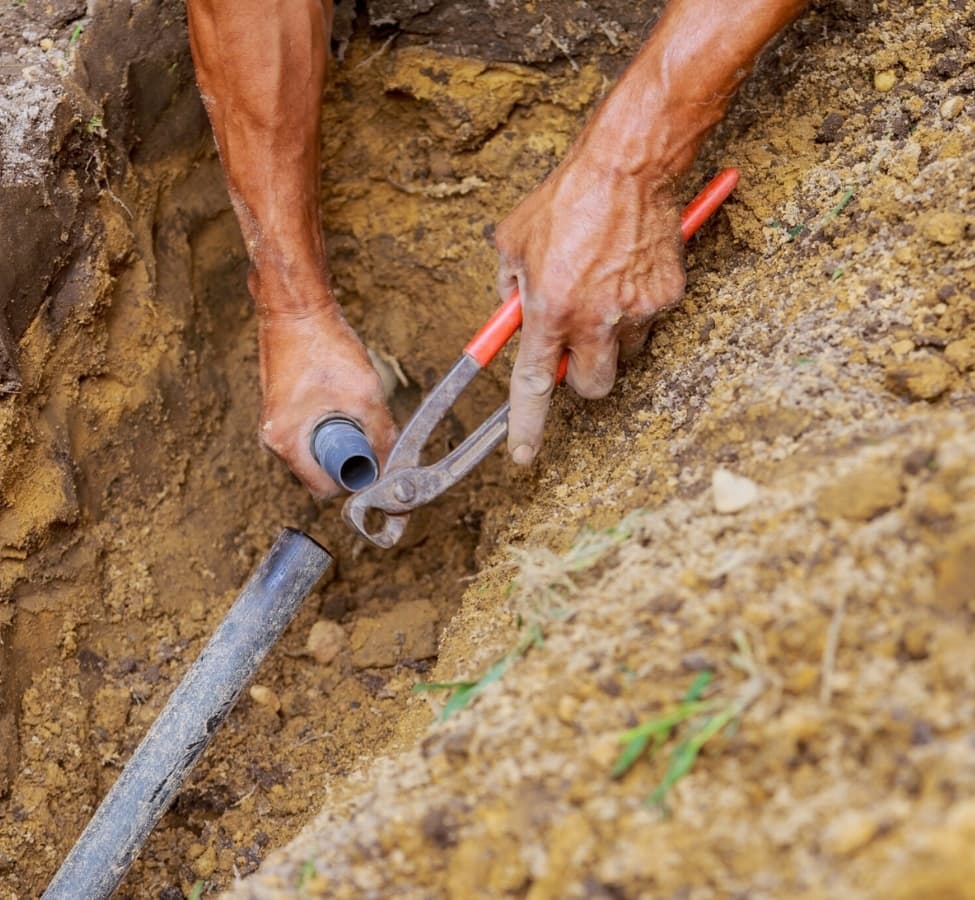


Walnut Orchard Care & Maintenance in Serbia
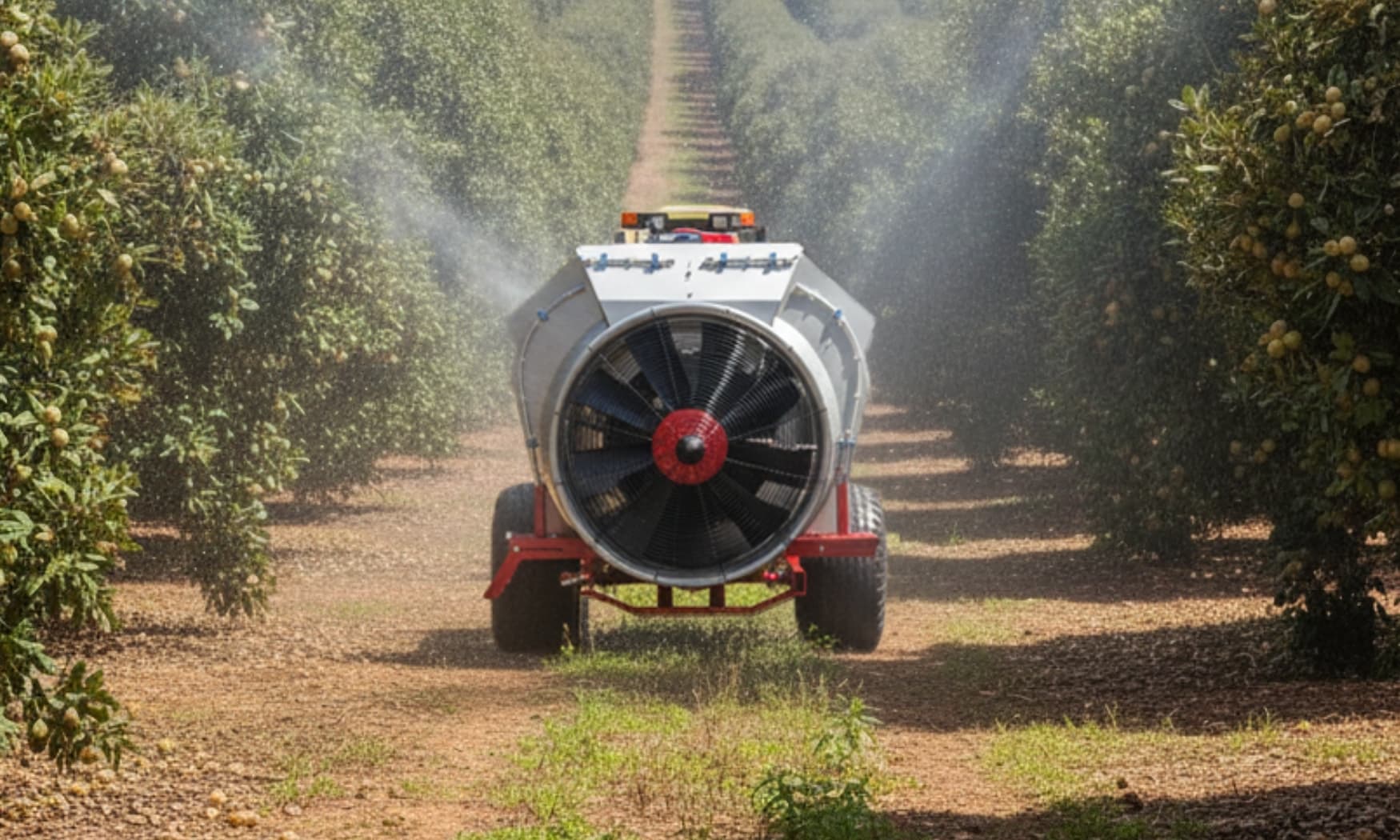
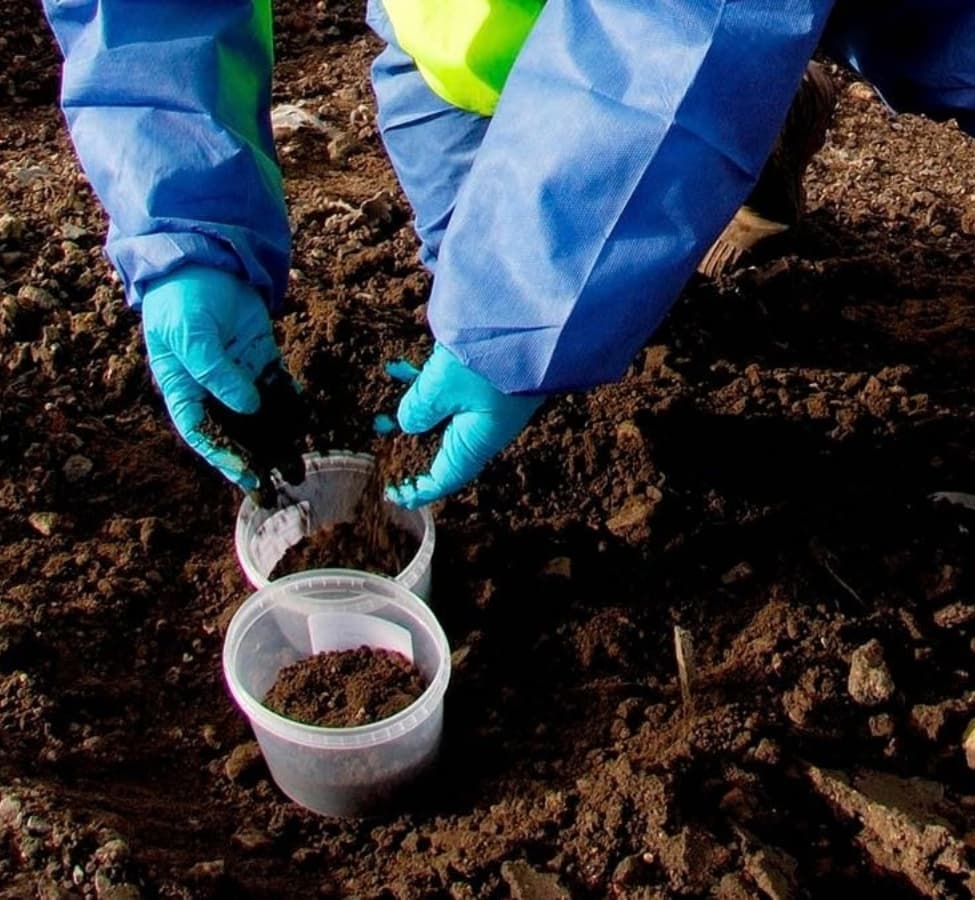
Summers are getting hotter: 2024 was Serbia's warmest year since 1951, and June 2025 was the warmest and driest June since 1951 (Republic Hydrometeorological Service). In the 2022 drought, unirrigated fruit orchards suffered sunburn, and in parts of Serbia whole trees dried out. Irrigate through dry spells, guided by soil moisture, and base fertilizer on soil and leaf analysis.
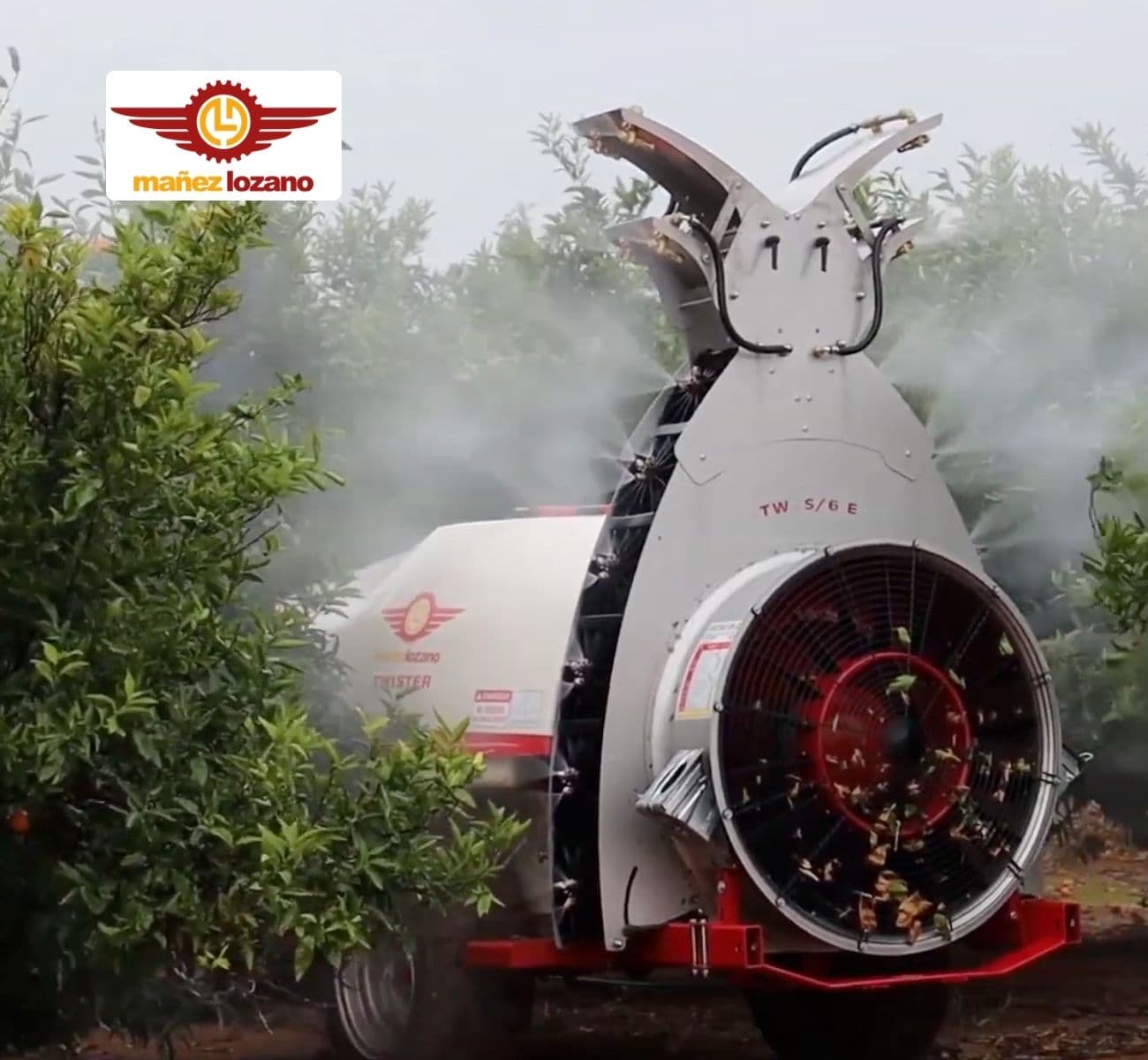
Walnut blight (Xanthomonas arboricola pv. juglandis) is widespread in Serbia (EPPO), and a 2019 to 2020 survey of young orchards also linked it to vertical oozing canker on trunks. Serbian advisers recommend copper sprays in autumn after harvest and before bud break. Codling moth is present (EPPO). EPPO has no Serbian record of walnut husk fly, but it is present in neighboring countries.
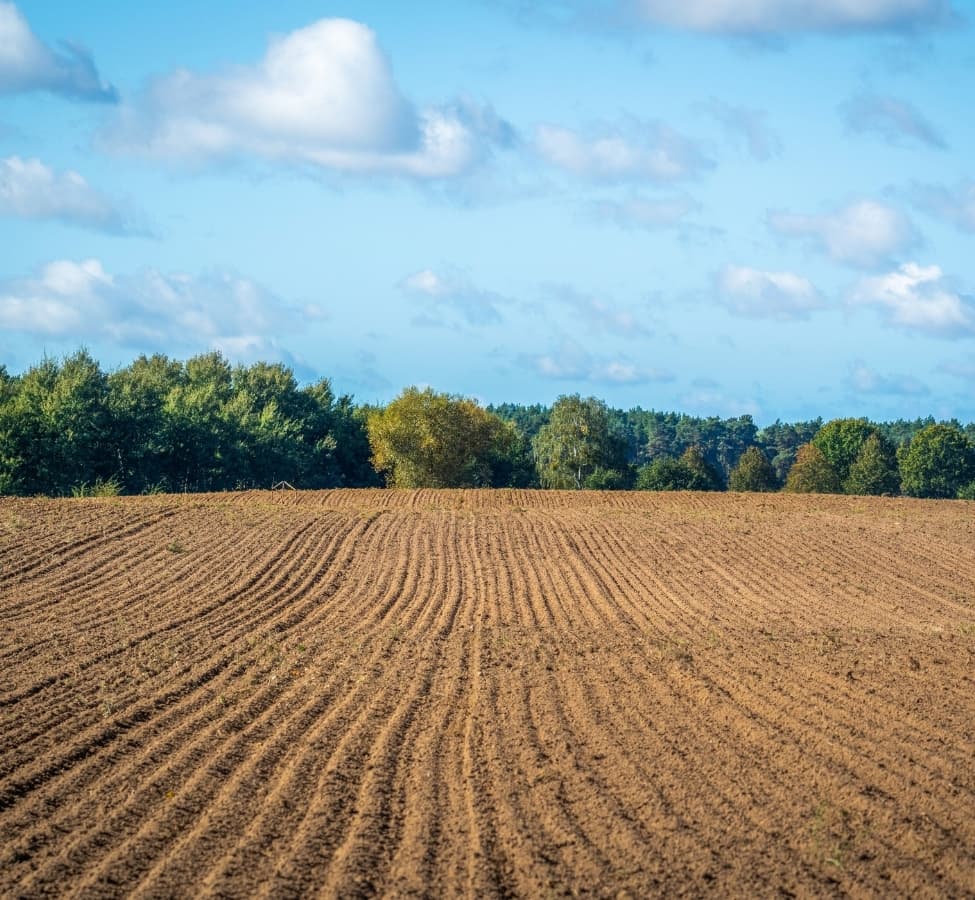
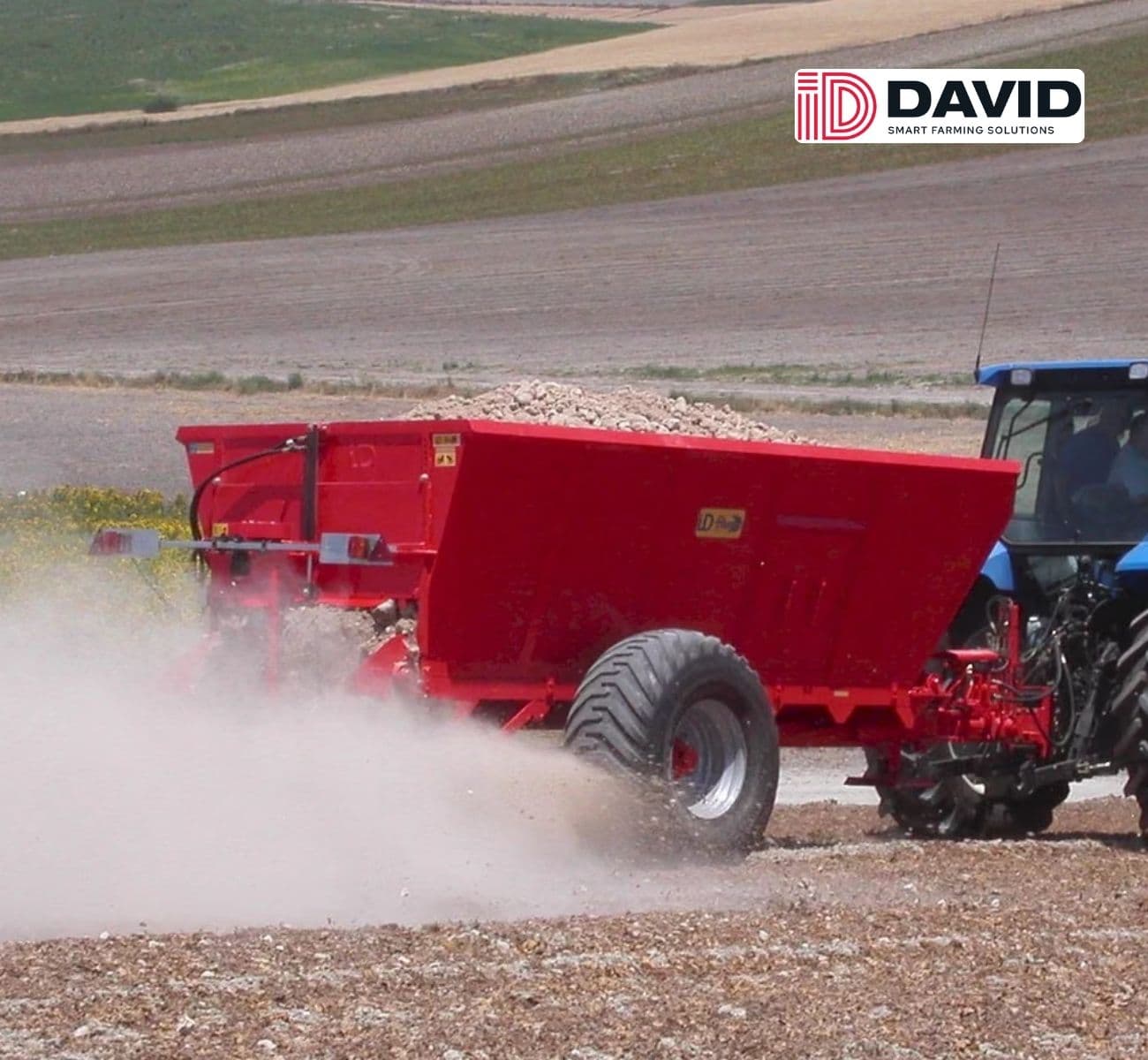
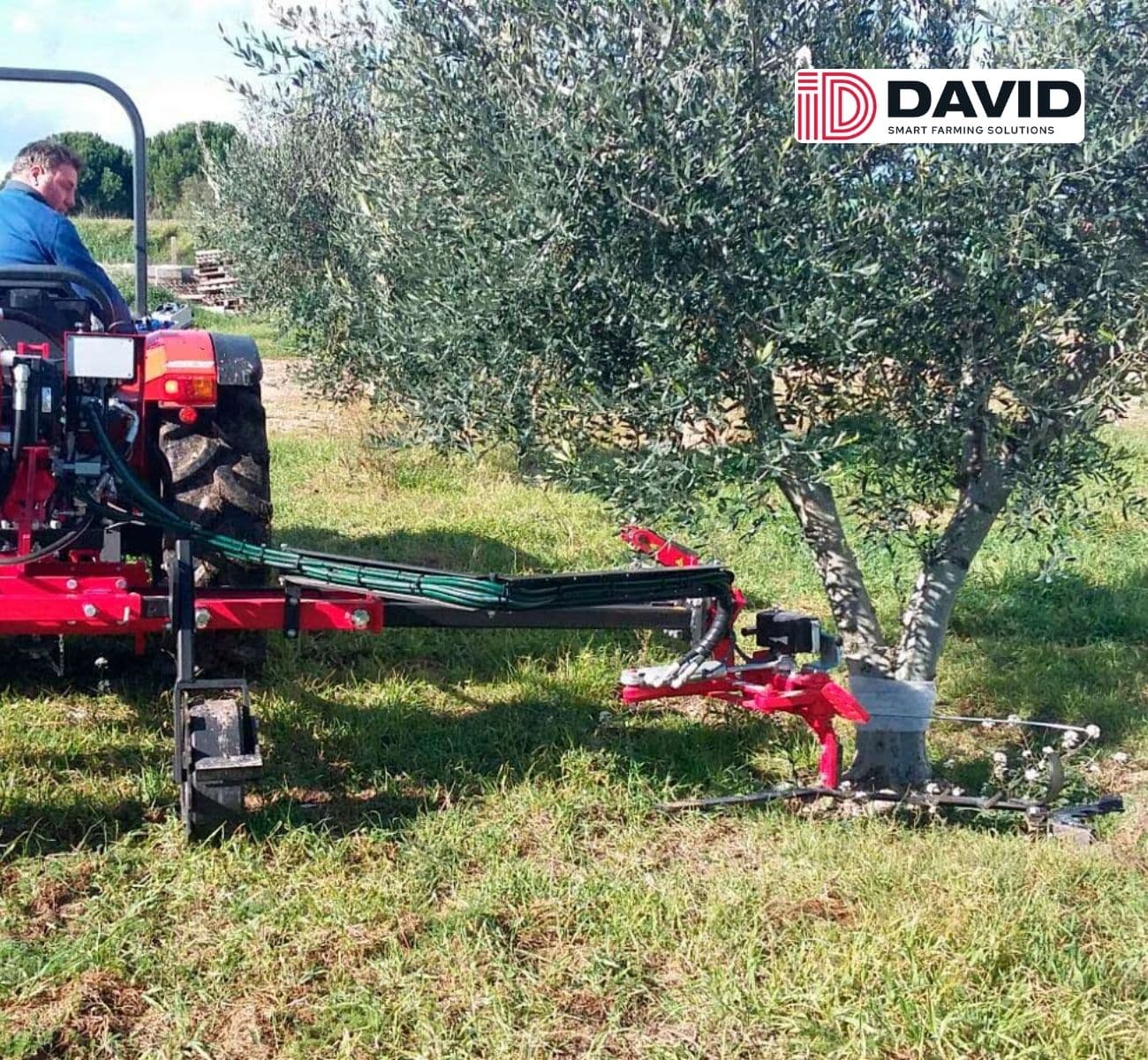
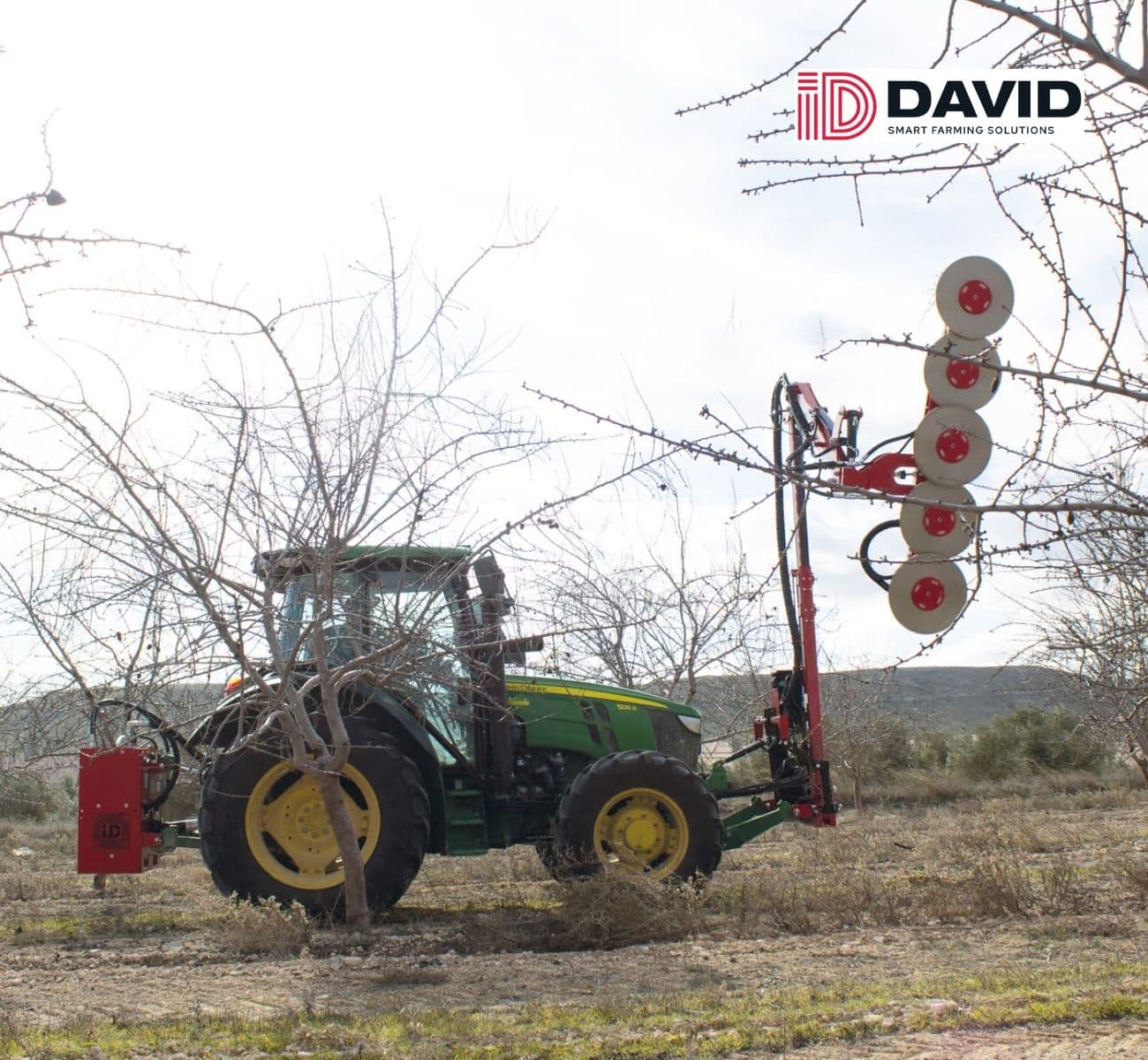
Train young trees to a single, straight trunk with room for a shaker clamp, and keep the crown open for light and spray coverage. Spread manure between the rows to build organic matter, and before harvest mow and level the orchard floor so nuts can be swept and picked up cleanly.
Recommended Orchard Care & Maintenance Stages



Practical Tips for Walnut Orchard Care & Maintenance
Irrigate through hot, dry spells, checking soil moisture instead of following a fixed calendar.
Apply copper against walnut blight in autumn after harvest and again before bud break, as Serbian advisers recommend.
Check young trees for oozing cankers on trunks and branches, which a Serbian survey linked to walnut blight.
Monitor codling moth with pheromone traps in spring and time sprays to the catches, not the calendar.
Hang yellow traps for walnut husk fly in summer and report any suspected find to the plant protection service.
Prune so each tree keeps a clear trunk for the shaker clamp and an open, well-lit crown.

Walnut Harvesting in Serbia
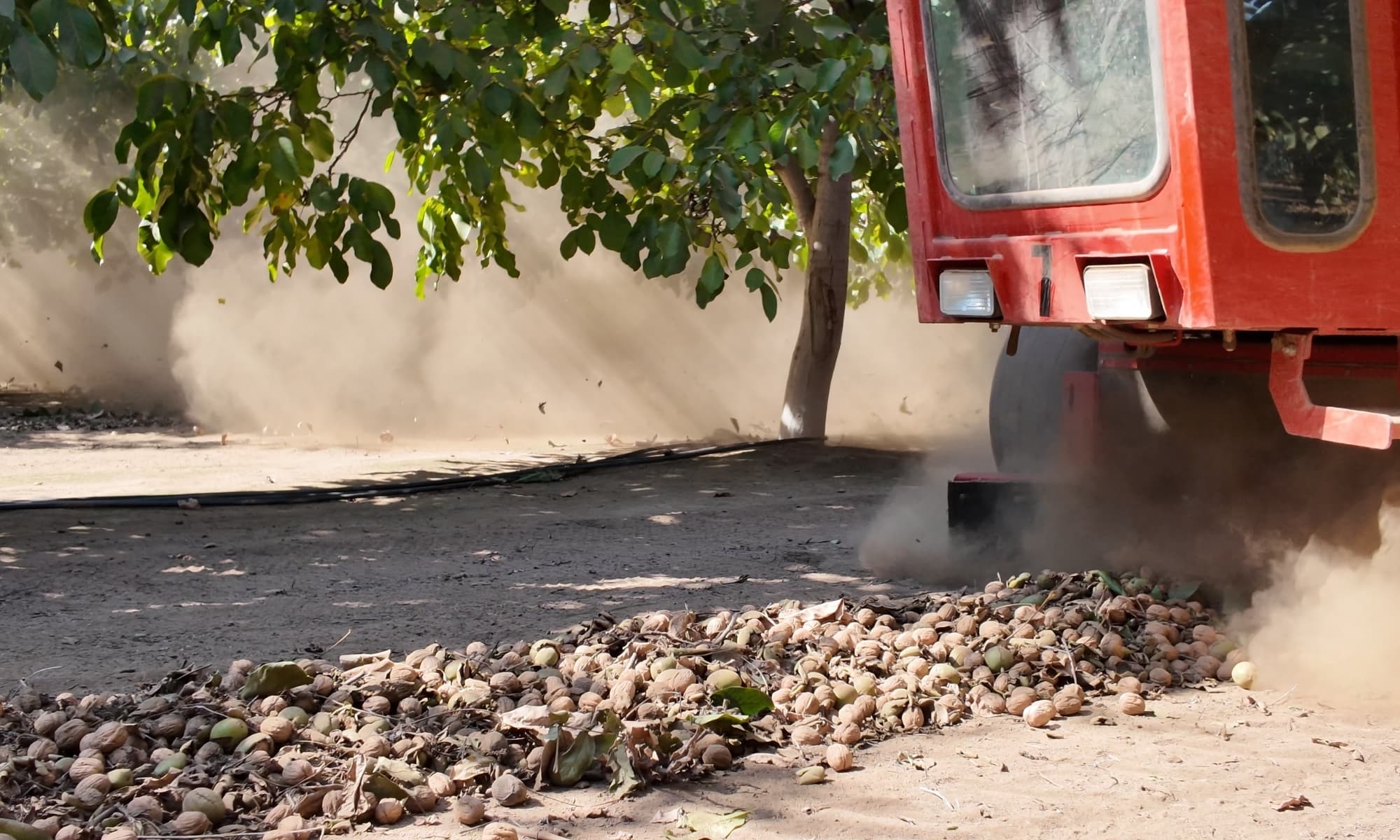
Serbian sources say little about how walnuts are harvested today. Most plantings are extensive, while shakers and harvesters are increasingly used for sour cherry and modern plum orchards are shaken by machine (Statistical Office of the Republic of Serbia, 2025). Timing is late in the season: in mid-October 2021 growers were only starting to gather the nuts, and the Čačak cultivar Ovčar ripens in the first ten days of October.
Shake when the packing tissue between the kernel halves has turned brown and the hulls split (University of California). Cultivars ripen at different times, so harvest block by block. Pick up, hull and dry the nuts quickly: most quality loss happens in the first 9 hours after harvest.
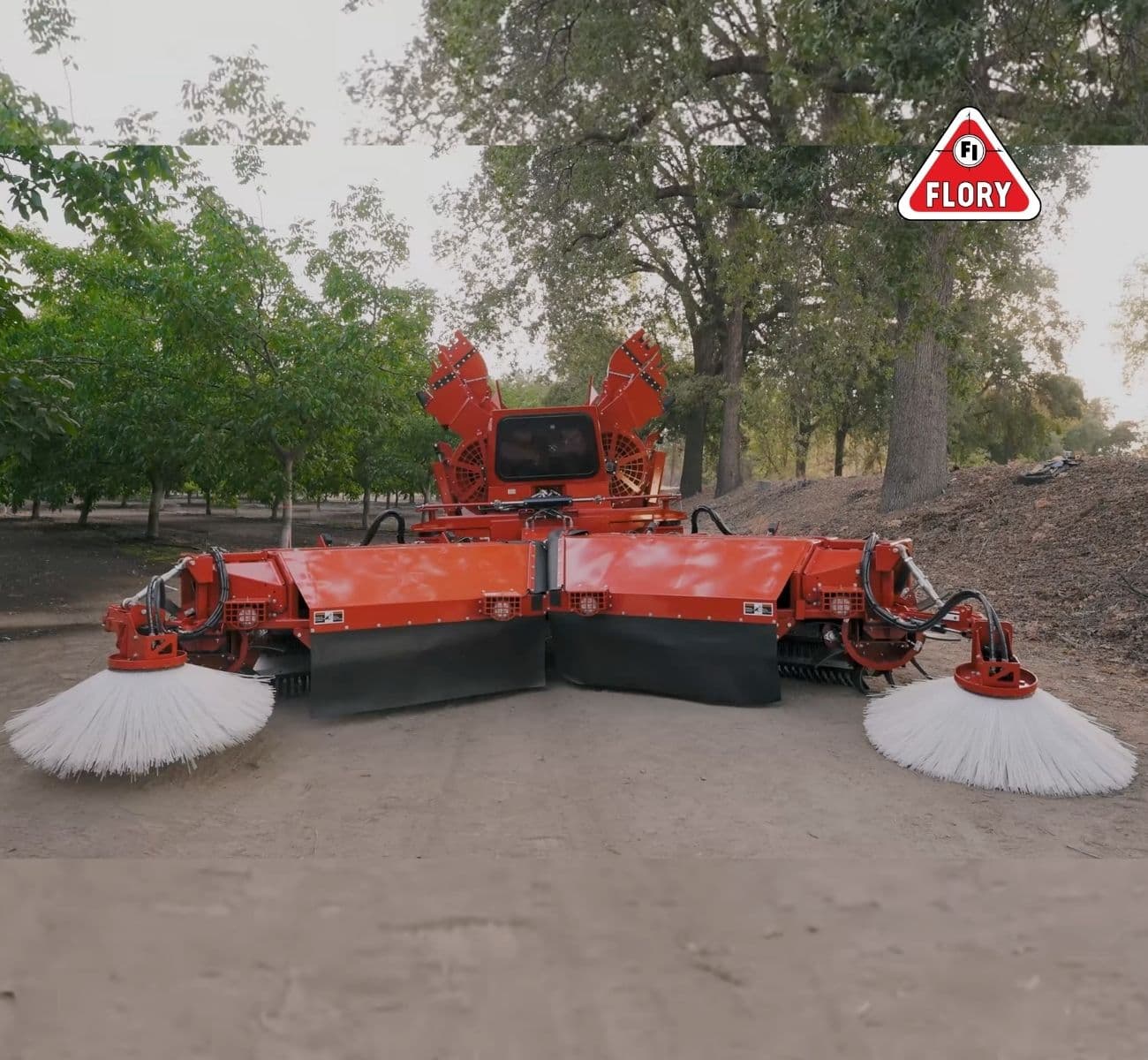
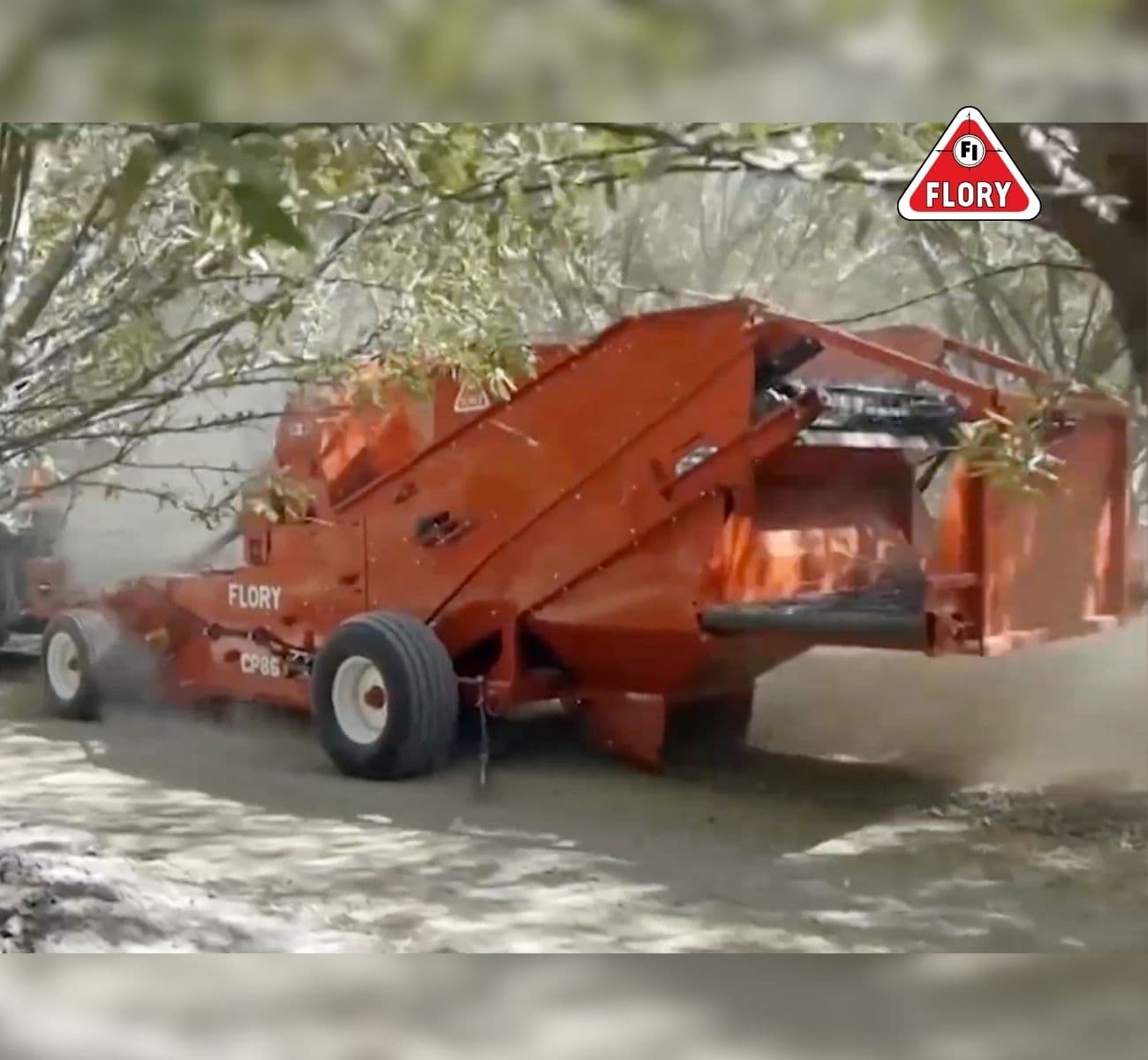
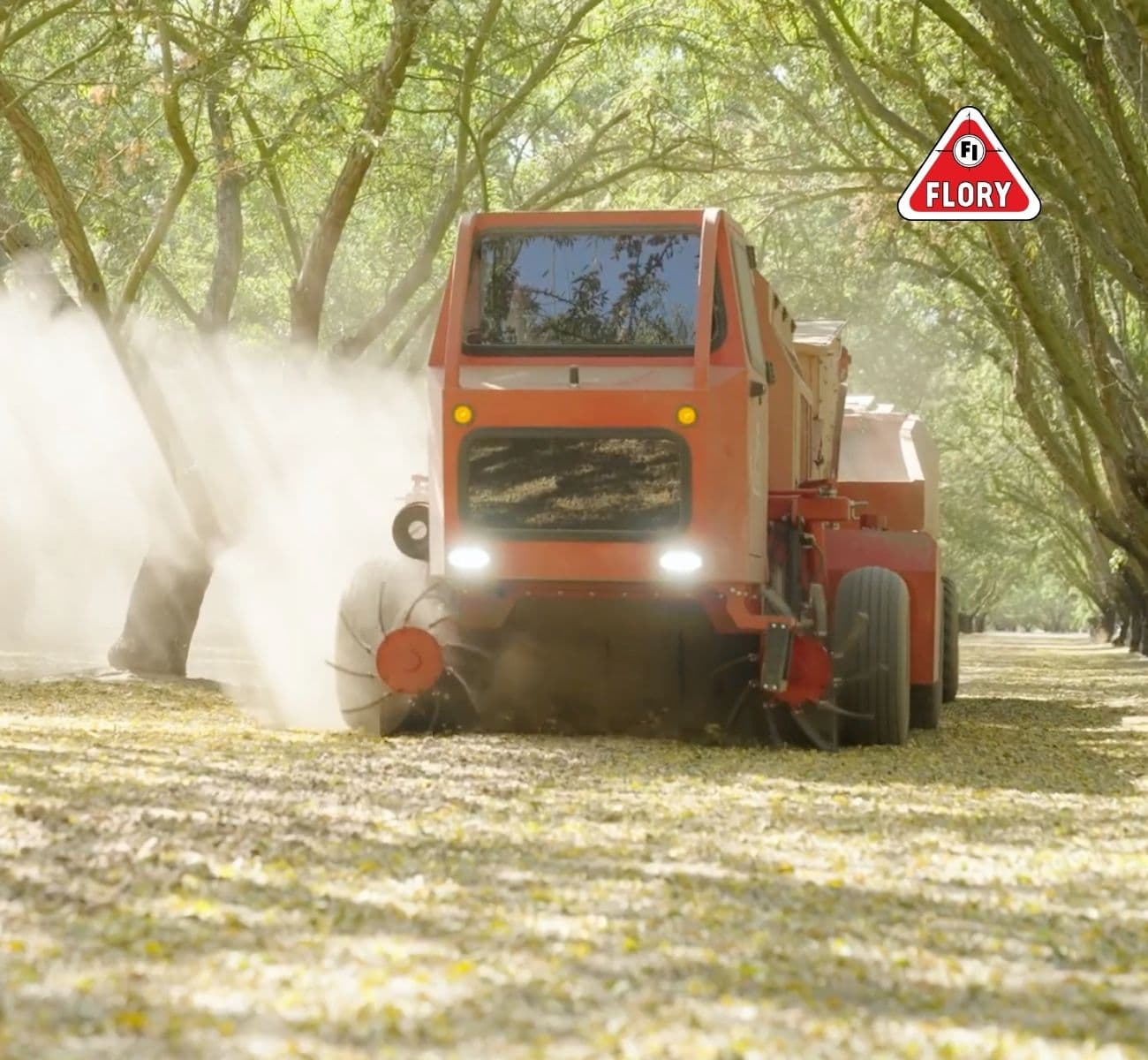
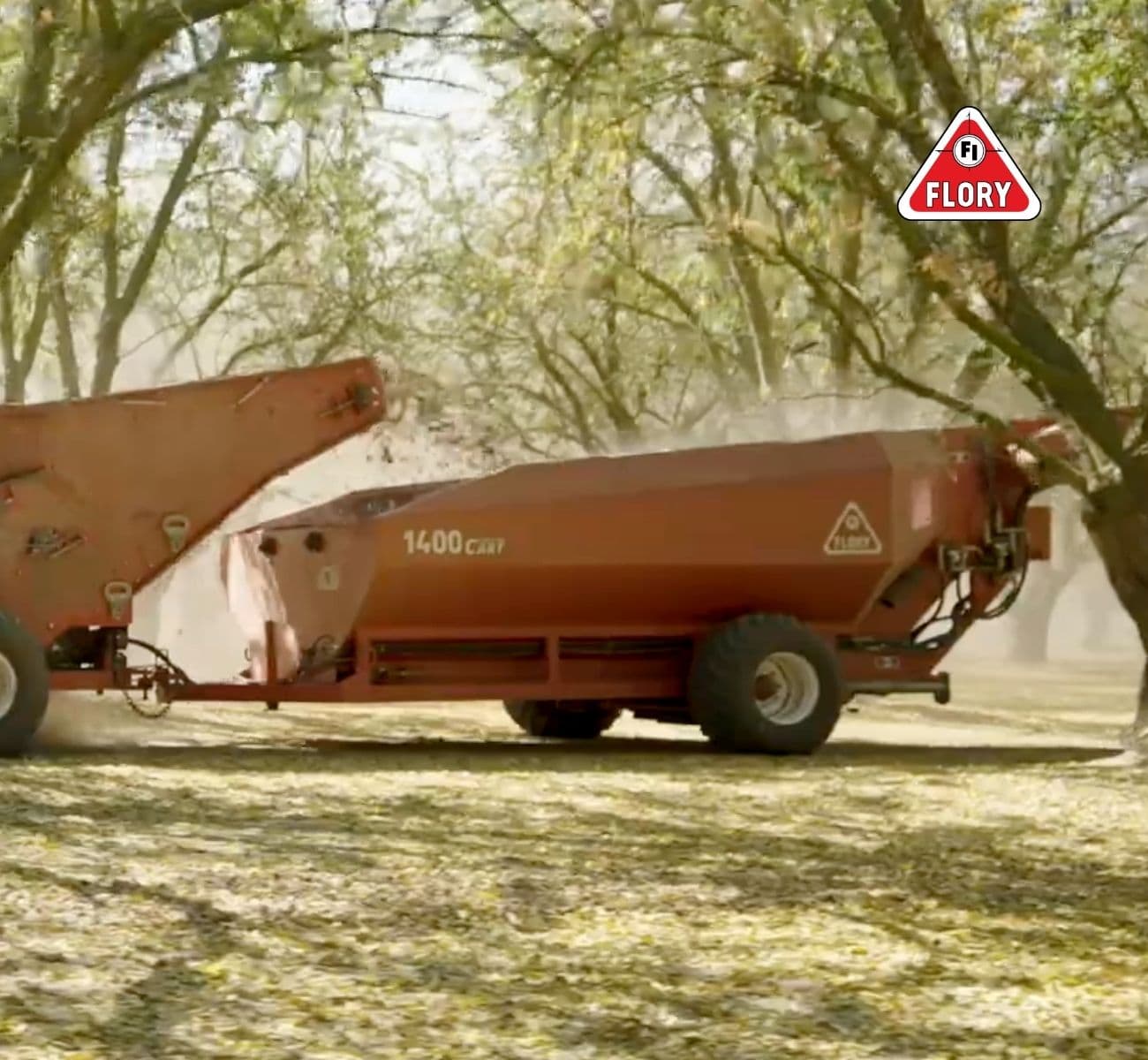
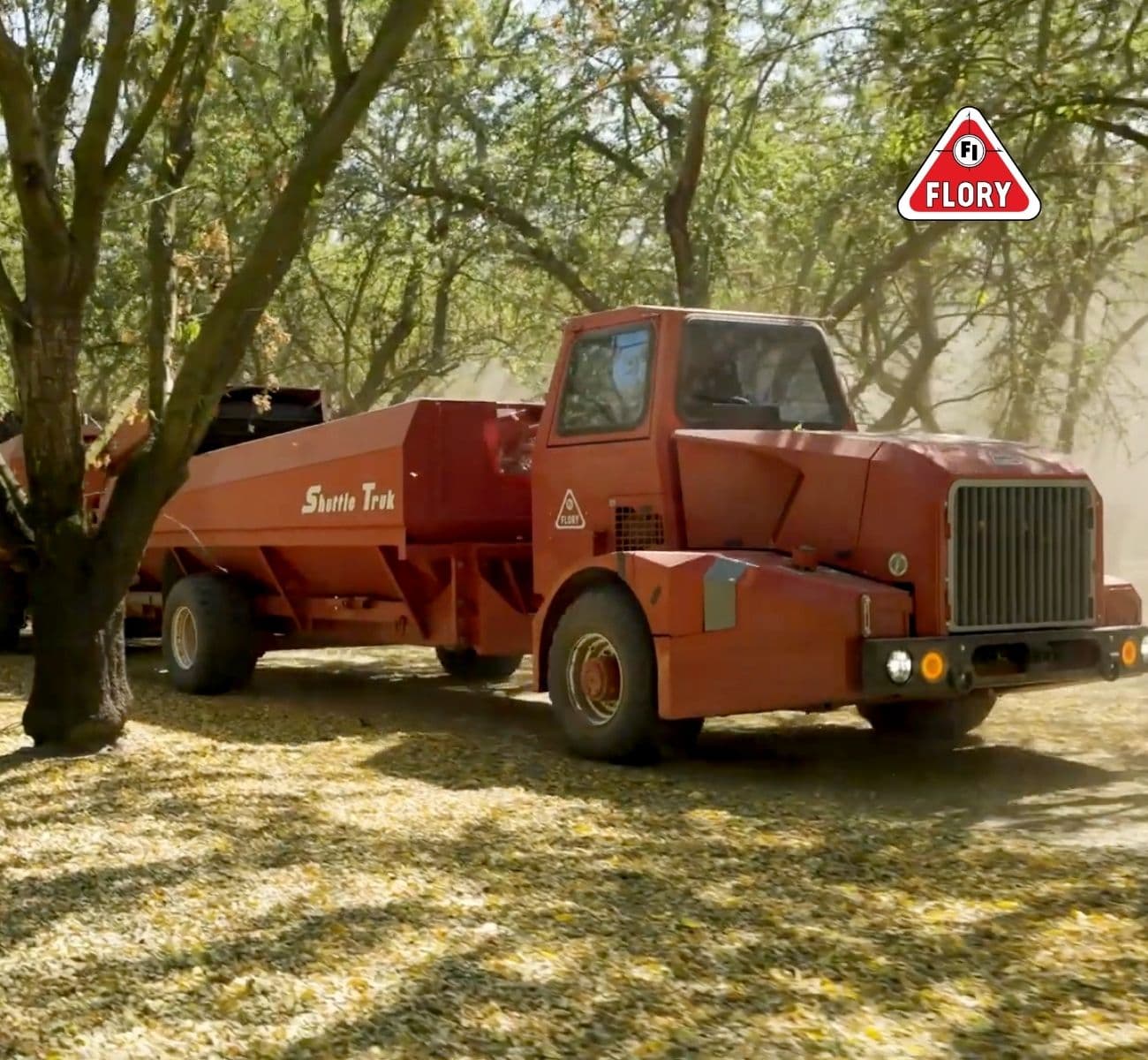
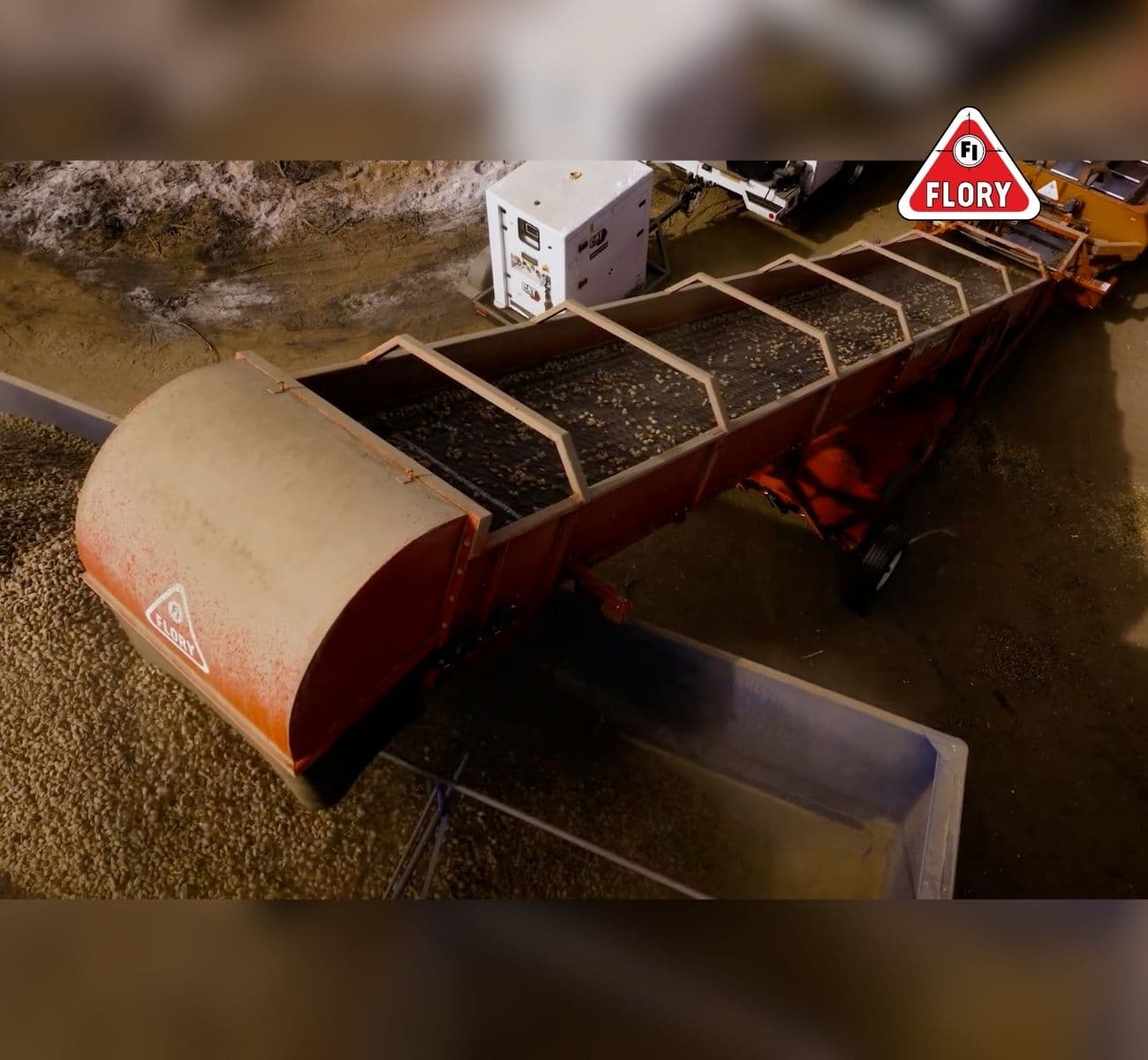
A mechanized line shakes, sweeps and picks up each block on time, so nuts wait less on the ground and fewer hands are needed: 44.7% of Serbia's family farm holders are over 65 (2023 Census of Agriculture). It runs from a trunk shaker and sweeper to a harvester, conveyor cart, shuttles and a field elevator, and Flory harvesting machinery is available in Serbia through OVE Europe.
Walnut Harvest Workflow (Recommended Equipment)

Practical Tips for Walnut Harvesting
Start shaking once hulls split and the packing tissue has browned; prompt harvest after that keeps kernels lighter.
Harvest blocks in the order their cultivars ripen, so one machinery set can cover the whole orchard.
Pick up shaken nuts the same day: nuts left on the ground darken and mold, and most quality loss happens within 9 hours of harvest.
Before harvest, remove fallen branches and level the floor, so the sweeper and harvester take in less debris.
Check clamp pads and shaking time on young trees before the season to avoid bark damage.
Plan the route from orchard to hulling and drying, so full shuttles never wait in the field.
Get your recommended harvest setup
Enter orchard size, spacing, terrain, and target throughput—we’ll suggest a practical harvest workflow and equipment lineup.

Walnut Post-Harvest Handling & Processing in Serbia
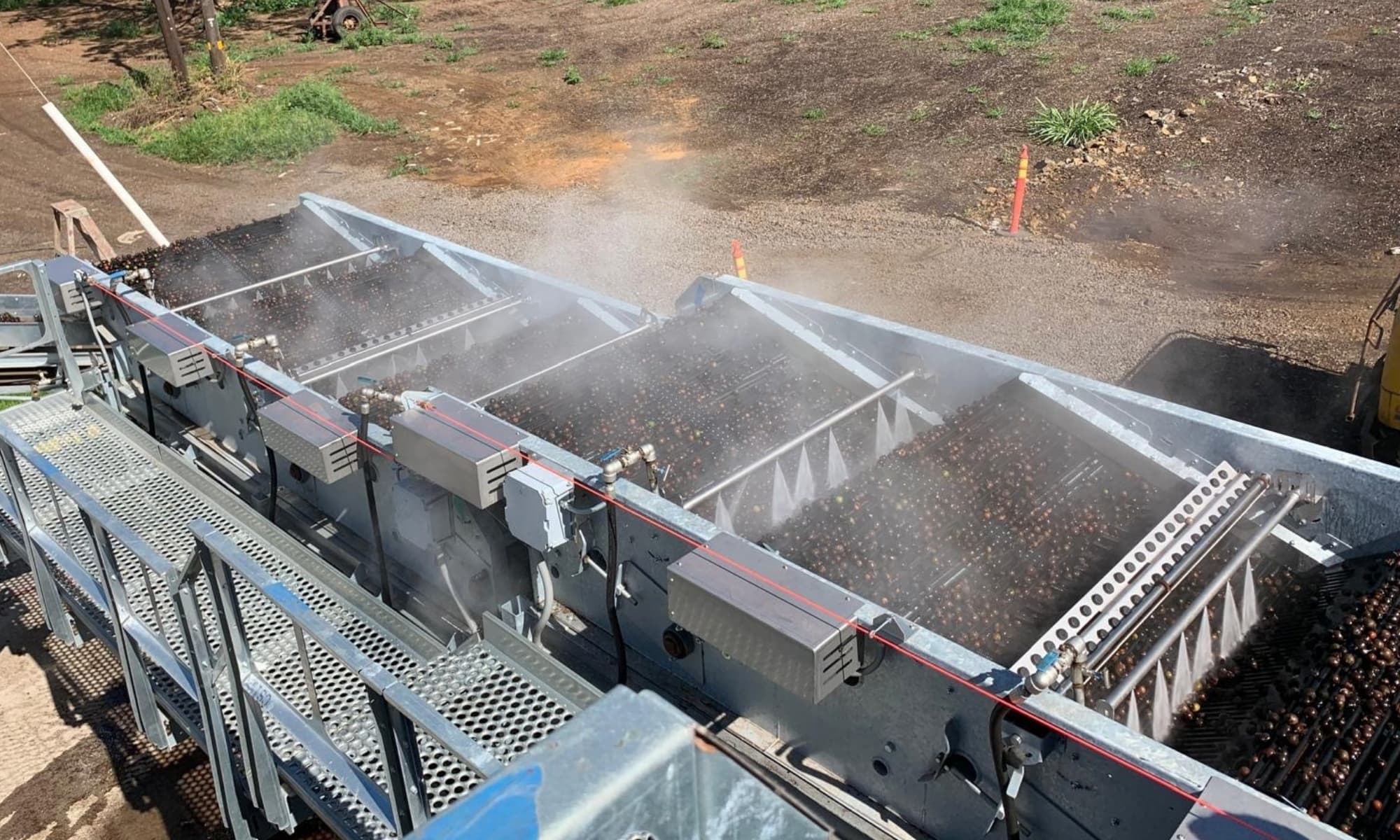
Serbian practical advice is to wash the nuts, then dry them on racks out of direct sun with good air circulation, or on the floor in layers no deeper than 7 to 10 cm, stirred two to three times a day at first. Dry to about 8% moisture, measured on the whole nut, with drying air no hotter than 43 °C: hotter air darkens kernels and shortens storage life (University of California).
Store dried nuts in cold, dry and ventilated rooms; Serbian advice gives about 4 °C and 60 to 70% relative humidity, which keeps them until the next harvest. With kernel imports rising, light, evenly dried kernels can help domestic walnuts compete. Jessee, whose processing lines OVE Europe supplies, builds hulling, drying, in-shell cleaning and sizing, and cracking equipment for walnuts, and rates its standard hulling lines at 10 to 30 tons of output per hour.
For general information only. Information may become outdated and does not replace site-specific professional advice. Consult a qualified agronomist and confirm equipment suitability with OVE before acting.
Practical Tips for Walnut Post-Harvest Handling & Processing
Hull the nuts as soon as possible, ideally on harvest day; the longer hulls stay on, the more nut quality deteriorates.
Wash the nuts after hulling and dry them out of direct sun, in thin layers that are stirred often.
Check moisture on whole nuts with a meter and stop at about 8%; drying further only loses saleable weight.
Keep drying air at 43 °C or below; hotter air darkens kernels and can turn the oil rancid.
Store in-shell nuts cold and dry, at about 4 °C and 60 to 70% humidity, as Serbian advice suggests.
Sort out dark, moldy and empty nuts before sale, and keep each cultivar as a separate lot.
Recommended Post-Harvest Handling & Processing Stages









Plan your post-harvest line
Estimate tons/day, cleaning & drying capacity, storage needs, and cost/kg—then build your equipment plan in phases.