


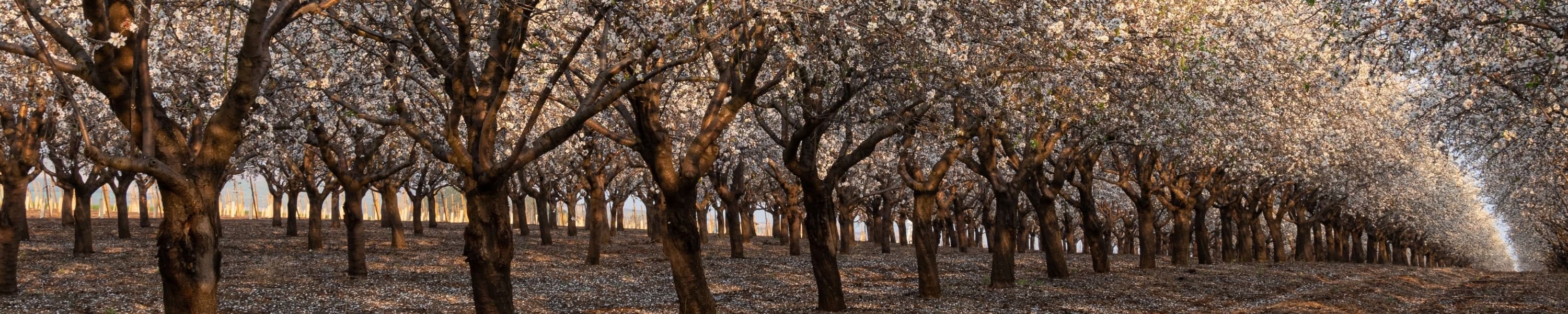




Almond Orchard Establishment in South Africa
South Africa's official varietal list of August 2019 names 14 almond cultivars, among them Nonpareil, Ferragnes, Carmel and Texas Mission. A 2024 USDA report names Nonpareil, Independent (USDA's spelling), Alfahem and Soleta as the cultivars growers mostly planted since 2017, and a 2021 Stellenbosch University thesis describes 'Independence' as self-compatible, with a low chill requirement of 400 Utah chill units.
Most plantings are in the Western Cape: USDA placed all almond production there in 2020, and the province's aerial census reports expansion in the Cape Winelands, West Coast, Overberg and Garden Route districts; farm reports name orchards near Paarl, Robertson and Montagu. In 2024 USDA also named the Eastern and Northern Cape, without areas. Rain falls mainly in winter in the west, while in the Klein Karoo it shifts from winter rain at Montagu to summer rain further east (2009 study).
The Agricultural Research Council notes that most almond cultivars are self-incompatible, so a compatible pollinizer cultivar is planted in the orchard, and advises 5 to 8 hives per hectare when both cultivars reach 50% bloom (page of 2014). Until about 2010 most trees were grafted on Kakamas rootstocks, whose higher chill need put scion and rootstock out of step (2019 report); the 2019 list names the almond-peach rootstocks Felinem, Garnem and Monegro.
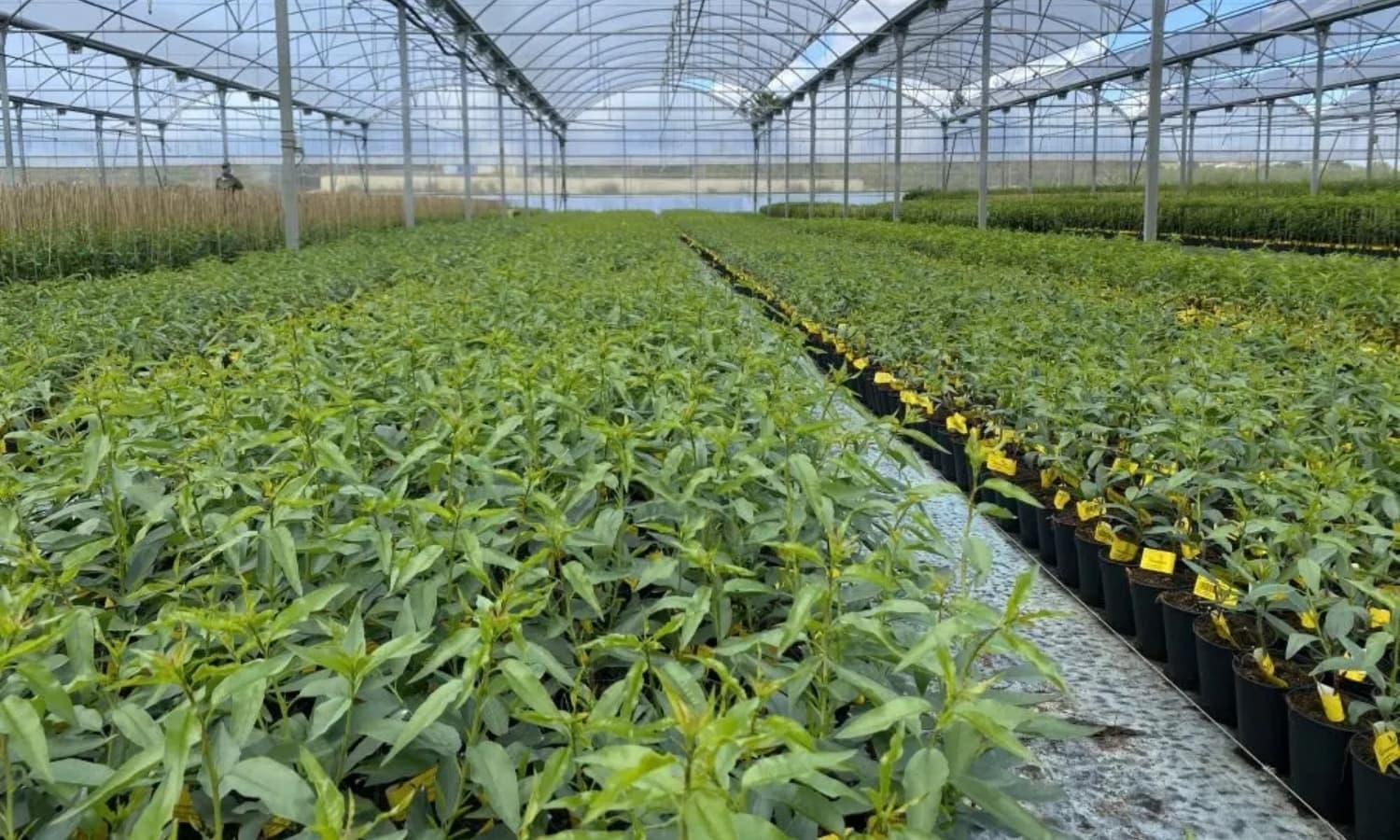

Practical Tips for Almond Orchard Establishment
Choose cultivars for the site's chill: a 2021 Stellenbosch thesis gives 'Independence' a low requirement of 400 Utah chill units.
Unless the cultivar is self-compatible, plant a compatible pollinizer: the Agricultural Research Council notes most almond cultivars are self-incompatible (2014 page).
Check a cultivar's registration before buying trees: the official varietal list of August 2019 named 14 almond cultivars, without Soleta or Independence.
Order trees well ahead: in 2020 USDA reported waits of at least two years for almond planting material.
Match spacing to soil and machines: one Montagu-area grower moved to 6 x 3 m or 6 x 4 m, depending on soil quality (2019).
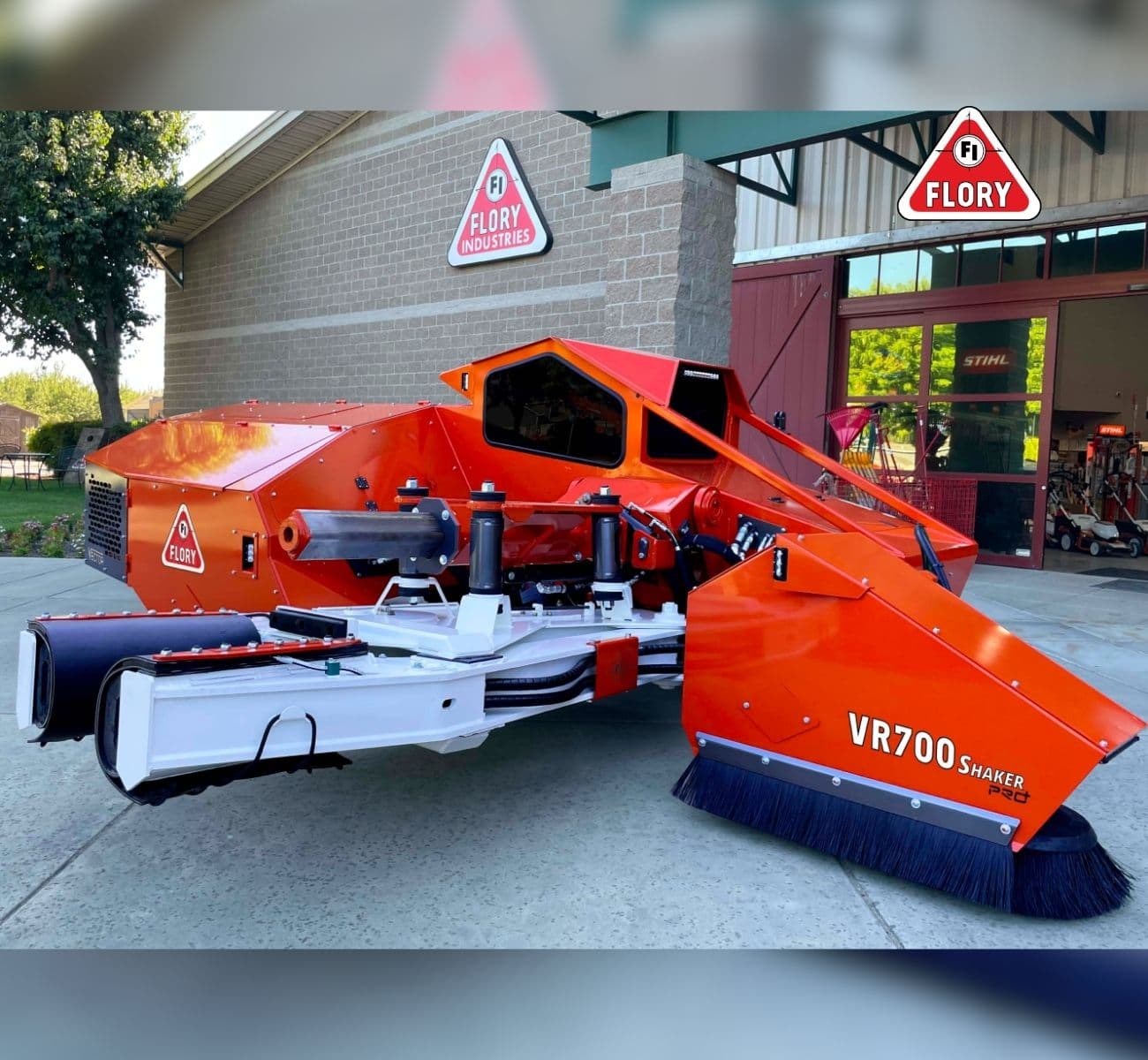
Plan rows, headlands and tree form for the shaker, sweeper and harvester before planting, and check trunk clearance with OVE Europe.
Recommended Establishment Stages
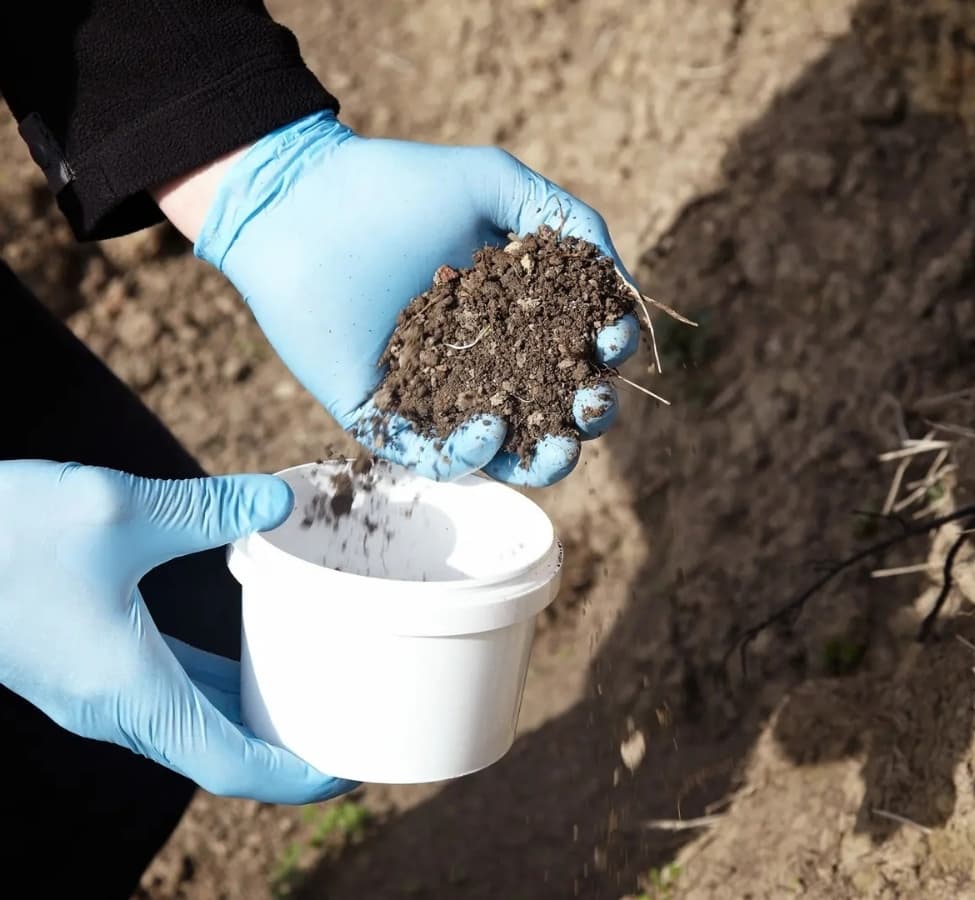




Almond Orchard Care & Maintenance in South Africa
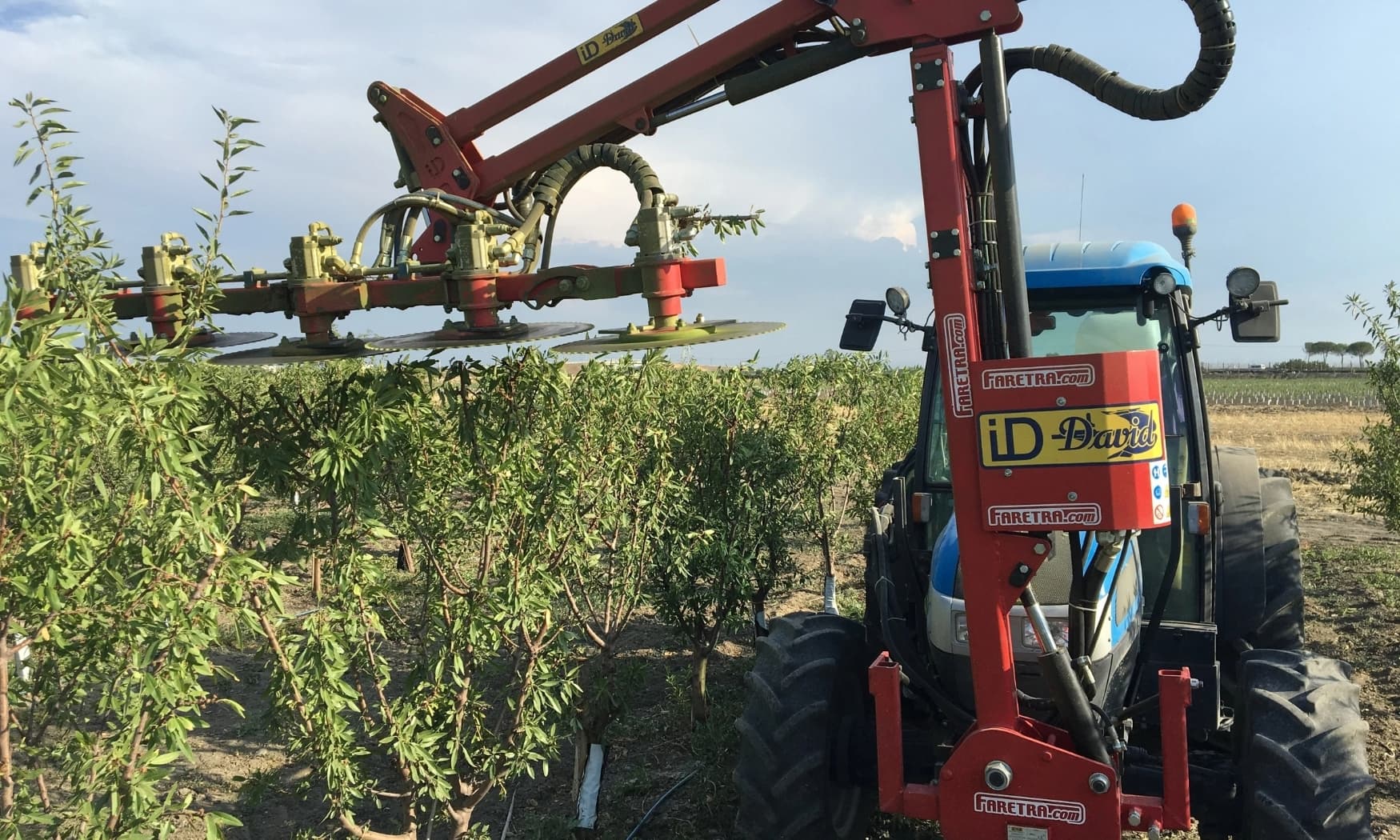
No South African research on almond water use was found. One Paarl farm, planted from 2020 with a first crop expected in 2025, reported 9,000 to 11,000 m³ of water per hectare per season, delivered by double-line drippers on fairly heavy clay; in peak season it watered twice a day, three-fifths of the day's water at 10:00 and the rest in the afternoon (2024 and 2025 reports).
No South African guidance on almond pests and diseases was found. EPPO lists bacterial spot (Xanthomonas arboricola pv. pruni) as present and widespread in South Africa, on information from 1992, and American brown rot (Monilinia fructicola) as no longer present. For training, one Montagu-area grower prunes young trees to an open vase with three to four leaders, after which they largely keep their shape (2019).
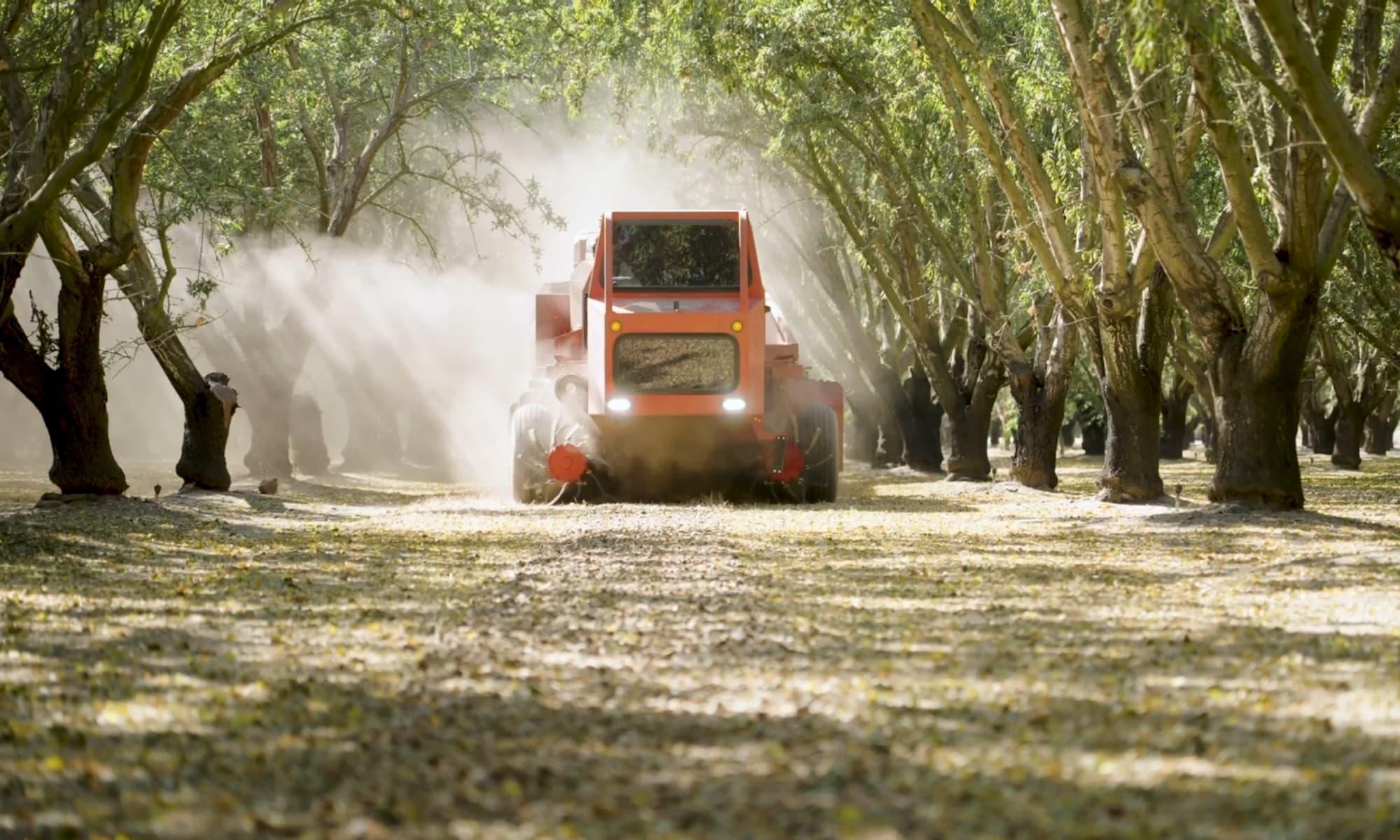
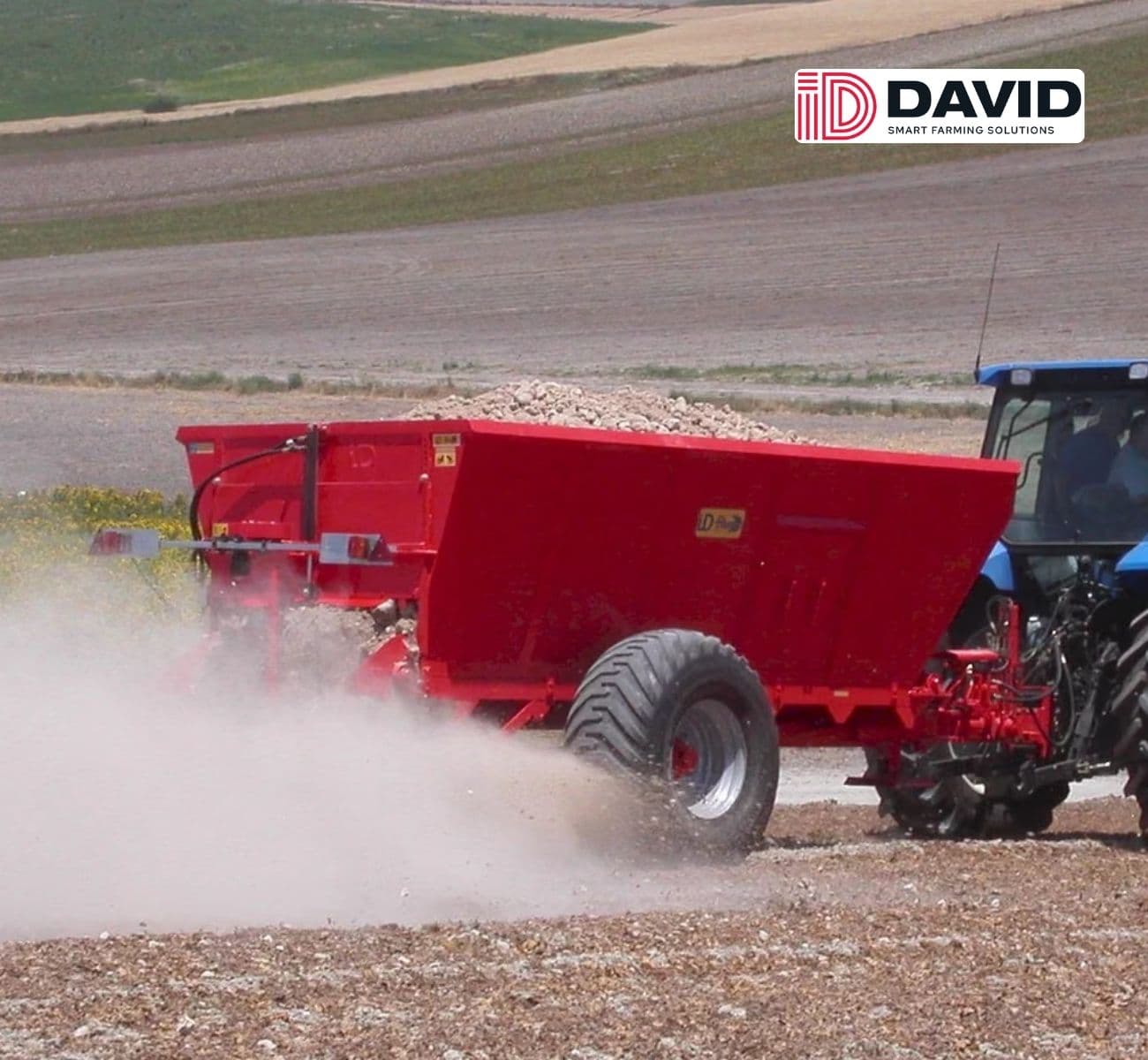
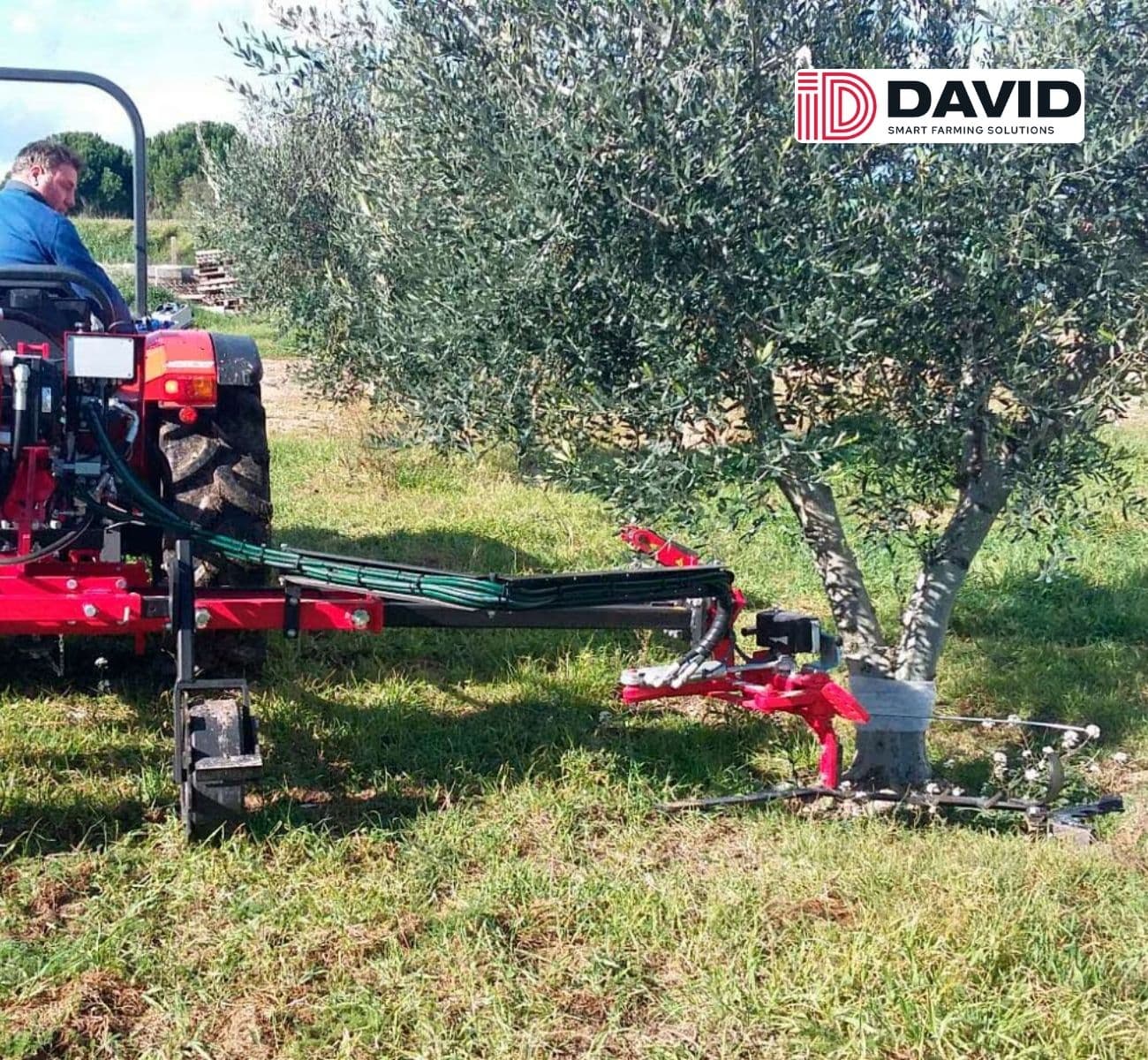
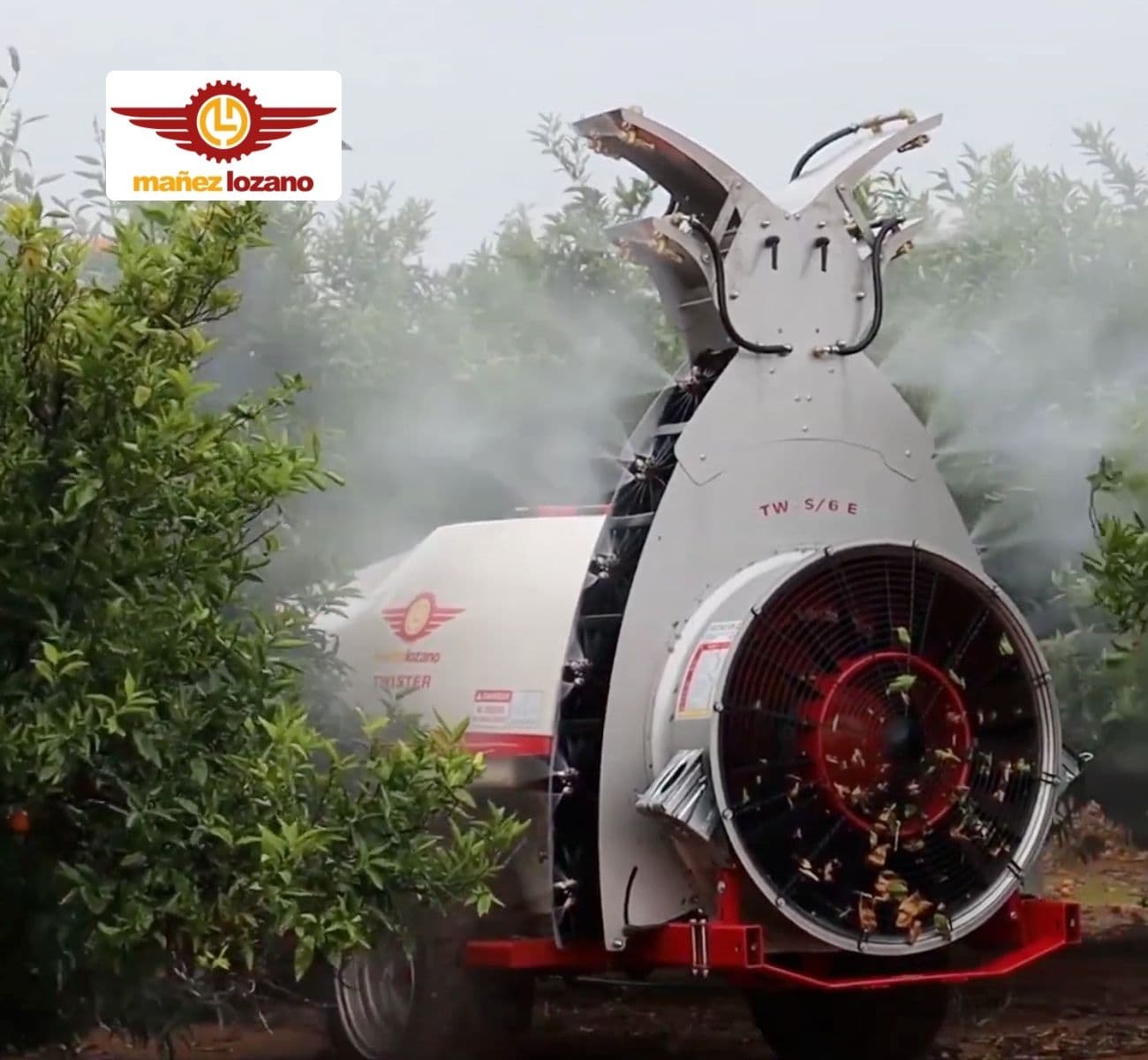
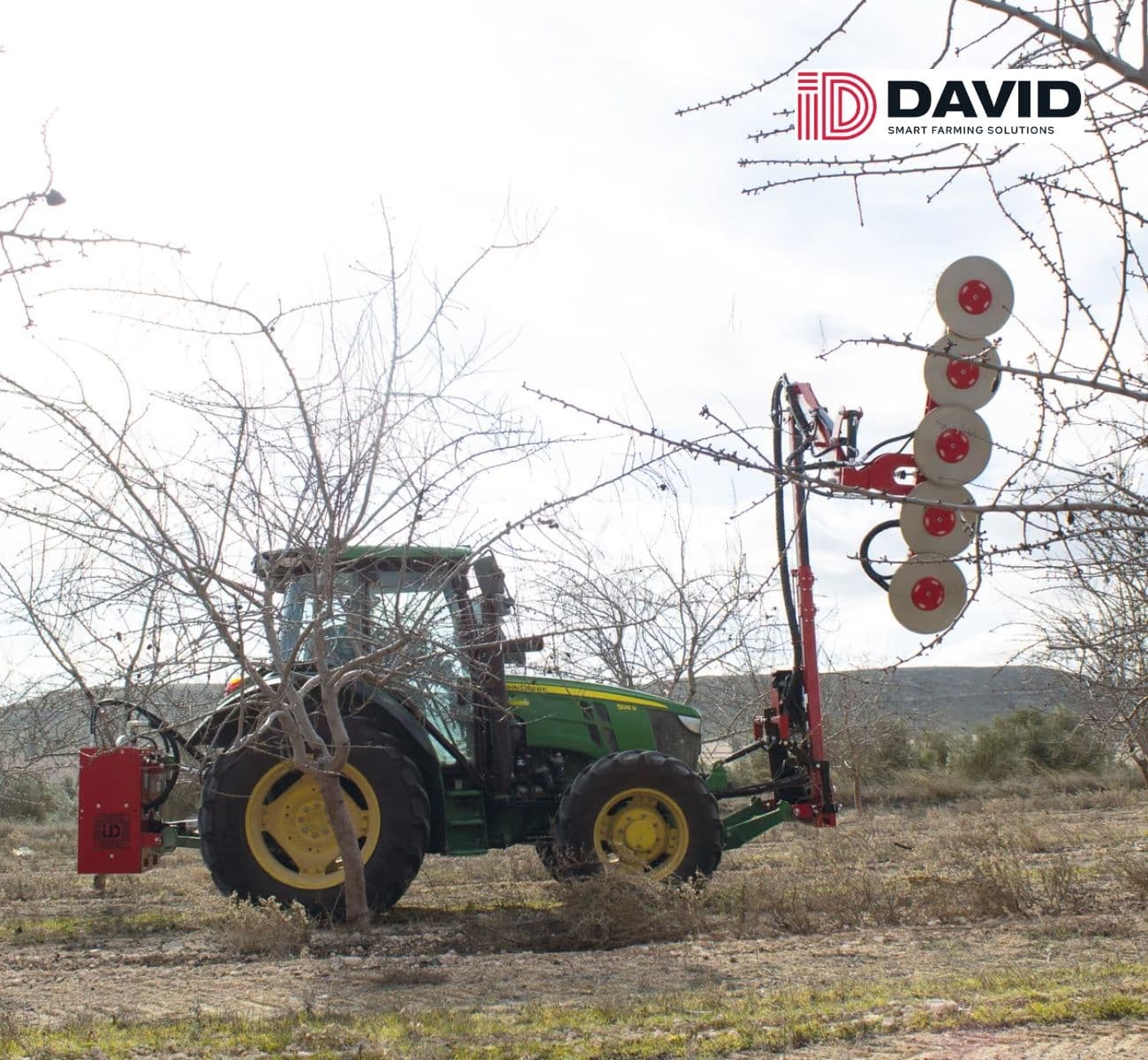
Full bloom falls between the second week of August and the first week of October (USDA, 2024), and each tree flowers for about 21 days (ARC), so hives must be in place on time. For care work, the ID DAVID SURFEED spreads solid manure, the ID-XL weeds the tree row, the Mañez Lozano Mega Twister S6 sprays tall, dense canopies and the ID DAVID ID-REX disc pruner makes lateral and topping cuts.
Recommended Orchard Care & Maintenance Stages



Practical Tips for Almond Orchard Care & Maintenance
Place 5 to 8 hives per hectare when both cultivars are at 50% bloom, as the Agricultural Research Council recommends (2014 page).
Remove competing flowering plants around the orchard: in a 1989 ARC trial, bees also visited two wild aloe species.
Split peak-season watering: one Paarl farm gives three-fifths of the day's water at 10:00 and the rest in the afternoon.
Watch for bacterial spot: EPPO lists it as present and widespread in South Africa, on information from 1992.
Keep the tree row weed-free with an in-row weeder such as the ID DAVID ID-XL, and keep the orchard floor level for harvest.
Spray tall, dense canopies evenly with a trailed airblast sprayer such as the Mañez Lozano Mega Twister S6.

Almond Harvesting in South Africa
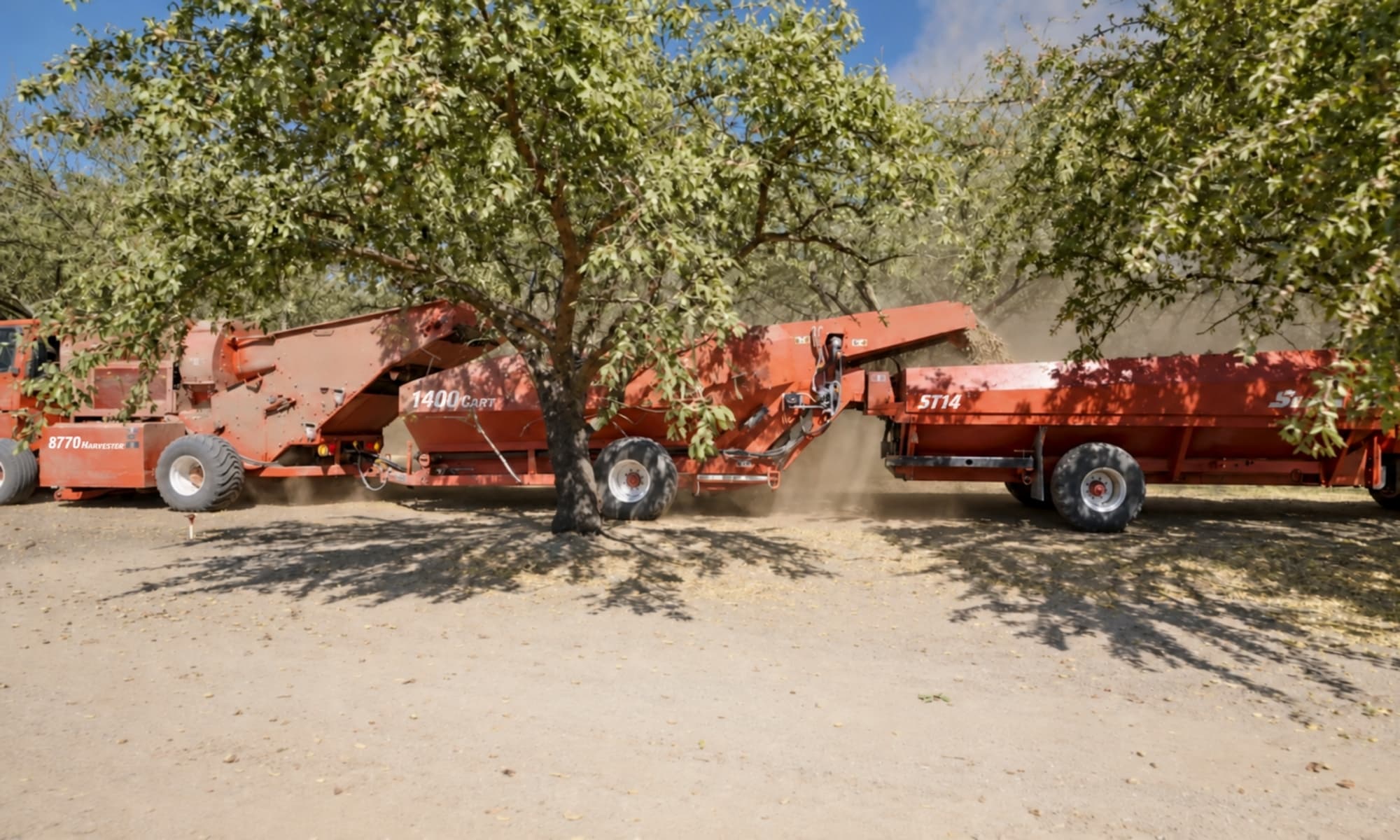
Harvest usually runs from the third week of January to the third week of March, depending on the cultivar (USDA, 2024). One long-established grower near Montagu shakes the trees by machine, sweeps the almonds into rows to dry for up to a fortnight and then picks them up (2019 and 2023 reports); the farm earlier harvested onto nets with mechanical shakers. In orchards planted for machines on suitable ground, mechanized harvesting can bring the crop in on time, with less risk of nuts deteriorating while they wait.
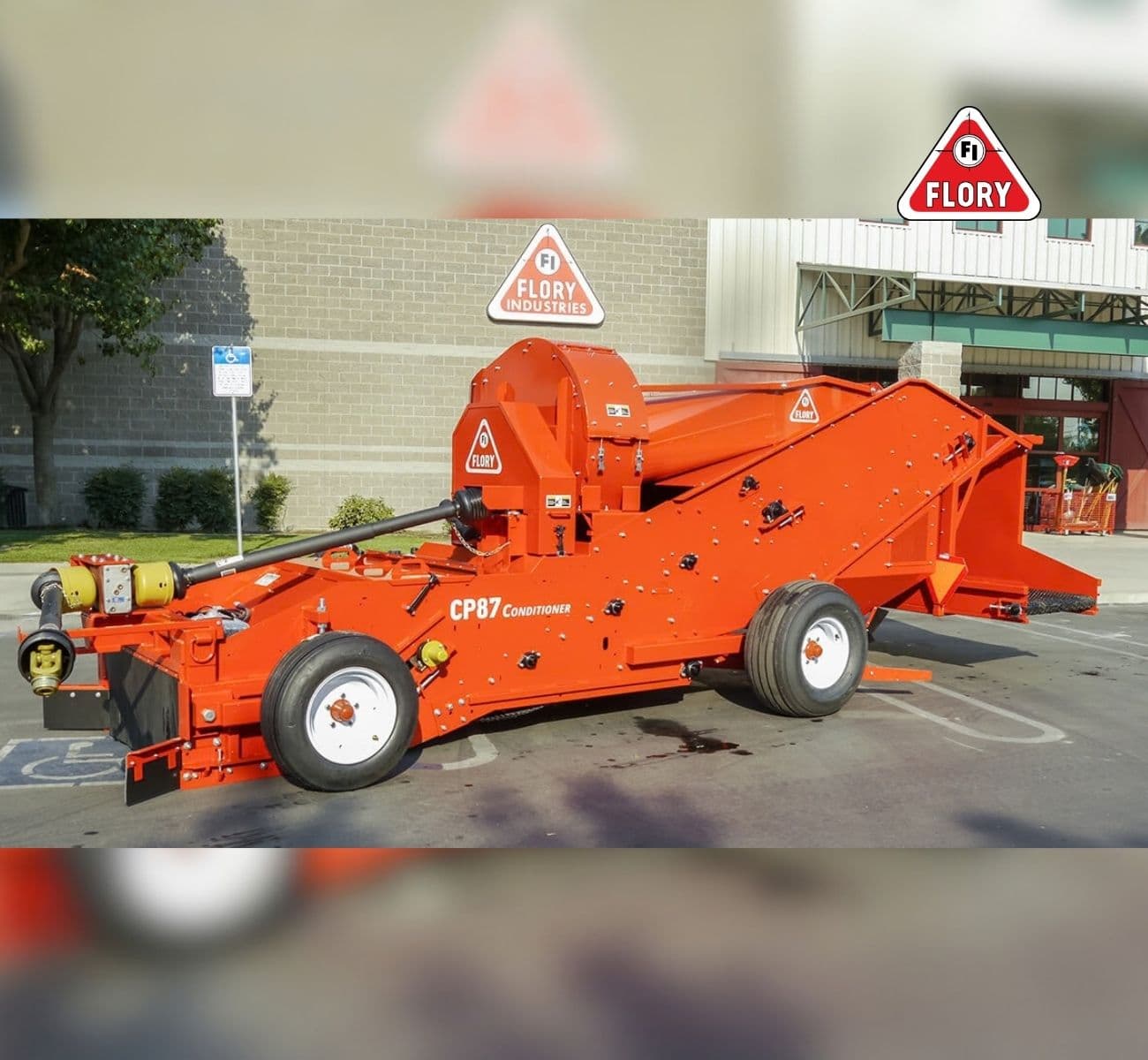
In the winter-rainfall west the harvest falls in the dry season: coastal Cape Town averages 15 to 20 mm of rain a month from January to March (WMO, 1961 to 1990). Rain can still come: cut-off lows brought floods to Montagu in January 1981 and March 2003. Further east, Klein Karoo rain shifts toward summer, and at Upington in the Northern Cape January to March are the wettest months. This guide therefore shows ground drying with the Flory CP87 in the dry west, with prompt pickup or catching frames elsewhere and whenever rain threatens.
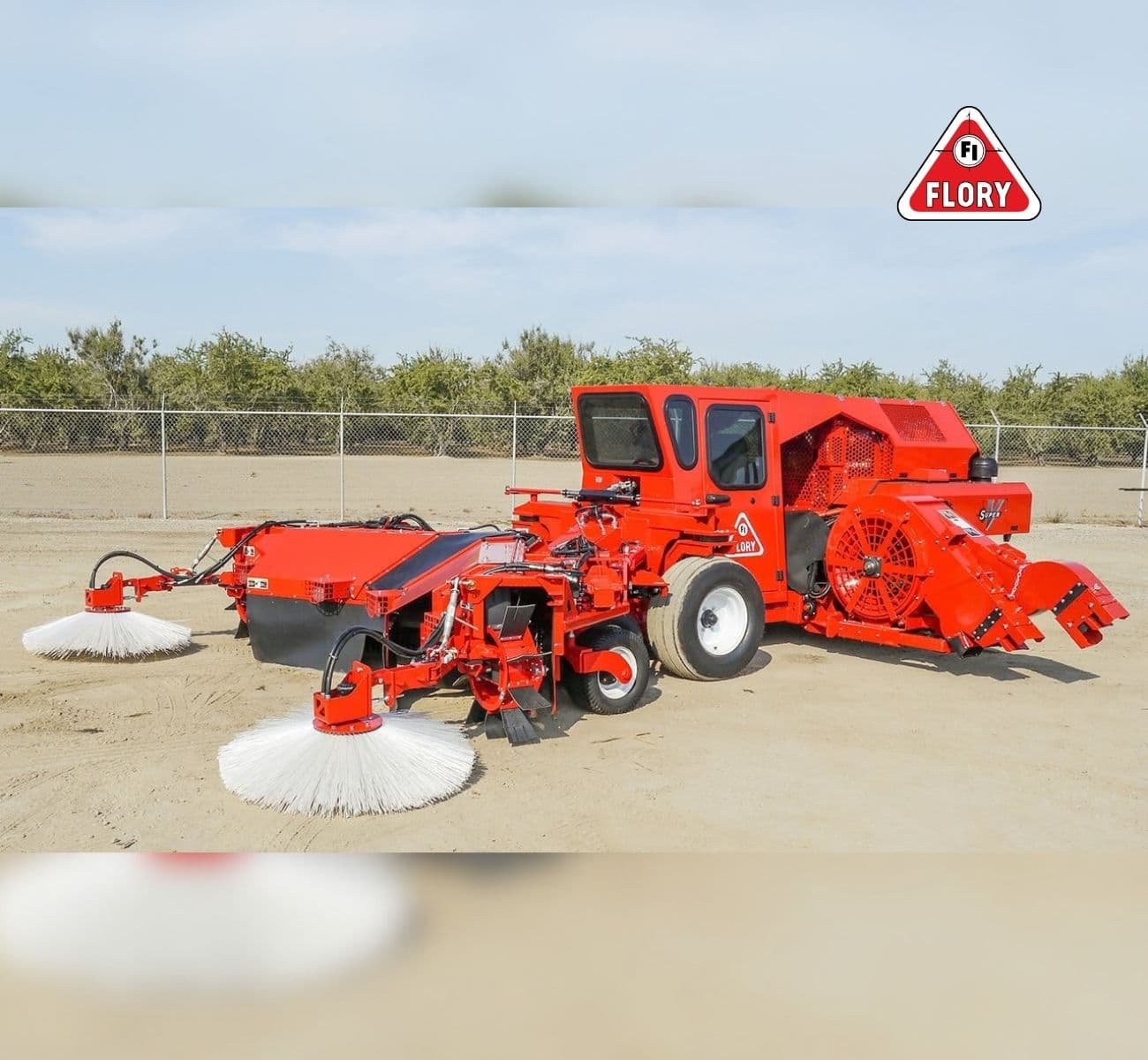
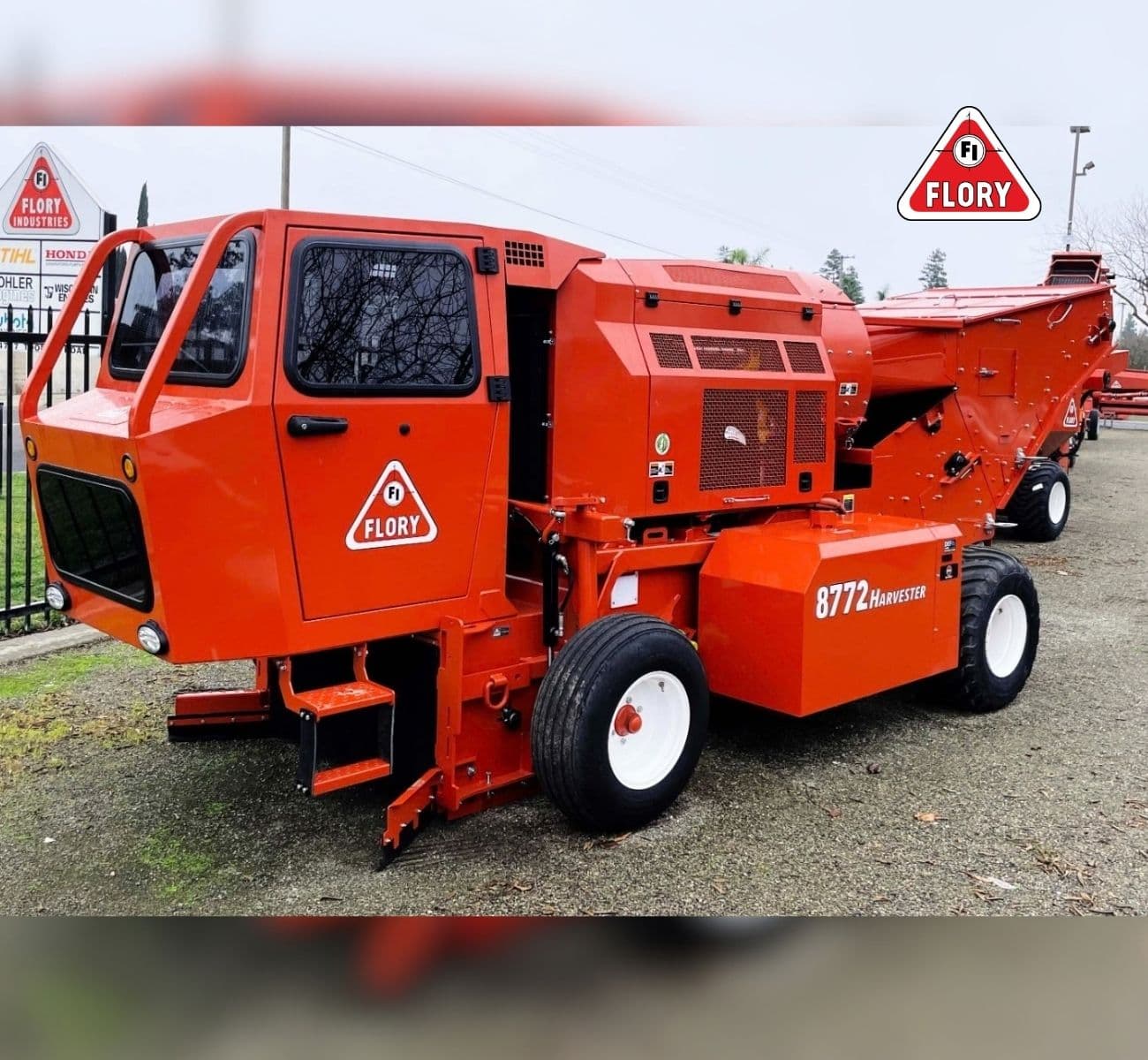
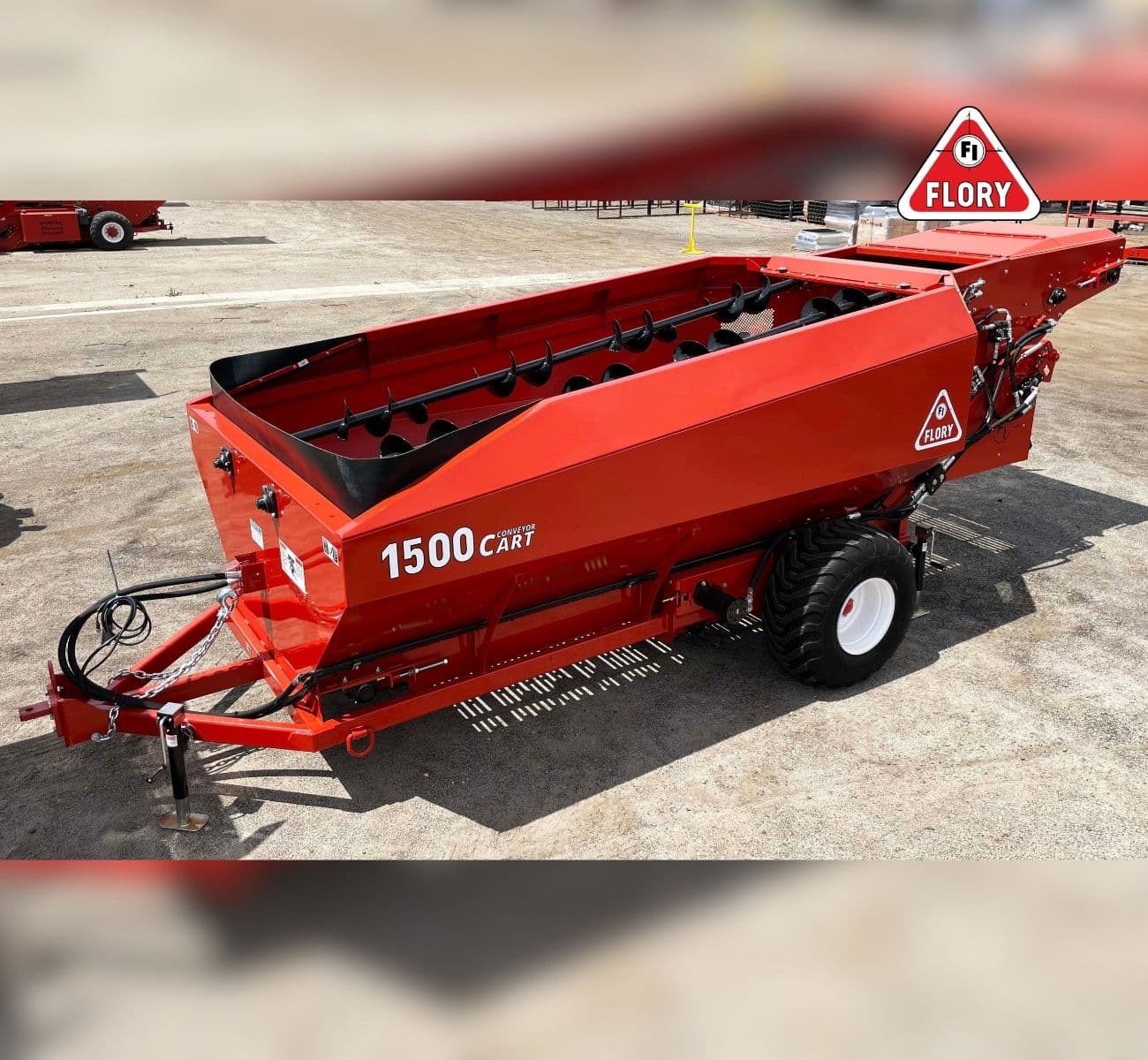
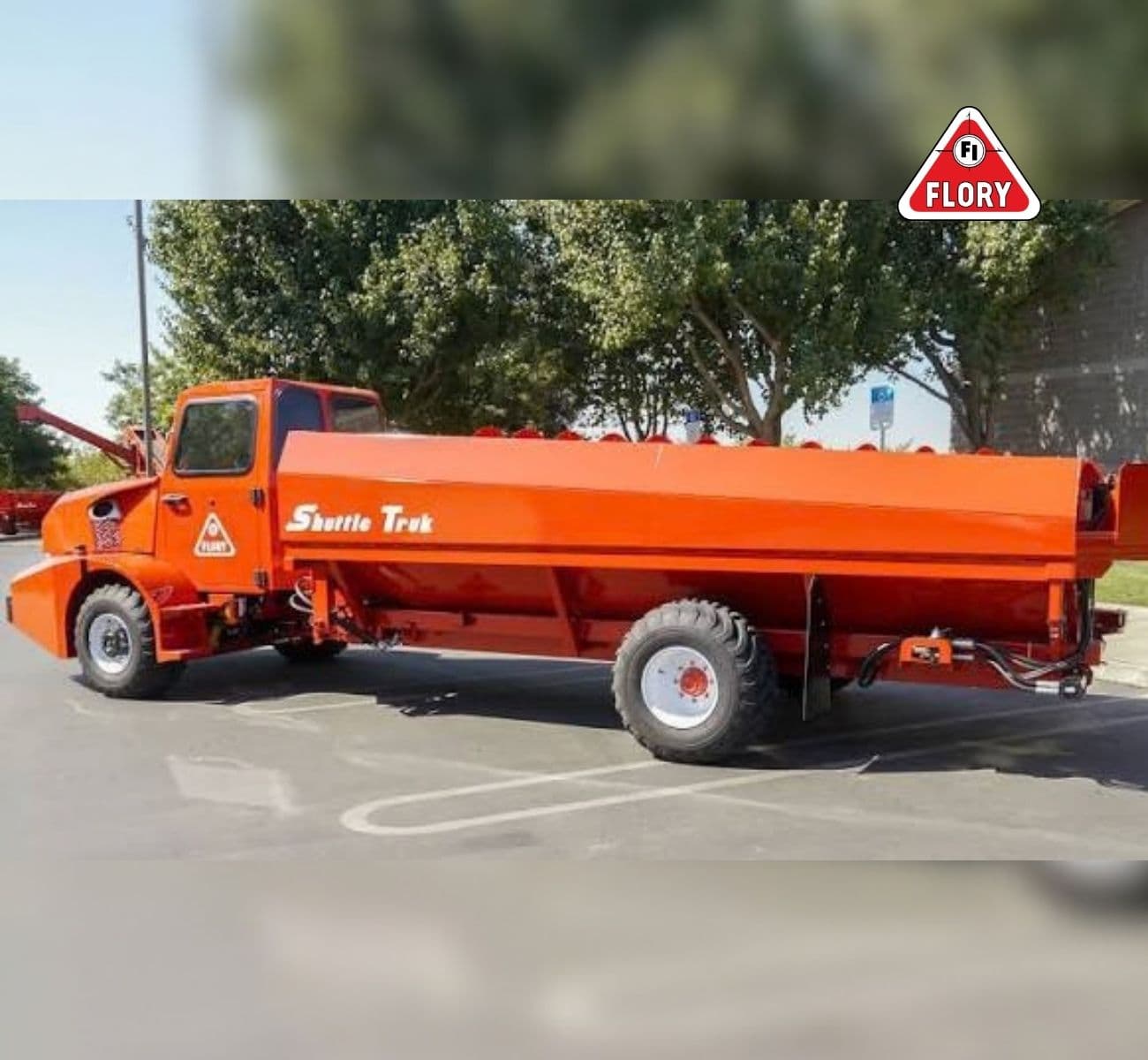
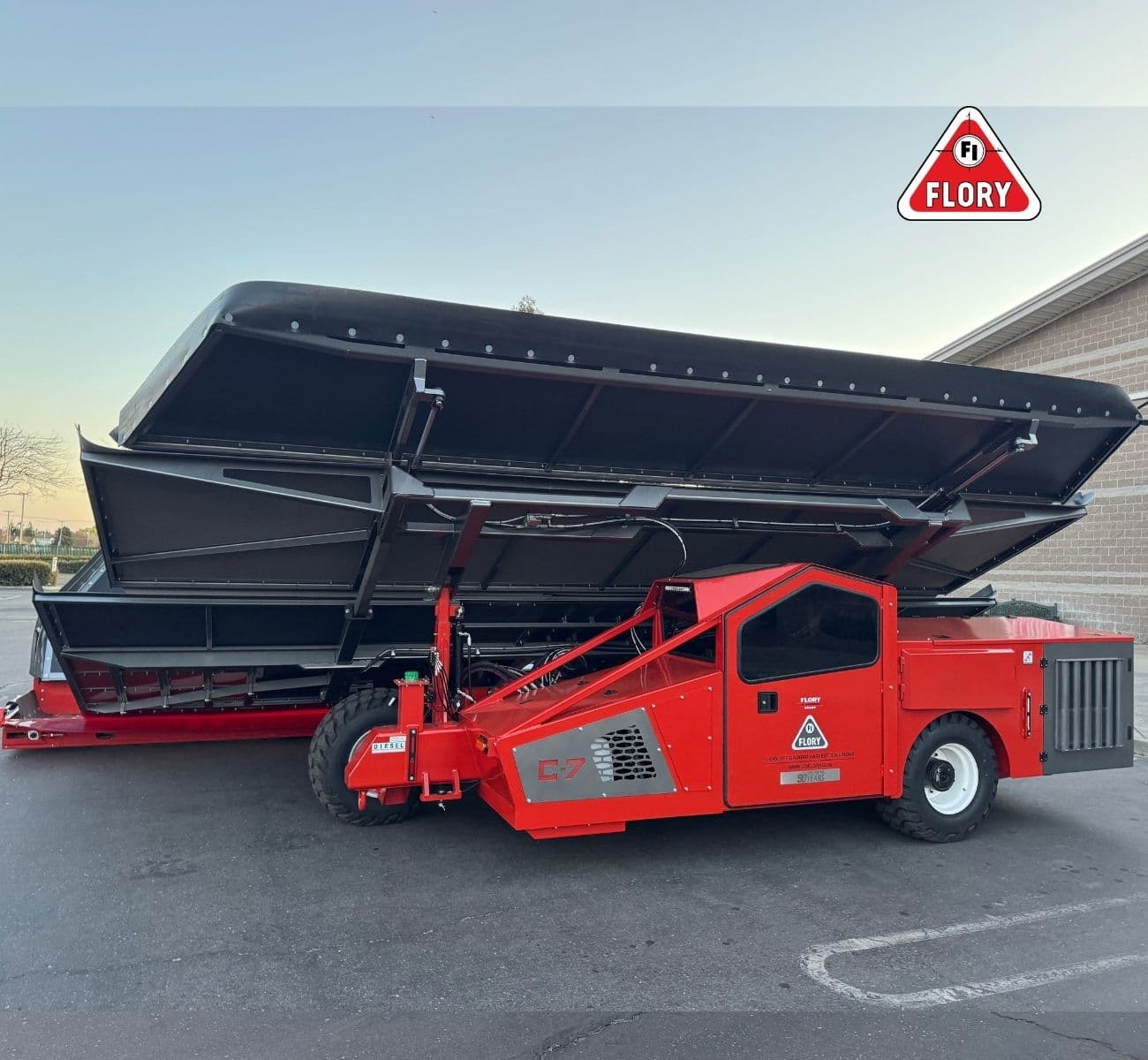
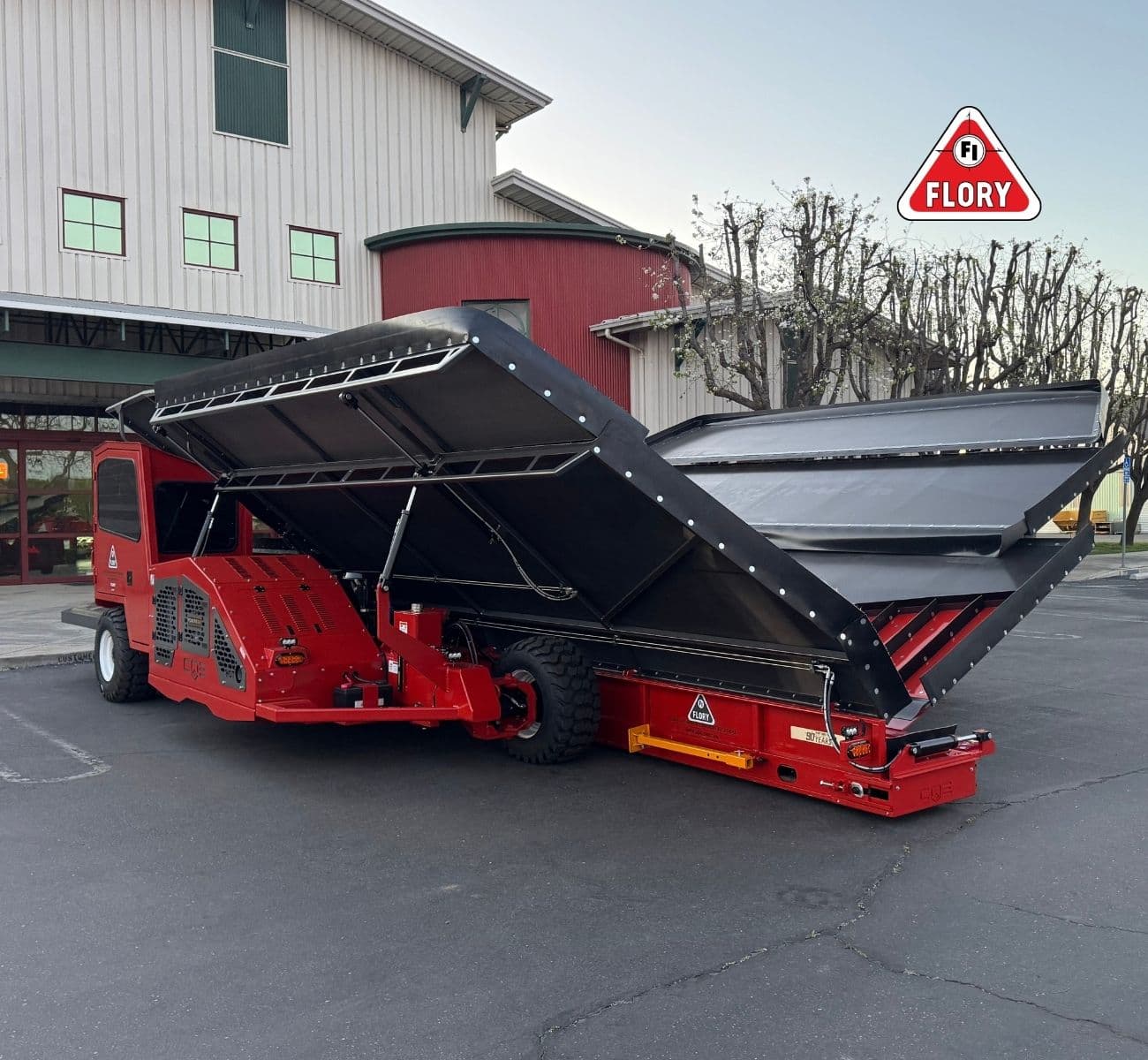
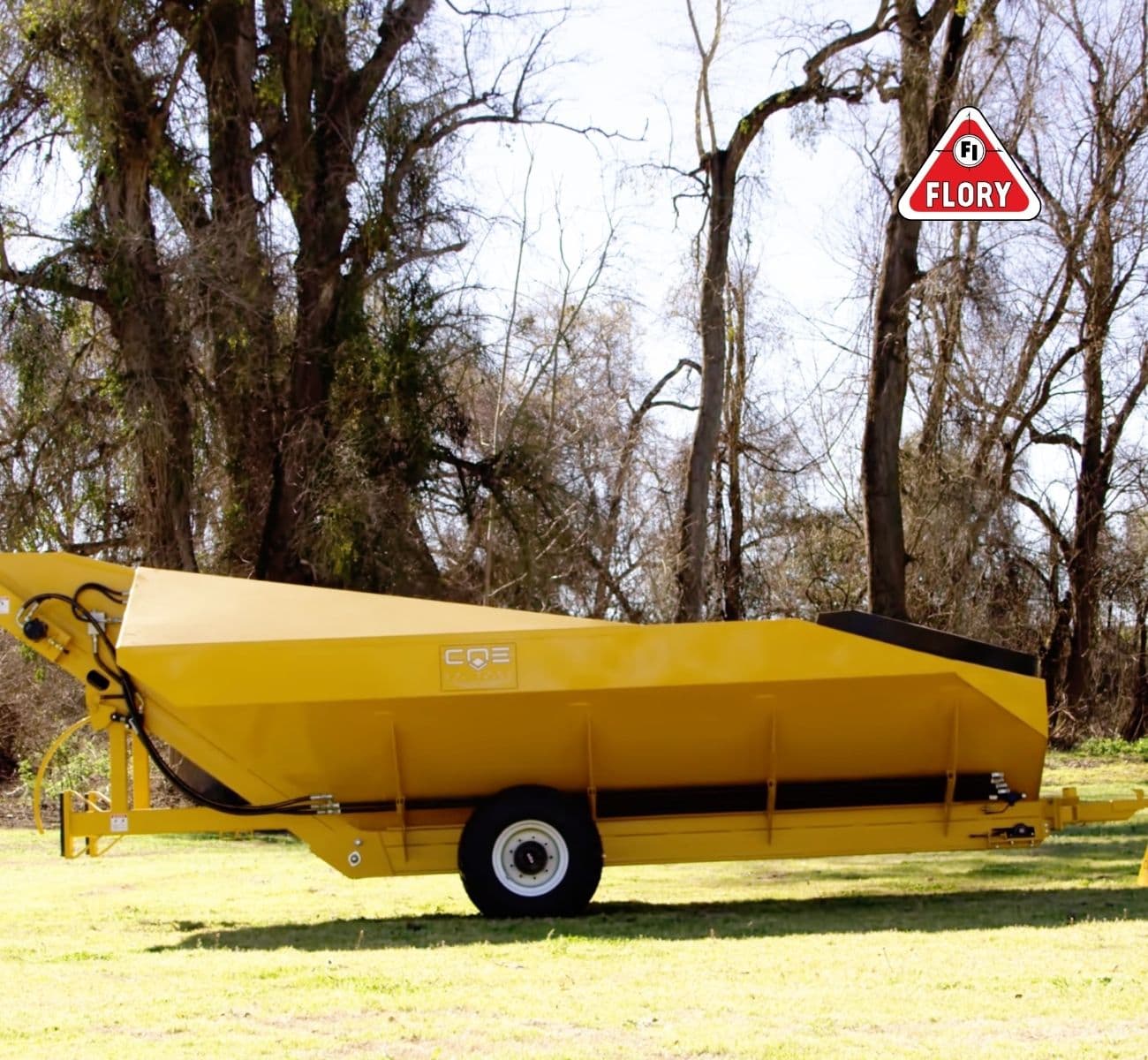
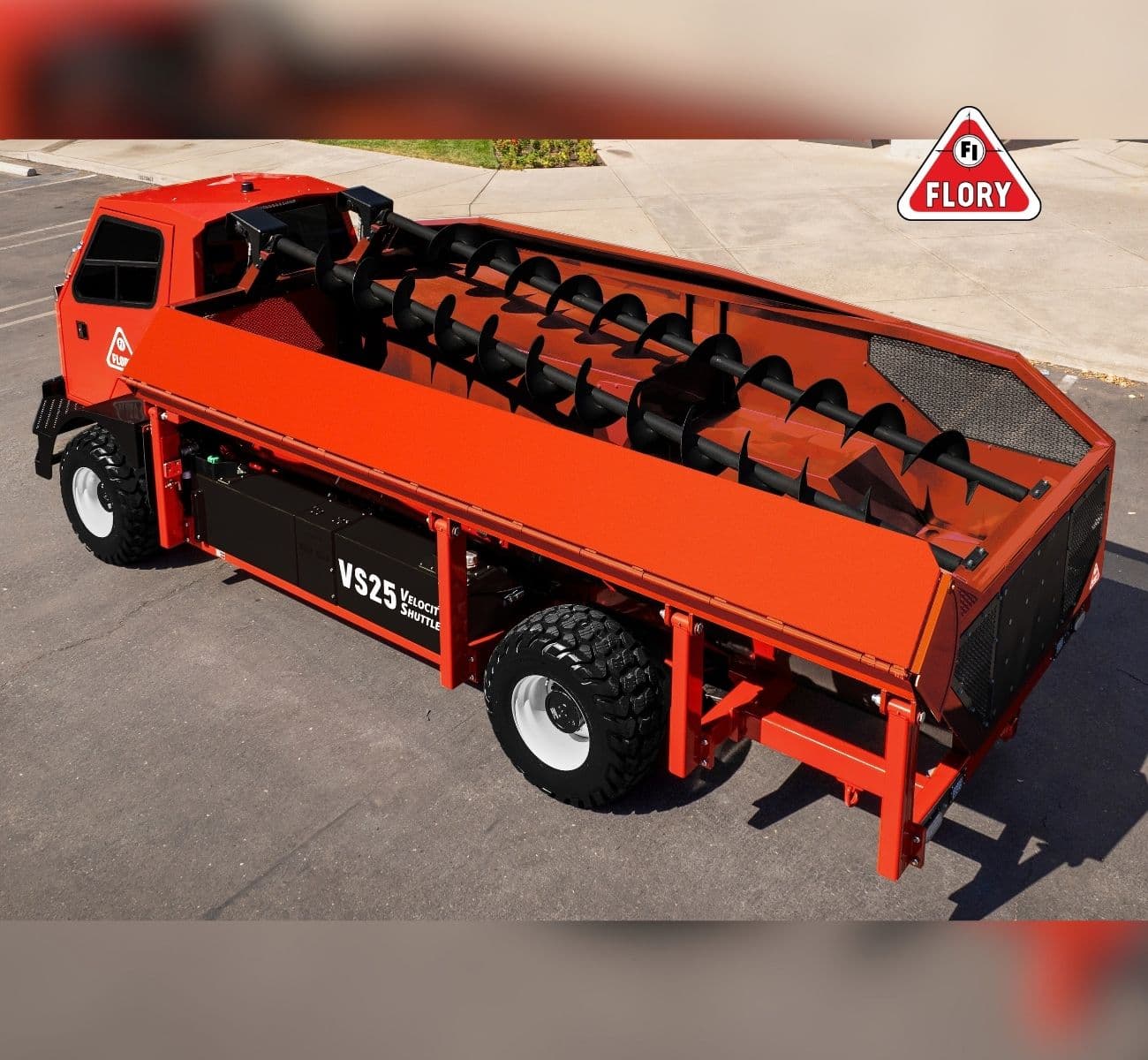
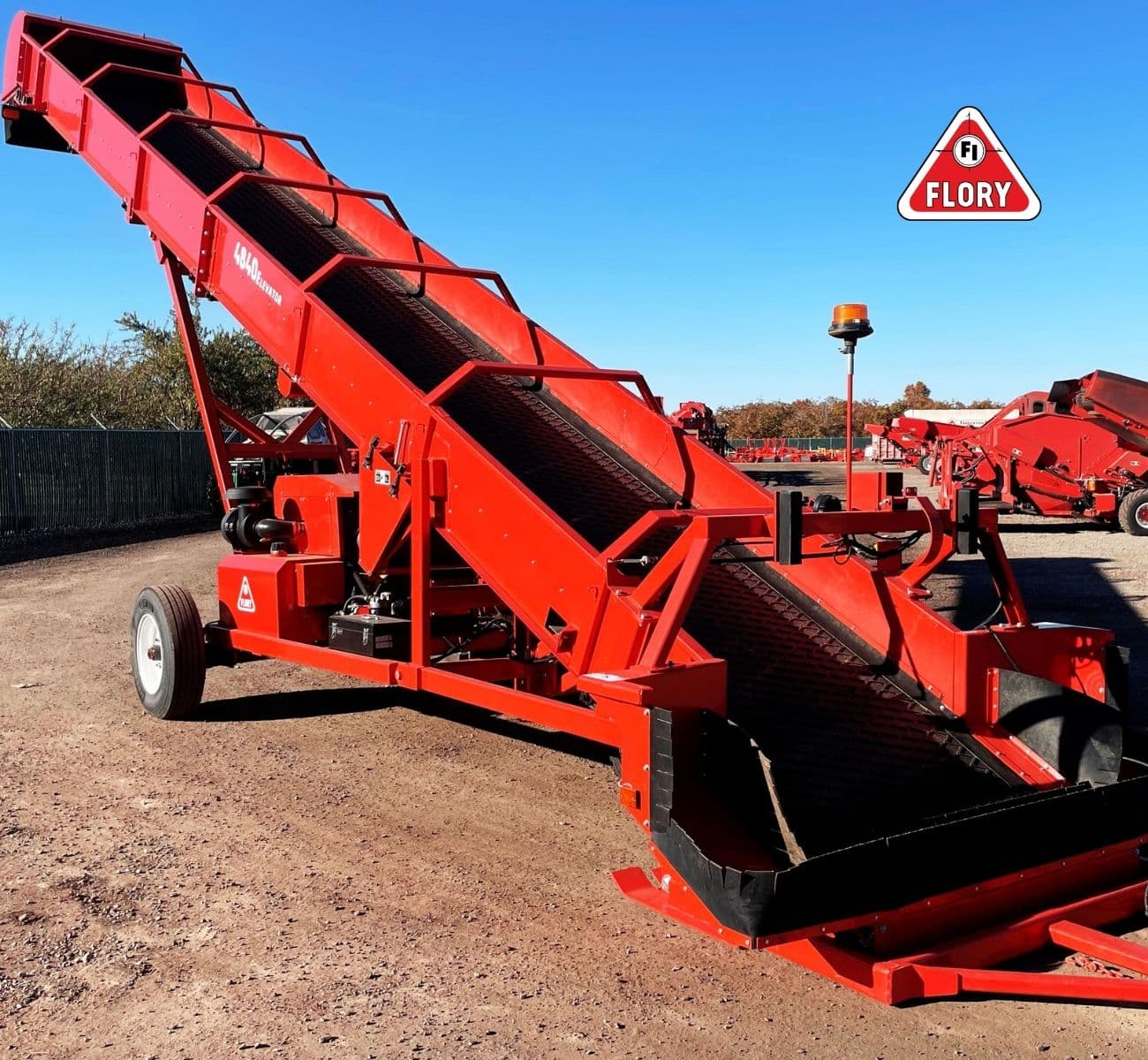
Flory harvesting machinery is available in South Africa through OVE Europe for both systems. On the ground, the VR700 Shaker, V62 Sweeper, CP87 Conditioner and 8772 Harvester work with the 1500 Conveyor Cart and ST14 Shuttle. Off the ground, the Flory COE C7 Shaker and L2 Receiver catch the almonds in a frame around the trunk, the Flory COE B8 Cart and VS25 Shuttle carry them, and the 4840 Field Elevator loads trailers in both systems.
Almond Harvest Workflow (Recommended Equipment)
Practical Tips for Almond Harvesting
Time shaking by hull split: University of California guidance counts 100% hull split once the lowest nuts inside the lower canopy have split.
Dry almonds in windrows only in the dry west and while the forecast stays dry: cut-off lows brought heavy rain to the south-western Cape in February and March 2023.
Keep ground time short: University of California guidance links ant damage to the time almonds spend on the orchard floor.
Sweep shaken almonds into windrows; a conditioner such as the Flory CP87 cleans and re-lays them so they dry faster before pickup.
In the eastern Klein Karoo, the Northern and Eastern Cape, or when cut-off lows are forecast, pick up promptly or catch the nuts with the Flory COE C7 and L2.
Check machine fit before planting trellised ultra-high-density blocks: no South African source says how such almond orchards are harvested.
Get your recommended harvest setup
Enter orchard size, spacing, terrain, and target throughput—we’ll suggest a practical harvest workflow and equipment lineup.

Almond Post-Harvest Handling & Processing in South Africa
In this workflow, almonds dried in windrows arrive with dry hulls and are dried further only if needed, while promptly picked or frame-caught almonds are hulled first and then dried in the shell. The Codex code of practice for tree nuts advises hulling as soon as possible after harvest and says shaken nuts should ideally be caught on frames or sheets rather than fall to the ground. No South African source gives drying temperatures or moisture targets.
South Africa's food rules of 2004 set limits of 10 µg/kg of total aflatoxin and 5 µg/kg of aflatoxin B1 for ready-to-eat foodstuffs; almonds are not named, and the 2023 rules on tree-nut exports do not name them either, although their definition of tree nuts ends with 'and other nuts'. Regulation (EU) 2023/915 allows 8.0 µg/kg of aflatoxin B1 and 10.0 µg/kg in total in almonds sold to consumers or used in food, and 12.0 and 15.0 µg/kg in almonds to be sorted first.
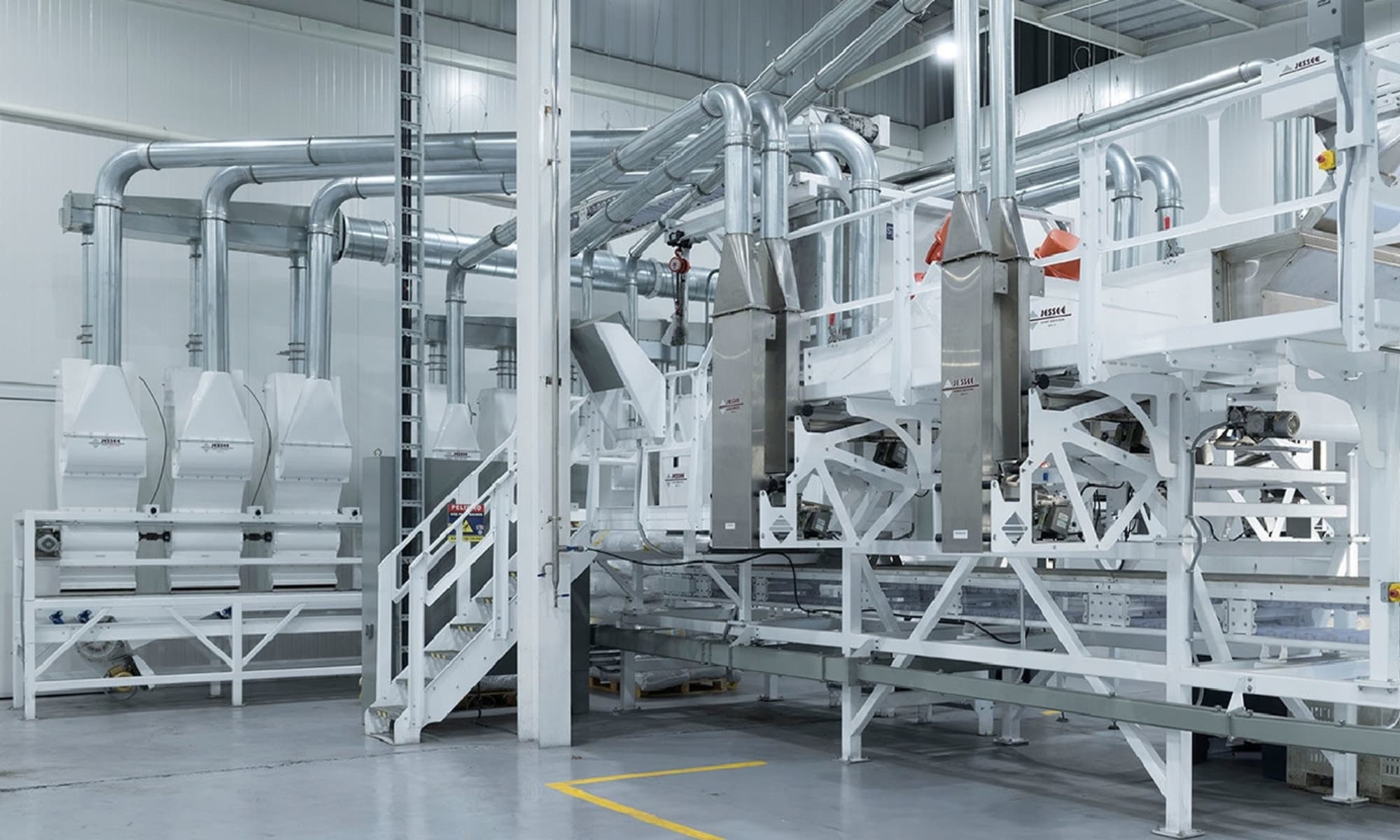
One Montagu-area grower hulls the almonds, cracks them in the farm's de-sheller and sorts the kernels optically and by hand, storing almonds at 0 to 7 °C (2023 report); in 2020 USDA counted only two processing facilities in South Africa. Jessee, whose processing lines OVE Europe supplies, builds hulling, drying, in-shell cleaning and sizing, and shelling systems; its Airlegs nut cleaner was developed for the almond industry.
For general information only. Information may become outdated and does not replace site-specific professional advice. Consult a qualified agronomist and confirm equipment suitability with OVE before acting.
Practical Tips for Almond Post-Harvest Handling & Processing
Pick up windrow-dried almonds as soon as they are dry, then hull them and check moisture before storage.
Hull promptly picked or frame-caught almonds while the hulls are fresh, then dry the nuts in the shell before storage.
Never pick up or stockpile rain-wet almonds: University of California guidance warns that stockpiling wet nuts risks mold and concealed damage.
Test lots for aflatoxins before sale: South African rules limit ready-to-eat foodstuffs to 10 µg/kg in total and 5 µg/kg of B1.
Store kernels cool and dry: one Montagu-area grower keeps almonds at 0 to 7 °C to protect freshness and quality.
Plan processing early: in 2020 USDA counted only two almond processing facilities in South Africa.
Recommended Post-Harvest Handling & Processing Stages







Plan your post-harvest line
Estimate tons/day, cleaning & drying capacity, storage needs, and cost/kg—then build your equipment plan in phases.