





Walnut Orchard Establishment in Spain
Most of Spain's walnut area is irrigated: in 2022, 8,367 of its 12,713 ha were under irrigation, including all 1,773 ha in Extremadura, and 9,936 ha were bearing (Ministry of Agriculture yearbook). A University of Extremadura study (2017 data) places that region's orchards in the irrigated Vegas del Guadiana and the Alagón and Tiétar valleys, on farms averaging 10 to 50 ha, with a high share above 100 ha.
Chandler was the most used cultivar in Extremadura in 2017, followed by Howard, Tulare, Lara and Serr. Spacings of 8 x 8 m and 7 x 3.5 m were the most common, on Regia, Paradox or Mj209xRa rootstocks, with trees grafted in the nursery and sold bare-root. In 2016, twelve walnut cultivars were entered in Spain's Commercial Variety Register, among them Chandler, Howard, Lara, Franquette and the Spanish cultivar Gales.
Spring frost shapes cultivar choice in cooler areas: Pedroso growers in La Rioja favor late-flowering cultivars (2021), and at NEIKER's trial site in Álava, Howard broke bud on 11 April, Chandler on 17 April and Fernor on 28 April. NEIKER pairs Howard, Chandler and Fernor with Fernette as a pollinizer and suggests 8 x 8 m spacing where irrigation is limited and 7 x 4 to 5 m with irrigation on demand.

Practical Tips for Walnut Orchard Establishment
On frost-prone sites, favor later-leafing cultivars: at NEIKER's trial site in Álava, Fernor broke bud on 28 April, 17 days after Howard and 11 after Chandler.
Plant pollinizers: NEIKER's trial pairs Howard, Chandler and Fernor with Fernette, and Franquette with Meylannaise.
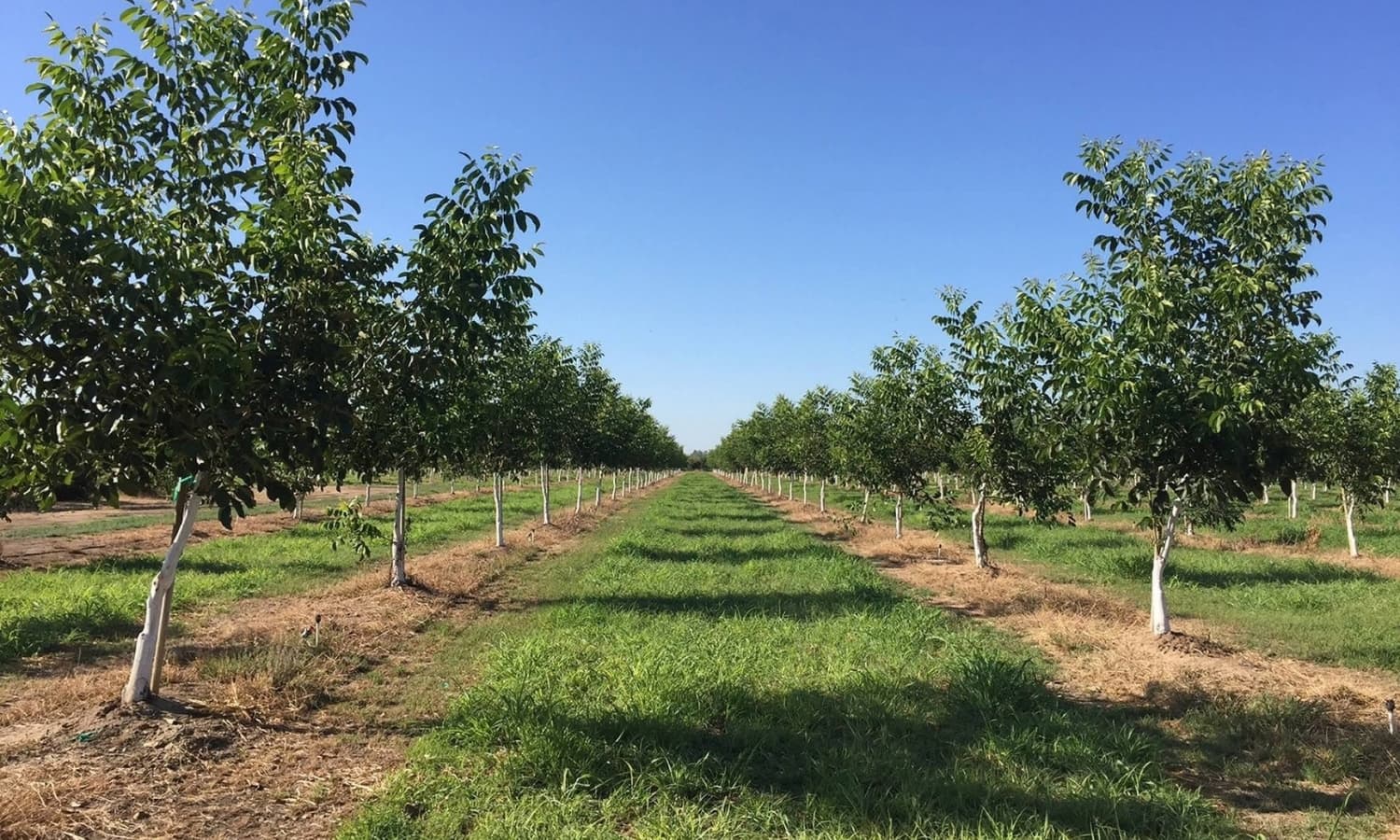
Match spacing to water: NEIKER suggests 8 x 8 m (140 to 150 trees per ha) where irrigation is limited and 7 x 4 to 5 m (250 to 280 trees) with irrigation on demand.
Choose nursery-grafted trees of registered cultivars, on rootstocks common in Extremadura (2017) such as Regia, Paradox or Mj209xRa.
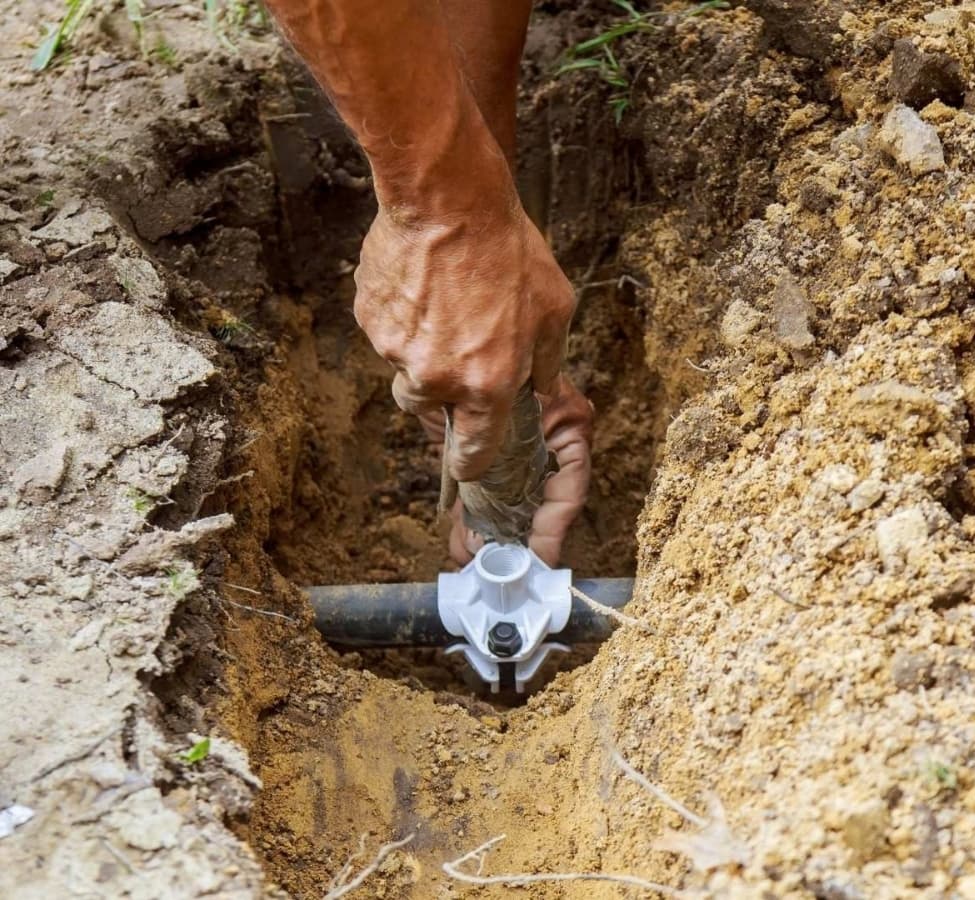
Secure water before planting: NEIKER puts walnut's needs at about 10,000 m³ per ha a year, 75% from May to September, and irrigation at 2,000 to 6,000 m³ in Álava.
Leave room for machines: Spanish spacings of 7 x 3.5 to 8 x 8 m put rows 7 to 8 m apart; agree alley width and headlands with your machinery supplier.
Recommended Establishment Stages


Walnut Orchard Care & Maintenance in Spain
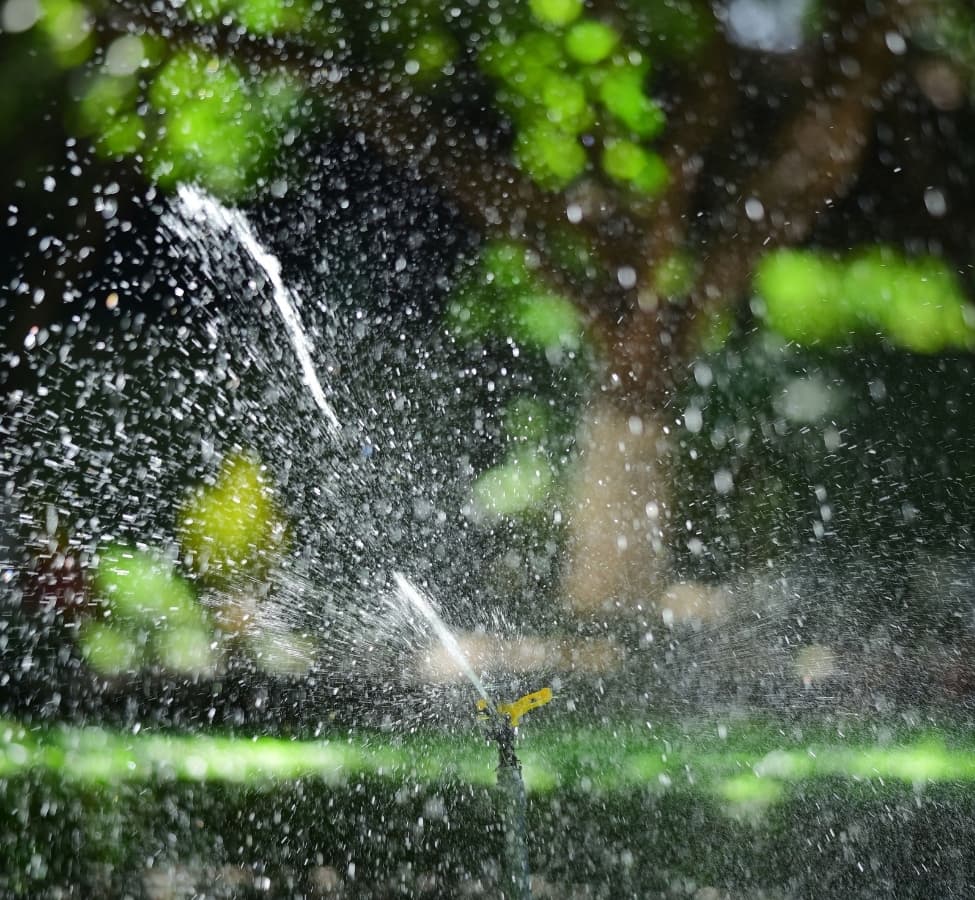
NEIKER's guidance (2024) treats walnut as an irrigated crop needing about 10,000 m³ of water per ha a year, at least 6,000, 75% of it from May to September, with 2,000 to 6,000 m³ from irrigation in Álava. Looking back on 2022/23, FEPEX's walnut committee reported in 2024 that a lack of irrigation water and heat spells at flowering cut yields and hurt nut size and color, especially in the southern half of the peninsula.
The Ministry of Agriculture's integrated pest management guide for walnut (2019) sets monitoring methods and thresholds. Walnut blight has been described in most Spanish growing areas (Spanish Phytopathological Society), and its brown apical necrosis form hit Chandler and Hartley harder than Franquette in a 2007 to 2008 study (Plant Disease, 2011). In southern Spain, a 2020 University of Córdoba study first identified the fungi behind walnut branch dieback and shoot blight.
Walnut husk fly is spreading in the north: NEIKER reported in 2026 that it occurs, with varying incidence, in Catalonia, Galicia, Asturias, Cantabria and the Basque Country, with records also in Navarre, Aragon and Castile and León, and crop losses of 50 to 80% in most small plantings without control. It makes the hull stick to the shell, which hampers hulling and drying, and Pedroso growers in La Rioja saw their first attacks in 2025.
Recommended Orchard Care & Maintenance Stages
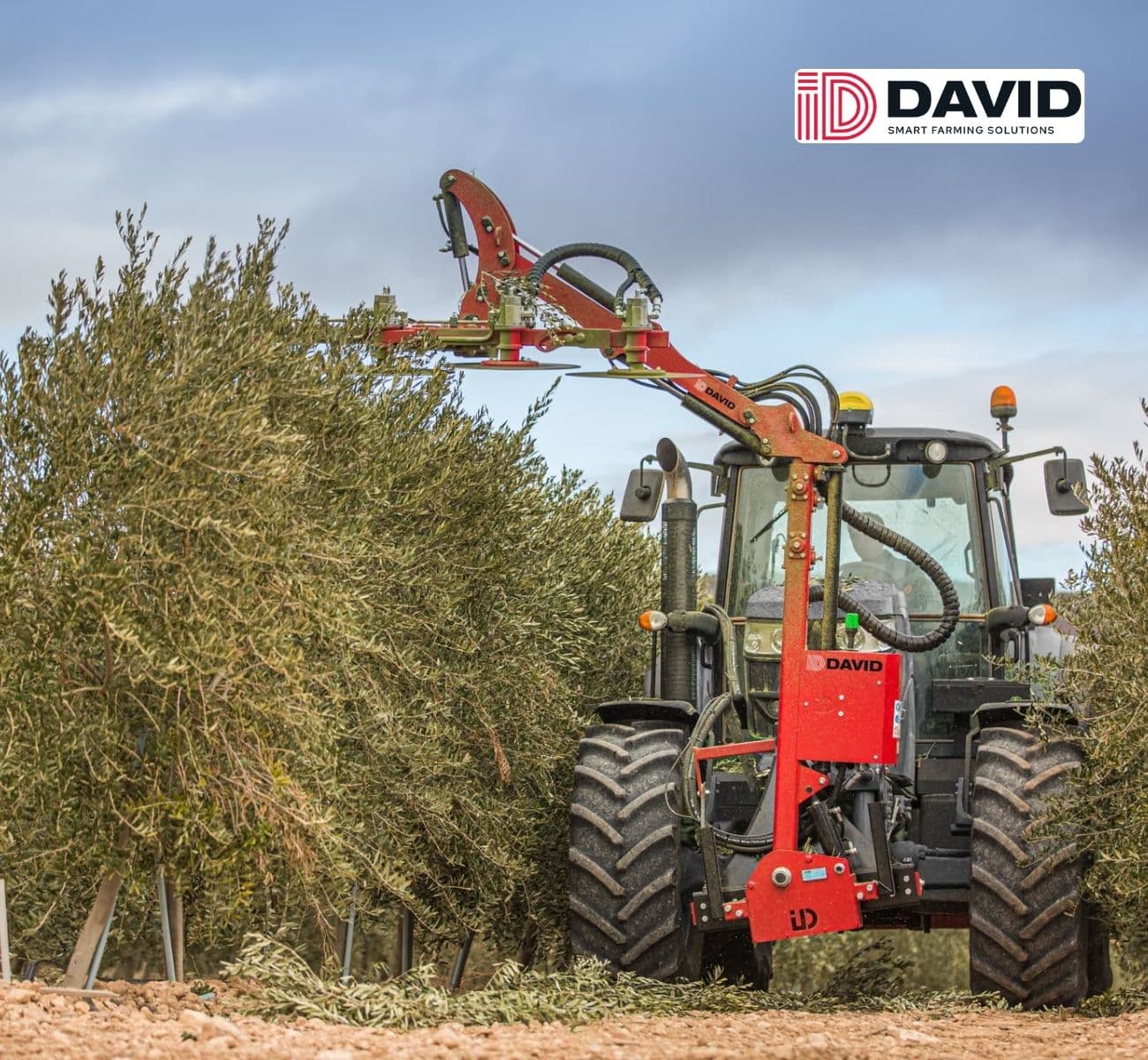
Practical Tips for Walnut Orchard Care & Maintenance
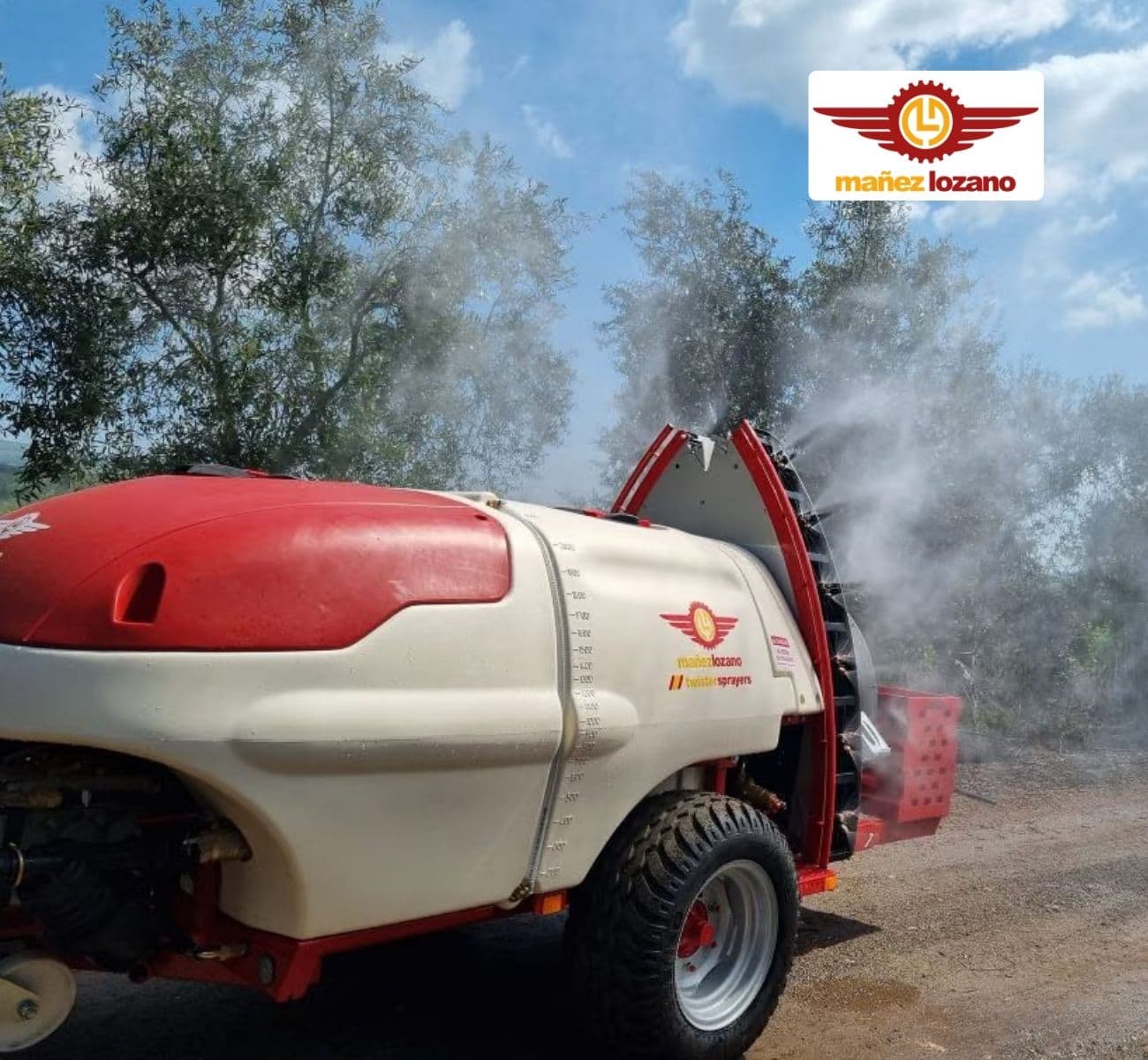
Hang pheromone traps for codling moth from late March to early April, four per hectare, as the ministry's 2019 guide advises.
Sample 1,000 nuts per hectare, 20 on each of 50 trees, and act at 0.5% fresh damage in the first generation and 1% later (2019 guide).
In the north, hang yellow traps for walnut husk fly and remove damaged nuts as early as possible, as the ministry's guide advises.
From bloom, check flowers and young nuts weekly for brown apical necrosis, which hit Chandler and Hartley hardest in a Spanish study.
Prune out blighted shoots and destroy fallen leaves and nuts, the cultural measures the ministry's guide gives for walnut blight.
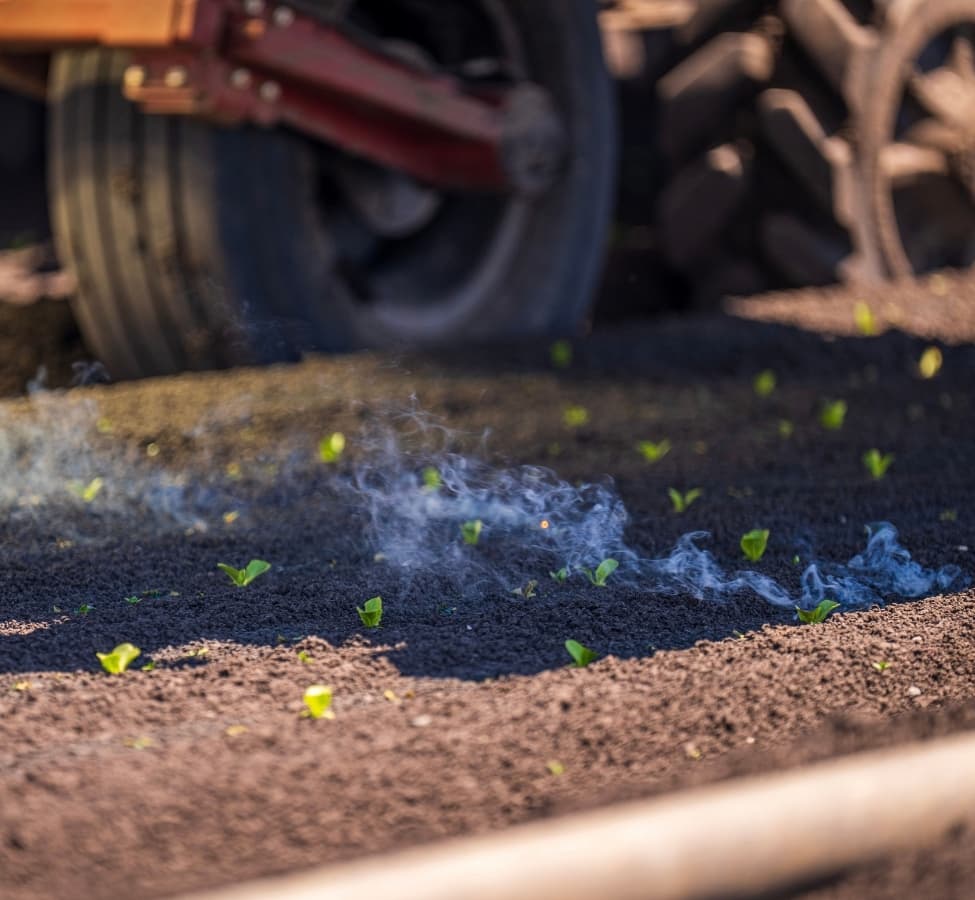
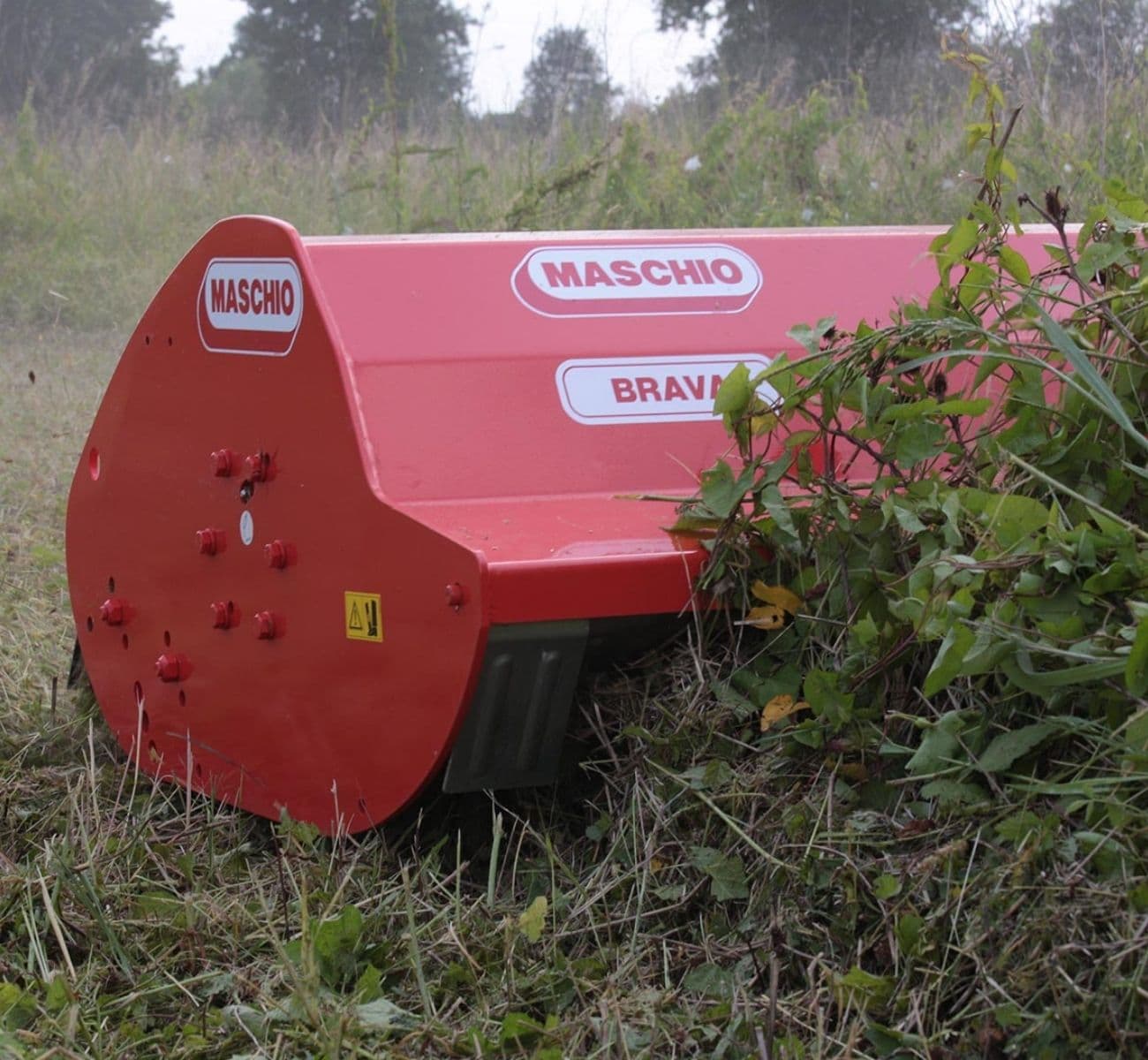
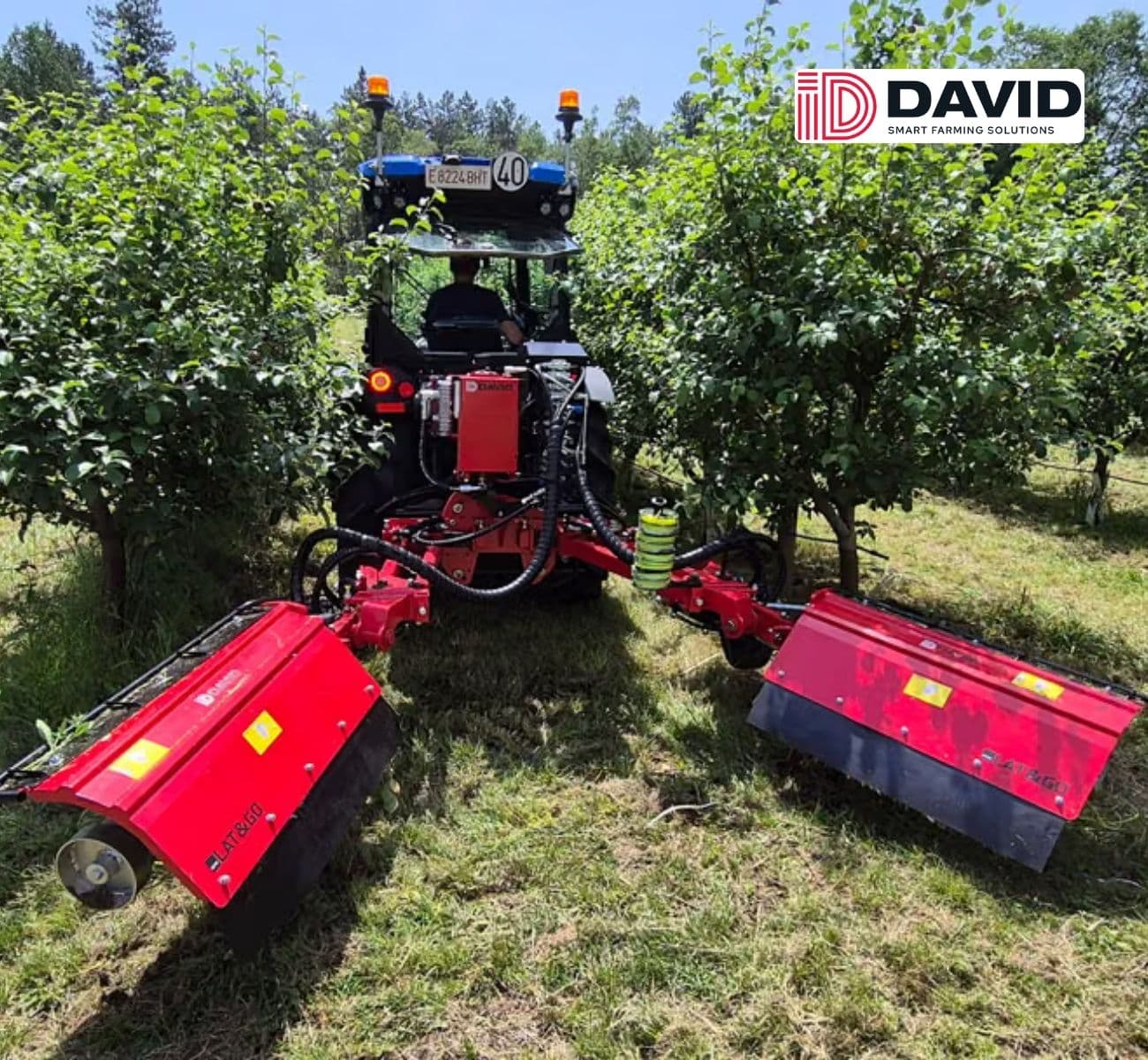
Keep weeds down around young trees and mulch them for the first 4 to 5 years: the guide calls walnut most sensitive to weeds early on.

Walnut Harvesting in Spain
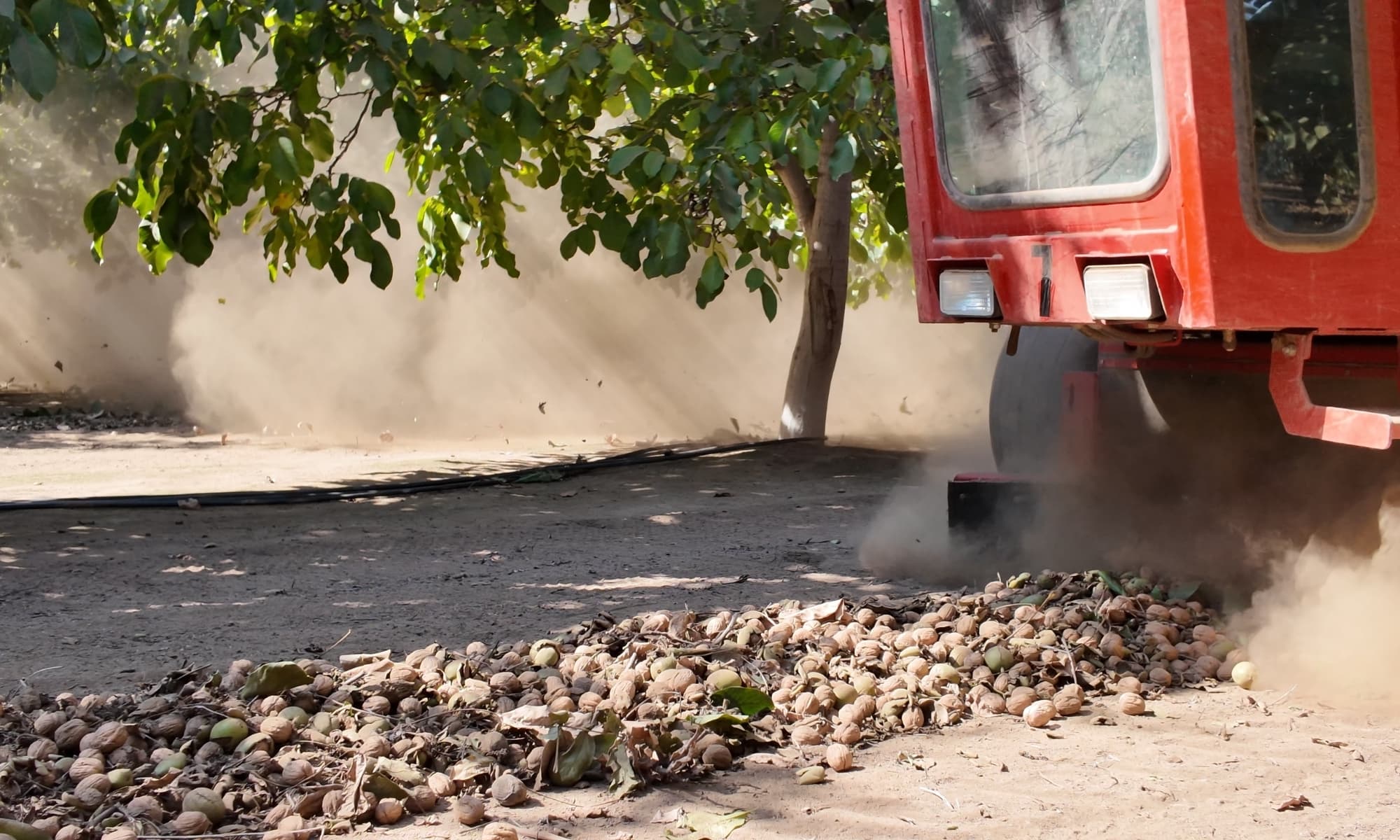
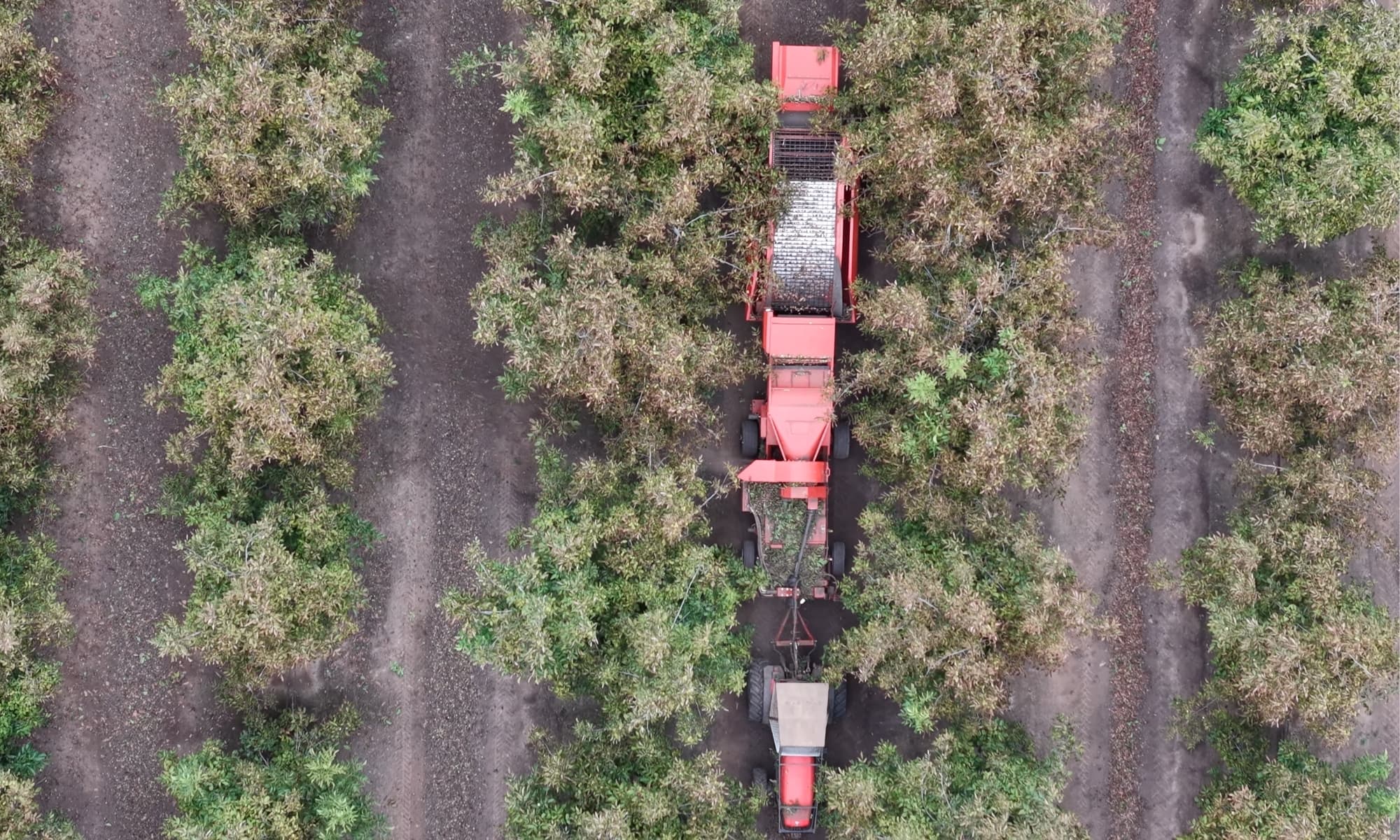
Harvest methods follow the orchard. Extremadura's irrigated orchards use shakers (University of Extremadura, 2017), while IRTA noted in 2012 that full mechanization was still limited to a few farms and harvesters to farms above 20 ha; smaller farms beat the branches with canes or shook them with mallets or hand-held shakers. Nerpio's centuries-old trees in Albacete are picked by hand, and in Pedroso (La Rioja) local news has described tractor-mounted shakers, poles and sheets, and hand picking (2021 to 2025).
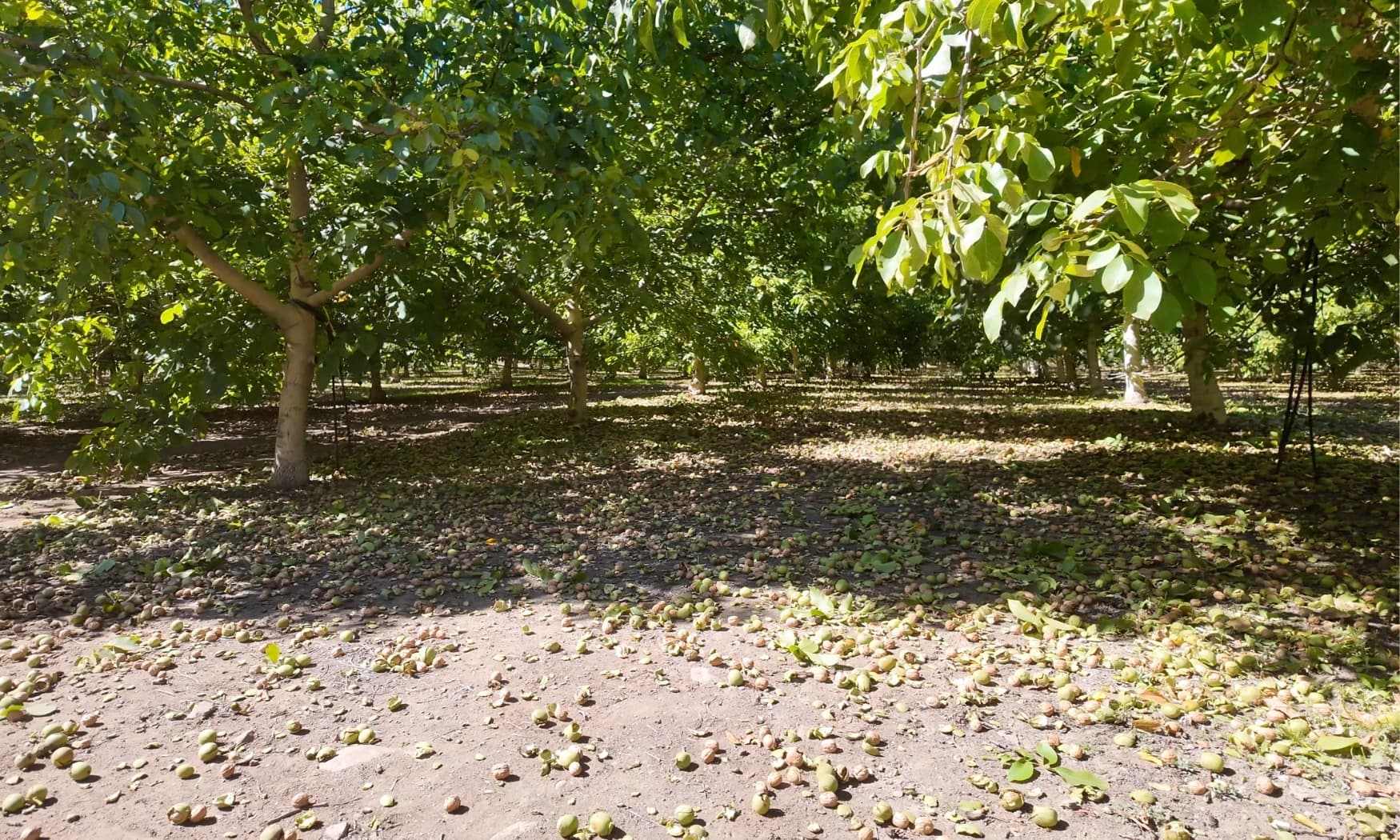
IRTA's 2012 guidance used hull cracking as the harvest signal, starting harvest when 95% of the nuts showed cracked hulls, with at least two passes 7 to 10 days apart. It grouped Serr, Tehama, Vina and Tulare as early cultivars, ripe before 15 September, Chandler, Lara, Hartley and Howard before 10 October, and Franquette and Fernor later. It advised that fallen nuts should not lie on the ground for more than 24 hours; mechanized harvesting shakes, sweeps and picks up each block on time.
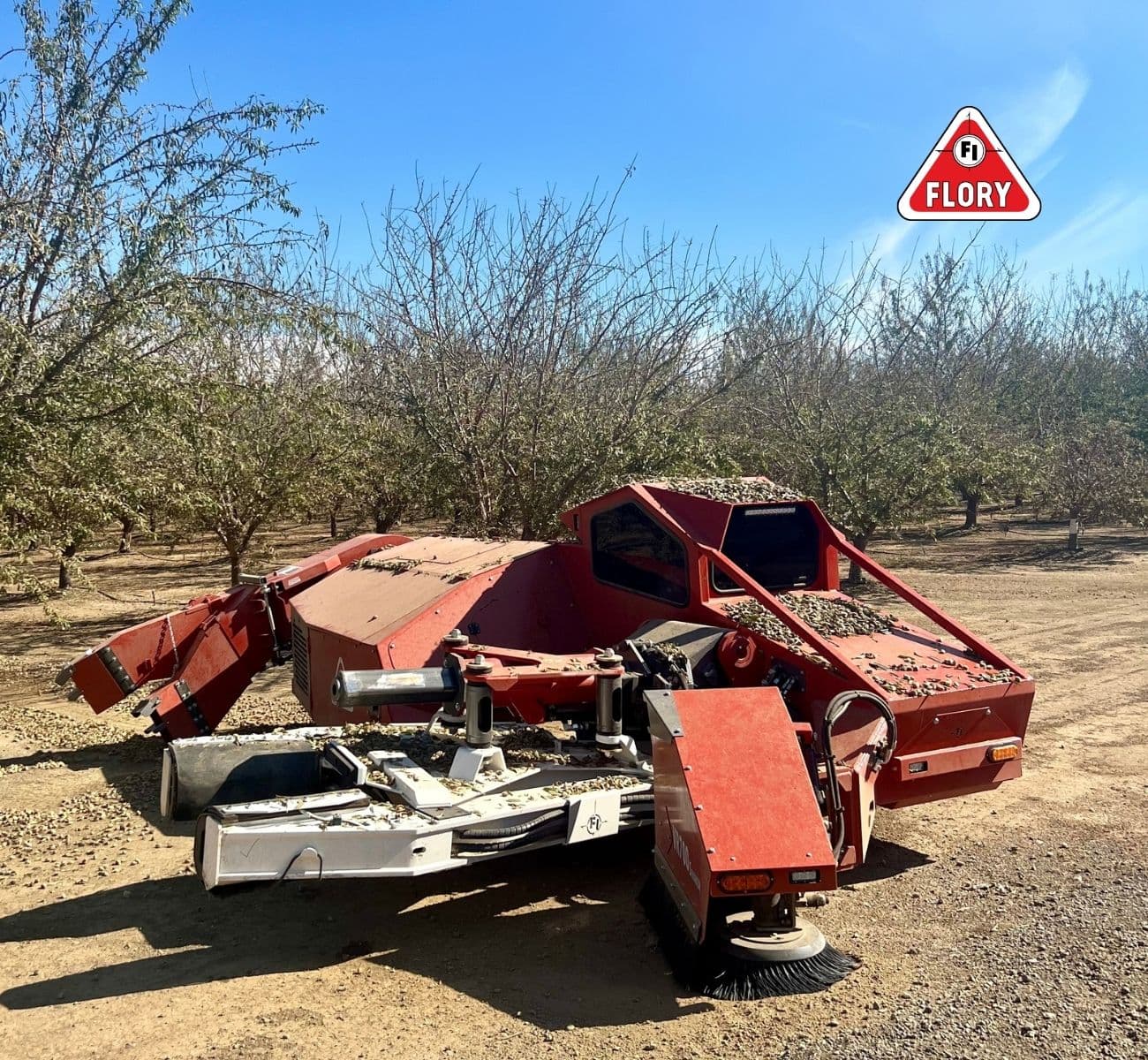
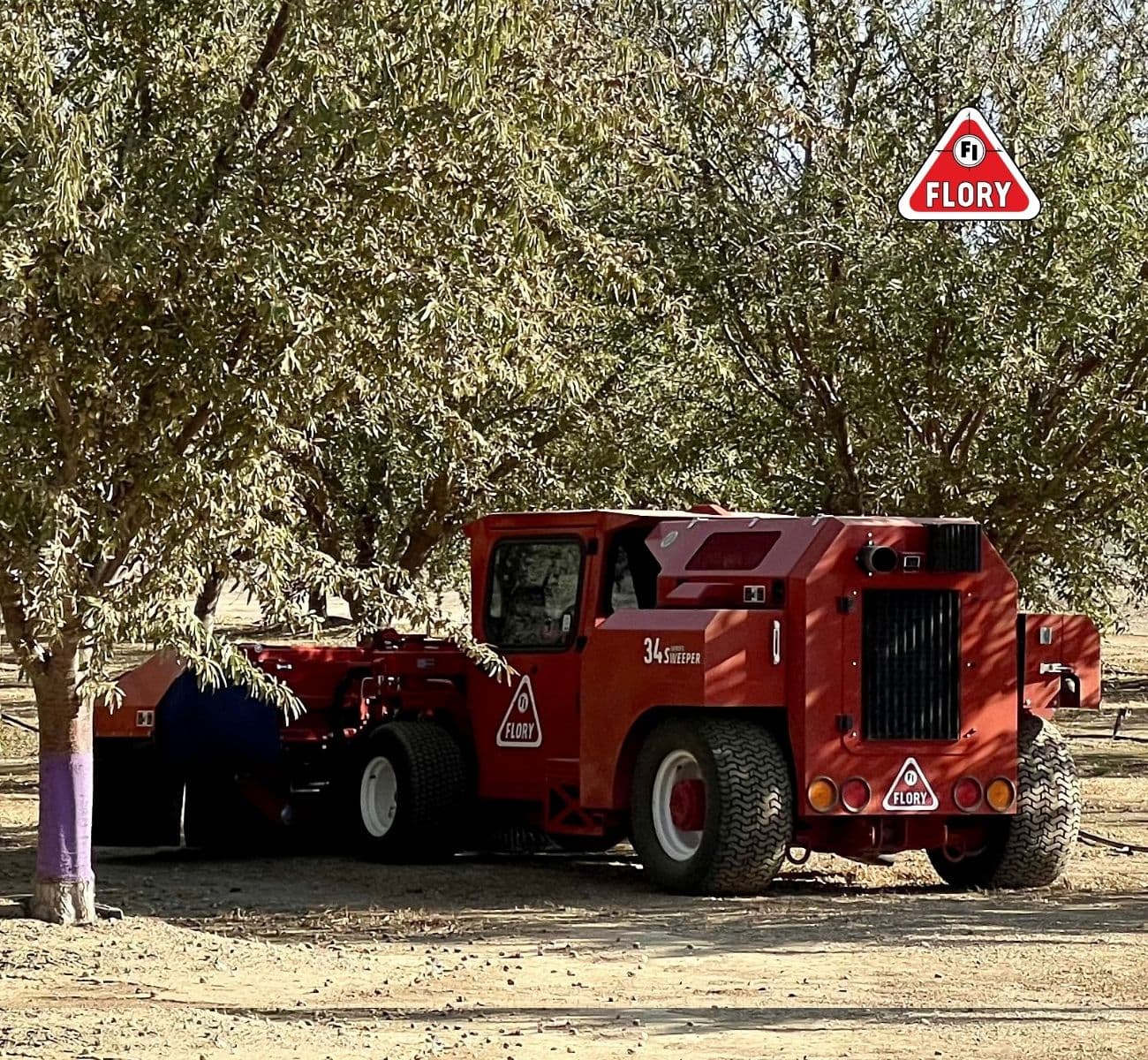
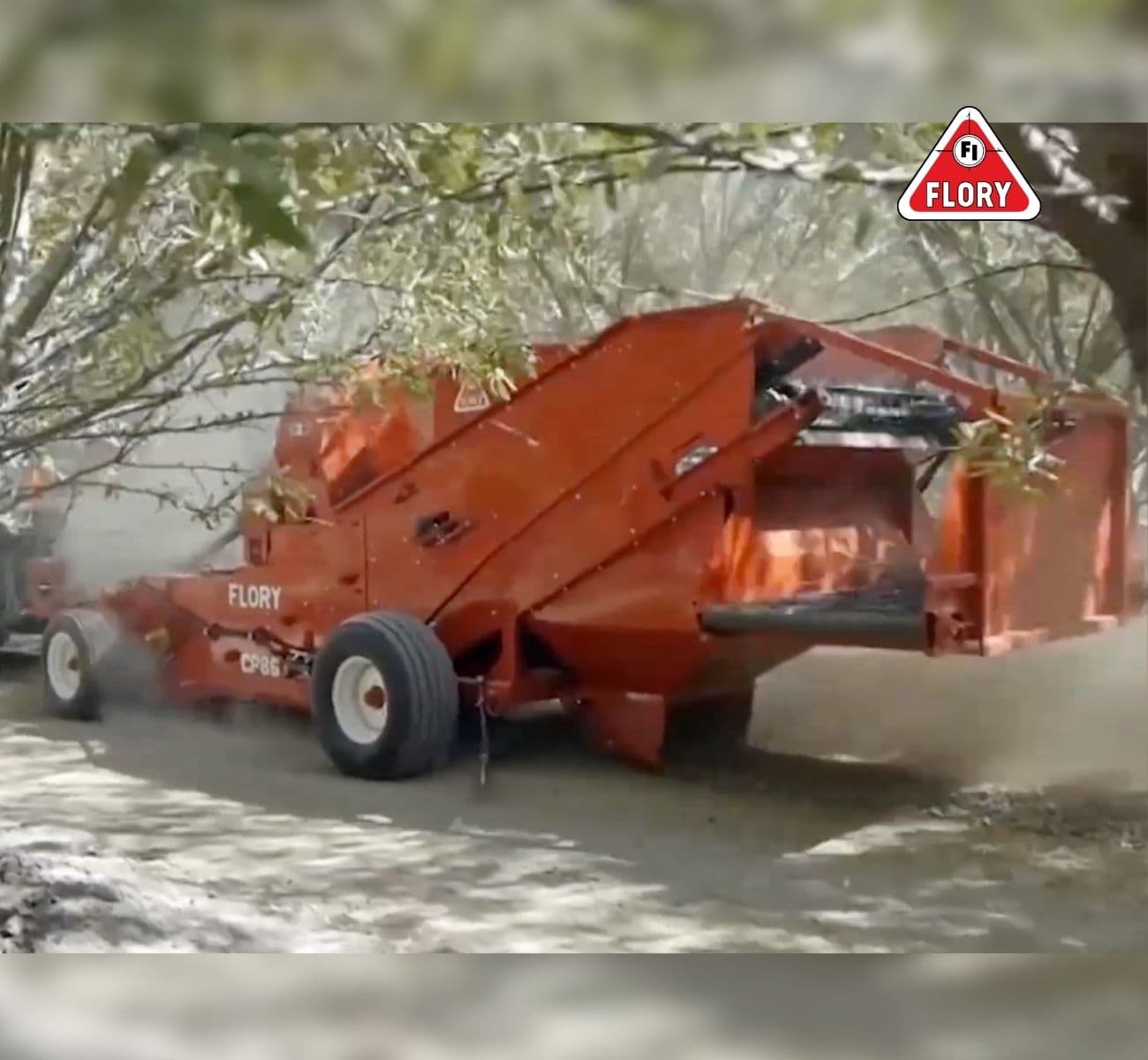
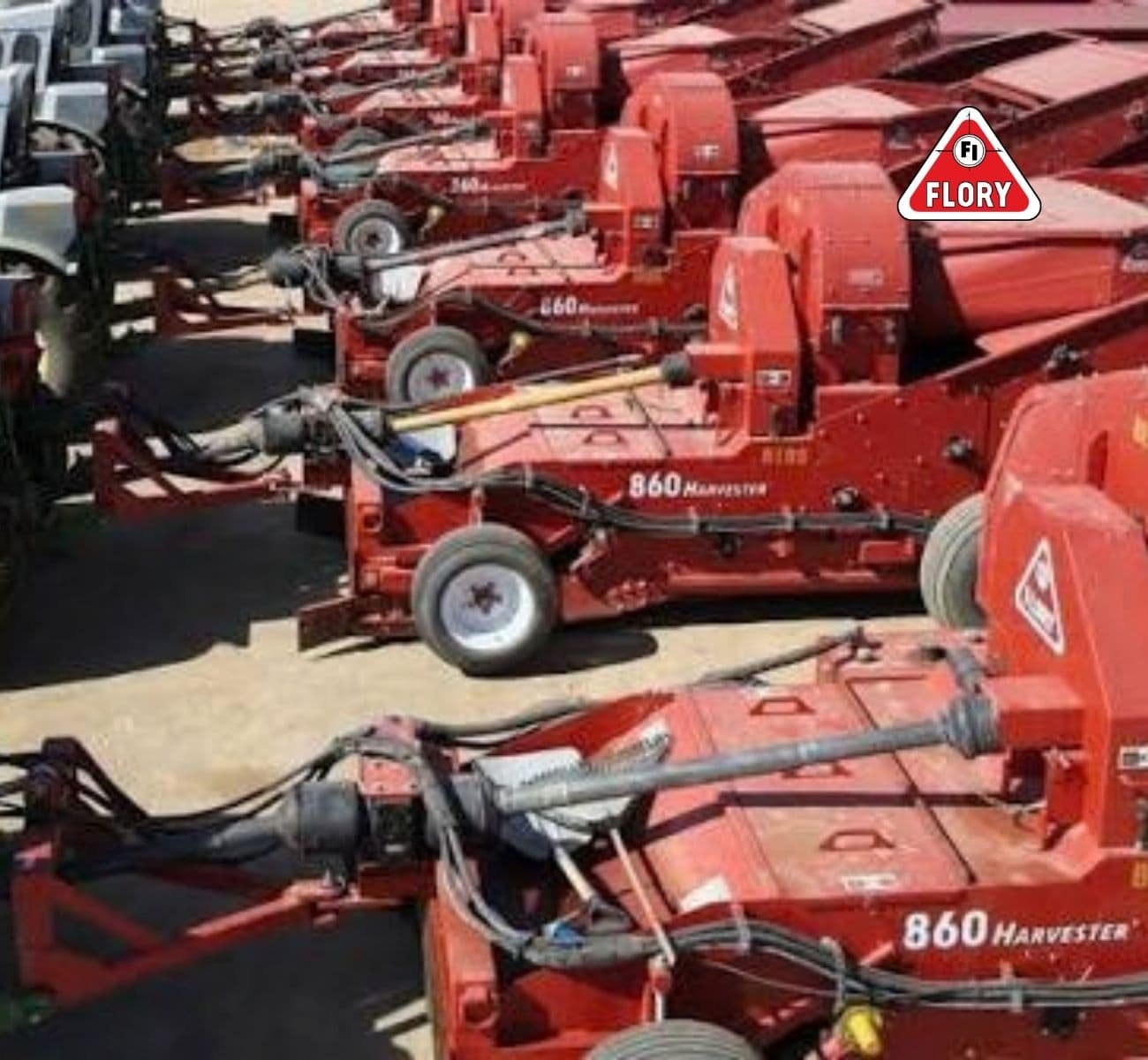
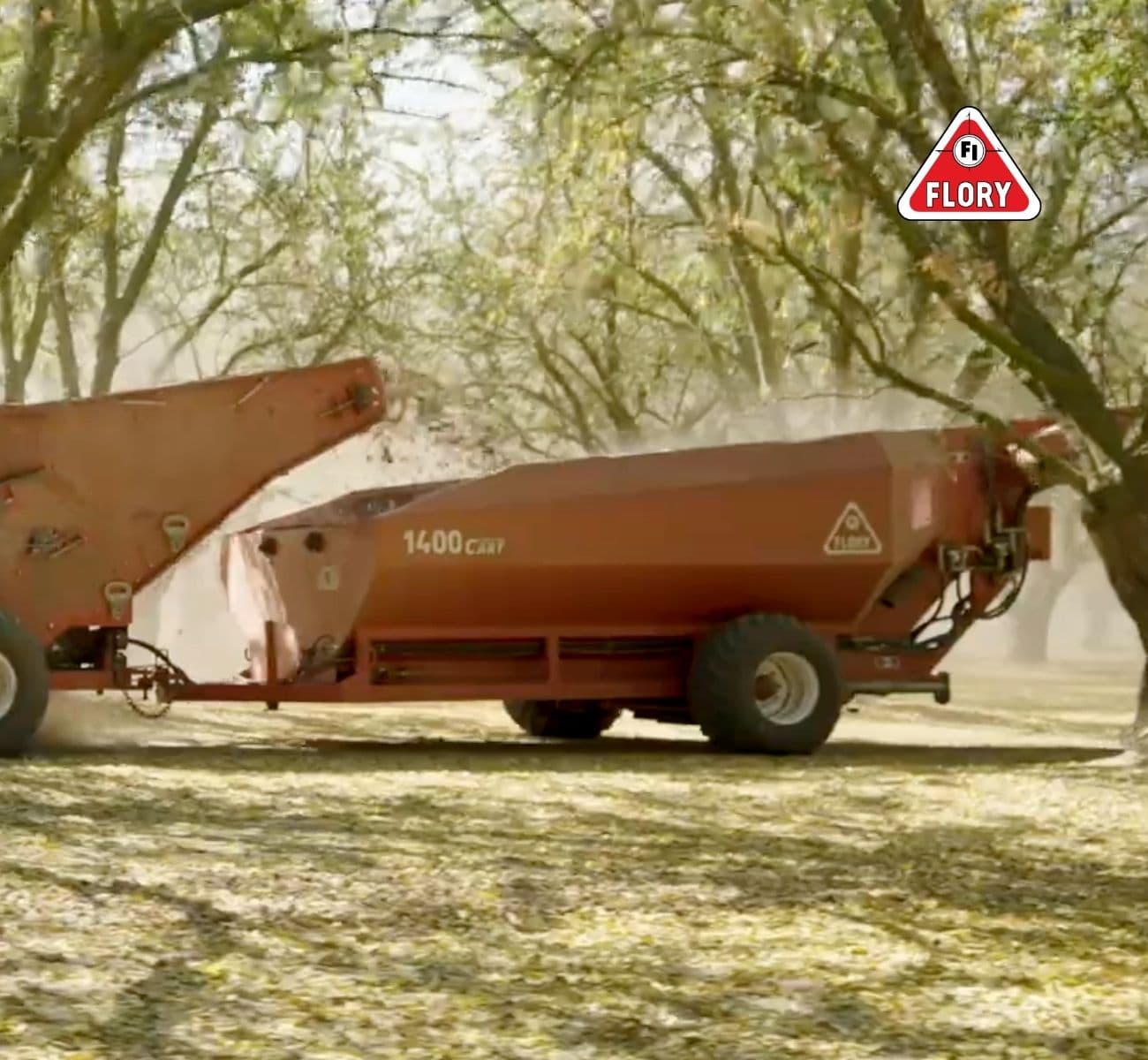
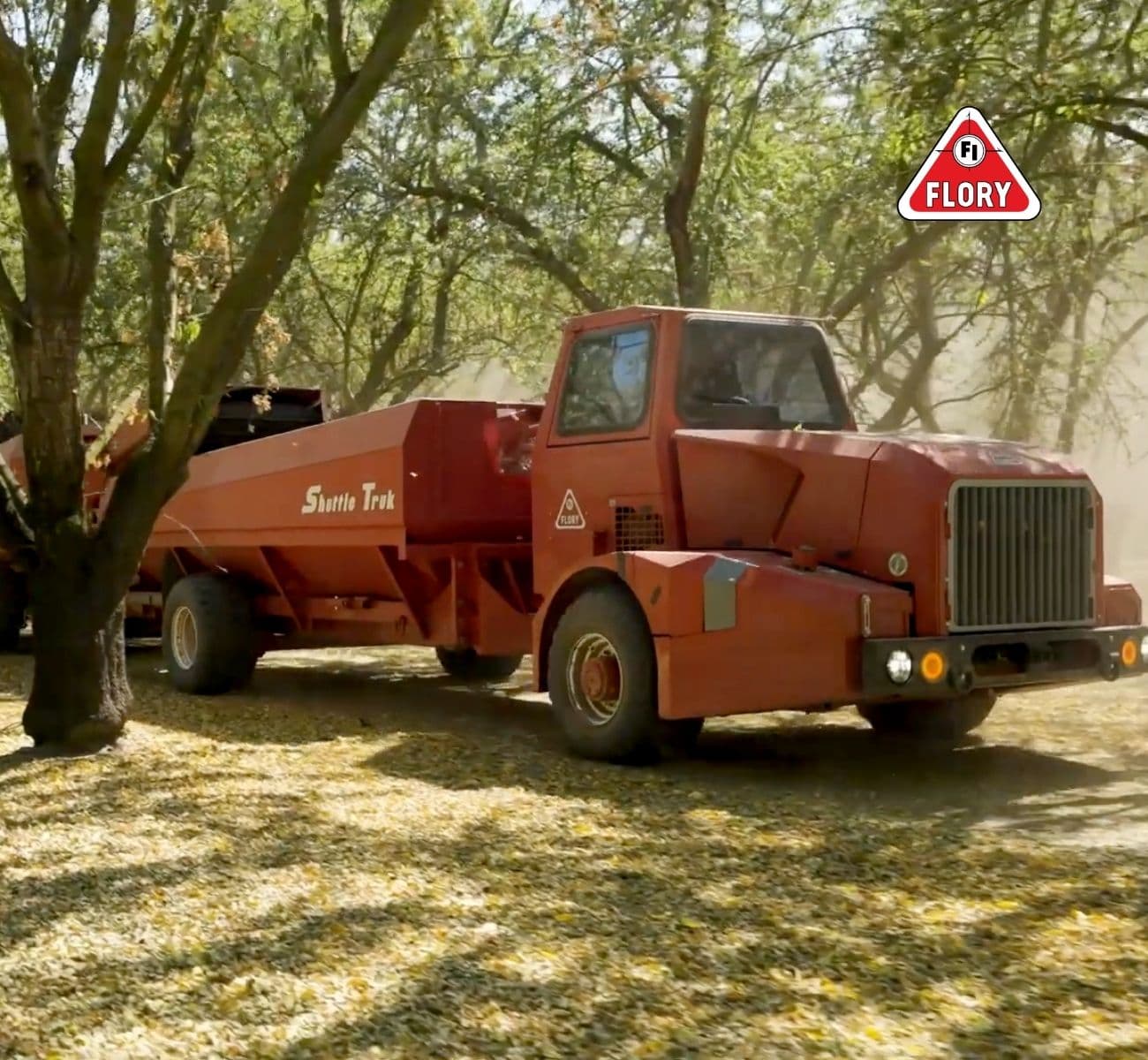
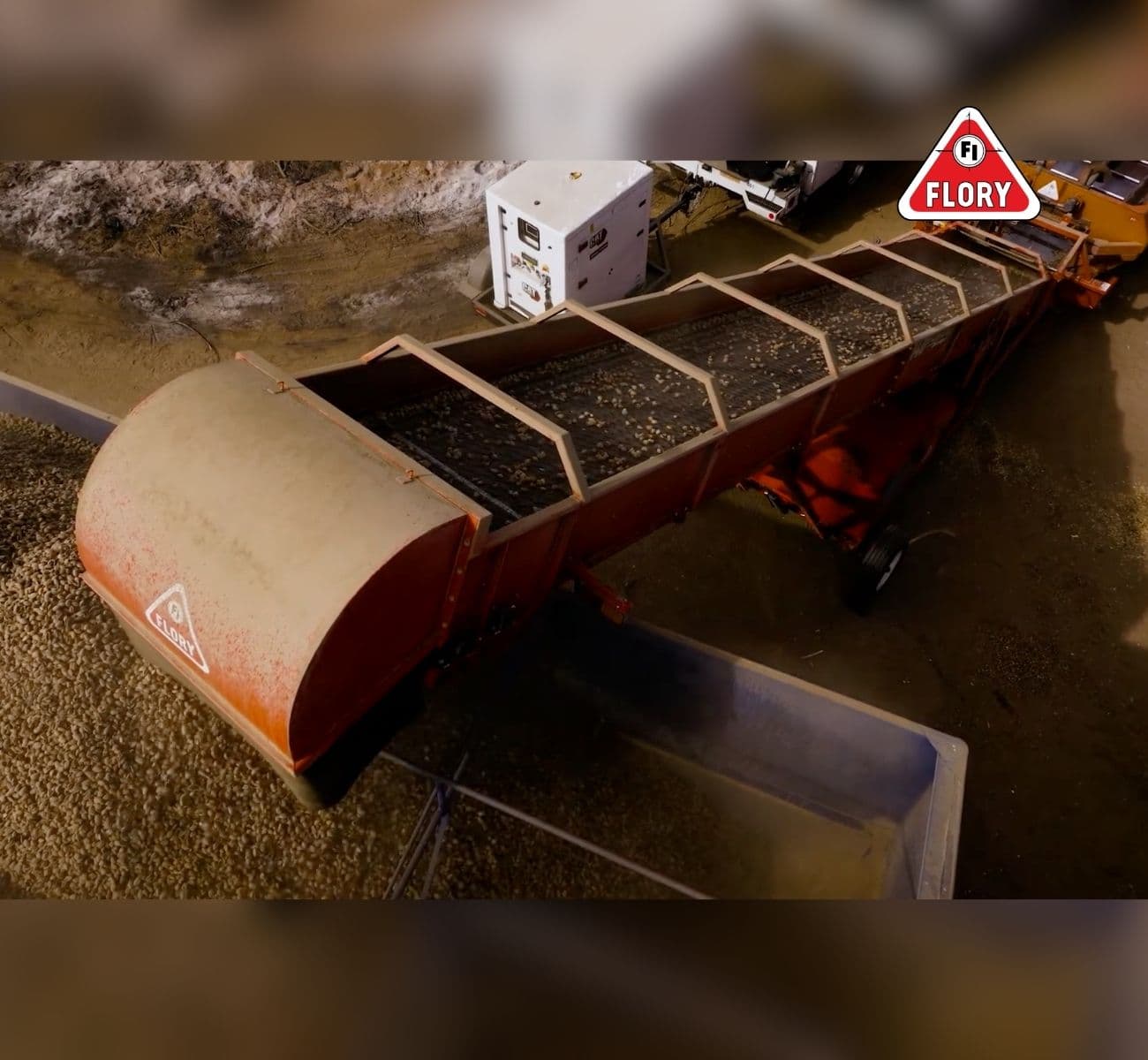
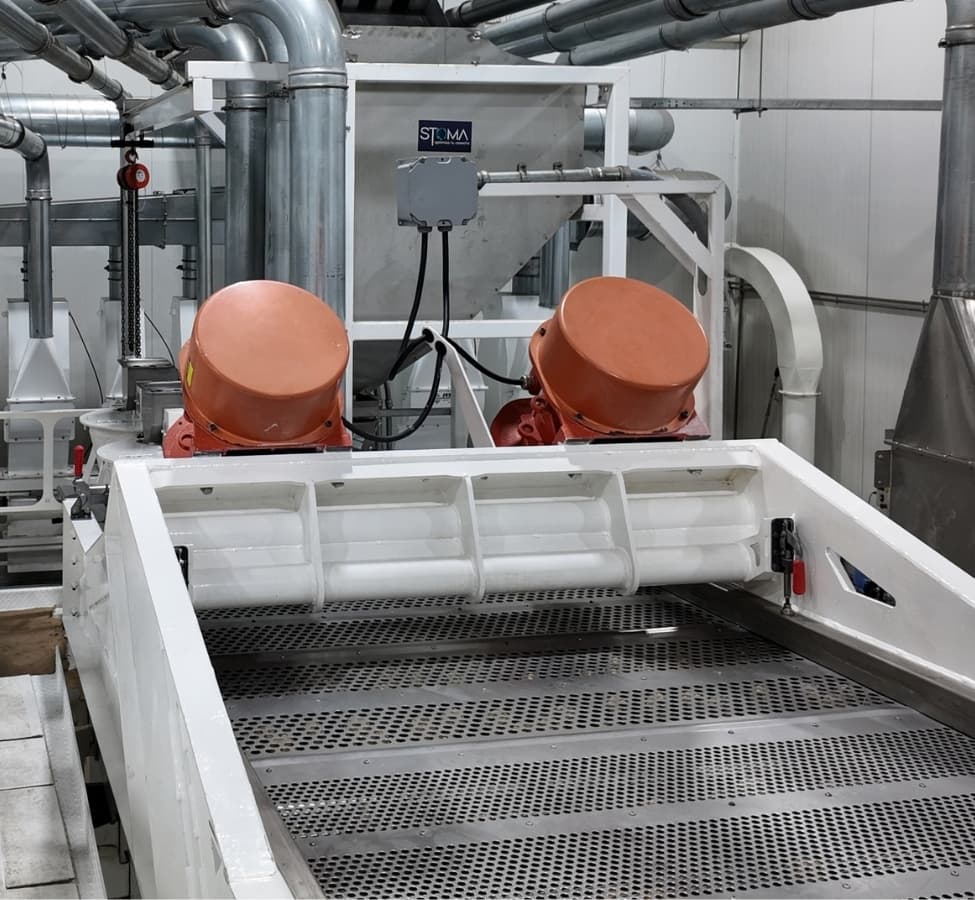
Machines suit planted orchards with room between rows, not terraces or isolated trees, and IRTA noted in 2012 that young trees cannot be shaken. Flory harvesting machinery is available in Spain through OVE Europe: a line runs from the VR700 Shaker, 34 Series Sweeper and 860 Harvester, or the smaller 490, to the 1500 Conveyor Cart, ST14 Shuttle and 4840 Field Elevator, with the CP87 Conditioner as an option where windrows carry leaves and sticks.
Walnut Harvest Workflow (Recommended Equipment)
Practical Tips for Walnut Harvesting
Start harvest when 95% of the nuts show cracked hulls, and plan at least two passes 7 to 10 days apart, as IRTA advised in 2012.
Plan blocks by ripening: IRTA (2012) placed Serr, Tehama, Vina and Tulare before 15 September and Chandler, Lara, Hartley and Howard before 10 October.
Pick up fallen nuts within 24 hours: IRTA warned that kernels darken as harvest is delayed and that fungi can affect nuts in the field.
Keep trunk shakers off young trees: IRTA noted in 2012 that shaking cannot be used on them.
Mow and level the orchard floor and remove branches and stones before harvest, so nuts can be swept cleanly.
Size sweeping and pickup capacity to the shaker's daily output, so shaken nuts are off the ground the same day.
Get your recommended harvest setup
Enter orchard size, spacing, terrain, and target throughput—we’ll suggest a practical harvest workflow and equipment lineup.

Walnut Post-Harvest Handling & Processing in Spain
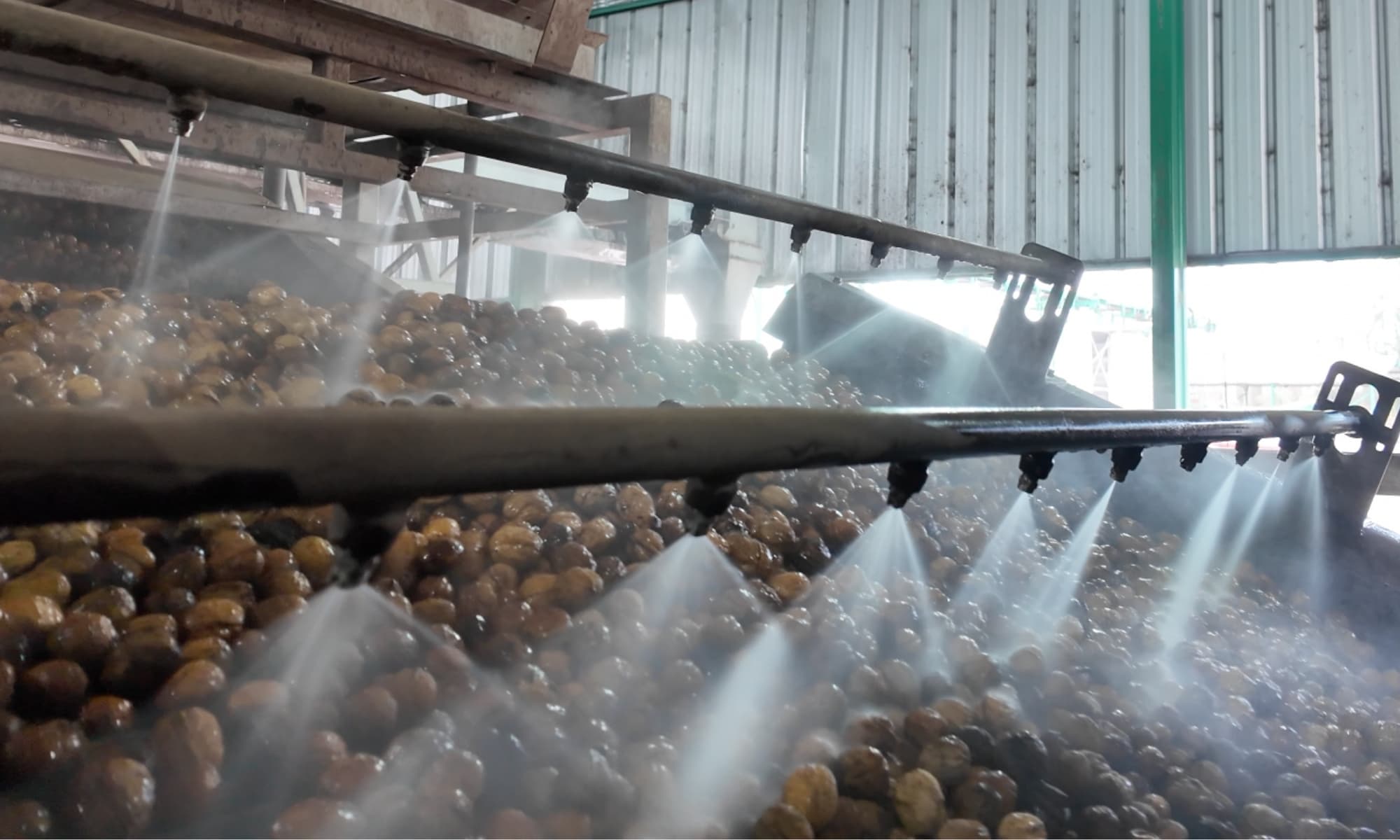
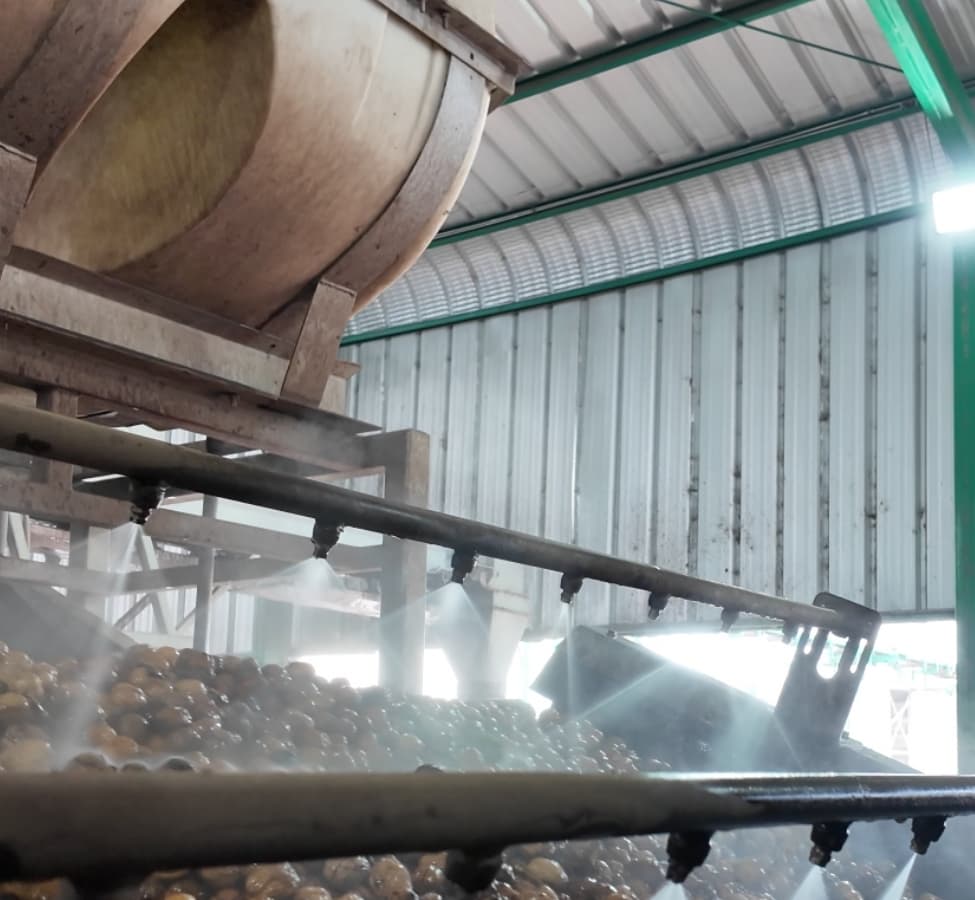
In 2012, IRTA noted that Spanish walnuts were usually dried on the farm itself. Where daytime temperatures exceed 20 °C, it advised starting to dry within 9 hours of harvest, washing the nuts first and drying below 35 °C, with very wet nuts pre-dried below 25 to 30 °C, to 10 to 12% moisture in shell and 5 to 6% in the kernel. Where quick drying was not possible, the nuts were to go into a cold store.
Traditional designations set their own rules. The Nuez de Pedroso protected designation of origin (La Rioja) requires natural drying without artificial heat, starting within 48 hours of harvest, to at most 12% moisture in shell and 5% in kernels, and the Nueces de Nerpio designation file excludes washing and forced drying. In Extremadura, a 2017 study named processing plants in Badajoz and Don Benito, and a plant in Álava hulls, washes, dries, sizes, cracks and packs walnuts (2024).
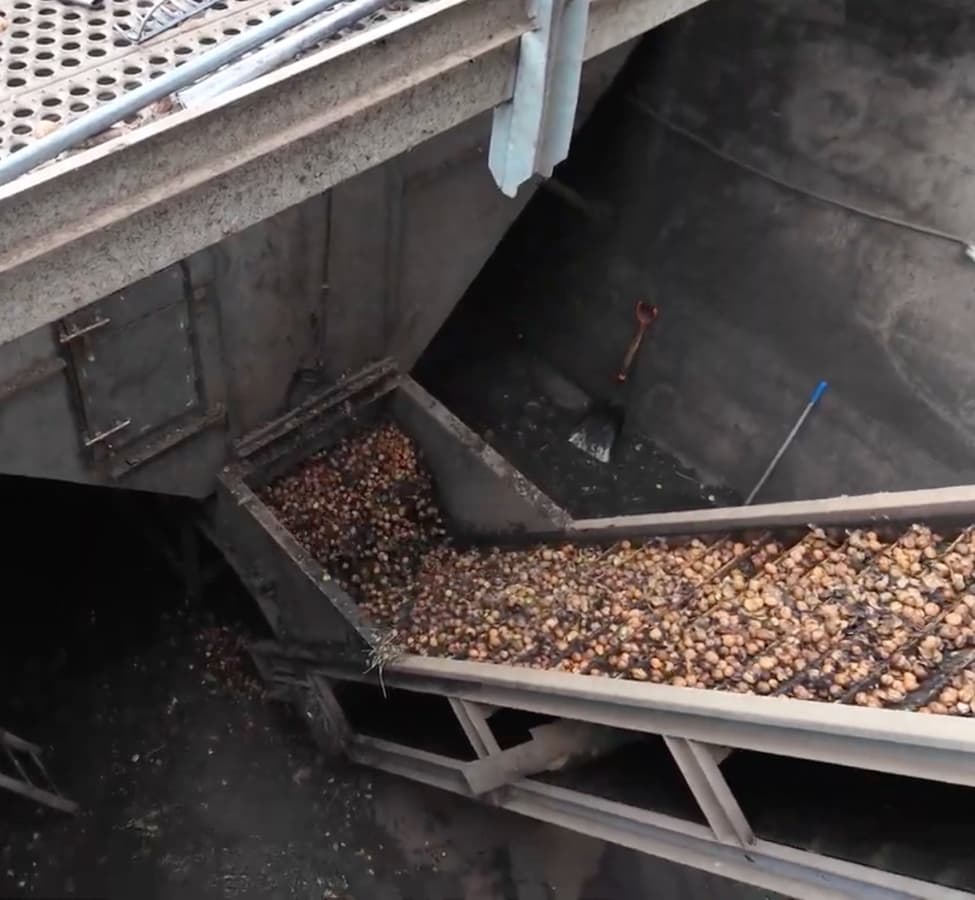
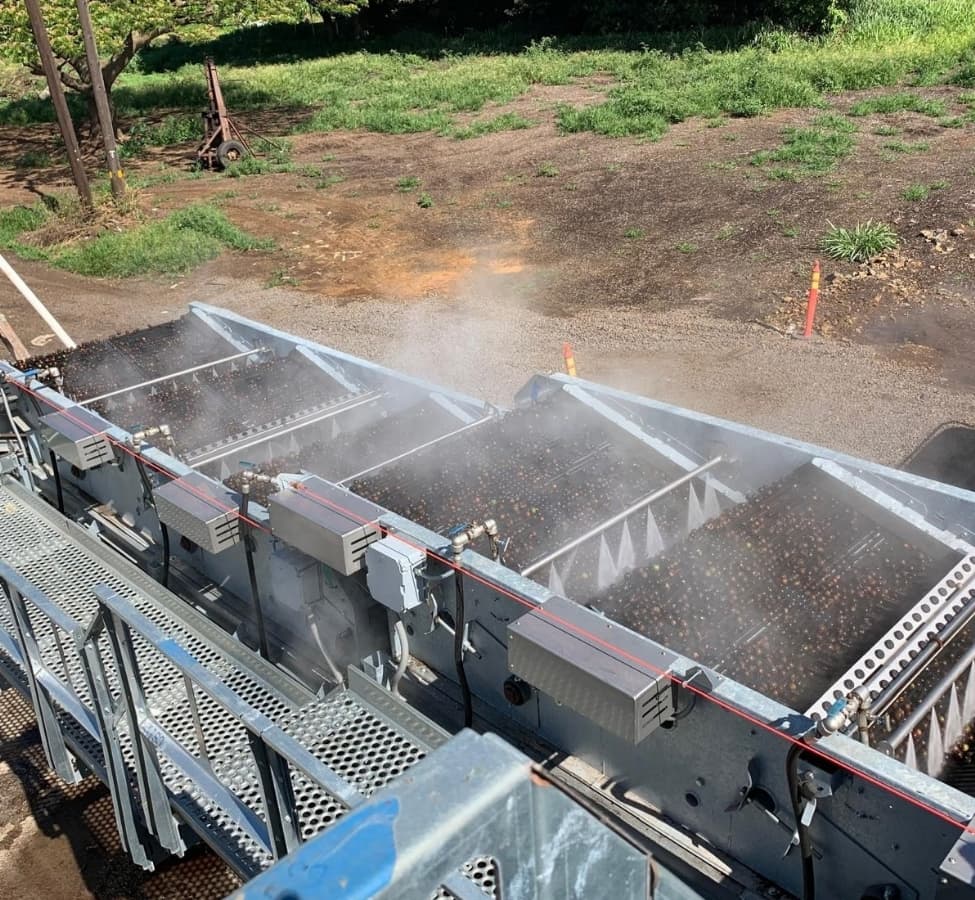
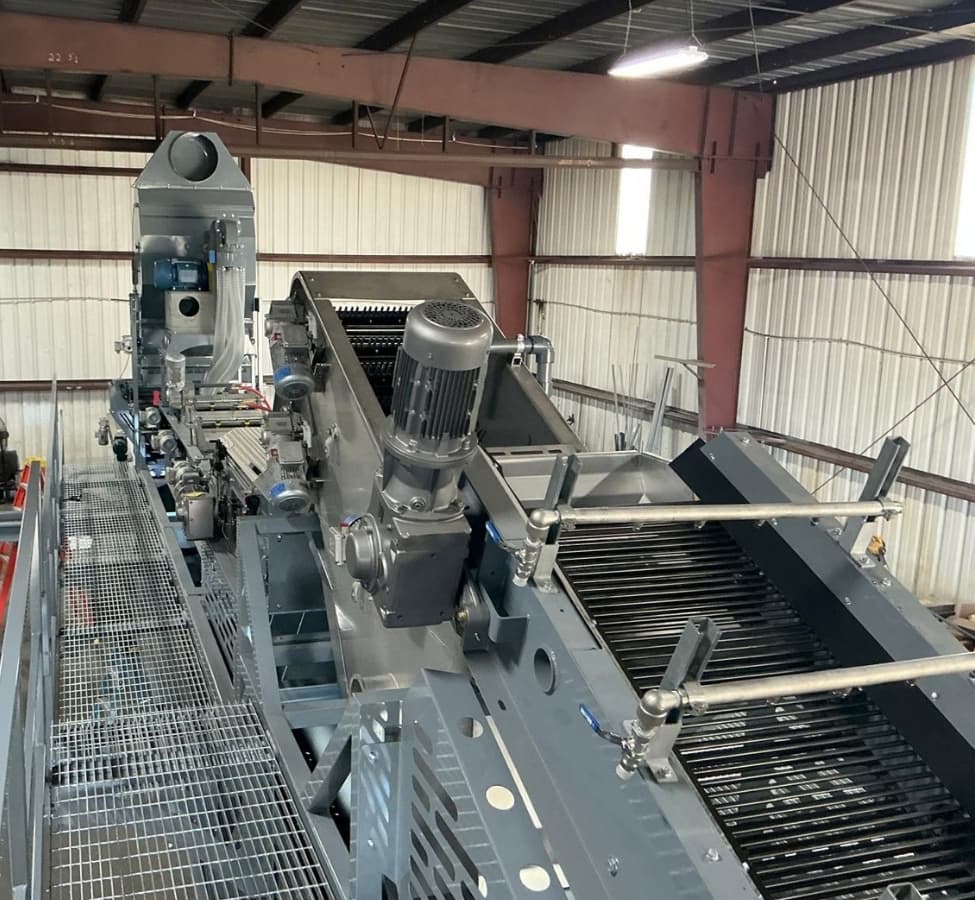
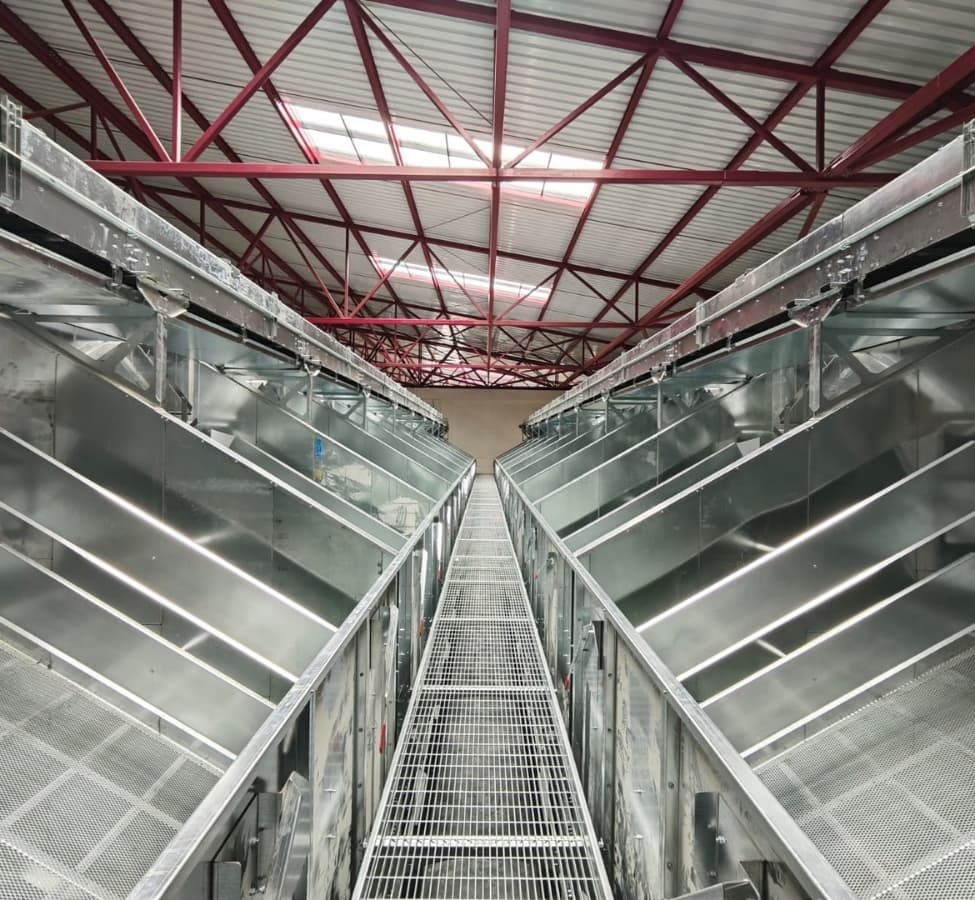
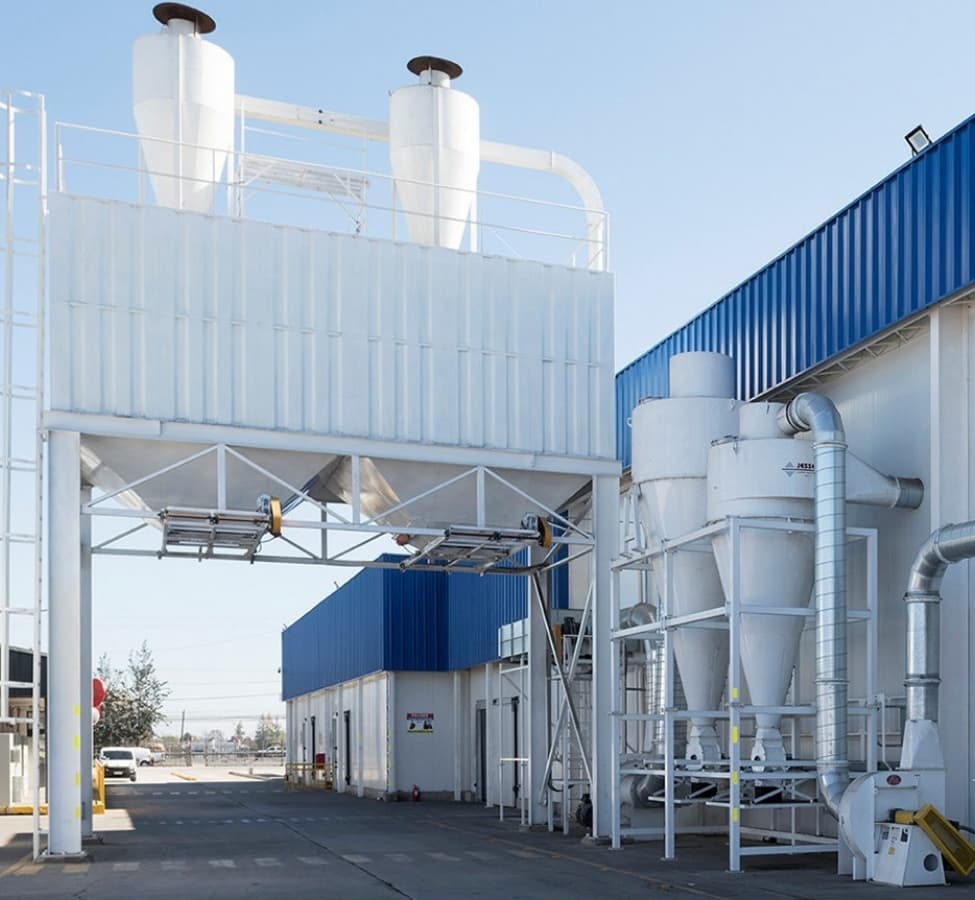
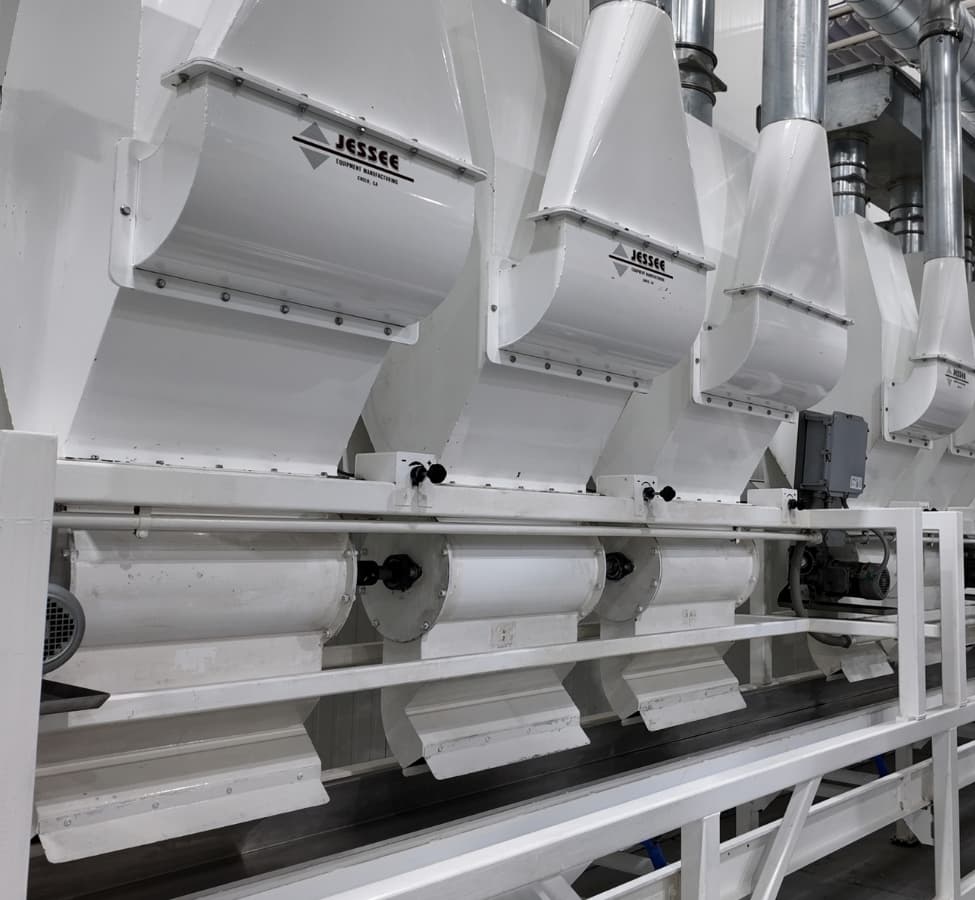
Under EU Regulation 2023/915, tree nuts for the final consumer may contain at most 2.0 µg/kg of aflatoxin B1 and 4.0 µg/kg in total, and since 2025 shelled walnuts have been exempt from the EU marketing standard except for the indication of their country of origin (Delegated Regulation 2023/2429). Jessee, whose processing lines OVE Europe supplies, builds walnut hulling lines and drying, in-shell cleaning and sizing, and shelling systems.
For general information only. Information may become outdated and does not replace site-specific professional advice. Consult a qualified agronomist and confirm equipment suitability with OVE before acting.
Practical Tips for Walnut Post-Harvest Handling & Processing
In warm weather (above 20 °C by day), start drying within 9 hours of harvest and wash the nuts first, as IRTA advised in 2012.
Dry below 35 °C to 10 to 12% moisture in shell and 5 to 6% in the kernel, the targets IRTA gave for Spanish walnuts.
Measure the nuts' moisture before drying to set the drying time, as IRTA advised.
If quick drying is not possible, keep the nuts in a cold store, as IRTA advised in 2012.
Test kernels against the EU limits for tree nuts sold to consumers: 2.0 µg/kg of aflatoxin B1 and 4.0 µg/kg in total (Regulation 2023/915).
Watch for husk fly damage at hulling: hulls that stick to the shell slow hulling and drying and raise handling costs (NEIKER).
Recommended Post-Harvest Handling & Processing Stages
Plan your post-harvest line
Estimate tons/day, cleaning & drying capacity, storage needs, and cost/kg—then build your equipment plan in phases.