






Almond Orchard Establishment in Tajikistan
No official or extension guidance on almond cultivars, rootstocks or spacing was found. The fullest Tajik text found, the Tajik Wikipedia article on almond (undated and user-edited; its references date from 1964 to 2008), lists local varieties such as Kajakbodom, Azimboybodom and Arakbodom and introduced cultivars including Desertny, Languedoc, Drake and Nonpareil. It says sweet-kernel varieties are grafted onto seedlings of almond, apricot, peach, cherry plum or plum, and that trees bear after 2 to 3 years.
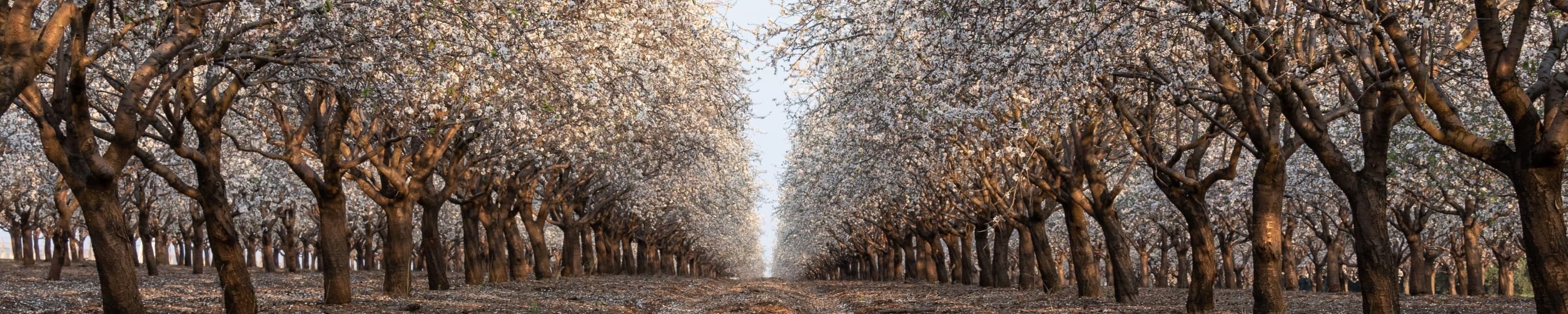
The same article says almond blooms early, in February and March, so its flowers are often hit by frost. EastFruit reported that two frost waves in February 2020 cost a large part of the crop of early cherry, apricot and almond varieties, and that almond trees in Khatlon bloomed in December 2021 after abnormally warm weather from October. Spanish breeders describe Penta as extra-late flowering and self-compatible, blooming about 23 days after Nonpareil, but note that even late cultivars can freeze in colder areas; no Tajik trial was found.
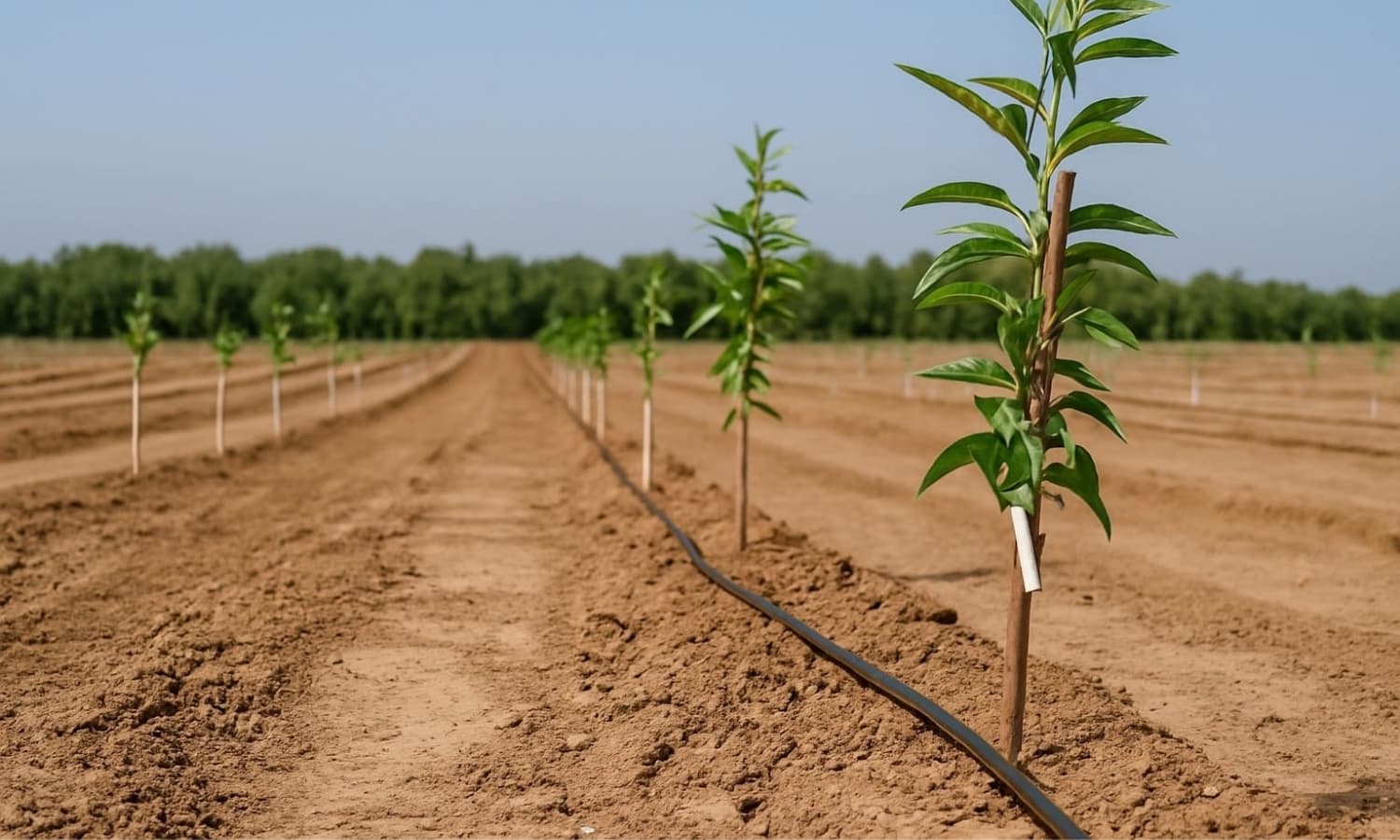
On the Degmay plateau in Sughd, EastFruit reported in 2019, the decay of the old irrigation system had killed trees and orchards, and new almond orchards were being planted with pumped water; in 2026 Khovar reported that a new orchard with almond at Haftzagora, Panjakent, would be watered from a well. Plan rows, headlands and trunk height for shakers and catching frames before planting, and keep blocks for machine harvest on level ground.

Practical Tips for Almond Orchard Establishment
Prefer late-blooming cultivars: the Tajik Wikipedia article says almond blooms in February and March and its flowers are often hit by frost.
Consider extra-late, self-compatible cultivars such as Penta, which its Spanish breeders say blooms about 23 days after Nonpareil.
Secure water before planting: on the Degmay plateau, the decay of the old irrigation system had killed trees and orchards (EastFruit, 2019).
Buy grafted trees of known cultivars: the Tajik Wikipedia article says sweet-kernel varieties are grafted onto seedling rootstocks.
Keep blocks for machine harvest on level ground: terraces and steep slopes do not suit shakers, sweepers or catching frames.
Plan rows, headlands and tree form for the shaker, sweeper and harvester before planting, and check trunk clearance with OVE Europe.
Recommended Establishment Stages




Almond Orchard Care & Maintenance in Tajikistan
No Tajik guidance on almond pests or diseases was found. EPPO lists the peach twig borer (Anarsia lineatella) and San Jose scale as present in Tajikistan with a restricted distribution, and Xanthomonas arboricola pv. pruni, the cause of bacterial spot in almond and other stone fruit, as present. The almond seed wasp is not listed for Tajikistan, which does not prove it is absent.
No official or extension guidance on almond irrigation was found. Summer at Kurgan-Tube, now Bokhtar, in Khatlon is almost rainless: its 1961 to 1990 normals give 0.3 mm of rain in July and 0.1 mm in August, with mean maximum temperatures of 37.0 and 35.1 °C (Agency for Hydrometeorology data published by WMO). A 2011 WOCAT record lists almond among fruit trees on rain-fed terraced slopes of about 45% in Khatlon, where plastic-lined basins could store rainwater to water seedlings in summer.
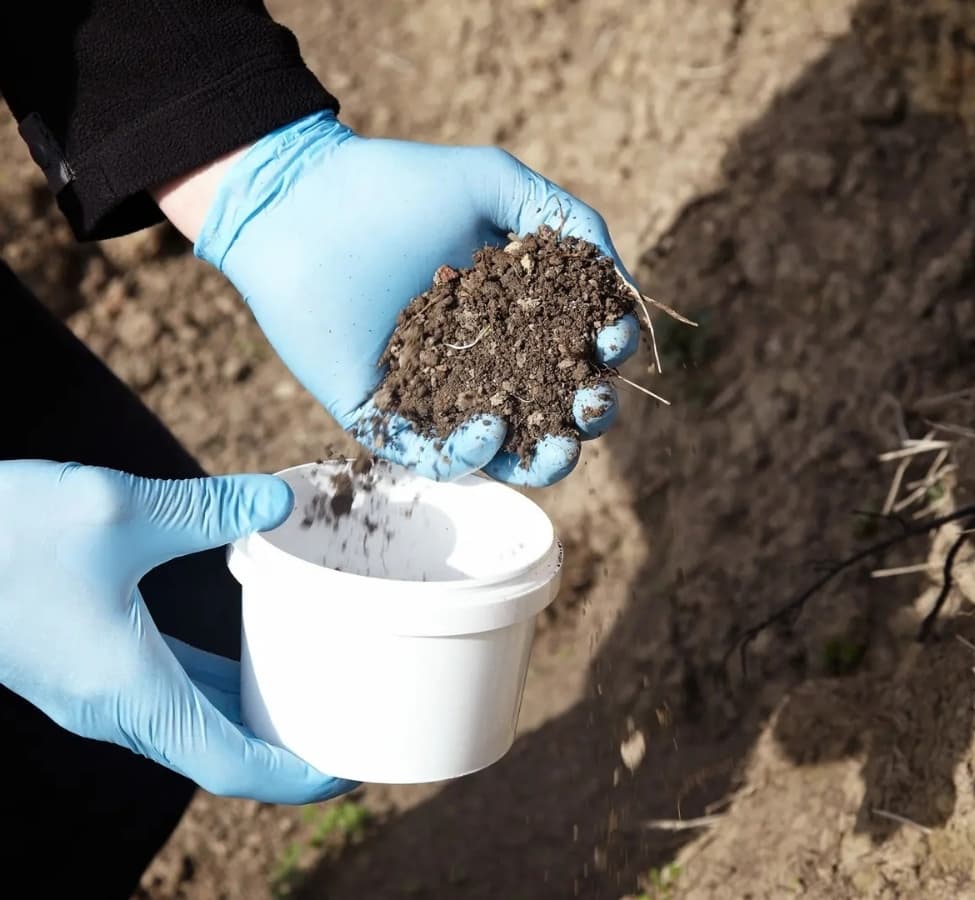
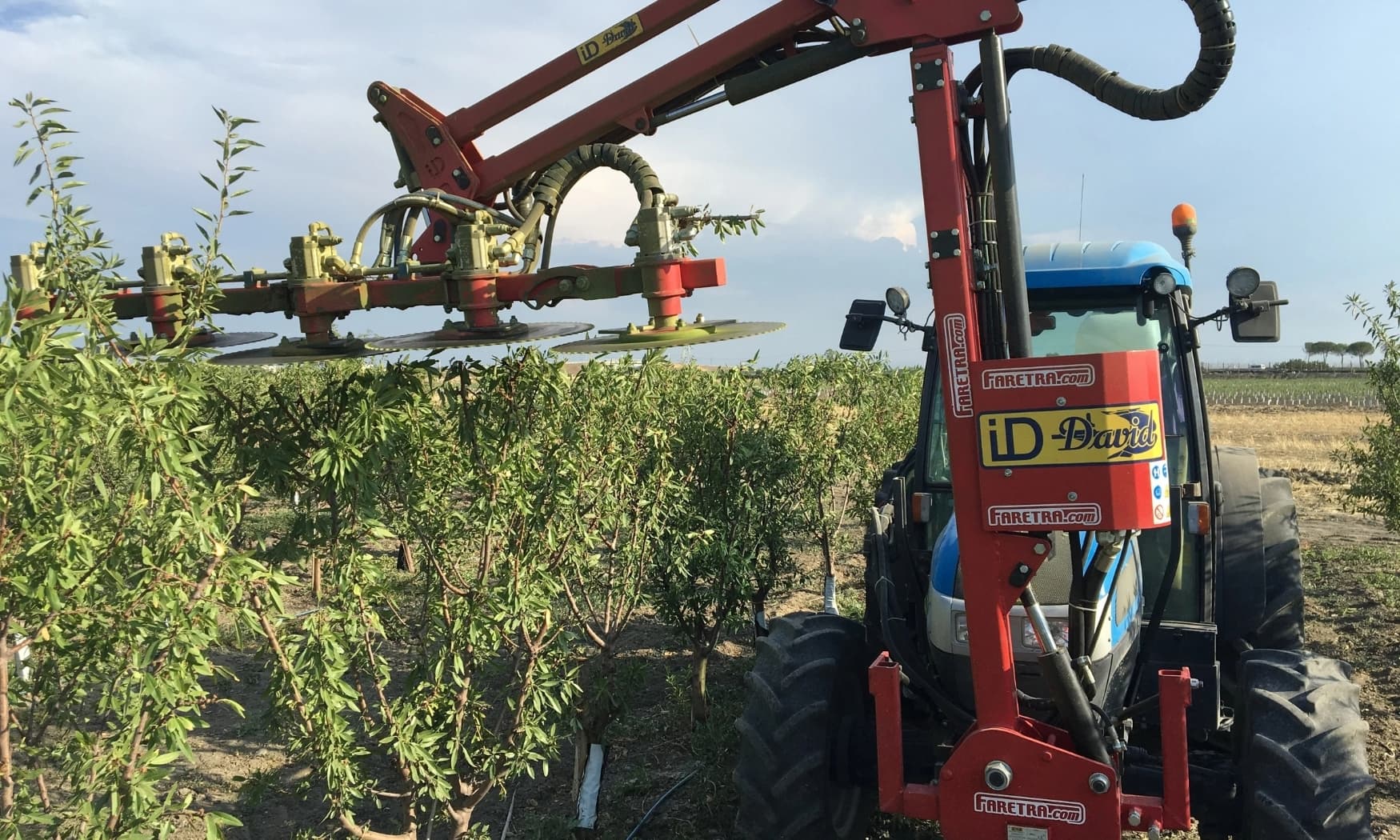
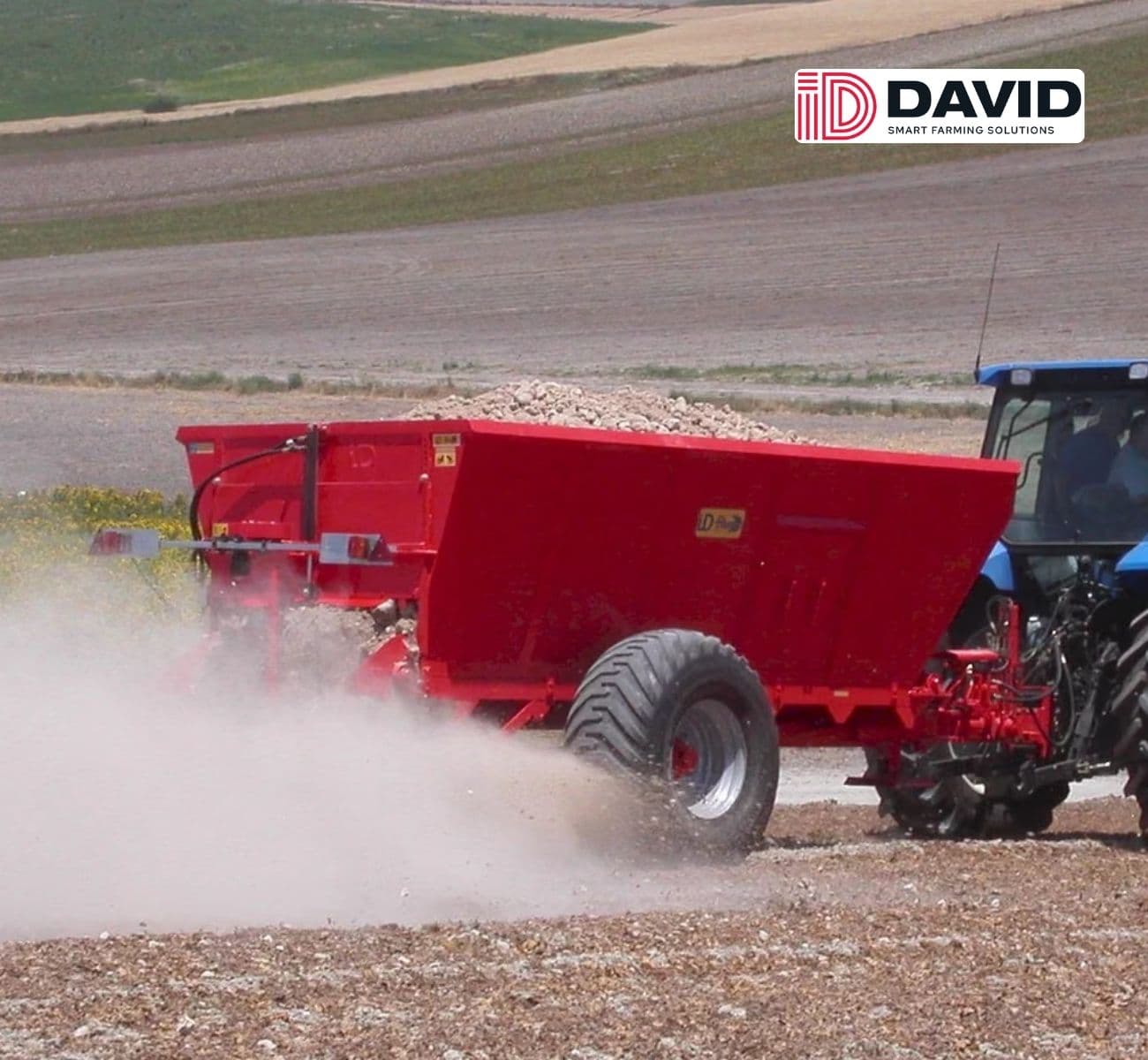
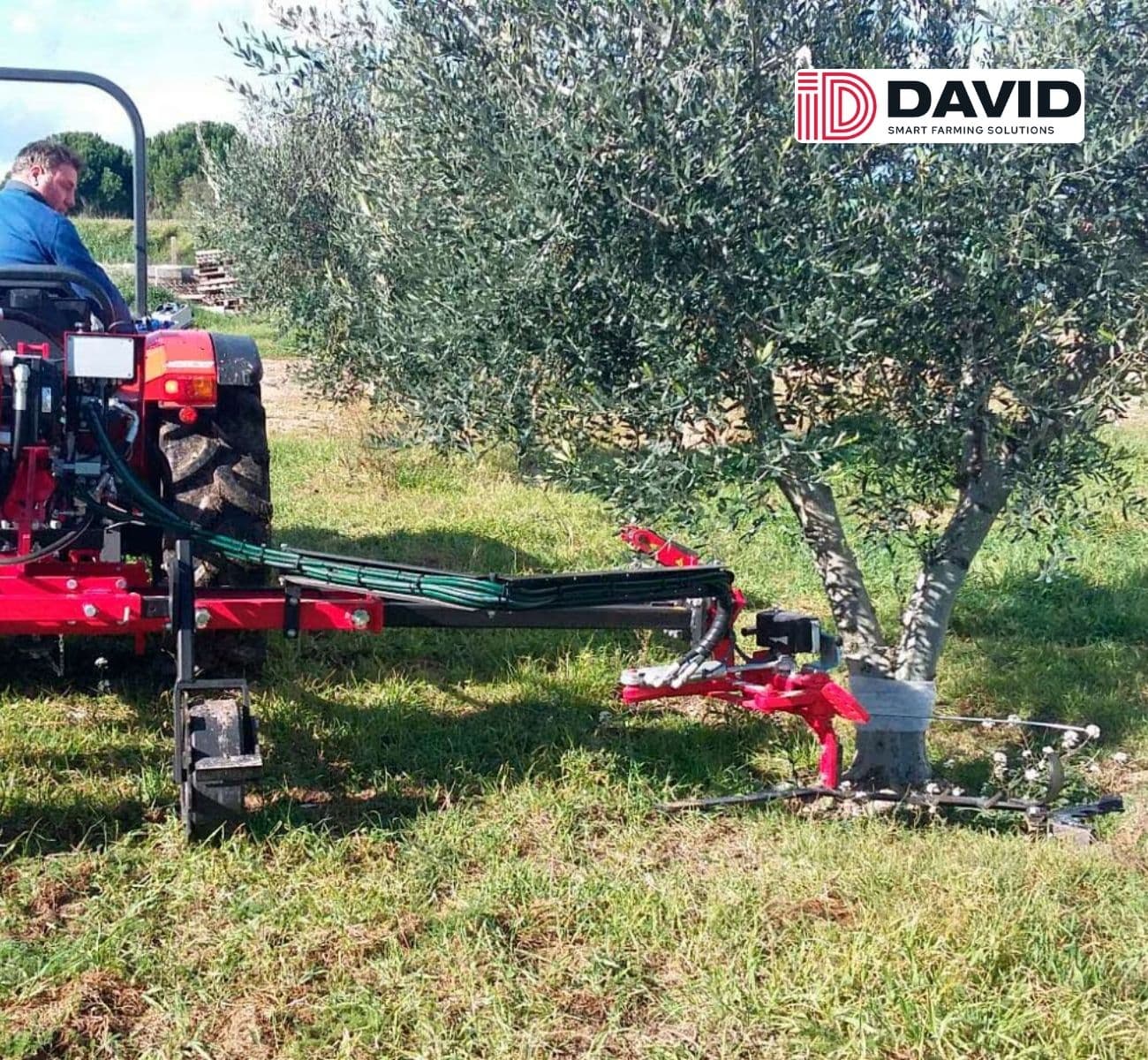
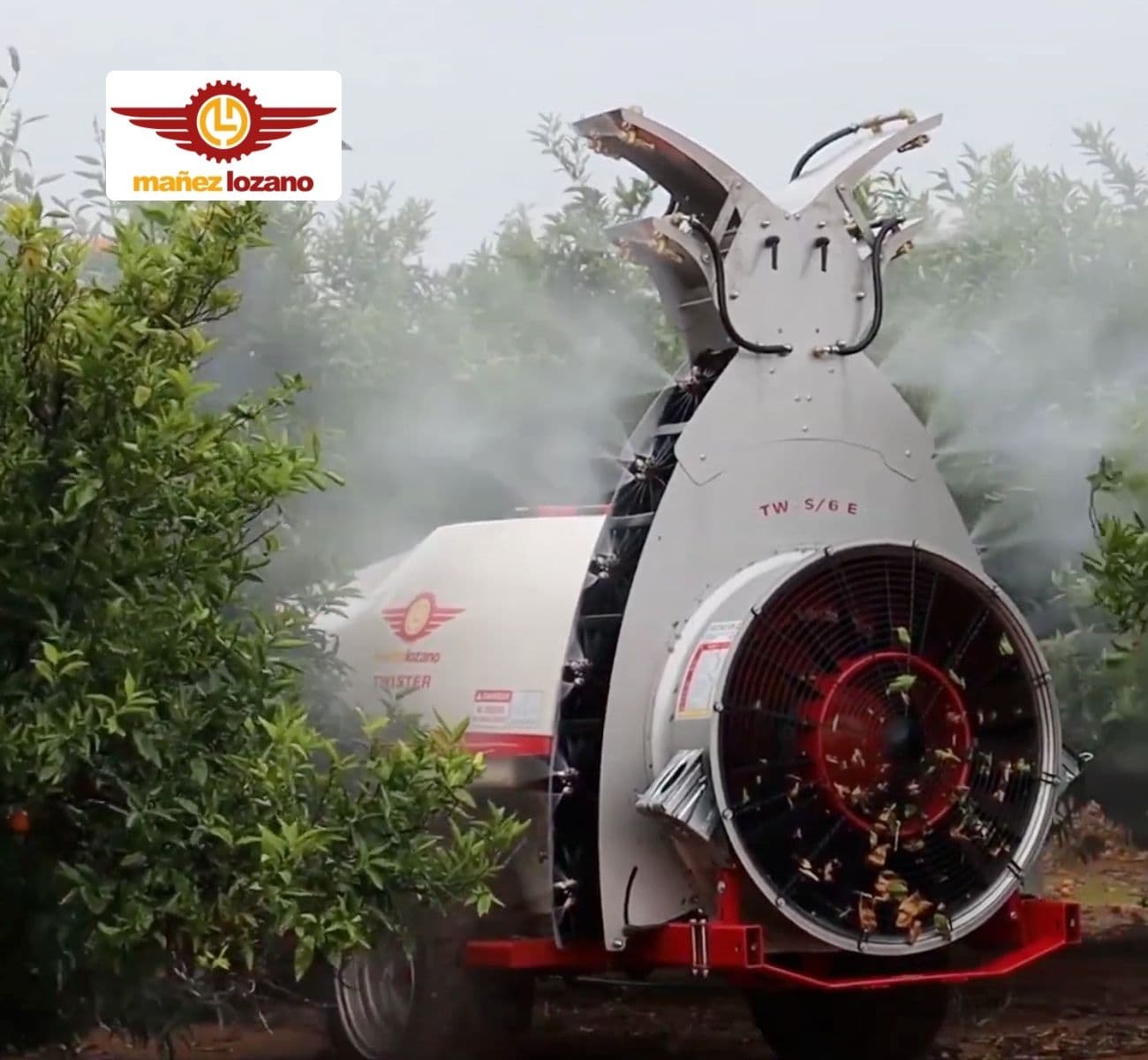
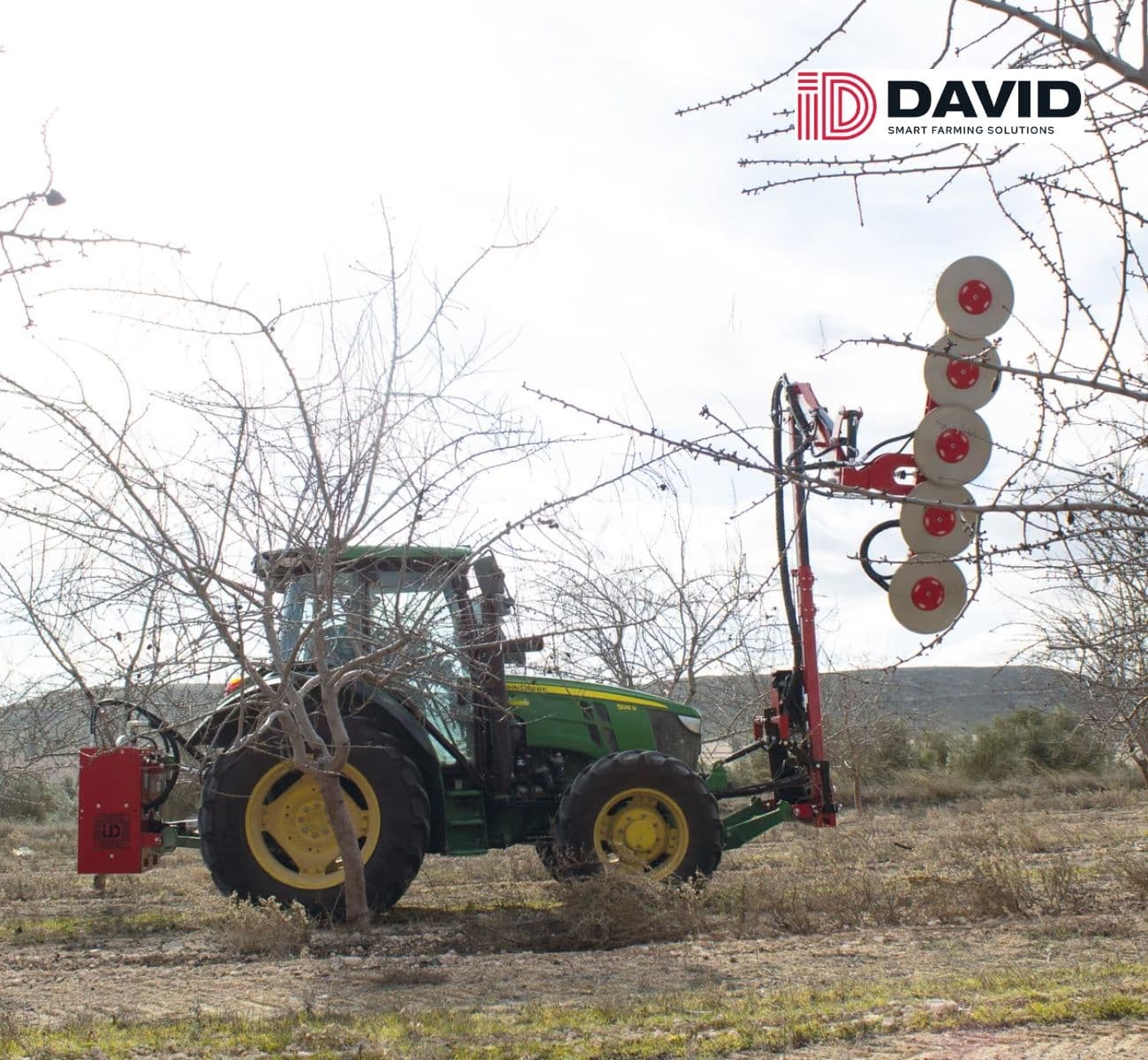
The Tajik Wikipedia article says the soil between young trees is plowed to 25 cm in autumn and spring, fertilized and watered 2 to 3 times; no official or extension guidance on pruning almond was found. For care work, the ID DAVID SURFEED spreads solid manure, the ID-XL weeds the tree row, the Mañez Lozano Mega Twister S6 sprays tall, dense canopies and the ID DAVID ID-REX disc pruner makes lateral and topping cuts.
Recommended Orchard Care & Maintenance Stages



Practical Tips for Almond Orchard Care & Maintenance
Check shoots and fruit for the peach twig borer, which EPPO lists as present in Tajikistan with a restricted distribution.
Check bark and twigs for San Jose scale, which EPPO also lists as present in Tajikistan with a restricted distribution.
Watch leaves, twigs and fruit for bacterial spot: EPPO lists its cause, Xanthomonas arboricola pv. pruni, as present in Tajikistan.
Plan water for the dry summer: Kurgan-Tube's 1961 to 1990 normals give 0.3 mm of rain in July and 0.1 mm in August.
Keep the tree row weed-free with an in-row weeder such as the ID DAVID ID-XL, and keep the orchard floor level for harvest.
Spray tall, dense canopies evenly with a trailed airblast sprayer such as the Mañez Lozano Mega Twister S6.

Almond Harvesting in Tajikistan
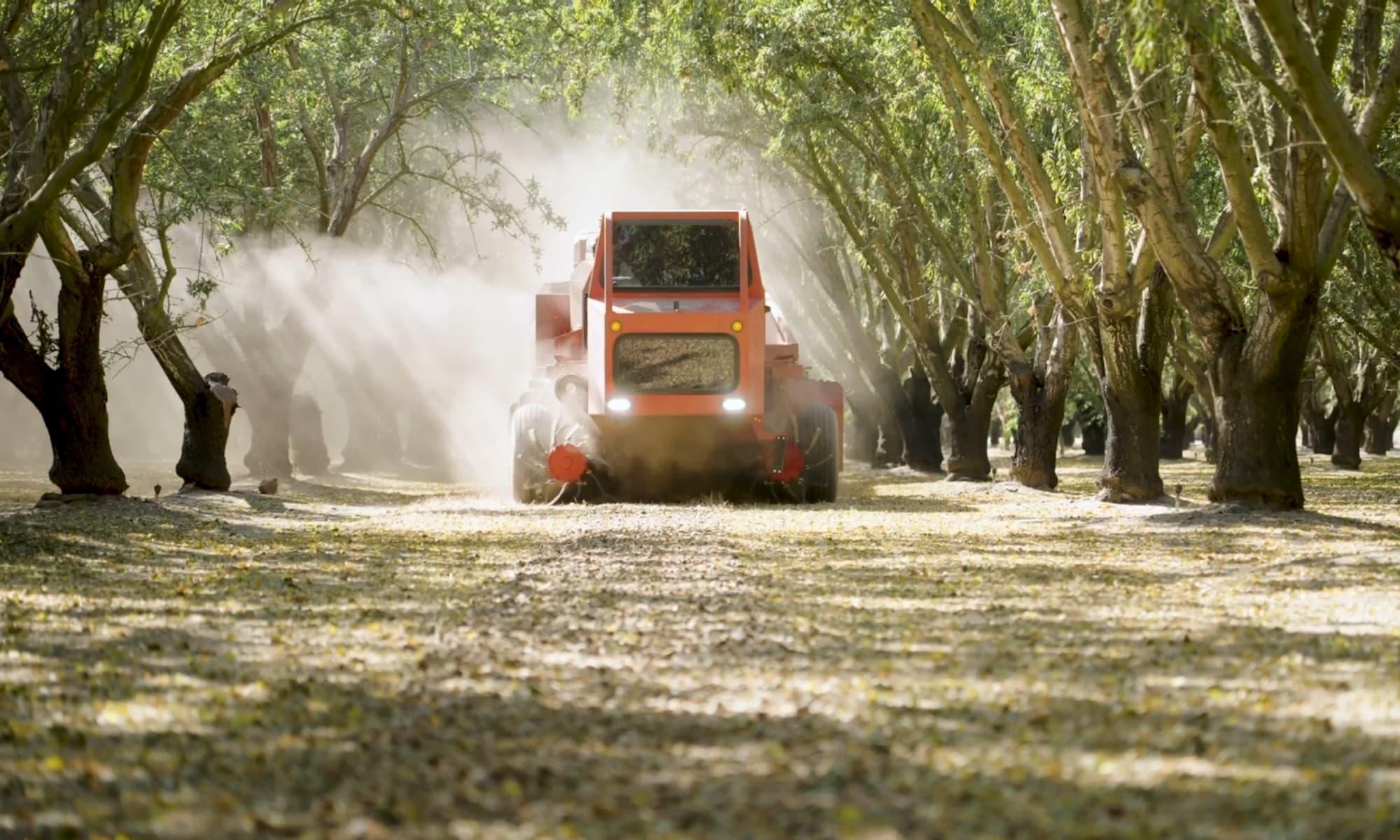
No source found describes how almonds are harvested or dried in Tajikistan or gives harvest dates by area. The Tajik Wikipedia article gives July and August as the months when the fruit ripens, and Asia-Plus reported in 2022 that wild bitter almond is gathered from the end of September through October. In orchards planted for machines on suitable ground, mechanized harvesting can bring the crop in on time, with less risk of nuts deteriorating while they wait.
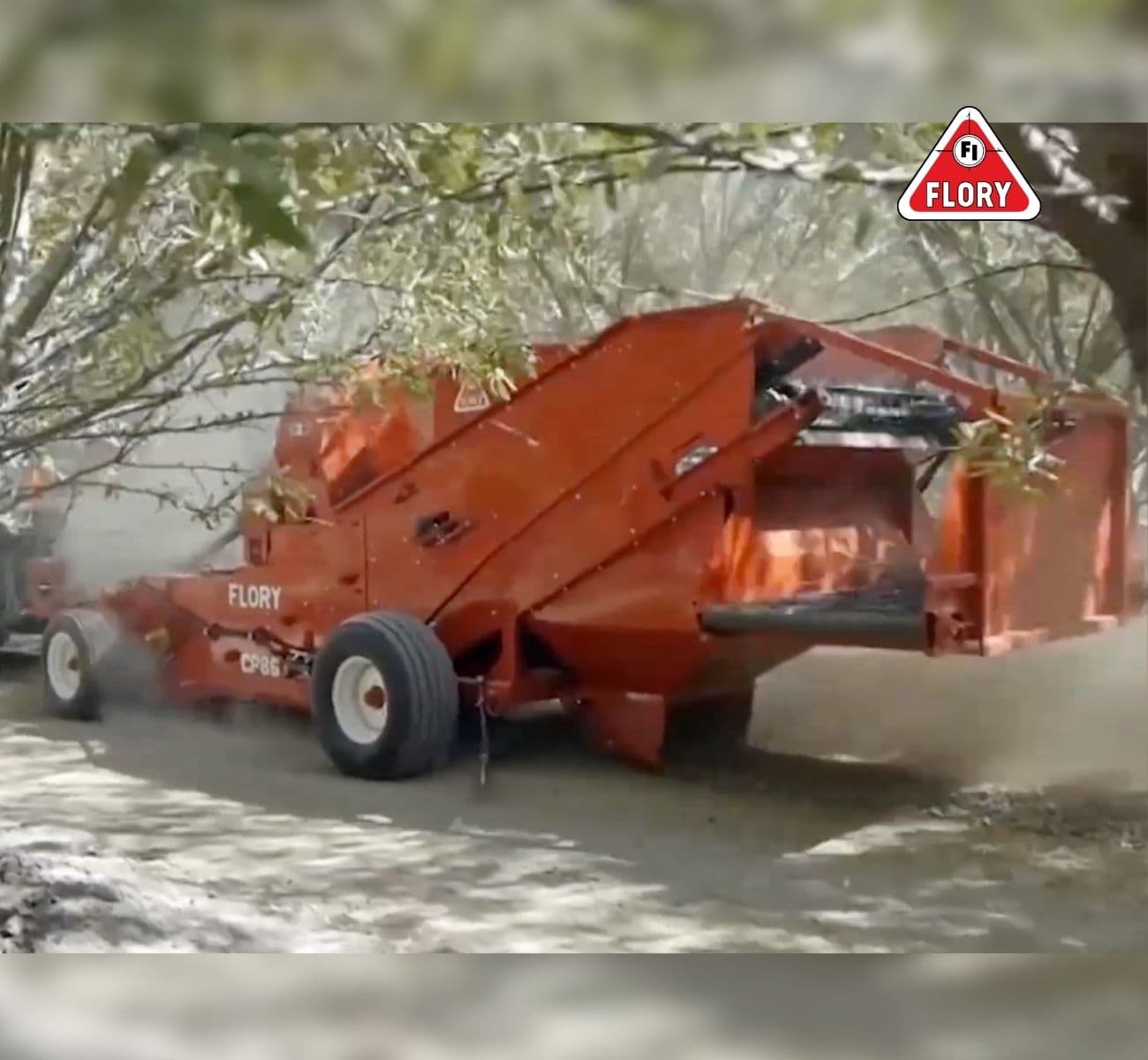
July to September is almost dry at the three valley stations with normals: on average 0.1 to 3.9 mm of rain a month at Kurgan-Tube, Dushanbe and Khujand (1961 to 1990), while October brings 8.7 to 30.2 mm. This guide therefore shows ground drying with the Flory CP87 as an option for July and August harvests in level valley orchards, with prompt pickup or catching frames for later harvests, and no machines on terraces, steep slopes or wild stands.
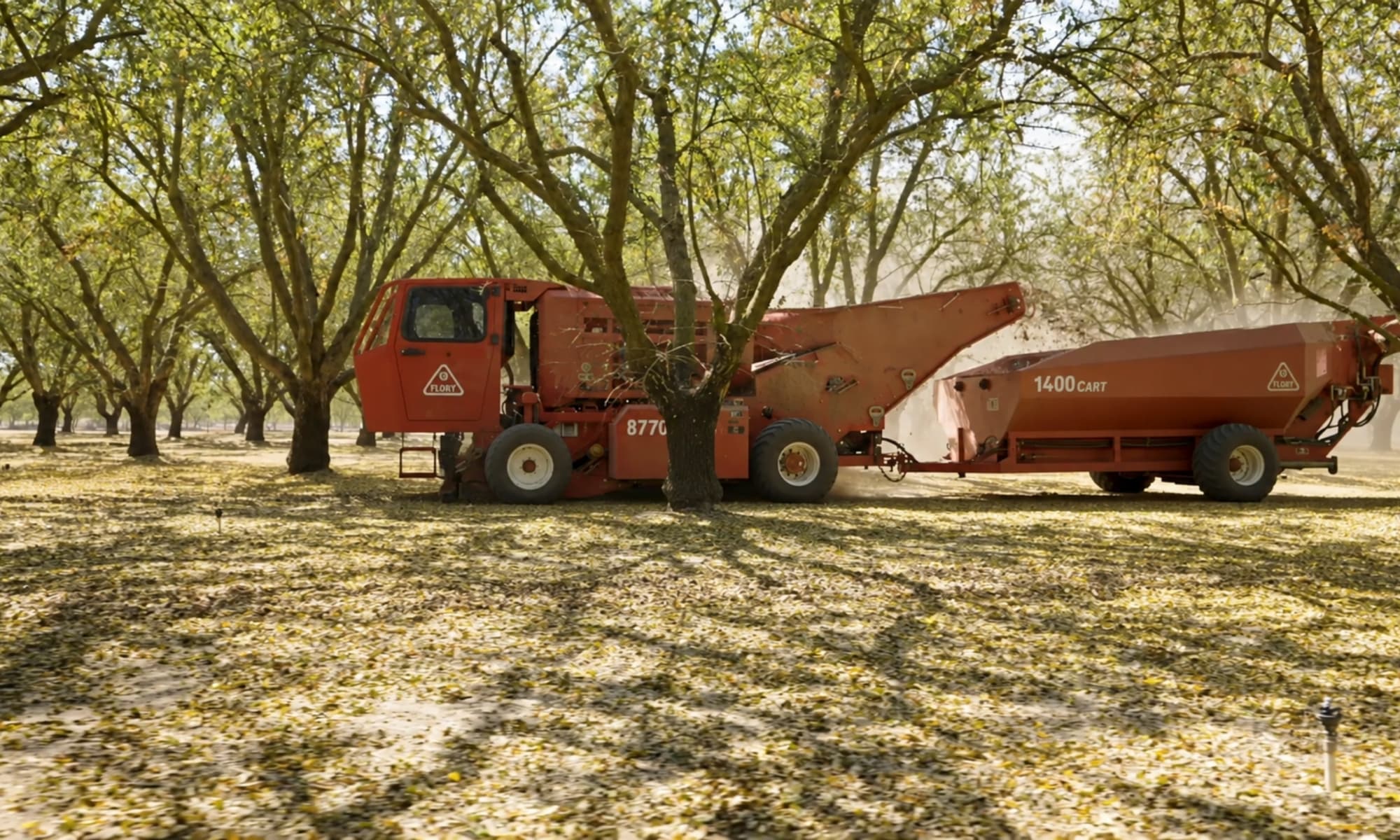
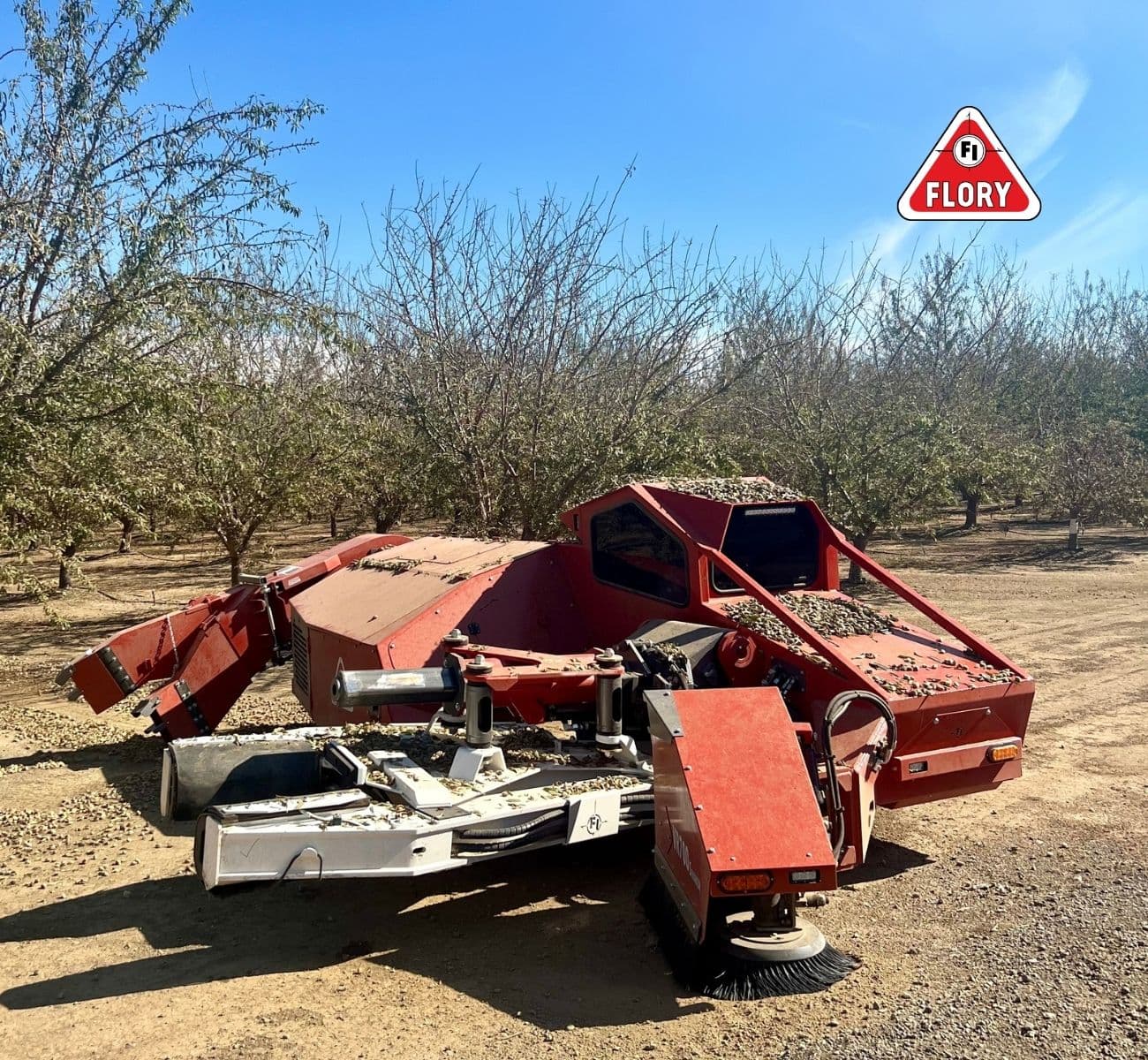
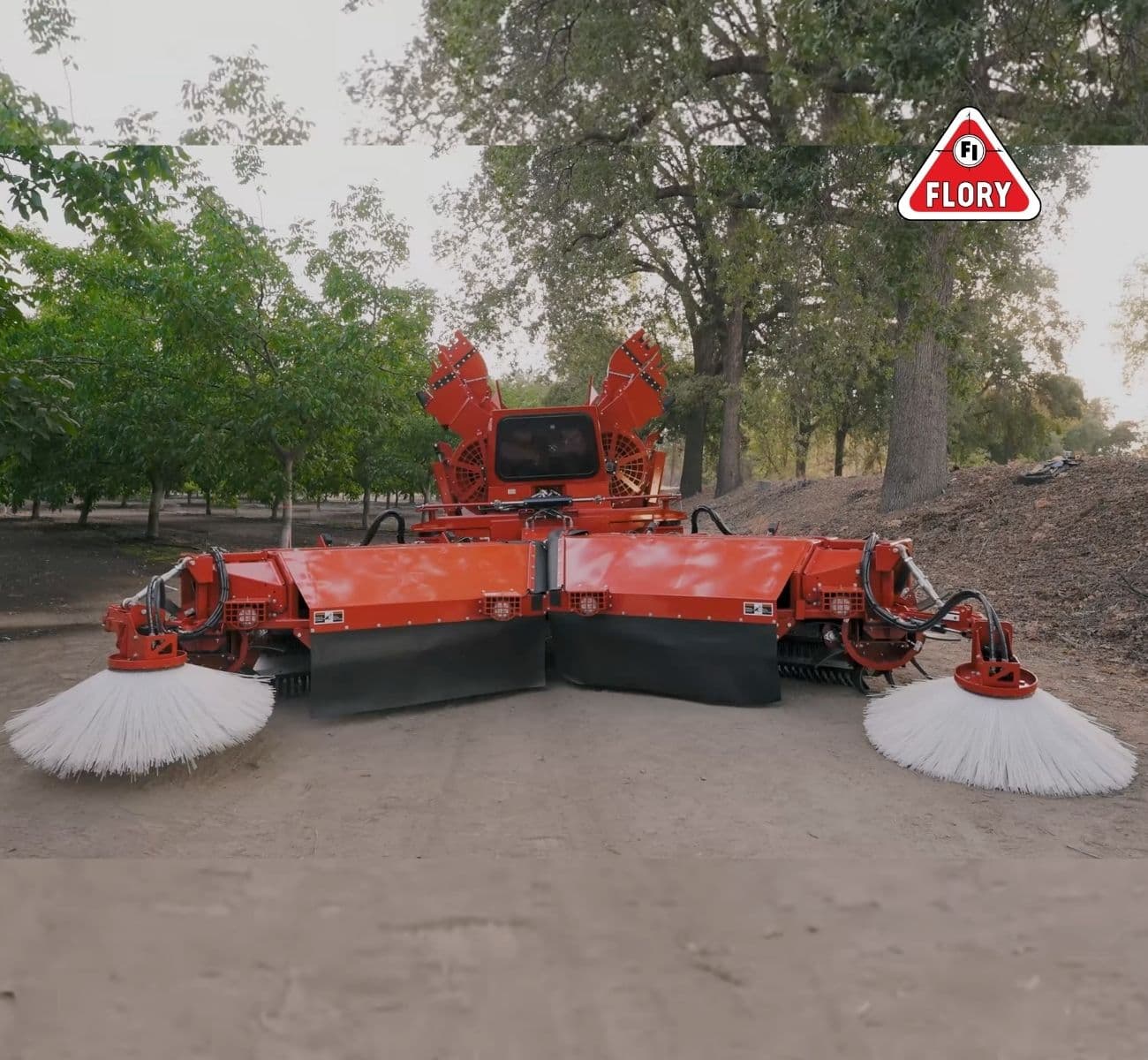
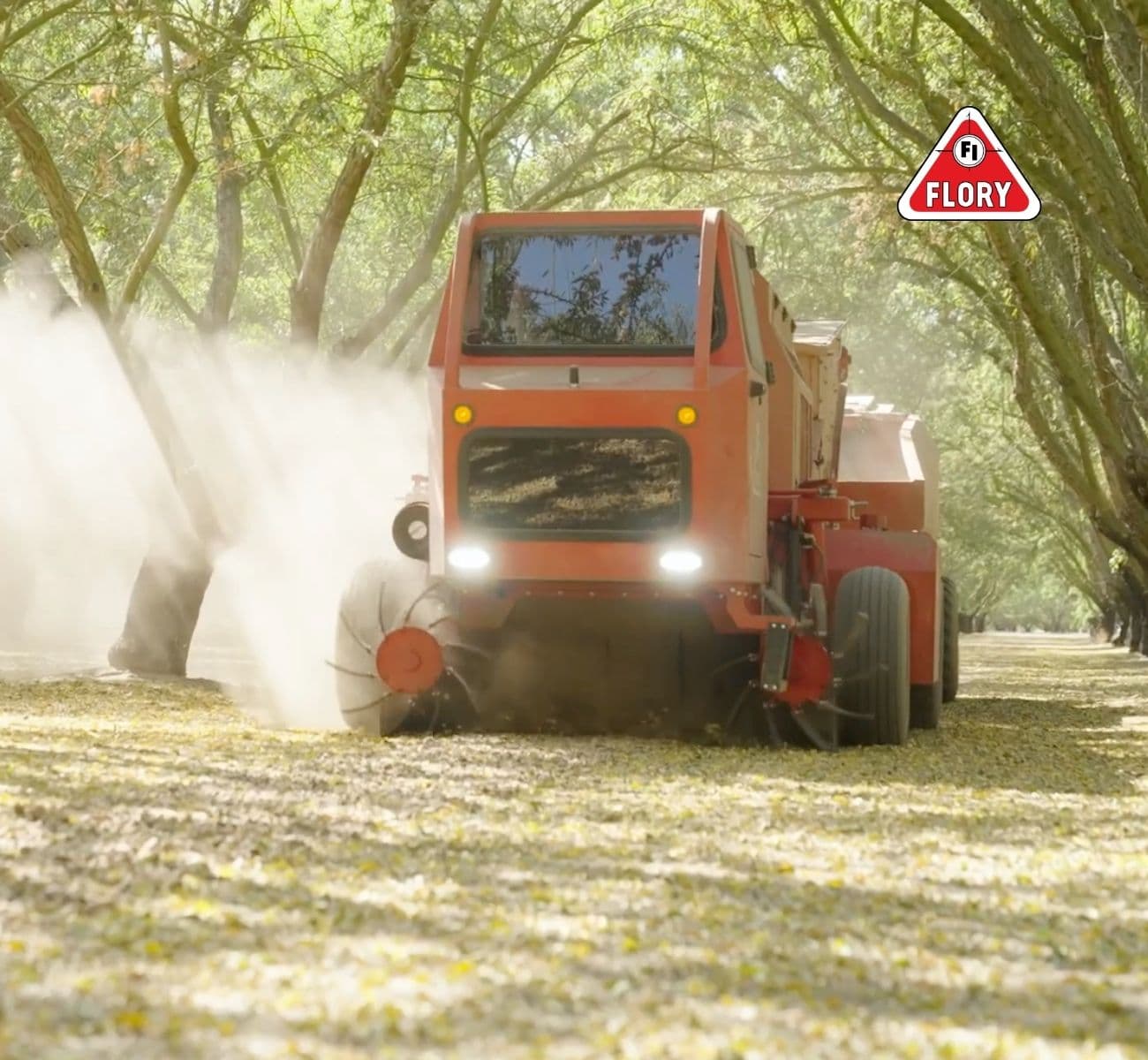
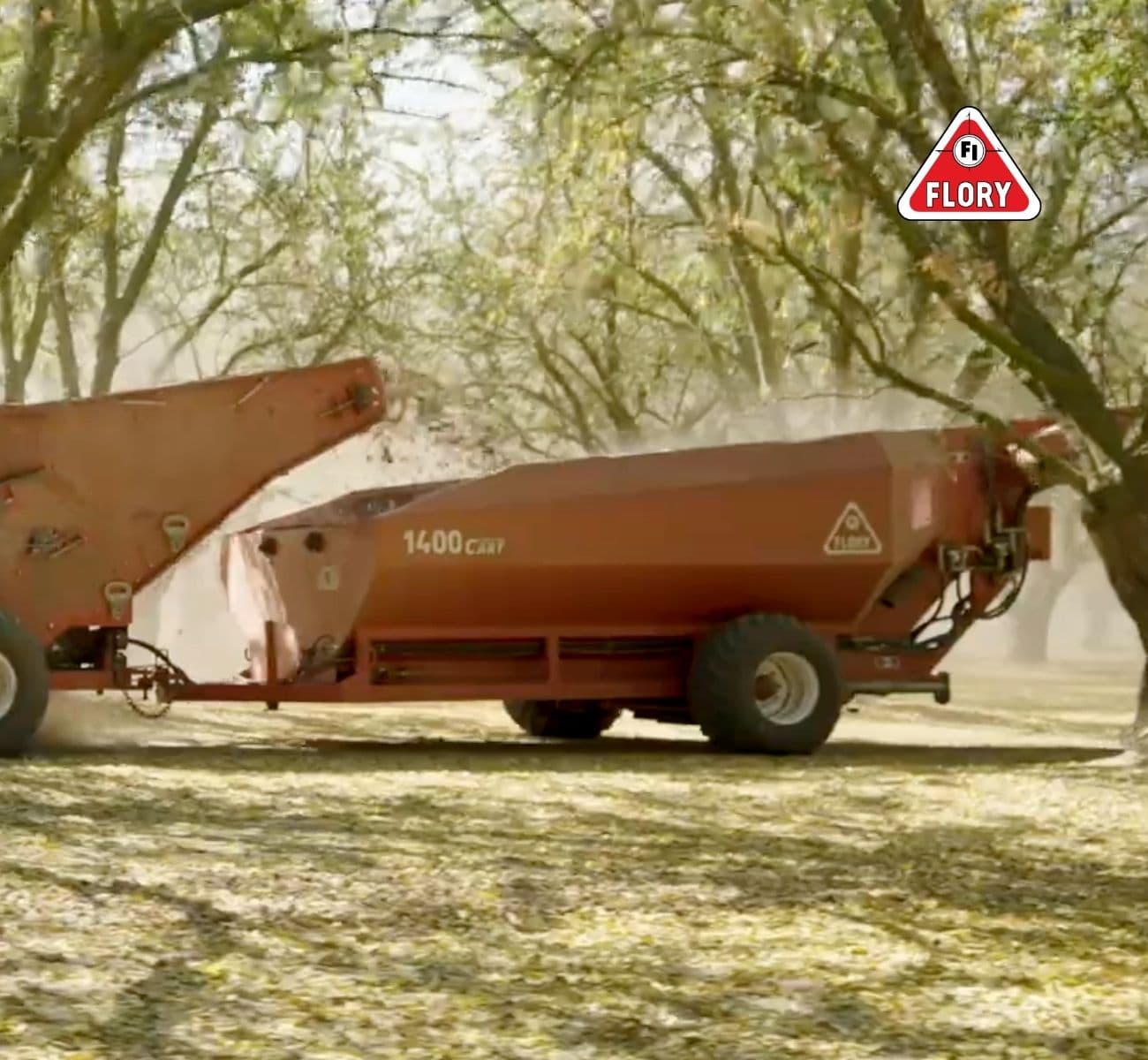
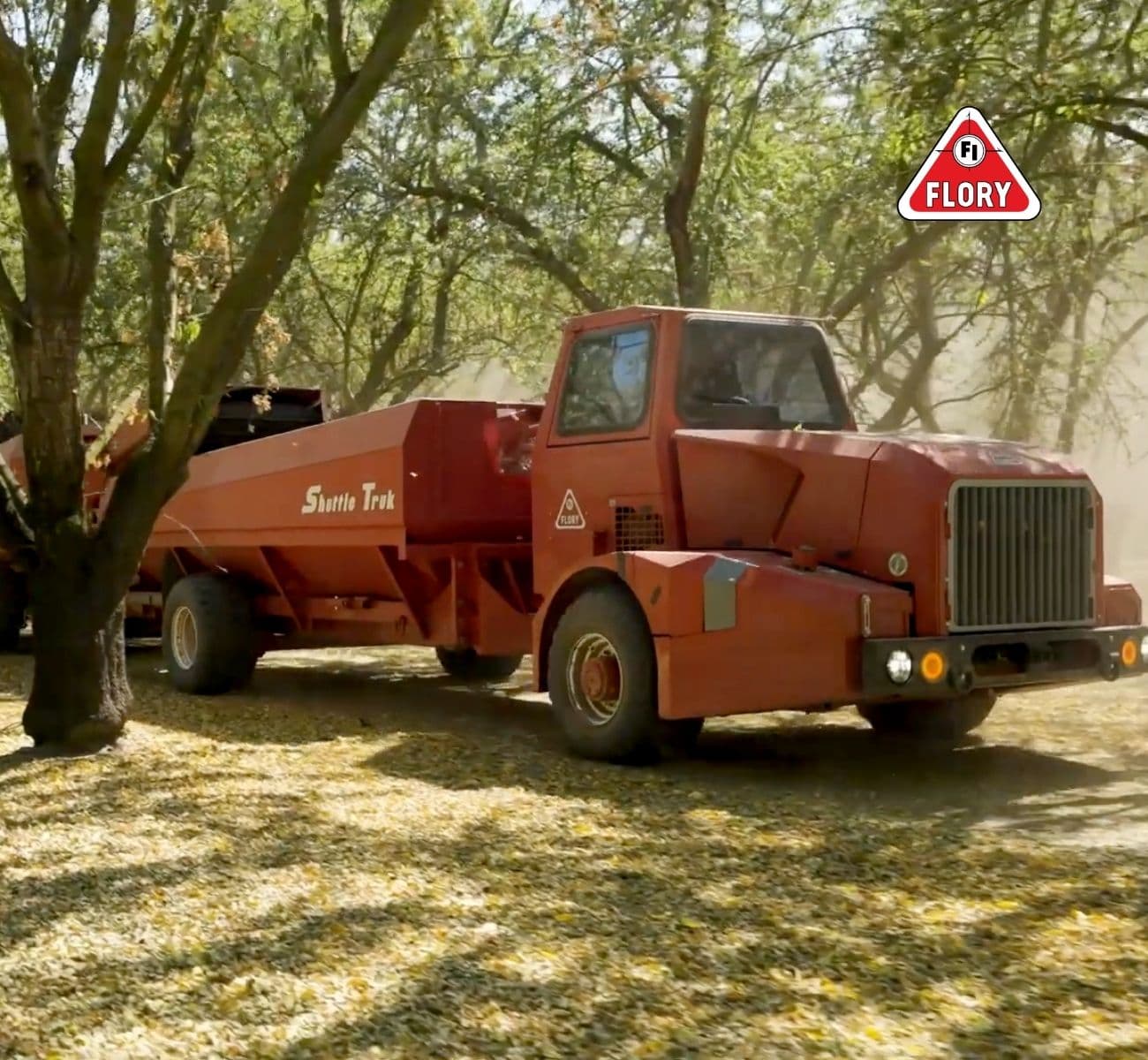
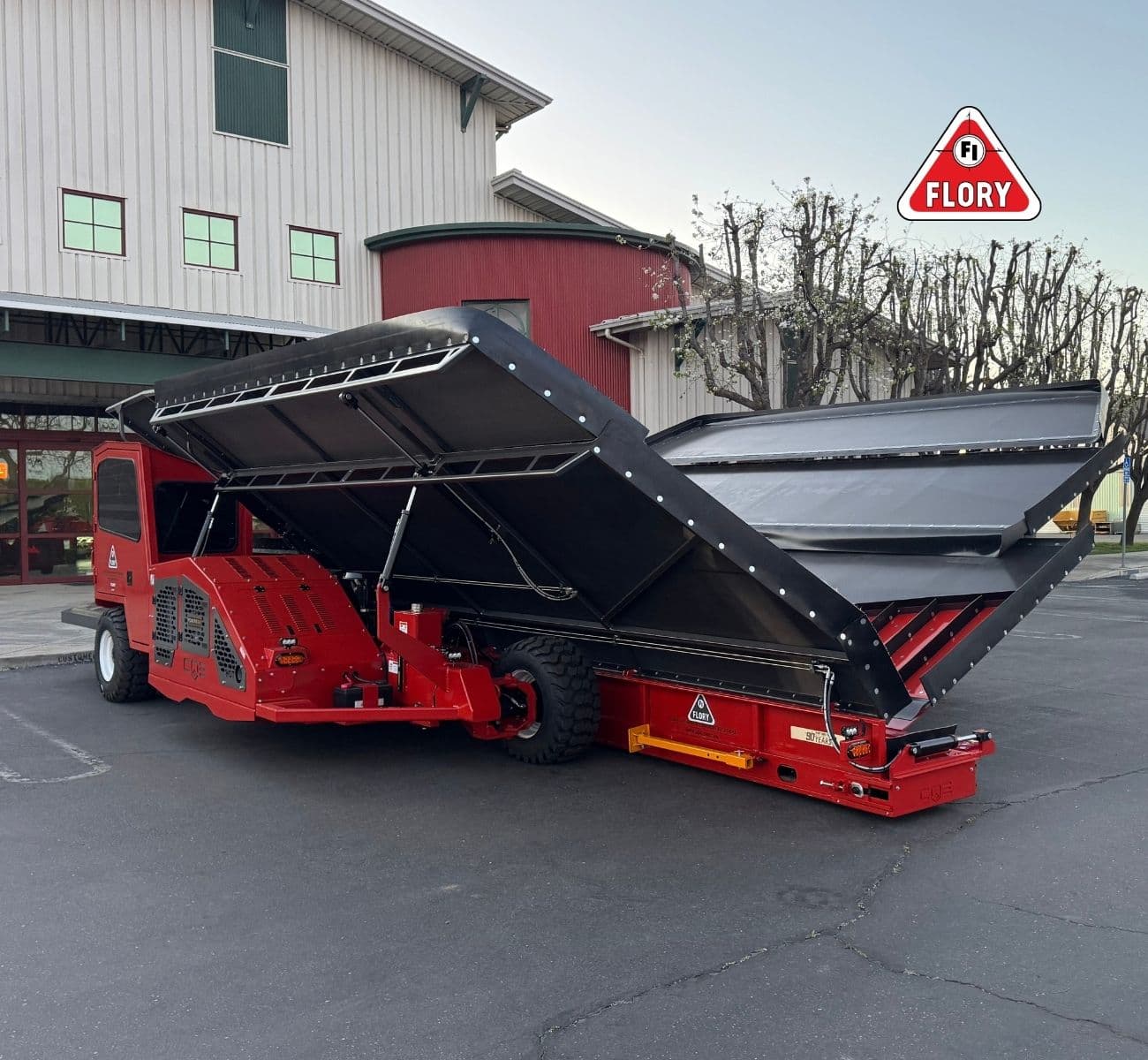
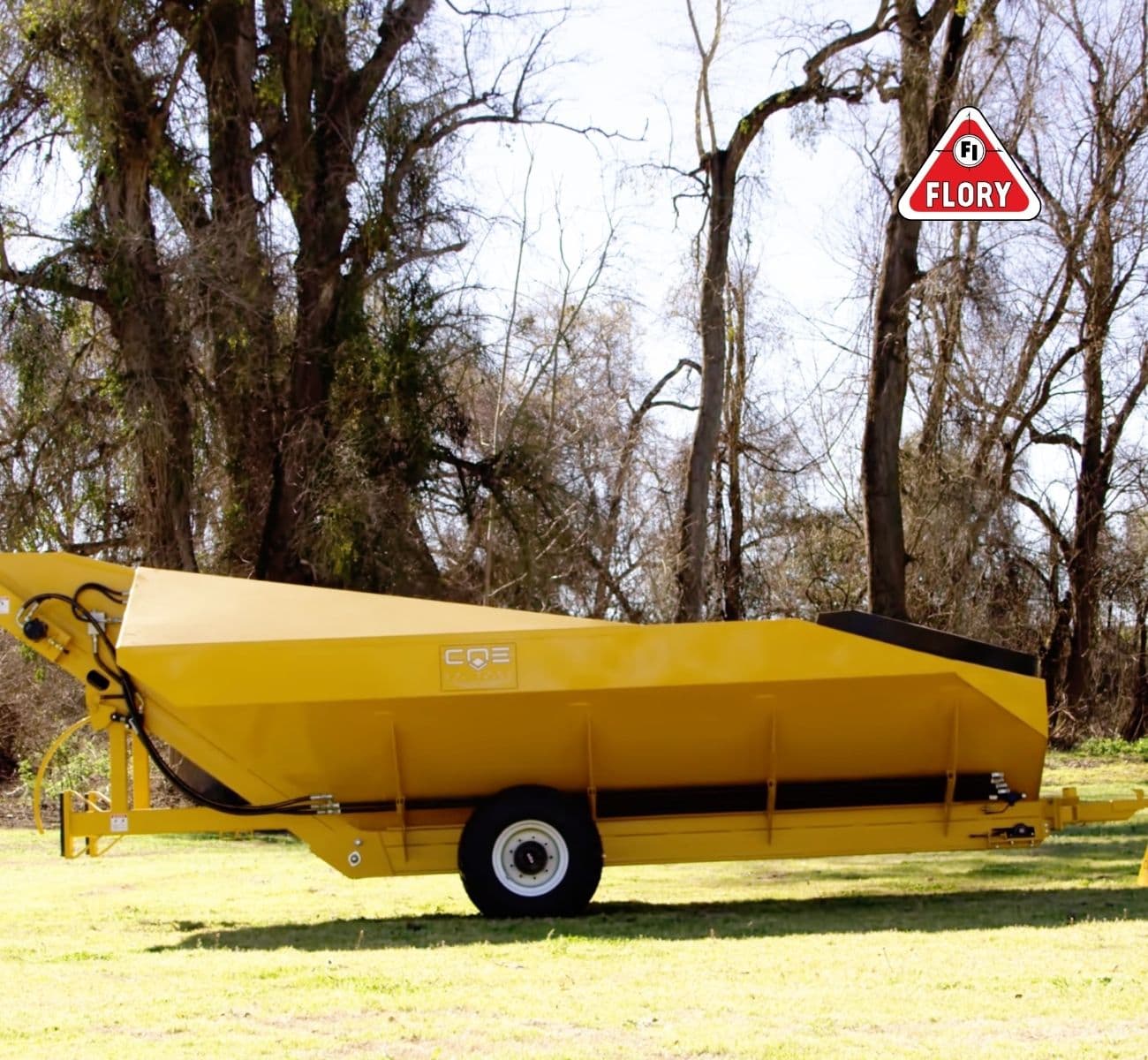
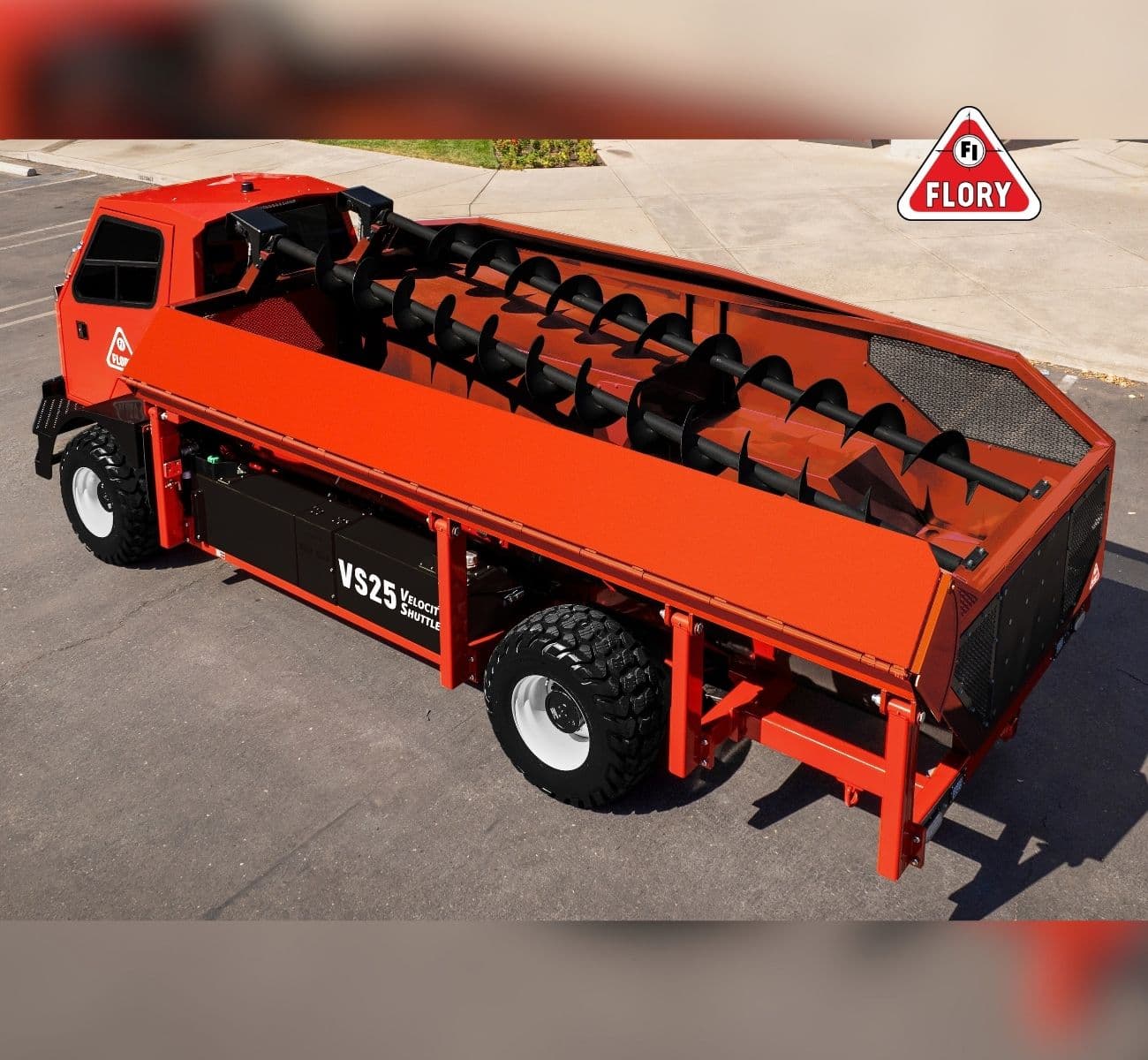
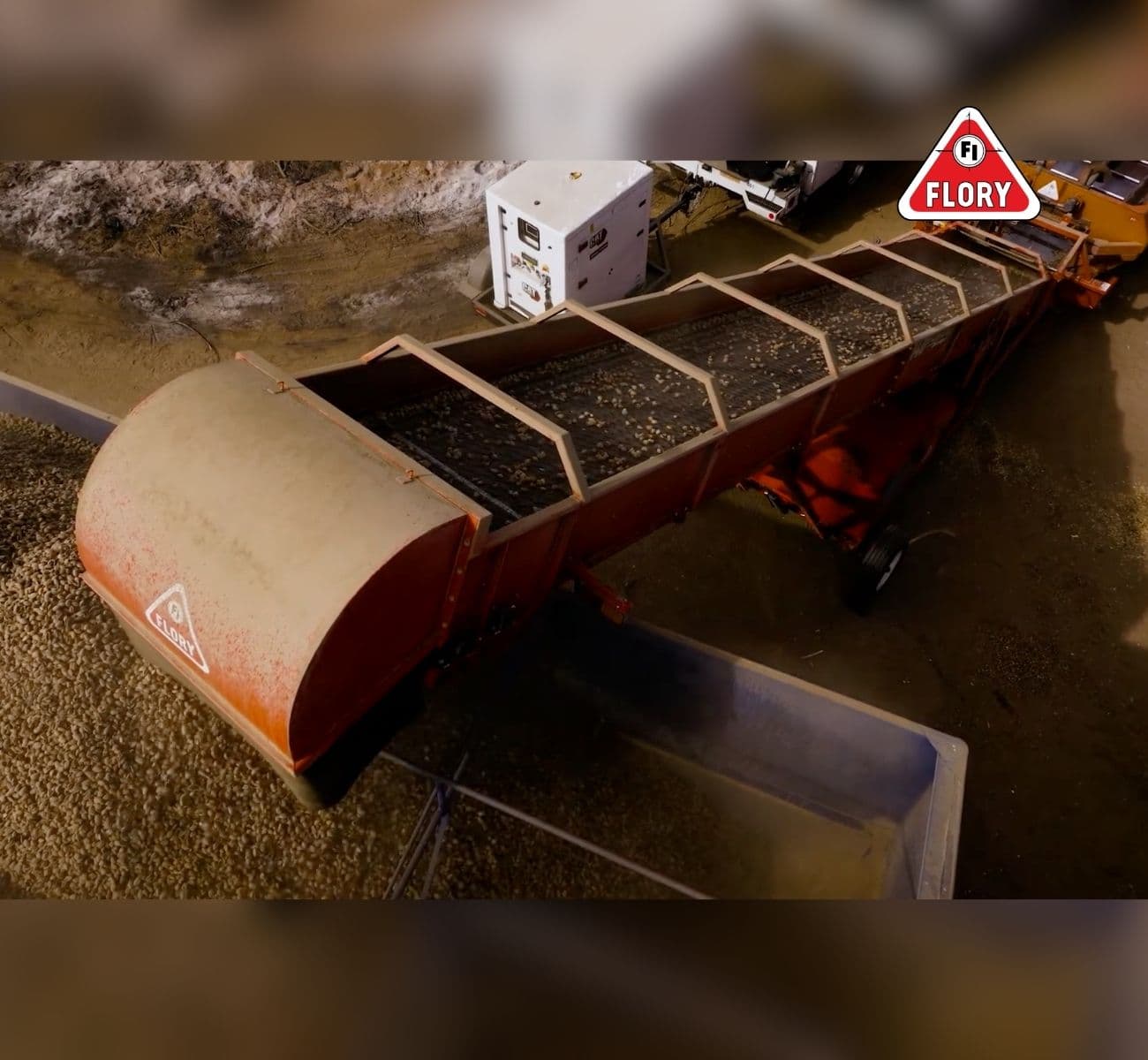
Flory harvesting machinery is available in Tajikistan through OVE Europe for both systems. On the ground, the VR700 Shaker, V62 Sweeper, CP87 Conditioner and 8772 Harvester work with the 1500 Conveyor Cart and ST14 Shuttle. Off the ground, the Flory COE C7 Shaker and L2 Receiver catch the almonds in a frame around the trunk, the Flory COE B8 Cart and VS25 Shuttle carry them, and the 4840 Field Elevator loads trailers in both systems.
Almond Harvest Workflow (Recommended Equipment)

Practical Tips for Almond Harvesting
Time shaking by hull split: University of California guidance advises harvesting once all nuts at 1.8 to 2.4 m in the canopy have split and come off well.
Leave shaken almonds on the ground only for July and August harvests in level valley orchards, and only with a dry forecast.
Keep ground time short: University of California guidance links ant damage to the time almonds spend on the orchard floor.
After drying on the floor, sweep almonds into windrows; a conditioner such as the Flory CP87 cleans and re-lays them so they dry faster before pickup.
For later harvests, or when rain is forecast, pick up promptly or catch the nuts with the Flory COE C7 Shaker and L2 Receiver.
Use shakers and frames only in level orchards planted for machines, never on terraces, steep slopes, household plots or wild stands.
Get your recommended harvest setup
Enter orchard size, spacing, terrain, and target throughput—we’ll suggest a practical harvest workflow and equipment lineup.

Almond Post-Harvest Handling & Processing in Tajikistan
No source found describes almond hulling, drying, cracking or storage in Tajikistan. The Codex code of practice for tree nuts prefers catching frames or sheets so shaken nuts do not reach the ground, and advises removing fallen nuts and hulling as soon as possible after harvest. In this workflow, promptly picked or frame-caught almonds are hulled first and then dried in the shell, while almonds dried on the orchard floor arrive with dry hulls and are dried further only if needed.
Tajikistan is among the states that voted for GOST 32857-2014, the interstate standard for sweet almond kernels: it sets three commercial grades and at most 6.5% moisture, and leaves contaminant limits to each adopting state (Tajik limits were not found). Codex allows 10 µg/kg of total aflatoxins in ready-to-eat almonds and 15 µg/kg in almonds for further processing, and Regulation (EU) 2023/915 allows 8.0 µg/kg of aflatoxin B1 and 10.0 µg/kg in total in almonds for consumers.
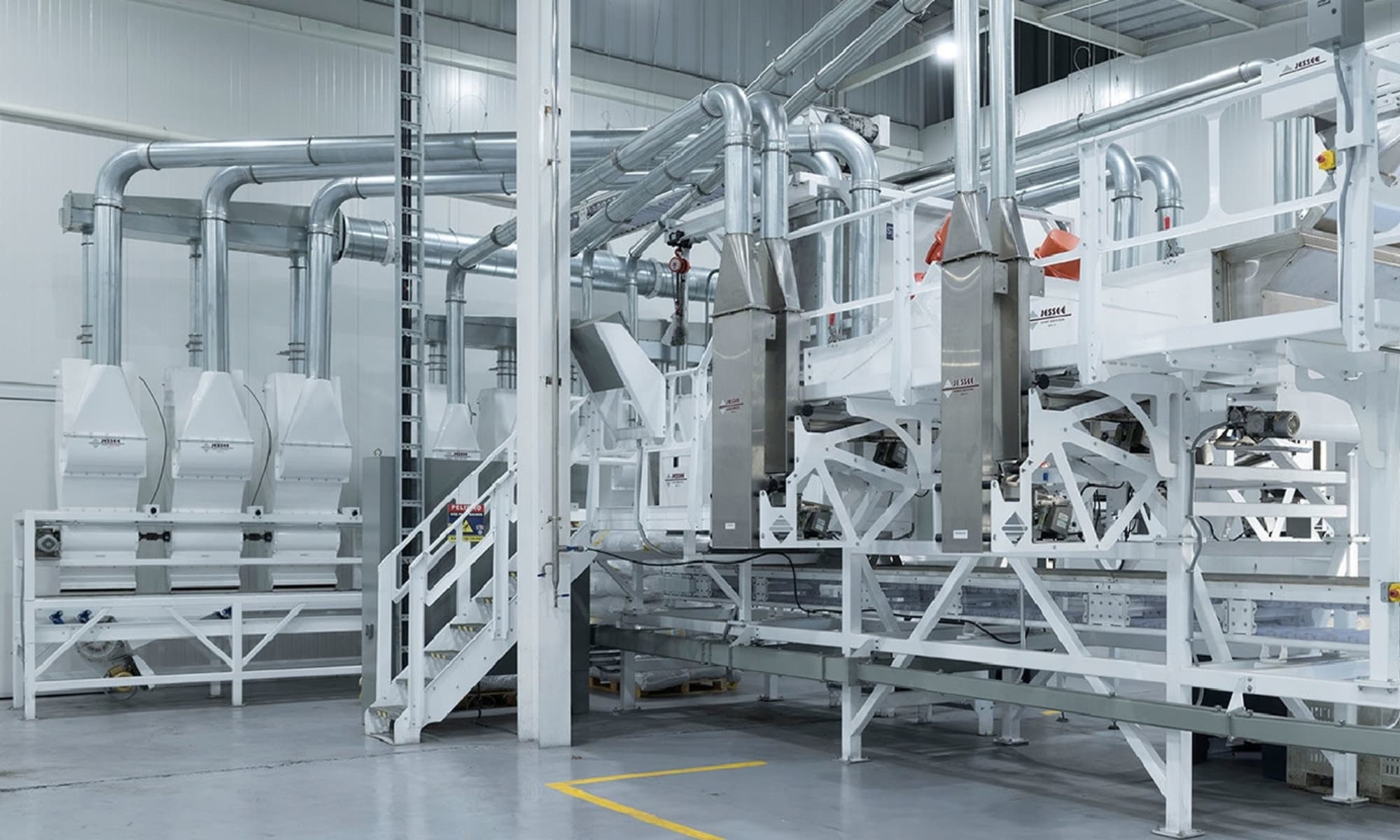
In 2023, the latest year it reported, Tajikistan recorded imports of 147.9 t of shelled almonds and 109.0 t in shell and exports of 40.8 t shelled and 110.7 t in shell (UN Comtrade via WITS); the records do not show where exports were grown. The United Arab Emirates recorded 494.0 t of in-shell almonds shipped to Tajikistan that year. Jessee, whose processing lines OVE Europe supplies, builds hulling, drying, in-shell cleaning and sizing, and shelling systems; its Airlegs nut cleaner was developed for the almond industry.
For general information only. Information may become outdated and does not replace site-specific professional advice. Consult a qualified agronomist and confirm equipment suitability with OVE before acting.
Practical Tips for Almond Post-Harvest Handling & Processing
Pick up ground-dried almonds as soon as they are dry, then hull them and check moisture before storage.
Hull promptly picked or frame-caught almonds while the hulls are fresh, then dry the nuts in the shell before storage.
Never pick up or stockpile rain-wet almonds: University of California guidance warns that stockpiling wet nuts risks mold and concealed damage.
Dry the nuts until the kernels meet the 6.5% maximum moisture of GOST 32857-2014, the interstate standard Tajikistan voted for.
Grade kernels into the highest, first and second commercial grades of GOST 32857-2014, as buyers specify.
Test lots for aflatoxins before sale: Codex allows at most 10 µg/kg of total aflatoxins in ready-to-eat almonds.
Recommended Post-Harvest Handling & Processing Stages







Plan your post-harvest line
Estimate tons/day, cleaning & drying capacity, storage needs, and cost/kg—then build your equipment plan in phases.