


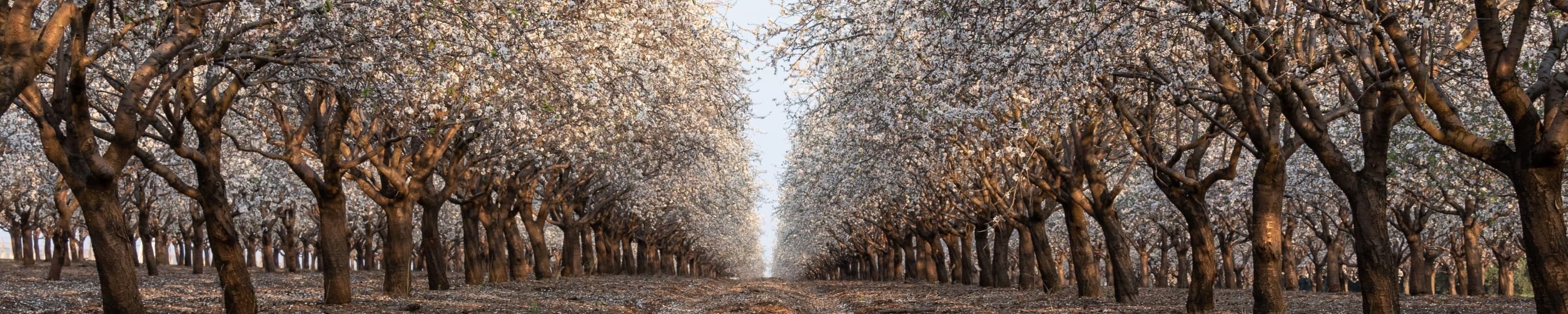




Almond Orchard Establishment in Türkiye
TÜİK data for 2022, cited in a 2024 thesis, give Adıyaman 17.2% of Türkiye's almond area and 17.8% of production, with Mersin second by production at 13.8%. A 2017 paper describes almonds grown in block orchards, in orchards mixed with other fruit and as boundary trees on farmland, and undated university course notes say a large part of Türkiye's almond trees were raised from seed.
A Denizli provincial leaflet says late-blooming cultivars must be preferred, and the Kahta registration describes orchards planted with Ferragnes and Ferraduel together, as both are self-incompatible and pollinize each other. A 2020 review of cultivar trials found Ferragnes, Ferraduel, Lauranne, Nonpareil and Guara suited to Turkish conditions, Texas partly and Tuono not.
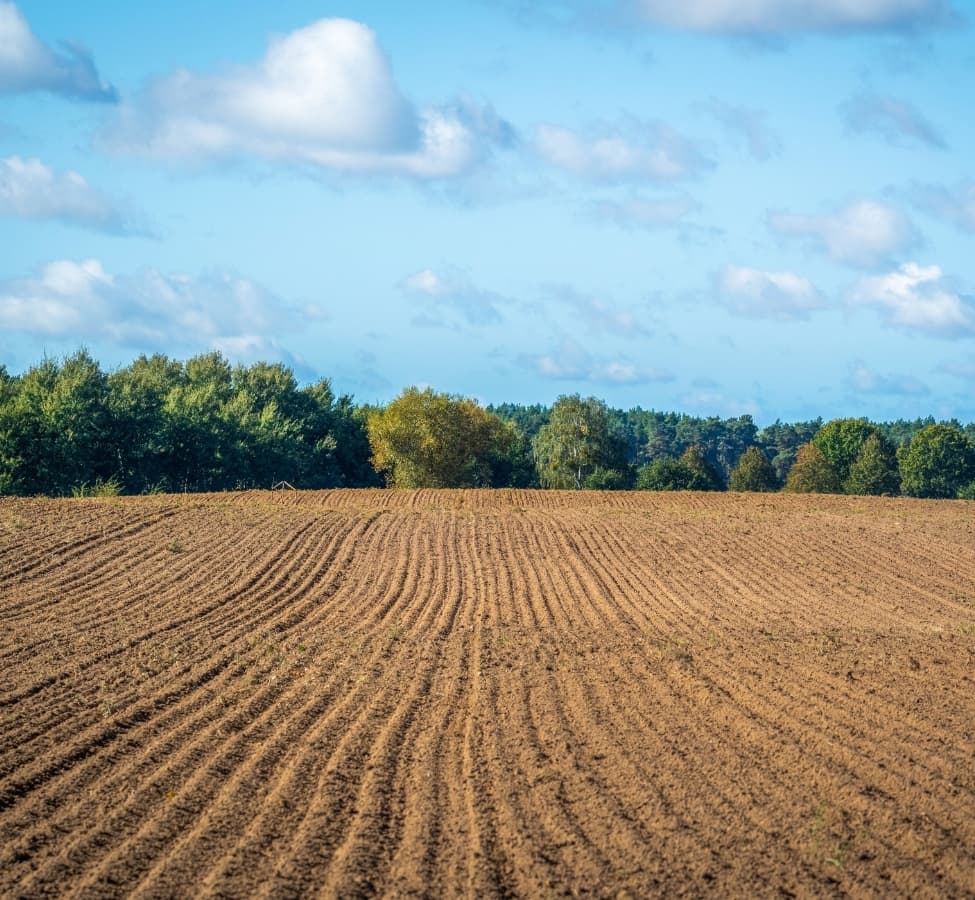
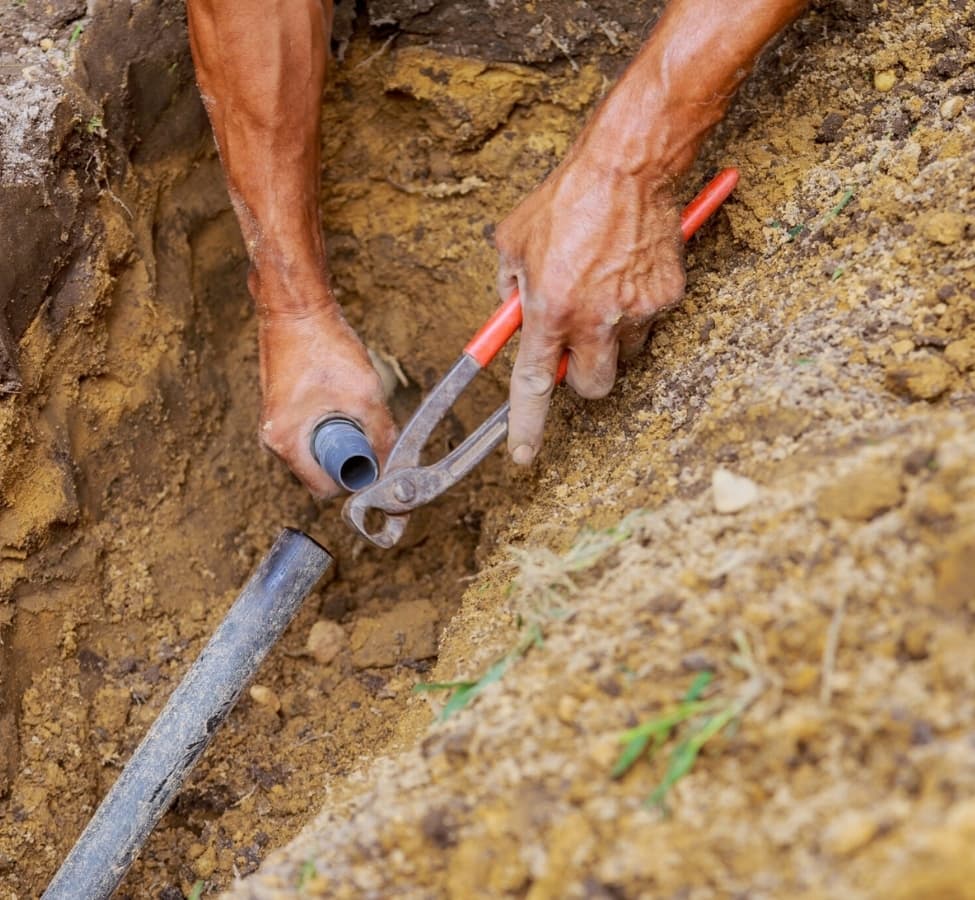
An undated brochure of the Atatürk Horticultural Central Research Institute in Yalova calls seedling rootstock widely used and known to resist the sapling root borer (Capnodis), and says trees on GF 677, also widely used, bear early; the Kahta registration also names Garnem. The brochure advises 6 × 6 m or 6 × 7 m; the Kahta text gives 5 × 2 m to 7 × 7 m by soil and rootstock, and the Datça text 8 to 9 m on strong, deep soils and 5 to 6 m on weak, shallow ones.
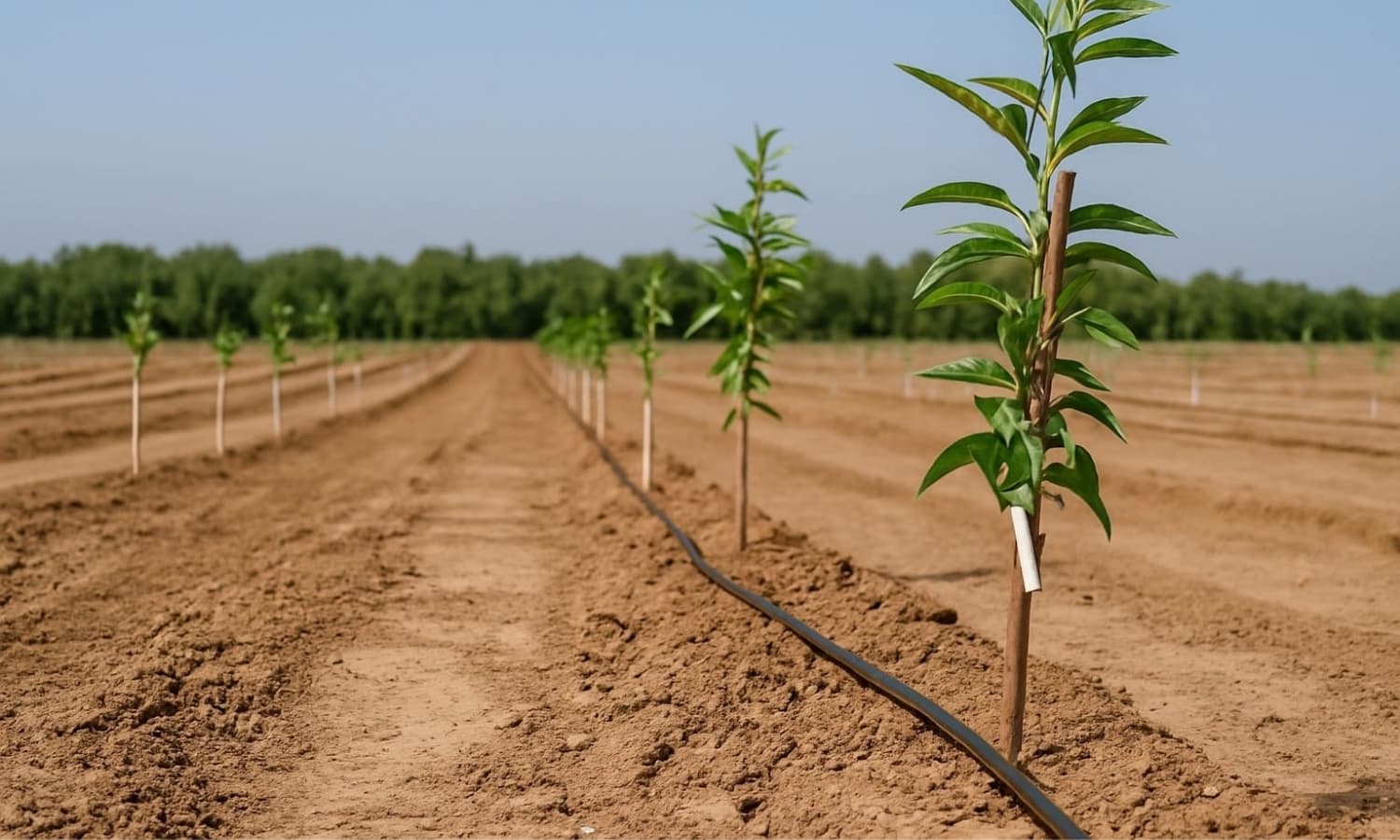

Practical Tips for Almond Orchard Establishment
Prefer late-blooming cultivars such as Ferragnes and Ferraduel, which the Yalova brochure lists as late-blooming.
Plant Ferragnes and Ferraduel together, as in Kahta orchards: both are self-incompatible and pollinize each other.
Site orchards on slopes where cold air drains away, more than about 15 m above the foot, as the Kahta registration advises against frost.
Place beehives at bloom: university course notes advise 5 to 8 per hectare, the Yalova brochure about 3 to 5; almost all local cultivars are self-incompatible.
Train young trees to a modified leader, as the Kahta registration describes, and avoid heavy pruning, as the Yalova brochure advises.
Plan rows and headlands for shakers, catching frames and sweepers before planting, and check machine needs with OVE Europe.
Recommended Establishment Stages




Almond Orchard Care & Maintenance in Türkiye
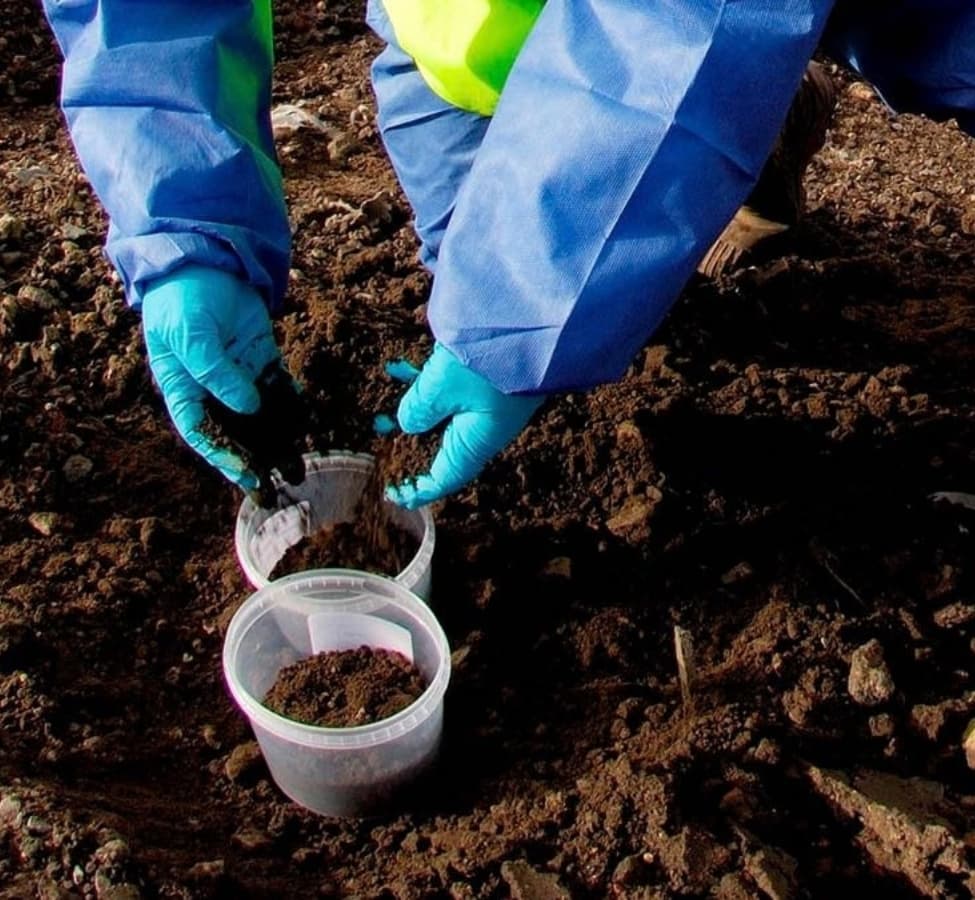
Undated Ankara University course notes call the almond seed wasp (Eurytoma amygdali) the most important almond pest, and a Ministry pest manual says it is widespread in Türkiye; control is timed to the adults' emergence, shown by cages of infested old almonds. The notes advise collecting infested almonds from the trees and the ground at harvest or in winter. In Datça, the almond lace bug (Monosteira unicostata) was among growers' main harvest-season problems in 2026.
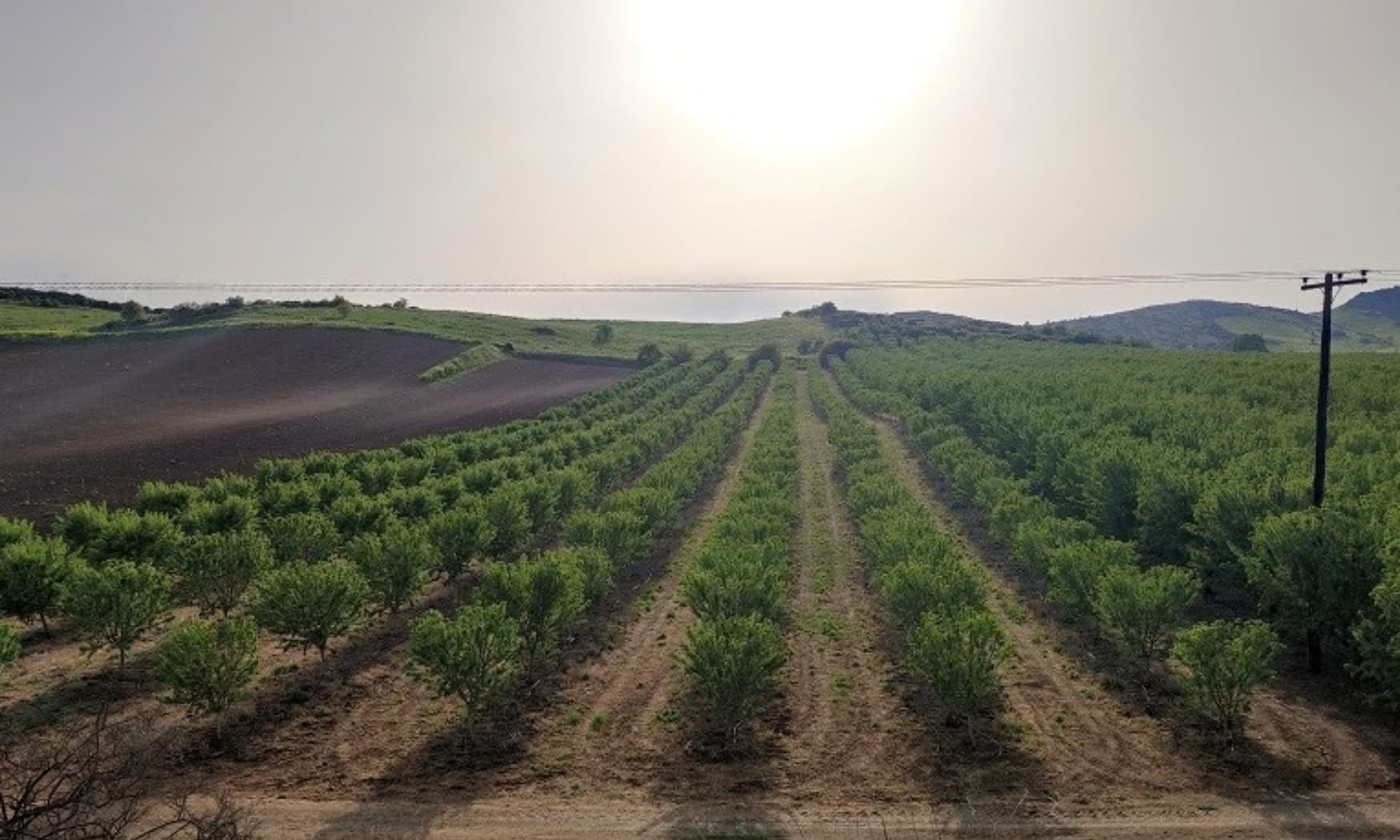
The Yalova brochure says almond is sensitive to late spring frost, especially because of its low chilling need, and the Kahta registration advises orchards on slopes where cold air drains away. EPPO lists Xylella fastidiosa as absent from Türkiye, confirmed by survey. In a 2016 survey of Adıyaman growers, published in 2017, most sprayed without first seeing a pest or disease.
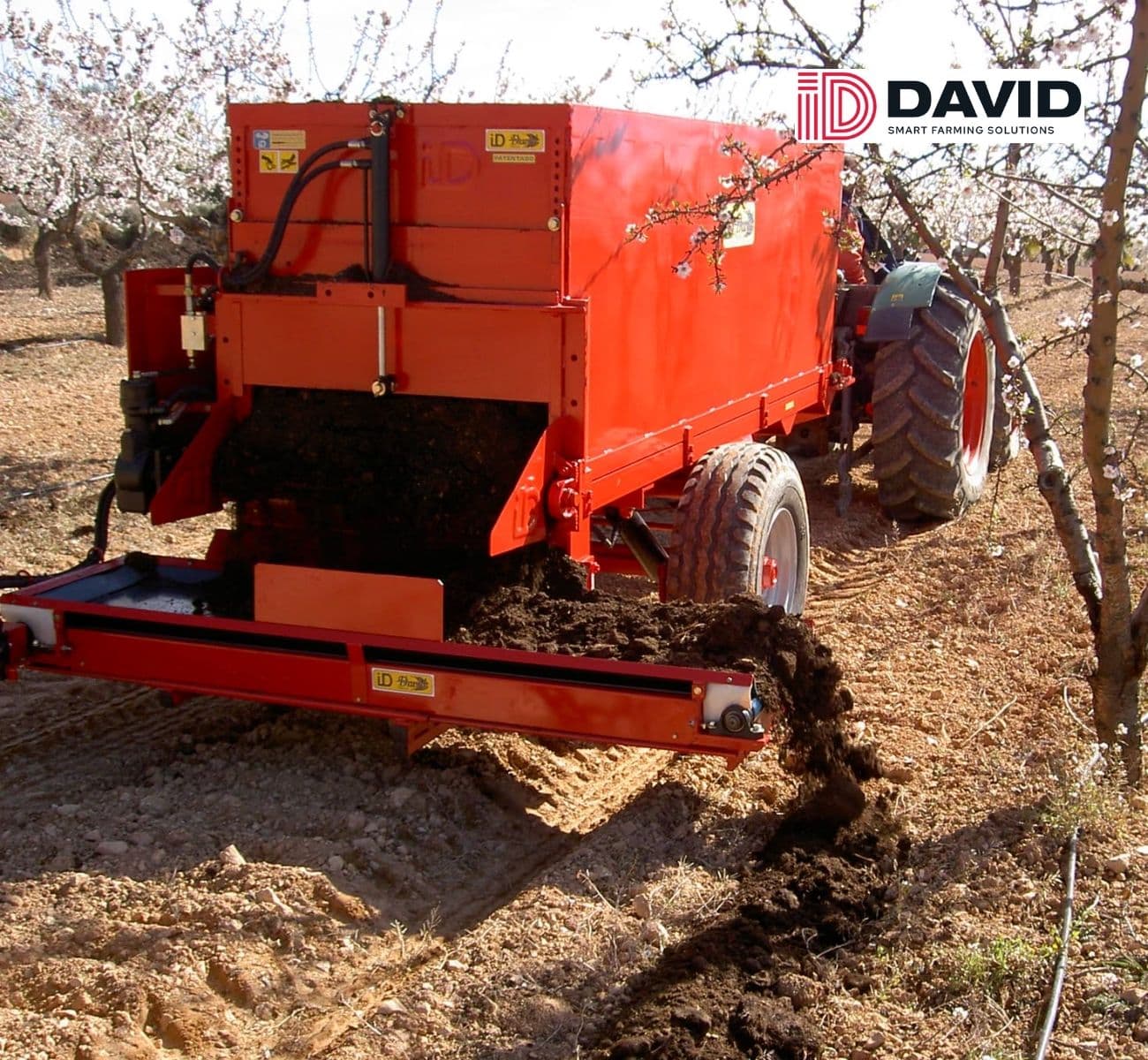
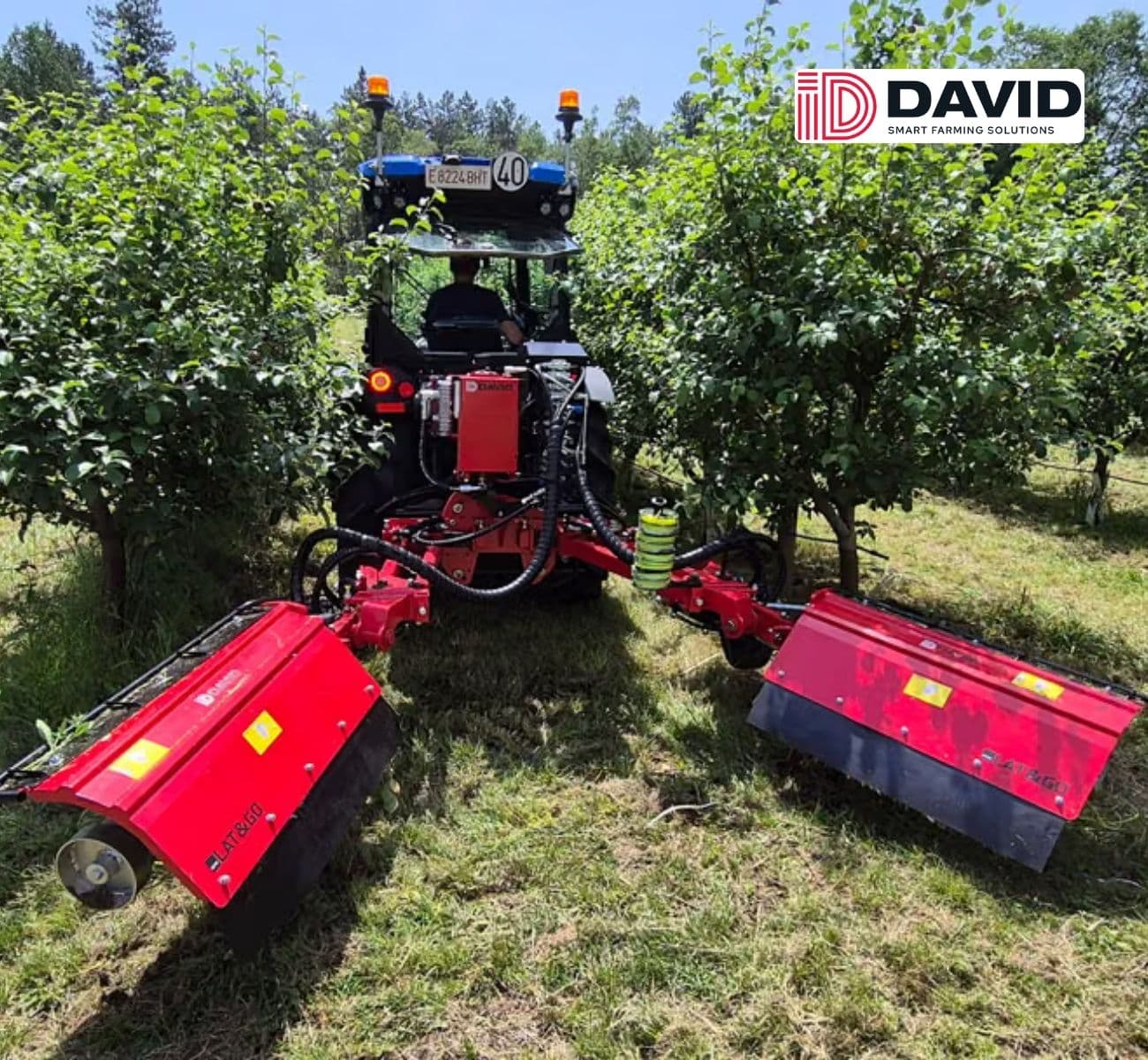
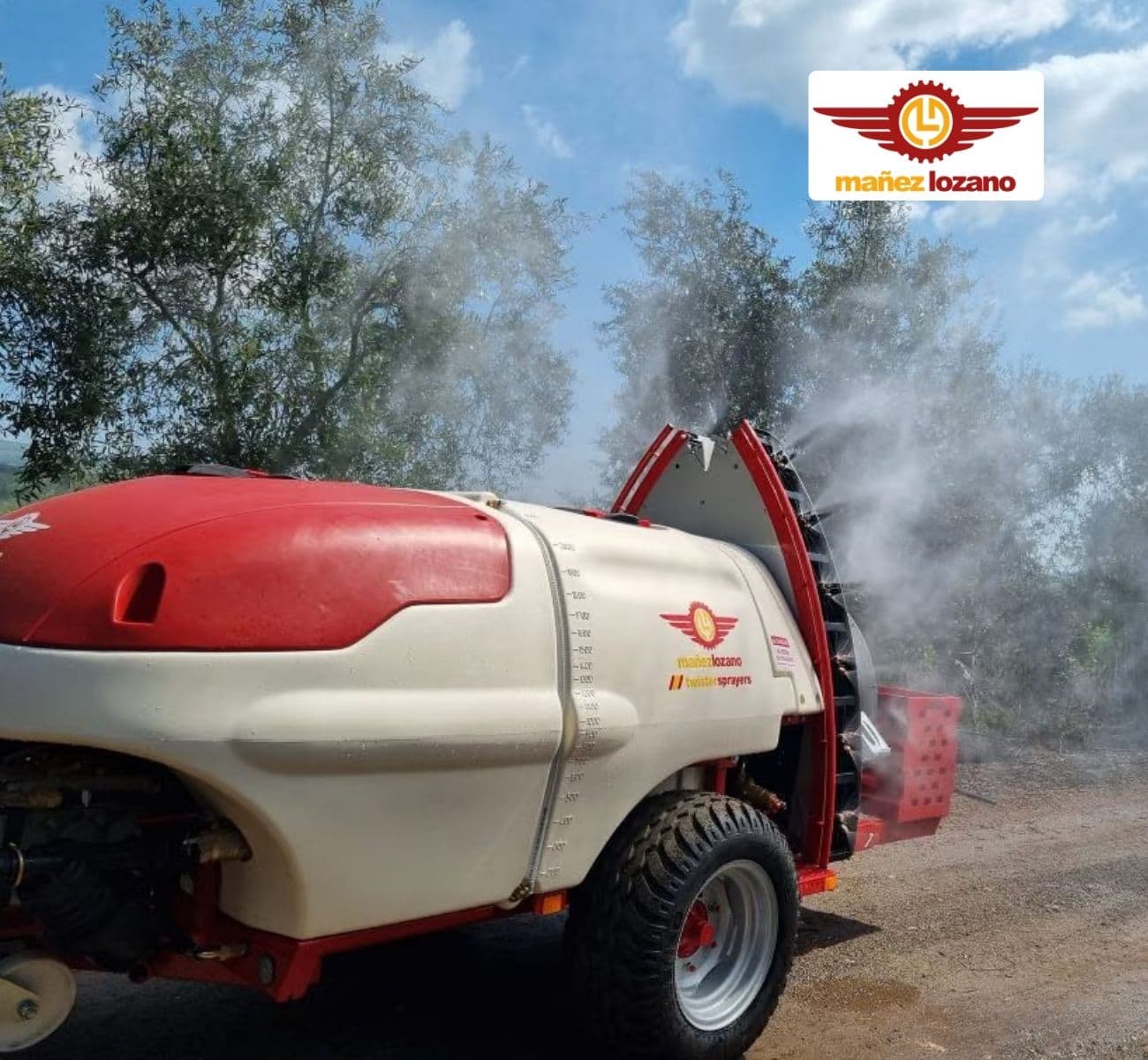
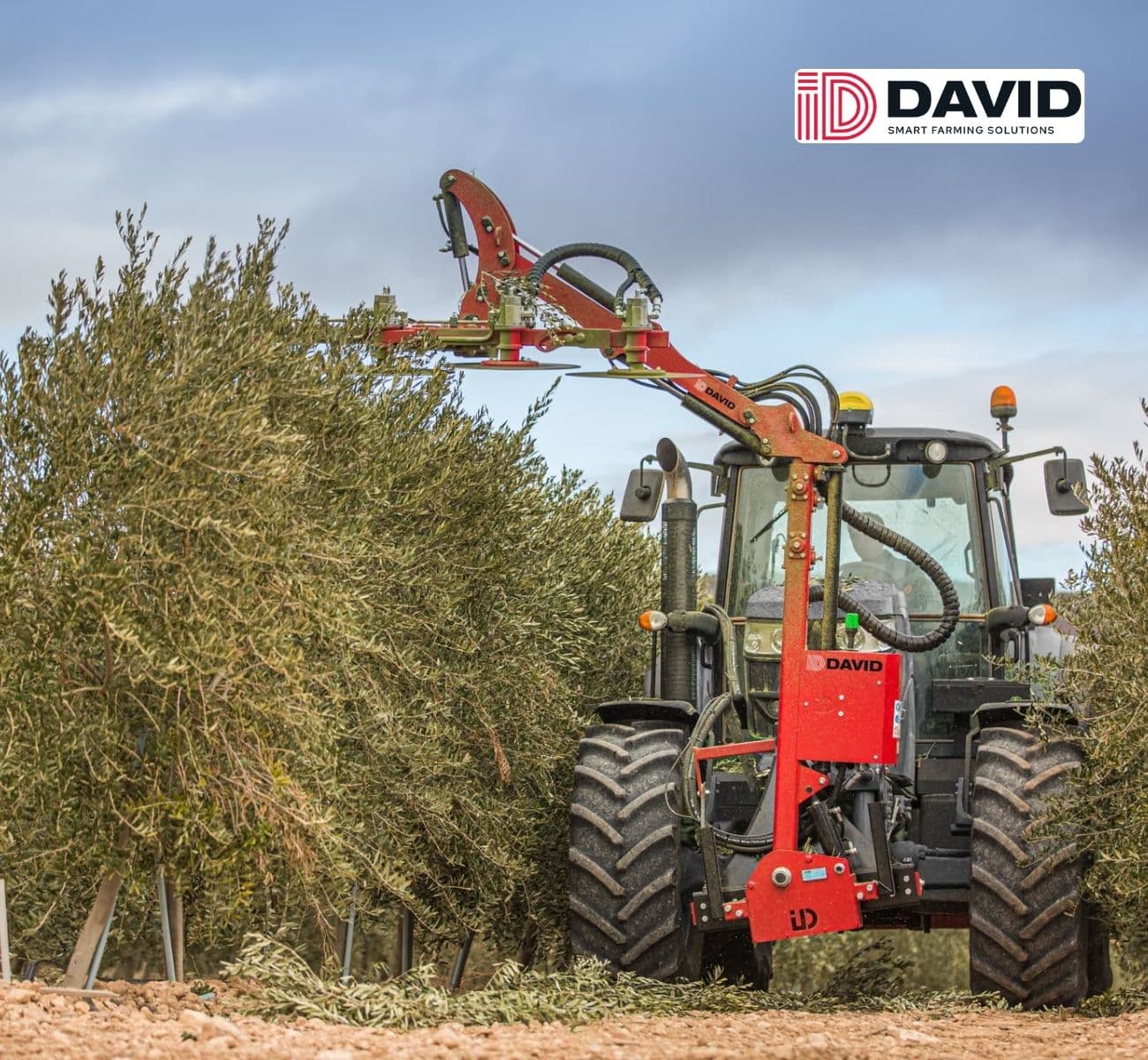
The Yalova brochure says almonds need no irrigation where annual rain exceeds 600 mm; in a 2020 survey of 70 Adıyaman farms, published in 2024, 51 irrigated every year, 50 of them by drip. For care work, the ID DAVID ECOFEED spreads manure, the LAT&GO string mower controls weeds without herbicides, the Mañez Lozano Narrow Twister S6 sprays tall, dense canopies and the V1 disc pruner makes vertical and horizontal cuts.
Recommended Orchard Care & Maintenance Stages



Practical Tips for Almond Orchard Care & Maintenance
Set out cages of infested old almonds in spring, when young fruit forms, to see when seed wasp adults emerge, as Ankara University notes describe.
Collect infested almonds from the trees and the ground at harvest or in winter to cut the seed wasp's numbers.
Spray only when monitoring shows a need: in a 2016 survey in Adıyaman, most growers sprayed without first seeing a pest or disease.
Stop irrigating about 3 to 4 days before harvest, as the Kahta registration advises.
Control weeds without herbicides with a string mower such as the ID DAVID LAT&GO, and keep the orchard floor level for harvest.
Spray tall, dense canopies evenly with a narrow trailed airblast sprayer such as the Mañez Lozano Narrow Twister S6.

Almond Harvesting in Türkiye
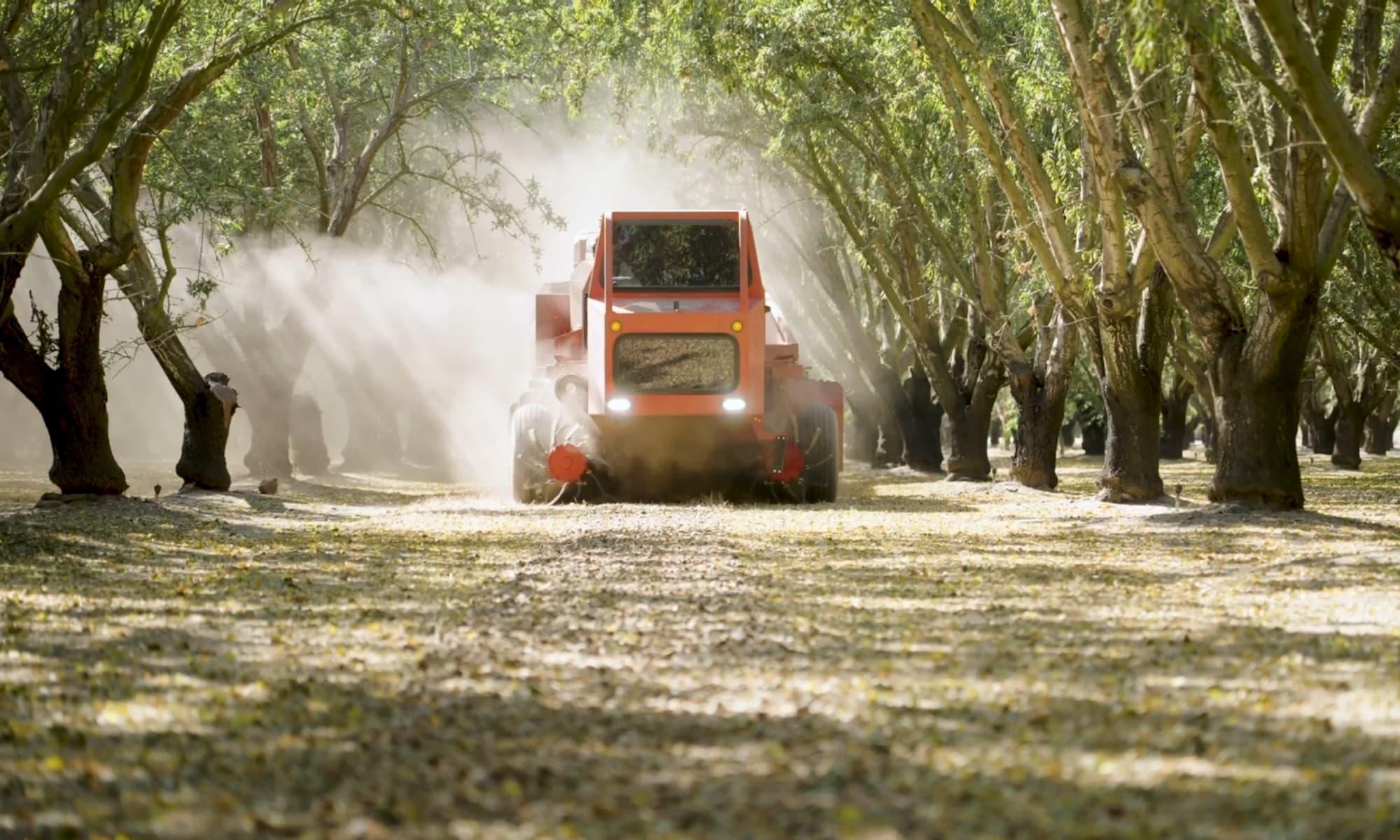
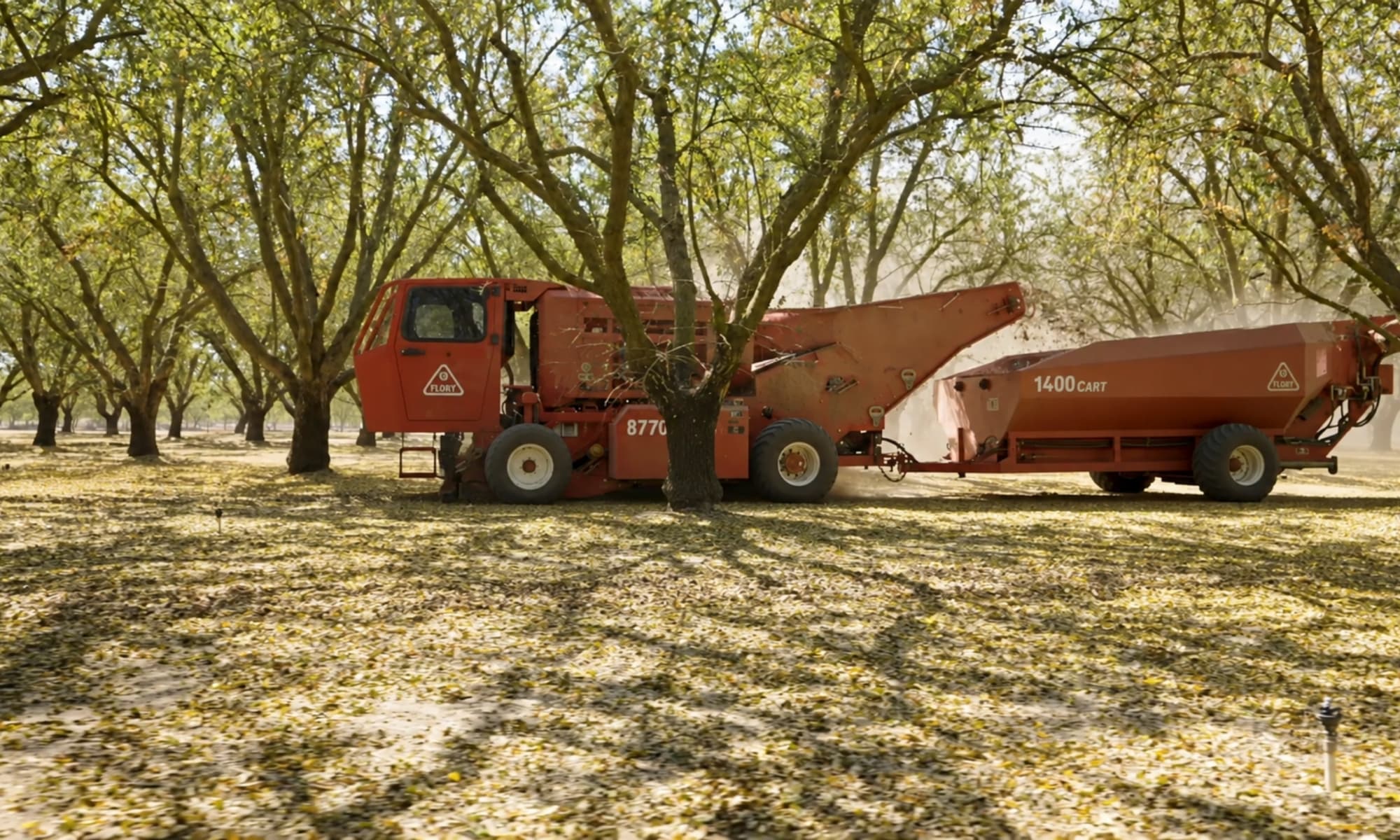
The Kahta registration says almonds are traditionally harvested by shaking the branches with poles, which can damage next year's fruit buds and break branches; mats under the trees ease collection, and harvest can be done by machine. In a 2020 survey of 70 Adıyaman farms, 74.3% harvested by machine, without naming the machine type, and costly labor and a lack of workers were the main harvest problems. Mechanized harvesting brings the crop in on time and limits deterioration.
Kahta's registration puts harvest at about mid-September to early October; Datça's was expected to run through August in 2026. MGM normals (Turkish State Meteorological Service, 1991 to 2020) give Adıyaman 2.5 mm of rain in August, 9.2 mm in September and 48.6 mm on 7.1 days in October. Turkish sources describe collecting the nuts from mats and drying them off the ground, as the Codex code prefers, so this guide offers ground drying with the CP87 only for August and September harvests in hot, dry areas, with prompt pickup or frames in October.
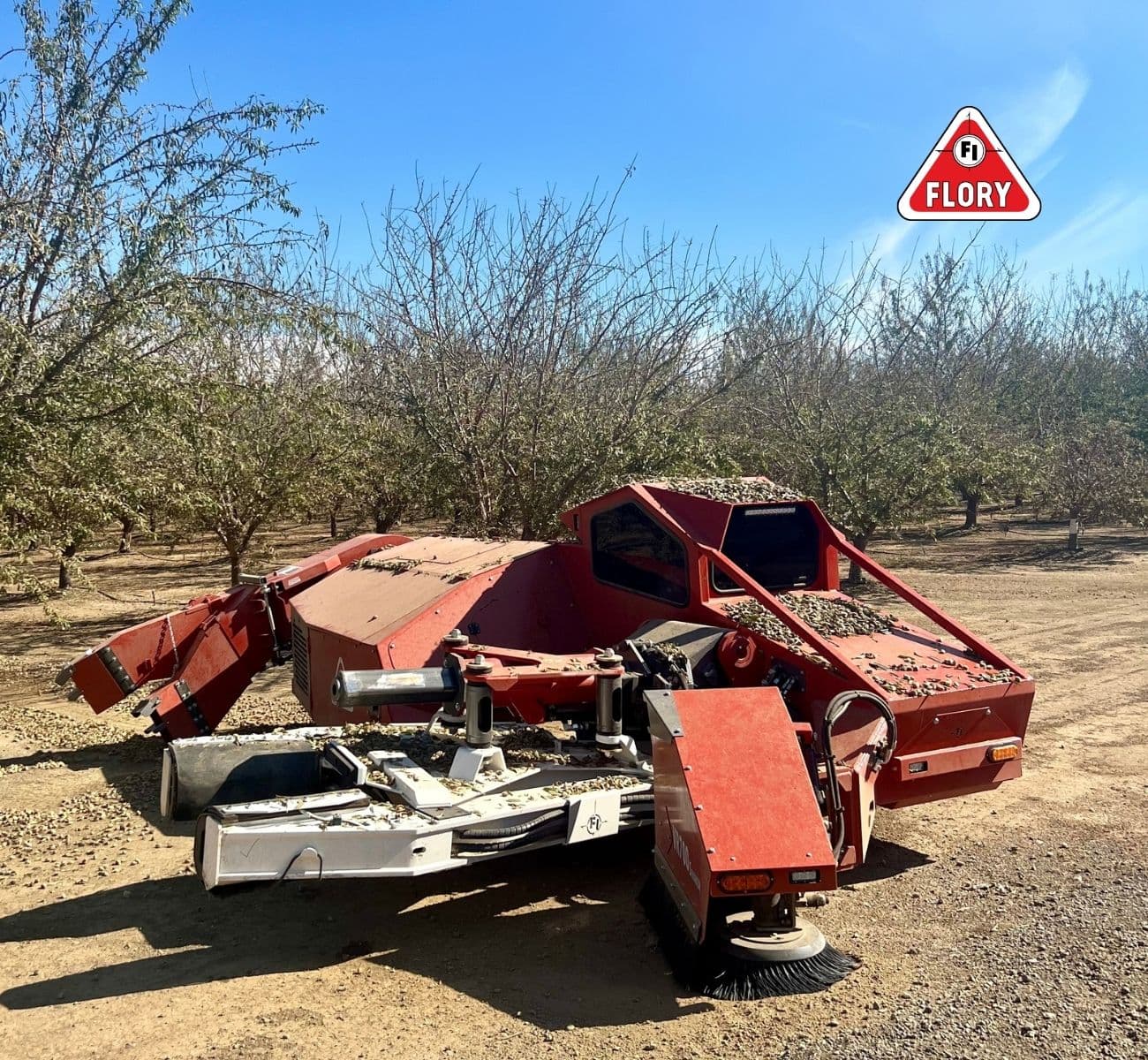
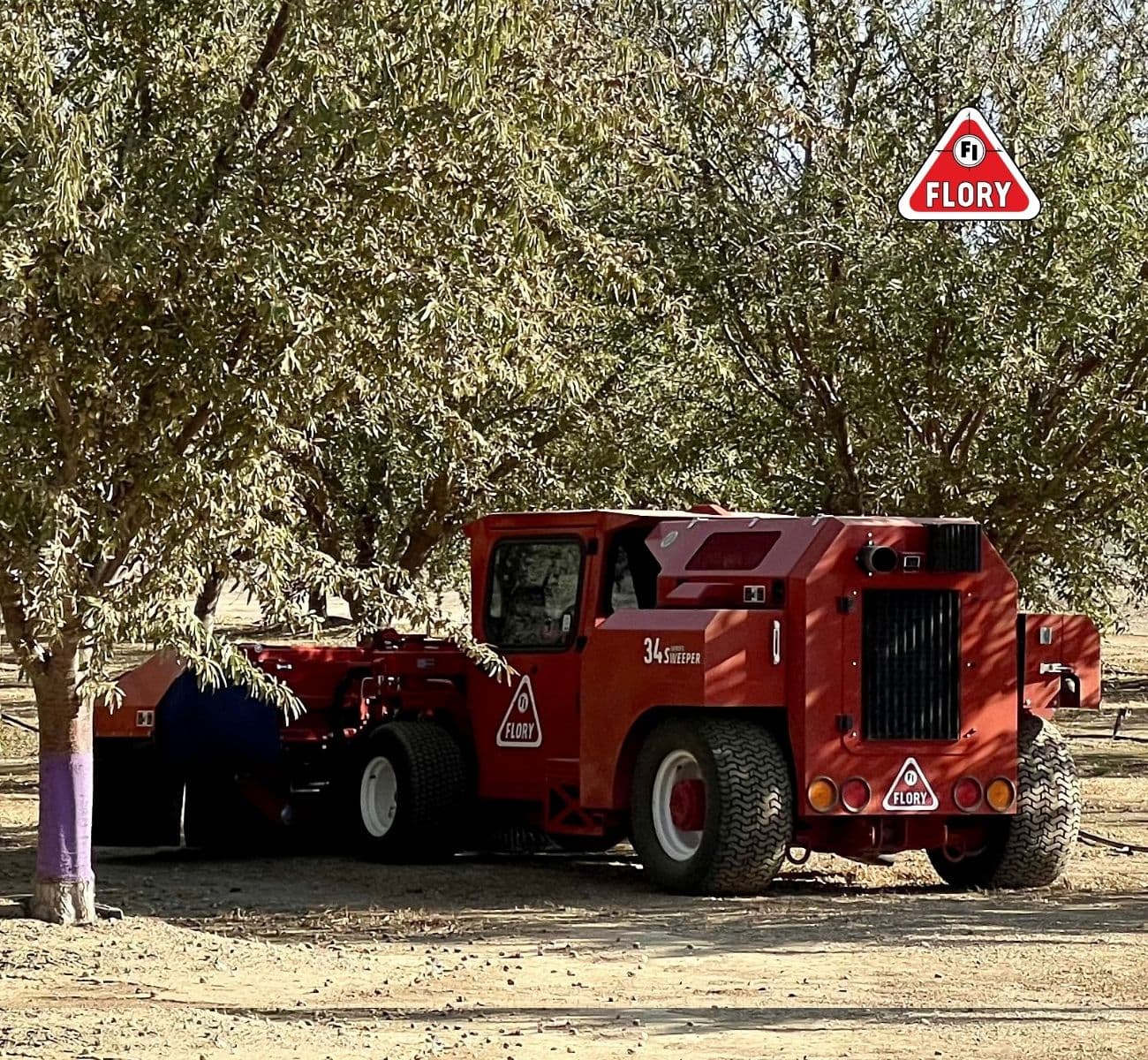
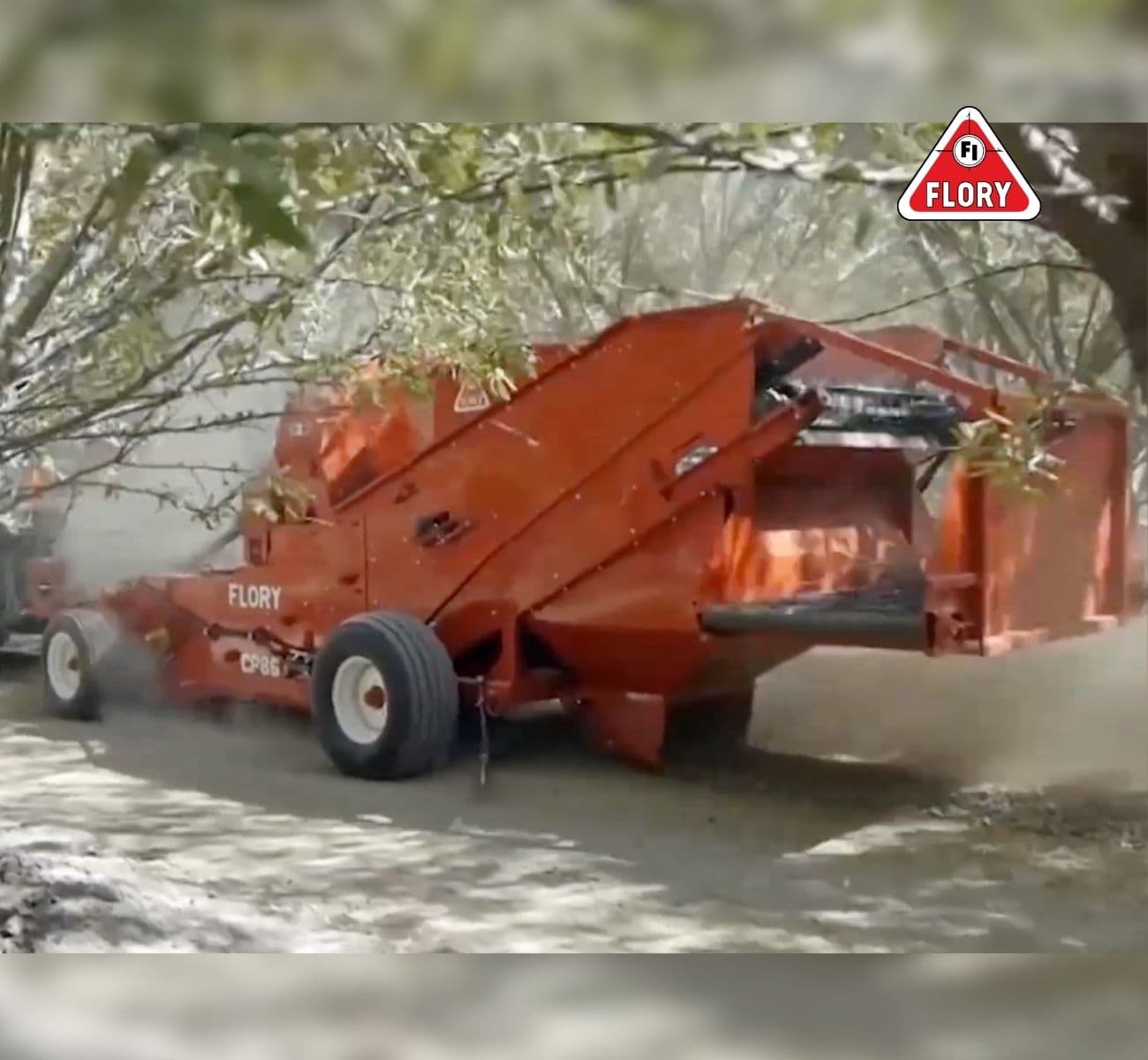
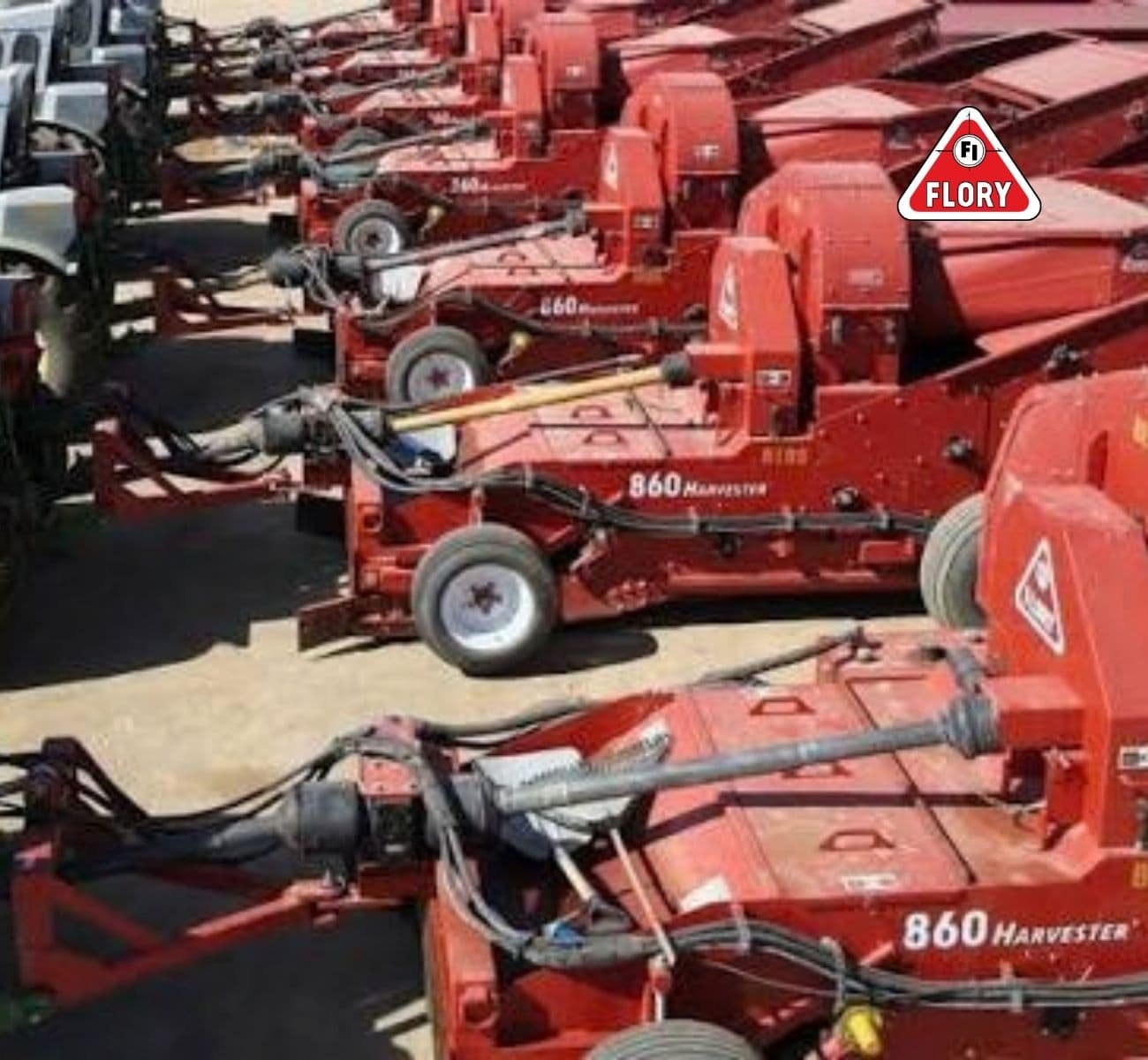
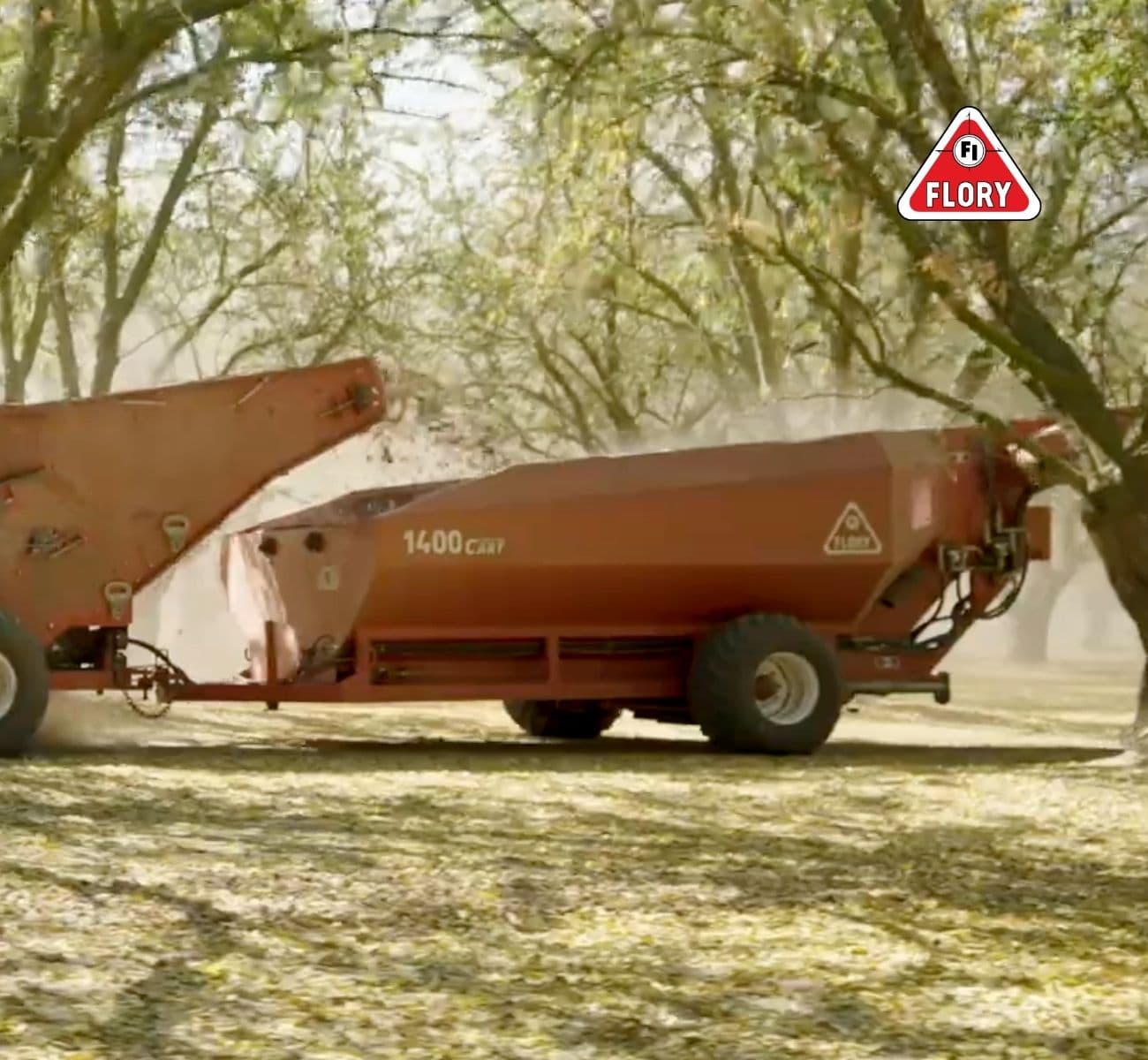
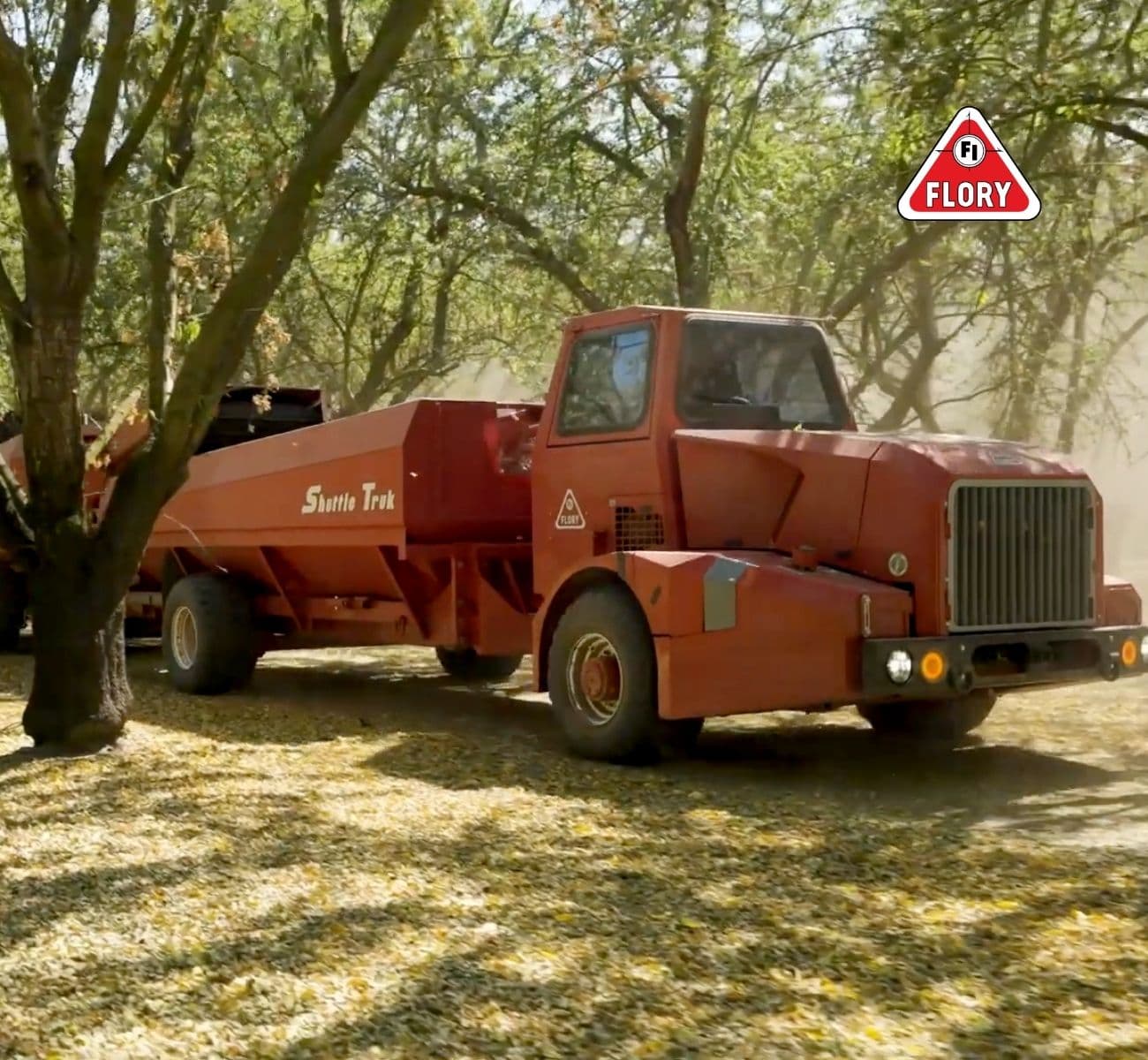
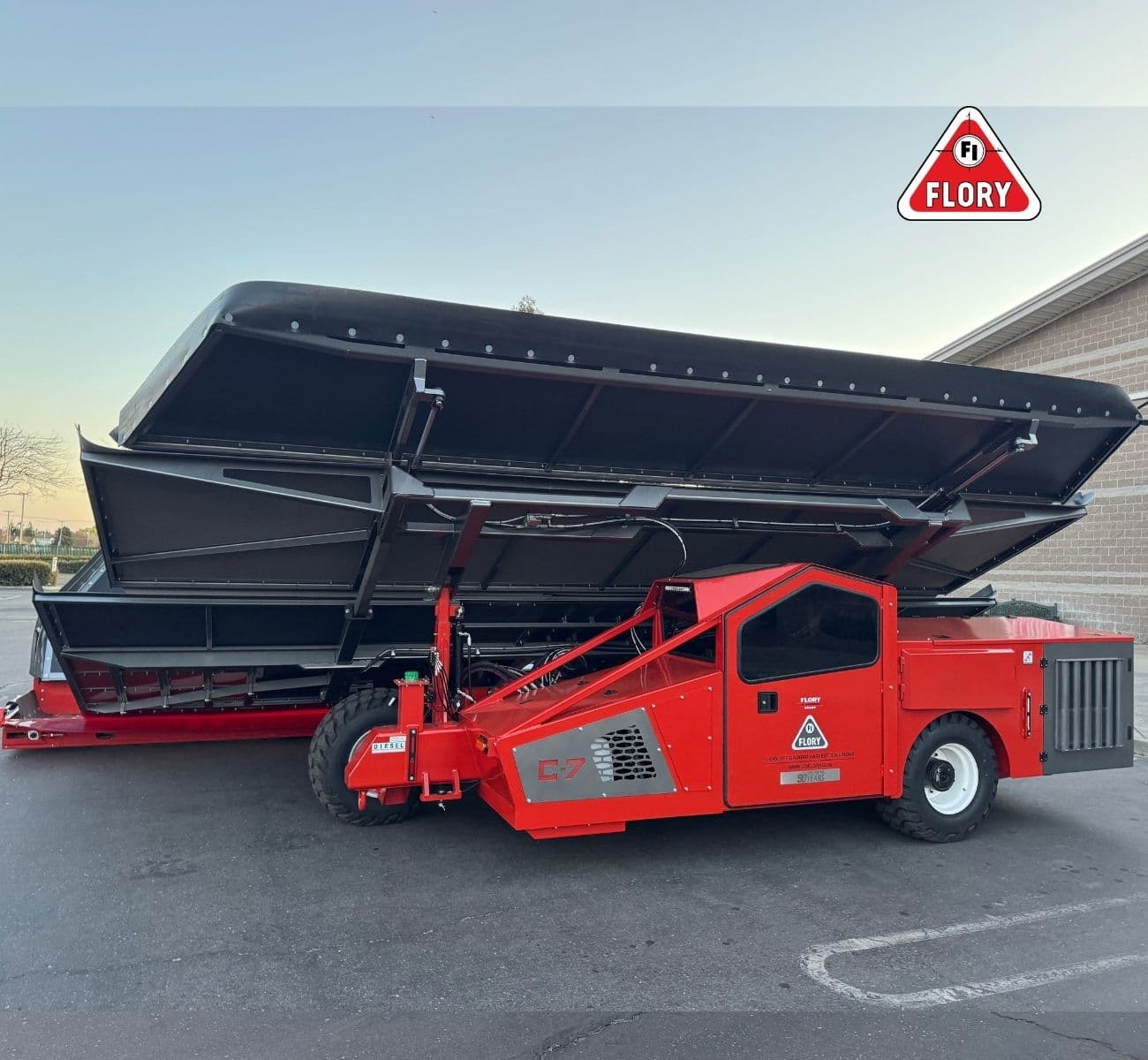
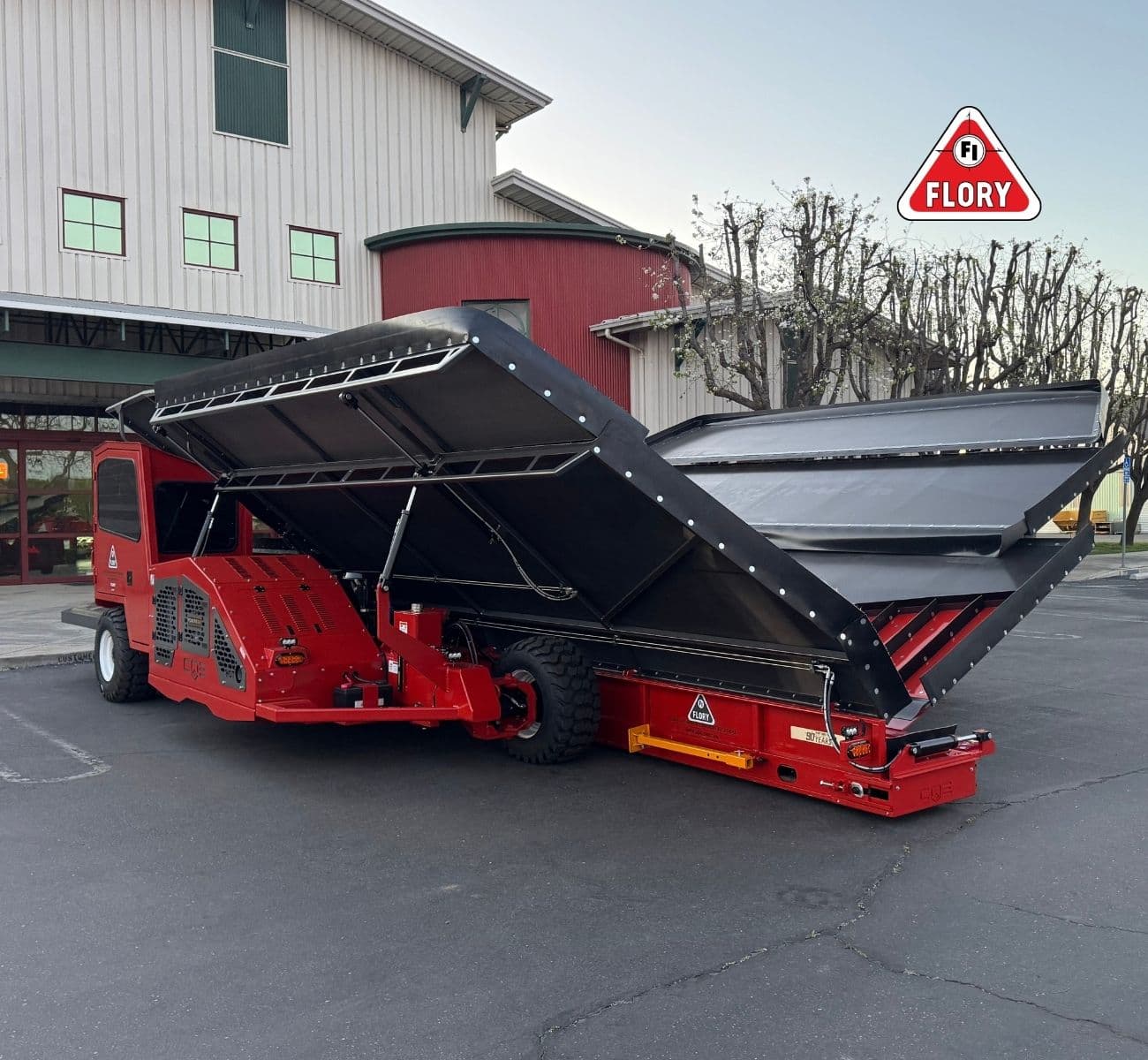
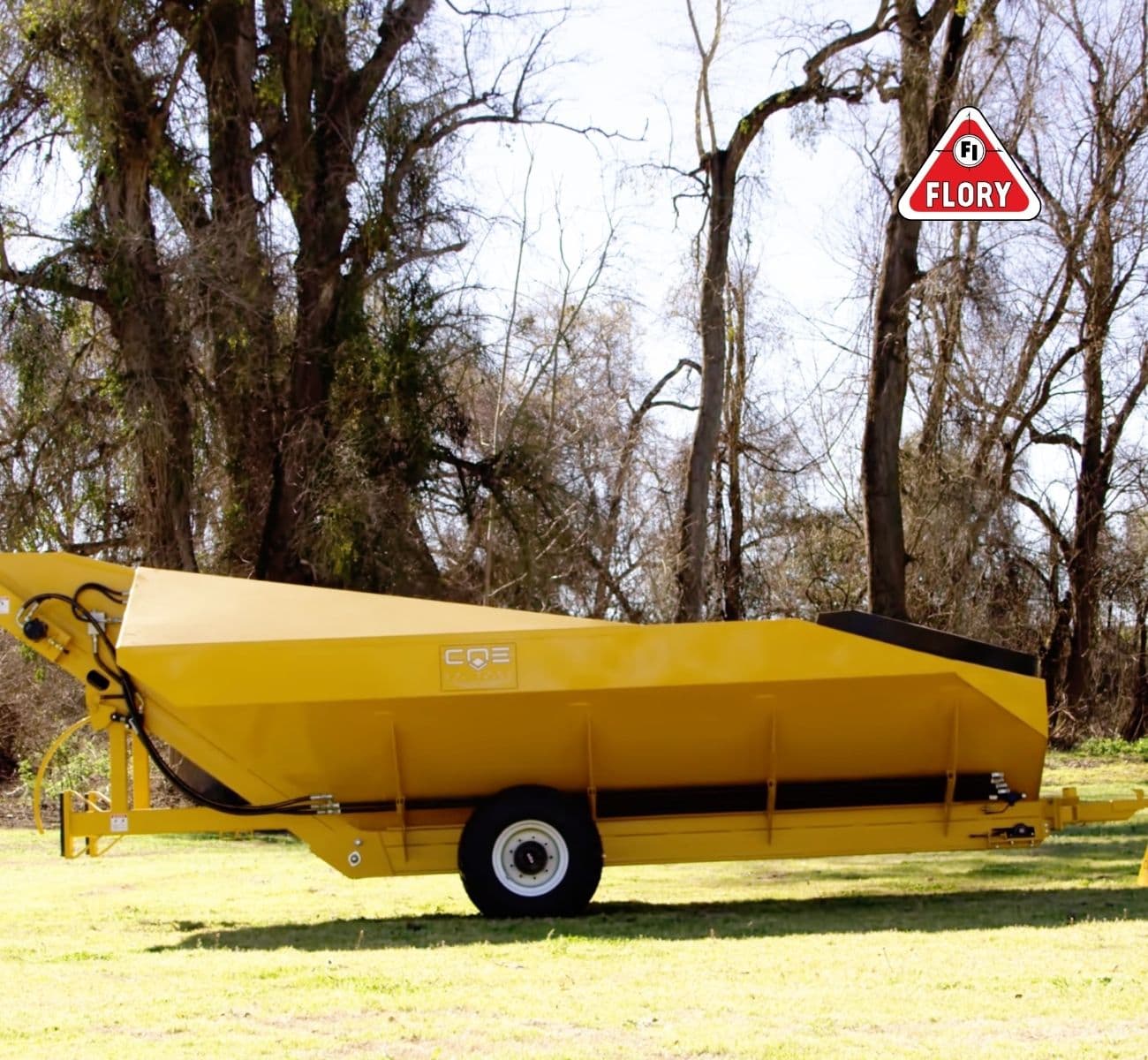
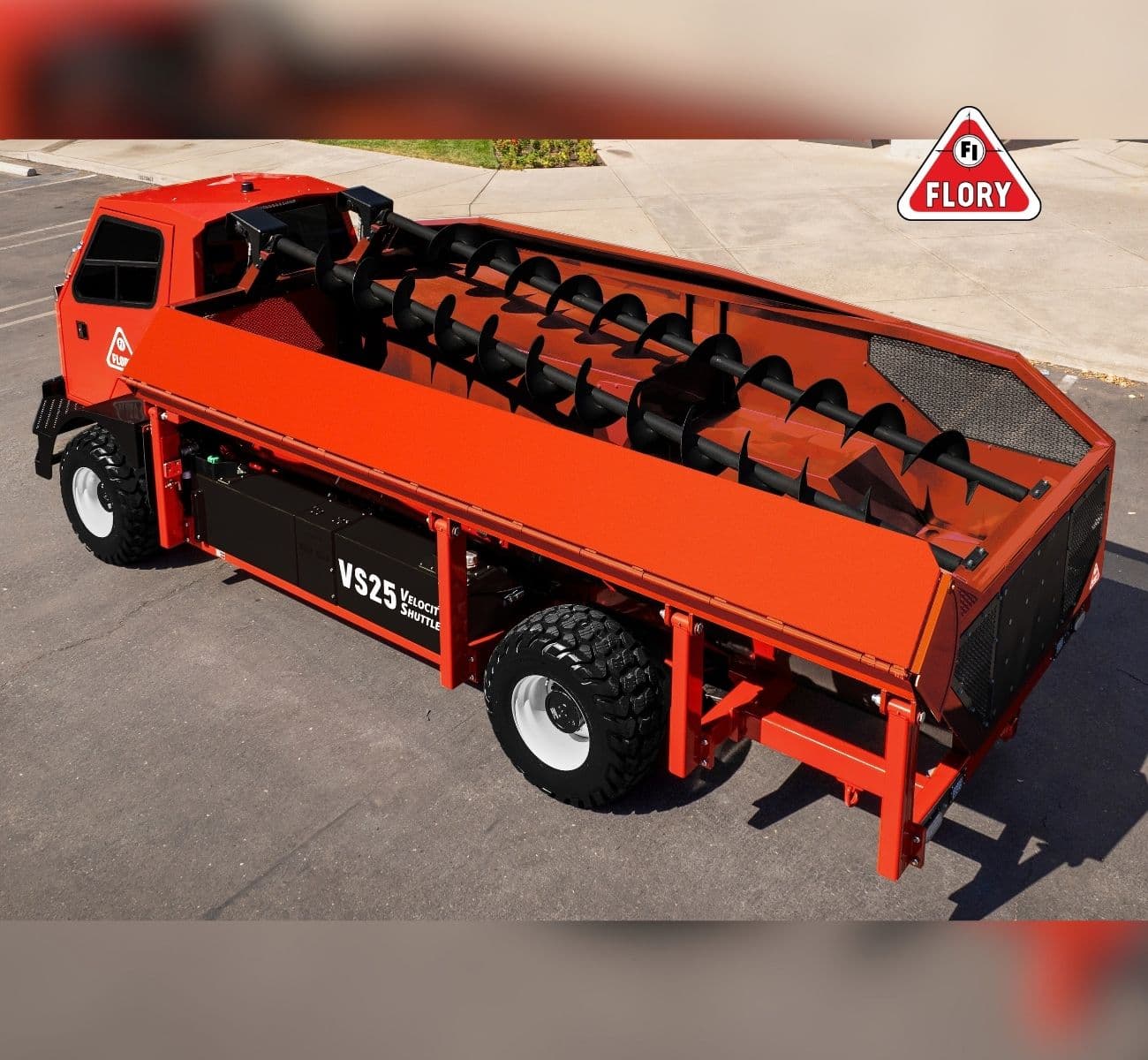
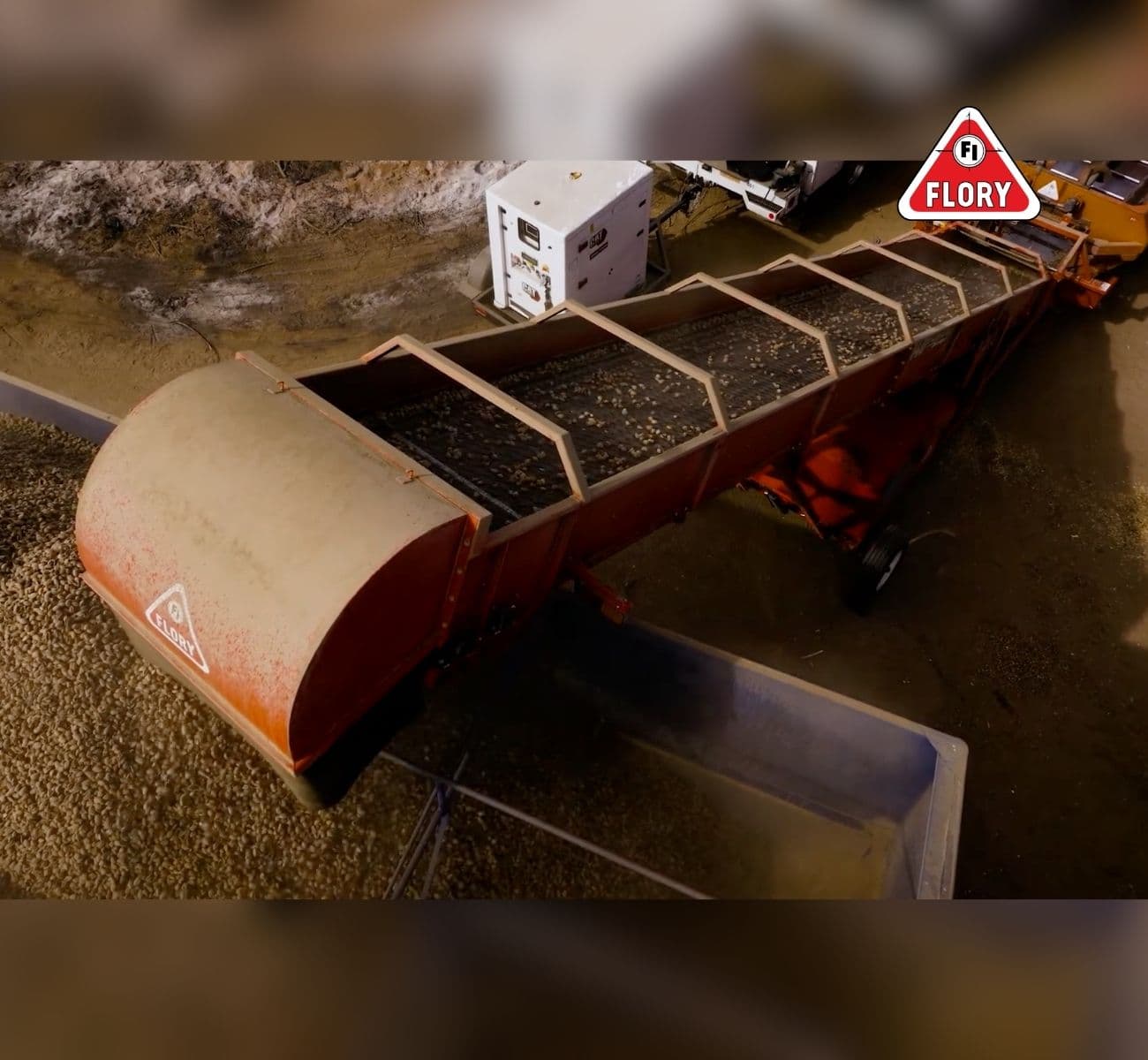
Flory harvesting machinery is available in Türkiye through OVE Europe for both systems, for orchards planted for machines. On the ground, the VR700 Shaker, 34 Series Sweeper, CP87 Conditioner and 860 Harvester (or the smaller 490) work with the 1500 Conveyor Cart and ST14 Shuttle. Off the ground, the Flory COE C7 Shaker and L2 Receiver catch the almonds in a frame around the trunk, the Flory COE B8 Cart and VS25 Shuttle carry them, and the 4840 Field Elevator loads trailers in both systems.
Almond Harvest Workflow (Recommended Equipment)
Practical Tips for Almond Harvesting
Time shaking by the hull: the Kahta and Datça registrations take a splitting, drying hull as the sign of maturity, so check hulls across the canopy.
Leave shaken almonds on the ground only in hot, dry areas in August and September while the forecast stays dry; the Codex code prefers frames or sheets.
Shake by machine rather than beating branches with poles: the Kahta registration warns that poles can damage next year's fruit buds and break branches.
After drying on the floor, sweep almonds into windrows; a conditioner such as the Flory CP87 cleans and re-lays them so they dry faster before pickup.
Where harvest runs into October, as in the Kahta registration's window, pick up promptly or use catching frames: the Flory COE C7 Shaker works with the L2 Receiver.
Plan machines and crews early: farms surveyed in Adıyaman in 2020 named costly labor and a lack of workers as their main harvest problems.
Get your recommended harvest setup
Enter orchard size, spacing, terrain, and target throughput—we’ll suggest a practical harvest workflow and equipment lineup.

Almond Post-Harvest Handling & Processing in Türkiye
The Kahta registration says hulls are removed by hand or machine and the nuts are usually dried outdoors in shade with moving air, or spread thinly in clean places in the sun for about 4 to 5 days; it does not recommend sun drying for up to 10 days, and moisture must fall to at most 8%. In this workflow, ground-dried almonds arrive with dry hulls, while promptly picked or frame-caught ones are hulled first, then dried in the shell.
The Datça registration describes peeling the opened hulls and about two weeks of sun drying. Growers in a 2020 Adıyaman survey sold about 98% of their almonds in the shell, and the province had 7 cracking plants in 2024 (Anadolu Agency). The Codex code of practice for tree nuts advises hulling as soon as possible after harvest and says shaken nuts should ideally be caught on frames or sheets.
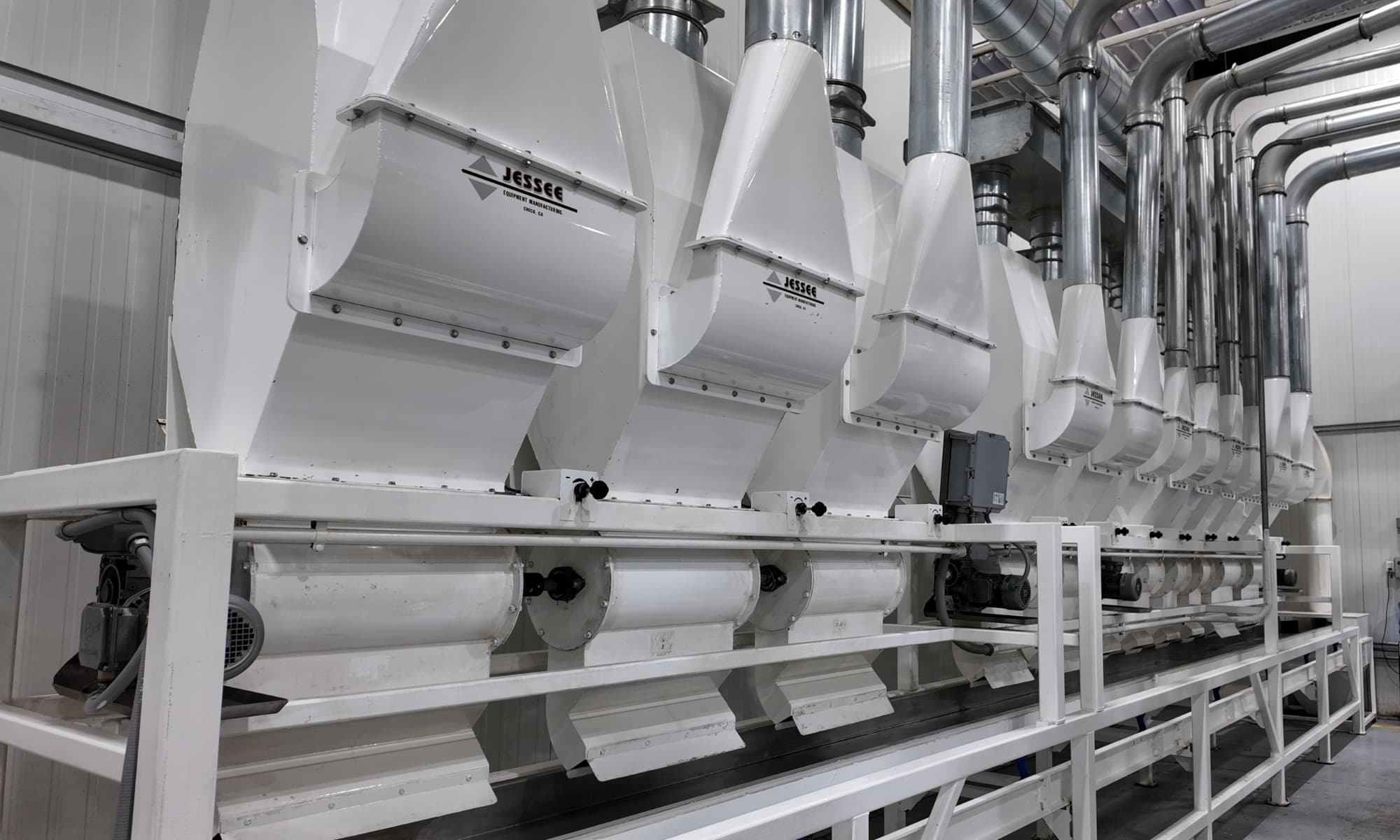
Türkiye imported 65,151 t of shelled almonds in 2024, 69.3% by weight recorded for the United States, and exported 32,088 t, with Iraq and Libya among the main buyers (UN Comtrade via WITS); USDA thinks most exports are re-exported US almonds. Jessee, whose processing lines OVE Europe supplies, builds hulling, drying, in-shell cleaning and sizing, and shelling systems; its Airlegs nut cleaner was developed for the almond industry.
For general information only. Information may become outdated and does not replace site-specific professional advice. Consult a qualified agronomist and confirm equipment suitability with OVE before acting.
Practical Tips for Almond Post-Harvest Handling & Processing
Hull frame-caught or promptly picked almonds, then spread the nuts thinly in a clean, airy place to dry, as the Kahta registration describes.
Pick up ground-dried almonds as soon as they are dry, then hull them and check moisture before storage.
Dry almonds to at most 8% moisture, the Kahta registration's limit, and do not dry kernels in direct sunlight.
Never pick up or stockpile rain-wet almonds: University of California guidance warns that stockpiling wet nuts risks mold and concealed damage.
Sort out defective nuts, then store dried almonds in dry, cool places free of odors, as the Kahta registration describes.
Test lots bound for the EU against Regulation (EU) 2023/915: 8.0 µg/kg of aflatoxin B1 and 10.0 µg/kg in total for almonds sold to consumers or used in food.
Recommended Post-Harvest Handling & Processing Stages







Plan your post-harvest line
Estimate tons/day, cleaning & drying capacity, storage needs, and cost/kg—then build your equipment plan in phases.