






Almond Orchard Establishment in Turkmenistan
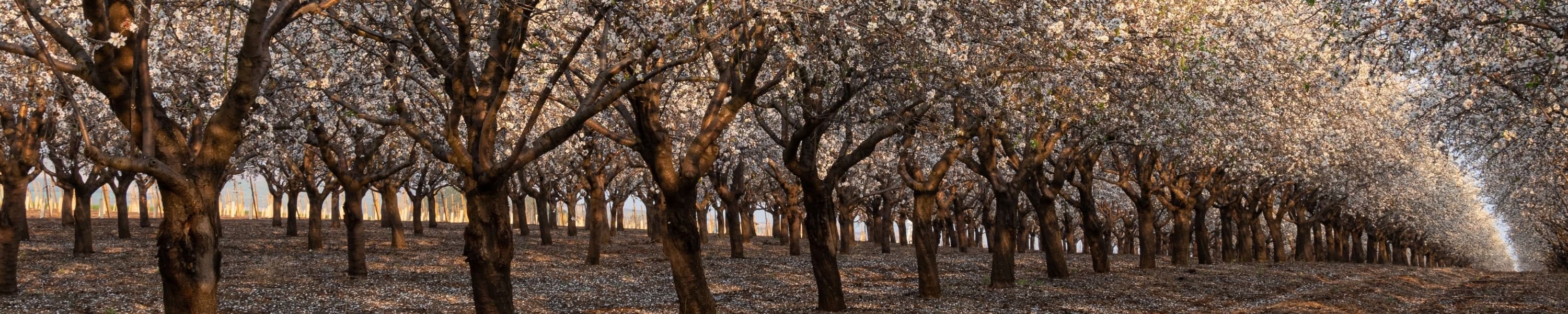
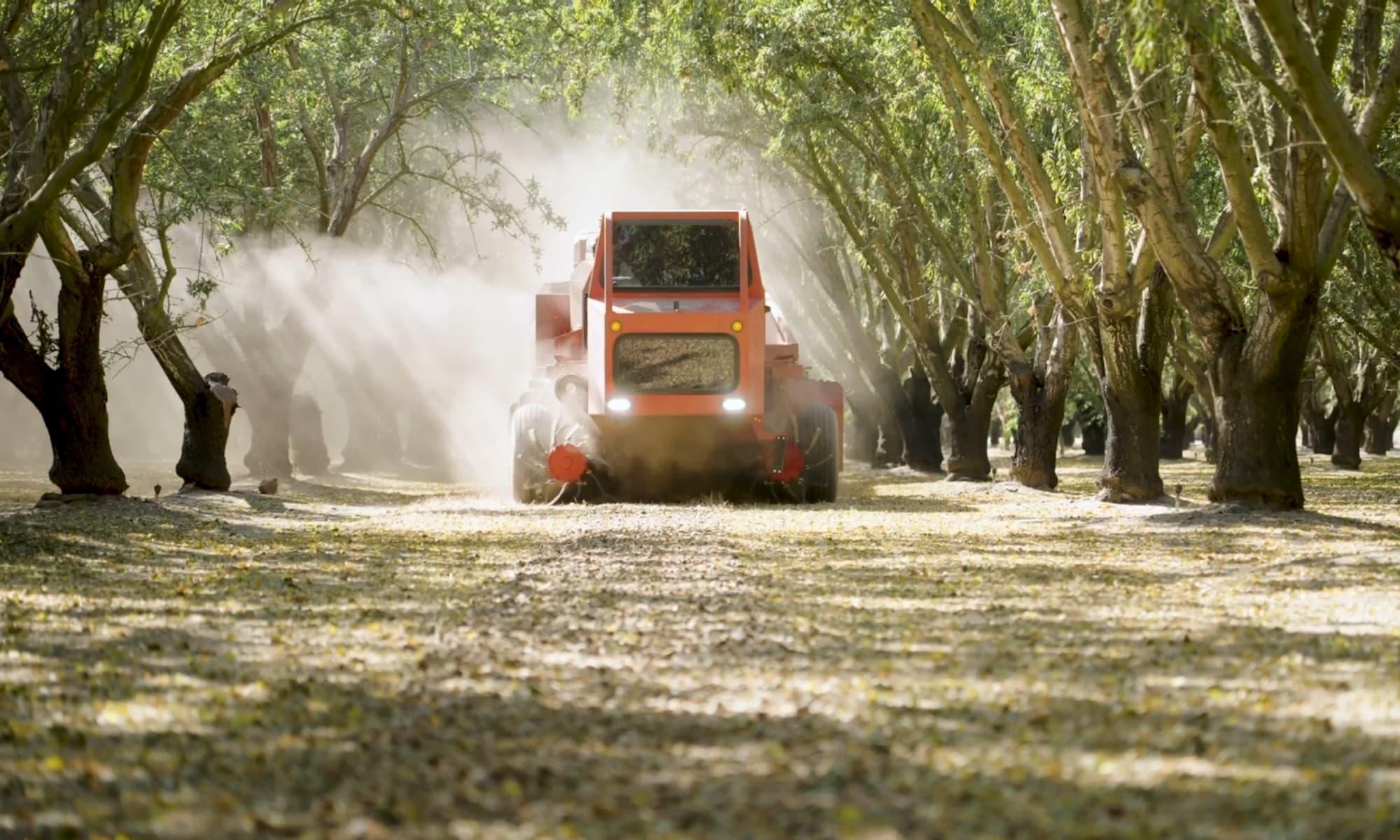
No official count of almond orchards or trees was found. Almost all almond orchards in news reports belong to one group of companies in Kaka district, Ahal province: a 1,200 ha farm complex opened there in 2021, with almonds among the planned crops of three of its four companies (nCa). Trend reported the group harvesting almonds from 2,200 ha of orchards in 2025, but nCa had put its almond groves at dozens of hectares in July 2025. Almond also grows wild in ravines of the Western Kopet Dag, a 1995 national report to FAO says.
No official almond variety list was found. Business Turkmenistan reported in 2020 that a company grew cultivars including Ferraduel on 34 ha; nCa reported in 2025 that the Kaka group had planted bitter and sweet almonds in 2020, and the Turkmen Exporter directory lists Makako, Vairo and Marinada for it. A 1995 national report to FAO said almond varieties bred at the national plant genetic resources station had been put to State Trials.
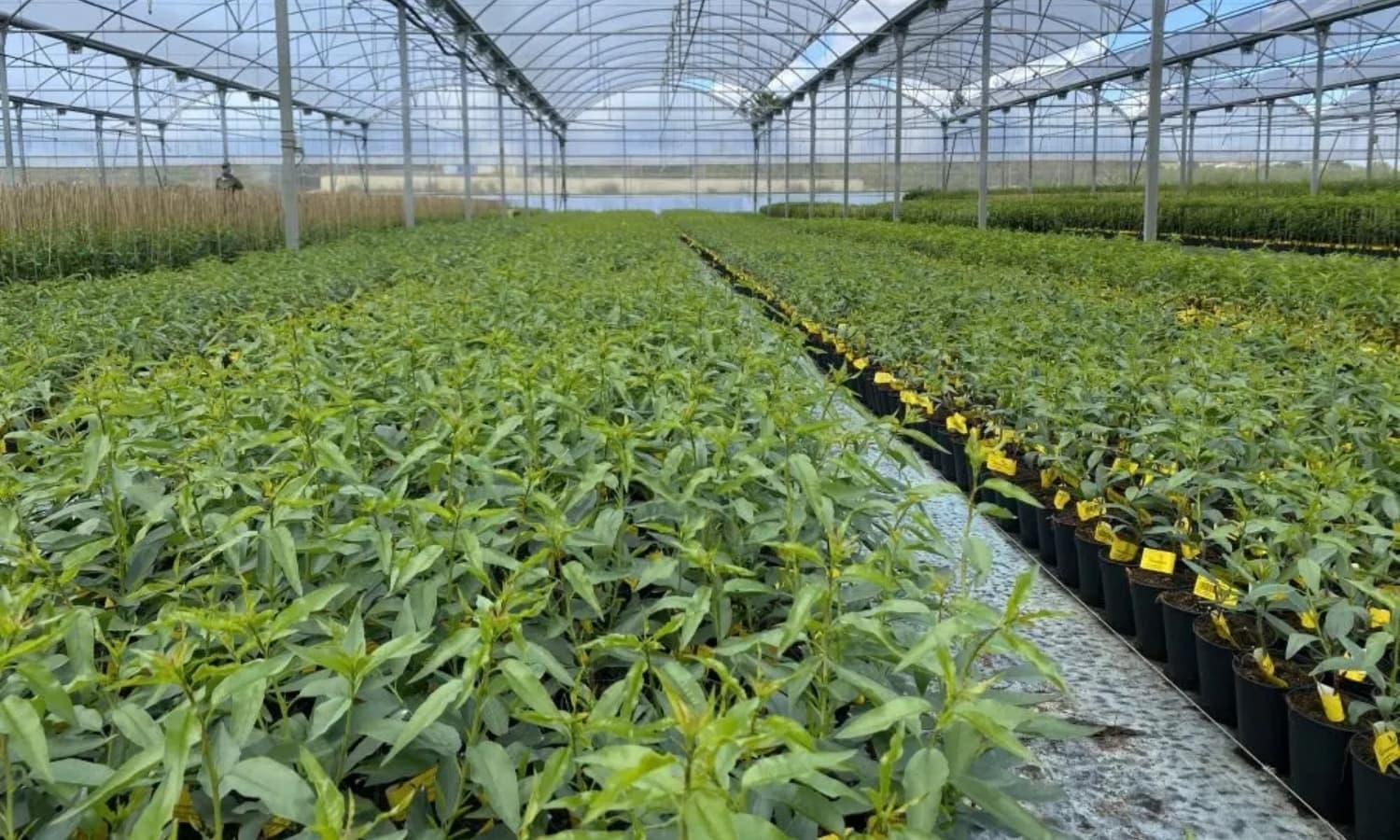
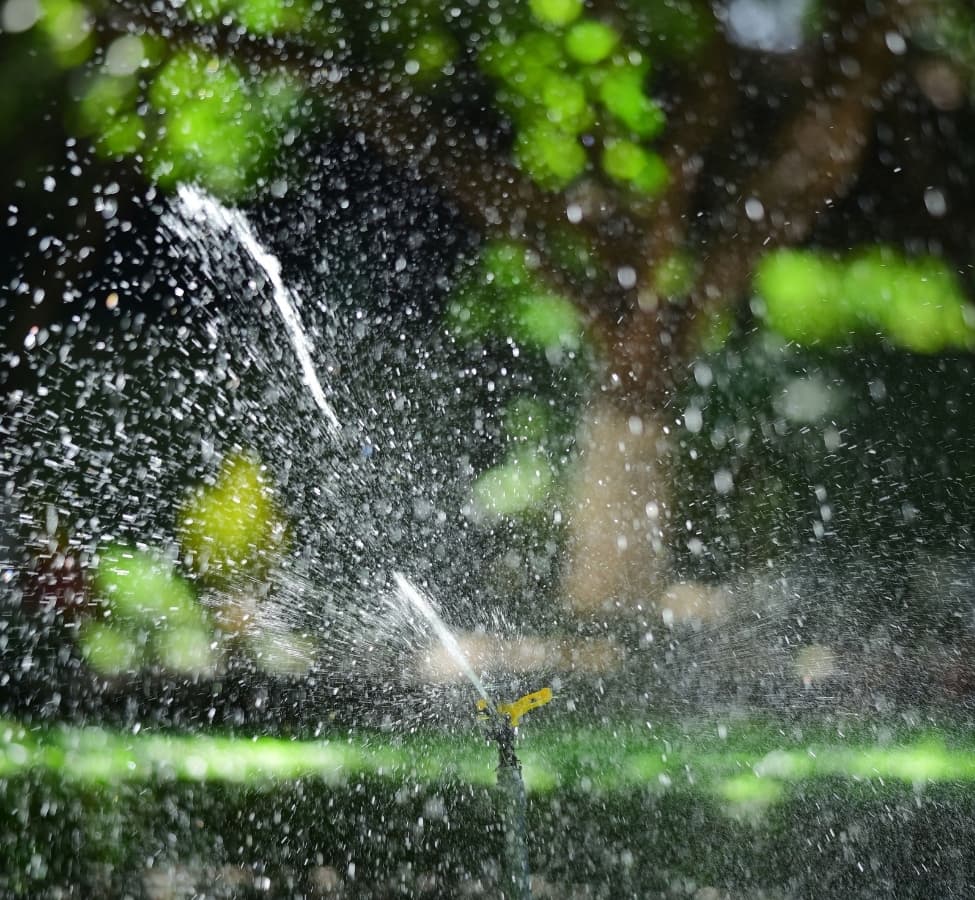
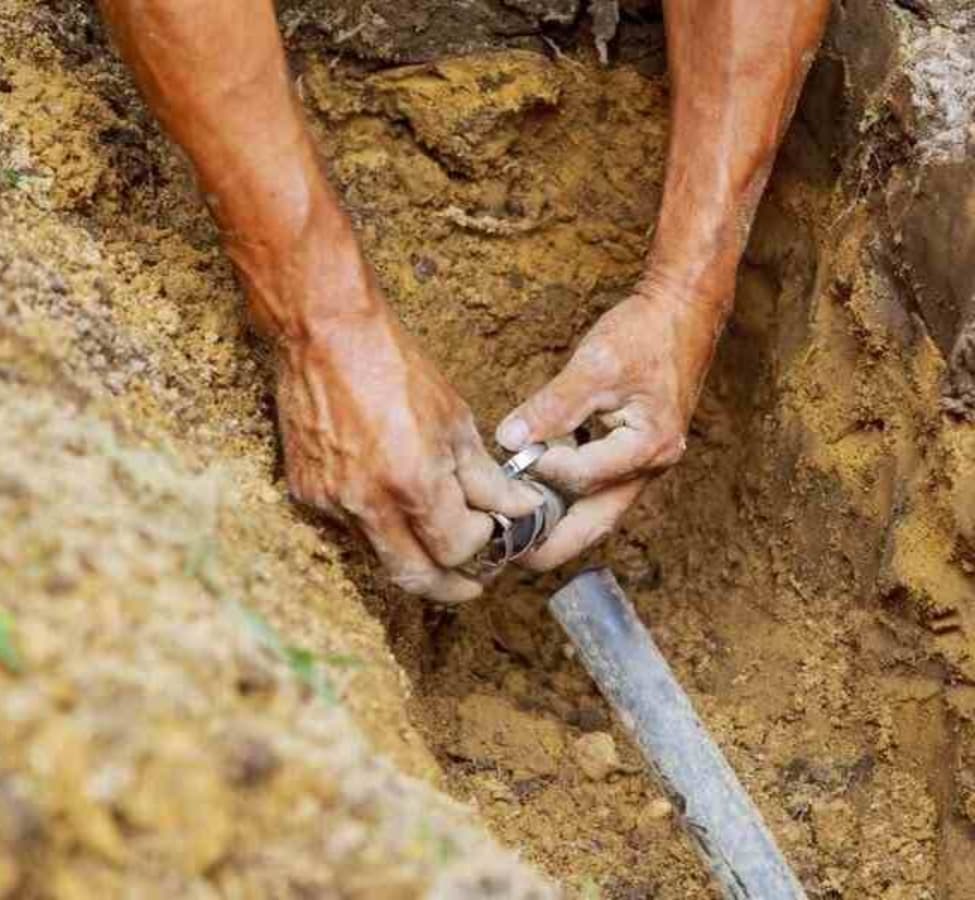
A 2002 national biodiversity study says irrigation is almost universally needed for farming in Turkmenistan, and a 2021 World Bank and Asian Development Bank profile puts the Amu Darya's share of the country's water resources at about 90%. The 2021 Kaka complex brings Karakum River water through a 27.5 km canal to a central reservoir of 70,000 m³ and waters by drip with fertilizer added, under digital control (nCa).

Practical Tips for Almond Orchard Establishment
Secure water before planting: a 2002 national study says irrigation is almost universally needed for farming in Turkmenistan.
Plan drip irrigation with fertilizer injection from the start, as in the 1,200 ha complex opened in Kaka district in 2021.
Settle river water before it reaches the drip lines, as one company in Ahal province does with Karakum River water, and keep filters clean.
Buy grafted trees of named cultivars and keep planting records: no official almond variety list for Turkmenistan was found.
Keep blocks for machine harvest on level ground: slopes and wild stands do not suit shakers, sweepers or catching frames.
Plan rows, headlands and trunk height for shakers and catching frames before planting, and check machine needs with OVE Europe.
Recommended Establishment Stages

Almond Orchard Care & Maintenance in Turkmenistan
No Turkmen guidance on almond pests or diseases was found. EPPO lists San Jose scale as present in Turkmenistan and has no Turkmen record of the almond seed wasp (Eurytoma amygdali), the peach twig borer (Anarsia lineatella) or Xanthomonas arboricola pv. pruni, the cause of bacterial spot; absence from its database does not prove they are absent.
Ashgabat's 1961 to 1990 normals give mean maximum temperatures of 38.2 °C in July and 36.6 °C in August. The 2021 World Bank and Asian Development Bank profile says many parts of the country get little or no rain from June to September and calls drought a greater risk than any other extreme weather event. nCa reported in 2025 that one company in Ahal province settles Karakum River water in tanks and feeds it to its orchards by drip.
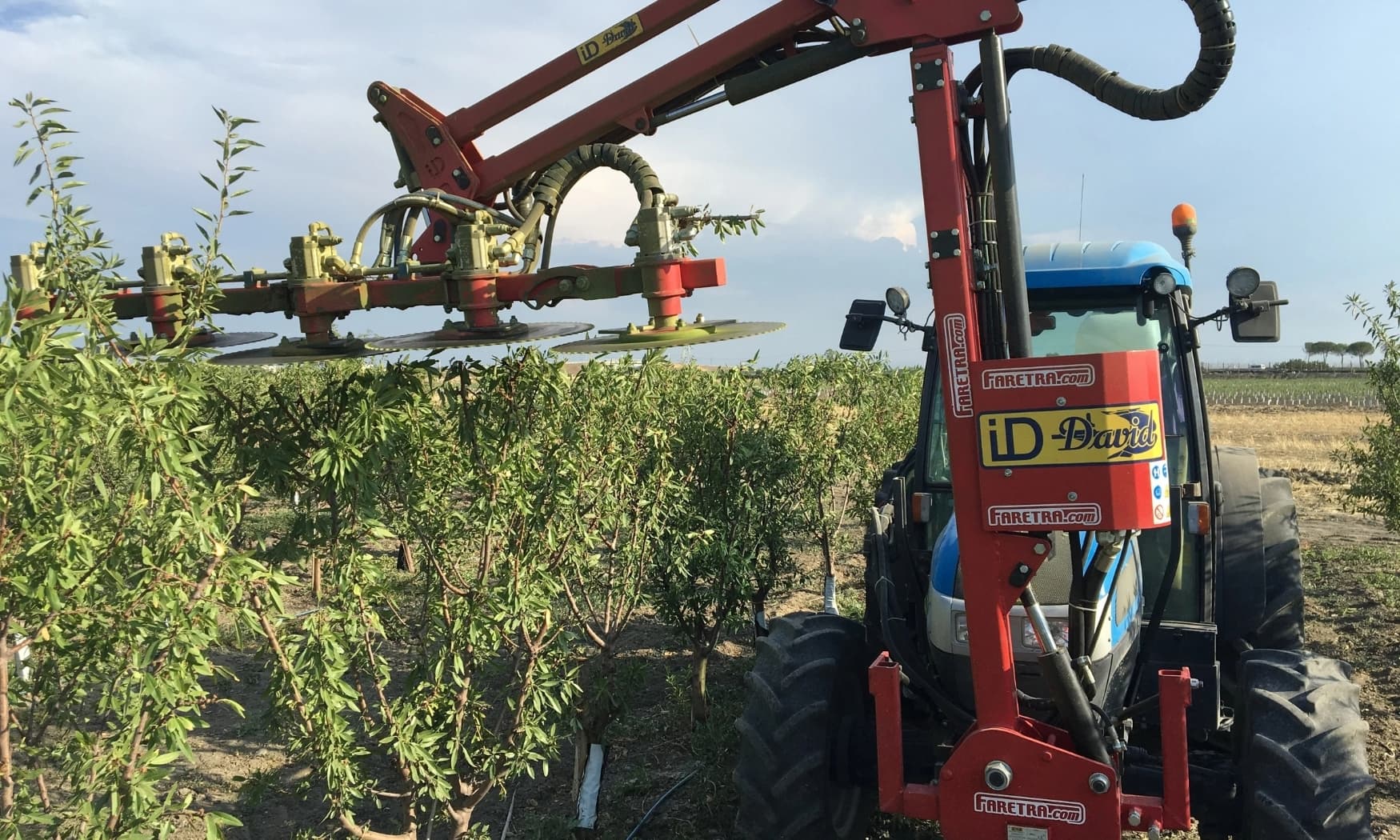
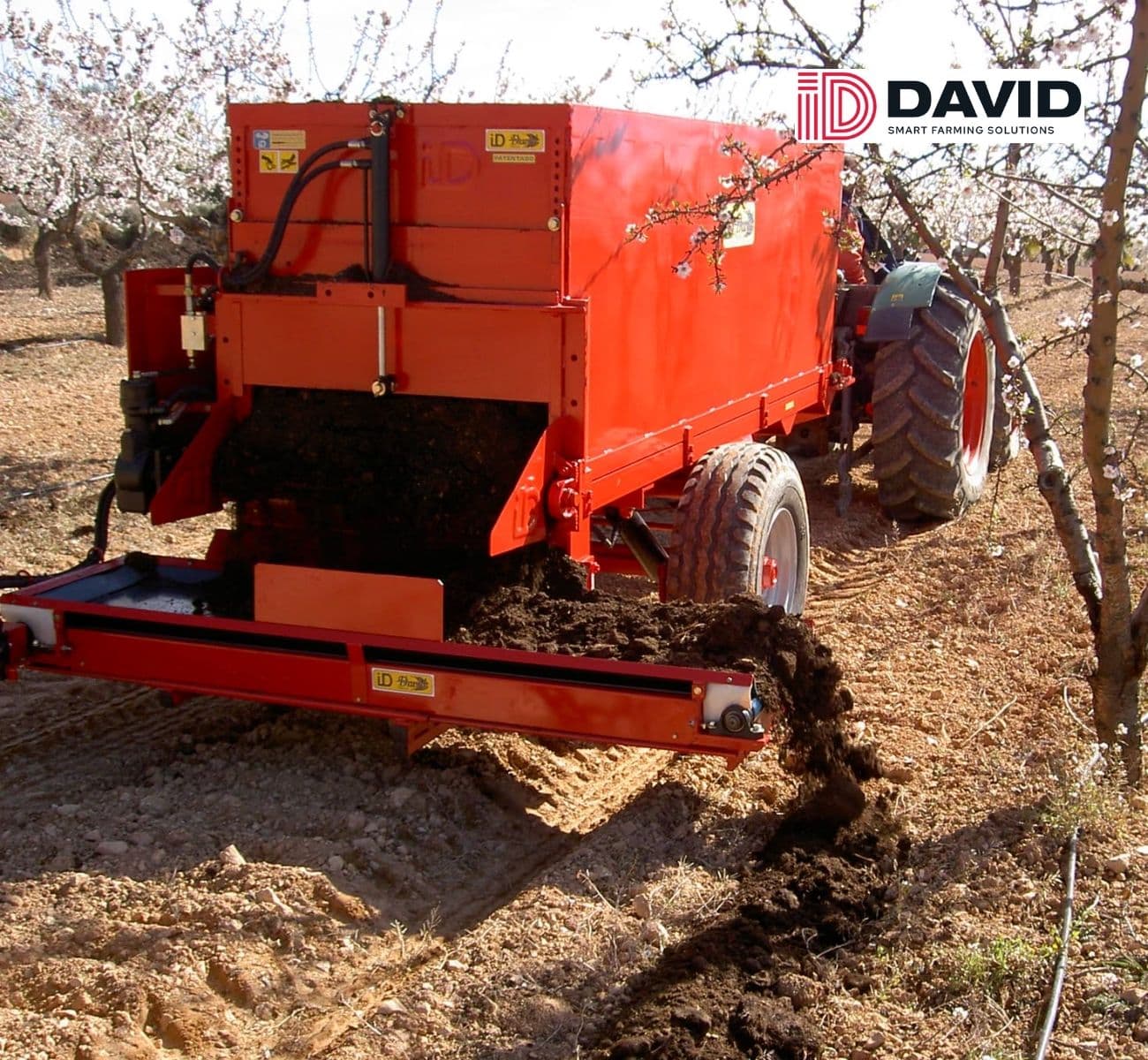
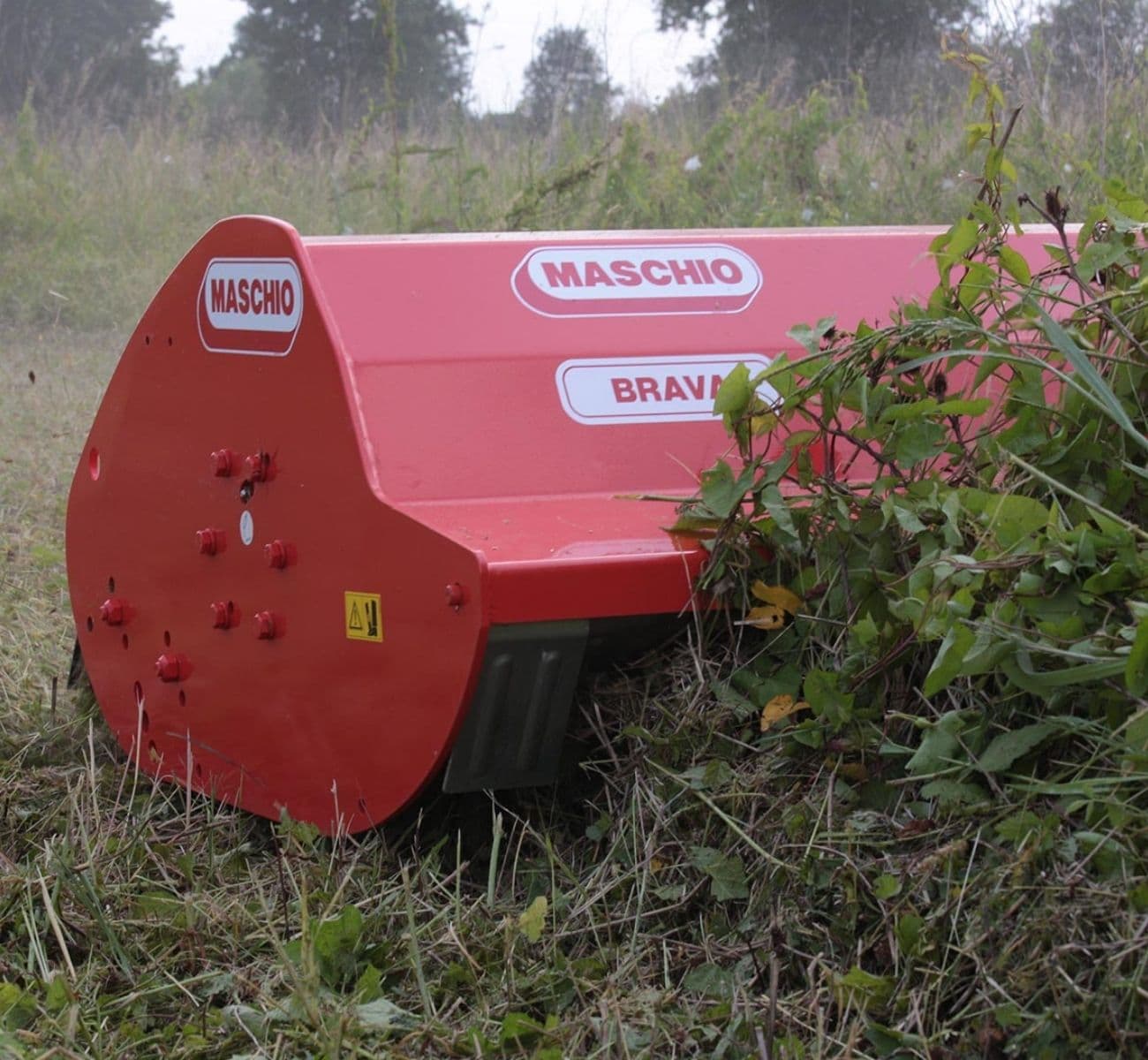
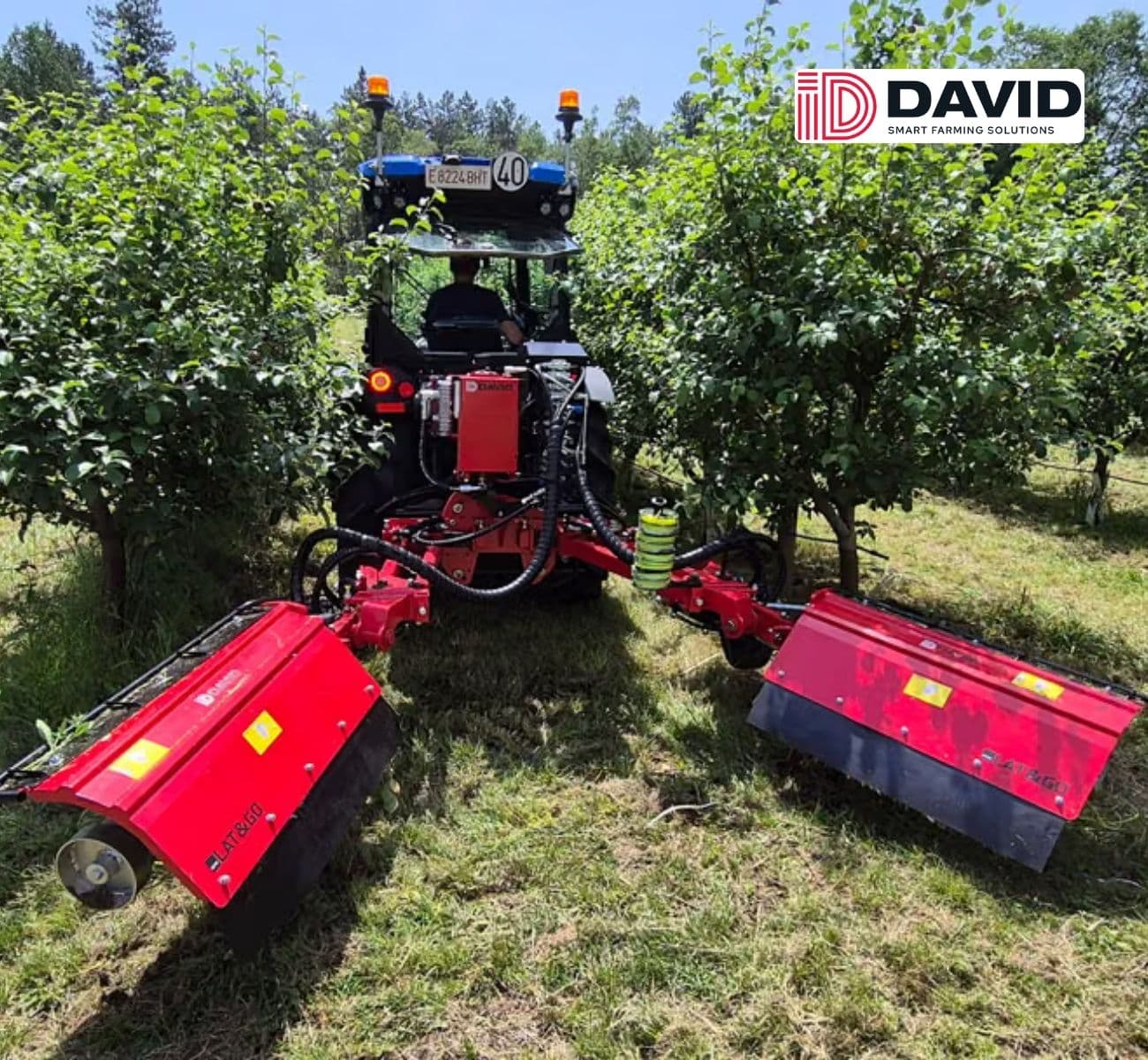
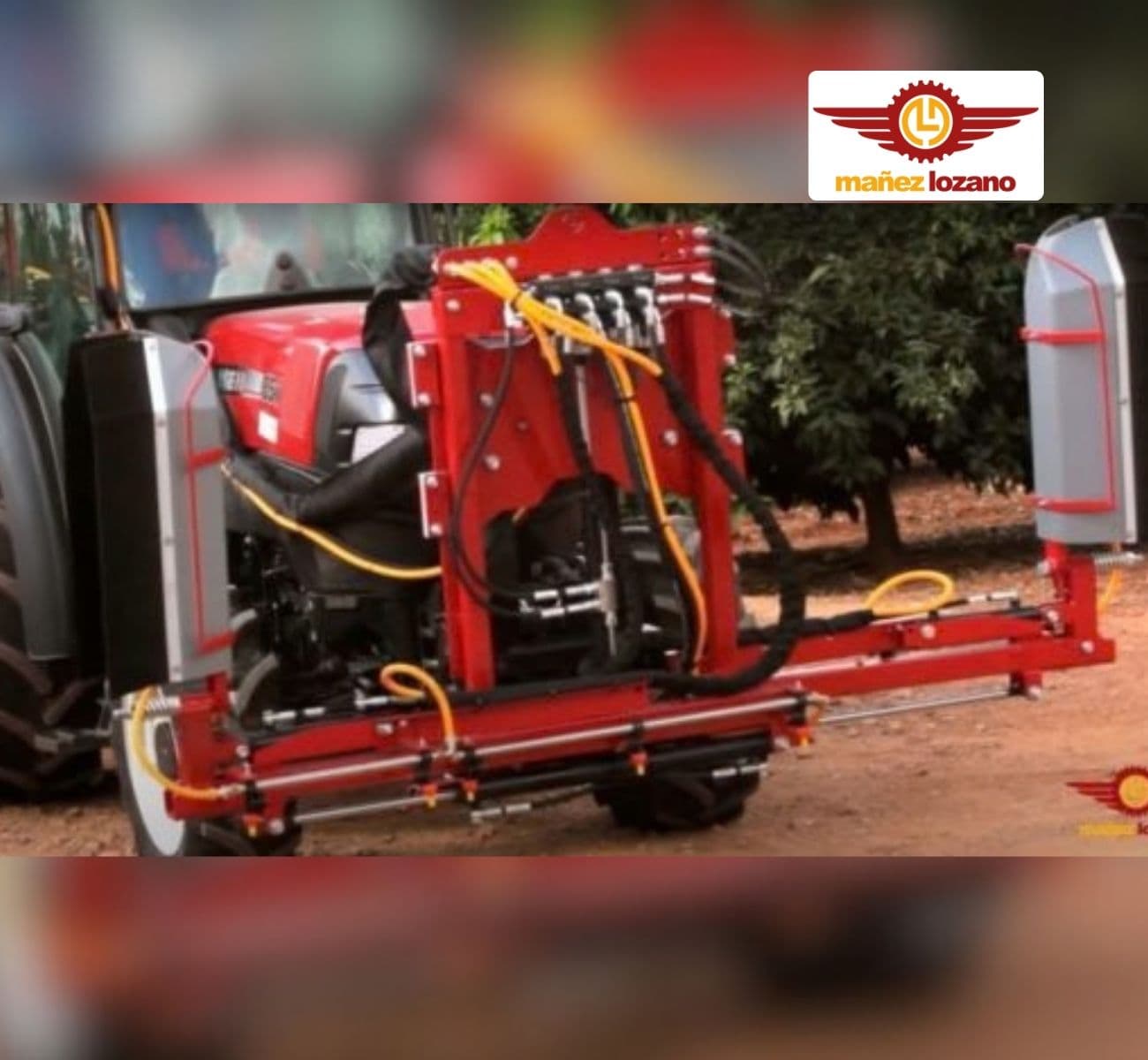
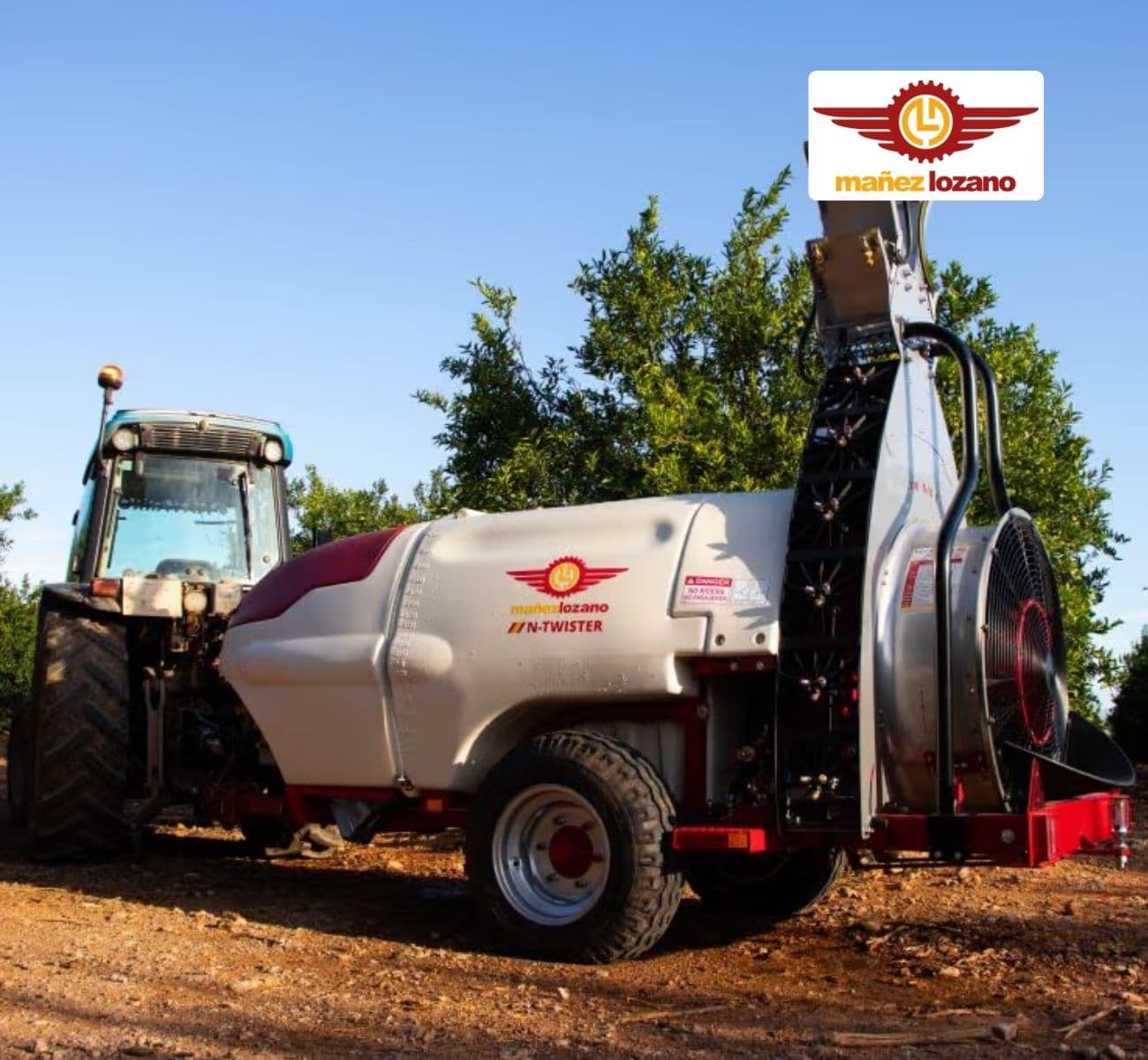
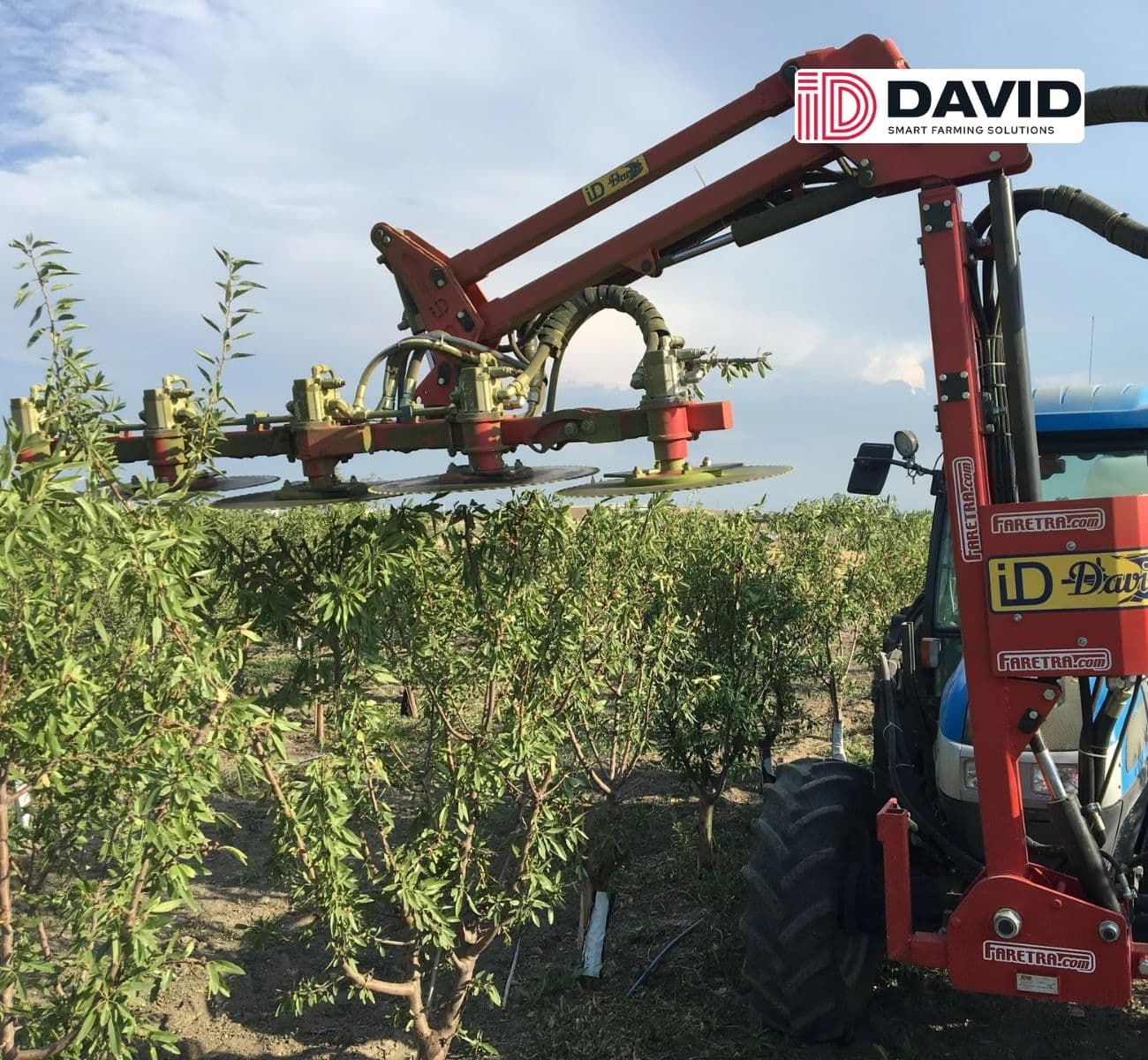
No Turkmen guidance on almond pruning or orchard floor care was found. OVE Europe sells ID DAVID and Mañez Lozano machines in Turkmenistan: the ID DAVID ECOFEED spreads solid manure, the LAT&GO string mower controls weeds without herbicides, the Mañez Lozano Narrow Twister S6 sprays tall, dense canopies and the ID DAVID V1 disc pruner makes vertical and horizontal cuts.
Recommended Orchard Care & Maintenance Stages
Practical Tips for Almond Orchard Care & Maintenance
Check bark and twigs for San Jose scale, which EPPO lists as present in Turkmenistan.
Monitor for the almond seed wasp as well: EPPO has no Turkmen record, but that does not prove the pest is absent.
Plan water for the dry summer: Ashgabat averages 1 to 4 mm of rain a month from June to September (1961 to 1990).
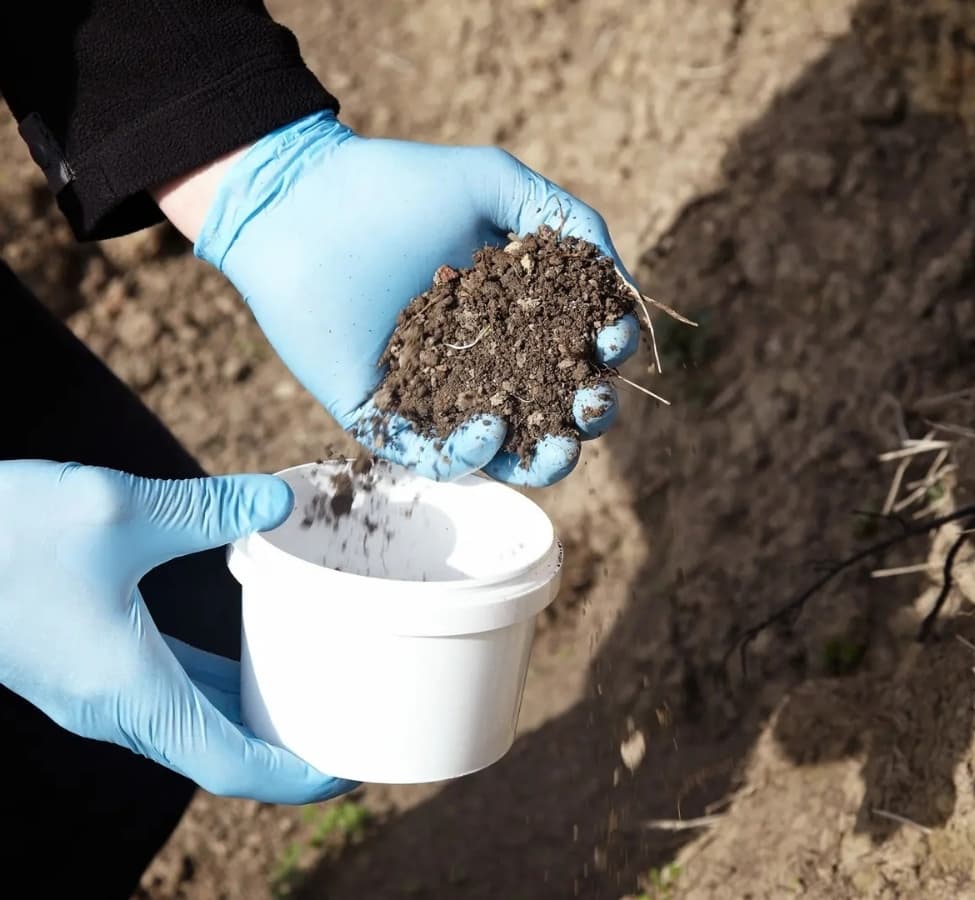
Base fertilizer doses on soil and leaf analyses, and inject them through the drip lines in small, frequent doses.
Control weeds without herbicides with a string mower such as the ID DAVID LAT&GO, and keep the orchard floor level for harvest.
Spray tall, dense canopies evenly with a narrow trailed airblast sprayer such as the Mañez Lozano Narrow Twister S6.

Almond Harvesting in Turkmenistan
No source found describes how most Turkmen growers harvest or dry almonds. Trend reported on 27 August 2025 that mass almond harvesting had begun in Kaka district, where farmers were using a specialized Spanish-made harvester for the first time; the report does not say whether it catches the nuts or drops them to the ground. In orchards planted for machines, mechanized harvesting brings the crop in on time and limits deterioration.
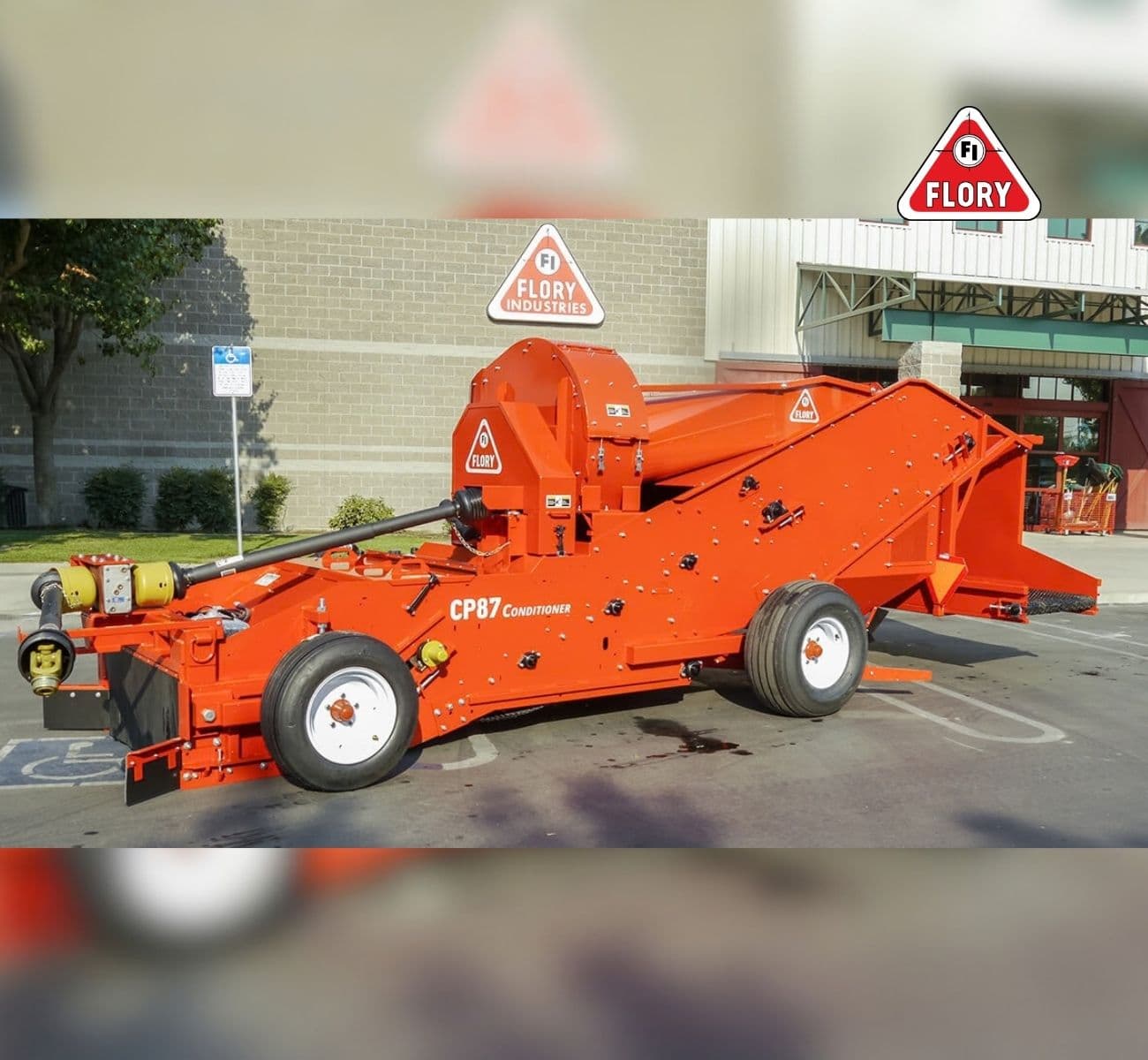
Ashgabat's normals (1961 to 1990, published by WMO) give 1 mm of rain on 1 day in August and 4 mm on 2 days in September, against 14 mm on 5 days in October. No Turkmen source describes ground drying, and the Codex code prefers catching frames or sheets and asks that nuts on the ground be removed as soon as possible. This guide therefore offers ground drying with the CP87 only as an option for August and September harvests in level orchards, with prompt pickup or catching frames in October.
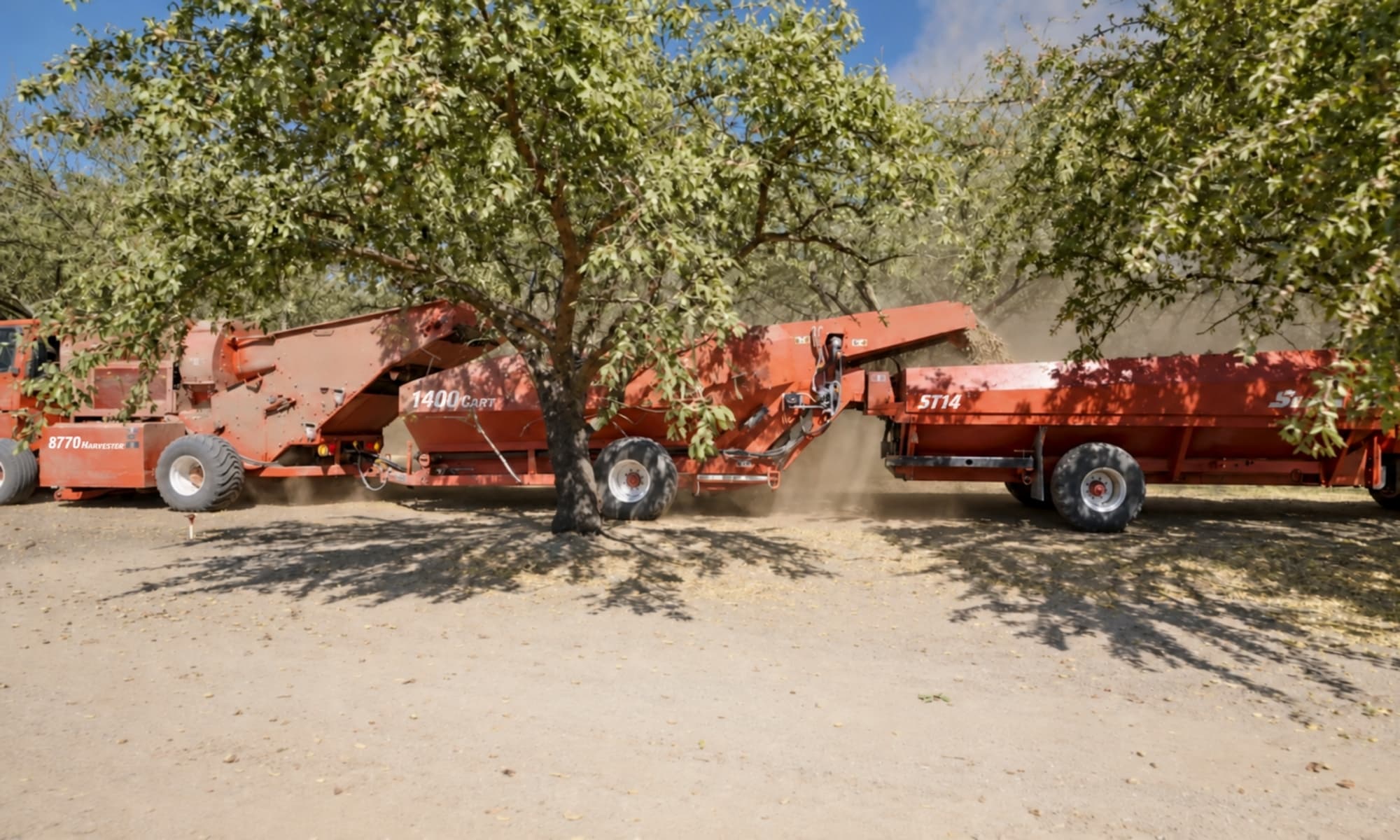
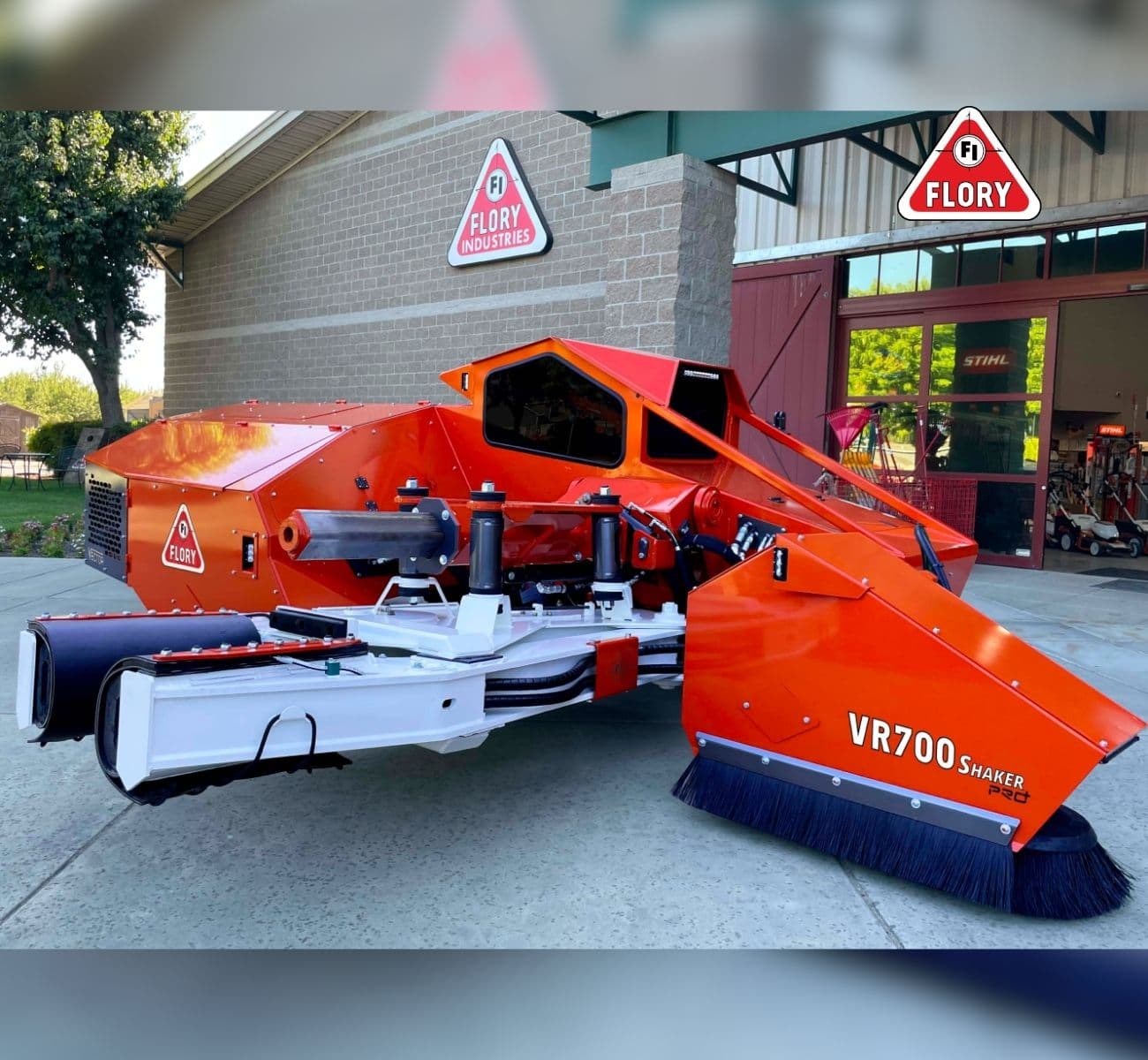
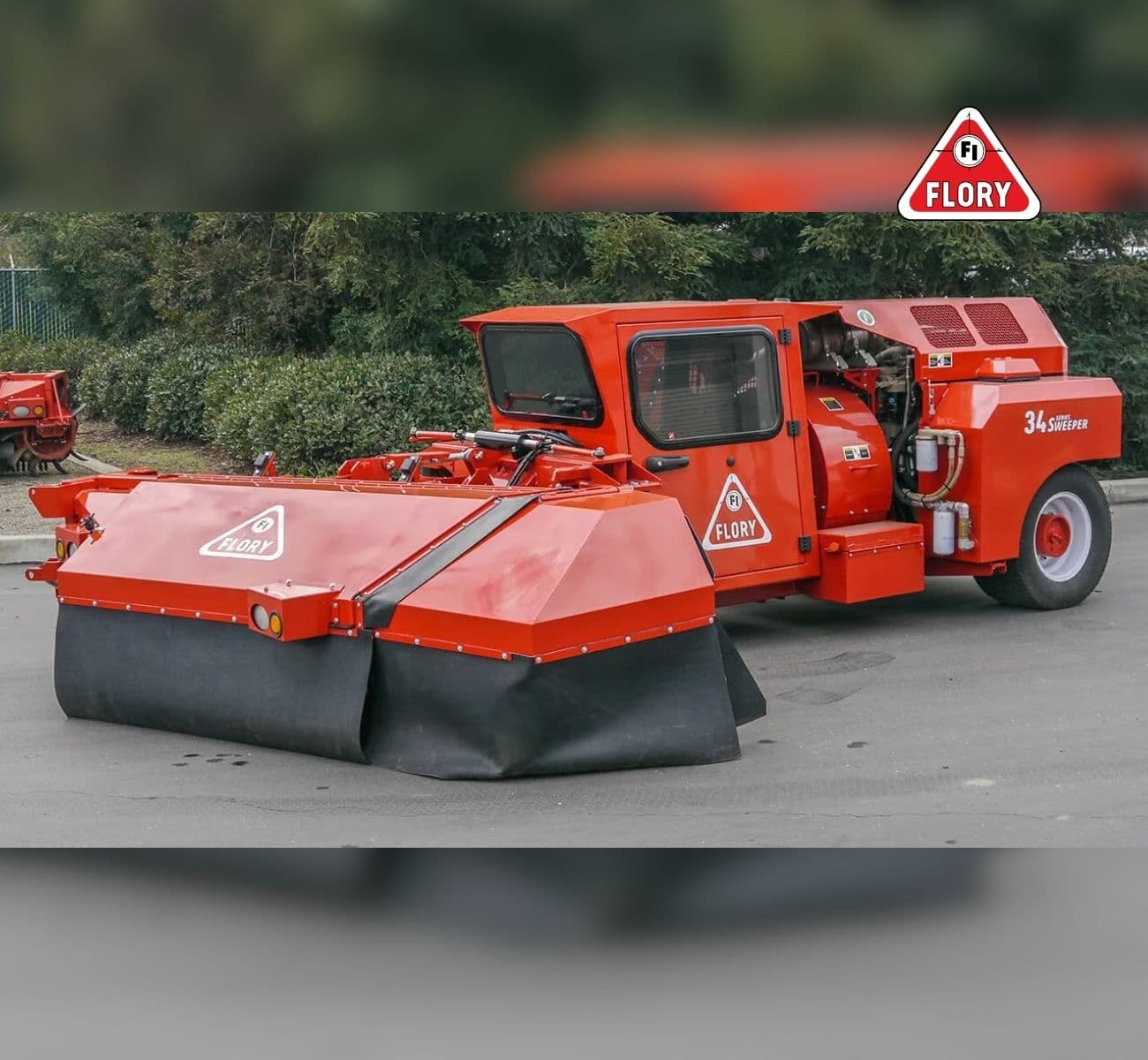
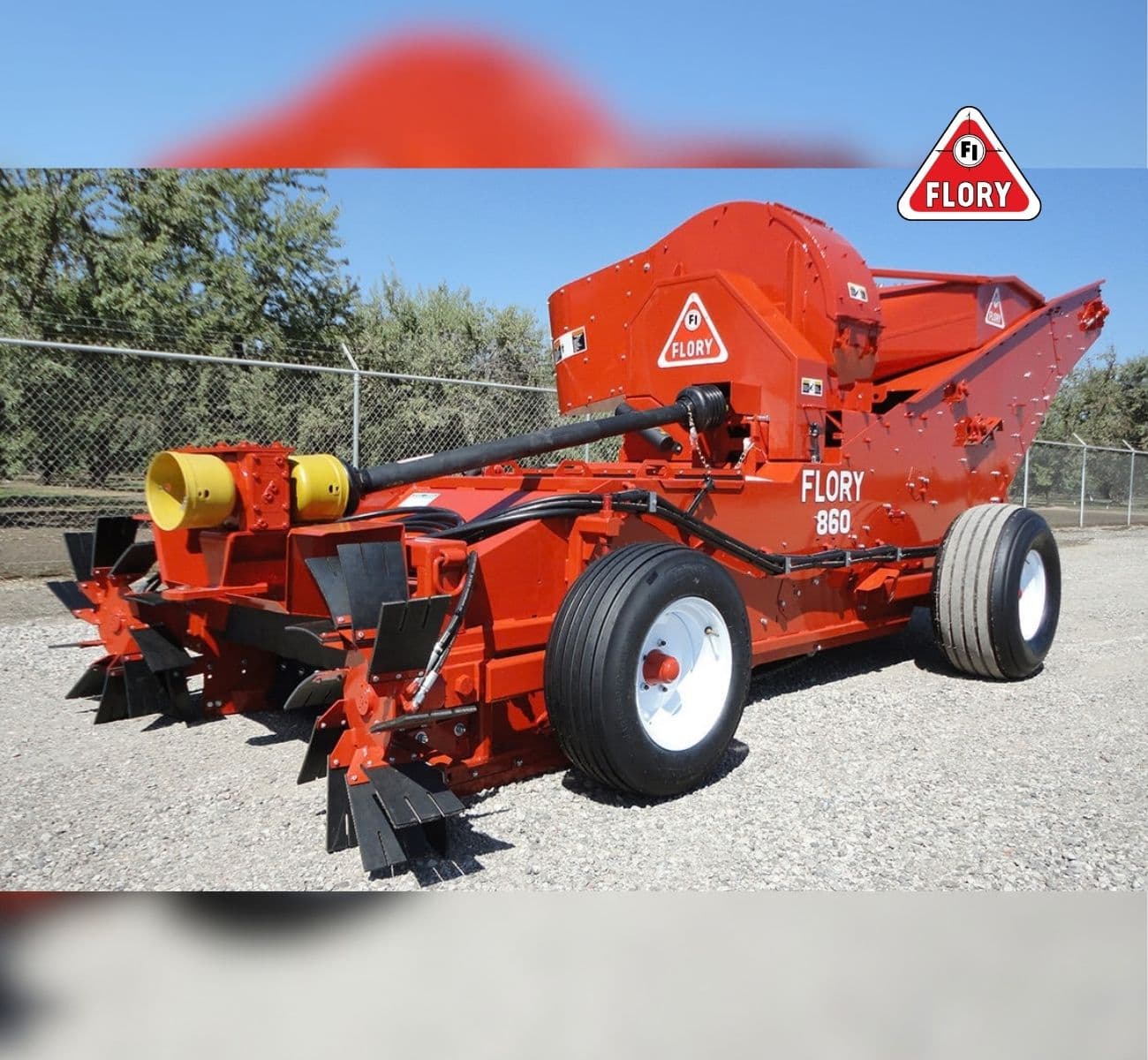
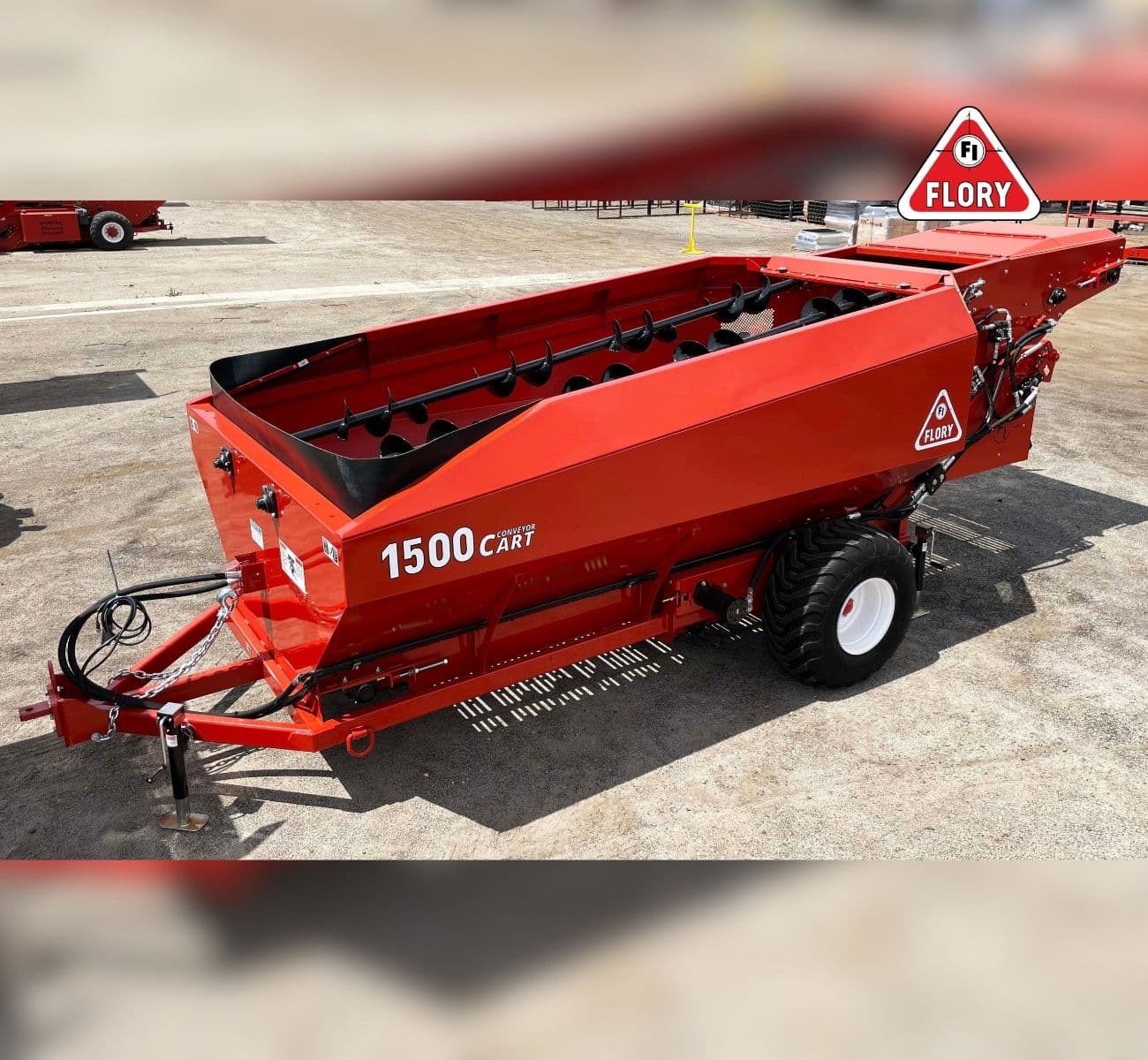
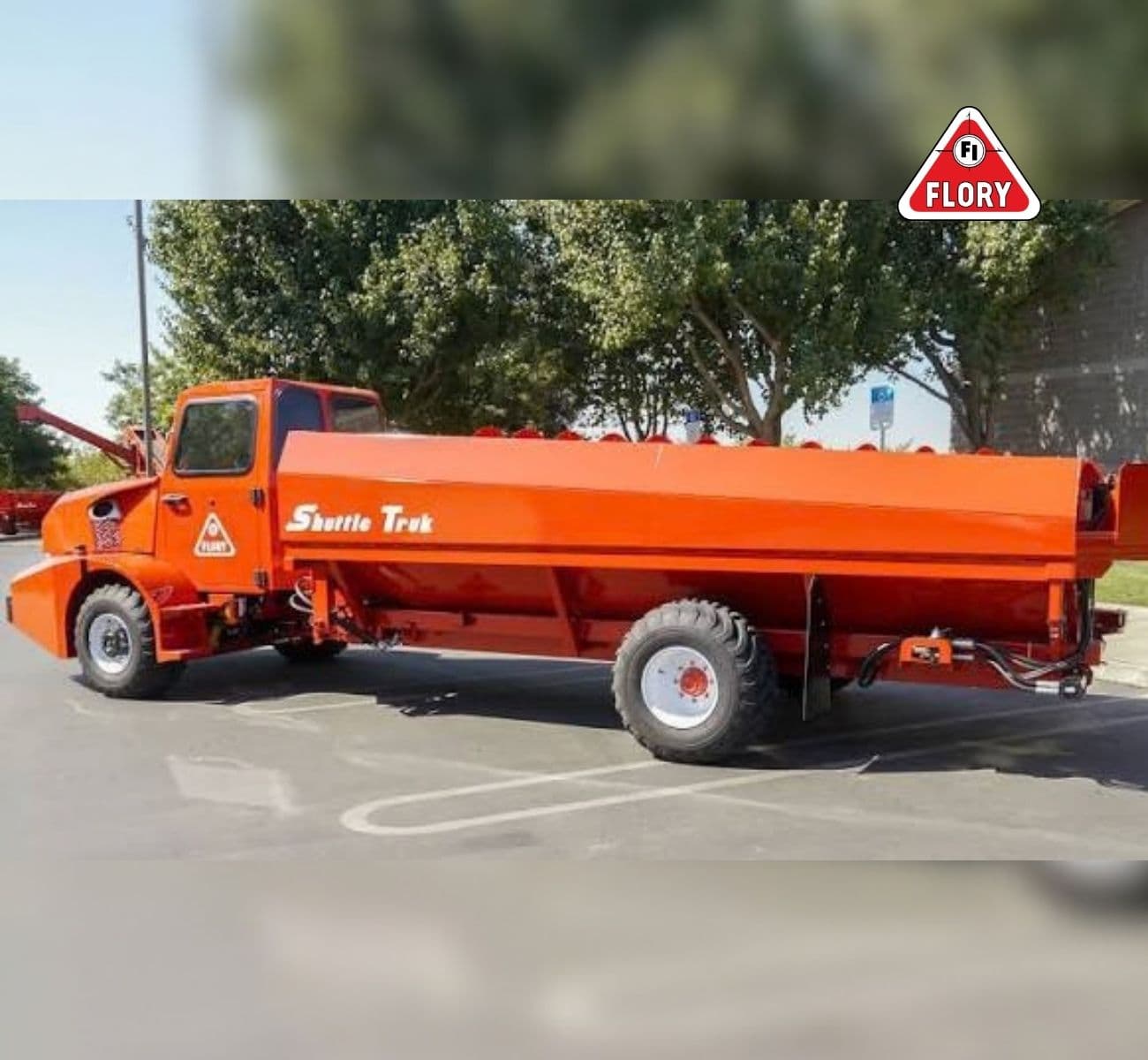
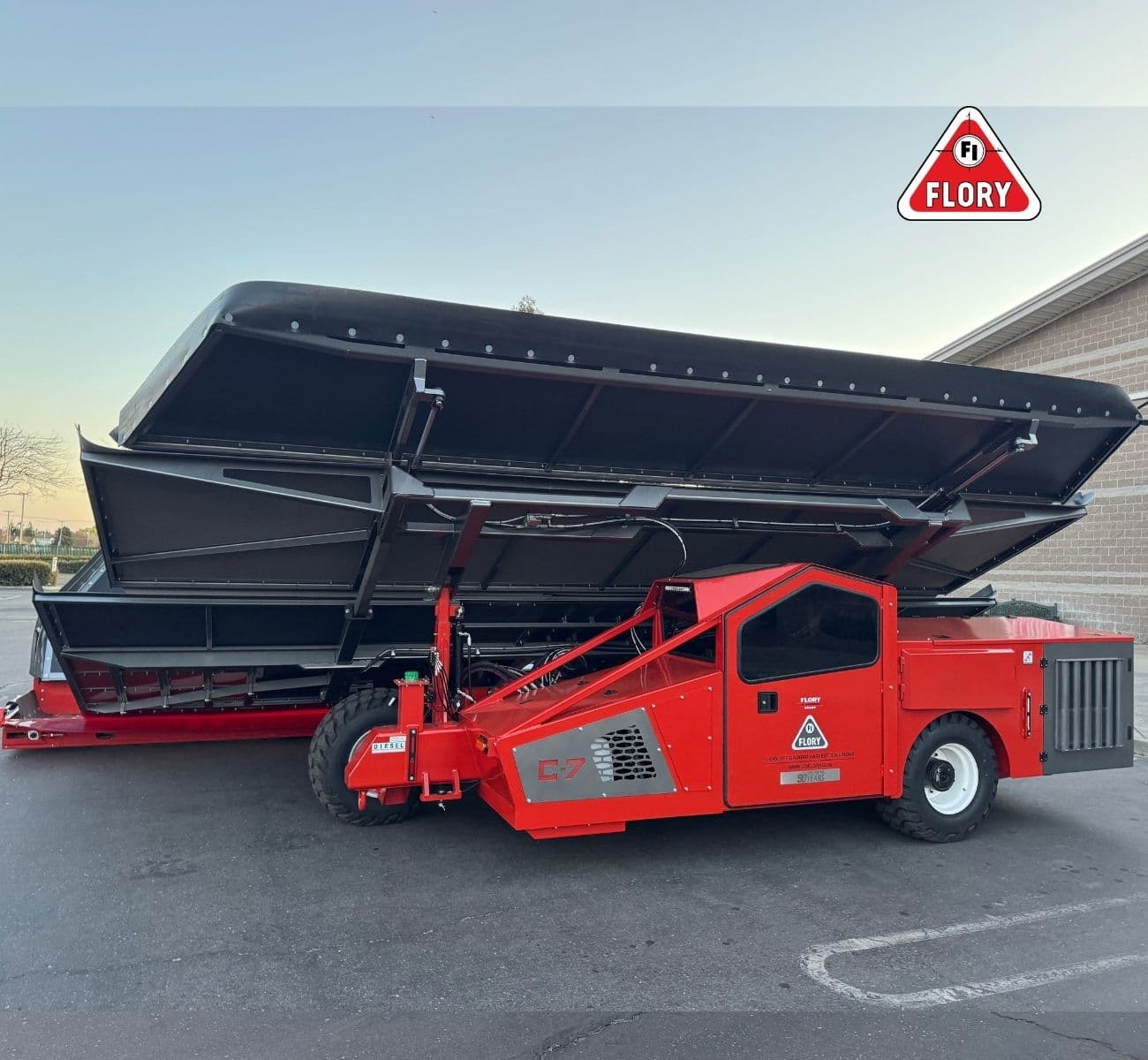
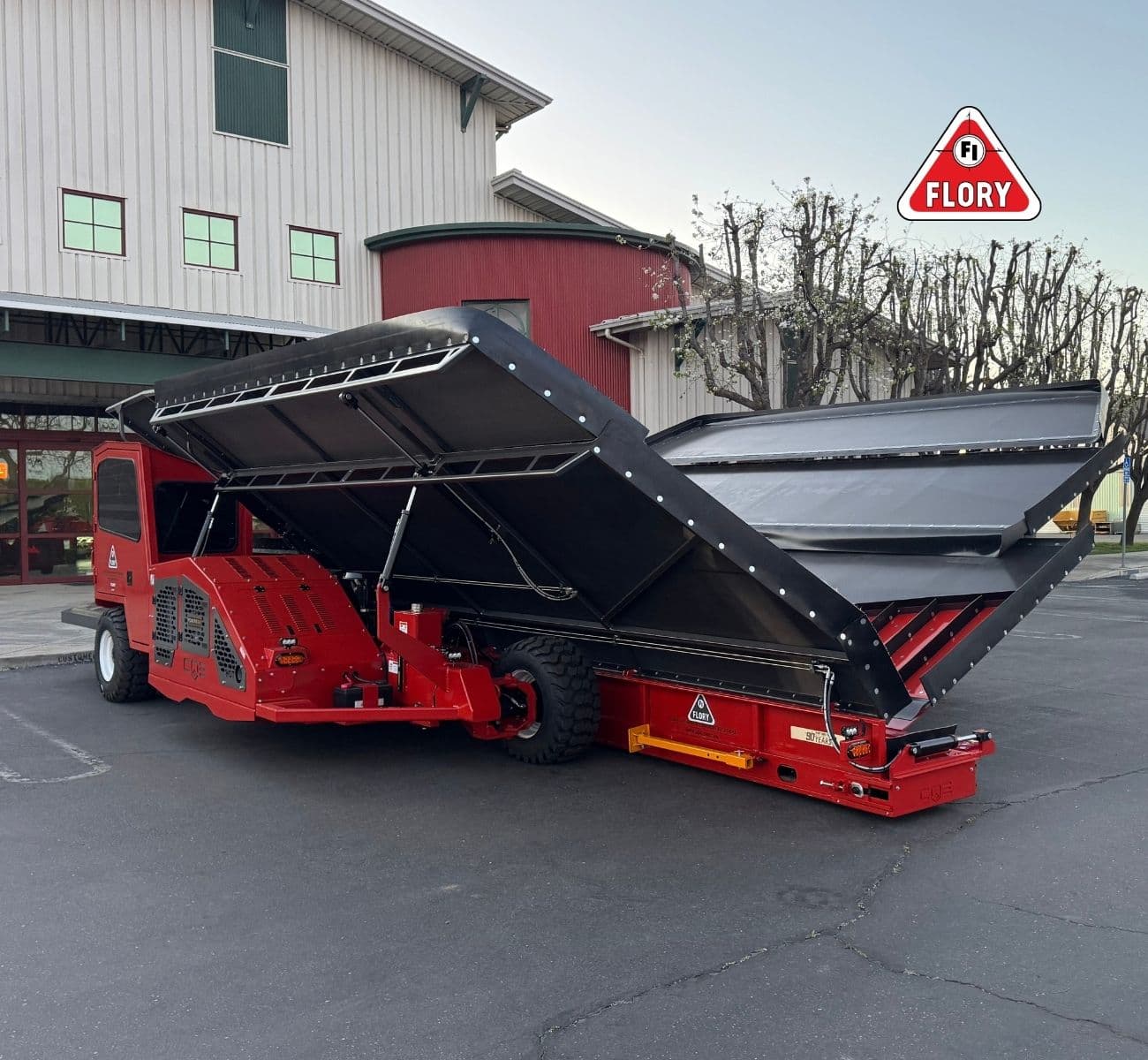
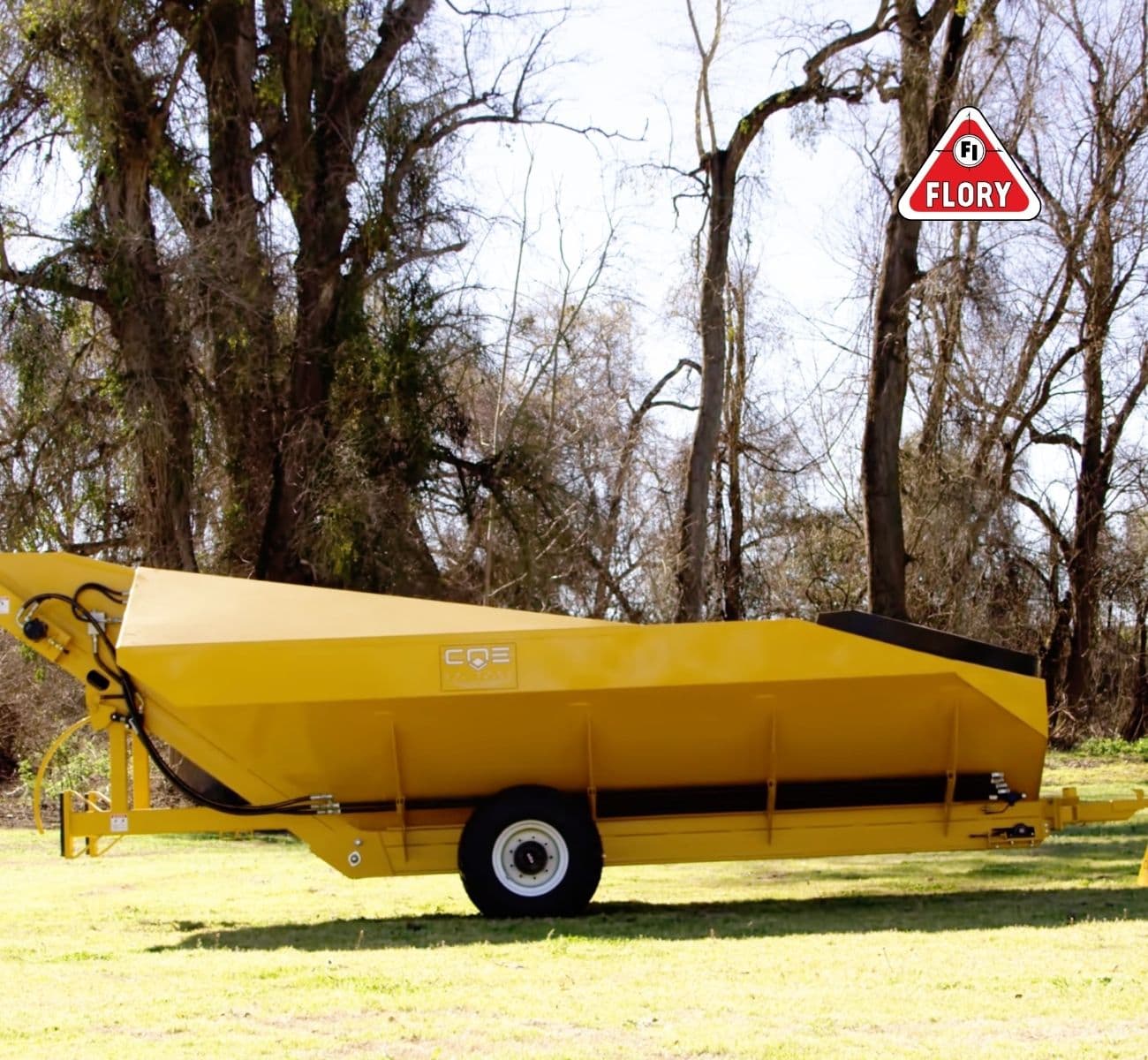
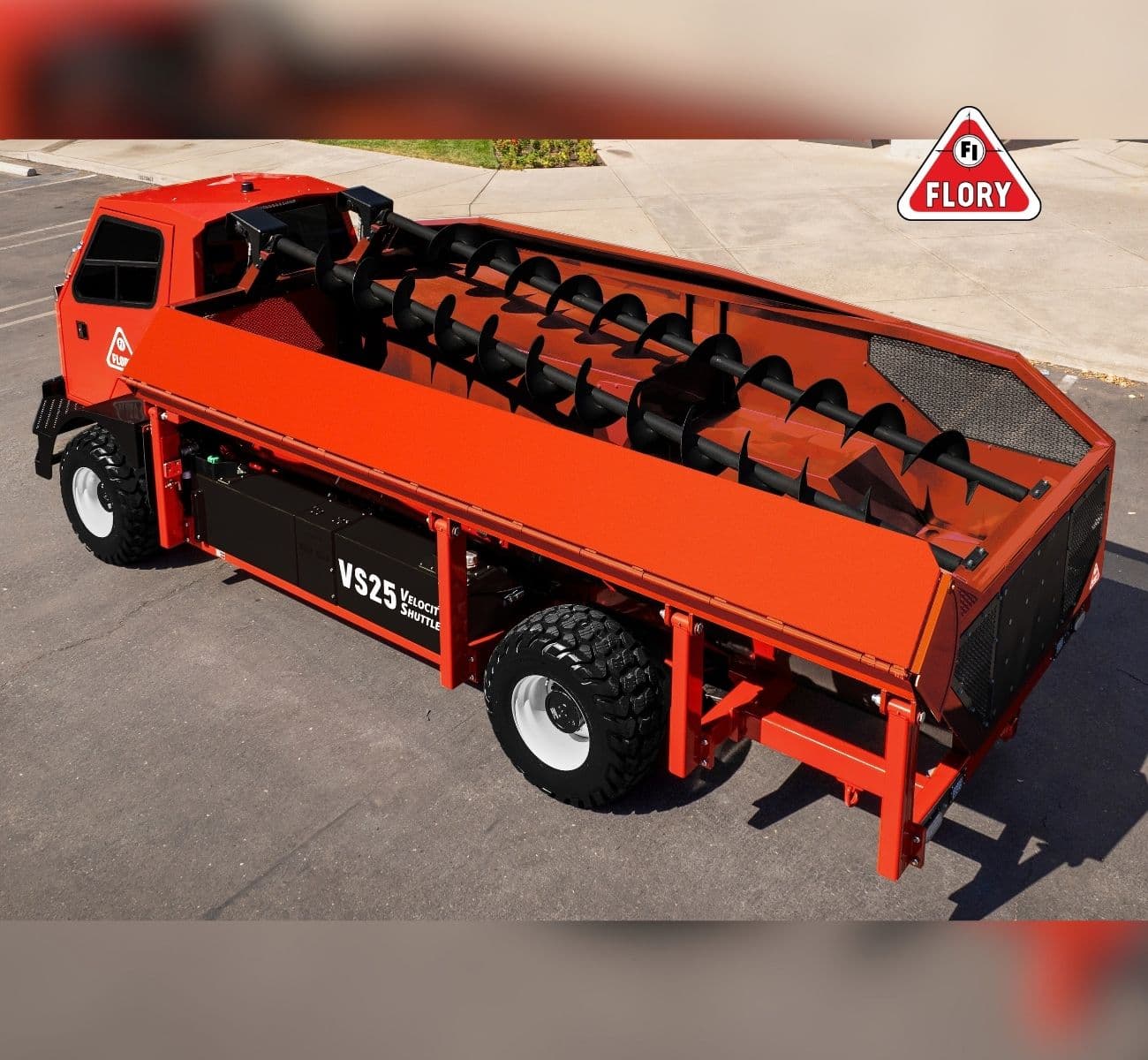
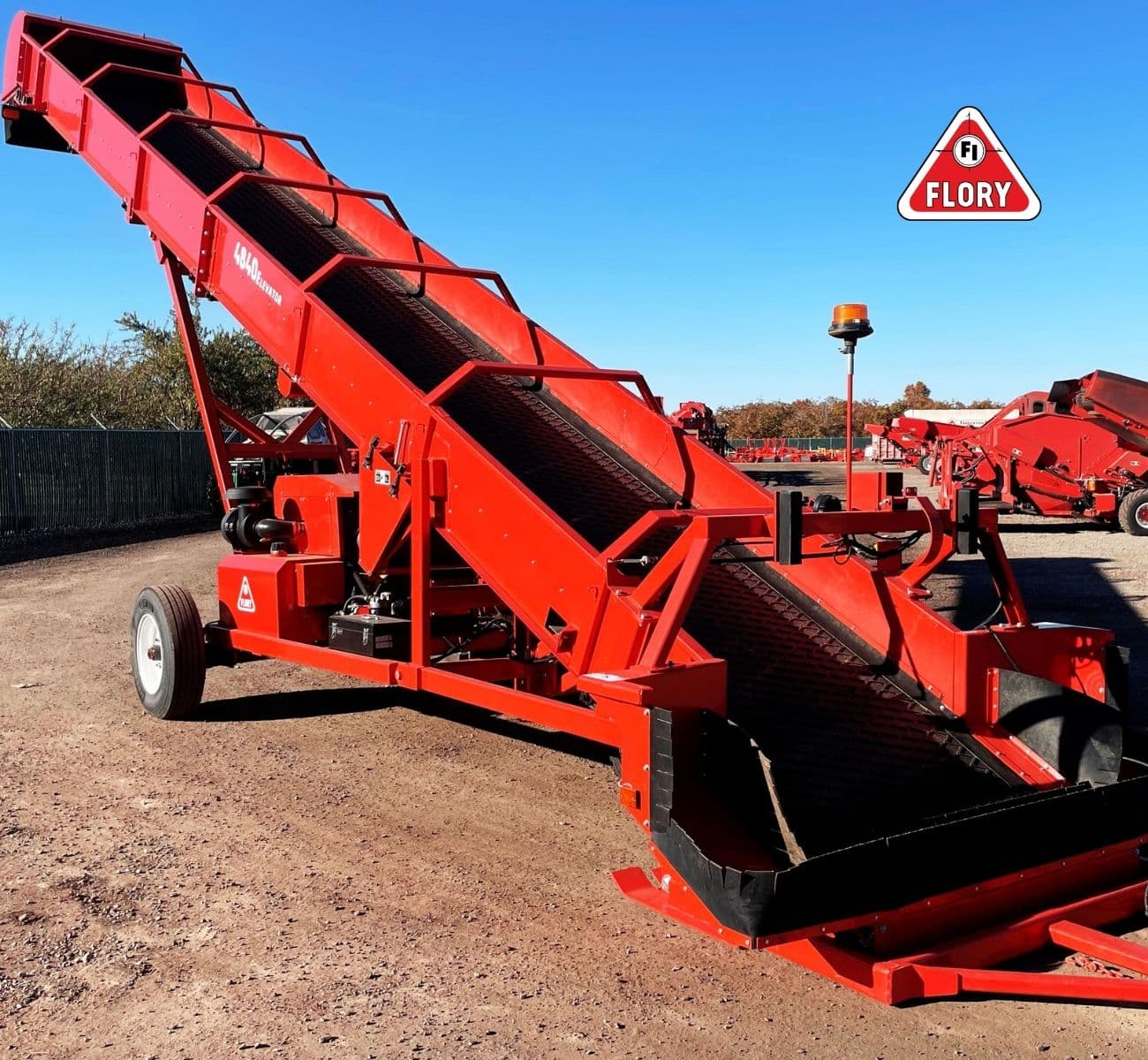
Flory harvesting machinery is available in Turkmenistan through OVE Europe for both systems, for orchards planted for machines. On the ground, the VR700 Shaker, 34 Series Sweeper, CP87 Conditioner and 860 Harvester (or the smaller 490) work with the 1500 Conveyor Cart and ST14 Shuttle. Off the ground, the Flory COE C7 Shaker and L2 Receiver catch the almonds in a frame around the trunk, the Flory COE B8 Cart and VS25 Shuttle carry them, and the 4840 Field Elevator loads trailers in both systems.
Almond Harvest Workflow (Recommended Equipment)
Practical Tips for Almond Harvesting
Time shaking by hull split: University of California guidance advises harvesting as soon as the nuts come off the trees well.
Leave shaken almonds on the ground only for August and September harvests while the forecast stays dry; the Codex code prefers frames or sheets and quick removal.
Keep ground time short: University of California guidance links ant damage to the time almonds spend on the orchard floor.
After drying on the floor, sweep almonds into windrows; a conditioner such as the Flory CP87 cleans and re-lays them so they dry faster before pickup.
For October harvests, or when rain is forecast, pick up promptly or catch the nuts with the Flory COE C7 Shaker and L2 Receiver.
Use shakers and frames only in level orchards planted for machines, never on slopes or in wild stands.
Get your recommended harvest setup
Enter orchard size, spacing, terrain, and target throughput—we’ll suggest a practical harvest workflow and equipment lineup.

Almond Post-Harvest Handling & Processing in Turkmenistan
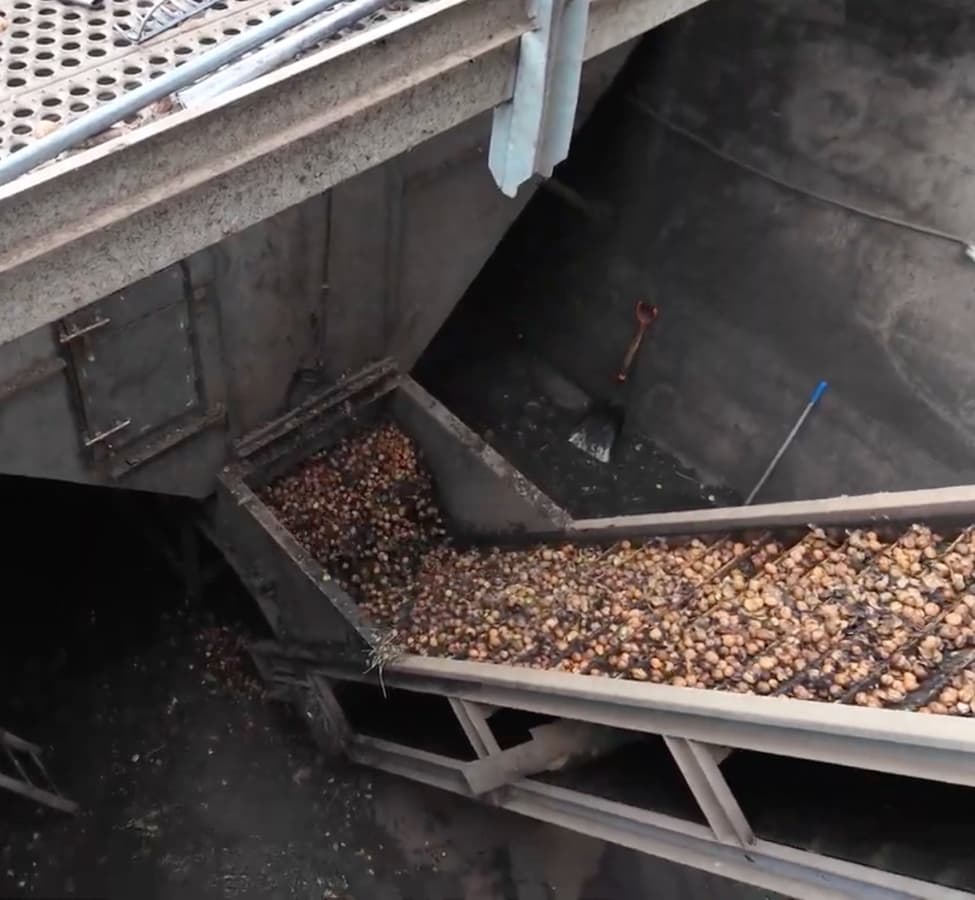
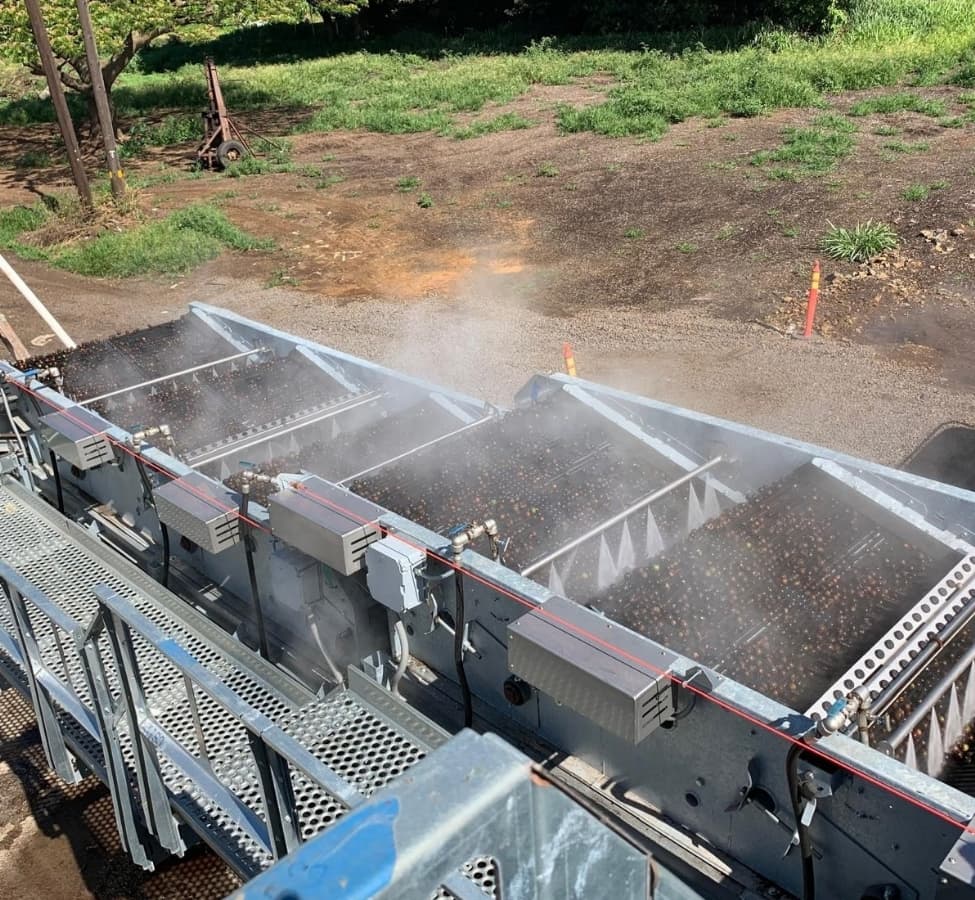
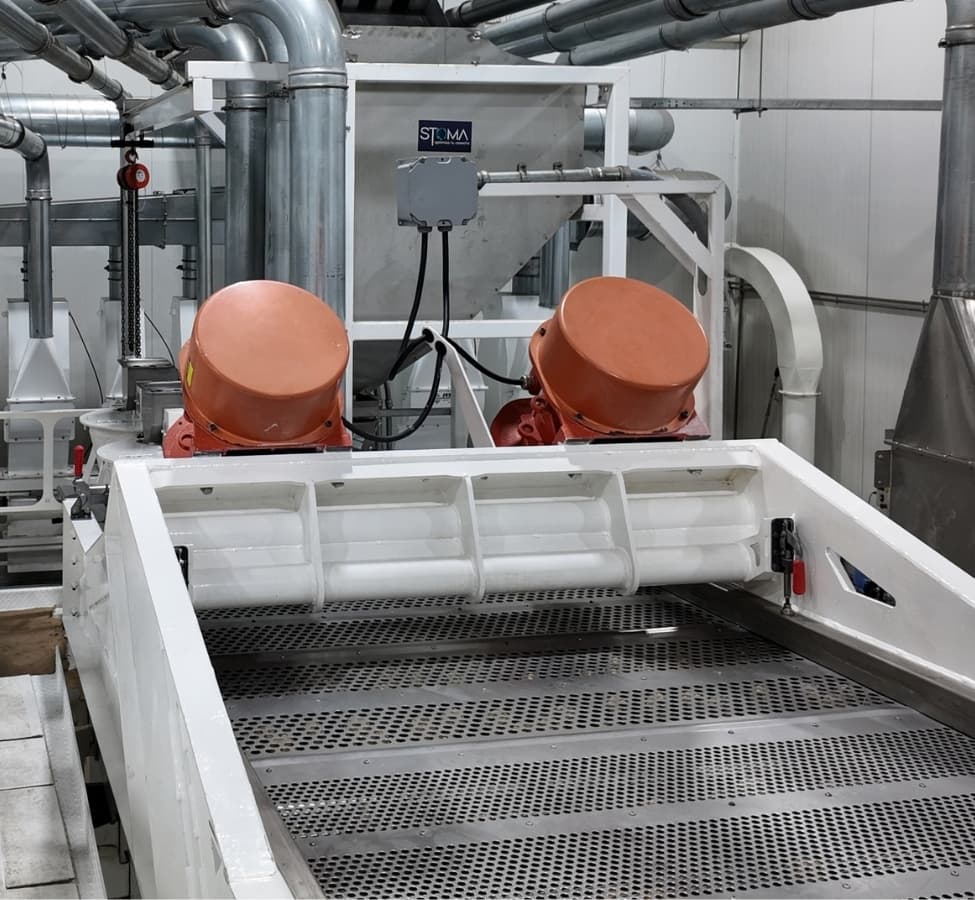
No source found describes almond hulling, drying, cracking or storage in Turkmenistan. The Codex code of practice for tree nuts prefers catching frames or sheets so shaken nuts do not reach the ground, and advises hulling as soon as possible after harvest. In this workflow, promptly picked or frame-caught almonds are hulled first and then dried in the shell, while almonds dried on the orchard floor arrive with dry hulls and are dried further only if needed.
The Union of Industrialists and Entrepreneurs of Turkmenistan reported in October 2026 that one Kaka company sells its almonds to trade centers and confectionery makers in the country, keeps the surplus in its cold stores and is building a plant to process and pack the crop. Trend reported in 2025 that almonds are eaten fresh and made into oil, flour and paste. No Turkmen almond standard or national aflatoxin limit was found.
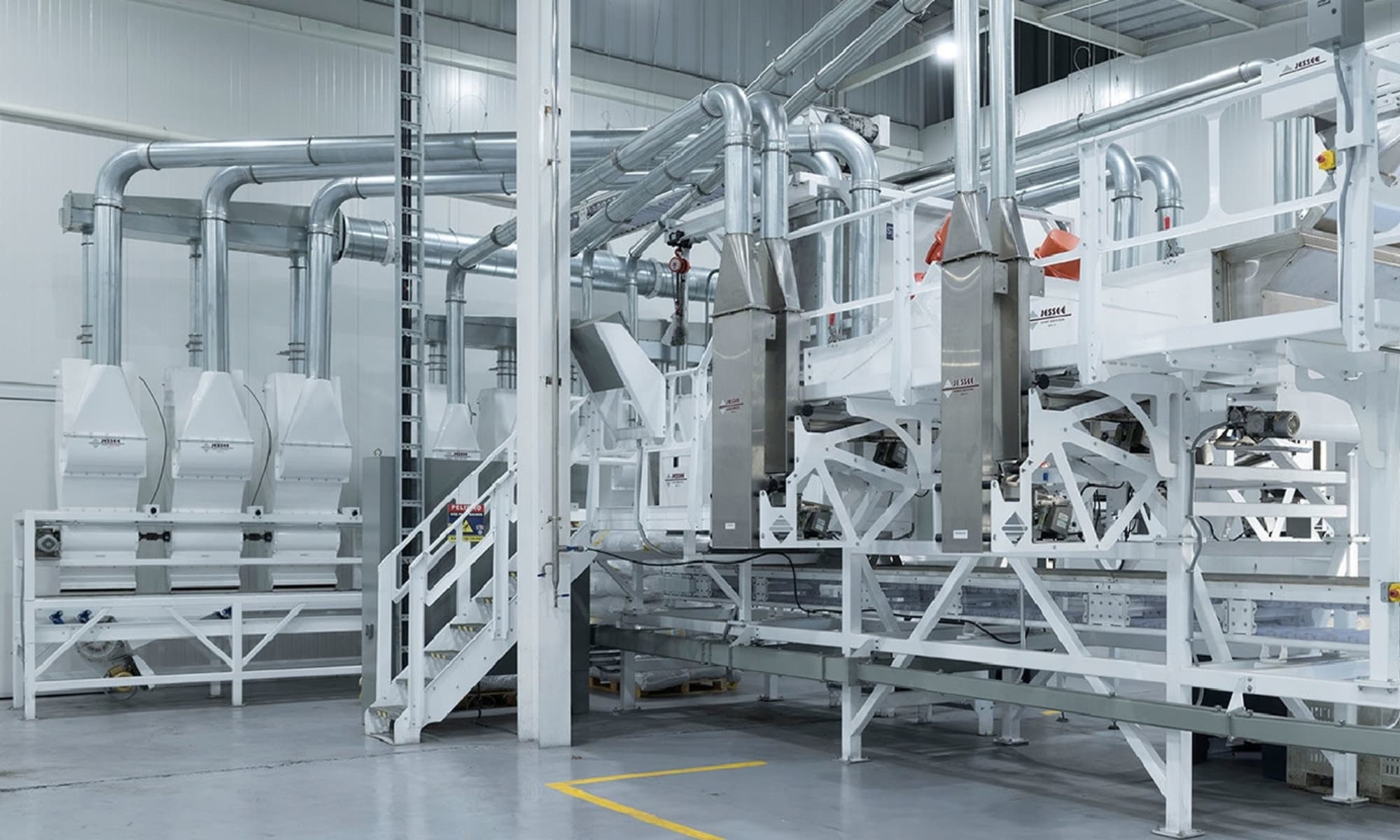
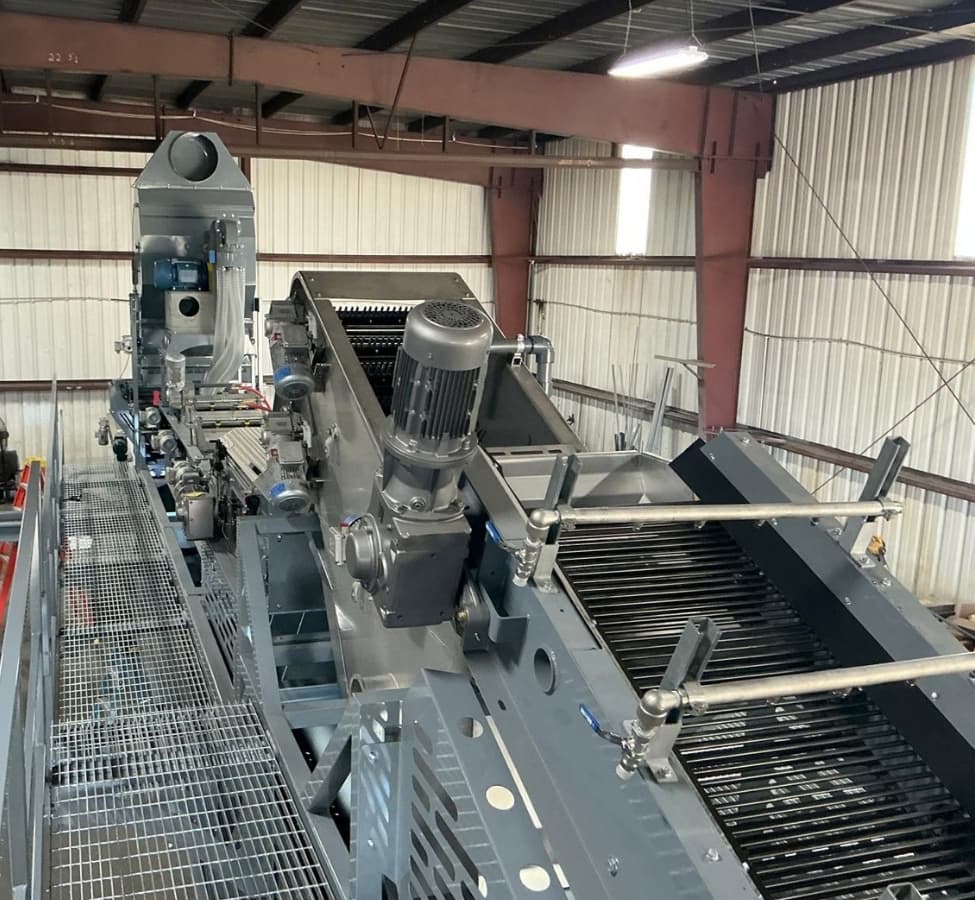
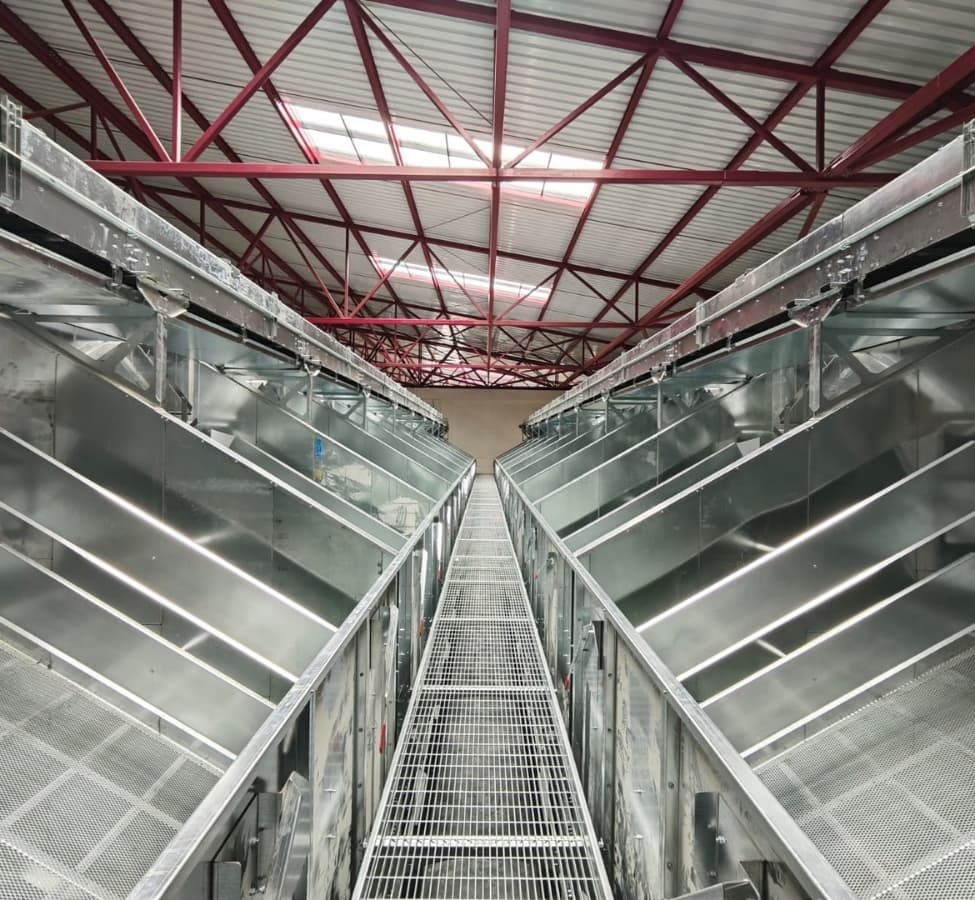
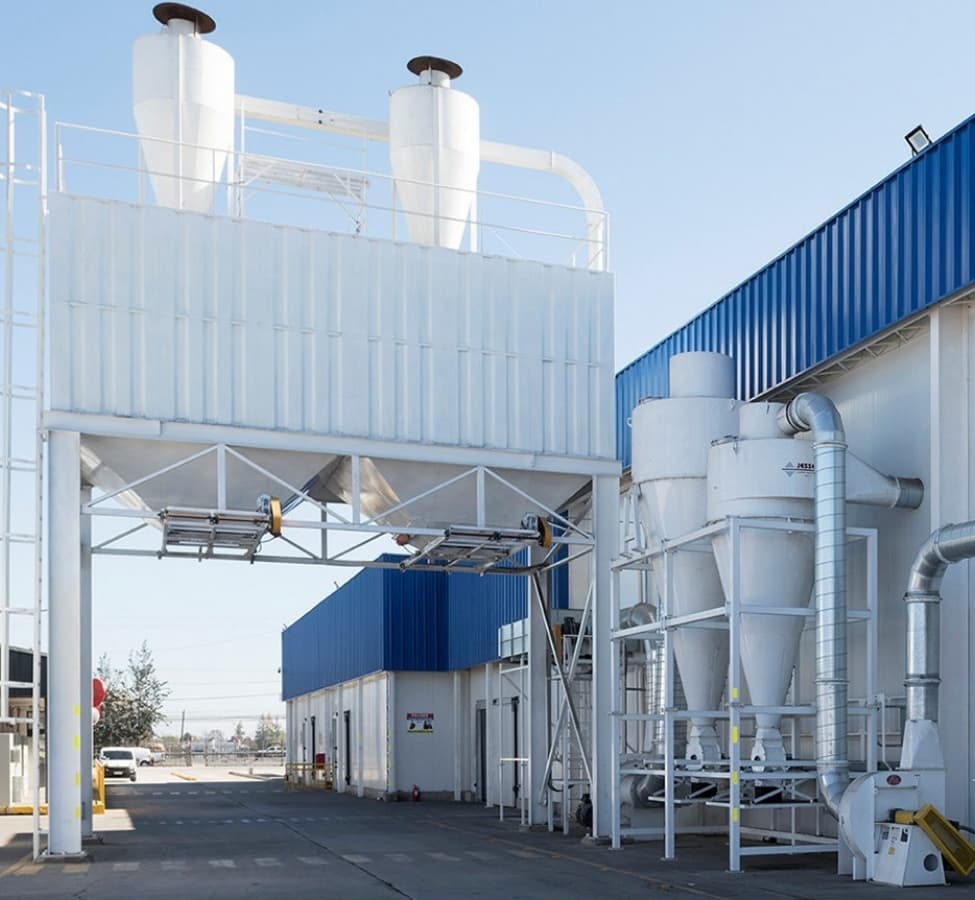
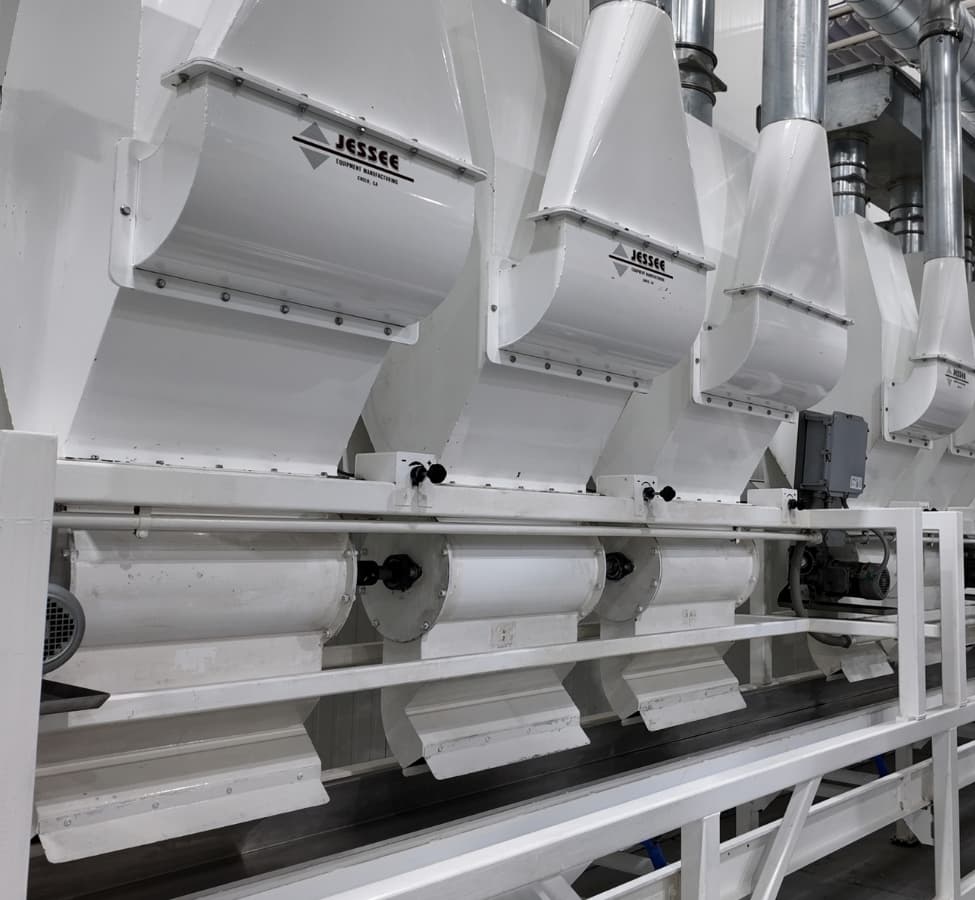
US trade guidance says Turkmen national standards often mirror Soviet-era GOST standards. For lots bound for the EU, Regulation (EU) 2023/915 sets 8.0 µg/kg of aflatoxin B1 and 10.0 µg/kg in total for almonds sold to consumers. Jessee, whose processing lines OVE Europe supplies, builds hulling, drying, in-shell cleaning and sizing, and shelling systems; its Airlegs nut cleaner was developed for the almond industry.
For general information only. Information may become outdated and does not replace site-specific professional advice. Consult a qualified agronomist and confirm equipment suitability with OVE before acting.
Practical Tips for Almond Post-Harvest Handling & Processing
Pick up ground-dried almonds as soon as they are dry, then hull them and check moisture before storage.
Hull promptly picked or frame-caught almonds while the hulls are fresh, then dry the nuts in the shell before storage.
Never pick up or stockpile rain-wet almonds: University of California guidance warns that stockpiling wet nuts risks mold and concealed damage.
After rain, pick up only once kernels are below 6% moisture and hulls below 12%, as University of California guidance advises.
Keep dried almonds by lot in a dry, cool store; one Kaka company holds its surplus crop in cold stores.
Test lots bound for the EU against Regulation (EU) 2023/915: 8.0 µg/kg of aflatoxin B1 and 10.0 µg/kg in total for almonds sold to consumers or used in food.
Recommended Post-Harvest Handling & Processing Stages
Plan your post-harvest line
Estimate tons/day, cleaning & drying capacity, storage needs, and cost/kg—then build your equipment plan in phases.