







Hazelnut Orchard Establishment in Uzbekistan
No Uzbek source found describes a hazelnut orchard or gives its area. The Ministry of Agriculture's 2026 recommendations for establishing orchards in Tashkent region list hazelnut for Bostanliq district, with the cultivars Daler and O'zbekiston at 6 x 6 m, 277 seedlings per hectare; the eight other regional recommendations read list no hazelnut, and four regions' files were not read. This is advice for new plantings, not a record of existing orchards.
No Uzbek source found gives hazelnut bloom dates. Uzhydromet notes that March frosts are not rare in Uzbekistan and that the long-term average dates of late spring frosts fall in March; the lowest March temperatures of the last 25 years were -6 to -11 °C over most of the country. Oregon State University (OSU) reports that fully elongated catkins can freeze at -9.4 °C, and the female flowers of the most cold-sensitive varieties at -12.2 °C.
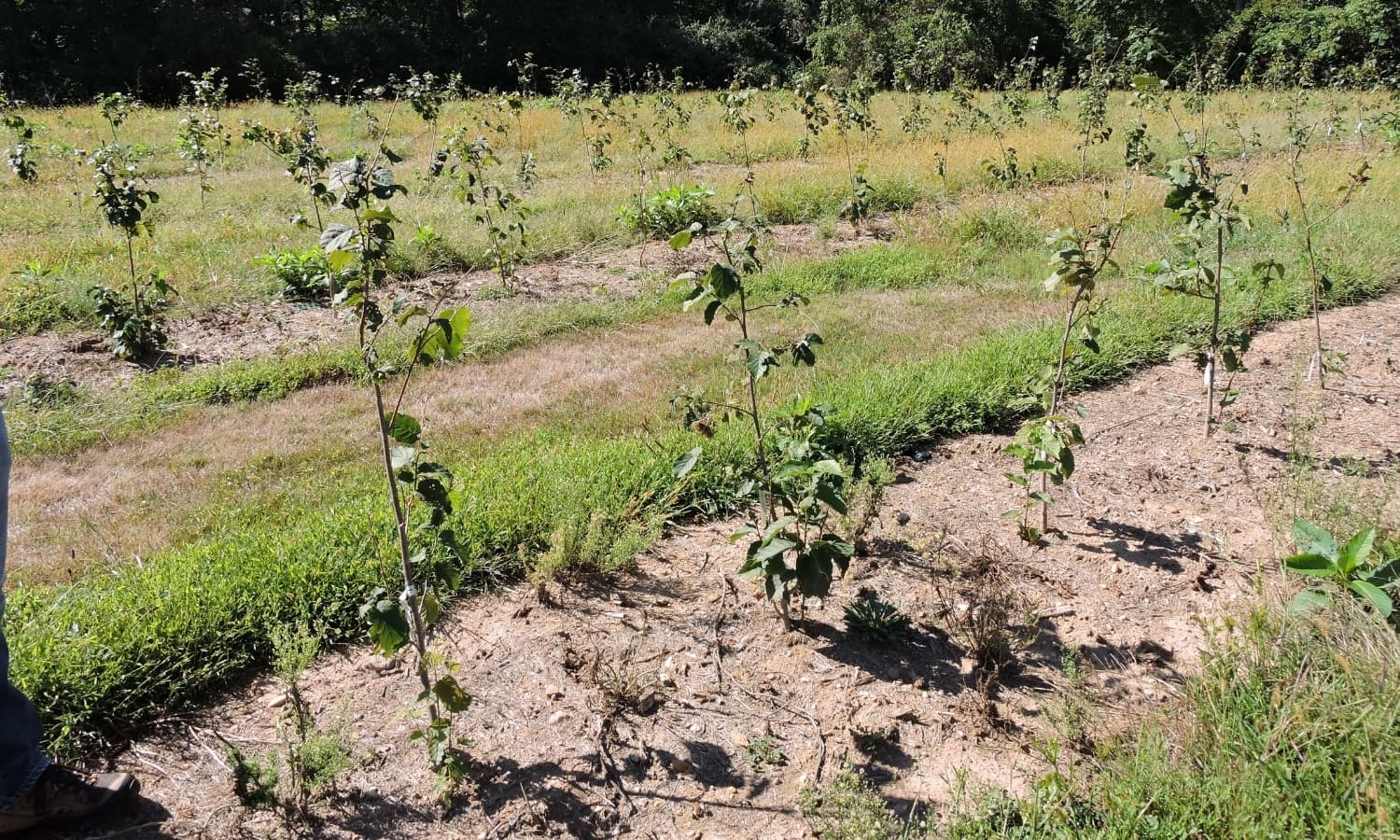
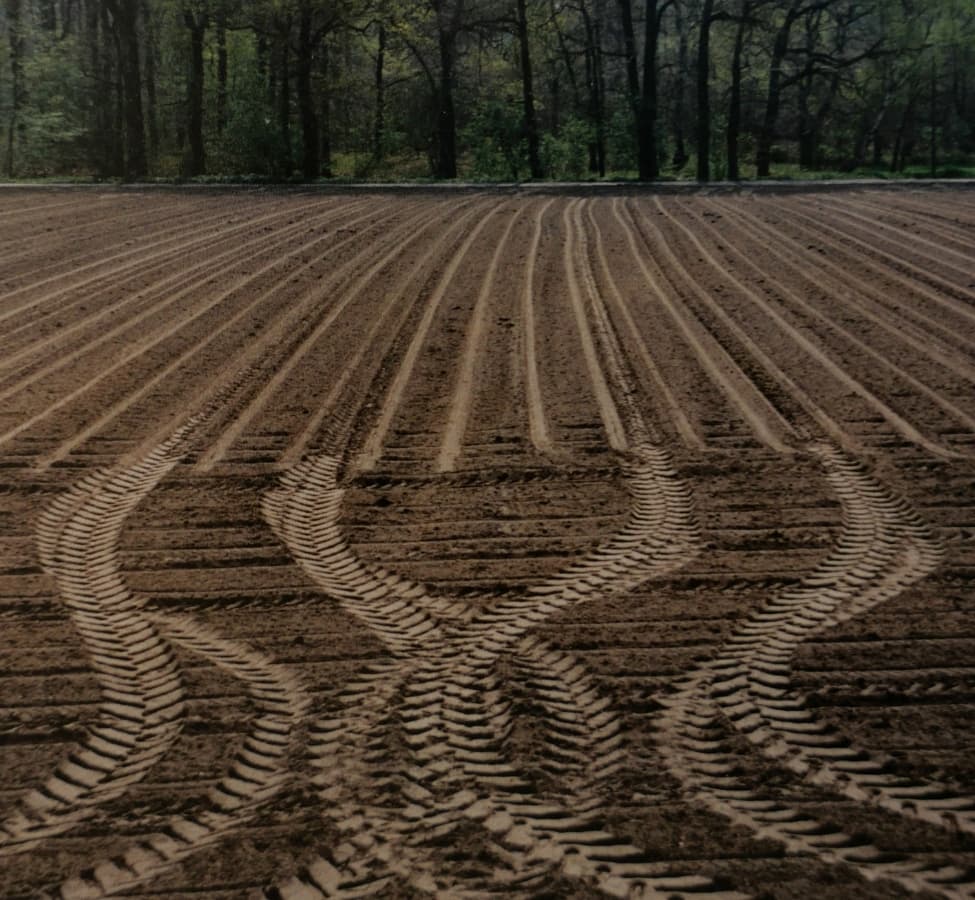
For machine harvest, this guide assumes single-trunk trees, which OSU describes as the usual form in the United States, with room at the orchard edges to turn a tractor and sprayer or harvester. The 2026 recommendations advise plowing land for autumn planting 50 to 60 cm deep with a plantation plow, or, if it was not plowed, 35 to 40 cm deep in spring and then laser leveling. Hazelnut is self-incompatible, so OSU advises three pollinizer varieties, early, mid and late.

Practical Tips for Hazelnut Orchard Establishment
Choose deep, well-drained soil: OSU says hazelnut does not tolerate wet soils in the growing season.
In Bostanliq district, consider Daler and O'zbekiston at 6 x 6 m, the cultivars and spacing the Ministry of Agriculture listed in 2026.
Choose vegetatively propagated trees: Tashkent State Agrarian University researchers note they bear 4 to 5 years after planting, seed-grown trees at 7 to 9.
Plant three pollinizer varieties, early, mid and late, on every third tree in every third row, as OSU advises: hazelnut cannot set nuts with its own pollen.
Compare site lows at catkin elongation and bloom with OSU's freezing points: -9.4 °C for elongated catkins, -12.2 °C for female flowers of the most sensitive varieties.
Smooth and firm the orchard floor at least a year before the first commercial harvest, as OSU advises, so sweepers can work up to the trunks.
Recommended Establishment Stages


Hazelnut Orchard Care & Maintenance in Uzbekistan
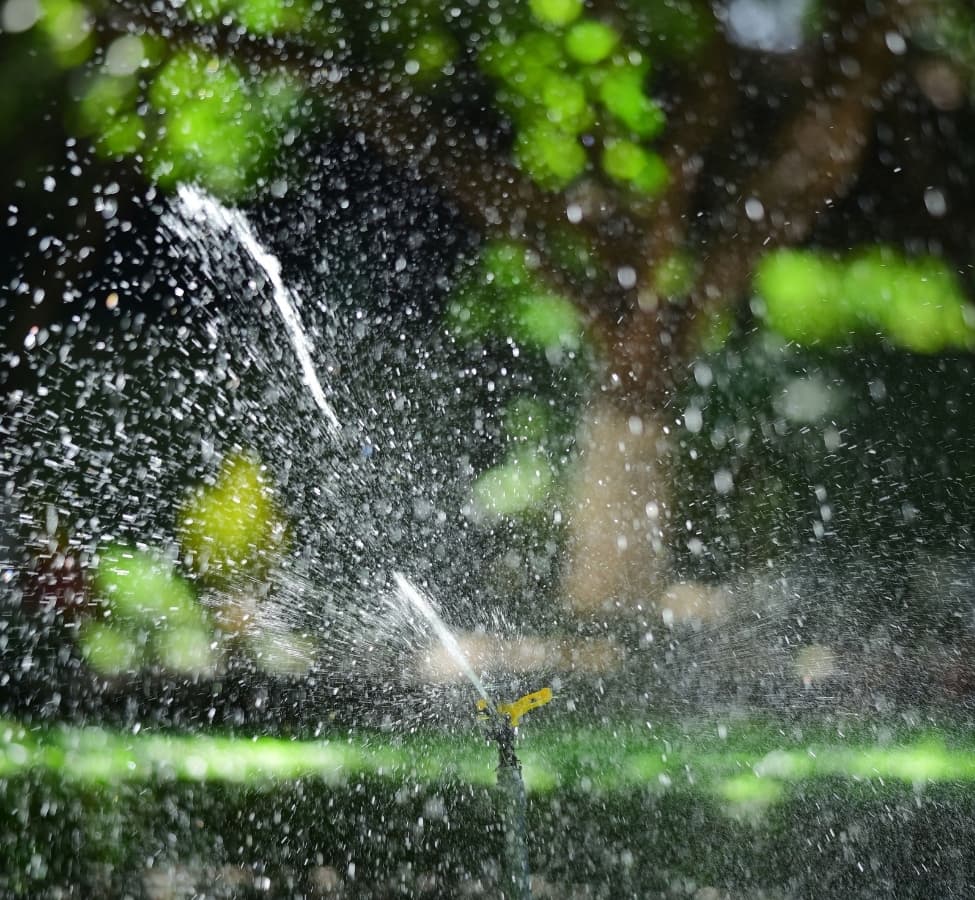
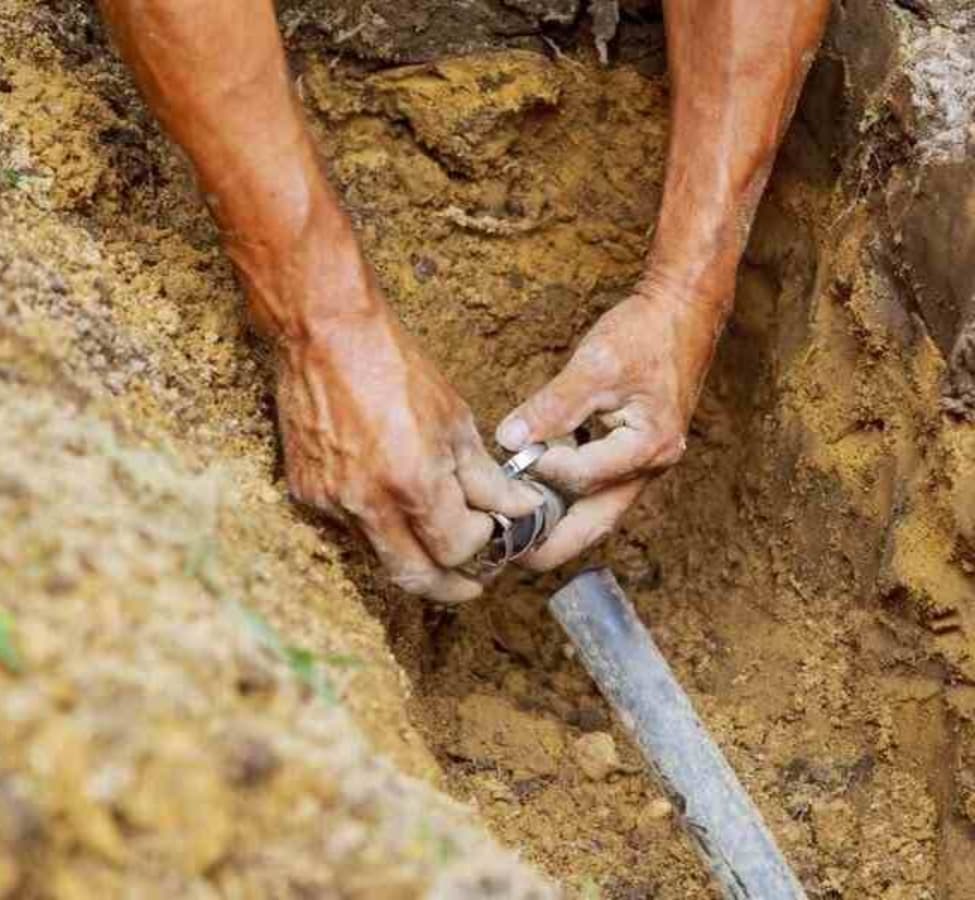
No Uzbek source found covers hazelnut irrigation, but the 2026 recommendations require drip irrigation for new plantings, depending on soil conditions, and summers are hot and dry: Uzhydromet's averages for Tashkent (period not stated) give 2.0 mm of rain in August and a mean July maximum of 35.7 °C. OSU links midsummer water stress with greater susceptibility to bacterial blight, and the Codex code warns that under drought stress aflatoxin contamination is likely to be high.
EPPO lists the brown marmorated stink bug (Halyomorpha halys) as present in Uzbekistan, first found there in 2020 on other host trees; OSU notes that its feeding can leave kernels empty, shriveled or corked. EPPO does not list eastern filbert blight, bacterial blight or powdery mildew (Erysiphe corylacearum) for Uzbekistan, a gap in the record, not proof of absence. A 2026 article by Tashkent State Agrarian University authors names the spongy moth, a pest of over 300 tree species, as a hazelnut pest.
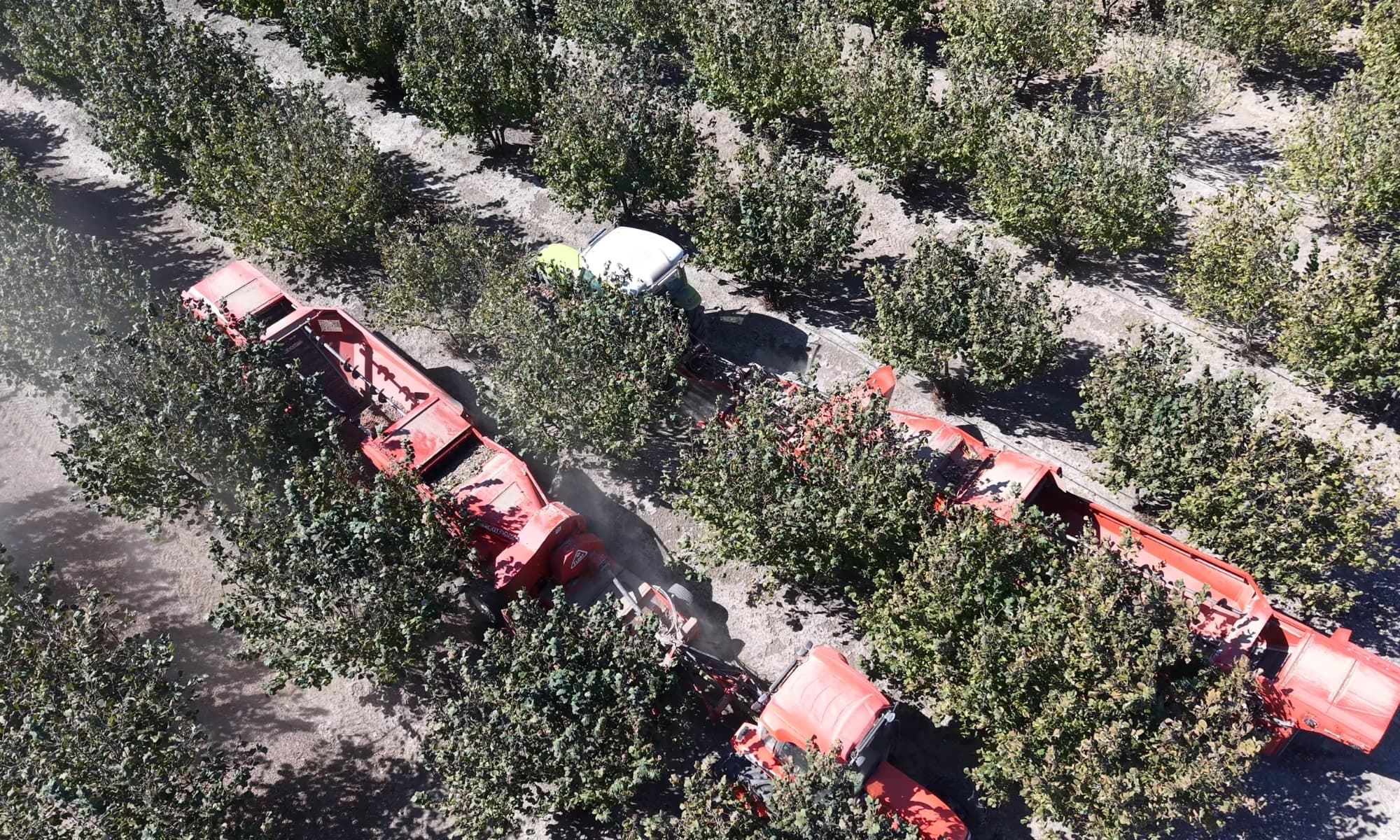
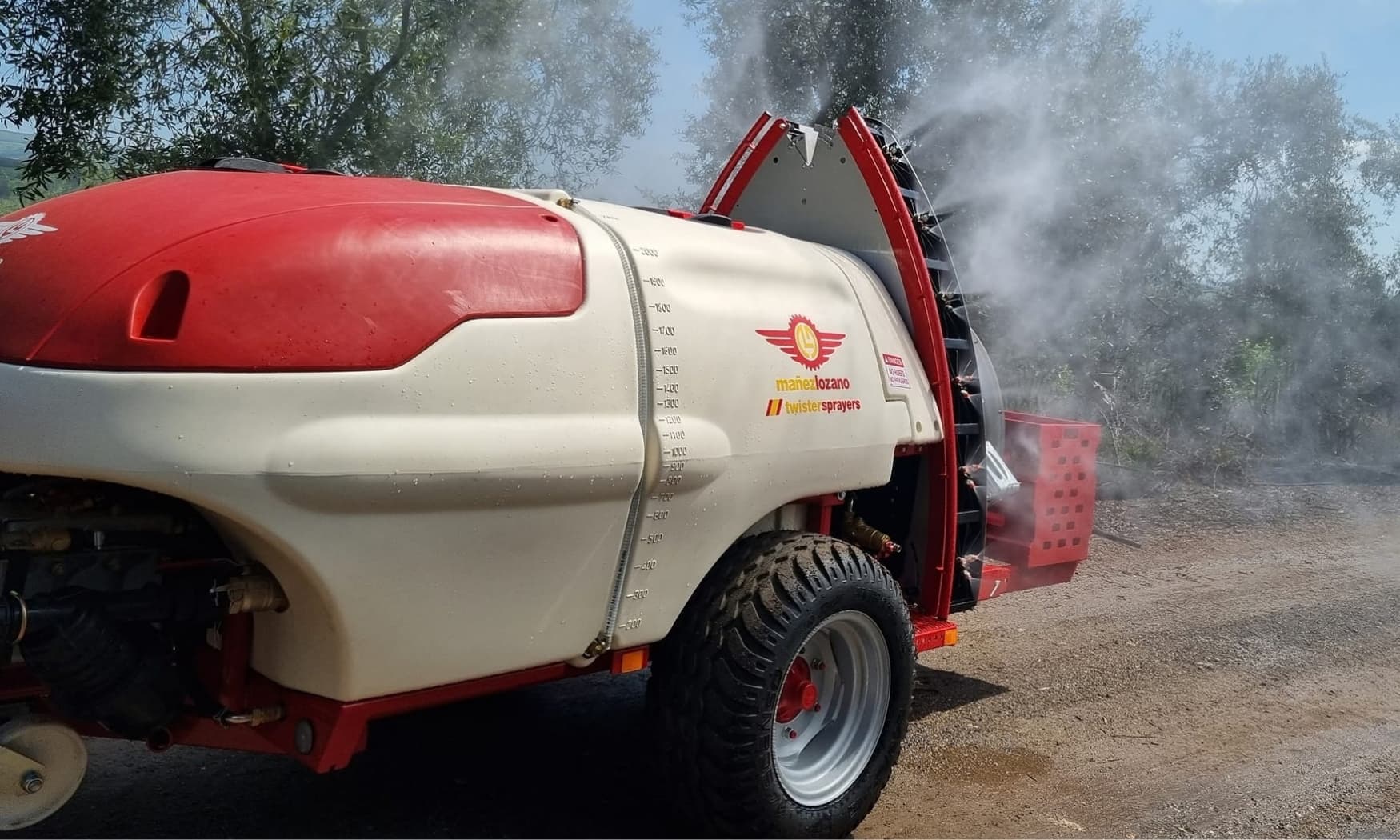
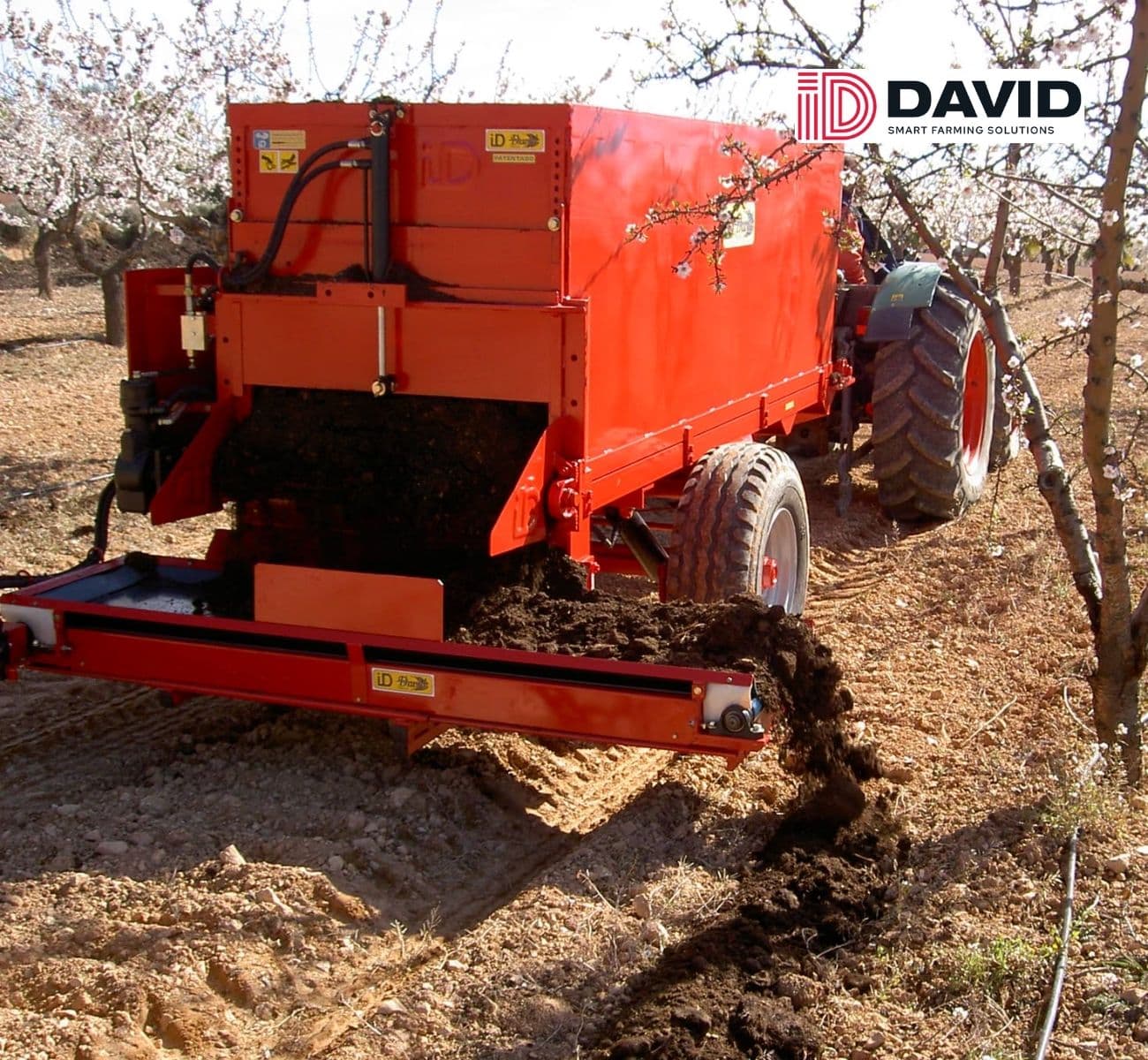
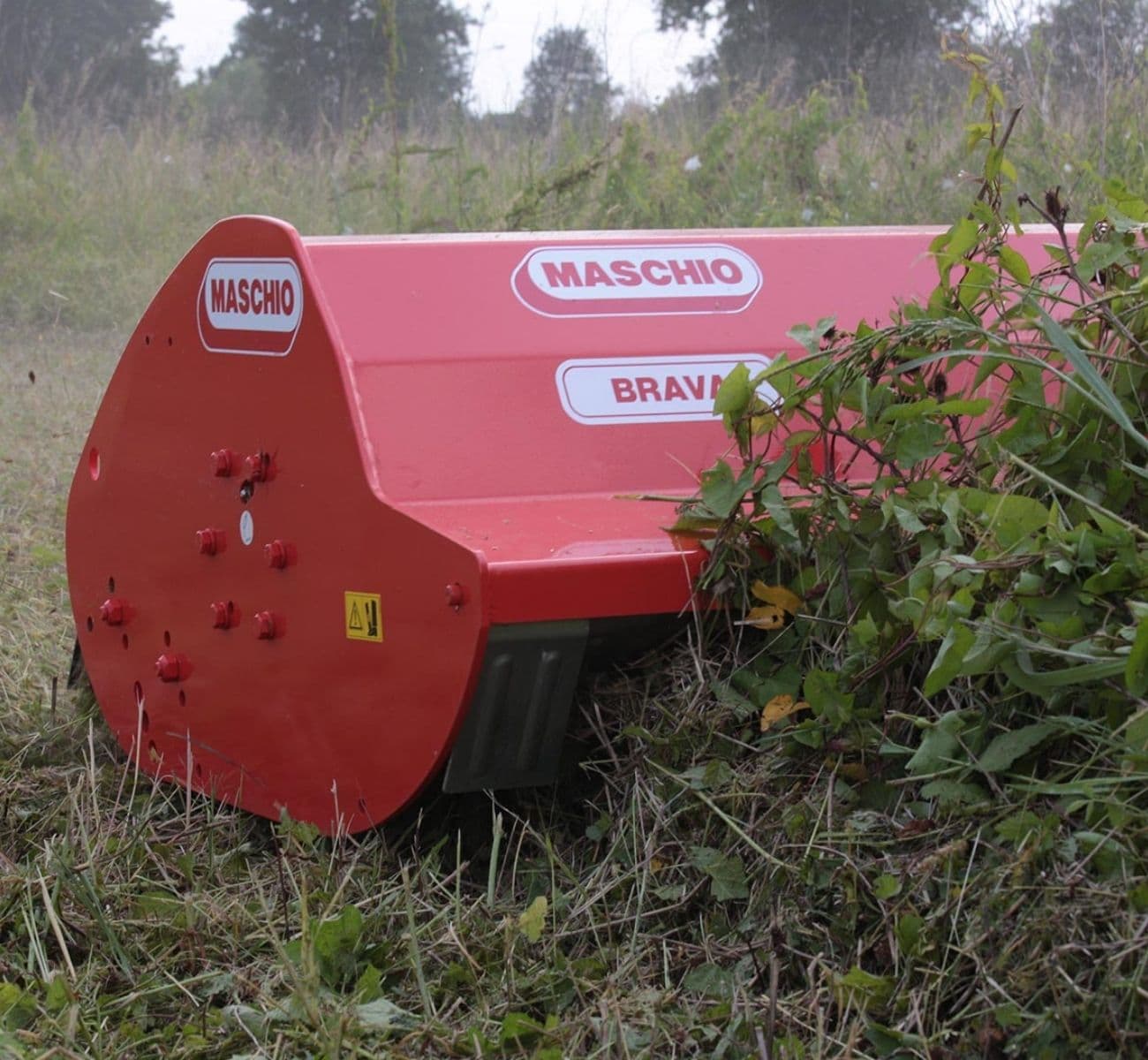
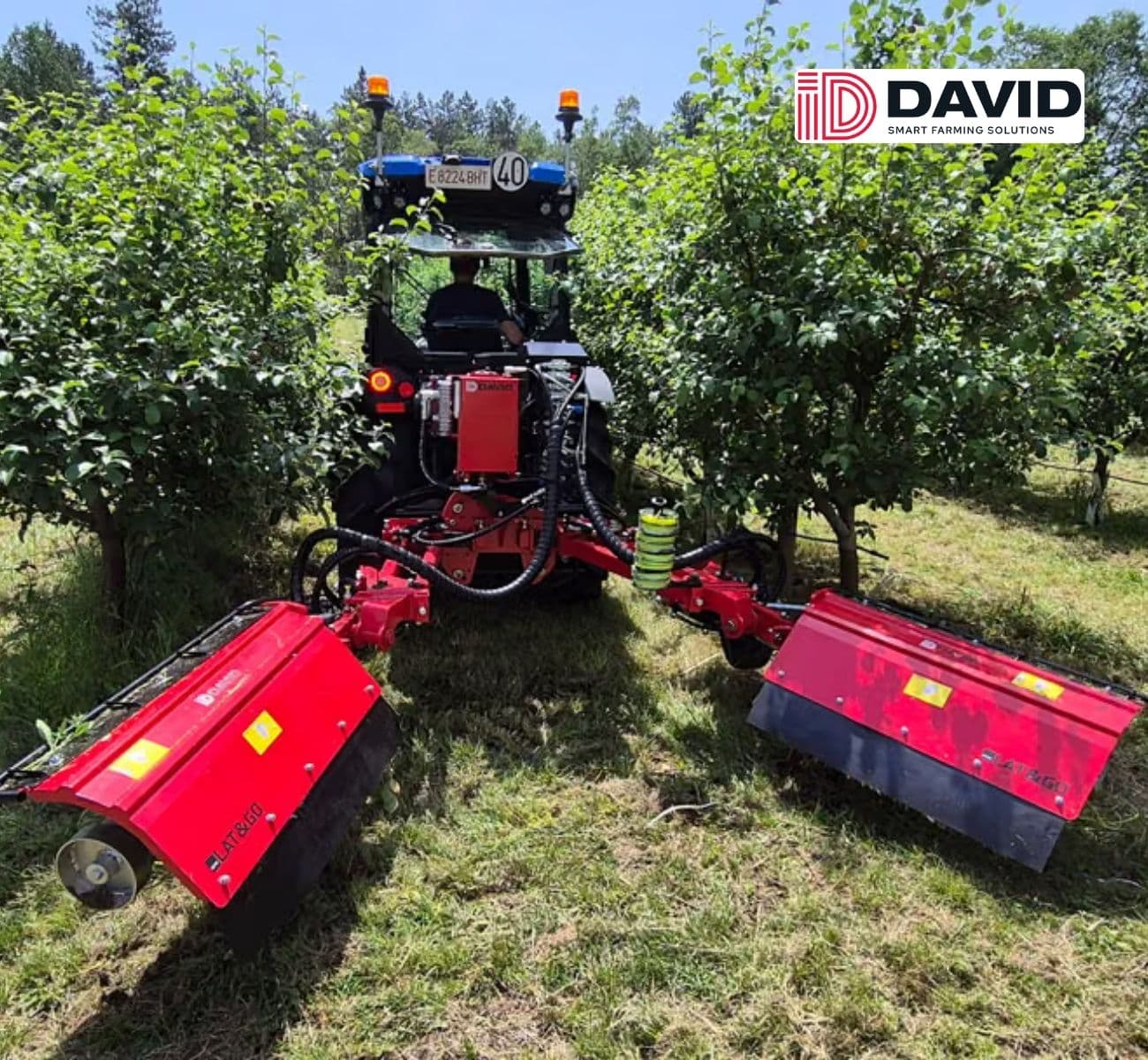
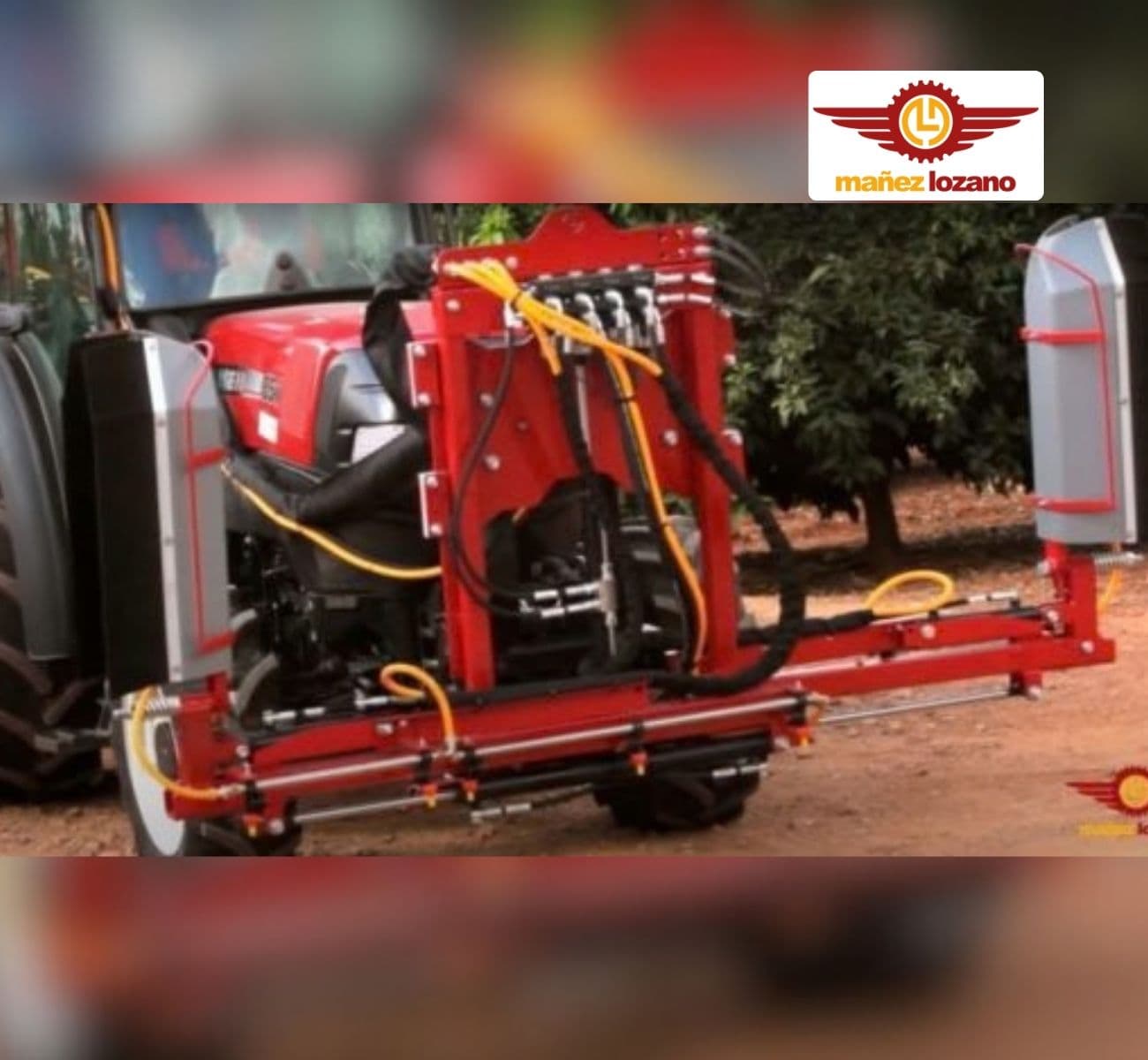
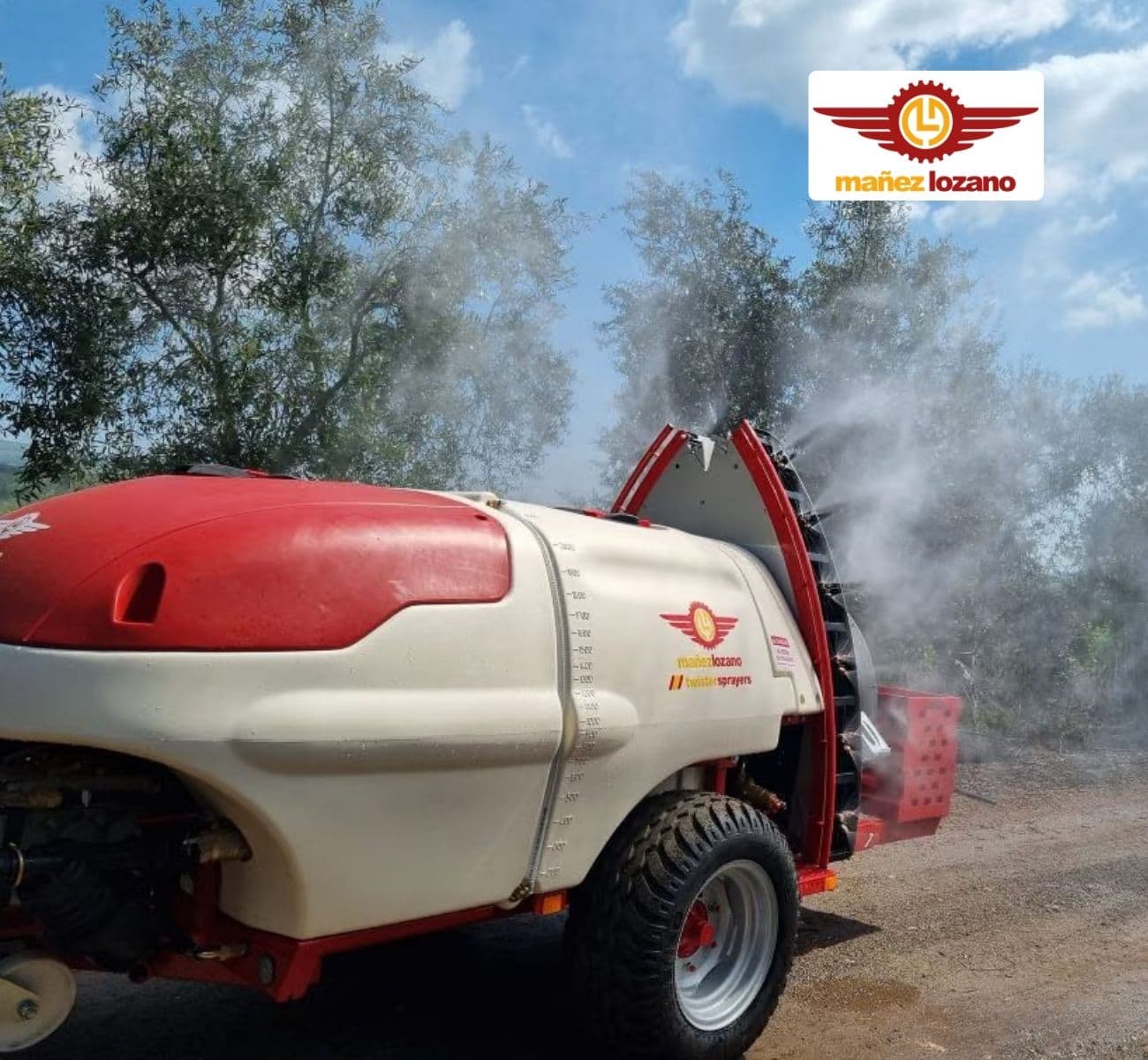
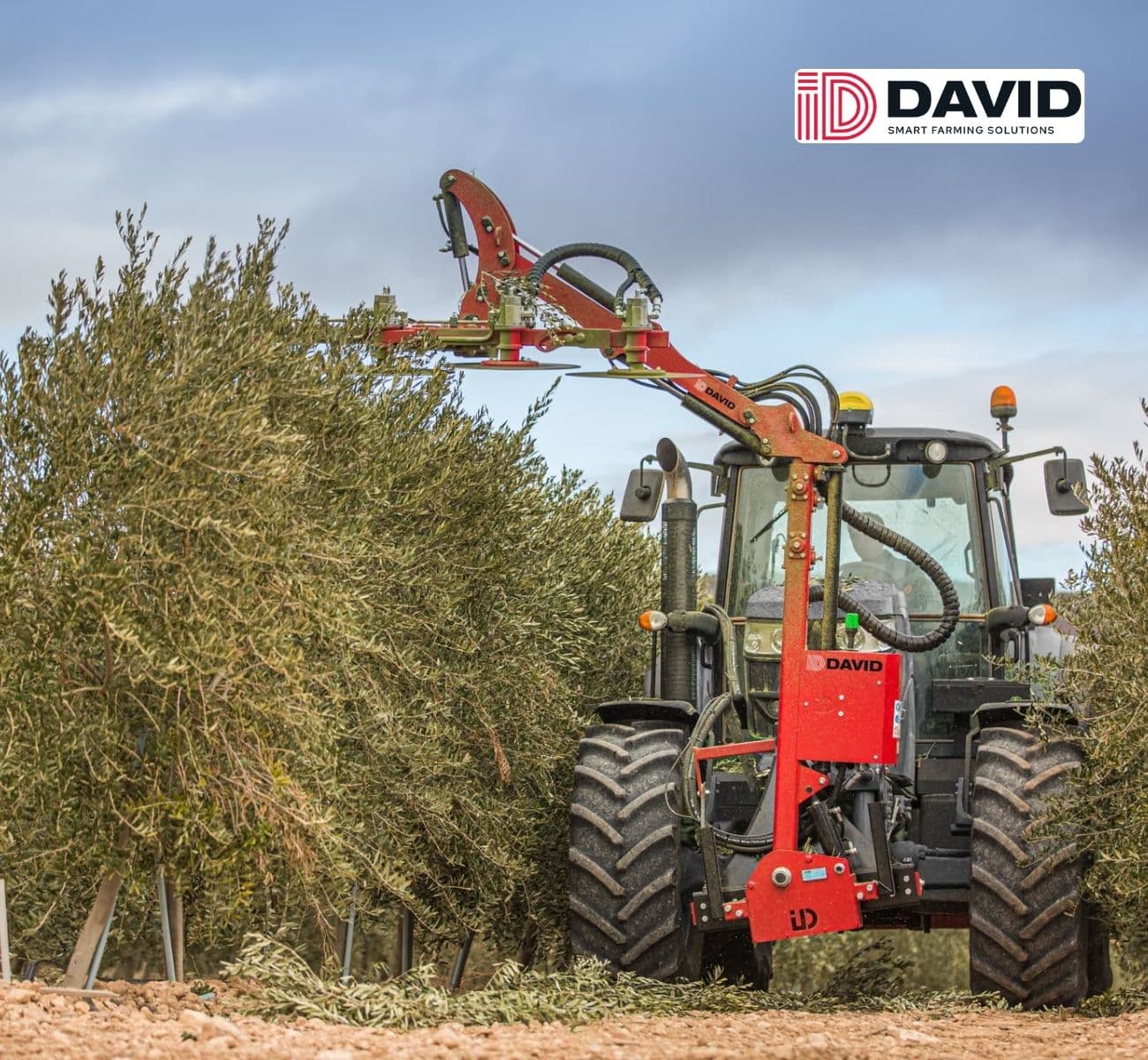
OSU advises pruning mature trees on a five-year rotation, one-fifth of the orchard each year, and says that flail mowing four to six times a season usually controls weeds. OVE Europe sells ID DAVID and Mañez Lozano machines in Uzbekistan: in single-stem orchards planted for machines, the ID DAVID ECOFEED spreads solid manure, the LAT&GO string mower controls weeds without herbicides, the Mañez Lozano Narrow Twister S6 sprays tall, dense canopies and the ID DAVID V1 disc pruner makes vertical and horizontal cuts.
Recommended Orchard Care & Maintenance Stages

Practical Tips for Hazelnut Orchard Care & Maintenance
Plan drip irrigation for the summer: Uzhydromet's averages for Tashkent, period not stated, give 3.5 mm of rain in July and 2.0 mm in August.
Water young trees from their first season: OSU says irrigation in the first year lowers tree losses to bacterial blight.
Watch for the brown marmorated stink bug: EPPO lists it as present in Uzbekistan, first found there in 2020, with no hazelnut host recorded.
If the stink bug reaches your orchard, base management on crop stage and degree-days rather than calendar dates alone, as a 2026 OSU article suggests.
Inspect new orchards for eastern filbert blight for 2 years after planting, as OSU advises; EPPO lists it as present only in Canada and the USA.
Prune mature trees on a five-year rotation, one-fifth of the orchard each year, as OSU advises in its training and pruning guide.

Hazelnut Harvesting in Uzbekistan
No Uzbek source found gives hazelnut harvest dates or describes how hazelnuts are picked up, husked or dried in Uzbekistan, and the 2026 recommendations that list hazelnut cover orchard establishment only. In single-stem orchards planted for machines, mechanized harvesting can bring the crop in on time, with less risk of nuts deteriorating while they wait.
The system in this guide does not shake the trees: OSU explains that the thin-barked, shallow-rooted trees would be damaged. The nuts drop onto a level, mown floor and are picked up in several passes; in Oregon they begin to drop in September. Uzhydromet calls August Uzbekistan's driest month and gives September 1 to 5 mm of rain on the plains and 15 to 30 mm in some mountain districts; October averages 13 to 25 mm, and 27 to 70 mm in the mountains.
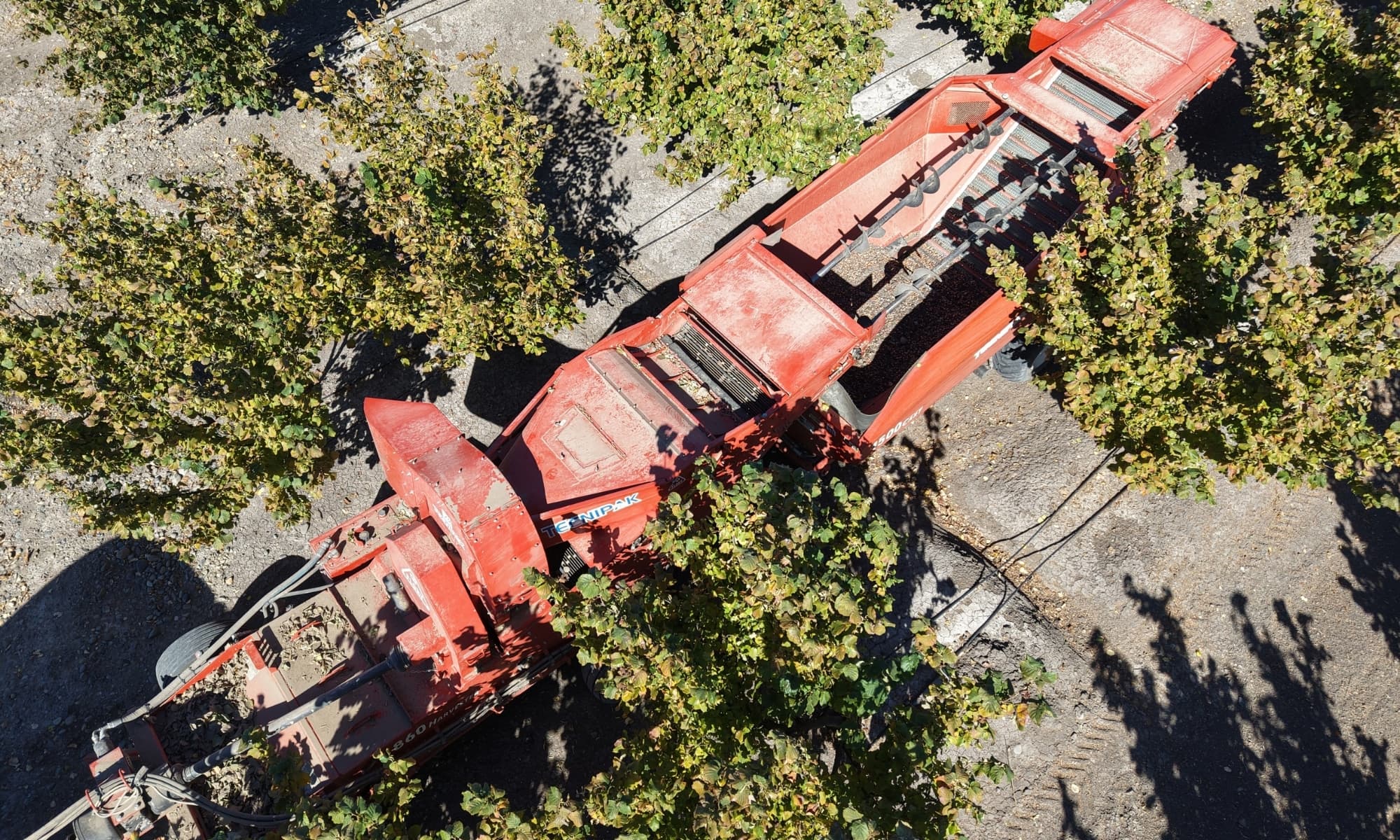
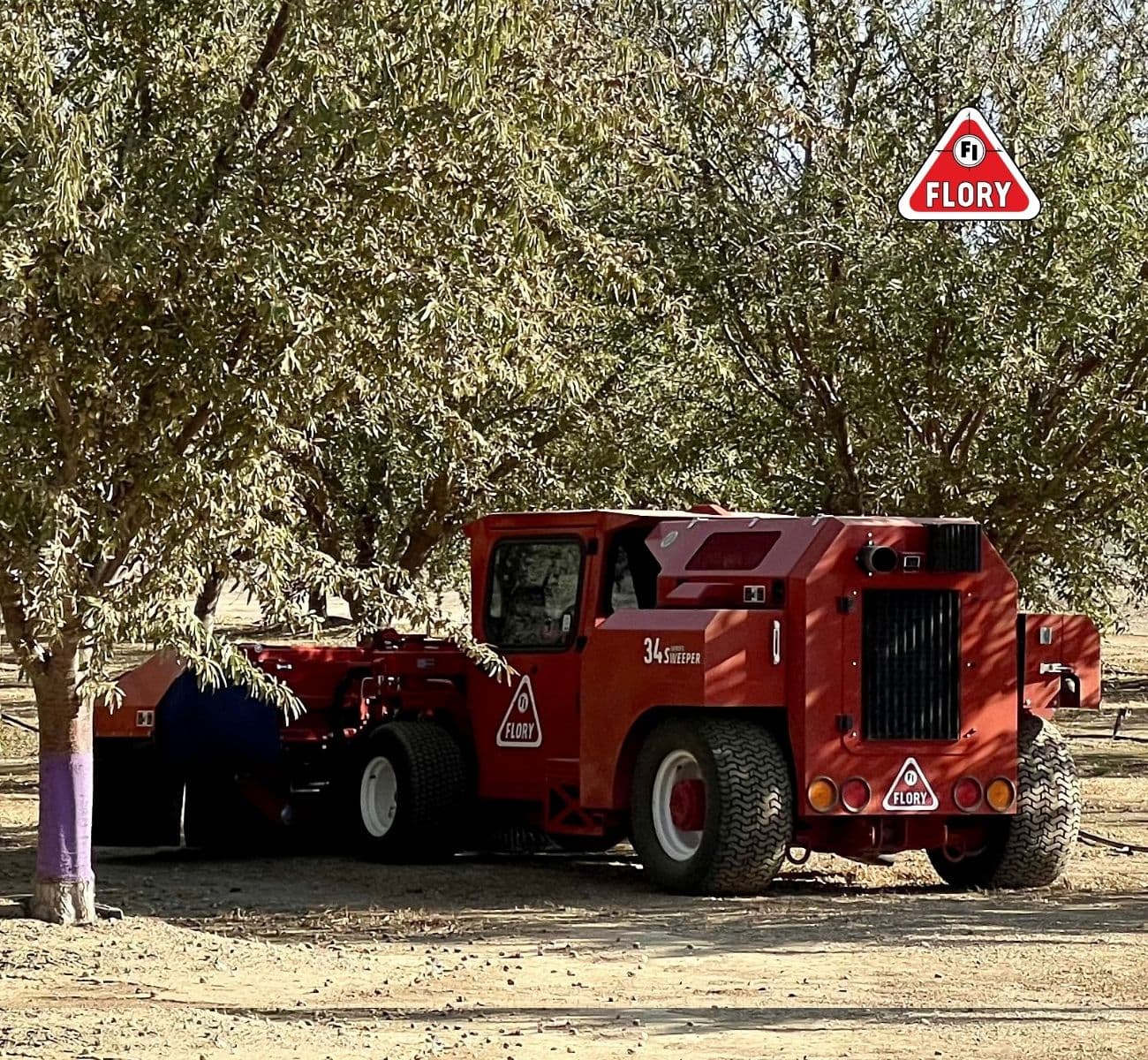
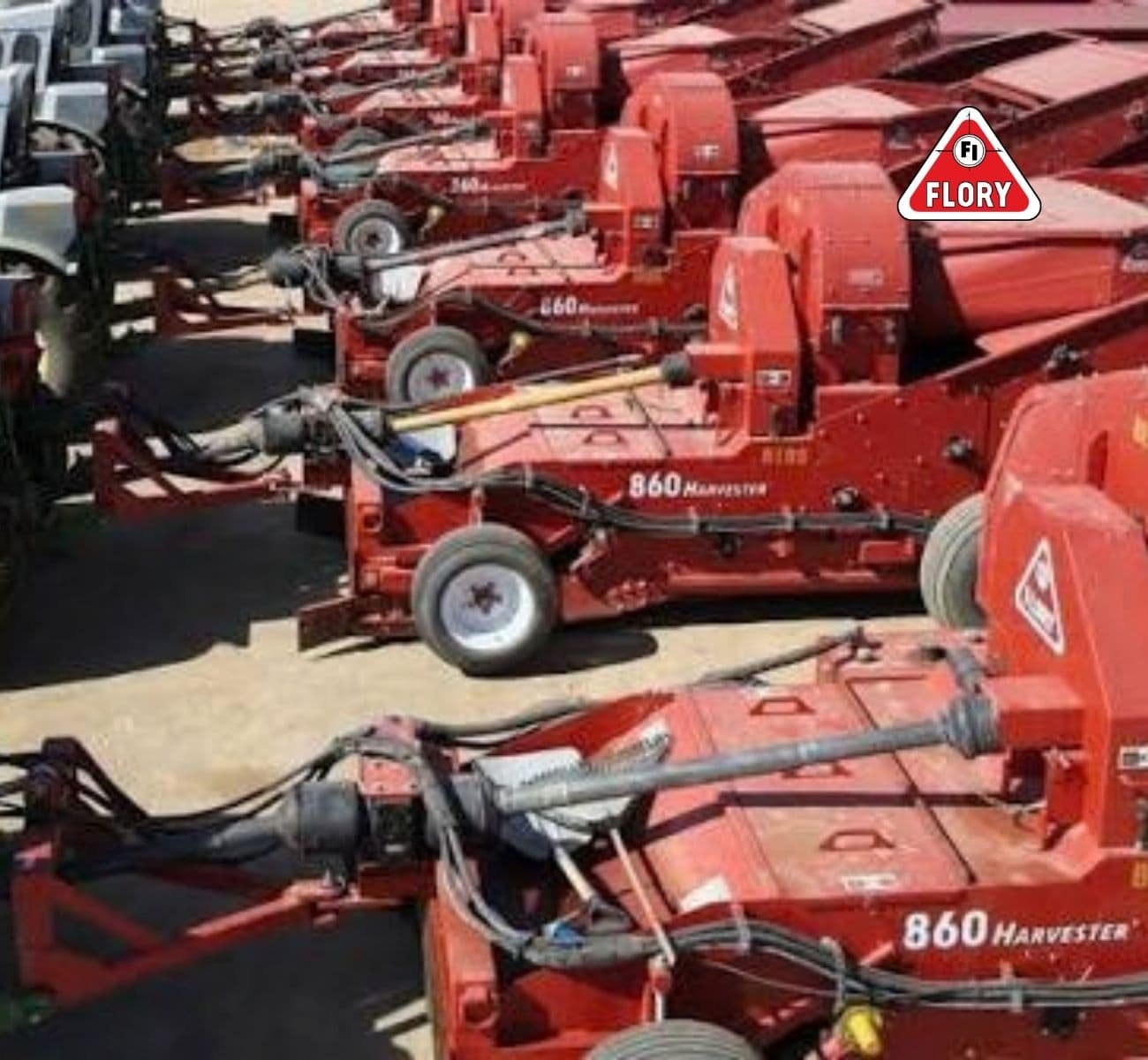
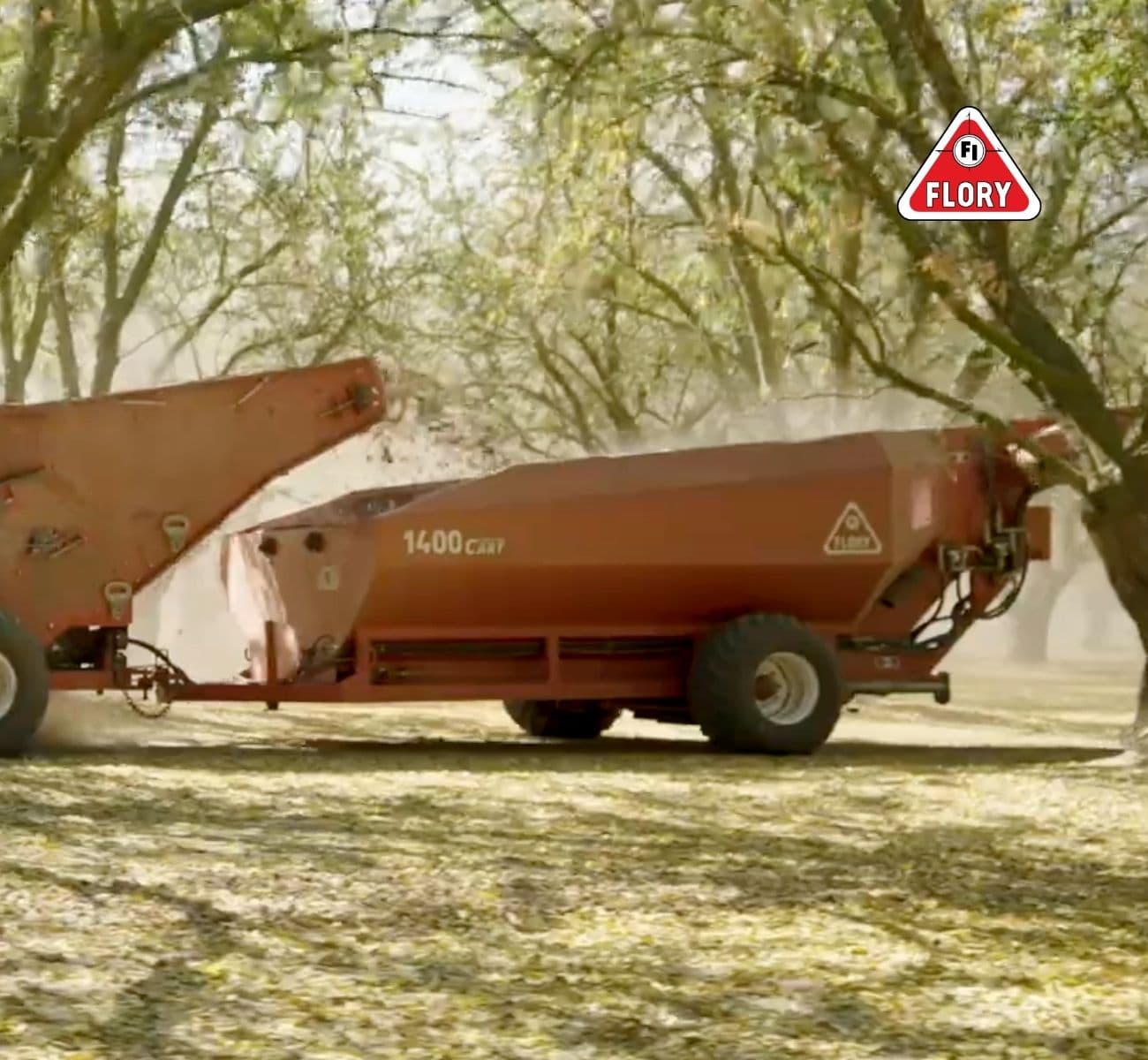
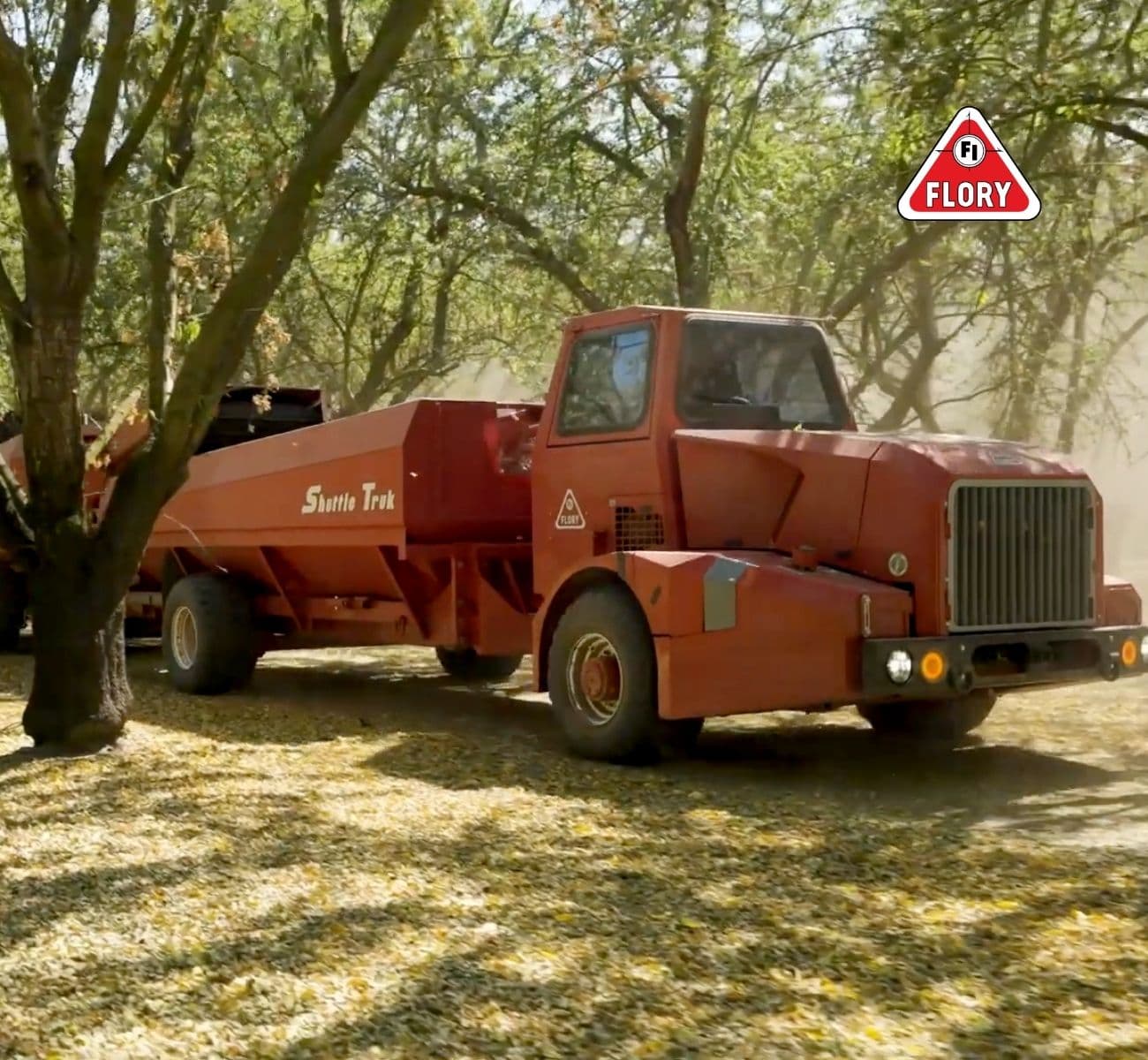
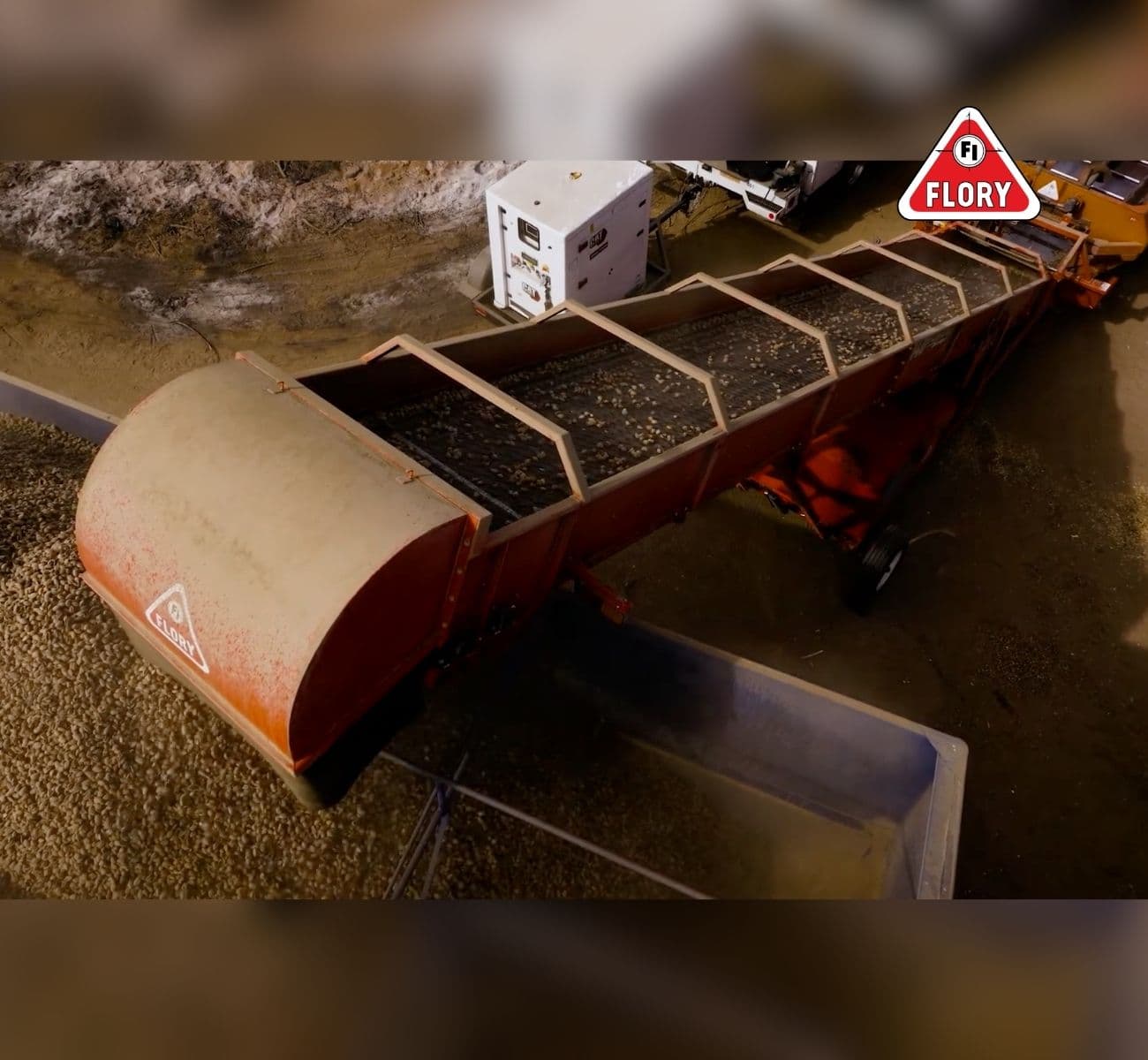
Flory harvesting machinery is available in Uzbekistan through OVE Europe for single-stem orchards planted for machines. The Flory 34 Series Sweeper sweeps the nuts into windrows and the 860 Harvester picks them up; the smaller 490 suits hazelnuts in OVE's experience, and Flory lists a mud brush as standard for hazelnuts on the 860. The 1500 Conveyor Cart receives the nuts, the ST14 Shuttle carries them and the 4840 Field Elevator loads trailers for the processing site.
Hazelnut Harvest Workflow (Recommended Equipment)
Practical Tips for Hazelnut Harvesting
Plan several pickup passes: OSU notes that most growers harvest multiple times, as nuts fall over a period and the weather can turn too wet.
Keep pickup passes ahead of autumn rain where nut drop allows: Uzhydromet's averages give Tashkent 4.5 mm of rain in September and 34.1 mm in October.
Before nut drop, make the floor level and smooth and flail-mow the weeds, as OSU describes, to make the harvest easier.
Keep totes of harvested nuts out of the rain while they wait for processing, as the Pacific Northwest plant disease handbook advises.
Clean and repair harvesters before use, and clean them between orchards, as British Columbia's guide advises, to limit contamination and the spread of disease.
Check tractor power before choosing a harvester: Flory gives 85 HP as the minimum for the 860, and for the 490 in hazelnuts.
Get your recommended harvest setup
Enter orchard size, spacing, terrain, and target throughput—we’ll suggest a practical harvest workflow and equipment lineup.

Hazelnut Post-Harvest Handling & Processing in Uzbekistan
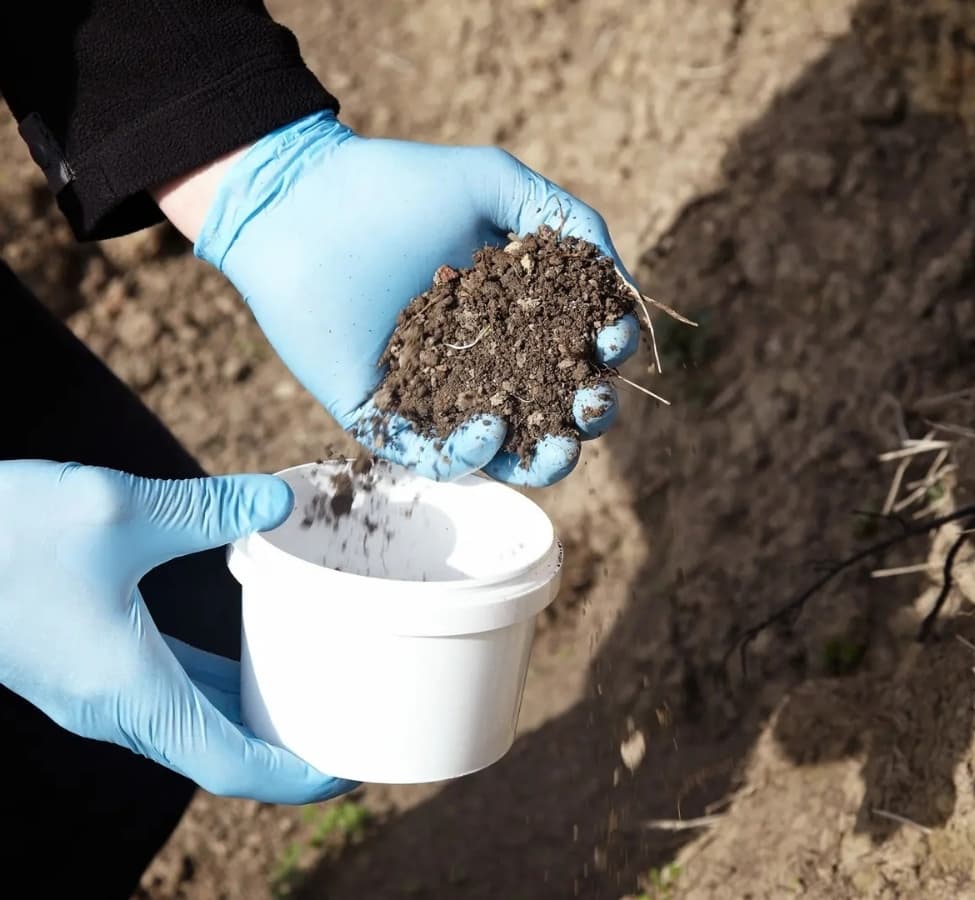
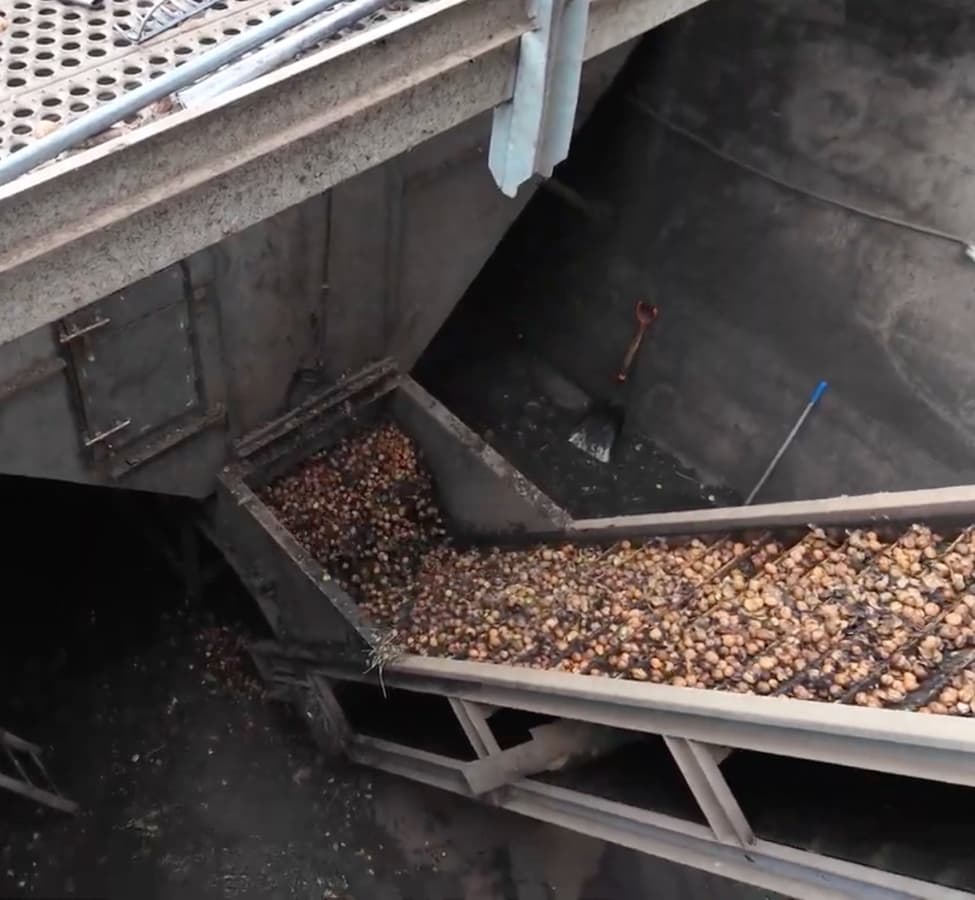
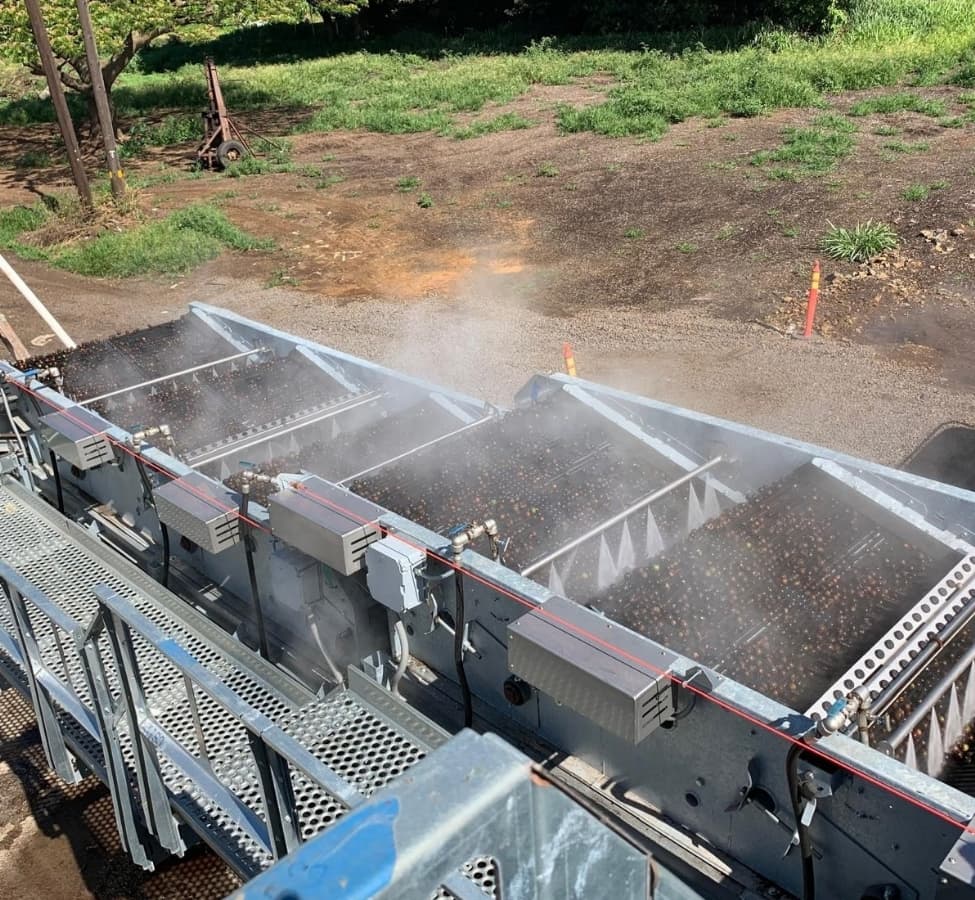
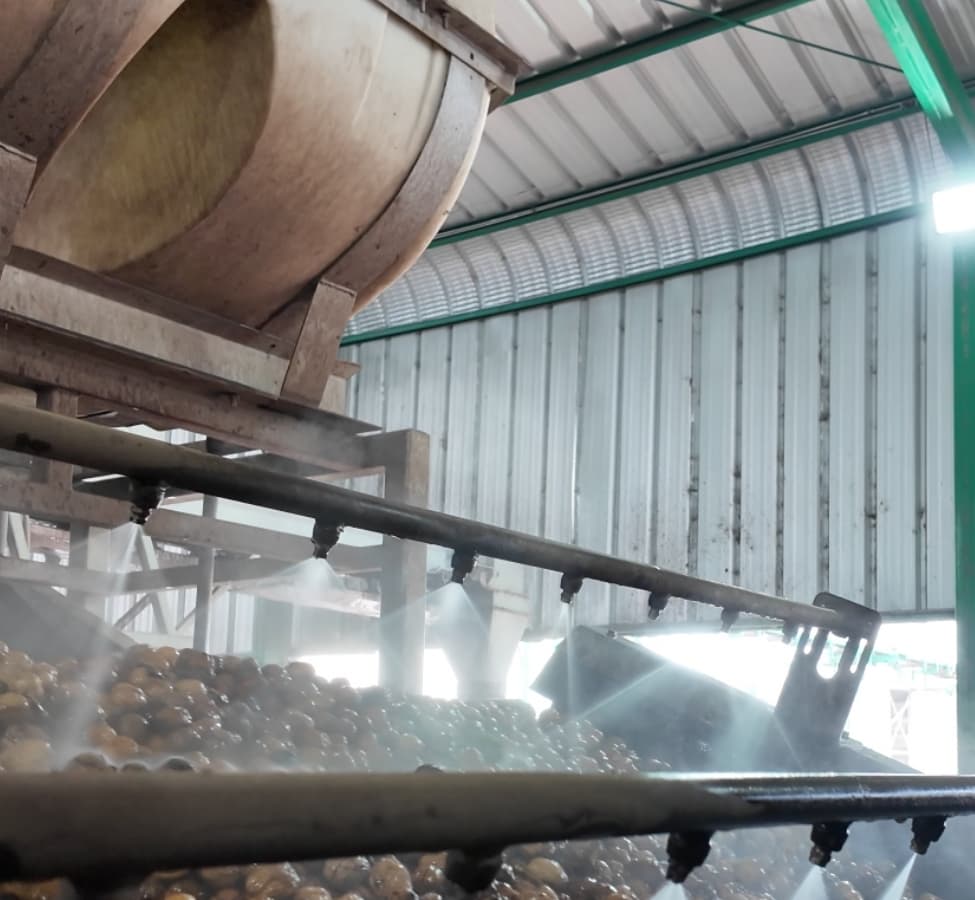
No Uzbek source found covers husking, drying, storing or cracking hazelnuts, so this section rests on general guidance. British Columbia's guide describes nuts husked, cleaned, washed, sanitized and dried to 5 to 8% moisture within 24 hours of harvest. In OSU research, drying at 43 to 49 °C and 40% relative humidity improved drying efficiency and retained quality, and the Codex code warns that nuts dried in the sun face a greater risk of contamination from fungal growth or pests.
Under UNECE's 2025 standards, in-shell hazelnuts may contain at most 12.0% moisture for the whole nut or 7.0% for the kernel, and kernels at most 6.0%, and in-shell nuts must be at least 12 mm in diameter. The Codex code advises drying to a water activity below 0.70 at 25 °C and storage, if possible, below 70% relative humidity and at 0 to 10 °C.
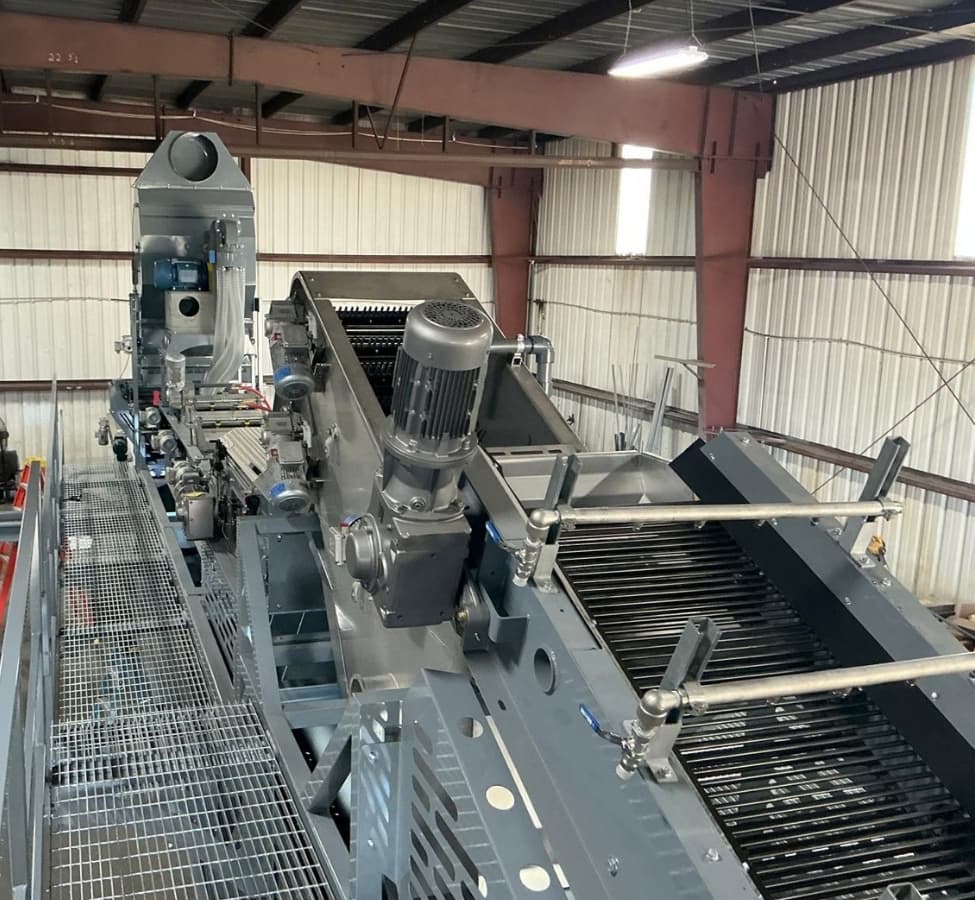
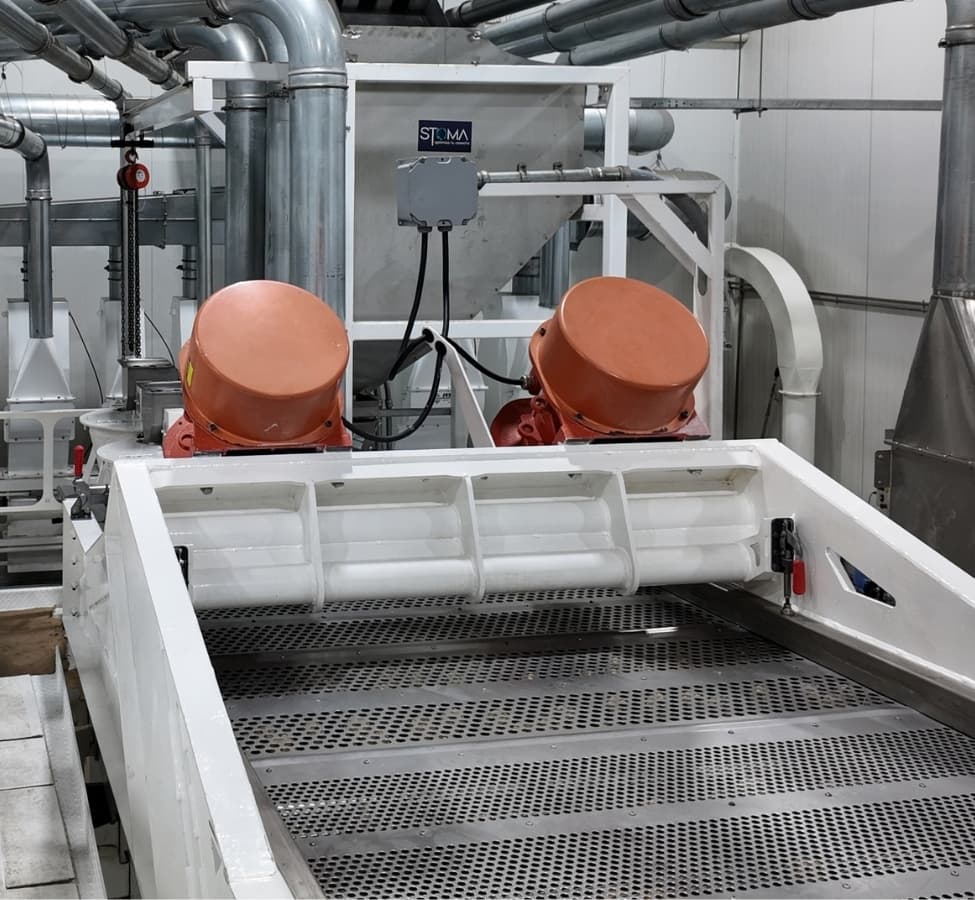
Uzbekistan's hygienic norms SanPiN 0366-19, adopted in 2019, limit aflatoxin B1 in nuts to 0.005 mg/kg and do not name hazelnuts separately. Gazeta.uz reported that food technical regulations and standards would lose mandatory force from 1 August 2025, with sanitary rules and norms (SanPiN) applying instead. Jessee, whose processing lines OVE Europe supplies, builds drying, in-shell cleaning and sizing, and shelling systems, and it established product lines for hazelnuts in the 1980s.
For general information only. Information may become outdated and does not replace site-specific professional advice. Consult a qualified agronomist and confirm equipment suitability with OVE before acting.
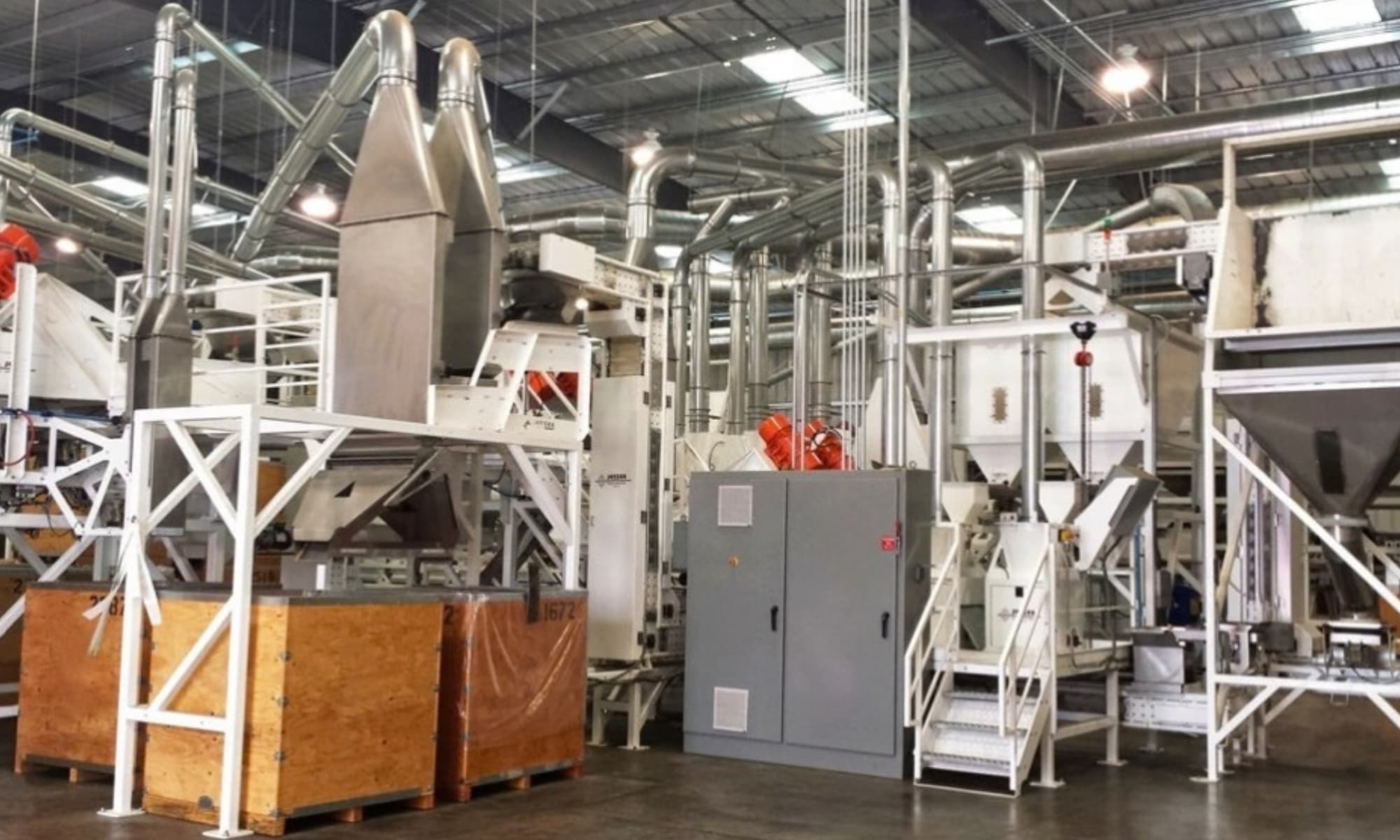
Practical Tips for Hazelnut Post-Harvest Handling & Processing
Dry nuts promptly after harvest: British Columbia's guide gives 5 to 8% moisture within 24 hours, after husking, cleaning and washing.
Where possible, dry nuts in a dryer rather than in the sun: the Codex code warns that sun-dried nuts face a greater risk of contamination from fungal growth or pests.
Consider drying air at 43 to 49 °C and 40% relative humidity: in OSU research, these conditions improved drying efficiency and kept quality.
Keep in-shell nuts and kernels within UNECE's moisture limits: 12.0% for whole in-shell nuts and 6.0% for kernels.
Test every lot for aflatoxin B1: Uzbekistan's SanPiN 0366-19 limits it to 0.005 mg/kg in nuts.
Sort out damaged, rotten, empty and rancid nuts after collection and move them to processing as soon as possible, as the Codex code advises.
Recommended Post-Harvest Handling & Processing Stages



Plan your post-harvest line
Estimate tons/day, cleaning & drying capacity, storage needs, and cost/kg—then build your equipment plan in phases.