







Hazelnut Orchard Establishment in Albania
A survey of 16 hazelnut plantings in four Albanian districts, published in 2001, found low nut production, with bacterial blight and weevils common, and nurseries being set up. It reported that 'Visoke' was considered the best Albanian cultivar, but imported cultivars predominated in younger orchards. An FAO inventory (2000) lists a collection at the Institute of Fruit Trees and Vines in Kamëz, near Tirana, with the Albanian Visoka, noted as highly productive, and four Italian cultivars, among them Tonda di Giffoni and Tonda Romana.
No Albanian source on pollination or bloom was found. Oregon State University (OSU) explains that hazelnut cannot set nuts with its own pollen and is wind pollinated; it advises three pollinizer cultivars, shedding pollen early, mid and late, on every third tree in every third row, about 11% of the trees, while Türkiye's Hazelnut Research Institute advises one tree in ten. OSU recommends deep, well-drained soils of medium texture, as hazelnut does not tolerate wet soils in the growing season.
In the mechanized system this guide follows, the trees are not shaken: the nuts fall to the ground, where they are swept and picked up. OSU therefore advises making the orchard floor as smooth as possible at least a year before the first commercial harvest, removing soil mounds around the trunks so the sweeper can reach them and leaving room to turn at row ends. In Albania hazel was traditionally also planted as hedges and near rivers (AgroWeb, 2022); machine orchards need level, firm ground.
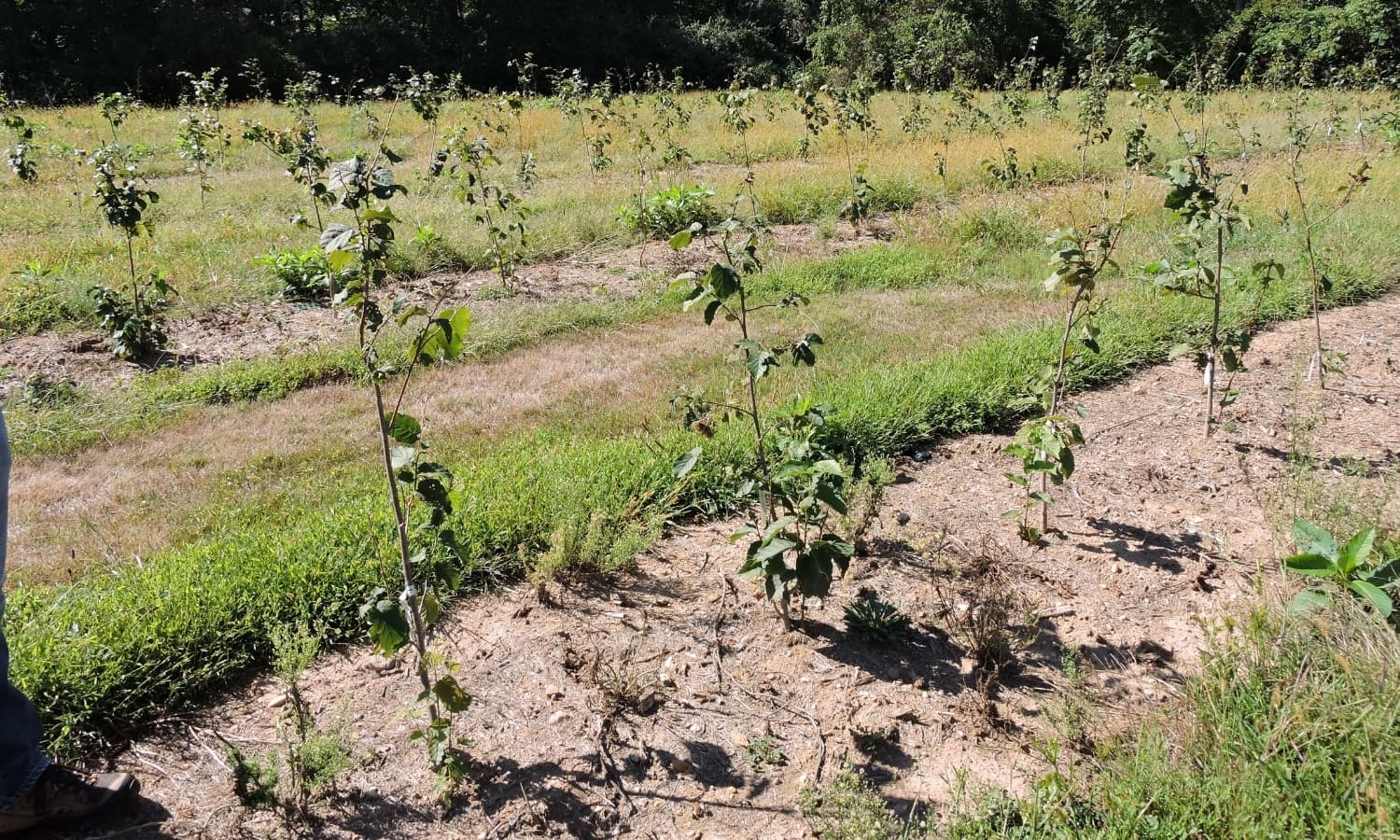

Practical Tips for Hazelnut Orchard Establishment
Plant compatible pollinizers: Oregon State University advises three cultivars that shed pollen early, mid and late, since hazelnut cannot set nuts with its own pollen.
Keep every tree within 15 m of a pollinizer: Oregon State University notes that nut set decreases at greater distances.
Avoid heavy, shallow or poorly drained soils: Oregon State University warns that hazelnut does not tolerate wet soils in the growing season.
Plant at the right time and with sound advice: seedlings of a Fushë-Krujë grower rotted after planting at an unsuitable time (ABC News Albania, 2026).
Smooth and firm the orchard floor at least a year before the first commercial harvest, as Oregon State University advises, so sweepers can work up to the trunks.
Leave room to turn at row ends and a loading area near a road, as Oregon State University advises, and check machine needs with OVE Europe.
Recommended Establishment Stages

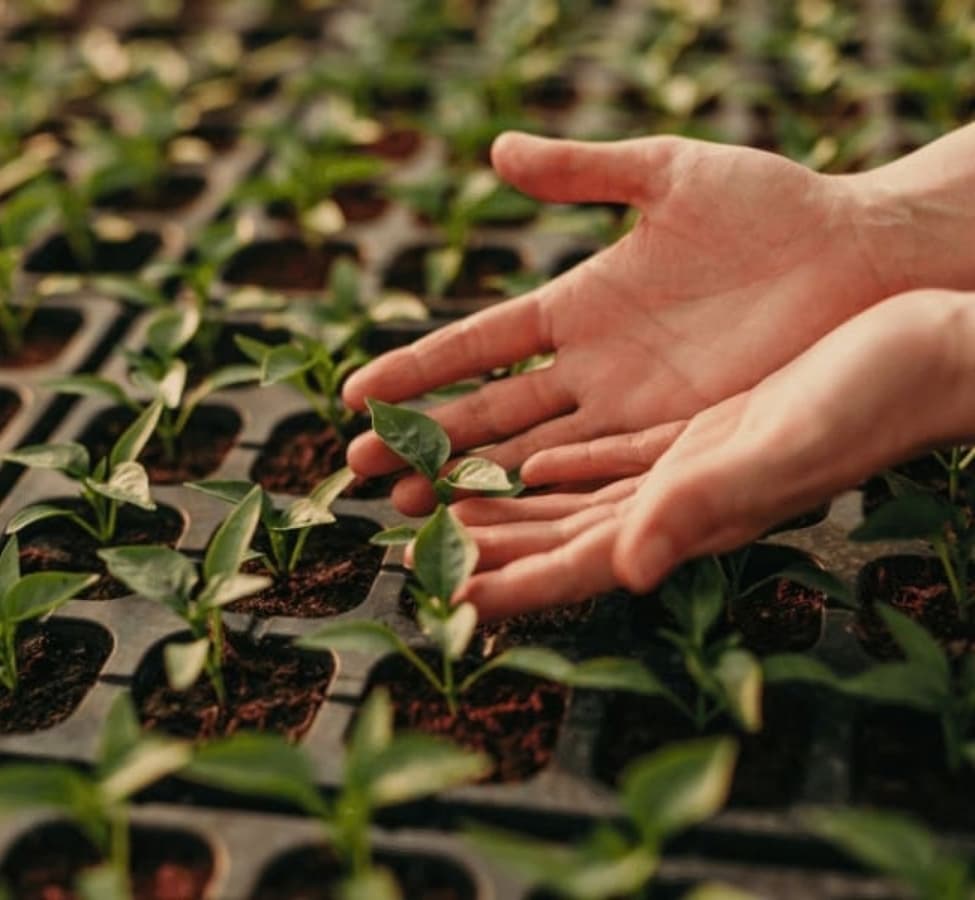
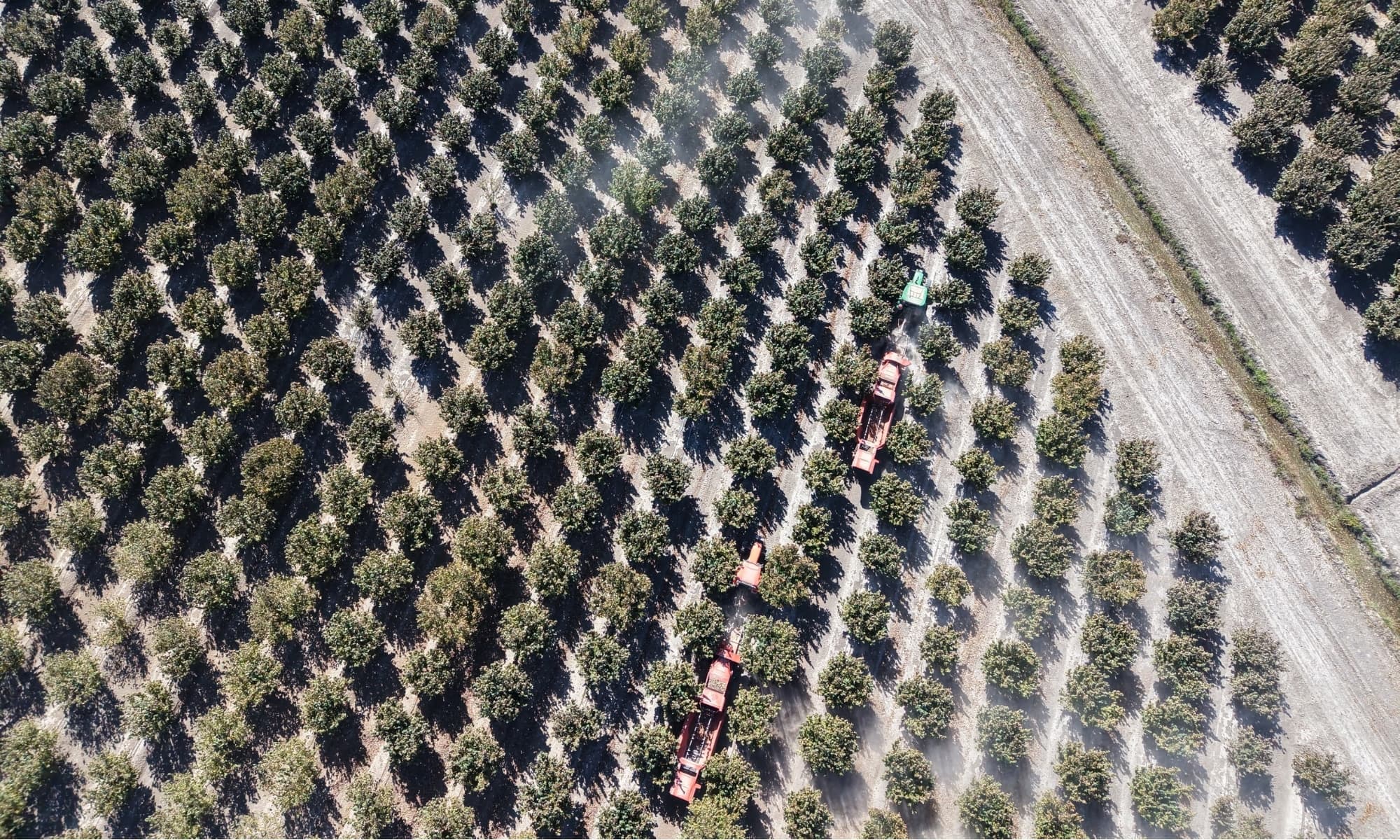
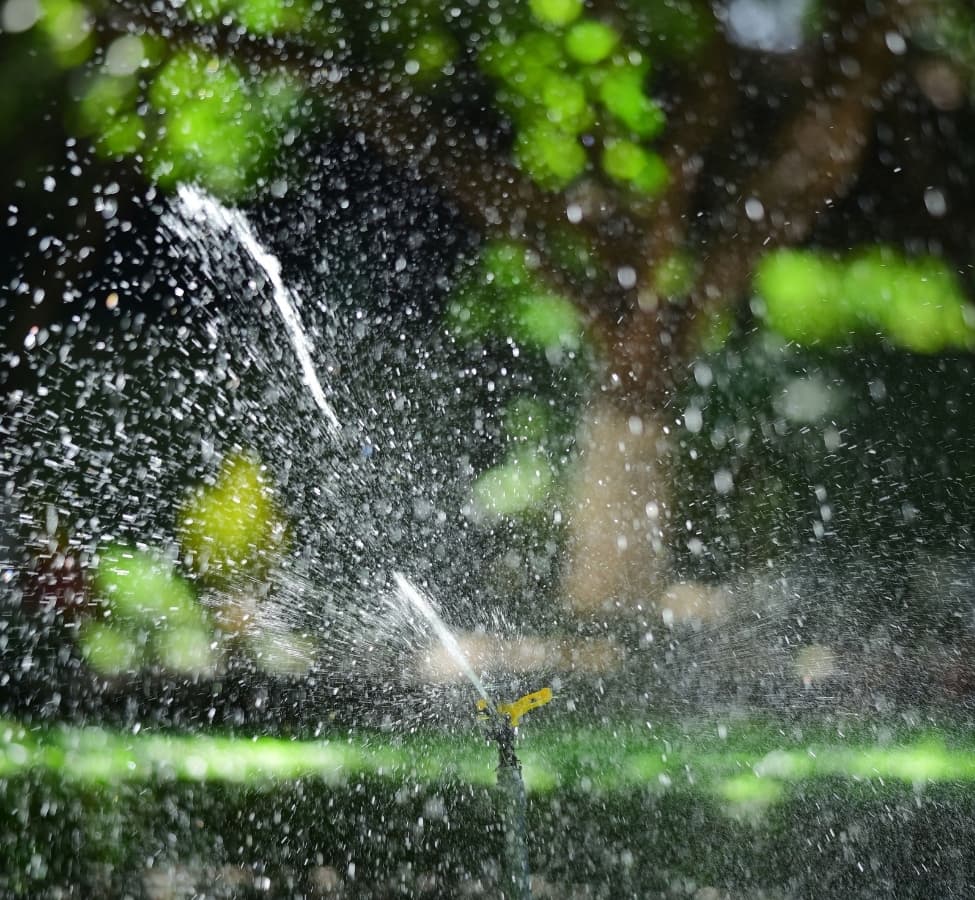

Hazelnut Orchard Care & Maintenance in Albania
Albania's summers are hot and dry: a national climate data report gives July and August as the driest months, with 66% of the rain falling from October to March (1961 to 2000). August 2024 set a record for air-temperature anomalies and brought drought, with evapotranspiration of up to 4 to 5 mm a day (Institute of GeoSciences). A Gjirokastër grower said that summer heat damaged the 2024 crop (RTSH), and a Fushë-Krujë grower blamed drought for a smaller 2026 crop and reported short irrigation water in summer.
The survey published in 2001 found bacterial blight and weevils common. EPPO lists the brown marmorated stink bug (Halyomorpha halys) as present in Albania with few occurrences, first found in 2018 in Berat and Vlorë; OSU reports that its feeding can cause empty kernels early in the season and shriveled or corked kernels later. EPPO lists neither hazelnut bacterial blight (Xanthomonas arboricola pv. corylina) nor eastern filbert blight (Anisogramma anomala), an EU quarantine pest, for Albania, which does not prove they are absent.
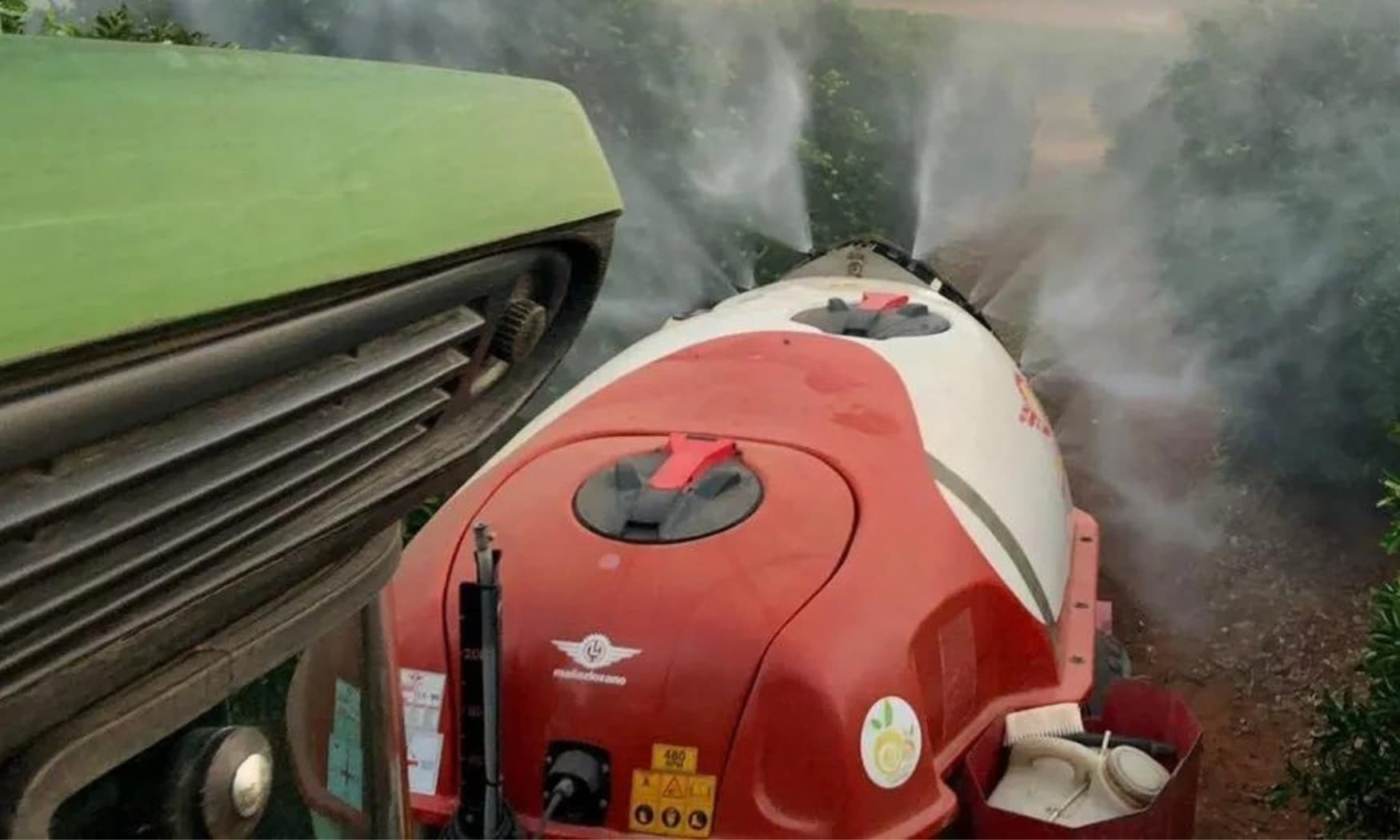
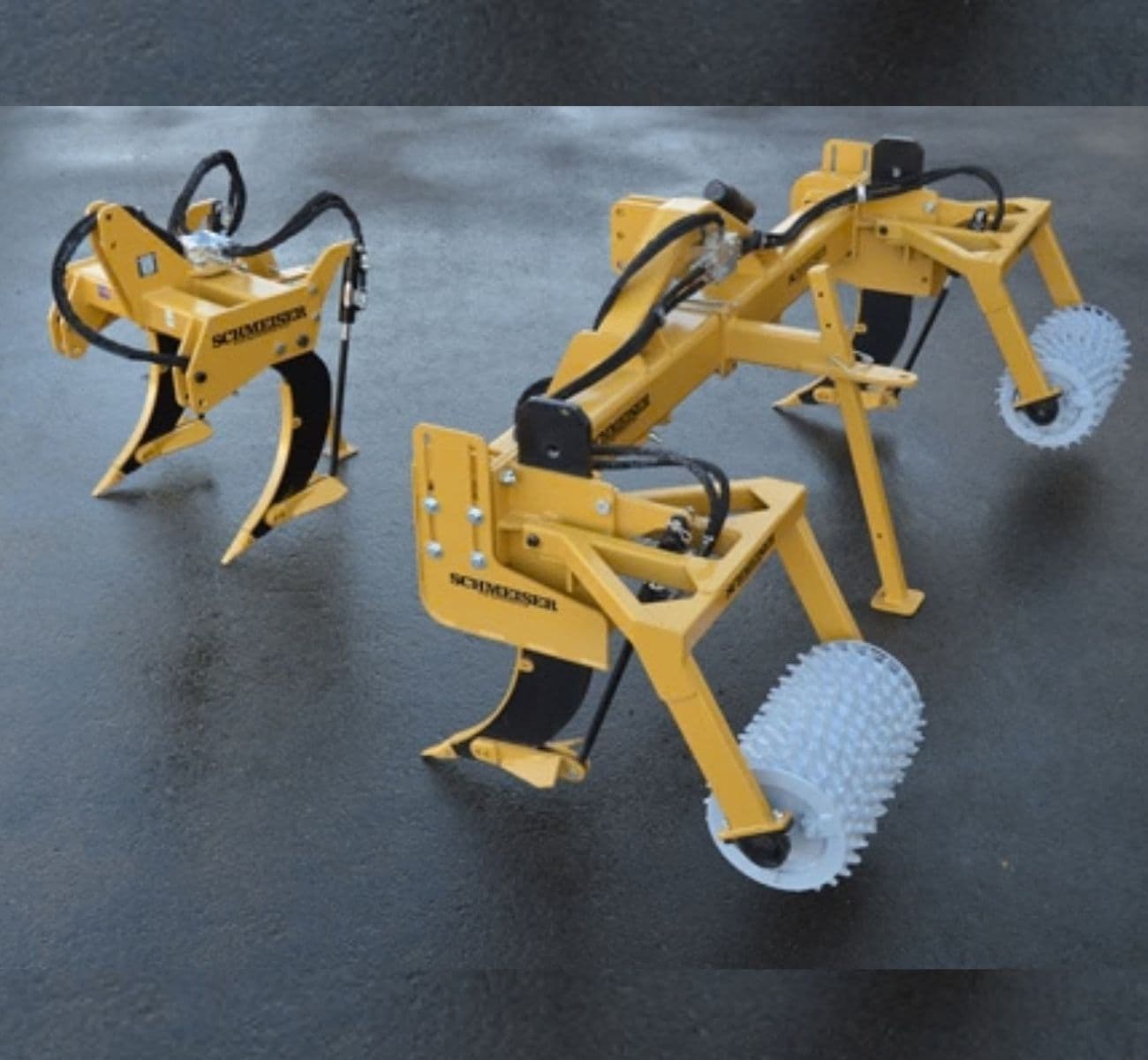
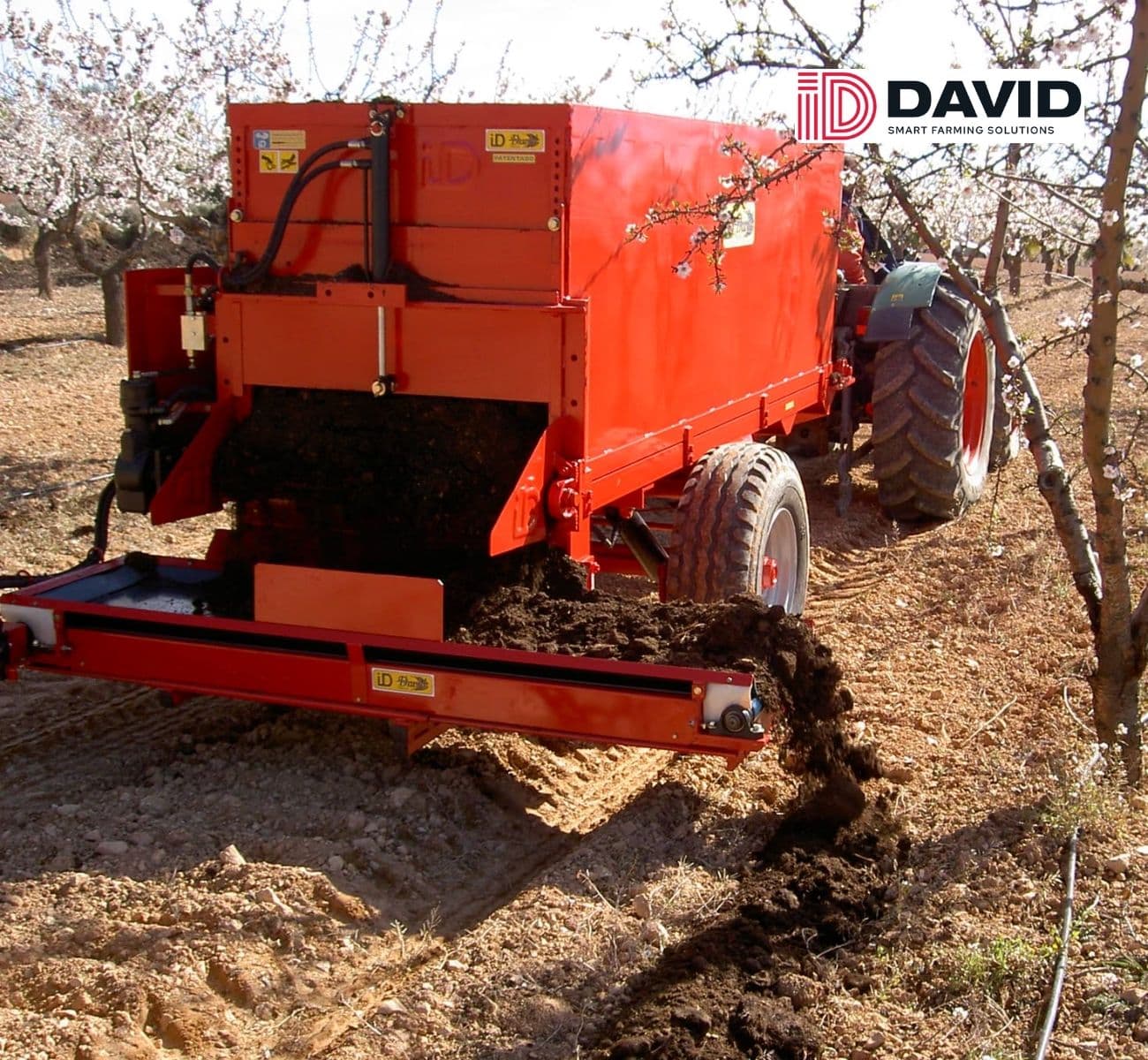
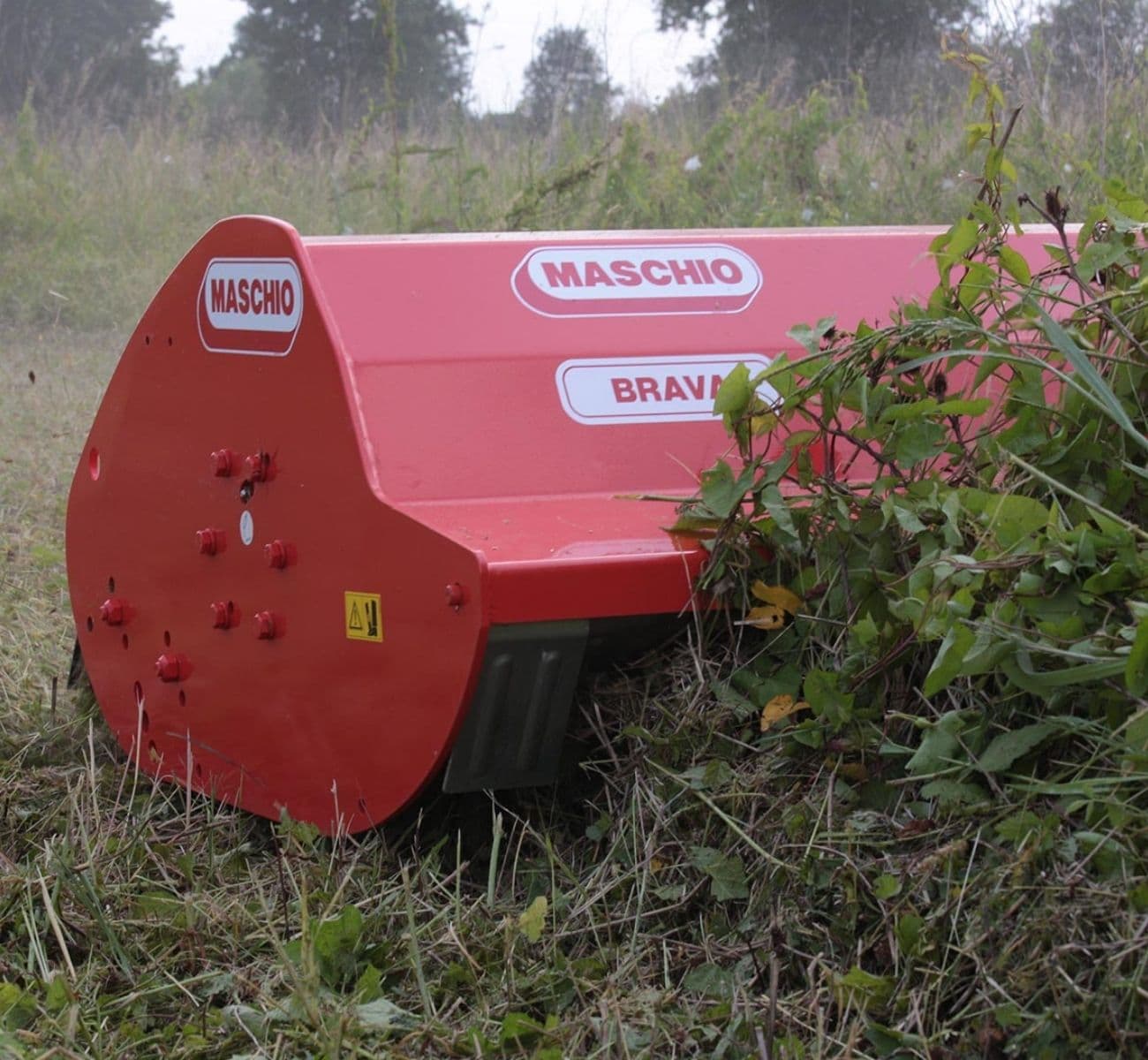
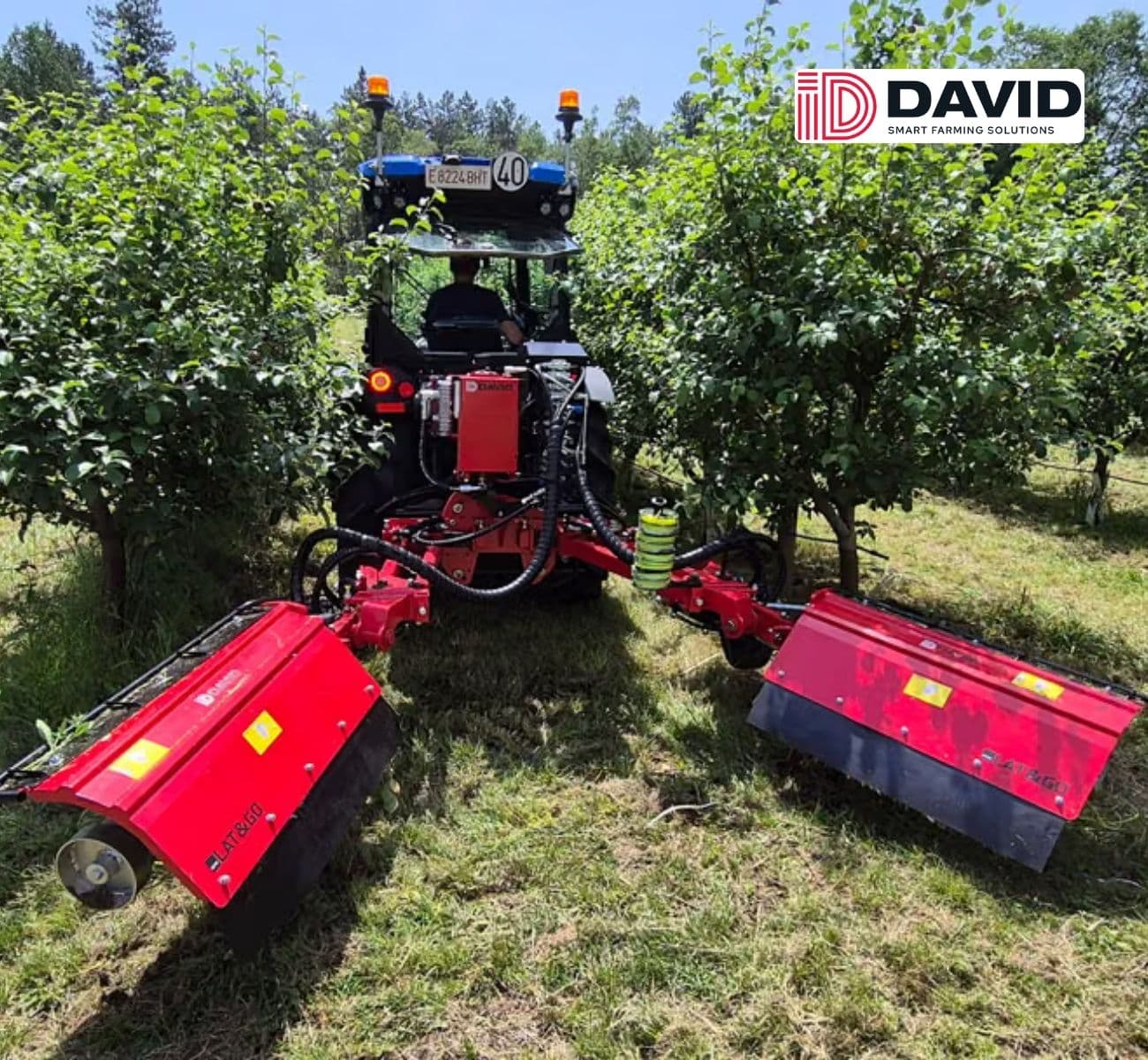
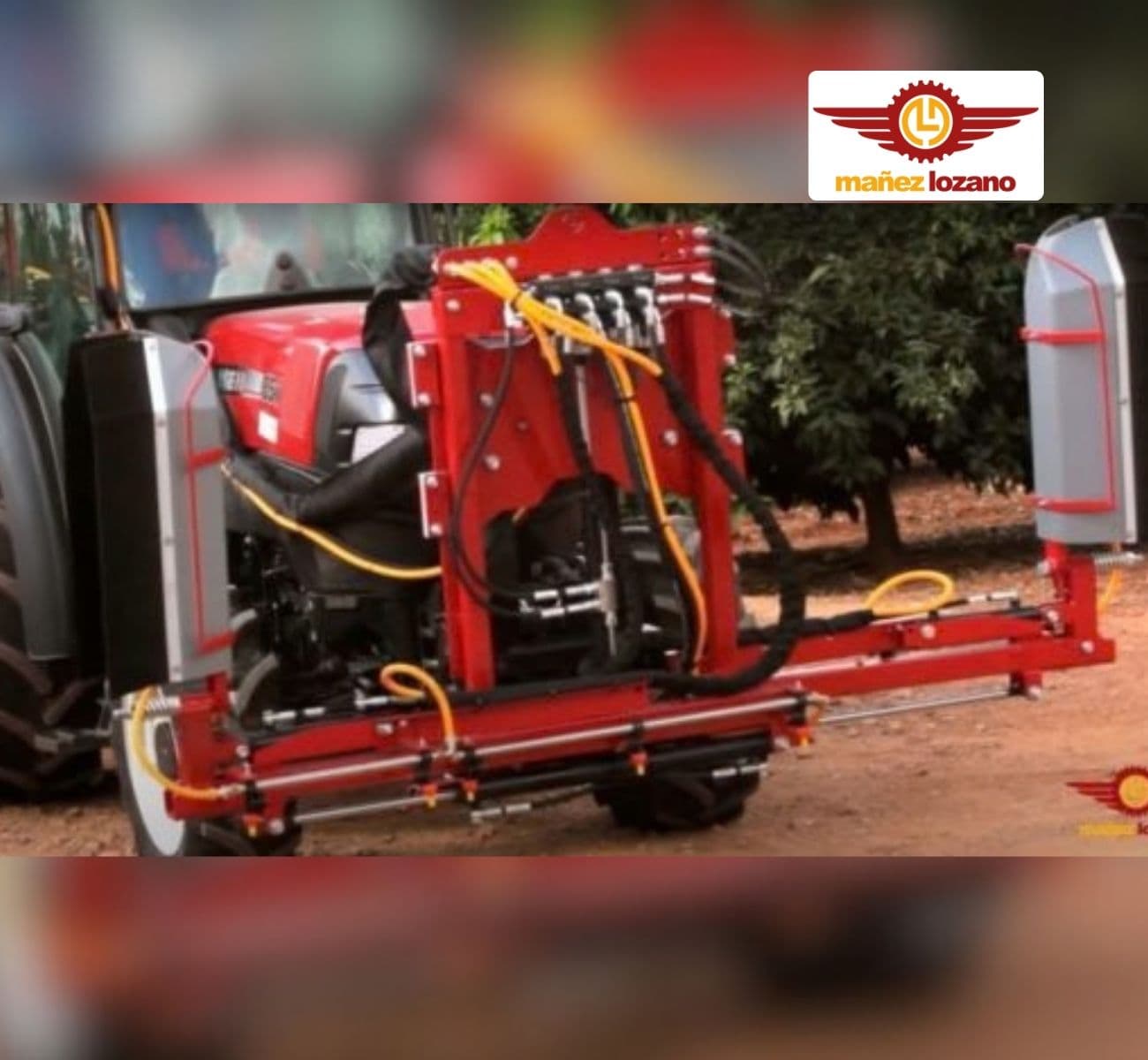
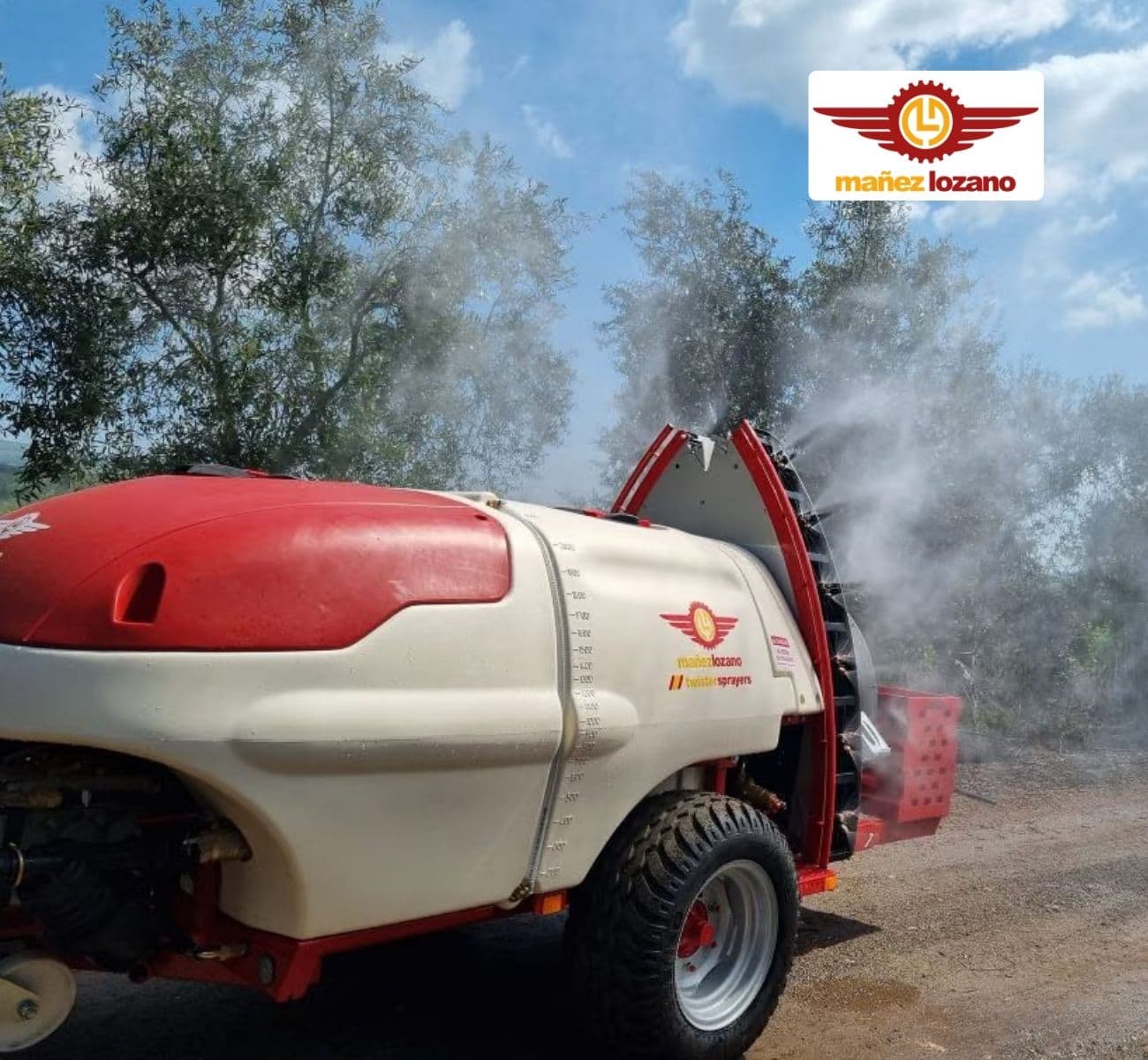
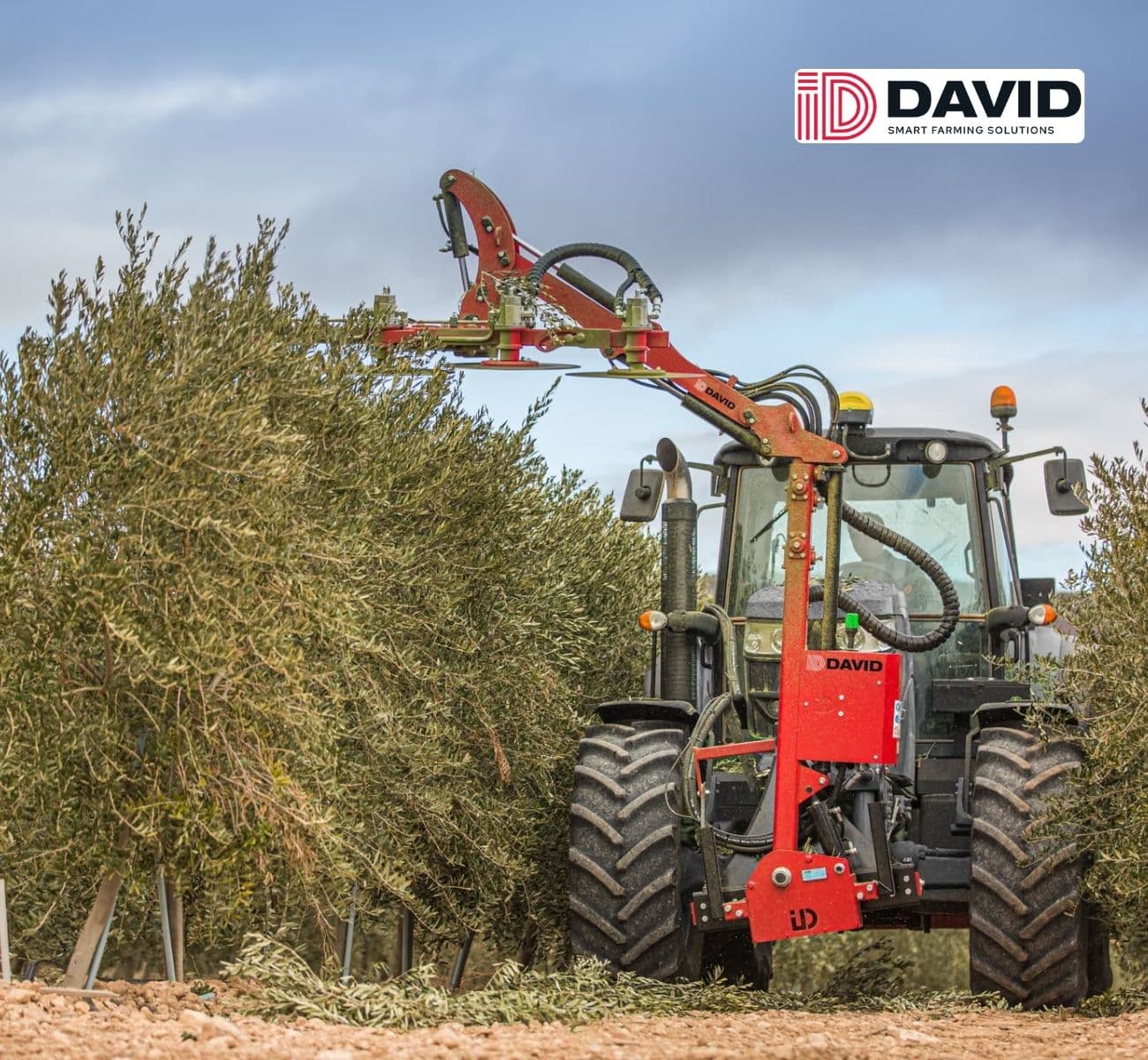
Türkiye's Hazelnut Research Institute advises clearing suckers at least twice a year, checking for hazelnut weevils by shaking 10 to 30 bushes over a cloth when more than half of the main cultivars' nuts reach lentil size, and collecting big bud mite galls in winter. For care work, the ID DAVID ECOFEED spreads solid manure, the ID DAVID LAT&GO string mower controls weeds without herbicides, the Mañez Lozano Narrow Twister S6 sprays tall, dense canopies and the ID DAVID V1 disc pruner makes vertical and horizontal cuts.
Recommended Orchard Care & Maintenance Stages
Practical Tips for Hazelnut Orchard Care & Maintenance
Secure summer irrigation water before planting: a Fushë-Krujë grower reported short supply when the trees needed it most (ABC News Albania, 2026).
Remove suckers at least twice a year, in autumn and in late May or early June, as Türkiye's Hazelnut Research Institute advises.
Monitor for the brown marmorated stink bug, found in Albania in 2018: Oregon State University links its feeding to empty nuts and shriveled kernels.
Check for hazelnut weevils when more than half of the main cultivars' nuts reach lentil size: shake 10 to 30 bushes over a cloth, as Türkiye's Institute advises.
Limit bacterial blight, reported common in a survey published in 2001: Oregon State University advises pathogen-free nursery trees and pruning out infected wood.
Control weeds without herbicides with a string mower such as the ID DAVID LAT&GO, and keep the orchard floor level for harvest.

Hazelnut Harvesting in Albania
Albanian sources describe the hazelnut harvest only as hand work: AgroWeb (2022) says that hazelnuts are picked by hand. In the Gjirokastër area the harvest had begun by 22 August in 2025, and around the end of September 2024 growers were finishing it and cleaning the nuts for sale while struggling to find workers (RTSH). In orchards planted for machines, mechanized harvesting can bring the crop in on time, with less risk of nuts deteriorating while they wait.
In the mechanized system this guide follows, as in Oregon, the trees are not shaken: OSU explains that, with their very thin bark and shallow roots, they would be damaged. In Oregon the nuts drop from September into October onto a floor leveled and flail-mowed beforehand and are swept into windrows and picked up in several passes; Türkiye's Institute advises rounds every 3 to 5 days, as nuts left on the ground turn moldy. In Albania, September rain was 40.7% below normal in 2023 but 179.2% of normal in 2024 (Institute of GeoSciences).
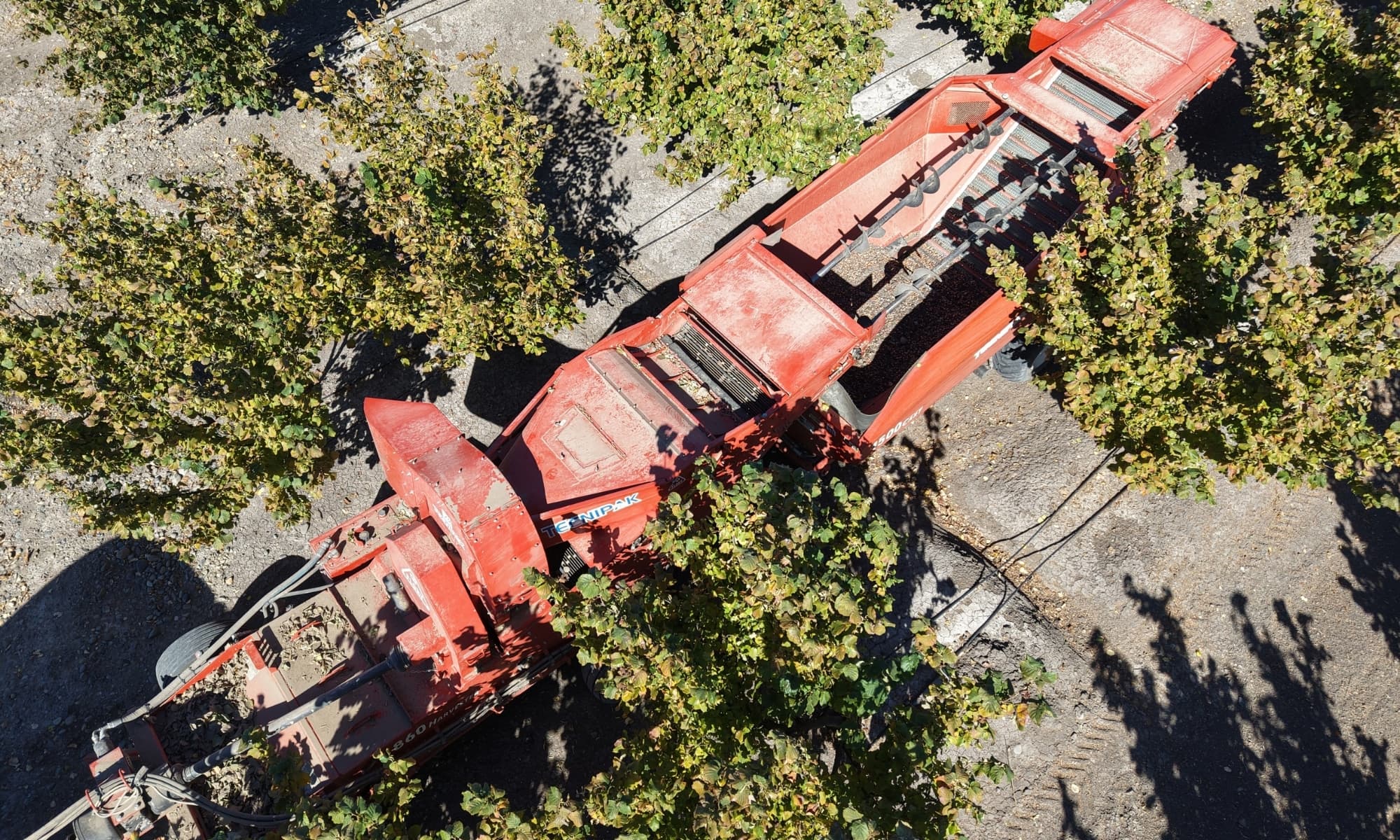
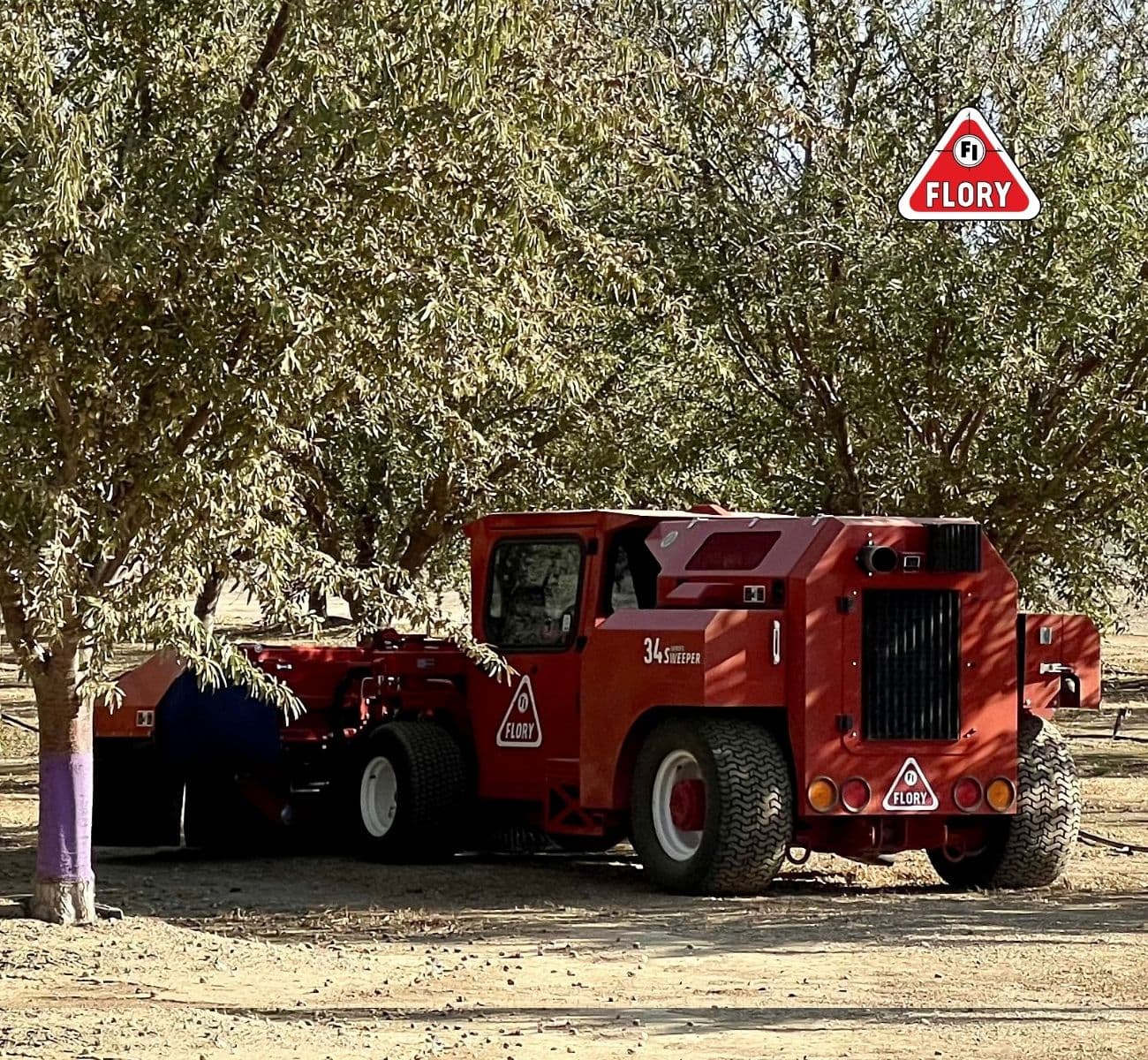
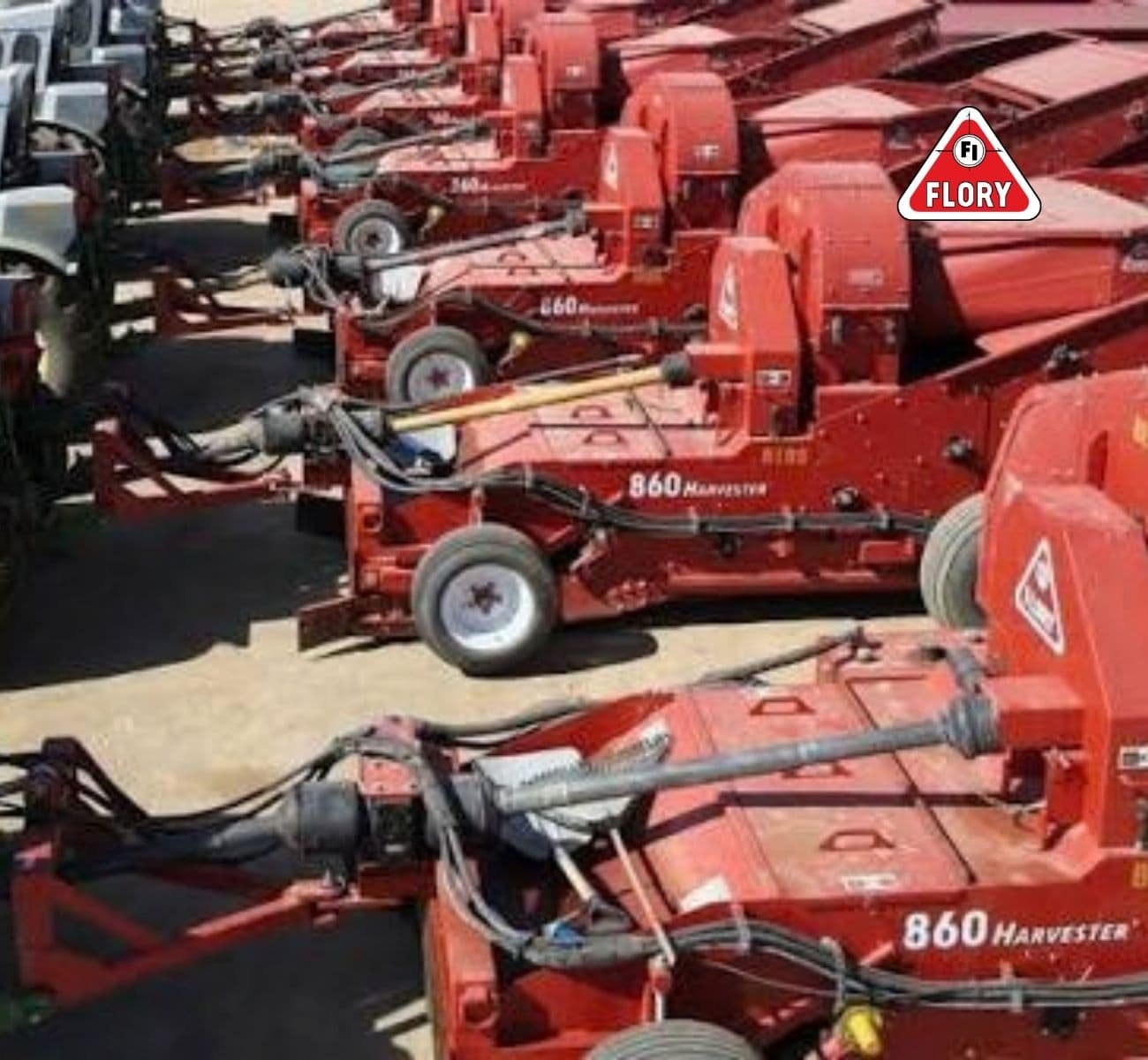
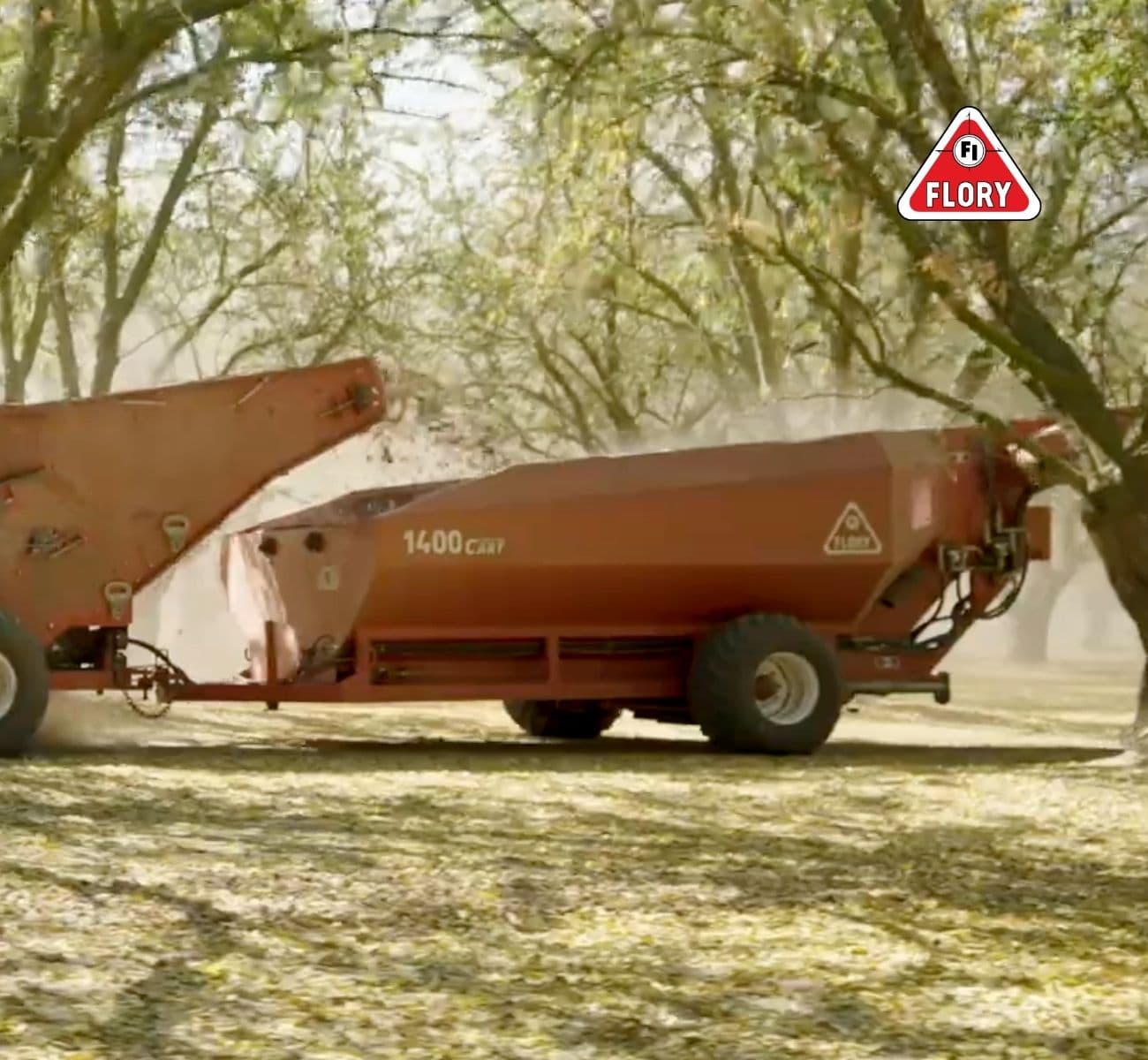
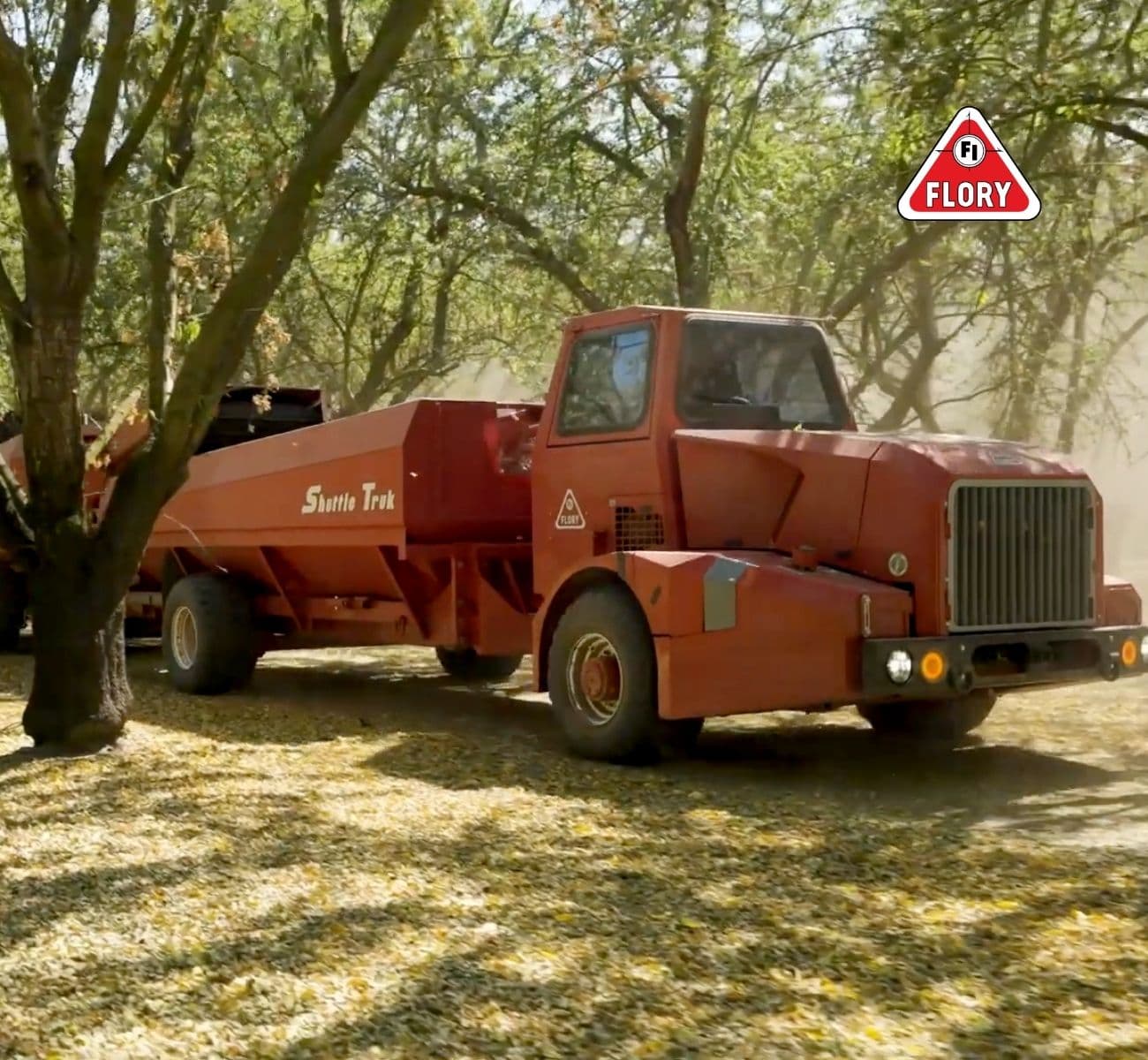
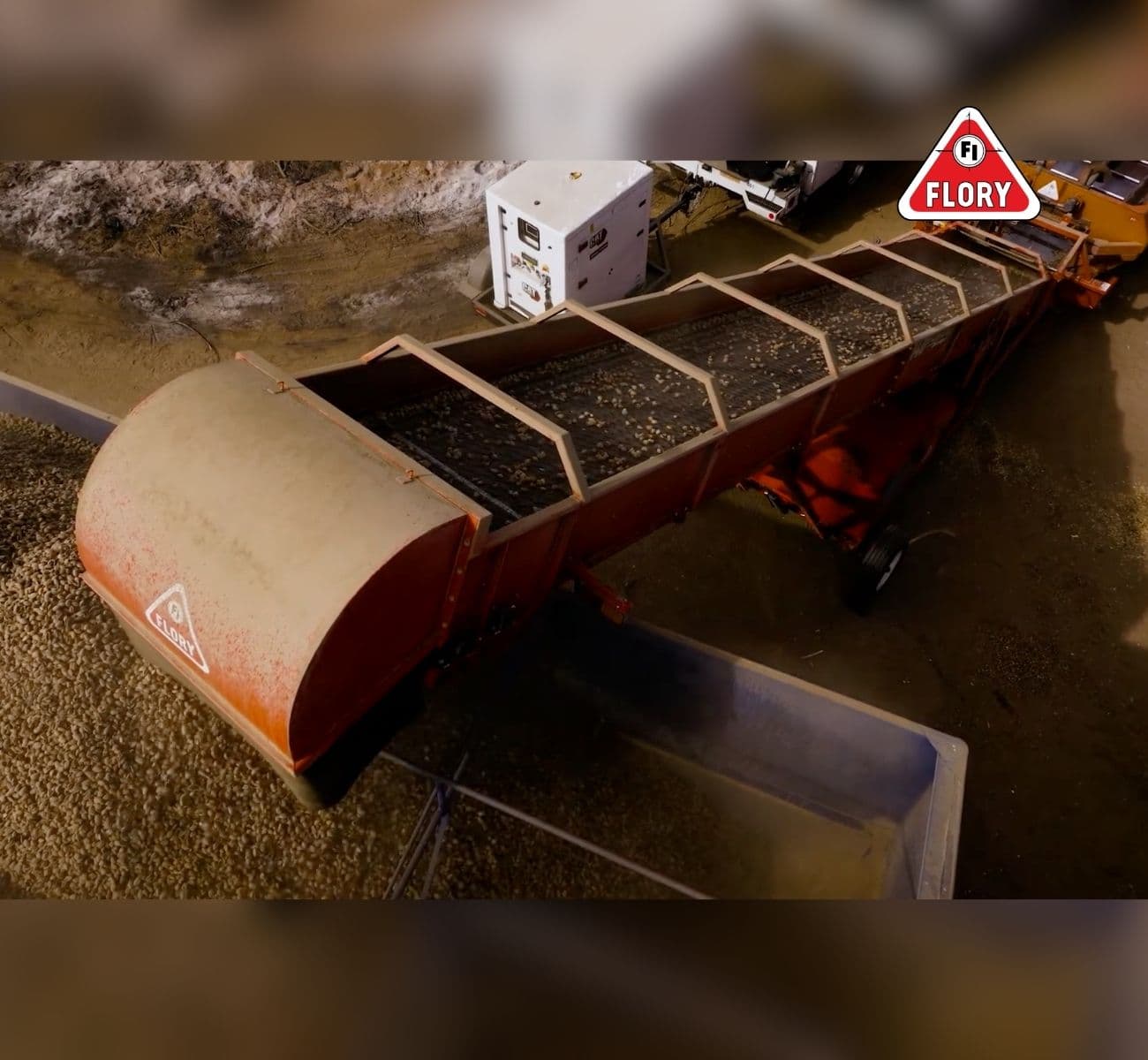
Flory harvesting machinery is available in Albania through OVE Europe for orchards planted for machines. The Flory 34 Series Sweeper sweeps the nuts into windrows and the 860 Harvester picks them up; the smaller 490 suits hazelnuts in OVE's experience, and Flory lists a mud brush as standard for hazelnuts on the 860. The 1500 Conveyor Cart receives the nuts, the ST14 Shuttle carries them and the 4840 Field Elevator loads trailers for the processing site.
Hazelnut Harvest Workflow (Recommended Equipment)
Practical Tips for Hazelnut Harvesting
Level, smooth and flail-mow the orchard floor before nut drop, as Oregon State University describes, so the sweeper can work right up to the trunks.
Pick up fallen nuts in several rounds, every 3 to 5 days as Türkiye's Hazelnut Research Institute advises, so they do not turn moldy on the ground.
Gather fallen nuts before autumn rain where possible: British Columbia's hazelnut guide warns that a crop harvested wet causes storage problems.
Watch September forecasts closely: national rain was 40.7% below normal in September 2023 and 179.2% of normal in September 2024.
Check tractor power before choosing a harvester: Flory gives 85 HP as the minimum for the 860, and for the 490 in hazelnuts.
Sweep only fast enough to keep ahead of the pickup machine, as British Columbia's guide advises, and clean harvesters between orchards.
Get your recommended harvest setup
Enter orchard size, spacing, terrain, and target throughput—we’ll suggest a practical harvest workflow and equipment lineup.

Hazelnut Post-Harvest Handling & Processing in Albania
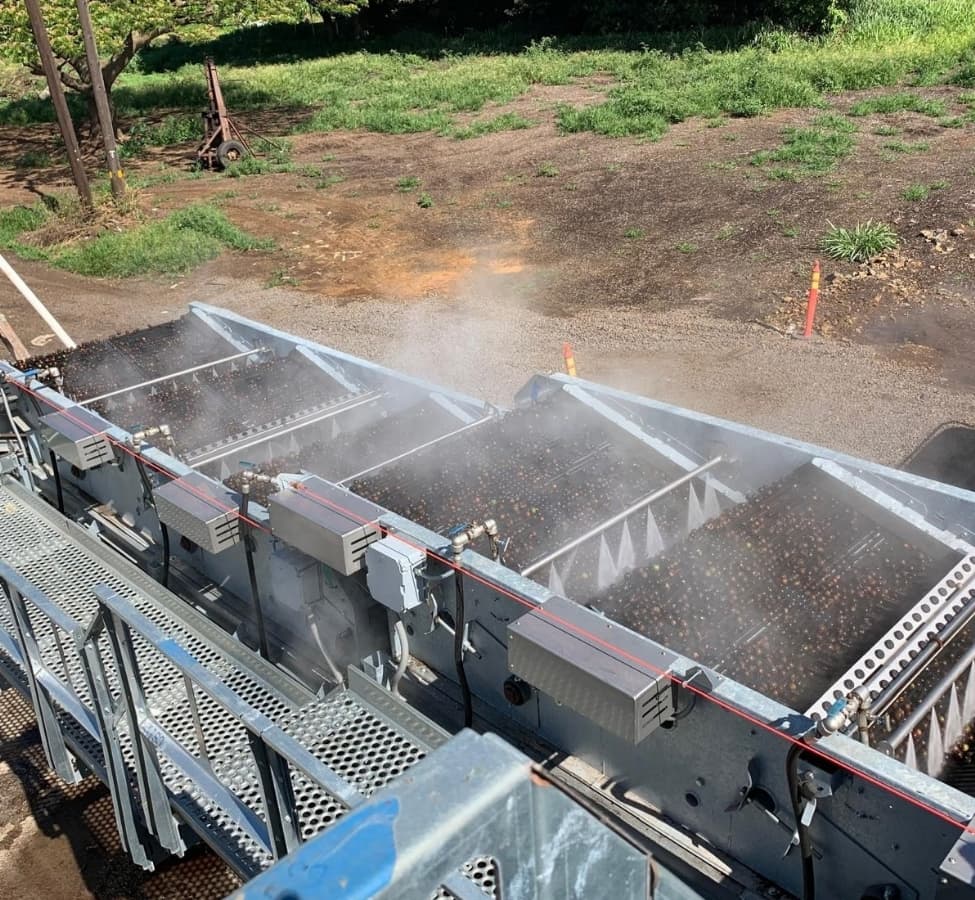
No Albanian source describes how hazelnuts are husked, dried or stored. In British Columbia's guide, nuts are husked, cleaned, washed, sanitized and dried to 5 to 8% moisture within 24 hours of harvest; the guide notes that some varieties release the nut from the husk, while in others the husk must be separated mechanically. Türkiye's Institute advises that dried nuts hold no more than 12% moisture in shell and 6% as kernels.
Gjirokastër growers still held stock from the previous year in August 2025 (RTSH), so storage matters. Türkiye's Institute advises 5 to 10 °C and 50 to 60% relative humidity, at which hazelnuts keep for a year without noticeable change in quality. The Codex code advises drying to a water activity below 0.70 at 25 °C and storage below 70% relative humidity and at 0 to 10 °C, both where possible. OSU research found drying at 43 to 49 °C and 40% relative humidity efficient while keeping quality.
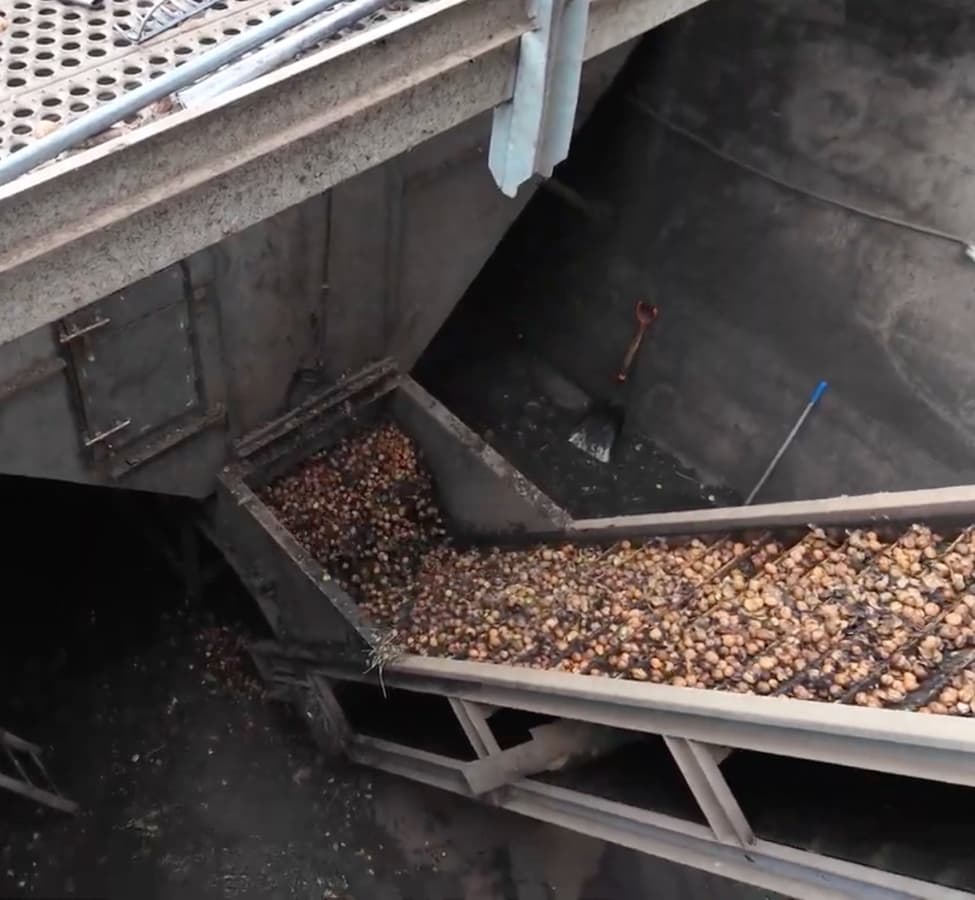
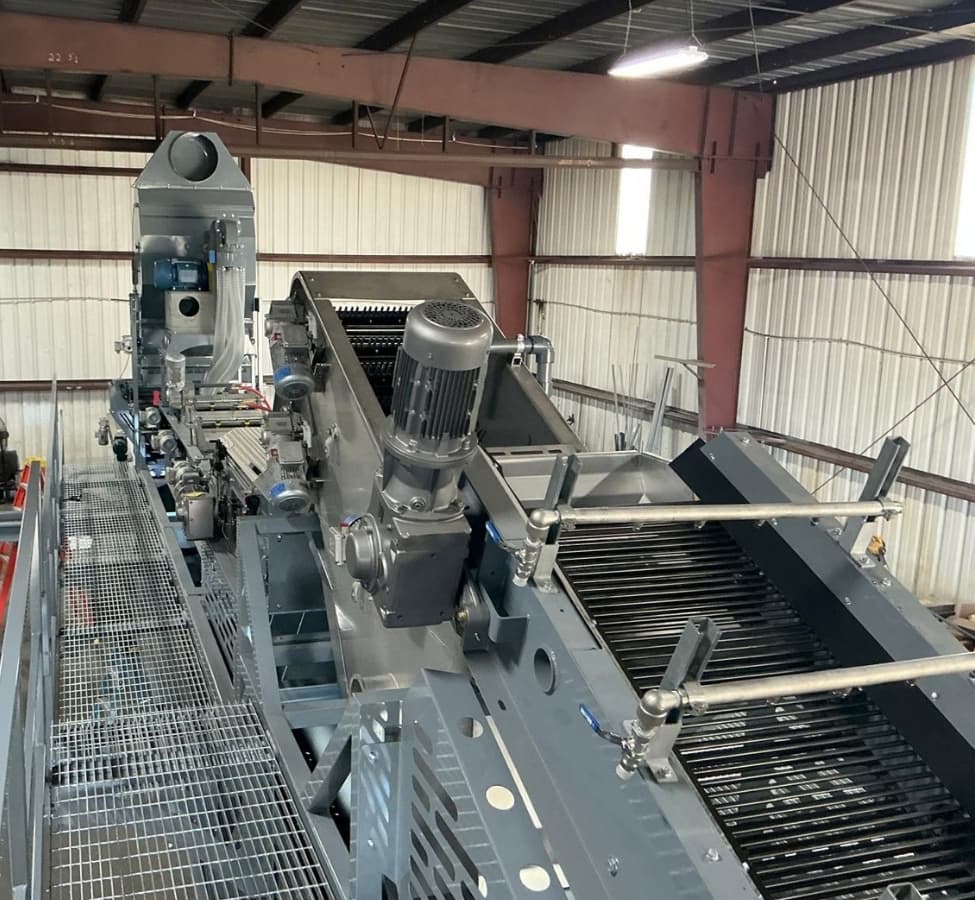
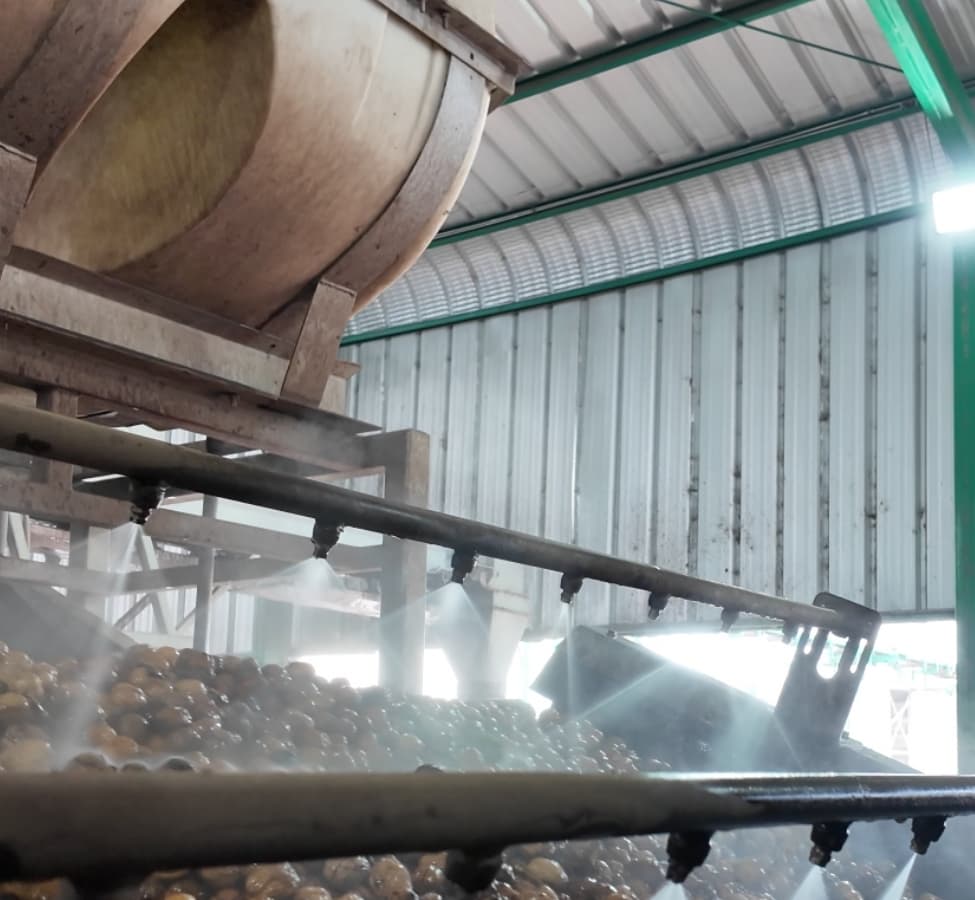
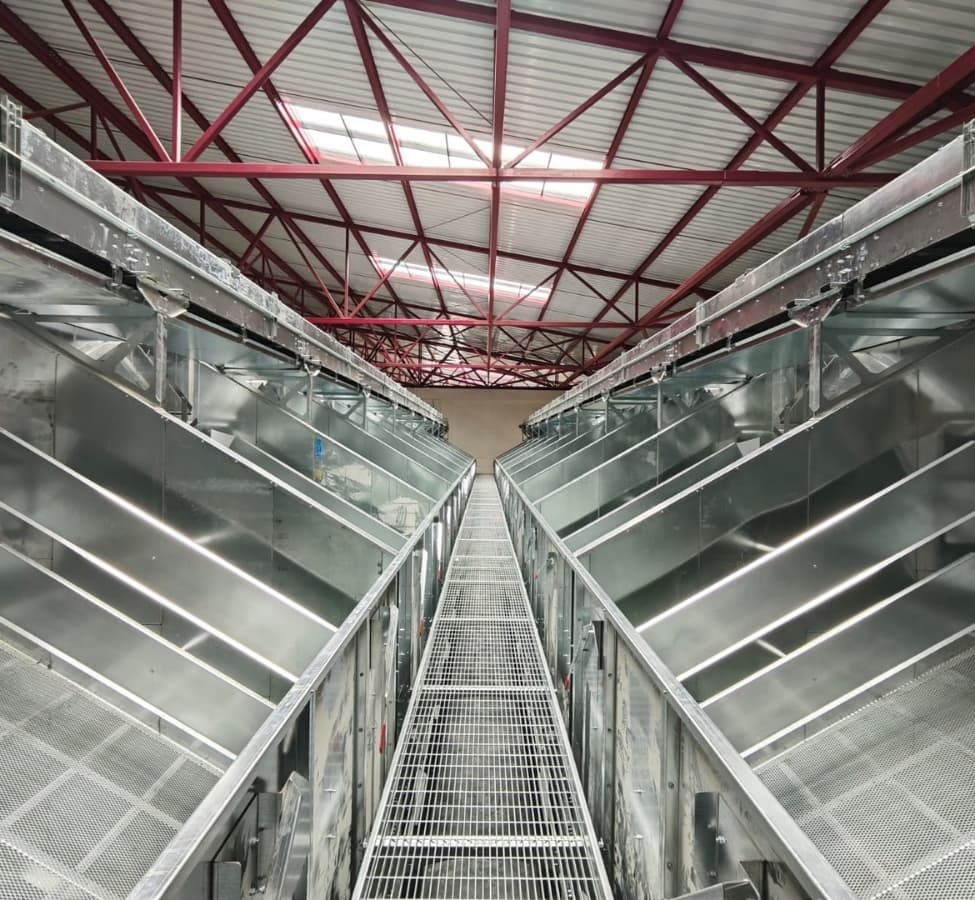
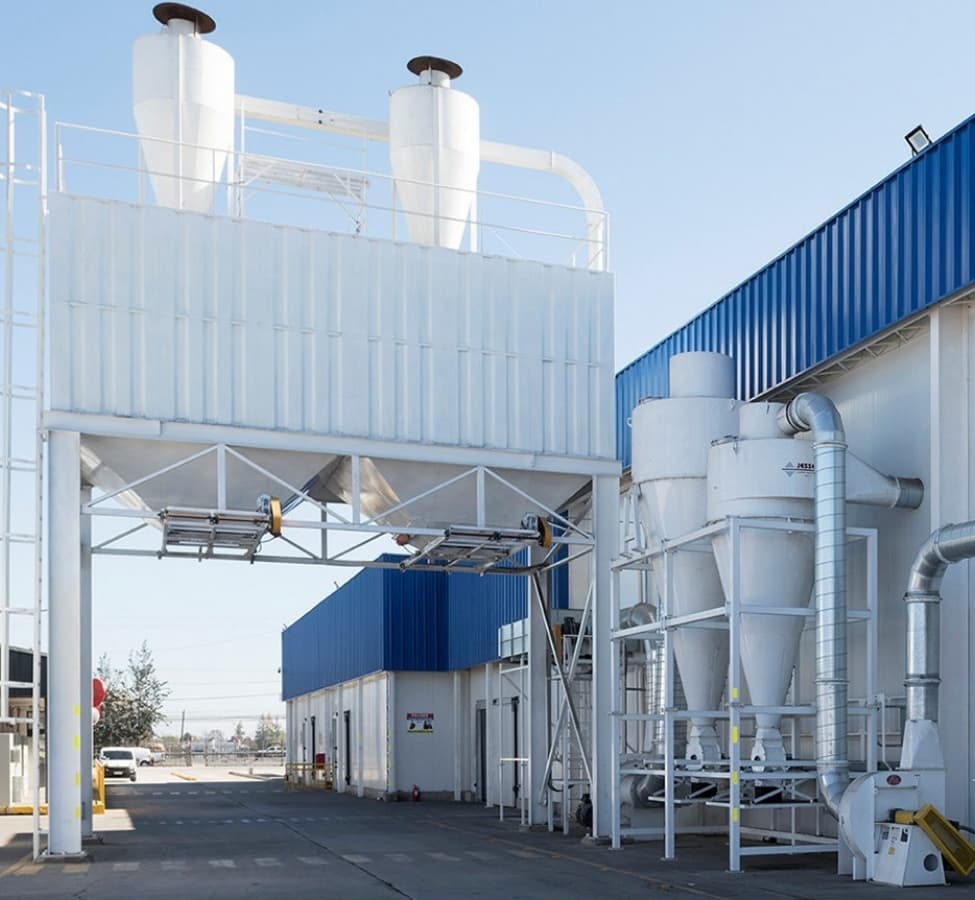
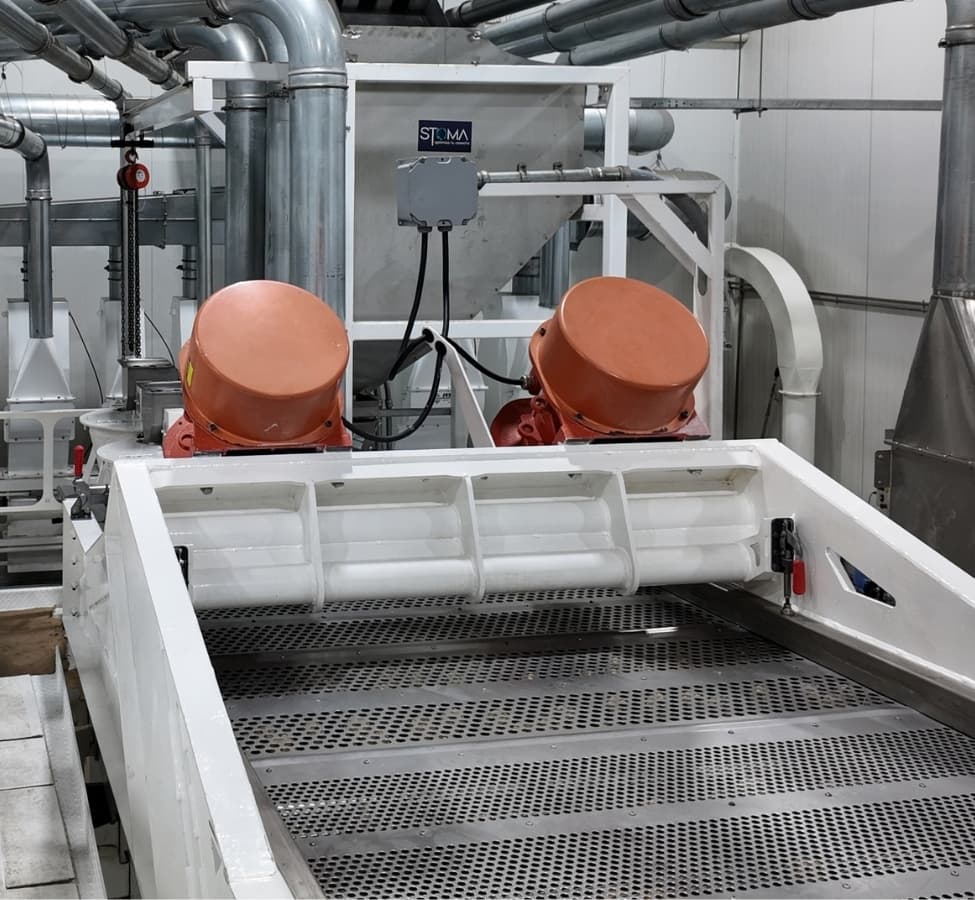
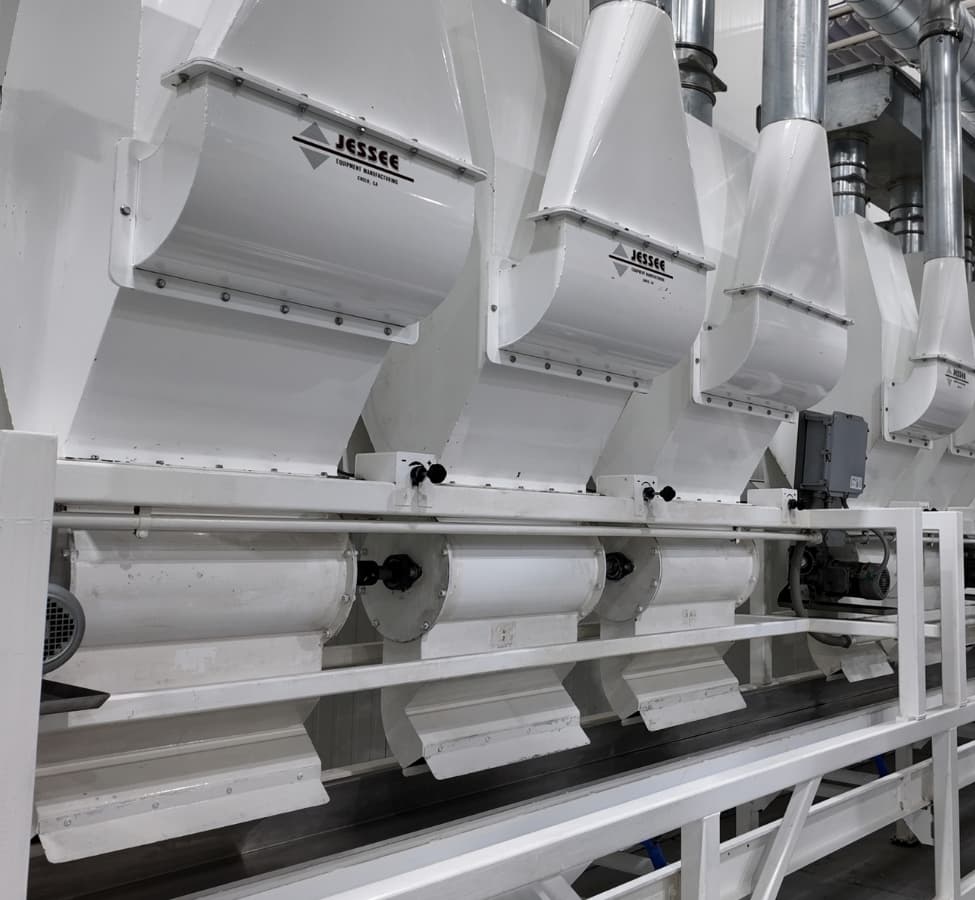
Albania's Instruction No. 4 of 9 February 2024 sets the aflatoxin limits of Regulation (EU) 2023/915 for hazelnuts: 5.0 µg/kg of B1 and 10.0 µg/kg in total for the final consumer or as an ingredient, and 8.0 and 15.0 µg/kg for nuts to be sorted first. Jessee, whose processing lines OVE Europe supplies, builds drying, in-shell cleaning and sizing, and shelling systems, and it established product lines for hazelnuts in the 1980s.
For general information only. Information may become outdated and does not replace site-specific professional advice. Consult a qualified agronomist and confirm equipment suitability with OVE before acting.

Practical Tips for Hazelnut Post-Harvest Handling & Processing
Dry hazelnuts promptly after harvest: in British Columbia's guide they are dried to 5 to 8% moisture within 24 hours.
Never leave husk-on nuts in thick layers or heaps: Türkiye's Hazelnut Research Institute warns that they heat up and rot.
Carry fresh nuts to the drying yard the same day in jute sacks, never plastic ones, and never bag nuts that are not fully dried, as Türkiye's Institute advises.
Store dried hazelnuts at 5 to 10 °C and 50 to 60% relative humidity, as Türkiye's Institute advises, to keep their quality for about a year.
Size nuts into narrow grades before cracking: Türkiye's Institute advises 10 to 20 sizes at 0.5 mm steps to reduce kernel damage.
Test lots for aflatoxins: in Albania and the EU, hazelnuts for the final consumer or used as an ingredient must not exceed 5.0 µg/kg of B1 and 10.0 µg/kg in total.
Recommended Post-Harvest Handling & Processing Stages
Plan your post-harvest line
Estimate tons/day, cleaning & drying capacity, storage needs, and cost/kg—then build your equipment plan in phases.