





Pistachio Orchard Establishment in Albania
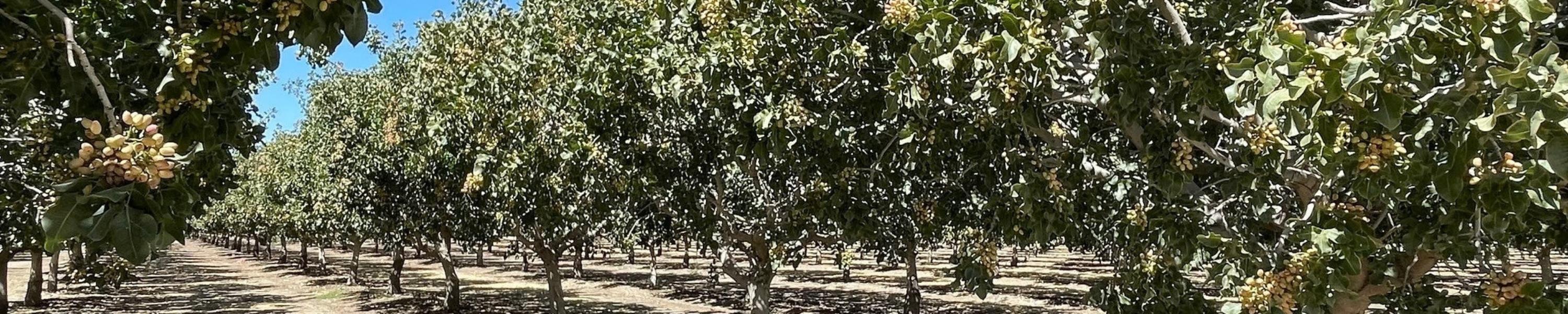
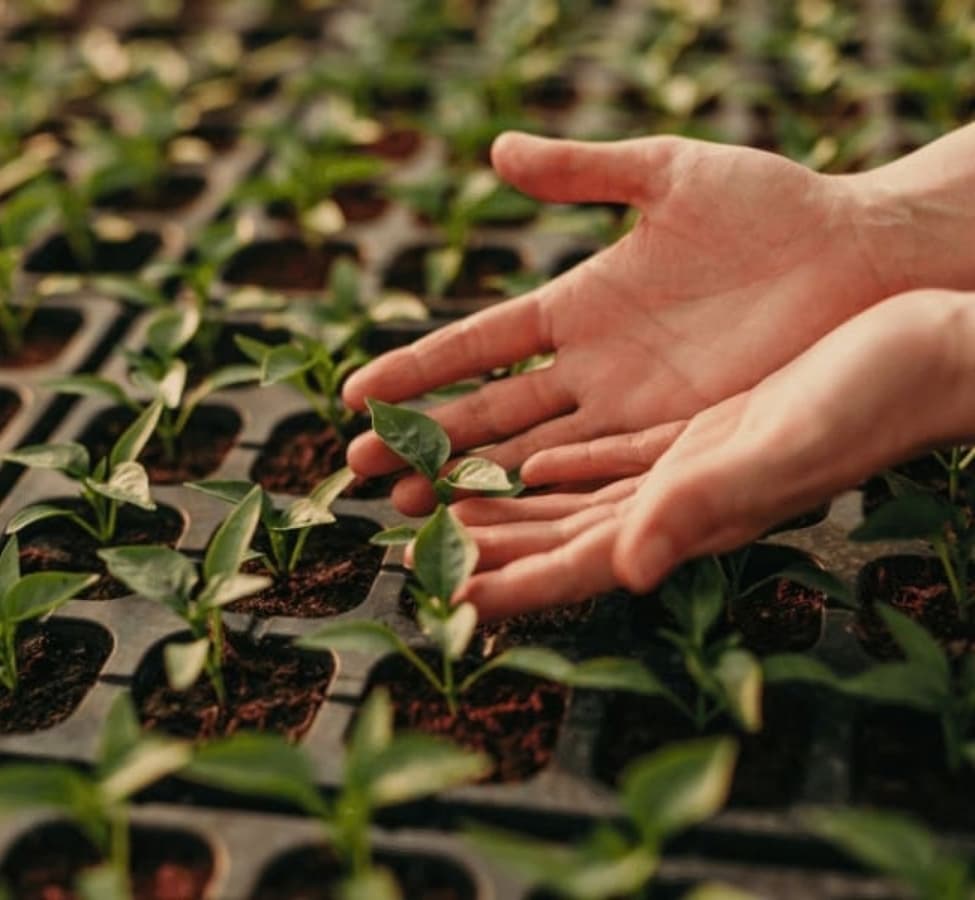
No Albanian source gives winter chill for a possible pistachio site, so check local station records before planting. UC course slides give one widely grown female cultivar more than 750 hours at 0 to 7.2 °C and its usual male pollinizer more than 900; a UC manual chapter says California pistachios have needed at least 900 hours below 7.2 °C. Late spring rain, frost and drying winds interfere with pollination, UC notes, and Türkiye's Pistachio Research Institute advises avoiding frost hollows.
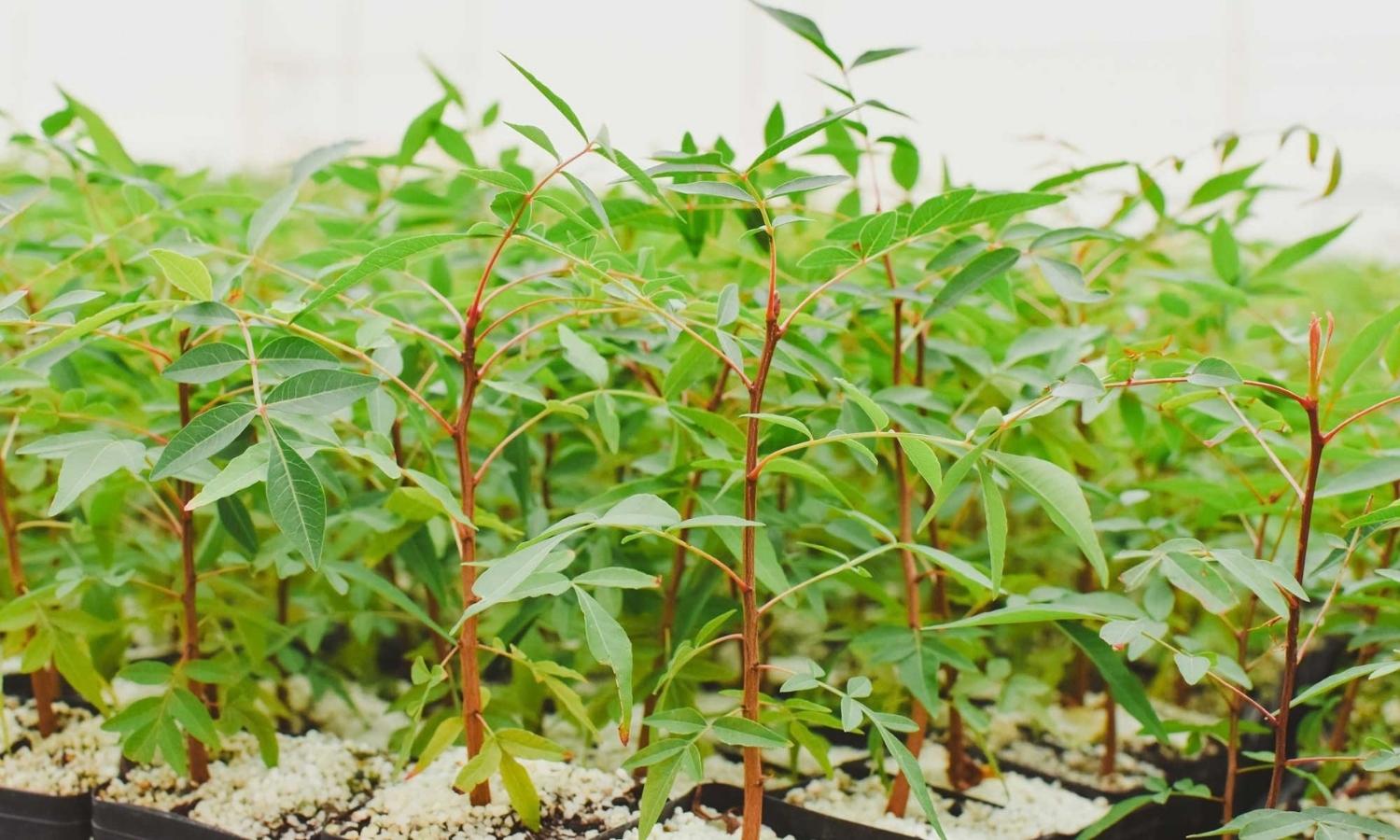
UC says pistachio appears to tolerate alkalinity and salinity well: established trees took irrigation water up to 8 dS/m, young orchards about 5 dS/m. It needs well-drained soil. Albania's Fourth National Communication notes spots of saline soils in the Fier lowland, so test soil and water first. Wild terebinth, a pistachio relative, grows in Albania's oak and shrub vegetation; Turkish guidance rates it drought-tolerant but slow-growing, and UC rates it very susceptible to Verticillium wilt.
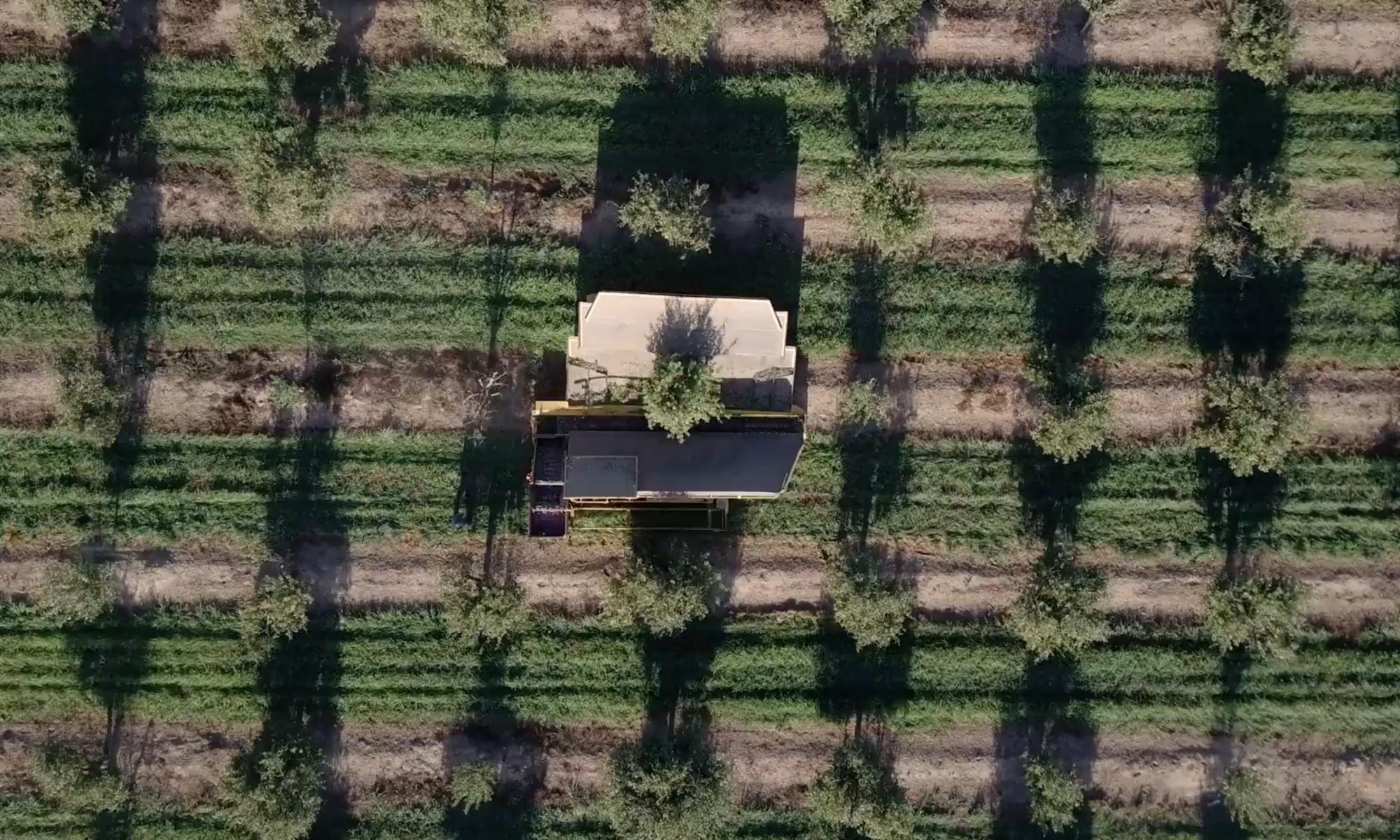
Pistachio trees are male or female, and the males must bloom with the females: California orchards use males for 4 to 11% of trees, Turkish guidance one per 10 to 12 females. For catching frames, UC's orchard design keeps trees at least 3.7 m apart so the shaker frame reaches each trunk, with about 10.7 m to turn at row ends. Spanish guidance from Castilla-La Mancha gives 7 x 6 m as the ideal irrigated spacing. UC expects few nuts before year 5 and full bearing at 10 to 12 years.

Practical Tips for Pistachio Orchard Establishment
Check winter chill at your site before choosing cultivars: UC's figures depend on the chill model used, so compare like with like.
Avoid frost hollows and sites with frequent late spring rain: UC notes that late spring rain, frost and drying winds interfere with pollination.
Plant males of a cultivar that blooms with your females, spread through the block: California uses them for 4 to 11% of trees.
Test soil and irrigation water for salinity: UC reports young orchards tolerating only about 5 dS/m, against 8 dS/m for established trees.
Match the rootstock to the site: UC rates P. integerrima and its hybrids resistant to Verticillium wilt, but P. integerrima is sensitive to cold.
Plan for a long wait to full crops: UC expects few nuts before year 5 and full bearing at 10 to 12 years.
Recommended Establishment Stages

Pistachio Orchard Care & Maintenance in Albania
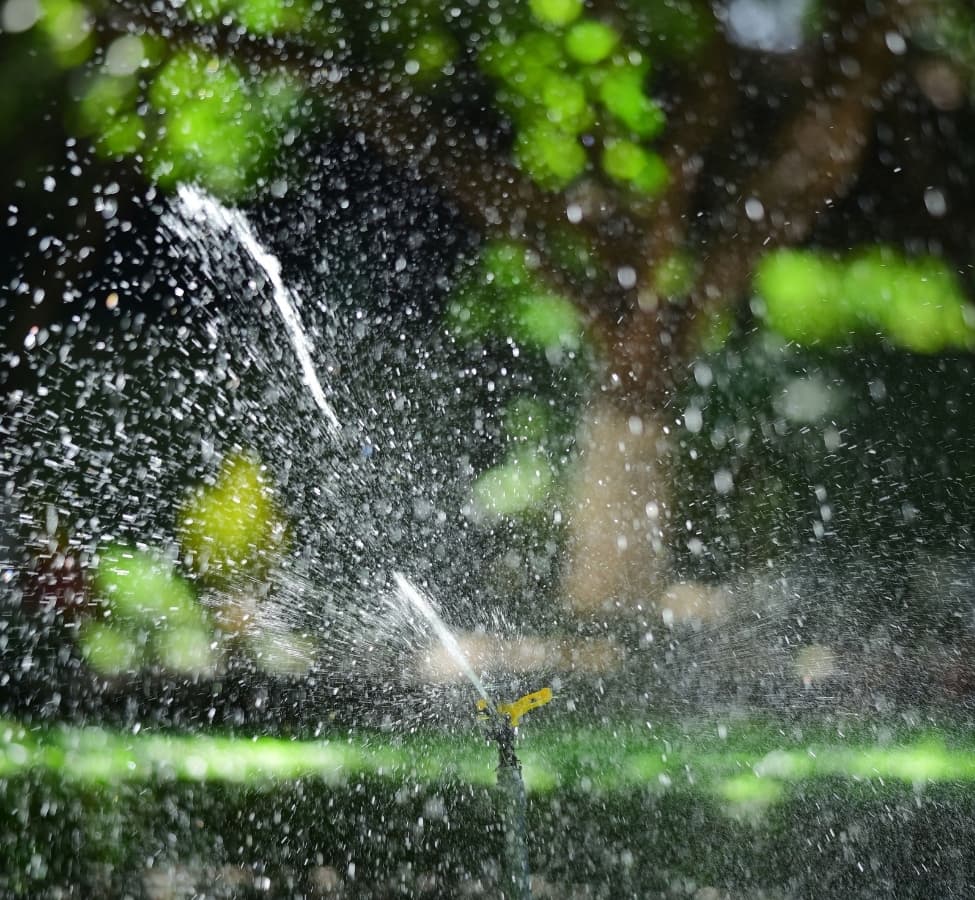
Albania's Fourth National Communication says most crops need around twice the water that rainfall supplies, and its water model for the Vjosa basin, which covers irrigation and other uses, projects unmet demand under drought scenarios, highest in September. UC describes pistachio as able to survive harsh climates without irrigation, but the Codex code advises growers to irrigate carefully and in good time to limit early splitting of the hull, which raises the risk of aflatoxin contamination.
EPPO lists the brown marmorated stink bug (Halyomorpha halys) as present in Albania with few occurrences; UC lists other stink bug species among pistachio pests. EPPO does not list the pistachio seed wasp (Eurytoma plotnikovi) or Verticillium wilt (Verticillium dahliae) for Albania, a gap in the record, not proof of absence; no Albanian source found reports any pest on pistachio.
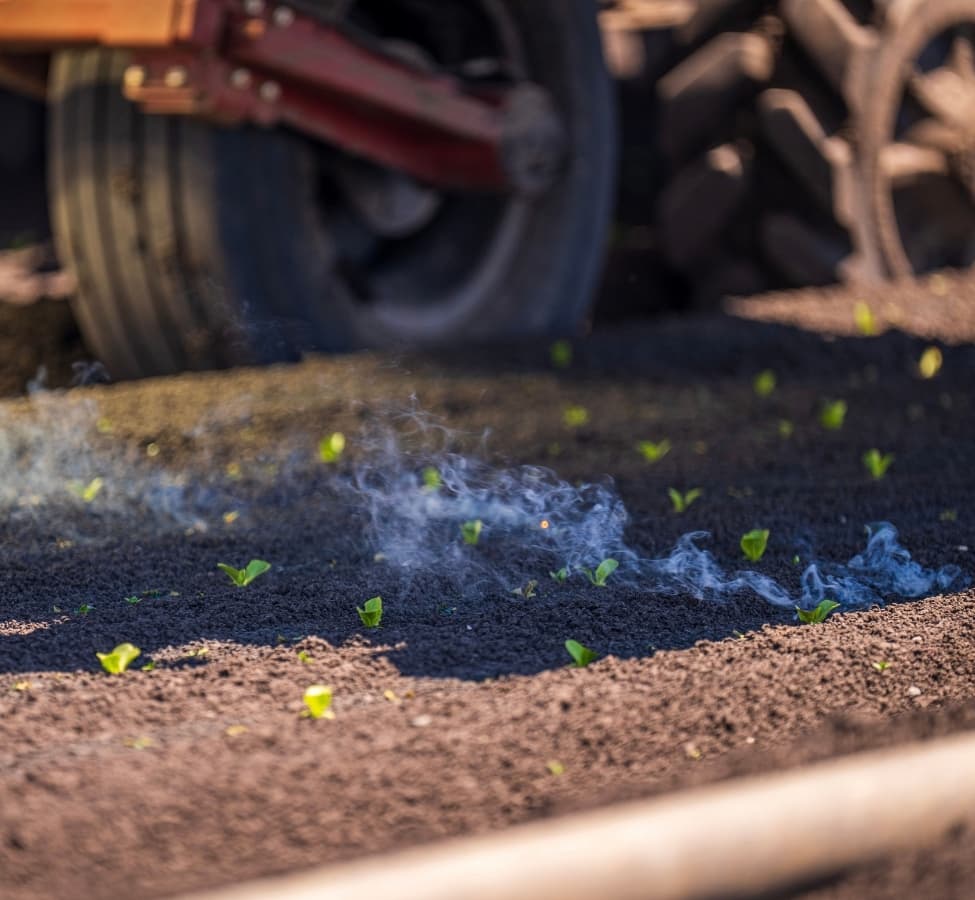
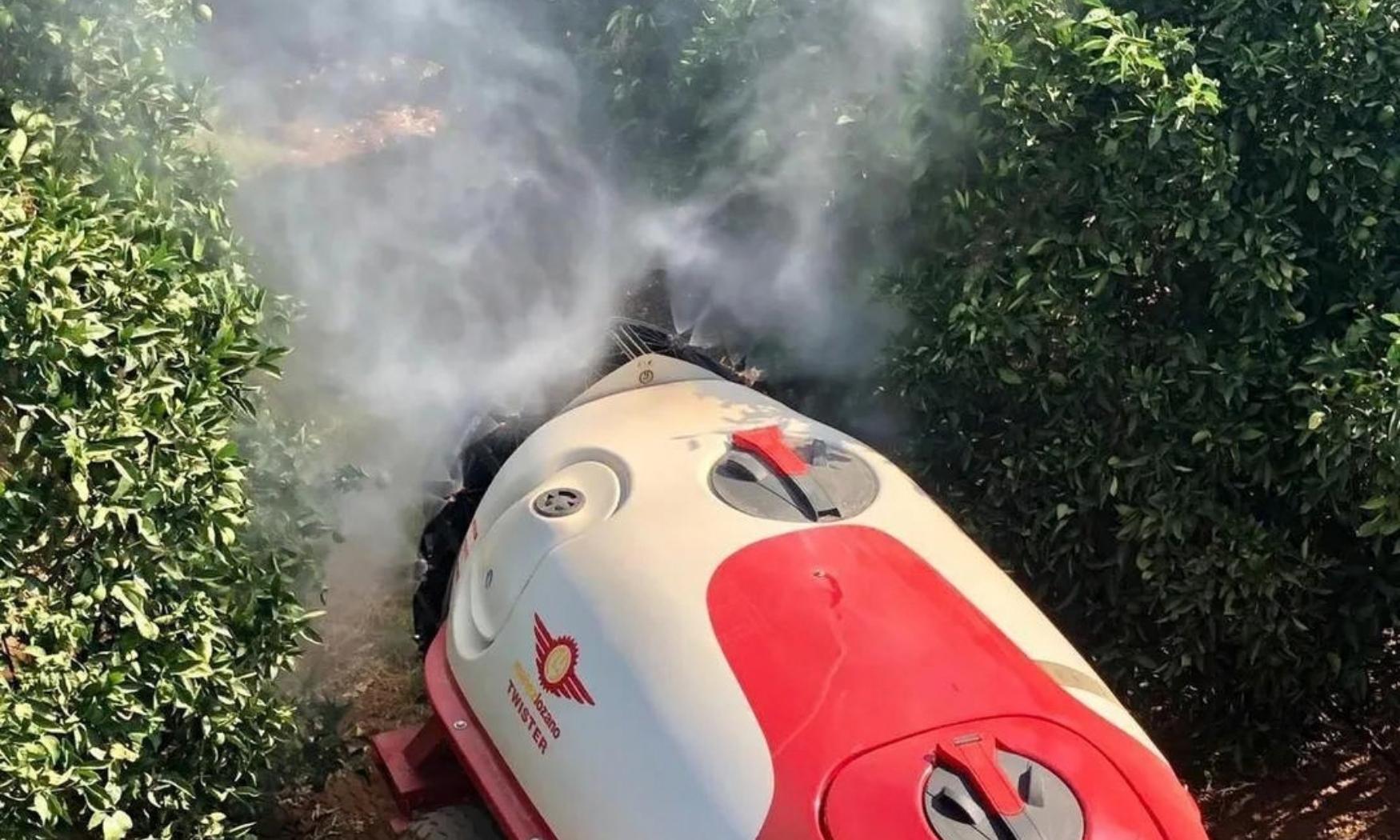
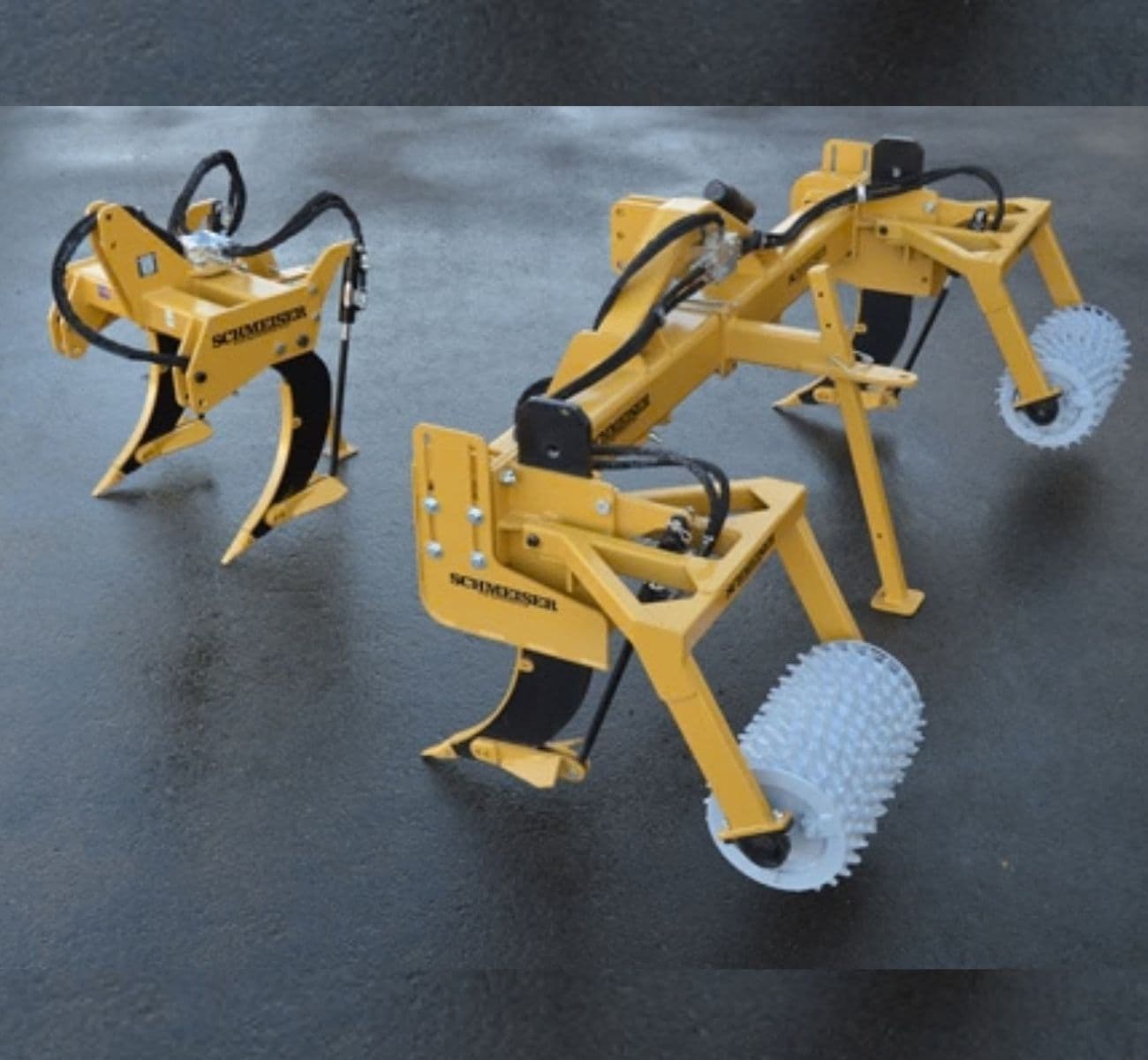
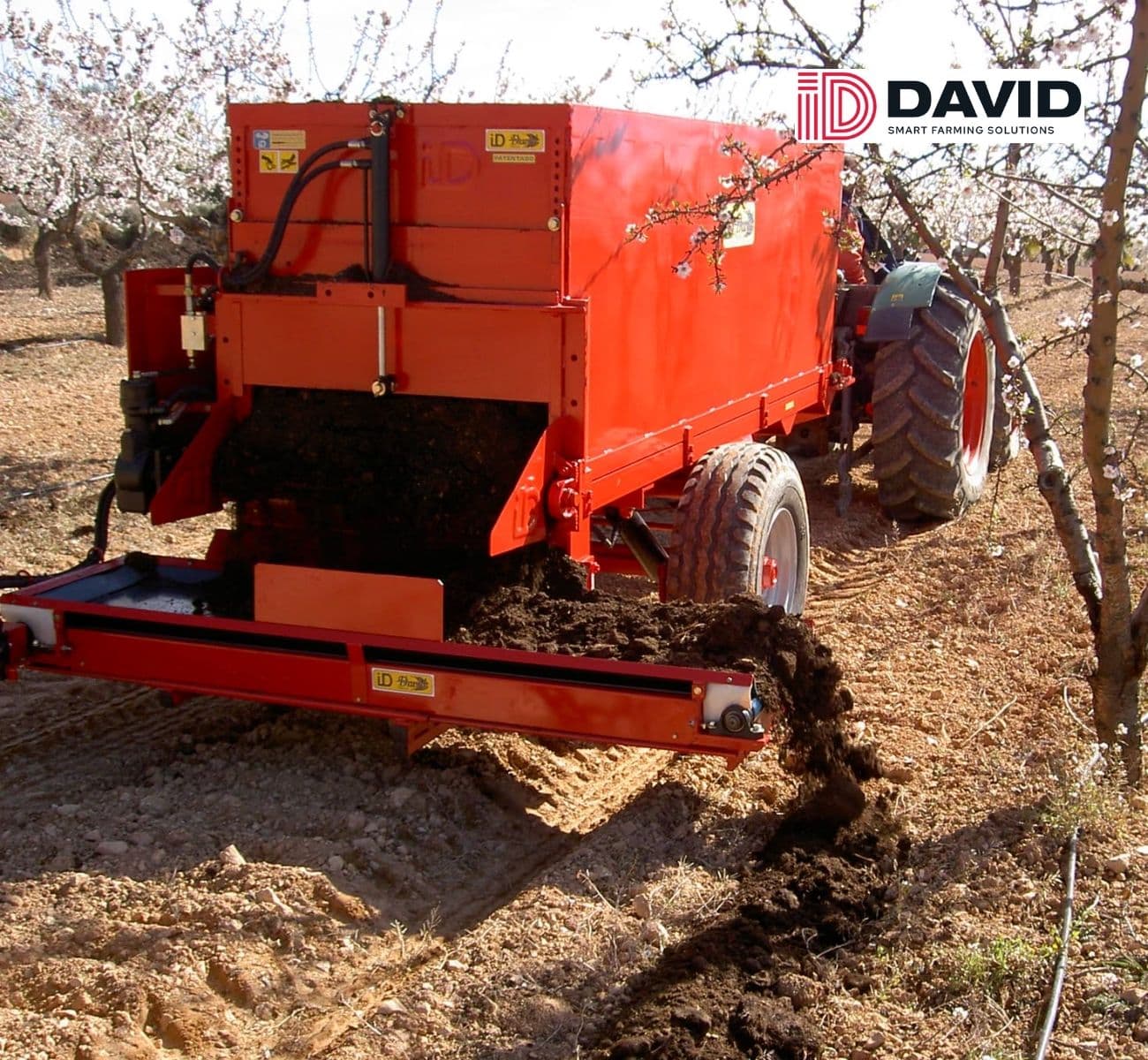
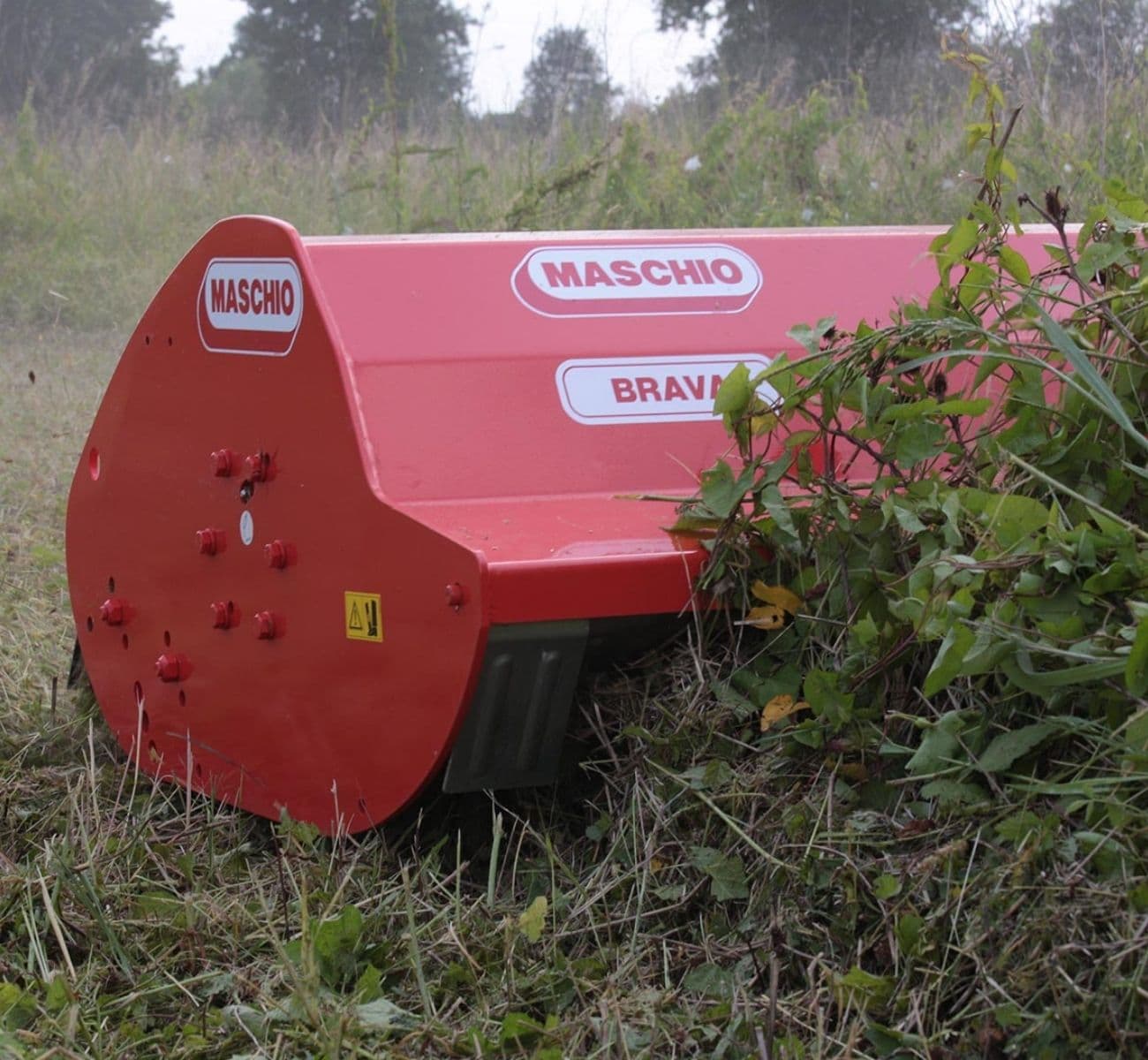
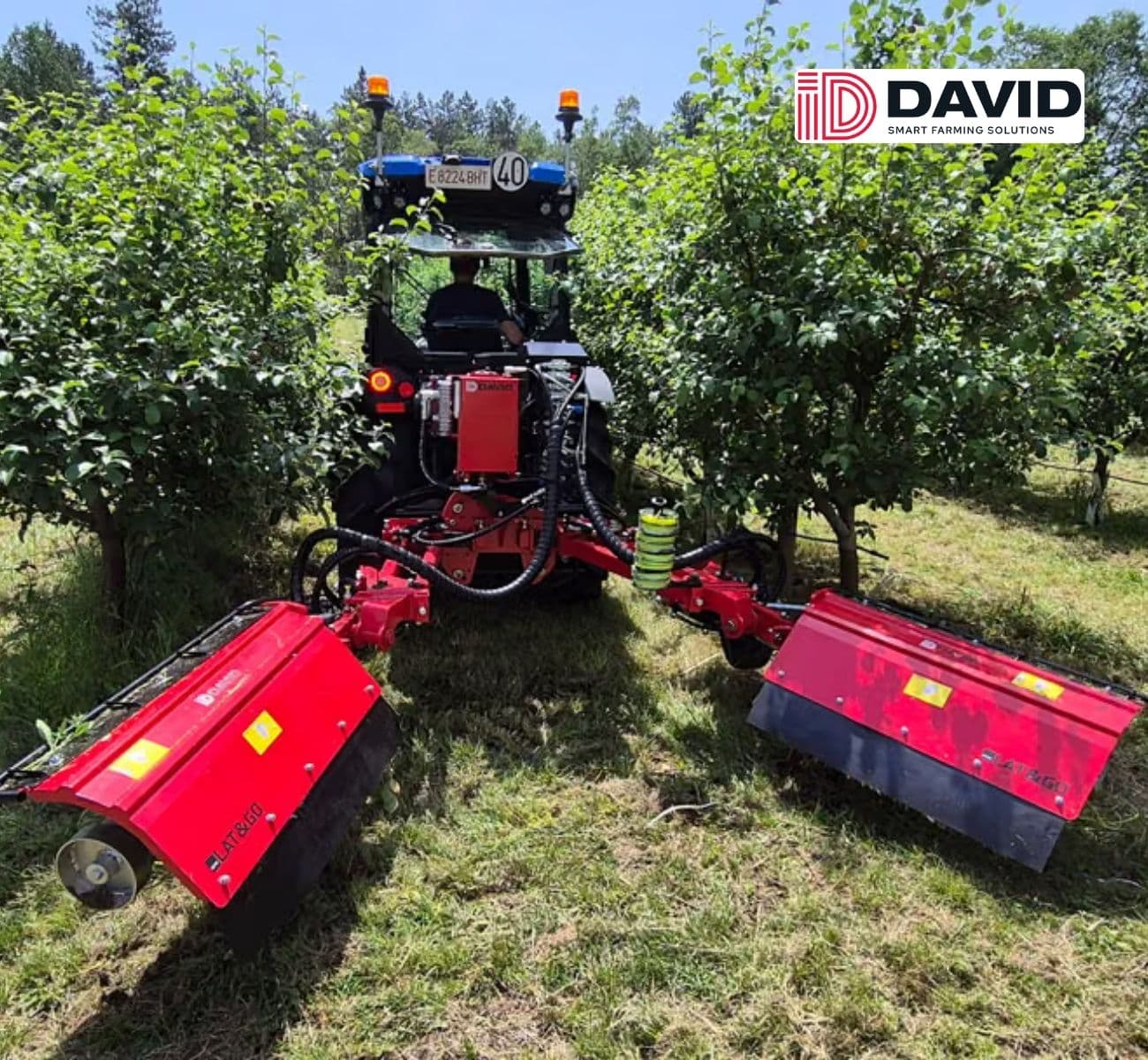
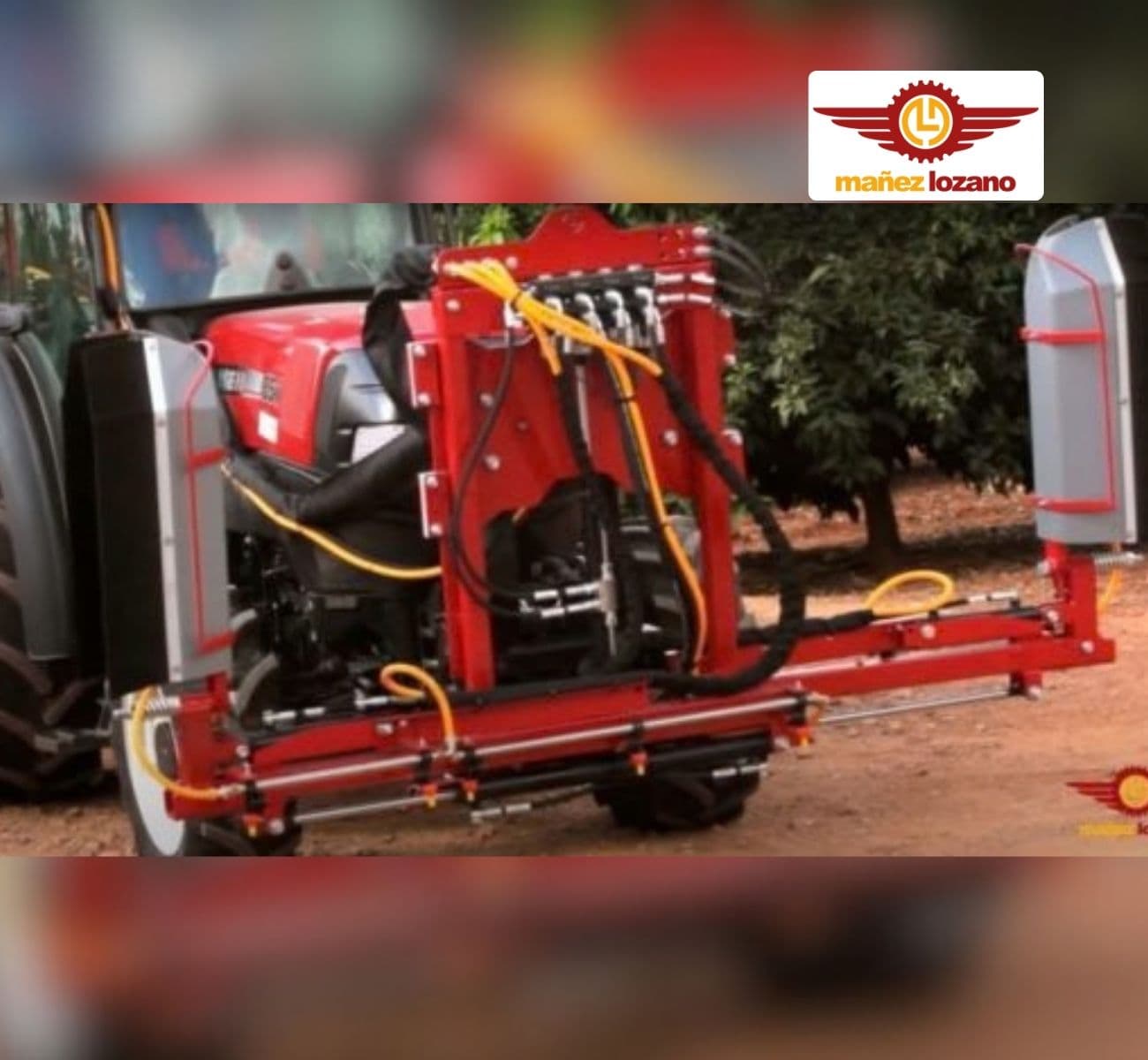
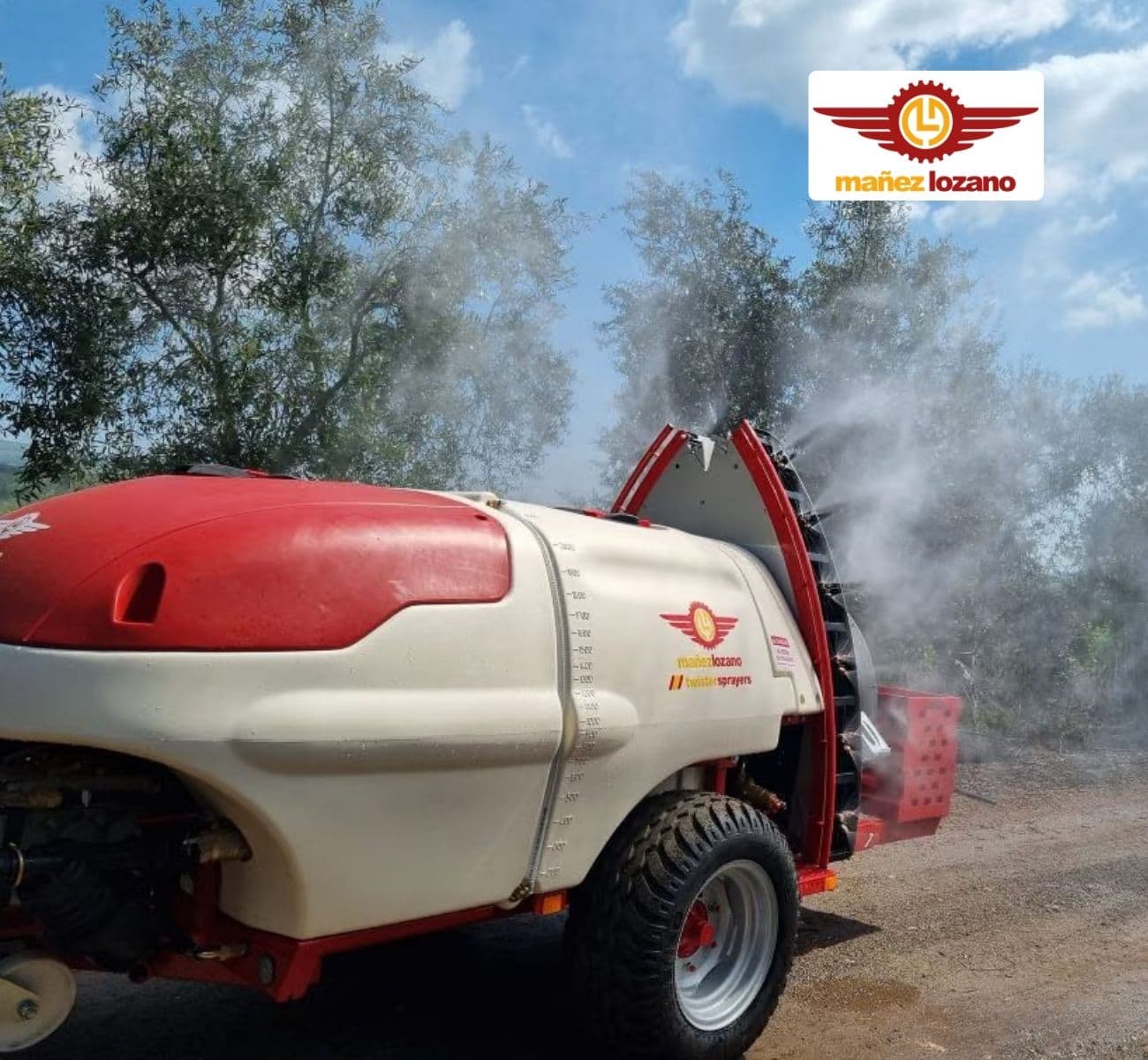
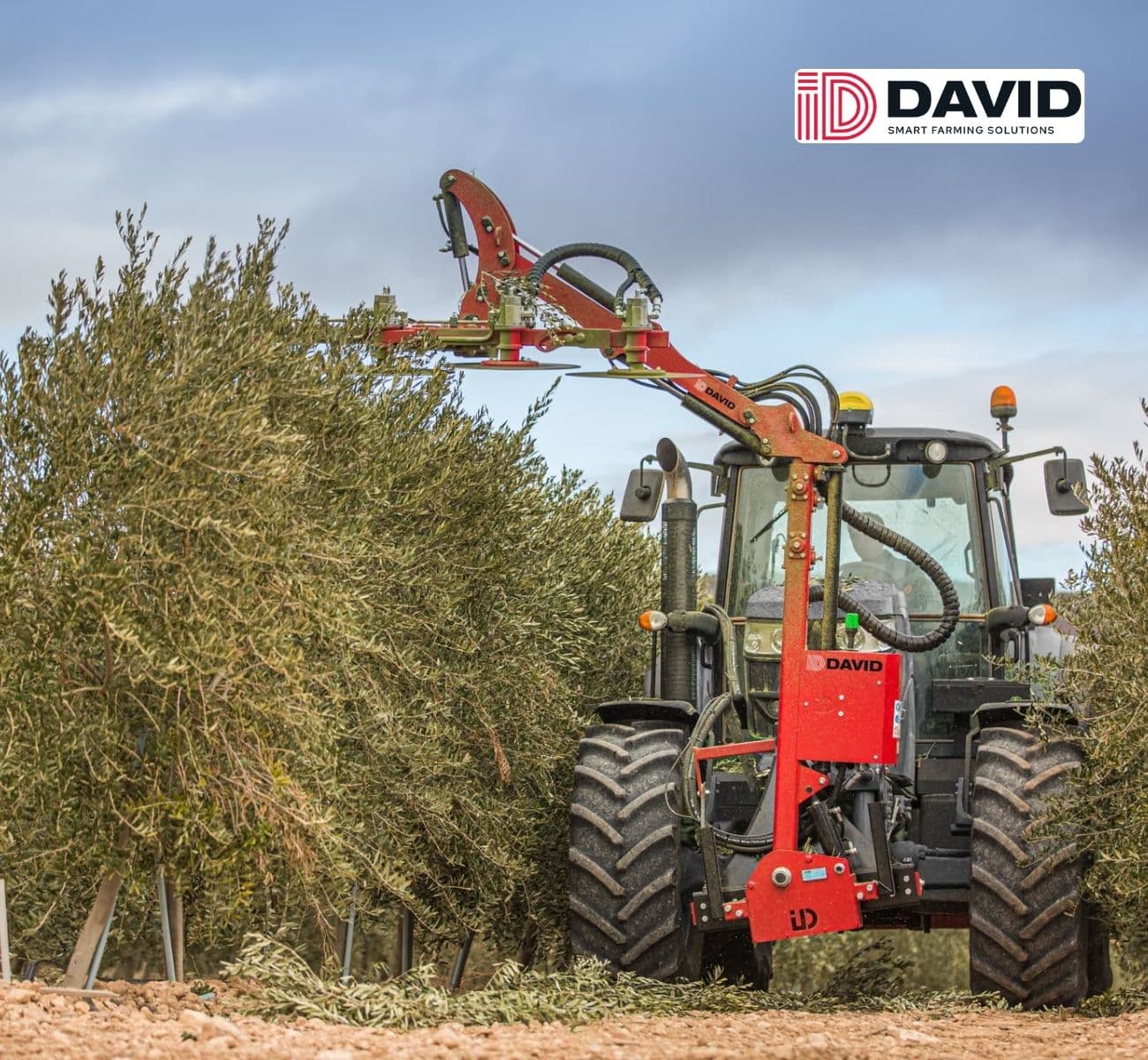
Türkiye's Pistachio Research Institute advises forming the first branches at 80 to 100 cm in humid areas and 50 to 60 cm in dry areas. For care work, the ID DAVID ECOFEED spreads solid manure, the ID DAVID LAT&GO string mower controls weeds without herbicides, the Mañez Lozano Narrow Twister S6 sprays tall, dense canopies and the ID DAVID V1 disc pruner makes vertical and horizontal cuts.
Recommended Orchard Care & Maintenance Stages
Practical Tips for Pistachio Orchard Care & Maintenance
Irrigate carefully and in good time: the Codex code says this limits early splitting of the hull and the aflatoxin risk that follows.
Monitor stink bugs: EPPO records the brown marmorated stink bug in Albania, and UC lists other stink bug species among pistachio pests.
Remove nuts left on the trees and on the ground after harvest: UC IPM advises this to reduce places where pests overwinter.
Have unusual leaf spots or wilting checked early: no Albanian record of pistachio diseases was found, so local diagnosis matters.
Train young trees to a clean trunk: Turkish guidance forms the first branches at 80 to 100 cm in humid areas.
Keep the floor between rows level and the grass short, so catching frames and shuttles can move freely at harvest.

Pistachio Harvesting in Albania
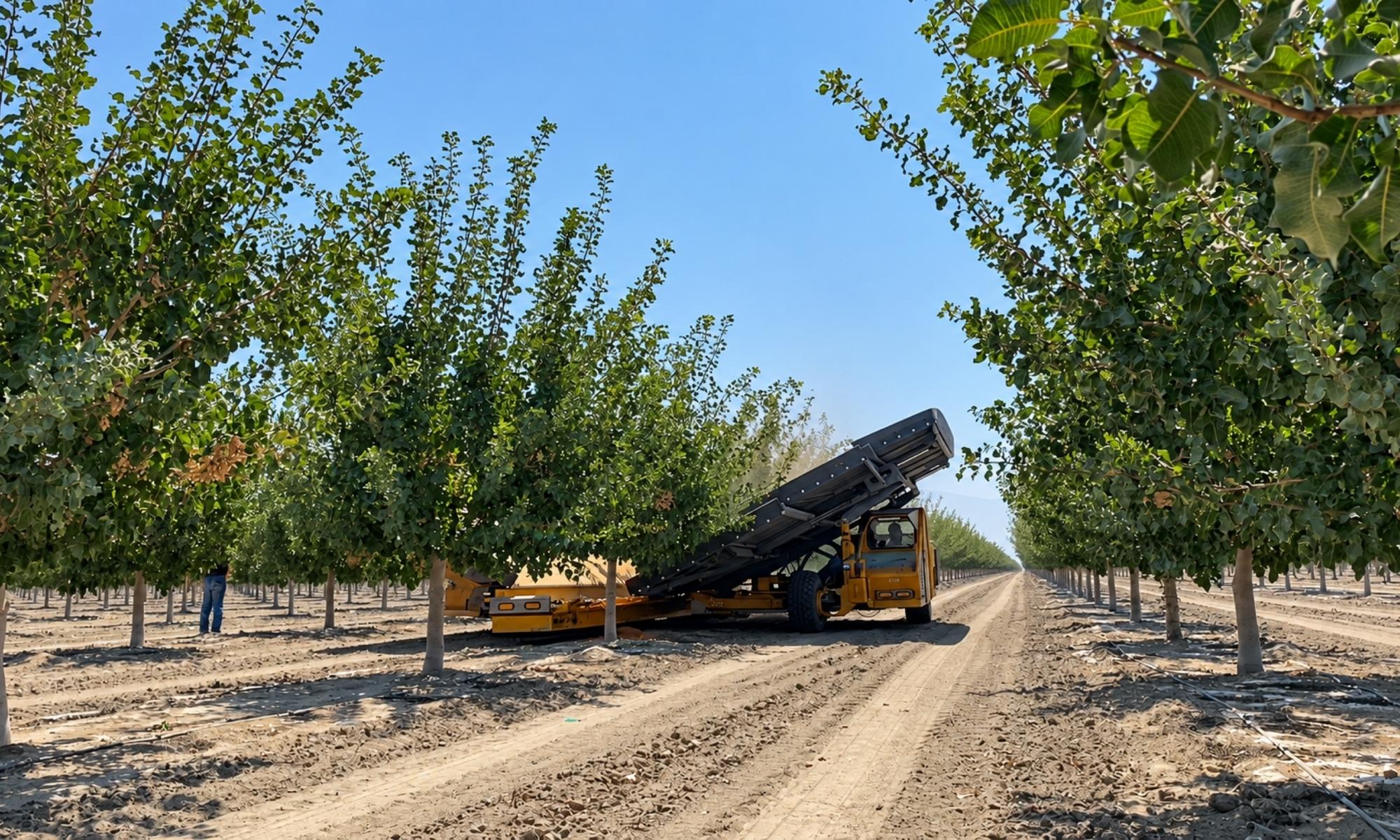
No Albanian source describes how pistachios are harvested, hulled or dried in Albania; the agricultural portal AgroWeb wrote in 2024 that all pistachios consumed there are imported. In orchards planted for machines, mechanized harvesting can bring the crop in on time, with less risk of nuts deteriorating while they wait.
UC Davis advises harvesting when 70 to 80% of the nuts meet maturity signs, such as hulls that separate easily, and Spanish guidance says hulls should never be left to break open on the tree. Shaking trees over catching frames keeps the nuts off the ground, as American Pistachio Growers explains, and the Codex code asks for delivery to hulling and drying within 24 hours to prevent shell staining.
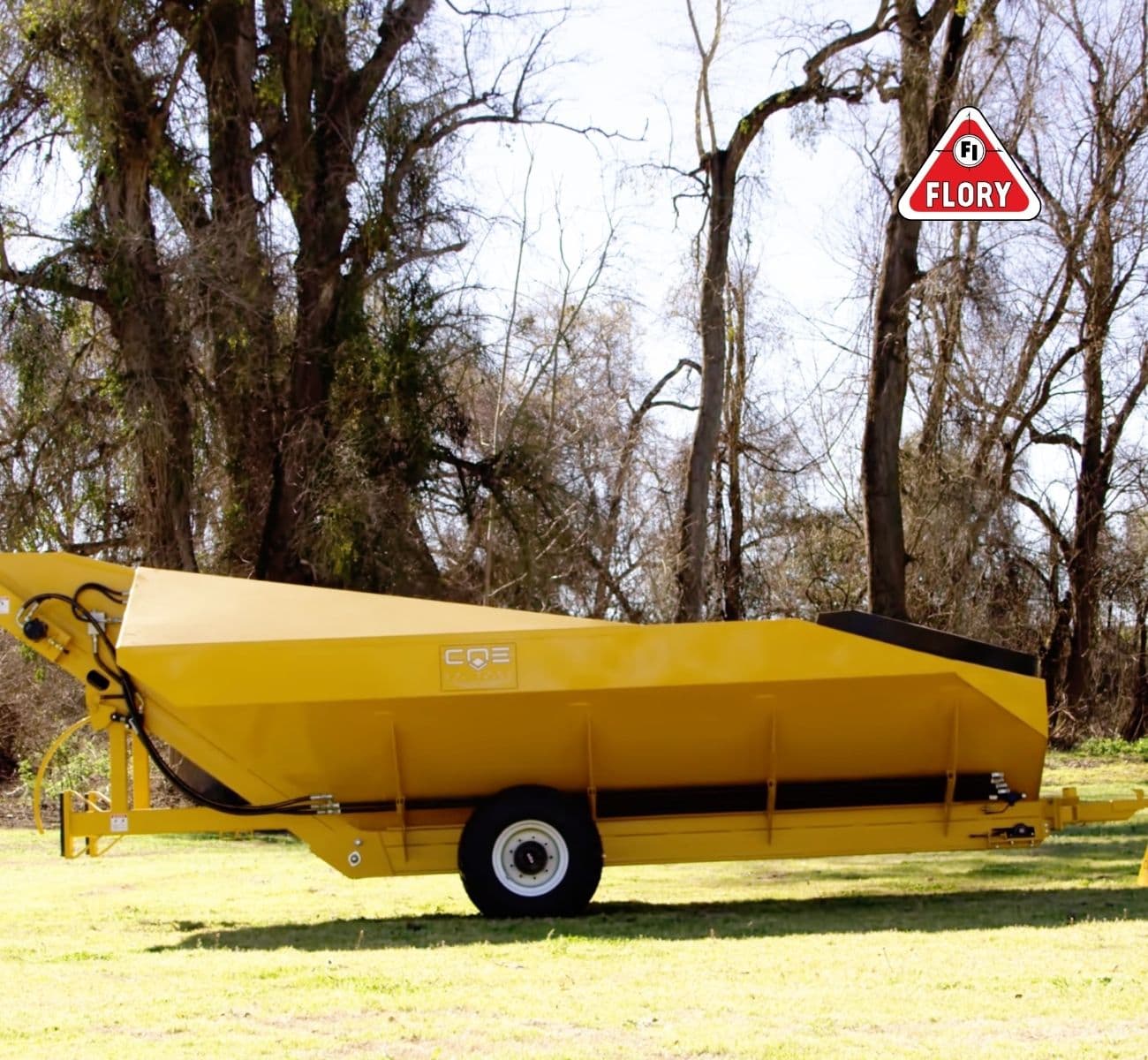
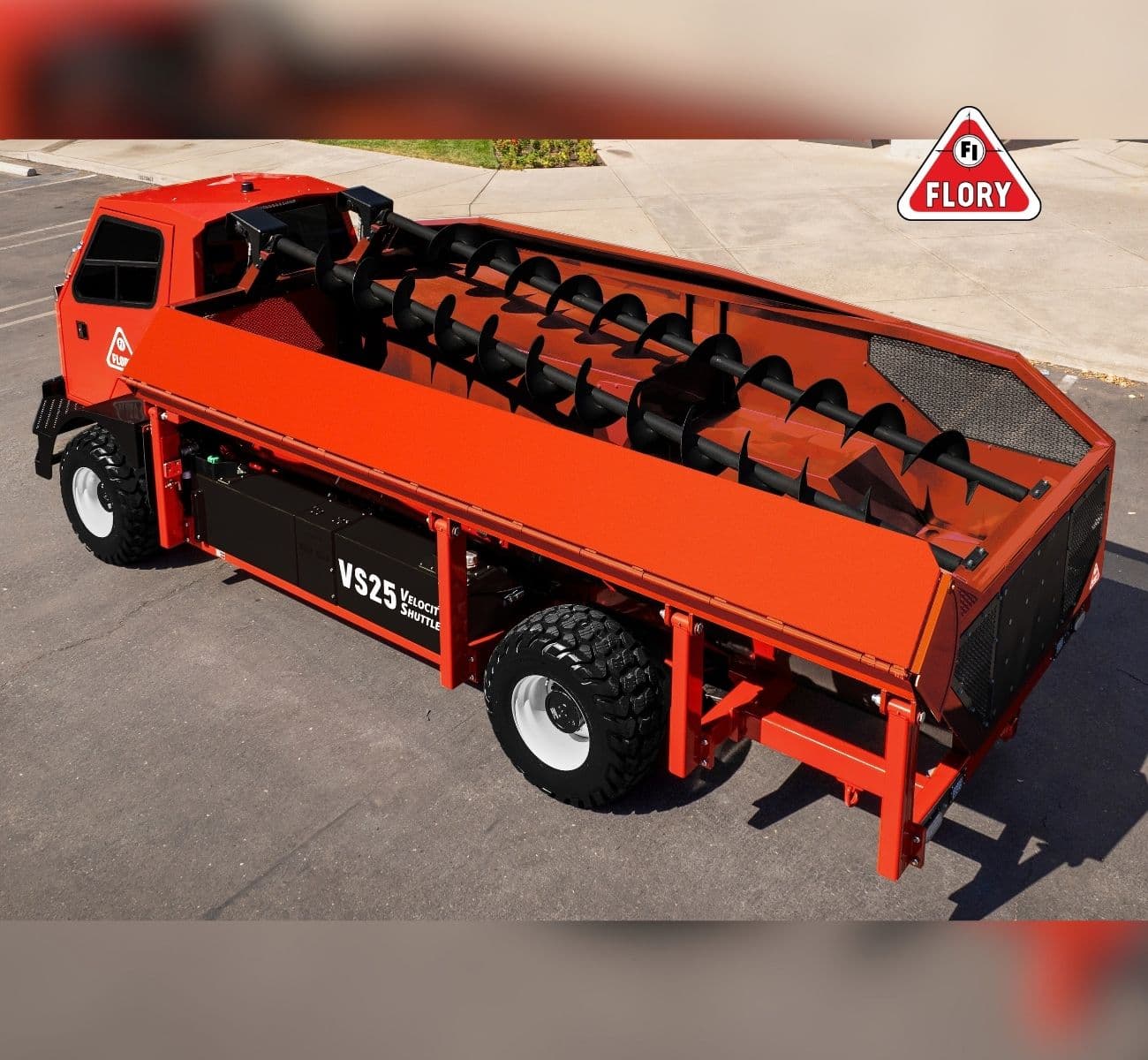
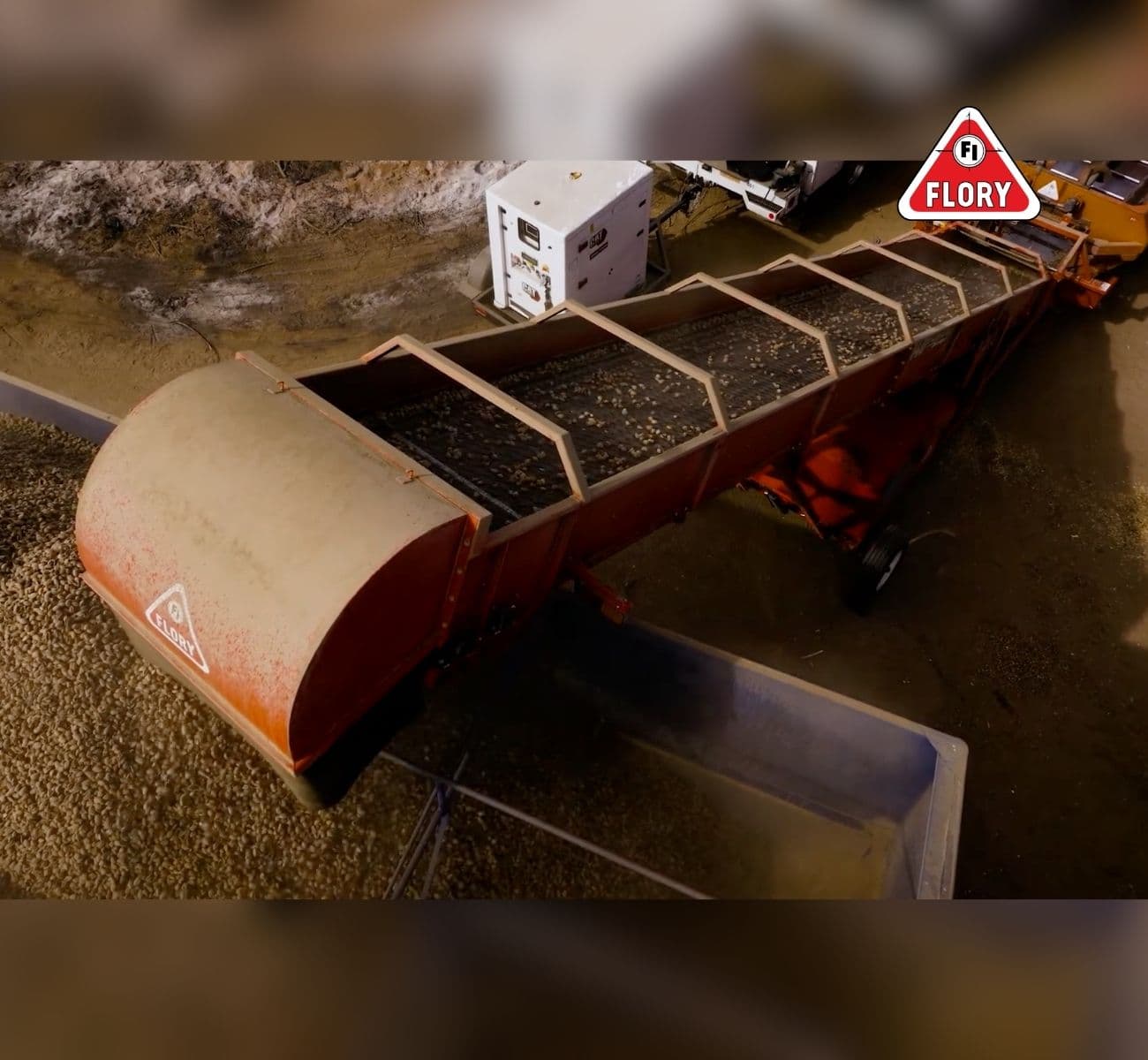
Flory harvesting machinery is available in Albania through OVE Europe for orchards planted for machines. The Flory COE C7 Shaker shakes each tree over the catching frame it forms with the L2 Receiver, which lifts the nuts into the B8 Cart or into bins. The VS25 Shuttle carries them to the 4840 Field Elevator, which loads trailers for the hulling plant.
Pistachio Harvest Workflow (Recommended Equipment)


Practical Tips for Pistachio Harvesting
Time harvest by maturity signs: UC Davis advises harvesting when 70 to 80% of the nuts meet them, such as easy hull separation.
Keep nuts off the ground: shaking over catching frames does this, as American Pistachio Growers explains.
Plan transport so nuts reach hulling as soon as possible and within 24 hours of harvest, as the Codex code advises, to prevent shell staining.
Plan for variable September weather at harvest: Albania's September rain was 40.7% below normal in 2023 and 179% of normal in 2024.
Harvest promptly once nuts are ripe: Spanish guidance warns that hulls breaking open on the tree raise the aflatoxin risk.
Size the fleet to the shaker: enough bins or B8 carts and shuttles keep the catching frame working without waits.
Get your recommended harvest setup
Enter orchard size, spacing, terrain, and target throughput—we’ll suggest a practical harvest workflow and equipment lineup.

Pistachio Post-Harvest Handling & Processing in Albania
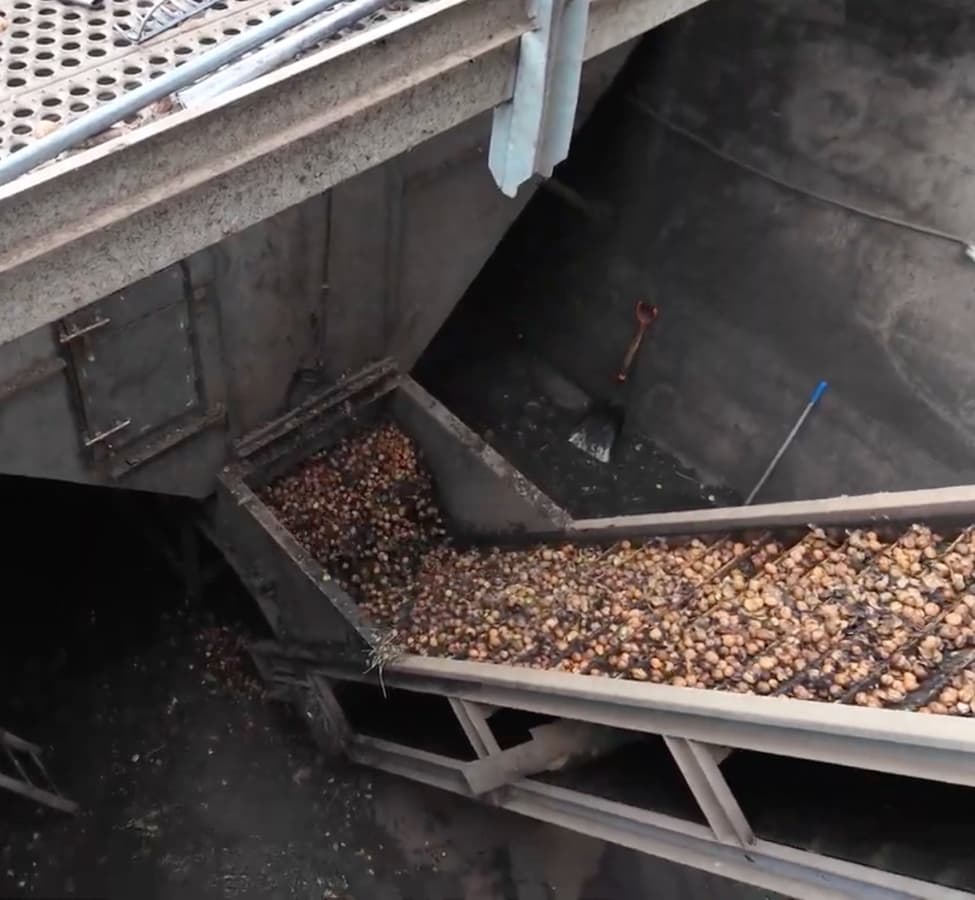
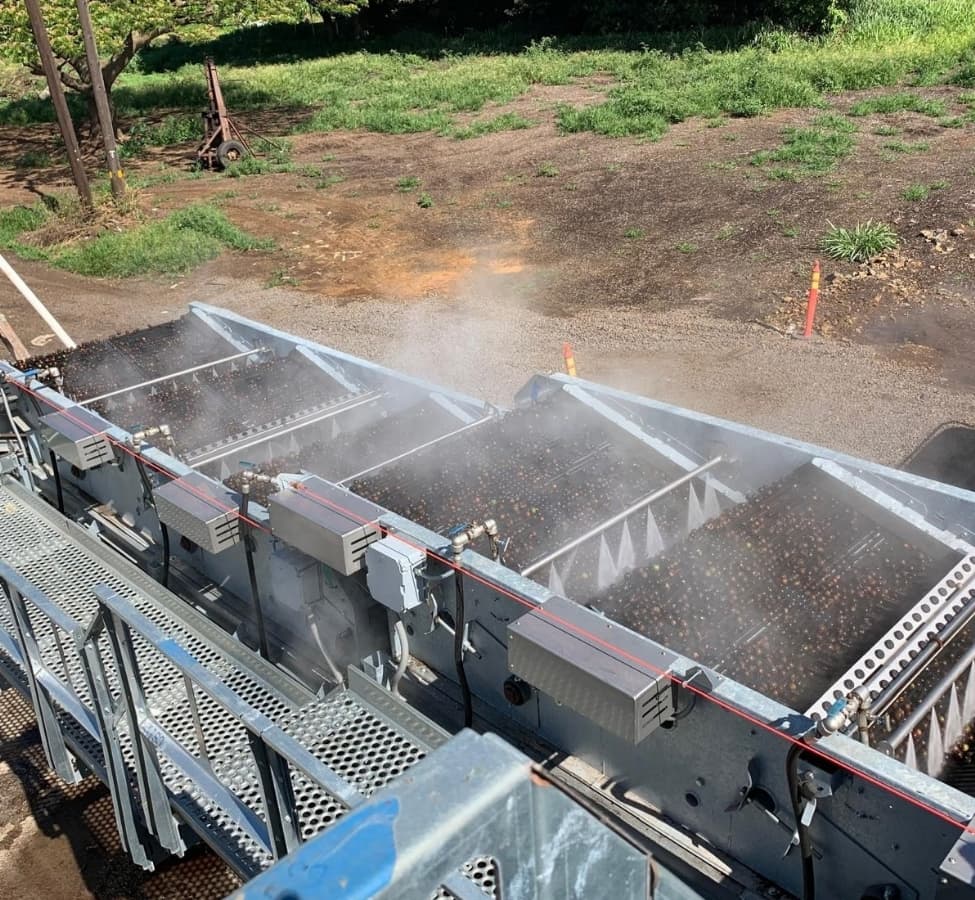
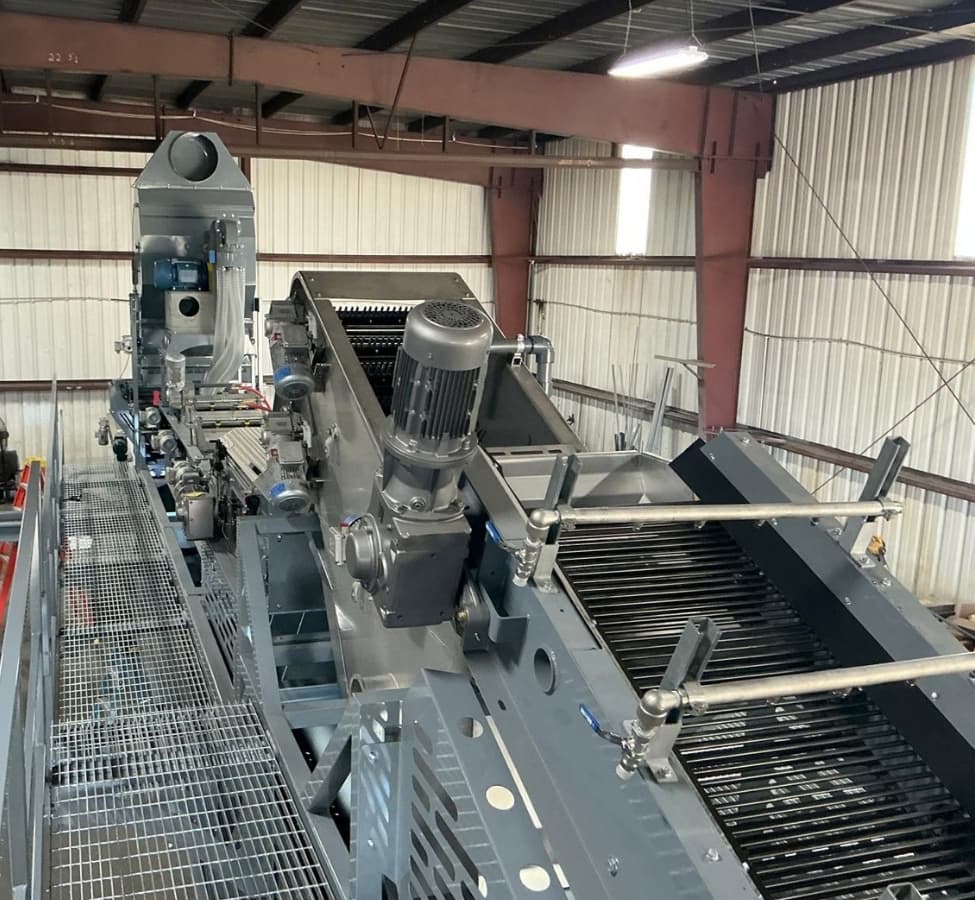
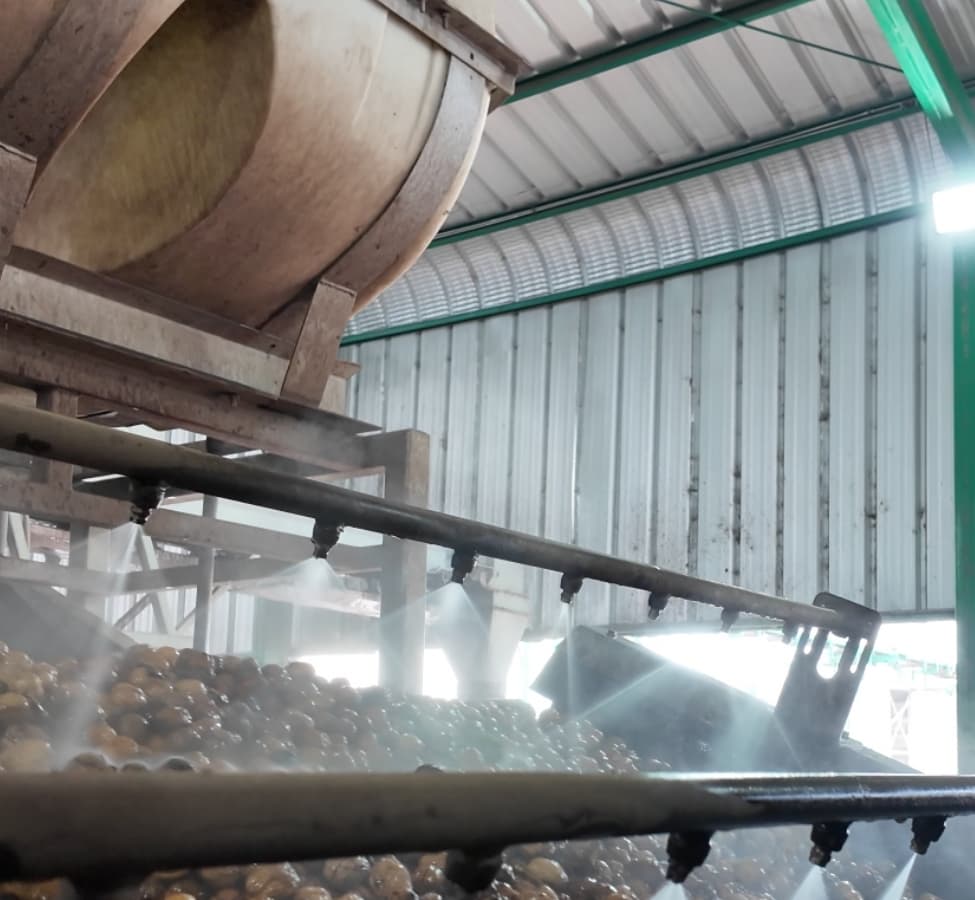
No Albanian source covers hulling, drying or storing pistachios, so this section rests on general guidance. UC describes hulling with abrasive peelers, washing to reduce shell staining, float tanks that separate blank nuts, and drying in two stages: to 12 to 13% moisture in a dryer, then to 4 to 6% in bins. UC Davis advises storage at 0 to 10 °C, never above 20 °C, with 65 to 70% relative humidity below 10 °C.
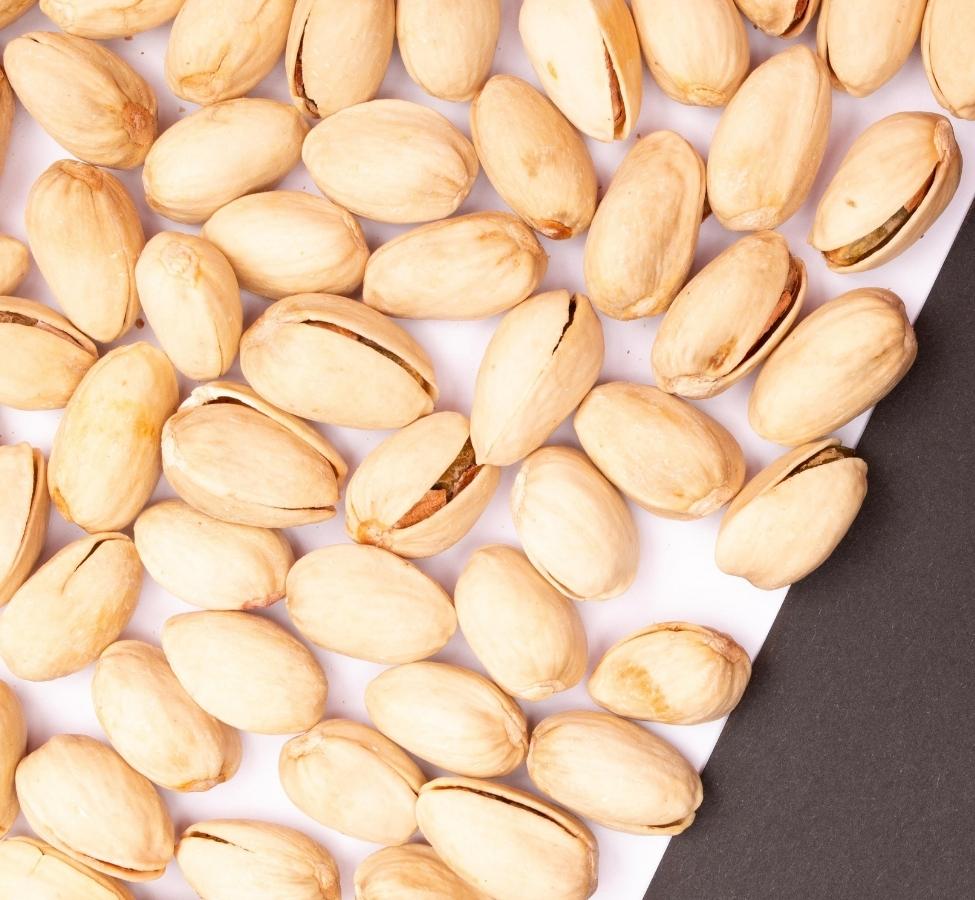
Under UNECE's 2025 standards, in-shell pistachios and kernels may contain at most 6.5% moisture. The Codex code advises storage, if possible, below 70% relative humidity and at 0 to 10 °C. Codex sets 10 µg/kg of total aflatoxins for ready-to-eat pistachios and 15 µg/kg for pistachios destined for further processing.
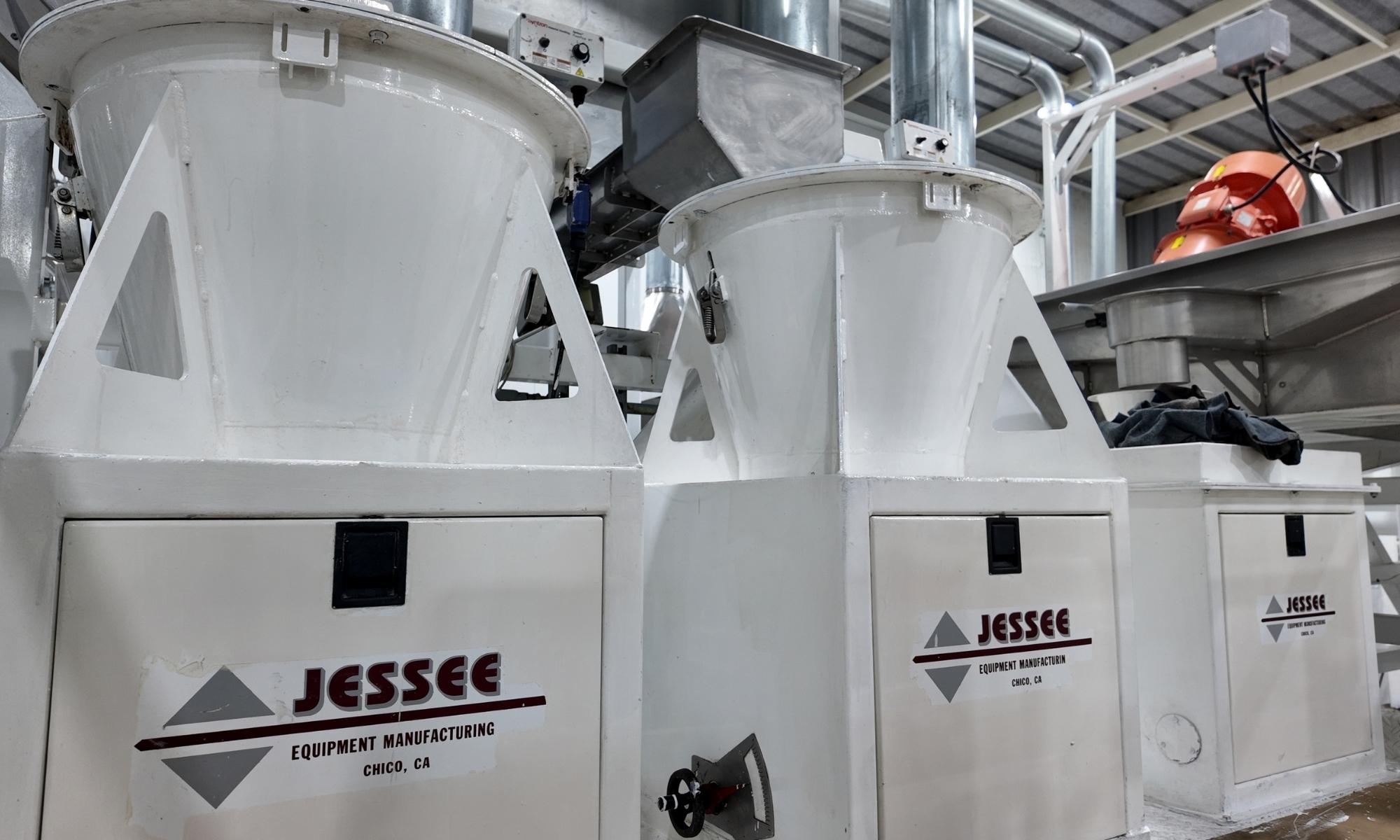
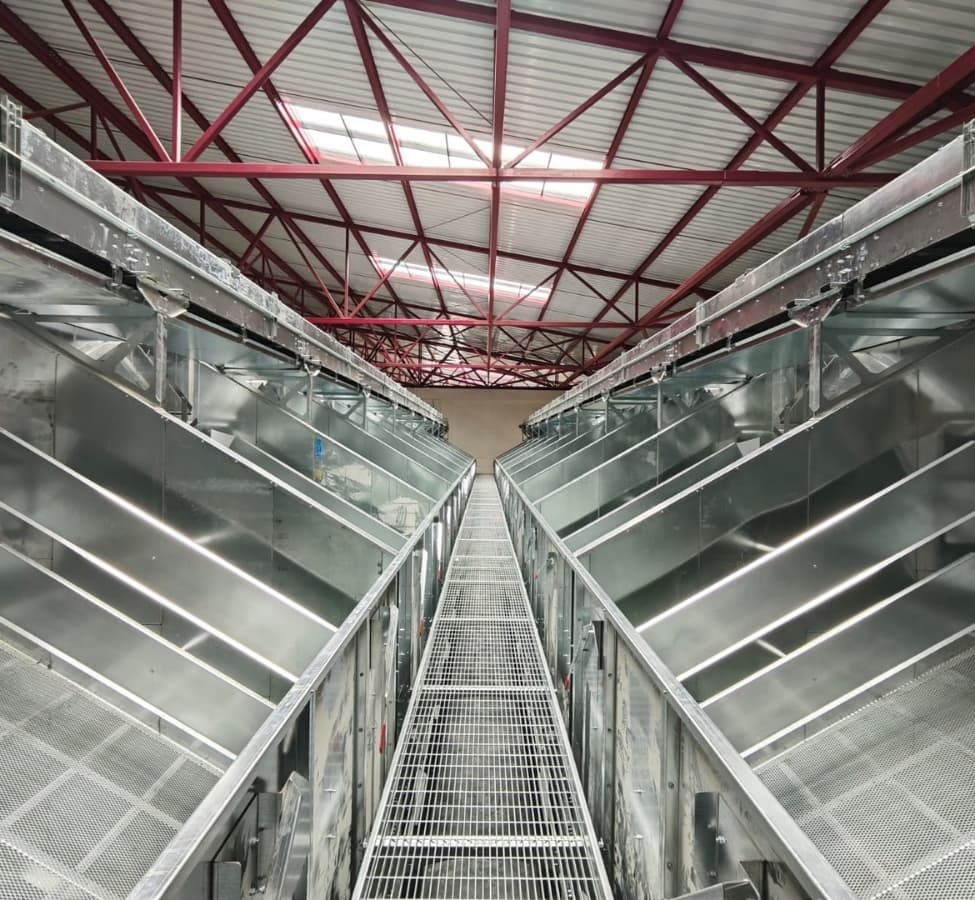
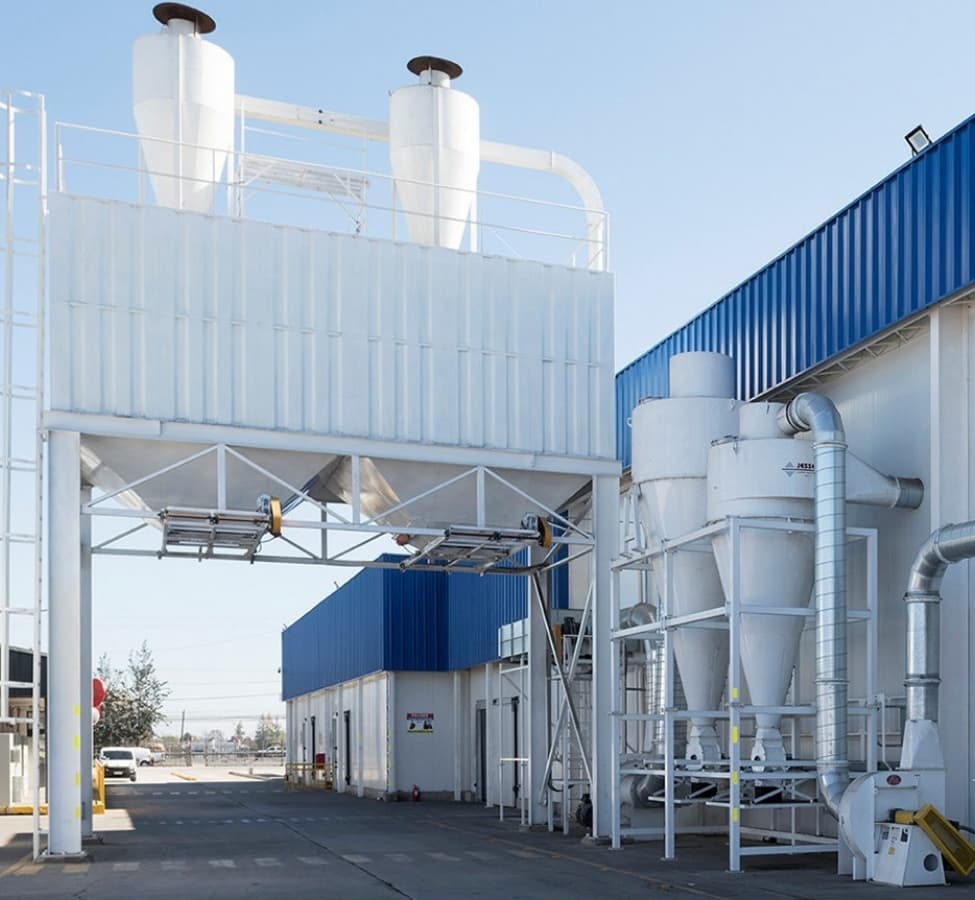
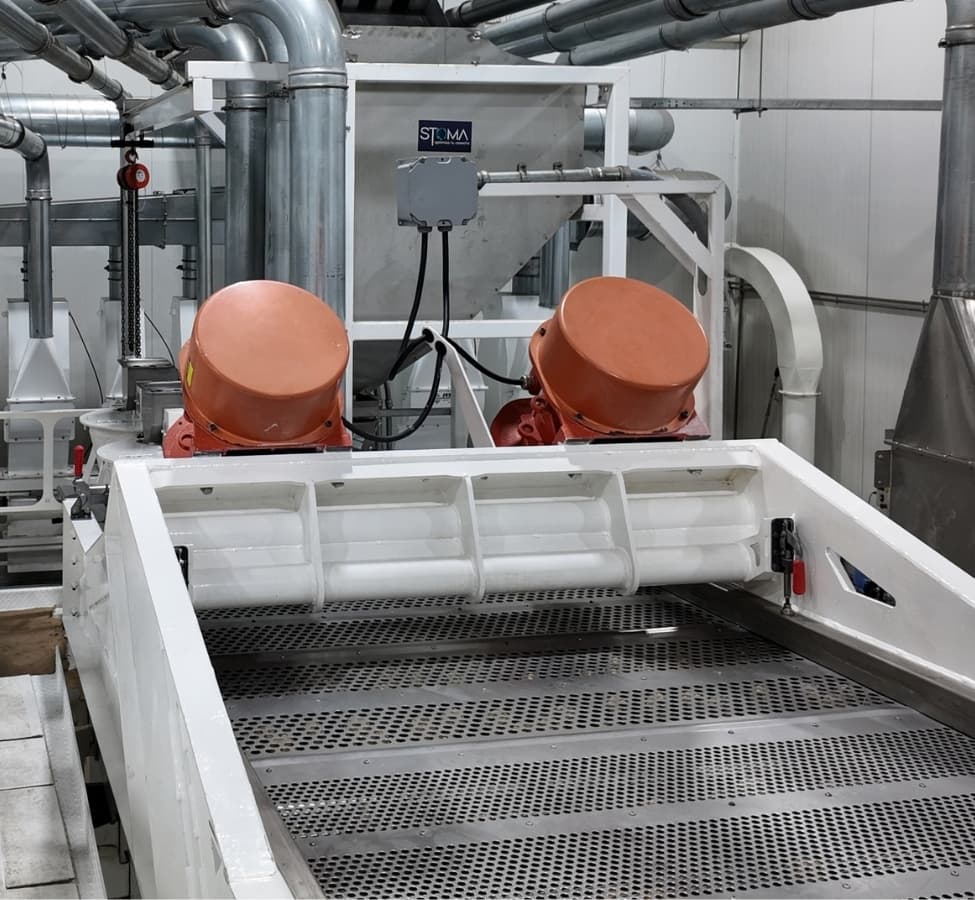
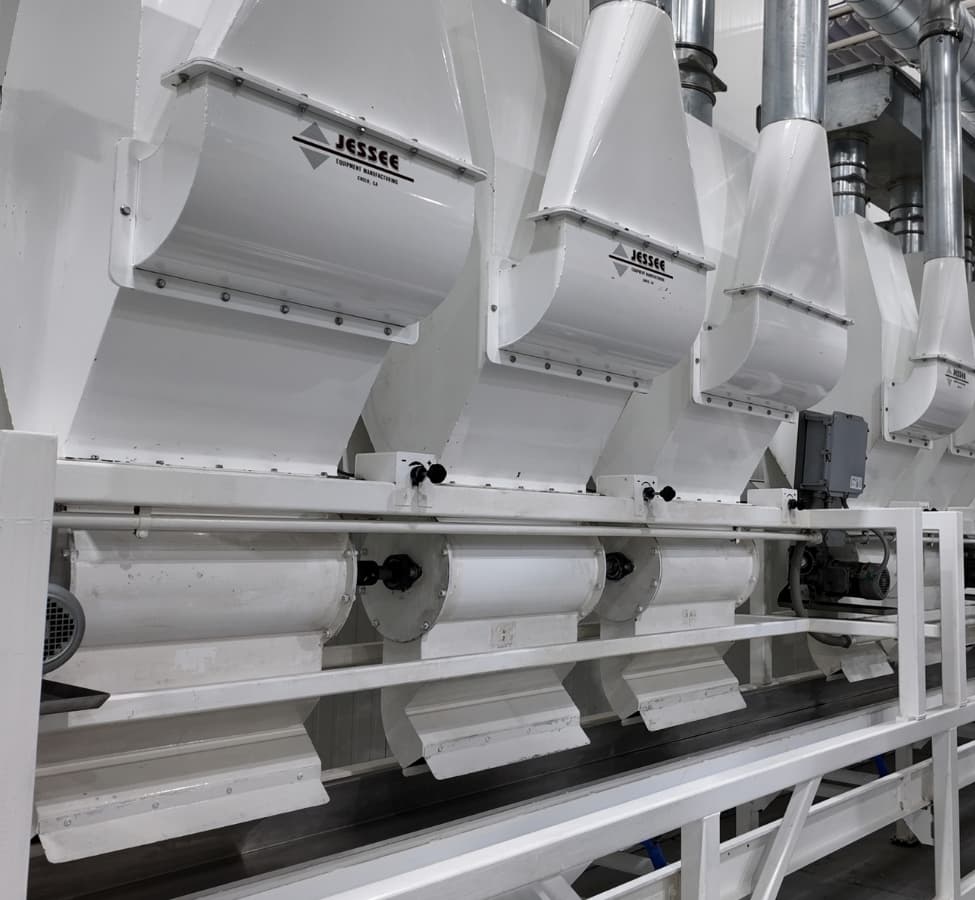
Albania's Instruction No. 4 of 9 February 2024 on contaminants sets, for pistachios to be sorted before use, 12.0 µg/kg of aflatoxin B1 and 15.0 µg/kg in total, and for pistachios sold to consumers or used as an ingredient 8.0 and 10.0 µg/kg. Jessee, whose processing lines OVE Europe supplies, builds hulling, drying, in-shell cleaning and sizing, and shelling systems, and it established product lines for pistachios in the 1980s.
For general information only. Information may become outdated and does not replace site-specific professional advice. Consult a qualified agronomist and confirm equipment suitability with OVE before acting.
Practical Tips for Pistachio Post-Harvest Handling & Processing
Hull and dry nuts within 24 hours of harvest: UC IPM advises it against postharvest disease, the Codex code against shell staining.
Separate blank nuts in the float tank during washing and handle them apart from the filled nuts.
Dry in two stages as UC describes: first to 12 to 13% moisture in a dryer, then to 4 to 6% in bins.
Keep lots within UNECE's 2025 moisture limit of 6.5% for in-shell pistachios and kernels.
Test lots for aflatoxins: Albania's 2024 instruction allows 8.0 µg/kg of B1 and 10.0 µg/kg in total in pistachios sold to consumers.
Store dried nuts cool and dry: UC Davis advises 0 to 10 °C, never above 20 °C, and 65 to 70% humidity below 10 °C.
Recommended Post-Harvest Handling & Processing Stages
Plan your post-harvest line
Estimate tons/day, cleaning & drying capacity, storage needs, and cost/kg—then build your equipment plan in phases.