





Almond Orchard Establishment in Azerbaijan
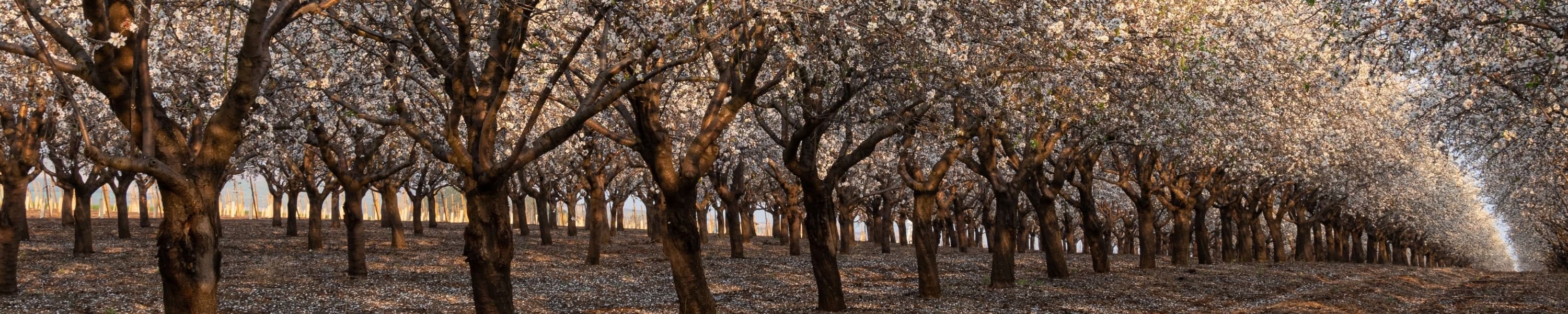
The State Statistical Committee's regional tables show where almonds grow. In 2024 Absheron-Khizi economic region produced 2,575.7 t, 39.3% of the national crop, 2,493.6 t of it in Absheron district, and Shaki-Zagatala produced 2,303.2 t (35.2%), mainly in Gakh district; Guba-Khachmaz, Central Aran and Daghlig Shirvan followed. The Ministry of Agriculture's almond page (2019) says almonds are grown on a commercial scale mainly on the Absheron Peninsula.
The Ministry's 2019 page lists zoned and promising cultivars such as Nikitskiy-62, Krimskiy and Prinsessa, and a 2014 study names Sarai, Absheron and Mardakan as local cultivars. Two documented newer plantings use introduced cultivars: about 427 ha of Guara, Belona, Avijor and Soleta were planted on the Absheron Peninsula in 2017 to 2019, and a company reports a 120 ha orchard in Oghuz district, planted in December 2021 at 5 x 3 m with drip irrigation, with Ferragnes and Ferraduel.
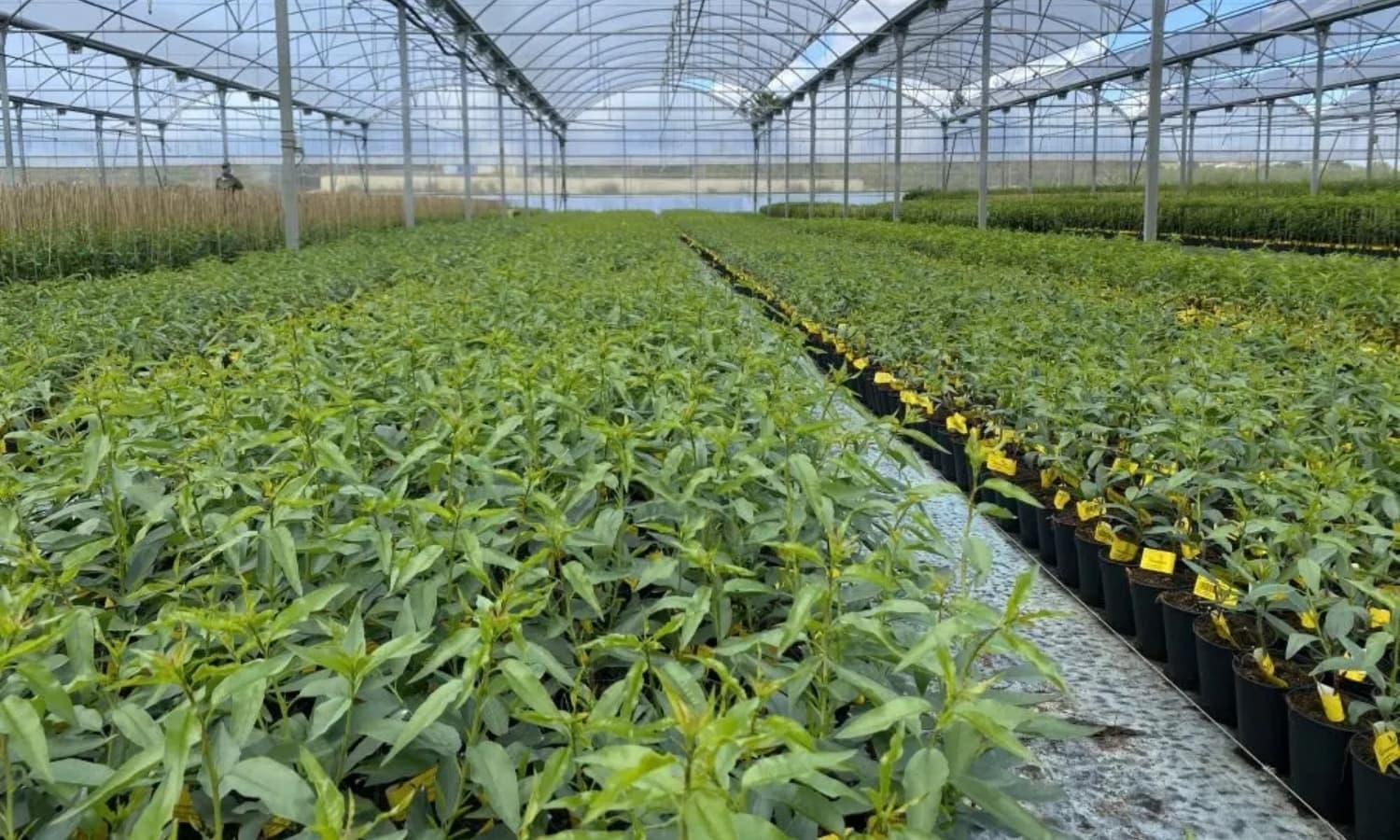
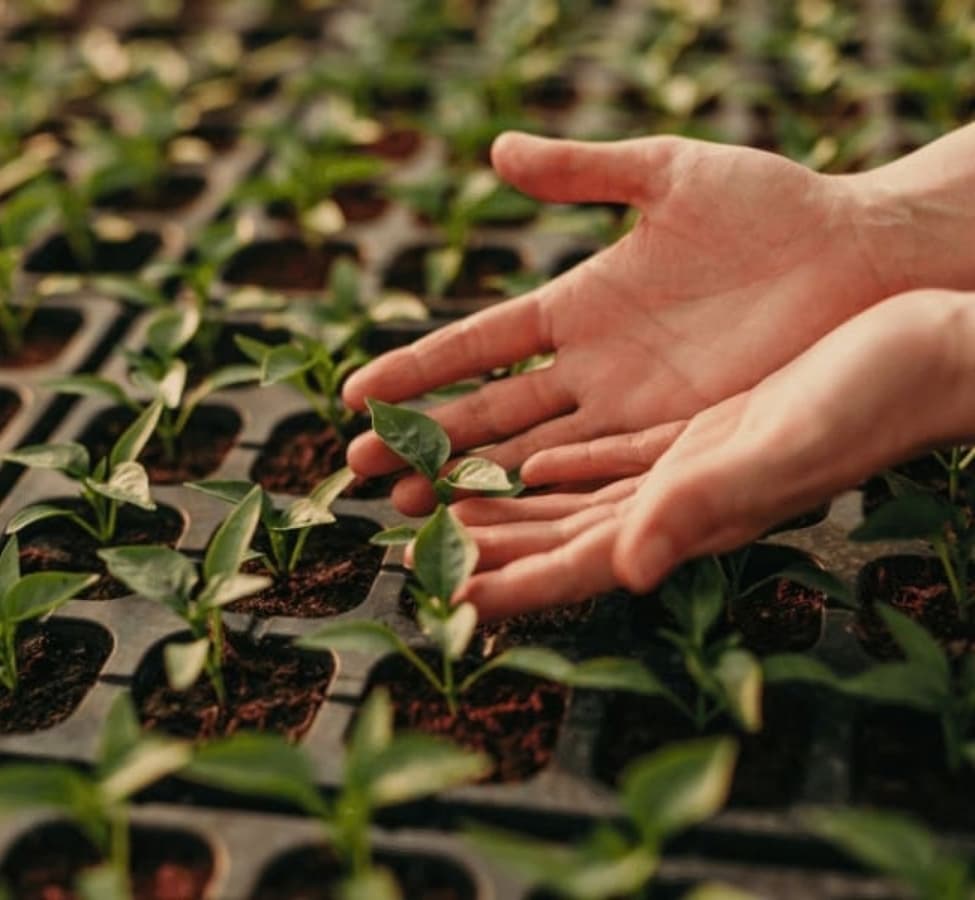
The Ministry advises deep plowing to 60 cm, leveling the land and dividing it into blocks of 8 to 12 ha, autumn planting and a spacing of 7 to 8 m by 7 to 8 m, as dense plantings grow weaker and yield less. It names almond seedlings as rootstocks, and partly apricot, cherry plum and peach seedlings, and new orchards mostly start bearing in their third or fourth year. A 2011 study by researchers at the Absheron experimental station notes that early-blooming cultivars often suffer from spring frosts and northern winds.

Practical Tips for Almond Orchard Establishment
Favor later-blooming cultivars and sites sheltered from north winds: the 2011 Absheron study notes early bloomers often suffer from spring frosts and northern winds.
Prepare the site as the Ministry advises: plow to 60 cm, level the land and divide it into blocks of 8 to 12 ha before autumn planting.
Compare bloom dates before choosing cultivars: one Azerbaijani producer lists 18 February to 5 March for Belona and 8 to 22 March for Avijor.
Plan pollination: the 42 ha intensive orchard in Aghsu district brought in 200 beehives, and Spanish research describes Soleta as self-compatible.
Design irrigation before planting: most of the Absheron Peninsula gets under 300 mm of rain a year, the national hydrometeorological service reports.
Plan rows, headlands and tree form for the shaker, sweeper and harvester before planting, and check trunk clearance with OVE Europe.
Recommended Establishment Stages

Almond Orchard Care & Maintenance in Azerbaijan
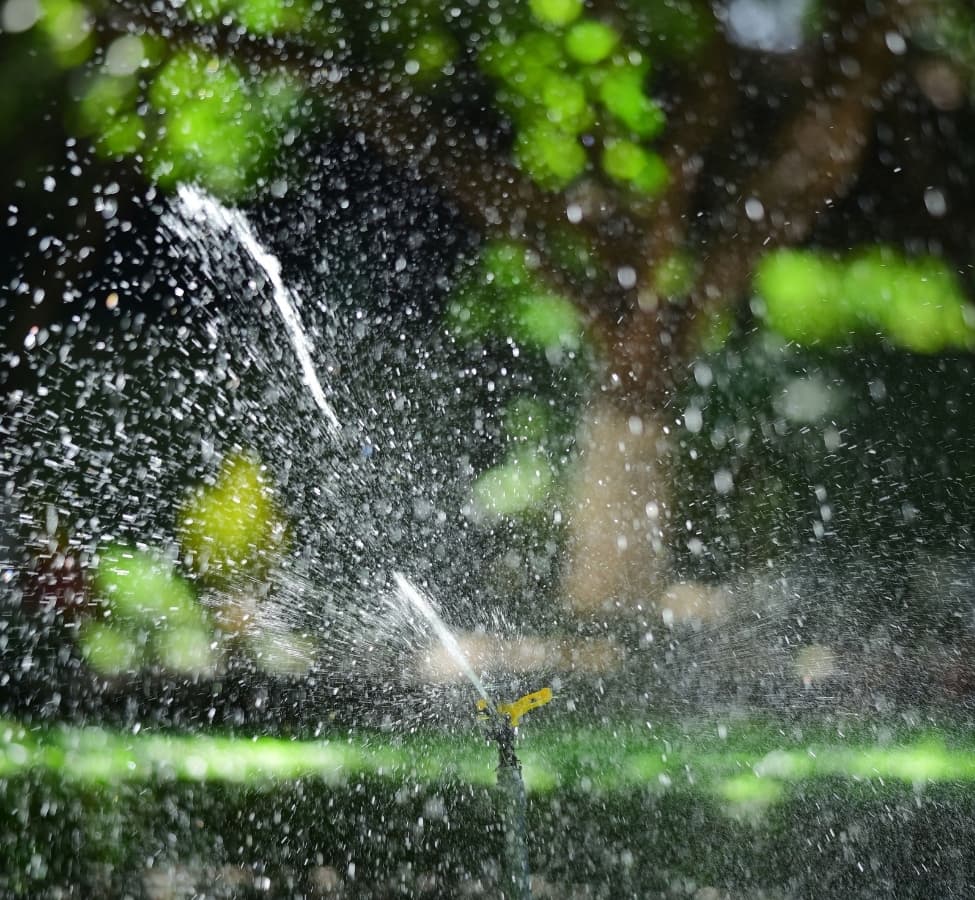
The Ministry of Agriculture advises 4 to 5 irrigations a year in irrigated districts: in early spring, after bloom, as the fruit ripens and after harvest in autumn. In a 2006 to 2008 trial at the Absheron station on 40-year-old trees of the zoned cultivar Primorsky, autumn and winter water-charging irrigations added to three growing-season ones built up soil moisture, and two of them, in November and December, gave the highest yield.
EPPO lists the almond seed wasp as present in Azerbaijan, based on a 1991 reference, and Monilinia fructicola, a brown rot fungus, as present on a 2011 report by the national plant protection organization. Azerbaijan's almond export protocol with China names Monilinia fructicola and fall webworm as quarantine pests of concern to China. In 2022 the Food Safety Agency's pheromone traps in almond and quince orchards of one district found no Mediterranean fruit fly or brown marmorated stink bug.
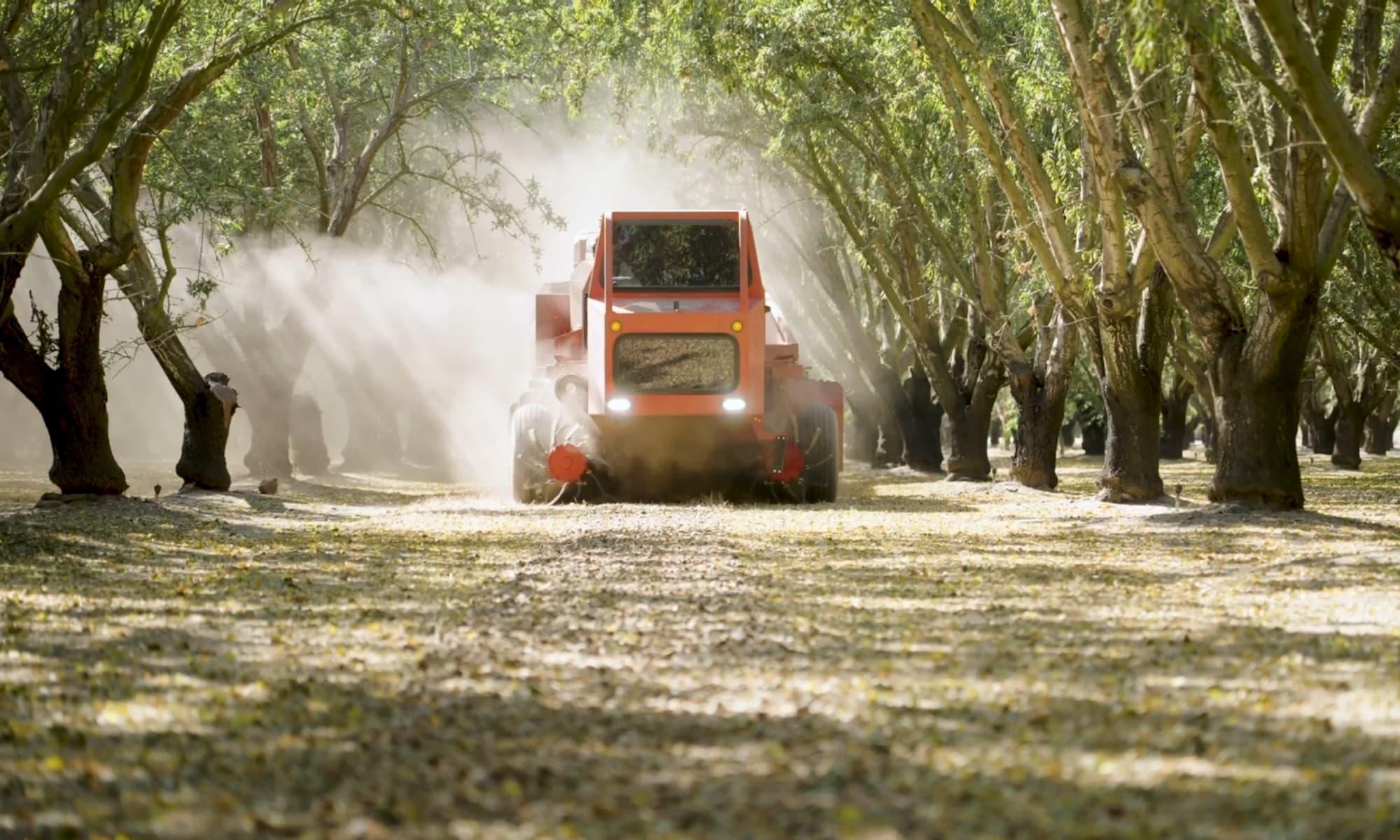
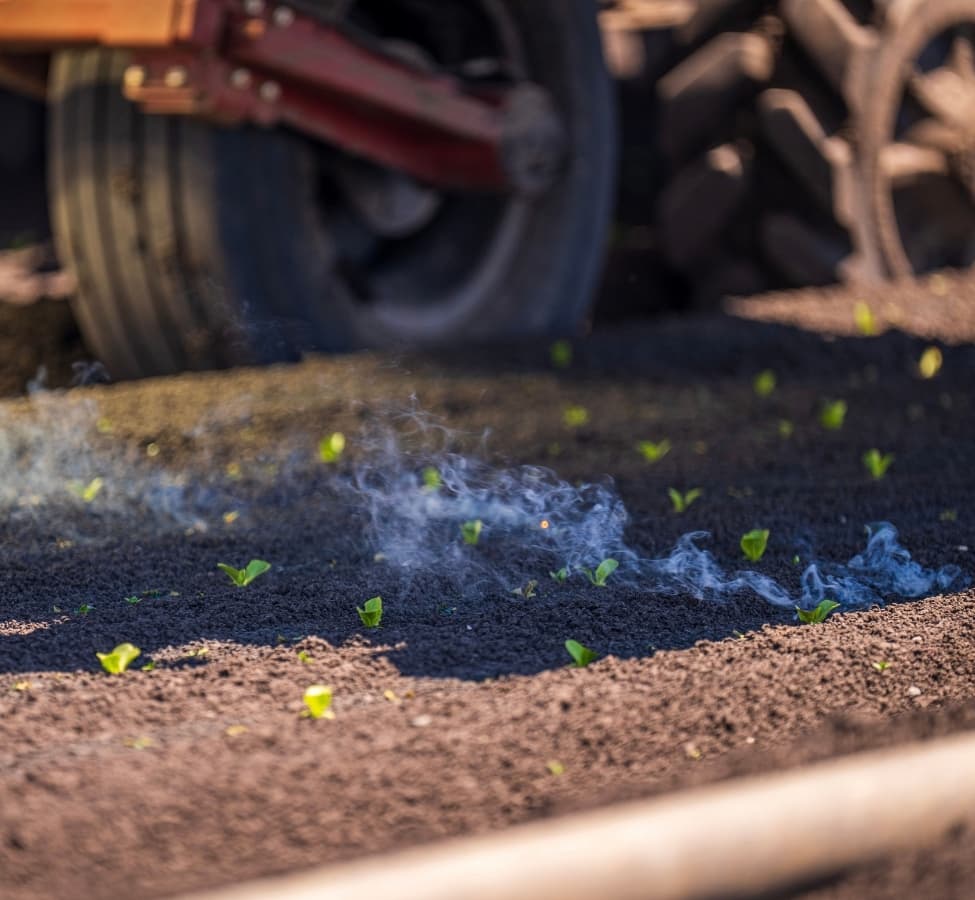
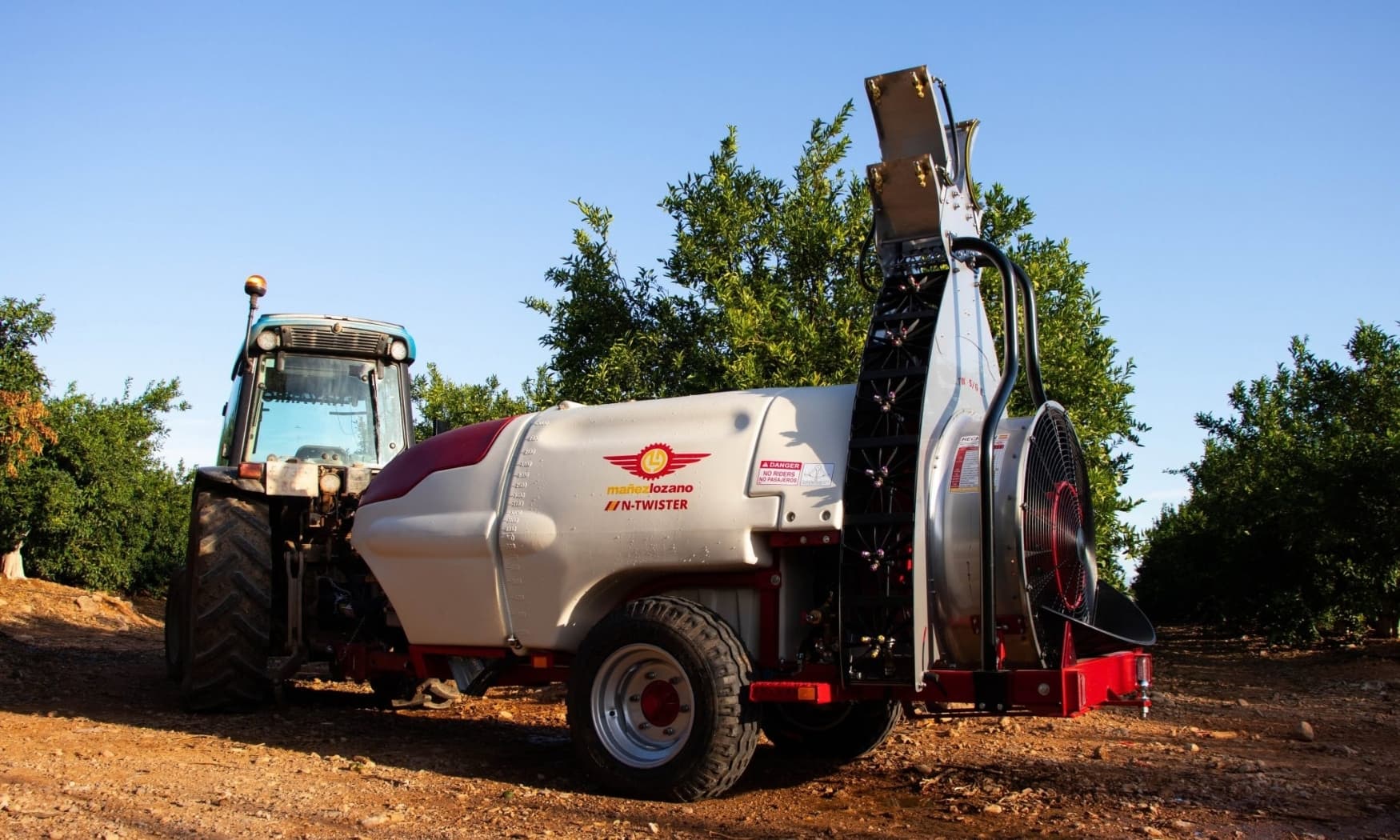
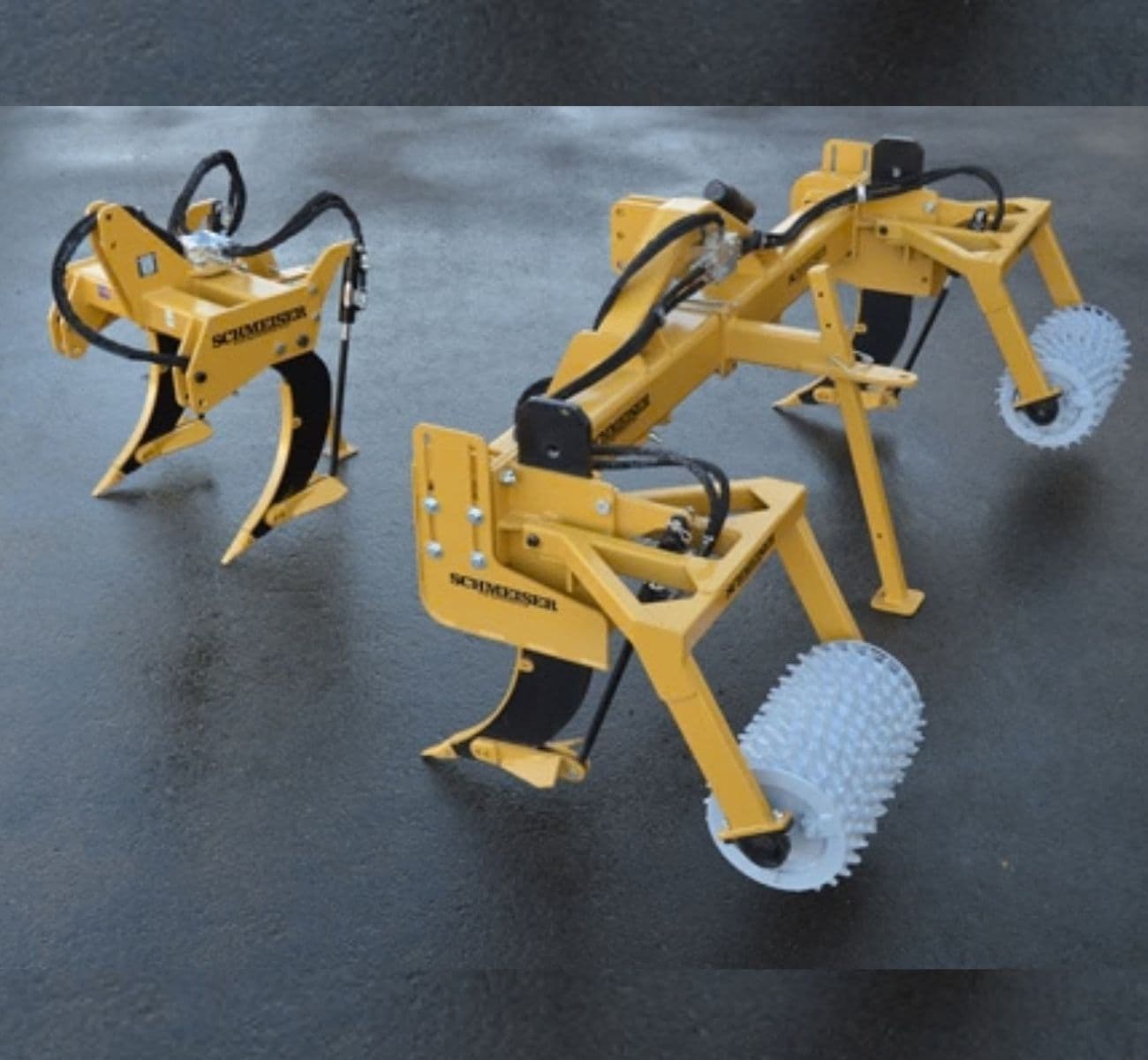
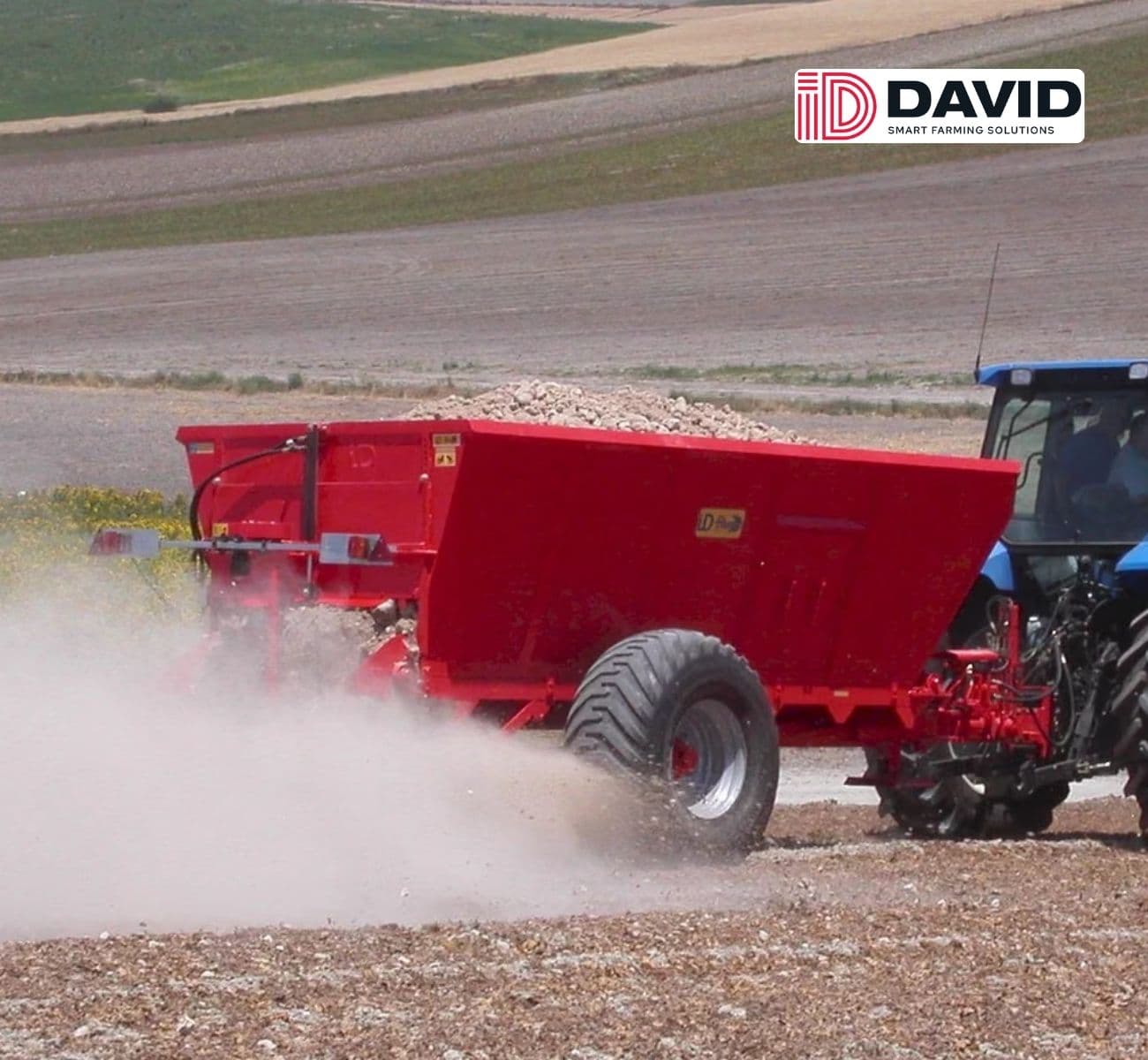
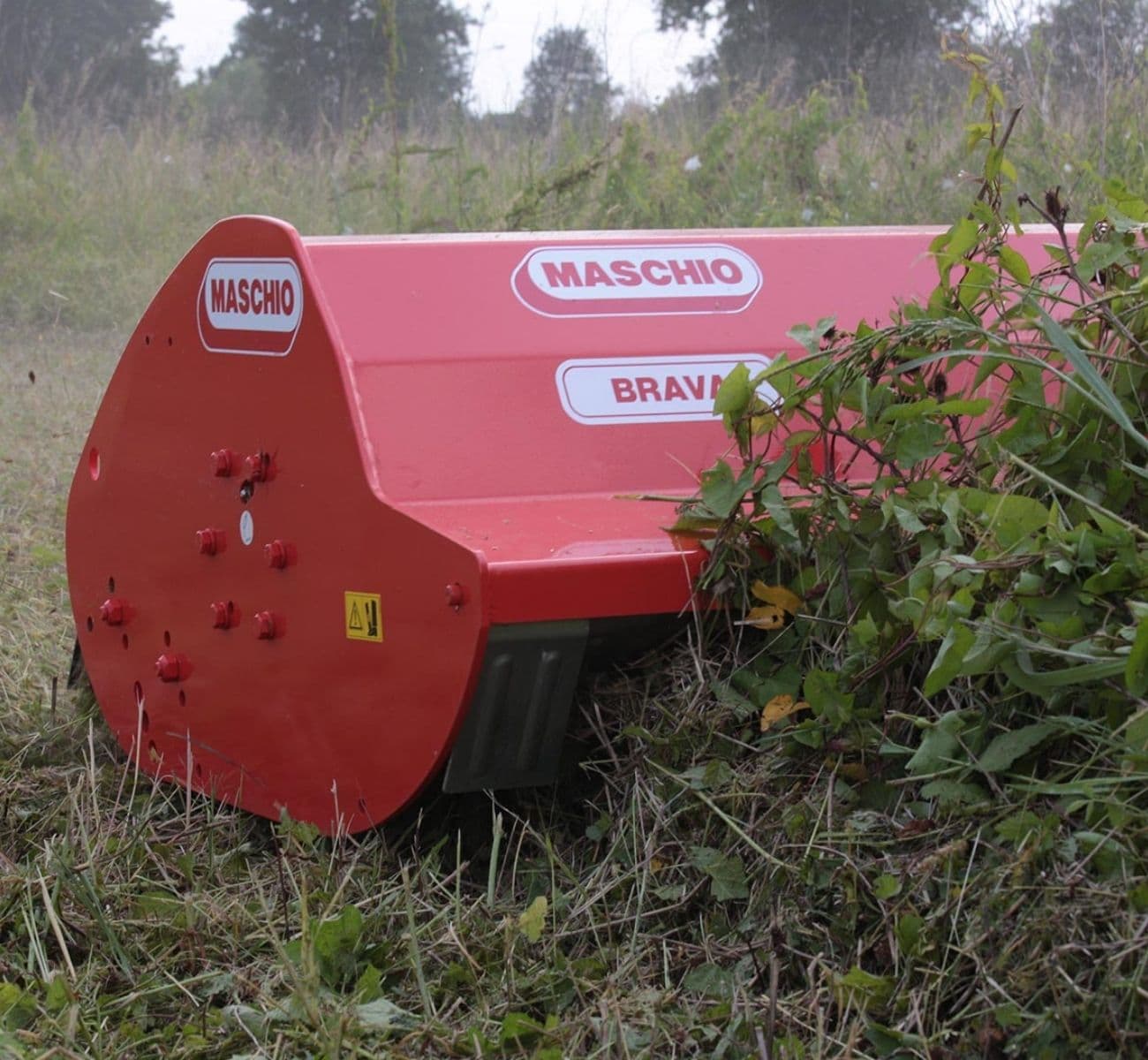
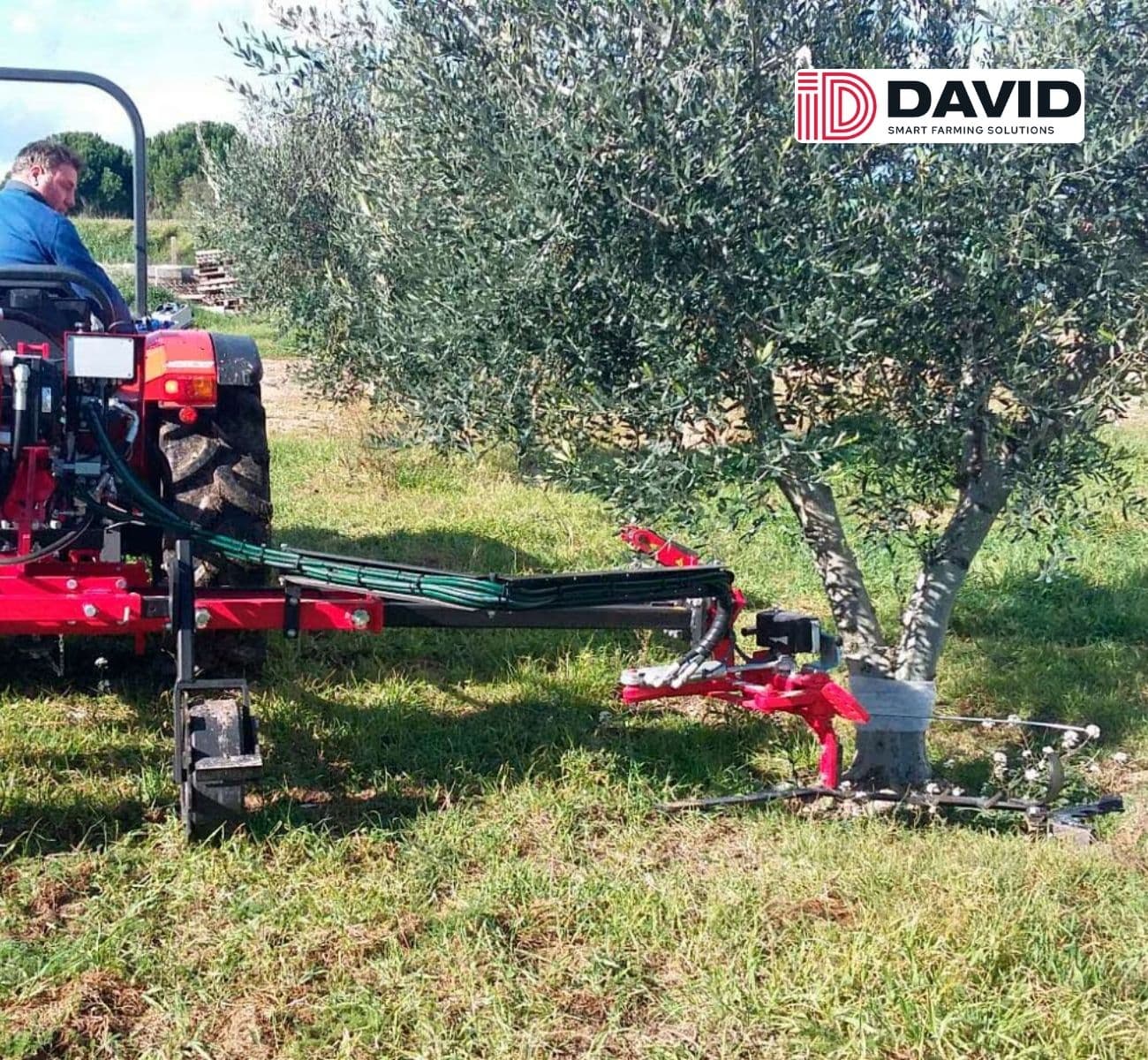
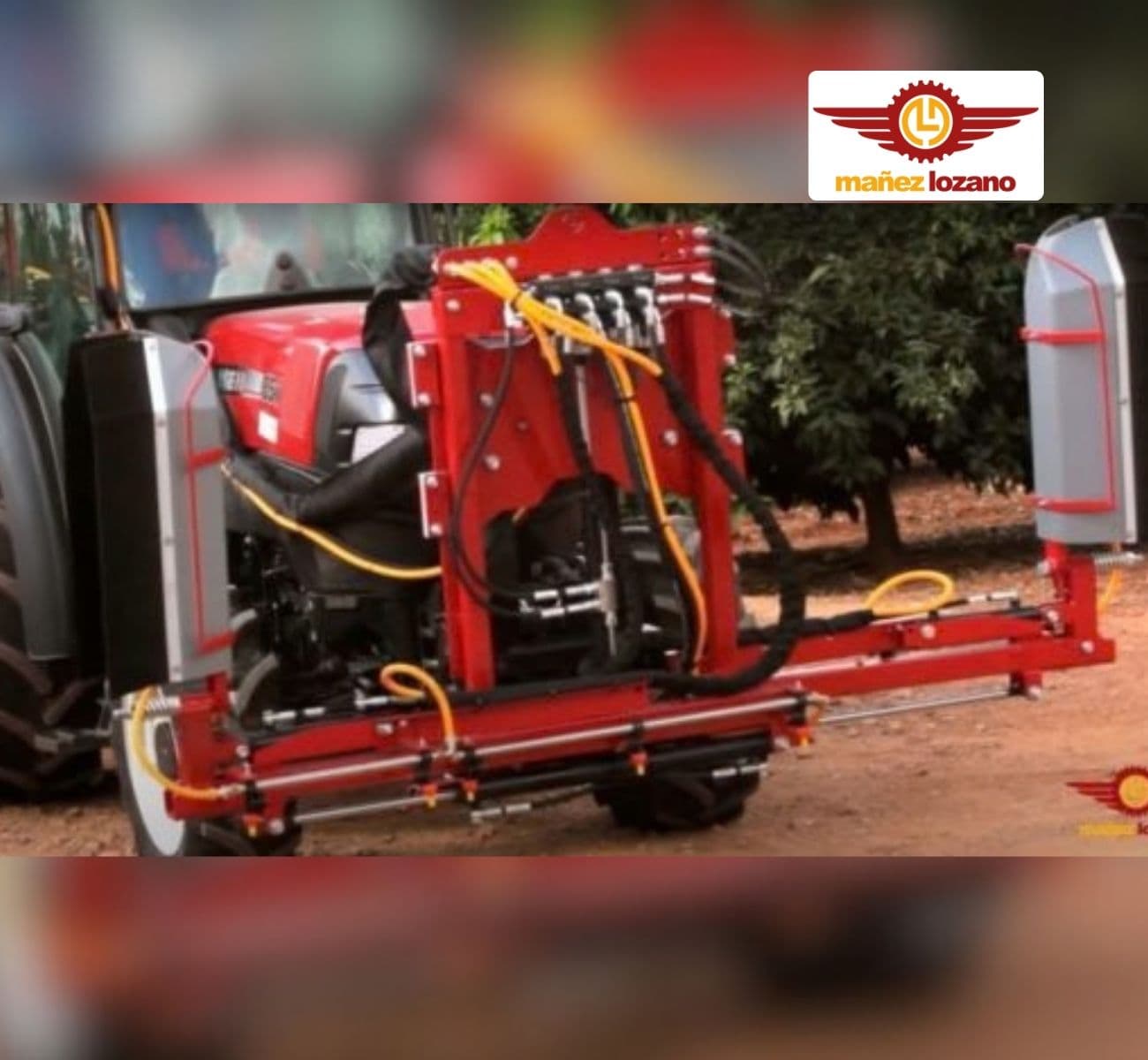
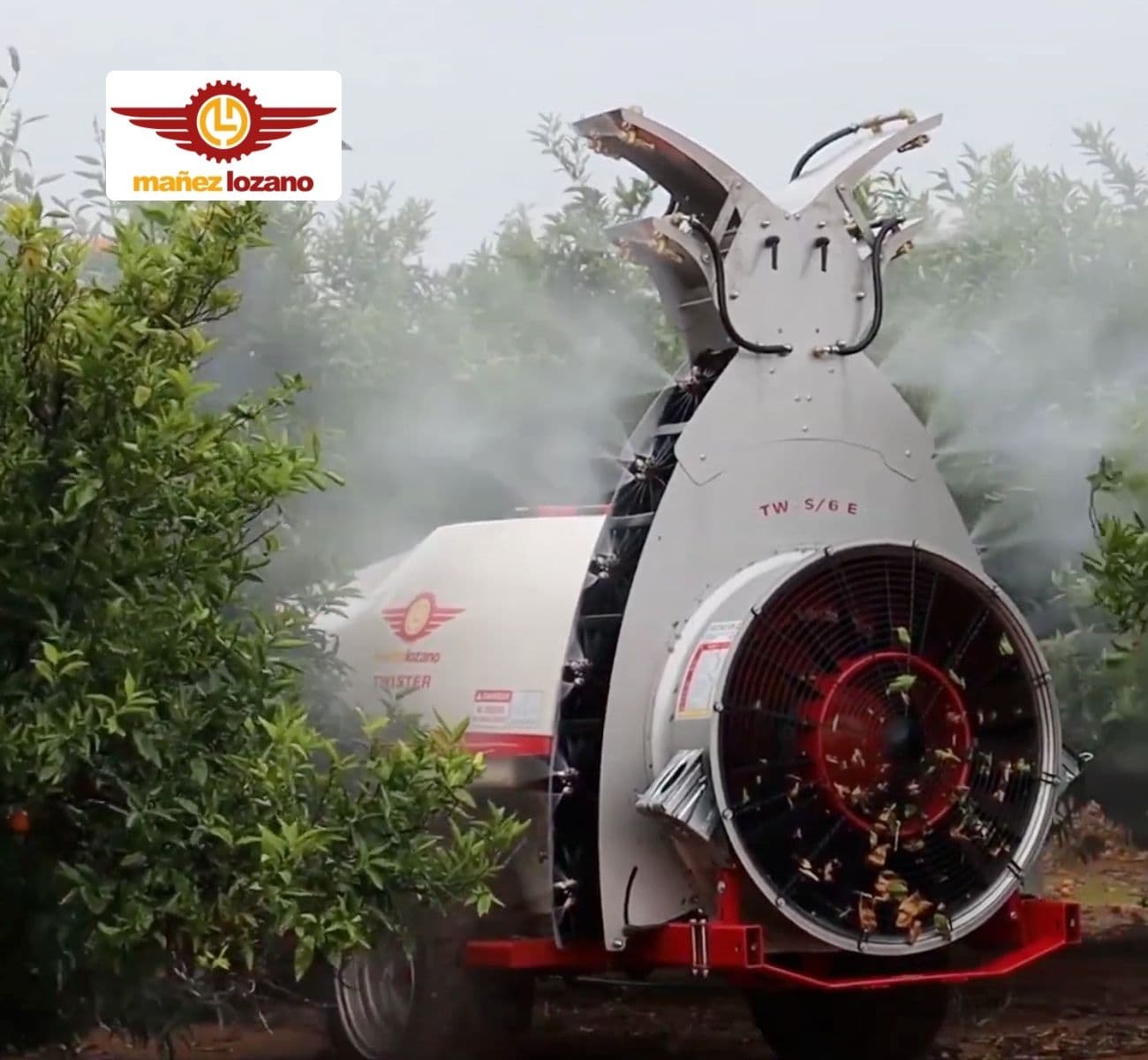
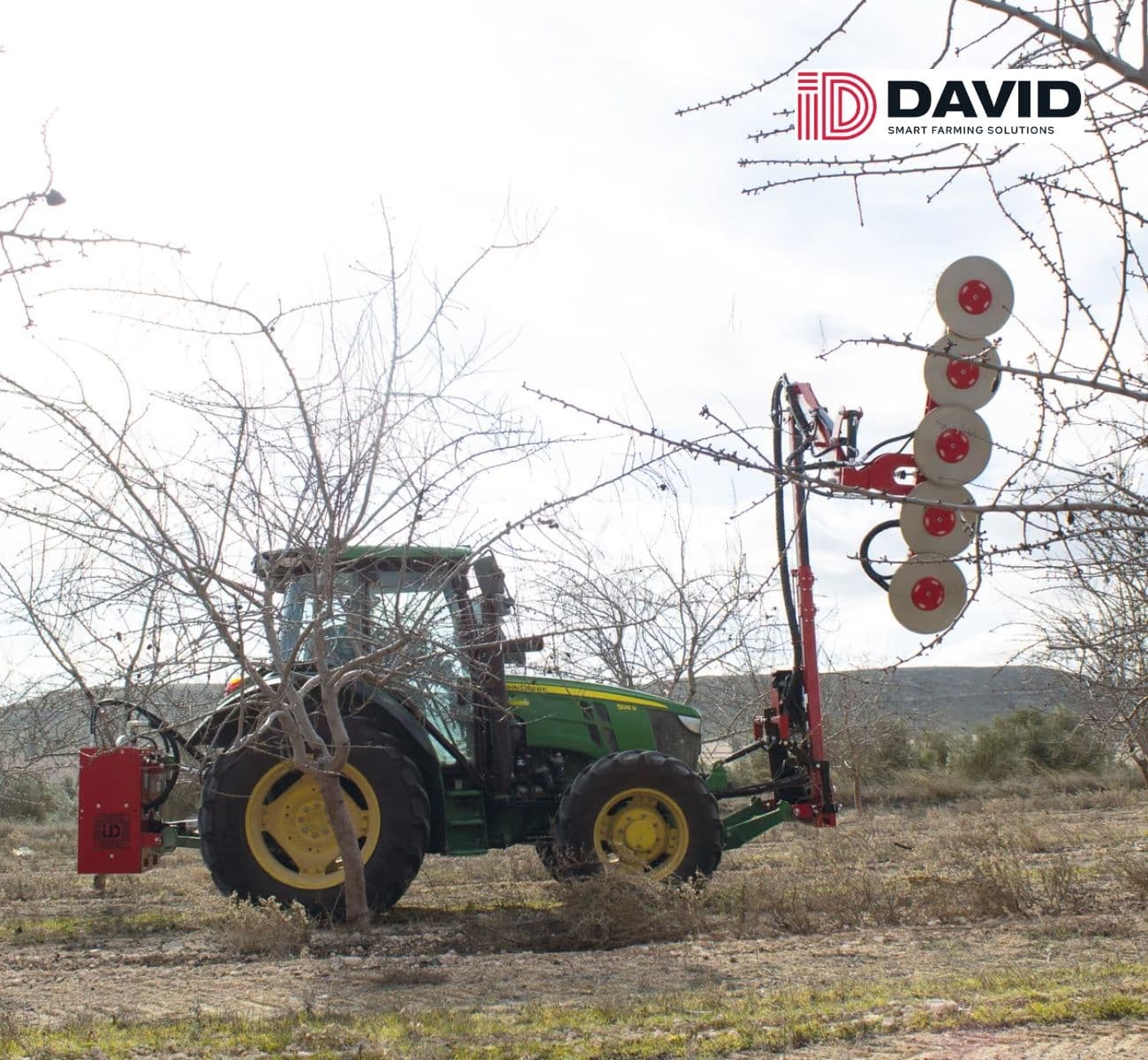
No Azerbaijani pruning guidance for almond was found; the Ministry advises black fallow between rows in rain-fed orchards, and green manure or grass in irrigated ones with the trunk zone kept bare. OVE Europe sells ID DAVID and Mañez Lozano machines in Azerbaijan: the ID DAVID SURFEED spreads solid manure, the ID-XL weeds the tree row, the Mañez Lozano Mega Twister S6 sprays tall, dense canopies and the ID DAVID ID-REX disc pruner makes lateral and topping cuts.
Recommended Orchard Care & Maintenance Stages
Practical Tips for Almond Orchard Care & Maintenance
Irrigate at the stages the Ministry names, 4 to 5 times a year: early spring, after bloom, as the fruit ripens and after harvest in autumn.
Discuss autumn or winter water-charging irrigation with an agronomist: in one Absheron trial on 40-year-old trees, two such irrigations gave the best yield.
Remove shriveled almonds left on the trees after harvest: a Spanish study calls this sanitation a potentially important measure against the seed wasp.
Inspect blossoms after rain at bloom: University of California guidance says rainy weather favors brown rot blossom infection.
Keep the tree row weed-free with an in-row weeder such as the ID DAVID ID-XL, and keep the orchard floor level for harvest.
Spray tall, dense canopies evenly with a trailed airblast sprayer such as the Mañez Lozano Mega Twister S6.

Almond Harvesting in Azerbaijan
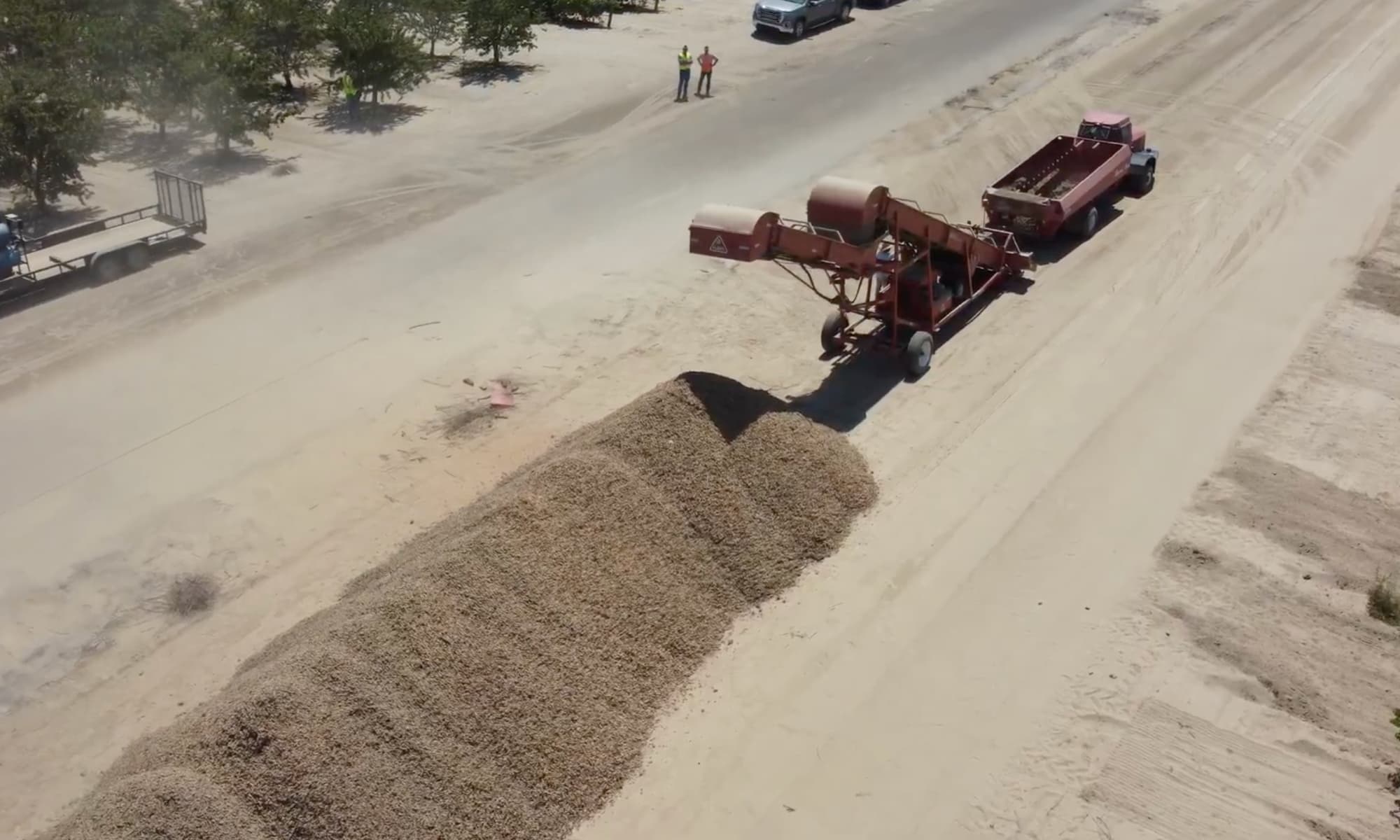
No Azerbaijani source found describes how almonds are harvested, by hand or by machine, or how much labor the harvest takes. One processor on the Absheron Peninsula writes that harvested almonds go to its plant immediately and that it dries green-hull almonds to 6.5% moisture within 3 to 6 days. In orchards planted for machines on suitable ground, not scattered household trees, steep slopes or terraces, mechanized harvesting can bring the crop in on time, with less risk of nuts deteriorating while they wait.
The Absheron Peninsula is among the driest parts of the country, and its late summer is normally dry: Baku's 1971 to 1990 averages, from the national hydrometeorological service via the WMO, give 6 mm of rain on 2 days in August and 15 mm on 2 days in September. National reviews, which do not single out Absheron, recorded a relatively rainy August 2023 and rainy spells in September 2022 and 2023, with downpours and hail in Shaki-Zagatala in September 2023, so this guide shows prompt pickup, with drying after hulling.
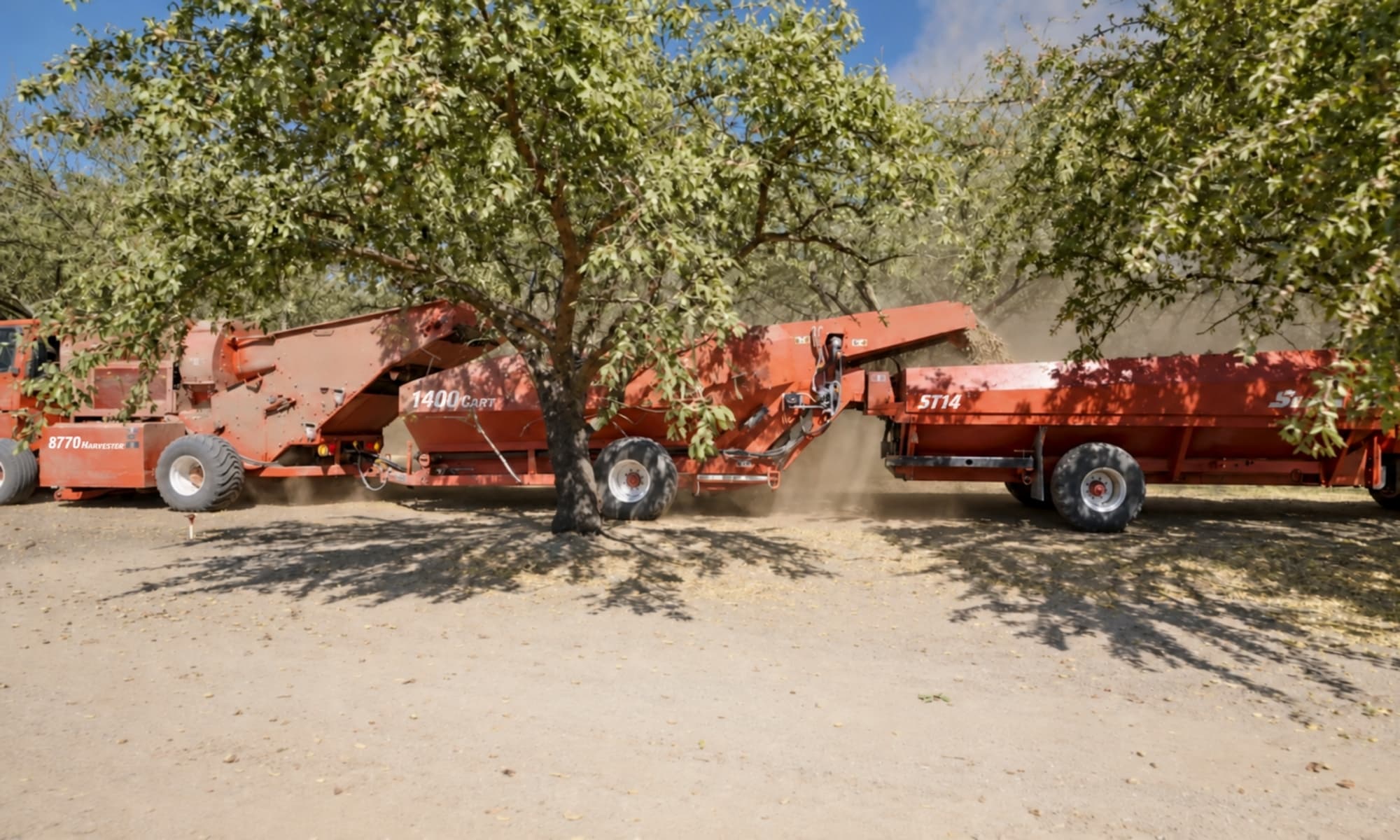
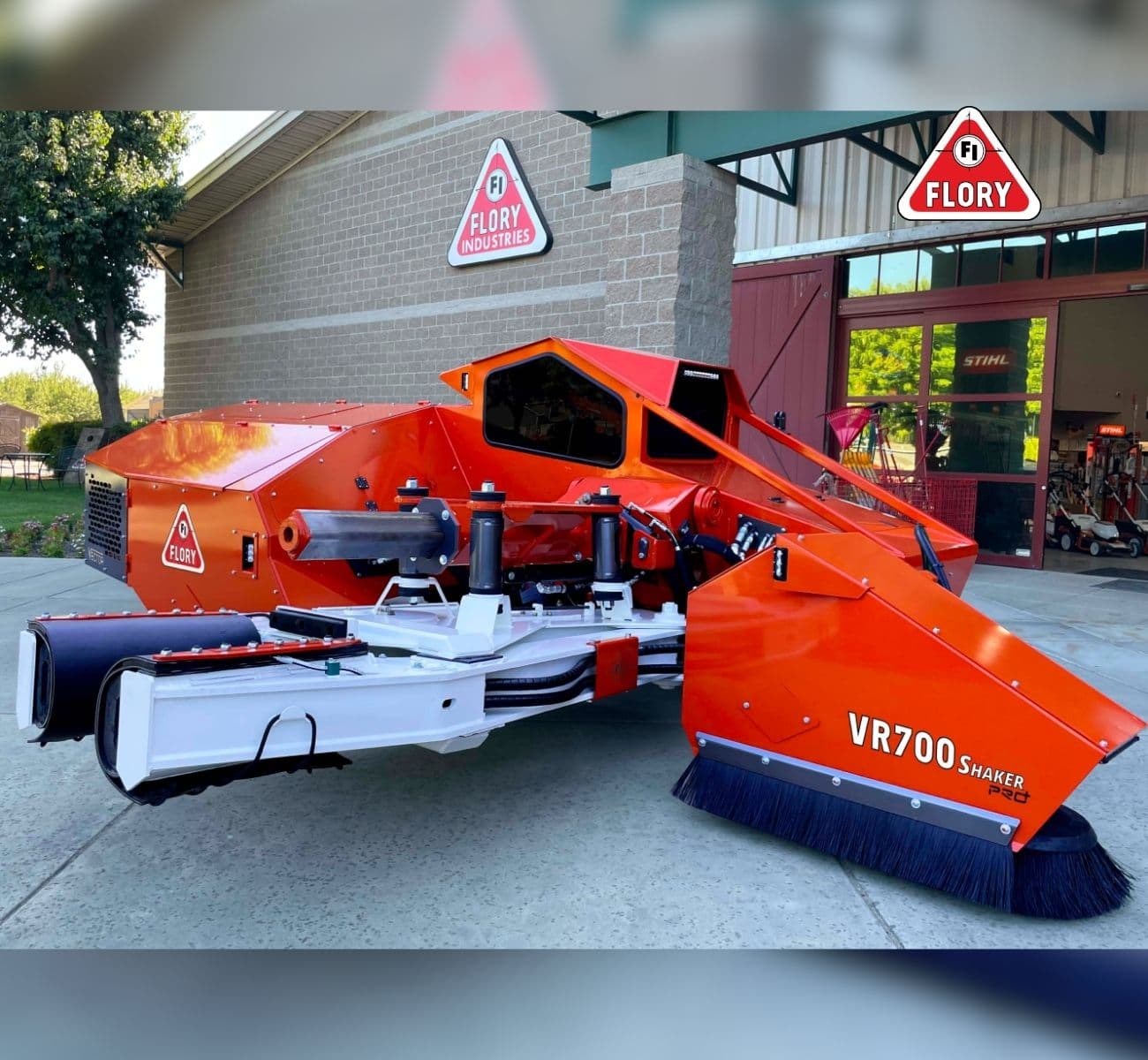
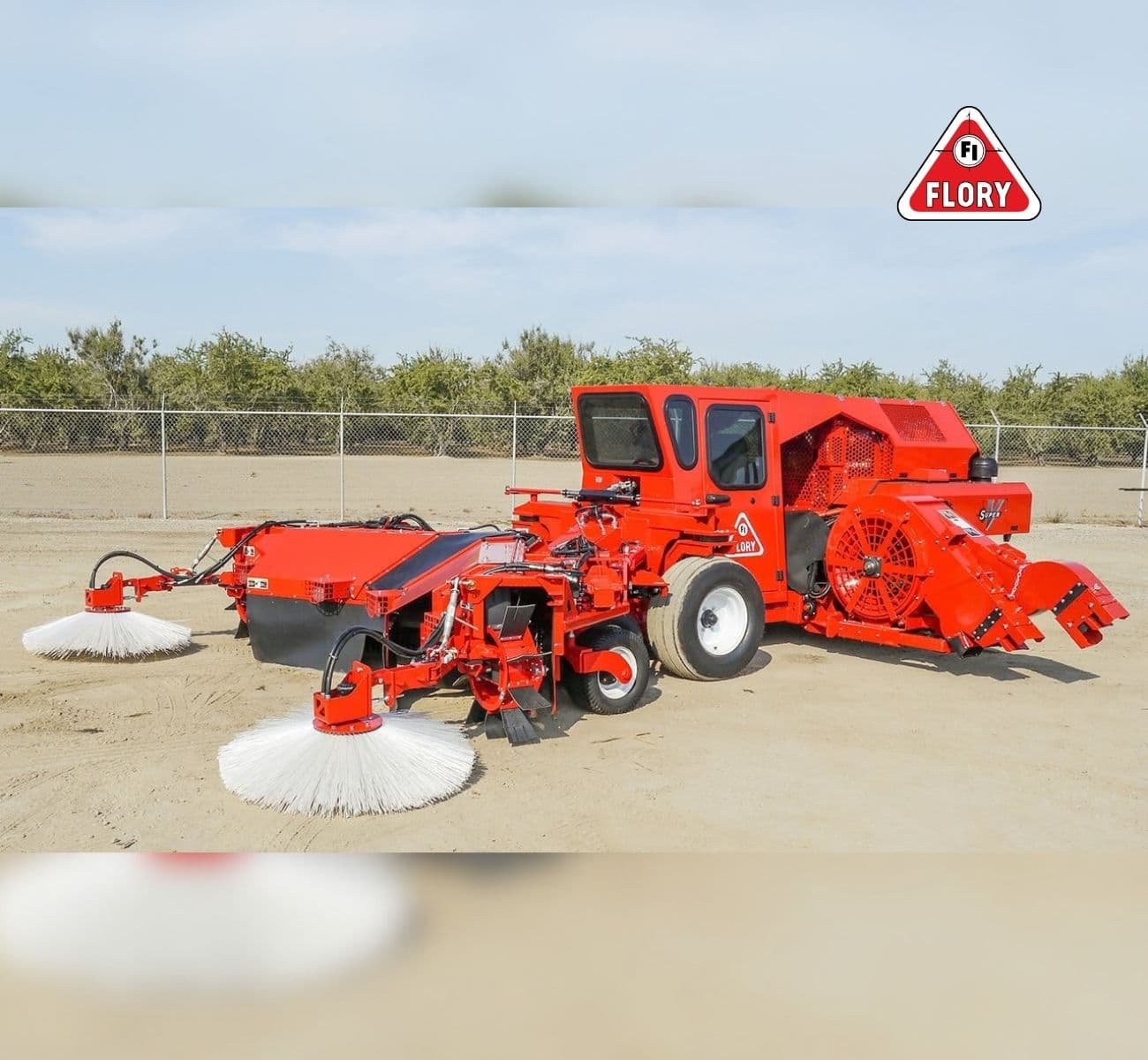
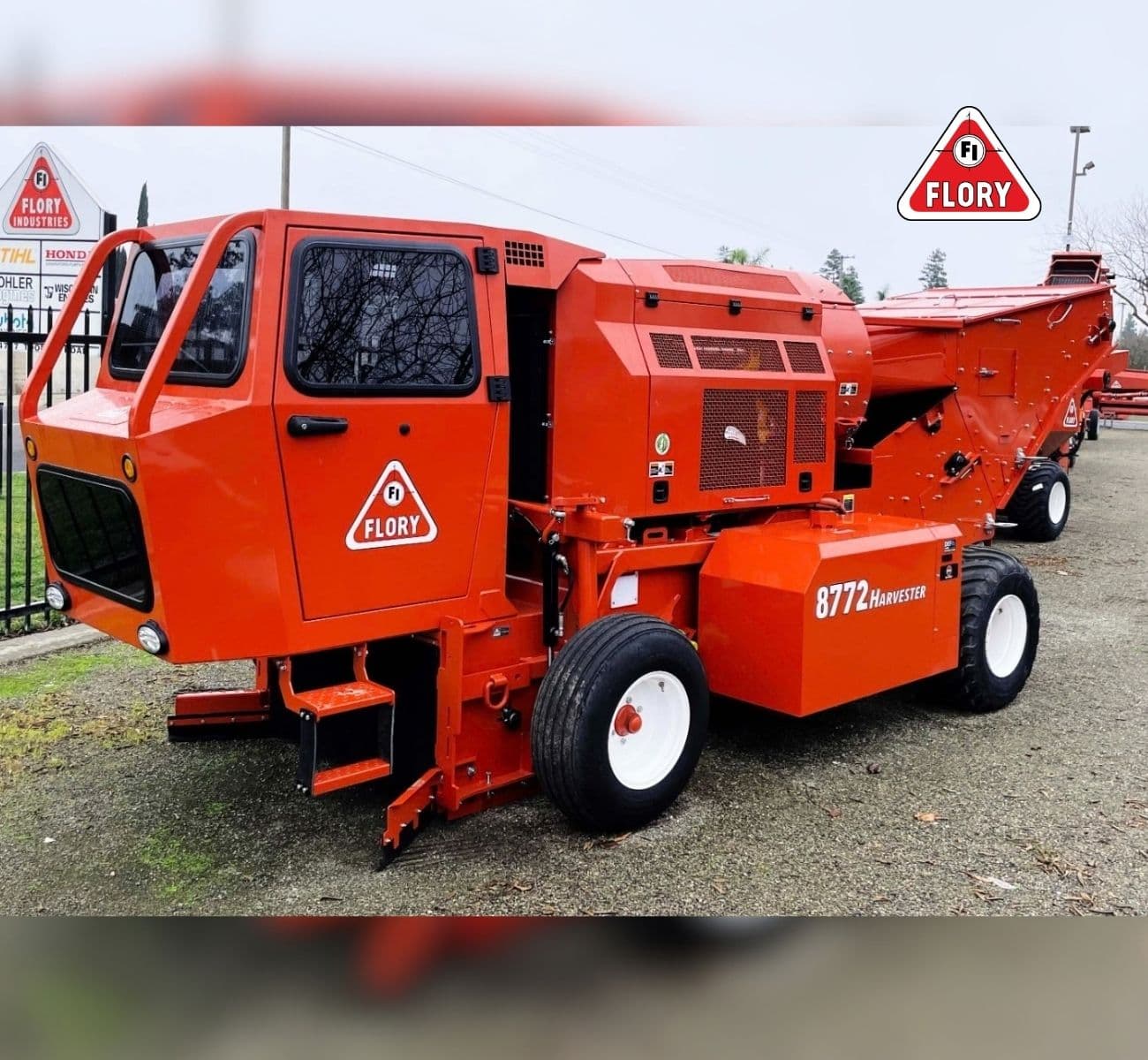
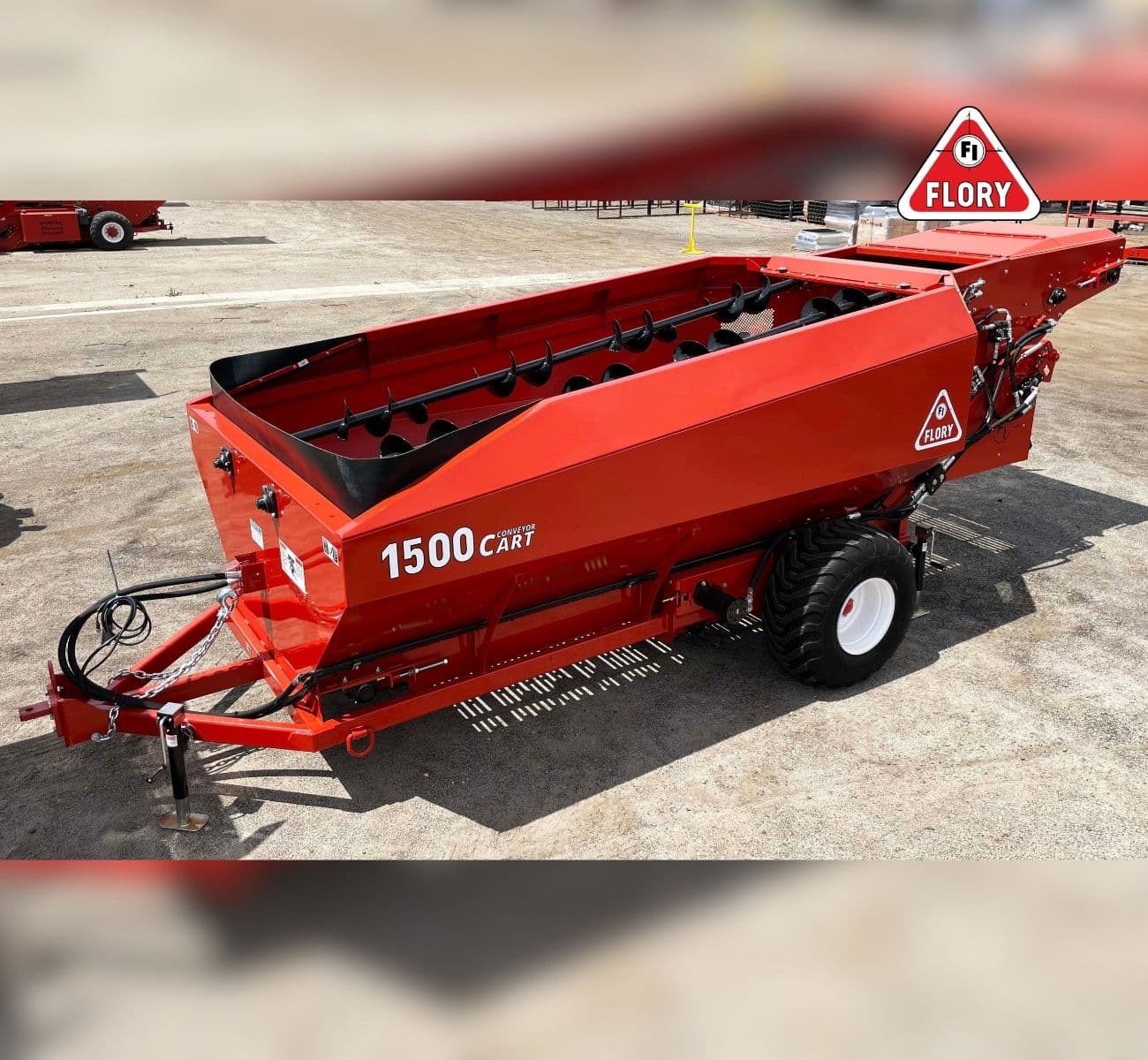
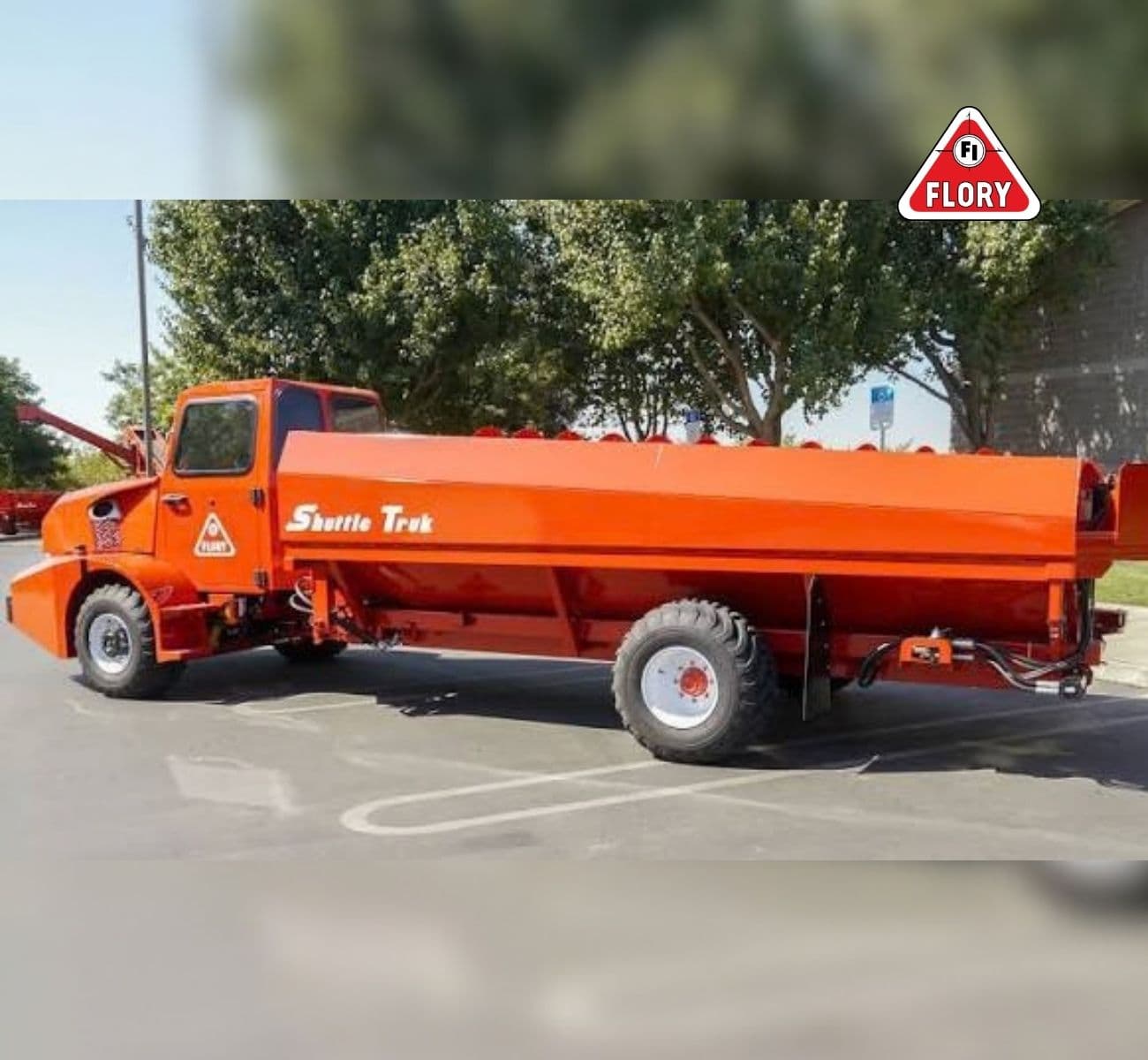
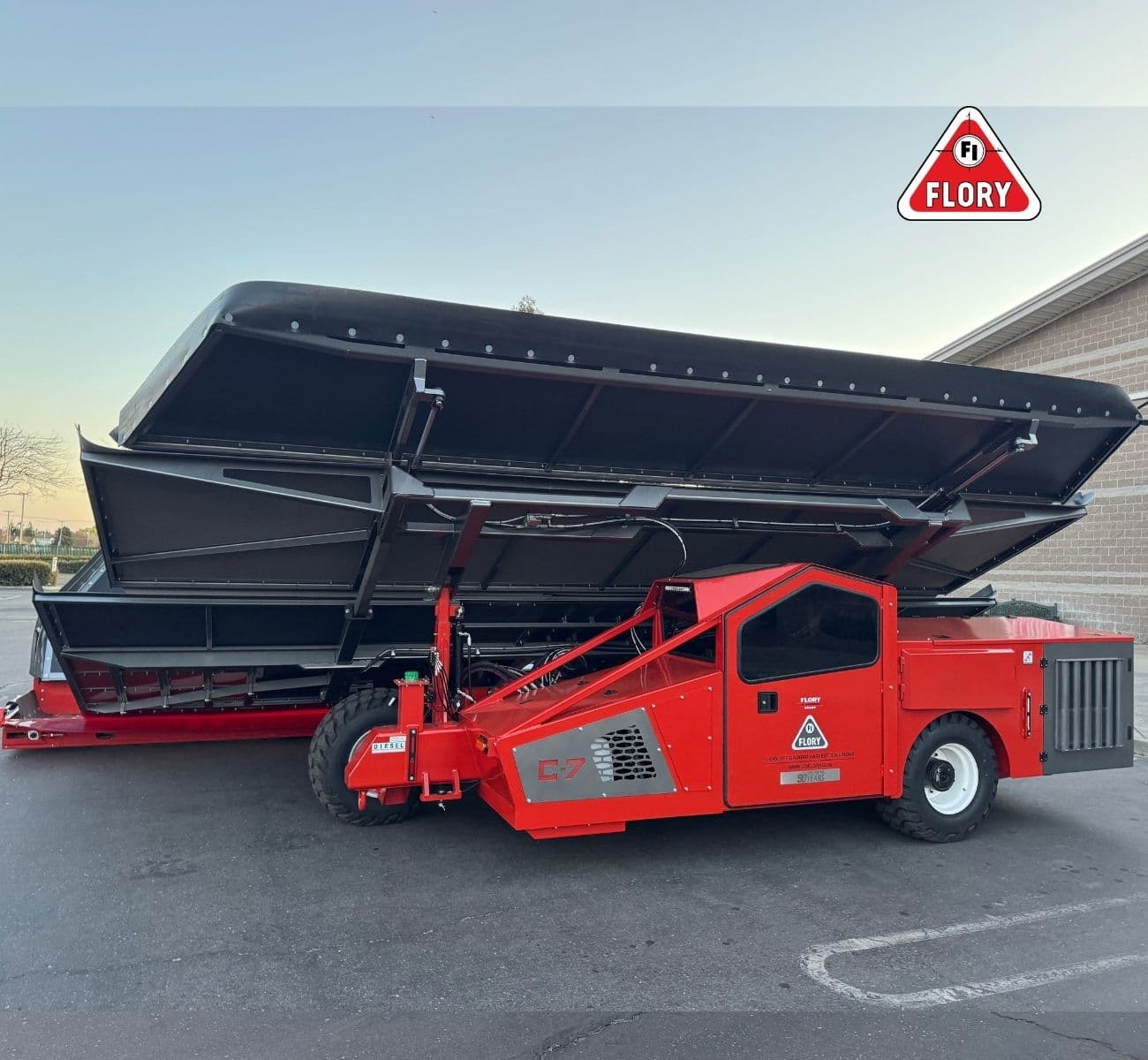
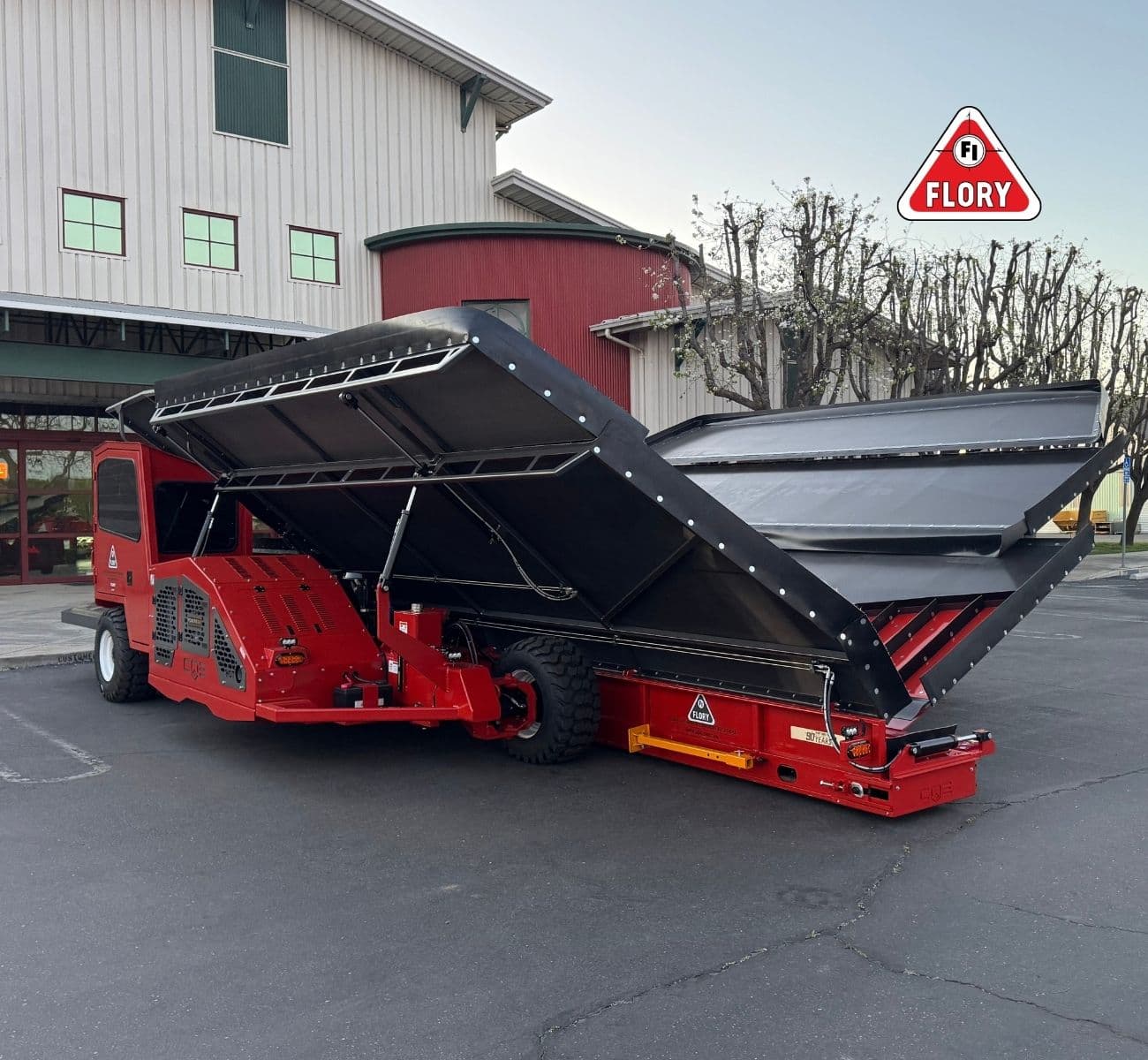
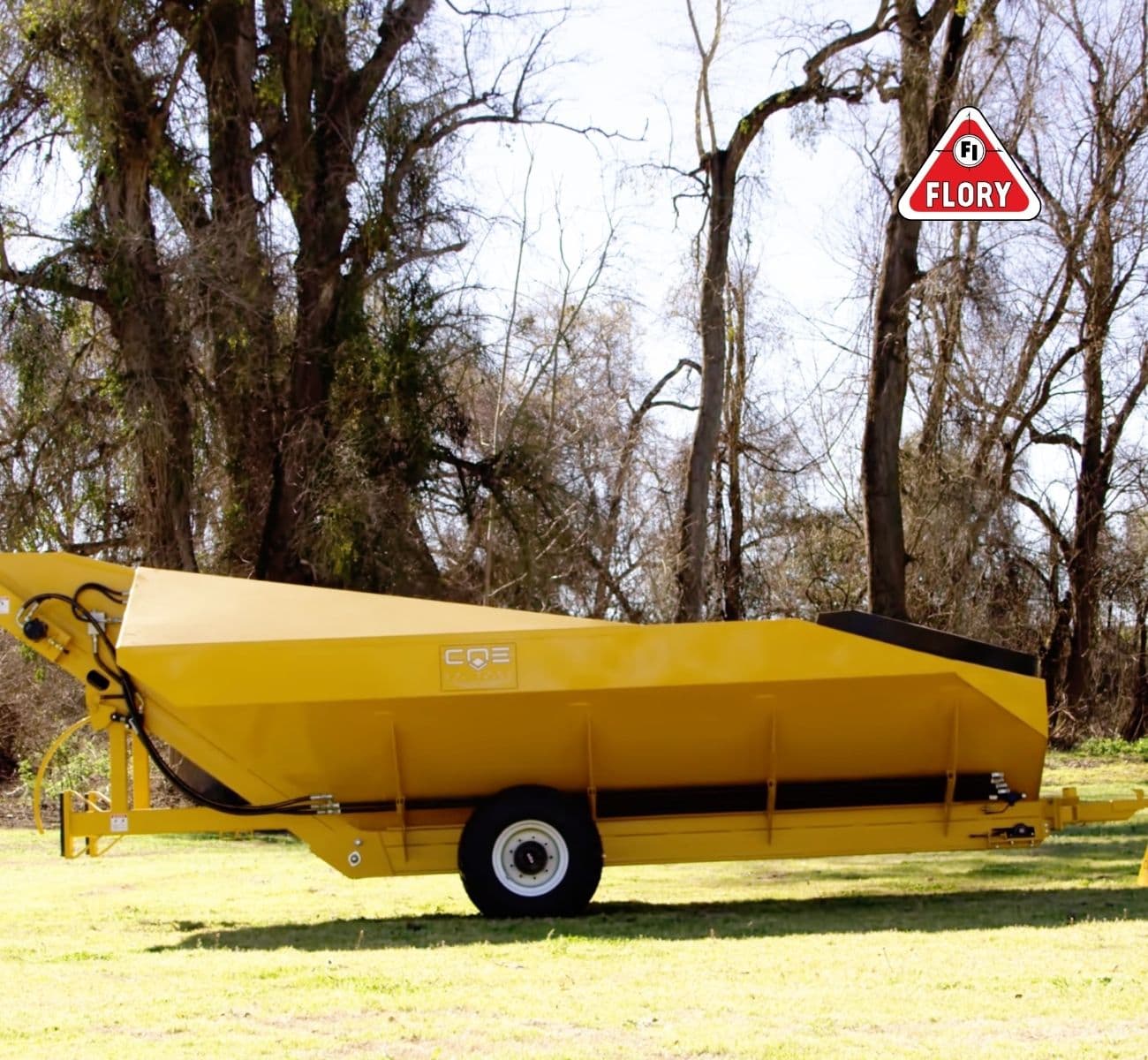
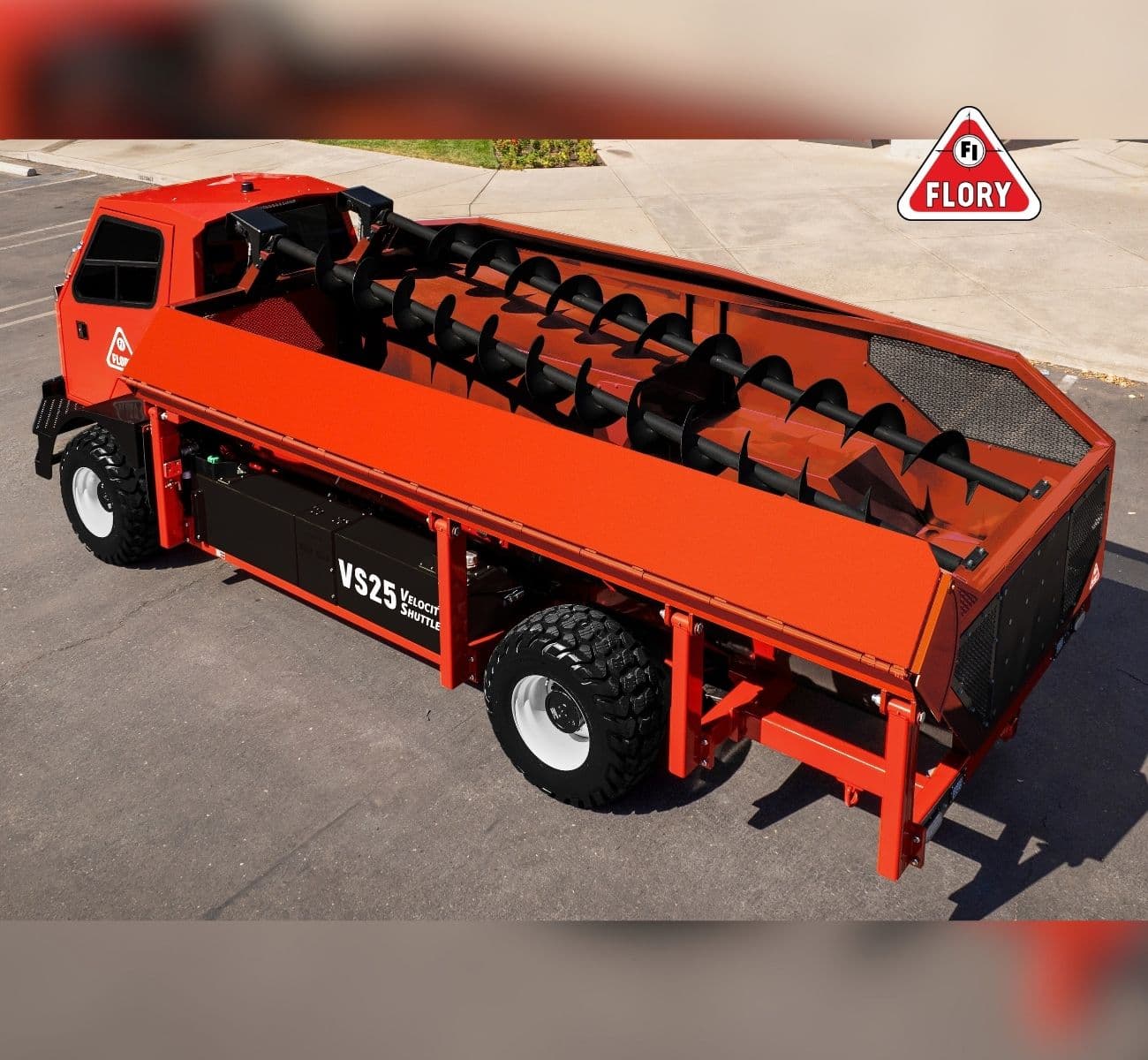
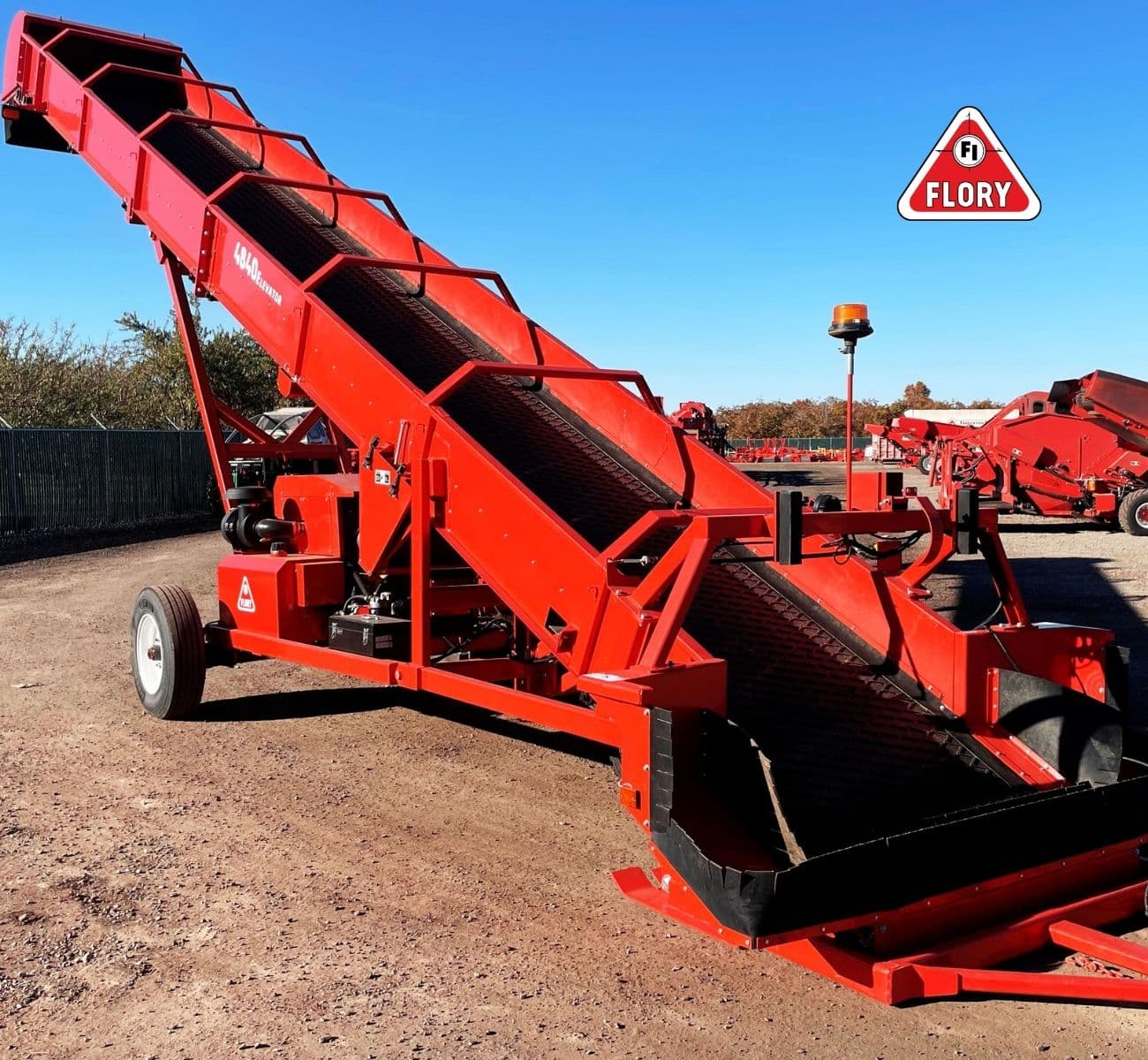
Flory harvesting machinery is already operating in Azerbaijan and is available through OVE Europe for both systems. On the ground, the VR700 Shaker, V62 Sweeper and 8772 Harvester feed the 1500 Conveyor Cart and ST14 Shuttle. Off the ground, the Flory COE C7 Shaker and L2 Receiver catch the almonds in a frame around the trunk, the Flory COE B8 Cart and VS25 Shuttle carry them, and the 4840 Field Elevator loads trailers in both systems.
Almond Harvest Workflow (Recommended Equipment)
Practical Tips for Almond Harvesting
Start shaking when all nuts are at hull split stage 2C or later and test trees shake clean, as University of California guidance advises.
Stagger harvest by cultivar: one Azerbaijani producer lists August to September for Guara, Belona and Soleta, and September to October for Ferragnes.
Check the forecast before shaking: the national review for September 2023 reports that downpours made fruit harvesting unsuitable in affected areas.
Sweep and pick up soon after shaking, then hull and dry the almonds off the ground; University of California guidance adds that quick removal limits ant damage.
Where almonds must stay off wet ground, use catching frames in orchards planted for machines: the Flory COE C7 Shaker and L2 Receiver catch the nuts before they land.
Be extra careful when shaking young orchards in their third and fourth leaf, as the University of California's July 2026 almond newsletter advises.
Get your recommended harvest setup
Enter orchard size, spacing, terrain, and target throughput—we’ll suggest a practical harvest workflow and equipment lineup.

Almond Post-Harvest Handling & Processing in Azerbaijan
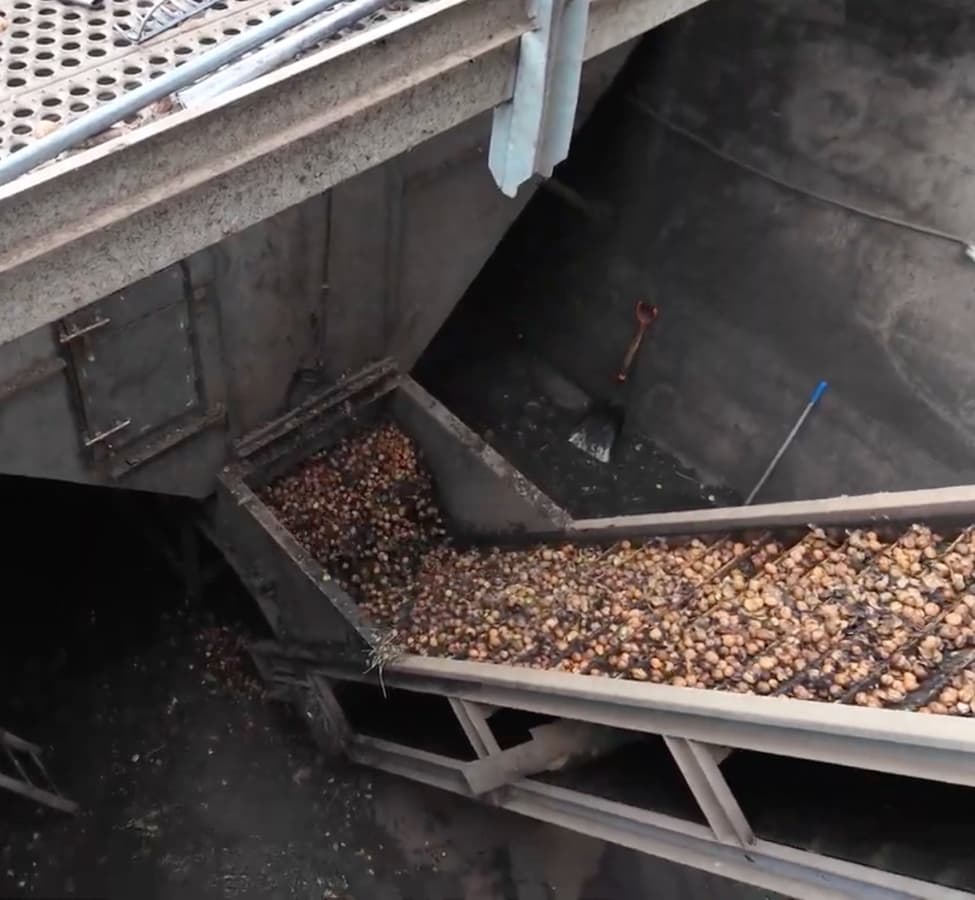
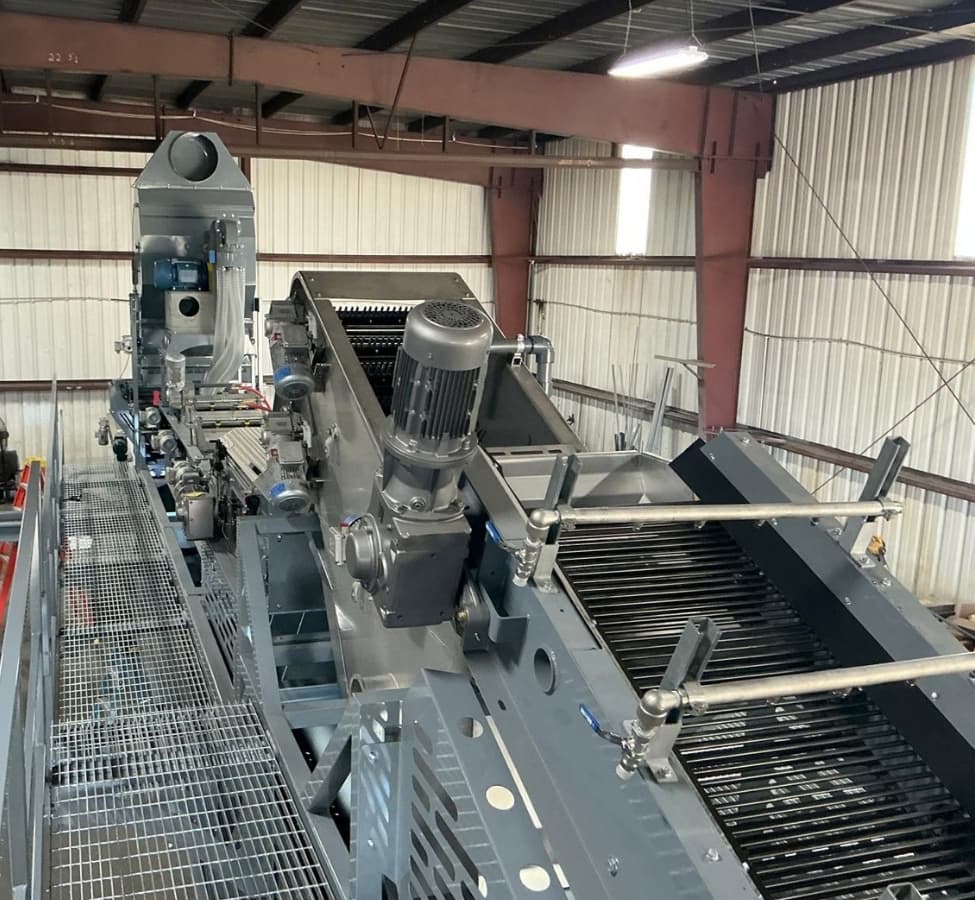
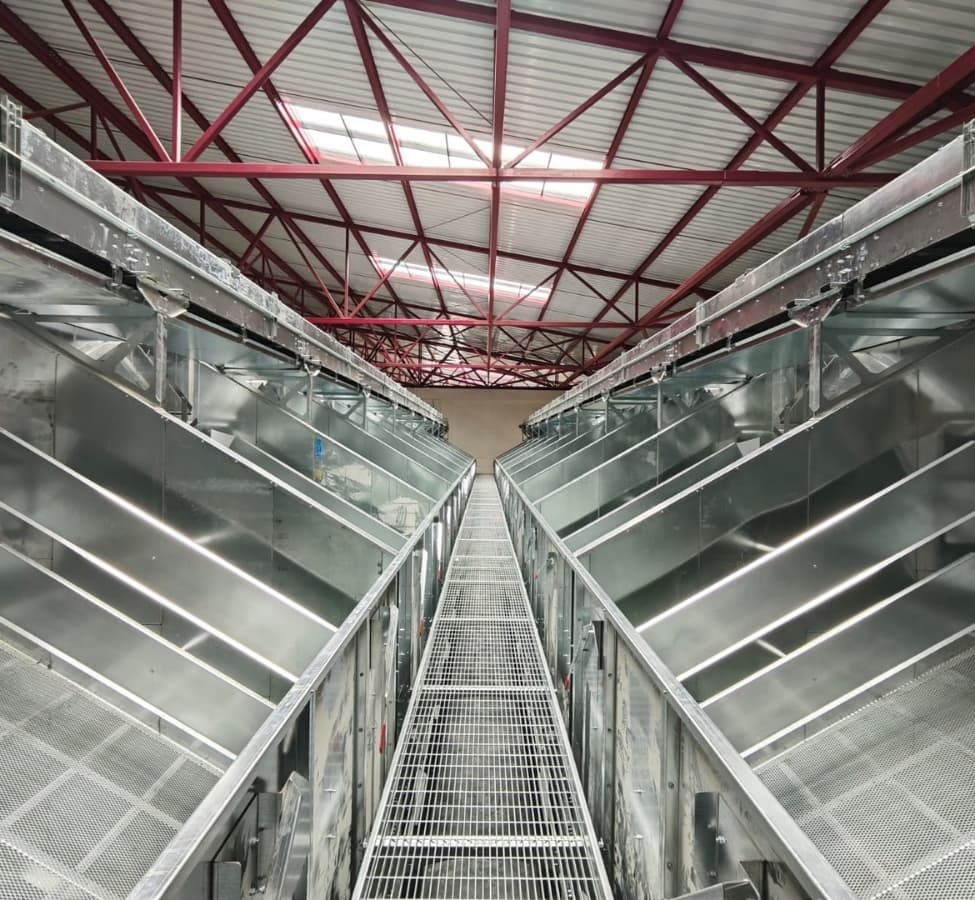
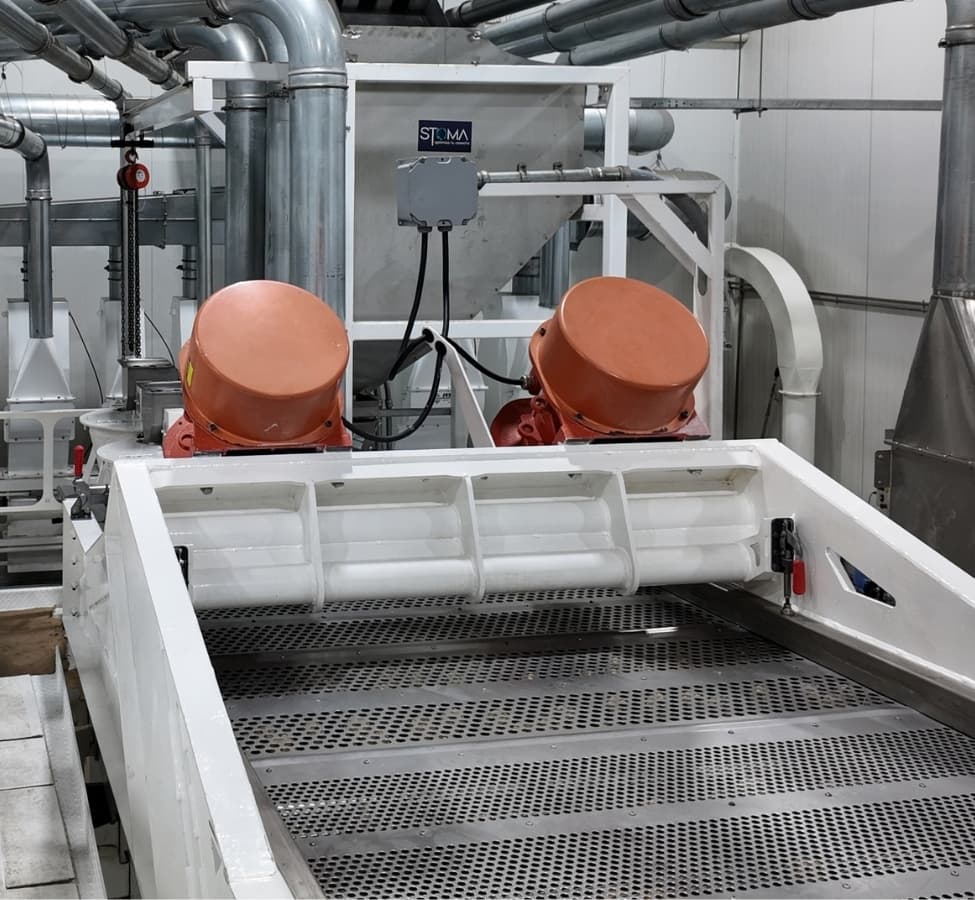
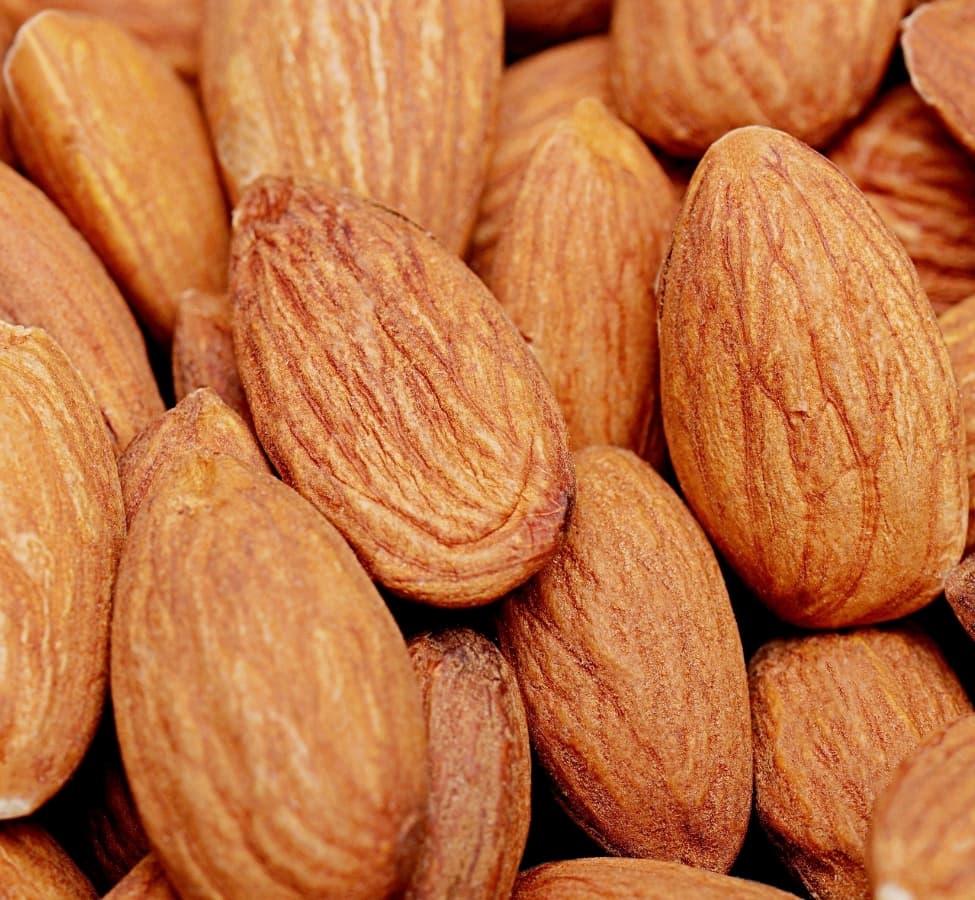
Apart from one grower that reports installing almond hulling and drying equipment in 2025, no Azerbaijani source found describes how growers hull, dry or store almonds. In this workflow, promptly picked or frame-caught almonds are hulled while the hulls are fresh, then dried in the shell. At the Absheron processor, hard-shell almonds are moistened to 9 to 11% for 24 to 72 hours before cracking in four stages; kernels are then hand-sorted, passed through a metal detector and sized into five grades.
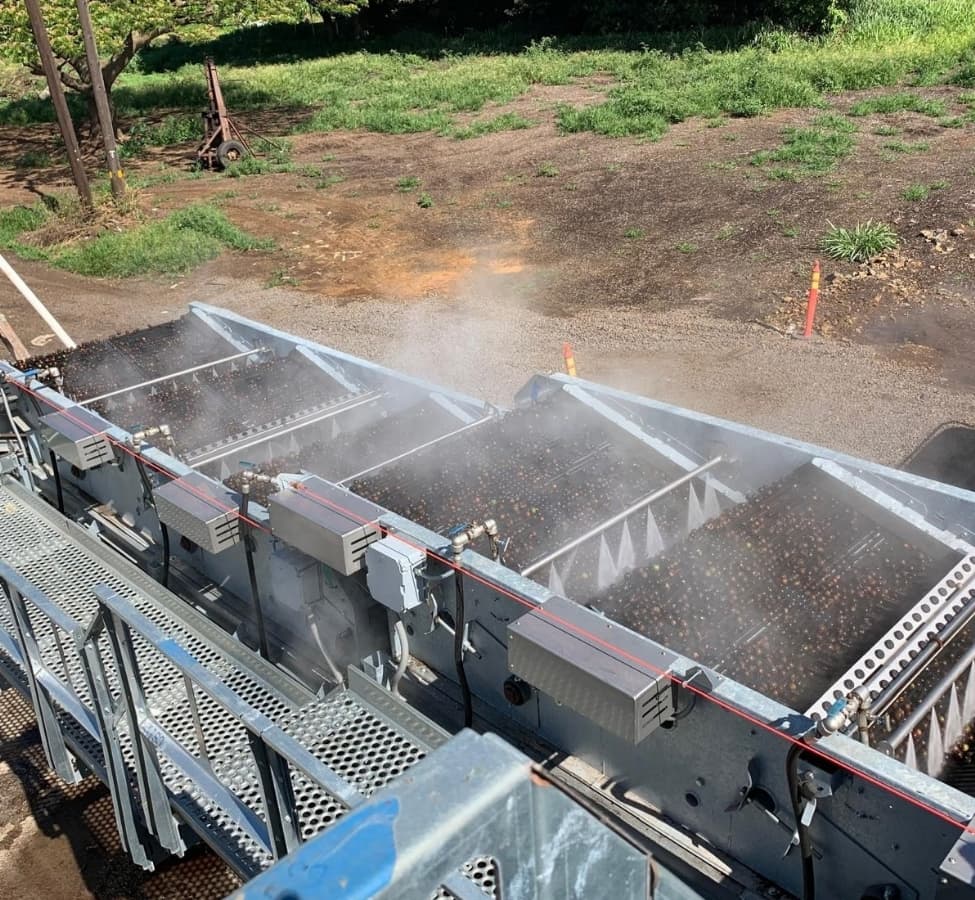
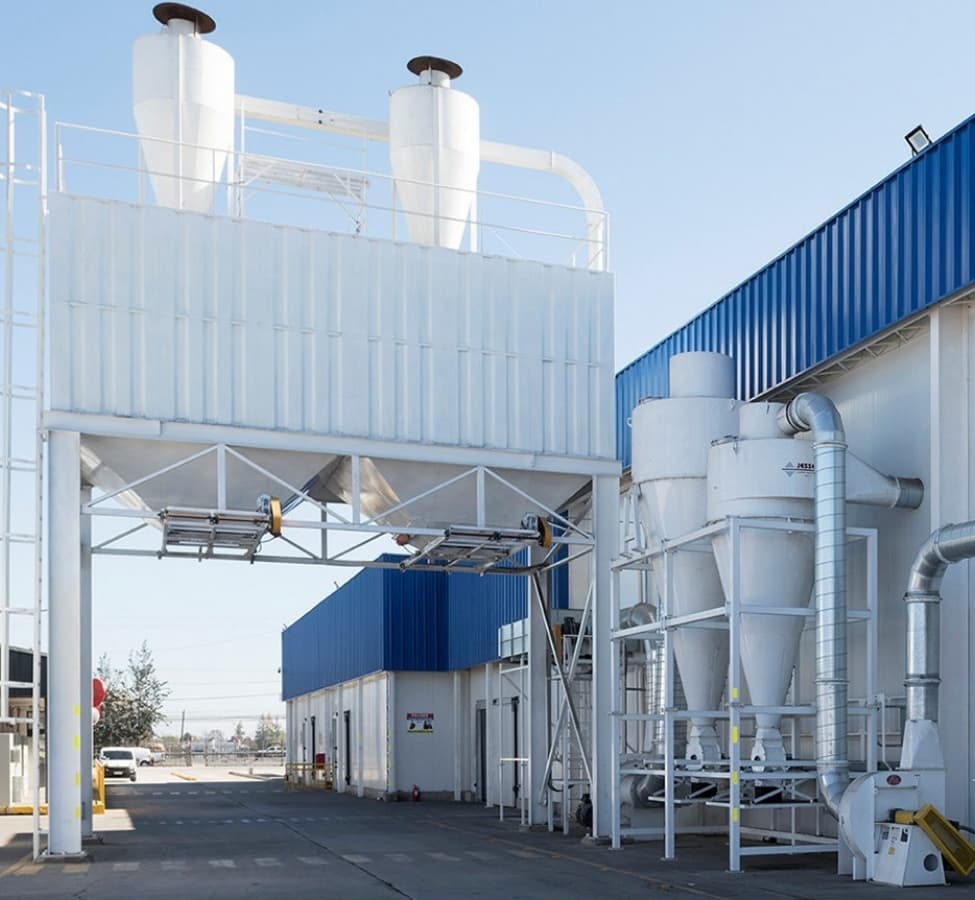
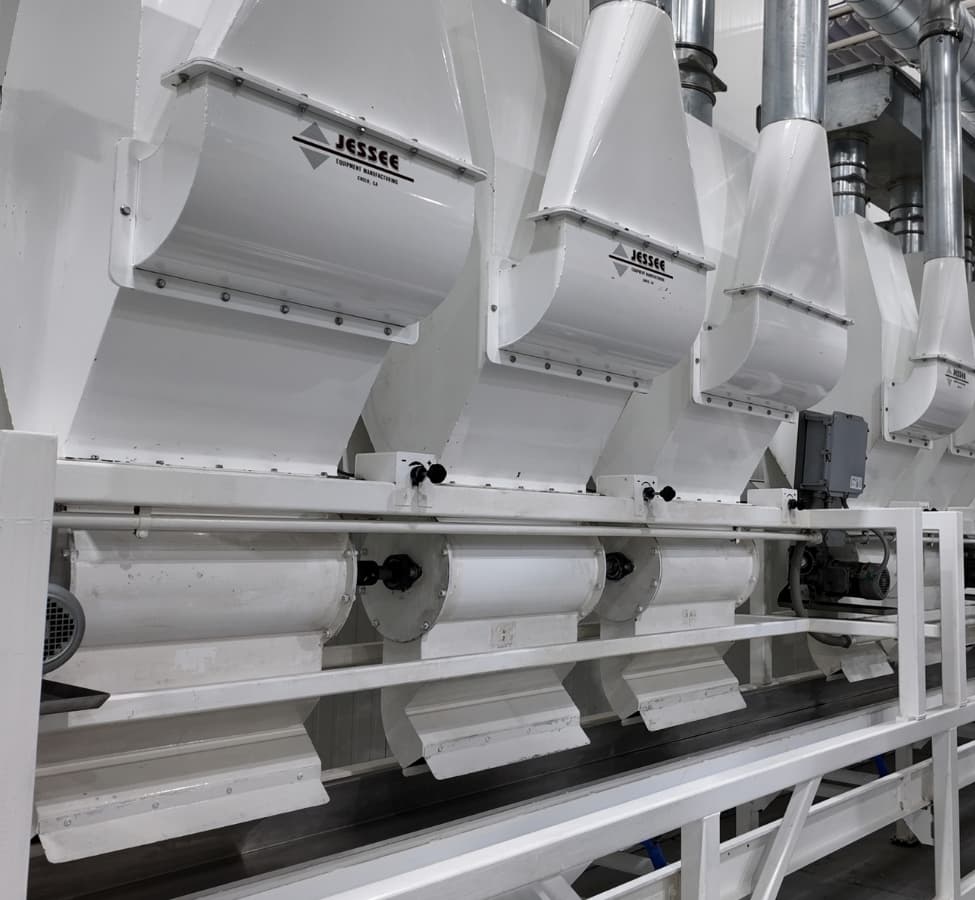
In 2025 Azerbaijan imported 560 t of shelled almonds but only 4.9 t in shell, while its exports were mostly in shell: 983 t, 69.4% of it to Uzbekistan, against 357.6 t shelled (UN Comtrade via WITS). Jessee, whose processing lines OVE Europe supplies, builds hulling, drying, in-shell cleaning and sizing, and shelling systems; its Airlegs nut cleaner was developed for the almond industry.
Almonds sold in the EU must meet Regulation (EU) 2023/915: 8.0 µg/kg of aflatoxin B1 and 10.0 µg/kg in total for the final consumer or as an ingredient, and 12.0 and 15.0 µg/kg for almonds to be sorted first. Azerbaijan's almond export protocol with China requires almonds free of live insects, soil, weeds and impurities such as metal or gravel, packed in new, clean and ventilated materials.
For general information only. Information may become outdated and does not replace site-specific professional advice. Consult a qualified agronomist and confirm equipment suitability with OVE before acting.
Practical Tips for Almond Post-Harvest Handling & Processing
Hull promptly picked or frame-caught almonds while the hulls are fresh, then dry the nuts in the shell before storage.
Dry to a safe level before storage: Almond Board of California guidance gives about 6% moisture for kernels and 9% for in-hull nuts.
Measure moisture in samples from each lot, and keep lots apart by cultivar and block in a dry, clean store.
Test lots for the EU against Regulation (EU) 2023/915: 8.0 µg/kg of aflatoxin B1 and 10.0 µg/kg in total for almonds sold to consumers.
For buyers in the EU, show the country of origin on shelled almonds, as Delegated Regulation (EU) 2023/2429 requires.
For buyers in China, export through a registered enterprise and keep pest monitoring, control and post-harvest treatment records, as the export protocol requires.
Recommended Post-Harvest Handling & Processing Stages
Plan your post-harvest line
Estimate tons/day, cleaning & drying capacity, storage needs, and cost/kg—then build your equipment plan in phases.