


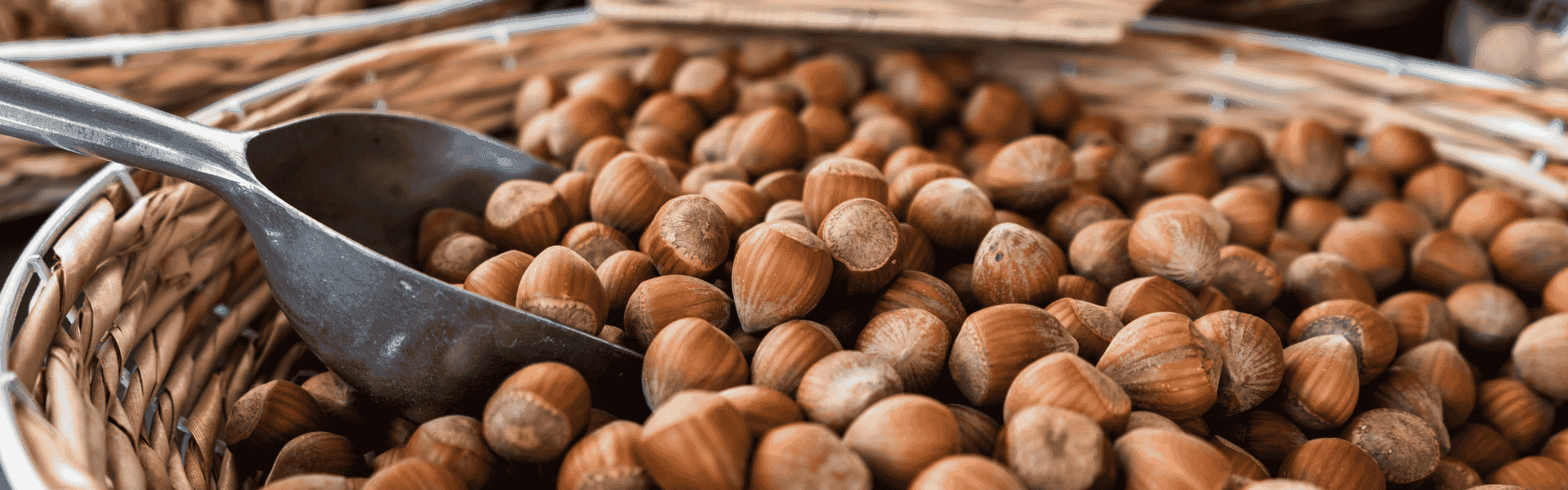





Hazelnut Orchard Establishment in Azerbaijan
Hazelnut orchard establishment in Azerbaijan is concentrated mainly in the northwestern districts of Balakan, Zagatala, and Gakh, as well as in the northeastern Khachmaz region. These areas benefit from humid foothill climates along the southern slopes of the Greater Caucasus, where moderate temperatures and adequate rainfall support consistent vegetative growth. However, terrain is often undulating, and soil conditions can vary significantly, making detailed site assessment essential before planting.
Growers should evaluate soil profile, drainage, nutrient status, slope, and exposure to confirm long-term suitability. Variety selection must match local climate risks, especially flowering sensitivity to spring frost and harvest timing under late-summer rainfall patterns. Certified planting material ensures uniformity and phytosanitary reliability. Orchard layout should allow for mechanization and efficient logistics, with proper row spacing and access routes. Irrigation systems must be designed according to soil type and water availability, as chronic water stress can limit long-term productivity.
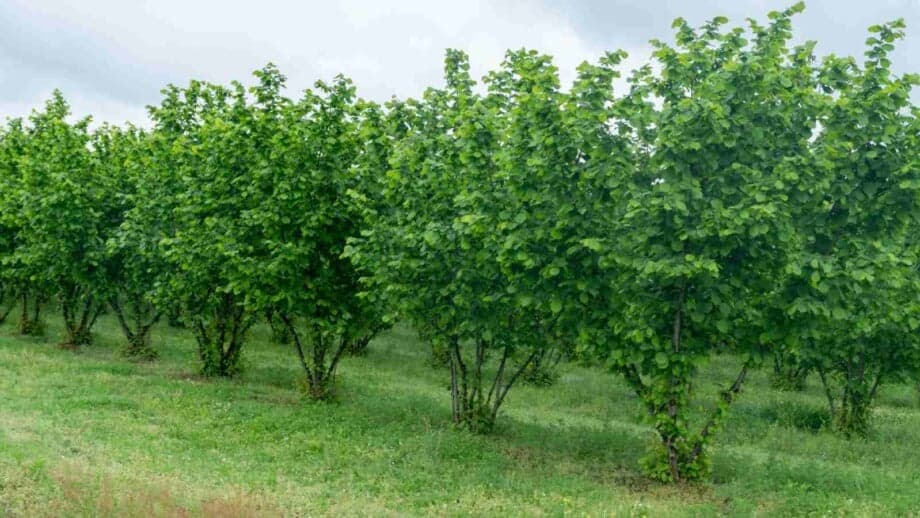

Tips for Hazelnut Orchard Establishment in Azerbaijan
Conduct a detailed soil and site assessment before planting (profile, drainage, nutrients, slope, exposure) to confirm long-term suitability for hazelnuts.
Align variety selection with site-specific climate risks (flowering vs frost/heat, harvest timing) to protect yield stability.
Plant with a clear market strategy—choose varieties with proven demand and defined sales channels.
Design irrigation based on real field parameters—soil type, topography, and water availability.
Use certified planting material from reputable nurseries to ensure varietal authenticity and plant health.
Plan orchard layout for mechanization and logistics efficiency: spacing, headlands, turning radius, and access routes.
Recommended Establishment Stages
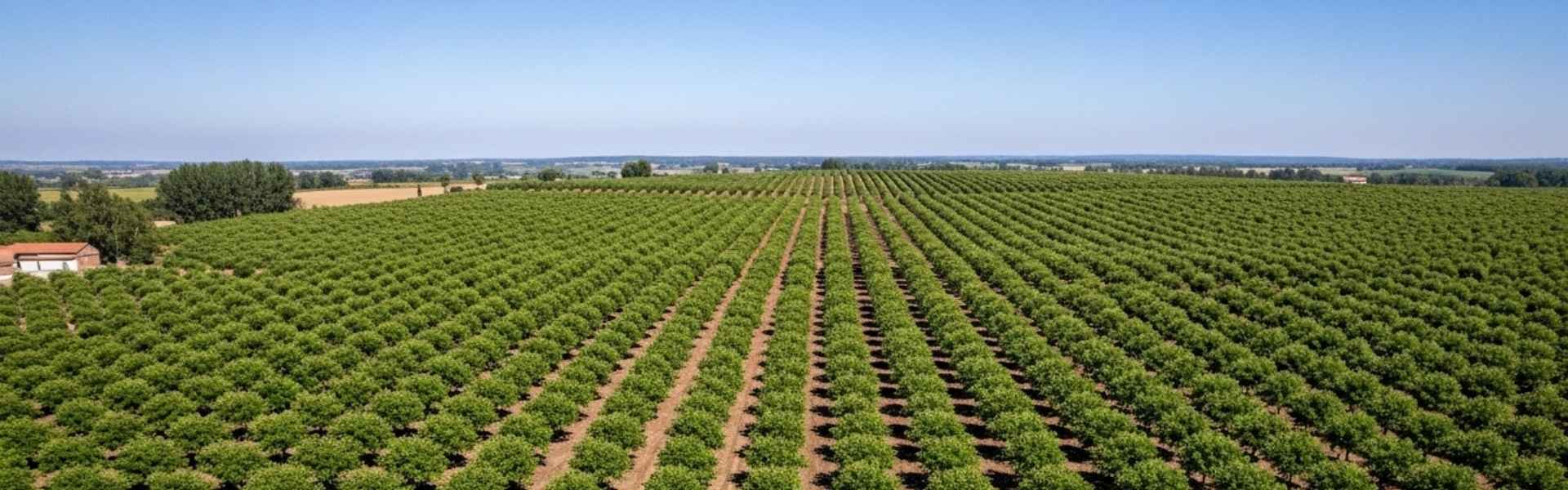

Hazelnut Orchard Care & Maintenance in Azerbaijan
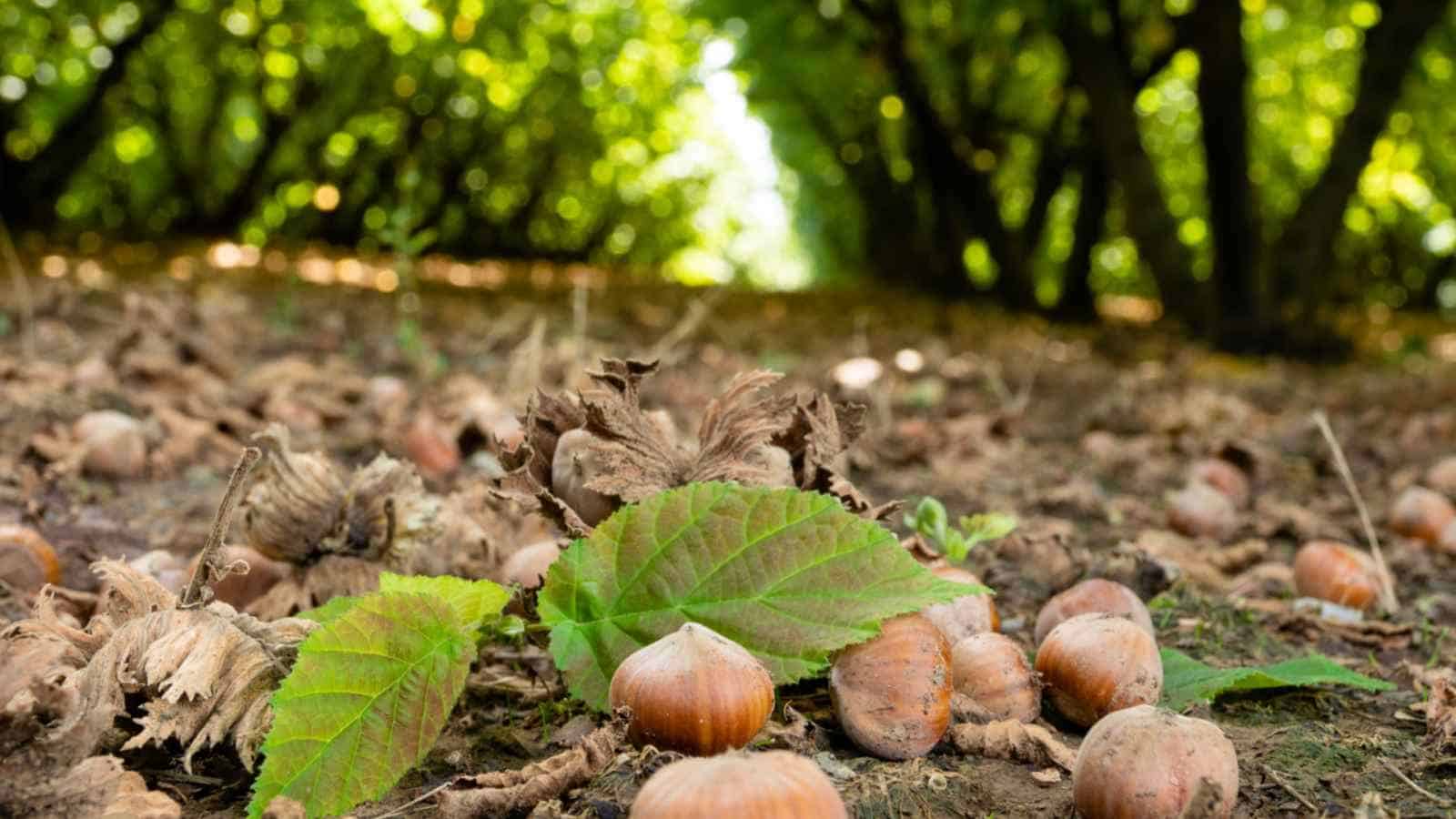
Hazelnut orchard care and maintenance in Azerbaijan require consistent technical management adapted to the country’s humid foothill conditions, particularly in the northwestern and northeastern production zones. Soil management between rows plays a central role in maintaining aeration, improving water infiltration, and preventing compaction on undulating terrain. Depending on orchard design, growers may combine mechanical cultivation, mulching, or controlled ground cover to balance moisture conservation and trafficability. Regular soil analysis should guide fertilization programs, as nutrient imbalances directly affect vegetative growth, nut set, and long-term productivity.
Weed and grass control in the root zone is critical to reduce competition for water and nutrients, especially during the active growth period. Mechanical methods are commonly preferred, although targeted herbicide application may be used where operationally justified. Plant protection must be precisely executed using properly calibrated sprayers adapted to hazelnut canopy structure. Effective control of pests and diseases depends not only on product choice but also on application timing, coverage uniformity, and operator discipline.
Tree training and pruning are essential to ensure light penetration, balanced canopy development, and compatibility with mechanized operations. In Azerbaijan’s commercial orchards, canopy structure must support efficient harvesting and equipment movement. Preventive maintenance of machinery and timely agronomic interventions reduce production risks and stabilize yields. Successful hazelnut management integrates soil care, canopy control, irrigation, and operational planning into a coherent long-term system.
Recommended Orchard Care & Maintenance Stages

Practical Tips for Hazelnut Orchard Care & Maintenance
Plan operating costs early for hazelnut orchards in Azerbaijan (mechanization, plant protection, irrigation, labor) and build a realistic budget before expansion.
Invest in machinery suitable for hazelnut orchards that remains efficient as trees mature; avoid short-term solutions that require replacement.
Use correctly sized and calibrated sprayers adapted to hazelnut canopy structure to ensure uniform coverage and effective protection/nutrition.
Select equipment according to the operational objective in Azerbaijani conditions (mowing, mulching, soil improvement), rather than applying one tool for all tasks.
Train and prune hazelnut trees according to the chosen harvesting method; canopy form and row spacing must allow efficient mechanized operations.
Prioritize preventive maintenance over corrective repairs—routine servicing reduces downtime and preserves equipment value in long-term orchard management.

Hazelnut harvesting in Azerbaijan
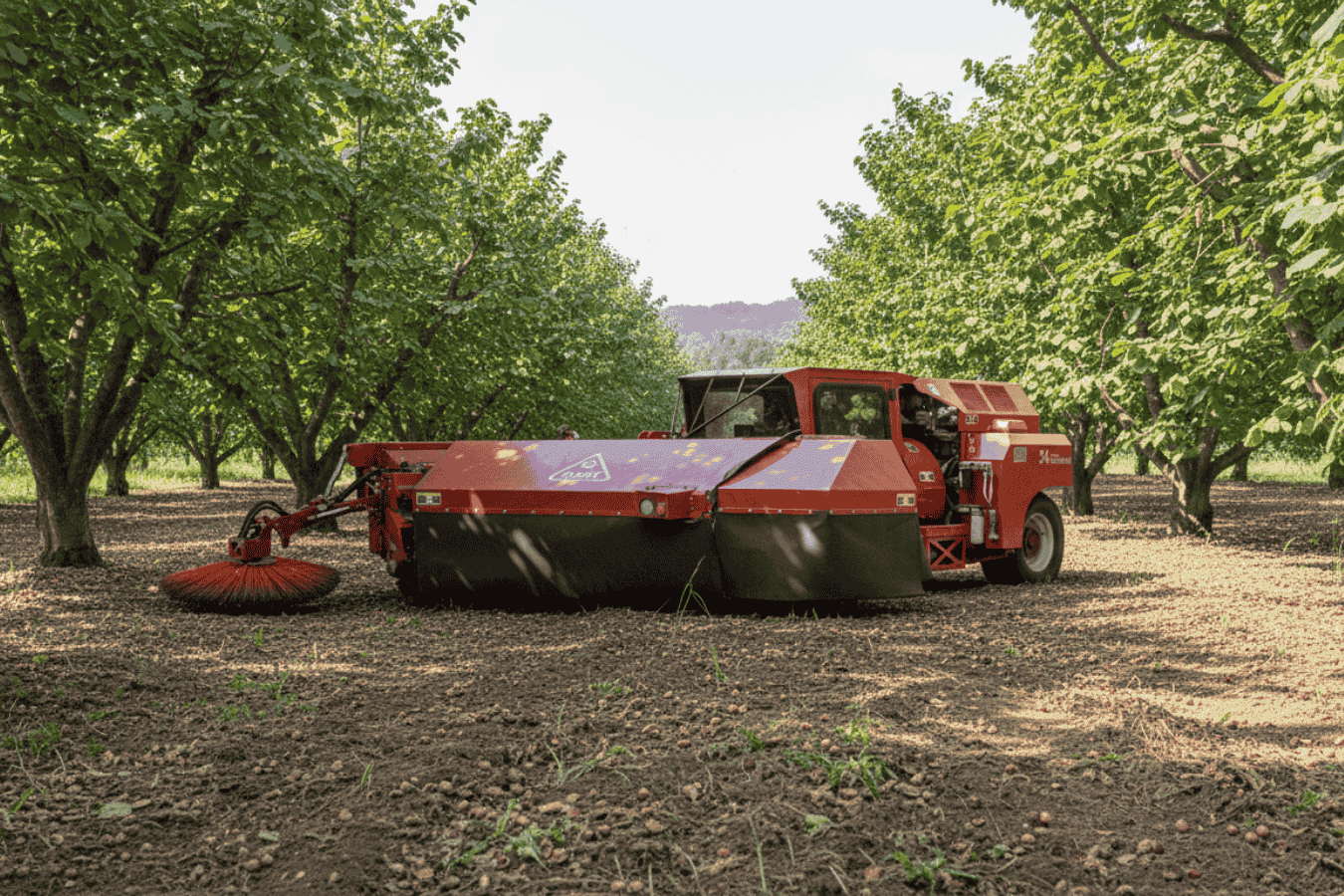
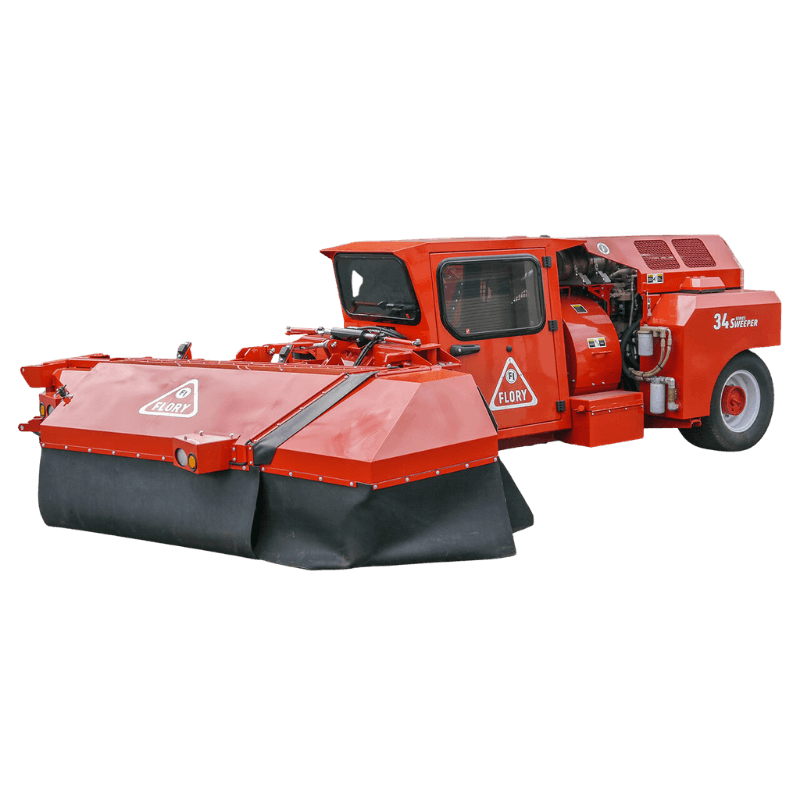
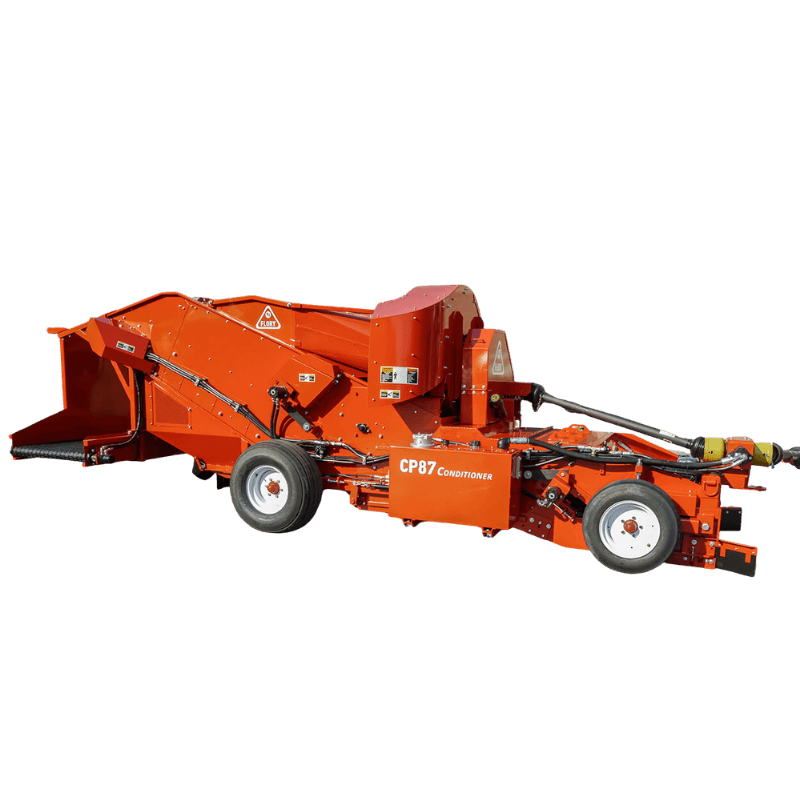
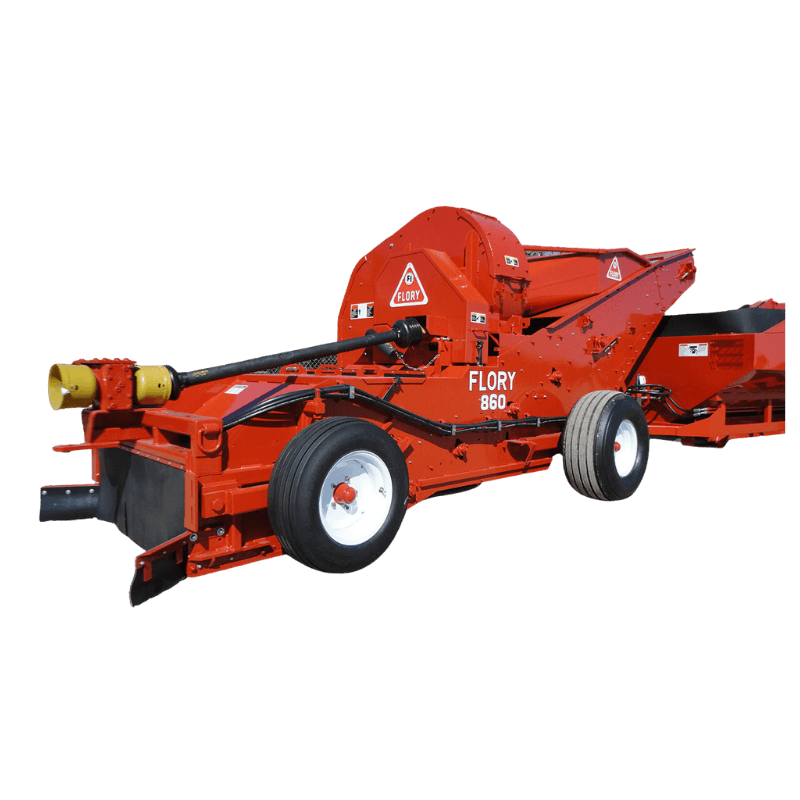
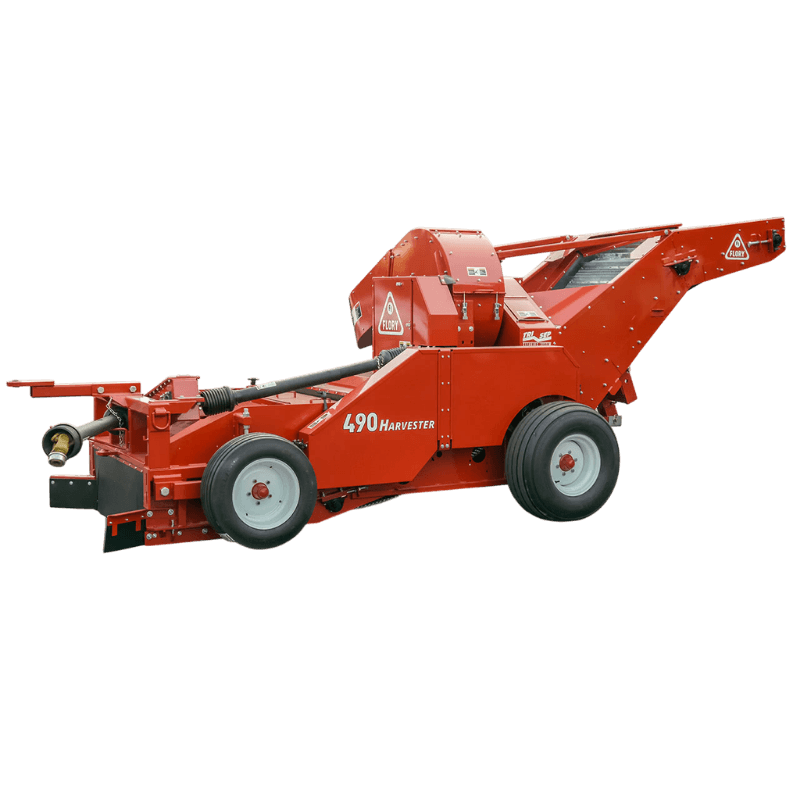
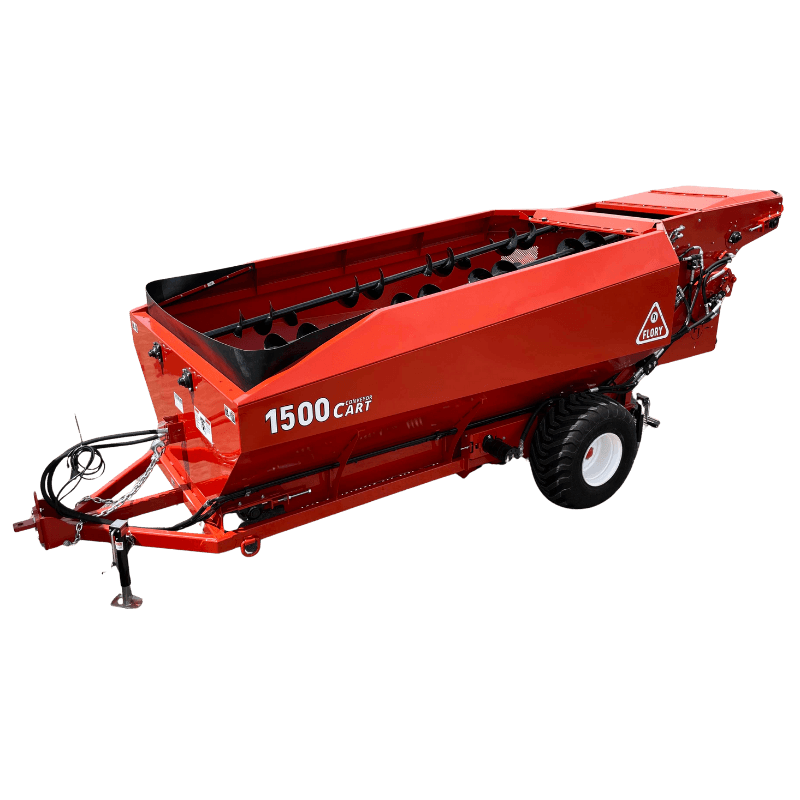
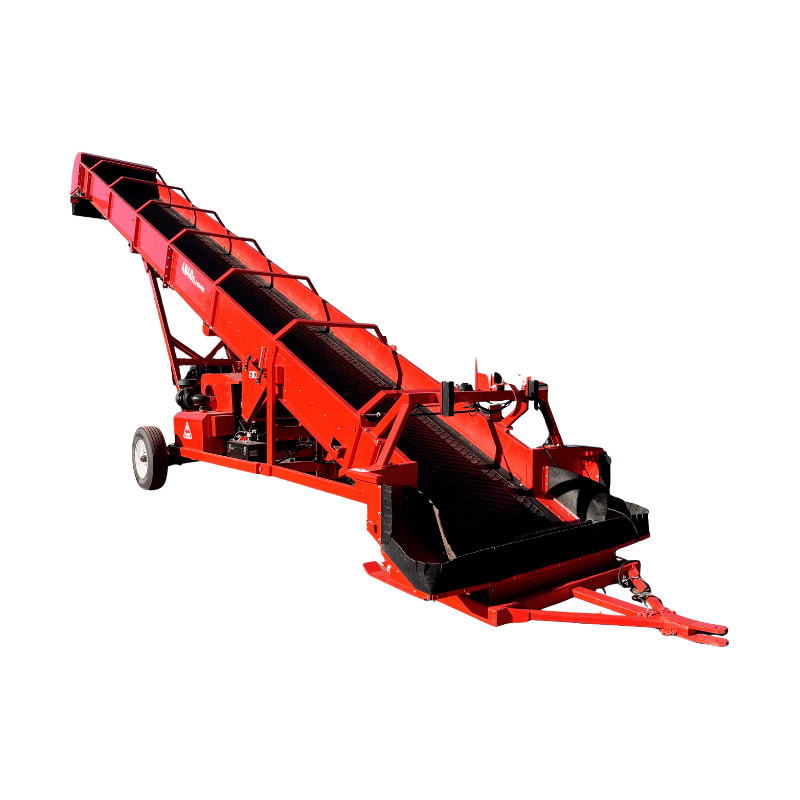
Hazelnut harvesting in Azerbaijan is shaped by a short seasonal window and varied terrain, particularly in the foothill regions where most production is concentrated. Success depends not only on machinery selection, but on how efficiently each stage connects into a continuous workflow. A structured harvest sequence—sweeping, conditioning, pickup, continuous receiving, hauling, and transfer to the intake line—reduces field losses, protects nut quality, and stabilizes daily capacity. When operations are synchronized, the orchard floor becomes part of an organized system rather than a bottleneck.
Sweeping forms clean windrows, conditioning improves material flow, and the pickup stage must match orchard scale and transport capacity. Continuous receiving and shuttle transport prevent downtime and maintain throughput during peak days. Rapid transfer to bins or the receiving line limits moisture exposure and quality risks. In Azerbaijan’s export-oriented hazelnut sector, well-planned workflow design and logistics discipline are as critical as machine performance.
Hazelnut Harvest Workflow (Recommended Equipment)

Practical Tips for Hazelnut Harvesting
Choose a hazelnut harvesting method in Azerbaijan that fits scale, terrain, and budget—a workflow you can run consistently with your orchard layout and available labor.
Select equipment for uptime and local support, not purchase price: proven models, service capability, spare parts availability, and operator training.
Plan hazelnut harvest logistics before the season starts: headlands, staging points, traffic routes, fuel, bins/carts, transport, and receiving capacity.
Use trained operators and active supervision—correct settings and disciplined operation reduce nut loss, plant damage, and downtime.
Make daily inspection and maintenance non-negotiable (cleaning, lubrication, wear-part checks) during the harvest window.
Move hazelnuts quickly to receiving or safe storage—fast hauling and organized intake prevent bottlenecks and quality risk.
Get your recommended harvest setup
Enter orchard size, spacing, terrain, and target throughput—we’ll suggest a practical harvest workflow and equipment lineup.
Walnut Post-Harvest Handling & Processing in Azerbaijan
In Azerbaijan, walnut value is often created after the crop leaves the orchard. At the receiving point, the goal is to protect quality and prepare the lot for the right pathway—in-shell, kernel, or phased value-added processing—because buyers pay for specifications: clean loads, stable storage condition, and consistent lots.
Post-harvest is essentially quality protection + market preparation. Strong receiving, cleaning, drying/conditioning, grading, and safe storage help preserve kernel quality and deliver uniform categories. In most markets, three outcomes drive value: kernel appearance (color/cleanliness), kernel integrity (halves vs pieces), and size uniformity.
Tips for Post-Harvest & Processing
Start with receiving capacity. Match daily harvest output to your ability to receive, stage, and store safely—no bottlenecks.
Stabilize quality fast. Prioritize cleaning and drying/conditioning early to protect quality before storage or transport.
Define the target product early. Plan for in-shell, kernel, or phased value-added processing—don’t try to build everything in year one.
Size equipment by tons and cost/kg. Calculate throughput, labor, energy, and real processing cost per kilogram—not “cheap vs expensive.”
Automate where it makes sense. Reduce manual handling to improve consistency, hygiene, and throughput.
Work with experienced partners. Proven nut-project experience helps avoid wrong sizing, layout mistakes, and costly rework.
Recommended Post-Harvest Handling & Processing Stages
Plan your post-harvest line
Estimate tons/day, cleaning & drying capacity, storage needs, and cost/kg—then build your equipment plan in phases.