


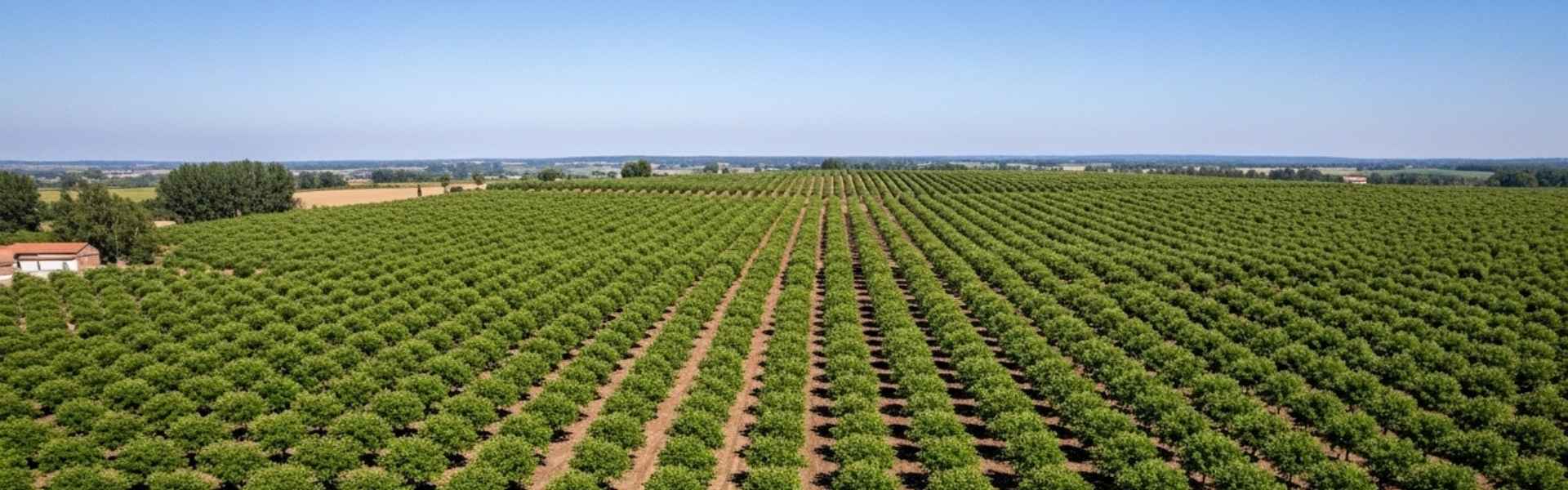




Walnut Orchard Establishment in Azerbaijan
Walnut needs deep, fertile, well-aerated soil; the Ministry of Agriculture advises against saline soils and sites with high groundwater. Water decides the rest: irrigated land produces over 80% of Azerbaijan's agricultural output, and annual rainfall ranges from 150 to 200 mm on the Absheron Peninsula to 1,400 to 1,600 mm in the mountains (World Bank and Asian Development Bank).
Azerbaijan mainly grows varieties such as Seyfi, Sugra, Araz, Disar and Ideal, and the Ministry of Agriculture also considers a number of introduced varieties promising. Most varieties do not come true from seed, so orchards are planted with grafted trees. Choose varieties for your target market and plant compatible pollinizers.
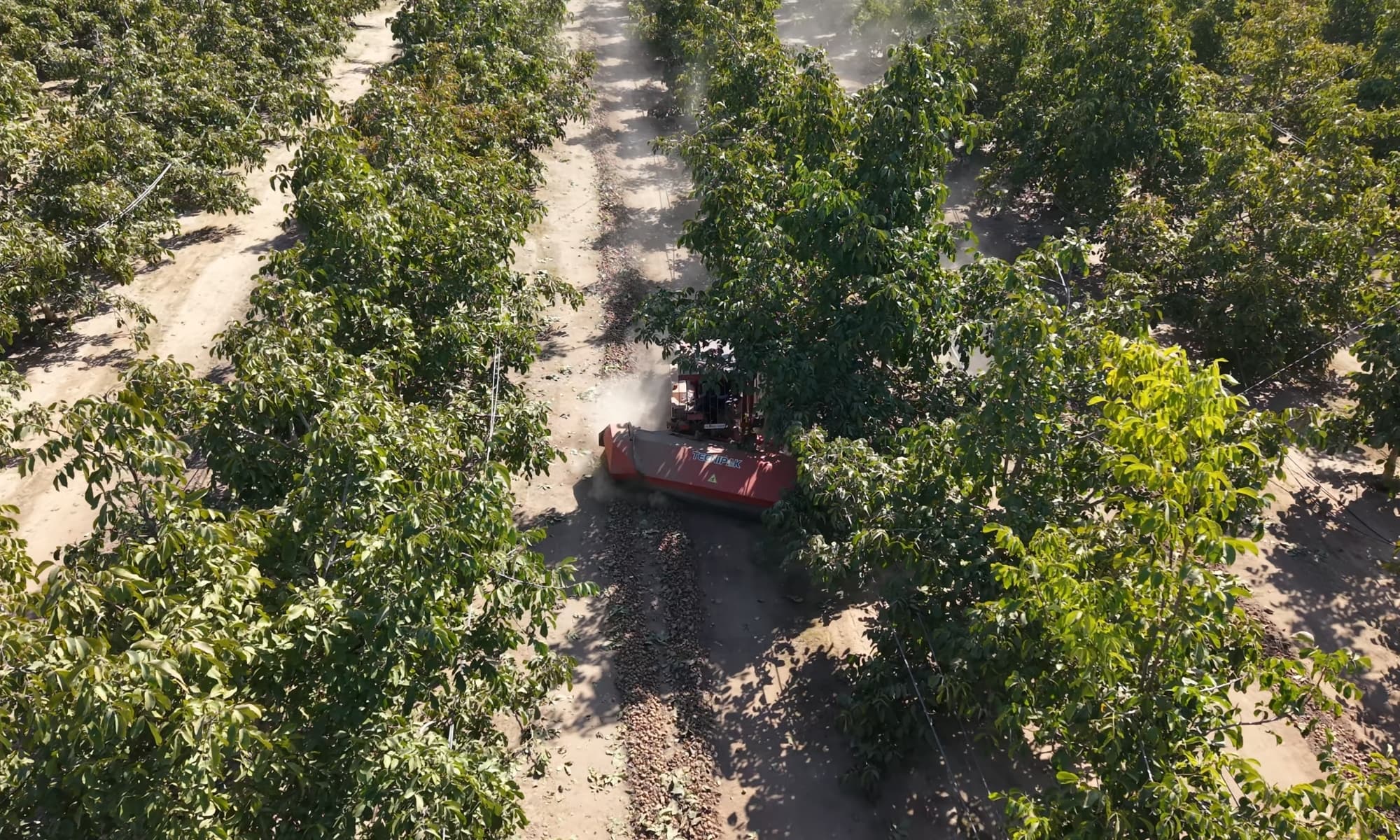
For tall-growing trees, the Ministry recommends a spacing of 10 to 12 m by 8 to 10 m, with plantations divided into blocks of 15 to 20 ha. Put the wider distance between rows: that layout suits mechanized harvesting, provided headlands, access lanes and clean, straight trunks leave room for shakers, sweepers and harvesters.
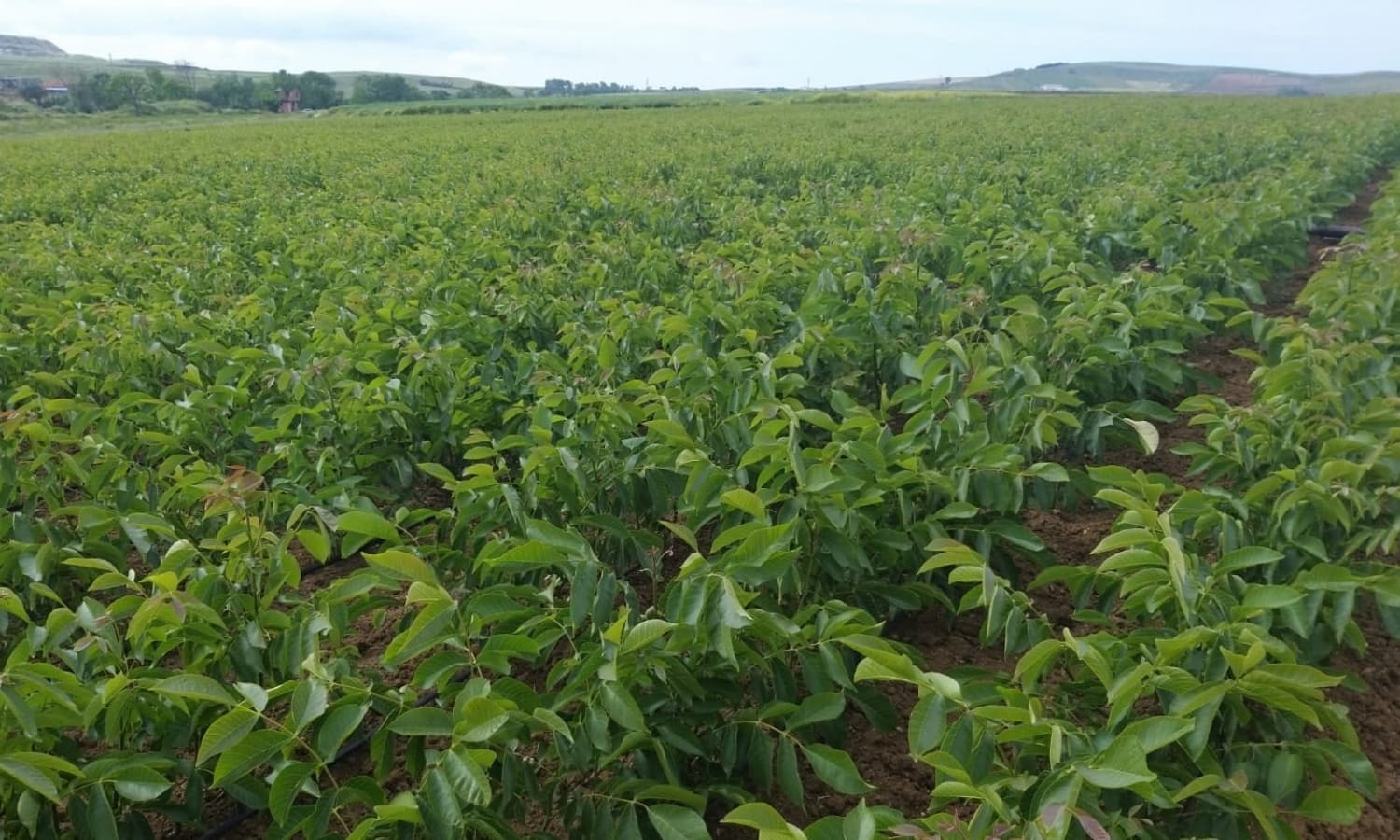

Practical Tips for Walnut Orchard Establishment
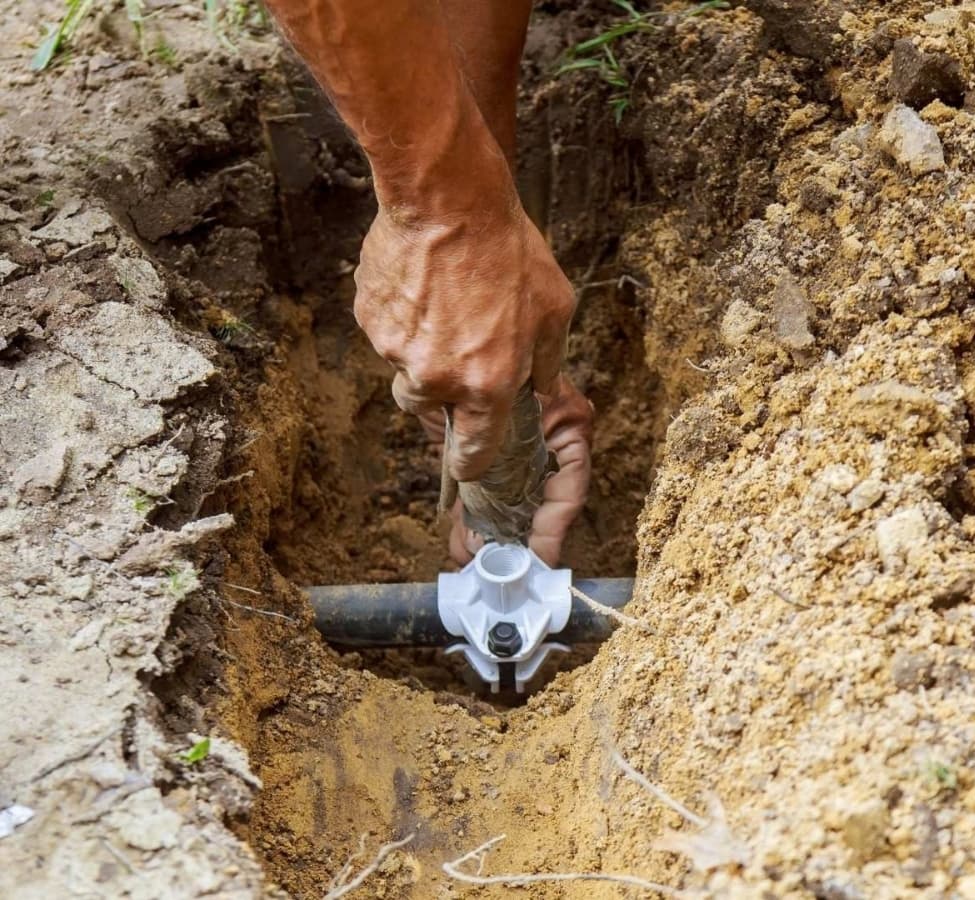
Confirm a reliable water source before planting: in Azerbaijan, irrigated land produces over 80% of agricultural output.
Avoid saline soils and high groundwater, as the Ministry of Agriculture advises; walnut roots need deep soil with good water and air permeability.
Order grafted trees well ahead: the Ministry notes that grafted walnuts are ready for planting out in their second year.
Combine proven local selections with introduced varieties that suit your market, and check pollinizer timing before ordering trees.
Divide large plantations into 15 to 20 ha blocks with headlands and lanes, so harvest machines and trucks can reach every block.
Set the trunk height with the harvest method in mind: a trunk shaker needs a clean, straight trunk below the first scaffold branches.
Recommended Establishment Stages

Walnut Orchard Care & Maintenance in Azerbaijan
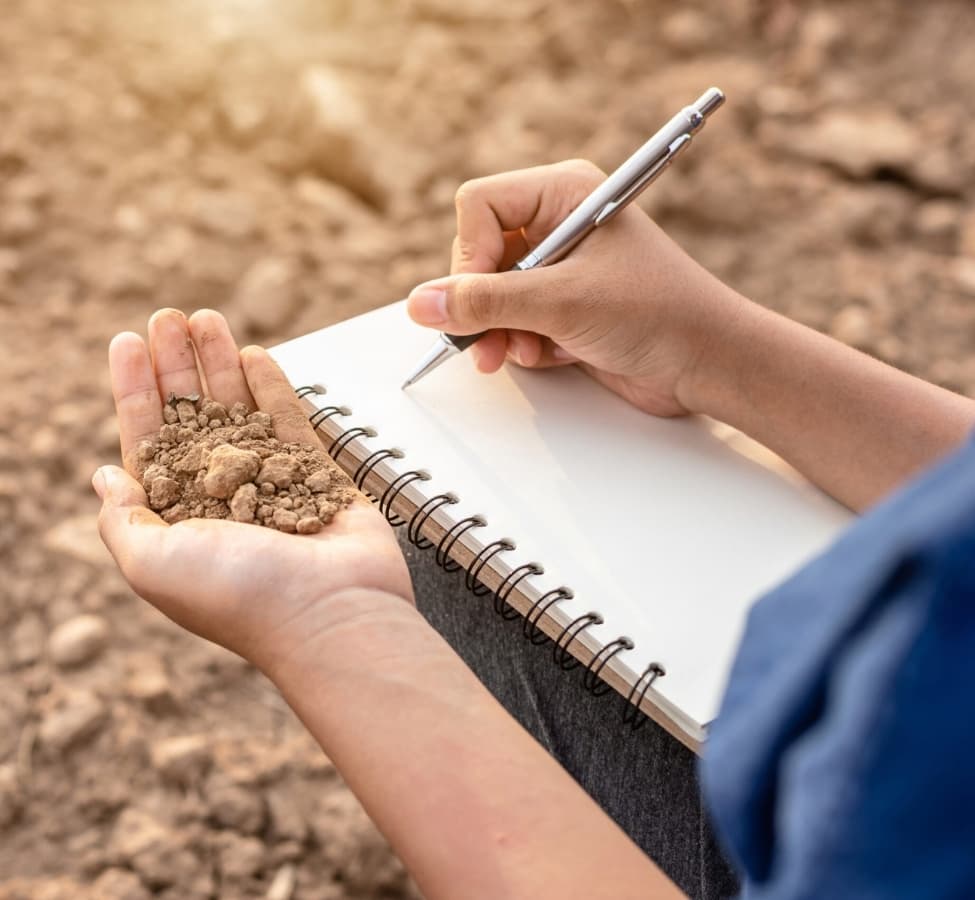
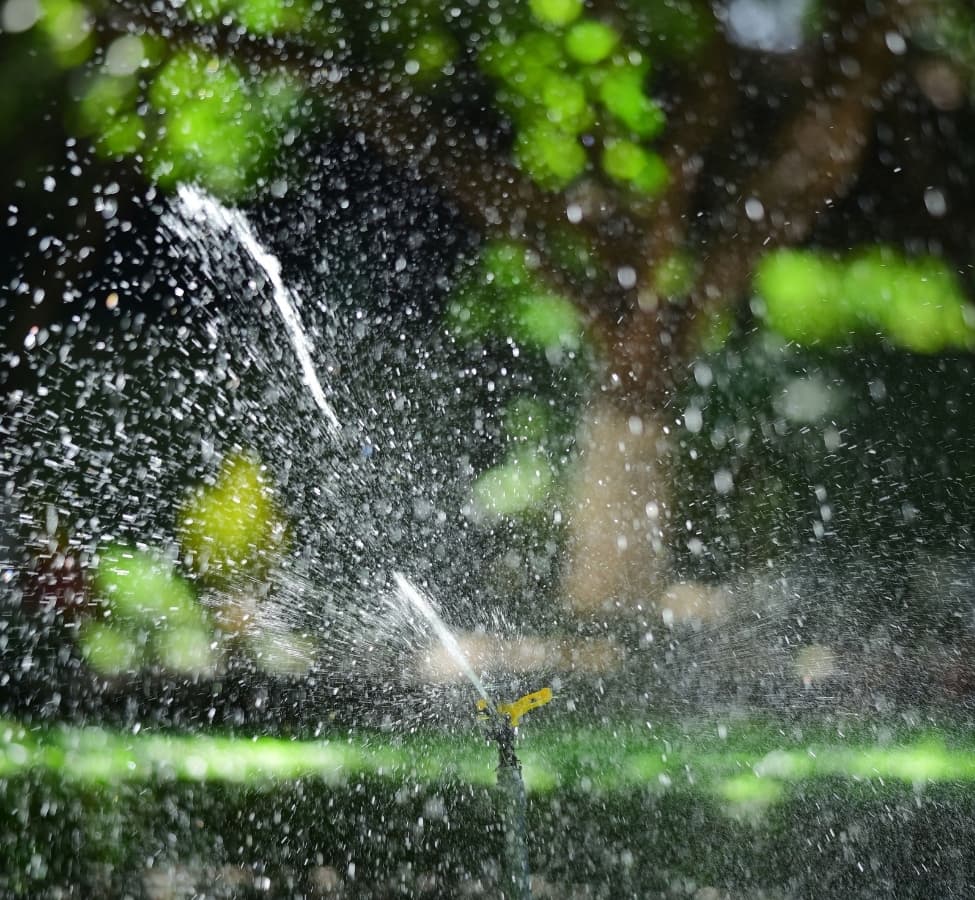
The Ministry of Agriculture's reference for walnut is three to four irrigations per season and nitrogen, phosphorus and potassium at 60 kg of active ingredient per hectare, which it says considerably increases yield. Adjust both to soil tests, leaf analysis and the rainfall of your district.
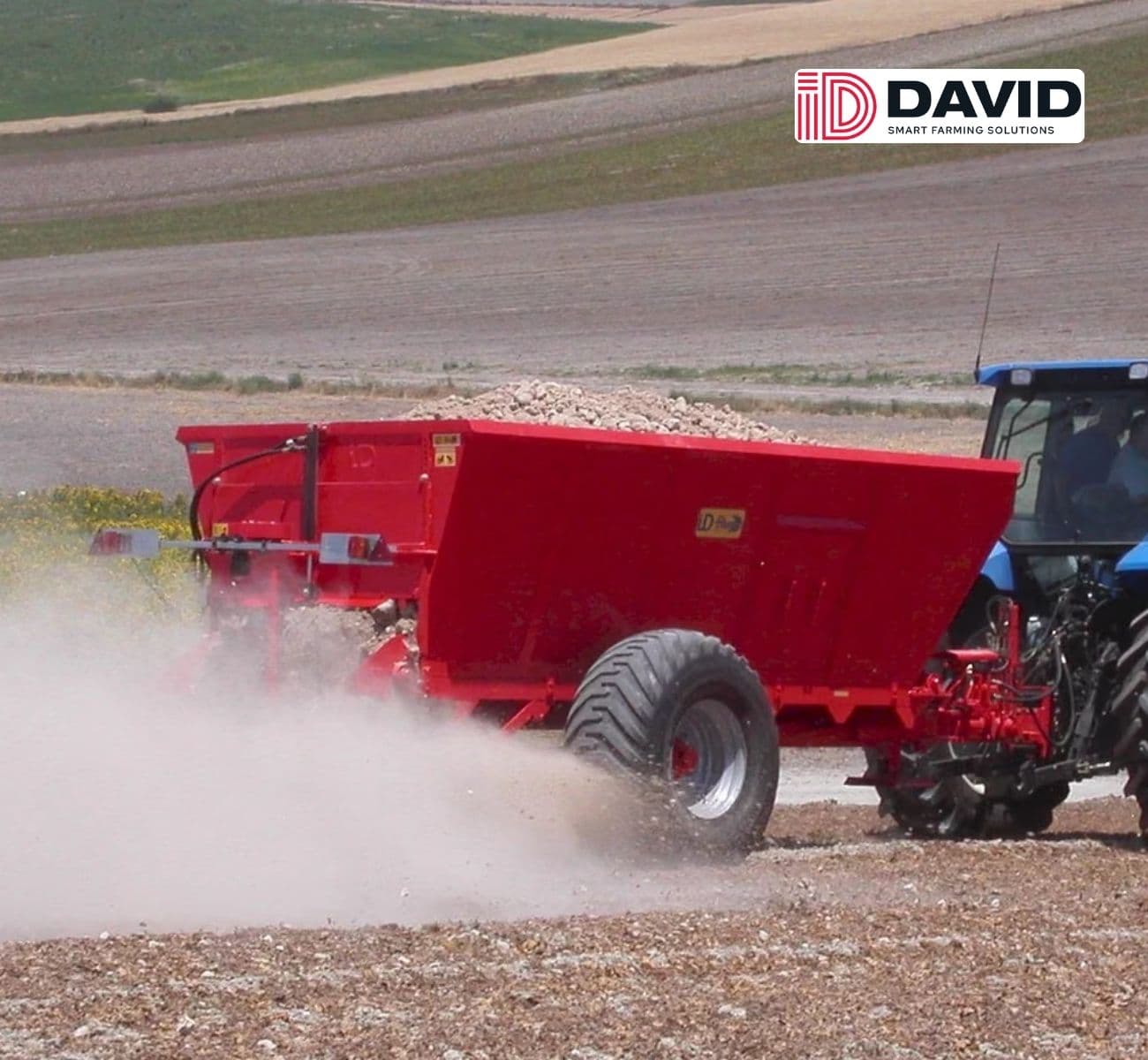
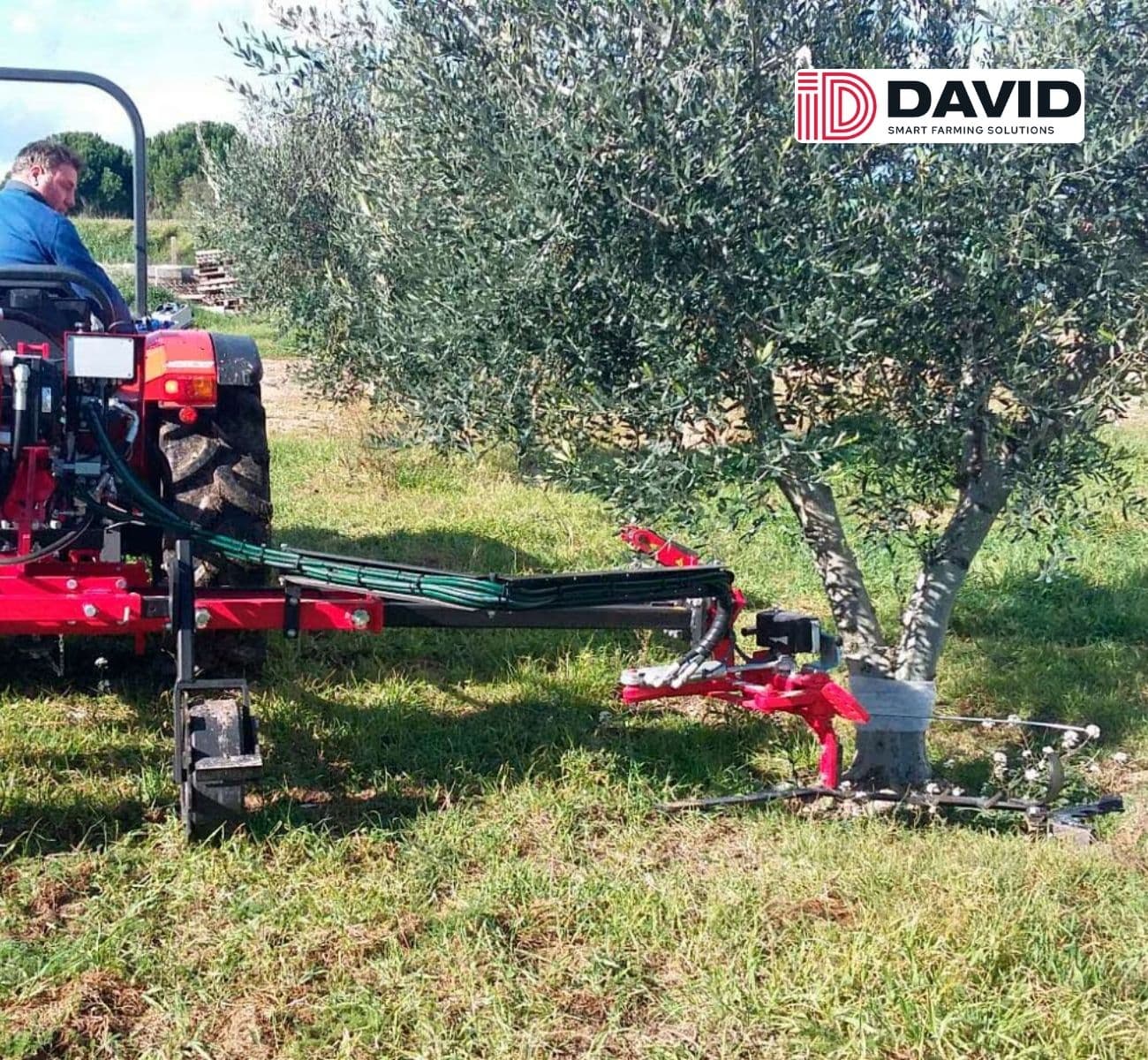
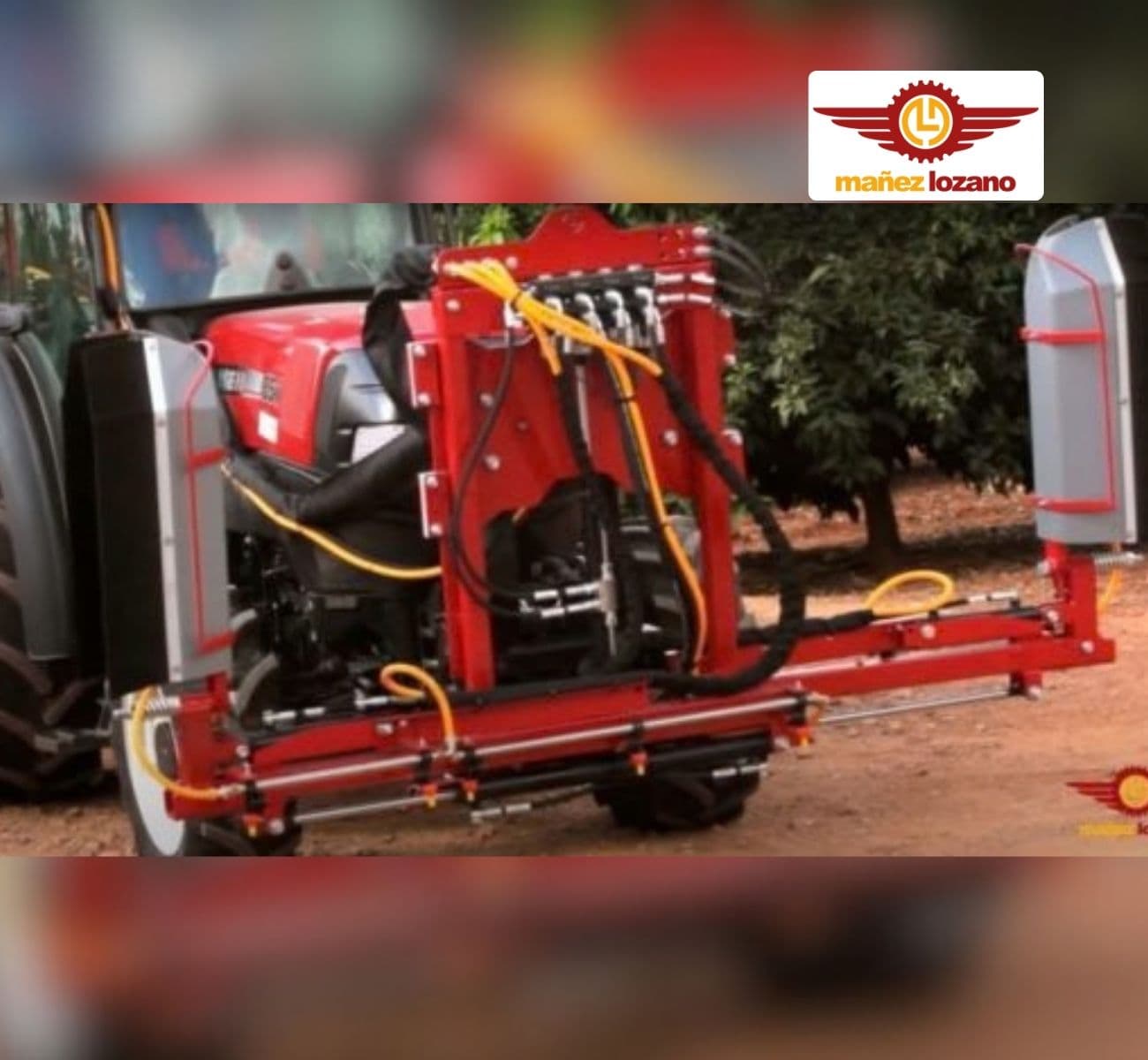
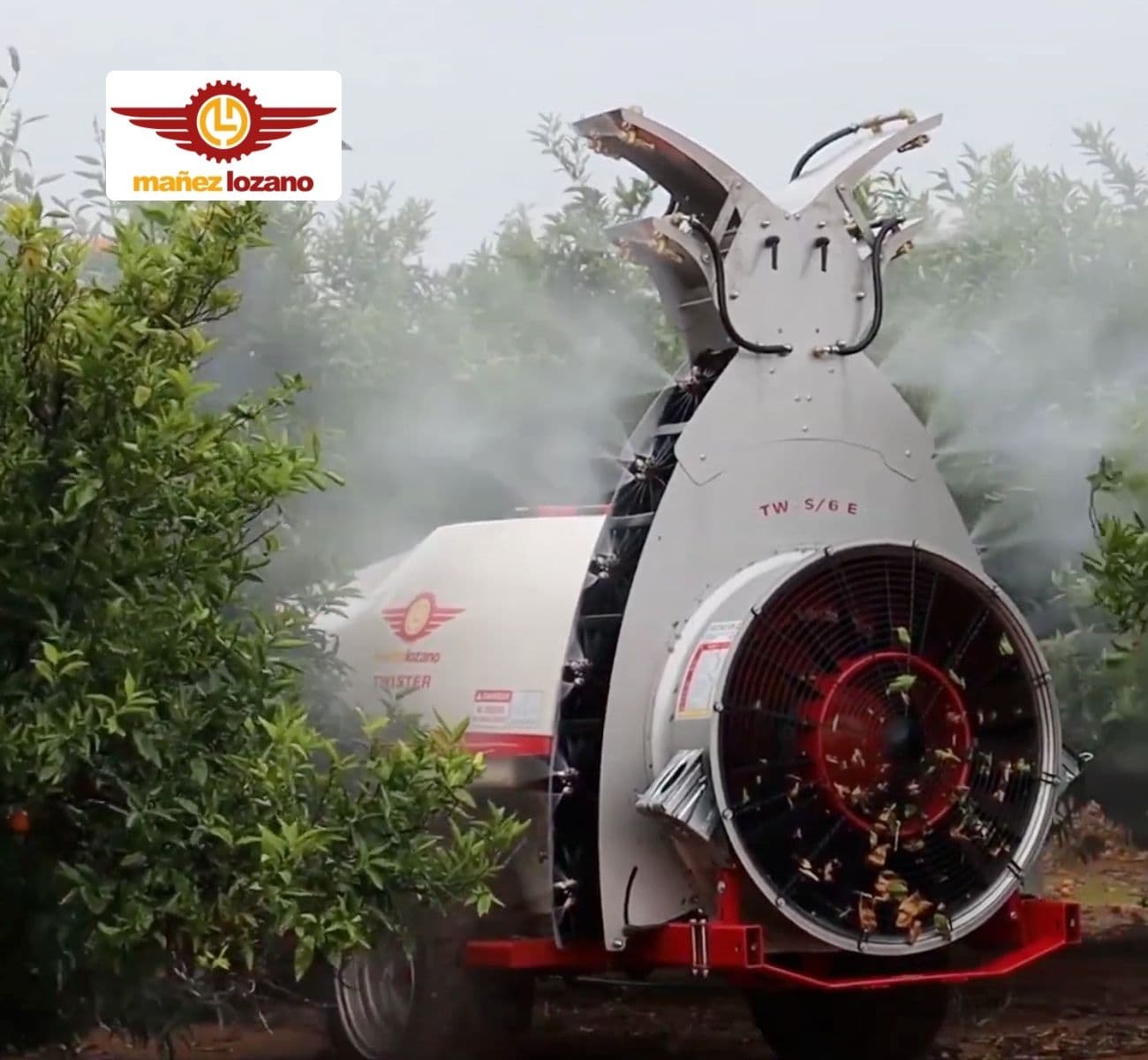
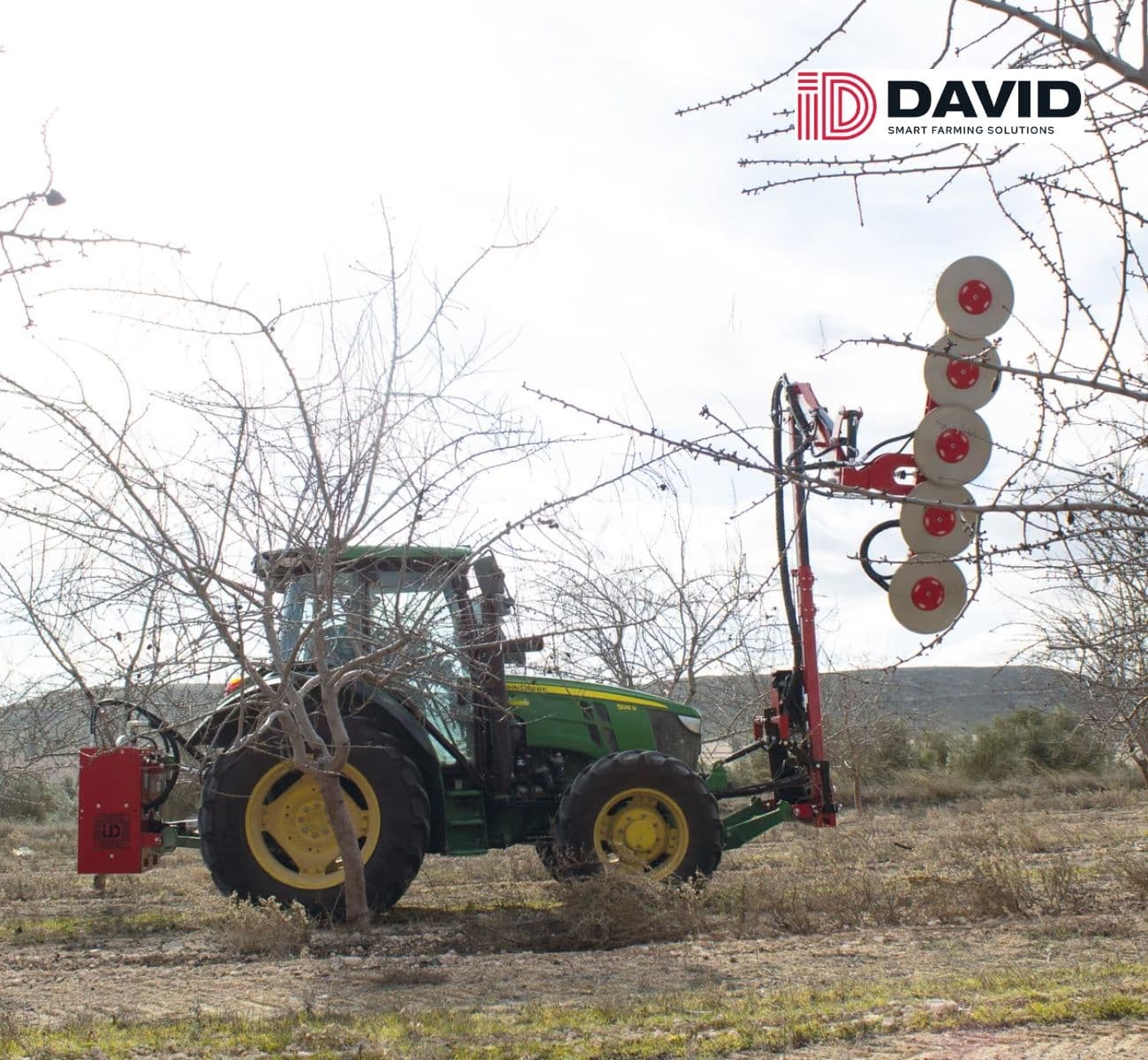
Spraying must reach the full height of mature walnut trees. The Mañez Lozano Mega Twister S6 is designed for taller trees and denser canopies, while ID DAVID machines cover in-row weeding, manure spreading, and side pruning and topping up to 4.9 m; OVE Europe sells both brands in Azerbaijan.
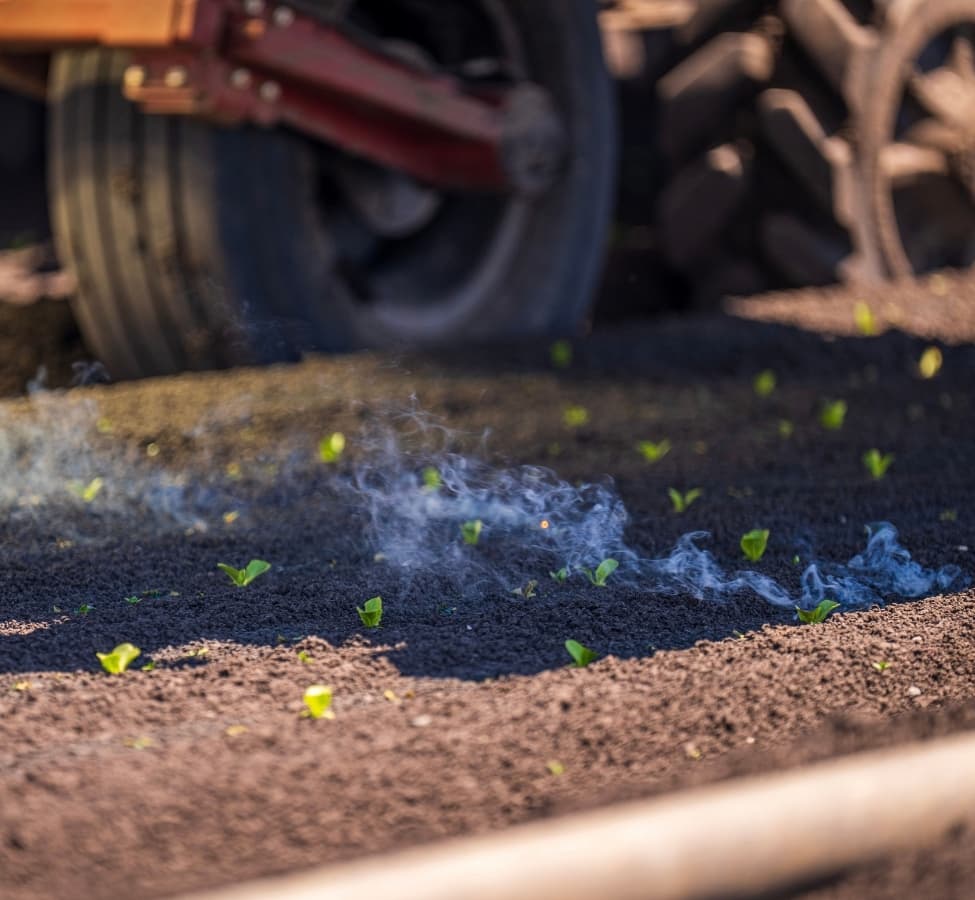
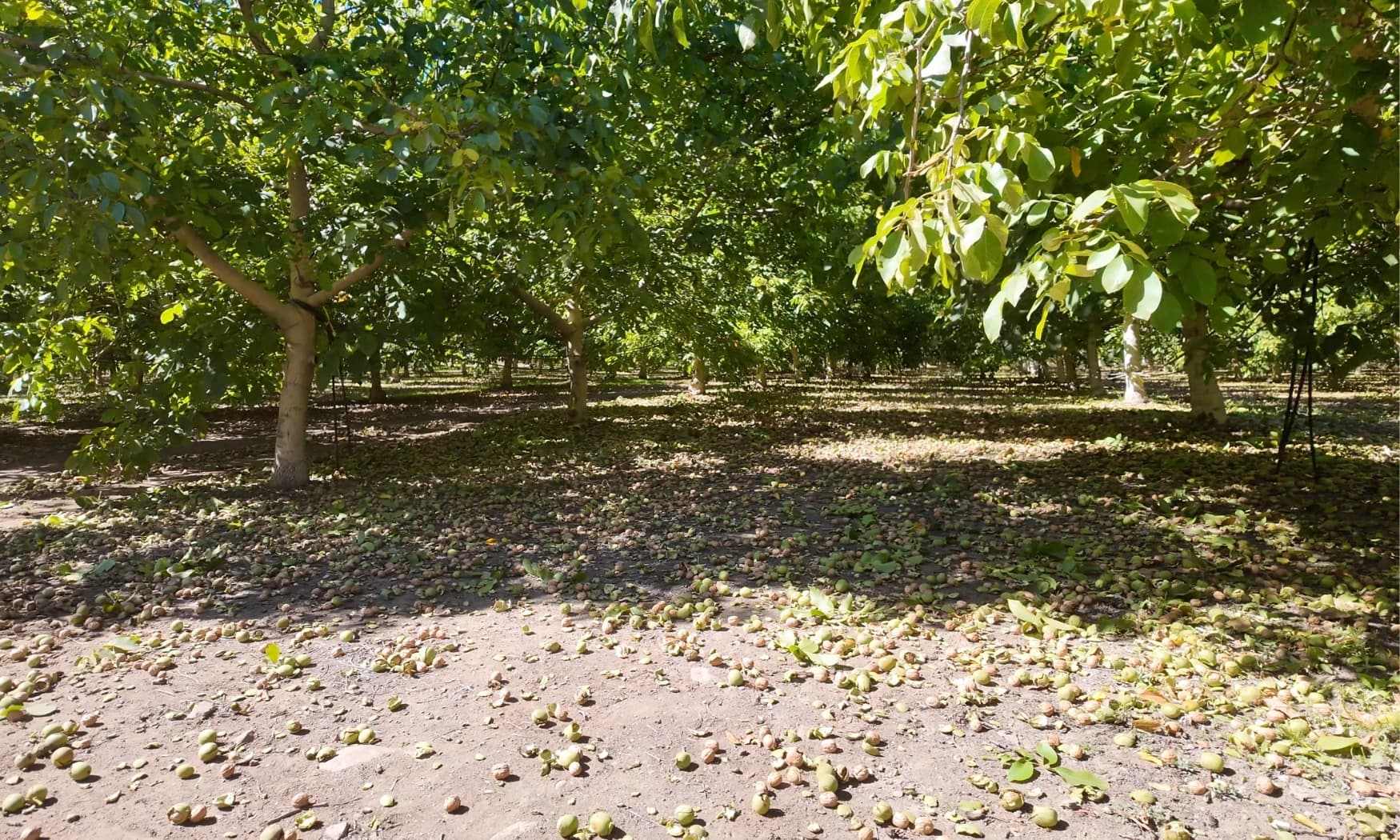
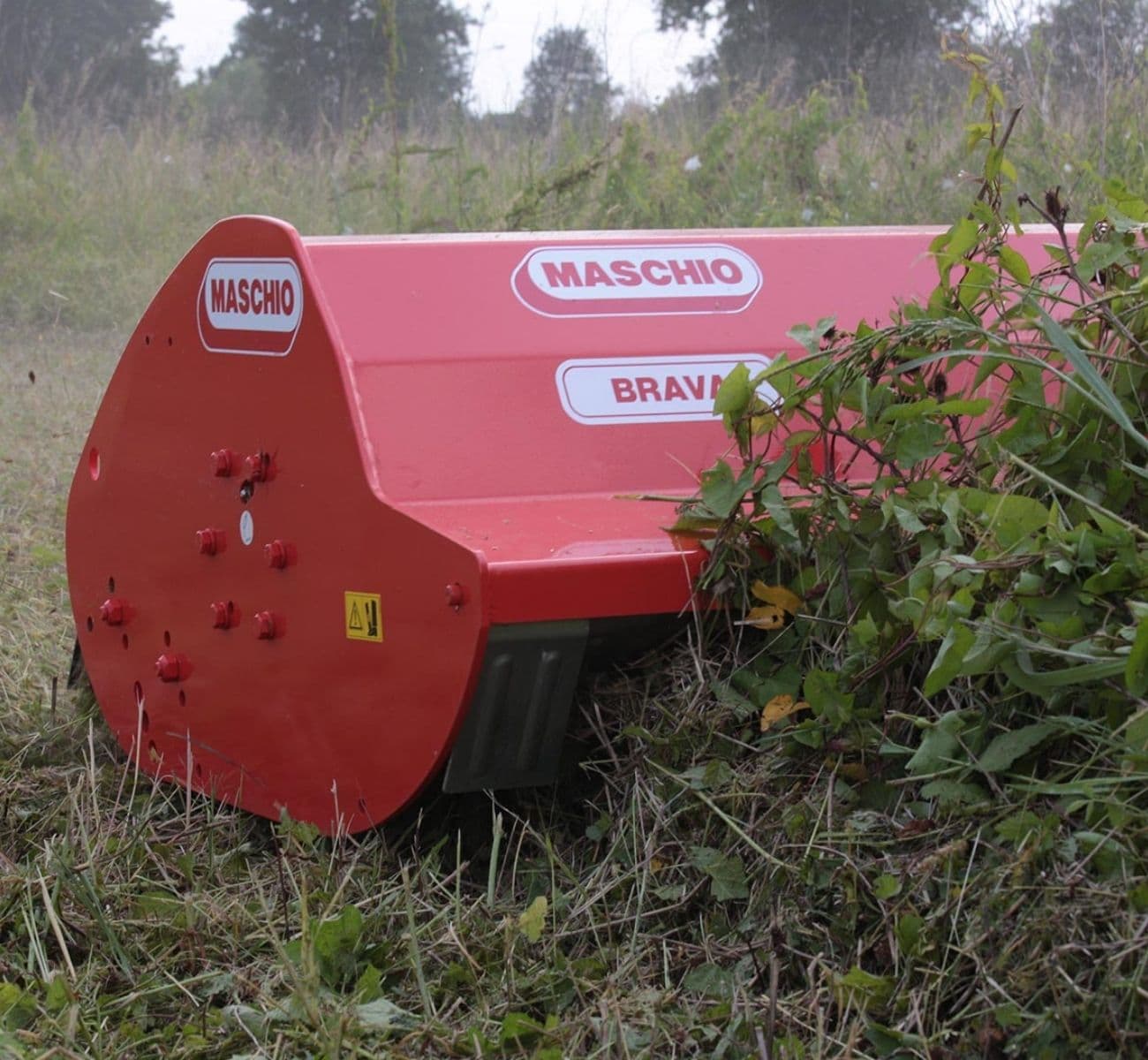
Floor care decides harvest quality. In young orchards the Ministry recommends keeping tree rows and inter-rows weed-free; in bearing orchards, keep the floor level and firm, cut the grass short before harvest and remove prunings, so sweepers and harvesters collect clean nuts.
Recommended Orchard Care & Maintenance Stages
Practical Tips for Walnut Orchard Care & Maintenance
Schedule irrigation by soil moisture rather than the calendar, and keep water steady while the nuts fill in summer.
Base fertilizer rates on soil and leaf tests; the Ministry's reference is N, P and K at 60 kg of active ingredient per hectare.
Choose a sprayer with enough air to reach the tops of mature trees, and calibrate it before every season.
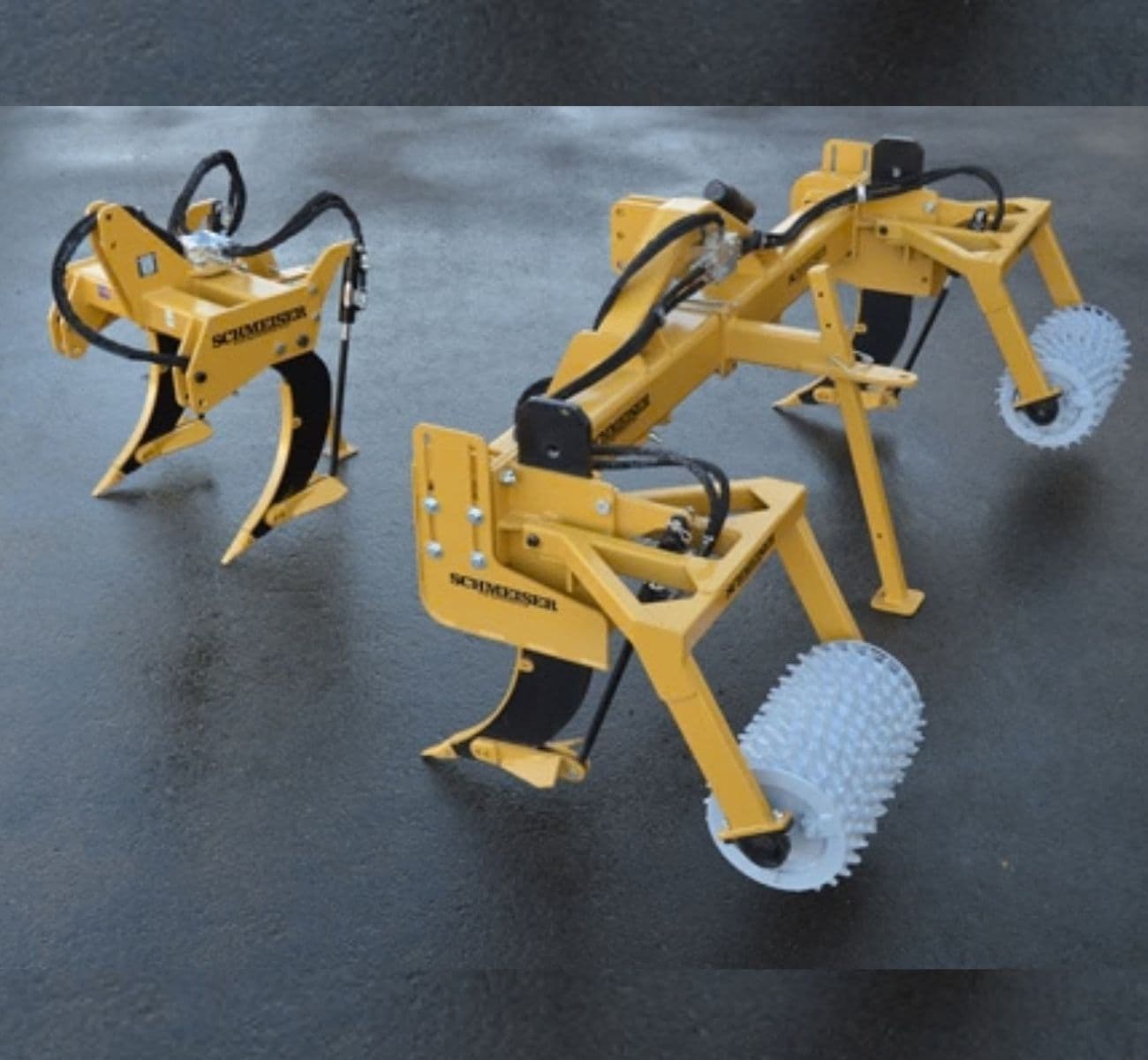
Prune to keep the lower trunk clean and the alleys open; regular side pruning keeps machinery lanes clear.
Keep the floor level and mow it short before harvest; ruts and tall grass slow sweepers and hide nuts.
Record yield by block every season; the figures show where water, nutrition or pruning needs to change.

Walnut Harvesting in Azerbaijan
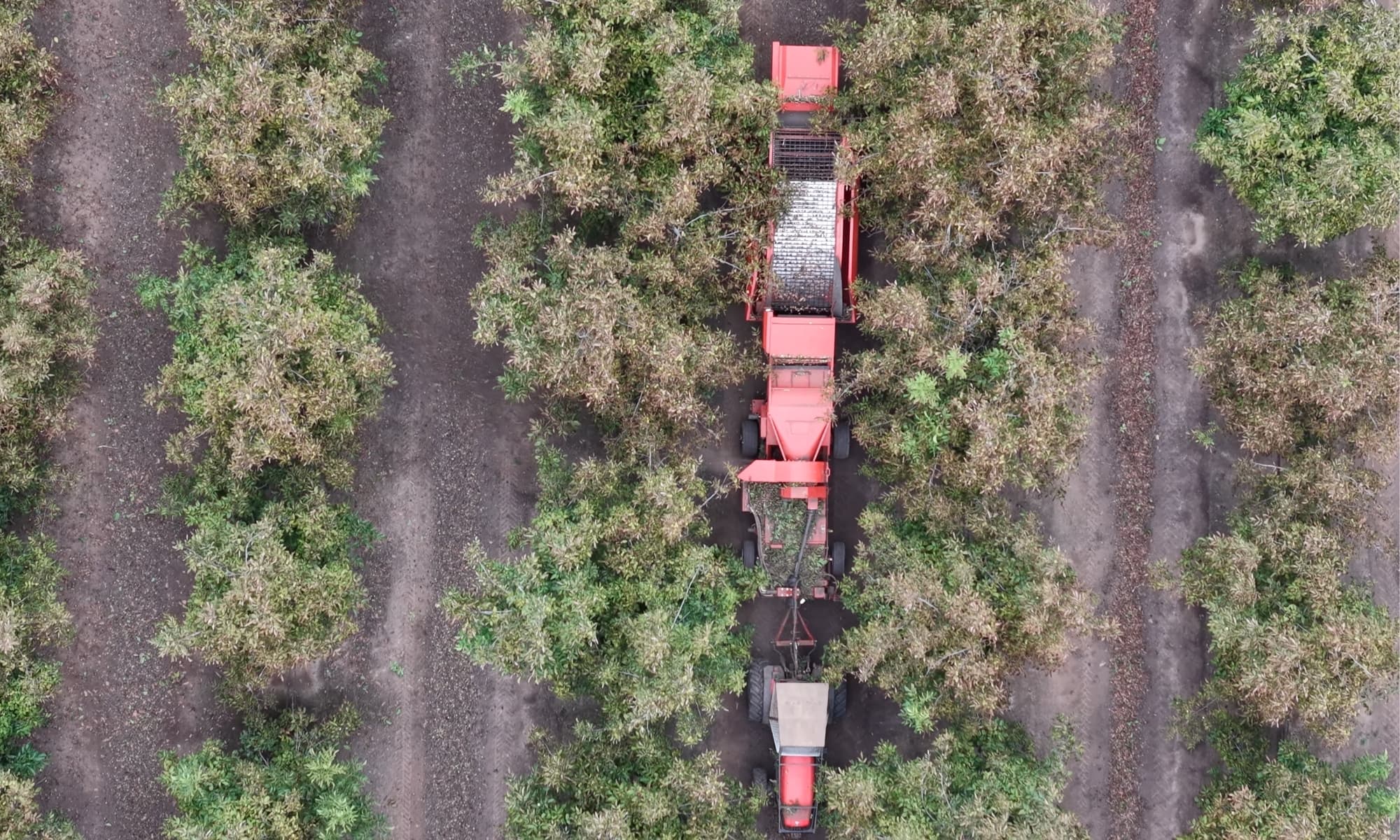
In Azerbaijan, walnuts are harvested in autumn, once most hulls have split; timing depends on site, altitude and variety. At the Shaki-Oghuz Agropark, the harvesting and drying period is put at 40 days (president.az). Scattered trees can be picked by hand, but across hundreds of hectares, harvest capacity and speed decide quality and cost.
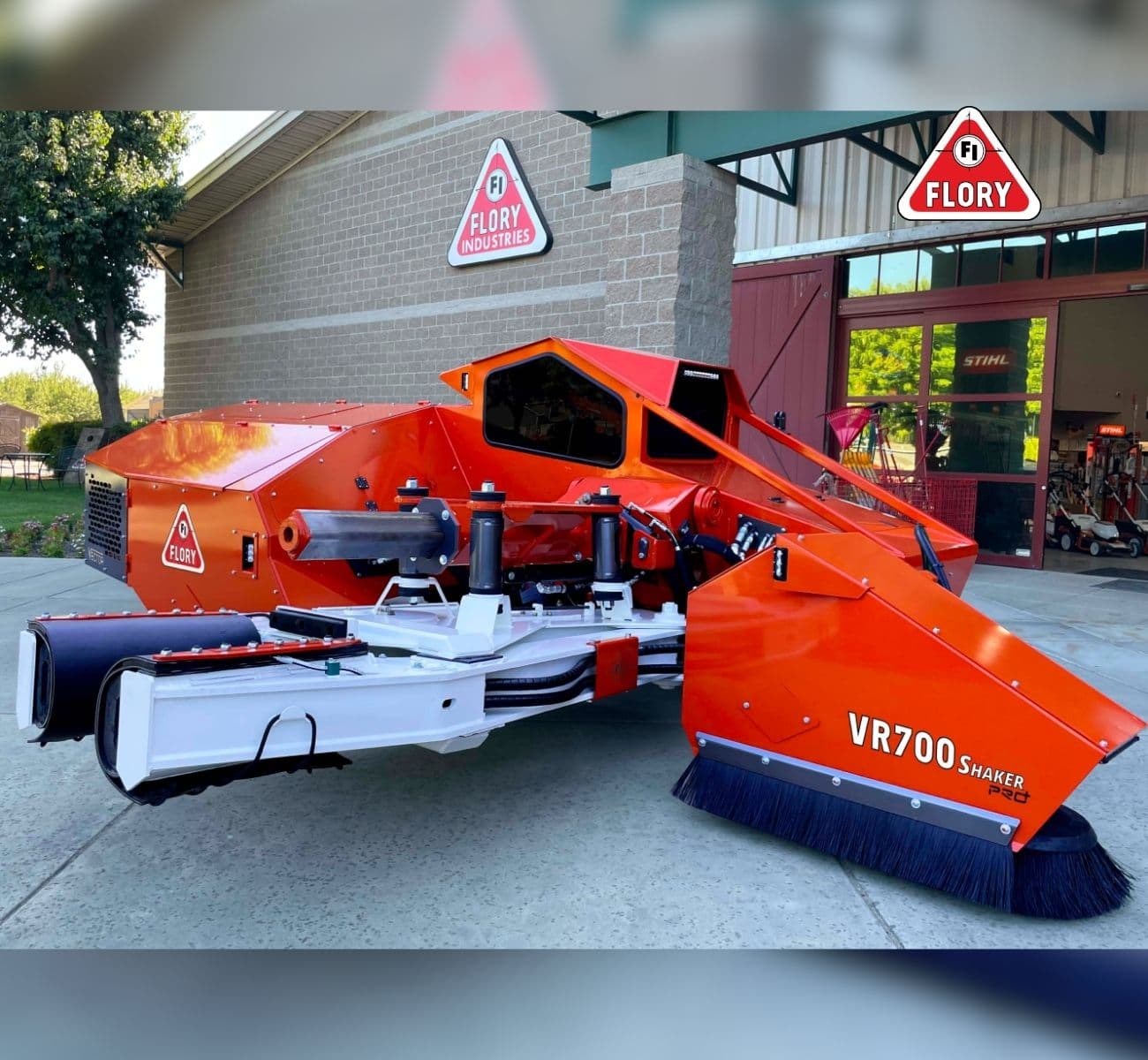
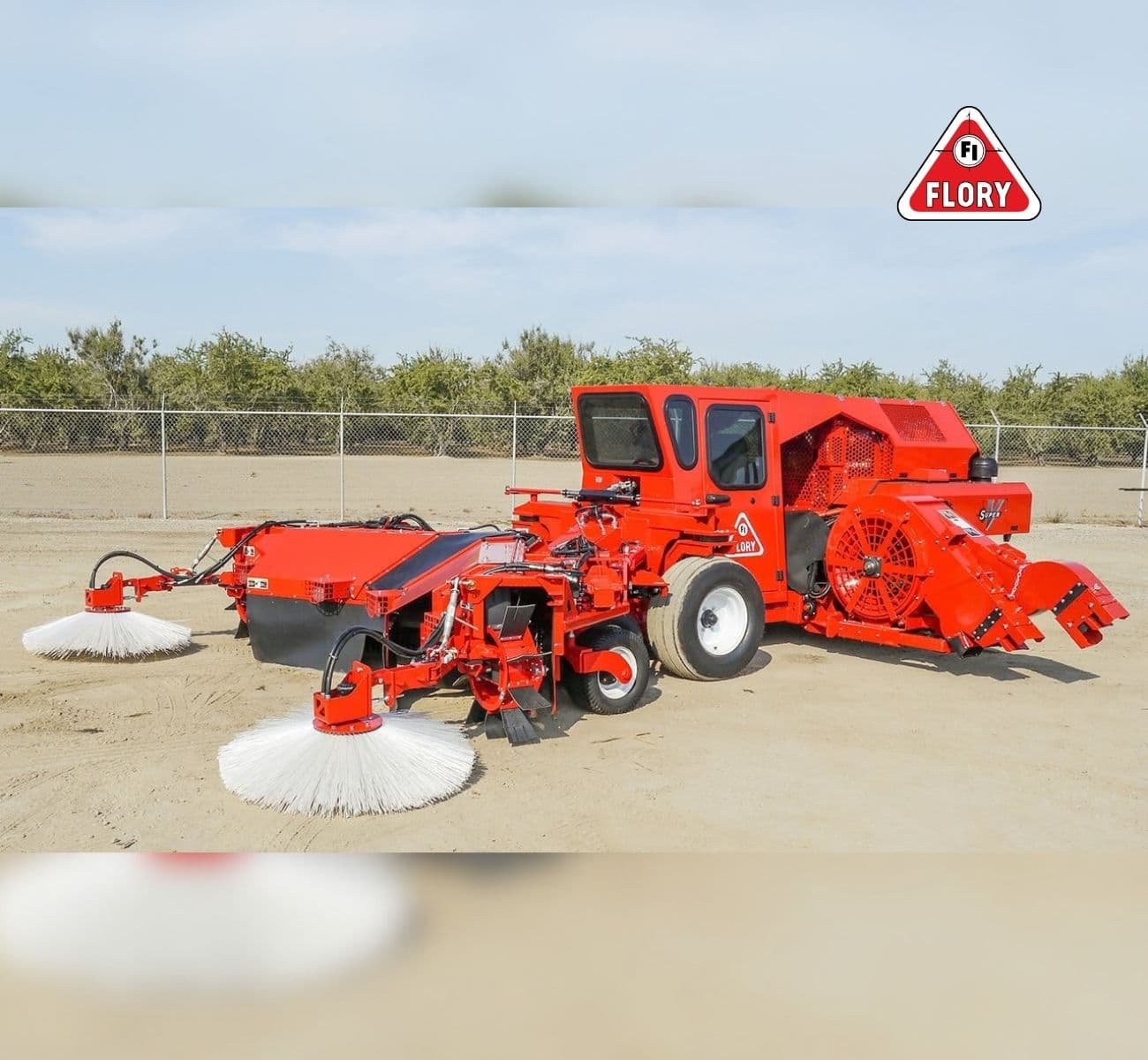
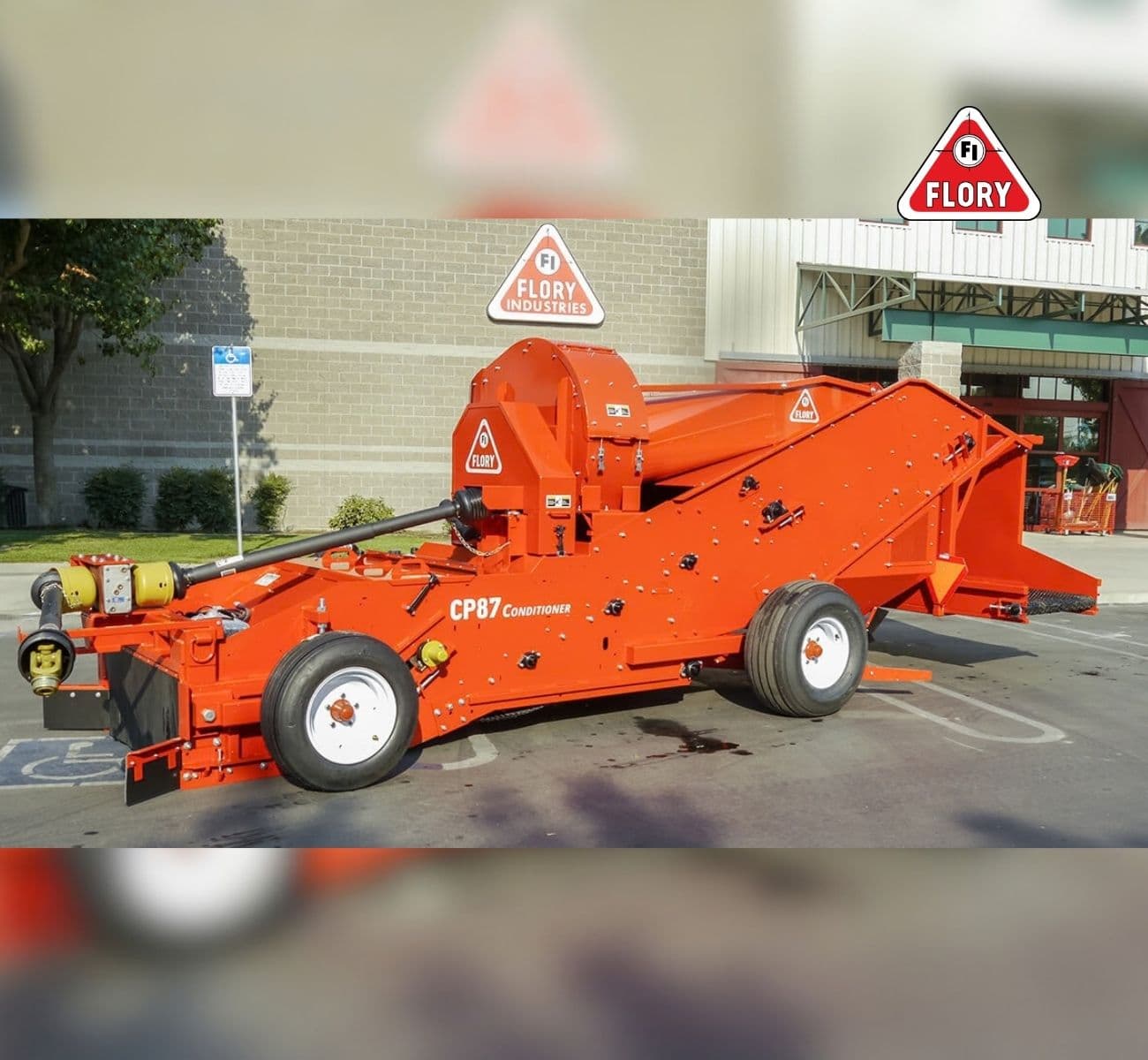
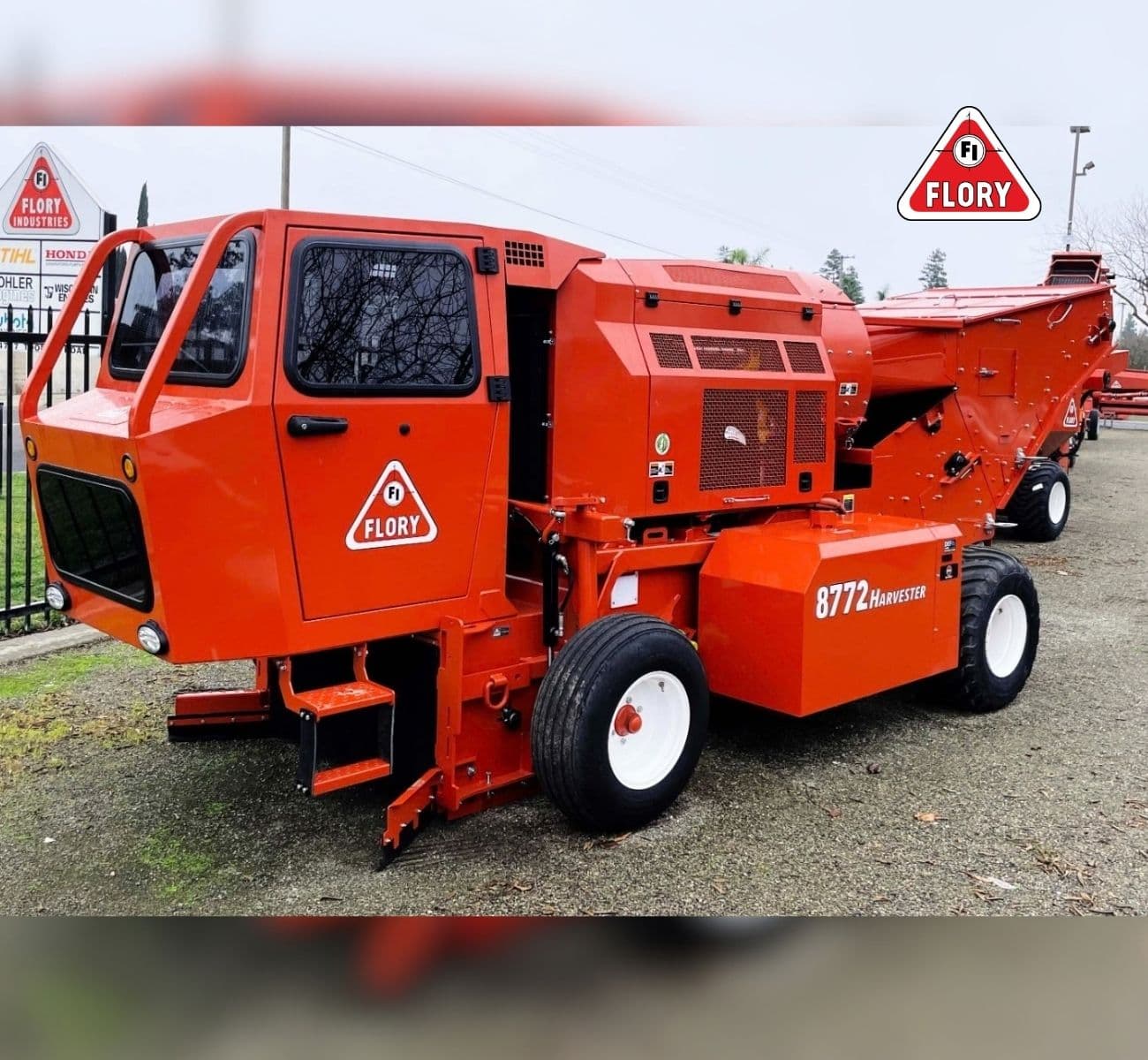
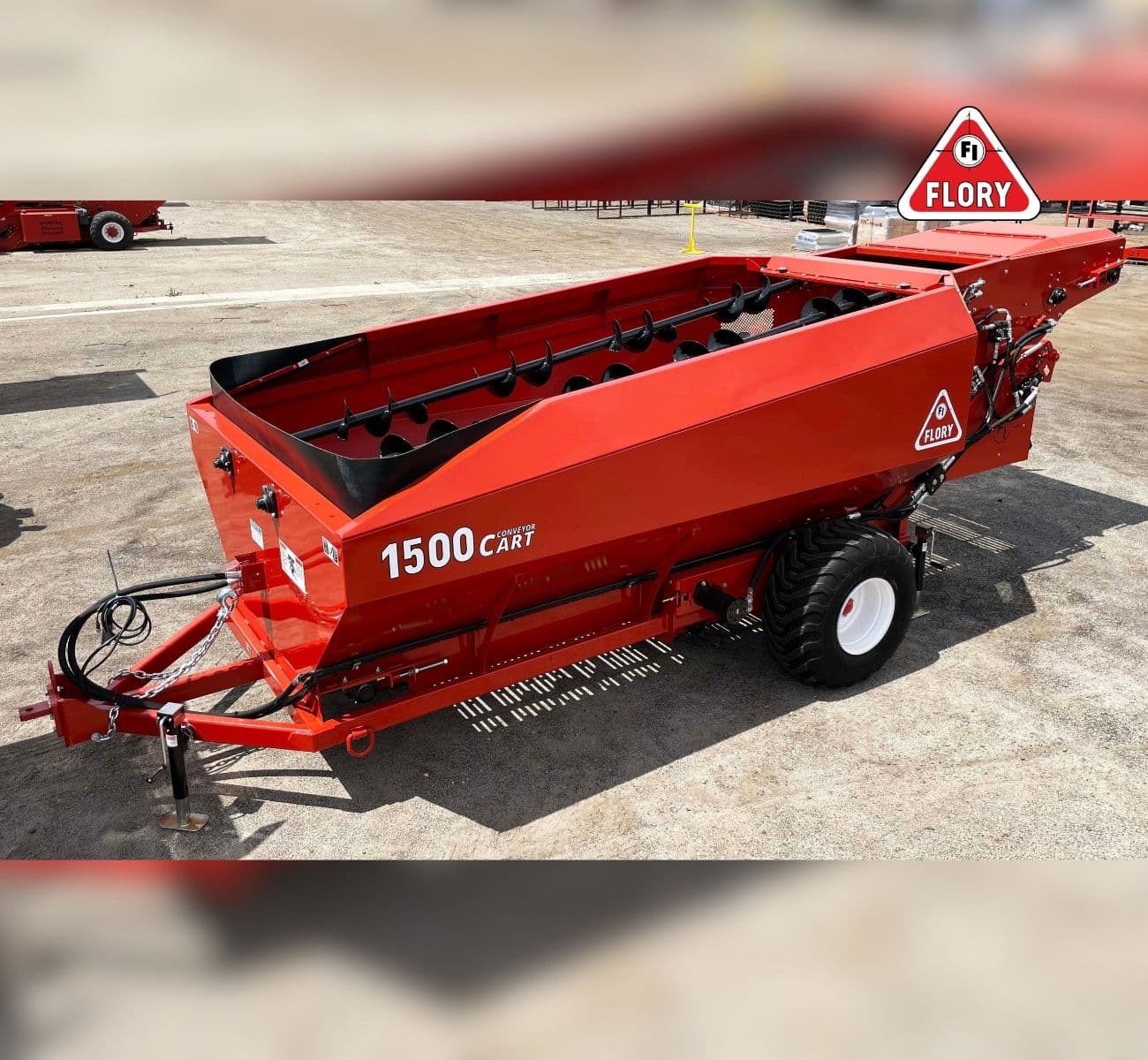
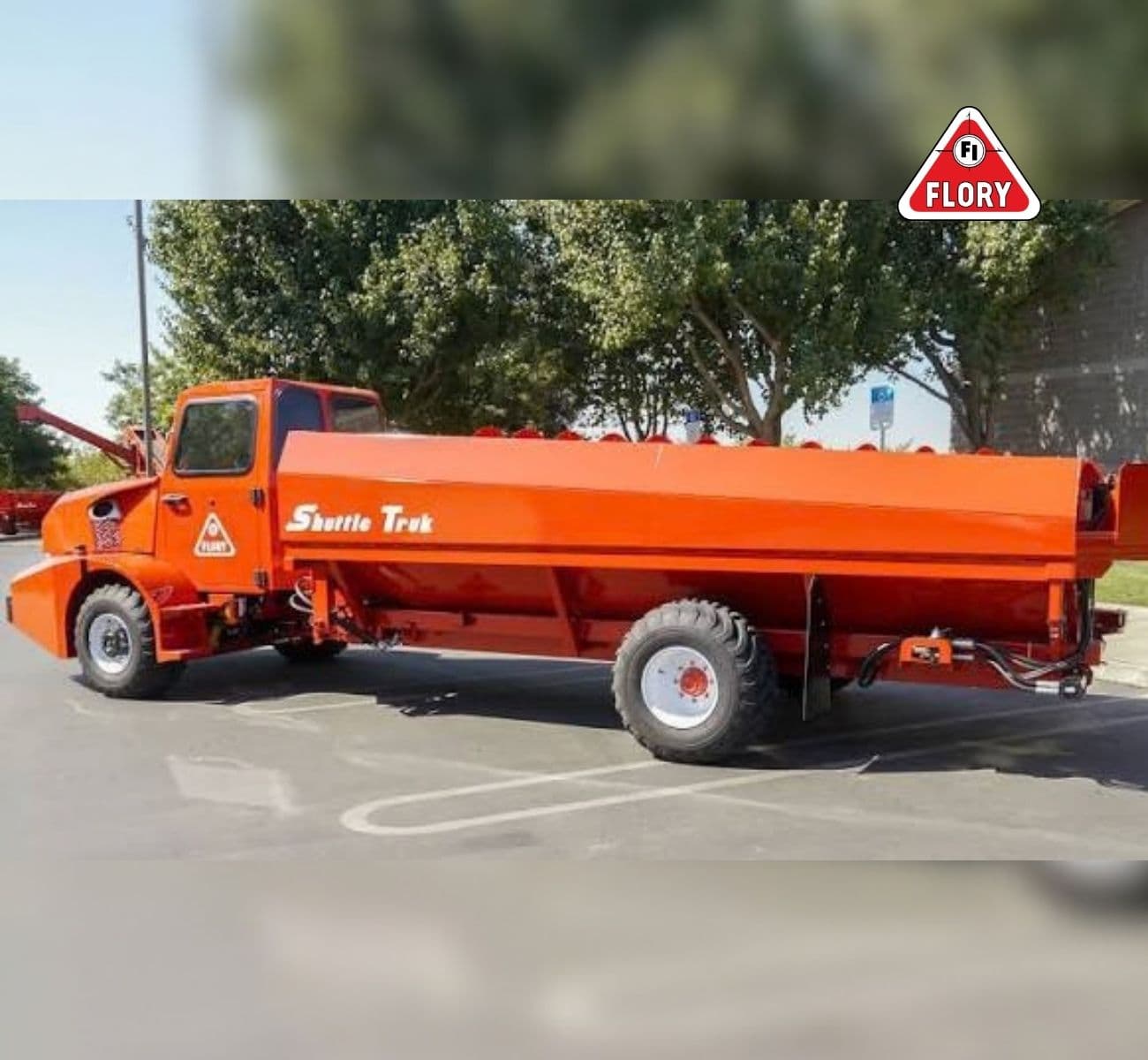
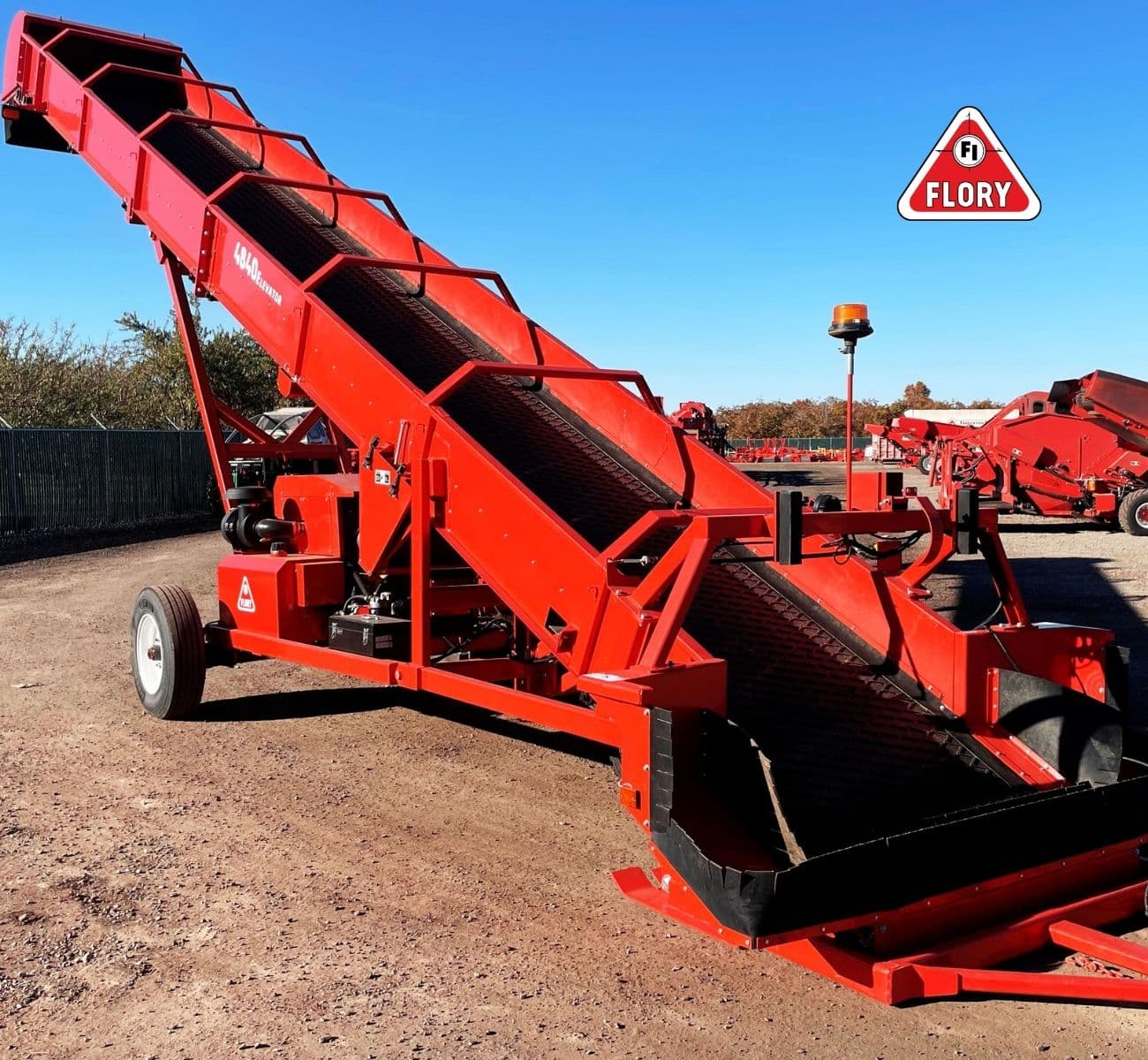
Flory harvesting machinery is already working in Azerbaijan. A typical Flory on-ground set starts with the VR700 Shaker, followed by a V62 Sweeper that moves nuts into windrows and the self-propelled 8772 Harvester, which picks them up with low dust. A 1500 Conveyor Cart, ST14 Shuttle and 4840 Field Elevator then carry the crop to the trucks.
Plan capacity so nuts are picked up the same day they are shaken: University of California research shows walnut quality starts to fall within hours. Drying in the sun darkens the kernels (UC ANR), so move the crop to hulling and controlled drying rather than leaving it on open ground.
Walnut Harvest Workflow (Recommended Equipment)
Practical Tips for Walnut Harvesting
Shake a block when most hulls have split; mixed-variety blocks may need a second pass for later varieties.
Prepare the floor before the first shake: level, firm and mowed short, with prunings removed.
Size shaker, sweeper and harvester capacity together so no machine waits and no nuts stay out overnight.
Fix the field elevator site and truck route before harvest so shuttles unload fast and nuts reach the huller the same day.
Train operators on clamp height and shaking time to protect bark and roots; OVE Europe trains crews on the Flory machines it supplies.
Keep wear parts and filters in stock before the season starts; OVE Europe supplies Flory spare parts.
Get your recommended harvest setup
Enter orchard size, spacing, terrain, and target throughput—we’ll suggest a practical harvest workflow and equipment lineup.

Walnut Post-Harvest Handling & Processing in Azerbaijan
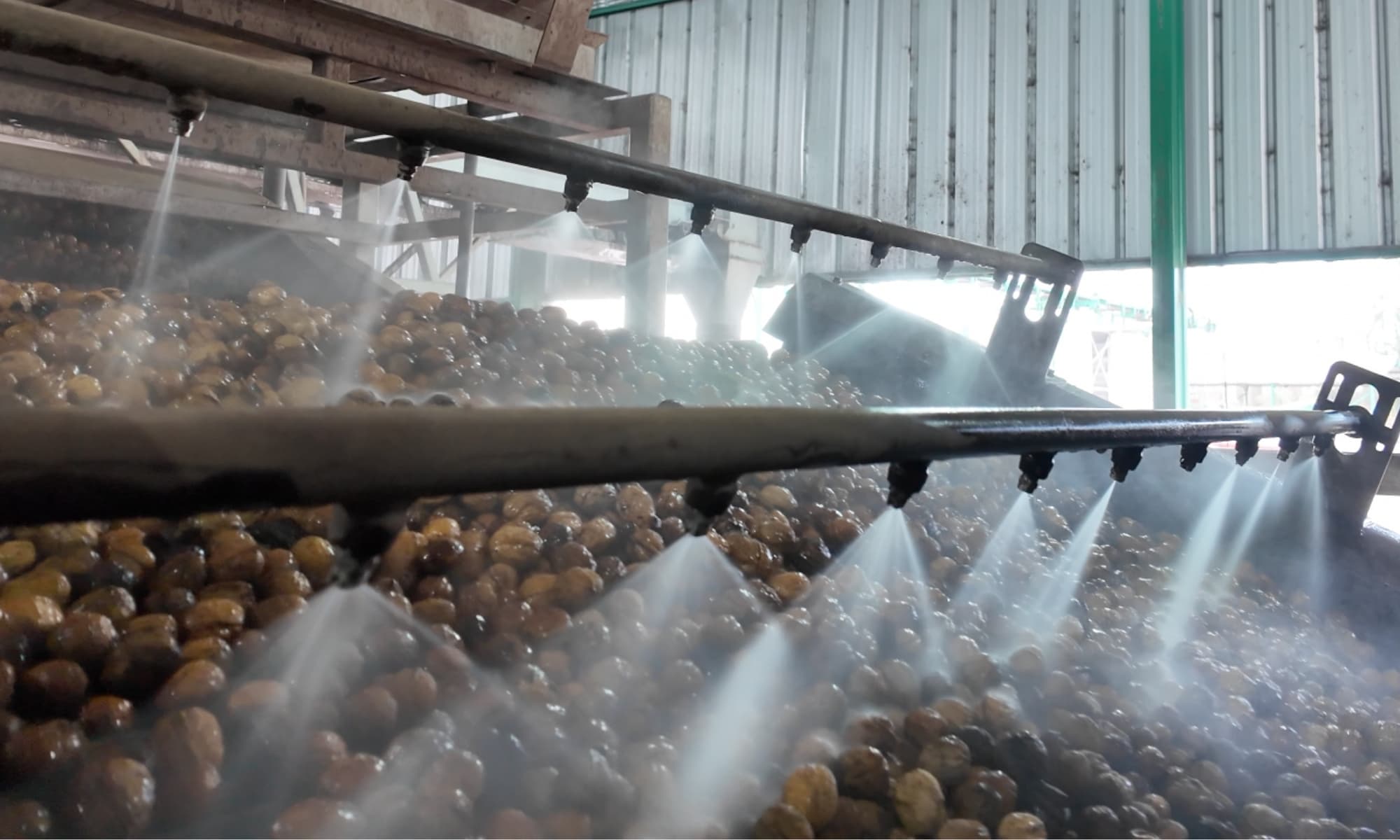
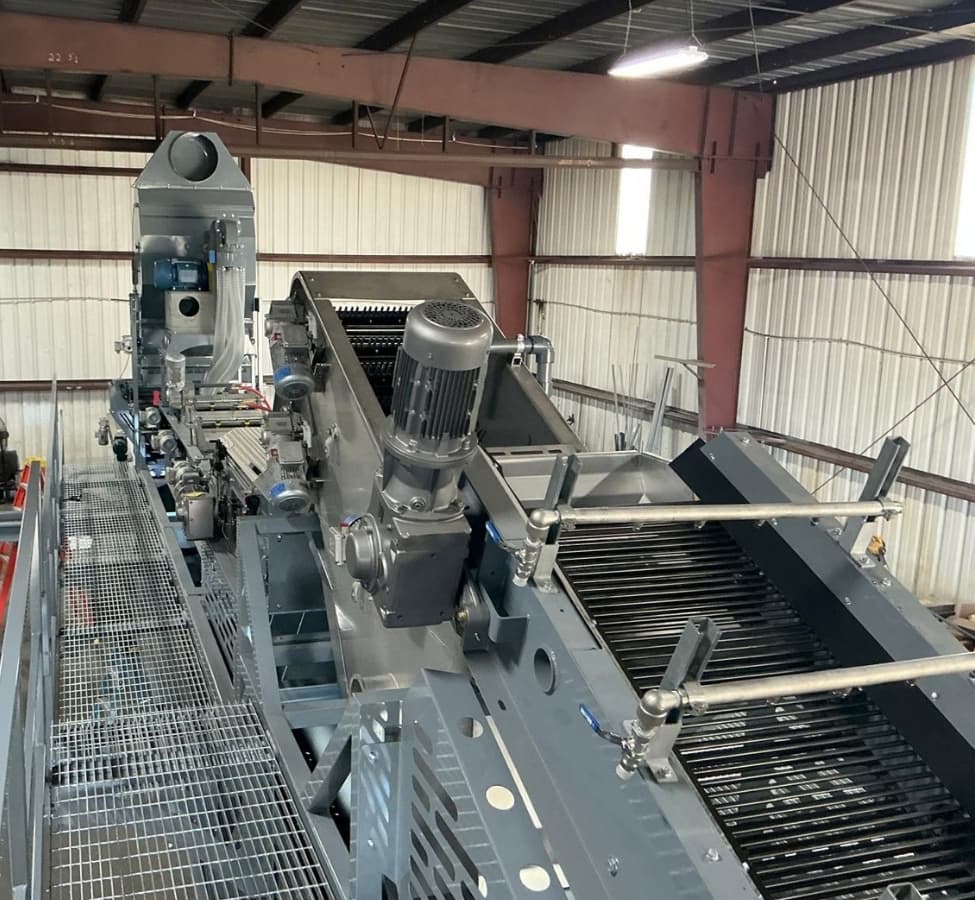
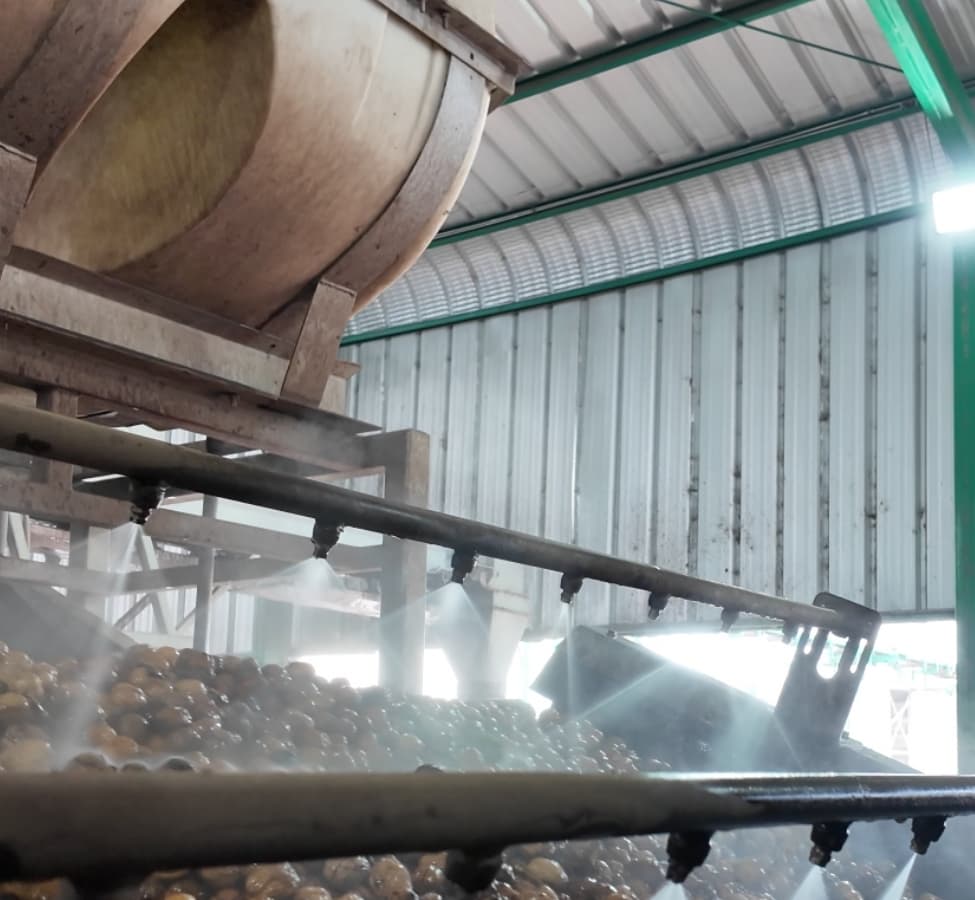
Large orchards are investing in processing: when its foundation stone was laid in 2022, the walnut plant at the Shaki-Oghuz Agropark was planned to hull, wash, dry, sort and pack nuts to international standards (President of Azerbaijan website). Whatever the scale, hull and wash on the day of harvest, remove blanks and defects, then start drying.
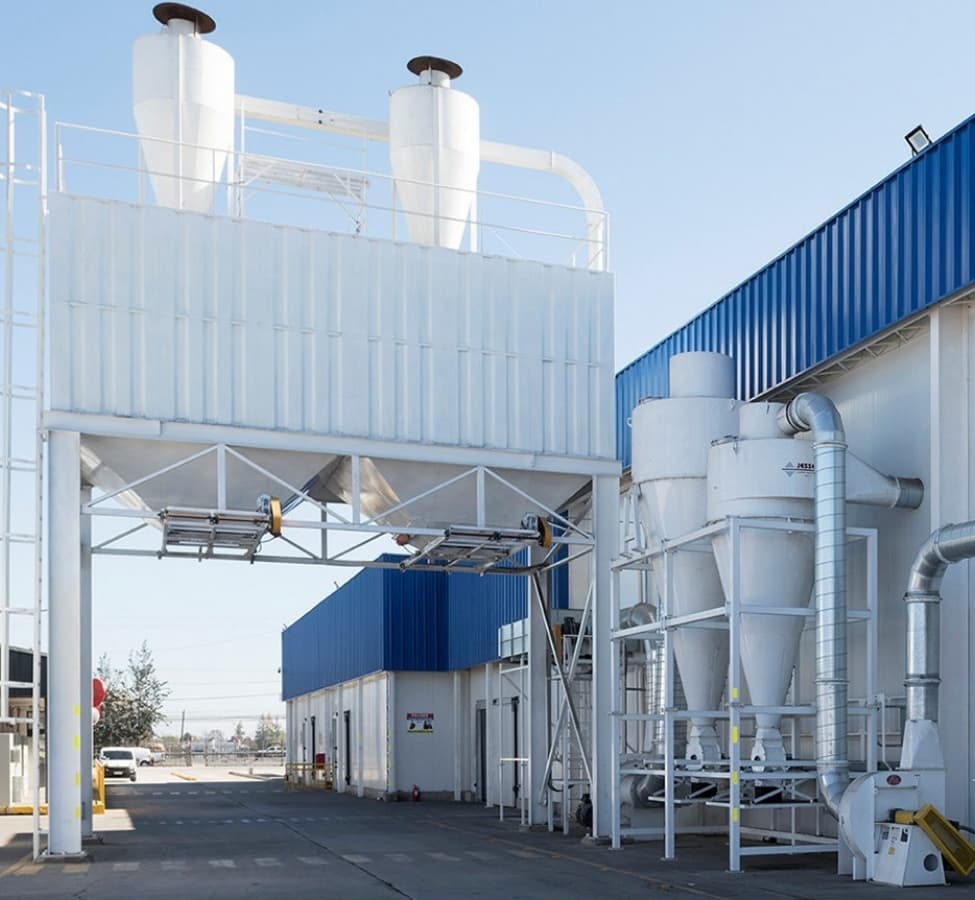
Dry gently and completely. University of California guidance is about 8% moisture with air no hotter than about 43 °C. Nuts that are not fully dry are prone to mould and quickly turn rancid, while cool storage keeps quality: at about 4 °C, in-shell walnuts keep for a year (UC ANR).
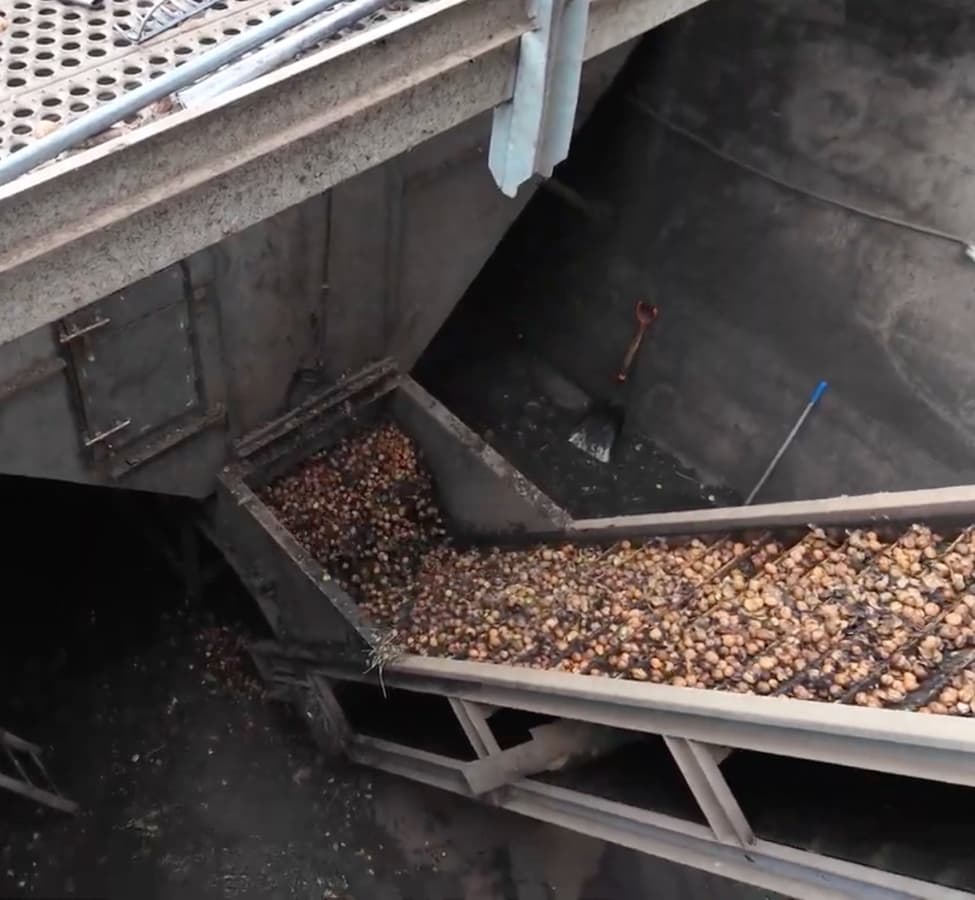
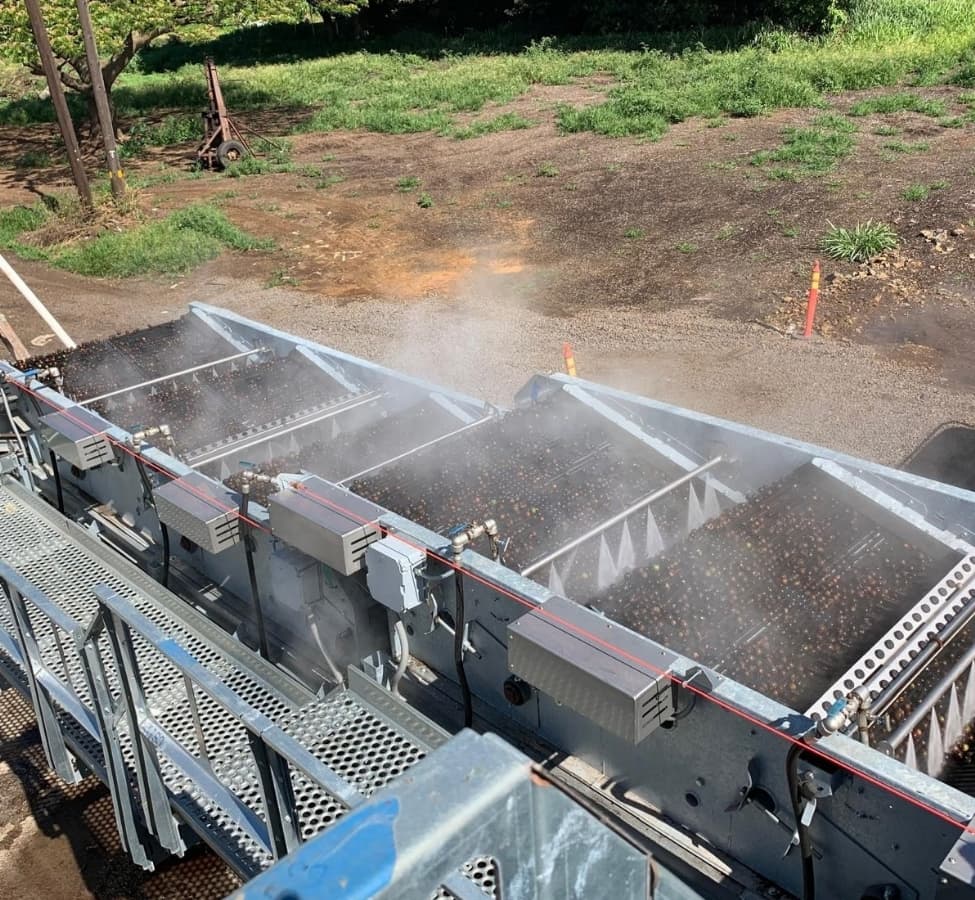
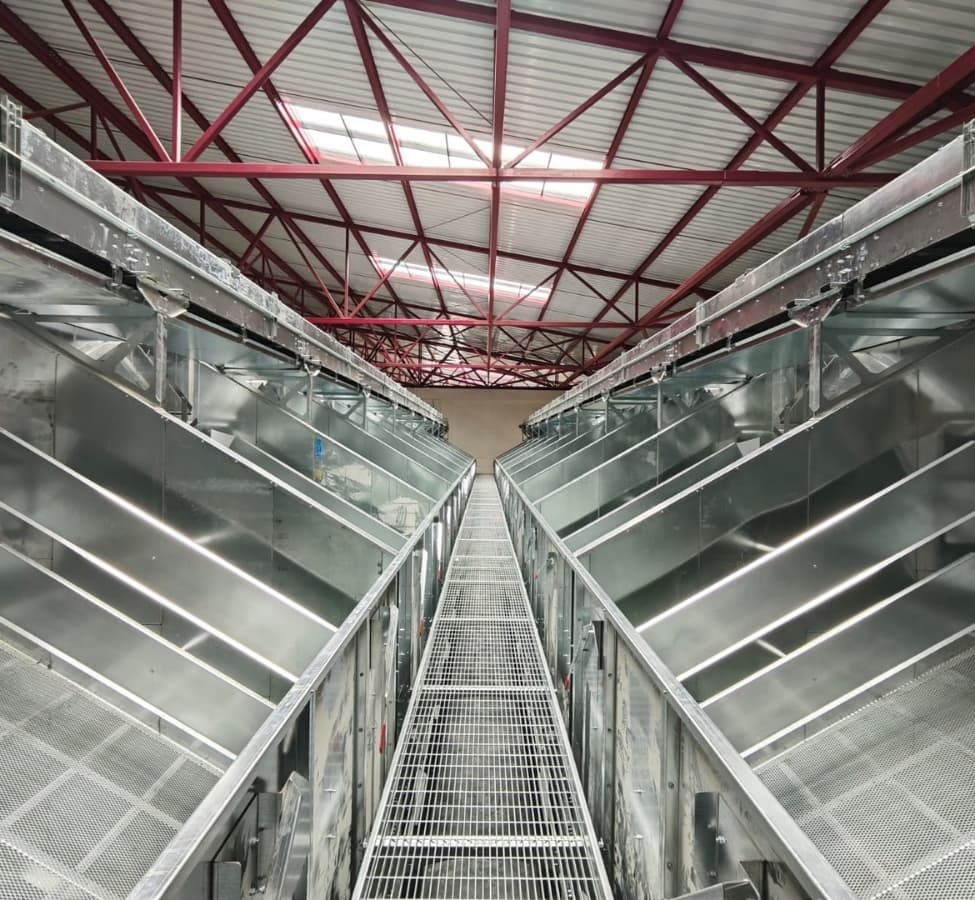
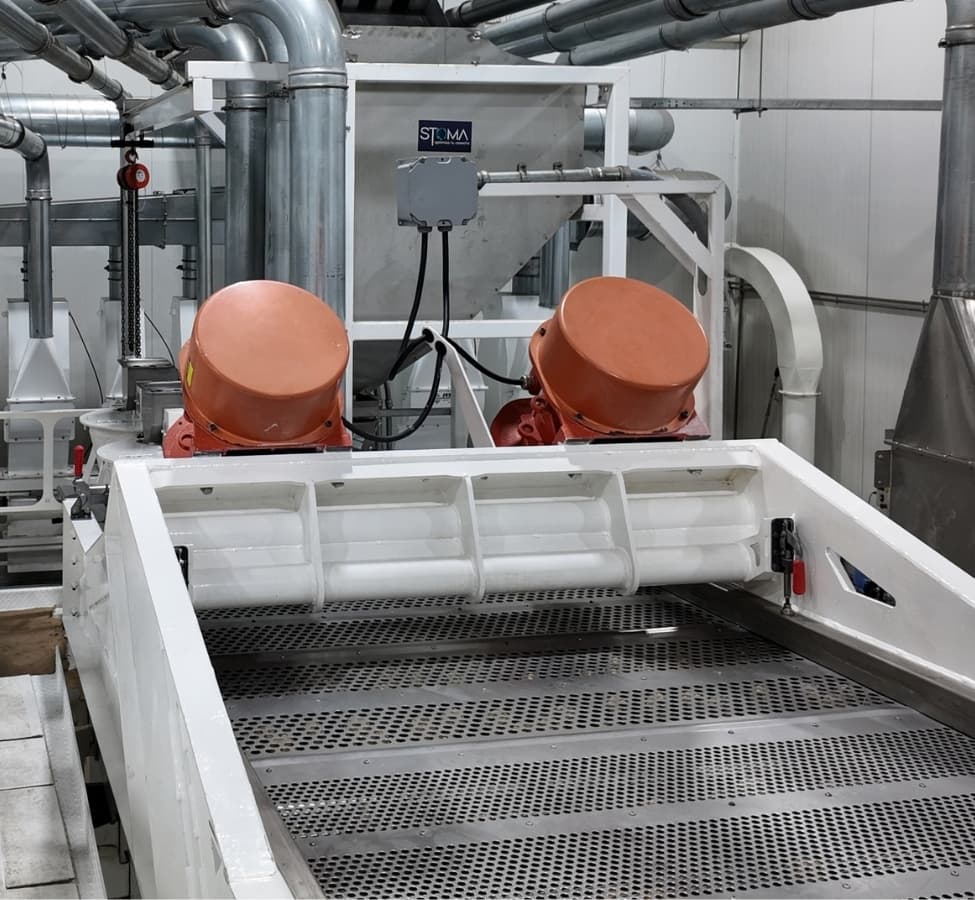
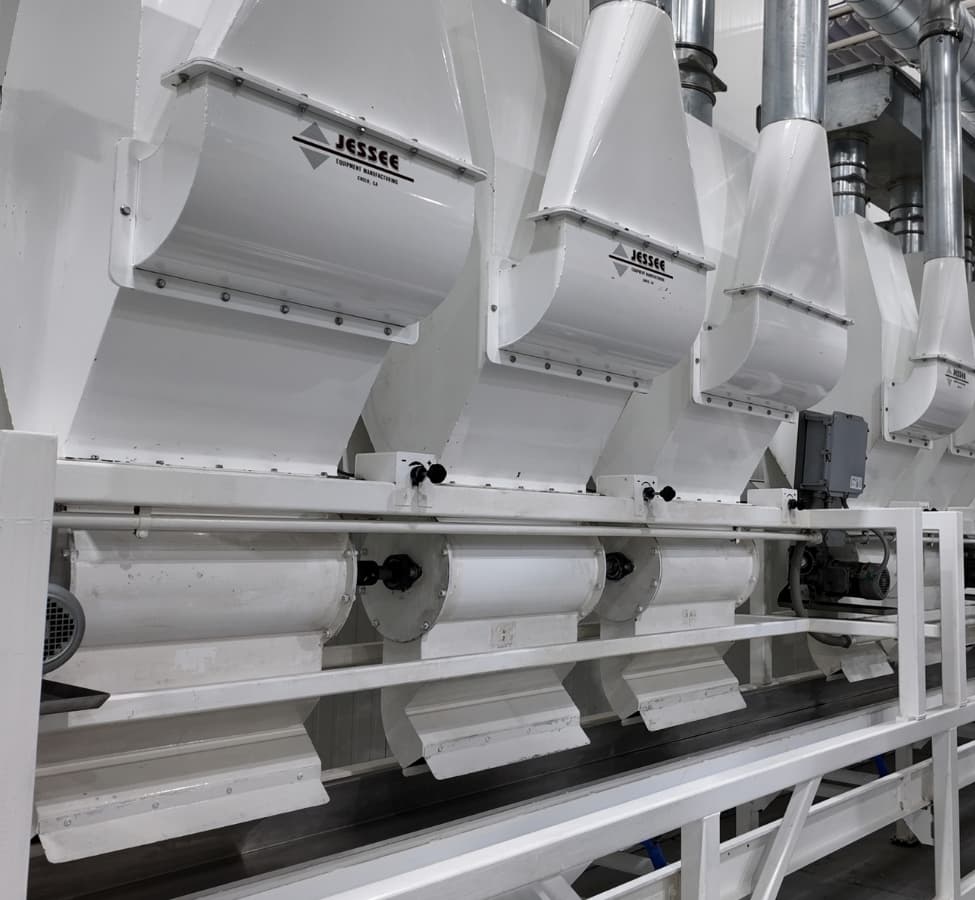
Jessee, whose processing lines OVE Europe supplies, builds hulling, drying, in-shell cleaning and sizing, and cracking equipment for walnuts, with standard hulling systems from about 10 to 30 tons per hour. Grading by size and kernel color helps domestic walnuts compete with imported product.
Practical Tips for Walnut Post-Harvest Handling & Processing
Plan intake for peak days: hulling, washing and drying capacity must match what the harvest machines deliver.
Hull and wash within the day; stained shells and dark kernels lower the grade and the price.
Avoid drying in direct sun; use ventilated shade or a controlled dryer at about 43 °C or below.
Check dryness before storage: kernels and the packing tissue should be brittle, not rubbery, or the nuts need more drying.
Store dried nuts cool and dry, lot by lot; warm storage makes kernels turn rancid faster.
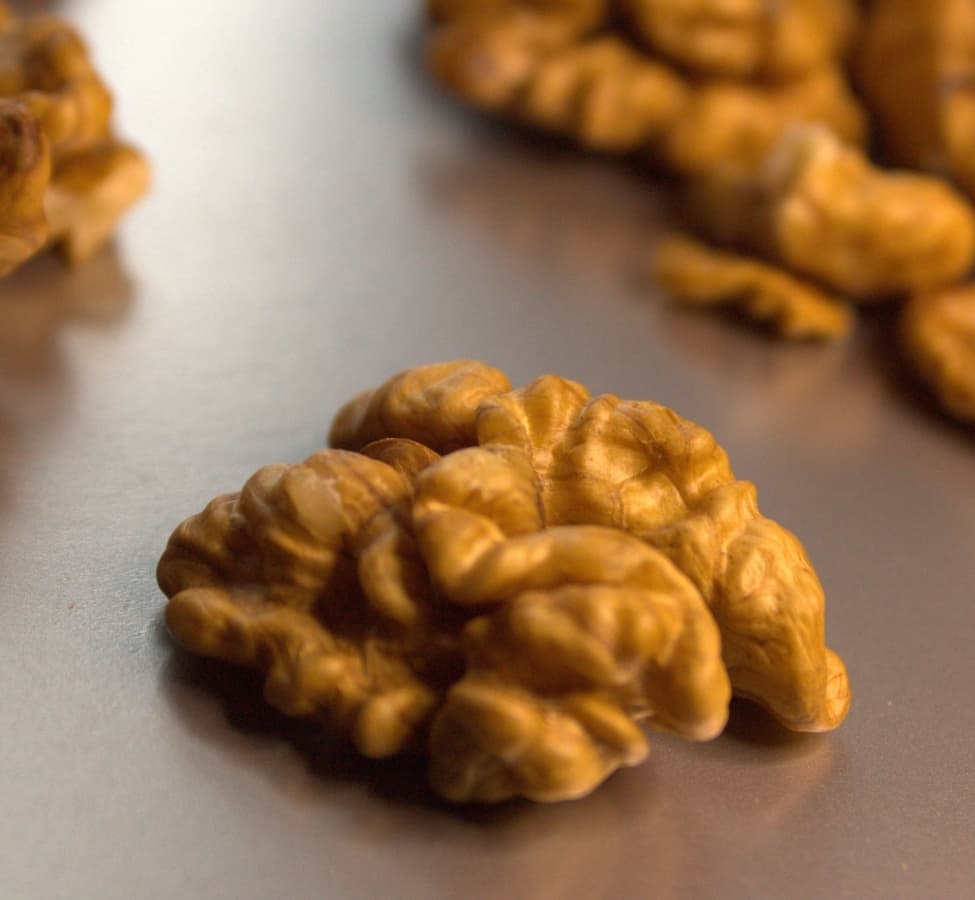
Grade by size and kernel color and keep lots separate, so buyers receive uniform batches.
Recommended Post-Harvest Handling & Processing Stages
Plan your post-harvest line
Estimate tons/day, cleaning & drying capacity, storage needs, and cost/kg—then build your equipment plan in phases.