


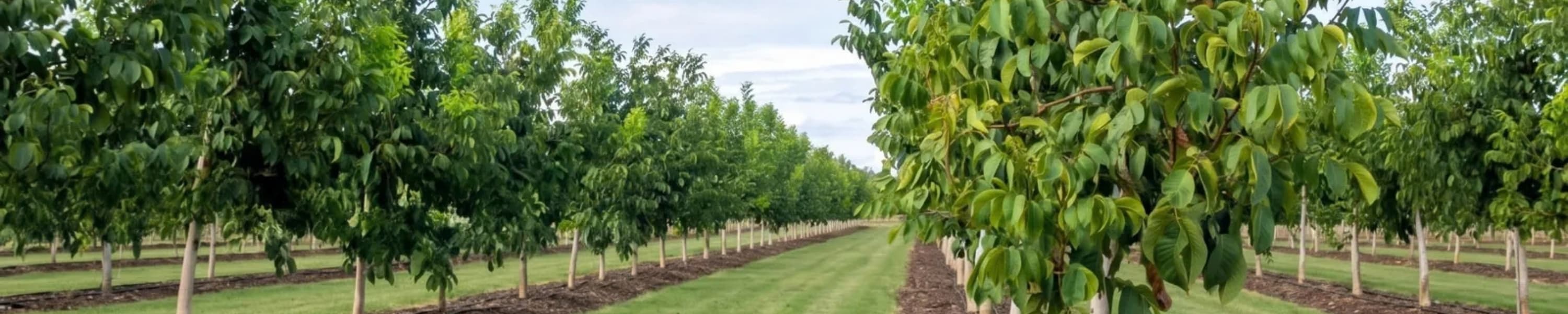




Walnut Orchard Establishment in Belarus
Warming is lengthening the growing season. Temperatures in Belarus have risen by about 0.6 °C per decade since the late 1970s (Belhydromet, 2022), and a new, warmer agroclimatic region with active temperature sums above 2,600 °C has formed in the south of Polesie, in the south of the Brest and Gomel regions (2019 to 2021 studies). Most walnut trees grow in the south and southwest, where the season is longest, but researchers also expect more droughts and continued spring frost risk (2026).
Frost is a key risk. At the Institute for Fruit Growing near Minsk, -29.7 °C on 3 to 4 February 2012 caused only slight injury to one-year shoots of its selected hybrids and Samokhvalovichsky-2, while some introduced southern cultivars were hurt more (2016, 2017). Researchers there note that early-flowering walnut forms often lose their crop to spring frosts. In January 2026, record lows for the date, down to -29.3 °C, were reported in eastern Belarus (Belhydromet data).
The State Register (2026) lists six walnut varieties. Samokhvalovichsky-2 and Pamyat Minova, bred by the Institute for Fruit Growing, have been admitted in all oblasts since 2012; Samokhvalovichsky-1 and Pinsky (2013) and two Moldovan varieties (2023) are listed for household growing. The Institute recommends local seedlings from selected mother trees as rootstocks, and in its trials the first crop of 1 to 2 kg per tree came only in the tenth season.
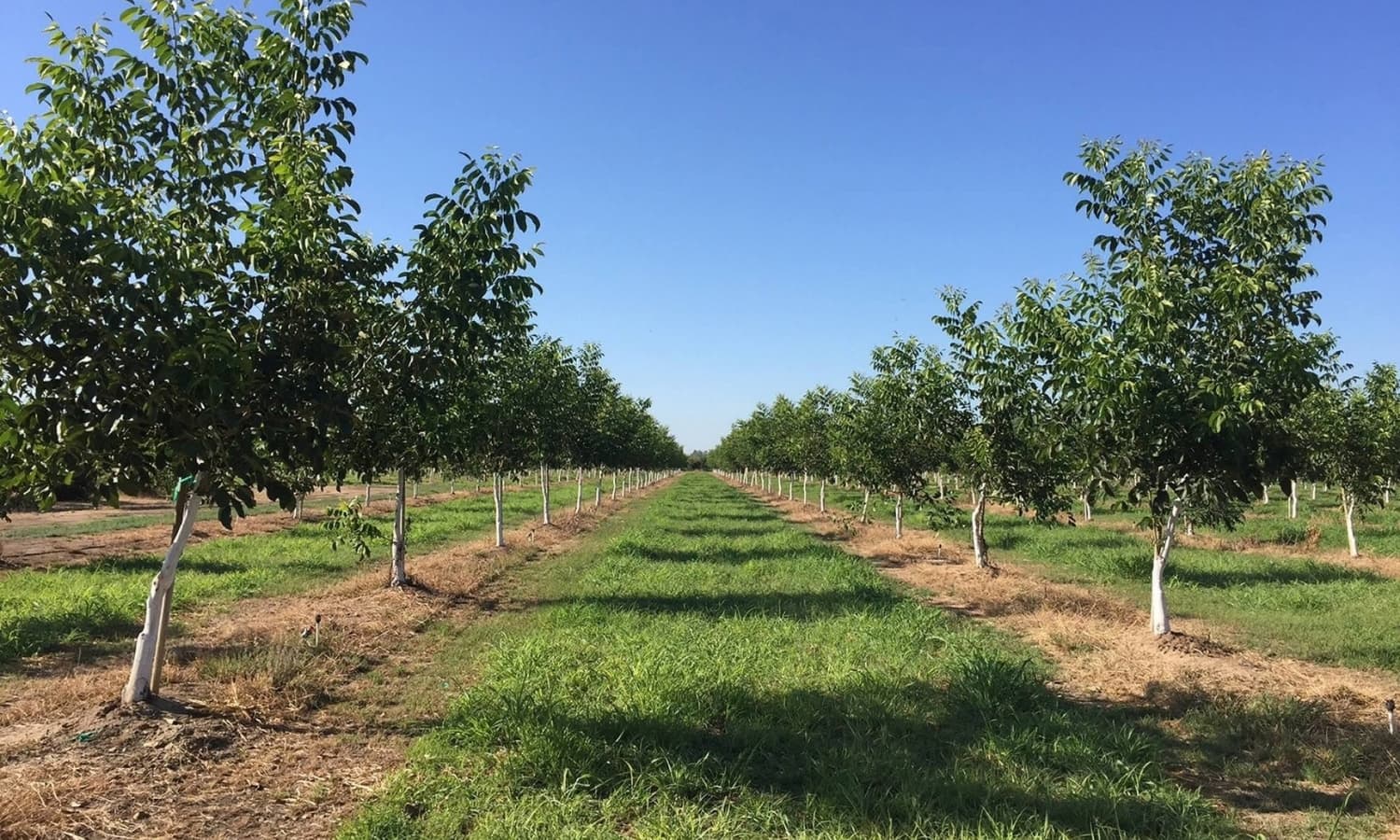

Practical Tips for Walnut Orchard Establishment
Plant in the south or southwest, where most Belarusian walnut trees grow and the growing season is longest.
Choose registered cultivars, noting that the Institute rated the nuts of two registered household cultivars, Pinsky and Samokhvalovichsky-1, as not large enough (2019).
Prefer late-flowering trees: Belarusian fruit researchers note that early-flowering walnut forms often lose their crop to spring frosts.
Use local seedling rootstocks from selected mother trees, as the Institute advises; a standard rootstock takes at least two years.
Plan for slow bearing: in the Institute's trials near Minsk, the first 1 to 2 kg per tree came only in the tenth season.
Avoid frost pockets and exposed sites; plant on gentle slopes where cold air drains away and cold winds are blocked.
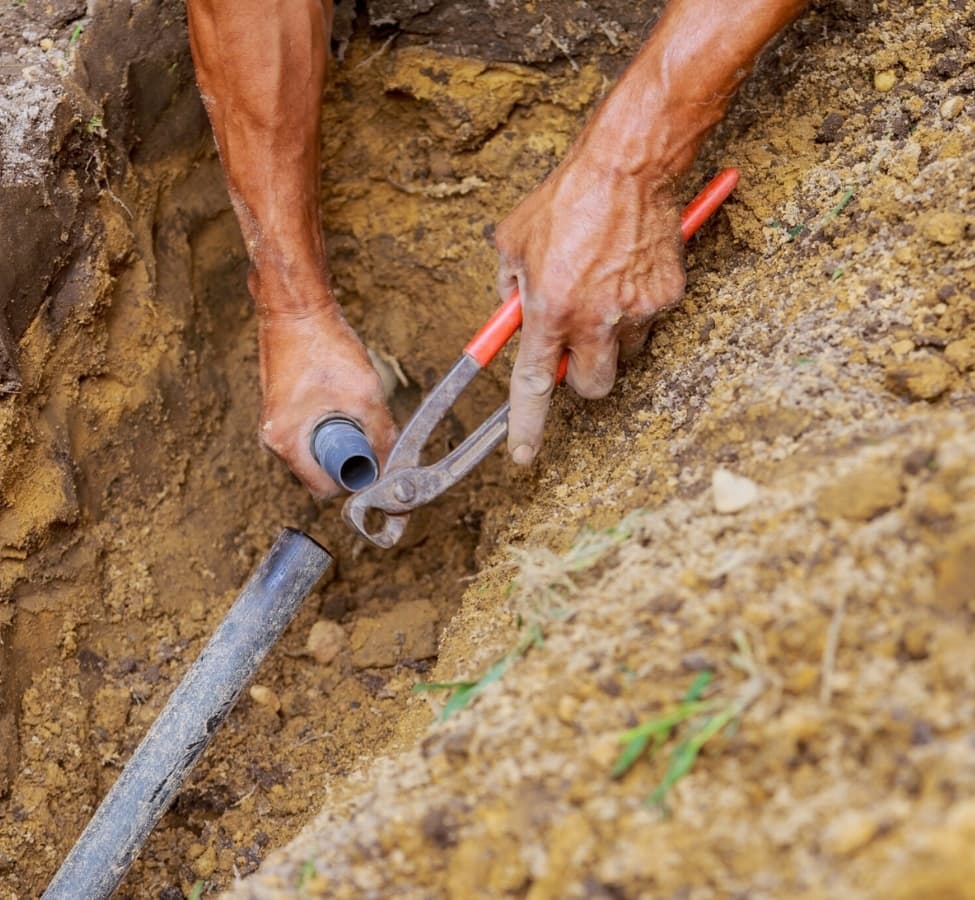
Recommended Establishment Stages





Walnut Orchard Care & Maintenance in Belarus
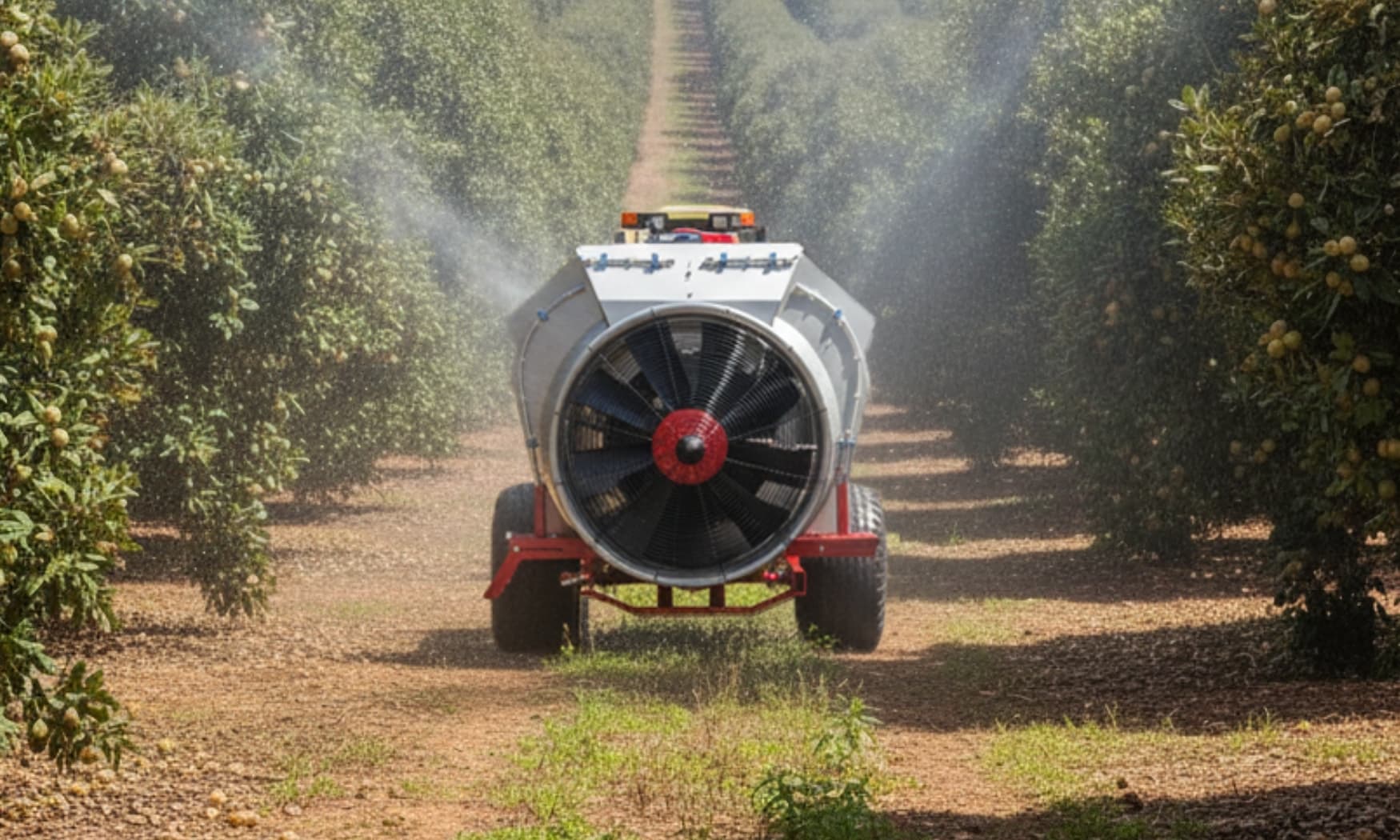
Brown spot, the walnut anthracnose caused by Ophiognomonia leptostyla, is the main disease reported. In the Institute for Fruit Growing's trials it appeared almost every year, with severe outbreaks in 2012 and 2013, and resistance differed by cultivar: Rodina and Stanislavsky, two Russian cultivars, resisted best. EPPO lists no record of walnut blight for Belarus, but a missing record is not proof of absence.
New walnut pests have arrived this century: the walnut leaf gall mite (Aceria erinea), first recorded in Grodno in 2012, the walnut blister mite (Aceria tristriata) and the walnut leaf miner (Caloptilia roscipennella), which damaged 15 to 20% of leaves in Baranovichi in 2015. The large walnut aphid (Panaphis juglandis) is listed in Belarus's Black Book of invasive animals. EPPO has no record of walnut husk fly in Belarus, while it is present in Poland.
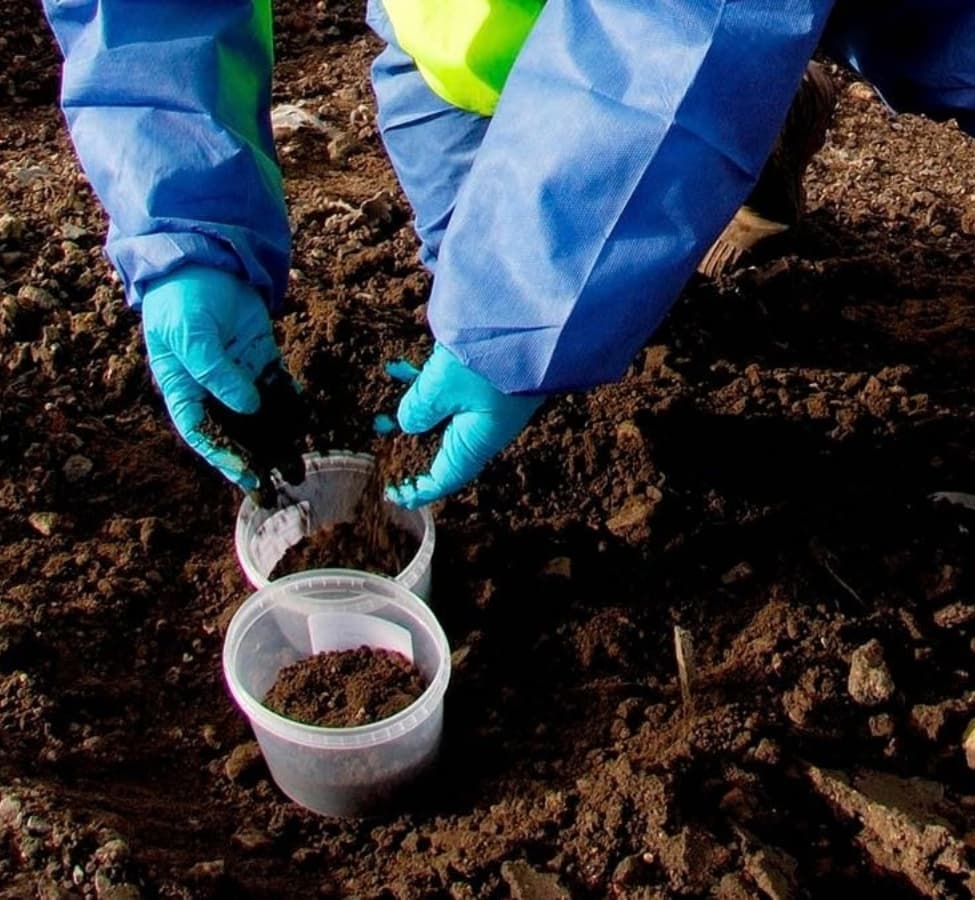
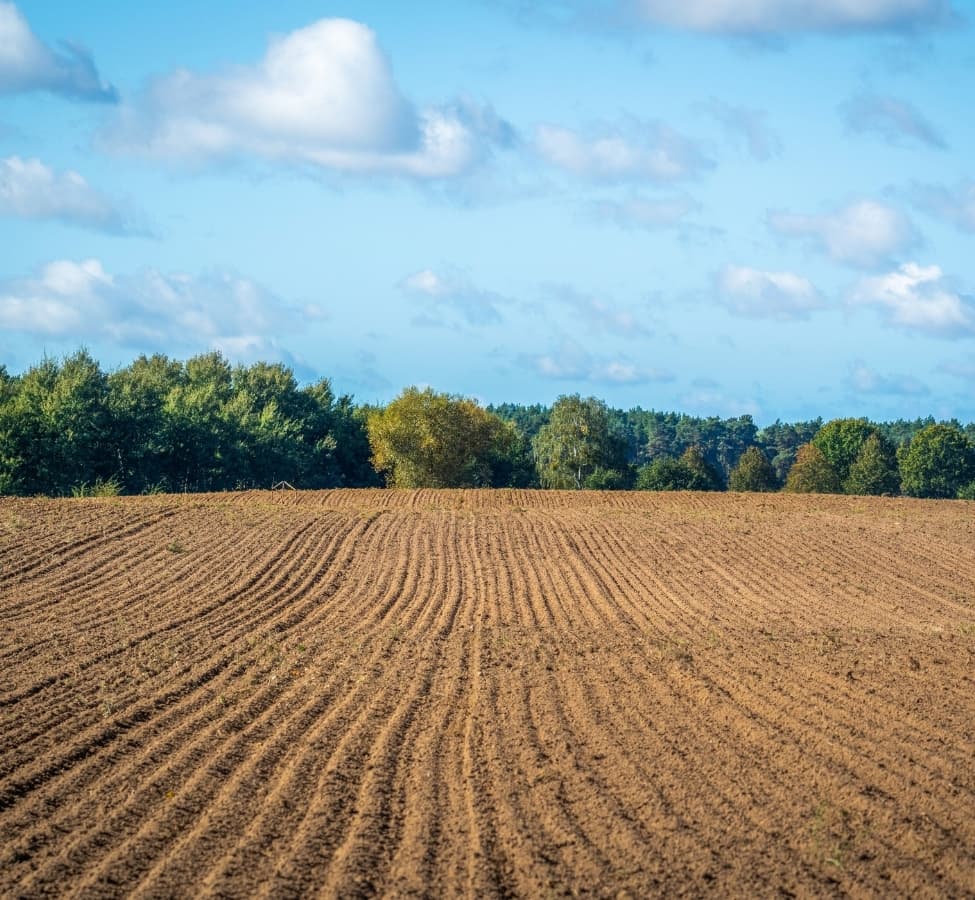
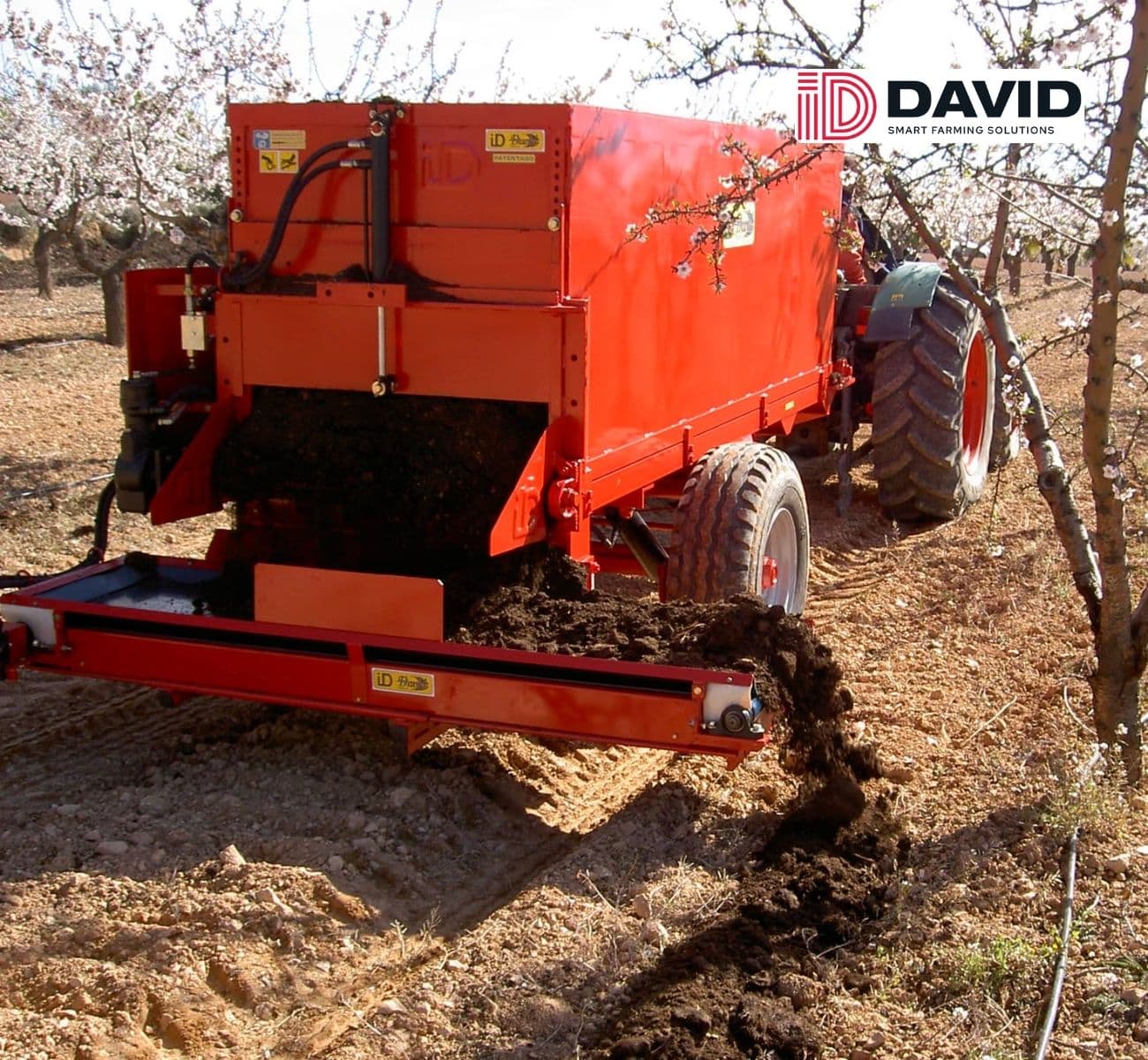
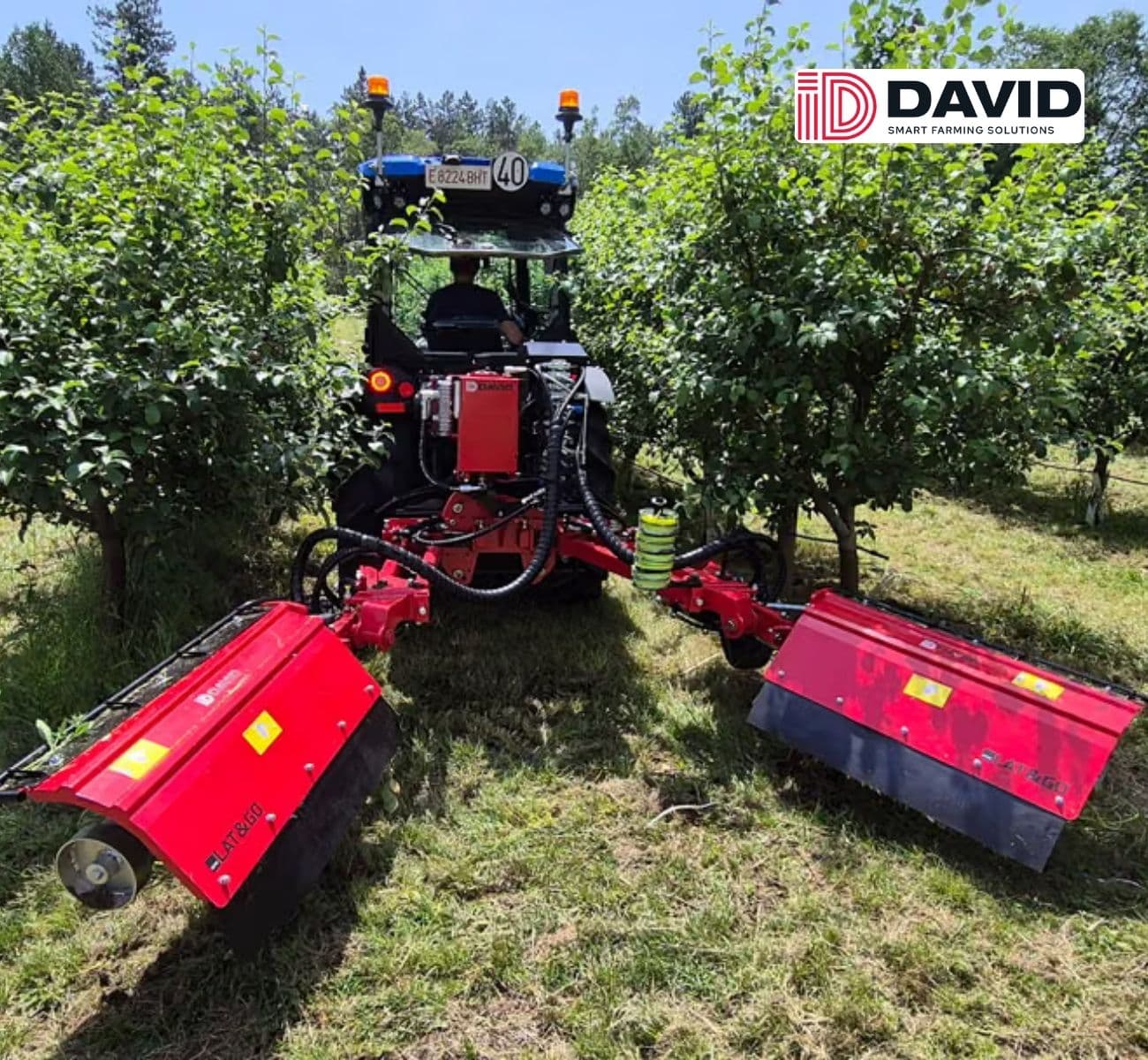
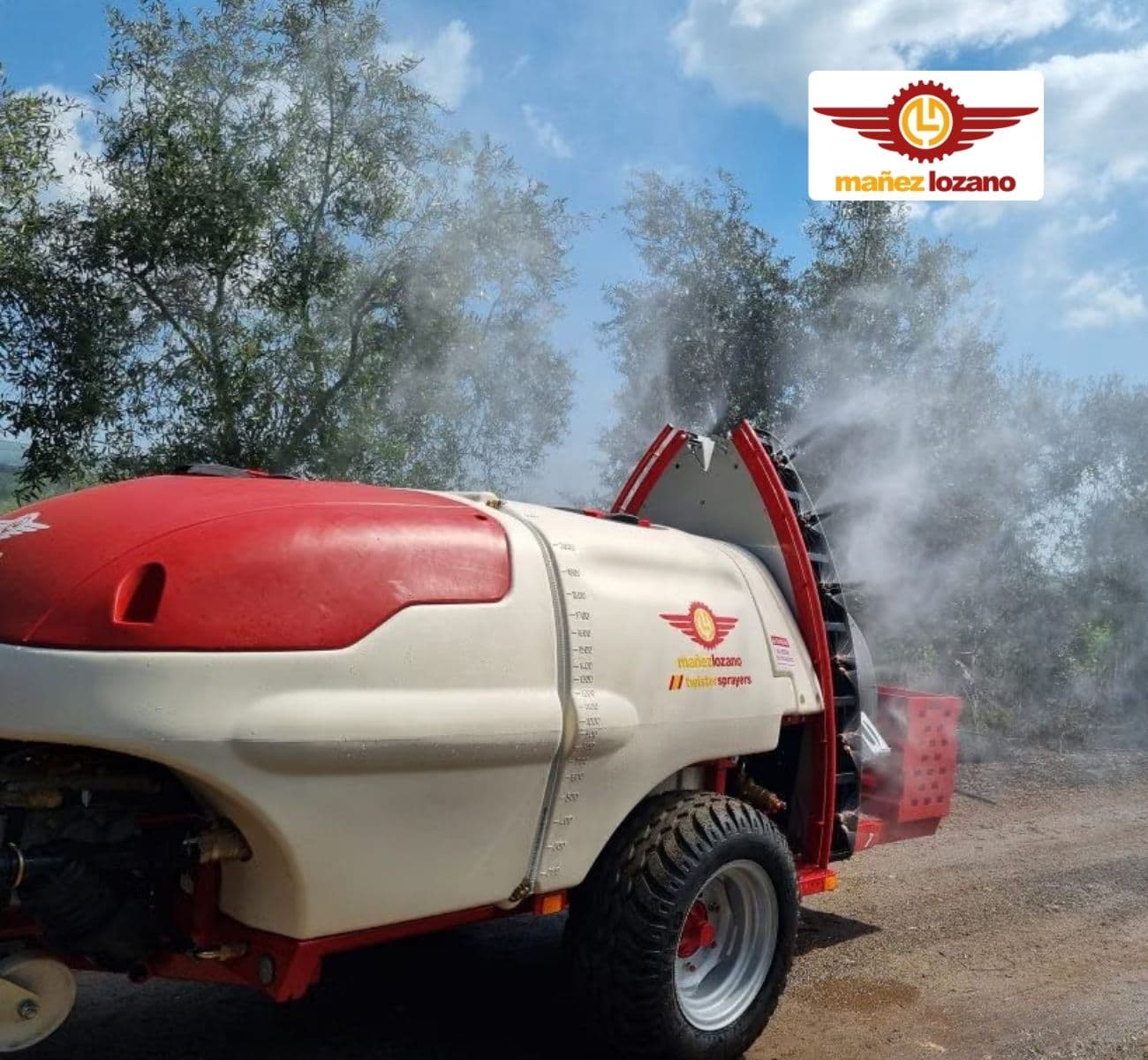
Precipitation averages 600 to 700 mm a year, about 70% of it as rain from April to October, but droughts covering at least 30% of a region recur about every two years in the Gomel region and every two to three years in the Brest region (Ministry of Forestry, 2019). Water young trees in dry spells, base fertilizer on soil analysis, train each tree to one straight trunk with room for a shaker clamp, and mow and level the floor before harvest.
Recommended Orchard Care & Maintenance Stages



Practical Tips for Walnut Orchard Care & Maintenance
Rake up and remove fallen leaves in autumn to reduce the brown spot infection that starts the next spring.
From early summer, check leaves for felt-like patches, blisters and mines: three new walnut pests were first recorded in Belarus in the 2010s.
Watch for dense colonies of walnut aphids, which can make leaves turn yellow and fall early.
Water young trees during dry spells, especially in the south and southeast, where droughts are most frequent.
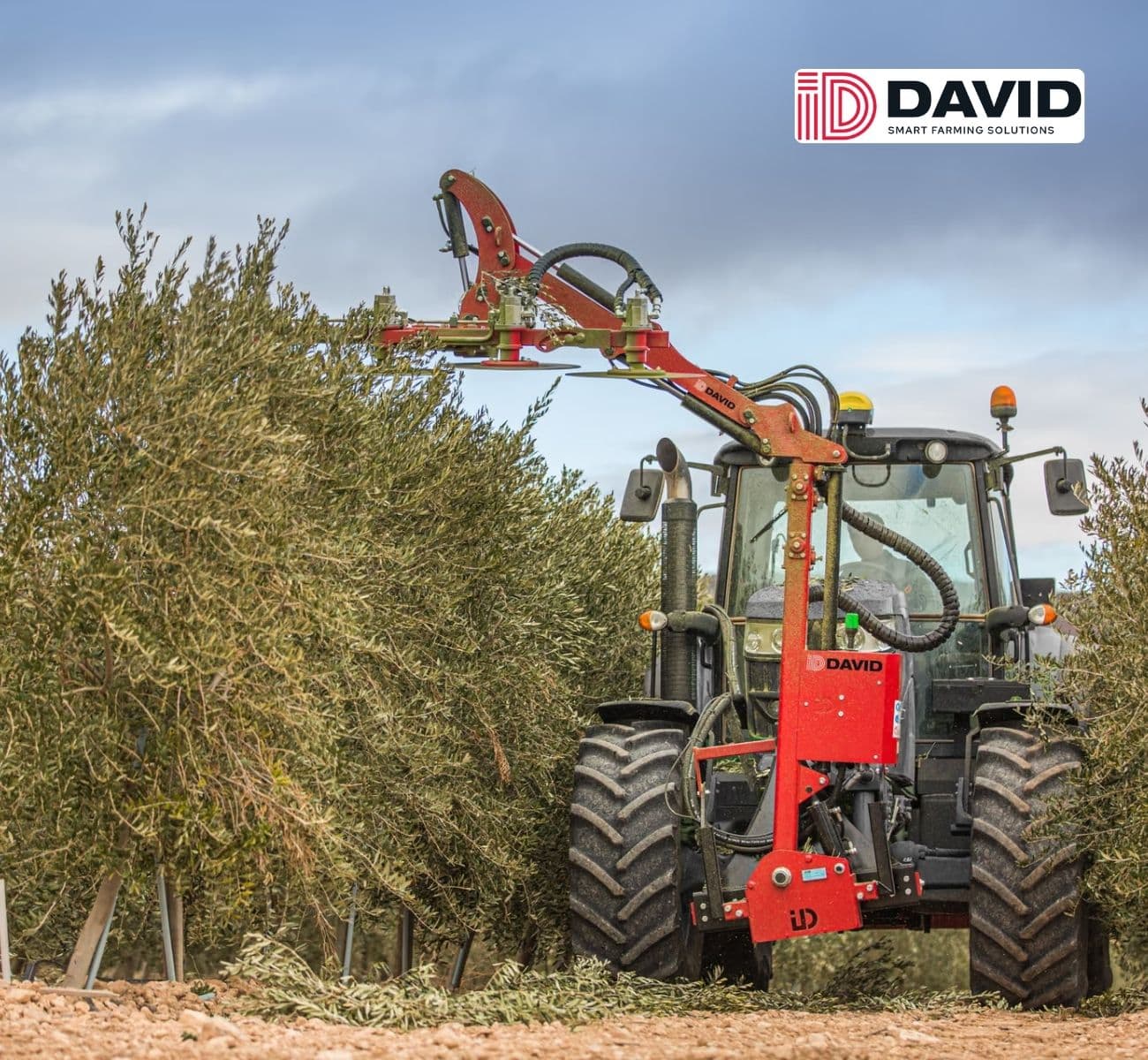
Train young trees to a single straight trunk, leaving a clear section for the shaker clamp.
Keep crowns open to light and air, so leaves dry quickly after rain and disease pressure stays lower.

Walnut Harvesting in Belarus
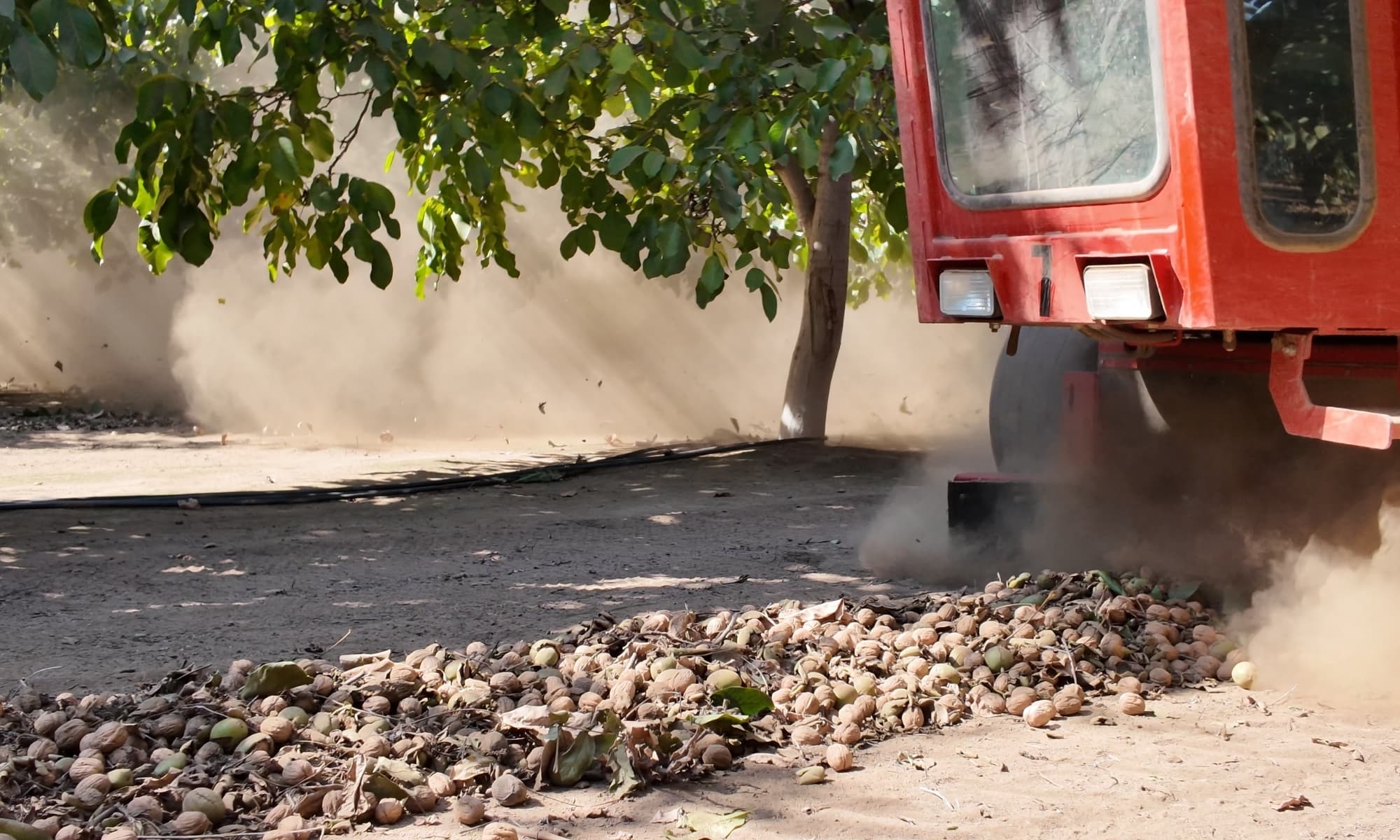
How walnuts are harvested in Belarus is not documented in published sources. In 2005 a state newspaper named the labor-intensive harvest, which needs special equipment, as the main reason walnut was not grown commercially, and a 2012 article repeated the point. Belarusian researchers cite general literature for ripening in September and October, when the hull splits and comes away from the nut.
Shake when most hulls have split and the packing tissue between the kernel halves has just turned brown, when kernels are lightest and most valuable (University of California). Pick up, hull and dry the nuts quickly: most quality loss happens in the first 9 hours after harvest, and kernels darken faster in warm weather.
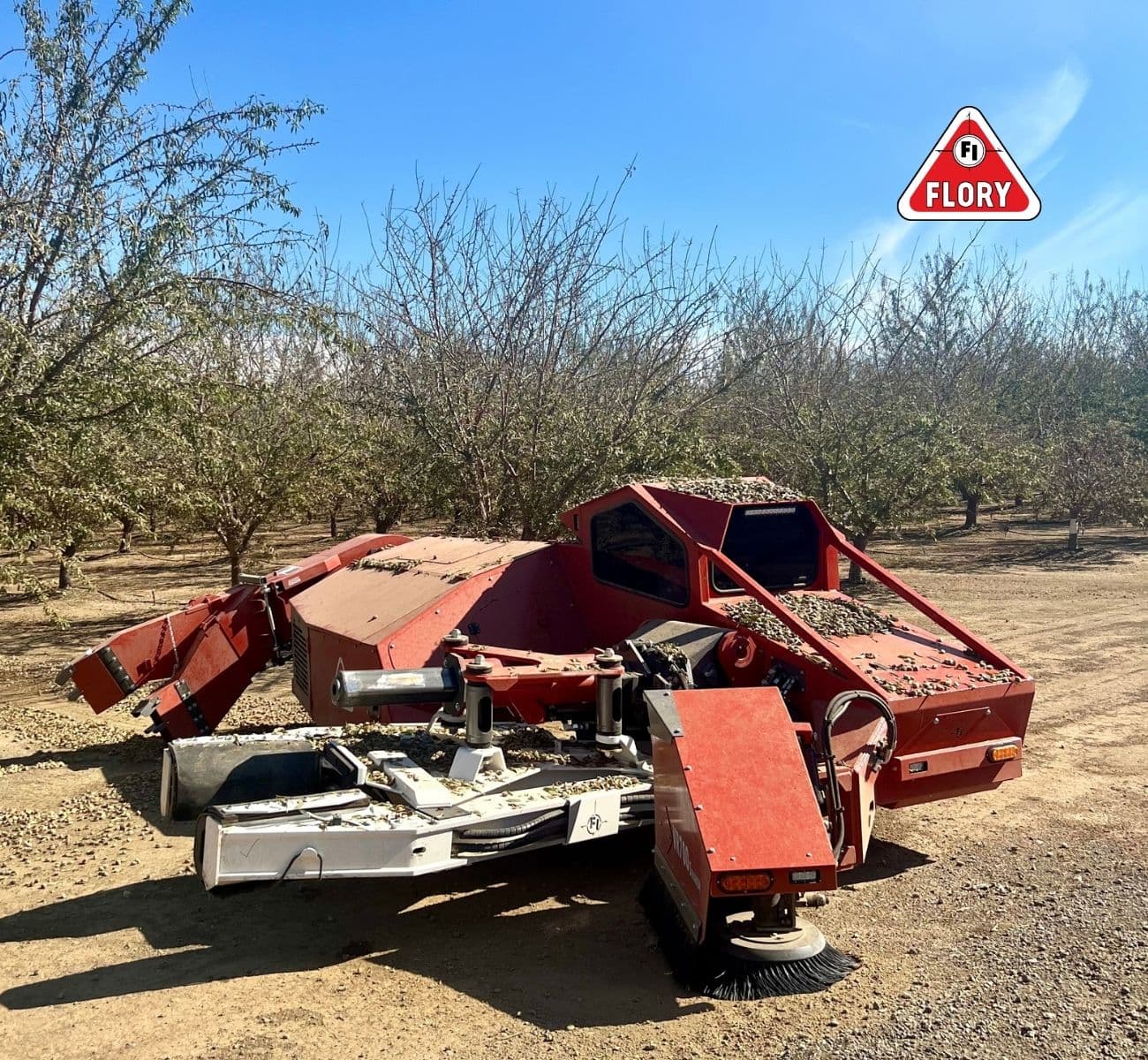
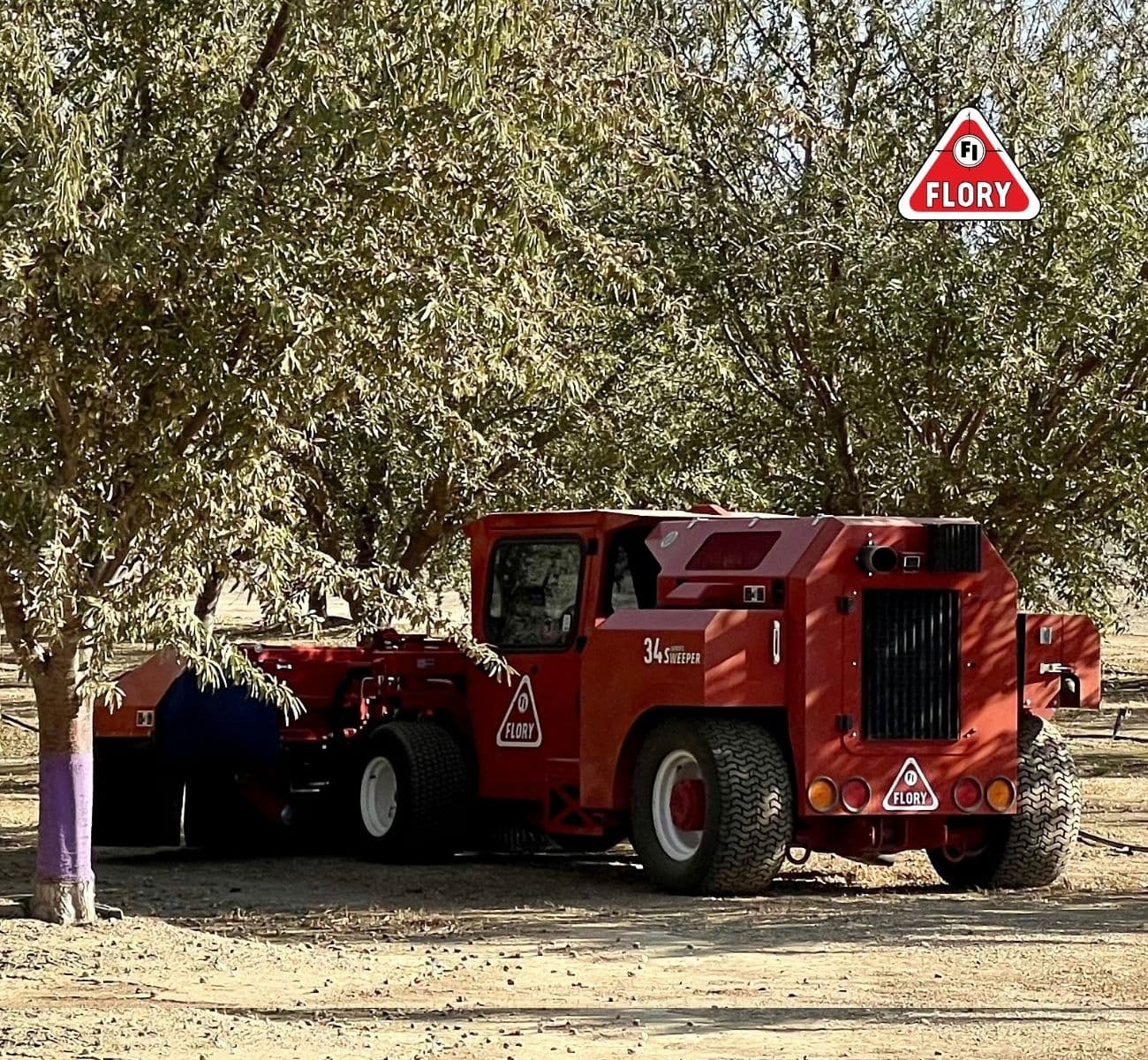
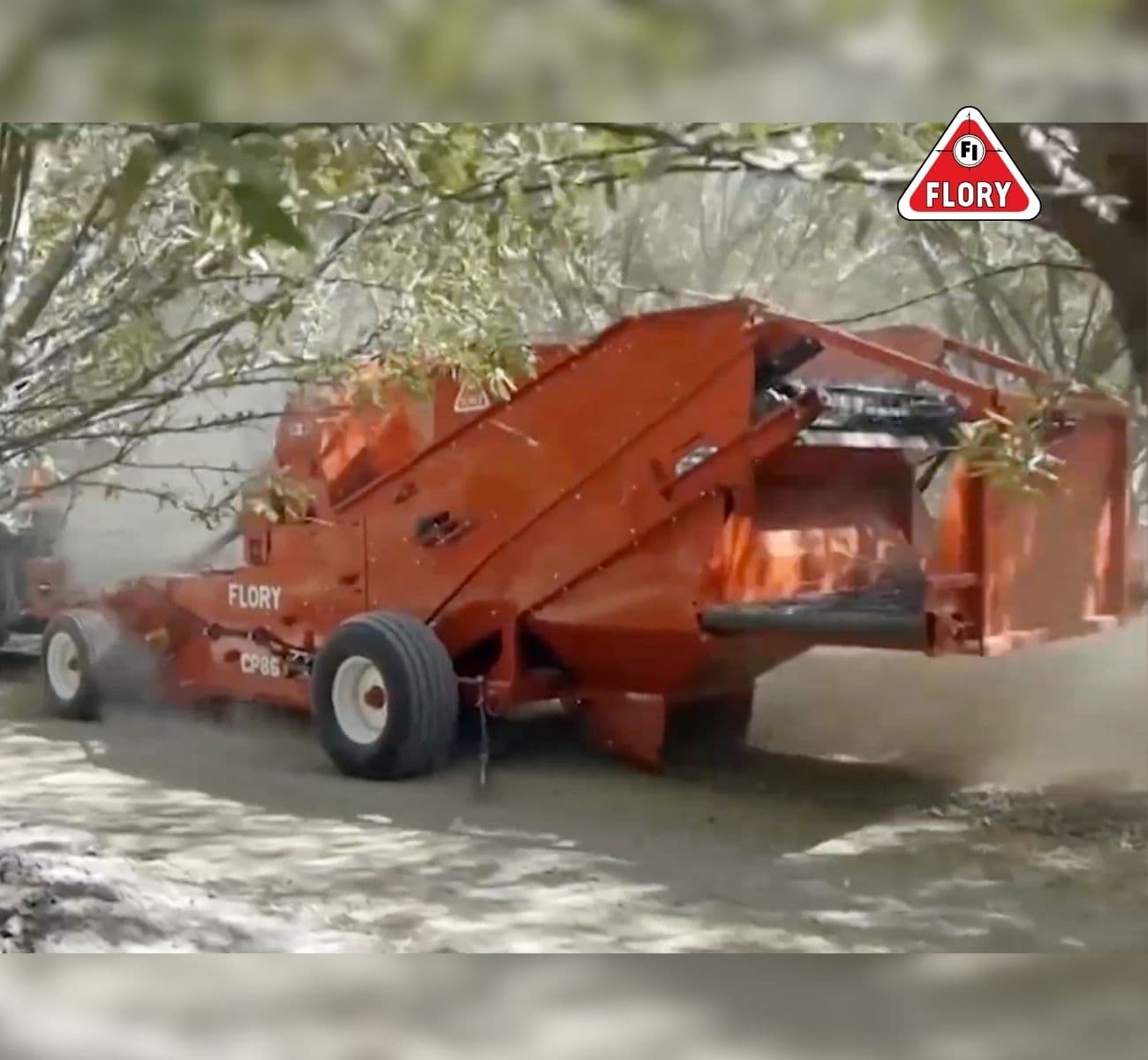
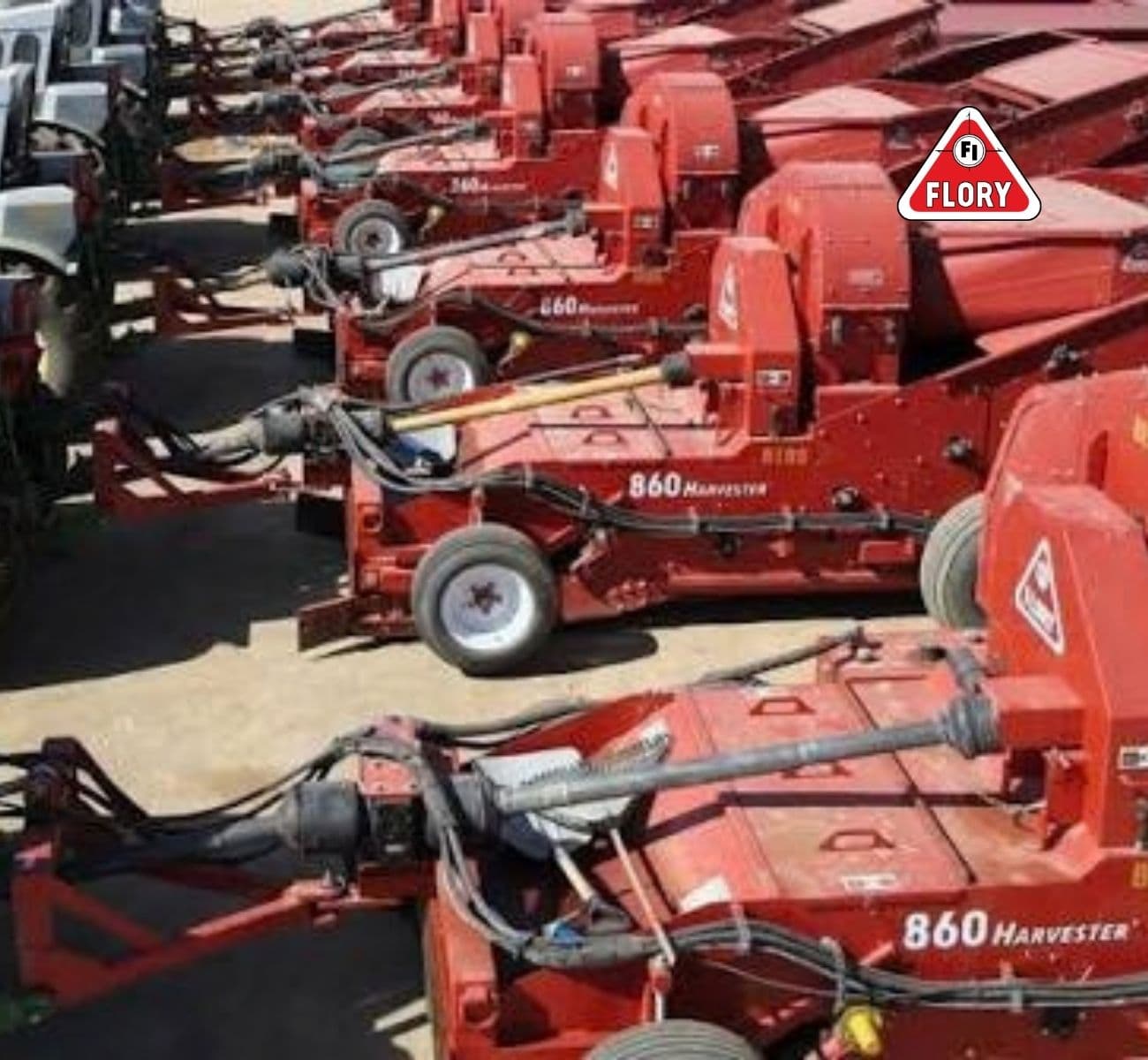
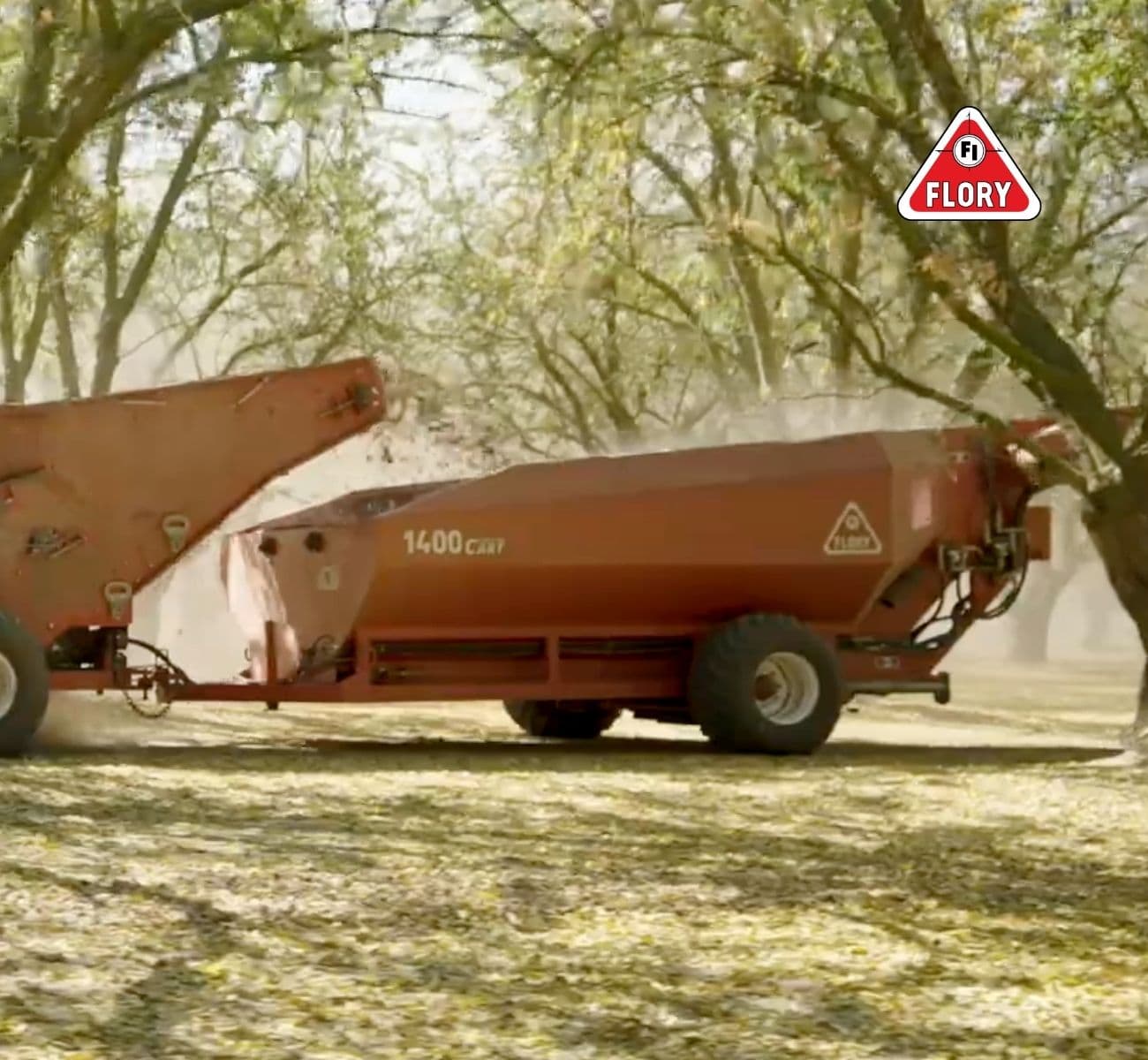
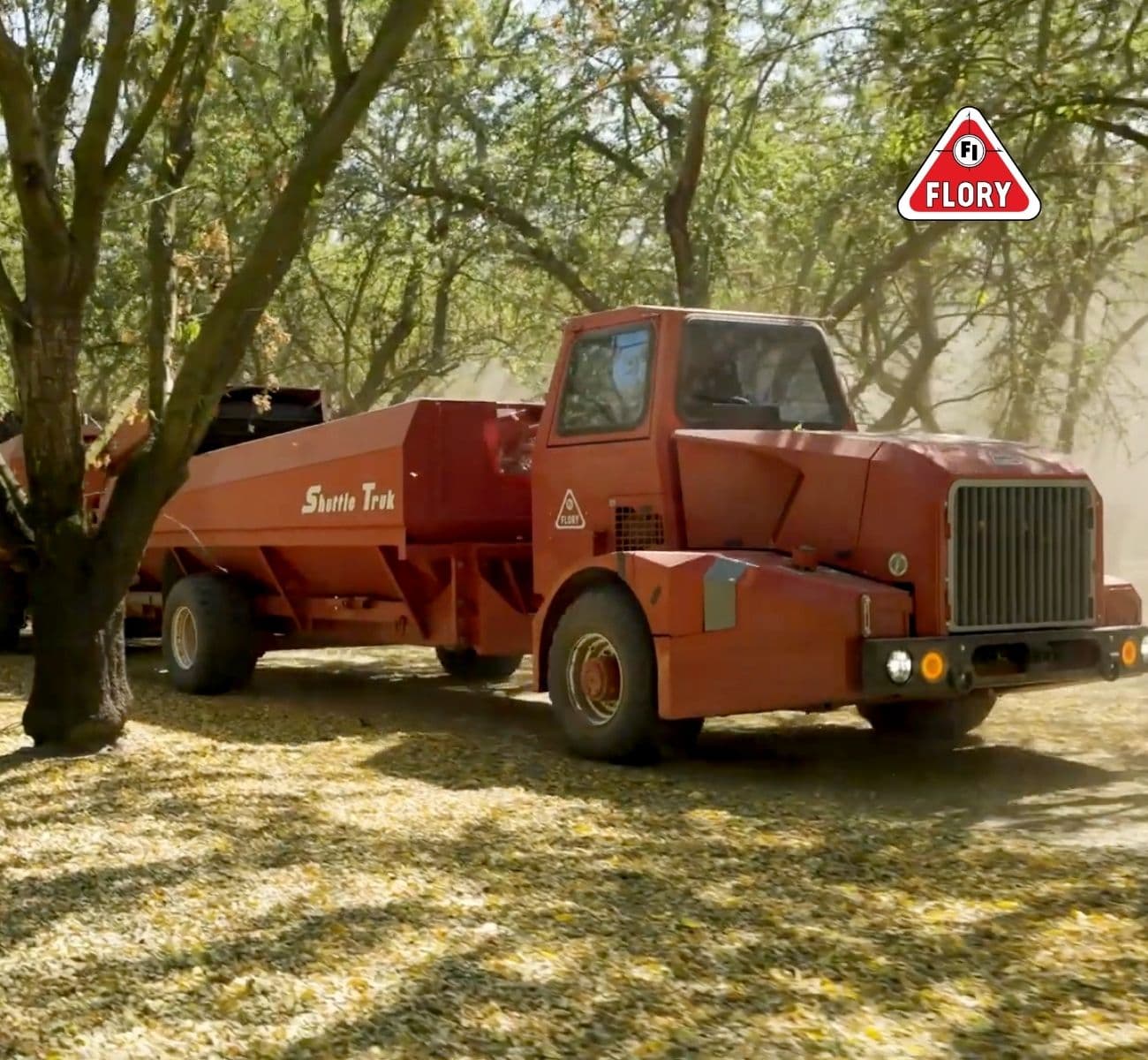
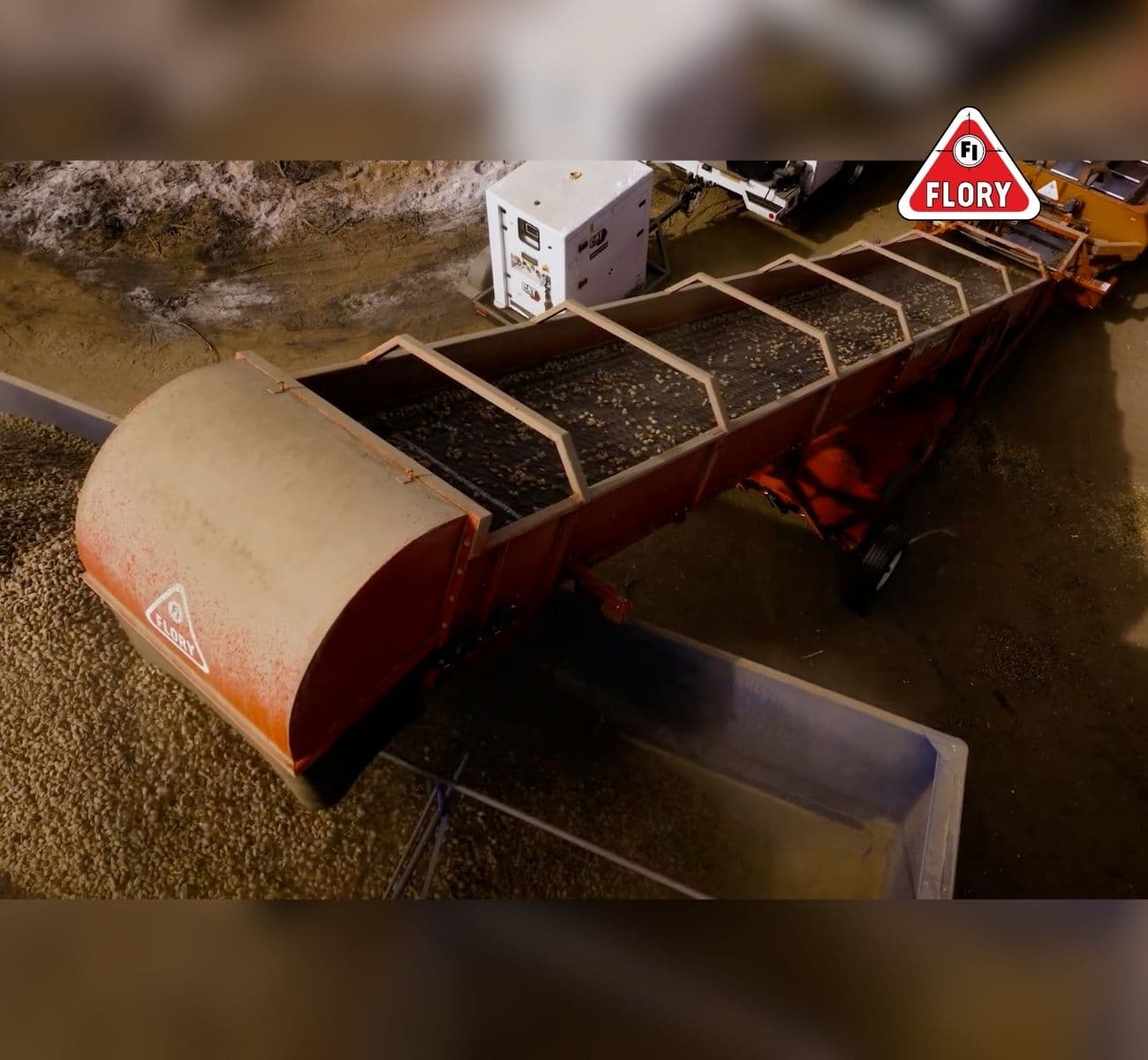
Mechanized walnut harvesting is not documented in Belarus. In larger orchards planted with machine access in mind, an on-ground line shakes the trees, sweeps the nuts, picks them up and carries them to trucks block by block, so the crop waits less on the ground and fewer hands are needed. OVE Europe's guides use Flory's line as the reference: a trunk shaker, a sweeper, a harvester, a conveyor cart, shuttles and a field elevator.
Walnut Harvest Workflow (Recommended Equipment)
Practical Tips for Walnut Harvesting
Shake block by block when most hulls have split and the packing tissue has browned, rather than waiting for nuts to drop.
Gather nuts every day during harvest, since quality starts to fall within hours of the nuts reaching the ground.
Before harvest, mow and level the orchard floor and clear fallen branches, so the nuts can be swept cleanly.
Check clamp pads and shaking time on young trees before the season to avoid bark damage.
Plant each cultivar in its own block, so trees that ripen together can be harvested in one pass.
Prepare hulling and drying space before harvest, so nuts can be hulled and dried on the day they are gathered.
Get your recommended harvest setup
Enter orchard size, spacing, terrain, and target throughput—we’ll suggest a practical harvest workflow and equipment lineup.

Walnut Post-Harvest Handling & Processing in Belarus
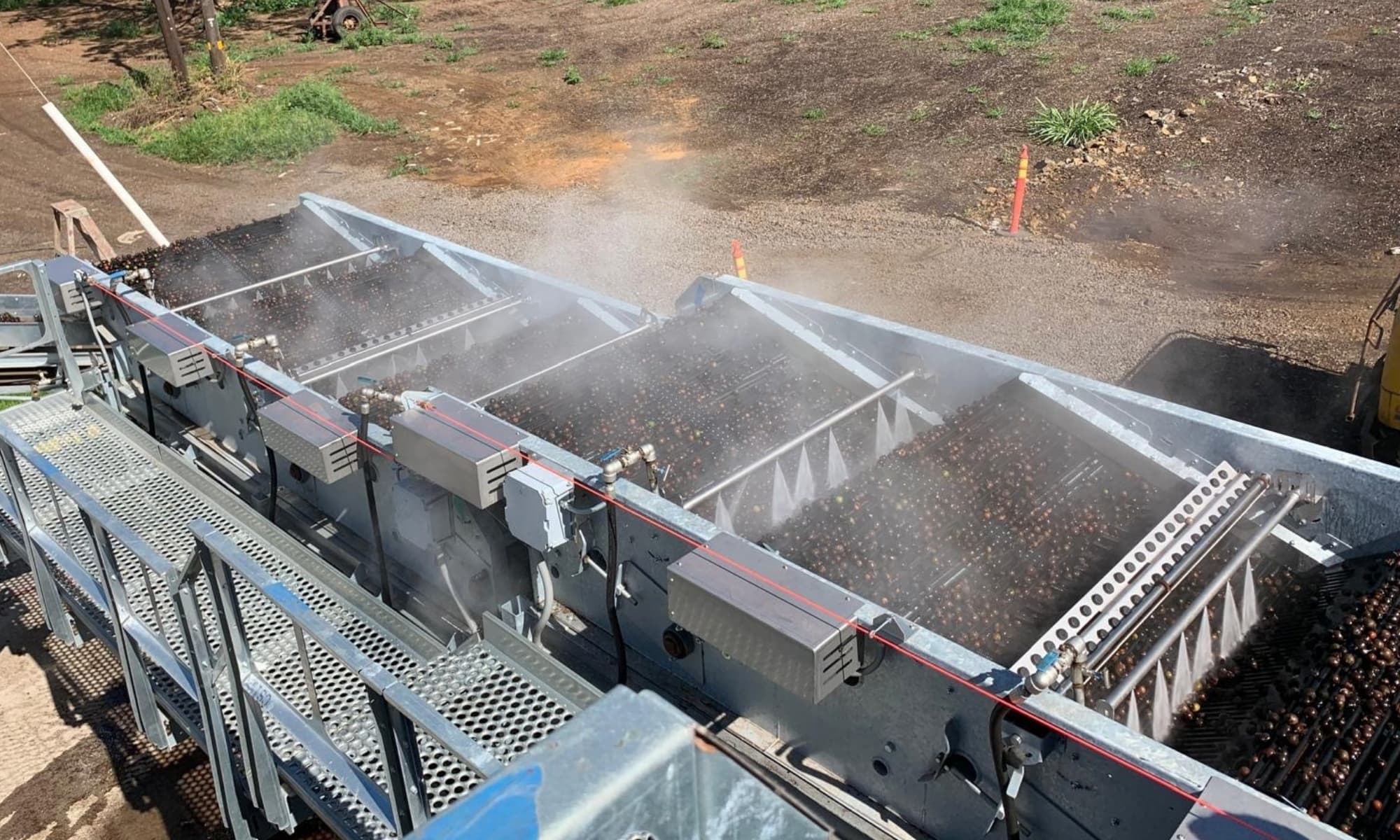
Walnut hulling, drying and storage in Belarus are not documented in published sources, so general guidance applies. Hull and wash the nuts as soon as possible after harvest, then dry them to 8% moisture, measured on the whole nut, with air no hotter than 43 °C, since hotter air darkens kernels and shortens storage life (University of California).
Belarusian trials show what local nuts can offer: Samokhvalovichsky-2 has a thin 0.8 mm shell, a 12.6 g nut and a 51.6% kernel share (2021), and the oil content of kernels varies with the year's weather (2002 to 2004 data). Jessee, a US maker of nut processing lines, builds hulling, drying, in-shell cleaning and sizing, and cracking equipment for walnuts, and rates its standard hulling lines at 10 to 30 tons of output per hour.
For general information only. Information may become outdated and does not replace site-specific professional advice. Consult a qualified agronomist and confirm equipment suitability with OVE before acting.
Practical Tips for Walnut Post-Harvest Handling & Processing
Hull the nuts on the day they are gathered; hulls left on stain the shells and lower kernel quality.
Wash the nuts right after hulling and start drying the same day, in thin layers or a dryer with good air flow.
Measure moisture on whole nuts and stop drying at about 8%, since overdrying makes nuts brittle and loses weight.
Keep drying air at 43 °C or below; in cool autumn weather a heated dryer is safer than drying outdoors.
Store dried nuts in a cool, dry and ventilated room, lot by lot, until sale or cracking.
Keep each cultivar as a separate lot, and sort out dark, moldy and empty nuts before sale.
Recommended Post-Harvest Handling & Processing Stages









Plan your post-harvest line
Estimate tons/day, cleaning & drying capacity, storage needs, and cost/kg—then build your equipment plan in phases.