


Walnut Harvest Timing: How to Pick the Right Moment for a Clean, Efficient Harvest
November 14, 2025
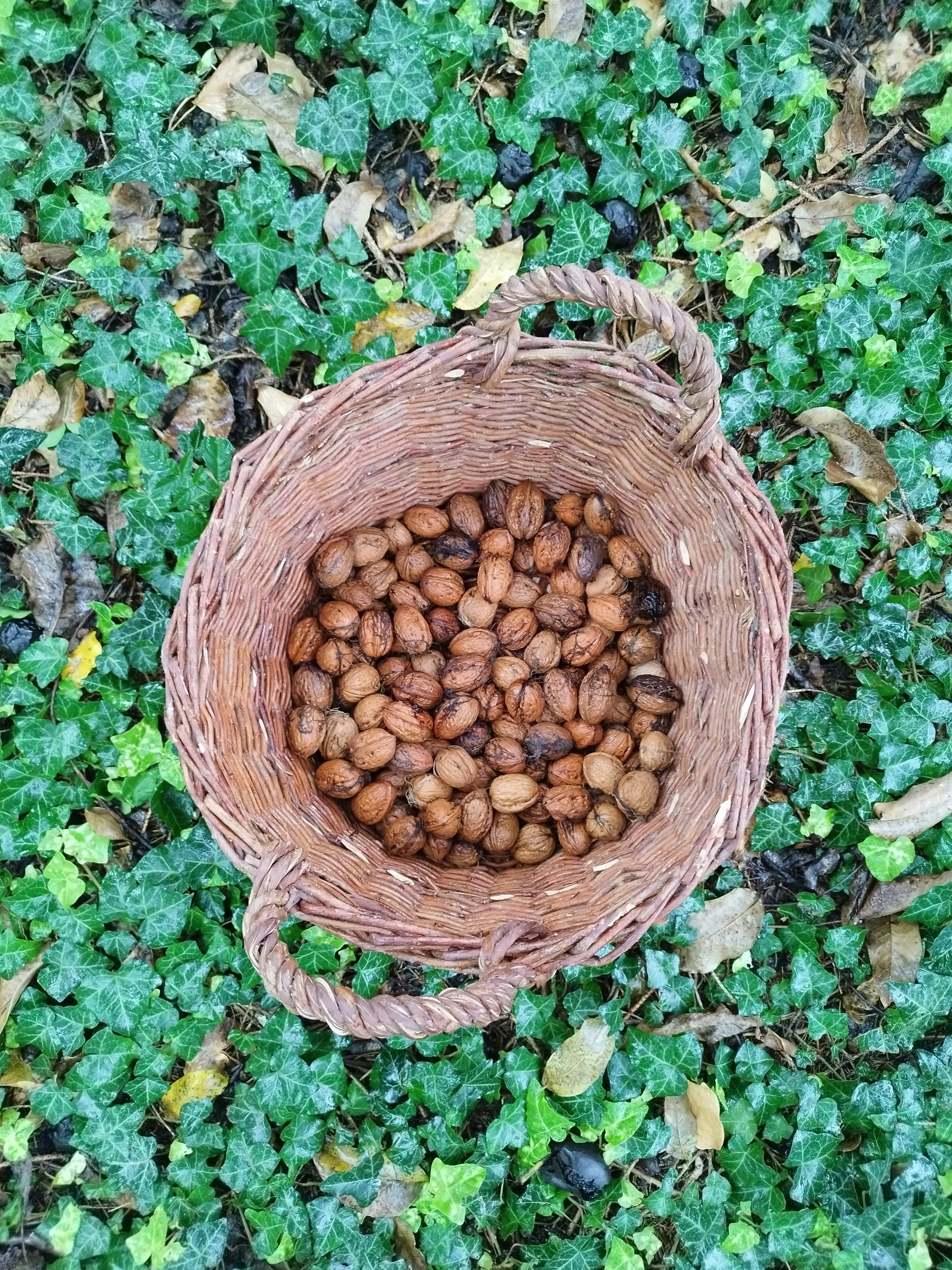
Walnut harvest comes down to timing and moisture. Pick when most hulls have split and kernels are firm, then sweep and collect quickly to avoid ground moisture and staining. Hull the same day and dry gently to safe moisture — dates vary by region, but orchard signals matter more than the calendar.
When harvest really starts
Every autumn, walnut orchards across Europe and Asia reach that quiet turning point — the moment when the trees begin to let go. It’s easy to think of harvesting as a simple matter of shaking the branches and collecting what falls, but for walnuts, the timing is everything. Harvest too soon and the kernels won’t be ready; wait too long and the nuts risk losing their brightness and flavor on damp ground.
Short harvest window
In most regions, the window between those two points is surprisingly short — sometimes just a week or two where conditions are right. During that time, the hulls start to split, the inner packing tissue turns brown, and the shells loosen just enough for the nuts to drop cleanly. That’s when growers move fast: shakers, sweepers, and pickup machines working together in rhythm to bring in the crop before rain or wind interferes.
Moisture is the enemy
Walnuts are sensitive to moisture. When they stay on wet soil for several days, they begin to absorb water through the shell, which can cause dark stains or even mould. The kernel color — one of the key indicators of quality — starts to change. That’s why so many growers talk about the “golden 48 hours” after the nuts fall. The quicker they’re collected, hulled, and dried, the better the result.
Calendar vs Cues
Across places like Romania, Armenia, Ukraine, Turkey, and Azerbaijan, the general harvest season stretches from mid-September through late October, depending on the variety and local climate. In warmer lowlands, harvest starts early; in cooler valleys or higher altitudes, it can continue well into November. What matters most isn’t the date, but the signals from the orchard — how the hulls look, how easily they separate, and whether the kernels feel firm and fully formed.
Drying: the quiet step that saves the crop
After collection, walnuts still hold a lot of moisture — often around 30%. If they’re stored that way, even for a short time, they can spoil quickly. That’s why drying is one of the quiet but critical stages of harvest. Gentle airflow, mild temperatures, and patience protect the nuts’ natural flavor and extend their shelf life long after the harvest rush ends.
What to look for
There’s something rewarding about this process — watching the trees that stood still all season finally give their crop, and knowing that timing, care, and a bit of intuition make the difference between an average harvest and an excellent one. Walnut growers learn to read their orchards like a language: the shade of the hulls, the sound of the shells, even the feel of the soil after a cold night.
So when the season comes, the question isn’t just how to harvest walnuts — it’s when. Get that part right, and the rest falls naturally into place.