


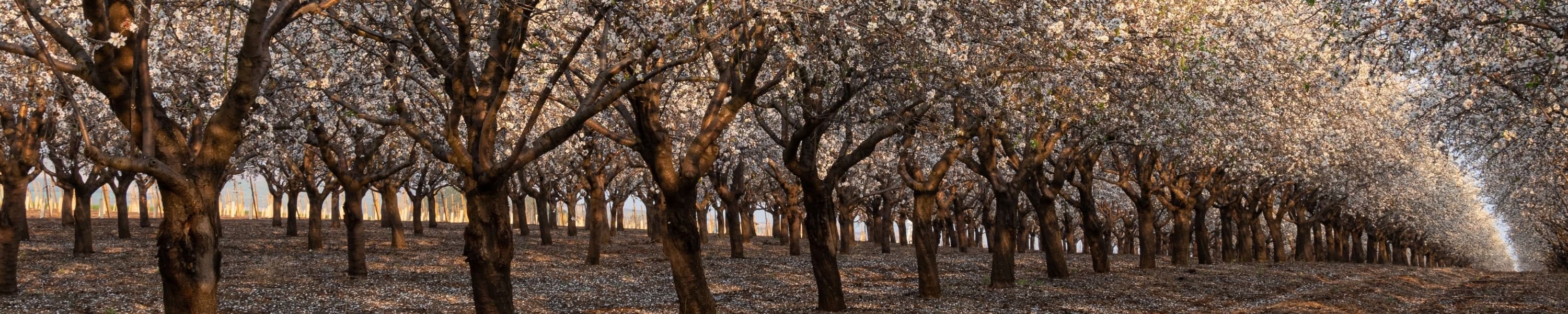




Almond Orchard Establishment in Bosnia and Herzegovina
Published research describes sub-Mediterranean Herzegovina, including the Mostar area, as favorable for almonds, and the Federal Hydrometeorological Institute places the country's Mediterranean climate in Herzegovina. The 2018 Mostar study says almond is grown mostly in gardens and poorly represented in orchards, and a 2011 study recorded 27 local almond genotypes in Herzegovina.
The only orchard described in the sources is a private research plantation of 3,000 m² south of Mostar, planted in 2006 and 2007 at 4.5 x 3.5 m and irrigated. All seven introduced cultivars tested there, Tuono, Texas, Ferragnes, Nonpareil, Ferraduel, Genco and Supernova, fell in the medium to late flowering group, and a study of the 2017 and 2018 seasons recommends Supernova, which it describes as self-fertile, for wider production in Herzegovina.
The 2018 study notes that almond flowering is mainly self-incompatible and needs cross-pollination, and that bloom overlapped in Texas with Nonpareil and in Ferraduel with Texas, pairs it calls good mutual pollinators. Under the 2013 rules on fruit planting material, trees on sale must belong to a variety entered in the national variety list, and one domestic nursery offered grafted trees of at least four almond cultivars in 2026.
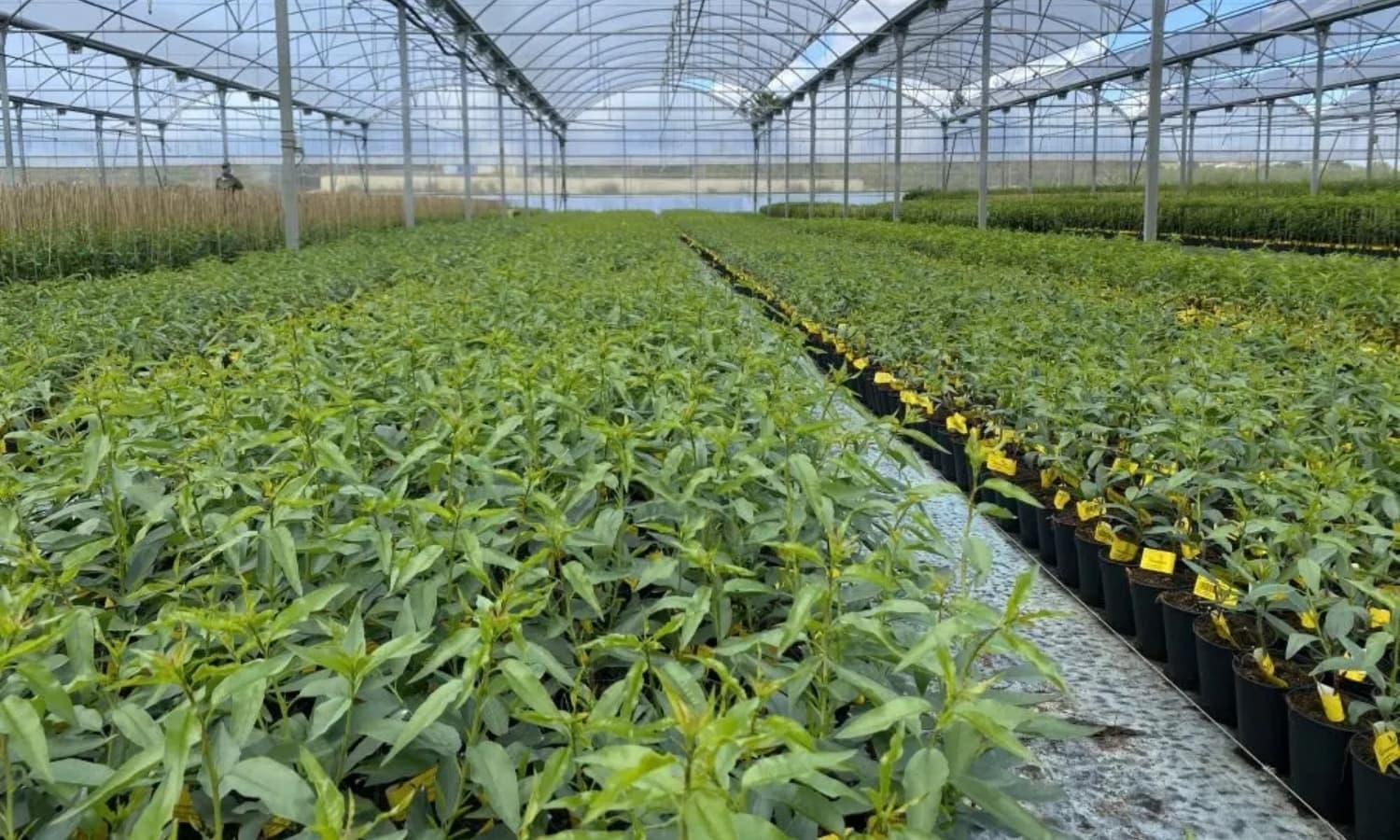

Practical Tips for Almond Orchard Establishment
Favor later-blooming cultivars: near Mostar, bloom began between 24 February and 17 March, and the last frost in Herzegovina usually comes in March.
Plant pollinizers whose bloom overlaps, such as Texas with Nonpareil, unless you choose a self-fertile cultivar such as Supernova.
Buy healthy grafted trees, and check the variety is entered in the national variety list, as the 2013 rules on fruit planting material require.
Weigh kernel yield in cultivar choice: near Mostar in 2018 and 2019, kernels made up 46.1% of nut weight in Texas but 31.4% in Tuono.
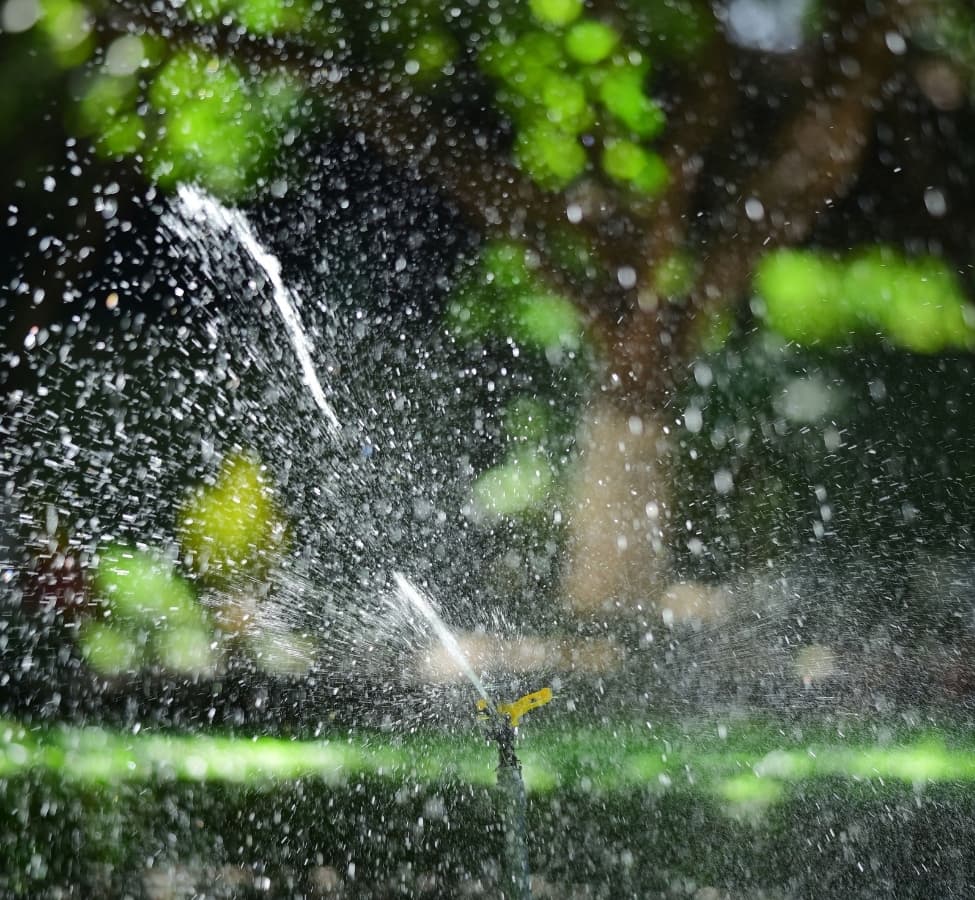
Design irrigation before planting: Mostar's 1991 to 2020 normals give 58.1 mm of rain in August, with a mean maximum of 33.5 °C.
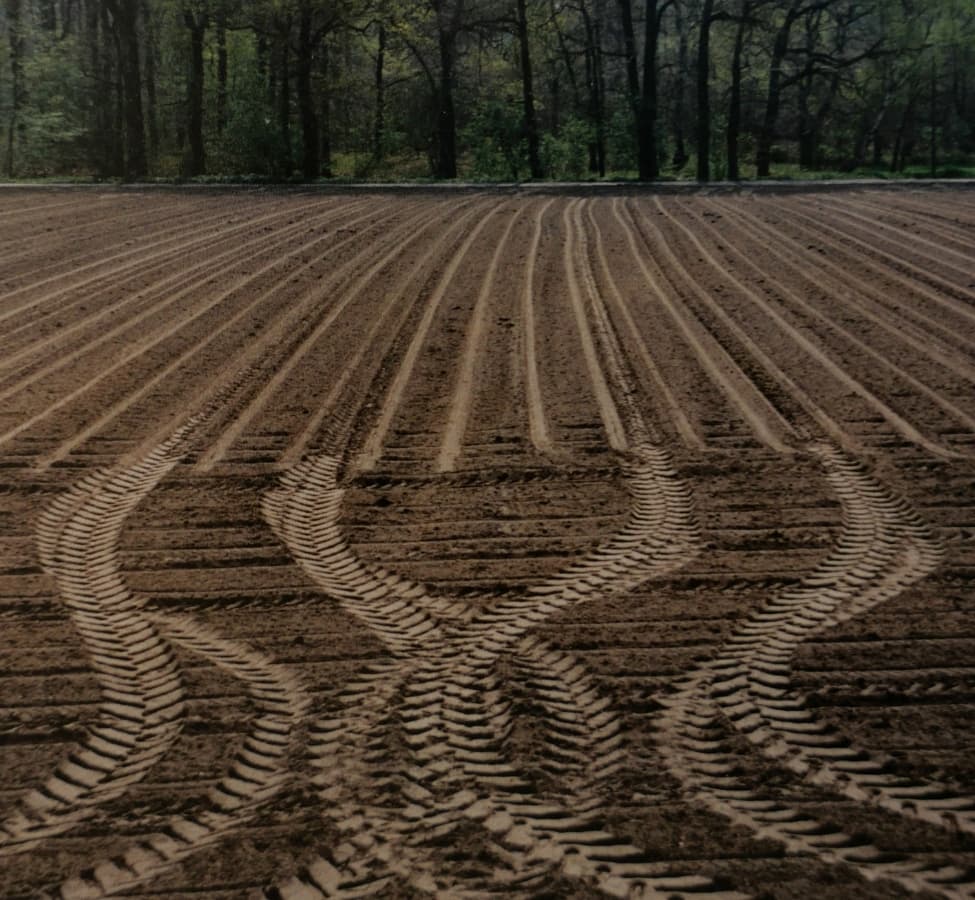
Plan rows, headlands and tree form for the shaker, sweeper and harvester before planting, and check trunk clearance with OVE Europe.
Recommended Establishment Stages
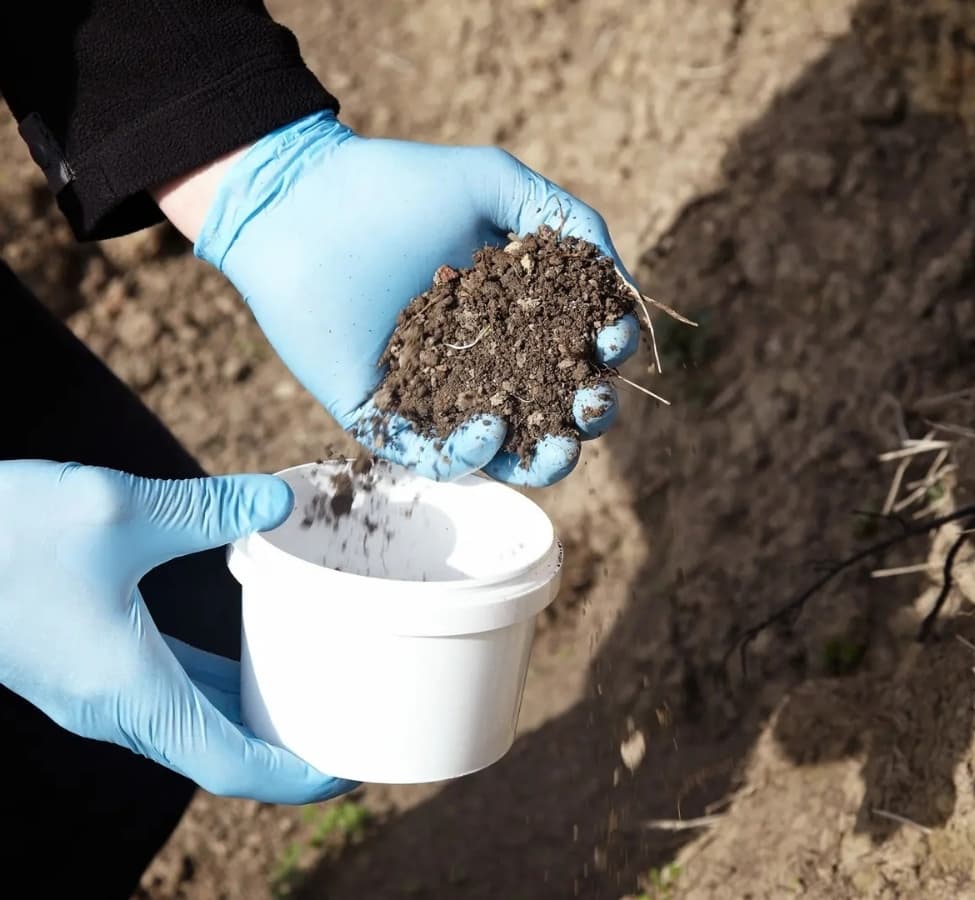
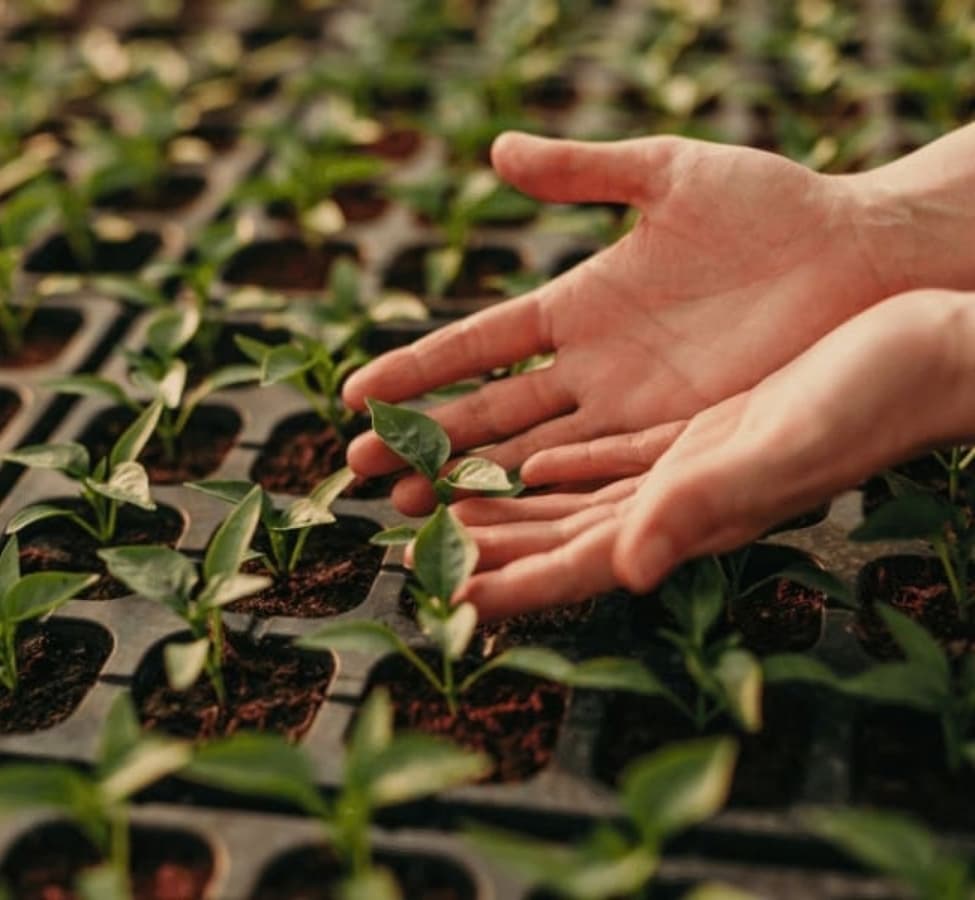


Almond Orchard Care & Maintenance in Bosnia and Herzegovina
Summers around Mostar are hot and dry: the 1991 to 2020 normals give a mean maximum of 33.5 °C and 58.1 mm of rain in August. In August 2026 Mostar had only 8.7 mm, and the Federal Hydrometeorological Institute's water balance bulletin recorded the largest deficit there. The research plantation near Mostar was irrigated, fertilized and pruned, but no local guidance on water amounts or drip schedules for almond was found.
No local study of almond pests or diseases was found, and the database of the European and Mediterranean Plant Protection Organization (EPPO) has no record for the country of the almond seed wasp or peach twig borer, which does not prove they are absent. Bloom falls in a wet season, with about 119 mm of rain on 9 days in March at Mostar, and University of California guidance notes that rainy, warm weather at bloom favors brown rot blossom infection.
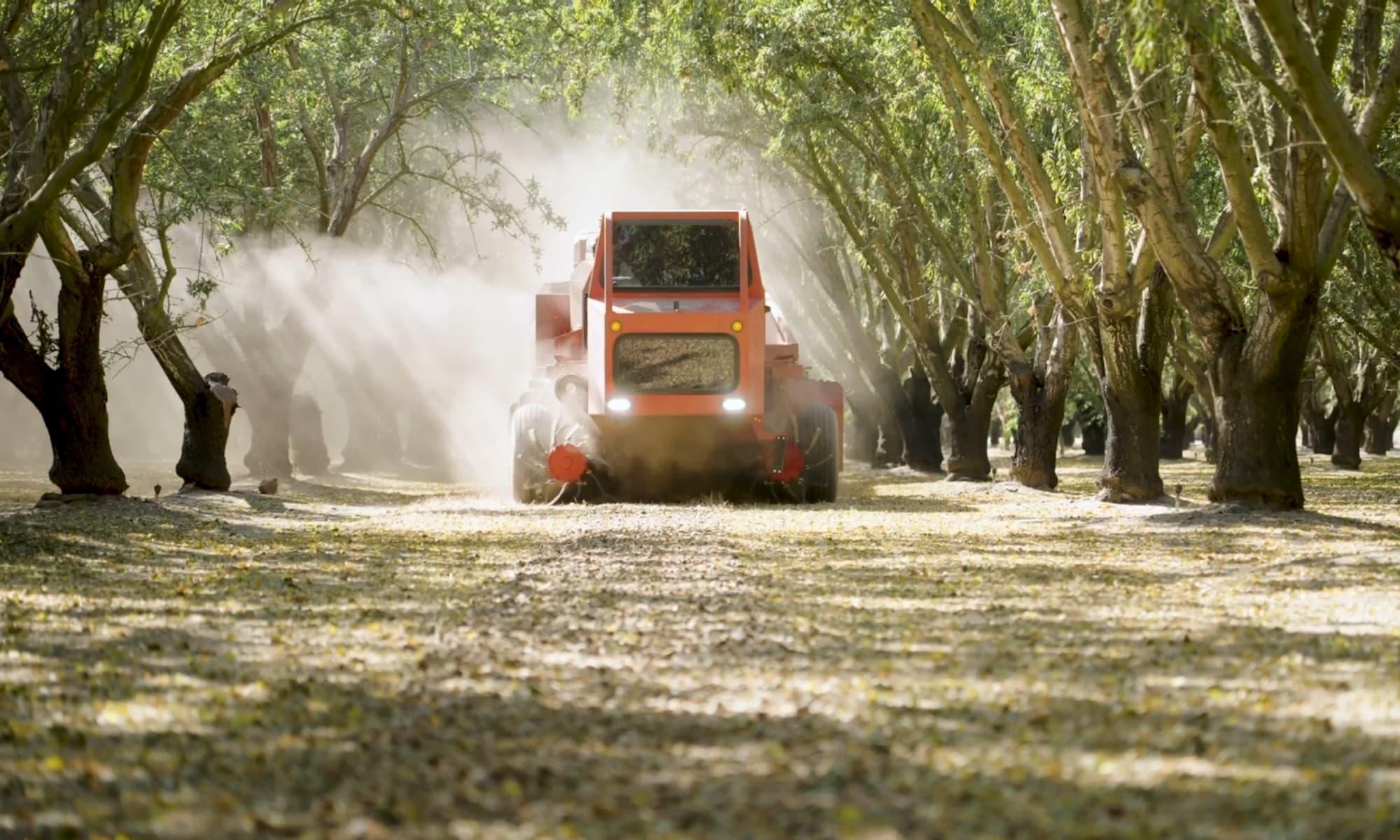
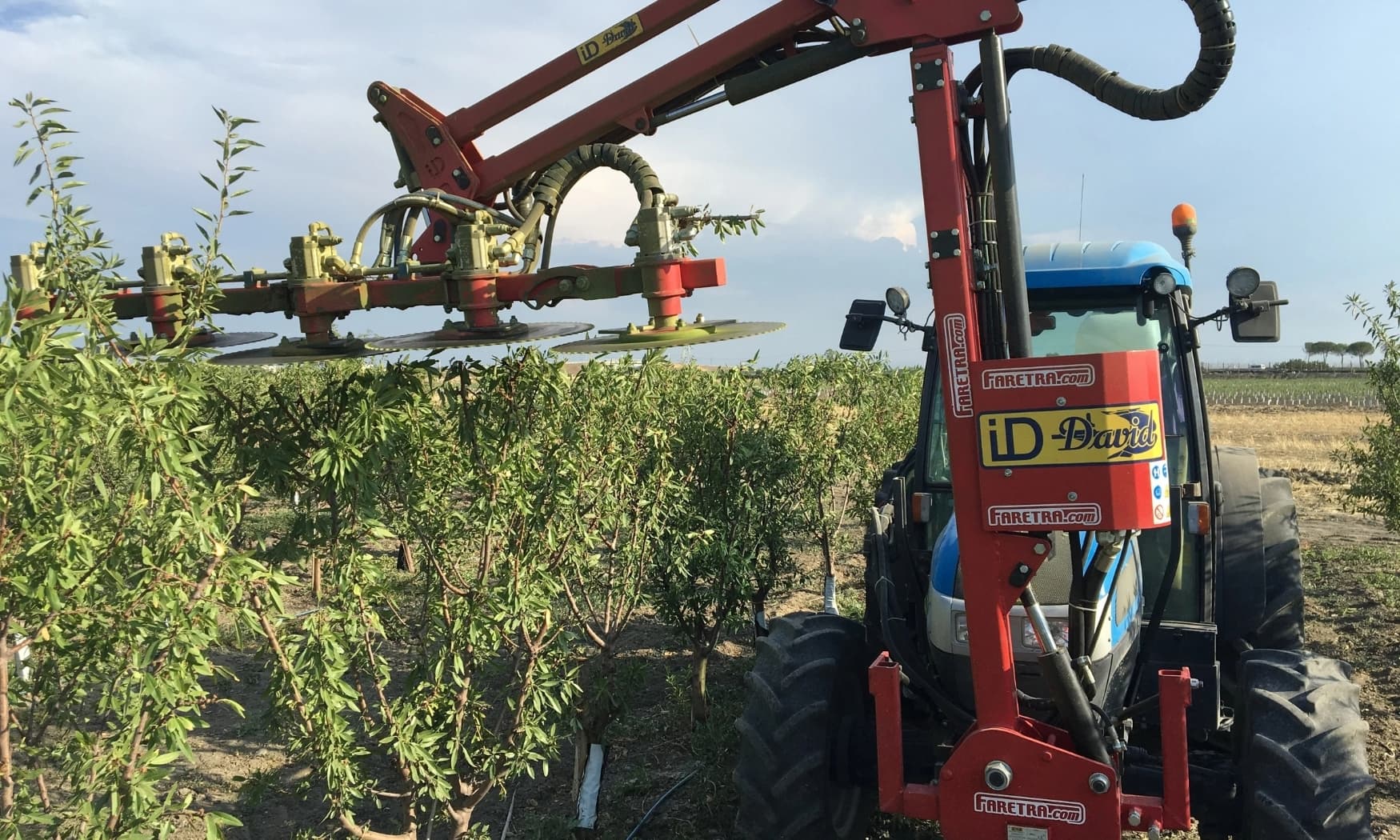
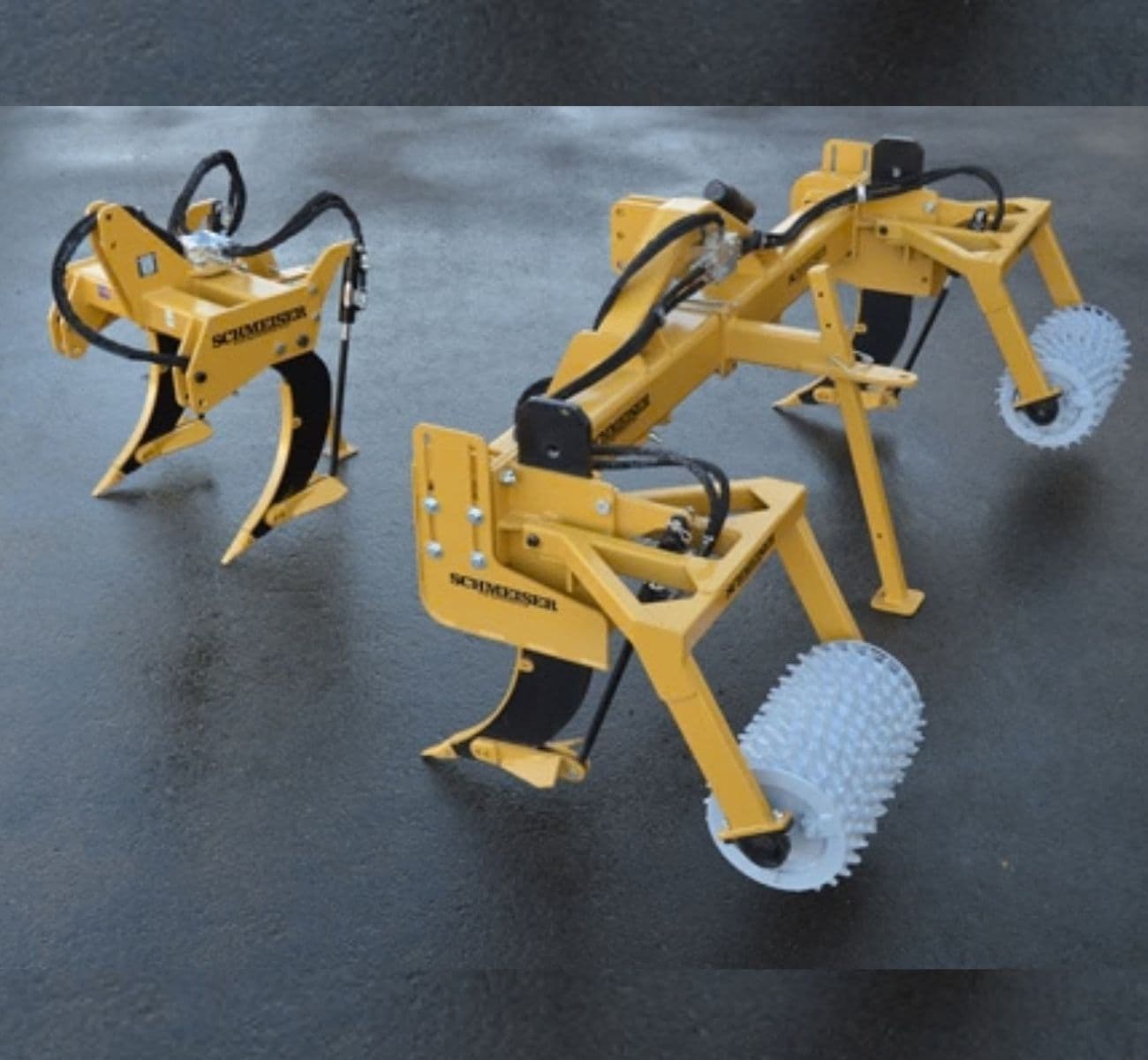
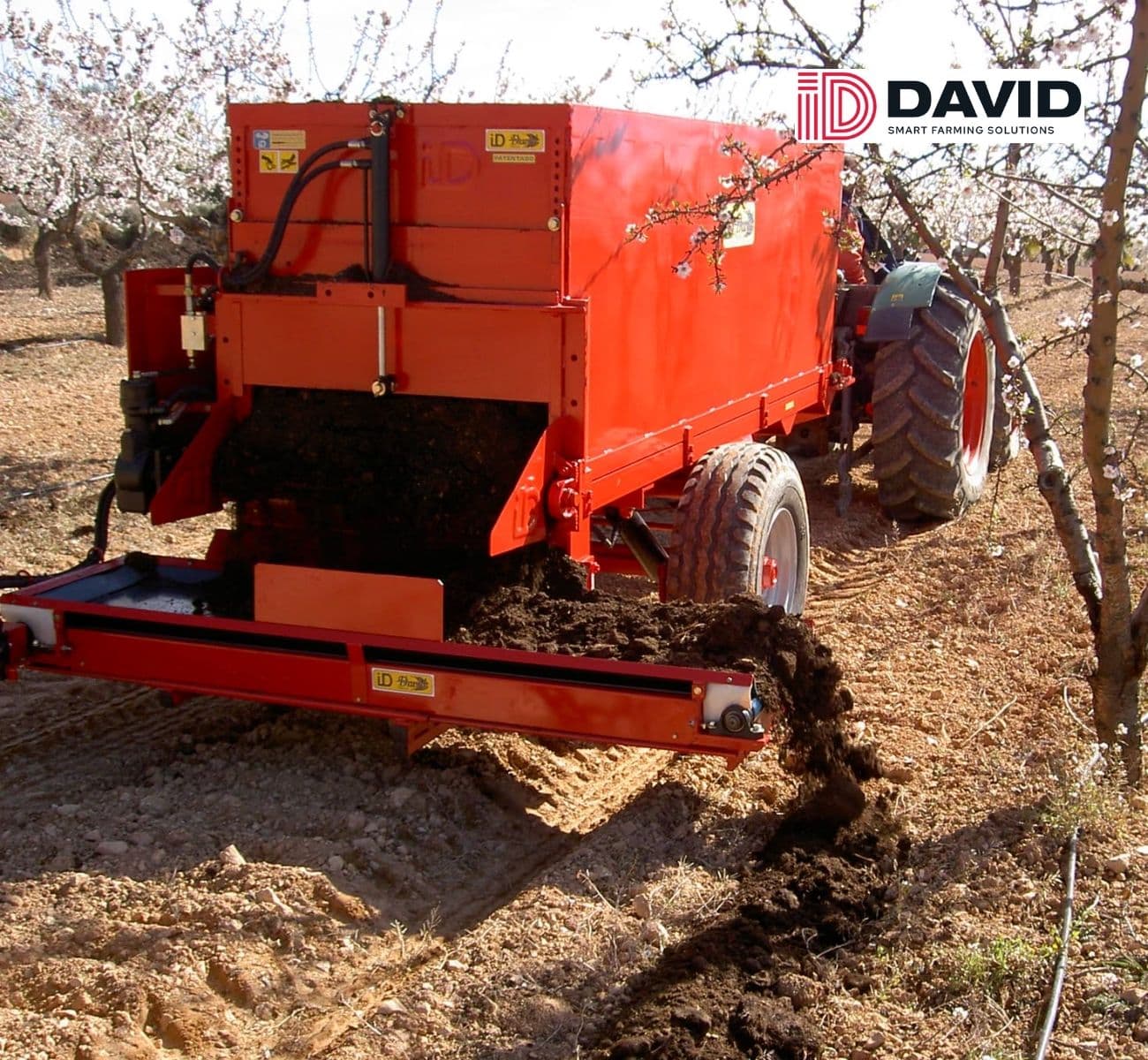
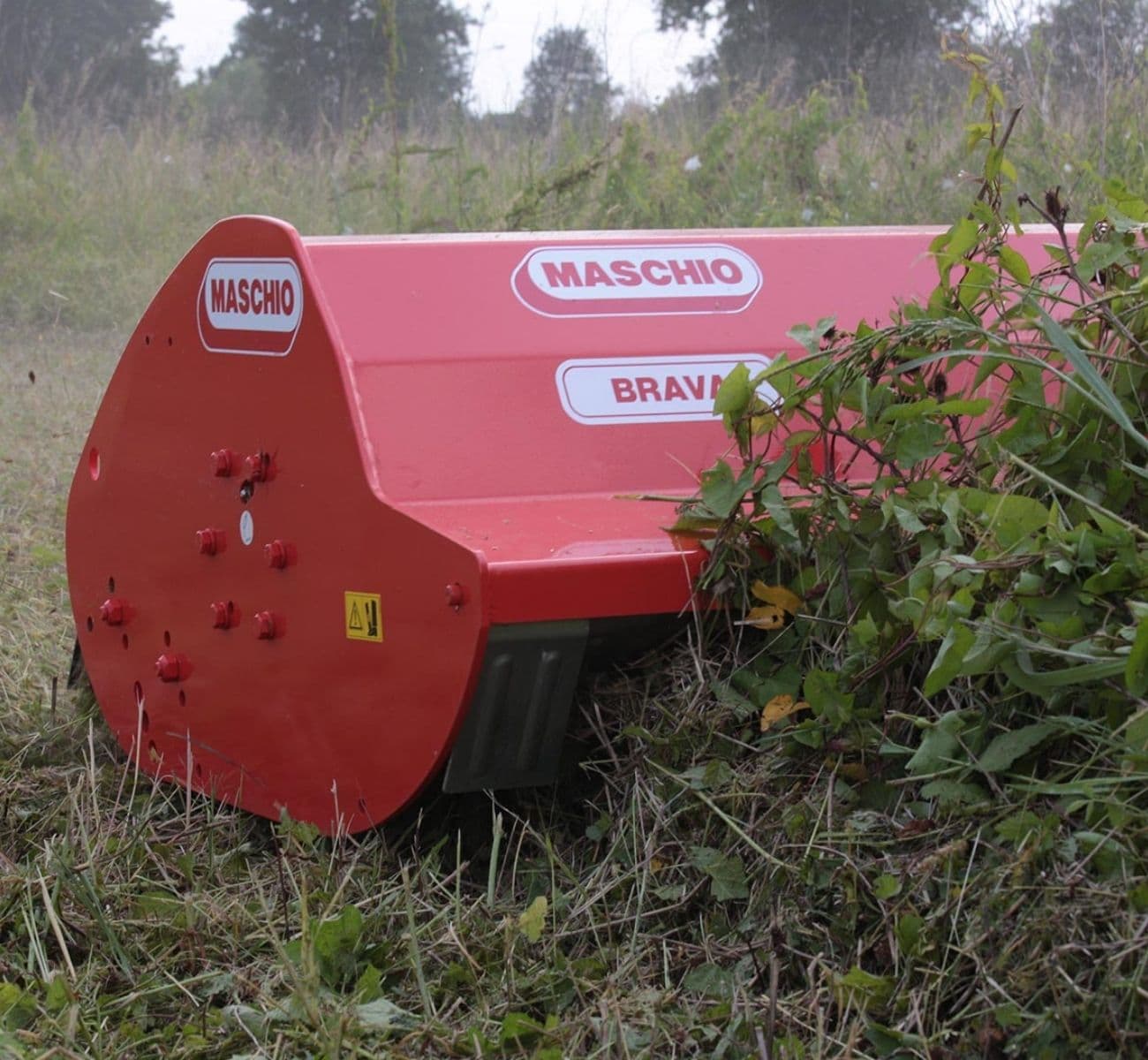
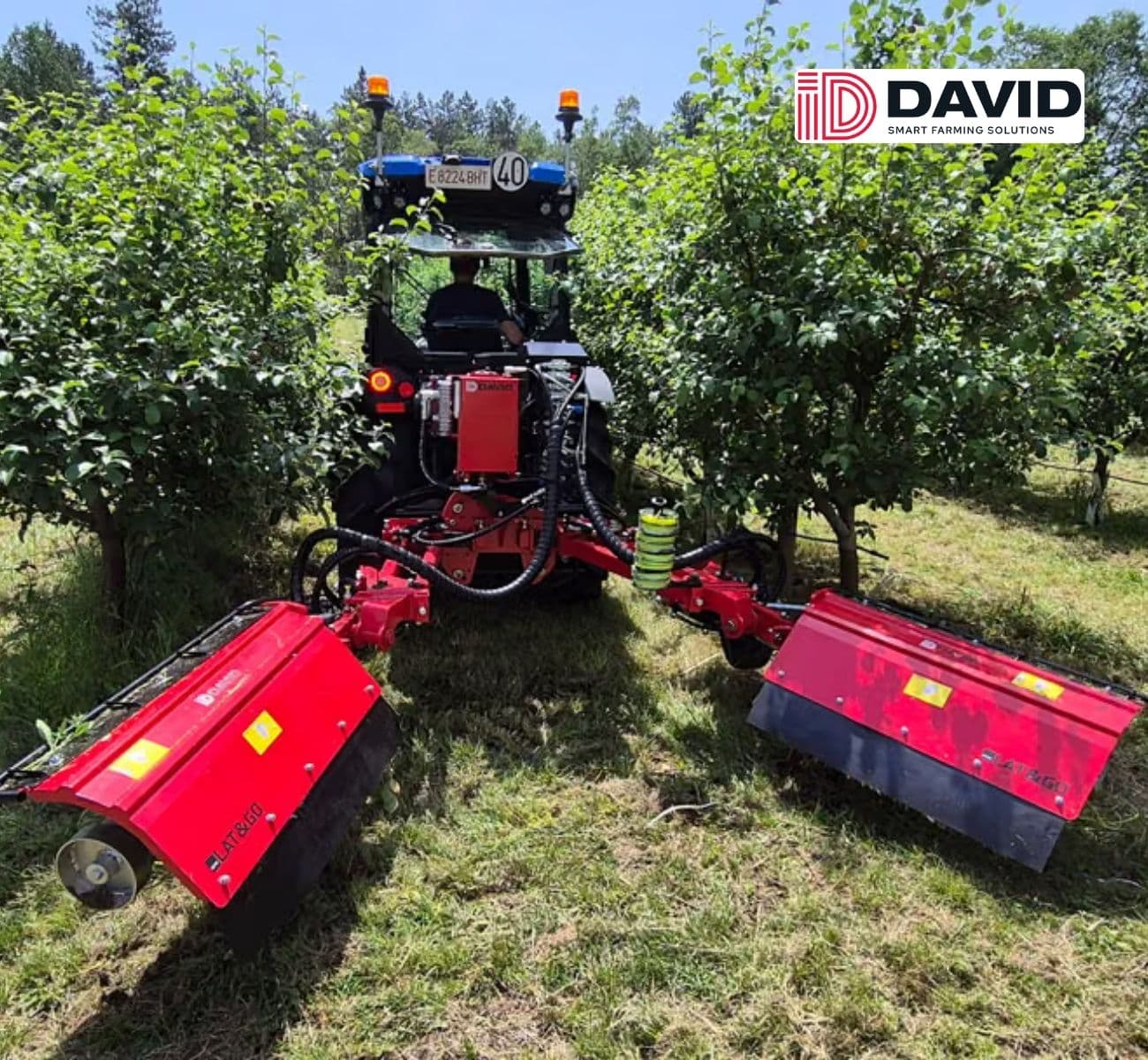
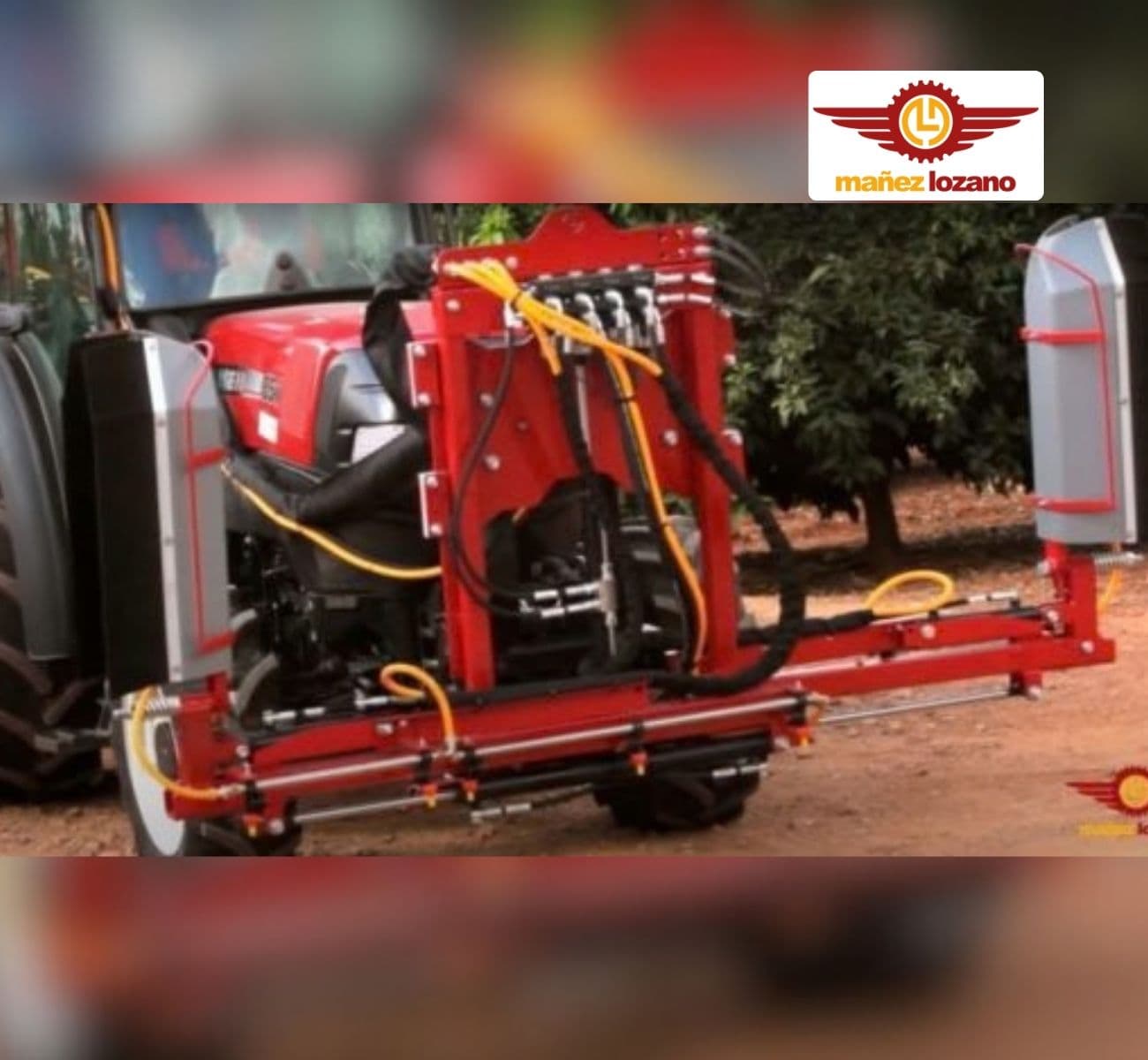
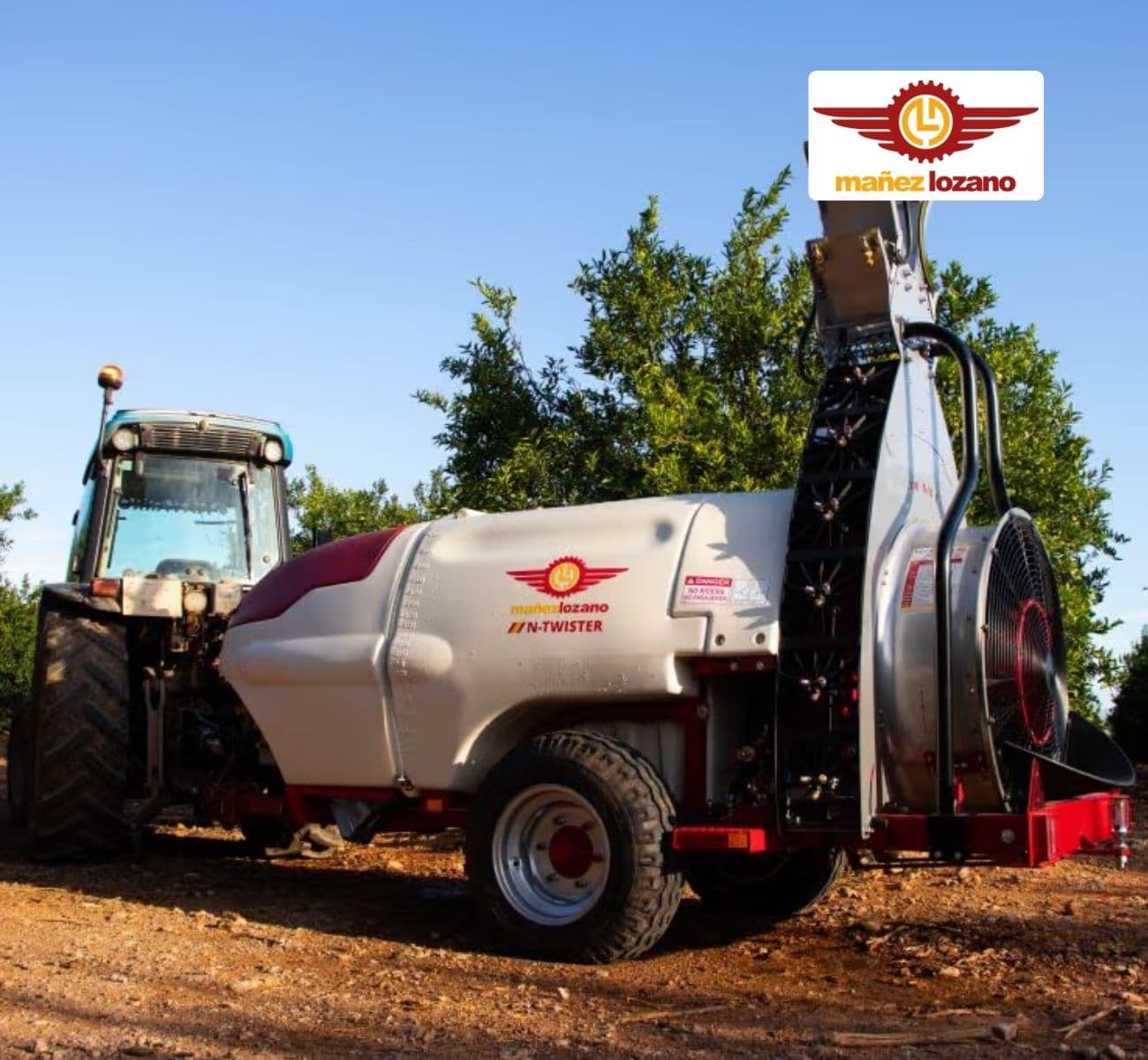
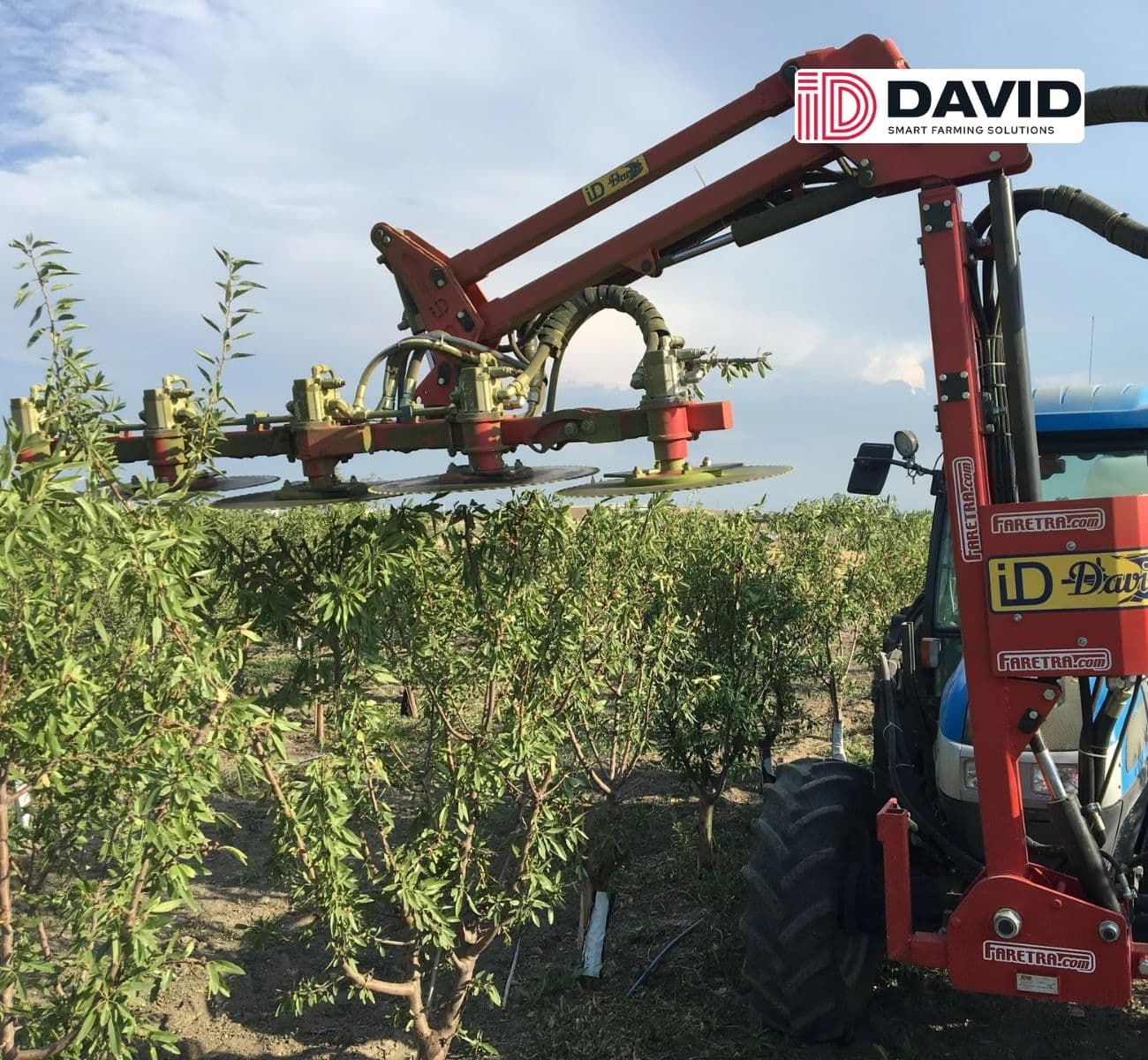
No local pruning guidance for almond was found; a 2026 chapter on nut orchards by a University of Sarajevo author notes that almond trees are typically headed at 60 to 80 cm and recommends the open vase system. For care work, the ID DAVID ECOFEED spreads solid manure, the ID DAVID LAT&GO string mower controls weeds without herbicides, the Mañez Lozano Narrow Twister S6 sprays tall, dense canopies and the ID DAVID V1 disc pruner makes vertical and horizontal cuts.
Recommended Orchard Care & Maintenance Stages
Practical Tips for Almond Orchard Care & Maintenance
Irrigate through July and August, when Mostar averages about 56 and 58 mm of rain, and check soil moisture before each irrigation.
Inspect blossoms after rain at bloom: University of California guidance says rainy, warm weather favors brown rot blossom infection.
Check the orchard in autumn and spring for shot hole lesions, as University of California guidance advises, above all after long wet spells.
Head young trees at 60 to 80 cm and train them to an open vase, as a 2026 chapter by a University of Sarajevo author describes.
Control weeds without herbicides with a string mower such as the ID DAVID LAT&GO, and keep the orchard floor level for harvest.
Spray tall, dense canopies evenly with a narrow trailed airblast sprayer such as the Mañez Lozano Narrow Twister S6.

Almond Harvesting in Bosnia and Herzegovina
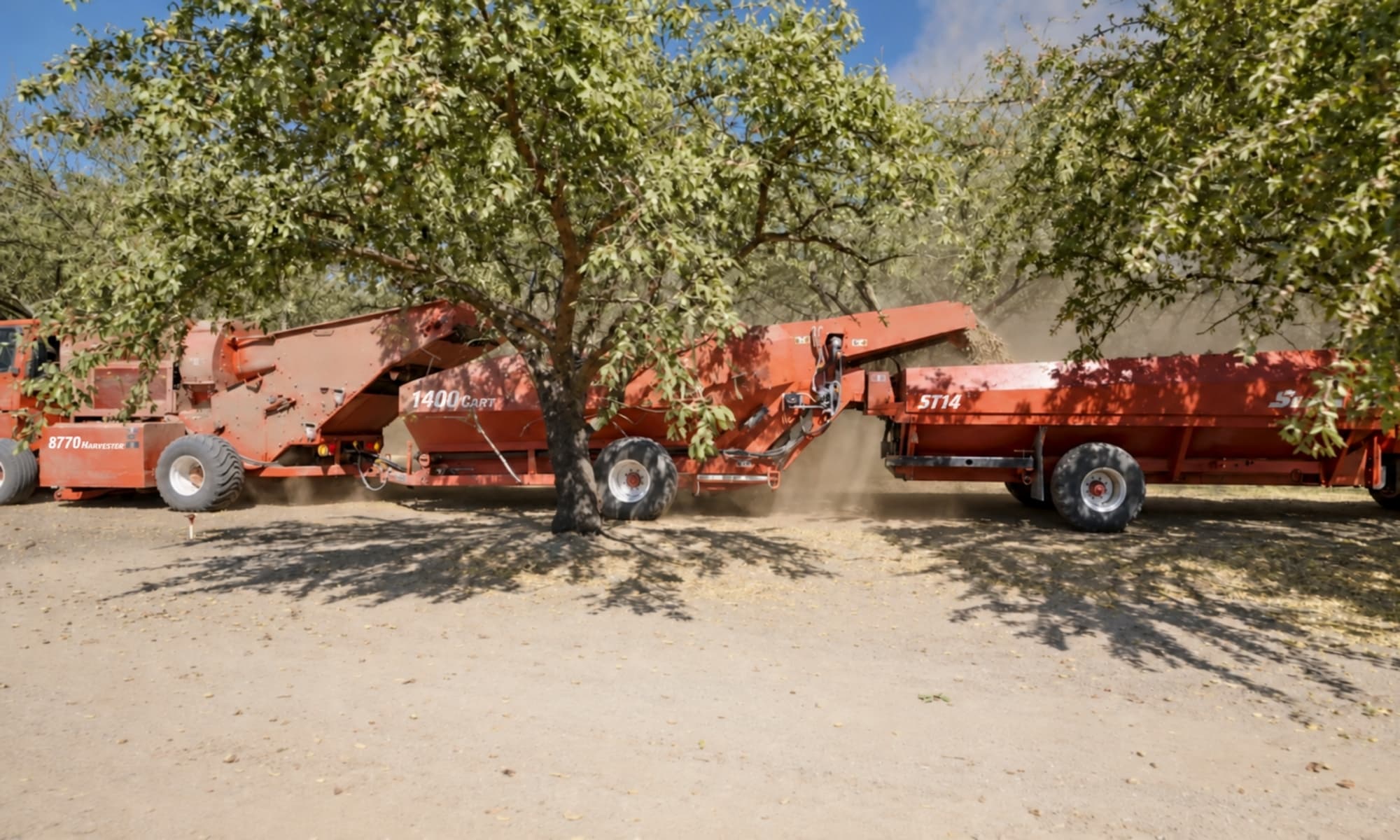
No local source found describes how almonds are harvested or dried, by hand or by machine. At the research plantation near Mostar, recorded ripening dates ranged from 27 August to 20 September in 2013, 2014, 2017 and 2018, by cultivar and year. In orchards planted for machines on suitable ground, not garden trees, steep slopes or terraces, mechanized harvesting can bring the crop in on time, with less risk of nuts deteriorating while they wait.
The harvest season is not reliably dry. Mostar's 1991 to 2020 normals give 58.1 mm of rain on 4.8 days in August but 137.2 mm on 7.2 days in September; Mostar had more than two and a half times its normal August rain in 2023, and the Trebinje station recorded 307 mm in September 2024. This guide therefore shows prompt pickup, with drying after hulling, alongside catching frames that keep the nuts off the ground.
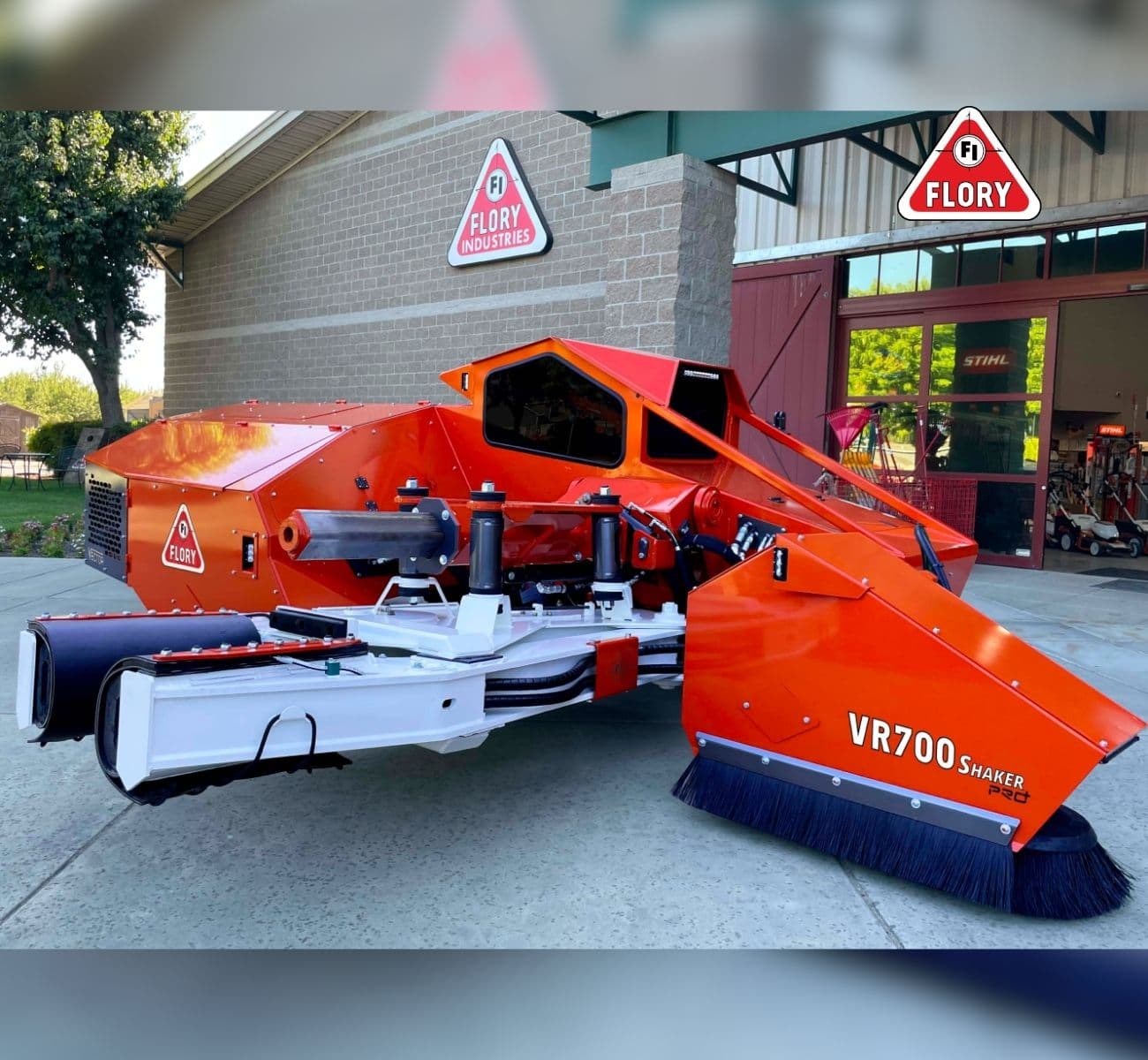
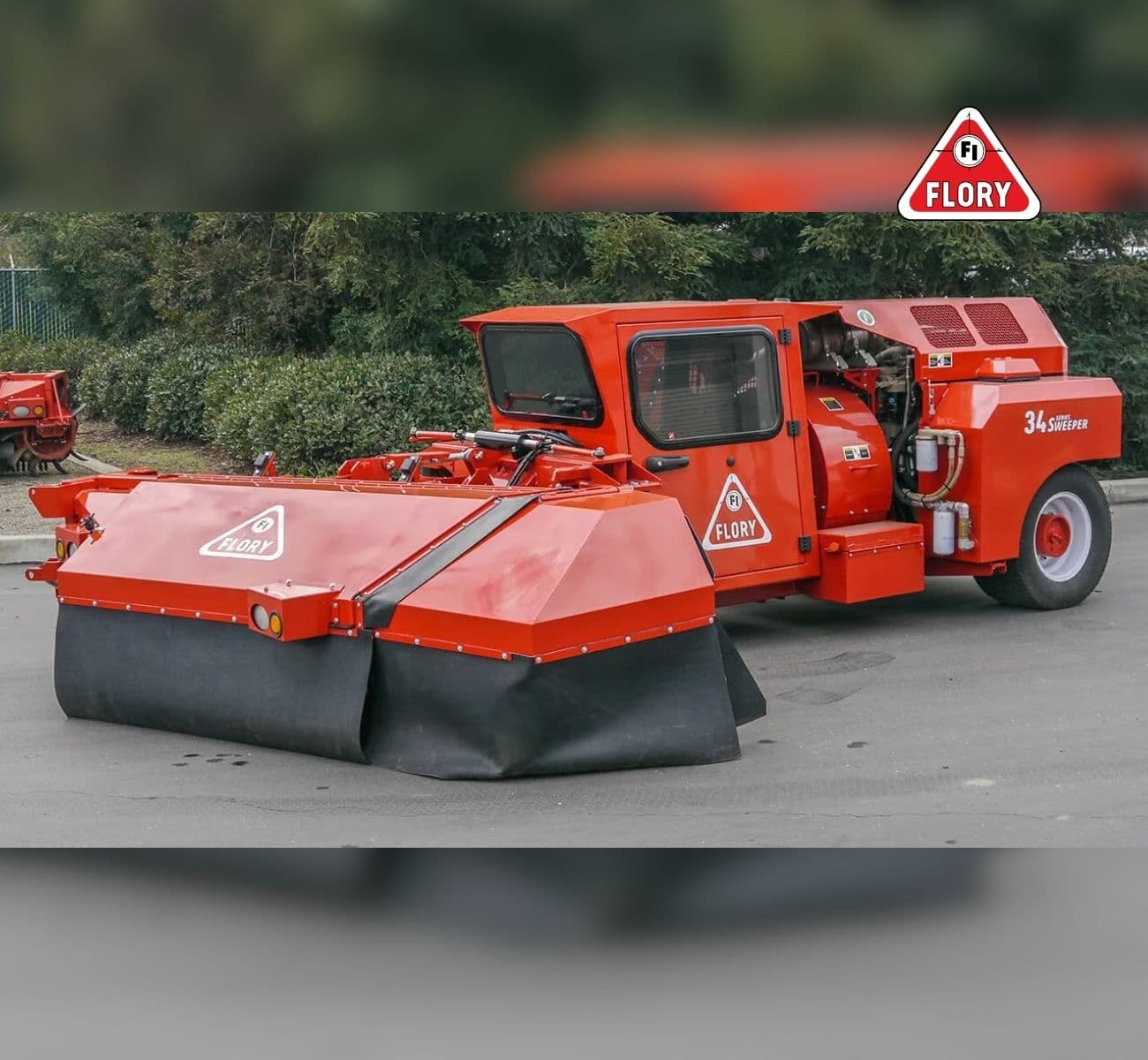
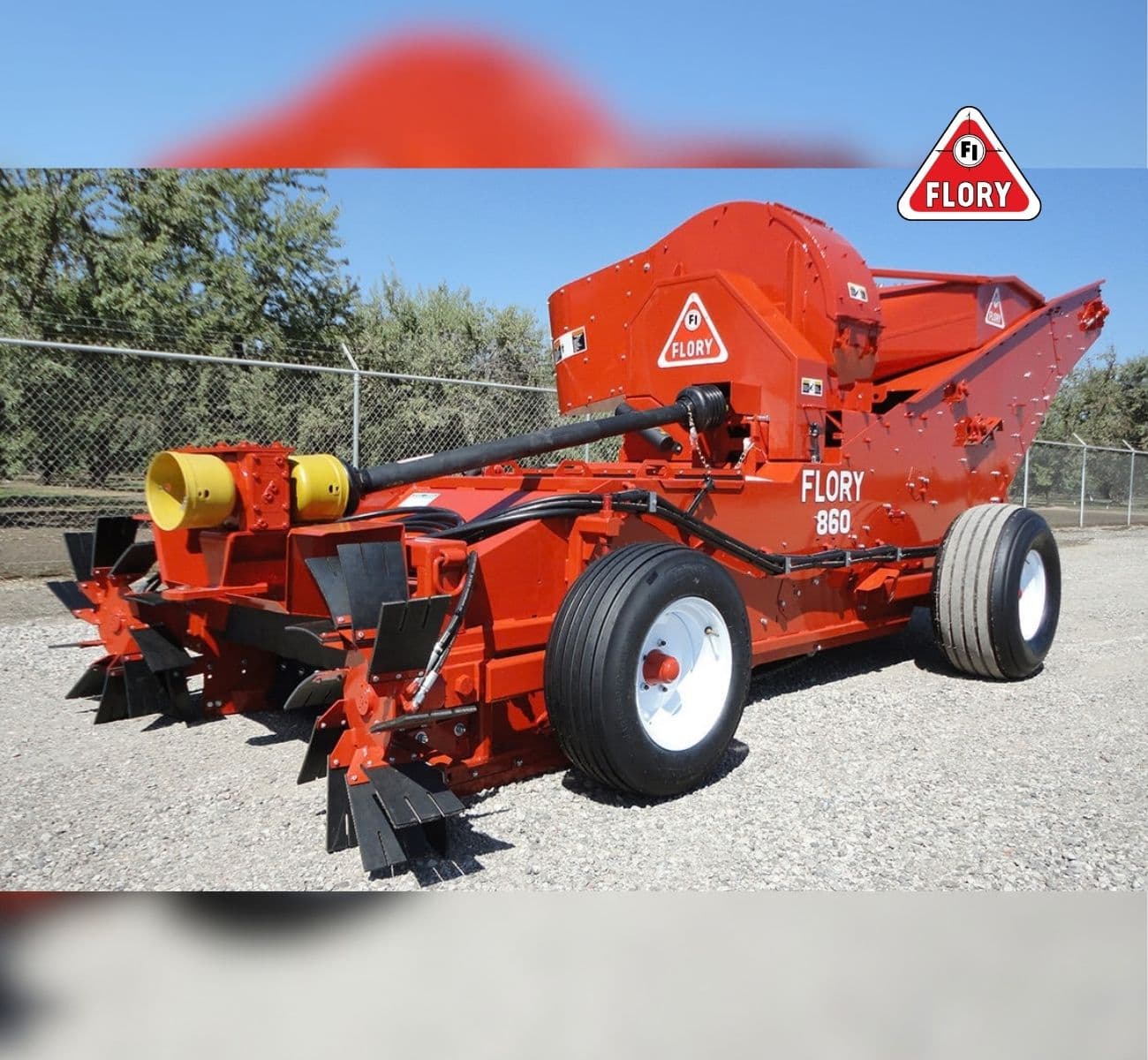
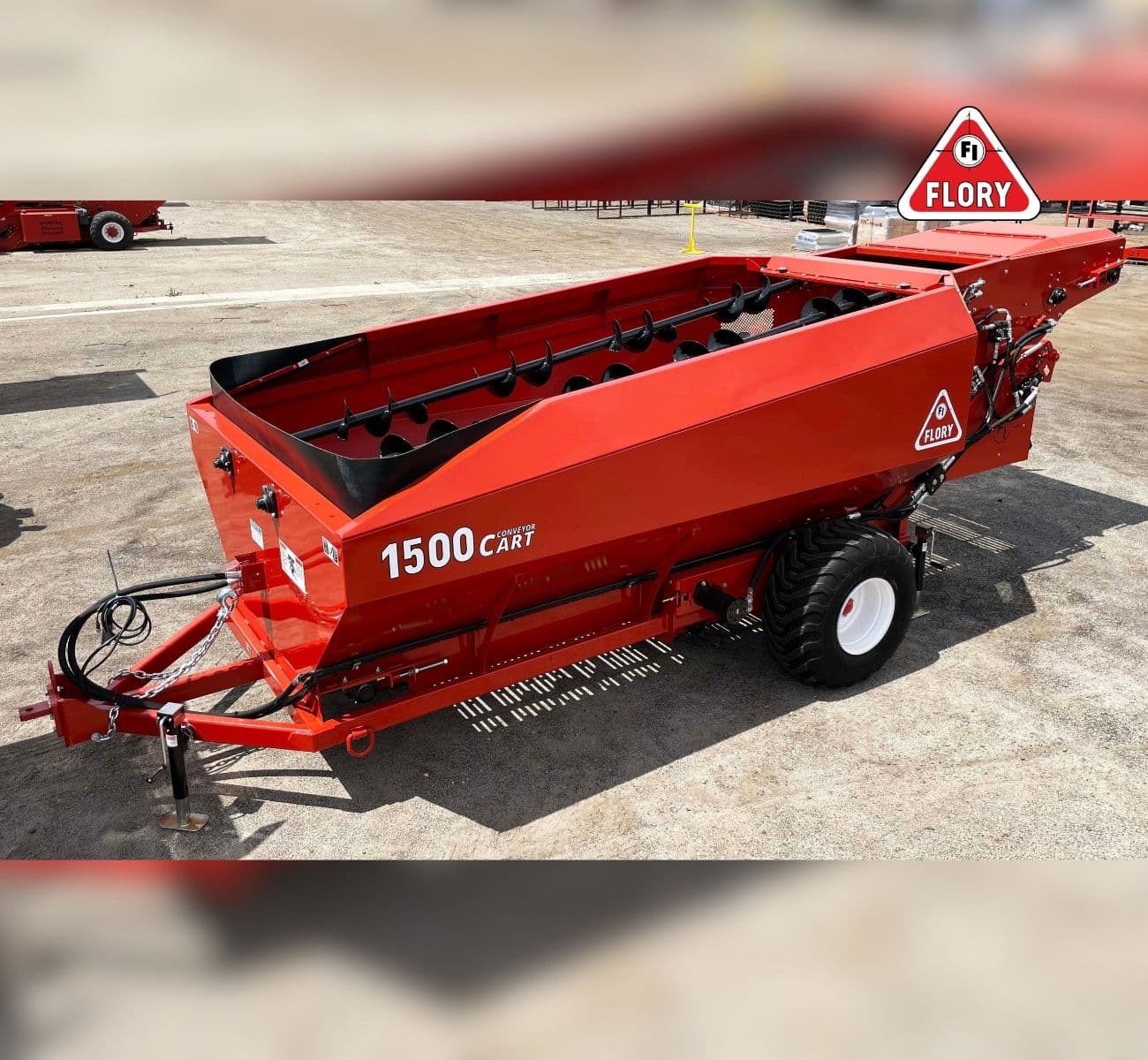
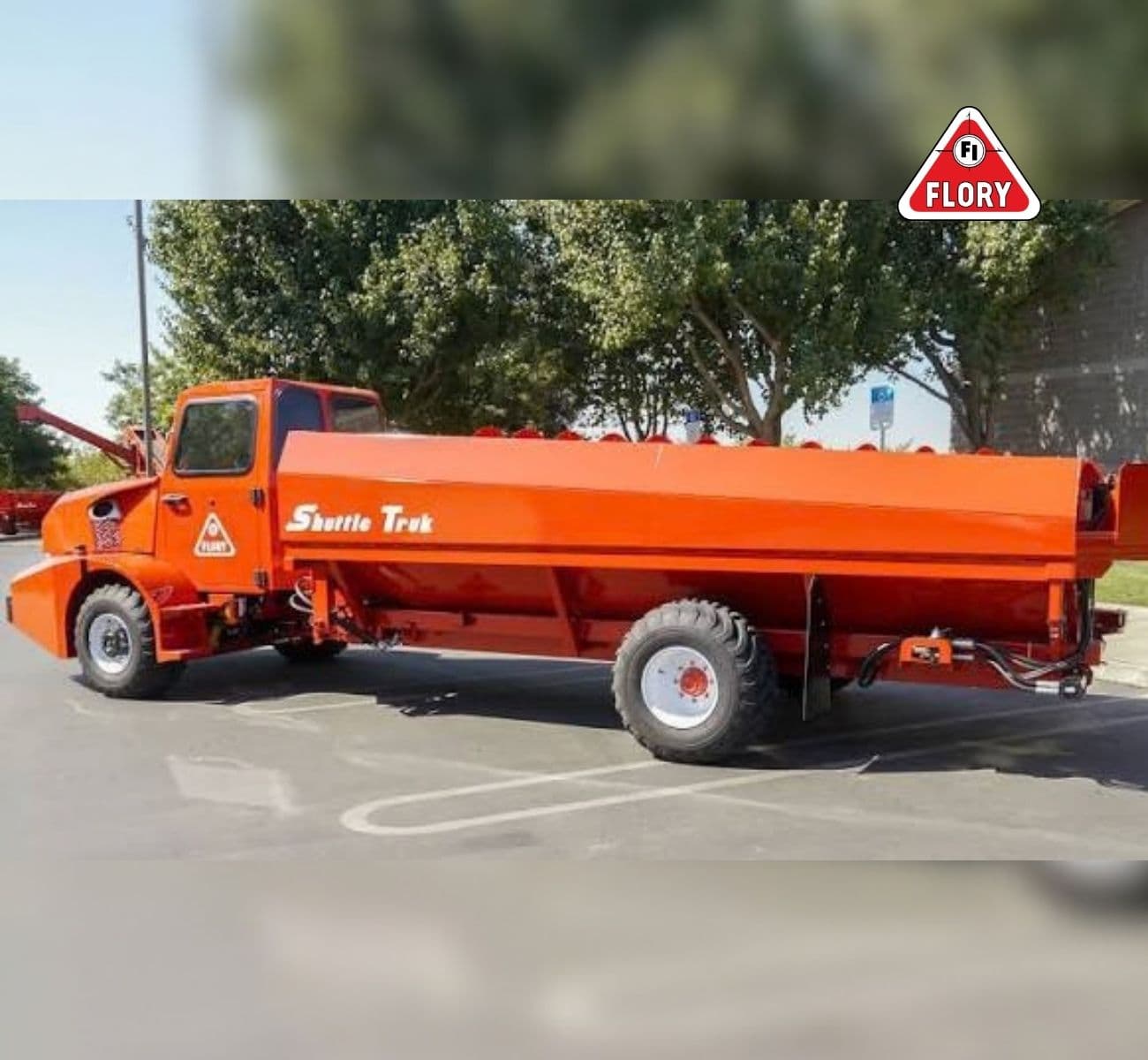
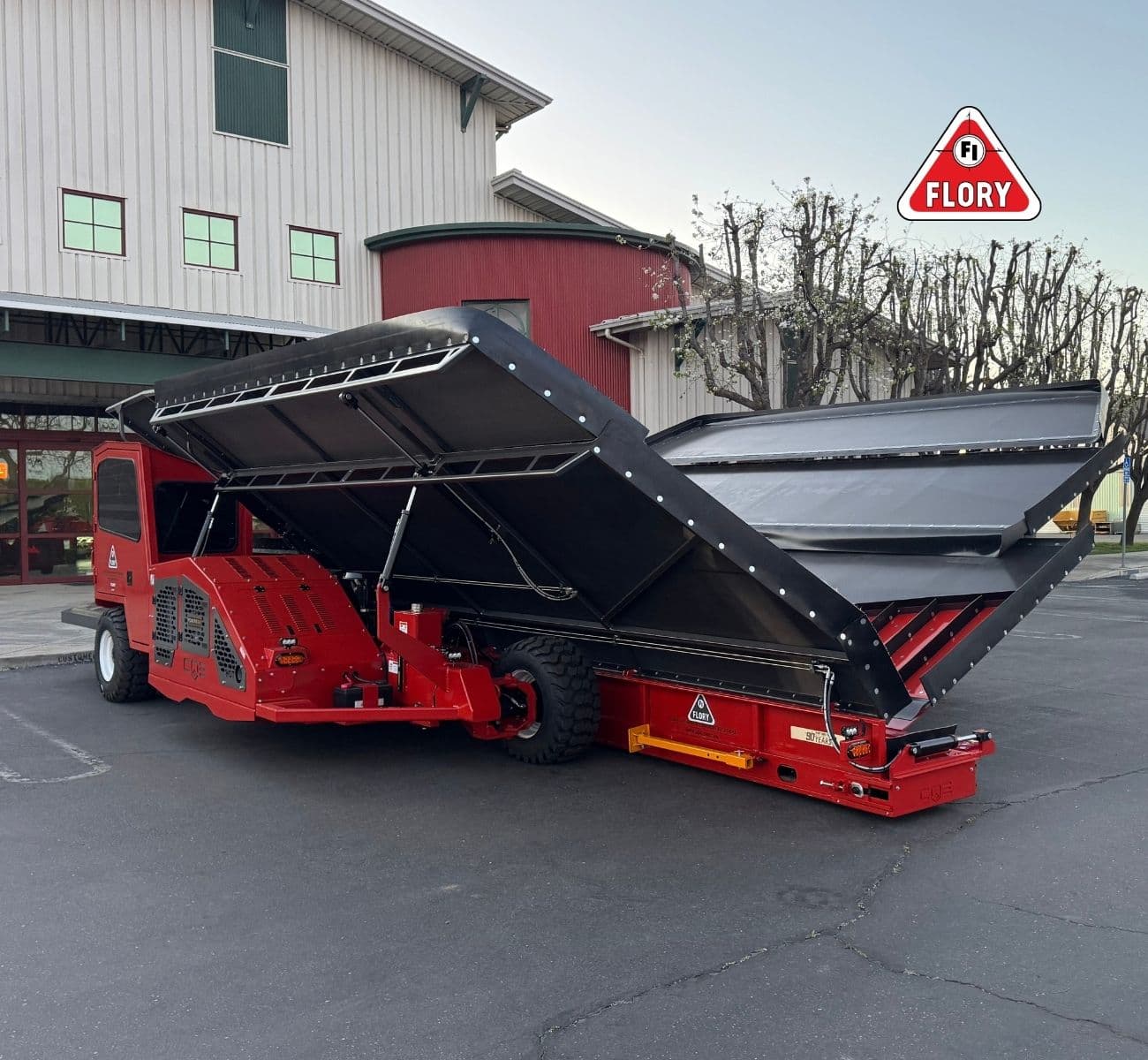
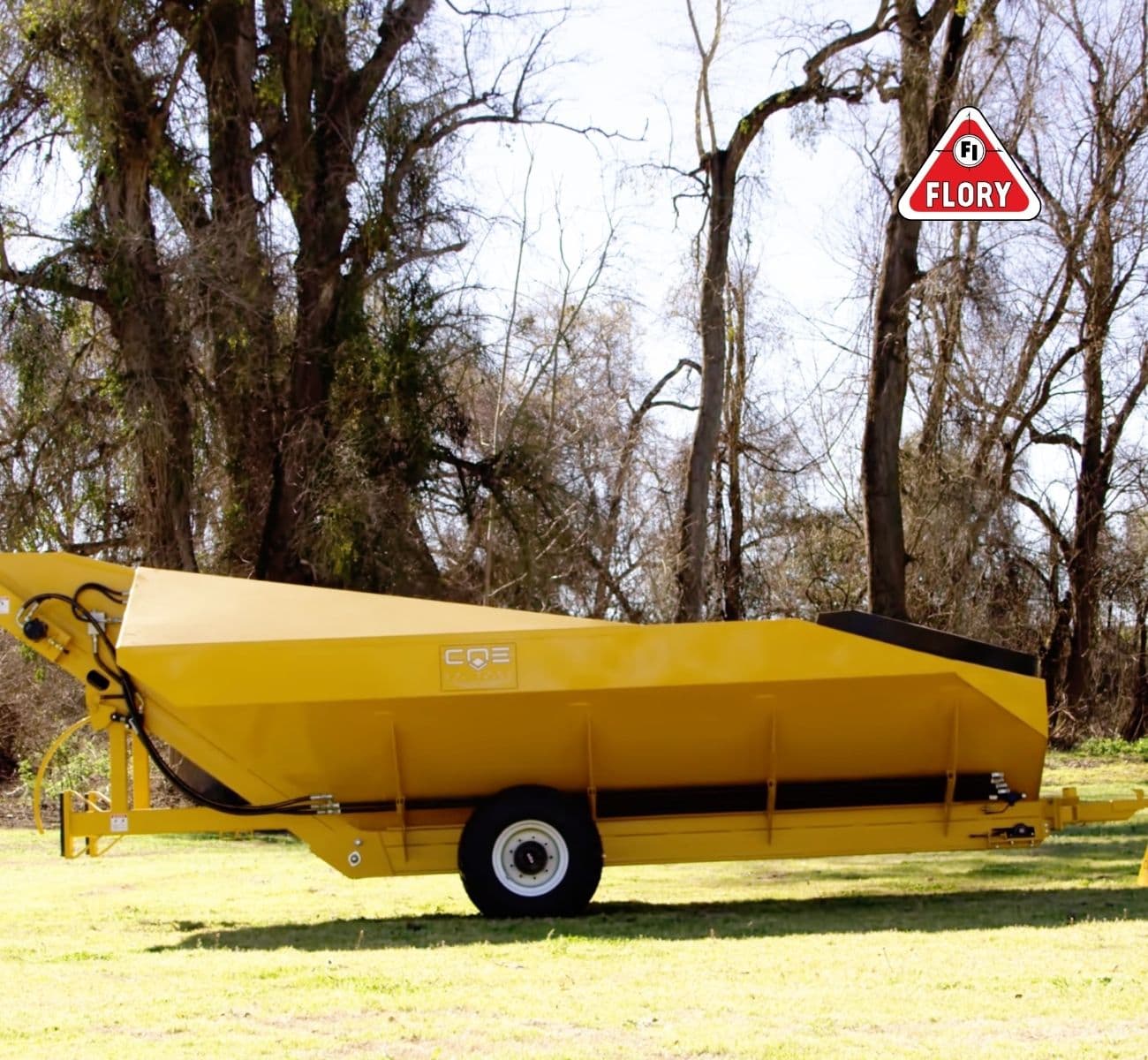
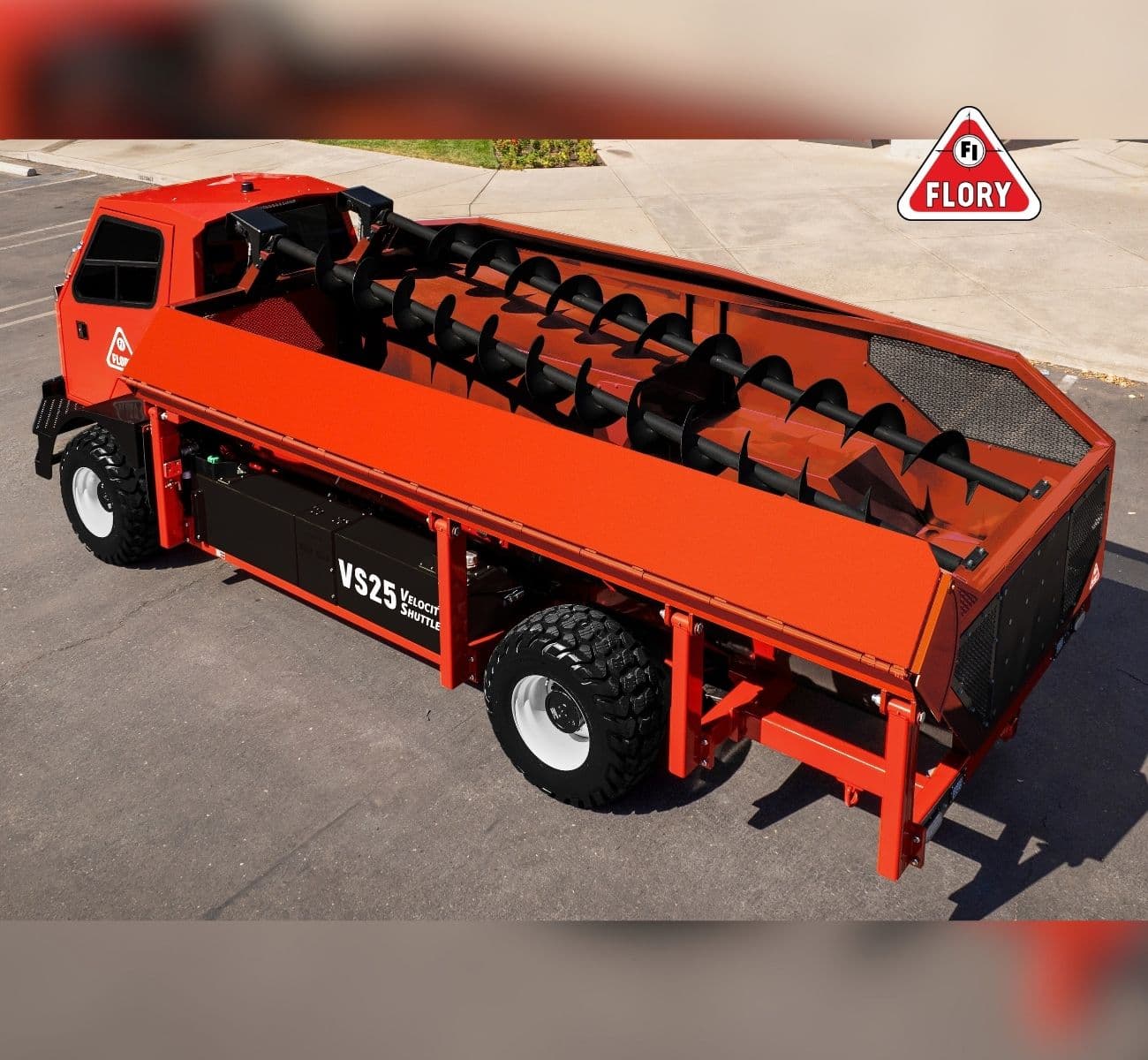
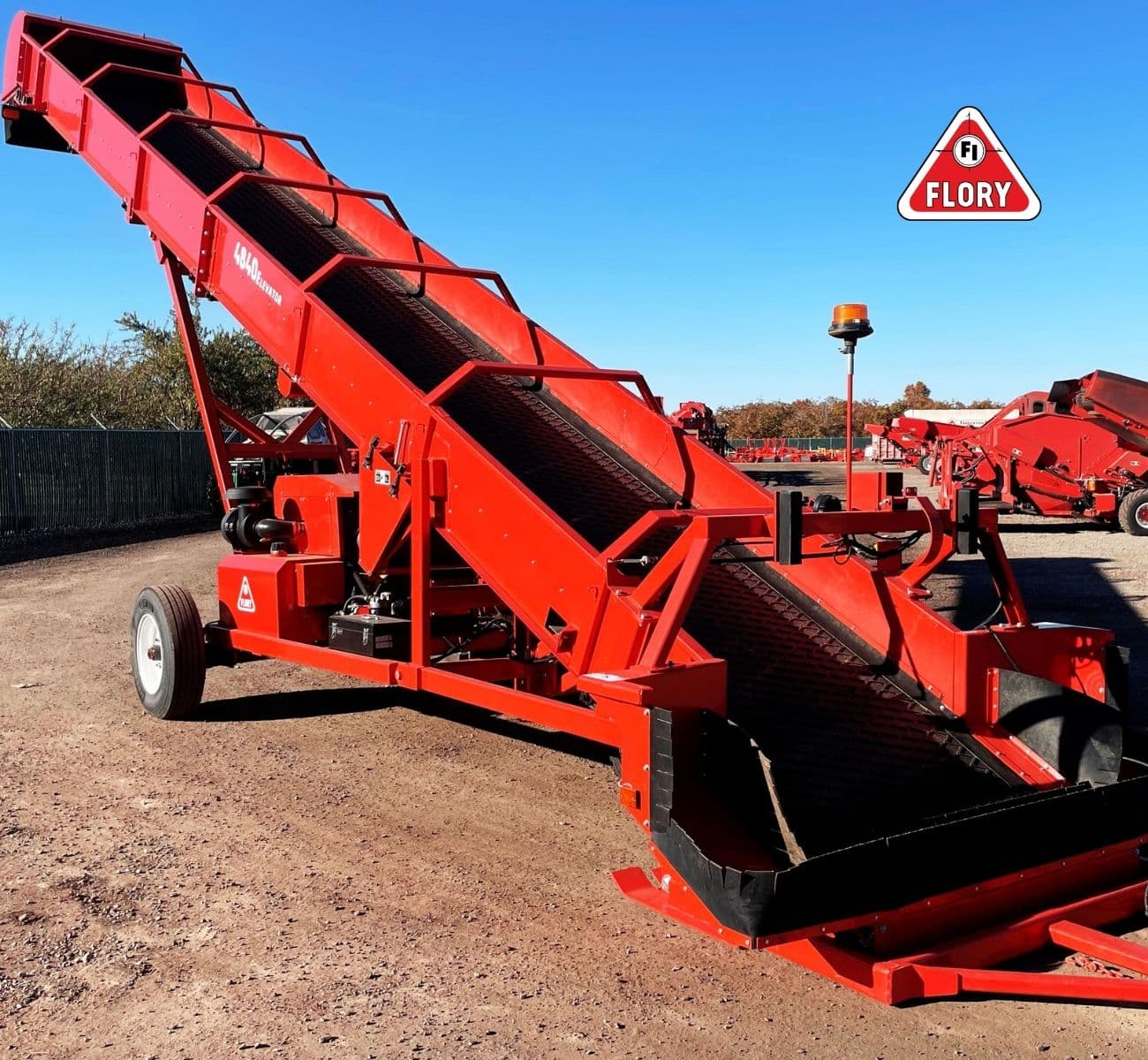
Flory harvesting machinery is available in Bosnia and Herzegovina through OVE Europe for both systems. On the ground, the VR700 Shaker, 34 Series Sweeper and 860 Harvester (or the smaller 490) work with the 1500 Conveyor Cart and ST14 Shuttle. Off the ground, the Flory COE C7 Shaker and L2 Receiver catch the almonds in a frame around the trunk, the Flory COE B8 Cart and VS25 Shuttle carry them, and the 4840 Field Elevator loads trailers in both systems.
Almond Harvest Workflow (Recommended Equipment)

Practical Tips for Almond Harvesting
Start shaking when all nuts are at hull split stage 2C or later and test trees shake clean, as University of California guidance advises.
Harvest cultivar by cultivar: near Mostar in 2017, Nonpareil ripened on 27 August, Supernova on 5 September and Ferragnes on 6 September.
Check the forecast before shaking in September, when Mostar's normal rainfall rises to 137.2 mm, and shake only what you can pick up promptly.
Sweep and pick up soon after shaking, then hull and dry the almonds off the ground; University of California guidance adds that quick removal limits ant damage.
Where almonds must stay off wet ground, use catching frames: the Flory COE C7 Shaker works with the L2 Receiver.
Keep shakers and frames for orchards planted for machines, never garden trees, scattered trees or steep slopes.
Get your recommended harvest setup
Enter orchard size, spacing, terrain, and target throughput—we’ll suggest a practical harvest workflow and equipment lineup.

Almond Post-Harvest Handling & Processing in Bosnia and Herzegovina
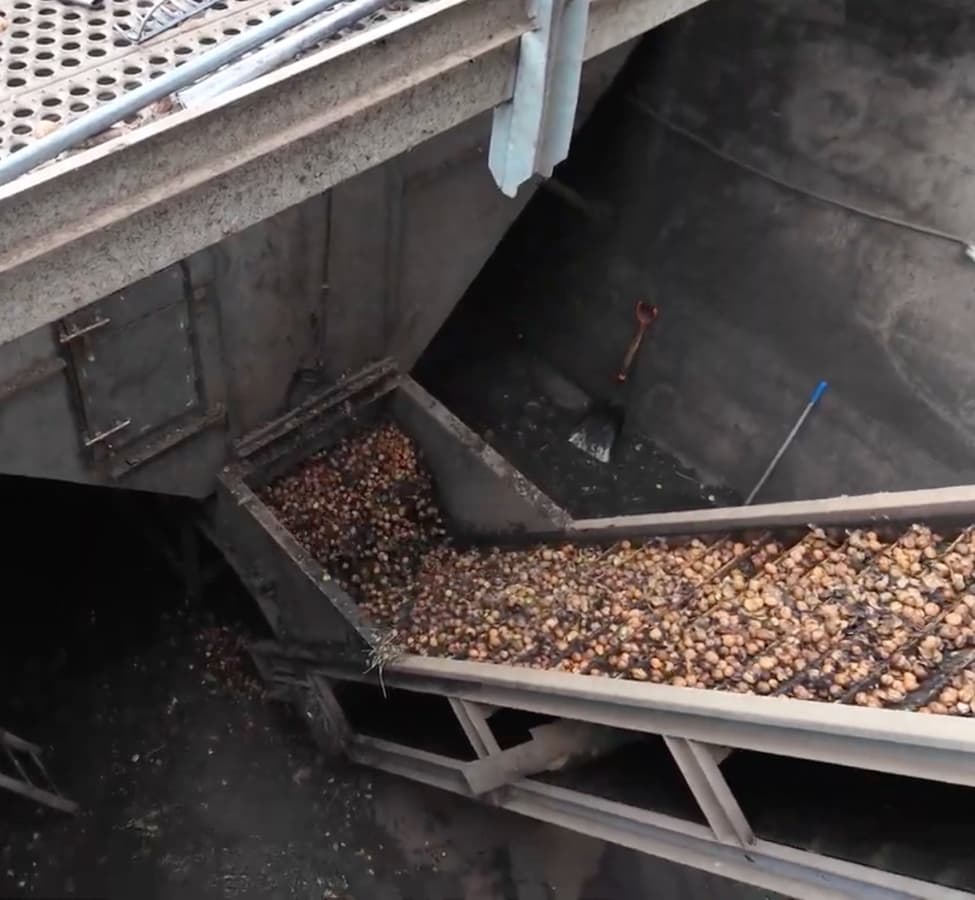
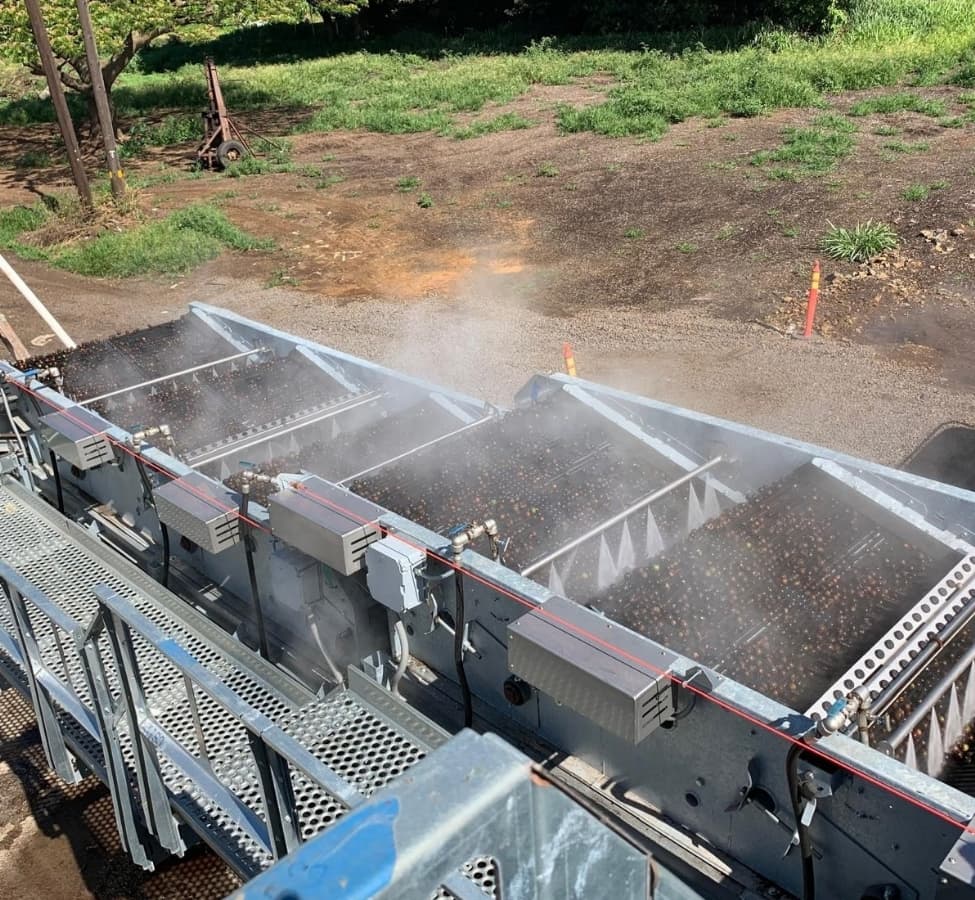
No local source found describes how almonds are hulled, dried, stored or cracked. In this workflow, promptly picked or frame-caught almonds are hulled while the hulls are fresh and then dried in the shell. University of California guidance (2026) advises against stockpiling nuts with hull moisture above 12%, kernel moisture above 6% or total fruit moisture above 9%, as mold and concealed damage can reduce quality.
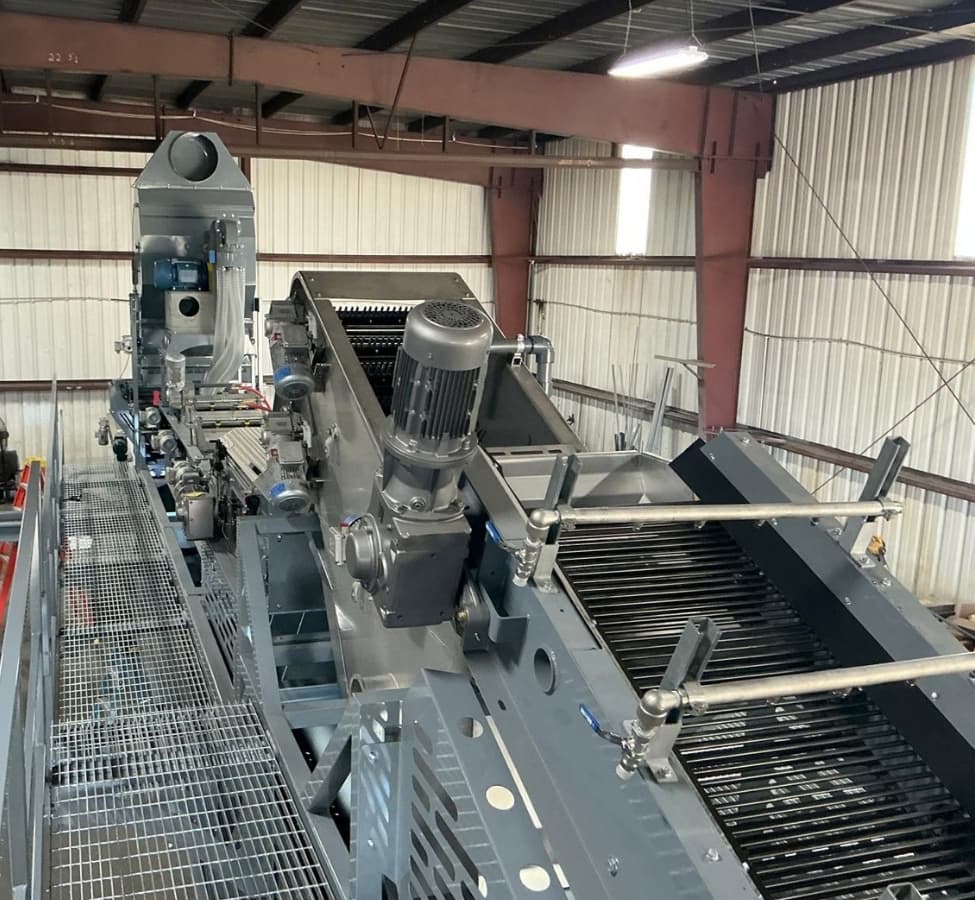
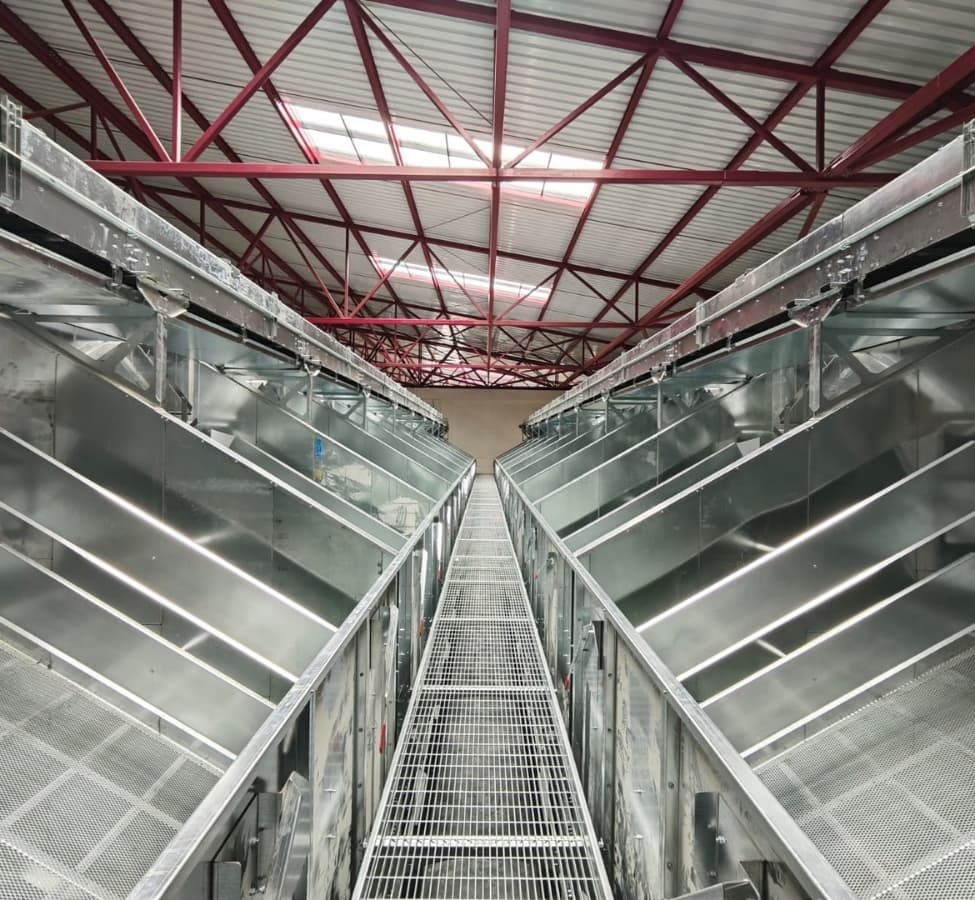
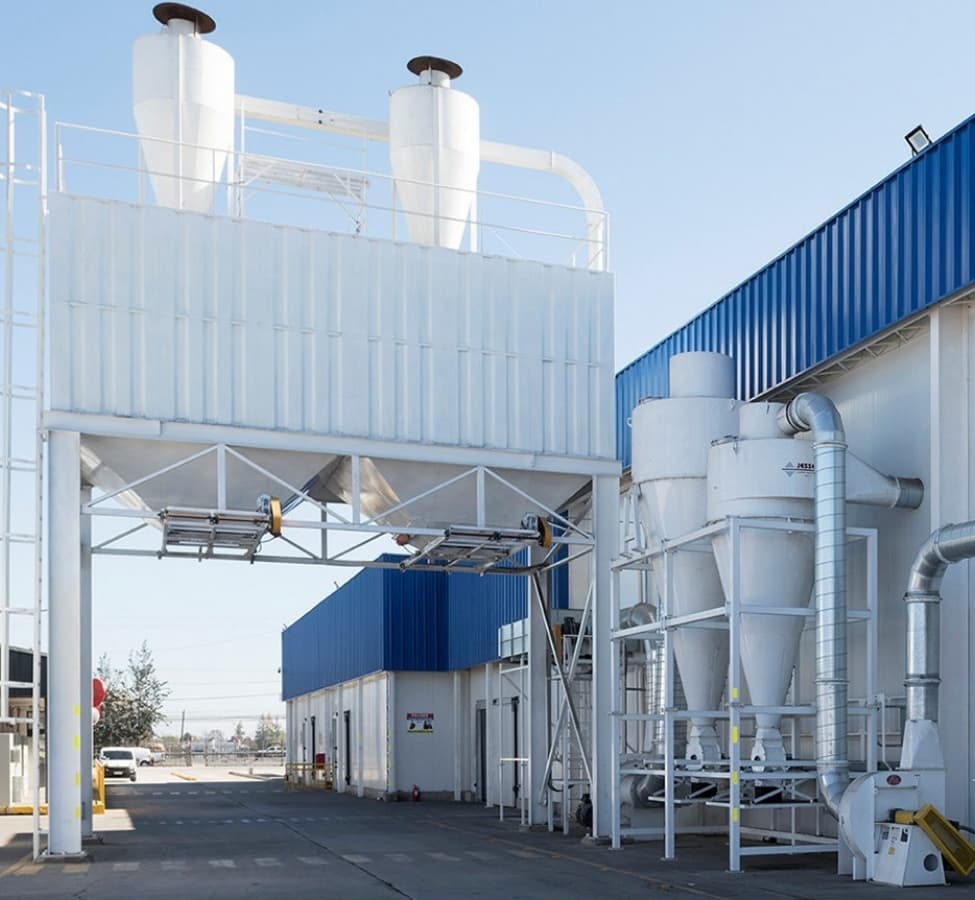
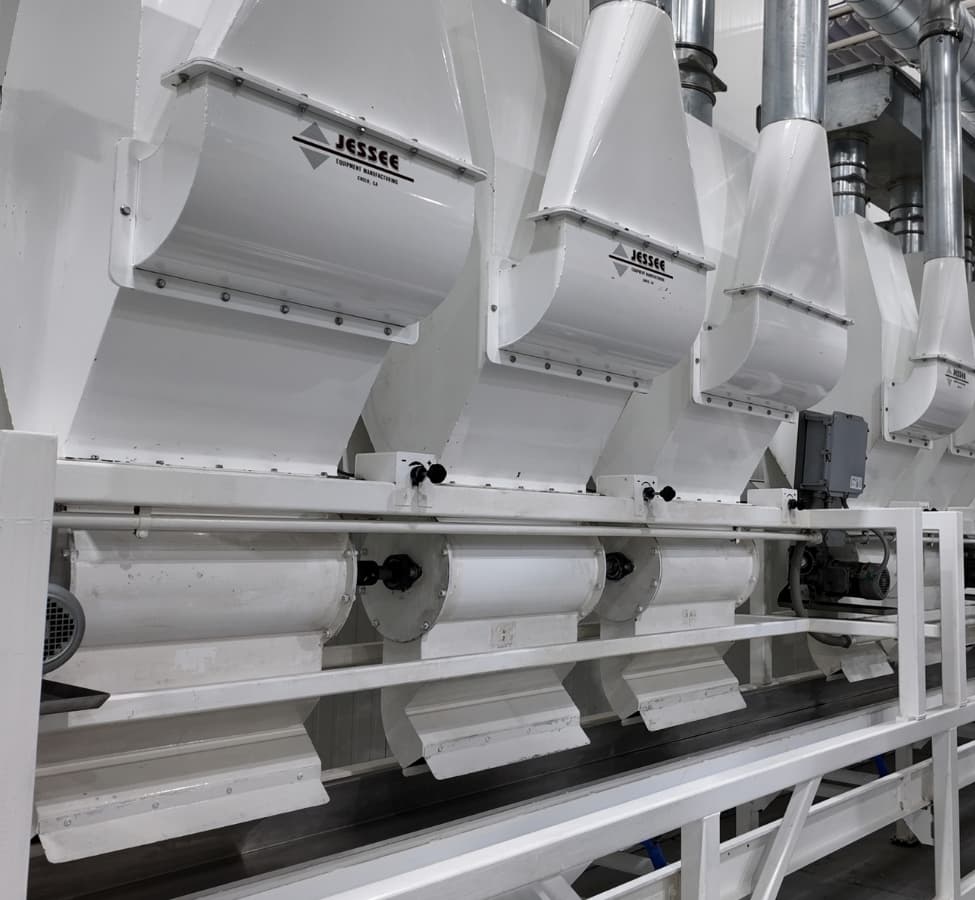
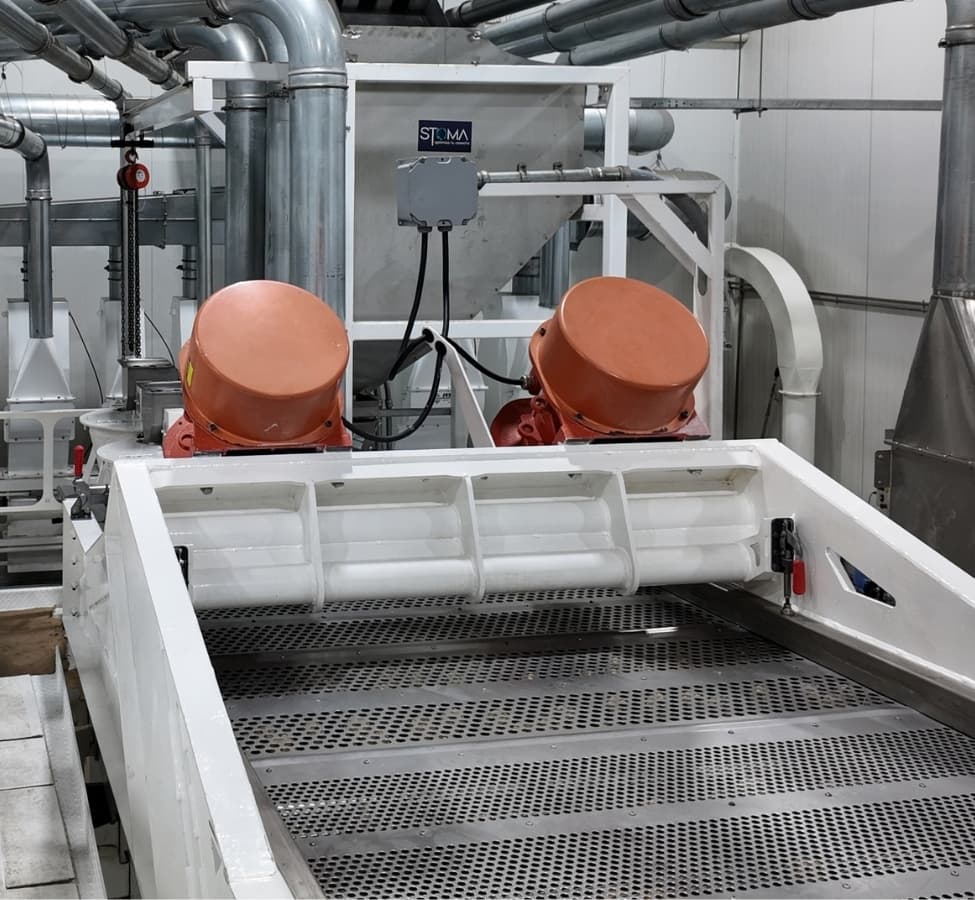
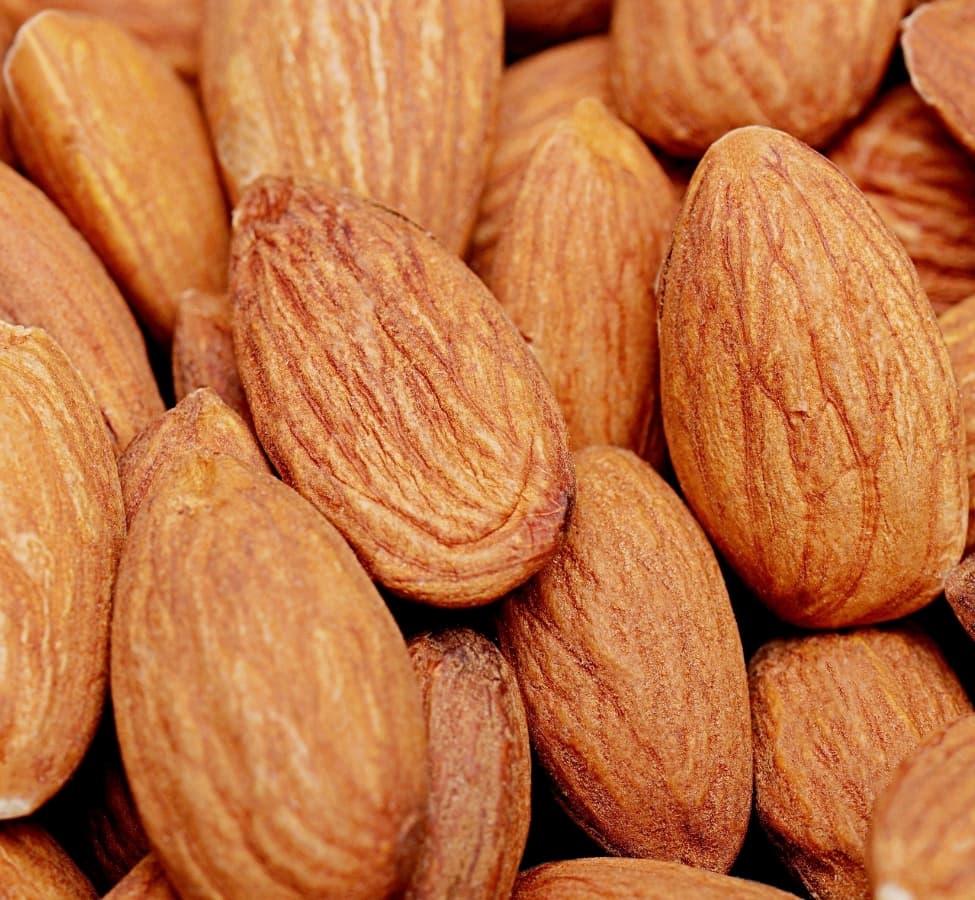
Bosnia and Herzegovina trades almonds mostly as kernels: in 2025 it imported 684.8 t of shelled almonds against 1.2 t in shell and exported 18.3 t of shelled almonds, mostly to Montenegro (UN Comtrade via WITS). Jessee, whose processing lines OVE Europe supplies, builds hulling, drying, in-shell cleaning and sizing, and shelling systems; its Airlegs nut cleaner was developed for the almond industry.
The country's 2014 rulebook on contaminants in food sets 8.0 µg/kg of aflatoxin B1 and 10.0 µg/kg in total for almonds for direct consumption or use as an ingredient, and 12.0 and 15.0 µg/kg for almonds to be sorted or otherwise treated first. These are the same values as in Regulation (EU) 2023/915 for almonds sold in the EU.
For general information only. Information may become outdated and does not replace site-specific professional advice. Consult a qualified agronomist and confirm equipment suitability with OVE before acting.

Practical Tips for Almond Post-Harvest Handling & Processing
Hull promptly picked or frame-caught almonds while the hulls are fresh, then dry the nuts in the shell before storage.
Do not stockpile wet almonds: University of California guidance sets limits of 12% hull, 6% kernel and 9% total fruit moisture.
Measure moisture in samples from each lot, and keep lots apart by cultivar and block in a dry, clean store.
Sort kernels by size and defects before sale: local kernels compete with the 684.8 t of shelled almonds imported in 2025.
Test kernels against the national aflatoxin limits: 8.0 µg/kg of B1 and 10.0 µg/kg in total for almonds for direct consumption.
Keep each lot's cultivar, block, harvest date and test results together, so buyers can trace every lot.
Recommended Post-Harvest Handling & Processing Stages
Plan your post-harvest line
Estimate tons/day, cleaning & drying capacity, storage needs, and cost/kg—then build your equipment plan in phases.