


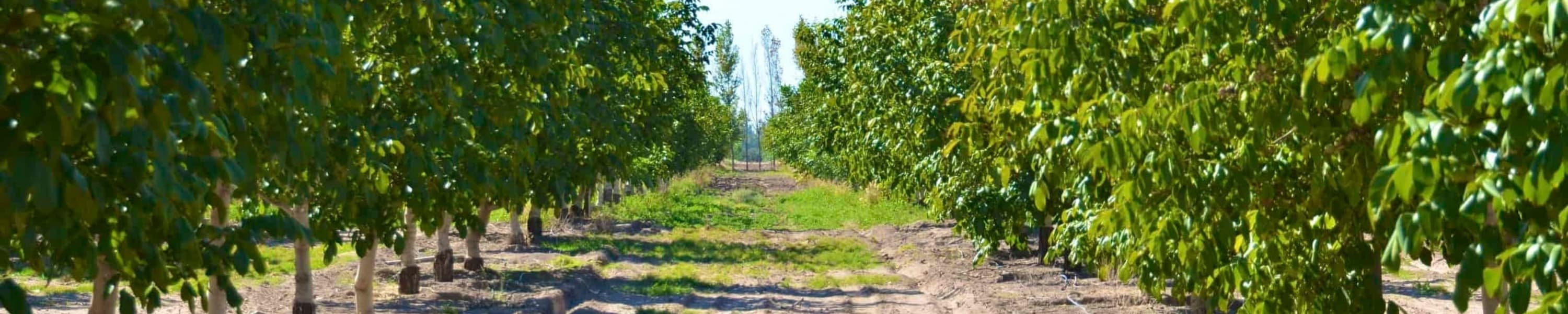




Walnut Orchard Establishment in Bosnia and Herzegovina
Bosnia and Herzegovina has a continental climate in the north, a mountain climate in the center and a Mediterranean climate in Herzegovina (Federal Hydrometeorological Institute). In the continental north, mean annual temperatures are 9.6 to 11.4 °C and the frost-free period lasts 174 to 206 days; precipitation reaches 1,000 to 1,500 mm in the north-west but stays under 800 mm around Bijeljina, Orašje and Bosanski Šamac. In the mountain zone, late spring frosts are frequent.
Spring frost is the main climate risk for walnut. In Una-Sana Canton, frosts during walnut flowering are frequent, and researchers name them as the reason for poor fruit set there (Skender et al., 2020). Leafing dates vary widely between years: at Bihać, Zenica and Livno, first leaves came 10 to 31 days earlier in 2017 and 2024 than in 2022 and 2023 (Federal Hydrometeorological Institute), so choose late-leafing cultivars and sites where cold air drains away.
Grafted orchards are recent, and cultivar evidence is still thin. A 2020 to 2021 trial on Majevica compared Chandler, Franquette, Fernor and Fernette and recommended Chandler and Franquette for further planting (Salkić et al., 2022). Common walnut seedlings remain the usual rootstock, and a University of Sarajevo chapter advises spacing such as 10 × 10 m or 9 × 7 m for terminal-bearing cultivars and 7 × 5 m or 6 × 4 m for lateral-bearing ones (Behmen, 2026).
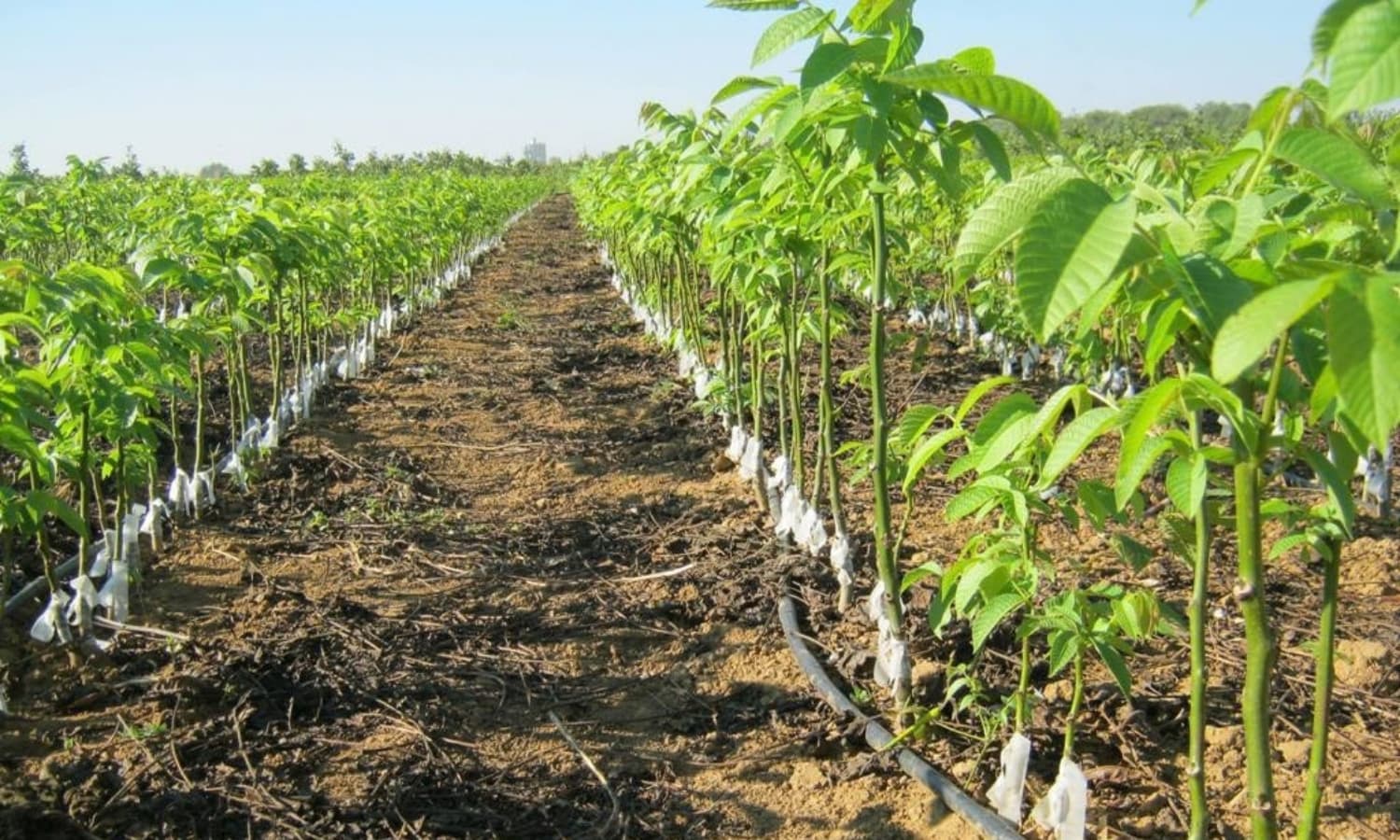

Practical Tips for Walnut Orchard Establishment
Plant on gentle slopes where cold air drains away, not in frost pockets; frosts during flowering are frequent in parts of the north-west.
Choose late-leafing cultivars and pollinizers whose flowering overlaps, since walnut male and female flowers often open at different times.
Plant grafted trees of named cultivars; local seedling trees vary widely in nut and kernel quality.
Buy trees of varieties entered in the national variety list, as the 2013 rules on fruit planting material require.
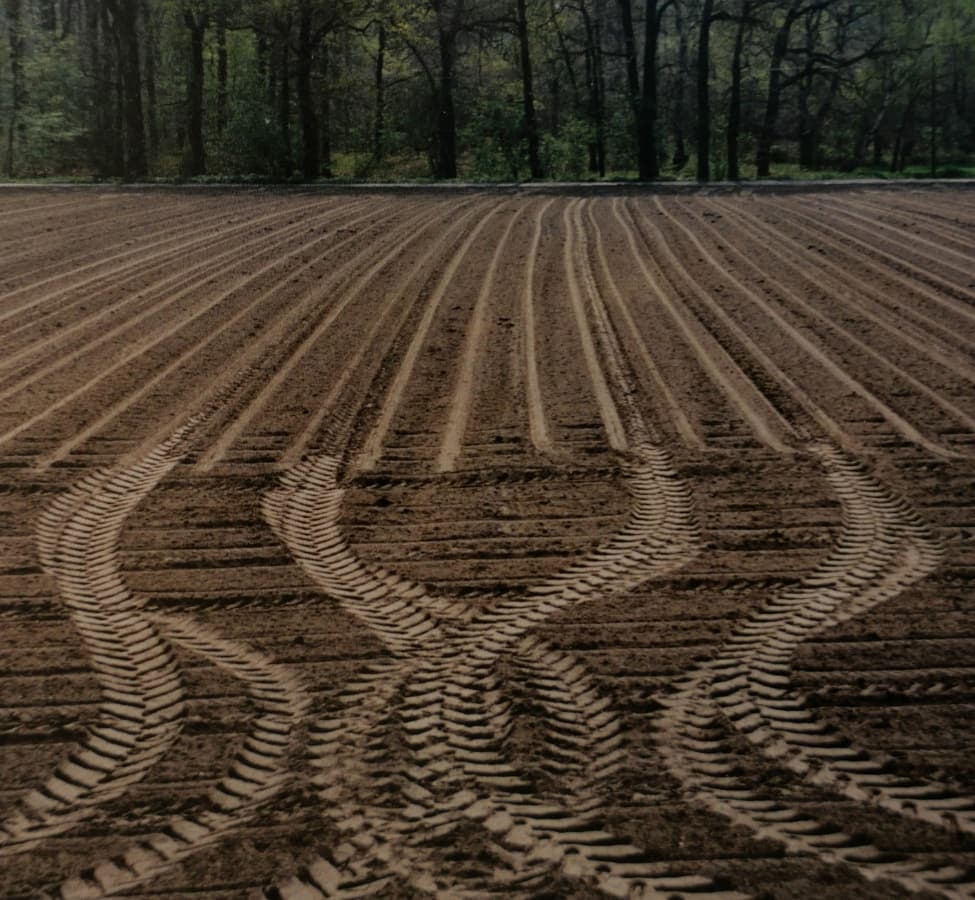
Rip the soil to 60 to 80 cm in two directions while it is dry, as a University of Sarajevo chapter on nut orchards advises.
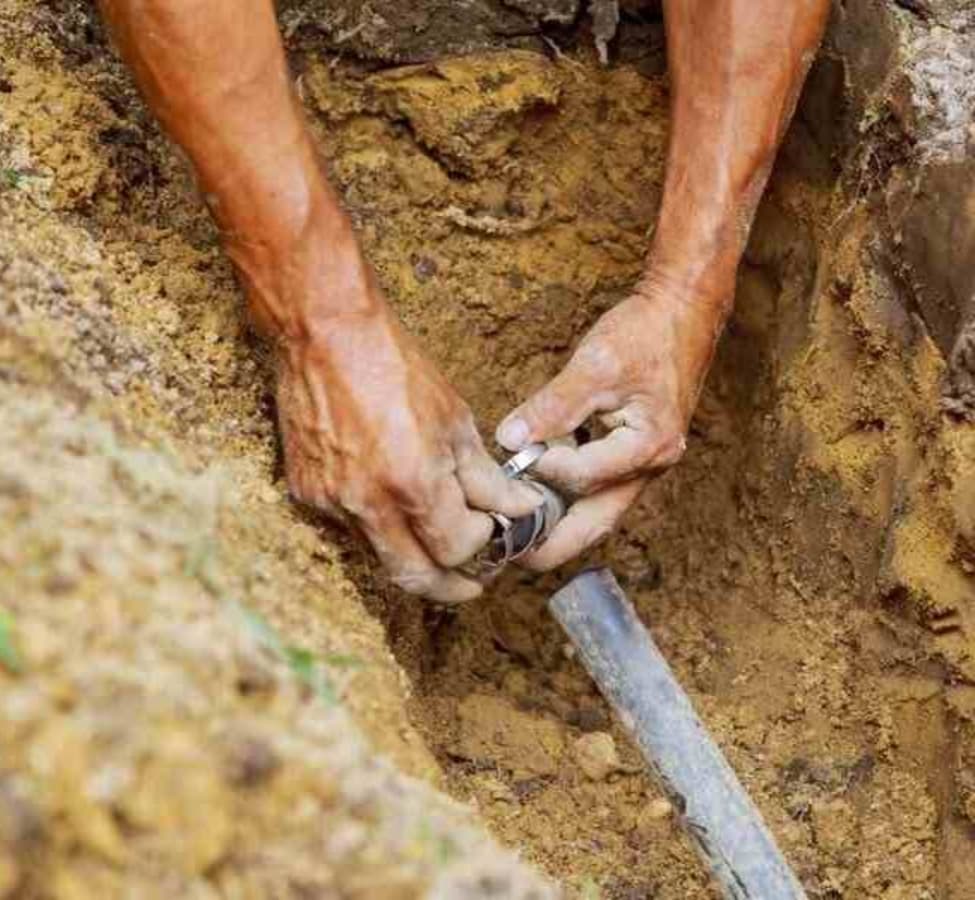
Secure water before planting: at the Federation's weather stations, 2024 was the warmest year since official measurements began in the country.
Recommended Establishment Stages




Walnut Orchard Care & Maintenance in Bosnia and Herzegovina
Walnut husk fly (Rhagoletis completa) was first reported in the country in a 2014 paper by Ostojić, Zovko and Petrović, and EPPO lists it as present. Data on its spread are scarce, but in 2021 a grower near Prijedor reported damage: infested husks blacken and are very hard to clean by hand. Regional advisory guidance is to hang yellow sticky traps in the canopy from the end of June and to collect infested fruit before the larvae leave it.
EPPO lists no record of walnut blight or codling moth for the country, a gap in the records rather than proof of absence. Against blight, regional advice is to keep crowns airy and collect diseased leaves, since rainy weather favors the disease. In 2018, early estimates said bark beetles had destroyed almost all walnut plantings along about 10 km of Gradiška Posavina; a forestry engineer advised irrigating and fertilizing to keep trees vigorous and cutting off infested branches.
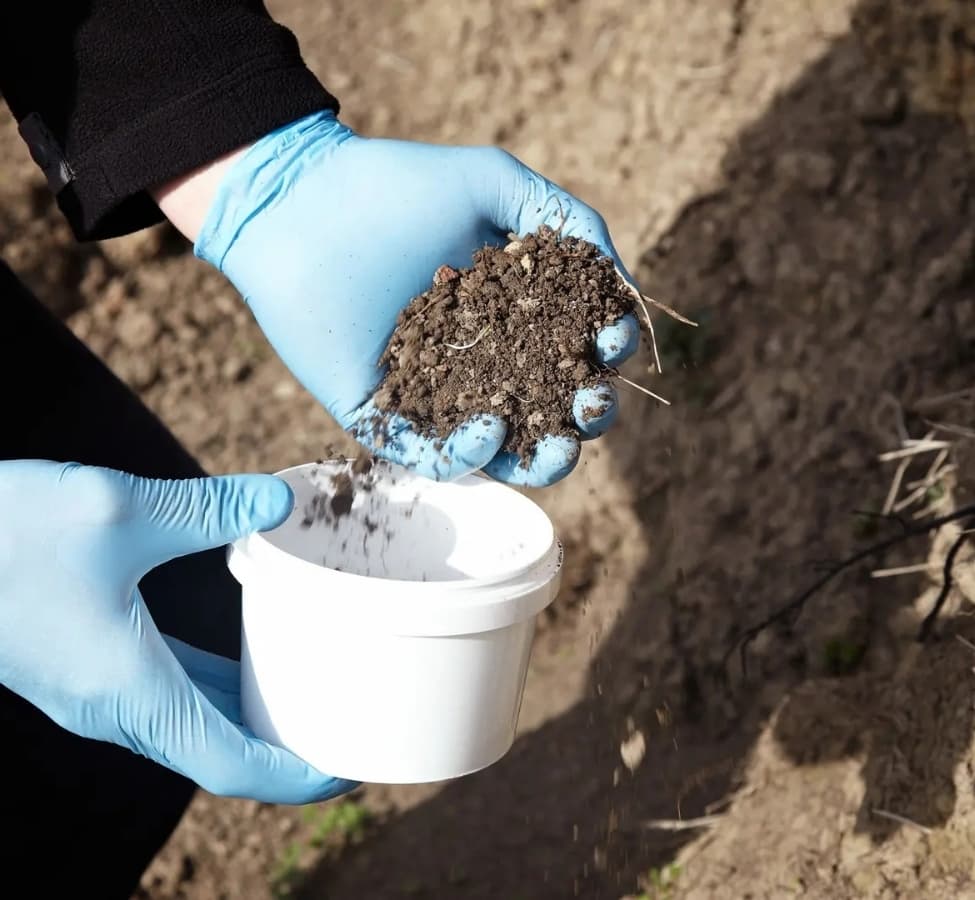
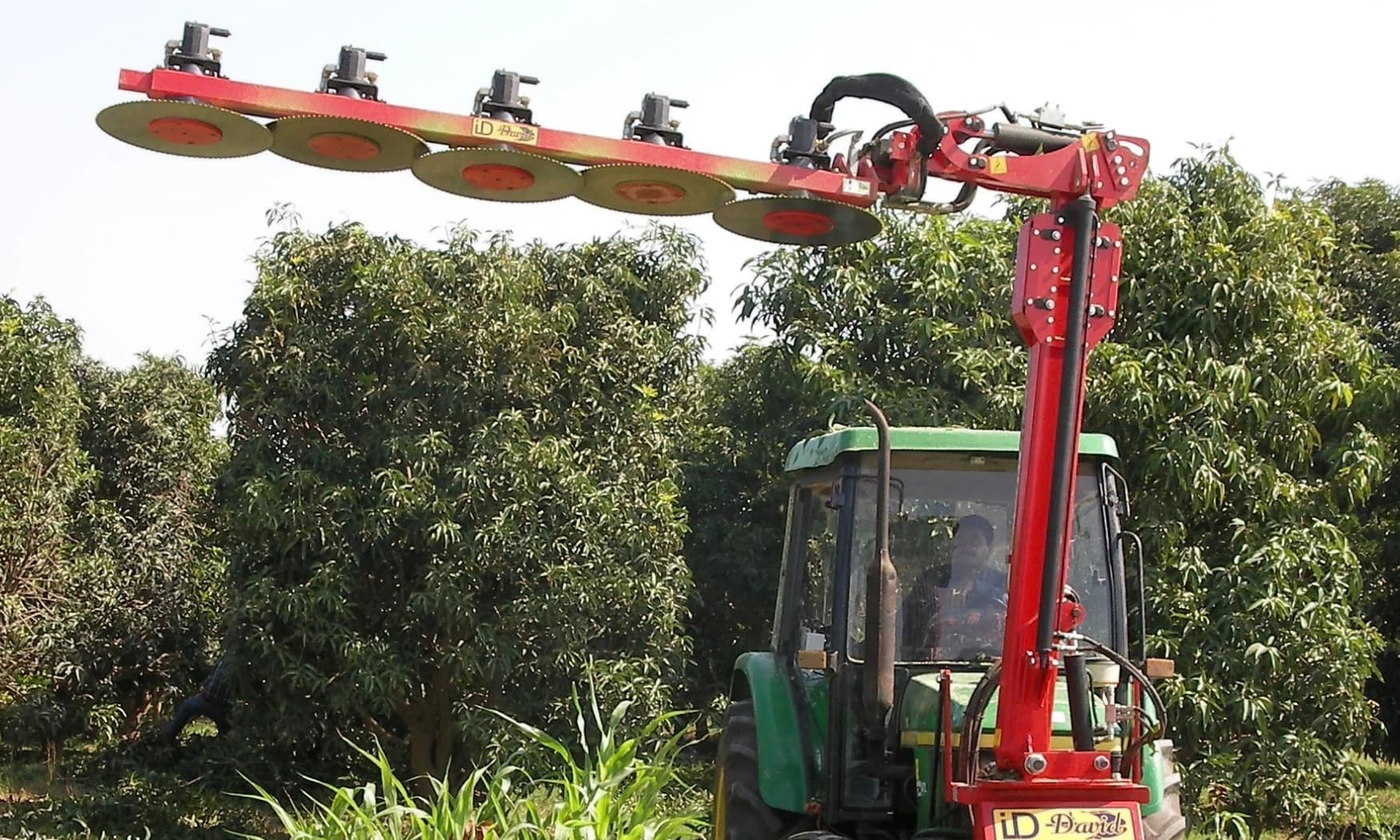
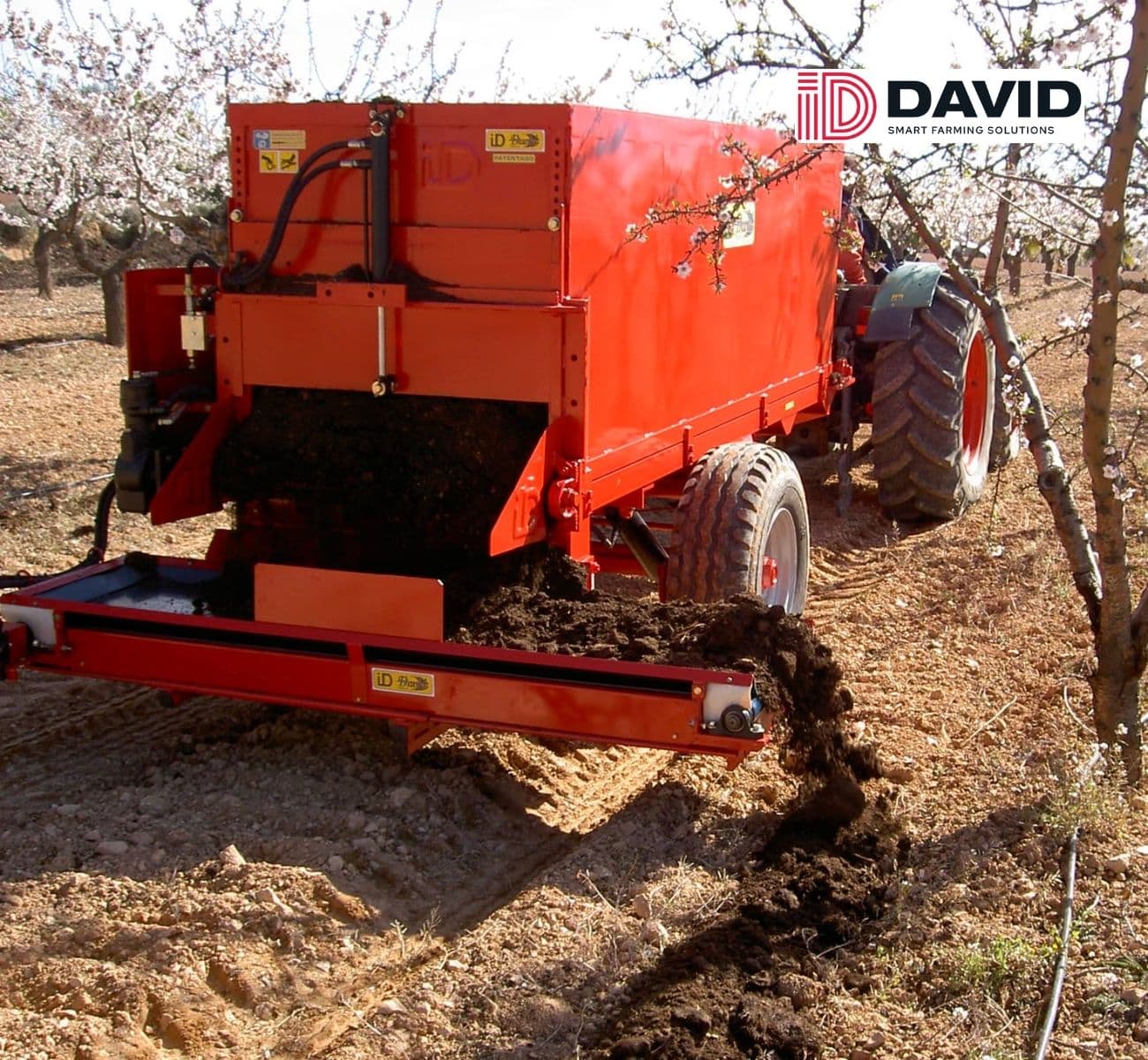
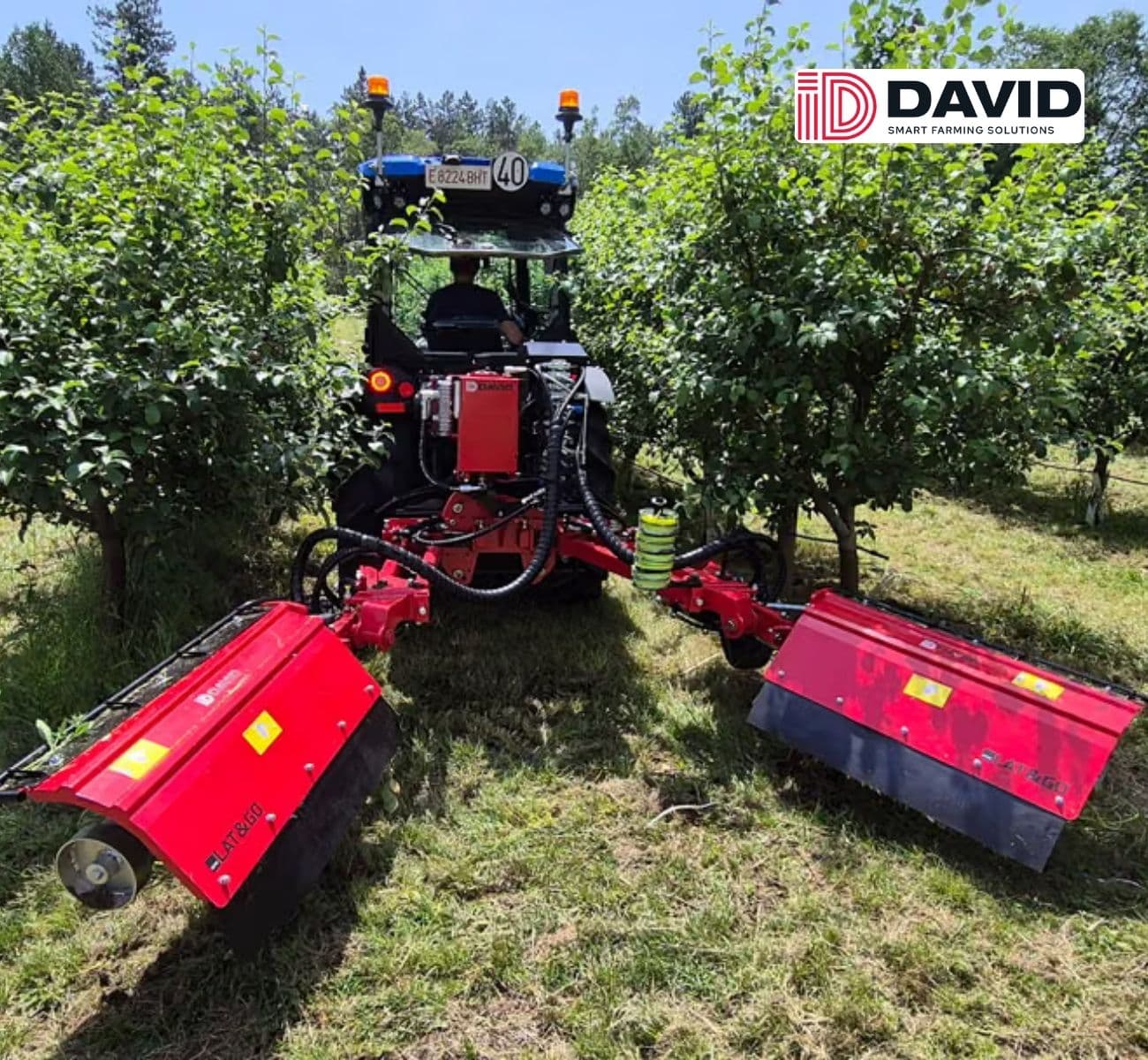
At the Federation's weather stations, 2024 was the warmest year since official measurements began in Bosnia and Herzegovina, and the long drought of 2026 marked the size and quality of yields of most crops in the Federation (Federal Hydrometeorological Institute). Irrigate young trees through dry spells, base fertilizer on soil analysis, train trees to one straight trunk with room for a shaker clamp, and mow and level the orchard floor before harvest.
Recommended Orchard Care & Maintenance Stages



Practical Tips for Walnut Orchard Care & Maintenance
Hang 2 to 3 yellow sticky traps per hectare in sunny parts of the canopy from late June, and check them two to three times a week.
Collect infested and fallen nuts before the larvae leave them, so fewer husk flies emerge the next year.
Keep crowns open and collect diseased leaves, since rainy weather favors walnut blight.
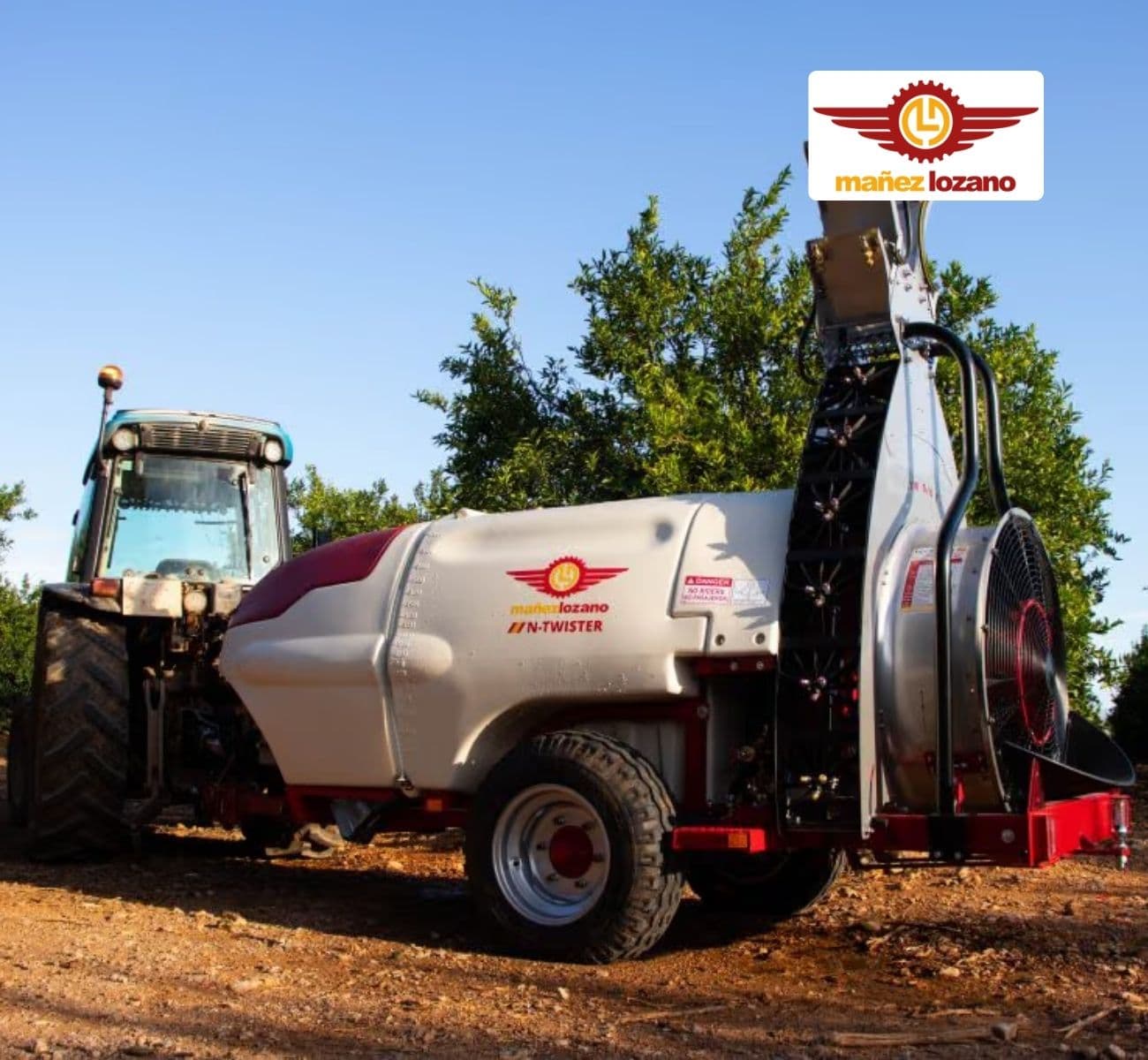
Follow codling moth flights with pheromone traps and spray only when catches justify it, not by the calendar.
Keep trees vigorous with water and nutrients, and cut off branches with bark beetle damage, as a forestry engineer advised in Gradiška.
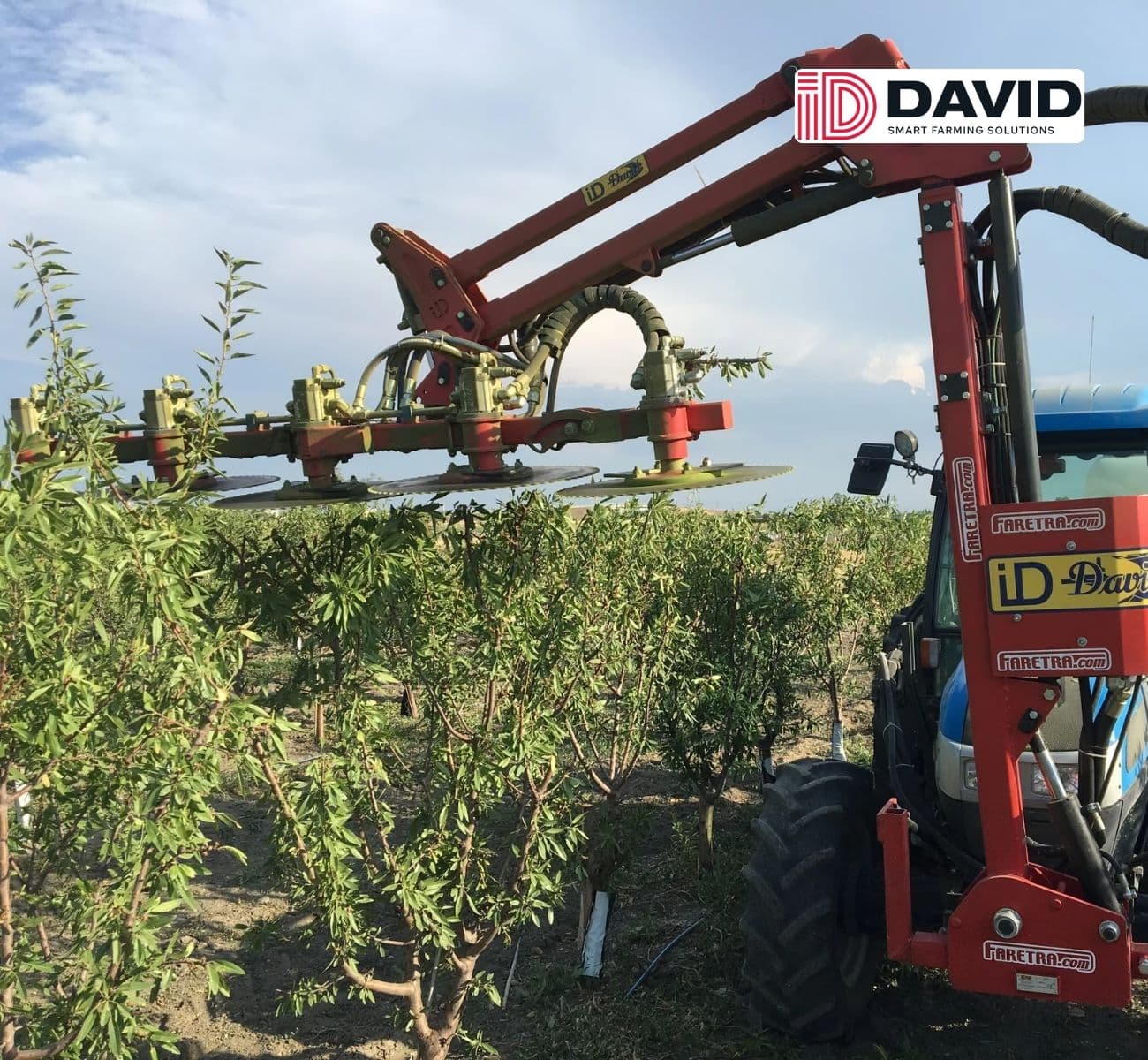
Prune so each tree keeps a clear trunk for the shaker clamp and an open, well-lit crown.

Walnut Harvesting in Bosnia and Herzegovina

Official phenological observations of walnut trees at stations in the Federation recorded harvest between 14 September and 24 October in 2017 and 2022 to 2024: mostly from mid-September to mid-October at lower stations and Mostar, and from late September to late October at higher ones such as Drvar, Livno and Sarajevo (Federal Hydrometeorological Institute). On farms, documented practice is manual: a grower near Prijedor gathers with family help and does not wait for nuts to drop, because birds and squirrels take them first.
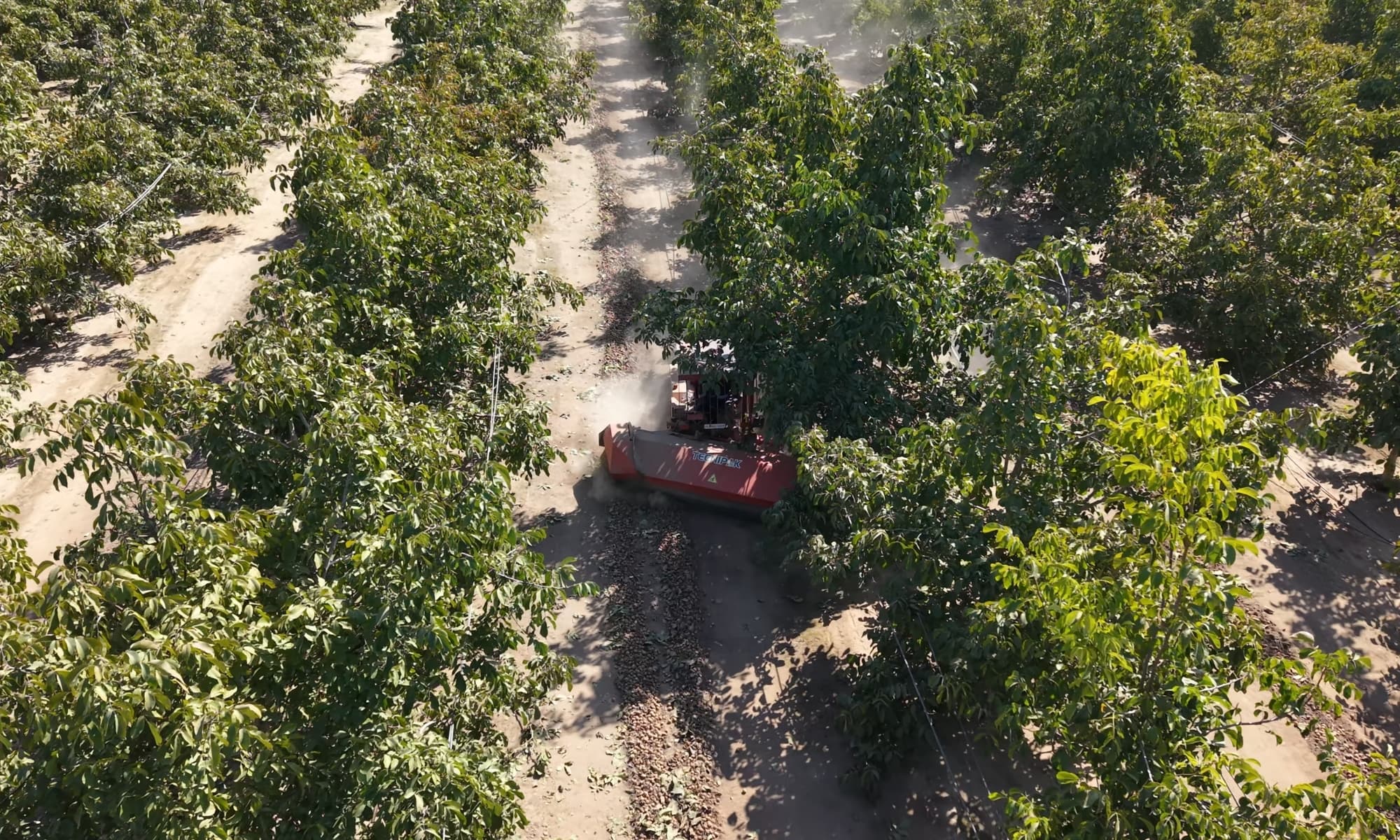
Shake when hulls split and the packing tissue between the kernel halves has just turned brown, when kernels are lightest and most valuable (University of California). Pick up, hull and dry the nuts quickly: most quality loss happens in the first 9 hours after harvest, and kernels darken faster in warm weather. Plan blocks so that each can be shaken, swept and picked up on the same day.
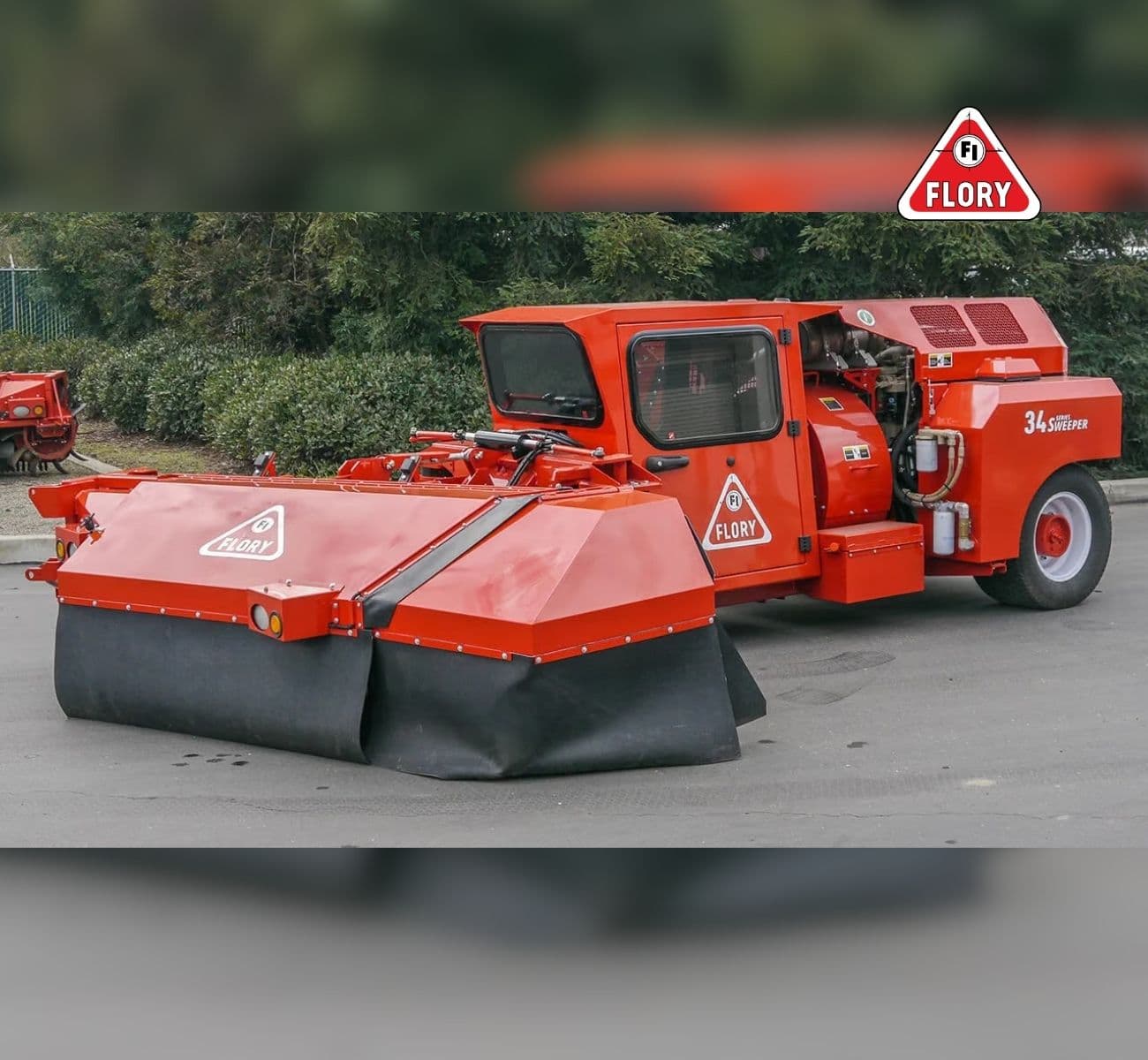
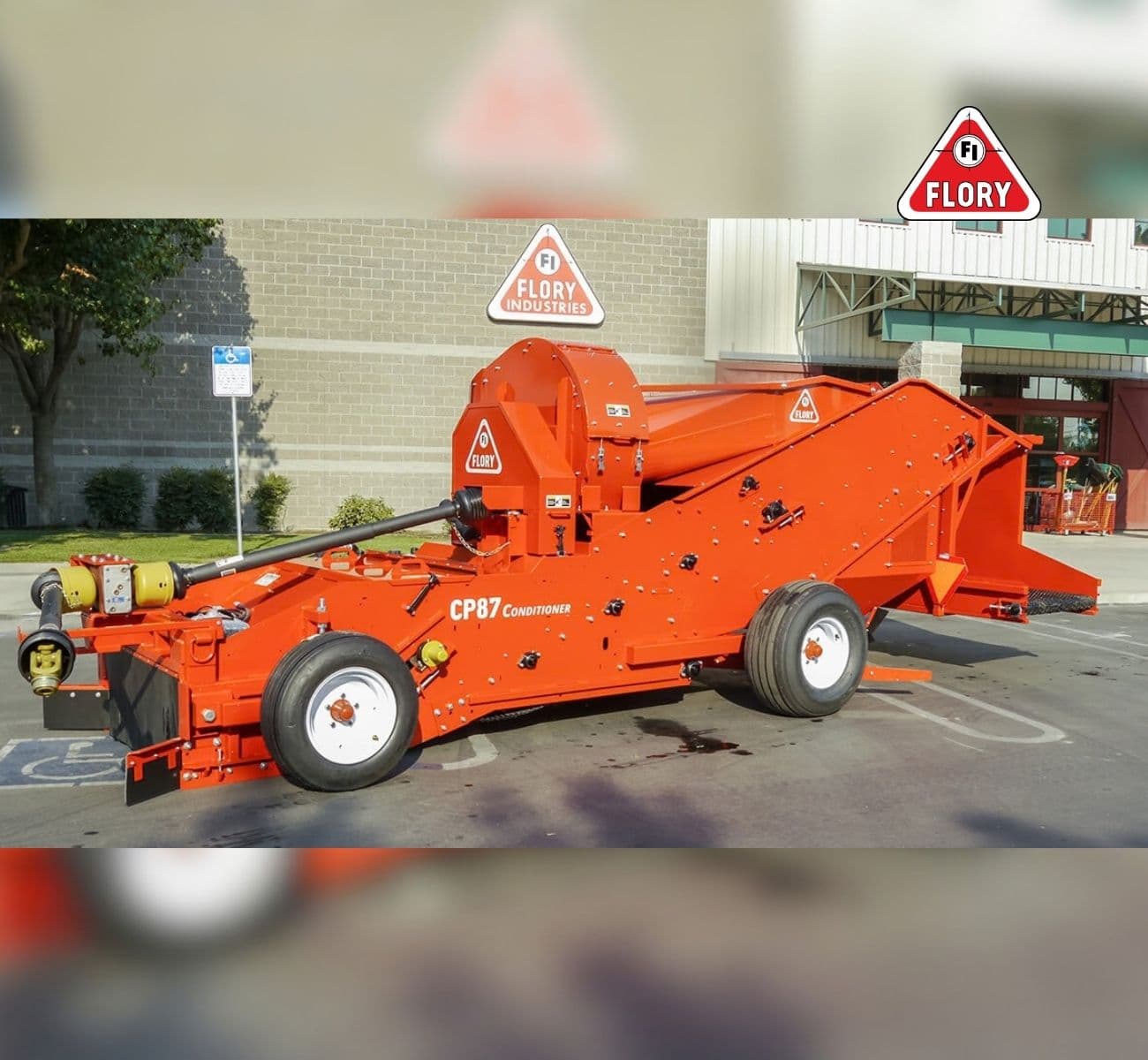
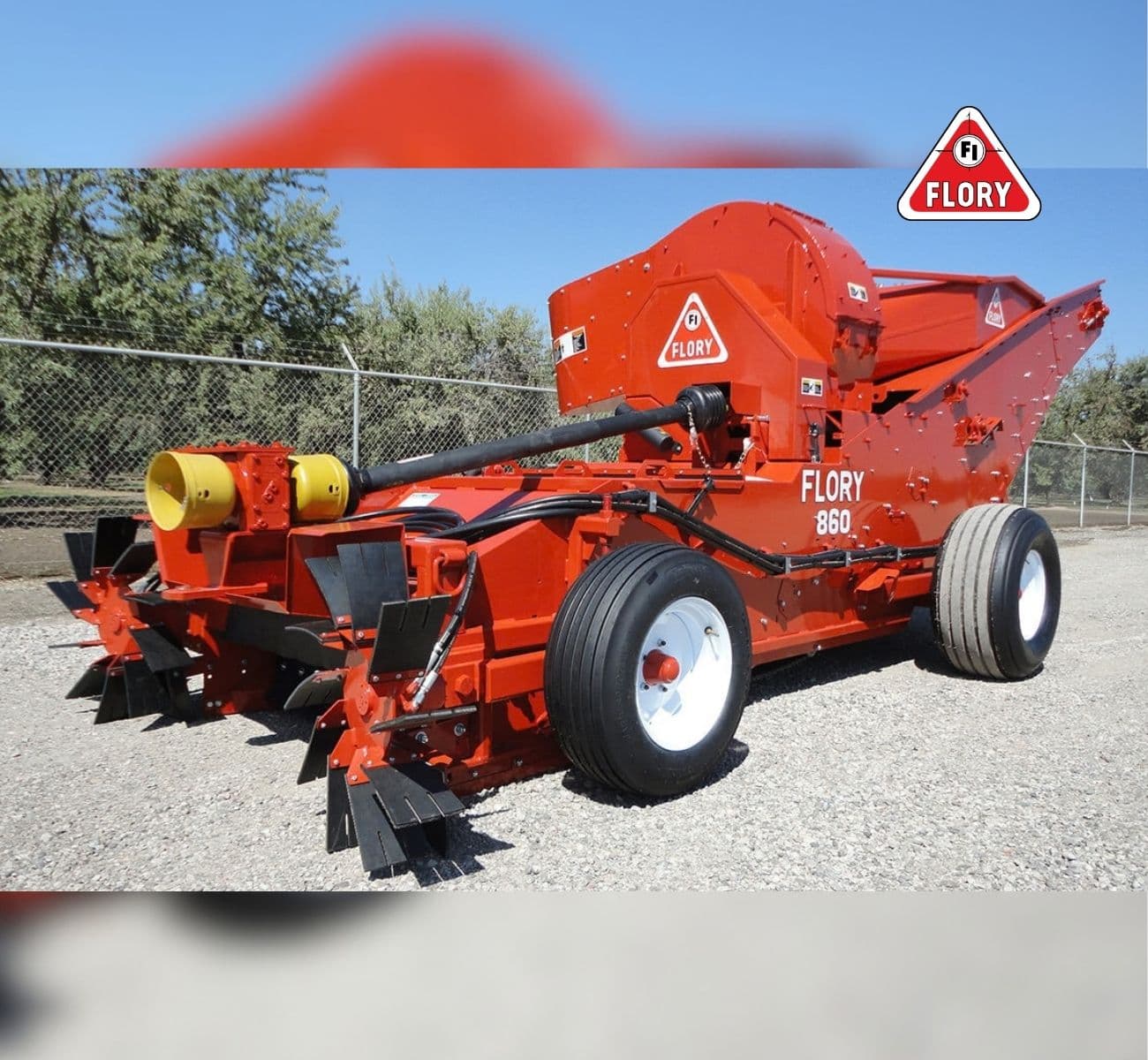
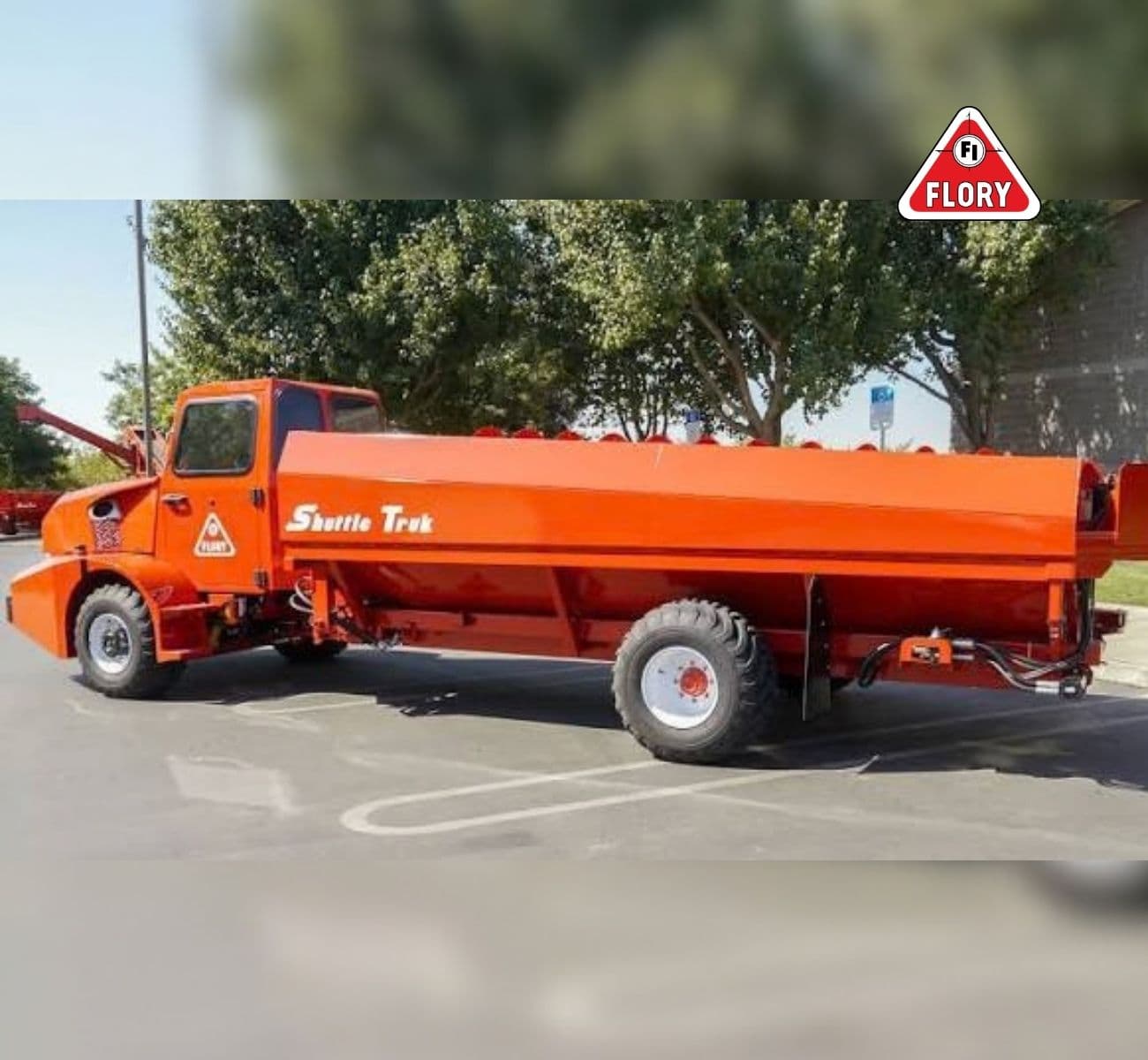
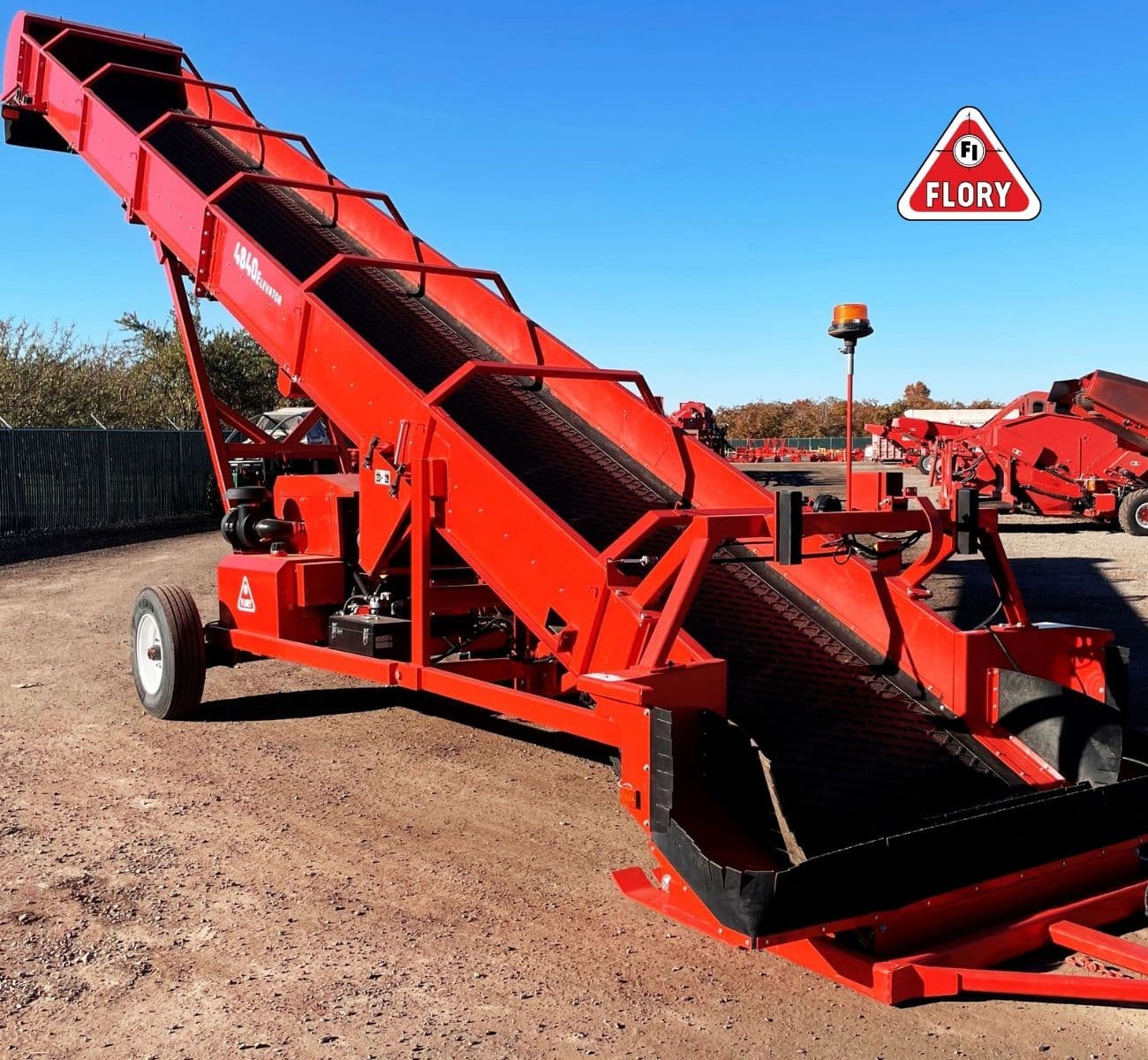
Mechanized walnut harvesting is not yet documented in the country. For new grafted orchards, a mechanized line shakes, sweeps and picks up each block on time, so nuts wait less on the ground and fewer hands are needed; a working group for the Federation's agriculture strategy names labor shortages and the emigration of younger workers. The line runs from a trunk shaker and sweeper to a harvester, conveyor cart, shuttles and a field elevator, and Flory harvesting machinery is available in Bosnia and Herzegovina through OVE Europe.
Walnut Harvest Workflow (Recommended Equipment)


Practical Tips for Walnut Harvesting
Shake when most hulls have split and the packing tissue has browned, block by block as the trees ripen.
Expect harvest from mid-September at low sites to late October in the uplands, and plan machine work block by block.
Gather every day during harvest: birds and squirrels take nuts left on the ground, and quality falls within hours.
Before harvest, mow, remove fallen branches and level the floor, so the sweeper and harvester take in less debris.
Check clamp pads and shaking time on young trees before the season to avoid bark damage.
Agree on hulling and drying capacity before harvest, so full shuttles can unload the same day.
Get your recommended harvest setup
Enter orchard size, spacing, terrain, and target throughput—we’ll suggest a practical harvest workflow and equipment lineup.

Walnut Post-Harvest Handling & Processing in Bosnia and Herzegovina
Local sources say little about hulling and drying beyond small farms: a grower near Prijedor built a husk remover from an old washing-machine drum, with brushes and water, that cleans about 50 kg an hour, up to ten times faster than by hand. For larger lots, general guidance applies: dry the nuts to 8% moisture, measured on the whole nut, with air no hotter than 43 °C, since hotter air darkens kernels and shortens storage life (University of California).
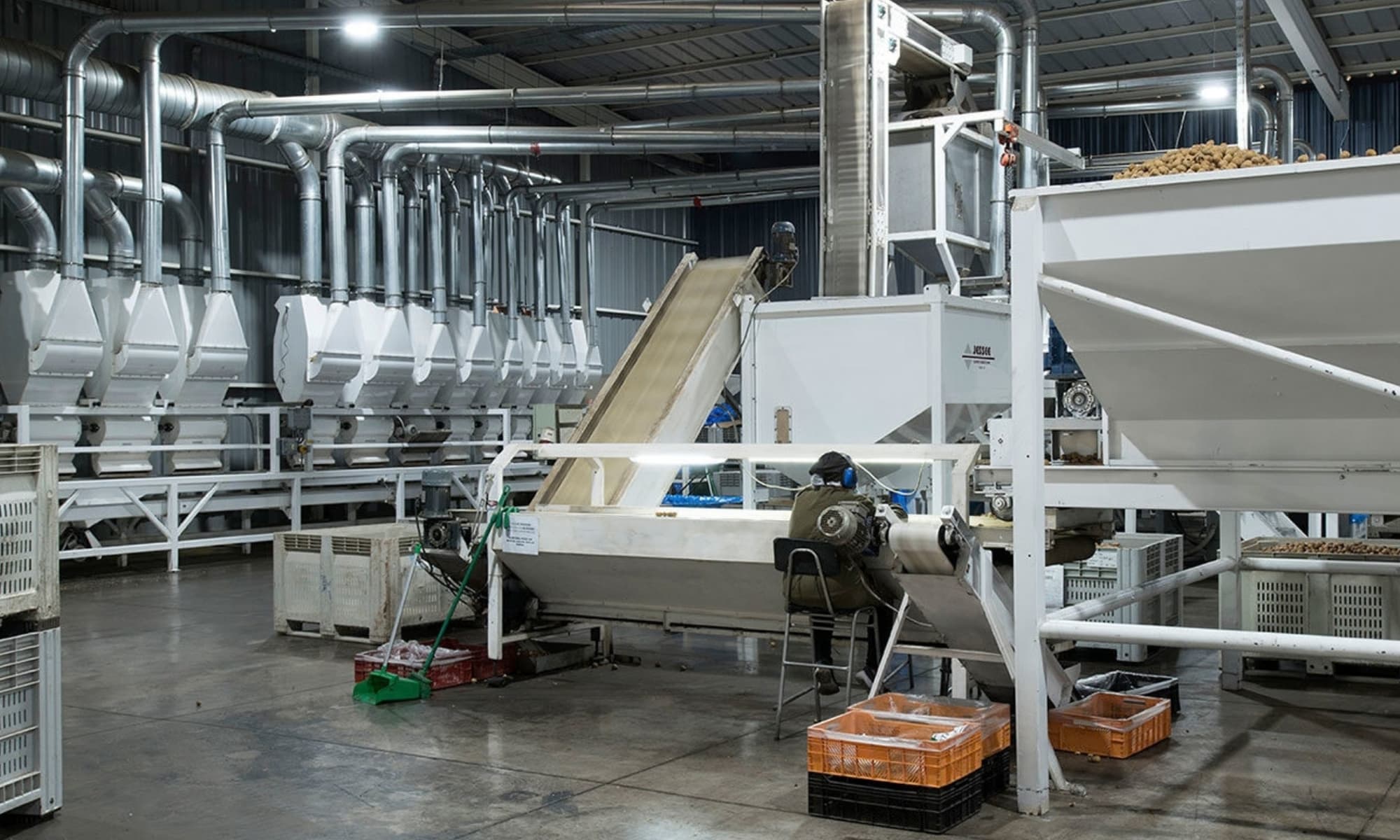
Store dried nuts cool and dry: a University of Sarajevo chapter on nut crops gives 0 to 5 °C and 50 to 60% relative humidity (Behmen, 2026). Bosnia and Herzegovina imported about 1,800 t of walnut kernels a year in 2024 and 2025, so light, evenly dried domestic kernels have a market. Jessee, whose processing lines OVE Europe supplies, builds hulling, drying, in-shell cleaning and sizing, and cracking equipment for walnuts, and rates its standard hulling lines at 10 to 30 tons of output per hour.
For general information only. Information may become outdated and does not replace site-specific professional advice. Consult a qualified agronomist and confirm equipment suitability with OVE before acting.
Practical Tips for Walnut Post-Harvest Handling & Processing
Hull the nuts as soon as possible, ideally on harvest day; the longer hulls stay on, the more nut quality deteriorates.
Wash the nuts right after hulling and start drying the same day, in thin layers or a dryer with good air flow.
Measure moisture on whole nuts and stop drying at about 8%; drying further only loses saleable weight.
Keep drying air at 43 °C or below, because hotter air darkens kernels and shortens their storage life.
Store dried nuts at low temperature and about 50 to 60% humidity, as a University of Sarajevo chapter on nut crops suggests.
Keep each cultivar and block as a separate lot, and sort out dark, moldy and empty nuts before sale.
Recommended Post-Harvest Handling & Processing Stages









Plan your post-harvest line
Estimate tons/day, cleaning & drying capacity, storage needs, and cost/kg—then build your equipment plan in phases.