


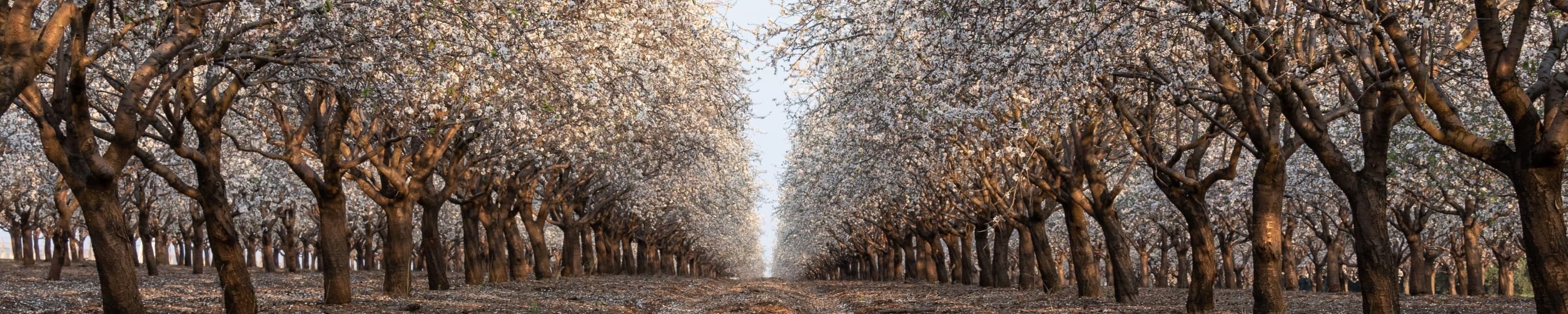




Almond Orchard Establishment in Bulgaria
The Ministry of Agriculture and Food's 2023 orchard survey counted 989 holdings with 2,554 ha of almonds (about 2.6 ha each on average): Burgas held 888 ha (34.8%), Haskovo 802 ha (31.4%), Sliven 326 ha and Yambol 142 ha. About two thirds of the area was in plantings 4 to 11 years old, and 82% had fewer than 600 trees per hectare.
Bulgaria has bred its own almond cultivars. A 2014 review by researchers at the Fruit Growing Institute Plovdiv and two experimental stations lists cultivars zoned in 1965, 1983 and 1989, among them Primorski, Asparuh and Nikitski 584, and describes Start, bred at the Pomorie station, as very late-blooming, early-bearing and productive. At the time, the Pomorie collection held 115 cultivars, 187 hybrids and 58 elites.
In the 2017 orchard survey, Nikitski cultivars covered 19.9% of the almond area, Nonpareil 16.4%, Asparuh 14.1%, and Start and Primorski 10.5% each. The Fruit Growing Institute's nursery describes Supernova as self-fertile with medium-late bloom and lists Nonpareil and Asparuh among the pollinizers for Nikitski.
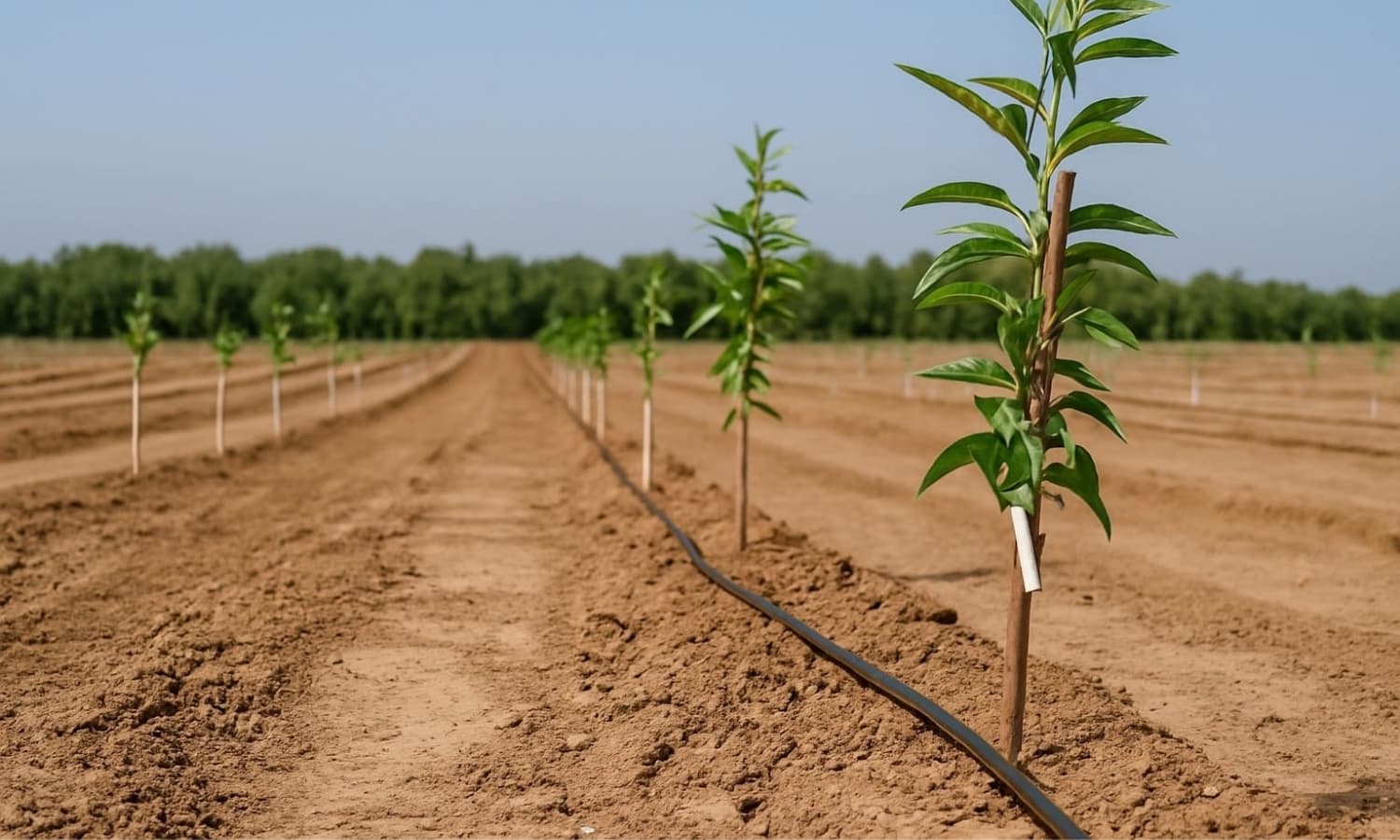

Practical Tips for Almond Orchard Establishment
Favor late-blooming cultivars: a 2014 review calls Start, bred at the Pomorie station, very late-blooming, and Primorski the standard latest-blooming cultivar.
Check frost risk at bloom: in March 2025, almonds in parts of the south-east were at flower bud and early bloom when minima fell below -3 to -4 °C.
Pair Nikitski with pollinizers such as Nonpareil or Asparuh, as listed by the Fruit Growing Institute's nursery, or plant a self-fertile cultivar such as Supernova.
Bud trees high enough for shakers: University of California guidance places the bud at about 61 to 71 cm, above the shaker's grip at 48 to 56 cm.
Design irrigation before planting where water allows: USDA's office in Sofia named the 2025 summer drought as the main cause of an expected fall in nut output.
Plan rows, headlands and tree form for the shaker, sweeper and harvester before planting, and check trunk clearance with OVE Europe.
Recommended Establishment Stages
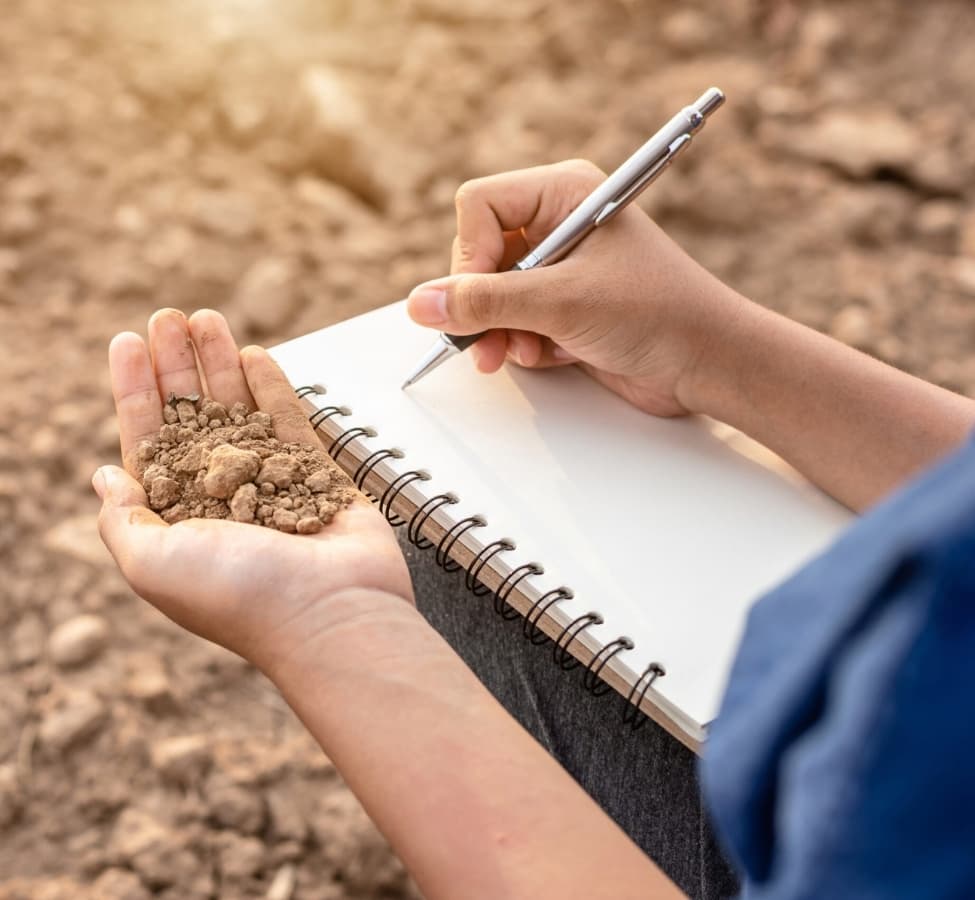




Almond Orchard Care & Maintenance in Bulgaria
The Ministry of Agriculture and Food reports that in 2025 the almond harvested area fell 73% on 2024, while the average yield rose 4%. USDA's office in Sofia expected nut production to fall that year and named the severe 2025 summer drought as the main cause. A 2014 review mentions micro-sprinkler irrigation research for almond, but no national data on irrigated almond area was found.
EPPO lists the almond seed wasp as present in Bulgaria on a 1991 reference and peach twig borer with a restricted distribution on 1993 information, and a 1960 Bulgarian study, cited in a 2022 paper, reported seed wasp losses of up to 50% of the yield. NIMH bulletins linked cool, wet weather in September 2022 to late infection and in September 2024 to a higher risk of rot in unharvested crops.
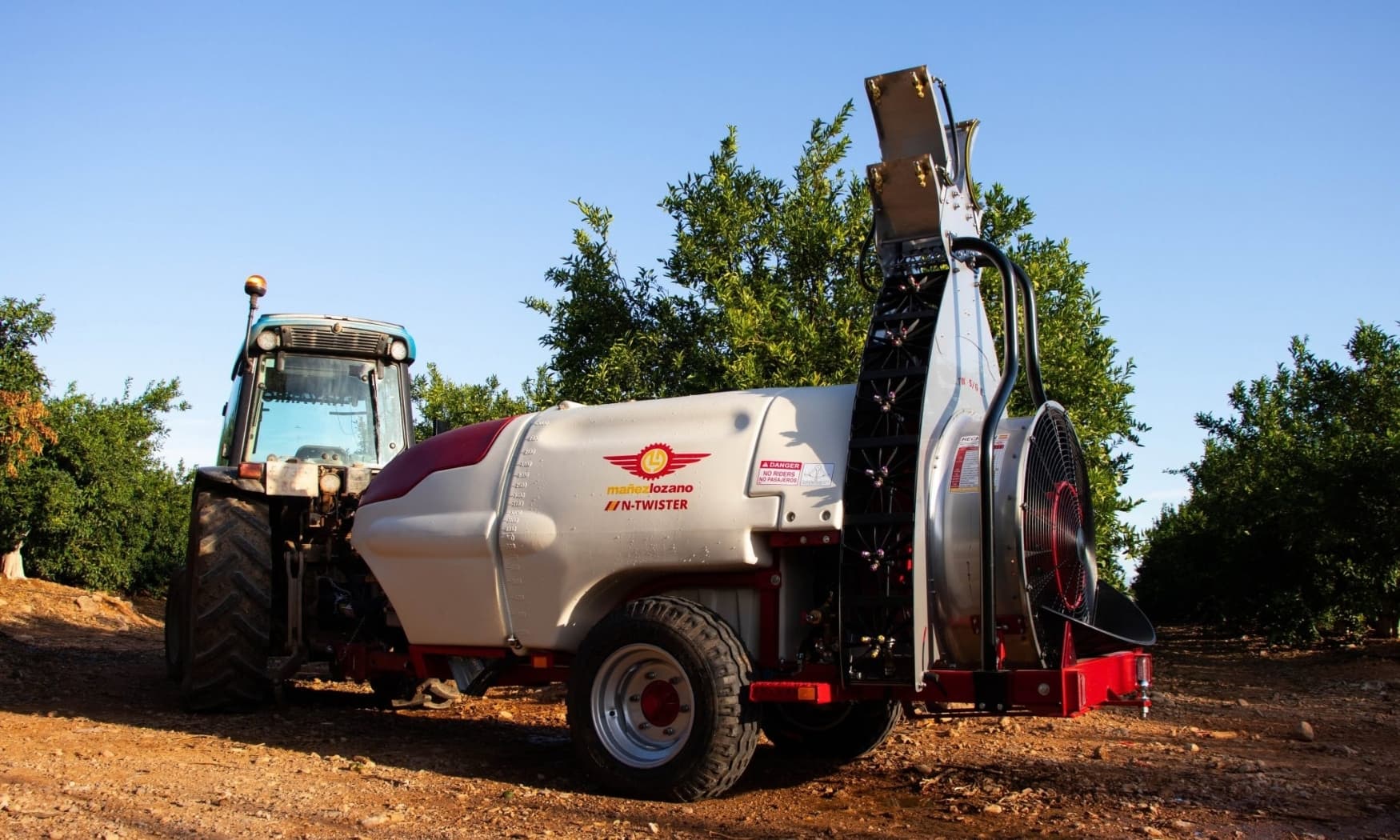
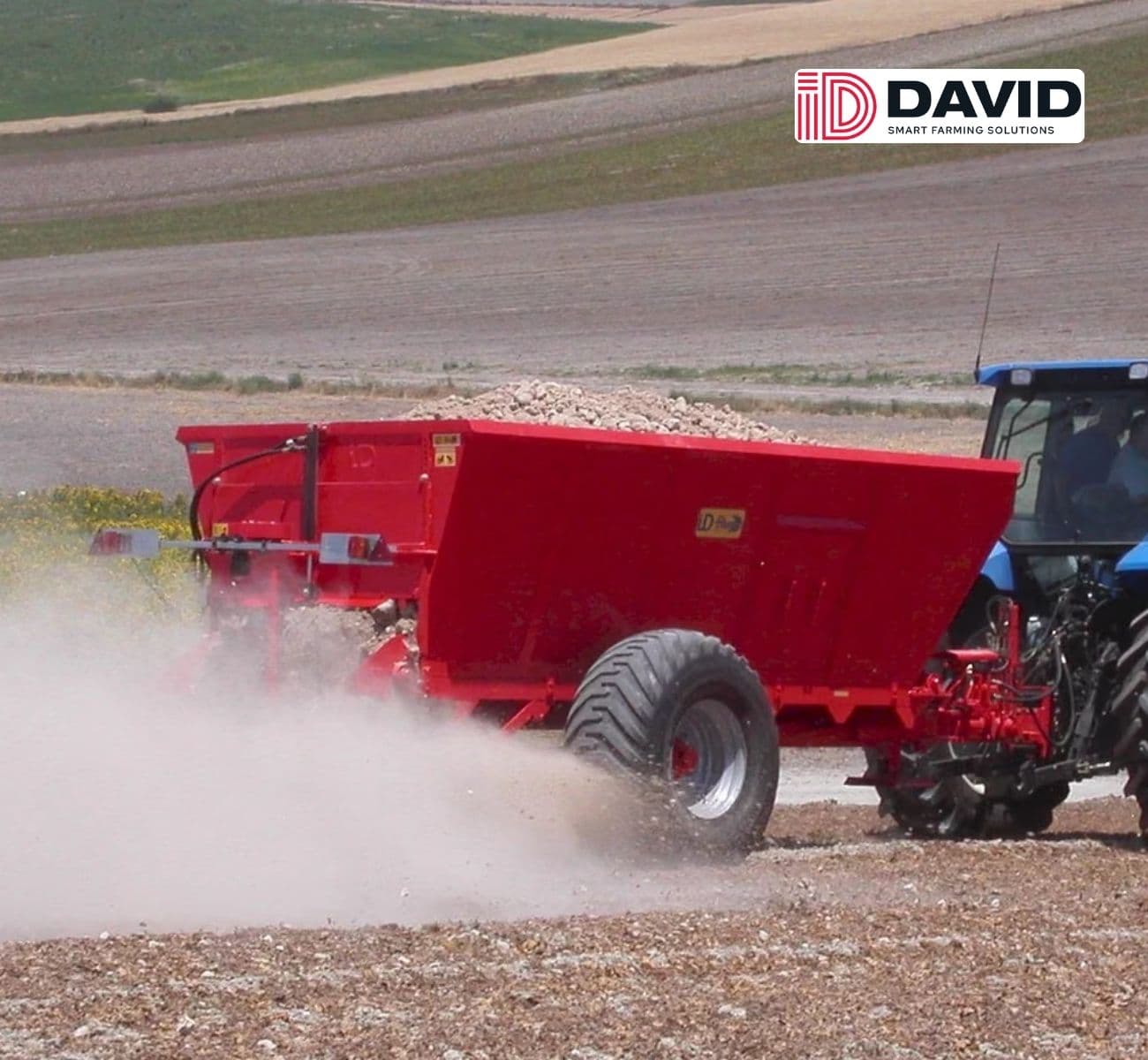
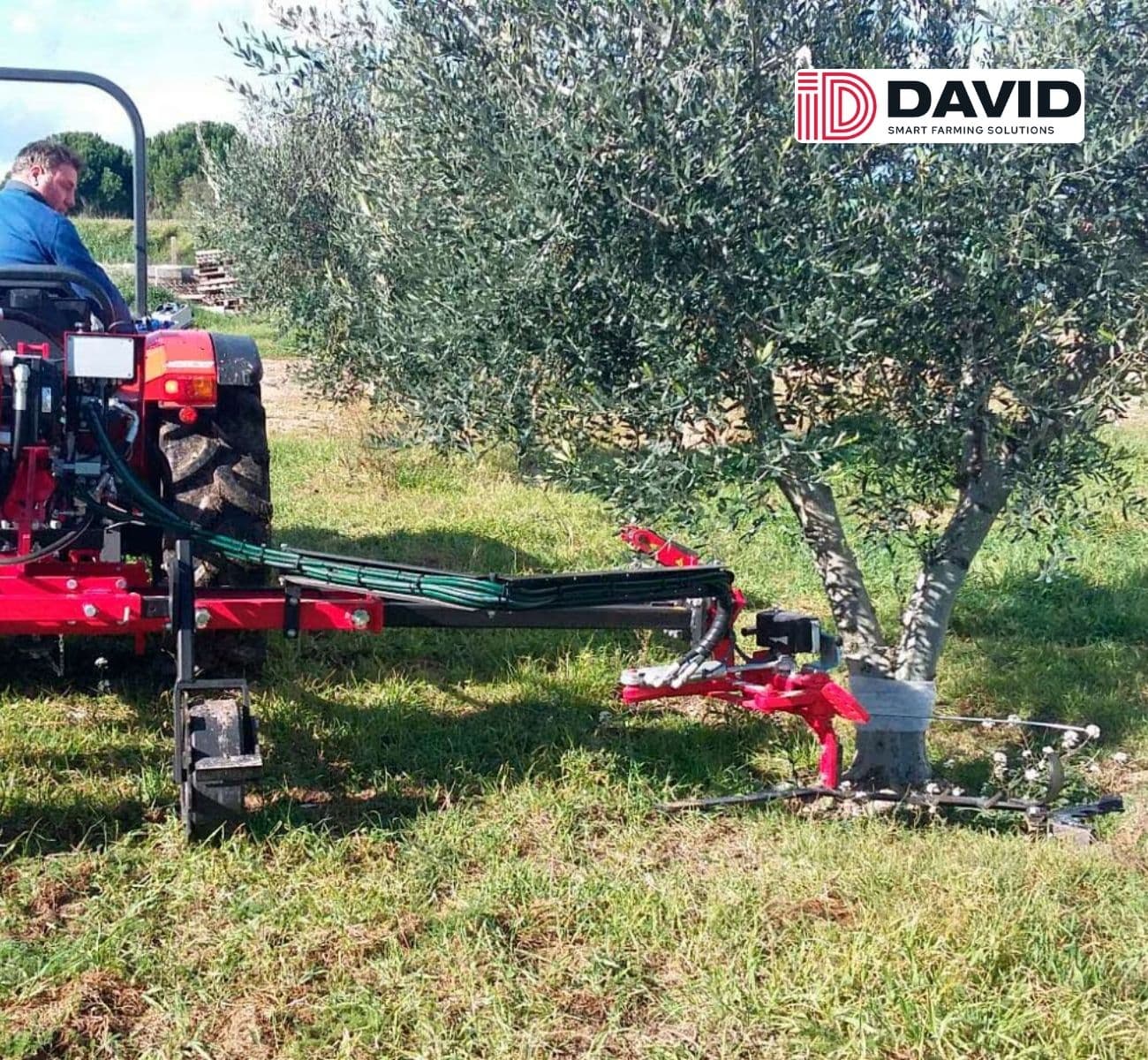
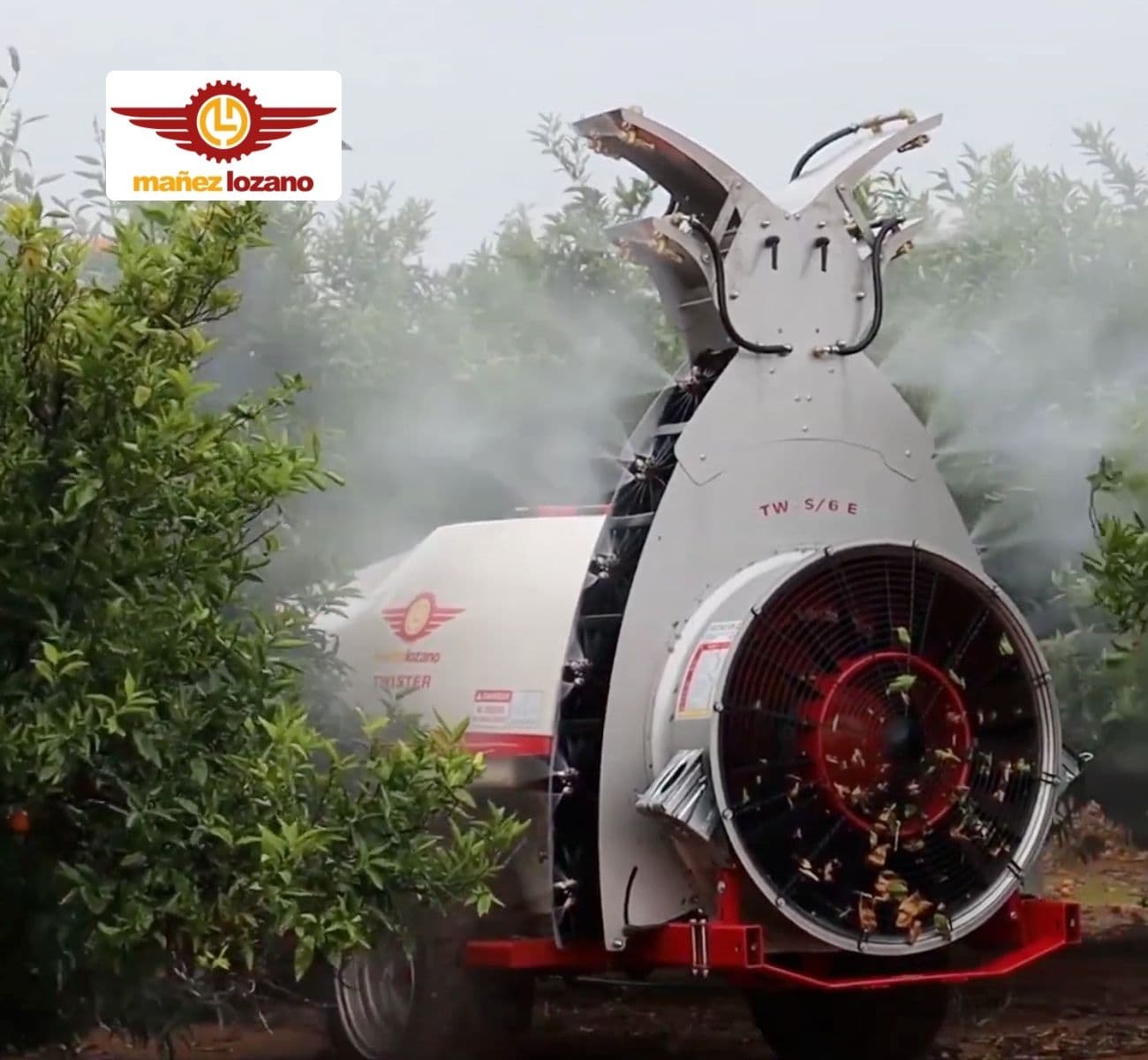
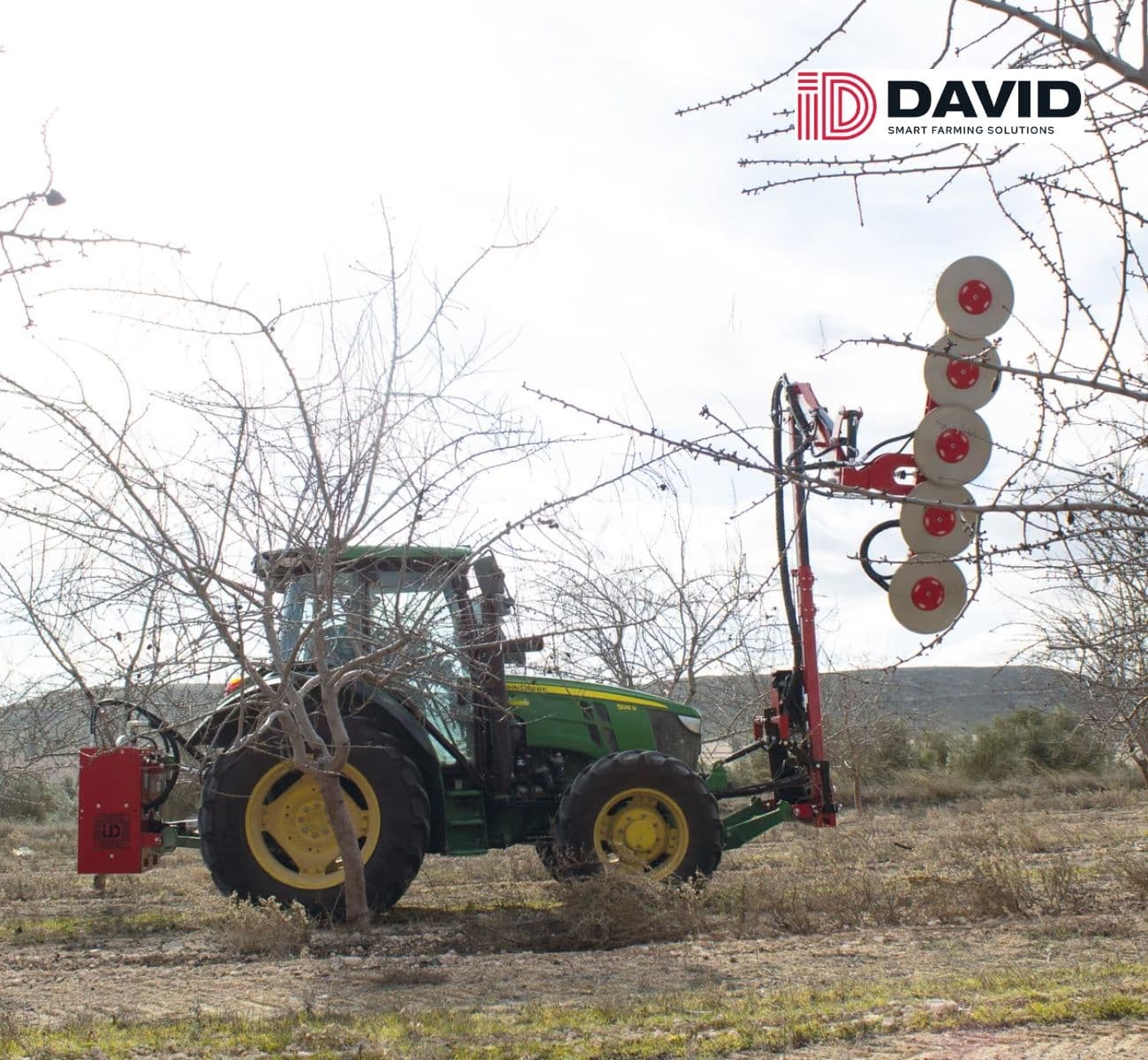
No Bulgarian pruning guidance for almond was found; University of California guidance trains almonds to an open or modified vase with three or four main scaffolds and prunes mature trees to allow scaffold shaking. For care work, the ID DAVID SURFEED spreads solid manure, the ID-XL weeds the tree row, the Mañez Lozano Mega Twister S6 sprays tall, dense canopies and the ID DAVID ID-REX disc pruner makes lateral and topping cuts.
Recommended Orchard Care & Maintenance Stages



Practical Tips for Almond Orchard Care & Maintenance
Collect mummified almonds left on the trees after harvest: a 2022 paper names this as a control measure against the almond seed wasp.
Check the orchard in autumn and spring for shot hole lesions, as University of California guidance advises, above all after long wet spells.
After frost nights at bloom, check flowers and young fruitlets: NIMH reported frost damage to stone-fruit flowers and fruitlets in late March 2023.
Irrigate through summer droughts where water allows: NIMH called August 2024 one of the driest Augusts since 2014.
Keep the tree row weed-free with an in-row weeder such as the ID DAVID ID-XL, and keep the orchard floor level for harvest.
Spray tall, dense canopies evenly with a trailed airblast sprayer such as the Mañez Lozano Mega Twister S6.

Almond Harvesting in Bulgaria
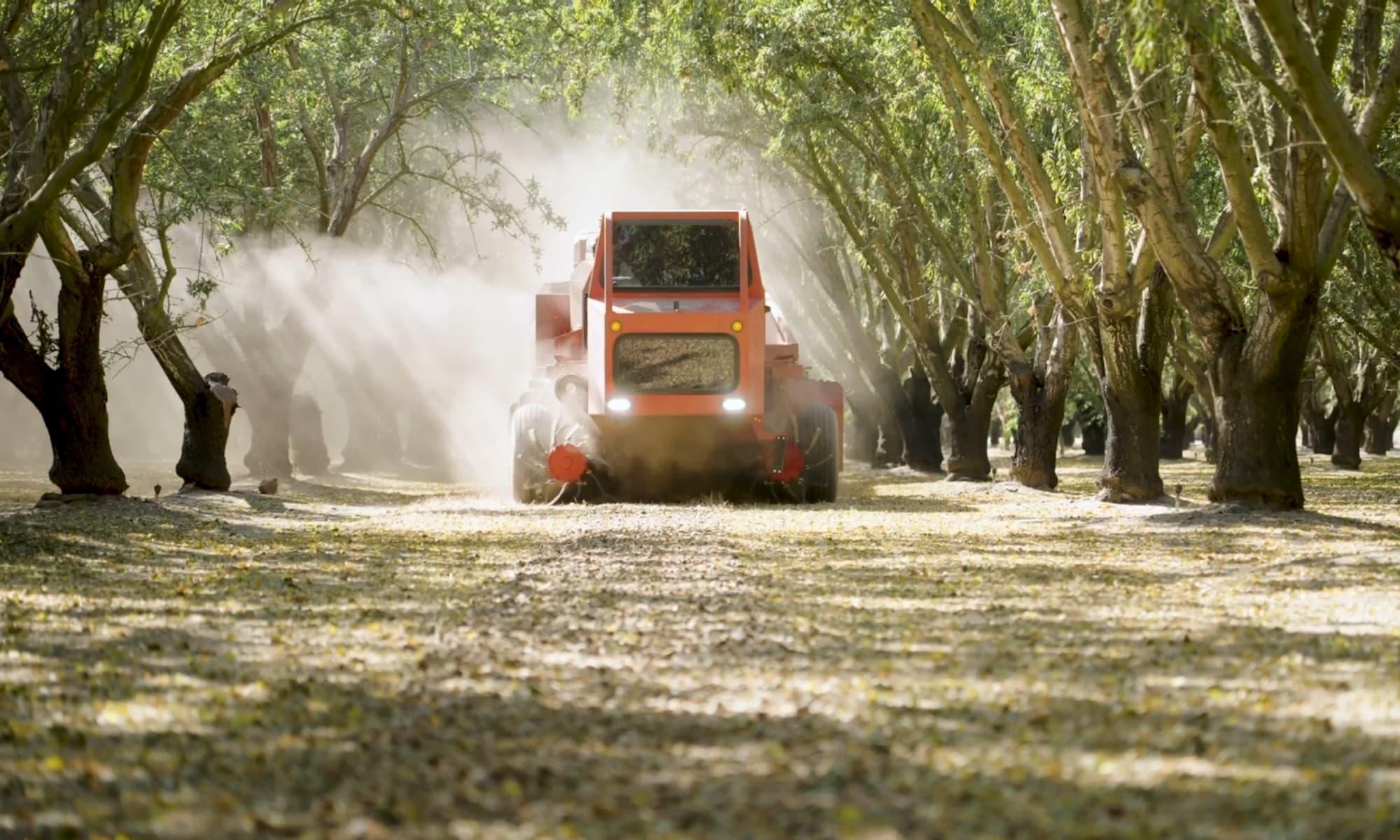
USDA's office in Sofia reports that nut orchards are often harvested by hand and that the lack of labor is the main challenge for many farmers; in 2026 it added that higher almond prices had reportedly led producers to invest in better harvesting practices. No Bulgarian source found describes how almonds are dried or how fast they are picked up. In orchards planted for machines on suitable ground, mechanized harvesting can bring the crop in on time, with less risk of nuts deteriorating while they wait.
NIMH records almond ripening at its Karnobat agrostation in Burgas province from August into September. The season is not reliably dry: a severe thunderstorm with torrential rain hit Burgas on 5 September 2021, floods struck the far south-east on 4 to 6 September 2023, and October 2025 brought 248.2 mm to Burgas, 380% of normal. This guide therefore shows prompt pickup, with drying after hulling, alongside catching frames.
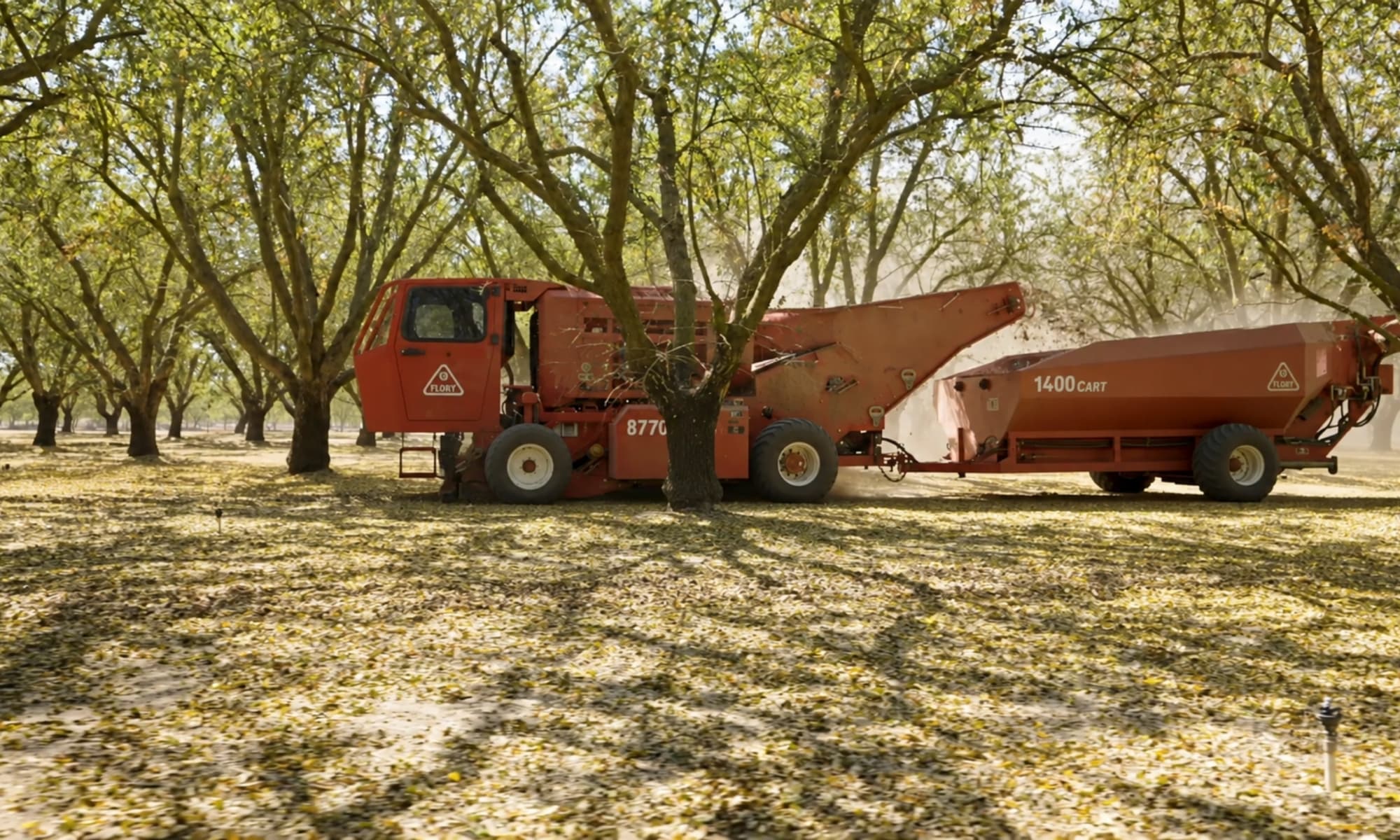
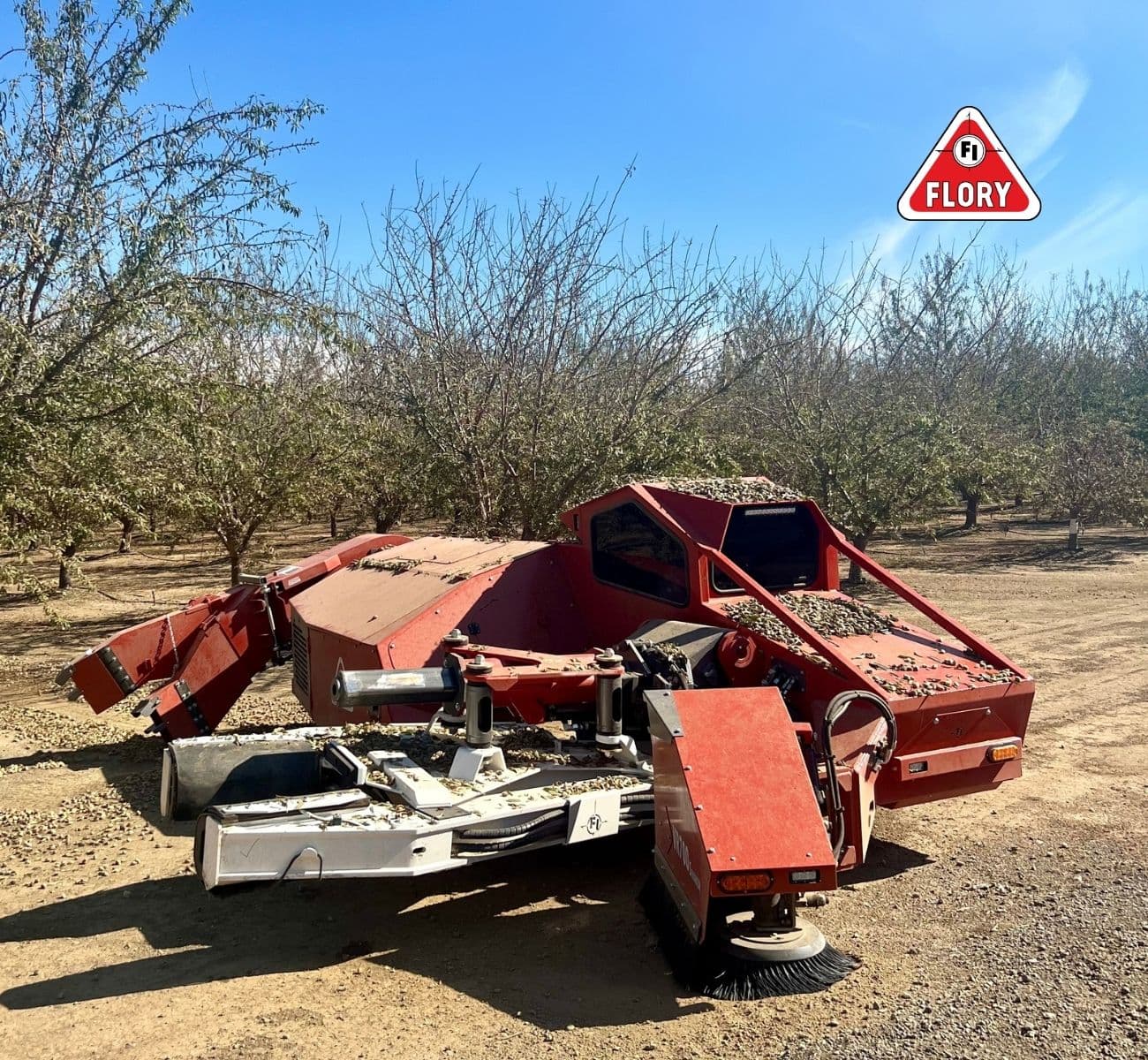
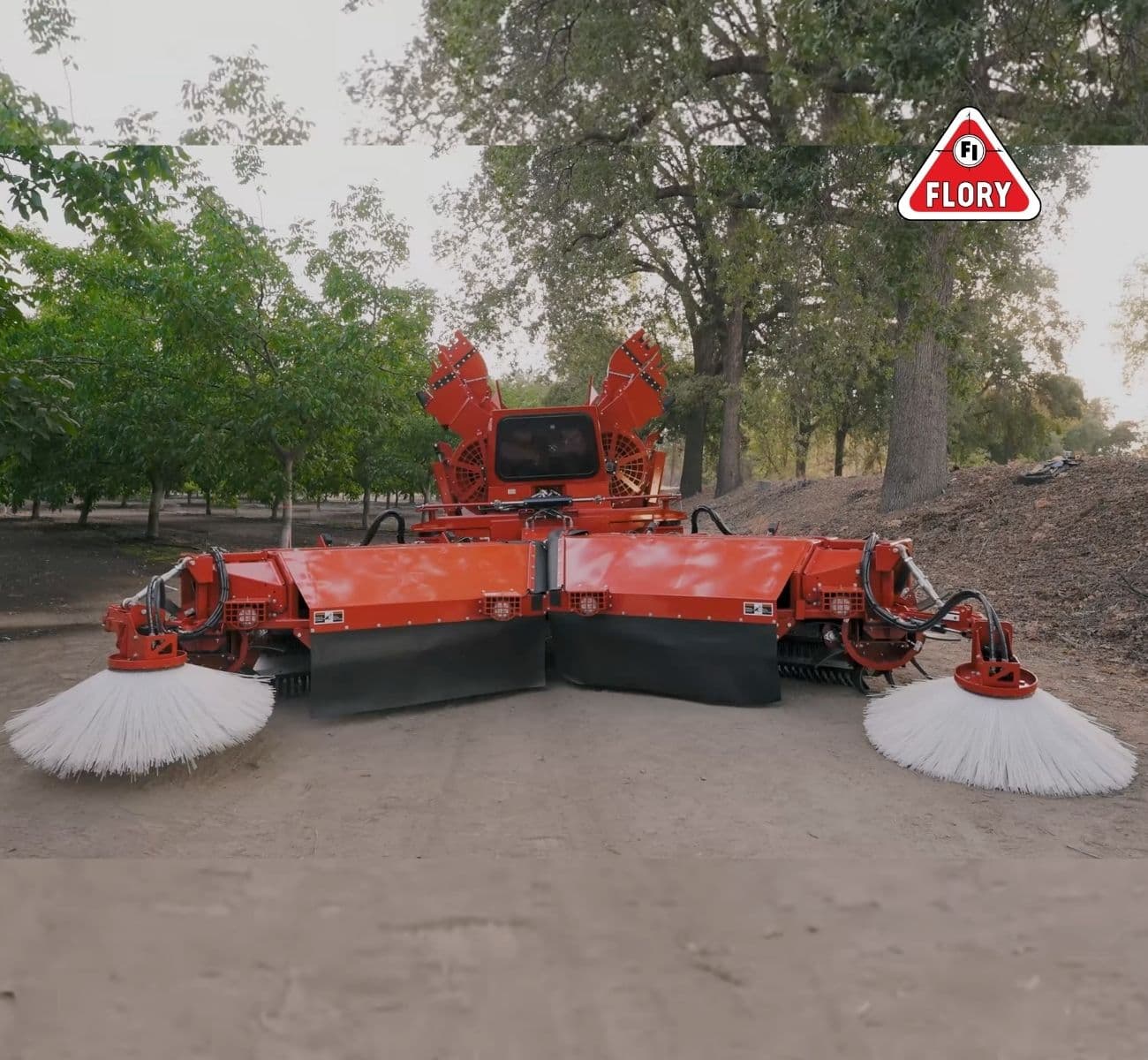
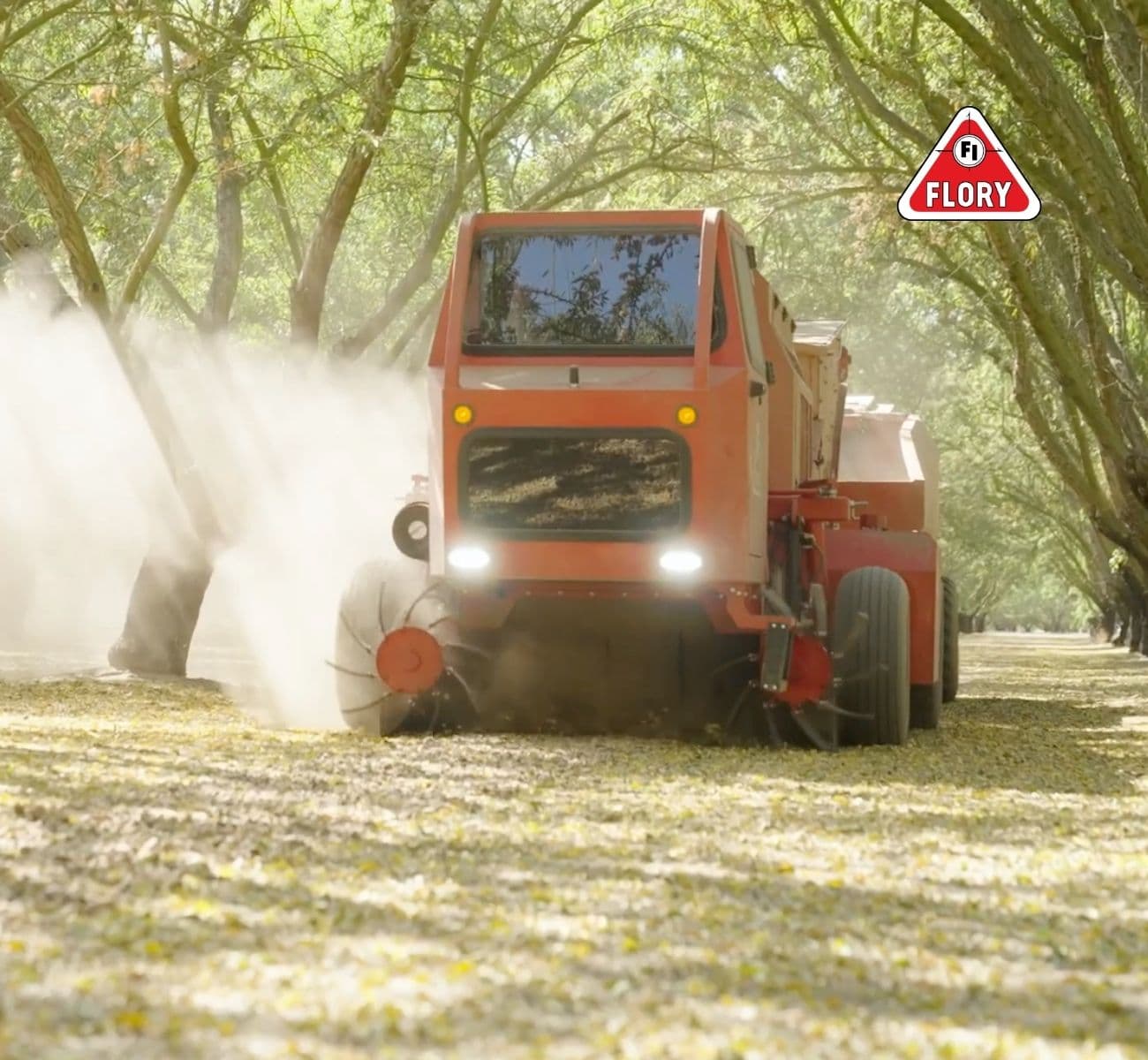
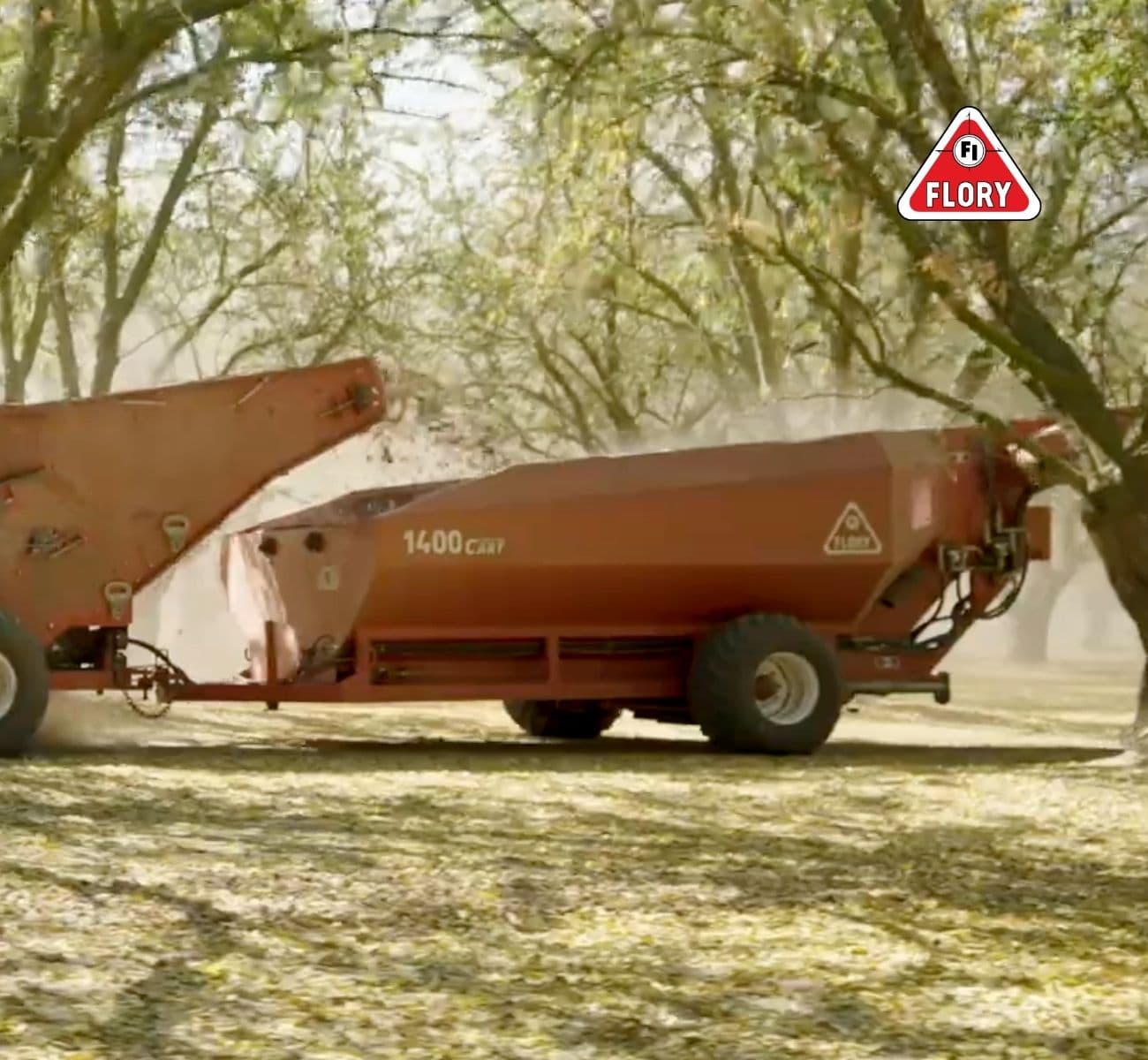
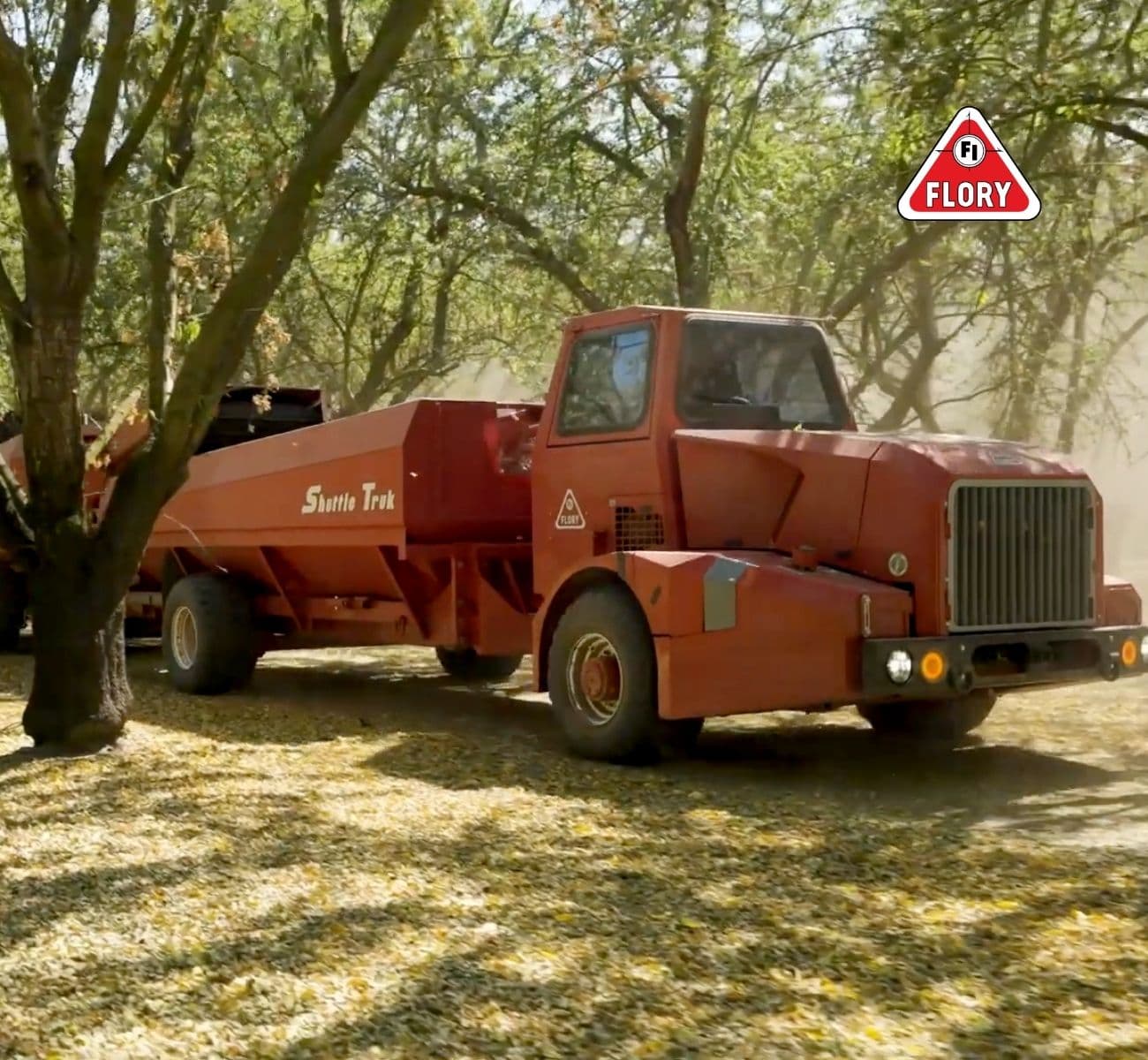
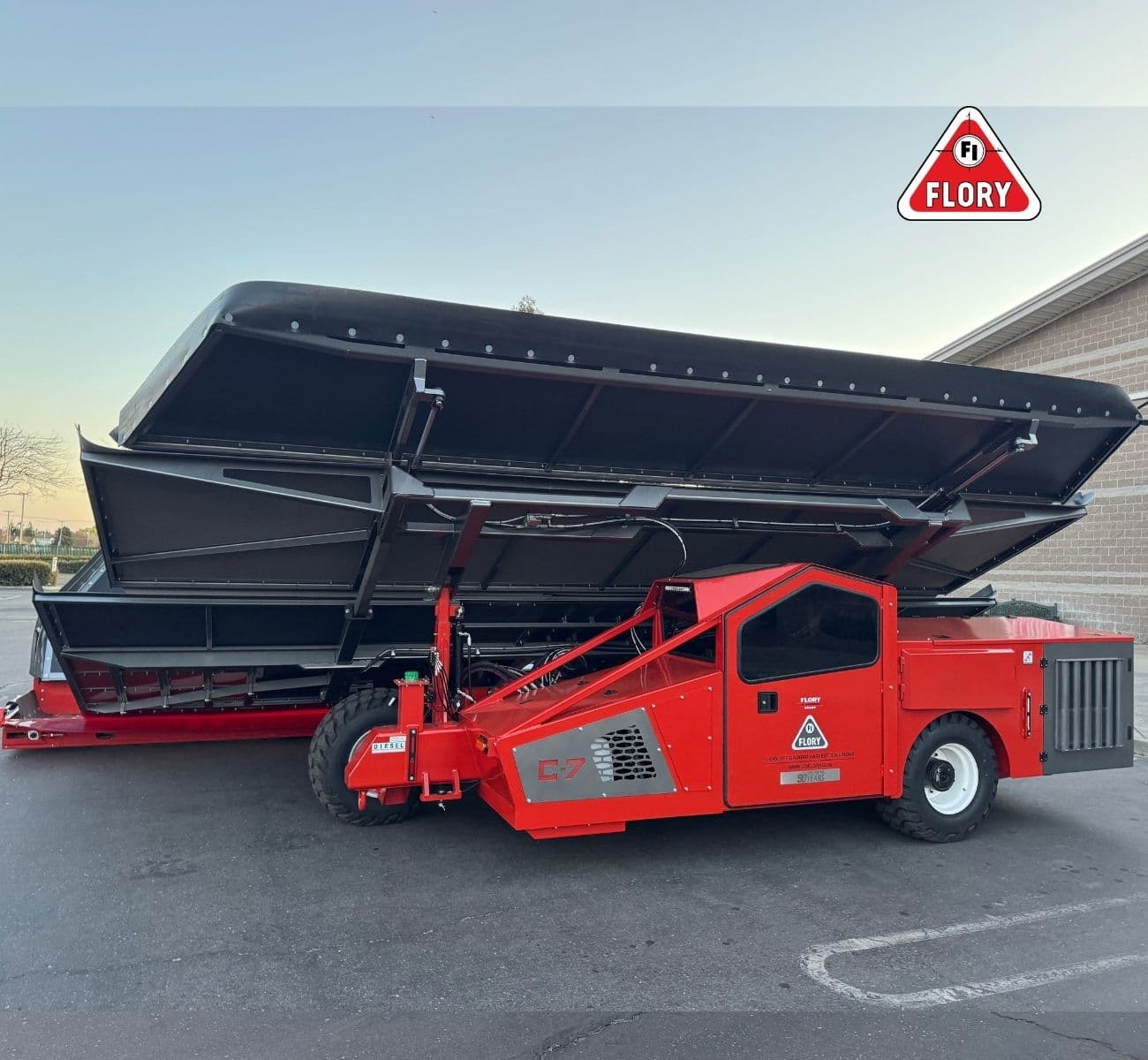
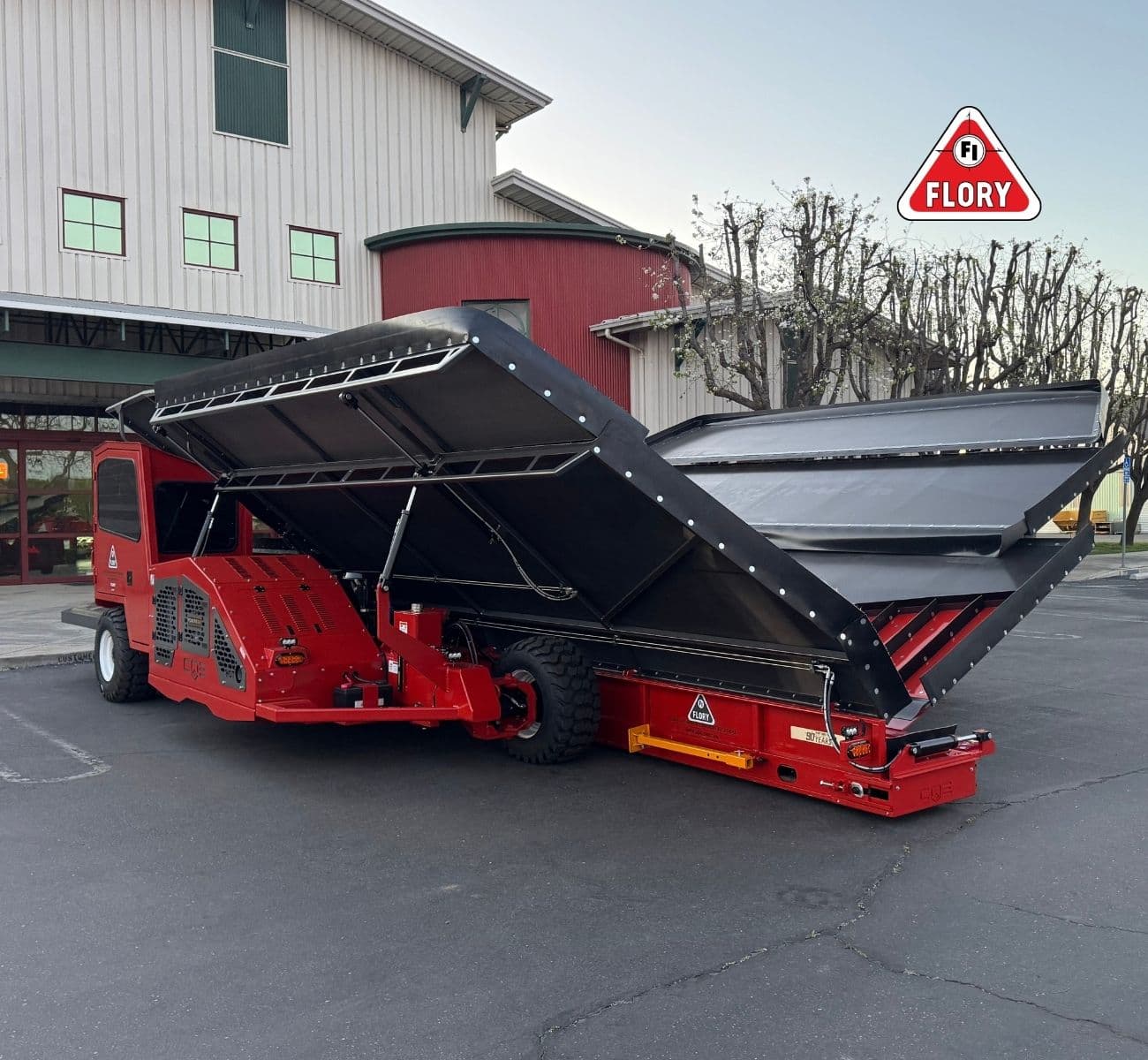
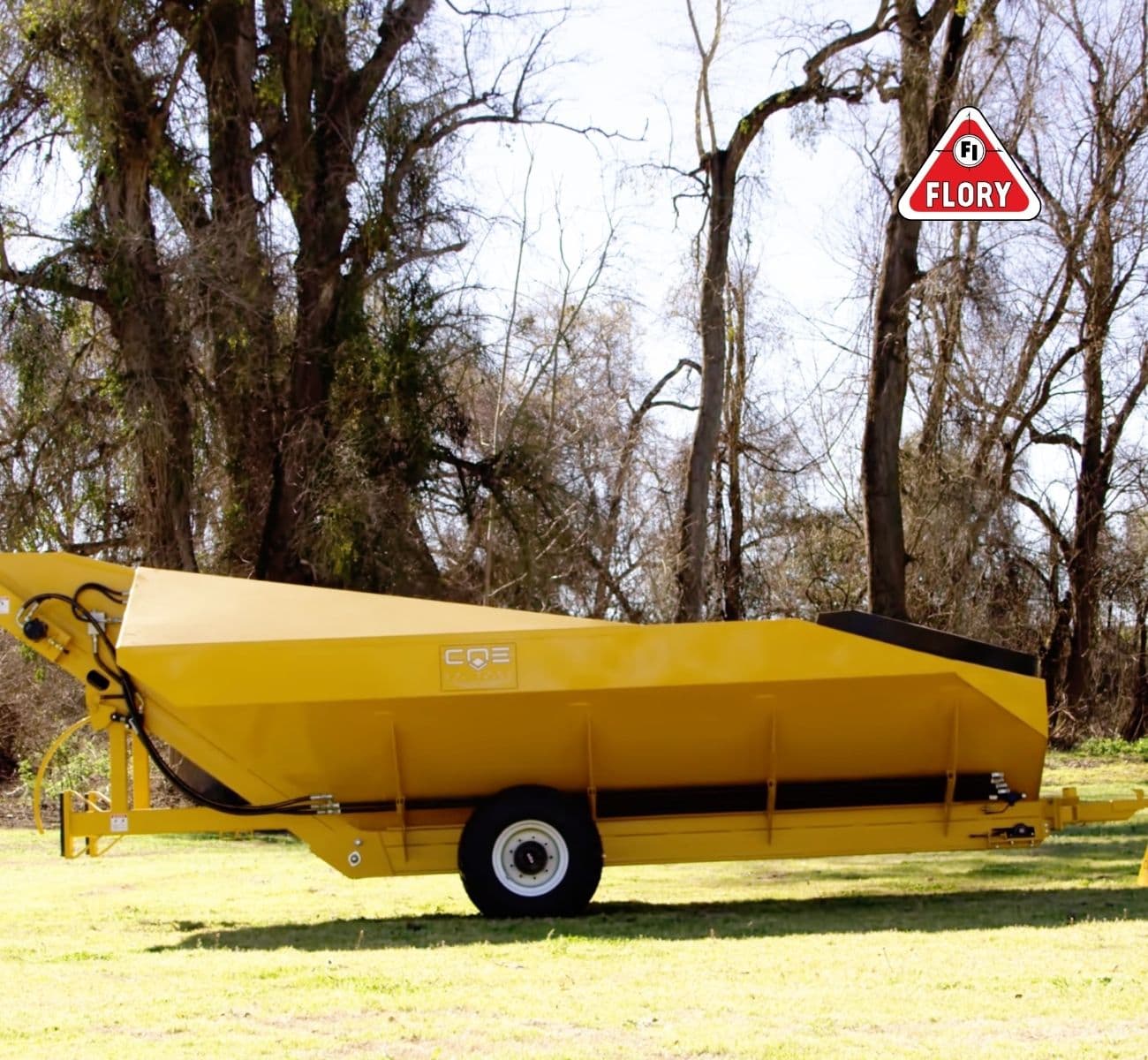
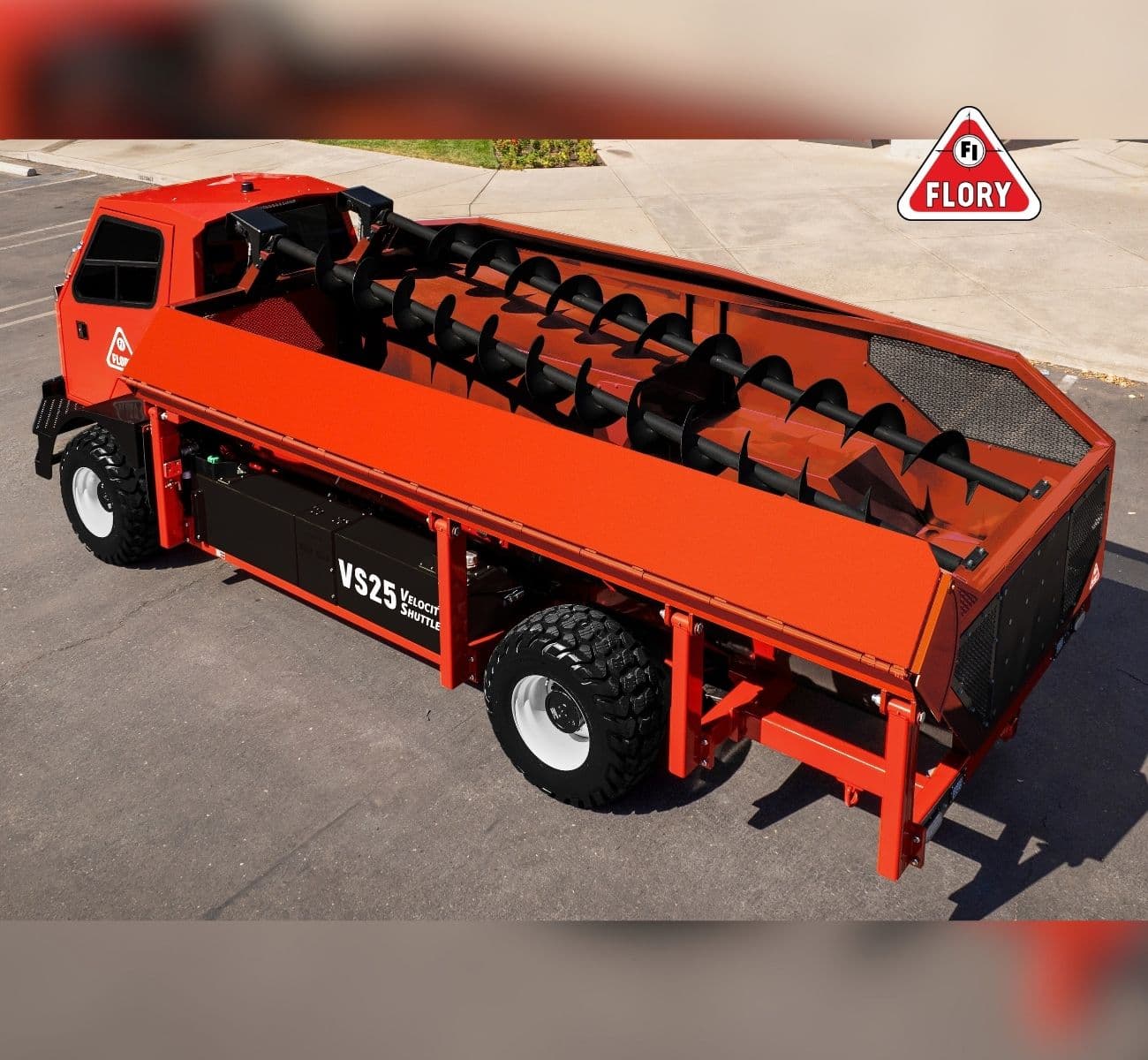
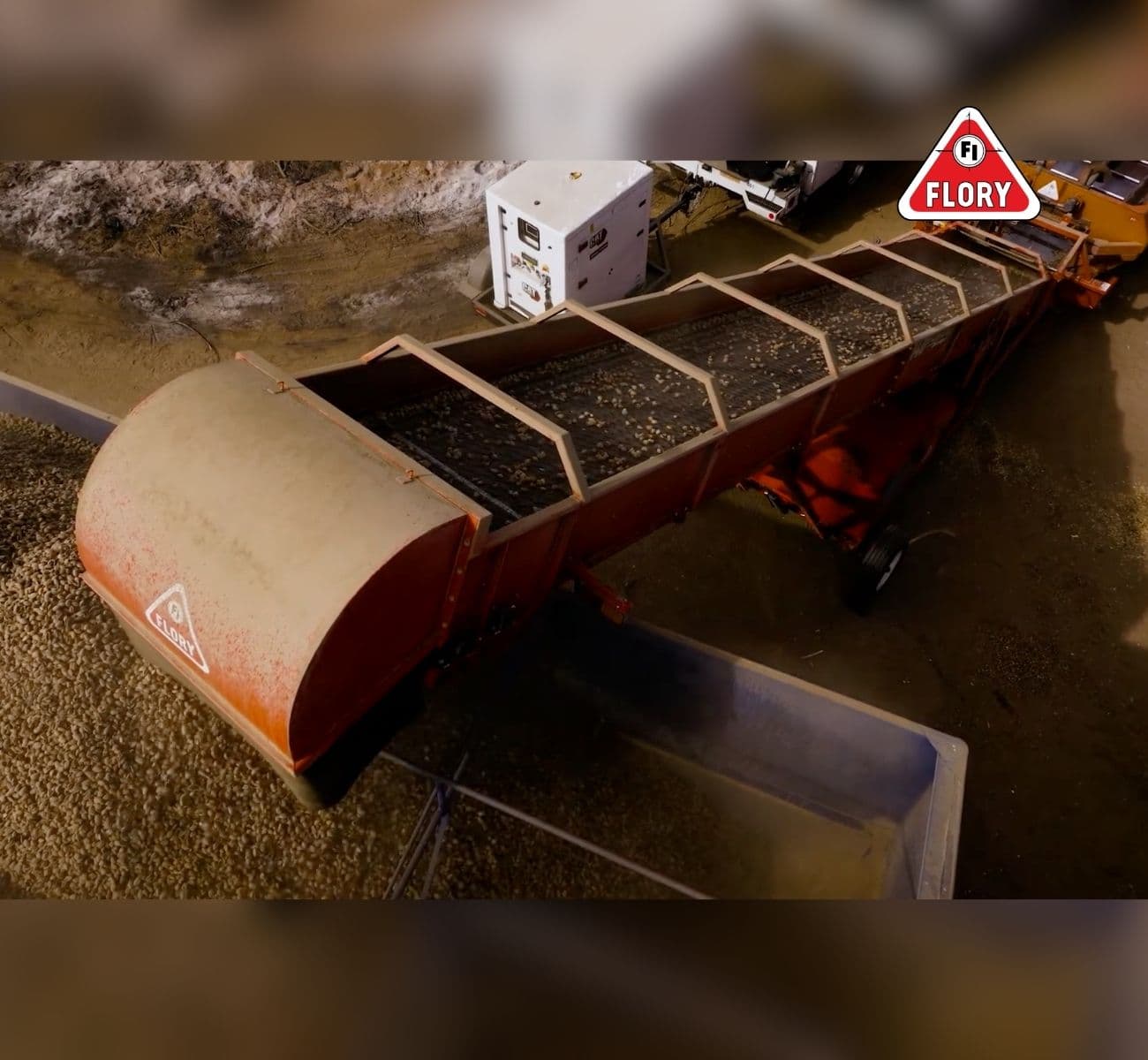
Flory harvesting machinery is available in Bulgaria through OVE Europe for both systems. On the ground, the VR700 Shaker, V62 Sweeper and 8772 Harvester feed the 1500 Conveyor Cart and ST14 Shuttle. Off the ground, the Flory COE C7 Shaker and L2 Receiver catch the almonds in a frame around the trunk, the Flory COE B8 Cart and VS25 Shuttle carry them, and the 4840 Field Elevator loads trailers in both systems.
Almond Harvest Workflow (Recommended Equipment)
Practical Tips for Almond Harvesting
Start shaking when 95 to 100% of hulls have split, as University of California guidance advises, and check each cultivar separately.
Watch ripening from early August: NIMH recorded the almond ripening phase at its Karnobat agrostation in August 2024 and August 2025.
Check the forecast before shaking, as storms brought torrential rain to Burgas in early September 2021, and shake only what you can pick up promptly.
Sweep and pick up soon after shaking, then hull and dry the almonds off the ground; University of California guidance adds that prompt pickup avoids ant damage.
Where almonds must stay off wet ground, use catching frames in orchards planted for machines: the Flory COE C7 Shaker works with the L2 Receiver.
Plan crews and machines before harvest: USDA reports that the lack of labor is the main challenge for many nut growers in Bulgaria.
Get your recommended harvest setup
Enter orchard size, spacing, terrain, and target throughput—we’ll suggest a practical harvest workflow and equipment lineup.

Almond Post-Harvest Handling & Processing in Bulgaria
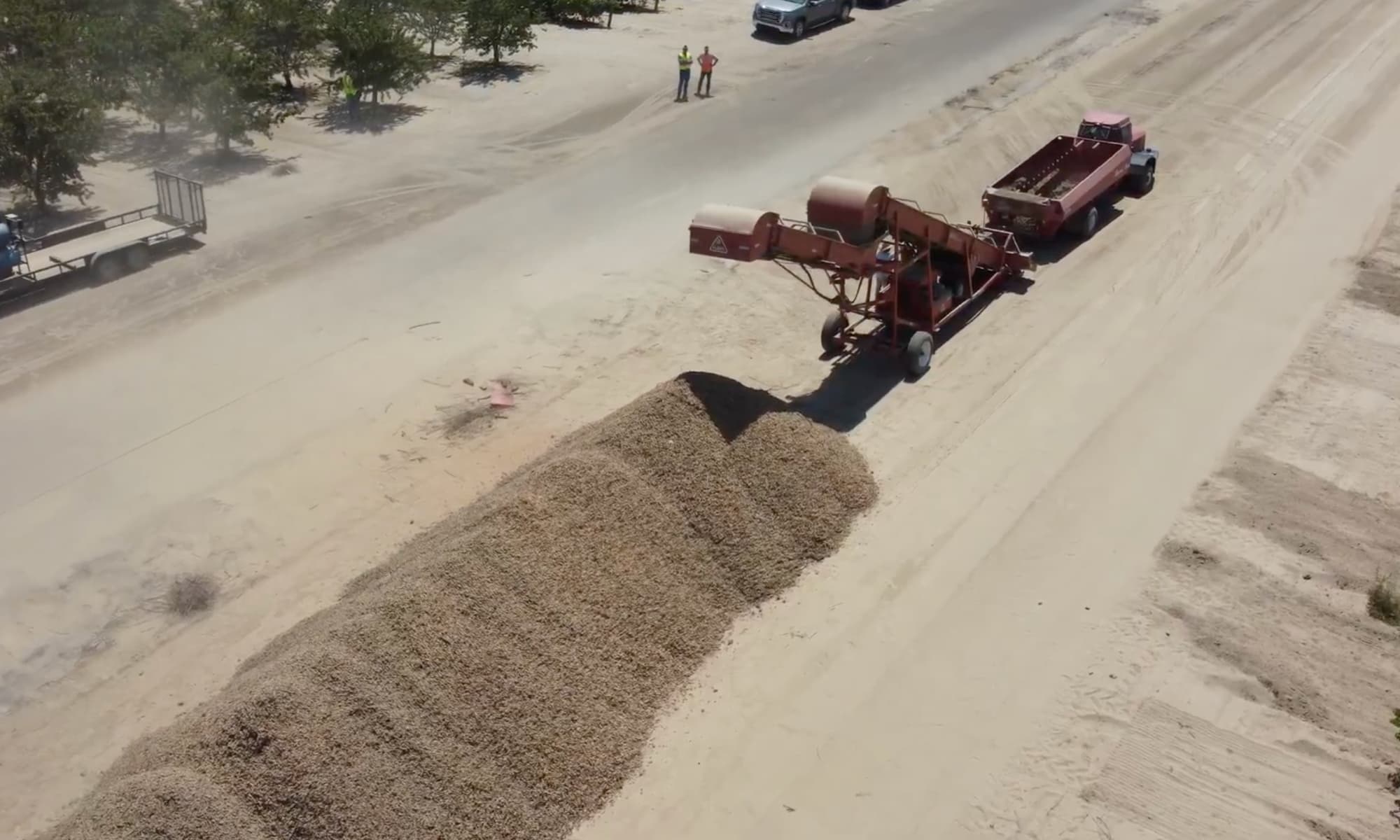
No Bulgarian source found describes how growers hull, dry or store almonds; one classified advert in Sliven (September 2026) offered a PTO-driven almond hulling machine. In this workflow, promptly picked or frame-caught almonds are hulled while the hulls are fresh, then dried in the shell; University of California guidance, written for nuts dried on the ground, advises against stockpiling nuts above 12% hull, 6% kernel or 9% total fruit moisture.
Bulgaria imports far more almonds than it grows: in 2025 it imported 2,991.6 t of shelled almonds, 72.6% of them from the United States, and exported 112.9 t, mainly to Romania (UN Comtrade via WITS). Jessee, whose processing lines OVE Europe supplies, builds hulling, drying, in-shell cleaning and sizing, and shelling systems; its Airlegs nut cleaner was developed for the almond industry.
As an EU member, Bulgaria applies Regulation (EU) 2023/915: 8.0 µg/kg of aflatoxin B1 and 10.0 µg/kg in total for almonds sold to the final consumer or used as an ingredient, and 12.0 and 15.0 µg/kg for almonds to be sorted first. The regulation also sets 35 mg/kg of hydrocyanic acid for unprocessed almonds sold to the final consumer, with an exception for bitter almonds sold in small quantities with a warning label.
For general information only. Information may become outdated and does not replace site-specific professional advice. Consult a qualified agronomist and confirm equipment suitability with OVE before acting.
Practical Tips for Almond Post-Harvest Handling & Processing
Hull promptly picked or frame-caught almonds while the hulls are fresh, then dry the nuts in the shell before storage.
Do not stockpile almonds above 12% hull, 6% kernel or 9% total fruit moisture, the limits in University of California guidance.
Measure moisture in samples from each lot, and keep lots apart by cultivar and block in a dry, clean store.
Store dried almonds under cover; for any outdoor pile, University of California guidance advises a north-south axis for sun and smooth, flat tops against condensation.
Test lots against Regulation (EU) 2023/915: 8.0 µg/kg of aflatoxin B1 and 10.0 µg/kg in total for almonds sold to consumers.
Talk to confectionery buyers early: traders told USDA's office in Sofia that local demand from the confectionery industry has improved.
Recommended Post-Harvest Handling & Processing Stages







Plan your post-harvest line
Estimate tons/day, cleaning & drying capacity, storage needs, and cost/kg—then build your equipment plan in phases.