


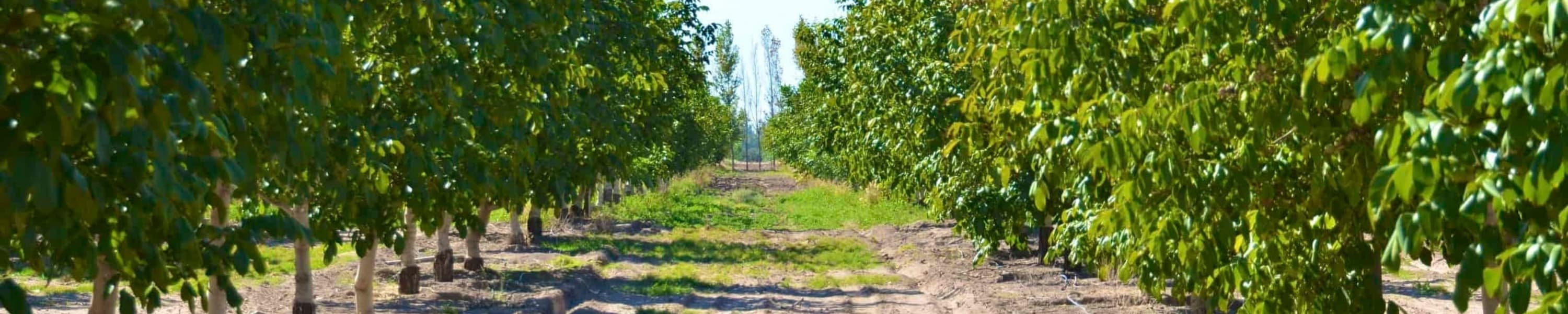




Walnut Orchard Establishment in Egypt
Winter chill is the first test of whether walnut can crop in Egypt. About 700 hours of chilling is commonly considered the minimum for growing walnuts (Luedeling et al., 2009). From November 2014 to February 2015, Saint Catherine in the South Sinai mountains recorded 882 hours below 7.2 °C, El Tur 404, and Ras Sudr and Suez fewer than 50 (Abourayya and Nabila, National Research Centre, 2021). One season is not a long-term average.
Walnut is documented only at small scale. Old walnut trees grow in Bedouin and monastery gardens near Saint Catherine (Masrawy, 2026), the only area of Egypt with almost regular snowfall in winter (UNESCO, 2002), and a 2007 report described dieback and canker in seven-year-old walnut orchards at Rafah, North Sinai. A 1999 Agricultural Research Center study found whip-tongue grafting in November or March the most successful.
Plan water and salt before planting. Nearly all of Egypt's water comes from the Nile, groundwater is the only water source for people in desert areas, and new lands must use sprinkler or localized irrigation (FAO AQUASTAT). Over 25% of irrigated farmland suffers from varying levels of salinity, while walnut is sensitive to sodium, boron and chloride; in a University of California trial, leaves took up less salt on Paradox and Northern California black rootstocks than on English walnut.
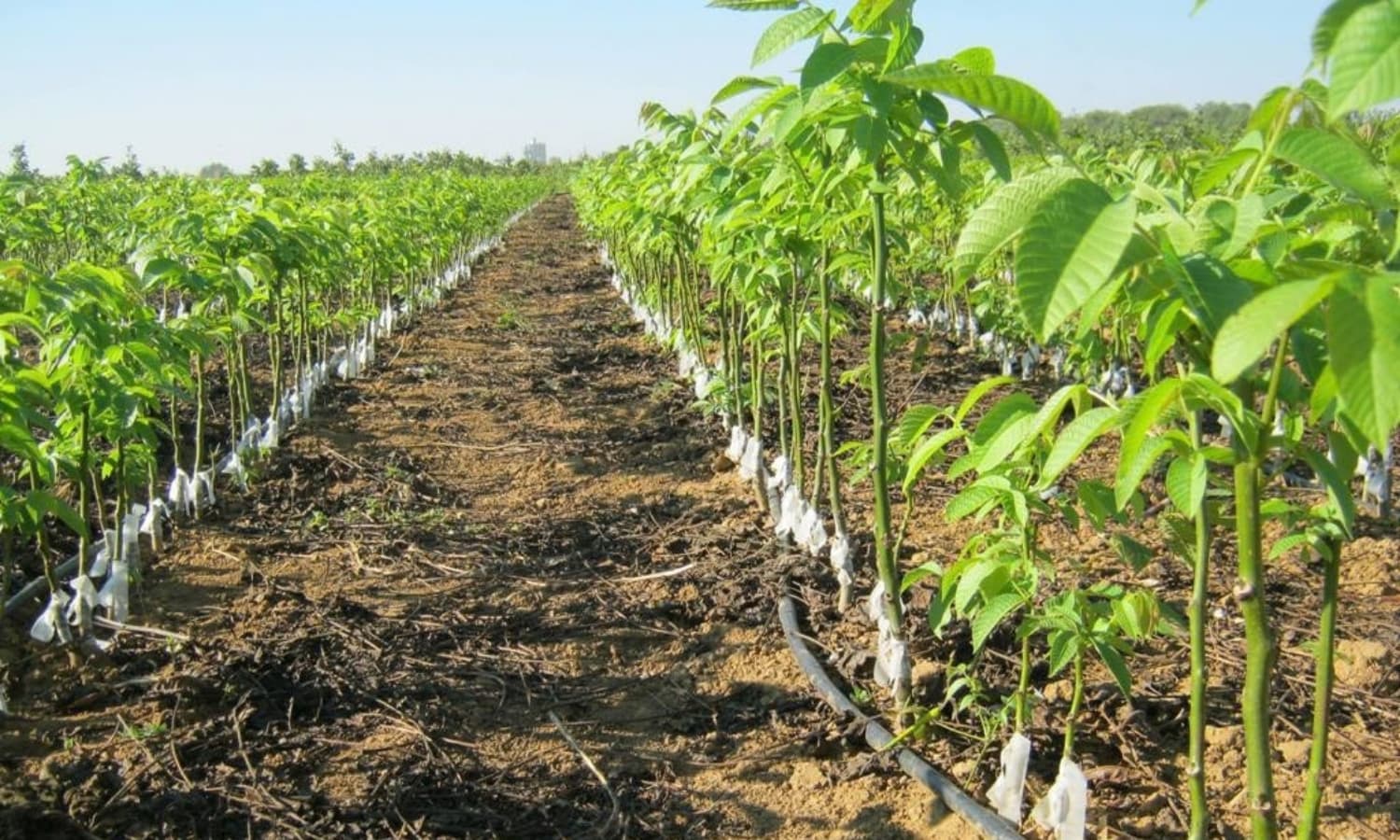

Practical Tips for Walnut Orchard Establishment
Measure winter chill at the site, as hours below 7.2 °C, before buying trees; about 700 hours is a common minimum for walnut.
Look first at high, cold sites such as the South Sinai mountains, where water is scarce; Ras Sudr and Suez had under 50 chill hours from November 2014 to February 2015.
Test well water for salinity, sodium, boron and chloride before planting, since walnut is sensitive to all of them.
Consider rootstocks that take up less salt: in a University of California trial, leaves held less salt on Paradox and Northern California black than on English walnut.
Size drip or other localized irrigation for the trees' full water needs; walnut responds poorly to deficit irrigation (FAO).
Graft by whip-tongue in November or March, the method and months that gave the highest success in a 1999 Egyptian trial.
Recommended Establishment Stages




Walnut Orchard Care & Maintenance in Egypt
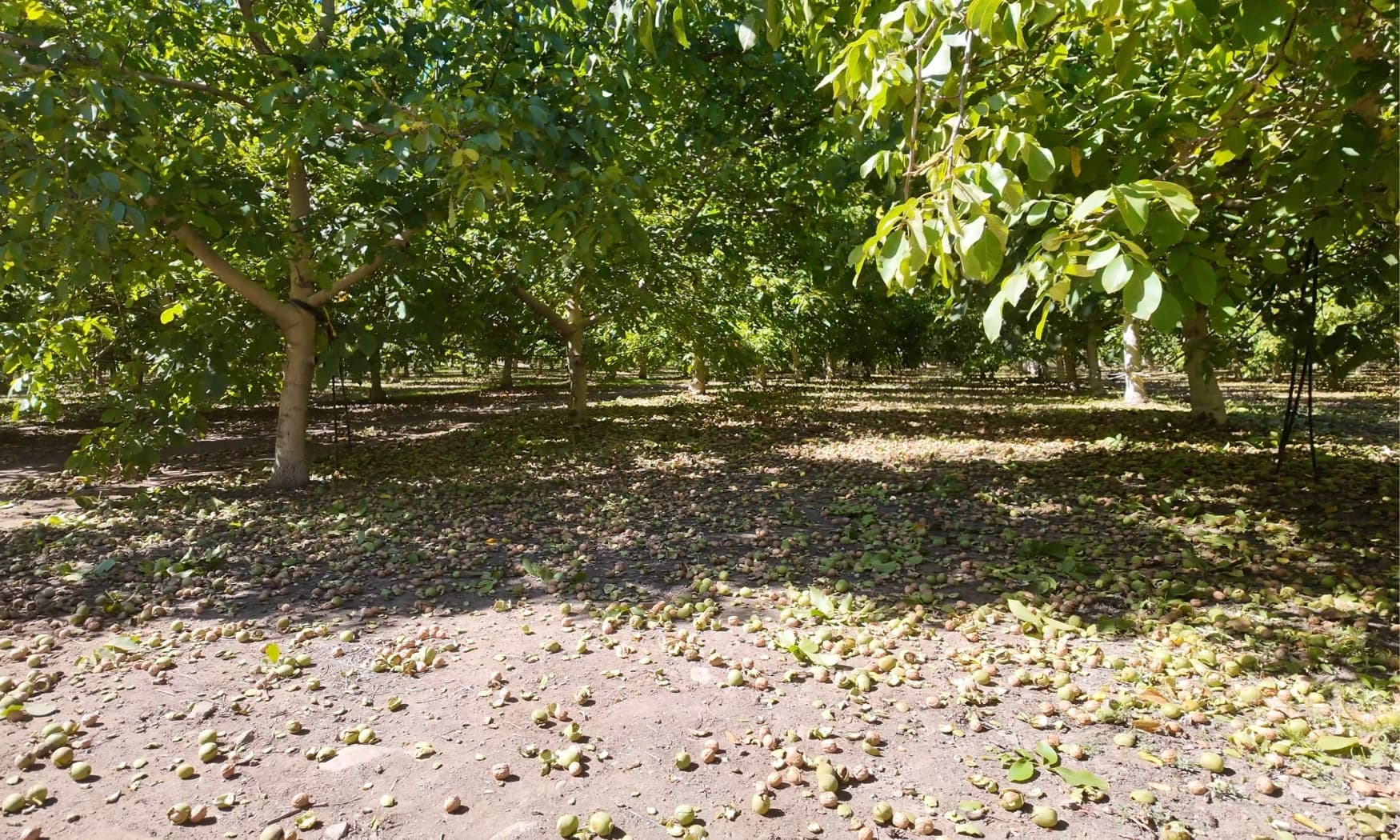
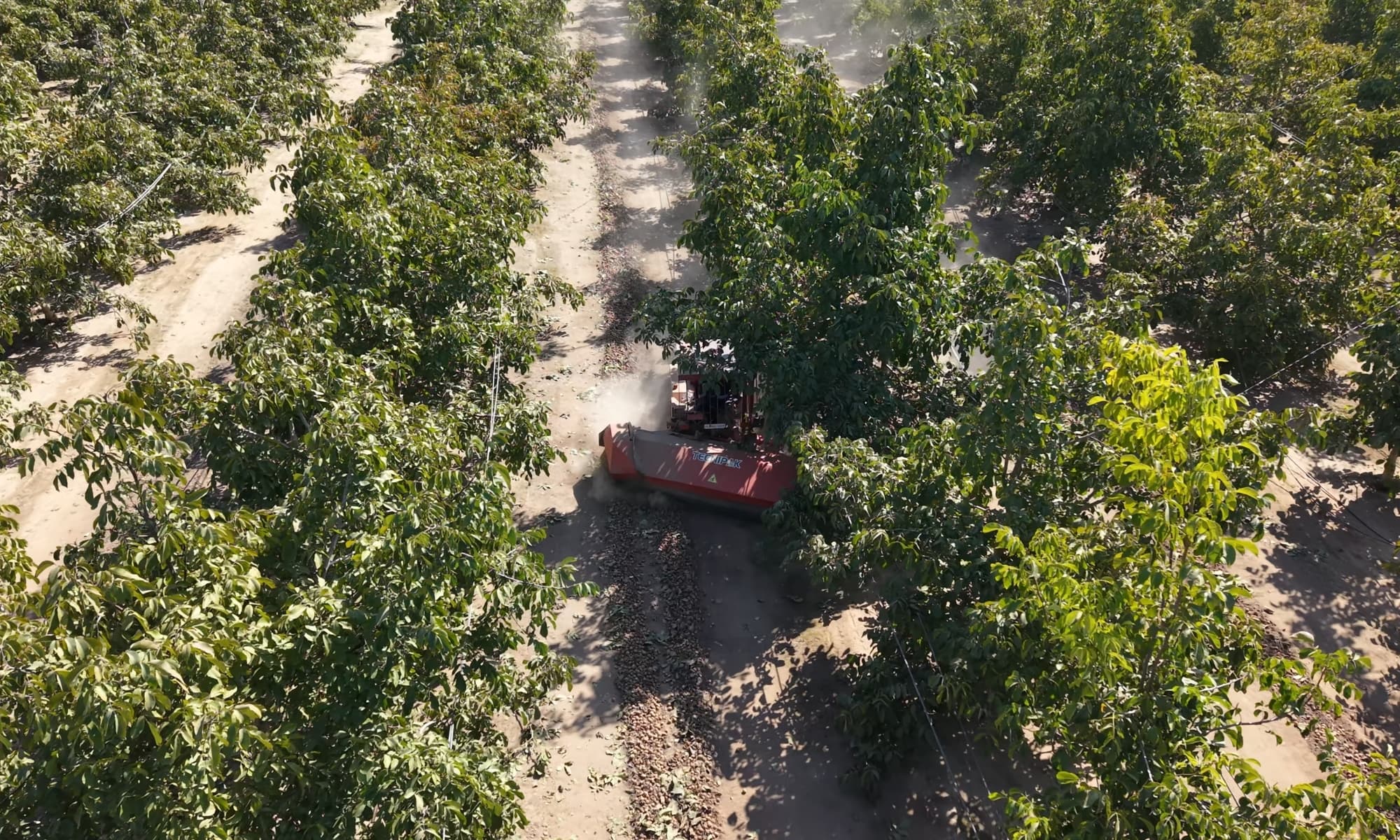
Water and heat are the main care tasks. Summers reach 38 to 43 °C, with extremes of 49 °C in the southern and western deserts (FAO AQUASTAT). FAO counts walnut among crops very sensitive to water deficits, with the harm showing mostly in the following season's crop, and University of California work puts the sunburn threshold of the nut at about 50 °C.
EPPO lists no record of walnut husk fly or walnut blight in Egypt, but a missing record is not proof of absence. Codling moth is recorded in Egypt (EPPO, on information dated 1995), and leopard moth is a serious pest of fruit and ornamental trees there, including pecan, a relative of walnut (Mesbah et al., 1994). At Rafah the fungus Botryodiplodia theobromae caused dieback and canker in walnut orchards in 2005 and 2006.
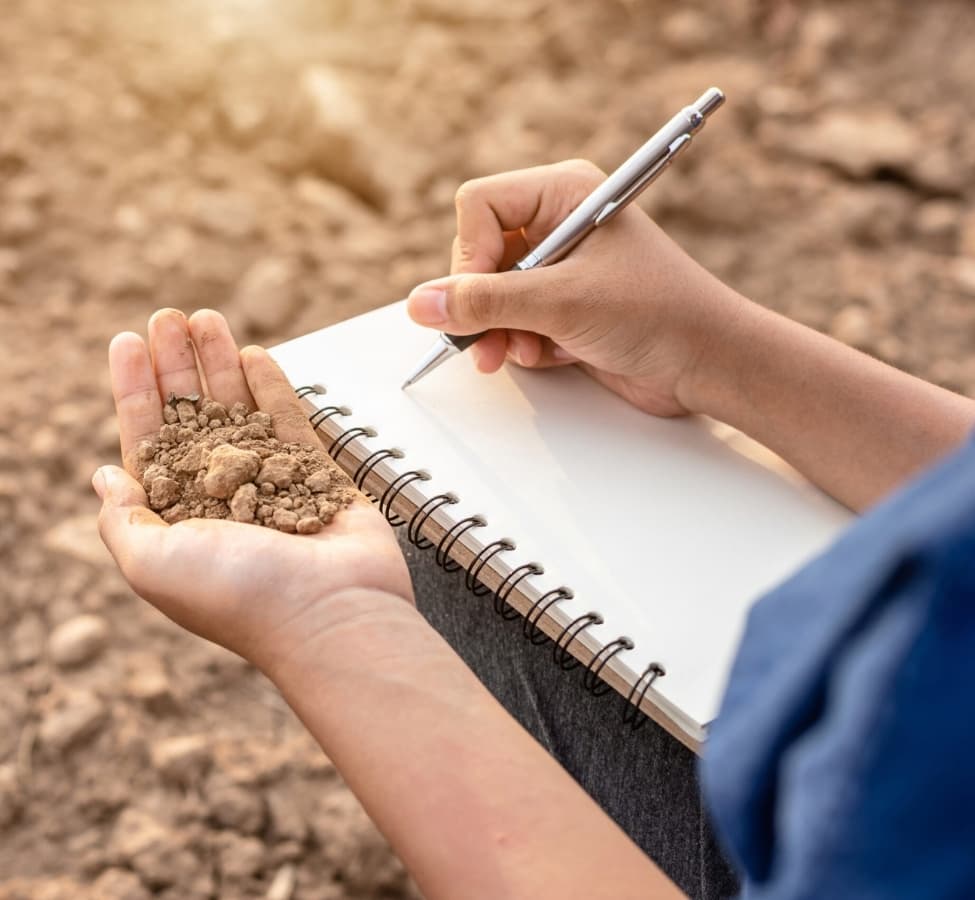
Watch for salt damage too: University of California advice is to test well and surface water, monitor leaf tissue and leach salts in winter while trees are dormant, and leaf damage was reversed the next year with less salty water. Keep crowns healthy and fully leafed, since leaf drop exposes nuts to sunburn, and train each tree to one straight trunk with room for a shaker clamp.
Recommended Orchard Care & Maintenance Stages


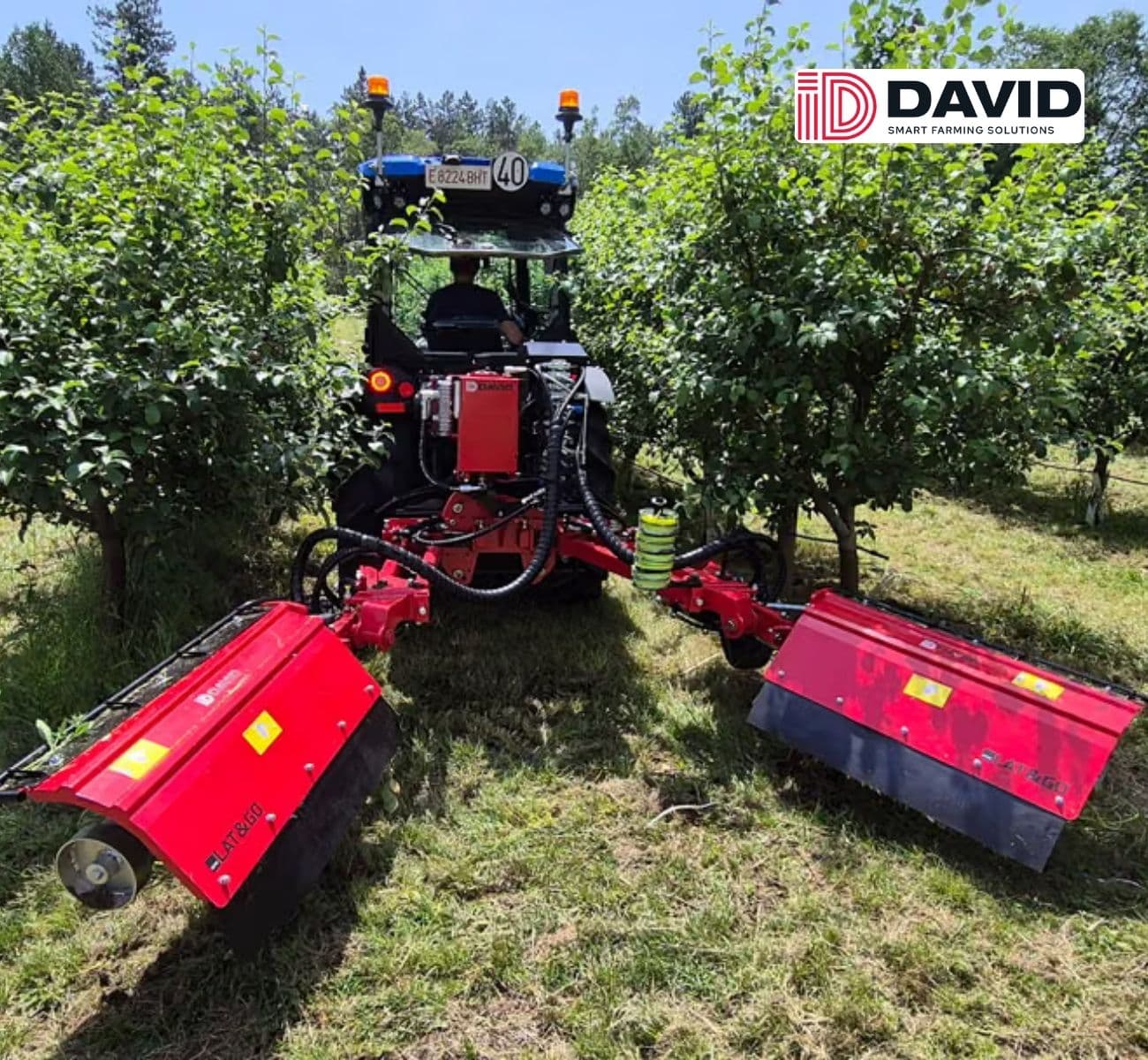

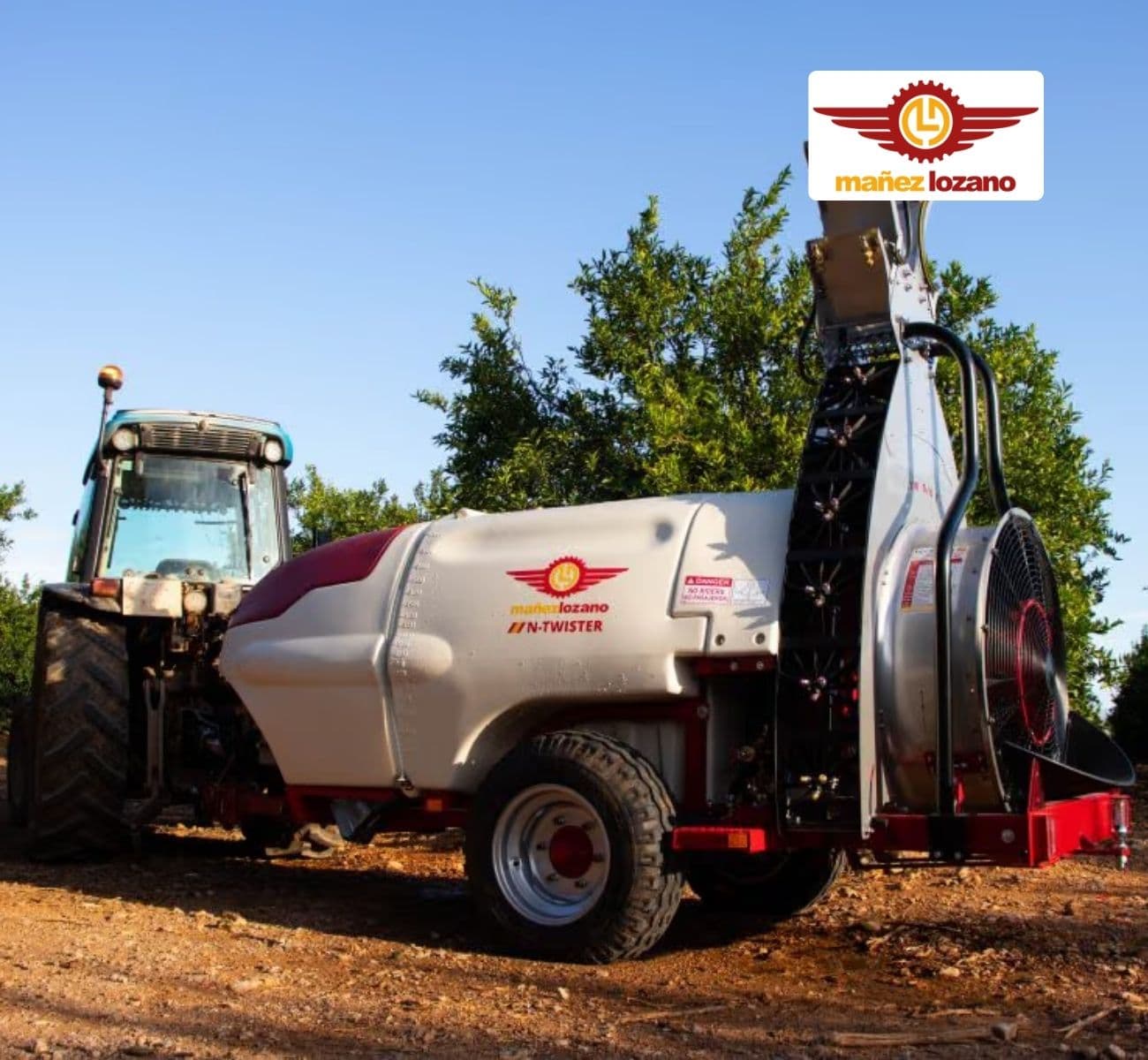
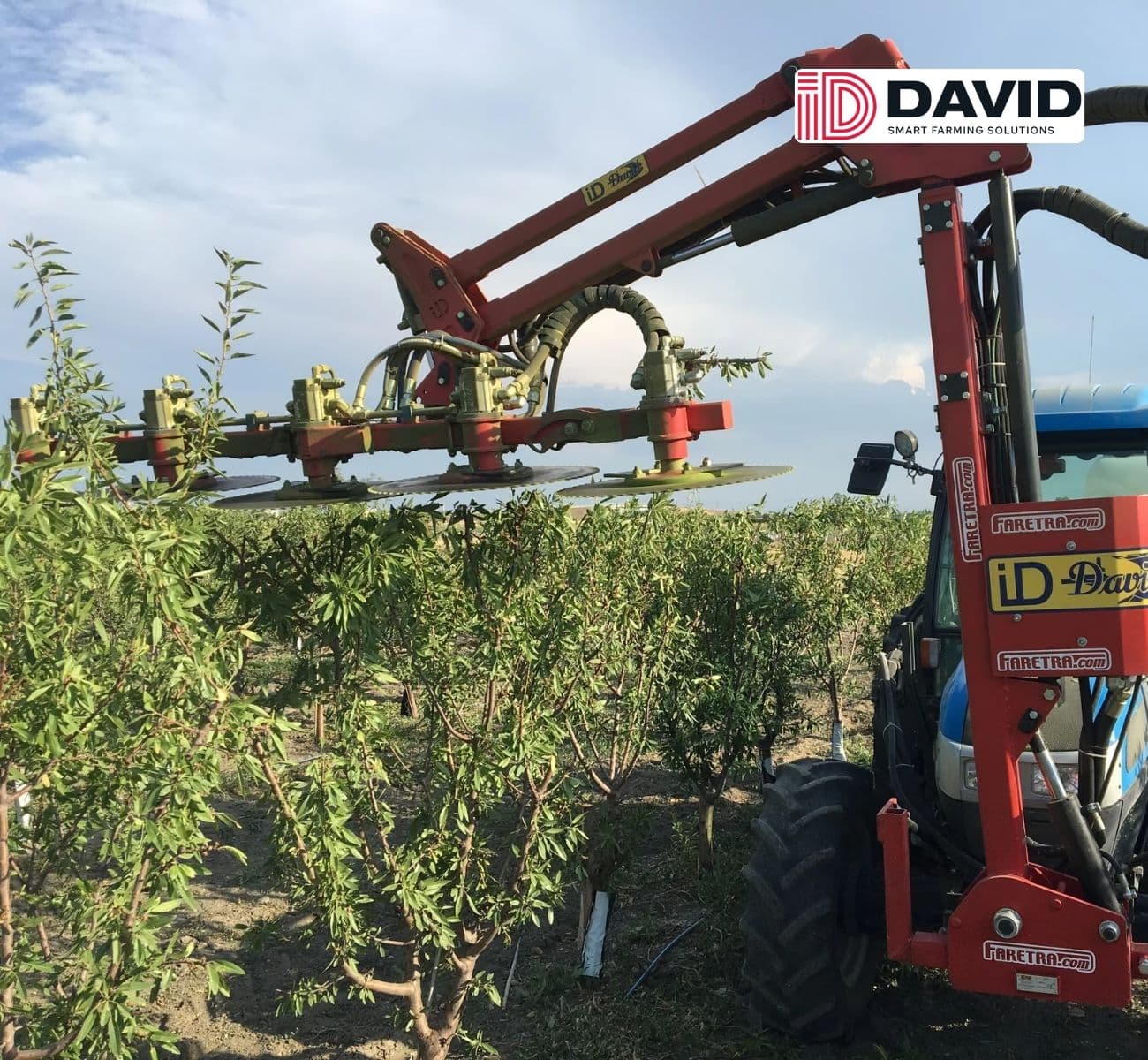
Practical Tips for Walnut Orchard Care & Maintenance
Irrigate fully through the hot months: walnut does not tolerate deficit irrigation, and water shortage near harvest can cause stuck hulls and darker kernels.
Test irrigation water every season for salinity, boron and chloride, and leach salts with winter irrigation while trees are dormant.
Keep the canopy full and healthy, because leaf drop from aphids or stress exposes the nuts to sunburn.
Hang pheromone traps for codling moth and time treatments from the first steady catches and degree-days, not the calendar (UC IPM).
Prune out cankered limbs back to healthy wood and remove dead wood, as canker fungi enter through pruning and sunburn wounds.
Train young trees to one straight trunk and level the orchard floor before harvest, so machines can work cleanly.

Walnut Harvesting in Egypt

No published account of how walnuts are harvested in Egypt was found, and the scattered trees reported by USDA FAS give no harvest data. Farms were small at the 1999/2000 agricultural census, when about four in five holdings with land had less than 0.8 ha (FAO census data); a newer census was held in 2009/2010.
Harvest when shaking a few test trees brings down about 80% of the nuts and 95% of the hulls have split (UC IPM). Speed matters in hot weather: most quality loss happens in the first 9 hours after harvest, and the hotter it is, the faster kernels darken (University of California).
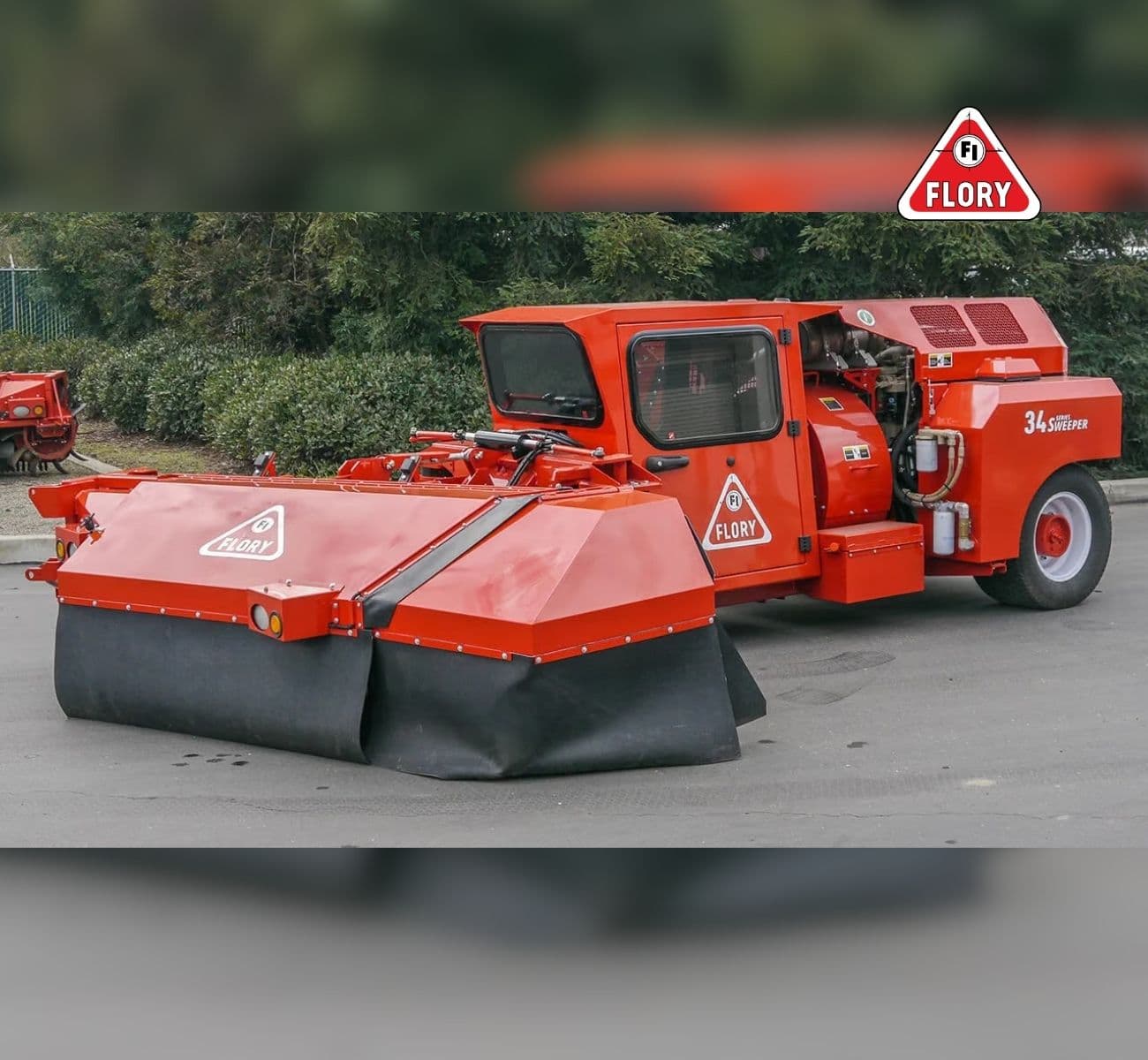
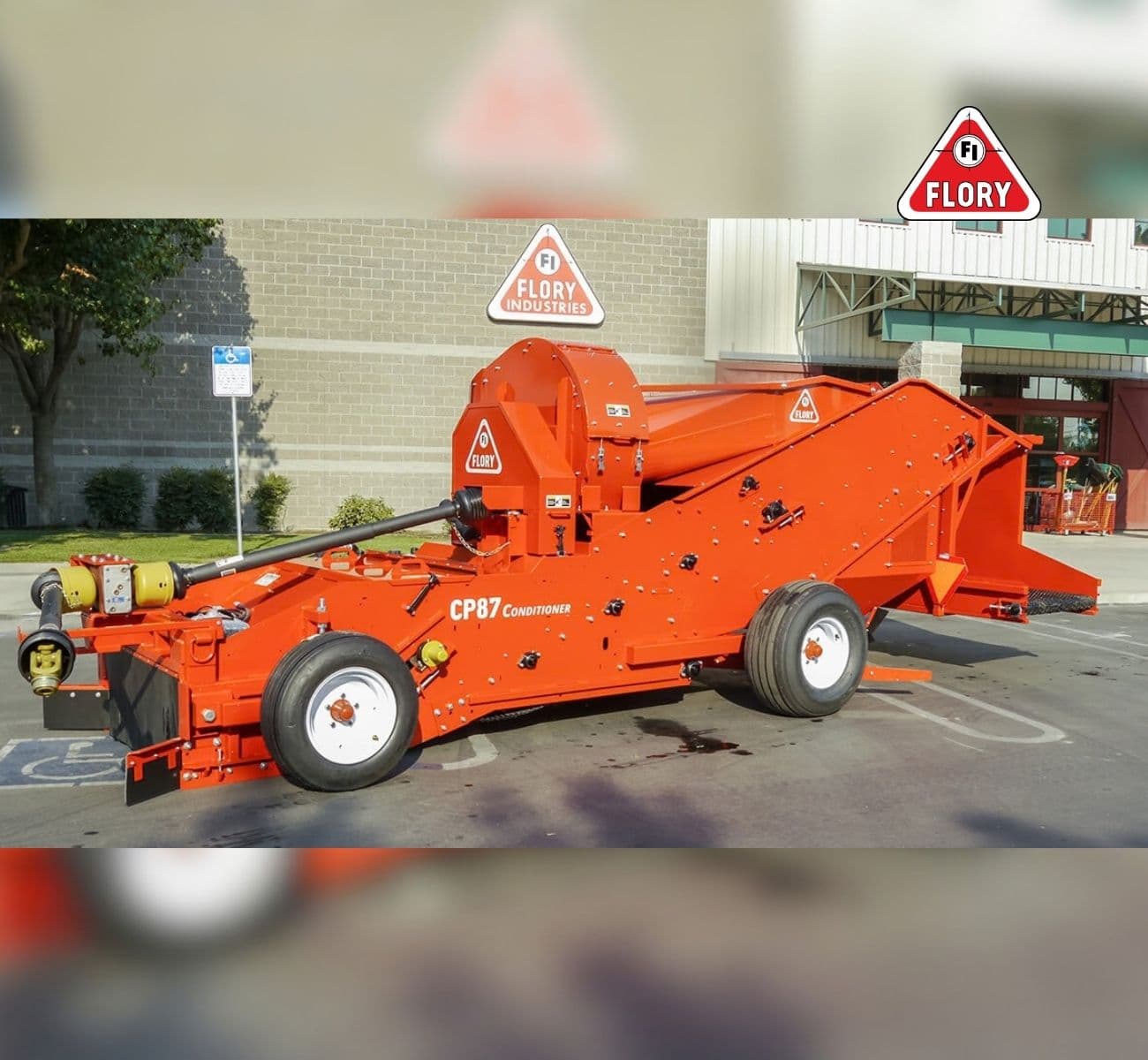
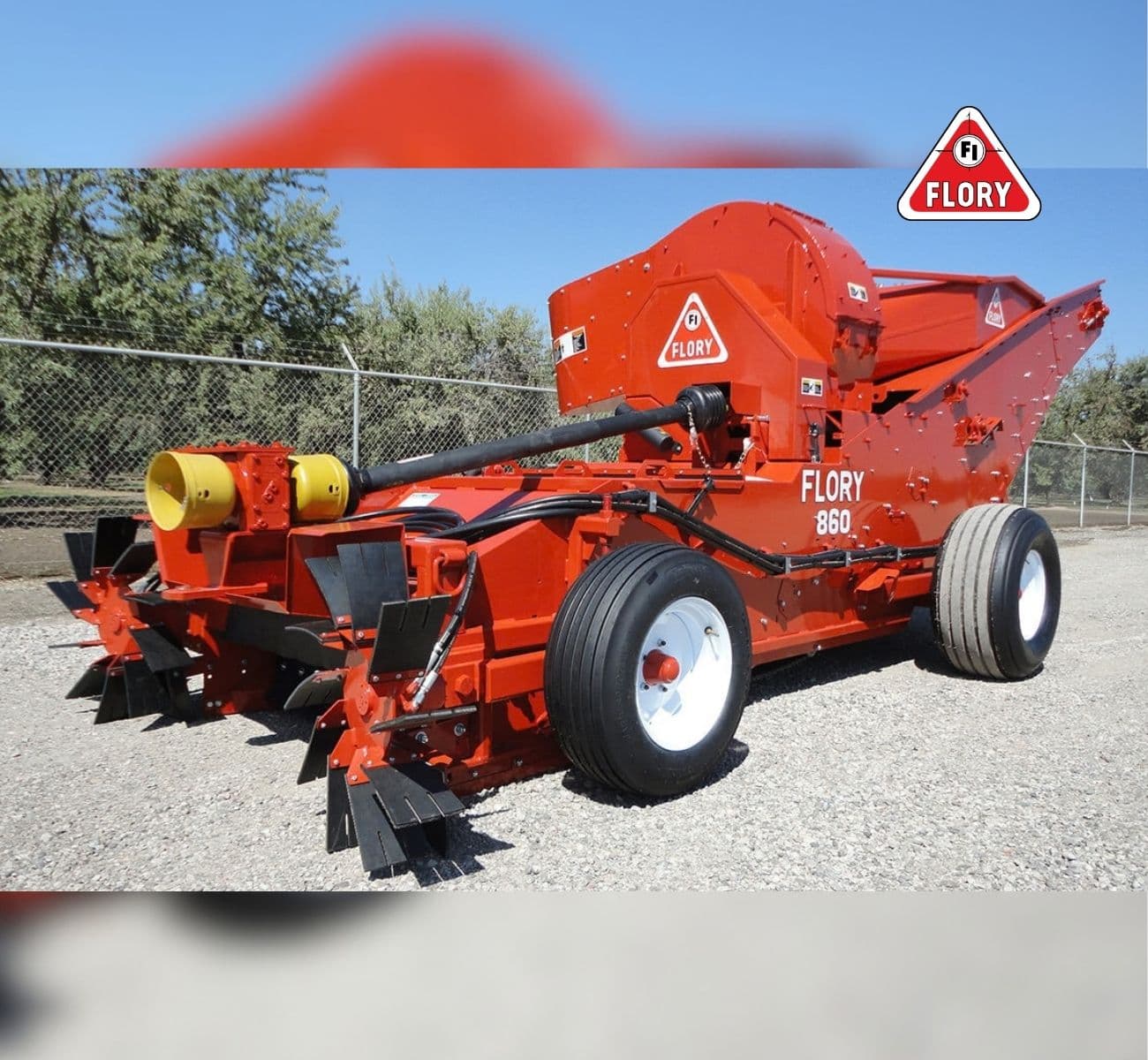
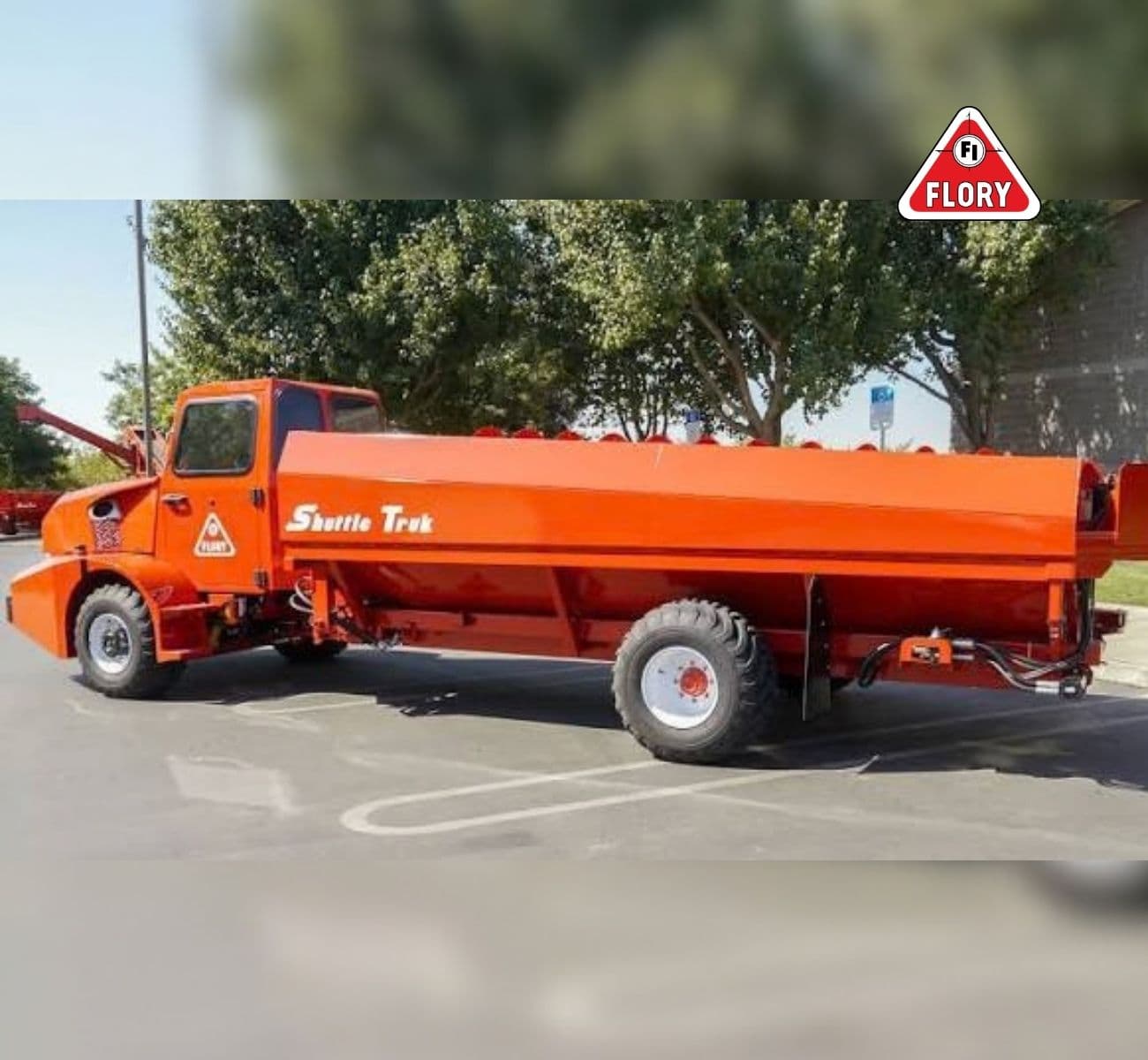
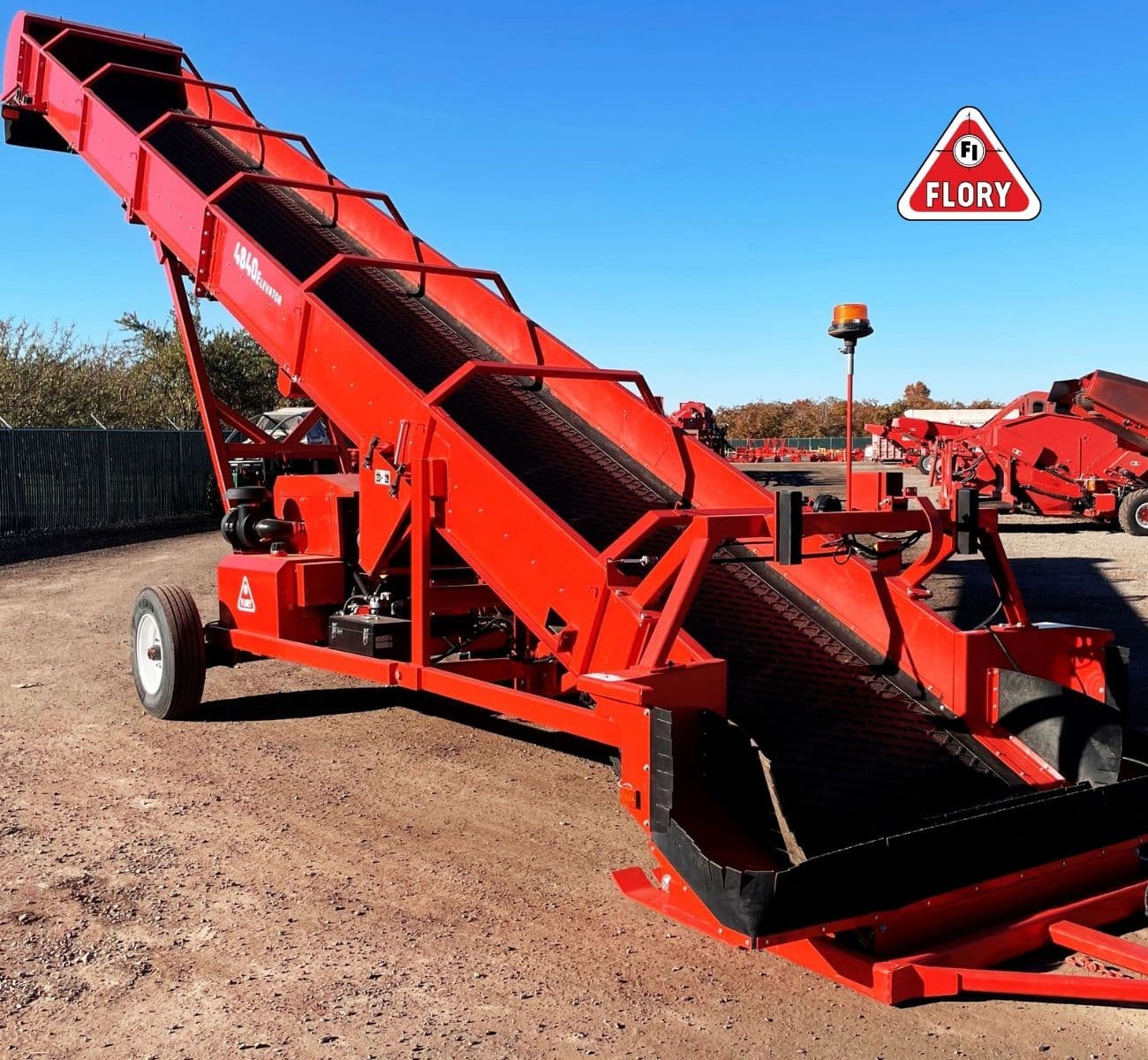
In larger new orchards planned for machines, a mechanized line shakes, sweeps and picks up each block quickly, so nuts spend less time on hot ground and fewer hands are needed. The line runs from a trunk shaker and sweeper to a harvester, conveyor cart, shuttles and field elevator, and Flory harvesting machinery is available in Egypt through OVE Europe.
Walnut Harvest Workflow (Recommended Equipment)


Practical Tips for Walnut Harvesting
Shake a few test trees first and start when about 80% of the nuts come down and 95% of the hulls have split.
Shake, sweep and pick up each block on the same day, because most quality loss happens in the first 9 hours.
Keep harvested nuts shaded and moving to the huller; the hotter it is, the faster the kernels darken.
Level and clear the orchard floor before harvest, so the sweeper and harvester pick up nuts, not soil and stones.
Check clamp pads and shaking time on young trees before the season to avoid bark wounds, which can let canker in.
Arrange hulling and drying capacity before harvest, so every load is processed on the day it arrives.
Get your recommended harvest setup
Enter orchard size, spacing, terrain, and target throughput—we’ll suggest a practical harvest workflow and equipment lineup.

Walnut Post-Harvest Handling & Processing in Egypt
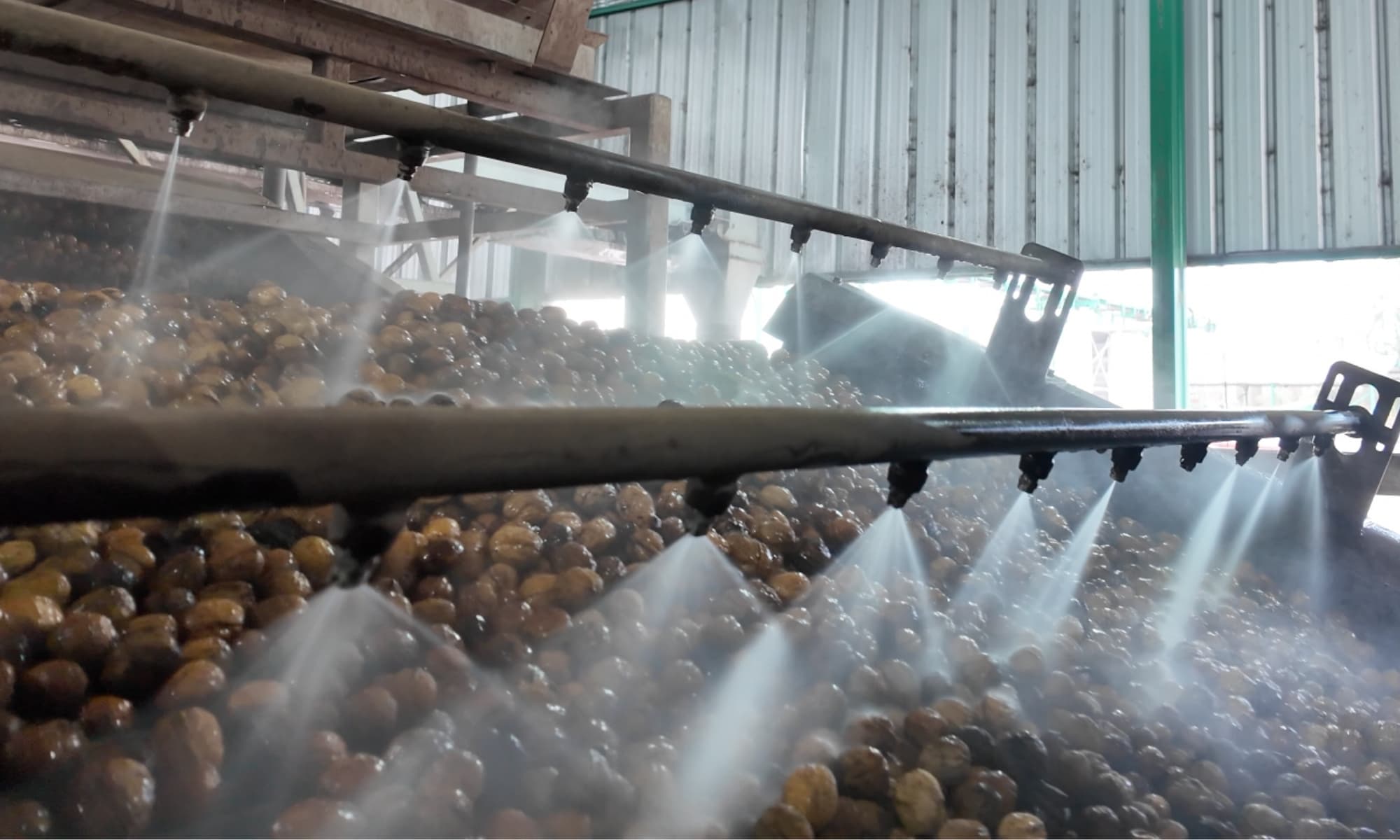
No Egyptian source describes walnut hulling or drying, so general guidance applies. Hull and wash the nuts as soon as possible after harvest, avoid drying them in the sun, which darkens the kernel (University of California, 2010), and dry to 8% moisture, measured on the whole nut, with air no hotter than 43 °C; early-season nuts at 30 to 40% moisture need 24 to 36 hours in a dryer.
Any local crop would compete with imported walnuts on quality. Under Egypt's National Food Safety Authority Decision No. 6/2022, walnuts for direct consumption or use as a food ingredient may contain at most 4 µg/kg of total aflatoxins, or 10 µg/kg if they are to be sorted or otherwise physically treated first (USDA FAS). Jessee, whose processing lines OVE Europe supplies, builds hulling, drying, in-shell cleaning and sizing, and cracking equipment for walnuts, and rates its standard hulling lines at 10 to 30 tons of output per hour.
For general information only. Information may become outdated and does not replace site-specific professional advice. Consult a qualified agronomist and confirm equipment suitability with OVE before acting.
Practical Tips for Walnut Post-Harvest Handling & Processing
Hull on the day of harvest; the longer hulls stay on, the more nut quality deteriorates (University of California).
Wash the nuts after hulling to prevent shell staining and remove soil, then start drying the same day.
Dry in a dryer with air at 43 °C or below rather than in the sun, which darkens the kernels.
Stop at about 8% moisture on the whole nut: underdried nuts mold and turn rancid, overdried ones lose saleable weight.
Store dried nuts cool; in-shell walnuts keep their quality for about a year at 4 °C.
Sort out moldy, dark and damaged nuts before sale; Egypt's aflatoxin limits for walnuts are strict.
Recommended Post-Harvest Handling & Processing Stages









Plan your post-harvest line
Estimate tons/day, cleaning & drying capacity, storage needs, and cost/kg—then build your equipment plan in phases.