


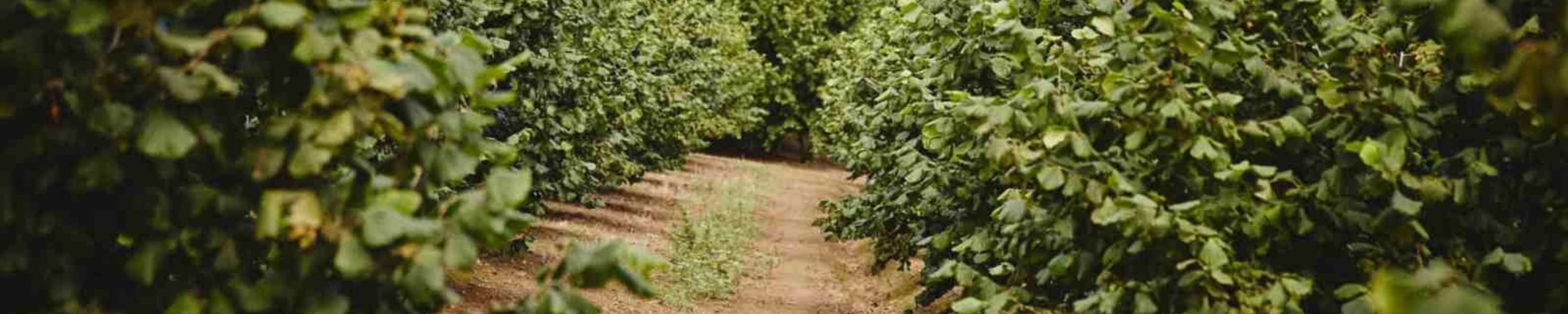




Hazelnut Orchard Establishment in France
A 1999 market study by Ctifl, the French fruit and vegetable technical center, dated the modern hazelnut orchard to the mid-1970s, set up on the American model with single trunks for machine harvest and with irrigation. ANPN, the national hazelnut growers' association, describes Corabel, an INRA cultivar on the French catalog since 1987, and Fériale as large nuts for the table, and Ferwiller as small nuts for cracking, used mainly as a pollinizer; a Gironde extension sheet lists Segorbe, Lewis, Pauetet and Tonda di Giffoni for industry.
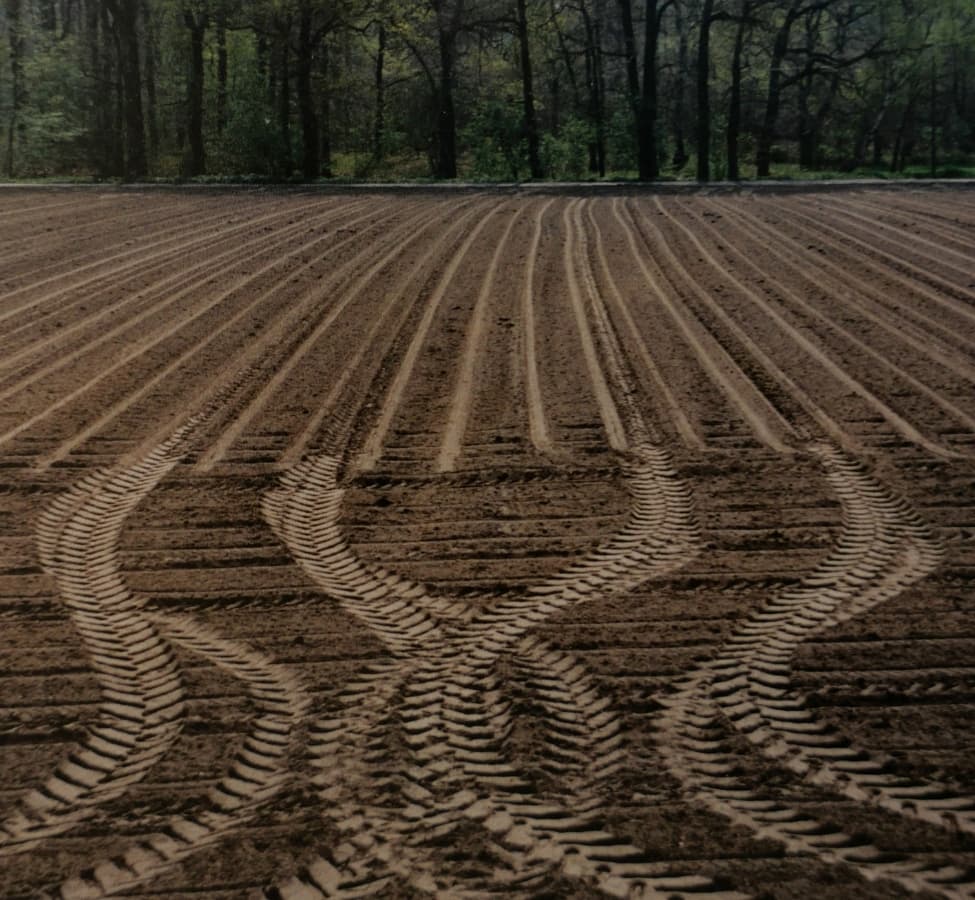
The Gironde sheet says at least two cultivars must cross-pollinate, with pollinizers making up 8 to 10% of the orchard, half early and half late, within 25 to 30 m of the trees they pollinate. It gives 600 to 800 trees per ha, spacings of 7 × 2.5 m or 6 × 3 m and trunk or bush training, with bearing from year five and full bearing from year eight. In the mechanized system this guide follows, nuts are swept up, so Oregon State University (OSU) advises making the floor as smooth as possible at least a year before the first commercial harvest.
The Gironde sheet prefers soils that drain well, with a pH of 6 to 8 and a lime content under 10%, and notes that young shoots are sensitive to frost. A 2023 paper on French hazelnut production reports that spring frost in 2021 and heavy rain during flowering in 2020 to 2021 cut production potential by about 30%, and an 18-year phenology study in south-western orchards found leaf budbreak at least seven days earlier than in the literature. OSU explains that hazelnut cannot set nuts with its own pollen.
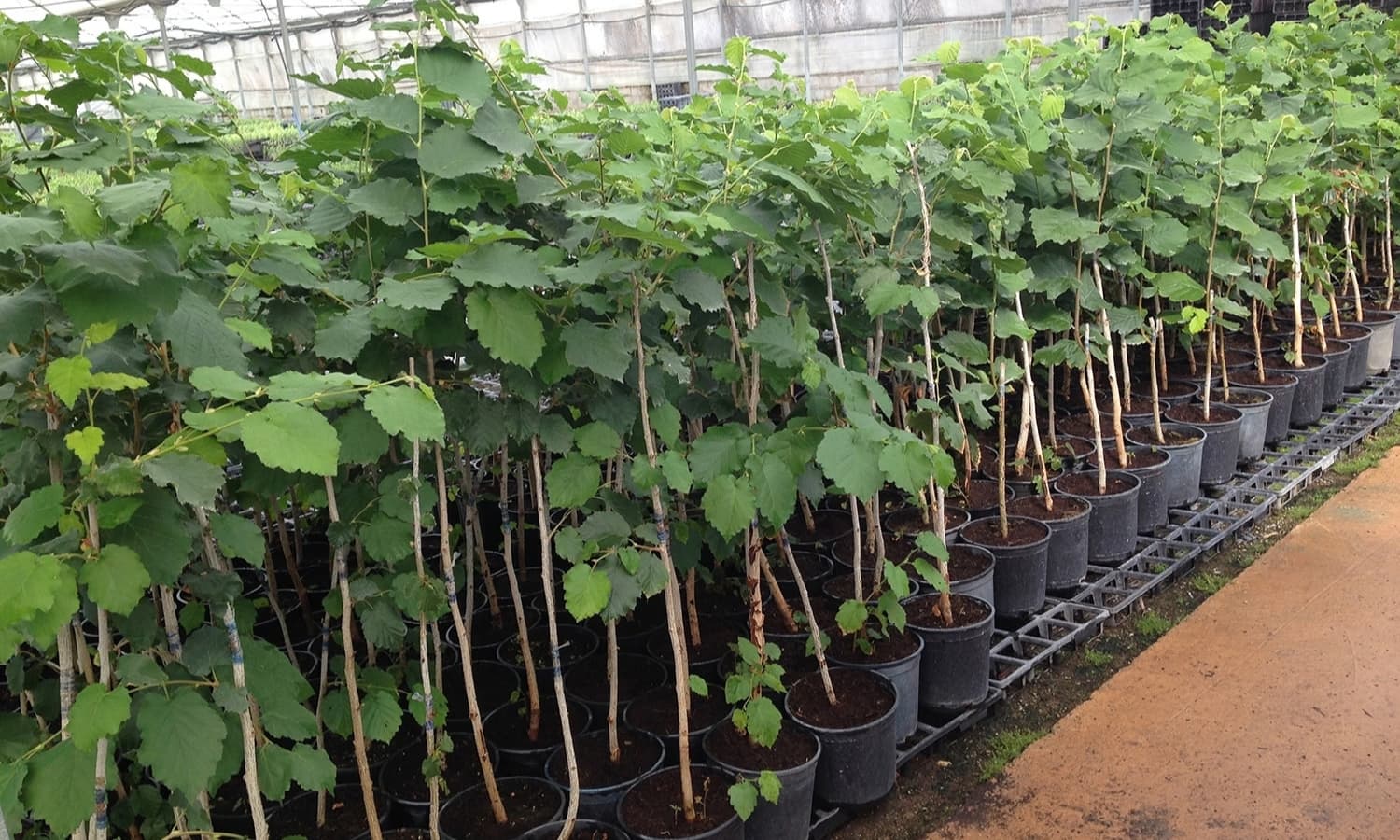

Practical Tips for Hazelnut Orchard Establishment
Plant pollinizers as 8 to 10% of the orchard, half early and half late, within 25 to 30 m of the main cultivar, as the Gironde chamber of agriculture advises.
Choose cultivars for your market: ANPN describes Corabel and Fériale as large table nuts and Ferwiller as small nuts for cracking, used mainly as a pollinizer.
Choose a spacing such as 7 × 2.5 m or 6 × 3 m, as the Gironde sheet suggests, and check row widths against your harvest machines.
Prefer soils that drain well, with a pH of 6 to 8 and a lime content under 10%, as the Gironde chamber of agriculture advises.
Smooth and firm the orchard floor at least a year before the first commercial harvest, as Oregon State University advises, so sweepers can work up to the trunks.
Leave room to turn at row ends and a loading area near a road, as Oregon State University advises, and check machine needs with OVE Europe.
Recommended Establishment Stages
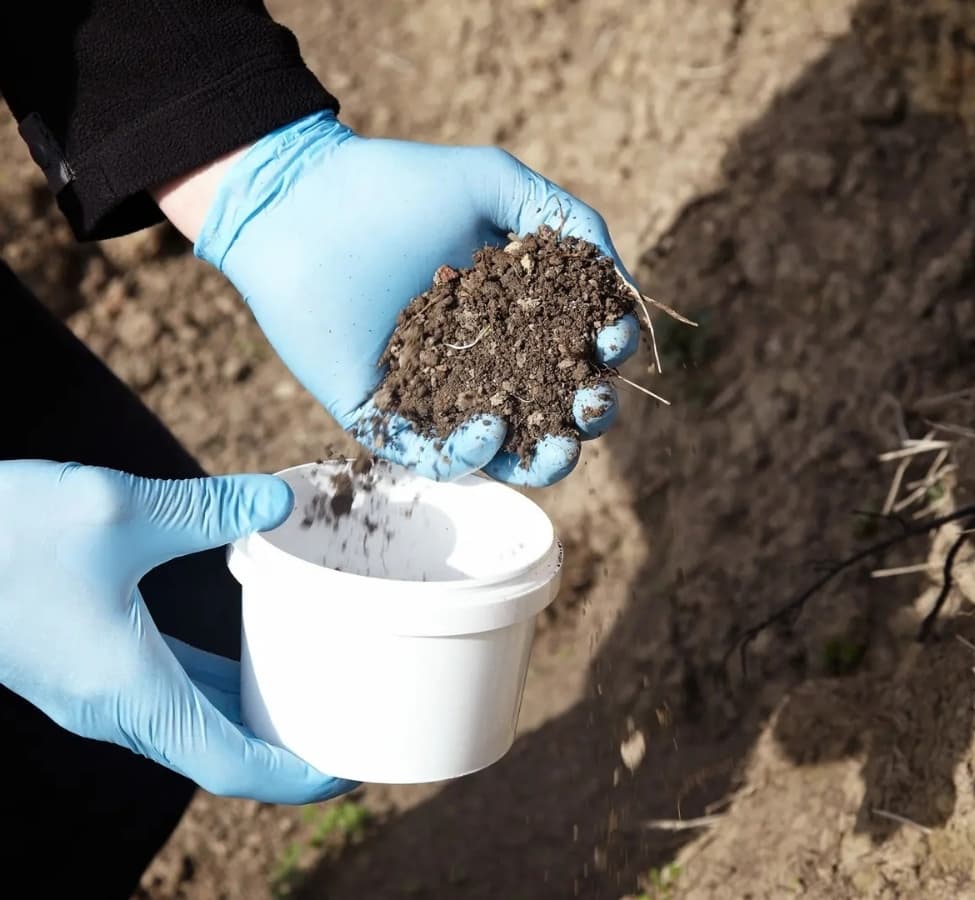
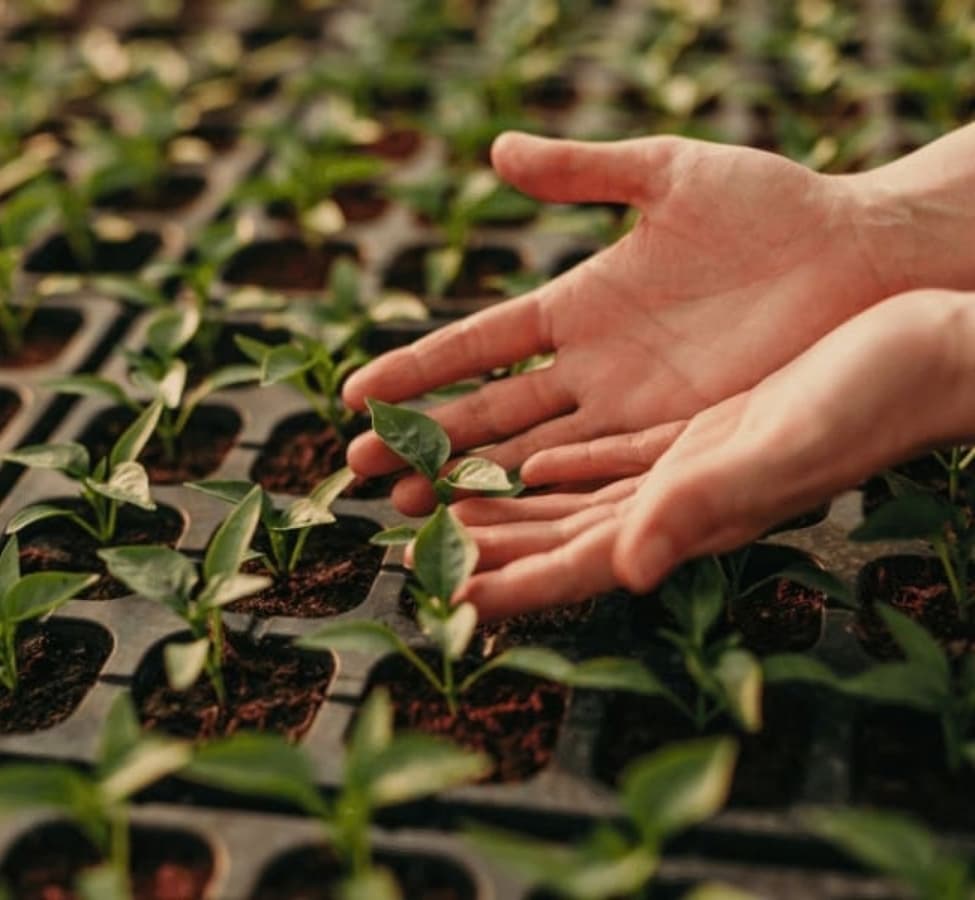

Hazelnut Orchard Care & Maintenance in France
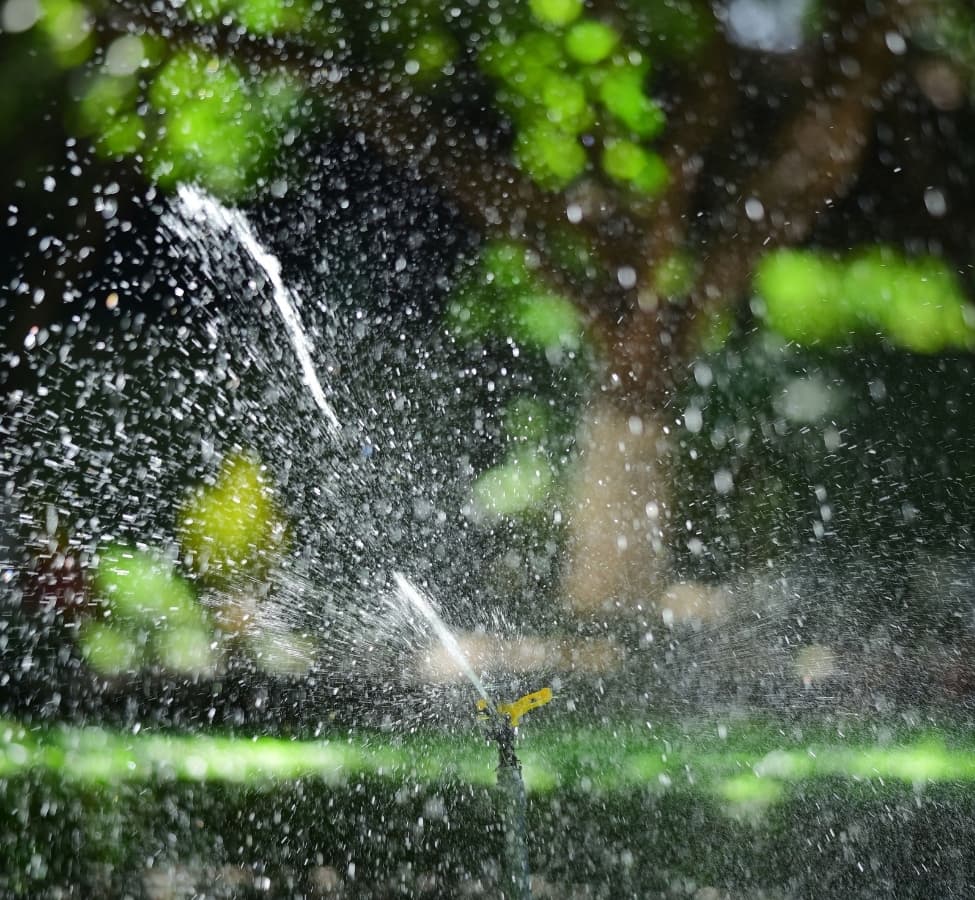
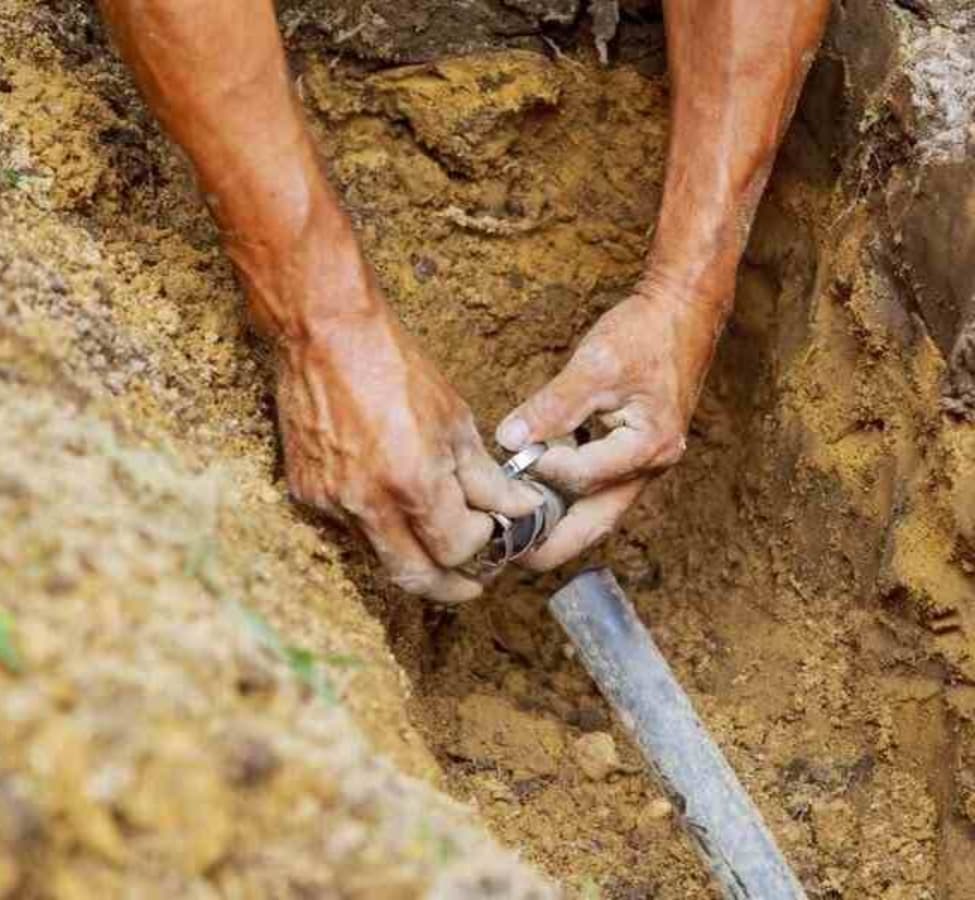
A water-agency review for the Adour-Garonne basin, undated but citing sources up to 2016, reported 70% of new hazelnut plantings equipped with drip and that the main cooperative recommended a water resource of 2,000 m³ per ha, as kernels fill when the trees need much water. In Occitanie, the 2020 census put irrigation rates close to 90% for hazelnuts (Agreste). The Gironde sheet adds that an orchard can go without irrigation, but that water is strongly advised in the first three years.
ANPN names the hazelnut weevil (Curculio nucum) and the brown marmorated stink bug as the two main pests of French hazelnuts and says that without control the weevil can affect up to 80% of nuts; a 2022 study describes adults climbing into the trees in April and May and laying eggs in June. EPPO lists the stink bug (Halyomorpha halys) as present and widespread in France, first found in Alsace in 2012; a 2025 trade report dates its first hazelnut damage in the south-west to 2021, at 3 to 5%, with damage of up to more than 10% from 2022.
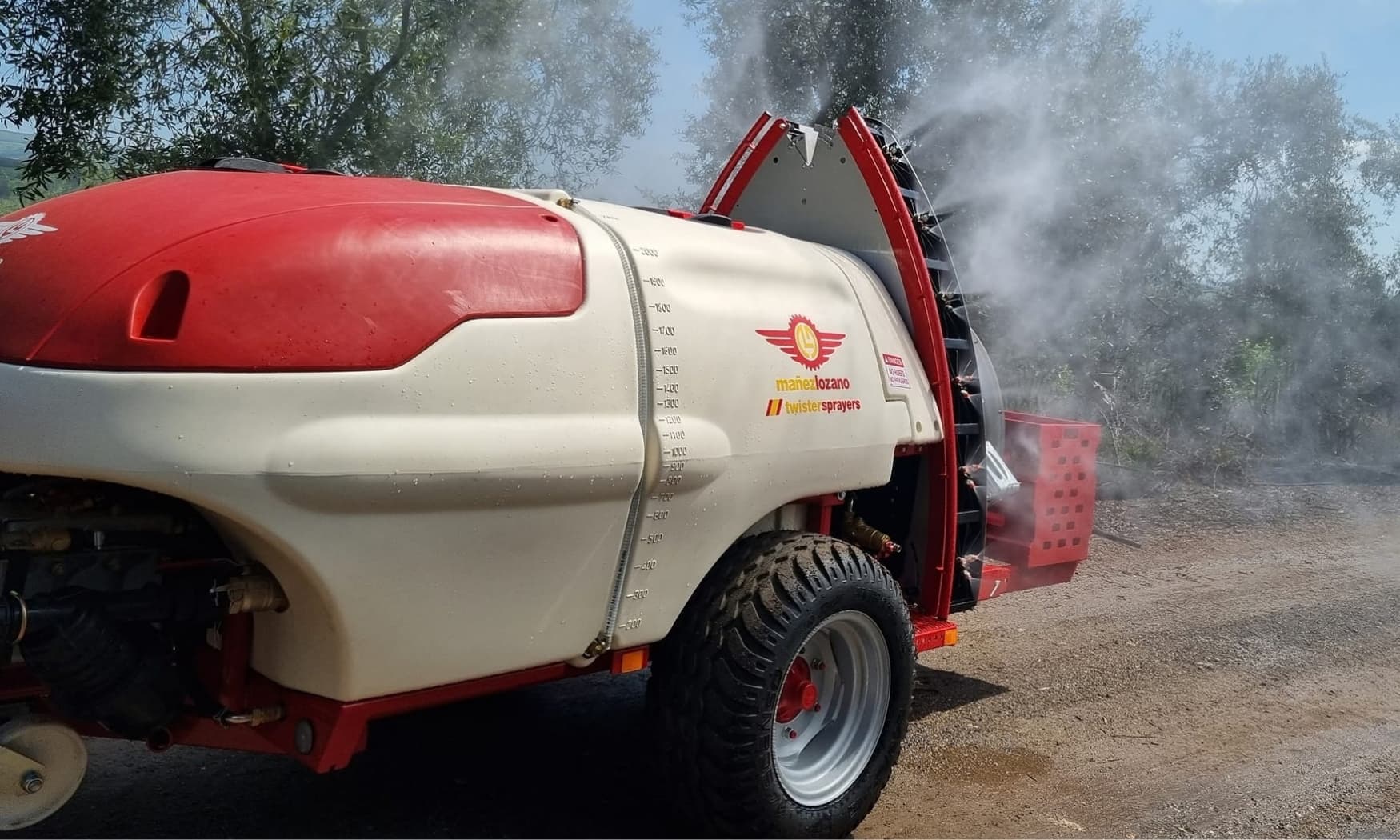
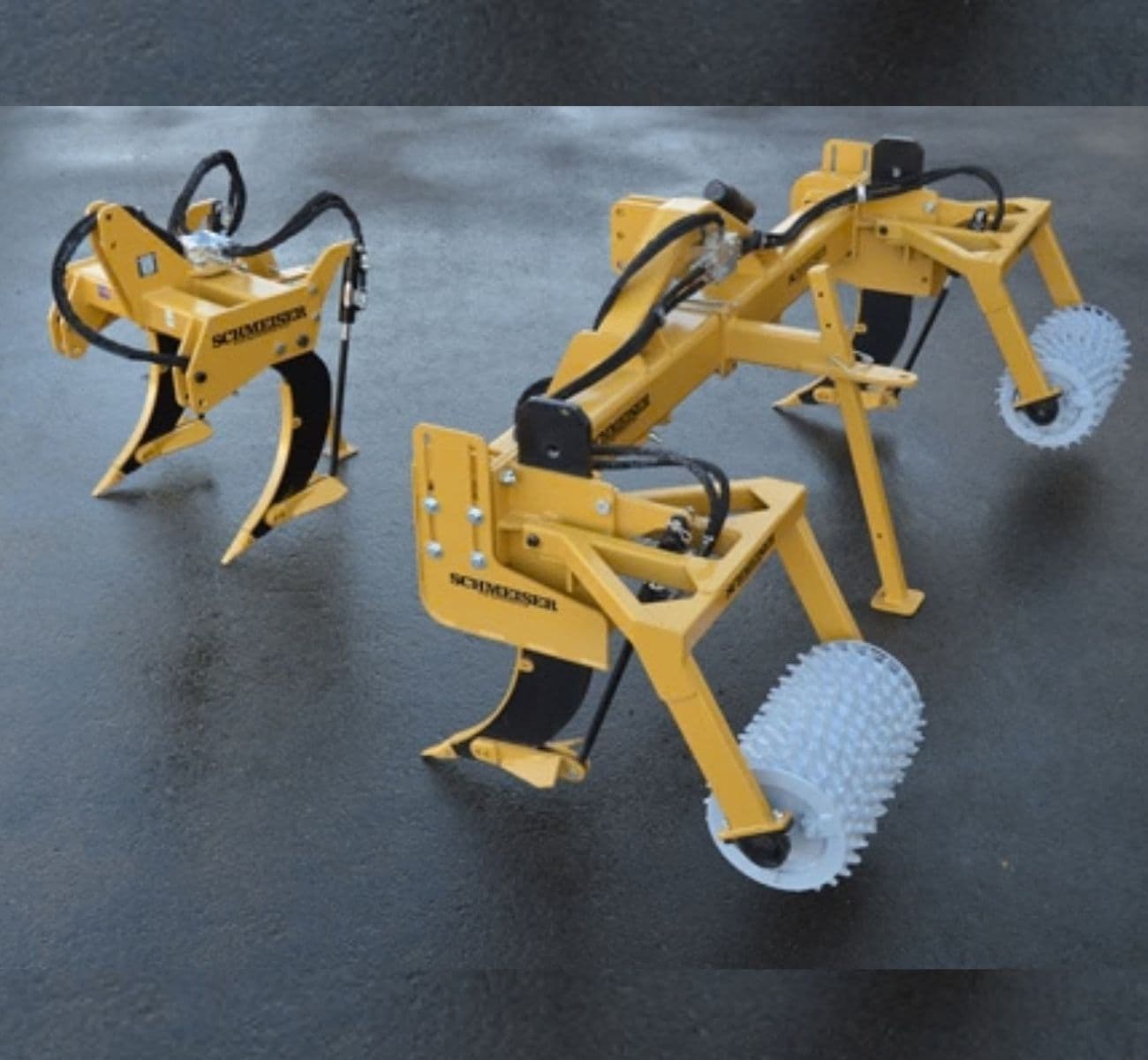
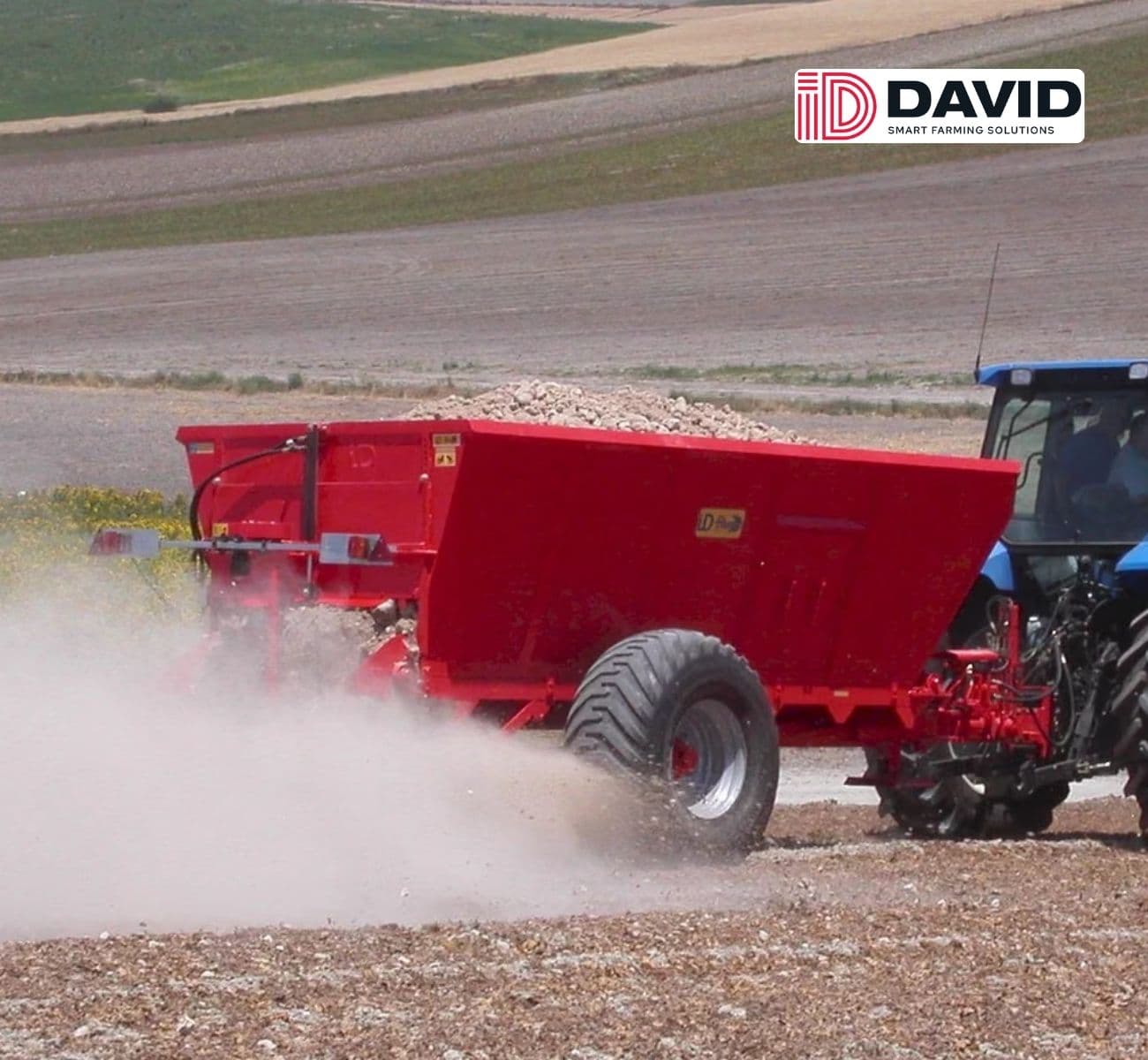
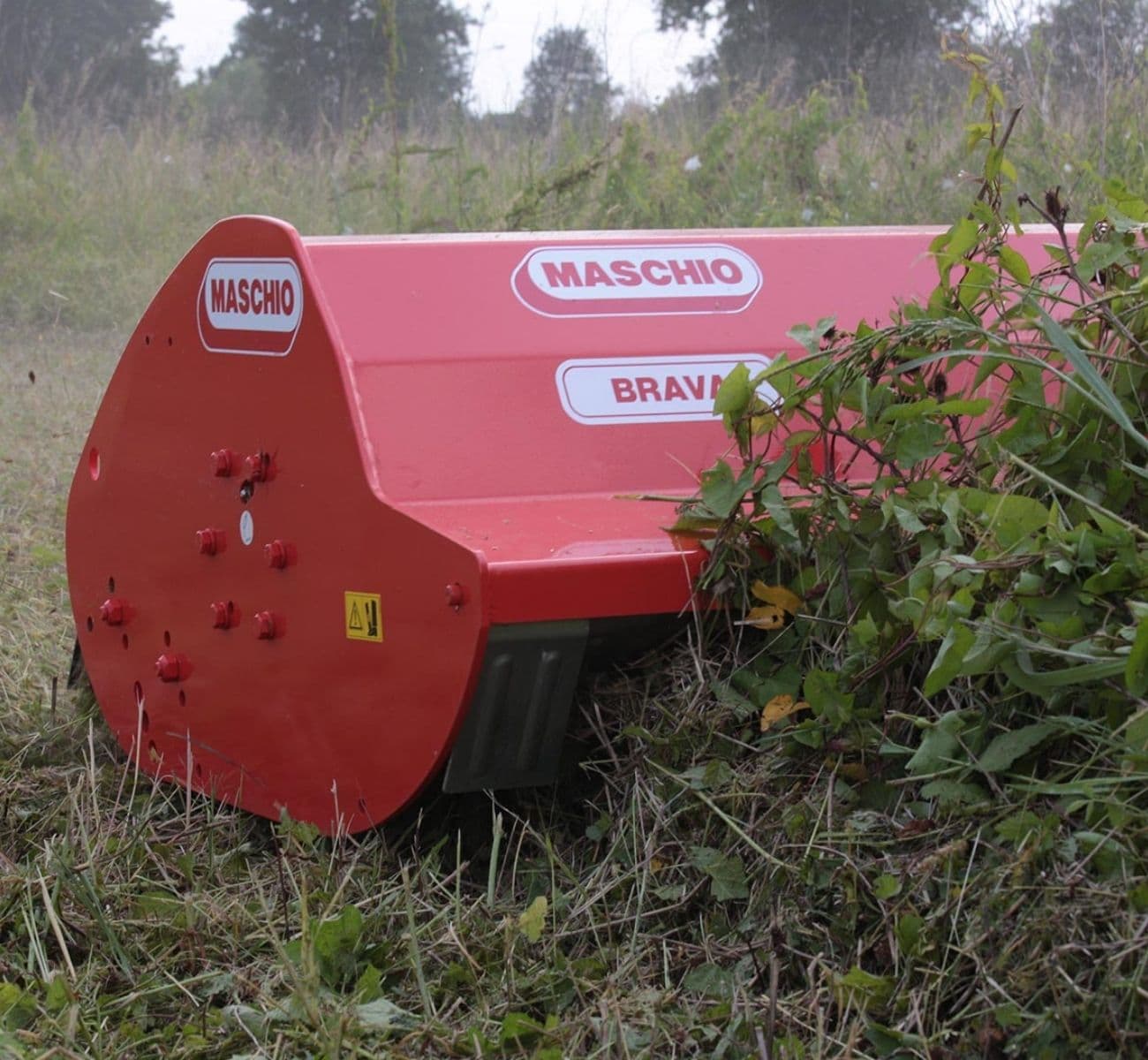
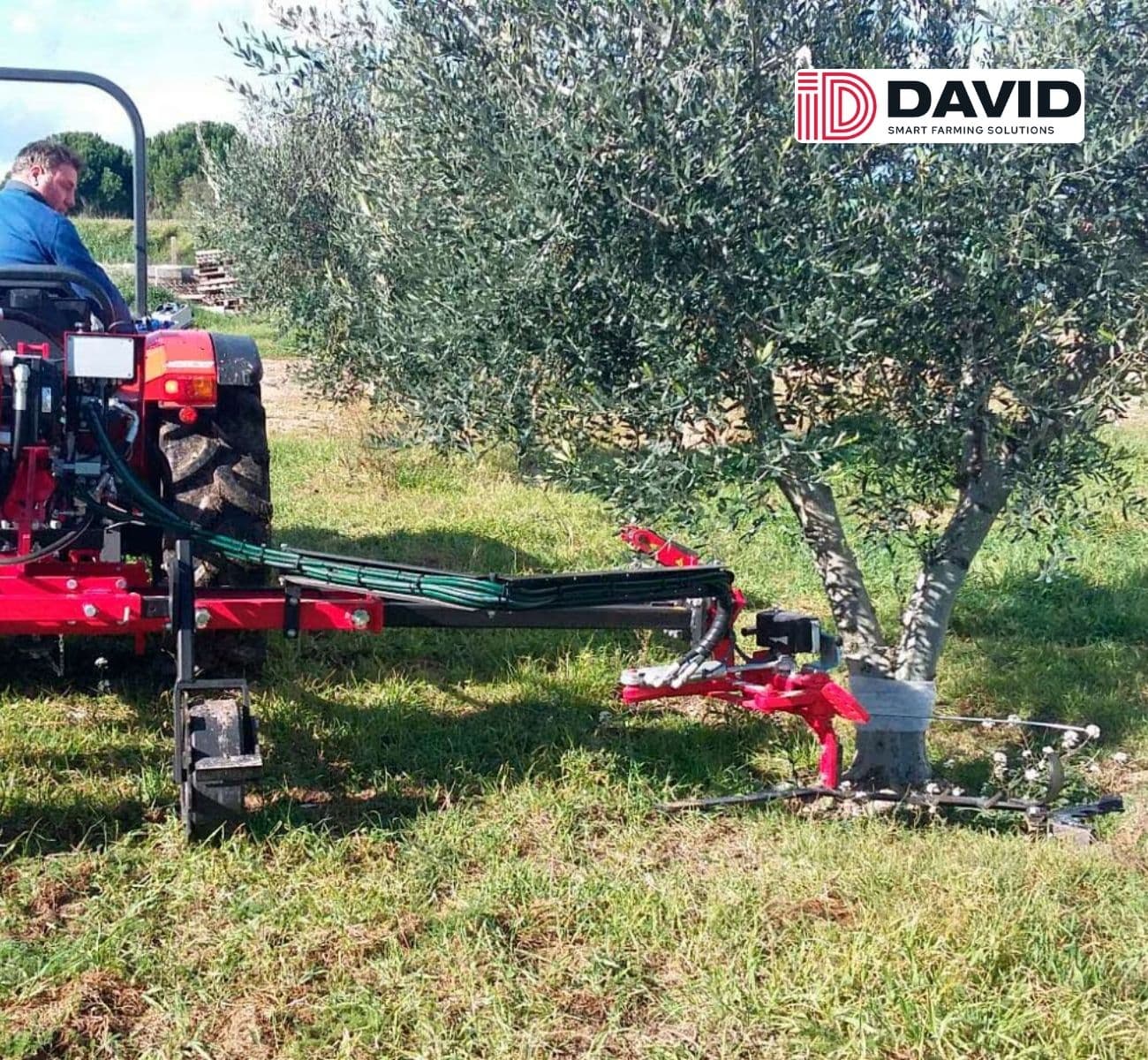
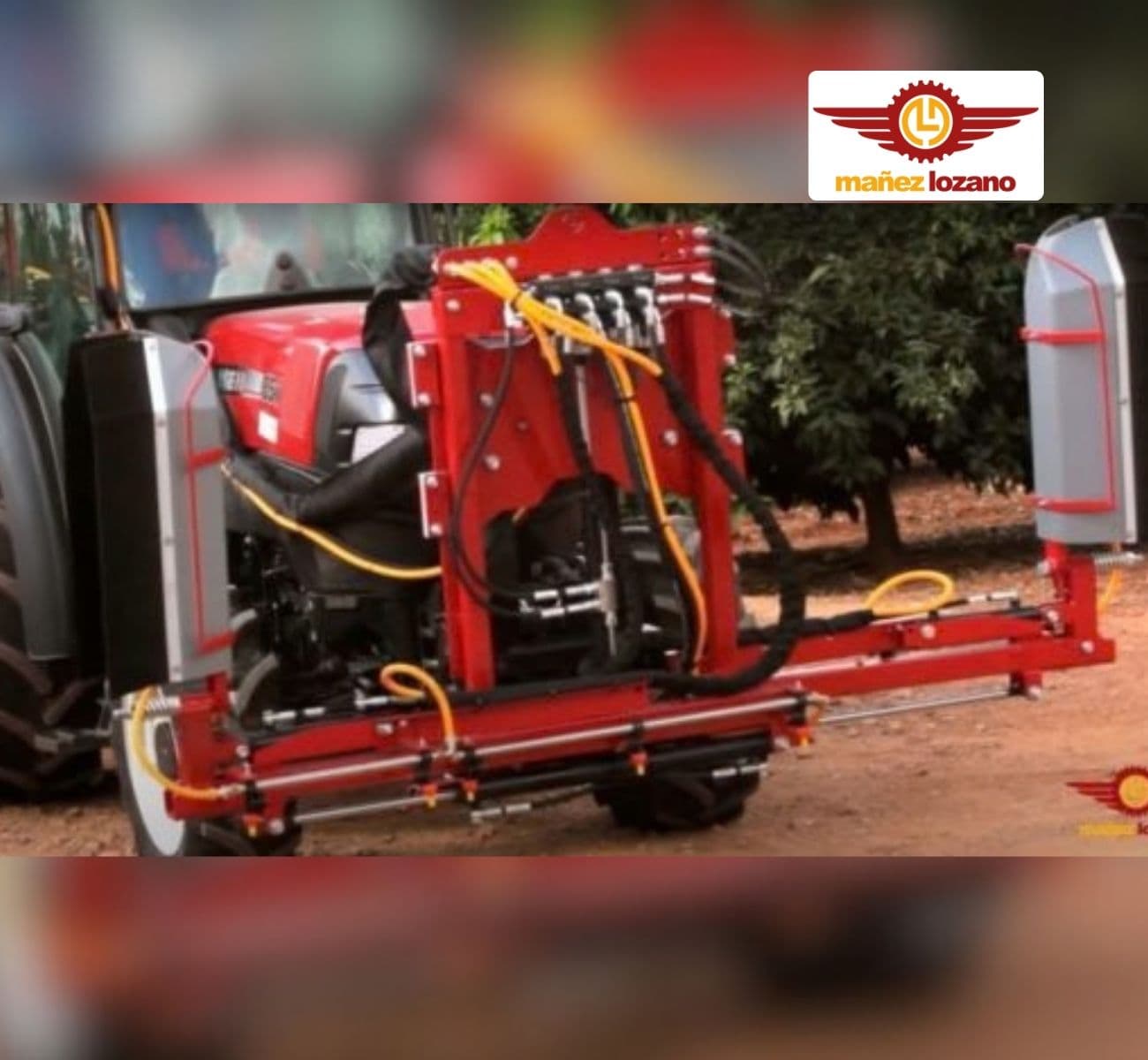
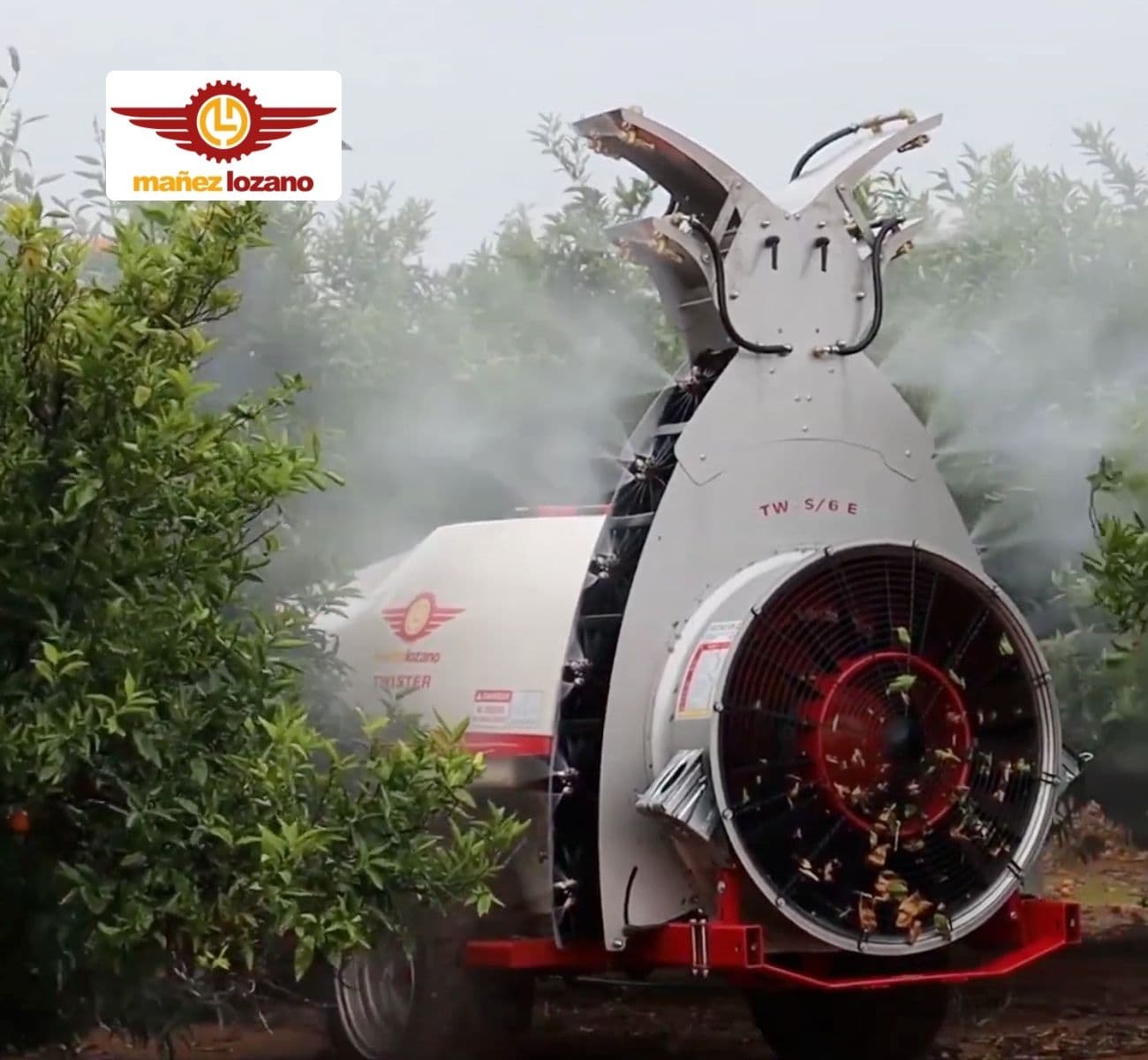
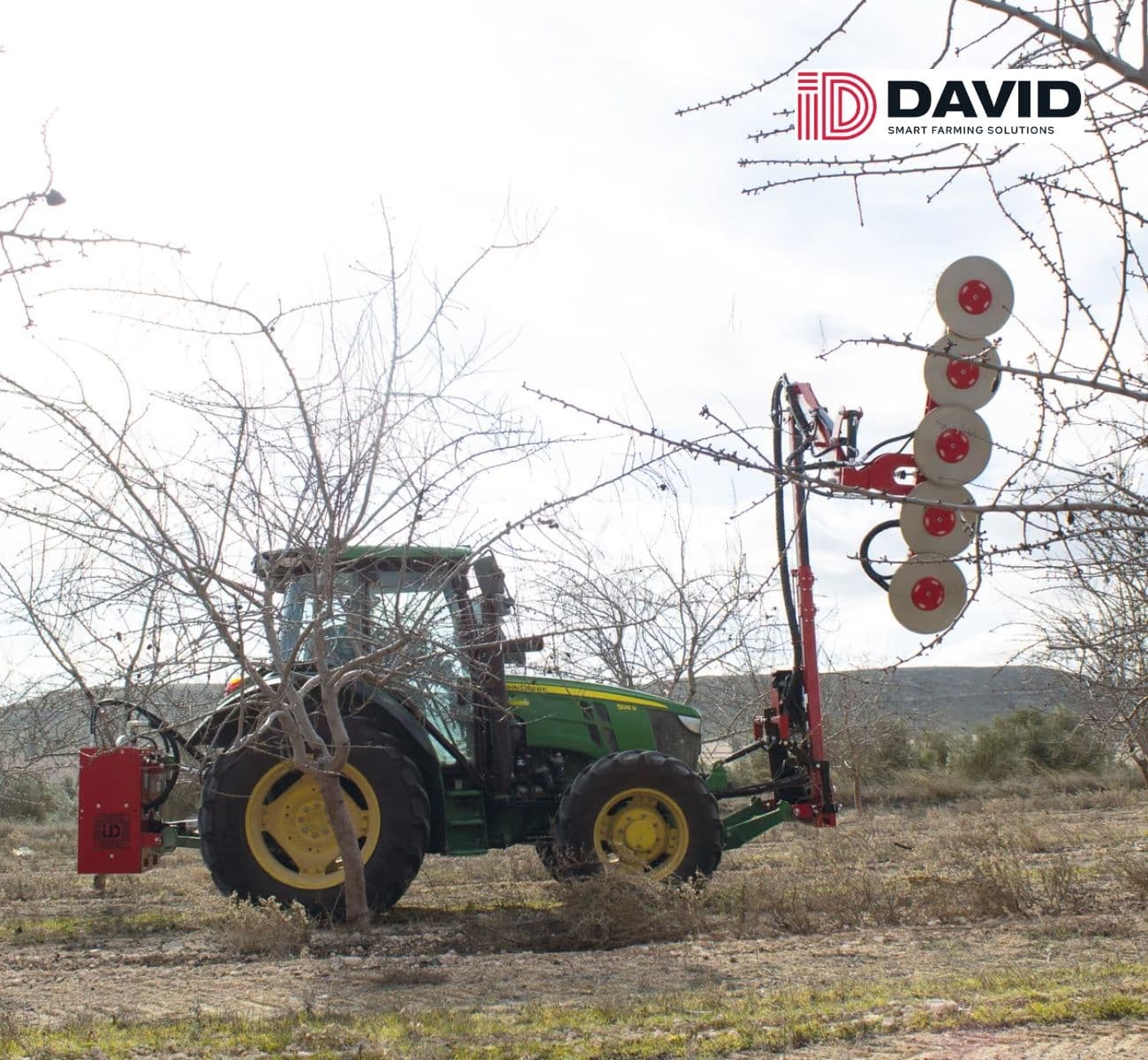
In a 2022 study, feeding by two other true bugs new to French hazel orchards mainly caused empty nuts and necrotic spots on kernels. The Gironde sheet adds that big bud mite larvae invade young buds and cause them to abort, and that hazel bark is fragile, so mechanical work along the tree row must be gentle. In single-stem orchards planted for machines, the ID DAVID SURFEED spreads solid manure, the ID-XL weeds the tree row, the Mañez Lozano Mega Twister S6 sprays tall, dense canopies and the ID-REX disc pruner makes lateral and topping cuts.
Recommended Orchard Care & Maintenance Stages
Practical Tips for Hazelnut Orchard Care & Maintenance
Secure water before planting: an undated water-agency review reported that the main cooperative recommended a resource of 2,000 m³ per ha for new hazelnut orchards.
Remove suckers at least twice a year, in autumn and in late May or early June, as Türkiye's Hazelnut Research Institute advises.
Check for hazelnut weevils from April, when adults climb into the trees: in a 2020 trial at Cancon, 78% of the damage came between weeks 23 and 26.
Monitor for the brown marmorated stink bug by beating branches and with pheromone traps, as ANPN, the growers' association, does.
Keep mechanical work along the tree row gentle: the Gironde chamber of agriculture warns that hazel bark is fragile.
Weed the tree row without herbicides using an in-row weeder such as the ID DAVID ID-XL, and keep the orchard floor level for harvest.

Hazelnut Harvesting in France
Most French hazelnuts are collected from the ground after natural drop, from late September to late October, say the national chambers of agriculture. The Gironde sheet calls the harvest easily mechanized with a sweeper and a pickup, the first pass taking about 70% of the crop; a south-western grower describes a brush windrower that gathers the nuts mid-row, then several harvester passes. In single-stem orchards planted for machines, mechanized harvesting can bring the crop in on time, with less risk of nuts deteriorating while they wait.
In the mechanized system this guide follows, as in Oregon, the trees are not shaken: OSU explains that the thin-barked, shallow-rooted trees would be damaged. The nuts drop onto a leveled, flail-mowed floor, then are swept and picked up in several passes; a grower warns that nuts left too long on damp ground can rot. At Agen, September rain averaged 61 mm on 8 days over 1991 to 2020, but in September 2024 rain often reached two to three times the normal from Nouvelle-Aquitaine to the Paris Basin (Météo-France).
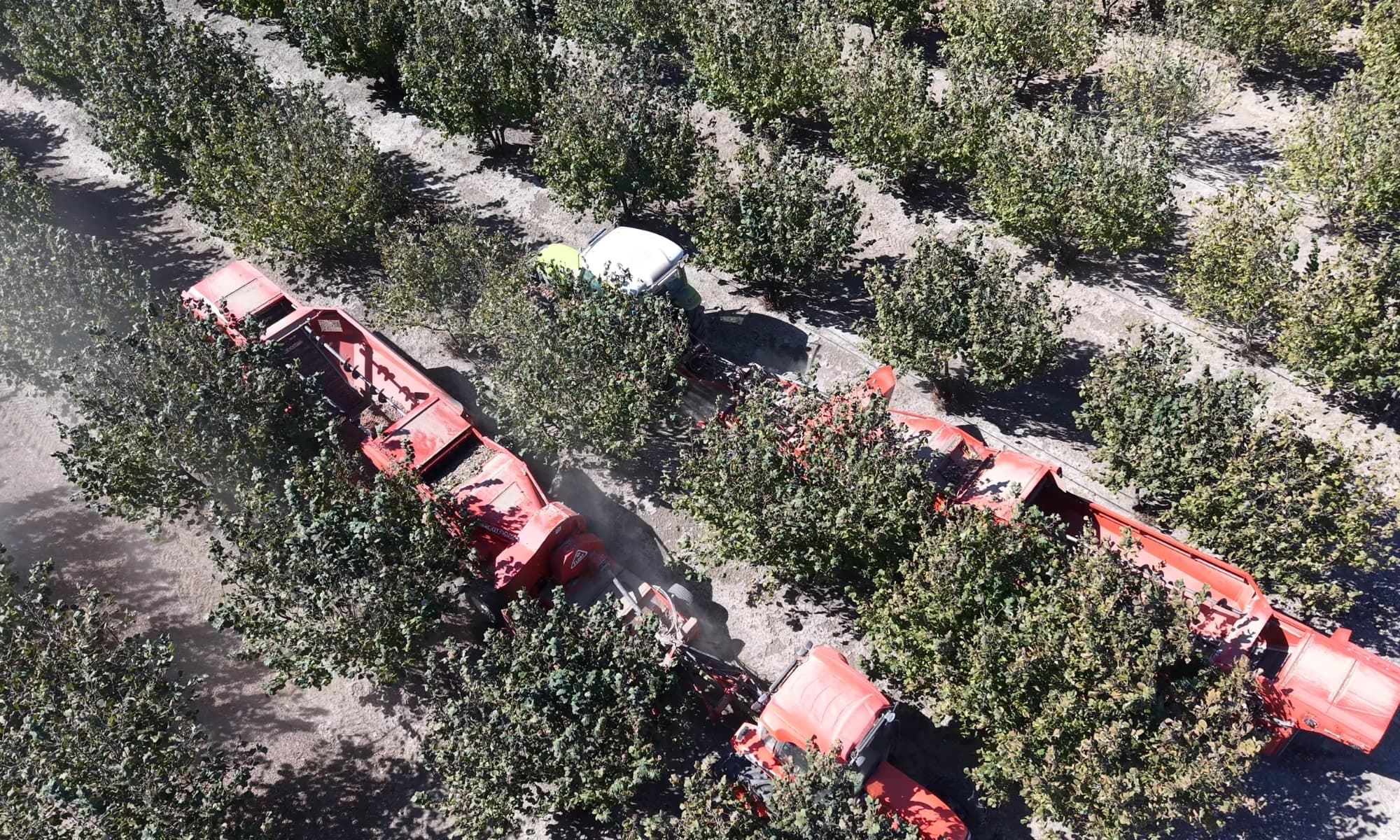
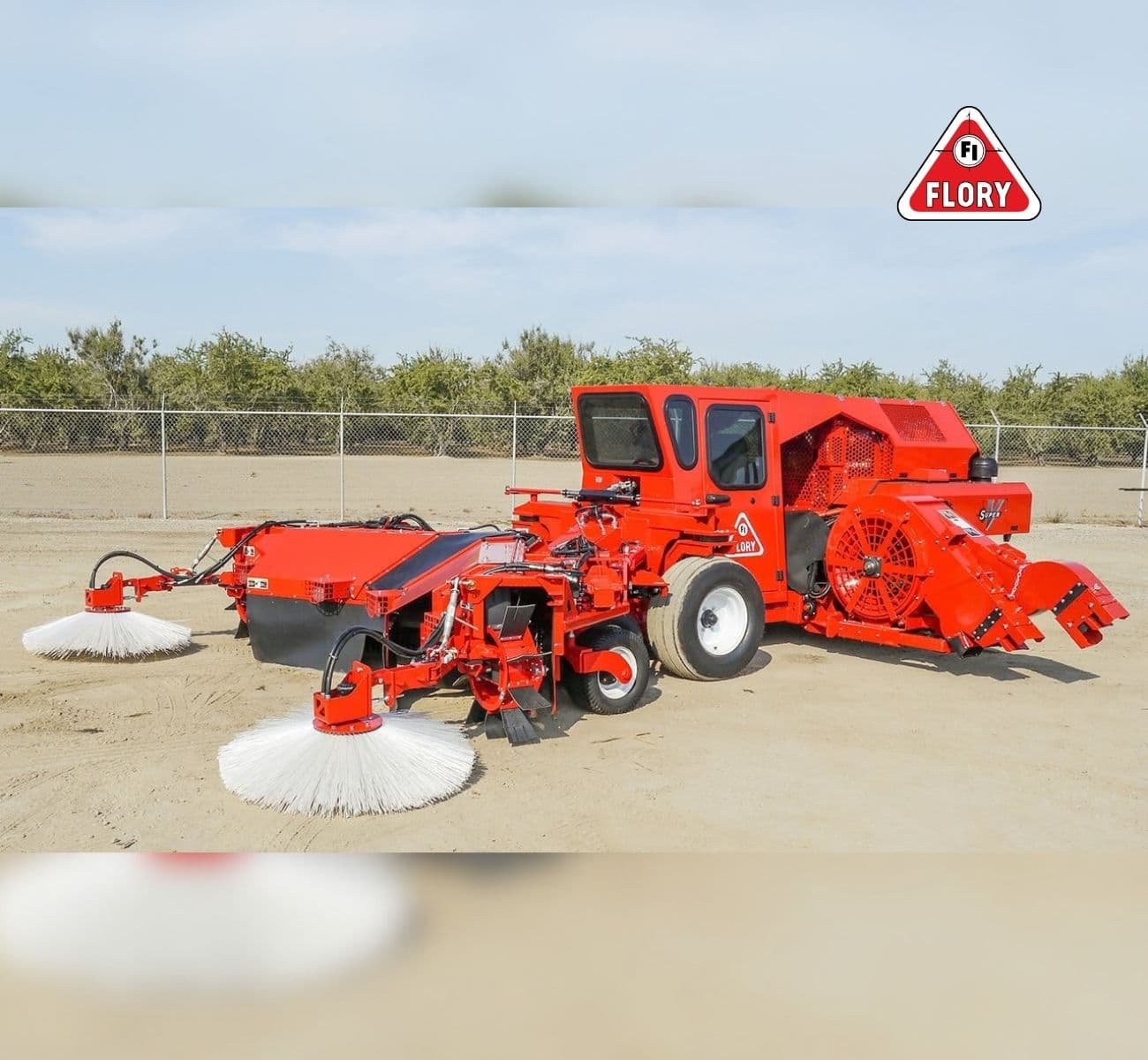
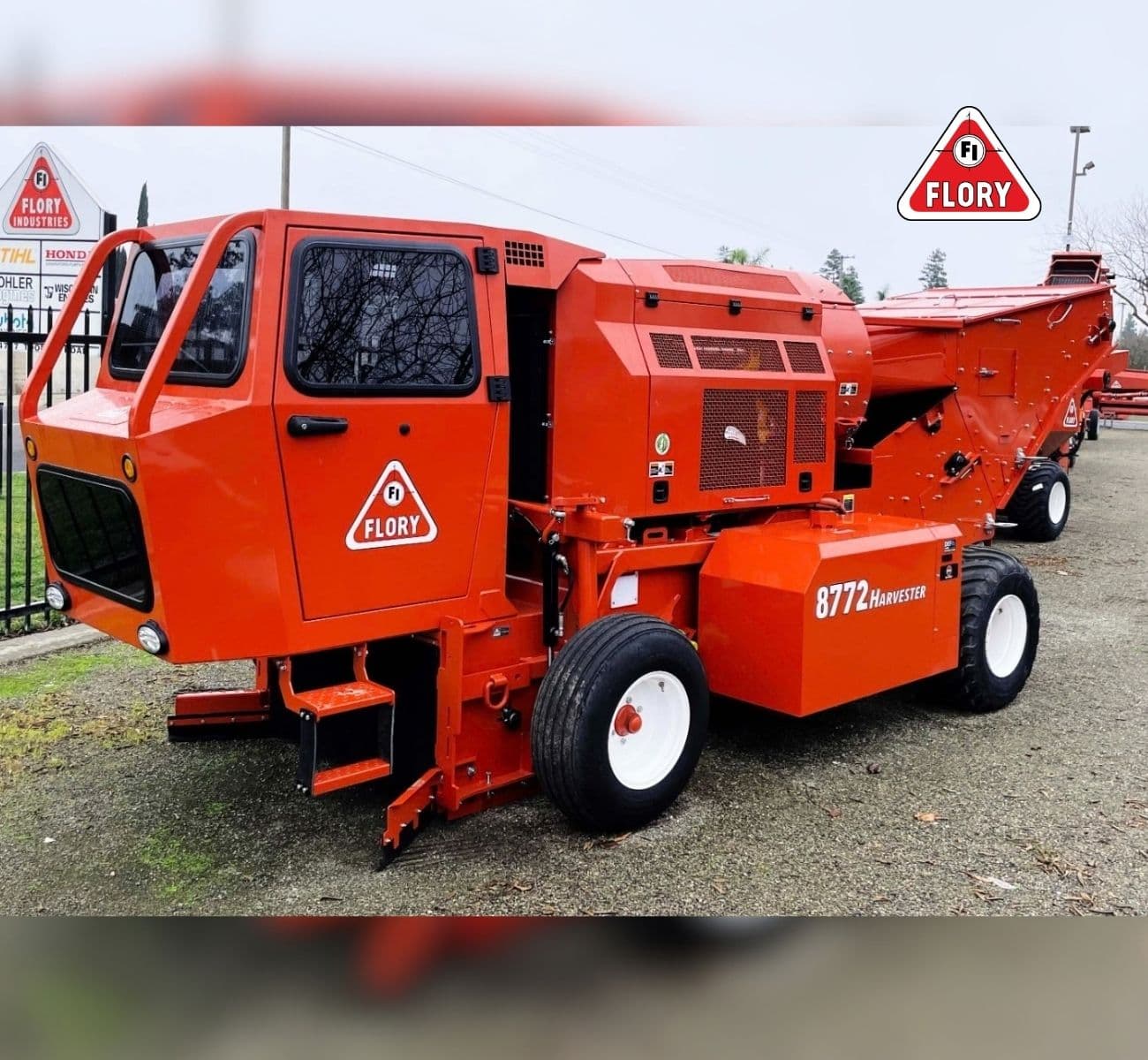
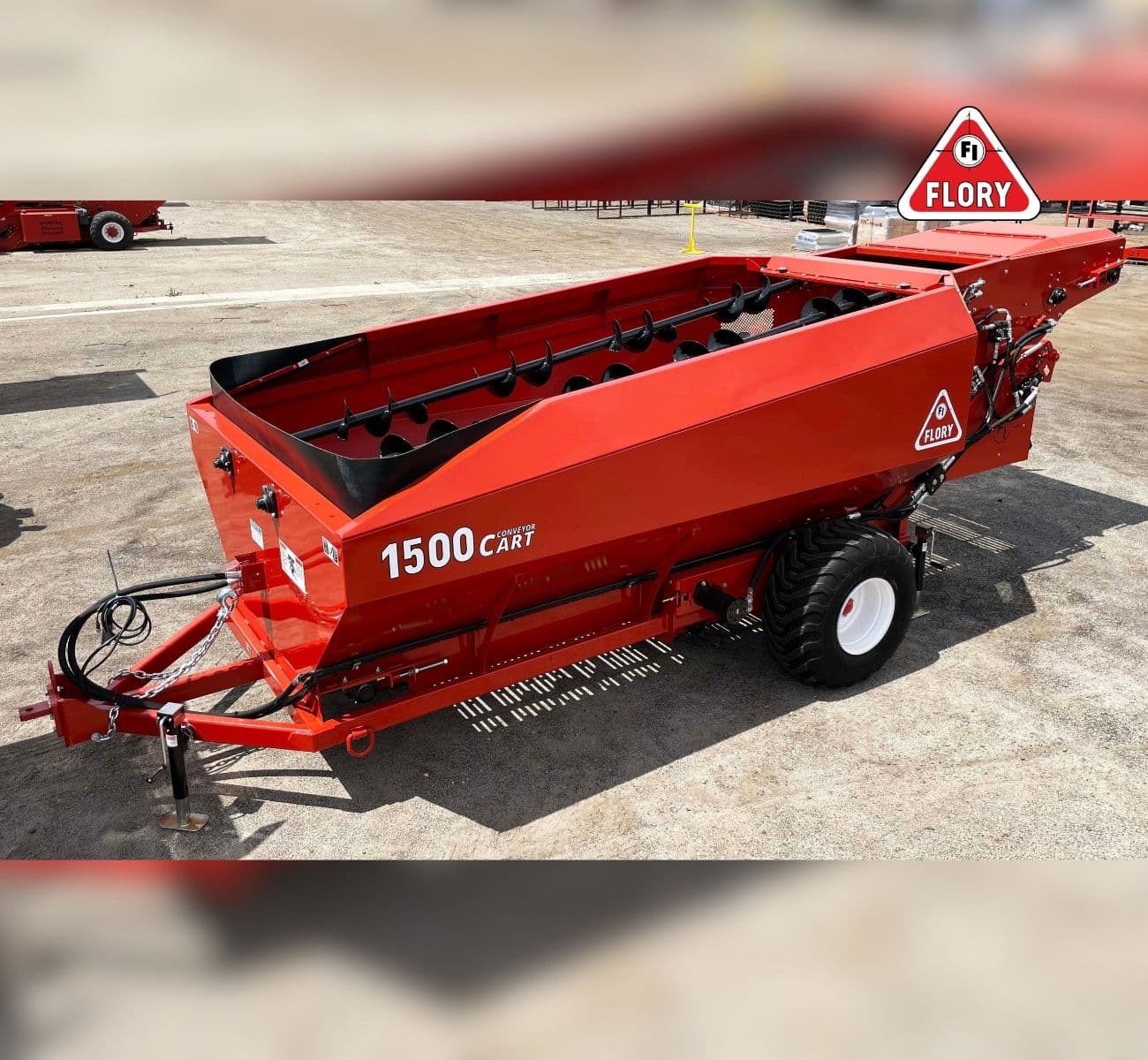
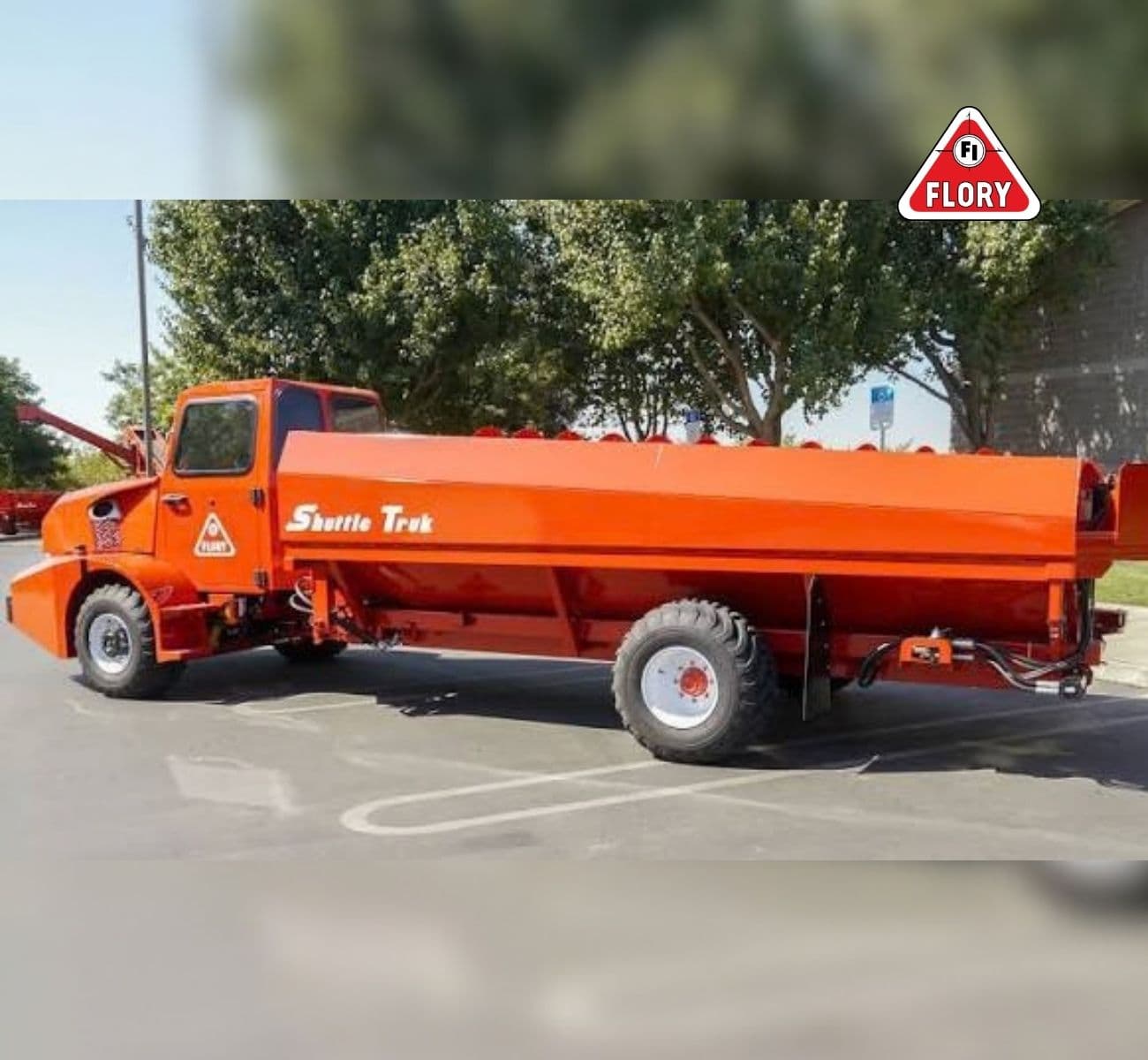
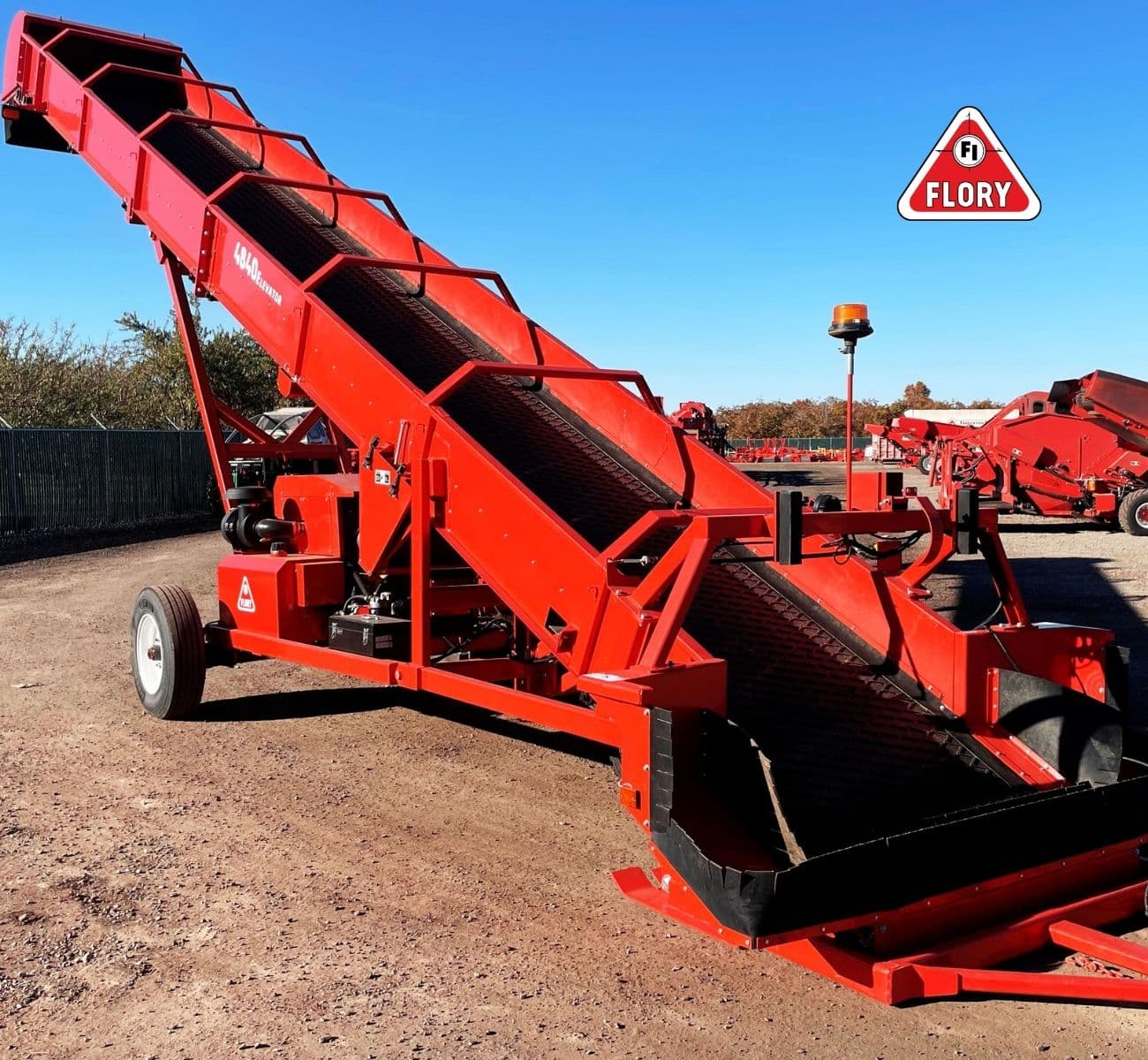
Flory harvesting machinery is available in France through OVE Europe for single-stem orchards planted for machines. The self-propelled Flory V62 Sweeper sweeps the nuts into windrows, and the self-propelled 8772 Harvester picks them up; Flory lists a mud brush as standard for hazelnuts on the 8772. The 1500 Conveyor Cart receives the nuts, the ST14 Shuttle carries them and the 4840 Field Elevator loads trailers for the processing site.
Hazelnut Harvest Workflow (Recommended Equipment)
Practical Tips for Hazelnut Harvesting
Level, smooth and flail-mow the orchard floor before nut drop, as Oregon State University describes, so the sweeper can work right up to the trunks.
Plan for more than one pass: the Gironde chamber of agriculture says the first pass brings in about 70% of the crop.
Pick up fallen nuts in several rounds: for hand collection, Türkiye's Hazelnut Research Institute advises rounds every 3 to 5 days, as nuts left lying turn moldy.
Gather fallen nuts before autumn rain where possible: British Columbia's hazelnut guide warns that a crop harvested wet causes storage problems.
Sweep only fast enough to keep ahead of the pickup machine, as British Columbia's guide advises, and clean harvesters between orchards.
Keep bins of harvested nuts out of the rain until drying: Oregon State University notes that nuts in bins left in the rain before drying can turn moldy.
Get your recommended harvest setup
Enter orchard size, spacing, terrain, and target throughput—we’ll suggest a practical harvest workflow and equipment lineup.

Hazelnut Post-Harvest Handling & Processing in France
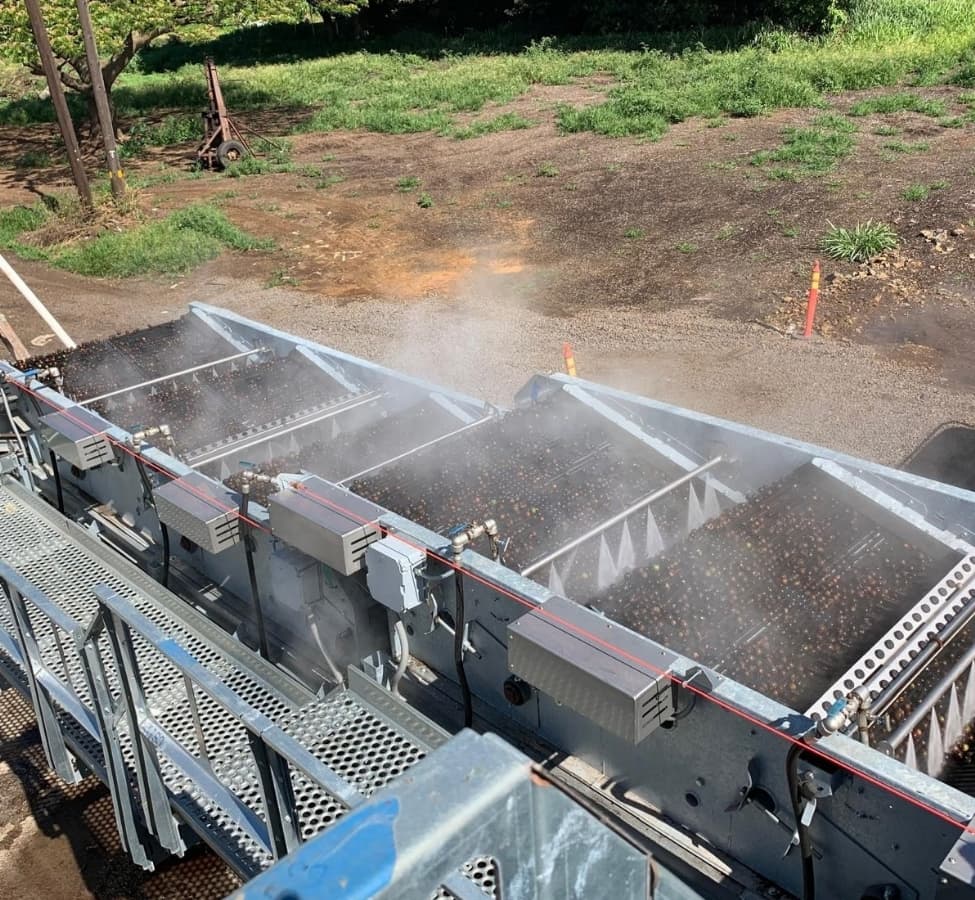
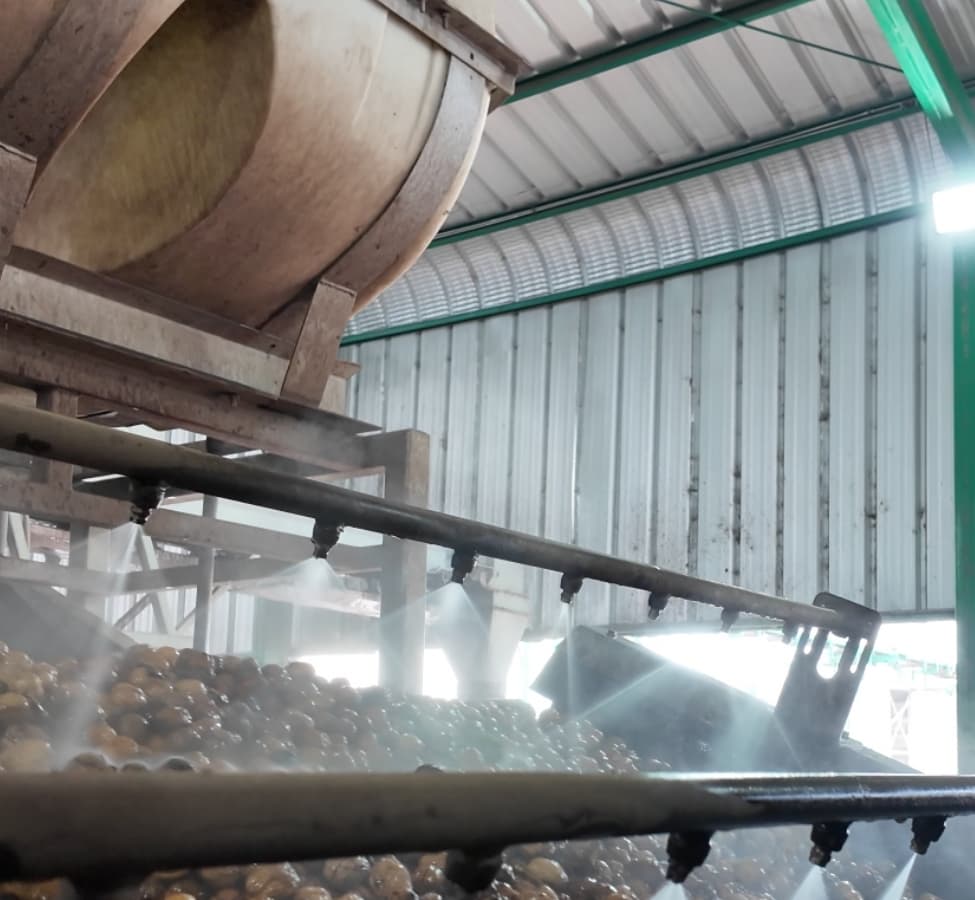
A 2026 trade report describes one farm in Indre-et-Loire that ships its nuts to the cooperative right after harvest, without prior sorting. A 2018 media report on the cooperative's line described wood and stones removed, washing in clean water and drying at 40 °C for 30 minutes to 20 hours, depending on moisture, then sorting by hand, and the Gironde sheet says nuts at about 9% moisture must be brought to 6% by ventilation for storage.
The protected geographical indication for hazelnuts from a defined area of eastern Corsica sets its own rules: harvest after natural nut drop, natural drying in slatted crates preferred, with forced air only as a correction, and in-shell nuts under 18 mm excluded. In British Columbia's guide, nuts are husked, cleaned, washed, sanitized and dried to 5 to 8% moisture within 24 hours of harvest, and the Codex code of practice for tree nuts advises storage below 70% relative humidity and at 0 to 10 °C, both where possible.
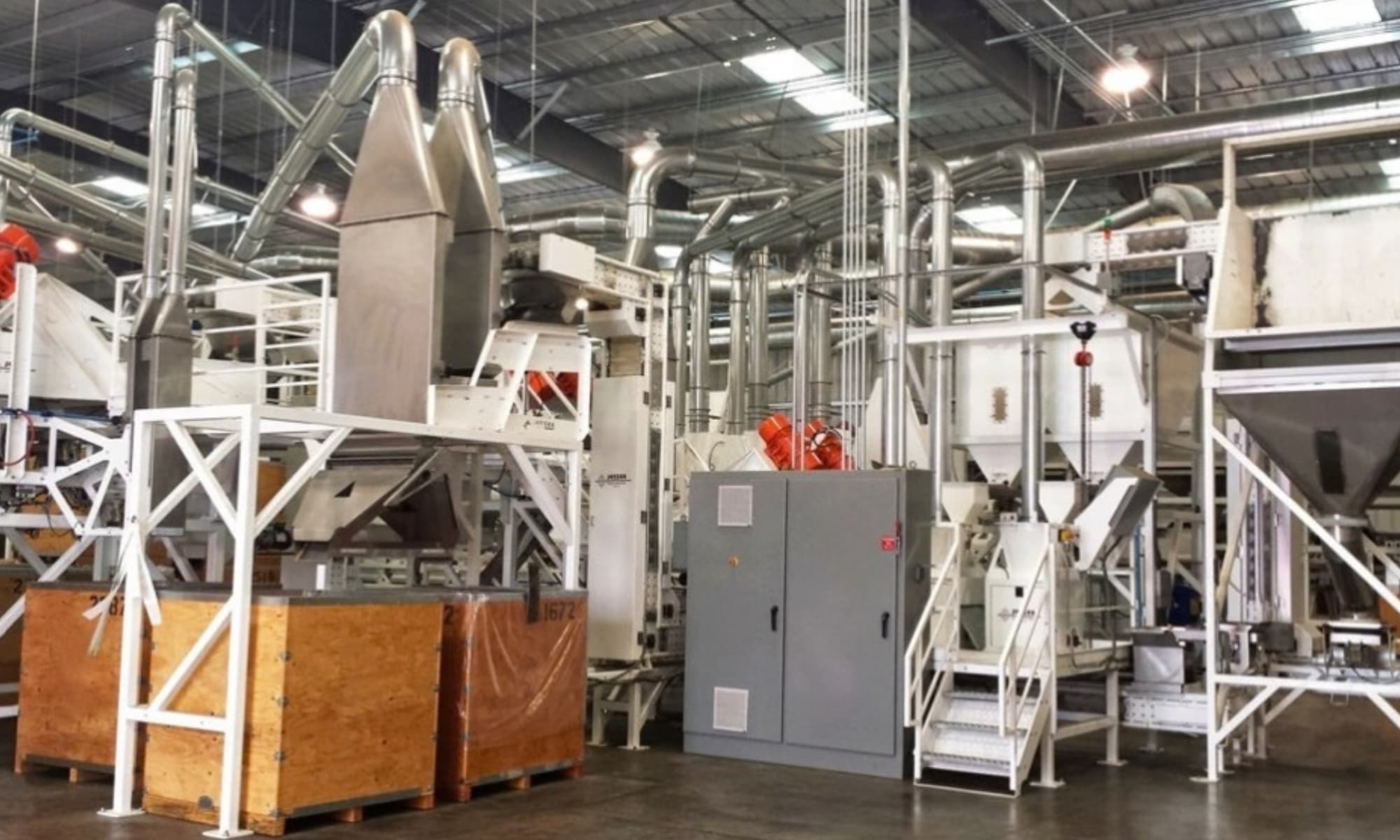
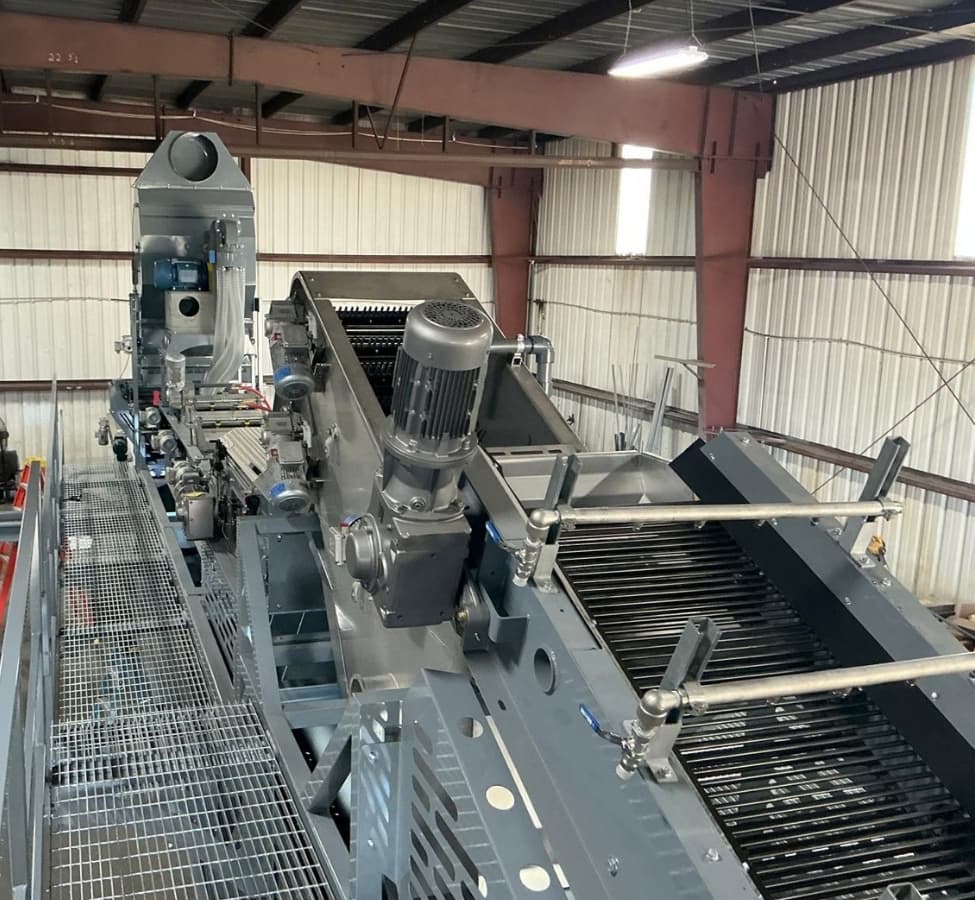
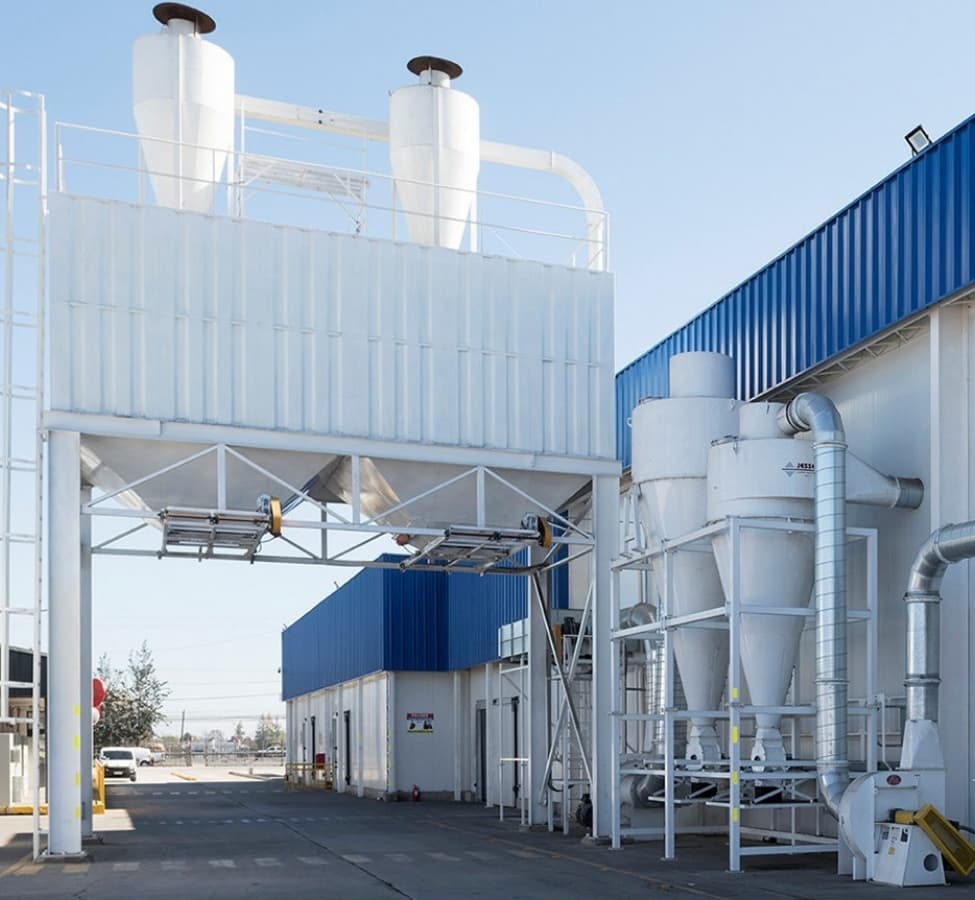
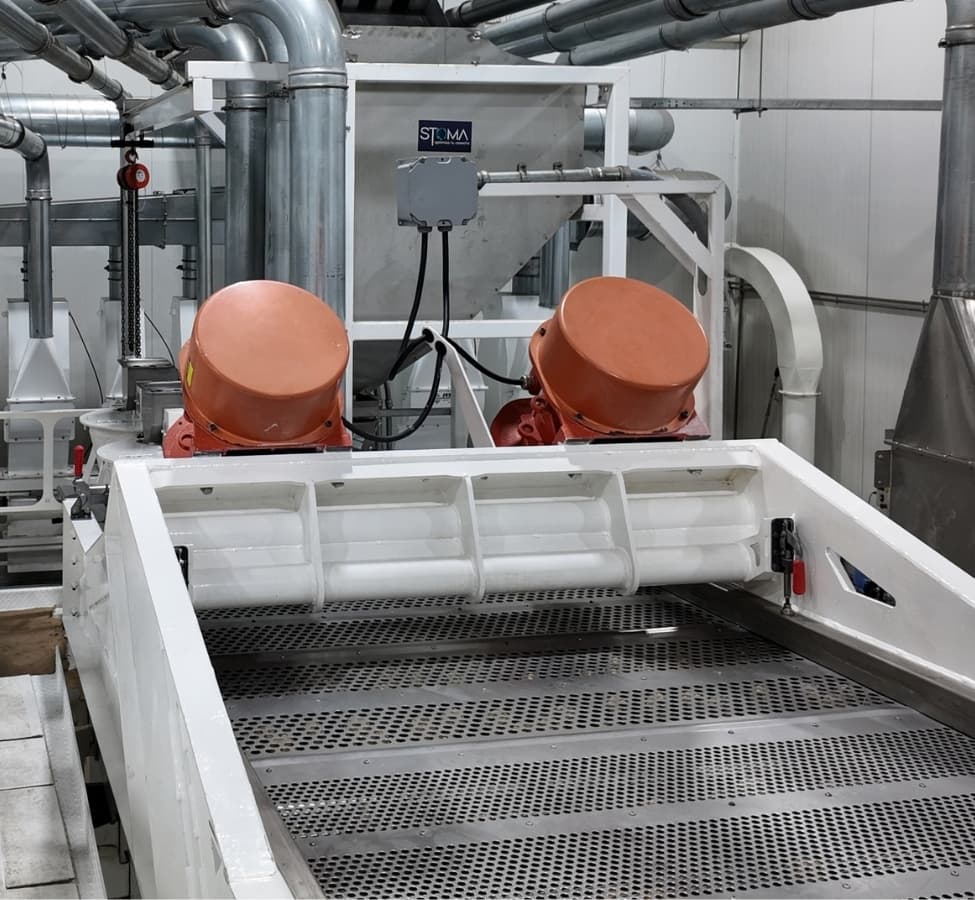
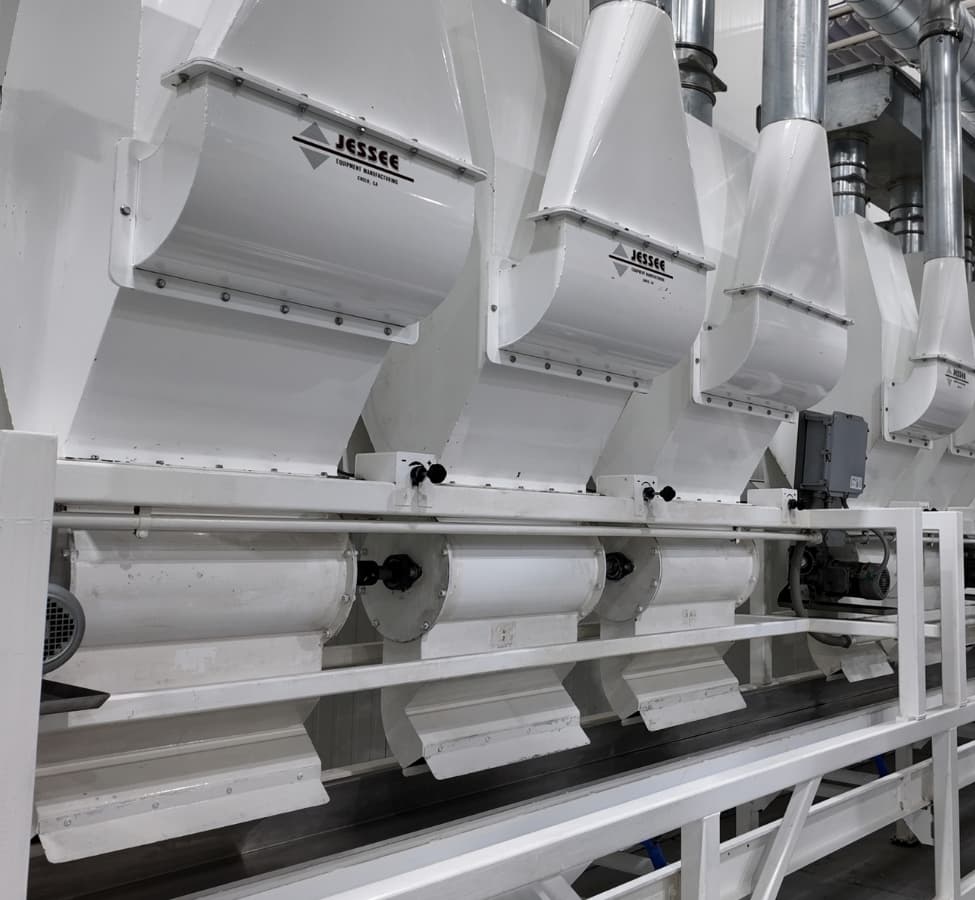
As an EU member, France applies Regulation (EU) 2023/915: 5.0 µg/kg of aflatoxin B1 and 10.0 µg/kg in total for hazelnuts for the final consumer or used as an ingredient, and 8.0 and 15.0 µg/kg for nuts to be sorted first. Jessee, whose processing lines OVE Europe supplies, builds drying, in-shell cleaning and sizing, and shelling systems, and it established product lines for hazelnuts in the 1980s.
For general information only. Information may become outdated and does not replace site-specific professional advice. Consult a qualified agronomist and confirm equipment suitability with OVE before acting.
Practical Tips for Hazelnut Post-Harvest Handling & Processing
Dry hazelnuts promptly after harvest: in British Columbia's guide they are dried to 5 to 8% moisture within 24 hours.
Never leave husk-on nuts in thick layers or heaps: Türkiye's Hazelnut Research Institute warns that they heat up and rot.
Where possible, dry nuts in a dryer rather than in the sun: the Codex code warns that sun-dried nuts face a greater risk of fungal contamination.
Where possible, store dried hazelnuts below 70% relative humidity and at 0 to 10 °C, as the Codex code advises, to limit fungal growth.
Size nuts into narrow grades before cracking: Türkiye's Institute advises 10 to 20 sizes at 0.5 mm steps to reduce kernel damage.
Test lots for aflatoxins: in the EU, hazelnuts for the final consumer or used as an ingredient must not exceed 5.0 µg/kg of B1 and 10.0 µg/kg in total.
Recommended Post-Harvest Handling & Processing Stages
Plan your post-harvest line
Estimate tons/day, cleaning & drying capacity, storage needs, and cost/kg—then build your equipment plan in phases.